


Abstract
Traditional fire detection technologies for buildings are no longer adequate for the fire prevention and control needs of complex structures, while emerging artificial intelligence technologies have become the core path to break through the bottlenecks in this industry. Existing reviews suffer from non-standardized paradigms, one-sided scopes, insufficient methodological evaluation, incomplete time coverage, and a lack of engineering orientation, failing to meet the evidence-based research needs of the field. This study strictly followed the PRISMA 2020 systematic review guidelines, selected relevant SCI papers from the Web of Science Core Collections from 1 January 2016 to 30 March 2026, in JCR Q1 and Q2, and finally included 221 valid papers; it systematically carried out bibliometric analysis and technical system sorting. The results showed that (1) the number of publications in this field showed a significant exponential upward trend, with China accounting for 52% of the research output, ranking first in the world, and (2) convolutional neural networks and YOLO series algorithms are the mainstream application technologies in the field. The study clarified the performance differences, advantages, and disadvantages, and applicable scenarios of various artificial intelligence algorithms. This study identified the existing technical and methodological limitations in the field and explored the core research directions for the future, and provided evidence-based support for the academic research and engineering implementation of artificial intelligence in the field of building fire detection and prevention.
1. Introduction
1.1. Research Background
Building fires are a major type of disaster that threatens urban public safety and causes casualties and property damage. Recently, complex building fire accidents have occurred frequently around the world. The 12-story Grand Kartal Hotel fire in Turkey in 2025 alone caused dozens of deaths, highlighting the limitations of the existing fire protection systems in dealing with high-density, large-space building fires [1]. The fire at Wang Fuk Court, a high-rise residential building in Tai Po, Hong Kong, in November 2025, resulted in 168 deaths. This incident highlighted significant shortcomings in the fire prevention of building facades, temporary construction protection and control, and emergency evacuation design of high-density high-rise building complexes. Building fire detection and prevention is the core link in the whole cycle of building fire safety management. It covers four core scenarios: fire hazard identification before the fire, early smoke and flame detection, dynamic detection of fire spread and structural fire-resistance performance during the fire, and post-fire damage assessment. Its technical reliability and response efficiency directly determine the effectiveness of fire prevention and control [2]. Among them, fire hazard identification before the fire includes detecting defects in fire protection facilities [3,4], electrical fire risk assessment [5], and prediction of fire resistance performance of building materials [6]. Early detection focuses on the rapid and accurate identification of flames and smoke [7,8]. In-process detection covers fire spread trend prediction [9], real-time structural response monitoring [10], and dynamic optimization of evacuation routes [11]. Post-fire assessment includes the quantification of structural damage [12] and the tracing of fire causes [13]. With the rapid popularization of complex building forms such as high-rise buildings, underground spaces, open space buildings, and high-density residential buildings, the shortcomings of traditional fire detection technologies in adaptability are becoming increasingly prominent [14]. Traditional detection relies on point sensors such as smoke and temperature sensors, which have limitations in complex scenarios, such as limited spatial coverage, weak anti-interference ability, a single function, and dependence on manual interpretation. The false alarm rate is 30% or higher, making it difficult to adapt to the dynamic control requirements of intelligent buildings [15,16,17]. For example, traditional smoke sensors are easily affected by airflow in large-space buildings, resulting in response delays, and the false alarm rate increases significantly in dusty environments such as underground garages [18]. Manual inspection is not only inefficient but also subject to subjective judgment bias, making it difficult to detect hidden fire hazards, particularly in complex environments where multiple factors can obscure potential risks, such as varying building layouts and the presence of obstructions [19]. Against this backdrop, artificial intelligence (AI) technology, with its advantages of data-driven, adaptive learning, and multi-source information fusion, has become a core means to break through the bottlenecks of traditional technologies, and related applications have become a research hotspot in the industry [20].
This study strictly adheres to the PRISMA (Preferred Reporting Items for Systematic reviews and Meta-Analyses) 2020 systematic review guidelines (https://www.prisma-statement.org/, accessed on 2 May 2026), systematically reviewing high-quality literature from the Web of Science Core Collection. It aims to clarify the research trajectory of the field, identify bottlenecks in technological applications, and pinpoint future development directions, providing evidence-based support for academic research on AI technology in building fire detection.
1.2. Literature Review
Building fire detection and prevention is a key safety control link that runs through the entire life cycle of building design, operation, and maintenance, and its core scope focuses on the above four prevention and control scenarios [2]. In recent years, with the acceleration of urbanization, the volume of complex buildings has surged, and the difficulty and complexity of building fire prevention and control have increased exponentially. Global research on the intersection of building fire prevention and AI has shown explosive growth [21,22]. Statistical analysis of literature shows that from 2016 to 2025, the annual growth rate of SCI (Science Citation Index) papers published in this field exceeded 40%, with China, South Korea, and the United States becoming the main research forces [21]. The research and development in this field can be divided into three distinct stages: 2016–2018 was the exploration period of traditional machine learning, with shallow algorithms such as support vector machines (SVMs), random forests, and Backpropagation (BP) neural networks as the core, mainly focusing on simple classification and regression tasks such as fire risk assessment and fire protection facility defect identification [23,24]. The models in this stage have the advantages of being lightweight and having low training costs, but their generalization ability is limited. They can only process structured data and cannot effectively utilize unstructured information, such as images and videos, and their application scenarios are relatively simple [25]. The period from 2019 to 2022 was a period of explosive growth for deep learning. Convolutional Neural Networks (CNNs), the YOLO (You Only Look Once) series, and Long Short-Term Memory (LSTM) networks became mainstream, enabling image recognition of flames and smoke and fire source localization based on computer vision technology. Detection accuracy and response speed were improved by more than 50% compared to traditional methods [26,27]. Research scenarios also expanded from ordinary indoor environments to complex buildings such as high-rises, underground structures, and open-space buildings, with some results already achieving preliminary engineering applications [28]. From 2023 to the present, the field has entered a period of multi-technology integration. Cutting-edge technologies such as Transformers, graph neural networks (GNNs), multimodal fusion, digital twins, and AI have been gradually applied, combined with Internet of Things (IoT) and building information modeling (BIM) technologies, to achieve dynamic management of building fires throughout their entire lifecycle [29,30]. Current research focuses on engineering challenges such as low-false-alarm-rate algorithm design, few-shot learning, and lightweight deployment of edge devices [31,32].
However, previous reviews on the intersection of building fire detection and prevention and AI have significant shortcomings and cannot meet the needs of evidence-based research. First, the research paradigm is not standardized. Most of them are narrative reviews and do not adopt standardized systematic review processes such as PRISMA. They lack systematic retrieval, screening, and quality assessment links; have obvious selection bias; and have poor reproducibility of conclusions [33]. Second, the research scope is one-sided. Existing reviews mostly focus on a single AI technology (such as only discussing the YOLO series) or a single detection scenario (such as only focusing on early fire detection), without covering the entire life cycle of building fire protection detection, and without comparing the application effects of different technologies in different scenarios [34,35]. Third, methodological evaluation is lacking. Most reviews do not evaluate the methodological quality and risk of bias of the original research, resulting in insufficient reliability and scientific validity of the conclusions [36]. Fourth, the time coverage is not comprehensive. The search deadline of most reviews is earlier than 2023, and they do not include the cutting-edge technological achievements of Transformer, digital twin, generative AI, and other technologies in the past three years, and cannot reflect the latest overall picture of the field [37]. Fifth, there is a lack of engineering application orientation. Existing reviews mostly focus on the introduction of algorithm theory, and there is little discussion on practical issues such as data acquisition, edge deployment, and system integration in the process of technology implementation [38]. In summary, the field urgently needs a systematic review that follows international standards, covers all scenarios and the entire technology cycle, and takes into account both theory and engineering applications in order to make up for the shortcomings of existing research.
1.3. Problem Statement and Objectives
This study strictly followed the PRISMA 2020 statement, systematically searching, screening, and evaluating English SCI papers in the Web of Science core collection JCR Q1 and Q2 from 1 January 2016 to 30 March 2026. It comprehensively reviewed the research trends, technical classifications, application effects, and methodological deficiencies of AI technology, identifying technical bottlenecks and application shortcomings and providing evidence-based support for subsequent research optimization and engineering implementation.
This study breaks down its core objectives into four specific questions: (1) the publication trends, geographical and institutional distribution, research hotspots, and frontier evolution characteristics of this field from 1 January 2016, to 30 March 2026; (2) the classification of currently applied AI technologies and how each technology compares to others in different detection targets, corpus types, application scenarios, core technologies, advantages, and disadvantages. (3) What are the core issues that the academic community generally recognizes regarding the application of current AI technology in building fire detection and prevention? (4) Based on existing research results, what are the main research directions worth paying attention to in this field in the future? This review focuses on AI-driven detection, early warning, and risk assessment for building fires; pure fire engineering studies on compartment fires, cable fires, and urban fire planning are outside the predefined scope.
2. Materials and Methods
This study uses Web of Science (WOS) as the database (accessible at https://webofscience.clarivate.cn/wos/woscc/smart-search, accessed via the institutional account of Macau University of Science and Technology, access date 30 March 2026). The literature retrieval period is restricted from 1 January 2016 to 30 March 2026, covering the most recent decade of academic development. Only SCI journal articles are included, and articles are further limited to those in journals ranked Q1 or Q2 in the Journal Citation Reports (JCR). The rationale for this rigorous filtering strategy is as follows:
- (1)
- Web of Science Core Collection is selected for its global academic authority, standardized peer-review system, and comprehensive coverage of high-quality journals in civil engineering, fire safety, artificial intelligence, computer vision, and building technology. It ensures the retrieved literature is internationally recognized, reliable, and comparable.
- (2)
- The 10-year timespan (January 2016–March 2026) is adopted to capture the rapid evolution of AI technologies in building fire detection, including deep learning, computer vision, IoT-based monitoring, and intelligent early warning systems. This period fully reflects the latest methodological breakthroughs and engineering applications while excluding outdated technologies that are no longer representative of current research frontiers.
- (3)
- Only SCI journal articles are included to ensure empirical rigor, methodological transparency, and technical validity, excluding conference abstracts, reviews, gray literature, and non-original research.
- (4)
- Restricting JCR Q1/Q2 journals guarantees the inclusion of high-impact, innovative, and technically robust studies. The timeliness here refers to the most recent JCR ranking (2024 edition, depending on the latest release), which reflects the current academic influence and disciplinary standing of each journal rather than outdated historical rankings. This filtering ensures the review focuses on mainstream, cutting-edge contributions to AI-driven fire detection, rather than low-quality or non-peer-reviewed publications.
Together, these criteria ensure the literature is authoritative, up-to-date, technically rigorous, and internationally representative, providing a solid foundation for a systematic and credible review of artificial intelligence applications in building fire detection.
This study strictly abides by the retrieval specifications of the PRISMA 2020 systematic review and constructs a three-dimensional retrieval framework based on the PICOS principle, which precisely matches the core theme of building fire detection, prevention, and control as well as artificial intelligence technologies. The design logic of retrieval dimensions is specified as follows:
- (1)
- Restricted research subject dimension: All types of buildings are fully covered, while non-building fire scenarios such as forest fires, mine fires, and transportation fires are excluded;
- (2)
- Comprehensive research theme dimension: The full-cycle scope, consisting of fire prevention and fire detection, is entirely included;
- (3)
- Defined technical method dimension: Mainstream technical terminologies in the artificial intelligence field are incorporated, and non-AI-related research focusing merely on conventional fire protection technologies or pure physical simulation is eliminated.
The three dimensions are connected by the logical operator “AND” to guarantee that retrieved literature satisfies the three requirements of research subject, research theme, and technical method simultaneously; items within a single dimension are linked via the logical operator “OR” to prevent omissions of relevant literature from subdivided fields (Figure 1). The complete retrieval formula and the direct link to the Web of Science (WOS) platform are presented in Appendix A. The search strategy matches the review’s core theme. Specialized fire engineering subfields without AI intervention are excluded by design, not by omission.
Figure 1.
Two dimensions of search keywords. (Image source: drawn by the author).
The workflow of this study strictly followed the PRISMA 2020 declaration specifications (Figure 2), ensuring standardization and transparency throughout the process to improve its reproducibility. First, a total of 825 articles were obtained from the WOS database, and articles irrelevant to the study purpose were excluded by title and abstract screening. Subsequently, 258 articles were retrieved for full-text review, of which 20 articles were unavailable due to embargo periods or access restrictions. After full-text evaluation of the remaining 238 articles, 17 articles were excluded for two reasons: (1) irrelevant content: studies focusing solely on AI technology without building fire detection applications, or only on building fire prevention without AI intervention; (2) incompatible scenarios: fire detection research in non-building settings such as forests, mines, and transportation vehicles.
Figure 2.
Research process based on PRISMA (Image source: drawn by the author).
A formal quality assessment and risk-of-bias evaluation were conducted for all candidate studies, adopting a validated framework for systematic reviews in engineering and artificial intelligence domains. Two independent reviewers assessed each study against four core quality dimensions: methodological rigor of research design, adequacy of algorithm validation, completeness of performance indicator reporting, and reproducibility of experimental results. Risk of bias was evaluated across selection, performance, detection, and reporting domains as recommended by PRISMA 2020. Disagreements between reviewers were resolved through consensus discussion with a third senior reviewer. Studies with a high risk of bias in core domains were excluded. Finally, 221 articles meeting the quality criteria were included in this systematic review.
To better present the co-occurrence and evolution patterns of keywords, VOSviewer version 1.6.20 was used to analyze the 221 articles included in this study. This software is currently a mainstream tool in the academic field for keyword co-occurrence analysis and knowledge graph construction. It boasts the advantage of efficiently processing medium- to large-scale literature data, accurately mining the correlation strength and clustering characteristics between keywords. Its visualization function can intuitively present the temporal evolution trend of keywords and the distribution of research hotspots, providing scientific and reliable technical support for analyzing the development trajectory of research fields and identifying core research directions. Finally, to ensure the quantifiability and accuracy of subsequent research data, this study designed a multi-dimensional labeling framework aligned with the four core research questions of this systematic review, and categorized the 221 included articles accordingly (Table 1). The seven dimensions were established through a three-step process: first, extracting all recurring research elements from the full text of included studies; second, clustering elements based on their logical relationships with the research objectives; third, verifying the completeness and independence of each dimension through cross-validation by two independent reviewers. As shown in Table 1, the seven dimensions are defined as follows: (1) artificial intelligence technology: to classify the core algorithms used in each study and answer the question of technical classification and performance comparison; (2) corpus type: to identify the data sources of model training and evaluate the impact of data quality on algorithm generalization; (3) fire detection target: to map the research objects to the full-cycle scenarios of building fire prevention and control; (4) core supporting technology: to analyze the key technical links that affect algorithm performance; (5) application scenario: to clarify the applicable boundaries of different technologies in various building types and environments; (6) research method: to assess the methodological rigor and evidence strength of original studies; (7) performance characteristics: to quantify the practical effects of different technologies. Detailed labeling data can be found in Appendix B. The performance characteristics dimension is strongly correlated with individual study designs and lacks unified statistical standards across different tasks, so it was not used for independent frequency statistics.
Table 1.
Label classification and some labels.
This study employed EndNote 21 for standardized data extraction and classification coding of the included literature. A pre-defined data extraction form was developed based on the seven-dimensional labeling framework in Table 1, covering basic bibliographic details including publication year, first author, journal name, country or region of origin, and dimensional tags for each publication. Two researchers performed full independent data extraction and cross-verification. All discrepancies in the extracted data were resolved through consensus discussion between the two researchers to ensure the accuracy and consistency of the data.
3. Results
3.1. Bibliometric Analysis
3.1.1. Number of Publications and Geographical Distribution
Figure 3 shows the annual changes in the number of publications on the application of artificial intelligence technology in building fire detection and prevention from 2016 to 2025. From 2016 to 2019, the field was in its initial exploration stage, with extremely low publication volumes. Only 3 papers were published in 2016, and no relevant results appeared from 2017 to 2019. Quantitative trend analysis reveals two distinct growth milestones: (1) the first abrupt increase occurred from 2020 to 2021, with publication volume rising from 4 papers to 26 papers, representing a 550% year-on-year growth rate; (2) the second significant surge happened from 2024 to 2025, with publication volume increasing from 39 papers to 57 papers, achieving a 46.2% year-on-year growth rate. Between these two milestones from 2021 to 2024, the field maintained a steady linear growth trend with an average annual growth rate of 14.3%. Overall, the publication volume still shows a significant exponential upward trend over the entire 10-year period, with a compound annual growth rate of 68.7% from 2016 to 2025.
Figure 3.
Trend of the number of studies published annually from 1 January 2016 to 31 December 2025 on the application of artificial intelligence technology in building fire prevention detection. (Note: As data collection closed on 30 March 2026, a total of 21 pieces of literature published in 2026 were collected for this study. Since the year 2026 has not yet concluded, these figures are excluded from parallel comparative analysis against data of other years) (Image source: drawn by the author).
First milestone 2020–2021: The popularization of deep learning visual detection technology. This explosive growth was primarily driven by the release of YOLOv5 in June 2020, which achieved an optimal balance between detection accuracy and real-time performance. Compared with previous versions, YOLOv5 significantly reduced the model size and deployment threshold, making it possible to deploy fire detection models on edge devices such as building surveillance cameras. Meanwhile, the global COVID-19 pandemic accelerated the digital transformation of buildings, increasing the demand for intelligent fire safety systems that reduce manual inspection. In addition, the maturity of open-source deep learning frameworks such as PyTorch 1.0+ and the accumulation of public fire image datasets further lowered the research entry barrier, leading to a surge in related studies.
Second milestone 2024–2025: Multi-technology integration and engineering application acceleration. The second growth surge was driven by three core factors: (1) the widespread adoption of YOLOv8 released in January 2023, which introduced instance segmentation and multi-task detection capabilities, significantly improving the performance of fire and smoke detection in complex scenarios such as occlusion and low light; (2) the deep integration of AI with digital twins, BIM and IoT technologies, expanding the research scope from single fire detection to full-cycle building fire safety management; (3) a series of major building fire accidents worldwide including the 2025 Grand Kartal Hotel fire in Turkey and the 2025 Wang Fuk Court fire in Hong Kong highlighted the limitations of traditional fire protection systems, prompting governments and academia to increase research investment in intelligent fire prevention technologies.
Table 2 presents the national and regional distribution characteristics of research on the application of artificial intelligence technology in building fire detection from January 2016 to March 2026, showing a highly concentrated regional pattern. China dominates with 115 total publications, accounting for 52.0% of the total included literature, with an average annual publication volume of 11.22 papers, far exceeding other countries/regions. From the perspective of research output scale, China ranks first globally in this field, which is directly related to China’s rapid urbanization, the surge in complex building volumes, and the urgent need for safe construction, which have all contributed to an increased focus on research and innovation in construction safety practices.
Table 2.
Distribution of research on the application of artificial intelligence technology in building fire detection and prevention across various countries and regions.
South Korea ranks second with 23 publications, followed by the United States and the United Kingdom with 12 and nine publications, respectively. Canada and India are tied for fifth with eight publications each. Other countries or regions have fewer than five publications each. Research in this field in most of the European, Middle Eastern, and African countries started later and has fewer achievements, resulting in a significant lag in the number of publications compared to regions like Asia-Pacific and North America. The Asia-Pacific region primarily concentrates research in this field, followed by North America, indicating a significant regional imbalance.
3.1.2. Publishers and Journals
Figure 4 and Table 3 present the publication distribution of four major publishers in this field, namely Elsevier (https://www.sciencedirect.com/, access date 30 March 2026), MDPI (Multidisciplinary Digital Publishing Institute), Springer, and IEEE (Institute of Electrical and Electronics Engineers). These publishers constitute the core platforms for releasing research outcomes at the intersection of artificial intelligence and building fire detection. Elsevier publishes the largest number of papers among all publishers, with 96 articles accounting for 43.44% of the total included literature. Journal of Building Engineering ranks first among all individual journals with 20 articles, making up 20.83% of Elsevier’s relevant publications. Fire Safety Journal, a specialized journal in the fire safety domain, contributes 11 articles (11.46%), focusing on interdisciplinary research between building engineering and fire safety. Other journals, including Automation in Construction and Reliability Engineering and System Safety, also have continuous outputs, covering research directions of intelligent construction management and system safety assessment. MDPI ranks second with 52 articles, accounting for 23.53% of the total. Its core journals in this field are Sensors (14 articles, 26.92%) and Fire-Switzerland (12 articles, 23.08%), followed by Applied Sciences-Basel with six articles (11.54%). Publications on MDPI platforms generally emphasize sensor technology applications and multidisciplinary integrated research, which matches the technical characteristics of intelligent fire detection driven by multi-source perception. Springer accounts for 10.86% of the total publications with 24 articles. Fire Technology is the most representative journal in this domain, including nine articles and accounting for 37.50% of Springer’s relevant outputs, focusing on technical research of fire detection and fire safety engineering. The remaining relevant publications are scattered in journals such as Engineering Structures, covering the intersection of structural engineering and fire performance. Among the IEEE Xplore digital library (https://ieeexplore.ieee.org/Xplore/home.jsp, access date 30 March 2026), IEEE Access is the dominant journal, with nine articles published, accounting for 69.23% of IEEE’s total publications in this field. The remaining journals each have fewer than three articles, mainly focusing on engineering technology and intelligent detection applications. Compared with the core journals mentioned above, they have relatively limited influence on the overall research landscape.
Figure 4.
According to the statistics of publishers and journal publications: (a) Elsevier, (b) MDPI, (c) Springer, and (d) IEEE (Image source: drawn by the author).
Table 3.
Publication volume and proportion of papers from major publishers.
3.1.3. Authors and Citations
As shown in the results of Figure 5 and Table 4, research on artificial intelligence technologies in the field of building fire prevention inspection has initially formed a research echelon led by core prolific authors. The research resources are featured by prominent top-concentration and clustered distribution, while there remains room for improvement regarding insufficient cross-team collaborative links.
Figure 5.
Visualization analysis of author collaboration network based on VOSviewer: (a) density map, (b) clustering diagram, (c) temporal evolution graph (Image source: drawn by the author).
Table 4.
Research authors with ≥3 published articles.
According to the statistical publication data listed in Table 4, the core group of prolific authors in this field has taken initial shape with an obvious hierarchical differentiation in publication output. Among all researchers, Huang, Xinyan, ranks first with 11 published papers as the leading core author of this research field; Zeng, Yanfu, comes second with six publications, followed by Tam, Wai Cheong, with five papers. These three scholars constitute the primary core research force of the first echelon. Authors including Zhang, Tianhang, Wu, Xiqiang, Li, Guo-qiang, Zhu, Shaojun, and Zhang, Yuxin have each published four papers, forming the backbone researchers of the second echelon; in addition, multiple researchers such as Liu, Gang, and Qu, Guanhua have three publications, respectively, further diversifying the hierarchical composition of research practitioners in this domain.
Figure 5 illustrates the visualized author collaboration network generated by VOSviewer, which comprehensively demonstrates the distribution of research forces, collaboration framework, and temporal evolution characteristics of this field from three dimensions:
- (1)
- The density map reveals that researchers are distributed in multiple clusters. The research team led by Huang, Xinyan, is the largest alongside numerous small-scale research groups with remarkable intra-group aggregation, yet inter-group collaboration remains inadequate.
- (2)
- The authors’ clustering diagram explicitly depicts internal cooperative relationships within each research team. Core authors maintain close academic ties with other team members, constructing stable internal team structures featured by consistent, continuous academic cooperation and research output.
- (3)
- Combined with the chronological dimension, the authors’ temporal evolution graph fully reflects the developmental trend of research forces in this field: research outputs of the Huang, Xinyan-centered research cluster are mainly concentrated from 2022 to 2024, making it the dominant research force in recent years; other research groups develop steadily with continuous expansion of the overall research community.
Overall, a well-structured hierarchical research echelon has been preliminarily established for artificial intelligence applied to building fire prevention inspection, with core prolific authors playing a prominent leading role and gradually emerging agglomeration effects among research teams. Nevertheless, academic cooperation across different research clusters needs further enhancement. In the future, intensified academic exchanges and coordinated cooperation between diverse teams can facilitate the integration of research resources and improve research depth as well as the efficiency of research achievement transformation within this field.
Table 5 presents the highly cited literature statistics, showing that the most influential results with long-term academic impact were published between 2021 and 2023. The top 10 papers have received a total of 951 citations, with the highest single-paper citation count reaching 142. Highly cited research mainly focuses on multi-information fusion intelligent detection systems, improvements to YOLO series algorithms, structural fire response prediction, and the application of digital twin technology, representing the core foundational hotspots of the field’s mid-development stage from 2020 to 2023.
Table 5.
Top 10 most cited papers on the application of artificial intelligence technology in building fire prevention detection from 1 January 2016 to 30 March 2026.
It should be noted that citation-based hotspot identification inherently suffers from citation-age bias: papers published in 2024–2026 have not had sufficient time to accumulate citations, so their academic influence cannot be fully reflected in citation metrics. To address this limitation, we complement the analysis with keyword temporal evolution results presented in Section 3.1.4 and thematic statistics of 21 papers published in 2026. The emerging research hotspots in the past two years from 2024 to 2026 include (1) lightweight edge deployment of AI models for real-time fire detection; (2) physically informed neural networks that integrate fire dynamics principles; (3) multi-modal fusion detection combining vision, acoustic and sensor data; (4) digital twin-driven intelligent emergency evacuation systems; and (5) explainable AI for fire risk attribution and decision support.
To obtain a more comprehensive and up-to-date picture of research hotspots, the following section presents a keyword co-occurrence and temporal evolution analysis covering the entire study period (January 2016–March 2026).
3.1.4. Keyword Co-Occurrence and Evolution Analysis
Figure 6 presents three types of keyword visualization analysis based on VOSviewer software, including density visualization, cluster visualization, and time evolution visualization, which comprehensively reveal the core themes and evolutionary patterns of research in this field. The density visualization (a) shows that “model” and “system” are the most frequent core keywords. The basic research theme clusters are “fire,” “safety,” “prediction,” “surveillance,” and “convolutional neural networks.”
Figure 6.
Keyword visualization analysis based on VOSviewer software: (a) keyword density visualization, (b) keyword cluster visualization, (c) keyword time evolution visualization (Image source: drawn by the author).
The cluster visualization (b) divides the keywords into four major research clusters: the green cluster focuses on convolutional neural networks, monitoring, and classification, corresponding to visual fire detection technology. The yellow cluster revolves around models, performance, and fire, corresponding to algorithm optimization and performance evaluation. The red cluster covers prediction, behavior, and design, corresponding to fire evolution and evacuation simulation. The blue cluster relates to systems, prevention, and the Internet of Things, corresponding to the construction of intelligent fire prevention systems.
The time evolution visualization (c) shows that research in 2022 focused primarily on basic visual detection algorithms. In 2023, the focus shifted to model performance improvement and fire dynamics analysis. Since 2024, research frontiers have extended to multimodal prediction, artificial intelligence neural network fusion, and Internet of Things system integration, showing an overall evolution from single technology application to full-cycle intelligent management and control.
3.2. Methods and Tools for Integrating Artificial Intelligence Technology into Building Fire Detection and Prevention
This study conducted multi-dimensional labeling statistics on 221 articles (Appendix B). The results showed that (1) convolutional neural networks, machine learning, and YOLO series of artificial intelligence technologies were most widely used; (2) self-built corpora were the most widely used corpora; (3) the core detection targets were fire, smoke, and flame recognition; (4) data augmentation and feature extraction were the mainstream supporting technologies; (5) application scenarios were concentrated in residential and indoor buildings; (6) experimental verification and comparative analysis were the most commonly used research methods (Figure 7).
Figure 7.
The main items in various dimensions of artificial intelligence technology intervention in building fire detection and prevention research are: (a) main AI technologies, (b) most detection targets, (c) main core technologies, (d) most application scenarios, and (e) main research methods. (Image source: drawn by the author).
3.3. Classification System of AI Technology in Building Fire Detection and Prevention
Based on the academic hierarchy of AI technology itself, core and basic technologies are distinguished and aligned with the core application scenarios of building fire detection and prevention. As shown in Figure 8, the classification system is divided according to technical functions, with frequency distribution used to verify the rationality of the classification (Appendix B). Similar technologies are integrated to ensure the regularity of the classification, such as machine learning algorithms for data analysis and image recognition systems for identifying fire hazards.
Figure 8.
Classification of artificial intelligence technology in building fire detection and prevention: (a) artificial intelligence technology classification, (b) corpus classification, (c) detection target classification, (d) core technology classification, (e) application scenario classification, (f) research method classification (Image source: drawn by the author).
Based on the academic hierarchy and functional characteristics of AI technology and combined with the core application scenarios of building fire detection, this study categorizes related technologies into eight major categories (Figure 8, Table 6), comprehensively covering the mainstream technical paths in the field.
Table 6.
Classification system of AI technology in building fire detection and prevention.
Among them, deep learning models are used most frequently and are the core technology for visual recognition of flames and smoke and prediction of temperature fields. Self-built corpora are used most frequently, mainly for fire detection. Traditional machine learning algorithms have high maturity and are mainly used for fire risk assessment and classification/regression tasks. Graph and attention models are effective at capturing spatial relationships and complex scene features in buildings. Hybrid ensemble models improve detection robustness through the fusion of multiple technologies, such as combining traditional machine learning algorithms with graph and attention models to leverage their strengths in fire risk assessment. Generative AI solves the problem of scarce real fire data. Enhanced and optimized algorithms support evacuation route planning and model tuning. Special function models adapt to specific needs such as data dimensionality reduction and anomaly detection, which are crucial for improving the accuracy and efficiency of generative AI in real-world applications. Interpretable AI technology solves the model black box problem and meets the reliability requirements of engineering applications by providing transparent decision-making processes that allow engineers to understand and trust the outcomes of AI-driven models.
3.4. Advantages and Disadvantages of Different Artificial Intelligence Technologies
This study compares algorithm performance through systematic extraction and quantitative analysis of the 221 included articles. First, we extracted all reported experimental metrics from each article, including accuracy, inference speed, generalization, deployment requirements, and interpretability. Second, we established a unified evaluation framework:
- (1)
- Accuracy performance uses mean average precision or classification accuracy on public datasets. Scores above 90 percent are high, 70 to 90 percent medium, and below 70 percent low.
- (2)
- Real-time performance uses inference time per frame. Times below 10 ms are excellent, 10 to 100 ms good, and above 100 ms average.
- (3)
- Generalization ability uses the accuracy drop in cross-dataset tests. Drops below 10 percent are excellent, 10 to 30 percent average, and above 30 percent weak.
- (4)
- Deployment cost uses model size and supported hardware. Models deployable on standard edge cameras have a low cost, those requiring dedicated GPUs have a medium cost, and those requiring server-level resources high cost.
- (5)
- Interpretability is assessed by the presence and traceability of decision logic explanations.
We then calculated the average performance of each algorithm across all included studies. Metrics were extracted from experimental results of included studies and normalized to the unified evaluation framework. All comparisons use traditional fire detection methods as the baseline, which rely on point sensors combined with manual interpretation. We also present relative performance differences between AI algorithms.
Based on the functional positioning and performance of various algorithms in building fire detection and prevention scenarios, this study divides artificial intelligence technologies into three categories: fire detection and risk prediction models, optimization algorithms, and model explanation tools. Comparative analysis is conducted from core performance dimensions, and their typical task types, core application scenarios, advantages, and disadvantages are summarized as follows (Table 7, Table 8 and Table 9).
Table 7.
Performance comparison of fire detection and risk prediction models.
Table 8.
Performance comparison of optimization algorithms.
Table 9.
Performance comparison of model explanation tools.
Table 7 compares the performance, typical task types, and core application scenarios of core fire detection and risk prediction models, covering traditional machine learning, deep learning, and generative AI. The results show significant performance differentiation across full-cycle building fire detection scenarios. Traditional machine learning algorithms excel at structured data analysis: Random Forest achieves high accuracy and millisecond-level inference for low-computing edge devices; Support Vector Machine (SVM) shows stable generalization for high-dimensional small samples but has high training costs. Deep learning models dominate visual fire detection: Convolutional Neural Network (CNN) performs well on clear flame or smoke targets but struggles with occluded or distant small targets; You Only Look Once (YOLO) series balances accuracy and real-time performance, with lightweight versions widely deployed on edge cameras, though prone to errors in extreme environments; Generative Adversarial Network (GAN) outperforms computational fluid dynamics methods in flow field prediction but lacks local detail accuracy; Transformer achieves the best performance in complex scenarios but has high computational requirements. Ensemble Learning improves robustness via multi-model fusion but increases training costs, while Autoencoders are suitable for anomaly detection and dimensionality reduction.
Table 8 presents the performance, typical task types, and application scenarios of mainstream optimization algorithms, which are mainly used for evacuation planning, model tuning, and fire protection design optimization. Genetic Algorithm adapts well to black-box multi-objective optimization but converges slowly with high computational cost. Particle Swarm Optimization converges faster and is easy to implement for continuous multi-objective problems. Bayesian Optimization has the highest convergence efficiency for low-dimensional single-objective optimization, but has limited scenario adaptability.
Table 9 compares the performance, typical task types, and application scenarios of mainstream model explanation tools, which address the black-box problem of deep learning models to meet engineering compliance requirements. SHapley Additive exPlanations (SHAP) accurately quantifies feature contributions and supports global/local interpretation, enabling precise fire risk attribution with high engineering value, but has high computational overhead. A Partial Dependence Plot is easy to deploy for global model logic verification, but cannot achieve single-sample attribution.
Besides the horizontal comparison of AI technologies, this study also found that within the same AI technology, there are internal version iterations. For example, YOLO (You Only Look Once), Visual Geometry Group (VGG), and Inception. YOLO has undergone more iterations and is used more frequently, thus warranting further analysis. This literature retrieval covers publications until March 2026. U-Net and other pure segmentation algorithms were more widely applied before 2021, while the included studies are dominated by post-2021 publications, resulting in their low proportion.
Table 10 shows the application frequency of each version of YOLO. YOLOv8 ranks first with 16 applications, followed by YOLOv5 and v3 with nine and six applications, respectively, while v12 only has one application. The time trend in Figure 9 shows that the application of YOLO increased rapidly after 2020, and YOLOv8 became the most mainstream object detection algorithm in this field from 2023 on.
Table 10.
YOLO versions and their application frequency.
Figure 9.
YOLO version frequency over time (2016–2025) (Image source: drawn by the author).
As a multi-task algorithm supporting both object detection and instance segmentation, YOLO is more favored in practical engineering scenarios. As shown in Table 11, YOLOv8 is the most frequently used version. The core reason is its optimal balance between accuracy and real-time performance, support for multi-task detection, lightweight version compatibility with edge cameras within buildings, and a well-developed open-source ecosystem with abundant engineering tools. Other versions are less frequently used: v3 and v4 have shortcomings in accuracy or deployment, such as slower processing speeds; v5 and v7 have been superseded by v8′s technological iterations, which offer enhanced features; and v12, with its recent release, lacks sufficient engineering validation, making it less reliable for practical applications.
Table 11.
Comparison of YOLO versions (Comparison based on quantitative metrics: detection accuracy and inference speed).
4. Discussion
4.1. Key Findings and Interpretations
Regarding the trends, geographical distribution, and hotspot evolution of publications in the field, this study confirms that the number of publications related to AI technology in the field of building fire detection and prevention showed a significant exponential upward trend from January 2016 to March 2026. This is highly consistent with the engineering process of intelligent sensing and deep learning in the field of building safety [47]. In terms of geographical distribution, China ranks first in the world with 52% of the research output, forming a full-dimensional coverage from urban fire risk assessment to intelligent fire prevention of individual buildings [24]. South Korea, the United States, and European countries have formed differentiated research characteristics around specific engineering scenarios, such as urban fire safety measures, building evacuation strategies, and the integration of smart technologies in fire prevention systems. The research hotspots present a clear three-stage pattern: in the early stage, traditional machine learning, such as logistic regression and random forest, was the core, focusing on static assessment of fire risk and single parameter prediction, completing the initial application exploration of AI technology [48]. In the middle stage, the focus shifted to CNN, YOLO-series deep learning visual detection technology, breaking through the problem of real-time recognition of fire images and videos and realizing the technological leap from parameter prediction to target detection [42]. Currently, we are entering a stage of multi-technology integration and full-cycle management, and the research boundaries have expanded from single fire detection to the entire chain of pre-event hazard identification, in-event emergency evacuation, and post-event damage assessment [49]. The cutting-edge direction extends to multimodal fusion, digital twin, and AI collaborative management, and physical information neural networks, realizing a deep integration of data-driven and physical laws [50].
Regarding the classification system, application effects, and advantages and disadvantages of AI technology, this study constructed a classification system containing 8 major categories of technologies based on the included literature, clarifying the application boundaries and suitable scenarios of different technologies. The study confirmed that CNN and YOLO series are the mainstream technologies in the field, accounting for more than 65%, among which YOLOv8 has become the most adaptable target detection algorithm for engineering scenarios due to its optimal balance between accuracy and real-time performance [51]. In terms of a full-cycle scenario, adaptability in pre-event hazard identification, large language models, and clustering technology can quickly mine unstructured detection text knowledge and improve the efficiency of hazard investigation [52]. In early fire detection, the improved YOLO algorithm and LSTM temporal neural network have achieved detection accuracy of over 90% in visual smoke and fire recognition and multi-sensor temporal prediction, respectively, making them the most mature technologies [53]. In real-time dynamic monitoring, artificial neural networks and graph neural networks can predict fire development, evacuation bottlenecks, and structural fire resistance in real time, supporting emergency decision-making [54]. In post-fire damage assessment, deep learning instance segmentation and interpretable machine learning can accurately quantify the performance degradation of building materials after a fire, providing a non-contact assessment path [55]. At the same time, the core advantages and disadvantages of different technologies are clarified: (1) deep learning has significant advantages in complex feature extraction and real-time detection, but it has high data dependence and weak scene transfer capability; (2) traditional machine learning has strong interpretability and excellent small-sample adaptability, but its prediction accuracy for complex nonlinear scenarios is insufficient; and (3) multimodal fusion can break through the limitations of a single data source, but it faces engineering challenges in data alignment and model lightweighting [56].
In response to the existing core problems in the field, this study identifies common bottlenecks at both the technical and methodological levels. For example, at the technical level, existing AI models lack generalization ability, with most performing well only on self-built datasets in laboratories, and their accuracy significantly decreases in real-world complex scenarios [57]. The “black box” nature of deep learning models leads to a lack of interpretability, with less than 15% of the literature conducting interpretability analysis, failing to provide traceable support for engineering decisions [58]. Most high-precision algorithms have not been adapted for lightweighting, making stable deployment on edge devices and fire terminals difficult, which limits their practical application in real-world scenarios where efficiency and resource constraints are critical [59].
At the methodological level, the field suffers from severe data silos, with over 70% of research using self-built private datasets, lacking unified annotation specifications and data standards, making algorithm performance incomparable horizontally [40]. Some research designs are not standardized, exhibiting defects such as leakage of training and testing set data, lack of full-scale real-world scenario verification, and failure to conduct robustness testing, reducing their engineering transformation value [60]. Existing research often focuses on optimizing single technical links, lacking a systematic design across the entire chain, making it difficult to adapt to the full-cycle management needs of large and complex buildings [61]. In view of the core research directions for the future, this study focuses on five core directions: first, build a standardized dataset system, establish a public and unified multi-scenario dataset, formulate unified annotation and evaluation specifications, and supplement extreme-scenario data through synthetic data [62]. Second, break through the core bottleneck of algorithms, focus on lightweight models, few-shot learning, and interpretable AI research, and improve the generalization ability and engineering reliability of models [8]. Third, promote the integration and innovation of multiple technologies, promote the deep integration of AI with BIM, digital twins, Internet of Things, and firefighting robots, and build a closed-loop full-cycle management and control system of “perception–prediction–decision–execution” [63]. Fourth, build an engineering application standard system and formulate technical standards and acceptance specifications for AI technology in fire prevention detection, risk assessment, and evacuation design [64]. Fifth, deepen interdisciplinary research, integrate disciplines such as fire protection engineering, structural engineering, and computer science, and solve core scientific problems such as the integration of fire dynamics and AI models and the robustness of algorithms in extreme scenarios [65].
4.2. Comparison with Previous Studies and Evidence-Based Value of This Study
This study, based on the PRISMA standard, completed a comprehensive evidence-based analysis, representing a multi-dimensional innovation compared to previous studies. Methodologically, previous reviews were mostly narrative, lacking standardized processes and prone to bias. This study, through the predefined PICOS principle for literature review, constructed a complete evidence system based on 221 valid articles, significantly improving the strength and reproducibility of the conclusions. In terms of research scope, existing reviews mostly focused on single technologies or scenarios [42,55,66], failing to provide a comprehensive overview of the entire lifecycle of technologies. This study covers the entire fire prevention and control chain, systematically clarifying the application logic and boundaries of AI technology at each stage. Regarding conclusion verification and innovation, this study, through large-sample evidence integration, verified the value of the lightweight improvements of the YOLO series in large-space fire detection [51,59] and the effectiveness of LSTM in predicting fire temperature fields and development trends [67,68]. Simultaneously, through the cross-scenario and cross-technology comparisons, it revealed the adaptability patterns and common bottlenecks of different technologies.
4.3. In-Depth Evidence-Based Analysis of Core Themes
Based on full-sample evidence analysis, AI technology in the field of building fire detection and prevention exhibits a clear evolutionary pattern: from traditional machine learning applied to fire risk classification and influencing factor identification [48,69] to deep learning enabling real-time visual detection of fire and smoke [40,70]. Further, Transformer, graph neural networks, and physical information neural networks enable multi-source data fusion and spatiotemporal prediction of complex scenarios [50,71]. Overall, it shows a shift from single-scenario, single-modality to full-cycle, multimodal approaches and from black-box performance optimization to a focus on both interpretability and engineering practicality.
Regarding the technical pain points of the full-cycle scenario, in pre-risk assessment, Ensemble Learning algorithms such as XGBoost offer the best predictive performance [24,72] but face challenges such as sparse fire data and difficulty in quantifying multi-factor coupling mechanisms [73]. In real-time detection and early warning, computer vision solves the lag problem of traditional sensors. However, false alarms and missed alarms still exist in complex environments [74,75], and lightweight models suffer from accuracy loss in small-target and semi-obscured fire detection [57,76]. In emergency evacuation guidance, relevant technologies have achieved dynamic path planning but are limited by the insufficient accuracy of personnel perception and real-time prediction of evacuation bottlenecks [54,77]. In post-event structural assessment, machine learning has enabled rapid prediction of fire resistance limits and damage, but its black-box nature limits its application in standard design [78,79].
Methodological deficiencies and evidence quality analysis show that over 70% of algorithm verification is based on self-made or numerical simulation datasets, with a serious lack of full-scale experiments and real-world engineering verification. This results in limited model generalization ability [62,80]. Most studies focus on accuracy and mean precision as core indicators, paying insufficient attention to critical engineering factors such as false alarm rate and false negative rate, leading to a disconnect between laboratory performance and engineering practicality [56,60]. Explainable AI applications account for less than 20%, and the vast majority of models are black-box structures, unable to provide traceable decision support [58,81]. Most studies only target single building types and scenarios for verification, lacking cross-scenario robustness testing, resulting in insufficient generalizability of conclusions [82,83]. Further analysis indicates that the engineering implementation of AI technology faces four major constraints. (1) At the technical level, the heterogeneity and lack of standardization of multi-source data lead to poor cross-platform adaptability and high difficulty in multimodal fusion [38,63]. (2) At the hardware level, the limitation of edge computing power and the loss of accuracy of lightweight models form the core contradiction [84,85]. (3) At the regulatory level, the current fire protection regulations have not established AI technology verification standards and access rules, which have become an institutional bottleneck for engineering implementation [43,86]. (4) At the data level, high-quality labeled data of real fires are extremely scarce, which limits model training and performance improvement [87,88].
4.4. Limitations
This systematic review has certain methodological limitations: it only searched core Chinese and English databases, excluding gray literature, industry reports, and non-core journal articles, which may introduce publication bias. The included studies span a large timeframe, with differences between early technologies and current large-scale model advancements, leading to an imbalance in the timeliness of the evidence.
Firstly, the inclusion criterion restricted to SCI journal articles in JCR Q1 or Q2 journals, while effectively ensuring the methodological rigor and academic quality of the included literature, inevitably leads to the omission of important conference papers and open-source technical advances in the fields of artificial intelligence and computer vision. Many core breakthroughs in key technologies such as the YOLO series, Transformer architecture, lightweight model design, and edge deployment optimization are initially released in top-tier computer science conferences (e.g., CVPR, ICCV, NeurIPS) or open-source code repositories rather than SCI journals. This selective inclusion may result in an incomplete representation of the latest technological iterations and engineering implementation practices in the field, introducing a specific type of publication bias towards journal-published research. Temporal bias: post-2021 publications account for the majority of included studies, leading to under-representation of early pure segmentation algorithms such as U-Net.
Secondly, the quality assessment method, combining qualitative and quantitative approaches, did not perform weighting or subgroup analysis on individual studies, potentially affecting the strength of evidence for some specific scenarios.
Thirdly, this review is limited to AI-enabled detection and prevention applications. Specialized building fire subfields (compartment fire dynamics, cable fire mechanisms, urban fire planning) are not covered. This scope boundary was predefined in the search protocol.
Fourthly, this study only uses the number of publications and their regional distribution to analyze the global research landscape of this field, without incorporating indicators reflecting academic impact and research quality, such as citation counts, h-index, and the proportion of highly cited papers. Therefore, the conclusion about the regional research output scale cannot be directly equated with scientific influence or research leadership, which constitutes a methodological limitation of this bibliometric analysis.
Fifthly, this study only uses the number of publications and their regional distribution to analyze the global research landscape of this field, without incorporating indicators reflecting academic impact and research quality, such as citation counts, h-index, and the proportion of highly cited papers. Therefore, the conclusion about the regional research output scale cannot be directly equated with scientific influence or research leadership, which constitutes a methodological limitation of this bibliometric analysis.
The evidence system of the included studies also has significant limitations: it primarily focuses on algorithm development and laboratory simulation verification, with less than 15% of studies being empirical studies of real-world engineering applications, lacking long-term operational data from engineering sites. The research scenarios are highly concentrated in ordinary civil and commercial buildings, with insufficient research on special scenarios such as historical buildings, underground spaces, and large-span industrial buildings. The vast majority of studies focus on model performance optimization, with a serious lack of research on the cost-effectiveness of the technology throughout its lifecycle and its compatibility with existing fire safety management systems.
4.5. Implications and Future Prospects
The conclusions of this study provide multi-dimensional insights into academic research and engineering applications in this field. At the academic research level, there is an urgent need to promote the transformation of AI technology from simple performance optimization to research on interpretability and generalization. In particular, it is crucial to strengthen the embedding of knowledge and physical constraints from fields such as fire dynamics and structural fire resistance theory into models, thereby mitigating the engineering application risks of black-box models. The industry should jointly construct a cross-scenario, standardized, publicly available dataset for building fires to address the challenge of data scarcity and heterogeneity and establish a unified industry benchmark. At the engineering application level, it is necessary to accelerate the deep integration of AI technology with existing fire prevention systems, establish engineering verification standards and market access systems for AI fire protection products, and streamline the implementation path from the laboratory to the engineering site. A cloud-edge-device-integrated AI fire prevention system architecture should be constructed to achieve real-time deployment of lightweight models at the edge, combining big cloud-based data to achieve dynamic management and risk warning of fire safety in building clusters.
Based on industry evolution patterns and existing bottlenecks, future core research directions can focus on five dimensions: first, multi-modal fusion-based full-domain fire perception technology, integrating multi-source data such as vision, sensors, acoustics, and BIM to solve the challenges of accurate early fire detection and full-cycle trend prediction in complex scenarios. Second, interpretable AI technology that integrates physical and informational fusion embeds fundamental theories into AI models, constructing a new generation of models that combine accuracy and physical interpretability, promoting their application in performance-based fire protection design and regulatory systems. Third, intelligent emergency evacuation technology driven by digital twins combines real-time personnel perception, fire simulation, and AI path planning to achieve dynamic evacuation guidance and full-process emergency decision support. Fourth, lightweight AI technology and standardization systems for engineering implementation: develop high-precision, lightweight models adapted to low-cost edge devices and establish an engineering verification and full-lifecycle management system for AI fire protection technology. Fifth, a fire safety intelligent decision-making system that integrates large language models and knowledge graphs integrates industry standards, fire cases, and engineering experience to achieve intelligent decision-making and emergency command support in complex fire scenarios.
5. Conclusions
This study strictly followed the PRISMA 2020 systematic review guidelines, systematically searching and screening relevant SCI papers in the Web of Science core collection JCR Q1 and Q2 from 1 January 2016 to 30 March 2026. Ultimately, 221 valid articles were included for bibliometric analysis and technical system review, comprehensively clarifying the research progress, application characteristics, and development patterns of artificial intelligence technology in the field of building fire detection and prevention. The study confirms that the number of publications in this field showed a significant exponential upward trend from January 2016 to March 2026, with China ranking first globally with a 52% share of research output, becoming a core contributor to technological innovation and application exploration in this field. Convolutional neural networks and the YOLO series of algorithms are the mainstream application technologies in this field. Among them, YOLOv8, with its optimal balance between accuracy and real-time performance, has become the most adaptable target detection algorithm for engineering scenarios. This study systematically defines the performance differences, advantages, disadvantages, and applicable boundaries of various artificial intelligence technologies across the entire lifecycle of building fire detection and prevention, including pre-fire hazard identification, early fire detection, in-fire dynamic monitoring, and post-fire damage assessment. Simultaneously, this study identifies core bottlenecks at the technical level, such as insufficient generalization ability, lack of interpretability, and difficulty in lightweight adaptation; and at the methodological level, prominent data silos, non-standard research design, and a lack of systematic research across the entire chain. Furthermore, it identifies five core future development directions: the construction of a standardized dataset system, breakthroughs in core algorithmic bottlenecks, multi-technology integration and innovation, the construction of a standard system for engineering applications, and interdisciplinary research. This study addresses the shortcomings of previous reviews in terms of research paradigm standardization, comprehensiveness of research scope, and methodological quality assessment. It constructs a complete classification system and application panorama of artificial intelligence technologies in the field of building fire detection, providing comprehensive and systematic evidence-based support for subsequent academic research optimization and engineering implementation in this field.
Author Contributions
Conceptualization, J.L. (Jingwei Liang), Q.D., L.Z. and Y.C.; methodology, J.L. (Jingwei Liang) and Q.D.; software, J.L. (Jingwei Liang) and Q.D.; validation, J.L. (Jingwei Liang) and Q.D.; formal analysis, J.L. (Jingwei Liang) and Q.D.; investigation, J.L. (Jingwei Liang), Q.D. and Z.G.; resources, J.L. (Jingwei Liang) and Q.D.; data curation, J.L. (Jingwei Liang) and Q.D.; writing—original draft preparation, J.L. (Jingwei Liang) and Q.D.; writing—review and editing, L.N., S.Z., J.L. (Jiahai Liang), Z.G., L.Z. and Y.C.; visualization, J.L. (Jingwei Liang), Q.D., L.N., S.Z., J.L. (Jiahai Liang), Z.G., L.Z. and Y.C.; supervision, L.Z. and Y.C.; project administration, L.Z. and Y.C.; funding acquisition, S.Z., L.N., L.Z. and Y.C. All authors have read and agreed to the published version of the manuscript.
Funding
This research was funded by (1) the Fujian Provincial First-Class Undergraduate Course “Architectural Surveying” (grant number: SJYLKC202111); (2) the Ministry of Education’s Industry-University Collaborative Education Project “Research on Architectural Design Targeted Talent Training Program Based on Employment Demands” (grant number: 2024092028217); (3) the Ministry of Education Industry–University Cooperation and Collaborative Education Project “Construction and Practice of First-Class Courses in Information-Based Surveying of Architectural Heritage Based on PIE (Pixel Information Expert) Software Support” (grant number: 220902313272006); (4) Faculty Research Grants funded by Macau University of Science and Technology (FRG-MUST grant numbers: FRG-25-041-FA; FRG-25-067-FA); (5) the Guangdong Provincial Department of Education’s key scientific research platforms and projects for general universities in 2023: Guangdong, Hong Kong, and Macau Cultural Heritage Protection and Innovation Design Team (grant number: 2023WCXTD042); (6) the Guangdong Provincial Philosophy and Social Sciences Planning 2025 Lingnan Cultural Project (grant number: GD25LN30). The funders had no role in study conceptualization, data curation, formal analysis, methodology, software, decision to publish, or preparation of the manuscript. No additional external funding was received for this study.
Institutional Review Board Statement
Not applicable.
Informed Consent Statement
Not applicable.
Data Availability Statement
The datasets analyzed during the current study are available from the Web of Science repository, owned by Clarivate (https://www.webofscience.com/wos/woscc/basic-search, access date 30 March 2026). The restrictions apply to the availability of these data, which were used under license from Clarivate and are therefore not publicly available. The original contributions presented in this study are included in the article. Further inquiries can be directed to the corresponding authors.
Conflicts of Interest
The authors declare no conflicts of interest.
Appendix A. WOS Platform Search Keywords
TS = ((building OR construction OR architectural OR “civil structure”) AND (fire protection OR fire safety OR fire prevention OR fire hazard OR fire risk OR fire detection OR flame detection OR smoke detection OR fire monitoring OR fire early warning)) AND TS = (artificial intelligence OR AI OR “machine learning” OR ML OR “deep learning” OR DL OR “neural network” OR “computer vision” OR “pattern recognition” OR “convolutional neural network” OR CNN OR transformer OR YOLO OR “support vector machine” OR SVM).
The direct link for the search query is:
https://www.webofscience.com/wos/woscc/summary/e7d47062-af12-4776-8ede-fc865fbf8dcb-01a9562172/relevance/1, access date 30 March 2026.
Appendix B. 221 Articles Included in This Review’s Label Statistics
Table A1.
AI technology and its frequency of use in 221 articles on building fire detection and prevention (only those with a frequency of ≥5 times are counted).
Table A2.
Corpus types and their frequency in 221 articles on building fire detection and prevention.
Table A3.
The detection targets and their frequency in 221 articles on building fire detection and prevention (only those with a frequency of ≥5 times were counted).
Table A4.
Core technologies and their frequency of use in 221 articles on building fire detection and prevention (only those with a frequency of ≥5 times are counted).
Table A5.
Application scenarios and their frequency of use in 221 articles on building fire detection and prevention (only categories with a frequency of ≥5 times are counted).
Table A6.
Research methods and their frequency of use in 221 articles on building fire detection and prevention (only those with a frequency of ≥5 times were counted).
References
- Cuce, P.M.; Cuce, E.; Alvur, E. Emergency smoke evacuation systems in buildings in case of fire: From natural and mechanical approaches to artificial intelligence-driven strategies. J. Fire Sci. 2026, 44, 153–192. [Google Scholar] [CrossRef] [Scilit]
- Li, Y.; Sun, B. Multi-level building fire defense strategies fused with intelligent optimization algorithms and monitoring data: A systematic review. Arch. Comput. Methods Eng. 2026, 33, 7195–7224. [Google Scholar] [CrossRef] [Scilit]
- Wang, S. Development of an automated transformer-based text analysis framework for monitoring fire door defects in buildings. Sci. Rep. 2025, 15, 43910. [Google Scholar] [CrossRef] [Scilit] [PubMed]
- Aziz, A.; König, M. Bilderkennungsmethoden für eine teilautomatisierte Inspektion von Brandschutzanlagen. Bautechnik 2024, 101, 159–165. [Google Scholar] [CrossRef] [Scilit]
- Ren, X.; Li, C.; Ma, X.; Chen, F.; Wang, H.; Sharma, A.; Gaba, G.S.; Masud, M. Design of multi-information fusion based intelligent electrical fire detection system for green buildings. Sustainability 2021, 13, 3405. [Google Scholar] [CrossRef] [Scilit]
- Ketterer, C.G.; Rivera, J.L.V.; Fernandez, M.E.; Norambuena, N.; Fernández, M.V. A hybrid experimental-machine learning framework for designing fire-resistant natural fiber composites. Appl. Sci. 2025, 15, 9148. [Google Scholar] [CrossRef] [Scilit]
- Zhai, N.Q.; Tian, Y.N.; Wang, L.; Yao, J.G. DBFFNet: A dual-branch feature fusion framework for high-precision flame and smoke detection in early fire scenarios. IEEE Access 2025, 13, 179966–179982. [Google Scholar] [CrossRef] [Scilit]
- Ali, M.M.; Ghodrat, M. Toward Reliable Fire Detection in Indoor CCTV Footage: Reducing False Alarms from Benign Flames Using 3D Attention CNNs. IEEE Access 2025, 13, 144092–144103. [Google Scholar] [CrossRef] [Scilit]
- Wu, X.Q.; Gao, Y.P.; Xiong, W.; Cai, C.S. A deep learning framework for real-time prediction of thermal and structural responses in car park fires. Fire 2025, 8, 470. [Google Scholar] [CrossRef] [Scilit]
- Ye, Z.N.; Hsu, S.C. Predicting real-time deformation of structure in fire using machine learning with CFD and FEM. Autom. Constr. 2022, 143, 104574. [Google Scholar] [CrossRef] [Scilit]
- Fang, H.Q.; Zhang, B.T.; Tam, W.C.; Yang, C.D.; Lo, S.M. A deep learning-based approach for unsafe area prediction in building fire evacuation. J. Build. Eng. 2025, 112, 113723. [Google Scholar] [CrossRef] [Scilit]
- Habib, A.; Barakat, S.; Al-Toubat, S.; Junaid, M.T.; Maalej, M. Developing machine learning models for identifying the failure potential of fire-exposed FRP-strengthened concrete beams. Arab. J. Sci. Eng. 2025, 50, 8475–8490. [Google Scholar] [CrossRef] [Scilit]
- Pu, J.K.; Zhang, W. Electric vehicle fire trace recognition based on multi-task semantic segmentation. Electronics 2022, 11, 1738. [Google Scholar] [CrossRef] [Scilit]
- Dabous, S.A.; Shikhli, A.; Shareef, S.; Mushtaha, E.; Obaideen, K.; Alsyouf, I. Fire prevention and mitigation technologies in high-rise buildings: A bibliometric analysis from 2010 to 2023. Ain Shams Eng. J. 2024, 15, 103010. [Google Scholar] [CrossRef] [Scilit]
- Fonollosa, J.; Solórzano, A.; Marco, S. Chemical sensor systems and associated algorithms for fire detection: A review. Sensors 2018, 18, 553. [Google Scholar] [CrossRef] [Scilit] [PubMed]
- Ali, M.; Ahmad, I.; Geun, I.; Hamza, S.A.; Ijaz, U.; Jang, Y.; Koo, J.; Kim, Y.G.; Kim, H.D. A comprehensive review of advanced sensor technologies for fire detection with a focus on gasistor-based sensors. Chemosensors 2025, 13, 230. [Google Scholar] [CrossRef] [Scilit]
- Geetha, S.; Abhishek, C.S.; Akshayanat, C.S. Machine vision based fire detection techniques: A survey. Fire Technol. 2021, 57, 591–623. [Google Scholar] [CrossRef] [Scilit]
- Wilk-Jakubowski, J.L.; Loboichenko, V.; Divizinyuk, M.; Wilk-Jakubowski, G.; Shevchenko, R.; Ivanov, S.; Strelets, V. Acoustic waves and their application in modern fire detection using artificial vision systems: A review. Sensors 2025, 25, 935. [Google Scholar] [CrossRef] [Scilit] [PubMed]
- Bai, L.; Wang, J.; Zhou, X.P. A deep learning-based multi-objective optimization method for intelligent maintenance work order allocation. Appl. Sci. 2026, 16, 2260. [Google Scholar] [CrossRef] [Scilit]
- Yildiz, M.A. Machine learning for fire safety in the built environment: A bibliometric insight into research trends and key methods. Buildings 2025, 15, 2465. [Google Scholar] [CrossRef] [Scilit]
- Xia, Y.F.; Lei, L.; Li, D.; Cai, W.; He, J.Q.; Gong, B.; Tian, Z.R. Mapping the knowledge structure and evolutionary trends in fire detection technologies: A CiteSpace-based visual analysis. In Proceedings of the 2025 6th International Conference on Computing, Networks and Internet of Things (CNIOT), Shanghai, China, 23–25 May 2025; IEEE: New York, NY, USA, 2025; pp. 46–56. [Google Scholar] [CrossRef] [Scilit]
- Chang, X.; Jahari, M.; Mustafah, A.M.; Tohir, M.Z.M.; Abd Rahman, N.; Abdan, K.; Feng, X.W. Visualising the intellectual landscape of building fire risk assessment research: A bibliometric analysis from 1996 to 2024. Results Eng. 2026, 30, 110142. [Google Scholar] [CrossRef] [Scilit]
- Fu, F. Fire induced progressive collapse potential assessment of steel framed buildings using machine learning. J. Constr. Steel Res. 2020, 166, 105918. [Google Scholar] [CrossRef] [Scilit]
- Hao, Y.L.; Li, M.D.; Wang, J.Y.; Li, X.Y.; Chen, J.M. A High-Resolution Spatial Distribution-Based Integration Machine Learning Algorithm for Urban Fire Risk Assessment: A Case Study in Chengdu, China. ISPRS Int. J. Geo-Inf. 2023, 12, 404. [Google Scholar] [CrossRef] [Scilit]
- Tapeh, A.T.G.; Naser, M.Z. Artificial intelligence, machine learning, and deep learning in structural engineering: A scientometrics review of trends and best practices. Arch. Comput. Methods Eng. 2023, 30, 115–159. [Google Scholar] [CrossRef] [Scilit]
- Pincott, J.; Tien, P.W.; Wei, S.Y.; Calautit, J.K. Development and evaluation of a vision-based transfer learning approach for indoor fire and smoke detection. Build. Serv. Eng. Res. Technol. 2022, 43, 319–332. [Google Scholar] [CrossRef] [Scilit]
- Wang, Y.; Han, Y.; Tang, Z.J.; Wang, P. A fast video fire detection of irregular burning feature in fire-flame using in indoor fire sensing robots. IEEE Trans. Instrum. Meas. 2022, 71, 7505414. [Google Scholar] [CrossRef] [Scilit]
- Park, S.; Lee, S.; Jang, H.; Yoon, G.; Choi, M.I.; Kang, B.; Cho, K.; Lee, T.; Park, S. Smart fire safety management system (SFSMS) connected with energy management for sustainable service in smart building infrastructures. Buildings 2023, 13, 3018. [Google Scholar] [CrossRef] [Scilit]
- Lin, J.R.; Chen, K.Y.; Song, S.Y.; Cai, Y.H.; Pan, P.; Deng, Y.C. Digital twin of buildings and occupants for emergency evacuation: Framework, technologies, applications and trends. Adv. Eng. Inform. 2025, 66, 103419. [Google Scholar] [CrossRef] [Scilit]
- Negi, P.; Pathani, A.; Bhatt, B.C.; Swami, S.; Singh, R.; Gehlot, A.; Thakur, A.K.; Gupta, L.R.; Priyadarshi, N.; Twala, B.; et al. Integration of Industry 4.0 technologies in fire and safety management. Fire 2024, 7, 335. [Google Scholar] [CrossRef] [Scilit]
- Carletti, V.; Greco, A.; Saggese, A.; Vento, B. Real-time fire detection from video surveillance cameras: Where are we now? IEEE Access 2026, 14, 25994–26007. [Google Scholar] [CrossRef] [Scilit]
- El Mandili, A.; Meskine, D.; Zaher, O.; Aberkih, O.; Xu, H. Smart window system for air quality control and threat detection based on deep learning. Sens. Rev. 2025, 46, 662–673. [Google Scholar] [CrossRef] [Scilit]
- Kyrkou, C.; Kolios, P.; Theocharides, T.; Polycarpou, M. Machine learning for emergency management: A survey and future outlook. Proc. IEEE 2023, 111, 19–41. [Google Scholar] [CrossRef] [Scilit]
- Yang, S.X.; Huang, Q.Y.; Yu, M.Z. Advancements in remote sensing for active fire detection: A review of datasets and methods. Sci. Total Environ. 2024, 943, 173273. [Google Scholar] [CrossRef] [Scilit] [PubMed]
- Danish, S.; Piran, M.J.; Khan, S.U.; Khan, M.A.; Dang, L.M.; Zweiri, Y.; Song, H.K.; Moon, H. Vision-based fire management system using autonomous unmanned aerial vehicles: A comprehensive survey. Artif. Intell. Rev. 2025, 59, 16. [Google Scholar] [CrossRef] [Scilit]
- Chew, M.Y.L.; Yan, K. Enhancing interpretability of data-driven fault detection and diagnosis methodology with maintainability rules in smart building management. J. Sens. 2022, 2022, 5975816. [Google Scholar] [CrossRef] [Scilit]
- Marzouk, M.; Zaher, M. Artificial intelligence exploitation in facility management using deep learning. Constr. Innov. 2020, 20, 609–624. [Google Scholar] [CrossRef] [Scilit]
- Almatared, M.; Liu, H.X.; Abudayyeh, O.; Hakim, O.; Sulaiman, M. Digital-Twin-Based Fire Safety Management Framework for Smart Buildings. Buildings 2024, 14, 4. [Google Scholar] [CrossRef] [Scilit]
- Zhang, Y.; Geng, P.; Sivaparthipan, C.B.; Muthu, B.A. Big data and artificial intelligence based early risk warning system of fire hazard for smart cities. Sustain. Energy Technol. Assess. 2021, 45, 100986. [Google Scholar] [CrossRef] [Scilit]
- Yar, H.; Khan, Z.A.; Ullah, F.U.M.; Ullah, W.; Baik, S.W. A modified YOLOv5 architecture for efficient fire detection in smart cities. Expert Syst. Appl. 2023, 231, 120465. [Google Scholar] [CrossRef] [Scilit]
- Rahmati, M.; Toufigh, V. Evaluation of geopolymer concrete at high temperatures: An experimental study using machine learning. J. Clean. Prod. 2022, 372, 133608. [Google Scholar] [CrossRef] [Scilit]
- Abdusalomov, A.; Baratov, N.; Kutlimuratov, A.; Whangbo, T.K. An improvement of the fire detection and classification method using YOLOv3 for surveillance systems. Sensors 2021, 21, 6519. [Google Scholar] [CrossRef] [Scilit] [PubMed]
- Su, L.C.; Wu, X.; Zhang, X.; Huang, X. Smart performance-based design for building fire safety: Prediction of smoke motion via AI. J. Build. Eng. 2021, 43, 102529. [Google Scholar] [CrossRef] [Scilit]
- Pan, Y.; Braun, A.; Brilakis, I.; Borrmann, A. Enriching geometric digital twins of buildings with small objects by fusing laser scanning and AI-based image recognition. Autom. Constr. 2022, 140, 104375. [Google Scholar] [CrossRef] [Scilit]
- Hsu, Y.-L.; Chou, P.-H.; Chang, H.-C.; Lin, S.-L.; Yang, S.-C.; Su, H.-Y.; Chang, C.-C.; Cheng, Y.-S.; Kuo, Y.-C. Design and implementation of a smart home system using multisensor data fusion technology. Sensors 2017, 17, 1631. [Google Scholar] [CrossRef] [Scilit] [PubMed]
- Ye, Z.; Hsu, S.-C.; Wei, H.-H. Real-time prediction of structural fire responses: A finite element-based machine-learning approach. Autom. Constr. 2020, 136, 104165. [Google Scholar] [CrossRef] [Scilit]
- Andrew, A.M.; Zakaria, A.; Saad, S.M.; Shakaff, A.Y.M. Multi-Stage Feature Selection Based Intelligent Classifier for Classification of Incipient Stage Fire in Building. Sensors 2016, 16, 31. [Google Scholar] [CrossRef] [Scilit] [PubMed]
- Choi, M.Y.; Jun, S. Fire Risk Assessment Models Using Statistical Machine Learning and Optimized Risk Indexing. Appl. Sci. 2020, 10, 4199. [Google Scholar] [CrossRef] [Scilit]
- Kim, Y.J.; Kim, H.; Ha, B.; Kim, W.T. Advanced fire emergency management based on potential fire risk assessment with informative digital twins. Autom. Constr. 2024, 167, 105722. [Google Scholar] [CrossRef] [Scilit]
- Gao, Z.R.; Fu, Z.J.; Wen, M.J.; Guo, Y.; Zhang, Y.M. Physical informed neural network for thermo-hydral analysis of fire-loaded concrete. Eng. Anal. Bound. Elem. 2024, 158, 252–261. [Google Scholar] [CrossRef] [Scilit]
- Deng, L.; Tan, Y.; Zhou, J.; Wu, S.Q.; Liu, Q.Y. YOLOv8-EMSC: A lightweight fire recognition algorithm for large spaces. J. Saf. Sci. Resil. 2024, 5, 422–431. [Google Scholar] [CrossRef] [Scilit]
- Cusumano, L.; Olsson, N.; Granath, M.; Jockwer, R.; Rempling, R. Clustering techniques and keyword extraction with large language models for knowledge discovery in building defects data. Constr. Innov. 2025, 25, 76–97. [Google Scholar] [CrossRef] [Scilit]
- Kim, Y.; Heo, Y.; Jin, B.; Bae, Y. Real-Time Fire Classification Models Based on Deep Learning for Building an Intelligent Multi-Sensor System. Fire 2024, 7, 329. [Google Scholar] [CrossRef] [Scilit]
- Darkhanbat, K.; Heo, I.; Choi, S.H.; Jeong, H.; Kim, J.H.; Kim, K.S. Optimal egress model considering bottlenecks in large multiplex buildings. Saf. Sci. 2025, 189, 106887. [Google Scholar] [CrossRef] [Scilit]
- Esteghamati, M.Z.; Gernay, T.; Banerji, S. Evaluating fire resistance of timber columns using explainable machine learning models. Eng. Struct. 2023, 296, 116910. [Google Scholar] [CrossRef] [Scilit]
- Özyurt, O. Efficient detection of different fire scenarios or nuisance incidents using deep learning methods. J. Build. Eng. 2024, 94, 109898. [Google Scholar] [CrossRef] [Scilit]
- Shirwaikar, R.; Narvekar, A.; Hosamani, A.; Fernandes, K.; Tak, K.; Parab, V. Real-time semi-occluded fire detection and evacuation route generation: Leveraging instance segmentation for damage estimation. Fire Saf. J. 2025, 152, 104338. [Google Scholar] [CrossRef] [Scilit]
- Liu, Z.H.; Xu, Y.Q.; Li, Z.X.; Zhai, M.Y.; Yang, W.Y.; Lin, J.; Sun, Y. Towards evidence-based fire prevention policy: Uncovering drivers of urban residential fire spread via explainable machine learning. Dev. Built Environ. 2025, 24, 100761. [Google Scholar] [CrossRef] [Scilit]
- Deng, L.; Wang, Z.Y.; Liu, Q.Y. AH-YOLO: An Improved YOLOv8-Based Lightweight Model for Fire Detection in Aircraft Hangars. Fire 2025, 8, 199. [Google Scholar] [CrossRef] [Scilit]
- Milli, M.; Milli, M. Reducing False Positives in Building Fire Detection Systems via Multiple Metal Oxide Sensors. IEEE Access 2025, 13, 157537–157550. [Google Scholar] [CrossRef] [Scilit]
- Ding, Y.F.; Zhang, Y.X.; Huang, X.Y. Intelligent emergency digital twin system for monitoring building fire evacuation. J. Build. Eng. 2023, 77, 107416. [Google Scholar] [CrossRef] [Scilit]
- Tam, W.C.; Fu, E.Y.J.; Peacock, R.; Reneke, P.; Wang, J.; Li, J.J.; Cleary, T. Generating Synthetic Sensor Data to Facilitate Machine Learning Paradigm for Prediction of Building Fire Hazard. Fire Technol. 2023, 59, 3027–3048. [Google Scholar] [CrossRef] [Scilit] [PubMed]
- Xie, W.K.; Zeng, Y.F.; Zhang, X.N.; Wong, H.Y.; Zhang, T.H.; Wang, Z.L.; Wu, X.Q.; Shi, J.H.; Huang, X.Y.; Xiao, F.; et al. AIoT-powered building digital twin for smart firefighting and super real-time fire forecast. Adv. Eng. Inform. 2025, 65, 103117. [Google Scholar] [CrossRef] [Scilit]
- Zeng, Y.F.; Zhang, X.N.; Su, L.C.; Wu, X.Q.; Xinyan, H. Artificial Intelligence tool for fire safety design (IFETool): Demonstration in large open spaces. Case Stud. Therm. Eng. 2022, 40, 102483. [Google Scholar] [CrossRef] [Scilit]
- Xinjie, Y.; Mosalam, K.M. Prediction of the most fire-sensitive point in building structures with differentiable agents for thermal simulators. Comput.-Aided Civ. Infrastruct. Eng. 2025, 40, 2584–2611. [Google Scholar] [CrossRef] [Scilit]
- Lu, T.; Deng, R.; Zhang, Y.X.; Ding, S.Z.; Huang, X.Y. An extended cellular automaton model for crowd evacuation under multi-storey building with ControlNet. J. Build. Eng. 2026, 120, 115441. [Google Scholar] [CrossRef] [Scilit]
- Ji, W.; Li, G.Q.; Zhu, S.J.; Li, J.Y.; Qi, H.H.; Wang, Y. Machine learning-driven real-time identification of large-space building fires and forecast of temperature development. Expert Syst. Appl. 2024, 255, 124758. [Google Scholar] [CrossRef] [Scilit]
- He, S.; Guan, J.F.; Wang, J.W.; Wang, K.; Shu, X.M.; He, J.X.; Zhang, J.L.; Chen, S.; Weng, W.G. Study on temperature prediction and early warning of building resistive electrical circuit fire: A mathematics model. Results Eng. 2025, 28, 108223. [Google Scholar] [CrossRef] [Scilit]
- Jana, S.; Shome, S.K. Hybrid Ensemble Based Machine Learning for Smart Building Fire Detection Using Multi Modal Sensor Data. Fire Technol. 2023, 59, 473–496. [Google Scholar] [CrossRef] [Scilit]
- Cheng, G.T.; Chen, X.; Gong, J.C. Deep Convolutional Network with Pixel-Aware Attention for Smoke Recognition. Fire Technol. 2022, 58, 1839–1862. [Google Scholar] [CrossRef] [Scilit]
- Kameyama, R.; Manzello, S.L.; Suzuki, S. Prediction of firebrand transport using machine learning and physics-constrained neural networks. Fire Saf. J. 2026, 162, 104691. [Google Scholar] [CrossRef] [Scilit]
- Oh, H.Y.; Jeong, M.H. Grid-based Urban Fire Prediction Using Extreme Gradient Boosting (XGBoost). Sens. Mater. 2022, 34, 4879–4890. [Google Scholar] [CrossRef] [Scilit]
- Crump, N.; Markussen, B.; Oehmcke, S.; Igel, C.; Skov-Petersen, H.; Nyed, P.K. Modelling Residential Fire Vulnerability of Denmark. Fire Technol. 2025, 61, 655–679. [Google Scholar] [CrossRef] [Scilit]
- Li, E.Y.; Zhang, W. Smoke Image Segmentation Algorithm Suitable for Low-Light Scenes. Fire 2023, 6, 217. [Google Scholar] [CrossRef] [Scilit]
- Gong, X.L.; Hu, H.Y.; Wu, Z.W.; He, L.J.; Yang, L.; Li, F. Dark-channel based attention and classifier retraining for smoke detection in foggy environments. Digit. Signal Process. 2022, 123, 103454. [Google Scholar] [CrossRef] [Scilit]
- Li, C.; Wang, M.H.; Lei, L.; Liu, H.H.; Gao, K.Y.; Wang, Z.Y. Research on Enhancing Fire Detection Performance in Ancient Architecture Under Occlusion Scenarios Based on YOLO-AR. Sensors 2026, 26, 1357. [Google Scholar] [CrossRef] [Scilit] [PubMed]
- Ding, Y.F.; Chen, X.H.; Zhang, Y.X.; Huang, X.Y. Smart building evacuation by tracking multi-camera network and explainable Re-identification model. Eng. Appl. Artif. Intell. 2025, 148, 110394. [Google Scholar] [CrossRef] [Scilit]
- Noman, M.; Salman, M.; Ullah, M.; Faizan, M.; Ahmed, A. Predicting fire resistance of reinforced concrete (RC) and concrete-filled steel tubular (CFST) columns through machine learning. Innov. Infrastruct. Solut. 2026, 11, 66. [Google Scholar] [CrossRef] [Scilit]
- Han, T.C.; Zhang, Z.D.; Wu, W.W. Fire resistance rating prediction of timber-to-steel connections and design optimization informed by explainable machine learning. Eng. Appl. Artif. Intell. 2025, 156, 111127. [Google Scholar] [CrossRef] [Scilit]
- Kim, Y.J.; Kim, H.; Lee, S.; Kim, W.T. Trustworthy Building Fire Detection Framework with Simulation-Based Learning. IEEE Access 2021, 9, 55777–55789. [Google Scholar] [CrossRef] [Scilit]
- Possidente, L.; Couto, C. Explained fire resistance machine learning models for compressed steel members of trusses and bracing systems. Eng. Appl. Artif. Intell. 2025, 139, 109571. [Google Scholar] [CrossRef] [Scilit]
- Ahn, Y.; Choi, H.; Kim, B.S. Development of early fire detection model for buildings using computer vision-based CCTV. J. Build. Eng. 2023, 65, 105647. [Google Scholar] [CrossRef] [Scilit]
- Gao, S.Y.; Huang, G.Z.; Chen, X.L.; Jiang, H.L.; Liang, Z.; Gao, X.H. Two-stage deep learning-based video image recognition of early fires in heritage buildings. Eng. Appl. Artif. Intell. 2024, 129, 107598. [Google Scholar] [CrossRef] [Scilit]
- Mamadaliev, D.; Touko, P.L.M.; Kim, J.H.; Kim, S.C. ESFD-YOLOv8n: Early Smoke and Fire Detection Method Based on an Improved YOLOv8n Model. Fire 2024, 7, 303. [Google Scholar] [CrossRef] [Scilit]
- Ning, X.; Sheng, D.J.; Zhou, J.W.; Liu, Y.Y.; Wang, Y.; Zhang, H.; Lei, X. Arc_EffNet: A Novel Series Arc Fault Detection Method Based on Lightweight Neural Network. Electronics 2023, 12, 4617. [Google Scholar] [CrossRef] [Scilit]
- Wang, H.G.; Dembsey, N.A.; Meacham, B.J.; Liu, S.C.; Simeoni, A. Comparison of sensitivity matrix method, power function-based response surface method, and artificial neural network in the analysis of building fire egress performance. J. Build. Eng. 2021, 43, 102860. [Google Scholar] [CrossRef] [Scilit]
- Ku, C.Y.; Liu, C.Y. Predictive Modeling of Fire Incidence Using Deep Neural Networks. Fire 2024, 7, 136. [Google Scholar] [CrossRef] [Scilit]
- Anderson-Bell, J.; Schillaci, C.; Lipani, A. Predicting non-residential building fire risk using geospatial information and convolutional neural networks. Remote Sens. Appl. Soc. Environ. 2021, 21, 100470. [Google Scholar] [CrossRef] [Scilit]
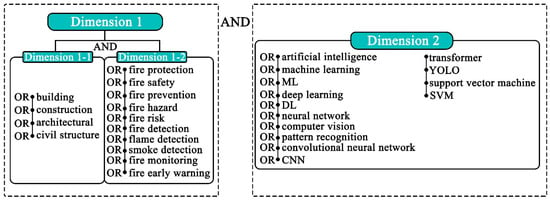
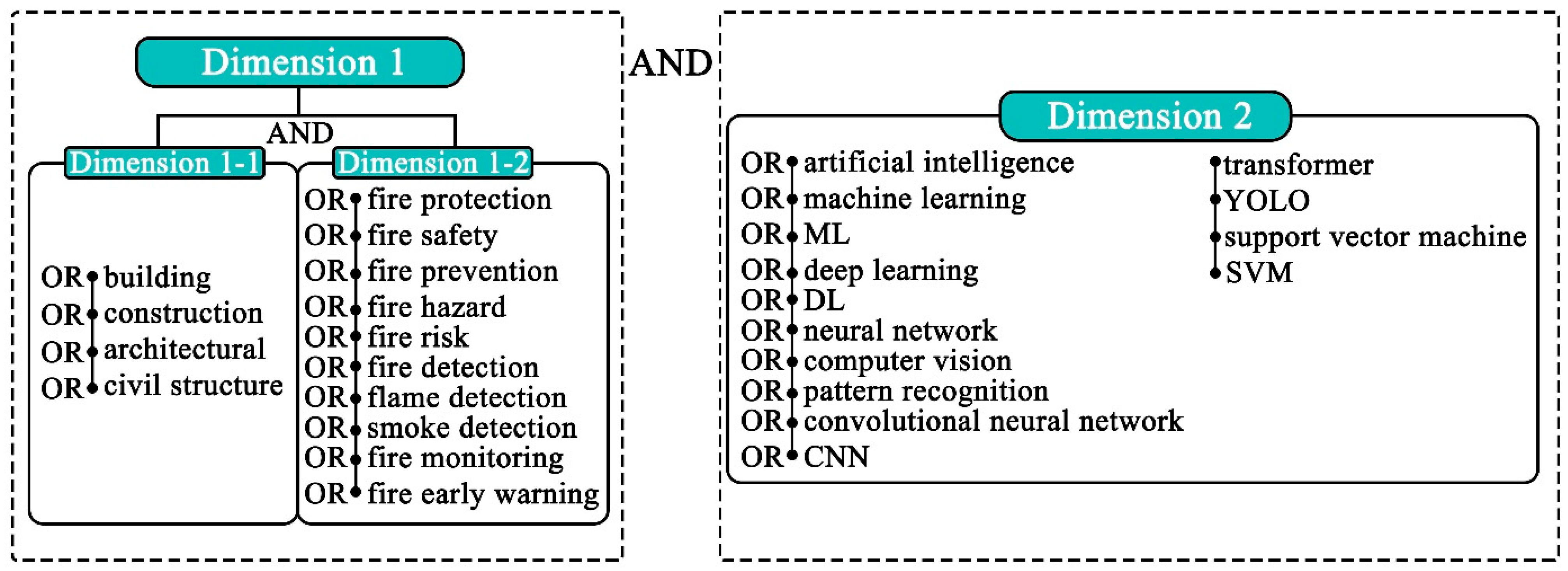
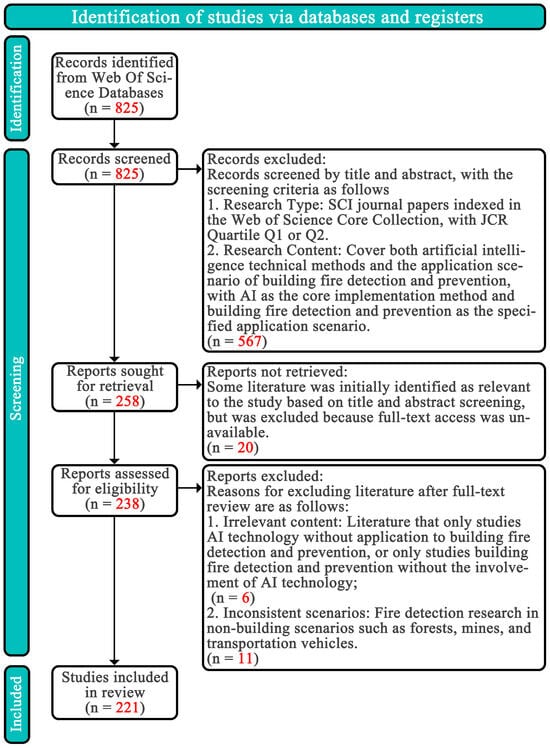
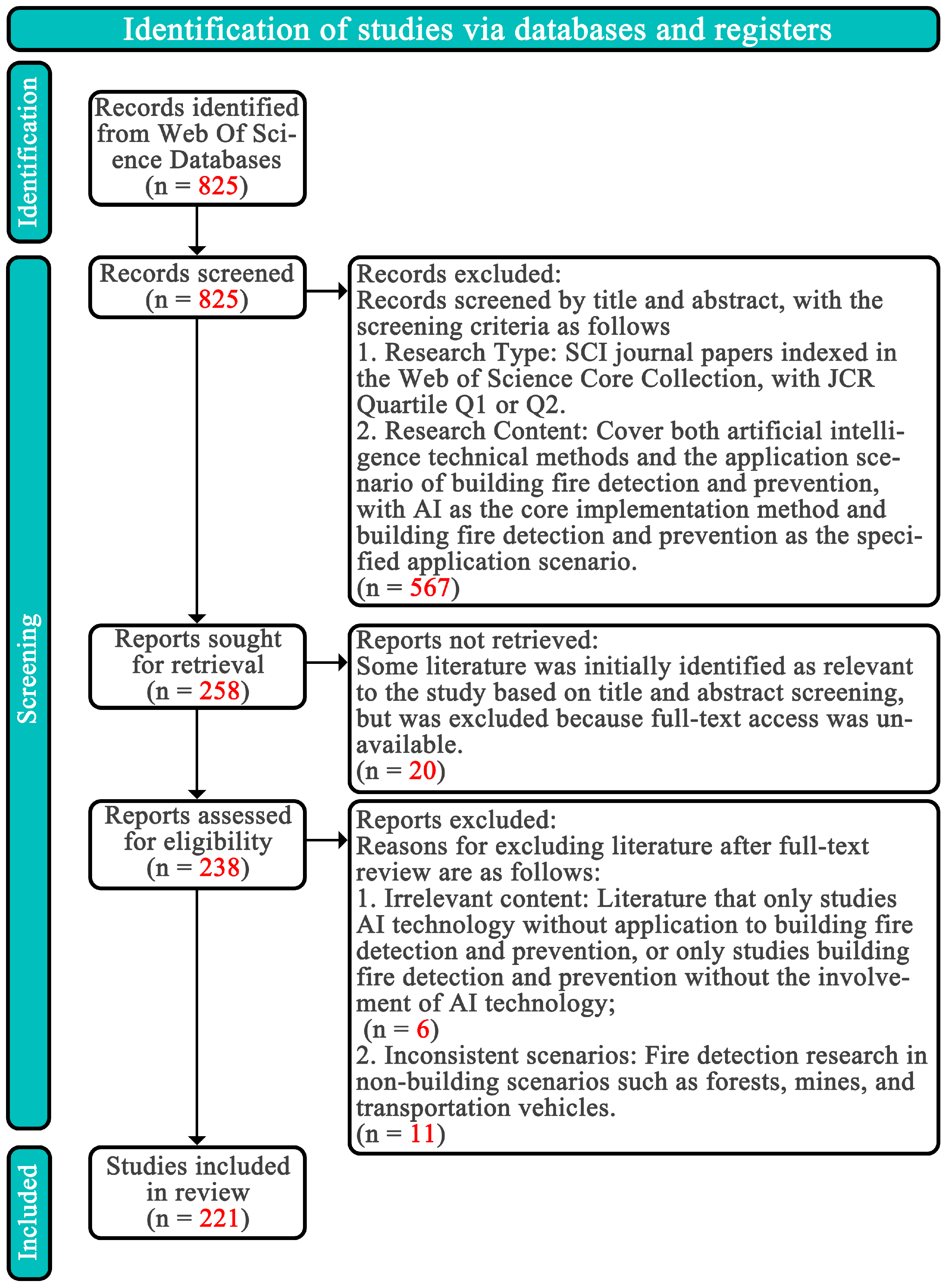
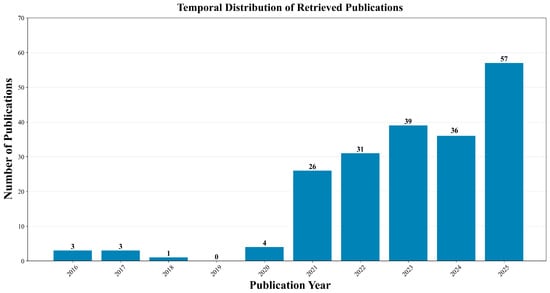
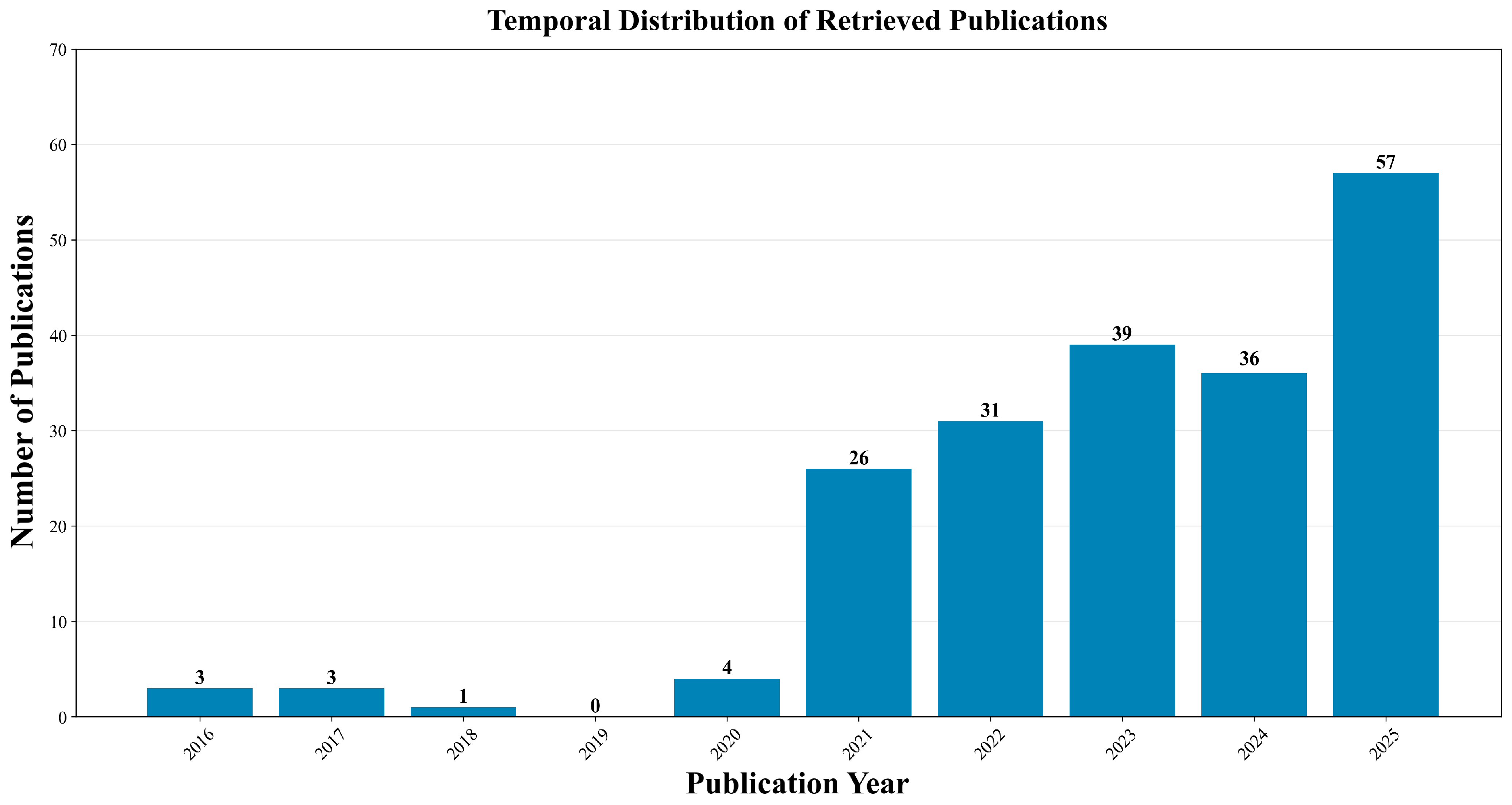
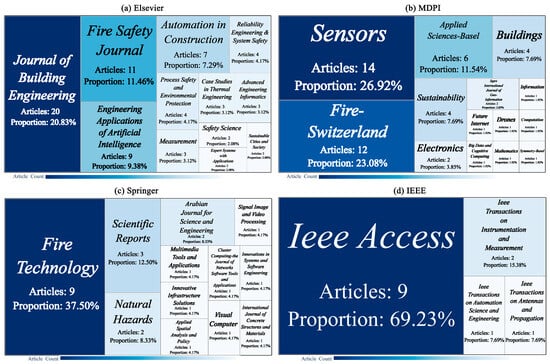
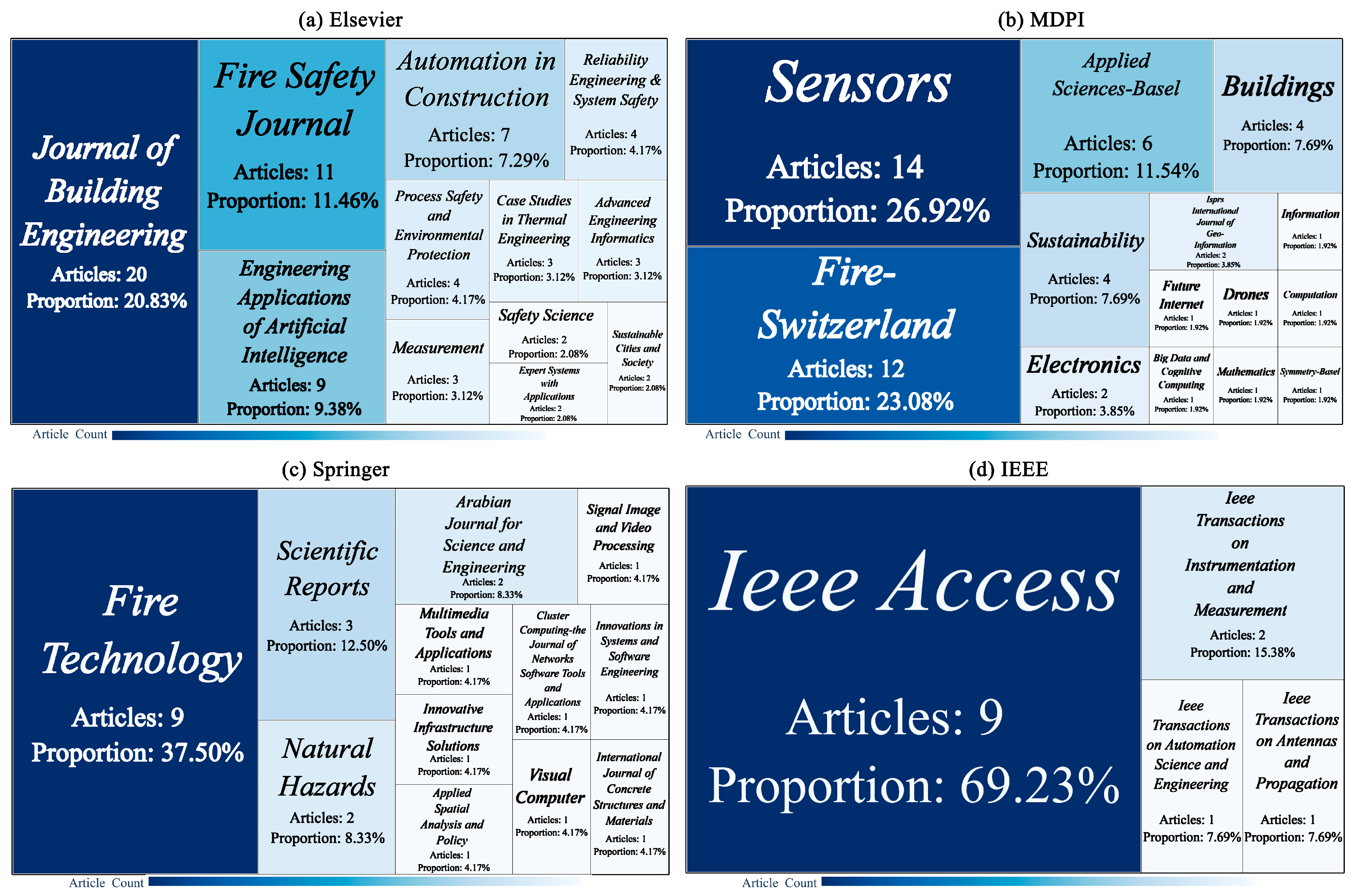
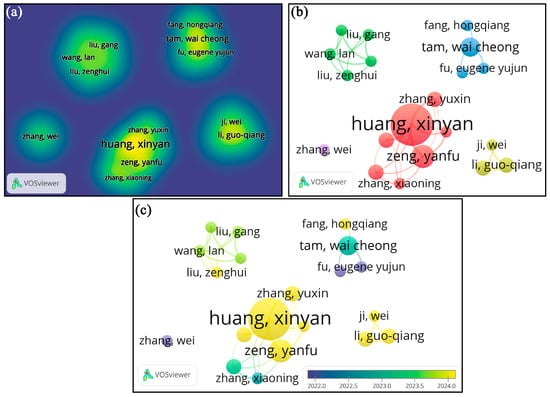
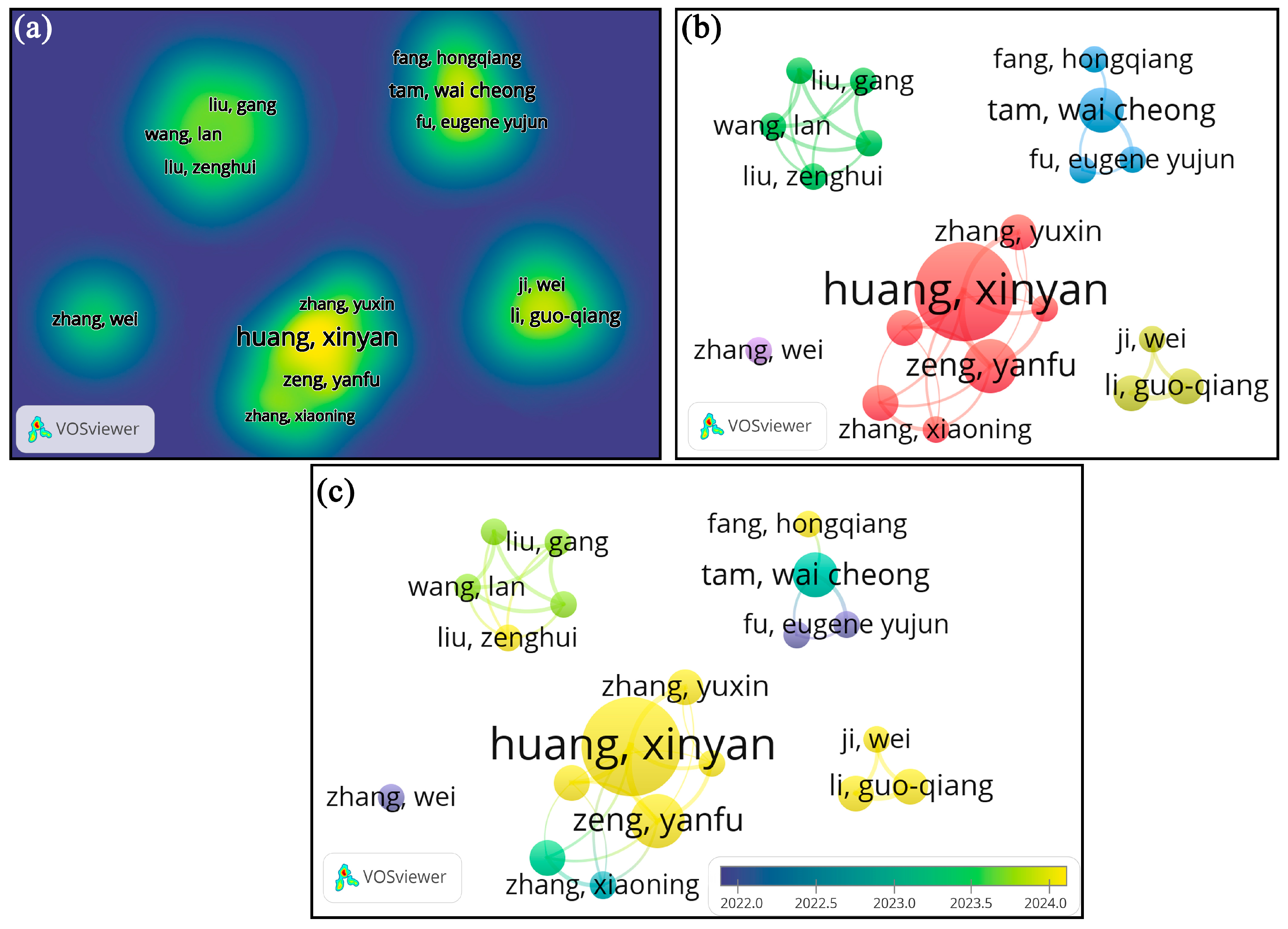
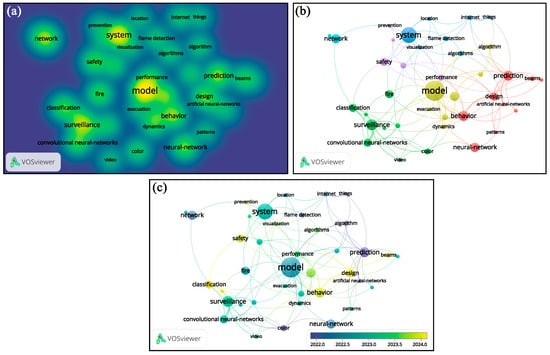
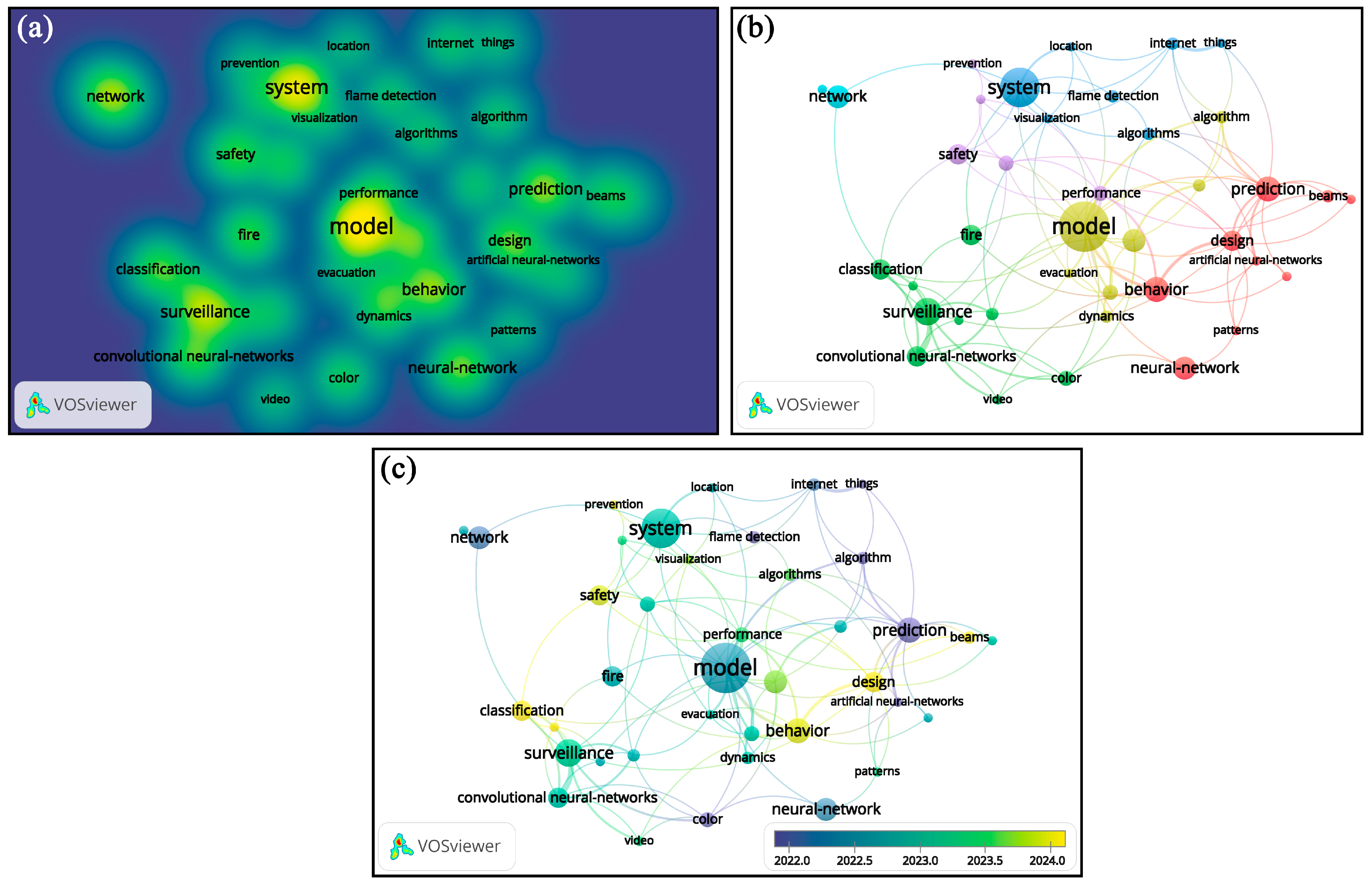
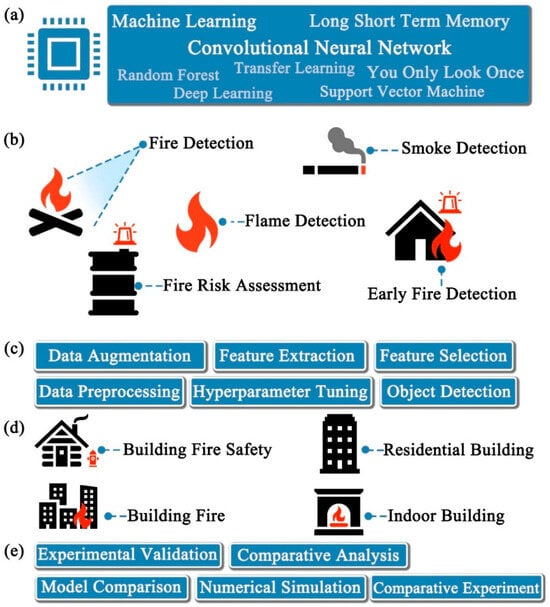
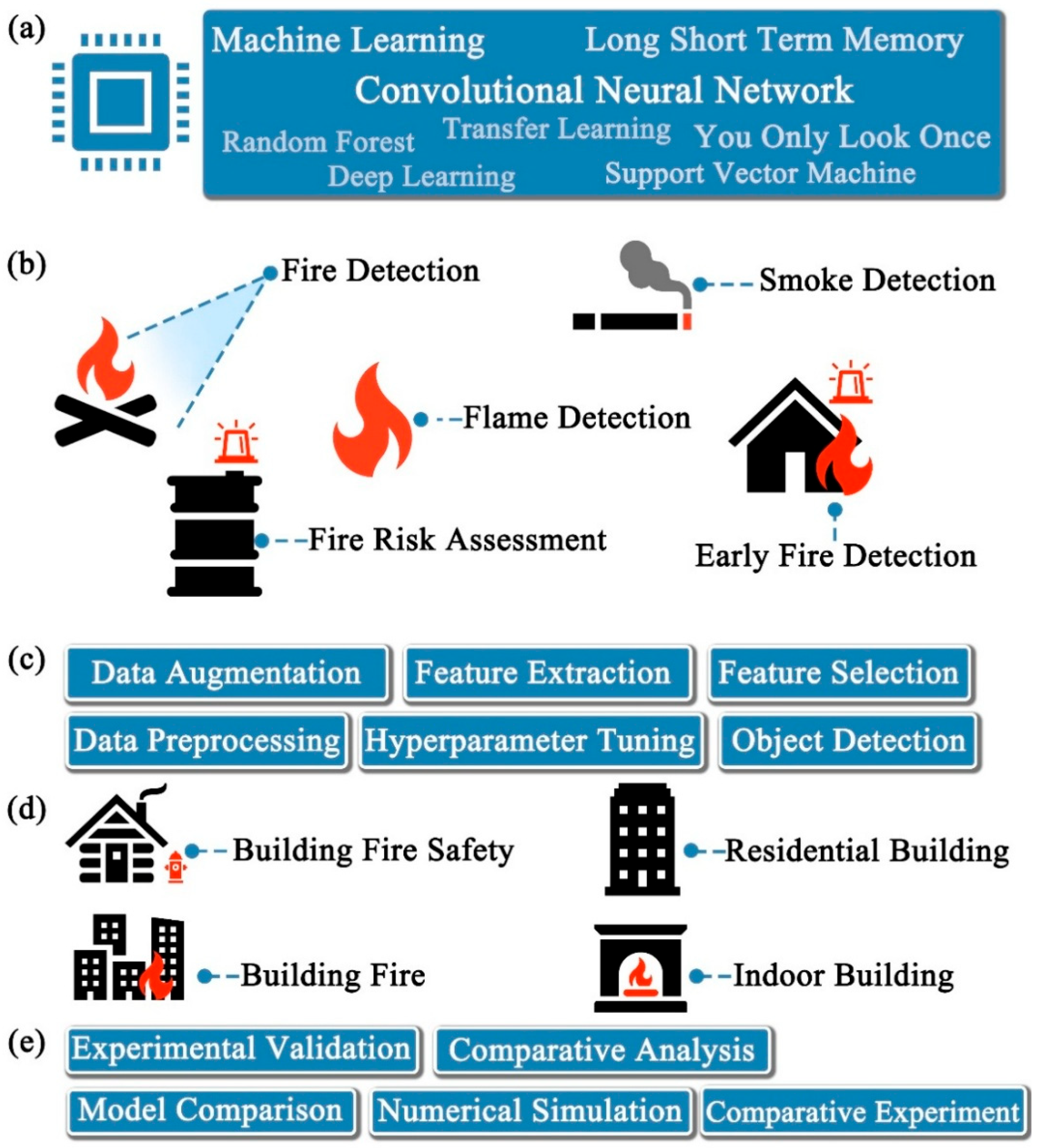
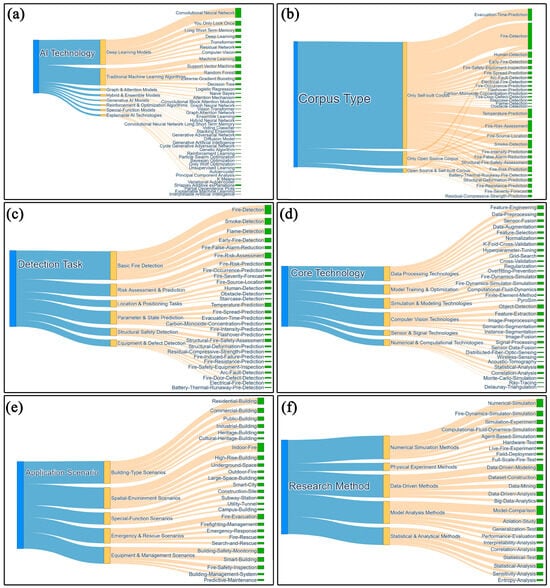
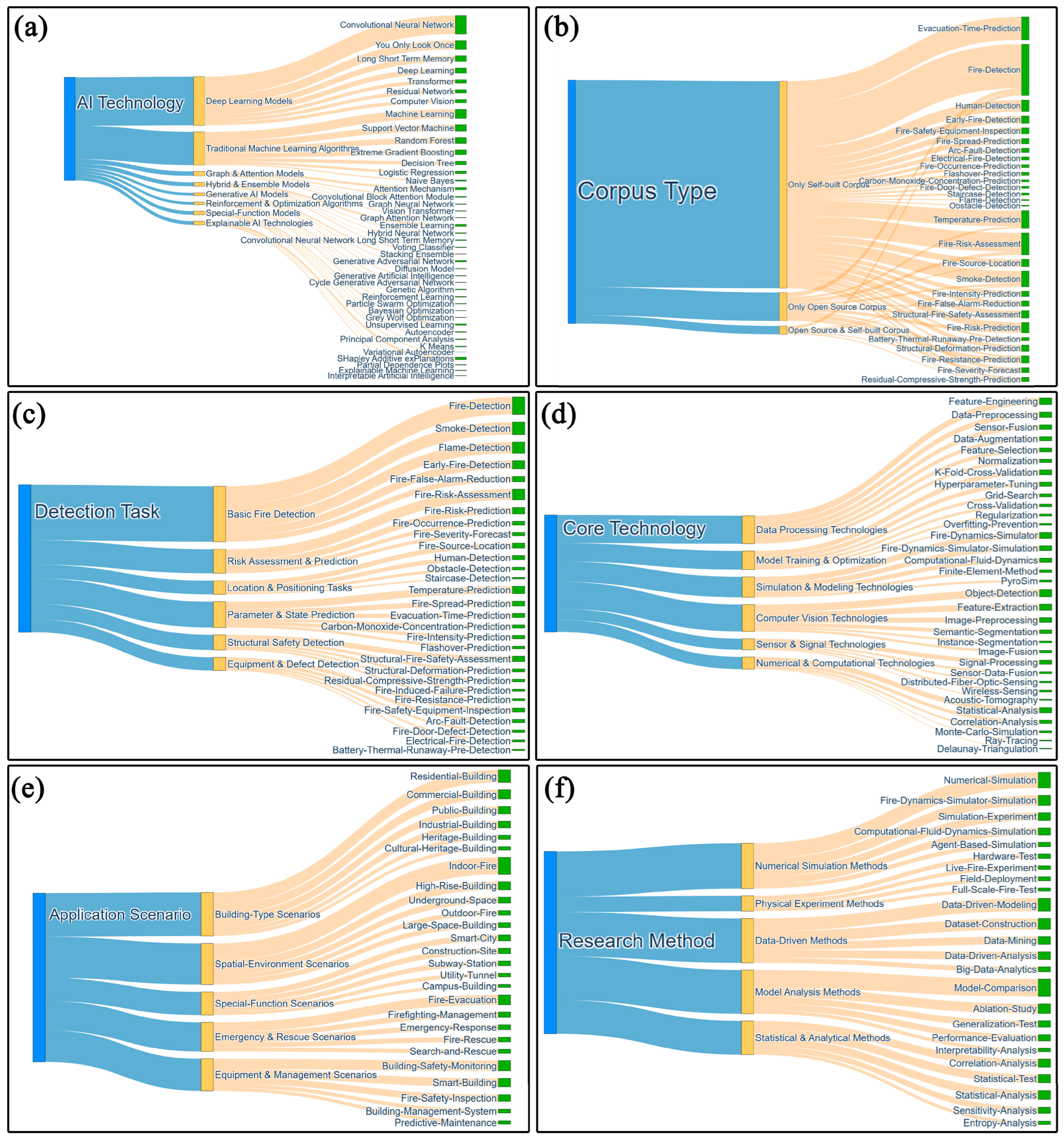
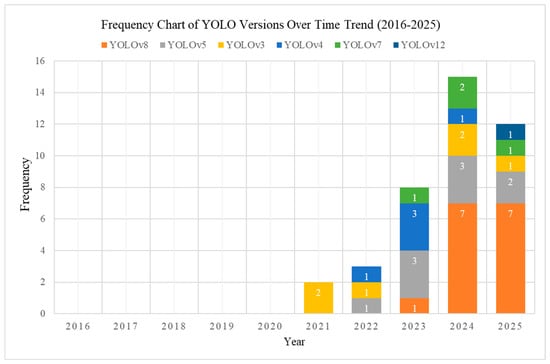
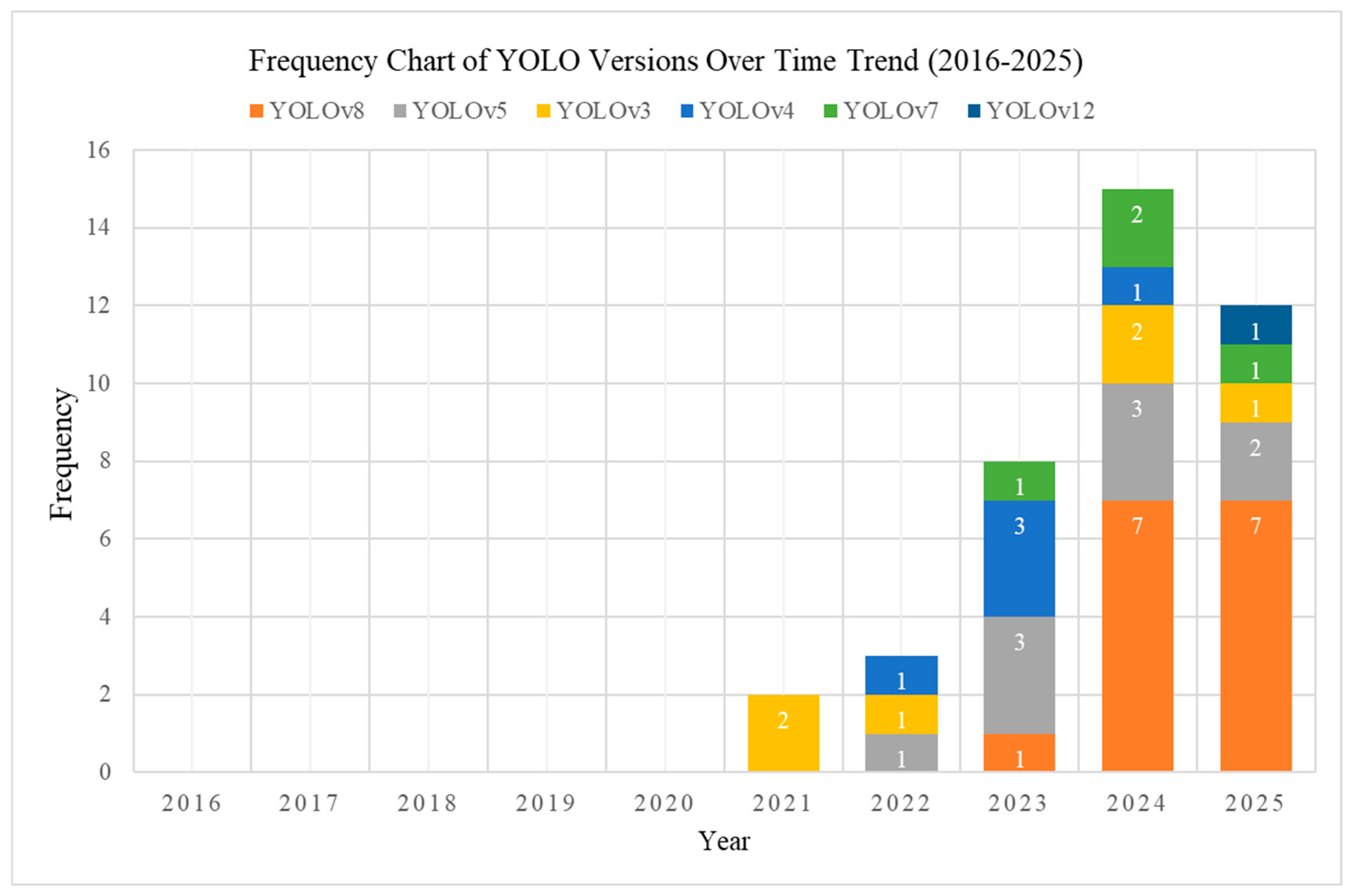

Disclaimer/Publisher’s Note: The statements, opinions and data contained in all publications are solely those of the individual author(s) and contributor(s) and not of MDPI and/or the editor(s). MDPI and/or the editor(s) disclaim responsibility for any injury to people or property resulting from any ideas, methods, instructions or products referred to in the content. |
© 2026 by the authors. Licensee MDPI, Basel, Switzerland. This article is an open access article distributed under the terms and conditions of the Creative Commons Attribution (CC BY) license.