


Abstract
Fire is the core safety threat to the survival and development of timber-framed buildings, and passive fire prevention intervention is the core foundation of fire protection systems for timber-framed buildings. Existing reviews suffer from limitations such as incomplete scenario coverage, insufficient breakdown of intervention mechanisms, and a lack of methodological standardization. This study strictly followed the PRISMA 2020 systematic review guidelines, searching the relevant literature from January 2016 to April 2026 on the Web of Science, Scopus, and Science Direct databases. After standardized screening, 89 valid articles were finally included and a systematic study was conducted through bibliometric analysis, keyword visualization, and multi-dimensional classification coding. The results show that the number of publications in this field has been continuously increasing from 2016 to 2025, with China accounting for 31.46% of the total, ranking first globally. The study constructed a core intervention mechanism system for passive fire prevention in timber-framed buildings, covering four categories: intrinsic flame-retardant modification, isolation protection, structural optimization, and spatial control. The working principles, application effects, advantages and disadvantages, and engineering application scenarios of each mechanism were clarified. This study systematically sorts out the core intervention mechanisms of passive fire prevention in timber-framed buildings, clarifies the research status and development trends in this field, and can provide evidence-based support for the design optimization, technology development, and engineering practice of passive fire protection for timber buildings.
1. Introduction
1.1. Research Background
Wood, as a low-carbon, environmentally friendly, easy-to-process building material with unique aesthetic value, has been present throughout thousands of years of architectural development [1]. Asia boasts a rich and long-standing tradition of wooden architecture, such as the earliest example in China, the main hall of Nanchansi Temple on Mount Wutai in Shanxi (built in 782) [2], wooden temples in Kyoto and Nara in Japan [3], and wooden buildings constructed by overseas Chinese people in Malaysia and other regions (Figure 1). In addition, most of the traditional dwellings of China’s ethnic minorities are also wooden structures [4,5]. From the stilted wooden dwellings of ethnic minorities in Southwest China and traditional wooden houses in Huizhou, to iconic cultural heritages such as the drum towers and covered bridges of the Dong ethnic group, wooden architecture serves as a tangible embodiment of regional culture and ethnic construction wisdom [6,7]. It also constitutes a core element of China’s architectural heritage system [8]. Against the backdrop of the dual-carbon strategy and rural revitalization strategy, modern wood structures have emerged as a pivotal direction for the green transformation of the construction industry, owing to their low-carbon performance throughout the entire life cycle [9]. Their advantages in prefabrication and assembly, coupled with flexible space-forming capabilities, have further driven their wide application in rural homestays, public buildings, industrial buildings and high-rise residential buildings [10].
Figure 1.
Traditional wooden buildings are common in Asia. (a) Konchi-in (こんちいん), a wooden structure in Kyoto, Japan; (b) Eikan-dō Zenrin-ji (ぜんりんじ), a wooden structure in Kyoto, Japan; (c) Kiyomizu-dera (きよみずでら), a wooden structure in Kyoto, Japan; (d) Izumi Shrine (いずみじんじゃ), a wooden structure in Kumamoto, Japan; (e,f) Tōdai Ji (とうだいじ), a wooden structure in Nara, Japan; (g) the wooden jetty and houses at the Clan Jetties in Penang, Malaysia; (h) Temple of the Five Cereals Ancestor at the Clan Jetties in Penang, Malaysia. (Figure source: Taken by the author in Japan and Malaysia in 2024).
Nevertheless, fire has long been the primary threat to the preservation and development of wooden architecture [11]. The inherent flammability of wood creates an innate fire hazard for wooden structures [12]. Traditional wooden buildings typically suffer from high construction density, inadequate fire separation, poor fire resistance and a lack of fire-fighting facilities, making them highly prone to large-scale conflagrations [13]. Modern wooden buildings, meanwhile, face practical challenges including stringent fire safety codes, insufficient fire resistance of structural members and complex fire propagation pathways [14]. In recent years, devastating fires at landmark wooden structures such as the Wan’an Bridge in Fujian Province and Notre Dame Cathedral, alongside frequent fire disasters in traditional wooden villages across Southwest China and western Hunan, have underscored the urgency and significance of establishing robust fire prevention systems for wooden architecture [15,16].
Passive fire prevention interventions mitigate fire spread, enhance component fire resistance and reduce fire risks at the source through material modification, structural optimization and spatial layout regulation [7]. They form the fundamental backbone of fire safety systems for wooden buildings [17] and represent a critical approach that reconciles architectural style preservation, cultural heritage conservation and fire safety requirements [18]. While extensive research has been conducted globally on fire performance, passive fire prevention technologies and engineering applications of wooden structures, there remains a dearth of systematic reviews that synthesize research across diverse scenarios and quantitatively evaluate intervention outcomes [19]. Accordingly, this paper adopts a systematic review methodology to synthesize existing research on passive fire prevention interventions for wooden architecture, elucidate core intervention mechanisms and practical effects, and provide evidence-based references for fire safety design, technological innovation and engineering implementation in wooden construction.
1.2. Research Objectives and Questions
1.2.1. Research Objectives
This study strictly follows the PRISMA (Preferred Reporting Items for Systematic reviews and Meta-Analyses) 2020 systematic review guidelines, comprehensively retrieving, screening, and integrating research findings related to passive fire prevention interventions for timber-framed buildings. It systematically reviews the core intervention mechanisms for passive fire prevention in timber-framed buildings, quantitatively assessing the fire prevention effects, advantages, disadvantages, and applicable scenarios of different passive fire prevention measures. It identifies current research gaps and future development directions, ultimately providing comprehensive, systematic, and practical evidence-based support for the design, technological development, and engineering application of passive fire prevention in timber-framed buildings.
1.2.2. Core Research Questions
Based on the above research objectives, this study identifies four practical and verifiable research questions:
- (1)
- The publication time trend, distribution of core research efforts, hot topic evolution, and frontier development patterns in the field of passive fire prevention for timber-framed buildings.
- (2)
- What are the different categories of core intervention mechanisms for passive fire prevention in timber-framed buildings, and what are the core working principles of each mechanism?
- (3)
- What are the actual fire prevention application effects, advantages, disadvantages, and engineering application scenarios of different passive fire prevention intervention mechanisms?
- (4)
- What are the current limitations of passive fire protection research on timber structures in terms of methodology and engineering application? What are the core research gaps and key development directions for the future?
1.2.3. Research Scope and Boundaries
This study covers all application scenarios of timber structures. It includes five major types: large-span timber structures, traditional ancient timber structures, modern prefabricated timber structures, ordinary civil timber structures, and timber–concrete structures, taking into account the passive fire protection intervention needs of timber structures in different regions, with different structural systems, and with different functions.
This study explicitly limits its research scope to passive fire protection intervention in timber structures. It explicitly excludes research related to active fire protection such as automatic fire alarm systems, automatic sprinkler systems, emergency evacuation systems, and mechanical smoke control systems, thus defining clear research boundaries.
Additionally, this research systematically links research findings with prescriptive and performance-based two mainstream fire safety paradigms in the Discussion Section, to further enhance the practical engineering value of the summarized passive fire intervention system.
2. Literature Review
2.1. Fire Risk and Basic Characteristics of Timber Buildings
Research on the fundamental characteristics of fires in timber-framed buildings is a theoretical prerequisite for constructing passive fire prevention and intervention systems. The academic community has established a relatively complete basic research framework focusing on three core directions: the causes of fires in timber-framed buildings, the combustion characteristics of wood, and the laws governing fire spread.
As a core quantitative indicator of timber building fire safety specified by global building codes, fire resistance rating refers to the maximum duration that timber structural components can sustain prescribed load, structural integrity and thermal insulation performance under standard ISO834 fire or Eurocode parametric natural fire environments [20]. Two critical physical parameters, charring depth and zero-strength layer thickness, dominate the calculation of fire resistance rating. The existing Eurocode 5 prescribes a fixed 7 mm zero-strength layer for standard fire conditions, yet Huč et al. verified that the actual thickness ranges from 8.4 mm to 30.5 mm under varied parametric fires, which cannot adopt a fixed empirical value [20]. This rating indicator serves as the unified evaluation benchmark for four categories of passive fire prevention interventions summarized in this review; all subsequent mechanism analyses and performance comparisons of intrinsic modification, isolation protection, structural optimization and spatial control are quantified based on the improvement of component fire resistance rating, which effectively links the research background with the core content of the paper.
At the level of fire risk and cause research, the academic community has moved beyond the analytical perspective of single material properties, revealing the occurrence and spread mechanisms of fires in timber-framed buildings from multiple dimensions, including architectural space, user behavior, regional environment, and settlement morphology. Qiu Zhi et al. [12], through fire case statistics and field research, proposed that the coupling between villagers’ fire-related behavior and living space is a key contributing factor to the frequent occurrence of fires in traditional timber-framed dwellings. They identified three coupling modes—space-dominant, behavior-dominant, and risk-triggered—clarifying the differences in fire causes under different modes. For regionally distinctive wooden architectural heritage, scholars have conducted targeted research on typical regional wooden structures. Focusing on Tujia ethnic wooden dwellings in western Hunan, He Zhaorui [21] clarified their fire spread patterns and core fire vulnerabilities through field mapping and numerical simulation. Shi Cong [13], by contrast, concentrated on Dong ethnic wooden buildings in western Hunan and identified the correlation between architectural form and fire risk. The fire spread of stilted wooden buildings in mountainous Guangxi is significantly influenced by their building plan configuration [11]. For traditional Huizhou dwellings, fire propagation speed is directly correlated with street and alley spatial dimensions [22]. As for traditional wooden courtyards in southern Hunan, enclosure structures and roof materials determine the rate and scope of fire spread [23]. Liao et al. [24] proposed that building proximity, traditional fire-using customs, and fire protection layout are the core factors affecting the fire risk of wooden building complexes, focusing on densely populated historical villages in mountainous areas of southern China. This study compensates for the insufficient applicability of traditional engineering methods for assessing fire risk in historical village scenarios. Li et al. [25], through a survey of historical wooden building blocks in Japan, further confirmed that population aging and increased vacancy rates exacerbate the risk of delayed fire detection in wooden buildings, supplementing the passive fire prevention planning of wooden building complexes with social dimensions.
At the level of research on the basic properties of wood combustion and fire resistance, existing studies have clarified the influence of factors such as wood species, moisture content, aging degree, bio-erosion, and surface treatment methods on its ignition characteristics, heat release rate, and carbonization law, providing basic physical property parameters for passive fire prevention intervention. Ji et al. [26] pointed out in a systematic review that the fire development process of wooden heritage buildings is significantly different from that of modern wooden structures. Wood aging, tung oil and other ground coatings, component cracks, and decay can all change the ignition behavior and combustion characteristics of wooden components. This conclusion provides core theoretical support for the differentiated passive fire prevention design of traditional wooden heritage and modern wooden buildings. Long et al. [27] confirmed by comparing the microstructure and combustion characteristics of 5-year, 170-year, and 400-year naturally aged Masson pine that long-term natural aging will destroy the wood cell structure and reduce its thermal stability. Simultaneously, it reduces the content of combustible components, causing the total heat release to decrease with increasing service life. It also clarifies the linear decay law between the service life of wood and its mechanical strength, providing data support for passive fire protection design that balances structural safety and fire resistance. Zhao et al. [28] further explored the influence of biological aging on the combustion characteristic parameters of Chinese fir, finding that the total smoke production of wood in the moderate biological aging stage (6–8 weeks) was the highest, and the fire risk index reached its lowest value at the 10-week aging stage, providing a theoretical basis for prioritizing passive fire protection interventions for wooden structures with different aging degrees. Liu et al. [29] established a theoretical prediction model for the radiative ignition of aged wood through cone calorimeter experiments, enabling preliminary assessment of fire risks in ancient wooden structures. Vural et al. [30] used forensic autopsy data to confirm that carbon monoxide poisoning is the main cause of death in fires in wooden structures, providing a necessary justification for smoke-proof structural design in passive fire protection interventions. Furthermore, numerous Chinese scholars have conducted targeted studies on the combustion characteristics of commonly used timber in Southwest China, western Hunan, and northern Anhui, providing localized basic data for the passive fire protection design of regional timber-framed buildings [31,32].
Overall, existing basic research has completed a full-scale analysis of the laws governing fires in timber-framed buildings, from material properties and component performance to architectural space and even settlement clusters, laying a solid theoretical foundation for the construction of passive fire prevention intervention mechanisms. However, there is still a disconnect between existing research results and architectural design practice, failing to fully translate research on basic fire characteristics into implementable architectural design strategies [32,33].
2.2. Passive Fire Protection Technology and Design Applications for Timber Buildings
Focusing on the engineering application needs of passive fire protection in timber buildings, the academic community has conducted extensive research and development on technology and design applications using three core dimensions—materials, structure, and spatial planning—forming a multi-dimensional and multi-level passive fire intervention technology system.
In passive fire intervention research at the material level, existing research mainly focuses on three directions: wood flame-retardant modification, novel fire-retardant coatings, and alternative fire-retardant building materials. The core objective is to improve the fire resistance of the wood itself or the enclosure system through material optimization, which is also the most basic and direct technical path for passive fire intervention. Regarding flame-retardant modification technology, Huang et al. [34] prepared a fully bio-based chitosan flame-retardant adhesive through a supramolecular self-assembly strategy, achieving a limiting oxygen index of 30.2% for wood composite materials without sacrificing the mechanical properties of the wood. This composite also has excellent boiling water resistance, which addresses the issues of traditional flame retardants that are prone to leakage and can damage the mechanical properties of wood, thereby providing an environmentally friendly solution for the flame-retardant modification of timber structural panels. In the field of fire-retardant coatings and coating technologies, Wang et al. [35] developed a transparent flame-retardant oxidized MXene/aramid nanofiber composite nanocoating, which can enable wood to achieve a UL94-V0 flame retardant rating and increase the limiting oxygen index to 34.6%. It also possesses a cyclic fire warning response capability within 1.5 s, combining flame-retardant protection and intelligent monitoring. Furthermore, the transparent coating can completely preserve the texture of the wood, perfectly meeting the need to preserve the appearance of traditional wooden heritage buildings. Jiang et al. [15], through FDS simulation and a post-fire analysis of the Wan’an Bridge fire, confirmed that intumescent fire-retardant coatings can significantly slow the fire spread rate of wooden bridges, reduce the heat release rate and smoke generation, and act as a low-intervention, high-efficiency passive fire prevention intervention method for wooden heritage buildings. Lan Zhenyu [36], through 267 fire simulations, confirmed the dual impact of the ground layer and tung oil coating on the fire spread of traditional wooden components, providing a localized reference for the coating fire protection design of traditional wooden buildings. Regarding new alternative building materials, Lin Kexin et al. [7] explored the application of foamed ceramics in the enclosure structure and decorative components of Dong ethnic minority wooden buildings, based on the characteristics of Class A fire resistance, thermal insulation, and easy carving. They proposed a material replacement scheme that balances the preservation of architectural features with the improvement of fire resistance, providing a new material option for the passive fire protection renovation of traditional wooden buildings. Kátai-Urbán et al. [37] compared the mechanical properties of wooden beams and steel beams under fire at the same load-bearing capacity through fire resistance tests, confirming that fire-resistant wooden beams have better load-bearing capacity under fire, providing experimental support for the passive fire protection design of industrial wooden buildings. In addition, numerous studies have investigated the fire-retardant improvement of indigenous materials used in traditional timber-framed buildings and verified that material-level passive fire protection interventions represent the most direct and effective approach to enhancing the fire resistance of wooden structures [16,18].
In research on passive fire prevention intervention at the structural level, the academic community focuses on three main directions: fire-resistant construction of timber components, fire-resistant partition construction, and fire-resistant construction of the building envelope. They have explored structural optimization strategies that balance the construction logic, spatial aesthetics, and fire safety of timber buildings. This is also the core aspect of the architectural design discipline’s involvement in passive fire prevention intervention.
Regarding the fire-resistant construction of components, existing research has proposed structural measures for core load-bearing components such as timber beams, timber columns, and mortise and tenon joints, including pre-reserved cross-sectional dimensions, cladding with non-combustible boards, sealing with fire-resistant gypsum board, and fireproof wrapping of mortise and tenon joints [38]. Huang et al. put forward a modification method of wood substrates based on chitosan bio-adhesive from the perspective of raw material optimization of wooden components [34]. Jiang et al. supplemented the component fire protection system with intumescent fire-retardant coating wrapping technology applied on ancient wooden beams of covered bridges [15]. Full-scale experiments and numerical simulations have been used to verify the effect of different construction methods on improving the fire resistance limit of components [19,39]. Zhao et al. took the cone calorimeter as the test method to quantify the change in fire resistance of biologically aged wooden components after fire-retardant treatment [28]. Liu et al. established an ignition calculation model via an experimental test [29], which further clarifies the structural design parameters under different fire resistance rating requirements [40]. Regarding fire-resistant partition structures, Lan Zhenyu [36] verified the effectiveness of fire-blocking traditional fire-resistant structures such as traditional plinth walls, brick gable walls, and horse-head walls through 267 fire numerical simulations. The heat-blocking capabilities of different traditional fire-resistant structures were quantified and ranked, and it was confirmed that brick gable walls can effectively block the spread of fire between buildings. Zhong Yongzhong [11] proposed three types of structural countermeasures at the microscale—fire-resistant partitions, spatial fire isolation, and detailed fire prevention—which can effectively block the spread of fire inside wooden dwellings. Hua Bin [22] confirmed through FDS simulation that the fire-resistant partition structure design of courtyard-style dwellings can significantly extend the escape time for people, providing a quantitative basis for optimizing the fire-resistant structure of traditional wooden dwellings.
Regarding the fire-resistant structure of the building envelope, Zhang Yukun [40] designed a composite wall structure that combines thermal insulation and fire resistance for prefabricated wooden dwellings in cold regions, solving the problem of coordinated design of thermal insulation and fire resistance in wooden building envelope systems. Zhang Wenxin [41] systematically reviewed the fire-resistant structural design methods for the external envelope of modern wooden buildings, clarifying the key points of fire-resistant construction for critical thermal bridge nodes, such as wall tops, openings, wall bases, and beam–column junctions. Yang Shilin [42], from the perspective of wooden facades, reviewed the fire-resistant structural design strategies for enclosing, structural, and composite wooden facades, providing a systematic reference for the fire-resistant design of modern wooden building facades.
Furthermore, addressing the renovation needs of traditional wooden buildings, Han Shouzhou [8] proposed a structural optimization strategy using prefabricated decoration as a pathway, achieving simultaneous improvement in living quality and fire resistance without damaging the traditional wooden structure system or altering the architectural style. Tang Shuang [43], for the wooden dwellings of the Dong ethnic group in Guizhou, proposed an appropriate structural strategy combining the improvement of traditional construction systems with modern structural technology, providing a feasible design method for the passive fire-resistant renovation of rural wooden dwellings.
In passive fire intervention research at the spatial planning level, the research scope covers the entire scale from the floor plan design of individual buildings to the fire prevention planning of settlement clusters. The core is to block the fire spread path, reduce the risk of cluster fires, and reserve fire rescue space through spatial layout optimization. This is also the core area of passive fire intervention dominated by the disciplines of architectural design and urban and rural planning. At the spatial design level of individual buildings, Qin Yuan [44] proposed a systematic fire prevention optimization strategy for the kitchens of Xiangxi wooden houses, a high-risk fire area, from the aspects of spatial layout, opening design, scale control, and ceiling form and clarified the optimal spatial layout mode between fire pits. Deng Zhuo [45] proposed a spatial design strategy of functional space replacement, circulation optimization, and dry and wet zoning for the modernization of the kitchens of Tujia wooden houses in Xiangxi, which reduced the fire risk while adapting to the needs of modern life. Guan et al. [23] confirmed through Pyrosim fire simulation that the spatial features of the Zhou Family Courtyard in southern Hunan, such as the connecting wooden beams and open courtyards, will significantly aggravate the spread of fire and proposed a spatial design strategy of fire zoning and physical isolation of high-risk fire-use spaces. Fu Lei [46] proposed a spatial design method for the renovation of Miao ethnic minority wooden houses into homestays in western Hunan, which included functional space reconstruction and fire compartmentation, considering both the operational needs of homestays and fire safety. At the settlement and cluster level, Feng Ruidan et al. [17] proposed a three-level fire prevention planning system for traditional ancient wooden buildings in Jinggang Ancient Town, Changsha, combining natural, passive, and active fire prevention methods and constructed a full-scale passive fire prevention planning framework. Zeng Fanzi [31] constructed a fire safety system for traditional commercial towns in western Hunan from three levels—overall town control, street and alley layout, and building unit protection—clarifying the optimal fire prevention scale for street and alley spaces. Xu et al. [47] proposed the DG-BFS model by combining the physical principles of fire spread and the directed graph model. This model can significantly reduce the overall fire spread scale of wooden building complexes by strengthening the fire prevention of a small number of high-risk node buildings, providing a quantitative tool for the graded passive fire prevention planning of wooden settlements. Zhong Yongzhong [11] proposed fire prevention strategies for mountainous wooden villages in Guangxi from macro, meso, and micro perspectives, clarifying the core planning principles: macro-level village planning should control building density, meso-level street and alley space should set reasonable fire separation distances, and micro-level buildings should strengthen fire-resistant partitions. Zhang Chi [48] verified the fire prevention effectiveness of traditional construction strategies in Xiangxi traditional villages, such as living near water, cluster layout, and leaving blank spaces at street and alley nodes, through FDS simulation and explored the modern application value of local traditional fire prevention wisdom. In addition, abundant studies systematically excavate inherent fire prevention wisdom from traditional construction practices of wooden settlements in diverse regions by multi-scale analysis. On the macro scale of village site selection and integral settlement layout, existing research analyzes the disaster-resistant planning logic of ancient site selection and overall arrangement, supplying historical references for the top-level passive fire layout of modern clustered wooden buildings [49,50]. At the meso level of alley texture and block spatial organization, scholars summarize how lane dimension and block partition hinder fire propagation, complementing practical foundations for intermediate passive fire design of wooden agglomerations [51,52]. From the micro perspective of internal blank space and single-component design, relevant findings conclude detailed fire-resistant construction skills based on indoor reserved blank and structural partition of traditional timber buildings, optimizing passive fire schemes for individual wooden constructions [53]. The indigenous practical experience refined from the above multi-angle investigations provides solid support for passive fire planning of contemporary large-scale wooden building complexes.
Apart from conventional low-rise and heritage timber constructions, high-rise mass timber dominated by cross-laminated timber (CLT) and glulam has become a mature industrial application worldwide, with abundant targeted fire safety research available [54]. Yan et al. summarized the mainstream fire protection paths for the world’s tallest 10 mass timber high-rises, concluding three mature technical routes to reach a 2–3 h fire resistance rating [54]: encapsulation protection, oversized sacrificial timber cross-section design and timber–concrete hybrid structural layout. In terms of compartment fire characteristics, full-scale compartment fire experiments conducted by Wiesner et al. proved that a reasonably controlled timber exposure area enables CLT enclosure to realize self-extinguishment after combustible burnout [55], an important feature reducing long-duration fire damage of high-rise timber buildings. From code and simulation perspectives, Su introduced Canada’s performance-based design specification for high-rise CLT buildings [56], which abandons prescriptive fixed construction requirements and verifies fire safety via real fire test and numerical simulation; Hayajneh & Naser further adopted FDS-CFD numerical simulation to predict fire spread, flashover time and occupant evacuation risk of 10-storey CLT residential buildings, providing data support for high-rise timber fire-resistance design [57].
In summary, existing research has established a three-in-one system for passive fire protection in timber-framed buildings, encompassing materials, construction, and space, covering diverse scenarios such as traditional timber-framed heritage, modern prefabricated timber-framed structures, and rural timber-framed dwellings. However, the application effects and applicable scenarios of various technologies still lack systematic quantitative comparison and analysis, and the integration of technological research and architectural design needs to be further deepened.
2.3. Limitations of Existing Review Studies
Although research on fire prevention in timber-framed buildings has yielded rich results, significant limitations remain, failing to provide comprehensive, systematic, and evidence-based theoretical support for architectural design practice. These limitations manifest three main aspects:
First, the research scenarios are limited, lacking systematic coverage across all scenarios. Existing reviews often focus on single application scenarios or only review the fire characteristics and fire prevention strategies of traditional timber-framed heritage buildings [26]. They may only examine fire prevention technologies for modern prefabricated timber-framed buildings [58,59] or only discuss fire prevention retrofitting of rural timber-framed dwellings [16]. They fail to integrate and analyze all scenarios, including large-span timber-framed buildings, traditional ancient timber-framed buildings, modern prefabricated timber-framed buildings, ordinary civil timber-framed buildings, and timber–concrete structures. They neglect the differences in passive fire intervention needs, technological commonalities, and design adaptability across different scenarios, failing to form a universal design framework.
Second, the technical perspective is one-sided, failing to systematically dissect mechanisms for passive fire prevention. Existing reviews mostly focus on the research and development progress of single passive fire prevention technologies. For example, they only review material technologies such as fire-retardant coatings and wood flame-retardant modification [34] or only discuss fire-resistant structural technologies for building components. They fail to systematically integrate passive fire prevention interventions across the three dimensions of materials, structure, and space. Furthermore, they fail to deeply analyze the complete logical chain of “intervention measures—mechanism of action—fire prevention effect,” thus failing to form a systematic theoretical understanding.
Third, methodological standardization is insufficient, lacking a foundation for evidence-based research. Existing reviews related to fire prevention in timber-framed buildings are mostly narrative reviews, generally suffering from unclear inclusion criteria, incomplete search scope, and unsystematic data extraction. They do not follow internationally accepted systematic review standards, such as PRISMA, resulting in insufficient objectivity and reproducibility of research conclusions, making it difficult to form credible evidence.
3. Materials and Methods
3.1. Research Design
This study employs a data-driven systematic review design, strictly adhering to the PRISMA 2020 systematic review declaration guidelines (https://www.prisma-statement.org/, accessed on 2 May 2026), integrating structured literature retrieval, scient metric analysis, and intervention mechanism-performance classification analysis. The aim is to systematically review research progress in the field of passive fire protection interventions for timber structures, clarify the mechanisms of action, application boundaries, and performance of different passive fire protection technologies, and identify current research gaps and deficiencies. The overall process follows a four-stage systematic review workflow of “identification–screening–qualification assessment–inclusion,” ensuring transparency, reproducibility, and standardization of research methods. The core objective of this study is not a generalized integration of research content, but rather a focus on the core theme of passive fire protection interventions for timber structures, extracting quantifiable and comparable research evidence to provide theoretical support for the construction and engineering application of passive fire protection technologies for timber structures. The complete literature search, screening, eligibility assessment and inclusion process strictly follows the PRISMA 2020 guidelines. For details, please refer to Figure 2.
Figure 2.
Research process based on PRISMA. (Figure source: prepared by the author).
3.2. Database Selection and Search Strategy
This study selected three major databases—Web of Science Core Collection, Scopus, and Science Direct—as the core data sources for literature retrieval. The access date was set to 6 April 2026, and the review period was set from 1 January 2016 to 6 April 2026. The language was restricted to English. These databases cover related disciplines such as civil engineering, building science, fire safety engineering, and materials science and include high-quality, high-impact peer-reviewed academic literature from around the world. They possess comprehensive data and academic authority, ensuring the coverage and quality of the literature retrieval for this study.
The search strategy was constructed based on the core scientific questions of this study. Boolean logic operators were used to combine subject keywords. The core search dimensions revolved around several core themes: “timber structure/timber components,” “passive fire protection,” “fire protection intervention,” and “fire resistance performance.” Through the combination and limitation of keywords, the relevance of search results to the research topic was ensured, comprehensively covering relevant research in the field of passive fire protection intervention for timber buildings. (See Appendix A for details).
3.3. Inclusion and Exclusion Criteria
To ensure the focus and quality of evidence, this study established clear inclusion and exclusion criteria based on the PRISMA 2020 guidelines. All literature screening processes adhered to the principles of transparency and traceability.
Inclusion Criteria:
- (1)
- The literature type was original academic papers published in peer-reviewed journals;
- (2)
- The research object was timber structures or wooden components used in building engineering;
- (3)
- The core intervention was passive fire protection of timber structures, and the outcome indicators included core parameters related to passive fire protection such as fire resistance, flame retardancy, and charring behavior.
- (4)
- The research type was original experimental research, numerical simulation research, or empirical research;
- (5)
- The language of publication was English.
Exclusion Criteria:
- (1)
- Duplicate publications;
- (2)
- Non-academic literature, including conference papers, editorials, book reviews, industry reports, patent documents, etc.;
- (3)
- Research subjects that do not match the themes, such as research on non-building wood materials;
- (4)
- Intervention measures that do not match the theme, such as research only on active fire protection systems (fire alarm systems, automatic sprinkler systems, etc.);
- (5)
- Literature not directly related to the core theme of passive fire prevention intervention for timber buildings;
- (6)
- Literature for which the full text was unobtainable or for which methodological and content assessments were infeasible.
The initial database search yielded 698 relevant literature records. First, 68 duplicate documents were removed. After manual verification, 41 documents clearly unrelated to the research theme were removed. The remaining 589 documents entered the initial screening stage for titles and abstracts. Based on the inclusion and exclusion criteria, 446 documents that did not meet the requirements were removed during the initial screening stage, leaving 143 documents for full-text retrieval. The 446 excluded records in the initial screening were mainly due to the following reasons: not research on timber-framed buildings (e.g., metal structures, concrete structures); focus on active fire protection (e.g., sprinkler systems, fire alarms) rather than passive fire prevention; non-original research (e.g., reviews, editorials, book chapters); irrelevant to fire resistance/flame retardancy of timber structures. In total, 11 articles were excluded because their full text could not be accessed due to access restrictions, leaving 132 articles for the full-text eligibility assessment stage. During the full-text assessment, 34 articles were excluded because the research subjects did not meet the inclusion criteria, and 9 articles were excluded because the core intervention measures did not meet the requirements. Ultimately, a total of 89 articles met all the inclusion criteria and were included in the final analysis dataset of this review.
3.4. Data Extraction and Analysis Process
This study used EndNote 21 to perform standardized data extraction and classification coding on the final included literature. The core information extracted included basic literature information (publication year, first author, journal, and country/region); characteristics of the research object (type of timber structure/component and material properties); type of passive fire intervention measures; research methods; application scenarios; core research conclusions; and limitations. To control bias in the data extraction process, a dual-person independent extraction and cross-checking method was adopted. Discrepancies were resolved through joint discussion to ensure the accuracy and reliability of the data.
This study sets up two core analysis paths to conduct a systematic analysis of the included literature:
(1) Scientometric Visualization Analysis: VOSviewer (v1.6.20) was used as the analysis tool. Visual analysis was conducted on the author collaboration network, country/region collaboration network, keyword co-occurrence clustering, and temporal evolution of research topics in the included literature to clarify the research pattern, hot topics, and development trends in the field of passive fire intervention for timber structures. (2) Cross-classification analysis of passive fire prevention intervention mechanisms, technologies, and application scenarios: Each included article was manually coded and classified to clarify the mechanism of action, applicable scenarios, performance, and technical limitations of different passive fire prevention intervention technologies. A technical system and mechanism analysis framework for passive fire prevention intervention in timber buildings was constructed, and the core advantages and existing research gaps of different intervention methods were systematically sorted out to provide a reference for subsequent technology optimization and engineering application.
4. Results
4.1. Bibliometric Analysis
4.1.1. Number of Publications and Geographical Distribution
From 1 January 2016 to 31 December 2025, the annual number of publications in the field of mechanisms for passive fire prevention in timber-framed buildings showed a continuous upward trend. From 2016 to 2019, the number of publications in this field remained at a low and stable level, with no more than five publications per year. From 2020 onwards, the number of publications entered a period of steady growth, with seven publications in 2020 and eight publications in 2021. From 2022 to 2025, the number of publications increased significantly, with 13 or more publications per year, reaching a peak of 16 publications in 2025. The literature from 2026 was only counted up to April 6 and was not included in the annual trend statistics (Figure 3).
Figure 3.
Trend of the number of articles published annually on mechanisms for passive fire prevention in timber structures from 1 January 2016 to 31 December 2025. (Figure source: prepared by the author).
The literature included came from 25 countries and regions, with significant geographical differences in the number of publications (Figure 4, Table 1). China had the highest number of publications, with 28 articles, accounting for 31.46% of the total; followed by Canada with 9 articles, accounting for 10.11%; and Japan with 7 articles, ranking third. The United Kingdom had 5 articles; Australia, Germany, and Slovakia each had 4 articles; the United States and Portugal each had 3 articles; and the remaining 16 countries each had no more than 2 articles.
Figure 4.
The number of articles published by various countries on passive fire prevention intervention mechanisms for timber-framed buildings, categorized by frequency range. (Figure source: prepared by the author).
Table 1.
The number of studies on passive fire prevention intervention mechanisms for timber-framed buildings in various countries.
4.1.2. Publishers and Journals
The included literature is mainly distributed among journals published by four major publishers: MDPI, Elsevier, Wiley-VCH, and Springer Nature (Figure 5). Elsevier journals accounted for the largest share of publications, representing 49.44% of the total included literature. Its core journal was Fire Safety Journal, with 12 articles published, accounting for 27.27% of the publisher’s total publications. MDPI followed, with its core journals being Fire-Switzerland, Polymers, Coatings, and International Journal of Disaster Risk Reduction, totaling six articles, accounting for 61.54% of the publisher’s total publications. Wiley-VCH’s core journal was Fire Technology, with four articles published that accounted for 44.44% of the publisher’s total publications. Springer Nature also published steadily in related journals, with core topics focusing on the combustion characteristics of wood components and fire-resistant structures. Twelve other publishers are responsible for the remaining 14 articles, scattered across multiple journals.
Figure 5.
Statistics based on the number of publishers and journal publications. (Figure source: prepared by the author).
4.1.3. Authors and Citations
Table 2 presents the top 10 core authors focusing on the passive fire protection mechanism of timber structures, where two statistical metrics including the number of documents and total link strength are quantified for each author. In terms of published outputs, Hidalgo, J. P., Wang, H. and Gales, J. are joint top contributors with three documents per person, while the remaining seven listed authors each have two published papers. For total link strength, Huo, S. Q., Li, B. and Xu, M. J. share the maximum value of 5; Gales, J. holds the lowest total link strength at 2, and all other authors record total link strengths ranging from 3 to 4.
Table 2.
Top 10 core authors in the research field concerning the passive fire protection mechanism of timber structures.
Regarding influential publications ranked by citation frequency, comprehensive information of the top 10 most cited papers is compiled in Table 3, covering paper title, total citation count, contributing authors and publication year. The 2022-released paper A lava-inspired micro/nano-structured ceramifiable organic-inorganic hybrid fire-extinguishing coating [60] ranks first with 208 citations, and the second-most cited article is from 2020 involving structural coating research with 153 citations. The citation counts of these top 10 papers range from 30 to 208. The publication years span from 2019 to 2026: three papers were published in 2020, two papers in 2019 and another two in 2021, with one paper each published in 2022, 2024 and 2026, respectively.
Table 3.
Top 10 most cited papers in the research field concerning the passive fire protection mechanism of timber structures.
4.2. Keyword Analysis
Based on keyword co-occurrence network analysis of the relevant literature on passive fire prevention methods in timber-framed buildings from 2016 to 2026, it is clear that timber and fire resistance are the absolute core research areas in this field (Figure 6). The next highest frequency keywords cover areas such as timber combustion performance, fire safety, materials science, and engineering applications, forming three distinct and highly interdisciplinary thematic clusters. The first is the engineering application cluster, centered on engineered wood applications, focusing on the fire resistance, carbonization characteristics, fire resistance testing, and engineered fire prevention applications of glued laminated timber components. This is the mainstream research direction in the field. The second is the fundamental theory cluster, centered on basic fire characteristics and design methods, revolving around the pyrolysis and carbonization mechanism of timber and performance-based fire-resistant design, forming theoretical support for the research. The third is the materials intervention cluster, centered on flame-retardant modification of wood materials, focusing on flame retardant development and flame-retardant mechanism research, which is the core innovative direction of passive fire prevention technology. These three clusters together constitute a complete research route of “fundamental theory–materials innovation–engineering implementation.”
Figure 6.
Keyword co-occurrence network of passive fire prevention methods for timber buildings (2016–2026). Node size reflects keyword frequency, and color represents different topic clusters generated using the VOSviewer tool based on keyword co-occurrence intensity. (Figure source: prepared by the author).
From the perspective of time evolution and research density, early research in this field (2020–2021) focused on the fire-resistant properties of timber foundations, the application of engineered wood foundations, and performance-based fire-resistant design. Recently (2023–2024), research hotspots have shifted towards core passive fire protection technologies such as precise characterization of charring rates, fire-resistant coating technology, refined flame-retardant mechanisms, and optimization of fire-resistant testing methods. Research density exhibits a significant core clustering characteristic, with regional research centered on the fire resistance performance of wood receiving the largest volume and highest attention. Research on the fire resistance performance of engineered wood and wood-based flame-retardant materials constitutes two major secondary core areas, while forestry and pyrolysis fundamental mechanisms are considered niche research areas. Overall, a stable research pattern has been formed, characterized by “engineering applications as the core, basic theories as support, and material modification as innovation,” and it continues to deepen towards the refinement and practical application of passive fire prevention technologies.
4.3. Classification and Mechanism of Core Intervention Mechanisms for Passive Fire Protection in Timber Buildings
Based on the coding analysis of the included literature, passive fire protection intervention mechanisms for timber buildings can be classified into four core categories. Each category contains sub-intervention paths, and the frequency of use of different intervention mechanisms varies significantly (Figure 7). The isolation and protection intervention mechanism was used most frequently—a total of 39 times (Figure 8). This was followed by the structural optimization intervention mechanism, used 33 times. The intrinsic flame-retardant modification intervention mechanism was used 32 times; the spatial passive fire protection intervention mechanism was used 12 times; and a multi-mechanism synergistic intervention mechanism was a cross-category integrated intervention path.
Figure 7.
Classification of passive fire prevention intervention mechanisms for timber buildings. (Figure source: prepared by the author).
Figure 8.
Frequency of use of different passive fire prevention intervention mechanisms. (Figure source: prepared by the author).
Intrinsic flame-retardant modification intervention mechanisms can alter the pyrolysis and combustion behavior of wood at the intrinsic property level. The core function is to reduce wood flammability and raise the critical ignition condition, effectively controlling key combustion parameters such as limiting oxygen index (LOI), heat release rate, and smoke generation. In the included study, a fully bio-based chitosan flame-retardant adhesive increased the LIO of wood-based composite materials to 30.2% while maintaining the original mechanical and water-resistant properties of the wood. Modification technologies for aged wood can enable preliminary assessment of fire risks in ancient wooden structures and targeted performance improvements.
Isolation and protection intervention mechanisms block contact between wood and heat sources and oxygen through physical isolation layers. The core function is to slow down the carbonization process of wooden components and improve their fire resistance limit, significantly reducing the heat release rate and smoke generation in fire scenarios. In the included study, a transparent flame-retardant composite nano-coating can achieve a UL94-V0 flame-retardant rating for wood, increase the LIO to 34.6%, and achieve a cyclic fire warning response within 1.5 s. Intumescent fire-retardant coatings can significantly slow the spread of fire in timber bridges, providing a low-intervention, high-efficiency protection method for timber heritage buildings.
Structural optimization intervention mechanisms, through the structural design of components, joints, and enclosure systems, enhance the fire resistance of core load-bearing components, precisely blocking the spread of fire within the building. Studies included traditional fire-resistant structures such as brick gable walls and horsehead walls effectively blocked the spread of fire between buildings. Pre-reserved component sections and cladding with non-combustible panels significantly improved the fire resistance of timber beams, columns, and mortise and tenon joints. Fire-resistant partition designs effectively extended evacuation time in fire scenarios.
Spatial passive fire prevention strategies, through spatial layout and planning design, block the spread of fire at all scales, from individual buildings to clusters of settlements. Their core function is to reduce the risk of group fires in timber building complexes and extend evacuation time during fires. Studies confirmed that physical isolation of fire-using spaces and fire-resistant zoning effectively blocked the spread of fire within individual buildings. At the macro level, controlling building density—and at the meso level, establishing reasonable fire separation distances and firebreaks in streets and alleys—can significantly reduce the overall fire spread in timber-framed settlements.
A multi-mechanism collaborative intervention mechanism, through the combined application of two or more passive fire prevention intervention measures, forms a multi-level fire prevention system covering the entire chain of “materials–structure–space.” This enables full-process control of fire risks in timber-framed buildings, and its overall fire prevention effect is significantly better than that of a single-mechanism intervention.
4.4. Comparison of Application Effects, Advantages, and Disadvantages of Different Passive Fire Prevention Intervention Mechanisms
Figure 9, with its Sankey diagram, presents the temporal distribution characteristics of research on mechanisms for passive fire prevention in timber-framed buildings from 2016 to 2026, the evolution of intervention technology systems, and their correlation mapping relationships with different application scenarios (Table 4). It comprehensively reflects the overall development trend of this field’s research, from single basic technologies to multi-dimensional system synergy and from general performance optimization to scenario-specific precise adaptation.
Figure 9.
Temporal distribution of passive fire prevention intervention mechanisms in timber structures and their correlation with application scenarios. (Figure source: prepared by the author).
Table 4.
Comparison of the advantages and disadvantages of different passive fire prevention intervention mechanisms.
From the perspective of the time-series distribution of research flow, the period from 2016 to 2019, as the initial stage of the field’s development, saw a relatively dispersed distribution of related research flow. Research results mainly converged on two fundamental core directions: intrinsic flame-retardant modification intervention mechanisms and isolation and protection intervention mechanisms, initially establishing a basic technical framework for passive fire prevention intervention in timber-framed buildings. The research results at this stage were mostly adapted to traditional application scenarios such as ancient timber-framed buildings and ordinary civil timber-framed buildings, focusing primarily on the basic fire protection needs of existing timber-framed buildings.
From 2020 to 2022, research flow in this field significantly increased and its concentration improved, with intrinsic flame-retardant modification and isolation protection—two traditional mechanisms—receiving stable research investment. Simultaneously, the construction and optimization of intervention mechanisms began to generate substantial research volume. The research perspective shifted from improving the performance of single fire protection technologies to the systematic design and optimization of passive fire prevention measures. The application scenarios of research also expanded to new engineering scenarios such as modern precast timber structures and timber–concrete composite structures, fully responding to the new demands for passive fire prevention technologies arising from the rapid development of modern engineered timber buildings.
From 2023 to 2026, research flow in this field reached its peak, exhibiting significant diversification and collaborative development characteristics. Emerging research hotspots included spatial passive fire prevention intervention mechanisms and multi-mechanism collaborative intervention mechanisms, which formed new core areas of research convergence and marked a significant shift from single-technology interventions to spatial systemic protection and multi-technology collaboration. At the same time, the adaptation relationship between different intervention mechanisms and application scenarios became more refined, with intrinsic flame-retardant modification mechanisms increasingly associated with the protection and restoration of ancient timber structures. The isolation and protection mechanisms are deeply integrated with the engineering construction needs of modern prefabricated timber structures and large-span public timber structures. Multi-mechanism collaborative intervention has achieved full-scenario coverage from civil buildings to large public buildings and from existing building renovations to new construction projects. Furthermore, the research flow in 2025–2026 is further tilted towards multi-mechanism collaborative innovation and scenario-based precise adaptation, clearly indicating the core research trend in the field of passive fire prevention intervention for timber structures.
5. Discussion
5.1. Interpretation of Key Findings
This study strictly followed the PRISMA 2020 systematic review guidelines, completing a systematic review of the field of passive fire prevention interventions in timber-framed buildings from 2016 to 2026. Out of 698 initial articles in three major databases, 89 high-quality peer-reviewed articles were ultimately included. Through scientometric analysis and multi-dimensional coding analysis, a systematic evidence-based understanding of the research landscape, core intervention systems, and performance differences in this field was formed. From the perspective of research development, the field was in the basic exploration stage from 2016 to 2019, with fewer than five articles published annually. Research focused on the basic combustion characteristics of wood and the development of single flame-retardant technologies [77,86]. Since 2020, the number of publications has entered a period of steady growth, with annual publications exceeding 13 from 2022 to 2025, peaking at 16 in 2025. This trend aligns closely with the increasing global demand for the engineering promotion of modern timber-framed buildings and the protection of historical timber heritage [24,54]. In terms of geographical distribution of research, China ranks first globally with 31.46% of publications, while Canada, Japan, and the UK have formed stable research clusters, reflecting differences in research focus across regions. Chinese research focuses more on the protection of traditional timber heritage and the engineering application of modern bamboo and timber structures [84,87], while European and American countries pay more attention to the performance-based fire-resistant design of high-rise heavy timber structures and hybrid timber structures [55,88].
Based on standardized coding of the included literature, a core system for intervention mechanisms in passive fire protection of wooden buildings was constructed, covering four major categories: intrinsic flame-retardant modification, isolation and protection, structural optimization, and spatial control. The working principles, application boundaries, and performance of each mechanism were clarified. Among them, the isolation and protection intervention mechanism, with 39 uses, became the most concentrated research direction. Its core logic is to block heat and oxygen transfer through physical barriers, thereby delaying the carbonization process of wooden components. Related research has formed a full spectrum of technologies, from intumescent fire-retardant coatings and inorganic nano-coatings to non-combustible board coatings [89,90]. In recent years, the development of transparent fire-retardant coatings has emerged as a prominent topic, effectively addressing the fundamental conflict between traditional fire-retardant materials and the preservation of the architectural style of wooden buildings [73,74]. The structural optimization intervention mechanism (33 times) and the intrinsic modification method for flame retardancy (32 times) constitute the two core pillars of research in this field. The former, starting from the construction logic of components, nodes, and enclosure systems, achieves a deep integration of fire protection design and structural design [79,91]. The latter, starting with the inherent properties of wood, fundamentally reduces its flammability through chemical and physical modification methods, which is the core path to achieving the inherent safety of wood structures [70,92]. In comparison, research on passive fire prevention methods at the spatial level accounts for a relatively low proportion (12 times), and existing research focuses more on the fire compartment design of individual buildings. Research on systematic spatial fire prevention planning for high-density timber settlements and large-span timber building complexes remains relatively insufficient [81,82]. In addition, multi-mechanism synergistic intervention has become an important research trend recently. Existing studies have confirmed that the multi-level synergistic system of “material modification–structural protection–space control” has a significantly better fire prevention effect than single-mechanism intervention and is also the core direction for future engineering applications [60,93].
Through keyword co-occurrence network analysis, it was clarified that this field has formed a complete research chain centered on timber and fire resistance. This encompasses three major thematic clusters: engineering applications, basic theory, and materials intervention, presenting a clear development path of “basic theory–materials innovation–engineering implementation” [57,94]. This result reflects that the field has gradually developed from early single material performance testing to a mature research system covering multiple disciplines and all scales. Meanwhile, this study identified the precise characterization of zero-strength layers, the carbonization patterns of wooden components under non-standard fires, and the fire-resistant modification of aged timber in historical wooden buildings as core scientific questions in the current field [20,95]. These are also the core contents that this review focuses on addressing and summarizing, filling the gaps in the systematic integration of core scientific questions in previous research.
5.2. Comparison with Previous Related Studies
Methodologically, previous reviews on fire protection in timber-framed buildings were mostly narrative reviews, generally suffering from unclear inclusion criteria, incomplete search scope, and unsystematic data extraction. They did not fully comply with internationally accepted systematic review guidelines such as PRISMA, leading to insufficient objectivity and reproducibility of research conclusions [94,95]. This study, however, strictly followed the PRISMA 2020 systematic review declaration guidelines, clearly defining the standards for the entire process of literature retrieval, screening, eligibility assessment, and inclusion. In particular, the independent data extraction conducted by two researchers, along with cross-checking, controlled bias and ensured the transparency, reproducibility, and evidence-based nature of the study; this approach addressed the core methodological deficiencies of previous research and provided systematic review evidence in the field of passive fire protection for timber-framed buildings that conforms to international standards.
At the content system level, previous reviews have mostly focused on single application scenarios or single technical directions, exhibiting core limitations such as incomplete scenario coverage and insufficient breakdown of intervention mechanisms. Some reviews only analyze the fire characteristics and fire prevention strategies of traditional wooden heritage buildings [75]. Some only review the fire prevention technologies of modern prefabricated wooden buildings [54], and some only review single material technologies such as fire-retardant coatings and wood flame-retardant modification [65], failing to form a cross-scenario, multi-dimensional intervention mechanism system. This study, however, covers five major application scenarios: large-span wooden buildings, traditional ancient wooden buildings, modern prefabricated wooden buildings, ordinary civil wooden buildings, and wood–concrete structures. It systematically breaks down four categories of core intervention mechanisms, clarifies the complete logical chain of “intervention measures–working principle–fire prevention effect–suitable scenario,” and constructs a theoretical system of passive fire prevention intervention mechanisms for wooden buildings covering all scenarios and at multiple levels, breaking through the limitations of previous research in terms of one-sided perspective and fragmented content. Meanwhile, the passive fire prevention intervention of bamboo–wood structures was incorporated into a unified analytical framework, which made up for the lack of attention paid to bamboo as an important low-carbon biomass building material in previous reviews and expanded the scope of research on passive fire prevention of wooden buildings [87,93].
In terms of research depth and practical orientation, previous studies have mostly remained at the level of summarizing technological progress, lacking quantitative comparisons of the performance of different intervention mechanisms, systematic analysis of their advantages and disadvantages, and assessment of their engineering adaptability. This study, however, quantifies the frequency of use of different intervention mechanisms through standardized coding analysis of the included literature. It systematically compares the core advantages, limitations, and fire protection performance improvement effects of various mechanisms, clarifying the application boundaries of different technical paths. Simultaneously, through temporal evolution analysis, it clarifies the development trajectory and scenario adaptation relationships of intervention technologies, identifying the development trend of field research from single-technology intervention to multi-mechanism synergy and from general performance optimization to scenario-specific precise adaptation [96,97]. Compared to the purely theoretical summaries of previous reviews, this study provides practical, evidence-based evidence for engineering design, achieving a profound leap from “what it is” to “how to use it,” which is one of its core innovations.
5.3. Engineering Application Adaptability and Practical Implications of Different Passive Fire Intervention Mechanisms
The core engineering application of passive fire intervention technologies in timber buildings lies in achieving a multi-objective balance between fire performance, architectural appearance, structural safety, and construction costs. The technical characteristics of different passive fire intervention mechanisms determine their varying adaptability in different types of timber buildings (Table 5). Based on engineering cases and performance test results from the included literature, this study systematically reviews the engineering application adaptation scenarios of various intervention mechanisms, providing evidence-based guidance for the passive fire protection design of different types of timber buildings.
Table 5.
Passive fire protection improvement measures/product compatibility for different types of timber-framed buildings.
Based on the above adaptability analysis and the findings of the included literature, the engineering practice of passive fire protection for timber structures yields three core insights. First, passive fire protection design should adhere to the core principles of “scenario adaptation and graded protection,” abandoning the “one-size-fits-all” approach to technology application. It should select appropriate intervention mechanisms based on the core needs of different types of timber structures to achieve an optimal balance between fire performance, construction costs, and building functions. For timber heritage buildings, low-intervention, high-aesthetic adaptability technologies should be prioritized. For high-rise timber structures, standardized structural protection systems that meet regulatory requirements and have stable performance should be prioritized. For rural timber settlements, low-cost, easily promoted space management and local structural optimization technologies should be prioritized to enhance safety and sustainability in fire-prone areas. Second, the construction of a multi-mechanism collaborative passive fire protection system should be promoted to overcome the limitations of single-technology applications. Existing research has confirmed that single material modification or structural protection is insufficient to cope with complex real-world fire scenarios. The multi-level collaborative system of “intrinsic modification–isolation and protection–structural optimization—spatial control” can form multiple fire barriers, significantly improving the overall fire safety redundancy of timber buildings [69,103]. In engineering design, a comprehensive passive fire protection system must be developed from the viewpoints of materials, components, buildings, and settlements, rather than depending on a singular fire protection technology. Third, the deep integration of passive fire protection design with architectural and structural design should be promoted, bringing passive fire protection intervention to the architectural design stage. In past engineering practices, fire protection design has often been treated as a later supplement, leading to conflicts between fire protection measures and architectural style and structural systems, which can result in increased risks during a fire event and potential damage to both life and property. Integrating passive fire protection intervention into the entire process of architectural design and structural design can achieve synergistic optimization of fire protection performance, architectural aesthetics, and structural safety, which is also the core development direction of future fire protection design for timber buildings [104,105].
5.4. Prescriptive-Based and Performance-Based Fire Safety Paradigms and Their Linkages with the Established Passive Fire Intervention System of the Present Study
5.4.1. Core Definition and Characteristic Differences of Prescriptive-Based and Performance-Based Fire Safety Paradigms
Two mainstream fire safety design paradigms dominate the global timber building fire protection field—prescriptive-based design and performance-based design (PBD)—which differ fundamentally in design logic, parameter setting and engineering applicability [20,95].
The prescriptive-based fire safety paradigm is formulated based on unified national or international building codes (e.g., Eurocode 5), specifying fixed material parameters, standardized component dimensions, uniform cladding thickness and mandatory construction practices for timber fire protection [100]. For instance, Eurocode stipulates a fixed 7 mm zero-strength layer of timber under ISO 834 standard fire exposure regardless of wood species, aging degree and practical fire environment [20]. Such standardized specifications simplify engineering design and site construction, yet they fail to adapt to the diversified characteristics of timber buildings, including naturally aged ancient timber components, bio-eroded wood and stilt-style ethnic minority clustered dwellings [27,28]. Prescriptive provisions mostly originate from standard fire laboratory tests under fixed conditions, lacking consideration of real-world fire conditions such as wind-driven fire and post-fire cooling-stage thermal penetration [82].
In contrast, the performance-based fire safety paradigm abandons rigid unified construction requirements and takes actual fire experiment data, CFD/FDS numerical simulation results and material aging characterization as a core design basis, developing customized passive fire protection solutions matching individual building types and site environments [15,24]. This paradigm can quantify fire risk via on-site investigation and numerical modeling for compact historic wooden villages and single ancient timber arch bridges and formulate targeted fire prevention strategies according to local architectural features and fire-use customs [23,47]. Performance-based design effectively makes up for the inflexibility of prescriptive codes in heritage building renovation and non-standard modern large-span timber construction.
5.4.2. Correlation Between Four Passive Fire Intervention Categories and Dual Design Paradigms
Based on the four-core passive fire prevention mechanisms summarized in this review, this study establishes a bidirectional linkage with the two fire safety paradigms, with differentiated technical paths matching different design modes:
- (1)
- Intrinsic flame-retardant modification mechanism: Mature bio-based modification formulas (e.g., chitosan-supramolecular adhesive modified wood) with stable test indicators can be summarized into prescriptive specification parameters and incorporated into code clauses [34], while modification schemes targeting naturally aged or biologically degraded Chinese fir and Masson pine require a customized formulation design according to material aging degrees, which belongs to typical performance-based technical application [28,29].
- (2)
- Isolation and protection mechanism: Conventional gypsum board cladding and ordinary intumescent coatings with mature application data have formed standardized construction requirements applicable to prescriptive design; transparent ceramizable nano-coatings and MXene intelligent warning coatings, which prioritize ancient building texture protection without unified code specifications, rely on cone calorimeter and full-scale fire test data for performance-oriented selection [35,73].
- (3)
- Structural optimization mechanism: Standardized reserved sacrificial charring cross-section of glulam beams is compatible with prescriptive design; regional traditional fire-resistant structures such as Chinese brick gable walls and horse-head walls lack unified international code values, whose fire resistance effects need quantitative verification via FDS simulation to realize performance-based structural optimization [39].
- (4)
- Spatial passive fire control mechanism: Fixed building separation distances specified in various national codes serve as a prescriptive design basis; for mountainous clustered wooden settlements affected by terrain gradient and wind field, the safe fire separation distance must be recalculated via fire dynamic simulation to achieve performance-based settlement layout planning [81,82].
In addition, the multi-mechanism synergistic fire prevention system concluded in this review has no corresponding existing prescriptive provisions worldwide, and all collaborative matching schemes belong to the scope of performance-based fire safety design.
5.5. Limitation Analysis
As a systematic review based on the PRISMA standard, this study still has certain limitations. First, in terms of literature retrieval and screening, this study only included English peer-reviewed journal articles from three major databases: Web of Science Core Collection, Scopus, and Science Direct. It did not include Chinese literature, conference papers, industry reports, patent documents, or other grey literature. Although these three databases cover core high-quality research in this field globally, some relevant studies may still be excluded, affecting the comprehensiveness of the literature coverage to some extent. Second, in terms of intervention mechanism coding and analysis, this study divided passive fire prevention intervention mechanisms into four core categories. Although this classification system covers all intervention paths in the included studies, the decomposition of the mechanisms of action for some cross-category and composite intervention technologies still has a certain degree of subjectivity. Furthermore, due to differences in testing methods and experimental conditions among different original studies, it is difficult to conduct an absolute quantitative horizontal comparison of the fire prevention performance of different intervention technologies; only relative advantage, disadvantage, and suitability analyses can be performed. Third, regarding the coverage of research scenarios, this study has included five major categories of wooden building scenarios; however, the literature on passive fire prevention intervention studies for wooden buildings in specific climatic environments, such as marine environments and high-altitude areas, is relatively limited, and the depth of related analysis requires further improvement.
Further research shortages can be summarized from four perspectives. First, for four core passive fire mechanisms: few standardized aging databases are available for modified ancient timber; long-term durability data of transparent flame-retardant coatings is insufficient; fire resistance parameters of traditional regional fire-resisting constructions remain unquantified; quantitative layout standards for fire spacing of dense clustered ethnic wooden villages are missing. Second, gaps exist between prescriptive and performance-based design: unified specification clauses for multi-mechanism synergistic protection have not been established worldwide. Third, scenario-based deficiency appears across five timber building categories: low-cost localized passive fire solutions for rural ethnic dwellings lack sufficient field verification. Fourth, most lab-developed fireproof materials fail to form mature construction specifications and engineering transformation routes.
5.6. Future Research Directions and Application Gaps
Based on the system analysis of this study and considering the core limitations of existing research, future research in the field of passive fire intervention for timber structures should focus on five key directions to fill the core gaps in current research and engineering applications.
First, there should be research focused on passive fire intervention mechanisms and the optimization of their performance in non-standard real fire scenarios. Future research needs to overcome the experimental limitations of the ISO 834 standard fire curve [69], focusing on revealing the carbonization patterns and zero-strength layer evolution characteristics of timber components under real scenarios such as natural fires, parametric fires, and moving fires and quantifying the real protective effects of different passive fire protection technologies [69,106]. It is also necessary to clarify the continuous impact of the fire cooling stage on the structural performance of timber components, establish calculation methods for carbonization depth and heat penetration depth during the cooling stage, and improve the theoretical system of performance-based fire protection design [20,95]. Simultaneously, research on passive fire protection for timber-framed building complexes in outdoor scenarios such as wind-driven fire and inter-building fire spread needs to be conducted. This research should clarify the safety protection thresholds under different wind speeds and building spacing, providing a quantitative basis for fire protection design of high-density timber-framed building complexes [82].
Secondly, research on the long-term durability and lifecycle performance of passive fire protection technologies for timber-framed buildings is needed. Future research should clarify the impact mechanisms of environmental factors such as natural aging, humid heat cycles, biological erosion, and ultraviolet radiation on the long-term performance of fire-retardant coatings and flame-retardant modified wood and establish predictive models and aging assessment methods for the long-term performance of fire protection technologies [86,107]. New passive fire protection technologies with aging resistance and high stability need to be developed to address the core pain points of easy loss of traditional flame retardants and easy aging and failure of fire-retardant coatings, ensuring the performance stability of the technology throughout the building’s entire life cycle. At the same time, a lifecycle environmental impact and carbon emission assessment system for passive fire protection technologies need to be established to achieve synergy between fire protection technologies and the low-carbon development goals of timber structures [108].
Third, the research and engineering application of fully bio-based, environmentally friendly passive fire-retardant materials. Future research needs to overcome the environmental limitations of traditional phosphorus- and halogen-containing flame retardants, focusing on the development of fully bio-based flame retardants and fire-retardant coatings based on natural biomass such as tannins and gelatin, to achieve a synergistic improvement in fire resistance, environmental friendliness, and biodegradability [66,109]. It is necessary to promote the engineering transformation of new technologies such as nanocomposite flame retardants and ceramic fire-retardant coatings, establish standardized construction processes and quality acceptance standards, and fill the gap between laboratory technology and engineering applications. Simultaneously, it is necessary to develop specialized fire-retardant materials and technologies that are suitable for aging wood, require minimal intervention, and have high aesthetic compatibility for historical wooden heritage buildings, meeting the special needs of heritage protection [75,110].
Fourth, research on improving and optimizing the fire resistance design of core load-bearing nodes in wooden structures. Future research should focus on revealing the fire failure mechanisms of timber structural joints, clarifying the impact mechanism of thermal bridging effects of metal connectors on timber-charring behavior, and developing targeted fire-resistant structural optimization and protection technologies for joints [111,112]. Standardized fire-resistant design methods and fire resistance limit calculation models need to be established for different types of joints, such as glued laminated timber bolt joints, post-tensioned prestressed timber joints, and timber–steel hybrid joints, to improve the fire-resistant design code system for timber structural joints. Simultaneously, a method for assessing the residual load-bearing capacity of timber structural joints after a fire needs to be established to provide theoretical support for the safety assessment and repair of timber-structured buildings after a fire [79].
Fifth, the development of multi-scale, multi-mechanism collaborative passive fire protection system design methods and digital tools. Future research needs to break through the limitations of research on single components and single technologies, constructing a multi-scale, multi-level collaborative passive fire protection design theoretical system from materials, components, buildings, and settlements [55,113]. It is necessary to combine artificial intelligence and numerical simulation technologies to develop digital tools for passive fire protection design, enabling digital design throughout the entire process of fire scenario simulation, fire performance prediction, and intervention scheme optimization, thereby improving design efficiency and accuracy. Simultaneously, it is necessary to establish standardized passive fire protection design guidelines and performance evaluation methods for special scenarios such as high-density timber settlements and high-rise timber buildings, filling gaps in engineering design specifications [56].
6. Conclusions
This study strictly followed the PRISMA 2020 systematic review guidelines, systematically searching the relevant literature on passive fire prevention interventions for timber-framed buildings from January 2016 to April 2026 in three major databases: Web of Science, Scopus, and Science Direct. After a standardized screening process, 89 valid articles were included. A systematic review and in-depth study of this field were completed through bibliometric analysis, keyword visualization, and multi-dimensional classification coding. The key findings are as follows:
- (a)
- The overall number of publications in this field showed a continuous upward trend from 2016 to 2025, with China ranking first globally with a publication share of 31.46%.
- (b)
- The research pattern, hotspot evolution, and cutting-edge development directions of this field were identified, centering on the fire resistance performance of wood and encompassing three major thematic clusters: engineering applications, basic theory, and material intervention.
- (c)
- This systematic review constructed a core system for intervention mechanisms in passive fire prevention for timber-framed buildings, covering four categories: intrinsic flame-retardant modification, isolation and protection, structural optimization, and spatial control. It comprehensively analyzed the working principles, application effects, core advantages and disadvantages, and engineering adaptation scenarios of each mechanism.
This study clarifies the adaptation paths of passive fire protection technologies for different types of timber-framed buildings and proposes core engineering practice principles of scenario adaptation, graded protection, multi-mechanism collaboration, and full-process integration. It addresses the core limitations of existing reviews in terms of methodological standardization, comprehensive coverage of application scenarios, and systematic breakdown of intervention mechanisms, establishing an evidence-based research foundation in the field of passive fire protection for timber-framed buildings that conform to international standards. Furthermore, based on systematic analysis, it identifies key research gaps in areas such as performance research in non-standard real-world fire scenarios, long-term durability of fire protection technologies, development of fully bio-based environmentally friendly materials, fire protection optimization of core stress nodes, and multi-scale, multi-mechanism collaborative design methods, indicating key future development directions. The research findings can provide comprehensive, systematic, and practical evidence-based theoretical support for design optimization, technology development, engineering practice, and improvement of industry standards for passive fire protection in timber-framed buildings.
Author Contributions
Conceptualization, Q.D., J.L., L.Z. and Y.C.; methodology, Q.D. and J.L.; software, Q.D. and J.L.; validation, Q.D. and J.L.; formal analysis, Q.D. and J.L.; investigation, Q.D., J.L. and Z.G.; resources, Q.D. and J.L.; data curation, Q.D. and J.L.; writing—original draft preparation, Q.D. and J.L.; writing—review and editing, S.Z., Z.G., L.N., Y.H., L.Z. and Y.C.; visualization, Q.D., J.L., S.Z., Z.G., L.N., Y.H., L.Z. and Y.C.; supervision, L.Z. and Y.C.; project administration, L.Z. and Y.C.; funding acquisition, S.Z., L.N., L.Z. and Y.C. All authors have read and agreed to the published version of the manuscript.
Funding
This research was funded by (1) the Fujian Provincial First-Class Undergraduate Course “Architectural Surveying” (grant number: SJYLKC202111); (2) the Ministry of Education’s Industry-University Collaborative Education Project “Research on Architectural Design Targeted Talent Training Program Based on Employment Demands” (grant number: 2024092028217); (3) the Ministry of Education Industry–University Cooperation and Collaborative Education Project “Construction and Practice of First-Class Courses in Information-Based Surveying of Architectural Heritage Based on PIE Software Support” (grant number: 220902313272006); (4) Faculty Research Grants funded by Macau University of Science and Technology (FRG-MUST grant number: FRG-25-041-FA; FRG-25-067-FA); (5) the Guangdong Provincial Department of Education’s key scientific research platforms and projects for general universities in 2023: Guangdong, Hong Kong, and Macau Cultural Heritage Protection and Innovation Design Team (grant number: 2023WCXTD042); (6) the Guangdong Provincial Philosophy and Social Sciences Planning 2025 Lingnan Cultural Project (grant number: GD25LN30). The funders had no role in study conceptualization, data curation, formal analysis, methodology, software, decision to publish, or preparation of the manuscript. No additional external funding was received for this study.
Institutional Review Board Statement
Not applicable.
Informed Consent Statement
Not applicable.
Data Availability Statement
The datasets analyzed during the current study are available from the Web of Science repository, Scopus repository, owned by Clarivate (https://www.webofscience.com/wos/woscc/basic-search, accessed on 2 May 2026), and Elsevier (https://www.scopus.com/, accessed on 2 May 2026), but restrictions apply to the availability of these data, which were used under license from Clarivate and Elsevier, and so are not publicly available. The original contributions presented in this study are included in the article. Further inquiries can be directed at the corresponding authors.
Conflicts of Interest
The authors declare no conflicts of interest. The funders had no role in the design of the study; in the collection, analyses, or interpretation of data; in the writing of the manuscript; or in the decision to publish the results.
Appendix A. Literature Search Formulas for the Three Platforms
WOS:
TS = ((timber structur * OR wooden building * OR timber building * OR wood structur * OR wood construction OR mass timber OR glulam OR cross laminated timber OR CLT OR historic timber structure OR timber member *) AND (passive fire protect * OR structural fire protect * OR passive fire safety OR fire resistance protect * OR flame retardant treatment OR fire retardant coat * OR fire retardant impregnation OR fire cladding OR fire resistant construction OR fire separation) AND (fire protection mechanism OR flame retardant mechanism OR fire resistance mechanism OR intervention mechanism OR charring mechanism OR fire resistance performance OR pyrolysis characteristic * OR fire behavior OR fire resistance rating))
Scopus/Science Direct:
TITLE-ABS-KEY (timber structure OR wooden building OR mass timber) AND (“passive fire protection” OR fire resistance OR fire performance)
References
- Hildebrandt, J.; Hagemann, N.; Thrän, D. The contribution of wood-based construction materials for leveraging a low carbon building sector in Europe. Sustain. Cities Soc. 2017, 34, 405–418. [Google Scholar] [CrossRef] [Scilit]
- Steinhardt, N.S. The Tang Architectural Icon and the Politics of Chinese Architectural History. Art Bull. 2004, 86, 228–254. [Google Scholar] [CrossRef] [Scilit]
- Yamato, S. The Tradition of Wooden Architecture in Japan; Agency for Cultural Affairs: Kyoto, Japan, 2006; Volume 25. [Google Scholar]
- Wang, H.-F.; Chiou, S.-C. Research on the Sustainable Development of Traditional Dwellings. Sustainability 2019, 11, 5333. [Google Scholar] [CrossRef] [Scilit]
- Song, Y.; Liao, C. Structural Materials, Ventilation Design and Architectural Art of Traditional Buildings in Guangdong, China. Buildings 2022, 12, 900. [Google Scholar] [CrossRef] [Scilit]
- Li, W.-F. Strategies for the Inheritance and Innovation of Rural Wooden Architecture Space. Shanxi Archit. 2026, 52, 37–40. (In Chinese) [Google Scholar] [CrossRef]
- Lin, K.-X.; Lin, Z.; Huang, H.; Wang, Y. Innovative Application of Foamed Ceramics in Dong Ethnic Wooden Architecture. China Ceram. Ind. 2026, 33, 20–24. (In Chinese) [Google Scholar] [CrossRef]
- Han, S.-Z. Research on Strategies for Improving the Living Quality of Wooden Dwellings in Sanjiang, Guangxi from the Perspective of Inheritance of Traditional Building Techniques. Comp. Stud. Cult. Innov. 2025, 9, 74–78. (In Chinese) [Google Scholar]
- Liu, Y.-J. A Study on the Green Performance Evaluation System of Timber Structure Buildings Based on Full Life Cycle Carbon Emissions. Master’s Thesis, Jinan University, Guangzhou, China, 2025. (In Chinese) [Google Scholar] [CrossRef]
- Liu, S.-M. Research on the Landscape Application of Modern Timber Structure Buildings Under the Background of Rural Tourism. Master’s Thesis, Anhui Agricultural University, Hefei, China, 2025. (In Chinese) [Google Scholar] [CrossRef]
- Zhong, Y.-Z. Simulation Analysis and Fire Prevention Strategies for Traditional Wooden Houses in Mountainous Areas of Guangxi. Master’s Thesis, Guangxi Arts University, Nanning, China, 2025. (In Chinese) [Google Scholar] [CrossRef]
- Qiu, Z.; Gao, M.-M.; Wang, Z.; Wang, S.-C.; Hua, Y. Causes and prevention strategies of fires in traditional wooden houses under the coupling of “behavior-space”. New Archit. 2025, 1, 101–105. (In Chinese) [Google Scholar]
- Shi, C. Simulation and Optimization Measures for Fires in Traditional Multi-Type Wooden Buildings of Dong Ethnic Group in Western Hunan. Master’s Thesis, Central South University, Changsha, China, 2022. (In Chinese) [Google Scholar] [CrossRef]
- Guo, H.-Y. On the Dilemma of Modern Inheritance of Traditional Chinese Wooden Architecture. New Archit. 2023, 6, 76–81. (In Chinese) [Google Scholar]
- Jiang, H.L.; Teng, J.; Wang, D.; Zhou, L.; Chen, Y.R. Numerical Investigation of the Wan’an Bridge Fire and the Protection Effect of Intumescent Flame-Retardant Coatings. Fire 2025, 8, 184. [Google Scholar] [CrossRef] [Scilit]
- Ye, Y.-B.; Zhang, Y.-P.; Zhai, Y.-Y. Thoughts on fire prevention and renovation strategies for traditional wooden dwellings of the Dong ethnic group in Guangxi. Herit. Prot. Res. 2018, 3, 1–3. (In Chinese) [Google Scholar] [CrossRef]
- Feng, R.-D.; Gao, Y.; Ji, L. New fire prevention planning and design for traditional wooden ancient buildings in Jinggang Ancient Town, Changsha. Hunan Packag. 2022, 37, 163–167. (In Chinese) [Google Scholar] [CrossRef]
- Rui, T.; Shu, Y.; Zhanyu, F.; Zhi, L. Fire prevention wisdom and renewal strategies for traditional wooden buildings in southeastern Yunnan—Taking Chaoyang Tower in Jianshui as an example. Archit. Cult. 2021, 7, 97–99. (In Chinese) [Google Scholar] [CrossRef]
- Wang, S.-R. Protection for the people—A preliminary discussion on practical protection techniques for Dong ethnic wooden architectural heritage. Archit. Cult. 2022, 12, 199–202. (In Chinese) [Google Scholar] [CrossRef]
- Huč, S.; Pečenko, R.; Hozjan, T. Predicting the thickness of zero-strength layer in timber beam exposed to parametric fires. Eng. Struct. 2021, 229, 111608. [Google Scholar] [CrossRef] [Scilit]
- He, Z.-R. Study on Fire Resistance Improvement of Traditional Wooden Houses of Tujia Ethnic Group in Xiangxi Under Numerical Simulation. Master’s Thesis, Central South University, Changsha, China, 2024. (In Chinese) [Google Scholar] [CrossRef]
- Hua, B. Study on Fire Spread Law of Traditional Houses in Huizhou Based on FDS Simulation. Master’s Thesis, Anhui University of Architecture, Hefei, China, 2024. (In Chinese) [Google Scholar] [CrossRef]
- Guan, X.; Xie, L.; Guo, E.P.; Chen, Y.X. Fire Prevention in Traditional Dwellings of Southern Hunan: A Case Study of Zhoujia Compound. Fire 2025, 8, 416. [Google Scholar] [CrossRef] [Scilit]
- Liao, D.Y.; Zhuo, X.L.; Tao, J. A dynamic fire risk assessment method for compact historic villages based on the improved FRAME. Int. J. Disaster Risk Reduct. 2024, 114, 104935. [Google Scholar] [CrossRef] [Scilit]
- Li, M.; Hasemi, Y.; Tanaka, W.; Nozoe, Y.; Nagasawa, M. A Fire Prevention Measure for Disaster Prevention Planning Based on Resident Conditions and Community Characteristics in Preserved Historic Districts/Village in Japan. Int. J. Archit. Herit. 2025, 19, 194–215. [Google Scholar] [CrossRef] [Scilit]
- Ji, J.; Hu, H.W.; Qi, Z.Y. Ignition, combustion, and flame spread in wooden heritage building fires. Fire Saf. J. 2026, 163, 104784. [Google Scholar] [CrossRef] [Scilit]
- Long, M.T.; Yi, L.; Yan, L.; Xu, Z.S.; Zheng, J.X. Comparative analysis of microstructure, combustion characteristics and mechanical properties of Pinus massoniana lamb. under natural aging conditions. Therm. Sci. Eng. Prog. 2024, 48, 102425. [Google Scholar] [CrossRef] [Scilit]
- Zhao, J.Y.; Lu, S.P.; Song, J.J.; Ming, H.Q.; Xing, K.X.; Chen, X.K.; Shu, C.M. The evolution law of combustion characteristic parameters of Chinese fir with the degree of biological aging. J. Therm. Anal. Calorim. 2025, 151, 4749–4762. [Google Scholar] [CrossRef] [Scilit]
- Liu, H.; Li, M.; Jiang, L.; Xu, Q. Experimental and theoretical study on ignition and combustion characteristics of aging woods by cone calorimetry. J. Therm. Anal. Calorim. 2023, 148, 10573–10582. [Google Scholar] [CrossRef] [Scilit]
- Vural, T.; Erbas, M.; Ketenci, H. A forensic disciplinary investigation of deaths caused by traditional wooden house fires; A 10-year autopsy study in Turkey. Med. Sci. Law 2026. ahead of print. [Google Scholar] [CrossRef] [Scilit] [PubMed]
- Zeng, F.Z. Research on Fire Spread Simulation and Fire Safety Performance Improvement in Traditional Commercial Towns in Western Hunan. Master’s Thesis, Central South University, Changsha, China, 2022. (In Chinese) [Google Scholar] [CrossRef]
- Sheng, G. A Comparative Study on the Architectural Characteristics of Traditional Ancestral Halls in Central and Southern Anhui. Master’s Thesis, Anhui University of Architecture, Hefei, China, 2025. [Google Scholar] [CrossRef]
- Zhang, C.-J. A Study on the Development of Wooden Dwellings in Wuchuan Gelao and Miao Autonomous County, Wuling Mountain Area. Master’s Thesis, Central Academy of Fine Arts, Beijing, China, 2019. Available online: https://kns.cnki.net/kcms2/article/abstract?v=H8HwaL3t0AsrAqBHLbGz6rFZkfQNDUZrCiR0Eox8JrVp_qNe-WtZz5GsPDSuTzpST0jVUmHWf3SHjkGAxqRGv6jqKffPpOdK_CSt3ekRV-meyI61FgKRvfTIt_BxWx3HEnfiJ27KzUQO2E95QQMpOy-QLQbPiXwaZ4Khtvq6i2x3In5tCX7aqw==&uniplatform=NZKPT&language=CHS (accessed on 7 May 2026). (In Chinese)
- Huang, Y.F.; Yang, Y.H.; He, D.; Liu, L.; Wang, P.; Bi, W.; Kan, Z.Q.; Xu, K.M.; Du, G.B.; Zhang, L.P. Supramolecular self-assembly for synthesis of novel chitosan-based adhesive in wood composites so as to improve waterproofing and flame retardancy. Int. J. Biol. Macromol. 2025, 284, 138121. [Google Scholar] [CrossRef] [Scilit] [PubMed]
- Wang, Y.J.; Guo, B.F.; Lv, L.Y.; Cao, C.F.; Lv, P.Y.; Li, Y.; Zhang, G.D.; Gao, J.F.; Song, P.G.; Cao, K.; et al. Thermally induced cyclic resistance transition of a transparent and flame-retardant layered oxidized MXene composite nanocoating for remote-sync fire monitoring. J. Mater. Chem. A 2025, 13, 14. [Google Scholar] [CrossRef] [Scilit]
- Lan, Z.-Y. Research on the Fire Resistance Performance of Fire-Resistant Structures in Traditional Chinese Buildings. Master’s Thesis, Southeast University, Nanjing, China, 2021. (In Chinese) [Google Scholar] [CrossRef]
- Kátai-Urbán, L.; Cimer, Z.; Lublóy, E.E. Examination of the Fire Resistance of Construction Materials from Beams in Chemical Warehouses Dealing with Flammable Dangerous Substances. Fire 2023, 6, 293. [Google Scholar] [CrossRef] [Scilit]
- Zhu, Z.-N. Research on Construction and Joint Design of Modern Wooden Buildings. Master’s Thesis, Xi’an University of Architecture and Technology, Xi’an, China, 2019. (In Chinese) [Google Scholar] [CrossRef]
- Xu, Z.-G. Research on the Deterioration Mechanism and Health Monitoring Method of Wooden Buildings in Western Hunan. Master’s Thesis, Hunan University, Changsha, China, 2023. (In Chinese) [Google Scholar] [CrossRef]
- Zhang, Y.-K. Research on Energy-Saving Design of Prefabricated Wooden Housing Envelope System in Cold Regions. Master’s Thesis, Tianjin University, Tianjin, China, 2023. (In Chinese) [Google Scholar] [CrossRef]
- Zhang, W.-X. Construction and Expression of the External Envelope of Modern Wooden Buildings. Master’s Thesis, Nanjing University, Nanjing, China, 2021. (In Chinese) [Google Scholar] [CrossRef]
- Yang, S.-L. Development and Evolution of Wooden Skin and Its Design Research in Small and Medium-Sized Buildings. Master’s Thesis, North China University of Technology (NCUT), Beijing, China, 2023. Available online: https://oversea.cnki.net/kcms2/article/abstract?v=nTS8fe6ew4pksUqFhF2bhkugjZw3L_WOQfYniUNywMJrdE4BqyW8yI60UMg-4QAICwcHpR3_IcjZYUFE5fAIpfLwA3ac3nGrXwignno2IyqveWQB7bgNcTBHuUPdtv7IqRav5n5TtqZgIT3r54H1M6YqxwcDFGAJaf6ZL4GSh43Hn8RQc8-l_zY3OXMu4fwG&uniplatform=OVERSEA&language=CHS (accessed on 7 May 2026). (In Chinese)
- Tang, S. Research on the Appropriate Technology Strategies for the Renovation of Dwellings in the Southern Dong Region of Guizhou—Taking Dimeng Village as an Example. Master’s Thesis, Beijing University of Civil Engineering and Architecture, Beijing, China, 2023. Available online: https://oversea.cnki.net/kcms2/article/abstract?v=nTS8fe6ew4ooWqPokSPY0lvB7hu4RzT83pgNqV0MgRjo9JZql0u_p5wMccRSlqDhHO9YmWANwmrYMkzDNbwdUSaIz9Mflehs0dRiLgAh8Y1u5qLf-1sOc1DbCVg2X5Mpw5uQkrgwc0P2TIMLfugkdEdfKXaXTqdwwQPH6SwxckdsMTXcKYvTszrQnuUBM5pV&uniplatform=OVERSEA&language=CHS (accessed on 7 May 2026). (In Chinese)
- Qin, Y. Study on Simulation and Optimization Measures of Fire Spread in Kitchen of Traditional Wooden Houses in Xiangxi. Master’s Thesis, Central South University, Changsha, China, 2024. (In Chinese) [Google Scholar] [CrossRef]
- Deng, Z. Research on the Modernization Renovation of Kitchens in Traditional Dwellings of the Tujia Ethnic Group in Western Hunan. Master’s Thesis, Hunan University, Changsha, China, 2022. Available online: https://oversea.cnki.net/kcms2/article/abstract?v=nTS8fe6ew4o48VF-e8mQJNxTYmYD0cgSyi-mxO__zda0Dt_C45ZU4T76fRpiEm7ukezYCst-FDw_s8MGNRlBFTavhgyHcnyHimR5NQMp-Z0v3VYHej4QbpsJVlKXFfmvy3aRTGmaiCTJmHnKE1oDlTj6HvT1CbhSNooX_zp9k68D1r9KZlgSjDzy2xVAIAIC&uniplatform=OVERSEA&language=CHS (accessed on 7 May 2026). (In Chinese)
- Lei, F. Research on the Homestay Renovation Design of Traditional Wooden Dwellings of the Miao Ethnic Group in Western Hunan. Master’s Thesis, Hunan University of Science and Technology, Xiangtan, China, 2024. (In Chinese) [Google Scholar] [CrossRef]
- Xu, L.; Ren, M.Y.; Liu, J.P.; Li, X.; Zou, D.L. Research on Fire Spread and Prevention in Wooden Clusters with a Directed Graph Model. Fire Technol. 2025, 61, 5461–5487. [Google Scholar] [CrossRef] [Scilit]
- Chi, Z. An Empirical Study on Traditional Fire Prevention Strategies in Ancient Villages in Western Hunan Based on FDS. Master’s Thesis, Central South University, Changsha, China, 2022. Available online: https://oversea.cnki.net/kcms2/article/abstract?v=nTS8fe6ew4p2-Id-BibjTGYe5Pso6R8voMi9uiiNn9CIF5Mhl6LI_FO_tDtzSSfw4Fb5wFoC8hcqm60-OVsEw3UhGTXynR5v-lHN6YUB_ii4Fqpa9NdKzD8UYjWaF5PYNRtOkkSHwijFeZNPradU1RKY7CylRui7T7DgOqTu_yO90rgSsG0oGxtCJnoQUhiu&uniplatform=OVERSEA&language=CHS (accessed on 7 May 2026). (In Chinese)
- Xing, Z. Research on Fire Safety Optimization of Historical Towns in Sichuan and Chongqing. Master’s Thesis, Chongqing University, Chongqing, China, 2021. (In Chinese) [Google Scholar] [CrossRef]
- Wang, Y. A Study on the Correlation between Security Defense and Spatial Morphology of Traditional Villages in Huizhou. Doctoral Dissertation, Hefei University of Technology, Hefei, China, 2017. Available online: https://kns.cnki.net/kcms2/article/abstract?v=H8HwaL3t0AsZE3rjZHJopuvTg0uIUqHnA9s6TYMV6EKxZnEB0NmYqm1AoQUo0lciNqWKGNMxcnd4P82eo3cBn4iNU9e2IMx1OHo3KkBWLx35ViJmYzqDwvjMrOFC-0mVLPAs4UJgvftUPXDc7wUANLMu3VRdGOww4mUcNy3ppfPGE4O-h47xfLFxTCCMG7h7&uniplatform=NZKPT&language=CHS (accessed on 7 May 2026). (In Chinese)
- Zhang, S.-K. Analysis of Fire Prevention Measures for the Ancient Wooden Building Complex in Wudang Mountain. Master’s Thesis, Huazhong University of Science and Technology, Wuhan, China, 2021. (In Chinese) [Google Scholar] [CrossRef]
- Xu, H. Research on Organic Disaster Prevention Spatial Pattern of Tujia Traditional Villages in Southwest Hubei. Master’s Thesis, Southwest University of Science and Technology, Mianyang, China, 2021. (In Chinese) [Google Scholar] [CrossRef]
- Han, X.F. Research on Fire Prevention Countermeasures of Dense Traditional Building Areas in Suzhou. Master’s Thesis, Suzhou University of Science and Technology, Suzhou, China, 2022. (In Chinese) [Google Scholar] [CrossRef]
- Yan, L.; Chen, H.; Dand, J.A. High-rise timber buildings: Benchmarks in structural systems, fire safety, prefabrication efficiency and environmental insights of world’s 10 tallest completed mass timber projects. Front. Archit. Res. 2026, in press. [Google Scholar] [CrossRef] [Scilit]
- Wiesner, F.; Xu, H.; Lange, D.; Gupta, V.; Pope, I.; Torero, J.L.; Hidalgo, J.P. Large-scale compartment fires to develop a self-extinction design framework for mass timber-Part 2: Results, analysis and design implications. Fire Saf. J. 2025, 152, 104346. [Google Scholar] [CrossRef] [Scilit]
- Su, J.Z. Fire safety of CLT buildings in Canada. Wood Fiber Sci. 2018, 50, 102–109. [Google Scholar] [CrossRef] [Scilit]
- Hayajneh, S.M.; Naser, J. Fire Spread in Multi-Storey Timber Building, a CFD Study. Fluids 2023, 8, 140. [Google Scholar] [CrossRef] [Scilit]
- Qiu, L.; Tao, Y. Case analysis and development trend research of European high-rise timber structure buildings. Build. Technol. 2022, 53, 285–290. (In Chinese) [Google Scholar]
- Qiu, L. An Exploration of Ultra-Low Energy Prefabricated Timber Buildings in Germany. Build. Technol. 2020, 51, 326–332. (In Chinese) [Google Scholar]
- Ma, Z.W.; Zhang, J.Z.; Maluk, C.; Yu, Y.M.; Seraji, S.M.; Yu, B.; Wang, H.; Song, P.A. A lava-inspired micro/nano-structured ceramifiable organic-inorganic hybrid fire-extinguishing coating. Matter 2022, 5, 911–932. [Google Scholar] [CrossRef] [Scilit]
- Gan, W.T.; Chen, C.J.; Wang, Z.Y.; Pei, Y.; Ping, W.W.; Xiao, S.L.; Dai, J.Q.; Yao, Y.G.; He, S.M.; Zhao, B.H.; et al. Fire-Resistant Structural Material Enabled by an Anisotropic Thermally Conductive Hexagonal Boron Nitride Coating. Adv. Funct. Mater. 2020, 30, 1909196. [Google Scholar] [CrossRef] [Scilit]
- Liu, J.; Yue, K.; Xu, L.; Wu, J.; Chen, Z.; Wang, L.; Liu, W.; Lu, W. Bonding performance of melamine-urea–formaldehyde and phenol-resorcinol–formaldehyde adhesive glulams at elevated temperatures. Int. J. Adhes. Adhes. 2020, 98, 102500. [Google Scholar] [CrossRef] [Scilit]
- Wiesner, F.; Bisby, L.A.; Bartlett, A.I.; Hidalgo, J.P.; Santamaria, S.; Deeny, S.; Hadden, R.M. Structural capacity in fire of laminated timber elements in compartments with exposed timber surfaces. Eng. Struct. 2019, 179, 284–295. [Google Scholar] [CrossRef] [Scilit]
- Crielaard, R.; van de Kuilen, J.-W.; Terwel, K.; Ravenshorst, G.; Steenbakkers, P. Self-extinguishment of cross-laminated timber. Fire Saf. J. 2019, 105, 244–260. [Google Scholar] [CrossRef] [Scilit]
- Xu, Z.S.; Liu, D.L.; Yan, L.; Xie, X.J. Synergistic effect of sepiolite and polyphosphate ester on the fire protection and smoke suppression properties of an amino transparent fire-retardant coating. Prog. Org. Coat. 2020, 141, 105572. [Google Scholar] [CrossRef] [Scilit]
- Zhang, L.; Huang, Y.B.; Sun, P.; Hai, Y.; Jiang, S.H. A self-healing, recyclable, and degradable fire-retardant gelatin-based biogel coating for green buildings. Soft Matter 2021, 17, 5231–5239. [Google Scholar] [CrossRef] [Scilit] [PubMed]
- Qian, J.; Yue, K.; Liu, S.; Lu, D.; Wu, P.; Li, Q. Augmenting bamboo strength and thermal stability for sustainable construction. J. Clean. Prod. 2024, 451, 142073. [Google Scholar] [CrossRef] [Scilit]
- Wang, C.; Huo, S.Q.; Ye, G.F.; Cao, C.F.; Hong, M.; Pan, Y.T.; Song, P.A.; Wang, H.; Wang, T.L.; Liu, Z.T. Tick-inspired, self-healing, and strongly-adhesive coatings with biodegradability and phosphorus-free fire retardancy. J. Mater. Sci. Technol. 2026, 260, 229–240. [Google Scholar] [CrossRef] [Scilit]
- Richter, F.; Kotsovinos, P.; Rackauskaite, E.; Rein, G. Thermal Response of Timber Slabs Exposed to Travelling Fires and Traditional Design Fires. Fire Technol. 2021, 57, 393–414. [Google Scholar] [CrossRef] [Scilit]
- Xu, Z.S.; Zhao, W.J.; Yan, L.; Tang, X.Y.; Feng, Y.W.; Wang, Z.Y. Processing of Pinus sylvestris L. into a heat-insulating, thermally stable, and flame-retarded material by combining the flame-retardant impregnation and densification treatment. Holzforschung 2023, 77, 762–775. [Google Scholar] [CrossRef] [Scilit]
- Wang, X.; Zhang, S.; Wan, Z. Charring rate and temperature distribution of timber in fire: The role of fire-retardant treatments, moisture, and tree species. Structures 2025, 75, 108676. [Google Scholar] [CrossRef] [Scilit]
- Bi, X.Q.; Guan, P.F.; Li, P.; Zhang, Y.; Li, X.G.; Zuo, Y.F. Selecting the Technology of Sodium Silicate Modified Poplar with the Highest Performance by Fuzzy Orthogonal Method. J. Renew. Mater. 2023, 11, 2399–2415. [Google Scholar] [CrossRef] [Scilit]
- Guo, B.F.; He, Y.M.; Chen, Y.M.; Yang, T.C.; Peng, C.H.; Luo, W.A.; Zeng, B.R.; Xu, Y.T.; Dai, L.Z. Layered Double Hydroxide Nanosheets Incorporated Hierarchical Hydrogen Bonding Polymer Networks for Transparent and Fire-Proof Ceramizable Coatings. Nano-Micro Lett. 2025, 17, 116. [Google Scholar] [CrossRef] [Scilit] [PubMed]
- Zheng, X.; He, M.; Li, Z.; Lou, G.; Li, G.-Q. Experimental investigation into the effect of transparent fireproof coatings on charring behavior of glued laminated timber exposed to fire. Fire Saf. J. 2024, 150, 104274. [Google Scholar] [CrossRef] [Scilit]
- Li, Y.P.; Yeo, S.; Zou, W.H.; Dai, S.B. Assessing the Fire Properties of Various Surface Treatments on Timber Components in Ancient Chinese Buildings: A Case Study from the Xianqing Temple in Changzhi, Shanxi, China. Coatings 2024, 14, 1326. [Google Scholar] [CrossRef] [Scilit]
- Liblik, J.; Nurk, M.; Just, A. Charring performance of timber structures protected by traditional lime-based plasters. Constr. Build. Mater. 2022, 347, 128572. [Google Scholar] [CrossRef] [Scilit]
- Ando, K.; Hattori, N.; Harada, T.; Kamikawa, D.; Miyabayashi, M.; Nishimura, K.; Kakae, N.; Miyamoto, K. Drill and laser incising of lamina for fire-resistive glulam. Wood Mater. Sci. Eng. 2016, 11, 176–181. [Google Scholar] [CrossRef] [Scilit]
- Fukumoto, K.; Kouda, M.; Saito, M.; Okazaki, T.; Isoda, H.; Yasui, N. A case study and future subjects of steel frame hybrid structure with clt infill shear walls. AIJ J. Technol. Des. 2020, 26, 923–928. [Google Scholar] [CrossRef] [Scilit]
- Zhao, Z.H.; Liu, H.B.; Chen, Z.H.; Zhao, S.X.; Guo, L.L.; Zhao, J.X. Analytical and numerical investigation of the fire behavior of glulam bolted joints incorporating a central core tube. Structures 2025, 80, 109805. [Google Scholar] [CrossRef] [Scilit]
- Zhao, Z.; Liu, H.; Wang, X.; Chen, Z.; Zhao, S.; Guo, L.; Zhao, J.; Zhao, J. Experimental and analytical investigation on temperature development of members in single-layer glulam reticulated shell structures under fire exposure. Eng. Struct. 2026, 356, 122469. [Google Scholar] [CrossRef] [Scilit]
- Wang, Y.; Ruan, H.L.; Xia, T.; Gibson, L. Fire Safety of Ethnic Minority Traditional Settlements in Southwest China. Fire Technol. 2022, 58, 1713–1739. [Google Scholar] [CrossRef] [Scilit]
- Waly, M.S.; Yeoh, G.H.; Ghodrat, M. Wind-Driven Structure-to-Structure Fire Spread: Validating a Physics-Based Model for Outdoor Built Environments. Fire 2026, 9, 119. [Google Scholar] [CrossRef] [Scilit]
- Du, F.; Okazaki, K. Building improvement responses to multi-hazard risk in the historic Dali Dong Village, Guizhou, China. Int. J. Disaster Risk Reduct. 2016, 19, 64–74. [Google Scholar] [CrossRef] [Scilit]
- Cui, Z.K.; Chun, Q. Experimental and numerical study on fire development process and fire risk assessment of historic timber lounge bridges. Herit. Sci. 2024, 12, 404. [Google Scholar] [CrossRef] [Scilit]
- Yi, X.; Lu, S.; Zhong, Y.; Zhang, J.; Guo, Y. Numerical simulation and safety assessment of fires in historic timber structures based on fire load investigation. Herit. Sci. 2024, 12, 222. [Google Scholar] [CrossRef] [Scilit]
- Zhou, B.; Yoshioka, H.; Noguchi, T.; Wang, X.; Lam, C.C. Experimental Study on Fire Performance of Weathered Cedar. Int. J. Archit. Herit. 2019, 13, 1195–1208. [Google Scholar] [CrossRef] [Scilit]
- Jiang, B.Y.; Wu, J.; Huang, Y.X.; Yu, W.J.; Zhang, S.D.; Zhang, Y.H. Producing high-performance flame-retardant composite from bamboo via a facile approach. Chem. Eng. J. 2025, 521, 166541. [Google Scholar] [CrossRef] [Scilit]
- Quiquero, H.; Gales, J.; Abu, A.; Al Hamd, R. Finite Element Modelling of Post-tensioned Timber Beams at Ambient and Fire Conditions. Fire Technol. 2020, 56, 737–767. [Google Scholar] [CrossRef] [Scilit]
- Zhang, S.; Wang, R.P.; Liu, J.X.; Huo, S.Q.; Song, P.G.; Hu, X.R.; Li, B.; Xu, M.J. Ultra-efficient, organic-inorganic hybrid, highly-intumescent fire-retardant coatings for various construction materials. Constr. Build. Mater. 2025, 489, 142439. [Google Scholar] [CrossRef] [Scilit]
- Piloto, P.A.G.; Vergara, D. Light timber framed wall under fire: Effect of the load and cladding. Eng. Struct. 2023, 280, 115696. [Google Scholar] [CrossRef] [Scilit]
- Verma, N.; Salem, O. Comparitive study on the flexural behaviour of glulam built-up beams based on ambient and standard fire tests. Eng. Struct. 2021, 233, 111759. [Google Scholar] [CrossRef] [Scilit]
- Li, X.Z.; Ji, S.Y.; Mou, Q.Y.; Chen, Z.J.; Li, X.J. Evaluation of flammability for bamboo products treated with water-soluble flame retardants. Wood Mater. Sci. Eng. 2024, 19, 302–310. [Google Scholar] [CrossRef] [Scilit]
- Zhang, Y.W.; Chen, H.W.; Cai, X.P.; Wan, X.Y.; Zhang, X.F.; Ou, J.J.; Ni, W.B.; Ji, K.Q.; Zou, Z.J.; Wang, L. Research on damage quantitative evaluation of laminated bamboo lumber under realistic fire exposure. Constr. Build. Mater. 2025, 473, 141093. [Google Scholar] [CrossRef] [Scilit]
- Han, T.; Tesfamariam, S. Multi-fidelity modelling for uncertainty quantification of timber beam-column connections exposed to standard fire. Reliab. Eng. Syst. Saf. 2026, 265, 111467. [Google Scholar] [CrossRef] [Scilit]
- Lucherini, A.; Pitelková, D.Š.; Mózer, V. Estimating the effective char depth in structural timber elements exposed to natural fires, considering the heating and cooling phase. Eng. Struct. 2025, 323, 119255. [Google Scholar] [CrossRef] [Scilit]
- Lai, Y.; Liu, X.; Li, Y.; Leonidas, E.; Fisk, C.; Yang, J.; Zhang, Y.; Willmott, J. Investigating the fire-retardant efficiency of intumescent coatings on inclined timber: A study on application strategies and heat transfer mechanisms. Constr. Build. Mater. 2023, 407, 133586. [Google Scholar] [CrossRef] [Scilit]
- Mitrenga, P.; Vandlicková, M.; Konárik, M. Experimental Investigation of Fire-Technical Characteristics of Selected Flame Retardants for the Protection of Wooden Structures. Coatings 2025, 15, 193. [Google Scholar] [CrossRef] [Scilit]
- Perera, D.; Upasiri, I.R.; Poologanathan, K.; Perampalam, G.; O’Grady, K.; Rezazadeh, M.; Rajanayagam, H.; Hewavitharana, T. Fire performance analyses of modular wall panel designs with loadbearing SHS columns. Case Stud. Constr. Mater. 2022, 17, e01179. [Google Scholar] [CrossRef] [Scilit]
- Chorlton, B.; Forrest, B.; Gales, J.; Weckman, B. Performance of type X gypsum board on timber to non-standard fire exposure. Fire Mater. 2021, 45, 885–900. [Google Scholar] [CrossRef] [Scilit]
- Menis, A.; Fragiacomo, M.; Clemente, I. Fire resistance of unprotected cross-laminated timber floor panels: Parametric study and simplified design. Fire Saf. J. 2019, 107, 104–113. [Google Scholar] [CrossRef] [Scilit]
- Tereňová, Ľ.; Vidholdová, Z.; Valigurský, Ľ. Influence of Bio-Based Infill Materials on the Fire Resistance of Panelised Timber Wall Assemblies—A Pilot Study. Polymers 2025, 17, 2420. [Google Scholar] [CrossRef] [Scilit] [PubMed]
- Nishio, Y.; Noguchi, T.; Ando, T.; Yoshioka, H.; Kanematsu, M.; Hase, Y.; Hayakawa, T. Fire Spread Caused by Combustible Facades in Japan. Fire Technol. 2016, 52, 1081–1106. [Google Scholar] [CrossRef] [Scilit]
- Shabanian, M.; Braxtan, N.L. Thermomechanical behavior of Glulam-beam connected to CLT-wall assemblies with steel doweled connections before, during and after fire. J. Struct. Fire Eng. 2023, 14, 365–384. [Google Scholar] [CrossRef] [Scilit]
- Solarte, A.; Numapo, J.; Do, T.; Bolanos, A.; Hidalgo, J.P.; Torero, J.L. Understanding fire growth for performance based design of bamboo structures. Fire Saf. J. 2021, 120, 103057. [Google Scholar] [CrossRef] [Scilit]
- Korjenic, A.; Teichmann, F. Building with renewable materials. At-Automatisierungstechnik 2024, 72, 679–686. [Google Scholar] [CrossRef] [Scilit]
- Mindeguia, J.-C.; Cueff, G.; Dréan, V.; Auguin, G. Simulation of charring depth of timber structures when exposed to non-standard fire curves. J. Struct. Fire Eng. 2017, 9, 63–76. [Google Scholar] [CrossRef] [Scilit]
- Osvaldova, L.M.; Mitrenga, P.; Jancik, J.; Titko, M.; Efhamisisi, D.; Kosutova, K. Fire Behaviour of Treated Insulation Fibreboards and Predictions of its Future Development Based on Natural Aging Simulation. Front. Mater. 2022, 9, 891167. [Google Scholar] [CrossRef] [Scilit]
- Zhang, X.; Mehaffey, J.; Hadjisophocleous, G. Life risks due to fire in mid- and high-rise, combustible and non-combustible residential buildings. J. Build. Eng. 2016, 8, 189–197. [Google Scholar] [CrossRef] [Scilit]
- Ramirez, J.; Berrio, M.E.; Díaz-Gómez, A.; Montoya, L.F.; Jaramillo, A.F.; Montalba, C.; Fernández, K.; Medina, C.; Meléndrez, M.F. Comparative study of fire-resistant coatings based on high and low molecular weight tannins. J. Coat. Technol. Res. 2022, 19, 453–465. [Google Scholar] [CrossRef] [Scilit]
- Xiang, Y.L.; Li, L.L.; Xiao, Y.Y.; Zhang, Z.X.; Yang, H.; Wu, H.; Zhang, H.P.; Cheng, X.D.; Pan, Y.L. Toward ceramifiable thermal barriers: A multiscale organic-inorganic aerogel coating with integrated fireproofing and insulation. Chem. Eng. J. 2026, 530, 173348. [Google Scholar] [CrossRef] [Scilit]
- Marcolan Júnior, A.C.; Dias de Moraes, P. Probabilistic model for determining the failure time of steel-to-timber connections with multiple dowel-type fasteners exposed to fire. Fire Saf. J. 2022, 133, 103646. [Google Scholar] [CrossRef] [Scilit]
- Horne, P.; Abu, A.; Palermo, A. Moment response of post-tensioned timber beam-column connections in fire—Experimental behaviour of a simple connection. Fire Saf. J. 2023, 141, 104008. [Google Scholar] [CrossRef] [Scilit]
- Kakae, N.; Sasaki, N.; Miyamoto, K. Influence of fire performance materials and screws to fire-preventive glued laminated timber. AIJ J. Technol. Des. 2023, 29, 1350–1355. [Google Scholar] [CrossRef] [Scilit]
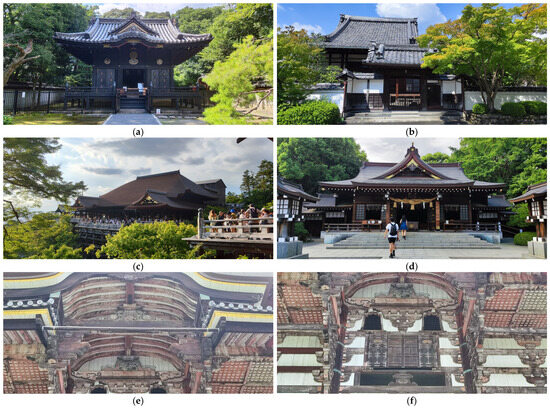
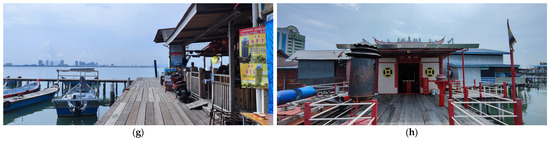
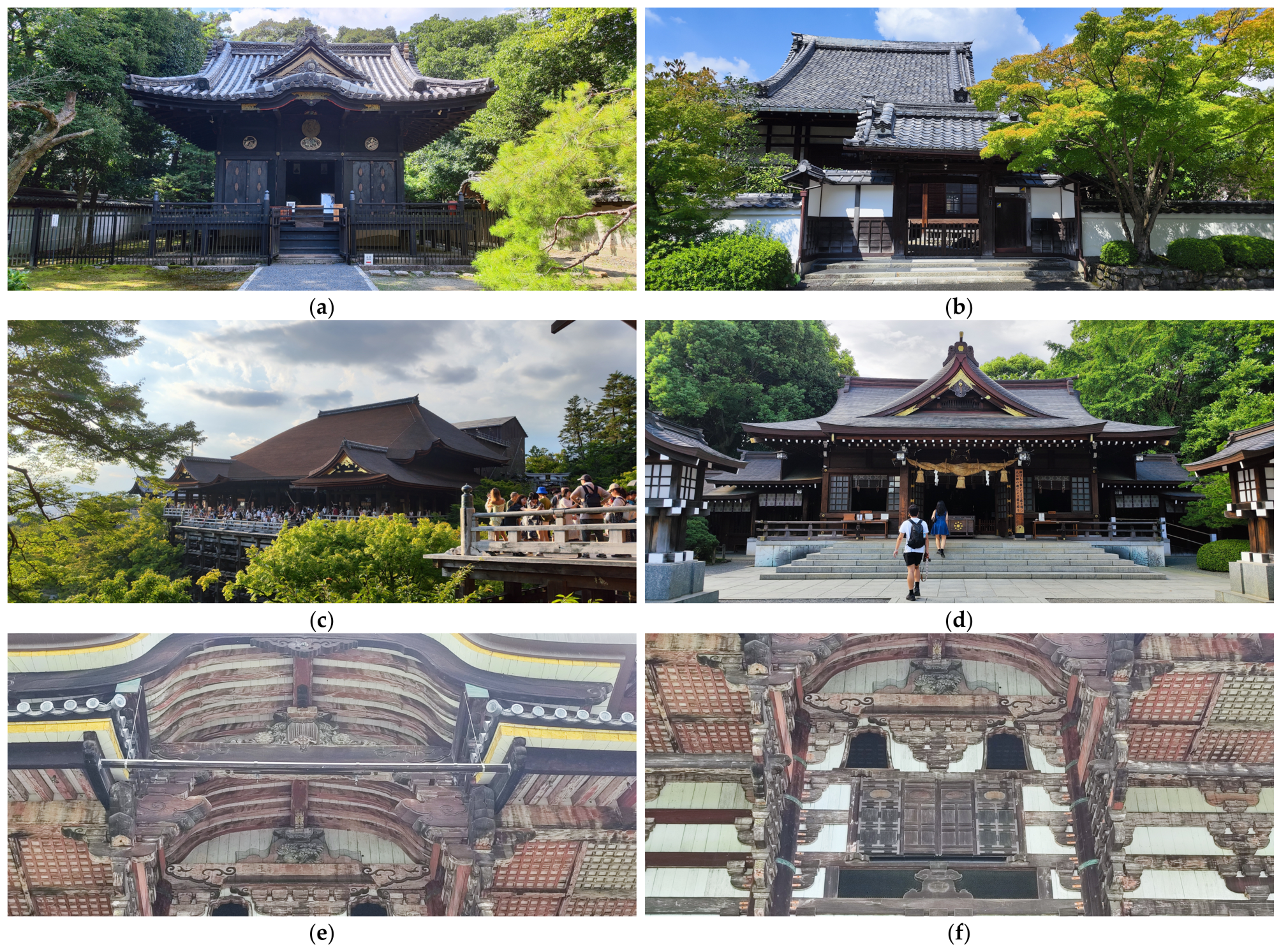

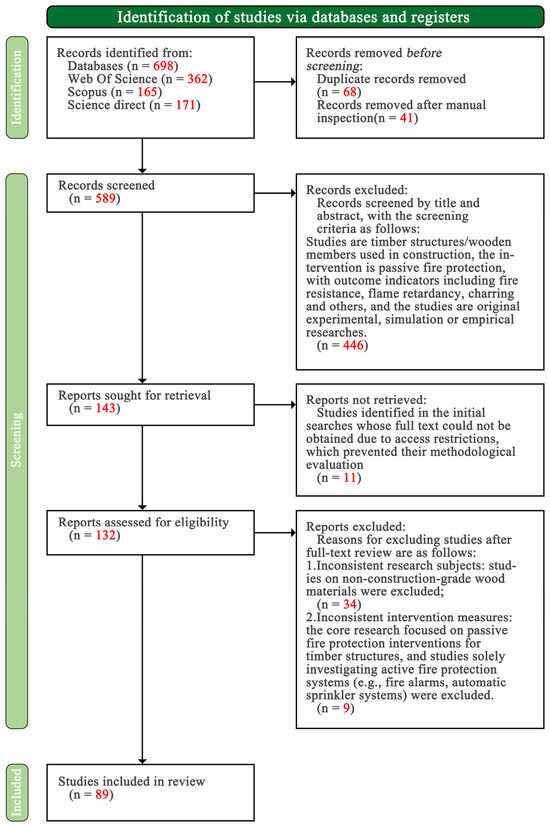
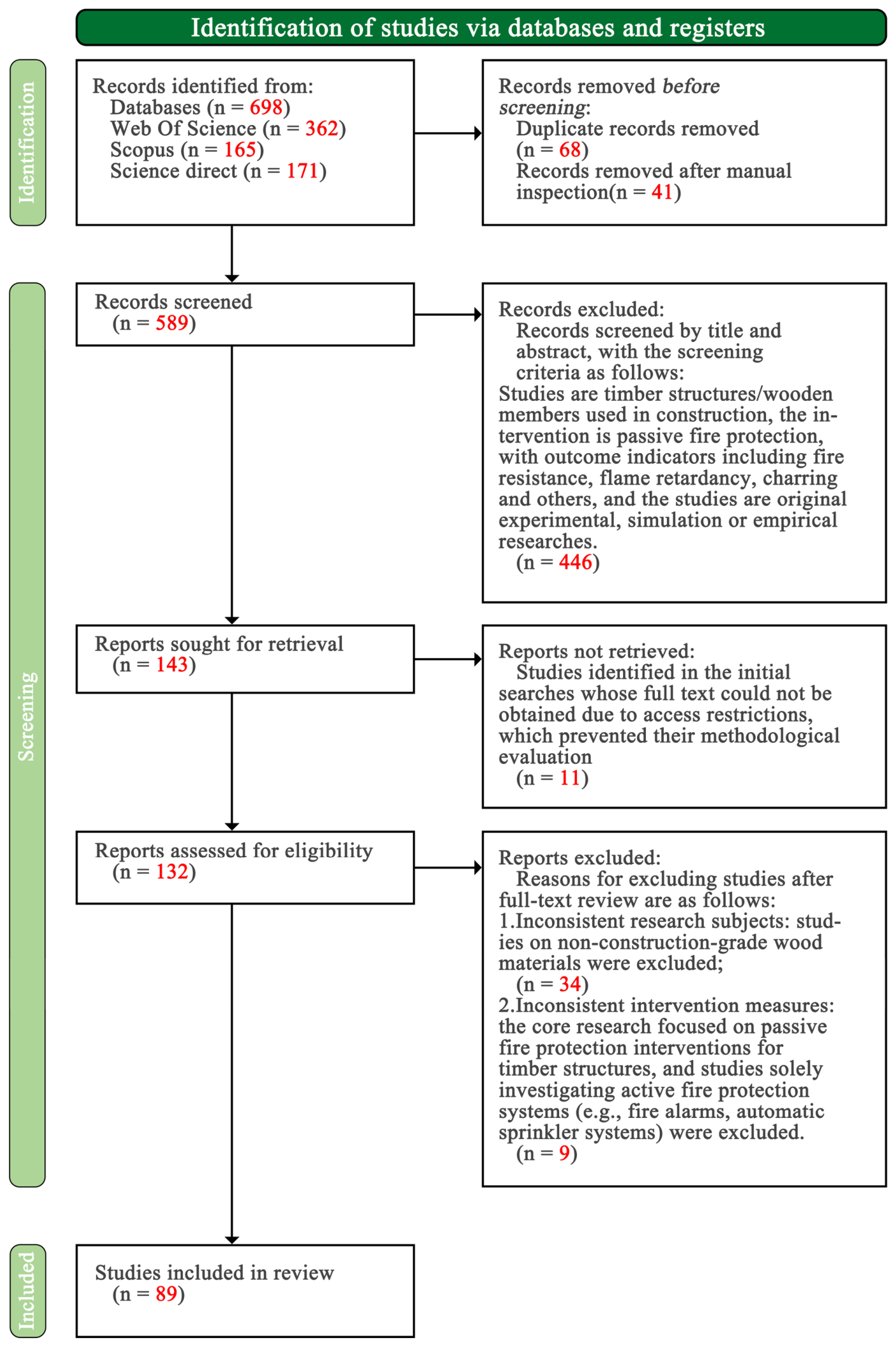
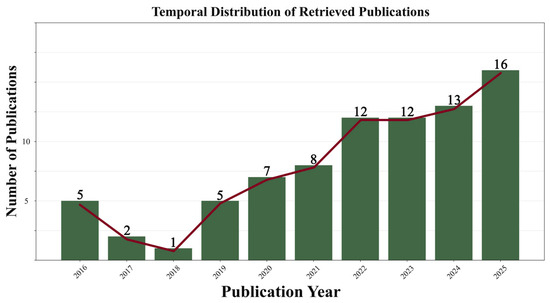
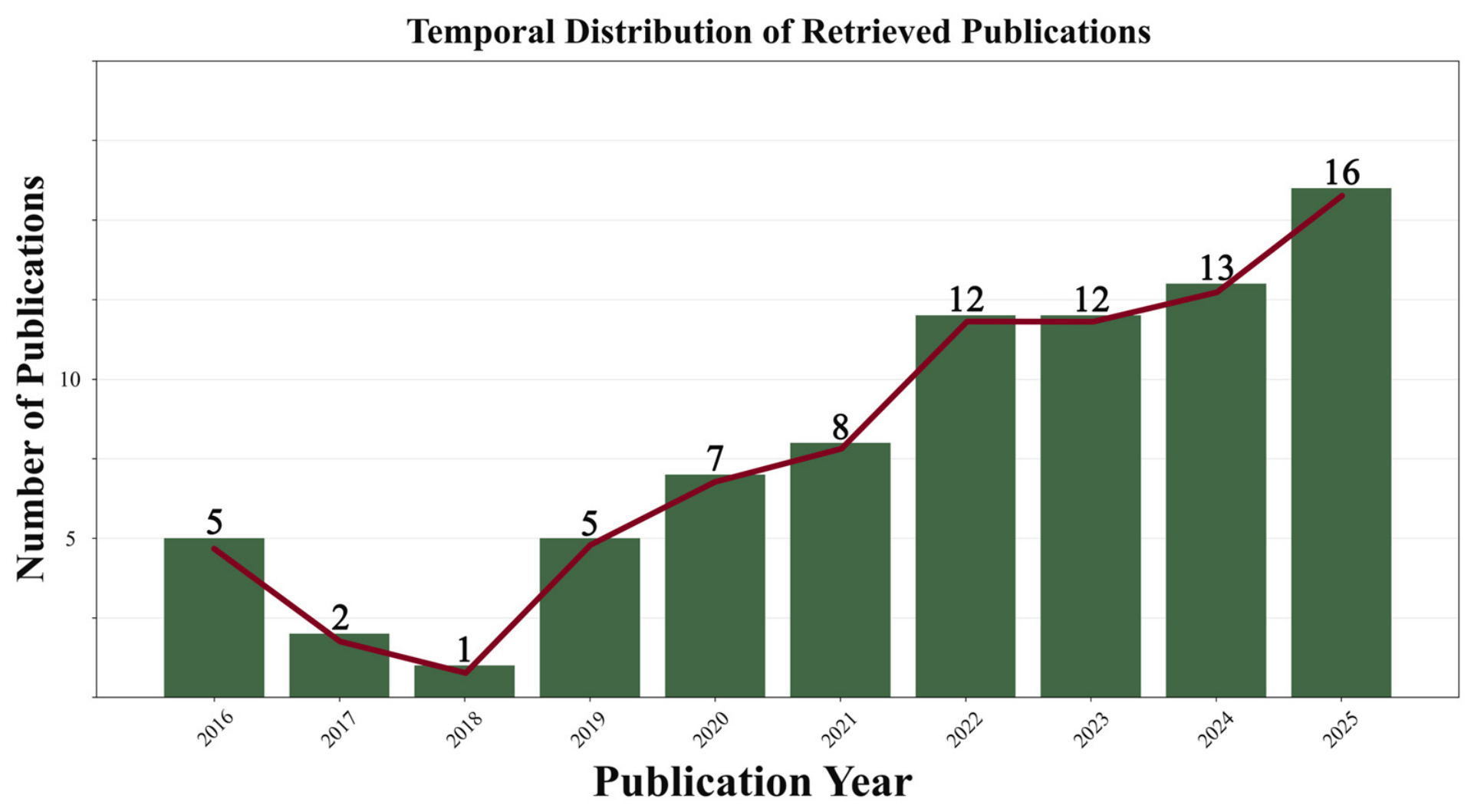
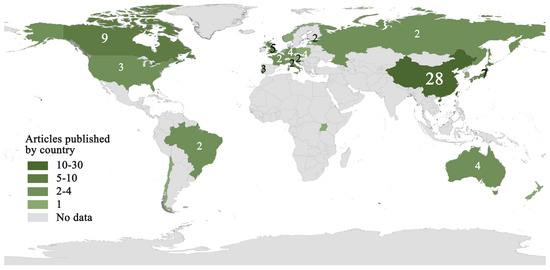
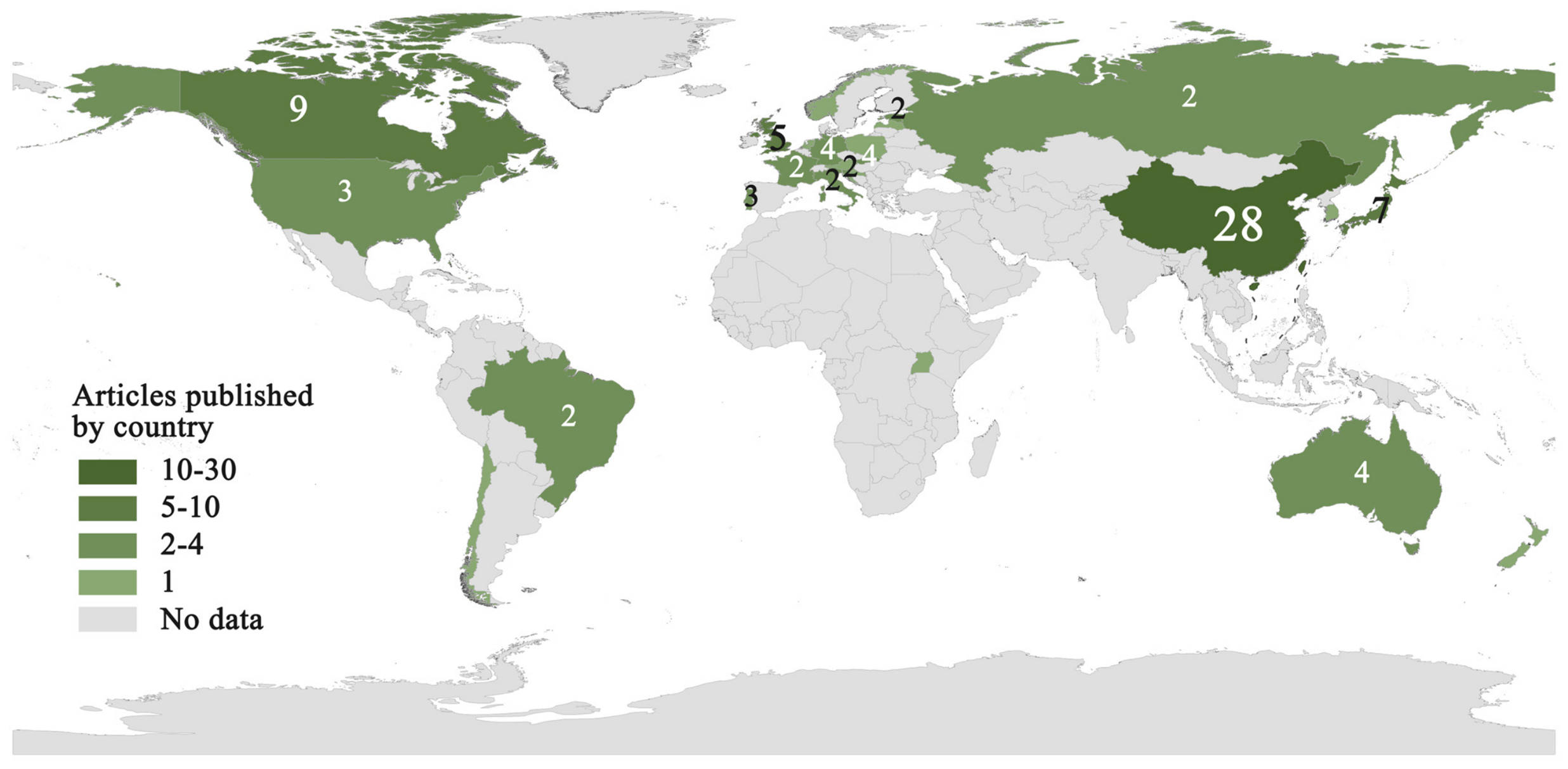
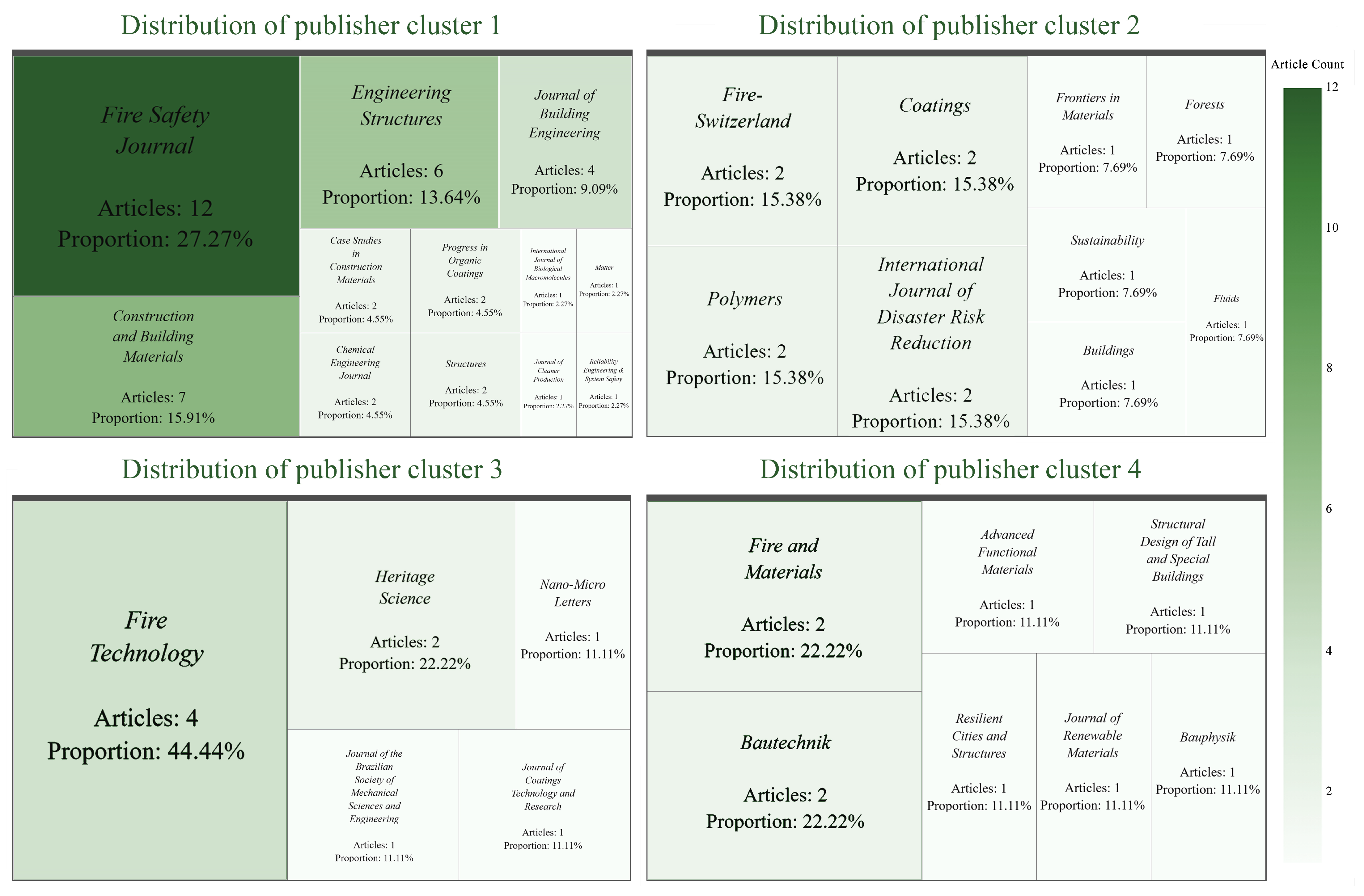
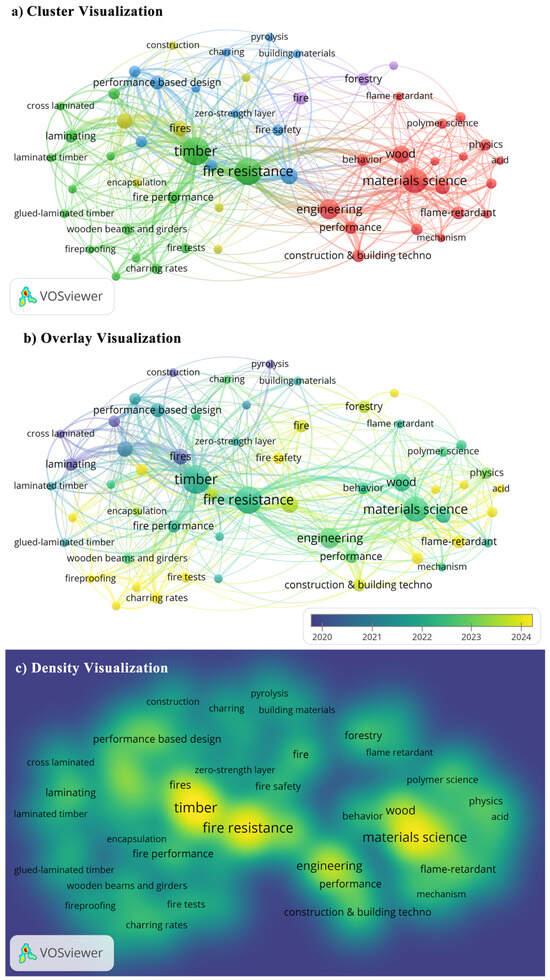
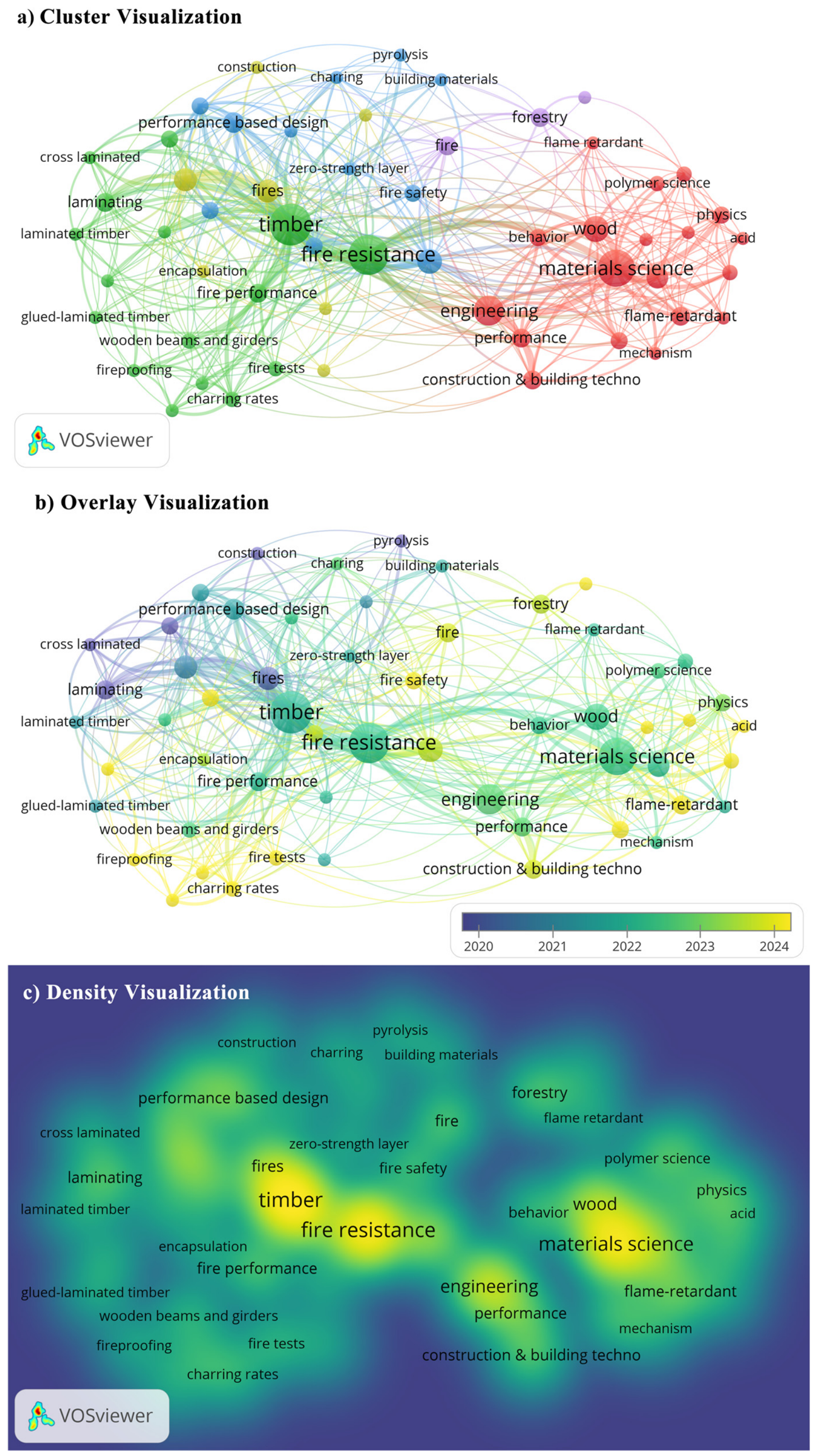
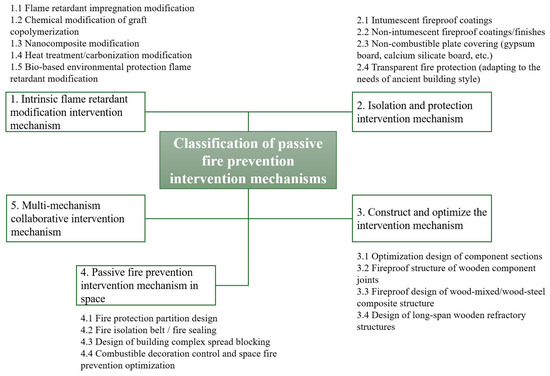
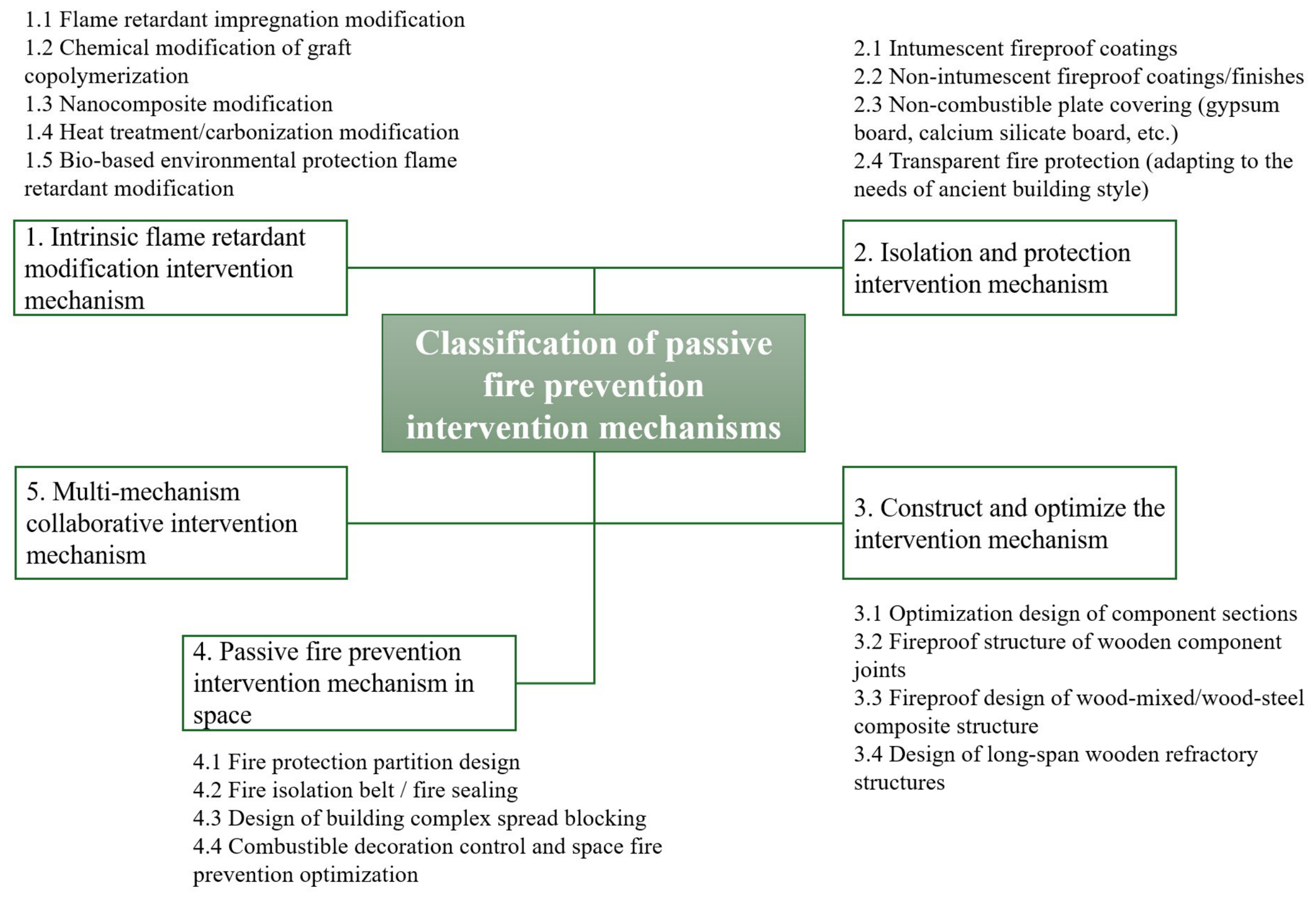
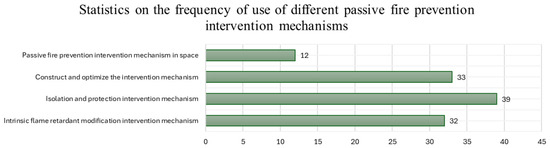
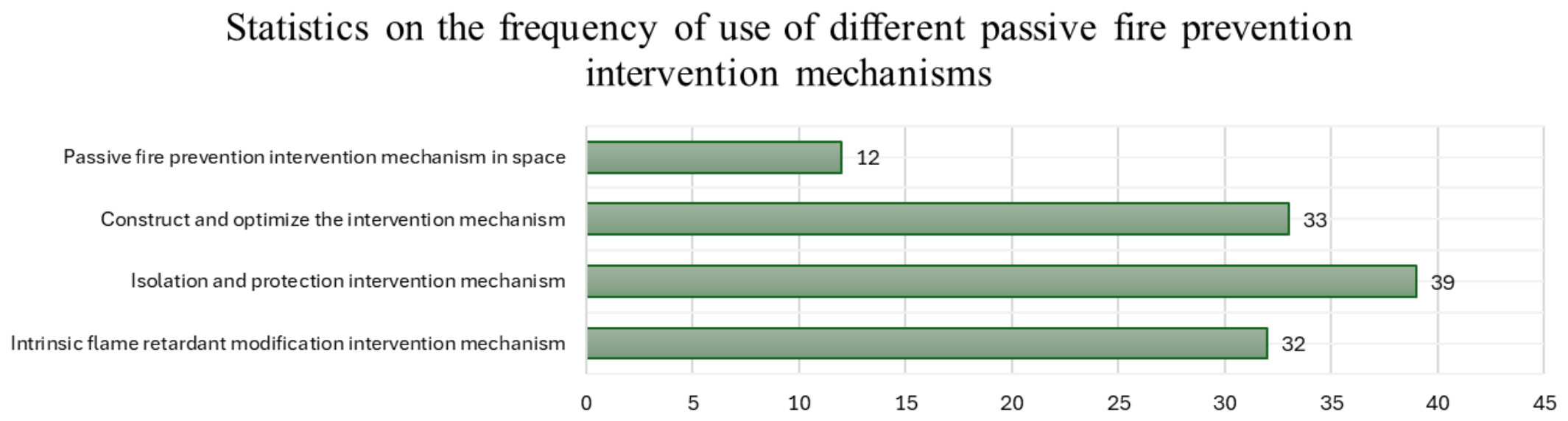
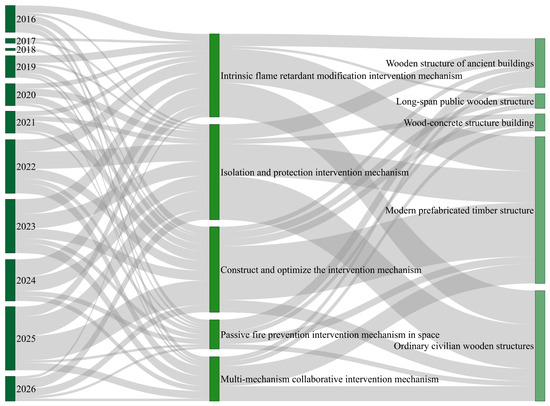
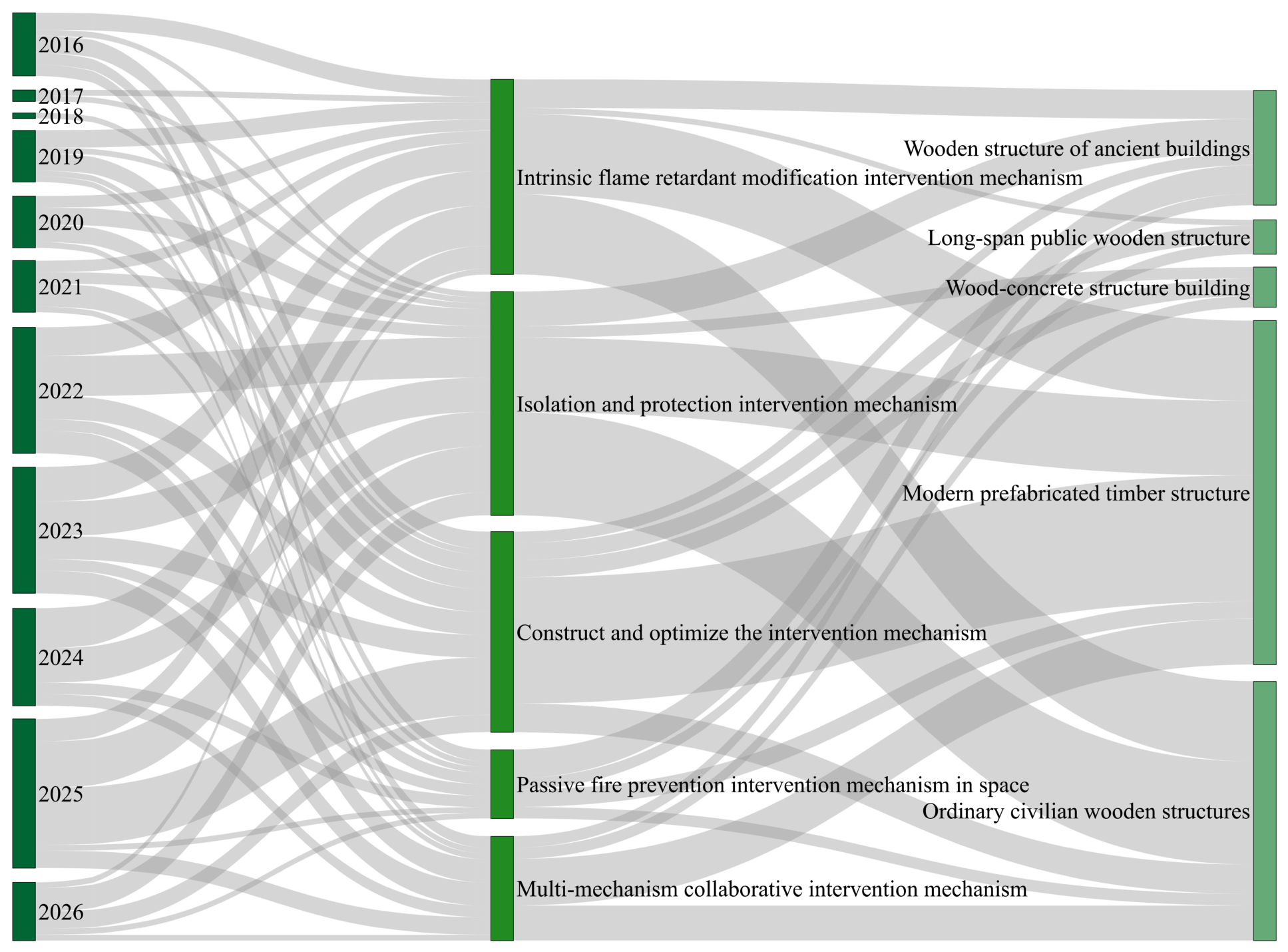

Disclaimer/Publisher’s Note: The statements, opinions and data contained in all publications are solely those of the individual author(s) and contributor(s) and not of MDPI and/or the editor(s). MDPI and/or the editor(s) disclaim responsibility for any injury to people or property resulting from any ideas, methods, instructions or products referred to in the content. |
© 2026 by the authors. Licensee MDPI, Basel, Switzerland. This article is an open access article distributed under the terms and conditions of the Creative Commons Attribution (CC BY) license.