
Skip to Content
FireFire
  • Article
  • Open Access

26 May 2026

Fire Suppression Performance of a Water Mist System Using Ultrasonic Waves

,
,
,
and
1
Department of Fire Protection and Disaster Prevention, Chosun University, Gwangju 61452, Republic of Korea
2
Department of Automotive Engineering, Chosun College of Science and Technology, Gwangju 61452, Republic of Korea
3
Department of Fire Protection and Disaster Management, Chosun University, Gwangju 61452, Republic of Korea
4
R&D Center, DAESUN Fire Safety Equipment Industry, Gwangju 61901, Republic of Korea

Abstract

Conventional water mist systems require high-pressure pumps and complex piping networks to generate fine water droplets, which often results in high installation costs and maintenance difficulties. Recently, a water mist system with ultrasonic waves has been proposed as a viable alternative system to address those limitations. However, there is a lack of experimental data for evaluating the fire suppression performance of water mist systems using ultrasonic waves. Therefore, in this study, a simplified water mist system with an ultrasonic wave was suggested for evaluating the fire suppression performance. Subsequently, a reduced-scale room corner test (RCT) was conducted to investigate suppression performance under various fire sizes and suppression conditions. The experimental cases were classified according to pool size, door condition, and operation of the ultrasonic water mist system. Ultimately, fire suppression performance was quantitatively evaluated using performance indices derived from fire duration and indoor temperature variation. The results demonstrate that the ultrasonic water mist system effectively suppresses fires through combined cooling and oxygen-blocking effects, while significantly reducing indoor temperature compared to oxygen-blocking suppression. The proposed performance indices enable quantitative comparison of suppression effectiveness and confirm the feasibility of ultrasonic water mist systems as an alternative to conventional high-pressure water mist systems.

1. Introduction

Many countries mandate the installation of fire suppression systems in large buildings to enhance fire safety performance [1,2]. Water is the most widely used extinguishing agent in fire suppression systems such as sprinklers, water mist systems, and hydrants, due to its cost-effectiveness and wide availability [3]. These characteristics allow water-based systems to operate continuously during fire incidents [4].
Water exhibits several advantages during fire suppression. Firstly, it absorbs a substantial amount of thermal energy during evaporation due to its high latent heat of vaporization (2442 kJ/kg) [5]. Secondly, water vaporization reduces the local oxygen concentration around the fire below the minimum oxygen concentration (MOC) of approximately 15% [6], as the volumetric expansion ratio of water exceeds 1700 [5]. These mechanisms contribute to both cooling and oxygen-blocking effects.
The fire suppression efficiency of water-based systems can be enhanced by reducing the droplet diameter, as smaller droplets increase the interfacial area of the heat transfer, thereby accelerating evaporation. Water mist systems utilize this principle by generating droplets with diameters smaller than 100 μm [7]. As a result, water consumption can be reduced by up to 10% compared to conventional sprinkler systems [8]. Consequently, water mist systems are extensively deployed in electrical rooms and machinery spaces, where minimizing water damage is paramount.
However, the conventional water mist systems generally consist of high-pressure pumps, complex piping networks, specialized nozzles, water storage tanks, and other parts [9]. In particular, high operating pressure can lead to pipe failure and maintenance challenges. The complexity of systems can also cause installation and administration difficulties.
Advanced droplet generation methods, such as ultrasonic atomization and heating-based systems, have been explored as potential solutions to mitigate these drawbacks of conventional water mist systems [10]. These approaches simplify system configuration and eliminate the need for high-pressure components. Nevertheless, such systems have not yet been commercialized due to the insufficient evaluation of their fire suppression performance.
Therefore, this study aims to evaluate the fire suppression performance of a water mist system employing ultrasonic waves. A simplified prototype system was designed, and reduced-scale experiments were conducted to evaluate suppression effectiveness. The performance of the water mist system with ultrasonic waves was quantitatively evaluated using indices based on the fire duration and the indoor temperature.

2. Experimental Basis

2.1. Water Mist Fire Suppression Systems Using Ultrasonic Waves

This study employs a reduced-scale fire experiment to evaluate the fire suppression performance of a water mist system using ultrasonic waves. Since no commercial water mist system using ultrasonics is currently available, a custom prototype was designed.
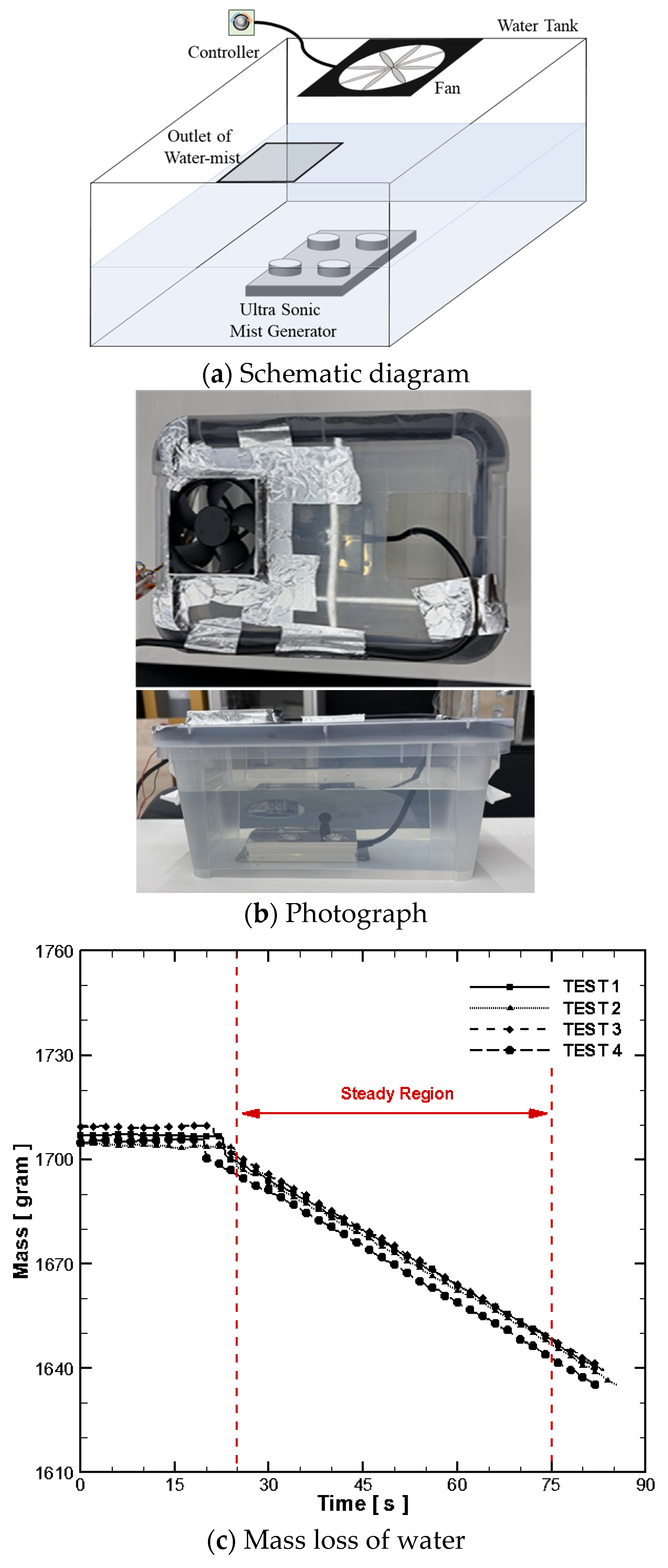
Figure 1 shows the schematic diagram and photograph of the proposed system. As shown in Figure 1a, the system consists of an ultrasonic atomizer, a water tank with an outlet, and a fan equipped with a controller. The present study employs an ultrasonic generator (1.7 MHz) to produce water mist, and the generator can generate 3~5 μm of water mist for 20 mL/min [11]. Furthermore, a simple cooling fan, which has a maximum power of 4.32 W (12 VDC & 0.36 A) and a maximum flow rate of 1.13 CFM, was integrated to discharge the water mist from the water tank. The operation and flow rate of the fan were then controlled by a DC motor speed controller (DC 1.8 V–16 V). In this study, we only focused on the influence of the fire condition and suppression method, and then the flow rate of the fan was set as the minimum level (0.09 W: 1.8 VDC & 0.05 A). The prototype was assembled by simply combining those components, as shown in Figure 1b. Compared to the conventional water mist systems, the newly designed configuration significantly simplifies system installation and reduces structural complexity.
Figure 1. Overall properties of the proposed system.
In this study, the mass flow rate of the water mist was calculated by measuring the mass loss of water during operation of the newly designed water mist system. As shown in Figure 1c, which shows the mass loss of the water, the mass of water decreased almost uniformly throughout the entire operation time. The steady region was defined from 25 s to 75 s to improve the accuracy, despite the nearly uniform decrease in mass. Accordingly, the mass flow rate of the water mist was determined to be 1.037 ± 0.0087 g/s. The total inflow of water mist can then be estimated by multiplying the mass flow rate by the operating time of the water mist system.

2.2. Room Corner Test (RCT) Model

The fire suppression performance is influenced by various factors, including fire size, droplet characteristics, and compartment ventilation. Therefore, a controlled experimental facility is required to quantitatively evaluate the fire suppression performance.
The room corner test (RCT) is widely used to investigate fire characteristics such as ignition, flame spread, and suppression under controlled conditions. In this study, a reduced-scale RCT model was employed as the fire and suppression room for improving experimental efficiency and ensuring precise control of environmental variables [12]. In this study, the Froude number, the ratio of inertia force to gravitational force, has been applied for reducing the RCT room, and the basic correlation between the real scale and the model is as follows [13,14]:
F r = V M 2 g L M = V F 2 g L F
where F r is the Froude number, V is the characteristic velocity, g is the gravitational acceleration, and L is the characteristic length. The subscripts M and F refer to the model and the full-scale, respectively.
Additionally, the scaling relationship for heat release rate is as follows [13,14]:
Q ˙ M = Q ˙ M L M L F 5 / 2
where Q ˙ is the heat release rate, and L is the characteristic length, respectively.
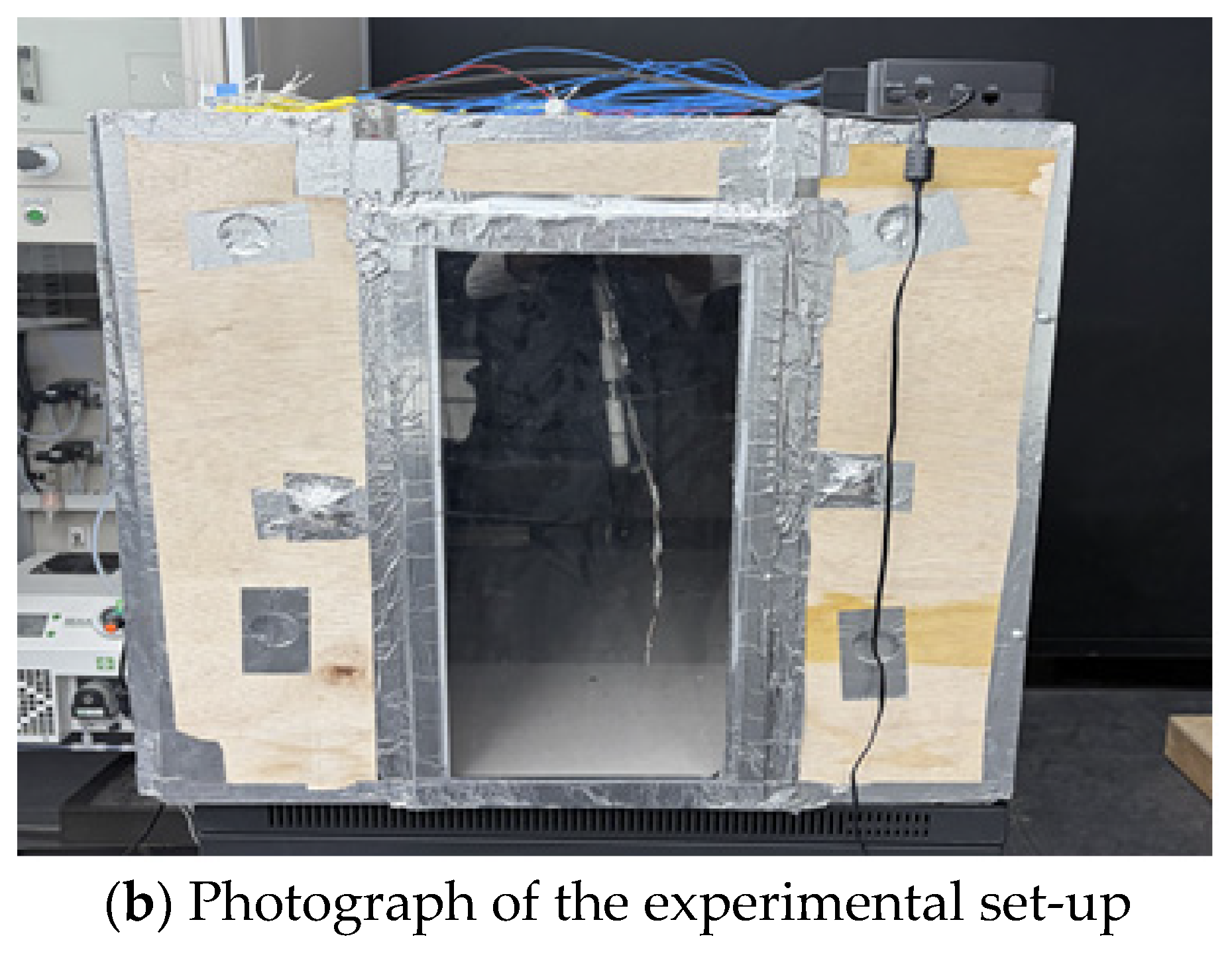
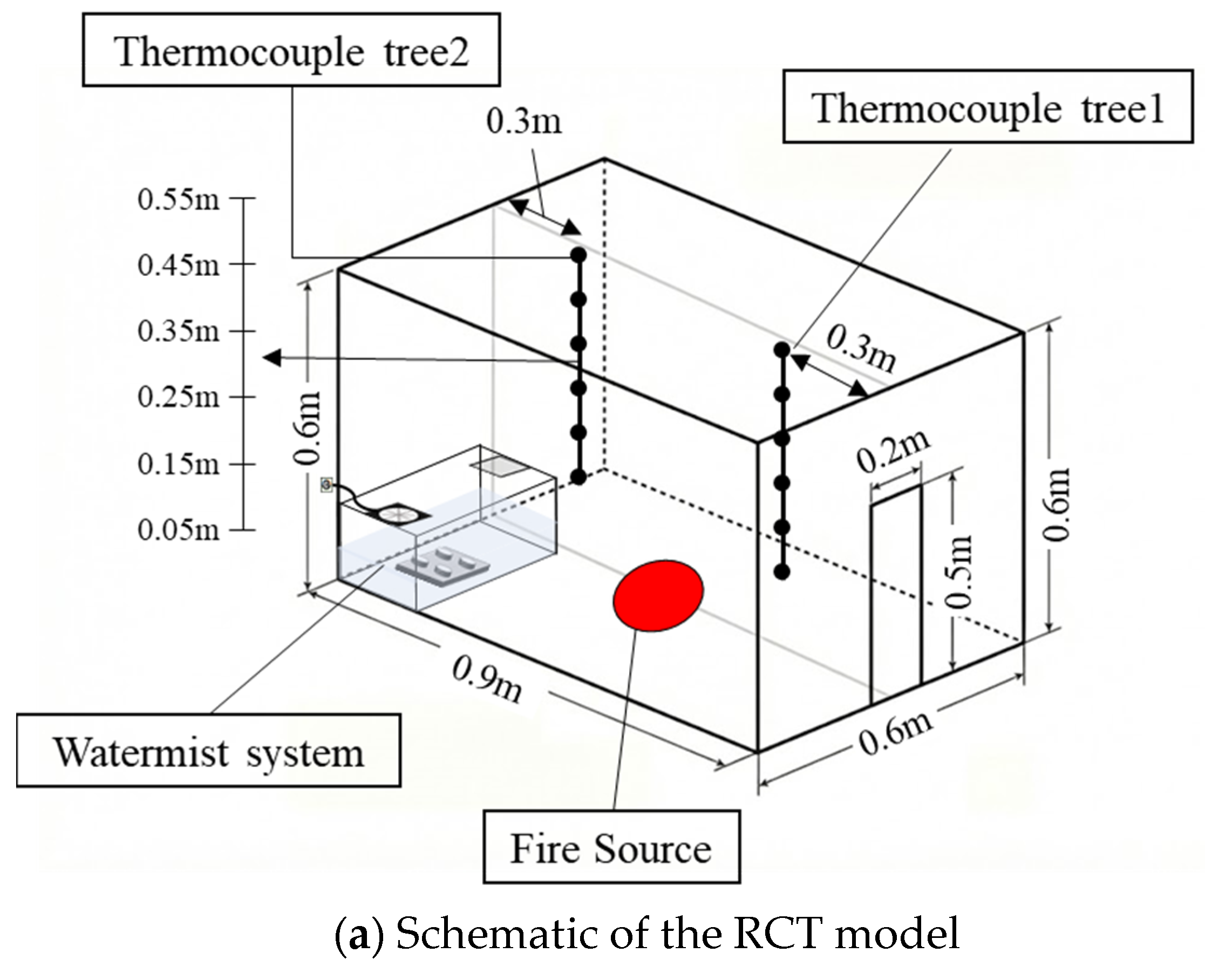
Figure 2 shows the RCT model scaled to one-quarter of the full scale according to the Froude number, along with the experimental setup. Two thermocouple trees, each consisting of six K-type thermocouples, were installed to measure the vertical temperature distributions. A load cell was installed to measure fuel mass loss during experiments. The final experimental configuration is shown in Figure 2b.
Figure 2. RCT model.

2.3. Experimental Conditions

Table 1 lists the experimental conditions. The test cases were classified according to the fire size, the door condition, and the operation of the ultrasonic water mist system. The fire size was controlled by varying the pool diameter (60, 75, and 90 mm), with acetone used as the fuel. The fuel mass was adjusted to maintain a constant fuel depth, 0.011 m, across all cases.
Table 1. Experimental conditions.
The door condition was used to distinguish basic fire cases (door open) from oxygen-blocking suppression cases (door closed), because the air tightness of the fire room is one of the important parameters on the fire suppression performance of the water mist system [10,15,16]. Then, the oxygen-blocking suppression cases were classified by the operation of the water mist system using ultrasonic waves. The activation temperature of each fire suppression system was set to 72 °C. Basic cases were used as reference conditions for deriving suppression performance indices, while oxygen blocking and water mist cases were compared against these references.

3. Results and Discussion

3.1. Heat Release Rate (HRR)

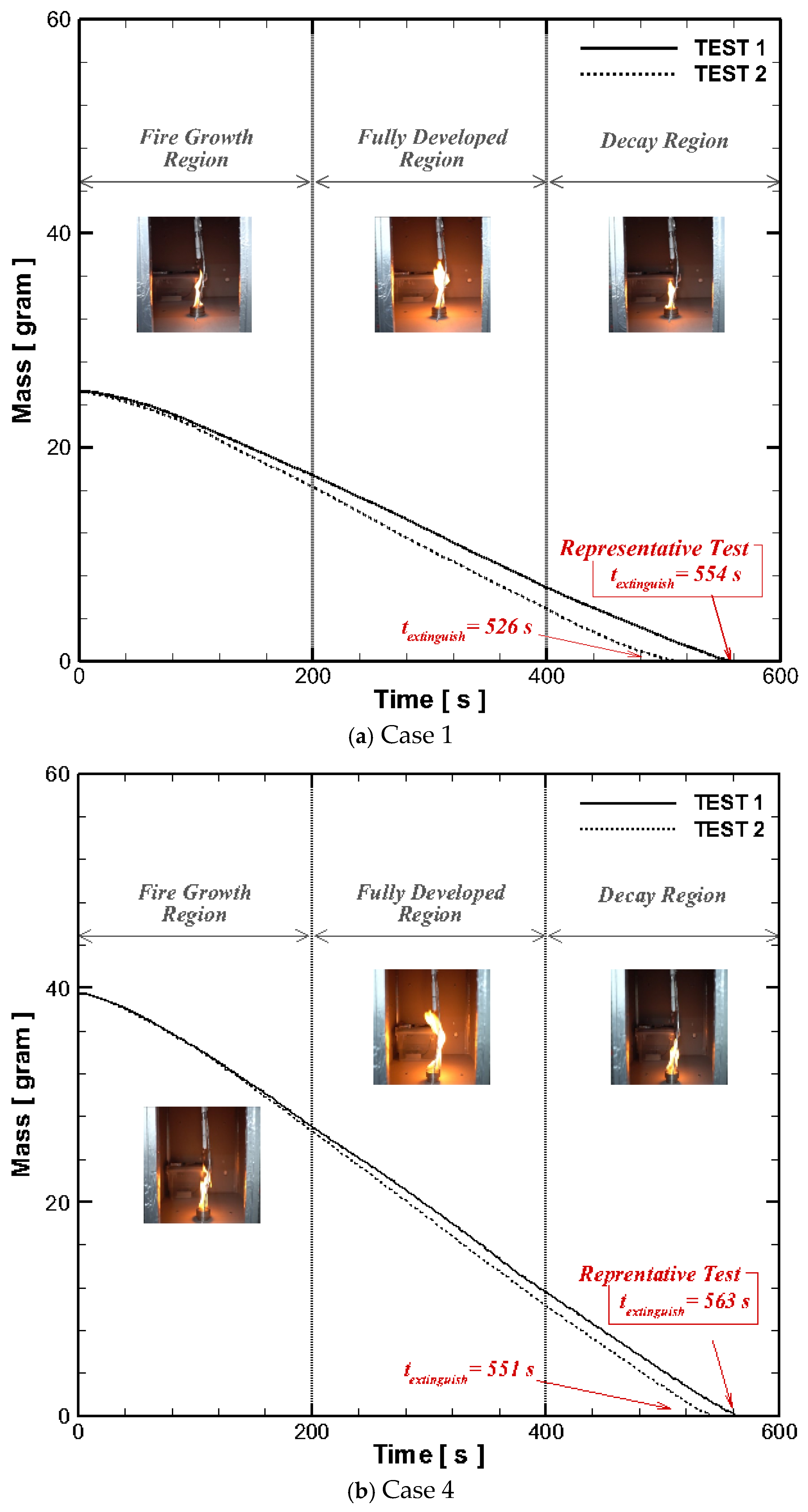
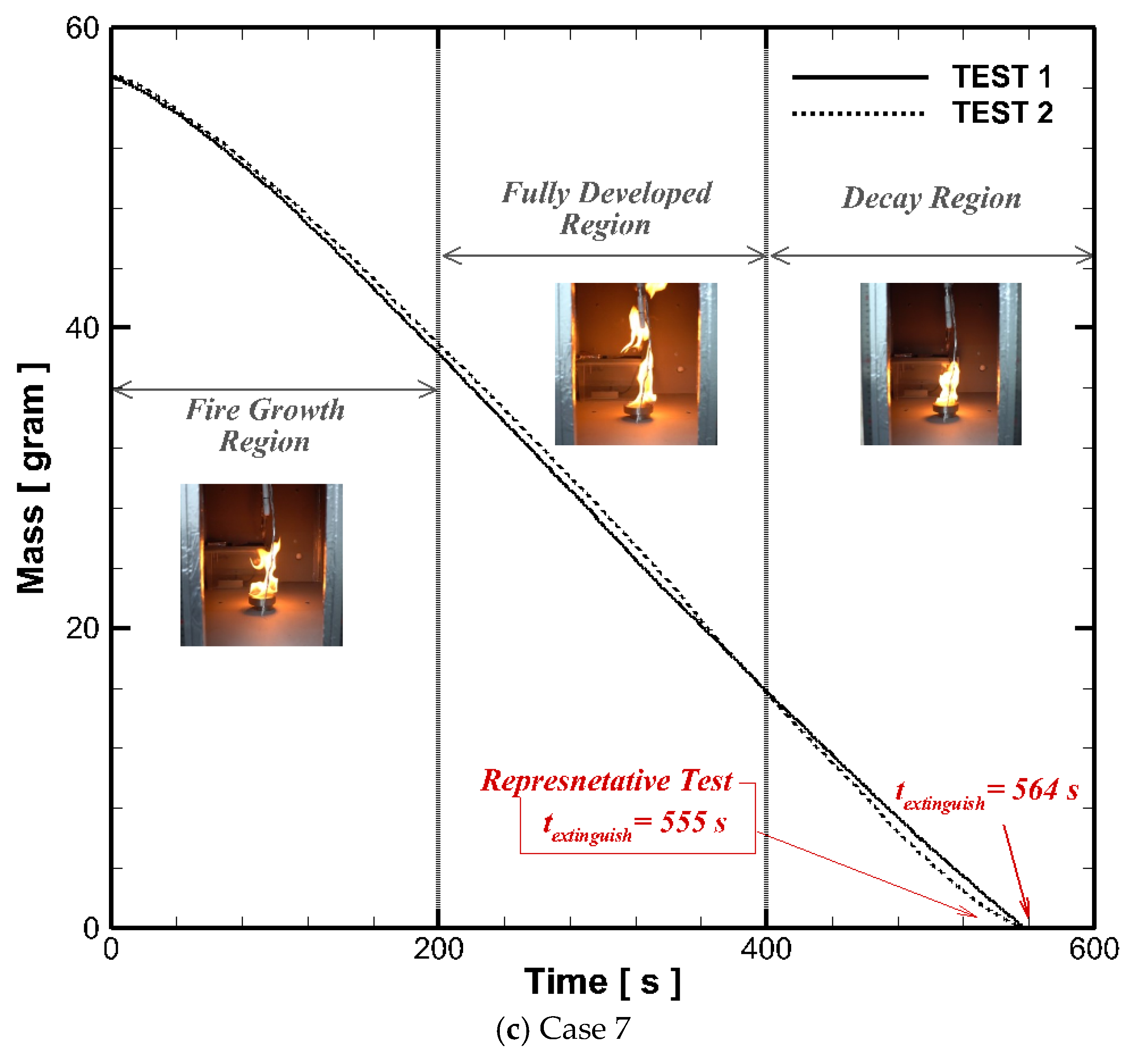
Figure 3 shows the mass loss for each basic fire case. As shown in Figure 3, the fire experiments for each case were performed twice, and every result was derived by averaging the data of each test. The fire growth of the basic fire cases could be distinguished by the fire growth region, the fully developed region, and the decay region. Moreover, the averaged extinguishment times were 554 s, 563 s, and 555 s for cases 1, 4, and 7, respectively.
Figure 3. Mass loss for each basic fire case.
In this study, the averaged mass loss rate was calculated using the data within the fully developed region, because quasi-steady combustion was observed in this region. The average mass loss rate of the fuel was obtained using a five-point numerical differentiation scheme, as follows [14]:
m ˙ i = m i 2 + 8 m i 1 8 m i + 1 + m i + 2 12 Δ t
where m ˙ i is the mass loss rate at i second, and Δ t is the time step for measurement.
The heat release rate for each pool size was calculated as follows [15,17,18]:
Q ˙ = χ m ˙ Δ H C
where Q ˙ is the heat release rate, χ is combustion efficiency, and Δ H C is the heat of combustion. In this study, the average mass loss rate and heat of combustion of acetone were applied for calculating the HRR of basic fire cases, and the combustion efficiency was assumed as 100%.
To compare the fire suppression performance across different fire sizes, the dimensionless heat release rate was derived by using the Froude number as follows [13].
Q * = Q ˙ ρ 0 C P T 0 g 1 / 2 D 2 / 5
where Q * is the dimensionless heat release rate, ρ 0 is the density of surround air, C P is the specific heat of air, T 0 is ambient temperature, g is gravity, and D is the diameter of the fire pool. Table 2 lists the mass loss rates, the heat release rates, and the dimensionless heat release rates.
Table 2. Mass loss rates, heat release rates, and dimensionless heat release rates.

3.2. Temperature Distribution in the RCT Model

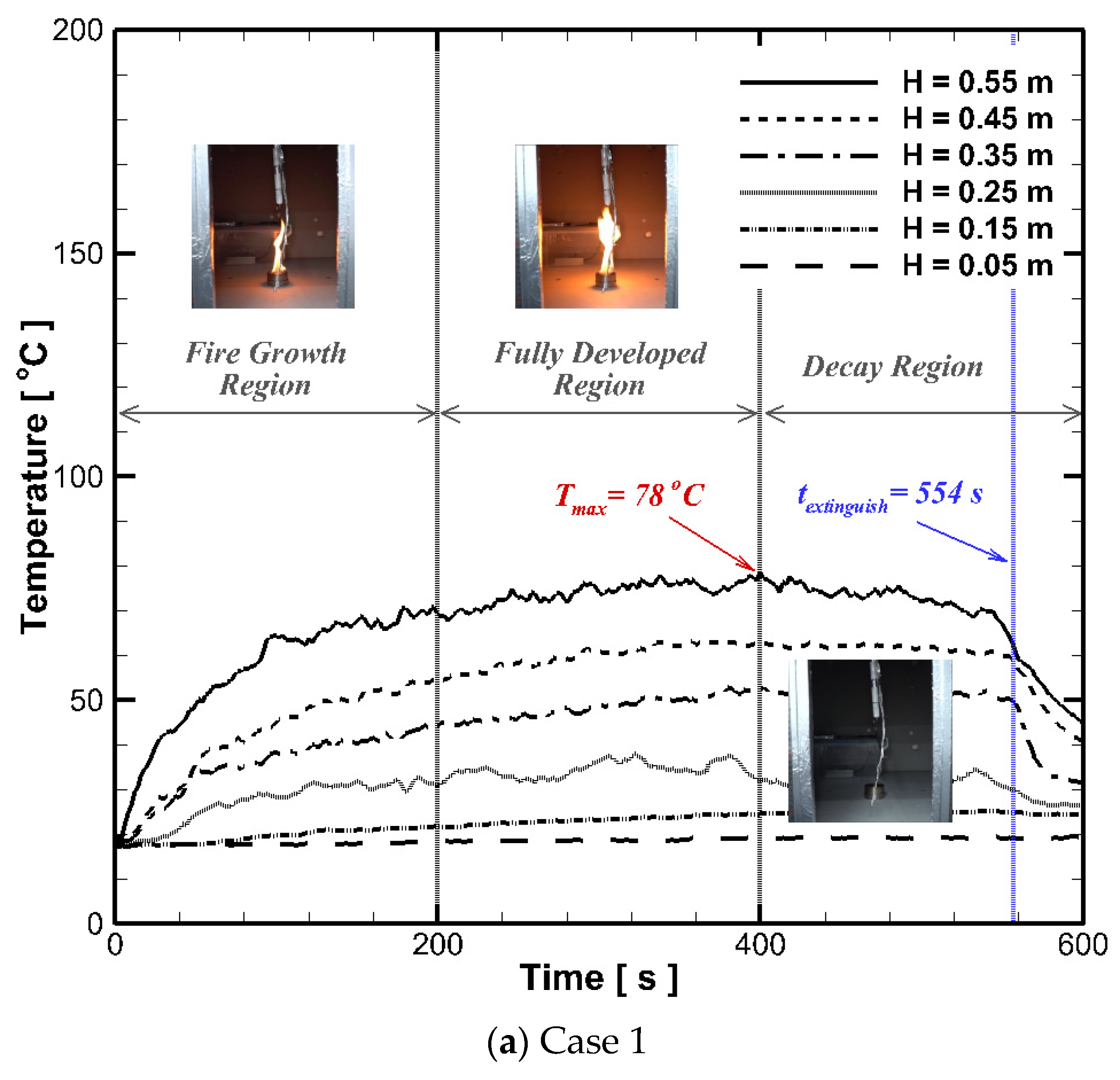
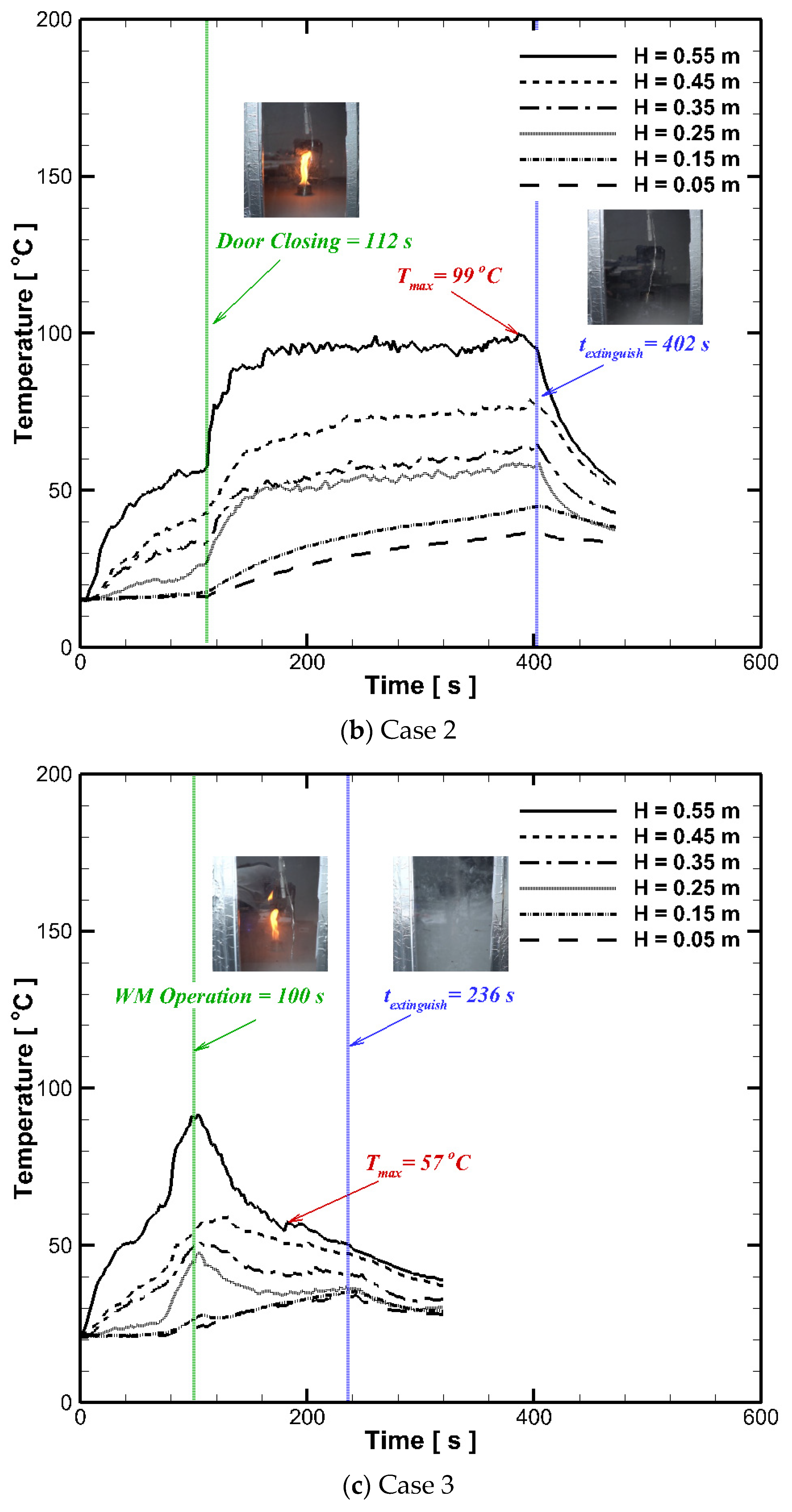
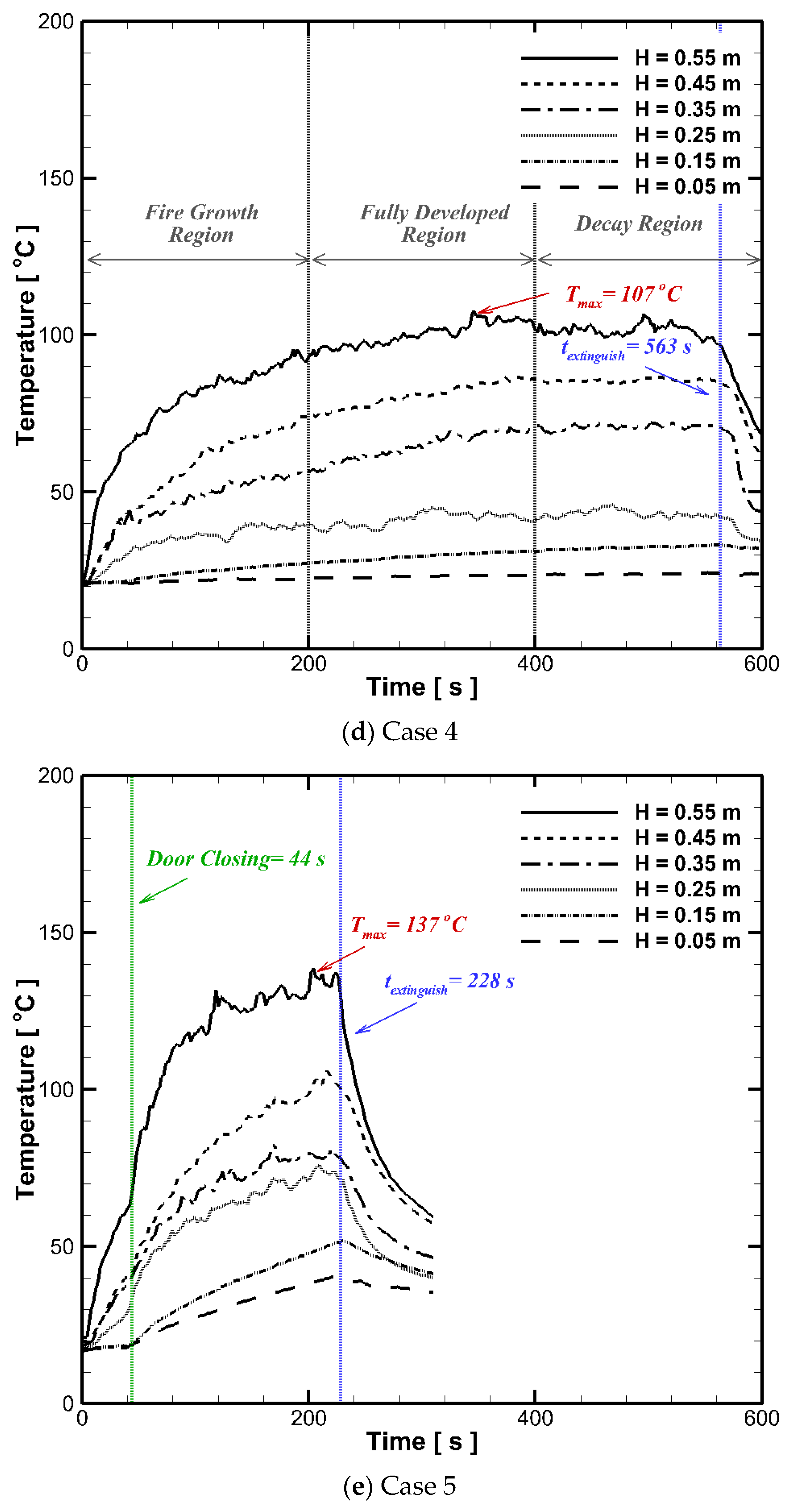
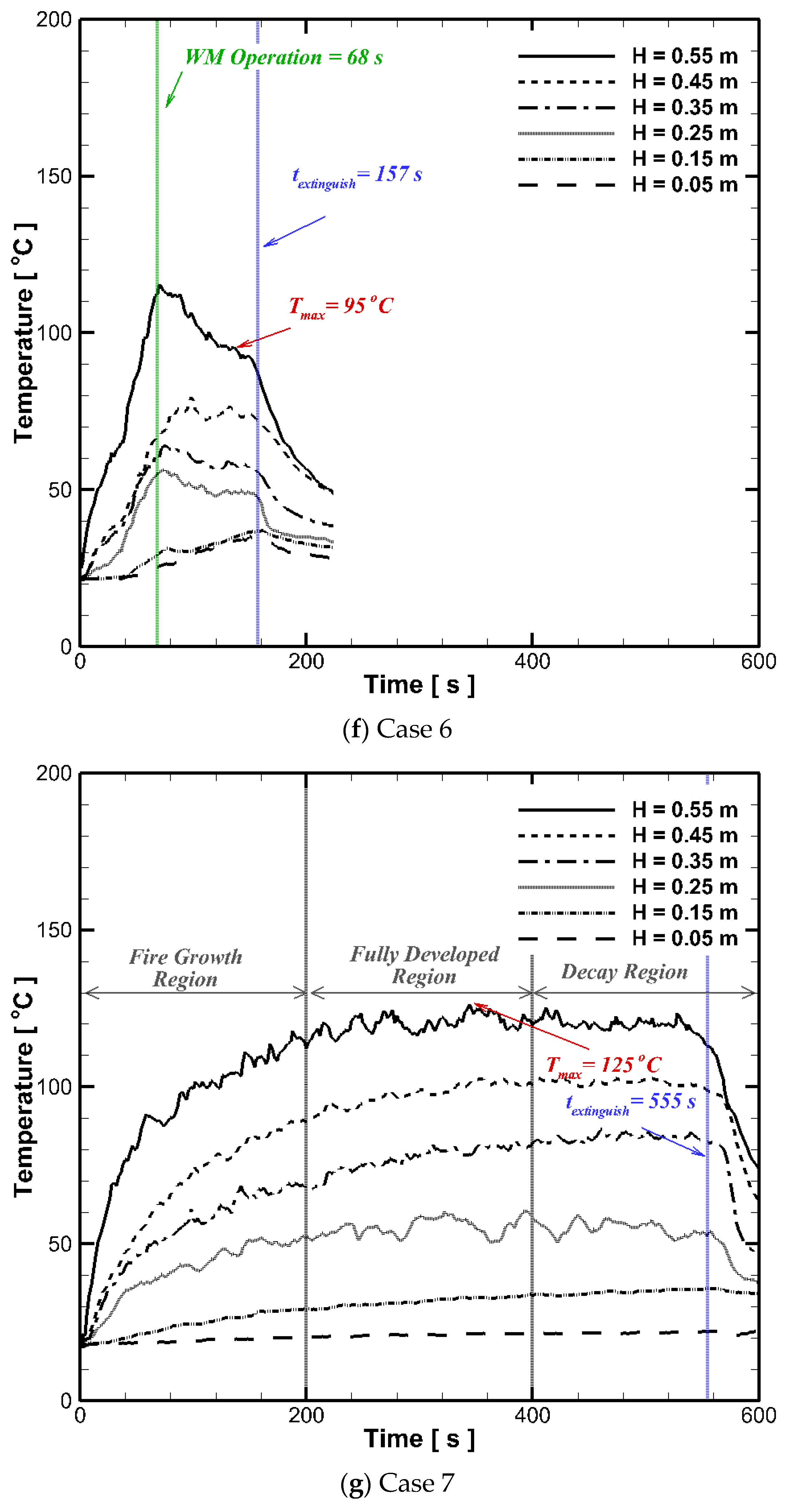
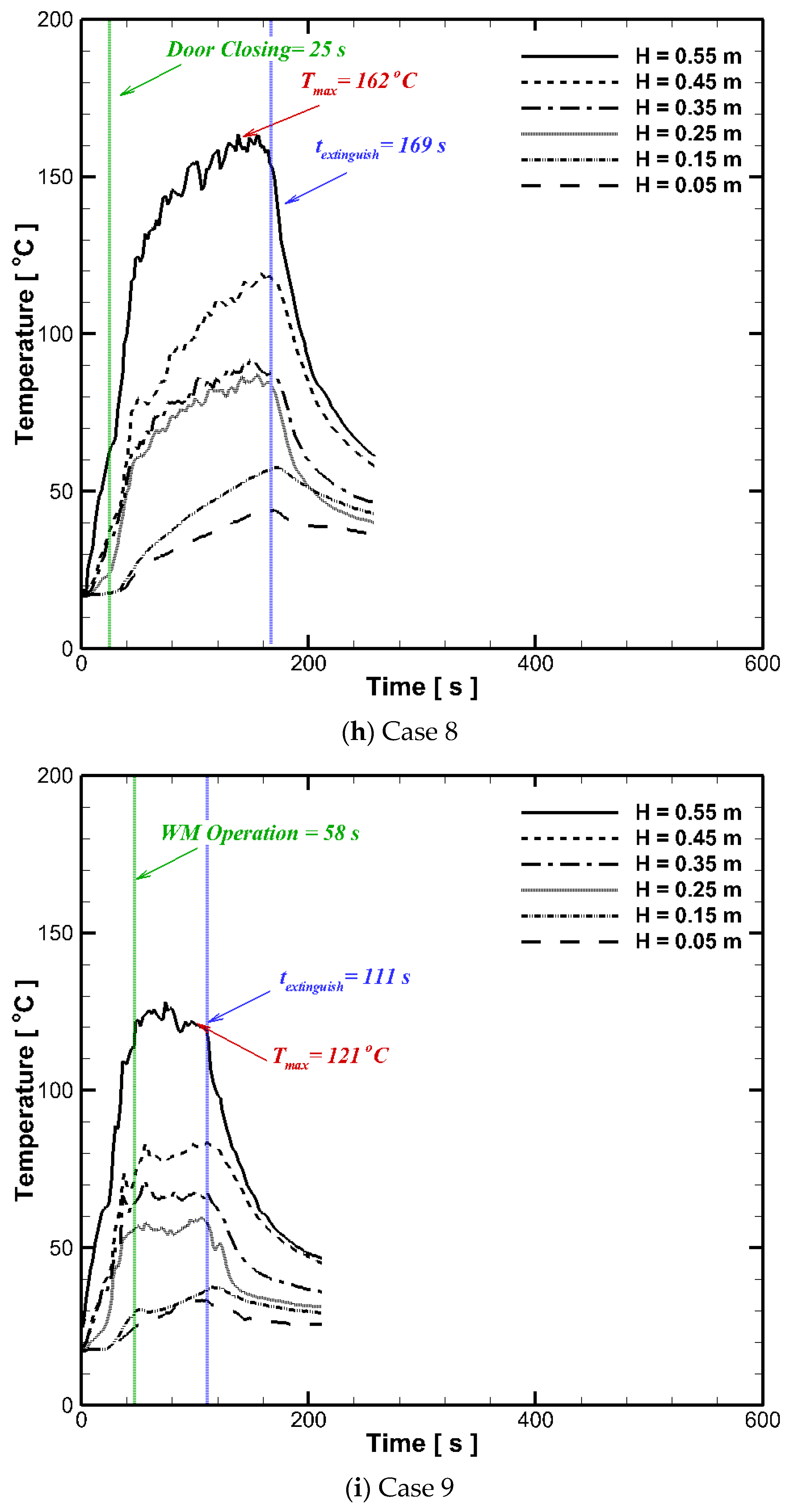
Figure 4 shows the temporal variation in the indoor temperature for each experimental case. In the basic fire cases (Cases 1, 4, and 7), the temperature exhibited a rapid increase following ignition, remaining nearly constant from 200 s to about 600 s. Then, the indoor temperature suddenly decreased after the blue dotted line, which represents the extinguished time based on the variation in the mass (Figure 3). Thus, the fire suppression time was estimated by using this sudden decrement of the indoor temperature for the cases with the fire suppression systems.
Figure 4. Temporal variation in indoor temperature for each experimental case.
When the oxygen-blocking suppression was applied (cases 2, 5, and 8), the suppression time was significantly reduced as the HRR increased with the basic fire cases (cases 1, 4, and 7). That is, the bigger fire can be easily controlled by blocking the oxygen supply within the enclosure, as the oxygen consumption accelerates with increasing fire size. However, after applying the oxygen blocking, the indoor temperatures rapidly increased to 99 °C, 137 °C, and 162 °C, respectively, because the high-temperature gases remained inside the compartment due to the closed door.
In contrast, when the ultrasonic water mist system was activated (Cases 3, 6, and 9), the indoor temperature also decreased rapidly to 56 °C, 95 °C, and 121 °C, respectively. Moreover, the suppression times were significantly reduced due to the accumulation of inflowing water mist (141.0 g, 92.3 g, and 55.0 g, respectively) around the fire source. The fine water mist absorbed heat from the fire through evaporation and displaced oxygen around the fire due to excessive volumetric expansion during vaporization. As a result of these phenomena, both the room temperature and the suppression time were significantly reduced compared with the other cases.

3.3. Performance Indices for Fire Suppression

From the above-described results, the water mist systems suppress fires through the combined effect of cooling and oxygen blocking. However, the fire suppression performance has conventionally been evaluated by using the indoor temperature, the suppression time, and others [19,20,21]. Therefore, in this study, two performance indices are suggested to enable a quantitative evaluation of the water mist fire suppression systems.
The suppression performance index was defined as the ratio of the fire duration under the fire suppression system to that of the basic fire case, as follows:
η f s = t f s t f s , b
where t f s is the fire suppression time when the suppression system was applied, and t f s , b is fire extinguished time for basic fire cases.
In addition, a cooling performance index was similarly defined as the ratio of the maximum indoor temperature after operating the water mist system to that of the basic fire case, as follows:
η c o o l = T max T max , b
where T m a x is the maximum indoor temperature when the suppression system was applied and T max , b is the maximum indoor temperature for the basic fire cases.
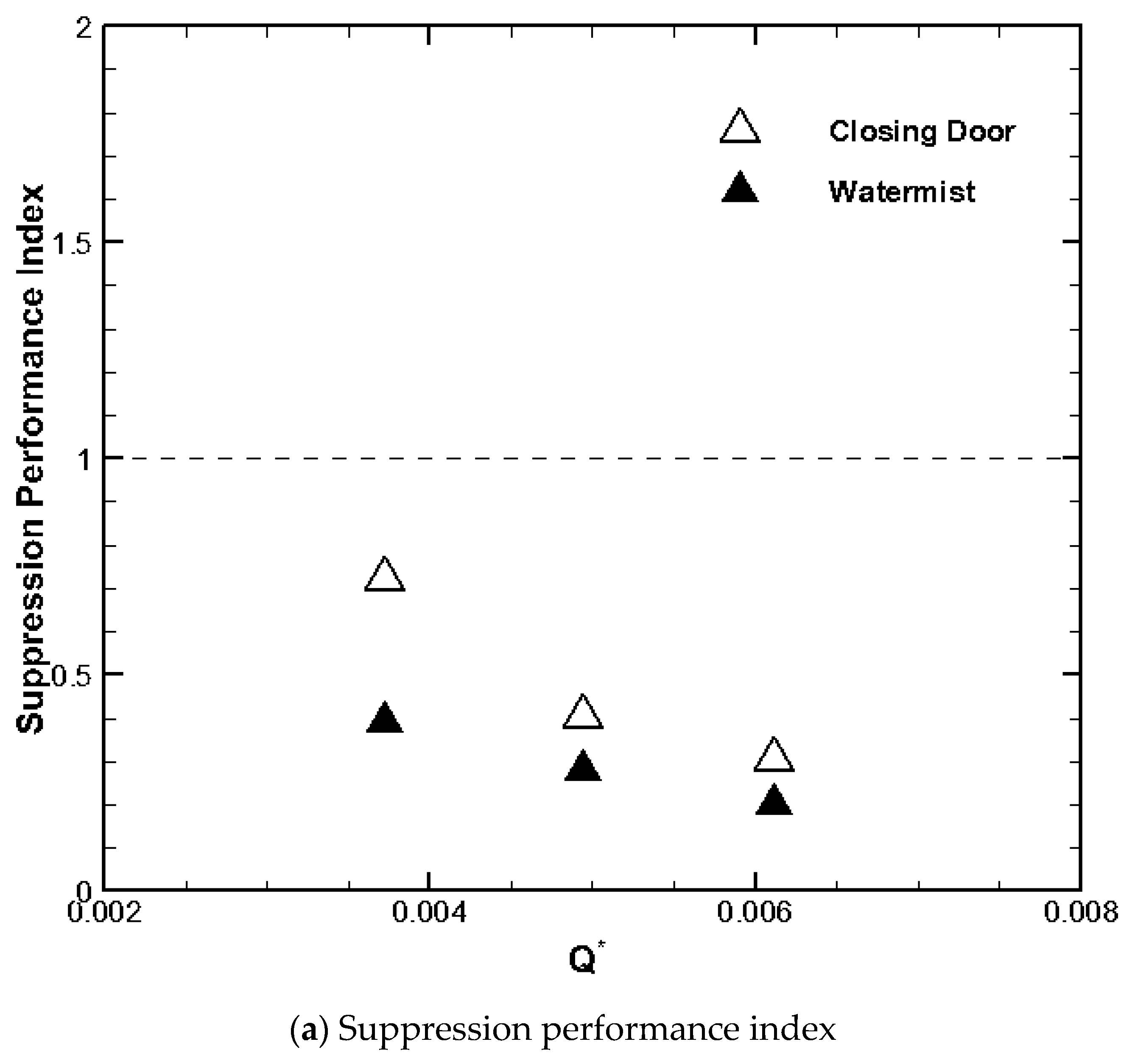
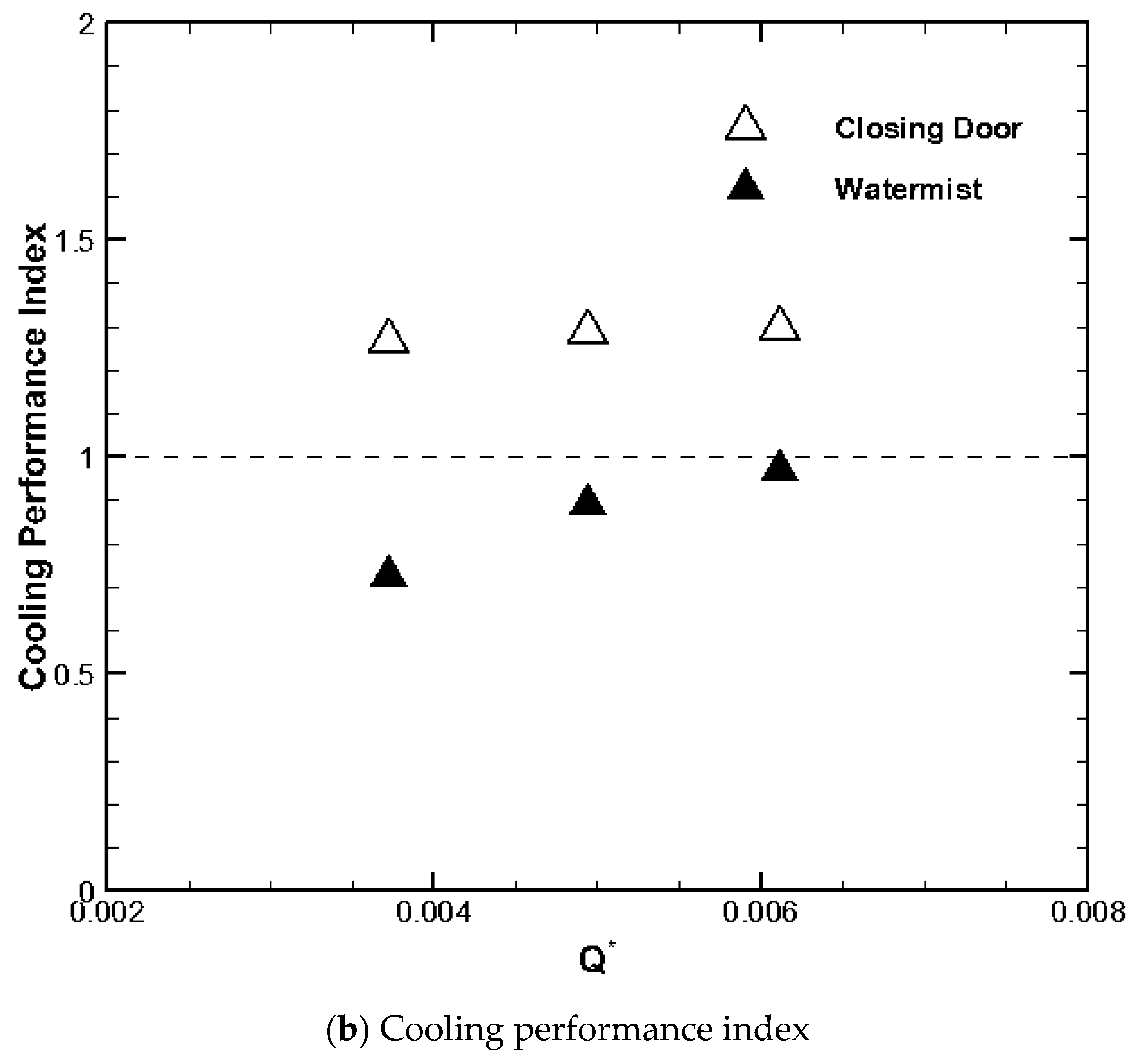
Figure 5 shows the performance indices for each case with the fire suppression systems. For every case with the fire suppression systems, the suppression performance index remained below unity, demonstrating the high efficacy of the proposed system.
Figure 5. Performance indices for each case with the fire suppression systems.
In contrast to the suppression performance index, the cooling performance index exceeded unity for the oxygen blocking cases (cases 2, 5, and 8), which means the cooling effect cannot be applied by using only oxygen blocking. Conversely, the cooling performance index was less than unity for the ultrasonic water mist cases (cases 3, 6, and 9), and this means that the effects of cooling and oxygen blocking can be achieved by using the ultrasonic water mist.

4. Conclusions

In this study, an experimental investigation has been conducted using a reduced-scale model to evaluate the fire suppression performance of the ultrasonic water mist system. The results indicate that the ultrasonic water mist system can effectively suppress fires compared to the oxygen-blocking suppression. Moreover, two performance indices have been proposed to quantitatively assess fire suppression performance. The main conclusions of this study are summarized as follows:
  • A suppression performance index based on the fire duration was defined to evaluate the extinguishment effectiveness. Using this index, both the oxygen-blocking suppression and the ultrasonic water mist suppression were quantitatively confirmed to provide effective fire extinguishment.
  • A cooling performance index based on the indoor temperature was defined to evaluate the thermal mitigation. According to this index, the ultrasonic water mist suppression significantly enhanced the fire suppression performance by providing effective cooling. In contrast, the oxygen-depletion suppression increased indoor temperature, indicating the potential for secondary thermal damage.
  • The performance indices proposed in this study enable a quantitative comparison of the fire suppression performance for different suppression systems. However, since the indices are normalized based on the baseline fire conditions, further studies are required to refine the evaluation criteria.
  • Moreover, full-scale experiments should be conducted to apply the ultrasonic water mist systems in real-world conditions. Then, the experimental conditions, such as the droplet size, the flow rate, the consumption of water, and others, could be derived by using these scaled-down experimental data from this study.

Author Contributions

Conceptualization, S.B.; Methodology, S.-C.Y.; Validation, H.-S.O.; Formal analysis, S.Y.J. and H.-S.O.; Investigation, S.B.; Data curation, H.-S.O.; Writing—original draft, S.Y.J.; Writing—review & editing, S.Y.J., Y.S.P. and S.B.; Supervision, S.B.; Project administration, S.-C.Y. All authors have read and agreed to the published version of the manuscript.

Funding

This study was supported by the research fund from Chosun University (K207896003) and project for Collabo R&D between Industry, University, and Research Institute funded by the Korea Ministry of SMEs and Startups in RS-2025-02313269.

Data Availability Statement

The raw data supporting the conclusions of this article will be made available by the authors on request.

Acknowledgments

This study was supported by the research fund from Chosun University (K207896003) and project for Collabo R&D between Industry, University, and Research Institute funded by the Korea Ministry of SMEs and Startups in RS-2025-02313269.

Conflicts of Interest

Author Sung-Cheol Yang was employed by the company DAESUN Fire Safety Equipment Industry. The remaining authors declare that the research was conducted in the absence of any commercial or financial relationships that could be construed as a potential conflict of interest.

References

  1. Djunaidi, Z.; Tuah, N.A.A.; Rafifa, G. Analysis of the Active and Passive Fire Protection Systems in the Government Building, Depok City, Indonesia. KnE Life Sci. 2018, 4, 384–398. [Google Scholar] [CrossRef]
  2. Wong, L.T.; Chong, H.W.; Chow, W.K. Sprinkler Systems: Code Review in High-rise Buildings Use. Facilities 2002, 20, 374–385. [Google Scholar] [CrossRef]
  3. Ju, S.W. A Study on Water Leak Defects of Water-Based Fire Extinguishing System-Focused on Apartment Houses. Master’s Thesis, University of Seoul, Seoul, Republic of Korea, 2016. [Google Scholar]
  4. Jo, H.J. A Comparative Study on Domestic and International Water Mist Fire Suppression Standards. Master’s Thesis, University of Seoul, Seoul, Republic of Korea, 2015. [Google Scholar]
  5. Lee, J.H. Fire Extinguishing Performance of Water Mist System by Installation Intervals of Nozzles. Master’s Thesis, Chungbuk National University, Cheongju-si, Republic of Korea, 2017. [Google Scholar]
  6. Grant, G.; Brenton, J.; Drysdale, D. Fire Suppression by Water Sprays. Prog. Energy Combust. Sci. 2000, 26, 79–130. [Google Scholar] [CrossRef]
  7. Mawhinney, J.R.; Back, G.G., III. Water Mist Fire Suppression Systems; SFPE Handbook of Fire Protection Engineering; Springer: New York, NY, USA, 2016; pp. 1587–1645. [Google Scholar]
  8. Kim, W.H.; Hwang, C.H. Review of Domestic and Overseas Regulations and Technical Standards for Water Mist Fire Extinguishing Systems. Fire Sci. Eng. 2024, 38, 54–63. [Google Scholar] [CrossRef]
  9. Lee, C.J. Experimental Study on Fire Suppression Performance of Total Flooding Water Mist System. Master’s Thesis, Chungju National University, Cheongju-si, Republic of Korea, 2006. [Google Scholar]
  10. NFPA 750; NFPA. Standard on Water Mist Fire Protection Systems. 2019 Edition. National Fire Protection Association: Quincy, MA, USA, 2019.
  11. Manufacturer, G. Ultrasonic Atomizer Specification; Dongguan RunYang Electronics Co., Ltd.: Dongguan, China, 2025. [Google Scholar]
  12. ISO 9705-1; Reaction to Fire Tests—Room Corner Test for Wall and Ceiling Lining Products—Part 1: Test Method for a Small Room Configuration. International Organization for Standardization: London, UK, 2016.
  13. Quintiere, J.G.; Carey, A.C.; Reeves, L.; McCarthy, L.K. Scale Modeling in Fire Reconstruction; National Criminal Justice Reference Service; U.S. Department of Justice: Washington, DC, USA, 2017.
  14. Roh, J.S.; Yang, S.S.; Ryou, H.S. Tunnel Fires: Experiments on Critical Velocity and Burning Rate in Pool Fire During Longitudinal Ventilation. J. Fire Sci. 2007, 25, 161–176. [Google Scholar] [CrossRef]
  15. Yu, H.Z.; Zhou, X. Enclosure fire extinguishment with water mist and nitrogen as affected by fire size, obstruction and ventilation. Fire Saf. J. 2024, 142, 104051. [Google Scholar] [CrossRef]
  16. CEN/TS 14972; European Committee for Standardization (CEN). Fixed Firefighting Systems—Watermist Systems—Design and Installation. CEN: Brussels, Belgium, 2011.
  17. ISO 5660-1; Reaction-to-Fire Tests—Heat Release, Smoke Production and Mass Loss Rate—Part 1: Heat Release Rate (Cone Calorimeter Method). International Organization for Standardization: Geneva, Switzerland, 2015.
  18. Budnick, E.K.; Evans, D.D.; Nelson, H.E. Simplified Fire Growth Calculations. In Fire Protection Handbook, 18th ed.; National Fire Protection Association: Quincy, MA, USA, 1997; pp. 97–107. [Google Scholar]
  19. Liu, Z.G.; Kim, A.K.; Su, J.Z. Examination of Performance of Water Mist Fire Suppression Systems under Ventilation Conditions. J. Fire Prot. Eng. 2001, 11, 164–193. [Google Scholar] [CrossRef]
  20. Zhou, Y.; Bu, R.; Zhang, X.; Fan, C.; Gong, J. Performance Evaluation of Water Mist Fire Suppression: A Clean and Sustainable Fire-fighting Technique in Mechanically-ventilated Place. J. Clean. Prod. 2019, 209, 1319–1331. [Google Scholar] [CrossRef]
  21. Alenezi, M.H.; Sadek, H. Fire-suppression Performance of High-pressure Water Mist System Inside Scaled-down Road Tunnel Section. J. Eng. Res. 2023, 11, 100024. [Google Scholar] [CrossRef]
Disclaimer/Publisher’s Note: The statements, opinions and data contained in all publications are solely those of the individual author(s) and contributor(s) and not of MDPI and/or the editor(s). MDPI and/or the editor(s) disclaim responsibility for any injury to people or property resulting from any ideas, methods, instructions or products referred to in the content.

Article Metrics

Citations

Article Access Statistics

Multiple requests from the same IP address are counted as one view.