


Abstract
Unmanned aerial vehicles (UAVs) are moving toward operational deployment in high-rise building firefighting and rescue, yet prior studies emphasize technical performance, mission optimization, and deployment barriers, leaving interdependencies and hierarchical roles of socio-technical factors unclear. This study aims to clarify the structural relationships among factors affecting UAV deployment and identify critical factors. Guided by socio-technical systems (STS) theory, we identify 20 factors across four dimensions: technology, human, organization, and task environment. Judgments from 15 experts are analyzed using Fuzzy Decision-Making Trial and Evaluation Laboratory (Fuzzy DEMATEL) and Adversarial Interpretive Structural Modeling (AISM), revealing a six-level hierarchy: task-environment factors lie near the root end, technology factors near the direct-response end, while human and organizational factors span multiple levels. Nine critical factors emerge, including two root drivers (scenario-based training preparedness and UAV regulatory conditions); four conversion hubs (cross-departmental coordination, UAV tactical integration, communication, positioning, and navigation reliability, and firefighting tactical understanding); and three direct-response factors (fire-scene target perception, abnormal-event handling and manual takeover, and multi-UAV coordinated dispatch). Critical factors depend on connections with supporting factors for coordinated system functioning. These findings deepen understanding of interdependencies among STS elements in high-rise firefighting and rescue and inform coordinated UAV capability development and resource allocation.
1. Introduction
As urban development becomes denser and more vertical, high-rise buildings have become integral to modern cities [1]. According to the Council on Vertical Urbanism (CVU), high-rise buildings have no universal height threshold and generally refer to buildings with 14 or more stories or over 50 m in height [2]. The number of high-rise buildings continues to grow. By the end of 2025, there were 2593 buildings over 200 m worldwide, with China accounting for more than half [3]. Meanwhile, high-rise fire risks have become increasingly prominent. In China, 36,000 high-rise building fires occurred in the first eight months of 2024, already exceeding the 2023 total; although accounting for only 5.4% of all fires, they caused 203 deaths, more than 15% of all fire-related fatalities [4]. Recent major incidents, including the 2017 Grenfell Tower fire in London and the 2025 Wang Fuk Court fire in Tai Po, Hong Kong, demonstrate their severity. High-rise buildings feature considerable vertical distances and complex interiors. Stack effects, façade obstructions, and vertical smoke spread intensify fire and smoke propagation and hinder early detection [5,6]. Long evacuation and operational distances, along with limitations of aerial firefighting equipment in height, site conditions, and weather, complicate search, rescue, and fire suppression [7,8]. These conditions expose capability limits in conventional firefighting and rescue approaches.
Unmanned aerial vehicles (UAVs), offering rapid deployment, vertical mobility, close-range operation, and reduced personnel exposure, can help overcome the spatial and temporal constraints of high-rise building firefighting and rescue [9,10]. UAV applications have expanded from aerial reconnaissance to fire localization, communication relay, window breaking and smoke ventilation, direct fire suppression, and personnel search [11,12]. In 2025, Shenzhen conducted full-scale UAV firefighting and rescue tests for super-tall buildings, covering reconnaissance, material delivery, window breaking, and fire suppression at different heights [13], while Guangzhou deployed reconnaissance, broadcasting, communication, window-breaking, and firefighting UAVs in high-rise rescue operations [14]. In 2026, a double-blind drill at a 416.6 m super-tall building in Nanjing further tested high-flow-rate firefighting UAVs in full-scale response exercises [15]. These practices, however, remain largely in technical validation and operational experimentation. Recent studies show that effective UAV deployment is constrained by wind and thermal conditions, payload and endurance, personnel training, on-site command, and regulatory standards [16,17,18], and requires alignment between technical capabilities, task requirements, and operational procedures [19]. The key question has therefore shifted from technical feasibility to the conditions under which UAV capabilities can be reliably integrated into firefighting and rescue systems and translated into operational effectiveness.
Existing research on this issue falls into three interrelated areas. The first concerns technical applications of UAVs in fire management, including fire detection, thermal imaging, fire-scene reconnaissance, mission planning, and fire suppression [6,11]. Studies on high-rise building firefighting and rescue remain limited and mainly examine system performance and task optimization. Wang et al. [7] investigated UAV-based fire suppression systems and single- and multi-UAV tactical configurations, while Zhang et al. [20] incorporated wind fields, building obstacles, fire evolution, and payload constraints into mission planning for multi-UAV fire suppression in high-rise buildings. The second area addresses UAV applications in broader disaster and emergency rescue contexts, including search and rescue, communication, material delivery, task allocation, and air–ground coordination [9,10,21]. Although UAV scheduling and planning have advanced across wildfires, large-building fires, earthquakes, and floods, challenges remain in risk integration, multi-UAV cooperation, and air–ground coordination under complex and dynamic conditions [10]. The third area examines UAV deployment conditions and barriers. Li and Fei [16] identified technical, training, regulatory, and resource-related barriers, while Wankmüller et al. [22] showed that actual deployment is also constrained by operational conditions and organizational coordination. Related multicriteria frameworks have evaluated UAV utilities for high-rise firefighting using fuzzy hierarchy- and network-based methods [23], and compared drone suitability under uncertain disaster-response conditions [24]. These studies inform understanding of UAV capabilities and deployment conditions, but their analytical objectives differ. Technical and mission-oriented studies mainly examine performance and task optimization under specified constraints [7,20]; multicriteria evaluations prioritize UAV utilities, platforms, or mission alternatives [23,24]; and deployment-barrier studies investigate implementation constraints in broader emergency contexts [16,22]. Few studies have examined UAV deployment within the complete high-rise firefighting and rescue system. In particular, the interdependencies and hierarchical roles of technical, human, organizational, and task-environment conditions under distinctive building and fire-scene constraints remain insufficiently understood.
UAV deployment in high-rise building firefighting and rescue exhibits the characteristics of a socio-technical system. Effective deployment requires technical capabilities to align with operator competence and organizational arrangements while adapting to building, fire-scene, and regulatory conditions [16]. Socio-technical systems (STS) theory emphasizes the interdependence of social and technical elements and their fit with the task environment [25,26,27]. Disaster-response studies likewise show that performance depends on coordination among technology, human actors, organizations, and task environments [28,29], while information exchange and operational coordination among UAVs, rescuers, and affected populations are integral to such systems [12]. Recent research on AI-assisted crisis response has also highlighted organizational and individual conditions affecting technology adoption [30]. Accordingly, this study integrates technical, human, organizational, and task-environment conditions within a unified framework to examine their interactions and structural relationships in high-rise firefighting and rescue.
For a complex socio-technical system, assessing factor importance alone cannot adequately explain each factor’s role within the relationship network. Some factors may be highly connected yet mainly receive influence from elsewhere, while others may lie farther from frontline operations but occupy upstream positions and shape task performance through human, organizational, or technical pathways [29]. Among multicriteria evaluation and influence-relationship modeling methods, the analytic hierarchy process and best–worst method primarily determine criterion weights and priorities [23,24], while the analytic network process also incorporates interdependencies into priority estimation [23]. These approaches are useful for evaluating UAV utilities and mission alternatives, but their priority results do not directly identify net influence direction or hierarchical positions [31]. Fuzzy cognitive maps can model directed feedback and dynamic states [32], but they do not directly distinguish root, intermediate, and response-level roles. By comparison, the Decision-Making Trial and Evaluation Laboratory (DEMATEL) analyzes direct and indirect influence relationships and distinguishes net-influencing from net-influenced factors [33]. Its fuzzy extension, Fuzzy DEMATEL, further accommodates imprecision in linguistic expert judgments before deriving crisp influence indicators [34,35]. On this basis, Adversarial Interpretive Structural Modeling (AISM) uses complementary UP and DOWN extraction rules to reveal factor hierarchies and structural positions [36]. Integrating these positions with DEMATEL prominence and relation enables critical factors to be classified as root drivers, conversion hubs, or direct-response factors [37]. Combining the two methods therefore enables joint examination of factor relationships and hierarchy in UAV deployment while identifying critical factors with distinct structural roles. This clarifies how factors contribute to translating technical capability into operational effectiveness and informs intervention targets and priorities.
Based on the above discussion, this study aims to answer three research questions: (1) What socio-technical factors affect the effective deployment of UAVs in high-rise building firefighting and rescue? (2) What relational properties and hierarchical structures do these factors exhibit? (3) Which factors are critical, and what structural roles do they perform?
This study uses high-rise building firefighting and rescue practices in China as its empirical context. In recent years, Shenzhen, Guangzhou, and Nanjing have conducted UAV-assisted tests and exercises involving fire suppression, search and rescue, material delivery, and air–ground coordination [13,14,15]. These activities help examine UAVs’ transition from technical validation to operational deployment. This study first codes fire investigation reports, firefighting and rescue records, exercise materials, UAV operational tests, policies, and technical standards to identify factors from an STS perspective [28,36]. It then invites experts experienced in firefighting and rescue, UAV technology, and related research to assess influence relationships among the factors. Finally, Fuzzy DEMATEL and AISM are applied to analyze their relational properties and hierarchical structure and identify critical factors. This study applies STS theory to develop a context-specific framework for UAV deployment in high-rise firefighting and rescue. It clarifies STS interdependence by distinguishing root drivers, conversion hubs, and direct-response factors and their connections through supporting factors. The findings provide a structured basis for prioritizing equipment development, training preparedness, organizational coordination, and institutional support.
The paper proceeds as follows. Section 2 presents the framework, factor identification, and methods. Section 3 reports Fuzzy DEMATEL and AISM results and critical factors. Section 4 discusses the structural roles and interaction logic of the critical factors, presents theoretical and practical implications, and outlines the limitations and directions for future research. Section 5 summarizes the main conclusions.
2. Materials and Methods
2.1. Analytical Framework
UAV deployment in high-rise building firefighting and rescue has the characteristics of a socio-technical system. Socio-technical systems theory emphasizes the interdependence between technical and social elements and the alignment of system configuration with the task environment [25,26,27]. Considering the task characteristics of high-rise building firefighting and rescue, including vertical access, complex building spaces, wind and thermal disturbances, mission payloads, and coordinated operations [7,20], this study defines the analytical boundary of UAV deployment across four dimensions: technology, human, organization, and task environment. The technology dimension covers platform and payload performance, sensing, communication and navigation, and operational reliability in complex fire environments. The human dimension includes operator proficiency, tactical understanding, training preparedness, situational awareness, and abnormal-event handling. The organization dimension covers tactical integration, command coordination, multi-UAV dispatch, information support, cross-departmental coordination, and equipment support. The task-environment dimension includes wind, thermal and smoke conditions, building space, communication and positioning interference, fire evolution, and regulatory conditions for UAV operations. These four dimensions provide the theoretical boundary for identifying factors from multi-source evidence and analyzing their interrelationships and structural roles. Compared with existing UAV utility-ranking and platform-selection frameworks [23,24], this framework examines how technical capabilities, human preparedness, organizational coordination, and high-rise fire-scene constraints interact and occupy different structural positions within the deployment system, rather than ranking UAV applications or alternatives.
Based on this framework, the study follows the five-step research process shown in Figure 1. First, academic and practice-based materials are collected to build a multi-source evidence base. Second, the materials are coded, consolidated, and refined within the STS framework, with international studies, standards, and professional materials used for cross-context conceptual validation and final factor refinement [16,19]. Third, three domain experts review the candidate factors, after which 15 experts assess the direct influence between each pair using a 0–4 linguistic scale. Fourth, Fuzzy DEMATEL converts the expert judgments into triangular fuzzy numbers, applies the Converting Fuzzy Data into Crisp Scores (CFCS) procedure, and derives influence degree, affected degree, prominence, relation, and cause/effect groups. Fifth, AISM hierarchies are constructed from the DEMATEL results, and hierarchical position, prominence, and relation are jointly used to identify critical factors and their structural roles.
Figure 1.
Analytical framework of the study. Note: UAV, unmanned aerial vehicle; DEMATEL, Decision-Making Trial and Evaluation Laboratory; AISM, Adversarial Interpretive Structural Modeling; CFCS, Converting Fuzzy Data into Crisp Scores; UP and DOWN, result-priority and cause-priority extraction, respectively.
2.2. Data Sources and Factor Identification Procedure
2.2.1. Data Sources and Sample Selection
Factor identification draws on multi-source evidence from academic research and firefighting and rescue practice [36,38]. Academic studies were retrieved mainly from the Web of Science Core Collection, Scopus, and China National Knowledge Infrastructure (CNKI) using a two-path strategy. The core path focused on direct UAV applications in high-rise buildings and building-fire firefighting and rescue, while the supplementary path covered UAV deployment, operation, and organizational implementation in public safety and emergency response. The search covered records available through 6 August 2026. Full search strings and screening criteria are provided in Appendix A, Table A1.
Practice-based evidence included high-rise fire investigation reports and post-incident reviews, firefighting and rescue records, field operations and exercises, dedicated UAV tests, policies and regulations, technical standards, and public materials from government and fire and rescue authorities. Materials from research institutions, laboratories, and professional associations provided supplementary evidence. Authoritative media and corporate sources were used only to verify representative applications, equipment configurations, and technical boundaries and did not independently justify factor retention. The final evidence base comprised 175 items, including 56 peer-reviewed studies (32.0%) and 119 practice-based, regulatory, and supplementary sources (68.0%), as summarized in Table 1.
Table 1.
Composition and coding of the multi-source evidence base.
2.2.2. Coding and Factor Extraction Procedure
Factor identification followed a theory-guided inductive coding approach [39]. Raw evidence related to UAV deployment was first extracted from Chinese high-rise fire investigations, firefighting and rescue operations and exercises, UAV field tests, policies and regulations, and technical standards, and coded close to its original meaning. Initial concepts described specific task conditions, technical constraints, personnel requirements, and organizational conditions. Through constant comparison across sources, concepts with similar referents and operational meanings were consolidated and their boundaries refined to form standardized factors [36]. STS provided the theoretical framework for checking coverage across technology, human, organization, and task-environment dimensions without predetermining specific factors [27,28].
Candidate factors were then screened for scenario relevance, conceptual independence, feasibility of pairwise assessment, and system-level explanatory value. Highly overlapping concepts were merged, overly broad concepts were divided, and external task exposure was distinguished from system response capability [16,39]. For example, concepts related to infrared fire reconnaissance and fire-target detection, classification, and segmentation were consolidated into fire-scene target perception performance [6], whereas concepts related to operating-skill training and operator proficiency were consolidated into UAV operator proficiency.
After the preliminary factor system was developed, international peer-reviewed studies, technical standards, and materials from professional firefighting and public safety organizations were used to assess conceptual coverage [16]. These sources primarily examined whether factors identified from Chinese evidence were supported across contexts. When additional concepts emerged internationally but were insufficiently represented in the Chinese evidence, the study returned to Chinese high-rise firefighting and rescue practice for contextual verification. Only concepts with clear scenario-based support or verified transferability were retained. This established a sequence of empirical identification, international conceptual cross-checking, and contextual verification [16,22].
Before formal coding, two researchers independently coded part of the sample using the same rules. A pilot sample comprising 20% of the evidence items was independently coded, yielding a Cohen’s κ of 0.81, indicating substantial agreement [40]. Disagreements were discussed and the coding rules were refined before being applied to the remaining materials. Appendix A, Table A2 illustrates how representative raw evidence from Chinese practice and international sources was transformed into initial concepts and consolidated into standardized factors through cross-source comparison.
2.2.3. Factor Classification and Refinement
Candidate factors were assigned to the four STS dimensions defined in Section 2.1: technology, human, organization, and task environment. Factors spanning multiple dimensions were classified according to their primary object of influence and direct operational meaning, with operational definitions used to distinguish them from adjacent factors [27].
Three domain experts were then invited to review the candidate factors: one expert in firefighting and rescue command, one UAV operations engineer, and one emergency management researcher. They assessed scenario relevance, conceptual clarity, redundancy, and the feasibility of pairwise influence judgments [36]. Highly overlapping factors were merged, overly broad factors were divided, and factors with limited relevance to high-rise firefighting and rescue or insufficiently stable pairwise relationships were removed. This process yielded 20 socio-technical factors with distinct operational definitions, which served as the input set for the subsequent expert assessment and Fuzzy DEMATEL–AISM analysis.
2.3. Expert Panel and Data Collection
Experts for the formal relationship assessment were selected based on professional background and relevant work experience. Eligibility required relevant expertise and at least five years of professional experience. Practice and industry experts were required to hold supervisory or equivalent technical/training positions, while academic experts were required to hold associate professor/researcher or higher appointments or lead relevant research teams. The final panel included 15 experts from firefighting and rescue command, UAV operations and engineering, fire safety, emergency management, low-altitude operations management, firefighting equipment and training, and interdisciplinary firefighting-UAV research. Their relevant experience ranged from 8 to 20 years, with a mean of 13.2 years. The panel was designed to balance firefighting knowledge, UAV expertise, and operational and management experience. Detailed characteristics are provided in Appendix B, Table A3.
Before scoring, all experts provided informed consent. The authors then emailed structured electronic questionnaires to the work email addresses provided by the experts. The questionnaires included standardized definitions of the 20 factors, the research boundary, and scoring instructions. Each expert completed the ratings independently. They assessed the direct influence of factor i on factor j using a five-level linguistic scale from 0 to 4, corresponding to no influence, very low influence, low influence, high influence, and very high influence [35].
Data quality control included completeness checks, detection of long strings of identical responses, and review of clear logical inconsistencies [41]. Inter-expert agreement was assessed using the tie-corrected Kendall’s coefficient of concordance (W) for experts’ rankings of the directed factor pairs [42]. The resulting W = 0.7771 exceeded the reference value of 0.7 for strong agreement [43]. The mean within-pair sample standard deviation of the original 0–4 ratings was 0.4682, suggesting that individual ratings were generally concentrated despite some variation. Because all experts met the same selection criteria, their judgments were aggregated with equal weights. Sensitivity to individual experts was assessed using a leave-one-expert-out (LOEO) procedure, in which each expert was removed in turn and the main DEMATEL indicators, AISM levels, and critical-factor identification results were recalculated [44]. To enhance reproducibility, the anonymized direct-influence judgment matrices of all 15 experts are provided in Supplementary Data S1 (Sheets E01–E15), enabling independent verification of these statistics and the Fuzzy DEMATEL–AISM results.
2.4. Fuzzy DEMATEL
DEMATEL is a graph- and matrix-based method for analyzing directed interdependencies among factors in complex systems. Its total relation matrix captures both overall connectivity and net influence among factors [33]. Conventional DEMATEL relies on numerical expert ratings, which may be affected by linguistic ambiguity and differences in expert interpretation. In this study, experts assess the influence strengths among heterogeneous technical, human, organizational, and task-environment factors under complex high-rise firefighting conditions [7,8]. The five-level linguistic ratings may therefore contain imprecision that cannot be fully represented by fixed numerical values. Fuzzy DEMATEL addresses this issue by representing each linguistic category with a triangular fuzzy number, allowing a range of plausible influence values to be retained during the initial analysis [34,35]. The experts’ 0–4 linguistic ratings are thus converted into triangular fuzzy numbers and defuzzified using the CFCS method to obtain crisp values for matrix calculations [45].
2.4.1. Construction of the Fuzzy Direct-Influence Matrix
Step 1: Linguistic judgments and conversion to triangular fuzzy numbers. Let the fuzzy judgment of expert k regarding the influence of factor i on factor j be:
where l, m, and r denote the lower bound, most likely value, and upper bound of the triangular fuzzy number, respectively; i,j = 1,…,20 and k = 1,…,15. Diagonal elements are neither rated by the experts nor defuzzified, and their crisp direct-influence values are set to 0. The linguistic variables are mapped to triangular fuzzy numbers using the five-level scale proposed by Chang et al. [35], as shown in Table 2.
Table 2.
Linguistic variables and corresponding triangular fuzzy numbers.
Step 2: CFCS defuzzification. CFCS is used to convert each triangular fuzzy judgment into a crisp value for matrix calculation [45]. For each factor pair (i,j), the minimum lower bound Lij, maximum upper bound Uij, and range Δij across the K = 15 expert judgments are calculated as:
The three components of each triangular fuzzy judgment are then normalized:
The left and right normalized scores are obtained as:
Finally, the normalized crisp score is calculated and transformed back to the original judgment range:
Here, denotes the crisp direct-influence value assigned by expert k to the directed relationship i → j. The procedure follows Opricovic and Tzeng [45].
Step 3: Group direct-influence matrix. Because all 15 experts met the predefined selection criteria, their individual crisp judgments were averaged using equal weights [33] to obtain the group direct-influence matrix , where K = 15 and n = 20:
2.4.2. Normalized Direct-Relation Matrix and Total Relation Matrix
Step 4: Normalized direct-relation matrix. To ensure convergence, the normalization coefficient is determined from the maximum row and column sums of the group direct-influence matrix Z, yielding the normalized direct-relation matrix G:
Step 5: Total relation matrix. Because G captures only direct effects, the total relation matrix T is calculated to incorporate both direct and indirect effects:
where I is the identity matrix. T therefore captures direct effects and indirect effects transmitted through other factors [33].
The complete group direct-influence matrix Z, normalized direct-relation matrix G, and total relation matrix T are provided in Supplementary Data S1 (Sheets Z, G, and T).
2.4.3. Influence Degree, Affected Degree, Prominence, and Relation
Step 6: Structural indicators. From the total relation matrix T, the influence degree Di of factor i is calculated as the sum of row i, and the affected degree Ri as the sum of column i:
Prominence Pi and relation Ci of factor i are then calculated as:
Prominence Pi reflects a factor’s overall connectivity with the system, whereas relation Ci indicates its net direction of influence. Factors with Ci > 0 belong to the DEMATEL cause group, whereas those with Ci < 0 belong to the effect group [33]. Here, cause and effect refer only to directional positions within the expert-judgment network and should not be interpreted as statistically identified causality.
2.5. AISM
Interpretive Structural Modeling (ISM) decomposes a complex factor system into hierarchical levels using reachability relationships and topological operations [46]. Adversarial Interpretive Structural Modeling (AISM) extends ISM by applying two opposing extraction rules, result-priority (UP) and cause-priority (DOWN), which allow hierarchical positions to be compared from different directions and reduce dependence on a single extraction rule [36]. In this study, AISM is constructed from the total relation matrix obtained through Fuzzy DEMATEL.
2.5.1. Adjacency Matrix and Reachability Matrix
Step 1: Adjacency matrix. The total relation matrix T contains influence relationships of different strengths. To retain structurally meaningful relationships, a threshold λ is used to convert the continuous influence strengths in the total relation matrix into binary adjacency relationships [36], yielding the adjacency matrix A:
Here, tij denotes the total influence of factor i on factor j in T. A directed relationship is retained when i ≠ j and tij ≥ λ, giving aij = 1; otherwise, aij = 0. All diagonal elements are set to zero. Following previous DEMATEL–AISM/ISM studies that construct hierarchical structures by applying a threshold to the total relation matrix [36,38], the baseline threshold was set at λ = 0.050 based on the distribution of relation strengths and structural interpretability. Values of λ = 0.045 and 0.055 were further used for sensitivity analysis, with the number of retained relationships, network density, UP/DOWN levels, and structural positions of the critical factors compared across thresholds to assess robustness [47].
Step 2: Reachability matrix. The identity matrix I is added to the adjacency matrix A to form B = A + I. Boolean iteration is then continued until the transitive closure stabilizes, yielding the reachability matrix M:
Step 3: General skeleton matrix. Strongly connected components in the reachability matrix are first contracted. Transitive edges implied by alternative paths are then removed from the condensed graph, after which the strongly connected components are restored. The resulting general skeleton preserves the main reachability relationships in a minimal hierarchical topology [36].
The binary adjacency matrices at λ = 0.045, 0.050, and 0.055, together with the baseline reachability matrix at λ = 0.050, are provided in Supplementary Data S1 (Sheets A045, A050, A055, and M050).
2.5.2. UP/DOWN Hierarchy Extraction and Structural Role Classification
For any factor i, its reachability set Ki, antecedent set Xi, and common set Gi are defined as follows:
The UP type applies the result-priority rule. A factor is extracted at the current level when Gi = Ki, and extraction proceeds level by level from the result end toward the cause end. The DOWN type applies the cause-priority rule. A factor is extracted when Gi = Xi, and extraction proceeds from the cause end toward the result end [36]. After each round, the extracted factors are removed and the sets are recalculated until all factors have been assigned to levels:
Critical factors and their structural roles are identified by jointly interpreting AISM levels with DEMATEL prominence and relation [36]. Here, “critical” refers to factors with above-average DEMATEL prominence that also meet the AISM-level and relation criteria for one of three structural roles (root driver, conversion hub, or direct-response factor). The UP-type hierarchy serves as the structural reference: the deepest level is defined as the root level, the top level as the direct-response level, and the remaining levels as intermediate. Relation indicates the net direction of influence, whereas prominence reflects overall system connectivity [33,36]. Using the mean prominence of all factors as a common benchmark for relative system connectivity, root-level factors with positive relation and above-average prominence are classified as key root drivers; intermediate-level factors meeting the same conditions are classified as key conversion hubs; and direct-response factors with negative relation and above-average prominence are classified as key direct-response factors. Differences between UP and DOWN levels provide supporting evidence for structural position, while upstream–downstream connections in the general skeleton help interpret the linking roles of conversion hubs. Overall, prominence screens candidate factors, while AISM levels and relation jointly determine their inclusion and structural roles.
3. Results
3.1. Identification and Classification of Socio-Technical Factors
Coding, conceptual consolidation, and contextual verification of the 175 evidence items identified 20 socio-technical factors affecting UAV deployment in high-rise building firefighting and rescue. Based on the STS analytical boundary, the factors were classified into four dimensions: technology (4 factors), human (5 factors), organization (6 factors), and task environment (5 factors), as shown in Table 3.
Table 3.
Socio-technical factors affecting UAV deployment in high-rise building firefighting and rescue.
The technology dimension captures the technical suitability and operational reliability of UAV platforms, payloads, and key functions in high-rise fire environments. The human dimension concerns the knowledge, skills, training preparedness, and high-workload response capabilities required of operators and rescue personnel. The organization dimension covers tactical integration, air–ground coordination, multi-UAV dispatch, information support, cross-departmental coordination, and equipment support after UAVs are incorporated into the firefighting and rescue system. The task environment dimension reflects external constraints arising from wind, heat and smoke, building space, communication and positioning interference, fire evolution, and UAV operational regulation.
Together, the 20 factors form a socio-technical factor system covering technical capability, human capability, organizational conditions, and the external task environment. This classification provides a common conceptual basis for the subsequent expert assessment, Fuzzy DEMATEL analysis, and AISM hierarchy.
3.2. Fuzzy DEMATEL Results
Following the procedure in Section 2.4, the 15 experts’ judgments were converted into triangular fuzzy numbers, defuzzified using CFCS, and aggregated with equal weights to obtain the group direct-influence matrix and total relation matrix. Table 4 reports the influence degree, affected degree, prominence, and relation of the 20 factors, while Figure 2 shows the prominence-relation distribution. Scenario-based training preparedness (P3), regulatory conditions for UAV operations (E5), and cross-departmental coordination (O5) had the highest influence degrees. Fire-scene target perception performance (T2), abnormal-event handling and manual takeover capability (P5), and multi-UAV coordinated dispatch (O3) had the highest affected degrees.
Table 4.
Fuzzy DEMATEL results for the 20 influencing factors.
Figure 2.
Cause–effect relationship of the 20 influencing factors by STS dimensions.
Prominence and relation further indicate overall system connectivity and net influence direction [34]. The mean prominence was 1.593. E5, P3, O5, T2, and UAV tactical integration (O1) showed the highest prominence, indicating strong overall connectivity. Nine factors belonged to the cause group and 11 to the effect group. P3, E5, and O5 had the largest positive relation values, indicating strong net-output effects, whereas T2, P5, and O3 had the most negative relation values, indicating strong net-receiving effects.
The four-quadrant prominence-relation distribution also shows differences across STS dimensions. Quadrant I (high prominence, positive relation) contains six factors spanning all four dimensions. Quadrant II (low prominence, positive relation) contains three organizational or task-environment factors. Quadrant III (low prominence, negative relation) contains eight factors across all four dimensions, while Quadrant IV (high prominence, negative relation) contains three factors from the technology, human, and organization dimensions. Technology and human factors do not appear in Quadrant II, task-environment factors do not appear in Quadrant IV, and organization is the only dimension represented in all four quadrants.
Overall, the DEMATEL results reveal clear STS differences. Task-environment and some organizational factors tend toward net-output positions, technology factors are concentrated toward the net-receiving side, while human and organizational factors show more varied influence directions. These relational differences are examined further through the AISM hierarchy.
3.3. AISM Hierarchical Results
Using the total relation matrix as input, 115 non-diagonal directed relationships were retained at the baseline threshold of λ = 0.050, giving a network density of 0.303. After Boolean transitive closure, both the UP and DOWN structures yielded six levels (Figure 3). The UP structure follows the result-priority rule, progressing from the task end toward the root end, with L1 as the direct-response level, L6 as the root level, and L2–L5 as intermediate levels. The DOWN structure follows the cause-priority rule in the opposite direction [36].
Figure 3.
UP- and DOWN-type AISM hierarchical structures at λ = 0.050. Note: Blue, yellow, green, and purple nodes represent technology, human, organization, and task-environment factors, respectively; the peach-colored node represents the strongly connected component comprising P3 and E5.
After the DOWN structure was aligned with the task-to-root direction of the UP structure, 19 of the 20 factors remained at corresponding levels. Only UAV operator proficiency (P1) shifted from L1 in the UP structure to the corresponding L2 position, placing it at the boundary between the direct-response and adjacent intermediate levels. At the baseline threshold, scenario-based training preparedness (P3) and regulatory conditions for UAV operations (E5) formed the only multi-node strongly connected component. Their mutual reachability places both at the root level without establishing a one-way hierarchical order between them.
The STS dimensions also show a clear hierarchical pattern. In the UP-type structure, all task-environment factors are located at L4–L6 and all technology factors at L1–L3. Organizational factors span L1–L5, while human factors extend across L1–L6. The root level comprises P3 and E5, whereas L5 is dominated by organizational and task-environment factors. Overall, task-environment factors lie closer to the root end, technology factors closer to the direct-response end, and human and organizational factors span multiple levels. This hierarchical pattern further demonstrates structural differences among the STS dimensions within the relationship network.
3.4. Integrated Identification and Structural Connections of Critical Factors
Following the joint assessment rules in Section 2.5.2, the UP-type AISM hierarchy was used as the structural reference and combined with whether prominence exceeded the overall mean of 1.593 and with the direction of relation. Nine critical factors were identified. These nine factors were exactly those with above-average prominence in Table 4. Although AISM did not further narrow the candidate set under the baseline specification, its hierarchical levels, together with relation, determined their structural roles. The results are presented in Table 5, and the assessment of all 20 factors is reported in Appendix C, Table A4. Scenario-based training preparedness (P3) and regulatory conditions for UAV operations (E5) were classified as key root drivers. Cross-departmental coordination (O5), UAV tactical integration (O1), communication, positioning, and navigation reliability (T3), and firefighting tactical understanding (P2) were identified as key conversion hubs. Fire-scene target perception performance (T2), abnormal-event handling and manual takeover capability (P5), and multi-UAV coordinated dispatch (O3) were classified as key direct-response factors. The final set therefore comprised two root drivers, four conversion hubs, and three direct-response factors.
Table 5.
Critical factors and their structural roles.
The nine critical factors span all four STS dimensions but occupy different structural roles. Human factors are the only dimension represented across all three roles, with P3 as a root driver, P2 as a conversion hub, and P5 as a direct-response factor. Organizational factors are concentrated in conversion and direct-response roles, while the two critical technology factors occupy one conversion and one direct-response position. Within the task environment, only E5 enters the critical-factor set and is located at the root level. Overall, human factors span the full structural range, whereas the other three dimensions are more concentrated in specific roles. This pattern reflects the joint interpretation of DEMATEL relational properties and AISM hierarchical positions and is discussed further in Section 4.1.
The general skeleton further clarifies the connections among the three categories of critical factors [36]. The complete skeleton relationships are reported in Appendix C, Table A5, and the main structural pathways among the critical factors are shown in Figure 4. P3 and E5 form a strongly connected root unit and jointly connect to O5. O5 connects to O1, which then connects separately to T3 and P2, forming the main direct pathways from the root drivers into the conversion layer. No continuous direct critical-factor edges connect T3 or P2 to T2, P5, or O3. Instead, these influences reach T2, P5, and O3 through non-critical factors including T4, P4, O2, and O4, whereas P1 receives direct links from T3 and P2, consistent with its boundary position in the UP/DOWN comparison. Thus, connections from root drivers to conversion hubs are relatively concentrated, whereas pathways toward direct-response factors are more differentiated and depend on supporting nodes. The critical factors are therefore embedded in a broader socio-technical network rather than forming a closed linear chain. In Figure 4, solid arrows indicate direct general-skeleton edges between critical factors, while dashed arrows indicate directed reachability through non-critical nodes.
Figure 4.
Critical socio-technical factors and hierarchical influence pathways.
3.5. Robustness Checks
Threshold sensitivity of the AISM structure was first examined [47]. At λ = 0.045, 0.050, and 0.055, the numbers of retained non-diagonal directed relationships were 124, 115, and 99, with network densities of 0.326, 0.303, and 0.261, respectively. The UP/DOWN structures contained 6/6, 6/6, and 7/7 levels. Results at λ = 0.045 were identical to the baseline λ = 0.050 structures. When λ increased to 0.055, P3 became the sole deepest-level factor and E5 moved to the adjacent intermediate level, shifting from key root driver to key conversion hub. The total influence from E5 to P3 (0.05053) lies close to the baseline threshold, making their mutual reachability sensitive to threshold changes. The roles of the other eight critical factors remained unchanged. Results are summarized in Table 6, Panel A, with complete layer assignments in Appendix C, Table A6.
Table 6.
Robustness checks of the critical-factor identification. (A) Threshold sensitivity. (B) LOEO summary.
A LOEO test was then conducted [44]. Each of the 15 experts was excluded in turn, after which CFCS, Fuzzy DEMATEL, AISM level extraction at λ = 0.050, and critical-factor identification were repeated. Spearman’s rank correlation coefficient (ρ) for prominence rankings relative to the full-sample results had a minimum of 0.9895 and a mean of 0.9954. For relation rankings, the minimum was 0.9985 and the mean was 0.9992. Cause/effect group classification for all 20 factors remained unchanged across all 15 runs. Eight runs reproduced the baseline structural roles exactly, while the remaining seven differed only in E5, which shifted from key root driver to key conversion hub. The other eight critical factors remained unchanged. Table 6, Panel B summarizes the LOEO results, and Appendix C, Table A7 reports each run.
As an additional check on the prominence criterion, replacing the mean prominence (1.593) with the median (1.476) yielded the same nine critical factors and structural-role assignments. For example, O2 was non-critical under the baseline mean criterion and remained so under the median criterion. Although its prominence (1.4803) exceeded the new cutoff, its intermediate AISM position and negative relation (−0.2288) did not meet the criteria for a key conversion hub. This example illustrates the role of the joint criteria in determining critical-factor inclusion.
Together, these checks confirm the stability of the critical-factor identification while revealing differences in the robustness of structural roles. All nine factors remained in the critical set across the three thresholds and 15 LOEO runs, and eight retained the same structural roles throughout. Only E5 changed role, moving from the deepest root level to the adjacent intermediate level under the higher threshold and in seven of the 15 expert-exclusion runs. Its prominence remained high and its relation positive in every repeated analysis, indicating that the variation concerns its precise hierarchical position rather than its critical status or net-output property. P3, O5, O1, T3, P2, T2, P5, and O3 therefore form a highly stable structural core, while E5’s root-level position varied in some checks.
4. Discussion
4.1. Structural Roles and Interaction Logic of Critical Socio-Technical Factors
The results reveal a clear hierarchy in which socio-technical factors occupy distinct structural roles in UAV deployment for high-rise building firefighting and rescue. Scenario-based training preparedness (P3) and regulatory conditions for UAV operations (E5) act as key root drivers; cross-departmental coordination (O5), UAV tactical integration (O1), communication, positioning, and navigation reliability (T3), and firefighting tactical understanding (P2) serve as key conversion hubs; and fire-scene target perception performance (T2), abnormal-event handling and manual takeover capability (P5), and multi-UAV coordinated dispatch (O3) are concentrated at the direct-response end. STS emphasizes the interdependence and joint alignment of technical and social elements with the task environment [25,26,27], while research on disaster response and emergency technology adoption similarly highlights interrelationships among technical, human, organizational, and contextual factors [28,30]. The present findings further show that these interdependencies take differentiated structural forms: training and regulation occupy upstream positions associated with deployment preparedness; cross-departmental coordination and tactical integration connect these conditions with communication reliability and tactical understanding; and perception, manual takeover, and multi-UAV dispatch lie closest to task response.
At the root level, scenario-based training preparedness (P3) and regulatory conditions for UAV operations (E5) emerge as the two key drivers. Previous studies have identified technical equipment, training, regulation, environmental adaptability, and resource support as important conditions for emergency UAV applications [16,22]. High-rise fires additionally involve high temperatures and dense smoke, building-induced airflow, constrained vertical space, and short rescue windows [7,8], while UAV operations must be coordinated with existing command systems, response forces, and controlled airspace. Scenario-based training develops tactical understanding, coordination procedures, and experience in abnormal situations, whereas regulatory conditions define airspace access, personnel qualifications, operational responsibilities, and safety boundaries [18]. Together, these two factors shape the preparedness required for technical capabilities to enter operational deployment reliably.
The robustness checks show that the exact root position of E5 is somewhat boundary-sensitive. Under the higher threshold and in several LOEO runs, E5 moved to the adjacent intermediate level, while its high prominence and positive relation remained stable. Previous research likewise indicates that regulatory constraints on UAV operations vary with task type, operating actors, and institutional arrangements [22]. E5 can therefore be interpreted as a stable upstream institutional condition whose precise hierarchical position may vary without altering its critical status or net-output property.
The conversion hubs reveal the key processes through which technical capability is translated into operational capability. Previous research has shown that the practical value of UAVs in search and rescue and firefighting depends on their alignment with task procedures, personnel roles, and field organization [19]. Wang et al. [7] further examined tactical configurations involving single UAVs, multiple UAVs, and coordination with conventional firefighting equipment. Recent research has also examined how command modes and information-sharing arrangements shape the construction of collaborative rescue task chains [21]. Building on these findings, the present study identifies cross-departmental coordination (O5) and UAV tactical integration (O1) as key conversion hubs. O5 aligns responsibilities and resources across fire and rescue, emergency management, public security, low-altitude operations, and communication-support actors, while O1 embeds reconnaissance, communication, delivery, window breaking, and fire suppression into on-site command and established operational procedures. Together, they convert dispersed technical capabilities into coordinated task capability.
Communication, positioning, and navigation reliability (T3) and firefighting tactical understanding (P2) provide the technical and cognitive conditions for this conversion in high-rise building firefighting and rescue. Reliable communication and navigation sustain the flow of control, imagery, and mission information, while tactical understanding enables personnel to interpret fire conditions, task boundaries, and appropriate UAV applications [9,16]. Both are particularly challenged in high-rise fire environments, where building and façade obstruction, dense smoke and thermal disturbances, electromagnetic interference, and global navigation satellite system (GNSS) degradation can disrupt communication and positioning, while rapidly evolving fire conditions compress decision time [7,20]. Existing studies often examine communication, environmental adaptability, mission planning, or operator-related issues separately [10,17]. The present results further suggest that, in high-rise firefighting and rescue, UAV operational effectiveness is shaped by the coupling of reliable technical conditions with organizational procedures and human cognition.
At the direct-response level, fire-scene target perception performance (T2), abnormal-event handling and manual takeover capability (P5), and multi-UAV coordinated dispatch (O3) combine high prominence with strongly negative relation values, indicating strong system connectivity but net-receiving positions. Small distant flames, façade obstructions, and vertical smoke spread increase the difficulty of visual recognition in high-rise buildings [6], while mission planning and multi-UAV coordination are constrained by building obstacles, wind fields, and task requirements [20]. These capabilities therefore lie close to the operational output end of the system. Fire-scene target perception performance depends on reliable communication, task configuration, and human judgment; multi-UAV coordinated dispatch depends on command procedures, tactical integration, and cross-departmental coordination; and abnormal-event handling and manual takeover capability depend on training, tactical understanding, and reliable information support. Evaluating UAV capability should therefore consider the upstream socio-technical conditions that support these direct-response functions, rather than focusing only on their observable performance.
The general skeleton further shows that T4, P1, P4, O2, and O4 are involved in connections extending from conversion hubs toward the direct-response end. These nodes remain important even though they do not meet the criteria for critical factors. Beyond these connections, the AISM hierarchy also places the fire-scene and building-related factors (E1–E4) upstream of the technology factors. STS emphasizes joint optimization among system components [27], and the hierarchical positions and connection pathways together illustrate how critical and supporting factors are distributed and linked across levels. In high-risk and time-sensitive high-rise firefighting and rescue [8,19], critical factors indicate the dominant structural directions, while supporting nodes maintain connectivity and enable task implementation. The identified structural relationships therefore suggest that UAV deployment strategies should coordinate critical factors with the broader supporting network.
4.2. Theoretical Implications
First, this study develops a context-specific framework for UAV deployment in high-rise building firefighting and rescue. Existing research has focused mainly on technical and task issues such as fire detection, suppression, mission planning, and multi-UAV coordination, while deployment conditions have been examined largely in broader emergency response and disaster-management settings [7,20,22]. By integrating the distinctive characteristics of high-rise fires with technical, human, organizational, and task-environment conditions, this study identifies 20 socio-technical factors and nine critical factors within a unified framework. Unlike UAV utility-ranking and platform-selection frameworks [23,24], the proposed framework examines deployment conditions as interdependent elements within a unified system. It thereby extends the analytical focus from individual technologies and tasks to the socio-technical conditions and their relationships shaping UAV deployment throughout high-rise firefighting and rescue. This provides a more context-specific theoretical basis for understanding this emerging mode of firefighting and rescue.
Second, this study clarifies the differentiated structural roles of socio-technical factors in UAV deployment. Existing UAV studies have examined interrelated deployment barriers in emergency rescue [16] and coordination within heterogeneous rescue task chains [21], but provide limited insight into how deployment conditions occupy different structural positions in high-rise firefighting and rescue. The identified structure distinguishes root drivers, conversion hubs, and direct-response factors, linking deployment preparedness with organizational and cognitive conversion and subsequent task response. The finding that critical factors remain connected through several non-critical nodes further shows that criticality reflects both overall connectivity and structural role within a wider network. These findings offer a context-specific elaboration of STS interdependence by showing how differently positioned conditions remain linked through both critical and supporting factors [26,27].
Third, this study develops an integrated procedure combining multi-source evidence, Fuzzy DEMATEL, and UP/DOWN AISM. Building on previous DEMATEL–AISM research [36,37], the procedure first derives a scenario-specific factor system from academic and practice-based evidence, then jointly uses AISM level, DEMATEL prominence, and relation to identify critical factors and structural roles. Threshold sensitivity and LOEO analyses further test the robustness of the resulting structure [44,47]. This procedure reduces reliance on either hierarchical position or a single ranking indicator and provides a replicable approach for comparing socio-technical structures across disaster contexts, UAV task types, and institutional settings.
4.3. Practical Implications
First, fire and rescue authorities should prioritize scenario-based training when developing operational UAV capability for high-rise building firefighting and rescue. Scenario-based training preparedness was the most stable root driver across all robustness checks. Training can be organized around representative scenarios such as façade fires, dense smoke, communication loss, multi-UAV conflict, and equipment anomalies, covering UAV operation, mission payloads, fire-scene assessment, manual takeover, and multi-force coordination [48]. Exercise assessments can record communication interruptions, manual-takeover response times, and completion of air–ground task handovers. Progressive training and joint exercises can help translate individual skills into reliable system-level capability.
Second, relevant authorities should establish UAV operating rules and cross-departmental coordination mechanisms tailored to emergency firefighting missions. Regulatory conditions for UAV operations occupy a root-level position, while cross-departmental coordination serves as a conversion hub, jointly linking institutional arrangements with subsequent task organization. For time-sensitive missions such as high-rise building fires [20], authorities can further clarify emergency flight authorization, temporary airspace coordination, communication arrangements, conflict management involving police aviation and other aircraft, data sharing, and safety responsibilities, while establishing regular liaison mechanisms among the relevant actors.
Third, UAV tactical integration and firefighting tactical understanding should be strengthened to align equipment capabilities with operational requirements. Fire stages, task priorities, and coordination modes should be specified for different UAV types, with standardized task modules for reconnaissance, communication, delivery, window breaking, and fire suppression [7,19]. Operators should also understand high-rise fire development, firefighting and rescue tactics, and UAV capability boundaries. For multi-UAV operations, plans should define task allocation, handover rules, and safety separation so that UAV missions can be integrated directly into on-site command and overall operational procedures.
Fourth, technical investment should strengthen communication, positioning, and navigation reliability to support mission continuity and coordinated direct-response capabilities. Communication, positioning, and navigation reliability serves as a key conversion hub connected through supporting factors to fire-scene target perception performance, multi-UAV coordinated dispatch, and abnormal-event handling and manual takeover capability. Operational resilience can be strengthened through communication redundancy, relay support, navigation compensation under degraded GNSS conditions, lost-link procedures, and manual takeover [17]. Pre-mission checks can verify communication coverage along building façades, navigation fallback under degraded GNSS conditions, and lost-link recovery procedures. Direct-response capabilities, including fire-scene target perception performance, abnormal-event handling and manual takeover capability, and multi-UAV coordinated dispatch, should be improved together with training, command, and information support to avoid strong individual functions without adequate system-level task fit.
Finally, resource allocation should balance structural priorities with the coordinated development of critical and supporting factors. Root-level investment should focus on training preparedness and regulatory conditions; intermediate-level investment on cross-departmental coordination, tactical integration, communication and navigation, and tactical understanding; and direct-response investment on perception, manual takeover, and multi-UAV dispatch. Moreover, resource allocation should not focus exclusively on the nine critical factors. Supporting capabilities such as operational reliability, UAV operator proficiency, situational awareness, air–ground command coordination, and command information support should also be maintained. In practice, resource sequencing should follow structural position while coordinated investment also reinforces supporting nodes, thereby addressing weaknesses across the complete task chain and preserving the network required for effective UAV deployment.
4.4. Limitations and Future Research
This study has several limitations. First, the factor relationships are based on judgments from 15 experts. Professional-background screening, fuzzy linguistic conversion, and LOEO analysis were used to reduce the influence of individual variation, but expert assessments inevitably reflect differences in professional experience. Future research could expand the expert sample across regions and professional fields and combine expert judgments with operational flight records, exercise data, and equipment logs to strengthen the empirical basis of the relationship estimates.
Second, the socio-technical structure developed here is relatively static, whereas fire development, smoke conditions, wind fields, communication quality, and UAV status change dynamically during high-rise fires [20]. The roles of individual factors may also vary across reconnaissance, search and rescue, fire control, and sustained operations [9,10]. Future research could develop scenario-specific models by fire stage and mission type and use system dynamics, dynamic Bayesian networks, or mission simulation to examine how these relationships evolve over time.
Third, the AISM structure is sensitive to threshold selection [47]. Although most critical roles remained stable across the three tested thresholds, the exact hierarchical position of E5 changed under some conditions. Future research could compare threshold-selection rules based on the statistical distribution of the relation matrix with other approaches for modeling uncertain relationships [38], particularly for factors located near structural boundaries.
Fourth, the empirical context is high-rise building firefighting and rescue in China. Organizational arrangements, urban building environments, and UAV application practices are context-specific [20], so the relational properties and hierarchical positions identified here require validation across institutional settings. Comparative studies across countries and cities could examine how regulatory regimes, fire-service command systems, and UAV maturity alter the socio-technical structure.
Finally, this study examines the conditions and structural relationships affecting UAV deployment but does not directly estimate their effects on operational performance. Future research could incorporate indicators such as response time, task completion rate, communication continuity, and firefighting and rescue outcomes to test how different socio-technical configurations relate to actual operational effectiveness.
5. Conclusions
This study examines the critical socio-technical factors affecting UAV deployment in high-rise building firefighting and rescue and the structural relationships among these factors. Based on 175 items of multi-source evidence, 20 factors were identified across technology, human, organization, and task-environment dimensions. Fuzzy DEMATEL–AISM analysis based on judgments from 15 experts revealed a six-level hierarchy with differentiated structural positions across these dimensions. Task-environment factors are generally located closer to the root end, technology factors closer to the direct-response end, while human and organizational factors span multiple levels. These results indicate that reliable UAV deployment requires coordinated consideration of technical capabilities, human preparedness, organizational arrangements, and task-environment constraints.
Nine critical factors were further identified through the joint interpretation of hierarchical position, prominence, and relation. Scenario-based training preparedness and regulatory conditions for UAV operations act as key root drivers; cross-departmental coordination, UAV tactical integration, communication, positioning, and navigation reliability, and firefighting tactical understanding serve as key conversion hubs; and fire-scene target perception performance, abnormal-event handling and manual takeover capability, and multi-UAV coordinated dispatch act as key direct-response factors. Distinguishing these roles reveals their different functions within the UAV deployment structure: root drivers represent training and regulatory preconditions that warrant early prioritization in deployment planning, conversion hubs connect these upstream conditions with operational readiness through organizational coordination, technical reliability, and tactical understanding, and direct-response factors support fire-scene perception, abnormal-event handling, and coordinated multi-UAV operations. The general skeleton shows that conversion hubs connect to direct-response factors through non-critical supporting nodes, indicating that the nine critical factors are embedded in a broader interdependent network and cannot be understood in isolation. These findings suggest that capability development should address upstream prerequisites, strengthen intermediate conversion and direct-response capabilities, and maintain supporting connections for system-wide coordination. As the model relies on expert judgments in the Chinese high-rise firefighting context, its applicability to other countries and organizational settings requires further validation.
Supplementary Materials
The following supporting information can be downloaded at: https://www.mdpi.com/article/10.3390/fire9110518/s1. Supplementary Data S1, Anonymized Expert Judgments and Complete Fuzzy DEMATEL–AISM Calculation Matrices, is provided as a separate Excel file with the submission for peer review.
Author Contributions
Conceptualization, T.Z. and Q.D.; methodology, T.Z.; validation, T.Z. and Q.D.; formal analysis, Q.D.; investigation, T.Z. and Q.D.; data curation, Q.D.; writing—original draft preparation, T.Z. and Q.D.; writing—review and editing, T.Z.; visualization, Q.D.; project administration, T.Z.; funding acquisition, T.Z. and Q.D. All authors have read and agreed to the published version of the manuscript.
Funding
This research was funded by the National Social Science Fund of China (Grant number 25CZZ041), the China Postdoctoral Science Foundation (Grant number 2024M763567; Grant number 2025M780699), and the Postdoctoral Fellowship Program of the China Postdoctoral Science Foundation (Grant number GZB20260180).
Institutional Review Board Statement
The study was conducted in accordance with the Declaration of Helsinki, and approved by the Ethics Committee of the School of Public Policy & Management, China University of Mining and Technology (protocol code CUMTSPPM2026070501; approved on 5 July 2026).
Informed Consent Statement
Informed consent was obtained from all participants involved in the study.
Data Availability Statement
The anonymized expert direct-influence judgments and complete Fuzzy DEMATEL–AISM calculation matrices are provided in Supplementary Data S1. The documentary evidence used for factor identification is described in the manuscript and appendices, with publicly available sources cited where applicable.
Acknowledgments
The authors thank the experts who contributed professional judgments and methodological feedback to this study.
Conflicts of Interest
The authors declare no conflicts of interest.
Abbreviations
The following abbreviations are used in this manuscript:
| UAV | Unmanned aerial vehicle |
| DEMATEL | Decision-Making Trial and Evaluation Laboratory |
| AISM | Adversarial Interpretive Structural Modeling |
| CVU | Council on Vertical Urbanism |
| STS | Socio-technical systems |
| CNKI | China National Knowledge Infrastructure |
| LOEO | Leave-one-expert-out |
| CFCS | Converting Fuzzy Data into Crisp Scores |
| ISM | Interpretive Structural Modeling |
| UP | Result-priority extraction rule |
| DOWN | Cause-priority extraction rule |
| GNSS | Global Navigation Satellite System |
Appendix A. Evidence Retrieval and Coding
To maintain both a clear focus on high-rise building firefighting and rescue and adequate coverage of UAV deployment conditions, this study adopted a two-path retrieval strategy. The core path focused on UAV applications in high-rise buildings and building-fire firefighting and rescue, while the supplementary path covered UAV deployment, operation, and organizational implementation in public safety and emergency-related fields. After deduplication, title and abstract screening, and full-text review, studies were retained when they provided information on deployment conditions, task requirements, operational constraints, organizational implementation, or the institutional environment.
Table A1.
Search strategy and screening criteria for the academic literature.
Table A2 presents five standardized factors to illustrate the representative coding process. Raw evidence refers to verbatim excerpts from the source material, initial concepts are lower-order codes derived from individual pieces of evidence, and standardized factors are higher-order analytical factors formed through cross-source comparison, conceptual consolidation, and boundary refinement. For each factor, evidence from Chinese practice and international validation is presented separately to show conceptual convergence across sources. For Chinese-language sources, the original excerpts are retained alongside English translations to facilitate interpretation and verification.
Table A2.
Representative evidence, initial concepts, and standardized factors.
Appendix B. Expert Panel
Table A3.
Characteristics of the expert panel.
Appendix C. Structural Outputs and Robustness Materials
Table A4.
Integrated structural assessment of all 20 factors.
Table A5.
Reduced general-skeleton relations at λ = 0.050.
Table A6.
AISM layer membership under the three thresholds.
Table A7.
Detailed leave-one-expert-out robustness results.
References
- Yin, C.; Chen, R.; Xiao, X.; Qin, Y.; Meng, F.; Yao, Y.; Li, P.; Zheng, L. Spatio-temporal evolution of vertical urban growth in China’s Yangtze River Delta from 1990 to 2020. Land Use Policy 2025, 153, 107542. [Google Scholar] [CrossRef] [Scilit]
- Council on Vertical Urbanism (CVU). Tall Building Criteria. Available online: https://www.skyscrapercenter.com/criteria (accessed on 11 November 2026).
- Council on Vertical Urbanism (CVU). CVU 2026 Trends & Forecasts. Available online: https://www.skyscrapercenter.com/trends-and-forecasts/2026 (accessed on 11 November 2026).
- National Fire and Rescue Administration of China. Press Conference on the National Fire Safety Situation from January to August 2024. Available online: https://js.119.gov.cn/202409/jsxfww-menu-zxft-zxftlb_c_dd6c353fdf6942a7843a.html (accessed on 11 November 2026). (In Chinese)
- Bilyaz, S.; Buffington, T.; Ezekoye, O.A. The Effect of Fire Location and the Reverse Stack on Fire Smoke Transport in High-Rise Buildings. Fire Saf. J. 2021, 126, 103446. [Google Scholar] [CrossRef] [Scilit]
- Wang, X.; He, H.; Zhang, J.; Song, M. CDU-YOLO: A Scene-Aware Real-Time Smoke and Flame Detection Framework for High-Rise Building Fire Safety. Fire 2026, 9, 385. [Google Scholar] [CrossRef] [Scilit]
- Wang, K.; Yuan, Y.; Chen, M.; Lou, Z.; Zhu, Z.; Li, R. A Study of Fire Drone Extinguishing System in High-Rise Buildings. Fire 2022, 5, 75. [Google Scholar] [CrossRef] [Scilit]
- Huang, Y.; Liu, Z.; Wei, X.; Wu, Z.-J. Fire Risk Assessment for High-Rise Buildings Based on Integrated Disaster Risk Theory. PLoS ONE 2026, 21, e0358941. [Google Scholar] [CrossRef] [Scilit] [PubMed]
- Osorio Quero, C.; Martinez-Carranza, J. Unmanned Aerial Systems in Search and Rescue: A Global Perspective on Current Challenges and Future Applications. Int. J. Disaster Risk Reduct. 2025, 118, 105199. [Google Scholar] [CrossRef] [Scilit]
- Akpunar, Ö.Ş.; Akpinar, Ş. Drones in Emergencies: A Review of Recent Developments and Future Directions. Comput. Ind. Eng. 2026, 216, 112003. [Google Scholar] [CrossRef] [Scilit]
- Sun, H.; Xu, R.; Luo, J.; Cheng, H. Review of the Application of UAV Edge Computing in Fire Rescue. Sensors 2025, 25, 3304. [Google Scholar] [CrossRef] [Scilit] [PubMed]
- Kordoni, A.; Gavidia-Calderon, C.; Levine, M.; Bennaceur, A.; Nuseibeh, B. “Are We in This Together?”: Embedding Social Identity Detection in Drones Improves Emergency Coordination. Front. Psychol. 2023, 14, 1146056. [Google Scholar] [CrossRef] [Scilit] [PubMed]
- Shenzhen Emergency Management Bureau. Shenzhen Conducts Practical Tests of UAV Firefighting and Rescue for Super-Tall Buildings, 21 April 2025. Available online: https://www.sz.gov.cn/cn/xxgk/zfxxgj/bmdt/content/post_12137328.html (accessed on 11 November 2026). (In Chinese)
- Guangzhou Emergency Management Bureau. Guangzhou Conducts the 2025 “Welcome the National Games, Ensure Safety” High-Rise Building Firefighting and Rescue Emergency Drill, 13 August 2025. Available online: https://www.gz.gov.cn/xw/zwlb/bmdt/content/post_10399410.html (accessed on 11 November 2026). (In Chinese)
- Nanjing Fire and Rescue Detachment. Nanjing Conducts a No-Plan “Double-Blind” Practical Mobilization Drill for Firefighting and Rescue in Super-Tall Buildings, 20 July 2026. Available online: https://js.119.gov.cn/202607/jsxfww-menu-gzdt_c_2d3cb5e7dbfc45109ae9.html (accessed on 11 November 2026). (In Chinese)
- Li, T.; Fei, L. Exploring Obstacles to the Use of Unmanned Aerial Vehicles in Emergency Rescue: A BWM-DEMATEL Approach. Technol. Soc. 2025, 81, 102863. [Google Scholar] [CrossRef] [Scilit]
- Grindley, B.; Phillips, K.; Parnell, K.J.; Cherrett, T.; Scanlan, J.P.; Plant, K.L. Over a Decade of UAV Incidents: A Human Factors Analysis of Causal Factors. Appl. Ergon. 2024, 121, 104355. [Google Scholar] [CrossRef] [Scilit] [PubMed]
- Liu, Z.; Zhao, R.; Zhang, Q.; Zhu, X. Applications and future directions of unmanned systems in firefighting and rescue operations. Front. Built Env. 2026, 12, 1990699. [Google Scholar] [CrossRef] [Scilit]
- Surmann, H.; Daun, K.; Schnaubelt, M.; von Stryk, O.; Patchou, M.; Böcker, S.; Wietfeld, C.; Quenzel, J.; Schleich, D.; Behnke, S.; et al. Lessons from Robot-Assisted Disaster Response Deployments by the German Rescue Robotics Center Task Force. J. Field Robot. 2024, 41, 782–797. [Google Scholar] [CrossRef] [Scilit]
- Zhang, J.; Yang, J.; Zhu, P.; Sun, Z.; Shao, Q. A Two-Stage Mission Planning Method for UAV-Based Fire Suppression in High-Rise Buildings. Fire 2026, 9, 330. [Google Scholar] [CrossRef] [Scilit]
- Xu, J.; Zhang, X.; Li, R. A Rescue Task-Chain Construction Method for UAV-Assisted Heterogeneous Emergency Rescue Systems. Drones 2026, 10, 717. [Google Scholar] [CrossRef] [Scilit]
- Wankmüller, C.; Kunovjanek, M.; Mayrgündter, S. Drones in Emergency Response—Evidence from Cross-Border, Multi-Disciplinary Usability Tests. Int. J. Disaster Risk Reduct. 2021, 65, 102567. [Google Scholar] [CrossRef] [Scilit]
- Zhang, J.Z.; Srivastava, P.R.; Eachempati, P. Evaluating the Effectiveness of Drones in Emergency Situations: A Hybrid Multi-Criteria Approach. Ind. Manag. Data Syst. 2023, 123, 302–323. [Google Scholar] [CrossRef] [Scilit]
- Johny, D.; Padhi, S.S.; Cheng, T.C.E. Drone Selection for Disaster Responses: An Application of the Stratified-Best-Worst Method. Manag. Decis. 2026, 64, 333–374. [Google Scholar] [CrossRef] [Scilit]
- Cherns, A. The Principles of Sociotechnical Design. Hum. Relat. 1976, 29, 783–792. [Google Scholar] [CrossRef] [Scilit]
- Clegg, C.W. Sociotechnical Principles for System Design. Appl. Ergon. 2000, 31, 463–477. [Google Scholar] [CrossRef] [Scilit] [PubMed]
- Baxter, G.; Sommerville, I. Socio-Technical Systems: From Design Methods to Systems Engineering. Interact. Comput. 2011, 23, 4–17. [Google Scholar] [CrossRef] [Scilit]
- Hale-Lopez, K.L.; Goldstein, M.H.; Wooldridge, A.R. Sociotechnical System Design to Support Disaster Intervention Development Teams. Appl. Ergon. 2023, 108, 103948. [Google Scholar] [CrossRef] [Scilit] [PubMed]
- Zarei, E.; Khan, F.; Abbassi, R. An Advanced Approach to the System Safety in Sociotechnical Systems. Saf. Sci. 2023, 158, 105961. [Google Scholar] [CrossRef] [Scilit]
- Fei, L.; Sun, J.; Sun, Z. Human-AI collaboration in crisis response: Understanding adoption barriers and enablers for generative AI in emergency decision-making. Humanit. Soc. Sci. Commun. 2026. [Google Scholar] [CrossRef] [Scilit]
- Ramirez-Atencia, C.; Rodriguez-Fernandez, V.; Camacho, D. A Revision on Multi-Criteria Decision Making Methods for Multi-UAV Mission Planning Support. Expert Syst. Appl. 2020, 160, 113708. [Google Scholar] [CrossRef] [Scilit]
- Mazzuto, G.; Stylios, C.; Ciarapica, F.E.; Bevilacqua, M.; Georgopoulos, V. Improved Decision-Making through a DEMATEL and Fuzzy Cognitive Maps-Based Framework. Math. Probl. Eng. 2022, 2022, 2749435. [Google Scholar] [CrossRef] [Scilit]
- Si, S.-L.; You, X.-Y.; Liu, H.-C.; Zhang, P. DEMATEL Technique: A Systematic Review of the State-of-the-Art Literature on Methodologies and Applications. Math. Probl. Eng. 2018, 2018, 3696457. [Google Scholar] [CrossRef] [Scilit]
- Zhou, Q.; Huang, W.; Zhang, Y. Identifying Critical Success Factors in Emergency Management Using a Fuzzy DEMATEL Method. Saf. Sci. 2011, 49, 243–252. [Google Scholar] [CrossRef] [Scilit]
- Chang, B.; Chang, C.-W.; Wu, C.-H. Fuzzy DEMATEL Method for Developing Supplier Selection Criteria. Expert Syst. Appl. 2011, 38, 1850–1858. [Google Scholar] [CrossRef] [Scilit]
- Xing, Y.; Meng, W.; Zhou, J.; Hu, F.; Meng, L. DEMATEL, AISM, and MICMAC-Based Research on Causative Factors of Self-Build Housing Fire Accidents in Rural Areas of China. Fire 2023, 6, 179. [Google Scholar] [CrossRef] [Scilit]
- Jia, Z.; Xiu, J.; Liu, K.; Zhao, L.; Zhang, W.; Song, Z.; Xiao, N.; Du, T. Influencing factors and mechanisms of super high-rise buildings safety risks: A Fuzzy-DEMATEL-AISM analysis. J. Saf. Sci. Resil. 2026, 7, 100232. [Google Scholar] [CrossRef] [Scilit]
- Wang, H.; Li, X.; Zhang, B. Integrating STPA with DEMATEL for Identification of Critical Risk Factors and Transmission Path in Chemical Process System. Sci. Rep. 2025, 15, 45102. [Google Scholar] [CrossRef] [Scilit] [PubMed]
- Fereday, J.; Muir-Cochrane, E. Demonstrating Rigor Using Thematic Analysis: A Hybrid Approach of Inductive and Deductive Coding and Theme Development. Int. J. Qual. Methods 2006, 5, 80–92. [Google Scholar] [CrossRef] [Scilit]
- Cohen, J. A Coefficient of Agreement for Nominal Scales. Educ. Psychol. Meas. 1960, 20, 37–46. [Google Scholar] [CrossRef] [Scilit]
- Meade, A.W.; Craig, S.B. Identifying Careless Responses in Survey Data. Psychol. Methods 2012, 17, 437–455. [Google Scholar] [CrossRef] [Scilit] [PubMed]
- Kendall, M.G.; Babington Smith, B. The Problem of m Rankings. Ann. Math. Stat. 1939, 10, 275–287. [Google Scholar] [CrossRef] [Scilit]
- Schmidt, R.C. Managing Delphi Surveys Using Nonparametric Statistical Techniques. Decis. Sci. 1997, 28, 763–774. [Google Scholar] [CrossRef] [Scilit]
- Lai, C.-T.; Liang, S.-F.M. An Integrated INF-DEMATEL-MABAC Framework for Enhanced FMEA: Prioritizing Scaffold-Related Fall Risks in Demolition Projects. Appl. Sci. 2026, 16, 5400. [Google Scholar] [CrossRef] [Scilit]
- Opricovic, S.; Tzeng, G.-H. Defuzzification Within a Multicriteria Decision Model. Int. J. Uncertain. Fuzziness Knowl.-Based Syst. 2003, 11, 635–652. [Google Scholar] [CrossRef] [Scilit]
- Warfield, J.N. Developing Interconnection Matrices in Structural Modeling. IEEE Trans. Syst. Man. Cybern. 1974, SMC-4, 81–87. [Google Scholar] [CrossRef] [Scilit]
- Lin, F.; Wu, P.; Xu, Y. Investigation of Factors Influencing the Construction Safety of High-Speed Railway Stations Based on DEMATEL and ISM. Adv. Civ. Eng. 2021, 2021, 9954018. [Google Scholar] [CrossRef] [Scilit]
- Park, J.; Rathenberg, A.; Panko, J.; McGhie, Z.; Son, C. Identifying Smart Technology and Artificial Intelligence Solutions for Human Factors and Ergonomic Challenges in All-Hazard Response: A Survey Study. Appl. Ergon. 2025, 126, 104488. [Google Scholar] [CrossRef] [Scilit] [PubMed]
- Danish, S.; Piran, M.J.; Khan, S.U.; Khan, M.A.; Dang, L.M.; Zweiri, Y.; Song, H.-K.; Moon, H. Vision-Based Fire Management System Using Autonomous Unmanned Aerial Vehicles: A Comprehensive Survey. Artif. Intell. Rev. 2026, 59, 16. [Google Scholar] [CrossRef] [Scilit]
- Ministry of Transport of the People’s Republic of China. Civil Unmanned Aircraft Operational Safety Management Rules (CCAR-92), Ministry of Transport Order No. 1 of 2024. Available online: https://xxgk.mot.gov.cn/2020/jigou/fgs/202401/t20240103_3980642.html (accessed on 11 November 2026). (In Chinese)
- National Institute of Standards and Technology (NIST). Standard Test Methods for Response Robots—Aerial Drone Tests. Available online: https://www.nist.gov/el/intelligent-systems-division-73500/standard-test-methods-response-robots/aerial-drone-tests-0 (accessed on 11 November 2026).
- Investigation Team for the ‘3·12’ Fire Accident in Longteng Huafu Community, Yueyanglou District. Investigation Report on the ‘3·12’ Fire Accident in Longteng Huafu Community, Yueyanglou District, 25 April 2025; Published 16 May 2025. Available online: https://www.yylq.gov.cn/21487/21535/60518/60522/60523/content_2292389.html (accessed on 11 November 2026). (In Chinese)
- State Council of the People’s Republic of China; Central Military Commission of the People’s Republic of China. Interim Regulations on the Flight Administration of Unmanned Aircraft, Decree No. 761, Promulgated 28 June 2023; Effective 1 January 2024. Available online: https://www.gov.cn/zhengce/content/202306/content_6888799.htm (accessed on 11 November 2026). (In Chinese)
- International Association of Fire Chiefs (IAFC). Unmanned Aerial Systems (UAS) Toolkit. Available online: https://www.iafc.org/topics-and-tools/technology/uas-toolkit (accessed on 11 November 2026).
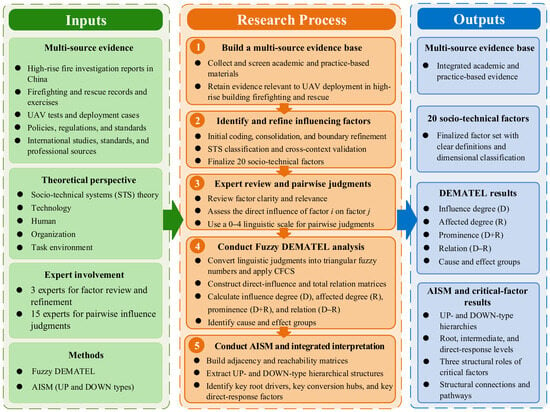
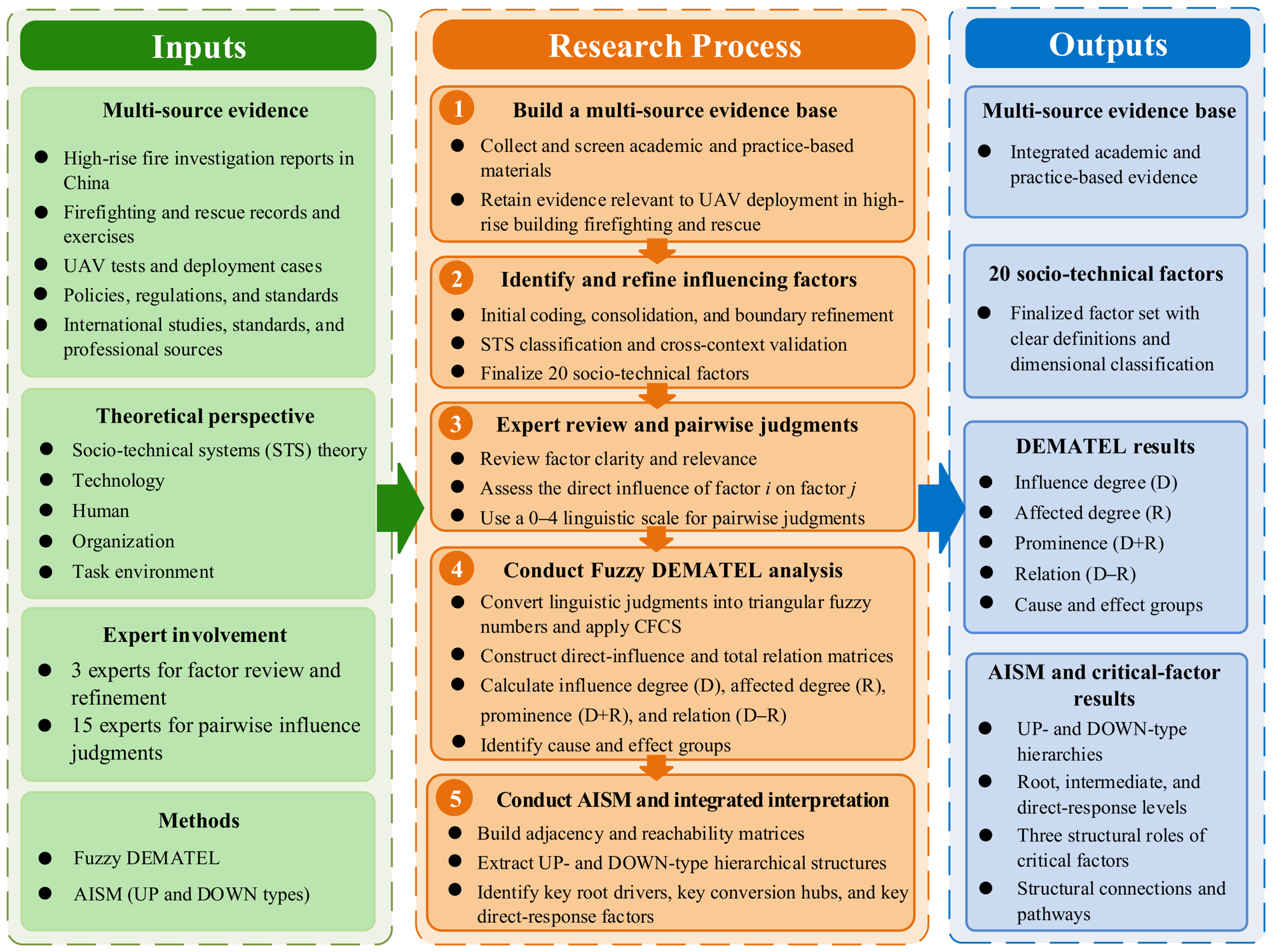
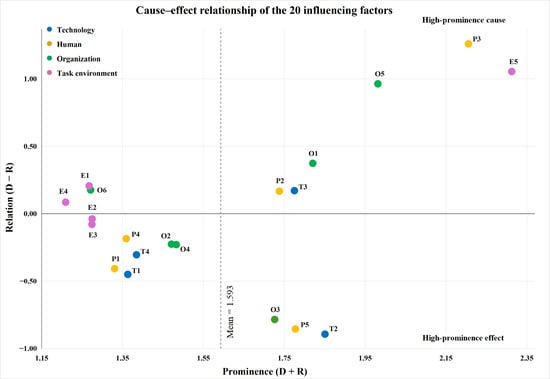
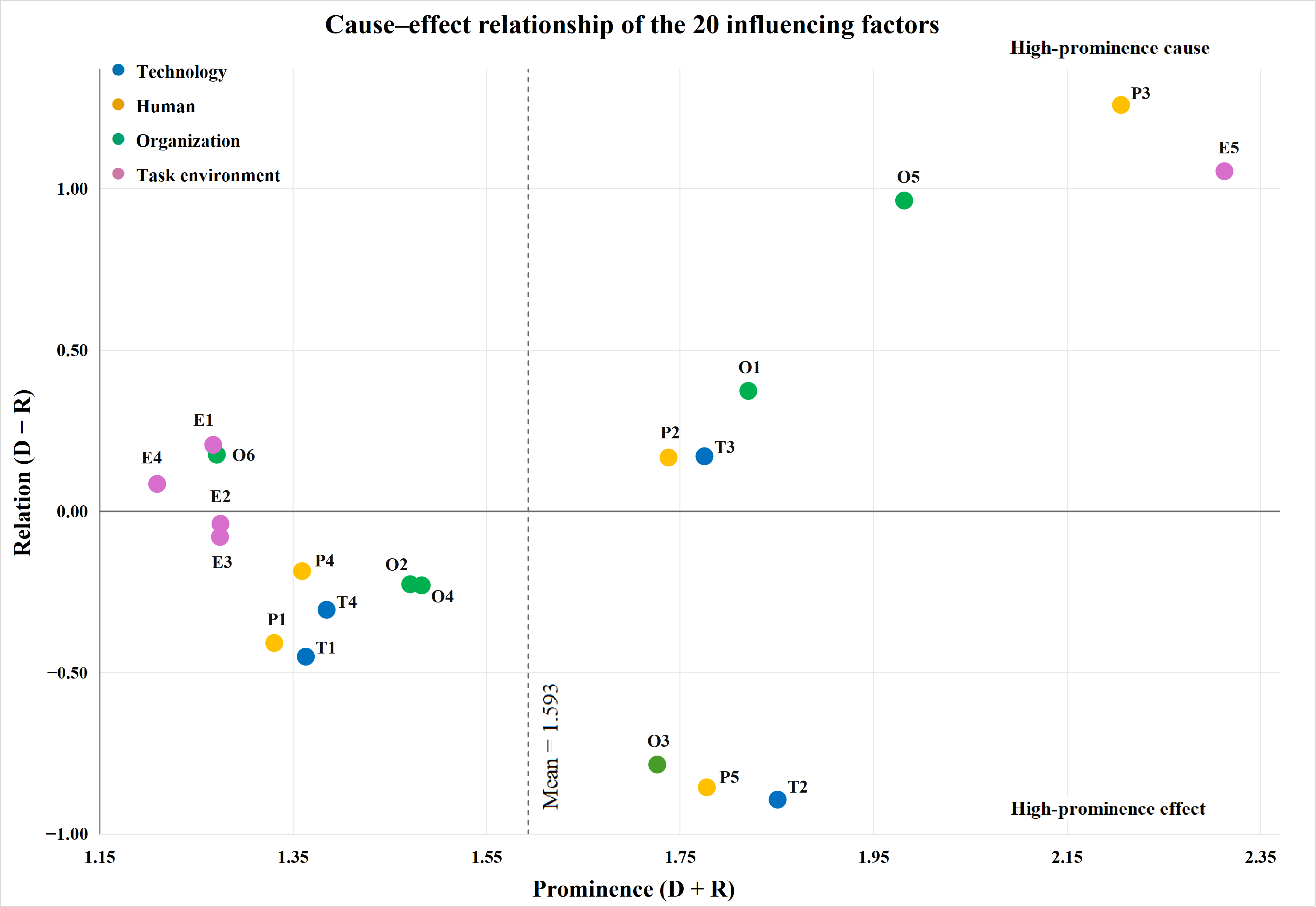
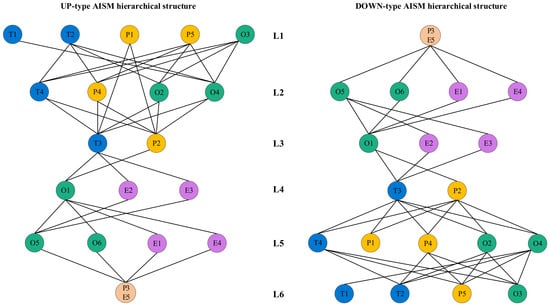
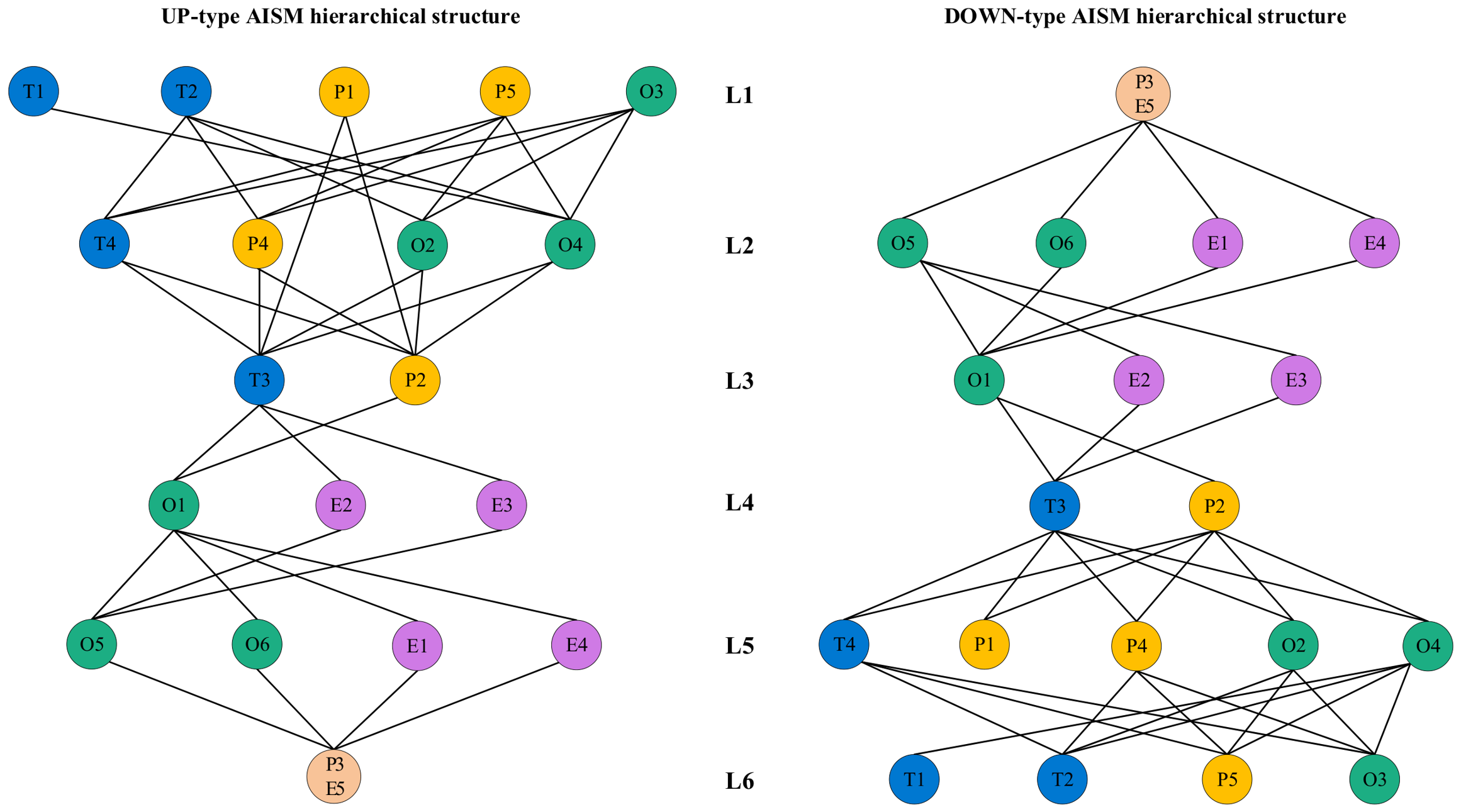
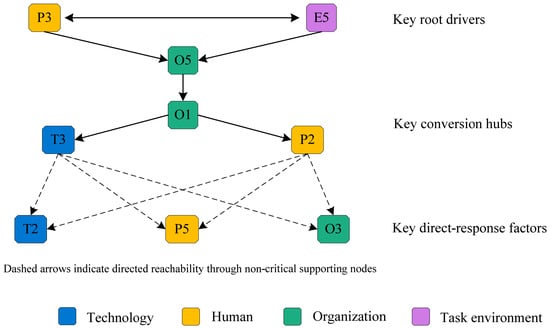
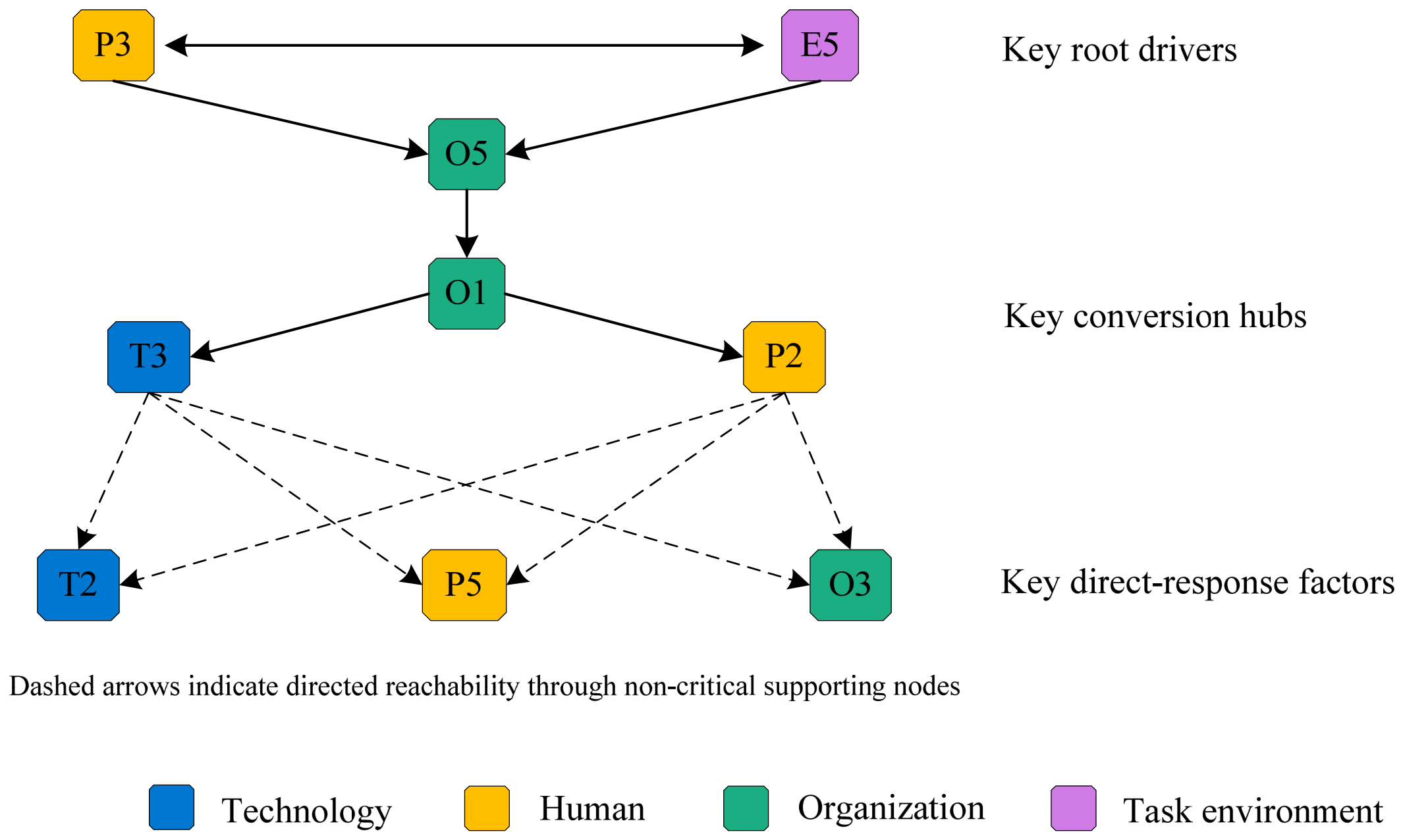

Disclaimer/Publisher’s Note: The statements, opinions and data contained in all publications are solely those of the individual author(s) and contributor(s) and not of MDPI and/or the editor(s). MDPI and/or the editor(s) disclaim responsibility for any injury to people or property resulting from any ideas, methods, instructions or products referred to in the content. |
© 2026 by the authors. Licensee MDPI, Basel, Switzerland. This article is an open access article distributed under the terms and conditions of the Creative Commons Attribution (CC BY) license.