


Abstract
The subsistence economy of Early Iron Age communities in the Lower Danube remains insufficiently documented despite the large number of settlements attributed to the Babadag culture. This study examines subsistence practices at the eponymous Babadag settlement by combining archaeozoological, carpological, phytolith, and radiocarbon evidence from legacy excavation materials. The chronological framework includes 14 radiocarbon determinations, which broadly support an occupation between the end of the 11th/beginning of the 10th century BC and mid-8th century BC. The analysed assemblages comprise 11,475 faunal remains, two samples of charred plant macroremains, and nine sediment samples for phytolith analysis. Domestic mammals dominate the faunal assemblage, especially cattle and sheep/goat, with fishing providing an important supplementary food resource while hunting remained limited. Age-at-death data, together with the limited sex-ratio evidence, are consistent with mixed livestock exploitation, which may have included meat production, dairying, traction, wool production, and reproduction. Carpological remains document hulled barley, emmer, spelt wheat, and common millet, while phytoliths indicate repeated inputs of grass material into archaeological deposits. Overall, the evidence indicates a diversified subsistence economy based primarily on animal husbandry and cereal cultivation and processing, supplemented by fishing and the limited use of wild resources.
1. Introduction
At the end of the second millennium BC (ca. 1250–1100 BC), a series of events led to the collapse of several classic Bronze Age civilizations in the Eastern Mediterranean, such as Mycenaean Greece and the Hittite Kingdom. During this same period, Egypt, under Ramesses III, underwent a phase of crises and external threats, while major commercial hubs, such as Ugarit, were completely destroyed. These crises appear to have been triggered by successive episodes of aridity and climatic instability [1,2,3], which prompted demographic and economic disruptions, as well as population movements [4,5].
These shifts resonated across the Middle and Lower Danube Basins, where the classic civilizations of the Bronze Age came to an end (e.g., the Noua–Coslogeni, Tei, Verbicioara, and Gârla Mare cultures) and were gradually replaced by new ones. In the Lower Danube sector, the final sites featuring Noua–Coslogeni pottery disappeared during the 11th century BC [6]. Subsequently, from the late 11th to the early 10th century BC, sites specific to the Babadag culture began to emerge. These latter settlements represent a novel element in the region. Unlike the sites with Coslogeni pottery, which primarily occupied the plains and plateau areas of the Eastern Romanian Plain and Southern Dobruja, the new communities favoured high terraces near major watercourses—most notably the Danube—but also adjacent lakes and tributaries (Figure 1) [7].
Figure 1.
Distribution area of the sites attributed to the Babadag culture (mapping by the authors).
Although approximately 100 sites attributed to the Babadag culture—consisting exclusively of settlements—are currently known (Figure 1), and many have been investigated through archaeological excavations, the extent of publication and interdisciplinary evaluation of these discoveries remains limited. Consequently, the economic practices of these communities are insufficiently documented. The few published archaeozoological studies indicate a predilection for cattle, sheep/goat, and pig husbandry. Food supplies were supplemented by hunting, fishing [8,9,10,11,12,13,14,15], and plant cultivation [16].
These deficiencies can be partially addressed by reassessing older archives and legacy collections. Although issues related to documentation quality may occasionally arise, the analysis of archaeological materials through the lens of modern research methods can provide new and significant insights into the lives of past communities. A case in point is the Babadag settlement itself. Although the fact that the initial archaeological investigations began in 1962 and continued with few interruptions until 2010—resulting in the excavation of extensive areas of the site—the number of published findings remains extremely low. Revisiting the material from these older excavations has provided the opportunity to analyse a substantial amount of previously unpublished faunal, macrobotanical, and phytolith evidence. These data offer new contributions to our understanding of the way of life in the West Pontic region at the beginning of the first millennium BC.
This study investigates subsistence practices at the Babadag settlement through the integration of archaeozoological and archaeobotanical evidence, including carpological and phytolith data. It aims to assess the roles of animal husbandry, fishing, hunting, and cereal cultivation and processing; to identify evidence for livestock management and plant use; and to situate these activities within the broader Early Iron Age economy of the Lower Danube.
2. Study Area
The archaeological site of Babadag is located in Northern Dobruja, within an area of high morphogenetic complexity. Here, the youngest and oldest landforms in Romania converge, namely the Quaternary Danube Delta and the Hercynian Măcin Mountains [17]. The studied micro-region is characterised by a stark contrast between the limestone hills of the Babadag Plateau and the low-lying lagoonal plains and open bodies of water [18]. The landscape has undergone numerous natural and anthropogenic transformations over time. The formation of the Razim–Sinoie lagoon complex, including Lake Babadag, is directly linked to the genesis of the Danube Delta. The sandbar (barrier beach) that currently encloses it is relatively young, dating back 1500 to 3500 years, and this landscape-shaping process was actively underway at the beginning of the first millennium BC. Consequently, it can be inferred that sites such as Babadag, Enisala, Sarichioi, Orgame, and Histria were originally situated near a paleogulf of the Black Sea [19,20,21,22].
2.1. Babadag—A Settlement from the Early First Millennium BC
The archaeological site of Babadag is located on the southern shore of the lake of the same name. The occupation is concentrated on a loess terrace that overlooks both the modern lake area and the alluvial plain formed by a small stream, whose mouth is situated in the immediately to the east. This position ensured excellent visibility over the surrounding landscape. The initial dimensions and shape of the settlement remain unknown, as the site had already been significantly affected by lacustrine erosion prior to its discovery (Figure 2a,b).
Figure 2.
Babadag settlement. (a) Aerial photograph from 2007; (b) view from the east (2012); (c) plan of the archaeological excavations; (d) eastern stratigraphic profile of Trench Cas. 5–8; (e) cross-section utilising the stratigraphic data from Trench S VI.
The site has been frequently cited in the literature due to the stratigraphic observations conducted by Sebastian Morintz as early as the 1960s [23,24]. The chronological framework proposed at the outset of these investigations was utilised to support evolutionary models for the transition period between the second and first millennia BC in the Lower Danube region [25]. Indeed, these impressive archaeological deposits, reaching depths of up to 2 m and spanning six distinct occupational levels, are unique for this period across the entire Middle and Lower Danube Basins, highlighting the strategic position and prominent role of this site. Its regional significance is further underscored by the construction of a defensive ditch measuring up to 15 m in width and 4 m in depth.
The most frequent archaeological features investigated at the Babadag settlement are storage pits (silos), although multi-room dwellings and sunken-featured structures (pit-houses) have also been documented. Over the course of 38 excavation campaigns, impressive quantities of artefacts and ecofacts have been recovered; nevertheless, their level of publication remains low due to difficulties associated with the reconstruction of the stratigraphic contexts.
Based on the thickness and distribution of the archaeological deposits, the site can be divided into three distinct zones. Zone I is located towards the lake, where the archaeological deposits exceed 2 m in thickness in some areas, and gradually become thinner towards the margins before eventually disappearing. This is also the highest part of the site. Six occupation levels were identified here, associated with numerous habitation structures. This zone occupied the central part of the site and is now only partly preserved, as it has been strongly affected by erosion. Zone II extends for up to 10 m around Zone I and is characterised by the almost complete absence of archaeological deposits. The only archaeological remains recorded in this area are features dug directly into the loess. Zone III consists of a ditch surrounding the inhabited area. The ditch was 15–19 m wide and reached a depth of up to 4 m (Figure 2c–e).
2.2. Site Occupation and Chronological Framework
Despite the large quantity of archaeological material, few objects with precise chronological value have been discovered at the Babadag site. Relying both on stratigraphic observations and analogies with other cultural environments, Sebastian Morintz proposed a chronological timeframe spanning from the late 11th century to 8th century BC. Concurrently, other perspectives support extending the evolutionary period of the Babadag culture until the arrival of the first Greek colonists in the mid-7th century BC [23,24,26].
Unfortunately, old archives do not keep a record of discoveries by their levels; instead, they are kept by their depths. For this reason, a stratigraphic assignment of the artefacts based on existing plans is extremely difficult and almost impossible to achieve. In recent years, several radiocarbon dates have been obtained from the Babadag settlement, albeit without fully clarifying the chronological evolution of this site (Table 1; Figure 3).
Table 1.
List of AMS 14C dates from Babadag; 14C ages were calibrated using OxCal v4.4.4 [27,28,29].
Figure 3.
Distribution of radiocarbon dates performed on human, faunal, and archaeobotanical samples from the Babadag–Cetățuie site. The dates were calibrated using OxCal v4.4.4 [27] and the IntCal20 atmospheric curve [28].
The oldest dating is RoAMS-2184.46 (2866 ± 44 BP), which indicates a range between 1200 and 916 cal BC (95.4% probability). This is followed by RoAMS-2191.46 (2850 ± 36 BP), with a range between 1123 and 910 cal BC (95.4% probability), and RoAMS-2186.46 (2831 ± 36 BP), with a range between 1108 and 904 cal BC (95.4% probability). At the other extreme, RoAMS-2185.46 (2519 ± 33 BP) stands out, as its calibrated range is between 791 and 542 cal BC (Table 1; Figure 3).
The lack of information regarding the stratigraphic position of these contexts raises questions about both the early dates provided by samples RoAMS-2184.46 and 2191.46, and the late date of RoAMS-2185.46. The limited archaeological documentation and the unavailability of local reservoir effect corrections restrict, for the time being, the possibility of drawing broader conclusions regarding the chronological evolution of the site. From our perspective, at the present moment, we lack clear evidence to date the Babadag culture occupation earlier than the end of the 11th/beginning of the 10th century BC and after the mid-8th century BC.
2.3. Territorial Exploitation
Several contemporary sites have been identified within the study area, located predominantly along the shores of the present-day lakes of Babadag and Razim. These sites benefited from optimal visibility over both the mainland and the aquatic basins, with intervisibility (mutual visibility) occurring between them in many cases. The only site that appears to have functioned throughout the entire chronological interval is Babadag. Its complex stratigraphy, which encompasses over 2 m of archaeological deposits, alongside the presence of monumental defensive works—unique to the region—constitutes clear indicators of its preeminent status in relation to the other settlements.
The uniqueness of the Babadag site reflects its significance within the studied area, most likely representing the central hub around which the other identified settlements developed (Figure 4).
Figure 4.
Babadag site and contemporary settlements (mapping by the authors).
The organised exploitation of the entire territory over more than two centuries can be linked to this central site [30].
3. Materials and Methods
3.1. Radiocarbon Data
The chronological attribution of the analysed assemblages follows the stratigraphic and radiocarbon framework presented in Section 2.2 (Table 1; Figure 3). Three datings were performed on herbivore animal bones (Bos taurus) to avoid the reservoir effect. The samples were collected from pits 42, 44, and 45 in Trench (Cas.) 7–8 (Table 1/nos. 1–3). These pits were dug into the sterile soil and can be assigned to the oldest occupation level at Babadag. The oldest date (Poz-49881, 2820 ± 30 BP) falls between 1007 and 929 cal BC at 68.3% probability. At 95.4% probability, the main range is 1056–898 cal BC (94.2%), alongside two minor interceptions at 1106–1098 cal BC (0.5%) and 1079–1069 cal BC (0.7%), with a median of 972 cal BC [29]. The results obtained show that the occupation at Babadag most likely began during the 10th century BC [29].
Several dates were obtained from samples taken from human bones discovered within the settlement (Table 1/4–12). Since a complex funerary behaviour involving the deposition and manipulation of human corpses within the inhabited space is possible, the preservation state of the samples may be influenced, among other things, by this aspect. Unfortunately, for most of them, a secure stratigraphic context remains unknown, as the datings were performed to confirm their general assignment to the Early Iron Age. We encountered the same situation regarding the two contexts where plant seeds were discovered, with the two radiocarbon dates (Table 1/13–14) merely confirming the chronological framework of these contexts. Radiocarbon dates obtained from human bone may potentially be affected by an aquatic reservoir effect given the presence of fish remains in the zooarchaeological assemblage. However, in the absence of dedicated stable-isotope data suitable for dietary reconstruction and local reservoir-effect corrections, the magnitude of such an effect cannot be assessed. Therefore, the radiocarbon dates obtained from human remains should be interpreted with caution.
All bone samples processed at the RoAMS Laboratory underwent ABAA pretreatment. Samples were decalcified in 0.5 M HCl for 18 h at room temperature, rinsed three times with Milli-Q water, treated with 0.1 M NaOH for 30 min to remove humic acids, rinsed with ultrapure water, and treated again with 0.5 M HCl for 1 h to remove potentially adsorbed CO2. Samples were then gelatinized overnight at 75 °C in 0.2 M HCl, filtered using an Easy Filter, and subjected to ultrafiltration using pre-cleaned 30 kDa Amicon tubes following Brock et al. [31]. The >30 kDa collagen fraction was recovered and lyophilised.
The dried collagen was weighed, sealed in tin capsules, and combusted in an elemental analyser before the resulting CO2 was purified and graphitized in the AGE3 system, using 4.5–5.2 mg Fe powder as a catalyst and H2 at 580 °C for 2 h [32,33]. The resulting graphite was pressed into AMS targets. Blank samples, fossil charcoal, modern oxalic acid II, and secondary IAEA standards were prepared and measured alongside the bone samples. AMS measurements were performed using the 1 MV Tandetron system at the RoAMS Laboratory, Horia Hulubei National Institute for R&D in Physics and Nuclear Engineering (IFIN-HH) [34]. After correction for blank and isotopic fractionation, 14C ages were calculated using Bats software [35] and then calibrated using OxCal v4.4.4 [27] with the IntCal20 atmospheric calibration curve [28].
The study combines three complementary lines of evidence: archaeozoological analysis, carpological analysis of charred plant macroremains, and phytolith analysis of archaeological sediments. Because these datasets were derived from different excavation campaigns and sampling histories, they were analysed independently and subsequently integrated at the settlement level.
3.2. Archaeozoology
The faunal assemblage analysed in this paper comes from the Babadag settlement (Tulcea County, Dobruja), the eponymous site of the Babadag culture. The material recovered during the excavation campaigns between 1962 and 2010 was treated here as a single assemblage of 11,475 faunal remains instead of by its contexts and occupational levels. The main reason for this decision is that although six different levels were distinguished in Zone I (Figure 2), the faunal remains cannot be consistently reattributed to them, as recording practices have changed over five decades of fieldwork and some material has even lost its association with the exact archaeological context. The summed archaeozoological assemblage therefore provides a time-averaged image of animal exploitation, and intra-site diachronic change cannot be tested. Preliminary results of a faunal sample from the same site, previously published by Stanc & Ailincăi [12], were integrated into the present study.
Faunal remains were recovered by hand-collection during excavation, without systematic sieving. This recovery method is known to under-represent small-bodied and fragile taxa (small fish, birds, micromammals) relative to their true depositional frequency. Because the material represents household waste and displays a high degree of fragmentation, a comprehensive taphonomic evaluation was carried out on the whole assemblage, assessed macroscopically and, where necessary, by a stereomicroscope. The bone surfaces bear extensive evidence of anthropogenic modification: butchery, carcass-processing, burning marks and processing marks, alongside biological alterations, specifically dog gnawing marks [36]. Cut marks were distinguished by their narrow V-shaped cross-section and chop marks by their broader profile and crushed margins; burning was recorded on the basis of colour, distinguishing carbonised from calcined specimens; gnawing was attributed to carnivores or rodents according to mark morphology; and manufacturing traces were identified from intentional modification, such as sawing, perforation, grinding, or polishing.
All identifiable skeletal remains were determined at the lowest possible taxonomic level using the comparative osteological collection of the Faculty of Biology, Alexandru Ioan Cuza University of Iași, and the reference atlases of Schmid [37] and Gheție, Paștea, and Riga [38]. Faunal remains were quantified using both the Number of Identified Specimens (NISP) and the minimum number of individuals (MNI) [39,40]. To estimate the minimum number of individuals (MNI), the most abundant repeating skeletal element was counted for each taxon, separating them by laterality (left or right) and age. The MNI was estimated for the entire assemblage all at once.
Age-at-death and sex estimations and osteometry were carried out on the mammal remains.
To reconstruct herd management and husbandry practices, age-at-death estimations were correlated with sex-ratio data, as these offer critical insight into livestock exploitation strategies [40]. Ageing profiles relied on standard dental eruption and wear patterns, according to Grant [41] and Payne [42,43]. A strict distinction was maintained between immature and mature individuals, based solely on dental eruption and wear patterns for each species. So, the immature/mature limit was set at 2.5 years for cattle (Bos taurus), and at 24 months for sheep/goat (Ovis/Capra) and pig (Sus domesticus).
Post-cranial bone measurements followed the guide of von den Driesch [44]. Selected morphometric variables were used (i) to distinguish domestic from wild forms (i.e., Sus domesticus/Sus scrofa, Bos taurus/Bos primigenius, Canis familiaris/Canis lupus), (ii) to differentiate similar species (i.e., Ovis aries/Capra hircus, Equus caballus/Equus asinus), and (iii) to estimate the sex in Bos taurus individuals based on metapodial indices [40]. Sheep and goat were separated according to Boessneck [45] and Udrescu et al. [40] for metapodial criteria, Payne [43] for mandibular tooth morphology, and Prummel & Frisch [46] for other criteria. Withers height was estimated for Bos taurus, Equus caballus, and Capra hircus using the calculation coefficients of Fock [47], Kiesewalter [48], and Schramm [49], respectively.
3.3. Carpology
Two new archaeobotanical analyses were conducted on legacy material from the Babadag archaeological site. These samples were collected during the 1965 archaeological campaign. The first sample was taken from a pit (Gr.2) in section 5, square 8 (BGD, 1965, SV, □8, gr.2) and the second comes from a pit with wheat (BDG, 1965, AII, gr no. wheat “grîu”). The archival documentation does not preserve information on the original sample volume or on systematic sieving or flotation procedures. Both samples were collected in situ from the archaeological features noted above, similarly to the archaeozoological material. Both samples were initially examined under a 2.25× magnifying lamp and subsequently analysed using a Bresser Advance ICD microscope to refine the taxonomic identification of the plant remains. Botanical atlases [50,51,52,53] and the reference collection from the “Vasile Pârvan” Archaeological Institute of the Romanian Academy were used. Images were captured using the camera attached to the Bresser Advance ICD microscope and processed with MikroCamLabIII software. All materials were charred.
Two charred cereal grains from Babadag were directly radiocarbon dated: a Panicum miliaceum grain from SV, pit 2 (BE:25069.1.1); and a Triticum spelta grain from SuprA-II, pit N (BE:25070.1.1). The laboratory data and calibrated ranges are presented in Section 2.2 and Table 1.
3.4. Phytoliths
Nine sediment samples were collected from archaeological layers that also yielded faunal remains: C5 (samples 7–9), C6 (samples 5–6), C8 (sample 4), and C9 (samples 2–3) from the 2004 excavation campaign (BAB 2004); and Cas. 5–6 (sample 1) from the 2010 campaign (BAB 2010). Their association with faunal remains confirms that the samples derive from archaeological deposits with anthropogenic components; however, this does not in itself demonstrate that the phytolith accumulation was entirely human-mediated, nor does the available contextual information allow the specific activities responsible for these accumulations to be determined. Approximately 3 g of sediment from each sample was processed following a modified version of the chemical protocol described by Lentfer & Boyd [54]. The extraction procedure involved treatment with 35% hydrochloric acid, 10% potassium hydroxide, sodium polytungstate adjusted to a density of 2.35 g/cm3, and 30% hydrogen peroxide. One drop of the final extract was mounted in immersion oil on each microscope slide. Phytolith morphotypes were described according to the International Code for Phytolith Nomenclature 2.0 [55]. The slides were examined at 650× magnification using a Leica DMRB microscope (Leitz, Wetzlar, Germany). The number of phytoliths counted per sample ranged from 284 to 729. Phytolith data are expressed as relative percentages of the total siliceous remains counted in each sample rather than as absolute concentrations. No natural or sterile control samples were available for comparison; therefore, interpretations concerning the anthropogenic origin of the phytolith assemblages are treated cautiously. Raw morphotype counts for all nine samples are provided in Supplementary Table S1.
4. Results and Discussion
4.1. Archaeozoology
The faunal material analysed is of domestic origin, as confirmed by the taphonomic assessment. The archaeozoological analysis identified five taxonomic groups exploited as resources at the Babadag settlement (Table 2), reflecting economic activities such as animal husbandry, fishing, hunting, and mollusc gathering.
Table 2.
Distribution of animal remains by taxonomic groups (NISP = number of identified specimens).
Mollusc remains account for 0.31% of the total assemblage, combining freshwater, terrestrial, and brackish-water taxa. Unio sp. and Viviparus sp. are typical freshwater genera, consistent with the riverine/lacustrine environment near the site, while Cepaea sp. is a terrestrial land snail, likely reflecting local availability in the surrounding habitat. Cardium sp., by contrast, is a brackish-to-marine bivalve, and its presence at an inland settlement most likely reflects contact with nearby brackish-water environments, such as the Danube Delta lagoonal system.
Fish remains, comprising 16.27% of the total assemblage, indicate that fishing ensured a significant dietary resource. Many of the fish bones are from unidentified species of Teleostei. All identified taxa are bony fish (Osteichthyes), including four teleost species, such as Cyprinus carpio (carp), Silurus glanis (catfish), Esox lucius (pike), and Sander lucioperca (zander), as well as Acipenser sp. (sturgeon), which were anadromous by majority and migrated from Black Sea to the Danube to spawn.
Reptile remains are the least frequent taxonomic group in the assemblage, accounting for 0.07% of the total NISP. Among them, a complete skeleton of Emys orbicularis (European pond turtle) was recorded, and it was counted as a single remain in the NISP quantification.
Bird remains are scarce in the assemblage, accounting for 0.21% of the total NISP. Most fragments could not be identified as species, but the remains belong to both large-bodied waterfowl and small-bodied birds. Only a small number of remains were identified as chicken (Gallus gallus domesticus).
Given the hand-collection recovery method employed during excavation, and without systematic sieving, the proportions reported here for both fish and bird remains most likely underestimate their true contribution to the assemblage, as small and fragile skeletal elements characteristic of these taxa are disproportionately lost.
Mammal species dominate the assemblage, accounting for 83.14% of the total NISP, and the associated taxonomic list is notably diverse, as can be seen below.
Taphonomic marks. Taphonomic modifications were recorded across 35.36% of the total assemblage (Table 3).
Table 3.
Quantification of taphonomic marks identified on the faunal remains (NISP = number of identified specimens).
The high incidence of butchery marks (30.13%) indicates on-site carcass processing (e.g., skinning, disarticulation, and defleshing). Comparatively, the low frequency of burn traces suggests that most bone discarded in the sampled contexts was not routinely exposed to fire (e.g., not systematically used as fuel or disposed of in hearths), while the low incidence of gnawing marks (2.99%) points to limited exposure to dog and scavenging carnivores. Only 0.31% of the assemblage consists of remains bearing traces of manufacturing.
A small number of remains attributable to Erinaceus sp. (hedgehog) and to indeterminate small rodents were also recorded. Given the burrowing habits of both, these are considered intrusive elements as the result of post-depositional activity; they were therefore excluded from the economic interpretation of the assemblage.
Domestic species overwhelmingly dominate the identified mammals, accounting for 93.0% of NISP and 82.2% of MNI against 6.95% NISP and 17.82% MNI for wild mammals (Figure 5).
Figure 5.
Proportions of domestic and wild species in the total identified mammal remains (NISP = number of identified specimens; MNI = minimum number of individuals).
The disproportion between the NISP and MNI of the wild component (6.95% vs. 17.82%) is an expected consequence of the MNI estimation method itself, which overestimates the taxa represented by few, morphologically distinctive, or particularly durable elements (e.g., antler fragments, isolated carnivore teeth, and dense elements, such as astragali), and should not be interpreted as evidence that hunting played a more important role.
Within the mammal assemblage, a total of 7034 remains were identified at the species or genus level, yielding a combined MNI of 202 individuals (Table 4).
Table 4.
Quantification of mammal remains (NISP = number of identified specimens; MNI = minimum number of individuals).
According to NISP, the domestic mammal spectrum is dominated by cattle (Bos taurus, 44.2%), followed by sheep/goat (Ovis aries/Capra hircus, 23.1%), pig (Sus domesticus, 13.6%), horse (Equus caballus, 9.5%), dog (Canis familiaris, 2.5%), and donkey (Equus asinus, 0.2%). This hierarchy matches the husbandry pattern earlier documented at the Babadag site [10] based on a smaller sample (89.73% domestic mammals of total sample = 504 NISP; cattle 34.69%, sheep/goat 21.41%, pig 18.42%, and horse 13.49% NISP of total identified mammal remains), as well as at other settlements of Babadag culture in Dobruja. Cattle are likewise the dominant domestic species at Garvăn–Mlăjitul Florilor (40.34% NISP) [15], Niculițel–Cornet (46.60% NISP) [11], and Enisala–Palanca (37.48% NISP) [14], closely matching the proportion recorded in the present sample. At Jijila–Cetățuie, cattle dominance is considerably more pronounced, reaching 70.82% NISP, the highest value recorded across all compared Babadag culture sites [15]. Sheep/goat rank second at most sites, though their proportion varies considerably, from 5.88% at Garvăn to 26.14% at Enisala—a range within which the present sample (23.1%) falls at the upper end. Pig percentages are relatively stable across sites (5.04–14.29%) and generally served as a meat-supply source throughout the Babadag culture area.
This pattern is not present across all Babadag culture sites; however, at Satu Nou–Valea lui Voicu (Constanța County), sheep/goat dominate the assemblage with 47.2% NISP [13].
It should be noted that the rankings based on NISP and MNI diverge for cattle and sheep/goat: cattle rank first by NISP (44.2%) but second by MNI (22.3%, against 28.7% for sheep/goat). This divergence partly reflects body size and carcass unit number (a single cattle skeleton generates far more identifiable fragments than a single sheep/goat skeleton), but it is also linked to the method used to estimate MNI, which relied primarily on dental remains; a comparatively larger number of sheep/goat teeth were recovered, contributing to a proportionally higher MNI for this taxon relative to its NISP. This should be kept in mind when the two indices are used to infer relative dietary contribution versus relative flock/herd composition; NISP better approximates meat-weight contribution, while MNI, here derived mainly from dental material, is closer to the number of animals actually kept, although it is itself sensitive to differential tooth recovery and preservation between taxa.
Horse (Equus caballus) is present in appreciable numbers within the assemblage (9.5% NISP and 6.93% MNI of total identified mammals). This proportion falls within the range documented at other Babadag culture sites in Dobruja, from a low of 1.72% at Jijila [15] to a high of 21.34% at Beidaud [56], and closely matching the values recorded at Enisala (9.28%) [14] and Niculițel (10.58%) [11]. The presence of butchery and burning marks on the horse skeletal elements provides direct evidence that it was exploited for meat, in addition to its role in traction and transport. This dual exploitation pattern is further supported by the age-at-death profile, in which mature individuals predominate over immature ones (two immatures vs. 12 matures). Such a result points to horses kept into adulthood mainly for labour, riding, or breeding, while meat consumption was probably a secondary practice.
Donkey (Equus asinus) is represented in the assemblage by a single individual (0.16% NISP and 0.5% MNI). This species is also rare in Babadag culture sites in Dobruja, having been only found in one other settlement of Enisala, also as a single individual [14]. This fact suggests that the donkey was a rare species in the livestock of Babadag culture and was not one regularly bred.
Dog (Canis familiaris) remains account for a comparatively small share of the assemblage (2.49% NISP of identified mammals), and, unlike the other domesticates discussed above, the species held no direct economic role within Babadag culture communities. Dogs are generally interpreted in Iron Age contexts as fulfilling auxiliary functions, such as guarding, herding assistance, or hunting support, and not for their meat.
Beyond Dobruja, cattle dominance is also documented in Early Iron Age assemblages from Central Europe. At Győr-Ménfőcsanak–Széles-Földek, in a Hallstatt C–D settlement in Northwest Hungary, cattle account for 35.7% of the determinable bone material, with sheep/goat reaching 29.86% [57]. The cattle proportion is lower than that recorded in the present sample (44.2%), but the overall hierarchy (cattle as the leading species, followed by sheep/goat) is the same, suggesting a broadly comparable husbandry strategy across the wider Carpathian–Danubian area during the Early Iron Age. At a broader scale, cattle are reported as the most frequently represented domestic species at the majority of Hallstatt settlements in the Carpathian Basin [58].
Frequencies of skeletal parts. The skeletal element distribution was examined for the three main domestic species (i.e., cattle, sheep/goat, and pig) using six anatomical regions: cranium, vertebrae + ribs, girdles (scapula, pelvis), stylopodium (humerus, femur), zeugopodium (radius + ulna, tibia + fibula, patella), and autopodium (carpals, tarsals, metapodials, and phalanges) (Figure 6).
Figure 6.
Skeletal-part frequencies for the most important domestic species (NISP = number of identified specimens).
A small number of remains recovered in anatomical connexion were also identified. All body regions are represented in all three species, without a systematic bias towards either high-meat-value (stylopodium/zeugopodium) or low-meat-value (cranium/autopodium) elements.
The presence of the complete anatomical spectrum, from head to member extremities, including the low-utility cranial and autopodium elements that are rarely transported away from the place of slaughter, indicates that animals were raised and slaughtered either within or in the immediate vicinity of the settlement. For cattle specifically, the relatively high representation of both cranial elements (22.5% of cattle NISP) and vertebrae/ribs (26.1%) alongside the autopodium (18.5%) supports complete on-site carcass processing; the same pattern, at a smaller scale, characterises sheep/goat and pig.
Age-at-death estimation. In cattle (Bos taurus), the ratio between immature and mature estimated individuals indicates a relative balance between the two groups (Figure 7), according to the distribution by age category (Table 5).
Figure 7.
Mortality profiles in Bos taurus, Ovis aries/Capra hircus, and Sus domesticus, based on dental age-at-death estimation (MNI = minimum number of individuals).
Table 5.
Dental age-at-death estimation in Bos taurus, Ovis aries/Capra hircus, and Sus domesticus (MNI = minimum number of individuals).
The archaeozoological results suggest that one portion of the cattle was likely sacrificed mainly for meat and skin, while other individuals were kept and exploited for secondary products (e.g., milk, traction, and reproduction); we can assume that the specimens slaughtered at a young age were mostly males. Table 5 shows that a significant number of individuals survived over 48 months, among which more were presumably reproducing females and working oxen.
Sheep/goat (Ovis aries/Capra hircus) show a bimodal age-at-death profile (Figure 7; Table 5). In the immature category, a preponderance of the 2–3 months category is observed, probably reflecting the culling of young individuals, mostly males, shortly after birth, a pattern typically associated with dairy exploitation of the female stock. A second concentration occurs in the mature classes, indicating that other individuals were retained to prime adult age for milk and fibre before culling, and for meat and skin at slaughter. This dual peak is consistent with a mixed strategy that combines interest in meat, milk, and fibre.
Pig (Sus domesticus) shows a markedly different, meat-focused profile, with the great majority of individuals culled before 24 months and a clear peak at 9–12 months (Table 5). Since pigs yield no secondary products comparable to those of cattle and sheep/goat, this early, sharply peaked cull pattern is the expected signature of a strategy focused on meat, fat, and skin production. The smaller number of mature individuals most likely represents a breeding stock retained beyond the standard slaughter age.
Overall, the three main domesticates reflect distinct, economically coherent management strategies—a balanced multi-purpose strategy for cattle; a dual strategy for sheep/goat based on dairy, meat, and wool; and a meat-focused strategy for pig—jointly pointing to a diversified subsistence economy rather than the reliance on a single livestock product.
Osteometry, sex ratio, and withers height. Osteometric evidence is available for cattle, sheep/goat, and horse. Withers heights were calculated from eleven complete Bos taurus metapodials, and sex was estimated for all of them based on metapodial robusticity: five females, five castrates, and one male. The females averaged 112.4 cm, ranging from 108.0 to 117.2 cm; the castrates averaged noticeably taller, at 126.69 cm, with a range of 123.3 to 130.3 cm; and the single male measured 123.75 cm (Table 6). However, we must mention, as a limitation of the study, the small number of measurable cattle metapodials, with these results being less representative of the entire herd.
Table 6.
Withers height and sex estimations based on osteometric data for Bos taurus (GL = greatest length, Bp = breadth of the proximal end, SD = smallest breadth of the diaphysis, Bd = breadth of the distal end; I2 = Bp × 100/GL, I3 = SD × 100/GL, I4 = Bd × 100/GL).
The female mean is close to a single female individual reported at Jijila–Cetățuie, at 112.4 cm [15]. The individual from Garvăn–Mlăjitul Florilor is a castrated male, at 137.4 cm, which is notably larger than the present castrate mean (126.69 cm). At Beidaud, where the mean stands at 122 cm [56], and from Babadag, at 116.2 cm [10], sex was not specified, so neither value can be placed in one of the categories used here.
Tarcan & Bejenaru [59] reported a mean withers height of 112.5 cm for cattle across Romania during the Late Iron Age (La Tène period), with regional means of 113.1 cm in Moldova and 112.8 cm in Muntenia; since they did not publish the underlying metric data, the sex composition of their sample remains unknown. Medgidia Hellenistic, in contrast, does allow for a sex-specific comparison; there, females averaged 106.9 cm and castrates 119 cm [60], both well below the corresponding Babadag values. This decline reflects a broader pattern of cattle size fluctuation documented elsewhere in Iron Age Europe; in France, cattle size similarly decreased between the 6th and 4th centuries BC, an effect attributed to the practical advantages of smaller animals for herd management and meat processing, before growth resumed in the Late La Tène and Roman periods [61].
For sheep/goat, two measured elements (one metatarsal, one metacarpal), both identified as Capra hircus (goat) on metric grounds, produced withers height values of 61.7 cm and 67.9 cm (Table 7).
Table 7.
Withers heights based on osteometric data for Capra hircus (GL = greatest length, Bp = breadth of the proximal end, SD = smallest breadth of the diaphysis, Bd = breadth of the distal end; I2 = Bp × 100/GL, I3 = SD × 100/GL, I4 = Bd × 100/GL).
The withers heights for horses (Equus caballus) were estimated from four complete metapodials: three metatarsal elements, resulting in values between 137.51 and 138.58 cm (mean = 138.22 cm); and one metacarpal, yielding 142.94 cm (Table 8).
Table 8.
Withers heights based on osteometric data for Equus caballus (GL = greatest length; Ll = lateral length, Bp = breadth of the proximal end, SD = smallest breadth of the diaphysis, Bd = breadth of the distal end; I3 = SD × 100/GL).
Based on metatarsals, the mean value is higher than that reported for Iron Age horses in Hungary on the same bone (132.72 cm, n = 19) [58], and it falls within the size range indicated for the Belozerka culture in the North Pontic steppe (136–144 cm) [62]. Based on the metacarpal, the estimated value for Babadag site (142.94 cm) likewise exceeds the withers height reported for an Early Iron Age horse from Bulgaria based on the same element (about 133 cm, as a mean of several formulas) [63].
Based on diaphysis robustness (I3 = SD × 100/GL), the three metatarsal elements (11.55–11.99%) fall within the “thin” category of Brauner’s scale for metatarsals, while the metacarpal element (15.22%) falls within the “sub-medium” category of the same scale for metacarpals [64], as reported in [40]. Both values are close to those reported for a horse from the Belozerka culture in the North Pontic steppe (metacarpal 15.0%, metatarsal 11.8%) [62].
For the La Tène period, Tarcan & Bejenaru [59] also reported a mean withers height of 134.7 cm for Romania, with a minimum of 125 cm at Piscul Crăsani and a maximum of 144.8 cm at Brad. Regarding the Iron Age horses of Central and Eastern Europe, Bökönyi [58] distinguished two coexisting groups: an oriental group, comprising Scythian and Russian horses from South Russia, Scythian horses from Hungary, Hallstatt horses from Slovenia, Thracian horses from Bulgaria, and Early Iron Age horses from Romania, with a metatarsal-based mean withers height of 137.12 cm; and an occidental group, comprising Hallstatt horses from Austria and Germany and Celtic horses from Germany and Switzerland, with a corresponding mean of 126.69 cm. The mean value of withers height for Babadag culture horses is close to the oriental group mean, supporting size affinities with Eastern rather than Central/Western European Iron Age horse populations. A similar conclusion emerges from an earlier study of material from Babadag, based on a convergence between metric and non-metric evidence. So, Haimovici [10] reported a comparable mean withers height (141.66 cm, n = 2) and used independent dental–morphological evidence (i.e., a proportionally short protocone and few enamel folds on the upper cheek teeth), to identify the site’s horses as belonging to the “oriental” type.
A decrease in horse withers height is observed at the Medgidia Hellenistic site [60], where the mean value of 131.8 cm was lower than that recorded at Babadag, suggesting a diachronic reduction in horse size within Dobruja from the Early to Late Iron Age.
Hunting played a marginal role in the subsistence economy of the Babadag community. The wild mammal spectrum identified in the sample comprises red deer (Cervus elaphus), wild boar (Sus scrofa), roe deer (Capreolus capreolus), hare (Lepus europaeus), wolf (Canis lupus), fox (Vulpes vulpes), and badger (Meles meles), with red deer clearly the most frequently represented (Table 4).
Grouped by habitat preference, these species fall into three broad categories: forest-dwelling taxa (red deer, wild boar), species typical of forest margins and open habitats (roe deer, hare), and eurytopic carnivores adaptable to a range of environments (wolf, fox, badger). The clear predominance of red deer among the game species indicates the presence of extensive woodland in the vicinity of the settlement, an environment also exploited by wild boar.
A single complete third phalanx (greatest length = 93 mm; proximal articular breadth = 25 mm; plantar facet breadth = 26.5 mm; dorsal facet length = 66 mm), identified as Bos primigenius (aurochs), was recorded in the assemblage. Its size clearly exceeds the range documented for cattle in the sample, providing the persistence of already reduced-sized aurochs populations in the Carpathian Basin during the Iron Age [65].
Overall, the limited diversity and low frequency of hunted species indicate that game contributed only marginally to the diet, with animal husbandry remaining the principal resource of the subsistence economy and hunting only as a supplementary activity.
4.2. Carpology
In the first sample (BDG, 1965, SV, □8, gr. 2), hulled barley (Hordeum vulgare vulgare) appears to be the most abundant taxon, with 49 grains and another 19 fragments, representing 56% of the total macrobotanical remains and 65% of only whole grains (Figure 8a,b; Figure 9a).
Figure 8.
Hulled barley grain (Hordeum vulgare vulgare) from pit no. 2, obtained during the 1965 archaeological campaign from Babadag: (a) ventral side; (b) dorsal side.
Figure 9.
Percentage distribution of whole fruits and grains in the two carpological samples from Babadag: (a) pit no. 2 (n = 75); (b) “pit with wheat”, AII (n = 155).
Common millet (Panicum miliaceum) is the next most frequent taxon with 15 grains, accounting for 10% of the assemblage or 20% from the total of whole fruits and grains (Figure 9a).
The domestic cereal group (Cerealia) accounts for 30%, owing to the high fragmentation of the remains. Barnyard millet (Echinochloa crus-galli) is represented by four grains, accounting for 3% of the assemblage (Figure 10a,b). Considering only the whole grains from this sample (Figure 9a), we can see that both naked and hulled barley have a large representation with a total of 68% (51 grains), followed by millet (20%) and barnyard millet (5%).
Figure 10.
Barnyard millet grain (Echinochloa crus-galli) from pit no. 2, obtained during the 1965 archaeological campaign from Babadag: (a) ventral side; (b) dorsal side.
Likewise, one seed was identified at the family level as Boraginaceae, and one pericarp fragment was assigned to Polygonaceae. Lastly, a small quantity of indeterminate fragments (0.3 g) and dust resulting from fragmentation (0.42 g) was observed (Figure 11).
Figure 11.
Percentage of species and plant groups found in pit no. 2 from Babadag (n = 157).
In the second sample (AII, “pit with wheat”), the identified species are emmer (Triticum dicoccum), accounting for 36% of the assemblage; spelt wheat (Triticum spelta), accounting for 16%; and barley, which includes both hulled and naked barley, accounting for 11%. Other species include Triticum cf. compactum, represented by six grains; rye (cf. Secale cereale), represented by three grains; and millet (Panicum miliaceum), represented by only one grain (Table 9; Figure 12). Taking into account only the whole grains (see Figure 9b), the distribution changes slightly, with emmer still maintaining its majority with 50%, followed by spelt wheat with 22%. The domestic cereals and naked and hulled barley have larger representations (5%, 7%, and 8%, respectively).
Table 9.
Listed plants found in the two samples obtained during the 1965 archaeological campaign from Babadag.
Figure 12.
Percentage of species and plant groups found in pit “with wheat” from Babadag (n = 220).
The archaeobotanical material from the first sample was poorly preserved, and the identified grains are therefore brittle. The barley grains have different shapes. All barley grains display longitudinal edges, and most have a ventral swelling, with the greatest width around the middle of the grain. Some have an asymmetrical shape, which is consistent with the presence of multi-row barley. The domestic cereal group (Cerealia) and emmer (Triticum dicoccum) together account for 31% of the assemblage. The association of barley and emmer may reflect an intentional mixture for consumption. The presence of barnyard millet in this sample is consistent with its occurrence as a segetal weed. The small quantity of millet may reflect the handling of different crops at the settlement or a possible intrusion in this specific sample.
An interesting aspect is the presence of grain accumulations (Figure 13) and cereal fragments assigned to Cerealia that show signs of breakage before charring.
Figure 13.
Grain accumulation from pit no. 2.
Of the 47 fragments identified as Cerealia, 10 have a swollen appearance [66]. Among the barley remains, 11 grains have traces of adhering caryopses, 13 show concrescence, and another 16 fragments display bulging typical of fragmentation before charring (Figure 14).
Figure 14.
Barley grain fragment (Hordeum sp.) with bulging due to charring, obtained from pit no. 2.
The absence of other signs of manipulation of the barley grains, together with the lack of chaff in this sample, may suggest that these plant remains were processed by winnowing and dehusking and were possibly for human consumption [67].
The cereals from the second sample were better preserved than those from the first sample. Emmer is the most abundant taxon, and the grains have different sizes (Table 10).
Table 10.
Individual grain measurements and summary statistics for measured specimens from the two samples collected during the 1965 archaeological campaign at Babadag. Mean ± standard deviation (SD) is reported for Triticum dicoccum (n = 4).
This variation may reflect the different positions of the grains within the ear or spike [52]. In this sample, spelt wheat is represented at approximately half the frequency of emmer, which may reflect an intentional mixture or crop rotation. Naked and hulled barley are represented in broadly similar quantities. The presence of tetraploid wheat, club wheat and einkorn may reflect either crop rotation or intrusion. The same interpretation may apply to the rye fragments and the oat grain from the „pit wheat”.
Three other samples from Babadag were analysed and published by Cârciumaru [16]. Two samples were collected during the 1963 campaign, and the third was collected during the same archaeological campaign as the two analysed above. Most of the taxonomically identified plant remains belong to hulled barley and emmer, although millet and Indian dwarf wheat (Triticum cf. sphaerococcum) were also present. In the 1965 sample, Cârciumaru notes that some wheat grains resemble Triticum cf. dicoccoides, which could be interpreted as a sign of emmer degeneration. Emmer chaff was also reported in the second sample collected in 1963, as well as in the 1965 sample, which may indicate that emmer was processed for consumption.
The new identifications are consistent with those previously published, particularly regarding the association of barley and emmer [16]. Cârciumaru [16] also suggested that the presence of both species may have resulted from an intentional mixture “in order to consume them in this composition”.
These interpretations remain tentative because the composition of the deposits may also reflect post-depositional mixing or the successive handling of different crops.
4.3. Phytoliths
The generally well-preserved phytolith assemblages from all nine samples were included in the percentage diagram (Figure 15), which shows the dominance of grass-derived morphotypes; percentages are expressed relative to the total number of siliceous remains counted in each sample and therefore reflect differences in assemblage composition.
Figure 15.
Phytolith diagram, based on the Babadag settlement.
4.3.1. Phytolith Morphotype Distribution Across Samples
Rondel is the most abundant morphotype in every sample, ranging from 34.09% to 73.86%. Elongate dendritic occurs throughout the dataset, with values between 9.15% and 28.97%. Spheroid varies from 2.46% to 32.23%, whereas Elongate entire ranges from 2.23% to 15.49%.
Sample 1 is characterised by the highest Rondel percentage in the dataset at 73.86%. Elongate dendritic accounts for 9.15%, while Spheroid represents 2.94%. Cross also reaches its highest value in this sample at 3.59%.
The two C9 samples have similar compositions. Rondel represents 48.97% in sample 2 and 46.60% in sample 3. Elongate dendritic correspondingly accounts for 25.65% and 28.97%, while Spheroid reaches 16.74% and 14.11%. Bulliform flabellate records its maximum value in sample 3 at 3.53%.
The C8 assemblage is dominated by Rondel at 54.52%, followed by Elongate dendritic at 24.93% and Spheroid at 12.33%. The remaining morphotypes occur in lower proportions.
The two C6 samples differ considerably. In sample 5, Rondel accounts for 34.09%, Spheroid for 32.23% and Elongate dendritic for 26.86%, whereas Elongate entire represents 3.51%. Sample 6 contains the highest Elongate entire percentage in the dataset at 15.49%. Elongate dendritic decreases to 10.21%, while Spheroid accounts for 2.46%.
Differences are also apparent among the three C5 samples. Rondel decreases from 52.85% in sample 7 to 41.05% in sample 9. Elongate entire increases from 2.23% in sample 7 to 10.06% in sample 8 before decreasing to 6.64% in sample 9. Elongate dendritic remains well represented in samples 7 and 8 but falls to 19.92% in sample 9. In contrast, Spheroid reaches 25.35% in sample 9. Bilobate also records its highest value in this sample, although it remains limited at 2.41%.
Silica skeletons occur only in the three C5 samples, with values between 0.20% and 1.62%. Diatoms were identified exclusively in sample 8, where they represent 0.65% of the counted siliceous remains.
Bilobate, Polylobate, Cross, Saddle, Crenate, Bulliform flabellate, Acute bulbosus, Blocky and Tracheary generally occur in lower proportions. Apart from the maximum values recorded for Cross and Bulliform flabellate, these morphotypes mostly remain below 3%.
4.3.2. Phytolith Evidence for Plant-Related Subsistence Practices
Grass-derived phytoliths dominate the deposits analysed at Babadag, although their relative composition differs between archaeological contexts. The two C9 assemblages are closely comparable, whereas C6 and C5 display greater internal variation. These differences concern both the proportions of the main morphotypes and the grass tissues represented in the deposits.
Rondel, Bilobate, Polylobate, Cross and Saddle belong to the grass silica short-cell phytolith group and are produced in the epidermal short cells of Poaceae [68]. Rondel is frequently associated with Pooideae, especially in temperate grasslands, but it is not restricted to this subfamily, as it also occurs in Arundinoideae and other grass groups [69,70]. Its predominance at Babadag indicates a strong Poaceae component, but it cannot be regarded as direct evidence for cereals or a single grass subfamily.
A single phytolith morphotype may be produced by several plant taxa, while a given plant taxon may produce multiple morphotypes. The predominance of Rondel phytoliths indicates a strong contribution from grasses, although this morphotype alone has limited taxonomic resolution because it occurs in several Poaceae subfamilies [70].
Elongate dendritic phytoliths occur in every sample. These forms develop mainly in the bracts of grass inflorescences, including glumes, lemmas, and paleas [71]. Their recurrent presence shows that grass material containing inflorescence tissues entered all the sampled contexts.
In the modern non-cultivated soils examined by Novello & Barboni [72], Elongate dendritic phytoliths generally represented less than 3% of the grass phytolith assemblage. The authors proposed that higher values in archaeological deposits may indicate an anthropogenic accumulation of grass inflorescences. This figure is a regional reference value and should not be transferred directly to Babadag, since phytolith proportions also depend on local vegetation, preservation, depositional history, and counting procedures. Archaeological studies nevertheless show that dendritic-rich assemblages may occur in deposits containing concentrated cereal or grass inflorescence material [72,73]. At Babadag, Elongate dendritic is neither isolated nor restricted to trace values. It occurs throughout the dataset at percentages ranging from 9.15% to 28.97%, reaching approximately 20% or more in several samples. In the setting of an archaeological settlement, this recurrent and substantial representation is consistent with a human-mediated accumulation of grass inflorescence material rather than with an exclusively incidental contribution from the surrounding vegetation.
This interpretation concerns the origin of the accumulated plant material and not its precise economic function. Elongate dendritic phytoliths occur in both wild and cultivated grasses. Their abundance does not independently demonstrate cereal cultivation or identify a particular stage of crop processing.
The carpological evidence confirms that cultivated cereals, including hulled barley, emmer, spelt wheat, and common millet, were present and processed at Babadag. In this setting, part of the Elongate dendritic may derive from cereal inflorescences or crop-processing residues. A contribution from wild grasses cannot be excluded. Because the carpological and phytolith samples derive from different archaeological deposits, this comparison applies to the settlement level rather than to direct associations between individual samples.
The relationship between Elongate dendritic and Elongate entire indicates variation in the anatomical composition of the grass material. Dendritic forms derive mainly from inflorescence bracts, whereas Elongate entire occurs more widely in the grass epidermis, including in vegetative parts. Changes in their relative proportions therefore reflect differences in the contribution of inflorescence and vegetative tissues.
This contrast is particularly clear in C6. Sample 5 contains a substantial dendritic component, whereas sample 6 has the highest Elongate entire value in the dataset and a markedly lower proportion of dendritic forms. The two samples contain different combinations of inflorescence and vegetative tissues. This may reflect separate plant inputs, spatial variation within the feature or distinct depositional episodes. The phytolith evidence does not allow one explanation to be preferred.
C5 is also heterogeneous. The balance between Elongate dendritic and Elongate entire differs among its three samples, while Spheroid follows a separate pattern. Plant material of a differing anatomical composition was therefore incorporated into this context. The variation may result from repeated deposition, the mixing of several plant inputs, or the accumulation of remains produced by more than one activity.
The two C9 samples show a more consistent composition, with comparable proportions of Rondel, Elongate dendritic and Spheroid. C8 has a broadly similar assemblage, although Rondel is more prominent and Spheroid less strongly represented. These similarities point to related plant components but do not demonstrate that the contexts formed through the same activity.
Silica skeletons occur only in C5. These articulated remains consist of connected silicified epidermal cells and may derive from grass leaves, culms, or inflorescences, depending on their cellular arrangement [74]. Multicellular phytoliths may survive in deposits where plant tissues accumulated and decomposed with relatively little disturbance [75]. Their presence supports the direct incorporation and local decomposition of grass tissue in C5. Together with Elongate dendritic, they strengthen the interpretation of an anthropogenic accumulation of plant material. The silica skeletons are rare, however, and were not differentiated according to their cellular or anatomical composition. They cannot be assigned securely to leaves, stems, or inflorescences and do not independently identify threshing, dehusking, or another specific stage of crop processing.
Spheroid morphotypes were also recorded. Similar forms have been associated with dicotyledonous plants, particularly with woody vegetation [76]. Because dicotyledons generally produce fewer phytoliths than monocotyledons, even moderate proportions of these morphotypes may represent a meaningful botanical contribution. The comparatively high representation of Spheroid in samples 5 and 9 may therefore indicate an increased input of woody dicotyledonous vegetation.
Bilobate, Polylobate and the other lobate short-cell morphotypes remain minor components. Bilobate phytoliths are frequent in Panicoideae and Arundinoideae but are not restricted to these groups [68,69,70]. Their limited representation at Babadag cannot independently identify millet or distinguish between wild and cultivated panicoid grasses.
Common millet is independently attested at the settlement by charred grains, including a directly dated specimen of Panicum miliaceum. This evidence confirms the presence of millet at Babadag but does not allow the Bilobate phytoliths from the analysed contexts to be assigned to that species. Differentiation between the Bilobate phytoliths of Panicum miliaceum and Setaria italica requires a dedicated morphometric analysis and suitable comparative material [77]. Such an analysis was not undertaken in this study.
Bulliform flabellate and Acute bulbosus contribute to the general evidence for grass epidermal and leaf tissues, but their low and uneven occurrence does not support a separate functional or environmental interpretation. Blocky and Tracheary are similarly rare and cannot be assigned more precisely.
Diatoms occur at a low percentage in only one sample. Their isolated presence does not constitute a consistent aquatic signal and is insufficient for reconstructing aquatic deposition or changes in local hydrological conditions.
Overall, the phytolith assemblages are consistent with repeated human-mediated inputs of grass material into the sampled deposits, although a contribution from natural/background vegetation cannot be excluded. Both inflorescence and vegetative tissues were represented, although their relative contribution differed between archaeological contexts. The recurrent occurrence and comparatively high proportions of Elongate dendritic support the accumulation of grasses bearing developed inflorescences. The assemblages do not distinguish between food-related and non-food uses of grass material, nor do they identify the particular activities responsible for each accumulation.
4.4. Integrated Evidence for Subsistence at Babadag
The archaeozoological and archaeobotanical records document complementary components of subsistence at Babadag. The faunal assemblage indicates an economy centred on domestic animals, particularly cattle and sheep/goat, supplemented by pig keeping, fishing, hunting, and mollusc gathering. Fishing made a notable contribution, whereas hunting and mollusc collection played more limited roles.
The carpological assemblages document the presence of hulled barley, emmer, spelt wheat, and common millet. Grain accumulations, cereal fragments broken before charring, and the occurrence of emmer chaff indicate that at least some stages of crop handling and processing took place within the settlement [16,66,67]. The directly dated grains of Panicum miliaceum and Triticum spelta place these crops within the Early Iron Age occupation of Babadag.
The phytolith assemblages extend this evidence by recording repeated inputs of grass material into several archaeological contexts. Both inflorescence and vegetative tissues were represented, although their relative proportions differed between samples. The recurrent and comparatively high representation of Elongate dendritic is consistent with anthropogenic accumulations of grasses bearing developed inflorescences [72,73]. In view of the carpological evidence, part of this material may have consisted of cereal inflorescences or crop-processing residues, although wild grasses may have also contributed.
Plant remains and cereal by-products may have entered the archaeological deposits through several activities, including crop processing, storage, food preparation, disposal, and animal management. Straw, chaff, and other grass materials could have been used as fodder or bedding, but these uses cannot be demonstrated from the phytolith assemblages. The assemblages do not distinguish between food-related and non-food uses of grass material.
The datasets were recovered through different sampling strategies and did not always derive from the same archaeological contexts. Their relationship must therefore be assessed at the settlement level rather than as a direct association between individual deposits. At this scale, the combined evidence indicates a diversified subsistence economy based primarily on animal husbandry and cereal cultivation and processing, supplemented by fishing and the more limited exploitation of wild resources.
5. Conclusions
The archaeozoological evidence indicates that the Babadag community relied predominantly on animal husbandry, complemented by fishing, hunting, and, to a much lesser extent, mollusc gathering. Unlike hunting and mollusc harvesting, whose contributions were marginal, fishing appears to have had a significant role in the local diet, even though the hand-collection recovery method of remains underestimates its true weight in the subsistence economy.
Mammals overwhelmingly dominate the faunal assemblage remains, with fish, birds, molluscs, and reptiles present only in small proportions. Among mammals, domestic species clearly prevail over wild ones, with cattle ranking first, followed by sheep/goat, pig, and horse. Dog and donkey complete the domestic spectrum, both in low numbers. This hierarchy closely matches the pattern documented at other sites of Babadag culture in Dobruja, with cattle dominance followed by sheep/goat emerging as a stable regional feature, alongside some site-to-site variability in the relative importance of each species.
Age-at-death and sex-ratio evidence suggests that cattle and sheep-goat exploitation was not restricted to meat production. The presence of castrated animals and females among cattle, together with a balanced immature/mature mortality profile, points to their combined use with traction, dairying, and stock reproduction; the sheep/goat age-at-death profile similarly suggests a mixed exploitation for meat/milk/wool. Pig, by contrast, shows an unambiguously meat-oriented profile, with most individuals culled at young ages. Horse remains, present in appreciable numbers, show evidence of only occasional consumption rather than a deliberate husbandry for meat.
The identified wild mammals (red deer, wild boar, roe deer, hare, wolf, fox, and badger) reflect the exploitation of two main habitats in the vicinity of the settlement, forest and forest-edge/open ground, with red deer standing out as the most frequently hunted species. A single remain attributed to aurochs (Bos primigenius) points to the persistence of this species in the area of the Babadag settlement during the Iron Age.
Osteometric data place the cattle and horses of the Babadag site at the upper limit of the size range documented for other settlements of the Babadag culture (Early Iron Age) in Dobruja. Overall, the archaeozoological evidence portrays the Babadag community as having a cattle- and sheep/goat-centred agropastoral economy that did not depend solely on these resources. This pattern is not unique to the site; it fits within the broader regional picture of other Early Iron Age settlements of the Babadag culture.
The carpological evidence documents the presence and processing of cultivated cereals, including hulled barley, emmer, spelt wheat, and common millet. The phytolith assemblages are consistent with repeated human-mediated inputs of grass materials, including both inflorescence and vegetative tissues, although the plants and activities responsible for individual accumulations cannot be securely identified. Together, archaeobotanical evidence complements the archaeozoological results and indicates a diversified subsistence economy based on animal husbandry, cereal cultivation and processing, and fishing, with the supplementary exploitation of wild resources.
Supplementary Materials
The following supporting information can be downloaded at: https://www.mdpi.com/article/10.3390/quat9060072/s1, Table S1: Raw morphotype counts for all nine samples.
Author Contributions
Conceptualisation, E.-I.C., M.D. and L.B.; methodology, E.-I.C., M.D., M.-S.S., S.-C.A., M.G., T.S. and G.P.; software, E.-I.C., M.D., M.G., T.S. and G.P.; validation, M.D., L.B., M.-S.S. and S.-C.A.; formal analysis, E.-I.C., M.D., M.-S.S., S.-C.A., M.G. and N.P.; investigation, E.-I.C., M.D., M.-S.S., S.-C.A., M.G., T.S., N.P., G.P., C.M. and A.-R.P.; resources, M.D., M.-S.S. and S.-C.A.; data curation, M.D., L.B., M.-S.S. and S.-C.A.; writing—original draft preparation, E.-I.C., M.D., S.-C.A., M.G., T.S., N.P., G.P., C.M. and A.-R.P.; writing—review and editing, M.D., L.B., M.-S.S. and S.-C.A.; visualisation, M.D., L.B. and M.-S.S.; supervision, M.D., L.B., M.-S.S. and S.-C.A.; project administration, M.-S.S. and S.-C.A.; funding acquisition, M.-S.S. and S.-C.A. All authors have read and agreed to the published version of the manuscript.
Funding
This research was funded by the Ministry of Education and Research, CCCDI-UEFISCDI, project number PN-IV-P6-6.1-CoEx-2024-0042, within PNCDI IV. The radiocarbon dating was supported under the Research Programme Partnership in Priority Areas PNII MEN-UEFISCDI, contract PN 23210102 and PN 23210201. Experiments were carried out at the 1 MV Tandetron™ accelerator from “Horia Hulubei” National Institute for Research and Development in Physics and Nuclear Engineering (IFIN-HH) and were supported by the Romanian Government Programme through the National Programme for Infrastructure of National Interest (IOSIN).
Data Availability Statement
The original contributions presented in this study are included in the article. Further inquiries can be directed to the corresponding author.
Acknowledgments
The authors have reviewed and edited the output and take full responsibility for the content of this publication.
Conflicts of Interest
The authors declare no conflicts of interest. The funders had no role in the design of the study; in the collection, analyses, or interpretation of data; in the writing of the manuscript; or in the decision to publish the results.
References
- Drake, B.L. The influence of climatic change on the Late Bronze Age Collapse and the Greek Dark Ages. J. Archaeol. Sci. 2012, 39, 1862–1870. [Google Scholar] [CrossRef] [Scilit]
- Kaniewski, D.; Van Campo, E.; Guiot, J.; Le Burel, S.; Otto, T.; Baeteman, C. Environmental roots of the Late Bronze Age crisis. PLoS ONE 2013, 8, e71004. [Google Scholar] [CrossRef] [Scilit] [PubMed]
- Manning, S.W.; Kocik, C.; Lorentzen, B.; Sparks, J.P. Severe multi-year drought coincident with Hittite collapse around 1198–1196 BC. Nature 2023, 614, 719–724. [Google Scholar] [CrossRef] [Scilit] [PubMed]
- Burns, B.E. Mycenaean Greece, Mediterranean Cosmopolitanism, and the Bronze Age Collapse; Cambridge University Press: Cambridge, UK, 2010. [Google Scholar]
- Cline, E.H. 1177 B.C.: The Year Civilization Collapsed, Revised and Updated ed.; Princeton University Press: Princeton, NJ, USA, 2021. [Google Scholar]
- Bolohan, N. Bronzul Târziu la Dunărea de Jos. Componente și Relații Interculturale; Editura Mega: Cluj-Napoca, Romania, 2016. [Google Scholar]
- Ailincăi, S.C. Before the Greeks. The Early Iron Age in Dobrudja. In Prehistoric Settlements: Social, Economic and Cultural Aspects. Seven Studies in the Carpathian Area; Gogâltan, F., Cordoş, C., Eds.; Mega: Cluj-Napoca, Romania, 2016; pp. 201–236. [Google Scholar]
- Vasilescu Ureche, R.; Haimovici, S. Studiul preliminar al materialului faunistic din așezarea hallstattiană de la Rasova (Malul Roșu). Pontica 1976, 9, 29–36. [Google Scholar]
- Radu, V. Study of the faunal material from a pit with human bones (Babadag culture) discovered in precolonial level at Orgame. In A la Recherche D’une Colonie. Actes du Colloque International. 40 Ans de Recherche Archéologiques à Orgamé/Argamum; Mănucu-Adameşteanu, M., Ed.; Editura AGIR: Bucureşti, Romania, 2006; pp. 109–114. [Google Scholar]
- Haimovici, S. Studiul materialului arheozoologic din aşezarea hallstattiană de la Babadag. Peuce Ser. Nouă 2008, 6, 149–164. [Google Scholar]
- Stanc, S.; Radu, V. Exploatarea resurselor animale de către locuitorii așezării de la Niculițel (cultura Babadag): Date arheozoologice. In Din Preistoria Dunării de Jos. 50 de Ani de la Începutul Cercetărilor Arheologice la Babadag (1962–2012). Actele Conferinței “Lower Danube Prehistory. 50 Years of Excavations at Babadag”, Tulcea, 20–22 September 2012; Ailincăi, S.-C., Țârlea, A., Micu, C., Eds.; Editura Istros: Brăila, Romania, 2013; pp. 495–502. [Google Scholar]
- Stanc, S.; Ailincăi, S.C. Studiul preliminar asupra unui eșantion faunistic provenit de la Babadag (cultura Babadag). In Din Preistoria Dunării de Jos. 50 de Ani de la Începutul Cercetărilor Arheologice la Babadag (1962–2012). Actele Conferinței “Lower Danube Prehistory. 50 Years of Excavations at Babadag”, Tulcea, 20–22 September 2012; Ailincăi, S.-C., Țârlea, A., Micu, C., Eds.; Editura Istros: Brăila, Romania, 2013; pp. 503–510. [Google Scholar]
- Bălășescu, A.; Radu, V.; Constantinescu, M.; Ailincăi, S.C. Animal exploitation in Babadag culture. Satu Nou–Valea lui Voicu site (Oltina, Constanța County). Dacia Nouv. Sér. 2015, 59, 227–240. [Google Scholar]
- Stanc, S.M.; Malaxa, D.I.; Ailincăi, S.C. Analiza resturilor faunistice provenite din așezarea din prima epocă a fierului de la Enisala–Palanca (comuna Sarichioi, județul Tulcea, sud-estul României). Tyragetia Ser. Nouă 2019, 13, 243–251. [Google Scholar]
- Crețu, E.-I.; Stanc, M.S.; Ailincăi, S.-C.; Bejenaru, L. Exploitation of animal resources in communities of Early Iron Age Babadag culture: Archaeozoological data for sites of Garvăn-Mlăjitul Florilor and Jijila-Cetățuie (Tulcea County, Romania). Pontica 2024, 57, 311–324. [Google Scholar]
- Cârciumaru, M. Paleoetnobotanica; Glasul Bucovinei: Iași, Romania, 1996. [Google Scholar]
- Popescu, N. Județul Tulcea. Relieful. In Enciclopedia Geografică a României; Posea, G., Ed.; Editura Ştiinţifică şi Enciclopedică: București, Romania, 1982; pp. 753–754. [Google Scholar]
- Coteţ, P. Geomorfologia României; Editura Tehnică: Bucureşti, Romania, 1973. [Google Scholar]
- Romanescu, G. Complexul Lagunar Razim-Sinoie. Studiu Morfohidrografic; Editura Universității „Alexandru Ioan Cuza”: Iași, Romania, 2006. [Google Scholar]
- Carozza, J.-M.; Micu, C.; Mihail, F.; Carozza, L. Landscape change and archaeological settlements in the Lower Danube Valley and Delta from Early Neolithic to Chalcolithic time: A review. Quat. Int. 2012, 261, 21–31. [Google Scholar] [CrossRef] [Scilit][Green Version]
- Vespremeanu-Stroe, A.; Zăinescu, F.; Preoteasa, L.; Tătui, F.; Rotaru, S.; Morhange, C.; Stoica, M.; Hanganu, J.; Timar-Gabor, A.; Cârdan, I.; et al. Holocene evolution of the Danube Delta: An integral reconstruction and a revised chronology. Mar. Geol. 2017, 388, 38–61. [Google Scholar] [CrossRef] [Scilit]
- Preoteasa, L.; Vespremeanu-Stroe, A.; Panaiotu, C.; Rotaru, S.; Țuțuianu, L.; Sava, T.; Bîrzescu, I.; Dimofte, D.; Sava, G.; Mirea, D.A.; et al. Neolithic to modern period palaeogeographic transformations in southern Danube Delta and their impact on human settlements in the Enisala-Babadag region. Quat. Int. 2019, 504, 139–153. [Google Scholar] [CrossRef] [Scilit]
- Morintz, S. Quelques problèmes concernant la période ancienne du Hallstatt au Bas-Danube à la lumière des fouilles de Babadag. Dacia Nouv. Sér. 1964, 8, 101–118. [Google Scholar]
- Morintz, S. Noi date şi probleme privind perioadele hallstattiană timpurie şi mijlocie în zona istro-pontică (Cercetările de la Babadag). Thraco-Dacica 1987, 8, 39–71. [Google Scholar]
- Hänsel, B. Beiträge zur Regionalen und Chronologischen Gliederung der Älteren Hallstattzeit an der Unteren Donau; Rudolf Habelt Verlag GmbH: Bonn, Germany, 1976; Volume I–II. [Google Scholar]
- Jugănaru, G. Cultura Babadag. I; Editura Ex Ponto: Constanţa, Romania, 2005. [Google Scholar]
- Bronk Ramsey, C. Radiocarbon Calibration and Analysis of Stratigraphy: The OxCal Program. Radiocarbon 1995, 37, 425–430. [Google Scholar] [CrossRef] [Scilit]
- Reimer, P.J.; Austin, W.E.N.; Bard, E.; Bayliss, A.; Blackwell, P.G.; Bronk Ramsey, C.; Butzin, M.; Cheng, H.; Edwards, R.L.; Friedrich, M.; et al. The IntCal20 Northern Hemisphere Radiocarbon Age Calibration Curve (0–55 cal kBP). Radiocarbon 2020, 62, 725–757. [Google Scholar] [CrossRef] [Scilit]
- Ailincăi, S.C.; Carozza, L.; Țârlea, A. Once again on the Early Iron Age chronology at the Lower Danube. New radiocarbon data from Babadag. In Ancient Thrace: Myth and Reality. The Proceedings of the Thirteenth International Congress of Thracology, Kazanlak, September 3–7, 2017; Delev, P., Stoyanov, T., Yanakieva, S., Popov, H., Bozkova, A., Vassileva, M., Tzvetkova, J., Damyanov, M., Ilieva, P., Emilov, J., Eds.; St. Kliment Ohridski University Press: Sofia, Bulgaria, 2022; Volume I, pp. 21–28. [Google Scholar]
- Ailincăi, S.C.; Țârlea, A.; Adamescu, A.; Mihail, F.; Stănică, A.D. A travel back in time. The Babadag-Enisala area at the beginning of the 1st millennium BC. In Heripreneurship. Sustainable Tourism, Heritage Management and the Cultural and Creative Industries: Creating New Investment Opportunities at Places of Cultural Significance; Nuțu, G., Ailincăi, S.C., Țârlea, A., Ștefan, E., Eds.; Biblioteca Istro-Pontica, Seria Patrimonium 11; Mega Publishing House: Cluj-Napoca, Romania, 2023; pp. 249–266. [Google Scholar]
- Brock, F.; Bronk Ramsey, C.; Higham, T. Quality assurance of ultrafiltered bone dating. Radiocarbon 2007, 49, 187–192. [Google Scholar] [CrossRef] [Scilit]
- Wacker, L.; Němec, M.; Bourquin, J. A revolutionary graphitisation system: Fully automated, compact and simple. Nucl. Instrum. Methods Phys. Res. B 2010, 268, 931–934. [Google Scholar] [CrossRef] [Scilit]
- Němec, M.; Wacker, L.; Gäggeler, H. Optimisation of the graphitisation process at AGE-1. Radiocarbon 2010, 52, 1380–1393. [Google Scholar] [CrossRef] [Scilit]
- Stan-Sion, C.; Enachescu, M.; Ghita, D.G.; Calinescu, C.I.; Petre, A.; Mosu, D.V.; Klein, M. A new AMS facility based on a Cockcroft–Walton type 1 MV tandetron at IFIN-HH Magurele, Romania. Nucl. Instrum. Methods Phys. Res. B 2014, 319, 117–122. [Google Scholar] [CrossRef] [Scilit]
- Wacker, L.; Christl, M.; Synal, H.-A. BATS: A new tool for AMS data reduction. Nucl. Instrum. Methods Phys. Res. B 2010, 268, 976–979. [Google Scholar] [CrossRef] [Scilit]
- Lyman, R.L. Vertebrate Taphonomy; Cambridge University Press: Cambridge, UK, 1994. [Google Scholar]
- Schmid, E. Atlas of Animal Bones: For Prehistorians, Archaeologists and Quaternary Geologists; Elsevier: Amsterdam, The Netherlands; London, UK, 1972. [Google Scholar]
- Gheție, V.; Paștea, E.; Riga, I. Atlas de Anatomie Comparată; Editura Agro-Silvică de Stat: București, Romania, 1954; Volume I. [Google Scholar]
- Lyman, R.L. Quantitative Paleozoology; Cambridge Manuals in Archaeology; Cambridge University Press: Cambridge, UK, 2008. [Google Scholar]
- Udrescu, M.; Bejenaru, L.; Hriscu, C. Introducere în Arheozoologie; Editura Corson: Iași, Romania, 1999. [Google Scholar]
- Grant, A. The use of tooth wear as a guide to the age of domestic ungulates. In Ageing and Sexing Animal Bones from Archaeological Sites; Wilson, B., Grigson, C., Payne, S., Eds.; BAR British Series 109; British Archaeological Reports: Oxford, UK, 1982; pp. 91–108. [Google Scholar]
- Payne, S. Kill-off patterns in sheep and goats: The mandibles from Aşvan Kale. Anatol. Stud. 1973, 23, 281–303. [Google Scholar] [CrossRef] [Scilit]
- Payne, S. Morphological distinction between the mandibular teeth of young sheep, Ovis, and goats, Capra. J. Archaeol. Sci. 1985, 12, 139–147. [Google Scholar] [CrossRef] [Scilit]
- von den Driesch, A. A Guide to the Measurement of Animal Bones from Archaeological Sites; Peabody Museum Bulletin 1; Harvard University Press: Cambridge, MA, USA, 1976. [Google Scholar]
- Boessneck, J. Osteological differences between sheep (Ovis aries Linné) and goat (Capra hircus Linné). In Science in Archaeology; Brothwell, D., Higgs, E., Eds.; Thames and Hudson: London, UK, 1969; pp. 331–358. [Google Scholar]
- Prummel, W.; Frisch, H.-J. A guide for the distinction of species, sex and body side in bones of sheep and goat. J. Archaeol. Sci. 1986, 13, 567–577. [Google Scholar] [CrossRef] [Scilit]
- Fock, J. Metrische Untersuchungen an Metapodien Einiger Europäischer Rinderrassen. Ph.D. Thesis, Ludwig-Maximilians-Universität München, Munich, Germany, 1966. [Google Scholar]
- Kiesewalter, L. Skelettmessungen am Pferde als Beitrag zur Theoretischen Grundlage der Beurteilungslehre des Pferdes. Ph.D. Thesis, Universität Leipzig, Leipzig, Germany, 1888. [Google Scholar]
- Schramm, Z. Cechy morfologiczne kości kończyn kozy domowej. Rocz. Wyższej Szk. Rol. Pozn. 1967, 36, 107–118. [Google Scholar]
- Bojňanský, V.; Fargašová, A. Atlas of Seeds and Fruits of Central and East-European Flora: The Carpathian Mountains Region; Springer: Dordrecht, The Netherlands, 2007. [Google Scholar] [CrossRef] [Scilit]
- Cârciumaru, M.; Pleșa, M.; Mărgărit, M. Omul și Plantele. Manual de Analiză Carpologică; Cetatea de Scaun: Târgoviște, Romania, 2005. [Google Scholar]
- Jacomet, S. Identification of Chaff Remains from Archaeological Sites, 2nd ed.; IPAS: Basel, Switzerland, 2006. [Google Scholar]
- Schoch, W.H.; Pawlik, B.; Schweingruber, F.H. Botanical Macro-Remains: An Atlas for the Determination of Frequently Encountered and Ecologically Important Plant Seeds; Paul Haupt: Bern, Switzerland; Stuttgart, Germany, 1988. [Google Scholar]
- Lentfer, C.J.; Boyd, W.E. A comparison of three methods for the extraction of phytoliths from sediments. J. Archaeol. Sci. 1998, 25, 1159–1183. [Google Scholar] [CrossRef] [Scilit]
- International Committee for Phytolith Taxonomy (ICPT). International Code for Phytolith Nomenclature (ICPN) 2.0. Ann. Bot. 2019, 124, 189–199. [Google Scholar] [CrossRef] [Scilit] [PubMed]
- Haimovici, S.; Chirilă, L. Studiul unor resturi faunistice descoperite în cetatea datată în Hallstatt-ul târziu de la Beidaud (jud. Tulcea). Peuce Ser. Nouă 2004, 2, 303–310. [Google Scholar]
- Tugya, B.; Nagy, G.; Ďurkovič, É.; Bartosiewicz, L. Early Iron Age settlement at Győr-Ménfőcsanak–Széles-Földek in the light of archaeozoological finds (Northwest Hungary). Archeometriai Műh. 2015, 12, 265–279. [Google Scholar]
- Bökönyi, S. History of Domestic Mammals in Central and Eastern Europe; Akadémiai Kiadó: Budapest, Hungary, 1974. [Google Scholar]
- Tarcan, C.; Bejenaru, L. The importance of domestic mammals during the La Tène Period in Romania. Arheofauna 2001, 10, 7–23. [Google Scholar] [CrossRef] [Scilit]
- Stanc, M.-S.; Colțeanu, P.-I.; Danu, M.; Crețu, E.-I.; Popovici, M.; Bejenaru, P.-N.; Bejenaru, L. Bioarchaeological indicators for human–environmental interactions in Late Iron Age settlements (4th–3rd centuries BC) from Central Dobruja (Romania). Quaternary 2026, 9, 3. [Google Scholar] [CrossRef] [Scilit]
- Duval, C.; Clavel, B. Bœufs gaulois et bœufs français: Morphologies animales et dynamiques économiques au cours de La Tène et des périodes historiques. Gall. Archéol. Gaules 2018, 75, 141–171. [Google Scholar] [CrossRef] [Scilit]
- Croitor, R. Sacrifice horse remains from Late Bronze–Early Iron Age of South Moldova: A study of dental and limb bone morphology. J. Hist. Archaeol. Anthropol. Sci. 2017, 1, 97–102. [Google Scholar] [CrossRef] [Scilit][Green Version]
- Karastoyanova, N.; Stamberov, P.; Nikolova, S.; Leshtakov, P. Early Iron Age horse exploitation in Thrace (Bulgaria) inferred from dental attrition and vertebral pathology. Int. J. Paleopathol. 2026, 52, 119–127. [Google Scholar] [CrossRef] [Scilit] [PubMed]
- Brauner, A.A. Contributions to knowledge on domestic animals of Russia. I. The horse from burial mounds of Tiraspol County, Kherson Province. Equus goschkewitschi, mihi. Proc. Imp. Soc. Agric. South. Russ. 1916, 86, 49–184. [Google Scholar]
- Bartosiewicz, L. Better earlier than never: Iron Age aurochs remains from Hungary. Antiq. Proj. Gallery 2005, 79, 1–4. [Google Scholar] [CrossRef] [Scilit]
- Valamoti, S.M.; Marinova, E.; Heiss, A.G.; Hristova, I.; Petridou, C.; Popova, T.; Michou, S.; Papadopoulou, L.; Chrysostomou, P.; Darcque, P.; et al. Prehistoric cereal foods of southeastern Europe: An archaeobotanical exploration. J. Archaeol. Sci. 2019, 104, 97–113. [Google Scholar] [CrossRef] [Scilit]
- Valamoti, S.M. Food remains from Bronze Age Archondiko and Mesimeriani Toumba in northern Greece. Veg. Hist. Archaeobotany 2002, 11, 17–22. [Google Scholar] [CrossRef] [Scilit]
- Twiss, P.C.; Suess, E.; Smith, R.M. Morphological classification of grass phytoliths. Soil Sci. Soc. Am. J. 1969, 33, 109–115. [Google Scholar] [CrossRef] [Scilit]
- Fredlund, G.G.; Tieszen, L.T. Modern phytolith assemblages from the North American Great Plains. J. Biogeogr. 1994, 21, 321–335. [Google Scholar] [CrossRef] [Scilit]
- Barboni, D.; Bremond, L. Phytoliths of East African grasses: An assessment of their environmental and taxonomic significance based on floristic data. Rev. Palaeobot. Palynol. 2009, 158, 29–41. [Google Scholar] [CrossRef] [Scilit]
- Ball, T.B.; Gardner, J.S.; Anderson, N. An approach to identifying inflorescence phytoliths from selected species of wheat and barley. In Phytoliths: Applications in Earth Sciences and Human History; Meunier, J.D., Colin, F., Eds.; A.A. Balkema: Lisse, The Netherlands, 2001; pp. 289–301. [Google Scholar]
- Novello, A.; Barboni, D. Grass inflorescence phytoliths of useful species and wild cereals from sub-Saharan Africa. J. Archaeol. Sci. 2015, 59, 10–22. [Google Scholar] [CrossRef] [Scilit]
- Berlin, A.M.; Ball, T.B.; Thompson, R.; Herbert, S.C. Ptolemaic agriculture, “Syrian wheat”, and Triticum aestivum. J. Archaeol. Sci. 2003, 30, 115–121. [Google Scholar] [CrossRef] [Scilit]
- Rosen, A.M. Preliminary identification of silica skeletons from Near Eastern archaeological sites: An anatomical approach. In Phytolith Systematics: Emerging Issues; Rapp, G., Mulholland, S.C., Eds.; Plenum Press: New York, NY, USA, 1992; pp. 129–147. [Google Scholar] [CrossRef] [Scilit]
- Cabanes, D.; Burjachs, F.; Expósito, I.; Rodríguez, A.; Allué, E.; Euba, I.; Vergès, J.M. Formation processes through archaeobotanical remains: The case of the Bronze Age levels in El Mirador Cave, Sierra de Atapuerca, Spain. Quat. Int. 2009, 193, 160–173. [Google Scholar] [CrossRef] [Scilit]
- Delhon, C.; Alexandre, A.; Berger, J.-F.; Thiébault, S.; Brochier, J.-L.; Meunier, J.-D. Phytolith assemblages as a promising tool for reconstructing Mediterranean Holocene vegetation. Quat. Res. 2003, 59, 48–60. [Google Scholar] [CrossRef] [Scilit]
- Out, W.A.; Madella, M. Morphometric distinction between bilobate phytoliths from Panicum miliaceum and Setaria italica leaves. Archaeol. Anthropol. Sci. 2016, 8, 505–521. [Google Scholar] [CrossRef] [Scilit]
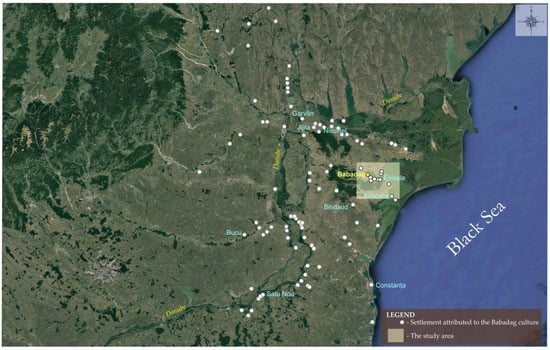
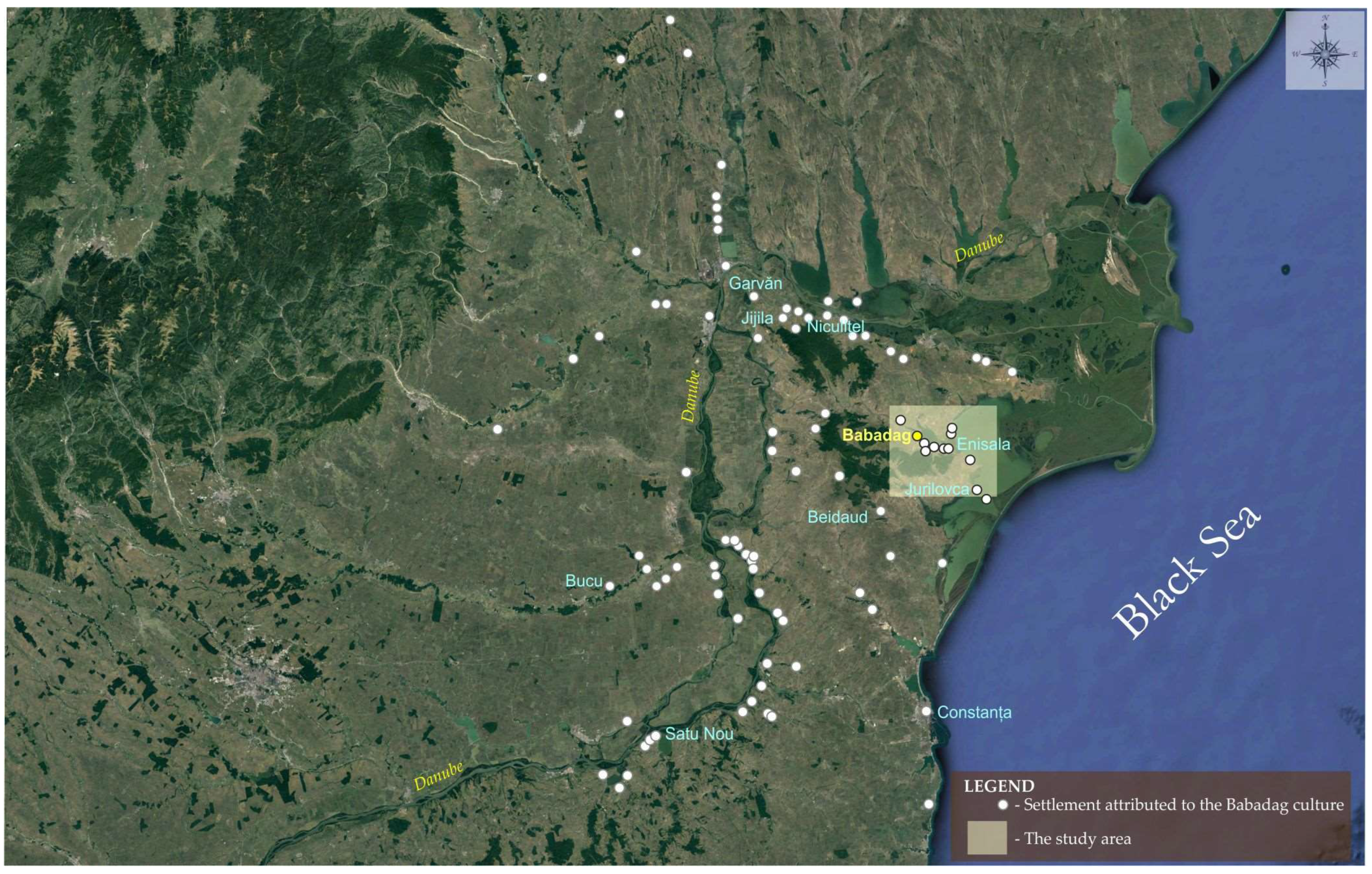
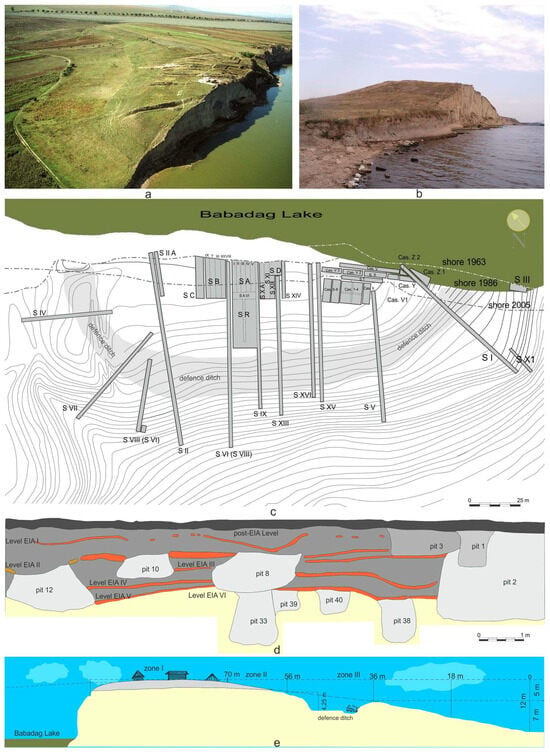
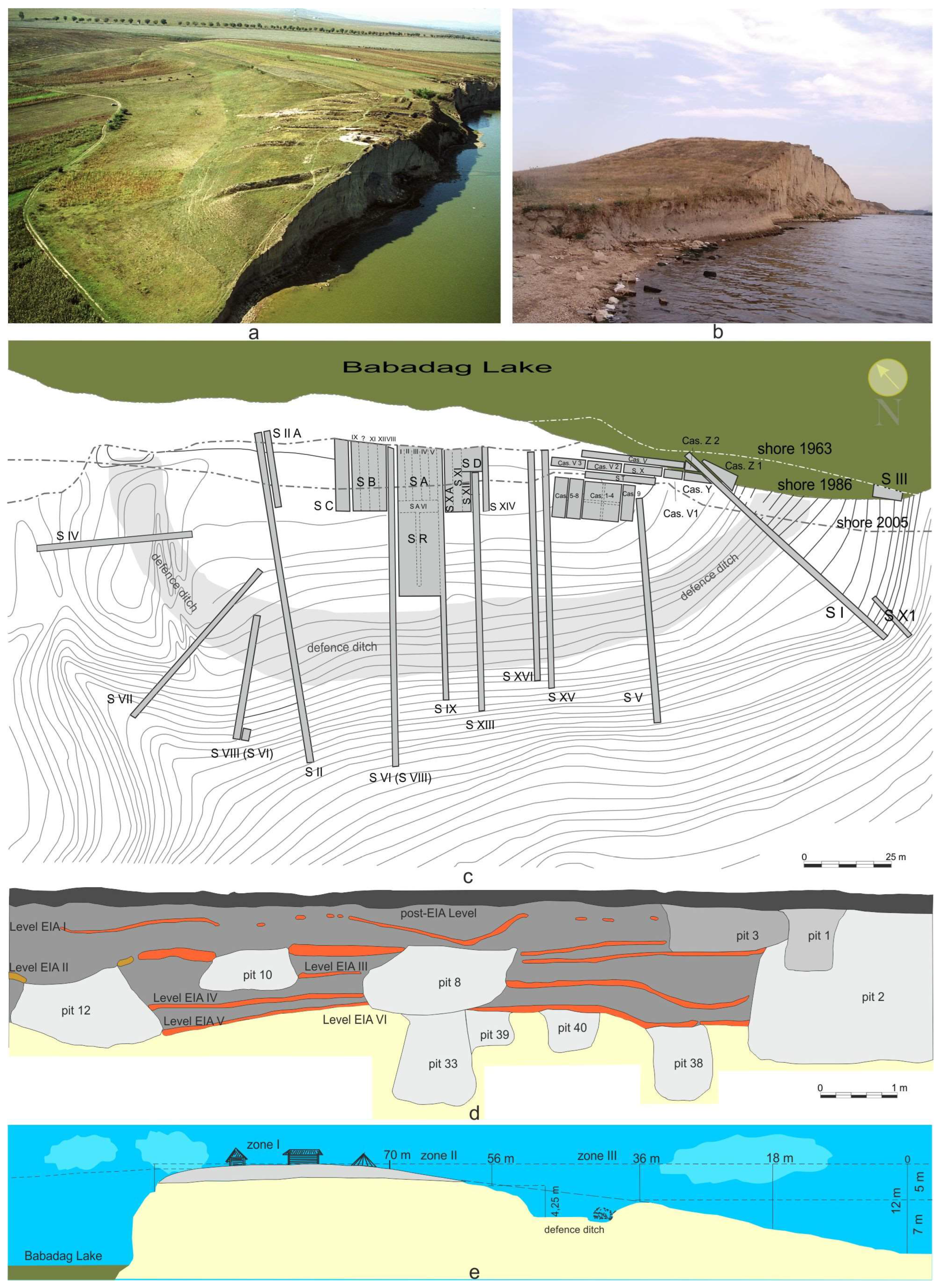
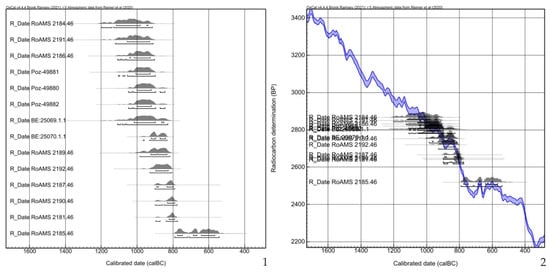
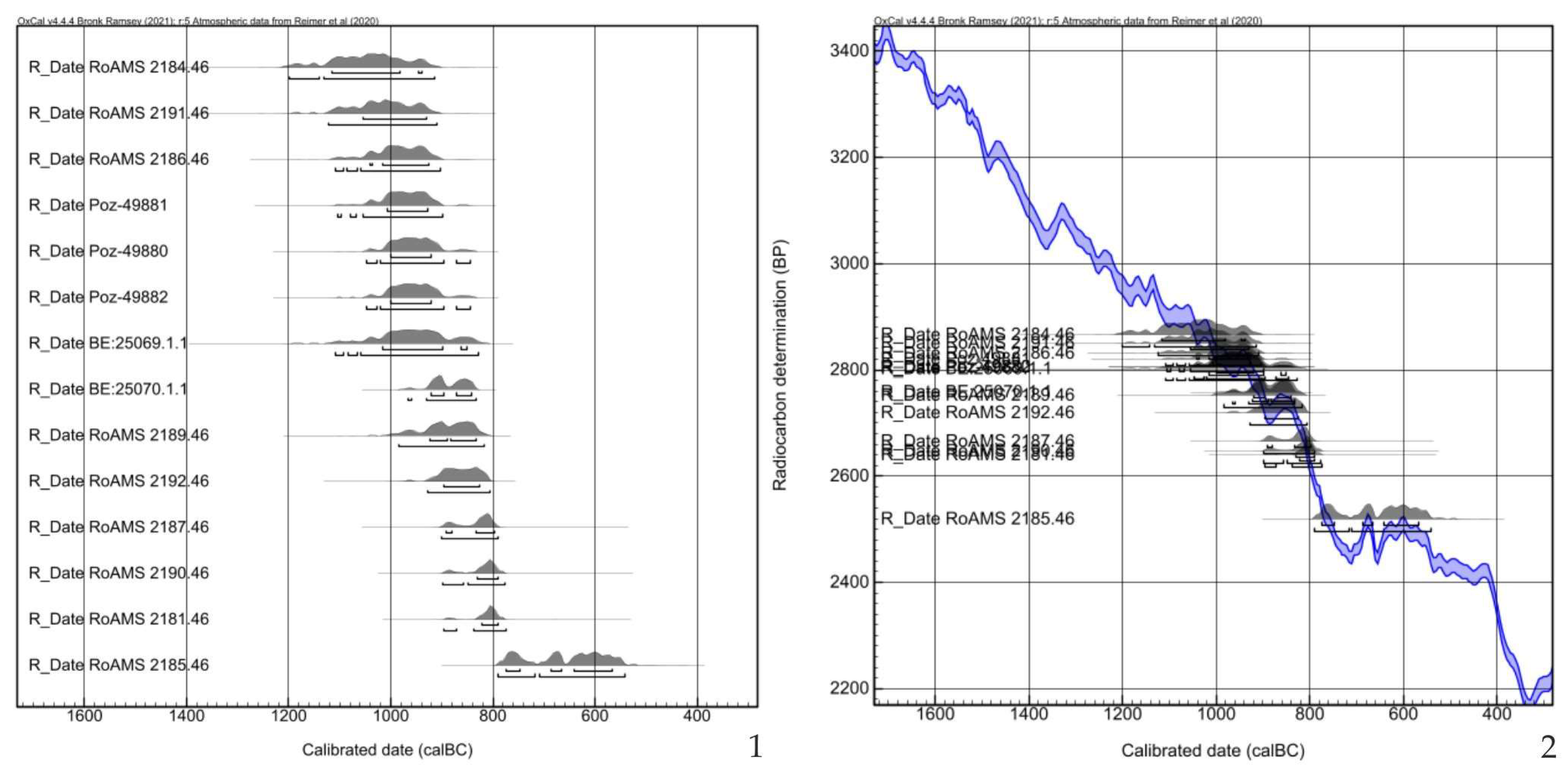
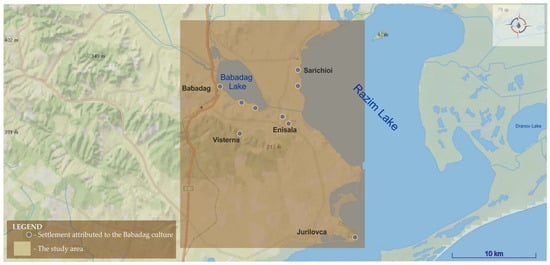
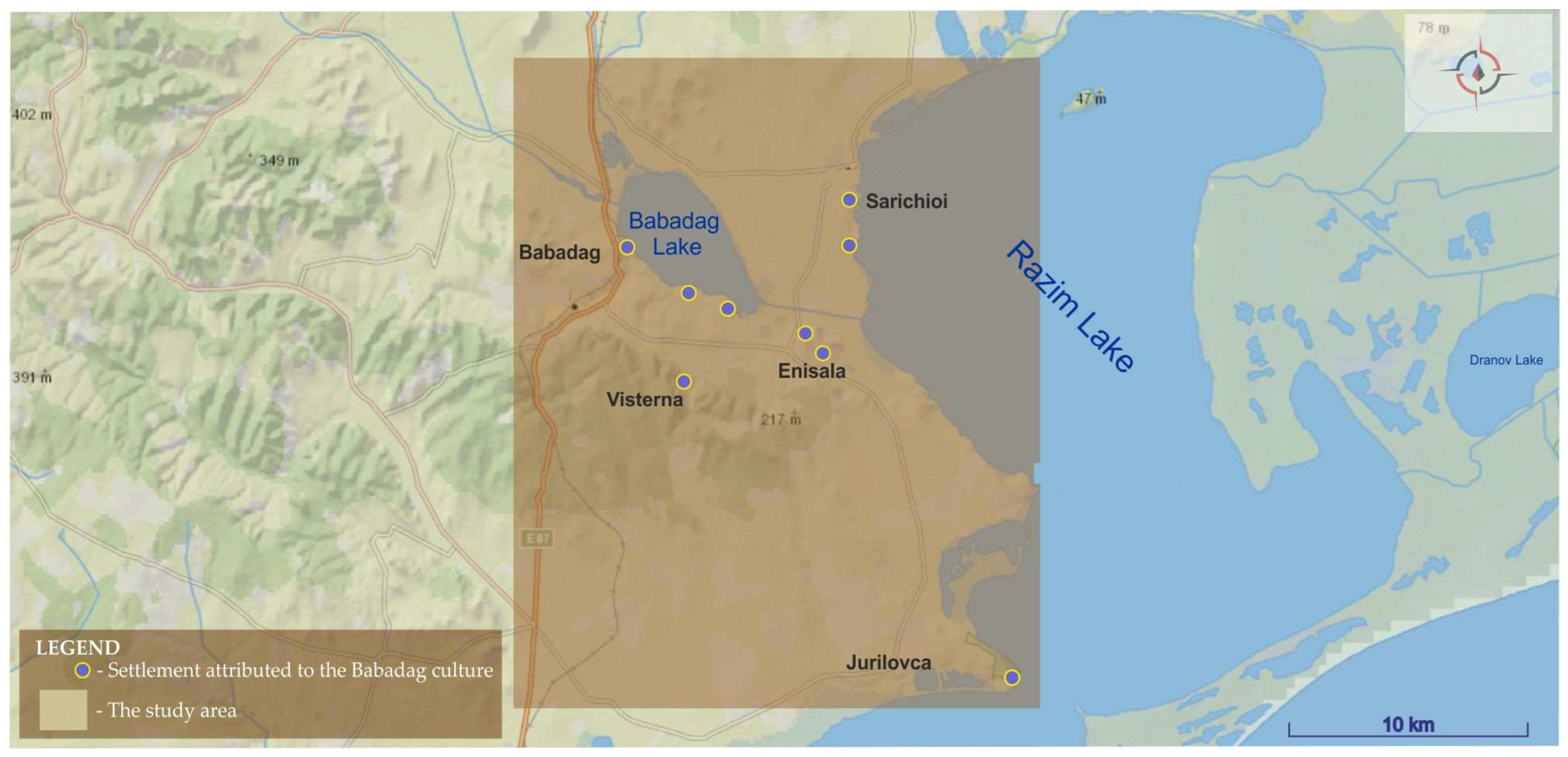
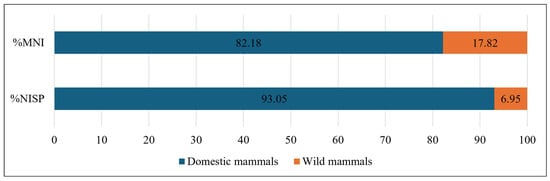
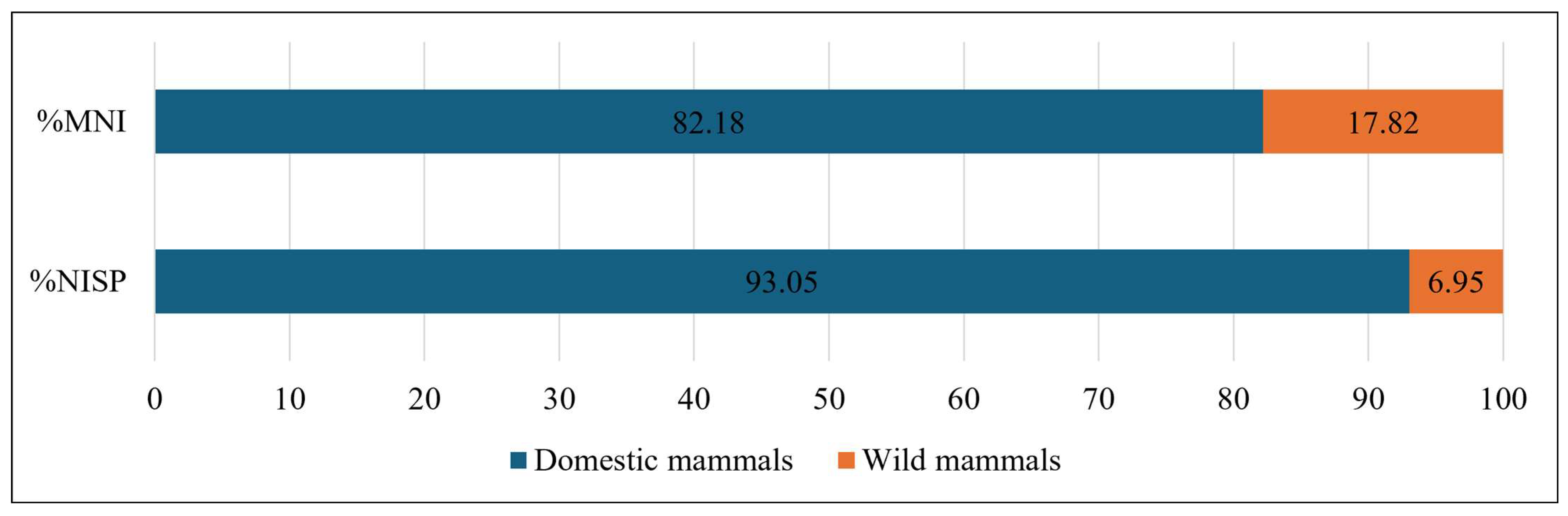
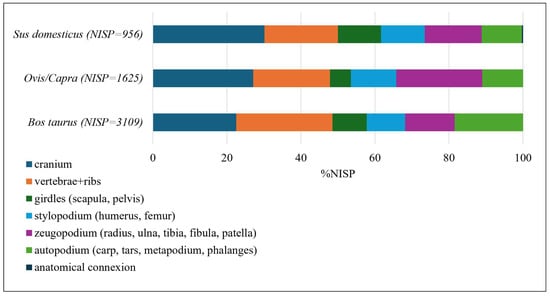
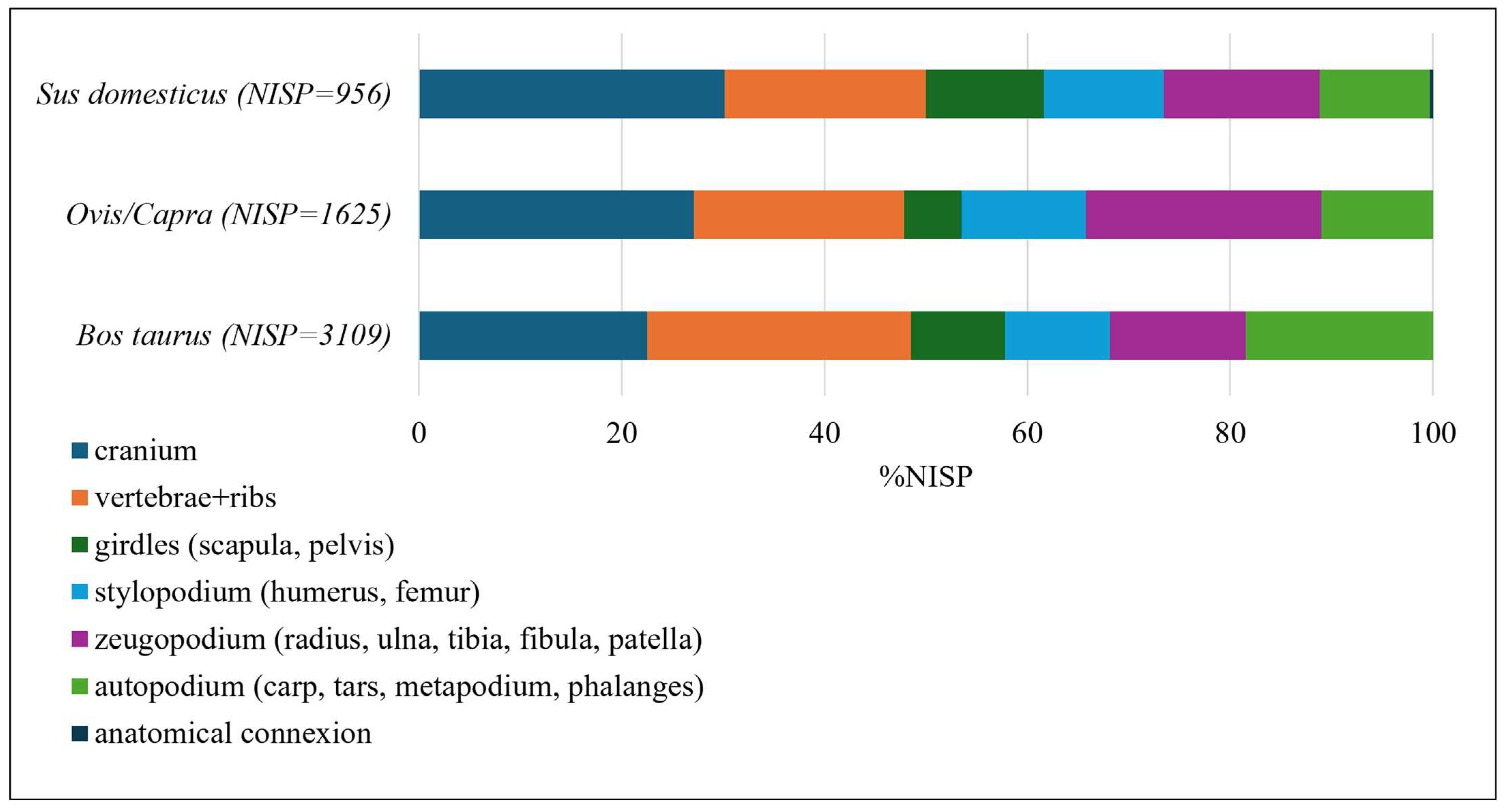
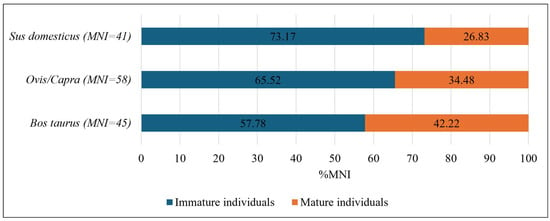
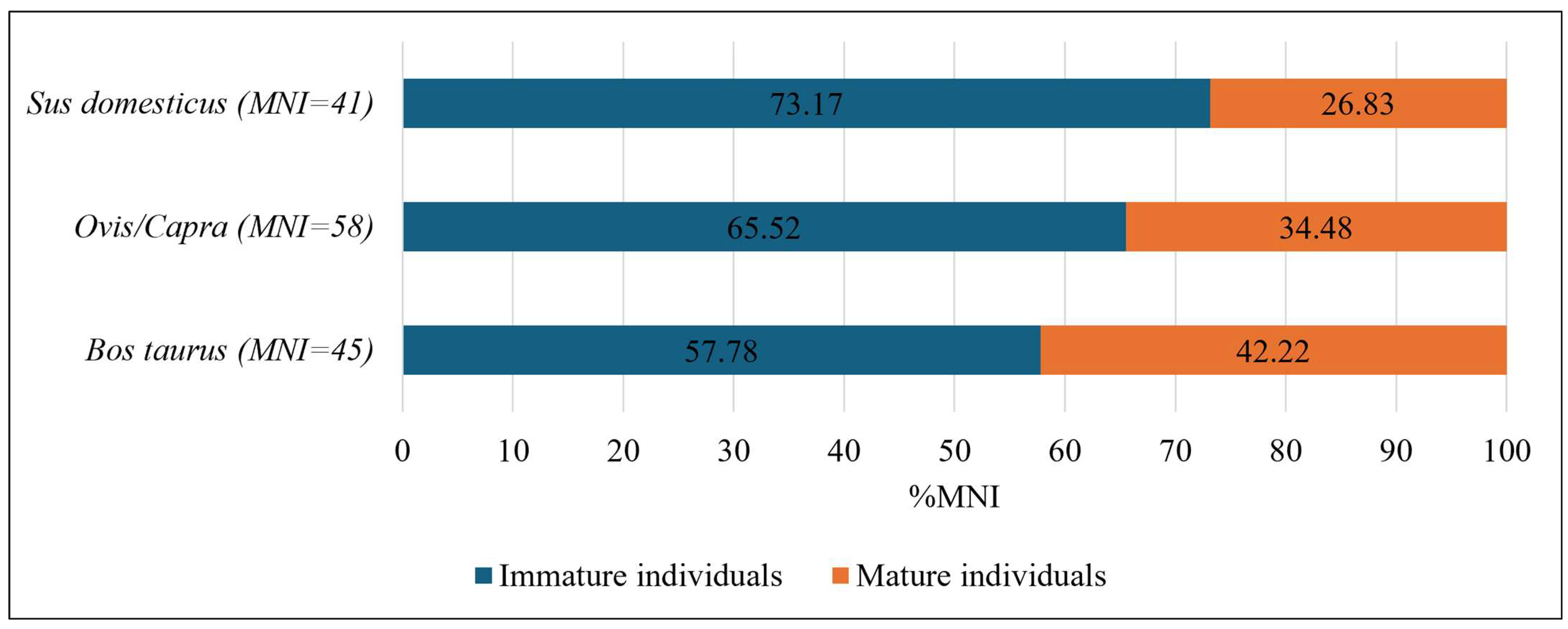
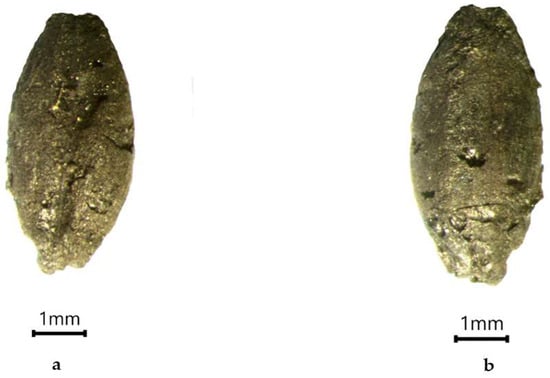
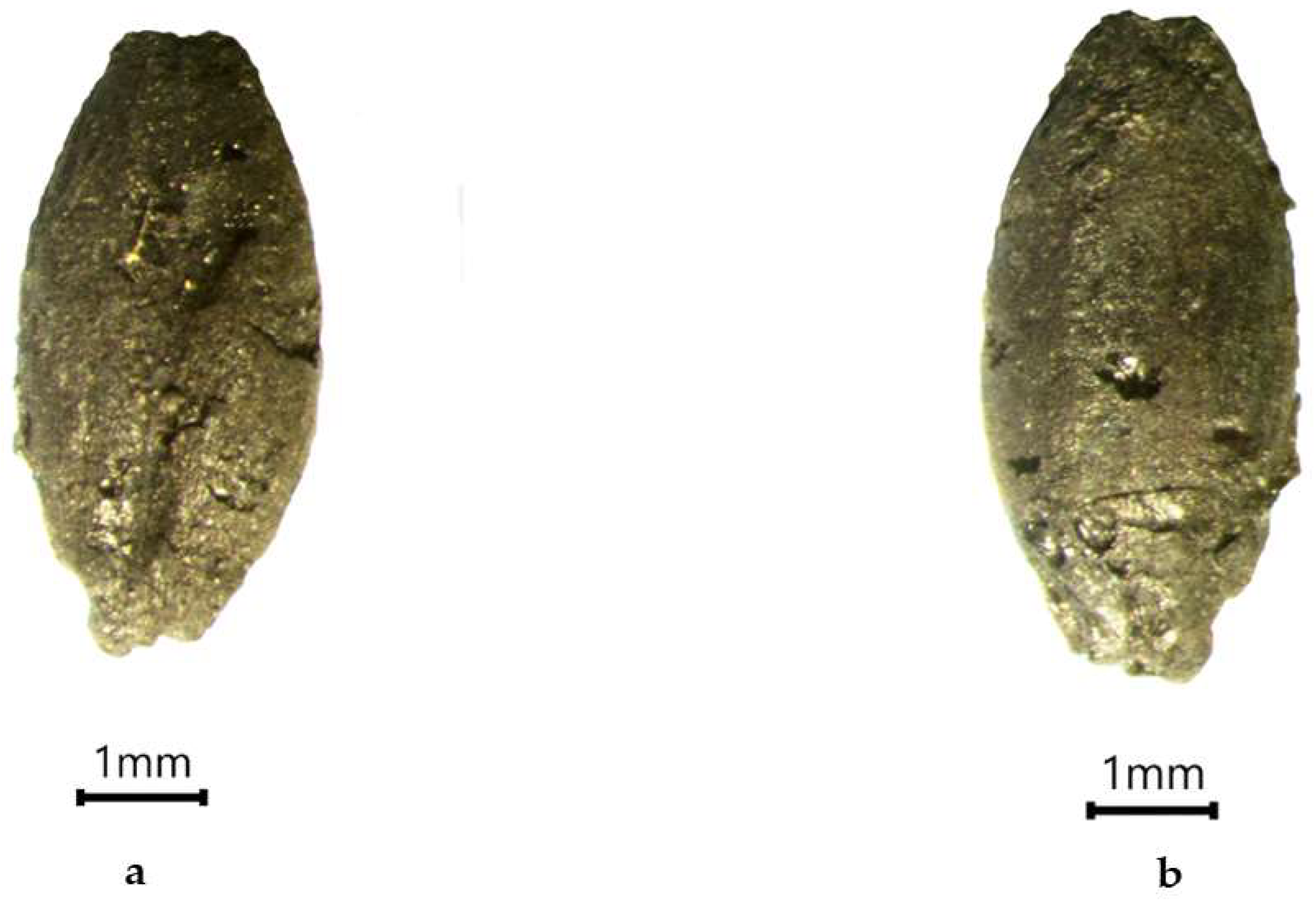
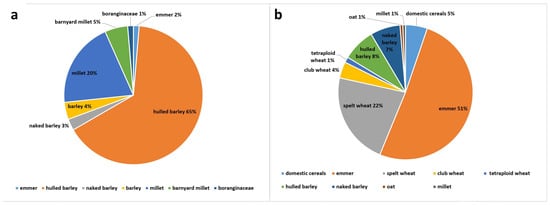
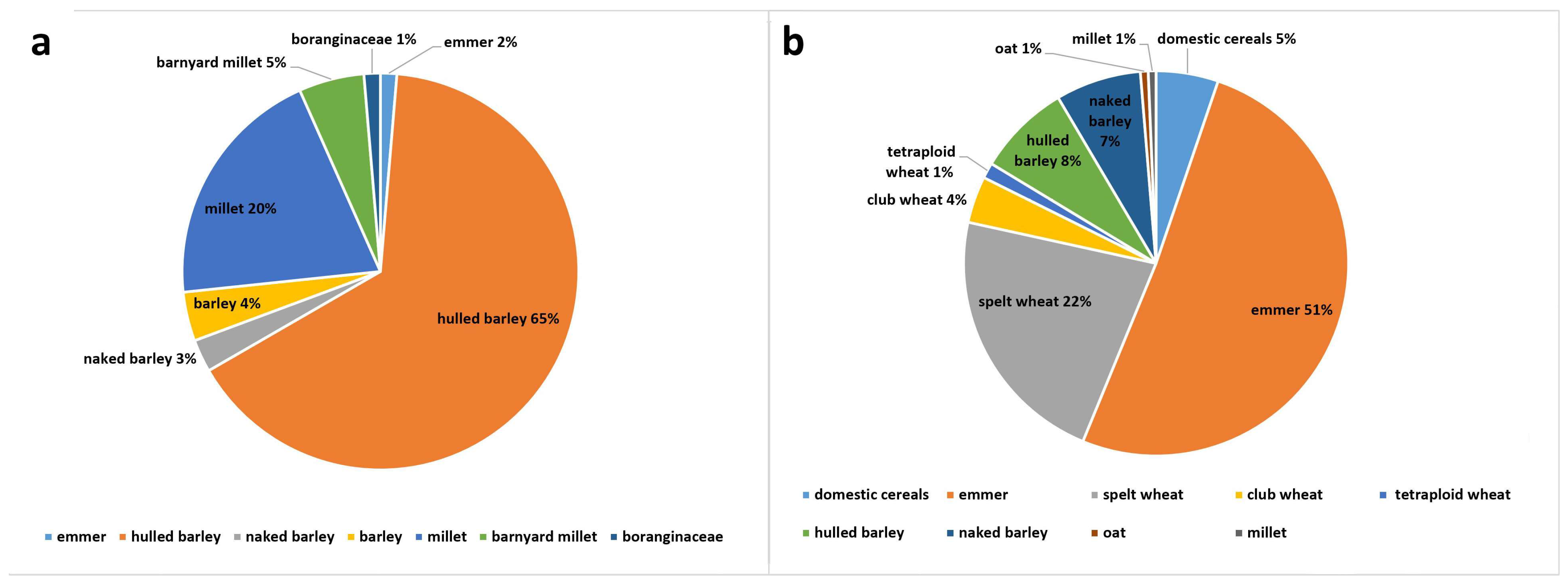
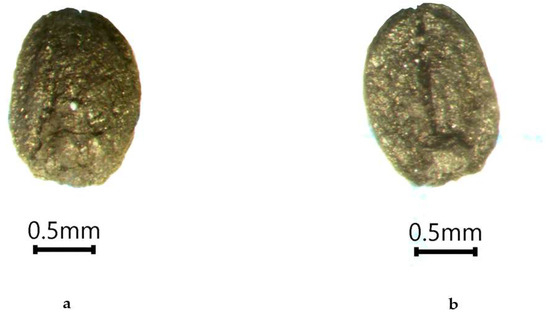
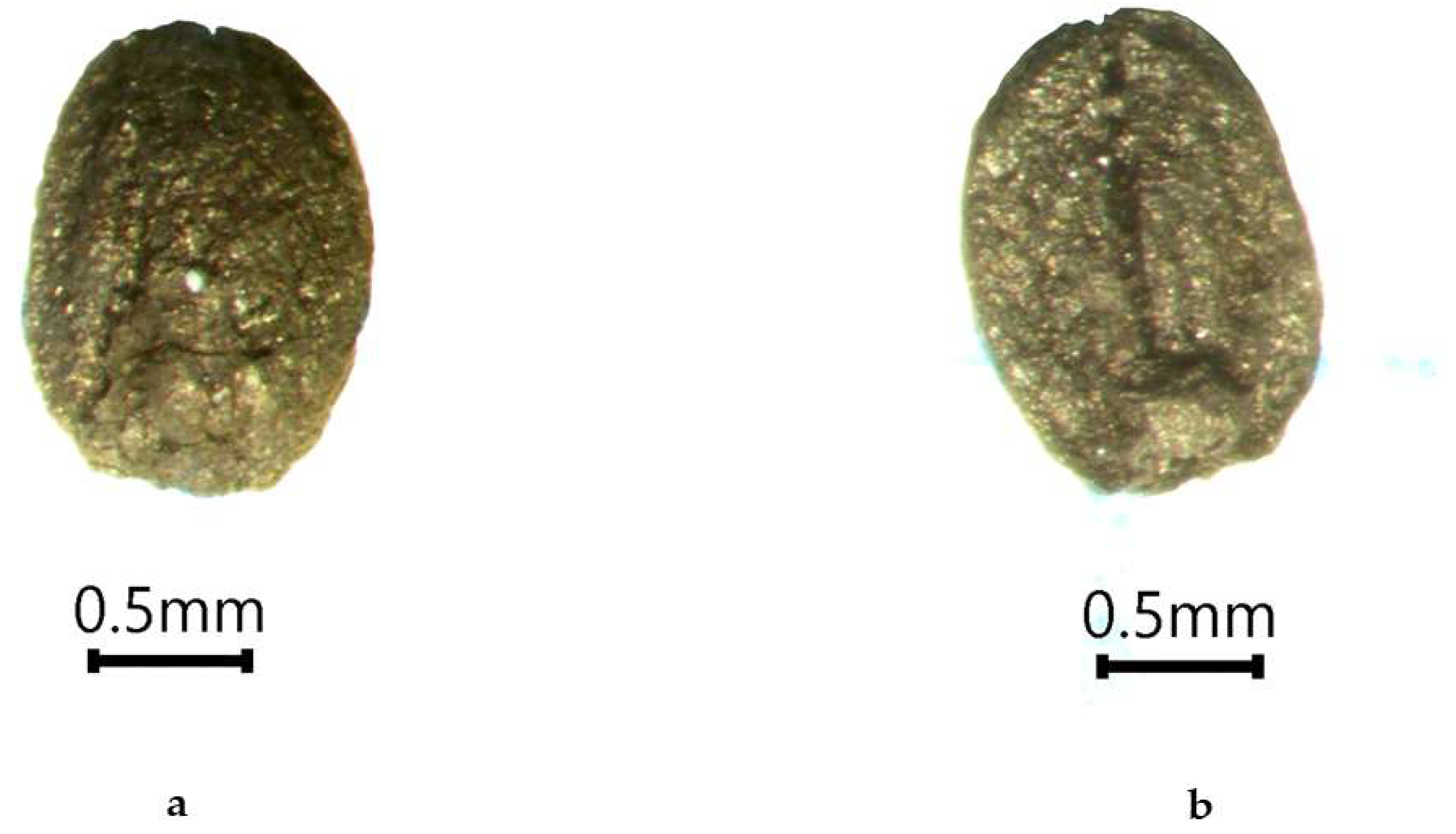
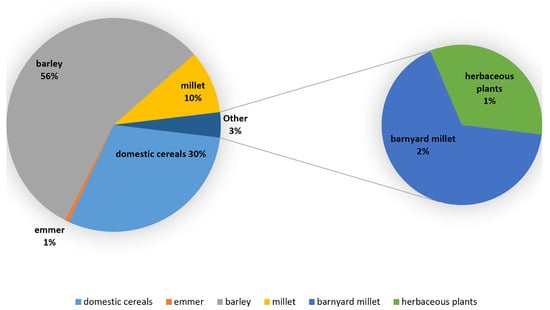
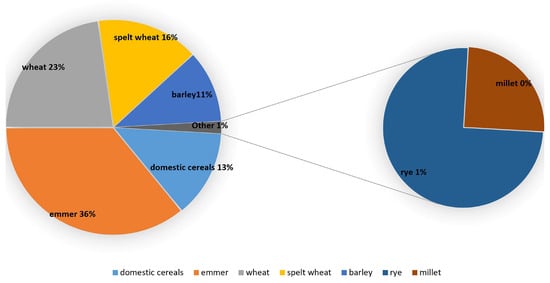
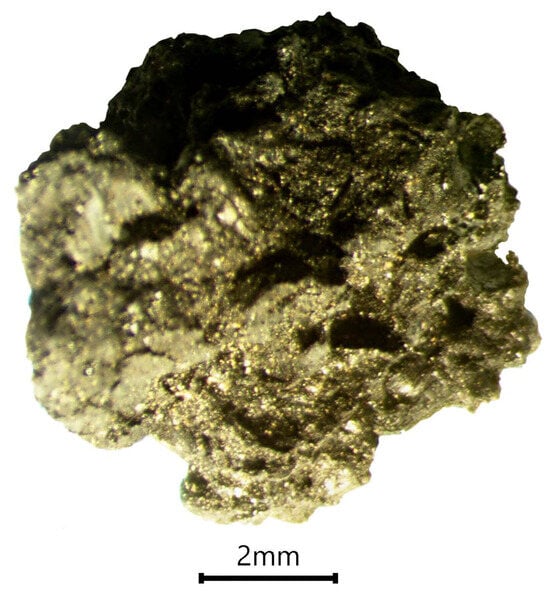
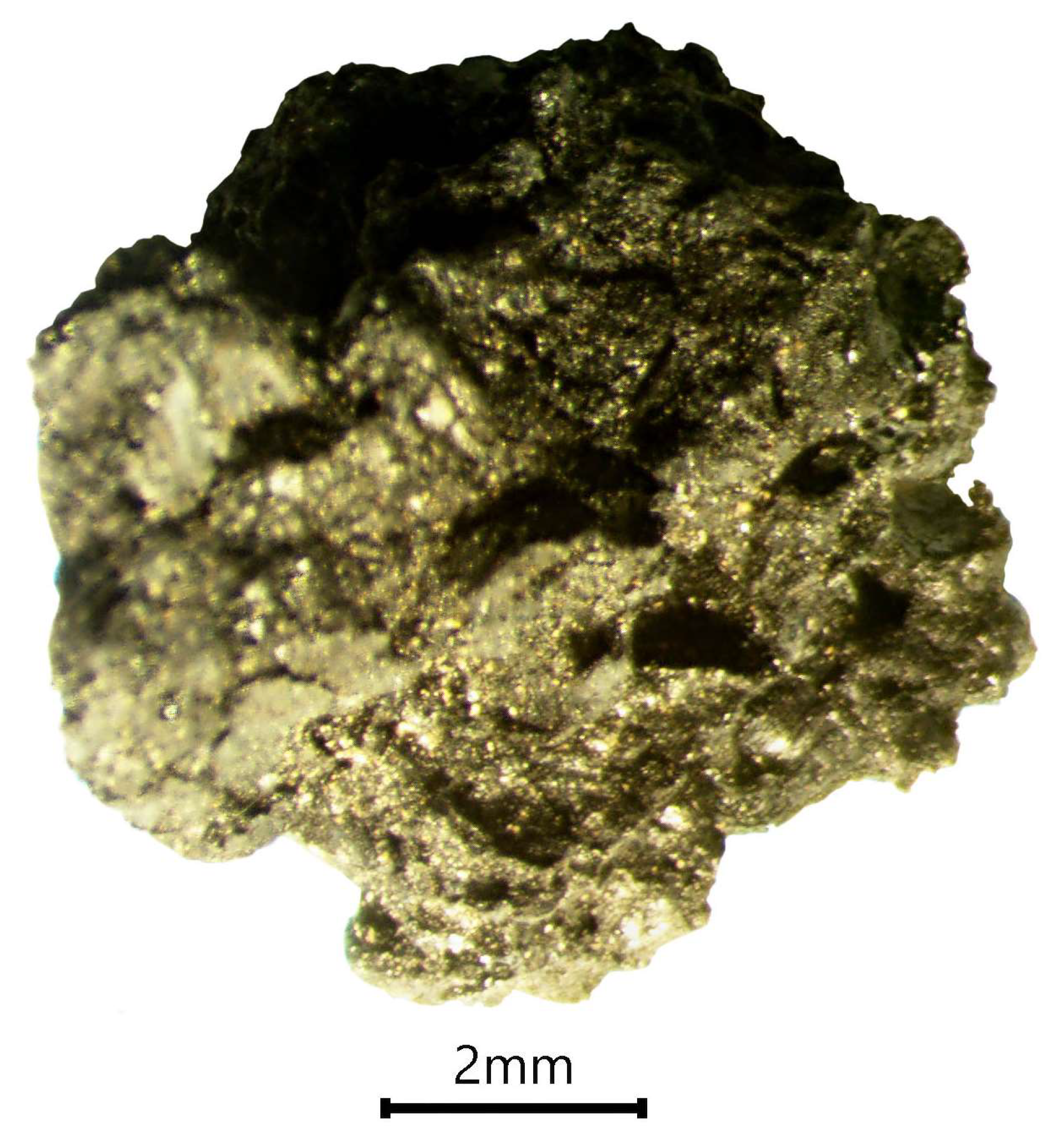
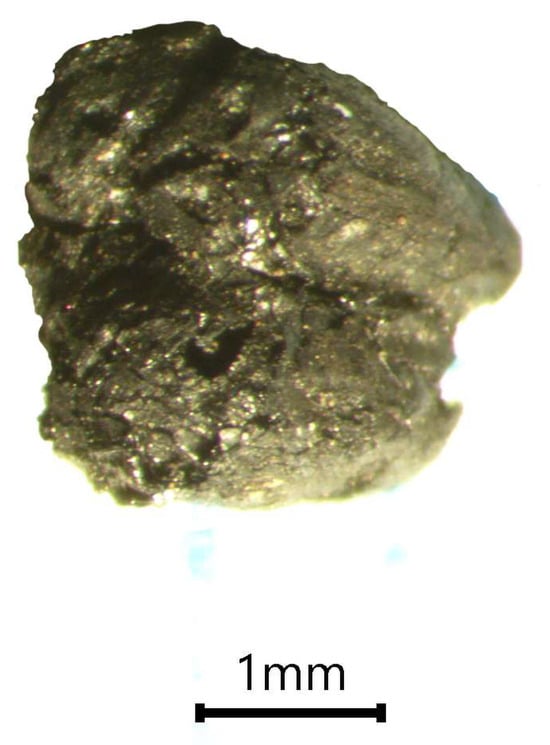
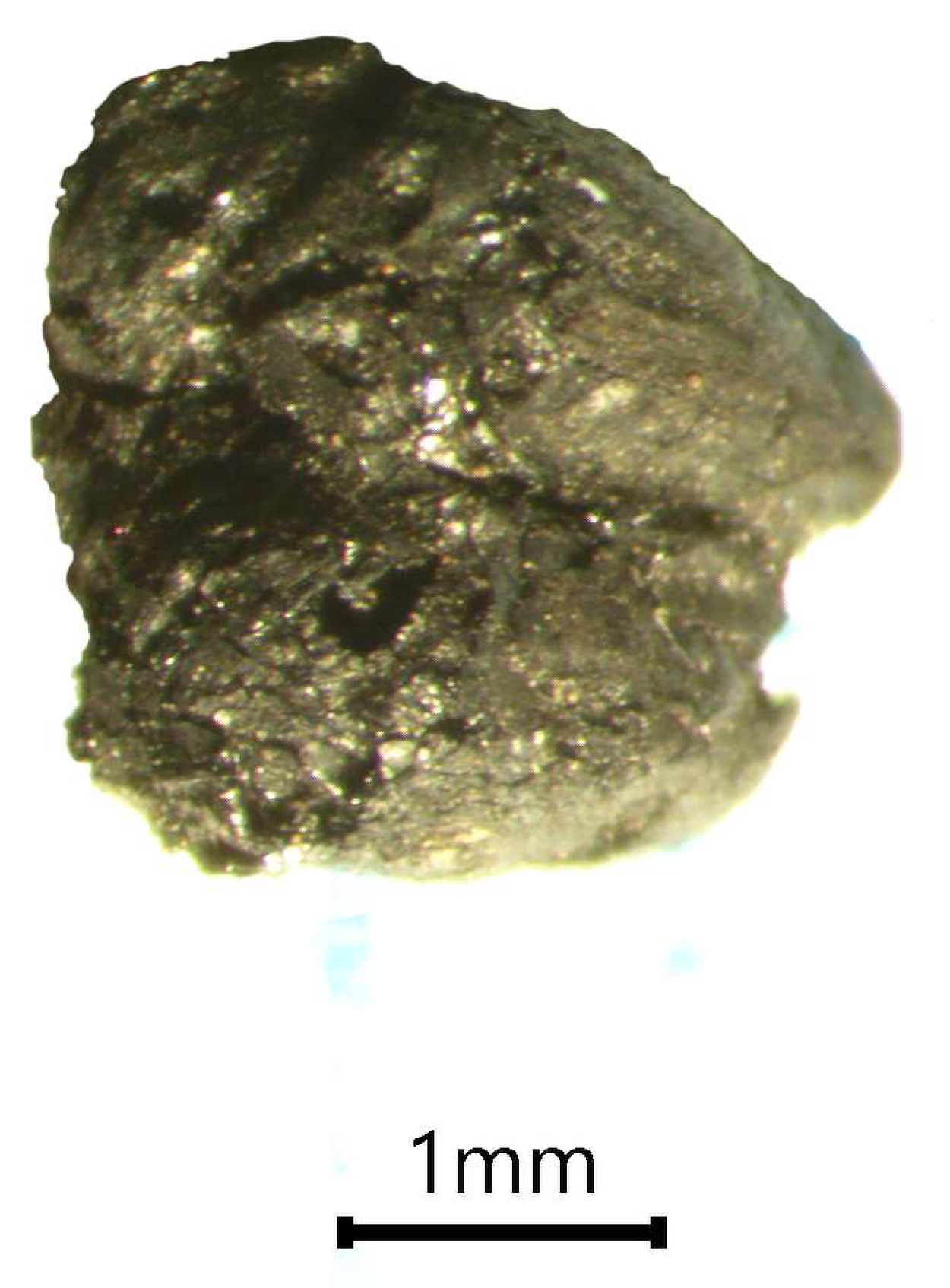
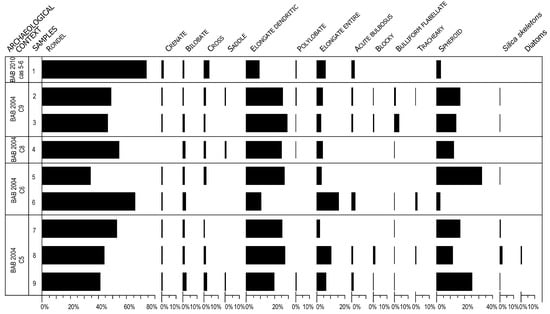

Disclaimer/Publisher’s Note: The statements, opinions and data contained in all publications are solely those of the individual author(s) and contributor(s) and not of MDPI and/or the editor(s). MDPI and/or the editor(s) disclaim responsibility for any injury to people or property resulting from any ideas, methods, instructions or products referred to in the content. |
© 2026 by the authors. Licensee MDPI, Basel, Switzerland. This article is an open access article distributed under the terms and conditions of the Creative Commons Attribution (CC BY) license.