


Abstract
Background: Artificial Intelligence (AI) and Machine Learning (ML) technologies, such as conversational agents, are becoming increasingly essential tools across multiple industries, particularly in healthcare. This paper presents a scoping review (PRISMA-ScR) of conversational agents (CAs) in mobile health coaching systems (MHCS). It examines existing applications of MHCS, focusing on development strategies, usage contexts, impacts on users, benefits, and research gaps, emphasizing the ability of explainable artificial intelligence (XAI) in making health guidance and decision-support recommendations transparent, trustworthy, and interpretable, if properly integrated. This scoping review identifies opportunities to maximize the use of conversational agents, explainable AI, and mobile technologies to make mobile health coaching systems more accessible and trustworthy, as well as further research gaps worth exploring. Objective: This scoping review maps the evidence on CAs and XAI-enabled technologies in MHCS, identifies trust-related design criteria, categorizes reported outcomes, and highlights opportunities for explainable conversational agents (XCA) in a mobile health context, especially in tackling general medical conditions pertinent in underserved settings. Eligibility criteria: Reported eligible resources evaluated, designed, or conceptually analyzed existing CAs, XAI techniques, and MHCS, AI-supported medical dialogue systems, e-coaching systems, and mobile health applications. We considered sources only relevant to healthcare, health coaching, trust, explainability, or patient engagement that were published between 2006 and 2025. Sources of Evidence: Searches were conducted in IEEE Xplore, Google Scholar, Springer, ScienceDirect/Elsevier, ProQuest, and ACM Digital Library, supplemented by targeted web searches and backward citation checks. Charting methods: Data were charted by system type, communication mode, health context, operational mode, technology used, XAI/trust features, degree of automation, study designs and outcome classification. We applied a revised outcome classification: generated desired outcome (GDO) and partially generated desired outcome (P-GDO), and did not generate desired outcome (DN-GDO). Results: A total of 201 resources were collected. Charted studies clustered around CAs in health, MHCS for chronic diseases and stress management, XAI methods such as LIME, SHAP, Prospector, and counterfactual explanations, and trust-related elements such as voice quality, communication style, appearance, social intelligence, privacy, and performance quality. Most health CAs and MHCS addressed chronic diseases, mental health, or behavior change; fewer addressed general medical diagnosis or autonomous mobile-based primary care support. Conclusions: Existing evidence suggests that CAs and MHCSs can support engagement, coaching, education, and selected decision-support tasks, but evidence for safe, autonomous, explainable general practice functionality remains limited. Future work should prioritize clinically supervised XCA designs, core safety assessment, interfaces with transparent explanation, data protection, culturally and linguistically responsive implementation, and future-oriented review in underserved mobile health settings.
1. Introduction
Explainable Conversational Agents (XCAs), especially in mobile health coaching systems (MHCS), represent a convergence of research areas, including AI and health technology innovation. The continuous advancement in machine learning and knowledge extraction, together with progress in human–computer interaction (HCI), has made it easier to converse with AI systems, particularly through the use of conversational agents (CAs). The concept of a conversational agent describes a computer system that attempts to interact naturally with users using text, voice, or a combination of both [1]. This definition encompasses both the general notion of a conversation and the interaction between the system and the human user.
For example, Wutz et al. [2] and Allouch et al. [3] classified a CA as a computer program able to imitate human conversation and to provide information and assistance in natural language. Recently, these agents have seen widespread adoption across fields such as education, finance, and healthcare [3]. In healthcare settings, CAs have been integrated into mobile technology to provide educational assistance and reference materials to both healthcare providers and patients.
Mobile health (mHealth) can be generally defined as the use of mobile and wireless technologies, such as smartphones, tablet computers, and wearable devices, to provide health-related information and services [4,5,6]. The use of these technologies has proven beneficial in managing chronic diseases through various wearable health devices, including fitness monitors, smartwatches, and portable electrocardiogram monitors, as mHealth applications have helped in the early detection and preventive treatment of these diseases [3,7]. Modern mHealth applications are primarily promoted as supportive tools that can work alongside healthcare services, rather than as replacements for healthcare professionals. Notwithstanding the promising applications, the deployment rate of AI-based systems in healthcare is currently hindered by concerns about trust, interpretability, and accountability.
Several chatbots are developed using complex algorithms driven by data inputs, known as black-box algorithms. These algorithms lack transparency and fail to explain how their outputs are generated [8,9]. The lack of a clear understanding of these algorithms can generate skepticism among user groups, especially within the healthcare setting, which requires transparent, reliable, and trustworthy advice. XAI has emerged as one of the most prominent research fields in this regard, which deals with enhancing the interpretability, understanding, and comprehensibility associated with AI tools [8,10].
The original review included 201 collected academic resources from six databases and supplementary sources, and summarised the field through evidence tables, figures and narrative synthesis. To enhance submission readiness, the manuscript has been restructured as a PRISMA-ScR scoping review, with clearer objectives, eligibility criteria, data-charting procedures, synthesis methods, limitations, and a PRISMA-ScR checklist.
1.1. Rationale
This scoping review is relevant because the literature spans multiple disciplines, such as technologies, outcome types, and study designs. The aim is to ensure we do not estimate an individual intervention, but map what has been studied, thoroughly classify the functions and contexts of existing systems, elucidate how trust and explainability have been operationalized, and finally, identify gaps for future studies and designs.
1.2. Statement of the Problem
Healthcare facilities across the globe are under extreme pressure due to limited staff, rising health needs, and unexpected health emergencies. The reality of the COVID-19 pandemic has shed more light on how healthcare facilities are not adequately equipped in terms of human capacity to handle extreme workloads, leaving them ineffective in providing immediate attention to all healthcare-related needs. Even then, emergency solutions are implemented in different regions to minimize the effects of staff shortages.
Although various digital health innovations offer promising avenues to extend health support beyond the traditional healthcare environment, their effective use is faced with setbacks. These include the unwillingness to follow health-related advice through innovations, the lack of privacy and data security, the inflexibility of these systems, and the ambiguity of the ethical and legal boundaries of these innovations [2]. Among the setbacks identified in this study as challenges in using health innovations involving AI algorithms is the lack of transparency and trust. In this context, the potential benefits of CAs on mobile devices for health coaching, education, and self-management are emerging. However, their use also raises concerns about trust, authority, and system boundaries, due to existing implications of using CAs as communication tools. This study highlights the importance of systematically synthesizing existing studies to clarify how the concepts of explainability and trust have been addressed in the context of mobile health CAs.
1.3. Aims
The aim of this review is to examine XCAs for MHCS, with particular emphasis on trust, progress, and future opportunities. Specifically, the objectives are to:
- Examine the concepts and functional characteristics of XCAs and their roles in non-clinical mobile health coaching and decision-support contexts.
- Identify and analyze key trust-related factors influencing user confidence, acceptance, and sustained use of XCAs in mobile health applications.
- Review how explainability, reliability, and ethical considerations shape user acceptance of guidance and recommendations provided by XCAs, without positioning these systems as providers of autonomous clinical diagnosis or treatment.
- Synthesize insights from the literature to articulate how CAs, XAI, and mobile technologies can be effectively integrated to support transparent, user-centered, and scalable MHCS.
1.4. Research Question
- RQ1: What types of CAs have been studied in healthcare and mobile health coaching contexts?
- RQ2: What health conditions, user groups, and delivery contexts have been addressed by CAs and MHCS?
- RQ3: How have XAI techniques and trust-related design elements been integrated into CAs and MHCS?
- RQ4: What outcomes have been reported, and how can they be classified using a transparent outcome framework?
- RQ5: What gaps remain for designing XCAs competent enough to support safe, trustworthy, mobile-first health coaching and an autonomous general medical decision support system.
2. Review Methodology
This review was prepared in conformity with the PRISMA ScR Extension for scoping reviews (PRISMA-ScR). The review method adopted follows the scoping review principles: identifying questions, relevant resources, source selection, data charting, collating, preparing a result summary, and reporting implications for included research, designs, and practice. See Table S1 of the Supplementary Material, for a complete checklist.
2.1. Protocol and Registration
A scoping review protocol was drafted before conducting this review to guide the review’s eligibility criteria, search strategy, study selection, data charting, and synthesis process. We did not formally register our protocol. Our final review will be reported using the PRISMA-ScR checklist.
2.2. Eligibility Criteria
Table 1 shows in detail the complete eligibility criteria used for this scoping review.
Table 1.
Eligibility criteria.
2.3. Data Sources
A comprehensive and structured literature search strategy was adopted to ensure broad coverage of both technical and healthcare-oriented studies on XCAs and MHCS. This involved a systematic query of six major academic databases: ACM Digital Library, IEEE Xplore, Elsevier ScienceDirect, SpringerLink, ProQuest, and Google Scholar. These databases were selected to capture peer-reviewed research across AI, HCI, and digital health domains. In addition, authoritative online sources such as the Merriam-Webster online dictionary were consulted exclusively for clarification of the key concepts. Non-scholarly sources, such as blogs and general web articles, were initially scanned only to support background understanding but were excluded from the final synthesis to ensure academic rigor.
2.4. Search Strategy
The search strategy used a combination of controlled vocabulary and free-text keywords comprising the following: conversational agents; chatbots; embodied conversational agents (ECAs); explainable artificial intelligence; trust; usability; ethics; mobile health; digital health; and health coaching systems. Boolean operators such as “AND/OR” and database-specific filters were applied to refine the results, as follows: (“conversational agent*” OR chatbot* OR “dialogue system*” OR “embodied conversational agent*” OR “virtual agent*”) AND (“mobile health” OR mHealth OR “health coaching” OR e-coaching OR “digital health”) AND (trust OR explainable* OR interpretable* OR transparency OR “explainable artificial intelligence” OR XAI) AND (healthcare OR diagnos* OR “chronic disease” OR “general medical condition*”). Table 2 shows the four main concepts in this search string.
Table 2.
Boolean search string concepts.
Furthermore, the search focused on studies published between 2006 and 2025; this timescale captures the emergence of CAs and XAI within healthcare and well-being contexts. The complete search yielded an initial corpus from which 201 scholarly publications were selected for detailed analysis. Explicit inclusion and exclusion criteria were applied at the screening stage to ensure relevance and academic quality; see Table 3.
Table 3.
Inclusion and exclusion criteria.
2.5. Study Selection and Analysis
Study selection consisted of title, abstract, and full-text screening according to pre-determined inclusion and exclusion criteria. Selected trials underwent qualitative thematic analysis, focusing on the system’s purpose, its design to facilitate conversations, mechanisms of explanation, methods of evaluation, and outcomes related to trust. The focus in the analysis has been on patterns, conceptual similarities, and research gaps rather than performance benchmarking and system validation. This enabled a controlled synthesis of how explainability and trust are addressed in CAs for mobile health coaching.
2.6. Data Extraction and Charting
Data charting was conducted using a structured extraction framework developed for this scoping review. Our framework covered bibliographic data, study design, technology type, health domain, communication mode, level of automation, explainability approach, trust-related elements, evaluation method, outcome measures, key findings, limitations, and relevance to XCA in MHCS. See Table S2 of the Supplementary Material for a complete review of studies and systems.
Each included source was also coded according to whether it generated the desired outcome. Studies were classified as Generated Desired Outcome (GDO), Partially Generated Desired Outcome (P-GDO), or Did Not Generate Desired Outcome (DN-GDO). This coding was used to support analytical comparison across CAs, MHCS, and XAI-enabled systems. See Table 4 for extracted variables:
Table 4.
Data extraction framework.
2.7. GDO/DN-GDO Outcome Classification Framework
In this review, we classified our articles based on the final outcome: GDO (Generated Desired Outcome) was assigned when the study showed any evidence of the system completing its task, which ranged from improved diagnostics supports, usability, engagement, user experience, or health behavior. P-GDO (Partially Generated Desired Outcome) was assigned when the evidence was promising, but with limitations such as restricted evaluation, limited clinical validation, or limited explainability. DN-GDO (Did Not Generate Desired Outcome) was assigned when the system failed to meet the expected outcome, such as an inability to provide a specific diagnosis, a lack of trust evidence, heavy reliance on human experts, etc., such as this framework. This framework was developed to support organized synthesis and improve reproducibility; see Table 5 for details.
Table 5.
Operational definitions for GDO outcome coding.
2.8. Data Analysis and Synthesis
The studies were analyzed using thematic analysis and analytical synthesis. The studies were compared according to thematic dimensions, which included:
- Functional roles of explainable conversational agents in mobile health coaching systems.
- Levels and forms of explainability.
- Trust and acceptance determinants.
- Ethical and regulatory concerns.
- Evaluation Practices and Methodological Rigor.
Unlike systematic reviews or meta-analyses that aggregate results statistically, this scoping review synthesizes patterns, trends, and research gaps across heterogeneous studies.
3. Results
3.1. Source Selection
The search identified 201 records from databases and supplementary sources. Table 6 shows a detailed breakdown of our source selection.
Table 6.
PRISMA ScR flowchart.
3.2. Concepts and Functionality of Explainable Conversational Agents
3.2.1. Conversational Agents
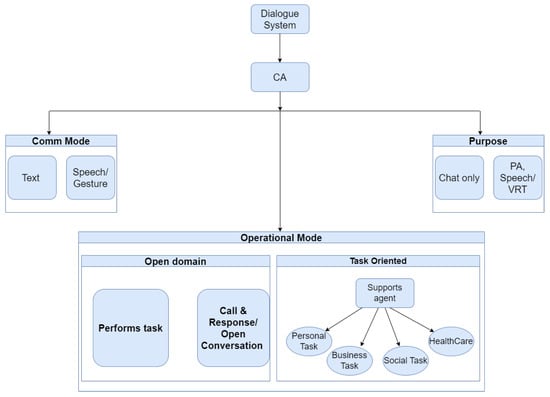
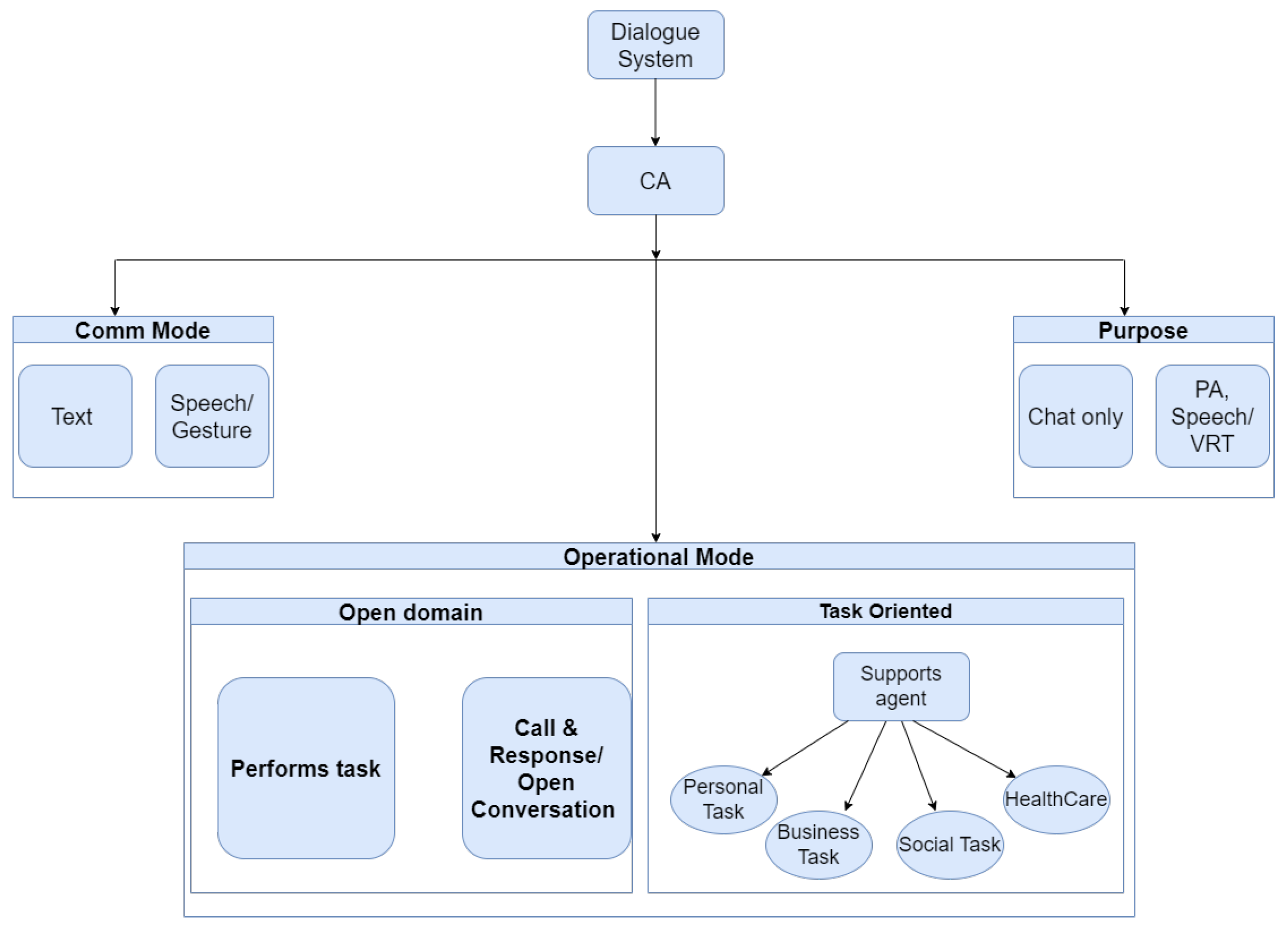
CAs have been employed in many applications across different domains, assisting users in performing tasks through natural language processing [11,12]. CAs can in general be categorized as goal-oriented [13] and non-goal-oriented (open-domain), depending on the nature of the task to be performed [14]. For example, goal-oriented CAs include customer service chatbots, while non-goal-oriented agents rely on machine learning to converse in a more open-ended, conversational manner. Examples of well-known open domain systems include Apple’s Siri, Amazon Alexa, Google Assistant, and Google Meena [15,16]. These systems primarily act as general personal assistants. They are not specialized in healthcare. There is no universally accepted definition of these systems despite many studies conducted to date. Various definitions primarily focus on natural language processing, adaptability in interaction patterns, and support functions irrespective of application areas [13]. This review targets CAs employed in health-related, supportive, and informative roles, recognizing that some systems are application-focused while others are more general-purpose. Crucially, this article review will not assess CAs as autonomous healthcare systems but rather as assistive systems within a health ecosystem. Finally, some agents are developed solely for communication, whereas others can communicate and also perform virtual and physical tasks. Figure 1 shows the basic classification of CAs. This review examines the usefulness and efficiency of conversational AI technology, which is increasingly being implemented across various sectors of life. Among the reviewed agents, some are useful for independent healthcare delivery, while others are more general.
Figure 1.
Basic classification of conversational agents.
3.2.2. Conversational Agents in Healthcare
Studies on CAs in healthcare have mainly focused on chronic conditions, mental health, education, and behavioral interventions. Most have text interfaces and are intended for use in complementary ways, as an additional route for accessible healthcare delivery, rather than as part of mainstream medical practice systems [12,17]. Table 7 shows the classification of current CAs by their roles in disease management, with many focusing on chronic health conditions; only a few, such as Ada Health, addressed general health issues. Furthermore, many use text-based communication, which mainly promotes exercise and other physical activities as an additional form of therapy. Systematic review conducted by Milne-Ives et al. [18] and a scoping review by Tudor Car et al. [12] emphasized the positive aspects of usability and user satisfaction but stressed the importance of thorough examination of safety and ethical standards. Other studies, such as Abdulrahman [17] and Richards [19], showed that explainability and personalization can increase user engagement and adherence when performing tasks such as reminding and managing medication. Famous systems such as Woebot [20] demonstrated the viability of automatic mental health support systems with no adverse effects on therapy outcomes, thereby reiterating the need for transparency and disclosure of limitations. The above discussion suggests that CAs can be useful tools. Significant recent progress has been made in applying large language models (LLMs) to improve the naturalness of conversational dialogue and understanding. Nevertheless, research has repeatedly emphasized the need to use these tools within clearly defined limits and oversight, especially in a clinical context [21,22,23,24].
Table 7.
Summary mapping of CA evidence domains.
3.2.3. Trust Factors Influencing User Confidence and Acceptance of XCAs in MHCS
Acceptability and Trust of Conversational Agents in Healthcare
Trusting CAs can be described as users’ belief in their ability to carry out designated tasks correctly, consistently, and appropriately [25]. Trust has a major impact on the adoption and usage rates of CA systems [26]. The main elements that contribute to the degree of CA trust include accuracy, dependability, transparency, and perceived integrity. This is because users feel comfortable trusting CAs when they act consistently, communicate their capabilities and restrictions effectively, and present stable, understandable information. Furthermore, system transparency is crucial; users should acknowledge that they are dealing with a machine. However, this necessitates their complete knowledge of the machine’s capabilities and restrictions [27]. In addition to human-like traits, such as empathy, politeness, and understanding, they may add value to increase perceived trust. On the other hand, inaccurate information and insensitive responses from CAs will undermine trust development, which can deteriorate quickly [28]. In the healthcare setting, trust is particularly important, as these systems handle users’ sensitive data and provide guidance on healthcare decisions [29]. Integrity, validity, and security issues are key factors in fostering trust in CAs. CA users need to realize that these systems are complements to healthcare professionals, not substitutes; this can be made clear by highlighting their limitations and non-human qualities. Adherence to data regulations, such as the GDPR in the European Union and the HIPAA Act in the United States, is also important for securing user trust [30]. The theme of trust in CAs in healthcare settings, therefore, lies in a successful blend of technological reliability and healthcare accountability. Studies have shown that user acceptance and trust vary across implementations of the CA system. For instance, the support agent Tanya Bot, supporting lactating mothers and healthcare providers, received positive user feedback on usability and user engagement [31]. Other CAs have been found useful for optimizing certain administrative and information-gathering tasks, such as patient data entry and symptom reporting, and for enhancing workflow processes, but not necessarily diminishing human experts’ control [32]. Early CAs, such as Eliza, have proven that the interactive pattern-matching technology can engage users, but as a learning platform rather than as decision-makers [3]. CA-assisted interventions in specialized settings, as seen in social robots used with children diagnosed with ASD, highlight the potential of CAs as aids in behavioral and educational support, where trust is associated with social presence and CA interaction. Examples of such systems include Ada Health, which explored CAs’ capacity to provide informational guidance regarding patient data. Results indicated a possible boost in user confidence from CAs offering visual/social cues, and that such systems should be used for guidance rather than for diagnosis. Studies comparing ECAs and face-to-face interviews, particularly among patients with Major Depressive Disorder (MDD), showed that the degree of trust users place in the system may vary by demographic factors like age, education, and prior experience [33]. The importance of the user’s traits, along with other variables such as accuracy, has, however, been emphasized to build trust in AI-supported healthcare systems [34].
Other Factors That May Increase Users’ Trust in AI Technologies
Black-box AI technologies, such as many CA systems, are often met with suspicion due to the lack of transparency and explainability [35]. Design elements such as voice parameters, communication style, visual appearance, social intelligence, and perceived performance quality have been identified as trust-enhancers for CA systems. Although state-of-the-art AI models perform very well on output generation tasks, they often fail to offer any explanation for their outputs [36,37]. Research on the vocal characteristics of CAs suggests that voice quality, sex, and tone may affect judgments of trustworthiness. For example, Brummelen et al. [38] showed that users were attracted to some adult male and female voices when communicating through CA systems. Elkins and Derrick also found that although voice pitch itself was not a direct factor in users’ perceptions of trust and voice, it may serve as a temporary indicator of confidence. Still, facial emotional expressions, such as smiling, sadness, and anger, can contribute to increased perceptions of trust and genuineness when embodied systems are considered [38,39].
3.2.4. Trusting XCAs: User Acceptability of Diagnosis, Treatment, Reliability, and Ethics
Mobile Health Coaching System
MHCS utilizes innovative technologies, such as AI systems, to meet the unique health needs of individuals. These systems use wearable sensors, smartphones, and cloud-based applications to maintain ongoing user engagement. The goal of MHCS includes promoting healthy behaviors, managing chronic conditions, and complying with health plans [40]. The effectiveness of these systems depends solely on their ability to collect and analyze information from various sources, especially sensor technologies and user interactions. This data is used to create personalized support tailored to each user’s needs, often with the assistance of AI technology. For example, MHCS can guide users in areas such as diet, exercise, and medication compliance, although it is essential to note that these systems do not offer independent diagnoses.
Electrocardiograms (ECGs), blood pressure monitors, activity trackers, and smart watches have been used in MHCS to identify early warning signs of health issues and to facilitate the management of chronic diseases. Research has shown that these technologies significantly enhance compliance and lifestyle tracking [41,42]. Existing systems such as iCardia, BeSmart, Walking with JITAIs, and Telemonitoring have demonstrated their effectiveness in managing chronic conditions such as diabetes, hypertension, cardiovascular disease, and stroke [43,44]. While promising, challenges remain regarding the communication between these systems and human users. Some studies suggest that automated MHCS could reduce reliance on in-person consultations, yet concerns about privacy and transparency are still prevalent. Most promote healthy behaviors and manage chronic conditions [45], and address emotional health issues, with only a limited number addressing general medical conditions. Furthermore, very few operate as fully autonomous systems capable of diagnosing and treating patients without supervision. Addressing these gaps could pave the way for more comprehensive and effective health management solutions. Table 8 and Figure 1 present a review and categorization of existing MHCS based on prevalent technology and the type of health condition they cater to.
Table 8.
Summary mapping of MHCS evidence domains.
3.2.5. The Importance of CA in an MHCS
Within MHCS, CAs can serve as researchers gathering and vetting information or as interactive support systems. They can help users with symptom probing, therapeutic, or preventive practices [46,47]. They can facilitate user participation, remind users, or assist with communication with healthcare providers both in and out of clinical domains. These include applications such as Apple Siri or Google Assistant, used on smartphones, which have reportedly helped prevent situations that could have escalated into emergencies, including heart attacks and mental health crises [39]. Studies have shown that these hosted coaching activities offered by CAs can enhance user engagement and participation, especially when the system considers personal recommendations, emotional well-being, and lifestyle patterns [19,48]. CAs therefore complement MHCS systems by improving accessibility, usability, and user engagement without diminishing human judgment.
3.3. Evidence of Gaps
Even with these developments, some factors have hindered the potential of XCAs:
- Incomplete/limited evidence of XCA automation: Various platforms are unable to automatically respond or adapt to the health needs of their target population [49].
- Mistrust and Dependability Concerns: Users may be skeptical of AI recommendations, even with XAI; thus, AI systems need to be more interpretable to users.
- Inconsistent operationalization of trust, explainability, and outcome success.
- Delayed intervention may occur due to limited integration with electronic health records and real-time monitoring. Prior studies report that earlier alert-based systems may support timely escalation under professional oversight [19,49].
- Limited Access to Wearable Technology: High costs and availability constraints may hinder widespread adoption, particularly in low-resource settings.
- User Engagement Challenges: Insufficient empathic interaction, lack of personalization, and limited predictive capabilities can reduce engagement. For instance, empathic AI interventions have been shown to mitigate stress-related risks among students in India [9,50]. Enhancing explainability, personalization, and emotional responsiveness could improve sustained engagement and adherence.
- Inadequate Functionality of the App: The current state of technology (Ada Health) is capable of recommending based on symptoms, but it is not fully diagnostic, and it is not equipped with a conversational interface, voice recognition, or an intuitive GUI [2,35,51].
- Limited reporting of data governance, privacy, bias, clinical accountability, and adverse event management.
- Need for evaluation with diverse users, languages, health literacy levels, and cultural contexts.
4. Streamlined Healthcare Application
Explainable AI/ML in CA and MHCS
A thorough understanding of the underlying technology behind AI systems is vital to fostering trust between systems and users. This understanding will promote a hitch-free interaction with the system. XAI techniques improve the interpretability, accountability, and traceability of the results provided by AI systems [52]. This ensures fairness, safety, and reduced bias. XAI approaches such as Prospector, Shapley Additive Explanation (SHAP), and Local Interpretable Model-agnostic Explanations (LIME), have been employed in AI-based healthcare systems [53]. LIME has been popular for explaining black-box models by providing locally interpretable explanations that better assist in understanding particular results without requiring complete access to the underlying solutions [54]. Prospector and SHAP are both useful approaches for explaining feature contributions to model results, with unique visualization techniques in each tool to justify AI results and increase transparency and confidence among the user population [55]. Abdulrahman et al. [17] demonstrated the effectiveness of XAI in the embodied “Virtual Advisor” application, improving users’ behavioral intentions when interacting with AI-driven coaching systems. SHAP and Prospector algorithms have been employed to predict outcomes, for instance, acute myocardial infarction, and to interpret survey findings, providing evidence for the effectiveness of XAI in interpreting AI outcomes in health research [36,37,55].
Regarding equity, transparency, and trust, it is essential that users can comprehend AI-generated advice. Informed interaction and ethics-based accountability in AI technology use become feasible when users can make sense of the AI-produced advice [34]. Nigerian adults top the chart with the highest mobile penetration rate among the over 84% of adults in low- and middle-income economies with high mobile phone usage [56]. The integration of XAI into MHCS holds great potential to improve adoption and user confidence. A transparent system enables the interpretation of advice, the setting of boundaries, and proper decision-making, leading to user adoption alongside professional health services provided by healthcare experts.
5. Analytical Synthesis of Findings
5.1. Concept, Evolution, and Functional Scope of Explainable Conversational Agents
An XCA can be conceptualized as an AI-driven conversational system that blends XAI techniques directly into natural-language interaction. Instead of functioning solely as a communication interface, an XCA explicitly operationalizes explainability within the dialogue process by presenting transparent, interpretable, and user-centered explanations of its decisions. This shift reflects a growing recognition that effective communication alone is insufficient; rather, users must also understand the underlying rationale behind system behavior to develop meaningful trust and make informed decisions [57]. Consequently, the value of an XCA lies not only in its potential to communicate but also in its ability to facilitate a more balanced and accountable human–AI interaction. Current literature has traditionally conceptualized CAs as AI systems that rely on natural language processing to support information retrieval, decision-making, and task execution across diverse application domains [11,12,14,58]. However, this stance highlights mainly functional potentials while paying less attention to transparency and user understanding. For example, research on ECAs emphasizes their capacity to function as advisory, educational, and assistive agents through both verbal and non-verbal interaction modalities [19]. Although these studies demonstrate improvements in engagement and interaction quality, they rarely address how users interpret or evaluate the reasoning processes behind the system’s responses. In addition, recent reviews distinguish between goal-oriented and non-goal-oriented agents, with the latter often marginalized due to concerns related to predictability, reliability, and safety, particularly in healthcare contexts. This classification implicitly underscores the need for greater transparency rather than merely improved functionality. Recent advances in machine learning and large language models (LLMs) have further expanded the capabilities of CAs beyond simple task execution to include contextual reasoning, adaptive interaction, and more natural human-like communication [24,59]. Despite these technological improvements, healthcare-based CAs remain largely confined to highly controlled domains such as symptom checking, health education, patient monitoring, and behavior modification [12,58,60]. This limitation reflects ongoing concerns about safety, ethical accountability, and user trust. In this context, the integration of XAI techniques emerges not merely as a technological enhancement but as a necessary design strategy for addressing these limitations [34,61]. Based on this perspective, XCAs represent an important conceptual evolution of traditional conversational interfaces. By embedding context-aware explanations, counterfactual reasoning, multimodal feedback, and adaptive explanation strategies into interactions, XCAs have the potential to improve both interpretability and user trust while maintaining communication effectiveness [30,57]. Rather than treating explainability as a post-hoc feature, the XCA paradigm positions explanation as a core interaction mechanism, thereby suggesting that future research should focus not only on improving conversational performance but also on systematically evaluating how explanation-driven interaction influences trust, engagement, and user decision-making in practical settings.
5.2. Conversational Agents in Healthcare and Well-Being Contexts
CA applications across healthcare domains are solely aimed at overcoming workforce shortages, the increasing chronic disease burden, and the need for continuous patient support [62,63]. Systematic and scoping reviews indicate that most healthcare CAs are applied to chronic disease management, mental health support, lifestyle modification, and health education rather than for acute or autonomous clinical diagnosis [12,18]. Empirical evidence has demonstrated positive results in mental health literacy, treatment adherence, and user engagement when ECAs were used as supportive tools rather than replacements for clinicians [14,17,19,20].
Current models, such as AMIE and Med-PaLM, achieved performance comparable to expert benchmarks in controlled evaluation settings for clinical reasoning and conversation quality [24,25,64]. Although these works warn against immediate clinical use due to explainability, bias, accountability among professionals, and the unfitness of professionals to handle machine-mediated interactions, the combination reported here reveals a clear path toward the development of supportive and trustworthy AI-assisted conversational systems rather than fully self-sufficient diagnostic tools.
5.3. Trust, Acceptability, and Ethical Foundations of XCAs
In this review, trust has been revealed as one of the most important determinants for user acceptance and continued use of CAs in healthcare settings [26,27,36]. Empirical findings clearly indicate that trust is affected by accuracy, transparency, predictability, empathy, and alignment with user values, rather than by technical expertise alone [26,28]. In the context of healthcare, the importance of trust is further amplified by the confidentiality of healthcare information and the consequences of incorrect advice [29,65]. Explainability builds well-founded trust [34,37]. According to [61], users tend to accept and use CAs more readily when the system clearly communicates its weaknesses, non-human likeness, and decision-making logic. Although ethical and legal issues affect perceptions of trust, data privacy, security, and regulatory issues in the healthcare context are perennial concerns in the existing literature [65]. Compliance with privacy-preserving design and data governance practices has been shown to positively impact user trust and adoption. Thus, trust within the context of XCAs should be conceptualized as a socio-technical phenomenon emerging from the intersection of design, explainability, ethics, and user variables.
5.4. Explainable AI as an Enabler of Trustworthy XCAs and MHCS
Recent studies have acknowledged XAI techniques as a critical element in developing trustworthy AI systems for healthcare applications [34,37,66]. Furthermore, their integration and use in AI-driven healthcare applications have led to better understanding, perceived fairness, and behavioral intention [17,67]. Tools such as LIME, SHAP, and Prospector are used for interpreting global and local results of AI-driven healthcare applications to counter the “black-box” problem in machine learning applications [46,52,53,68]. The synthesis emphasizes how explainability can facilitate not only transparency but also ethical responsibility, bias reduction, and informed consent approaches [34,66]. With the growing adoption of smartphones and wearable devices, the prospect of using CAs enabled with XAI for mobile health applications has great potential to address healthcare-related disparities, such as the burden on physicians and poor health outcomes in resource-poor environments [17,41,42,45].
5.5. Synthesis Summary
This synthesis makes clear that XCAs play an essential mediating role between experts and AI. The results support their utility as an explainable, trustworthy, and user-centered assisting system in medicine and MHCS. Despite their ever-increasing capabilities through continued progress in large language models and multimodal AI, it remains imperative to ensure proper user-centered design [69], well-defined role boundaries, and a set of safety and ethical considerations [70].
6. Discussion
6.1. Explainable Conversational Agents (XCAs) in Healthcare: The Pipeline
As a scoping review, this study does not attempt to evaluate the clinical effectiveness or safety of CAs. Rather, it critically synthesizes how trust, explainability, and ethical considerations have been envisioned, operationalized, and discussed across existing studies, while also identifying unresolved challenges and directions for future research. In this context, XCAs can be understood as an emerging convergence of CAs and XAI, integrating human-like communication with transparent, interpretable decision-making processes [61,62]. However, the current literature often treats conversational capability and explainability as separate design objectives rather than as mutually reinforcing components of a unified system. From a logical approach, the significance of XCAs lies not only in their technical capabilities but also in their potential to reshape trust relationships in healthcare settings. By providing explicit and understandable rationales for recommendations, XCAs may improve the interpretability of AI-supported decisions for healthcare professionals and patients, thereby boosting confidence in clinical decision-support, health guidance, and patient follow-up processes [61]. Nevertheless, these claims remain largely conceptual, as relatively few studies have systematically examined how explanation mechanisms influence user behavior or decision quality in practical healthcare contexts. This suggests that the perceived value of XCAs has limited empirical validations with more theoretical assumptions. Furthermore, the literature often emphasized the scalability of XCAs, especially in regions with limited medical resources. Their ability to analyze patient data, monitor symptoms, and provide decision support under professional supervision is often presented as a key advantage. However, this perspective also raises important concerns about accountability, reliability, and the conditions under which users are willing to rely on automated decisions. Evidence suggests that healthcare professionals are more likely to trust decision-support systems when those systems provide transparent and interpretable explanations. Yet, the mechanisms through which such explanations translate into sustained trust and behavioral adherence remain insufficiently explored [61]. Building on these observations, this review proposes that explainability-based trust represents a critical conceptual link between XAI and human behavioral adherence. Instead of assuming that explainability directly improves health outcomes, this study argues that explainability primarily serves as a trust-building mechanism that shapes how users interpret, accept, and act on AI-generated decisions. Although explainability in MHCS is often treated as an independent design feature, this review’s findings suggest that integrating CAs, XAI, and MHCS within a single conceptual framework provides a clearer understanding of how trust is formed and sustained. However, in this framework, explainability does not directly improve health outcomes; rather, it fosters trust, which, in turn, may increase adherence to conversational guidance and ultimately support better health practices and outcomes.
6.2. Progress in XCAs for Health Coaching
XCAs have shown significant development because of the continuous advancement in LLMs and machine learning algorithms [23,24,25,59,64]. Modern XCAs, such as Woebot, TanyaBot, and AMIE, support people with healthcare needs around the clock through AI chatbots. The development from the rule-based models of human healthcare tasks to multimodal intelligent healthcare models that incorporate an understanding of emotions and the ability to provide healthcare recommendations has been remarkable [18,48,60]. For example, the application of self-play techniques for improved diagnostic skills, through simulated conversations between doctors and patients, by the AMIE AI assistant software supports the claim, with near-expert performance comparable to Med-PaLM 1 and Med-PaLM 2 [23,24,25,64]. While the inclusion of XAI techniques will enable users to interpret decision-making processes, and mobile technology supports around-the-clock adherence to medication regimens, physical exercise, mental health counseling, and the management of chronic diseases [41,63,71], integrating these technologies brings about a complete shift in healthcare, promoting continuous, preventive, and human centered care [42,72]. Based on our scoping review, the implications for XCA design would include;
- The use of clinically validated knowledge bases and retrieval-augmented generation models instead of using unconstrained generative responses.
- The provision of explanation layers, to aid proper comprehension.
- Thorough evaluation of safety, acceptance, equity, usability, and clinical outcomes of future systems.
- Prioritization of privacy by design consent, data encryption, compliance, and minimization.
- Design for trust calibration rather than blind trust. Clear communication of limitations and when to seek professional help.
- Preservation of human oversight for diagnosis, prescriptions, emergencies, pregnancy, complex comorbidities, and uncertain cases.
6.3. Opportunities for Future Development
Despite significant progress, there are various opportunities to enhance XCAs in MHCS.
- Multimodal integration: Integrating voice, image, and wearable sensor data for risk awareness, monitoring, and personalized health guidance could amplify the early detection of physiological and behavioral changes [45,65,73].
- Visual and textual explainability: Reasoning presented as step-by-step visualizations or in the form of textual justification helps non-expert users to understand medical logics better and increases adherence and trust [46,52,68].
- Behavioral and motivational modeling: Integrating psychological models of motivation and habit formation enables adaptive interventions according to user context, mood, and progress.
- Interdisciplinary collaboration: A synergy among AI researchers, healthcare professionals, and behavioral scientists can produce socially and ethically responsible agents, thereby ensuring alignment between clinical accuracy and human-centered design [26,27,36].
6.4. Integration of Conversational Agents, XAI, and Mobile Technology
The synthesis implies that, to be effective, MHCS needs to leverage a set of technologies, including mobile technology, XAI, and CAs. By embracing a holistic strategy, there could be benefits, including helping mitigate hospital congestion and ensuring fair distribution of healthcare across the Economic Community of West African States (ECOWAS) and other regions [42,72]. For MHCS to succeed, collaboration and professional training are essential. They are crucial not only for ensuring analytical accuracy but also for ensuring data security and, subsequently, gaining citizens’ trust. Based on the findings of this review, our proposed conceptual model for an XCA-MHCS will include: user input via text, voice, or a multimodal symptom capturing system; a clinical knowledge and data layer using validated guidelines, patient past medical history, and contextual details; a combination of AI reasoning layers, dialogue management, risk stratification, and predictions; integration of an explainable layers using XAI techniques like counterfactual prompts, feature attribution, and palin-language clinical context; and finally, the inclusion of a safety and governance layer including audit logs, privacy controls, clinician oversight, escalation, and continuous evaluation.
7. Conclusions
This review outlines the role and application of XCAs in MHCS to enhance accessibility, build trust, and improve health outcomes. XCAs are virtual health assistants that apply XAI to health guidance and supply transparent explanations regarding the decision-making process. The underlying ability to justify these recommendations, promote accountability, and adhere to accepted medical standards forms a significant basis for their performance. It remains very important to engender trust and user acceptability for any form of adoption. That means users are likely to use mobile health applications if they are assured of accuracy, reliability, security, and ethical integrity. A transparent design of systems will help kindle trust and adherence, especially in resource-limited regions such as the ECOWAS countries, where reliable digital health services are almost non-existent. Adoption is further influenced by cultural compatibility, affordability, digital literacy, and social responsibility. Collaboration among developers, healthcare professionals, and policymakers is critical to ensuring that XCAs are patient-centered and culturally and socially responsible. The integration of conversational interfaces, XAI, and mobile solutions in XCAs provides innovative solutions to critical health problems, such as hospital overcrowding and overstrained health infrastructure. Furthermore, this review treats explainability (trust formation) as an epistemic bridge to digital health trust and adoption, and it suggests integrating dialogue systems and cognitive transparency into a consolidated, trust-centered architecture. In light of the above discourse, XCAs possess great potential as an effective way to ensure digital health support systems complement healthcare delivery, are transparent, and are helpful to healthcare professionals, thereby supporting effective healthcare delivery and patient engagement.
Supplementary Materials
The following supporting information can be downloaded at: https://www.mdpi.com/article/10.3390/make8060144/s1.
Author Contributions
L.O.A.: Conceptualization, formal analysis, investigation, methodology, writing—original draft, editing, and updating. J.Z.: Supervision and writing—review and editing. F.C.: Writing—review. N.S.: Writing—review. G.T.: Writing—review. A.H.: Writing—review. H.M.: Writing—review. All authors have read and agreed to the published version of the manuscript.
Funding
This survey paper received no external funding grant from any funding agency in the public, commercial, or not-for-profit sectors.
Data Availability Statement
No new data were created or analyzed in this study. Hence, data sharing is not applicable to this article.
Acknowledgments
Generative AI tools, such as ChatPDF and ChatGPT (GPT-5), were used to explore related concepts in order to refine and authenticate them. Grammarly was used to detect syntax errors and suggest rephrasing and corrections. All prompts and outputs were thoroughly reviewed, edited, and validated by the authors. The conceptual content, analysis, and conclusions are the authors’ original work.
Conflicts of Interest
The authors declare no conflict of interest.
References
- Nelekar, S.; Abdulrahman, A.; Gupta, M.; Richards, D. Effectiveness of embodied conversational agents for managing academic stress at an Indian University (ARU) during COVID-19. Br. J. Educ. Technol. 2022, 53, 491–511. [Google Scholar] [CrossRef] [Scilit]
- Wutz, M.; Hermes, M.; Winter, V.; Köberlein-Neu, J. Factors influencing the acceptability, acceptance, and adoption of conversational agents in health care: Integrative review. J. Med. Internet Res. 2023, 25, e46548. [Google Scholar] [CrossRef] [Scilit] [PubMed]
- Allouch, M.; Azaria, A.; Azoulay, R. Conversational agents: Goals, technologies, vision and challenges. Sensors 2021, 21, 8448. [Google Scholar] [CrossRef] [Scilit]
- Alkhuzaimi, F.; Rainey, D.; Wilson, C.B.; Bloomfield, J. The impact of mobile health interventions on service users’ health outcomes and the role of health professions: A systematic review of systematic reviews—Protocol. Syst. Rev. 2024, 13, 199. [Google Scholar] [CrossRef] [Scilit] [PubMed]
- Mahmood, H.; Mckinstry, B.; Luz, S.; Fairhurst, K.; Nasim, S.; Hazir, T.; RESPIRE Collaboration. Community health worker-based mobile health (mHealth) approaches for improving management and caregiver knowledge of common childhood infections: A systematic review. J. Glob. Health 2020, 10, 020438. [Google Scholar] [CrossRef] [Scilit]
- Kothari, A. ChatGPT, large language models, and generative AI as future augments of surgical cancer care. Ann. Surg. Oncol. 2023, 30, 3174–3176. [Google Scholar] [CrossRef] [Scilit]
- Anton, E.; Oesterreich, T.D.; Fitte, C.; Teuteberg, F. Trust recipes for enhancing the intention to adopt conversational agents for disease diagnosis: An fsQCA approach. In Proceedings of the 55th Hawaii International Conference on System Sciences, Maui, HI, USA, 4–7 January 2022. [Google Scholar]
- Altukhi, Z.M.; Pradhan, S.; Aljohani, N. A systematic literature review of the latest advancements in xai. Technologies 2025, 13, 93. [Google Scholar] [CrossRef] [Scilit]
- Došilović, F.K.; Brčić, M.; Hlupić, N. Explainable artificial intelligence: A survey. In Proceedings of the 2018 41st International Convention on Information and Communication Technology, Electronics and Microelectronics (MIPRO); IEEE: Piscataway, NJ, USA, 2018; pp. 0210–0215. [Google Scholar]
- Yang, W.; Wei, Y.; Wei, H.; Chen, Y.; Huang, G.; Li, X.; Li, R.; Yao, N.; Wang, X.; Gu, X.; et al. Survey on explainable AI: From approaches, limitations and applications aspects. Hum.-Centric Intell. Syst. 2023, 3, 161–188. [Google Scholar] [CrossRef] [Scilit]
- André, E. Design and evaluation of embodied conversational agents for educational and advisory software. In Handbook of Conversation Design for Instructional Applications; IGI Global Scientific Publishing: Hershey, PA, USA, 2008; pp. 343–362. [Google Scholar]
- Tudor Car, L.; Dhinagaran, D.A.; Kyaw, B.M.; Kowatsch, T.; Joty, S.; Theng, Y.L.; Atun, R. Conversational agents in health care: Scoping review and conceptual analysis. J. Med. Internet Res. 2020, 22, e17158. [Google Scholar] [CrossRef] [Scilit] [PubMed]
- Budulan, Ş. Goal-oriented conversational agents—A proposed approach for practical domains. Int. J. User-Syst. Interact. 2018, 11, 265–279. [Google Scholar]
- Uetova, E.; Hederman, L.; Ross, R.; O’Sullivan, D. Exploring the characteristics of conversational agents in chronic disease management interventions: A scoping review. Digit. Health 2024, 10, 20552076241277693. [Google Scholar] [CrossRef] [Scilit]
- Adiwardana, D.; Luong, M.T.; So, D.R.; Hall, J.; Fiedel, N.; Thoppilan, R.; Yang, Z.; Kulshreshtha, A.; Nemade, G.; Lu, Y.; et al. Towards a human-like open-domain chatbot. arXiv 2020, arXiv:2001.09977. [Google Scholar]
- Hoy, M.B. Alexa, Siri, Cortana, and more: An introduction to voice assistants. Med. Ref. Serv. Q. 2018, 37, 81–88. [Google Scholar] [CrossRef] [Scilit]
- Abdulrahman, A.; Richards, D. Modelling therapeutic alliance using a user-aware explainable embodied conversational agent to promote treatment adherence. In Proceedings of the 19th ACM International Conference on Intelligent Virtual Agents, Paris, France, 2–5 July 2019; pp. 248–251. [Google Scholar]
- Milne-Ives, M.; De Cock, C.; Lim, E.; Shehadeh, M.H.; De Pennington, N.; Mole, G.; Normando, E.; Meinert, E. The effectiveness of artificial intelligence conversational agents in health care: Systematic review. J. Med. Internet Res. 2020, 22, e20346. [Google Scholar] [CrossRef] [Scilit]
- Sebastian, J.; Richards, D. Changing stigmatizing attitudes to mental health via education and contact with embodied conversational agents. Comput. Hum. Behav. 2017, 73, 479–488. [Google Scholar] [CrossRef] [Scilit]
- Fitzpatrick, K.K.; Darcy, A.; Vierhile, M. Delivering cognitive behavior therapy to young adults with symptoms of depression and anxiety using a fully automated conversational agent (Woebot): A randomized controlled trial. JMIR Ment. Health 2017, 4, e7785. [Google Scholar] [CrossRef] [Scilit]
- Martins, A.; Londral, A.; Nunes, I.L.; Lapão, L.V. Unlocking human-like conversations: Scoping review of automation techniques for personalized healthcare interventions using conversational agents. Int. J. Med. Inform. 2024, 185, 105385. [Google Scholar] [CrossRef] [Scilit] [PubMed]
- Gadiraju, U.; Yadav, K. DECI: The 3rd tutorial on designingeffective conversational interfaces. In Proceedings of the Companion Proceedings of the 30th International Conference on Intelligent User Interfaces, Cagliari, Italy, 24–27 March 2025; pp. 195–198. [Google Scholar]
- McDuff, D.; Schaekermann, M.; Tu, T.; Palepu, A.; Wang, A.; Garrison, J.; Singhal, K.; Sharma, Y.; Azizi, S.; Kulkarni, K.; et al. Towards accurate differential diagnosis with large language models. Nature 2025, 642, 451–457. [Google Scholar] [CrossRef] [Scilit] [PubMed]
- Singhal, K.; Azizi, S.; Tu, T.; Mahdavi, S.S.; Wei, J.; Chung, H.W.; Scales, N.; Tanwani, A.; Cole-Lewis, H.; Pfohl, S.; et al. Large language models encode clinical knowledge. Nature 2023, 620, 172–180. [Google Scholar] [CrossRef] [Scilit]
- Singhal, K.; Tu, T.; Gottweis, J.; Sayres, R.; Wulczyn, E.; Amin, M.; Hou, L.; Clark, K.; Pfohl, S.R.; Cole-Lewis, H.; et al. Toward expert-level medical question answering with large language models. Nat. Med. 2025, 31, 943–950. [Google Scholar] [CrossRef] [Scilit]
- Manzini, A.; Keeling, G.; Marchal, N.; McKee, K.R.; Rieser, V.; Gabriel, I. Should users trust advanced AI assistants? Justified trust as a function of competence and alignment. In Proceedings of the 2024 ACM Conference on Fairness, Accountability, and Transparency, Rio de Janeiro, Brazil, 3–6 June 2024; pp. 1174–1186. [Google Scholar]
- Kovari, A. AI for decision support: Balancing accuracy, transparency, and trust across sectors. Information 2024, 15, 725. [Google Scholar] [CrossRef] [Scilit]
- Seymour, M.; Yuan, L.; Riemer, K.; Dennis, A.R. Less artificial, more intelligent: Understanding affinity, trustworthiness, and preference for digital humans. Inf. Syst. Res. 2025, 36, 1096–1128. [Google Scholar] [CrossRef] [Scilit]
- Fedele, D.A.; Cushing, C.C.; Fritz, A.; Amaro, C.M.; Ortega, A. Mobile health interventions for improving health outcomes in youth: A meta-analysis. JAMA Pediatr. 2017, 171, 461–469. [Google Scholar] [CrossRef] [Scilit] [PubMed]
- Wachter, S.; Mittelstadt, B.; Russell, C. Counterfactual explanations without Opening the black box: Automated decisions and the GDPR. Harv. J. Law Technol. 2017, 31, 841–887. [Google Scholar] [CrossRef] [Scilit]
- Edwards, R.A.; Bickmore, T.; Jenkins, L.; Foley, M.; Manjourides, J. Use of an interactive computer agent to support breastfeeding. Matern. Child Health J. 2013, 17, 1961–1968. [Google Scholar] [CrossRef] [Scilit]
- Abinaya, S.; Ashwin, K.; Alphonse, A.S. Enhanced emotion-aware conversational agent: Analyzing user behavioral status for tailored reponses in chatbot interactions. IEEE Access 2025, 13, 19770–19787. [Google Scholar] [CrossRef] [Scilit]
- Philip, P.; Micoulaud-Franchi, J.A.; Sagaspe, P.; Sevin, E.D.; Olive, J.; Bioulac, S.; Sauteraud, A. Virtual human as a new diagnostic tool, a proof of concept study in the field of major depressive disorders. Sci. Rep. 2017, 7, 42656. [Google Scholar] [CrossRef] [Scilit]
- Hagras, H. Toward human-understandable, explainable AI. Computer 2018, 51, 28–36. [Google Scholar] [CrossRef] [Scilit]
- Tuval-Mashiach, R. Raising the curtain: The importance of transparency in qualitative research. Qual. Psychol. 2017, 4, 126. [Google Scholar] [CrossRef] [Scilit]
- Rheu, M.; Shin, J.Y.; Peng, W.; Huh-Yoo, J. Systematic review: Trust-building factors and implications for conversational agent design. Int. J. Hum.–Comput. Interact. 2021, 37, 81–96. [Google Scholar] [CrossRef] [Scilit]
- Holzinger, A. The next frontier: AI we can really trust. In Proceedings of the Joint European Conference on Machine Learning and Knowledge Discovery in Databases; Springer: Berlin/Heidelberg, Germany, 2021; pp. 427–440. [Google Scholar]
- Van Brummelen, J.; Tian, M.C.; Kelleher, M.; Nguyen, N.H. Learning affects trust: Design recommendations and concepts for teaching children—And nearly anyone—About conversational agents. Proc. AAAI Conf. Artif. Intell. 2024, 37, 15860–15868. [Google Scholar] [CrossRef] [Scilit]
- Elkins, A.C.; Derrick, D.C. The sound of trust: Voice as a measurement of trust during interactions with embodied conversational agents. Group Decis. Negot. 2013, 22, 897–913. [Google Scholar] [CrossRef] [Scilit]
- Ebert, D.D.; Lehr, D.; Heber, E.; Riper, H.; Cuijpers, P.; Berking, M. Internet-and mobile-based stress management for employees with adherence-focused guidance: Efficacy and mechanism of change. Scand. J. Work Environ. Health 2016, 42, 382–394. [Google Scholar] [CrossRef] [Scilit]
- Loughnane, C.; Laiti, J.; O’Donovan, R.; Dunne, P.J. Systematic review exploring human, AI, and hybrid health coaching in digital health interventions: Trends, engagement, and lifestyle outcomes. Front. Digit. Health 2025, 7, 1536416. [Google Scholar] [CrossRef] [Scilit]
- Charfare, R.H.; Desai, A.U.; Keni, N.N.; Nambiar, A.S.; Cherian, M.M. Smart healthcare framework: Real-time vital monitoring and personalized diet and fitness recommendations using IoT and machine learning. Int. J. Robot. Control Syst. 2025, 5, 1254. [Google Scholar] [CrossRef] [Scilit]
- Vemuri, A.; Decker, K.; Saponaro, M.; Dominick, G. Multi-agent architecture for automated health coaching. J. Med. Syst. 2021, 45, 95. [Google Scholar] [CrossRef] [Scilit]
- Kitsiou, S.; Thomas, M.; Marai, G.E.; Maglaveras, N.; Kondos, G.; Arena, R.; Gerber, B. Development of an innovative mHealth platform for remote physical activity monitoring and health coaching of cardiac rehabilitation patients. In Proceedings of the 2017 IEEE EMBS International Conference on Biomedical & Health Informatics (BHI); IEEE: Orlando, FL, USA, 2017; pp. 133–136. [Google Scholar] [CrossRef] [Scilit]
- Muneer, S.; Abbas, S.; Shah, A.A.; Alharbi, M.; Aldossary, H.; Fatima, A.; Ghazal, T.M.; Adnan, K.M. Responsible CVD screening with a blockchain assisted chatbot powered by explainable AI. Sci. Rep. 2025, 15, 11558. [Google Scholar] [CrossRef] [Scilit]
- Ibrahim, L.; Mesinovic, M.; Yang, K.W.; Eid, M.A. Explainable prediction of acute myocardial infarction using machine learning and shapley values. IEEE Access 2020, 8, 210410–210417. [Google Scholar] [CrossRef] [Scilit]
- Bhaskaran, V. Designing for trust: The crucial role in digital user experiences. J. User Exp. 2024, 19, 53–59. [Google Scholar]
- Nikitina, S.; Callaioli, S.; Baez, M. Smart conversational agents for reminiscence. In Proceedings of the 1st International Workshop on Software Engineering for Cognitive Services (SE4COG ’18), Gothenburg, Sweden, 28–29 May 2018; pp. 52–57. [Google Scholar] [CrossRef] [Scilit]
- Moreno-Sanchez, P.A. Development of an explainable prediction model of heart failure survival by using ensemble trees. In 2020 IEEE International Conference on Big Data (Big Data); IEEE: Atlanta, GA, USA, 2020; pp. 4902–4910. [Google Scholar] [CrossRef] [Scilit]
- Ahmad, O.M.; Ibrahim, R.; Odunsi, D.I.; Mohammed, M.; Mathew, B.G.; Touny, M.; Grewal, B.S.; Bhanot, S.; Bodapati, N.; Thomas, G.P.; et al. Role of mobile health and wearable devices in cardiovascular disease prevention: A comprehensive review. Cureus 2025, 17, e83673. [Google Scholar] [CrossRef] [Scilit] [PubMed]
- Engelmann, D.; Damasio, J.; Panisson, A.R.; Mascardi, V.; Bordini, R.H. Argumentation as a method for explainable AI: A systematic literature review. In 2022 17th Iberian Conference on Information Systems and Technologies (CISTI); IEEE: Madrid, Spain, 2022; pp. 1–6. [Google Scholar] [CrossRef] [Scilit]
- Ribeiro, M.T.; Singh, S.; Guestrin, C. “Why should i trust you?” Explaining the predictions of any classifier. In Proceedings of the 22nd ACM SIGKDD International Conference on Knowledge Discovery and Data Mining (KDD ’16); Association for Computing Machinery: New York, NY, USA, 2016; pp. 1135–1144. [Google Scholar] [CrossRef] [Scilit]
- Hassija, V.; Chamola, V.; Mahapatra, A.; Singal, A.; Goel, D.; Huang, K.; Scardapane, S.; Spinelli, I.; Mahmud, M.; Hussain, A. Interpreting black-box models: A review on explainable artificial intelligence. Cogn. Comput. 2024, 16, 45–74. [Google Scholar] [CrossRef] [Scilit]
- Sahay, S.; Omare, N.; Shukla, K. An approach to identify captioning keywords in an image using LIME. In 2021 International Conference on Computing, Communication, and Intelligent Systems (ICCCIS); IEEE: Greater Noida, India, 2021; pp. 648–651. [Google Scholar] [CrossRef] [Scilit]
- Alizamir, M.; Wang, M.; Adnan Ikram, R.M.; Kim, S.; Ahmed, K.O.; Heddam, S. Developing an efficient explainable artificial intelligence approach for accurate reverse osmosis desalination plant performance prediction: Application of SHAP analysis. Eng. Appl. Comput. Fluid Mech. 2024, 18, 2422060. [Google Scholar] [CrossRef] [Scilit]
- Onwuegbuchi, C. Nigeria, Others Achieve 84% Adult Mobile Phones Penetration. Nigeria Communications Week. 2025. Available online: https://www.nigeriacommunicationsweek.com.ng/nigeria-others-achieve-84-adult-mobile-phones-penetration/ (accessed on 14 December 2025).
- Miller, T. Explanation in artificial intelligence: Insights from the social sciences. Artif. Intell. 2019, 267, 1–38. [Google Scholar] [CrossRef] [Scilit]
- Montenegro, J.L.Z.; da Costa, C.A.; da Rosa Righi, R. Survey of conversational agents in health. Expert Syst. Appl. 2019, 129, 56–67. [Google Scholar] [CrossRef] [Scilit]
- Collins, K.M.; Sucholutsky, I.; Bhatt, U.; Chandra, K.; Wong, L.; Lee, M.; Zhang, C.E.; Zhi-Xuan, T.; Ho, M.; Mansinghka, V.; et al. Building machines that learn and think with people. Nat. Hum. Behav. 2024, 8, 1851–1863. [Google Scholar] [CrossRef] [Scilit]
- Schachner, T.; Keller, R.; v Wangenheim, F. Artificial intelligence-based conversational agents for chronic conditions: Systematic literature review. J. Med. Internet Res. 2020, 22, e20701. [Google Scholar] [CrossRef] [Scilit] [PubMed]
- Kovari, A. Explainable AI chatbots towards XAI ChatGPT: A review. Heliyon 2025, 11, e42077. [Google Scholar] [CrossRef] [Scilit]
- Lee, E.; Han, S. Determinants of adoption of mobile health services. Online Inf. Rev. 2015, 39, 556–573. [Google Scholar] [CrossRef] [Scilit]
- Mahmood, A.; Kedia, S.; Wyant, D.K.; Ahn, S.; Bhuyan, S.S. Use of mobile health applications for health-promoting behavior among individuals with chronic medical conditions. Digit. Health 2019, 5, 2055207619882181. [Google Scholar] [CrossRef] [Scilit]
- Karthikesalingam, A.; Natarajan, V. Amie: A research AI system for diagnostic medical reasoning and conversations. Google Res. 2024. Available online: https://research.google/blog/amie-a-research-ai-system-for-diagnostic-medical-reasoning-and-conversations/ (accessed on 3 November 2025).
- Yadav, M.; Singh, P.K.; Gochhait, S.; Gaur, N.; Wijethilaka, P.G.D. Leveraging green AI and big data informatics for personalized disease prediction in clinical decision making. In Green AI-Powered Intelligent Systems for Disease Prognosis; IGI Global: Hershey, PA, USA, 2024; pp. 91–112. [Google Scholar]
- Holzinger, A.; Dehmer, M.; Emmert-Streib, F.; Cucchiara, R.; Augenstein, I.; Del Ser, J.; Samek, W.; Jurisica, I.; Díaz-Rodríguez, N. Information fusion as an integrative cross-cutting enabler to achieve robust, explainable, and trustworthy medical artificial intelligence. Inf. Fusion 2022, 79, 263–278. [Google Scholar] [CrossRef] [Scilit]
- Liu, N.; Kumara, S.; Reich, E. Explainable data-driven modeling of patient satisfaction survey data. In 2017 IEEE International Conference on Big Data (Big Data); IEEE: Boston, MA, USA, 2017; pp. 3869–3876. [Google Scholar] [CrossRef] [Scilit]
- Parisineni, S.R.A.; Pal, M. Enhancing trust and interpretability of complex machine learning models using local interpretable model agnostic shap explanations. Int. J. Data Sci. Anal. 2024, 18, 457–466. [Google Scholar] [CrossRef] [Scilit]
- Peischl, B.; Ferk, M.; Holzinger, A. The fine art of user-centered software development. Softw. Qual. J. 2015, 23, 509–536. [Google Scholar] [CrossRef] [Scilit]
- Zhou, J.; Müller, H.; Holzinger, A.; Chen, F. Ethical ChatGPT: Concerns, challenges, and commandments. Electronics 2024, 13, 3417. [Google Scholar] [CrossRef] [Scilit]
- Mao, A.Y.; Chen, C.; Magana, C.; Barajas, K.C.; Olayiwola, J.N. A mobile phone-based health coaching intervention for weight loss and blood pressure reduction in a national payer population: A retrospective study. JMIR mHealth uHealth 2017, 5, e7591. [Google Scholar] [CrossRef] [Scilit]
- Singh, T.M. Health monitoring systems technologies. In Next-Generation Therapeutics Using Internet of Things and Machine Learning; IGI Global Scientific Publishing: Hershey, PA, USA, 2025; p. 259. [Google Scholar] [CrossRef] [Scilit]
- Dharmarathne, G.; Jayasinghe, T.N.; Bogahawaththa, M.; Meddage, D.; Rathnayake, U. A novel machine learning approach for diagnosing diabetes with a self-explainable interface. Healthc. Anal. 2024, 5, 100301. [Google Scholar] [CrossRef] [Scilit]

Disclaimer/Publisher’s Note: The statements, opinions and data contained in all publications are solely those of the individual author(s) and contributor(s) and not of MDPI and/or the editor(s). MDPI and/or the editor(s) disclaim responsibility for any injury to people or property resulting from any ideas, methods, instructions or products referred to in the content. |
© 2026 by the authors. Licensee MDPI, Basel, Switzerland. This article is an open access article distributed under the terms and conditions of the Creative Commons Attribution (CC BY) license.