


Abstract
The commercialization of proton-exchange-membrane fuel cells is constrained by the limitations of perfluorosulfonic acid membranes like Nafion, which suffer from high methanol crossover, humidity-dependent conductivity, high cost, and poor environmental sustainability. This review presents a comprehensive analysis of aquaporin-inspired chitosan/cellulose (AQP-CS) composite membranes as a transformative, bio-inspired alternative. The central design paradigm integrates a sustainable chitosan/cellulose matrix—which offers inherent mechanical stability, tunable proton conduction, and excellent fuel barrier properties—with biomimetic water channels engineered for selective hydration transport. This synergistic architecture aims to fundamentally decouple water management from proton conduction, directly addressing the core performance flaw of conventional membranes. The review is structured to explicitly trace the logical pathway from the foundational material properties of chitosan and cellulose to the functional requirements for integrating synthetic aquaporin-mimetic components. Experimental evidence from advanced chitosan composites, demonstrating proton conductivities up to 0.131 S cm−1 alongside drastically reduced methanol permeability, validates the potential of this approach. Consequently, AQP-CS composites establish a novel framework for developing next-generation fuel cell membranes that combine high performance with ecological design. However, key challenges in the stable integration of biomimetic channels, long-term operational durability, and scalable manufacturing must be resolved to enable practical deployment and mark a significant leap toward sustainable energy conversion technologies.
1. Introduction
The growing global energy crisis and the environmental consequences of fossil-fuel dependence have intensified the search for sustainable and clean power technologies. Fuel cells have emerged as promising candidates due to their high energy-conversion efficiency and low environmental footprint, enabling the direct conversion of chemical energy into electricity through electrochemical processes [1]. The proton exchange membrane (PEM) is the central component in fuel cells like the proton-exchange-membrane fuel cell (PEMFC) and direct methanol fuel cell (DMFC), governing ion transport, system performance, and longevity [2]. However, a fundamental scientific problem persists with state-of-the-art PEMs like Nafion: proton conductivity is intrinsically coupled to membrane water content. This leads to severe performance decline under low-humidity or elevated-temperature conditions, necessitating complex external humidification systems. Concurrently, the hydrophilic nanochannels that facilitate proton transport also permit excessive fuel (e.g., methanol) and water crossover, reducing efficiency and causing cathode flooding [3,4].
Nafion, despite its benchmark proton conductivity (~100 mS·cm−1 under ideal, hydrated conditions) and chemical stability, exemplifies these trade-offs. Its limitations include high methanol crossover (leading to >40% fuel loss in DMFCs), drastic conductivity loss above 80 °C due to dehydration, high cost, and environmental concerns from perfluorinated compounds ([1,5]). While modifications—such as incorporating inorganic fillers or developing alternative polymers like sulfonated poly(ether ether ketone) (S-PEEK)—have been explored, they often introduce new compromises in conductivity, stability, or cost [6].
An emerging, sustainable pathway involves biopolymer-based PEMs derived from renewable sources like chitosan (CS) and cellulose. These materials offer excellent film-forming ability, inherent methanol barrier properties (e.g., CS/alginate membranes show permeability ~6× lower than Nafion 117), biocompatibility, and significant cost advantages [7]. However, they present a specific performance gap: while good fuel barriers, they lack advanced hydration control mechanisms, leading to excessive swelling or insufficient proton conductivity under demanding operating conditions [8].
This review addresses this gap by critically evaluating a novel, bio-inspired solution: aquaporin-inspired chitosan/cellulose (AQP-CS) composite membranes. We posit that a synergistic integration can create a transformative “dual-pathway” system. In this design, a functionalized chitosan/cellulose matrix provides mechanical stability, tunable proton conduction sites (via sulfonation), and a dense fuel barrier, while integrated biomimetic water channels (inspired by selective aquaporin proteins) actively manage membrane hydration. This approach aims to uniquely decouple water management from proton transport—the core limitation of conventional PEMs. The biomimetic channels would facilitate selective water retention to maintain conductivity under low humidity, without creating pathways for fuel crossover.
The specific knowledge gap this review fills is the systematic exploration of this hybrid concept’s feasibility, synthesizing evidence from disparate fields of biopolymer chemistry, membrane science, and biomimetic engineering. We argue this approach is uniquely promising due to concurrent advances in synthetic biology (for stable channel design) and nanomaterial integration techniques. Furthermore, the review explicitly formulates the critical barriers to implementation, focusing not only on general durability but on the specific challenge of achieving scalable, precise integration of functional water channels without compromising the composite’s mechanical or conductive properties.
While the primary focus is on PEMs for PEMFCs and DMFCs, relevant developments in chitosan/cellulose-based anion exchange membranes (AEMFCs) are also discussed, as the fundamental material strategies are broadly applicable. This comprehensive review aims to provide insights into the design principles, fabrication techniques, and performance optimization strategies for AQP-CS membranes, establishing a clear framework to guide future research toward sustainable, high-performance fuel cell technology. As visualized in Figure 1, this review synthesizes knowledge from (i) biopolymer matrix development, (ii) biomimetic channel engineering, and (iii) fuel cell performance criteria to formulate and critically assess the AQP-CS hypothesis.
Figure 1.
Mechanistic conceptual framework for the development of aquaporin-inspired chitosan/cellulose (AQP-CS) composite membranes.
Figure 2 Schematic comparison of conventional and bio-inspired PEM. illustrates the evolution from traditional Nafion membranes, which exhibit high proton conductivity but suffer from significant methanol crossover to biopolymer-based CS/chitin membranes that are renewable, bio-based, and offer moderate selectivity. The AQP-CS composite represents the next-generation bio-inspired design, incorporating selective water channels to achieve enhanced efficiency, controlled proton and water transport, and improved sustainability. This progression highlights the rationale for developing biomimetic membranes that combine environmental friendliness with superior electrochemical performance in fuel cells.
Figure 2.
Evolution of membranes: from Nafion to biomimetic AQP-CS.
2. Main Motivation
The core motivation for this manuscript is to present a critical and comprehensive review of AQP-CS composite membranes as a transformative, bio-inspired solution to the persistent challenges in PEMFC and DMFC technology. While conventional PFSA membranes like Nafion set the initial performance benchmark, their commercial viability is constrained by intrinsic material limitations—humidity-dependent operation, high fuel crossover, high cost, and environmental persistence—which create system-level complexities and hinder widespread adoption [3,9,10].
This review is driven by the hypothesis that a synergistic integration of sustainable biopolymers (chitosan and cellulose) with biomimetic, selective water-transport channels (inspired by aquaporins) can decouple the critical membrane functions of hydration management and proton conduction. This design paradigm aims to simultaneously achieve: (1) high proton conductivity under low-humidity and elevated-temperature conditions, (2) ultra-low methanol permeability for efficient DMFC operation, (3) enhanced mechanical and dimensional stability, and (4) a fundamentally improved environmental and economic profile aligned with circular economy principles [11,12,13].
By synthesizing and analyzing the latest research across material synthesis, membrane fabrication, and performance evaluation, this manuscript seeks to establish a clear developmental framework for AQP-CS membranes. It aims to identify both the promising synergies that validate this approach and the key scientific and engineering barriers—particularly concerning the synthesis and stable integration of aquaporin-mimetic channels, membrane durability under hydration cycles, and manufacturing scalability—that must be addressed to translate this promising laboratory concept into a viable commercial technology [14,15,16].
3. Fundamentals of Proton Exchange Membranes
PEM represents the core component of PEMFCs, functioning as an advanced solid electrolyte with three critical roles: facilitating proton transport from the anode to the cathode, preventing the intermixing of reactant gases, and serving as an electronic insulator to ensure electron flow through the external circuit. Although perfluorosulfonic acid (PFSA)-based membranes, particularly Nafion, have played a pivotal role in the early commercialization of PEMFC technology, their strong dependence on humidification, high production costs, and adverse environmental implications have necessitated the development of next-generation alternatives [9].
3.1. Critical Requirements for PEMs and PFSA Limitations
A high-performance PEM must balance a stringent set of requirements, many of which are in direct conflict, such as maintaining high proton conductivity (typically >0.1 S cm−1, a benchmark for hydrated Nafion) while being an impeccable gas barrier. The benchmark PFSA membranes achieve this through a nanophase-separated structure, where hydrophilic sulfonic acid groups form water channels within a hydrophobic PTFE backbone, facilitating proton transport via vehicular and Grotthuss mechanisms [17]. However, this mechanism is critically dependent on bulk water content. Under low humidity or elevated temperatures (>80 °C), these water channels collapse, leading to a catastrophic drop in conductivity [18]. This fundamental flaw necessitates complex and energy-intensive external humidification systems, increases cost, and limits the operational window of PEMFCs.
Furthermore, the high cost of PFSA synthesis, its poor barrier to methanol in DMFC applications, and concerns regarding the environmental persistence of perfluorinated compounds highlight the urgent need for sustainable alternatives [12].
3.2. The Rationale for Chitosan/Cellulose Composite Matrices
Biopolymer-based materials such as CS and cellulose offer a sustainable foundation for the development of next-generation PEMs owing to their abundance, biodegradability, low cost, and superior film-forming properties. Chitosan, obtained through chitin deacetylation, contains hydroxyl (-OH) and amino (-NH2) groups that can be sulfonated to introduce proton-conducting sulfonic acid (-SO3H) functionalities, analogous to those in perfluorosulfonic acid (PFSA) membranes [19]. Cellulose, the most prevalent natural polymer, enhances mechanical strength and thermal stability, thereby reinforcing the structural integrity and dimensional stability of composite PEMs [20].
However, pristine CS and cellulose exhibit relatively low proton conductivity, especially under low-humidity conditions, due to limited internal hydration. This challenge has motivated the incorporation of AQPs—biological water channels known for their exceptional water selectivity—into CS/cellulose matrices. AQPs promote rapid, directional water transport while excluding ions and protons, enabling precise internal hydration control even under dry operating environments [21]. In such composites, sulfonated CS facilitates proton conduction, whereas cellulose provides mechanical reinforcement. Integrating AQPs or synthetic analogues may decouple proton transport from external humidification, improving performance in hot and dry conditions.
The distinct properties and performance potential of AQP-CS, in direct comparison to the established PFSA benchmark, are systematically summarized in Table 1. This comparative analysis elucidates the fundamental shifts in design philosophy, highlighting how the integration of a CS matrix with functional AQP channels addresses the core limitations of conventional PEMs.
Table 1.
Comparative Analysis of PEM Materials: PFSA vs. Bio-Inspired Composite.
4. Membrane Innovation: Selection Criteria and Development Tasks for PEMFC/DMFC Systems
The development of membranes for PEMFC/DMFC systems is guided by a stringent set of selection criteria that balance often conflicting requirements. For AQP-CS composites, these criteria are central to their design:
- High Proton Conductivity: Must achieve >0.01 S/cm under operational conditions, ideally via stable, humidity-independent mechanisms [26,27].
- Low Fuel Crossover: Methanol permeability should be orders of magnitude lower than Nafion (<10−7 cm2/s) to ensure fuel efficiency in DMFCs [28,29].
- Chemical & Mechanical Durability: Must withstand oxidative radicals (•OH, •OOH), hydrolytic conditions, and repetitive hydration/dehydration cycles without significant degradation or thinning [30,31].
- Thermal Stability: Should maintain integrity and performance at elevated temperatures (80–120 °C) to enhance kinetics and simplify cooling [32,33].
- Dimensional Stability: Swelling ratio must be controlled (<20–30%) to prevent delamination from electrodes and mechanical failure [34].
- Manufacturing Scalability: Fabrication processes must be translatable to cost-effective, high-volume production (e.g., roll-to-roll) [16].
The primary innovation task for AQP-CS membranes is to develop high-performance, chemically stable membranes with improved proton conductivity at low humidity and elevated temperatures. This is addressed through a multi-faceted strategy: (i) Using sulfonated chitosan to provide fixed proton-hopping sites, (ii) integrating synthetic aquaporin-inspired channels to actively regulate and retain water within the membrane structure, and (iii) reinforcing the matrix with cellulose nanocrystals to provide mechanical robustness and limit excessive swelling. This approach directly targets the decoupling of hydration from conductivity, a key limitation of PFSA membranes.
5. Chitosan and Cellulose as Membrane Materials
5.1. Synthesis and Properties of Chitosan and Cellulose
CS is a cationic polysaccharide obtained through the deacetylation of chitin, which is recognized as the second most abundant natural polymer after cellulose. Its molecular structure contains reactive amino (-NH2) and hydroxyl (-OH) groups that impart several desirable properties, including excellent film-forming capability, biocompatibility, chemical stability, and solubility in dilute organic acids, enabling its processing into diverse forms such as films, gels, and fibers [29]. A critical factor governing its physicochemical behavior is the degree of deacetylation (DDA), which defines the concentration of cationic amino groups available for ion exchange and chemical modification [35].
Cellulose, a linear homopolymer of glucose, serves as the primary structural constituent of plant cell walls. Its high crystallinity and dense hydrogen-bonding network confer notable mechanical strength, thermal stability, and insolubility in most solvents [36]. In the context of fuel cell applications, cellulose and its derivatives (e.g., bacterial cellulose, CNCs) are particularly attractive due to their high glass transition temperature (Tg), strong fuel-barrier characteristics, and their role as reinforcing scaffolds in composite membranes [37,38].
As shown in Figure 3, the chemical structures of CS and cellulose highlight their complementary features: both are polysaccharides, yet the presence of amino groups in CS introduces cationic functionality and reactivity absent in cellulose [39]. This structural complementarity makes them highly suitable for the design of advanced composite membranes.
Figure 3.
Chemical Structure: (a) CS; (b) cellulose [39].
Building upon their fundamental structural and chemical features, the intrinsic properties of CS and cellulose further underscore their potential as base materials for fuel cell membranes, particularly in PEMFCs and Anion Exchange Membrane Fuel Cells (AEMFCs). Figure 4 illustrates the working principles of PEMFC and AEMFC. In PEMFC, protons migrate through the membrane, whereas in AEMFC, hydroxide ions are transported [40]. In both systems, the membrane functions as the core of the electrode assembly, ensuring ion conduction, electrolyte separation, and overall performance stability. The dense hydrogen-bonded networks of these biopolymers provide low methanol permeability, a critical advantage in DMFCs where conventional Nafion membranes are hindered by severe fuel crossover and associated performance losses [32,41]. Their abundance of hydrophilic functional groups (-OH and -NH2) ensures strong water retention capacity; CS has been reported to absorb up to 110% of its weight in water, thereby sustaining high proton conductivity under operating conditions [42,43]. Cellulose, with its inherent crystallinity and hydrogen bonding, contributes substantial mechanical and thermal stability, allowing cellulose-based membranes and composites to function reliably under elevated-temperature regimes [44]. In addition to these performance-oriented attributes, both CS and cellulose offer significant environmental and economic benefits. As renewable, biodegradable materials derived from abundant resources such as shellfish shells (chitin) and plant biomass, they represent an economical and environmentally friendly alternative to perfluorinated ionomer membranes. For instance, chitosan and cellulose are derived from waste biomass, potentially reducing raw material costs by over 90% compared to Nafion. Furthermore, their biodegradable nature stands in stark contrast to the environmental persistence of PFAS compounds, which have half-lives exceeding decades in the environment [45,46]. Taken together, the synthesis, structural characteristics, and intrinsic properties of CS and cellulose position them as highly promising candidates for next-generation sustainable fuel cell membranes.
Figure 4.
Schematic of PEM and AEM [40].
5.2. Membrane Fabrication Techniques
The fabrication technique used for CS-based membranes critically influences their physicochemical and electrochemical performance, enabling tailored mechanical strength, thermal stability, porosity, and transport behavior for fuel cell applications. Solvent casting remains the most common fabrication method due to its simplicity and low cost [47]. CS is dissolved in acidic media, cast, and dried to form thin films; however, uncontrolled solvent evaporation often results in uneven thickness, cracking, and reduced mechanical robustness [48]. Acidic processing may also partially degrade CS, affecting its structural and transport properties [49]. To mitigate these issues, composite approaches have been explored. For instance, Hren et al. produced CS-cellulose nanofiber composite anion-exchange membranes via solution casting, achieving higher tensile strength (TS) (42 MPa) and Young’s modulus (1540 MPa), alongside improved performance in alkaline direct ethanol fuel cells [50]. Similarly, Tawalbeh et al. fabricated starch-CS membranes modified with ionic liquids, where the incorporation of 1-ethyl-3-methylimidazolium methanesulfonate resulted in a 900% increase in proton conductivity at 145 °C compared to unmodified membranes [51].
Electrospinning produces nanofibrous membranes with high porosity and large surface area, beneficial for transport processes [52]. Challenges include maintaining fiber uniformity and solution stability [53]. Sandwich-structured electrospun CS–PVA membranes have achieved proton conductivities of 8.22 × 10⁻² S/cm and stability beyond 1000 h [54], and core–sheath approaches using removable PEO templates enable pure CS nanofibers with tunable conductivity [55].
The Layer-by-Layer (LbL) assembly allows nanometer-scale structural control through alternating deposition of CS and oppositely charged species [56]. LbL-modified SPVDF membranes incorporating CS/GO layers demonstrate proton conductivities of 2.34 × 10⁻¹ S/cm at 140 °C, surpassing Nafion [57], while cross-linked CS–organosilane multilayers achieve methanol diffusion coefficients as low as 2.6 × 10⁻⁸ cm2/s, offering excellent DMFC selectivity and mechanical stability [58].
Phase inversion generates asymmetric porous structures via non-solvent-induced phase separation [59]. CS–phthalic anhydride membranes show improved mechanical strength (32.5% increase) and proton conductivity of 0.042 S/cm [60], whereas bentonite-reinforced CS membranes reach 0.16 S/cm, approaching Nafion performance [47]. Sol-gel processing, which embeds inorganic networks through precursor hydrolysis, further enhances membrane robustness; adding 3 wt% nanosilica yields tensile strengths of 47.5 MPa and proton conductivities of 0.231 S/cm [61].
Table 2 provides a comparative overview of chitosan-based membrane fabrication techniques, including compositions, processing parameters, and key performance metrics such as proton conductivity, mechanical strength, and stability for fuel cell applications.
Table 2.
Summary of Chitosan Membrane Fabrication Methods, Results, and Key Findings.
5.3. Modification Techniques to Enhance Performance
While the intrinsic properties of CS and cellulose are promising, their practical application in fuel cells is hindered by two primary limitations: low intrinsic ionic conductivity and, in the case of CS, excessive swelling and mechanical weakening in fully hydrated states. To transform these biopolymers from passive substrates into active, high-performance electrolytes, a suite of chemical and physical modification techniques has been developed. These strategies aim to introduce or enhance ion-conducting pathways while simultaneously reinforcing the membrane’s mechanical and dimensional stability.
5.3.1. Functionalization: Sulfonation and Quaternization
The most direct approach to imparting ionic conductivity is the covalent attachment of ion-conducting functional groups onto the polymer backbone. Sulfonation involves introducing sulfonic acid groups (-SO3H), which act as proton donors and facilitate proton transport via the Grotthuss (‘hopping’) mechanism. For CS, sulfonation typically targets the hydroxyl (-OH) or amino (-NH2) sites on the glucosamine units. Shirdast et al. demonstrated that sulfonation of CS using chlorosulfonic acid significantly enhanced its proton conductivity from a baseline to 2.20 mS cm−1, while also increasing the Ion Exchange Capacity (IEC) from 0.65 to 0.97 meq g−1 [66]. Sulfonated cellulose derivatives, including cellulose acetate, exhibit high thermal stability (T50 = 375.72 °C) and extremely low methanol permeability (1.73 × 10⁻¹⁷ cm2 s−1), far outperforming Nafion 117 (1.14 × 10⁻⁹ cm2 s−1) [44]. The key challenge is optimizing the degree of sulfonation; too low fails to significantly boost conductivity, while too high can lead to excessive water swelling and loss of mechanical integrity. Quaternization serves as the analogous modification for Anion Exchange Membranes (AEMs), introducing cationic groups that enable hydroxide (OH−) transport. Wang et al. functionalized CS with imidazolium groups bearing long alkyl chains, producing compact membranes with reduced methanol permeability (from 7.55 × 10⁻⁶ to 1.85 × 10⁻⁶ cm2 s−1) and achieving an anionic conductivity of 41.9 mS cm−1 with stable operation for 60 h [67,68]. Cellulose quaternized using DABCO achieved a high IEC of 3.02 meq g−1, indicating a dense population of anion-conducting sites [69].
Figure 5 schematically illustrates the synthesis of sulfonated chitosan. The stepwise functionalization highlights the introduction of sulfonic groups, which enhance ionic conductivity and chemical stability [70].
Figure 5.
Schematic of sulfonated chitosan synthesis [70].
5.3.2. Nanocomposite Formation: Incorporating Inorganic Fillers
Incorporating inorganic nanoscale fillers into biopolymer matrices offers an effective strategy for enhancing PEM performance by simultaneously improving conductivity, stability, and barrier properties. Two-dimensional fillers such as GO provide high aspect ratio, large surface area, and abundant oxygen-containing groups that create tortuous diffusion pathways, thereby reducing gas and methanol crossover. Functionalized GO also contributes proton-conducting sites; for example, sulfonated GO (SGO) embedded in CS enhances Grotthuss-based proton transfer even at lower water uptake [71]. while phosphorylated GO (PGO) introduces -PO3H2 groups that strengthen CS interactions and improve overall conductivity and stability [72].
Proton-conducting inorganic fillers such as heteropoly acids (HPAs) further boost performance. Doping cesium phosphotungstate (Csx-PTA) into CS yields proton conductivity of 17.5 mS cm−1 and methanol permeability 90% lower than Nafion 212 due to stabilized Keggin structures [73]. Hosting HPW in engineered submicron pores enhances conductivity to 29 mS cm−1 with improved mechanical integrity [74].
Hydrophilic metal oxides (e.g., TiO2, SiO2) act as internal water reservoirs. Zwitterion-modified titania–silica (TiC–SiN) incorporated into CS enables hybrid Grotthuss and vehicular proton transport, supporting high conductivity under low humidity [34].
5.3.3. Polymer Blending and Cross-Linking
These techniques focus on manipulating the macromolecular architecture of the membrane to optimize its physicochemical properties.
Polymer Blending involves physically mixing two or more polymers to create a material with hybrid properties. A common blend is CS-PVA. Choudhury et al. showed that a PVA/CS blend at an 80/20 weight ratio achieved an optimal balance [75]. The PVA matrix provided strong mechanical strength and chemical stability, while CS contributed to its hydrophilic and methanol-barrier properties. This synergy resulted in a membrane with higher conductivity and significantly reduced methanol permeability compared to the individual polymers. For cellulose, blending sulfonated nanocrystal cellulose (sNCC) with synthetic polymers like sulfonated polyaryletherketone (SFPEEKK) has been shown to improve water retention, dimensional stability, and mechanical strength, as the rigid cellulose nanoparticles reinforce the softer polymer matrix [76].
Cross-Linking is a chemical process that creates covalent bonds between polymer chains, forming a three-dimensional network. This is arguably the most critical method for ensuring long-term durability. Cross-linking drastically reduces excessive swelling in water, which maintains dimensional stability and prevents mechanical failure. It also can enhance the chemical stability of the membrane against radical attack. Wan et al. used ethylene glycol diglycidyl ether to cross-link quaternized chitosan (QCS), which allowed for precise control over crystallinity, ionic conductivity, and thermal stability [77]. Yuan et al. achieved outstanding results by cross-linking QCS with poly (diallyldimethylammonium chloride) (PDDA) using an organosilane cross-linker (KH-560) [78]. Table 3 compares the performance of modified chitosan/cellulose membranes against a Nafion benchmark.
Table 3.
Comparative Performance of Modified Chitosan/Cellulose-Based Membranes.
6. Aquaporin-Inspired Membrane Design
6.1. Aquaporin Structure and Function
AQPs are integral membrane proteins that serve as nature’s supreme water channels, facilitating the highly selective and rapid transport of water molecules across cell membranes while strictly excluding protons (H3O+) and other ions [80]. This remarkable selectivity is a direct consequence of their precise atomic-scale structure. The channel’s architecture features a narrow, hydrophobic constriction region that prevents the passage of hydrated ions. Crucially, this region is flanked by two conserved asparagine residues and a signature NPA (Asn-Pro-Ala) motif [13].
The mechanism of proton exclusion, central to biomimetic membrane design, is elegantly explained by the “proton wire” interruption. In bulk water, protons can travel via the Grotthuss mechanism, hopping along a chain of hydrogen-bonded water molecules. Within the AQP channel, the electrostatic field generated by the NPA motifs and the channel’s narrow diameter forces a re-orientation of the single-file water molecules. This breaks the continuous hydrogen-bonding network, effectively “insulating” the channel and preventing the formation of a proton-conducting pathway [81]. This natural blueprint provides the foundational principles for designing synthetic membranes that can manage water with unparalleled selectivity.
6.2. Biomimetic Design Principles
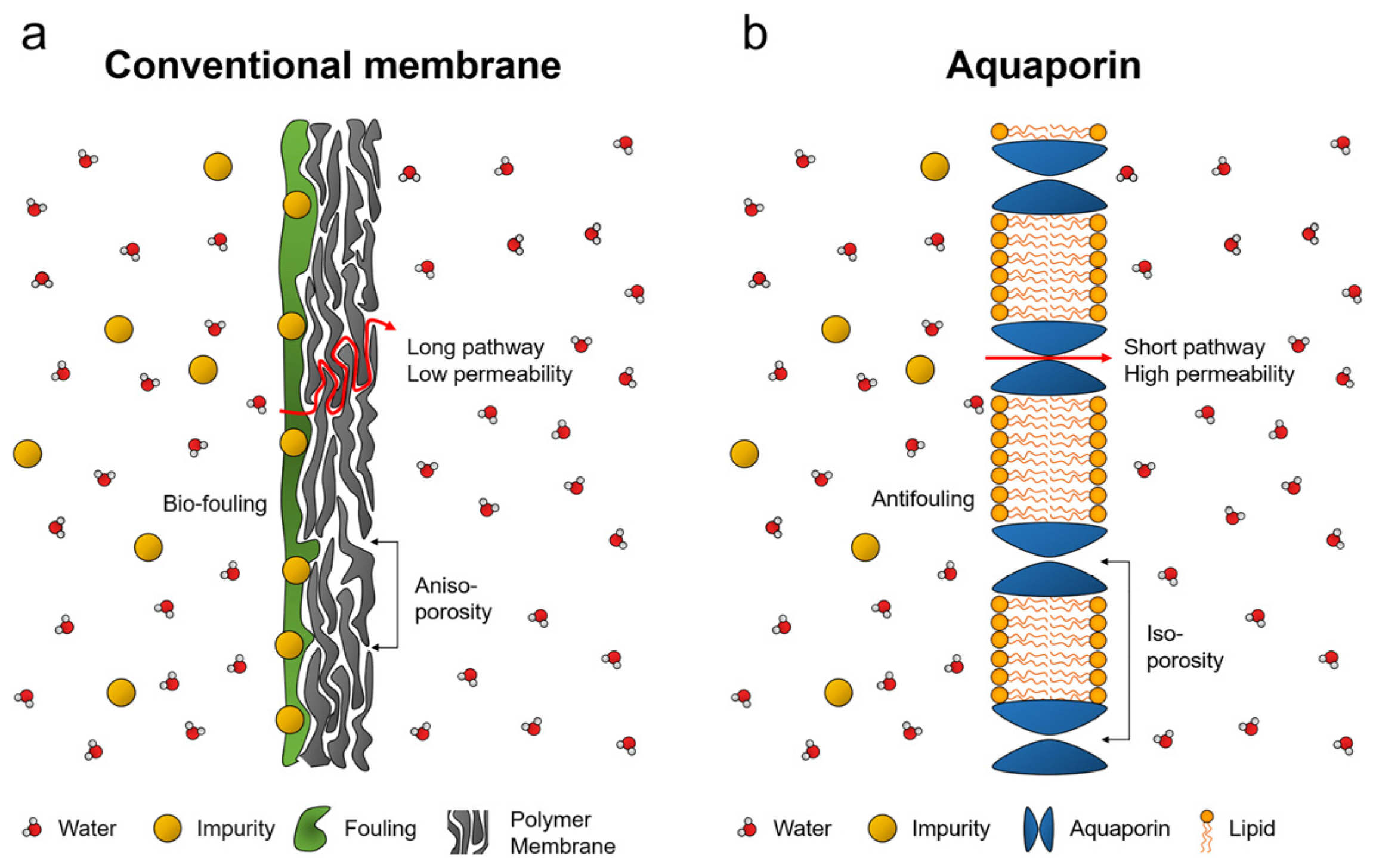
Replicating the function of natural AQPs in synthetic membranes requires translating their structural principles into engineered analogues rather than directly incorporating the proteins. The objective is to develop composite membranes containing continuous, selective water nanochannels within a stable polymer framework [82]. A conceptual comparison highlighting the advantages of this biomimetic approach over conventional membranes is illustrated in Figure 6.
Key biomimetic design strategies include: (i) Selective Nanochannels, fabricating artificial pores small enough to block hydrated ions and methanol molecules while permitting water transport; (ii) Amphiphilic Interfaces, designing channel walls with balanced hydrophobic and hydrophilic regions, where hydrophobic zones enable rapid water diffusion and hydrophilic motifs, akin to the AQP NPA regions, ensure proton exclusion [83]; and (iii) Pore Geometry and Chemistry, forming hydrophilic entrances and exits to attract water and a hydrophobic, constricted central zone to enhance molecular selectivity, emulating the characteristic hourglass architecture of natural AQPs.
Figure 6.
Contrasting water transport pathways: (a) non-selective, fouling-prone conventional membrane and (b) selective, high-flux aquaporin biomimetic membrane [84].
6.3. Aquaporin-Inspired Polymer Architectures
To implement biomimetic principles in synthetic membranes, researchers are developing aquaporin-inspired polymeric materials (AQPIPMs), block copolymers or self-assembling molecules capable of forming ordered water channels [85]. These materials emulate the structure and function of natural AQPs through precise molecular design. Functional group positioning is critical: hydrophilic moieties (e.g., carboxylic acids, amines) create pathways for water transport, while hydrophobic segments (e.g., alkyl chains) ensure mechanical stability and regulate pore dimensions. Channel formation and alignment techniques, including layer-by-layer (LbL) assembly, electrospinning, and shear-assisted membrane casting, are employed to orient the channels perpendicularly for optimal water flux [86]. Additionally, macromolecular shaping using dendrimers and cylindrical polymer brushes enables the creation of uniform, monodisperse nanopores that replicate the consistent geometry of natural aquaporin channels.
6.4. Integration with Chitosan/Cellulose Systems: A Synergistic Platform
The theoretical promise of AQP-inspired membranes is brought to life through their practical integration with CS/cellulose composite matrices. This synergy is not merely physical blending; it is a functional collaboration where each component addresses the limitations of the others, resulting in a membrane with emergent properties superior to the sum of its parts. Experimental research has begun to quantify these synergistic effects, particularly in enhancing selectivity and managing the delicate balance between water transport and ion conduction [87,88].
6.4.1. The Biopolymer Matrix as a Multifunctional Host
The CS/cellulose matrix functions as an active, multifunctional host rather than a passive scaffold, providing structural and chemical support for aquaporin-inspired architectures. Mechanical reinforcement and dimensional stability are key advantages: while pure CS membranes tend to swell excessively in hydrated environments, causing mechanical degradation and increased fuel crossover, the incorporation of cellulose nanocrystals (CNCs) effectively mitigates these issues. Wei et al. reported that adding 5% sulfonated CNCs to a sulfonated polyaryletherketone matrix reduced swelling by over 30% and enhanced tensile strength by 25%, confirming improved dimensional stability [76]. Interfacial compatibility is another essential function, as the hydrophilic groups in cellulose (-OH) and CS (-OH, -NH2) create a favorable environment for integrating synthetic water channels. Similar studies emphasize that hydrophilic surface chemistry preserves protein function and prevents aggregation in AQP-inspired polymer composites [89].
6.4.2. Enhanced Selectivity: The Dual-Barrier Effect
A key advantage of aquaporin-inspired CS/cellulose membranes is their enhanced selectivity, efficiently transporting water while blocking solutes such as methanol. Methanol barrier properties of CS are well documented: Meenakshi et al. reported CS-based blend membranes exhibiting methanol permeability as low as 8.4 × 10⁻⁷ cm2 s−1, nearly two orders of magnitude lower than Nafion 117 [32]. When AQP-inspired nanochannels are incorporated, they provide an additional selective pathway precisely sized to exclude methanol molecules (kinetic diameter ≈ 4.4 Å) while allowing water (≈2.8 Å) to pass, forming a dual-barrier system, the dense CS matrix and selective channels act cooperatively. Experimental evidence from biomimetic polymer membranes with self-assembled channels showed a water/salt selectivity an order of magnitude higher than conventional systems [90], suggesting superior water/methanol selectivity in CS/AQP-inspired composites compared to Nafion.
6.4.3. Decoupling Water Transport from Proton Conduction
Conventional PEMs such as Nafion exhibit a strong dependence of proton conductivity on water content, limiting their performance under low humidity. The present strategy aims to decouple water transport from proton conduction through a dual-pathway model: AQP-inspired nanochannels regulate rapid, selective water transport to maintain internal hydration, while the sulfonated chitosan (SCS) matrix provides fixed proton-hopping sites (-SO3H) for efficient conduction. Shirdast et al. (2016) demonstrated that SCS membranes achieved a proton conductivity of 2.20 mS cm−1 [66]. Table 4 summarizes key experimental findings that support the feasibility and advantages of this integrated approach.
Table 4.
Experimental Evidence Supporting the Chitosan/Cellulose & Biomimetic Channel Synergy.
7. Fuel Cell Performance Evaluation
A comprehensive evaluation of these membranes is crucial to assess their viability against established benchmarks, including pristine CS, advanced composite membranes, and commercial standards like Nafion. This section details the critical performance metrics, water management, thermal stability, proton conductivity, and mechanical durability, providing a framework for evaluating the potential of AQP-CS membranes in fuel cell applications.
7.1. Water Uptake and Swelling Behaviour
Effective water management is critical for PEM performance, influencing both proton conductivity and mechanical stability. CS is highly hydrophilic, absorbing 57–62% water by mass after rehydration, nearly double that of Nafion 117 (30–34%) under similar conditions [33]. While this facilitates proton transport, excessive swelling can cause mechanical deformation, delamination, and instability at elevated temperatures; CS membranes soften at 65 °C and disintegrate in boiling water [33]. Incorporating AQP-inspired channels into the CS matrix offers a biomimetic solution. These selective water pathways are designed to efficiently transport water to maintain optimal hydration of proton-conducting sites without excessive bulk water uptake. This controlled hydration reduces swelling, enhances dimensional stability, and improves mechanical robustness, addressing the primary limitations of pristine CS membranes and supporting the development of durable, high-performance PEMs.
7.2. Thermal Stability
Fuel cells often operate at elevated temperatures, necessitating membranes with robust thermal stability. Thermogravimetric Analysis (TGA) and Differential Scanning Calorimetry (DSC) are indispensable techniques for evaluating the thermal decomposition profile and transition temperatures of PEMs. Cross-linked CS membranes exhibit a multi-stage decomposition process. After an initial ~10% weight loss from water evaporation (30–200 °C), the primary polymer decomposition stage occurs sharply between 200 °C and 280 °C [33]. Tg is observed around 210–230 °C. While this thermal profile is sufficient for low-to-medium temperature fuel cells (<80 °C), it is inferior to Nafion.
As shown in Table 5, Nafion’s sulfonic acid groups begin degrading only at 280–300 °C, with the polymer backbone remaining stable until around 370 °C [91].
Table 5.
Comparative Thermal Properties of Membrane Materials [30,33,91,92,93].
7.3. Proton Conductivity and Fuel Cell Performance
Fuel cell membrane performance is evaluated in single-cell setups using potentiostats, galvanostats, or dedicated test stations, which measure voltage and current under controlled loads to calculate power density (Power = Voltage × Current, normalized by electrode area) [33,92]. Pristine CS membranes show low proton conductivity (~0.02 S cm−1 at 60 °C), nearly an order of magnitude below Nafion 117 (~0.12 S cm−1), resulting in low power output. Recent composite strategies have significantly improved performance: CS-Cu composites reached 0.131 S cm−1 at 80 °C, and DQPVB@CS-2.0 membranes attained 0.116 S cm−1, corresponding to peak power densities of 305 and 729.6 mW cm−2, respectively [31,54]. These values approach the performance of advanced AEMs such as QBPNP-10 (PPD 852 mW cm−2).
AQP-CS membranes require complete membrane electrode assembly (MEA) testing. Key metrics include current density at standard voltages (e.g., 0.6 V), reflecting ohmic and kinetic losses, and faradaic efficiency, measuring the fraction of methanol oxidized versus crossover. Advanced CS composites show faradaic efficiencies above 80%, surpassing Nafion’s 50–60%, due to superior methanol barrier and optimized proton conduction [31].
It is crucial to note that proton conductivity in chitosan-based membranes is highly sensitive to the specific modification (e.g., sulfonation, metal incorporation), degree of hydration, and measurement temperature. The values cited, such as 2.20 mS cm−1 for sulfonated chitosan and 0.131 S cm−1 for CS-Cu composites, are measured under different conditions (typically at 60–80 °C and >95% RH for high-conductivity reports). This highlights the need for standardized reporting and underscores the potential of advanced modifications to achieve performance rivaling conventional materials.
Table 6 compares fuel cell performance of chitosan-based membranes, Nafion 117, and advanced AEMs, highlighting peak power density, fuel type, and key advantages. It demonstrates how functionalization and composites improve conductivity, stability, and methanol crossover, showcasing the potential of engineered CS membranes for high-performance fuel cells.
Table 6.
Fuel Cell Performance of Selected Chitosan-Based and Advanced AEMs.
8. Barriers to Commercialization: Additional Technical Considerations
While AQP-CS membranes show great promise, their path to commercialization is contingent upon addressing several critical technical challenges that affect performance, durability, and manufacturability.
8.1. Durability and Long-Term Degradation Behavior
The long-term performance of proton exchange membranes (PEMs) is governed by their ability to withstand mechanical, chemical, and operational stress over time. Accelerated degradation tests (ADTs) simulate years of fuel cell operation, evaluating mechanical fatigue, chemical attack, and pinhole formation [95].
Chemical Degradation: Arises from reactive oxygen species (ROS), such as hydroxyl (-OH) and hydroperoxyl (OOH) radicals generated at the cathode, which can cleave glycosidic bonds in CS membranes and degrade functional groups. Ionomer degradation within the catalyst layer and at the membrane interface, driven by high-voltage operation and radical-induced decomposition, remains a critical challenge that can compromise overall MEA performance, independent of membrane bulk stability [96].
Mechanical Degradation: Results from repeated hydration/dehydration cycles during operation, causing swelling/shrinkage stresses, fatigue, and crack propagation. The cellulose scaffold in AQP-CS membranes mitigates these effects, though interfaces between cellulose, CS, and AQP channels remain potential failure points [97].
Membrane Thinning vs. Durability Trade-off: A critical design conflict exists between reducing membrane thickness to lower ionic resistance and maintaining durability. Thinner membranes (<25 µm) are more susceptible to gas crossover (H2/O2 in PEMFC, methanol in DMFC) and mechanical failure (pinhole formation). Demonstrating robustness at commercially relevant thinness, compared to benchmarks like Nafion 115 (~50 µm), is essential [16].
8.2. TMass Transport Limitations and Water–Oxygen Management at High Current Densities
At high current densities (>1.0 A/cm2), overall fuel cell performance becomes limited by mass transport overpotential. For AQP-CS membranes, this involves:
Oxygen Transport Constraints: At the cathode, efficient oxygen delivery to the catalyst sites is crucial. An overly dense or poorly hydrated membrane can hinder back-diffusion of water, leading to “flooding” in the cathode catalyst layer, which blocks oxygen access and severely limits power output.
Water Management: While AQP channels aim to manage hydration, improper balance can lead to either anode dry-out or cathode flooding. Ensuring effective water and oxygen transport across the MEA at high current densities is paramount for achieving competitive power density.
8.3. Operational Robustness
Commercial fuel cells must operate reliably under variable real-world conditions. Ensuring consistent MEA performance across a wide range of temperatures, humidity levels (including startup/shutdown cycles), and dynamic load conditions is a significant challenge. AQP-CS membranes must demonstrate stable conductivity, dimensional integrity, and minimal property degradation under these transient states.
8.4. Manufacturing Scalability
Translating lab-scale MEA innovations to mass production without compromising performance is a major hurdle. Precise techniques like LbL assembly or electrospinning, often used for creating ordered AQP-inspired structures, are difficult and costly to scale to continuous, high-speed roll-to-roll processes. Developing scalable fabrication methods that maintain the nanoscale architecture and consistency of the composite membrane is critical for cost-effective commercialization [98].
8.5. Translation to MEA and Stack Performance
Advances in AQP-CS membranes must translate to improved performance at the membrane electrode assembly (MEA) and full-stack level for commercial viability.
MEA Performance: Ultra-low methanol crossover enhances fuel efficiency and open-circuit voltage in DMFCs by reducing cathode catalyst poisoning, while active hydration management supports stable operation under low humidity. Compatibility with the catalyst layer (CL) ion is critical to minimize interfacial resistance and ensure effective proton transport [99].
Stack-Level Implications: AQP-CS membranes could simplify fuel cell stacks by reducing or eliminating external humidifiers, lowering balance-of-plant complexity, weight, and cost—key advantages for automotive and portable applications [100].
Cost-Performance Analysis: The use of biopolymers offers potential cost reductions while maintaining competitive fuel cell performance. Table 7 provides a comparative cost-performance analysis.
Table 7.
Cost-Performance Analysis: PFSA vs. Alternative Membranes [14,16,51,62,101].
9. Recyclability and Sustainability
A core advantage of AQP-CS membranes is their alignment with circular economy objectives, moving beyond the “green” feedstock to encompass the entire lifecycle.
Sustainable Material Choices: The use of chitosan (from seafood waste) and cellulose (from agricultural/forestry residues) valorizes bio-waste streams, reducing dependence on fossil fuels and mitigating the environmental persistence associated with PFAS. Their inherent biodegradability offers an end-of-life pathway that avoids permanent environmental accumulation [11,40].
Recyclability of MEA Components: Future research must develop practical protocols for the recovery and recycling of precious metals (e.g., Pt from catalyst layers) and the biopolymer membrane matrix itself. For instance, cross-linked CS/cellulose composites could be designed with cleavable linkages to allow for chemical recycling of the polymer chains. Furthermore, the sustainable sourcing of aquaporin-inspired components (e.g., from bio-engineered sources or fully synthetic green chemistry routes) is crucial to maintain the overall environmental benefit [13,102].
Life-Cycle Assessment (LCA): A comprehensive cradle-to-grave LCA is needed to quantitatively compare the environmental footprint (energy use, GHG emissions, water consumption, toxicity) of AQP-CS membranes against PFSA benchmarks. This ensures that the green credentials of the raw materials are not negated by energy-intensive processing or fabrication steps.
By integrating recyclability and rigorous sustainability metrics into the development pathway, AQP-CS membranes can truly fulfill their promise as a transformative technology for an environmentally responsible energy future [103,104,105].
10. Discussion
10.1. Key Findings and Performance Synthesis
The review of AQP-CS composite membranes reveals a highly promising, bio-inspired pathway for overcoming the critical limitations of conventional PEMs, particularly Nafion, in fuel cell applications. The central hypothesis, that a synergistic combination of a functional biopolymer matrix and biomimetic water channels can decouple proton conductivity from humidification while suppressing fuel crossover, is strongly supported by the collective evidence from the literature on modified chitosan and cellulose systems.
The performance of these composite membranes can be evaluated against a set of critical requirements for next-generation PEMs. Table 8 provides a qualitative synthesis of how AQP-CS composites address the shortcomings of Nafion and pristine biopolymer membranes.
Table 8.
Qualitative Performance Synthesis of AQP-CS Membranes vs. Benchmarks.
The data compiled in the preceding chapters demonstrates that the individual components of the AQP-CS composite are well-understood and effective. For instance, sulfonated chitosan (proton conductivity of 2.20 mS cm−1) and chitosan-copper composites (0.131 S cm−1) prove the biopolymer’s capability to serve as a proton-conducting matrix [66,94]. The exceptionally low methanol permeability of cross-linked CS/organosilane multilayers (2.6 × 10⁻⁸ cm2/s) and CS/PVA blends confirms the excellent fuel barrier properties of the chosen matrix [32,58]. Furthermore, the role of cellulose nanocrystals in reducing swelling and enhancing mechanical strength (e.g., 30% reduction in swelling ratio in Sulfonated Poly (SPEEK) composites) validates its function as a nano-reinforcer [76].
10.2. Proposed Method Selection Framework for Specific Conditions
The optimal composition and fabrication of AQP-CS membranes are determined not by a universal standard, but by the specific operating conditions and performance priorities of the target fuel cell. To systematize this selection process, a decision framework is proposed, as summarized in Table 9, where specific material design focuses and fabrication techniques are aligned with distinct application scenarios to guide the development of high-performance membranes.
Table 9.
Proposed Method Selection Guide for AQP-CS Membranes under Different Conditions.
10.3. Analytical Framework: Connecting Material Properties to Membrane Design
The analysis presented in this review is systematically aligned to connect specific material properties with overall membrane function. This structure serves to answer the fundamental question of how the chosen materials match the intended membrane work:
- •
- Chitosan/Cellulose as the Enabling Scaffold: The review first details the intrinsic properties of chitosan and cellulose (Section 5)—their film-forming ability, functional groups for modification, mechanical reinforcement, and inherent fuel barrier properties. This establishes their non-negotiable role as the sustainable, stable host matrix. The performance analysis of modified biopolymer membranes (Section 5.3 and Section 7) then identifies their key limitation: a passive, humidity-dependent water management mechanism that constrains proton conductivity.
- •
- Aquaporin-Inspired Channels as the Functional Engine: The principles of aquaporin structure and biomimetic design (Section 6.1 and Section 6.2) are introduced specifically to address the scaffold’s identified flaw. The analysis of synthetic channel architectures (Section 6.3) focuses on their potential to provide active, selective water transport—a function the biopolymer matrix lacks.
- •
- Synergistic Integration as the System Solution: The discussion of integration (Section 6.4) and the performance synthesis (Section 10.1) explicitly map the synergy. The chitosan/cellulose matrix provides mechanical stability and proton conduction sites, while the integrated channels provide targeted hydration management. This creates the proposed “dual-pathway” system, decoupling proton transport from environmental humidity. The material selection is therefore not incidental; the biopolymer properties define the problems, and the biomimetic components are analyzed as the engineered solutions, with their combined operation directly targeting the core limitations of conventional PEMs like Nafion.
11. Future Perspectives and Research Directions
AQP-CS composite membranes represent a transformative bio-inspired approach for next-generation fuel cells. Translating these membranes from laboratory-scale proof-of-concept to commercial deployment requires coordinated research across molecular design, manufacturing, characterization, interface engineering, and system integration.
11.1. Molecular Design and Synthesis
The creation of robust synthetic water channels is central to performance. Future efforts should focus on precision polymer chemistry to develop block copolymers and dendrimers that self-assemble into stable, amphiphilic, size-selective nanopores, mimicking the “hourglass” structure of natural AQPs. These synthetic channels must endure harsh conditions, including elevated temperatures (>100 °C), low relative humidity (<50%), and chemical attack (e.g., hydroxyl radicals, H2O2). Computational design using molecular dynamics and machine learning can accelerate discovery by predicting channel stability and selectivity prior to synthesis.
11.2. Interface Engineering and MEA Integration
Systematic optimization of CL-membrane and CL-gas diffusion layer interfaces is essential to ensure excellent ionic and electronic conductivity while minimizing contact resistance within MEA. The unique water management properties of AQP-CS membranes may require tailored ionomer compositions and CL architectures to fully exploit their performance advantages. Addressing the inherent trade-off between membrane thinning (for reduced resistance) and durability (to prevent gas crossover and mechanical failure) will require novel reinforcement strategies that leverage the hierarchical structure of cellulose-based composites.
11.3. Expanded Applications
The application horizon for these membranes should be strategically expanded. Their superior hydration management makes them ideal candidates for high-temperature, low-humidity hydrogen fuel cells, potentially eliminating the need for complex external humidification systems and expanding the operational envelope of PEM fuel cells. Their excellent methanol barrier properties also position them favorably for advanced DMFCs, where methanol crossover remains a critical limitation of conventional membranes. Beyond PEMFCs and DMFCs, the unique hydration management of AQP-CS membranes could be leveraged in emerging technologies such as electrochemical CO2 conversion cells, where water management is critical, or in hybrid H2-DMFC systems for portable power.
11.4. Sustainability and Life-Cycle Assessment
To fully champion the sustainable credentials of AQP-CS membranes, comprehensive LCAs should be conducted to quantify their environmental footprint against commercial benchmarks like Nafion. This analysis must ensure that the green promise of bio-derived raw materials (cellulose, potentially sustainably sourced aquaporins) is not offset by energy-intensive synthesis or fabrication processes. Development of end-of-life recycling protocols for membrane components and application of green chemistry principles throughout the synthesis pathway are essential to align with circular economy goals and deliver genuine environmental benefits.
11.5. System-Level Challenges
While AQP-CS membranes address critical water management and proton transport challenges, their successful deployment must be contextualized within broader MEA and fuel cell system challenges:
- •
- Catalyst Durability: The long-term stability and dissolution of Pt-based catalysts under dynamic load cycles remain a major hurdle for overall fuel cell durability, independent of membrane improvements. Development of non-PGM or low-Pt alloy catalysts with comparable activity is crucial.
- •
- Ionomer Stability: The decomposition of ionomer within CL under high voltage and radical attack continues to compromise proton transport pathways and mechanical integrity.
- •
- Mass Transport at High Current Density: Oxygen and water transport limitations at high current densities (typically >1.0 A/cm2, where mass transport overpotential becomes dominant).
- •
- Operational Robustness: Ensuring consistent MEA performance and durability across varying temperatures, humidity levels, and load conditions remains critical for real-world applications.
Addressing these system-level challenges in parallel with membrane innovation will be essential to realize the full potential of AQP-CS composite membranes in next-generation fuel cell technology.
12. Conclusions
The investigation into AQP-CS composite membranes demonstrates their significant potential as sustainable alternatives to conventional perfluorinated membranes in fuel cell applications. This comprehensive review establishes that the strategic combination of these biopolymers creates a synergistic platform that effectively addresses the fundamental limitations of commercial PEMs, particularly their high methanol crossover and humidity-dependent conductivity.
Experimental results confirm that CS provides an excellent proton-conducting matrix with inherent methanol barrier properties, while CNCs deliver crucial mechanical reinforcement and thermal stability. The incorporation of biomimetic water channels represents a paradigm shift in membrane design, enabling a sophisticated “dual-pathway” transport mechanism. This innovative architecture decouples hydration management from proton conduction, allowing the synthetic AQP channels to maintain optimal membrane hydration while the functionalized biopolymer matrix facilitates efficient proton transport.
The performance metrics reported across studies are compelling: these composites achieve proton conductivities rivaling advanced materials (up to 0.131 S cm−1 in CS-Cu composites), methanol permeability values orders of magnitude lower than Nafion 117 (as low as 2.6 × 10⁻⁸ cm2/s), and significantly enhanced mechanical strength with tensile values exceeding 40 MPa. Furthermore, the bio-inspired design creates a “dual-barrier” effect, where the dense biopolymer network and molecular-scale selectivity of the channels work synergistically to suppress fuel crossover while maintaining essential proton transport.
Despite these promising results, significant challenges in manufacturing scalability, long-term durability under operational conditions (including ionomer degradation and membrane thinning trade-offs), mass transport optimization at high current densities, and ensuring operational robustness require focused investigation. Future research must also prioritize recyclability and full life-cycle assessment to solidify their sustainability claim. The convergence of sustainable material sourcing with bio-inspired engineering principles positions these composite membranes as a transformative solution for advancing fuel cell technology, offering a viable pathway toward more efficient, durable, and environmentally responsible energy conversion systems that could ultimately replace conventional perfluorinated membranes. In summary, the analytical progression of this review—from biopolymer foundation to biomimetic functionalization to integrated composite—demonstrates a deliberate and logical matching of material capabilities to membrane performance requirements. This framework clarifies how the work of the membrane (selective ion transport, fuel barrier, hydration control) is partitioned and enhanced by the distinct yet complementary roles of its sustainable material components.
Author Contributions
Conceptualization, M.G., S.S., A.S., K.P., and R.S.; methodology, M.G., S.S., and R.S.; software, M.G.; validation, M.G., S.S., and R.S.; formal analysis, M.G., K.P., and R.S.; investigation, M.G., K.P., and R.S.; resources, A.S., K.P., and R.S.; data curation, M.G., S.S., and R.S.; writing—original draft preparation, M.G.; writing—review and editing, S.S., A.S., K.P., and R.S.; visualization, S.S., A.S., K.P., and R.S.; supervision, S.S., and R.S.; project administration, S.S. and R.S.; funding acquisition, S.S. and R.S. All authors have read and agreed to the published version of the manuscript.
Funding
This research received no external funding.
Data Availability Statement
No new data were created or analyzed in this study. Data sharing is not applicable to this article.
Conflicts of Interest
The authors declare no conflicts of interest.
Abbreviations
The following abbreviations are used in this manuscript:
| AEM | Anion Exchange Membrane |
| AEMFC | Anion Exchange Membrane Fuel Cell |
| AQP | Aquaporin |
| AQP-CS | Aquaporin-Inspired Chitosan (Membrane) |
| DMFC | Direct Methanol Fuel Cell |
| PEM | Proton Exchange Membrane |
| PEMFC | Proton-Exchange-Membrane Fuel Cell |
| PFSA | Perfluorosulfonic Acid (e.g., Nafion) |
| CNC | Cellulose Nanocrystal |
| CS | Chitosan |
| DABCO | 1,4-Diazabicyclo[2.2.2]octane |
| GO | Graphene Oxide |
| SGO | Sulfonated Graphene Oxide |
| PGO | Phosphorylated Graphene Oxide |
| HPA | Heteropoly Acid |
| HPW | Phosphotungstic Acid (a type of HPA) |
| PEO | Poly(ethylene oxide) |
| PVA | Poly(vinyl alcohol) |
| QCS | Quaternized Chitosan |
| sNCC | Sulfonated Nanocrystal Cellulose |
| SPVDF | Sulfonated Poly(vinylidene fluoride) |
| AST | Accelerated Stress Test |
| DDA | Degree of Deacetylation |
| DSC | Differential Scanning Calorimetry |
| TS | Tensile Strength |
| EB | Elongation at Break |
| EIS | Electrochemical Impedance Spectroscopy |
| IEC | Ion Exchange Capacity |
| ROS | Reactive Oxygen Species |
| ADT | Accelerated degradation Tests |
| LbL | Layer-by-Layer |
| LCA | Life-Cycle Assessment |
| MEA | Membrane Electrode Assembly |
| PPD | Peak Power Density |
| QENS | Quasi-Elastic Neutron Scattering |
| Tg | Glass Transition Temperature |
| Tm | Melting Point Temperature |
| TGA | Thermogravimetric Analysis |
| LMPL | Large Margin Piecewise Linear |
| CL | catalyst layer |
| SPEEK | Sulfonated Poly |
| SFPEEKK | sulfonated polyaryletherketone |
| in situ | In its original place (refers to analysis during operation) |
| operando | Under operating conditions (a specific type of in situ analysis) |
References
- Ahmmad, S.; Hossain, M.I. Revolutionizing Energy: A Brief Overview of Varied Fuel Cell Technologies and Their Transformative Potential 2025. Preprints 2025, 2025021789. [Google Scholar]
- Wang, P.; Li, P.; Pan, Z.; Liu, K.; Xie, M.; Zhou, L.; Zhou, M.; Yu, G.; Jin, Z. Photothermal-Electrocatalysis Interface for Fuel-Cell Grade Ammonia Harvesting from the Environment. Nat. Commun. 2025, 16, 5581. [Google Scholar] [CrossRef] [Scilit] [PubMed]
- Liu, Z.; Jin, B.; Rao, D.; Bentel, M.J.; Liu, T.; Gao, J.; Men, Y.; Liu, J. Oxidative Transformation of Nafion-Related Fluorinated Ether Sulfonates: Comparison with Legacy PFAS Structures and Opportunities of Acidic Persulfate Digestion for PFAS Precursor Analysis. Environ. Sci. Technol. 2024, 58, 6415–6424. [Google Scholar] [CrossRef] [Scilit] [PubMed]
- Kahraman, H.; Akın, Y. Recent Studies on Proton Exchange Membrane Fuel Cell Components, Review of the Literature. Energy Convers. Manag. 2024, 304, 118244. [Google Scholar] [CrossRef] [Scilit]
- Ahmed, A.A.; Al Labadidi, M.; Hamada, A.T.; Orhan, M.F. Design and Utilization of a Direct Methanol Fuel Cell. Membranes 2022, 12, 1266. [Google Scholar] [CrossRef] [Scilit]
- Rico-Zavala, A.; Pineda-Delgado, J.L.; Carbone, A.; Saccà, A.; Passalacqua, E.; Gurrola, M.P.; Alvarez, A.; Rivas, S.; Ledesma-García, J.; Arriaga, L.G. Composite Sulfonated Polyether-Ether Ketone Membranes with SBA-15 for Electrochemical Energy Systems. Materials 2020, 13, 1570. [Google Scholar] [CrossRef] [Scilit]
- Nikita, K.; Vijayakumar, V.; Nam, S.Y. Chitosan-Based Membranes: A Comprehensive Review of Nanofiltration, Pervaporation, and Ion Exchange Applications. Polysaccharides 2025, 6, 31. [Google Scholar] [CrossRef] [Scilit]
- Shikuku, R.; Hasnat, M.A.; Mashrur, S.B.A.; Haque, P.; Rahman, M.M.; Khan, M.N. Chitosan-Based PH-Sensitive Semi-Interpenetrating Network Nanoparticles as a Sustained Release Matrix for Anticancer Drug Delivery. Carbohydr. Polym. Technol. Appl. 2024, 7, 100515. [Google Scholar] [CrossRef] [Scilit]
- Xue, D.; Zhang, J.-N. Recent Progress of Antipoisoning Catalytic Materials for High Temperature Proton Exchange Membrane Fuel Cells Doped with Phosphoric Acid. Ind. Chem. Mater. 2024, 2, 173–190. [Google Scholar] [CrossRef] [Scilit]
- Bilay, C.; Mandal, A.; Palaniswamy, K.; Devaraj, E.; Ravi, D.; Geca, M.J.; Raj Rajagopal, T.K. A Review on the Role of Membrane Electrode Assembly in the Steady-State, Transient Performance, and Durability of Proton Exchange Membrane Fuel Cells. Ain Shams Eng. J. 2025, 16, 103739. [Google Scholar] [CrossRef] [Scilit]
- Ren, G.; Qu, Z.; Wang, X.; Zhang, G.; Wang, Y. Electrospun Fabrication and Experimental Characterization of Highly Porous Microporous Layers for PEM Fuel Cells. Int. J. Hydrogen Energy 2024, 55, 455–463. [Google Scholar] [CrossRef] [Scilit]
- Mensharapov, R.M.; Ivanova, N.A.; Spasov, D.D.; Bakirov, A.V.; Fateev, V.N. PEMFC Performance at Nonstandard Operating Conditions: A Review. Int. J. Hydrogen Energy 2024, 96, 664–679. [Google Scholar] [CrossRef] [Scilit]
- Murata, K.; Mitsuoka, K.; Hirai, T.; Walz, T.; Agre, P.; Heymann, J.B.; Engel, A.; Fujiyoshi, Y. Structural Determinants of Water Permeation through Aquaporin-1. Nature 2000, 407, 599–605. [Google Scholar] [CrossRef] [Scilit] [PubMed]
- Siddik, A.A.; Nithya, R.; Ravi, G.; Yuvakkumar, R.; Sankar, V.R.; Arun, A.; Velauthapillai, D. An Effective, Novel and Low-Cost Proton Exchange Membrane for Microbial Fuel Cell-Based Bioelectricity Production. Bioresour. Technol. Rep. 2024, 27, 101929. [Google Scholar] [CrossRef] [Scilit]
- Wang, Y.; Chen, K.S.; Mishler, J.; Cho, S.C.; Adroher, X.C. A Review of Polymer Electrolyte Membrane Fuel Cells: Technology, Applications, and Needs on Fundamental Research. Appl. Energy 2011, 88, 981–1007. [Google Scholar] [CrossRef] [Scilit]
- Ahmad, S.; Nawaz, T.; Ali, A.; Orhan, M.F.; Samreen, A.; Kannan, A.M. An Overview of Proton Exchange Membranes for Fuel Cells: Materials and Manufacturing. Int. J. Hydrogen Energy 2022, 47, 19086–19131. [Google Scholar] [CrossRef] [Scilit]
- Mauritz, K.A.; Moore, R.B. State of Understanding of Nafion. Chem. Rev. 2004, 104, 4535–4586. [Google Scholar] [CrossRef] [Scilit]
- Hu, X.; Yang, B.; Ke, S.; Liu, Y.; Fang, M.; Huang, Z.; Min, X. Review and Perspectives of Carbon-Supported Platinum-Based Catalysts for Proton Exchange Membrane Fuel Cells. Energy Fuels 2023, 37, 11532–11566. [Google Scholar] [CrossRef] [Scilit]
- Sheth, P.; Patil, D.; Kandasubramanian, B.; Mayilswamy, N. Advancements in Chitosan Membranes for Promising Secondary Batteries. Polym. Bull. 2024, 81, 15319–15348. [Google Scholar] [CrossRef] [Scilit]
- Jumadi, J.; Harun, W.S.W.; Kadirgama, K.; Samylingam, L.; Aslfattahi, N.; Kok, C.K.; Kiai, M.S. Green Energy Materials: Unlocking the Potential of Chitosan and Cellulose in Energy Storage. J. Inorg. Organomet. Polym. Mater. 2025. [Google Scholar] [CrossRef] [Scilit]
- Ahmed, S.; Tao, Z.; Zhang, H.; Hassan, M.; Ahmed, N.; Javid, M.T.; Wang, J. Review on Chitosan and Two-Dimensional MoS2-Based Proton Exchange Membrane for Fuel Cell Application: Advances and Perspectives. Energy Fuels 2023, 37, 1699–1730. [Google Scholar] [CrossRef] [Scilit]
- Anderson, R.; Zhang, L.; Ding, Y.; Blanco, M.; Bi, X.; Wilkinson, D.P. A Critical Review of Two-Phase Flow in Gas Flow Channels of Proton Exchange Membrane Fuel Cells. J. Power Sources 2010, 195, 4531–4553. [Google Scholar] [CrossRef] [Scilit]
- Li, S.; Wei, R.; Shen, Q.; Yang, G. Numerical Study on the Water Transport Through the Membrane of Proton Exchange Membrane Fuel Cells. Int. J. Electrochem. Sci. 2020, 15, 7152–7162. [Google Scholar] [CrossRef] [Scilit]
- Wang, X.R.; Ma, Y.; Gao, J.; Li, T.; Jiang, G.Z.; Sun, Z.Y. Review on Water Management Methods for Proton Exchange Membrane Fuel Cells. Int. J. Hydrogen Energy 2021, 46, 12206–12229. [Google Scholar] [CrossRef] [Scilit]
- Zhang, W.; Sun, Y.; Lin, Z. Coupled Evaluation of the Optical-Thermal-Electrical Performance of Customized Building-Integrated Photovoltaic Components. Renew. Energy 2024, 223, 119994. [Google Scholar] [CrossRef] [Scilit]
- Pan, J.; Wang, Z.; Zhang, Z.; Chen, J.; Cao, Y. Preparation and Performance Control of PVA Proton Exchange Membrane Incorporating Ionic Liquids with Varying ΔpKa for Direct Methanol Fuel Cells. J. Power Sources 2025, 629, 236054. [Google Scholar] [CrossRef] [Scilit]
- Vilela, C.; Silva, A.C.Q.; Domingues, E.M.; Gonçalves, G.; Martins, M.A.; Figueiredo, F.M.L.; Santos, S.A.O.; Freire, C.S.R. Conductive Polysaccharides-Based Proton-Exchange Membranes for Fuel Cell Applications: The Case of Bacterial Cellulose and Fucoidan. Carbohydr. Polym. 2020, 230, 115604. [Google Scholar] [CrossRef] [Scilit]
- Du, X.; Lei, Y.; Wang, Z. Ordered Dynamic Networks Proton Exchange Membrane for Humidity-Resilient High-Performance Fuel Cells. Small 2025, 21, e2504732. [Google Scholar] [CrossRef] [Scilit]
- Pestov, A.; Bratskaya, S. Chitosan and Its Derivatives as Highly Efficient Polymer Ligands. Molecules 2016, 21, 330. [Google Scholar] [CrossRef] [Scilit]
- Qiao, C.; Ma, X.; Wang, X.; Liu, L. Structure and Properties of Chitosan Films: Effect of the Type of Solvent Acid. LWT 2021, 135, 109984. [Google Scholar] [CrossRef] [Scilit]
- Zheng, X.; Lu, Y.; Fan, H.; Deng, C.; Feng, Z.; Hu, X.; Feng, Y.; Liu, Y.; Lin, B.; Han, J. Chitosan-Based Anion Exchange Membranes for Fuel Cell Application: Enhanced Hydration & Durability to Dry-Wet Cycling. J. Memb. Sci. 2025, 713, 123389. [Google Scholar] [CrossRef] [Scilit]
- Meenakshi, S.; Bhat, S.D.; Sahu, A.K.; Sridhar, P.; Pitchumani, S.; Shukla, A.K. Chitosan-polyvinyl Alcohol-sulfonated Polyethersulfone Mixed-matrix Membranes as Methanol-barrier Electrolytes for DMFCs. J. Appl. Polym. Sci. 2012, 124. [Google Scholar] [CrossRef] [Scilit]
- Mukoma, P.; Jooste, B.R.; Vosloo, H.C.M. A Comparison of Methanol Permeability in Chitosan and Nafion 117 Membranes at High to Medium Methanol Concentrations. J. Memb. Sci. 2004, 243, 293–299. [Google Scholar] [CrossRef] [Scilit]
- Tamer, M.; Akyalçın, S.; Akyalçın, L. Recent Progresses and Challenges to Determine Properties of Sulfonated Polyether Ether Ketone Based Electrolytes for Direct Methanol Fuel Cell Applications. ChemElectroChem 2024, 11, e202400345. [Google Scholar] [CrossRef] [Scilit]
- Bourachdi, S.E.; Ayub, A.R.; Rakcho, Y.; Amri, A.E.; Moussaoui, F.; Ouadrhiri, F.E.; Adachi, A.; Jghaoui, M.; Salmani, T.E.H.; Lahkimi, A. Optimization of the Degree of Deacetylation of Chitosan Beads for Efficient Anionic Dye Adsorption: Kinetics, Thermodynamics, Mechanistic Insights via DFT Analysis, and Regeneration Performance. Environ. Sci. Pollut. Res. 2025, 32, 7950–7975. [Google Scholar] [CrossRef] [Scilit]
- Suhas; Gupta, V.K.; Carrott, P.J.M.; Singh, R.; Chaudhary, M.; Kushwaha, S. Cellulose: A Review as Natural, Modified and Activated Carbon Adsorbent. Bioresour. Technol. 2016, 216, 1066–1076. [Google Scholar] [CrossRef] [Scilit]
- Monisha, S.; Mathavan, T.; Selvasekarapandian, S.; Milton Franklin Benial, A.; Aristatil, G.; Mani, N.; Premalatha, M.; Vinoth Pandi, D. Investigation of Bio Polymer Electrolyte Based on Cellulose Acetate-Ammonium Nitrate for Potential Use in Electrochemical Devices. Carbohydr. Polym. 2017, 157, 38–47. [Google Scholar] [CrossRef] [Scilit]
- Bayer, T.; Cunning, B.V.; Selyanchyn, R.; Nishihara, M.; Fujikawa, S.; Sasaki, K.; Lyth, S.M. High Temperature Proton Conduction in Nanocellulose Membranes: Paper Fuel Cells. Chem. Mater. 2016, 28, 4805–4814. [Google Scholar] [CrossRef] [Scilit]
- Xiong Chang, X.; Mujawar Mubarak, N.; Ali Mazari, S.; Sattar Jatoi, A.; Ahmad, A.; Khalid, M.; Walvekar, R.; Abdullah, E.C.; Karri, R.R.; Siddiqui, M.T.H.; et al. A Review on the Properties and Applications of Chitosan, Cellulose and Deep Eutectic Solvent in Green Chemistry. J. Ind. Eng. Chem. 2021, 104, 362–380. [Google Scholar] [CrossRef] [Scilit]
- Huang, J.; Yu, Z.; Tang, J.; Wang, P.; Tan, Q.; Wang, J.; Lei, X. A Review on Anion Exchange Membranes for Fuel Cells: Anion-Exchange Polyelectrolytes and Synthesis Strategies. Int. J. Hydrogen Energy 2022, 47, 27800–27820. [Google Scholar] [CrossRef] [Scilit]
- Kumaresan, T.; Velumani, T.; Chandran, M.; Palaniswamy, K.; Thirkell, A.; Fly, A.; Chen, R.; Sundaram, S. Effect of Nafion Loading and the Novel Flow Field Designs on Innovative Anode Electrocatalyst for Improved Direct Methanol Fuel Cells Performance. Mater. Lett. 2020, 276, 128222. [Google Scholar] [CrossRef] [Scilit]
- Yue, L.; Xie, Y.; Zheng, Y.; He, W.; Guo, S.; Sun, Y.; Zhang, T.; Liu, S. Sulfonated Bacterial Cellulose/Polyaniline Composite Membrane for Use as Gel Polymer Electrolyte. Compos. Sci. Technol. 2017, 145, 122–131. [Google Scholar] [CrossRef] [Scilit]
- Kumaresan, T.; Ponniyan, D.; Chandran, M.; Ramasamy, J.; Venkatachalam, V.; Palaniswamy, K.; Sundaram, S. Scaled up on Direct Methanol Fuel Cell under Different Operating Conditions. Mater. Lett. 2022, 319, 132283. [Google Scholar] [CrossRef] [Scilit]
- Eldin, M.S.M.; Elmageed, M.H.A.; Omer, A.M.; Tamer, T.M.; Yossuf, M.E.; Khalifa, R.E. Novel Proton Exchange Membranes Based on Sulfonated Cellulose Acetate for Fuel Cell Applications: Preparation and Characterization. Int. J. Electrochem. Sci. 2016, 11, 10150–10171. [Google Scholar] [CrossRef] [Scilit]
- Ma, J.; Sahai, Y. Chitosan Biopolymer for Fuel Cell Applications. Carbohydr. Polym. 2013, 92, 955–975. [Google Scholar] [CrossRef] [Scilit]
- Klemm, D.; Heublein, B.; Fink, H.; Bohn, A. Cellulose: Fascinating Biopolymer and Sustainable Raw Material. Angew. Chem. Int. Ed. 2005, 44, 3358–3393. [Google Scholar] [CrossRef] [Scilit]
- Staszczyk, K.; Tylingo, R. Bio-Based Proton Exchange Membranes from Chitosan: A Review of Progress and Challenges. Energy Fuels 2025, 39, 13242–13259. [Google Scholar] [CrossRef] [Scilit]
- Li, X.; Ke, C.; Qu, S.; Li, J.; Shao, Z.; Yi, B. High Temperature PEM Fuel Cells Based on Nafion®/SiO2 Composite Membrane. In Energy Storage in the Emerging Era of Smart Grids; InTech: Takasago, Japan, 2011. [Google Scholar]
- Afifi, K.A.; Saied, M.A.; Khaleq, N.A.; Fahmy, A. Modified Polystyrene-Chitosan Composite as an Electrolyte Membrane: Structure-Property Relationship. Egypt. J. Pet. 2024, 33, 6. [Google Scholar] [CrossRef] [Scilit]
- Yoonoo, C.; Dawson, C.P.; Roberts, E.P.L.; Holmes, S.M. Nafion®/Mordenite Composite Membranes for Improved Direct Methanol Fuel Cell Performance. J. Memb. Sci. 2011, 369, 367–374. [Google Scholar] [CrossRef] [Scilit]
- Tawalbeh, M.; Al-Othman, A.; Ka’ki, A.; Mohamad, S.; Faheem Hassan, M. Starch-Chitosan-Ionic Liquids-Based Composite Membranes for High Temperature PEM Fuel Cells Applications. Int. J. Hydrogen Energy 2024, 67, 852–862. [Google Scholar] [CrossRef] [Scilit]
- Tripathi, D.; Rajinikanth, P.S.; Pandey, P. Electrospun Chitosan Nanofibers for Regenerative Wound Healing: From Molecular Design to Functional Scaffolds. J. Mater. Chem. B 2025, 13, 10743–10779. [Google Scholar] [CrossRef] [Scilit] [PubMed]
- Ali, S.H.; Mahammed, M.A.; Yasin, S.A. Characterization of Electrospinning Chitosan Nanofibers Used for Wound Dressing. Polymers 2024, 16, 1984. [Google Scholar] [CrossRef] [Scilit] [PubMed]
- Hu, S.; Wei, X.; Li, Q.; Gao, W.; Wu, D.; Che, Q. Constructing Sandwich-like Microstructure Based on Multi-Nanofibers to Accelerate Proton Conduction at Subzero Temperature. J. Memb. Sci. 2024, 702, 122802. [Google Scholar] [CrossRef] [Scilit]
- Ojha, S.S.; Stevens, D.R.; Hoffman, T.J.; Stano, K.; Klossner, R.; Scott, M.C.; Krause, W.; Clarke, L.I.; Gorga, R.E. Fabrication and Characterization of Electrospun Chitosan Nanofibers Formed via Templating with Polyethylene Oxide. Biomacromolecules 2008, 9, 2523–2529. [Google Scholar] [CrossRef] [Scilit]
- He, M.; Zheng, Y.; Shen, J.; Shi, J.; Zhang, Y.; Xiao, Y.; Che, J. Chitosan/Sodium Alginate Multilayer PH-Sensitive Films Based on Layer-ByLayer Self-Assembly for Intelligent Packaging. J. Renew. Mater. 2023, 12, 215–233. [Google Scholar] [CrossRef] [Scilit]
- Shen, S.; Jia, T.; Jia, J.; Wang, N.; Song, D.; Zhao, J.; Jin, J.; Che, Q. Constructing Anhydrous Proton Exchange Membranes through Alternate Depositing Graphene Oxide and Chitosan on Sulfonated Poly(Vinylidenefluoride) or Sulfonated Poly(Vinylidene Fluoride-Co-Hexafluoropropylene) Membranes. Eur. Polym. J. 2021, 142, 110160. [Google Scholar] [CrossRef] [Scilit]
- Zhong, S.; Wang, B.; Wang, M.; Song, X.; Liu, J.; Xie, R.; Han, X.; Cui, X. An Effective Method for Fabricating Crosslinked Multilayer Biomembranes with Excellent Stability and Methanol Resistance. Carbohydr. Polym. 2024, 324, 121528. [Google Scholar] [CrossRef] [Scilit]
- Solikah, S.; Hidayat, A.; Suyanta; Hatmanto, A.D. Crystalline Phase Dependence of the Electrochemical Properties of Chitosan/Polyaniline/TiO2-KI/I2 Quasi Solid Polymer Electrolyte. Mater. Sci. Eng. B 2024, 307, 117531. [Google Scholar] [CrossRef] [Scilit]
- Manimoy, H.; Botahala, L.; Mautuka, Z. Membranes with Chitosan-Chitosan/Phthalate Matrix and Montmorillonite-Carbon Nanotubes Filler for DMFC Applications. J. Akta Kim. Indones. (Indones. Chim. Acta) 2024, 17, 37–46. [Google Scholar] [CrossRef] [Scilit]
- Kusumastuti, E.; Siniwi, W.T.; Mahatmanti, F.W.; Jumaeri; Atmaja, L.; Widiastuti, N. Modification of Chitosan Membranes with Nanosilica Particles as Polymer Electrolyte Membranes; AIP Publishing: Melville, NY, USA, 2016; p. 020037. [Google Scholar]
- Hren, M.; Roschger, M.; Hacker, V.; Genorio, B.; Fakin, D.; Gorgieva, S. High Performance Chitosan/Nanocellulose-Based Composite Membrane for Alkaline Direct Ethanol Fuel Cells. Int. J. Biol. Macromol. 2023, 253, 127693. [Google Scholar] [CrossRef] [Scilit]
- Di Virgilio, M.; Basso Peressut, A.; Arosio, V.; Arrigoni, A.; Latorrata, S.; Dotelli, G. Functional and Environmental Performances of Novel Electrolytic Membranes for PEM Fuel Cells: A Lab-Scale Case Study. Clean Technol. 2023, 5, 74–93. [Google Scholar] [CrossRef] [Scilit]
- Ambili, K.; Joseph, S.; Sidharthan, A. A Polyvinyl Alcohol/Chitosan Blend Proton Exchange Membrane for Direct Methanol Fuel Cell; AIP Publishing: Melville, NY, USA, 2019; p. 020051. [Google Scholar]
- Karim, Z.; Mathew, A.P.; Grahn, M.; Mouzon, J.; Oksman, K. Nanoporous Membranes with Cellulose Nanocrystals as Functional Entity in Chitosan: Removal of Dyes from Water. Carbohydr. Polym. 2014, 112, 668–676. [Google Scholar] [CrossRef] [Scilit] [PubMed]
- Shirdast, A.; Sharif, A.; Abdollahi, M. Effect of the Incorporation of Sulfonated Chitosan/Sulfonated Graphene Oxide on the Proton Conductivity of Chitosan Membranes. J. Power Sources 2016, 306, 541–551. [Google Scholar] [CrossRef] [Scilit]
- Wang, J.-L.; Wang, L.-L.; Feng, R.; Zhang, Y. Synthesis and Characterization of Novel Anion Exchange Membranes Containing Bi-Imidazolium-Based Ionic Liquid for Alkaline Fuel Cells. Solid State Ion. 2015, 278, 144–151. [Google Scholar] [CrossRef] [Scilit]
- Wang, L.-L.; Wang, J.-L.; Zhang, Y.; Feng, R. Alkaline Hybrid Composite Membrane for Direct Methanol Fuel Cells Application. J. Electroanal. Chem. 2015, 759, 174–183. [Google Scholar] [CrossRef] [Scilit]
- Muhmed, S.A.; Nor, N.A.M.; Jaafar, J.; Ismail, A.F.; Othman, M.H.D.; Rahman, M.A.; Aziz, F.; Yusof, N. Emerging Chitosan and Cellulose Green Materials for Ion Exchange Membrane Fuel Cell: A Review. Energy Ecol. Environ. 2020, 5, 85–107. [Google Scholar] [CrossRef] [Scilit]
- Doobi, F.A.; Mir, F.Q. Exploring the Development of Natural Biopolymer (Chitosan)-Based Proton Exchange Membranes for Fuel Cells: A Review. Results Surf. Interfaces 2024, 15, 100218. [Google Scholar] [CrossRef] [Scilit]
- Liu, Y.; Wang, J.; Zhang, H.; Ma, C.; Liu, J.; Cao, S.; Zhang, X. Enhancement of Proton Conductivity of Chitosan Membrane Enabled by Sulfonated Graphene Oxide under Both Hydrated and Anhydrous Conditions. J. Power Sources 2014, 269, 898–911. [Google Scholar] [CrossRef] [Scilit]
- Bai, H.; Li, Y.; Zhang, H.; Chen, H.; Wu, W.; Wang, J.; Liu, J. Anhydrous Proton Exchange Membranes Comprising of Chitosan and Phosphorylated Graphene Oxide for Elevated Temperature Fuel Cells. J. Memb. Sci. 2015, 495, 48–60. [Google Scholar] [CrossRef] [Scilit]
- Xiao, Y.; Xiang, Y.; Xiu, R.; Lu, S. Development of Cesium Phosphotungstate Salt and Chitosan Composite Membrane for Direct Methanol Fuel Cells. Carbohydr. Polym. 2013, 98, 233–240. [Google Scholar] [CrossRef] [Scilit]
- Wu, H.-W. A Review of Recent Development: Transport and Performance Modeling of PEM Fuel Cells. Appl. Energy 2016, 165, 81–106. [Google Scholar] [CrossRef] [Scilit]
- Choudhury, N.A.; Ma, J.; Sahai, Y. High Performance and Eco-Friendly Chitosan Hydrogel Membrane Electrolytes for Direct Borohydride Fuel Cells. J. Power Sources 2012, 210, 358–365. [Google Scholar] [CrossRef] [Scilit]
- Wei, Y.; Shang, Y.; Ni, C.; Zhang, H.; Li, X.; Liu, B.; Men, Y.; Zhang, M.; Hu, W. Modified Nanocrystal Cellulose/Fluorene-Containing Sulfonated Poly(Ether Ether Ketone Ketone) Composites for Proton Exchange Membranes. Appl. Surf. Sci. 2017, 416, 996–1006. [Google Scholar] [CrossRef] [Scilit]
- Wan, Y.; Peppley, B.; Creber, K.A.M.; Bui, V.T. Anion-Exchange Membranes Composed of Quaternized-Chitosan Derivatives for Alkaline Fuel Cells. J. Power Sources 2010, 195, 3785–3793. [Google Scholar] [CrossRef] [Scilit]
- Yuan, Y.; Shen, C.; Chen, J.; Ren, X. Synthesis and Characterization of Cross-Linked Quaternized Chitosan/Poly(Diallyldimethylammonium Chloride) Blend Anion-Exchange Membranes. Ionics 2018, 24, 1173–1180. [Google Scholar] [CrossRef] [Scilit]
- Gruger, A.; Régis, A.; Schmatko, T.; Colomban, P. Nanostructure of Nafion® Membranes at Different States of Hydration. Vib. Spectrosc. 2001, 26, 215–225. [Google Scholar] [CrossRef] [Scilit]
- Agre, P. Aquaporin Water Channels (Nobel Lecture). Angew. Chem. Int. Ed. 2004, 43, 4278–4290. [Google Scholar] [CrossRef] [Scilit]
- de Groot, B.L.; Grubmüller, H. The Dynamics and Energetics of Water Permeation and Proton Exclusion in Aquaporins. Curr. Opin. Struct. Biol. 2005, 15, 176–183. [Google Scholar] [CrossRef] [Scilit]
- Qi, S.; Wang, R.; Chaitra, G.K.M.; Torres, J.; Hu, X.; Fane, A.G. Aquaporin-Based Biomimetic Reverse Osmosis Membranes: Stability and Long Term Performance. J. Memb. Sci. 2016, 508, 94–103. [Google Scholar] [CrossRef] [Scilit]
- Kumar, M.; Grzelakowski, M.; Zilles, J.; Clark, M.; Meier, W. Highly Permeable Polymeric Membranes Based on the Incorporation of the Functional Water Channel Protein Aquaporin Z. Proc. Natl. Acad. Sci. USA 2007, 104, 20719–20724. [Google Scholar] [CrossRef] [Scilit]
- Fuwad, A.; Ryu, H.; Malmstadt, N.; Kim, S.M.; Jeon, T.-J. Biomimetic Membranes as Potential Tools for Water Purification: Preceding and Future Avenues. Desalination 2019, 458, 97–115. [Google Scholar] [CrossRef] [Scilit]
- Muhammad, S.; Maridevaru, M.C.; Roy, S.; Chen, D.; Zeng, W.; Sun, L.; Zhang, Y.; Guo, B. Piezodynamic Therapy: Unleashing Mechanical Energy and Featuristic Next Generation Therapeutic Paradigms for Glioblastoma. ACS Nano 2025, 19, 33008–33058. [Google Scholar] [CrossRef] [Scilit] [PubMed]
- Wang, H.; Chung, T.; Tong, Y.W.; Jeyaseelan, K.; Armugam, A.; Chen, Z.; Hong, M.; Meier, W. Highly Permeable and Selective Pore-Spanning Biomimetic Membrane Embedded with Aquaporin Z. Small 2012, 8, 1185–1190. [Google Scholar] [CrossRef] [Scilit] [PubMed]
- Zhao, Y.; Qiu, C.; Li, X.; Vararattanavech, A.; Shen, W.; Torres, J.; Hélix-Nielsen, C.; Wang, R.; Hu, X.; Fane, A.G.; et al. Synthesis of Robust and High-Performance Aquaporin-Based Biomimetic Membranes by Interfacial Polymerization-Membrane Preparation and RO Performance Characterization. J. Memb. Sci. 2012, 423–424, 422–428. [Google Scholar] [CrossRef] [Scilit]
- Xie, W.; He, F.; Wang, B.; Chung, T.S.; Jeyaseelan, K.; Armugam, A.; Tong, Y.W. An Aquaporin-Based Vesicle-Embedded Polymeric Membrane for Low Energy Water Filtration. J. Mater. Chem. A Mater. 2013, 1, 7592–7600. [Google Scholar] [CrossRef] [Scilit]
- Zhong, P.S.; Chung, T.-S.; Jeyaseelan, K.; Armugam, A. Aquaporin-Embedded Biomimetic Membranes for Nanofiltration. J. Memb. Sci. 2012, 407–408, 27–33. [Google Scholar] [CrossRef] [Scilit]
- Lim, Y.J.; Goh, K.; Wang, R. The Coming of Age of Water Channels for Separation Membranes: From Biological to Biomimetic to Synthetic. Chem. Soc. Rev. 2022, 51, 4537–4582. [Google Scholar] [CrossRef] [Scilit]
- Selim, A.; Szijjártó, G.P.; Románszki, L.; Tompos, A. Development of WO3–Nafion Based Membranes for Enabling Higher Water Retention at Low Humidity and Enhancing PEMFC Performance at Intermediate Temperature Operation. Polymers 2022, 14, 2492. [Google Scholar] [CrossRef] [Scilit]
- Mukoma, P.; Jooste, B.R.; Vosloo, H.C.M. Synthesis and Characterization of Cross-Linked Chitosan Membranes for Application as Alternative Proton Exchange Membrane Materials in Fuel Cells. J. Power Sources 2004, 136, 16–23. [Google Scholar] [CrossRef] [Scilit]
- Istomina, A.S.; Yaroslavtseva, T.V.; Reznitskikh, O.G.; Kayumov, R.R.; Shmygleva, L.V.; Sanginov, E.A.; Dobrovolsky, Y.A.; Bushkova, O.V. Li-Nafion Membrane Plasticised with Ethylene Carbonate/Sulfolane: Influence of Mixing Temperature on the Physicochemical Properties. Polymers 2021, 13, 1150. [Google Scholar] [CrossRef] [Scilit]
- Wu, M.; Zhang, X.; Zhao, Y.; Yang, C.; Jing, S.; Wu, Q.; Brozena, A.; Miller, J.T.; Libretto, N.J.; Wu, T.; et al. A High-Performance Hydroxide Exchange Membrane Enabled by Cu2+-Crosslinked Chitosan. Nat. Nanotechnol. 2022, 17, 629–636. [Google Scholar] [CrossRef] [Scilit] [PubMed]
- Rodgers, M.P.; Bonville, L.J.; Kunz, H.R.; Slattery, D.K.; Fenton, J.M. Fuel Cell Perfluorinated Sulfonic Acid Membrane Degradation Correlating Accelerated Stress Testing and Lifetime. Chem. Rev. 2012, 112, 6075–6103. [Google Scholar] [CrossRef] [Scilit] [PubMed]
- Vijayakumar, V.; Nam, S.Y. A Review of Recent Chitosan Anion Exchange Membranes for Polymer Electrolyte Membrane Fuel Cells. Membranes 2022, 12, 1265. [Google Scholar] [CrossRef] [Scilit] [PubMed]
- Mirfarsi, S.H.; Karimi, A.; Rowshanzamir, S.; Parnian, M.J. Study of Mechanical Degradation of Sulfonated Poly (Ether Ether Ketone) Membrane Using Ex-Situ Hygrothermal Cycles for Polymer Electrolyte Fuel Cell Application. J. Power Sources 2018, 401, 73–84. [Google Scholar] [CrossRef] [Scilit]
- Shao, Y.; Yin, G.; Gao, Y. Understanding and Approaches for the Durability Issues of Pt-Based Catalysts for PEM Fuel Cell. J. Power Sources 2007, 171, 558–566. [Google Scholar] [CrossRef] [Scilit]
- Zaffora, A.; Giordano, E.; Volanti, V.M.; Iannucci, L.; Grassini, S.; Gatto, I.; Santamaria, M. Effect of TiO2 and Al2O3 Addition on the Performance of Chitosan/Phosphotungstic Composite Membranes for Direct Methanol Fuel Cells. Membranes 2023, 13, 210. [Google Scholar] [CrossRef] [Scilit]
- Jiao, K.; Xuan, J.; Du, Q.; Bao, Z.; Xie, B.; Wang, B.; Zhao, Y.; Fan, L.; Wang, H.; Hou, Z.; et al. Designing the next Generation of Proton-Exchange Membrane Fuel Cells. Nature 2021, 595, 361–369. [Google Scholar] [CrossRef] [Scilit]
- Myrzakhmetov, B.; Akhmetova, A.; Bissenbay, A.; Karibayev, M.; Pan, X.; Wang, Y.; Bakenov, Z.; Mentbayeva, A. Review: Chitosan-Based Biopolymers for Anion-Exchange Membrane Fuel Cell Application. R. Soc. Open Sci. 2023, 10, 230843. [Google Scholar] [CrossRef] [Scilit]
- Shen, Y.; Saboe, P.O.; Sines, I.T.; Erbakan, M.; Kumar, M. Biomimetic Membranes: A Review. J. Memb. Sci. 2014, 454, 359–381. [Google Scholar] [CrossRef] [Scilit]
- GRANOVSKII, M.; DINCER, I.; ROSEN, M. Life Cycle Assessment of Hydrogen Fuel Cell and Gasoline Vehicles. Int. J. Hydrogen Energy 2006, 31, 337–352. [Google Scholar] [CrossRef] [Scilit]
- Mehmeti, A.; Angelis-Dimakis, A.; Arampatzis, G.; McPhail, S.; Ulgiati, S. Life Cycle Assessment and Water Footprint of Hydrogen Production Methods: From Conventional to Emerging Technologies. Environments 2018, 5, 24. [Google Scholar] [CrossRef] [Scilit]
- Ahmadi, E.; McLellan, B.; Mohammadi-Ivatloo, B.; Tezuka, T. The Role of Renewable Energy Resources in Sustainability of Water Desalination as a Potential Fresh-Water Source: An Updated Review. Sustainability 2020, 12, 5233. [Google Scholar] [CrossRef] [Scilit]
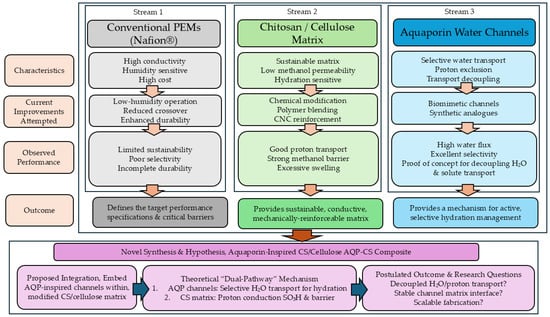
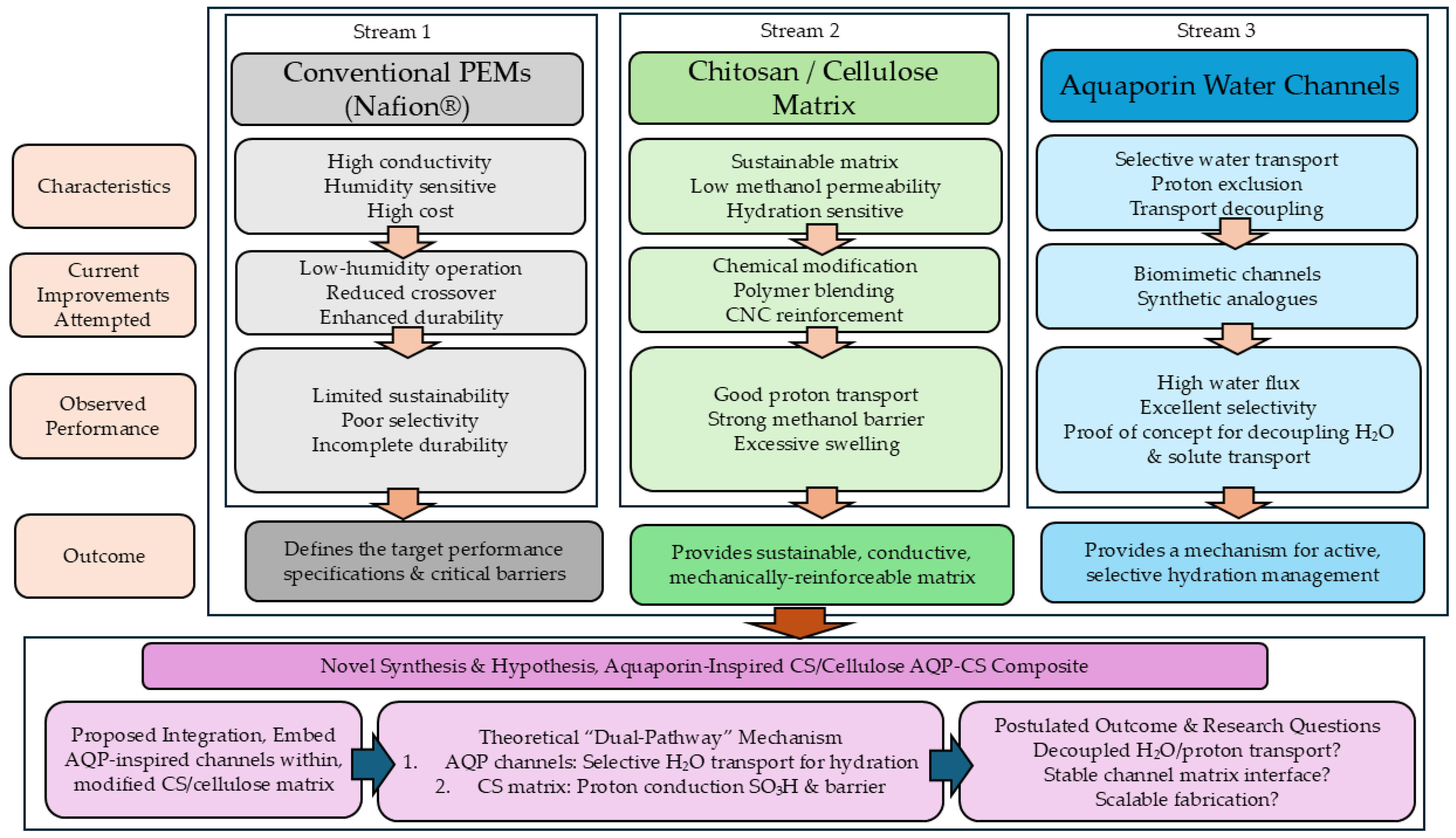
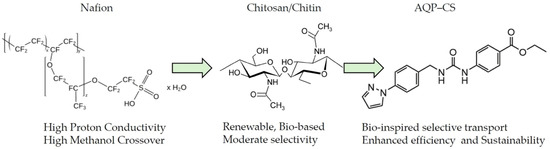
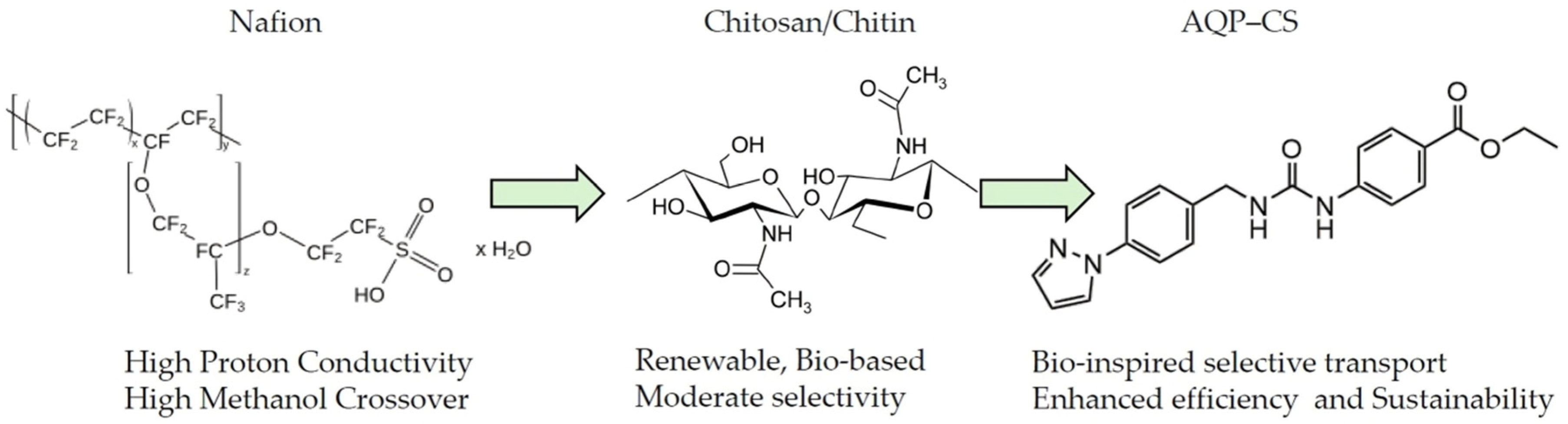


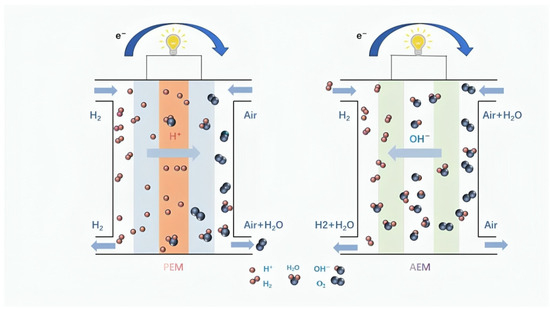
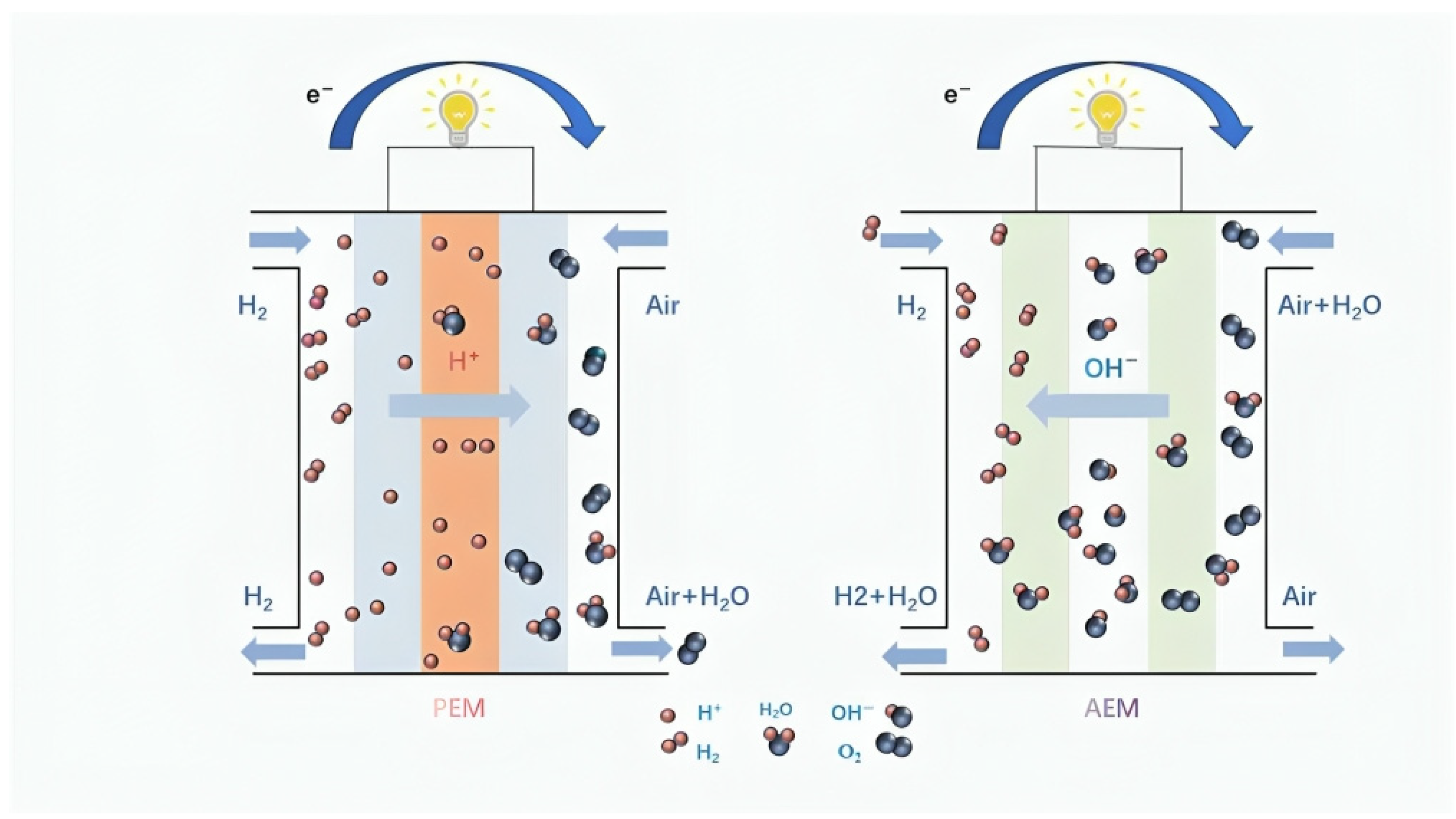
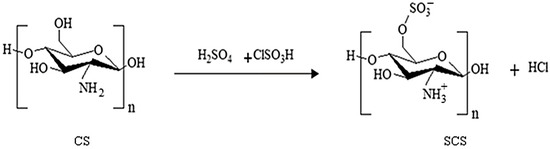
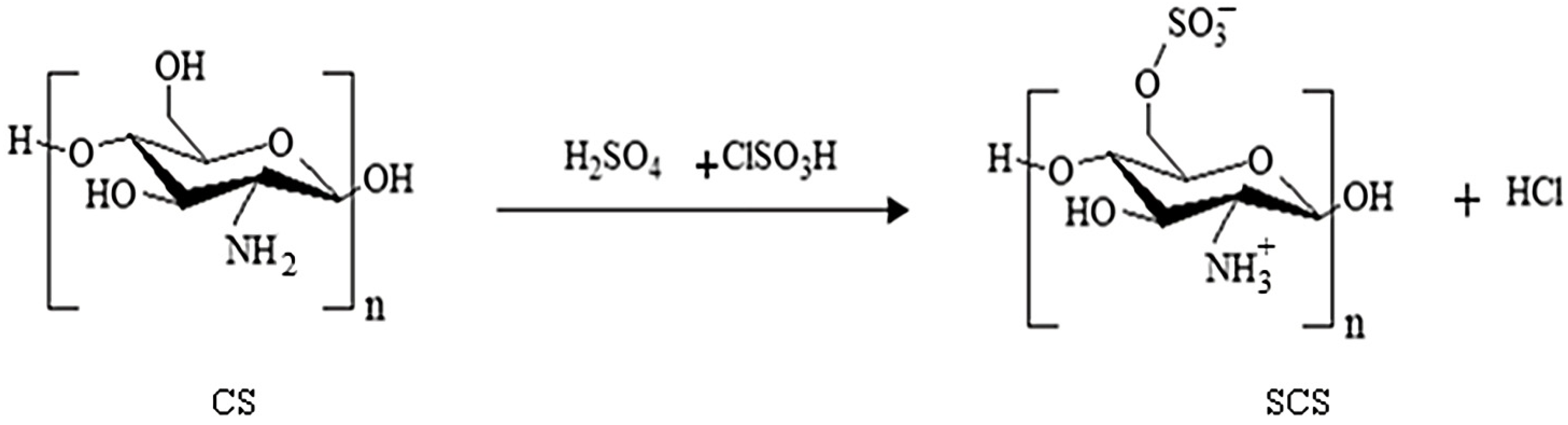

Disclaimer/Publisher’s Note: The statements, opinions and data contained in all publications are solely those of the individual author(s) and contributor(s) and not of MDPI and/or the editor(s). MDPI and/or the editor(s) disclaim responsibility for any injury to people or property resulting from any ideas, methods, instructions or products referred to in the content. |
© 2026 by the authors. Licensee MDPI, Basel, Switzerland. This article is an open access article distributed under the terms and conditions of the Creative Commons Attribution (CC BY) license.