


Abstract
3D printing of flexible carbon-based nanocomposites has become an important research area due to its relevance for flexible electronics, wearable sensing, soft devices, and electrochemical energy systems. This study examines the scientific development of the field through a bibliometric and science-mapping analysis based on records retrieved from Scopus and Web of Science. After applying a structured SAAS and PRISMA-based selection process, 1491 peer-reviewed articles published between 2000 and 2025 were retained for analysis. Scientific production has grown markedly, with an annual growth rate of 8.58% and an international co-authorship rate of 27.77%. Geographically, research output is dominated by China, followed by the United States and South Korea, while international collaboration networks connect research groups across Asia, North America, and Europe. The results confirm the central role of graphene and carbon nanotubes and show a progressive shift from the formulation of printable conductive composites toward flexible and stretchable sensors, wearable and textile-integrated devices, soft functional systems, and deformable energy-storage architectures. The thematic structure also points to the increasing relevance of MXenes, hydrogels, direct ink writing, strain sensing, and sensitivity-related applications. The conceptual analysis indicates that current research is increasingly organized around the interaction between material composition, printing strategy, mechanical compliance, electrical performance, and device functionality. The field is therefore moving toward more complex multifunctional architectures capable of combining sensing, wearability, energy storage, and mechanical adaptability within the same printed system.
1. Introduction
Additive manufacturing (AM) has evolved from a prototyping-oriented technology into a versatile manufacturing platform capable of producing geometrically complex structures with integrated electrical, mechanical, thermal, and sensing functionalities. This transition is particularly relevant for flexible electronics, where conventional manufacturing techniques frequently encounter limitations associated with planar processing, multistep assembly, and the integration of functional materials into deformable substrates. Among the different AM technologies, material extrusion, fused filament fabrication (FFF), selective laser sintering (SLS), direct ink writing (DIW), and digital light processing (DLP) have progressively demonstrated their suitability for processing functional polymer composites and nanocomposites [1,2,3,4,5]. The ability to control both material composition and three-dimensional architecture provides an additional design dimension, allowing macroscopic geometry, porosity, filler organization, and conductive pathways to be tailored during fabrication.
Among extrusion-based additive manufacturing technologies, FFF operates through the controlled melting and deposition of thermoplastic filaments to construct three-dimensional objects layer by layer [6]. For carbon-based nanocomposites, this process generally requires thermoplastic matrices with suitable melt viscosity, thermal stability, and filament integrity, together with an appropriate dispersion of conductive fillers such as carbon nanotubes (CNTs), graphene, or carbon black [7,8]. The selection of nanofiller concentration is particularly important, since increasing conductive loading may facilitate electrical percolation but can also modify melt rheology, reduce filament flexibility, and affect interlayer adhesion [9]. DIW, by contrast, relies on the extrusion of viscoelastic inks or pastes through a nozzle, followed by solidification through drying, curing, gelation, or other stabilization mechanisms [10,11]. This technique is particularly suitable for elastomers, hydrogels, and highly filled conductive formulations, provided that the inks exhibit appropriate shear-thinning behavior, sufficient flow under extrusion, and rapid structural recovery to maintain the printed geometry [12,13]. Consequently, DIW offers considerable flexibility in material formulation and enables the fabrication of complex conductive architectures, although printability and shape fidelity remain strongly dependent on ink rheology and post-processing conditions [14].
Photopolymerization-based methods, including stereolithography (SLA) and DLP, employ light-induced polymerization to selectively solidify photosensitive resins. While SLA typically uses a focused light source to cure selected regions, DLP projects patterned light to polymerize entire cross-sectional areas. These approaches can provide high dimensional accuracy and fine structural resolution, making them attractive for manufacturing flexible electronic components and geometrically complex sensing architectures. However, the incorporation of carbon-based nanofillers introduces additional processing challenges because their optical absorption and light-scattering behavior may affect curing depth, polymerization efficiency, and dimensional accuracy [15,16]. Therefore, suitable resin viscosity, photopolymerization kinetics, nanofiller dispersion, and filler concentration must be considered during material selection [17,18]. More generally, the selection of an AM technology for flexible conductive nanocomposites depends on the compatibility between the printing mechanism, matrix characteristics, conductive filler content, desired geometrical resolution, and final electromechanical requirements. These material–process relationships are particularly relevant because printing-induced orientation, porosity, interlayer interfaces, and conductive-network organization can substantially influence the functional performance of the resulting components.
Within this context, carbon-based nanomaterials have emerged as particularly attractive functional phases for AM. CNTs, graphene and its derivatives, carbon black, carbon nanofibers, and hybrid carbonaceous structures combine low density with high electrical conductivity, large specific surface area, and the ability to generate interconnected conductive networks within polymeric matrices [19,20,21,22]. Their incorporation into thermoplastics, elastomers, hydrogels, and photocurable resins has enabled the development of printable materials with electrical functionalities while retaining different degrees of mechanical compliance. Nevertheless, the final properties strongly depend on nanofiller concentration, dispersion, interfacial interactions, and the formation of continuous conductive pathways. AM processes introduce additional variables because printing-induced orientation, layer organization, and structural porosity can substantially modify both electrical and mechanical responses [23,24].
This material–process interaction is especially important in flexible and stretchable nanocomposites, where high electrical conductivity must coexist with large and often repeated strain. Increasing conductive filler concentration generally facilitates electrical percolation but may simultaneously increase viscosity, reduce printability, or compromise deformability. Consequently, recent research has focused on engineering multiscale conductive networks and architectures that preserve electrical pathways during strain. SLS has been used to construct segregated CNT networks within flexible thermoplastic polyurethane matrices [25], while porous CNT/TPU architectures have shown that microstructural network design can be combined with macroscopic geometry to tune piezoresistive performance [26]. Similarly, highly stretchable CNT/graphene networks supported on 3D-printed elastomeric structures demonstrate how conductive nanomaterials and architected polymer substrates can work synergistically to accommodate large deformation [27].
A particularly active research direction is the development of flexible and stretchable sensors. AM enables sensing elements to be directly fabricated with customized geometries, controlled porosity, and tailored deformation fields, allowing the electrical response to be engineered through both material formulation and structural design. CNT/PDMS foam composites have been developed as tunable compressive strain sensors [23], while UV-curable CNT/elastomer systems fabricated by DLP have demonstrated wide strain-detection ranges, high cyclic stability, and sensitivity to multiple external stimuli [28]. At the structural level, auxetic conductive meshes integrating SWCNT and carbon-black networks have shown how multimaterial printing can extend sensing ranges while maintaining stretchability [29], whereas three-dimensional CNT architectures can provide multidirectional and out-of-plane mechanical sensing capabilities that are difficult to obtain using conventional planar devices [30].
The development of soft and hydrogel-based conductive systems represents a complementary strategy for improving mechanical compatibility with the human body. Carbon nanotube-containing hydrogels can combine high water content, deformability, electrical conductivity, and stimuli responsiveness, making them attractive for electronic skin, soft robotics, and wearable health monitoring. Self-healable CNT composite hydrogels have demonstrated the ability to recover both mechanical and electrical functionality after damage [31], while 3D-printable conductive hydrogels have integrated stretchability, self-healing, and multiple sensing modes into skin-like wearable devices [32]. Other extrusion-based approaches have exploited printing-induced CNT alignment in hydrogel matrices to deliberately introduce mechanical anisotropy, illustrating how AM can control nanofiller organization at multiple length scales.
Such advances are driving the expansion of 3D-printed carbon-based systems toward wearable, biomedical, and human-centered applications. Flexible strain sensors based on CNT/silicone-rubber nanocomposites have been directly printed for monitoring human body movements [33], while CNT-based textile yarns integrated with 3D-printed wearable platforms have been evaluated for knee-motion monitoring [34]. Printed SWCNT/graphene oxide networks have enabled ultrathin humidity sensors capable of conforming to surfaces with markedly different curvatures [35], and 3D-printed CNT thermoelectric architectures have recently enabled soft sensor arrays capable of rapidly mapping localized temperature variations. At smaller scales, carbon-nanotube-coated 3D microsprings produced through microfabrication have been demonstrated for arterial-pulse monitoring and catheter-based force sensing [36].
The growing integration of material and structural design has also expanded the field beyond conventional strain and pressure sensing. Three-dimensional carbon-based conductive networks have been printed onto curved and flexible substrates for glucose sensing [37], while flexible phase-change fabrics incorporating interconnected CNT networks combine thermal regulation with mechanical durability and multifunctionality [38]. At the microscale, high-resolution printing of CNT/liquid-metal composites has provided mechanically reinforced, stretchable three-dimensional electrical interconnections suitable for soft electronic devices [39].
A parallel technological trajectory concerns flexible energy-storage and electrochemical systems. Three-dimensional printing offers important advantages for these applications because electrode geometry, porosity, thickness, and transport pathways can be designed independently of conventional planar manufacturing constraints. Flexible micro-zinc-ion batteries have been developed using printable CNT/MnO2 composite inks [40], while directional-freezing-assisted 3D printing has combined CNT-based conductive networks with mechanically compliant architectures to address the trade-off between energy density and flexibility in lithium-ion batteries [41]. Bioinspired hierarchical architectures have also been explored to accelerate multiscale transport within 3D-printed electrodes [42].
Despite this rapid progress, important technological challenges remain. The rheological requirements, the curing constraints of photopolymerization, and the powder characteristics required for sintering must be reconciled with nanofiller dispersion and conductive-network formation. Furthermore, layer-by-layer fabrication can introduce anisotropy, interfaces, and localized deformation that affect both electrical stability and mechanical durability. Consequently, the scientific problem has evolved from simply demonstrating that conductive carbon nanocomposites can be printed toward understanding how their composition, processing conditions, architecture, and functional response can be jointly controlled.
The rapid diversification of materials, AM technologies, structural concepts, sensing mechanisms, and application domains has resulted in a broad but increasingly fragmented scientific landscape. Research now encompasses flexible conductive filaments, architected piezoresistive structures, self-healing hydrogels, wearable sensors, biomedical devices, smart fabrics, electromagnetic absorbers, and flexible energy-storage systems. Although conventional reviews are valuable for describing specific material families or technologies, they do not necessarily reveal how the field is structured globally, which scientific actors and publications have driven its development, or how research priorities have evolved over time. A quantitative assessment of publication dynamics, citation impact, collaboration networks, conceptual relationships, and thematic evolution is therefore required to obtain an integrated perspective of this rapidly developing domain.
In this context, the present study provides a comprehensive bibliometric and science-mapping analysis of 3D printing of flexible carbon-based nanocomposites. Unlike existing studies that predominantly focus on specific nanomaterial families, individual additive manufacturing techniques, or applications, the present work adopts an integrated approach to examine the convergence of three technological dimensions: AM, carbon-based functional nanomaterials, and mechanically flexible or stretchable systems. Furthermore, rather than relying exclusively on qualitative literature reviews or conventional bibliometric indicators, this study combines quantitative performance analysis with advanced science-mapping techniques to explore the relationships between materials, manufacturing processes, functional properties, and emerging applications. Bibliographic records retrieved from Scopus and Web of Science are analyzed to characterize the evolution of scientific production, the leading journals, institutions and countries, international collaboration patterns, and the most influential publications. Furthermore, keyword co-occurrence, thematic mapping, conceptual structure, and thematic evolution analyses are used to examine the relationships among material families, AM technologies, functional properties, and application domains. By integrating performance analysis with science mapping, this work aims to provide a structured overview of the scientific development of the field and to reveal how advances in materials and manufacturing strategies have progressively converged toward flexible sensing, wearable electronics, soft functional systems, multifunctional structures, and flexible energy devices. This integrated perspective enables the identification of emerging technological trends and future research priorities.
2. Materials and Methods
2.1. Bibliometric Framework and Study Design
This study employed a structured bibliometric and science-mapping approach to systematically characterize the scientific development of 3D printing of flexible carbon-based nanocomposites. Bibliometric analysis was selected because it enables the quantitative assessment of publication dynamics, citation impact, scientific collaboration, intellectual structure, and thematic evolution within rapidly developing and multidisciplinary research fields.
The methodological framework followed the SAAS model (Search, Appraisal, Analysis, and Synthesis), which provides a sequential yet iterative workflow for bibliometric research. The four stages comprised: (i) Search, involving database selection, conceptual query construction, bibliographic retrieval, and data export; (ii) Appraisal, including record screening, duplicate removal, metadata validation, and dataset cleaning; (iii) Analysis, encompassing bibliometric performance indicators, citation analysis, collaboration networks, keyword co-occurrence, and conceptual and thematic mapping; and (iv) Synthesis, integrating quantitative results and visual representations to identify major research trends, technological developments, and emerging research directions.
Although presented sequentially, the workflow was implemented iteratively. Preliminary inspection of retrieved records was used to refine the search strategy and reduce false-positive retrieval, particularly for ambiguous acronyms and generic terms associated with AM, carbon nanomaterials, and flexible systems. This iterative procedure improved the thematic specificity and internal consistency of the final bibliographic dataset. Figure 1 summarizes the SAAS-based methodological workflow applied in this study.
Figure 1.
SAAS workflow applied in the bibliometric analysis, comprising the four main stages of Search, Appraisal, Analysis, and Synthesis.
2.2. Data Sources and Bibliographic Retrieval
Bibliographic records were retrieved from Scopus and the Web of Science Core Collection (WoS). These databases were selected because of their broad coverage of peer-reviewed scientific literature, standardized bibliographic metadata, and extensive citation indexing capabilities. The simultaneous use of both databases was intended to maximize literature coverage while reducing potential database-specific bias.
The search focused on peer-reviewed research addressing the intersection between AM, carbon-based nanomaterials, and flexible or stretchable material systems. Bibliographic records were exported with the complete metadata required for subsequent bibliometric processing, including authors, article titles, publication years, source titles, affiliations, countries, abstracts, authors’ keywords, indexed keywords, cited references, citation counts, and digital object identifiers (DOIs).
Records retrieved from Scopus and WoS were subsequently merged into a unified bibliographic dataset. Metadata formats were converted and harmonized to ensure compatibility with the Bibliometrix package and its Biblioshiny graphical interface in the R environment, which were used for bibliometric performance analysis and science mapping.
The final search was conducted in September 2026. Here, the bibliometric dataset was deliberately restricted to publications from 2000 to 2025 to ensure the inclusion of complete calendar years. Publications from 2026 were excluded because the year was still ongoing at the time of data retrieval, and their inclusion could introduce temporal bias into annual publication trends and growth-rate calculations.
2.3. Search Strategy and Conceptual Framework
The bibliographic search strategy was constructed using a structured conceptual framework based on three complementary thematic axes representing the core dimensions of the research topic: (i) AM, (ii) carbon-based nanocomposites, and (iii) flexibility and deformability.
The first axis comprised terminology associated with AM and three-dimensional printing technologies, including general expressions such as 3D printing and AM, as well as specific processes such as fused deposition modeling/fused filament fabrication (FDM/FFF), material extrusion, stereolithography (SLA), digital light processing (DLP), and direct ink writing (DIW).
The second axis covered carbon-based conductive nanomaterials used in functional nanocomposites. This included graphene, graphene nanoplatelets (GNPs), graphene oxide (GO), reduced graphene oxide (rGO), carbon nanotubes (CNTs), multi-walled carbon nanotubes (MWCNTs), single-walled carbon nanotubes (SWCNTs), carbon black, and broader carbon-based nanocomposite terminology. In addition, MXenes based on transition-metal carbides were retained within the broader category of carbon-based conductive nanomaterials because of their growing relevance in printable flexible electronics, sensing systems, and electrochemical devices.
The third axis represented the mechanical and functional characteristics defining the flexible-material domain, including flexible, stretchable, wearable, elastomeric, soft, and terms associated with flexible or stretchable sensing systems.
Within each conceptual axis, synonymous terms and related expressions were connected using the Boolean operator OR, whereas the three axes were combined using AND to ensure that retrieved documents simultaneously addressed the central components of the study. Wildcard truncation (*) was applied when appropriate to capture lexical variations, plurals, and derivative forms. The conceptual structure of the query is illustrated in Figure 2.
Figure 2.
Conceptual framework used to construct the bibliographic search strategy based on three complementary axes: additive manufacturing, carbon-based nanomaterials, and flexibility. The wildcard (*) is used for term variation.
2.4. Eligibility Criteria and Study Selection
The identification and selection of publications followed a structured and transparent workflow aligned with the PRISMA 2020 (Preferred Reporting Items for Systematic Reviews and Meta-Analyses) guidelines [43,44,45]. This procedure was implemented to ensure reproducibility, traceability, and consistency throughout the construction of the final bibliographic dataset.
The initial search across Scopus and WoS retrieved a total of 3258 records, comprising 1466 documents from Scopus and 1792 documents from WoS. After merging both databases, 1120 duplicate records were identified and removed prior to screening. No records were excluded by automated eligibility tools or for other reasons at this stage. Consequently, 2138 unique records were retained for eligibility assessment.
A multi-stage filtering procedure was subsequently applied to ensure consistency in document type, language, and scientific content. The analysis was restricted to peer-reviewed original research articles written in English. Accordingly, 214 review articles, 174 proceedings papers, 127 conference papers or conference reviews, and 67 books or book chapters were excluded. An additional 40 publications written in languages other than English were removed. Finally, 25 non-research or non-standard publication types, including corrections, editorial materials, errata, letters, meeting abstracts, and retractions, were excluded.
Following the complete application of these eligibility criteria, 1491 peer-reviewed research articles were retained in the final dataset for subsequent bibliometric performance analysis and science mapping.
In addition to these formal bibliographic criteria, the thematic relevance of the retrieved records was reviewed to verify that the search query adequately captured the intended conceptual scope of the study. This validation confirmed that the retrieved literature consistently addressed the intersection of AM or 3D printing, carbon-based nanomaterials, and flexible, stretchable, elastomeric, soft, or wearable systems. The thematic review was therefore used primarily to assess the adequacy and specificity of the search strategy rather than as an additional exclusion stage.
The complete identification, screening, eligibility, and inclusion process is summarized in Figure 3.
Figure 3.
PRISMA flow diagram illustrating the identification, screening, eligibility assessment, and final inclusion of studies.
2.5. Screening Reliability and Inter-Reviewer Agreement
To strengthen methodological robustness and verify the thematic adequacy of the search strategy, the records retrieved by the bibliographic query were reviewed by the three authors using a structured multi-reviewer validation protocol. The purpose of this procedure was not to introduce an additional exclusion stage, but to confirm that the search query consistently retrieved publications aligned with the intended conceptual scope of the study.
Prior to the full validation process, a calibration exercise was conducted using a randomly selected subset of 60 publications from the preliminary dataset. Each record was independently assessed based on its title, abstract, keywords, and available bibliographic metadata to determine whether the retrieved literature adequately represented the intersection of AM or 3D printing, carbon-based nanomaterials, and flexible, stretchable, elastomeric, soft, or wearable systems. The pilot phase was used to harmonize the interpretation of the conceptual scope and to identify potentially ambiguous or borderline records.
Attention was given to publications involving MXenes, hybrid conductive nanocomposites, printed electrochemical devices, soft hydrogels, wearable systems, and studies in which 3D printing played an indirect role within the fabrication workflow. These cases were examined to verify that the search strategy remained sufficiently specific and that the retrieved records were consistent with the technological boundaries established for the study. The review confirmed that the query provided an appropriate representation of the target research domain and did not reveal systematic deviations from the expected thematic scope.
Inter-reviewer agreement was quantified using Cohen’s kappa coefficient (κ). In the pilot calibration stage, pairwise agreement values ranged between κ = 0.88 and κ = 0.93, corresponding to a strong to almost perfect level of agreement. During the full validation stage, the mean inter-reviewer agreement was κ = 0.90, indicating a high level of consistency among reviewers. Any differences in interpretation were discussed jointly until consensus was reached.
2.6. Data Preprocessing and Normalization
Following the PRISMA-based selection process, the final dataset was standardized to ensure consistency across records retrieved from Scopus and WoS. Preprocessing included the harmonization of author names, institutional affiliations, countries, journal titles, and keywords. Lexical variants, abbreviations, and singular/plural forms were merged when they referred to the same concept. For example, carbon nanotube, carbon nanotubes, CNT, and CNTs were grouped under a common descriptor. Similar normalization was applied to AM terminology and material-related keywords. However, conceptually distinct material families, such as graphene, carbon nanotubes, carbon black, and MXenes, were retained separately to preserve technological specificity.
2.7. Bibliometric Analysis
Bibliometric analysis was performed using the Bibliometrix package (version 5.3.0) in R (version 4.5.1) and its Biblioshiny interface. The analysis combined performance indicators and science-mapping techniques.
Performance analysis included annual scientific production, citation indicators, leading journals, institutions, countries, international collaboration, and the most influential publications. Journal productivity and impact were assessed using Bradford’s Law, h-index, g-index, m-index, total citations, and publication counts.
Science-mapping techniques included co-authorship analysis, country collaboration networks, co-citation analysis, bibliographic coupling, and keyword co-occurrence analysis.
2.8. Thematic and Conceptual Analysis
The conceptual structure of the field was examined through keyword co-occurrence, thematic mapping, thematic evolution, and multiple correspondence analysis (MCA).
Thematic maps were constructed using Callon’s centrality and density measures [46], enabling the classification of research themes into motor, basic, niche, and emerging or declining themes according to their relevance and degree of development. MCA was used to identify conceptual proximities among the most frequent research topics.
2.9. Software and Visualization
All bibliometric analyses and network visualizations were conducted using Bibliometrix version 5.3.0 and Biblioshiny within R version 4.5.1. These tools were used for data integration, performance analysis, network construction, thematic mapping, thematic evolution, and conceptual structure analysis. Graphical outputs were refined with Origin 2022 and Datawrapper 2026 when necessary to improve readability and publication quality.
3. Results
3.1. General Bibliometric Performance
The main descriptive characteristics of the bibliographic dataset are summarized in Figure 4. The analysis covers the period 2000–2025 and comprises 1491 peer-reviewed documents published across 436 scientific sources, indicating a broad and multidisciplinary research landscape. The field exhibits an annual growth rate of 8.58%, reflecting sustained expansion over the analyzed period.
Figure 4.
Main bibliometric indicators of the dataset, including timespan, number of documents, sources, authors, keywords, and collaboration metrics.
The relatively low average document age of 4.31 years indicates that a substantial proportion of the literature has been published recently, confirming the dynamic development of research on flexible carbon-based nanocomposites fabricated through AM. Despite this recent character, the dataset presents a high average citation rate of 43.44 citations per document, suggesting considerable scientific visibility and the presence of several highly influential contributions.
From a conceptual perspective, the corpus contains 3608 Keywords Plus and 3819 author keywords, reflecting substantial thematic diversity across materials, manufacturing technologies, functional properties, and applications. A total of 5082 authors contributed to the analyzed publications, with only 18 single-authored documents. The average of 6.85 co-authors per document demonstrates the strongly collaborative nature of the field. International co-authorship represents 27.77% of the dataset, indicating a substantial level of cross-country scientific cooperation.
Regarding document type, the corpus is highly homogeneous, consisting of 1488 research articles and only 3 articles classified as early access, ensuring consistency for subsequent bibliometric and science-mapping analyses.
3.2. Evolution of Scientific Production
The temporal evolution of scientific production reveals a clear transition from an initially marginal research topic to a rapidly expanding scientific field (Figure 5). During the first decade of the analyzed period, publication activity remained very limited and irregular, indicating an exploratory phase in which AM and flexible conductive nanocomposites had not yet converged into a consolidated research domain.
Figure 5.
Annual scientific production and citation trends in research on 3D printing of flexible carbon-based nanocomposites.
A progressive increase became evident during the early 2010s, followed by a marked acceleration from the second half of the decade onwards. This expansion became particularly pronounced after approximately 2017–2018, coinciding with the broader development of functional AM, printable conductive materials, flexible electronics, and wearable sensing technologies. Scientific output continued to increase strongly during the early 2020s, reaching its highest levels toward the end of the study period. This pronounced growth may be associated with several converging technological developments, including improvements in conductive nanocomposite formulations, advances in printing techniques, and the increasing demand for flexible and multifunctional electronic devices. Progress in graphene- and CNT-based printable materials, together with the development of direct ink writing and other extrusion-based approaches, has expanded the possibilities for manufacturing complex conductive architectures. Furthermore, the growing interest in wearable sensing, soft robotics, and flexible energy-storage systems has contributed to the diversification of research applications. These developments are consistent with the thematic trends identified in the present study, particularly the increasing relevance of hydrogels, MXenes, strain sensing, and multifunctional devices.
The publication trajectory therefore suggests three broad developmental stages: an initial exploratory phase, characterized by isolated contributions; a growth phase, associated with increasing interest in conductive and functional printable composites; and a consolidation phase, marked by rapid growth in flexible, stretchable, wearable, and multifunctional printed systems.
Citation indicators display a different temporal pattern. Earlier publications generally present higher mean citation values, reflecting both their foundational role and their longer citation window. As publication activity increased, citation patterns became progressively less dependent on isolated contributions and more representative of the broader development of the field. In contrast, recent publications show lower average citation rates because they have had less time to accumulate citations. Additionally, the substantial increase in publication volume during the most recent years has introduced a large proportion of newly published articles into the dataset, potentially contributing to lower average citation values despite the continued expansion of scientific activity. Consequently, the decreasing citation tendency observed during the most recent years should not be interpreted as reduced scientific relevance, but rather as a typical citation-lag effect in a rapidly expanding field.
3.3. Core Scientific Journals and Citation Impact
The distribution of publications across scientific journals reveals a relatively concentrated core of highly productive sources (Table 1). ACS Applied Materials & Interfaces is the leading journal, with 80 documents, followed by Chemical Engineering Journal with 62 publications and Advanced Functional Materials with 41. Other highly productive sources include Advanced Materials Technologies (33), ACS Nano (29), Journal of Materials Chemistry A (29), and Advanced Materials (28).
Table 1.
Top 10 most productive scientific journals.
The composition of the leading sources reflects the multidisciplinary nature of the field, positioned at the intersection of materials science, nanotechnology, AM, sensing, and energy-related applications. Particularly notable is the strong representation of journals focused on advanced and functional materials rather than exclusively additive-manufacturing journals, suggesting that scientific development is primarily driven by the functional performance of printed nanocomposites rather than by manufacturing technology alone. According to Bradford’s Law, all ten journals listed in Table 1 belong to Zone 1, confirming that a relatively small group of scientific sources concentrates a substantial proportion of the most relevant research output.
Citation-based indicators provide a complementary perspective on journal influence (Table 2). ACS Applied Materials & Interfaces exhibits the highest h-index (42) and g-index (72), together with 5330 total citations, combining high productivity with strong scientific impact. Advanced Functional Materials ranks second in h-index (29), whereas Chemical Engineering Journal presents the highest m-index (3.500) among the leading sources, indicating particularly rapid citation accumulation relative to its publication history in the field.
Table 2.
Citation impact indicators of leading scientific journals.
Interestingly, Advanced Materials records 5166 citations from only 28 documents, demonstrating a particularly high citation concentration despite lower publication volume. Similarly, ACS Nano accumulates 3885 citations from 29 publications, confirming the important role of high-impact nanotechnology journals in shaping the intellectual development of this research domain.
3.4. Institutional Productivity and Geographical Distribution
Institutional productivity is strongly concentrated among a limited number of research organizations, particularly in China and the United States (Table 3). The Chinese Academy of Sciences clearly leads the ranking with 133 publications, almost twice the output of the second-ranked institution, Northwestern University, with 67 documents.
Table 3.
Top 10 most productive institutional affiliations.
Chinese universities occupy five of the ten leading positions, including Soochow University (51), Sichuan University (46), Zhejiang University (46), and Xi’an Jiaotong University (38). This substantial institutional representation confirms the central role of China in the development of printable functional nanomaterials and flexible electronics.
The United States also shows a strong institutional presence through Northwestern University, the University of California System, Virginia Polytechnic Institute and State University, and the Texas A&M University System. Europe is represented among the top ten by the University of Würzburg, with 36 publications.
Therefore, the institutional structure of the field is characterized by a marked concentration in Asia and North America, with comparatively lower representation from European institutions among the most productive organizations.
The global geographical distribution shown in Figure 6 reinforces this pattern. China exhibits the highest scientific production by a substantial margin, followed by the United States and South Korea. The strong intensity of research activity across East Asia demonstrates the strategic importance of advanced manufacturing, nanomaterials, flexible electronics, and energy-storage technologies within this region.
Figure 6.
Global geographical distribution of scientific production on 3D printing of flexible carbon-based nanocomposites.
Scientific production is nevertheless geographically widespread, with contributions from Europe, North America, South America, the Middle East, and Oceania. Countries such as Germany, Italy, the United Kingdom, Canada, Spain, Australia, and Brazil also contribute substantially to the global research landscape, demonstrating that the field has evolved into an internationally distributed research domain.
3.5. Country Productivity and International Collaboration
Analysis based on the corresponding author’s country further confirms China’s dominant scientific position (Table 4). China accounts for 639 publications, representing 42.9% of the total dataset, followed by the United States with 248 articles (16.6%) and South Korea with 127 (8.5%). Together, these three countries account for a substantial proportion of global scientific production.
Table 4.
Corresponding authors’ countries, including single-country (SCPs) and multi-country publications (MCPs).
China records 496 single-country publications (SCPs) and 143 multiple-country publications (MCPs), indicating that its leadership is primarily supported by strong domestic research capacity, although international collaboration also represents an important component of its output. A similar pattern is observed for the United States and South Korea, where national collaborations remain predominant.
In contrast, several European and English-speaking countries exhibit a comparatively greater orientation toward international collaboration. The United Kingdom, for example, presents 17 SCPs and 16 MCPs, meaning that nearly half of its corresponding-author output involves international collaboration. Germany and Australia show similarly balanced collaboration structures.
These differences indicate that global development of the field combines two complementary models: high-volume national research ecosystems, particularly in China, the United States, and South Korea, and highly internationalized collaboration networks characteristic of several European and other research systems.
The global collaboration network further illustrates the central position of the major scientific producers and the extensive connections linking Asian, North American, and European research groups (Figure 7).
Figure 7.
International country collaboration network in research on 3D printing of flexible carbon-based nanocomposites. Node colours represent different collaboration clusters identified through community detection, while node size indicates scientific production and link thickness reflects the strength of collaboration between countries.
3.6. Highly Influential Publications
The most influential publications are summarized in Table 5. The ten documents were published between 2015 and 2022 and accumulated between 232 and 623 citations, with normalized citation scores ranging from 2.31 to 8.69.
Table 5.
Most influential documents on 3D printing of flexible carbon-based nanocomposites.
The most cited work was Jakus et al. (2015) [47], with 623 citations, followed by Deng et al. (2019) [48] with 454, Christ et al. (2017) [49] with 415, and Wang et al. (2017) [50] with 339. Together, these studies illustrate the early consolidation of graphene- and carbon-nanotube-based printable systems for flexible and functional applications.
More recent highly influential contributions include Li et al. (2020) [51], Liu et al. (2022) [52], and Cao et al. (2019) [53], which reflect the expansion of the field toward stretchable energy-storage devices, MXene-based architectures, smart fibers, and multifunctional flexible systems. Notably, Liu et al. (2022) [52] achieved the highest normalized citation score (8.69), indicating particularly rapid scientific impact.
The remaining highly cited studies by Zhang et al. (2016) [54], Xiang et al. (2019) [55], and Shin et al. (2016) [56] further highlight the relevance of conductive polymer nanocomposites, elastic strain-sensing systems, and printable nanomaterial inks.
4. Discussion
4.1. Main Research Trends Among the Most Influential Publications
The ten most influential publications reveal four major technological trends that have shaped the development of 3D-printed flexible carbon-based nanocomposites: (i) printable conductive nanocomposites for functional 3D structures; (ii) flexible and stretchable sensing systems; (iii) wearable and textile-integrated multifunctional devices; and (iv) soft and deformable energy-storage architectures. These trends reflect the progressive evolution of the field from the formulation of printable conductive materials toward highly integrated, mechanically compliant, and multifunctional devices.
The first trend is the development of printable conductive nanocomposites as enabling materials for functional 3D structures. Early influential studies focused on demonstrating that highly conductive carbonaceous materials could be incorporated into printable matrices while preserving processability and functional performance. Jakus et al. [47] developed high-content graphene inks for the fabrication of three-dimensional structures with electronic and biomedical potential, whereas Zhang et al. [54] demonstrated the fabrication of flexible conductive circuits based on PLA/graphene composites using FDM. Shin et al. [56] further expanded this concept through CNT-based printable inks capable of producing conductive architectures on different substrates. These works established the material-processing foundations of the field and demonstrated that AM could move beyond structural polymers toward electrically functional nanocomposites.
A second major trend concerns flexible and stretchable sensing systems. Christ et al. [49] and Xiang et al. [55] developed highly elastic CNT/TPU strain sensors fabricated by FDM, demonstrating the suitability of elastomeric conductive nanocomposites for piezoresistive sensing. Christ et al. reported gauge factors as high as 176, while Xiang et al. further optimized CNT–polymer interactions to enhance sensing performance. Deng et al. [48] extended this concept toward soft multifunctional hydrogels containing MWCNTs, combining conductivity with stretchability, self-healing, adhesiveness, temperature response, and human-motion sensing. These studies show the transition from simply printable conductive materials toward mechanically compliant systems capable of detecting deformation and interacting directly with the human body.
The third trend is the emergence of wearable and textile-integrated multifunctional devices. Wang et al. [50] applied 3D printing to flexible all-fiber lithium-ion batteries using CNT-containing inks, directly linking AM with wearable energy storage. Cao et al. [53] similarly developed MXene-reinforced cellulose nanofibril inks for 3D-printed smart fibers and textiles capable of electromechanical sensing, wearable heating, health monitoring, and human–machine interaction. These contributions demonstrate an evolution from isolated flexible components toward functional systems designed for direct integration into garments and wearable platforms.
A fourth trend is the increasing role of soft and deformable energy-storage architectures. Li et al. [51] developed intrinsically stretchable 3D-printed micro-supercapacitors based on a hybrid MXene-containing nanocomposite, achieving stable electrochemical performance under strains of up to 50%. Liu et al. [52] subsequently demonstrated MXene-based hybrid hydrogels for 3D-printed multimodal devices combining ultrahigh superelasticity and temperature sensitivity. These papers reflect the growing convergence between energy storage, soft matter, sensing, and multifunctionality, with MXene-containing systems emerging as an important material platform within the most recent highly cited literature.
The ten most influential publications indicate a clear evolution from printable conductive nanocomposites, through flexible and stretchable sensors, toward wearable systems and multifunctional soft devices integrating sensing, energy storage, and mechanical adaptability. This progression suggests that the field is increasingly shifting from material printability as the primary challenge toward the integration of multiple functions within mechanically compliant architectures.
4.2. Dominant Keywords and Research Priorities
Figure 8 presents the most frequently occurring keywords in the analyzed literature. The ranking was obtained from the normalized keyword dataset using Bibliometrix/Biblioshiny, after merging equivalent terms and lexical variants. The length of each bar represents the number of documents in which a given keyword appears, providing a direct measure of the relative prominence of the main concepts addressed by the scientific community. Although frequency alone does not describe the relationships between topics, it provides an initial overview of the materials, processes, properties, and applications that dominate the field.
Figure 8.
Most frequently occurring keywords in research on 3D printing of flexible carbon-based nanocomposites.
As expected, 3D printing is the most frequent term, with 378 occurrences, followed by graphene (266), carbon nanotubes (148), and additive manufacturing (140). These results confirm that graphene and CNTs constitute the main carbon-based material platforms around which the field has historically developed. The high frequency of both 3D printing and AM also reflects the coexistence of general manufacturing terminology with more application-specific printing approaches.
Terms such as composites (137), performance (106), nanocomposites (97), and mechanical properties (61) indicate that a substantial part of the literature remains focused on material formulation and the optimization of functional and mechanical performance. At the same time, the prominence of strain sensors (78), electrodes (57), flexible electronics (53), and conductivity (48) demonstrates the strong application-oriented character of the field.
The presence of direct ink writing (56), hydrogels (45), and MXene (45) among the most frequent terms is particularly relevant. These concepts are closely associated with soft materials, advanced extrusion-based printing, and highly deformable functional systems, suggesting a diversification beyond conventional thermoplastic graphene- and CNT-filled composites [57].
Therefore, the keyword distribution identifies four interconnected research dimensions: carbon-based materials, AM processes, functional and mechanical performance, and flexible-device applications.
4.3. Keyword Co-Occurrence and Conceptual Clusters
While keyword frequency identifies the most recurrent topics, Figure 9 examines how these concepts are related to one another. The keyword co-occurrence network was generated using Bibliometrix/Biblioshiny from the normalized keyword matrix. Two terms are connected when they occur together within the same publications, while stronger and more frequent co-occurrences generate stronger relationships in the network. Node size reflects the relative frequency of each keyword, whereas the clustering algorithm groups terms that exhibit particularly strong patterns of co-occurrence. The resulting communities therefore represent major conceptual research domains within the field.
Figure 9.
Keyword co-occurrence network showing the main conceptual clusters and their interrelationships.
The network reveals a highly interconnected structure organized into three principal clusters, with numerous links between them. This strong connectivity indicates that research on materials, manufacturing technologies, and applications has not developed independently, but through continuous interaction between these dimensions.
The first cluster is predominantly associated with graphene-related materials, fabrication, films, electrodes, and flexible electronics. This community represents a research trajectory oriented toward graphene-based conductive structures, printable electronic components, and functional films. The central position of graphene within this cluster is consistent with its high keyword frequency and its extensive use across electrodes, conductive films, sensors, and flexible electronics.
A second cluster is centered around composites, nanocomposites, conductivity, sensors, and mechanical performance. This community represents the engineering core of the field, where the central problem is the simultaneous optimization of processability, electrical conductivity, and mechanical behavior. Its extensive connections with the other clusters emphasize that the development of flexible printed devices depends strongly on controlling these material–property relationships.
A third, more specialized cluster contains concepts associated with graphene oxide, hydrogels, and soft-material systems. Its differentiation from the larger material and composite clusters suggests the development of a distinct research trajectory based on solution-processable materials, soft matter, biomedical applications, and highly deformable nanocomposites.
It is important to note that the large number of links connecting the three communities shows that carbon-based nanomaterials are increasingly investigated not merely as conductive fillers but as functional components of sensors, electrodes, flexible electronics, hydrogels, and multifunctional devices. The network therefore supports a progressive transition from isolated material development toward increasingly integrated device-oriented research.
4.4. Thematic Maturity and Emerging Research Directions
Figure 10 complements the co-occurrence analysis by evaluating not only which themes are connected, but also their degree of development and relevance within the overall research field. The thematic map was generated in Bibliometrix using co-word analysis and Callon’s centrality and density measures. Centrality, represented on the horizontal axis, reflects the degree of connection of a thematic cluster with other themes and therefore its importance within the overall research structure. Density, represented on the vertical axis, describes the internal cohesion and level of development of the theme. Based on these two parameters, clusters are classified into motor, basic, niche, and emerging or declining themes. Bubble size represents the relative weight of each thematic cluster.
Figure 10.
Thematic map based on Callon’s centrality and density measures, showing motor, basic, niche, and emerging or declining themes.
The cluster containing graphene, performance, films, composites, and electrodes is in the motor-theme quadrant, characterized by both relatively high centrality and high density. This indicates that these topics are well developed internally and strongly connected to the rest of the field. Their position confirms the central role of graphene-based composites, functional films, and electrode technologies in the scientific consolidation of flexible printed nanocomposites.
The cluster formed by nanocomposites, conductivity, polymers, design, and mechanical properties is positioned in the basic-theme quadrant. Its high centrality indicates that these concepts are highly relevant across the field, whereas its comparatively lower density suggests that they encompass broad and heterogeneous research lines. This is consistent with their transversal nature: conductivity, polymer selection, structural design, and mechanical performance are fundamental considerations across sensing, flexible electronics, energy storage, and other functional applications.
In contrast, flexible electronics, graphene oxide, CNTs, hydrogels, and scaffolds occupy the niche-theme quadrant. Their high density indicates a substantial degree of internal development, while their lower centrality suggests a more specialized relationship with the overall research network. This position may reflect the concentration of these topics within specific communities such as soft electronics, biomedical systems, hydrogels, and scaffold-based devices.
The most noteworthy cluster comprises strain sensor, sensor, MXene, DIW, and sensitivity, located within the emerging or declining quadrant. The thematic map itself cannot distinguish whether a low-centrality/low-density theme is emerging or declining; this requires interpretation using temporal and contextual evidence. Given the increasing presence of DIW, MXenes, and flexible sensing in recent publications, this cluster is more reasonably interpreted as an emerging research front. Its current position suggests that these topics have not yet achieved the degree of internal consolidation or connectivity observed for graphene and conventional nanocomposites but may represent an important direction for future development.
4.5. Conceptual Structure and Research Convergence
Figure 11 examines the conceptual organization of the field from a different perspective. The map was obtained through multiple correspondence analysis (MCA) applied to the most relevant normalized keywords. MCA reduces a multidimensional keyword matrix into a smaller number of factorial dimensions while preserving the main associations between terms. Consequently, keywords positioned close to each other tend to occur within similar publication contexts, whereas greater separation indicates more differentiated conceptual domains. The two axes represent the principal dimensions emerging statistically from the keyword relationships. More specifically, Dimension 1 and Dimension 2 correspond to the first and second factorial axes extracted by MCA, respectively, representing the two principal directions of variation in the associations among the analyzed keywords. Unlike conventional graphical axes, these dimensions do not correspond to predefined physical quantities, such as electrical conductivity, mechanical stiffness, or printing resolution. Instead, they represent latent statistical relationships derived from the distribution and co-occurrence patterns of keywords across the bibliographic dataset. Their conceptual meaning must therefore be inferred from the relative positions and associations of the terms represented in the factorial space. In the present analysis, the distribution of keywords suggests a broad differentiation between research focused on material formulation and additive manufacturing and research oriented toward functional performance and device applications.
Figure 11.
Conceptual structure map obtained through multiple correspondence analysis of the main normalized keywords. Dimension 1 and Dimension 2 represent the first two factorial axes derived from the statistical associations among keywords rather than predefined physical variables. Keywords located in proximity exhibit similar patterns of association within the analyzed literature, whereas greater separation indicates more differentiated conceptual relationships.
The factorial distribution reveals a broad distinction between materials/manufacturing-oriented research and function/application-oriented research. Terms such as AM, 3D printing, design, conductivity, composites, and nanocomposites are grouped within a relatively similar region of the map, reflecting a common conceptual domain centered on material formulation, manufacturing strategy, and structural optimization.
By contrast, strain sensor, sensor, flexible electronics, performance, films, and electrodes occupy a different region of the factorial space, indicating a stronger orientation toward functional devices and application performance. This separation suggests that the literature can be interpreted as evolving between two complementary dimensions: the development and processing of printable nanocomposites, and their conversion into functional flexible devices.
The location of CNTs relatively close to sensor and strain sensor is consistent with the extensive use of CNT-based conductive networks in piezoresistive sensing, where deformation modifies electrical pathways and produces measurable resistance changes. In contrast, graphene appears closer to performance, films, fabrication, and flexible electronics, indicating a broader role across conductive films, electrodes, and electronic architectures.
The more distant position of DIW suggests that this manufacturing route constitutes a relatively differentiated technological pathway compared with conventional 3D-printing approaches. This is consistent with its association with rheologically engineered inks, hydrogels, soft matter, and extrusion of highly functional formulations. Similarly, graphene oxide occupies a relatively separated position, potentially reflecting its distinct physicochemical behavior and its frequent use in solution-based formulations, hydrogels, membranes, and chemically functionalized systems.
Thus, the MCA map confirms that the conceptual landscape is not organized exclusively according to material type. Instead, research themes emerge from the interaction between material selection, manufacturing strategy, functional mechanism, and application.
4.6. Evolution of the Research Field
The combined analysis of the most influential publications (Section 4.1) and the conceptual and thematic structure of the literature (Figure 8, Figure 9, Figure 10 and Figure 11) reveals a clear evolution in the development of 3D-printed flexible carbon-based and carbon-related nanocomposites.
The earliest highly influential studies were primarily focused on demonstrating the printability and electrical functionality of conductive nanocomposites, particularly those based on graphene and CNTs [18]. At this stage, the main scientific challenge was to prove that conductive nanomaterials could be successfully incorporated into printable matrices while maintaining adequate processability, electrical conductivity, and structural integrity [58]. This foundational phase is consistent with the dominance of keywords such as 3D printing, graphene, carbon nanotubes, composites, and performance in Figure 8, as well as with the central position of graphene-related materials within the co-occurrence network and thematic map.
A second stage is characterized by the transition toward flexible and stretchable sensing systems. The most influential publications progressively shifted from general conductive structures toward piezoresistive strain sensors, soft hydrogels, and deformable nanocomposites capable of responding to mechanical stimuli. This evolution is reflected in the increasing relevance of terms such as strain sensors, sensitivity, flexible electronics, and mechanical properties. The position of CNT-related terms close to sensing concepts in the MCA map also supports their strong association with electromechanical sensing applications.
More recently, the field has expanded toward wearable, textile-integrated, soft, and multifunctional devices, including energy-storage systems, smart fibers, and human–machine interfaces [59,60,61]. The influential-document analysis already shows this shift through the emergence of flexible batteries, stretchable micro-supercapacitors, MXene-based hydrogels, and smart textiles. This transition is further supported by the thematic map, where MXene, DIW, sensor, and sensitivity appear within the emerging-theme quadrant. Their position suggests that recent research is increasingly focused on advanced printing routes and mechanically compliant systems with integrated functionality.
The field appears to be progressing through a sequence from printable conductive nanocomposites to flexible sensing systems, and finally toward multifunctional soft devices integrating sensing, energy storage, wearability, and mechanical adaptability. At the same time, the thematic and conceptual analyses show that this progression is not replacing earlier research lines but rather building upon them. Graphene, CNTs, conductivity, composite design, and mechanical performance remain central foundations, while newer topics such as hydrogels, MXenes, DIW, and wearable electronics are expanding the technological scope of the field.
This evolution suggests that future research will increasingly depend on the simultaneous optimization of material composition, printing process, structural architecture, electrical performance, mechanical compliance, and functional integration. Consequently, the main challenge is shifting from simply achieving printability and conductivity toward the development of robust, scalable, and multifunctional devices capable of operating reliably under repeated deformation and real-use conditions.
4.7. Industrial Implications and Potential Applications
The research trends identified in this bibliometric analysis have important implications for the industrial development of AM technologies, particularly in applications requiring the integration of electrical functionality, mechanical compliance, and geometrical customization. The transition from printable conductive nanocomposites toward multifunctional flexible systems suggests opportunities across several industrial sectors, including advanced manufacturing, structural monitoring, wearable electronics, and energy-related technologies.
First, the development of printable conductive nanocomposites based on graphene and CNTs provides opportunities for manufacturing customized electrical components, conductive interconnections, and geometrically complex functional structures. For example, extrusion-based printing of conductive polymer composites could enable the fabrication of embedded electrical pathways, flexible connections, and customized electronic components directly within polymer structures. Such approaches could reduce assembly requirements and facilitate the development of integrated functional parts, although their industrial implementation depends on achieving reproducible electrical properties and sufficient interlayer reliability.
Second, the increasing importance of flexible and stretchable sensing systems has potential applications in structural health monitoring, industrial robotics, and human–machine interaction. Piezoresistive components manufactured using CNT- or graphene-containing elastomeric matrices could be integrated into flexible mechanical elements to monitor deformation, contact pressure, or repeated loading. In robotic grippers, for instance, compliant printed sensors could provide information about local deformation and gripping conditions without requiring rigid sensing elements. Similarly, customized strain-sensing architectures could support condition monitoring in components subjected to complex mechanical deformation.
Third, the development of wearable and textile-integrated systems opens opportunities in occupational safety, rehabilitation technologies, and wearable electronic devices. Flexible sensors integrated into garments, gloves, or other conformable platforms could potentially monitor body movements, mechanical interactions, or local physiological conditions. AM offers advantages for these applications because sensing architecture can be adapted to different geometries and mechanical requirements. However, long-term durability, user comfort, washing resistance, and stable electrical performance remain important challenges for practical implementation.
Finally, the emergence of deformable energy-storage architectures and multifunctional soft materials provides opportunities for developing integrated energy systems in wearable electronics and autonomous flexible devices. Printed electrodes, stretchable micro-supercapacitors, and conductive hydrogel architectures could contribute to the fabrication of compact systems capable of combining mechanical adaptability with energy-storage and sensing functions. Their potential industrial relevance is particularly significant for applications in which conventional rigid energy-storage components limit device flexibility or geometrical integration.
Despite these opportunities, the transition from laboratory-scale demonstrations to industrial implementation requires further progress in material standardization, process reproducibility, manufacturing scalability, and long-term functional reliability. Here, systematic evaluation of electrical stability under cyclic deformation, environmental exposure, interlayer adhesion, and process-induced anisotropy will be essential. Therefore, the industrial significance of the identified research trends lies not only in the development of new functional materials but also in the possibility of designing integrated, application-specific devices through the simultaneous optimization of material composition, printing strategy, structural architecture, and functional performance.
4.8. Limitations
This bibliometric study presents limitations that should be considered when interpreting the results. First, the analysis was restricted to records indexed in Scopus and Web of Science, which may exclude relevant publications available in other databases. Second, the results depend on the search strategy and terminology used, and some studies may have been missed because of differences in indexing, terminology, or the use of ambiguous acronyms.
Additionally, bibliometric indicators such as citation counts are influenced by publication age, journal visibility, and citation practices, meaning that recent high-impact studies may be underrepresented compared with older publications. Keyword-based analyses are also sensitive to differences in author terminology and indexing practices, despite the normalization procedures applied.
Finally, thematic maps and conceptual structures are influenced by the selected thresholds and clustering algorithms. Therefore, the identified themes and research fronts should be interpreted as representations of the overall structure of the field rather than as absolute or definitive classifications.
5. Conclusions
This bibliometric review provides a comprehensive overview of the scientific development of 3D printing of flexible carbon-based nanocomposites. The final dataset comprised 1491 peer-reviewed articles published between 2000 and 2025 across 436 scientific sources, with an annual growth rate of 8.58%, confirming the progressive consolidation of the field.
The bibliometric performance reveals a highly collaborative and multidisciplinary research landscape. A total of 5082 authors contributed to the analyzed literature, with an average of 6.85 co-authors per document and an international co-authorship rate of 27.77%. Scientific production is concentrated in a relatively small group of high-impact journals, particularly those focused on advanced materials, nanotechnology, functional materials, and chemical engineering. Geographically, China clearly dominates scientific production, followed by the United States and South Korea, while international collaboration is particularly prominent across European research systems.
From a conceptual perspective, graphene and carbon nanotubes remain the principal material platforms, strongly associated with conductivity, composite performance, flexible electronics, and sensing applications. However, the thematic structure shows a clear diversification toward MXenes, hydrogels, direct ink writing, strain sensing, wearable systems, and soft functional devices. The findings reveal a transition from printable conductive nanocomposites toward flexible and stretchable sensors, wearable electronics, smart textiles, and multifunctional energy-storage systems, highlighting the increasing integration of material, manufacturing, and functional design.
The field is shifting from demonstrating the feasibility of printing electrically conductive nanocomposites toward the development of integrated multifunctional systems in which printability, conductivity, mechanical compliance, sensing performance, and device functionality must be simultaneously optimized. Based on the identified research trends, future investigations should prioritize the optimization of conductive nanocomposite formulations to improve nanofiller dispersion, rheological behavior, and electrical network stability; the development of multimaterial and multifunctional architectures integrating sensing and energy-storage capabilities; and the systematic assessment of long-term electromechanical reliability, including cyclic durability, electrical drift, hysteresis, and environmental stability. Moreover, it should also be devoted to standardizing manufacturing parameters and performance evaluation methods, improving process reproducibility, and developing scalable printing strategies suitable for industrial implementation. In this context, the convergence between carbon nanomaterials, additive manufacturing, soft matter, sensing, and energy technologies is likely to define the next stage of development of flexible 3D-printed nanocomposites.
Author Contributions
Conceptualization, A.d.B., P.F.-A. and D.V.; methodology, A.d.B., P.F.-A. and D.V.; software, P.F.-A.; formal analysis, A.d.B. and D.V.; investigation, A.d.B., P.F.-A. and D.V.; data curation, A.d.B., P.F.-A. and D.V.; writing—original draft preparation, A.d.B.; writing—review and editing, P.F.-A. and D.V.; supervision, A.d.B., P.F.-A. and D.V. All authors have read and agreed to the published version of the manuscript.
Funding
This research received no external funding.
Data Availability Statement
Dataset available on request from the authors.
Conflicts of Interest
The authors declare no conflicts of interest.
References
- Cortés, A.; Jiménez-Suárez, A.; Campo, M.; Ureña, A.; Prolongo, S.G. Assessment of Manufacturing Parameters for New 3d-Printed Heating Circuits Based on Cnt-Doped Nanocomposites Processed by Uv-Assisted Direct Write. Appl. Sci. 2021, 11, 7534. [Google Scholar] [CrossRef] [Scilit]
- Arias-Ferreiro, G.; Lasagabáster-Latorre, A.; Ares-Pernas, A.; Dopico-García, M.S.; Pereira, N.; Costa, P.; Lanceros-Mendez, S.; Abad, M.J. Flexible 3D Printed Acrylic Composites Based on Polyaniline/Multiwalled Carbon Nanotubes for Piezoresistive Pressure Sensors. Adv. Electron. Mater. 2022, 8, 2200590. [Google Scholar] [CrossRef] [Scilit]
- Li, Z.; Wang, Z.; Gan, X.; Fu, D.; Fei, G.; Xia, H. Selective Laser Sintering 3D Printing: A Way to Construct 3D Electrically Conductive Segregated Network in Polymer Matrix. Macromol. Mater. Eng. 2017, 302, 1700211. [Google Scholar] [CrossRef] [Scilit]
- Li, X.; Yang, Y.; Xie, B.; Chu, M.; Sun, H.; Hao, S.; Chen, Y.; Chen, Y. 3D Printing of Flexible Liquid Sensor Based on Swelling Behavior of Hydrogel with Carbon Nanotubes. Adv. Mater. Technol. 2019, 4, 1800476. [Google Scholar] [CrossRef] [Scilit]
- Duan, S.; Yang, K.; Wang, Z.; Chen, M.; Zhang, L.; Zhang, H.; Li, C. Fabrication of Highly Stretchable Conductors on 3D Printed Porous Poly(Dimethylsiloxane) and Conductive Carbon/Graphene Network. ACS Appl. Mater. Interfaces 2016, 8, 2187–2192. [Google Scholar] [CrossRef] [Scilit] [PubMed]
- Ingram, M.; Campbell, E.; Molotnikov, A.; Feih, S.; Zhong, Y.L. Recent Advances in Multifunctional Polymer/2D Nanocomposite Development for Fused Filament Fabrication and Direct Ink Writing of Electrically and Thermally Conductive Components. Adv. Nanocompos. 2024, 1, 157–170. [Google Scholar] [CrossRef] [Scilit]
- Qi, S.; Gao, X.; Su, Y.; Zhou, Y.; Dong, X.; Wang, D. Effect of Carbon Nanotubes on Mechanical Properties of Polyamide 12 Parts by Fused Filament Fabrication. Polymer 2022, 247, 124784. [Google Scholar] [CrossRef] [Scilit]
- Farias, D.C.; Porfírio, D.M.; Pinheiro, M.A.; de Sousa, M.E.S.; dos Santos, A.J.G.; Silva, D.S.; Junio, R.F.P.; Monteiro, S.N.; dos Reis, M.A.L. Architecture-Dependent Reinforcement of FFF-Printed PLA Nanocomposites by Functionalized Multi-Walled Carbon Nanotubes. J. Compos. Sci. 2026, 10, 494. [Google Scholar] [CrossRef] [Scilit]
- Rocha, R.G.; Siqueira, G.P.; Oliveira, A.C.M.; Bernalte, E.; Crapnell, R.D.; Rodak, A.; Formela, K.; Cieślik, M.; Banks, C.E.; Richter, E.M.; et al. From Conductive Filament Design to 3D-Printed Devices: A Critical Review and Development Guide for Advanced Electrochemical Applications. J. Mater. Chem. A Mater. 2026, 14, 11930–11955. [Google Scholar] [CrossRef] [Scilit]
- Barrionuevo, G.O.; Fernández, F.; Chappidi, Y.R.; Ramos-Grez, J.; Navas-Pinto, W.; Reyes-Ortiz, J.D.; Cree, D.E. Heat Treatment Effects on Additively Manufactured Polymer Matrix Composites. Polymers 2026, 18, 2446. [Google Scholar] [CrossRef] [Scilit] [PubMed]
- Ho, M.; Ramirez, A.B.; Akbarnia, N.; Croiset, E.; Prince, E.; Fuller, G.G.; Kamkar, M. Direct Ink Writing of Conductive Hydrogels. Adv. Funct. Mater. 2025, 35, 2415507. [Google Scholar] [CrossRef] [Scilit]
- Kim, M.S.; Choi, Y.; Lee, K.Y. Three-Dimensional Printing and Bioprinting Strategies for Cardiovascular Constructs: From Printing Inks to Vascularization. Polymers 2025, 17, 2337. [Google Scholar] [CrossRef] [Scilit] [PubMed]
- Li, S.; Shi, Z.; Wang, Y.; Wang, W.; He, R. The 3D Printing of Flexible Materials: Technologies, Materials, and Challenges. Materials 2025, 18, 5428. [Google Scholar] [CrossRef] [Scilit] [PubMed]
- Li, D.; Liang, H.; Zhang, Y. Direct-Ink-Writing Biosensors: From Material Innovation to Personalized Healthcare Applications. Rev. Mater. Res. 2025, 1, 100071. [Google Scholar] [CrossRef] [Scilit]
- Cortés, A.; Sánchez-Romate, X.F.; Jiménez-Suárez, A.; Campo, M.; Esmaeili, A.; Sbarufatti, C.; Ureña, A.; Prolongo, S.G. Complex Geometry Strain Sensors Based on 3D Printed Nanocomposites: Spring, Three-Column Device and Footstep-Sensing Platform. Nanomaterials 2021, 11, 1106. [Google Scholar] [CrossRef] [Scilit] [PubMed]
- de Armentia, S.L.; Fernández-Villamarín, S.; Ballesteros, Y.; del Real, J.C.; Dunne, N.; Paz, E. 3D Printing of a Graphene-Modified Photopolymer Using Stereolithography for Biomedical Applications: A Study of the Polymerization Reaction. Int. J. Bioprint. 2022, 8, 182–197. [Google Scholar] [CrossRef] [Scilit] [PubMed]
- Eluri, K.; Krishnakumar, G.; Elumalai, K. Smart Manufacturing of Nanocomposites: Digital Twins, Process Engineering, and Translational Industrialization. Next Nanotechnol. 2026, 10, 100626. [Google Scholar] [CrossRef] [Scilit]
- Sharma, S.K.; Miladinović, S.; Sharma, L.K.; Gajević, S.; Sharma, Y.; Sharma, M.; Čukić, S.; Stojanović, B. Graphene/CNT Nanocomposites: Processing, Properties, and Applications. Nanomaterials 2026, 16, 100. [Google Scholar] [CrossRef] [Scilit] [PubMed]
- Candal, M.V.; Calafel, I.; Fernández, M.; Aranburu, N.; Aguirresarobe, R.H.; Gerrica-Echevarria, G.; Santamaría, A.; Müller, A.J. Study of the Interlayer Adhesion and Warping during Material Extrusion-Based Additive Manufacturing of a Carbon Nanotube/Biobased Thermoplastic Polyurethane Nanocomposite. Polymer 2021, 224, 123734. [Google Scholar] [CrossRef] [Scilit]
- Shin, E.J.; Son, J.H.; Lee, H.S.; Lee, S. Manufacturing of Conductive Filaments for 3D/4D Printing through In Situ Polymerization of Biobased Thermoplastic Polyurethane/Multiwall Nanotube Composites. ACS Appl. Polym. Mater. 2024, 6, 1751–1762. [Google Scholar] [CrossRef] [Scilit]
- Baluchová, S.; van Leeuwen, S.; Kumru, B.; Buijnsters, J.G. Advanced 3D-Printed Flexible Composite Electrodes of Diamond, Carbon Nanotubes, and Thermoplastic Polyurethane. ACS Appl. Polym. Mater. 2024, 6, 14638–14647. [Google Scholar] [CrossRef] [Scilit] [PubMed]
- Del Bosque, A.; Sánchez-Romate, X.F.; Sánchez, M.; Ureña, A. Toward Flexible Piezoresistive Strain Sensors Based on Polymer Nanocomposites: A Review on Fundamentals, Performance, and Applications. Nanotechnology 2024, 35, 292003. [Google Scholar] [CrossRef] [Scilit] [PubMed]
- Liu, C.; Le, L.; Zhang, M.; Ding, J. Tunable Large-Scale Compressive Strain Sensor Based on Carbon Nanotube/Polydimethylsiloxane Foam Composites by Additive Manufacturing. Adv. Eng. Mater. 2022, 24, 2101337. [Google Scholar] [CrossRef] [Scilit]
- Chong, Y.T.; Wang, X.; Cao, S.; Cui, F.; Zhu, Q.; Xu, J.; Wang, F. Anisotropic Pressure Sensors Fabricated by 3D Printing-Aligned Carbon Nanotube Composites. Adv. Eng. Mater. 2023, 25, 2300510. [Google Scholar] [CrossRef] [Scilit]
- Zhou, M.; Zhu, W.; Yu, S.; Tian, Y.; Zhou, K. Selective Laser Sintering of Carbon Nanotube–Coated Thermoplastic Polyurethane: Mechanical, Electrical, and Piezoresistive Properties. Compos. Part C Open Access 2022, 7, 100212. [Google Scholar] [CrossRef] [Scilit]
- Gan, X.; Wang, J.; Wang, Z.; Zheng, Z.; Lavorgna, M.; Ronca, A.; Fei, G.; Xia, H. Simultaneous Realization of Conductive Segregation Network Microstructure and Minimal Surface Porous Macrostructure by SLS 3D Printing. Mater. Des. 2019, 178, 107874. [Google Scholar] [CrossRef] [Scilit]
- Luo, G.; Xie, J.; Liu, J.; Zhang, Q.; Luo, Y.; Li, M.; Zhou, W.; Chen, K.; Li, Z.; Yang, P.; et al. Highly Conductive, Stretchable, Durable, Breathable Electrodes Based on Electrospun Polyurethane Mats Superficially Decorated with Carbon Nanotubes for Multifunctional Wearable Electronics. Chem. Eng. J. 2023, 451, 138549. [Google Scholar] [CrossRef] [Scilit]
- Billings, C.; Siddique, R.; Liu, Y. Photocurable Polymer-Based 3D Printing: Advanced Flexible Strain Sensors for Human Kinematics Monitoring. Polymers 2023, 15, 4170. [Google Scholar] [CrossRef] [Scilit] [PubMed]
- De, S.; Xu, S.; Tang, Y.; Jackson, A.; Wang, P.L.; Rukmani, S.J.; MacDonald, E.; Zhao, X.; Duty, C.; Roschli, A.; et al. Printing the Future of Strain Measurement: Flexible Sensors via Additive Manufacturing for Wearables, Robotics, and Smart Infrastructure. Sens. Int. 2026, 7, 100375. [Google Scholar] [CrossRef] [Scilit]
- Wei, H.; Cauchy, X.; Navas, I.O.; Abderrafai, Y.; Chizari, K.; Sundararaj, U.; Liu, Y.; Leng, J.; Therriault, D. Direct 3D Printing of Hybrid Nanofiber-Based Nanocomposites for Highly Conductive and Shape Memory Applications. ACS Appl. Mater. Interfaces 2019, 11, 24523–24532. [Google Scholar] [CrossRef] [Scilit] [PubMed]
- Pan, C.; Wang, J.; Ji, X.; Liu, L. Stretchable, Compressible, Self-Healable Carbon Nanotube Mechanically Enhanced Composite Hydrogels with High Strain Sensitivity. J. Mater. Chem. C Mater. 2020, 8, 1933–1942. [Google Scholar] [CrossRef] [Scilit]
- Wei, J.; Xie, J.; Zhang, P.; Zou, Z.; Ping, H.; Wang, W.; Xie, H.; Shen, J.Z.; Lei, L.; Fu, Z. Bioinspired Printable, Self-Healable, and Stretchable with Multiple Conductivities for Skin-like Wearable Strain. ACS Appl. Mater. Interfaces 2021, 13, 2952–2960. [Google Scholar] [CrossRef] [Scilit] [PubMed]
- Xu, M.; Yue, Y.; Lu, Y.; Xiang, K.; Wang, J.; Lu, W.; Tian, H.; Jia, L.; Wu, G.; Xiao, J. Three-Dimensional Printed Cellulose Nanofibers/Carbon Nanotubes/Silicone Rubber Flexible Strain Sensor for Wearable Body Monitoring. J. Mater. Chem. C Mater. 2024, 12, 5972–5984. [Google Scholar] [CrossRef] [Scilit]
- Fay, C.D.; Mannering, N.; Jeiranikhameneh, A.; Mokhtari, F.; Foroughi, J.; Baughman, R.H.; Choong, P.F.M.; Wallace, G.G. Wearable Carbon Nanotube-Spandex Textile Yarns for Knee Flexion Monitoring. Adv. Sens. Res. 2023, 2, 2200021. [Google Scholar] [CrossRef] [Scilit]
- Zhao, B.; Sivasankar, V.S.; Subudhi, S.K.; Dasgupta, A.; Das, S. Printed Carbon Nanotube-Based Humidity Sensors Deployable on Surfaces of Widely Varying Curvatures. ACS Appl. Nano Mater. 2023, 6, 1459–1474. [Google Scholar] [CrossRef] [Scilit]
- Li, B.; Gil, B.; Power, M.; Gao, A.; Treratanakulchai, S.; Anastasova, S.; Yang, G.Z. Carbon-Nanotube-Coated Microspring Force Sensor for Medical Applications. ACS Appl. Mater. Interfaces 2019, 11, 35577–35586. [Google Scholar] [CrossRef] [Scilit] [PubMed]
- Cong, C.; Subramanian, S.; Bodkhe, G.A.; Wang, G.; Li, Z.; Wang, R.; Li, X.; Kim, M.; Kim, S.H. 3D-Based Conductive Network Printed for Glucose on Curved and Flexible Substrates. ACS Appl. Mater. Interfaces 2024, 16, 7543–7553. [Google Scholar] [CrossRef] [Scilit] [PubMed]
- Yang, Z.; Ma, Y.; Jia, S.; Zhang, C.; Li, P.; Zhang, Y.; Li, Q. 3D-Printed Phase-Change Nonwoven Fabrics toward Multifunctional Clothing. ACS Appl. Mater. Interfaces 2022, 14, 7283–7291. [Google Scholar] [CrossRef] [Scilit] [PubMed]
- Park, Y.G.; Min, H.; Kim, H.; Zhexembekova, A.; Lee, C.Y.; Park, J.U. Three-Dimensional, High-Resolution Printing of Carbon/Liquid Metal Composites with Mechanical and Electrical Reinforcement. Nano Lett. 2019, 19, 4866–4872. [Google Scholar] [CrossRef] [Scilit] [PubMed]
- Ren, D.; Zhang, S.; Dai, J.; Lan, J.; Qiu, D.; Zhang, K.; Bi, H.; Huang, F. Sulfur-Functionalized Nanotubes with Inlaid for 3D-Printing Micro-Supercapacitors and a Flexible-Powered Sensing System. ACS Nano 2024, 18, 20706–20715. [Google Scholar] [CrossRef] [Scilit] [PubMed]
- Li, X.; Ling, S.; Zeng, L.; He, H.; Liu, X.; Zhang, C. Directional Freezing Assisted 3D Printing to Solve a Flexible Battery Dilemma: Ultrahigh Energy/Power Density and Uncompromised Mechanical Compliance. Adv. Energy Mater. 2022, 12, 2200233. [Google Scholar] [CrossRef] [Scilit]
- Zhao, B.; Wu, J.; Liang, Z.; Liang, W.; Yang, H.; Li, D.; Qin, W.; Peng, M.; Sun, Y.; Jiang, L. A Bioinspired Hierarchical Fast Transport Network Boosting Electrochemical Performance of 3D Printed Electrodes. Adv. Sci. 2022, 9, 2204751. [Google Scholar] [CrossRef] [Scilit] [PubMed]
- Page, M.J.; McKenzie, J.E.; Bossuyt, P.M.; Boutron, I.; Hoffmann, T.C.; Mulrow, C.D.; Shamseer, L.; Tetzlaff, J.M.; Akl, E.A.; Brennan, S.E.; et al. The PRISMA 2020 Statement: An Updated Guideline for Reporting Systematic Reviews. Int. J. Surg. 2021, 88, 105906. [Google Scholar] [CrossRef] [PubMed]
- Haddaway, N.R.; Page, M.J.; Pritchard, C.C.; McGuinness, L.A. PRISMA2020: An R Package and Shiny App for Producing PRISMA 2020-Compliant Flow Diagrams, with Interactivity for Optimised Digital Transparency and Open Synthesis. Campbell Syst. Rev. 2022, 18, e1230. [Google Scholar] [CrossRef] [Scilit] [PubMed]
- Del Bosque, A.; Lampropoulos, G.; Vergara, D. Nanocomposites for Multifunctional Sensors: A Comprehensive Bibliometric Exploration. Nanomaterials 2024, 15, 34. [Google Scholar] [CrossRef] [Scilit] [PubMed]
- Callon, M.; Courtial, J.P.; Turner, W.A.; Bauin, S. From Translations to Problematic Networks: An Introduction to Co-Word Analysis. Soc. Sci. Inf. 1983, 22, 191–235. [Google Scholar] [CrossRef] [Scilit]
- Jakus, A.E.; Secor, E.B.; Rutz, A.L.; Jordan, S.W.; Hersam, M.C.; Shah, R.N. Three-Dimensional Printing of High-Content Graphene Scaffolds for Electronic and Biomedical Applications. ACS Nano 2015, 9, 4636–4648. [Google Scholar] [CrossRef] [Scilit] [PubMed]
- Deng, Z.; Hu, T.; Lei, Q.; He, J.; Ma, P.X.; Guo, B. Stimuli-Responsive Nanocomposite Hydrogels with High Stretchability, Self-Healing, Adhesiveness, and 3D Printability for Human Motion Sensing. ACS Appl. Mater. Interfaces 2019, 11, 6796–6808. [Google Scholar] [CrossRef] [Scilit] [PubMed]
- Christ, J.F.; Aliheidari, N.; Ameli, A.; Pötschke, P. 3D Printed Highly Elastic Strain Sensors of Multiwalled Carbon Nanotube/Thermoplastic Polyurethane Nanocomposites. Mater. Des. 2017, 131, 394–401. [Google Scholar] [CrossRef] [Scilit]
- Wang, Y.; Chen, C.; Xie, H.; Gao, T.; Yao, Y.; Pastel, G.; Han, X.; Li, Y.; Zhao, J.; Fu, K.K.; et al. 3D-Printed All-Fiber Li-Ion Battery toward Wearable Energy Storage. Adv. Funct. Mater. 2017, 27, 1703140. [Google Scholar] [CrossRef] [Scilit]
- Li, X.; Li, H.; Fan, X.; Shi, X.; Liang, J. 3D-Printed Stretchable Micro-Supercapacitor with Remarkable Areal Performance. Adv. Energy Mater. 2020, 10, 1903794. [Google Scholar] [CrossRef] [Scilit]
- Liu, H.; Du, C.; Liao, L.; Zhang, H.; Zhou, H.; Zhou, W.; Ren, T.; Sun, Z.; Lu, Y.; Nie, Z.; et al. Approaching Intrinsic Dynamics of MXenes Hybrid Hydrogel for 3D Printed Multimodal Intelligent Devices with Ultrahigh Superelasticity and Temperature Sensitivity. Nat. Commun. 2022, 13, 3420. [Google Scholar] [CrossRef] [Scilit] [PubMed]
- Cao, W.T.; Ma, C.; Mao, D.S.; Zhang, J.; Ma, M.G.; Chen, F. MXene-Reinforced Cellulose Nanofibril Inks for 3D-Printed Smart Fibres and Textiles. Adv. Funct. Mater. 2019, 29, 1905898. [Google Scholar] [CrossRef] [Scilit]
- Zhang, D.; Chi, B.; Li, B.; Gao, Z.; Du, Y.; Guo, J.; Wei, J. Fabrication of Highly Conductive Graphene Flexible Circuits by 3D Printing. Synth. Met. 2016, 217, 79–86. [Google Scholar] [CrossRef] [Scilit]
- Xiang, D.; Zhang, X.; Li, Y.; Harkin-Jones, E.; Zheng, Y.; Wang, L.; Zhao, C.; Wang, P. Enhanced Performance of 3D Printed Highly Elastic Strain Sensors of Carbon Nanotube/Thermoplastic Polyurethane Nanocomposites via Non-Covalent Interactions. Compos. B Eng. 2019, 176, 107250. [Google Scholar] [CrossRef] [Scilit]
- Shin, S.R.; Farzad, R.; Tamayol, A.; Manoharan, V.; Mostafalu, P.; Zhang, Y.S.; Akbari, M.; Jung, S.M.; Kim, D.; Comotto, M.; et al. A Bioactive Carbon Nanotube-Based Ink for Printing 2D and 3D Flexible Electronics. Adv. Mater. 2016, 28, 3280–3289, Correction in Adv. Mater. 2025, 37, 2511074. [Google Scholar] [CrossRef] [Scilit] [PubMed]
- Wang, Y.; Li, W.; Li, C.; Zhou, B.; Zhou, Y.; Jiang, L.; Wen, S.; Zhou, F. Fabrication of Ultra-High Working Range Strain Sensor Using Carboxyl CNTs Coated Electrospun TPU Assisted with Dopamine. Appl. Surf. Sci. 2021, 566, 150705. [Google Scholar] [CrossRef] [Scilit]
- Shahbazi, M.; Jäger, H.; Ettelaie, R.; Chen, J.; Kashi, P.A.; Mohammadi, A. Dispersion Strategies of Nanomaterials in Polymeric Inks for Efficient 3D Printing of Soft and Smart 3D Structures: A Systematic Review. Adv. Colloid Interface Sci. 2024, 333, 103285. [Google Scholar] [CrossRef] [Scilit] [PubMed]
- Osman, A.; Liu, H.; Lu, J. Sacrificial 3D Printing to Fabricate MXene-Based Wearable Sensors with Tunable Performance. Chem. Eng. J. 2024, 484, 149461. [Google Scholar] [CrossRef] [Scilit]
- Chen, X.; Wang, Y.; Zhang, S.; Cui, J.; Ma, X.; Tian, L.; Li, M.; Bao, C.; Wei, Q.; Du, B. 3D Printing of Graphene Oxide/Carbon Nanotubes Hydrogel Circuits for Multifunctional Fire Alarm and Protection. Polym. Test. 2023, 119, 107905. [Google Scholar] [CrossRef] [Scilit]
- van Hazendonk, L.S.; Vonk, C.F.; van Grondelle, W.; Vonk, N.H.; Friedrich, H. Towards a Predictive Understanding of Direct Ink Writing of Graphene-Based Inks. Appl. Mater. Today 2024, 36, 102014. [Google Scholar] [CrossRef] [Scilit]
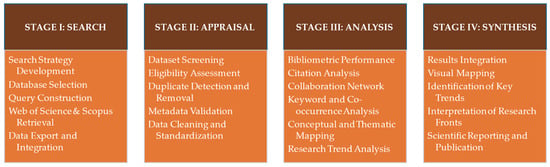
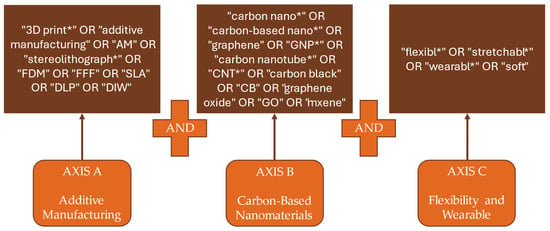
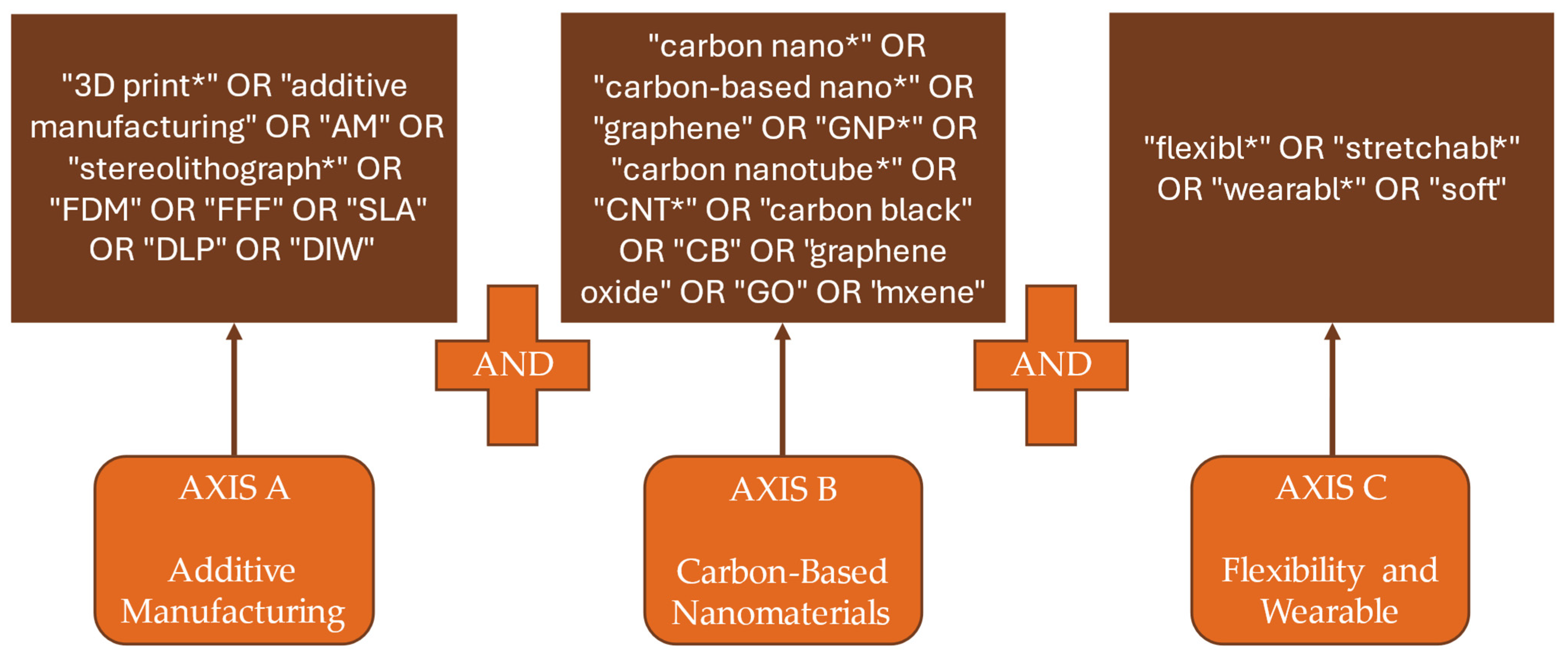
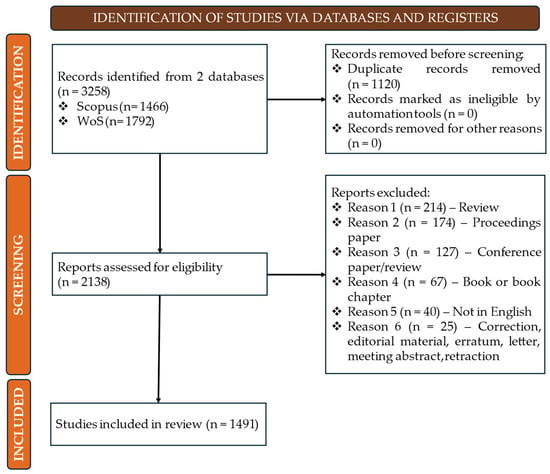
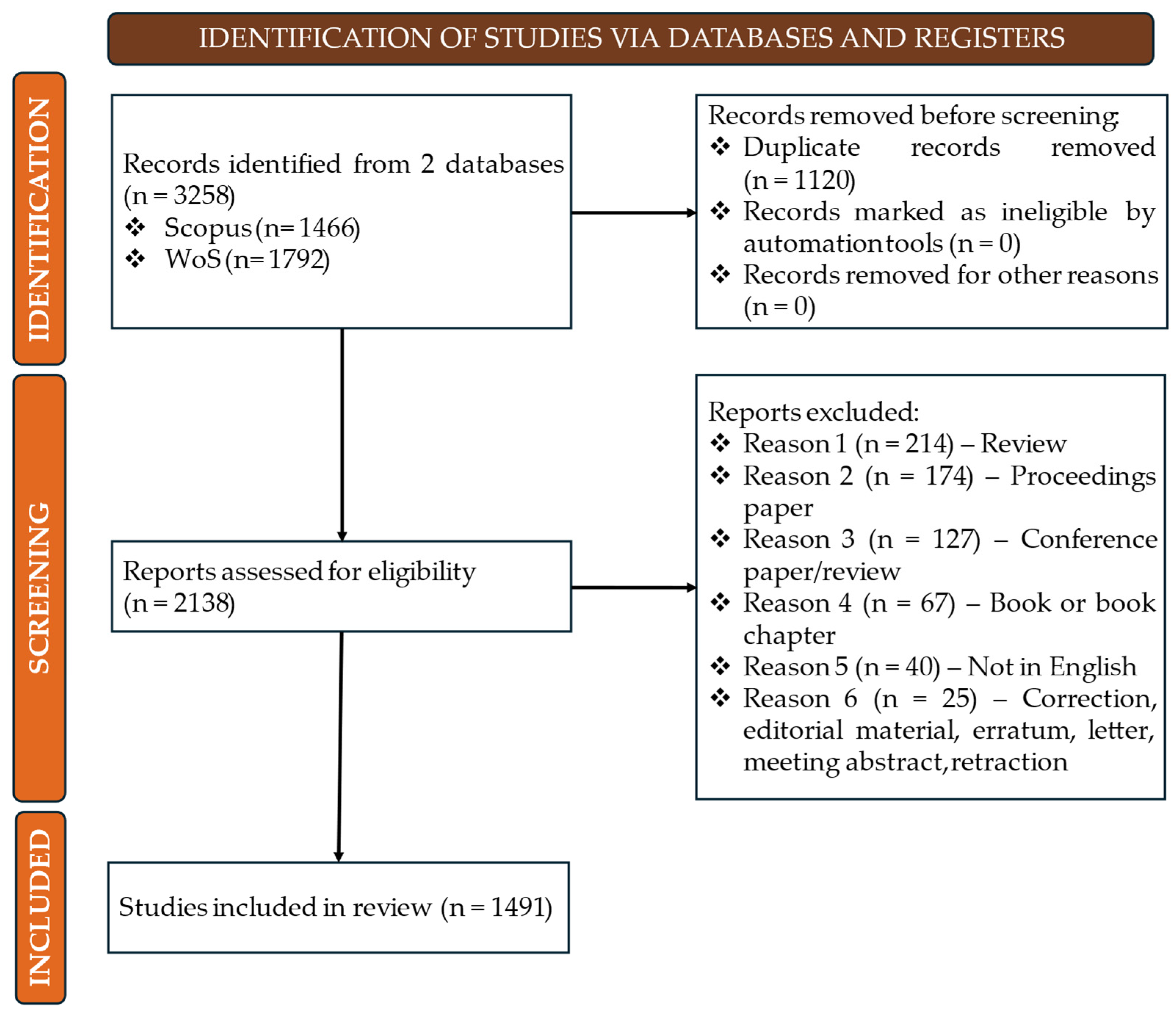
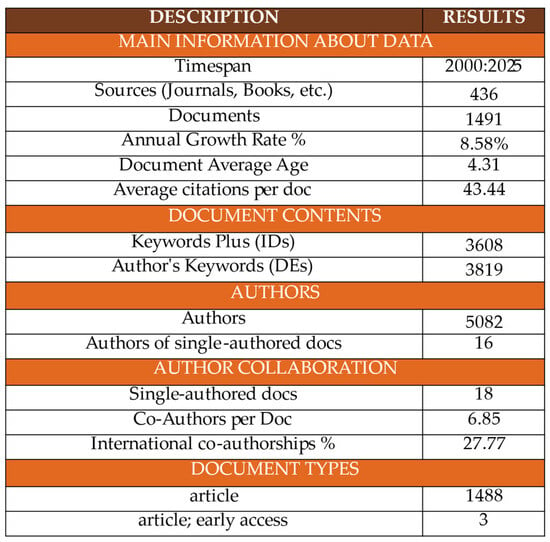
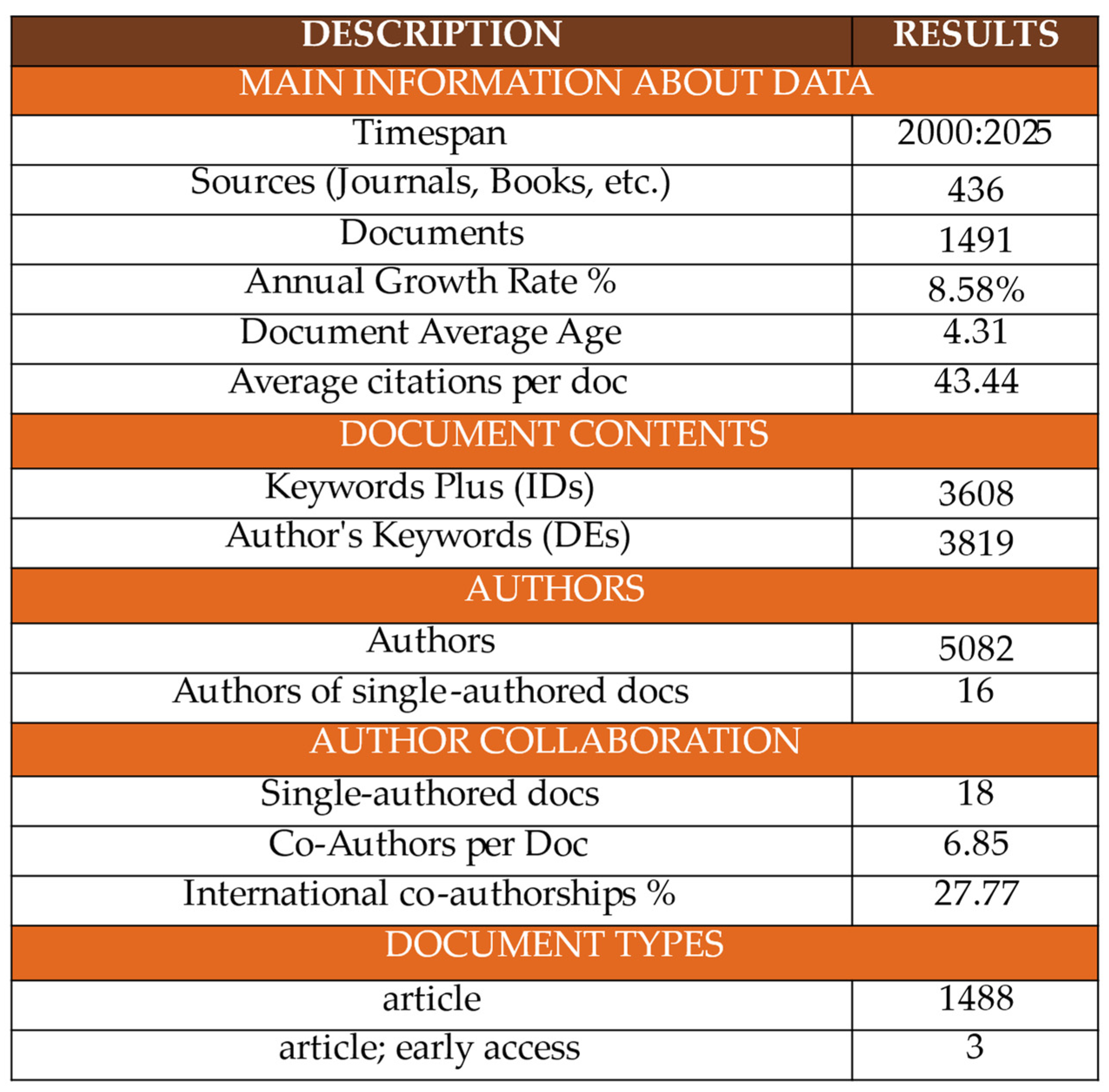
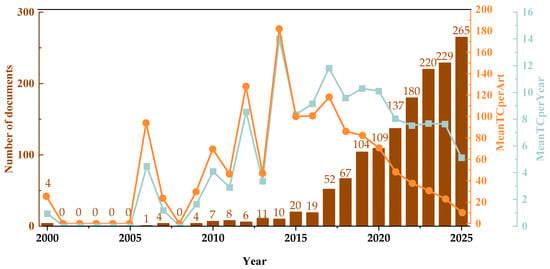
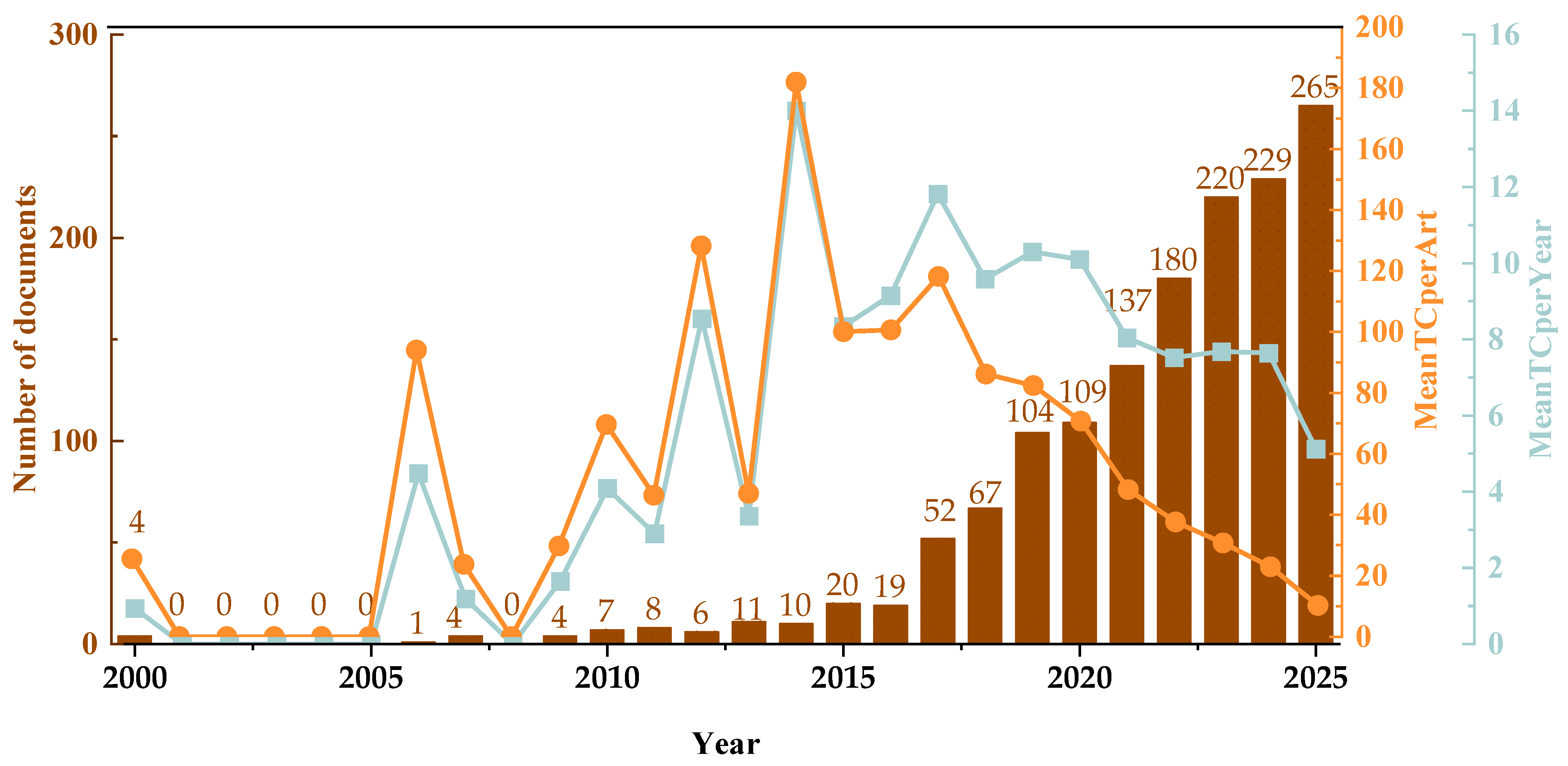
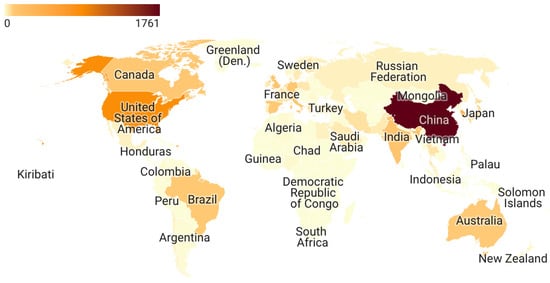
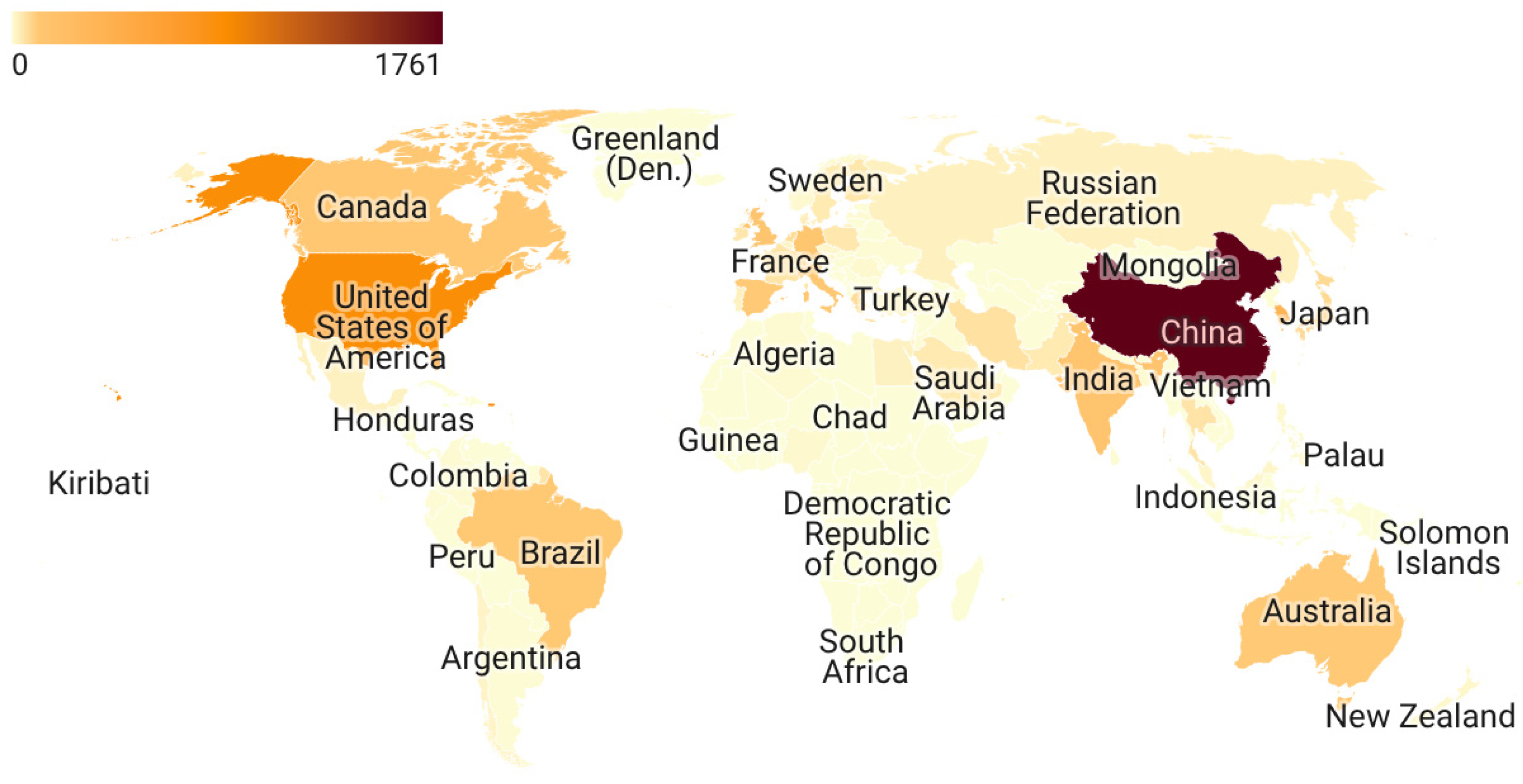
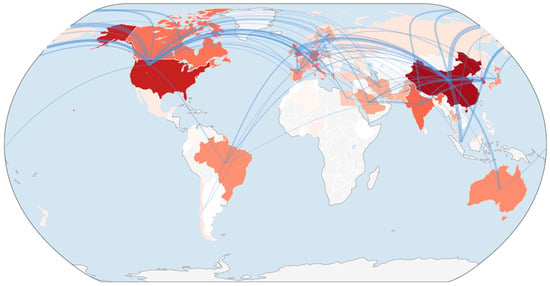
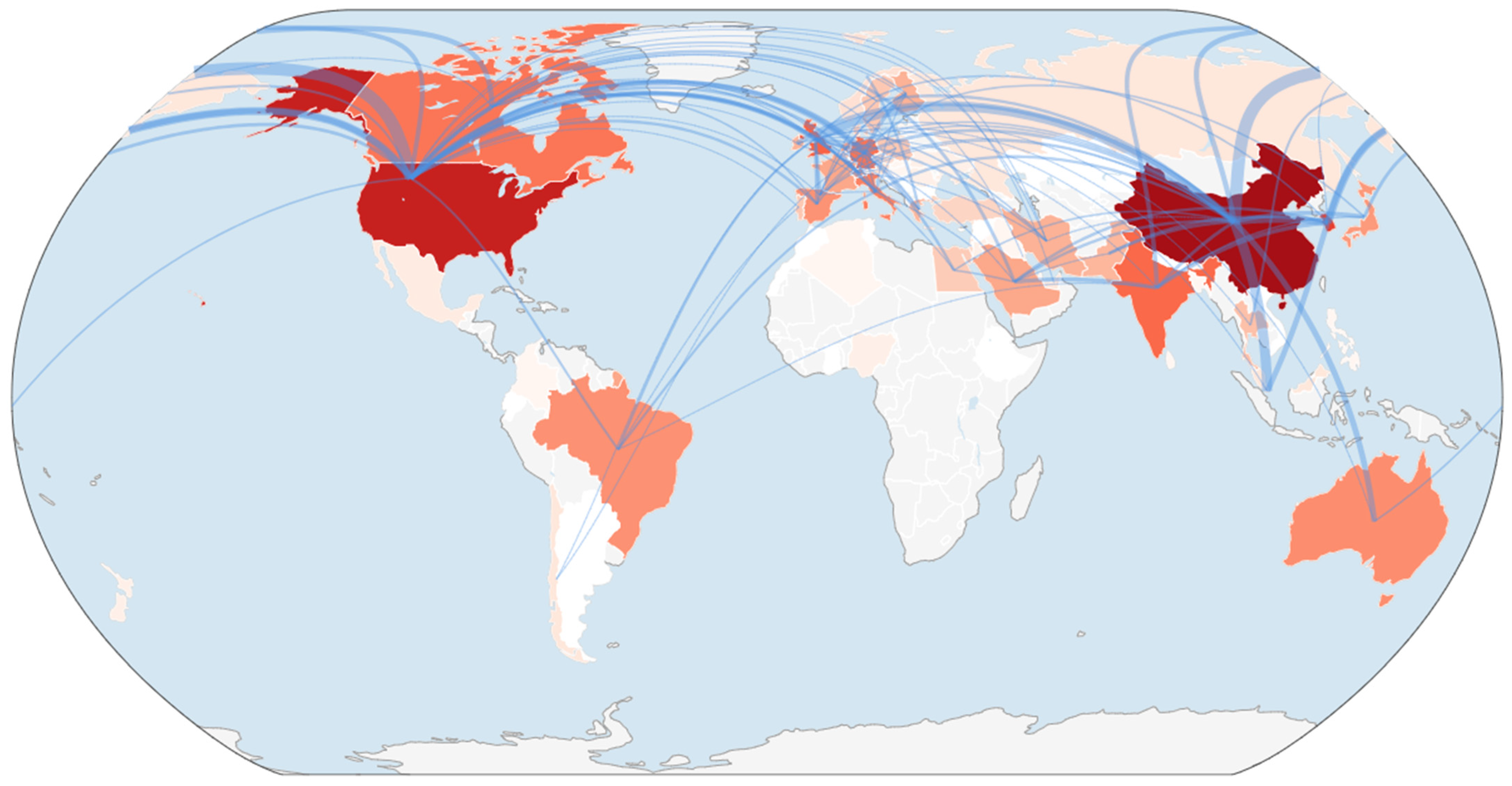
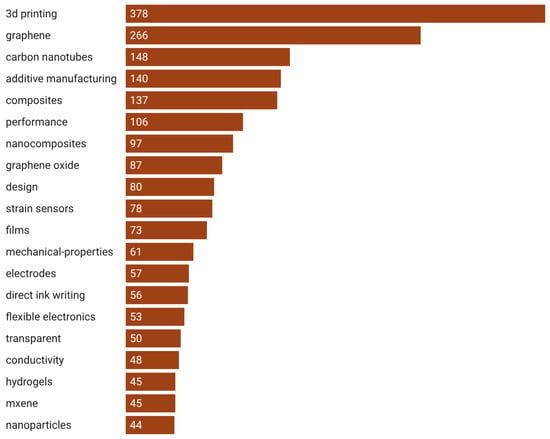
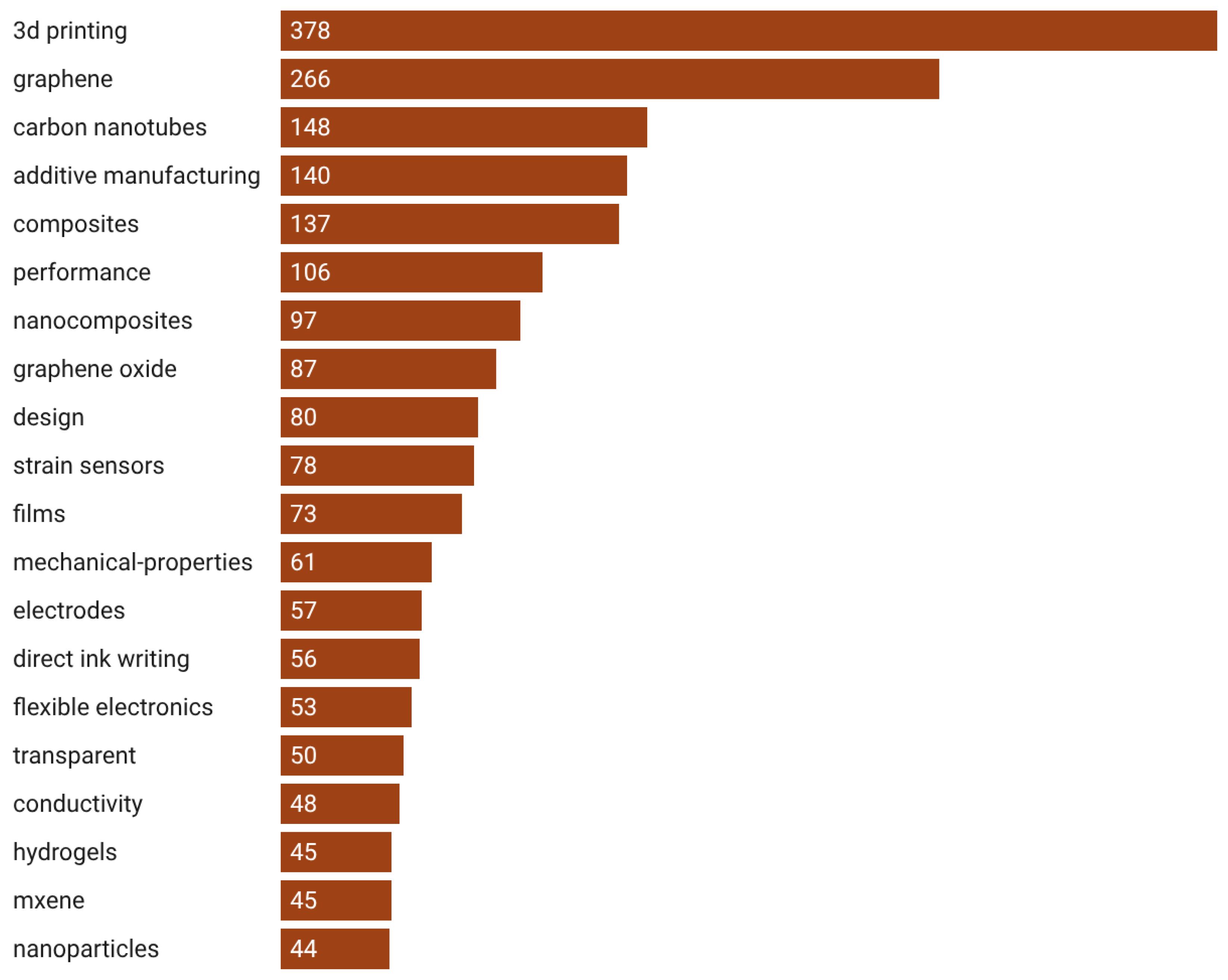
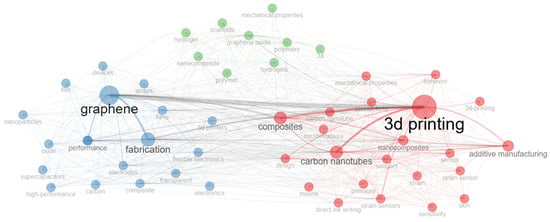
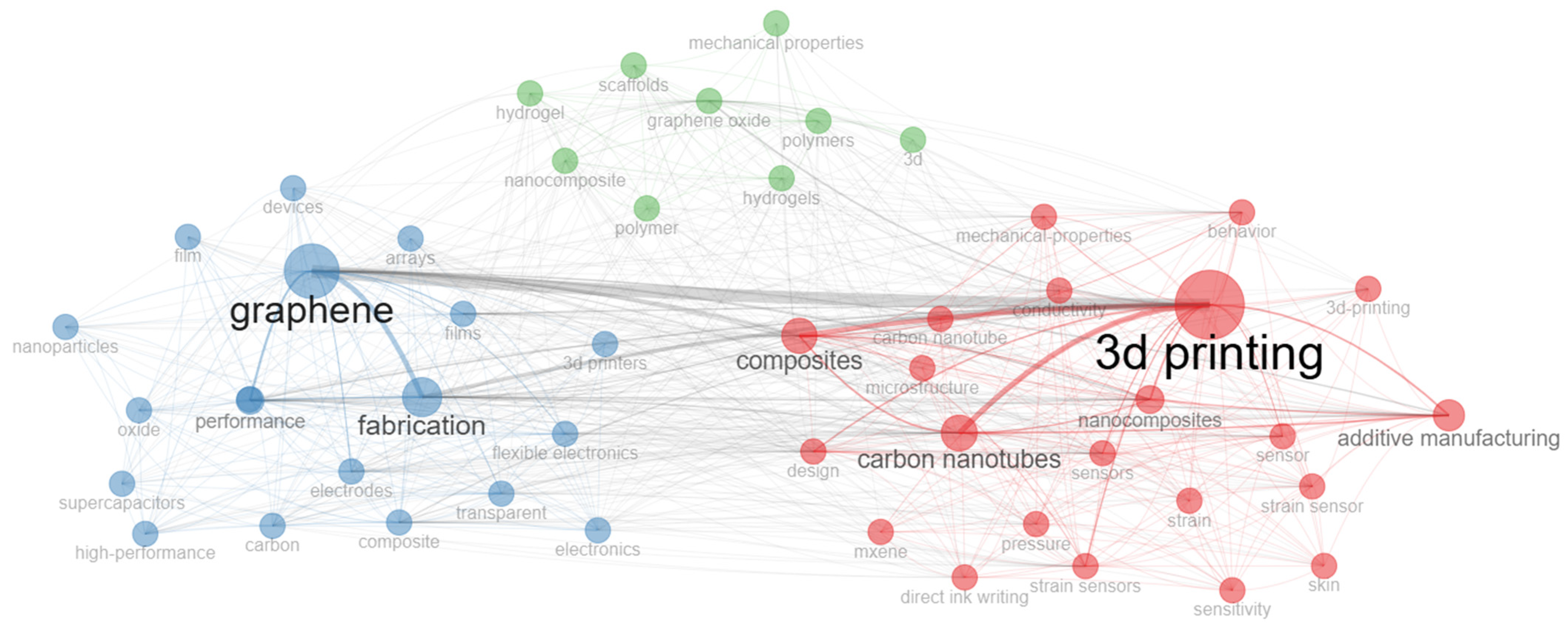
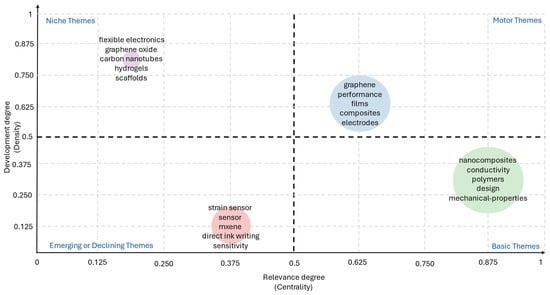
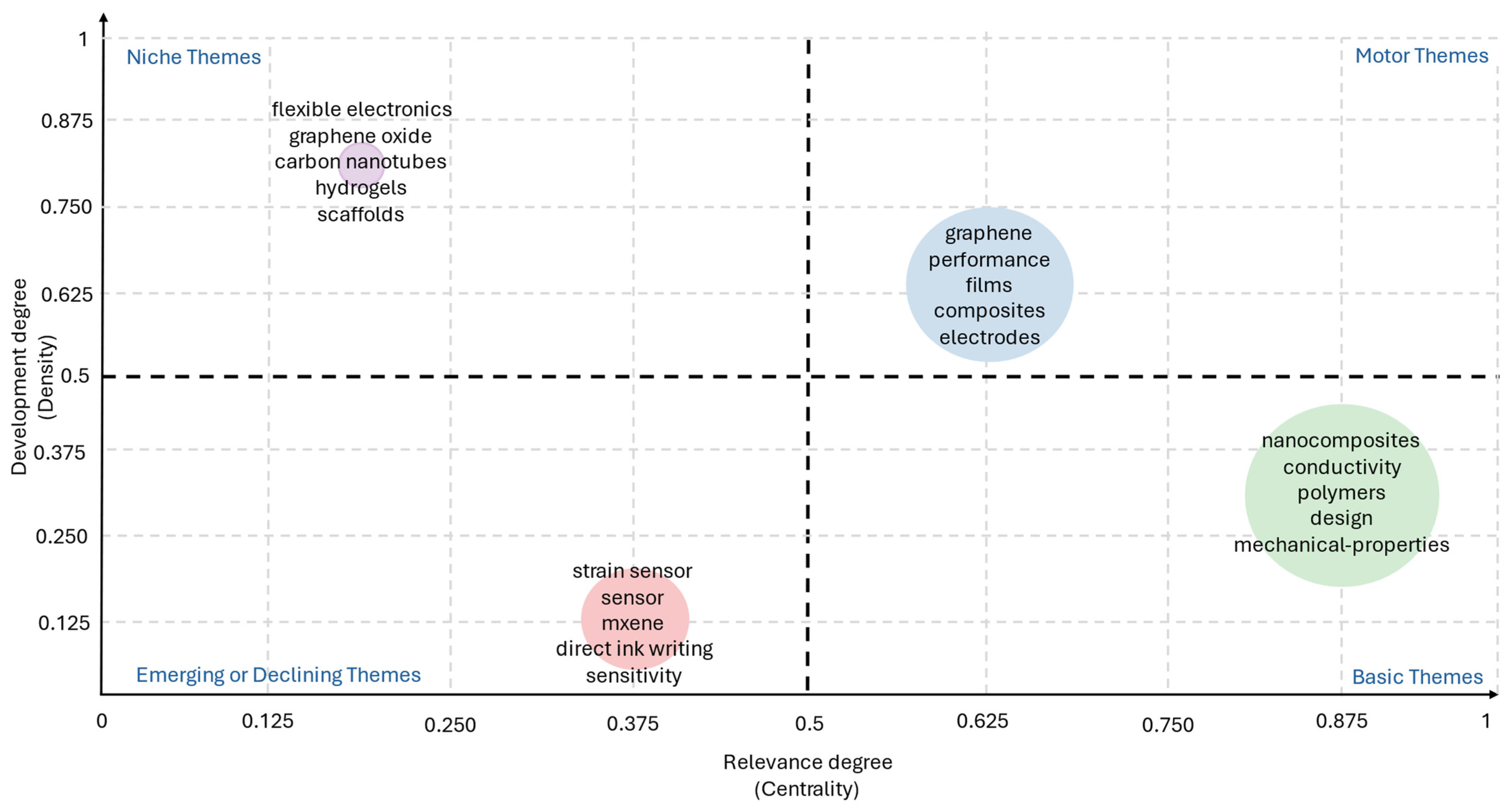
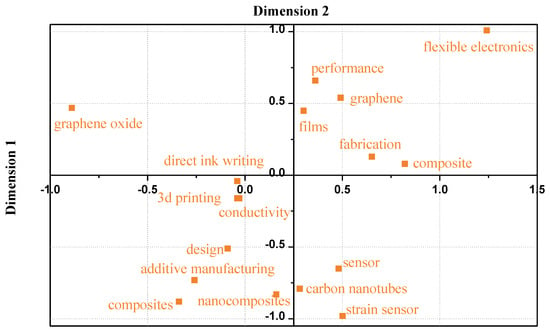
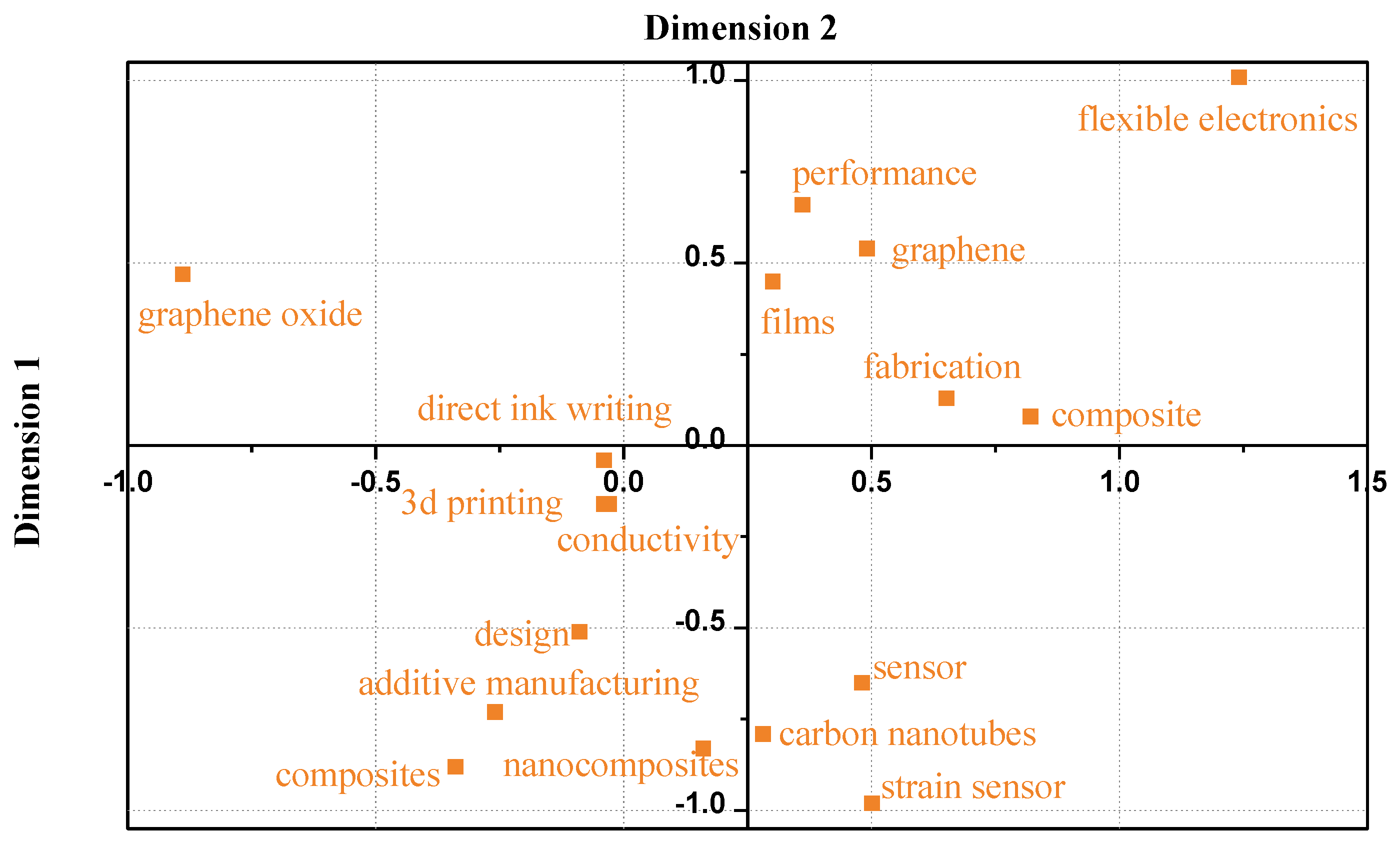

Disclaimer/Publisher’s Note: The statements, opinions and data contained in all publications are solely those of the individual author(s) and contributor(s) and not of MDPI and/or the editor(s). MDPI and/or the editor(s) disclaim responsibility for any injury to people or property resulting from any ideas, methods, instructions or products referred to in the content. |
© 2026 by the authors. Licensee MDPI, Basel, Switzerland. This article is an open access article distributed under the terms and conditions of the Creative Commons Attribution (CC BY) license.