


Abstract
Compost offers high potential for sustainable agriculture, but its agronomic outcomes vary. This critical review combines qualitative evidence with literature-derived quantitative benchmarks for compost maturity, salinity, nutrient loading, application-rate classes and monitoring triggers. Evidence demonstrates that mature, stable composts consistently improve soil health, including aggregation, water-holding capacity, soil organic carbon (SOC), and nutrient availability while boosting crop yield and establishment. These high-quality composts are characterized by low phytotoxicity, moderate C:N ratios, acceptable EC levels, and pathogen compliance. However, benefits are not universal. Immature or poorly stabilized compost poses risks of phytotoxicity, ammonia toxicity, and nitrogen immobilization. Excessive application rates are associated with nutrient imbalances, increased salinity, nitrate leaching, phosphorus runoff, greenhouse-gas trade-offs, and cumulative contaminant loading. To enhance the precision of rate recommendations, this review categorizes applications into four distinct tiers: starter or maintenance (2–5 Mg dry matter ha−1), common agronomic (5–20 Mg ha−1), rehabilitation (20–35 Mg ha−1), and high-risk (>35 Mg ha−1). It posits that the final application rate must be dictated by the most limiting factors, such as crop nitrogen requirements, soil-test phosphorus levels, salinity tolerance, contaminant thresholds, hydrologic risk, or specific management objectives. In conclusion, while manure-based composts enhance short-term fertility, they introduce significant risks of phosphorus accumulation and salinity compared to green-waste alternatives. This review, therefore, redefines compost not as a generic organic amendment, but as a quality-controlled, rate-sensitive input essential for precision nutrient management.
1. Introduction
Composting is a core waste-management and soil-restoration strategy that converts organic residues into a stabilized amendment [1] while reducing landfill pressure [2] and returning carbon and nutrients to agricultural soils [3]. The agronomic value of compost is well established in principle: it replenishes soil organic matter (SOM) and soil organic carbon (SOC) [4,5], contributes nutrients [6], and improves multiple soil functions at the same time [7]. Interest in compost has expanded because it is now viewed not only as a soil amendment, but also as a climate-smart and circular-economy tool that links waste management, soil restoration, and resilient food production [8,9].
Even though compost is widely used, it is frequently regarded in publications and practice as a single, uniform product. However, composts greatly vary in maturity [10], stability [11], nutrient density [12], salinity [13], particle size [14], microbial activity [15], and contaminant risk [16]. These differences directly affect how compost behaves after application. A mature, low-salinity green-waste compost may mainly improve structure and water retention [17], while nutrient-dense manure compost may provide a stronger short-term fertility response [18] but a higher phosphorus or salt loading risk if rates are not controlled [19].
For clarity, this review defines soil health as the continued capacity of soil to function as a living ecosystem that supports plant productivity, nutrient cycling, water regulation, biodiversity, and environmental protection [20,21]. High-quality compost is defined here as a product that is sufficiently mature and stable for the intended crop use, has documented nutrient content, and possesses acceptable EC and pH for the receiving soil/crop [22]. Furthermore, it must feature low physical contamination, verified pathogen reduction, and contaminant concentrations within relevant regulatory or certification limits [23]. These definitions help separate the intrinsic quality of the compost product from the suitability of a particular application rate as determined by site-specific soil characteristics and crop requirements.
A second limitation in the literature is the separation of agronomic and environmental evidence. Some studies emphasize yield [24] or SOC gains [25], while others focus on nitrate leaching [26], runoff [27], or contamination risk [28]. Fewer reviews integrate both perspectives into a single rate-design framework. This is a practical problem because the agronomically useful rate is constrained by crop demand, soil retention capacity, salinity tolerance, and hydrologic risk, not by nutrient concentration alone. Accordingly, this review asks five linked questions: (i) Which compost quality indicators are most predictive of field performance? (ii) What quantitative benchmarks can guide maturity, salinity, nutrient and contaminant screening? (iii) How do soil health, nutrient cycling, crop performance and environmental risks change across application-rate classes? (iv) Which contextual factors explain divergent findings among studies? and (v) How can standards, best management practices and monitoring be combined into a practical rate-design framework?
2. Review Methods and Analytical Scope
This manuscript is a structured critical review designed to synthesize evidence on compost use through the interacting determinants of material quality, application rate, and site context. The review was structured as a critical synthesis rather than a simple narrative summary. Literature was identified using Web of Science, Scopus, Google Scholar, PubMed, ScienceDirect, SpringerLink, MDPI, Taylor & Francis, and relevant extension or regulatory guidance sources. Searches combined terms for compost product quality and application design, including “compost maturity”, “compost stability”, “electrical conductivity”, “C:N ratio”, “germination index”, “compost application rate”, “manure compost”, “green waste compost”, “biosolids compost”, “soil health”, “nutrient mineralization”, “phosphorus accumulation”, “nitrate leaching”, “greenhouse gas emissions”, “PFAS”, “heavy metals”, “crop yield”, “marketable yield”, “meta-analysis”, and “decision support”. The primary literature window was 2000–2026, with older foundational studies retained when they provided widely used maturity, salinity, nutrient-loss or rate-calculation evidence.
Studies were included when they met at least one of the following criteria: (i) reported compost physical, chemical, biological or safety properties; (ii) compared compost types, maturity classes, or application rates; (iii) linked compost use to soil health indicators, nutrient cycling, crop growth, yield, product quality, or environmental losses; (iv) addressed long-term accumulation of phosphorus, salts, metals, or other contaminants; or (v) proposed operational guidance for compost certification, rate calculation, or monitoring. Studies were excluded when the amendment was not composted or stabilized, when rates were not reported or inferable, when compost properties were absent, and outcomes could not be interpreted mechanistically, or when results were limited to non-agricultural contexts without transferable soil or crop relevance.
One hundred and sixty-nine (169) sources were retained in the final synthesis, including field trials, greenhouse studies, incubation studies, meta-analyses, risk assessments, standards-oriented guidance, and prior reviews. A formal meta-analysis was not attempted because the evidence base remains highly heterogeneous in feedstock type, maturity metrics, extraction ratios for EC, rate units, soil texture, climate, crop type, trial duration, and outcome measures. Rather than treating this heterogeneity as a limitation only, the review treats it as a central explanatory finding: compost effects cannot be generalized reliably unless product properties, rate basis, and site constraints are reported together [29].
Synthesis followed four analytical lenses. First, a functional-quality lens identified indicators that affect field readiness. Second, a quantitative-benchmark lens extracted practical ranges and thresholds from review papers, field studies, standards and extension guidance. Third, a rate-optimization lens evaluated how benefits rise, plateau or reverse as rates increase. Fourth, a critical-context lens compared divergent findings among laboratory, greenhouse, short-term field and long-term field studies.
3. Compost Quality Indicators and Field Readiness
Compost quality should be interpreted as a functional property set rather than a single score [30]. A compost can appear favorable by one metric and still perform poorly if it is immature [31], saline [19], or contaminated [32]. To optimize compost management and agronomic effectiveness, quality should be structured around four key pillars: physical, chemical, biological, and safety characteristics. This framing also clarifies why compost recommendations must be linked to intended use, crop sensitivity, and site conditions [19]. Table 1 summarizes practical thresholds, decision triggers and rate-design implications for major compost quality indicators, while Figure 1 synthesizes the quality × dose × context logic.
Table 1.
Functional compost quality indicators with practical benchmarks, risk triggers, direct implications for application-rate decisions and supporting citations.
Figure 1.
Quality × dose × context framework illustrating how feedstock source and composting process control physical, chemical, biological and safety attributes, how these attributes pass through a field-readiness gate and how rate, timing, placement and monitoring jointly determine soil outcomes, crop outcomes and environmental risk pathways.
3.1. Physical Properties and Delivery Effects
Physical properties determine how compost is delivered to the field and how it interacts with soil structure after application. Particle size influences surface area, decomposition rate, and contact with soil particles. Fine compost fractions usually produce faster effects on seedbeds and root zones [71], whereas coarser fractions act more slowly and can behave more like mulch or structural organic matter [72]. Bulk density affects transport and spreading uniformity [73], while porosity and water-holding capacity influence both compost handling and the moisture response of amended soils [74]. These physical properties are often underreported in agronomic trials, yet they can strongly affect interpretation [75]. Two composts applied at the same dry-mass rate may produce very different responses if one is finely screened and the other is coarse and woody. For this reason, future studies should report at least particle-size class, moisture content and bulk density in addition to chemical composition [14].
3.2. Chemical Properties, Fertility, and Stress Risk
Chemical properties govern both fertilizer value [76] and stress potential [19]. The most decision-relevant indicators are pH, EC, organic matter or organic carbon, total and available nutrients (especially N, P, and K), and the C:N ratio. pH influences nutrient availability and buffering [44], EC indicates soluble-salt risk [19], and organic matter drives longer-term changes in aggregation, cation exchange and moisture retention [77]. Rate design should explicitly distinguish concentration, loading and availability. A compost with high total N is not necessarily a high first-season N source if most N is organically bound. Conversely, compost with high nitrates or ammonium can create acute leaching or seedling injury risk if applied shortly before planting [39,78]. Therefore, compost analysis should be converted into loading units (kg nutrient ha−1) and interpreted through expected first-season plant availability rather than total concentration alone.
3.3. Biological Properties and Ecological Function
Compost is more than a nutrient source; it is a biologically active amendment [79], making biological quality essential to performance. Compost can increase microbial biomass [80], stimulate enzyme activity [81], and support disease-suppressive communities after soil application [82]. These effects improve nutrient turnover, root-zone function, and in some systems plant health resilience [83,84]. The evidence regarding compost’s impact on soil health is not uniform across study types. Incubation and greenhouse studies often detect rapid microbial and enzyme responses because environmental factors such as temperature, moisture, and substrate contact are strictly controlled [85,86]. In contrast, field trials show more variable responses because of site-specific factors such as soil texture, irrigation history, and weather that interact with compost quality [87,88]. This divergence does not invalidate the observed biological effects; instead, it indicates that biological indicators must be interpreted alongside field constraints rather than extrapolated directly from controlled environments.
3.4. Safety and Contamination Screening
Safety quality determines whether compost is suitable for food-producing systems and repeated application [65]. Key concerns include heavy metals [66], persistent organic pollutants [89], PFAS-type compounds in some streams, pathogens [65], and physical contaminants such as plastics or glass [67]. Risk is highly dependent on feedstock. Source-separated green-waste composts usually have lower contamination pressure than mixed municipal or biosolids-derived materials [90], which may require stricter testing and documentation. Risk evaluation should emphasize cumulative rather than one-time exposure, as batches meeting initial contaminant limits can still lead to significant long-term loading when applied repeatedly at high rates [91,92]. To address this, risk governance should integrate batch certification, feedstock traceability, and consistent cumulative soil monitoring [93]. Furthermore, restrictions on high-risk feedstocks are essential for protecting direct food-crop systems from emerging contaminants such as microplastics and persistent organic pollutants.
4. Soil Health Responses and Critical Evidence Synthesis
Compost affects soil health through linked physical, chemical and biological pathways. The strongest evidence supports improvements in aggregation, water retention, organic carbon, cation exchange capacity and microbial activity when compost quality is high, and rates are agronomically aligned [58]. However, the size and persistence of these gains depend on baseline soil condition, texture, climate and repeated application history [94]. Table 2 compares convergent findings, divergent findings and plausible reasons for disagreement across outcome domains. This critical synthesis helps distinguish robust compost effects from context-sensitive or method-dependent responses.
Table 2.
Critical synthesis of consistent and divergent findings across compost studies, methodological reasons why outcomes vary and supporting citations.
4.1. Physical Soil Responses
Physical improvements are among the most consistent compost effects. Compost commonly reduces bulk density, increases porosity, improves aggregate stability, and enhances infiltration and water-holding capacity [95,96,97]. These changes improve root penetration, reduce runoff, and strengthen drought buffering [98]. The response is usually most visible in sandy, compacted, or otherwise degraded soils where baseline structure is poor [112]. Structural benefits can persist beyond the first season [113]. Even after the most labile nutrient effects decline, compost-derived organic matter and microbial by-products can continue to support aggregation and water retention [17,58]. This helps explain why some long-term systems show improved yield stability rather than only short-term yield increases [114].
4.2. Chemical and Nutrient-Retention Responses
Compost acts as both a nutrient provider [6] and a soil stabilizer [115]. Repeated applications often increase SOC [25], cation exchange capacity and nutrient-retention capacity [59] while moderating pH in many systems [116]. These changes are especially important in degraded soils because they strengthen the soil’s ability to store and exchange nutrients across seasons [117]. However, beneficial enrichment can transition into overloading when compost is applied at high rates over multiple years [101,102]. Soil EC and extractable phosphorus may rise to levels that increase crop stress or environmental risk [102], particularly with nutrient-dense manure composts. Periodic soil testing is therefore part of compost management, not an optional add-on.
4.3. Biological Soil Responses
Biological responses often explain why compost benefits are broader than nutrient addition alone. Compost can increase microbial biomass [103], stimulate enzyme activities [104], and support beneficial microbial communities involved in nutrient cycling and disease suppression [118]. These changes improve ecological function in the rhizosphere and can enhance plant resilience to abiotic and biotic stress [119]. Biological effects are also rate sensitive: moderate rates often produce strong microbial stimulation [120], while very high rates may not deliver proportional benefits and can reduce performance if salinity [19] or oxygen limitations develop [105]. This reinforces the conclusion that compost efficacy depends on optimized dosing rather than maximum dosing.
5. Nutrient Dynamics, Crop Performance and Environmental Tradeoffs
Compost performance is best understood as a linked pathway rather than a set of isolated effects. Its first effects occur in nutrient cycling, retention and loss processes; these then shape crop establishment, growth, yield and quality; and all responses are conditioned by feedstock, soil, climate, crop type and management. Compost should therefore be treated not as a universal fertilizer substitute, but as a context-dependent soil–plant management tool.
5.1. Nutrient Cycling, Loss Pathways and Nutrient-Use Efficiency
Nutrient cycling is the main pathway through which compost generates both agronomic value and environmental risk [3]. Compost can improve nutrient synchronization, strengthen soil-mediated retention, and support longer-term fertility [109]. However, excessive or poorly timed applications can increase nitrate leaching, phosphorus runoff, salinity and nutrient imbalance [121]. Compost nutrient management is thus a rate- and context-optimization problem rather than a simple substitution exercise.
A central trade-off in nutrient management is that compost nutrient ratios rarely match precise crop demand [122,123]. Manure-based composts typically supply more P relative to N than crops can remove; applying them to meet full crop N demand often results in significant P over-supply and associated environmental risks [124]. Conversely, high-carbon (C) woody or green-waste composts with a C:N ratio exceeding 40:1 may improve physical soil structure and carbon sequestration but can immobilize soil nitrate, providing insufficient plant-available N in the first season [125]. The practical implication is that compost should be credited for the specific nutrients it can reliably supply, while the remaining requirements are balanced with targeted fertilizers or alternative amendments to maintain stoichiometric health.
Nitrogen behavior depends on compost maturity, C:N ratio, labile carbon content and soil climate [49]. Mature composts with moderate C:N ratios usually support more predictable mineralization [126], whereas immature or carbon-rich materials can immobilize N during early decomposition and reduce crop availability, especially in high-demand crops and short growing seasons [127]. Because N release also extends beyond the first season [50], repeated-use systems should include residual N credits in long-term nutrient budgets [51].
Phosphorus often becomes the main constraint in repeated compost systems [54] because many composts, especially manure-based materials, supply P in excess relative to crop N demand [53]. When compost is applied on an N basis alone, soil-test P can accumulate and increase runoff risk [54,55]. Where soil P is already elevated, a P-based strategy is generally safer, with supplemental N supplied through mineral fertilizer or other targeted sources [56].
Figure 2 provides a conceptual schematic of the generalized response to compost application. Rather than fitting specific meta-analytic data, the visualization illustrates characteristic nonlinear dynamics observed across the literature. An initial phase of incremental benefit, an established agronomic optimum, and a subsequent threshold where application beyond metabolic demand increases environmental or physiological risk.
Figure 2.
Conceptual dose–response schematic showing the nonlinear relationship between compost application rate and agronomic outcomes. Benefits such as soil-function improvement, yield response and nutrient-use efficiency typically rise and then plateau, whereas nitrate leaching, phosphorus accumulation/runoff, salinity stress and nutrient imbalance increase as rates exceed the agronomic optimum. The curves are conceptual rather than fitted meta-analytic estimates and must be interpreted with Tables 3 and 4.
5.2. Crop Establishment, Growth, Yield and Quality
Compost effects are expressed in crops as stage-specific responses rather than a single endpoint. Compost performance is therefore better interpreted across establishment, vegetative growth, yield formation and product quality than through yield alone [128]. The most sensitive stage is germination and seedling establishment [33]. Immature compost can suppress emergence through phytotoxic compounds or ammonium stress [33], while high-EC compost can inhibit root elongation in salt-sensitive species [43]. Maturity and EC testing are therefore essential before compost is used in seedbeds, nurseries or transplant systems.
When compost quality is appropriate, establishment can improve through better moisture retention, aeration and micronutrient availability [129]. Vegetative growth often responds strongly because biomass accumulation depends on root-zone moisture, nutrient availability and soil biological activity. Moderate compost rates commonly increase shoot and root biomass, especially in soils with low organic matter or poor structure [130]. These responses are nonlinear, and excessive rates may reduce biomass through salinity, oxygen limitation or nutrient imbalance [19]. Rate optimization is therefore more informative than reporting only the highest tested rate.
The analysis also distinguishes total yield from marketable yield and quality. In high-value vegetable, fruit and nursery systems, compost may improve marketable grade, soluble solids, nutrient density, shelf quality or disease tolerance even when total biomass response is modest. Future studies should report both agronomic yield and marketable quality metrics to avoid underestimating compost benefits or missing quality-related trade-offs.
5.3. Long-Term Environmental Trade-Offs
Long-term evaluation is essential because productivity gains and environmental impacts can move in different directions. Compost may build SOC, improve water retention and support microbial function, yet repeated high-rate application can increase soil-test P, EC, nitrate leaching potential, cumulative metals or emerging contaminants. Greenhouse-gas responses are also context-dependent. Improved soil structure and nutrient synchronization can reduce nitrous oxide risk in some systems [131,132,133], but high N loading under wet or poorly aerated conditions can increase emissions [133,134]. Therefore, climate-smart compost management should assess SOC gains, N2O emissions, avoided landfill emissions, transport emissions and nutrient-loss risk together rather than assuming that compost use is always climate-beneficial.
6. Determining Compost Application Rate in Practice
Operational rate design converts compost properties and field constraints into practical rate choices. The goal is not to maximize compost use, but to select the lowest rate that meets the management objective while remaining within nutrient, salinity, contamination and hydrologic limits.
6.1. Stepwise Rate Calculation
Step 1: Define the application objective: fertility support, soil rehabilitation, mulch/erosion control, disease suppression, or maintenance.
Step 2: Obtain compost test results on a dry-weight basis: moisture, bulk density, pH, EC, total N, ammonium-N, nitrate-N, total P, total K, organic matter/SOC, maturity/stability, and risk-tier contaminant data.
Step 3: Obtain soil and crop data: soil-test P, residual nitrate, pH, EC, texture, organic matter/SOC, drainage, slope/runoff risk, irrigation regime, crop nutrient demand, and crop salt sensitivity.
Step 4: Calculate candidate rates from the main objective. For an N-based rate, divide crop N demand after credits by estimated compost plant-available N. For a P-based rate, divide crop P requirement by compost P availability or use a phosphorus-index limit where runoff risk is high. For a soil-building rate, set an organic-matter target but cap the rate using N, P, EC and contaminant checks.
Step 5: Choose the most restrictive safe rate. The final rate should be the lowest of the N-based, P-based, EC-limited, contaminant-limited, crop-sensitivity-limited and hydrology-limited rates.
Step 6: Select timing and placement. Incorporation improves soil contact and reduces surface P runoff risk; surface placement can preserve mulch benefits but should be avoided before intense rainfall on sloping or runoff-prone fields.
Step 7: Monitor response and revise the next application. Rising soil EC, increasing soil-test P, high post-harvest nitrate, poor germination or nutrient imbalance are triggers to reduce, pause, switch compost type or use supplemental targeted fertilizer.
6.2. Indicative Field and Media Rate Ranges
Table 3 provides indicative rate bands. These are not universal prescriptions; they are starting ranges that must be adjusted using the limiting checks in Table 4. Rates are expressed as Mg dry matter ha−1 for field use and as % v/v compost in mixes where compost is used as a substrate component.
Table 3.
Practical compost-rate matrix showing indicative field application rates and compost percentage ranges for growing-media uses.
The following example illustrates the critical need for multi-nutrient budgeting in compost applications. If a crop requires 120 kg N ha−1 after soil credits and a compost contains 12 kg total N Mg−1 dry matter with an estimated first-season availability of 15%, the compost supplies approximately 1.8 kg plant-available nitrogen (PAN) Mg−1. A purely N-based application rate would require approximately 67 Mg ha−1, a load that is often agronomically and logistically excessive [149]. If the same compost contains 5 kg P Mg−1, this N-based rate would apply over 330 kg P ha−1, severely exceeding typical crop removal rates [150]. Consequently, if soil-test P levels are already elevated, a P-based or EC-limited rate may be restricted to only 5–15 Mg ha−1, with the remaining N deficit addressed through targeted low-P fertilizers [151]. This demonstrates why the true agronomic rate must integrate multiple nutrient constraints rather than relying on total N alone.
Table 4.
Rate-adjustment matrix translating compost properties, soil-test status and crop sensitivity into percentage-based rate reductions and monitoring triggers.
6.3. Context Dependence and Practical Decision Framework
Variation across compost studies is explained less by inconsistency in the evidence than by differences in context. Apparent contradictions often arise from feedstock properties [160], receiving-soil conditions [161], climate and water regime [94], crop type [162], and management interactions [163]. Feedstock origin is one of the strongest determinants of compost behavior [164]. Manure-based composts often provide stronger short-term fertility effects [144] and microbial stimulation [165], but they also carry greater EC and phosphorus-loading risk [145,146]. Green-waste composts more often provide structural and carbon-building benefits [5] with lower immediate nutrient density [1]. Biosolids and mixed municipal composts can also be effective, but they generally require stricter contaminant screening and quality assurance [147].
Soil texture, mineralogy and baseline fertility further modify response. Sandy soils often show larger gains in water retention and cation exchange capacity because baseline storage capacity is low [166], whereas fine-textured soils may show smaller shifts in water storage but meaningful improvements in aggregation, surface structure and root penetration [99]. In degraded soils, compost can produce large gains because it addresses several co-limitations at once [100], whereas in fertile soils, yield effects may be smaller even when resilience and longer-term soil-function benefits remain important [108].
Figure 3 summarizes a practical workflow for selecting compost type and application rate according to agronomic objective, compost quality, soil condition, crop requirements, and site-specific risk factors. The workflow begins with the definition of the primary application objective, which may include nutrient supply, soil organic matter building, soil physical improvement, or salinity and reclamation management. This objective determines how the required input data are interpreted, including compost test results, soil test results, crop nutrient demand, crop salt sensitivity, and field hydrology.
Figure 3.
Presents a stepwise decision tool that defines the required inputs: compost test results, soil tests, crop nutrient demand, crop salt sensitivity, field hydrology, application objective and monitoring triggers.
Compost test results provide information on moisture content, organic matter, total nitrogen, phosphorus, potassium, carbon-to-nitrogen ratio, pH, electrical conductivity, and maturity or stability. These parameters are used to assess whether the compost is suitable for the intended use and whether its nutrient and salt characteristics are compatible with the crop and soil context. Soil test results, including pH, electrical conductivity, texture, organic matter, and available nutrients, define the baseline soil condition and help determine whether compost application should prioritize nutrient supply, organic matter addition, soil physical improvement, or salinity-related constraints. Crop nutrient demand links the application rate to yield goals, nutrient requirements, and nutrient timing, while crop salt sensitivity and field hydrology help identify risks associated with salt accumulation, runoff, leaching, or poor drainage.
After the required inputs are compiled, the compost is screened for maturity, stability, acceptable pH and electrical conductivity and suitability of nutrient content for the intended application objective. Rate selection then follows one of two main pathways. A nutrient-based rate is most appropriate when compost is used primarily to meet crop nutrient demand while avoiding nutrient over-application. In contrast, an organic matter- or soil-improvement-based rate is more appropriate when the objective is to improve soil structure, increase soil organic matter, or support broader soil-function goals. The provisional rate is subsequently adjusted for crop salt sensitivity, hydrologic vulnerability, and practical application limits. The final recommendation integrates compost type, application rate, timing, and placement, while monitoring of soil electrical conductivity, nutrient status, crop response, runoff, leaching, and salt stress provides feedback for adaptive adjustment in subsequent applications.
7. Implementation, Adoption, and Risk Management
Compost delivers agronomic and environmental benefits only when product quality, field guidance, logistics and risk control are aligned. Standards, management practices, policy conditions and monitoring systems therefore shape compost performance directly rather than operating as secondary considerations. Reliable compost use begins with reliable product quality. Maturity and stability reduce phytotoxicity and erratic nitrogen release [167], pathogen limits protect food and worker safety [65], and contaminant limits protect long-term soil function and market confidence [111]. Nutrient labeling further improves application design by helping users incorporate compost into nutrient budgets [138].
At minimum, compost products should report feedstock category, maturity status, stability or respiration indicator, EC extraction method, pH, moisture content, bulk density, organic matter or carbon, total N-P-K, inorganic N, date of analysis and applicable safety certification. Higher-risk feedstocks should also include contaminant-screening information and cumulative loading restrictions. Recent guidance recommends that application rates and frequency be determined by four factors: intended use, soil properties, plant nutrient demand, and risk controls [6,94,168].
In many settings, compost adoption is constrained less by agronomic potential than by transport cost, bulk handling and uncertain short-term returns. Because compost is physically heavy and often produced far from fields that most need organic matter, logistics frequently determine farm-level feasibility. Adoption is more likely where compost provides combined benefits, especially in degraded soils, drought-prone fields and high-value crops [108]. Quality certification, transport support and local compost hubs can further improve viability [169]. Extension should therefore present compost as a targeted soil-management tool rather than as a universal substitute for mineral fertilizer.
A practical risk-management hierarchy begins with feedstock control and source separation, followed by composting process control and curing, quality testing and labeling, site-specific rate and placement design, and post-application monitoring and adjustment. This sequence distributes responsibility across the value chain and reduces the burden on farmers to compensate for upstream failures.
8. Conclusions and Future Research Priorities
8.1. Conclusions
Compost improves soil health, nutrient cycling and crop performance, but its benefits depend on the alignment of compost quality, application rate and site conditions. Mature, well-characterized composts applied at agronomically justified rates can improve soil structure, water relations, carbon status, nutrient retention and biological activity, thereby supporting more resilient crop production. However, compost is not a uniform or risk-free input. Salinity, phytotoxicity, nutrient losses, phosphorus accumulation, greenhouse-gas trade-offs and contamination risks may arise where quality control is inadequate or rates are poorly designed. The central conclusion is that compost rate should be calculated through a limiting-factor approach rather than selected from a fixed mass-rate recommendation. The safe and effective rate is the lowest rate permitted by crop nutrient demand, soil-test P, EC and crop salt tolerance, contaminant limits, hydrologic risk, field logistics and management objective.
8.2. Future Research Priorities
Future research should prioritize standardized compost characterization and reporting, including maturity, stability, EC extraction method, nutrient profile, particle-size class, moisture content, bulk density and risk-tiered contaminant data. Without a common minimum dataset, cross-study comparison remains limited, and rate recommendations remain difficult to transfer across contexts. Long-term trials are needed to quantify residual N credits, phosphorus accumulation thresholds, contaminant accumulation, salinity trends and the persistence of soil-health gains under repeated applications across contrasting soils and climates.
Comparative trials should be designed explicitly around rate classes and limiting factors rather than only comparing one compost rate with an unamended control. They should report total yield, marketable yield, crop quality, residual nitrate, soil-test P, EC, greenhouse-gas emissions, where possible, and economic feasibility. Decision-support research should also test whether the framework in Figure 3 improves adoption quality, reduces nutrient-loss risk and increases farmer confidence relative to fixed-rate guidance.
Funding
This research received no funding.
Data Availability Statement
All data and materials used in this study are available within this article.
Conflicts of Interest
The author declares no conflicts of interest.
Abbreviations
The following abbreviations are used in this manuscript:
| C:N | Carbon-to-nitrogen ratio |
| CEC | Cation exchange capacity |
| EC | Electrical conductivity |
| GI | Germination index |
| N | Nitrogen |
| NO3 | Nitrate |
| NH4 | Ammonium |
| N-P-K | Nitrogen-phosphorus-potassium |
| NUE | Nutrient-use efficiency |
| OM | Organic matter |
| PAN | Plant-available nitrogen |
| P | Phosphorus |
| PFAS | Per- and polyfluoroalkyl substances |
| POPs | Persistent organic pollutants |
| SOC | Soil organic carbon |
| SOM | Soil organic matter |
| STP | Soil-test phosphorus |
| WHC | Water-holding capacity |
References
- Oviedo-Ocaña, E.R.; Dominguez, I.; Komilis, D.; Sánchez, A. Co-composting of green waste mixed with unprocessed and processed food waste: Influence on the composting process and product quality. Waste Biomass Valorizat. 2019, 10, 63–74. [Google Scholar] [CrossRef] [Scilit]
- Brown, S. Greenhouse gas accounting for landfill diversion of food scraps and yard waste. Compost Sci. Util. 2016, 24, 11–19. [Google Scholar] [CrossRef] [Scilit]
- Martínez-Blanco, J.; Lazcano, C.; Christensen, T.H.; Muñoz, P.; Rieradevall, J.; Møller, J.; Antón, A.; Boldrin, A. Compost benefits for agriculture evaluated by life cycle assessment. A review. Agron. Sustain. Dev. 2013, 33, 721–732. [Google Scholar] [CrossRef] [Scilit]
- Malone, Z.; Berhe, A.A.; Ryals, R. Impacts of organic matter amendments on urban soil carbon and soil quality: A meta-analysis. J. Clean. Prod. 2023, 419, 138148. [Google Scholar] [CrossRef] [Scilit]
- Wang, D.; Li, S.; Sun, X.; Hao, D.; Li, Y.; Wang, H. Effects of compost application of green waste on soil properties: A meta-analysis. Sustainability 2024, 16, 8877. [Google Scholar] [CrossRef] [Scilit]
- Goldan, E.; Nedeff, V.; Barsan, N.; Culea, M.; Panainte-Lehadus, M.; Mosnegutu, E.; Tomozei, C.; Chitimus, D.; Irimia, O. Assessment of manure compost used as soil amendment—A review. Processes 2023, 11, 1167. [Google Scholar] [CrossRef] [Scilit]
- Lazcano, C.; Decock, C.; Wong, C.T.; Garcia-Brucher, K. Assessing the Effects of Compost on Soil Health; Burleigh Dodds Science: Cambridge, UK, 2022. [Google Scholar] [CrossRef] [Scilit]
- Brenzinger, K.; Costa, O.Y.; Ho, A.; Koorneef, G.; Robroek, B.; Molenaar, D.; Korthals, G.; Bodelier, P.L. Steering microbiomes by organic amendments towards climate-smart agricultural soils. Biol. Fertil. Soils 2021, 57, 1053–1074. [Google Scholar] [CrossRef] [Scilit]
- Utomo, M.M.; Pieter, L.A.; Putra, H.P.; Siagian, C.M. Manifesting a sustainable circular economy in waste management by linking to Paddy Farming in Gianyar Regency, Bali. IOP Conf. Ser. Earth Environ. Sci. 2023, 1190, 012011. [Google Scholar] [CrossRef] [Scilit]
- Antil, R.S.; Raj, D.; Abdalla, N.; Inubushi, K. Physical, chemical and biological parameters for compost maturity assessment: A review. In Composting for Sustainable Agriculture; Springer: Cham, Switzerland, 2014; pp. 83–101. [Google Scholar] [CrossRef] [Scilit]
- Kalamdhad, A.S.; Pasha, M.; Kazmi, A.A. Stability evaluation of compost by respiration techniques in a rotary drum composter. Resour. Conserv. Recycl. 2008, 52, 829–834. [Google Scholar] [CrossRef] [Scilit]
- Khan, A.; Ishaq, F. Chemical nutrient analysis of different composts (Vermicompost and Pitcompost) and their effect on the growth of a vegetative crop Pisum sativum. Asian J. Plant Sci. Res. 2011, 1, 116–130. Available online: https://hal.science/hal-03700230v1 (accessed on 10 May 2026).
- Qureshi, T.; Shoaib, H.M.; Ali, U.; Siddiqi, M.H.; Hussain, M.A.; Lateef, H.U. Comparison of physio-chemical characteristics of different compost samples. Int. J. Therm. Environ. Eng. 2021, 18, 9–17. [Google Scholar]
- Głąb, T.; Gondek, K.; Mierzwa-Hersztek, M. Enhancing soil physical quality with compost amendments: Effects of particle size and additives. Agronomy 2025, 15, 458. [Google Scholar] [CrossRef] [Scilit]
- Insam, H.K.; Amor, K.; Renner, M.; Crepaz, C. Changes in functional abilities of the microbial community during composting of manure. Microb. Ecol. 1996, 31, 77–87. [Google Scholar] [CrossRef] [Scilit] [PubMed]
- Longhurst, P.J.; Tompkins, D.; Pollard, S.J.; Hough, R.L.; Chambers, B.; Gale, P.; Tyrrel, S.; Villa, R.; Taylor, M.; Wu, S.; et al. Risk assessments for quality-assured, source-segregated composts and anaerobic digestates for a circular bioeconomy in the UK. Environ. Int. 2019, 127, 253–266. [Google Scholar] [CrossRef] [Scilit] [PubMed]
- Pandey, C.; Shukla, S. Effects of composted yard waste on water movement in sandy soil. Compost Sci. Util. 2006, 14, 252–259. [Google Scholar] [CrossRef] [Scilit]
- Lazcano, C.; Gómez-Brandón, M.; Revilla, P.; Domínguez, J. Short-term effects of organic and inorganic fertilizers on soil microbial community structure and function: A field study with sweet corn. Biol. Fertil. Soils 2013, 49, 723–733. [Google Scholar] [CrossRef] [Scilit]
- Gondek, M.; Weindorf, D.C.; Thiel, C.; Kleinheinz, G. Soluble salts in compost and their effects on soil and plants: A review. Compost Sci. Util. 2020, 28, 59–75. [Google Scholar] [CrossRef] [Scilit]
- Doran, J.W.; Zeiss, M.R. Soil health and sustainability: Managing the biotic component of soil quality. Appl. Soil Ecol. 2000, 15, 3–11. [Google Scholar] [CrossRef] [Scilit]
- Lehmann, J.; Bossio, D.A.; Kögel-Knabner, I.; Rillig, M.C. The concept and future prospects of soil health. Nat. Rev. Earth Environ. 2020, 1, 544–553. [Google Scholar] [CrossRef] [Scilit]
- Bernal, M.P.; Alburquerque, J.A.; Moral, R. Composting of animal manures and chemical criteria for compost maturity assessment. A review. Bioresour. Technol. 2009, 100, 5444–5453. [Google Scholar] [CrossRef] [Scilit]
- US Composting Council. Seal of Testing Assurance (STA) Program. 2024. Available online: https://www.compostingcouncil.org/page/CompostManufacturersSTA (accessed on 10 May 2026).
- Zapałowska, A.; Jarecki, W. The impact of using different types of compost on the growth and yield of corn. Sustainability 2024, 16, 511. [Google Scholar] [CrossRef] [Scilit]
- Yu, H.; Ding, W.; Luo, J.; Geng, R.; Cai, Z. Long-term application of organic manure and mineral fertilizers on aggregation and aggregate-associated carbon in a sandy loam soil. Soil Tillage Res. 2012, 124, 170–177. [Google Scholar] [CrossRef] [Scilit]
- Burgos, P.; Madejón, E.; Cabrera, F. Nitrogen mineralization and nitrate leaching of a sandy soil amended with different organic wastes. Waste Manag. Res. 2006, 24, 175–182. [Google Scholar] [CrossRef] [Scilit]
- Hansen, N.E.; Vietor, D.M.; Munster, C.L.; White, R.H.; Provin, T.L. Runoff water quality from turfgrass established using volume-based composted municipal biosolids applications. J. Environ. Qual. 2007, 36, 1013–1020. [Google Scholar] [CrossRef] [Scilit]
- Zaib, M.; Zeeshan, A.; Akram, H.; Hameed, S.; Wakeel, A.; Qasim, S.; Aslam, S. Soil contamination and human health: Exploring the heavy metal landscape: A comprehensive review. J. Health Rehabil. Res. 2023, 3, 351–356. [Google Scholar] [CrossRef] [Scilit]
- Lu, Y.; Wang, Y.; Yu, J.; Zhao, X.; Wang, Z.; Xi, B. Advancing the refinement of compost standards: Tailoring composting and fertilization protocols to align with specific soil requirements. Agric. Ecol. Environ. 2026, 2, e008. [Google Scholar] [CrossRef] [Scilit]
- Peña, H.; Mendoza, H.; Diánez, F.; Santos, M. Parameter selection for the evaluation of compost quality. Agronomy 2020, 10, 1567. [Google Scholar] [CrossRef] [Scilit]
- Mathur, S.P.; Owen, G.; Dinel, H.; Schnitzer, M. Determination of compost biomaturity. I. Literature review. Biol. Agric. Hortic. 1993, 10, 65–85. [Google Scholar] [CrossRef] [Scilit]
- Goossen, C.P.; Schattman, R.E.; MacRae, J.D. Evidence of compost contamination with per-and polyfluoroalkyl substances (PFAS) from “compostable” food serviceware. Biointerphases 2023, 18, 030501. [Google Scholar] [CrossRef] [Scilit]
- Lončarić, Z.; Galić, V.; Nemet, F.; Perić, K.; Galić, L.; Ragályi, P.; Uzinger, N.; Rékási, M. The evaluation of compost maturity and ammonium toxicity using different plant species in a germination test. Agronomy 2024, 14, 2636. [Google Scholar] [CrossRef] [Scilit]
- Siles-Castellano, A.B.; López, M.J.; López-González, J.A.; Suárez-Estrella, F.; Jurado, M.M.; Estrella-González, M.J.; Moreno, J. Comparative analysis of phytotoxicity and compost quality in industrial composting facilities processing different organic wastes. J. Clean. Prod. 2020, 252, 119820. [Google Scholar] [CrossRef] [Scilit]
- Kong, Y.; Zhang, J.; Yang, Y.; Liu, Y.; Zhang, L.; Wang, G.; Liu, G.; Dang, R.; Li, G.; Yuan, J. Determining the extraction conditions and phytotoxicity threshold for compost maturity evaluation using the seed germination index method. Waste Manag. 2023, 171, 502–511. [Google Scholar] [CrossRef] [Scilit] [PubMed]
- Wu, L.; Ma, L.Q.; Martinez, G.A. Comparison of methods for evaluating stability and maturity of biosolids compost. J. Environ. Qual. 2000, 29, 424–429. [Google Scholar] [CrossRef] [Scilit]
- Wichuk, K.M.; McCartney, D. Compost stability and maturity evaluation—A literature review. Can. J. Civ. Eng. 2010, 37, 1505–1523. [Google Scholar] [CrossRef] [Scilit]
- Gómez, R.B.; Lima, F.V.; Ferrer, A.S. The use of respiration indices in the composting process: A review. Waste Manag. Res. 2006, 24, 37–47. [Google Scholar] [CrossRef] [Scilit]
- Dar, S.R.; Thomas, T.; Dagar, J.C.; Mir, H.; Aminx, A.; Shankar, V.; Singh, D.; Pundir, A.K.; Malik, R.K.; Grover, G.P. Yield potential, nutrient uptake, metal fractionation and effect on soil properties under integrative use of varied C: N ratio composts, fly ash and inorganic fertilizer nitrogen in rice grown on inceptisol. J. Agric. Sci. 2012, 4, 206. [Google Scholar] [CrossRef] [Scilit]
- Askari, A.; Khanmirzaei, A.; Rezaei, S. Vermicompost enrichment using organic wastes: Nitrogen content and mineralization. Int. J. Recycl. Org. Waste Agric. 2020, 9, 151–160. [Google Scholar] [CrossRef] [Scilit]
- Sullivan, D.M.; Miller, R.O. Compost Quality Attributes, Measurements and Variability. 2001. Available online: https://ir.library.oregonstate.edu/concern/defaults/h702qd72m (accessed on 10 May 2026).
- Manono, B.O. Effects of Salinity on Seed Germination: Mechanisms, Impacts, and Mitigation Strategies. Seeds 2026, 5, 1. [Google Scholar] [CrossRef] [Scilit]
- Do, T.C.; Scherer, H.W. Compost as growing media component for salt-sensitive plants. Plant Soil Environ. 2013, 59, 214–220. [Google Scholar] [CrossRef] [Scilit]
- Latifah, O.; Ahmed, O.H.; Majid, N.M. Soil pH buffering capacity and nitrogen availability following compost application in a tropical acid soil. Compost Sci. Util. 2018, 26, 1–5. [Google Scholar] [CrossRef] [Scilit]
- Brady, N.C.; Weil, R.R. The Nature and Properties of Soils; Prentice Hall: Upper Saddle River, NJ, USA, 2008. [Google Scholar]
- Neina, D. The role of soil pH in plant nutrition and soil remediation. Appl. Environ. Soil Sci. 2019, 1, 5794869. [Google Scholar] [CrossRef] [Scilit]
- Wu, J.; He, S.; Li, G.; Zhao, Z.; Wei, Y.; Lin, Z.; Tao, D. Reducing ammonia and greenhouse gas emission with adding high levels of superphosphate fertilizer during composting. Environ. Sci. Pollut. Res. 2019, 26, 30921–30929. [Google Scholar] [CrossRef] [Scilit]
- Øvsthus, I.; Seljåsen, R.; Stockdale, E.; Uhlig, C.; Torp, T.; Breland, T.A. Yield, nitrogen recovery efficiency and quality of vegetables grown with organic waste-derived fertilisers. Nutr. Cycl. Agroecosystems 2017, 109, 233–248. [Google Scholar] [CrossRef] [Scilit]
- Zhang, Y.B.; Li, Q.F.; Tang, X.X. Study on compost conditions and nitrogen changes of poultry dung with banana Tree. Adv. Mater. Res. 2013, 610, 153–156. [Google Scholar] [CrossRef] [Scilit]
- Sullivan, D.M.; Bary, A.I.; Nartea, T.J.; Myrhe, E.A.; Cogger, C.G.; Fransen, S.C. Nitrogen availability seven years after a high-rate food waste compost application. Compost Sci. Util. 2003, 11, 265–275. [Google Scholar] [CrossRef] [Scilit]
- Reimer, M.; Kopp, C.; Hartmann, T.; Zimmermann, H.; Ruser, R.; Schulz, R.; Müller, T.; Möller, K. Assessing long term effects of compost fertilization on soil fertility and nitrogen mineralization rate. J. Plant Nutr. Soil Sci. 2023, 186, 217–233. [Google Scholar] [CrossRef] [Scilit]
- Wortmann, C.S.; Walters, D.T. Phosphorus runoff during four years following composted manure application. J. Environ. Qual. 2006, 35, 651–657. [Google Scholar] [CrossRef] [Scilit] [PubMed]
- Sadeghpour, A.; Ketterings, Q.M.; Godwin, G.S.; Czymmek, K.J. Nitrogen-vs. phosphorus-based manure and compost management of corn. Agron. J. 2016, 108, 185–195. [Google Scholar] [CrossRef] [Scilit]
- Spargo, J.T.; Evanylo, G.K.; Alley, M.M. Repeated compost application effects on phosphorus runoff in the Virginia Piedmont. J. Environ. Qual. 2006, 35, 2342–2351. [Google Scholar] [CrossRef] [Scilit]
- Karimi, R.; Akinremi, W.; Flaten, D. Nitrogen-or phosphorus-based pig manure application rates affect soil test phosphorus and phosphorus loss risk. Nutr. Cycl. Agroecosystems 2018, 111, 217–230. [Google Scholar] [CrossRef] [Scilit]
- Maguire, R.O.; Mullins, G.L.; Brosius, M. Evaluating long-term nitrogen-versus phosphorus-based nutrient management of poultry litter. J. Environ. Qual. 2008, 37, 1810–1816. [Google Scholar] [CrossRef] [Scilit]
- Kutos, S.; Stricker, E.; Cooper, A.; Ryals, R.; Creque, J.; Machmuller, M.; Kroegar, M.; Silver, W.L. Compost amendment to enhance carbon sequestration in rangelands. J. Soil Water Conserv. 2023, 78, 163–177. [Google Scholar] [CrossRef] [Scilit]
- Wang, D.; Lin, J.Y.; Sayre, J.M.; Schmidt, R.; Fonte, S.J.; Rodrigues, J.L.; Scow, K.M. Compost amendment maintains soil structure and carbon storage by increasing available carbon and microbial biomass in agricultural soil—A six-year field study. Geoderma 2022, 427, 116117. [Google Scholar] [CrossRef] [Scilit]
- Bar-Tal, A.; Yermiyahu, U.; Beraud, J.; Keinan, M.; Rosenberg, R.; Zohar, D.; Rosen, V.; Fine, P. Nitrogen, phosphorus, and potassium uptake by wheat and their distribution in soil following successive, annual compost applications. J. Environ. Qual. 2004, 33, 1855–1865. [Google Scholar] [CrossRef] [Scilit]
- Richard, T.L.; Hamelers, H.V.; Veeken, A.; Silva, T. Moisture relationships in composting processes. Compost Sci. Util. 2002, 10, 286–302. [Google Scholar] [CrossRef] [Scilit]
- Li, M.X.; He, X.S.; Tang, J.; Li, X.; Zhao, R.; Tao, Y.Q.; Wang, C.; Qiu, Z.P. Influence of moisture content on chicken manure stabilization during microbial agent-enhanced composting. Chemosphere 2021, 264, 128549. [Google Scholar] [CrossRef] [Scilit] [PubMed]
- Kranz, C.N.; McLaughlin, R.A.; Johnson, A.; Miller, G.; Heitman, J.L. The effects of compost incorporation on soil physical properties in urban soils–A concise review. J. Environ. Manag. 2020, 261, 110209. [Google Scholar] [CrossRef] [Scilit] [PubMed]
- Hettiarachchi, L.G.; Jayathillake, N.; Fernando, S.; Gunawardena, S. Effects of compost particle size, moisture content and binding agents on co-compost pellet properties. Int. J. Agric. Biol. Eng. 2019, 12, 184–191. Available online: https://ijabe.org/index.php/ijabe/article/view/4354 (accessed on 10 May 2026). [CrossRef] [Scilit]
- Vandecasteele, B.; Van Loo, K.; Ommeslag, S.; Vierendeels, S.; Rooseleer, M.; Vandaele, E. Sustainable growing media blends with woody green composts: Optimizing the n release with organic fertilizers and interaction with microbial biomass. Agronomy 2022, 12, 422. [Google Scholar] [CrossRef] [Scilit]
- Ozores-Hampton, M. Utilization of compost and food safety. Compost Util. Prod. Hortic. Crops 2021, 31, 101–108. [Google Scholar]
- Huang, M.; Zhu, Y.; Li, Z.; Huang, B.; Luo, N.; Liu, C.; Zeng, G. Compost as a soil amendment to remediate heavy metal-contaminated agricultural soil: Mechanisms, efficacy, problems, and strategies. Water Air Soil Pollut. 2016, 227, 359. [Google Scholar] [CrossRef] [Scilit]
- Okori, F.; Lederer, J.; Komakech, A.J.; Schwarzböck, T.; Fellner, J. Plastics and other extraneous matter in municipal solid waste compost: A systematic review of sources, occurrence, implications, and fate in amended soils. Environ. Adv. 2024, 15, 100494. [Google Scholar] [CrossRef] [Scilit]
- Smith, S.R. A critical review of the bioavailability and impacts of heavy metals in municipal solid waste composts compared to sewage sludge. Environ. Int. 2009, 35, 142–156. [Google Scholar] [CrossRef] [Scilit] [PubMed]
- Khair Biek, S.; Khudur, L.S.; Ball, A.S. Challenges and remediation strategies for per-and polyfluoroalkyl substances (PFAS) contamination in composting. Sustainability 2024, 16, 4745. [Google Scholar] [CrossRef] [Scilit]
- Saha, B.; Ateia, M.; Fernando, S.; Xu, J.; DeSutter, T.; Iskander, S.M. PFAS occurrence and distribution in yard waste compost indicate potential volatile loss, downward migration, and transformation. Environ. Sci. Process. Impacts 2024, 26, 657–666. [Google Scholar] [CrossRef] [Scilit]
- El-Tahlawy, Y.A.; El-Sayed, S.Y.; El-Egemey, H.M. Characterization of compost grades originated by dry fractionation for various particle size of compost produced by some agriculture residues. Menoufia J. Soil Sci. 2018, 3, 37–51. [Google Scholar] [CrossRef] [Scilit]
- Buchmann, C.; Schaumann, G.E. The contribution of various organic matter fractions to soil–water interactions and structural stability of an agriculturally cultivated soil. J. Plant Nutr. Soil Sci. 2018, 181, 586–599. [Google Scholar] [CrossRef] [Scilit]
- Virk, S.S.; Fulton, J.P.; Fasina, O.O.; McDonald, T.P. Effect of Litter Bulk Density on Field Application When Using a Spinner-Disc Spreader; American Society of Agricultural and Biological Engineers: St. Joseph, MI, USA, 2012; Volume 1. [Google Scholar]
- Morales, L.; Domínguez, M.T.; Fernández-Boy, E. Effect of the addition of organic amendments to C-poor agricultural soils on soil resistance against drought. In Proceedings of the EGU General Assembly Conference Abstracts, Vienna, Austria, 23–27 May 2022; p. EGU22-5532. [Google Scholar] [CrossRef] [Scilit]
- Agnew, J.M.; Leonard, J.J. The physical properties of compost. Compost Sci. Util. 2003, 11, 238–264. [Google Scholar] [CrossRef] [Scilit]
- Khater, E.S. Chemical and physical properties of compost. Misr J. Agric. Eng. 2012, 29, 1567–1582. [Google Scholar] [CrossRef] [Scilit]
- Manono, B.O.; Moller, H.; Benge, J.; Carey, P.; Lucock, D.; Manhire, J. Assessment of soil properties and earthworms in organic and conventional farming systems after seven years of dairy farm conversions in New Zealand. Agroecol. Sustain. Food Syst. 2019, 43, 678–704. [Google Scholar] [CrossRef] [Scilit]
- Manono, B.O.; Kimiti, J.M.; Musyoka, D.K. Landscape Determinants of Nitrogen Leaching Risk: Mechanisms, Impacts, and Mitigation Strategies. Nitrogen 2026, 7, 20. [Google Scholar] [CrossRef] [Scilit]
- Picariello, E.; Pucci, L.; Carotenuto, M.; Libralato, G.; Lofrano, G.; Baldantoni, D. Compost and sewage sludge for the improvement of soil chemical and biological quality of Mediterranean agroecosystems. Sustainability 2020, 13, 26. [Google Scholar] [CrossRef] [Scilit]
- Laudicina, V.A.; Badalucco, L.; Palazzolo, E. Effects of compost input and tillage intensity on soil microbial biomass and activity under Mediterranean conditions. Biol. Fertil. Soils 2011, 47, 63–70. [Google Scholar] [CrossRef] [Scilit]
- Zhao, Z.; Zhang, C.; Li, F.; Gao, S.; Zhang, J. Effect of compost and inorganic fertilizer on organic carbon and activities of carbon cycle enzymes in aggregates of an intensively cultivated Vertisol. PLoS ONE 2020, 15, e0229644. [Google Scholar] [CrossRef] [Scilit] [PubMed]
- Bellini, A.; Ferrocino, I.; Cucu, M.A.; Pugliese, M.; Garibaldi, A.; Gullino, M.L. A compost treatment acts as a suppressive agent in Phytophthora capsici–Cucurbita pepo pathosystem by modifying the rhizosphere microbiota. Front. Plant Sci. 2020, 11, 885. [Google Scholar] [CrossRef] [Scilit]
- Erhunmwunse, A.S.; Olayinka, A.; Atoloye, I.A. Nutrient mineralization from nitrogen-and phosphorus-enriched poultry manure compost in an ultisol. Commun. Soil Sci. Plant Anal. 2019, 50, 185–197. [Google Scholar] [CrossRef] [Scilit]
- Ikan, C.; Nilahyane, A.; Ouhaddou, R.; Soussani, F.E.; Sbbar, N.; Salah-Eddine, H.; Kouisni, L.; Hafidi, M.; Meddich, A. Interactive effects of arbuscular mycorrhizal fungi, plant growth-promoting rhizobacteria, and compost on durum wheat resilience, productivity, and soil health in drought-stressed environment. Plant Soil 2025, 514, 859–882. [Google Scholar] [CrossRef] [Scilit]
- Williams, A.; Lynch, J. Bridging research gaps and advancing policy for healthy soils. Sustain. Microbiol. 2025, 2, qvaf017. [Google Scholar] [CrossRef] [Scilit]
- Chen, J.; Zhang, Y.; Kuzyakov, Y.; Wang, D.; Olesen, J.E. Challenges in upscaling laboratory studies to ecosystems in soil microbiology research. Glob. Change Biol. 2023, 29, 569–574. [Google Scholar] [CrossRef] [Scilit] [PubMed]
- Lazicki, P.; Mazza Rodrigues, J.L.; Geisseler, D. Sensitivity and variability of soil health indicators in a California cropping system. Soil Sci. Soc. Am. J. 2021, 85, 1827–1842. [Google Scholar] [CrossRef] [Scilit]
- Agyei, B.; Sprunger, C.D.; Anderson, E.; Curell, C.; Singh, M.P. Farm-level variability in soil biological health indicators in Michigan is dependent on management and soil properties. Soil Sci. Soc. Am. J. 2024, 88, 326–338. [Google Scholar] [CrossRef] [Scilit]
- Policastro, G.; Cesaro, A. Composting of organic solid waste of municipal origin: The role of research in enhancing its sustainability. Int. J. Environ. Res. Public Health 2022, 20, 312. [Google Scholar] [CrossRef] [Scilit]
- Borisova, D.V.; Kostadinova, G.S.; Petkov, G.S.; Dermendzhieva, D.M.; Beev, G.G. An Assessment of two types of industrially produced municipal green waste compost by quality control indices. Appl. Sci. 2022, 12, 10668. [Google Scholar] [CrossRef] [Scilit]
- Braun, M.; Mail, M.; Heyse, R.; Amelung, W. Plastic in compost: Prevalence and potential input into agricultural and horticultural soils. Sci. Total Environ. 2021, 760, 143335. [Google Scholar] [CrossRef] [Scilit]
- Zhou, T.; Li, X.; Liu, H.; Dong, S.; Sun, J.; Vigneswaran, S.; Wang, Q. Health risk assessment of emerging organic contaminants from land-applied biosolids: A comparative study between the US and China. Water Res. 2025, 290, 125094. [Google Scholar] [CrossRef] [Scilit]
- Panagos, P.; Jones, A.; Lugato, E.; Ballabio, C. A soil monitoring law for Europe. Glob. Chall. 2025, 9, 2400336. [Google Scholar] [CrossRef] [Scilit]
- Zhao, S.; Schmidt, S.; Gao, H.; Li, T.; Chen, X.; Hou, Y.; Chadwick, D.; Tian, J.; Dou, Z.; Zhang, W.; et al. A precision compost strategy aligning composts and application methods with target crops and growth environments can increase global food production. Nat. Food 2022, 3, 741–752. [Google Scholar] [CrossRef] [Scilit]
- Manono, B.O. Effects of Irrigation, Effluent Dispersal and Organic Farming on Earthworms and Soil Microbes in New Zealand Dairy Farms. Ph.D. Thesis, University of Otago, Dunedin, New Zealand, 2014. Available online: https://hdl.handle.net/10523/5097 (accessed on 20 February 2026).
- Logsdon, S.D.; Sauer, P.A.; Shipitalo, M.J. Compost improves urban soil and water quality. J. Water Resour. Prot. 2017, 9, 345–357. [Google Scholar] [CrossRef]
- Ibrahim, A.; Marie, H.A.; Elfaki, J. Impact of biochar and compost on aggregate stability in loamy sand soil. Agric. Res. J. 2021, 58, 34–44. [Google Scholar] [CrossRef] [Scilit]
- Wang, X.; Sale, P.; Hunt, J.; Clark, G.; Wood, J.L.; Franks, A.E.; Reddy, P.; Jin, J.; Joseph, S.; Tang, C. Enhancing growth and transpiration efficiency of corn plants with compost addition and potential beneficial microbes under well-watered and water-stressed conditions. Plant Soil 2025, 514, 2475–2493. [Google Scholar] [CrossRef] [Scilit]
- Castellini, M.; Bondì, C.; Giglio, L.; Iovino, M. Impact of vermicompost addition on water availability of differently textured soils. Heliyon 2024, 10, e35699. [Google Scholar] [CrossRef] [Scilit]
- Gay-des-Combes, J.M.; Sanz Carrillo, C.; Robroek, B.J.; Jassey, V.E.; Mills, R.T.; Arif, M.S.; Falquet, L.; Frossard, E.; Buttler, A. Tropical soils degraded by slash-and-burn cultivation can be recultivated when amended with ashes and compost. Ecol. Evol. 2017, 7, 5378–5388. [Google Scholar] [CrossRef] [Scilit] [PubMed]
- Park, M.; Singvilay, O.; Shin, W.; Kim, E.; Chung, J.; Sa, T. Effects of long-term compost and fertilizer application on soil phosphorus status under paddy cropping system. Commun. Soil Sci. Plant Anal. 2004, 35, 1635–1644. [Google Scholar] [CrossRef] [Scilit]
- Small, G.E.; Osborne, S.; Shrestha, P.; Kay, A. Measuring the fate of compost-derived phosphorus in native soil below urban gardens. Int. J. Environ. Res. Public Health 2019, 16, 3998. [Google Scholar] [CrossRef] [Scilit]
- Bouzaiane, O.; Cherif, H.; Ayari, F.; Jedidi, N.; Hassen, A. Municipal solid waste compost dose effects on soil microbial biomass determined by chloroform fumigation-extraction and DNA methods. Ann. Microbiol. 2007, 57, 681–686. [Google Scholar] [CrossRef] [Scilit]
- Almási, C.; Orosz, V.; Tóth, T.; Mansour, M.M.; Demeter, I.; Henzsel, I.; Bogdányi, Z.; Szegi, T.A.; Makádi, M. Effects of sewage sludge compost on carbon, nitrogen, phosphorus, and sulfur ratios and soil enzyme activities in a long-term experiment. Agronomy 2025, 15, 143. [Google Scholar] [CrossRef] [Scilit]
- Panahpour, E.; Davami, A.G.; Beni, Z.H. The Study of Leachate Compost on Plant Properties in an Arid Region. Int. J. Agron. Plant Prod. 2010, 1, 112–118. [Google Scholar]
- Morra, L.; Pagano, L.; Iovieno, P.; Baldantoni, D.; Alfani, A. Soil and vegetable crop response to addition of different levels of municipal waste compost under Mediterranean greenhouse conditions. Agron. Sustain. Dev. 2010, 30, 701–709. [Google Scholar] [CrossRef] [Scilit]
- Gümüş, İ.; Şeker, C. Effects of spent mushroom compost application on the physicochemical properties of a degraded soil. Solid Earth 2017, 8, 1153–1160. [Google Scholar] [CrossRef] [Scilit]
- Ahmed, N.; Zhang, B.; Chachar, Z.; Li, J.; Xiao, G.; Wang, Q.; Hayat, F.; Deng, L.; Narejo, M.U.; Bozdar, B.; et al. Micronutrients and their effects on horticultural crop quality, productivity and sustainability. Sci. Hortic. 2024, 323, 112512. [Google Scholar] [CrossRef] [Scilit]
- Gioacchini, P.; Baldi, E.; Montecchio, D.; Mazzon, M.; Quartieri, M.; Toselli, M.; Marzadori, C. Effect of long-term compost fertilization on the distribution of organic carbon and nitrogen in soil aggregates. Catena 2024, 240, 107968. [Google Scholar] [CrossRef] [Scilit]
- Sayara, T.; Basheer-Salimia, R.; Hawamde, F.; Sánchez, A. Recycling of organic wastes through composting: Process performance and compost application in agriculture. Agronomy 2020, 10, 1838. [Google Scholar] [CrossRef] [Scilit]
- Upadhyay, S.K. Composting: Safety and Regulatory Considerations in Sustainable Agriculture. In Composting of Farm Residues by Nature-Based Solutions: A Potential Key Towards Sustainable Agricultural Practices; Springer Nature: Cham, Switzerland, 2026; pp. 379–409. [Google Scholar] [CrossRef] [Scilit]
- Kang, J.J.; Flores, A.; Pujol Pereira, E.I.; Ho, J. Urban Soil Compaction Remediation by Shallow Tillage and Compost in Hydroseeded Lawn. Open J. Soil Sci. 2024, 14, 399–415. [Google Scholar] [CrossRef]
- Aranyos, J.T.; Tomócsik, A.; Makádi, M.; Mészáros, J.; Blaskó, L. Changes in physical properties of sandy soil after long-term compost treatment. Int. Agrophysics 2016, 30, 269–274. [Google Scholar] [CrossRef] [Scilit]
- Larkin, R.P. Long-term effects of compost amendments and brassica green manures in potato cropping systems on soil and crop health and productivity. Agronomy 2022, 12, 2804. [Google Scholar] [CrossRef] [Scilit]
- Gidebo, F.A.; Yasuhara, H.; Kinoshita, N. Stabilization of expansive soil with agricultural waste additives: A review. Int. J. Geo-Eng. 2023, 14, 14. [Google Scholar] [CrossRef] [Scilit]
- Patra, A.; Sharma, V.K.; Nath, D.J.; Ghosh, A.; Purakayastha, T.J.; Barman, M.; Kumar, S.; Chobhe, K.A.; Anil, A.S.; Rekwar, R.K. Impact of soil acidity influenced by long-term integrated use of enriched compost, biofertilizers, and fertilizer on soil microbial activity and biomass in rice under acidic soil. J. Soil Sci. Plant Nutr. 2021, 21, 756–767. [Google Scholar] [CrossRef] [Scilit]
- Murphy, B. Key soil functional properties affected by soil organic matter-evidence from published literature. IOP Conf. Ser. Earth Environ. Sci. 2015, 25, 012008. [Google Scholar] [CrossRef] [Scilit]
- Cuartero, J.; Özbolat, O.; Sánchez-Navarro, V.; Weiss, J.; Zornoza, R.; Pascual, J.A.; Vivo, J.M.; Ros, M. Long-term compost amendment changes interactions and specialization in the soil bacterial community, increasing the presence of beneficial N-cycling genes in the soil. Agronomy 2022, 12, 316. [Google Scholar] [CrossRef] [Scilit]
- Asghar, W.; Craven, K.D.; Swenson, J.R.; Kataoka, R.; Mahmood, A.; Farias, J.G. Enhancing the resilience of agroecosystems through improved rhizosphere processes: A strategic review. Int. J. Mol. Sci. 2024, 26, 109. [Google Scholar] [CrossRef] [Scilit] [PubMed]
- Chang, E.H.; Chung, R.S.; Tsai, Y.H. Effect of different application rates of organic fertilizer on soil enzyme activity and microbial population. Soil Sci. Plant Nutr. 2007, 53, 132–140. [Google Scholar] [CrossRef] [Scilit]
- Ruch, B.; Hefner, M.; Sradnick, A. Excessive nitrate limits the sustainability of deep compost mulch in organic market gardening. Agriculture 2023, 13, 1080. [Google Scholar] [CrossRef] [Scilit]
- Norgaard, A.E.; Lewis, D.; Borden, K.A.; Krzic, M.; Carrillo, J.; Smukler, S.M. Trade-offs in organic nutrient management strategies across mixed vegetable farms in Southwest British Columbia. Front. Sustain. Food Syst. 2022, 6, 706271. [Google Scholar] [CrossRef] [Scilit]
- Xin, H.; Lv, C.; Li, N.; Peng, L.; Chang, M.; Li, Y.; Geng, Q.; Chen, S.; Lai, N. Analysis of soil nutrient content and carbon pool dynamics under different cropping systems. Sustainability 2025, 17, 3881. [Google Scholar] [CrossRef] [Scilit]
- Shrestha, P.; Small, G.E.; Kay, A. Quantifying nutrient recovery efficiency and loss from compost-based urban agriculture. PLoS ONE 2020, 15, e0230996. [Google Scholar] [CrossRef] [Scilit]
- Zhang, S.; Chen, X.; Shi, A.; Xu, M.; Zhang, F.; Zhang, L.; Zang, J.; Xu, X.; Gao, J. Effect of Compost Addition on Carbon Mineralization and Kinetic Characteristics in Three Typical Agricultural Soils. Agronomy 2025, 15, 1559. [Google Scholar] [CrossRef] [Scilit]
- Chodak, M.; Borken, W.; Ludwig, B.; Beese, F. Effect of temperature on the mineralization of C and N of fresh and mature compost in sandy material. J. Plant Nutr. Soil Sci. 2001, 164, 289–294. [Google Scholar] [CrossRef] [Scilit]
- Orden, L.; Iocoli, G.A.; Bustamante, M.Á.; Moral, R.; Rodríguez, R.A. Nutrient release dynamics in argentinean pampean soils amended with composts under laboratory conditions. Agronomy 2022, 12, 795. [Google Scholar] [CrossRef] [Scilit]
- Chaudhary, N.; Singh, C.; Pathak, P.; Vyas, D. Effects of different compost on vegetative and yield performance of pea. Commun. Soil Sci. Plant Anal. 2022, 53, 2308–2321. [Google Scholar] [CrossRef] [Scilit]
- Suvendran, S.; Acevedo, M.F.; Smithers, B.; Walker, S.J.; Xu, P. Soil fertility and plant growth enhancement through compost treatments under varied irrigation conditions. Agriculture 2025, 15, 734. [Google Scholar] [CrossRef] [Scilit]
- Martínez, M.M.; Ortega, R.; Janssens, M.; Fincheira, P. Use of organic amendments in table grape: Effect on plant root system and soil quality indicators. J. Soil Sci. Plant Nutr. 2018, 18, 100–112. [Google Scholar] [CrossRef] [Scilit]
- Alluvione, F.; Bertora, C.; Zavattaro, L.; Grignani, X.C. Nitrous oxide and carbon dioxide emissions following green manure and compost fertilization in corn. Soil Sci. Soc. Am. J. 2010, 74, 384–395. [Google Scholar] [CrossRef] [Scilit]
- Manono, B.O. Carbon dioxide, nitrous oxide and methane emissions from the Waimate District (New Zealand) pasture soils as influenced by irrigation, effluent dispersal and earthworms. Cogent Environ. Sci. 2016, 2, 1256564. [Google Scholar] [CrossRef] [Scilit]
- Zhu, X.; Silva, L.C.; Doane, T.A.; Wu, N.; Horwath, W.R. Quantifying the effects of green waste compost application, water content and nitrogen fertilization on nitrous oxide emissions in 10 agricultural soils. J. Environ. Qual. 2013, 42, 912–918. [Google Scholar] [CrossRef] [Scilit]
- Liyanage, T.D.; Maeda, M.; Somura, H.; Thuong, N.T.; Mori, M.; Fujiwara, T. Nitrous oxide and carbon dioxide emissions from two soils amended with different manure composts in aerobic incubation tests. Soil Sci. Plant Nutr. 2022, 68, 491–504. [Google Scholar] [CrossRef] [Scilit]
- Easton, Z.M.; Kleinman, P.J.; Buda, A.R.; Goering, D.; Emberston, N.; Reed, S.; Drohan, P.J.; Walter, M.T.; Guinan, P.; Lory, J.A.; et al. Short-term forecasting tools for agricultural nutrient management. J. Environ. Qual. 2017, 46, 1257–1269. [Google Scholar] [CrossRef] [Scilit]
- Kumar, M.; Pandey, S.N.; Shakeel, S.; Kumar, J. Compost Application for Soil Health and Nutrient Restoration: Benefits and Limitations. In Composting of Farm Residues by Nature-Based Solutions: A Potential Key Towards Sustainable Agricultural Practices; Springer Nature: Cham, Switzerland, 2026; pp. 249–267. [Google Scholar] [CrossRef] [Scilit]
- Jo, R.S.; Lu, M.; Raman, V.; Then, P.H. Design and implementation of IoT-enabled compost monitoring system. In 2019 IEEE 9th Symposium on Computer Applications & Industrial Electronics (ISCAIE); IEEE: Piscataway, NJ, USA, 2019; pp. 23–28. [Google Scholar] [CrossRef] [Scilit]
- Zhang, X.; Davidson, E.A.; Zou, T.; Lassaletta, L.; Quan, Z.; Li, T.; Zhang, W. Quantifying nutrient budgets for sustainable nutrient management. Glob. Biogeochem. Cycles 2020, 34, e2018GB006060. [Google Scholar] [CrossRef] [Scilit]
- Chastain, J.P.; Frase, C.C.; Moore, K.P. Composition of animal manure compost and utilization implications. In 2006 ASAE Annual Meeting; American Society of Agricultural and Biological Engineers: St. Joseph, MI, USA, 2006; Volume 1. [Google Scholar] [CrossRef] [Scilit]
- Khan, M.A.; Hira, M.H.; Rahaman, S.; Moni, Z.R.; Hussen, M.A.; Someya, T.; Ueno, K. Way of compost application for organic farming. SAARC J. Agric. 2019, 17, 211–217. [Google Scholar] [CrossRef] [Scilit]
- Owen, D.C.; Gardina, C.; Ostrom, T.K.; Davis, A.P. Understanding nitrogen and phosphorus leaching from compost addition to bioretention media. J. Sustain. Water Built Environ. 2023, 9, 04023003. [Google Scholar] [CrossRef] [Scilit]
- Klepper, K.; Ahmad, R.; Blair, G. Impact of feedlot manure and nitrogen additions on forage yields, nutrient balance and soil nitrate, phosphate and salinity. Commun. Soil Sci. Plant Anal. 2020, 51, 2658–2669. [Google Scholar] [CrossRef] [Scilit]
- Sullivan, D.M.; Bary, A.I.; Miller, R.O.; Brewer, L.J. Interpreting Compost Analyses; Oregon State University Extension Service: Corvallis, OR, USA, 2018; Available online: https://extension.oregonstate.edu/catalog/em-9217-interpreting-compost-analyses (accessed on 10 May 2026).
- Xu, C.; Mou, B. Short-term effects of composted cattle manure or cotton burr on growth, physiology, and phytochemical of spinach. HortScience 2016, 51, 1517–1523. [Google Scholar] [CrossRef] [Scilit]
- Manono, B.O.; Moller, H.; Morgan, R. Effects of irrigation, dairy effluent dispersal and stocking on soil properties of the Waimate District, New Zealand. Geoderma Reg. 2016, 7, 59–66. [Google Scholar] [CrossRef] [Scilit]
- Zhang, H.; Hunt, D.E.; Bittman, S. Animal-based organic amendments and their potential for excessive nitrogen leaching and phosphorus loading. Agron. J. 2019, 111, 2207–2217. [Google Scholar] [CrossRef] [Scilit]
- Popoola, L.T.; Olawale, T.O.; Salami, L. A review on the fate and effects of contaminants in biosolids applied on land: Hazards and government regulatory policies. Heliyon 2023, 9, e19788. [Google Scholar] [CrossRef] [Scilit]
- Gelsomino, A.; Abenavoli, M.R.; Princi, G.; Attinà, E.; Cacco, G.; Sorgonà, A. Compost from fresh orange waste: A suitable substrate for nursery and field crops? Compost Sci. Util. 2010, 18, 201–210. [Google Scholar] [CrossRef] [Scilit]
- UMN Extension. Calculating Manure Application Rates; University of Minnesota Extension: St. Paul, MN, USA, 2024; Available online: https://extension.umn.edu/manure-management/calculating-manure-application-rates (accessed on 10 May 2026).
- CDFA. Agronomic Rates of Compost Application for California Croplands and Rangelands; California Department of Food and Agriculture: Sacramento, CA, USA, 2016. Available online: https://www.cdfa.ca.gov/oefi/efasap/docs/CompostAppRates_CDFA_Draft.pdf (accessed on 10 May 2026).
- USU Extension. Sustainable Manure and Compost Application: Garden and Micro Farm; Utah State University Extension: Logan, UT, USA, 2019; Available online: https://extension.usu.edu/diverseag/files/StockSustainableManureandCompostpplication_GardenandMicroFarmFS.pdf (accessed on 10 May 2026).
- Carballo, T.; Gil, M.V.; Calvo, L.F.; Morán, A. The influence of aeration system, temperature and compost origin on the phytotoxicity of compost tea. Compost Sci. Util. 2009, 17, 127–139. [Google Scholar] [CrossRef] [Scilit]
- VanderGheynst, J.S.; Pettygrove, S.; Dooley, T.M.; Arnold, K.A. Estimating electrical conductivity of compost extracts at different extraction ratios. Compost Sci. Util. 2013, 12, 202–207. [Google Scholar] [CrossRef] [Scilit]
- van den Broek, S.; Nybom, I.; Hartmann, M.; Doetterl, S.; Garlandc, G. Opportunities and challenges of using human excreta-derived fertilizers in agriculture: A review of suitability, environmental impact and societal acceptance. Sci. Total Environ. 2024, 957, 177306. [Google Scholar] [CrossRef] [Scilit]
- Larney, F.J.; Olson, A.; Miller, J.J.; Tovell, B.C. Nitrogen and phosphorus in runoff from cattle manure compost windrows of different maturities. J. Environ. Qual. 2014, 43, 671–680. [Google Scholar] [CrossRef] [Scilit]
- Dougherty, W.J.; Chan, K.Y. Soil properties and nutrient export of a duplex hard-setting soil amended with compost. Compost Sci. Util. 2014, 22, 11–22. [Google Scholar] [CrossRef] [Scilit]
- Kumaragamage, D.; Akinremi, O.O. Manure phosphorus: Mobility in soils and management strategies to minimize losses. Curr. Pollut. Rep. 2018, 4, 162–174. [Google Scholar] [CrossRef] [Scilit]
- Sänger, A.; Geisseler, D.; Ludwig, B. Effects of rainfall pattern on carbon and nitrogen dynamics in soil amended with biogas slurry and composted cattle manure. J. Plant Nutr. Soil Sci. 2010, 173, 692–698. [Google Scholar] [CrossRef] [Scilit]
- Owen, D.; Davis, A.P.; Aydilek, A.H. Compost for permanent vegetation establishment and erosion control along highway embankments. J. Irrig. Drain. Eng. 2021, 147, 04021031. [Google Scholar] [CrossRef] [Scilit]
- Haynes, R.J.; Zhou, Y.F. Comparison of the chemical, physical and microbial properties of composts produced by conventional composting or vermicomposting using the same feedstocks. Environ. Sci. Pollut. Res. 2016, 23, 10763–10772. [Google Scholar] [CrossRef] [Scilit] [PubMed]
- Duong, T.T.; Penfold, C.; Marschner, P. Amending soils of different texture with six compost types: Impact on soil nutrient availability, plant growth and nutrient uptake. Plant Soil 2012, 354, 197–209. [Google Scholar] [CrossRef] [Scilit]
- Sanders, D.C.; Reyes, L.M.; Monks, D.W.; Jennings, K.M.; Louws, F.J.; Driver, J.G. Influence of compost on vegetable crop nutrient management. HortScience 2006, 41, 508A. [Google Scholar] [CrossRef] [Scilit]
- Postma, J.O.; Kok, C.J. Effect of compost application on the soil microflora. In Proceedings of the Proceedings, Applying Compost–Benefits and Needs, Brussel, Belgium, 22–23 November 2003; pp. 157–161. Available online: https://edepot.wur.nl/28256 (accessed on 10 May 2026).
- de Gannes, V.; Eudoxie, G.; Hickey, W.J. Feedstock carbon influence on compost biochemical stability and maturity. Compost Sci. Util. 2018, 26, 59–70. [Google Scholar] [CrossRef] [Scilit]
- Xie, K.; Xu, P.; Yang, S.; Lu, Y.; Jiang, R.; Gu, W.; Li, W.; Sun, L. Effects of supplementary composts on microbial communities and rice productivity in cold water paddy fields. J. Microbiol. Biotechnol. 2015, 25, 569–578. [Google Scholar] [CrossRef] [Scilit]
- Menzies Pluer, E.G.; Schneider, R.L.; Morreale, S.J.; Liebig, M.A.; Li, J.; Li, C.X.; Walter, M.T. Returning degraded soils to productivity: An examination of the potential of coarse woody amendments for improved water retention and nutrient holding capacity. Water Air Soil Pollut. 2020, 231, 15. [Google Scholar] [CrossRef] [Scilit]
- Bazrafshan, E.; Zarei, A.; Mostafapour, F.K.; Poormollae, N.; Mahmoodi, S.; Zazouli, M.A. Maturity and Stability Evaluation of Composted Municipal Solid Wastes. Health Scope 2016, 5, e33202. [Google Scholar] [CrossRef] [Scilit]
- Amuah, E.E.; Fei-Baffoe, B.; Sackey, L.N.; Douti, N.B.; Kazapoe, R.W. A review of the principles of composting: Understanding the processes, methods, merits, and demerits. Org. Agric. 2022, 12, 547–562. [Google Scholar] [CrossRef] [Scilit]
- Lv, Z.; Zhangc, T. Existing Challenges and Opportunities in Composting on Different Scales. In Composting of Farm Residues by Nature-Based Solutions: A Potential Key Towards Sustainable Agricultural Practices; Springer: Cham, Switzerland, 2026; pp. 359–378. [Google Scholar] [CrossRef] [Scilit]
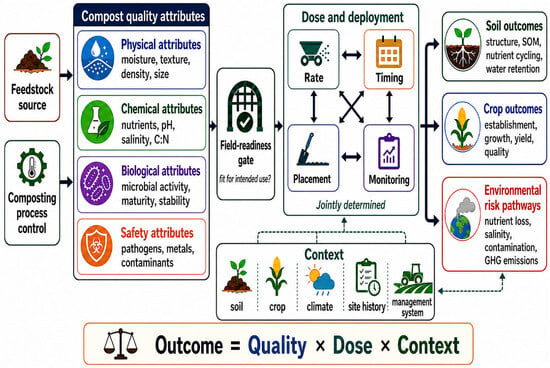
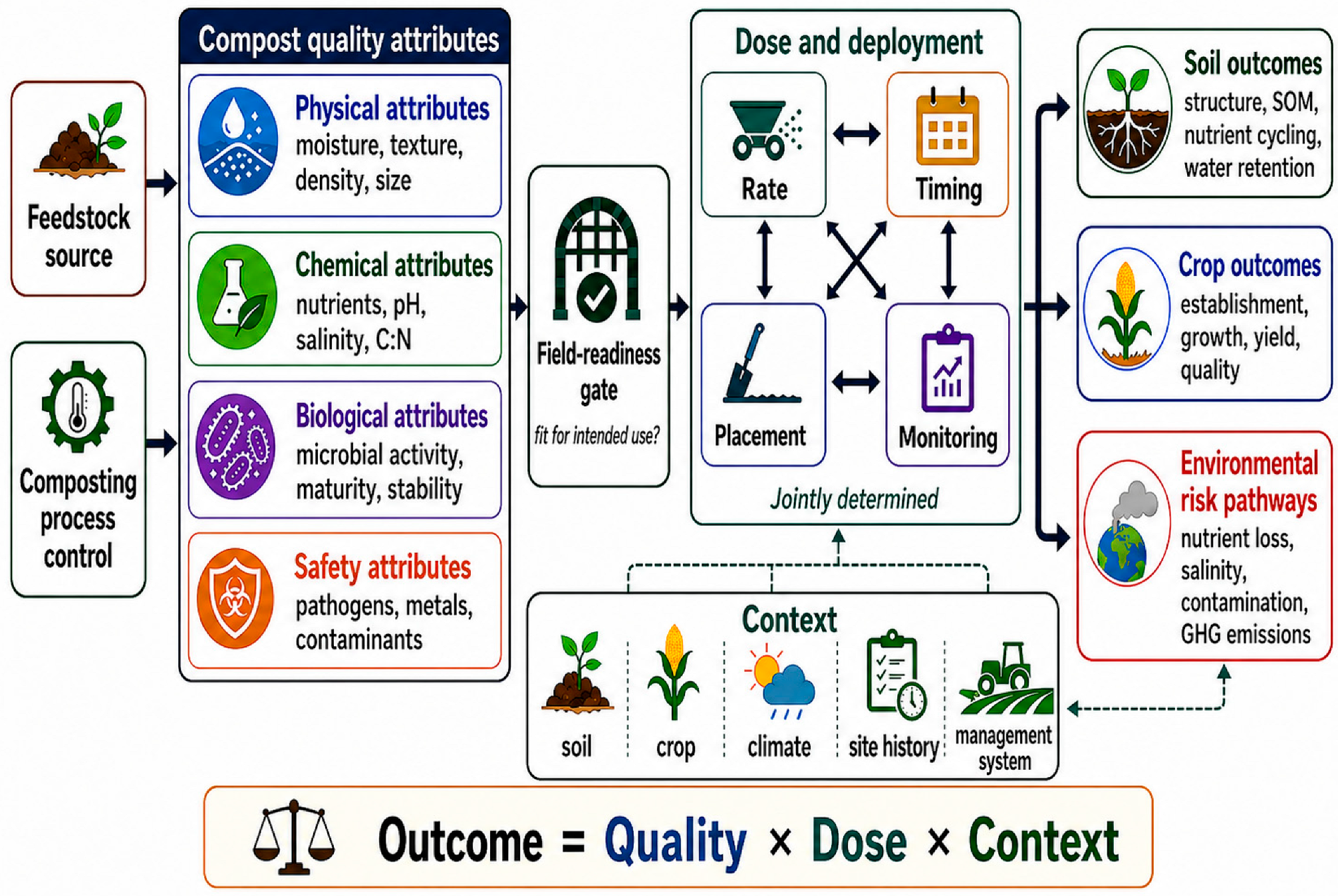
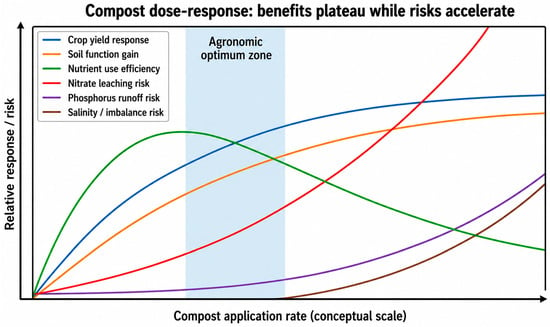
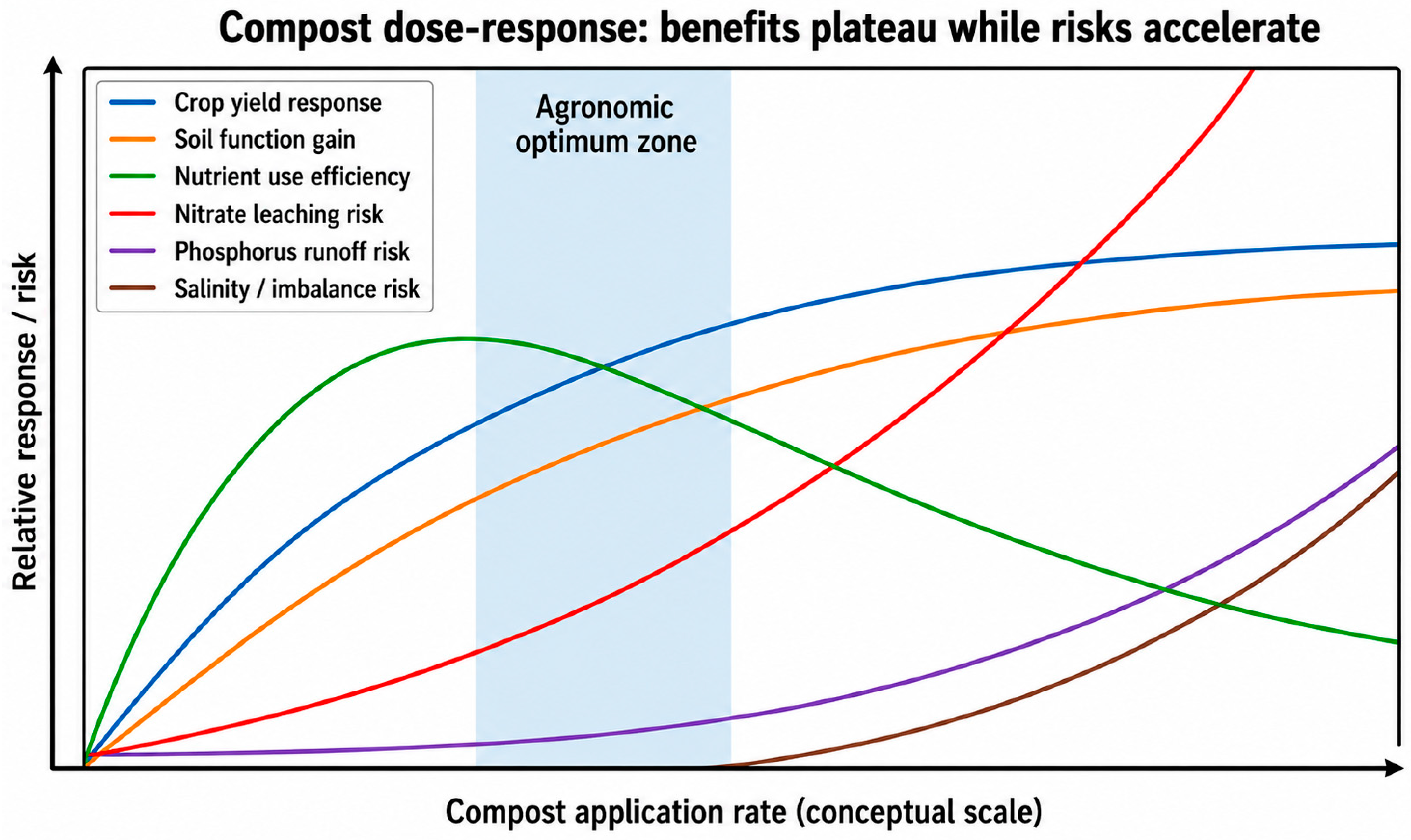
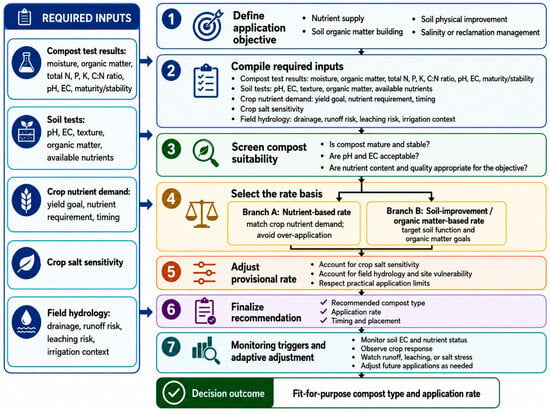
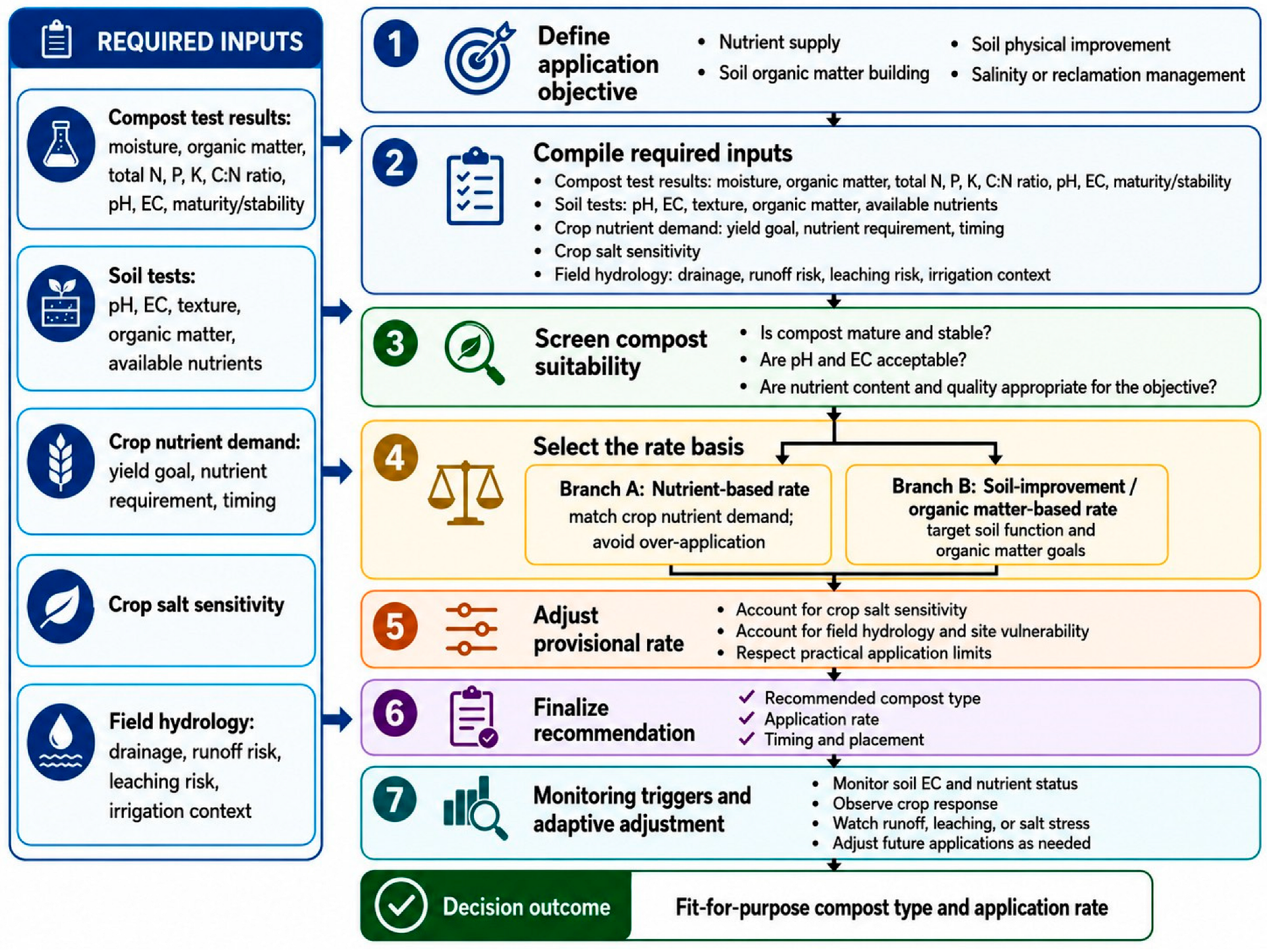

Disclaimer/Publisher’s Note: The statements, opinions and data contained in all publications are solely those of the individual author(s) and contributor(s) and not of MDPI and/or the editor(s). MDPI and/or the editor(s) disclaim responsibility for any injury to people or property resulting from any ideas, methods, instructions or products referred to in the content. |
© 2026 by the author. Licensee MDPI, Basel, Switzerland. This article is an open access article distributed under the terms and conditions of the Creative Commons Attribution (CC BY) license.