


Abstract
Despite the growing sophistication of immersive virtual reality (VR) technologies, olfactory feedback remains underexplored in VR gaming. This study introduces Scent Ninja, a VR fruit-slicing game integrated with a custom head-mounted olfactory virtual reality display, and explores whether event-triggered fruit scents are associated with differences in presence, immersion, user experience, and gameplay performance. A total of 12 participants completed scent evaluation trials and gameplay sessions with and without scent. Results show that detection time, recognition, intensity, and pleasantness varied across stimuli, with Pineapple and Lime producing stronger perceptual responses. During gameplay, scents were associated with significantly higher transportation-related immersion ratings, while no significant differences were observed for presence, other immersion items, user experience, or gameplay performance. A significant order effect in perceived scent intensity suggests that sensitivity to olfactory cues may vary with task context and prior exposure within the gameplay environment. Qualitative feedback highlights the perceived importance of scent timing, odor fidelity, intensity, and alignment with in-game actions. The findings provide exploratory evidence that event-triggered olfactory cues may support the transportation dimension of immersion during active VR gameplay, while emphasizing timing, scent intensity, perceptual clarity, and contextual congruence as important design considerations for olfactory VR design.
1. Introduction
Virtual reality (VR) systems increasingly offer vivid visual, auditory, and haptic feedback to simulate a convincing sense of “being there” in virtual environments. Yet the sense of smell remains largely absent from both commercial and research VR applications, particularly in gaming. This omission is notable because olfaction is deeply tied to emotion, memory, and perception, all of which are central to a powerful immersive experience. Prior research has shown that olfactory cues can furthermore enhance realism [1], strengthen the sense of presence [2], and increase emotional engagement [3]. In the context of VR gaming, investigations have explored how olfactory cues can be synchronized with in-game events [4,5], heighten environmental realism [6,7], and enhance player performance [8].
Olfactory virtual reality (OVR) refers to VR technology designed to deliver scent stimuli within virtual environments [9]. Despite growing interest in the development of such systems in the past decade, their usage in studying user experience during active, fast-paced gameplay remains limited, and existing research varies in methodological rigor. Prior work has focused on more passive or narrative-driven experiences (e.g., walking through a forest [10] or simulating a burning building [11]) and has offered only limited insight into how smell functions within rapid-paced gameplay or high-frequency interaction cycles with short intervals that demand continuous attention of users within a game scenario. Many OVR implementations, furthermore, employ room-scale “ubiquitous” systems that compromise on scent delivery speed and timing accuracy, as well as produce lingering odors that can mix with other scents, complicating their perception. Consequently, few studies have addressed how players perceive the timing, intensity, or realism of scent stimuli during faster-paced interactions, or whether the context of gameplay itself can affect aspects of sensory perception such as intensity. Thus, the effectiveness of integrating an OVR system with rapid-paced, interactive VR environments remains largely unexamined.
This work introduces Scent Ninja, a VR fruit-slicing game paired with a custom head-mounted OVR display that delivers fruit-based scents through atomization and directed windflow. The study explores whether congruent, event-triggered scent cues are associated with differences in specific aspects of participants’ reported presence, immersion, user experience, and gameplay performance during active VR gameplay. In addition, the study examines how scent detectability, recognition, intensity, pleasantness, and gameplay context may shape participants’ perception of the OVR display. More broadly, this work provides exploratory evidence regarding how wearable olfactory feedback may shape particular experiential dimensions during active VR gameplay, while identifying practical considerations for the design and evaluation of future OVR systems.
The specific contributions of this work are as follows:
- 1.
- An active VR olfactory gameplay testbed: Scent Ninja provides a head-mounted olfactory display integrated with a VR fruit-slicing game, enabling event-triggered delivery of congruent fruit scents during high-tempo gameplay.
- 2.
- Exploratory evaluation of experiential outcomes: A within-subjects study examines associations between olfactory cues and participants’ reported presence, immersion, user experience, and gameplay performance during active VR gameplay.
- 3.
- Perceptual and design insights for olfactory VR: The study characterizes differences in scent detection, recognition, intensity, and pleasantness across fruit stimuli and identifies timing, intensity, perceptual clarity, and contextual congruence as important considerations for future olfactory VR experiences.
The remainder of this work is organized as follows. Section 2 provides a background and review of prior OVR research. Section 3 describes the Scent Ninja system’s design and implementation, and Section 4 outlines the experimental methodology and scent stimuli used in the study. Section 5 presents the results and analysis, which are discussed in Section 6. Finally, Section 7 summarizes and concludes the paper.
2. Background
A central theme in VR research is understanding how system design translates into users’ psychological experience, which is often framed through the concepts of immersion and presence. Immersion refers to the objective properties of the system: its capability to deliver an “inclusive, extensive, surrounding and vivid illusion of reality” to a human participant’s senses [12]. In contrast, presence refers to the user’s subjective response, the psychological sense of “being there” within a virtual environment [13,14]. While immersion depends on the VR system’s technical capabilities, such as field of view, resolution, and sensory fidelity, presence emerges when these features direct the user’s attention away from the real world and towards the virtual one. Immersion can therefore be viewed as a prerequisite for presence, while presence reflects the depth of experiential engagement. Breaks in the experience (e.g., mismatched timing and incongruent sensory cues) can diminish the sense of presence, whereas a consistent, responsive experience can strengthen it [15]. Inconsistencies can disrupt the user’s sense of presence and trigger negative effects, such as nausea.
VR research has thus emphasized the inclusion of additional sensory modalities to support immersive experiences and enhance presence. Broader multisensory VR research has explored the integration of physical feedback directly into head-mounted interfaces, such as Wolf et al.’s Face/On system, which incorporated vibrotactile and thermal feedback into the facial interface of a headset [16]. In the case of smell, specialized olfactory VR (OVR) displays have been developed that store and release scents that can be synchronized with virtual events. These systems vary in form factors and fall into roughly three categories: ubiquitous systems, which are placed near the user and diffuse odors into the surrounding environment; wearable systems, which deliver scents directly near the user’s nose; and handheld systems, which allow user control over the timing and proximity of scent delivery [9]. Ubiquitous systems are typically the easiest to implement, but they pose a greater risk in mixing scents after diffusion and can cause lingering effects in the surrounding environment. Wearable and handheld systems, on the other hand, allow for greater precision and temporal control over olfactory delivery, but they raise additional challenges over ergonomics and hardware integration.
Despite progress in the last decade of research, OVR technology continues to face substantial roadblocks. Unlike audiovisual or haptic feedback, scents are more difficult to control in that they linger in the air after delivery, they can diffuse unevenly due to the approach used to disperse them, and they often can mix unintentionally with other aromas. Temporal precision can also be a challenge in that even small delays can disrupt sensory coherence and reduce user experience [17]. In addition, many OVR prototypes that have been proposed are bulky, expensive, or poorly integrated with consumer VR hardware, which constrains both usability and adoption of the technology.
Nevertheless, the unique emotional and perceptual qualities of smell have motivated a growing body of researchers to explore how olfactory cues can influence factors such as presence in VR. Jung et al. (2020) [18], for example, demonstrated that adding scent to a virtual location matching task increased the sense of presence, while Baus and Bouchard (2017) [19] showed that unpleasant smells can heighten presence felt in anxiety-provoking VR contexts. Similarly, Persky and Dolwick (2020) [20] reported that congruent food scents enhanced presence in a virtual buffet scenario, and Khan and Nilsson (2023) [21] observed that the smell of fire increased realism during a VR evacuation task.
However, the reported influence of olfactory cues on presence and other factors remains inconsistent, as several investigations have reported limited or negligible effects. For instance, Herrera and McMahan (2014) [22] observed no significant change in presence during immersive media experiences. Baus et al. (2019) [1] reported that while pleasant, visually congruent scents could enhance the sense of reality, they did not affect presence or realism. Narciso et al. (2019) [23] also found no measurable effect on presence, as well as cybersickness, fatigue, or stress in VR-based training tasks with smell. In the area of virtual commerce, Hopf et al. (2020) [24] demonstrated that while olfactory cues could shape user attitudes and travel recommendations, they did not enhance the sense of presence. These results suggest that while smell may have an influence on certain measures, it is less consistent in the effect of presence. It is important to note, however, that nearly all these studies relied on stationary or handheld OVR devices and were conducted with non-interactive or guided VR experiences with limited player agency.
Within the domain of gaming in VR, research with OVR remains relatively nascent. An early example was the Fragna system [25], a fruit-based game study in which olfactory cues were perceived as more dominant than the visual appearance of the stimuli. Subsequent OVR research has often employed scent primarily as a novel design feature rather than a variable for systemic evaluation [26,27,28,29]. Nevertheless, a growing number of studies have empirically examined the experiential effects of olfactory feedback in games. Many of these studies have reported associations between scent cues and higher ratings on measures related to presence [4,6,7,10,30] and immersion [5,31]. Parallel work has also explored the technical optimization of scent delivery in games, such as improving timing and spatial precision of scents to heighten realism and recognition accuracy [32,33,34]. Other investigations have demonstrated that olfactory cues can enhance player performance [8], increase game scores [35], and modulate higher-level factors such as personalization [36], attention [37], and startle response [38]. More recently, gesture-based OVR interfaces have been explored to enhance user experience further [39,40].
However, despite growing interest in using OVR within gaming applications, several gaps remain in the literature. Much existing work has focused on more narrative or passive experiences (passive VR) rather than dynamic, real-time gameplay (active VR), where timing, user agency, and immediate feedback are essential to the experience. Many OVR systems proposed rely on ubiquitous diffusion approaches, which limit the more precise, temporally aligned scent delivery required for responsive gaming interaction. In addition, few studies with scents have rigorously evaluated user experience within interactive gameplay [41,42]. Although some prior research has reported associations between olfactory cues and greater presence or immersion, findings have been mixed, with several studies reporting limited or negligible effects. Furthermore, little empirical evidence exists on how olfactory cues interact with player performance during gameplay. Finally, most studies focus either on the technical capabilities of the proposed OVR system or on experiential outcomes like quality of experience but rarely integrate both perspectives. As a result, the influence of olfactory cues on perception, user experience, and performance in active, rapid-paced VR gameplay remains underexplored.
To address these gaps, this study developed a VR system called Scent Ninja. The system consists of a VR fruit-slicing game integrated with a custom-built, head-mounted OVR display that can atomize and direct scents towards the user’s nose with windflow. The system enables a within-subject comparison between scented and non-scented gameplay conditions, supporting quantitative and qualitative examination of how event-triggered olfactory cues are associated with presence, immersion, user experience, and gameplay performance in an active VR game context.
3. Scent Ninja OVR Design
To support an exploratory evaluation of event-triggered olfactory cues within active VR gameplay, a custom-built OVR display and complementary VR gaming application were developed. Although several commercial OVR devices have been created in the past, most have either been proprietary, were custom-built with limited to no instructions to replicate, or are no longer available. Additionally, most OVR solutions proposed have been made for a specific platform or VR environment and can be difficult to adopt, including integration with modern game engines. Therefore, a bespoke OVR solution, hereafter referred to as the “Scent Ninja Display”, was engineered for the purposes of this study.
The Scent Ninja Display was constructed using inexpensive, readily available, off-the-shelf components and is mounted to an Oculus Rift S headset. The system was designed to enable event-triggered delivery of scent stimuli and integration with custom applications developed in Unreal Engine (https://www.unrealengine.com (accessed on 7 August 2026)). Communication between the Scent Ninja Display and a PC was established through a standard USB connection to allow scent cues to be triggered automatically by game events.
3.1. Hardware Design
The physical configuration of the Scent Ninja Display is illustrated in Figure 1. The device incorporates six independently controlled scent dispersion pipes, which can be activated concurrently to allow for more than one scent to be released if needed. The main electronics housing unit is mounted on top of the VR headset, which controls the pipes. Additionally, a pair of fans is mounted on both sides of the headset to direct airflow towards the user’s nose and to dissipate the scents into the surrounding air. The fan positions and angles were carefully calibrated to avoid obstructing the area in front of the headset and to maintain comfort, as noticeable airflow could be perceived as distracting, itching, or tickling to a user.
Figure 1.
The Scent Ninja Display attached to an Oculus Rift S VR headset from the front (left) and side (right).
Six scent pipes are mounted at the front of the Oculus Rift S headset, each of which is designed to contain a liquid-based odorant (see Section 4.2). The pipes were constructed from standard 0.5-inch PVC tubing approximately 3.5 cm in length. The pipe diameter was selected for fitting a standard-size piezoelectric atomizer disk measuring 20 mm in diameter (including its sealing ring). The top of each pipe was sealed with a socket cap, which was modified by drilling a small hole in the middle of the cap. The hole allows for the injection of the liquid scent via syringe into the pipe and also permits the release of air displaced by scent diffusion. A trimmed SxS PVC coupling was affixed at the base of each pipe to house the piezoelectric atomizer. Each pipe was then secured to the headset using Velcro-backed pipe clamps. A close-up image of a pipe and a detailed illustration showing the components are shown in Figure 2.
Figure 2.
Close-up of an individual pipe (left) and its construction (right).
Piezoelectric actuators were used as the means to diffuse the scents via the atomizing method. This method of scent delivery was selected due to its prior use in other OVR displays. They are affordable and easy to procure, have a compact form factor to integrate into a head-mounted configuration, and operate on low power. Each actuator is paired with a driver circuit board that was modified to receive a pulse-width modulation (PWM) signal. This enabled control over the amount of scent dispersion, and thus the intensity of the stimulus, allowing for variable olfactory stimulus presentation tailored to experimental needs. Although the latency between issuing the hardware command to the aerosol emission was not directly measured, prior OVR research using a similar ultrasonic atomizer reported aerosol emission well under 1 s after activation, with the delay described as “imperceptible” [43].
To assist with the scent delivery system, two MC36369 DC axial fans (https://www.farnell.com/datasheets/1853520.pdf (accessed on 7 August 2026)) were mounted on custom 3D-printed brackets positioned on both sides of the VR headset. The fans were programmed to be activated from a PC application. The fans help direct the delivery of odorants toward the user’s nose, as well as dissipate the scents so they do not linger over time and prevent cross-contamination between stimuli. This delivery setup is not instantaneous and introduces a small amount of air-transport time because the aerosolized droplets must travel from the bottom of the scent pipes through the fan-generated airstream before reaching the user’s nose in detectable concentrations. A simplified estimate of this transport time was calculated using the rated airflow of each fan, CFM, equivalent to approximately . Dividing this volumetric airflow rate by the fan face area of results in a face airflow velocity of approximately . Given an estimated average distance of approximately 9 cm between the bottom of the pipes and the user’s nose, the airflow transport time is estimated to be about 55 ms.
To control the actuators and the fans, a main electronics housing unit was constructed, which is shown in Figure 3. It contains WG3166A Ultrasonic Atomizer Module drivers ( https://xpart.org/product/humidifier-accessories-wg3166a-ultrasonic-atomizer-module (accessed on 7 August 2026)) for each scent pipe and a custom-designed printed circuit board (PCB). This PCB coordinates actuation across all six scent dispersion pipes by providing PWM signal generation for each driver circuit. It also provides a dedicated power delivery to both the actuator drivers and the side-mounted fans, as well as a serial connection capability via USB interface. The USB interface enables the PCB to receive commands via a PC serial port, which can be triggered with a PC application connected to the same port.
Figure 3.
The internals of the Scent Ninja Display’s main electronics housing situated at the top of the headset. The PCB board drives the fans and the scent pipes and is connected to the PC via USB and is powered through a standard 5V power supply.
The weight, balance, VR headset camera visibility, and user comfort were key constraints during the design process. Because the Scent Ninja Display mounts directly onto the Oculus Rift S headset, care had to be taken to avoid obstructing the inside-out tracking cameras and minimize the heaviness of the system. The final total weight of the Scent Ninja Display weighs approximately 484 g, bringing the total headset weight to about 1 kg. Lightweight materials were used, including PVC tubing for waterproofed parts and PVC plastic for the 3D-printed fan and PCB housings. Although the resulting system is on the heavier end of commercial VR head-mounted displays and more comparable to the weight of a bicycle helmet, prior work shows that short-duration VR use can mitigate discomfort and fatigue associated with wearing heavier systems [44]. Gameplay sessions in our study were therefore kept brief (a few minutes each) and separated by rest periods to ensure comfort and to reduce fatigue.
3.2. Software Design
To support exploratory evaluation of the hardware system and user experience with the device, three VR applications were developed in Unreal Engine 4 (Epic Games, Inc., Cary, NC, USA). These were the Scent Ninja game, a “pre-test” application to familiarize subjects with the device and scents, and a scent evaluation application. The USB communication between the Scent Ninja Display hardware and the VR applications was handled through the UE4Duino plugin (https://github.com/RVillani/UE4Duino (accessed on 7 August 2026)), which enables bi-directional data exchange over a standard serial port connection. Additionally, the ReadLocalTXT plugin (https://github.com/FatsWang/ReadlocalTXT (accessed on 7 August 2026)) was used to record data in the applications, which is saved to a .txt file for later analysis.
The Scent Ninja game is modeled off the popular mechanics of Fruit Ninja (https://www.halfbrick.com/games/fruit-ninja-classic (accessed on 7 August 2026)), where players cut fruits to earn points. Figure 4 illustrates a screenshot of Scent Ninja during gameplay. Scent Ninja features rapid-paced gameplay, which is operationalized as high-frequency interaction cycles involving frequent fruit spawning and slicing actions with short (sub-second to low-second timescale) intervals that demand continuous attention of users within the game scenario. This pacing provided an active gameplay context in which olfactory cues were repeatedly triggered during continuous interaction, a setting that remains less examined than slower or more passive VR experiences.
Figure 4.
The Scent Ninja gameplay showing the player successfully cutting a pineapple, with the remaining time and current score displayed in the background.
In the Scent Ninja game, various fruits (Apple, Grapefruit, Honeydew, Lime, and Pineapple) are launched at the player, who must slice them using a virtual sword. When the player successfully cuts a fruit, the game triggers the corresponding fruit scent at the time of the slicing event. In addition, the game provides visual feedback, including an animation of the fruit getting cut into pieces and a juice splattering effect, as well as sound and haptic feedback. The game is timed, and players have 100 s to cut as much fruit as they can that gets thrown their way. Each successful cut gives the player one point towards their total.
The game is broken up into three different phases. In the first phase, each fruit type is thrown at the player three times in a row with a 3 s pause between the throws, and the order of appearance of the fruits is randomized. In the second phase, the five types of fruits are thrown at the player in a random order with a 3 s delay between throws. In the final phase, the fruits are thrown from two launchers with a 1 s delay between the throws. In this manner, the game gets progressively more difficult over time, with shorter lapses between fruits launched at the player.
In addition to the game, another application was developed in Unreal Engine to isolate and evaluate olfactory recognition outside the context of the Scent Ninja gameplay. This application assessed the Scent Ninja Display and fruit scent stimuli across several different measures, such as detection accuracy, response time, and perceived valence. It was used in the “detection task”, which, along with the Scent Ninja “game task” for the experiment, is described in Section 4.
4. Study Design
The study used a mixed-methods within-subjects design to evaluate the system’s ability to present olfactory cues and to examine associations between scent condition and participants’ reported presence, immersion, user experience, and gameplay performance during active VR gameplay. The rapid-paced nature of the game was a design characteristic rather than an experimentally manipulated variable, as gameplay tempo remained constant across conditions. Data was collected through both digital logs (saved automatically by the applications) and handwritten questionnaires.
The experimental protocol included three tasks. A pre-test task was used for familiarization with a VR headset. A scent detection task served as a perceptual characterization of the stimuli and system, examining whether the cues were detectable, distinguishable, and differently rated across odorants. The game task then examined reported experiential and performance outcomes under scented and non-scented gameplay conditions. The detection measures were not used as covariates and were not analytically linked to these experiential outcomes. Including both a detection task and a game task allowed for two complementary lines of inquiry: (1) how prior exposure to scent detection can influence perception of scents during gameplay, and (2) whether prior gameplay experience itself can alter perception of scents. To reduce chances for order effects, the sequence of the detection task and game task was randomized, with half of the participants starting with the detection task and half starting with the game task, though all participants completed the pre-test task first. Each subject was given two five-minute breaks: one after the pre-test task and another after the task they completed second.
4.1. Subject Information
The study sample consisted of 12 participants recruited from undergraduate programs in computer science and engineering. The demographic distribution included nine male participants and three female participants. Ten participants had prior experience with VR, whereas the other two reported none. Participant ages ranged narrowly with years (; ). All subjects received compensation in the form of $20 gift vouchers for their participation. Ethics approval for the study was obtained from the university’s Institutional Review Board, and each testing session lasted approximately one hour.
4.2. Stimuli Design
A total of six scent stimuli were used throughout the study. These include five fruit smells (Apple, Grapefruit, Honeydew, Lime, and Pineapple), while distilled water (Water) was used as the nominal no-scent control condition. The scents were procured through Demeter Fragrance Library (https://demeterfragrance.com/ (accessed on 7 August 2026)) and were selected based on user reviews and star ratings. These were: “Golden Delicious” (Apple), “Pink Grapefruit” (Grapefruit), “Honeydew Melon” (Honeydew), “Lime” (Lime), and “Pineapple” (Pineapple). As the scents were designed as cologne products, they were diluted with distilled water at a 10:1 ratio. The scents were then injected into their own scent dispersion pipes with their own syringes to minimize scent mixing. For each subject, approximately 3 mL of scent liquid was used for each stimulus for the duration of the study.
The manner in which the scents and fans were controlled was similar for all phases of the study. Each atomizer was driven using a 50% PWM duty cycle when turned on. This would last for a short period of time (3 s for the pre-test and detection tasks and 0.5 s for the game tasks), and then the atomizer would be shut off. The fans were on for the entirety of a task: they were activated shortly after the user put on the Scent Ninja Display before starting a task and were turned off when the participant reached the end of a task.
4.3. Pre-Test Task Procedure
The pre-test task served as the study’s initial phase and was designed to familiarize participants with VR and the Scent Ninja Display. It consisted of two sequential parts. First, participants played the demo level of the popular Beat Saber game (https://beatsaber.com (accessed on 7 August 2026)) using an unmodified Oculus Quest headset without the Scent Ninja Display attached. This task was intended to reduce novelty effects for participants with limited VR experience, as well as acclimate them to wearing an HMD headset and performing game mechanics similar to those in the Scent Ninja game. In the second part, participants wore an Oculus Rift S headset with the Scent Ninja Display attached and interacted with the pre-test application designed to sequentially present each of the six scent stimuli in a randomized order. Between each scent stimulus, the system entered a brief “recalibration” period with no scent presented to return the participants’ olfactory perception back to a baseline. Each scent stimulus was paired with a visual aid with the name of the scent (e.g., “Apple”) and a representative image of the fruit. All instructions and transitions were fully automated and delivered through the VR application.
4.4. Scent Detection Task Procedure
In this task, participants wore the Scent Ninja Display and evaluated each of the six scent stimuli across several perceptual measures. These included identifying the scent, rating its intensity and valence, and indicating the time it took for them to detect the odor. Each of the six scents was presented three times, resulting in a total of 18 trials per participant. The stimuli were delivered in a randomized order, and all scents were administered in the same manner as in the pre-test.
For each stimulus, participants were first instructed to squeeze the controller trigger as soon as they detected a scent. To familiarize participants with the response procedure, a brief tutorial preceded the test: participants were first prompted to squeeze the trigger without a scent presented, which was then followed by a practice round using a randomly selected scent. During the actual test, the instructions to squeeze the trigger appeared on-screen for 3 s before the scent was released. If no squeeze was detected within 10 s after scent release, the application automatically advanced to the scent identification phase. This detection time represents both the hardware latency discussed in Section 3.1 and perceptual latency, including (1) aerosol diffusion, (2) air transport to the nose, (3) inhalation, (4) human olfactory perception, and (5) participant response time.
After the detection response, participants were prompted to identify the scent from a visual aid in the VR environment that displayed all six possible stimuli. After this, participants then rated the intensity of the scent on a seven-point Likert scale presented in the VR environment, followed by a similar rating for scent pleasantness (valence). Subjects responded verbally for these measures, which the lab monitor recorded via keystroke. After the participant rated the valence, the system entered the recalibration phase for 30 s before the next stimulus was administered. If the participant stated they detected nothing (Water), no ratings were collected, and the system proceeded directly to the recalibration phase.
4.5. Game Task Procedure
Participants played the Scent Ninja game twice under two conditions: one in which fruit scents were triggered by slicing events and one in which no fruit scents were triggered. Condition order was counterbalanced so that half of the participants experienced the scented gameplay session first, while the remaining participants began with the unscented session. Final gameplay scores were recorded in both sessions.
After finishing each game session, participants completed a 7-point Likert-scale questionnaire (1 = “Not at all”, 7 = “Very much so”), which assessed their subjective experience. To capture multiple experiential dimensions relevant to the study, we used a composite questionnaire developed by Braun [6] which integrated items from three established frameworks that capture different components of presence, immersion, and user experience in virtual environments: Witmer & Singer’s Presence Questionnaire [14], Jennett et al.’s Immersion Questionnaire for Games [45], and Ghinea & Ademoye’s Quality of Experience (QoE) framework [46].
The resulting “presence–immersion–experience” or “PIE” questionnaire consisted of 10 adapted items. Q1 was adapted from the QoE framework to capture enjoyability and served as a general experiential item across both the scented and non-scented conditions. Q2–Q6 were drawn from the immersion framework and assessed attention (Q2), temporal dissociation (Q3), transportation (Q4), challenge (Q5), and emotional involvement (Q6). Q7–Q9 were adapted from the presence framework and assessed sensory engagement (Q7), realism factor aspects of multimodal consistency (Q8), and real-world congruence (Q9). Q10 was a binary detection item that asked participants whether they smelled something or not during gameplay.
If the participant responded “yes” to Q10, they were given an additional follow-up survey. This “Olfactory–Quality of Experience” or “O-QoE” questionnaire consisted of four additional 7-point Likert-scale questions adapted from Ghinea and Ademoye’s QoE survey [46] that assessed participants’ perceptions of the olfactory component of the gameplay experience. The full list of questions for both the PIE and O-QoE surveys is shown in Table 1.
Table 1.
Full list of questions from the PIE, O–QoE, and final questionnaires, showing their median and IQR responses.
4.6. Final Questionnaire Procedure
Upon completion of all three tasks, participants completed a final questionnaire designed to capture participants’ overall impressions of the prototype, including ergonomics and perceived suitability of olfactory feedback in VR. This included four 7-point Likert-scale questions and an open-ended question (“Is there anything else you’d like to comment on your experience with this study?”) for general commentary. In the debriefing session following the completion of the final questionnaire, the lab monitor reviewed participants’ responses to all questionnaires and facilitated further discussion through an informal interview. The list of Likert-scale questions for the final questionnaire is shown in Table 1.
5. Results
5.1. Detection Task Results
5.1.1. Detection Task Order Effects
Statistical testing first examined potential order effects for the detection task to test whether completing the game before or after influenced performance or subjective ratings. Participants were split into two groups: Game First and Game Last. Mann–Whitney U tests compared them on four measures: detection time, intensity, valence, and correct detections. For detection time, intensity, and valence, each participant’s mean across all 18 scent trials was used, while correct detections were totaled per participant. Unless stated otherwise, all inferential tests reported in this study used two-tailed, exact p-values (). The analyses revealed no significant differences between the two groups for detection time (, ), valence ratings (, p = 0.485), or number of correct detections (, ). However, a statistically significant difference was found for intensity (, ), with a moderate-to-large effect size (). The Game First group had a higher median rating of intensity (, ) compared to the Game Last group (, ).
Because the four measures represent conceptually distinct outcomes, the order-effect analyses were evaluated separately without a family-wise correction. Interpretation considered both the exact p-values and effect sizes, although the small order-group sizes limit the precision of these statistics. Given the exploratory design of the study and the subgroup sizes, the intensity finding should thus be interpreted as a potentially meaningful order-related pattern that warrants further investigation.
5.1.2. Detection Task Smell Effects
Descriptive statistics for each measure across the five fruit stimuli are shown in Table 2. Figure 5 visualizes these results with box plots for intensity ratings (top), detection time (bottom left), and valence ratings (bottom right). Because intensity showed a significant order effect, separate descriptive statistics and box plots were generated for intensity ratings for the Game Last and Game First groups. Figure 6 shows a stacked bar chart summarizing the percentage of correct detections for each scent, categorized by “yes” and “no” response type.
Table 2.
Descriptive statistics of each measure across all scent stimuli.
Figure 5.
Box plots for the three measures: intensity (top), detection time (bottom left), and valence (bottom right) across the five scent stimuli. Intensity is plotted twice: once for the Game Last group (top left) and once for the Game First group (top right). The green and blue portions of each box represent the 25th percentile to the median and the median to the 75th percentile, respectively.
Figure 6.
Stacked bar chart showing the proportion of correct detections for each stimulus. Bars represent the percentage of trials in which participants correctly or incorrectly identified each scent. “Yes” indicates a correct detection; “No” indicates an incorrect one. Water served as the control (no scent) condition.
Overall, Pineapple had the fastest detection time, followed by Lime, Grapefruit, Apple, and Honeydew. For intensity in the Game Last group, Pineapple and Lime were rated the highest, then Grapefruit, with Honeydew and Apple rated the lowest. In the Game First group, intensity ratings were higher and more consistent overall: Lime was rated highest, followed by Pineapple, then both Grapefruit and Honeydew, and finally, Apple. For valence, Pineapple was rated the most pleasant, followed by Lime, Grapefruit, and then Apple and Honeydew. Correct detections were highest for Water, followed by Lime, Pineapple, Grapefruit, and lastly Apple and Honeydew.
Significant effects of scent were found on all measures using Friedman tests: detection time , , valence , , correct detections , , and perceived intensity for both groups (Game Last: , ; Game First: , ). Given these significant main effects, pairwise Wilcoxon signed-rank tests were then performed to identify which scent pairs differed. Bonferroni corrections were applied ( for detection time, intensity, and valence; for correct detections). Table 3 summarizes all pairwise results, reporting each exact p-value alongside the mean pairwise difference (positive mean differences indicate higher values for Group 1, whereas negative mean differences indicate higher values for Group 2).
Table 3.
Pairwise Wilcoxon signed-rank test results across all scent stimuli for all detection task measures. For detection time, intensity, and valence, p-values less than 0.005 are significant. For correct detections, p-values less than 0.003 are significant. Significant results are shown in red.
The key findings from Table 3 are as follows. For detection time, Apple was detected significantly more slowly than Lime () and Pineapple (), Honeydew was detected more slowly than Lime () and Pineapple (), and Grapefruit was detected more slowly than Pineapple (). Despite the overall group effects on intensity, no pairwise comparisons survived Bonferroni correction in either the Game First or Game Last groups. For valence, Apple (), Grapefruit (), and Honeydew () were all rated significantly less pleasant than Pineapple. For correct detections, Apple was identified significantly less accurately than Lime () and Water (). No other pairwise tests reached significance after correction.
5.2. Game Task Results
5.2.1. Game Task Order Effects
To evaluate whether there were learning effects or changes in experience between the first and second playthroughs (regardless of scent condition) and task order, two types of ordering effects were tested on game scores and questionnaire responses. First, within-subject differences were tested using Wilcoxon signed-rank tests between the first and second playthroughs. Second, between-group differences were tested using Mann–Whitney U tests between the Game First and Game Last groups. Additionally, a Cochran’s Q test examined whether the proportion of participants reporting scent detection (Q10, PIE questionnaire) varied across conditions.
Across both analyses, no ordering effects were found. Within subjects, median gameplay scores increased from 39.5 to 43 between the first and second playthroughs, but this difference was not significant (Wilcoxon ). No Likert-scale questions from the PIE (Q1–Q9) or O-QoE (Q1–Q4) questionnaires showed a significant change, even before any correction was applied (all ), and the scent detection rates remained stable across sessions (Cochran’s Q ). Between groups, Mann–Whitney U tests comparing the Game First and Game Last groups showed no differences in median game scores (both , ) or in any questionnaire responses, including whether participants detected scent during gameplay (all ). These results indicate that neither playthrough order nor the task sequence significantly influenced game performance or perceived experience.
5.2.2. Game Task Smell Effects
With no ordering effects observed, the analysis next examined how the scent condition influenced gameplay performance and user experiential ratings. Because the PIE questionnaire combined adapted items representing distinct presence, immersion, and experience dimensions, analyses were conducted at the item level rather than by aggregating responses into a single overall score.
Wilcoxon signed-rank tests compared participants’ performance and questionnaire responses between the gameplay sessions in which fruit scents were triggered and sessions in which fruit scents were not triggered. Multiple comparison corrections using the Bonferroni procedure were applied separately within the theoretically defined PIE questionnaire families: experience (Q1, ), immersion (Q2–Q6, ), and presence (Q7–Q9, ). For the O-QoE questionnaire, Bonferroni correction was applied across its four items, as they were all conceptually experience related (). Table 1 presents the median and for each questionnaire item under scented and unscented conditions. Note that these reflect the actual presence or absence of scent during gameplay and not the participants’ response to smelling something (Q10, PIE questionnaire). Figure 7 and Figure 8 visualize these results with box plots for the PIE questionnaire (Q1–Q9) and the O–QoE questionnaire (Q1–Q4).
Figure 7.
Grouped box plots of the responses to the presence, immersion, and experience (PIE) questionnaire (Q1–Q9), comparing ratings with and without smell on 7-point Likert scales.
Figure 8.
Grouped box plot responses to the O–QoE questionnaire, comparing ratings with and without smell on 7-point Likert scales. Note that responses to the questionnaire were only recorded if participants responded to smelling something during the game (Q10 from the PIE questionnaire).
Gameplay scores were slightly lower in the smell condition () than in the no-smell condition (), but this difference was not significant (). Of the PIE questionnaire items (Q1–Q9), only the immersion item Q4 remained statistically significant after correction. Q4, which assessed the extent to which participants became so involved that they were unaware of using controls, was rated higher in the scent condition than in the no-scent condition ( vs. , ). Q9, a presence item assessing consistency between virtual and real-world experiences, was also rated higher in the scent condition ( vs. , ), though this difference did not remain significant after correction within the presence family (). No other PIE item remained statistically significant after correction.
In addition to the corrected difference observed for Q4, several PIE items exhibited moderate-to-large effect sizes. Larger effects were observed for Q1 (), Q2 (), Q4 (), Q7 (), Q8 (), and Q9 (). On the other hand, smaller to no effects were observed for Q3 (), Q5 (), and Q6 ().
All 12 participants reported perceiving scents in the scent condition, while 6 participants reported perceiving a scent in the no-scent condition. Because the O–QoE questionnaire was administered only when participants reported perceiving a scent, all 12 participants provided O–QoE responses in the scent condition, whereas 6 provided responses in the no-scent condition. Table 1 and Figure 8 present condition-specific medians and IQRs based on the participants who completed the items in each condition. Because O–QoE responses were conditional on participants reporting scent perception, inferential comparisons between scent and no-scent conditions were not conducted for the O–QoE questionnaire. Instead, only descriptive statistics for the O–QoE responses are reported.
Lastly, the final questionnaire items were examined. The descriptive statistics (median and IQR) for Q1–Q4 are shown in Table 1, and are visualized in Figure 9 with box plots. The last question invited open-ended feedback, which was analyzed using a thematic analysis framework. The resulting themes identified are as follows:
Figure 9.
Box plots showing participant responses to the 7-point Likert-scale questions for the final questionnaire.
- Immersion and Realism: How scent contributed to the level of immersion and perceived realism.
- Focus and Engagement: How smell aided or distracted from game task performance.
- Scent Differentiation and Intensity: Scent strength, recognizability, and overlap between odors.
- Timing and Synchronization: Perceived temporal alignment between visual action and olfactory delivery.
- Game Contextual Usefulness: The value or relevance of smell in games.
- Ergonomics: Device weight, fit, and physical sensations during use.
6. Discussion
6.1. Detection Task Discussion
Despite using highly rated fruit scents, priming participants with a pre-test, and providing supplementary visual cues, scent recognition remained difficult. Detection accuracy was low for Apple and Honeydew (39%), moderate for Grapefruit (58%), and only modestly higher for Lime (78%) and Pineapple (75%). Although all rates exceeded the chance for a six-alternative forced-choice task (≈16.7%), they demonstrated that even under controlled conditions, most scents were hard to reliably identify. This result, however, is consistent with prior work showing that odor identification is difficult when olfactory stimuli are presented in isolation, without supporting visual or semantic context [47]. By contrast, the distilled-water control was correctly identified 86% of the time, indicating that participants could generally distinguish the water stimulus from the fruit scents during the detection task. The low recognition rates align with known challenges in verbally identifying odors [48] and highlight the difficulty in providing clear, distinct scent cues in OVR systems. More extensive training may be needed if accurate odor detection is essential to the experience.
Detection time differed significantly across odors, with Pineapple and Lime detected faster than Apple, Grapefruit, and Honeydew, indicating that some scents were easier to detect. This pattern may reflect differences in odor salience, familiarity, formulation, or delivery within the present system. Lime and Pineapple were also the easiest to identify, although the present study cannot determine whether this pattern was driven by familiarity, odor chemistry, or concentration at the user’s nose. It may also reflect differences in odorant detectability, as the faster detection for Lime (and to a lesser extent Grapefruit) indicates that citrus notes have lower detection thresholds, aligning with research showing that citrus compounds are detectable at relatively lower concentrations [49]. Although few studies directly link familiarity to detection speed in OVR contexts, prior work supports a staged progression of olfactory processing in the brain. Plailly et al. (2005) [50] found that simple odor detection is significantly faster than familiarity judgments, which supports the idea that rapid detection precedes slower, higher-order-based processing. Olofsson et al. (2013) [48] further reported that detection (800 ms) reliably precedes object identification (1 s) and valence evaluation (1.1–1.2 s). These findings suggest that familiar odors may be processed more quickly through early perceptual stages, consistent with the faster detection times for more familiar fruit scents observed in this study.
Valence ratings also varied across stimuli, with Pineapple and Lime rated as more pleasant than Apple, Honeydew, and Grapefruit. Pineapple’s consistently high pleasantness may reflect its particular physicochemical profile, as hedonic valence has been found to be closely tied to such properties, and sweet-associated odors generally fall toward the pleasant end of the spectrum [51]. Pineapple’s relatively strong perceived intensity may have also contributed, as odor intensity is positively associated with hedonic strength, such that stronger concentrations can heighten pleasantness for liked odors and amplify unpleasantness for disliked ones [52]. Overall, however, all smells in this study were rated as pleasant and were not significantly disliked.
Although detection time, correct detections, and valence ratings were not significantly affected by task order, perceived intensity showed an order-related difference, as participants who played the VR game before the detection task rated odors as more intense (Mdn = 5.84 vs. 5.08; U = 4, p = 0.026, r = 0.62). This could reflect heightened arousal or perhaps cross-modal attention from gameplay, which may have had a “priming” effect on participants to attend more closely to olfactory cues. A second possibility is that odor exposure during gameplay biased the intensity judgments. However, adaptation research with odors has shown that repeated exposure typically reduces perceived intensity rather than increases it, due to habituation [53]. Additionally, the intensity ratings did not differ between the first nine and last nine odor stimuli of the detection task, indicating no significant sensory adaptation or sensitization. By contrast, detection time, valence ratings, and correct detections remained stable across task order, suggesting these measures were more robust across task contexts and prior exposure conditions.
Although overall intensity differences across the five scents were significant, no pairwise comparisons remained significant after Bonferroni correction, suggesting that intensity judgments may be influenced by contextual factors associated with gameplay effects. This interpretation is consistent with perception research showing that attention can modulate odor intensity [54]. This attentional mechanism may contribute to the observed order effect with intensity.
Taken together, these findings indicated differences in detection time, scent accuracy, and pleasantness across the tested stimuli, whereas perceived intensity was additionally associated with task order. This underscores the importance of odor cue selection and counterbalancing in OVR design. Certain scents may be easier to detect and recognize than others, but their subjective intensities may require additional calibration or cautious interpretation. Further research is needed to clarify how factors like gameplay context can shape perceived intensity with scent.
6.2. Game Task Discussion
Objective performance and subjective experience did not show statistically significant differences across playthrough order or between the Game First and Game Last groups. These results provide no evidence that the measured outcomes were strongly associated with session order in this sample. This reduces concern that observed differences between the scent-triggered and non-triggered conditions were primarily attributable to task sequence.
Descriptive statistics from the PIE questionnaire (Q1–Q9) showed item-level differences between the scent-triggered and non-scented conditions across presence-, immersion-, and experience-related measures. Median ratings were higher in the scent-triggered condition for enjoyment (Q1, ), attention (Q2, ), transportation (Q4, ), emotional involvement (Q6, ), sensory engagement (Q7, ), and real-world congruence (Q9, ). Ratings of awareness of surroundings (Q3, ) and perceived sensory inconsistency (Q8, ) were lower in the scent-triggered condition.
After Bonferroni correction, Q4 remained statistically significant within the immersion family (p = 0.008, corrected ), indicating higher ratings on the transportation-related immersion item when scent cues were present. This preliminary result suggests that scent may have contributed to participants’ involvement in the game and reduced their awareness of using the controls. Q9 showed a directionally similar increase in perceived real-world congruence but did not remain significant after correction within the presence family. The remaining item-level patterns in the PIE questionnaire should thus be interpreted as exploratory.
The O–QoE questionnaire showed a similar descriptive pattern to the PIE results. In the scent-triggered condition, all 12 participants completed the O–QoE items, whereas in the non-scent condition, responses were available only from the six participants who reported perceiving an odor. Participants rated the perceived olfactory component as more visually relevant (Q1: ) and more reality-enhancing (Q2: ) in the scent-triggered condition. Ratings of distraction (Q3, ), and annoyance (Q4, ) remained low across both conditions, suggesting that the olfactory component was generally well tolerated. Expectancy, imagination, or variation in perceived intensity may therefore have contributed to the observed patterns. Because the non-scent condition responses were based only on participants who reported perceiving an odor, these comparisons should be interpreted descriptively and cautiously, as the no-scent responses were obtained from a non-random subset of six participants who were likely to report an olfactory response despite no scent being triggered. This selection process may have inflated the no-scent condition ratings relative to those that would have been obtained from the full sample or a randomly selected subgroup.
Overall, gameplay performance did not differ significantly between the scent-triggered and no-scent conditions (, ). One immersion-related questionnaire item remained significant after correction, whereas no presence item, experience item, or gameplay performance comparison survived correction. These findings provide preliminary evidence that event-triggered scent delivery may support a certain dimension of immersion during active gameplay but do not establish broad effects on immersion, presence, user experience, or performance.
Accordingly, these findings position OVR as a potentially valuable but context-sensitive augmentation rather than a uniformly effective enhancement. The result of Q4 suggests that event-triggered scent may contribute to players’ sense of involvement during active gameplay, but the absence of broader corrected effects indicates that this contribution is more selective rather than uniformly robust. Olfactory feedback appears to operate within a nuanced design space where its effectiveness depends on how it is implemented. In particular, factors such as timing, intensity, and contextual congruence emerge as potential design considerations that warrant further investigation. This underscores the need for careful integration of olfactory cues to support perceptual coherence without introducing distraction or inconsistency.
Qualitative feedback provides further insight into these considerations. Many participants described the olfactory component as immersive, novel, or realistic. Several emphasized that scents were most effective when synchronized with in-game actions. P6 noted, “when I cut it, [it is] the most realistic part of the game,” while P11 reported it “makes it fun and less [of a] ‘game’. It makes you feel you are actually slashing fruit.” These comments highlight the importance of timing and contextual alignment in OVR. Some participants perceived the scents as less well synchronized during rapid gameplay segments and described them as distracting or overwhelming. For instance, P12 reported that the scents became “overwhelming” during rapid-paced segments and that they consequently focused more on the smell than the gameplay.
Users’ impressions of individual odors also varied and appeared to influence their sense of realism. Pineapple and Lime were frequently described as strong and accurate, whereas Apple and Honeydew were described as weak or unnatural. These inconsistencies sometimes reduced believability; for example, P7 commented that some smells “didn’t correspond to the fruit,” and P12 described certain smells as “artificial”. This may point to the importance of scent quality and realism (and not just timing) for effective olfactory integration.
Participants also reflected on how scent shaped their cognitive engagement with the game. Some reported the smells as distracting due to their intensity (P8) or how they blended with each other during fast-paced gameplay (P3). Others felt that olfactory cues were becoming more natural or integrated as gameplay progressed (P6: “[it] felt natural after a certain point.”). Several comments pointed to top-down influences when no scent was present: P11 remarked that they “Smelled [something], maybe because I was thinking about pineapple,” and P9 noted “[My] brain was tricking me into smelling something”. These observations highlight the roles of expectation and imagination in olfactory perception and the subtle ways they can influence experiences.
In sum, the quantitative findings identified a significant difference for the transportation-related immersion item. No other immersion item, presence, or user-experience measure met their corrected significance threshold. Qualitative feedback nevertheless provides useful context, as participants frequently identified timing, scent fidelity, intensity, odor overlap, and alignment with in-game events as factors that shaped whether the system felt integrated, distracting, realistic, or artificial. These observations should be treated as exploratory design considerations rather than evidence of broad experiential effects. The design implications discussed here are therefore intended to guide future investigation.
6.3. Final Questionnaire Discussion
Participants’ responses to the physical and sensory aspects of the Scent Ninja Display (Q1–Q3) indicate that it was generally well tolerated, with only mild discomfort reported by a few users. Some noted the headset became slightly heavy over time, describing sensations such as “heaviness” (P4), “pushing down on nose” (P7), or the front feeling “a little heavy” (P10). Regardless, these did not appear to interfere with engagement based on the quantitative ratings. Most participants viewed the airflow from the fans (Q2) as neutral or immersive, with comments such as “[it] felt more realistic” (P7), “[it] felt good” (P4), and “[I] focused more on what was going on instead” (P11), suggesting that airflow was generally well tolerated and, for some participants, was perceived as contributing to the overall realism of the setup. Feedback on the aerosol spray (Q3) was similarly rated as neutral to positive, with several participants not noticing it at all (“[I] couldn’t even feel it on me” (P7) and “[I] didn’t notice” (P3)), while others found it enhanced realism. For example, P11 noted that the spray “adds to the realism. Makes it more fun.” Overall, these responses suggest that atomized scent delivery was feasible and generally tolerable during the brief study sessions.
When asked whether odors should be part of VR applications (Q4), participants offered a more cautiously supportive mix of views. One participant called it “definitely the next step…[but] much more to do” (P3), while others stressed that usefulness depends on context: “depends on the game” (P5), “not all games” (P7), “cool, but not required” (P2), and “[I] wouldn’t be opposed to it… [but] not something that is necessary” (P6). Overall, while participants did not view olfactory feedback as universally essential, they often saw it as potentially useful when well integrated and contextually appropriate.
In their open-ended comments, participants expressed generally positive views of using olfactory stimuli in VR. Feedback was dominated by two themes: scent differentiation and intensity and immersion and realism. These themes highlight participants’ focus on how well the odors were perceived and how effective scent could enhance measures like immersion. Other themes appeared but were less frequent, suggesting they may be secondary considerations for OVR. Each theme is discussed in detail below.
6.3.1. Immersion and Realism
Several participants described olfactory cues as adding sensory richness or making the experience feel more vivid. P5 noted that “It felt like the fruit was actually in front of me. It made the game seem more realistic…It was fun!” Similarly, P4 remarked, “I believe it adds a lot to the ‘sensory’ side of the VR experience,” and P6 described the overall experience as “pretty cool.” Others highlighted the novelty of OVR, with P7 stating, “I think adding the sense of smell to virtual reality is very innovative and can give many users a good experience.” P1 viewed scent as a natural extension of multisensory design, saying it “made sense for what I could reasonably expect for something like this.” Anticipation also shaped the experience: when realizing that one of their playthroughs lacked scent, P1 commented that they “just imagined it [the smell] when I was cutting the fruit” while clarifying that the smells “weren’t constantly there.”
However, immersion was not experienced uniformly. P3 questioned how much the scents contributed, noting, “Not sure how much it immersed me into the game world.” P2 felt that Honeydew, Apple, and Grapefruit “were not in line with how the foods actually taste,” which “lost some immersion.” P3 also highlighted that some scents, such as Lime and Pineapple, “were more immersive” than others. These comments suggest that the impact of olfactory cues on immersion depended heavily on scent quality and individual expectations.
6.3.2. Focus and Engagement
One participant noted that the scents shifted their focus away from gameplay. P7 reported being “super focused on the smells at one point that I missed a couple of fruits.” This suggests that olfactory input, while engaging, may have competed with task-related demands and subtly shifted attention focus during the game.
6.3.3. Scent Differentiation and Intensity
Pineapple and Lime were most often described as strong, distinct, and easy to identify. P1 stated that “pineapple was the easiest to pick out—the most distinct,” while P7 described Lime as “great and intense.” P11 similarly noted they “liked pineapple—the smell is really good,” and that “lime was really strong.” In contrast, Apple and Honeydew were frequently perceived as weak, with P1 reporting, “the apple smell was kind of weak compared to the rest,” and P11 stated, “[I] couldn’t smell apple” and “honeydew—really faint to focus on what it is.”
Several participants reported difficulty distinguishing scents during fast or chaotic gameplay moments. P1 remarked that when multiple fruits appeared at once, there was “a bit more trouble picking them apart,” and P8 observed that “some smells, depending on the intensity, can be a little bit similar or confusing to tell which is which after a while smelling.” P11 added that although “you can tell what you are smelling”, during fast-paced game segments, “the strong fruits take over (pineapple and lime).”
Some scents were viewed as fairly authentic, while others were described as artificial or mismatched with expectations. P11 noted that the scents “smelled good but you can tell they are artificial,” and P7 remarked that Apple “smelled like Fall, a little spicy,” suggesting it did not resemble the scent of a fresh apple. Similarly, P3 commented that “honeydew felt stronger and sweeter than real honeydew,” and P9 stated outright, “I do not think that is what honeydew smells like.” These remarks highlight variability in scent fidelity and underscore the challenge in accurately matching smells to expectations.
6.3.4. Timing and Synchronization
One participant specifically noted timing issues during gameplay. P12 remarked that “when the cutting of the fruits got faster, the scents seemed less synchronized to the fruit being cut”. This indicates that delays or mismatches in scent delivery with the rest of the experience can undermine its perceived integration within the virtual environment.
6.3.5. Game Contextual Usefulness
One participant (P4) offered a nuanced view on the broader applicability of OVR based on their experience with the study. They suggested that scent could be “useful for cinematic applications,” but were unsure about its relevance in more abstract or stylized environments, such as in Beat Saber. Noting that “most VR games are not based on reality,” they suggested that scent cues may be less effective in experiences without real-world grounding, underscoring the roles of context and genre in how olfactory feedback can be perceived.
6.3.6. Ergonomics
Although physical discomfort was not a major theme, several participants commented on the hardware’s ergonomics. P4, P5 and P9 described the device as “heavy”, with P5 noting that the weight could be perceived on the nose bridge. P5 also mentioned that “some wind was getting into the front left (my) eye area”. While these issues did not interfere with task performance, they may have influenced comfort and willingness to use the system over extended sessions.
6.3.7. Summary of Final Questionnaire Responses
Overall, the final questionnaire’s feedback indicated that participants generally tolerated the hardware and airflow, with few reporting discomfort or distraction. However, they had mixed but often favorable impressions of olfactory feedback in VR. Participants emphasized odor fidelity, scent differentiation, timing, contextual fit, and ergonomics as important factors shaping their experiences. Pineapple and Lime were generally perceived as stronger and more recognizable than Apple and Honeydew, whereas some participants described weaker or less authentic scents as reducing realism. These findings support the feasibility of the Scent Ninja prototype and identify design considerations for future OVR systems.
6.4. Limitations and Future Work
While these results provide preliminary, exploratory indications of the potential role of olfactory integration into active VR games, several limitations should be acknowledged. First, the small and relatively homogeneous sample size limits statistical power for detecting small or moderate effects and constrains the generalization of the findings. This limitation was particularly pronounced for analyses that divided participants by task order into subgroups of . Accordingly, both statistically significant and non-significant order-effect findings should be interpreted cautiously. As the study was designed as a controlled, exploratory evaluation of a custom-built olfactory VR system, the sample size was considered appropriate given the time-intensive setup, hardware constraints, and need for closely monitored in-person testing. Descriptive patterns and effect sizes are reported for transparency, but they should be interpreted as exploratory observations rather than evidence of underlying effects. These findings should thus be interpreted cautiously but indicate that further investigation with larger and more diverse samples is warranted.
Second, the condition in which fruit-scent channels were not triggered was not perceptually clean for all participants, as several reported smelling something during gameplay. While odor concentration was not instrumentally measured to test for residual odor in the environment, the control (Water) stimulus in the detection task suggests that residue containment was unlikely to be the primary explanation. The control was correctly identified in 86% of the trials, and three of the five false-positive responses came from a single subject, which indicates that these responses were not evenly distributed across the sample. In addition, the qualitative feedback indicated that expectancy or imagined odor perception may have contributed to their reports during the non-scented gameplay. Future studies should distinguish perceived odor from delivered odor more directly, for example, by assessing participants’ expectations before gameplay and measuring perceived scent occurrence immediately after individual game events.
Third, the use of Beat Saber in the pre-test may have introduced a confound by priming participants’ arousal and attentional state prior to the experimental tasks. While this task was intended to reduce VR novelty effects, its effects on arousal were not directly measured and may have influenced subsequent perceptual and experiential responses. In particular, elevated arousal or engagement could have altered the participants’ sensitivity to the stimuli or their subjective ratings, independent of the olfactory manipulation. Because the task was treated as a familiarization procedure rather than an experimental manipulation, arousal and engagement were not directly measured, though such measures would have helped characterize any influence from the task. Future work should control for this effect by standardizing pre-exposure conditions and rest intervals, as well as assessing arousal or engagement immediately before and after a familiarization task. The latter can help determine whether participants had returned to a comparable baseline before beginning experimental tasks.
Fourth, while the game was designed to reflect a rapid-paced interaction context, gameplay tempo was not manipulated as an independent variable, as only the presence of scent was controlled. As such, the present study does not isolate the effects of interaction pacing on olfactory perception, and no causal claims regarding pacing can be made. Additionally, during the high-tempo gameplay phase, the rapid successive triggering of scents may have contributed to perceived odor overlap, potentially affecting scent identification, perceived intensity, and user-experience ratings. This effect is also reflected in qualitative participant feedback, where some users reported difficulty distinguishing scents within the experimental task, and highlights the need for improved temporal control and dissipation strategies in OVR system designs. Future work should also systematically manipulate gameplay tempo and scent timing to isolate the effects of interaction pacing on olfactory perception and user experience.
Lastly, while the Scent Ninja Display was designed for rapid, localized delivery, the study did not directly measure hardware characteristics such as diffusion latency, fan airflow rate, or scent concentration uniformity. Additionally, only pleasant, fruit-based scents were examined, and the study did not assess how unpleasant odors might influence presence, immersion, or user experience. Future work should incorporate non-pleasant odors, potentially as penalties in gameplay, and improve airflow design, as the current configuration restricts user interaction to the space above the headset rather than directly in front of it.
7. Conclusions
The study examined the integration of olfactory stimuli into a VR game, Scent Ninja, using a custom-built, head-mounted olfactory display. Participants completed both a controlled scent detection task and gameplay sessions with and without scent delivery, allowing the examination of how event-triggered olfactory cues were associated with perception, gameplay performance, and experiential responses during active VR gameplay.
Overall, scent did not produce broad, statistically significant improvements across presence, immersion, user experience, or gameplay performance. However, an immersion-related item remained statistically significant after corrections: participants reported becoming more involved in the game to the point of being less aware of using the controls when the scent cues were triggered. This finding suggests that event-triggered olfactory cues may support the transportation dimension of immersion during active VR gameplay. Gameplay performance was also not significantly affected by scent. Pineapple and Lime were consistently rated as intense, pleasant, and easy to identify, while Apple and Honeydew were often perceived as weak or inconsistent, underscoring the importance of odor fidelity and perceptual clarity in OVR design. Participants descriptively reported the experience as more realistic and described greater sensory engagement when scent cues were present, particularly when they were recognizable. The benefits of olfactory feedback were not universal, however, as some users experienced distraction during fast gameplay or questioned the utility of scent in more abstract game genres, highlighting contextual limits for OVR in gaming.
A notable finding was that task order influenced scent intensity ratings. Participants who played the game before the detection task reported significantly higher intensity ratings, suggesting that gameplay context may have influenced attention to (or subjective evaluation of) the olfactory cues. In contrast, detection time, identification accuracy, and valence were stable across task order, indicating that perceived smell intensity may be more sensitive to task context and prior exposure than these other measures.
Wearing the Scent Ninja Display was generally well tolerated. Minor ergonomic concerns were raised, but airflow and atomized delivery were not considered intrusive and were sometimes described by participants as contributing to realism or immersion. These findings provide preliminary support for the feasibility of using atomizer- and airflow-based OVR systems in high-tempo gameplay, despite the slight latency inherent in aerosolizing and directing scents towards the user’s nose.
Taken together, these results frame OVR as a potentially valuable but context-sensitive augmentation rather than a uniformly effective enhancement. The immersion–transportation finding, together with the qualitative feedback, suggests that carefully synchronized and recognizable scent cues may contribute to players’ involvement in active VR gameplay. However, the absence of broader corrected effects indicates that such benefits are selective and depend on implementation. Timing, intensity, perceptual clarity, odor fidelity, and contextual congruence remain potential design considerations that may shape user experience. More broadly, these findings suggest that olfactory cues may be most appropriately explored in experiences where sensory coherence and experiential engagement are central and where their integration can be carefully tuned to avoid distraction or perceptual inconsistency.
Author Contributions
Conceptualization, J.T.; methodology, J.T. and N.R.; software, J.T.; hardware development, J.T.; validation, J.T. and N.R.; formal analysis, J.T.; writing, review, and editing, J.T. and N.R. All authors have read and agreed to the published version of the manuscript.
Funding
This research received no external funding.
Institutional Review Board Statement
The study was conducted in accordance with the Declaration of Helsinki and approved by the Institutional Review Board of Sacred Heart University, Connecticut (protocol code IRB#210407G, approved on 12 April 2023).
Informed Consent Statement
Informed consent was obtained from all subjects involved in the study
Data Availability Statement
The datasets generated and analyzed during the current study are available from the corresponding author on reasonable request.
Acknowledgments
The authors thank all study participants for their time and valuable feedback.
Conflicts of Interest
The authors declare no conflicts of interest.
References
- Baus, O.; Bouchard, S.; Nolet, K. Exposure to a pleasant odour may increase the sense of reality, but not the sense of presence or realism. Behav. Inf. Technol. 2019, 38, 1369–1378. [Google Scholar] [CrossRef] [Scilit]
- Munyan, B.G., III; Neer, S.M.; Beidel, D.C.; Jentsch, F. Olfactory stimuli increase presence in virtual environments. PLoS ONE 2016, 11, e0157568. [Google Scholar] [CrossRef] [Scilit] [PubMed]
- Shaw, E.; Roper, T.; Nilsson, T.; Lawson, G.; Cobb, S.; Miller, D. The heat is on: Exploring user behaviour in a multisensory virtual environment for fire evacuation. In Proceedings of the 2019 CHI Conference on Human Factors in Computing Systems, Glasgow, UK, 4–9 May 2019; pp. 1–13. [Google Scholar]
- Ranasinghe, N.; Jain, P.; Thi Ngoc Tram, N.; Koh, K.; Tolley, D.; Karwita, S.; Do, E. Season traveller: Multisensory narration for enhancing the virtual reality experience. In Proceedings of the 2018 CHI Conference on Human Factors in Computing Systems, Montreal, QC, Canada, 21–26 April 2018; pp. 1–13. [Google Scholar]
- Eidenberger, H. Smell and touch in the Virtual Jumpcube. Multimed. Syst. 2018, 24, 695–709. [Google Scholar] [CrossRef] [Scilit]
- Braun, M. Enhancing User Experience with Olfaction in Virtual Reality. Doctoral Dissertation, University of London, London, UK, 2019. [Google Scholar]
- Archer, N.; Bluff, A.; Eddy, A.; Nikhil, C.; Hazell, N.; Frank, D.; Johnston, A. Odour enhances the sense of presence in a virtual reality environment. PLoS ONE 2022, 17, 0265039. [Google Scholar] [CrossRef] [Scilit] [PubMed]
- Maggioni, E.; Cobden, R.; Dmitrenko, D.; Hornbæk, K.; Obrist, M. SMELL SPACE: Mapping out the olfactory design space for novel interactions. ACM Trans. Comput.-Hum. Interact. (TOCHI) 2020, 27, 1–26. [Google Scholar] [CrossRef] [Scilit]
- Tewell, J.; Ranasinghe, N. A Review of Olfactory Display Designs for Virtual Reality Environments. ACM Comput. Surv. 2024, 56, 35. [Google Scholar] [CrossRef] [Scilit]
- McKelvey, A.; Sobolewska, E. It’s actually scarily realistic”: The evaluation of an olfactory display device for use in VR. In Proceedings of the 36th International BCS Human-Computer Interaction Conference. BCS Learning & Development, York, UK, 28–29 August 2023; pp. 135–139. [Google Scholar]
- Jeon, S.; Han, J.; Jo, Y.; Han, K. Being more focused and engaged in firefighting training: Applying user-centered design to vr system development. In Proceedings of the 25th ACM Symposium on Virtual Reality Software and Technology, Parramatta NSW Australia, 12–15 November 2019; pp. 1–11. [Google Scholar]
- Slater, M.; Wilbur, S. A framework for immersive virtual environments (FIVE): Speculations on the role of presence in virtual environments. Presence Teleoperators Virtual Environ. 1997, 6, 603–616. [Google Scholar] [CrossRef] [Scilit]
- Steuer, J. Defining virtual reality: Dimensions determining telepresence. J. Commun. 1992, 42, 73–93. [Google Scholar] [CrossRef] [Scilit]
- Witmer, B.; Singer, M. Measuring presence in virtual environments: A presence questionnaire. Presence 1998, 7, 225–240. [Google Scholar] [CrossRef] [Scilit]
- Slater, M. A note on presence terminology. Presence Connect 2003, 3, 1–5. [Google Scholar]
- Wolf, D.; Rietzler, M.; Hnatek, L.; Rukzio, E. Face/on: Multi-modal haptic feedback for head-mounted displays in virtual reality. IEEE Trans. Vis. Comput. Graph. 2019, 25, 3169–3177. [Google Scholar] [CrossRef] [Scilit] [PubMed]
- Li, G.; Zheng, H.; Lu, Y.; Wu, G.; Sun, Z.; Lan, H.; Culligan, N.; Bierig, R.; Timoney, J.; Bi, T. Time-Delay Tolerance of Visual and Olfactory Feedback in Multi-Sensory Extended Reality. In Proceedings of the 2023 IEEE International Conference on Metrology for eXtended Reality, Artificial Intelligence and Neural Engineering (MetroXRAINE), Milan, Italy, 25–27 October 2023; pp. 195–200. [Google Scholar]
- Jung, S.; Wood, A.; Hoermann, S.; Abhayawardhana, P.; Lindeman, R. The impact of multi-sensory stimuli on confidence levels for perceptual-cognitive tasks in vr. In Proceedings of the 2020 IEEE Conference on Virtual Reality and 3D User Interfaces (VR), Atlanta, GA, USA, 22–26 March 2020; pp. 463–472. [Google Scholar]
- Baus, O.; Bouchard, S. Exposure to an unpleasant odour increases the sense of presence in virtual reality. Virtual Real. 2017, 21, 59–74. [Google Scholar]
- Persky, S.; Dolwick, A. Olfactory Perception and Presence in a Virtual Reality Food Environment. Front. Virtual Real. 2020, 1, 15. [Google Scholar] [CrossRef] [Scilit] [PubMed]
- Khan, H.; Nilsson, D. Smell of fire increases behavioural realism in virtual reality: A case study on a recreated mgm grand hotel fire. In Proceedings of the 2023 IEEE International Symposium on Mixed and Augmented Reality (ISMAR), Sydney, Australia, 16–20 October 2023; pp. 820–828. [Google Scholar]
- Herrera, N.; McMahan, R. Development of a simple and low-cost olfactory display for immersive media experiences. In Proceedings of the 2nd ACM International Workshop on Immersive Media Experiences, Orlando, FL, USA, 7 November 2014; pp. 1–6. [Google Scholar]
- Narciso, D.; Bessa, M.; Melo, M.; Vasconcelos-Raposo, J. Virtual reality for training-the impact of smell on presence, cybersickness, fatigue, stress and knowledge transfer. In Proceedings of the 2019 International Conference on Graphics and Interaction (ICGI), Faro, Portugal, 21–22 November 2019; pp. 115–121. [Google Scholar]
- Hopf, J.; Scholl, M.; Neuhofer, B.; Egger, R. Exploring the impact of multisensory VR on travel recommendation: A presence perspective. In Information and Communication Technologies in Tourism 2020; Springer: Cham, Switzerland, 2020; pp. 169–180. [Google Scholar]
- Mochizuki, A.; Amada, T.; Sawa, S.; Takeda, T.; Motoyashiki, S.; Kohyama, K.; Chihara, K. Fragra: A visual-olfactory VR game. In ACM SIGGRAPH 2004 Sketches; ACM: New York, NY, USA, 2004; p. 123. [Google Scholar]
- Rheiner, M. Birdly an attempt to fly. In ACM SIGGRAPH 2014 Emerging Technologies; ACM: New York, NY, USA, 2014; p. 1. [Google Scholar]
- Nakamoto, T. Olfactory Display and its Application. In Proceedings of the International Display Workshops; Institute of Image Information and Television Engineers (ITE): Tokyo, Japan; Society for Information Display (SID): Campbell, CA, USA, 2019; Volume 26, p. INP5-2. [Google Scholar]
- Then, M.; Lui, C.; Tsai Chen, Y.; Lim, Z.; Han, P. Journal of My Journey: Seamless Interaction in Virtuality and Reality with Digital Fabrication and Sensory Feedback. In ACM SIGGRAPH 2022 Immersive Pavilion; ACM: New York, NY, USA, 2022; pp. 1–2. [Google Scholar]
- Onai, S.; Cohen, N.; Nakamoto, T. Demo of an olfactory game using paired odors to increase the odor range, enabling immersive olfactory experience in VR environments. In Proceedings of the ICAT-EGVE 2022—International Conference on Artificial Reality and Telexistence and Eurographics Symposium on Virtual Environments—Posters and Demos; The Eurographics Association: Eindhoven, The Netherlands, 2022; pp. 31–32. [Google Scholar]
- Niedenthal, S.; Lundén, P.; Ehrndal, M.; Olofsson, J. A handheld olfactory display for smell-enabled VR games. In Proceedings of the 2019 IEEE International Symposium on Olfaction and Electronic Nose (ISOEN), Fukuoka, Japan, 26–29 May 2019; pp. 1–4. [Google Scholar]
- Kors, M.; Ferri, G.; Spek, E.; Ketel, C.; Schouten, B. A breathtaking journey. On the design of an empathy-arousing mixed-reality game. In Proceedings of the 2016 Annual Symposium on Computer-Human Interaction in Play, Austin, TX, USA, 16–19 October 2016; pp. 91–104. [Google Scholar]
- Lim, S.; Lee, H.; Park, J.; Kim, J. Interoperability between Virtual Reality and Scent Display. J. Sens. Sci. Technol. 2016, 25, 406–411. [Google Scholar] [CrossRef] [Scilit]
- Yu, O.; Kim, M.; Kim, J. Study on Scent Media Service in Virtual Reality. J. Sens. Sci. Technol. 2018, 27, 414–420. [Google Scholar]
- Tsaramirsis, G.; Papoutsidakis, M.; Derbali, M.; Khan, F.; Michailidis, F. Towards smart gaming olfactory displays. Sensors 2020, 20, 1002. [Google Scholar] [CrossRef] [Scilit] [PubMed]
- Gougeh, R.; Jesus, B.; Lopes, M.; Moinnereau, M.; Schubert, W.; Falk, T. Quantifying User Behaviour in Multisensory Immersive Experiences. In Proceedings of the 2022 IEEE International Conference on Metrology for Extended Reality, Artificial Intelligence and Neural Engineering (MetroXRAINE), Rome, Italy, 26–28 October 2022; pp. 64–68. [Google Scholar]
- Harley, D.; Verni, A.; Willis, M.; Ng, A.; Bozzo, L.; Mazalek, A. Sensory vr: Smelling, touching, and eating virtual reality. In Proceedings of the Twelfth International Conference on Tangible, Embedded, and Embodied Interaction, Stockholm, Sweden, 18–21 March 2018; pp. 386–397. [Google Scholar]
- Hezroni, E.; Geiger, S.; Rinott, M. Stories of Herbs: A multimodal Virtual Reality experience using olfaction. In Creativity and Cognition; ACM: New York, NY, USA, 2022; pp. 583–586. [Google Scholar]
- Truong, T.; Luttmer, N.; Eshete, E.; Zaki, A.; Greer, D.; Hirschi, T.; Stewart, B.; Gregory, C.; Minor, M. Evaluating the Effect of Multi-Sensory Stimulation on Startle Response Using the Virtual Reality Locomotion Interface MS. TPAWT. Virtual Worlds 2022, 1, 62–81. [Google Scholar] [CrossRef] [Scilit]
- Li, J.; Wang, Y.; Gong, H.; Cui, Z. AwakenFlora: Exploring proactive smell experience in virtual reality through mid-air gestures. In Proceedings of the Adjunct Proceedings of the 36th Annual ACM Symposium on User Interface Software and Technology, San Francisco, CA, USA, 29 October–1 November 2023; pp. 1–3. [Google Scholar]
- Li, J.; Wang, Y.; Cui, Z.; Brooks, J.; Yan, Y.; Lou, Z.; Li, Y. Mid-Air Gestures for Proactive Olfactory Interactions in Virtual Reality. In Proceedings of the 2025 CHI Conference on Human Factors in Computing Systems, Yokohama, Japan, 26 April–1 May 2025; pp. 1–18. [Google Scholar]
- Davis, S.; Davies, G.; Haddad, R.; Lai, M. Smell me: Engaging with an interactive olfactory game. In Proceedings of the People and Computers XX—Engage: Proceedings of HCI 2006; Springer: London, UK, 2007; pp. 25–40. [Google Scholar]
- Ranasinghe, N.; Koh, K.; Tram, N.; Liangkun, Y.; Shamaiah, K.; Choo, S.; Do, E. Tainted: An olfaction-enhanced game narrative for smelling virtual ghosts. Int. J. Hum.-Comput. Stud. 2019, 125, 7–18. [Google Scholar] [CrossRef] [Scilit]
- de Paiva Guimarães, M.; Martins, J.M.; Dias, D.R.C.; Guimarães, R.d.F.R.; Gnecco, B.B. An olfactory display for virtual reality glasses: M. de P. Guimarães et al. Multimed. Syst. 2022, 28, 1573–1583. [Google Scholar] [PubMed]
- Ito, K.; Tada, M.; Ujike, H.; Hyodo, K. Effects of the weight and balance of head-mounted displays on physical load. Appl. Sci. 2021, 11, 6802. [Google Scholar] [CrossRef] [Scilit]
- Jennett, C.; Cox, A.; Cairns, P.; Dhoparee, S.; Epps, A.; Tijs, T.; Walton, A. Measuring and defining the experience of immersion in games. Int. J. Hum.-Comput. Stud. 2008, 66, 641–661. [Google Scholar] [CrossRef] [Scilit]
- Ghinea, G.; Ademoye, O. The sweet smell of success: Enhancing multimedia applications with olfaction. ACM Trans. Multimed. Comput. Commun. Appl. (TOMM) 2012, 8, 1–17. [Google Scholar]
- Capkan, E.; Yildirim, F. Cues for odor naming affect performance and brain connectivity. Front. Hum. Neurosci. 2025, 19, 1671670. [Google Scholar] [CrossRef] [Scilit] [PubMed]
- Olofsson, J.; Bowman, N.; Gottfried, J. High and low roads to odor valence? A choice response-time study. J. Exp. Psychol. Hum. Percept. Perform. 2013, 39, 1205. [Google Scholar] [CrossRef] [Scilit] [PubMed]
- Plotto, A.; Margaría, C.; Goodner, K.; Goodrich, R.; Baldwin, E. Odour and flavour thresholds for key aroma components in an orange juice matrix: Terpenes and aldehydes. Flavour Fragr. J. 2004, 19, 491–498. [Google Scholar] [CrossRef] [Scilit]
- Plailly, J.; Bensafi, M.; Pachot-Clouard, M.; Delon-Martin, C.; Kareken, D.; Rouby, C.; Segebarth, C.; Royet, J. Involvement of right piriform cortex in olfactory familiarity judgments. Neuroimage 2005, 24, 1032–1041. [Google Scholar] [CrossRef] [Scilit] [PubMed]
- Khan, R.; Luk, C.; Flinker, A.; Aggarwal, A.; Lapid, H.; Haddad, R.; Sobel, N. Predicting odor pleasantness from odorant structure: Pleasantness as a reflection of the physical world. J. Neurosci. 2007, 27, 10015–10023. [Google Scholar] [CrossRef] [Scilit] [PubMed]
- Distel, H.; Ayabe-Kanamura, S.; Martínez-Gómez, M.; Schicker, I.; Kobayakawa, T.; Saito, S.; Hudson, R. Perception of everyday odors—correlation between intensity, familiarity and strength of hedonic judgement. Chem. Senses 1999, 24, 191–199. [Google Scholar] [CrossRef] [Scilit] [PubMed]
- Ferdenzi, C.; Poncelet, J.; Rouby, C.; Bensafi, M. Repeated exposure to odors induces affective habituation of perception and sniffing. Front. Behav. Neurosci. 2014, 8, 119. [Google Scholar] [CrossRef] [Scilit] [PubMed]
- Fallon, N.; Giesbrecht, T.; Stancak, A. Attentional modulation of desensitization to odor. Atten. Percept. Psychophys. 2018, 80, 1064–1071. [Google Scholar] [CrossRef] [Scilit] [PubMed]
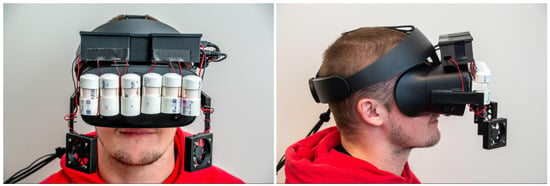
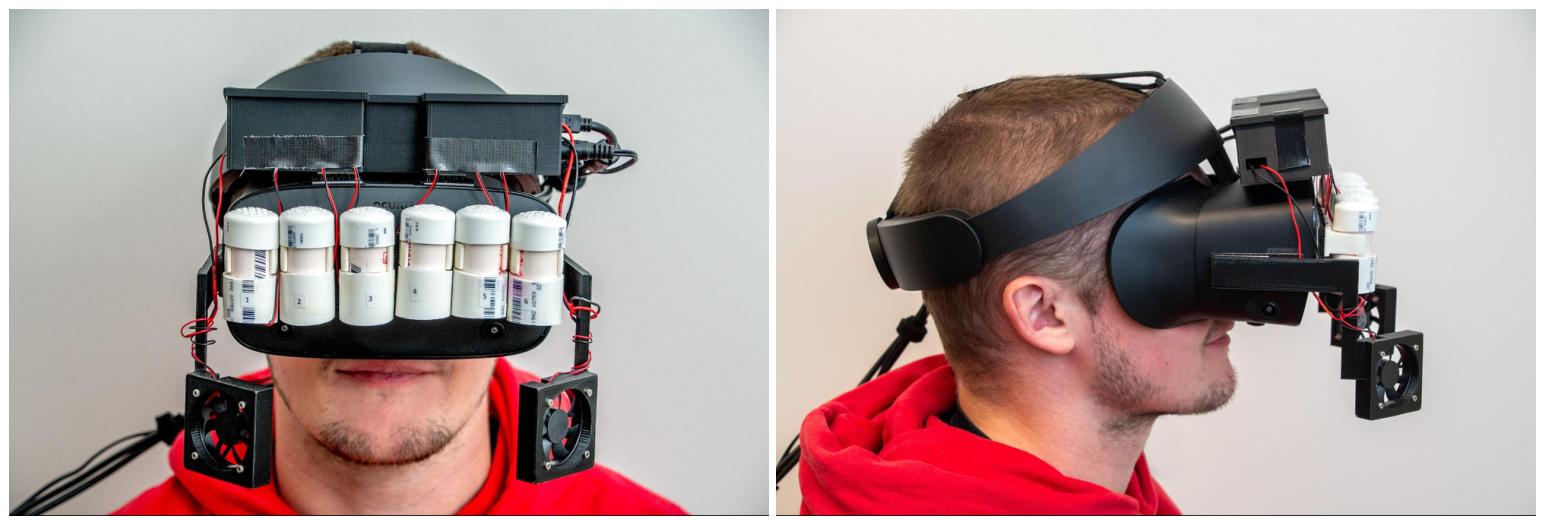
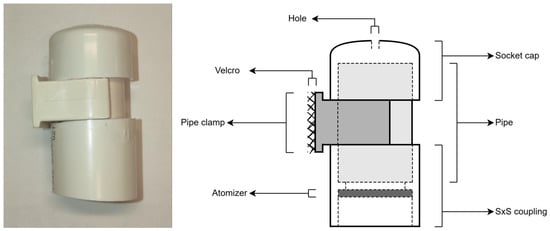
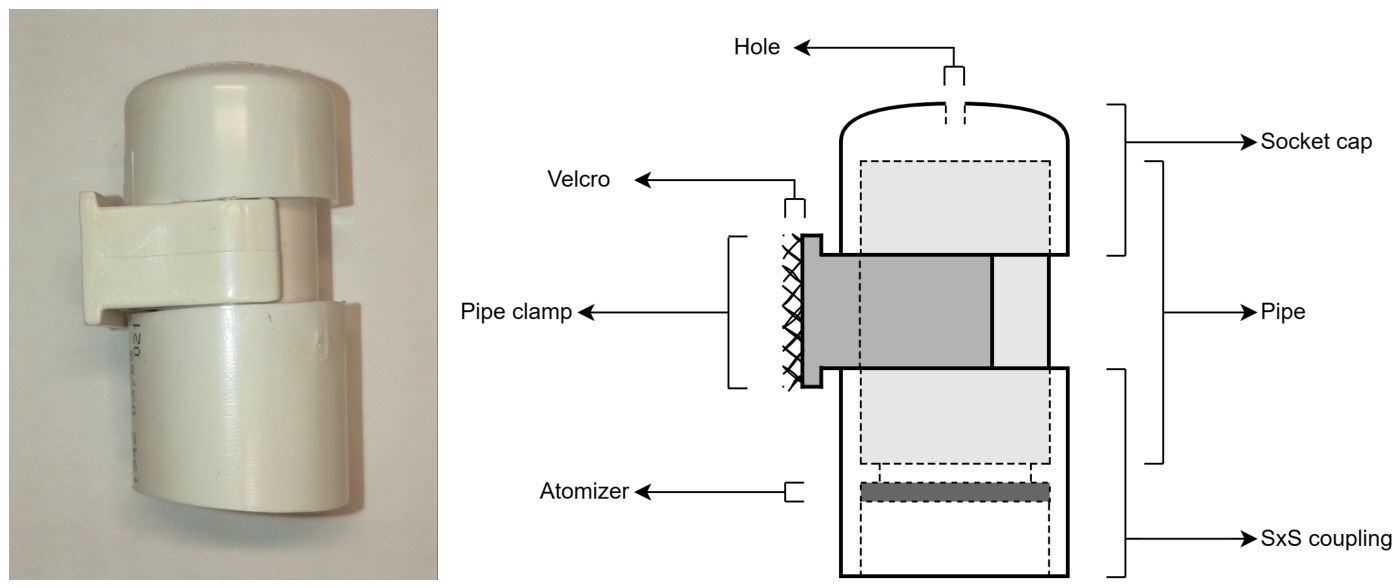
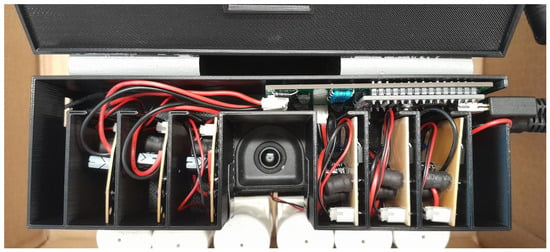
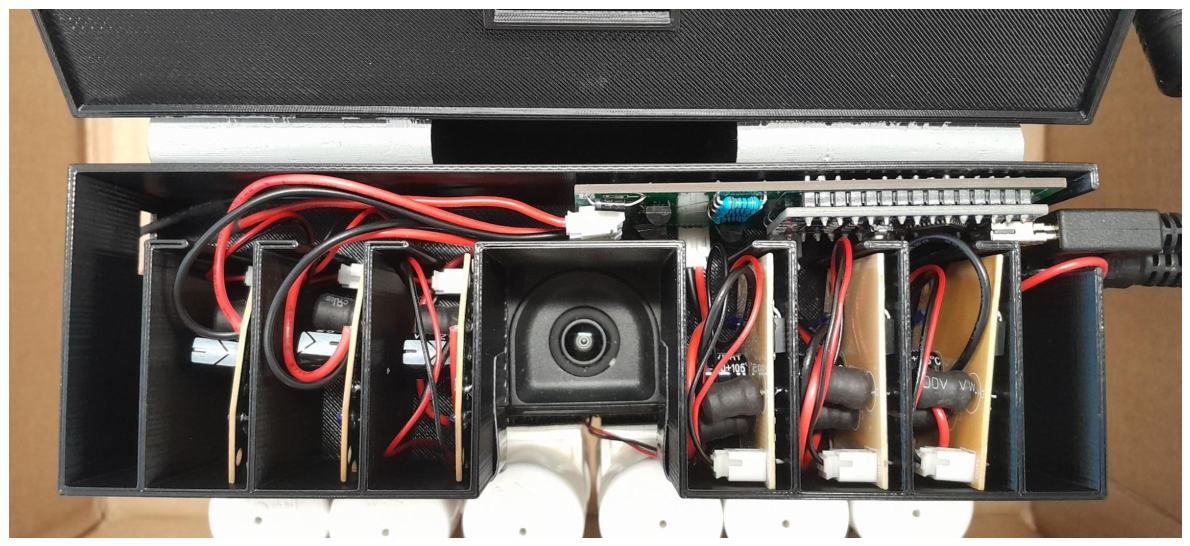
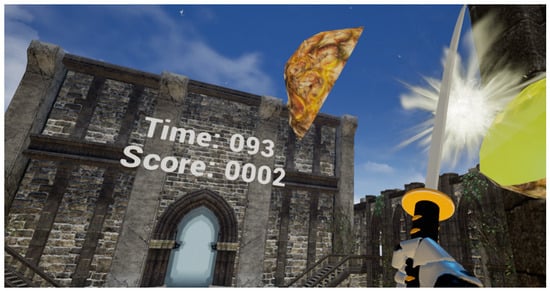
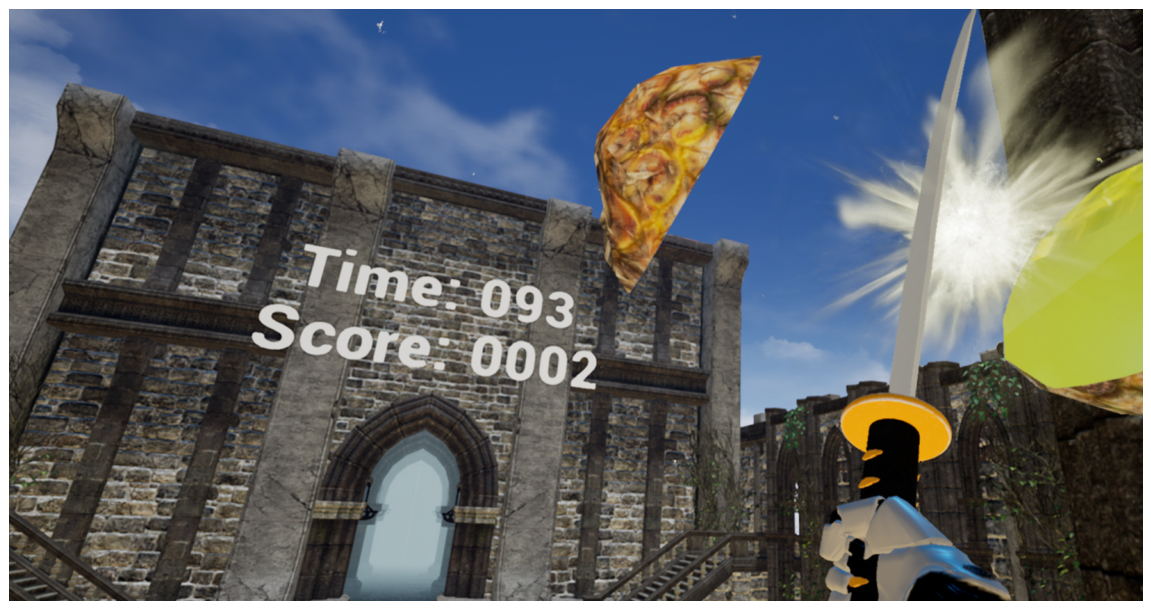
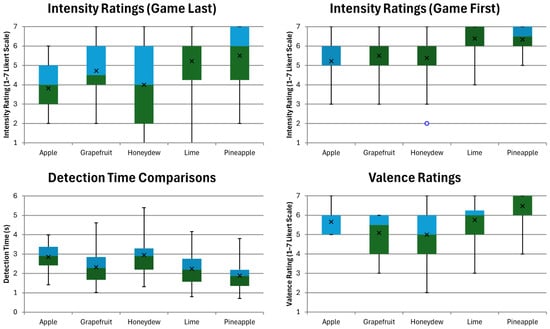
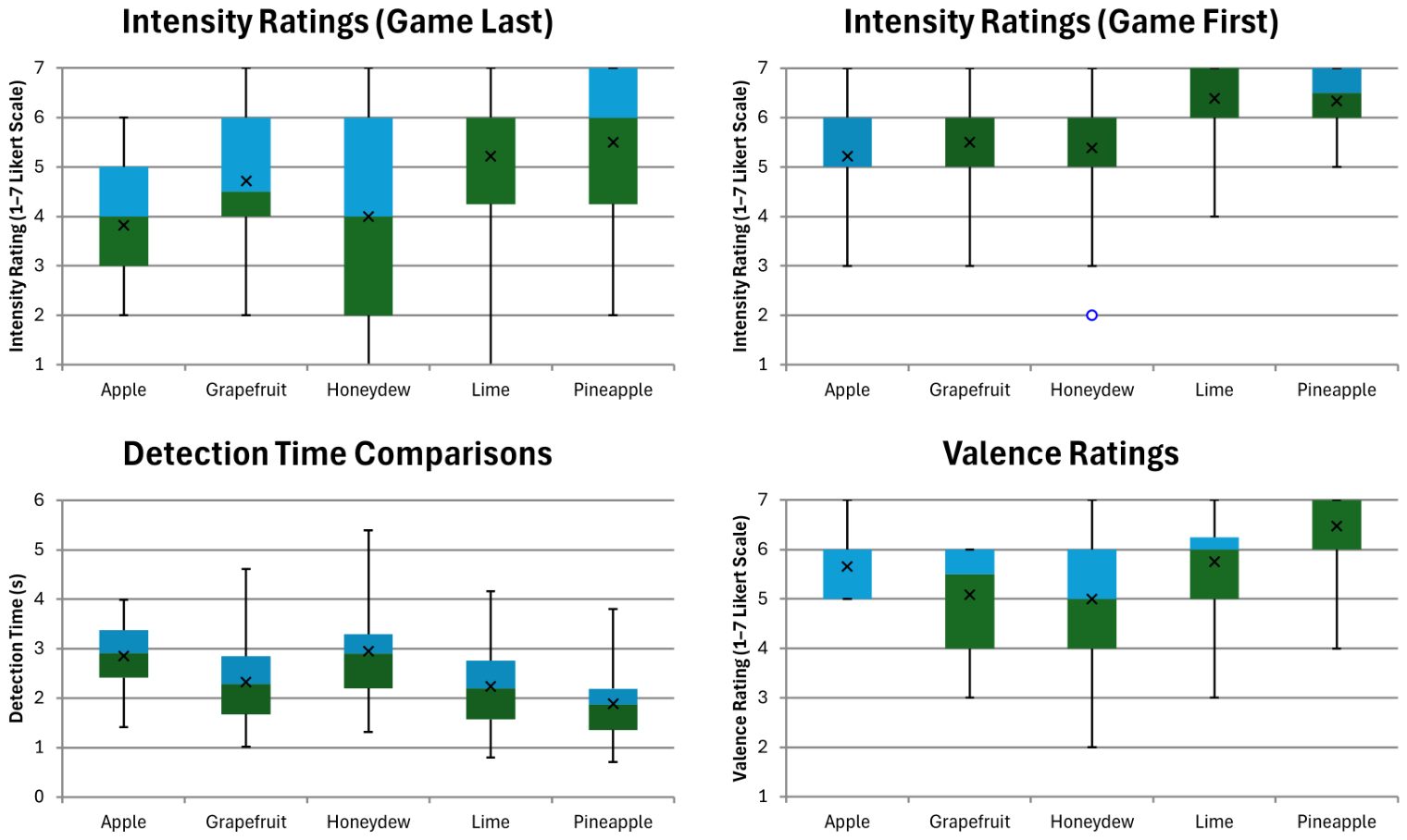
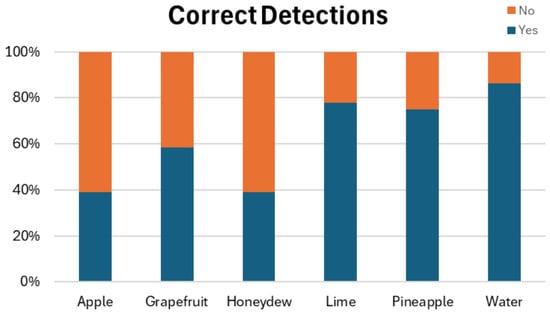
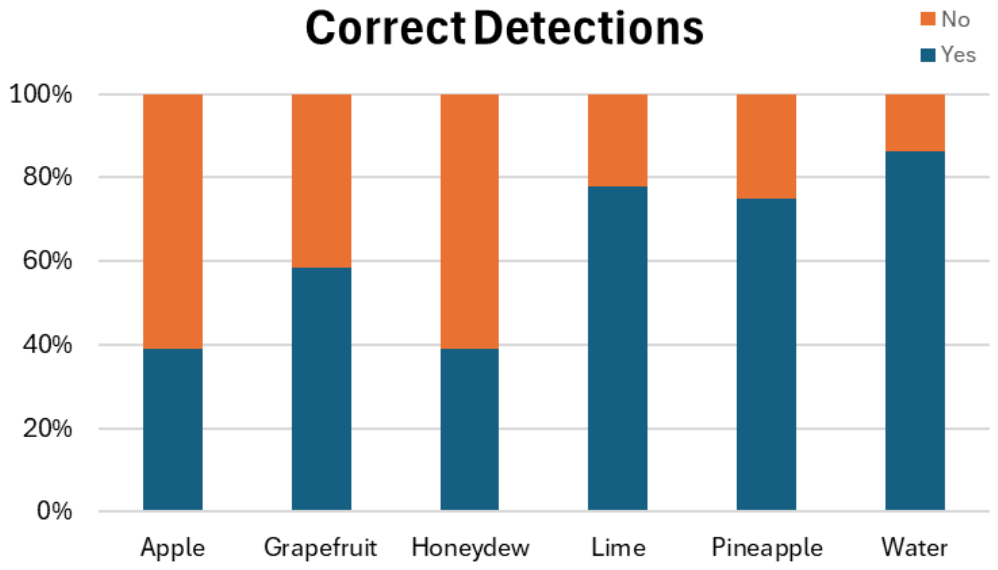
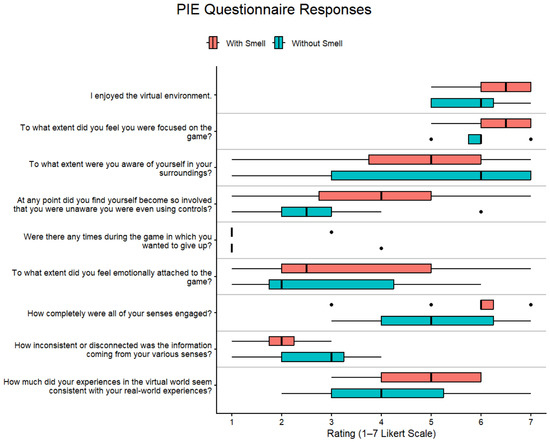
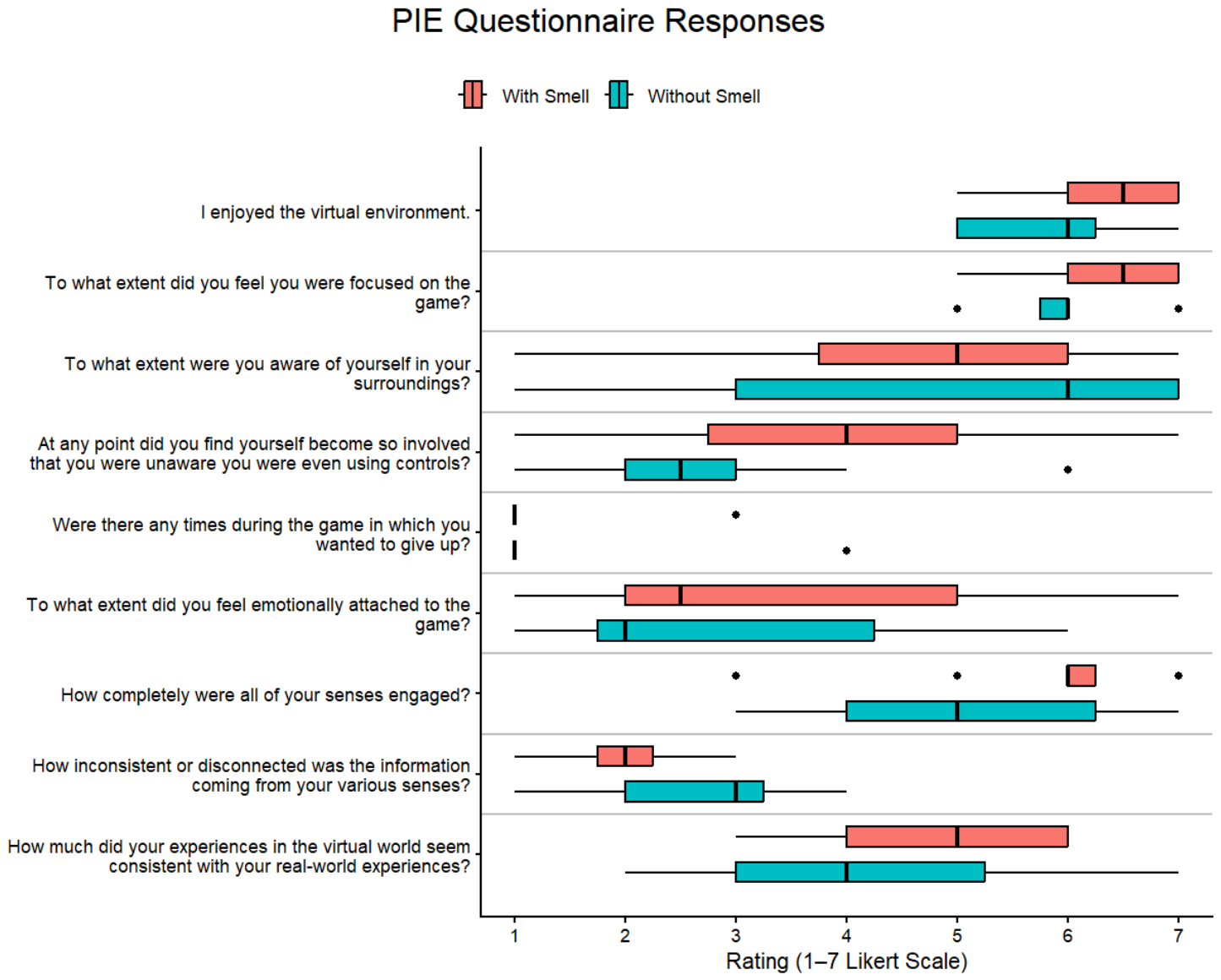
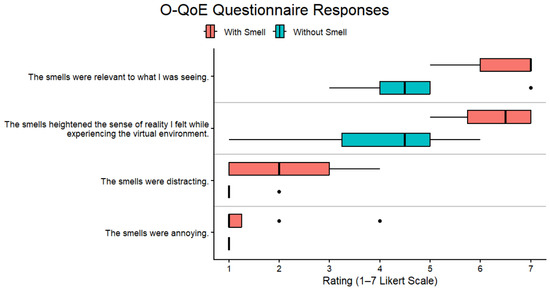
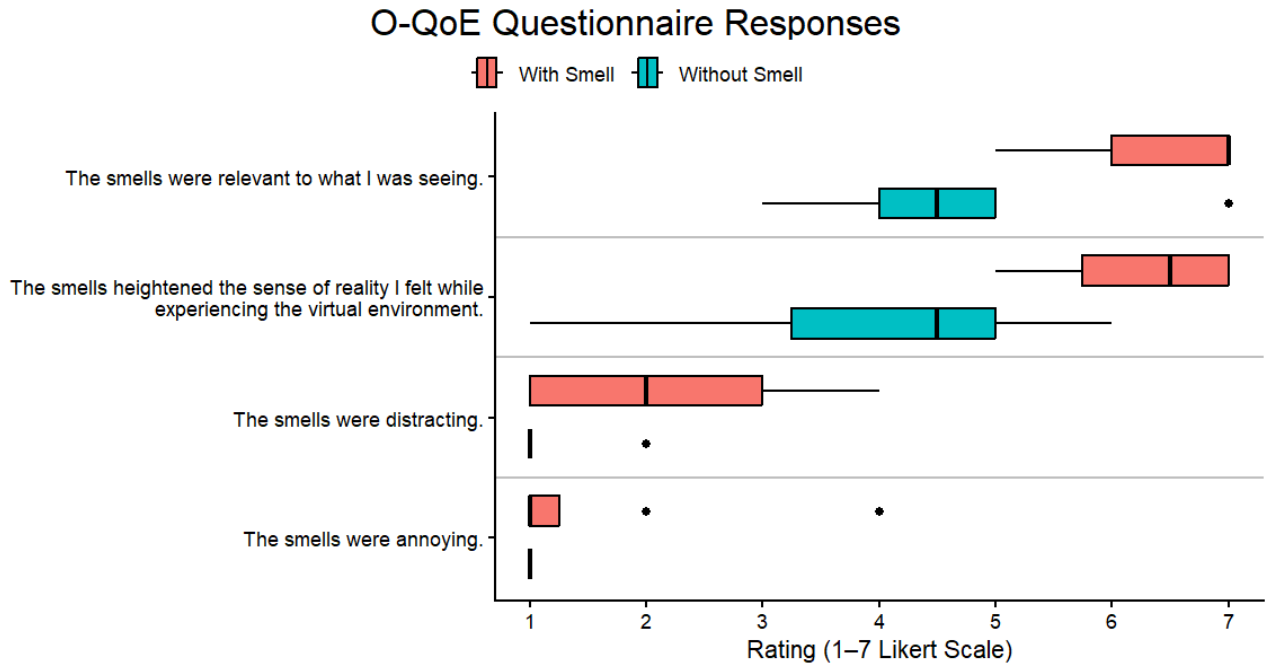
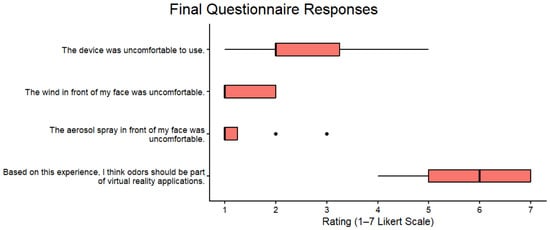
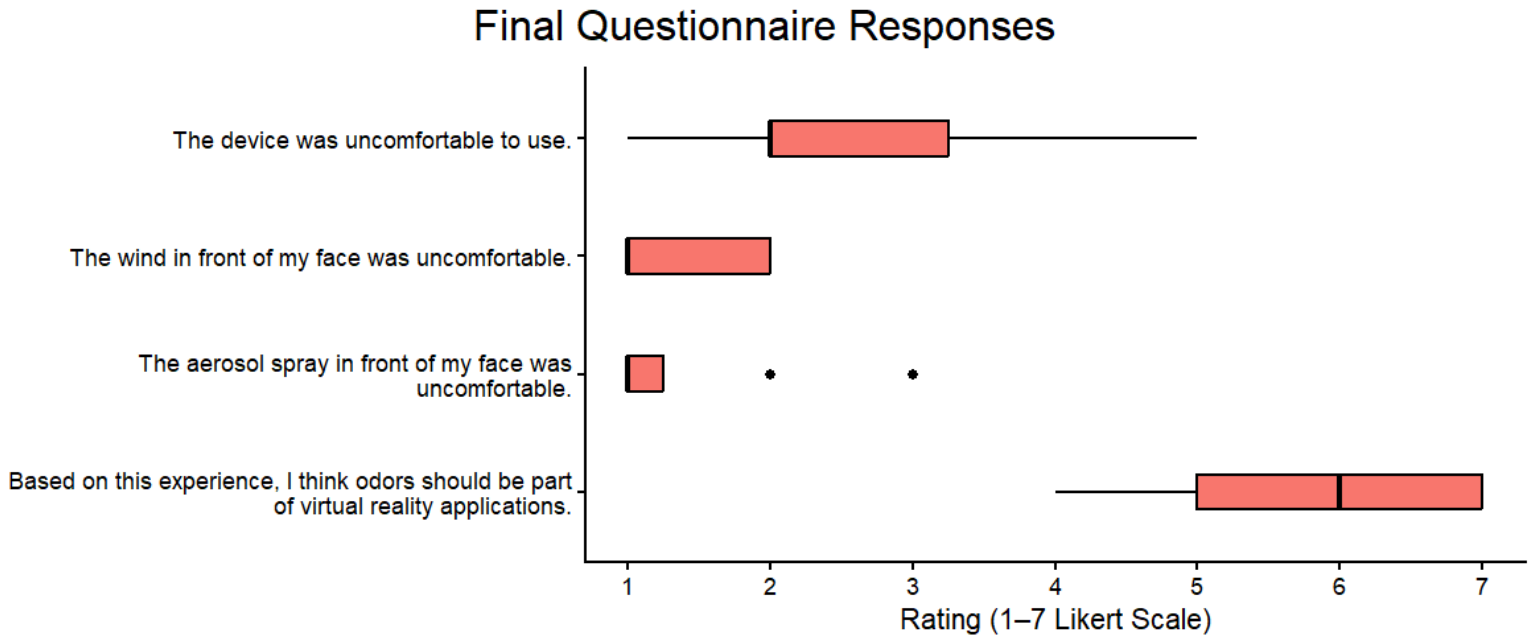

Disclaimer/Publisher’s Note: The statements, opinions and data contained in all publications are solely those of the individual author(s) and contributor(s) and not of MDPI and/or the editor(s). MDPI and/or the editor(s) disclaim responsibility for any injury to people or property resulting from any ideas, methods, instructions or products referred to in the content. |
© 2026 by the authors. Licensee MDPI, Basel, Switzerland. This article is an open access article distributed under the terms and conditions of the Creative Commons Attribution (CC BY) license.