


Abstract
Transportation infrastructure plays a fundamental role in shaping sustainable urban and regional development by improving accessibility, strengthening territorial cohesion, and supporting long-term economic resilience. While previous studies have primarily examined this relationship through macroeconomic indicators and secondary datasets, limited attention has been given to the perceptions of transportation professionals directly involved in infrastructure planning, implementation, and management. Addressing this gap, the present study investigates how transportation professionals in Greece perceive the contribution of transport infrastructure to sustainable regional development within the European policy context. A quantitative, cross-sectional design was employed, administering a structured questionnaire to 384 transportation professionals in October–November 2025. The study examined four interrelated dimensions: socio-economic contribution, environmental sustainability, infrastructure resilience, and long-term development. Multiple regression analysis showed that all four dimensions are significantly and positively associated with perceived regional development, with socio-economic contribution (β* = 0.359) and long-term development (β* = 0.304) showing the largest coefficients (R2 = 0.597, p < 0.001). The study contributes practitioner-grounded evidence from the Greek context, with implications for the European Green Deal, TEN-T, and EU Cohesion Policy.
1. Introduction
1.1. Urbanization and Regional Inequalities
Urbanization represents one of the most transformative global forces shaping contemporary societies. According to the United Nations (UN), nearly 70% of the world’s population is projected to reside in urban areas by 2050, placing unprecedented pressure on existing infrastructure, public services, and environmental systems [1]. Within Europe, more than 70% of the European Union (EU) population already lives in cities, which generate approximately 23% of all transport-related greenhouse gas emissions [2]. This rapid concentration of population in metropolitan areas has intensified spatial disparities between urban centers and peripheral or rural territories, generating persistent inequalities in access to employment, education, healthcare, and transportation [3,4].
Regional inequalities across Europe remain a structural challenge despite decades of cohesion policy investment. Rural and peripheral residents consistently report lower access to transport infrastructure, digital services, and economic opportunities compared to urban populations, while depopulation, aging workforces, and declining public investment reinforce cycles of spatial disadvantage [4]. Territorial imbalances are not self-correcting through market forces alone; they require deliberate policy interventions targeting infrastructure, connectivity, and regional capacity building. In this context, transportation infrastructure emerges as a critical lever: improved connectivity expands labor market catchment areas, broadens access to services, stimulates investment, and strengthens the functional integration of peripheral regions with urban growth centers [5]. At the same time, inadequate or deteriorating transport networks deepen spatial exclusion, reducing the competitiveness and resilience of lagging regions and potentially exacerbating existing inequalities [6].
The implications of urbanization and regional inequality for transportation planning are profound and multidirectional. Metropolitan growth generates rising demand for urban transport systems capable of managing increasing passenger volumes, reducing congestion, and decarbonizing mobility in dense urban environments. Simultaneously, population loss and economic decline in peripheral regions create a different but equally urgent transport challenge: how to maintain connectivity and service quality in territories where demand is declining and the fiscal capacity of local authorities is constrained. Greece exemplifies this dual challenge with particular intensity: the Athens metropolitan area accommodates approximately 35% of the national population and generates a disproportionate share of economic activity, while hundreds of rural municipalities and island communities face persistent transport accessibility deficits that constrain development potential and accelerate outmigration [1,7]. Transportation infrastructure policy must therefore simultaneously address the urban mobility challenge of density and the territorial cohesion challenge of peripherality, a dual mandate that directly informs the multidimensional framework at the heart of this study.
1.2. Transportation Infrastructure as a Sustainable Development Enabler
Transportation infrastructure has evolved conceptually from a purely technical enabler of mobility into a multidimensional instrument of sustainable territorial development. Contemporary planning paradigms recognize that transport investments shape not only economic efficiency but also social cohesion, environmental sustainability, accessibility, and spatial equity, thereby influencing the long-term development trajectories of cities and regions [8,9]. Empirically, improved transport accessibility is positively associated with firm productivity, regional Gross Domestic Product (GDP) growth, and employment creation, particularly in areas where infrastructure deficits have historically constrained economic activity [10,11].
Beyond economic impacts, transportation infrastructure plays a crucial role in fostering social inclusion. Improved connectivity broadens access to healthcare, education, employment, and public services, particularly in peripheral and less-developed regions, addressing what scholars increasingly identify as transport-related social exclusion [12]. Digital technologies, Intelligent Transportation Systems (ITS), and Mobility-as-a-Service (MaaS) frameworks further enhance accessibility while reducing environmental footprints and improving network efficiency [13,14]. However, transport simultaneously generates significant environmental externalities: greenhouse gas emissions, land-use change, biodiversity loss, air pollution, requiring life-cycle assessment, circular economy principles, and climate-adaptive planning to be integrated into infrastructure design and evaluation [15,16]. Infrastructure resilience, defined as the capacity of transportation systems to absorb, adapt to, and recover from disruptions while maintaining essential functions, has similarly emerged as a strategic priority given the increasing frequency and severity of climate-related hazards [17,18].
1.3. European Urban Policy Framework
The European Union has developed a comprehensive and interconnected policy architecture within which transportation infrastructure occupies a central strategic position. The European Green Deal (2019) establishes climate neutrality as the overarching economic objective by 2050, with the Sustainable and Smart Mobility Strategy (2020) mandating a 90% reduction in transport greenhouse gas emissions by 2050 and the development of Sustainable Urban Mobility Plans (SUMPs) for all major Trans-European Transport Network (TEN-T) urban nodes by 2027 [2]. These commitments fundamentally redefine transport investment evaluation, requiring simultaneous consideration of economic returns, environmental performance, and social inclusiveness.
The revised TEN-T Regulation (EU) 2024/1679 establishes binding deadlines for network completion (core: 2030; extended core: 2040; comprehensive: 2050), with particular emphasis on rail infrastructure, urban node integration, climate resilience, and digitalization [19]. The EU Cohesion Policy 2021–2027, operationalized through the European Regional Development Fund (ERDF) and Cohesion Fund, channels substantial resources toward transport modernization in less-developed regions; approximately €70 billion were invested through these instruments during 2014–2020 alone [20,21]. At the global level, transportation infrastructure aligns closely with the UN Sustainable Development Goals, particularly SDG 9 (resilient infrastructure), SDG 11 (sustainable cities and communities), and SDG 13 (climate action), reinforcing the principle that sustainable transport is a prerequisite for equitable and climate-resilient societies [22]. Awareness and engagement with the SDG framework is increasingly documented at multiple levels of Greek society [23].
The convergence of the EU policy architecture (Green Deal, TEN-T, Cohesion Policy) with the global SDG framework provides a coherent multi-level governance context within which the perceptions of transportation professionals can be meaningfully interpreted.
1.4. Research Gap and Aim
Despite the extensive literature on transportation and regional development, most existing studies rely on macroeconomic indicators, spatial econometric models, geographic information systems, or secondary statistical datasets. These approaches generate valuable aggregate evidence. However, they remain inherently limited in their capacity to capture how infrastructure impacts are experienced by practitioners [8,9,24]. Comparatively little attention has been devoted to the perceptions of transportation professionals—engineers, planners, policymakers, and infrastructure managers. These professionals possess specialized contextual knowledge about how transport investments translate into real-world development outcomes across socio-economic, environmental, resilience, and long-term territorial dimensions [25,26].
This empirical gap is particularly pronounced in Southern European contexts such as Greece, where transport infrastructure challenges intersect with EU Cohesion Policy cycles, fiscal austerity legacies, and significant regional disparities between metropolitan areas and peripheral regions [27]. Addressing this gap is not merely an academic exercise but a practical imperative. Transportation professionals occupy a unique epistemic position, bridging technical knowledge and broader socio-economic and environmental outcomes. Their practitioner-grounded evidence can complement and enrich macro-level analyses, informing more effective, equitable, and sustainable transportation policy. This study investigates how transportation professionals in Greece perceive the contribution of transportation infrastructure to sustainable regional development within the European policy context.
The study’s contribution is further differentiated by its explicit European policy anchoring. Rather than treating sustainable regional development as a generic outcome variable, the study situates professional perceptions within the specific governance context of the European Green Deal, the revised TEN-T Regulation, and the EU Cohesion Policy 2021–2027, frameworks that have fundamentally redefined what sustainable transport infrastructure is expected to deliver and how it is expected to be governed. This policy specificity enables the study’s findings to be interpreted and applied directly within the institutional environment in which Greek and Southern European transportation professionals operate, providing actionable evidence rather than abstract academic conclusions.
1.5. Objectives and Hypotheses
The study pursues five specific objectives:
- to assess professional perceptions of transport infrastructure’s socio-economic contribution to regional development;
- to evaluate perceptions of environmental sustainability in transport infrastructure planning;
- to examine professional assessments of infrastructure resilience;
- to analyze relationships between the four dimensions and perceived regional development outcomes;
- to discuss implications for European urban policy.
The following hypotheses are tested:
Hypothesis 1. (H1).
The perceived socio-economic contribution of transportation infrastructure is positively and significantly associated with perceived sustainable regional development outcomes.
Hypothesis 2. (H2).
The perceived environmental sustainability of transportation infrastructure planning is positively and significantly associated with perceived sustainable regional development outcomes.
Hypothesis 3. (H3).
The perceived resilience of transportation infrastructure is positively and significantly associated with perceived sustainable regional development outcomes.
Hypothesis 4. (H4).
The perceived long-term development orientation of transportation infrastructure is positively and significantly associated with perceived sustainable regional development outcomes.
The formulation of these hypotheses reflects both the theoretical framework developed in the literature review and the practical governance dimensions that transportation professionals most directly engage in their daily work. By testing all four hypotheses simultaneously through multiple regression analysis, the study can assess not only whether each dimension individually predicts regional development perceptions, but also the relative strength of each predictor when the explanatory contributions of the others are held constant. This simultaneous testing framework guards against spurious attribution of effects to individual dimensions and provides a more accurate representation of how professional assessments of sustainable regional development are shaped by the combined interplay of socio-economic, environmental, resilience, and strategic factors.
2. Literature Review
2.1. Regional Competitiveness, Accessibility, and Urban Sustainability
The relationship between transportation infrastructure and regional economic competitiveness constitutes one of the most extensively studied subjects in regional science and economic geography. Transport investments generate substantial productivity gains by reducing travel time and logistics costs, expanding market catchment areas, improving labor mobility, and facilitating the diffusion of innovation and knowledge across urban and regional economies [28,29]. At the European level, empirical analyses confirm that Cohesion Policy-funded transport investments have produced measurable improvements in regional GDP, interregional trade flows, and spatial accessibility, though the distribution of benefits is geographically uneven and depends critically on pre-existing economic structures [30,31].
Research on Central and Eastern Europe underscores the role of transport infrastructure as a catalyst for catching-up processes in economically lagging regions, while simultaneously generating asymmetric spatial effects that can reinforce peripherality in bypassed areas [8,32]. From a firm-level perspective, improvements in transport accessibility are positively associated with productivity in manufacturing and logistics-intensive sectors, while freight accessibility improvements generate measurable GDP multiplier effects [10,11]. Accessibility, the ease with which individuals and organizations can reach destinations, services, and opportunities, has emerged as a central concept linking transportation infrastructure to sustainable urban development. SUMPs, now required for all TEN-T urban nodes, represent the principal EU policy instrument for operationalizing accessibility through integrated public transport, active mobility, and digital travel platforms [2,33]. Research confirms that SUMPs are associated with reduced car dependency, lower transport-related emissions, and improved access to services, particularly for low-income households and residents of peripheral urban areas [15].
The social dimensions of accessibility deserve particular emphasis. Transport-related social exclusion, the inability to participate in economic and social life due to inadequate transport access, constitutes a distinct and understudied dimension of regional inequality [12,34]. Research confirms that inadequate transport accessibility systematically disadvantages elderly people, persons with disabilities, low-income households, and residents of peripheral areas by limiting their access to employment, healthcare, and education. These effects are especially pronounced in geographically fragmented countries like Greece, where island and mountain communities face structural transport deficits that cannot be addressed through individual modal choices alone. Emerging digital mobility solutions, including MaaS platforms, real-time multimodal journey planners, and demand-responsive transport services, offer new opportunities to extend accessibility to underserved populations, though their accessibility benefits remain unevenly distributed and require deliberate policy interventions to prevent the deepening of digital access divides [13,14].
2.2. Environmental Sustainability and Infrastructure Resilience
The environmental dimensions of transportation infrastructure have gained increasing prominence driven by the urgent need to decarbonize the transport sector. Transport accounts for approximately 21–25% of global greenhouse gas emissions, making it one of the sectors most critical to the Paris Agreement and the European Green Deal [15,35]. Efforts to reduce environmental impact operate across multiple levels:
- the transition to electric vehicles and zero-emission fleets under the EU’s Fit for 55 package;
- transit-oriented development and nature-based solutions at the infrastructure-planning level;
- investment in cycling infrastructure that reduces travel distances and promotes modal shift [15,16].
Life-cycle assessment has emerged as a critical methodological tool for evaluating the full environmental impact of infrastructure projects, while circular economy principles (material reuse, design for disassembly, resource-efficient maintenance) can significantly reduce the carbon footprint of road transport infrastructure [16,36]. Climate change projections indicate that a substantial proportion of global transportation infrastructure will face increased exposure to precipitation extremes, reinforcing the need to integrate climate scenarios into infrastructure design standards [35].
The environmental governance of transport infrastructure is increasingly shaped by the EU’s sustainable finance regulatory framework. The EU Taxonomy for Sustainable Activities classifies transport infrastructure investments according to their alignment with climate change mitigation, climate change adaptation, and other environmental objectives, providing a standardized basis for evaluating which investments qualify as environmentally sustainable [37]. The European Green Bond Standard (Regulation (EU) 2023/2631), which entered into force in December 2023, requires bond issuers to commit at least 85% of proceeds to taxonomy-aligned activities, creating a direct financial incentive for transport project sponsors to demonstrate credible environmental compliance [38]. These instruments collectively represent a paradigm shift in how transport infrastructure is financed and governed, moving from discretionary environmental commitments toward binding taxonomy alignment that conditions access to growing pools of private sustainable capital. For transport planning professionals, this shift implies an urgent need to develop competencies in taxonomy screening, life-cycle carbon accounting, and environmental impact documentation that go substantially beyond traditional engineering appraisal frameworks.
Infrastructure resilience (the capacity of transportation systems to absorb, adapt to, and recover from disruptions) has emerged as a strategic priority given the growing frequency of climate-related hazards, energy transitions, and geopolitical instabilities [17,39]. Empirical research confirms that transportation network disruptions generate far-reaching socioeconomic consequences, disproportionately affecting economically vulnerable communities [40]. Interconnected multimodal networks demonstrably enhance resilience by providing redundancy and alternative routing during disruptions [18]. Modern resilience frameworks encompass adaptive capacity, redundancy, rapidity of recovery, and institutional preparedness, principles increasingly reflected in EU policy through TEN-T’s explicit climate risk assessment requirements [19,41]. In the Greek context, the intersection of digital infrastructure security and civil protection governance represents an emerging dimension of infrastructure resilience—one in which the vulnerabilities of transport management systems (signaling, traffic control, port operations) are increasingly recognized as cybersecurity risks alongside conventional physical hazards [42].
In the Greek context, the territorial cohesion challenge is amplified by the country’s unique geography. With 227 inhabited islands and extensive mountainous terrain, Greece confronts connectivity challenges that mainland European countries rarely encounter at the same scale. EU Cohesion Policy investments have progressively improved mainland connectivity: the Egnatia Odos highway, for instance, dramatically reduced travel times between Western Greece and Thessaloniki and facilitated integration with Balkan transport corridors, but island and mountain communities continue to face structural accessibility deficits that persist despite decades of investment [7,27]. The 17 Greek cities designated as TEN-T urban nodes under Regulation (EU) 2024/1679 face SUMP development requirements by 2027, but the remaining urban and rural territories outside these nodes, including the vast majority of Greek islands, are not covered by this mandate, raising important questions about the equity and territorial completeness of European urban mobility policy [19,33].
What distinguishes the present study from existing practitioner-focused research is its explicit operationalization of sustainable regional development as a multidimensional outcome: disaggregated into socio-economic, environmental, resilience, and long-term territorial dimensions, rather than as a single composite construct. Previous studies examining transport professional perceptions have largely focused on specific technical or project delivery dimensions (cost overruns, modal choice, project governance) rather than on the broader sustainability and territorial development implications of infrastructure investment programs [26]. By positioning professional perceptions as independent evidence, complementary to, rather than derivative of, aggregate statistical indicators, the present study opens a new methodological avenue for understanding how transport investments perform across the full spectrum of sustainable development dimensions that European urban and regional policy now demands.
2.3. Territorial Cohesion and Research Gap
Territorial cohesion—equitable access to opportunities, services, and infrastructure regardless of geographical location—has been a foundational EU objective since the Lisbon Treaty [43]. Transportation infrastructure is central to this framework because connectivity determines the degree to which peripheral, rural, and island regions can participate in national and European economic systems. Road infrastructure improvements generally reduce accessibility differentials between urban and rural regions, though large-scale investments may concentrate benefits in urbanized corridors while bypassing isolated areas [44,45]. Achieving genuine territorial cohesion requires moving beyond accessibility metrics to address governance, institutional, and planning dimensions that determine whether transport investments translate into sustainable development outcomes for peripheral communities [43,46].
The preceding review confirms that existing empirical studies overwhelmingly rely on objective secondary indicators: regional GDP, employment rates, accessibility indices, spatial econometric models, that cannot capture the experiential and contextual knowledge of practitioners [8,9,24]. Professional perceptions constitute a form of embedded expertise integrating technical knowledge with institutional experience and long-term observation, providing insights into infrastructure quality, environmental management, and territorial outcomes that secondary datasets struggle to capture [25,26]. This practitioner-based evidence gap is especially pronounced in Greece, where infrastructure investment intersects with EU Cohesion Policy cycles, fiscal austerity legacies, and significant metropolitan–peripheral disparities, making the present study both timely and empirically necessary [27].
The concept of knowledge integration in transport policy—the deliberate combination of scientific evidence, practitioner expertise, and stakeholder experience in policy development—has gained increasing recognition as a prerequisite for effective and legitimate governance [47]. This study’s approach, situating practitioner perceptions as primary empirical data rather than as anecdotal supplements to objective indicators, operationalizes this integrative ideal. By generating systematic, statistically analyzed evidence from transportation professionals—the community most directly positioned to evaluate how infrastructure investment translates into sustainable development outcomes—the study contributes a form of evidence that is both policy-relevant and methodologically rigorous.
2.4. Conceptual Framework
The four-dimension structure of the framework is grounded in the principle that sustainable regional development is an inherently multidimensional construct that cannot be adequately captured by any single metric or indicator. Economic productivity gains from transport infrastructure (H1) are necessary but not sufficient for sustainable development; they must be accompanied by environmental stewardship (H2) to ensure that growth does not erode the natural capital base on which long-term regional prosperity depends. Resilient infrastructure systems (H3) are required to protect economic and social gains against climate-related and systemic disruptions. And long-term strategic alignment (H4) is necessary to ensure that infrastructure investments accumulate into coherent territorial development trajectories rather than isolated project-level improvements. Together, these four dimensions operationalize the sustainable development principle of integrating economic, environmental, social, and governance considerations into a unified framework for evaluating transport infrastructure’s contribution to territorial well-being.
The framework’s practical utility lies in its capacity to guide both research and policy simultaneously. For researchers, it provides a validated measurement instrument and a theoretically grounded analytical structure that can be adapted to comparative and longitudinal study designs. For policymakers and planners, it offers a structured vocabulary for evaluating transport infrastructure performance that extends beyond cost–benefit analysis to encompass the environmental, resilience, and strategic alignment dimensions that European policy frameworks increasingly require. By positioning these four dimensions as complementary rather than competing, the framework operationalizes the integrated sustainability principle, that genuine sustainable development requires simultaneous progress across economic, environmental, social, and governance dimensions, as a practical assessment tool for transport infrastructure governance.
The study’s conceptual framework is illustrated in Figure 1. It posits that transportation infrastructure influences sustainable regional development through four hypothesized pathways (H1–H4), each treated as an independent construct measured through dedicated questionnaire items: H1—Socio-Economic Contribution (productivity gains, labor market integration, and social inclusion benefits strengthening regional competitiveness [10,28,30]); H2—Environmental Sustainability (life-cycle thinking, circular economy principles, and low-carbon mobility solutions reducing environmental footprint [15,16,35]); H3—Infrastructure Resilience (adaptive capacity, redundancy, and climate-proofing maintaining service continuity under disruption [17,18,41]); and H4—Long-Term Development (strategic planning alignment, territorial cohesion objectives, and SDG integration maximizing long-term contribution to balanced regional growth [19,43,46]). These are hypothesized to exert positive and significant effects on perceived sustainable regional development outcomes, which constitute the study’s dependent variable.
Figure 1.
Conceptual framework of the study, linking the four independent constructs—socio-economic contribution (H1), environmental sustainability (H2), infrastructure resilience (H3), and long-term development (H4)—to perceived sustainable regional development as the dependent variable. Source: Authors’ elaboration.
3. Research Methodology
3.1. Research Design and Study Area
The cross-sectional mono-method design is appropriate for the study’s objectives and consistent with established approaches in transport perception research [48,49]. It enables the simultaneous assessment of multiple professional subgroups, the estimation of regression relationships across the full sample, and the comparison of construct means across demographic categories, analytical objectives that would not be achievable through longitudinal or qualitative designs within the resource and time constraints of this research. While the cross-sectional approach precludes causal inference, the deductive hypothesis-testing structure ensures that findings are theoretically grounded and that the direction of relationships tested is specified as a priori, reducing the risk of post hoc rationalization that can inflate apparent effect sizes in exploratory research designs.
This study adopts a quantitative, cross-sectional, deductive research design to test the four hypotheses through structured survey data, consistent with the positivist tradition in social science research that holds social phenomena can be measured objectively and that relationships between variables can be identified and generalized through statistical analysis [48,49]. Greece constitutes the study area for several compelling reasons. First, its geographical complexity, over 6000 islands (227 inhabited) and mountainous terrain covering more than 80% of the mainland, creates exceptional transport connectivity challenges and pronounced urban–peripheral accessibility disparities [7]. Second, Greece has been a major recipient of EU Cohesion Policy and TEN-T investment, including the Patras-Athens-Thessaloniki-Evzoni road axis (PAThE), Egnatia Odos highway, Athens Metro expansion, and 17 designated TEN-T urban nodes [19,27]. Third, its severe fiscal consolidation during 2010–2018 left a documented legacy of maintenance underinvestment and institutional fragility that the current National Recovery and Resilience Plan ‘Greece 2.0’ (total value approximately €35.95 billion, with a dedicated green transportation pillar) is actively designed to address [27,50]. Greece thus represents a theoretically generative case for examining how transport infrastructure investment, austerity legacies, and EU policy frameworks jointly shape professional perceptions of sustainable development.
3.2. Target Population, Sampling Strategy, and Sample Size
The target population comprises transportation professionals actively engaged in infrastructure planning, design, implementation, management, operation, or policy governance in Greece, including civil/transport engineers, urban/regional planners, public sector managers, policymakers and advisors, transport-sector operational employees, and academic researchers. Given the absence of a comprehensive national register, a two-phase non-probability sampling strategy was employed. First, purposive sampling recruited initial respondents satisfying the eligibility criteria, active professional engagement in transportation infrastructure and a minimum of two years’ experience, through the Technical Chamber of Greece (TCG–TEE in Greek) and direct outreach to relevant public agencies and private organizations [51]. Second, snowball sampling extended the sample across organizational and geographical contexts, with respondents explicitly encouraged to refer colleagues across different professional roles, sectors, and regions to mitigate homophily bias [52]. Because a non-probability, purposive-plus-snowball strategy was used and the questionnaire was disseminated partly through professional-body and referral channels, the total number of individuals reached cannot be established with precision and a conventional response rate cannot be calculated. This is acknowledged as a limitation (Section 5.4). The minimum required sample size was determined using Cochran’s formula (Equation (1)) [53].
Substituting in the values:
With z = 1.96 (95% confidence), p = q = 0.50 (maximum variance assumption), and e = 0.05 (±5% margin of error), the formula yields a minimum n = 384 [53,54].
Because the sampling strategy was non-probabilistic, this figure is used as a benchmark for sample-size adequacy and analytical power rather than as a basis for claiming statistical representativeness of the professional population; the latter is addressed as a limitation in Section 5.4.
No finite population correction was applied. The target population of transportation professionals in Greece is estimated to number in the tens of thousands, based on the membership registers of the Technical Chamber of Greece (TCG), the statutory body with which engineers practicing in Greece are required to register [55]. The achieved sample of 384 therefore represents well below 5% of the target population, the conventional threshold above which a finite population correction becomes necessary [53].
The questionnaire was distributed electronically during October–November 2025, with a follow-up reminder issued after three weeks. Data collection therefore took place approximately 31 months after the March 2023 Tempi railway disaster, during a period of sustained public and parliamentary scrutiny of railway safety governance; the resilience assessments reported here should be read as reflecting professional judgement formed in that specific institutional aftermath. The study retained n = 384 valid completed questionnaires.
3.3. Questionnaire Development, Pilot Study, and Reliability
The primary data collection instrument was a structured, self-administered questionnaire developed in both Greek and English, comprising 44 items across six thematic sections (Table 1). Appendix A.2.1 collected demographic and professional profile information (6 items). Appendix A.2.2, Appendix A.2.3, Appendix A.2.4 and Appendix A.2.5 operationalized the four independent constructs corresponding to H1–H4. The complete instrument, including the full wording of all items and the response anchors, is reproduced in Appendix A.2, preceded by the blank informed-consent form (Appendix A.1). All construct items were rated on a five-point Likert scale (1 = strongly disagree, 2 = disagree, 3 = neither agree nor disagree, 4 = agree, 5 = strongly agree). Appendix A.2.6 measured the dependent variable, Perceived Sustainable Regional Development, through six items on the same scale.
Table 1.
Structure of the research questionnaire.
Item generation followed a three-stage process:
- systematic review of validated scales from transportation, regional development, and sustainable urban planning research;
- contextual refinement to reflect the Greek and European policy environment;
- review for clarity and freedom from ambiguity, following established questionnaire design principles [56,57].
A pilot study with n = 30 transportation professionals assessed instrument clarity, face validity, and reliability, yielding Cronbach’s α > 0.70 across all multi-item sections and confirming an estimated completion time of 12–15 min [58]. Items were refined based on structured pilot feedback before full deployment. Content validity was established through a five-expert panel applying the Content Validity Index (CVI ≥ 0.78, per Lynn [59]). All OLS (Ordinary Least Squares) assumptions were verified prior to regression interpretation (Section 4.3). Ethical clearance was obtained from the Institutional Review Board of University of Western Macedonia in accordance with the Declaration of Helsinki and General Data Protection Regulation (GDPR Regulation EU 2016/679); informed consent was obtained electronically from all participants.
4. Results
4.1. Sample Profile
A total of 384 valid and complete questionnaires were retained for analysis. The sample is male-dominated (64.8%, n = 249), reflecting the gender composition of the transportation engineering profession in Greece, where women remain underrepresented in technical and senior roles. In terms of educational attainment, the majority hold a Master’s degree (54.9%, n = 211), followed by doctoral qualifications (29.9%, n = 115) and bachelor’s degrees (15.1%, n = 58), indicating a highly educated professional cohort. Regarding professional experience, the largest group comprises professionals with 5–10 years (34.9%, n = 134), followed by 11–20 years (29.9%, n = 115), suggesting the sample captures a substantial proportion of mid-career and experienced professionals. Civil and transport engineers constitute the largest subgroup (34.9%, n = 134), followed by public sector managers (25.0%, n = 96), urban/regional planners (20.1%, n = 77), policymakers/advisors (12.5%, n = 48), and academic researchers (7.6%, n = 29). Geographically, respondents are concentrated in Attica (40.1%, n = 154) and Central Macedonia (20.1%, n = 77), with the remaining 39.8% distributed across Western Greece, Thessaly, Crete, and other regions (Table 2).
Table 2.
Socio-demographic and professional profile of the sample (n = 384).
4.2. Descriptive Statistics and Reliability Analysis
All five composite constructs yielded mean scores above the Likert midpoint (M = 3.0), confirming broadly positive professional perceptions across all dimensions of transportation infrastructure’s contribution to sustainable regional development (Table 3). The highest means were recorded for Socio-Economic Contribution (H1: M = 3.90, SD = 0.66) and Long-Term Development (H4: M = 3.90, SD = 0.66), suggesting that respondents are most confident in transport infrastructure’s economic productivity and long-term strategic value. Environmental Sustainability (H2: M = 3.74, SD = 0.69) and Infrastructure Resilience (H3: M = 3.73, SD = 0.75) received slightly lower scores, indicating that these dimensions, while recognized as important, may be perceived as less consistently achieved in current Greek transport planning practice. The Perceived Regional Development dependent variable yielded M = 3.90 (SD = 0.65).
Item-level analysis revealed notable patterns. B3 (‘Improved transport connectivity enhances regional labour mobility’, M = 4.02) was the highest-rated item across the entire instrument, while within the same construct B8 (‘Transport infrastructure strengthens the international competitiveness of Greek regions’, M = 3.79) was the lowest, suggesting that professionals perceive domestic labor market effects more directly than international competitive positioning. At the other end of the scale, C7 (‘Circular economy principles are applied in transport infrastructure construction’, M = 3.55) was the lowest-rated item across the entire instrument, followed by D3 (‘Infrastructure maintenance programmes are adequately funded’, M = 3.58) and C4 (‘Life-cycle environmental costs are considered in transport infrastructure investment decisions’, M = 3.59). Two of these three lowest-rated items belong to the environmental sustainability construct (H2) and reflect the nascent integration of circular economy and life-cycle thinking in Greek transport practice; the third belongs to the infrastructure resilience construct (H3) and reflects the documented legacy of fiscal consolidation-driven maintenance underinvestment. Within H4, the highest-rated item was E1 (‘Transport investments are aligned with long-term regional development plans’, M = 3.94). Cronbach’s alpha coefficients confirmed good-to-excellent internal consistency across all scales, with the overall instrument (38 construct items) yielding α = 0.924, indicating excellent reliability [60,61].
Table 3.
Descriptive statistics and reliability analysis (n = 384).
4.3. Assumption Testing and Regression Diagnostics
Prior to interpreting the regression model, all ordinary least squares assumptions were verified. Residuals were normally distributed (Shapiro–Wilk W = 0.991, p = 0.073) and homoscedastic (Breusch–Pagan χ2 = 5.41, p = 0.247). Independence of errors was confirmed (Durbin–Watson = 1.97), and multicollinearity was absent, with all variance inflation factors between 1.54 and 1.71, well below the conventional threshold of 5.0 [56,62]. Construct validity was supported by exploratory factor analysis using principal component extraction with varimax rotation: sampling adequacy was confirmed (KMO = 0.915; Bartlett’s χ2(703) = 7567.7, p < 0.001), and principal component analysis with varimax rotation retained five components explaining 60.3% of total variance, with all items loading above 0.50 on their hypothesized dimensions and no cross-loadings above 0.40 (Table A1, Appendix A.3). The initial eigenvalues and the total variance explained are reported in Table A2, Appendix A.4. Harman’s single-factor test was conducted on the 38 construct items. The first unrotated component accounted for 33.3% of the total variance, below the conventional 50% threshold, indicating that common method variance is unlikely to account for the observed associations [62,63].
4.4. Correlation and Regression Analysis
Pearson product-moment correlation coefficients confirmed positive, statistically significant bivariate associations between all four independent constructs and the dependent variable (all p < 0.001): H1 Socio-Economic Contribution (r = 0.646), H4 Long-Term Development (r = 0.637), H2 Environmental Sustainability (r = 0.583), and H3 Infrastructure Resilience (r = 0.552). Inter-construct correlations ranged from r = 0.474 to r = 0.550, indicating moderate associations that reflect conceptual relatedness while confirming discriminant distinctiveness and all remaining below the multicollinearity threshold of r = 0.85 [56]. Although H1 shows the largest standardized coefficient, its 95% confidence interval overlaps substantially with that of H4; the ordering of the coefficients should therefore be read as descriptive rather than as evidence that the associations differ significantly in strength.
The OLS multiple regression model was statistically significant (F(4,379) = 140.248, p < 0.001), explaining 59.7% of variance in Perceived Regional Development (R2 = 0.597; Adjusted R2 = 0.593), a large effect size by conventional standards [64]. All four hypotheses were supported (Table 4). H1 (Socio-Economic Contribution) showed the strongest association (B = 0.344, β* = 0.359, p < 0.001), indicating that a one-unit increase in socio-economic perceptions is associated with a 0.344-unit increase in perceived regional development, holding the other constructs constant. H4 (Long-Term Development) showed the second strongest association (B = 0.300, β* = 0.304, p < 0.001), followed by H2 (Environmental Sustainability; B = 0.170, β* = 0.185, p < 0.001) and H3 (Infrastructure Resilience; B = 0.116, β* = 0.130, p = 0.001). One-way ANOVA across professional roles revealed no statistically significant differences in construct scores (all p > 0.05), confirming that positive perceptions constitute a broadly shared professional norm across engineers, planners, managers, policymakers, and academics. T-tests by gender and ANOVA by sector and experience group similarly yielded non-significant results.
Table 4.
Multiple regression results: predictors of perceived sustainable regional development (n = 384).
The high scores on items relating to labor mobility enhancement (B3, M = 4.02) and private investment attraction (B2, M = 3.88) further underscore this economic orientation, suggesting that professionals directly observe how infrastructure improvements expand functional economic areas and attract investment to previously inaccessible regions. This finding is particularly significant for the Greek context, where peripheral regions, including the Peloponnese, Epirus, and most island complexes remain substantially below the national average in terms of GDP per capita, employment rates, and private investment density. The perceived primacy of economic connectivity effects also carries a methodological implication: studies that rely solely on aggregate GDP or employment metrics to assess transport infrastructure impacts may systematically underestimate the fuller range of regional development effects, social, environmental, and resilience-related, that professionals observe and evaluate in their daily practice [25,26,47].
5. Discussion
5.1. Interpretation of Main Findings
The regression model’s large explanatory power (R2 = 0.597) and confirmation of all four hypotheses demonstrate that professional perceptions of transport infrastructure’s multidimensional contribution to sustainable regional development are empirically structured and theoretically meaningful. The dominance of H1 (Socio-Economic Contribution, β* = 0.359) reflects professionals’ direct and repeated observation of connectivity gaps in Greece’s regionally disparate economy—depressed investment, elevated logistics costs, and constrained labor market reach—and aligns with the extensive empirical literature confirming the productivity and market accessibility effects of transport investments [10,28,30,32]. This prioritization resonates with the findings of Komornicki et al. [8] for Central and Eastern European contexts, where economic connectivity effects consistently dominate professional evaluations of infrastructure performance, suggesting a broader pattern of practitioner prioritization in EU Cohesion Policy-intensive countries.
The regression model’s finding that 59.7% of variance in perceived sustainable regional development is explained by the four-dimension framework confirms the strong collective explanatory power of the proposed constructs. This result indicates strong collective explanatory power for a perception-based model, although we refrain from benchmarking it against a specific range reported in adjacent fields, since comparable studies differ substantially in construct definition and measurement [56]. The consistency of this result across different professional subgroups—engineers, planners, managers, policymakers, and academics—further reinforces the framework’s validity as a representation of shared professional knowledge rather than a subgroup-specific artefact.
The National Recovery and Resilience Plan ‘Greece 2.0’ represents a historically unprecedented opportunity to simultaneously address all four dimensions identified in this study. Its Green Transition pillar, which includes dedicated investment in sustainable and green transportation, railway modernization, and active mobility infrastructure, directly targets the environmental and resilience gaps that this study’s professional perceptions bring into sharp relief [50]. The railway safety and modernization package introduced in response to the Tempi disaster, financed in part through Recovery and Resilience Facility (RRF) resources, addresses the maintenance governance failures reflected in the low D3 scores observed in this study. The alignment between the study’s empirical findings and the RRF investment priorities suggests that the plan is addressing professionally perceived gaps in a manner broadly consistent with practitioner-informed evidence, though the translation of financial commitments into changed professional perceptions will require longitudinal tracking to assess empirically.
H4 (Long-Term Development, β* = 0.304), as the second-strongest association, reflects sophisticated professional recognition that infrastructure investments generate sustainable outcomes only when strategically aligned with long-term territorial planning frameworks, demographic projections, and SDG commitments. E1 (‘Transport investments are aligned with long-term regional development plans’, M = 3.94), the highest-rated item within this construct, indicates meaningful though incomplete strategic coherence between investment cycles and development visions, consistent with Thacker et al.’s [17] finding that alignment with long-term sustainability objectives generates substantially greater development dividends than project-by-project investment. This also reinforces the policy imperative embedded in the revised TEN-T Regulation [19], which explicitly links network completion milestones to sustainable urban and regional development outcomes.
H2 (Environmental Sustainability, β* = 0.185) contributes significantly but with a smaller coefficient than H1 and H4, signaling that environmental governance is recognized as important but perceived as less consistently achieved in current practice. Item-level evidence confirms this: circular economy application (C7, M = 3.55) was the lowest-rated item across the entire instrument, and life-cycle cost consideration (C4, M = 3.59) the third lowest, precisely the areas targeted by the EU Taxonomy and the TEN-T environmental requirements [15,16,36,65]. H3 (Infrastructure Resilience, β* = 0.130) showed the weakest association, with maintenance funding (D3, M = 3.58) the lowest-rated item within the resilience construct and the second lowest across the instrument overall, directly reflecting Greece’s fiscal consolidation legacy and the institutional vulnerabilities exposed by the March 2023 Tempi railway disaster, which occurred within the same institutional context navigated by this study’s respondents [27,41]. The absence of significant inter-group differences across professional roles, sectors, and experience levels confirms that these perceptions constitute a robustly shared professional norm within the Greek transportation community.
The 2023 Tempi railway disaster, in which 57 people died due to systemic failures in signaling governance and institutional oversight, occurred within the same institutional landscape navigated by this study’s respondents [66,67]. This catastrophe catalyzed unprecedented public and political attention to infrastructure governance in Greece and may have reinforced cautious professional assessments of the resilience dimension. If anything, this contextual factor strengthens the study’s findings: resilience perceptions reflect a professional community acutely aware of the consequences of maintenance underinvestment and governance fragility across the Greek transport system.
5.2. The Greek Context
Greece’s transport infrastructure trajectory has passed through three analytically distinct phases that directly contextualize the study’s findings. The first phase (1990s–2009) was characterized by major EU-funded network expansion. The second phase (2010–2018) was defined by severe fiscal consolidation, during which public investment in transport maintenance, safety upgrades, and network extension was drastically curtailed, leaving a legacy of deferred maintenance, institutional fragility, and growing infrastructure vulnerability. The third, current phase (2019–present) is characterized by the convergence of EU Cohesion Policy 2021–2027 resources, the National Recovery and Resilience Facility ‘Greece 2.0’ (€35.95 billion with a dedicated green transportation pillar) [50], and the revised TEN-T requirements applicable to Greece’s 17 designated urban nodes. This transitional context from a legacy of underinvestment toward an ambitious EU-supported modernization agenda explains the study’s key finding patterns: high socio-economic and long-term development scores reflect awareness of the current cycle’s transformative potential, while cautious environmental and resilience scores reflect honest practitioner evaluation of the institutional gaps still in the process of being addressed [27].
5.3. Practical and Policy Implications
For urban planners and engineers, the study signals the urgency of embedding circular economy and life-cycle assessment criteria into project appraisal frameworks, supported by TCG technical guidance and mandatory EU Taxonomy compliance for co-financed projects. For municipalities and regional authorities, treating TEN-T SUMP requirements as strategic planning opportunities linking transport investments to regional development strategies and demographic projections can maximize EU investment returns rather than treating compliance as a bureaucratic burden. For national authorities, the post-Tempi reform agenda should catalyze a systematic National Infrastructure Resilience Framework incorporating climate stress-testing, mandatory maintenance expenditure floors, and multi-hazard risk assessment across all transport modes. For the European Commission, the findings confirm that financial investment must be accompanied by sustained advisory (Joint Assistance to Support Projects in European Regions—JASPERS) and technical assistance (Technical Assistance and Information Exchange—TAIEX) to enable Southern European authorities to operationalize EU Taxonomy, climate-resilience standards, and SUMP requirements at the project level.
For municipalities and regional authorities, the finding that long-term development orientation (H4) is the second-strongest association provides strong justification for investing in strategic transport planning capacity beyond project-level compliance. The alignment of transport investments with Sustainable Urban Mobility Plans, regional spatial plans, and demographic projections, rather than responding reactively to congestion or infrastructure failures, is a critical governance lever for maximizing the regional development returns of EU-funded investments. Municipalities designated as TEN-T urban nodes in Greece face a statutory SUMP development requirement by 2027; the present study’s findings support treating this obligation not as a bureaucratic compliance burden but as a strategic opportunity to embed long-term sustainability thinking into local transport governance and to develop the institutional competencies that EU Taxonomy compliance will increasingly require. Local and regional management capacities constitute a critical enabling condition for translating EU transport investment into sustainable territorial development outcomes, particularly in contexts where institutional fragility and governance gaps persist [68].
Beyond these stakeholder-specific actions, the study underscores the need for a more integrated approach to transport investment appraisal that evaluates projects simultaneously across socio-economic, environmental, resilience, and long-term development criteria, moving decisively beyond cost–benefit analysis frameworks that predominantly capture mobility efficiency gains. The development of integrated sustainability scorecards for transport infrastructure projects, aligned with the EU Taxonomy’s six environmental objectives and the SDG framework, would provide planners, authorities, and investors with a common language for evaluating infrastructure performance across the full spectrum of sustainable development dimensions identified in this study.
The Climate Neutrality and Resilience dimensions of the study’s findings carry specific implications for EU climate adaptation policy and for national transport governance. The European Environment Agency has documented that Southern European transport infrastructure, including Greece’s road network, port facilities, and railway lines, faces increasing exposure to heatwaves, flash flooding, and wildfire-related disruptions in the coming decades. The EU Climate Adaptation Strategy (2021) and the revised TEN-T resilience requirements [19] provide policy frameworks, but their effective implementation requires dedicated investment in climate risk assessment methodologies, updated engineering design standards for infrastructure exposed to compound climate hazards, and multi-hazard governance protocols that integrate transport, civil protection, and environmental management authorities. The professional confidence gaps identified in this study’s H3 findings, particularly regarding maintenance funding adequacy and climate-adaptive planning integration, delineate precisely the institutional territories where this investment is most urgently needed.
The study’s overall ESG pattern, strong socio-economic (S) and governance (G) perceptions, moderate and transitioning environmental (E) performance creates specific opportunities for mobilizing private capital alongside EU public co-financing. The European Green Bond Standard and EU Taxonomy provide a regulatory architecture for directing taxonomy-aligned private investment toward Greek transport infrastructure [37,38], provided projects can demonstrate credible environmental compliance, a competency gap that urgently requires capacity-building investment. Territorial cohesion objectives further reinforce the need for last-mile connectivity solutions, digital access infrastructure, and targeted investments in island and mountainous regions where infrastructure gaps perpetuate spatial exclusion.
At the broader European policy level, the study’s findings carry implications for how the European Commission evaluates and monitors the sustainability performance of Cohesion Policy-funded transport investments. The current monitoring framework relies heavily on output indicators (kilometers of road constructed, passenger capacity added) rather than on process or outcome indicators related to environmental integration, resilience governance, or long-term planning alignment, precisely the dimensions where this study identifies the greatest professional concern. Incorporating practitioner-based perception indicators into EU program monitoring frameworks could provide a cost-effective complementary layer of evidence that captures institutional and governance dimensions inaccessible to aggregate statistical reporting.
5.4. Limitations and Future Research
Four principal limitations qualify this study’s conclusions. First, the cross-sectional design cannot establish causal relationships; longitudinal panel surveys aligned with EU programming cycle milestones would enable tracking of how policy reform transforms professional perceptions over time. Second, all constructs were measured perceptually through a single self-report instrument, so the reported associations are subject to common method bias; this caveat applies with particular force to the association between long-term development perceptions and perceived regional development, which are conceptually adjacent constructs. A further consequence of surveying a single professional community is that assumptions shared across the profession as a whole cannot be detected by within-sample comparisons; triangulation with user, civil-society and local-government perspectives would be required to identify them. Future designs should triangulate professional perceptions with objective infrastructure performance indicators and employ multi-source or marker-variable procedures.
Third, the sample was drawn through non-probability purposive and snowball sampling and cannot be treated as statistically representative of the professional population; because dissemination proceeded partly through professional-body and referral channels, no precise contact denominator exists, and a conventional response rate cannot be reported. Attica-based professionals account for 40.1% of respondents, and this geographical concentration, together with the online mode of administration, may over-represent metropolitan and more highly educated practitioners while under-representing rural, island, and small-municipality professionals; findings should therefore be generalized with caution.
Fourth, the study’s questionnaire instrument, while internally consistent and content-valid, relied on global self-assessments of construct dimensions rather than project-specific or region-specific evaluations. Future studies could enhance measurement precision by collecting professional assessments for specific infrastructure projects or regional transport networks, enabling comparison of perception patterns across project types (road vs. rail vs. port), funding sources (EU-cofinanced vs. nationally funded), and regional contexts (metropolitan vs. peripheral vs. island). Such disaggregated designs would provide more actionable evidence for project evaluation frameworks and regional planning authorities than the national-level aggregate findings generated by the present study.
The study’s context—a Southern European country at a critical juncture between austerity legacy and EU-funded modernization, with 17 TEN-T urban nodes and a national recovery plan targeting green transportation—provides both geographical specificity and broader analytical purchase. Greece represents, in many ways, the concentrated form of challenges facing peripheral EU member states more broadly: how to harness EU funding cycles to simultaneously modernize physical infrastructure, strengthen institutional governance, decarbonize transport systems, and build resilience against climate and economic shocks. The professional perceptions captured in this study offer a practitioner-level audit of where that transformation stands, which dimensions have progressed furthest, and where the most significant gaps remain.
Future research should extend the validated four-dimension framework through mixed-methods designs to explore the institutional barriers preventing circular economy and climate adaptation integration in Greek transport planning. A dedicated smart cities and digital mobility dimension should also be operationalized, given the accelerating deployment of ITS and digital mobility platforms across TEN-T urban nodes. Longitudinal tracking of professional perceptions as RRF investments are implemented and TEN-T SUMP deadlines approach would provide rare dynamic evidence on the relationship between policy reform and practitioner knowledge evolution.
As a concrete next step, we propose a two-wave longitudinal panel aligned with the EU programming cycle: a baseline wave and a follow-up approximately 15–20 months later, timed with the 2027 TEN-T SUMP milestone, using stratified quota sampling across the thirteen administrative regions to correct the Attica skew and tracking within-respondent change in the resilience and environmental dimensions as RRF-funded projects are delivered.
Additionally, the ESG framing introduced in this study opens a productive research avenue at the intersection of sustainable finance and transport infrastructure governance. Future studies could examine how transport professionals perceive the applicability of EU Taxonomy criteria to specific infrastructure project types, and what institutional conditions are necessary for Greek and Southern European transport projects to attract European Green Bond Standard-compliant private investment. Such research would directly inform the financing strategies of regional authorities and infrastructure fund managers seeking to mobilize private capital alongside EU public co-financing under the Cohesion Policy 2021–2027 framework.
The pattern of findings, with socio-economic dimensions perceived most positively and resilience dimensions perceived most cautiously, mirrors the historical sequencing of EU transport policy in Greece: early Cohesion Policy cycles prioritized network expansion and economic connectivity, while environmental sustainability and resilience governance have moved to the center of the policy agenda only in more recent programming periods. Professionals who have spent their careers navigating this policy evolution naturally carry the imprints of its successive priorities, and their perceptions may lag behind the formal policy transformation that TEN-T 2024 and the Green Deal represent. This temporal dimension of professional perception formation provides a further argument for longitudinal research designs that can track how perceptions evolve as RRF-funded projects are implemented and as SUMP development processes engage practitioners in new forms of environmental and resilience planning.
6. Conclusions
This study investigated how 384 transportation professionals in Greece perceive the contribution of transportation infrastructure to sustainable regional development, addressing an empirical gap in a literature dominated by macroeconomic indicators and aggregate spatial models. Employing a validated 44-item questionnaire, multiple regression analysis, and a novel four-dimension conceptual framework, the study confirmed all four hypotheses, with the model explaining 59.7% of variance in perceived regional development outcomes.
Three overarching conclusions emerge. First, Greek transportation professionals prioritize the economic connectivity and labor market integration functions of transport infrastructure, a finding consistent with the economic primacy of EU Cohesion Policy rationales and the tangible regional development deficits professionals observe daily. Second, environmental sustainability is recognized as important but perceived as incompletely integrated into current practice, with circular economy and life-cycle assessment tools insufficiently mainstreamed, a gap that the EU Taxonomy, European Green Bond Standard, and revised TEN-T environmental requirements are specifically designed to close. Third, infrastructure resilience receives the lowest professional confidence scores, directly reflecting fiscal consolidation-driven maintenance underinvestment legacies and the institutional vulnerabilities dramatically exposed by the 2023 Tempi railway disaster.
These findings carry implications that extend beyond Greece. The study’s four-dimension framework captures governance and institutional dimensions of sustainable transport infrastructure that are relevant across all EU member states grappling with the challenge of translating ambitious Green Deal, TEN-T, and Cohesion Policy commitments into tangible local and regional infrastructure outcomes. The tension between acknowledged environmental importance and perceived implementation gaps and between recognized resilience necessity and documented maintenance underinvestment likely characterizes professional perceptions in comparable Southern and Eastern European contexts where fiscal constraints, institutional capacity limitations, and EU policy ambitions converge.
The findings translate into three sets of actionable recommendations:
- National authorities should establish a National Infrastructure Resilience Framework incorporating climate stress-testing, mandatory maintenance-expenditure floors, and multi-hazard risk assessment across transport modes.
- EU bodies should couple Cohesion Policy and RRF financing with sustained JASPERS advisory and TAIEX technical assistance and complement output-based monitoring with practitioner-perception indicators of environmental integration, resilience governance, and long-term planning alignment.
- Local and regional planners should treat the statutory 2027 SUMP requirement as a strategic opportunity to embed long-term sustainability and EU Taxonomy competencies into local transport governance, rather than as a compliance burden.
Taken together, these findings provide practitioner-grounded evidence that broadly supports the strategic objectives of the European Green Deal, the TEN-T Regulation, and the EU Cohesion Policy 2021–2027, while identifying environmental integration and resilience governance as priority areas for institutional strengthening under ‘Greece 2.0’. The study makes four theoretical contributions: advancing practitioner epistemology in transport research; proposing and empirically validating a novel four-dimension framework integrating socio-economic, environmental, resilience, and long-term strategic dimensions; providing the first large-scale quantitative analysis of Greek transportation professionals’ perceptions; and offering a replicable methodological template and validated 44-item instrument for future comparative and longitudinal research across European and international contexts.
Author Contributions
Conceptualization, S.K. and F.C.; methodology, S.K. and D.K.; software, D.K. and A.P.; validation, F.C. and A.P.; formal analysis, S.K.; investigation, S.K. and D.K.; resources, S.K., A.P. and D.K.; data curation, F.C.; writing—original draft preparation, S.K.; writing—review and editing, D.K. and A.P.; visualization, D.K.; supervision, F.C. and S.K.; project administration, F.C. and D.K.; funding acquisition, F.C. and A.P. All authors have read and agreed to the published version of the manuscript.
Funding
This research received no external funding.
Institutional Review Board Statement
The study was conducted in accordance with the Declaration of Helsinki and approved by the Research Ethics Committee of the University of Western Macedonia (REC-UOWM) (Protocol ID: 242, date of approval: 15 May 2025).
Informed Consent Statement
Informed consent was obtained from all participants involved in the study. Participation was anonymous, and no identifying information was collected. As the survey was self-administered and fully anonymous, completion and submission of the questionnaire constituted implied informed consent, which was explicitly stated in the introductory section of the survey instrument. A blank copy of the consent form (without participant names or signatures) is available in Appendix A.1.
Data Availability Statement
The data presented in this study are available on request from the corresponding author. The data are not publicly available due to privacy considerations related to the anonymity assurances given to survey respondents.
Acknowledgments
The authors would like to thank the editor and the anonymous reviewers for their feedback and insightful comments on the original submission. All errors and omissions remain the responsibility of the authors.
Conflicts of Interest
The authors declare no conflicts of interest.
Abbreviations
The following abbreviations are used in this manuscript:
| UN | United Nations |
| EU | European Union |
| GDP | Gross Domestic Product |
| ITS | Intelligent Transportation Systems |
| MaaS | Mobility-as-a-Service |
| SUMPs | Sustainable Urban Mobility Plans |
| TEN-T | Trans-European Transport Network |
| ERDF | European Regional Development Fund |
| SDG | Sustainable Development Goals |
| TCG | Technical Chamber of Greece |
| CVI | Content Validity Index |
| GDPR | General Data Protection Regulation |
| RRF | Recovery and Resilience Facility |
| PAThE | Patras-Athens-Thessaloniki-Evzoni |
| TAIEX | Technical Assistance and Information Exchange |
| JASPERS | Joint Assistance to Support Projects in European Regions |
| EFA | Exploratory Factor Analysis |
| PCA | Principal Components Analysis |
| ESG | Environmental, Social, and Governance |
| KMO | Kaiser–Meyer–Olkin (KMO) Test |
| VIF | Variance Inflation Factor |
| ANOVA | Analysis of Variance |
| OLS | Ordinary Least Squares |
Appendix A
Appendix A.1
Informed Consent Form (Blank Template)
Study Title: “Transportation Infrastructure and Sustainable Regional Development: Evidence from Transport Professionals in Greece and Implications for European Urban Policy”
Institution: University of Western Macedonia, Department of Business Administration
Scientific Manager: Dr. Stavros Kalogiannidis (skalogiannidis@uowm.gr, Tel.: +30-24620-61616)
1. Purpose of the Study
You are being invited to participate in a research study investigating how transportation professionals perceive the contribution of transportation infrastructure to sustainable regional development in Greece, within the context of European urban and regional policy.
2. Procedure
Participation involves completing a structured, anonymous questionnaire comprising 44 items, organized across six thematic sections. The questionnaire takes approximately 12–15 min to complete.
3. Voluntary Participation
Your participation in this study is entirely voluntary. You may decline to participate, skip any question, or withdraw from the study at any time without any consequence or need for justification.
4. Confidentiality and Anonymity
This survey is fully anonymous. No personally identifying information (such as your name, email address, or IP address) is collected. Your responses cannot be traced back to you individually. Data are stored securely and are accessible only to the research team.
5. Data Protection (GDPR)
Personal data (where applicable) are processed by the University of Western Macedonia in accordance with the General Data Protection Regulation, EU 2016/679, Article 6(1)(a). You may withdraw your consent at any time. For questions regarding data protection, you may contact the University’s Data Protection Officer at dpo@uowm.gr, or file a complaint with the Hellenic Data Protection Authority (www.dpa.gr).
6. Risks and Benefits
There are no known risks associated with participation in this study. There is no direct personal benefit; however, your participation will contribute to academic knowledge and may inform future transportation infrastructure policy in Greece and the European Union.
7. Ethical Approval
This research has been reviewed and approved by the Research Ethics Committee of the University of Western Macedonia (REC-UOWM), Approval No.: 242, date of approval: 15 May 2025.
Statement of Consent
- ⃞
- I have read and understood the information provided above.
- ⃞
- I understand that my participation is voluntary and that I may withdraw at any time.
- ⃞
- I understand that my responses are anonymous and confidential.
- ⃞
- I consent to the processing of my (anonymous) data for the purposes of this research study.
- ⃞
- I voluntarily agree to participate in this study.
As the survey was self-administered and fully anonymous, completion and submission of the questionnaire constituted implied informed consent. No signature was collected and no participant identifiers exist.
Appendix A.2
Survey Instrument
Eligibility Screening
- Active professional engagement in the planning, design, implementation, management, operation or governance of transport infrastructure in Greece—YES/NO
- At least two (2) years of professional experience in the sector—YES/NO
(A negative response to either criterion terminates the questionnaire.)
- ⃞
- I confirm that I have read the Informed Consent information above and consent to participate.
(Proceeding to Appendix A.2.1 constitutes implied informed consent).
Appendix A.2.1. Section A—Demographic and Professional Profile (6 Items)
| Code | Question | ResponseCategories |
| A1 | Gender | Male/Female |
| A2 | Highest educational qualification | Bachelor’s (BSc/BA)/Master’s (MSc/MA)/Doctorate (PhD) |
| A3 | Years of professional experience in the transport sector | <5/5–10/11–20/>20 |
| A4 | Professional role | Civil/transport engineer/Public sector manager/Urban–regional planner/Policymaker–advisor/Academic researcher |
| A5 | Employment sector | Public/Private/Academic–research |
| A6 | Region of primary professional activity | Attica/Central Macedonia/Western Greece/Thessaly/Crete/Other |
Response Scale for Appendix A.2.2, Appendix A.2.3, Appendix A.2.4, Appendix A.2.5 and Appendix A.2.6
Five-point Likert scale: 1 = Strongly Disagree · 2 = Disagree · 3 = Neither agree nor disagree · 4 = Agree · 5 = Strongly Agree
Appendix A.2.2. Section B—Socio-Economic Contribution (H1)—8 Items
| Code | Statement |
| B1 | Transport infrastructure investments contribute substantially to the economic growth (GDP) of the region in which they are implemented. |
| B2 | Improved transport infrastructure attracts private investment to the region. |
| B3 | Improved transport connectivity enhances regional labour mobility. |
| B4 | Transport infrastructure development creates new (direct and indirect) employment opportunities at regional level. |
| B5 | Improved transport infrastructure reduces transport and logistics costs for regional businesses. |
| B6 | Transport infrastructure improves access of residents in peripheral areas to essential services (healthcare, education, public administration). |
| B7 | Transport infrastructure investments contribute to reducing the social exclusion of vulnerable groups (elderly people, persons with disabilities, low-income households). |
| B8 | Transport infrastructure strengthens the international competitiveness of Greek regions. |
Appendix A.2.3. Section C—Environmental Sustainability (H2)—8 Items
| Code | Statement |
| C1 | Environmental sustainability is a core criterion in the planning of transport infrastructure projects in Greece. |
| C2 | Transport infrastructure projects contribute to reducing greenhouse gas emissions through modal shift towards public and active transport. |
| C3 | Environmental Impact Assessment procedures effectively address the environmental effects of transport projects. |
| C4 | Life-cycle environmental costs are considered in transport infrastructure investment decisions. |
| C5 | Investments in cycling and pedestrian infrastructure are given adequate weight in urban and regional transport planning. |
| C6 | Transport infrastructure planning adequately protects biodiversity and natural land uses (nature-based solutions, ecological corridors). |
| C7 | Circular economy principles (material reuse, design for disassembly, resource-efficient maintenance) are applied in transport infrastructure construction. |
| C8 | Transport infrastructure development is aligned with the objectives of the European Green Deal and national decarbonisation targets. |
Appendix A.2.4. Section D—Infrastructure Resilience (H3)—8 Items
| Code | Statement |
| D1 | Transport infrastructure in my region can withstand extreme weather events (floods, heatwaves, wildfires) without significant loss of functionality. |
| D2 | Climate risk assessment is systematically incorporated into the design of new transport projects. |
| D3 | Infrastructure maintenance programmes are adequately funded. |
| D4 | The transport network provides sufficient alternative routes and modes (redundancy) in the event of disruption. |
| D5 | The competent authorities restore network functionality rapidly following a disruptive event. |
| D6 | Current engineering design standards adequately reflect projected climate change conditions. |
| D7 | Transport management systems (signalling, traffic control, port operations) are adequately protected against cybersecurity threats. |
| D8 | There is effective inter-agency coordination (transport, civil protection, environment) for managing transport network emergencies. |
Appendix A.2.5. Section E—Long-Term Development (H4)—8 Items
| Code | Statement |
| E1 | Transport investments are aligned with long-term regional development plans. |
| E2 | Transport infrastructure planning takes into account long-term demographic projections (population ageing, depopulation of peripheral areas). |
| E3 | Sustainable Urban Mobility Plans (SUMPs) function as effective instruments of strategic transport planning. |
| E4 | Transport infrastructure investments contribute to territorial cohesion between metropolitan, rural and island areas. |
| E5 | Transport infrastructure planning is explicitly linked to the UN Sustainable Development Goals (SDG 9, 11, 13). |
| E6 | National transport planning is consistently aligned with the requirements of the revised TEN-T Regulation, EU 2024/1679. |
| E7 | Transport investment priorities show continuity and are not disrupted by changes in political/electoral cycles. |
| E8 | Transport projects are embedded in coherent territorial strategies rather than implemented as isolated project-level interventions. |
Appendix A.2.6. Section F—Perceived Sustainable Regional Development (Dependent Variable)—6 Items
| Code | Statement |
| F1 | Overall, transport infrastructure contributes decisively to the sustainable development of Greek regions. |
| F2 | Transport infrastructure investments of the past decade have improved the quality of life of residents in my region. |
| F3 | Transport infrastructure reduces developmental disparities between the centre and the periphery. |
| F4 | Transport infrastructure strengthens the capacity of regions to withstand economic and environmental shocks. |
| F5 | The current model of transport infrastructure development is sustainable in the long run. |
| F6 | EU co-financed transport investments (Cohesion Policy, RRF) deliver tangible sustainable development outcomes in my region. |
Thank you for your time and contribution.
Appendix A.3
Exploratory Factor Analysis—Full Rotated Loading Matrix
Sampling adequacy was confirmed prior to extraction (Kaiser–Meyer–Olkin measure = 0.915; Bartlett’s test of sphericity χ2(703) = 7567.7, p < 0.001). Principal component analysis with varimax rotation and Kaiser normalization was applied to the 38 construct items (Appendix A.2.2, Appendix A.2.3, Appendix A.2.4, Appendix A.2.5 and Appendix A.2.6); five components with eigenvalues greater than 1.0 were retained, jointly explaining 60.30% of the total variance. All items loaded above 0.50 on their hypothesized component and no item displayed a cross-loading above 0.40. Component 1 corresponds to Socio-Economic Contribution (H1), Component 2 to Long-Term Development (H4), Component 3 to Environmental Sustainability (H2), Component 4 to Infrastructure Resilience (H3), and Component 5 to Perceived Sustainable Regional Development (dependent variable). Primary loadings are shown in bold.
Table A1.
Rotated component matrix for the 38 construct items (principal component analysis, varimax rotation with Kaiser normalization, n = 384).
Appendix A.4
Table A2.
Initial eigenvalues and total variance explained (unrotated solution, first six components; principal component analysis, n = 384).
References
- United Nations. World Urbanization Prospects: The 2018 Revision, 1st ed.; United Nations Department of Economic and Social Affairs: New York, NY, USA, 2019; ISBN 9789210043144.
- European Commission Sustainable and Smart Mobility Strategy. Putting European Transport on Track for the Future. COM(2020) 789 Final; European Commission Sustainable and Smart Mobility Strategy: Brussels, Belgium, 2020. [Google Scholar]
- Eurofound. Bridging the Rural–Urban Divide: Addressing Inequalities and Empowering Communities; Eurofound: Luxembourg, 2023. [Google Scholar]
- Woods, M. Rural-Urban Inequalities and Spatial Justice in Europe. Eur. XXI 2024, 44, 123–142. [Google Scholar] [CrossRef] [Scilit]
- Cho, S.; Choi, K. Transport Accessibility and Economic Growth: Implications for Sustainable Transport Infrastructure Investments. Int. J. Sustain. Transp. 2021, 15, 641–652. [Google Scholar] [CrossRef] [Scilit]
- Pandey, B.; Brelsford, C.; Seto, K.C. Rising Infrastructure Inequalities Accompany Urbanization and Economic Development. Nat. Commun. 2025, 16, 1193. [Google Scholar] [CrossRef] [Scilit] [PubMed]
- ELSTAT. Greece in Figures. 2023. Available online: https://www.statistics.gr/en/greece-in-figures (accessed on 15 June 2026).
- Komornicki, T.; Goliszek, S. New Transport Infrastructure and Regional Development of Central and Eastern Europe. Sustainability 2023, 15, 5263. [Google Scholar] [CrossRef] [Scilit]
- Wang, L.; Xue, X.; Zhao, Z.; Wang, Z. The Impacts of Transportation Infrastructure on Sustainable Development: Emerging Trends and Challenges. Int. J. Environ. Res. Public Health 2018, 15, 1172. [Google Scholar] [CrossRef] [Scilit] [PubMed]
- Bidordinova, A. Emerging Cycling Policy in Moscow, Russia: The Role of International Policy Transfer. J. Transp. Geogr. 2021, 96, 103195. [Google Scholar] [CrossRef] [Scilit]
- Jubiz-Diaz, M.; Saltarin-Molino, M.; Arellana, J.; Paternina-Arboleda, C.; Yie-Pinedo, R. Effect of Infrastructure Investment and Freight Accessibility on Gross Domestic Product: A Data-Driven Geographical Approach. J. Adv. Transp. 2021, 2021, 5530114. [Google Scholar] [CrossRef] [Scilit]
- Kos-Łabędowicz, J. Inclusive Transport as a Priority for European Transport Policy. Przegląd Eur. 2023, 2023, 59–72. [Google Scholar] [CrossRef] [Scilit]
- Elassy, M.; Al-Hattab, M.; Takruri, M.; Badawi, S. Intelligent Transportation Systems for Sustainable Smart Cities. Transp. Eng. 2024, 16, 100252. [Google Scholar] [CrossRef] [Scilit]
- Bibri, S.E. Data-Driven Smart Sustainable Cities of the Future: Urban Computing and Intelligence for Strategic, Short-Term, and Joined-up Planning. Comput. Urban Sci. 2021, 1, 8. [Google Scholar] [CrossRef] [Scilit]
- EEA. Transport and Environment Report 2022. Digitalisation in the Mobility System: Challenges and Opportunities; EEA: Luxembourg, 2023. [Google Scholar]
- De Abreu, V.H.S.; Da Costa, M.G.; Da Costa, V.X.; De Assis, T.F.; Santos, A.S.; D’Agosto, M.d.A. The Role of the Circular Economy in Road Transport to Mitigate Climate Change and Reduce Resource Depletion. Sustainability 2022, 14, 8951. [Google Scholar] [CrossRef] [Scilit]
- Thacker, S.; Adshead, D.; Fay, M.; Hallegatte, S.; Harvey, M.; Meller, H.; O’Regan, N.; Rozenberg, J.; Watkins, G.; Hall, J.W. Infrastructure for Sustainable Development. Nat. Sustain. 2019, 2, 324–331. [Google Scholar] [CrossRef] [Scilit]
- Xu, Z.; Chopra, S.S. Interconnectedness Enhances Network Resilience of Multimodal Public Transportation Systems for Safe-to-Fail Urban Mobility. Nat. Commun. 2023, 14, 4291. [Google Scholar] [CrossRef] [Scilit] [PubMed]
- European Union. Regulation (EU) 2024/1679 of the European Parliament and of the Council of 13 June 2024 on Union Guidelines for the Development of the Trans-European Transport Network; European Union: Brussels, Belgium, 2024. [Google Scholar]
- European Commission. Cohesion in Europe Towards 2050. Eighth Report on Economic, Social and Territorial Cohesion; European Commission: Brussels, Belgium, 2022. [Google Scholar]
- European Investment Bank. Investment Report 2022/2023: Resilience and Renewal in Europe; European Investment Bank: Luxembourg, 2023. [Google Scholar]
- HLPF. 2023 HLPF Thematic Review of SDG 9: Build Resilient Infrastructure, Promote Inclusive and Sustainable Industrialization and Foster Innovation; HLPF: New York, NY, USA, 2023. [Google Scholar]
- Papavasileiou, A.; Konteos, G.; Kalogiannidis, S.; Kalfas, D.; Papadopoulou, C. Investigating the Impact of Sustainability-Themed Extracurricular Activities on Student Engagement with the 17 SDGs by 2026: A Case Study of Greece. Sustainability 2025, 17, 3071. [Google Scholar] [CrossRef] [Scilit]
- ESPON TRACC. Transport Accessibility at Regional/Local Scale and Patterns in Europe; ESPON TRACC: Luxembourg, 2015. [Google Scholar]
- Colovic, A.; Marinelli, M.; Ottomanelli, M. Towards the Electrification of Freight Transport: A Network Design Model for Assessing the Adoption of EHighways. Transp. Policy 2024, 150, 106–120. [Google Scholar] [CrossRef] [Scilit]
- Prus, P.; Sikora, M. The Impact of Transport Infrastructure on the Sustainable Development of the Region—Case Study. Agriculture 2021, 11, 279. [Google Scholar] [CrossRef] [Scilit]
- Mitoula, R.; Papavasileiou, A. Mega Infrastructure Projects and Their Contribution to Sustainable Development: The Case of the Athens Metro. Econ. Change Restruct. 2023, 56, 1943–1969. [Google Scholar] [CrossRef] [Scilit]
- Persyn, D.; Barbero, J.; Díaz-Lanchas, J.; Lecca, P.; Mandras, G.; Salotti, S. The Ripple Effects of Large-scale Transport Infrastructure Investment. J. Reg. Sci. 2023, 63, 755–792. [Google Scholar] [CrossRef] [Scilit]
- Rødseth, K.L. Noise Pollution of Container Handling: External and Abatement Costs and Environmental Efficiency. Transp. Policy 2023, 134, 82–93. [Google Scholar] [CrossRef] [Scilit]
- Shevtsova, Y.; Díaz-Lanchas, J.; Persyn, D.; Mandras, G. Trade Spillover Effects of Transport Infrastructure Investments: A Structural Gravity Analysis for EU Regions. Reg. Stud. 2025, 59, 2441231. [Google Scholar] [CrossRef] [Scilit]
- Crucitti, F.; Lazarou, N.-J.; Monfort, P.; Salotti, S. The Impact of the 2014–2020 European Structural Funds on Territorial Cohesion. Reg. Stud. 2024, 58, 1568–1582. [Google Scholar] [CrossRef] [Scilit]
- Välilä, T. The Economic Impact of Transport Infrastructure: A Review of Project-Level vs. Aggregate-Level Evidence. Transp. Rev. 2025, 45, 459–481. [Google Scholar] [CrossRef] [Scilit]
- Morfoulaki, M.; Papathanasiou, J. Use of the Sustainable Mobility Efficiency Index (SMEI) for Enhancing the Sustainable Urban Mobility in Greek Cities. Sustainability 2021, 13, 1709. [Google Scholar] [CrossRef] [Scilit]
- Wu, H.; Avner, P.; Boisjoly, G.; Braga, C.K.V.; El-Geneidy, A.; Huang, J.; Kerzhner, T.; Murphy, B.; Niedzielski, M.A.; Pereira, R.H.M.; et al. Urban Access across the Globe: An International Comparison of Different Transport Modes. npj Urban Sustain. 2021, 1, 16. [Google Scholar] [CrossRef] [Scilit]
- Liu, K.; Wang, Q.; Wang, M.; Koks, E.E. Global Transportation Infrastructure Exposure to the Change of Precipitation in a Warmer World. Nat. Commun. 2023, 14, 2541. [Google Scholar] [CrossRef] [Scilit] [PubMed]
- Yildizbasi, A.; Celik, S.E.; Arioz, Y.; Chen, Z.; Sun, L.; Ozturk, C. Exploring the Synergy between Circular Economy and Emerging Technologies for Transportation Infrastructure: A Systematic Literature Review. J. Clean. Prod. 2025, 486, 144553. [Google Scholar] [CrossRef] [Scilit]
- European Commission. Sustainable Finance Package. Available online: https://finance.ec.europa.eu/publications/sustainable-finance-package-2023_en#documents (accessed on 15 June 2026).
- European Union. Regulation (EU) 2023/2631 of the European Parliament and of the Council of 22 November 2023 on European Green Bonds and Optional Disclosures for Bonds Marketed as Environmentally Sustainable and for Sustainability-Linked Bonds; European Union: Brussels, Belgium, 2023. [Google Scholar]
- Wassmer, J.; Merz, B.; Marwan, N. Resilience of Transportation Infrastructure Networks to Road Failures. Chaos Interdiscip. J. Nonlinear Sci. 2024, 34, 013124. [Google Scholar] [CrossRef] [Scilit] [PubMed]
- Wei, D.; Rose, A.; Koc, E.; Chen, Z.; Soibelman, L. Socioeconomic Impacts of Resilience to Seaport and Highway Transportation Network Disruption. Transp. Res. Part D Transp. Environ. 2022, 106, 103236. [Google Scholar] [CrossRef] [Scilit]
- Hirwa, E.M.; Mostafa, M.M.H. Lessons From Climate and Pandemic-Induced Disruptions in Building Public Transport Resilience. Urban Plan. 2025, 10, 1–22. [Google Scholar] [CrossRef] [Scilit]
- Kalogiannidis, S.; Paschalidou, M.; Kalfas, D.; Chatzitheodoridis, F. Relationship between Cyber Security and Civil Protection in the Greek Reality. Appl. Sci. 2023, 13, 2607. [Google Scholar] [CrossRef] [Scilit]
- Medeiros, E.; Scott, J.; Ferreira, R.; Boijmans, P.; Verschelde, N.; Guillermo-Ramírez, M.; Gyula, O.; Peyrony, J.; Soares, A. European Territorial Cooperation towards Territorial Cohesion? Reg. Stud. 2024, 58, 1518–1529. [Google Scholar] [CrossRef] [Scilit]
- Jacobs-Crisioni, C.; Batista e Silva, F.; Lavalle, C.; Baranzelli, C.; Barbosa, A.; Perpiña Castillo, C. Accessibility and Territorial Cohesion in a Case of Transport Infrastructure Improvements with Changing Population Distributions. Eur. Transp. Res. Rev. 2016, 8, 9. [Google Scholar] [CrossRef] [Scilit]
- Nogués, S.; González-González, E. Are Current Road Investments Exacerbating Spatial Inequalities inside European Peripheral Regions? Eur. Plan. Stud. 2022, 30, 1845–1871. [Google Scholar] [CrossRef] [Scilit]
- Gómez, J.M.N.; Vulevic, A.; Couto, G.; Alexandre Castanho, R. Accessibility in European Peripheral Territories: Analyzing the Portuguese Mainland Connectivity Patterns from 1985 to 2020. Infrastructures 2021, 6, 92. [Google Scholar] [CrossRef] [Scilit]
- Ma, Z.; Yang, X.; Shang, W.; Wu, J.; Sun, H. Resilience Analysis of an Urban Rail Transit for the Passenger Travel Service. Transp. Res. Part D Transp. Environ. 2024, 128, 104085. [Google Scholar] [CrossRef] [Scilit]
- Lim, W.M. What Is Quantitative Research? An Overview and Guidelines. Australas. Mark. J. 2025, 33, 325–348. [Google Scholar] [CrossRef] [Scilit]
- Saunders, M.; Lewis, P.; Thornhill, A. Research Methods for Business Students, 9th ed.; Pearson: London, UK, 2023; ISBN 978-1-292-40272-7. [Google Scholar]
- Hellenic Republic National Recovery and Resilience Plan—Greece 2.0 (Revised December 2023). Available online: https://greece20.gov.gr/en/ (accessed on 15 June 2026).
- Memon, M.A.; Thurasamy, R.; Ting, H.; Cheah, J.-H. Purposive Sampling: A Review and Guidelines for Quantitative Research. J. Appl. Struct. Equ. Model. 2024, 9, 1–23. [Google Scholar] [CrossRef] [Scilit] [PubMed]
- Naderifar, M.; Goli, H.; Ghaljaie, F. Snowball Sampling: A Purposeful Method of Sampling in Qualitative Research. Strides Dev. Med. Educ. 2017, 14, e67670. [Google Scholar] [CrossRef] [Scilit]
- Cochran, W.G. Sampling Techniques, 3rd ed.; John Wiley and Sons Inc.: Hoboken, NJ, USA, 1991; ISBN 978-0-471-16240-7. [Google Scholar]
- Bartlett, J.E.; Kotrlik, J.W.; Higgins, C.C. Organizational Research: Determining Appropriate Sample Size in Survey Research. Inf. Technol. Learn. Perform. J. 2001, 19, 43–50. [Google Scholar]
- TCG Technical Chamber of Greece. Available online: https://web.tee.gr/ (accessed on 21 July 2026).
- Hair, J.F.J.; Black, W.C.; Babin, B.J.; Anderson, R.E. Multivariate Data Analysis, 8th ed.; Cengage Learning EMEA: Hampshire, UK, 2019; ISBN 9780357755228. [Google Scholar]
- DeVellis, R.F. Scale Development: Theory and Applications, 4th ed.; Applied Social Research Methods Series; SAGE Publications: Thousand Oaks, CA, USA, 2017; ISBN 9781506341583. [Google Scholar]
- Hertzog, M.A. Considerations in Determining Sample Size for Pilot Studies. Res. Nurs. Health 2008, 31, 180–191. [Google Scholar] [CrossRef] [Scilit] [PubMed]
- Lynn, M.R. Determination and Quantification Of Content Validity. Nurs. Res. 1986, 35, 382–386. [Google Scholar] [CrossRef] [Scilit]
- Cronbach, L.J. Coefficient Alpha and the Internal Structure of Tests. Psychometrika 1951, 16, 297–334. [Google Scholar] [CrossRef] [Scilit]
- Darren, G.; Mallery, P. IBM SPSS Statistics 26 Step by Step, 16th ed.; Routledge: New York, NY, USA, 2019; ISBN 9780429056765. [Google Scholar]
- Kock, N. Common Method Bias in PLS-SEM. Int. J. e-Collab. 2015, 11, 1–10. [Google Scholar] [CrossRef] [Scilit]
- Podsakoff, P.M.; MacKenzie, S.B.; Lee, J.-Y.; Podsakoff, N.P. Common Method Biases in Behavioral Research: A Critical Review of the Literature and Recommended Remedies. J. Appl. Psychol. 2003, 88, 879–903. [Google Scholar] [CrossRef] [Scilit] [PubMed]
- Cohen, J. Statistical Power Analysis for the Behavioral Sciences, 2nd ed.; Routledge: New York, NY, USA, 2013; ISBN 9781134742707. [Google Scholar]
- Fan, J.; Mehmood, S.; Hussain, I.; Nazir, S.; Basit, A. Transport Infrastructure Environmental Performance: The Role of Stakeholders, Technological Integration, Government Policies and Lean Supply Chain Management. Front. Environ. Sci. 2023, 11, 1322466. [Google Scholar] [CrossRef] [Scilit]
- Aspriadis, N. When Recovery Communication Goes Wrong: Blame Management and Apologia for the Tempi Train Accident in Greece. Corp. Commun. Int. J. 2026, ahead-of-print. [Google Scholar] [CrossRef] [Scilit]
- Gousis, C.; Kotronaki, L. “No Oxygen, No Justice”: The Politics of Collective Mourning and the Moral Shock of the Tempi Train Crash in Greece. Javn.-Public 2025, 32, 263–279. [Google Scholar] [CrossRef] [Scilit]
- Kalogiannidis, S.; Loizou, E.; Kalfas, D.; Chatzitheodoridis, F. Local and Regional Management Approaches for the Redesign of Local Development: A Case Study of Greece. Adm. Sci. 2022, 12, 69. [Google Scholar] [CrossRef] [Scilit]
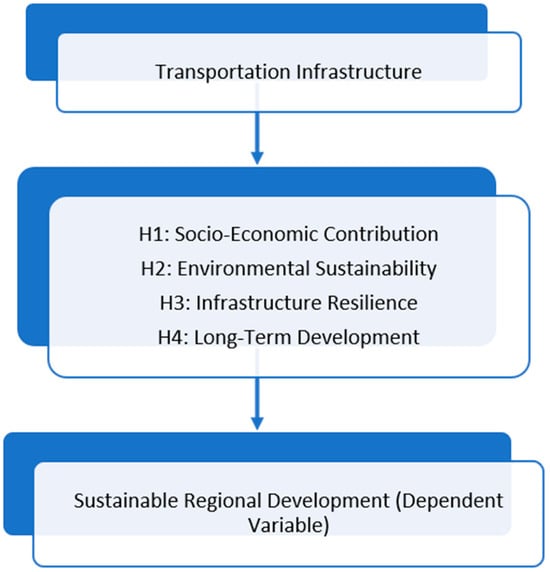
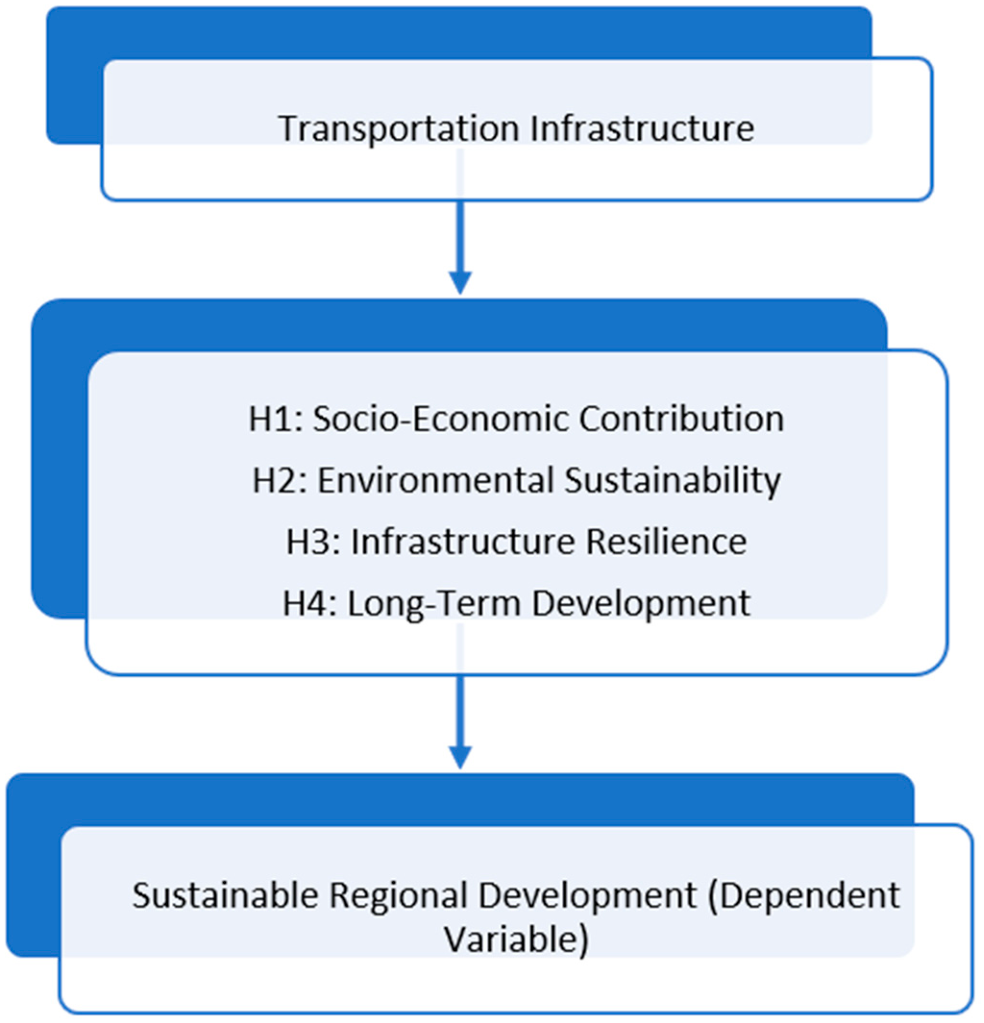

Disclaimer/Publisher’s Note: The statements, opinions and data contained in all publications are solely those of the individual author(s) and contributor(s) and not of MDPI and/or the editor(s). MDPI and/or the editor(s) disclaim responsibility for any injury to people or property resulting from any ideas, methods, instructions or products referred to in the content. |
© 2026 by the authors. Licensee MDPI, Basel, Switzerland. This article is an open access article distributed under the terms and conditions of the Creative Commons Attribution (CC BY) license.