


Abstract
Urban competitiveness has traditionally been associated with infrastructure, economic performance, and innovation capacity, while the role of financial governance has received considerably less attention. This study examines how citizens form perceptions of urban financial integrity and whether such perceptions influence evaluations of urban attractiveness. Drawing on a governance-based framework, the study investigates the relationships among Digital Governance, Financial Transparency, Anti-Fraud Capacity, Financial Integrity, and Urban Attractiveness. Data were collected from 2764 residents of 18 digitally advanced cities across Northern and Western Europe and North America. To enhance methodological rigor, the sample was randomly divided into two equal subsamples and analyzed using Exploratory Factor Analysis, Confirmatory Factor Analysis, and Structural Equation Modeling. The results indicate that Digital Governance is positively associated with both Financial Transparency and Anti-Fraud Capacity, while Financial Transparency and Anti-Fraud Capacity are positively associated with stronger perceptions of Financial Integrity. Financial Integrity emerged as a significant predictor of Urban Attractiveness and served as the principal mechanism through which governance practices influenced broader evaluations of cities. The findings suggest that citizens do not perceive cities as attractive simply because they are digitally advanced; rather, digital governance becomes valuable when it enhances confidence that public financial resources are managed transparently, responsibly, and in the public interest. These results identify Financial Integrity as the key mechanism through which citizens translate governance quality into perceptions of urban attractiveness.
1. Introduction
Cities increasingly compete for investment, talent, businesses, and long-term residents [1,2,3]. While urban competitiveness has traditionally been associated with economic performance, infrastructure quality, innovation capacity, and public service provision, growing attention has been directed toward the role of governance in shaping urban development outcomes [4,5]. In particular, citizens’ perceptions of how public institutions manage financial resources may influence broader evaluations of the attractiveness and legitimacy of cities [6,7]. Among governance-related factors, financial integrity occupies a distinctive position. Financial integrity reflects the extent to which public financial resources are perceived as being managed fairly, responsibly, and in accordance with public interests [8]. In urban contexts, perceptions of financial integrity may influence citizens’ confidence in local institutions, their willingness to support public policies, and their broader assessments of urban quality and attractiveness [9,10]. Despite its potential importance, financial integrity remains considerably underexplored within the urban governance literature, where greater attention has typically been devoted to digital transformation, administrative efficiency, transparency initiatives, and citizen participation [11].
Although the present study focuses on urban governance, the underlying theoretical mechanisms have been extensively examined in the broader governance literature. Research on corporate governance has consistently shown that transparency, accountability, and effective governance structures reduce information asymmetry, strengthen governance quality, and contribute to more effective organizational functioning [12]. Similarly, governance research has demonstrated that robust governance mechanisms can prevent the escalation of financial misconduct, whereas weak governance structures may contribute to persistent institutional failures and financial scandals [13,14]. Comparable evidence has also been reported in the public sector, where greater transparency has been associated with improved confidence and more efficient financing outcomes in municipal financial markets [15]. However, considerably less attention has been devoted to examining whether these governance mechanisms operate similarly within local public administration. By investigating financial integrity in the context of municipalities, the present study extends broader governance theory by demonstrating the relevance of these governance mechanisms within an empirical setting that has received comparatively limited scholarly attention.
Existing research has demonstrated that digital governance can improve service delivery, enhance administrative efficiency, and increase transparency in public administration [16]. Similarly, transparency and anti-corruption mechanisms have frequently been identified as important components of accountable governance systems [17,18]. However, prior studies have generally examined these governance dimensions independently and have largely focused on their direct institutional outcomes [19]. While substantial knowledge exists regarding the effects of digital governance on administrative performance and the role of transparency and anti-corruption measures in strengthening accountability, considerably less attention has been devoted to financial integrity as a distinct governance construct. In particular, limited research has examined how citizens integrate governance signals when evaluating whether the financial system of their city is fair and trustworthy [20,21]. Moreover, the role of Financial Integrity as a governance-based mechanism linking digital governance capabilities to perceptions of urban attractiveness remains largely unexplored. As a result, the pathways through which transparency, digital governance, and anti-fraud capacity contribute to perceptions of financial integrity and broader evaluations of urban attractiveness remain insufficiently understood [22,23,24].
This gap is particularly important because financial integrity may represent a critical link between governance practices and broader urban development outcomes [25,26]. Citizens may not evaluate cities solely according to visible development achievements or technological sophistication [27,28]. Rather, they may assess whether public resources are managed transparently, protected from misuse, and administered through effective governance systems [29,30]. If such perceptions shape evaluations of urban attractiveness, financial integrity may function as a governance-based pathway through which cities generate legitimacy, confidence, and developmental value [31,32]. Against this background, the present study investigates the relationships among Financial Transparency, Digital Governance, Anti-Fraud Capacity, Financial Integrity, and Urban Attractiveness. More specifically, the study addresses the following research question: What governance conditions make citizens perceive the financial system of their city as fair, and how do such perceptions influence evaluations of urban attractiveness? The study seeks to explain how citizens form perceptions of financial integrity and whether these perceptions subsequently influence evaluations of urban attractiveness. By examining both direct and sequential mediation effects, the research develops and tests an integrated governance framework in which transparency and institutional control mechanisms contribute to financial integrity, which in turn shapes perceptions of urban attractiveness.
The study contributes to the literature in several ways. First, it introduces Financial Integrity as a central governance construct within urban development research and positions it as an important link between governance quality and perceptions of urban attractiveness. Second, it provides empirical evidence regarding the factors associated with citizens’ perceptions of financial fairness. Third, it shows that the association between governance practices and urban attractiveness is primarily explained through perceptions of financial integrity rather than through direct associations. In doing so, the study challenges the common assumption that digital governance is automatically associated with greater urban attractiveness [33,34]. Instead, the findings suggest that digital governance is associated with urban attractiveness when it is accompanied by greater transparency, stronger anti-fraud capacity, and higher perceived financial integrity. The study therefore shifts attention from digital governance as an end in itself toward the governance mechanisms associated with citizens’ evaluations of trust, legitimacy, and urban attractiveness. More specifically, it identifies Financial Integrity as a central governance construct within the proposed theoretical framework linking transparency, institutional control, digital governance, and perceptions of urban attractiveness.
2. Literature Review and Hypothesis Development
2.1. Digital Governance and Transparent and Accountable Urban Administration
Digital governance has become an increasingly important component of contemporary urban management [35,36]. By integrating digital technologies into administrative processes, cities seek to improve service delivery, increase operational efficiency, strengthen accountability, and enhance citizen engagement [37,38]. Beyond its technological dimension, digital governance represents a governance approach that enables greater transparency, responsiveness, and accessibility in public administration [39,40]. A central argument within the digital governance literature is that digital systems reduce informational asymmetries between public institutions and citizens. This argument is consistent with broader governance theory, where transparency and governance mechanisms have long been recognized as instruments for reducing information asymmetry and improving organizational effectiveness across institutional settings [12].
Through online platforms, open-data initiatives, and digital reporting systems, financial information becomes more accessible, traceable, and understandable [41]. As administrative processes become increasingly digitized, opportunities for public oversight expand, while the visibility of financial decisions increases. Consequently, digital governance may strengthen financial transparency by making information regarding public expenditures, budget allocations, and financial performance more accessible to stakeholders [42].
Digitalization may also strengthen institutional capacities to detect, monitor, and prevent financial misconduct. Automated monitoring systems, digital audit trails, integrated databases, and real-time reporting mechanisms increase the ability of public institutions to identify irregularities and respond to potential abuses of public resources. The anti-fraud benefits of digital governance therefore extend beyond efficiency improvements and contribute directly to institutional accountability and control [43,44]. Based on these arguments, the following hypotheses are proposed:
H1.
Digital Governance is positively associated with Financial Transparency.
H2.
Digital Governance is positively associated with Anti-Fraud Capacity.
2.2. Financial Transparency and Anti-Fraud Capacity as Foundations of Financial Integrity
Financial integrity represents the extent to which public financial systems are perceived as fair, ethical, responsible, and aligned with the public interest [45]. Unlike objective financial performance indicators, perceptions of financial integrity are formed through citizens’ evaluations of governance practices and institutional behavior [46]. In public governance research, perceptions of integrity have frequently been associated with institutional impartiality, accountability, and the responsible exercise of public authority [47]. Importantly, financial integrity is not directly observable. Citizens rarely possess complete information regarding internal financial management processes. Instead, they infer the integrity of urban financial systems from visible governance signals. Among the most important of these signals are financial transparency and anti-fraud capacity [48,49]. Financial transparency provides citizens with access to information regarding public revenues, expenditures, procurement processes, and budgetary decisions [50]. When financial information is openly disclosed and easily accessible, citizens are better able to evaluate whether public resources are managed responsibly. Transparent financial systems therefore reduce uncertainty, strengthen accountability, and increase confidence in public institutions [51,52,53].
Similarly, anti-fraud capacity provides evidence that institutions possess the ability to prevent, detect, and address financial misconduct. Similarly, anti-fraud capacity provides evidence that institutions possess the ability to prevent, detect, and address financial misconduct. This perspective is consistent with governance research demonstrating that robust governance mechanisms reduce the likelihood of escalating financial misconduct, whereas weak governance structures increase the risk of persistent institutional failures and financial scandals [13,14].
Citizens may interpret effective monitoring systems, enforcement mechanisms, and corrective procedures as indicators that public resources are protected from misuse. Strong anti-corruption and anti-fraud institutions have long been regarded as essential components of governance quality because they signal institutional reliability and commitment to the public interest [54,55]. As a result, anti-fraud capacity may strengthen perceptions that financial decisions are implemented fairly and responsibly. Taken together, transparency and anti-fraud mechanisms provide the governance signals through which citizens evaluate the integrity of public financial systems. Financial integrity therefore appears to emerge not from a single governance practice but from the combined influence of openness, accountability, and institutional control. Accordingly, the following hypotheses are proposed:
H3.
Financial Transparency is positively associated with Financial Integrity.
H4.
Anti-Fraud Capacity is positively associated with Financial Integrity.
2.3. Financial Integrity and Urban Attractiveness
Urban attractiveness refers to the extent to which cities are perceived as desirable places for living, working, investing, and conducting economic activities [56]. Existing research has traditionally associated urban attractiveness with factors such as infrastructure quality, economic opportunities, innovation ecosystems, accessibility, and quality of life [57,58,59]. While these dimensions remain important, governance-related factors may also influence how cities are evaluated by residents and other stakeholders. Financial integrity represents one such governance-based factor. Cities perceived as financially responsible and ethically managed may be viewed as more trustworthy, predictable, and stable environments. Similar relationships between transparency, confidence, and financial outcomes have also been documented in public finance research, where greater transparency has been associated with improved confidence and more efficient financing conditions in municipal markets [15,60]. Institutional theory suggests that confidence in public institutions influences citizens’ evaluations of governmental legitimacy and overall governance quality [47,61,62]. In urban contexts, confidence that public resources are allocated fairly and managed in the public interest may strengthen positive evaluations of local institutions and contribute to broader assessments of urban attractiveness.
From the perspective of citizens, investors, and businesses, perceptions of financial integrity may reduce concerns regarding corruption, misuse of public resources, and institutional inefficiency [63]. Governance systems characterized by integrity and accountability are often associated with greater institutional stability, reduced uncertainty, and more favorable conditions for economic and social development [64]. Consequently, financial integrity may function as an intangible governance asset that enhances the overall appeal of urban environments. Rather than evaluating cities solely through visible economic and infrastructural outcomes, stakeholders may also consider whether public finances are managed transparently, responsibly, and in accordance with collective interests [65,66]. Financial integrity may therefore represent an important governance-based dimension of urban attractiveness that complements traditional dimensions of urban competitiveness [67,68]. Based on these arguments, the following hypothesis is proposed:
H5.
Financial Integrity is positively associated with Urban Attractiveness.
2.4. The Mediating Role of Financial Integrity
Although transparency and anti-fraud mechanisms are widely recognized as desirable governance characteristics, their influence on urban attractiveness may not occur directly [69]. Citizens may not necessarily value transparency initiatives or anti-fraud programs solely because such mechanisms exist. Rather, these governance practices may shape broader perceptions regarding whether public resources are managed fairly, responsibly, and in accordance with the public interest [70,71]. This perspective is consistent with institutional trust and governance research, which suggests that citizens frequently evaluate public institutions through observable governance signals rather than through direct knowledge of internal administrative processes [61,62]. Because financial integrity is not directly observable, citizens are likely to infer it from visible indicators of accountability, openness, and institutional control [72]. Financial transparency and anti-fraud capacity therefore represent important governance signals that may influence perceptions of financial integrity.
When financial information is openly disclosed and institutions demonstrate strong capacities to prevent, detect, and address financial misconduct, citizens are more likely to perceive the financial system as fair and trustworthy [73,74]. These perceptions may subsequently influence evaluations of the city itself. In this regard, financial integrity represents a potential transmission mechanism through which governance practices shape broader assessments of urban attractiveness [75]. This perspective suggests that the benefits of transparency and anti-fraud capacity are realized not simply through their existence but through their ability to strengthen confidence in the fairness and responsibility of urban financial management [76,77]. Financial integrity therefore functions as an intermediary governance outcome linking institutional practices to broader urban development perceptions. Accordingly, the following mediation hypotheses are proposed:
H6.
Financial Integrity mediates the relationship between Financial Transparency and Urban Attractiveness.
H7.
Financial Integrity mediates the relationship between Anti-Fraud Capacity and Urban Attractiveness.
2.5. Sequential Governance Pathways
A broader governance perspective suggests that transparency and anti-fraud capacity may themselves be associated with digital governance [78]. Digital governance is frequently viewed as a mechanism through which public institutions seek to improve transparency, accountability, and administrative effectiveness [39,40]. However, citizens are unlikely to evaluate digital governance solely according to the implementation of technologies [79]. Rather, digital governance becomes meaningful when it is perceived as enhancing transparency, strengthening institutional controls, and improving confidence in public administration. From this perspective, governance quality may operate through a sequential process [80]. Digital governance is expected to be positively associated with greater transparency and stronger anti-fraud capacity, thereby creating conditions under which citizens can more effectively evaluate the fairness and responsibility of public financial management [81,82]. These governance capabilities are, in turn, expected to be positively associated with perceptions of financial integrity, which are subsequently associated with evaluations of urban attractiveness.
This perspective shifts attention away from digitalization as an end in itself and toward the governance outcomes associated with digital systems [83,84]. Citizens may not perceive cities as more attractive simply because they adopt digital technologies [85]. Instead, digital governance may be associated with urban attractiveness through its relationships with transparency, anti-fraud capacity, and confidence in the integrity of public financial systems [86]. Financial integrity is therefore conceptualized as the mechanism through which governance quality is translated into broader evaluations of urban development outcomes [87,88,89]. Based on this theoretical rationale, the following hypotheses are proposed:
H8.
Financial Transparency mediates the relationship between Digital Governance and Financial Integrity.
H9.
Anti-Fraud Capacity mediates the relationship between Digital Governance and Financial Integrity.
H10.
Financial Transparency and Financial Integrity sequentially mediate the relationship between Digital Governance and Urban Attractiveness.
H11.
Anti-Fraud Capacity and Financial Integrity sequentially mediate the relationship between Digital Governance and Urban Attractiveness.
Figure 1 presents the conceptual framework and the proposed direct and mediation relationships examined in this study.
Figure 1.
Proposed Research Model and Hypothesized Relationships.
3. Materials and Methods
Data were collected through an online survey administered via Prolific (Prolific Academic Ltd., London, UK) between January and June 2026. Prolific was selected because previous methodological research has demonstrated that the platform provides higher-quality respondent pools, lower rates of inattentive responding, and greater demographic diversity compared with many alternative online survey platforms [90,91]. Respondent recruitment was distributed evenly across the six-month period to minimize potential temporal bias and ensure balanced representation throughout the data collection process. A multi-stage screening procedure was implemented to ensure that participants possessed sufficient experience with digital public services and were able to provide informed evaluations of urban digital governance practices. Eligible respondents were required to (1) reside in an urban area, (2) have used digital public services during the previous 12 months, (3) report at least occasional use of such services, (4) indicate familiarity with the way local authorities provide digital public services, and (5) confirm having used at least two different categories of digital public services, including online tax services, digital municipal services, online utility payments, public transport applications, digital citizen portals, or other electronic government services. The inclusion of the final screening criterion was intended to ensure that respondents possessed actual and recent experience with multiple forms of digital interaction with local government institutions, thereby improving the validity of their assessments. A total of 3041 responses were initially collected through Prolific. Following data cleaning procedures, including the removal of incomplete questionnaires and cases failing the screening criteria, 2764 valid responses were retained for analysis, corresponding to a retention rate of 90.9%. The final sample consisted of 2764 respondents.
The gender distribution was balanced, with 51.8% female and 48.2% male participants, reducing the likelihood of gender-related sampling bias. The age structure was dominated by working-age adults, particularly respondents aged 25–34 years (32.9%) and 35–44 years (25.5%), while younger participants aged 18–24 years accounted for an additional 18.4% of the sample. Older age groups were less represented, reflecting the demographic profile typically associated with active users of digital public services. The sample was relatively well educated. More than two-thirds of respondents possessed a bachelor’s degree (37.7%) or a master’s degree (25.5%), while an additional 7.0% held doctoral qualifications. This educational profile is consistent with previous studies examining digital governance and citizen engagement, where higher educational attainment is often associated with greater interaction with digital public services. Employment characteristics indicated a predominantly economically active population. Nearly two-thirds of respondents were employed full-time (63.6%), while self-employed (10.5%), part-time employed (8.4%), and student participants (8.9%) also represented substantial segments of the sample. Only a small proportion reported being retired (3.1%) or unemployed (3.5%).
Regarding household income, the largest share of respondents reported middle-income status (30.9%), followed by upper-middle-income (20.6%) and lower-middle-income households (19.8%). This distribution suggests a relatively broad socioeconomic representation and reduces the risk of perceptions being dominated by a single income group. The geographical distribution of respondents covered 18 major cities across Northern and Western Europe and North America. As presented in Table 1, the largest proportions originated from Copenhagen (21.3%), Stockholm (16.5%), and Helsinki (9.4%), while additional respondents were recruited from Amsterdam, Oslo, Rotterdam, Munich, Hamburg, Vienna, Zurich, London, Manchester, Birmingham, Toronto, Vancouver, New York City, Chicago, and Seattle. These cities were selected because they represent urban environments characterized by advanced digital governance systems, extensive implementation of smart-city initiatives, and high levels of public-sector digitalization.
Table 1.
Distribution of Respondents by City of Residence (N = 2764).
The sample also demonstrated substantial familiarity with local urban governance systems. More than one-third of respondents (35.6%) had resided in their current city for over 15 years, while an additional 24.6% reported residence durations between 8 and 15 years. This indicates that most participants possessed considerable experience with local public institutions and municipal services.
Respondents reported frequent engagement with digital public services. Weekly usage was reported by 31.9% of participants, while 18.5% indicated daily use. Only 7.6% reported rarely using such services. E-government services constituted the most frequently used category (29.7%), followed by utility payment platforms (18.2%), parking and mobility services (12.2%), tax services (11.8%), and citizen engagement platforms (11.8%). These findings confirm that the sample was composed primarily of active users of digital public infrastructure. Finally, respondents generally exhibited high levels of digital competence. More than half of the sample assessed their digital literacy as high (38.8%) or very high (18.6%), whereas only 12.7% reported low or very low digital literacy. This profile is particularly relevant given the study’s focus on digital governance and urban financial integrity, as informed evaluations of public digital systems require a minimum level of digital proficiency.
3.1. Questionnaire Development and Measures
The survey instrument was developed based on an extensive review of the literature on digital governance, public sector transparency, anti-corruption capacity, financial integrity, and urban competitiveness. Rather than directly adopting existing scales, the measurement items were adapted and contextualized to reflect the municipal governance environment and citizens’ perceptions of local public financial management. Before data collection, the initial questionnaire underwent expert content validation by three independent academics with expertise in digital governance, public administration, public finance, and measurement development. The experts evaluated the conceptual relevance, clarity, and content validity of the proposed items, and their feedback resulted in several wording refinements prior to the final survey administration. The questionnaire was administered in English to all Prolific respondents; therefore, translation procedures were not required.
The initial questionnaire consisted of 32 items distributed across five conceptual domains: Digital Governance, Financial Transparency, Anti-Fraud Capacity, Financial Integrity, and Urban Attractiveness. The item development process was informed by previous research on digital government and e-governance [38], public sector transparency and accountability [52,53], anti-corruption and fraud prevention mechanisms in public administration [54], public integrity and ethical governance [89], and urban competitiveness and attractiveness [59]. All measurement items were evaluated using a five-point Likert scale ranging from 1 (“strongly disagree”) to 5 (“strongly agree”). The complete survey instrument, including item codes, construct allocation, and EFA retention status, is presented in Appendix A.
To assess the dimensionality of the measurement instrument, an exploratory factor analysis (EFA) was performed prior to confirmatory factor analysis. Several items with insufficient loadings or cross-loadings were removed during the purification process. As reported in Appendix A, seven items were excluded from further analysis, resulting in a final measurement model comprising 25 items grouped into five factors. Digital Governance (DG) was measured using five retained items capturing citizens’ perceptions of the use of digital technologies in municipal financial administration, digital service accessibility, and the integration of digital platforms into public financial management (Appendix A). Financial Transparency (FT) was measured through five retained items assessing the accessibility, visibility, and openness of municipal financial information, including public spending disclosures, financial reporting, and opportunities for citizen oversight (Appendix A). Anti-Fraud Capacity (AFC) comprised five retained items evaluating the perceived effectiveness of mechanisms designed to prevent, detect, monitor, and respond to financial misconduct within local government institutions (Appendix A). Financial Integrity (FI) was measured using five retained items reflecting ethical financial management, accountability, integrity of public officials, and citizen-oriented financial decision-making (Appendix A). Urban Attractiveness (UA) consisted of five retained items assessing the perceived ability of the city to support economic growth, attract businesses and skilled individuals, foster long-term development, and maintain competitiveness relative to other urban areas (Appendix A). Accordingly, in the present study, Urban Attractiveness primarily reflects its economic and competitiveness dimension rather than the broader multidimensional concept of urban attractiveness.
Appendix A provides full transparency regarding the measurement development and purification process by reporting both the original questionnaire items and those retained following EFA. The retained constructs and indicators demonstrated strong conceptual consistency with the theoretical framework proposed in this study and were subsequently subjected to confirmatory factor analysis and structural equation modeling.
3.2. Data Analysis Strategy
The data analysis was conducted using IBM SPSS Statistics (v28.0; IBM Corp., Armonk, NY, USA) and IBM SPSS AMOS (v28.0; IBM Corp., Armonk, NY, USA). A multi-stage analytical procedure was employed to evaluate the measurement properties of the proposed constructs and to test the hypothesized relationships among Digital Governance, Financial Transparency, Anti-Fraud Capacity, Financial Integrity, and Urban Attractiveness. To enhance methodological rigor and reduce the risk of sample-specific findings, the full sample (N = 2764) was randomly divided into two equal subsamples. The first subsample (n = 1382) was used for exploratory factor analysis (EFA), while the second subsample (n = 1382) was reserved for confirmatory factor analysis (CFA) and structural equation modeling (SEM). This split-sample validation procedure is widely recommended in scale development and validation research because it allows the factor structure identified during exploration to be independently verified in a separate dataset.
Prior to factor extraction, the suitability of the data for EFA was evaluated using the Kaiser–Meyer–Olkin (KMO) measure of sampling adequacy and Bartlett’s test of sphericity. Exploratory factor analysis was performed in SPSS 28 using the Maximum Likelihood extraction method. Factors with eigenvalues greater than 1.0 were retained, and item retention was evaluated based on factor loadings, cross-loadings, and conceptual consistency with the underlying theoretical framework. Items exhibiting insufficient loadings or problematic cross-loadings were removed during the purification process. To assess the potential influence of common method variance, Harman’s single-factor test was conducted. The proportion of variance explained by the first unrotated factor was examined and compared with the commonly accepted threshold of 50%. The factor structure identified during EFA was subsequently validated using confirmatory factor analysis in AMOS 28. The measurement model was evaluated through standardized factor loadings, composite reliability (CR), average variance extracted (AVE), convergent validity, and discriminant validity. Discriminant validity was assessed using both the Fornell–Larcker criterion and the Heterotrait–Monotrait ratio (HTMT), following current recommendations for latent variable modeling.
Model fit was evaluated using multiple goodness-of-fit indicators, including the chi-square statistic (χ2), the chi-square-to-degrees-of-freedom ratio (χ2/df), Comparative Fit Index (CFI), Tucker–Lewis Index (TLI), Incremental Fit Index (IFI), Goodness-of-Fit Index (GFI), Adjusted Goodness-of-Fit Index (AGFI), Root Mean Square Error of Approximation (RMSEA), and Root Mean Square Residual (RMR). The use of multiple fit indices provides a comprehensive assessment of model adequacy and is consistent with established SEM guidelines. After establishing the validity and reliability of the measurement model, structural equation modeling (SEM) was performed in AMOS 28 to test the hypothesized direct and indirect relationships among the latent constructs. Standardized path coefficients (β), critical ratios (C.R.), and significance levels were used to evaluate the proposed hypotheses. Mediation effects were assessed using a bootstrap procedure with 5000 resamples, generating bias-corrected estimates of indirect effects and their associated standard errors. Finally, the explanatory power of the structural model was evaluated using the coefficient of determination (R2) for each endogenous construct.
To assess the potential influence of non-response bias, a late-response test was conducted by comparing respondents recruited during the first and final quartiles of the data collection period. Independent-samples t-tests revealed no statistically significant differences across the principal study constructs (p > 0.05). These findings suggest that non-response bias is unlikely to represent a significant concern in the present study.
4. Results
To enhance the methodological rigor of the analysis and reduce the risk of sample-specific findings, the full dataset was randomly divided into two equal subsamples. The first subsample (n = 1382) was used for Exploratory Factor Analysis (EFA), whereas the second subsample (n = 1382) was reserved for Confirmatory Factor Analysis (CFA) and subsequent Structural Equation Modeling (SEM). The suitability of the EFA subsample for factor analysis was assessed using the Kaiser–Meyer–Olkin (KMO) measure and Bartlett’s test of sphericity. The results confirmed the adequacy of the dataset, with a KMO value of 0.897, indicating very good sampling adequacy. In addition, Bartlett’s test was statistically significant (χ2 = 7718.420, df = 496, p < 0.001), confirming that the correlation matrix was appropriate for factor analysis.
The exploratory factor analysis identified a five-factor solution with eigenvalues exceeding the recommended threshold of 1.0. As shown in Table 2, the first factor accounted for 16.99% of the total variance, followed by the second (8.00%), third (6.71%), fourth (4.44%), and fifth factor (4.00%). Collectively, the five factors explained 40.14% of the total variance, supporting the multidimensional structure of the proposed measurement model. As presented in Table 3, all retained items loaded primarily on their intended latent constructs, while cross-loadings remained low, providing additional support for the proposed five-factor measurement structure.
Table 2.
Total Variance Explained and Factor Extraction Results (EFA Subsample, n = 1382).
Table 3.
Pattern Matrix and Factor Loadings for the Five-Factor Measurement Model (EFA Subsample, n = 1382).
To assess the potential presence of common method bias, Harman’s single-factor test was conducted. The results indicated that the first unrotated factor accounted for 18.63% of the total variance, which is substantially below the commonly accepted threshold of 50%. Therefore, common method bias was not considered a significant concern in the present study. The measurement model was subsequently evaluated using the second split-sample subsample (n = 1382). As shown in Table 4, the standardized CFA factor loadings for all retained indicators ranged from 0.445 to 0.624 and were statistically significant, supporting their contribution to the intended latent constructs. Composite Reliability (CR) values ranged from 0.657 to 0.721, indicating moderate internal consistency across the five constructs.
Table 4.
Confirmatory Factor Analysis Results: Standardized Factor Loadings, Composite Reliability (CR), and Average Variance Extracted (AVE) (CFA/SEM Subsample, n = 1382).
The Average Variance Extracted (AVE) values remained below the conventional threshold of 0.50, suggesting limited convergent validity. Therefore, rather than claiming full convergent validity, these results should be interpreted with appropriate caution. Given that the measurement instrument was specifically developed and contextualized for the municipal governance setting, priority was given to preserving the conceptual breadth and content validity of the constructs rather than removing theoretically relevant indicators solely to improve psychometric statistics. Alternative measurement specifications, including the removal and reorganization of indicators, were evaluated during the exploratory factor analysis; however, they did not provide a theoretically preferable solution and would have substantially reduced the conceptual coverage of the constructs. Consequently, the retained five-factor structure was preserved for confirmatory validation. Overall, the replication of the five-factor structure across independent EFA and CFA subsamples, together with the excellent model fit and satisfactory discriminant validity, supports the adequacy of the proposed measurement model. Future research should further refine and validate these measurement scales in different institutional contexts.
The results indicated a good fit between the proposed measurement model and the observed data (χ2 = 290.126, df = 265, p = 0.138; χ2/df = 1.095; CFI = 0.995; TLI = 0.995; IFI = 0.995; GFI = 0.983; AGFI = 0.980; RMSEA = 0.008; RMR = 0.008). As presented in Table 4, all standardized factor loadings exceeded the recommended minimum threshold of 0.40 and loaded on their intended constructs. These findings support the adequacy and stability of the five-factor measurement structure identified during the exploratory factor analysis. All item purification procedures were completed during the EFA stage, and the confirmatory factor analysis was subsequently estimated using the retained five-factor measurement model without any additional post hoc modifications. Specifically, no correlated error terms were introduced, no modification indices were used to improve model fit, and no further item deletions were performed following the CFA.
Discriminant validity was assessed using both the Fornell–Larcker criterion and the Heterotrait–Monotrait ratio (HTMT). As presented in Table 5, the Fornell–Larcker criterion was satisfied for most construct pairs; however, two exceptions were observed. Specifically, the correlation between Financial Integrity and Urban Attractiveness slightly exceeded the square root of AVE for Financial Integrity, while the correlation between Digital Governance and Financial Transparency exceeded the square roots of AVE for both constructs. These results suggest a degree of empirical overlap between these conceptually related governance constructs and indicate that the Fornell–Larcker criterion is only partially satisfied. To provide a more robust assessment of discriminant validity, the HTMT criterion was additionally applied, as it has been recommended as a more sensitive approach for detecting discriminant validity problems [92]. As shown in Table 6, all HTMT values ranged from 0.165 to 0.571, remaining well below the recommended threshold of 0.85. Accordingly, the HTMT results provide additional evidence that the constructs are empirically distinguishable despite the partial violations identified under the Fornell–Larcker criterion.
Table 5.
Fornell–Larcker Criterion for Discriminant Validity Assessment, (CFA/SEM Subsample, n = 1382).
Table 6.
Heterotrait–Monotrait Ratio (HTMT), (CFA/SEM Subsample, n = 1382).
Taken together, the results indicate that the five latent constructs are conceptually related yet empirically distinguishable dimensions of urban financial integrity and digital governance. Nevertheless, the partial violations of the Fornell–Larcker criterion suggest that the measurement scales would benefit from further refinement and validation in future research.
The structural model demonstrated a good fit to the data. As shown by the fit statistics, the model achieved satisfactory values across all major fit indices (χ2 = 576.714, df = 271, χ2/df = 2.128; CFI = 0.943; TLI = 0.936; IFI = 0.943; GFI = 0.962; AGFI = 0.955; RMSEA = 0.029; RMR = 0.013). These results indicate that the proposed structural relationships adequately represent the observed data and provide a suitable basis for hypothesis testing.
Figure 2 presents the final structural model and the standardized path coefficients obtained through the SEM analysis. The results indicate that Digital Governance is positively associated with both Financial Transparency and Anti-Fraud Capacity. In turn, Financial Transparency and Anti-Fraud Capacity are positively associated with Financial Integrity, while Financial Integrity is positively associated with Urban Attractiveness. Overall, the findings are consistent with the proposed theoretical framework, suggesting that the association between Digital Governance and Urban Attractiveness is primarily explained through Financial Transparency, Anti-Fraud Capacity, and Financial Integrity.
Figure 2.
Final Structural Model and Standardized Path Coefficients.
The structural model results are presented in Table 7. All hypothesized relationships were positive and statistically significant (p < 0.001), providing support for H1–H5. Digital Governance exerted a strong positive effect on Financial Transparency (β = 0.589, C.R. = 10.815, p < 0.001), supporting H1. This finding suggests that the implementation of digital governance practices enhances the accessibility, visibility, and openness of municipal financial information. Digital Governance also demonstrated a significant positive influence on Anti-Fraud Capacity (β = 0.434, C.R. = 9.274, p < 0.001), supporting H2 and indicating that digitally enabled governance systems strengthen institutional capabilities for detecting, monitoring, and preventing financial misconduct. The results further revealed that Financial Transparency positively affected Financial Integrity (β = 0.426, C.R. = 8.846, p < 0.001), confirming H3. This finding suggests that greater openness and accessibility of financial information contribute to citizens’ perceptions that public financial resources are managed fairly, responsibly, and in accordance with the public interest. Likewise, Anti-Fraud Capacity had a significant positive effect on Financial Integrity (β = 0.361, C.R. = 8.125, p < 0.001), supporting H4. Comparing the two predictors, Financial Transparency emerged as the slightly stronger predictor of Financial Integrity, although both governance mechanisms contributed substantially to perceptions of financial fairness and accountability.
Table 7.
Structural Model Results (SEM Subsample, n = 1371).
Finally, Financial Integrity exhibited a strong positive effect on Urban Attractiveness (β = 0.543, C.R. = 10.659, p < 0.001), providing support for H5. This result indicates that cities perceived as financially responsible, transparent, and ethically managed are more likely to be viewed as attractive places for investment, business development, talent attraction, and long-term urban growth. Among the direct relationships examined, the effect of Financial Integrity on Urban Attractiveness was the strongest, highlighting the central role of financial governance in shaping citizens’ evaluations of urban attractiveness.
The mediation analysis results are presented in Table 8. To distinguish between indirect-only and complementary mediation, the corresponding direct effects were estimated alongside the indirect effects. Direct effects from Financial Transparency to Urban Attractiveness (β = 0.038, p = 0.541), Anti-Fraud Capacity to Urban Attractiveness (β = 0.069, p = 0.180), and Digital Governance to Urban Attractiveness (β = −0.100, p = 0.095) were not statistically significant, whereas the direct effect of Digital Governance on Financial Integrity remained significant (β = 0.431, p < 0.001). Mediation types were therefore interpreted following Zhao et al. [89]. Financial Integrity significantly mediated the relationship between Financial Transparency and Urban Attractiveness (indirect effect β = 0.239, SE = 0.044, 95% BC CI [0.164, 0.337], p < 0.001), supporting H6. Likewise, Financial Integrity significantly mediated the relationship between Anti-Fraud Capacity and Urban Attractiveness (indirect effect β = 0.193, SE = 0.034, 95% BC CI [0.136, 0.268], p < 0.001), supporting H7. Because the corresponding direct effects were not statistically significant, both hypotheses were classified as indirect-only mediation, indicating that Financial Transparency and Anti-Fraud Capacity influence Urban Attractiveness exclusively through Financial Integrity.
Table 8.
Mediation Effects (Standardized) (SEM Subsample, n = 1371).
The results also confirmed the mediating role of Financial Transparency and Anti-Fraud Capacity in the relationship between Digital Governance and Financial Integrity. The indirect effect through Financial Transparency was significant (β = 0.223, SE = 0.038, 95% BC CI [0.157, 0.305], p < 0.001), supporting H8, while the indirect effect through Anti-Fraud Capacity was likewise significant (β = 0.134, SE = 0.022, 95% BC CI [0.097, 0.181], p < 0.001), supporting H9. Because both the direct and indirect effects were statistically significant, H8 and H9 were classified as complementary mediation, suggesting that the association between Digital Governance and Financial Integrity is both direct and indirect through Financial Transparency and Anti-Fraud Capacity.
Finally, the sequential mediation analyses demonstrated that Digital Governance influenced Urban Attractiveness through both proposed multi-stage pathways. The sequential indirect effect through Financial Transparency and Financial Integrity was significant (β = 0.135, SE = 0.027, 95% BC CI [0.091, 0.197], p < 0.001), supporting H10. Similarly, the sequential pathway through Anti-Fraud Capacity and Financial Integrity was significant (β = 0.082, SE = 0.016, 95% BC CI [0.055, 0.117], p < 0.001), supporting H11. As the direct effect of Digital Governance on Urban Attractiveness was not statistically significant, both hypotheses were therefore classified as sequential indirect-only mediation. Overall, the findings indicate that Digital Governance enhances Urban Attractiveness primarily through sequential governance mechanisms involving Financial Transparency, Anti-Fraud Capacity, and ultimately Financial Integrity.
The explanatory power of the structural model was assessed using the coefficient of determination (R2), with the results presented in Table 9. The model explained 34.7% of the variance in Financial Transparency (R2 = 0.347), indicating a moderate level of explanatory power. Similarly, 18.8% of the variance in Anti-Fraud Capacity (R2 = 0.188) was explained by Digital Governance. The model demonstrated stronger explanatory power for Financial Integrity, accounting for 40.8% of its variance (R2 = 0.408) through the combined effects of Digital Governance, Financial Transparency, and Anti-Fraud Capacity. Finally, the model explained 29.5% of the variance in Urban Attractiveness (R2 = 0.295) through Financial Integrity and the additional direct effect of Digital Governance. Overall, the R2 values indicate moderate explanatory power across the endogenous constructs.
Table 9.
Explained Variance (R2) (SEM Subsample, n = 1371).
5. Discussion
The findings contribute to the growing literature on digital governance and urban competitiveness by providing a direct answer to an important yet insufficiently explored question: What makes citizens perceive the financial system of their city as fair? The results suggest that perceptions of urban financial integrity emerge from a combination of transparent financial practices, effective anti-fraud mechanisms, and digitally enabled governance processes. Rather than representing an inherent characteristic of urban administrations, financial integrity appears to be a governance outcome that citizens construct based on observable institutional practices. While previous research has frequently emphasized efficiency, service quality, and technological innovation as key outcomes of digital governance [35,36], the present study indicates that citizens ultimately evaluate governance systems through their perceived fairness and integrity. In this sense, financial integrity emerges as a critical mechanism linking governance practices to broader evaluations of urban attractiveness.
5.1. Financial Transparency as a Foundation of Governance Capacity
The results reveal that Digital Governance exerts significant positive effects on both Financial Transparency and Anti-Fraud Capacity. This finding supports arguments within the digital governance literature suggesting that digitally enabled administrative systems enhance the openness of public financial information while simultaneously strengthening institutional capacities for monitoring and preventing financial misconduct. Citizens appear to associate effective digital governance with greater transparency and stronger accountability mechanisms, indicating that digitalization creates governance value not only through efficiency improvements but also through enhanced visibility and control of public financial processes.
Importantly, the findings suggest that transparency is associated with perceptions of governance quality not because information is simply available, but because transparency serves as visible evidence that public institutions are willing to expose financial decisions to public scrutiny. In this regard, transparency functions as a signal of accountability, competence, and institutional openness. Citizens therefore appear to interpret transparent financial systems as indicators of more capable governance structures and stronger safeguards against financial misconduct. These findings suggest that transparency creates governance value by making public financial processes more visible, understandable, and accountable. Consequently, transparency should not be viewed solely as a disclosure mechanism but as an institutional signal of administrative competence and responsibility. This interpretation is consistent with broader governance research, where transparency and governance structures have long been regarded as mechanisms for reducing information asymmetry and strengthening institutional effectiveness across organizational settings [12].
5.2. What Makes Citizens Perceive Urban Finances as Fair?
A second important finding concerns the factors associated with Financial Integrity. Both Financial Transparency and Anti-Fraud Capacity were positively associated with perceptions of Financial Integrity, with Financial Transparency emerging as the slightly stronger predictor. This result extends previous governance research by indicating that citizens evaluate financial integrity not only through the existence of control mechanisms but also through the perceived effectiveness of administrative systems. The findings are consistent with institutional trust theory [47], which suggests that perceptions of integrity emerge when public institutions are viewed as competent, reliable, and fair. In the urban context, digital governance appears to contribute to such perceptions indirectly by enhancing financial transparency, reducing administrative opacity, and facilitating public oversight.
More importantly, the results suggest that citizens do not assess the fairness of urban financial systems solely through the absence of corruption or misconduct. Rather, perceptions of financial integrity appear to be constructed through observable governance signals, including transparent administrative procedures, digitally enabled public services, and institutional capacities to prevent and address financial wrongdoing. Financial integrity therefore emerges not as a predefined characteristic of urban governance, but as a collective evaluation formed through citizens’ experiences with governance performance. This interpretation is consistent with governance research suggesting that effective governance mechanisms limit opportunities for financial misconduct while strengthening confidence in institutional processes [13,14]. This finding provides a direct answer to the study’s central question by indicating that citizens perceive urban finances as fair when governance systems are transparent, technologically capable, and effective in safeguarding public resources.
5.3. The Association Between Financial Integrity and Urban Attractiveness
Among the direct relationships examined, the strongest effect was observed between Financial Integrity and Urban Attractiveness. This finding highlights the importance of financial governance as a strategic urban resource. While urban competitiveness research has traditionally focused on infrastructure, innovation ecosystems, and quality-of-life factors [57,59], the present results suggest that perceptions of financial integrity also play a substantial role in shaping evaluations of urban attractiveness. Cities perceived as financially responsible, ethically managed, and resistant to misuse of public resources are more likely to be viewed as attractive environments for investment, business development, and long-term residency. This interpretation is also consistent with evidence from municipal finance, where greater transparency has been associated with stronger confidence and more favorable financing conditions [15].
Financial integrity therefore emerges as a governance-based component of urban competitiveness that complements more traditional economic and spatial dimensions. More importantly, the results indicate that citizens evaluate cities not only through what governments deliver, but also through how public resources are managed. In this regard, urban attractiveness appears to depend not merely on development outcomes but also on perceptions of procedural fairness and financial responsibility. The strong relationship between Financial Integrity and Urban Attractiveness suggests that citizens are more likely to view cities favorably when they believe that public finances are managed transparently, ethically, and in the collective interest. This finding extends existing urban competitiveness research by identifying financial integrity as a distinct governance-based component of urban attractiveness rather than simply a consequence of effective administration.
5.4. The Indirect Pathway from Transparency to Urban Attractiveness
The mediation results reveal that Financial Integrity occupies a central position in the relationship between governance quality and urban attractiveness. This finding is consistent with Huberts’ [89] conceptualization of public integrity as a governance outcome emerging from accountability, ethical conduct, and institutional responsibility. The mediation analysis demonstrated that Financial Integrity serves as the principal mechanism through which both Financial Transparency and Anti-Fraud Capacity influence Urban Attractiveness. The non-significant direct effects and significant indirect effects indicate that these relationships operate exclusively through Financial Integrity, highlighting its central role in translating governance practices into perceptions of urban attractiveness.
Furthermore, the sequential mediation analyses indicate that governance-related capabilities affect urban attractiveness primarily through their ability to strengthen perceptions of financial integrity. These findings align closely with the transparency literature, which argues that transparency creates value not merely through information disclosure but through its capacity to generate accountability and strengthen citizens’ evaluations of public institutions [52,53]. Citizens rarely reward transparency because information is available per se. The present findings extend this perspective by suggesting that financial transparency is indirectly associated with urban attractiveness through its relationship with financial integrity.
A similar pattern emerges for Anti-Fraud Capacity. Prior research has shown that effective corruption-control mechanisms, institutional monitoring systems, and accountability arrangements strengthen governance quality and reinforce institutional legitimacy [55]. The results of the present study suggest that anti-fraud mechanisms become particularly important when they contribute to broader perceptions that public resources are protected from misuse and managed responsibly. Citizens therefore appear to evaluate anti-fraud capacity not as an isolated administrative function but as evidence that local authorities possess the institutional capability to safeguard public interests. The findings also support the broader institutional legitimacy perspective advanced by Suchman [93,94]. According to legitimacy theory, organizations and institutions gain support when their actions are perceived as appropriate, desirable, and consistent with socially accepted norms and values. In the context of urban governance, financial integrity appears to function as a critical source of legitimacy because it reflects citizens’ assessments of whether public institutions manage collective resources fairly, ethically, and responsibly. Transparency and anti-fraud mechanisms therefore generate value not only through their operational effectiveness but also through their contribution to institutional legitimacy.
The identified relationship between Financial Integrity and Urban Attractiveness further extends the urban competitiveness literature. Existing research has traditionally emphasized infrastructure, innovation, economic performance, and human capital as primary dimensions of urban competitiveness [59]. The present findings suggest that perceptions of financial integrity represent an additional intangible urban asset that shapes how citizens evaluate the attractiveness and developmental potential of cities. In this sense, financial integrity may be viewed as a governance-based component of urban competitiveness that complements more traditional economic and structural factors.
More fundamentally, the findings help address a question that has received surprisingly limited direct attention in urban governance research: what makes citizens perceive the financial system of their city as fair? The results suggest that perceptions of financial fairness do not emerge automatically from technological modernization or administrative reforms alone. This observation is particularly relevant within the growing digital governance literature, which frequently assumes that technological advancement improves governance outcomes [38]. The present findings suggest that digital governance is associated with governance value when it is accompanied by greater transparency, stronger institutional control mechanisms, and higher perceived financial integrity. Financial integrity therefore emerges not as an antecedent of governance quality but as a socially constructed outcome reflected in citizens’ evaluations of governance performance.
Taken together, the findings support a sequential governance model in which Digital Governance strengthens Financial Transparency and Anti-Fraud Capacity, which subsequently reinforce Financial Integrity and ultimately contribute to Urban Attractiveness. Rather than operating as independent components of urban competitiveness, governance capabilities appear to function through interconnected institutional mechanisms. Financial Integrity therefore emerges as the pivotal governance asset through which administrative practices are translated into legitimacy, citizen confidence, and broader developmental value at the urban level. More broadly, these findings suggest that governance mechanisms extensively documented in the corporate governance literature are also applicable within local public administration, thereby extending their theoretical relevance to an empirical context that has received comparatively limited scholarly attention. Furthermore, the mediation analysis suggests that the association between Digital Governance and Financial Integrity is both direct and indirect through Financial Transparency and Anti-Fraud Capacity, supporting the view that institutional integrity is associated with complementary governance mechanisms rather than a single governance pathway.
5.5. Theoretical Contributions
This study contributes to governance theory by demonstrating that the mechanisms linking digital governance, transparency, anti-fraud capacity, and integrity are not confined to corporate settings but also operate within local public governance. By extending governance mechanisms established in the broader governance and accountability literature to the municipal context, the study broadens the theoretical understanding of how institutional legitimacy and urban attractiveness emerge through financial governance.
Rather than treating financial integrity as an isolated institutional outcome, the findings support the broader theoretical argument that citizens evaluate governance quality through interconnected governance mechanisms in which digitalization, transparency, and anti-fraud capacity reinforce one another. This extends governance theory by demonstrating that these relationships remain relevant within public-sector institutions. Consequently, Financial Integrity should be understood as a dynamic governance capability that develops through complementary institutional practices rather than as a fixed characteristic of public organizations. The study also extends existing governance research by identifying the institutional mechanisms through which citizens develop perceptions of financial fairness in local government, an empirical setting that has received considerably less attention than corporate governance.
The findings further suggest that digital transformation alone is insufficient to strengthen institutional legitimacy. Instead, digital governance creates value only when it is accompanied by transparent financial practices and effective institutional safeguards, thereby reinforcing broader governance theory regarding the importance of accountability mechanisms. More specifically, citizens appear to associate financial integrity with transparency, institutional accountability, and the ability of public authorities to safeguard public resources.
Another theoretical contribution concerns the role of digital governance within institutional governance systems. Rather than being directly associated with urban attractiveness, digital governance operates through complementary governance mechanisms that translate technological capabilities into institutional legitimacy. This finding supports the broader governance perspective that digital technologies generate organizational value primarily through institutional processes rather than through technology itself. Transparency and anti-fraud capacity therefore represent complementary governance capabilities that transform digital investments into perceptions of integrity.
From a theoretical perspective, the study highlights the sequential nature of governance capability development, demonstrating that institutional outcomes emerge through interrelated governance mechanisms instead of isolated administrative reforms. Accordingly, the study contributes to governance theory by emphasizing that technological modernization should be conceptualized as an enabling governance capability whose effectiveness depends on transparency, accountability, and institutional integrity.
Finally, this study broadens existing theories of urban attractiveness by positioning financial governance as an institutional dimension of place attractiveness alongside traditional economic, infrastructural, and developmental explanations. More broadly, the findings suggest that governance quality itself constitutes a strategic dimension of urban attractiveness, indicating that citizens evaluate places not only through their economic performance but also through the integrity, transparency, and accountability of public institutions. This extends the literature by integrating governance theory with research on urban attractiveness within a unified conceptual framework.
5.6. Practical Implications
The findings suggest that municipal governments should view digital governance as more than a technological modernization strategy. The effectiveness of digital governance appears to depend on its ability to strengthen transparency, accountability, and confidence in the management of public finances. The results highlight the strategic importance of financial transparency. Policies that improve access to financial information, strengthen budget visibility, and increase public oversight may contribute not only to accountability but also to stronger perceptions of governance quality and financial integrity. The study further indicates that anti-fraud capacity represents a visible signal of institutional responsibility. Investments in prevention, monitoring, and corrective mechanisms may therefore strengthen public confidence that financial resources are managed fairly and in the public interest. The findings also suggest that improving urban attractiveness requires attention to governance quality in addition to infrastructure, economic development, and smart-city initiatives. Strengthening financial integrity may represent an additional pathway through which cities enhance public trust, attract investment, and improve their long-term development prospects.
6. Conclusions
This study examined the relationships among Digital Governance, Financial Transparency, Anti-Fraud Capacity, Financial Integrity, and Urban Attractiveness in order to better understand how citizens evaluate the fairness of urban financial systems and how these evaluations shape perceptions of cities. The findings suggest that financial integrity represents a critical governance resource within contemporary urban environments. Rather than emerging automatically from technological modernization or administrative reforms, perceptions of financial integrity are formed through citizens’ evaluations of transparency, institutional accountability, and the capacity of public authorities to safeguard public resources. In this sense, financial integrity reflects not merely how cities manage finances, but how citizens interpret the fairness and legitimacy of that management.
The study also challenges a common assumption within smart-city and digital governance discourse that digitalization directly enhances urban competitiveness. The results suggest that digital governance is associated with governance outcomes that citizens perceive as meaningful. Cities are not viewed as more attractive simply because they are more digital. Instead, the findings suggest that urban attractiveness is positively associated with digital governance when it is accompanied by greater transparency, stronger institutional control mechanisms, and higher confidence that public resources are managed responsibly and in the public interest.
The central conclusion of the study is that Financial Integrity occupies a central position within the proposed theoretical framework linking governance quality and perceptions of urban attractiveness. These findings suggest that the long-term success of cities may be associated not only with technological advancement, economic performance, and infrastructure development, but also with citizens’ confidence in the fairness and integrity of urban financial systems. As cities continue to pursue digital transformation and smart governance initiatives, strengthening financial integrity may represent an important governance objective associated with greater legitimacy, perceptions of urban attractiveness, and sustainable urban development.
Several limitations should be acknowledged. The study relies on self-reported perceptions and employs a cross-sectional research design, which limits causal inference. This focus was appropriate given the study’s objective of examining how citizens’ evaluations of governance shape perceptions of urban attractiveness, although future research would benefit from complementing perceptual measures with objective governance and municipal financial indicators. Although the proposed structural model was derived from well-established theoretical arguments, alternative causal pathways cannot be ruled out. For example, municipalities with higher levels of urban attractiveness may possess greater financial and administrative capacity to invest in digital governance, while broader economic conditions may simultaneously influence digital transformation, governance quality, and citizens’ evaluations. Moreover, urban attractiveness is shaped by a wide range of contextual factors, including economic development, infrastructure quality, and public service quality, which were beyond the scope of the present model. Future research should incorporate these contextual characteristics to further assess the robustness of the proposed relationships. Consequently, the reported relationships should be interpreted as theoretically grounded associations rather than definitive evidence of causal effects.
Although the measurement model demonstrated excellent overall fit and satisfactory discriminant validity, convergent validity should be interpreted with appropriate caution. The Average Variance Extracted (AVE) values remained below the conventional threshold of 0.50, while Composite Reliability values indicated only moderate internal consistency for several constructs. Because the measurement instrument was specifically developed and contextualized for the municipal governance setting, priority was given to preserving the conceptual breadth and content validity of the constructs rather than further reducing the number of indicators solely to improve psychometric statistics. Future research should continue refining and validating these measurement scales across different institutional and geographical contexts. Longitudinal, panel, or multilevel research designs would also be valuable for examining reciprocal relationships among governance quality, financial integrity, and urban attractiveness, as well as for strengthening causal inference.
Finally, respondents were nested within 18 cities, and the analyses were conducted using a single-level SEM framework because the study was designed to examine individual-level perceptions rather than city-level differences. Accordingly, future research could evaluate the robustness of the reported associations using multilevel or cluster-robust estimation procedures specifically designed for hierarchical data structures. In addition, the analysis focused on urban residents who actively use digital public services and therefore may not fully represent the views of less digitally engaged populations. Future studies could also employ pairwise comparisons between cities or focus on respondents with residential mobility to obtain more direct comparative evaluations of urban attractiveness across different governance contexts. Future research could incorporate objective indicators of municipal financial performance, compare cities operating under different governance models, and examine whether the observed associations remain stable across different institutional, cultural, and developmental contexts. It could also compare the explanatory contribution of governance-related constructs with more traditional dimensions of urban attractiveness, such as economic performance, infrastructure quality, or broader measures of urban development.
Author Contributions
Conceptualization, A.V., S.K. and M.K.; methodology, S.M. and S.K.; software, A.V.; validation, A.V., M.K. and S.M.; formal analysis, A.V.; investigation, M.K.; resources, M.K.; data curation S.M.; writing—original draft preparation, A.V.; writing—review and editing, A.V.; visualization, M.K. and S.K.; supervision, A.V.; project administration S.M.; funding acquisition M.K. and S.M. All authors have read and agreed to the published version of the manuscript.
Funding
This research received no external funding.
Institutional Review Board Statement
The study was conducted in accordance with the Declaration of Helsinki and approved by the Ethics Committee of Singidunum University (protocol code 199, 23 December 2025) for studies involving humans.
Informed Consent Statement
Informed consent was obtained from all subjects involved in the study.
Data Availability Statement
The original contributions presented in this study are included in the article. Further inquiries can be directed to the corresponding author.
Conflicts of Interest
The authors declare no conflicts of interest.
Appendix A. Survey Instrument
All items were measured using a five-point Likert scale ranging from 1 = Strongly Disagree to 5 = Strongly Agree.
Table A1.
Survey Instrument.
References
- Lee, H.; Koo, C.; Chung, N. Smart Tourism Cities’ Competitiveness Index: Conceptual Development and Empirical Validation. J. Destin. Mark. Manag. 2026, 42, 101127. [Google Scholar] [CrossRef] [Scilit]
- Barrera-Martínez, A.M.; Santana-Talavera, A. Urban Competitive Vulnerability in Tourist Cities: An Integrated Framework and Empirical Evidence from Spain. Urban Sci. 2026, 10, 152. [Google Scholar] [CrossRef] [Scilit]
- Visvizi, A.; Wosiek, R.; Malik, R. The Smart City Competitiveness Index (SMCI): Conceptualization, Modelling, Application—An Evidence-Based Insight. Land Use Policy 2025, 148, 107408. [Google Scholar] [CrossRef] [Scilit]
- Zhu, L.; Li, B.; Yi, H.; Wu, J. Making Cities Competitive and Sustainable: Insights from Comparative Urban Governance Research. Urban Gov. 2022, 2, 233–235. [Google Scholar] [CrossRef] [Scilit]
- Romão, J.; Kourtit, K.; Neuts, B.; Nijkamp, P. The Smart City as a Common Place for Tourists and Residents: A Structural Analysis of the Determinants of Urban Attractiveness. Cities 2018, 78, 67–75. [Google Scholar] [CrossRef] [Scilit]
- Mkhitaryan, K.; Aslanyan, G.; Sanamyan, A.; Ordyan, A.; Harutyunyan, H. Digital Public Service Maturity and Municipal Governance Performance: A City-Level Diagnostic Framework for Armenia. Urban Sci. 2026, 10, 167. [Google Scholar] [CrossRef] [Scilit]
- Wang, X.; Hu, L.; Wang, J.; Zhang, Z. Environmental Performance and Urban Land Competitiveness: Insights from Mega Sport Event Bidding Outcomes. Land Use Policy 2026, 163, 107921. [Google Scholar] [CrossRef] [Scilit]
- Li, L.; Chen, P. Influence of Fiscal Transparency on Government Debt Costs: Mediating Role of Credit Ratings. Financ. Res. Lett. 2026, 102, 110111. [Google Scholar] [CrossRef] [Scilit]
- Rumi, M.H.; Ahsan, A.H.M.; Hasan, M.K. Age Differences in Citizens’ Trust in Police: Evidence from Selected Urban Samples in Bangladesh. Polic. Int. J. 2026, 49, 567–579. [Google Scholar] [CrossRef] [Scilit]
- Long, Y.; Yang, K.; Huang, R.; Yuan, G.; Xia, Y. Enhancing Citizen Satisfaction with Mobile Government Services in China: The Mediating Role of Trust in Service Quality and Perceived Value. Telemat. Inform. 2026, 104, 102355. [Google Scholar] [CrossRef] [Scilit]
- Vujko, A.; Knežević, M.; Arsić, M. The Future Is in Sustainable Urban Tourism: Technological Innovations, Emerging Mobility Systems and Their Role in Shaping Smart Cities. Urban Sci. 2025, 9, 169. [Google Scholar] [CrossRef] [Scilit]
- Holm, C.; Schøler, F. Reduction of Asymmetric Information Through Corporate Governance Mechanisms—The Importance of Ownership Dispersion and Exposure toward the International Capital Market. Corp. Gov. Int. Rev. 2010, 18, 32–47. [Google Scholar] [CrossRef] [Scilit]
- Cheynel, E.; Cianciaruso, D.; Zhou, F.S. Fraud Power Laws. J. Account. Res. 2024, 62, 833–876. [Google Scholar] [CrossRef] [Scilit]
- Bertomeu, J.; Magee, R.P. From Low-Quality Reporting to Financial Crises: Politics of Disclosure Regulation Along the Economic Cycle. J. Account. Econ. 2011, 52, 209–227. [Google Scholar] [CrossRef] [Scilit]
- Cuny, C. Voluntary Disclosure Incentives: Evidence from the Municipal Bond Market. J. Account. Econ. 2016, 62, 87–102. [Google Scholar] [CrossRef] [Scilit]
- Inakefe, G.I.; Bassey, V.U.; Ikeanyibe, O.M.; Nwagboso, C.I.; Agbor, U.I.; Ebegbulem, J.; Mbonu, F.I.; Ike, G.U. Digital Literacy and E-Governance Adoption for Service Delivery in Cross River State Civil Service. Int. J. Electron. Gov. Res. 2023, 19, 1–23. [Google Scholar] [CrossRef] [Scilit]
- Sun, K.; Huang, Y.; Zhou, J. Governing Digital Government Platforms for Service Innovation: A Staged Governance Model Based on Boundary Resources and Coordination Activities. Gov. Inf. Q. 2026, 43, 102131. [Google Scholar] [CrossRef] [Scilit]
- Zhuang, Y.; Yang, D.; Han, Q. Technological Transformation and Digital Inclusion: A Scoping Review of Marginalized Groups’ Access to and Experience with ICT-Driven Public Services in Smart Urbanism. Sustain. Cities Soc. 2025, 134, 106899. [Google Scholar] [CrossRef] [Scilit]
- Hossain, I.; Haque, A.K.M.M.; Masud, A.A. Mapping Urban Nature-Based Solutions and Environmental Sustainability in South Asia: A Social–Ecological–Technological Systems Perspective on Research Trends, Governance Gaps and Policy Pathways. Nat.-Based Solut. 2026, 9, 100326. [Google Scholar] [CrossRef] [Scilit]
- Senadheera, S.; Yigitcanlar, T.; Desouza, K.; Mossberger, K.; Hope Cheong, P.; Corchado, J.; Paz, A. Is Responsible AI a Public Demand? Trust, Risk, and Persuasion in Local Government AI. Inf. Process. Manag. 2026, 63, 104932. [Google Scholar] [CrossRef] [Scilit]
- Ariansyah, K.; Muttaqin, M.; Pusvita, V.; Takariani, C.S.D.; Darmanto, D.; Budhirianto, S.; Nuryana, M. Revisiting E-Government and Public Trust Relationship: Does Higher Maturity of E-Government Promote Greater Trust in Public Officials? Transform. Gov. People Process Policy 2026, 20, 374–394. [Google Scholar] [CrossRef] [Scilit]
- Eizaguirre, M.; Gómez Funes, A.; García-Monleón, F.; Carrero, O. Bridging Digital Divides: Infrastructure, Transparency and Mobile Compatibility in Citizen-Centric E-Governance across the EU. Eur. J. Innov. Manag. 2026, 29, 1–22. [Google Scholar] [CrossRef] [Scilit]
- Bu, F. The Effect of Digital Government Construction on the Enhancement of Public Governance Capacity: An Analysis Based on Financial Information Transparency. Int. Rev. Financ. Anal. 2025, 107, 104648. [Google Scholar] [CrossRef] [Scilit]
- Jin, P.; Wang, Z. Digital Budget Supervision Governance and Local Government Fiscal Transparency. Int. Rev. Econ. Financ. 2025, 102, 104306. [Google Scholar] [CrossRef] [Scilit]
- Shah, W.U.H.; Hao, G.; Yan, H.; Yasmeen, R.; Padda, I.U.H.; Ullah, A. The Impact of Trade, Financial Development and Government Integrity on Energy Efficiency: An Analysis from G7-Countries. Energy 2022, 255, 124507. [Google Scholar] [CrossRef] [Scilit]
- Zhang, X.; Yang, Z. How Does Financial Institution Reform Affect Regional Development Models? Int. Rev. Econ. Financ. 2026, 108, 105269. [Google Scholar] [CrossRef] [Scilit]
- Zheng, W.J.; Yao, H.Y.; Liu, J.J.; Yu, S.C. Developing a Subjective Evaluation Scale for Assessing the Built Environments of China’s Hygienic City Initiative. Biomed. Environ. Sci. 2021, 34, 372–378. [Google Scholar] [CrossRef] [Scilit] [PubMed]
- Nakamura, H.; Managi, S. Effects of Subjective and Objective City Evaluation on Life Satisfaction in Japan. J. Clean. Prod. 2020, 256, 120523. [Google Scholar] [CrossRef] [Scilit]
- Correa, T.; Luco, F.; Hernández-Estrada, Y.; Oyarzún-Merino, I.; López, C. A Three-Layered Transparency Framework for Communicating Algorithmic Systems in the Public Sector: Exploring Participatory Prototype Design with End Users. Int. J. Hum.-Comput. Stud. 2026, 210, 103769. [Google Scholar] [CrossRef] [Scilit]
- Kusi, B.A.; Agbloyor, E.K.; Gyeke-Dako, A.; Asongu, S.A. Financial Sector Transparency and Net Interest Margins: Should the Private or Public Sector Lead Financial Sector Transparency? Res. Int. Bus. Financ. 2020, 54, 101260. [Google Scholar] [CrossRef] [Scilit]
- Marinao-Artigas, E.; Barajas-Portas, K.; Mercado-González, J. Business Location: City Image and Trust. Manag. Decis. 2026, 64, 299–333. [Google Scholar] [CrossRef] [Scilit]
- Khlystova, O.; Kalyuzhnova, Y.; Belitski, M. Towards the Regional Aspects of Institutional Trust and Entrepreneurial Ecosystems. Int. J. Entrep. Behav. Res. 2026, 32, 720–748. [Google Scholar] [CrossRef] [Scilit]
- Prakash, D.; Karvonen, A. Institutional Logics of the Smart City and the Emergence of New Configurations of Local Governance. Cities 2026, 171, 106727. [Google Scholar] [CrossRef] [Scilit]
- Marchesani, F.; Ceci, F.; McCarthy, I.P. The Impact of Digital Technologies and Social Media on the Urban Attractiveness of Smart Cities. Technol. Forecast. Soc. Change 2026, 222, 124396. [Google Scholar] [CrossRef] [Scilit]
- Urdabayev, M.; Digel, I.; Kireyeva, A.; Nurbatsin, A.; Nurgaliyeva, K. Smart-City Transfer by Design: A Paired Problem-Solution Study Regarding Astana and Ottawa. Urban Sci. 2026, 10, 166. [Google Scholar] [CrossRef] [Scilit]
- Alhowaish, A.K. AI-Enabled Participatory Urban Planning for Sustainable Smart Cities: Evidence from the Dammam Metropolitan Area, Saudi Arabia. Urban Sci. 2026, 10, 158. [Google Scholar] [CrossRef] [Scilit]
- Janssen, M.; Estevez, E. Lean Government and Platform-Based Governance—Doing More with Less. Gov. Inf. Q. 2013, 30, S1–S8. [Google Scholar] [CrossRef] [Scilit]
- Gil-Garcia, J.R.; Zhang, J.; Puron-Cid, G. Conceptualizing Smartness in Government: An Integrative and Multi-Dimensional View. Gov. Inf. Q. 2016, 33, 524–534. [Google Scholar] [CrossRef] [Scilit]
- Nam, T.; Pardo, T.A. Conceptualizing Smart City with Dimensions of Technology, People, and Institutions. In Proceedings of the 12th Annual International Digital Government Research Conference: Digital Government Innovation in Challenging Times, College Park, MD, USA, 12–15 June 2011; pp. 282–291. [Google Scholar] [CrossRef] [Scilit]
- Meijer, A.; Bolívar, M.P.R. Governing the Smart City: A Review of the Literature on Smart Urban Governance. Int. Rev. Adm. Sci. 2016, 82, 392–408. [Google Scholar] [CrossRef] [Scilit]
- Bertot, J.C.; Jaeger, P.T.; Grimes, J.M. Using ICTs to Create a Culture of Transparency: E-Government and Social Media as Openness and Anti-Corruption Tools for Societies. Gov. Inf. Q. 2010, 27, 264–271. [Google Scholar] [CrossRef] [Scilit]
- Liu, S.; Chen, X. Impact of Fiscal Transparency on Local Fiscal Revenue and Expenditures: Evidence from a Natural Experiment. Financ. Res. Lett. 2024, 67, 105828. [Google Scholar] [CrossRef] [Scilit]
- Mergel, I.; Edelmann, N.; Haug, N. Defining Digital Transformation: Results from Expert Interviews. Gov. Inf. Q. 2019, 36, 101385. [Google Scholar] [CrossRef] [Scilit]
- Sun, T.; Medaglia, R. Mapping the Challenges of Artificial Intelligence in the Public Sector: Evidence from Public Healthcare. Gov. Inf. Q. 2019, 36, 368–383. [Google Scholar] [CrossRef] [Scilit]
- Maiti, M.; Kayal, P.; Vujko, A. A Study on Ethical Implications of Artificial Intelligence Adoption in Business: Challenges and Best Practices. Future Bus. J. 2025, 11, 34. [Google Scholar] [CrossRef] [Scilit]
- Mouter, N.; Mulder, J.; de Vries, M.O. How Do Citizens Prioritize the Accessibility Goals of the Dutch National Government against Other Transport Goals? Results of a Participatory Value Evaluation. Transp. Res. Part A Policy Pract. 2025, 200, 104643. [Google Scholar] [CrossRef] [Scilit]
- Rothstein, B.; Teorell, J. What Is Quality of Government? A Theory of Impartial Government Institutions. Governance 2008, 21, 165–190. [Google Scholar] [CrossRef] [Scilit]
- Freeman, C. Rethinking Fraud Control: Fraud Dynamics, Effective Prevention, and the Limits of Reactive Detection-Led Strategies. J. Econ. Criminol. 2026, 12, 100216. [Google Scholar] [CrossRef] [Scilit]
- Soumya, K.; Sai Sharat, K.; Sreenivas, N. Academic Certificate Fraud Detection by Web-Based Intelligent Access Control System: An Effective Role of Blockchain Technology. Int. J. Inf. Manag. Data Insights 2026, 6, 100386. [Google Scholar] [CrossRef] [Scilit]
- Peng, J.; Hunjra, A.I.; Zhao, S. Shorten Our Distance: Financial Access and Corporate Climate Risk Disclosure. Glob. Financ. J. 2026, 72, 101294. [Google Scholar] [CrossRef] [Scilit]
- Hood, C.; Heald, D. (Eds.) Transparency: The Key to Better Governance? British Academy: Oxford, UK, 2006; Volume 135, Available online: http://www.jstor.org/stable/jj.31732050 (accessed on 13 June 2026).
- Cucciniello, M.; Porumbescu, G.A.; Grimmelikhuijsen, S. 25 Years of Transparency Research: Evidence and Future Directions. Public Adm. Rev. 2017, 77, 32–44. [Google Scholar] [CrossRef] [Scilit]
- Grimmelikhuijsen, S.; Porumbescu, G.; Hong, B.; Im, T. The Effect of Transparency on Trust in Government: A Cross-National Comparative Experiment. Public Adm. Rev. 2013, 73, 575–586. [Google Scholar] [CrossRef] [Scilit]
- Rose-Ackerman, S.; Palifka, B.J. Corruption and Government: Causes, Consequences, and Reform, 2nd ed.; Oxford University Press: Oxford, UK, 2016. [Google Scholar]
- Mungiu-Pippidi, A. The Quest for Good Governance: How Societies Develop Control of Corruption; Cambridge University Press: Cambridge, UK, 2015. [Google Scholar]
- Malekzadeh, M.; Willberg, E.; Torkko, J.; Toivonen, T. Urban Attractiveness According to ChatGPT: Contrasting AI and Human Insights. Comput. Environ. Urban Syst. 2025, 117, 102243. [Google Scholar] [CrossRef] [Scilit]
- Florida, R. The Rise of the Creative Class: And How It’s Transforming Work, Leisure, Community and Everyday Life; Basic Books: New York, NY, USA, 2002. [Google Scholar]
- Glaeser, E. The Triumph of the City: How Our Greatest Invention Makes Us Richer, Smarter, Greener, Healthier and Happier; Penguin Press: New York, NY, USA, 2011. [Google Scholar]
- Kresl, P.K.; Ietri, D. Smaller Cities in a World of Competitiveness; Routledge: London, UK, 2016. [Google Scholar] [CrossRef] [Scilit]
- Li, R.G. Institutional Trustworthiness on Public Attitudes toward Facial Recognition Technology: Evidence from U.S. Policing. Gov. Inf. Q. 2024, 41, 101941. [Google Scholar] [CrossRef] [Scilit]
- Levi, M.; Stoker, L. Political Trust and Trustworthiness. Annu. Rev. Polit. Sci. 2000, 3, 475–507. [Google Scholar] [CrossRef] [Scilit]
- Rothstein, B. The Quality of Government: Corruption, Social Trust, and Inequality in International Perspective; University of Chicago Press: Chicago, IL, USA, 2011. [Google Scholar] [CrossRef] [Scilit]
- OECD. OECD Survey on Drivers of Trust in Public Institutions—2024 Results: Building Trust in a Complex Policy Environment; OECD Publishing: Paris, France, 2024. [Google Scholar] [CrossRef] [Scilit]
- Ceva, E. Institutional Accountability. Philos. Compass 2026, 21, e70100. [Google Scholar] [CrossRef] [Scilit]
- Alawattage, C.; Azure, J.D.-C. Behind the World Bank’s Ringing Declarations of “Social Accountability”: Ghana’s Public Financial Management Reform. Crit. Perspect. Account. 2021, 78, 102075. [Google Scholar] [CrossRef] [Scilit]
- Adebayo, A. Managerial and Legal Accountability in State-Owned Enterprises: Exploring Financial Sustainability through Accounting for and Reporting Public Service Obligations. Account. Res. J. 2026, 39, 197–219. [Google Scholar] [CrossRef] [Scilit]
- Chen, S.; Tang, T.; Liu, Z. Promoting Urban–Rural Equality: The Impact of Government Digital Transformation on Public Service Equality through Fiscal Decentralization. Technol. Soc. 2026, 87, 103413. [Google Scholar] [CrossRef] [Scilit]
- Lu, X.; Zhang, X.; Lange, E.; Zheng, S.; Yang, Z. What Makes E-Participation in Urban Governance Effective? Evidence from the Government Online Message Board in China, 2011–2021. Cities 2026, 170, 106627. [Google Scholar] [CrossRef] [Scilit]
- Fang, M.; Lai, W.; Xia, C. Anti-Corruption and Political Trust: Evidence from China. J. Econ. Behav. Organ. 2025, 234, 107015. [Google Scholar] [CrossRef] [Scilit]
- Daoudi, O.; Gainous, J.; Wagner, K.; Buckles, G. Digital Information Consumption, Democratic Context, Perceived Corruption and Political Trust: A Global Examination. Online Inf. Rev. 2025, 49, 867–890. [Google Scholar] [CrossRef] [Scilit]
- Joxhe, M. Trust in Institutions. In Handbook of Labor, Human Resources and Population Economics; Zimmermann, K.F., Ed.; Springer: Cham, Switzerland, 2022. [Google Scholar] [CrossRef] [Scilit]
- Al-Okaily, J. Governing Anti-Corruption and Perceived Auditor Independence. Manag. Audit. J. 2023, 38, 710–730. [Google Scholar] [CrossRef] [Scilit]
- Aksoy, C.G.; Eichengreen, B.; Litina, A.; Özgüzel, C.; Yu, C. Corruption Exposure, Political Trust, and Immigrants. J. Dev. Econ. 2025, 174, 103440. [Google Scholar] [CrossRef] [Scilit]
- Lin, X.; Zeng, R. Trust in E-Government as a Tool to Shape Political Trust Between Urban and Rural Residents: An Empirical Study Based on Trust Theories. SAGE Open 2025, 15, 21582440251382154. [Google Scholar] [CrossRef] [Scilit]
- Sobaih, A.E.E.; Gharbi, H.; Brini, R.; Aliane, N. Exploring the Mediation Effect of Brand Trust on the Link between Tourism Destination Image, Social Influence and Brand Loyalty. Societies 2025, 15, 9. [Google Scholar] [CrossRef] [Scilit]
- Shen, R.; Curley, C.; Coleman, M.; Harrison, N. Where We Stand: A Review on Equity in Public Administration and Policy. Public Adm. Q. 2023, 47, 392–428. [Google Scholar] [CrossRef] [Scilit]
- Petruzzella, F.; Giakoumelou, A.; Raimo, N.; Marrone, A.; Vitolla, F. Ethical Financial Management: Code of Ethics Quality and the Cost of Debt. Manag. Decis. 2025, 64, 213–229. [Google Scholar] [CrossRef] [Scilit]
- Zhang, F.; Ferm, J.; Park, B.-G.; Hsu, L.-F.; Sonn, J.W. Governing the Smart City and Smart Governance: Re-Examining Digital Urban Infrastructure. Int. J. Urban Sci. 2025, 29 (Suppl. 1), 1–8. [Google Scholar] [CrossRef] [Scilit]
- Haesevoets, T.; Verschuere, B.; Van Hiel, A.; Roets, A. Public Servants’ Attitudes toward the Use of Artificial Intelligence in Policymaking: An Experimental Study. Gov. Inf. Q. 2026, 43, 102134. [Google Scholar] [CrossRef] [Scilit]
- Alessandro, M.; Lagomarsino, B.C.; Scartascini, C.; Streb, J.; Torrealday, J. Transparency and Trust in Government: Evidence from a Survey Experiment. World Dev. 2021, 138, 105223. [Google Scholar] [CrossRef] [Scilit]
- Guenduez, A.A.; Demircioglu, M.A.; Mueller, E.M.; Cinar, E. Digital Innovation Strategies in the Public Sector. Res. Policy 2025, 54, 105274. [Google Scholar] [CrossRef] [Scilit]
- Szedmák, B.; Varga, L.; Szabó, R.Z. Digital Transformation of Public Services: The Case of the Document Management Application. Int. J. Public Adm. 2026, 49, 647–664. [Google Scholar] [CrossRef] [Scilit]
- Nasri, W. Citizens’ Acceptance and Use of E-Government Services in Tunisia: A UTAUT2-Based Approach. Manag. Sustain. Arab. Rev. 2026, 5, 484–503. [Google Scholar] [CrossRef] [Scilit]
- Chen, N.; Kombo, S.; Rabb, N.; Waweru, L.; Zomer, A.; Tsai, L.L. Building Trust through Messaging and New E-Government Services in Kenya. Gov. Inf. Q. 2026, 43, 102161. [Google Scholar] [CrossRef] [Scilit]
- Xu, H.; Zhu, W. Evaluating the Impact Mechanism of Citizen Participation on Citizen Satisfaction in a Smart City. Environ. Plan. B Urban Anal. City Sci. 2021, 48, 2466–2480. [Google Scholar] [CrossRef] [Scilit]
- Palmisano, F.; Sacchi, A. Trust in Public Institutions, Inequality, and Digital Interaction: Empirical Evidence from European Union Countries. J. Macroecon. 2024, 79, 103582. [Google Scholar] [CrossRef] [Scilit]
- Hámor, T.; Rogers, C.D.F.; Kovács, J.; Hámor-Vidó, M. A Good Governance Framework for Strengthening the Enhanced, More Sustainable Use of Underground Resources in Europe. Tunn. Undergr. Space Technol. 2026, 176, 107850. [Google Scholar] [CrossRef] [Scilit]
- Müller, A.P.R.; Bosch, J.M.; Tangi, L. An Overview of the Expected Public Values Arising from Blockchain Adoption in the European Public Sector. Int. J. Public Sect. Manag. 2024, 38, 53–76. [Google Scholar] [CrossRef] [Scilit]
- Huberts, L.W.J.C. Integrity: What It Is and Why It Is Important. Public Integr. 2018, 20, S18–S32. [Google Scholar] [CrossRef] [Scilit]
- Peer, E.; Brandimarte, L.; Samat, S.; Acquisti, A. Beyond the Turk: Alternative platforms for crowdsourcing behavioral research. J. Exp. Soc. Psychol. 2017, 70, 153–163. [Google Scholar] [CrossRef] [Scilit]
- Douglas, B.D.; Ewell, P.J.; Brauer, M. Data quality in online human-subjects research: Comparisons between MTurk, Prolific, CloudResearch, Qualtrics, and SONA. PLoS ONE 2023, 18, e0279720. [Google Scholar] [CrossRef] [Scilit] [PubMed]
- Henseler, J.; Ringle, C.M.; Sarstedt, M. A New Criterion for Assessing Discriminant Validity in Variance-Based Structural Equation Modeling. J. Acad. Mark. Sci. 2015, 43, 115–135. [Google Scholar] [CrossRef] [Scilit]
- Zhao, X.; Lynch, J.G., Jr.; Chen, Q. Reconsidering Baron and Kenny: Myths and truths about mediation analysis. J. Consum. Res. 2010, 37, 197–206. [Google Scholar] [CrossRef] [Scilit]
- Suchman, M.C. Managing Legitimacy: Strategic and Institutional Approaches. Acad. Manag. Rev. 1995, 20, 571–610. [Google Scholar] [CrossRef] [Scilit]
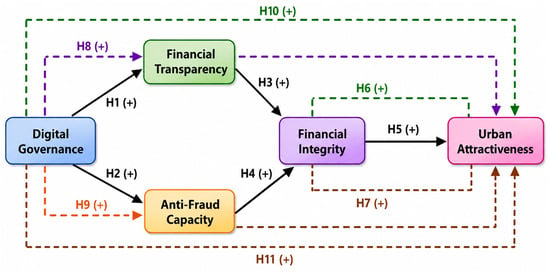
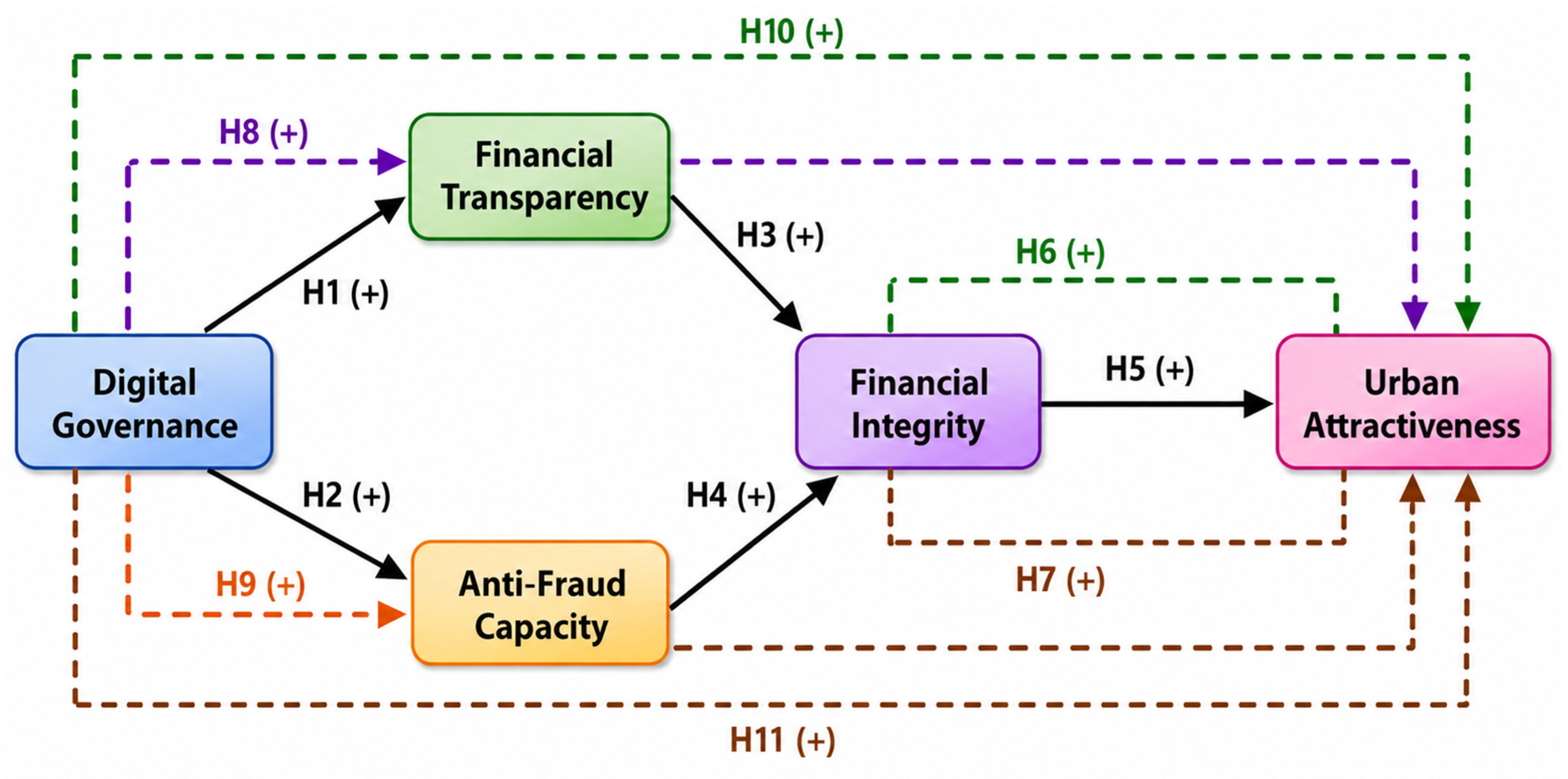
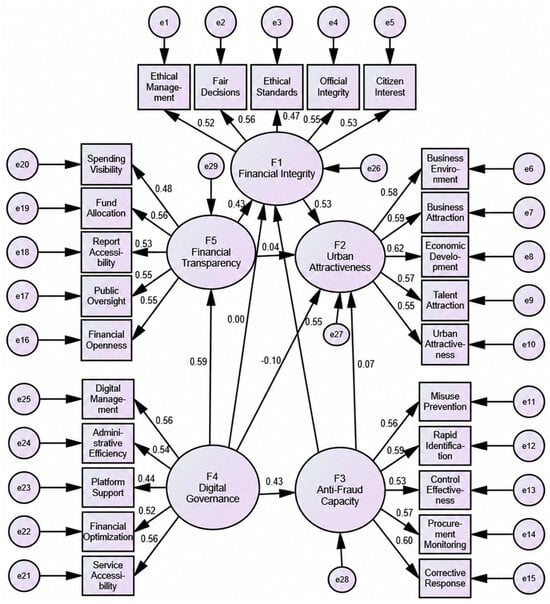
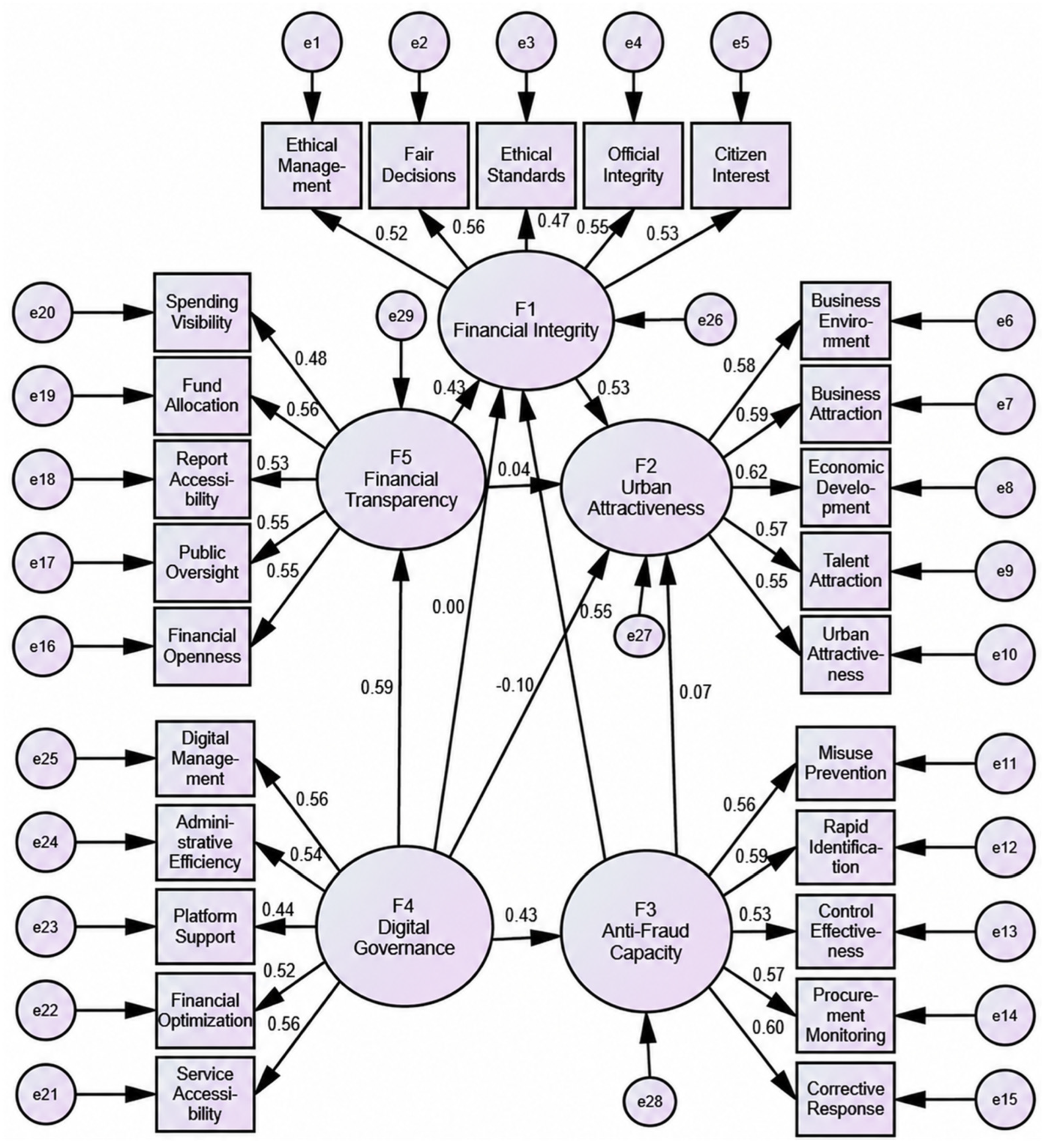

Disclaimer/Publisher’s Note: The statements, opinions and data contained in all publications are solely those of the individual author(s) and contributor(s) and not of MDPI and/or the editor(s). MDPI and/or the editor(s) disclaim responsibility for any injury to people or property resulting from any ideas, methods, instructions or products referred to in the content. |
© 2026 by the authors. Licensee MDPI, Basel, Switzerland. This article is an open access article distributed under the terms and conditions of the Creative Commons Attribution (CC BY) license.