


Abstract
For the environment and the daily life of urban settlements, in the context of contemporary challenges, severe meteorological events rank second worldwide. Therefore, these events tend to become a real threat to human society and to specific economic activities. The main objective of this study is to analyze the spatio-temporal evolution of severe meteorological events in urban environments and to assess their relationship with atmospheric circulation regimes and urban thermal conditions. The analysis focuses on five types of severe events (significant atmospheric precipitation, hail, strong winds, tornadic structures, and cloud-to-ground lightning) recorded in 11 cities located in the historical region of Muntenia, Romania, over the period 2014–2024. The methodological framework is based on three complementary components. First, a new database was developed by integrating information from multiple sources, including the National Meteorological Administration (ANM), the European Severe Storms Laboratory (ESSL), international databases, and validated media reports, with spatio-temporal filtering and aggregation into synoptic episodes. Second, atmospheric circulation regimes were identified using ECMWF ERA5 reanalysis data, based on geopotential height anomalies at the 500 hPa level, allowing the classification of large-scale synoptic patterns. Third, urban thermal conditions were assessed using the ECMWF CERRA regional reanalysis dataset, which provides high-resolution air temperature data, enabling the analysis of urban–peri-urban thermal contrasts and the estimation of the urban heat island effect. The results highlight a total of 997 severe meteorological events, of which 253 (25.6%) were recorded in the analyzed urban areas, 85 (15.9%) in other towns, and 583 (58.5%) in rural areas. The analysis reveals pronounced interannual and intraseasonal variability, as well as distinct spatial clustering patterns, particularly in urban and peri-urban zones. Among the circulation regimes, the Zonal Regime exhibits the highest event rate, suggesting increased favorability for severe weather occurrence, while other regimes show weaker or even inhibitory effects. In addition, most severe events were associated with positive urban–peri-urban temperature contrasts, indicating an active contribution of the urban heat island effect. By combining observational data, synoptic-scale analysis, and urban-scale thermal assessment, this study provides an integrated regional perspective on severe meteorological events and contributes to the enrichment of data sources in the region, while improving the understanding of their dynamics in urban environments affected by data limitations.
1. Introduction
Information referring to climate change at the planetary scale has nowadays become essential in every domain of our lives, whether scientific, economic, health-related, political, etc. [1,2,3,4,5]. Scientists envision a future marked by pronounced climatic variability [6,7,8,9,10], with impacts on the social and economic domains [11,12,13,14], and consider that life, whether urban or rural, will be negatively affected [15,16,17,18]. For these reasons, human society has become a major consumer of meteorological forecasts [19].
People are eager for knowledge and for understanding the forecasts provided by specialists [20,21]. Consequently, improving forecast accuracy has become another fundamental objective of human societies in order to limit social and economic losses.
In this general context, increased attention must be given to both the Romanian urban and rural environments, as the two mutually support each other economically and socially. The two environments can be seen as opposite extremes in terms of a system’s capacity to cope with climate risks. In the case of Romania, a former socialist (communist) country with a particular model of social and economic development, only after the fall of communism did the country begin its transition toward democracy and a market economy, albeit still in the old structural framework. Even today, this structure does not show significant improvements, with social and economic dysfunctions still present in most Romanian communities outside major urban centers (for example, in the historical region of Muntenia, the largest urban center is Bucharest with its area of influence, while the rest of the region mostly consists of significantly smaller cities and villages).
Looking back in time, it can be observed that weather and climatic conditions have imposed changes in the spatial and temporal manifestation of severe meteorological events. Over the last century, changes have been identified in their frequency [10,22,23], magnitude, location, and timing of occurrence, and the spatial extent of extreme events [4,7,24,25,26,27,28]. The Intergovernmental Panel on Climate Change confirms that current and projected climate changes affect both existing biodiversity and the services it provides, as well as the functioning of human society and its capacity to mitigate and adapt to these changes [1]. As early as 2014, the expert group anticipated that the frequency of such extreme events would increase in a warming world, with significant consequences for all environmental components, alongside their impacts on human society [22,29].
Among the most well-known consequences of global warming [12,30,31] are: an increase in the occurrence of extreme air temperatures; a reduction in summer atmospheric precipitation; the intensification of heat waves; the intensification of cold waves; an increase in the frequency and intensity of droughts; the intensification of hail events, strong winds, tornadoes, etc.; the occurrence of vegetation fires; the occurrence of floods; etc. Scientific research has indicated that extreme meteorological events and other climate-related hazards cause not only significant infrastructure failures, economic losses, and population displacement, but also the emergence of health-related problems [13,17,18,32,33,34,35,36,37,38,39].
Urban settlements, known as centers of economic and social activities, have become increasingly vulnerable to severe meteorological and climatic events, with risk being both generated and amplified by rapid urbanization as well as by climate change. These vulnerabilities [40] leave a clear imprint on medium- and long-term sustainability, as well as on public health and safety.
For example, in Romania, urban societies have expanded and prospered [41,42,43,44] as a result of continuous and increasing migration from rural to urban areas. Cities have provided numerous economic opportunities and access to social services and facilities. Consequently, this rapid growth of urban populations has made cities increasingly unsustainable and vulnerable to meteorological hazards, as well as to climate change. The intensification of severe meteorological events in the urban environment, due to the complexity of their manifestations, makes it difficult to accurately estimate their effects on the settlement itself and on the surrounding areas.
Studies on the manifestation of severe weather in urban environments have mainly focused on vulnerability [45] or have considered the city as a triggering factor for such phenomena [41,42,43,44,46,47]. Therefore, the impact of severe meteorological events on urban environments has become a priority in applied research. Studies show that cities are exposed to flooding [45], often caused by the ability of urban centers to enhance precipitation amounts through the active modification of the intensity and convergence of water vapor within the air column [46,47].
Extensively examined in the scientific literature, the urban heat island (UHI) phenomenon, referring to significantly higher temperatures recorded within cities compared to their surrounding areas [48], may play an important role in favorably modifying the parameters that lead to severe weather manifestations. These studies indicate that urban areas often exhibit higher sensible heat fluxes than rural areas, which may induce an autonomous UHI-based thermal circulation (urban heat dome). Such UHI-related thermal circulation could lead to an acceleration of airflow as it approaches urban areas [48]. As early as 1977, observational evidence existed for both dynamic effects (wind speed reduction induced by surface roughness) and thermodynamic effects (wind acceleration driven by direct thermal circulation) on winds in urban areas [49]. However, local factors cannot play a decisive role on their own, as they are in turn influenced by synoptic-scale conditions established at the continental scale.
The main objective of the study focuses on the spatio-temporal analysis of severe meteorological events (O1), reported in urban/built-up areas that are officially recognized in the Muntenia region. The analysis is supported by a series of identifications targeting the genetic characteristics of these manifestations. The study is intended to be a synthesized overview of statistical evidence highlighting the spatio-temporal analysis. The research team hoped that, through the presentation of these conclusions, the study would become a real and useful support for improving the understanding of these meteorological manifestations in the region. Thus, the study continued with the presentation and identification of atmospheric circulation regimes associated with severe meteorological events in all urban settlements of different sizes from the studied region (O2) and the identification of distinct pre-existing urban thermal conditions that precede such severe events (O3).
Through this approach, we aim to propose to both the general public and the scientific community a framework that integrates large-scale atmospheric patterns with urban topoclimatic conditions (continental scale versus local scale), in order to observe the interdependence between these two factors considered to be triggers of severe weather manifestations at the urban level. All these analyses were intended to highlight the evolution of severe meteorological manifestations.
Additionally, the research team advances a set of hypotheses: the number of recorded events tends to increase toward more recent years, while their spatial distribution varies depending on the conditions of occurrence (H1); certain Euro-Atlantic atmospheric circulation regimes are assumed to be associated with a higher frequency of severe meteorological events in the main urban areas of the Muntenia region (i.e., they are more favorable for the occurrence of severe events) (H2); events occurring in urban environments are assumed to be preceded by distinct thermal conditions, characterized by higher air temperatures within built-up areas compared to adjacent zones of the same urban space (H3).
2. Generalities of the Study Area
Geographically, the historical region of Muntenia is located in southeastern Central Europe (as observed in Figure 1a) and in southeastern Romania (as observed in Figure 1b), between the Southern Carpathians, the Curvature Carpathians, and the Moldavian Plateau to the north, and the Danube River to the south and east. Muntenia is regarded as a land of contrasts, rich in historical and cultural heritage, with diverse landscapes descending from the mountains toward the Danube.
Figure 1.
The historical region of Muntenia. Geographical location in Europe (a) and in Romania (b). (Source: processed in CorelDRAW Version 25(2024), based on ArcGIS 3.4.0 maps, 2025).
The relief of Muntenia consists of an extensive plain—the Romanian Plain (in the south, east, and central part)—a hilly region toward the northern part of the study area (the Getic Plateau, the Getic Subcarpathians, and the Curvature Subcarpathians), and a mountainous region in the northern sector (the Southern Carpathians and the Curvature Carpathians) (Figure 2).
Figure 2.
The historical region of Muntenia. Elevation, administrative division and urban settlements (Source: processed based on the ArcGIS 3.4.0 topographic database, 2025).
The Muntenia region covers an area of 46,941 km2 (19.7% of Romania’s total surface) and extends across 10 counties (Argeș-AG, Prahova-PH, Dâmbovița-DB, Ilfov-IF together with Bucharest-B, Călărași-CL, Giurgiu-GR, Ialomița-IL, Teleorman-TR, Buzău-BZ, and Brăila-BR) (Figure 1b).
Out of the total urban settlement network (65 cities of different sizes and functionalities), the research team focused its analysis on 11 cities within the region: Pitești (AG), Târgoviște (DB), Ploiești (PH), Buzău (BZ), Slatina (OT), Bucharest (B), Alexandria (TR), Giurgiu (GR), Călărași (CL), Slobozia (IL), and Brăila (BR). These urban settlements represent county seats, serving as administrative, political, and economic centers of their respective counties (Figure 2).
From a climatic perspective, the region falls within a temperate-continental climate [50,51,52], influenced by multiple climatic factors. Regarding local variability, wetter areas can be identified in the western part of the region (oceanic and sub-Mediterranean influences), while toward the east, drier areas prevail, highlighting aridity features, particularly in the southern and southeastern parts of the region. Taking these variations into account, Muntenia is characterized by cold winters, hot and dry summers, relatively high mean temperatures, moderate and variable atmospheric precipitation, large thermal amplitudes, frequent frost occurrences, and recurrent droughts, among other features [51,52].
3. Materials and Methods
Severe meteorological events cause damage to urban life despite the scientific progress achieved in understanding these phenomena [53]. Therefore, the research team decided to use methods specific to empirical research in conducting this study. This research represents, in fact, a type of investigation that uses concrete evidence. The evidence used is obtained through direct observation, from indisputable sources, experience, experimentation, etc., evidence that proves its usefulness, can validate hypotheses, and can generate new information and/or knowledge. Unlike theoretical research, this research is based on verifiable and quantitative data. The use of the method known as content analysis was agreed upon in order to highlight the research, even though it presents both advantages and disadvantages [12,54]. In order to obtain a set of usable results, the stage of selecting the information used must be taken into account [12,53,54,55,56], as well as the software resources (Excel and ArcGIS 3.4.0) [57].
The research began with a consultation of articles published in various databases (Web of Science, Scopus, PubMed, SpringerLink, Cambridge Journals, Google Scholar, etc.), as well as papers published in Romanian specialized journals [5,11,52,58,59,60]. Thus, it was found, for example, that temporal analyses [61,62,63,64,65,66] provide valuable information to human society regarding: the effects and variability of the analyzed events (in time and space); the types of disasters identified; social impacts (energy, water, food, health, infrastructure, etc.); economic impacts (labor productivity, costs associated with infrastructure recovery, etc.); and environmental impacts (damage to vegetation, fauna, water resources, etc.).
The study is based on the development of a new database (referred to as “the database Muntenia”) comprising severe meteorological events reported in urban environments within the historical region of Muntenia, Romania, during the period 2014–2024.
In order to highlight all situations from a spatio-temporal perspective, statistical data were collected from multiple sources. The majority of the information was provided by the National Meteorological Administration (ANM) [67], while the remaining data (available in varying proportions within the informational domain) were obtained from the following sources: the National Oceanic and Atmospheric Administration [68]; the European Centre for Medium-Range Weather Forecasts [69]; Climate Reanalyzer [70]; the European Severe Storms Laboratory [71]; governmental reports in .csv, .xlsx, and .pdf formats; and open-source weather APIs. Accordingly, the research team developed a new statistical database for the period 2014–2024, with information centralized using a customized approach, in order to achieve the final objectives more rapidly and efficiently. The new database includes information on the dates and times of event occurrence, their location at the city level, the type of meteorological phenomenon, and the approximate geographical coordinates associated with each report. Some information about the targeted events was collected from public media sources (Adevărul, ȘtirilePROTV, Libertatea) using various find-and-select methods based on keyword searches. The data were validated through spatio-temporal comparison to avoid duplicate event entries and were subsequently aggregated into distinct synoptic episodes. Although this approach entails certain limitations regarding the objective character of the reports, the publication of such information in journalistic literature indicates the existence of a real impact on the affected environments.
To ensure a coherent correspondence between severe meteorological manifestations and large-scale atmospheric configurations, individual events were grouped into episodes with a maximum duration of five consecutive days, considered to be generated by the same synoptic regime. The five-day-maximum duration was used to define severe weather episodes in order to ensure consistency with synoptic-scale atmospheric conditions. Circulation regimes are typically characterized at temporal scales exceeding five days; therefore this threshold minimizes the overlap between distinct regimes. Additionally, empirical analysis of multiple severe event sequences showed that the large-scale atmospheric context generating these events rarely persisted beyond five days, supporting the selected temporal window. The Climate Data Store, using the ERA5 archive [72], was employed to download data on geopotential height values at the pressure level of 500 hPa, with a spatial resolution of 0.25° × 0.25°. To remove seasonality, daily anomalies of the 500 hPa geopotential height (Geopotential Height Z500) were calculated relative to the multiannual climatology corresponding to each calendar day, determined for the entire analyzed period (2014–2024). Weather variability at a spatial scale of approximately 1000 km and over time periods longer than five days can be classified into atmospheric circulation regimes (weather regimes) [73]. At the European scale, depending on the North Atlantic Oscillation [74,75], a binary system has been established over time, in which the positive phase of the oscillation is associated with a cyclonic regime (low pressure), whereas the negative phase is associated with blocking (anticyclonic) regimes.
Following the classification of daily atmospheric circulation regimes, the next step consisted in quantitatively assessing their relationship with severe meteorological events, by linking regime occurrence to the temporal distribution of events and evaluating their relative favorability. For each regime, the event rate was defined as the ratio between the number of days with at least one reported severe event and the total number of days assigned to that regime. To assess the statistical significance of the differences observed, a Monte Carlo [76,77,78] resampling procedure was implemented. This method consists of randomly redistributing the observed number of events across all days in the dataset, while preserving the total number of events and recalculating the event rates for each regime over multiple iterations (n = 3000). The resulting simulated distributions provide a probabilistic framework against which the observed event rates can be compared. The p-values derived from this approach quantify the likelihood that the observed association between a given regime and severe event occurrence could arise by chance alone. This non-parametric framework is particularly suitable in this context, as it avoids assumptions related to data distribution and accounts for the temporal structure of the dataset.
In order to assess the urban thermal conditions preceding severe meteorological events, air temperature data at 2 m above ground level from the Copernicus European Regional ReAnalysis (CERRA) dataset (sub-daily regional reanalysis data for Europe), provided by the Climate Data Store and produced by ECMWF, were used. CERRA [79] represents a high-resolution regional reanalysis for Europe, with a spatial resolution of approximately 5 km. For the present study, sub-daily 2 m air temperature fields, available at a 3 h temporal interval, were used for the analyzed period. The analysis of the urban heat island (UHI) effect was conducted by comparing thermal conditions within urban areas to those in periurban zones. The delineation of urban space was based on the CORINE Land Cover 2018 dataset [80]. Only polygons corresponding to built-up surfaces were selected and intersected with the administrative boundaries of the analyzed cities, available through the ANCPI geoportal [81]. For each city included in the analysis, distinct spatial masks were created for urban and periurban areas, allowing for a consistent extraction of air temperature values from the CERRA grid, even under conditions of potential spatial overlap at the grid-pixel level.
For each severe meteorological event, urban thermal conditions were characterized by determining the daily maximum air temperature (Tmax) on the day of event occurrence, calculated separately for each type of space (urban and periurban).
The UHI intensity on the day of the event (ΔTmax) was defined as the difference between urban and extra-urban Tmax values: ΔTmax = Tmax(urban) − Tmax(peri-urban) [82].
4. Results
In Romania, severe meteorological events (significant atmospheric precipitation, hail, strong winds, tornadic structures, and cloud-to-ground lightning strikes) have been reported to exhibit increasing frequency and intensity [83,84,85,86,87,88,89].
4.1. Spatial and Temporal Distribution of Severe Meteorological Events
The spatial distribution of severe meteorological events recorded during the period 2014–2024 (Figure 3) reflects a heterogeneous pattern shaped by the combined influence of physical (mountainous and hilly regions, lowland plains, hydrographic network, global warming, permeable or impermeable surfaces, vegetation reduction, etc.), anthropogenic (urban expansion, construction, construction material used—surfaces that retain heat—asphalt, concrete, etc., industrial activities, land use in agriculture, etc.), and observational factors (event reports by authorities and locals). Thus, built and agricultural areas can be classified as high-risk areas. The cartographic representation encompasses the entire urban and rural space of the historical region of Muntenia, even though the analysis focuses exclusively on events occurring within the administrative boundaries of the 11 selected cities (Table 1). The research team considered it useful to observe all events recorded during the analyzed interval, as this approach was necessary for contextualizing the frequency of severe weather manifestations at the regional scale. Comparing the results obtained for urban (414 events—41.5%) and rural (583 events—58.5%) environments helps to establish the role of the city in the development of severe meteorological events, whether as a facilitating or inhibiting element, while also accounting for the influence of local topography (Table 1).
Figure 3.
The historical region of Muntenia. Spatial distribution of all recorded events between 2014 and 2024 (Source: Own Research, the database Muntenia, 2026).
Table 1.
The historical region of Muntenia. Total number of severe weather events recorded in the period 2014–2024.
A clear clustering of severe meteorological events is observed both within urban areas and in the zones of influence surrounding the analyzed urban centers (Table 1b). This concentration can be partially explained by a reporting bias, as densely populated areas host a larger number of potential observers, thereby increasing the likelihood that severe events are detected, documented, and reported in media sources or through direct testimonies.
Consequently, the spatial pattern of recorded meteorological events reflects both the actual occurrence of severe manifestations and their uneven detectability at the regional level. Beyond this observational effect, urban settlements may also reflect processes with a physical basis. The urban heat island effect is well known for its ability to modify local thermal and dynamic conditions [84], particularly during the convective season. For instance, enhanced surface heating and increased surface roughness can favor low-level convergence, thereby intensifying the potential for convective development. In this context, urban settlements may act not only as focal points of reporting but also as local amplifiers of severe convective phenomena.
A second major feature is the high density of events reported along the contact zone between the Subcarpathians and the Romanian Plain (56 events—22.1%). This transitional area represents a well-known hotspot of convective activity, where orographic forcing, thermal contrasts, and mesoscale convergence favor the initiation and maturation of convective cells [90]. For example, severe storms propagating from the Subcarpathian sector toward the low-lying plain areas may reach their maximum intensity within this zone, resulting in an increased frequency of hazardous manifestations such as hail, strong winds, and intense atmospheric precipitation. The alignment of this cluster suggests that relief-related factors play a significant role in shaping the regional distribution of severe meteorological events.
In contrast, the southeastern part of Muntenia exhibits a notably lower density of reported events (27 events—10.7%). This pattern may be associated with arid climatic conditions, characterized by reduced moisture availability in the lower atmosphere, which can limit the development of deep atmospheric instability. In addition, the absence of large urban centers and the low density of the urban population most likely contribute to underreporting, reinforcing the idea that the rarity of recorded events does not necessarily imply the absence of hazardous phenomena, but rather a reduced observational sensitivity. To improve the analysis presented, the research team decided to conduct an additional study based on the annual separation of reported events (Figure 4), with the respective number of records for each year during the studied period (Table 2). Several relevant aspects can thus be observed. First, severe meteorological events should not be regarded as exceptions, even within a hypothetical climate system devoid of change. Climatic conditions with destructive potential for human environments and associated activities can occur even under relatively stable conditions, and in the context of frequent anthropogenic modifications across most of Romania’s territory, such conditions have a higher chance of damage generation.
Figure 4.
The historical region of Muntenia. Spatio-temporal distribution for all recorded events, for each year within the analyzed period (Source: Own Research, the database Muntenia, 2026).
Table 2.
The historical region of Muntenia. Total number of severe weather events recorded in each year within administrative limits of the studied cities, other cities and rural regions, during the 2014–2024 period.
By analyzing the cartographic representations grouped in Figure 4, the following observations can be made:
- -
- year 2014: This year is characterized by a high density of events, particularly in the western part of the analyzed region (the cities of Pitesti, Slatina, Alexandria being affected, followed by a moderate decrease towards the center of the plain-affected cities: Targoviste and Bucharest, and in the east of the region the most affected city being Buzau). This represents an important indication that severe meteorological events are primarily driven by natural factors, and that certain atmospheric patterns lead to an increased concentration of phenomena in specific areas.
- -
- years 2015, 2016, 2017, and 2018: These years indicate a decrease in the number of reported events (generally affecting cities located in the central and eastern part of the analyzed region, with expansion in 2018 throughout the Romanian Plain: Bucharest—2015, 2018; Buzau—2015, 2017; Ploiesti—2016; Alexandria, Giurgiu—2017; Pitesti, Slatina, Targoviste, Slobozia—2018). Thus, the existence of interannual variability in the occurrence of severe phenomena is highlighted, which cannot be attributed exclusively to reporting bias.
- -
- year 2019: This year marks another relative maximum in the number of recorded severe meteorological events. However, in this case, most manifestations are located within the contact zone between the plain and the Subcarpathian hills, with a particularly strong concentration around the cities of Ploiești and Buzău. The cities of Slatina, Târgoviște, București, Braila and Slobozia were also affected, albeit to a lesser extent, by an above-average number of severe meteorological events.
- -
- years 2020 and 2021: These years stand out due to a moderate level of variability in the spatial and temporal distribution of events; in 2020 the cities of Bucharest, Giurgiu, Buzau (located in the center and east of the analyzed region) were affected, and in 2021 the cities of Slatina and Bucharest (located in the west and center of the region).
- -
- year 2022: This year is distinguished by a significant increase in the number of severe meteorological events. From a spatial perspective, the highest concentration describes an “arc-type” structure, extending longitudinally from the northern boundary of Dâmbovița County, through the western half of Prahova County, Bucharest, and down to Giurgiu County. The highest density of points is recorded between the cities of Ploiești and Bucharest. The cities unaffected by the meteorological events are Slatina and Slobozia. The spatial distribution of events occurring during the warm, convective season supports the hypothesis of the persistence of a favorable mechanism (circulation pattern or synoptic context) for storm initiation in this region. Such a mechanism has been previously analyzed [91], with results indicating that the curvature of the Carpathian Mountains (visible in the northeastern part of the historical Muntenia region), combined with the mountain breeze, plays an important role in storm initiation. These factors become particularly active when a high-pressure system advances from the west–northwest sector, bringing colder air masses from the regions of Iceland or the North Sea, which are necessary for the accumulation of convective energy. Monthly mean sea-level pressure anomalies suggest that such contexts were possible and frequent during June–July and August 2022 (Figure 5a), with a likely situation identified during the 13–15 June interval, although this was not the only occurrence within the analyzed period (Figure 5b).Figure 5. (a) Mean sea level pressure anomalies through June–July and August of 2022. Source: ClimateReanalyzer.org, 2026 and (b–d) a classic favorable mechanism described by Bell et al. for storm initiation in southern Romania, particularly northeast of the Muntenia region. (b)—High-pressure system advancing from the west; (c)—cold air advancing from the north meets a warm air mass; (d)—precipitations are generated at the contact between cold and warm air. Source: Deutsche Wetterdienst (DWD); Wetter3.de (Rainer Behrendt, Holger Mahlke), 2026.
- -
- year 2023: This year sets a new record in terms of the total number of reports, accompanied by a shift of the predominant area of manifestation toward the northeast. Although this may appear unexpected, the high number of meteorological events in this year is not primarily due to intense precipitation or hail, but rather to wind-related damage. With the exception of 2022, when the warm season dominated, in 2023 wind-related events were recorded throughout almost all months of the year, with only a few exceptions. The area with a high frequency of occurrence is typical for such scenarios: the eastern part of the Romanian Plain is known for its continental climatic influences and its vulnerability to strong airflow due to its wide opening toward the northeast and east, without major obstacles to attenuate wind gusts. The cities unaffected by the meteorological events are Targoviste and Slobozia.
- -
- year 2024: This year indicates a high degree of similarity to 2022 in terms of the spatial distribution of reported severe meteorological events. The cities unaffected by the weather events are Slatina, Calarasi, Slobozia and Braila. However, when examining the general synoptic context of the warm season, the same types of anomalies as those observed in 2022 cannot be identified. This may lead to the assumption that either the events occurred within shorter time intervals (under similar atmospheric patterns and were reported more efficiently than in 2022), or that destructive storms found favorable conditions for development under different synoptic contexts.
The monthly evolution of the number of reported severe meteorological events for the 11 analyzed urban settlements (Figure 6) highlights a high degree of temporal variability, both at the interannual and intraseasonal scales.
Figure 6.
Monthly evolution of severe weather events in urban areas (only within the 11 cities) from 2014 to 2024 (Source: Own Research, the database Muntenia, 2026).
The monthly time series does not indicate a long-term monotonic trend, but rather sequences of intervals characterized by intense convective activity, separated by periods with low or even absent frequencies of severe events. This behavior supports the idea that the occurrence of severe meteorological events is primarily governed by episodic favorable atmospheric configurations, rather than by a gradual and continuous evolution of environmental conditions, as well as by the existence of certain periods of the year that are more conducive to the development of such phenomena.
By analyzing the graphical representation in Figure 6, the following situations can be identified:
- -
- year 2014: The number of reported events reaches a maximum (5 events) in the first half of the year, after which it stagnates at zero for the remainder of the year.
- -
- year 2015: This year stands out as an active one, with the number of events increasing and decreasing in a relatively uniform manner; reports indicate at least one event in each month, with a maximum of seven events during the summer months.
- -
- year 2016: A certain asymmetry is observed, with a higher number of events in the first months of the year (7–8 events), followed by a decrease during the warm season and a renewed increase toward the end of the year.
- -
- year 2017: This year is characterized by a continuous, largely gradual increase, with slight variations, from one event per month to three events per month.
- -
- year 2018: The months of May and June display a short-lived spike, reflected in a significantly higher number of events compared to the preceding period (3–4 events per month compared to one event), while for the rest of the year the values remain at zero.
- -
- year 2019: Beginning in spring, a relatively rapid increase in the number of monthly events is observed, with the maximum recorded during September–December (eight events per month).
- -
- year 2020: This year is also marked by a first half characterized by a renewed decreasing trend in the number of events, from 7–8 events per month to 3–4 events per month, after which, during the warm season, events disappear entirely.
- -
- year 2021: An initially slow increase is observed, followed by a more pronounced rise toward the end of the year, when more than five events per month are recorded.
- -
- year 2022: This year stands out due to a marked change in the manifestation of severe meteorological events, with a sharp increase in occurrences, reaching a maximum of 25 events per month at the onset of the warm season. Large month-to-month variations are identified, with increases up to 25 events per month, followed by decreases to 5–6 events per month and subsequent increases to 11–12 events per month.
- -
- year 2023: Although the total number of events remains high, the monthly distribution is more fragmented, with multiple peaks of shorter duration. This aspect is consistent with previous spatial observations, which indicate a predominance of wind-related events occurring under varied atmospheric contexts and not exclusively within the classical convective season.
- -
- year 2024: By contrast, this year again presents well-defined episodes of intensified meteorological activity, especially during the warm season, when a new monthly maximum of 27 events is reached, suggesting both improved reporting efficiency and the presence of urban thermodynamic conditions favorable for the development of severe storms.
Overall, during the 2014–2024 interval, two distinct periods can be identified. The first part of the analyzed period, from 2014 to 2020, is marked by a visible year-to-year increase in manifestations. The second period, spanning 2021–2024, is characterized by pronounced changes, with marked peaks in 2022 and 2024. This latter period is distinguished by a series of maxima that are not uniformly distributed throughout the year, but are concentrated mainly in the warm-season months, indicating a central role of convection favored by high air temperatures. At the same time, the increased amplitude of monthly variations suggests that severe episodes tend to cluster temporally, reflecting the persistence of favorable synoptic contexts over periods of several weeks.
4.2. The Role of Synoptic Regimes in the Genesis and Spatio-Temporal Distribution of Severe Events
Another important aspect that requires further investigation is the variability of synoptic regimes in the genesis and spatio-temporal distribution of severe events recorded in the urban environment of the historical Muntenia region.
Accordingly, an extended approach to atmospheric circulation regimes recognized and statistically validated at the Euro-Atlantic scale was required. This approach builds on the cyclonic/anticyclonic regime concept and on the year-round extended classification proposed by Grams and co-authors in 2017 [85]. The applied classification identifies seven distinct regimes: three cyclonic regimes, Atlantic Trough (AT), Zonal regime (ZO), and Scandinavian Trough (ScTr), and four blocking (anticyclonic) regimes, Atlantic Ridge (AR), European Blocking (EuBL), Scandinavian Blocking (ScBL), and Greenland Blocking (GL).
Applying this framework to the analyzed period (2014–2024), five of the seven regimes were identified (Figure 7). The regime identification was based on calculations derived from the reference period 1979–2015, namely: Atlantic Trough, Zonal Regime, Atlantic Ridge, Scandinavian Blocking, and Greenland Blocking.
Figure 7.
Atlantic–European weather regimes: (1–5) 500 hPa geopotential height mean composites (contours, every 80 gpm) and their anomalies (shading, every 40 gpm) with respect to the multiannual climatology (6) during active regime life cycles (the onset to decay period) identified between 2014 and 2024. Numbers in the subfigure titles indicate the frequencies of total days attributed to the respective regime. The frequency of “no regime” days is 28.6% (Source: Own Research based on ECMWF ERA5 data, 2026).
During the 2014–2024 period, two regimes remained unidentified, although they generally exhibit a sufficiently high frequency (Scandinavian Trough and European Blocking). The regimes displaying the largest geopotential height anomalies are Scandinavian Blocking and Greenland Blocking, indicating higher intensities of blocking anticyclones during the periods when these regimes dominate the region.
By analyzing the absolute number of events recorded under each regime type, as well as their share of the total number of events (Table 3), it can be observed that 27.3% of all recorded events occurred during the Atlantic Ridge regime.
Table 3.
The historical region of Muntenia. Absolute number of reported events for all urban areas considered, during each identified Euro-Atlantic weather regime, and the share of each regime out of the total number of recorded events (%).
The Atlantic Ridge regime has been analyzed and presented in several scientific studies [92,93,94,95], yet none provides a detailed description of the effects it exerts on atmospheric manifestations. In general, this regime brings cooler conditions over Central Europe, while the variability identified in the position of the anticyclone may explain the onset of atmospheric circulation disturbances of varying intensity. For example, the occurrence of this regime during summer can induce the advection of polar air masses, which displace the very warm air masses that dominate the European continent during the warm season. Such manifestations, including the rapid displacement of warm air masses and the associated strong thermal contrasts, represent solid preconditions for the development of severe weather, thereby explaining the large number of severe meteorological events reported under the Atlantic Ridge regime.
It is also observed that, out of the total number of regime occurrences during which severe events were recorded (Table 4), the Atlantic Ridge regime again exhibits the highest share (32.4%).
Table 4.
The historical region of Muntenia. Number of unique occurrences of each Euro-Atlantic weather regime associated to reported events and the share of each regime out of the total number of unique occurrences. One occurrence is considered for a maximum of three consecutive days of events being reported at the city level.
This finding eliminates the possibility of a bias generated by a large number of meteorological events reported during a single manifestation of the regime, and instead confirms the overall favorability of this regime for the occurrence of severe events. A substantial proportion of the total recorded events also appear to have occurred under the dominance of the Greenland Blocking regime. This regime is described in some studies [96] as corresponding to the negative phase of the North Atlantic Oscillation. This phase is well known for its cooling effects over Europe, both in winter and in summer. However, this regime does not rank second in terms of the number of occurrences during severe events. Instead, the highest number of occurrences belongs to the Scandinavian Blocking regime, during which significantly fewer severe events were recorded over the analyzed period compared to the Greenland Blocking regime.
These differences may arise from variability in the intensity of the circulation regimes and generate different potentials for each regime to produce severe events.
Accordingly, the following situations can be identified: the Atlantic Trough regime produces, on average, 5 severe urban events per single occurrence (a relatively small number of manifestations during the analyzed period, but associated with a high number of reported events during each episode); the Atlantic Ridge regime produces, on average, 2.8 severe urban events per single occurrence, even though a large absolute number of severe events was recorded under this regime (the high number of events being offset by a similarly high number of regime occurrences); and the Greenland Blocking regime, although occurring relatively rarely (only 10 times during all severe urban events identified between 2014 and 2024), is nevertheless capable of generating, on average, 4.3 severe events per occurrence.
To further refine the interpretation of the relationship between large-scale atmospheric circulation and severe meteorological events, an additional statistical approach was applied, focusing on the relative frequency of event occurrence under each identified synoptic regime. While the previous analysis emphasized absolute counts and regime occurrence frequencies, this complementary method aims to evaluate the intrinsic favorability of each regime by normalizing the number of event days to the total number of days associated with that regime. This approach allows for a more robust comparison between regimes with different persistence and frequency characteristics, thereby reducing potential biases introduced by unequal regime duration. In this context, the analysis was restricted to the warm season (May–September), when convective processes dominate and severe weather events are most frequent in the study region (approximately 83% of the total number of severe weather events were recorded during this period).
The results of this analysis (Table 5) reveal notable differences in the relative favorability of the identified circulation regimes. Among them, the Zonal Regime exhibits the highest event rate, reaching approximately 0.34, indicating that more than 1/3 of the days associated with this regime are characterized by severe meteorological events in urban areas. In contrast, the remaining regimes display lower event rates, generally ranging between 0.24 and 0.30, suggesting a comparatively weaker association with severe weather occurrence. The Greenland Blocking regime shows the lowest event rate, indicating a potential suppressing effect on convective activity, while Scandinavian Blocking and Atlantic Ridge exhibit intermediate values, without a clear enhancement signal.
Table 5.
Event rate and statistical significance of severe meteorological events across identified synoptic circulation regimes (warm season, 2014–2024).
Although the statistical significance remains marginal (p ≈ 0.06 for the Zonal Regime), the consistency of the signal across multiple analytical approaches, including Monte Carlo simulations and logistic regression, suggests that this regime plays a preferential role in modulating the likelihood of severe meteorological events. The positive association identified for the Zonal Regime is further supported by its dynamical characteristics, typically involving enhanced westerly flow, increased baroclinicity, and favorable conditions for the development of atmospheric instability over Central and Eastern Europe.
4.3. The Urban Heat Island (UHI) Effect
In the context of urbanization, human occupancy is increasing at an alarming rate. Consequently, many researchers consider that this process affects the balance among various atmospheric constituents within urban areas and their surroundings [97]. Others argue that urbanization has irreversibly transformed the natural environment (traditionally considered a permeable surface) into an artificial environment (characterized by impermeable surfaces), leading to the expansion of built-up areas and degraded land. These transformations have induced climatic changes within urban areas, primarily at the micro-scale [98,99]. The urban heat island (UHI) effect alters the normal heat transfer processes in urban environments, causing urban settlements to become warmer than their surrounding rural areas [100,101]. The UHI effect can substantially increase the frequency and intensity of heatwave days within a given region [102], while its most commonly reported negative impacts include biodiversity loss, excessive consumption of energy and water resources, adverse effects on human health and well-being, alterations of the hydrological cycle, and the resulting climate changes [103,104,105].
In the historical region of Muntenia, the urban heat island (UHI) effect during the 2014–2024 period is highlighted through a comparison of thermal conditions within urban areas and those in peri-urban zones. The research team considered it useful to analyze, alongside severe weather manifestations, the pre-existing urban thermal conditions at the time of severe event occurrence. In this context, the UHI effect was assessed by examining urban–peri-urban temperature differences at the time when severe events occurred. Given the pronounced intensity of the UHI effect, particularly during the warm season, the following aspects were analyzed: the hourly distribution of the maximum temperature difference (ΔTmax) between the built-up urban space and the periurban zone (areas characterized by low building density or dominated by vegetation), as well as the frequency of severe event occurrence as a function of local time.
By comparing the mean air temperatures recorded 6 h prior to the occurrence of each event with the maximum air temperature on the day of the event, a series of conclusive results were obtained regarding air temperature differences between urban areas and their adjacent surroundings (Figure 8).
Figure 8.
Distribution of air temperature differences (ΔT, °C) between urban and periurban environments, expressed as the mean ΔT 6 h prior to severe event occurrence and the daily maximum temperature difference (ΔTmax), including minimum, maximum, and central tendency values (Source: Own Research based on the CERRA dataset, 2026).
It was found that most days on which severe meteorological events occurred were characterized by a positive difference between the maximum temperature recorded over built-up urban surfaces and the maximum temperature recorded in the non-built, vegetation-rich periurban space (urban Tmax > peri-urban Tmax). In general, a positive temperature difference of at least 0.9 °C was observed between the city and its peripheral zone, with a high frequency of differences ranging between 0.5 °C and 1.3 °C. Extreme cases were also identified, with differences reaching 5.1 °C in Ploiești on 2 July 2024 and 5.5 °C in Buzău on 20 July 2023.
In contrast, the differences in 6 h mean air temperatures provide a much more balanced picture, in which most events were preceded by very small temperature differences or by an absence of contrast between the built-up urban space and the non-built periurban area. Notably, for the 6 h mean temperature difference, numerous cases were identified in which lower air temperatures were recorded within cities; however, the largest negative difference reached only −1.7 °C. Conversely, although the number of cases with higher air temperatures within cities than in adjacent areas was smaller, these isolated cases were characterized by more pronounced contrasts, with differences of up to +3.5 °C, indicating warmer conditions in the built-up urban zone compared to the periurban area.
Another interesting correlation can be found between the mean number of severe weather events recorded in each hour of the day and the maximum temperature difference (∆Tmax) between urban and periurban areas recorded in each hour (Figure 9).
Figure 9.
Diurnal variation in the number of severe weather events (bars) and the urban–periurban daily maximum temperature difference (ΔTmax, °C; line), as a function of the hour of event occurrence (UTC) (Source: Own Research based on the CERRA dataset, 2026).
The resulting graphical representation shows a low linkage between the temperature difference and the number of severe weather events for the first half of the day, with rather high values of ∆Tmax (up to 1.75 °C at 7:00 in the morning), but a low number of events (1–2… maximum of around 15 events recorded at 9:00). Starting from 11:00, a stronger correlation between the two parameters can be visualized, with the number of events reported increasing and decreasing at approximately the same time as the temperature differences.
Peak hours of events occurrence are 12:00 and 13:00, with the number of reports averaging up to 34 events reported within those moments of the day. At the same time, the ∆Tmax, while not being at the peak intensity, maintains a solid difference of about 1.0 °C through those hours. The number of recorded events seems to drop significantly for 15:00 to less than 15 events, followed by a symmetric behaviour from the temperature difference line, which registers a value of no more than 0.35 °C. The hours of 16:00 to 17:00 feature another increase both in the number of severe events reported (around 30) and ∆Tmax (up to 1.25 °C). Finally, the event number shows a decrease starting with 18:00, with only slight variations being visible for the last hours of the day, when the values return to around 3–4/h. While initially following the downward trend of the number of events, the urban–periurban temperature difference registers another high at around 20:00, followed by a sharp decrease and another increase in values (from nearly 1.75 °C to almost no difference, and another jump to around 1.35 °C). In other words, we can identify an increased variability of the ∆Tmax, with two peaks occurring at the start and end of the day, and a visible correlation with the number of reported severe weather events only during the hours of the highest frequency. The severe events’ diurnal variation underpins a rather normal evolution, with most of the occurrences being registered during sunlight hours, when the atmosphere is more unstable.
5. Discussion
The findings of this study provide important insights into: the spatio-temporal distribution of severe meteorological events identified in the historical region of Muntenia; the role of synoptic regimes in the genesis and spatio-temporal variability of these events; and the effects of the urban heat island (UHI). The study relied on an in-depth analysis of meteorological data, which can provide valuable information on the mechanisms underlying variability, as well as on the examination of how air temperature and humidity, together with atmospheric instability, contribute to interannual differences. Additional analyses addressed the occurrence of convective-related variables, suggesting interannual variability and the preconditions for the development of atmospheric contexts favorable to severe weather manifestations. The research team aimed to present this type of analysis to the reader in order to emphasize the urgent need to improve the understanding of the mechanisms underlying the triggering of severe meteorological events, to highlight the spatial extent of the affected areas, and to signal the intensification of such manifestations. For example, many of us have witnessed hailstorms that caused considerable damage to agricultural crops, buildings, and infrastructure within human settlements; the occurrence of lightning and thundercloud activity driven by convective instability, wind, and tropospheric moisture; heavy precipitation events leading to major floods and resulting in infrastructure damage, road blockages, and related disruptions; and wind intensifications resulting from pronounced atmospheric instability, causing material damage such as destroyed dwellings and roofs, crop losses, fallen trees and power poles that block roads and interrupt electricity supply, posing a direct threat to the population through injuries or fatalities and generating widespread panic.
The results obtained in this study confirm the achievement of the proposed objectives and allow a clear evaluation of the formulated hypotheses. The main objective (O1) was fulfilled by identifying pronounced interannual and intraseasonal variability, spatial clustering patterns, and recurrent urban hotspots of severe weather activity. The extension of this objective toward the identification of genetic characteristics was addressed through the integration of synoptic-scale circulation regimes and local-scale urban thermal conditions. Regarding the secondary objectives, (O2) was achieved by identifying event occurrences during the specific Euro-Atlantic circulation regimes, with the highest shares being attributed to the Atlantic Ridge and Scandinavian Blocking setups. Objective (O3) was met through the identification of distinct pre-existing urban thermal conditions, with most severe events occurring under positive urban–periurban temperature contrasts, indicative of an active urban heat island effect.
In this context, hypothesis H1 is supported by the observed increase in the number of recorded events toward recent years, accompanied by notable spatial variability linked to regional and synoptic conditions. Hypothesis H2 is confirmed by the statistically significant association between certain regimes, particularly the Zonal Regime, which exhibits the highest event rate and the most consistent positive association with severe weather occurrence in urban areas. The relationship identified should be interpreted as a modulation effect, reflecting increased favorability rather than a deterministic control. The regime influence operates by creating large-scale conditions conducive to instability. However, the actual development and intensity of convective phenomena remain strongly dependent on local and mesoscale factors, such as urban thermal contrasts, moisture availability, and boundary-layer processes. Hypothesis H3 is also supported, as severe events were generally preceded by higher air temperatures within built-up areas compared to adjacent periurban zones.
Collectively, these findings validate the proposed multi-scale framework and demonstrate the interdependence between large-scale atmospheric circulation and urban-scale thermodynamic processes in shaping severe weather manifestations in urban environments.
6. Limitations and Future Considerations
Among the limitations of this study, first and foremost is the dependence on the Romanian information system, which unfortunately does not meet the expected standards. To this list can also be added the lack of meteorological data and the absence of official datasets that clearly document the effects and damages caused by these manifestations, as well as the reliance on media-based and publicly available reports, which may introduce reporting bias, spatial unevenness, and temporal inconsistencies in event detection and classification. In addition, the limited availability of high-resolution impact data at the local level restricts a more detailed quantification of social, economic, and infrastructural losses associated with individual events.
Therefore, future research should incorporate additional information relevant to this type of analysis, including the integration of demographic data and land-use and land-policy datasets. Such approaches would substantially improve the understanding of human–environment interactions. Future studies should also focus on the integration of high-resolution impact datasets, urban morphology indicators (e.g., building density, impervious surface fraction), and socio-economic vulnerability indices, in order to better quantify exposure and sensitivity at the intra-urban scale. Additionally, coupling synoptic-scale circulation patterns with urban-scale thermodynamic processes may provide a more robust framework for early warning systems and climate-resilient urban planning.
7. Conclusions
The spatio-temporal analysis of severe meteorological events in the historical region of Muntenia, Romania, indicates an increase in their frequency, generally driven by climate change, but also by significant regional and seasonal variability. The analysis conducted highlights that severe meteorological events are not uniformly distributed, but instead exhibit a distinct regional pattern controlled by the interaction between local physiographic features and atmospheric circulation regimes. The concentration of events along the Subcarpathian–plain transition zone and in major urban centers such as Bucharest reflects the combined influence of orographic forcing, urban thermal contrasts, and enhanced observational density. Consequently, these conclusions may be used in the future to determine development trends and risk trajectories within urban environments.
Although the assessment of these meteorological manifestations is hindered by the lack of local statistical data, the use of ERA5 reanalysis data provided sufficient information to confirm the observed increasing trend. The results presented in this study are intended to offer an additional perspective that contributes to improving the understanding of the spatial and temporal distribution of severe meteorological events. These findings are expected to serve as a new foundation for future research focused on assessing regional vulnerability and developing effective mitigation strategies.
Beyond the documented increase in frequency, this study demonstrates that severe meteorological events affecting urban areas in Muntenia result from the interaction between large-scale atmospheric circulation patterns and local-scale urban thermodynamic processes.
At the synoptic scale, the analysis demonstrates that circulation regimes do not exert a uniform influence. The Zonal Regime shows the highest relative favorability for severe events, while regimes such as Greenland Blocking tend to inhibit convective activity. This differentiation highlights the importance of regional atmospheric dynamics specific to southeastern Europe.
At the local scale, the study provides evidence that urban environments in Muntenia can actively contribute to severe event development through thermal contrasts, with most events occurring under positive urban–peri-urban temperature differences. This confirms that cities in the region are not only exposed to severe weather but can also modulate its intensity through urban heat island effects.
From an applied perspective, these findings underscore the need to incorporate atmospheric circulation patterns and urban thermal characteristics into risk assessment, early warning systems, and urban climate adaptation strategies. Recognizing the role of cities not only as passive receptors but also as active modifiers of atmospheric processes is essential for improving resilience in the face of increasingly frequent and intense weather extremes.
Author Contributions
Conceptualization, E.B., A.-I.B., E.G. and F.T.; methodology, A.-I.B., E.B., E.G. and F.T.; software, A.-I.B.; validation, E.B., A.-I.B., E.G. and F.T.; formal analysis, A.-I.B., E.G., E.B. and F.T.; investigation, A.-I.B. and E.B.; resources, A.-I.B., E.B., E.G. and F.T.; data curation, A.-I.B.; writing—original draft, A.-I.B., E.B. and E.G.; writing, review and editing, A.-I.B., E.B., E.G. and F.T.; visualization, E.B., E.G., F.T. and A.-I.B.; supervision, E.B. All authors had equal contribution to the preparation of this scientific paper. All authors can be considered first author. All authors have read and agreed to the published version of the manuscript.
Funding
This research received no external funding.
Institutional Review Board Statement
Not applicable.
Informed Consent Statement
Not applicable.
Data Availability Statement
The original contributions presented in this study are included in the article. Further inquiries can be directed to the corresponding author.
Conflicts of Interest
The authors declare no conflicts of interest.
References
- Methodological Report 2027, GENEVA, 5 December-Intergovernmental Panel on Climate Change. 2025. Available online: www.ipcc.ch/2025 (accessed on 26 October 2025).
- AR6-SPM. Summary for Policymakers, Working Group 1 the Basics of Physical Science. 2021. Available online: https://www.ipcc.ch/report/ar6/wg1/downloads/report/IPCC_AR6_WGI_SPM.pdf (accessed on 26 October 2025).
- Climate Change 2022: Impact, Adaptation and Vulnerability. 2022. Available online: www.ipcc.ch/report/ar6/wg2/ (accessed on 26 October 2025).
- Advancing Adaptation: How Evolving Hazards Could Shape the Agenda. 2025. Available online: https://www.mckinsey.com/mgi/our-research/advancing-adaptation-how-evolving-hazards-could-shape-the-agenda (accessed on 26 October 2025).
- Bojariu, R.; Chițu, Z.; Dascălu, S.I.; Gothard, M.; Velea, L.F.; Burcea, R.; Dumitrescu, A.; Burcea, S.; Apostol, L.; Amihaesei, V.; et al. Climate Change—From Physical Foundations to Risks and Adaptation, Revised and Expanded ed.; Printech: Bucharest, Romania, 2021. [Google Scholar]
- Seneviratne, S.I.; Donat, M.G.; Mueller, B.; Alexander, L.V. No pause in the increase of hot temperature extremes. Nat. Clim. Change 2014, 4, 161–163. [Google Scholar] [CrossRef] [Scilit]
- Radinović, D.; Ćurić, M. Measuring scales for daily temperature extremes, precipitation and wind velocity. Meteorol. Appl. 2014, 21, 461–465. [Google Scholar] [CrossRef] [Scilit]
- Matthews, T. Humid heat and climate change. Prog. Phys. Geogr. Earth Environ. 2018, 42, 391–405. [Google Scholar] [CrossRef] [Scilit]
- Fischer, E.M.; Knutti, R. Anthropogenic contribution to global occurrence of heavy-precipitation and high-temperature extremes. Nat. Clim. Change 2015, 5, 560–564. [Google Scholar] [CrossRef] [Scilit]
- Cooney, C.M. Managing Extreme Weather Risks: IPCC Special Report. Environ. Health Perspect. 2012, 120, 58. Available online: https://pmc.ncbi.nlm.nih.gov/articles/PMC3279460/ (accessed on 28 March 2026). [CrossRef] [Scilit]
- Török, I.; Croitoru, A.E.; Man, T.C. Assessing the impact of extreme temperature conditions on social vulnerability. Sustainability 2021, 13, 8510. [Google Scholar] [CrossRef] [Scilit]
- Abunyewah, M.; Gajendran, T.; Erdiaw-Kwasie, M.O.; Baah, C.; Okyere, S.A.; Udage Kankanamge, A.K.S. The multidimensional impacts of heatwaves on human ecosystems: A systematic literature review and future research direction. Environ. Sci. Policy 2025, 165, 104024. [Google Scholar] [CrossRef] [Scilit]
- Bell, J.E.; Herring, S.C.; Jantarasami, L.; Adrianopoli, C.; Benedict, K.; Conlon, K.; Escobar, V.; Hess, J.; Luvall, J.; Garcia-Pando, C.P.; et al. Cap. 4: The impact of extreme events on human health. In The Impacts of Climate Change on Human Health in the United States: A Scientific Assessment; U.S. Global Change Research Program: Washington, DC, USA, 2016; Volume 24. Available online: https://digital.library.unt.edu/ark:/67531/metadc950291/m2/1/high_res_d/ClimateHealth2016_ExecSummary_Standalone.pdf (accessed on 3 November 2025).
- Deshmukh, A.; Oh, E.H.; Hastak, M. Impact of flood damaged critical infrastructure on communities and industries. Built Environ. Proj. Asset Manag. 2011, 1, 156–175. [Google Scholar] [CrossRef] [Scilit]
- Fröhlich, D.; Matzarakis, A. Spatial Estimation of Thermal Indices in Urban Areas-Basics of the SkyHelios Model. Atmosphere 2018, 9, 209. [Google Scholar] [CrossRef] [Scilit]
- Banc, S.; Croitoru, A.E.; David, N.A.; Scripcă, A.S. Changes Detected in Five Bioclimatic Indices in Large Romanian Cities over the Period 1961–2016. Atmosphere 2020, 11, 819. [Google Scholar] [CrossRef] [Scilit]
- Markandya, A.; Chiabai, A. Assessing the impact of climate change on human health: Empirical evidence from the literature. Int. J. Environ. Res. Public Health 2009, 6, 759–786. [Google Scholar] [CrossRef] [Scilit] [PubMed]
- Skinner, M.W.; Yantzi, N.M.; Rosenberg, M.W. No rain, no hail, no sleet, no snow: Providers’ perspectives on weather challenges for home and community care. Soc. Sci. Med. 2009, 68, 682–688. [Google Scholar] [CrossRef] [Scilit]
- Early Warning and Early Action-World Meteorological Day 2022 Communications. 2022. Available online: https://wmo.int/media/news/world-meteorological-day-early-warning-and-early-action (accessed on 6 November 2025).
- Sentinel Copernicus Services. 2025. Available online: www.copernicus.eu/en/copernicus-services (accessed on 6 November 2025).
- Schepanski, K.; Knippertz, P.; Fiedler, S.; Timouk, F.; Demarty, J. Sensitivity of low-level nocturnal jets and surface winds over the Sahel to model resolution, initial conditions, and boundary layer configuration. Q. J. R. Meteorol. Soc. 2015, 141, 1442–1456. [Google Scholar] [CrossRef] [Scilit]
- Alexander, L.; Allen, S.; Bindoff, N.L.; Breon, F.M. Climate Change 2013, Special Report. In The Physical Science Basis, Contribution of Working Group I to the Fifth Assessment Report of the Intergovernmental Panel on Climate Change; U.S. Global Change Research Program: Washington, DC, USA, 2013. Available online: https://www.researchgate.net/publication/266208027 (accessed on 6 November 2025).
- Cid, A.; Menéndez, M.; Castanedo, S.; Abascal, A.J.; Méndez, F.J.; Medina, R. Long-term changes in the frequency, intensity and duration of extreme storm surge events in southern Europe. Clim. Dyn. 2015, 46, 1503–1516. [Google Scholar] [CrossRef] [Scilit]
- Extreme Weather and Climate Change, National Aeronautics and Space Administration. 2024. Available online: https://science.nasa.gov/climate-change/extreme-weather (accessed on 6 November 2025).
- Extreme Weather, World Meteorological Organization-WMO. 2025. Available online: https://wmo.int/topics/extreme-weather (accessed on 12 December 2025).
- Sfîcă, L.; Croitoru, A.E.; Iordache, I.; Ciupertea, A.F. Synoptic Conditions Generating Heat Waves and Warm Spells in Romania. Atmosphere 2017, 8, 50. [Google Scholar] [CrossRef] [Scilit]
- Croitoru, A.E.; Piticar, A.; Ciupertea, A.F.; Roşca, C.F. Changes in heat waves indices in Romania over the period 1961–2015. Glob. Planet. Change 2016, 146, 109–121. [Google Scholar] [CrossRef] [Scilit]
- Radinović, D.; Ćurić, M. Criteria for heat and cold wave duration indices. Theor. Appl. Climatol. 2012, 107, 505–510. [Google Scholar] [CrossRef] [Scilit]
- AR5 Synthesis Report. 2014. Available online: https://www.ipcc.ch/report/ar5/syr/ (accessed on 26 October 2025).
- Nes, K.; Schaefer, K.A.; Gammans, M.; Scheitrum, D.P. Extreme weather phenomena, climate expectations and the dynamics of agricultural exports. Am. J. Agric. Econ. 2025, 107, 826–845. [Google Scholar] [CrossRef] [Scilit]
- Hultgren, A.; Carleton, T.; Delgado, M.; Gergel, D.R.; Greenstone, M.; Houser, T.; Hsiang, S.; Jina, A.; Kopp, R.E.; Malevich, S.B.; et al. The impact of climate change on global agriculture, considering adaptation. Nature 2025, 642, 644–652. [Google Scholar] [CrossRef] [Scilit] [PubMed]
- Beatty, M.E.; Phelps, S.; Rohner, C.; Weisfuse, I. Blackout of 2003: Public health effects and emergency response. Public Health Rep. 2006, 121, 36–44. [Google Scholar] [CrossRef] [Scilit]
- Gkouliaveras, V.; Kalogiannidis, S.; Kalfas, D.; Kontsas, S. Effects of Climate Change on Health and Health Systems: A Systematic Review of Preparedness, Resilience, and Challenges. Int. J. Environ. Res. Public Health 2025, 22, 232. [Google Scholar] [CrossRef] [Scilit]
- Lin, S.; Fletcher, B.A.; Luo, M.; Chinery, R.; Hwang, S.A. Health impacts in New York City during the 2003 Northeast power outage. Public Health Rep. 2011, 126, 384–393. [Google Scholar] [CrossRef] [Scilit]
- Anderson, G.B.; Bell, M.L. Lights out: The Impact of the August 2003 Power Outage on Mortality in New York. Epidemiology 2012, 23, 189–193. [Google Scholar] [CrossRef] [Scilit] [PubMed]
- Matz, C.J.; Egyed, M.; Xi, G.; Racine, J.; Pavlovic, R. Analysis of the health impacts of PM 2.5 from wildfire smoke in Canada (2013–2015, 2017–2018). Sci. Total Environ. 2020, 725, 138506. [Google Scholar] [CrossRef] [Scilit] [PubMed]
- Borg, M.A.; Xiang, J.; Anikeeva, O.; Ostendorf, B.; Varghese, B.; Dear, K.; Pisaniello, D.; Hansen, A.; Zander, K.; Sim, M.R.; et al. Current and projected heatwave-attributable occupational injuries, illnesses, and associated economic burden in Australia. Environ. Res. 2023, 236, 116852. [Google Scholar] [CrossRef] [Scilit]
- Erdiaw-Kwasie, M.O.; Abunyewah, M.; Baah, C. A systematic analysis of the factors-barriers, drivers and technologies-affecting urban e-waste mining: On the future of the circular economy in developing countries. J. Clean. Prod. 2024, 436, 140645. [Google Scholar] [CrossRef] [Scilit]
- Ebi, K.L.; Vanos, J.; Baldwin, J.W.; Bell, J.E.; Hondula, D.M.; Errett, N.A.; Hayes, K.; Reid, C.E.; Saha, S.; Spector, J.; et al. Extreme weather and climate change: Implications for population health and the health system. Annu. Rev. Public Health 2021, 42, 293–315. [Google Scholar] [CrossRef] [Scilit]
- Anguelovski, I.; Connolly, J.J.T.; Cole, H.; Garcia-Lamarca, M.; Triguero-Mas, M.; Baró, F.; Martin, N.; Conesa, D.; Shokry, G.; Pérez del Pulgar, C.; et al. Green gentrification in European and North American cities. Nat. Commun. 2022, 13, 3816. [Google Scholar] [CrossRef] [Scilit]
- Ianoş, I. Dinamica Urbana; Tehnică: Bucureşti, Romania, 2004. [Google Scholar]
- Ianoş, I. Urban Dynamics. Applications on the City and the Romanian Urban System; Tehnică: Bucharest, Romania, 2005. [Google Scholar]
- Antonescu, D. Nouvelles Perspectives Theoretizues du Developpment Economique au Niveau Regional, the New Perspectives of the Regional Development Theories; University Library of Munich: Munich, Germany, 2011. [Google Scholar]
- Soaită, A.M.; Popescu, C. Urban imaginaries in the affective politics of becoming a new town in Romania. Cities 2025, 167, 106282. [Google Scholar] [CrossRef] [Scilit]
- Wijayawardana, N.; Abenayake, C.; Jayasinghe, A.; Dias, N. An Urban Density-Based Runoff Simulation Framework to Envisage Flood Resilience of Cities. Urban Sci. 2023, 7, 17. [Google Scholar] [CrossRef] [Scilit]
- Johnson, B.D.; Williams, M.D.; Shepherd, J.M. Urbanization and Winter Precipitation: A Case Study Analysis of Land Surface Sensitivity. Atmosphere 2021, 12, 805. [Google Scholar] [CrossRef] [Scilit]
- Yang, L.; Ni, G.; Tian, F.; Niyogi, D. Urbanization exacerbated rainfall over European suburbs under a warming climate. Geophys. Res. Lett. 2021, 48, e2021GL095987. [Google Scholar] [CrossRef] [Scilit]
- Qian, Y.; Chakraborty, T.C.; Li, J. Urbanization Impact on Regional Climate and Extreme Weather: Current Understanding, Uncertainties, and Future Research Directions. Adv. Atmos. Sci. 2022, 39, 819–860. [Google Scholar] [CrossRef] [Scilit]
- Bornstein, R.D.; Johnson, D.S. Urban-rural wind velocity differences. Atmos. Environ. 1977, 11, 597–604. [Google Scholar] [CrossRef] [Scilit]
- Bogdan, O. Potenţialul Climatic al Bărăganului; Academiei: Bucureşti, Romania, 1980. [Google Scholar]
- Bogdan, O. Fenomene Climatice de Iarnă şi de Vară; Şt. şi Enciclop.: Bucureşti, Romania, 1978. [Google Scholar]
- Sandu, I.; Tastea, D. Clima României, Administrația Naționala de Meteorologie; Academiei Române: Bucuresti, Romania, 2008. [Google Scholar]
- Paul, J.; Khatri, P.; Duggal, H.K. Frameworks for developing impactful systematic literature reviews and theory building: What, Why and How? J. Decis. Syst. 2024, 33, 537–550. [Google Scholar] [CrossRef] [Scilit]
- De Graaf, R.; van der Vossen, R. Bits versus brains in content analysis. Comparing the advantages and disadvantages of manual and automated methods for content analysis. Communications 2013, 38, 433–443. [Google Scholar] [CrossRef] [Scilit]
- Zuo, J.; Pullen, S.; Palmer, J.; Bennetts, H.; Chileshe, N.; Ma, T. Impacts of heat waves and corresponding measures: A review. J. Clean. Prod. 2015, 92, 1–12. [Google Scholar] [CrossRef] [Scilit]
- Adnan, M.S.G.; Dewan, A.; Botje, D.; Shahid, S.; Hassan, Q.K. Vulnerability of Australia to heatwaves: A systematic review on influencing factors, impacts, and mitigation options. Environ. Res. 2022, 213, 113703. [Google Scholar] [CrossRef] [Scilit] [PubMed]
- ESRI Packages-Platforma ArcGIS Pro, București, România, 2026. Available online: www.esri.com (accessed on 20 February 2026).
- Climate Scenarios. 2021. Available online: www.meteoromania.ro/clima/scenarii-climatice (accessed on 4 January 2026).
- Dumitrescu, A.; Bojariu, R.; Birsan, M.V. Recent climatic changes in Romania from observational data (1961–2013). Theor. Appl. Climatol. 2015, 122, 111–119. [Google Scholar] [CrossRef] [Scilit]
- Busuioc, A.; Birsan, M.V.; Carbunaru, D. Changes in the large-scale thermodynamic instability and connection with rain shower frequency over Romania: Verification of the Clausius-Clapeyron scaling. Int. J. Climatol. 2016, 36, 2015–2034. [Google Scholar] [CrossRef] [Scilit]
- Davis, R.E.; Houck, M.; Markle, E.; Windoloski, S.; Enfield, K.B.; Kang, H.; Balling, R.C.; Kuehl, D.R.; Burton, J.H.; Farthing, W.; et al. The Impact of Heat Waves on Emergency Department Visits in Roanoke, Virginia. Acad. Emerg. Med. 2020, 27, 614–617. [Google Scholar] [CrossRef] [Scilit]
- Adams, J.; Brumby, S.; Kloot, K.; Baker, T.; Mohebbi, M. High-Heat Days and Presentations to Emergency Departments in Regional Victoria, Australia. Int. J. Environ. Res. Public Health 2022, 19, 2131. [Google Scholar] [CrossRef] [Scilit]
- Rahman, M.M.; Garcia, E.; Lim, C.C.; Ghazipura, M.; Alam, N.; Palinkas, L.A.; Thurston, G. Temperature variability associations with cardiovascular and respiratory emergency department visits in Dhaka, Bangladesh. Environ. Int. 2022, 164, 107267. [Google Scholar] [CrossRef] [Scilit]
- Brimicombe, C.; Wieser, K.; Monthaler, T.; Jackson, D.; DeBont, J.; Chersich, M.F.; Otto, I.M. Effects of ambient heat exposure on risk of all-cause mortality in children younger than 5 years in Africa: A pooled time-series analysis. Lancet Planet. Health 2024, 8, e640–e646. [Google Scholar] [CrossRef] [Scilit]
- Antonescu, B.; Ene, D. Severe Storms in Romania in the Context of Climate Change, State of the Climate in 2025. 2025. Available online: www.stareaclimei.ro/capitole/capitolul-3-furtunile-severe-din-romania-in-contextul-schimbarilor-climatice (accessed on 12 December 2025).
- Dumitrașcu, M.; Roznoviețchi, I.; Sima, M.; Grigorescu, I.; Mitrică, B.; Micu, D.; Fălcescu, V.; Bulai, A.; Cheval, S. Public perception of the impact of climate change and sectoral adaptation in Romania. Environ. Dev. 2025, 57, 101346. [Google Scholar] [CrossRef] [Scilit]
- Administrația Națională de Meteorologie. 2026. Available online: www.meteoromania.ro (accessed on 20 February 2026).
- National Oceanic and Atmospheric Administration. Available online: https://www.ncdc.noaa.gov/cdo-web/datasets (accessed on 20 February 2026).
- ECMWF Climate Datastore. Available online: https://cds.climate.copernicus.eu/ (accessed on 20 February 2026).
- Climate Reanalyzer. Available online: www.climatereanalyzer.org (accessed on 20 February 2026).
- European Severe Storms Laboratory. Available online: www.essl.org/cms (accessed on 20 February 2026).
- Hersbach, H.; Comyn-Platt, E.; Bell, B.; Berrisford, P.; Biavati, G.; Horányi, A.; Muñoz Sabater, J.; Nicolas, J.; Peubey, C.; Radu, R.; et al. ERA5 Post-Processed Daily-Statistics on Pressure Levels from 1940 to Present; Copernicus Climate Change Service (C3S) Climate Data Store (CDS): Bonn, Germany, 2023. [Google Scholar] [CrossRef]
- Hochman, A.; Messori, G.; Quinting, J.F.; Pinto, J.G.; Grams, C.M. Do Atlantic–European weather regimes physically exist? Geophys. Res. Lett. 2021, 48, e2021GL095574. [Google Scholar] [CrossRef] [Scilit]
- Hurrel, J.W. The North Atlantic Oscillation: Climatic Significance and Environmental Impact. Am. Geophys. Union 2003, 84, 73. [Google Scholar] [CrossRef] [Scilit]
- Grossmann, I.; Klotzbach, P.J. A review of natural variability patterns in the North Atlantic and how they drive mechanisms. J. Geophys. Res. 2009, 114, D24107. [Google Scholar] [CrossRef] [Scilit]
- Vieira, P. Assessing the Significance of Likert-Scale Responses Using the Monte Carlo Method. 2025. Available online: https://www.researchgate.net/profile/Pedro-Vieira-39/publication/396357475_Assessing_the_Significance_of_Likert-Scale_Responses_Using_the_Monte_Carlo_Method/links/692455b271855517106316e3/Assessing-the-Significance-of-Likert-Scale-Responses-Using-the-Monte-Carlo-Method.pdf (accessed on 28 March 2026).
- Janssen, H. Monte-Carlo based uncertainty analysis: Sampling efficiency and sampling convergence. Reliab. Eng. Syst. Saf. 2013, 109, 123–132. [Google Scholar] [CrossRef] [Scilit]
- Friedel, J.E.; DeHart, W.B.; Foreman, A.M.; Andrew, M.E. A Monte Carlo method for comparing generalized estimating equations to conventional statistical techniques for discounting data. J. Exp. Anal. Behav. 2019, 111, 149–369. [Google Scholar] [CrossRef] [Scilit]
- Schimanke, S.; Ridal, M.; Le Moigne, P.; Berggren, L.; Undén, P.; Randriamampianina, R.; Andrea, U.; Bazile, E.; Bertelsen, A.; Brousseau, P.; et al. CERRA Sub-Daily Regional Reanalysis Data for Europe on Single Levels from 1984 to Present; Copernicus Climate Change Service (C3S) Climate Data Store (CDS): Bonn, Germany, 2021. [Google Scholar] [CrossRef]
- CORINE Land Cover Project. 2018. Available online: https://sdi.eea.europa.eu/catalogue/copernicus/api/records/71c95a07-e296-44fc-b22b-415f42acfdf0?language=all (accessed on 20 February 2026).
- Romania Administrative Limits-ANCPI. 2026. Available online: https://geoportal.ancpi.ro/portal/apps/webappviewer/ (accessed on 20 February 2026).
- van der Schriek, T.; Varotsos, K.V.; Giannakopoulos, C.; Founda, D. Projected Future Temporal Trends of Two Different Urban Heat Islands in Athens (Greece) under Three Climate Change Scenarios: A Statistical Approach. Atmosphere 2020, 11, 637. [Google Scholar] [CrossRef] [Scilit]
- Andrei, S.; Andrei, M.D.; Hustiu, M.; Cheval, S.; Antonescu, B. Tornadoes in Romania—From Forecasting and Warning to Understanding Public’s Response and Expectations. Atmosphere 2020, 11, 966. [Google Scholar] [CrossRef] [Scilit]
- Cheval, S.; Dumitrescu, A.; Bell, A. The urban heat island of Bucharest during the extreme high temperatures of July 2007. Theor. Appl. Climatol. 2009, 97, 391–401. [Google Scholar] [CrossRef] [Scilit]
- Grams, C.; Beerli, R.; Pfenninger, S.; Staffell, I.; Wernli, H. Balancing Europe’s wind-power output through spatial deployment informed by weather regimes. Nat. Clim. Change 2017, 7, 557–562. [Google Scholar] [CrossRef] [Scilit] [PubMed]
- Bănescu, A.I.; Paraschiva, S.E.; Grigore, E.; Tatu, F.; Bogan, E. Spatio-temporal distribution of hail events in Romania (2005–2024). In Proceedings of the 3rd International Conference: Geographical Science and Future of the Earth, Bucharest, Romania, 7 November 2025. [Google Scholar]
- Bănescu, A.I. Vulnerability of Romanian regions to severe weather events, in the context of Global Warming. In Proceedings of the Annual Scientific Communication Session of Geography Students (30th Edition), Craiova, Romania, 9 May 2025. [Google Scholar]
- Grigore, E.; Bănescu, A.I.; Tatu, F.; Bogan, E. Geographic information system for monitoring areas with the greatest vulnerability to severe weather phenomena. Case study: Hail phenomenon in Romania. In Proceedings of the 11th International Science-Business Conference, Entitled Leadership, Innovation, Management and Economics: Integrated Research Policies-LIMEN 2025, Zurich, Switzerland, 12 December 2025. [Google Scholar]
- Stan-Sion, A.; Soci, C. Supercell environment in Southeastern Romania. In Proceedings of the 5th Annual Meeting of the European Meteorological Society (EMS), 7th European Conference on Applications of Meteorology (ECAM), Utrecht, The Netherlands, 12–16 September 2005. [Google Scholar]
- Stan-Sion, A.; Antonescu, B. Mesocyclones in Romania—Characteristics and environments. In Proceedings of the 23rd Conference on Severe Local Storms, St. Louis, MO, USA, 5–11 November 2006. [Google Scholar]
- Bell, A. Conceptual Models of Severe Storms Initiation in South-Eastern Romania. In Proceedings of the 5th European Conference on Severe Storms, Landshut, Germany, 12–16 October 2009. [Google Scholar]
- Fabiano, F.; Christensen, H.M.; Strommen, K. Euro-Atlantic weather Regimes in the PRIMAVERA coupled climate simulations: Impact of resolution and mean state biases on model performance. Clim. Dyn. 2020, 54, 5031–5048. [Google Scholar] [CrossRef] [Scilit]
- Hannachi, A.; Straus, D.M.; Franzke, C.L.; Corti, S.; Woollings, T. Low-frequency nonlinearity and regime behavior in the northern hemisphere extratropical atmosphere. Rev. Geophys. 2017, 55, 199–234. [Google Scholar] [CrossRef] [Scilit]
- Straus, D.M.; Molteni, F.; Corti, S. Nonlinear and Stochastic Climate Dynamics; Cambridge University Press: Cambridge, UK, 2017; Atmospheric regimes: The link between weather and the large scale circulation; pp. 105–135. [Google Scholar] [CrossRef] [Scilit]
- Dawson, A.; Palmer, T.; Corti, S. Simulating regime structures in weather and climate prediction models. Geophys. Res. Lett. 2012, 39, 20. [Google Scholar] [CrossRef] [Scilit]
- van der Wiel, K.; Bloomfield, H.C.; Lee, R.W.; Stoop, L.P.; Blackport, R.; Screen, J.A.; Selten, F.M. The influence of weather regimes on European renewable energy production and demand. Environ. Res. Lett. 2019, 14, 4010. [Google Scholar] [CrossRef] [Scilit]
- Fu, P.; Weng, Q. Responses of Atlanta’s urban heat island to different land use scenarios. Theor. Appl. Climatol. 2018, 133, 123–135. [Google Scholar] [CrossRef] [Scilit]
- Zeren Cetin, I.; Varol, T.; Ozel, H.B. Climate effects on land use/cover: A case study in Turkey using remote sensing data. Environ. Sci. Pollut. Res. 2023, 30, 5688–5699. [Google Scholar] [CrossRef] [Scilit]
- Qu, S.; Wang, L.; Lin, A.; Yu, D.; Yuan, M. Distinction between the impact of climate change and anthropogenic factors on vegetation dynamics in the Yangtze River Basin, China. Ecol. Indic. 2020, 108, 105724. [Google Scholar] [CrossRef] [Scilit]
- Nasar-u-Minallah, M.; Haase, D.; Qureshi, S.; Zia, S.; Fatima, M. Ecological monitoring of the urban heat field variation index and determination of urban surface island effects in Lahore, Pakistan. Environ. Monit. Assess. 2023, 195, 1212. [Google Scholar] [CrossRef] [Scilit] [PubMed]
- Alfraihat, R.; Mulugeta, G.; Gala, T.S. Ecological assessment of the urban heat island in Chicago City, USA. J. Atmos. Pollut. 2016, 4, 23–29. Available online: https://www.researchgate.net/publication/309646663_Ecological_Evaluation_of_Urban_Heat_Island_in_Chicago_City_USA (accessed on 12 December 2025).
- Wang, Y.; Berardi, U.; Akbari, H. Comparing the effects of urban heat island mitigation strategies for Toronto, Canada. Energy Build. 2016, 114, 2–19. [Google Scholar] [CrossRef] [Scilit]
- Zhou, W.; Wang, J.; Cadenasso, M.L. Effects of spatial configuration of trees on urban heat attenuation: A comparative study. Remote Sens. Environ. 2017, 195, 1–12. [Google Scholar] [CrossRef] [Scilit]
- Gazi, M.Y.; Rahman, M.Z.; Uddin, M.M. Spatio-temporal dynamic changes in land cover and their impact on the urban thermal environment in the Chittagong metropolitan area, Bangladesh. GeoJournal 2021, 86, 2119–2134. [Google Scholar] [CrossRef] [Scilit]
- Kafy, A.A.; Rahman, M.S.; Islam, M.; Al Rakib, A. Prediction of seasonal urban thermal field variation index using machine learning algorithms in Cumilla, Bangladesh. Sustain. Cities Soc. 2021, 64, 102542. [Google Scholar] [CrossRef] [Scilit]
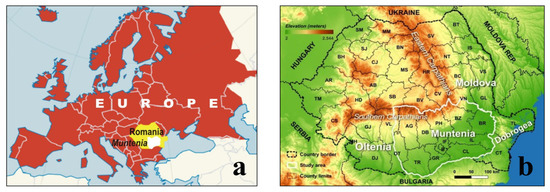
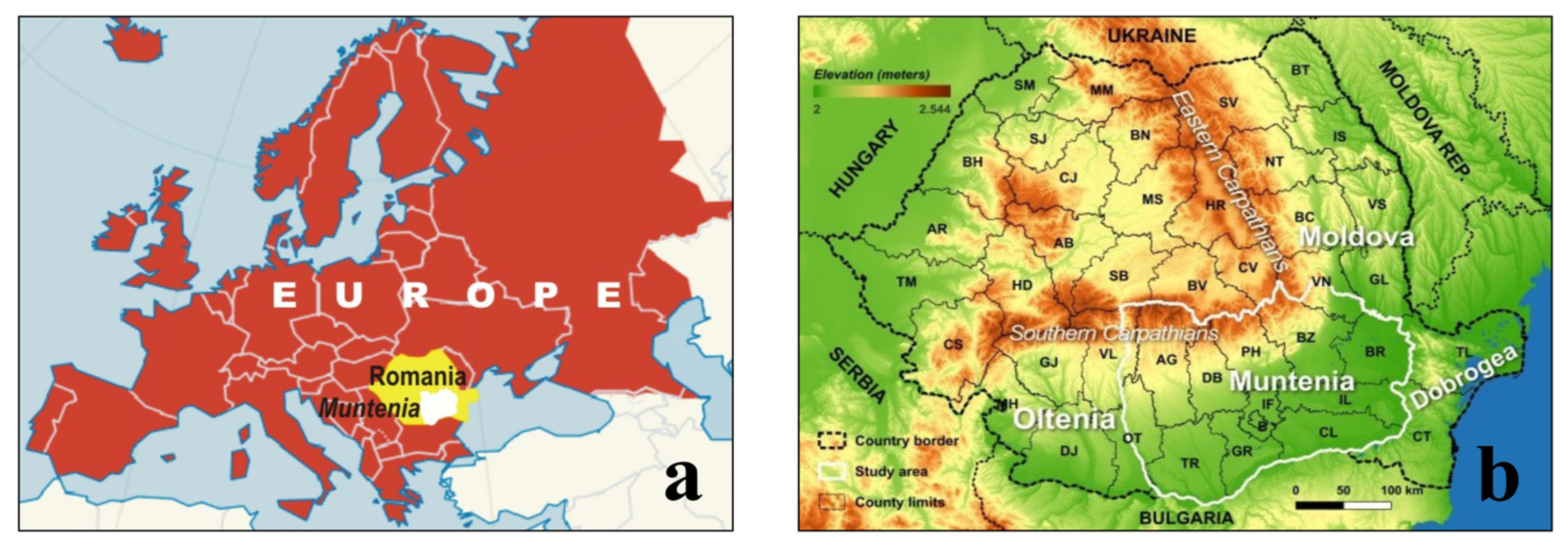
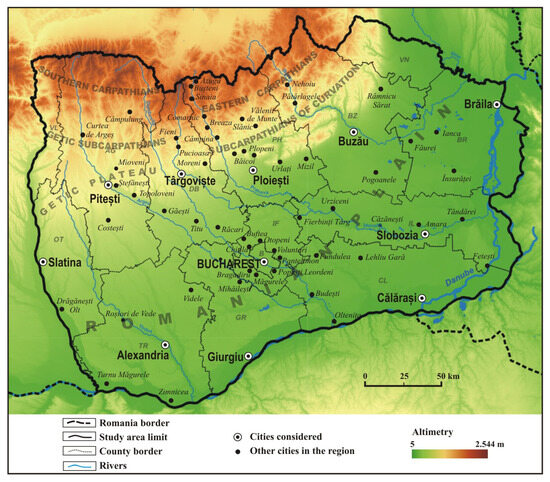
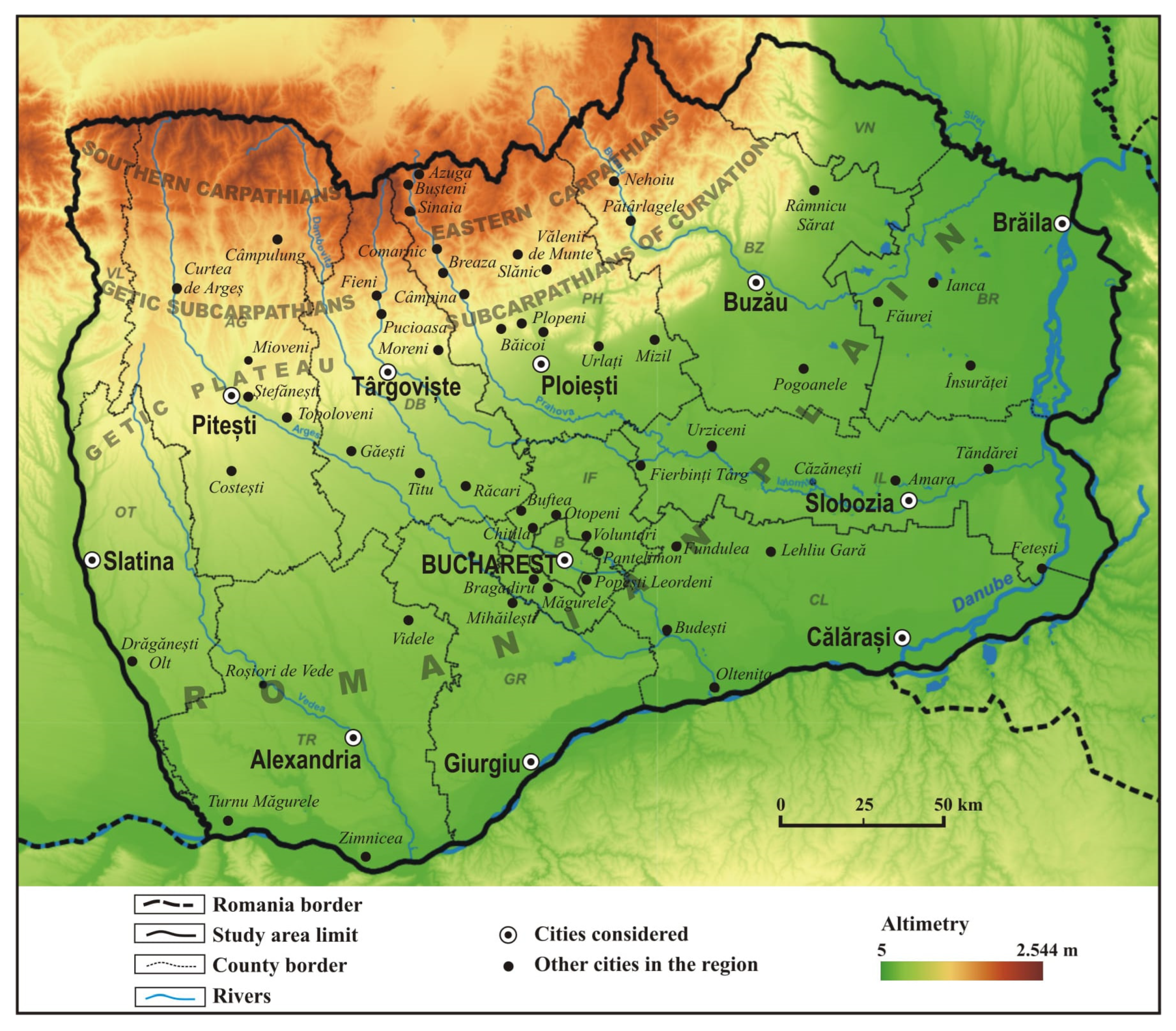
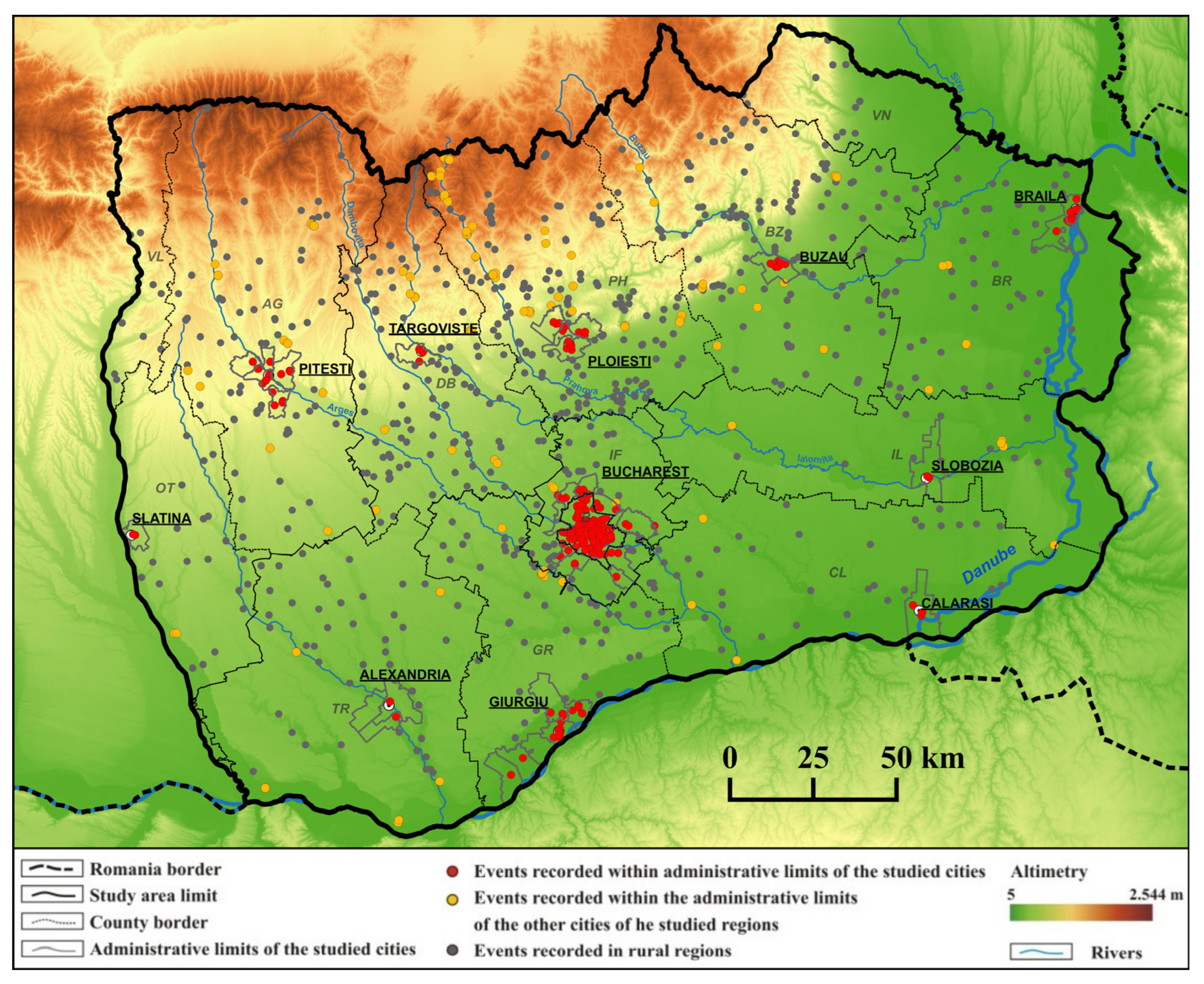
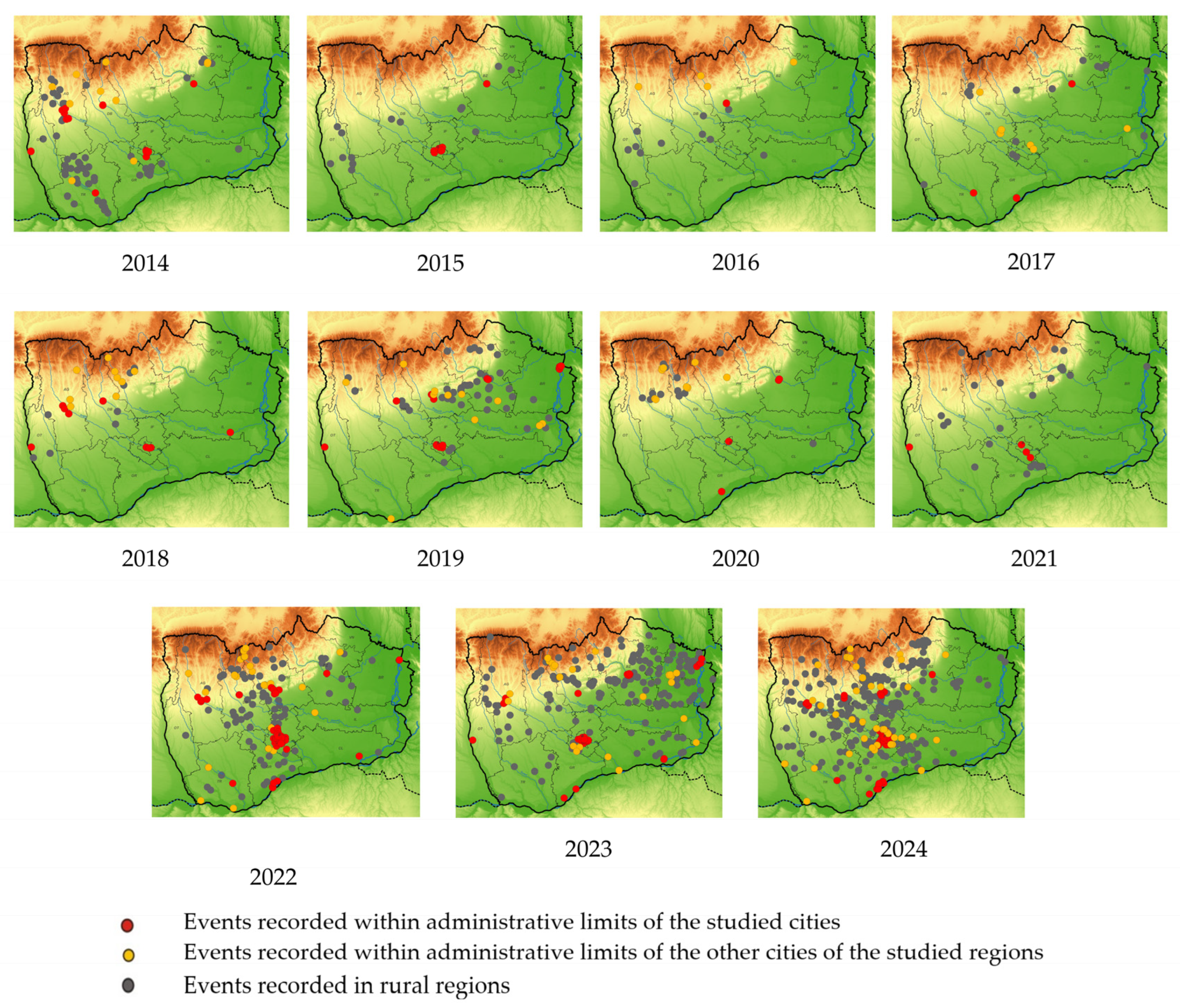
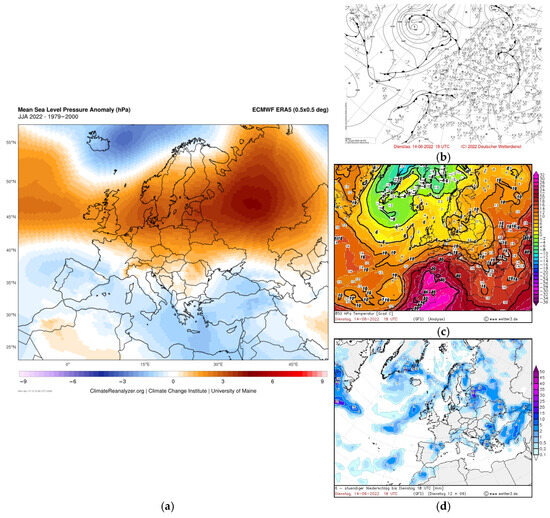
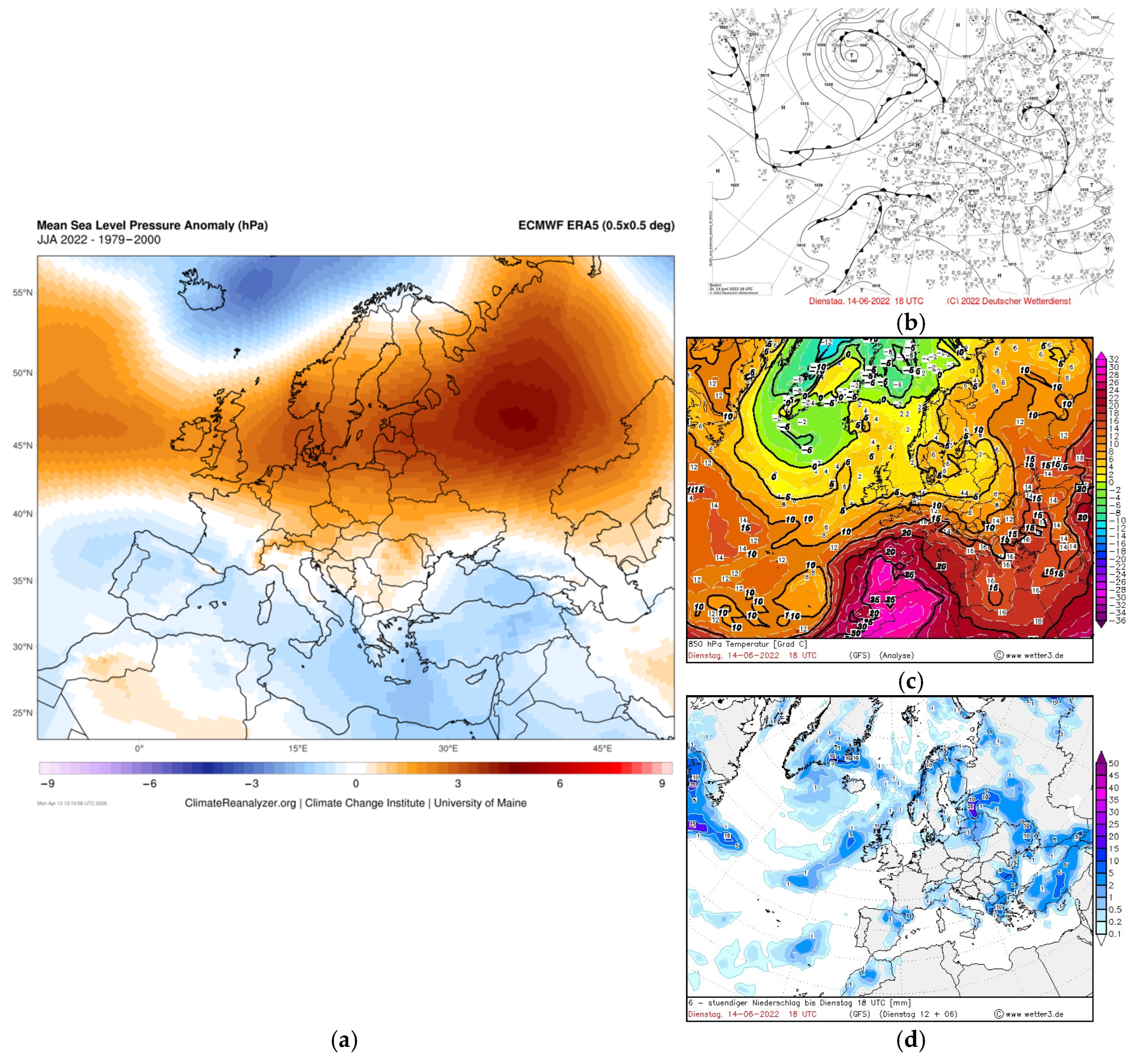
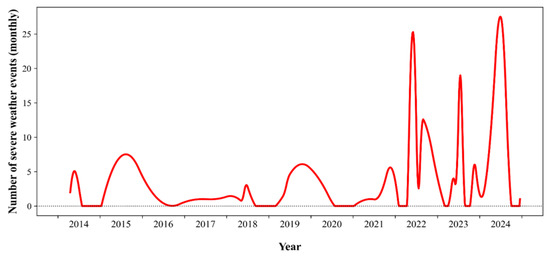
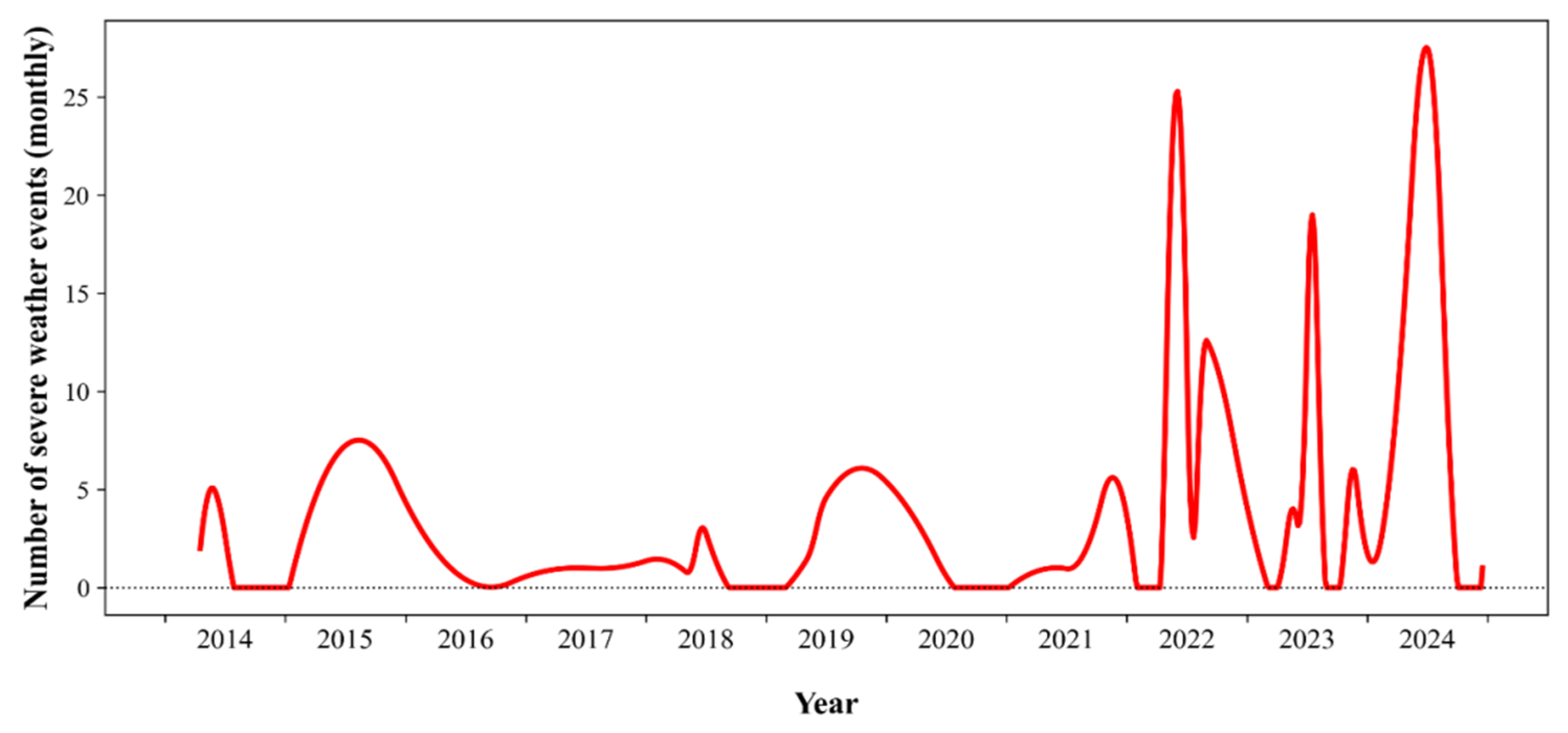
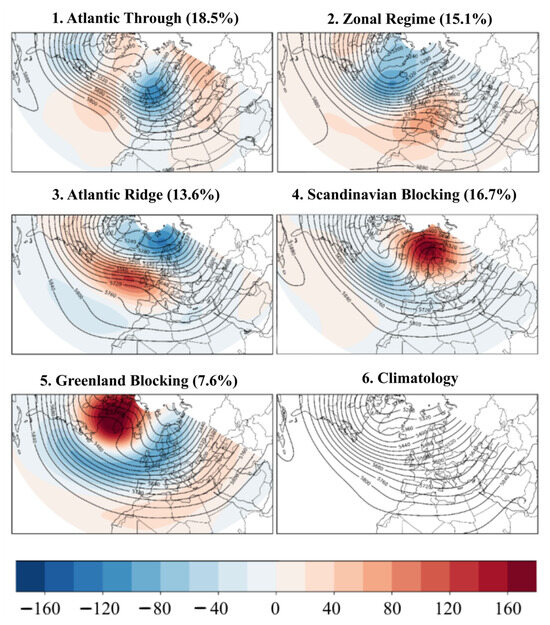
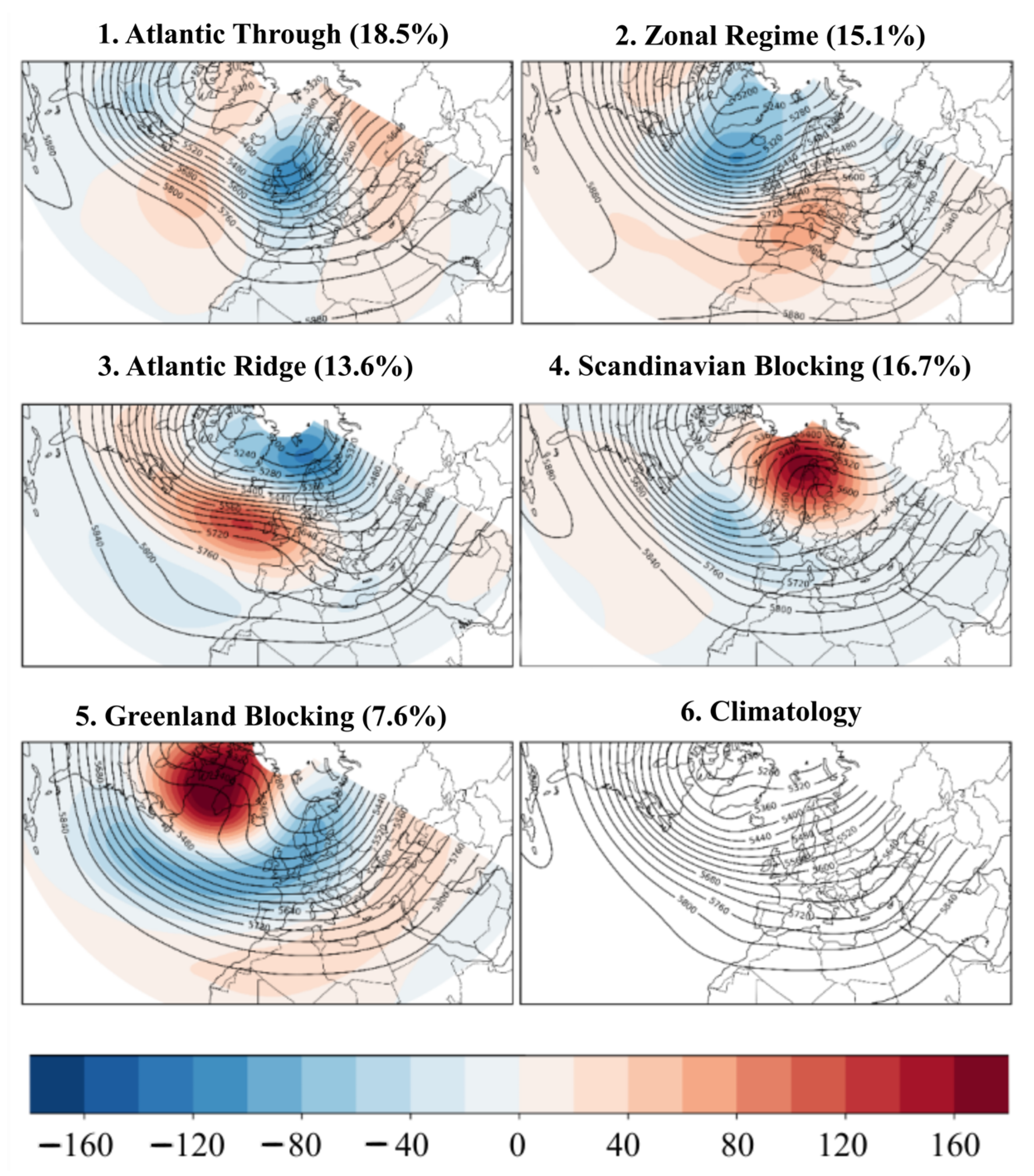
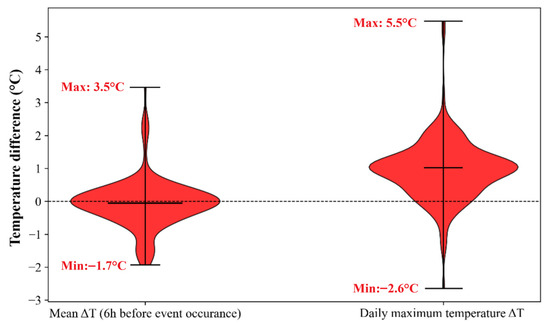
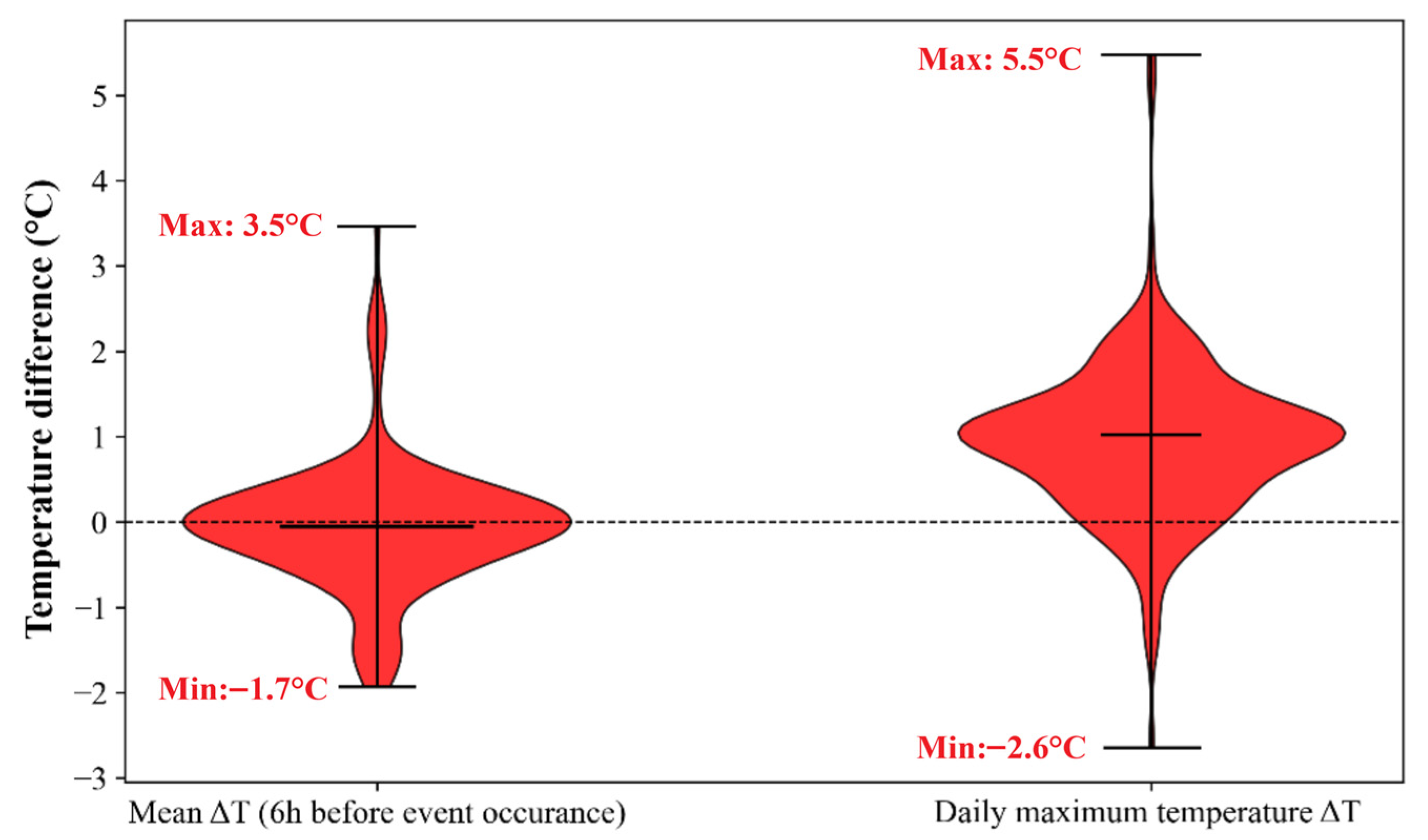
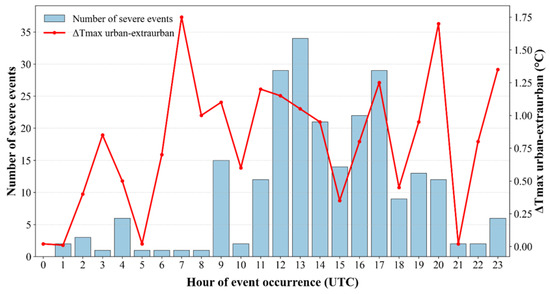
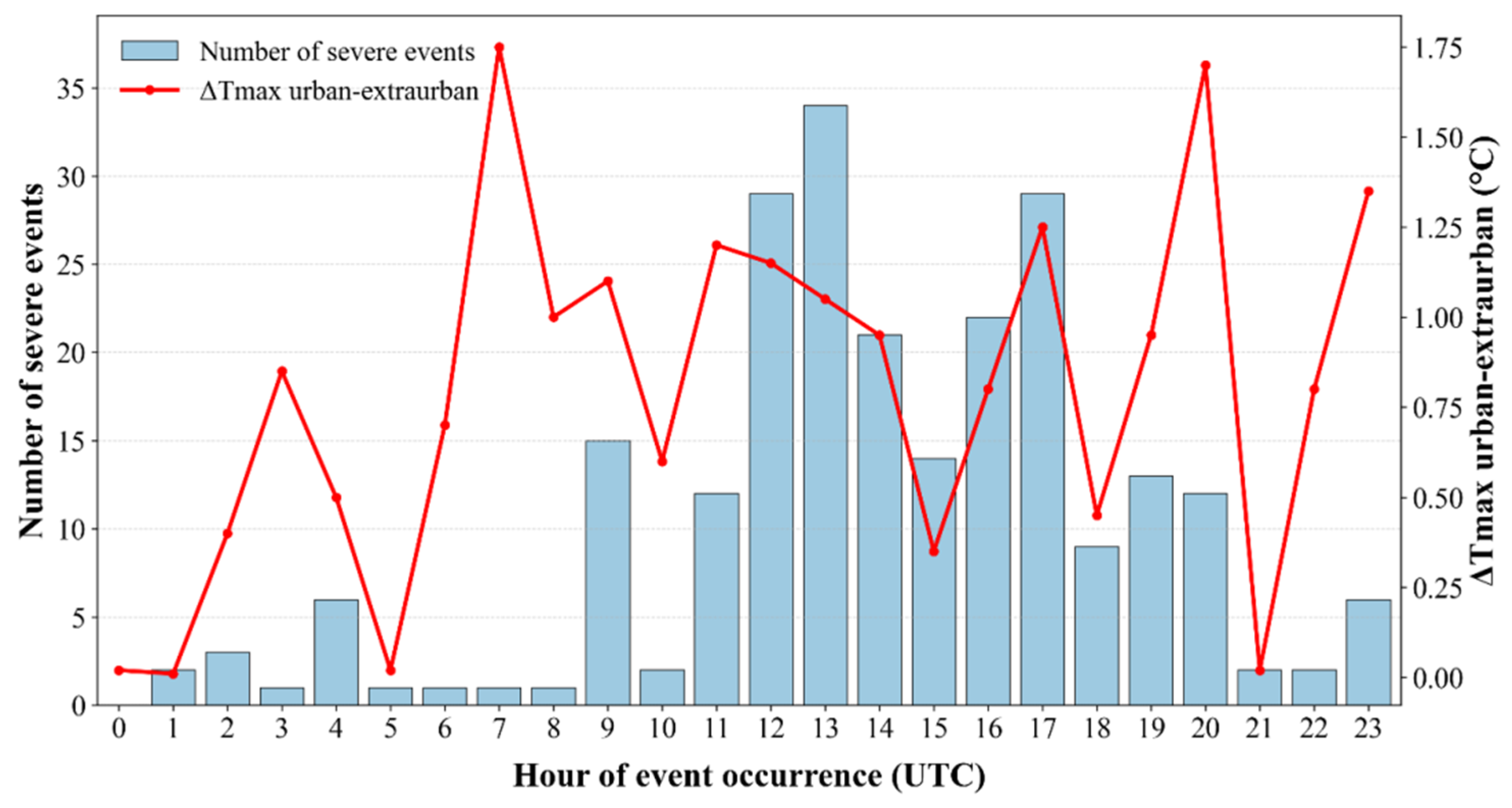

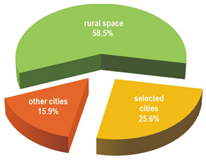
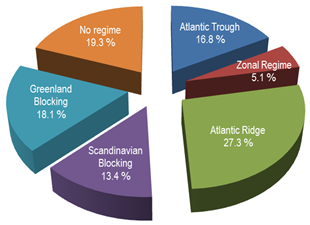
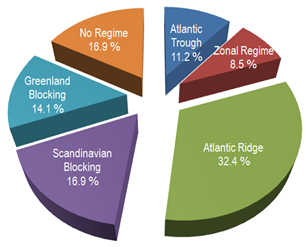
Disclaimer/Publisher’s Note: The statements, opinions and data contained in all publications are solely those of the individual author(s) and contributor(s) and not of MDPI and/or the editor(s). MDPI and/or the editor(s) disclaim responsibility for any injury to people or property resulting from any ideas, methods, instructions or products referred to in the content. |
© 2026 by the authors. Licensee MDPI, Basel, Switzerland. This article is an open access article distributed under the terms and conditions of the Creative Commons Attribution (CC BY) license.