


Abstract
Poor solubility and low permeability remain major obstacles to the oral bioavailability of mesalazine (5-aminosalicylic acid, 5-ASA), a BCS Class IV anti-inflammatory drug used in the treatment of inflammatory bowel diseases. In this study, we report a novel eutectogel (EG) platform based on a natural deep eutectic solvent (NADES) composed of choline chloride and lactic acid (ChCl:LA, 1:10 molar ratio). The NADES significantly enhanced mesalazine solubility, reaching 35 mg/mL, nearly 40-fold higher than in water. The drug-loaded NADES was structured using hydroxyethyl cellulose and Carbomer 140 to obtain a gel matrix, which was subsequently coated with Eudragit® S100 to provide pH-dependent release and gastro-resistance. Physicochemical characterization was carried out via FT-IR and NMR spectroscopy, polarized optical microscopy (POM), and swelling studies in simulated fluids. In vitro release studies under simulated gastrointestinal conditions revealed minimal drug release at gastric pH (1.2) and a sustained release (>80%) at colonic pH (7.4) over 48 h. These results support the potential of ChCl:LA-based eutectogels as a biocompatible, green, and effective delivery system for the site-specific release of poorly soluble drugs in the colon.
1. Introduction
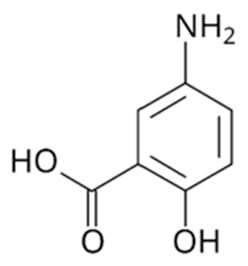
Poor aqueous solubility remains one of the most critical limitations in pharmaceutical sciences, significantly impacting the development, efficacy, and bioavailability of active pharmaceutical ingredients (APIs). Approximately 40% of marketed drugs and up to 90% of drug candidates exhibit low water solubility, which limits their dissolution rate and, consequently, their absorption and therapeutic effectiveness, particularly in oral dosage forms [1,2]. Since solubility is a prerequisite for drug dissolution and systemic absorption, improving solubility is pivotal in enhancing drug bioavailability [3]. A variety of formulation strategies have been developed to address this challenge, including particle size reduction, salt formation, pH modulation, solid dispersions, nanocrystals, self-emulsifying drug delivery systems, and solubilization via cosolvents or cyclodextrin complexes [4,5]. Among these, cosolvency, that is, the use of water-miscible organic solvents to enhance drug solubility, has gained attention due to its simplicity and cost-effectiveness. Cosolvents reduce the polarity difference between hydrophobic drugs and aqueous media, thereby improving their solubility. Mesalazine (5-aminosalicylic acid, 5-ASA), a first-line anti-inflammatory agent for the treatment of inflammatory bowel diseases (IBDs), including ulcerative colitis and Crohn’s disease, is a representative example of a poorly soluble and poorly permeable drug (Figure 1) [6]. It exerts its therapeutic effect locally in the colonic mucosa by modulating the synthesis of pro-inflammatory mediators such as leukotrienes and prostaglandins [7,8]. However, mesalazine is classified as a Biopharmaceutics Classification System (BCS) Class IV drug, exhibiting low aqueous solubility (0.0059 mol·L−1 at 25 °C) and limited permeability (P_app ≈ 1 × 10⁻⁶ cm/s), resulting in poor bioavailability after oral (20–30%) and rectal (10–35%) administration [9,10,11,12]. Several formulation strategies have been explored to overcome these limitations, including pH-dependent and time-dependent release systems, nanoparticles (especially polysaccharide-based), prodrugs, and encapsulation in polymeric or lipid matrices [13,14,15,16]. While prodrug approaches (such as sulfasalazine and balsalazide) are commonly used to enable colonic release via enzymatic cleavage, they often require complex dosing regimens and may cause systemic side effects.
Figure 1.
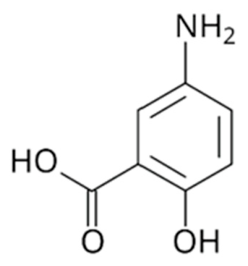
Chemical structure of mesalazine.
Consequently, alternative delivery approaches are being actively pursued to reduce dosing frequency and minimize adverse effects. These include pH-sensitive systems, time-controlled release platforms, and nanocarriers designed to improve solubility and permeability. Among these, biodegradable polysaccharide-based nanoparticles offer advantages such as tunable morphology, biocompatibility, and cost-effectiveness [17,18]. However, these approaches often involve trade-offs, including formulation complexity and altered pharmacokinetics.
Cosolvency remains one of the most accessible and scalable solubility-enhancing strategies. The solubility of mesalazine has been investigated in various aqueous and non-aqueous cosolvent systems, including ethanol, propylene glycol, N-methyl-2-pyrrolidone, and acetonitrile [19,20]. However, toxicity and volatility issues limit their use in green pharmaceutical formulations.
In recent years, increasing attention has been devoted to innovative solvent systems such as deep eutectic systems (DESs) and natural deep eutectic systems (NADESs) [17,18,21,22]. These systems offer advantages including biodegradability, biocompatibility, and compliance with green chemistry principles [23,24]. They are cost-effective, tunable, and generally safer alternatives to ionic liquids and volatile organic solvents [25,26,27,28]. DESs are typically composed of a hydrogen bond acceptor (HBA) and a hydrogen bond donor (HBD), whose interactions can be tailored to enhance drug solubility and stability by preventing degradation and polymorphic transitions [29].
Over the past decades, DESs have been explored to improve the solubility and therapeutic efficacy of poorly water-soluble drugs, including NSAIDs, antibiotics, and anticancer agents [30,31,32,33]. For mesalazine, DESs based on choline chloride (ChCl) or betaine as HBAs and ethylene glycol, propylene glycol, or glycerol as HBDs have shown significant solubility enhancement [34,35,36,37,38]. However, high viscosities (e.g., 72.10 mPa·s for ChCl/PG at 298.15 K) may hinder drug diffusion, and concerns related to certain components, such as ethylene glycol, have driven the search for safer alternatives [39,40].
In this context, it could be interesting to evaluate mesalazine solubility in NADESs, which have been increasingly reported to exhibit favorable toxicological profiles. Recent in vivo studies have demonstrated that certain NADESs and NADES-based extracts show low toxicity after both topical application and peroral administration in mice, with no significant adverse effects or mortality observed even at high doses [41]. These systems can provide insights into solubilization mechanisms while enabling the design of sustainable drug delivery platforms [42,43,44]. In this work, we aim to investigate the potential of a choline chloride:lactic acid (ChCl:LA) NADES system for the solubilization of mesalazine and to evaluate its integration into a eutectogel (EG) platform for sustained and site-specific colonic delivery.
2. Materials and Methods
2.1. Materials
Mesalazine (5-aminosalicylic acid, 5-ASA; purity ≥97%), choline chloride (ChCl; ≥98%), and lactic acid (LA; ≥99%) were purchased from Sigma-Aldrich (St. Louis, MO, USA). Hydroxyethyl cellulose (HEC, medium molecular weight), hydroxypropyl methylcellulose (HPMC), gelatin (type B), and Tego® Carbomer 140 were kindly supplied by ACEF S.p.A. (Fiorenzuola d’Arda, PC, Italy). Eudragit® S100 was obtained from Evonik Industries (Rellinghauser Straße, Essen, Germany). All other reagents were of analytical grade and used without purification. Ultrapure water (resistivity ≥ 18.2 MΩ·cm) was used throughout all experiments.
2.2. Preparation of ChCl:LA NADES
Choline chloride was dried in an oven at 60 °C for 12 h. ChCl:LA NADES was prepared at a molar ratio of 1:10. The components were weighed and mixed at 60 °C under magnetic stirring until a clear, homogeneous liquid was formed. The DES was stored in a sealed glass container at room temperature to avoid moisture uptake.
2.3. Polarized Optical Microscopy (POM) Analysis
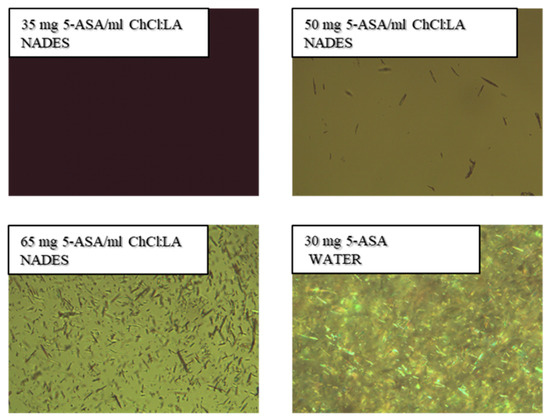
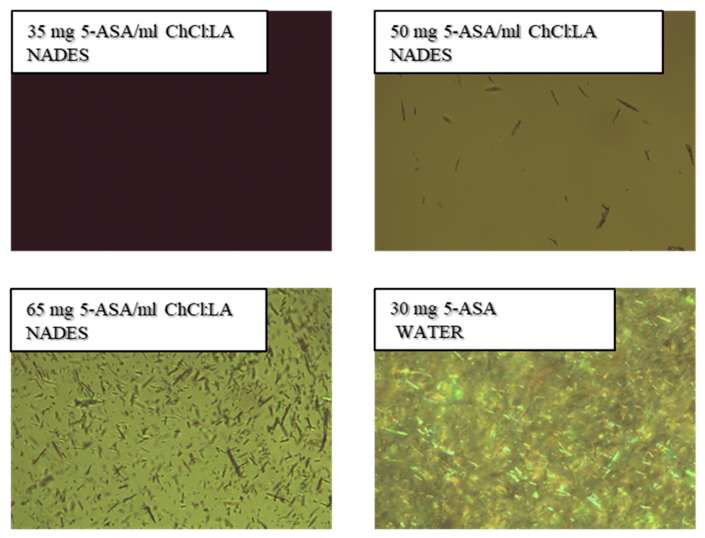
A drop of NADES containing an incremental amount of 5-ASA was placed on a microscope slide and observed under polarized light using a Nikon ECLIPSE LV100N microscope at 10× magnification (Konan, Tokyo, Japan). The absence of birefringence or crystalline structures (black field) indicated that 5-ASA was fully solubilized within the NADES matrix, confirming the absence of any crystalline structure and the formation of a homogeneous and amorphous system.
2.4. Solubility Studies
The shake-flask technique was used to determine the solubility of 5-ASA in the prepared NADES. An extra amount of 5-ASA was added to 1 mL of the NADES, which was then kept under constant stirring for 24 h, in order to reach equilibrium conditions at room temperature. After saturation, the sample was filtered with a PTFE syringe filter with a 0.45 μm membrane to separate the macroscopic solid from the liquid phase. Then, the liquid phase was diluted in methanol, and the amount of the dissolved drug was determined by using a validated UV method on a UV spectrophotometer (UV-530 JASCO) (JASCO Europe S.r.l., Cremella (LC), Italy). The absorbance of the solutions was measured at the API maximum absorption wavelength (294 nm). The mesalazine concentration was achieved based on a calibration curve obtained by dissolving pre-weighed amounts of the drug in methanol and measuring their absorbance as a function of the concentration, expressed as the mass of the drug dissolved in the solvent (mg/mL). Solubility values are reported as the mean of three replicated measurements.
2.5. Fourier-Transform Infrared (FTIR) Spectroscopy
FTIR spectra were obtained using a Fourier-transform infrared spectrometer (Spectrum Two, Perkin Elmer, Milan, Italy) equipped with an Attenuated Total Reflectance (ATR) accessory featuring a diamond crystal and a HATR top plate fitted with a 50 mm ZnSe crystal. Liquid (DES and DES-loaded drugs) and eutectogel samples were applied directly onto the ATR crystal surface, and infrared spectra were recorded in the 450–4000 cm−1 range, with a resolution of 4 cm−1 and 32 scans per measurement. To acquire the spectra of the solid sample, it was placed directly onto the ATR surface and gently pressed using the integrated pressure arm to ensure adequate contact with the crystal. Before each acquisition, the ATR surface was thoroughly cleaned with dry paper, hexane, and ethanol to ensure complete drying. The ambient air spectrum was then recorded and used as the background. Background cleanliness was verified by comparing it to previously recorded spectra to ensure instrument stability and the absence of environmental interferences such as water vapor (H2O) or carbon dioxide (CO2) [45]. Finally, the collected spectral data were converted into .csv files for managing data and comparing in a simple way.
2.6. NMR Analysis
1H NMR (300 or 400 MHz) spectra were recorded on Bruker AC-300 NMR spectrometers (Bruker Corporation, Karlsruhe, Germany), respectively, in a proton-coupled mode. 13C NMR (75.5 or 101 MHz) spectra were recorded on Bruker AC-300 NMR spectrometers, respectively, in a proton-decoupled mode at 20 °C; chemical shifts are given in δ (parts per million) and coupling constants (J) are given in Hertz. In both cases, CDCl3, DMSO-d6 and acetone were used as solvents and, in some cases, durene was used as an internal standard for 1H.
2.7. Preparation of Gastro-Resistant Eutectogels
5-ASA (35 mg) was dissolved in 1 mL of ChCl:LA NADES (1:10 molar ratio) under magnetic stirring at approximately 40 °C until complete dissolution, a temperature selected to ensure solubility without compromising the stability of the active pharmaceutical ingredient. Subsequently, hydroxyethylcellulose (HEC, 50 mg) and Tego Car-bomer 140 (15 mg) were added at the same temperature (≈40 °C) to promote gel formation. Gelation occurred rapidly, resulting in the formation of a structured eutectogel. Immediately after formation, 1.265 g of the eutectogel was subjected to the coating process. To obtain a gastro-resistant coating, the gel was pre-cooled at 4 °C for 15 min to ensure adequate surface rigidity. The gel was then coated via dip-coating, individually immersed in a 10% w/v Eudragit® S100 solution in acetone for 5 s, drained for 10 s on filter paper, and dried at 40 °C for 20 min until complete solvent evaporation. The dip-coating and drying process was repeated twice consecutively, resulting in a 15 ± 2% weight increase, confirming uniform coating application [46]. The prepared eutectogel was stored at room temperature (25 °C) and remained stable at room temperature for at least three months.
2.8. Water Regain Studies
This study aimed to evaluate the affinity of the eutectogels for aqueous environments by determining the swelling percentage (WR%) until the swelling equilibrium was reached. To do this, gel samples (50 mg each) were placed inside glass filters with a pore size of 2 μm, which had been previously moistened with phosphate-buffered saline (PBS, 0.001 M, pH 7.4) to mimic biological fluids. Gel samples were then centrifuged at 3000 rpm for 5 min and weighed. After this initial weighing, the gel and filter were immersed in PBS solution [47]. At predefined time points (1 h, 2 h, 3 h, 4 h, 6 h, 7 h, 24 h, 48 h, and 72 h), the filters containing the gels were removed and weighed to monitor changes in weight relative to the initial dry gel. Before each weighing procedure, any excess PBS was removed by centrifuging the filters again at 3000 rpm for 5 min. The swelling percentage was then calculated using the following equation:
WR%: the percent of water regain;
Ws: weight of swollen gel;
Wd: weight of dried gel.
The experiments were conducted in triplicate.
2.9. In Vitro Release Studies
An in vitro release study was carried out to investigate the pH-dependent release profile of mesalazine from the gastro-resistant eutectogel formulation. The experimental procedure was adapted from the method reported by Alghurabi et al. [48] with modifications tailored to the specific properties of this formulation. A total of 30 mg of mesalazine was incorporated into the gel matrix. To simulate gastrointestinal transit, a pH-shift protocol was applied. The formulation was first incubated in 20 mL of simulated gastric fluid (SGF, pH 1.2) for 120 min, followed by incubation in 20 mL of simulated intestinal fluid (SIF, pH 6.8) for 90 min, and finally transferred into 20 mL of simulated colonic fluid (SCF, pH 7.4), where drug release was monitored for up to 48 h. At predetermined time points, samples were collected, filtered through a 0.45 µm membrane, and analyzed by UV-Vis spectrophotometry at the characteristic wavelength of mesalazine (280–310) nm. An equal volume of fresh medium was added to maintain sink conditions. This study was conducted at 37 ± 0.5 °C. All experiments were performed in triplicate, and results were expressed as mean ± standard deviation.
3. Results
3.1. Mesalazine Solubility in NADES
Numerous studies have demonstrated that the solubility of active pharmaceutical ingredients (APIs) can be significantly improved in DESs compared to aqueous media [49,50,51]. From a pharmaceutical perspective, a solvent is generally considered suitable for drug delivery applications if it can dissolve more than 1 mg/mL of the API [52,53]. Based on this criterion, DESs have emerged as promising candidates, either as neat solvents or cosolvents, in the formulation of drug delivery systems. Notable examples in the literature report improved the solubility of poorly water-soluble drugs, including the solubility of nonsteroidal anti-inflammatory drugs (NSAIDs), antibiotics, and anticancer agents in choline chloride-based DESs [54,55]. Enhanced dissolution has been particularly observed for compounds classified under BCS Classes II and IV, where solubility is the primary limiting factor in bioavailability [56]. The solubilizing capacity of DESs is largely governed by the physicochemical properties of their constituents and the molar ratio between the hydrogen bond donor (HBD) and hydrogen bond acceptor (HBA). These parameters determine key solvent characteristics such as polarity, pH, viscosity, and hydrogen bonding capability, all of which influence the drug–solvent interactions. In particular, DESs can disrupt the crystalline lattice of drugs through strong hydrogen bonding and dipole–dipole interactions, thereby facilitating improved solubility. In the present work, this approach was applied to mesalazine (5-aminosalicylic acid, 5-ASA), a widely used anti-inflammatory drug with known limitations in aqueous solubility. A natural deep eutectic solvent (NADES) composed of choline chloride and lactic acid in a 1:10 molar ratio was selected [57]. This choice was driven by the natural origin, biocompatibility, and excellent safety profile for both components. Choline chloride is a water-soluble quaternary ammonium salt classified as a B-complex vitamin and approved by the FDA as a nutritional additive. Lactic acid is a naturally occurring α-hydroxy acid commonly used in pharmaceutical, food, and cosmetic industries [35]. Their combination yields a biocompatible, sustainable, and pharmaceutically acceptable eutectic system, aligning with the principles of green chemistry and the increasing demand for solvent systems of natural origin in drug formulation. A preliminary qualitative evaluation of mesalazine solubility in the ChCl:LA NADES was performed using polarized optical microscopy (POM). Increasing amounts of 5-ASA were gradually added to 1 mL of NADES until the presence of undissolved crystals was observed. No crystalline structures were detected under POM at mesalazine concentrations up to 35.0 ± 0.16 mg/mL, indicating complete solubilization. In contrast, under identical conditions, visible crystallization was observed in water at the same concentration. At higher loadings (50.0 and 65.0 mg/mL), distinct crystal formation was evident, both under microscopy and visually, as solid aggregates were visible at the bottom of the vials (Figure 2). These results clearly demonstrated the superior solubilizing power of the ChCl–lactic acid NADES compared to water, underscoring its potential as a solvent system for improving the bioavailability of poorly soluble APIs such as mesalazine. These results are consistent with previous studies using ChCl-based NADES to solubilize poorly water-soluble drugs such as benznidazole and curcumin [58,59]. These systems have demonstrated not only improved solubility but also potential for enhancing chemical stability and permeability, further reinforcing their applicability in drug delivery. To quantitatively determine the solubility profile, the shake-flask method was employed [1,29,39,60,61]. An excess amount of 5-ASA was added to 1 mL of the selected NADES, and the mixture was agitated and maintained at a constant temperature (25 ± 1 °C) for 24 h to ensure saturation equilibrium. The undissolved solid was removed by filtration through a 0.45 µm PTFE syringe filter. The supernatant was then diluted in methanol, and the concentration of dissolved 5-ASA was quantified using a validated UV-Vis spectrophotometric method (UV-530 JASCO), measuring absorbance at 300 nm, the compound’s maximum absorbance wavelength. The results revealed a solubility of 35 mg/mL for 5-ASA in the choline chloride:lactic acid DES, substantially higher than its solubility in water.
Figure 2.
Polarized optical microscopy (POM) images of mesalazine (5-ASA) crystallization behavior at different concentrations in the prepared deep eutectic solvent (ChCl:LA NADES) compared to its immediate precipitation in water.
3.2. Characterization of Mesalazine-Loaded NADES
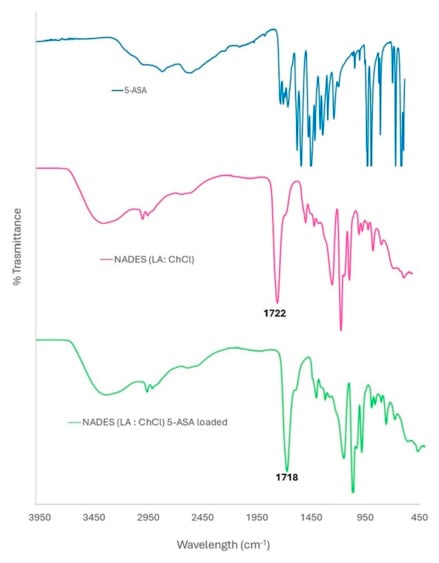
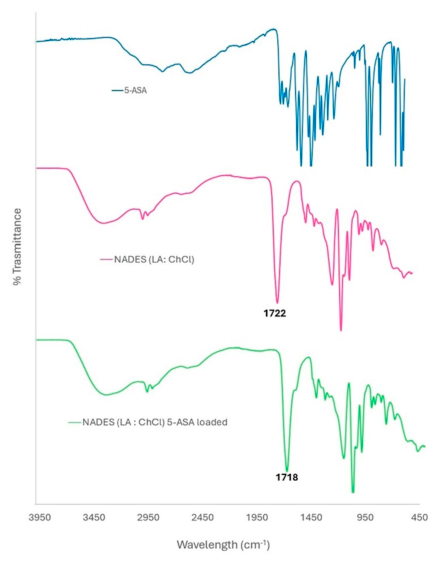
The marked enhancement in mesalazine solubility within the choline chloride:lactic acid NADES is likely attributable to specific hydrogen bonding interactions between the drug and the NADES components. To investigate these interactions and confirm the successful incorporation of mesalazine into the eutectic matrix, comprehensive spectroscopic analyses were conducted, including Fourier-transform infrared spectroscopy (FT-IR) and proton nuclear magnetic resonance (1H-NMR). The FT-IR spectra of pure mesalazine, the choline chloride:lactic acid deep eutectic solvent (ChCl:LA NADES), and the mesalazine-loaded NADES formulation were recorded to investigate possible molecular interactions and confirm drug incorporation [62]. Characteristic spectral changes indicative of interaction were observed. These included broadening and shifting of hydroxyl stretching bands, modification of the carbonyl absorption region, and attenuation or disappearance of specific functional group signals, all of which are consistent with the formation of hydrogen bonds and changes in the molecular environment due to NADES-drug interactions. In Figure 3, it is possible to observe the analysis through IR spectroscopy of three samples the drug (blue), the NADES (pink), and the NADES with the drug (green) of the hydrogen bond network present in the NADES, as reported in the literature. The pure drug, on the other hand, shows narrower bands due to its specific functional groups. In the 1700–1750 cm−1 region (C=O stretching), the IR spectrum of NADES presents an intense band around 1722 cm−1, which shifts to 1718 cm−1 in the case of the NADES-loaded drug. This band is typical of the stretching of the carbonyl (C=O) group of a carboxylic acid. The addition of 5-ASA does not significantly alter the carbonyl structure of the NADES but influences its vibrational energy through hydrogen bonding interactions and causes a small shift of 3 cm−1 through lower frequencies.
Figure 3.
FT-IR spectra of pure mesalazine (5-ASA, blue), NADES (ChCl:LA, pink), and 5-ASA-loaded NADES (green). Notable shifts in O-H/N-H and C=O regions indicate the presence of hydrogen bonding interactions between 5-ASA and the eutectic solvent components.
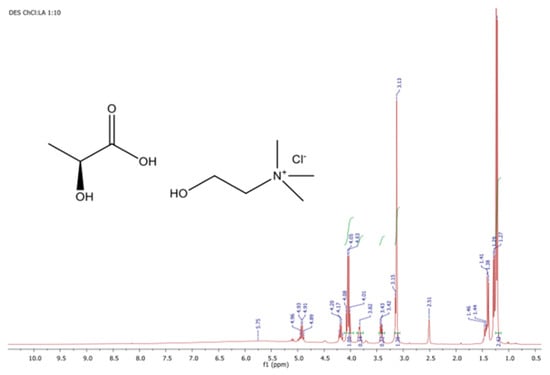
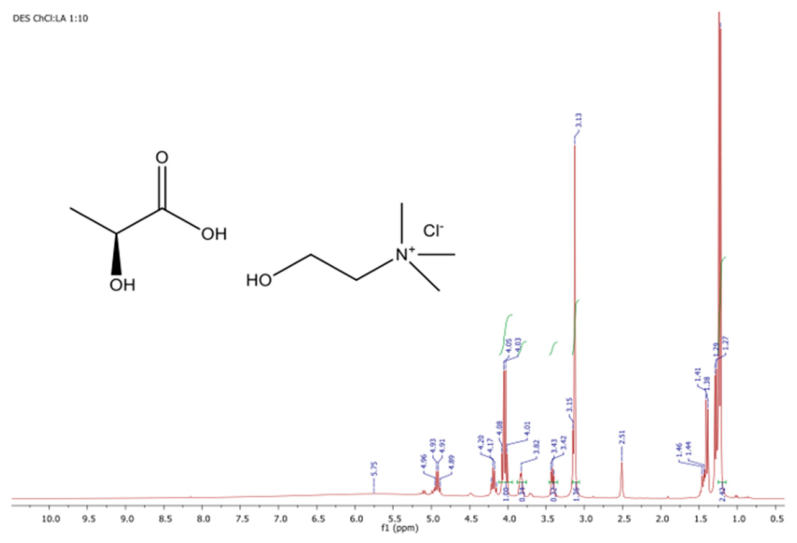
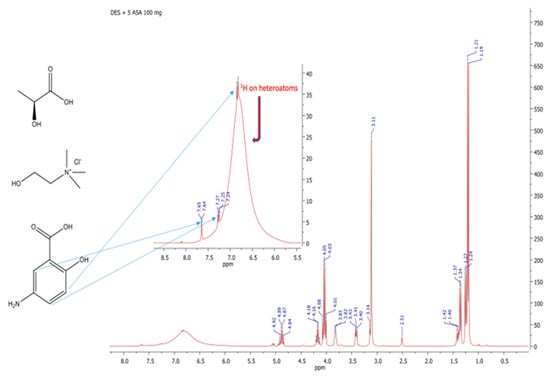
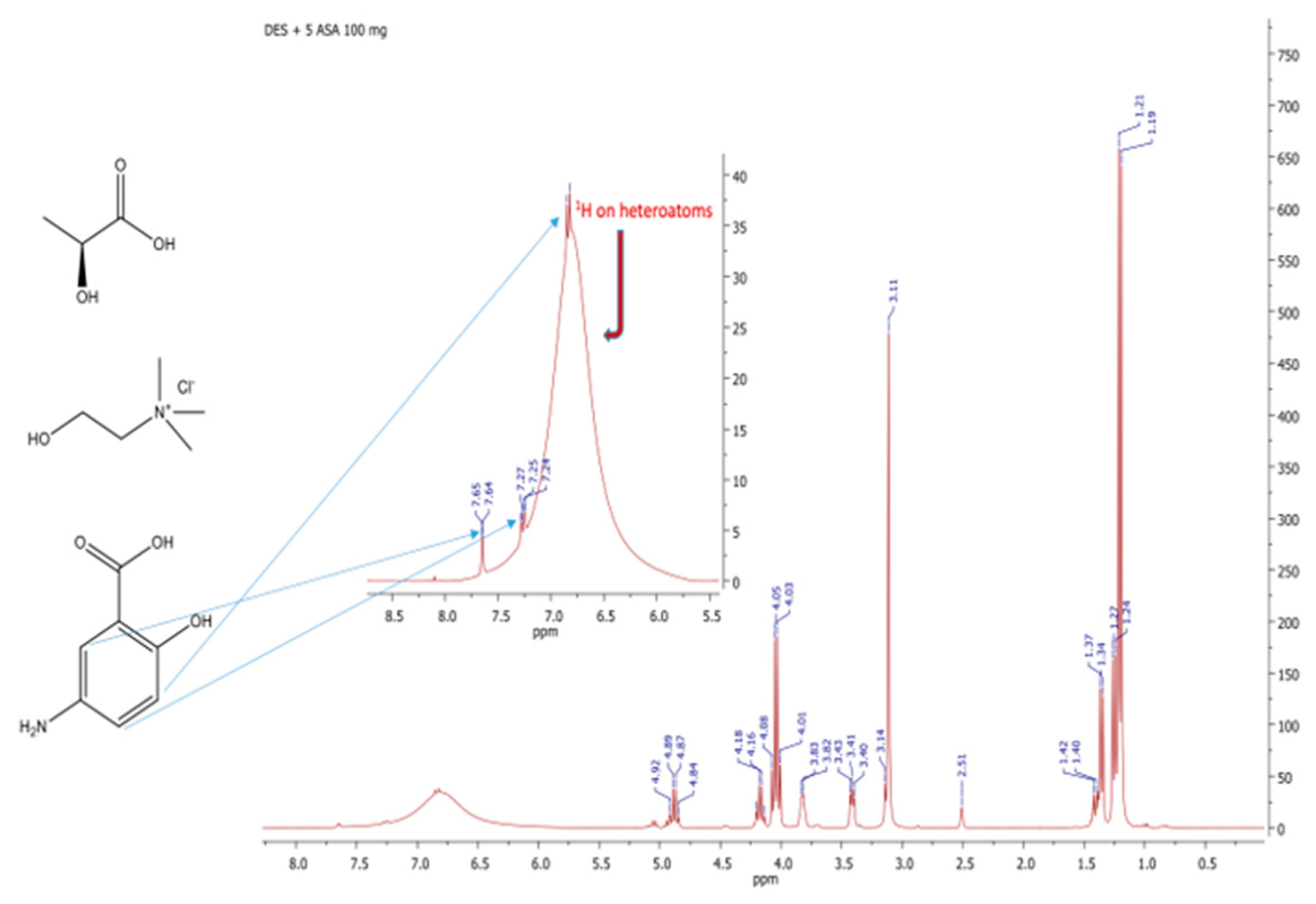
In the fingerprint region (600–1600 cm−1), several peaks are observed, associated with specific vibrations of the functional groups in both 5-ASA and the components of the NADES. In the loaded NADES, many of the 5-ASA bands are present but attenuated or overlapped with those of the NADES, suggesting that the drug is molecularly dispersed within the NADES matrix without significant disruption of the solvent structure. To further investigate molecular interactions and structural integrity, mono-dimensional 1H-NMR analyses were carried out on the individual NADES components (choline chloride and lactic acid), the freshly prepared ChCl:LA eutectic mixture, and the mesalazine-loaded NADES. Proton high-resolution nuclear magnetic resonance spectroscopy was initially applied to pure components (choline chloride and lactic acid). The spectra recorded for a sample of commercially available lactic acid clearly showed its purity grade (see Supplementary Materials). A fully mono-dimensional NMR analysis was applied in order to characterize the freshly prepared NADES. No noticeable differences were observed between the chemical shift values of the single components and those of the NADES molecular aggregate (Figure 4). Then, a mono-dimensional NMR investigation of the NADES after 5-ASA inclusion was performed (Figure 5). Proton chemical shifts in choline chloride and lactic acid remained quite the same with respect to the corresponding single-component analysis. Notwithstanding, it is relevant that the downfield shift in the peak is attributable to all heteroatom protons (from 5.90 ppm ca. for the NADES to 6.95 ppm ca. for the NADES with 5-ASA sample). This shift was rationally attributed to the formation of a complex H-bond network involving the NADES components, as well as the polar functions of 5-ASA.
Figure 4.
Mono-dimensional NMR analysis of the freshly prepared ChCl:LA NADES.
Figure 5.
1H-NMR spectrum of mesalazine-loaded NADES.
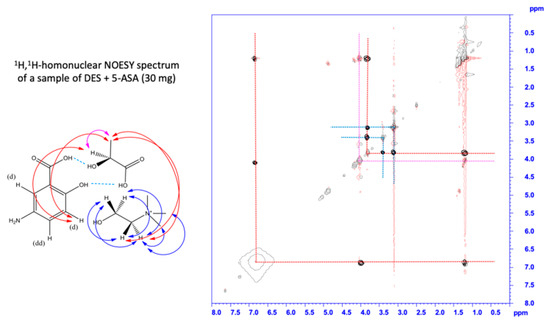
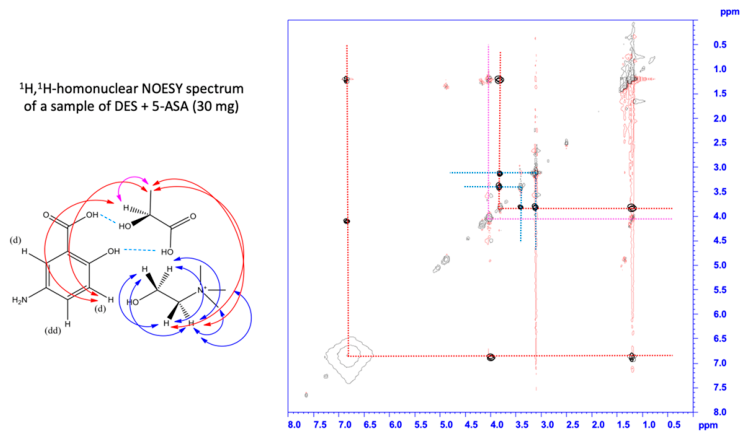
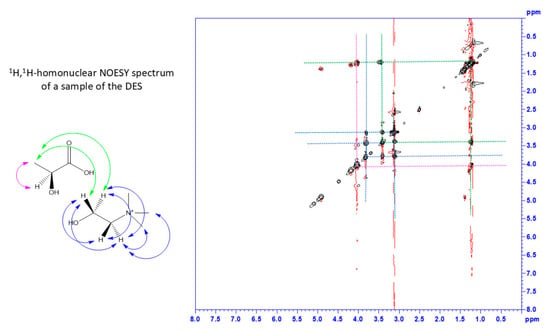
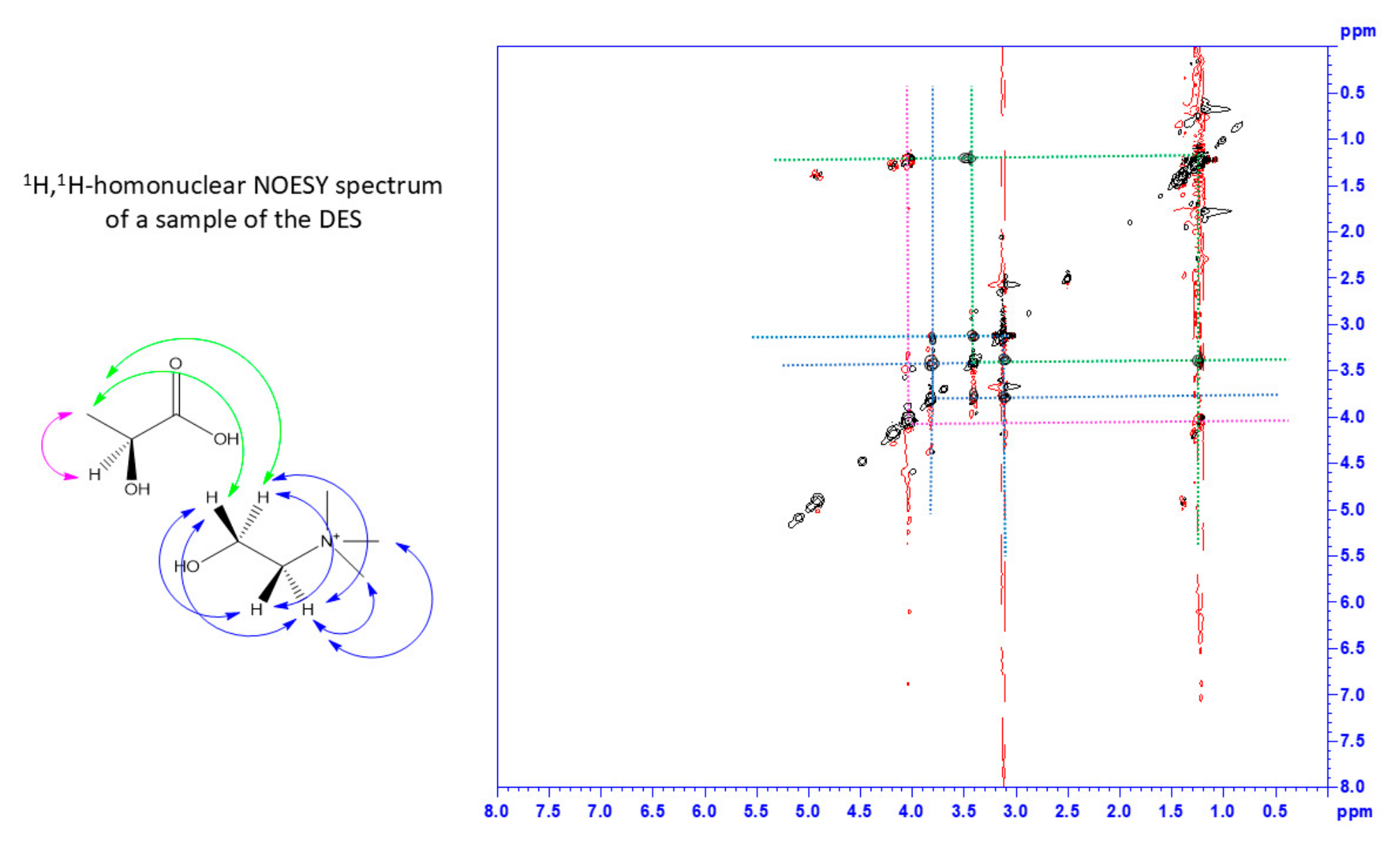
Aromatic protons of 5-ASA presented their respective peaks as shoulders of the intense peak centered at 6.95 ppm. However, their resonances remain distinguishable. All molecular through-the-space interactions involved in the 5-ASA inclusion in the NADES structure were definitively assessed by the extensive application of 2D-NOESY analysis, which was performed on NADES and NADES 5-ASA-loaded samples, under the same instrumental conditions. All spectra were recorded in DMSO-d6 at 25 ± 0.1 °C. The 2D-NOESY spectrum of NADES showed strong spatial interactions between the CH3 in lactic acid and the CH2O methylene protons (Figure 6), suggesting a defined molecular architecture stabilized by short-range dipolar interactions. The 2D-NOESY cross-correlations detected for the aromatic proton at 6.80 ppm with the CH and CH3 groups of lactic acid, together with the cross-peaks generated by the NOE effect between the same aromatic proton and the CH2N+ methylene protons of the choline frame, unambiguously defined the molecular spatial arrangement of all components in the NADES and 5-ASA structure (Figure 7). Finally, all spectral evidence, together with the behavior of the 5-ASA C-OH, as it is and after its inclusion in the NADES, also suggested the existence of a H-bond network involving the COOH and OH groups of 5-ASA and the same counterparts in lactic acid. Together, FT-IR and NMR analyses clearly support the hypothesis that the enhanced solubility of mesalazine in the ChCl:LA NADES is driven by the formation of an extended hydrogen bonding network. This network facilitates drug incorporation and stabilizes the solubilized state of 5-ASA, without disrupting the native structure of the eutectic matrix.
Figure 6.
2D-NOESY spectrum of ChCl:LA NADES.
Figure 7.
2D-NOESY spectrum of NADES loaded with 5-ASA.
These findings underscore the importance of understanding molecular-level interactions in the rational design of NADES-based drug delivery systems and reinforce the role of DESs as tunable, green solvents capable of solubilizing challenging APIs [63].
3.3. Preparation and Characterization of Gastro-Resistant Mesalazine-Loaded Eutectogel
The primary challenge in developing a mesalazine-loaded eutectogel lies in the non-pH-sensitive nature of the NADES composed of choline chloride and lactic acid (ChCl:LA). While this NADES effectively improves the solubility of mesalazine, it does not confer site-specific drug release, which is critical for the treatment of inflammatory bowel diseases such as ulcerative colitis. Specifically, ChCl:LA may permit premature drug release in the acidic environment of the stomach or upper small intestine, thereby preventing the active pharmaceutical ingredient (API) from reaching the colon intact, the intended site of therapeutic action. To address this limitation, a pH-responsive eutectogel formulation was developed to facilitate targeted colonic delivery. Eutectogel hybrid systems integrating NADESs into gelling polymers offer a promising platform for oral drug delivery [64,65]. These systems combine the functional benefits of NADESs (e.g., enhanced solubilization and biocompatibility) with the tunable rheological properties of hydrogels, enabling sustained and stimulus-responsive drug release [66]. This synergy enables the development of smart and adaptable systems for targeted and sustained drug release, offering promising perspectives particularly for oral administration. Eutectogels can be customized based on the type of NADES, polymer concentration, and drug loading, thereby providing a flexible platform for various therapeutic applications. In this study, hydroxyethyl cellulose (HEC), a biocompatible and water-soluble cellulose derivative widely used in pharmaceutical formulations, was selected as the primary gelling agent [67,68,69]. To enhance the mechanical stability and mucoadhesive properties of the gel, a secondary thickening agent, Tego® Carbomer 140, a high-molecular-weight crosslinked polyacrylic acid polymer, was incorporated [70]. This carbomer significantly improves the viscosity and structural integrity of the gel, even at low concentrations, thereby facilitating its subsequent processing and oral administration. Due to its high water absorption capacity, Tego® Carbomer 140 enables the formation of highly viscous and stable gels, contributing to improved textural properties and supporting a controlled drug release profile [71]. To protect the eutectogel formulation during gastric transit and achieve site-specific release in the colon, a gastro-resistant coating based on Eudragit® S100 was applied [72]. This methacrylic acid copolymer remains insoluble at acidic pH but dissolves at pH ≥ 7, typical of the distal small intestine and colon [73]. Upon reaching this environment, the coating dissolves, enabling the eutectogel to swell and release mesalazine in a sustained manner. This targeted release strategy enhances drug bioavailability and therapeutic efficacy by minimizing premature drug degradation and improving localization at the site of inflammation. A series of formulations was prepared, each containing a single natural polymer, such as hydroxyethyl cellulose (HEC), hydroxypropyl methylcellulose (HPMC), or gelatin, at concentrations ranging from 10 to 50 mg.
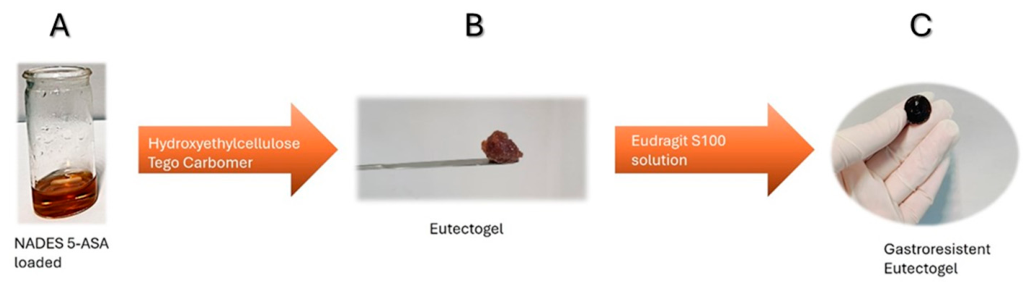
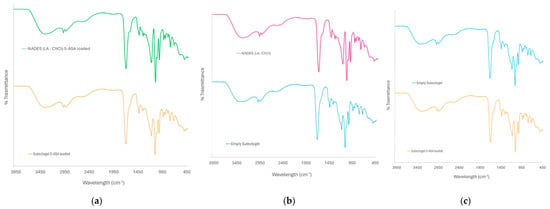
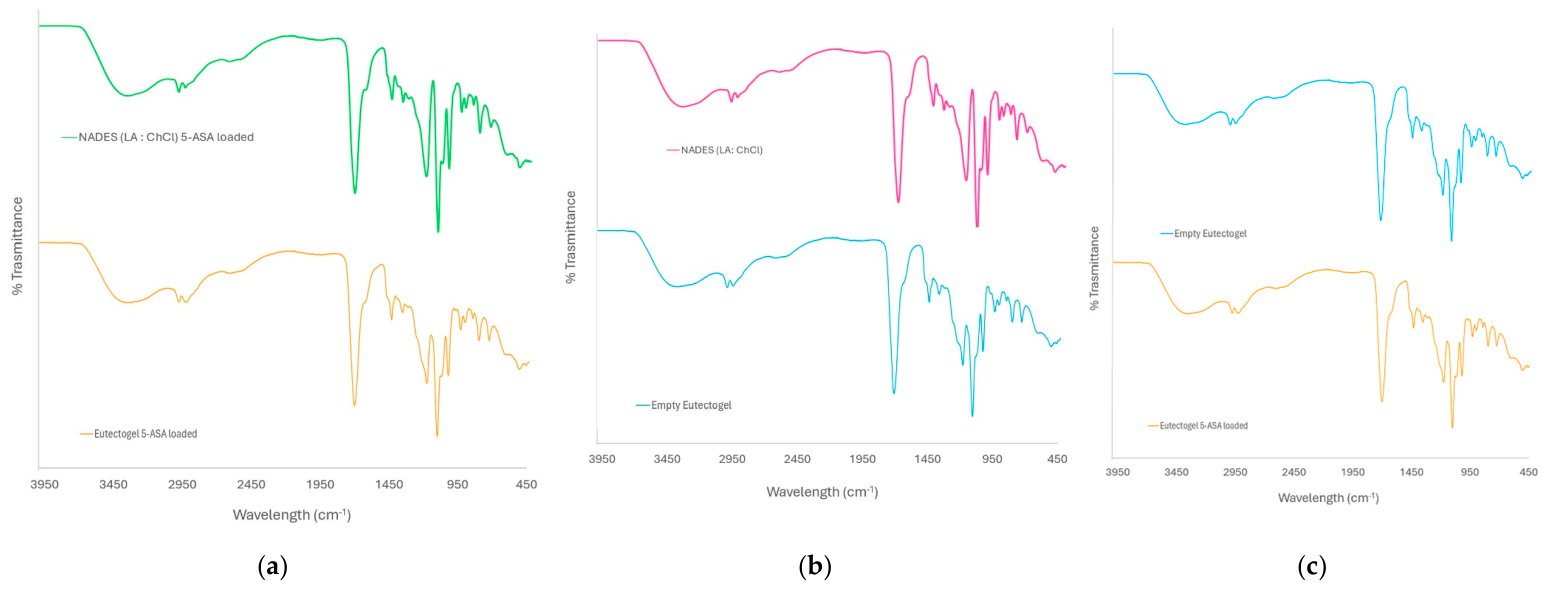
Gel formation was observed only with 50 mg of HEC, indicating its superior gel-forming capacity under the experimental conditions. However, the resulting gel lacked sufficient structural consistency, rendering it unsuitable for oral administration and subsequent Eudragit® coating. To address this limitation, 10 mg of Tego® Carbomer 140 was incorporated into the formulation. The addition of this crosslinked polymer markedly enhanced the gel’s mechanical strength and mucoadhesive properties, thereby improving its robustness and suitability for oral delivery (Figure 8). The infrared (IR) spectrum provides evidence for the successful formation of a eutectogel from the deep eutectic solvent (NADES) (Figure 9a–c). While the characteristic chemical structure of the NADES is retained, the formation of a gelling network induces discernible changes in both the intensity and bandwidth of specific absorption peaks, modifications typically associated with the transition from a liquid to a gel state. As illustrated in the figure, the O-H stretching bands centered at 3365 cm−1 in all four tested NADES samples exhibit a marked decrease in intensity following polymer addition, when compared to pure NADES and NADES loaded with 5-ASA. This reduction in peak intensity suggests the establishment of intermolecular interactions, particularly hydrogen bonding, between the polymers and the NADES components [58]. These spectral changes indicate a rearrangement of hydrogen bonding networks within the system and support the hypothesis that gelation involves the physical entrapment of the NADES within a three-dimensional polymer matrix. These observations are consistent with previous reports describing eutectogel formation via polymer-induced structuring of NADES phases.
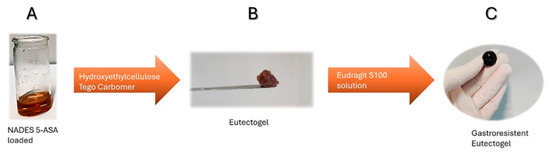
Figure 8.
Schematic overview of the eutectogel formulation process: (A) solubilization of 5-ASA in NADES; (B) formation of the NADES-based eutectogel using HEC and Tego® Carbomer 140; (C) application of a pH-responsive Eudragit® S100 coating for colon-targeted delivery.
Figure 9.
Comparative FT-IR spectra of NADES-based formulations: (a) NADES loaded with 5-ASA vs. 5-ASA-loaded eutectogel; (b) NADES vs. empty eutectogel; (c) empty eutectogel vs. 5-ASA-loaded eutectogel.
3.4. Water Regain Studies
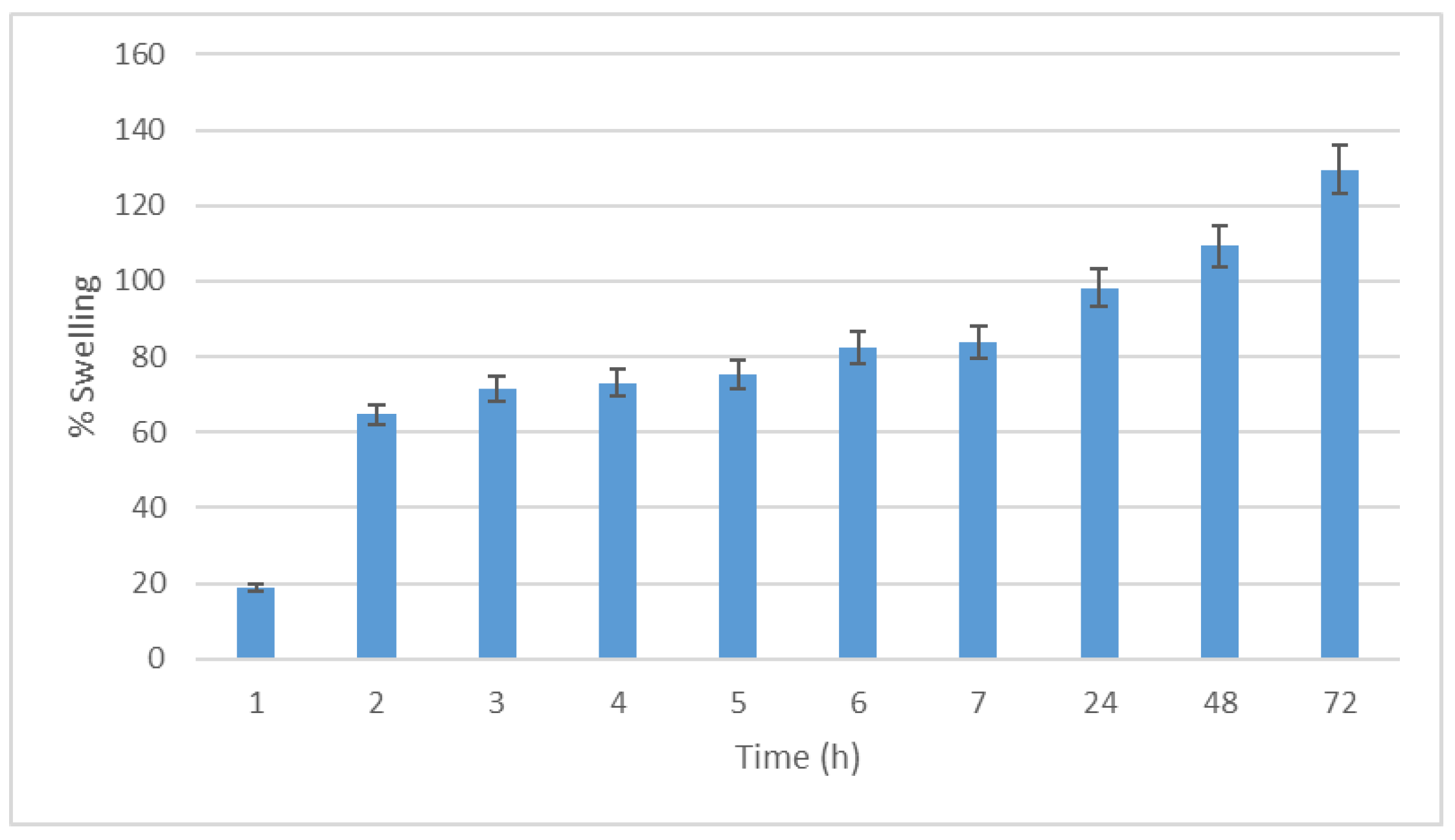
The swelling capacity of a hydrogel-based delivery system is a critical parameter influencing drug release kinetics, mucoadhesion, and residence time in the gastrointestinal tract. To evaluate the hydration behavior of the mesalazine-loaded eutectogel, water regain studies were conducted at physiological intestinal pH (7.4) over a 72 h period.
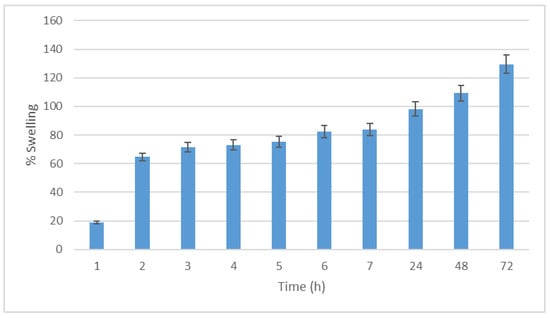
The swelling profile (Figure 10) of the eutectogel over time demonstrates a progressive water uptake, characterized by a rapid initial phase followed by a slower, sustained swelling. Specifically, the gel exhibited a 70% increase in weight after 3 h and exceeded 80% after 7 h, ultimately reaching over 120% after 72 h. This behavior is typical of hydrophilic gels formed by physically crosslinked polymer networks, in which gel integrity is maintained through non-covalent interactions such as hydrogen bonding. The pronounced swelling capacity indicates a highly hydrated matrix, which is favorable for facilitating drug diffusion and supports the potential of the eutectogel as a vehicle for controlled drug release in biological environments [74,75]. During the swelling study, the dissolution of the gastro-resistant Eudragit® S100 coating was observed, followed by the expansion of the gel matrix and the gradual release of the NADES, as confirmed by IR spectroscopy. In contrast, no significant swelling or coating dissolution was observed under acidic conditions (pH 1.2), confirming the gastric stability of the formulation and reinforcing the pH-dependent release behavior. These results align with parallel release studies (see Section 3.5), supporting the design rationale of a site-specific colonic delivery system that protects the active pharmaceutical ingredient from premature degradation in the upper gastrointestinal tract.
Figure 10.
Swelling profile of the gastro-resistant eutectogel at pH 7.4, expressed as percentage increase in weight over time.
3.5. In Vitro Release Studies
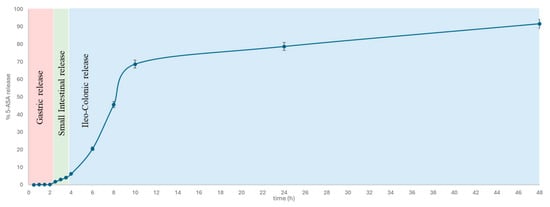
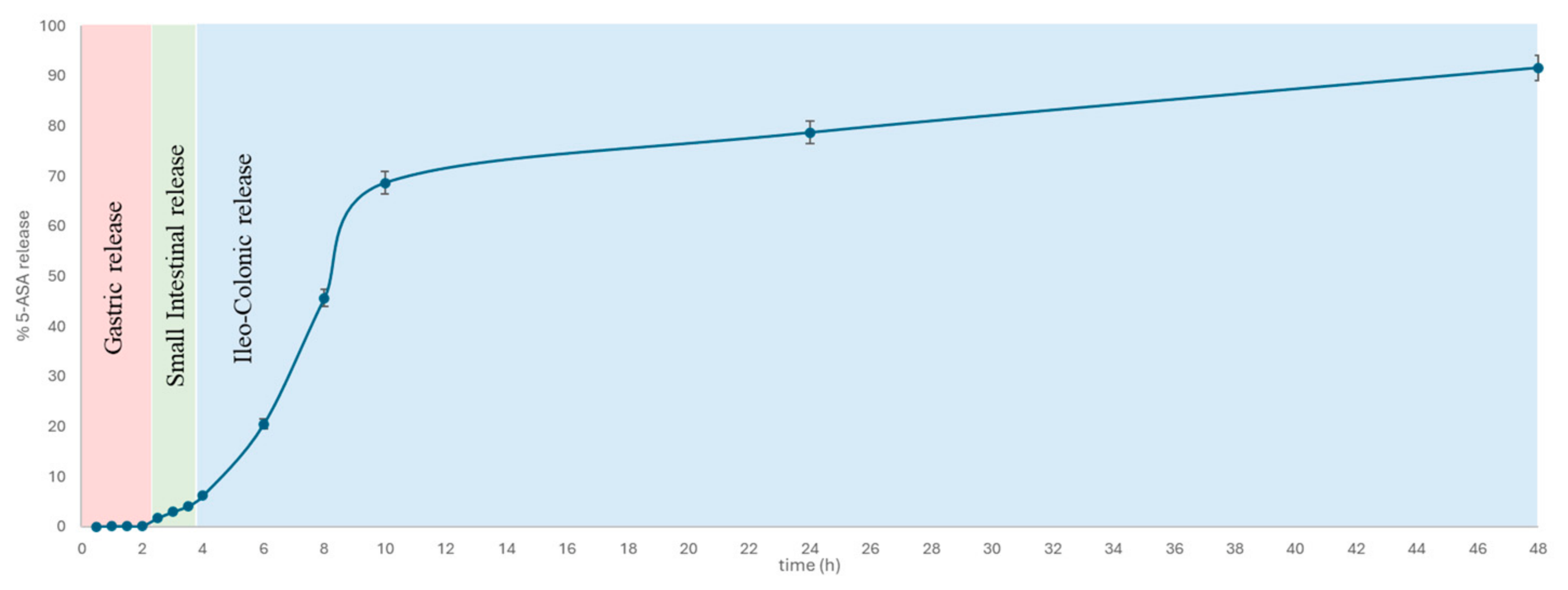
The in vitro release profile of mesalazine (5-ASA) from the gastro-resistant eutectogel was assessed under simulated gastrointestinal conditions to evaluate the formulation’s pH-responsive behavior and colon-targeting capability. As shown in Figure 11, the release profile of mesalazine at different pH values highlights the efficacy of the gastro-resistant eutectogel system. During the simulated gastric phase (pH 1.2 for 2 h), mesalazine release remained below 5%, confirming the integrity and protective functionality of the Eudragit® S100 coating. This minimal release indicates effective shielding of the drug from the acidic environment and enzymatic degradation, thereby preventing premature drug release and potential systemic side effects [76].
Figure 11.
In vitro release profile of mesalazine from the eutectogel at different pH values (1.2, 6.8, and 7.4) over time.
In the subsequent intestinal phase (pH 6.8 for 4 h), drug release remained limited, consistent with the known solubility profile of Eudragit® S100, which does not dissolve at this pH. This selective barrier function ensures that mesalazine is not prematurely released in the upper gastrointestinal tract, where its therapeutic action is not required [77]. A marked increase in mesalazine release was observed under colonic conditions (pH 7.4), where the coating dissolved, allowing for the swelling of the eutectogel and subsequent controlled and sustained release of the drug [78]. The release profile was monitored over an extended period to fully capture the sustained-release behavior of the eutectogel system, with a significant fraction of the drug already released within the first 24 h, followed by a slower diffusion-controlled phase [78]. This targeted delivery profile enhances the local bioavailability of mesalazine in the colon while minimizing systemic exposure, contributing to improved therapeutic efficacy and reduced adverse effects. Furthermore, the combination of natural deep eutectic solvents (NADESs) or eutectogels with gastro-resistant coatings offers additional advantages in terms of formulation stability and drug release control. The solvent properties of NADES contribute to improved drug solubilization and diffusion within the gel matrix, supporting their application in colon-specific drug delivery systems.
4. Conclusions
In this study, a natural deep eutectic solvent (NADES) composed of choline chloride and lactic acid (1:10 molar ratio) was successfully prepared and employed as a green and biocompatible solubilizing medium for mesalazine (5-ASA). The NADES exhibited high solubilizing capacity, enabling the dissolution of mesalazine up to 35 mg/mL, far exceeding its aqueous solubility. Structural characterization by FTIR and NMR spectroscopy confirmed effective drug incorporation within the NADES matrix. This NADES was subsequently embedded in a physically crosslinked polymeric network to form a eutectogel, which was then coated with Eudragit® S100 to confer gastro-resistance and enable site-specific delivery. The resulting formulation exhibited a controlled and targeted release of mesalazine, with cumulative release exceeding 90% under colonic conditions, validating its potential for colon-specific therapy. The system effectively combines the biocompatibility and solvent-enhancing properties of NADESs with the structural and protective features of polymeric gels and pH-sensitive coatings. Our results highlight the significant potential of eutectogels as a sustainable platform for the delivery of mesalazine, a poorly soluble and stable active pharmaceutical ingredient that paves the way for new therapeutic opportunities. This innovation could represent a turning point, providing an inspiring model for the formulation of other challenging-to-deliver drugs. The green nature of the selected components, combined with targeted release functionality, aligns with current trends in environmentally conscious and patient-tailored drug formulation strategies. Despite the promising results, some limitations of this study should be acknowledged. While the in vitro characterization confirmed the potential of the system for site-specific delivery, further in vivo studies are required to validate the actual therapeutic efficacy and pharmacokinetic behavior within the complex gastrointestinal environment. Additionally, future research will focus on assessing the long-term stability of the eutectogel formulation and investigating the potential influence of gut microbiota variability on the mesalazine release profile.
Supplementary Materials
The following supporting information can be downloaded at https://www.mdpi.com/article/10.3390/sci8050106/s1: Figure S1. 1H NMR spectra of pure (a) Lactic acid and (b) choline chloride; Figure S2. 1H NMR of an aliquot of pure mesalazine.
Author Contributions
Conceptualization, M.L.D.G. and S.T.; methodology, M.L.D.G. and S.T.; validation, R.S., R.C., M.L.D.G. and S.T.; formal analysis, R.S., D.P., C.S. and R.C.; investigation, R.S., C.S., A.S.L., F.C., D.P. and A.P.; resources, S.T. and M.L.D.G.; data curation, R.S., R.C., C.S., A.S.L., F.C., D.P., D.J.R. and A.P.; writing—original draft preparation, R.S. and R.C.; writing—review and editing, M.L.D.G. and S.T.; visualization, C.S. and D.J.R.; supervision, M.L.D.G. and S.T.; project administration, M.L.D.G. and S.T.; funding acquisition, M.L.D.G. and S.T. All authors have read and agreed to the published version of the manuscript.
Funding
This research received no external funding.
Data Availability Statement
The original contributions presented in this study are included in the article/Supplementary Materials. Further inquiries can be directed to the corresponding authors.
Conflicts of Interest
The authors declare no conflicts of interest.
References
- Duarte, A.R.C.; Ferreira, A.S.D.; Barreiros, S.; Cabrita, E.; Reis, R.L.; Paiva, A. A comparison between pure active pharmaceutical ingredients and therapeutic deep eutectic solvents: Solubility and permeability studies. Eur. J. Pharm. Biopharm. 2017, 114, 296–304. [Google Scholar] [CrossRef] [Scilit]
- Mohammadian, E.; Foroumadi, A.; Hasanvand, Z.; Rahimpour, E.; Zhao, H.; Jouyban, A. Simulation of mesalazine solubility in the binary solvents at various temperatures. J. Mol. Liq. 2022, 357, 119160. [Google Scholar] [CrossRef] [Scilit]
- Emami, S.; Shayanfar, A. Deep eutectic solvents for pharmaceutical formulation and drug delivery applications. Pharm. Dev. Technol. 2020, 25, 779–796. [Google Scholar] [CrossRef] [Scilit]
- Silva, J.M.; Reis, R.L.; Paiva, A.; Duarte, A.R.C. Design of functional therapeutic deep eutectic solvent based on choline chloride and ascorbic acid. ACS Sustain. Chem. Eng. 2018, 6, 10355–10363. [Google Scholar] [CrossRef] [Scilit]
- Alonso, D.A.; Baeza, A.; Chinchilla, R.; Guillena, G.; Pastor, I.M.; Ramón, D.J. Deep Eutectic Solvents: The Organic Reaction Medium of the Century. Eur. J. Org. Chem. 2016, 2016, 612–632. [Google Scholar] [CrossRef] [Scilit]
- Seifirad, S.; Karami, H.; Shahsavari, S.; Mirabasi, F.; Dorkoosh, F. Design and Characterization of Mesalamine Loaded Nanoparticles for Controlled Delivery System. Nanomed. Res. J. 2016, 1, 97–106. [Google Scholar] [CrossRef]
- Aroso, I.M.; Craveiro, R.; Rocha, Â.; Dionísio, M.; Barreiros, S.; Reis, R.L.; Paiva, A.; Duarte, A.R. Design of controlled release systems for THEDES-Therapeutic deep eutectic solvents, using supercritical fluid technology. Int. J. Pharm. 2015, 492, 73–79. [Google Scholar] [CrossRef] [Scilit] [PubMed]
- Pereira, C.V.; Silva, J.M.; Rodrigues, L.; Reis, R.L.; Paiva, A.; Duarte, A.R.C.; Matias, A. Unveil the Anticancer Potential of Limomene Based Therapeutic Deep Eutectic Solvents. Sci. Rep. 2019, 9, 14926. [Google Scholar] [CrossRef] [Scilit]
- Ochoa Mazarro, D.; Román Martínez, M.; Martín Vílchez, S.; Luquero-Bueno, S.; Camargo-Mamani, P.; Frau Usoz, M.; Martínez Ostalé, C.; Arranz, P.; Gilaberte, I. Safety, Pharmacokinetics, and Bioequivalence Characterization of Two Different Strengths of Mesalazine Gastro-Resistant Tablets. Pharmaceuticals 2025, 18, 1876. [Google Scholar] [CrossRef] [Scilit]
- Haji Agha, E.M.; Barzegar-Jalali, M.; Adibkia, K.; Hemmati, S.; Kuentz, M.; Martinez, F.; Jouyban, A. Solubility of mesalazine in 1-propanol/water mixtures at different temperatures. J. Mol. Liq. 2020, 301, 112436. [Google Scholar] [CrossRef] [Scilit]
- Hamdoon, E.A. Indirect spectrophotometric determination of mesalazine via chromate-1,5-diphenyl carbazide complex. Rafidain J. Sci. 2018, 27, 69–78. [Google Scholar] [CrossRef] [Scilit]
- Lindenberg, M.; Kopp, S.; Dressman, J.B. Classification of orally administered drugs on the World Health Organization Model List of Essential Medicines according to the Biopharmaceutics Classification System. Eur. J. Pharm. Biopharm. 2004, 58, 265–278. [Google Scholar] [CrossRef] [Scilit]
- Sloka, S.N.; Gurupadayya, B.M.; Kumar, C.A. Sensitive spectrophotometric method for the determination of mesalamine in bulk and pharmaceutical formulations. Der Pharma Chem. 2010, 2, 389–396. [Google Scholar]
- Moradi, M.; Rahimpour, E.; Hemmati, S.; Martinez, F.; Barzegar-Jalali, M.; Jouyban, A. Solubility of mesalazine in polyethylene glycol 400 + water mixtures at different temperatures. J. Mol. Liq. 2020, 314, 113546. [Google Scholar] [CrossRef] [Scilit]
- Cassano, R.; Trombino, S.; Cilea, A.; Ferrarelli, T.; Muzzalupo, R.; Picci, N. L-lysine pro-prodrug containing trans-ferulic acid for 5-aminosalicylic acid colon delivery: Synthesis, characterization and in vitro antioxidant activity evaluation. Chem. Pharm. Bull. 2010, 58, 103–105. [Google Scholar] [CrossRef] [Scilit] [PubMed]
- Trombino, S.; Cassano, R.; Cilea, A.; Ferrarelli, T.; Muzzalupo, R.; Picci, N. Synthesis of pro-prodrugs L-lysine based for 5-aminosalicylic acid and 6-mercaptopurine colon specific release. Int. J. Pharm. 2011, 420, 290–296. [Google Scholar] [CrossRef] [Scilit]
- Aroso, I.M.; Silva, J.C.; Mano, F.; Ferreira, A.S.; Dionísio, M.; Sá-Nogueira, I.; Barreiros, S.; Reis, R.L.; Paiva, A.; Duarte, A.R. Dissolution enhancement of active pharmaceutical ingredients by therapeutic deep eutectic systems. Eur. J. Pharm. Biopharm. 2016, 98, 57–66. [Google Scholar] [CrossRef] [Scilit]
- Abbott, A.P.; Capper, G.; Davies, D.L.; Rasheed, R.K.; Tambyrajah, V. Novel solvent properties of choline chloride/urea mixtures. Chem. Commun. 2003, 1, 70–71. [Google Scholar] [CrossRef] [Scilit]
- Shahdadi Sardo, H.; Saremnejad, F.; Bagheri, S.; Akhgari, A.; Afrasiabi Garekani, H.; Sadeghi, F. A review on 5-aminosalicylic acid colon-targeted oral drug delivery systems. Int. J. Pharm. 2019, 558, 367–379, Erratum in Int. J. Pharm. 2022, 25, 628122312. https://doi.org/10.1016/j.ijpharm.2022.122312. [Google Scholar] [CrossRef] [Scilit] [PubMed]
- Desreumaux, P.; Ghosh, S. Review article: Mode of action and delivery of 5-aminosalicylic acid—New evidence. Aliment. Pharmacol. Ther. 2006, 24, 2–9. [Google Scholar] [CrossRef] [Scilit] [PubMed]
- Paiva, A.; Craveiro, R.; Aroso, I.; Martins, M.; Reis, R.L.; Duarte, A.R.C. Natural deep eutectic solvents—Solvents for the 21st century. ACS Sustain. Chem. Eng. 2014, 2, 1063–1071. [Google Scholar] [CrossRef] [Scilit]
- Di Gioia, M.L.; Duarte, A.R.C.; Gawande, M.B. Editorial: Advances in the development and application of deep eutectic solvents. Front. Chem. 2023, 11, 1258718. [Google Scholar] [CrossRef] [Scilit] [PubMed]
- Procopio, D.; Siciliano, C.; De Rose, R.; Trombino, S.; Cassano, R.; Di Gioia, M.L. A Brønsted Acidic Deep Eutectic Solvent for N-Boc Deprotection. Catalysts 2022, 12, 1480. [Google Scholar] [CrossRef] [Scilit]
- Procopio, D.; Siciliano, C.; Perri, A.; Guillena, G.; Ramón, D.J.; Di Gioia, M.L. Sustainable synthesis of the active pharmaceutical ingredient atenolol in deep eutectic solvents. Int. J. Mol. Sci. 2024, 25, 6677. [Google Scholar] [CrossRef] [Scilit] [PubMed]
- Smith, E.L.; Abbott, A.P.; Ryder, K.S. Deep eutectic solvents (DESs) and their applications. Chem. Rev. 2014, 114, 11060–11082. [Google Scholar] [CrossRef] [Scilit]
- da Silva, D.T.; Smaniotto, F.A.; Costa, I.F.; Julia, B.; Muller, A.; Somacal, S.; Monteiro, C.S.; Vizzotto, M.; Rodrigues, E.; Barcia, M.T.; et al. Natural deep eutectic solvent (NADES): A strategy to improve the bioavailability of blueberry phenolic compounds in a ready-to-use extract. Food Chem. 2021, 364, 130370. [Google Scholar] [CrossRef] [Scilit]
- Procopio, D.; Siciliano, C.; Di Gioia, M.L. Reactive deep eutectic solvents for EDC-mediated amide synthesis. Org. Biomol. Chem. 2024, 22, 1400–1408. [Google Scholar] [CrossRef]
- Algieri, V.; Maiuolo, L.; Procopio, D.; Costanzo, P.; Nicoletta, F.P.; Trombino, S.; Di Gioia, M.L.; De Nino, A. Reactive deep eutectic solvent for an eco-friendly synthesis of cellulose carbamate. Polymers 2024, 16, 757. [Google Scholar] [CrossRef] [Scilit]
- Li, Z.; Lee, P.I. Investigation on drug solubility enhancement using deep eutectic solvents and their derivatives. Int. J. Pharm. 2016, 505, 283–288. [Google Scholar] [CrossRef] [Scilit]
- Huber, V.; Muller, L.; Degot, P.; Touraud, D.; Kunz, W. NADES-based surfactant-free microemulsions for solubilization and extraction of curcumin from Curcuma longa. Food Chem. 2021, 355, 129624. [Google Scholar] [CrossRef] [Scilit]
- Jeliński, T.; Przybyłek, M.; Mianowana, M.; Misiak, K.; Cysewski, P. Deep eutectic solvents as agents for improving the solubility of edaravone: Experimental and theoretical considerations. Molecules 2024, 29, 1261. [Google Scholar] [CrossRef] [Scilit]
- Lomba, L.; Garralaga, M.P.; Werner, Á.; Giner, B.; Baptista, P.M.; Sánchez Romero, N. Ibuprofen solubility and cytotoxicity in DES formed by xylitol, choline chloride and water. J. Drug Deliv. Sci. Technol. 2023, 82, 104327. [Google Scholar] [CrossRef] [Scilit]
- Trombino, S.; Siciliano, C.; Procopio, D.; Curcio, F.; Laganà, A.S.; Di Gioia, M.L.; Cassano, R. Deep eutectic solvents for improving the solubilization and delivery of dapsone. Pharmaceutics 2022, 14, 333. [Google Scholar] [CrossRef] [Scilit] [PubMed]
- Zarghampour, A.; Moradi, M.; Martinez, F.; Hemmati, S.; Rahimpour, E.; Jouyban, A. Solubility study of mesalazine in the aqueous mixtures of a deep-eutectic solvent at different temperatures. J. Mol. Liq. 2021, 336, 116300. [Google Scholar] [CrossRef] [Scilit]
- Silva, J.M.; Pereira, C.V.; Mano, F.; Silva, E.; Castro, V.I.B.; Sá-Nogueira, I.; Reis, R.L.; Paiva, A.; Matias, A.A.; Duarte, A.R.C. Therapeutic Role of Deep Eutectic Solvents Based on Menthol and Saturated Fatty Acids on Wound Healing. ACS Appl. Bio Mater. 2019, 21, 4346–4355. [Google Scholar] [CrossRef] [Scilit] [PubMed]
- Pedro, S.N.; Freire, M.G.; Freire, C.S.R.; Silvestre, A.J.D. Deep eutectic solvents comprising active pharmaceutical ingredients in the development of drug delivery systems. Expert Opin. Drug Deliv. 2019, 16, 497–506. [Google Scholar] [CrossRef] [Scilit]
- Abdel-Rahman, M.A.; Tashiro, Y.; Sonomoto, K. Lactic acid production from lignocellulose-derived sugars using lactic acid bacteria: Overview and limits. J. Biotechnol. 2011, 156, 286–301. [Google Scholar] [CrossRef] [Scilit]
- Jafari, P.; Barzegar-Jalali, M.; Jouyban, A. Solubility of mesalazine in aqueous solutions of two betaine-based deep eutectic solvents at different temperatures: Data correlation and thermodynamic analysis. J. Mol. Liq. 2022, 366, 120306. [Google Scholar] [CrossRef] [Scilit]
- Mustafa, N.R.; Spelbos, V.S.; Witkamp, G.J.; Verpoorte, R.; Choi, Y.H. Solubility and stability of some pharmaceuticals in natural deep eutectic solvents-based formulations. Molecules 2021, 26, 2645. [Google Scholar] [CrossRef] [Scilit]
- Bertoloni, C.; Mba Ekomo, V.; Villemejeanne, B.; Lemoine, C.; Duwald, R.; Billy, E.; Mendil-Jakani, H.; Legeai, S. Propylene glycol-based deep eutectic solvent as an alternative to Ethaline for electrometallurgy. C. R. Chim. 2024, 27, 101053. [Google Scholar] [CrossRef] [Scilit]
- Shikova, V.A.; Pozharitskaya, O.N.; Flisyuk, E.V.; Ivkin, D.Y.; Borovikov, D.N.; Balabanova, O.L.; Shikov, A.N. Safety of NADES Extract of Glycyrrhiza Roots After Topical Application and Peroral Administration to Mice. Molecules 2025, 30, 4704. [Google Scholar] [CrossRef] [Scilit]
- Javed, S.; Mangla, B.; Sultan, M.H.; Almoshari, Y.; Sivadasan, D.; Alqahtani, S.S.; Madkhali, O.A.; Ahsan, W. Pharmaceutical applications of therapeutic deep eutectic systems (THEDES) in maximising drug delivery. Heliyon 2024, 10, e29783. [Google Scholar] [CrossRef] [Scilit]
- Santos, F.; Leitão, M.I.P.S.; Duarte, A.R.C. Properties of therapeutic deep eutectic solvents of L-arginine and ethambutol for tuberculosis treatment. Molecules 2019, 24, 55. [Google Scholar] [CrossRef] [Scilit]
- Oliveira, F.; Santos, F.; Duarte, A.R.C. Therapeutic deep eutectic systems towards the treatment of tuberculosis and colorectal cancer: Opportunities and challenges. Molecules 2021, 26, 7022. [Google Scholar] [CrossRef] [Scilit]
- De Luca, M.; Ioele, G.; Grande, F.; Occhiuzzi, M.A.; Chieffallo, M.; Garofalo, A.; Ragno, G. Multivariate curve resolution methodology applied to the ATR-FTIR data for adulteration assessment of virgin coconut oil. Molecules 2023, 28, 4661. [Google Scholar] [CrossRef] [Scilit] [PubMed]
- Sabbatini, B.; Perinelli, D.R.; Palmieri, G.F.; Cespi, M.; Bonacucina, G. Exploring Immersion Coating as a Cost-Effective Method for Small-Scale Production of Enteric-Coated Gelatin Capsules. Pharmaceuticals 2024, 17, 433. [Google Scholar] [CrossRef] [Scilit] [PubMed]
- Cassano, R.; Sole, R.; Siciliano, C.; Baldino, N.; Mileti, O.; Procopio, D.; Curcio, F.; Calviello, G.; Serini, S.; Trombino, S.; et al. Eutectogel-based drug delivery: An innovative approach for atenolol administration. Pharmaceutics 2024, 16, 1552. [Google Scholar] [CrossRef] [Scilit]
- Alghurabi, H.; Jassim Muhammad, H.; Tagami, T.; Ogawa, K.; Ozeki, T. Optimization, cellular uptake, and in vivo evaluation of Eudragit S100-coated bile salt-containing liposomes for oral colonic delivery of 5-aminosalicylic acid. Int. J. Pharm. 2023, 648, 123597. [Google Scholar] [CrossRef] [Scilit] [PubMed]
- Bagović Kolić, M.; Panić, M.; Jakopović, Ž.; Djaković, S.; Lapić, J.; Duarte, A.R.C.; Radojčić Redovniković, I.; Radošević, K. Rational design of natural deep eutectic solvents contributes to desirable shift of ciprofloxacin in Biopharmaceutics classification system. J. Mol. Liq. 2025, 419, 126750. [Google Scholar] [CrossRef] [Scilit]
- Sharma, A.; Park, Y.R.; Garg, A.; Lee, B.S. Deep eutectic solvents enhancing drug solubility and its delivery. J. Med. Chem. 2024, 67, 14807–14819. [Google Scholar] [CrossRef] [Scilit]
- Rajeshwari, S.R. Formulation Approaches for Deep Eutectic Solvents Solubilized APIs. J. Res. Appl. Sci. Biotechnol. 2024, 3, 142–162. [Google Scholar] [CrossRef] [Scilit]
- Durand, E.; Lecomte, J.; Villeneuve, P. Deep eutectic solvents: Synthesis, application, and focus on lipase-catalyzed reactions. Eur. J. Lipid Sci. Technol. 2013, 115, 379–385. [Google Scholar] [CrossRef] [Scilit]
- Lu, C.; Cao, J.; Wang, N.; Su, E. Significantly improving the solubility of non-steroidal anti-inflammatory drugs in deep eutectic solvents for potential non-aqueous liquid administration. MedChemComm 2016, 7, 955–959. [Google Scholar] [CrossRef] [Scilit]
- Phaechamud, T.; Tuntarawongsa, S.; Charoensuksai, P. Evaporation behavior and characterization of eutectic solvent and ibuprofen eutectic solution. AAPS PharmSciTech 2016, 17, 1213–1220. [Google Scholar] [CrossRef] [Scilit]
- Stott, P.W.; Williams, A.C.; Barry, B.W. Transdermal delivery from eutectic systems: Enhanced permeation of a model drug, ibuprofen. J. Control. Release 1998, 50, 297–308. [Google Scholar] [CrossRef] [Scilit]
- Simitopoulos, A.; Tsekouras, A.; Macheras, P. Coupling Drug Dissolution with BCS. Pharm. Res. 2024, 41, 481–491. [Google Scholar] [CrossRef] [Scilit]
- Torres, P.; Balcells, M.; Cequier, E.; Canela-Garayoa, R. Effect of Four Novel Bio-Based DES (Deep Eutectic Solvents) on Hardwood Fractionation. Molecules 2020, 25, 2157. [Google Scholar] [CrossRef] [Scilit] [PubMed]
- Albertini, B.; Bertoni, S.; Nucci, G.; Botti, G.; Abrami, M.; Sangiorgi, S.; Beggiato, S.; Prata, C.; Ferraro, L.; Grassi, M.; et al. Supramolecular eutectogel as new oral paediatric delivery system to enhance benznidazole bioavailability. Int. J. Pharm. 2024, 661, 124417. [Google Scholar] [CrossRef] [Scilit]
- Bianchi, M.B.; Zhang, C.; Catlin, E.; Sandri, G.; Calderón, M.; Larrañeta, E.; Donnelly, R.F.; Picchio, M.L.; Paredes, A.J. Bioadhesive eutectogels supporting drug nanocrystals for long-acting delivery to mucosal tissues. Mater. Today Bio 2022, 17, 100471. [Google Scholar] [CrossRef] [Scilit] [PubMed]
- Rahimpour, E.; Moradi, M.; Sheikhi-Sovari, A.; Rezaei, H.; Rezaei, H.; Jouyban-Gharamaleki, V.; Kuentz, M.; Jouyban, A. Comparative drug solubility studies using shake-flask versus a laser-based robotic method. AAPS PharmSciTech 2023, 24, 207. [Google Scholar] [CrossRef] [Scilit] [PubMed]
- Chakraborty, S.; Sathe, R.Y.; Chormale, J.H.; Dangi, A.; Bharatam, P.V.; Bansal, A.K. Effect of deep eutectic system (DES) on oral bioavailability of celecoxib: In silico, in vitro, and in vivo study. Pharmaceutics 2023, 15, 2351. [Google Scholar] [CrossRef] [Scilit]
- Tian, Y.; Jiang, F.; Xie, H.; Chi, Z.; Liu, C. Conductive hyaluronic acid/deep eutectic solvent composite hydrogel as a wound dressing for promoting skin burn healing under electrical stimulation. Adv. Healthc. Mater. 2024, 13, 2304117. [Google Scholar] [CrossRef] [Scilit]
- Procopio, D. Deep Eutectic Solvents as Sustainable Media for Pharmaceutical Purposes. Ph.D. Thesis, Universidad de Alicante, Alicante, Spain, Università della Calabria, Arcavacata di Rende (CS), Italy, 2024. [Google Scholar]
- Shaw, Z.L.; Awad, M.N.; Gharehgozlo, S.; Greaves, T.L.; Haidari, H.; Kopecki, Z.; Bryant, G.; Spicer, P.T.; Walia, S.; Elbourne, A.; et al. Deep Eutectic Solvent Eutectogels for Delivery of Broad-Spectrum Antimicrobials. ACS Appl. Bio Mater. 2024, 18, 1429–1434. [Google Scholar] [CrossRef] [Scilit] [PubMed]
- Hu, Y.; Yang, W.; Zhan, J.; Pu, C.; Zhong, L.; Hou, H. Eutectogels: Recent advances and emerging biological applications. Adv. Funct. Mater. 2025, 35, 2425778. [Google Scholar] [CrossRef] [Scilit]
- Sun, S.; Yu, L.; Teng, J.; Gu, Y.; Pang, Y.; Xu, X.; Li, Y. Eutectic gels: Presentation and prospect. Appl. Mater. Today 2024, 39, 102342. [Google Scholar] [CrossRef] [Scilit]
- Kong, B.J.; Kim, A.; Park, S.N. Properties and in vitro drug release of hyaluronic acid-hydroxyethyl cellulose hydrogels for transdermal delivery of isoliquiritigenin. Carbohydr. Polym. 2016, 147, 473–481. [Google Scholar] [CrossRef] [Scilit]
- Ho, H.N.; Le, H.H.; Le, T.G.; Duong, T.H.A.; Ngo, V.Q.T.; Dang, C.T.; Nguyen, V.M.; Tran, T.T.; Nguyen, C.N. Formulation and characterization of hydroxyethyl cellulose-based gel containing metronidazole-loaded solid lipid nanoparticles for buccal mucosal drug delivery. Int. J. Biol. Macromol. 2022, 194, 1010–1018. [Google Scholar] [CrossRef] [Scilit]
- Naeem, A.; Yu, C.; Wang, X.; Peng, M.; Liu, Y.; Liu, Y. Hydroxyethyl cellulose-based hydrogels as controlled release carriers for amorphous solid dispersion of bioactive components of Radix Paeonia Alba. Molecules 2023, 28, 7320. [Google Scholar] [CrossRef] [Scilit]
- Alvionida, F.; Sulistyani, N.; Sugihartini, N. Composition of Carbopol 940 and HPMC affects antibacterial activity of Pluchea indica leaves extract gel. Pharmaciana 2021, 11, 427–438. [Google Scholar] [CrossRef] [Scilit]
- Safitri, F.I.; Nawangsari, D.; Febrina, D. Overview: Application of Carbopol 940 in gel. In Proceedings of the International Conference on Health and Medical Sciences (AHMS 2020); Atlantis Press: Dordrecht, The Netherlands, 2021; pp. 80–84. [Google Scholar] [CrossRef] [Scilit]
- Newton, M.J.; Lakshmanan, P.; Jayaveera, K.N. Formulation development, optimization and study on drug release kinetics of Eudragit® L100-HPMC E15 LV mixed film-coated colon-targeted mesalamine tablets. Asian J. Pharm. 2012, 6, 180–185. [Google Scholar] [CrossRef] [Scilit]
- Heikal, E.J.; Kaoud, R.M.; Gad, S.; Mokhtar, H.I.; Alattar, A.; Alshaman, R.; Zaitone, S.A.; Moustafa, Y.M.; Hammady, T.M. Development of Novel pH-Sensitive Eudragit Coated Beads Containing Curcumin-Mesalamine Combination for Colon-Specific Drug Delivery. Gels 2023, 9, 264. [Google Scholar] [CrossRef] [Scilit]
- Feng, W.; Wang, Z. Tailoring the Swelling-Shrinkable Behavior of Hydrogels for Biomedical Applications. Adv. Sci. 2023, 10, 2303326. [Google Scholar] [CrossRef] [Scilit]
- Raina, N.; Pahwa, R.; Bhattacharya, J.; Paul, A.K.; Nissapatorn, V.; de Lourdes Pereira, M.; Oliveira, S.M.R.; Dolma, K.G.; Rahmatullah, M.; Wilairatana, P.; et al. Drug Delivery Strategies and Biomedical Significance of Hydrogels: Translational Considerations. Pharmaceutics 2022, 14, 574. [Google Scholar] [CrossRef] [Scilit] [PubMed]
- Mehdi-alamdarlou, S.; Mozafari, N.; Daneshamooz, S.; Ashrafi, H. Preparation and in vitro evaluation of controlled release granules of mesalazine for colon targeted drug delivery system. Trends Pharm. Sci. 2022, 8, 37–42. [Google Scholar]
- Bayan, M.F.; Bayan, R.F. Recent advances in mesalamine colonic delivery systems. Future J. Pharm. Sci. 2020, 6, 43. [Google Scholar] [CrossRef] [Scilit]
- Lv, Y.; Ren, M.; Yao, M.; Zou, J.; Fang, S.; Wang, Y.; Lan, M.; Zhao, Y.; Gao, F. Colon-specific delivery of methotrexate using hyaluronic acid modified pH-responsive nanocarrier for the therapy of colitis in mice. Int. J. Pharm. 2023, 635, 122741. [Google Scholar] [CrossRef] [Scilit] [PubMed]
Disclaimer/Publisher’s Note: The statements, opinions and data contained in all publications are solely those of the individual author(s) and contributor(s) and not of MDPI and/or the editor(s). MDPI and/or the editor(s) disclaim responsibility for any injury to people or property resulting from any ideas, methods, instructions or products referred to in the content. |
© 2026 by the authors. Licensee MDPI, Basel, Switzerland. This article is an open access article distributed under the terms and conditions of the Creative Commons Attribution (CC BY) license.