


Abstract
Macroporous crystals—crystalline materials containing interconnected pores larger than 50 nm—have emerged as a distinct class of porous solids capable of overcoming the mass-transport limitations inherent to microporous and mesoporous frameworks. While smaller-pored crystalline materials dominate applications in catalysis, separations, and energy conversion, their narrow channels often restrict diffusion, limit accessibility to large guest species, and accelerate deactivation. Recent advances in colloidal templating, phase separation, additive manufacturing, and reconstruction-based synthesis now enable the formation of macroporous crystalline architectures with pore sizes extending from the sub-micrometer to micrometer scale while retaining long-range structural order. This review systematically examines pore-size classifications, synthesis strategies, structural characteristics, and structure–property relationships governing macroporous crystals, with emphasis on how true macroporosity enables near-bulk transport, enhanced optical functionality, and biological accessibility. Key applications in catalysis, photonics, energy systems, and biomedicine are discussed, alongside challenges related to crystallinity preservation, mechanical robustness, and scalable fabrication. Finally, a case study demonstrating a crystalline material with pores approaching 1 µm illustrates the feasibility of achieving unprecedented pore dimensions without relying on conventional templating approaches. By framing macroporous crystals as a distinct materials regime, this review provides design principles and perspectives to guide the development of next-generation crystalline porous materials.
1. Introduction of Porous Crystals
Porous crystalline materials exhibit a remarkable range of applications arising from their tunable pore dimensions, high surface areas, and chemically definable internal architectures. Across the hierarchy of pore sizes—microporous, mesoporous, and macroporous—these crystals offer unique advantages in catalysis, adsorption, energy conversion, biomedicine, and photonics. The following paragraphs expand on each application domain by synthesizing insights from key references and integrating structure–property relationships central to porous materials science.
1.1. Catalysis
Porous crystals have long served as indispensable materials in heterogeneous catalysis due to their ability to confine reactants, stabilize active sites, and modulate molecular transport. Microporous zeolites, in particular, epitomize shape-selective catalysis; their sub-nanometer channels allow only molecules of specific geometric configurations to enter and participate in reactions. For example, the preferential formation of para-xylene during alkylation or isomerization arises from the strict steric constraints imposed by the zeolitic pores, enhancing selectivity and suppressing undesired byproducts, as extensively discussed by Čejka [1]. Their intrinsic Brønsted acidity and thermal stability further enable high catalytic turnover in demanding petrochemical processes.
Mesoporous crystals such as MOFs and ordered silicas offer a complementary advantage through the presence of wider, yet structured, pore channels. Their larger pore diameters mitigate diffusion limitations and enable catalytic transformation of bulky organic molecules that cannot access microporous environments. As summarized by Zhao and co-workers [2], mesoporous silicas like SBA-15 or MCM-41 can immobilize large metal complexes or nanoparticles within their channels, providing well-dispersed active phases while ensuring efficient reactant access. MOFs, with their tunable ligand chemistry, provide additional opportunities for incorporating open metal sites or functional groups that enhance catalytic activity and selectivity.
Macroporous crystals, and particularly hierarchical materials integrating macro–meso–microporosity, further improve catalytic performance by overcoming pore blockage and enabling flow-through operation. As noted by Xia et al. [3], the presence of macropores serves as a “transport highway,” rapidly channeling reactants and products to and from the catalytic regions. This lowers diffusion resistance, enhances turnover frequency, and reduces deactivation caused by coke or byproduct accumulation. For reactions involving viscous media, large biomolecules, or polymer substrates, macroporous frameworks enable catalytic events that would otherwise be inaccessible in smaller-pored materials.
1.2. Adsorption and Separation
The adsorption and separation capabilities of porous crystals arise from the interplay between pore size, chemical functionality, and structural regularity. Microporous zeolites and MOFs excel in gas-phase separations where small differences in kinetic diameter or quadrupole moment can be exploited. Their rigid and uniform pores enable precise sieving and high adsorption capacities for gases such as CO2, CH4, and N2. Sumida et al. [4] comprehensively reviewed how CO2-philic functional groups, open metal sites, and ultramicroporous channels in MOFs dramatically enhance CO2 capture performance under both pressure- and temperature-swing conditions.
In aqueous environments, mesoporous materials such as ordered silicas and metal oxides play a central role in pollutant adsorption and water purification. Their larger pores allow diffusion of hydrated ions, dyes, pharmaceuticals, and organic contaminants, while surface silanol or metal-oxide groups provide binding sites for adsorption or catalytic oxidation. Similarly, mesoporous carbons offer hydrophobic surfaces and tunable pore networks advantageous for environmental remediation.
The adsorption of proteins, enzymes, or macromolecules becomes feasible when pore sizes extend into the mesoporous or macroporous domain. Larger-pored frameworks prevent denaturation, permit reversible binding, and allow more complex separation or purification processes. Thus, the dimensional flexibility of porous crystals allows adsorption applications ranging from gas purification to biomolecular separations.
1.3. Energy Storage and Conversion
Porous crystals contribute significantly to electrochemical energy applications due to their ability to improve ion mobility, enhance electrode–electrolyte interactions, and provide high surface-to-volume ratios. Mesoporous metal oxides—such as mesoporous TiO2—exemplify this principle. Their ordered channels facilitate rapid Li+ diffusion and shorten solid-state transport distances, leading to improved rate capability in lithium-ion batteries, as discussed by Wang et al. [5]. Mesoporous carbons similarly offer high surface area and conductivity, making them ideal as supercapacitor electrodes.
Porous materials also play vital roles in photocatalysis and solar energy conversion. Semiconductor crystals with hierarchical porosity improve light scattering, enhance charge separation, and enable faster diffusion of reactants to active sites. According to Kamat [6], such porous photocatalysts accelerate hydrogen evolution by providing abundant reactive surface area and optimized pathways for both photons and charge carriers. In these systems, macropores can further enhance photon management by increasing internal multiple scattering, thereby improving solar absorption.
Thus, across batteries, supercapacitors, and photocatalysis, porous crystals deliver enhanced energy efficiency through a combination of structural optimization and accelerated transport phenomena.
1.4. Biomedical Applications
Mesoporous and macroporous crystals have emerged as powerful platforms for biomedical technologies due to their biocompatibility, tunable pore geometry, and controlled release capabilities. Mesoporous silica nanoparticles (MSNs), for instance, are prominent drug carriers because their pore structures allow loading of hydrophobic or hydrophilic drugs and enable controlled release through surface functionalization. Their large internal volumes and ease of chemical modification make them attractive for targeted delivery and theranostic applications.
Mesoporous MOFs also provide significant advantages for drug delivery and enzyme immobilization. Their high porosity and versatile ligand chemistry allow encapsulation without denaturation, while their biodegradability and coordination chemistry enable responsive release profiles [7].
1.5. Photonics and Optics
Photonic applications of porous crystals derive from periodicity and refractive-index contrast at the scale of visible wavelengths. Ordered macroporous crystals—such as inverse opals—exhibit photonic bandgaps arising from their three-dimensional periodic structures. These materials manipulate the propagation of light, yielding phenomena such as structural coloration, wavelength-selective reflection, and controlled photonic densities of states. Their optical behavior underpins applications in sensing, photocatalysis, and nanophotonic device engineering.
Inverse opal structures provide large voids interconnected in periodic lattices, enabling efficient light scattering and enhanced absorption when used as photocatalyst supports. They also enable colorimetric sensing, where analyte adsorption alters the effective refractive index and shifts the photonic stop band. The combination of macroporosity and crystalline order thus uniquely enables optical functionalities not achievable with microporous or non-periodic materials.
2. Pore Sizes
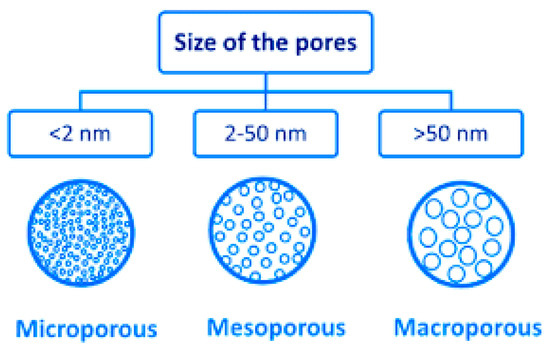
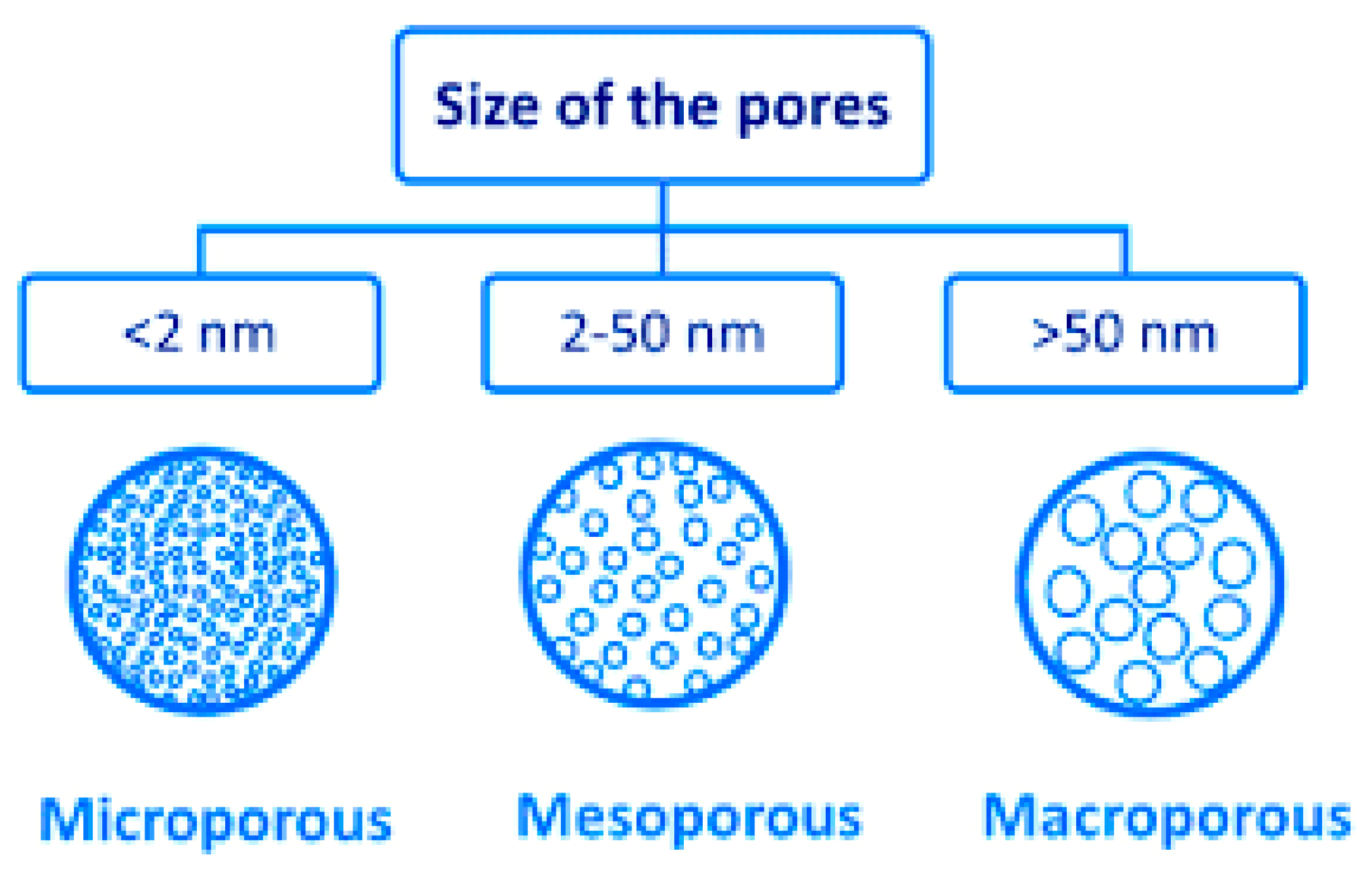
Porous crystalline materials are conventionally categorized into microporous, mesoporous, and macroporous systems (Figure 1) according to the definitions established by the International Union of Pure and Applied Chemistry (IUPAC). Microporous materials possess pore diameters below 2 nm, mesoporous materials exhibit pores between 2 and 50 nm, and macroporous materials contain pores larger than 50 nm [8]. The pore-size regime strongly influences molecular diffusion, adsorption capacity, catalytic performance, and physicochemical interactions within the internal framework. Microporous structures often enable exceptional molecular sieving and shape selectivity due to their sub-nanometer apertures, though they commonly suffer from slow intracrystalline diffusion. Mesoporous crystals overcome many of these limitations by offering wider channels that improve accessibility to larger guest molecules and catalytic species. Macroporous crystals, which have become more accessible through advances in templating and additive manufacturing, address the transport limitations inherent in micro- and mesoporous materials by providing rapid mass-transport highways. Understanding how pore size governs transport, reactivity, and host–guest behavior provides the conceptual foundation for appreciating the performance of macroporous crystalline architectures.
Figure 1.
Schematic illustration of the IUPAC pore-size classification for porous materials, distinguishing microporous (<2 nm), mesoporous (2–50 nm), and macroporous (>50 nm) regimes.
2.1. Microporous Crystals (<2 nm)
Microporous crystals possess pore openings smaller than 2 nm and include zeolites, microporous metal–organic frameworks (MOFs), and certain covalent organic frameworks (COFs). Their rigid crystalline lattices generate atomically precise pores that provide strong spatial confinement and highly selective adsorption. Zeolites, composed of tetrahedral SiO4 and AlO4 units, exemplify microporous materials whose uniform channels and high thermal stability make them indispensable in industrial catalysis. They play key roles in hydrocarbon cracking, reforming, gas drying, and selective hydrocarbon separations due to their strong Brønsted acidity and well-defined pore topology [9]. The narrow channels allow shape-selective catalysis, enabling discrimination among molecules differing by less than an ångström [10].
Microporous MOFs further extend this regime by offering highly tunable pore environments composed of metal nodes and organic linkers. Their modularity has enabled high-capacity gas storage of H2, CH4, and CO2 [11] and has facilitated the design of frameworks for Lewis acid and bifunctional catalysis [12]. However, the intrinsic narrowness of micropores restricts the diffusion of larger organic molecules, and microporous systems often face challenges such as pore blockage, slow transport, and deactivation. These limitations motivated the incorporation of larger pores into crystalline systems and the development of mesoporous and macroporous analogues.
2.2. Mesoporous Crystals (2–50 nm)
Mesoporous crystals emerged prominently with the synthesis of ordered mesoporous silicas such as MCM-41 and SBA-15, developed through surfactant-templated self-assembly in the early 1990s [13]. Their pore diameters of 2–50 nm enhance molecular transport relative to micropores, allowing efficient adsorption and catalytic transformation of larger organic substrates, dyes, polymers, and biomolecules. Materials such as MCM-41, SBA-15, and KIT-6 exhibit uniform channel structures and thick walls that impart mechanical and thermal stability. These frameworks have been extensively explored for dye adsorption, pollutant removal, drug delivery, and catalytic applications, aided by their abundant surface silanol groups that offer versatile functionalization strategies [14].
Mesoporous metal oxides—such as TiO2, ZrO2, and Al2O3—and mesoporous carbons extend this class to energy storage, photocatalysis, and environmental applications. Their ordered porosity facilitates ion diffusion and electron transport, enhancing the performance of batteries, supercapacitors, and photocatalytic systems [15]. Mesoporosity has also been engineered into MOFs and COFs using enlarged organic linkers, defect creation, or reticular synthesis methods. These mesoporous frameworks support higher catalytic turnover, host larger molecules, and can encapsulate nanoparticles or enzymes, thereby expanding the functional landscape of crystalline porous materials [16].
2.3. Macroporous Crystals (>50 nm)
Macroporous crystals, defined by pore diameters greater than 50 nm, represent the largest pore regime and offer distinct structural and functional advantages that address the mass-transport limitations inherent in smaller-pored materials. The advent of colloidal templating, phase-separation techniques, and additive manufacturing has enabled the creation of macroporous crystalline structures with well-defined geometries and, in some cases, long-range periodicity. Unlike micropores, which confine molecular motion, or mesopores, which moderately enhance diffusion, macropores act as high-capacity transport corridors that permit rapid flow of reactants, products, and solvents. This greatly reduces diffusion resistance and allows efficient processing of bulky molecules, polymers, nanoparticles, and biological entities that are excluded from smaller pores [17,18,19,20,21,22,23,24,25,26,27].
Macroporous crystals can maintain crystallinity or ordered architecture despite the presence of large interconnected voids. For example, inverse opals formed by colloidal crystal templating exhibit three-dimensionally ordered macropores with tunable sizes from hundreds of nanometers to several micrometers. Such periodic macroporous structures display unique photonic properties, including structural color and photonic bandgaps, enabling applications in sensors, photocatalysis, and light-manipulating devices. Their open networks facilitate rapid mass transport, significantly enhancing catalytic turnover rates while reducing deactivation caused by coke deposition or product accumulation—issues common in microporous catalysts.
Macroporous frameworks also serve as ideal supports in biomedical applications. Their large, interconnected pores can host cells, proteins, enzymes, or biomacromolecules, allowing cell proliferation, nutrient transport, and tissue integration in bone regeneration and other regenerative medicine applications. In energy systems, macroporous oxides and ceramics improve electrolyte infiltration and reduce ion-transport resistance, thereby enhancing the cycling stability and rate capability of electrochemical devices. Furthermore, hierarchical materials combining macro-, meso-, and micropores achieve synergistic behavior: macropores provide rapid transport, mesopores enable distribution, and micropores deliver high surface area and active sites. As a result, macroporous crystals have become increasingly important in designing next-generation catalysts, adsorbents, photonic materials, and biomedical scaffolds.
Although microporous and mesoporous crystals have been widely investigated and have established roles in adsorption, catalysis, separations, and energy-related applications, their intrinsic pore-size limitations create significant mass-transport barriers for larger molecules, macromolecular guests, viscous media, and complex reaction environments. These constraints have motivated the development of materials that incorporate pores larger than 50 nm—macroporous crystals—whose open networks provide rapid diffusion pathways, enhanced accessibility, and unique optical and biological interactions that are not achievable in smaller-pored frameworks. As advances in templating, phase separation, and additive manufacturing now allow precise control over macroporous crystalline architectures, a distinct and rapidly growing field has emerged. Accordingly, the remainder of this review focuses specifically on macroporous crystals: their synthesis methods, structural features, functional advantages, and emerging applications across catalysis, photonics, energy systems, and biomedicine.
Despite the extensive literature on microporous and mesoporous crystalline materials, macroporous crystals have rarely been treated as a distinct and unified class. Existing reviews typically address macroporosity only as a secondary feature within hierarchical porous systems or focus on noncrystalline macroporous solids such as foams, aerogels, and scaffolds. As a result, the unique structural, transport, optical, and biological functionalities that emerge specifically from the coexistence of long-range crystallinity and pores larger than 50 nm remain underrepresented. Recent advances in colloidal templating, phase separation, additive manufacturing, and reconstruction-based synthesis have now enabled the creation of macroporous crystals with pore dimensions extending from the sub-micrometer to micrometer scale while retaining crystalline order. These developments establish macroporous crystals as a qualitatively different materials regime rather than a simple extension of micro- or mesoporosity (Table 1).
Table 1.
Comparison of porous crystalline materials across pore-size regimes.
Table 1 highlights the fundamental distinctions among microporous, mesoporous, and macroporous crystalline materials, emphasizing how pore size governs transport behavior, guest accessibility, and overall functional performance. Microporous crystals, with pore diameters below 2 nm, exhibit strong confinement effects and exceptional molecular selectivity, but suffer from severe diffusion limitations that restrict their use with bulky molecules or in viscous environments. Mesoporous crystals partially alleviate these constraints by providing larger channels (2–50 nm), enabling improved accessibility and faster diffusion for larger organic species, although transport can still be hindered under high-loading or complex reaction conditions. In contrast, macroporous crystals, defined by pore sizes exceeding 50 nm, enable near-bulk diffusion and minimal mass-transfer resistance, allowing rapid transport of reactants, products, and solvents. This significantly enhances accessibility for large molecules, polymers, colloids, and even biological entities such as cells. As a result, macroporous crystals exhibit distinct functional advantages, including improved catalytic turnover, reduced deactivation due to pore blockage, enhanced optical interactions arising from periodic structures at visible wavelengths, and superior performance in applications requiring fluid flow or biological integration. These differences underscore that macroporous crystals represent not merely a larger-pore extension of mesoporous systems, but a distinct materials regime with unique transport and functional characteristics.
Macroporous crystals therefore represent not merely a scale-up of mesoporous materials, but a distinct design paradigm in which crystallinity and macroscopic transport coexist. This review therefore focuses explicitly on macroporous crystalline materials, highlighting their synthesis strategies, structure–property relationships, and application-specific advantages, and illustrating how true macroporosity enables functionalities inaccessible to smaller-pored crystalline frameworks.
3. Synthesis Strategies for Macroporous Crystals
The synthesis of macroporous crystals requires methods that introduce pore sizes greater than 50 nm while maintaining structural order, crystallinity, or well-controlled architecture. Unlike microporous and mesoporous systems, where pore formation is often intrinsic to the crystal lattice, macroporosity must typically be engineered through external structuring methods or post-synthetic transformations. Recent advances have enabled a diverse set of synthetic routes that balance pore formation with crystallization, allowing precise control over pore size, connectivity, and architecture. The most prominent approaches are discussed below.
3.1. Hard Templating (Colloidal Crystal Templating)
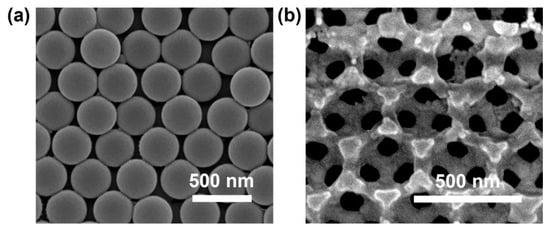
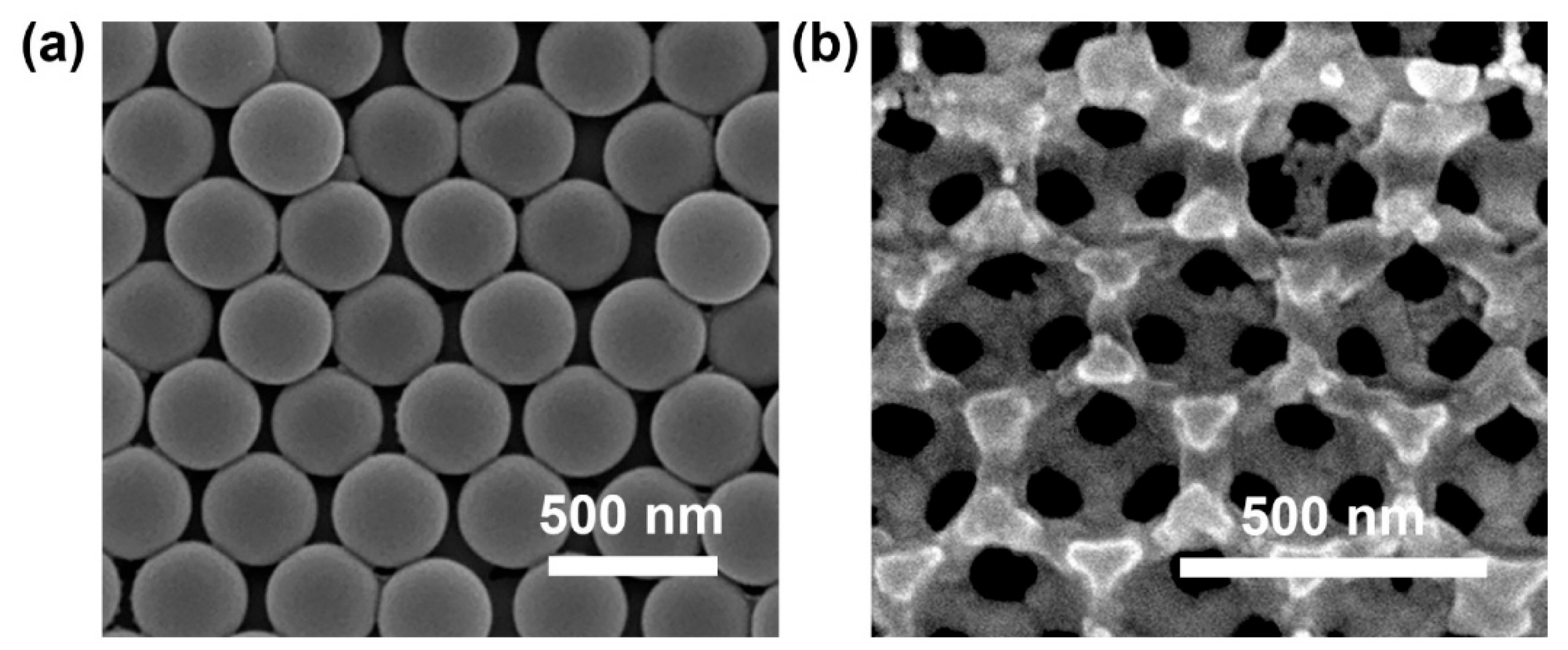
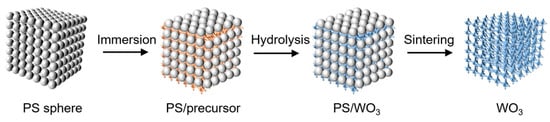
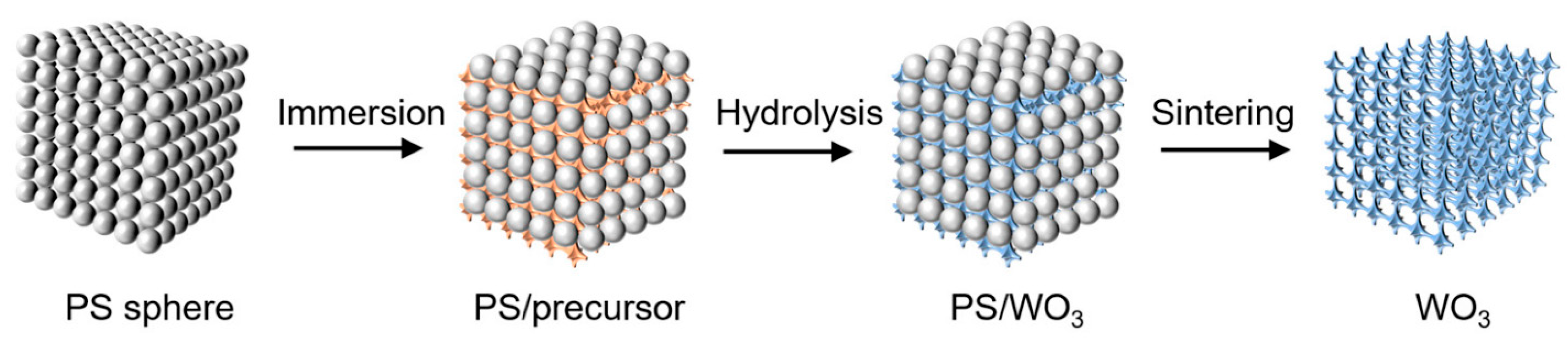
Hard templating is one of the most established and versatile approaches for constructing ordered macroporous crystalline materials. In this method, monodisperse colloidal particles—commonly polystyrene (PS), polymethyl methacrylate (PMMA), or silica spheres—are first assembled into close-packed opaline lattices that serve as sacrificial templates. A precursor material is then infiltrated into the interstitial spaces of the template, followed by crystallization and subsequent removal of the template through calcination or chemical etching. The resulting structure is typically an inverse opal with a highly ordered, three-dimensional array of interconnected macropores (Figure 2 and Figure 3) [28,29].
Figure 2.
(a) The SEM image of the polystyrene microsphere opal template; (b) the SEM image of the WO3: 1 mol% Yb3+, 1 mol% Er3+ inverse photonic crystal. Reproduced from Zhu et al. (Materials 2024, 17, 2436) [28], distributed under the CC BY 4.0 license.
Figure 3.
Schematic diagram of preparation of WO3: Yb3+, Er3+ inverse opal photonic crystals. Reproduced from Zhu et al. (Materials 2024, 17, 2436) [28], distributed under the CC BY 4.0 license.
This approach offers precise control over pore size and periodicity, as these parameters are directly dictated by the size and packing of the colloidal spheres. Macroporous crystals synthesized via hard templating have been widely demonstrated in metal oxides (e.g., TiO2, WO3), carbons, and, more recently, metal–organic frameworks (MOFs). The periodic macroporous architecture often imparts photonic properties, such as photonic bandgaps and structural coloration, due to feature sizes comparable to visible wavelengths. However, challenges remain in achieving complete infiltration of precursors and avoiding structural collapse during template removal, particularly for fragile or low-temperature crystalline systems.
3.2. Soft Templating and Emulsion-Based Methods
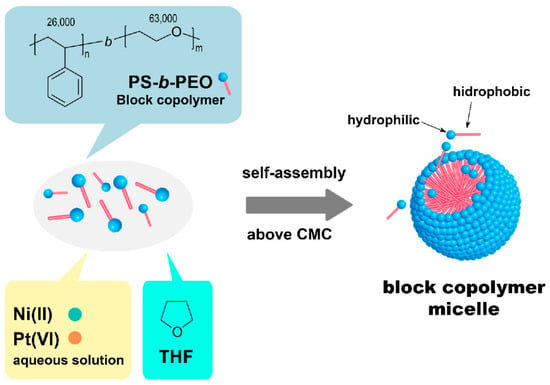
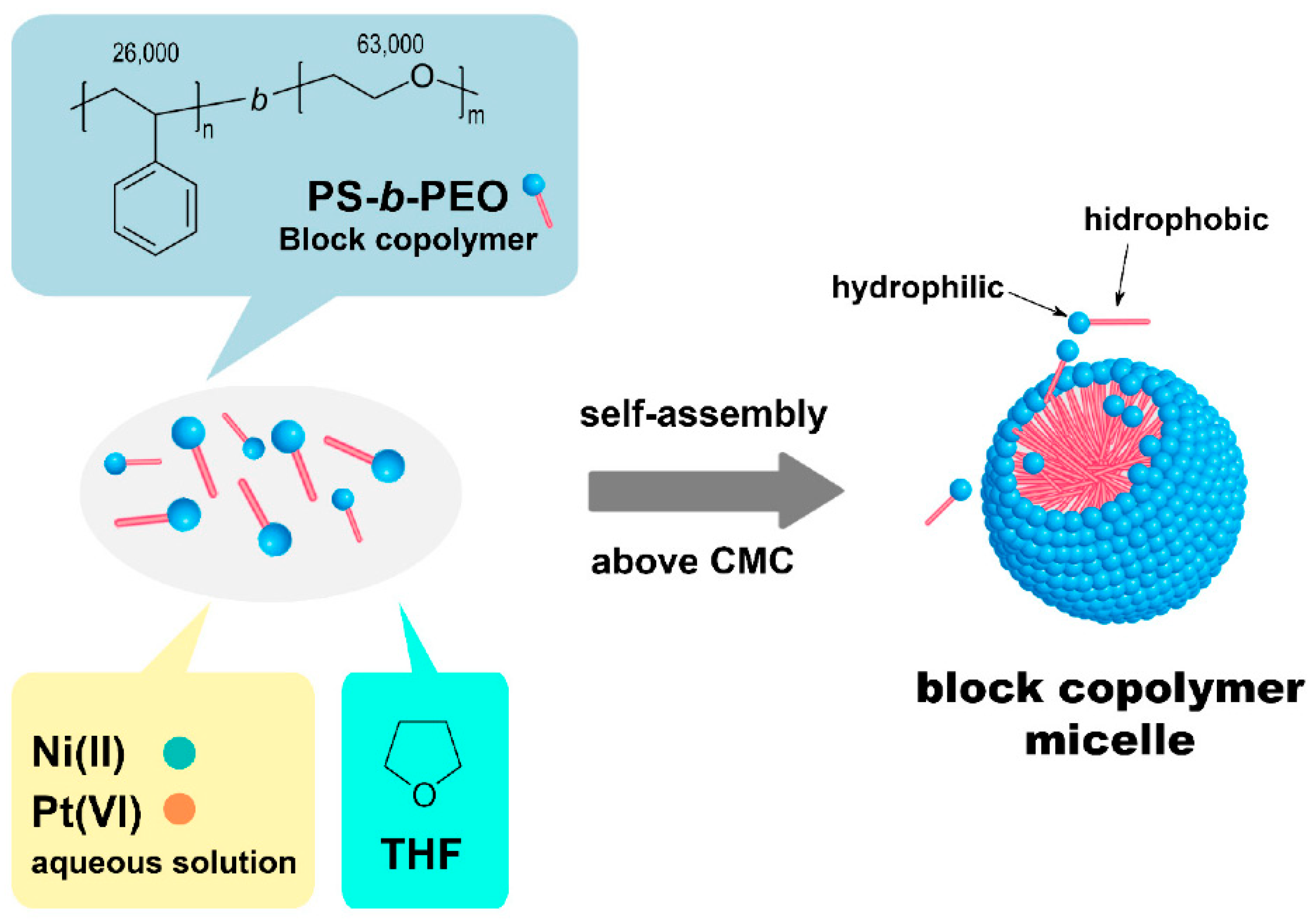
Soft templating provides a complementary route and relies on dynamic assemblies such as emulsions, foams, block-copolymer micelles, or gas-filled bubbles to generate macropores (Figure 4). Unlike hard templates, soft templates can deform, fuse, or reorganize during synthesis, enabling interconnected or irregular macroporous channels that facilitate fluid flow and rapid mass transport [30]. This method is particularly useful for materials that cannot withstand high-temperature template removal, including many MOFs and hybrid organic–inorganic frameworks.
Figure 4.
Illustration of block copolymer micelles formation. Reproduced from Artal et al. (Nanomaterials 2020, 10, 1435) [30], distributed under the CC BY 4.0 license.
Emulsion templating, for example, utilizes oil–water or air–liquid interfaces to generate macropores, while block copolymer assemblies can guide hierarchical structuring across multiple length scales. These methods are particularly advantageous for producing bicontinuous or highly interconnected pore networks that facilitate fluid transport. Soft templating is also compatible with materials that cannot tolerate harsh template removal conditions, such as certain MOFs and hybrid organic–inorganic frameworks.
However, the dynamic nature of soft templates often leads to less precise control over pore size distribution and ordering compared to hard templating. Achieving uniformity and maintaining crystallinity during template evolution remain key challenges.
3.3. Phase Separation and Sol–Gel Processes
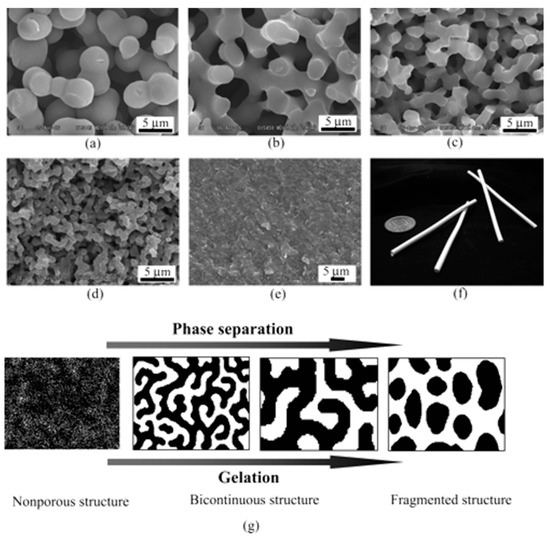
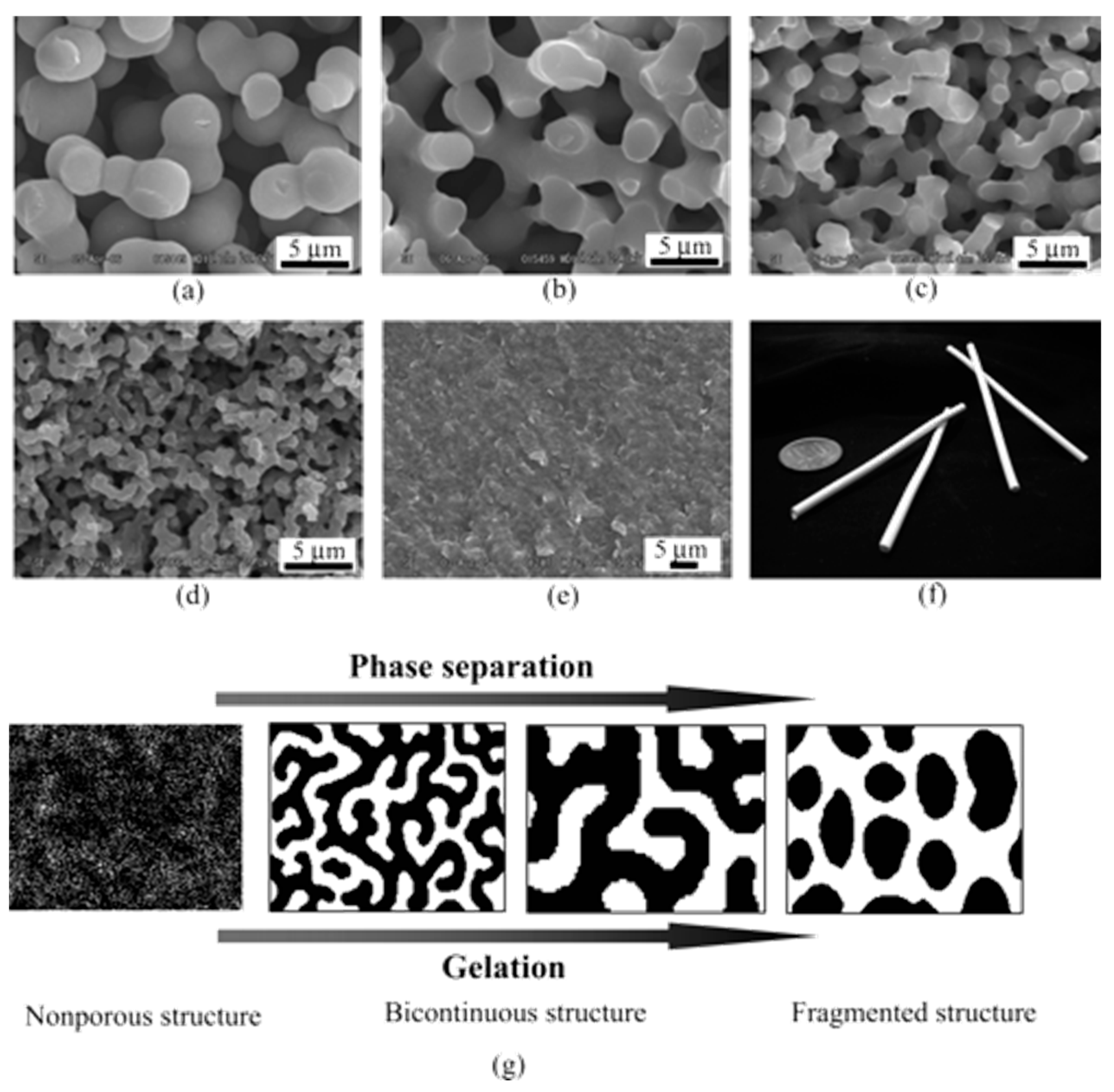
Another important synthesis method is phase separation (Figure 5), including both thermally induced phase separation and sol–gel spinodal decomposition. In such systems, polymeric or inorganic sol precursors undergo controlled demixing into two intertwined phases—one subsequently removed—to yield bicontinuous macroporous networks with high permeability and tunable pore diameters [31,32]. Because phase separation does not rely on pre-formed templates, it allows scalable fabrication of macroporous ceramics, silica, titania, and metal oxides.
Figure 5.
(a–e) SEM images of dried TiO2 gels prepared with varied molar ratios of water/TiO2, (a) f = 20.50, (b) f = 20.75, (c) f = 21.00, (d) f = 21.25, and (e) f = 21.50. (f) Digital picture of monolithic TiO2 gels prepared in Teflon tubes and a coin. (g) Schematic illustration of coarsening of phase-separated domains. Bicontinuous structure is obtained by inducing the phase separation in parallel to the gelation from Konishi et al. (Chem. Mater. 2006, 18, 6069) [32] with permission from the publisher.
Sol–gel chemistry is often employed in conjunction with phase separation to fabricate macroporous ceramics, silica, titania, and other metal oxides. By carefully controlling parameters such as solvent composition, polymer additives, temperature, and reaction kinetics, it is possible to tailor pore morphology and connectivity. Phase separation is particularly attractive for scalable fabrication, as it does not rely on pre-formed templates and can produce bulk monolithic structures.
Despite these advantages, maintaining crystallinity during phase separation can be challenging, especially for materials that require high-temperature crystallization. Strategies that decouple pore formation from crystallization—such as post-synthetic annealing—are often necessary to achieve both macroporosity and long-range order.
3.4. Additive Manufacturing and 3D Printing
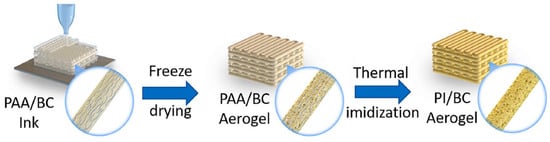
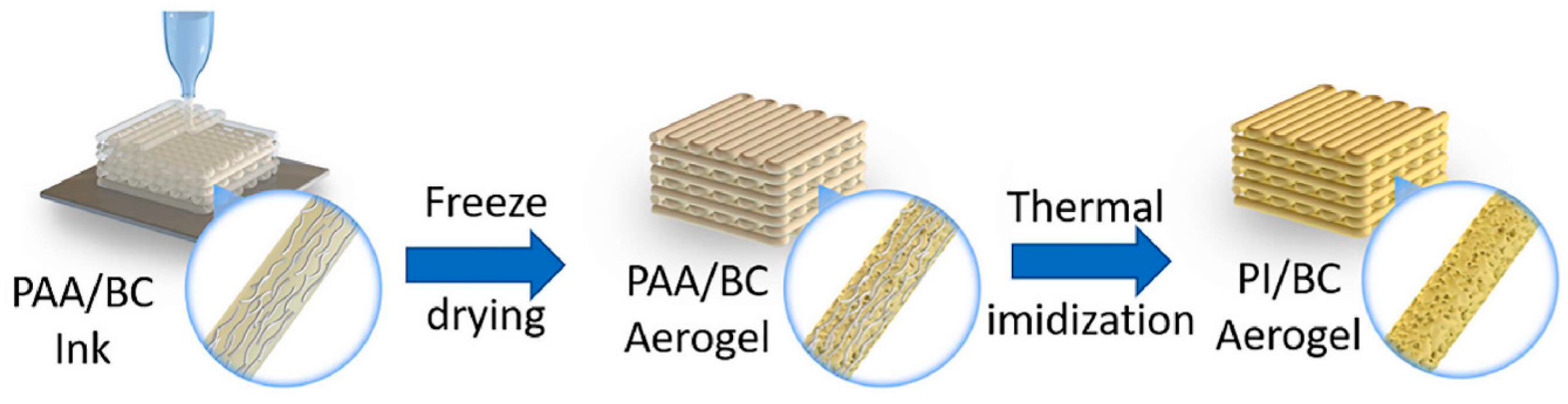
Rapid advances in additive manufacturing, including direct ink writing (DIW) (Figure 6), stereolithography, and extrusion-based printing, have enabled the fabrication of macroporous crystalline frameworks with precisely defined geometries and hierarchical pore structures [33]. In these approaches, inks containing crystallizable precursors are patterned layer-by-layer into architectures with micron-scale voids, followed by post-processing to induce crystallization. Additive manufacturing thus provides unprecedented control over pore placement, shape, and connectivity.
Figure 6.
DIW 3D printing Polyimide/Bacterial cellulose (PI/BC) composite aerogels. Reproduced from Chen et al. (Gels 2025, 11, 940) [33], distributed under the CC BY 4.0 license.
Additive manufacturing is particularly promising for applications requiring complex geometries, such as flow-through catalytic reactors, biomedical scaffolds, and photonic devices. However, challenges remain in developing printable inks that simultaneously exhibit suitable rheological properties and retain crystallinity after processing. Additionally, achieving high-resolution features while maintaining structural integrity continues to be an active area of research.
3.5. Etching, Dealloying, and Post-Synthetic Reconstruction
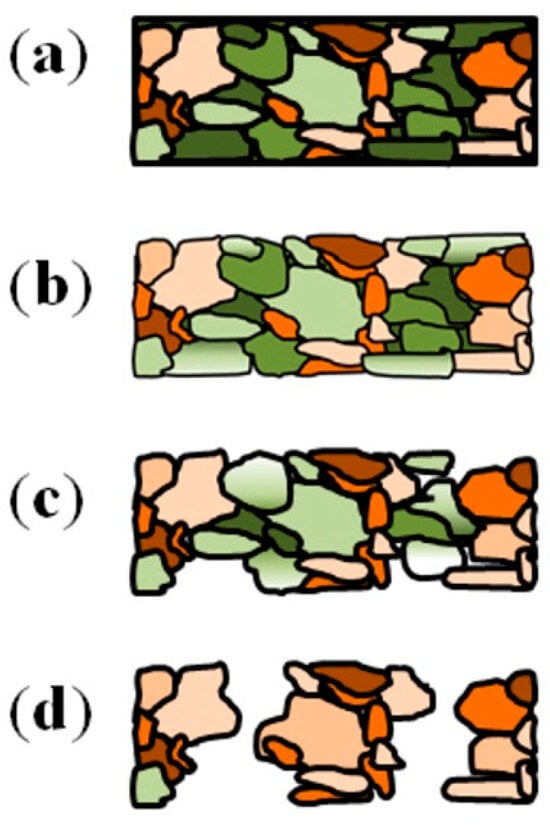
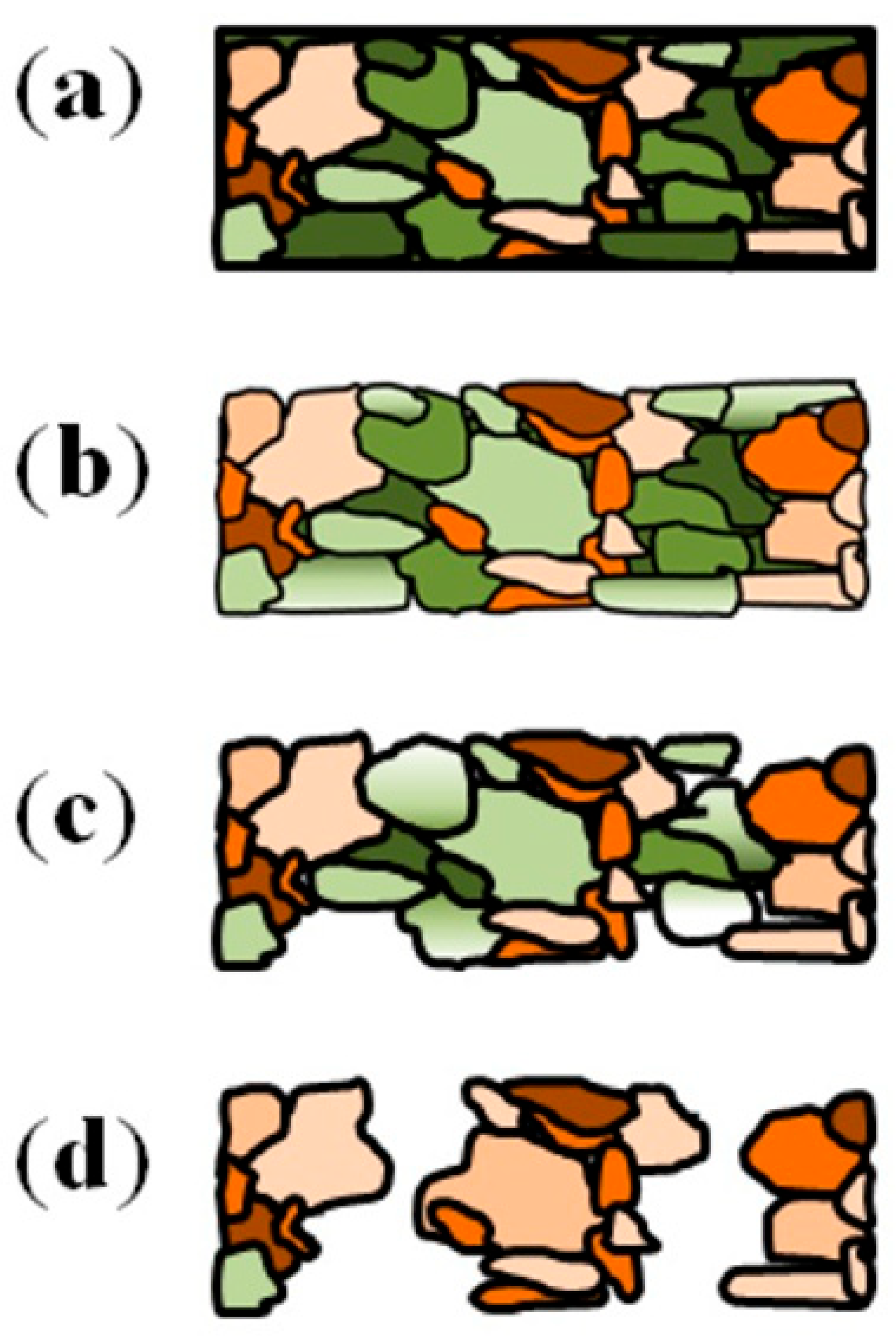
Finally, etching, dealloying, and selective removal techniques offer pathways to macropores (Figure 7) by selectively dissolving components from alloys, metal oxides, polymer blends, or MOFs to open large voids within otherwise dense frameworks [34]. These post-synthetic methods frequently enable hierarchical pore creation, where macropores overlay existing meso- or micropores. Collectively, these diverse synthesis strategies highlight the flexibility and design freedom now accessible for engineering macroporous crystalline materials.
Figure 7.
Schematic of the de-alloying (DA) process and pore propagation as a function of the grain distribution and composition: (a) pristine alloy microstructure with two alloy constituents distributed and mixed across a number of grains; (b) surface pitting and pore initiation; (c) DA of less noble atom-rich exposed grains; (d) pore progression and through pore formation. Reproduced from Lin et al. (Nanomater. 2014, 17, 856) [34], distributed under the CC BY 4.0 license.
For example, dealloying of metal alloys can generate macroporous or nanoporous metallic structures, while selective etching of polymer blends or inorganic composites can produce hierarchical pore systems. In crystalline materials, such approaches can create macropores superimposed on existing micro- or mesoporous frameworks, resulting in multiscale porosity.
These methods are particularly useful for tailoring pore architecture after initial synthesis and for creating hierarchical materials with synergistic transport properties. However, careful control is required to avoid structural degradation or loss of crystallinity during material removal.
4. Structural Characteristics and Properties of Macroporous Crystals
Macroporous crystals exhibit structural characteristics that distinguish them from classical porous materials. Their defining feature—a large pore diameter—confers nearly unhindered mass transport, enabling diffusion rates that approach bulk liquid or gas values. This stands in stark contrast to microporous and mesoporous crystals, where diffusion is strongly influenced by molecular size and confinement effects. Macroporous structures also often display high pore connectivity, which minimizes tortuosity and facilitates efficient reactant exchange in catalytic systems [35].
When macroporous crystals retain long-range order, such as in inverse opals, their structural periodicity strongly influences optical properties, including photonic bandgaps, selective wavelength reflection, and resonant scattering phenomena. These effects arise from periodicities on the scale of visible light wavelengths and are absent in systems lacking structural regularity [36].
Mechanically, macroporous ceramics and metal oxides can exhibit favorable stiffness-to-weight ratios due to their cellular-like architectures. The interplay between pore geometry, wall thickness, and crystal phase determines mechanical robustness. In many cases, hierarchical architectures incorporating micro- or mesopores within macroporous networks improve energy dissipation, crack resistance, and structural resilience [37].
From a chemical standpoint, the presence of macropores enhances the accessibility of active sites—whether located on the inner walls or on embedded nanoparticles—resulting in improved catalytic performance and reduced deactivation due to coke deposition or pore blockage [3,38]. Additionally, macropores enable the infiltration of large biomolecules, polymer chains, colloids, and even whole cells, expanding the range of host–guest interactions and enabling new applications in biotechnology and tissue engineering.
5. Advantages of Macroporous Crystals Compared with Microporous and Mesoporous Materials
The advantages of macroporous crystals are best understood in direct comparison with microporous and mesoporous materials, whose smaller pore sizes inherently restrict molecular transport, limit accessibility to large guest species, and impose confinement effects that can hinder many functional processes. In contrast, macroporous crystals possess large and interconnected pore networks that significantly enhance material performance across a wide range of applications.
A primary advantage is the superior mass-transport capability offered by macropores. While microporous and mesoporous structures often suffer from slow intracrystalline diffusion and steric hindrance, macroporous crystals allow rapid exchange of reactants and products, enabling efficient processing of bulky molecules, viscous media, and polymeric substrates [3]. This reduced diffusion resistance contributes to higher catalytic turnover rates and more efficient utilization of internal surfaces.
Macroporous crystals also exhibit reduced susceptibility to pore blockage and deactivation, a common limitation of smaller-pored materials where coke, intermediates, or reaction byproducts can accumulate and obstruct channels. The large voids in macroporous frameworks allow byproducts to diffuse away more easily, improving catalyst lifetime and stability during continuous operation [39].
In addition, macroporous crystals offer unique optical properties that are not accessible in microporous or mesoporous systems. Periodic macroporous architectures, such as inverse opals, can generate photonic bandgaps, structural coloration, and enhanced light-scattering behavior due to feature sizes comparable to visible wavelengths [40]. These phenomena enable advanced optical sensing, photocatalytic enhancement, and photonic device integration.
Biologically relevant advantages also arise from macropore dimensions. While micropores and mesopores are too small to accommodate large biomolecules or whole cells, macroporous crystals readily host enzymes, proteins, and mammalian cells, facilitating applications in tissue engineering, biomolecule immobilization, and controlled release. Their interconnected pore networks support cell infiltration, nutrient transport, and tissue integration in ways not possible in smaller-pored materials [7,41].
Macroporous architectures further enhance electrochemical performance by providing improved electrolyte penetration and low-resistance ion transport. Compared to microporous and mesoporous electrodes, macroporous frameworks support faster charge–discharge kinetics and more uniform electrolyte distribution, which are essential in advanced batteries, supercapacitors, and catalytic electrodes [42].
Finally, when macropores are combined with mesopores or micropores to form hierarchical porous materials, synergistic behavior often emerges. Macropores act as transport highways, mesopores as distribution channels, and micropores as adsorption or catalytic sites. Such multiscale porosity enables significantly improved performance over any single-scale porous system, providing benefits that microporous or mesoporous structures alone cannot achieve.
6. Applications of Macroporous Crystals
Macroporous crystals have become increasingly relevant across multiple technological domains due to their unique combination of accessibility, structural order, and functional versatility. In heterogeneous catalysis, macroporous crystals serve as efficient catalyst supports, facilitating rapid transport of reactants and preventing catalyst poisoning. Flow-through reactors employing macroporous architectures exhibit high turnover frequencies and enhanced resistance to deactivation, making them advantageous in biomass processing, polymerization, and fine chemical synthesis [3,43].
In environmental applications, macroporous metal oxides and carbons offer high permeability and allow the capture or degradation of pollutants with minimal mass-transfer resistance. Their large channels can accommodate colloids, pathogens, and high-molecular-weight contaminants that cannot diffuse into mesoporous materials [44].
In energy storage and conversion, macroporous crystals improve electrolyte access, reduce ion-transport resistance, and facilitate charge–discharge cycling. Macroporous TiO2, ZnO, and carbon frameworks have shown promising performance in Li-ion batteries, supercapacitors, and photocatalytic hydrogen production, enabled by optimized transport and light-harvesting behavior [5,6,45].
In biomedical engineering, macroporous scaffolds promote cell infiltration and tissue integration. Macroporous bioceramics and MOFs support stem cell adhesion, vascularization, and nutrient flow, making them attractive candidates for bone regeneration and regenerative medicine [7,46]. Additionally, macroporous MOFs have been explored for enzyme encapsulation and controlled drug release.
Finally, macroporous crystals play central roles in photonics and sensing. Ordered macroporous photonic crystals exhibit structural colors, tunable photonic bandgaps, and enhanced light scattering, which enable high-precision optical sensors, colorimetric detection platforms, and photocatalyst improvement through enhanced photon management [37,47].
7. Challenges, Outlook, and Future Directions
Despite significant progress, the field of macroporous crystals faces several challenges that must be addressed to fully exploit their potential. One persistent challenge is achieving simultaneous macroporosity and crystallinity, particularly in frameworks that require low-temperature or solvent-mediated crystallization. Methods such as colloidal templating and 3D printing can preserve order at the macropore scale, but maintaining lattice-level crystallinity throughout the framework remains difficult, especially for MOFs and hybrid materials [48].
The continued development of macroporous crystals requires clear design principles that reconcile large pore dimensions with crystallinity, mechanical stability, and functional performance. Based on recent advances across inorganic, hybrid, and molecular crystalline systems, several general design rules can be articulated to guide future materials development.
First, macroporosity must be introduced without compromising long-range crystallinity. Synthetic routes that decouple pore formation from lattice construction—such as hard templating, post-crystallization reconstruction, or vapor-mediated transformations—are particularly effective in preserving crystalline order while enabling pore sizes well beyond the mesoporous regime. Strategies that rely solely on soft templating or uncontrolled phase separation often sacrifice crystallinity and should be complemented by crystallization-directing steps.
Second, pore-wall thickness and connectivity must be optimized to balance transport and mechanical robustness. While large macropores provide near-bulk diffusion and superior accessibility, excessively thin walls can lead to mechanical fragility and structural collapse. Hierarchical architectures that integrate mesopores or micropores within macroporous frameworks offer an effective route to reinforce pore walls while maintaining rapid mass transport [26,49].
Third, macroporous crystals should be designed with application-specific transport requirements in mind. For catalytic and electrochemical systems, interconnected macropores that minimize tortuosity and enable flow-through operation are critical. In contrast, biomedical and photonic applications often benefit from ordered macroporous architectures that support cell infiltration and optical periodicity, respectively. Matching pore geometry, connectivity, and periodicity to the target function is therefore essential.
Fourth, scalable and reproducible fabrication must be prioritized. Although colloidal templating provides exceptional structural control, its scalability remains limited. Phase separation and additive manufacturing offer more practical routes to large-area or bulk macroporous crystals but require further refinement to ensure uniform crystallinity and defect control. Advances in printable inks, crystallizable precursors, and post-processing protocols will be central to translating macroporous crystals from laboratory demonstrations to technological platforms [22,50].
Finally, future progress will increasingly depend on hybrid and unconventional synthesis routes. Reconstruction-based approaches, pressure- or vapor-assisted crystallization, and biomimetic strategies open pathways to macroporous crystals that exceed the pore-size limits of traditional templating methods [51]. Such routes demonstrate that true macroporosity and crystallinity are not mutually exclusive, even in materials historically considered dense or nonporous.
While the preceding sections highlight the broader scientific landscape, opportunities, and unresolved challenges surrounding the design and synthesis of macroporous crystals, it is equally important to illustrate how these concepts can manifest in a real experimental system. To this end, we include here a brief case study demonstrating the successful creation of a true macroporous crystal with pore dimensions approaching the micrometer scale. This example not only underscores the feasibility of achieving crystallinity alongside exceptionally large pore architectures but also showcases how unconventional synthetic routes can generate structures far beyond the pore sizes typically reported in templated or hierarchical porous materials. The following highlights the key steps, conditions, and implications of this synthesis, emphasizing its relevance to the future development of macroporous crystalline frameworks.
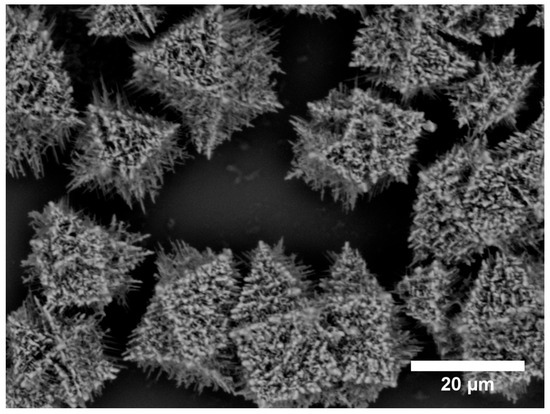
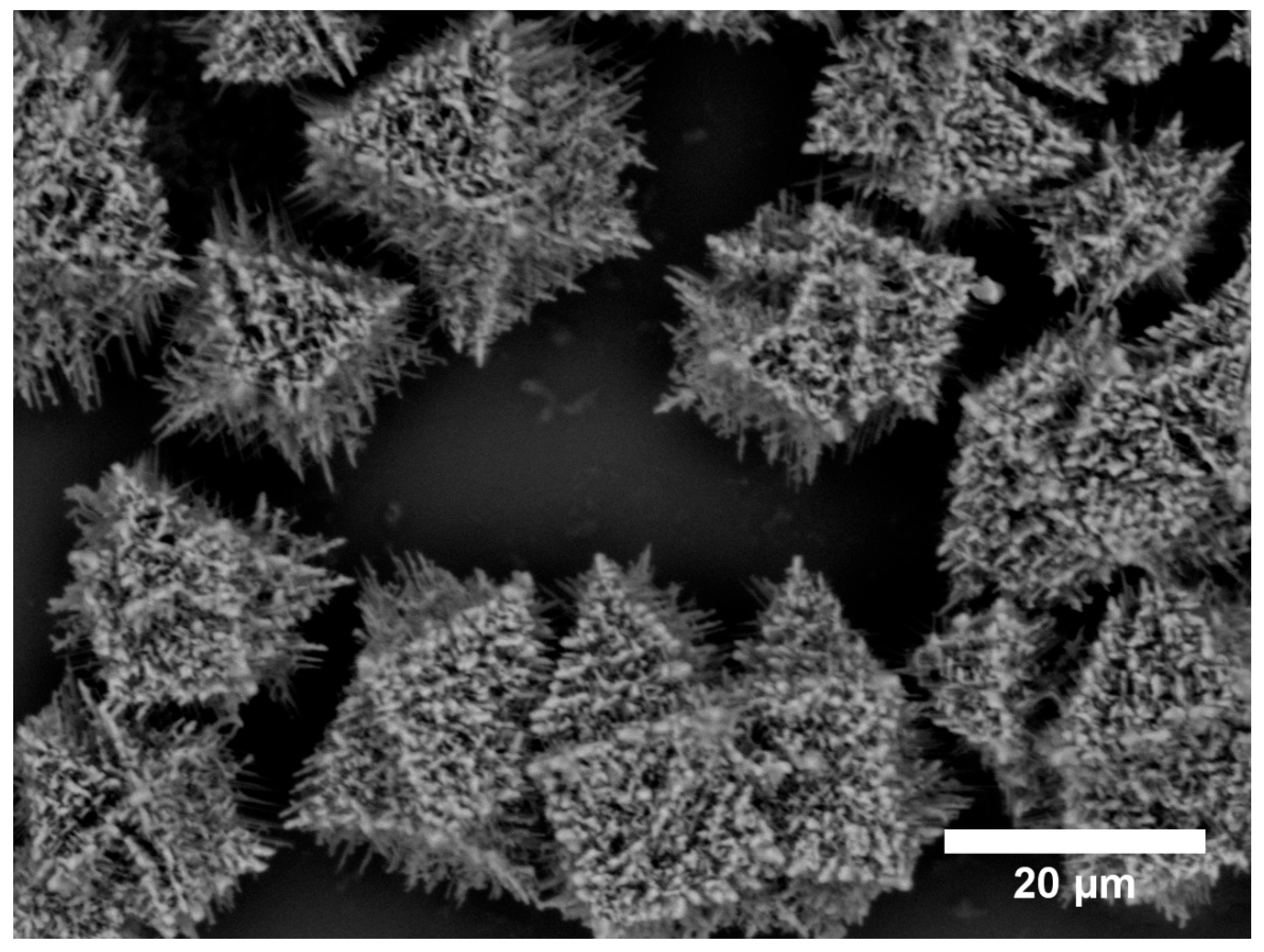
A unique and compelling demonstration of macroporous crystallinity arises from our recent synthesis of a microporous–macroporous hybrid phosphorus-based crystalline material featuring pore sizes approaching 1 μm (Figure 8), placing it well within the regime of true macroporosity and exceeding the pore sizes typically accessible through templating or phase-separation approaches. The material was obtained through an innovative two-step synthetic protocol designed to induce both crystallization and the formation of unprecedented large, interconnected pores. The synthesis begins with the preparation of an amorphous red phosphorus (a-RP) thin film, deposited onto a Si/SiO2 substrate with pre-patterned platinum electrodes. In this first step, commercial amorphous red phosphorus is placed inside a quartz tube furnace and sublimed at 600 °C under vacuum; the resulting phosphorus vapor deposits onto the substrate placed at the cooler end of the tube. This controlled vapor-phase deposition produces a uniform a-RP thin film that serves as the foundational precursor for macropore formation in the subsequent high-temperature treatment.
Figure 8.
SEM image of a phosphorus-based microporous–macroporous hybrid crystal showing macroporous morphology. The SEM image was obtained in our lab.
In the second step, the a-RP-coated substrate is exposed to a reactive environment consisting of SnI4 and metallic Sn inside a sealed, argon-pressurized (17.2 bar initial, up to ~35.8 bar during heating) pressure vessel. The assembly is heated to 650 °C for 13 h. Under these conditions, phosphorus undergoes a high-temperature solid–vapor–solid transformation in the presence of Sn/SnI4 transport agents. This treatment induces recrystallization, chemical vapor transport, and topochemical reconstruction of the a-RP film. As a result, a highly crystalline product emerges that incorporates large, micron-scale voids and channels. The macropores appear to arise from internal gas evolution, partial film restructuring, and crystalline domain growth under pressure, leading to well-defined macroporous features typically inaccessible in standard porous phosphorus materials.
This process—consisting of low-pressure deposition followed by high-pressure, high-temperature recrystallization—constitutes a powerful new route for generating ordered or semi-ordered macroporous crystals that do not rely on colloidal templating, polymer foams, or 3D-printing architectures. Instead, the method harnesses intrinsic structural transformations under controlled vapor transport conditions, offering a fundamentally different mechanism for large-pore formation. The resulting crystal quality, combined with pore sizes on the order of 1 μm, may enable unique optical, catalytic, sensing, or electronic properties not accessible in micro- or mesoporous frameworks. This synthesis represents one of the clearest demonstrations that macroporosity and crystallinity can coexist, even in materials traditionally considered dense or nonporous, and it highlights that macroporous crystals are experimentally realizable at length scales distinctly larger than those typically reported.
In summary, macroporous crystals constitute a distinct materials regime governed by design principles that differ fundamentally from those of microporous and mesoporous systems. Continued innovation guided by these design rules will enable crystalline frameworks with unprecedented transport, optical, and biological functionalities, positioning macroporous crystals as key components in next-generation catalytic, energy, and biomedical technologies.
Author Contributions
Conceptualization, H.-F.J.; data curation, P.A.; writing—original draft preparation, Y.L., P.A. and H.-F.J.; writing—review and editing, H.-F.J.; supervision, H.-F.J. All authors have read and agreed to the published version of the manuscript.
Funding
This research received no external funding.
Data Availability Statement
The image (Figure 8) and preparation procedure are discussed in the last section.
Conflicts of Interest
The authors declare no conflicts of interest.
References
- Čejka, J.; Centi, G.; Perez-Pariente, J.; Roth, W.J. Zeolite-based materials for novel catalytic applications: Opportunities, perspectives and open problems. Catal. Today 2012, 179, 2–15. [Google Scholar] [CrossRef] [Scilit]
- Wan, Y.; Zhao, D. On the Controllable Soft-Templating Approach to Mesoporous Silicates. Chem. Rev. 2007, 107, 2821–2860. [Google Scholar] [CrossRef] [Scilit]
- Le, P.H.; Kitamoto, Y.; Yamashita, S.; Cao, K.L.A.; Hirano, T.; Amen, T.W.M.; Tsunoji, N.; Ogi, T. Macropore-Size Engineering toward Enhancing the Catalytic Performance of CO Oxidation over Three-Way Catalyst Particles. ACS Appl. Mater. Interfaces 2023, 15, 54073−54084. [Google Scholar] [CrossRef] [Scilit] [PubMed]
- Sumida, K.; Rogow, D.L.; Mason, J.A.; McDonald, T.M.; Bloch, E.D.; Herm, Z.R.; Bae, T.-H.; Long, J.R. Carbon Dioxide Capture in Metal–Organic Frameworks. Chem. Rev. 2012, 112, 724–781. [Google Scholar] [CrossRef] [Scilit]
- Niu, B.; Wang, X.; Wu, K.; He, X.; Zhang, R. Mesoporous Titanium Dioxide: Synthesis and Applications in Photocatalysis, Energy and Biology. Materials 2018, 11, 1910. [Google Scholar] [CrossRef] [Scilit]
- Kamat, P.V. Meeting the Clean Energy Demand: Nanostructure Architectures for Solar Energy Conversion. J. Phys. Chem. C 2007, 111, 2834–2860. [Google Scholar] [CrossRef] [Scilit]
- Ma, Y.; Wang, X.; Su, T.; Lu, F.; Chang, Q.; Gao, J. Recent Advances in Macroporous Hydrogels for Cell Behavior and Tissue Engineering. Gels 2022, 8, 606. [Google Scholar] [CrossRef] [Scilit] [PubMed]
- Rouquerol, J.; Avnir, D.; Fairbridge, C.W.; Everett, D.H.; Haynes, J.M.; Pernicone, N.; Ramsay, J.D.F.; Sing, K.S.W.; Unger, K.K. Recommendations for the characterization of porous solids (Technical Report). IUPAC. Pure Appl. Chem. 1994, 66, 1739–1758. [Google Scholar] [CrossRef] [Scilit]
- Corma, A. From Microporous to Mesoporous Molecular Sieve Materials and Their Use in Catalysis. Chem. Rev. 1997, 97, 2373–2419. [Google Scholar] [CrossRef] [Scilit]
- Davis, M.E. Ordered porous materials for emerging applications. Nature 2002, 417, 813–821. [Google Scholar] [CrossRef] [Scilit] [PubMed]
- Li, J.-R.; Kuppler, R.J.; Zhou, H.-C. Selective gas adsorption and separation in metal–organic frameworks. Chem. Soc. Rev. 2009, 38, 1477–1504. [Google Scholar] [CrossRef] [Scilit] [PubMed]
- Gascon, J.; Kapteijn, F.; Zornoza, B.; Sebastián, V.; Casado, C.; Coronas, J. Practical Approach to Zeolitic Membranes and Coatings: State of the Art, Opportunities, Barriers, and Future Perspectives. Chem. Mater. 2012, 24, 2829–2844. [Google Scholar] [CrossRef] [Scilit]
- Beck, J.S.; Vartuli, J.C.; Roth, W.J.; Leonowicz, M.E.; Kresge, C.T.; Schmitt, K.D.; Chu, C.T.W.; Olson, D.H.; Sheppard, E.W.; McCullen, S.B.; et al. A new family of mesoporous molecular sieves prepared with liquid crystal templates. J. Am. Chem. Soc. 1992, 114, 10834–10843. [Google Scholar] [CrossRef] [Scilit]
- Chirra, S.; Gujjula, S.R.; Siliveri, S.; Goskula, S.; Andugula, C.M.; Ponnala, V.K.; Narayanan, V. An Investigation of the Characterization and Drug Delivery Potential of Ibuprofen Using Modified High Surface Area Porous Materials. Silicon 2025, 17, 1481–1491. [Google Scholar] [CrossRef] [Scilit]
- Zhao, D.; Feng, J.; Huo, Q.; Melosh, N.; Fredrickson, A.H.; Chmelka, B.F.; Stucky, G.D. Triblock Copolymer Syntheses of Mesoporous Silica with Periodic 50 to 300 Angstrom Pores. Science 1998, 279, 548–552. [Google Scholar] [CrossRef] [Scilit]
- Fang, Z.; Bueken, B.; De Vos, D.E.; Fischer, R.A. Defect-Engineered Metal–Organic Frameworks. Angew. Chem. Int. Ed. 2015, 54, 7234–7254. [Google Scholar] [CrossRef] [Scilit]
- Muringaniza, D.; Zulu, L.; Marazani, L.G.; Tshuma, P.; Mehlana, G. Recent progress in synthesis and applications of monolithic metal–organic frameworks. Mater. Adv. 2026, 7, 40–82. [Google Scholar] [CrossRef] [Scilit]
- Mussa, N.-S.; Toshtay, K.; Dumeignil, F. Recent developments in the field of MOF-based catalytic systems: A review. Appl. Catal. A Gen. 2025, 708, 120555. [Google Scholar] [CrossRef] [Scilit]
- Saboorizadeh, B.; Zare-Dorabei, R.; Safarifard, M.S. Applications of Metal–Organic Frameworks (MOFs) in Drug Delivery, Biosensing, and Therapy: A Comprehensive Review. Langmuir 2024, 40, 22477–22503. [Google Scholar] [CrossRef] [Scilit]
- Peng, X.; Chen, L.; Li, Y. Ordered macroporous MOF-based materials for catalysis. Mol. Catal. 2022, 529, 112568. [Google Scholar] [CrossRef] [Scilit]
- Hirano, T.; TsuboiThi, T.; Ho, T.T.N.; Tanabe, E.; Takano, A.; Kataoka, M.; Ogi, T. Macroporous Structures of Nb–SnO2 Particles as a Catalyst Support Induce High Porosity and Performance in Polymer Electrolyte Fuel Cell Catalyst Layers. Nano Lett. 2024, 24, 10426–10433. [Google Scholar] [CrossRef] [Scilit] [PubMed]
- Föll, H.; Leisner, M.; Cojocaru, A.; Carstensen, J. Macroporous Semiconductors. Materials 2010, 3, 3006. [Google Scholar] [CrossRef] [Scilit]
- Sun, Y.; Wang, T.; Luo, J.; Chen, J.; Huang, W.; Ding, J. Porous semiconductor-based transistors and their applications. Mater. Today Electron. 2025, 12, 100151. [Google Scholar] [CrossRef] [Scilit]
- Guo, R.T.; Hu, X.; Chen, X.; Bi, Z.X.; Wang, J.; Pan, W.G. Recent Progress of Three-dimensionally Ordered Macroporous (3DOM) Materials in Photocatalytic Applications: A Review. Small 2023, 19, e2207767. [Google Scholar] [CrossRef] [Scilit]
- Li, Y.; Wang, J.; Lin, P.; Jia, S.; Li, L.; Li, Y.; Wang, C.; Li, X. A novel flexible branch-pinecone nanostructured UiO-66-MCA composite nanofiber membrane with bacteriostatic property for effective removal of salicylic acid. Water Res. 2026, 288, 124740. [Google Scholar] [CrossRef] [Scilit] [PubMed]
- Li, J.; Chen, B. Flexible hydrogen-bonded organic frameworks (HOFs): Opportunities and challenges. Chem. Sci. 2024, 21, 9874–9892. [Google Scholar] [CrossRef] [Scilit]
- Dhavamani, S.; Khan, M.W.; Shabbir, B.; Mahmood, A.; Panda, S.K.; Mahmood, N. Bridging innovation and sustainability: The rise of porous frameworks in sodium-ion batteries. Chem. Commun. 2026, 62, 2074–2096. [Google Scholar] [CrossRef] [Scilit]
- Zhu, B.; Ruan, K.; Tatiana, C.; Cun, Y. Reversible Multi-Mode Optical Modification in Inverse-Opal-Structured WO3: Yb3+, Er3+ Photonic Crystal. Materials 2024, 17, 2436. [Google Scholar] [CrossRef] [Scilit]
- Stein, A.; Wilson, B.E.; Rudisill, S.G. Design and functionality of colloidal-crystal-templated materials—Chemical applications of inverse opals. Chem. Soc. Rev. 2013, 42, 2763–2803. [Google Scholar] [CrossRef] [Scilit]
- Artal, R.; Serrà, A.; Michler, J.; Philippe, L.; Gómez, E. Electrodeposition of Mesoporous Ni-Rich Ni-Pt Films for Highly Efficient Methanol Oxidation. Nanomaterials 2020, 10, 1435. [Google Scholar] [CrossRef] [Scilit]
- Imhof, A.; Pine, D.J. Ordered macroporous materials by emulsion templating. Nature 1997, 389, 948–951. [Google Scholar] [CrossRef] [Scilit]
- Konishi, J.; Fujita, K.; Nakanishi, K.; Hirao, K. Monolithic TiO2 with Controlled Multiscale Porosity via a Template-Free Sol−Gel Process Accompanied by Phase Separation. Chem. Mater. 2006, 18, 6069–6074. [Google Scholar] [CrossRef] [Scilit]
- Chen, B.; Jiang, Q.; Jiang, J. Direct Ink Writing Additive Manufacturing of Polyimide Aerogels. Gels 2025, 11, 940. [Google Scholar] [CrossRef] [Scilit]
- Lin, B.; Kong, L.; Hodgson, P.D.; Duméem, L.F. Impact of the De-Alloying Kinetics and Alloy Microstructure on the Final Morphology of De-Alloyed Meso-Porous Metal Films. Nanomaterials 2014, 17, 856–878. [Google Scholar] [CrossRef] [Scilit] [PubMed]
- Yang, X.; Yu, F.; Shang, H.; Li, Z.; Wang, S.; Xing, Y.; Gui, X. Comprehensive review of porous particles: Multiscale structure, flow, and transport characteristics. Powder Technol. 2025, 453, 120594. [Google Scholar] [CrossRef] [Scilit]
- Armstronga, E.; O’Dwyer, C. Artificial opal photonic crystals and inverse opal structures—Fundamentals and applications from optics to energy storage. J. Mater. Chem. C 2015, 3, 6109–6143. [Google Scholar] [CrossRef] [Scilit]
- Studart, A.R. Additive manufacturing of biologically-inspired materials. Chem. Soc. Rev. 2016, 45, 359–376. [Google Scholar] [CrossRef] [Scilit]
- Meynen, V.; Cool, P.; Vansant, E.F. Verified syntheses of mesoporous materials. Microporous Mesoporous Mater. 2009, 125, 170–223. [Google Scholar] [CrossRef] [Scilit]
- Weissenberger, T.; Machoke, A.G.F.; Bauer, J.; Dotzel, R.; Casci, J.L.; Hartmann, M.; Schwieger, W. Hierarchical ZSM-5 Catalysts: The Effect of Different Intracrystalline Pore Dimensions on Catalyst Deactivation Behaviour in the MTO Reaction. ChemCatChem 2020, 12, 2461–2468. [Google Scholar] [CrossRef] [Scilit]
- Collins, G.; Armstrong, E.; McNulty, D.; O’Hanlon, S.; Geaney, H.; O’Dwyer, C. 2D and 3D photonic crystal materials for photocatalysis and electrochemical energy storage and conversion. Sci. Technol. Adv. Mater. 2016, 17, 563–582. [Google Scholar] [CrossRef] [Scilit] [PubMed]
- Rezwan, K.; Chen, Q.Z.; Blaker, J.J.; Boccaccini, A.R. Biodegradable and bioactive porous polymer/inorganic composite scaffolds for bone tissue engineering. Biomaterials 2006, 27, 3413–3431. [Google Scholar] [CrossRef] [Scilit]
- Zhang, Y.; Yu, S.; Lou, G.; Shen, Y.; Chen, H.; Shen, Z.; Zhao, S.; Zhang, J.; Chai, S.; Zou, Q. Review of macroporous materials as electrochemical supercapacitor electrodes. J. Mater. Sci. 2017, 52, 11201–11228. [Google Scholar] [CrossRef] [Scilit]
- Colomer, M.T. Special Issue “Design, Synthesis and Applications of Macroporous, Mesoporous, and Microporous Materials”. Int. J. Mol. Sci. 2024, 25, 7127. [Google Scholar] [CrossRef] [Scilit]
- Fu, F.; Wang, Q. Removal of heavy metal ions from wastewaters: A review. J. Environ. Manag. 2011, 92, 407–418. [Google Scholar] [CrossRef] [Scilit] [PubMed]
- Wu, L.; Li, Y.; Fu, Z.; Su, B.-L. Hierarchically structured porous materials: Synthesis strategies and applications in energy storage. Natl. Sci. Rev. 2020, 7, 1667–1701. [Google Scholar] [CrossRef] [Scilit]
- Saeedinejad, F.; Alipanah, F.; Toro, S.; Pereira, N.; Ghanbariamin, D.; Jozic, I.; Schmidt, T.A.; Arab-Tehrany, E.; Zhang, Y.S.; Tamayol, A.; et al. In Situ-Formed Tissue-Adhesive Macroporous Scaffolds Enhance Cell Infiltration and Tissue Regeneration. Acta Biomater. 2025, 200, 358–377. [Google Scholar] [CrossRef] [Scilit] [PubMed]
- Abood, I.; El. Soliman, S.; He, W.; Ouyang, Z. Topological Photonic Crystal Sensors: Fundamental Principles, Recent Advances, and Emerging Applications. Sensors 2025, 25, 1455. [Google Scholar] [CrossRef] [Scilit] [PubMed]
- Yu, X.; Cheng, H.; Zhang, M.; Zhao, Y.; Qu, L.; Shi, G. Graphene-based smart materials. Nat. Rev. Mater. 2017, 2, 17046. [Google Scholar] [CrossRef] [Scilit]
- Deville, S. Freeze-Casting of Porous Ceramics: A Review of Current Achievements and Issues. Adv. Eng. Mater. 2008, 10, 155–169. [Google Scholar] [CrossRef] [Scilit]
- Ngo, T.D.; Kashani, A.; Imbalzano, G.; Nguyen, K.T.Q.; Hui, D. Additive manufacturing (3D printing): A review of materials, methods, applications and challenges. Compos. Part B Eng. 2018, 143, 172–196. [Google Scholar] [CrossRef] [Scilit]
- Wegst, U.G.K.; Bai, H.; Saiz, E.; Tomsia, A.P.; Ritchie, R.O. Bioinspired structural materials. Nat. Mater. 2015, 14, 23–36. [Google Scholar] [CrossRef] [Scilit]

Disclaimer/Publisher’s Note: The statements, opinions and data contained in all publications are solely those of the individual author(s) and contributor(s) and not of MDPI and/or the editor(s). MDPI and/or the editor(s) disclaim responsibility for any injury to people or property resulting from any ideas, methods, instructions or products referred to in the content. |
© 2026 by the authors. Licensee MDPI, Basel, Switzerland. This article is an open access article distributed under the terms and conditions of the Creative Commons Attribution (CC BY) license.