


Abstract
The rapid expansion of the European e-bike market has increased demand for light-weight 6061 aluminum frames with premium cosmetic finishes, highlighting the need for thermally stable surface-leveling materials compatible with high-throughput powder coating. This study aims to develop a universal (the term “universal” refers to a single putty material intended to meet the requirements of both investigated liquid and powder-coating processes within the studied 6061 aluminum e-bike manufacturing environment) conductive epoxy matrix capable of replacing the dual-putty system currently used in industrial production. A two-phase methodology was implemented under real manufacturing conditions. First, an Analytical Hierarchy Process (AHP) evaluated 32 commercial putty–primer combinations against thermal stability, process compatibility, and production cycle requirements, identifying intermediate liquid primers as the main cause of thermal outgassing and coating defects. Second, a comparative experimental validation evaluated selected graphene-reinforced epoxy formulas produced by planetary centrifugal mixing. The best-performing formulation among those evaluated, containing 0.6 vol% graphene nanoplatelets, showed improved electrostatic powder-deposition performance, consistent with enhanced conductive pathways within the modified matrix, while mitigating coating difficulties associated with the Faraday-cage effect, and achieved Class 0 adhesion while maintaining thermal stability at 180 °C. The resulting Technology Readiness Level (TRL) 5 putty, in accordance with NASA’s (National Aeronautics and Space Administration) measuring system, demonstrates the technical feasibility of consolidating the surface finishing process into a single universal matrix, reducing manufacturing complexity, eliminating the dual-material bottleneck, and supporting more efficient and sustainable mass production of aluminum e-bike frames.
1. Introduction
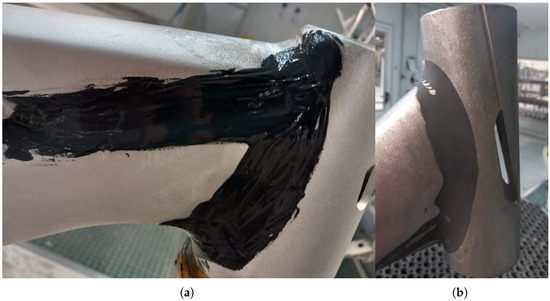
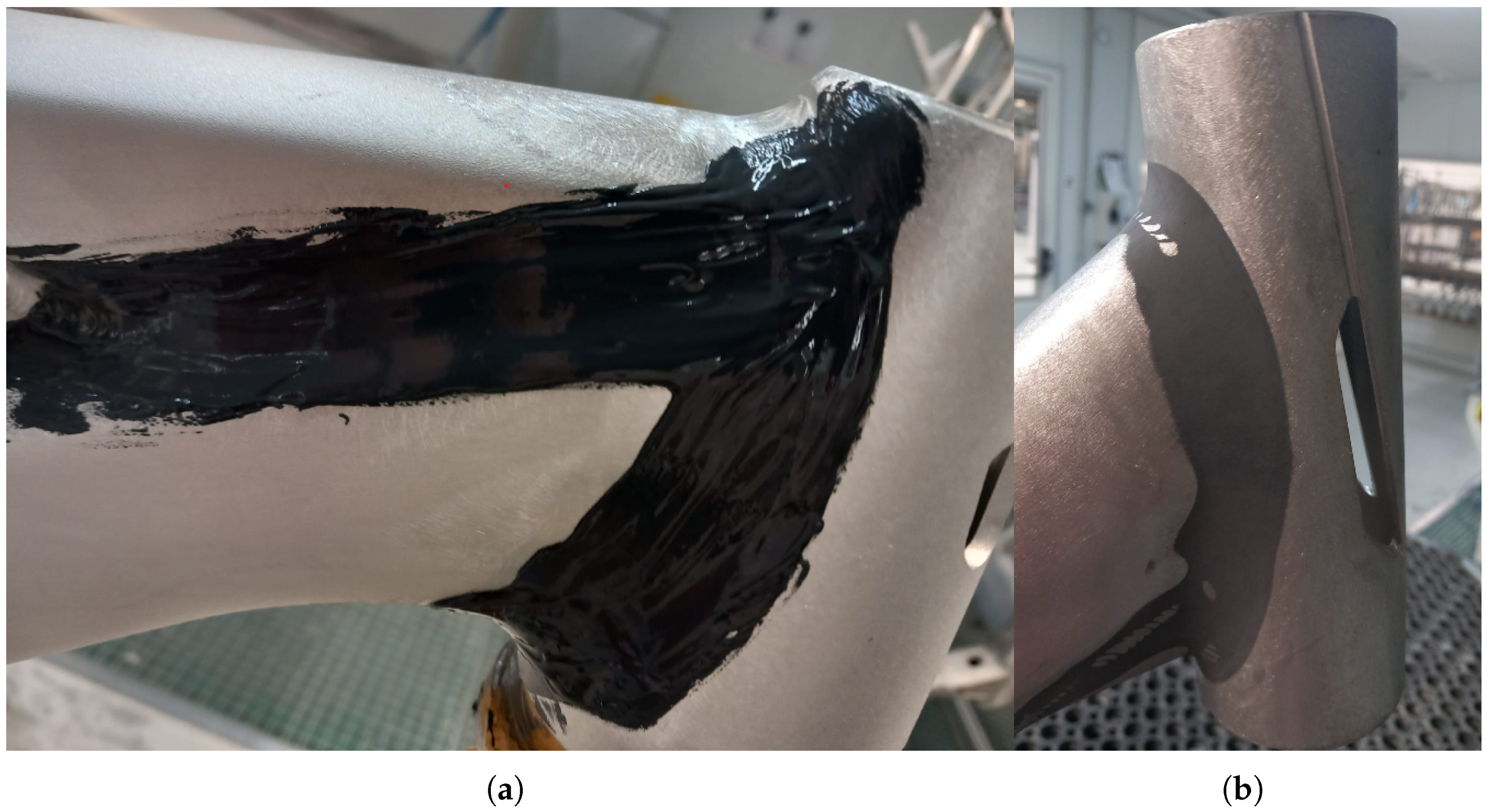
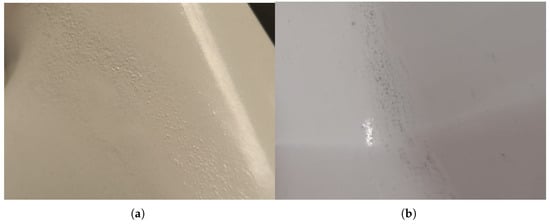
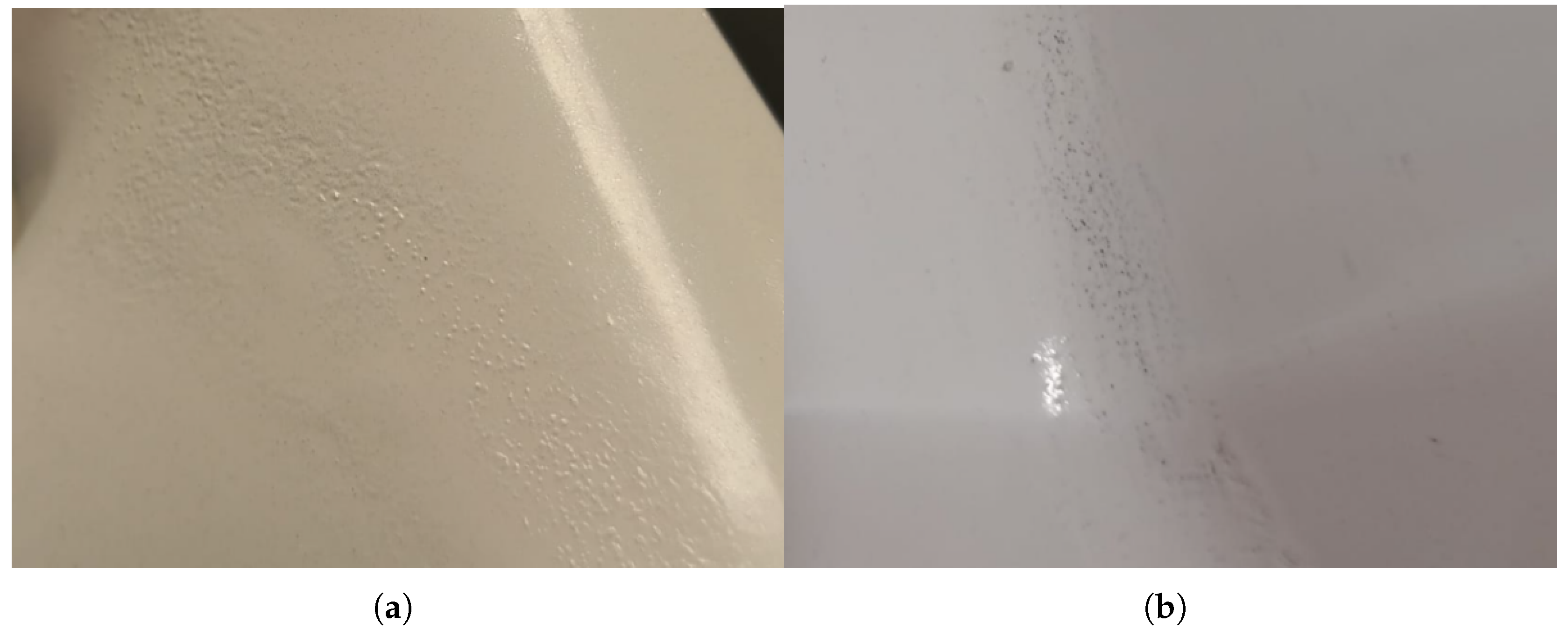
The growing adoption of sustainable mobility solutions has intensified demand for lightweight, durable, and aesthetically refined metal structures in the bicycle and electric bicycle (e-bike) industries [1]. Aluminum alloy frames have become particularly attractive due to their favorable strength-to-weight ratio, corrosion resistance, and manufacturability. Despite significant advances in welding and hydroforming technologies, surface finishing operations remain a critical challenge, especially in premium painted assemblies, where cosmetic quality requirements are extremely demanding [2,3]. In industrial coating systems, welded aluminum frames frequently exhibit surface discontinuities, including weld depressions, porosity, geometric irregularities, and local topographical inconsistencies generated during fabrication and thermal joining processes. Such defects are typically corrected using polymeric putty systems prior to liquid and/or powder coating operations. These corrective materials play a fundamental role in achieving the dimensional continuity and surface smoothness required for high-quality decorative and protective coatings [4]. Figure 1 shows two examples of this application process, one before being sanded, and the other after.
Figure 1.
Representative stages of the industrial putty-application process: (a) Formulation applied over a welded frame region prior to curing and sanding. (b) A typical surface finish achieved after the sanding process. Note: These photographs depict representative manufacturing stages on different frame sections, rather than a controlled before-and-after sequence of a single specimen.
Conventional industrial finishing systems commonly employ multiple putty technologies on the same manufacturing line, typically combining polyester-based materials for low-temperature liquid coating operations with epoxy-based conductive putties that withstand elevated curing temperatures for powder coating processes [5]. Although this dual-material strategy provides operational flexibility, introducing these manual leveling processes into a high-volume industrial environment creates a severe manufacturing conflict. It generates substantial manufacturing complexity, including duplicated processing stages, increased work-in-progress inventory, higher curing energy consumption, longer production lead times, and elevated costs of poor quality (COPQ) [6]. Furthermore, modern frame finishing relies on electrostatic powder coating, a process that inherently requires a thermal curing cycle at around 180 °C. The thermomechanical incompatibility between distinct polymeric systems may generate defects such as shrinkage, adhesion loss, microcracking, porosity propagation, and coating instability during thermal cycling [7].
The increasing adoption of powder coating technologies in mobility manufacturing has further amplified these challenges. Powder coatings are widely recognized for their environmental advantages, including reduced volatile organic compound (VOC) emissions, higher material utilization efficiency, and improved durability compared to conventional solvent-based coatings [8]. Nevertheless, powder coating processes require electrically conductive substrates and thermally stable intermediate materials capable of resisting curing temperatures that may exceed 180–200 °C. Traditional polyester putties frequently degrade under these conditions, limiting their applicability in integrated powder coating systems [9].
Recent research on graphene- and graphene-oxide-modified epoxy systems further supports the potential of carbon-based nanofillers to simultaneously tailor multiple functional properties of thermosetting matrices. Graphene-derived fillers have been shown to improve interfacial interactions, adhesion, thermal behavior, mechanical performance, and barrier properties of epoxy-based composites and coatings [10,11,12,13]. However, these benefits depend strongly on nanofiller structure, surface modification, dispersion quality, and compatibility with the polymer matrix. For example, the interfacial configuration and structural arrangement of modified graphene oxide have been shown to significantly influence the thermal and mechanical response of epoxy nanocomposites, highlighting the importance of controlling filler–matrix interactions [10]. More recent experimental evidence similarly indicates that appropriately modified graphene oxide can enhance interfacial adhesion and thermal stability in epoxy-based systems [11], while graphene-modified epoxy coatings have demonstrated improved adhesion and protective performance on metallic substrates [12,13]. Collectively, these findings suggest that graphene-based modification offers a promising route for developing multifunctional epoxy systems; nevertheless, translating these material-level improvements into a thermally stable, electrically compatible, and industrially processable repair material for high-temperature powder-coating applications remains insufficiently explored.
Despite advances in conductive fillers and powder-coating technologies, the literature still lacks systematic investigations into replacing conventional dual-putty approaches with a universal conductive repair matrix that performs effectively in both liquid-paint and powder-coating environments while preserving mechanical integrity, thermal resistance, and manufacturing efficiency [14,15]. From a manufacturing systems perspective, the problem extends beyond material selection alone. Surface finishing defects frequently generate hidden rework loops, repeated sanding operations, localized recoating procedures, and non-value-added corrective activities that significantly affect First-Time Yield (FTY), line balancing, throughput stability, and overall operational efficiency. Such effects are especially relevant in high-mix, medium-volume production environments typical of premium mobility manufacturing. Therefore, the development of a universal conductive putty system capable of reducing process complexity while maintaining coating performance represents both a materials engineering and a manufacturing optimization challenge. The integration of conductive fillers, thermally stable polymeric matrices, and optimized curing behavior may enable the consolidation of finishing operations into a simplified and more sustainable process architecture.
The primary motivation for this research, developed at a company focused on producing high-tech aluminum e-bike frames, stems from systemic operational failures at the exact intersection of aesthetics and thermodynamics. Standard polymeric formulations are fundamentally incompatible with the extreme thermal and chemical requirements of the powder coating line. When subjected to curing ovens, inadequate putties suffer from outgassing, porosity, and structural degradation, contributing to increased rework, process disruption and potentially higher COPQ. Therefore, there is an urgent industrial mandate to engineer a thermomechanical stabilized matrix capable of surviving the finishing line without throttling global factory throughput.
The present work investigates the development and industrial evaluation of a conductive universal putty system for aluminum e-bike frame finishing applications. The study focuses on the relationship between material formulation, thermal resistance, electrostatic coating compatibility, and manufacturing process performance. A combined methodology involving industrial diagnostics, process mapping, defect analysis, materials evaluation, and experimental process optimization was employed to assess the feasibility of replacing conventional dual-putty systems with a unified conductive solution. To achieve these objectives, specific nanocomposite additives were evaluated based on their distinct thermomechanical and electrical properties. Alumina was selected for its potential to build physical thermal shielding and increase the tortuosity of outgassing paths within the polymer matrix. Simultaneously, graphene nanoplatelets were introduced with the aim of promoting conductive pathways within the polymer matrix, potentially improving electrostatic powder deposition without compromising the thermal stability of the base matrices.
Additionally, the study evaluates the potential impact of the proposed approach on process efficiency, rework reduction, and operational simplification within an industrial coating environment. The work aims to advance integrated surface engineering solutions for sustainable mobility manufacturing while supporting the transition to more efficient and environmentally compatible coating systems. The novelty of this study does not reside in the use of graphene nanoplatelets as conductive fillers per se, which is well established in polymer-composite research. Rather, it lies in integrating industrial process diagnosis, multicriteria materials screening, targeted nanocomposite modification and manufacturing-condition validation to address simultaneously the thermal, electrostatic, adhesion and processability requirements of a dual liquid/powder-coating environment. The study therefore bridges nanocomposite formulation and manufacturing-process design within an application-oriented framework for thermosetting repair materials.
The remainder of this article is structured as follows. Section 2 describes the Current State Analysis, Materials, and Methods. Section 3 presents the Results. Finally, Section 4 summarizes the study’s Discussion and Conclusions, including the principal findings, contributions, limitations, and directions for future research.
2. Materials and Methods
This study adopted an industrial case study approach, combined with experimental materials engineering and manufacturing process optimization, to develop and validate a universal thermosetting putty for 6061 aluminum e-bike frames. The research was conducted in a manufacturer operating parallel liquid-painting and electrostatic powder-coating lines, where the existing dual-putty system created significant operational inefficiencies. The methodology followed a sequential two-phase framework that combined industrial diagnostics, multi-criteria decision analysis, and experimental optimization under real manufacturing conditions.
2.1. Materials
The commercial surface-leveling systems evaluated in this study are proprietary formulations. Table 1 details their available physicochemical properties, including matrix classification, principal chemical composition, and density, derived from technical documentation and safety data sheets (SDS).
Table 1.
Physicochemical properties and principal chemical composition of the commercial matrices evaluated in this study.
To establish the cross-linking networks, the epoxy matrices (ES and NT) employ stoichiometric mixing ratios of 2:1 and 4:1 by weight, respectively, and require a 20–30 min thermal curing cycle at 160 °C. Conversely, the polyester matrices (PD, MP, T8, P70, CH, IM) utilize a 50:1 mixing ratio with dibenzoyl peroxide paste and cure at ambient temperature (20 °C) for 20–30 min. Because their complete chemical architectures are proprietary, precise thermomechanical thresholds—specifically the glass transition temperature (), tensile strength, and Young’s modulus—are not disclosed by the suppliers and remain outside the scope of independent characterization for this industrial study. As final context, the functional additives were procured as commercial-grade materials; precise particle size distributions were not characterized in this study.
2.2. Phase 1: Industrial Diagnosis and Screening of Formulations
The first phase aimed to identify commercially available putty systems that meet the thermal, mechanical, and manufacturing requirements of both finishing lines. Initially, the complete surface-finishing process was analyzed through process mapping, defect analysis, and quality performance assessment to identify the principal causes of rework and process instability.
Subsequently, thirty-two putty–primer combinations were evaluated using an Analytical Hierarchy Process (AHP) [16]. Prior to formal evaluation, preliminary trials involving a 1 K solvent-borne primer (applied at approximately 75 over the putty) were conducted but discarded due to structural failure upon thermal exposure; thus, the evaluated combinations consisted of commercial and modified putties (applied at film thicknesses ranging from 300 to 1000 ) either applied directly to the bare aluminum substrate or finished with a 2 K epoxy primer (applied at approximately 75 ), to analyze if the primer could improve coating adhesion performance.
Seven performance criteria (parametric and other non-parametric), including thermal stability, sanding behavior, surface quality, electrostatic compatibility, chemical resistance, and manufacturing efficiency, were weighted according to their industrial relevance and integrated into a multi-criteria decision matrix, as seen in Table 2. The values attributed to each variable were given from a 1-to-5 scale, with the specific designation for each level and each variable available for consultation in Appendix A.
Table 2.
Evaluation metrics, assigned weights, and impact levels for the Weighted Decision Matrix.
The Consistency Ratio (CR) for this pairwise matrix was calculated at 3.0%, well below the 10% maximum threshold, confirming the logical transitivity of the engineering judgments.
Candidate formulations progressed through a Stage-Gate evaluation protocol reproducing the industrial finishing sequence, including application, curing, sanding, chemical passivation, powder coating, thermal curing, and final inspection. The continuous chemical passivation line served as a physical “Hard Gate”. Any formulation exhibiting macroscopic chemical dissolution (a score of less than 3 in ) at this stage was immediately disqualified, as it could not realistically be evaluated for high-temperature oven behaviour.
The systematic screening identified the most promising formulations while demonstrating that intermediate liquid primers paired with epoxy putties were the primary cause of thermal outgassing and coating defects during powder curing.
2.2.1. Nanocomposite Compounding and Mixing Protocol
To achieve the rigorous dispersion required for reproducible experimental trials and to break down the agglomeration tendencies of graphene nanoplatelets while ensuring uniform bulk distribution of alumina, compounding was executed using a planetary centrifugal mixer (Thinky Mixer, Thinky Corporation, Tokyo, Japan) available at the University of Aveiro. Batch sizes were strictly controlled between 75 and 85 g. Given the distinct specific densities of the formulations (ranging from 1.13 to 1.8 for the polyester matrices and 1.90 to 2.08 for the epoxies), this mass range filled the mixing containers to approximately half of their volumetric capacity. This specific volume limit was maintained to optimize internal shear efficiency and prevent mixing difficulties, while also accounting for the limited availability of the raw putties and nano-additives. This equipment utilizes dual-axis centrifugal rotation to generate significant internal shear forces without invasive mechanical blades, effectively dispersing fillers while degassing trapped macroscopic air voids.
The graphene nanoplatelets (GNPs) were supplied by IMCD. Graphene was selected based on its two-dimensional structure and high electrical conductivity. For thermal shielding, aluminum oxide (alumina, ) was sourced from the Department of Mechanical Engineering at the Faculty of Engineering of the University of Porto (FEUP). Alumina was selected for its high thermal stability, serving as an inorganic particulate phase to increase the tortuosity of sub-surface outgassing pathways during the curing cycle.
To ensure statistical validity within the experimental design, a strict three-stage compounding protocol using rigid milling media was enforced:
- Initial Shear: Mixing executed at 1000 RPM for 3 min to establish bulk matrix formation and incorporate primary fillers (alumina if allocated), introducing an initial viscosity adjustment.
- Exfoliation: Integration of graphene nanoplatelets processed at 1000 RPM for 3 min to utilize high-friction wall impacts for primary exfoliation and uniform distribution.
- Homogenization: Final mixing cycle executed at 1000 RPM for 3 min, combined with manual vortex disruption and wall scraping, ensuring a cumulative shear duration of exactly 9 min across all batches to maintain uniform thermal and mechanical stress history.
To translate theoretical volume fractions into actionable shop-floor measurements, the target volumetric concentrations were converted using the specific densities of the baseline matrices and fillers:
ensuring a consistent percentage allocation of the additive(s).
2.2.2. Conditional Additive Allocation Strategy
To systematically enhance the baseline formulations without arbitrary modifications, a conditional decision-tree logic was implemented based on the quantitative scores obtained during initial baseline screening (specifically evaluating thermal outgassing resistance, , and electrostatic powder adhesion, ):
- Alumina Allocation (): Added when a formulation exhibited poor thermal resistance () alongside acceptable electrostatic adhesion (). Alumina was allocated at 5 vol% to potentially improve thermal stability and delay degradation under curing conditions, without overloading the matrix [18].
- Graphene Allocation: Used when a formulation maintained thermal stability () but suffered from insulating electrical properties leading to poor powder adhesion (). Graphene was allocated at 0.6 vol% to promote conductive pathways potentially supporting electrostatic deposition and improve interfacial bonding [19].
- Hybrid Composite Allocation (Graphene + Alumina): Added when a formulation exhibited simultaneous dual-mode failure ( and ), requiring both thermal stabilization and improved conductive pathways to enhance electrostatic coating performance.
2.3. Phase 2: Comparative Experimental Validation and Nanocomposite Development
The 3 highest-ranked matrix families identified during the Phase 1 screening advanced to a Phase 2 evaluation. Due to empirical findings in Phase 1 regarding the severe thermal outgassing induced by the liquid primer layers, the experimental architecture pivoted to independent One-Way ANOVAs to evaluate the unprimed modified variants against their unprimed baselines. For the comparative experimental validation, the sample size was set at N = 5 replicates per formulation, representing an increase relative to the preliminary screening while remaining constrained by the industrial nature of the study and material availability. The extracted data was evaluated utilizing an adaptive statistical framework at a standard 95% confidence interval ( = 0.05) [20]. Minitab software (version 22.5.1) was used to conduct the statistical analysis. Given the ordinal nature of the 1–5 scoring scales and the limited sample size (), which restricts the formal assessment of normality and homoscedasticity, non-parametric Kruskal–Wallis tests were established as the primary inferential procedure. Where assumptions permitted, One-Way ANOVA and Tukey Pairwise Comparisons were retained strictly as complementary exploratory analyses rather than definitive evidence. Furthermore, for variables demonstrating zero variance within groups, inferential testing was suspended; these cases are reported descriptively as identical observed scores to avoid overstating statistical equivalence.
The best-performing formulation among those evaluated, containing 0.6 vol% graphene nanoplatelets, achieved the best overall balance between thermal resistance, electrostatic performance and manufacturing applicability, resulting in a Technology Readiness Level (TRL) 5 thermosetting putty [21].
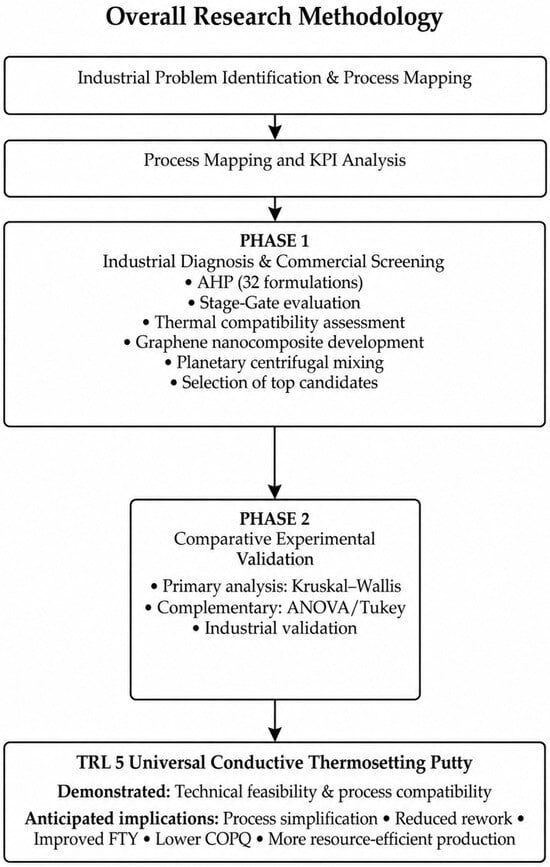
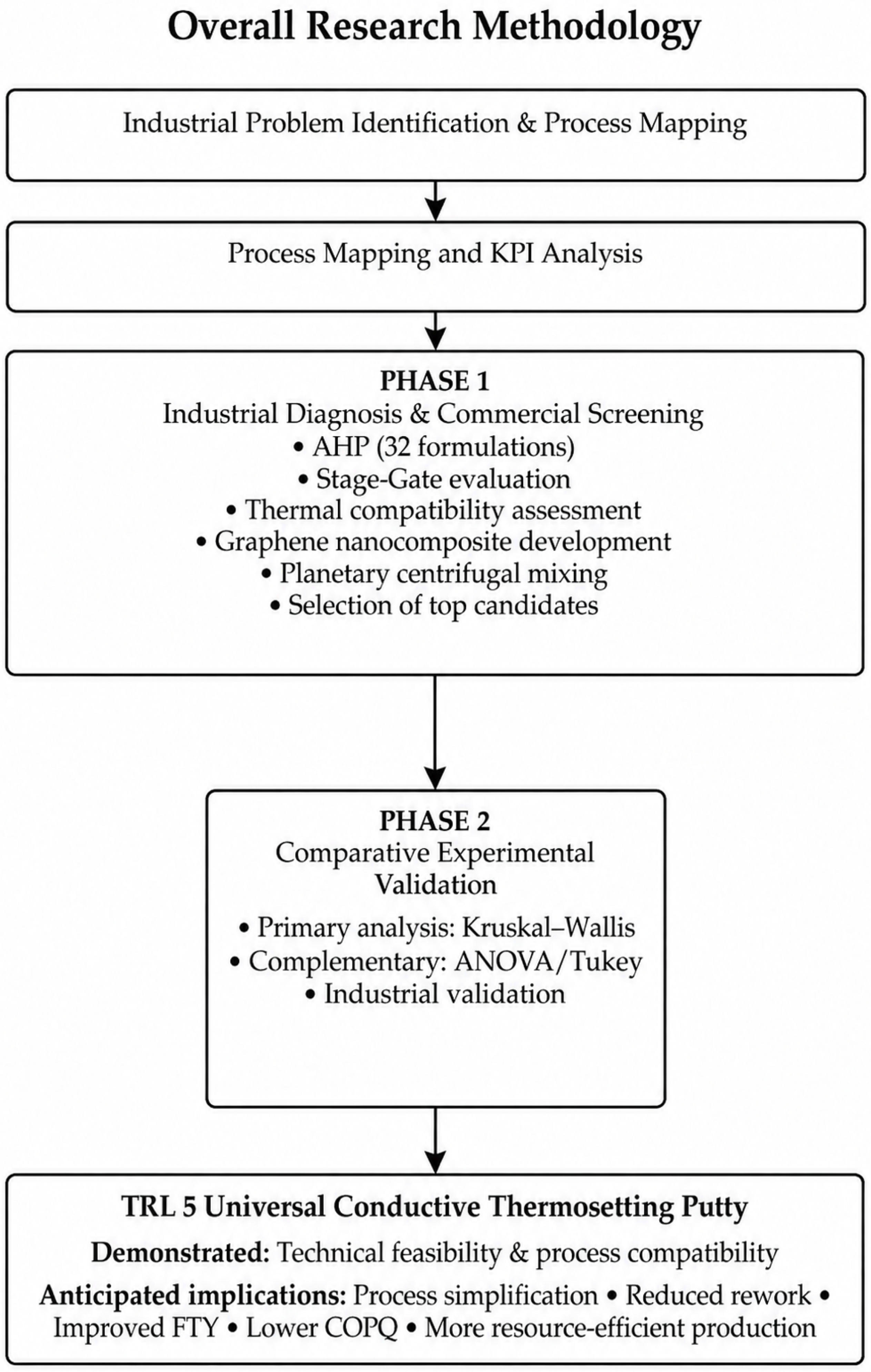
Figure 2 summarizes the overall research methodology.
Figure 2.
Overall research methodology flowchart, illustrating the sequential progression from initial industrial problem identification and process mapping through Phase 1 (industrial diagnosis, commercial screening, and nanocomposite development) and Phase 2 (Comparative experimental and industrial validation) toward the final TRL 5 universal conductive thermosetting putty.
3. Results
To systematically evaluate the thermomechanical behavior of the formulations and their interactions with intermediate primer layers, the empirical data was analyzed sequentially. The screening phase establishes the macroscopic boundary conditions, while the comparative experimental validation phase primarily uses Kruskal–Wallis non-parametric analysis, complemented, where appropriate, by exploratory One-Way ANOVA and Tukey pairwise comparisons.
3.1. Phase 1: Heuristic Screening and Key Variables Analysis
The initial screening evaluated the baseline performance of the unmodified and modified polyester and epoxy matrices against the factory’s strict thermal constraints. The empirical data demonstrated a fundamental incompatibility between high-temperature curing (180 °C) and standard polyester systems. While the baseline polyester matrix exhibited superior manual workability, it suffered from significant volumetric expansion and styrene outgassing upon oven exposure, resulting in macroscopic surface porosity. To mitigate this, intermediate liquid primers were applied as theoretical chemical shields. However, the introduction of a 1 K solvent-borne primer resulted in failure; entrapped volatile solvents flash-boiled during the rapid thermal ramp-up, physically rupturing the film across all samples. A subsequent transition to a highly cross-linked 2 K epoxy primer improved ambient adhesion but created an impermeable boundary layer. This layer trapped expanding ambient gases and unreacted styrene within the underlying matrices, inducing localized hydrostatic ruptures and outgassing. Different examples can be seen in Figure 3.
Figure 3.
Outgassing phenomena: (a) Polyester putty coated with powder coating. (b) Epoxy putty coated with 1 K primer and topcoated with powder coating.
Only the two commercial epoxy baselines (designated here as ES and NT) and one specific commercial polyester formula (designated as PD) exhibited higher thermal stability. Notably, the PD formulation intrinsically contained a high volume fraction (50%) of talc, surging as a statistical outlier with a thermal resistance score of 3.
Evaluating the baseline formulas in the second key variable, Electrostatic Powder Adhesion, the results differed across the board as demonstrated in Table 3.
Table 3.
Electrostatic adhesion scores of the baseline formulas (evaluated according to ISO 2409, where Class 1 indicates minor flaking at intersections affecting less than 5% of the cross-cut area, and Class 2 indicates flaking along edges and intersections affecting 5% to 15% of the area).
While the polyester matrices exhibited thermal outgassing failures and the epoxies maintained thermal stability, both families demonstrated vulnerabilities in their insulating electrical properties. The subsequent modifications were implemented according to the decision logic previously implemented in the methodology.
Following compounding via planetary centrifugal mixing, the modified formulations were evaluated to determine if the targeted additives resolved the baseline failures. To clarify nomeclature, the suffix “1” represents the modified version of the matrix family, independently of the allocation. The results can be found in Table 4.
Table 4.
Thermal and electrostatic behaviour of the doped formulas (evaluated according to ISO 2409, where Class 0 indicates completely smooth cut edges with 0% lattice detachment, Class 1 indicates minor flaking affecting less than 5% of the cross-cut area), and Class 2 indicates flaking along the edges and intersections, affecting between 5% and 15% of the area.
The empirical data demonstrates a strict divergence between the polymer families. The integration of nanomaterials improved the observed electrostatic/coating response; however, the modified polyester matrix PD1 exhibited poorer thermal performance (previously with a score of 3, and now with a score of 1). This deterioration suggests that nanofiller incorporation may have altered the thermal response of the polyester system under the investigated curing conditions. The deterioration in thermal resistance observed after graphene incorporation may be associated with changes in heat-transfer behavior within the filled polyester matrix, potentially promoting the release or expansion of volatile species during rapid heating. Because thermal conductivity and volatile evolution were not directly measured, this mechanism remains inferential.
Conversely, the epoxy matrices demonstrated high operational stability. In contrast, the epoxy matrices maintained stable thermal performance under the investigated curing conditions. This behavior may reflect differences in matrix chemistry and volatile content relative to the polyester systems, although the underlying thermal-transfer and outgassing mechanisms were not directly characterized. The Hard Gate results and the mean global efficiency (), which denote the weighted aggregate performance score derived from the AHP matrix, can be found in Table 5.
Table 5.
Comparative summary of Phase 1 family pairs, detailing the matrix classifications, specific additive modifications, Hard Gate scores, and mean overall performance scores ().
Rather than selecting the top individual mixtures—which were heavily dominated by the epoxy variants—the three highest-ranked base matrix families identified during the Phase 1 screening advanced to a rigorous, statistically controlled Phase 2 evaluation. As detailed in Table 5, the ES and NT matrices represented the top-performing epoxies (scoring 72.20% and 71.60%, respectively), while formulation PD (achieving 69.34%) was selected as the highest-ranking polyester. Advancing these three specific families ensured that the Phase 2 analysis could evaluate the influence of nanocomposite doping across distinct polymer backbones while maintaining a comparative legacy baseline.
3.2. Phase 2: Comparative Experimental and Statistical Validation
Phase 2 executed a statistically controlled evaluation (N = 5 replicates) of the selected matrices across all operational metrics.
To clarify the experimental nomenclature prior to the statistical breakdown, the 3 evaluated formulations were classified using the following system:
- Base Matrices: The unmodified commercial epoxies (ES-0, NT-0) and the outlier polyester (PD-0).
- Graphene-Doped (Suffix “1”): Formulations doped exclusively with 0.6 vol% graphene nanoplatelets (ES1-0, NT1-0, and PD1-0).
- Dual-Doped (Suffix “2”): A hybrid formulation of the polyester matrix containing both graphene and alumina (PD2-0).
Although the conditional allocation strategy from Phase 1 did not strictly mandate a hybrid polyester in phase 2, the PD matrix was available in significantly larger quantities and was therefore utilized to establish and validate the experimental compounding protocols. Consequently, the resulting PD2-0 hybrid was advanced to Phase 2 to empirically evaluate the potential synergistic effects of both additives on this specific polyester matrix.
Rheological and Thermal Limitations of the Polyester Matrix
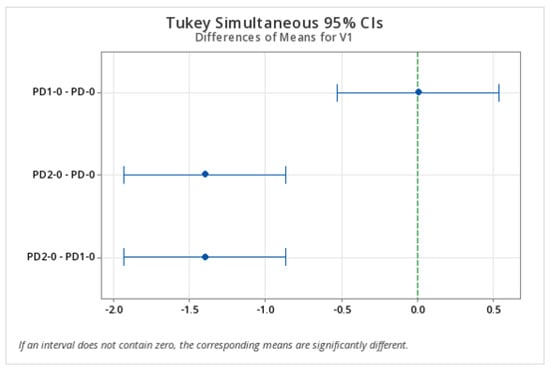
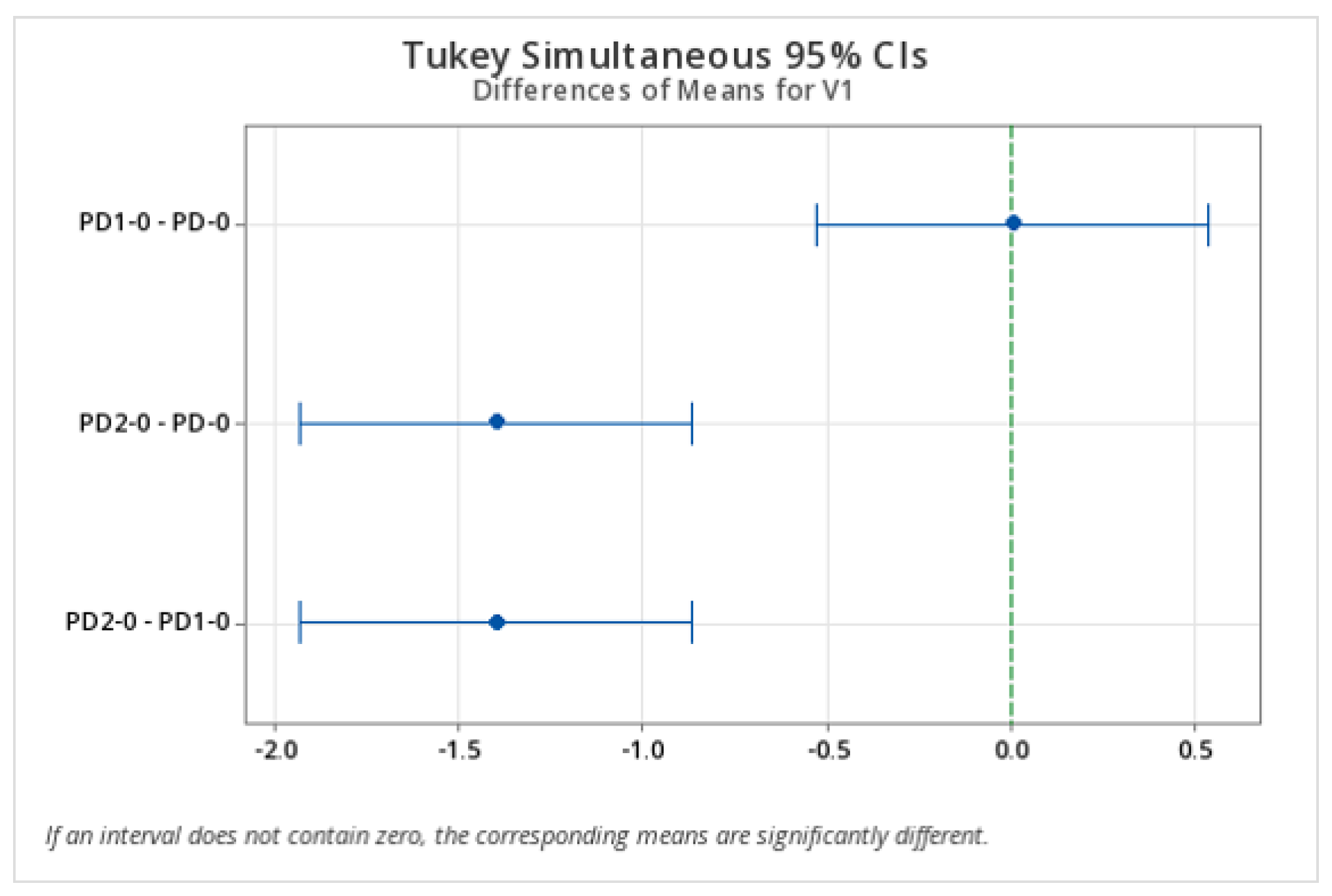
Concerning the rheological analysis, the primary Kruskal–Wallis analysis for application ergonomics indicated a statistically significant difference (). The complementary exploratory One-Way ANOVA yielded a consistent result (), with Tukey comparisons used to explore pairwise differences.
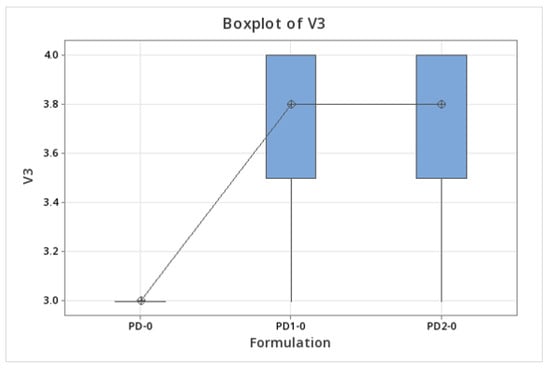
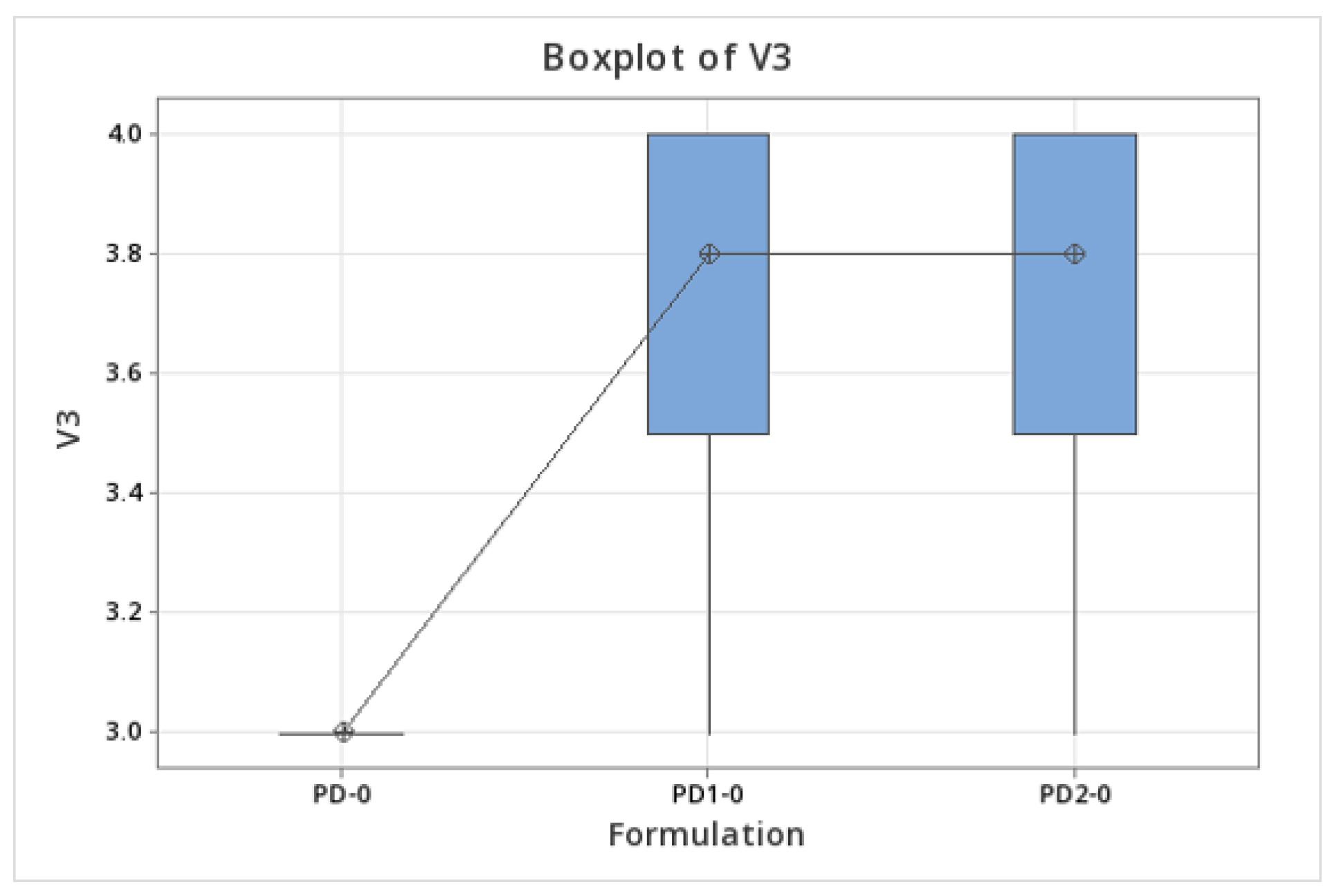
As seen in Figure 4, the integration of granular alumina significantly increased the dynamic viscosity and yield stress of the polymer paste, degrading application ergonomics without providing sufficient thermal shielding. Regarding chemical resistance to acidic passivation (), the complementary exploratory ANOVA yielded a significant effect (), indicating differences among the evaluated formulations. This parametric result is interpreted cautiously in view of the ordinal response scale and limited sample size. Figure 5 illustrates the intervals of values for each formulation of the polyester family.
Figure 4.
Tukey Simultaneous 95% CIs for Ergonomics (V1) demonstrating the negative mean shift of the dual-doped alumina/graphene matrix.
Figure 5.
Boxplot of Chemical Resistance (V3) for the polyester formula.
Despite these localized chemical improvements, the parametric analysis confirmed the complete regression in thermal resistance () for the doped polyesters, confirming the poor thermal performance of the investigated modified polyester formulations under the tested powder-coating conditions.
3.3. Performance of the Epoxy Matrices
Prior to evaluating targeted optimizations, the modified formulations (ES1-0 and NT1-0) were assessed for baseline operational compatibility. Across variables (Application Ergonomics), (Curing Kinetics), (Thermodynamic Stability), and (Mechanical adhesion to the substrate), the empirical data recorded zero variance () between the unmodified baselines and the graphene-doped formulations, which are thus reported descriptively as identical observed scores without inferential testing. This confirmed that incorporating graphene nanoplatelets at 0.6 vol% did not adversely affect the observed structural and rheological performance of the epoxy matrices at a macroscopic level. Most importantly, the modified putties sustained maximum structural integrity during the 180 °C curing cycle (), successfully clearing the thermal threshold that disqualified the polyester formulations.
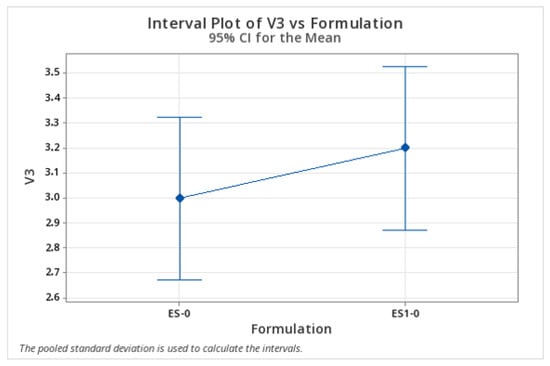
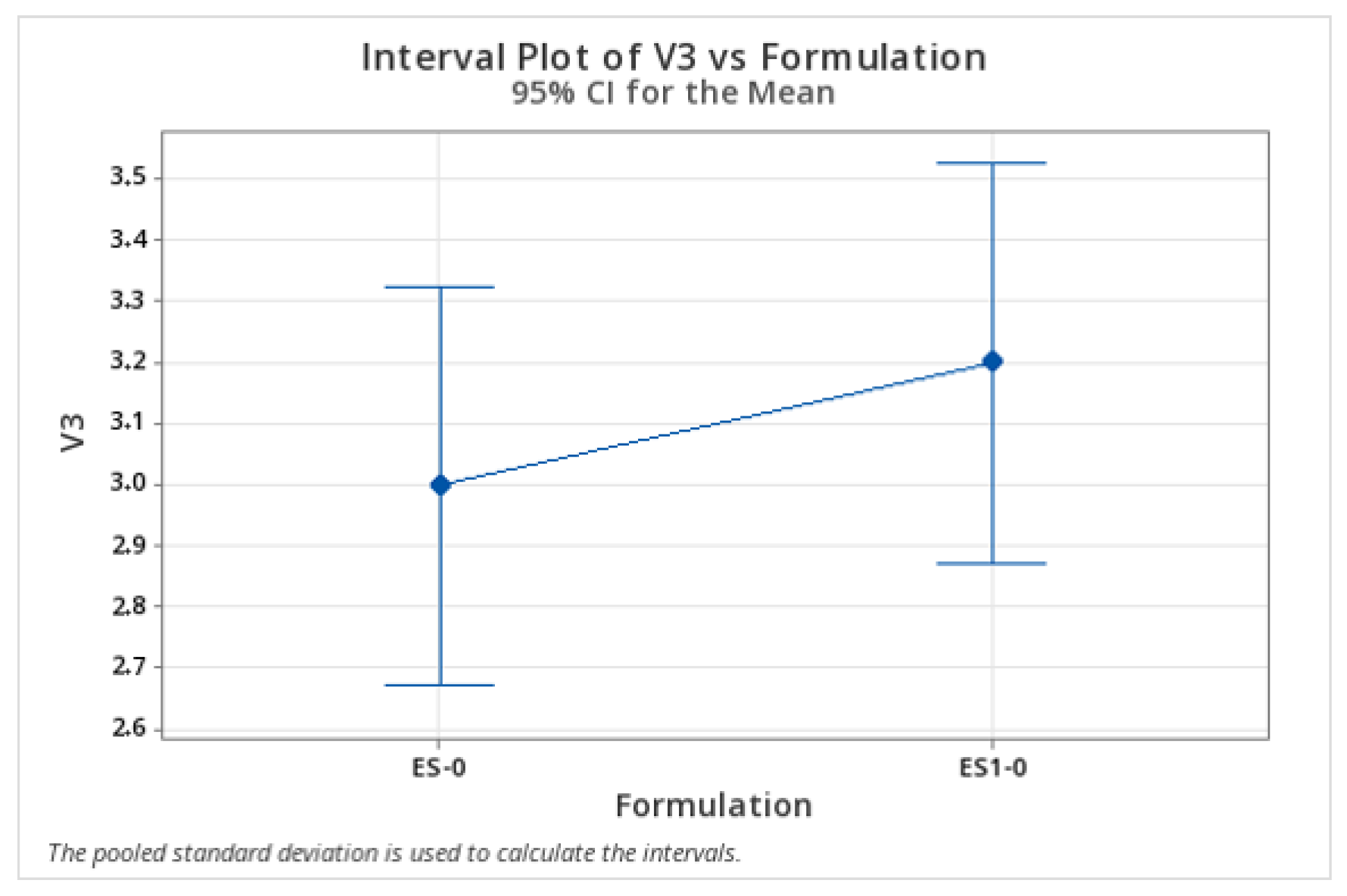
Regarding chemical resistance to the acidic pre-treatment baths (), the analyses for both the ES and NT matrices yielded non-significant effects (p > 0.05), indicating no statistically significant difference at the 95% confidence level. However, the empirical data demonstrated a slight positive trend. As illustrated in Figure 6, the mean survivability score increased from 3.00 for the unmodified ES baseline to 3.20 for the graphene-doped formulation, aligning with theoretical composite models where the 2D graphene nanoplatelets function as a physical barrier that increases the tortuosity of the diffusion path against corrosive aqueous solutions.
Figure 6.
Interval Plot for the Chemical Resistance Scores of the ES matrix, demonstrating the directional improvement following graphene doping.
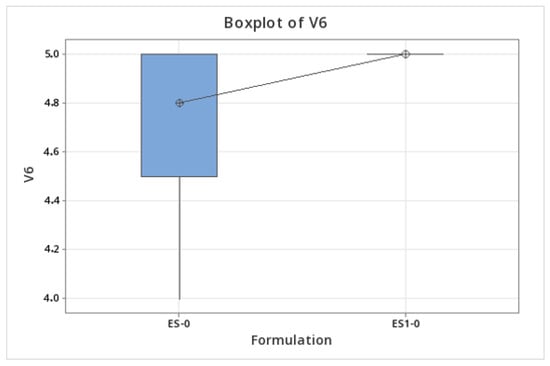
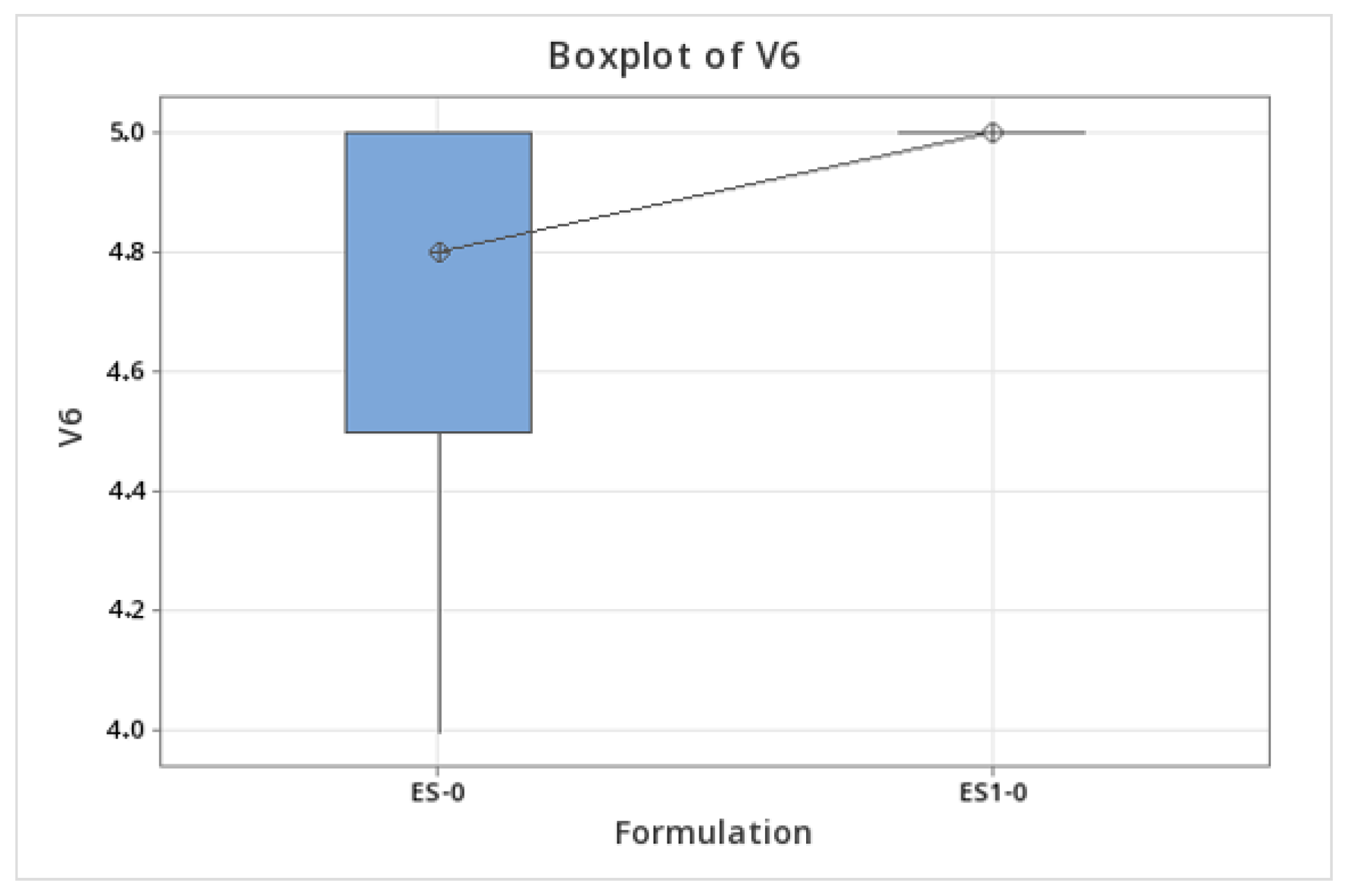
The critical operational requirement during the powder coating phase was the optimization of electrostatic deposition (). During the Phase 1 screening, the baseline epoxies exhibited a Class 2 adhesion rating (), representing a borderline process capability susceptible to the Faraday cage effect [22]. Following graphene incorporation, the observed variation in the electrostatic adhesion score was eliminated within the tested replicates, a result consistent with improved electrical pathways or more stable electrostatic deposition behavior, as shown in Figure 7.
Figure 7.
Boxplot for the Electrostatic Adhesion Scores of the ES matrix, demonstrating the directional improvement following graphene doping.
As detailed in Table 6, both the baseline NT-0 and the graphene-doped NT1-0 formulations achieved a zero-deviation Class 0 adhesion score (5.000) across all standard replicates. These results suggest that graphene incorporation contributed to more stable electrostatic powder-deposition performance under the investigated conditions. Because dielectric properties and electrical conductivity were not directly measured, the formation and stabilization of conductive pathways should be regarded as a plausible interpretation rather than a directly demonstrated mechanism.
Table 6.
Descriptive statistics for Electrostatic Adhesion () of the NT formulations, demonstrating zero-deviation stability (N = 5).
3.4. Consolidated Operational Metrics and Global Efficiency
To establish a definitive conclusion, the empirical results from the evaluated polymer families were synthesized to calculate the aggregated Global Efficiency metric () and visualized through multi-variable performance envelopes.
As detailed in Table 7, inferential analyses for all matrix families yielded p-values greater than 0.05 for the primary non-parametric Kruskal–Wallis tests, with the complementary ANOVA analyses leading to the same overall interpretation. Because these internal shifts in mean global efficiency between the baselines and their respective modified versions were not statistically significant at a macroscopic level, the selection protocol formally cascaded to Tier 2: Sub-Metric Resolution and Variance Control.
Table 7.
Final operational capability, statistical significance, and global efficiency profiles of the evaluated matrices (where no suffix represents unmodified baseline formulations, “1” represents graphene-doped variants, and “2” represents the dual-doped hybrid).
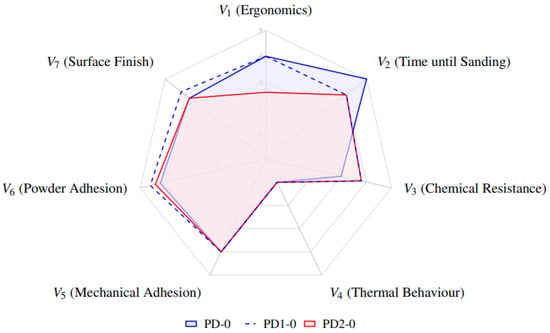
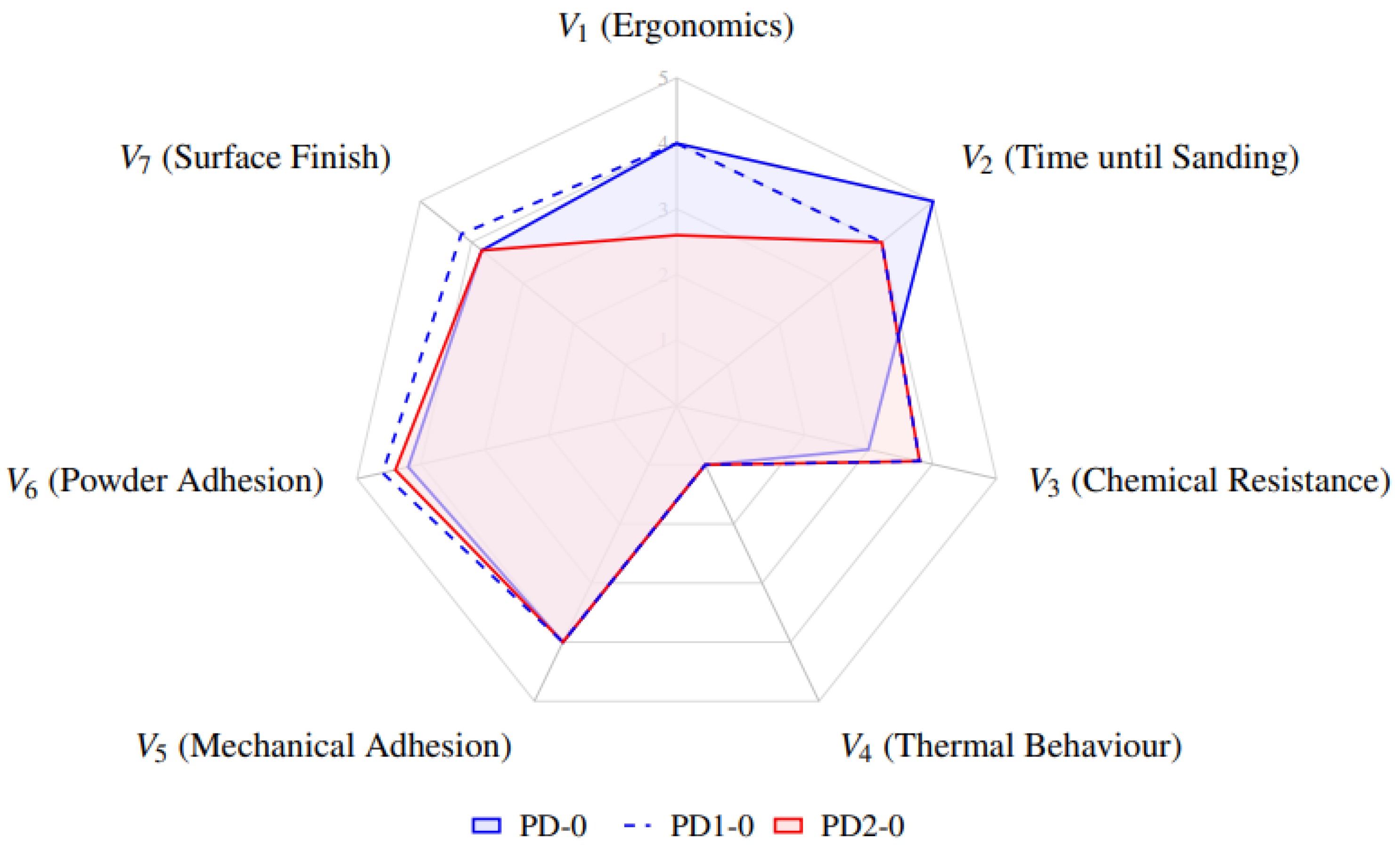
Under these strict constraints, the polyester (PD) family was definitively invalidated. While the formulations recorded moderate mean global efficiencies, these aggregate scores obscured a critical boundary-condition failure: systematic thermal degradation () observed during the 180 °C curing cycle. This thermodynamic limitation is visually mapped in the performance envelope in Figure 8.
Figure 8.
Radar chart evaluating the PD family’s mean performance across all variables, demonstrating the structural failure along the thermal behavior axis.
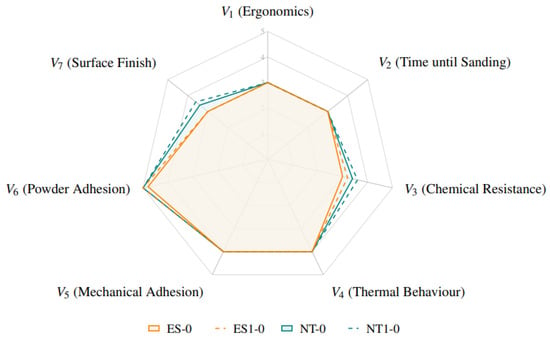
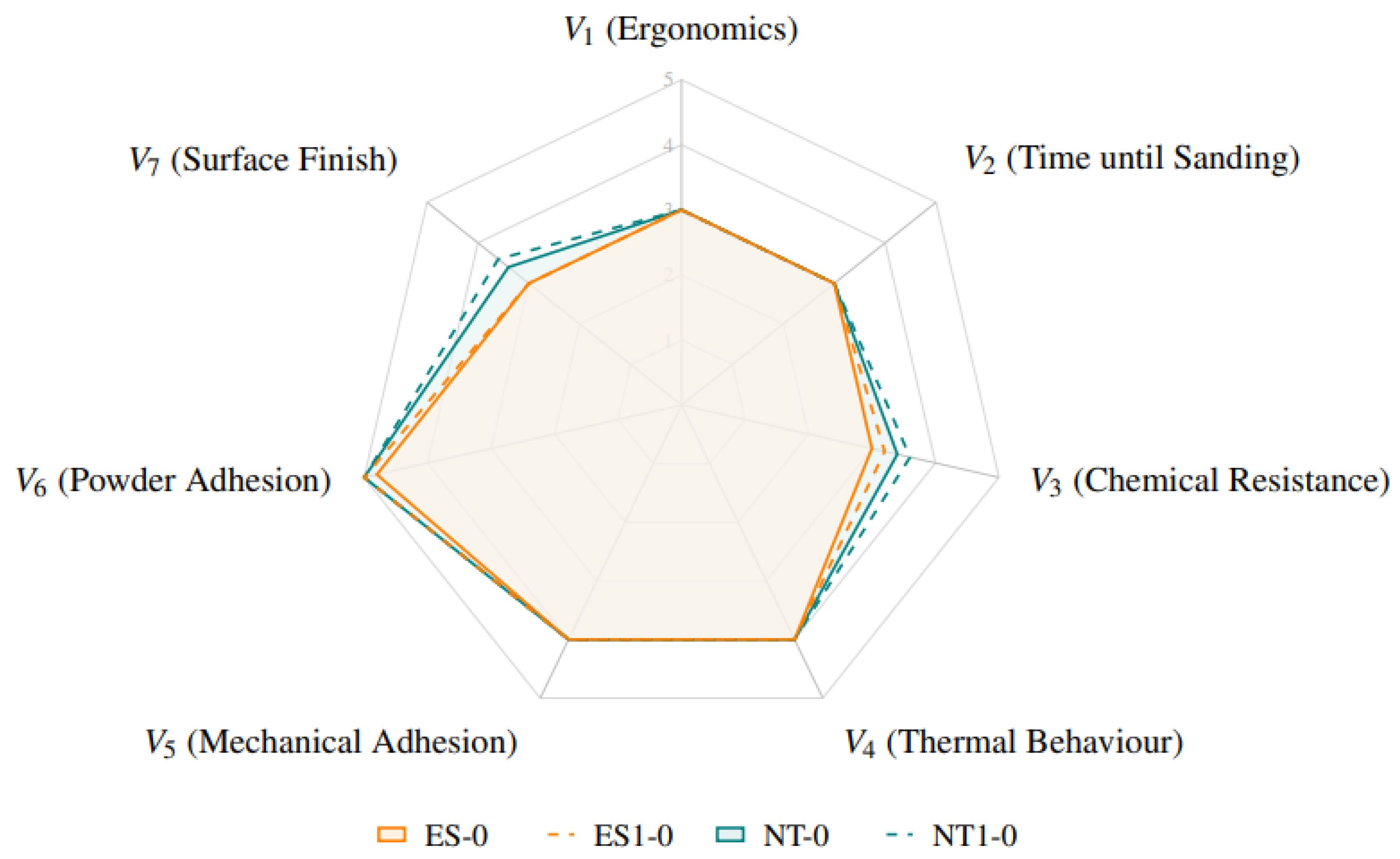
In contrast, the epoxy (ES, NT) formulations demonstrated highly capable operational stability and successfully survived the thermal boundary conditions, as mapped in Figure 9.
Figure 9.
Comparative performance envelope showcasing the operational footprint of the ES and NT matrices and the incremental shifts of the nanocomposite formulations.
Ultimately, the NT1-0 formulation demonstrated the superior empirical trend required for industrial selection. Building upon a highly capable baseline, the graphene-doped NT1-0 achieved the absolute highest final mean global efficiency of 80.18%. By successfully minimizing critical boundary-condition failures on the factory floor and maintaining strict stability across all thermal, mechanical, and ergonomic sub-metrics, the NT1-0 graphene-doped formulation was formally selected as best-performing formulation among those evaluated for this industrial application.
4. Discussion and Conclusions
4.1. Material Performance and Thermomechanical Compatibility
The results demonstrate that the principal limitation of conventional commercial putties is not solely their intrinsic mechanical performance but their inability to maintain thermomechanical stability throughout the complete powder-coating process. The screening phase showed that several commercially available polyester systems exhibited satisfactory workability and rapid curing during application but failed after exposure to the 180 °C curing cycle due to volatile expansion, porosity formation, and coating degradation. Conversely, conventional epoxy formulations successfully resisted thermal exposure but introduced excessive curing times, reducing production flexibility.
These findings confirm that selecting repair materials for powder-coated aluminum structures cannot be based solely on isolated material properties. Instead, thermal stability, curing kinetics, electrostatic behavior, and process integration must be considered simultaneously. This systems perspective explains why existing commercial solutions cannot satisfy all industrial requirements in a single formulation.
4.2. Effect of Graphene Nanoplatelets on Electrostatic Deposition
One of the most relevant findings concerns the incorporation of graphene nanoplatelets into the epoxy matrix. The addition of 0.6 vol% graphene was associated with improved electrostatic powder-deposition performance, consistent with the possible formation of enhanced conductive pathways within the epoxy matrix.
Unlike conventional conductive fillers that often increase viscosity or reduce mechanical integrity, the selected formulation achieved an appropriate balance among electrostatic coating performance, processability, and coating quality. The improved electrostatic behavior reduced powder-deposition defects associated with the Faraday cage effect while maintaining Class 0 adhesion (smooth cut edges with 0% lattice detachment) in accordance with ISO 2409. These results are consistent with previous studies demonstrating that nanostructured conductive fillers can improve electrical pathways while preserving the structural integrity of thermosetting polymers.
Rather than acting solely as a general conductive additive, graphene appears to have contributed to overcoming the matrix’s electrostatic coating limitation. By promoting conductive pathways while preserving the epoxy’s inherent thermal stability, it supported the ability of the unified system to satisfy the investigated powder-coating requirements.
4.3. Manufacturing Implications and Process
From a manufacturing engineering perspective, the contribution extends beyond the development of new materials. The research demonstrates how material design can eliminate an important production bottleneck.
The previous dual-matrix strategy required parallel inventories, different curing procedures, additional operator training, multiple quality inspections, and repeated rework activities. These factors increased process variability and reduced manufacturing efficiency. By replacing the dual-material architecture with a universal conductive putty, the proposed solution simplifies the entire finishing value stream.
The study therefore illustrates that process optimization may be achieved through simultaneous material and manufacturing redesign rather than isolated improvements in either domain. This integrated approach aligns with modern Design for Manufacturing (DfM) principles, in which materials are engineered with downstream production constraints in mind from the earliest design stages.
4.4. Industrial Relevance and Technology Readiness
An important strength of this research is that validation was conducted under real industrial production conditions rather than in laboratory simulations. The sequential combination of process diagnosis, AHP-based screening, and comparative experimental validation enabled systematic decision-making while minimizing experimentation costs.
The resulting TRL 5 thermosetting putty represents an intermediate but significant step towards industrial implementation. TRL 5 was assigned because the selected formulation was validated on representative 6061 aluminum frame substrates under the relevant industrial passivation, electrostatic powder-coating and 180 °C curing conditions. This classification denotes validation in a relevant environment and does not imply pilot-scale production, full industrial qualification or commercial readiness.
Compared with many published studies that focus exclusively on laboratory characterization, the present work incorporates manufacturing constraints, including curing time, production flow, operator usability, and coating compatibility. Consequently, the proposed methodology has potential applicability beyond bicycle manufacturing, including automotive body repair, lightweight mobility systems, and other powder-coated aluminum products.
4.5. Sustainability Implications
The proposed single-material approach has the potential to contribute to more resource-efficient manufacturing. Consolidating the existing dual-material architecture may reduce inventory complexity, repeated processing and rework-related material consumption. However, COPQ, FTY, energy consumption and waste generation were not directly quantified through controlled before-and-after production measurements. These outcomes should therefore be interpreted as anticipated manufacturing benefits rather than experimentally demonstrated improvements.
Furthermore, consolidating the finishing process into a single material system may reduce energy consumption associated with repeated curing operations and rework, while supporting cleaner production through improved process stability. These outcomes reinforce the contribution of the proposed solution to industrial sustainability and are consistent with the research’s alignment with SDGs 8, 9, and 12.
4.6. Research Limitations and Suggestions for Future Studies
Several limitations should be acknowledged. First, validation was performed at a single industrial facility using 6061 aluminum e-bike frames, which may limit direct generalization to other alloys or manufacturing sectors.
From a methodological perspective, the study is also subject to several limitations. The experimental validation relied on a relatively small number of replicates (N = 5 per formulation), and several performance variables were assessed using ordinal 1–5 scoring scales that incorporate expert and operator judgment. Although both parametric and non-parametric statistical procedures were applied, the restricted sample size and limited variability of some responses constrain the strength of statistical inference. In addition, the study did not include direct measurements of electrical conductivity, thermal conductivity, or detailed microstructural characterization of nanofiller dispersion, meaning that some proposed mechanisms regarding graphene behavior remain inferential. Finally, the use of proprietary commercial matrices and testing within a single industrial environment may limit full reproducibility and external generalizability. Future studies should therefore employ larger experimental samples, complementary instrumental characterization, multi-site validation, and more extensive testing across different material systems and processing conditions.
Furthermore, although the best-performing formulation among those evaluated demonstrated favorable thermal and electrostatic performance, long-term durability under cyclic environmental exposure, ultraviolet radiation, fatigue loading, and corrosion requires further investigation.
Adding to that, a formal techno-economic comparison between the graphene-modified formulation and the existing commercial putty systems was beyond the scope of the present study. Although the selected formulation satisfied the critical thermal and coating requirements and demonstrated the best overall performance among the evaluated alternatives, its economic superiority has not yet been established. Future industrial validation should quantify nanoadditive cost, processing cost, material consumption, rework rates, FTY, COPQ and energy requirements to determine whether the anticipated operational benefits offset the additional cost associated with graphene incorporation.
Future research should therefore evaluate industrial pilot production (TRL 6–7), optimize graphene dispersion using advanced characterization techniques, and investigate the optimization of graphene concentration—specifically exploring lower volume fractions (e.g., 0.3–0.5 vol%) to minimize material costs while maintaining significant mechanical and electrostatic improvements. Additionally, future studies should investigate alternative conductive nanofillers, perform comprehensive life-cycle assessments and techno-economic analyses, and assess the applicability of the proposed methodology to other powder-coated lightweight structures.
Author Contributions
Conceptualization, A.A.F., R.F.S., C.F. and L.F.; methodology, A.A.F., R.F.S. and C.F.; software, A.A.F.; validation, A.A.F., R.F.S. and C.F.; formal analysis, A.A.F.; investigation, A.A.F.; resources, A.A.F.; data curation, A.A.F.; writing—original draft preparation, A.A.F.; writing—review and editing, A.A.F., R.F.S., C.F. and L.F.; supervision, A.A.F., R.F.S. and C.F.; project administration, A.A.F. All authors have read and agreed to the published version of the manuscript.
Funding
This research received no external funding.
Institutional Review Board Statement
Not applicable.
Informed Consent Statement
Not applicable.
Data Availability Statement
The original contributions presented in the study are included in the article. Further inquiries can be directed to the corresponding author.
Acknowledgments
The authors gratefully acknowledge the Faculdade de Engenharia da Universidade do Porto (FEUP) for providing the academic framework and foundational resources that enabled this research. Special thanks are extended to the industrial partner for granting access to manufacturing facilities, production lines, and real-world operational data while maintaining necessary confidentiality. The authors also acknowledge the University of Aveiro for providing access to specialized laboratory equipment utilized during the preparation and mixing of the nanocomposite formulations. During the preparation of this manuscript, the authors used Gemini (version 1.5 Pro) for the purposes of language and writing checks. The authors have reviewed and edited the output and take full responsibility for the content of this publication.
Conflicts of Interest
The authors declare no conflicts of interest.
Abbreviations
The following abbreviations are used in this manuscript:
| AHP | Analytical Hierarchy Process |
| ANOVA | Analysis of Variance |
| COPQ | Cost of Poor Quality |
| DfM | Design for Manufacturing |
| FTY | First-Time Yield |
| RPM | Rotations Per Minute |
| TRL | Technology Readiness Level |
| VOC | Volatile Organic Compound |
Appendix A. Definition of the Evaluation Variables
The following appendix showcases the criteria used to quantify on the 1-to-5 scale of the different variables.
Porosity counts were evaluated strictly within a standardized localized zone of approximately 5–7 cm × 2–3 cm directly over the primary weld.
Table A1.
Qualitative evaluation scale for variable .
Table A2.
Qualitative evaluation scale for variable .
Table A3.
Qualitative evaluation scale for variable .
Table A4.
Qualitative evaluation scale for variable .
Table A5.
Qualitative evaluation scale for variable .
Table A6.
Translation matrix of ISO 2409 adhesion classes into the custom quantitative scoring system ().
Table A7.
Qualitative evaluation scale for variable .
References
- Ma, M.; Jin, H.; Liu, C. Enhancing Sustainable Urban Mobility: A Data-Driven Forecasting Framework for Shared E-Bike Operations. Sustainability 2026, 18, 2472. [Google Scholar] [CrossRef] [Scilit]
- Chen, S. Advancements in surface treatments for aluminum alloys in sports equipment. Rev. Adv. Mater. Sci. 2024, 63, 20240065. [Google Scholar] [CrossRef] [Scilit]
- Felhő, C.; Namboodri, T.; Sisodia, R.P.S. Taguchi’s L18 Design of Experiments for Investigating the Effects of Cutting Parameters on Surface Integrity in X5CrNi18-10 Turning. Designs 2025, 9, 59. [Google Scholar] [CrossRef] [Scilit]
- Kah, P.; Rajan, R.; Martikainen, J.; Suoranta, R. Investigation of weld defects in friction-stir welding and fusion welding of aluminium alloys. Int. J. Mech. Mater. Eng. 2015, 10, 26. [Google Scholar] [CrossRef] [Scilit]
- Ghafafian, C.; Nutt, S. A Multi-Industry Perspective to Composite Repairs. Appl. Compos. Mater. 2025, 32, 1197–1235. [Google Scholar] [CrossRef] [Scilit]
- Akafuah, N.K.; Poozesh, S.; Salaimeh, A.; Patrick, G.; Lawler, K.; Saito, K. Evolution of the Automotive Body Coating Process—A Review. Coatings 2016, 6, 24. [Google Scholar] [CrossRef] [Scilit]
- Inamuddin; Boddula, R.; Ahamed, M.I.; Asiri, A.M. Polymer Coatings for Corrosive Protection; John Wiley & Sons, Ltd.: Hoboken, NJ, USA, 2020. [Google Scholar]
- Brun, L.C.; Golini, R.; Gereffi, G. The Development and Diffusion of Powder Coatings in the United States and Europe: A Historical and Value Chain Perspective; Duke Center on Globalization, Governance & Competitiveness, Duke University: Durham, NC, USA, 2010. [Google Scholar]
- Calderón-Perea, N.E.; Velasco, F.; Bautista, A.; Fernández-Álvarez, M. The Role of Curing Conditions in the Wear Behavior of Hybrid Epoxy–Polyester Powder Coatings. Prog. Org. Coat. 2026, 215, 110075. [Google Scholar] [CrossRef] [Scilit]
- Zhang, W.; Wang, Z.; Lv, S.; Zhan, W.; Bai, G.; Zhou, A.; Sui, G.; Yang, X. Molecular simulation of different structure dopamine-modified graphene oxide and its effects on thermal and mechanical properties of the epoxy resin system. Polymer 2021, 212, 123120. [Google Scholar] [CrossRef] [Scilit]
- Yang, S.; Liu, D.; Zhu, H.; Li, R.; Tan, Q.; Qi, A.; Xu, B.; Lv, H. Preparation and characterization of composite epoxy asphalt based on modified graphene oxide: Enhancements in toughness, thermal stability, and workability. Case Stud. Constr. Mater. 2026, 24, e05876. [Google Scholar] [CrossRef] [Scilit]
- Priyanka, D.; Nalini, D. Designing a corrosion resistance system using modified graphene oxide-epoxy microcapsules for enhancing the adhesion strength of the epoxy coatings. Appl. Surf. Sci. Adv. 2022, 10, 100269. [Google Scholar] [CrossRef] [Scilit]
- Subramanian, V.; Dhandapani, N.; Ilayaperumal, P. Synergistic corrosion protection of mild steel through eco-modified graphene oxide reinforced epoxy coatings in saline media. Next Mater. 2026, 13, 103216. [Google Scholar] [CrossRef] [Scilit]
- Misev, T.A. Powder Coatings: Chemistry and Technology; John Wiley & Sons: Hoboken, NJ, USA, 1991. [Google Scholar]
- Zhang, Y. Formula research of electrically conductive putty. China Powder Coat. J. 2015. Available online: https://www.chinapowdercoating.com/formula-research-of-electrically-conductive-putty/ (accessed on 18 September 2026).
- Saaty, R.W. The analytic hierarchy process—what it is and how it is used. Math. Model. 1987, 9, 161–176. [Google Scholar] [CrossRef] [Scilit]
- ISO 2409:2020; Paints and Varnishes—Cross-Cut Test. International Organization for Standardization (ISO): Geneva, Switzerland, 2020.
- Moreira, D.C.; Braga, N.R.; Sphaier, L.A.; Nunes, L.C.S. Size effect on the thermal intensification of alumina-filled nanocomposites. J. Compos. Mater. 2016, 50, 3317–3328. [Google Scholar] [CrossRef] [Scilit]
- Goudarzi, R.; Motlagh, G.H.; Elhamnia, M.; Motahari, S. Graphite Nanosheet as Low Shrinkage Additive, Curing Accelerator, and Conducting Filler for Unsaturated Polyester Resin. Polym.-Plast. Technol. Eng. 2016, 55, 1231–1239. [Google Scholar] [CrossRef] [Scilit]
- Montgomery, D.C. Introduction to Statistical Quality Control, 8th ed.; John Wiley & Sons: Hoboken, NJ, USA, 2020. [Google Scholar]
- National Aeronautics and Space Administration (NASA). Technology Readiness Levels. Available online: https://www.nasa.gov/directorates/somd/space-communications-navigation-program/technology-readiness-levels/ (accessed on 10 September 2026).
- Rubino, G.; Venettacci, S. Advances in powder coating of metal components: A case study for wire die springs. J. Manuf. Processes 2023, 101, 1257–1274. [Google Scholar] [CrossRef] [Scilit]

Disclaimer/Publisher’s Note: The statements, opinions and data contained in all publications are solely those of the individual author(s) and contributor(s) and not of MDPI and/or the editor(s). MDPI and/or the editor(s) disclaim responsibility for any injury to people or property resulting from any ideas, methods, instructions or products referred to in the content. |
© 2026 by the authors. Licensee MDPI, Basel, Switzerland. This article is an open access article distributed under the terms and conditions of the Creative Commons Attribution (CC BY) license.