


Abstract
This work examines the contribution of additive manufacturing as an enabling technology in the design and development of smart and sustainable construction systems, with particular emphasis on nature-based solutions. While the existing literature has devoted considerable attention to the material properties of additive manufacturing, much less emphasis has been placed on its role in design processes, prototyping, and decision-making in construction and urban systems. To address this gap, this study presents a comprehensive bibliometric analysis of the intersection between smart city frameworks and 3D printing technologies, utilizing a dataset of 103 peer-reviewed publications retrieved from the Scopus database. Using keyword co-occurrence analysis and network mapping through VOSviewer, this study identifies dominant thematic structures, core research hubs, and evolving trends within the field. Complementing this bibliometric analysis with qualitative synthesis, it also reveals a significant convergence of digital design, smart cities, and sustainability strategies. This work further highlights the contribution of additive manufacturing to design processes through rapid prototyping, customization, and the exploration of design alternatives. Rather than framing additive manufacturing as a replacement for conventional design practices, this study positions it as a complementary design capability that can enhance the design process, while also acknowledging important challenges related to scaling, regulation, and integration into construction workflows. This review concludes by outlining future research directions for strengthening the design-oriented integration of additive manufacturing within smart construction systems.
1. Introduction
Urban planning in this new era of smart cities is facing unprecedented challenges with growing populations, dwindling resources, and the need to promote sustainable development [1,2]. Today’s cities must balance a complex set of environmental, economic, and social concerns, while simultaneously integrating new advanced technologies into their infrastructure and operations [3,4,5,6,7,8,9,10]. Within this context, sustainability is a key planning consideration that requires cities to move toward more energy-efficient models, renewable resource management, and reduced environmental impact [11]. As a result, city planners are being called on to create cities that maximize energy efficiency, reduce waste, and accommodate renewable energy sources [12].
At the same time, efficiency in infrastructure and service provision remains an important issue. Continued growth in urban populations increases the need for more effective transportation infrastructures [13,14], housing solutions [15], and public service provision [16]. Smart cities require the integration of different technologies such as the Internet of Things (IoT), smart grids, and smart services. These require spatial and functional integration in the urban environment. These are new requirements that affect the urban design process, where it is important to ensure that the infrastructure is not only technologically advanced, but also spatially and functionally efficient.
Adaptability is an additional important dimension in modern urban design [17]. Due to rapid technological advancement, demographic change, and changing societal demands, modern urban infrastructure must be adaptable, flexible, and responsive. Conventional urban planning approaches, which are normally based on static and long-term planning approaches, are facing challenges in addressing the dynamic nature of modern urban environments [18]. Therefore, there is an increased need for new methodologies that can support iterative and real-time adaptation and optimization [19,20,21]. These are new challenges that highlight the need for new and innovative tools and approaches that can improve the adaptability of urban design. In this regard, emerging technologies such as additive manufacturing provide opportunities for supporting the evaluation of different solutions in the urban environment.
As urbanization continues to increase worldwide, cities face an escalating demand for efficient, sustainable, and adaptive infrastructure [22]. The challenges of designing and developing urban spaces that can meet both current and future needs are vast and complex [23]. Urban planners must navigate a landscape characterized by rapid technological advances, shifting population dynamics, environmental pressures, and evolving societal expectations [24]. In such a dynamic environment, it becomes essential that urban design solutions are not only carefully conceived, but also systematically tested, refined, and optimized prior to implementation. Traditional planning approaches, which often rely on extended design cycles and long construction timelines, are typically limited in their ability to accommodate new data or respond to unforeseen conditions. This limitation underscores the need for more flexible and iterative design processes that enable the exploration and evaluation of alternative solutions under realistic conditions [25].
Within this context, rapid prototyping emerges as a valuable approach for supporting iterative design and decision-making in urban planning. Technologies such as additive manufacturing (3D printing) provide new opportunities to physically materialize design concepts at reduced scale, allowing planners and designers to visualize, test, and compare multiple alternatives in a tangible manner [26,27]. By enabling the construction of scaled models of proposed infrastructure, these tools facilitate the early identification of design limitations and potential improvements before significant resources are committed [28]. This process contributes to reducing risks associated with large-scale implementation, including cost overruns, delays, and structural inefficiencies.
Importantly, the use of additive manufacturing in this context should be understood not as a replacement for established design practices, but as an enabling technology that enhances design exploration, evaluation, and communication. Rapid prototyping also supports more collaborative design processes by allowing diverse stakeholders—including architects, engineers, policymakers, and the public—to engage with and provide feedback on proposed solutions [29]. This participatory dimension can further strengthen innovation and ensure that urban infrastructure designs are better aligned with the complex and evolving needs of contemporary cities.
The capacity to evaluate and refine infrastructure solutions also fosters the development of more flexible urban landscapes [30]. As urban areas expand and develop, novel difficulties arise that necessitate adaptability in urban planning. Rapid technological improvements in transportation, energy management, and digital connectivity necessitate infrastructure capable of seamlessly integrating these innovations. Rapid prototyping enables urban planners to explore the incorporation of new technologies into urban plans, assessing the feasibility of these integrations in a risk-free and economical way [31]. This degree of adaptability is essential for future-proofing urban areas, guaranteeing that infrastructure can develop alongside technology progress, evolving demographic trends, and environmental changes. Thus, rapid prototyping not only addresses immediate concerns, but also helps cities adapt to an uncertain and evolving future.
This paper is structured as follows. Section 2 presents a bibliometric analysis mapping the evolution and thematic structure of research at the intersection of 3D printing, urban planning, sustainability, and nature-based solutions. Section 3 examines the role of additive manufacturing in urban planning, focusing on rapid prototyping, customization, and scalability. Section 4 discusses the broader benefits of 3D printing for smart city development, including stakeholder communication, efficiency, and sustainability. Section 5 explores the integration of 3D printing with nature-based solutions, highlighting design opportunities and real-world applications. Section 6 critically discusses current challenges and limitations, and Section 7 concludes by outlining future research and policy directions. Methodologically, this study combines bibliometric mapping with qualitative analysis to position additive manufacturing within emerging urban planning and nature-based solutions research.
Thus, the novelty and specific contribution of the present review can be summarized in the following points:
- It reframes additive manufacturing from a predominantly material- and process-oriented topic to a design-oriented perspective, emphasizing its role in iterative prototyping, visualization, customization, and stakeholder-informed decision-making within smart and sustainable construction contexts.
- It combines bibliometric mapping with qualitative synthesis in order to capture both the structural evolution of the research field and the practical design implications of additive manufacturing for urban and nature-based construction systems.
- It identifies thematic links and current research gaps at the intersection of additive manufacturing, smart urban development, sustainability, and nature-based solutions, highlighting areas where technological innovation remains only weakly integrated into planning and design practice.
- It proposes a structured perspective in which additive manufacturing is understood not as a replacement for conventional design and construction approaches, but as a complementary capability that can support more adaptive, collaborative, and context-responsive built environment workflows.
2. Bibliometric Analysis
2.1. Data Acquisition and Analysis
This study adopts a bibliometric approach using Scopus data to map thematic structures through keyword co-occurrence and network analysis. The methodology focuses on quantitative indicators—specifically, frequency and total link strength—to reveal structural patterns within the literature.
The bibliometric analysis is employed as a systematic methodological component of this study to map the evolution, thematic structure, and research gaps at the intersection of 3D printing, urban planning, sustainability, and nature-based solutions, as overlapping thematic pillars. Three primary tools are applied: (i) Scopus’s database advance search, (ii) Scopus’s analyzer feature, and (iii) VOSviewer version 1.6.19 software for bibliometric analysis.
The first step before analyzing the associated publications consists of an advanced document search in the Scopus database using a set of keywords. The advanced search in the Scopus database was launched on the 7 February 2026. Those keywords may be included in the title, or, consist of more specialized terms defining this research topic. Time constraints are also included for limiting the search period between years (2011–2027). The keyword-based bibliometric search in the Scopus database is expressed by a query string constructed using Boolean operators, as shown in Appendix A.
The Scopus query initially returned 134 records, which included all scientific fields. A first-stage filtering was performed through the Scopus advanced research platform by redefining the query string, adding time constraints (from 2011 to 2027), and excluding non-related scientific fields. Exclusions, as stated in Table 1, included scientific fields vaguely related to the research topic such as Medicine, Biochemistry, Genetics, and Molecular Biology, Physics and Astronomy. The research has been limited to related scientific fields (presented as “included fields” in Table 1).
Table 1.
Excluded fields and included fields, categories, and number of publications.
Table 1 below presents the records identified by research field. It should be noted that each record can be assigned to multiple scientific fields, causing duplicates and multiple registrations; therefore, the total number of records rises to 309. By eliminating multiple registrations of the duplicate publications, the total number of records found before the first-stage screening is 118.
Scopus analyzer uses the selected documents for extracting statistical data concerning the distribution of publications by country, year of publication, and thematic field, with the aim of identifying spatial and temporal trends in the literature, as well as highlighting the key research areas that characterize the field.
As shown in Figure 1, the world map visualization demonstrates the global distribution of publications related to this research theme, highlighting substantial geographical variation in publications’ output.
Figure 1.
Number of publications by country.
The world map visualization indicates that the United States are the pioneers in published research, with 22 publications, followed by China and India, with 16 and 13, respectively. Spain is the first European country, ranking fourth in the global series with six publications. Malaysia, Turkey, and the United Kingdom follow in the series, with four publications. Australia, Brazil, Egypt, Greece, Romania, and South Korea are next in the series with two publication each, showing low contribution tendances.
The original distribution of publications across scientific fields indicates that research output is strongly concentrated in a specific number of disciplines. As presented in Figure 2, Engineering exhibits the highest volume of publications (n = 77), followed by Computer Science (63), Social Sciences (39), Energy (17), Material Science (15), Mathematics (14), Environmental Sciences (13), Decision Sciences (12), and Business, Management, and accounting (9). Multidisciplinary Sciences, Chemical Engineering, Economics, Econometrics, and Finance remain underrepresented.
Figure 2.
Distribution of published research by subject area.
Figure 3 illustrates the annual number of publications as filtered out from the advance search in the Scopus database from 2012 to 2025, with a noticeable upward trend, particularly marked by a rapid increase post-2023. More precisely, minimal research output was observed during the first five years, starting from 2012 to 2018, ranging from one to five publications per year. Starting from the year 2018, a modest increase may be observed. A short declined may be observed from 2021, mostly due to global pandemic implications. The number of publications increased sharply after 2021, reflecting growing scholarly interest, with a pick point in 2024. In the figure, the solid blue line represents the actual number of publications recorded for each year, while the dashed orange line represents the general trend over the examined period. Although annual publication output fluctuates, the dashed trend line highlights the overall growth of research activity in this field.
Figure 3.
Temporal dynamics diagram.
2.2. Bibliometric Analysis Methodology
After concluding with the Scopus analyzer, a RIS file was exported from the Scopus database, containing the metadata of those 118 published works. To validate the dataset of 118 publications, the records were imported into Zotero for metadata verification and item-type classification. A deduplication process based on title matching was conducted, confirming that no duplicate entries were present at this stage. However, the screening identified 15 retracted publications, which were subsequently excluded from the analysis. The final dataset of 103 publications comprises 50 journal articles, 36 conference papers, 15 book chapters, and 2 books.
This RIS file was inserted to VOSviewer software for further analysis, creation of network and visualization maps, as well as keywords co-occurrence networks [32].
During the insertion of the RIS file, the following settings were registered:
Minimum number of occurrences of a keyword: 3.
Threshold result: of the 971 keywords, 62 meet the threshold.
From the 62 keywords identified in VOSviewer respecting the threshold, 3 keywords were manually removed during this second-stage filtering. The total strength of the co-occurrence link (TSL) for each keyword was also calculated, revealing the keywords with the greatest TSL. In Figure 4, keywords represented with the nodes of larger diameter represent the core terms within this research field. The node color—red, green, blue, yellow, and purple—denote the five distinct clusters, group of terms that are conceptually linked [33]. The network map, as shown in Figure 4, contains 59 items (keywords), 601 links, and a TLS of 1204
Figure 4.
Co-occurrence network of keywords indicating research core terms and thematic clustering.
2.3. Interpretation of the Visualization Network Map
Keywords with nodes of bigger diameter (dominant keywords) include “smart city”, with 34 keyword co-occurrences and the highest connectivity in the network, with a TLS of 196, as shown in Table 2. “smart city” presents main links with keywords such as “3d printing”, “Internet of things”, “Sustainable Development”, “energy efficiency”, “Big data”, “Artificial Intelligence”, “Urban planning”, and “Energy Efficiency”. The keyword with the second-largest node is “3D printing”, with a TLS of 167 and 31 co-occurrences. Next in node size keyword is “3-d printing”, which is considered as a variant of “3D printing”, with a TLS of 133 and 19 occurrences. In the context of this bibliometric analysis, the term “3d-printing” serves as a typographical variant of the primary keyword “3D printing”, differentiated solely by the inclusion of a hyphen. This linguistic variation often stems from diverse author preferences or specific journal formatting requirements within the Scopus database, yet the data treats them as distinct entities to accurately reflect how various research teams categorize their work. While “3d printing” remains the dominant descriptor with 31 occurrences, the “3d-printing” variant maintains a significant presence with 15 occurrences, and its inclusion is analytically vital, as it reinforces the central role of additive manufacturing within the research network. This keyword acts as a variant, reinforcing the central role of the keyword “additive manufacturing” technologies within the network. The main links of this keyword include the terms “3D printing”, “3-d printing”, “Smart city”, “Fabrication”, and “smart cities”.
Table 2.
Keywords ranked in descending order based on their total link strength (TLS).
Other significant nodes of the same cluster include “Internet of Things”, with a TLS of 125 with 18 co-occurrences, and “Additive manufacturing”, which, despite its relatively small diameter, maintains a high TLS of 108 with 18 occurrences, bridging technological terms and urban applications. A significant node in purple color (Cluster 5) is the keyword “3d-printing”, a variant keyword with a TLS of 112 and 15 occurrences. “Smart cities” is a variant of the primary hub in the green cluster, with a TLS of 79 and 17 occurrences, showing strong connectivity across the network.
Following the values of Table 2 and based on the occurrences, Figure 5 below demonstrates a clear hierarchical structure, prioritizing high-level urban concepts and specific manufacturing techniques over theoretical or analytical frameworks. More precisely, the research field is anchored by two dominant terms that appear significantly more often than any others in the literature metadata, and have the highest occurrences:
Figure 5.
Dominant keywords with their co-occurrences and total link strength (TLS).
“Smart city”, with 34 occurrences, is the umbrella term for the entire dataset. It indicates that the primary intent of most of the viewed literature is to solve urban-scale projects.
The second dominant keyword is “3D Printing”, with 31 occurrences, which serves as the core technological solution. The high frequency (number of times the keyword appeared in the literature metadata—titles, abstracts, and keywords) indicates that the specific term occurred 31 times across the 103 selected publications. This frequency suggests that 3D Printing is no longer a peripheral experiment, but a central methodology.
On the contrary, niche and application-specific terms with low occurrences represent domains where the core technologies are being tested:
Keywords representing building-scale implementation such as “Smart grid”, “Building construction”, and “Urban planning” appear only six times, while keywords representing emerging methods such as “Big data”, “Alternative energy”, and “Intelligent buildings” appear five times each. The data in Table 2 reveals a top-down trend, where the “Smart City” concept and “3D printing” serve as the core research pillars. Conversely, specific computational tools such as “artificial intelligence”, “big data”, and targeted urban applications such as “Intelligent Buildings” represent a secondary, emerging tier of the literature.
2.4. Cluster Analysis and Conceptual Landscape
The colors in the network map of Figure 4 indicate that nodes (keywords) are grouped under five distinct conceptual landscapes, each one representing a distinct research orientation. More precisely, each research field (node-keyword) is thematically diversified, but conceptually interconnected with other research fields. Table 3 summarizes the key theme and corresponding color of each cluster, as shown in Figure 4.
Table 3.
Five cluster identifications.
Cluster 1 (red) represents the hardware and connectivity backbone of the research field. It establishes the physical and digital infrastructure required for smart environments. Dominant keywords in Cluster 1 include “internet of things”, “additive manufacturing”, “3d printers”, “additives”, “internet of things (iot)”, “energy harvesting”, “flexible electronics”, and “wireless sensor networks”. Cluster 2 (green) forms the heart of the network map, containing the nodes with the largest diameters and highest link strengths. It integrates overarching urban visions with long-term strategic goals. Dominant keywords of Cluster 2 include “smart city”, “3d printing”, “smart cities”, “sustainable development”, “industry 4.0”, “sustainability”, “circular economy”, “supply chain management”, “waste management”, “blockchain”, and “life cycle”. Cluster 3 captures the analytical and computational dimension of the published activity. It functions as a cross-cutting analysis level enhancing efficiency and optimization across clusters 1-2-4-5. Dominant keywords of Cluster 3 include “artificial intelligence”, “machine learning”, “big data”, “cloud computing”, “innovation”, and “engineering education”. Cluster 4 is a more application-oriented cluster, focusing on applied urban- and building-scale applications. It represents the domain of implementation, where technologies and larger-scale concepts such as energy efficiency are tested within urban settings. Dominant keywords of Cluster 4 include “energy efficiency”, “alternative energy”, “smart grid”, “building construction”, “architectural design”, “land use”, and “transportation”. Finaly, Cluster 5 may be considered as a bridge between technology and spatial planning and, more precisely, between spatial design and digital fabrication. Its location and interconnection with the other four clusters indicates that it plays the role of an interface between design, planning, and fabrication. Dominant keywords of Cluster 5 include “urban planning”, “green buildings”, “intelligent buildings”, “fabrication”, “smart technology”, “3D printing”, and “3-d printing”.
For summarizing, the research field is strongly dominated by a core group of keywords, forming a highly interconnected central hub for digital- and manufacturing-related keywords. Sustainability and urban planning-oriented terms are positioned peripherally.
2.5. Overlay Visualization Map
The overlay visualization map, as shown in Figure 6, illustrates the chronological progression of published research between 2011 and 2027. Yellow colored nodes and interconnections represent the more recent literature activity and trends, while green and dark blue indicate older terms, techniques that were established years ago.
Figure 6.
Overlay visualization map of keywords by average publication year.
As previously discussed, Figure 3 indicates a shift in publications from 2023. These terms, appearing in yellow in Figure 6, represent the most recent trends in the literature activity of the last two years, including keywords such as “circular economy”, “blockchain”, “intelligent buildings”, “green buildings”, and “smart grid”. Additionally, specific application-oriented keywords such as “alternative energy”, “building construction”, and “architectural design” represent the leading edge of the current literature as emerging terms.
Keywords such as “3d printers”, industrial research”, “transportation”, and “smart cities” are represented with slightly darker colors (green to blue), and are therefore identified as older, established foundational concepts within the overlay visualization map.
In contrast, the keyword “3d-printing” is a specific variant that remains in the center of contemporary research interest, showing persistent interest, particularly as it relates to current smart city and sustainable construction implementations. To further clarify the temporal structure of the keyword network, Table 4 presents selected keywords according to their average publication year and corresponding temporal phase. This classification helps distinguish between foundational terms that appeared earlier in the examined literature, established concepts that have remained central over time, and emerging themes that reflect more recent research directions. In this way, the table complements the overlay visualization by highlighting how the thematic focus of the field has gradually shifted from core technological terms, such as 3D printers, toward broader design- and sustainability-oriented concepts, including architectural design, circular economy, and intelligent buildings.
Table 4.
Keyword temporal evolution.
2.6. Centrality and Core Positioning of Keywords
Following the generation of the co-occurrence network in Figure 4, the keyword metadata—including Cartesian coordinates (x, y) for each node—was exported from VOSviewer. The network’s origin (x = 0, y = 0) represents the geometric center of the research field, signifying the highest degree of thematic integration. As shown in Table A1 in Appendix B, the keywords “3d printing” (x = 0.0675, y = 0.1523) and its variant keyword “3-d printing” (x = −0.1794, y = 0.0259) are nodes positioned close to the origin, establishing them as centrally located and foundational elements of the network. The exported data were processed in MS Excel, where the Euclidean distance from the origin were calculated with the formula:
Consequently, a classification of keywords has been performed, based on their coordinates, classifying them as core, semi-peripheral, and peripheral. Table 5 below presents the most characteristic keywords classified based on their proximity to the origin of the map and the calculated Euclidean distances, as shown in Table A1 in Appendix B.
Table 5.
Keyword/node classification based on their distance from the origin.
2.7. Identification of Research Gaps
Despite the dominance of digital technologies and additive manufacturing within the smart city pillar, a distinct lack of interconnections of those technologies with urban planning frameworks may be observed. This can be interpreted as a scarcity of integrated studies supporting the connection between urban planning, circular economy strategies, and nature-based or resilience-oriented solutions [34].
Evidence of this gap appears in the network visualization map of Figure 4, where keywords such as “smart city” (34 occurrences, 185 TLS) and “3d printing” (31 occurrences, 162 TLS) are represented with nodes of larger diameter and located centrally in the network map with distance from the origin 0.17. In contrast, keywords such as “urban planning” (six occurrences), “urban development” (four occurrences), and “land use” (four occurrences) are represented with nodes of smaller diameter, positioned peripherally in the network map with distance from the origin 0.25, 0.62, and 0.29, respectively. Furthermore, the keywords “Sustainable development” (12 occurrences) and “sustainability” (five occurrences) appear with moderate interconnections and do not act function as central hubs. Keywords forming nature-based solutions are absent from the network, while related ones such as “green buildings” and “energy efficiency” appear isolated within their own cluster, lacking high-density interconnections [35].
To provide a more nuanced interpretation of the bibliometric results, the network architecture reveals a distinct functional hierarchy where “smart city” and “3D printing” serve as the primary gravity for the entire field, pulling disparate technical disciplines into a unified conceptual core. However, a critical spatial analysis reveals an asynchrony between data-driven intelligence and physical design; while “artificial intelligence” and “machine learning” are recognized as vital tools, their positioning in the semi-periphery suggests they are currently treated as external analytical layers rather than intrinsic drivers of the fabrication process. This structural distance is further mirrored by the peripheral location of “urban planning” and “land use,” which underscores a persistent disciplinary silo where technological development and spatial governance operate in parallel rather than through true interdisciplinary fusion. Furthermore, the temporal trajectory from hardware-centric terms like “3D printers” toward strategic frameworks such as the “circular economy” and “intelligent buildings” signifies a maturation of the field, indicating that research is transitioning from the technical mechanics of fabrication to the systemic challenges of sustainable urban implementation.
3. The Role of 3D Printing in Urban Planning
3.1. Bridging Design and Realization
Three-dimensional printing has the unique ability to transform conceptual urban designs into tangible, physical models, offering urban planners a powerful tool to bridge the gap between abstract ideas and real-world applications. Traditional design methods often rely on drawings, digital models, or simulations to communicate the design vision, but these tools may not be able to help stakeholders fully understand the spatial relationships and functional aspects of a design [36,37,38]. By enabling the rapid production of physical models at scale, 3D printing allows urban planners to see, touch, and interact with the design in a way that digital representations cannot replicate [39]. For example, urban planners can examine physical models of streets, intersections, and public spaces, providing a more accurate understanding of how these elements will interact with the existing urban environment [40]. This hands-on experience is invaluable in highlighting potential problems—such as traffic flow issues, insufficient space, or unforeseen bottlenecks—that may not be immediately apparent in digital drawings.
In addition to providing a more tangible representation of the design, 3D printing also offers the ability to visualize city layouts and infrastructure on a smaller scale, allowing urban planners to assess spatial relationships with greater precision [41]. Creating physical prototypes of a city layout provides information on the density and distribution of spaces, making it easier to determine the optimal placement of different elements, such as residential areas, transportation hubs, parks, and commercial spaces. Urban planners can experiment with the layout of these elements, adjusting the layout in real time to identify the most efficient design [42]. For example, they may find that the placement of a proposed park creates traffic congestion or that the design of a public space does not allow for adequate pedestrian flow. By iterating on these models quickly, urban planners can make informed adjustments to the design, leading to more optimized, functional urban environments [43].
One of the key advantages of 3D-printed models is the ability to test different design concepts without requiring significant resources for full-scale construction. With traditional design methods, testing and refining design concepts can be a time-consuming and expensive process, involving changes to drawings, manufacturing drawings, and physical mockups [44]. In contrast, 3D printing allows designers to quickly create multiple versions of a model, each with minor variations or adjustments. This rapid prototyping process supports the exploration of different design possibilities, giving designers the freedom to experiment with alternative solutions without the fear of costly mistakes [45]. If a particular idea does not work as expected, the model can be easily modified and a new version can be printed almost immediately. This flexibility speeds up the decision-making process, ultimately resulting in more effective and efficient design [46].
Additionally, 3D printing encourages greater collaboration between urban planners, architects, engineers, and other stakeholders. In a traditional design process, different team members may have limited understanding of the full concept of the design, often relying on 2D representations or verbal descriptions to convey ideas. However, with 3D-printed models, these professionals can engage with the design in a more meaningful way, offering valuable feedback on functionality, aesthetics, and feasibility [47]. The physical model becomes a common reference point, enabling more productive discussions and a better understanding of how different aspects of the design will fit together in the real world. This collaborative process ensures that the final design reflects the collective expertise and input of all parties involved, leading to a more coherent and integrated urban plan [48].
Finally, detailed 3D-printed models can help shorten the transition from design to implementation by improving understanding of feasibility and coordination requirements before construction begins. They also allow designers and contractors to assess design details, test materials or construction approaches, and identify potential problems early, thereby reducing the risks of miscalculations, delays, or misunderstandings during implementation. Figure 7 illustrates the areas where 3D printing can contribute to urban planning.
Figure 7.
Sectors where 3D printing can contribute to urban planning.
At the same time, the value of such models depends on the level of simplification involved, since physical prototypes cannot fully replicate the material, regulatory, and operational complexities of real urban implementation. As a result, they are most effective as tools for design evaluation and communication, rather than as direct predictors of full-scale performance.
3.2. Rapid Prototyping for Smart City Solutions
Advances in 3D printing have strengthened the role of rapid prototyping in urban planning by enabling faster experimentation with smart city concepts. In this context, rapid prototyping allows planners to create tangible models of transportation systems, public spaces, and utility networks, helping them assess feasibility, identify likely challenges, and refine proposals before wider implementation. This is particularly valuable in smart city projects, where new technologies such as smart grids, autonomous mobility, and sensor-based systems must be integrated efficiently into complex urban environments.
One of the most important features of 3D printing in rapid prototyping context is its ability to support multiple iterations of a design in a short period of time. In traditional urban design, changes to design concepts or infrastructure solutions can require significant time and resources, often delaying the development process [49]. Thus, with 3D printing, urban planners can quickly modify and reprint models to test new ideas or address issues that arise during the design phase. This iterative process is particularly valuable for testing innovative smart city solutions, where design flexibility is crucial. For example, urban planners may need to quickly test different configurations of smart transportation systems, such as driverless cars or electric bus lines, to determine the most efficient layout for a city’s streets and public transportation networks [50]. The ability to rapidly produce and test multiple prototypes allows urban planners to refine their designs based on feedback and real-world data, leading to more efficient and optimized smart city solutions.
In addition to speeding up prototyping, 3D printing also enables the creation of highly detailed and accurate models that reflect the complexity of a smart city’s infrastructure [51]. Traditional design tools, such as CAD drawings or digital models, often lack the level of detail needed to evaluate how individual elements of a smart city will interact with each other in a physical space. For instance, city planners can design a smart grid system to optimize energy usage across a city, but it is difficult to visualize how the system will integrate with the existing infrastructure—such as roads, utilities, and public spaces—without a physical model. By using 3D printing to create detailed prototypes of smart city systems, city planners can visualize how different elements work together and assess the impact of these systems on the broader urban environment. This detailed representation helps identify potential conflicts or inefficiencies before they become costly or disruptive during implementation.
The role of rapid prototyping extends beyond the initial design phase and plays a critical role in testing and optimizing smart city solutions in real-world conditions [52]. For example, urban planners can use 3D-printed prototypes to simulate how different smart technologies will work in the context of specific urban challenges, such as traffic congestion, air pollution, or energy consumption [53]. These prototypes can be equipped with sensors or other technologies to monitor and collect data, providing valuable information on how proposed solutions will perform under real-world urban conditions. For example, testing a smart traffic management system on a small-scale 3D-printed model of a city can provide data on how well the system manages vehicle flow or reduces congestion, allowing city planners to make adjustments before deploying the system on a larger scale [54]. This data-driven approach helps city planners make informed decisions about the viability and effectiveness of new technologies, ensuring that smart city solutions are optimized to address the specific needs of the urban environment.
Finally, the rapid prototyping capabilities of 3D printing can strengthen collaboration among urban planners, architects, engineers, and technology developers. Because smart city solutions often require input from multiple stakeholders, physical prototypes provide a shared platform for testing, discussion, and early-stage refinement. This collaborative process can improve design coherence, accelerate feedback, and support the development of more effective and better-integrated urban solutions [55].
However, the speed and flexibility of rapid prototyping do not necessarily guarantee transferability to full-scale urban deployment. Simplified models may support early-stage testing effectively, but they can also underrepresent integration challenges related to infrastructure, maintenance, regulation, or long-term performance.
3.3. Customization and Scalability
One of the standout advantages of 3D printing in urban planning is its unparalleled flexibility, allowing for highly customized infrastructure solutions tailored to the specific needs of a city or community. Traditional construction methods often rely on standard-ized designs and materials, limiting the ability to create unique solutions that address the specific requirements of a given urban environment [56]. In contrast, 3D printing allows for the creation of bespoke designs, from modular housing units to intricately designed street furniture, without the constraints of traditional manufacturing processes. For instance, urban planners can design housing models that cater to diverse demographic needs, such as smaller, more affordable units for single individuals or larger homes for families [57]. This level of customization ensures that urban developments are not only more efficient, but also more aligned with the needs and preferences of the local population, contributing to more inclusive and resilient urban environments.
Customization through 3D printing also extends to the realm of infrastructure that must adapt to the specific geography and climate of a city. Urban spaces around the world vary widely in terms of weather conditions, terrain, and environmental challenges, and infrastructure must be designed to withstand these local conditions. Three-dimensional printing allows planners to design and produce materials and structures optimized for the local environment [58]. For example, a city in a coastal area may require buildings with enhanced resilience to saltwater corrosion, while a city in an arid region may need buildings with advanced thermal insulation to combat high temperatures [59]. Through 3D printing, these custom solutions can be designed and tested on a small scale before being replicated in larger urban projects [60]. This ability to adapt infrastructure to the specific needs of each city or region ensures that 3D printing can support the creation of truly sustainable and resilient urban environments, regardless of location.
In addition to enabling customized designs, 3D printing also facilitates the scalability of urban solutions, allowing for the efficient expansion of infrastructure as cities grow. Urban populations are constantly increasing, putting pressure on the existing infrastructure and demanding new solutions that can be rapidly implemented [61]. With 3D printing, urban planners can quickly scale up infrastructure projects without sacrificing the quality or adaptability of the design. For instance, modular housing built using 3D printing technology can be easily replicated and expanded to accommodate growing populations, offering an efficient way to provide affordable housing in rapidly developing urban areas [62]. Additionally, public spaces, transportation networks, and utilities can be scaled in a similar manner, ensuring that infrastructure grows in tandem with population increases while maintaining functionality and sustainability. This scalability is crucial for developing cities that can handle future growth without being overwhelmed by the challenges associated with rapid urbanization. Figure 8 depicts a metal alloy 3D-printed bridge in Amsterdam, Netherlands, manufactured by MX3D.
Figure 8.
Metal alloy 3D-printed bridge in Amsterdam, Netherlands, manufactured by MX3D, Amsterdam, The Netherlands.
A particularly important application area in this context is 3D concrete printing, which represents one of the most direct pathways through which additive manufacturing is being translated from prototyping to construction-oriented practice. Unlike polymer-based prototyping workflows, concrete-based additive manufacturing is increasingly being explored for building components, pavements, and larger-scale architectural or infrastructural elements, thereby demonstrating stronger relevance to real construction scenarios. At the same time, its broader adoption remains dependent on several unresolved challenges, including process control, material behavior, and the integration of reinforcement. In contrast to conventional reinforced concrete, where steel reinforcement is systematically incorporated to ensure adequate tensile performance and ductility, the layer-by-layer nature of additive manufacturing makes the incorporation of traditional reinforcement more complex. This limitation remains one of the key barriers to the broader structural application of 3D concrete printing, together with issues related to standardization and integration into established construction workflows.
The scalability of 3D printing is also enhanced by its ability to produce large numbers of identical components, making it ideal for infrastructure projects that require uniformity. While traditional construction often involves labor-intensive processes to create standardized parts, 3D printing can manufacture thousands of identical elements with high precision and consistency [63]. This capability is particularly valuable for the construction of large-scale urban infrastructure such as roads, bridges (as Figure 8), and public transit systems, where uniformity and durability are critical. For example, 3D printing can be used to create components for pre-fabricated housing units, utility poles, or even entire building facades, all of which can be produced with minimal variation [64]. This ensures that projects can be completed efficiently, reducing the overall cost and time required for construction while maintaining high standards of quality and durability.
Furthermore, 3D printing allows for the creation of adaptive infrastructure that can evolve over time, providing solutions that are not only customized and scalable, but also flexible. Cities are constantly changing, and infrastructure needs to be able to adapt to shifting demands and technologies. With 3D printing, planners can create modular systems that can be easily reconfigured or expanded to accommodate new requirements [65]. For example, smart street furniture, such as benches or waste disposal units, can be de-signed to incorporate technological features like charging stations, sensors, or solar panels, making them adaptable to future technological advancements. As cities evolve, these adaptable solutions can be modified or upgraded without the need for complete overhauls of the infrastructure [66]. This adaptability ensures that urban spaces remain relevant and functional as they continue to grow, allowing planners to meet future challenges with flexibility and innovation. The combination of customization, scalability, and adaptability positions 3D printing as a key tool in shaping cities that are sustainable and resilient.
4. Benefits for Smart City Development
The integration of 3D printing into smart city development transcends its role as a prototyping tool, positioning it as a transformative technology for addressing urban challenges. Unlike traditional approaches, 3D printing introduces efficiencies not only in design processes, but also in fostering inclusivity, environmental stewardship, and adaptive urban growth. By emphasizing collaborative innovation, sustainable material use, and localized production, 3D printing contributes to creating urban spaces that are responsive to diverse needs and dynamic changes. This chapter explores how 3D printing enhances stakeholder engagement, supports efficient decision-making, and aligns urban planning with sustainability and resilience goals, thereby redefining the pathway toward smarter and more sustainable cities.
4.1. Improved Stakeholder Communication
Three-dimensional printing can improve the efficiency of urban development by reducing material waste, shortening prototyping cycles, and supporting cost-effective design experimentation. Because additive manufacturing uses only the material required to produce a component, it can reduce waste and, in some contexts, lower associated costs. This makes it a potentially useful approach for selected urban applications, particularly where modularity, customization, or rapid deployment are important.
The spatial separation between technical fabrication hubs and urban planning nodes suggests a critical need for integrated policy frameworks that move beyond experimental prototyping toward scalable, code-compliant urban infrastructure [67]. By bridging this gap, stakeholders can transition from a hardware-centric approach to a systemic implementation of additive manufacturing that directly supports circular economy targets and enhances the long-term resilience of smart city environments.
Moreover, 3D printing empowers urban planning to become an inclusive endeavor by actively incorporating public voices and interdisciplinary expertise [68]. During public consultations, physical models serve as touchpoints for feedback, offering citizens a platform to suggest changes or highlight overlooked community needs. Beyond this, the technology encourages collaboration between urban planners and specialists from fields like transportation, environmental science, and social equity [69]. By creating a space for dialogue and iteration, 3D printing ensures projects are not only technically sound, but also socially responsive and better aligned with long-term community goals.
Additionally, 3D printing’s ability to rapidly prototype and adapt designs fosters dynamic problem-solving and experimentation [70]. Urban planners can test multiple iterations of designs, assessing how different layouts or materials might perform under specific conditions. This iterative capability is invaluable for refining solutions to urban challenges like traffic congestion or green space optimization. Furthermore, it streamlines decision-making processes, reducing delays caused by abstract planning stages [71]. By integrating stakeholders at every step, 3D printing ensures that smart city developments are built on a foundation of innovation, inclusivity, and practical feasibility. Figure 9 depicts aspects of 3D printing and stakeholder communication in the context of smart cities.
Figure 9.
Aspects of 3D printing and stakeholder communication in the context of smart cities.
4.2. Cost, Time, and Efficiency
Three-dimensional printing revolutionizes the economics of urban development by minimizing resource use, streamlining construction timelines, and enabling cost-effective solutions for complex projects. Unlike traditional construction methods that rely heavily on manual labor and wasteful practices, 3D printing’s additive manufacturing process only uses the materials necessary to create structures. This precision significantly reduces material waste and the associated costs, making it an environmentally responsible choice for urban planning. For instance, modular infrastructure components can be fabricated on-demand with minimal surplus, reducing both storage needs and transportation expenses while accelerating project timelines [72].
Moreover, the ability of 3D printing to localize production offers unprecedented flexibility and time savings in urban projects. By producing components near construction sites, cities can minimize the logistical challenges and delays associated with transporting large materials over long distances [73,74]. This localization not only cuts down on emissions, but also ensures a more agile response to urgent urban development needs. For example, in disaster recovery scenarios, 3D printing can rapidly produce temporary shelters or essential infrastructure, addressing immediate needs without the extended timelines of conventional methods.
Another critical advantage of 3D printing lies in its ability to reduce financial barriers for implementing innovative urban designs [75]. The cost of experimenting with new materials or layouts is significantly lower, as planners can create and test multiple iterations without incurring the high expenses of full-scale prototypes [76]. This affordability promotes creativity and experimentation, enabling urban planners to explore unconventional solutions for challenges such as housing shortages or sustainable energy infrastructure. Additionally, the scalability of 3D printing ensures that once a successful design is identi-fied, it can be reproduced efficiently and cost-effectively, supporting the development of smart cities that are both economically and environmentally sustainable.
Nevertheless, these advantages are not uniform across all applications. In large-scale or construction-oriented contexts, the cost and time benefits of additive manufacturing may be offset by material constraints, equipment requirements, post-processing needs, or workflow integration challenges.
4.3. Sustainability in Urban Design
The adoption of 3D printing in urban development aligns closely with global sustainability goals, offering innovative solutions to reduce environmental impact while enhancing the resilience of cities. Traditional construction methods often generate significant waste and rely on resource-intensive materials like concrete and steel. In contrast, 3D printing employs additive manufacturing processes that minimize material use and promote the recycling of resources. This efficiency degree not only reduces the carbon footprint of construction, but also supports the circular economy by repurposing waste materials into functional components for urban infrastructure.
One of the most promising sustainability applications of 3D printing is the ability to incorporate eco-friendly and bio-based materials into urban projects [77]. For example, urban planners can utilize biodegradable filaments, recycled plastics, or even novel composites made from agricultural byproducts to construct buildings and public infrastruc-ture [78,79]. These materials reduce dependency on non-renewable resources and enable the creation of infrastructure that is more adaptable to local environmental conditions. In coastal cities, for instance, salt-resistant composites can be used for marine infrastructure, while in arid regions, 3D-printed structures can incorporate materials optimized for thermal insulation.
Additionally, 3D printing facilitates the integration of green infrastructure into urban spaces, promoting biodiversity and ecological balance. By enabling the production of cus-tomized designs, planners can create innovative structures such as porous pavements, green walls, and modular planters that enhance stormwater management, improve air quality, and reduce urban heat islands [80,81]. These solutions can be tailored to specific site conditions, ensuring their effectiveness and scalability in diverse environments. The flexibility of 3D printing also allows cities to experiment with biomimetic designs—structures inspired by natural forms—to optimize resource efficiency and environmental performance. Table 6 depicts the benefits of adopting 3D printing in smart city development.
Table 6.
Benefits of 3D printing for smart city development.
It should also be noted that sustainability benefits are not automatic. Their actual value depends on factors such as material sourcing, energy demand, durability, and end-of-life management, meaning that additive manufacturing may support sustainability in some contexts more effectively than in others.
5. Nature-Based Solutions and 3D Printing
As a cutting-edge concept established ten years ago and still being continuously refined, nature-based solutions (NBS) were defined at the United Nations Environment Assembly (UNEA 5.2) of February 2022, in Nairobi, as “actions to protect, conserve, restore, sustainably use and manage natural or modified terrestrial, freshwater, coastal and marine eco-systems which address social, economic and environmental challenges effectively and adaptively, while simultaneously providing human well-being, ecosystem services, resilience and biodiversity benefits.” The potential of 3D printing conceptualized in the context of NBS applied in urban areas remains largely unexplored in the existing literature. However, research focusing on engineering components is available [82], as well as innovative approaches such as 3D-printed living architecture from organic materials [83], and coral and oyster reefs for coastal protection [84,85,86]. Therefore, this chapter investigates the potential of 3D printing to complement and augment NBS by facilitating the design and production of customized green infrastructure and sustainable materials, or supporting decision-making processes for NBS integration in cities. Through the application of additive manufacturing, 3D printing offers new possibilities for advancing NBS, enabling facilitating the creation of complex and tailored solutions that would be difficult to achieve through traditional construction methods. The following sections will explore how 3D printing can enhance NBS implementation by fostering innovation in urban NBS design, aiming to improve their environmental performance, and support urban sustainability goals in urban ecosystems. Figure 10 depicts the potential contribution of 3D printing to urban NBS design.
Figure 10.
The potential contribution of 3D printing to urban NBS design.
5.1. NBS in Cities
As urbanization accelerates and climate change intensifies, cities are increasingly adopting NBS to address critical environmental, social, and economic challenges. By integrating NBS into urban environments, urban planners aim to enhance urban resil-ience, mitigate environmental risks, and improve the quality of life for urban populations through natural systems, processes, and functions.
Eggermont et al. [87] categorized NBS into three types: NBS type 1 regards solutions for better use of natural or protected ecosystems, NBS type 2 regards solutions for sustainability and multifunctionality of managed ecosystems, and NBS type 3 regards solutions for the design and management of new ecosystems. While cities have an impact on the natural ecosystems that surround them and should actively be protected (NBS type 1), greening cities, enhancing their biodiversity, and incorporating NBS in the planned urban environment falls under the umbrella of NBS types 2 and 3. These solutions include interventions such as green roofs, permeable surfaces, urban forests, and integrated stormwater management systems, all of which harness natural processes to regulate the urban environment. Langergraber et al. [88] further categorized NBS in cities into spatial, technological, and supporting units, as well as soil and river interventions. Furthermore, they classify NBS according to the urban circularity challenges that they address, namely, rainwater management, vertical greening, remediation/treatment/recovery of nutrients, river restoration, soil and water bioengineering, public green space provision, food, and biomass production.
However, the significance of integrating NBS in urban public, semi-public, or private spaces extends beyond merely identifying suitable NBS types [89,90]. NBS are socio-ecological-technical systems (SETS) that foster interactions among the socio-economic, ecological-biophysical, and technological infrastructural domains [91]. Therefore, mainstreaming them into policy and urban planning processes requires overcoming barriers in governance and knowledge exchange processes [92]. Overall, four critical dimensions summarize the main domains that are involved in the integration of NBS in cities: environmental technology, NBS design, urban design, and urban planning [93].
5.2. Enhancing NBS with 3D Printing
Three-dimensional printing techniques have the potential to support processes within each of the four aforementioned critical dimensions for the integration of NBS type 3 in cities, therefore promoting urban greening, water circularity, and climate resilience.
Regarding the environmental technology dimension of NBS, 3D-printed elements, including components produced from recycled or other sustainable materials, can be used as filtration-support media or engineered substrates that mimic natural purification processes and can support plant- and microbe-assisted treatment functions; however, their performance remains dependent on material selection, geometry, and application context [94]. Moreover, 3D-printed geometries can provide new possibilities regarding the functionality of the systems by optimizing water flow and retention. Finally, lightweight, recycled, or biodegradable materials (for example, mycelium composites, algae-based resins, industrial byproducts, biochar-infused filaments) can reduce the environmental impact of NBS.
In the subsector of NBS design, 3D-printed customized structures and modular designs can facilitate functionality and also enhance the aesthetics of the system by incorporating organic and customized forms, textures, materials, colors, and qualities. This customization can support the evolution of NBS typologies to fit different contexts by being adapted to the climatic and cultural aspects of space and place. For example, piping and cladding systems can be customized to fit building structures and offer possibilities beyond materials that are available on the market.
In the urban design scale, 3D printing can support the implementation of NBS at the public space level, through the provision of innovative and customizable building materials and elements for the implementation of NBS integrated into urban spaces (for example, 3D-printed tiles, gutters, 3D-printed floating wetland platforms). Replicability and scalability of NBS are important factors of the urban design dimension that can be facilitated through 3D printing, which is also able to support the integration of NBS in parametric architectural designs.
Moreover, at the urban planning level, 3D printing can be used as a tool for visualizing and communicating novel approaches to facilitate knowledge exchange through stakeholder and expert (architects, engineers, planners) interaction, as well as co-creation of solutions with communities. Bridging the expertise gaps, 3D-printed models can facilitate discussion in scenarios and informed decision-making for NBS in ways that 3D models (physical or digital) would traditionally be used for. The advantage of 3D-printed models is their flexibility and ease of construction, which allows them to function as a tangible platform for connecting the digital and physical side of planning during decision-making processes. In the era of digital twins and machine learning, 3D printing can be the connecting element between various disciplines, actors, and generations, being able to provide representations of information flows and data in innovative ways.
To provide a more structured view of how additive manufacturing may support nature-based solutions in urban contexts, Table 7 summarizes representative NBS challenges, corresponding additive manufacturing-enabled responses, their expected environmental or urban impact, and the main limitations that currently affect broader implementation. This overview helps clarify that the contribution of additive manufacturing to NBS lies not only in design flexibility and customization, but also in how these advantages must be weighed against constraints related to durability, scalability, maintenance, and material performance.
Table 7.
Representative contributions of additive manufacturing to nature-based solutions in urban contexts.
At the same time, the application of additive manufacturing in NBS remains context-dependent, since material performance, durability under outdoor exposure, maintenance demands, and limited long-term validation may restrict wider implementation. These factors should be considered alongside the design flexibility and customization benefits discussed above.
5.3. Examples and Applications
Nature-based solutions (NBS) are increasingly recognized for their ability to provide sustainable and resilient urban environments by leveraging natural systems. As urban challenges such as flooding, heat islands, and biodiversity loss intensify, the integration of these solutions becomes critical. Three-dimensional printing offers a promising tool for enhancing the design and implementation of NBS by providing innovative ways to create customized, efficient, and scalable green infrastructure systems that not only improve environmental quality, but also support the development of adaptive, low-carbon urban spaces that can evolve in response to changing environmental conditions.
One such example is permeable pavements. Traditional impermeable pavements contribute to urban runoff, exacerbating flooding and water pollution, whereas porous surfaces allow water to permeate, reducing surface runoff and replenishing groundwater. Through 3D printing, customized patterns can be applied to pavements that maximize water absorption while maintaining durability and strength. Examples include a framed block consisting of concrete mix with 45% recycled coarse aggregate, which has indicated superior compressive strength compared to conventional and frameless blocks [95]. Another application widely implemented in both private and public urban spaces are the permeable 3D-printed pavers that facilitate underground rainwater harvesting [96]. Permeable, porous pavements made with 3D printing technology can be designed with specific water drainage properties to improve stormwater management in urban areas prone to flooding. This innovation has the potential to revolutionize urban stormwater management, particularly in cities where space for natural solutions like retention ponds is limited.
Another relevant example is green walls. The modular pot-based green walls widely available at the market, as well as the frames for mounting green walls on facades, are typical examples of NBS components that can be enhanced through 3D printing. However, there are more advanced synergies of green wall technologies with 3D printing that can be incorporated in various design elements at the building- and urban-scale. The Banyon Eco Wall, developed by BigRep [97], is the world’s first fully 3D-printed, irrigated green wall with an embedded water supply and drainage system. The wall incorporates miniature channels for optimal water flow and precise irrigation, supporting plants while providing water without human intervention. This innovative design showcases the potential of additive manufacturing for complex, functional systems in sustainable architecture. A different example is the University of Virginia’s development of 3D-printed soil and seed walls aimed at ecological restoration. These innovative structures integrate soil and plants within a printed form to support rapid plant growth and environmental recovery. The project highlights the potential of 3D printing to enhance sustainable architecture and landscape restoration efforts [98].
Additionally, as far as green roofs are concerned, Barnes et al. [99] explored 3D printing as a method to create environmentally friendly, load-bearing soil structures that support plant growth, reducing the complexity of traditional green walls and roofs. Green roofs help mitigate urban heat, reduce stormwater runoff, and function as building insulation, but their weight, complexity, and cost remain challenges. The research findings indicate that when the water is properly controlled, the printed structures were able to support germination and growth of plants. Future work should optimize the role of 3D-printed soil structure geometry in water retention to enhance irrigation efficiency.
Moreover, raingardens are another example of intersecting NBS with 3D printing. The Wider Uptake Horizon 2020 project [100] developed 3D-printed raingarden boxes with 3D-printed perforated internal inner drainage to demonstrate water-smart solutions using reclaimed water from Prague’s New Water Line (NWL). Integrated into grey-green urban infrastructure, these raingardens help mitigate heat island effects, filter contaminants, and support plant growth. The project tested advanced wastewater treatment methods like UV disinfection, micro- and nanofiltration, and ozonation to enable safe reuse for urban irrigation. By reducing tap water demand for street washing and green space maintenance, it improves the microclimate and informs water reuse policies through collaboration with the City of Prague, Storm Aqua, and local universities.
In the field of hydroponic systems, open-access 3D models for printing modular hydroponic walls are widely available online, enabling individuals and communities to create cost-effective, customizable vertical farming solutions. These 3D-printed hydroponic walls support urban food production by efficiently utilizing vertical space, reducing water consumption, and eliminating the need for soil. Integration of modular configurations makes the systems adjustable to any environment, making them a solution for household, business, and community-based farming operations. The availability of digital fabrication resources allows for mass adaptation, and facilitates sustainable food production in urban environments.
By enabling rapid prototyping of urban elements such as porous pavements, green wall frameworks, and modular planters, 3D printing is helping urban planners integrate nature more effectively into the built environment. These solutions not only improve environmental quality, but also support the development of adaptive, low-carbon urban spaces that can evolve in response to changing environmental conditions. In this context, 3D printing enhances the capabilities of NBS by enabling the creation of customized, scalable, and sustainable green infrastructure. Through innovations such as porous pavements, biomimetic structures, and the use of biological materials, 3D printing offers new possibilities for addressing the challenges of the urban environment. Case studies from around the world, such as the use of 3D-printed coral reefs and sustainable urban furniture in Amsterdam, demonstrate the practical benefits of this technology in promoting biodiversity, improving resilience, and reducing the environmental footprint of urban development. Integrating 3D printing with NBS is a powerful tool in the pursuit of more sustainable and adaptive cities.
6. Challenges and Limitations
As transformative as 3D printing for urban design may seem, its integration into established practices presents specific challenges. While the technology offers a number of opportunities to improve the design, testing, and communication of urban projects, several challenges remain. These challenges range from technical, material, and procedural limitations that limit its application to large-scale, real-world urban design scenarios. From difficulties in scaling printed models to material limitations that do not replicate the durability and environmental adaptability of traditional building materials, the current state of the technology leaves gaps that urban planners must address. Furthermore, integrating 3D printing into existing workflows presents its own set of challenges, as traditional urban planning processes have long relied on conventional tools, such as physical maps and hand-made models, which are deeply rooted in industry practices. Overcoming these limitations not only requires technological innovation, but also imposes a change in mindset and expertise among stakeholders in the field. This section focuses on these challenges and explores the barriers that need to be addressed to fully realize the potential of 3D printing in contributing to urban planning.
A major limitation of 3D printing in urban design is its inability to scale effectively beyond small- or medium-sized models [101]. The physical dimensions of most commercially available 3D printers limit the production of parts within specific size limits, which often requires the assembly of multiple printed pieces to create larger models [102]. This segmentation can compromise the accuracy and continuity of the final representation, especially when dealing with complex urban layouts [103]. Furthermore, the time required to print even modest-sized models increases exponentially as the scale increases, which can limit its feasibility for time-consuming projects [104]. The energy consumption associated with large-scale 3D printing is another concern, raising questions about the viability of scaling the technology for urban applications [105]. Furthermore, the development of large-scale printers specifically for urban planning purposes remains in its infancy, with limited adoption due to high costs and technical complexities. As urban planning often involves the imaging of extensive geographical areas, the inability of current 3D printing technologies to meet these requirements limits their use in larger and more complex projects [106].
In addition, the range of materials suitable for 3D printing presents another critical barrier to its broader application in urban planning. While materials such as PLA and ABS are widely used for prototyping due to their affordability and ease of use, they often lack the necessary properties—such as durability, elasticity, or thermal resistance—that are essential for representing real-world urban environments [107]. Urban planning fre-quently requires models that can simulate structural loads, weathering, or other environ-mental factors, which are beyond the capabilities of most 3D-printed materials. Emerging materials, such as concrete-based mixtures for construction-scale 3D printing, show promise but are not yet widely accessible or affordable for urban planning purposes [108]. Moreover, the environmental impact of some 3D printing materials, particularly non-biodegradable plastics, has raised concerns regarding their alignment with sustainable urban development goals. The limited range of compatible materials also makes it challenging to accurately represent diverse components of urban infrastructure, such as transparent elements for windows or flexible materials for simulating vegetation.
Additionally, urban planning is a discipline deeply rooted in conventional workflows, with professionals relying heavily on 2D CAD drawings, GIS software, and physical prototypes. The adoption of 3D printing in this context requires significant adjustments, both in terms of process and mindset. One key challenge is the lack of interoperability between 3D printing software and the tools commonly used in urban planning. Many urban planners are unfamiliar with 3D modeling techniques specific to 3D printing, creating a steep learning curve that can deter adoption [109,110]. Furthermore, the reliance on traditional physical models, which often involve handcrafting and manual adjustments, contrasts sharply with the precision and rigidity of 3D-printed models, making it difficult to incorporate these two approaches seamlessly. The additional time and resources required to integrate 3D printing into existing workflows can also act as a barrier, particularly for smaller planning firms with limited budgets. As a result, the potential for 3D printing to become a mainstream tool in urban planning remains constrained by these systemic and procedural barriers [111].
An additional limitation that should be acknowledged concerns the presence of manufacturing defects that are intrinsic to many additive manufacturing processes. Depending on the material system and process conditions, 3D-printed components may exhibit porosity, anisotropy, geometric deviations, interlayer weaknesses, or lack-of-fusion defects, all of which can influence mechanical reliability and long-term structural performance. These issues become particularly important in construction-oriented and load-bearing applications, where such imperfections may act as stress concentrators and reduce resistance to fatigue or promote crack initiation and propagation under service conditions. As reported in the literature, including Brennan et al. (2021) [112] and Raya et al. (2025) [113], defect formation remains a critical limitation of additively manufactured components and should be considered when evaluating their suitability for structural and long-term applications.
Additionally, the effective implementation of 3D printing in urban planning neces-sitates a workforce equipped with specialized skills in both 3D modeling and printing technologies. However, many professionals in the field lack formal training or experience in these areas [29]. Traditional urban planning curricula rarely include modules on digital fabrication technologies, resulting in a skill gap that hinders widespread adoption. Moreover, the collaborative nature of urban planning, which involves architects, en-gineers, policymakers, and other stakeholders, further complicates the integration of 3D printing. Each group may have varying levels of familiarity with the technology, creating potential bottlenecks in the design and decision-making process. Overcoming this challenge requires not only educational reforms to include 3D printing in urban planning training programs, but also the establishment of multidisciplinary teams where expertise in digital fabrication can complement traditional planning skills. Until such measures are widely implemented, the lack of expertise will continue to limit the effective integration of 3D printing into urban planning practices [114].
Beyond technical and procedural challenges, there exists a broader reluctance among stakeholders in urban planning to adopt new technologies like 3D printing. This hesitance often stems from a perceived risk associated with disrupting established workflows and investing in unproven technologies [115]. For many urban planning projects, particularly those funded by public institutions, the focus is on minimizing costs and avoiding risks, making experimental tools like 3D printing less appealing [116]. There is also a tendency to rely on established methods that are well-understood and widely accepted, even if they are less efficient or innovative [117]. Additionally, stakeholders may question the return on investment for 3D printing, particularly when its applications in urban planning are still in a developmental phase. Addressing this reluctance requires not only demonstrat-ing the tangible benefits of 3D printing, but also creating policies and incentives to en-courage its adoption. Without a concerted effort to address these psychological and insti-tutional barriers, the adoption of 3D printing in urban planning is likely to remain slow and uneven. Figure 5 depicts the aforementioned challenges. Figure 11 depicts the limitations of 3D printing in urban planning.
Figure 11.
Limitations of 3D printing in urban planning.
Furthermore, a key barrier to adopting 3D printing in urban planning is the lack of institutional frameworks and policies to support its integration [118]. Urban planning is often carried out within bureaucratic and regulatory environments that prioritize tried and tested methodologies. This rigidity limits the adoption of innovative tools such as 3D printing, which may not yet have well-defined standards or protocols for use [119]. Additionally, the absence of governmental or organizational initiatives to promote digital fabrication technologies in urban planning leaves practitioners without the necessary support to experiment and implement these methods. Policies that incentivize the adoption of 3D printing, such as subsidies for technology acquisition or funding for pilot projects, are largely absent [120]. Without institutional backing, urban planners are less likely to venture into incorporating new, potentially costly methods like 3D printing, further slowing its integration into mainstream practices.
In this context, urban planning projects often involve a wide array of stakeholders, including municipal governments, developers, and community organizations, all of whom may exhibit varying degrees of risk aversion. Since 3D printing is still perceived as an emerging technology, stakeholders may question its reliability, cost-effectiveness, and scalability in comparison to established methods [59]. This skepticism can be particularly pronounced in publicly funded projects, where there is heightened scrutiny over budget allocation and outcomes. Furthermore, any initial failures or inefficiencies in employing 3D printing can exacerbate resistance, leading stakeholders to view the technology as an unnecessary risk [121]. To counteract this barrier, comprehensive cost–benefit analyses and successful case studies must be disseminated, showcasing how 3D printing can complement or enhance traditional urban planning practices without compromising project goals or budgets.
Another factor is the lack of effective knowledge dissemination about the applications and benefits of 3D printing in urban planning, which further impedes its adoption [122]. While the technology is discussed in niche academic and technical circles, its practical utility is not widely communicated to urban planning professionals, many of whom rely on traditional conferences, journals, and workshops for continuing education. Moreover, the rapid pace of technological advancements in 3D printing can result in knowledge gaps, as practitioners struggle to keep up with new developments and trends. The disconnect between academia, where much of the innovation occurs, and practice, where the tools are implemented, creates a significant barrier [123]. Bridging this gap requires active collaboration between researchers, industry experts, and urban planning organizations to ensure that knowledge is effectively transferred and made accessible to practitioners through practical training sessions, technical manuals, and real-world demonstrations. Table 8 summarizes the current limitations and potential barriers of incorporating 3D printing in urban planning.
Table 8.
Current limitations and potential barriers of incorporating 3D printing in urban planning.
Taken together, these limitations suggest that the contribution of additive manufacturing to smart and nature-based construction systems should be evaluated in a context-dependent rather than universally beneficial manner. While additive manufacturing offers clear advantages in prototyping, customization, and design exploration, these strengths are not automatically transferred to large-scale implementation, long-term durability, or regulatory acceptance. In practice, its value may be greatest in early-stage design evaluation, communication, and the development of specialized or customized components, whereas conventional approaches may remain more suitable for standardized, large-volume, or structurally demanding applications. A critical perspective therefore requires additive manufacturing to be understood not as an inherently superior alternative, but as a complementary design and construction capability whose relevance depends on scale, material performance, lifecycle implications, and project-specific constraints.
7. Future Perspectives and Opportunities
The future of 3D printing in urban planning will likely hinge on the development of advanced materials tailored to meet diverse urban needs. Emerging materials such as bioplastics, recycled composites, and innovative concrete formulations promise to revolu-tionize urban design by offering sustainable, durable, and cost-effective solutions. These materials could address current limitations in scalability and environmental adaptability, enabling the creation of energy-efficient buildings, modular infrastructure, and customized components. Researchers are already exploring the potential of graphene-enhanced filaments, which offer superior strength and electrical conductivity, paving the way for smart urban features such as embedded sensors and real-time data collection within structures [124,125]. Furthermore, bio-inspired materials that mimic natural ecosystems [126,127] could facilitate the integration of nature-based solutions (NBS) into urban environments, supporting green infrastructure and enhancing urban resilience.
On the other hand, artificial intelligence (AI) has the potential to redefine the role of 3D printing in urban planning by optimizing design, production, and implementation processes [128]. AI-driven algorithms can analyze complex urban datasets to generate optimized designs that balance aesthetics, functionality, and sustainability. Furthermore, machine learning models could be used to predict structural performance, refine material usage, and adapt designs in real-time based on environmental or demographic changes [129]. The integration of AI into 3D printing workflows would not only accelerate proto-typing, but also improve the accuracy and adaptability of urban infrastructure projects. Additionally, AI could enhance predictive maintenance by enabling 3D-printed structures to incorporate self-diagnostic capabilities, reducing long-term operational costs and im-proving safety.
In addition, decentralized manufacturing enabled by 3D printing could transform the logistics and economics of urban development [130]. Distributed networks of 3D printers could allow cities to produce infrastructure components on-demand and close to their point of use, minimizing transportation costs and reducing environmental footprints. This redirection towards localized production aligns with the principles of the circular economy, promoting resource efficiency and reducing waste. Moreover, decentralized manufacturing could empower communities to take a more active role in urban development, enabling citizens to collaborate with planners and fabricate customized solutions for their neighborhoods [131]. This participatory approach could democratize urban planning, fostering innovation and inclusivity while addressing localized needs.
Additionally, one of the most significant opportunities for 3D printing lies in bridging the gap between scaled models and full-scale implementations. Advances in construction-scale 3D printing technology are enabling the production of larger and more complex structures, from residential buildings to public infrastructure [132]. Future research could focus on integrating robotic systems with large-scale 3D printers to enhance precision, efficiency, and automation [133]. These developments would allow urban planners to test and refine their designs on a full scale, reducing uncertainties and ensuring seamless implementation.
In the same context, the adoption of 3D printing in urban planning necessitates a collaborative effort across multiple disciplines, including architecture, engineering, envi-ronmental science, and information technology [134,135,136]. Future opportunities lie in fostering interdisciplinary partnerships to develop integrated solutions that address urban challenges holistically. For instance, collaborations between urban planners and data scientists could result in the creation of dynamic 3D models that incorporate real-time data streams from IoT devices, enabling adaptive planning processes. Similarly, partnerships with material scientists could lead to the development of innovative construction techniques that align with the principles of sustainable urban development. These synergies would not only enhance the technical capabilities of 3D printing, but also ensure that urban projects are socially, economically, and environmentally viable.
As 3D printing becomes an integral part of urban planning, the development of ro-bust policy and regulatory frameworks will be essential to ensure its responsible and ef-fective use. Governments and international organizations must establish guidelines for material safety, structural integrity, and environmental sustainability. Policies that incen-tivize the adoption of 3D printing, such as tax breaks for eco-friendly materials or grants for pilot projects, could accelerate its integration into mainstream urban planning practic-es. Moreover, regulatory frameworks should address intellectual property concerns, en-suring that innovations in 3D printing are protected while encouraging open collabora-tion and knowledge sharing. By providing a clear and supportive regulatory environment, policymakers can utilize 3D printing as an enabling tool for urban development actions.
8. Conclusions
This work has examined the role of additive manufacturing in supporting the design and development of smart and sustainable urban systems, with particular emphasis on its integration with circular economy principles and nature-based solutions. The bibliometric analysis of the research landscape confirms that while the field is anchored by a robust technological core centered on “smart city” and “3D printing” frameworks, its structural maturity is currently undergoing a significant transition. The network architecture highlights a clear shift from foundational hardware-centric inquiries toward strategic, sustainability-driven applications, such as the circular economy and intelligent building systems. However, the spatial positioning of the nodes reveals a persistent gap in interdisciplinary synthesis; specifically, the peripheral location of urban planning and the semi-peripheral status of advanced computational tools like artificial intelligence suggest that these domains remain siloed from the primary fabrication core. Addressing these disconnects by better integrating spatial governance and analytical intelligence with digital manufacturing will be essential for realizing the full potential of smart urban environments.
From an academic perspective, the peripheral placement does not connote lack of significance, but rather suggests that the field is still evolving, with technological innovation having developed more rapidly than its assimilation into urban planning and design practice. This disconnect represents an important difference between additive manufacturing, digital technologies, and their assimilation into design-led approaches for building resilience and sustainability in urban environments.
From a design perspective, additive manufacturing plays an essentially enabling role as an adjunct technology that supports and improves design practice through rapid prototyping, customization, and enhanced assessment of design options. The ability of additive manufacturing to support design processes that are iterative and multi-scale enables more informed decision-making and supports communication and engagement between stakeholders. When combined with nature-based solutions, additive manufacturing has the potential to assist with the embodiment and testing of design concepts that incorporate ecological attributes into urban environments, including water management, biodiversity, and adaptive public space.
Accordingly, additive manufacturing should not be treated as an inherently superior solution, but as a promising yet constrained approach whose relevance depends on project scale, material performance, lifecycle implications, and integration within existing planning and construction frameworks.
Nevertheless, important challenges remain, including issues related to scalability, material performance, and integration into existing construction and planning frameworks. Addressing these limitations will require advances in sustainable materials, supportive implementation environments, and stronger interdisciplinary collaboration among design, engineering, and urban planning stakeholders. Overall, this work underscores the importance of understanding additive manufacturing as part of a broader design strategy rather than as an isolated technological solution.
Author Contributions
Conceptualization, A.K. and A.T.; methodology, A.K., Z.K. and A.T.; validation, A.K. and A.T.; formal analysis, A.K.; investigation, A.K., Z.K. and A.T.; resources, A.K. and A.T.; data curation, A.K. and Z.K.; writing—original draft preparation, A.K., Z.K. and A.T.; writing—review and editing, A.K., A.T., C.S., T.G., M.P. and E.P.; visualization, A.K.; supervision, T.G., C.S., M.P. and E.P.; project administration, A.K. All authors have read and agreed to the published version of the manuscript.
Funding
This research received no external funding.
Data Availability Statement
No new experimental data were generated in this study. The review is based on previously published literature, which is cited in the reference list. Data sharing is not applicable to this article.
Conflicts of Interest
The authors declare no conflicts of interest.
Abbreviations
The following abbreviations are used in this manuscript:
| 3D | Three-Dimensional |
| ABS | Acrylonitrile Butadiene Styrene |
| AI | Artificial Intelligence |
| BIM | Building Information Modeling |
| CAD | Computer-aided Design |
| FDM | Fused-Deposition Modeling |
| GIS | Geographic Information System |
| IoT | Internet of Things |
| NBS | Nature-Based Solutions |
| PLA | Polylactic Acid |
| SLA | Stereolithography |
| SETS | Socio-Ecological-Technical Systems |
Appendix A. Full Research Query in Scopus Database
(TITLE-ABS-KEY (“3D printing” OR “additive manufacturing”) AND TITLE-ABS-KEY (sustainab* OR “circular economy”) AND TITLE-ABS-KEY (urban OR cities OR “built environment” OR construction OR “resilient urban development”) AND TITLE-ABS-KEY (“nature-based” OR “green infrastructure”)) OR (TITLE-ABS-KEY (“smart cities” OR “urban resilience”) AND TITLE-ABS-KEY (“3D printing” OR “additive manufacturing”)) AND PUBYEAR > 2011 AND PUBYEAR < 2027.
Appendix B. Centrality of Keyword Nodes Within the Network Map
Table A1.
x, y coordinates and Euclidean distance from the origin (0, 0).
References
- Levy, J.M. Contemporary Urban Planning, 11th ed.; Routledge: New York, NY, USA, 2016. [Google Scholar]
- Adams, D. Urban Planning and the Development Process; Routledge: New York, NY, USA, 2012. [Google Scholar]
- Zeng, X.; Yu, Y.; Yang, S.; Lv, Y.; Sarker, M.N.I. Urban Resilience for Urban Sustainability: Concepts, Dimensions, and Perspectives. Sustainability 2022, 14, 2481. [Google Scholar] [CrossRef] [Scilit]
- Przybysz, A.L.; Lima, A.D.; de Sá, C.P.; Resende, D.N.; Pagani, R.N. Integrating City Master Plans with Sustainable and Smart Urban Development: A Systematic Literature Review. Sustainability 2024, 16, 7692. [Google Scholar] [CrossRef] [Scilit]
- Chaturvedi, V.; de Vries, W.T. Machine Learning Algorithms for Urban Land Use Planning: A Review. Urban Sci. 2021, 5, 68. [Google Scholar] [CrossRef] [Scilit]
- Radu, L.-D. Disruptive Technologies in Smart Cities: A Survey on Current Trends and Challenges. Smart Cities 2020, 3, 1022–1038. [Google Scholar] [CrossRef] [Scilit]
- Allam, Z.; Newman, P. Redefining the Smart City: Culture, Metabolism and Governance. Smart Cities 2018, 1, 4–25. [Google Scholar] [CrossRef] [Scilit]
- Gracias, J.S.; Parnell, G.S.; Specking, E.; Pohl, E.A.; Buchanan, R. Smart Cities—A Structured Literature Review. Smart Cities 2023, 6, 1719–1743. [Google Scholar] [CrossRef] [Scilit]
- Talari, S.; Shafie-khah, M.; Siano, P.; Loia, V.; Tommasetti, A.; Catalão, J. A Review of Smart Cities Based on the Internet of Things Concept. Energies 2017, 10, 421. [Google Scholar] [CrossRef] [Scilit]
- Kantaros, A.; Petrescu, F.I.T.; Brachos, K.; Ganetsos, T.; Petrescu, N. Leveraging 3D Printing for Resilient Disaster Management in Smart Cities. Smart Cities 2024, 7, 3705–3726. [Google Scholar] [CrossRef] [Scilit]
- Issa Zadeh, S.B.; Garay-Rondero, C.L. Enhancing Urban Sustainability: Unravelling Carbon Footprint Reduction in Smart Cities through Modern Supply-Chain Measures. Smart Cities 2023, 6, 3225–3250. [Google Scholar] [CrossRef] [Scilit]
- Razmjoo, A.; Gandomi, A.H.; Pazhoohesh, M.; Mirjalili, S.; Rezaei, M. The Key Role of Clean Energy and Technology in Smart Cities Development. Energy Strat. Rev. 2022, 44, 100943. [Google Scholar] [CrossRef] [Scilit]
- Kim, J.; Yang, B. A Smart City Service Business Model: Focusing on Transportation Services. Sustainability 2021, 13, 10832. [Google Scholar] [CrossRef] [Scilit]
- Stępniak, C.; Jelonek, D.; Wyrwicka, M.; Chomiak-Orsa, I. Integration of the Infrastructure of Systems Used in Smart Cities for the Planning of Transport and Communication Systems in Cities. Energies 2021, 14, 3069. [Google Scholar] [CrossRef] [Scilit]
- Colistra, J. Innovations in Housing for Smart Cities. J. Archit. Eng. 2019, 25, 06019001. [Google Scholar] [CrossRef] [Scilit]
- Wolniak, R.; Gajdzik, B.; Grebski, M.; Danel, R.; Grebski, W.W. Business Models Used in Smart Cities—Theoretical Approach with Examples of Smart Cities. Smart Cities 2024, 7, 1626–1669. [Google Scholar] [CrossRef] [Scilit]
- Tcholtchev, N.; Schieferdecker, I. Sustainable and Reliable Information and Communication Technology for Resilient Smart Cities. Smart Cities 2021, 4, 156–176. [Google Scholar] [CrossRef] [Scilit]
- McKenna, H.P. Adaptability and Attuning in Smart Cities: Exploring the HCI Grand Challenge of Learning and Creativity. In Lecture Notes in Computer Science; Springer International Publishing: Cham, Switzerland, 2020; pp. 431–442. [Google Scholar]
- Sánchez, A.J.; Rodríguez, S.; de la Prieta, F.; González, A. Adaptive Interface Ecosystems in Smart Cities Control Systems. Future Gener. Comput. Syst. 2019, 101, 605–620. [Google Scholar] [CrossRef] [Scilit]
- Andreani, S.; Kalchschmidt, M.; Pinto, R.; Sayegh, A. Reframing Technologically Enhanced Urban Scenarios: A Design Research Model towards Human Centered Smart Cities. Technol. Forecast. Soc. Change 2019, 142, 15–25. [Google Scholar] [CrossRef] [Scilit]
- Ahmed, I.; Asif, M.; Alhelou, H.H.; Khalid, M. A Review on Enhancing Energy Efficiency and Adaptability through System Integration for Smart Buildings. J. Build. Eng. 2024, 89, 109354. [Google Scholar] [CrossRef] [Scilit]
- Grafakos, S.; Gianoli, A.; Tsatsou, A. Towards the Development of an Integrated Sustainability and Resilience Benefits Assessment Framework of Urban Green Growth Interventions. Sustainability 2016, 8, 461. [Google Scholar] [CrossRef] [Scilit]
- Rauf, H.L.; Shareef, S.S. Adaptive Architecture: Designing for Changing Energy Needs in Smart Cities. In Lecture Notes in Networks and Systems; Springer Nature: Cham, Switzerland, 2024; pp. 236–245. [Google Scholar]
- Bittencourt, J.C.N.; Costa, D.G.; Portugal, P.; Vasques, F. A Survey on Adaptive Smart Urban Systems. IEEE Access 2024, 12, 102826–102850. [Google Scholar] [CrossRef] [Scilit]
- Marchesani, F.; Masciarelli, F.; Bikfalvi, A. Exploring the (Dis)Advantages of Smart Cities’ Inclusive, Integrative and Social Practices in New Business Creation: The Effect of Human Capital Inflow. Entrep. Reg. Dev. 2025, 37, 157–187. [Google Scholar] [CrossRef] [Scilit]
- Kantaros, A.; Ganetsos, T.; Piromalis, D. 3D and 4D Printing as Integrated Manufacturing Methods of Industry 4.0. Am. J. Eng. Appl. Sci. 2023, 16, 12–22. [Google Scholar] [CrossRef] [Scilit]
- Kantaros, A.; Ganetsos, T.; Piromalis, D. 4D Printing: Technology Overview and Smart Materials Utilized. J. Mechatron. Robot. 2023, 7, 1–14. [Google Scholar] [CrossRef] [Scilit]
- Kantaros, A.; Soulis, E.; Ganetsos, T.; Petrescu, F.I.T. Applying a Combination of Cutting-Edge Industry 4.0 Processes towards Fabricating a Customized Component. Processes 2023, 11, 1385. [Google Scholar] [CrossRef] [Scilit]
- Kantaros, A.; Diegel, O.; Piromalis, D.; Tsaramirsis, G.; Khadidos, A.O.; Khadidos, A.O.; Khan, F.Q.; Jan, S. 3D Printing: Making an Innovative Technology Widely Accessible through Makerspaces and Outsourced Services. Mater. Today Proc. 2022, 49, 2712–2723. [Google Scholar] [CrossRef] [Scilit]
- Cao, Y.; Yang, P.; Xu, M.; Li, M.; Li, Y.; Guo, R. A Novel Method of Urban Landscape Perception Based on Biological Vision Process. Landsc. Urban Plan. 2025, 254, 105246. [Google Scholar] [CrossRef] [Scilit]
- Thomson, G.; Fink, J.; Newman, P. Urban Geoengineering. In Geoengineering and Climate Change; Beech, M., Ed.; Wiley: Hoboken, NJ, USA, 2025; pp. 247–264. [Google Scholar]
- Bukar, U.A.; Sayeed, M.S.; Razak, S.F.A.; Yogarayan, S.; Amodu, O.A.; Mahmood, R.A.R. A Method for Analyzing Text Using VOSviewer. MethodsX 2023, 11, 102339. [Google Scholar] [CrossRef] [Scilit] [PubMed]
- Rossi, M.F.; Leone, R.; Moscato, U. Climate Change and Occupational Risks in Outdoor Workers: A Systematic Review of the Health Effects of Extreme Temperatures. Atmosphere 2025, 16, 839. [Google Scholar] [CrossRef] [Scilit]
- Ramírez-Escamilla, H.G.; Martínez-Rodríguez, M.C.; Domínguez-Solís, D.; Cervantes-Nájera, A.L.; Campos-Villegas, L.E. Identifying Circularity in Nature-Based Solutions: A Systematic Review. Sustainability 2025, 17, 8722. [Google Scholar] [CrossRef] [Scilit]
- Si, S.; Yao, Y.; Wu, J. Artificial Intelligence in Urban Planning: A Bibliometric Analysis and Hotspot Prediction. Land 2025, 14, 2100. [Google Scholar] [CrossRef] [Scilit]
- Shiode, N. 3D Urban Models: Recent Developments in the Digital Modelling of Urban Environments in Three-Dimensions. GeoJournal 2000, 52, 263–269. [Google Scholar] [CrossRef] [Scilit]
- Stouffs, R. Virtual 3D City Models. ISPRS Int. J. Geoinf. 2022, 11, 240. [Google Scholar] [CrossRef] [Scilit]
- Kantaros, A.; Piromalis, D. Setting up a Digital Twin Assisted Greenhouse Architecture. Am. J. Eng. Appl. Sci. 2022, 15, 230–238. [Google Scholar] [CrossRef] [Scilit]
- Ortega, S.; Santana, J.M.; Wendel, J.; Trujillo, A.; Murshed, S.M. Generating 3D City Models from Open LiDAR Point Clouds: Advancing towards Smart City Applications. In Lecture Notes in Intelligent Transportation and Infrastructure; Springer International Publishing: Cham, Switzerland, 2021; pp. 97–116. [Google Scholar]
- Prasittisopin, L. How 3D Printing Technology Makes Cities Smarter: A Review, Thematic Analysis, and Perspectives. Smart Cities 2024, 7, 3458–3488. [Google Scholar] [CrossRef] [Scilit]
- Chen, R. The Development of 3D City Model and Its Applications in Urban Planning. In Proceedings of the 2011 19th International Conference on Geoinformatics, Shanghai, China, 24–26 June 2011; IEEE: New York, NY, USA, 2011. [Google Scholar]
- Assem, A.; Nady, A.; Darwish, M.; Elalfy, M.; Ezzeldin, M. An Interactive 3D Physical Model for Real-Time Management of the Built Environment. Arch. Urban Plan. 2025, 21, 53–69. [Google Scholar] [CrossRef] [Scilit]
- Kim, S.; Shin, Y.; Park, J.; Lee, S.-W.; An, K. Exploring the Potential of 3D Printing Technology in Landscape Design Process. Land 2021, 10, 259. [Google Scholar] [CrossRef] [Scilit]
- Bañón, C.; Raspall, F. 3D Printing Architecture: Workflows, Applications, and Trends; Springer: Singapore, 2021. [Google Scholar]
- Ganetsos, T.; Kantaros, A.; Gioldasis, N.; Brachos, K. Applications of 3D Printing and Illustration in Industry. In Proceedings of the 2023 17th International Conference on Engineering of Modern Electric Systems (EMES), Oradea, Romania, 9–10 June 2023; IEEE: New York, NY, USA, 2023; pp. 1–4. [Google Scholar]
- Al Jurdi, M.; Wehbe, R. Integration of Tangible and Intangible Aspects in City Information Modeling. In Advances in Science, Technology & Innovation; Springer Nature: Cham, Switzerland, 2024; pp. 135–146. [Google Scholar]
- Barbosa Jardim, A.; Müh, M.; Kondziela, A.; Häusler, A. Synthetic and Tangible Agents for an Activity-Based Urban Planning Tool; CORP—Competence Center of Urban and Regional Planning: Vienna, Austria, 2021; pp. 805–815. [Google Scholar]
- Hofierka, J. Modelling and Visualisation of Land Surface Temperature in Urban Areas Represented by 3D City Models. Abstr. Int. Cartogr. Assoc. 2023, 6, 92. [Google Scholar] [CrossRef] [Scilit]
- Adamtsevich, L.; Pustovgar, A.; Adamtsevich, A. Assessing the Prospects and Risks of Delivering Sustainable Urban Development through 3D Concrete Printing Implementation. Sustainability 2024, 16, 9305. [Google Scholar] [CrossRef] [Scilit]
- Harding, C.; Hasiuk, F.; Wood, A. TouchTerrain—3D Printable Terrain Models. ISPRS Int. J. Geoinf. 2021, 10, 108. [Google Scholar] [CrossRef] [Scilit]
- Sofias, K.; Kanetaki, Z.; Stergiou, C.; Kantaros, A.; Jacques, S.; Ganetsos, T. Implementing CAD API Automated Processes in Engineering Design: A Case Study Approach. Appl. Sci. 2025, 15, 7692. [Google Scholar] [CrossRef] [Scilit]
- Ullah, F. Smart Tech 4.0 in the Built Environment: Applications of Disruptive Digital Technologies in Smart Cities, Construction, and Real Estate. Buildings 2022, 12, 1516. [Google Scholar] [CrossRef] [Scilit]
- Cui, Y.; Nauroze, S.A.; Bahr, R.; Tentzeris, M.M. A Novel Additively 4D Printed Origami-Inspired Tunable Multi-Layer Frequency Selective Surface for Mm-Wave IoT, RFID, WSN, 5G, and Smart City Applications. In Proceedings of the 2021 IEEE MTT-S International Microwave Symposium (IMS), Atlanta, GA, USA, 6–11 June 2021; IEEE: New York, NY, USA, 2021. [Google Scholar]
- Rosemann, M.; Becker, J.; Chasin, F. City 5.0. Bus. Inf. Syst. Eng. 2021, 63, 71–77. [Google Scholar] [CrossRef] [Scilit]
- Cameli, S.A. 3D Printing of Cities: Is Urban Planning Ready? Plan. Theory Pract. 2019, 20, 776–784. [Google Scholar] [CrossRef] [Scilit]
- Ghawana, T. 3D Printing for Urban Planning: A Physical Enhancement of Spatial Perspective. Available online: https://gdmc.nl/publications/2013/3D_printing_for_urban_planning.pdf (accessed on 27 January 2025).
- Saad Alotaibi, B.; Ibrahim Shema, A.; Umar Ibrahim, A.; Awad Abuhussain, M.; Abdulmalik, H.; Aminu Dodo, Y.; Atakara, C. Assimilation of 3D Printing, Artificial Intelligence (AI) and Internet of Things (IoT) for the Construction of Eco-Friendly Intelligent Homes: An Explorative Review. Heliyon 2024, 10, e36846. [Google Scholar] [CrossRef] [Scilit] [PubMed]
- Rimmer, M. Automating Fab Cities: 3D Printing and Urban Renewal. In Advances in 21st Century Human Settlements; Springer: Singapore, 2021; pp. 255–272. [Google Scholar]
- Szczucka-Lasota, B.; Węgrzyn, T.; Silva, A.P.; Jurek, A. AHSS—Construction Material Used in Smart Cities. Smart Cities 2023, 6, 1132–1151. [Google Scholar] [CrossRef] [Scilit]
- Al-Rimawi, T.; Nadler, M. Leveraging Smart City Technologies for Enhanced Real Estate Development: An Integrative Review. Smart Cities 2025, 8, 10. [Google Scholar] [CrossRef] [Scilit]
- Alami, A.H.; Olabi, A.G.; Ayoub, M.; Aljaghoub, H.; Alasad, S.; Abdelkareem, M.A. 3D Concrete Printing: Recent Progress, Applications, Challenges, and Role in Achieving Sustainable Development Goals. Buildings 2023, 13, 924. [Google Scholar] [CrossRef] [Scilit]
- Chen, Y.; Huang, D.; Liu, Z.; Osmani, M.; Demian, P. Construction 4.0, Industry 4.0, and Building Information Modeling (BIM) for Sustainable Building Development within the Smart City. Sustainability 2022, 14, 10028. [Google Scholar] [CrossRef] [Scilit]
- Niazy, D.; Ashraf, M.; Bodaghi, M.; Zolfagharian, A. Resilient City Perspective: 4D Printing in Art, Architecture and Construction. Mater. Today Sustain. 2024, 26, 100708. [Google Scholar] [CrossRef] [Scilit]
- Sánchez, O.; Castañeda, K.; Vidal-Méndez, S.; Carrasco-Beltrán, D.; Lozano-Ramírez, N.E. Exploring the Influence of Linear Infrastructure Projects 4.0 Technologies to Promote Sustainable Development in Smart Cities. Results Eng. 2024, 23, 102824. [Google Scholar] [CrossRef] [Scilit]
- Agboola, O.P.; Bashir, F.M.; Dodo, Y.A.; Mohamed, M.A.S.; Alsadun, I.S.R. The Influence of Information and Communication Technology (ICT) on Stakeholders’ Involvement and Smart Urban Sustainability. Environ. Adv. 2023, 13, 100431. [Google Scholar] [CrossRef] [Scilit]
- Clement, J.; Manjon, M.; Crutzen, N. Factors for Collaboration amongst Smart City Stakeholders: A Local Government Perspective. Gov. Inf. Q. 2022, 39, 101746. [Google Scholar] [CrossRef] [Scilit]
- Del-Real, C.; Ward, C.; Sartipi, M. What Do People Want in a Smart City? Exploring the Stakeholders’ Opinions, Priorities and Perceived Barriers in a Medium-Sized City in the United States. Int. J. Urban Sci. 2023, 27, 50–74. [Google Scholar] [CrossRef] [Scilit]
- Israilidis, J.; Odusanya, K.; Mazhar, M.U. Exploring Knowledge Management Perspectives in Smart City Research: A Review and Future Research Agenda. Int. J. Inf. Manag. 2021, 56, 101989. [Google Scholar] [CrossRef] [Scilit]
- Bastos, D.; Fernández-Caballero, A.; Pereira, A.; Rocha, N.P. Smart City Applications to Promote Citizen Participation in City Management and Governance: A Systematic Review. Informatics 2022, 9, 89. [Google Scholar] [CrossRef] [Scilit]
- Abdalla, H.; Fattah, K.P.; Abdallah, M.; Tamimi, A.K. Environmental Footprint and Economics of a Full-Scale 3D-Printed House. Sustainability 2021, 13, 11978. [Google Scholar] [CrossRef] [Scilit]
- Mohammad, M.; Masad, E.; Al-Ghamdi, S.G. 3D Concrete Printing Sustainability: A Comparative Life Cycle Assessment of Four Construction Method Scenarios. Buildings 2020, 10, 245. [Google Scholar] [CrossRef] [Scilit]
- Frederik. 3D Printing of Recyclable Construction Waste Successfully Tested. 2024. Available online: https://www.voxeljet.com/press-releases/3d-printing-of-recyclable-processed-construction-waste-for-mold-making/ (accessed on 21 August 2025).
- Besklubova, S.; Raza, M.H.; Zhong, R.Y.; Skibniewski, M.J. 3D Printing vs. Traditional Construction: Cost Comparisons from Design to Waste Disposal Stages. In Proceedings of the International Symposium on Automation and Robotics in Construction (IAARC); International Association for Automation and Robotics in Construction (IAARC): Lille, France, 2024. [Google Scholar]
- Ghosh, B.; Karmakar, S. 3D Printing Technology and Future of Construction: A Review. IOP Conf. Ser. Earth Environ. Sci. 2024, 1326, 012001. [Google Scholar] [CrossRef] [Scilit]
- Rossi, E.; Di Nicolantonio, M.; Barcarolo, P.; Lagatta, J. Sustainable 3D Printing: Design Opportunities and Research Perspectives. In Advances in Intelligent Systems and Computing; Springer International Publishing: Cham, Switzerland, 2020; pp. 3–15. [Google Scholar]
- Kanetaki, Z.; Tousi, E.; Mela, A.; Kanetaki, E.; Pappaccogli, G.; Proestakis, E. Bridging Heritage Conservation and Energy Efficiency: Retrofitting Historic Social Housing in Mediterranean Cities. Atmosphere 2025, 16, 1321. [Google Scholar] [CrossRef] [Scilit]
- Wilson, T.T.; Mativenga, P.T.; Marnewick, A.L. Sustainability of 3D Printing in Infrastructure Development. Procedia CIRP 2023, 120, 195–200. [Google Scholar] [CrossRef] [Scilit]
- Sou, A. 3D Printing and Cities of the Future. Available online: https://www.urbanet.info/3d-printing-and-cities-of-the-future/ (accessed on 27 January 2025).
- Madeleine, P. Urban Reef on Using 3D Printing and Natural Materials for Greener Cities. Available online: https://www.3dnatives.com/en/urban-reef-3d-printing-natural-materials-greener-cities-230120244/?utm_source=chatgpt.com (accessed on 27 January 2025).
- Biswas, P.; Mamatha, S.; Varghese, K.; Johnson, R.; Vijay, R.; Kumar, R. 3D Printing of High Surface Area Ceramic Honeycombs Substrates and Comparative Evaluation for Treatment of Sewage in Phytorid Application. J. Water Process. Eng. 2020, 37, 101503. [Google Scholar] [CrossRef] [Scilit]
- Nathansohn, N.; Gillis, E.; Linker, G.; Zermati, N.; Segal, A.; Freedman, D.; Partook, R.H.; Naim, O. To Grow a Building: Soil and Seeds 3D-Printing. 3D Print. Addit. Manuf. 2024, 12, 77–87. [Google Scholar] [CrossRef] [Scilit] [PubMed]
- Preti, F.; Capobianco, V.; Sangalli, P. Soil and Water Bioengineering (SWB) Is and Has Always Been a Nature-Based Solution (NBS): A Reasoned Comparison of Terms and Definitions. Ecol. Eng. 2022, 181, 106687. [Google Scholar] [CrossRef] [Scilit]
- Crawford, A.; In-na, P.; Caldwell, G.; Armstrong, R.; Bridgens, B. Clay 3D Printing as a Bio-Design Research Tool: Development of Photosynthetic Living Building Components. Archit. Sci. Rev. 2022, 65, 185–195. [Google Scholar] [CrossRef] [Scilit]
- Brathwaite, A.; Clua, E.; Roach, R.; Pascal, N. Coral Reef Restoration for Coastal Protection: Crafting Technical and Financial Solutions. J. Environ. Manag. 2022, 310, 114718. [Google Scholar] [CrossRef] [Scilit]
- Corbau, C.; Nardin, W.; Vaccaro, C.; Vona, I.; Simeoni, U. Experimental Design and Field Deployment of an Artificial Bio-Reef Produced by Mollusk Shell Recycling. Mar. Environ. Res. 2023, 183, 105833. [Google Scholar] [CrossRef] [Scilit]
- Hitzegrad, J.; Brohmann, L.; Herding, F.; Pfennings, K.; Jonischkies, S.; Scharnbeck, E.; Mainka, J.; Mai, I.; Windt, C.; Kloft, H.; et al. Surfaces of Coastal Biogenic Structures: Exploiting Advanced Digital Design and Fabrication Strategies for the Manufacturing of Oyster Reef and Mussel Bed Surrogates. Front. Mar. Sci. 2024, 11, 1395025. [Google Scholar] [CrossRef] [Scilit]
- Eggermont, H.; Balian, E.; Azevedo, J.M.N.; Beumer, V.; Brodin, T.; Claudet, J.; Fady, B.; Grube, M.; Keune, H.; Lamarque, P.; et al. Nature-Based Solutions: New Influence for Environmental Management and Research in Europe. Gaia 2015, 24, 243–248. [Google Scholar] [CrossRef] [Scilit]
- Langergraber, G.; Castellar, J.A.C.; Pucher, B.; Baganz, G.F.M.; Milosevic, D.; Andreucci, M.-B.; Kearney, K.; Pineda-Martos, R.; Atanasova, N. A Framework for Addressing Circularity Challenges in Cities with Nature-Based Solutions. Water 2021, 13, 2355. [Google Scholar] [CrossRef] [Scilit]
- Frantzeskaki, N. Seven Lessons for Planning Nature-Based Solutions in Cities. Environ. Sci. Policy 2019, 93, 101–111. [Google Scholar] [CrossRef] [Scilit]
- Raymond, C.M.; Frantzeskaki, N.; Kabisch, N.; Berry, P.; Breil, M.; Nita, M.R.; Geneletti, D.; Calfapietra, C. A Framework for Assessing and Implementing the Co-Benefits of Nature-Based Solutions in Urban Areas. Environ. Sci. Policy 2017, 77, 15–24. [Google Scholar] [CrossRef] [Scilit]
- McPhearson, T.; Cook, E.M.; Berbés-Blázquez, M.; Cheng, C.; Grimm, N.B.; Andersson, E.; Barbosa, O.; Chandler, D.G.; Chang, H.; Chester, M.V.; et al. A Social-Ecological-Technological Systems Framework for Urban Ecosystem Services. One Earth 2022, 5, 505–518. [Google Scholar] [CrossRef] [Scilit]
- Adams, C.; Moglia, M.; Frantzeskaki, N. Design Principles for Mainstreaming of Nature-Based Solutions in Cities: A Proposal for Future Pathways. Nat.-Based Solut. 2024, 6, 100155. [Google Scholar] [CrossRef] [Scilit]
- Frantzeskaki, N.; Wijsman, K.; Adams, C.; Kabisch, N.; Malekpour, S.; Pineda Pinto, M.; Vandergert, P. Governance of and with Nature-Based Solutions in Cities. In Nature-Based Solutions for Cities; Edward Elgar Publishing: Cheltenham, UK, 2023; pp. 241–258. [Google Scholar]
- Das, A.; Mishra, S. Reimagining Biofiltration for Sustainable Industrial Wastewater Treatment. Discov. Sustain. 2025, 6, 826. [Google Scholar] [CrossRef] [Scilit]
- Ranjith, K.; Varkey, M.V. Sustainable Pervious Pavement Block with 3D Printed PETG Frame. In Lecture Notes in Civil Engineering; Springer Nature: Cham, Switzerland, 2024; pp. 811–822. [Google Scholar]
- Huang, S.; Xu, W.; Hu, H. Space-Filling and Print Path Generation Methods for Large-Area 3D Concrete Printing Pavements. Archit. Intell. 2023, 2, 13. [Google Scholar] [CrossRef] [Scilit]
- Shiell, A. The World’s First 3D Printed Irrigated Green Wall. Available online: https://archello.com/it/news/the-worlds-first-3d-printed-irrigated-green-wall (accessed on 21 February 2025).
- Board Members Uva Researchers 3d-Print Soil Structures That Can Grow Plants. Available online: https://www.arch.virginia.edu/news/uva-researchers-3d-print-soil-structures-can-grow-plants (accessed on 11 March 2025).
- Barnes, S.; Kirssin, L.; Needham, E.; Baharlou, E.; Carr, D.E.; Ma, J. 3D Printing of Ecologically Active Soil Structures. Addit. Manuf. 2022, 52, 102670. [Google Scholar] [CrossRef] [Scilit]
- Greening of Urban Areas with Waste Water—Wider Uptake. Available online: https://wider-uptake.eu/reuse-of-wastewater-for-greening-of-urban-areas-czech-republic (accessed on 21 February 2025).
- Shah, J.; Snider, B.; Clarke, T.; Kozutsky, S.; Lacki, M.; Hosseini, A. Large-Scale 3D Printers for Additive Manufacturing: Design Considerations and Challenges. Int. J. Adv. Manuf. Technol. 2019, 104, 3679–3693. [Google Scholar] [CrossRef] [Scilit]
- Xiao, J.; Ji, G.; Zhang, Y.; Ma, G.; Mechtcherine, V.; Pan, J.; Wang, L.; Ding, T.; Duan, Z.; Du, S. Large-Scale 3D Printing Concrete Technology: Current Status and Future Opportunities. Cem. Concr. Compos. 2021, 122, 104115. [Google Scholar] [CrossRef] [Scilit]
- Khosravani, M.R.; Haghighi, A. Large-Scale Automated Additive Construction: Overview, Robotic Solutions, Sustainability, and Future Prospect. Sustainability 2022, 14, 9782. [Google Scholar] [CrossRef] [Scilit]
- Kantaros, A.; Petrescu, F.I.T.; Brachos, K.; Ganetsos, T.; Petrescu, N. Evaluating Benchtop Additive Manufacturing Processes Considering Latest Enhancements in Operational Factors. Processes 2024, 12, 2334. [Google Scholar] [CrossRef] [Scilit]
- Hossain, M.A.; Zhumabekova, A.; Paul, S.C.; Kim, J.R. A Review of 3D Printing in Construction and Its Impact on the Labor Market. Sustainability 2020, 12, 8492. [Google Scholar] [CrossRef] [Scilit]
- Budzik, G.; Tomaszewski, K.; Soboń, A. Opportunities for the Application of 3D Printing in the Critical Infrastructure System. Energies 2022, 15, 1656. [Google Scholar] [CrossRef] [Scilit]
- Sagias, V.D.; Zacharia, P.; Tempeloudis, A.; Stergiou, C. Adaptive Neuro-Fuzzy Inference System-Based Predictive Modeling of Mechanical Properties in Additive Manufacturing. Machines 2024, 12, 523. [Google Scholar] [CrossRef] [Scilit]
- Žujović, M.; Obradović, R.; Rakonjac, I.; Milošević, J. 3D Printing Technologies in Architectural Design and Construction: A Systematic Literature Review. Buildings 2022, 12, 1319. [Google Scholar] [CrossRef] [Scilit]
- Tibaut, A.; Rebolj, D.; Nekrep Perc, M. Interoperability Requirements for Automated Manufacturing Systems in Construction. J. Intell. Manuf. 2016, 27, 251–262. [Google Scholar] [CrossRef] [Scilit]
- Turk, Ž. Interoperability in Construction—Mission Impossible? Dev. Built Environ. 2020, 4, 100018. [Google Scholar] [CrossRef] [Scilit]
- Rane, N. 3D, 4D, and 5D Printing in Architecture, Engineering, and Construction (AEC) Industry: Applications, Challenges, and Future Scope. SSRN Electron. J. 2023. [Google Scholar] [CrossRef] [Scilit]
- Brennan, M.C.; Keist, J.S.; Palmer, T.A. Defects in Metal Additive Manufacturing Processes. J. Mater. Eng. Perform. 2021, 30, 4808–4818. [Google Scholar] [CrossRef] [Scilit]
- Raya, A.M.; Braun, M.; Carrasco-Garrido, C.; González-Albuixech, V.F. A Frugal Approach Toward Modeling of Defects in Metal 3D Printing Through Statistical Methods in Finite Element Analysis. Computation 2025, 13, 35. [Google Scholar] [CrossRef] [Scilit]
- De Vries, W.T. Trends in the Adoption of New Geospatial Technologies for Spatial Planning and Land Management in 2021. Geoplanning J. Geomat. Plan. 2022, 8, 85–98. [Google Scholar] [CrossRef] [Scilit]
- FakhrHosseini, S.; Chan, K.; Lee, C.; Jeon, M.; Son, H.; Rudnik, J.; Coughlin, J. User Adoption of Intelligent Environments: A Review of Technology Adoption Models, Challenges, and Prospects. Int. J. Hum. Comput. Interact. 2024, 40, 986–998. [Google Scholar] [CrossRef] [Scilit]
- Moyser, R.; Uffer, S. From Smart to Cognitive: A Roadmap for the Adoption of Technology in Cities. In Studies in Systems, Decision and Control; Springer International Publishing: Cham, Switzerland, 2016; pp. 13–35. [Google Scholar]
- Kantaros, A. Intellectual Property Challenges in the Age of 3D Printing: Navigating the Digital Copycat Dilemma. Appl. Sci. 2024, 14, 11448. [Google Scholar] [CrossRef] [Scilit]
- Bechtold, S. 3D Printing, Intellectual Property and Innovation Policy. IIC Int. Rev. Ind. Prop. Compet. Law 2016, 47, 517–536. [Google Scholar] [CrossRef] [Scilit]
- Birtchnell, T.; Böhme, T.; Gorkin, R. 3D Printing and the Third Mission: The University in the Materialization of Intellectual Capital. Technol. Forecast. Soc. Change 2017, 123, 240–249. [Google Scholar] [CrossRef] [Scilit]
- Al-Raqeb, H.; Ghaffar, S.H. 3D Concrete Printing in Kuwait: Stakeholder Insights for Sustainable Waste Management Solutions. Sustainability 2024, 17, 200. [Google Scholar] [CrossRef] [Scilit]
- Walsh, G.S.; Przychodzen, J.; Przychodzen, W. Supporting the SME Commercialization Process: The Case of 3D Printing Platforms. Small Enterp. Res. 2017, 24, 257–273. [Google Scholar] [CrossRef] [Scilit]
- Ratto, M.; Ree, R. Materializing Information: 3D Printing and Social Change. First Monday 2012, 17. [Google Scholar] [CrossRef] [Scilit]
- Banupriya, R.; Jeevan, T.P.; Divya, H.V.; Yashas Gowda, T.G.; Manjunath, G.A. 3D-printed Graphene-reinforced Composites: Opportunities and Challenges. Polym. Compos. 2025, 46, 1250–1266. [Google Scholar] [CrossRef] [Scilit]
- Wu, Y.; An, C.; Guo, Y. 3D Printed Graphene and Graphene/Polymer Composites for Multifunctional Applications. Materials 2023, 16, 5681. [Google Scholar] [CrossRef] [Scilit]
- Kantaros, A. Bio-Inspired Materials: Exhibited Characteristics and Integration Degree in Bio-Printing Operations. Am. J. Eng. Appl. Sci. 2022, 15, 255–263. [Google Scholar] [CrossRef] [Scilit]
- Wagermaier, W.; Razghandi, K.; Fratzl, P. A Bio-inspired Perspective on Materials Sustainability. Adv. Mater. 2025, 37, e2413096. [Google Scholar] [CrossRef] [Scilit]
- Rojek, I.; Mikołajewski, D.; Kempiński, M.; Galas, K.; Piszcz, A. Emerging Applications of Machine Learning in 3D Printing. Appl. Sci. 2025, 15, 1781. [Google Scholar] [CrossRef] [Scilit]
- Khan, M.A.H.; Ahmed, A.; Ali, T.; Qureshi, M.Z.; Islam, S.; Ahmed, H.; Ajwad, A.; Khan, M.A. Comprehensive Review of 3D Printed Concrete, Life Cycle Assessment, AI and ML Models: Materials, Engineered Properties and Techniques for Additive Manufacturing. Sustain. Mater. Technol. 2025, 43, e01164. [Google Scholar] [CrossRef] [Scilit]
- Ben-Ner, A.; Siemsen, E. Decentralization and Localization of Production: The Organizational and Economic Consequences of Additive Manufacturing (3D Printing). Calif. Manag. Rev. 2017, 59, 5–23. [Google Scholar] [CrossRef] [Scilit]
- Peron, M.; Panza, L.; Demiralay, E.; Talluri, S. Additive Manufacturing for Spare Parts Management: Is Decentralized Production Always Environmentally Preferable? IEEE Trans. Eng. Manag. 2025, 72, 1–47. [Google Scholar] [CrossRef] [Scilit]
- Alabbasi, M.; Agkathidis, A.; Chen, H. Robotic 3D Printing of Concrete Building Components for Residential Buildings in Saudi Arabia. Autom. Constr. 2023, 148, 104751. [Google Scholar] [CrossRef] [Scilit]
- Bhooshan, S.; Ladinig, J.; Van Mele, T.; Block, P. Function Representation for Robotic 3D Printed Concrete. In Robotic Fabrication in Architecture, Art and Design 2018; Springer International Publishing: Cham, Switzerland, 2019; pp. 98–109. [Google Scholar]
- Zhao, S.; Wang, Q.; Fang, X.; Liang, W.; Cao, Y.; Zhao, C.; Li, L.; Liu, C.; Wang, K. Application and Development of Autonomous Robots in Concrete Construction: Challenges and Opportunities. Drones 2022, 6, 424. [Google Scholar] [CrossRef] [Scilit]
- Przekop, R.E.; Konieczna, R.; Głowacka, J.; Sztorch, B.; Głowacki, M.; Kotecka, B. 3D Printing in Art: Use of Thermoplastics and Ceramics—The Current State and Limitations Resulting from the Possibilities of Technology. Prog. Addit. Manuf. 2025, 10, 5851–5881. [Google Scholar] [CrossRef] [Scilit]
- Pascoletti, G.; Irshad, T.B.; Baiamonte, G.; Franceschini, G.; Zanetti, E.; Calì, M. Development of an Advanced 4D Foot Shape Model from Multiple Acquisitions at Different Flexion Angles. Int. J. Online Biomed. Eng. 2025, 21, 125–137. [Google Scholar] [CrossRef] [Scilit]
- Zanetti, E.M.; Fragomeni, G.; Sanguedolce, M.; Pascoletti, G.; Napoli, L.D.; Filice, L.; Catapano, G. Additive manufacturing of metal load-bearing implants 1: Geometric accuracy and mechanical challenges. Chem. Ing. Tech. 2024, 96, 486–501. [Google Scholar] [CrossRef] [Scilit]
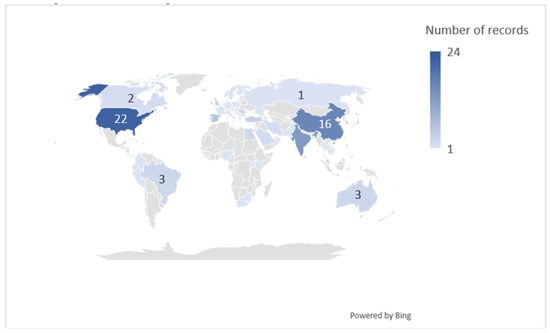
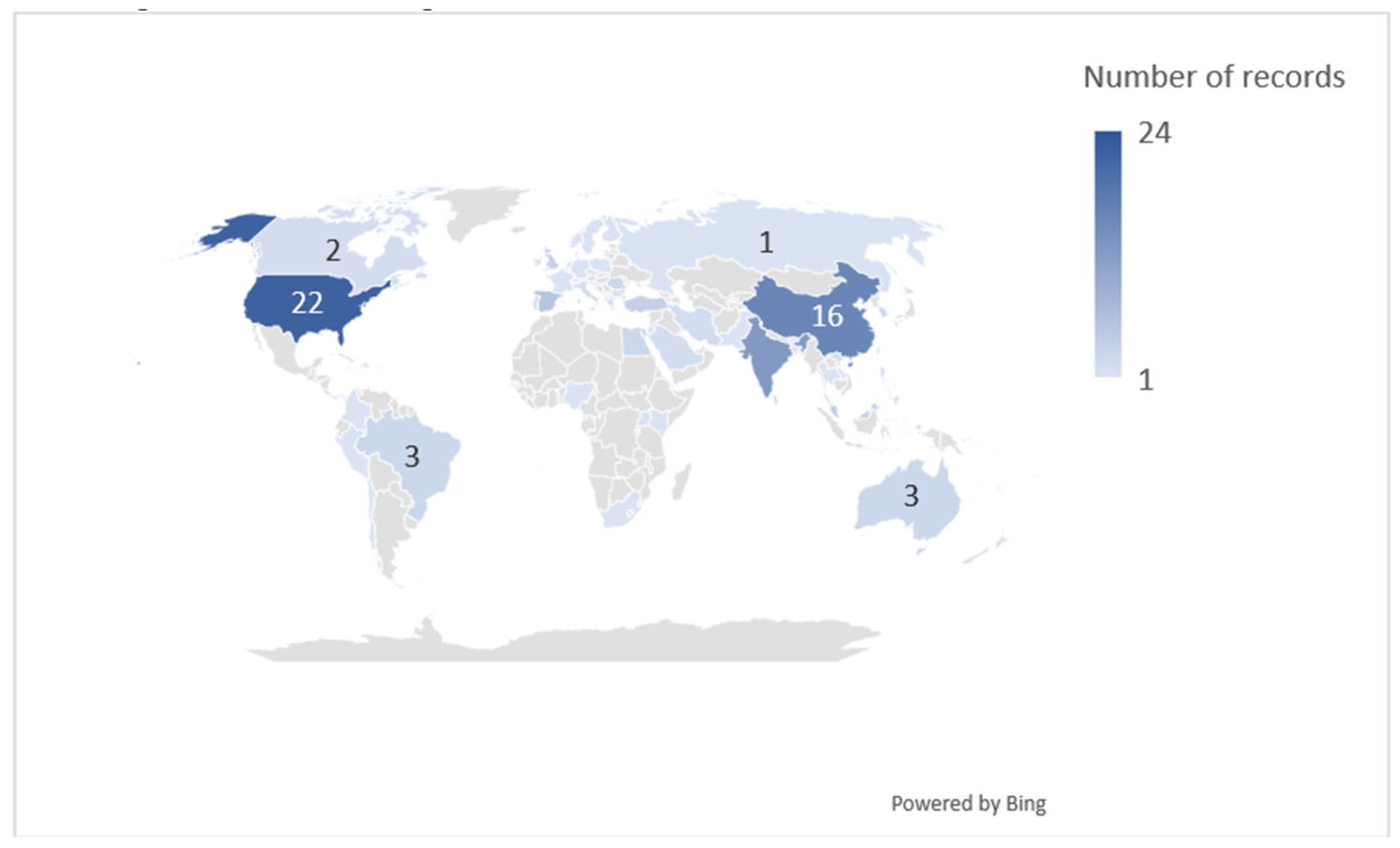
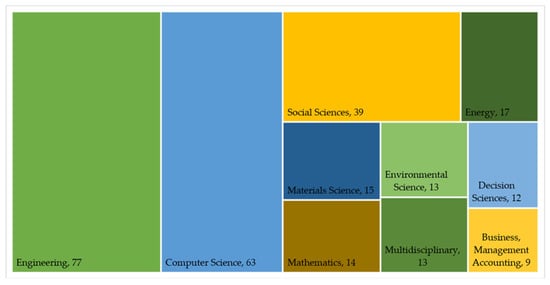
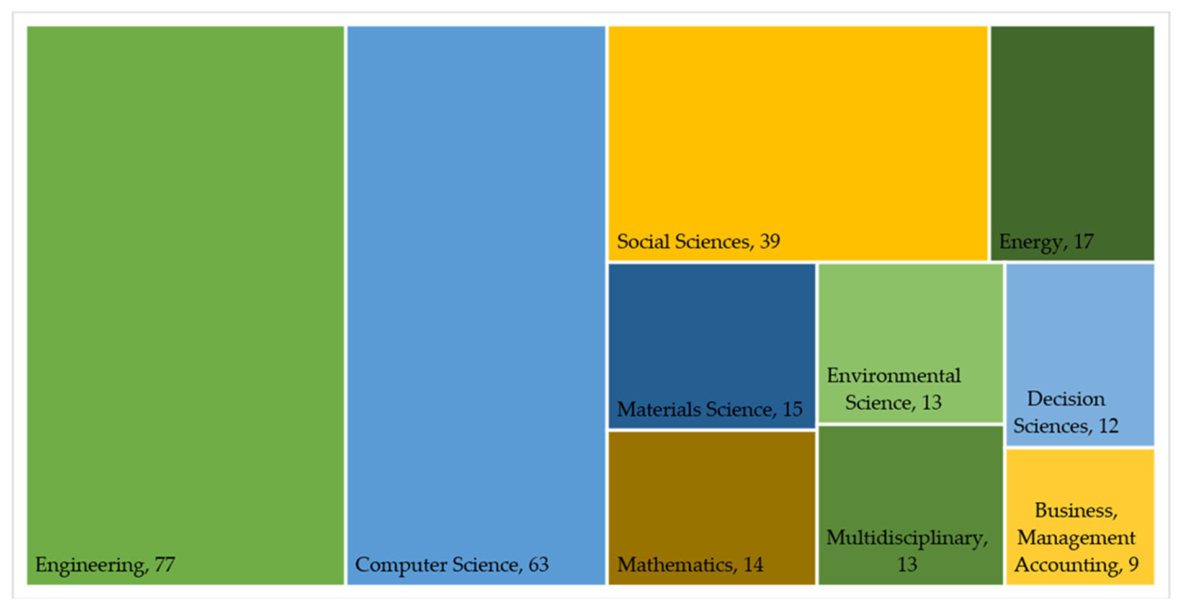
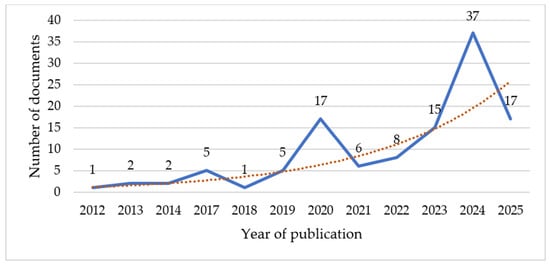
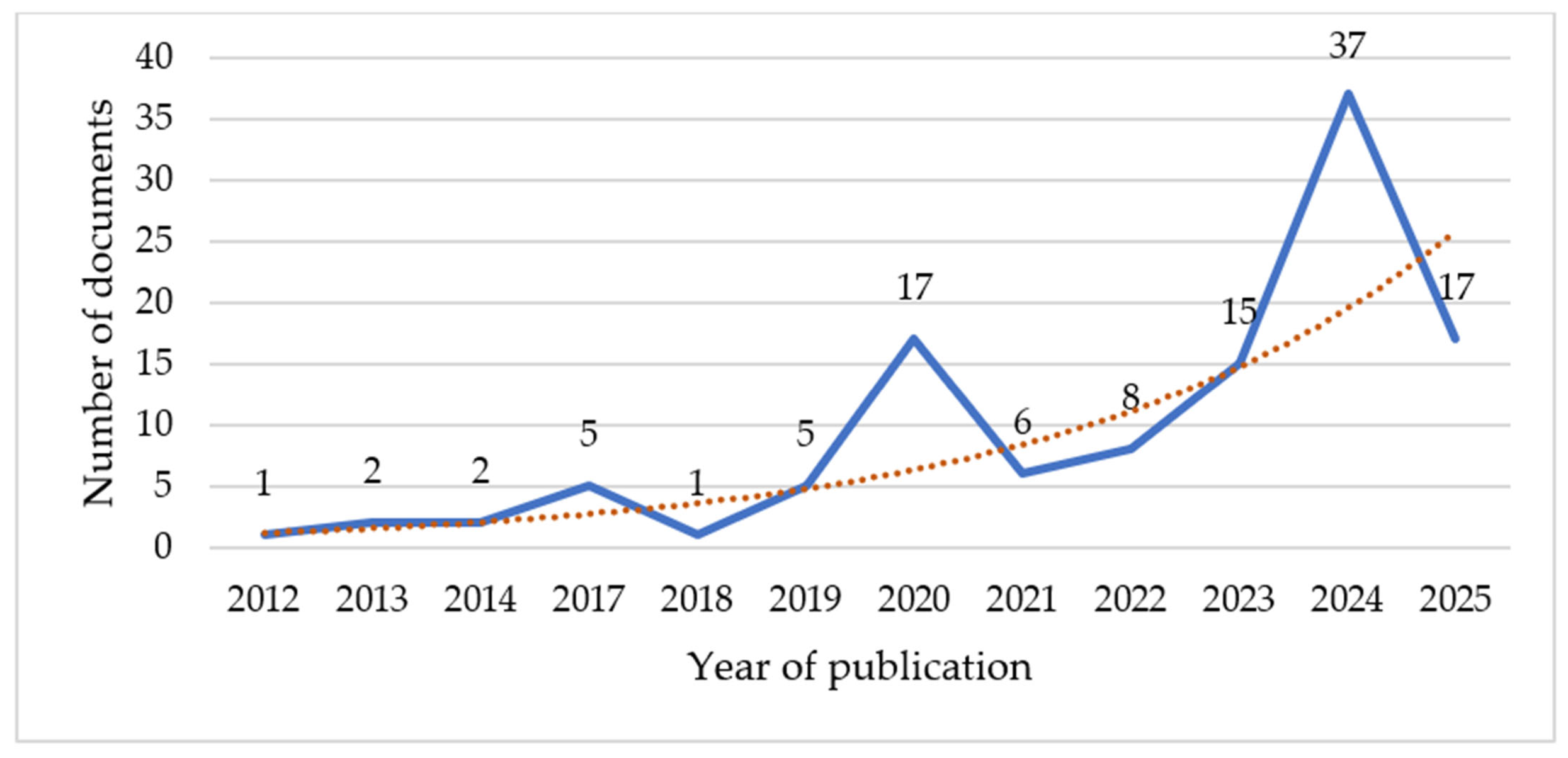
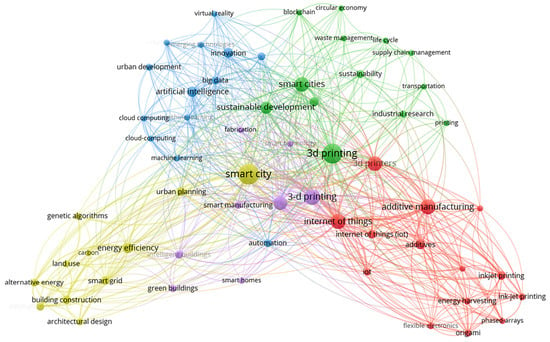
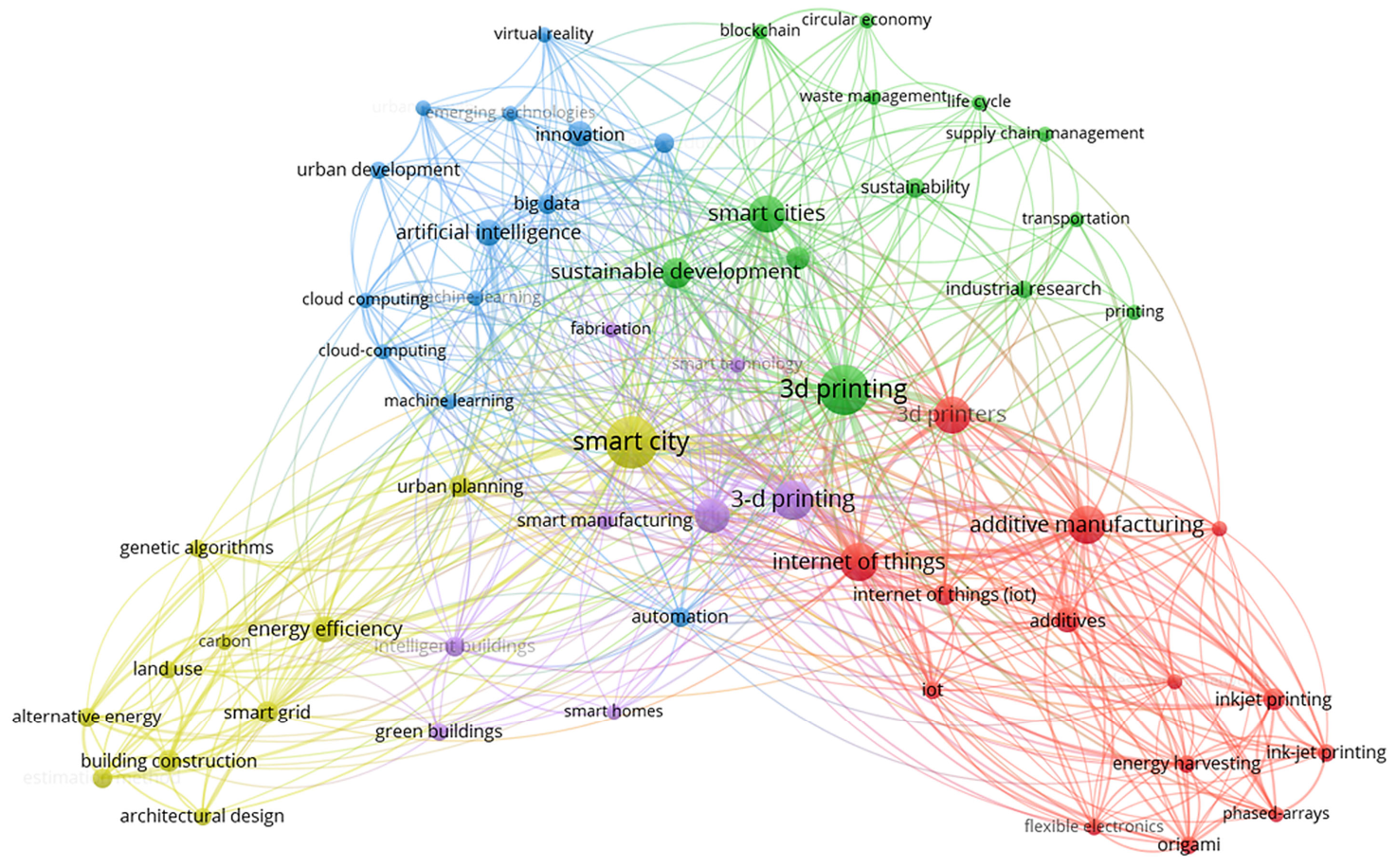
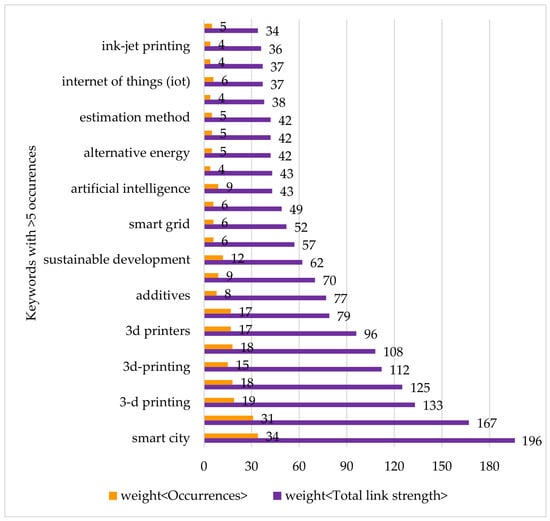
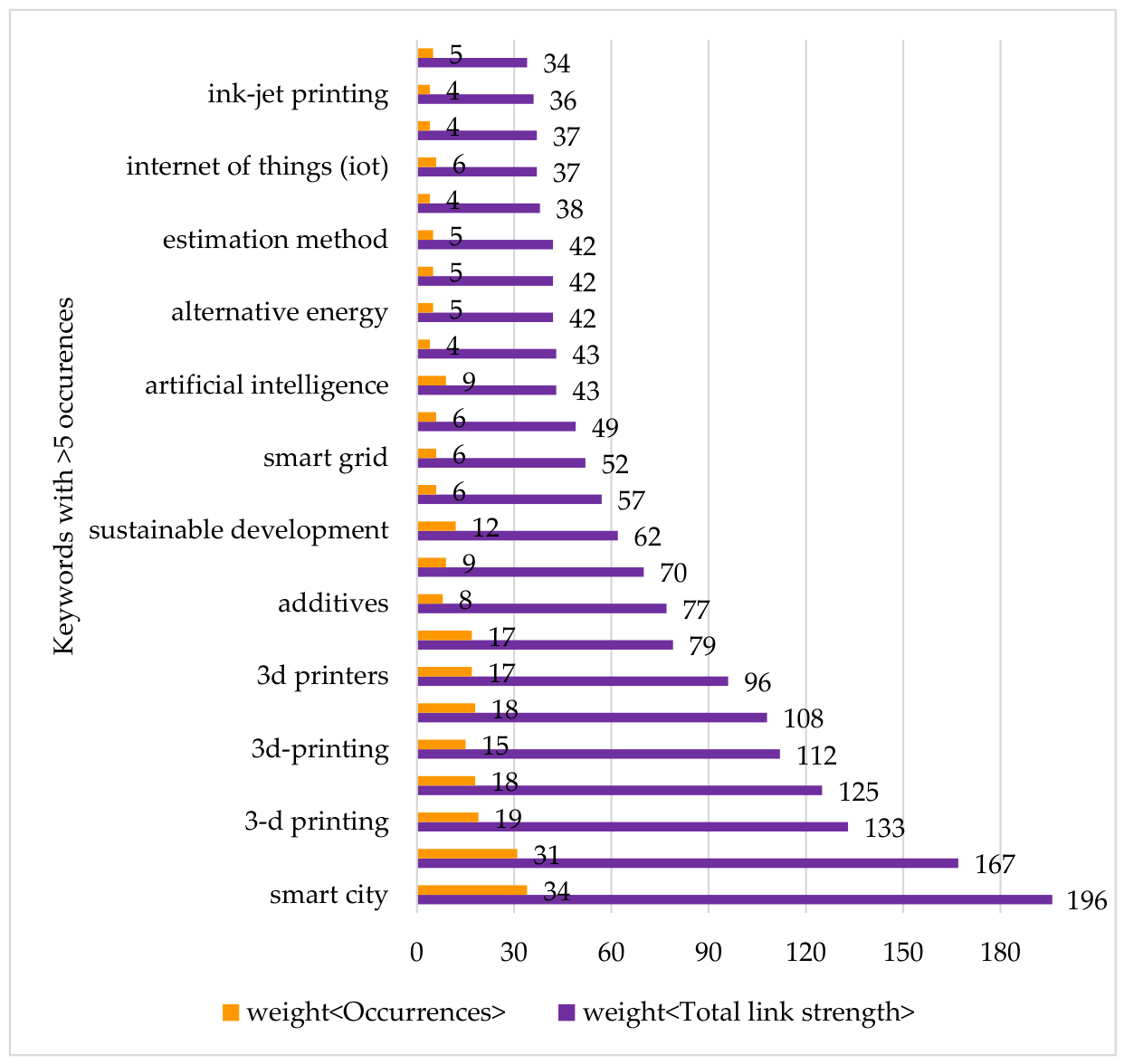
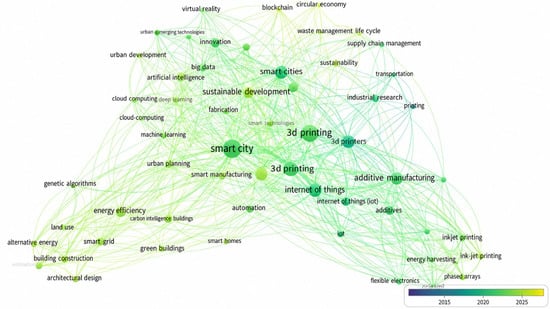
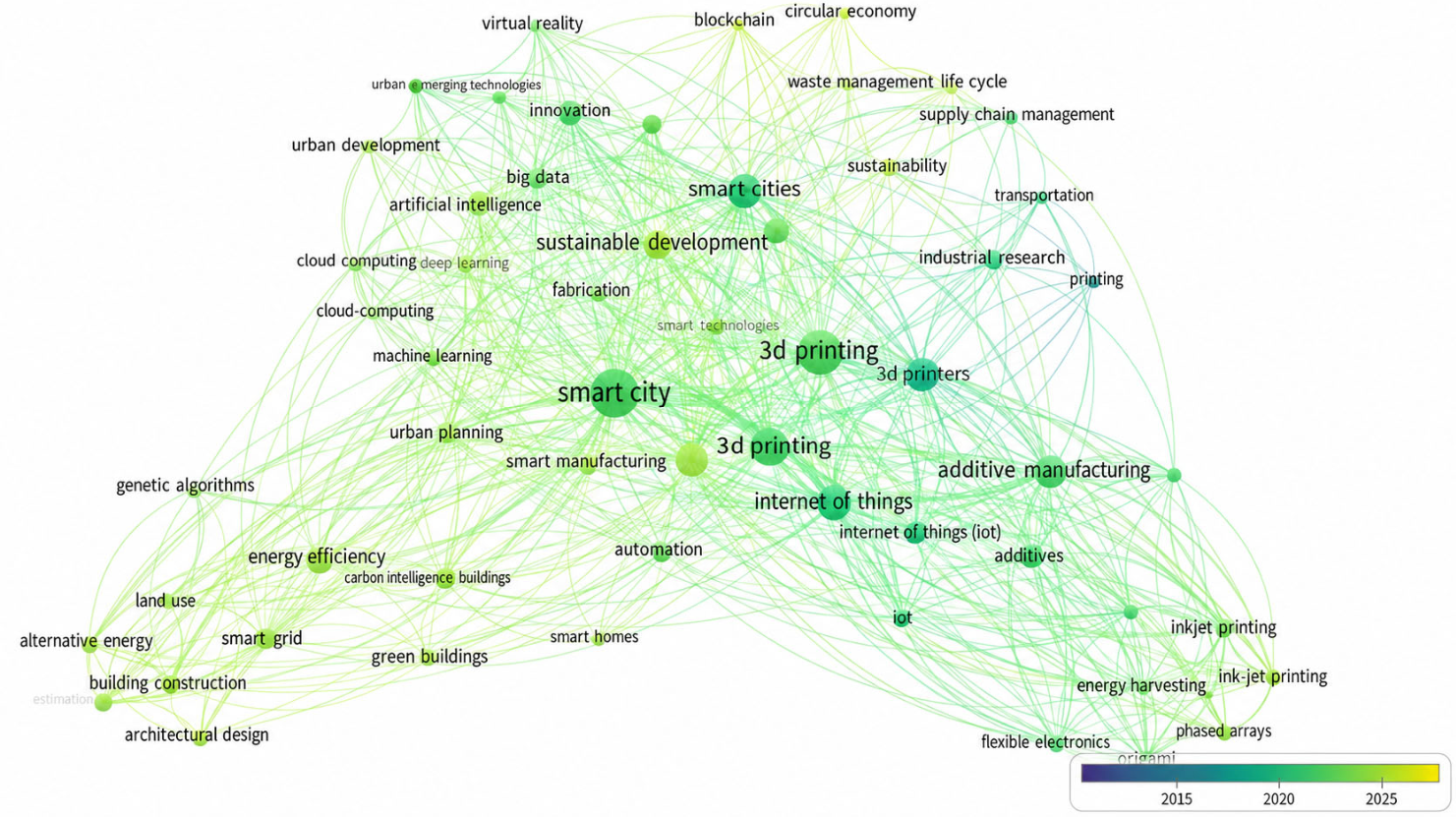
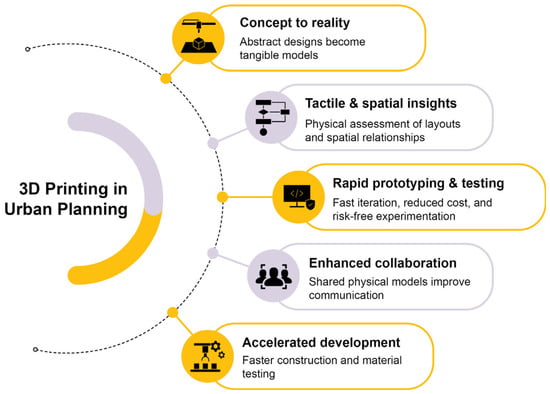
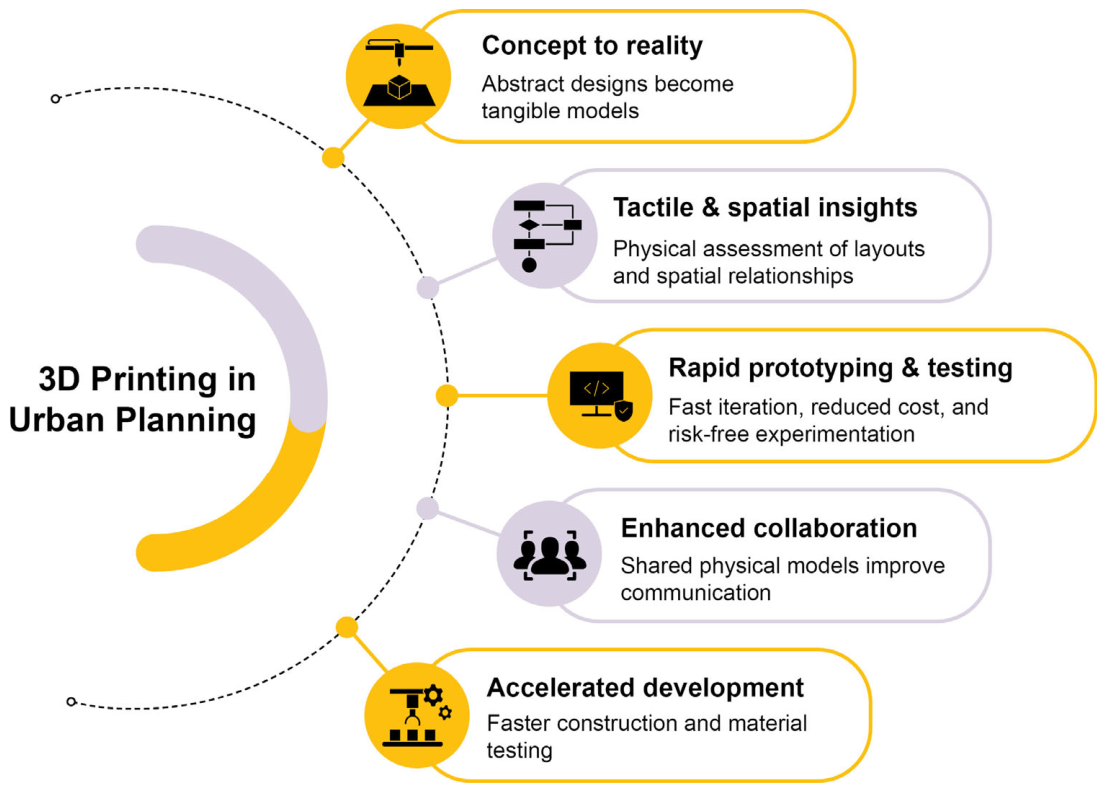
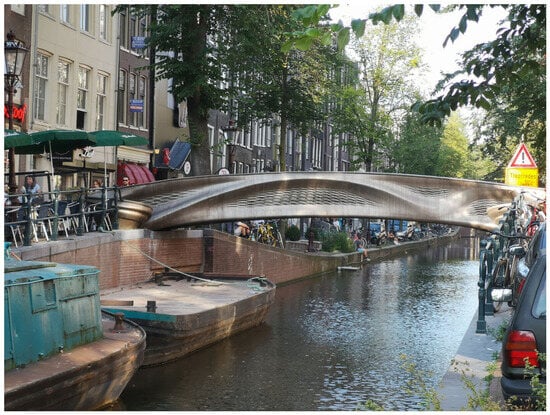
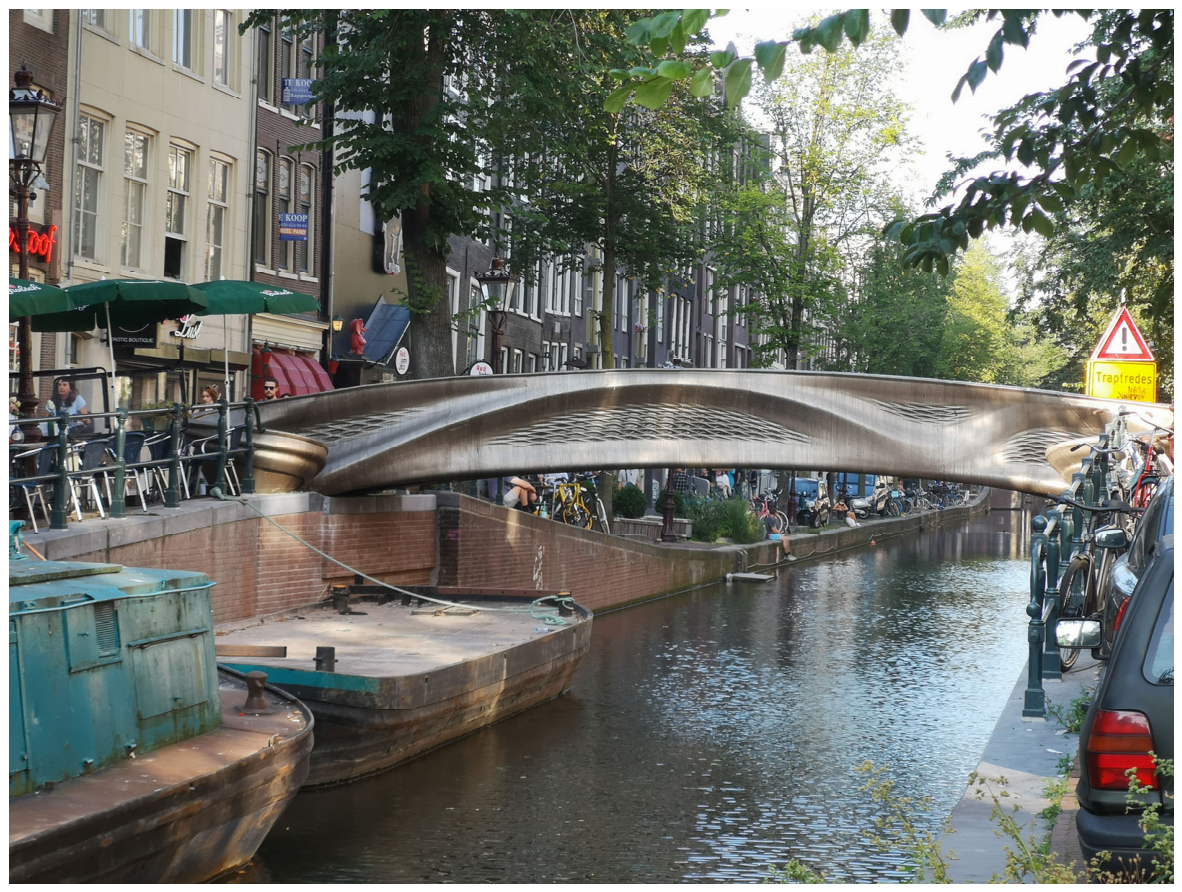
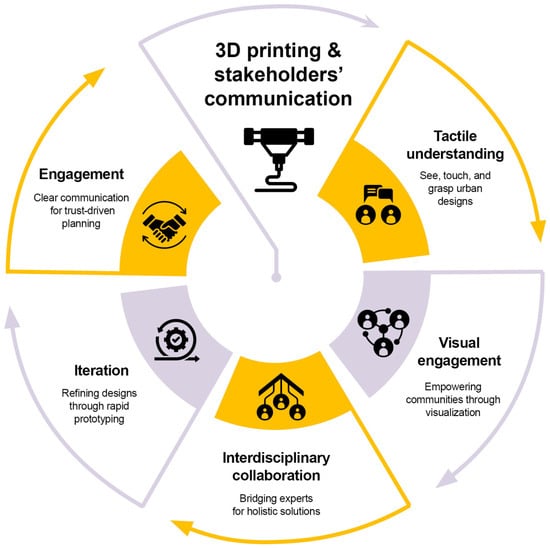
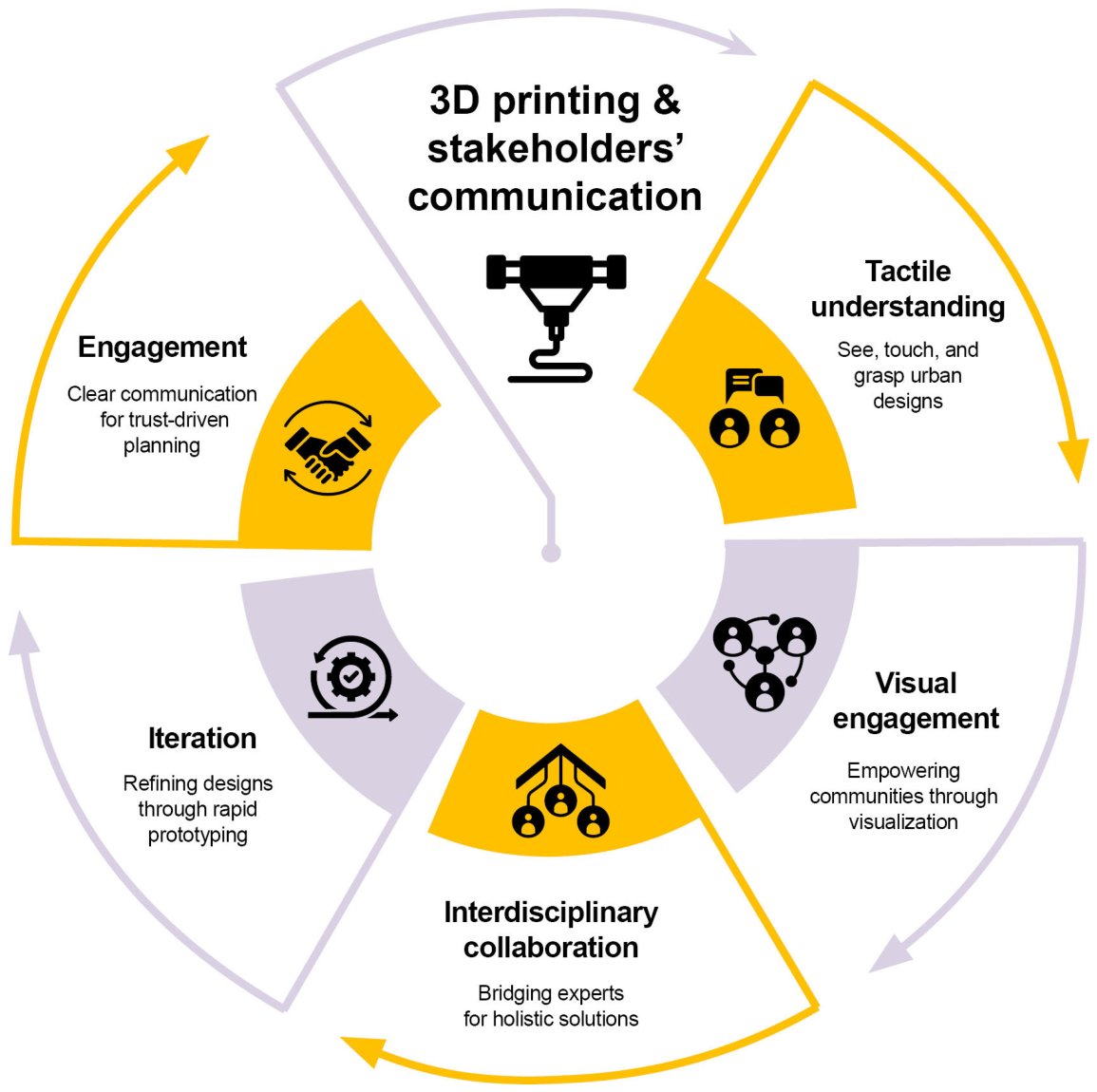
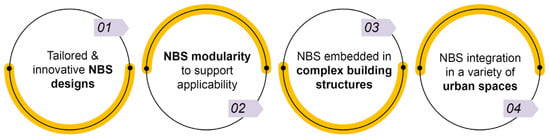
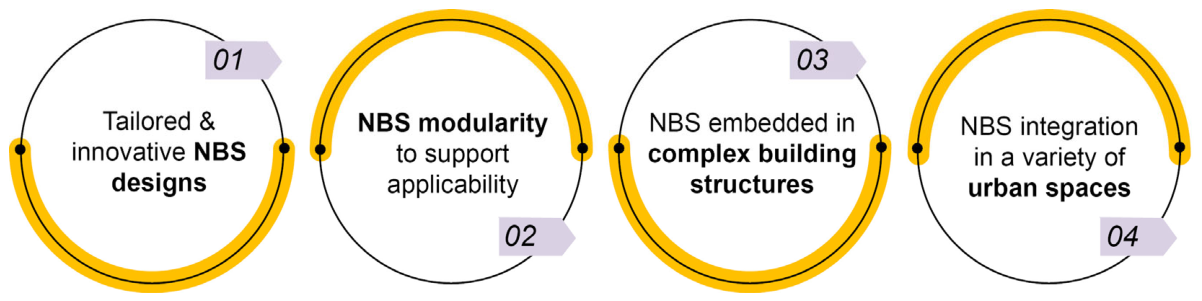
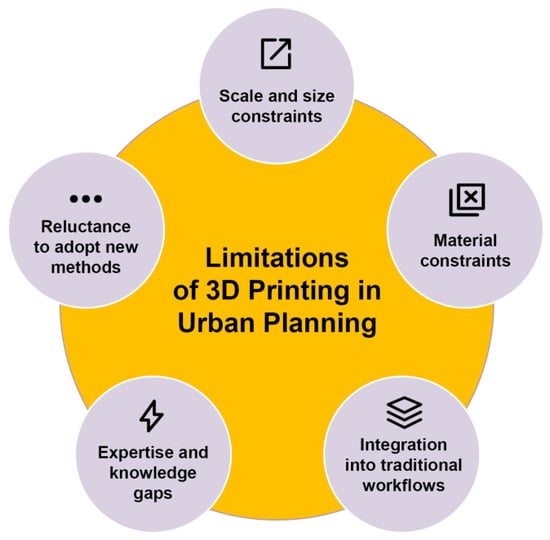
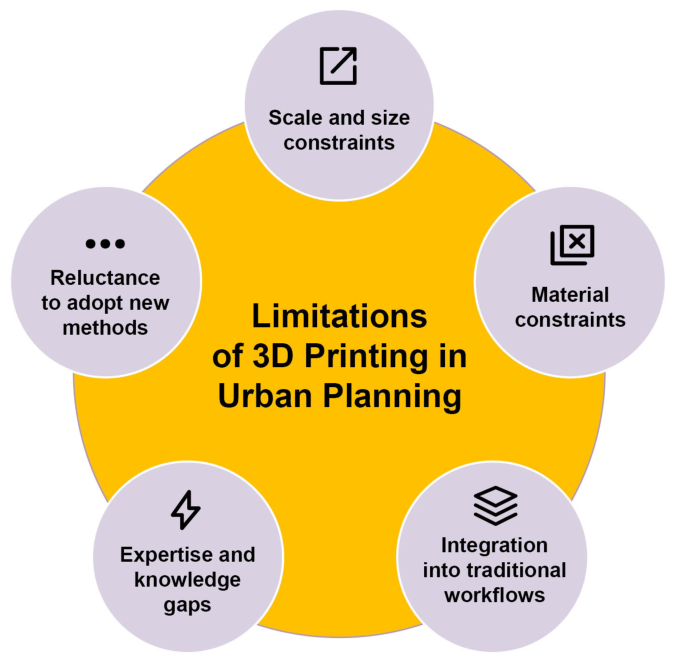



Disclaimer/Publisher’s Note: The statements, opinions and data contained in all publications are solely those of the individual author(s) and contributor(s) and not of MDPI and/or the editor(s). MDPI and/or the editor(s) disclaim responsibility for any injury to people or property resulting from any ideas, methods, instructions or products referred to in the content. |
© 2026 by the authors. Licensee MDPI, Basel, Switzerland. This article is an open access article distributed under the terms and conditions of the Creative Commons Attribution (CC BY) license.