


Abstract
Understanding the upstream-attempt behavior of fish in high-flow environments is important for refining behavioral simulations, optimizing fish-passage design, and protecting aquatic ecosystems. This study investigates Schizothorax oconnori, an endemic fish in the Yarlung Tsangpo River on the Qinghai–Tibet Plateau, using a multi-model analytical framework integrating a generalized linear mixed-effects model, Random Forest, SHapley Additive exPlanations, and GeoDetector. Results showed that remaining endurance and nominal flow velocity were positively associated with fish upstream-attempt initiation. Attempt termination reflected endurance depletion, initial endurance, and hydraulic variability. Model-predicted termination probability increased markedly when (i) cumulative endurance consumption during the current attempt exceeded ~11% or (ii) fish began an attempt with an initial endurance status below ~95%. These model-derived change points represent within-attempt endurance depletion and reduced endurance available at attempt initiation, respectively. Across attempt sequences, the dominant explanatory factors showed an apparent shift from physiological condition during the first attempt to hydraulic variability during subsequent attempts. This sequence-related pattern is consistent with behavioral adjustment based on repeated experience in the flow environment, although cumulative fatigue, stress, individual differences, and experimental procedures may also contribute. Hydraulic-variability metrics along the trajectory showed greater explanatory importance than several instantaneous hydraulic variables, and physiological condition and hydraulic variability together enhanced explanatory power. This study provides a quantitative multi-model framework for analyzing upstream-attempt behavior and offers a scientific basis for refining behavioral simulations and optimizing fish-passage facilities.
Keywords:
Schizothorax oconnori; the Qinghai–Tibet Plateau; high-flow environment; fish swimming behavior; endurance status Key Contribution:
This study develops a multi-model analytical framework integrating GLMM, RF, SHAP and GeoDetector to reveal the initiation and termination mechanisms of fish attempt behavior under high-flow conditions. It demonstrates that endurance status is the dominant internal driver, whereas hydraulic fluctuation intensity along the trajectory is a key external trigger of attempt termination, providing new mechanistic insights for fish behavior simulation and fishway design.
1. Introduction
The Qinghai–Tibet Plateau, referred to as the ‘Asian Water Tower’, is the source region of the Yangtze and Yellow rivers, as well as major transboundary rivers: the Yarlung Tsangpo, Lancang (Mekong), and Nu (Salween) [1]. Its river ecosystems are characterized by fast-flowing currents, steep elevation gradients and cold water [2]. Under these distinctive hydromorphological constraints, plateau fishes must swim upstream against high velocities to reach spawning or feeding habitats, requiring pronounced seasonal migrations. Such upstream movement is not only a pivotal stage in fish life cycles, but also a key behavioral adaptation that helps maintain ecological connectivity and species diversity in plateau waters [3]. In high-flow environments, many fishes employ a “discrete upstream attempt” strategy, alternating brief, high-intensity burst swimming with pauses in low-velocity refuges or short retreats, thereby reducing the energetic costs of sustained locomotion through repeated cycles [4]. During these attempts, fishes typically show greater variability in swimming speed (e.g., higher coefficients of variation, reduced proportions of sustained swimming, and increased burst swimming) and frequent lateral crossings across the channel [5]. Together, these behaviors indicate a decision-making process in which fishes balance risk against reproductive benefits under extreme hydrological conditions.
The “initiation–termination” dynamics of fish attempts to negotiate high-velocity flows are jointly constrained by physiological state and environmental conditions. The probability of initiating an attempt to move upstream is commonly used as a behavioral proxy for migratory motivation [6], whereas attempt termination is often interpreted as an avoidance response [7]. Existing evidence indicates that initiation probability is shaped by a suite of intrinsic and extrinsic factors, including developmental stage, gonadal maturity, body size, hydraulic and thermal conditions, diel rhythms, and personality [8,9,10,11]. In addition, anthropogenic or otherwise non-natural disturbances (like bright or high-frequency strobe lighting, vessel noise, and overhead cover) can substantially elevate the likelihood of attempt termination [12,13,14,15]. Among these drivers, hydraulic conditions are arguably the most influential external determinant: suitably high velocities may promote gonadal development and strengthen upstream motivation [16], whereas steep velocity gradients (Grad), elevated turbulent kinetic energy (TKE), or high Reynolds shear stress (τ) are more likely to elicit avoidance [17]. However, much of the current literature relies on time-averaged, point-based hydrodynamic metrics, implicitly treating behavior as an instantaneous response rather than a gradual decision process. In reality, animals not only react to present stimuli [18], but also integrate prior sensory information and evaluate the current context relative to past experience [19]. Accordingly, fish responses to hydraulic environments are likely to be “memory-dependent,” suggesting that hydrodynamic descriptors computed over rolling windows may better approximate the sensory perceptions of fish and provide more biologically meaningful quantitative variables to disentangle the mechanisms governing attempt initiation and termination [20].
Schizothorax oconnori Lloyd, 1908, an endemic cold-water fish of the Yarlung Tsangpo River basin on the Qinghai–Tibet Plateau, holds substantial value for ecological and evolutionary research [21]. Owing to anthropogenic pressures like habitat fragmentation and overfishing, its populations have declined markedly enough to be listed as a vulnerable species [22,23]. Despite its ecological significance, research on the behavioral mechanisms underlying upstream migration under high-velocity conditions remains limited. In particular, there is a clear gap in systematic observations and mechanistic interpretation of upstream attempt behaviors [24]. Moreover, existing studies have largely relied on conventional linear statistical approaches [25], which are often insufficient to capture the curvilinear threshold effects that are widespread in behavioral responses [26,27]. This underscores the need for an integrated analytical framework capable of accommodating nonlinear effects for fine-scale behavioral mechanism inference.
Accordingly, this study focuses on S. oconnori and employs controlled behavioral experiments in an open-channel flume to systematically examine the mechanisms governing upstream attempt behaviors in complex high-flow environments. Specifically, we aim to: (1) quantitatively characterize how the probability of attempt initiation responds to individual state and environmental drivers; and (2) develop an integrative, multi-model, analytical framework that explicitly accounts for nonlinear effects and incorporates hydrodynamic fluctuation metrics derived from rolling windows as proxies for short-term memory. This allows evaluation of how individual endurance state, hydrodynamic variability, behavioral experience, and attempt sequence jointly shape attempt termination. The findings should provide theoretical foundations and empirical support for plateau fish conservation and the design of fish-passage facilities.
2. Materials and Methods
2.1. Study Equipment
To investigate the behavioral decision-making mechanisms of plateau fish during upstream migration in high-velocity environments, this study established a 16 m long, 3.5 m wide, annular open-channel flume at the Zangmu fish breeding and release station in Tibet, China. The structure and function of the flume have been described in detail by Chen et al. [28]. The flume operates on a recirculating water design, with water driven by five variable-frequency pumps that sequentially direct flow through the rectification, test, staging, downstream reversal, upstream circulation and upstream reversal zones, ultimately returning to the rectification zone to complete a closed loop. The test zone is a constricted channel, 8.60 m in length, equipped with a trapezoidal, non-submersible baffle device that enables high test-flow speeds while effectively minimizing turbulence caused by abrupt shape transitions (Figure 1a).
Figure 1.
Study equipment: (a) Recirculating open-channel flume (top view), showing the main dimensions of the staging area, test area, flow rectification area, and other circulating areas, with detailed layout dimensions for the velocity measurement points (square markers) located at each monitoring cross section, (b) Acoustic Doppler Velocimeter (ADV) instrument, and (c) circular breeding tanks.
To accurately capture the real-time movement trajectories of experimental fish, two high-definition cameras (HIKVISION, Hangzhou, China, 18 Hz) were installed 4 m above the flume. A white plastic board was placed at the bottom of the flume to enhance the contrast between the fish and the background. A side-mounted camera was also positioned to identify the primary activity layers of the fish and monitor real-time water depth. During the experiments, the still water depth was maintained at 0.30 m, with water level data continuously recorded via the camera and flow velocity verified every 30 min using a propeller-type velocity meter (NHRI, LGY-II, Nanjing, China, Nanjing Hydraulic Research Institute) to ensure the stability of water depth and flow speed. The 3-D hydrodynamic data for the test zone were collected using an Acoustic Doppler Velocimeter (ADV) (Figure 1b, Nortek As, Rud, Norway). Monitoring cross sections were set at 0.25 m intervals from down- to upstream, with a total of 25 sections, and each section included five measurement points spaced at 0.10 m, totaling 125 measurement points (square markers in Figure 1a). The ADV sampling frequency was set to 25 Hz (the highest stable sampling rate under our measurement conditions), with a single-point sampling duration of 60 s. Measurement points were positioned at a water depth of 0.10 m, confirmed as the primary activity zone of the fish via side camera recordings. For monitoring cross-section 12, located at the center of the flume, velocities were measured not only at the 0.10 m depth, but also at additional depths of 0.05, 0.15, and 0.20 m. The average velocity at this section was defined as the nominal velocity (Vnom) to represent the overall flow field intensity (Figure S1).
2.2. Fish Acclimation
This study used wild S. oconnori as experimental subjects. A total of 203 fish were collected from the middle and lower reaches of the Yarlung Tsangpo River near Nyingchi, Tibet, using gill nets. Fish collection was conducted with approval from the local fisheries authority. Upon capture, the live fish were immediately transferred to transport containers filled with water from the Yarlung Tsangpo River, equipped with a recirculating water system and continuous oxygen supply to ensure sufficient oxygenation during transport.
After transportation to the Zangmu fish breeding and release station in Jiacha, the fish were acclimated in two circular breeding tanks (Figure 1c). The tanks (3.00 m in diameter, 1.00 m in depth) were thoroughly disinfected with potassium permanganate solution prior to use to prevent disease. The water for breeding was sourced directly from the Yarlung Tsangpo River, with 50% of the water replaced daily to maintain water quality. Throughout the acclimation period, water temperature and dissolved oxygen concentrations were monitored hourly using an oxygen meter (HACH, LDO10103, Loveland, CO, USA, Hach Company.). Water temperature was maintained between 12.21 °C and 13.40 °C, and dissolved oxygen concentrations ranged from 6.11 to 7.04 mg/L. Commercial feed was provided at scheduled times daily, with feeding stopped 24 h prior to the start of the formal experiments.
2.3. Experiments Design
All experiments were conducted from 12 April to 12 May 2025, during the spawning season of S. oconnori [29]. At the start of each experiment, a healthy and active experimental fish was randomly transferred from the breeding tank to the staging zone of the test flume, where it was allowed 0.50 h to adapt to the environment. After the adaptation period, the water pump was activated to generate a specific flow velocity. Stimulated by the flow, the fish typically entered the test zone and began migrating upstream. Following procedures adapted from closed-flume swimming tests [30,31], when a fish terminated an upstream attempt and returned to the staging zone, a mild non-contact stimulus was applied by gently tapping the side wall of the flume or lightly disturbing the water surface with a dip net. This procedure was used only as an auxiliary prompt to encourage the fish to re-enter the test zone and initiate a subsequent upstream attempt. The dip net was not used to contact or chase the fish, nor was it used to direct the fish toward a particular upstream route or hydraulic region. Thus, the fish retained the choice of whether and where to re-enter the test zone. The prompting procedure was intended to minimize prolonged resting and endurance recovery between successive attempts, thereby maintaining continuity in the estimation of the fish’s endurance status. If the fish showed no willingness to move upstream after three prompting events or remained attached to the barrier net without responding to the stimulus, it was considered fatigued, and the trial ended. The successful fish was then removed from the flume for measurements of body (standard) length and weight. To reduce handling stress, only healthy and active fish were selected, a 30 min acclimation period was provided before each trial, and subsequent attempts were encouraged using mild, non-contact prompting. Trials were terminated immediately when the predefined fatigue criteria were met, and fish used in another trial were allowed to recover for at least 48 h under normal holding and feeding conditions. This interval exceeded the reported recovery times for swimming performance and physiological indicators like blood glucose and lactate [32,33,34]. No mortality occurred during capture, transport, acclimation, or the flume experiments. After completion of the experiments and post-trial recovery, all fish were released at an approved release site in the Yarlung Tsangpo River with approval from the local fisheries authority.
The environmental flow speeds in this experiment were designed to assess the behavioral decision-making mechanisms of S. oconnori in high-velocity environments. The burst swimming speed of this species is approximately 1.21–1.69 m/s [35], so five nominal flow velocity (Vnom) levels above this range were set for the study (Figure 2), where Q denotes discharge and N is the number of trials conducted under each condition: Vnom = 1.80 m/s (Q = 0.24 m3/s, N = 42), Vnom = 2.00 m/s (Q = 0.27 m3/s, N = 41), Vnom = 2.20 m/s (Q = 0.28 m3/s, N = 40), Vnom = 2.40 m/s (Q = 0.28 m3/s, N = 40), and Vnom = 2.50 m/s (Q = 0.29 m3/s, N = 40).
Figure 2.
Conditions under different nominal flow velocities (Vnom): (a) Body length (BL, m) and body weight (Weight, g) of the experimental fish, (b) Water temperature (Temp, °C) and dissolved oxygen (DO, mg/L) levels.
2.4. Hydraulic Characteristics
In addition to the directly measured flow velocity, this study assumes that the factors most significantly affecting fish swimming behavior include the velocity gradient, turbulence energy, and Reynolds shear stress in different directions [36]. The velocity gradient is defined as the ratio of the velocity difference between two adjacent fluid layers to the distance between them [37]:
where u and v represent the velocity components along the longitudinal direction of the flume and perpendicular to the longitudinal direction (m/s), respectively, and x and y are the distances between fluid layers in the corresponding velocity component directions (m).
Turbulent kinetic energy (TKE) is defined as the high-speed velocity fluctuations generated by the superposition of chaotic shear flows with multiple intensities and scales, exhibiting heterogeneous motion that depends on three-dimensional, temporal, and spatial factors [38]:
where n is the sample size for each measurement point, and , , represent the time-averaged flow velocities in the longitudinal, lateral, and vertical directions (m/s), respectively. ui, vi and wi are the instantaneous flow velocities in those respective directions (m/s).
Reynolds shear stress (τ) is defined as the continuous transfer of momentum between adjacent viscous flows with different velocities [39]. The Reynolds shear stress in each direction is defined as follows:
where ρ is the density of water (103 kg/m3).
2.5. Combining Fish Movement and Hydrodynamics
The motion trajectories of experimental fish in 2-D space were tracked and analyzed using Logger Pro 3.16 software (Vernier, Beaverton, OR, USA). The video analysis sampling frequency was set to 18 fps, which was the highest stable frame rate available for the camera under the experimental settings, and fish body-position coordinates were identified and connected frame-by-frame to extract the individual movement trajectories. By overlaying the movement trajectory points with the background flow field, the corresponding hydraulic factor values for each trajectory point were obtained. To illustrate the effect of hydraulic factor fluctuations along the flow path on fish behavior decisions, the standard deviation of the hydraulic factor values corresponding to trajectory points within the 1 s period prior to the current position [20] was defined as the fluctuation intensity of the hydraulic factor along the trajectory:
where σ(x) is the fluctuation value of the hydraulic factor x, xi is the characteristic value of the ith trajectory point, is the average value of the hydraulic factor x along the trajectory within 1 s, and N is the number of trajectory points within 1 s. For upstream durations shorter than 1 s, N is set to the actual number of trajectory points generated during that time period.
The fish’s absolute swimming speed () is calculated using the following formula:
where is the flow velocity, is the swimming speed of the fish relative to the ground, , and is the fish’s displacement between consecutive frames, with = 1/18s.
Fatigue time (T), an important indicator for evaluating fish swimming performance, reflects the non-sustained swimming capacity of fish, i.e., the duration for which the fish can maintain swimming under specific conditions [40]. The relationship between fatigue time (T), the fish’s absolute swimming speed (), and body length (BL) for S. oconnori can be expressed as follows [28]:
where T is the fatigue time (s), and BL is the body length of the fish (m).
Furthermore, the real-time endurance status of the fish is defined as [41]:
where E represents the remaining endurance status of the fish (%), T is obtained from Equation (6), and t* is the swimming duration (s). It should be noted that when the absolute swimming speed of S. oconnori is below the critical swimming speed of 3.83 BL/s, it is considered to be in a fully aerobic exercise state, and no endurance depletion occurs [35,42].
A single attempt to move upstream is defined as the complete movement process of an experimental fish from entering to leaving the test zone. This process includes four typical stages: the upstream trigger point, defined as the moment the fish enters the test zone and begins an upstream movement attempt; the upstream termination point, defined as the moment the fish reaches the maximum longitudinal displacement during that attempt; the sustained upstream phase, defined as the time interval from the upstream trigger point to the upstream termination point; and the downstream phase, defined as the time period from the upstream termination point to the moment the fish exits the test zone. In a complete experiment, each attempt to move upstream is sequentially numbered as n in chronological order. Let the initial endurance at the start of the nth attempt to move upstream be E0, which is equal to the endurance status at the end of the previous attempt (En−1). At each observation time t∗, the absolute swimming speed of the fish was first calculated using Equation (5). The corresponding fatigue time T was then estimated from the species-specific relationship between absolute swimming speed and body length (BL) given in Equation (6), and the real-time endurance status E(t∗) was calculated using Equation (7), where E = 1 represents full endurance and E = 0 represents complete endurance depletion. When the absolute swimming speed was below the critical swimming speed of 3.83 BL/s, endurance consumption was set to zero. For the first upstream attempt, the initial endurance status E0 was set to 1; for each subsequent attempt, E0 was equal to the endurance status at the end of the preceding attempt (En−1). Cumulative endurance consumption during the current attempt was then calculated as Ec = E0 − E(t∗).
2.6. Analysis Methods
To address the nonlinear, heterogeneous, and interactive relationships influencing fish upstream-attempt behavior, this study developed a multidimensional analytical framework that integrates multiple technical approaches to comprehensively elucidate such behavior (Figure 3). By adopting a multidimensional methodology and a hierarchical identification strategy, this framework provides a systematic evidence base and a multifaceted perspective for understanding the underlying mechanisms.
Figure 3.
Schematic diagram of the multi-model analytical framework. A generalized linear mixed-effects model (GLMM) was used to analyze the triggering mechanism of fish upstream-attempt behavior, whereas random forest (RF) and SHAP were applied to examine its termination mechanism. In addition, the GeoDetector was employed to further identify the dominant driving factors leading to the termination of upstream-attempt behavior under different upstream attempt sequences, as well as the effects of interactions among these factors.
2.6.1. Generalized Linear Mixed-Effects Model for Analyzing the Initiation Mechanisms of Attempt Behavior
To systematically investigate the impact of fish status and environmental factors on the probability of upstream attempt initiation by S. oconnori, a Generalized Linear Mixed-effects Model (GLMM) with a binomial distribution and logit link was constructed. The model is set as follows: assuming a single fish completes n upstream attempts in a trial, n + 1 observations are generated; the first n records correspond to successful upstream attempts (coded as 1), whereas the (n + 1)th record represents a failed attempt (coded as 0). Following this rule, a dataset containing 160 records was created. The response variable is a binary classification of upstream attempt initiation (0/1), whereas the independent variables include endurance status at the end of the previous attempt (En−1), BL, nominal flow velocity (Vnom), water temperature (Temp), and dissolved oxygen (DO). Fish identity (Fish ID) was included as a random intercept to account for repeated initiation opportunities within individuals. The model structure was specified as:
where pij is the probability that fish i initiates an upstream attempt at initiation opportunity j; β0 is the intercept, β1–β5 are fixed-effect coefficients, and bi is the random intercept for Fish ID.
Continuous predictors were Z-standardized before model fitting. To assess multicollinearity among independent variables, variance inflation factors (VIF) were calculated using the car package (3.1-3) in R (4.5.1). The results show that all VIF values are less than 3, indicating no significant multicollinearity. Subsequently, a stepwise regression method was used for variable selection and model simplification to optimize model structure and improve explanatory efficiency. To eliminate potential interference from individuals using the static recovery area in the upper corner of the test zone, only samples that did not reach the uppermost part of the test zone were included in the final analysis (N = 79). The GLMM was constructed using the lme4 package (4.5.1) in R (4.5.1).
2.6.2. Random Forest for Analyzing the Termination Mechanism of Attempt Behavior
To address potential nonlinear features and multi-factor interactions in the termination mechanism of a single attempt to move upstream, this study developed a multidimensional analysis framework to comprehensively analyze the behavioral decision-making mechanism. The framework treats each trajectory point during the sustained upstream phase as an independent observation sample. Each sample contains three categories of feature variables: (1) Fish status, including body length (BL), real-time endurance status (E), initial endurance status for the attempt to move upstream (E0), and cumulative endurance consumption (Ec); (2) Hydraulic factors, including longitudinal flow velocity (u), lateral flow velocity (v), longitudinal velocity gradient (Gradu), lateral velocity gradient (Gradv), turbulence kinetic energy (TKE), and Reynolds shear stress components (τuv, τuw, τvw); (3) The fluctuation intensity of the hydraulic factor along the trajectory (Equation 4), including σ(Gradu), σ(Gradv), σ(TKE), σ(τuv), σ(τuw) and σ(τvw).
To capture the complex relationship between key variables and the fish’s upstream termination behavior (binary classification: 0/1), this study employed a binomial distribution-based Random Forest (RF) model for analysis. RF, an ensemble supervised machine-learning algorithm, demonstrates strong performance in classification tasks by constructing and aggregating multiple decision trees [43,44]. To mitigate the impact of class imbalance on model training, the SMOTE method was used to balance the training set samples before modeling [45]. Model performance was evaluated using leave-one-fish-out cross-validation (LOFO). In each iteration, all trajectory points from all upstream attempts made by one fish were held out as the validation set, whereas observations from the remaining fish were used for model training. This procedure ensured that the same individual, and consequently the same upstream attempt, did not contribute observations to both the training and validation datasets. Missing-value imputation, SMOTE oversampling, and feature standardization were performed using the training data within each iteration. Precision, recall, F1 score, and false-positive rate were calculated from the pooled out-of-fold predictions. To further enhance model interpretability, SHapley Additive exPlanations (SHAP) values were introduced to quantify the contribution of each variable to the prediction [46]. A Generalized Additive Model (GAM) was used to fit the relationship between SHAP values and actual variable values [47], and Partial Dependence Plots (PDPs) were employed to visualize the relationship between key variables and the response [48]. The RF model was constructed using the Scikit-learn package (1.8.0) in the Python (3.13) environment.
2.6.3. Introducing a GeoDetector–Based Analysis of Variance Framework to Analyze the Effect of Attempt Sequence on the Termination of Fish Attempt Behavior
To investigate the impact of the sequence of upstream attempts on fish behavior decision-making within a single trial, this study introduces the Geodetector method to supplement the limitations of machine learning models in heterogeneous data stratification comparisons [49]. Geodetector is a statistical tool based on spatial differentiation theory, originally used to identify driving factors of geographic phenomena [50]. This method, which is insensitive to multicollinearity, belongs to the variance analysis framework and has been widely applied in the study of driving mechanisms for both natural and socio-economic factors [51,52]. This study is the first to introduce Geodetector into fish behavior research. By using its factor detector and interaction detector modules, the study identifies key influencing variables under different upstream sequences (n) and analyzes their independent and interactive effects.
The factor detector is used to quantitatively assess the explanatory power of a factor on attribute differentiation, where the dependent variable Y must be numeric and the independent variable X is categorical. In this study, continuous independent variables are discretized using the equal-frequency binning method (see Tables S1–S3). The explanatory power of a single driving factor X on Y is measured by the q-statistic, and its calculation formula is as follows:
where h = 1, 2, …, L represents the strata of the independent variable X; Nh and N are the number of units within the stratum and in the entire population, respectively; σh2 and σ2 are the variances within the stratum and the overall population, respectively. The q-statistic ranges from 0 to 1, with a higher q-statistic indicating a stronger explanatory power of the variable on the dependent variable.
The interaction detector is used to analyze the interaction between two independent variables, X1 and X2, on the dependent variable Y. By comparing the q-statistic of the interaction term (X1 ∩ X2) with those of the individual variables (X1 or X2), different types of interactions can be identified, including Nonlinear Weakening, Unique Weakening, Bivariate Enhancement, Independence, and Nonlinear Enhancement.
In summary, for the study of fish attempt termination mechanisms, this paper constructs a comprehensive analysis framework that integrates RF, SHAP analysis, and Geodetector, aiming to balance model prediction performance with result interpretability. RF excels at capturing nonlinear relationships between variables and behavioral responses, while SHAP analysis provides variable importance rankings and dependency visualizations. Geodetector, on the other hand, utilizes the q-statistic for standardized cross-layer comparisons of factor influence, enhancing the robustness of statistical inferences. This integrated approach not only maintains high fitting accuracy, but also improves the reliability of model outputs in structural comparison and mechanism identification.
3. Results
3.1. Hydrodynamic Characteristics of the Flume
Figure 4 shows the distribution characteristics of the time-averaged flow velocity (Vf), velocity gradients (Gradu and Gradv), turbulent kinetic energy (TKE), and Reynolds shear stress components (τuv, τuw, τvw) under different Vnom. As Vnom gradually decreases from 2.50 to 1.80 m/s, the overall kinetic energy of the flow field significantly decreases, with the high-speed zone shrinking and the flow becoming more uniform and stable (Figure 2a). Specifically, when Vnom = 2.50 m/s, the maximum velocity reaches 3.20 m/s; when Vnom decreases to 2.40 m/s, the maximum velocity decreases to 2.84 m/s; for intermediate conditions (Vnom = 2.20 m/s, 2.00 m/s), the velocity further decreases; by Vnom = 1.80 m/s, the minimum velocity is ~0.80 m/s, indicating that the flow field transitions from a high- to low-energy state (Table 1).
Figure 4.
The contour maps of the hydraulic factors at a water depth of 0.10 m in the test zone, with decreasing nominal flow velocity (Vnom) from top to bottom in a single image, are as follows: (a) Vf (m/s). The black square markers represent the measurement points for each monitoring section. The black arrows indicate the direction of the flow velocity, with the arrow length representing the flow speed. The white labels show the values corresponding to each contour line. (b) Gradu (s−1), (c) Gradv (s−1), (d) TKE (m2/s2), (e) τuv (N/m2), (f) τuw (N/m2), (g) τvw (N/m2).
Table 1.
Distribution range of hydraulic factors in the test zone under different nominal flow velocities (Vnom).
The spatial distribution of Gradu exhibits pronounced heterogeneity and shows a systematic response to changes in the nominal velocity, Vnom (Figure 4b). Overall, under relatively high-Vnom conditions, the absolute values of Gradu within the test zone remain generally small, while positive and negative gradients are scattered and vary smoothly. This indicates that the streamwise velocity changes relatively continuously, with neither local acceleration nor deceleration being particularly prominent, and the overall flow structure remaining comparatively stable. For example, when Vnom = 2.5 m/s, Gradu ranges from −0.38 to 1.45 s−1 (Table 1). Spatially, weak positive gradients dominate, and negative-gradient patches appear only in a few narrow local regions, suggesting that the velocity changes gradually along the flow direction and that the mainstream flow development is relatively smooth. As Vnom decreases, the spatial distribution of Gradu gradually shifts from relatively uniform to more patchy and locally intensified, with zones of local acceleration and deceleration becoming increasingly distinct. In particular, under intermediate and low-velocity conditions, the alternation between positive and negative longitudinal velocity gradients becomes more evident, indicating enhanced spatial non-uniformity of streamwise velocity variation and more-frequent local flow-field adjustments within the test zone. For example, when Vnom = 1.8 m/s, regions with values of about −0.5 s−1 appear near x = 1 m and x = 3 m, indicating a decrease in velocity along the flow direction and the formation of local deceleration zones. In contrast, a positive gradient of ~0.7 s−1 appears near x = 2 m, reflecting an increase in velocity along the flow direction and corresponding to a local acceleration zone. This spatial pattern is consistent with the velocity distribution shown in Figure 4a for Vnom = 1.8 m/s: areas where the velocity contours are more curved and where local high- and low-velocity bands are interlaced tend to coincide with regions of pronounced Gradu variation.
The distribution of Gradv shows a highly localized patchy structure, with extreme values primarily located near the side walls of the flume (Figure 4c). The values fluctuate dramatically between positive and negative, forming several isolated high-gradient centers, revealing intense lateral shear effects in the wall regions. Unlike Gradu, the distribution of Gradv is less influenced by Vnom and more indicative of intermittent characteristics caused by turbulence-related structures.
The spatial distribution of TKE is highly sensitive to changes in Vnom, with high-value regions consistently concentrated in the high-speed gradient zone on the right bank of the upper test zone (Figure 4d). When Vnom = 2.50 m/s, the maximum TKE value reaches 0.30 m2/s2; as Vnom decreases, TKE intensity systematically decays, and by Vnom = 1.80 m/s, the maximum value drops to 0.05 m2/s2, indicating a significant reduction in turbulence intensity (Table 1).
The Reynolds shear stress components show distinct anisotropy (Figure 4e–g). The high-value regions of τuv are continuously distributed along the wall surface, with their strength decreasing slightly from 7.55 N/m2 at Vnom = 2.50 m/s to 7.40 N/m2 at Vnom = 2.40 m/s, outlining the boundary of the main momentum transport. τuw and τvw display a localized patchy distribution, and their maximum values do not show a consistent trend with decreasing Vnom: τuw decreases from 11.19 N/m2 at Vnom = 2.50 m/s to 4.03 N/m2 at Vnom = 2.40 m/s, then increases to 9.20 N/m2 at Vnom = 1.80 m/s; τvw increases from 2.88 N/m2 to 3.35 N/m2, then drops back to 2.87 N/m2, reflecting changes dominated by local vortices with no clear systemic trend (Table 1).
3.2. Fish Upstream Attempt
This study constructed a binomial generalized linear mixed-effects model (GLMM) to analyze the key factors influencing the upstream attempt behavior of S. oconnori. Model selection was based on the Akaike Information Criterion (AIC), and Table S4 lists the top 5 models with the best performance. The most parsimonious model retained remaining endurance before the current initiation opportunity (En−1) and nominal velocity (Vnom) as fixed effects, with fish identity included as a random intercept. After accounting for individual-level dependence, both En−1 and Vnom were significantly and positively associated with attempt initiation (Table 2). A one-standard-deviation increase in En−1 increased the odds of initiating an upstream attempt by a factor of 3.55 (OR = 3.551, 95% CI: 1.683–7.492, p < 0.001), whereas a one-standard-deviation increase in Vnom increased the odds by a factor of 1.81 (OR = 1.808, 95% CI: 1.114–2.935, p = 0.017). BL, water temperature, and dissolved oxygen were not retained in the most parsimonious model. Consistent with the model results, the observed proportion of attempt initiation increased with nominal velocity, and fish with high remaining endurance (En−1 =0.8–1.0, 87.50%) showed a substantially higher initiation proportion than fish with low remaining endurance (En−1 =0–0.2, 25.71%) (Figure 5).
Table 2.
Probability of S. oconnori initiating an upstream attempt by endurance status at the end of the last attempt (En−1) and nominal flow velocity (Vnom).
Figure 5.
Probability of S. oconnori initiating the nth upstream attempt in relation to (a) nominal flow velocity (Vnom) and (b) energy status after the previous attempt (En−1) based on field data.
A Random Forest model was developed to predict the point-level probability of upstream-attempt termination. LOFO cross-validation yielded a precision of 0.84, a recall of 1.00, an F1 score of 0.91, and a false-positive rate of 0.0023. Because all observations from each fish were held out together, these metrics were obtained from predictions for individuals excluded from the corresponding model-training datasets. To better understand how the features in the model drive the predictions, SHAP values for each feature were calculated. The importance of each feature was ranked based on the average absolute SHAP values from the RF model, identifying the key driving factors affecting the probability of attempt termination. The top 4 features (Ec, E0, σ(TKE), and τuw) were assessed as the most important variables (Figure 6). Additionally, the middle section of Figure 6 shows the swarm plot for each feature, illustrating the correlation between feature values and SHAP values. The larger the absolute SHAP value of a feature, the greater its impact on the RF model. Blue points represent higher values of the feature, whereas yellow points represent lower values. Higher values of Ec, σ(τuv), σ(TKE), u, τvw, σ(Gradu), σ(τuw), E0, and TKE were positively correlated with the probability of fish terminating their upstream attempts. In contrast, factors like Gradu, τuw, and Gradv were negatively correlated with the probability of attempt termination.
Figure 6.
SHAP analysis summary of the driving factors for fish upstream attempt termination behavior. The variables are ranked in descending order of their average impact on the RF model output (average absolute SHAP values). Each point represents a sample, with its position on the x-axis (SHAP value) indicating the direction of influence of that feature value on the prediction result. The color of the point represents the size of the feature value. Ec is the most influential predictor variable.
Based on the analysis of the key driving factors for fish upstream attempt termination mechanisms, this study quantifies the range of effects of each key factor on the termination probability of S. oconnori’s upstream behavior by fitting the relationship between SHAP values and actual variable values using GAM (Figure 7a–r). Positive SHAP intervals indicate enhancing effects on the termination probability, whereas negative intervals represent suppressive effects.
Figure 7.
Key point (red point) identification of the factors influencing the termination probability of fish upstream attempt behavior. The green-shaded regions indicate positive-effect intervals, whereas the red-shaded regions indicate negative-effect intervals. Panels (a–d), (e–l), and (m–r) represent the fish status factors, hydraulic factors, and hydraulic factor stimulus intensities, respectively. (a) BL, (b) E, (c) E0, (d) Ec, (e) u, (f) v, (g) Gradu, (h) Gradv, (i) TKE, (j) τuv, (k) τuw, (l) τvw, (m) σ(Gradu), (n) σ(Gradv), (o) σ(TKE), (p) σ(τuv), (q) σ(τuw), and (r) σ(τvw).
For the fish status indicators (Figure 7a–d), BL significantly decreases the termination probability when it is under 0.34 m or above 0.42 m, whereas it increases the termination probability in the range of 0.34 to 0.42 m, indicating a heterogeneous relationship between fish body length, propulsion efficiency, and swimming ability. Real-time endurance status (E) significantly increases the termination probability when it is under 0.75, highlighting the crucial impact of immediate physiological changes on behavioral decision-making. The termination probability increases when the initial endurance status (E0) is under 0.95, emphasizing the key role of initial endurance in the fish’s ability to persist and adapt during upstream migration. Cumulative endurance consumption for a single upstream attempt (Ec) significantly promotes termination when it exceeds 0.11, revealing the direct effect of cumulative endurance depletion on behavioral decision-making. This indicates that once endurance consumption reaches a certain threshold during upstream migration, the fish’s ability to continue coping with hydraulic challenges sharply declines. These two change points represent different temporal components of endurance status: E0 < 0.95 indicates that the fish began an attempt with a reduced endurance reserve carried over from preceding activity, whereas Ec > 0.11 indicates that additional endurance depletion accumulated during the current attempt exceeded ~11%.
The analysis of hydraulic factors (Figure 7e–j) further reveals the critical role of external flow conditions in regulating fish upstream behavior. The relationships between hydraulic factors and termination probability exhibit complex nonlinear patterns and clear effect thresholds. For u, when u is less than −2.33 m/s or greater than −1.13 m/s, the termination probability increases, indicating that water velocity has a significant impact on fish behavior. Moreover, −1.13 m/s may represent the preferred velocity for this species. When u > −2.33 m/s, stronger individuals may be selected through a survival bias effect, leading to a lower termination probability. Notably, v shows a negative correlation with termination probability, with larger absolute values of v leading to higher termination probabilities. This may be due to the relatively small lateral velocity in the upstream part of the test zone, limiting the effect of v. Gradu and Gradv increase termination probability when Gradu < −0.34 s−1 and Gradv < −0.17 s−1, indicating that larger velocity gradients in specific directions increase endurance consumption and affect movement stability, thereby triggering termination. Turbulence kinetic energy (TKE) significantly increases the termination probability in the range of 0.03 to 0.08 m2/s2, showing that higher turbulence intensity significantly affects fish upstream behavior. The different components of Reynolds shear stress (τuv, τuw, τvw) display varying effects. Among the Reynolds shear stress components, τuw showed a threshold-like association with termination probability, with a noticeable change in the response pattern when τuw exceeded approximately 1.56 N/m2. This suggests that vertical–longitudinal momentum exchange may become more relevant to attempt termination above this range. In contrast, τuv and τvw did not show clear monotonic or threshold-related patterns within the observed ranges, indicating that their marginal effects were less evident under the present experimental conditions.
For the hydraulic factor stimulus intensities (Figure 7k–o), the longitudinal velocity-gradient stimulus intensity (σ(Gradu)) increases the termination probability in the range of 0.16 to 1.51 s−1, whereas it decreases the termination probability when it is below 0.16 or above 1.51 s−1. This suggests that uncertainty in the flow environment increases the fish’s willingness to abandon the upstream attempt. The lateral velocity-gradient stimulus intensity (σ(Gradv)) reduces the termination probability in limited ranges (0 to 0.35 s−1 and 2.52 to 3.29 s−1), while increasing the termination probability in other ranges, reflecting the impact of lateral velocity-gradient fluctuations on the fish’s willingness to continue upstream. Turbulence kinetic-energy stimulus intensity (σ(TKE)) increases the termination probability in most ranges, demonstrating the strong hindering effect of turbulence fluctuations on fish upstream behavior. For the fluctuations in Reynolds shear stress components (σ(τuv), σ(τuw) and σ(τvw)), larger shear-stress fluctuations (σ(τuv) > 0.63 N/m2, σ(τuw) > 0.50 N/m2, σ(τvw) > 0.34 N/m2) significantly inhibit the fish’s upstream intent. Extreme fluctuations (σ(τuv) > 2.08 N/m2, σ(τuw) > 1.82 N/m2, and σ(τvw) > 1.17 N/m2) may even cause “behavioral selection”, eliminating individuals with weaker abilities or experiencing poorer conditions.
3.3. Effect of Upstream Attempt Sequence on the Probability of Attempt Termination
The factor analysis results of the Geodetector model (Figure 8) indicate that, with the exception of E0 in the first upstream attempt (n = 1, where E0 for the first upstream fish is always 1), all other factors significantly explain the termination probability of upstream attempt behavior in S. oconnori across different upstream sequences (p < 0.001). For the first upstream attempt (n = 1), E, Ec, and σ(TKE) are the main factors influencing the fish’s behavioral decision-making during upstream migration. This pattern aligns with the results for the overall sample (Total). However, for repeated upstream-attempt fish (n > 1), the main driving factors are Ec, σ(Gradv), and σ(TKE).
Figure 8.
Importance ranking of factors influencing the termination probability of fish upstream attempt behavior based on q-statistic: (a) the first upstream attempt, (b) repeated upstream attempts, (c) overall sample.
Further comparison of the overall explanatory power of the three factor categories (fish status, hydraulic factor, and the fluctuation intensity of the hydraulic factor along the trajectory) (Table 3) shows that the relative importance of each factor changes with the upstream attempt sequence. In the first attempt (n = 1) and overall sample (Total), fish status indicators have the highest average explanatory power (mean qn=1 = 0.19, mean qn>1 = 0.12), followed by the fluctuation intensity of hydraulic factors along the trajectory (mean qn=1 = 0.12, mean qn>1 = 0.10), whereas hydraulic factors have the lowest explanatory power (mean qn=1 = 0.06, mean qn>1 = 0.05). However, in repeated upstream attempts (n > 1), the fluctuation intensity of the hydraulic factor along the trajectory becomes the most important factor (mean qn>1 = 0.12), followed by fish physiological condition (mean qn>1 = 0.09), whereas hydraulic factor measurements remain at the lowest level (mean qn>1 = 0.05). This result reflects the dynamic shift in the driving mechanism of fish upstream behavior, from being primarily influenced by physiological factors in early attempts to becoming more sensitive to hydraulic fluctuations in later attempts.
Table 3.
The q-statistic values of indicators.
Figure 9 presents the analysis results of factor interactions based on the Geodetector model, revealing the crucial role of fish status in modulating their environmental responses. In the first upstream attempt (n = 1), initial endurance (E0) was found to be independent of other factors, whereas most other factors exhibited significant bivariate or nonlinear enhancement effects. These interactions were reflected in a q-statistic greater than the sum of the independent q-statistics of the two factors. Notably, the interaction significantly enhanced the explanatory power for behavior; the representative interaction q-statistic (maximum 0.48) was more than 23% higher than the highest single-factor q-statistic (0.39) (Table 4). This result rejects the assumption of simple linear factor-effect summation, indicating that the fish’s real-time physiological state can significantly modulate their behavioral response to external hydraulic conditions. This “physiological modulation” mechanism is valid across different upstream scenarios, as shown in Table 4 (sorted by q-statistic), with the most influential interactions originating from combinations of fish status indicators (E, Ec, and E0) and the fluctuation intensity of hydraulic factors along the trajectory indicators (like σ(TKE)), σ(Gradv), and σ(τuv)). In contrast, interactions based on time-averaged hydraulic parameters (like u) showed weak explanatory power. This further suggests that fish dynamically weigh hydraulic fluctuations based on their physiological condition during upstream behavior.
Figure 9.
Interaction detection among factors: (a) the first upstream attempt (n = 1), (b) repeated upstream attempts (n > 1), and (c) the overall dataset (Total).
Table 4.
Dominant interactions between two driving factors under different upstream attempt sequences.
4. Discussion
4.1. Initiation Mechanisms of Attempt Behavior
This study adopts a combined perspective of bioenergetics and behavioral ecology, viewing fish movement as the result of the integrated effects of the fish’s internal state and surrounding hydrodynamic conditions. The study shows that, during continuous upstream migration, whether S. oconnori initiates an upstream attempt is primarily driven by the fish’s own endurance state and environmental velocity stimulation. Furthermore, internal energy reserves, rather than external physical or morphological factors, are the key determinants of behavioral decision-making. Moreover, individuals in a high-endurance state exhibit a significantly higher proportion of upstream attempts than those in a low-endurance state. This suggests that after repeated failed attempts to move upstream, fish are less willing to migrate based on their remaining endurance to better avoid extreme energy depletion that risks death. This finding aligns with existing research, which suggests that energy conservation strategies are the primary behavioral guideline for fish when facing high energy-consumption scenarios [53]. Therefore, when assessing fish passage through hydraulic barriers, we should view individuals as proactive decision-makers with dynamic endurance states, rather than passive responders to flow stimuli, to accurately predict their behavior.
It is worth noting that, along with the significant positive effect of nominal velocity on the probability of initiation of an upstream attempt (Table 2, Figure 4a), there is a corresponding increasing trend in the proportion of attempts under high flow velocities. This confirms the importance of high-flow hydraulic stimulation as an external signal triggering upstream behavior. This is consistent with other migratory fish species, which exhibit stronger directional swimming and upstream motivation under medium to high water velocities [6,54,55]. Recent flume and fishway studies have similarly shown that fine-scale velocity and spatially heterogeneous hydraulic conditions can influence fish swimming trajectories, directional responses, and passage performance [56,57]. However, it should be emphasized that excessive water velocity inevitably inhibits exploratory attempt behavior [58]. The results of this study do not show this phenomenon, which may be due to the nominal velocities being set based on closed-flume test results. This method has been widely confirmed to underestimate the true swimming ability of fish [59,60,61]. Therefore, the overall water velocity may not have reached the level that S. oconnori would immediately avoid.
4.2. Termination Mechanisms of Attempt Behavior
This study integrates RF and SHAP to systematically reveal the key driving mechanisms behind S. oconnori’s upstream-attempt curtailment. Initial endurance status and within-attempt endurance consumption showed distinct model-derived change points. An E0 value below ~0.95 indicates that a fish entered the attempt with reduced endurance carried over from preceding activity, whereas an Ec value above ~0.11 indicates additional endurance depletion accumulated during the current attempt. These complementary patterns suggest that attempt termination may become more likely either when the available endurance reserve is already reduced at attempt initiation or when endurance declines substantially during the ongoing attempt. In the natural environment, excessive energy consumption or an insufficient initial energy budget both suggest risks like exhaustion, underdeveloped reproductive systems, or increased predation [62,63]. The observed conservative behavioral response may reflect an adjustment that balances energy expenditure, endurance reserves, and survival risks [64,65]. The endurance-related predictors should be interpreted collectively. Real-time endurance (E), initial endurance (E0) and cumulative endurance consumption (Ec) represent different temporal aspects of endurance status, but Ec is mathematically determined by E0 and E. Consequently, the relative SHAP importance assigned to these variables may partly reflect the distribution of shared predictive information among them. Their consistently high model contributions nevertheless support the broader importance of endurance status in attempt termination, whereas the relative ranking among individual endurance indicators warrants cautious interpretation. Additionally, this study introduces the “fluctuation intensity of hydraulic factor along the trajectory” indicator to deepen the understanding of fish avoidance behavior mechanisms. Although changes in single-point hydraulic values like TKE and Gradv have limited direct effects on fish behavior, their corresponding fluctuation intensity indicators (σ(TKE), σ(Gradv)) significantly influence behavioral continuity. The positive correlation between hydraulic fluctuation intensity and termination probability indicates that fish respond more to the dynamic characteristics of hydraulic environments, rather than to instantaneous absolute values. The unpredictability of the hydraulic environment itself acts as an important environmental stressor [66]. Higher fluctuation intensity may interfere with fish orientation abilities and increase energy consumption for posture maintenance [67]. When fluctuations exceed fish sensory or physiological tolerance thresholds, stress responses may be triggered, indirectly causing behavior termination through accelerated energy consumption [68,69]. Recent studies further indicate that hydrological variability can alter fish passage rates, passage timing, and the biological composition of individuals successfully negotiating hydraulic structures, supporting the need to consider both hydraulic variability and biological differences in fish-passage assessment [70,71]. This study also emphasizes the importance of measured hydraulic indicators, particularly the impact of Reynolds shear stress on fish swimming performance and stability. At extremely high levels, Reynolds shear stress can cause severe injury or even death in fish [72], especially when fish are spun around [73]. The directional specificity of this tension is significant for fish [17], and the results of this study show that Reynolds shear stress in the uw-direction—when exceeding a certain threshold—significantly increases the probability of fish terminating their attempts.
GeoDetector analysis identified a sequence-related shift in the dominant explanatory factors associated with attempt termination. During the first upstream attempt, physiological condition, particularly endurance status, had the greatest explanatory importance. During subsequent attempts, however, hydraulic-variability metrics along the trajectory—particularly lateral velocity-gradient variability and turbulence kinetic energy variability—became relatively more important. This apparent transition from physiology-dominated to hydraulics-dominated associations is consistent with behavioral adjustment based on repeated experience in the flow environment [74,75]. Nevertheless, cumulative fatigue and stress, including possible changes in arousal from repeated non-contact prompting (which may simulate predator threat), as well as the progressive retention of stronger or more responsive individuals, may also have contributed to the observed sequence-related pattern.
Previous studies suggest that learning and environmental familiarity may influence fish orientation and behavioral responses during repeated exposure to a flow environment [76,77,78]. In the present study, the increasing relative importance of hydraulic-variability variables during subsequent attempts is consistent with possible changes in environmental familiarity or behavioral experience. Cumulative fatigue, stress, repeated prompting, and the progressive retention of stronger or more responsive individuals may also contribute to this sequence-related pattern. Further controlled experiments may help clarify the relative roles of behavioral experience, physiological condition, and repeated hydraulic exposure. Explicit experiments to test predator threats [79,80] are also warranted.
This study highlights the explanatory importance of fish endurance status and hydraulic variability in understanding upstream-attempt termination. The interaction-detector results further showed that combinations of physiological and hydraulic-variability variables had greater explanatory power than the corresponding individual variables. These non-additive associations suggest that physiological condition and hydraulic variability may jointly contribute to variation in attempt termination. Fish with greater energy reserves may remain more responsive to hydraulic challenges, whereas increasing fatigue may be associated with stronger avoidance responses under similar hydraulic conditions [64,65,81].
5. Conclusions
This study constructs a multi-model behavioral analysis framework integrating GLMM, RF, SHAP, and GeoDetector, using the high-altitude endemic fish S. oconnori as a model to characterize factors associated with upstream-attempt behavior under high-flow conditions. The conclusions focus on the following three aspects: 1. Attempt initiation: Remaining endurance was the most important predictor of upstream-attempt initiation, with nominal flow velocity also showing a positive association. Fish with greater remaining endurance were more likely to initiate an upstream attempt, suggesting behavioral regulation associated with energy reserves. 2. Attempt termination: This was associated with endurance depletion, initial endurance, and hydraulic variability. Marked changes in model-predicted termination probability occurred when endurance consumption during a single attempt exceeded ~11% or initial endurance fell below ~95%. These values represent model-derived change points under the present experimental conditions. Hydraulic-variability metrics further highlighted the relevance of flow-field variability to attempt termination. 3. Sequence-related changes and interaction effects: As the number of attempts increased, the dominant explanatory factors apparently shifted from physiological condition in the first attempt to hydraulic variability during subsequent attempts. This sequence-related pattern is consistent with behavioral adjustment from ongoing experience in the flow environment. Cumulative fatigue, stress, repeated prompting (or predator risk), and the progressive retention of stronger or more responsive individuals may also contribute to the observed pattern. The interactions between physiological state and hydraulic variability together enhanced explanatory power, suggesting that internal physiological condition and external hydraulic conditions jointly contribute to variation in attempt termination.
Several limitations should be considered when interpreting these findings. The experiments were conducted under controlled flume conditions using a single species, and the model-derived change points may therefore be specific to the present biological and hydraulic settings. In addition, the mathematical relationship among the endurance-related variables may influence their individual importance in the models. Further validation across species and under more diverse or natural flow conditions is warranted.
This study proposes and applies a multi-model framework for characterizing factors associated with fish upstream-attempt initiation and termination. This framework can be applied to similar fish-behavior studies to evaluate the contributions of multidimensional variables and help guide the optimization and improvement of fish-passage facilities.
Supplementary Materials
The following supporting information can be downloaded at: https://www.mdpi.com/article/10.3390/fishes11070427/s1, Figure S1: Cross-sectional flow velocity profiles: flow velocity conditions referenced to the monitoring cross section 12, grouped by nominal flow velocity: (A) 1.80 m/s, (B) 2.00 m/s, (C) 2.20 m/s, (D) 2.40 m/s, (E) 2.50 m/s; Table S1: Discretization information of indicators (Total); Table S2: Discretization information of indicators (Upstream attempt sequence n = 1); Table S3: Discretization information of indicators (Upstream attempt sequence n > 1); Table S4: GLMM Selection Based on AIC.
Author Contributions
Conceptualization, X.W., Y.L.; Data curation, J.L. (Jingjuan Li), Y.H., B.W., G.S.; Formal analysis, K.C.; Funding acquisition, X.W., Y.L.; Investigation, K.C., L.W.; Methodology, K.C.; Resources, X.W., Y.L.; Supervision: X.W., Y.L.; Validation, K.C.; Visualization, K.C.; Writing—original draft, K.C.; Writing—review and editing, J.L. (Jianzhang Lv), X.W., Y.L. All authors have read and agreed to the published version of the manuscript.
Funding
This research was funded by the National Key Research and Development Program of China (2022YFC3204200 and 2022YFC3204204), National Natural Science Foundation of China (52409100), Postgraduate Thesis Fund of Nanjing Hydraulic Research Institute (Yy124002), Basic Scientific Research Funded Project of Nanjing Hydraulic Research Institute (Y125005), the Science and Technology Project of China Huaneng Group Co., Ltd.—Research on Key Technology for Evaluating the Fish Passing Effect of Fish Gathering and Fish Lift Systems at Wunonglong Power Station and Lidi Power Station (HNKJ23-H2), and the Adaptive Management Study of Fish Passage Facilities in the Longxikou Hydroelectric Navigation Hub Project on the Minjiang River (LXK-FW-075). Postgraduate Thesis Fund of Nanjing Hydraulic Research Institute (Yy124002).
Institutional Review Board Statement
All animal experiments conducted in this study adhered to the institutional guidelines of the Institutional Animal Care and Use Committee (IACUC) of Nanjing Hydraulic Research Institute. The study received review and approval from the committee (approval code: IACUC-20250401-02), including the issuance of a Certificate of Laboratory Animal Ethics, with approval granted on 1 April 2025.
Informed Consent Statement
Informed consent was obtained from all subjects involved in the study.
Data Availability Statement
The data that support the findings of this study are available on request from the corresponding author.
Acknowledgments
The authors are grateful to Yanlin Wei and Junjie Huang for their assistance in fish rearing. We also acknowledge Zhenhai Liu for his help with the fish trials.
Conflicts of Interest
The authors declare that this study received funding from China Huaneng Group Co., Ltd. The funder was not involved in the study design; the collection, analysis, and interpretation of data; the writing of this article; or the decision to submit it for publication.
Abbreviations
The following abbreviations are used in this manuscript:
| ADV | Acoustic Doppler Velocimeter |
| AIC | Akaike information criterion |
| BL | body length |
| DO | dissolved oxygen |
| GAM | generalized additive model |
| GLMM | generalized linear mixed-effects model |
| PDP | partial dependence plot |
| RF | random forest |
| SHAP | SHapley Additive exPlanations |
| SMOTE | Synthetic Minority Over-sampling Technique |
| TKE | turbulent kinetic energy |
| VIF | variance inflation factor |
| Vnom | nominal flow velocity |
References
- Bao, Z.; Zhang, J.; Lian, Y.; Wang, G.; Jin, J.; Ning, Z.; Zhang, J.; Liu, Y.; Wang, X. Changes in headwater streamflow from impacts of climate change in the Tibetan Plateau. Engineering 2024, 34, 140–149. [Google Scholar] [CrossRef] [Scilit]
- Qu, B.; Aho, K.S.; Li, C.; Kang, S.; Sillanpää, M.; Yan, F.; Raymond, P.A. Greenhouse gases emissions in rivers of the Tibetan Plateau. Sci. Rep. 2017, 7, 16573. [Google Scholar] [CrossRef] [Scilit]
- Yan, T.; Pu, Y.; Gao, K.; Tang, Z.; Luo, W.; Wei, Z.; Xiong, Y.; Lin, P.; Yang, D.; He, Z. Upslope migration of Schizopygopsis malacanthus under climate change: Integrating MaxEnt modeling and conservation prioritization in the Qinghai-Tibet Plateau. Ecol. Front. 2025, 45, 1850–1859. [Google Scholar] [CrossRef] [Scilit]
- Castro-Santos, T. Optimal swim speeds for traversing velocity barriers: An analysis of volitional high-speed swimming behavior of migratory fishes. J. Exp. Biol. 2005, 208, 421–432. [Google Scholar] [CrossRef] [Scilit]
- Hinch, S.G.; Standen, E.M.; Healey, M.C.; Farrell, A.P. Swimming patterns and behaviour of upriver-migrating adult pink (Oncorhynchus gorbuscha) and sockeye (O. nerka) salmon as assessed by EMG telemetry in the Fraser River, British Columbia, Canada. In Proceedings of the Fourth Conference on Fish Telemetry in Europe, Trondheim, Norway, 26–30 June 2001; Springer: Dordrecht, The Netherlands, 2001; pp. 147–160. [Google Scholar]
- Castro-Santos, T. Quantifying the combined effects of attempt rate and swimming capacity on passage through velocity barriers. Can. J. Fish. Aquat. Sci. 2004, 61, 1602–1615. [Google Scholar] [CrossRef] [Scilit]
- Vowles, A.S.; Anderson, J.J.; Gessel, M.H.; Williams, J.G.; Kemp, P.S. Effects of avoidance behaviour on downstream fish passage through areas of accelerating flow when light and dark. Anim. Behav. 2014, 92, 101–109. [Google Scholar] [CrossRef] [Scilit]
- Castro-Santos, T.; Kieffer, M.; Goerig, E. Sprinting performance and behavior of adult shortnose sturgeon (Acipenser brevirostrum). Can. J. Fish. Aquat. Sci. 2024, 81, 1495–1513. [Google Scholar] [CrossRef] [Scilit]
- Reinhardt, U.; Halcrow, G.S. Smaller body size and warmer water improve two temperate fishes’ upstream passage over wetted ramps. Fishes 2025, 10, 401. [Google Scholar] [CrossRef] [Scilit]
- Ouyang, L.; Li, D.; Cui, S.; Wu, X.; Liu, Y.; Han, X.; Zhou, S.; Xu, G.; Tu, X.; Chen, K.; et al. Fish swimming behavior and strategies under different hydrodynamic conditions in fishways with various vertical slot configurations. Fishes 2025, 10, 415. [Google Scholar] [CrossRef] [Scilit]
- Webb, P.W. Hydrodynamics and Energetics of Fish Propulsion. Propuls. Bull. Fish. Res. Board Can. 1975, 190, 159. [Google Scholar]
- Richards, N.S.; Chipps, S.R.; Brown, M.L. Stress response and avoidance behavior of fishes as influenced by high-frequency strobe lights. N. Am. J. Fish. Manag. 2007, 27, 1310–1315. [Google Scholar] [CrossRef] [Scilit]
- De Robertis, A.; Handegard, N.O. Fish avoidance of research vessels and the efficacy of noise-reduced vessels: A review. ICES J. Mar. Sci. 2013, 70, 34–45. [Google Scholar] [CrossRef] [Scilit]
- Greenberg, L.; Calles, O.; Andersson, J.; Engqvist, T. Effect of trash diverters and overhead cover on downstream migrating brown trout smolts. Ecol. Eng. 2012, 48, 25–29. [Google Scholar] [CrossRef] [Scilit]
- Wang, Z.; Lai, M.; Li, H.; Wang, Y.; Zeng, R.; Lv, J.; He, T.; Han, C.; Wang, X. Light color and intensity-dependent modulation of phototactic behavior mediating orientation guidance in schizothoracine fishes. Fishes 2026, 11, 200. [Google Scholar] [CrossRef] [Scilit]
- Shu, T.; Chen, Y.; Xiao, K.; Huang, H.; Jia, J.; Yu, Z.; Jiang, W.; Yang, J. Effects of short-term water velocity stimulation on the biochemical and transcriptional responses of grass carp (Ctenopharyngodon idellus). Front. Physiol. 2023, 14, 1248999. [Google Scholar] [CrossRef] [Scilit] [PubMed]
- Silva, A.T.; Santos, J.M.; Ferreira, M.T.; Pinheiro, A.N.; Katopodis, C. Effects of water velocity and turbulence on the behaviour of Iberian barbel (Luciobarbus bocagei, Steindachner 1864) in an experimental pool-type fishway. River Res. Appl. 2011, 27, 360–373. [Google Scholar] [CrossRef] [Scilit]
- Akrami, A.; Kopec, C.D.; Diamond, M.E.; Brody, C.D. Posterior parietal cortex represents sensory history and mediates its effects on behaviour. Nature 2018, 554, 368–372. [Google Scholar] [CrossRef] [Scilit] [PubMed]
- Bahl, A.; Engert, F. Neural circuits for evidence accumulation and decision making in larval zebrafish. Nat. Neurosci. 2020, 23, 94–102. [Google Scholar] [CrossRef] [Scilit] [PubMed]
- Goodwin, R.A.; Lai, Y.G.; Taflin, D.E.; Smith, D.L.; McQuirk, J.; Trang, R.; Reeves, R. Predicting near-term, out-of-sample fish passage, guidance, and movement across diverse river environments by cognitively relating momentary behavioral decisions to multiscale memories of past hydrodynamic experiences. Front. Ecol. Evol. 2023, 11, 703946. [Google Scholar] [CrossRef] [Scilit]
- Ma, B.; Wei, K.; Zhao, T.; Pei, F.; Huo, B. Research progress on the systematic evolution and plateau adaptation of schizothoracine fishes. J. Lake Sci. 2023, 35, 808–820. [Google Scholar] [CrossRef] [Scilit]
- Wang, S.; Yue, P.; Chen, Y. China Red Data Book of Endangered Animals: Pisces; Science China Press: Beijing, China, 1998. [Google Scholar]
- Chenyu, F.; Ke, L.; Wang, J.; Best, J.; Zhang, Y.; Sheng, Y.; Liu, K.; Chen, T.; Zeng, F.; Zhan, P.; et al. Exacerbating dam-induced fragmentation in China’s river systems. Commun. Earth Environ. 2025, 6, 428. [Google Scholar] [CrossRef] [Scilit]
- Silva, A.T.; Lucas, M.C.; Castro-Santos, T.; Katopodis, C.; Baumgartner, L.J.; Thiem, J.D.; Aarestrup, K.; Pompeu, P.S.; O’Brien, G.C.; Braun, D.C.; et al. The future of fish passage science, engineering, and practice. Fish Fish. 2018, 19, 340–362. [Google Scholar] [CrossRef] [Scilit]
- Wang, B.; Yao, F.; Lv, J.; Li, H.; Wang, Z.; Huang, Y.; Chen, K.; He, W.; Wang, X.; Li, J. In situ study on the influence of a dark environment on the upstream behaviors of plateau fishes in fishways: A pilot study. Fishes 2025, 10, 136. [Google Scholar] [CrossRef] [Scilit]
- Eguiraun, H.; Martinez, I. Non-linear analyses of fish behaviours in response to aquatic environmental pollutants—A review. Fishes 2023, 8, 311. [Google Scholar] [CrossRef] [Scilit]
- Chen, X.; Deng, X.; Zhu, Y.; Huang, S.; Kattel, G.R.; Wu, Y.; Zahid, A.; Shi, X. Development of a hybrid CNN-GRU model for accurately predicting fish migration trajectories in fishways by integrating hydraulic and fish movement characteristics. Aquat. Sci. 2025, 88, 4. [Google Scholar] [CrossRef] [Scilit]
- Chen, K.; Ding, G.; Li, Y.; He, G.; Zhou, Y.; Wang, X. Swimming performance and behavior of high-altitude fish in high-flow velocity environments. Animals 2025, 15, 3327. [Google Scholar] [CrossRef] [Scilit] [PubMed]
- Ma, B.; Wang, S.; Shao, J.; Li, D.; Xie, C.; Liu, X.; Huo, B. Population resources and fishery conversation policies of Schizothorax oconnori in the Yarlung Zangbo River. J. Fish. Sci. China 2020, 27, 106–118. [Google Scholar]
- Pleizier, N.K.; Cooke, S.J.; Brauner, C.J. Does swimming activity influence gas bubble trauma in fish? River Res. Appl. 2023, 39, 65–72. [Google Scholar] [CrossRef] [Scilit]
- Ashraf, M.U.; Nyqvist, D.; Comoglio, C.; Mozzi, G.; Domenici, P.; Marion, A.; Manes, C. Fish swimming performance: Effect of flume length and different fatigue definitions. In Proceedings of the Advances in Hydraulic Research, Cham, Switzerland, 23–26 May 2024; Springer: Cham, Switzerland, 2024; pp. 1–11. [Google Scholar]
- Kieffer, J.D.; May, L.E. Repeat UCrit and endurance swimming in juvenile shortnose sturgeon (Acipenser brevirostrum). J. Fish Biol. 2020, 96, 1379–1387. [Google Scholar] [CrossRef] [Scilit] [PubMed]
- Karlsson-Drangsholt, A.; Svalheim, R.A.; Aas-Hansen, Ø.; Olsen, S.-H.; Midling, K.; Breen, M.; Grimsbø, E.; Johnsen, H.K. Recovery from exhaustive swimming and its effect on fillet quality in haddock (Melanogrammus aeglefinus). Fish. Res. 2018, 197, 96–104. [Google Scholar] [CrossRef] [Scilit]
- Suski, C.D.; Cooke, S.J.; Tufts, B.L. Failure of low-velocity swimming to enhance recovery from exhaustive exercise in largemouth bass (Micropterus salmoides). Physiol. Biochem. Zool. 2007, 80, 78–87. [Google Scholar] [CrossRef] [Scilit] [PubMed]
- Hou, Y.; Cai, L.; Wang, X.; Chen, X.; Zhu, D.; Johnson, D.; Shi, X. Swimming performance of 12 Schizothoracinae species from five rivers. J. Fish Biol. 2018, 92, 2022–2028. [Google Scholar] [CrossRef] [Scilit] [PubMed]
- Li, M.; Chen, M.; Wu, W.; Li, J.; An, R. Differences in the natural swimming behavior of Schizothorax prenanti individual and schooling in spatially heterogeneous turbulent flows. Animals 2023, 13, 1025. [Google Scholar] [CrossRef] [Scilit] [PubMed]
- Bec, J.; Khanin, K. Burgers turbulence. Phys. Rep. 2007, 447, 1–66. [Google Scholar] [CrossRef] [Scilit]
- Lacey, R.W.J.; Neary, V.S.; Liao, J.C.; Enders, E.C.; Tritico, H.M. The IPOS framework: Linking fish swimming performance in altered flows from laboratory experiments to rivers. River Res. Appl. 2012, 28, 429–443. [Google Scholar] [CrossRef] [Scilit]
- Goodwin, R.A. Hydrodynamics and Juvenile Salmon Movement Behavior at Lower Granite Dam: Decoding the Relationship Using Three-Dimensional Space-Time (CEL Agent IBM) Simulation; Cornell University: Ithaca, NY, USA, 2004. [Google Scholar]
- Cai, L.; Huang, Y.; Johnson, D.; Li, M.; Liu, R.; Hu, W.; Jin, Y.; Chen, X.; Tao, J.; Zou, X.; et al. Swimming ability of cyprinid species (subfamily Schizothoracinae) at high altitude. Front. Physiol. 2023, 14, 1152697. [Google Scholar] [CrossRef] [Scilit] [PubMed]
- Castro-Santos, T. Modeling the effect of varying swim speeds on fish passage through velocity barriers. Trans. Am. Fish. Soc. 2006, 135, 1230–1237. [Google Scholar] [CrossRef] [Scilit]
- Brett, J.R. The respiratory metabolism and swimming performance of young sockeye salmon. J. Fish. Res. Board Can. 1964, 21, 1183–1226. [Google Scholar] [CrossRef] [Scilit]
- Liu, S.; Wu, L.; Guo, Z.; Zhang, H.; Du, B. Elucidating the response mechanisms of hydrological and sediment connectivity to the river network structure, vegetation, and topographic features in the Jinghe River Basin. Land Degrad. Dev. 2024, 35, 1699–1715. [Google Scholar] [CrossRef] [Scilit]
- Ying, L.; Shen, Z.; Yang, M.; Piao, S. Wildfire detection probability of MODIS fire products under the constraint of environmental factors: A study based on confirmed ground wildfire records. Remote Sens. 2019, 11, 3031. [Google Scholar] [CrossRef] [Scilit]
- Chawla, N.V.; Bowyer, K.W.; Hall, L.O.; Kegelmeyer, W.P. SMOTE: Synthetic minority over-sampling technique. J. Artif. Intell. Res. 2002, 16, 321–357. [Google Scholar] [CrossRef] [Scilit]
- Mosca, E.; Szigeti, F.; Tragianni, S.; Gallagher, D.; Groh, G. SHAP-based explanation methods: A review for NLP Interpretability. In Proceedings of the 29th International Conference on Computational Linguistics, Gyeongju, Republic of Korea, 12–17 October 2022; International Committee on Computational Linguistics: Gyeongju, Republic of Korea, 2022; pp. 4593–4603. [Google Scholar]
- Ravindra, K.; Rattan, P.; Mor, S.; Aggarwal, A.N. Generalized additive models: Building evidence of air pollution, climate change and human health. Environ. Int. 2019, 132, 104987. [Google Scholar] [CrossRef] [Scilit] [PubMed]
- Moosbauer, J.; Herbinger, J.; Casalicchio, G.; Lindauer, M.; Bischl, B. Explaining hyperparameter optimization via partial dependence plots. Adv. Neural Inf. Process. Syst. 2021, 34, 2280–2291. [Google Scholar]
- Gupta, K.; Satyam, N.; Segoni, S. A comparative study of empirical and machine learning approaches for soil thickness mapping in the Joshimath region (India). Catena 2024, 241, 108024. [Google Scholar] [CrossRef] [Scilit]
- Wang, J.F.; Li, X.H.; Christakos, G.; Liao, Y.L.; Zhang, T.; Gu, X.; Zheng, X.Y. Geographical detectors-based health risk assessment and its application in the neural tube defects study of the Heshun region, China. Int. J. Geogr. Inf. Sci. 2010, 24, 107–127. [Google Scholar] [CrossRef] [Scilit]
- Jiang, Y.; Gao, J.; Yang, L.; Wu, S.; Dai, E. The interactive effects of elevation, precipitation and lithology on karst rainfall and runoff erosivity. Catena 2021, 207, 105588. [Google Scholar] [CrossRef] [Scilit]
- Zhao, P.; He, S.; Wang, D.; Qi, Y.; Pei, Z.; Yang, Y.; Zhang, Z. Unraveling the impacts of geomorphic indicators on sediment connectivity in a typical debris-flow prone small watershed. J. Hydrol. 2025, 659, 133256. [Google Scholar] [CrossRef] [Scilit]
- Kerr, J.R.; Manes, C.; Kemp, P.S. Assessing hydrodynamic space use of brown trout, Salmo trutta, in a complex flow environment: A return to first principles. J. Exp. Biol. 2016, 219, 3480–3491. [Google Scholar] [CrossRef] [Scilit] [PubMed]
- Kerr, J.R.; Tummers, J.S.; Benson, T.; Lucas, M.C.; Kemp, P.S. Modelling fine scale route choice of upstream migrating fish as they approach an instream structure. Ecol. Model. 2023, 478, 110210. [Google Scholar] [CrossRef] [Scilit]
- Vadas, R.L. Instream-flow needs for anadromous salmonids and lamprey on the Pacific Coast, with special reference to the Pacific Southwest. Environ. Monit. Assess. 2000, 64, 331–358. [Google Scholar] [CrossRef] [Scilit]
- Elings, J.; Mawer, R.; Bruneel, S.; Pauwels, I.S.; Pickholtz, E.; Pickholtz, R.; Coeck, J.; Schneider, M.; Goethals, P. Linking fine-scale behaviour to the hydraulic environment shows behavioural responses in riverine fish. Mov. Ecol. 2023, 11, 50. [Google Scholar] [CrossRef] [Scilit] [PubMed]
- Schütz, C.; Czerny, R.; Herbst, M.; Henning, M.; Pitsch, M. Passage through a fishway entrance at different velocities—Results from flume experiments with small non-salmonids. River Res. Appl. 2024, 40, 1205–1218. [Google Scholar] [CrossRef] [Scilit]
- Naudascher, R.; Boes, R.M.; Fernandez, V.; Wittmann, J.; Holzner, M.; Vanzo, D.; Silva, L.G.M.; Stocker, R. Fine-scale movement response of juvenile brown trout to hydropeaking. Sci. Total Environ. 2024, 952, 175679. [Google Scholar] [CrossRef] [Scilit] [PubMed]
- Tudorache, C.; Viaenen, P.; Blust, R.; De Boeck, G. Longer flumes increase critical swimming speeds by increasing burst–glide swimming duration in carp Cyprinus carpio, L. J. Fish Biol. 2007, 71, 1630–1638. [Google Scholar] [CrossRef] [Scilit]
- Li, M.; An, R.; Chen, M.; Li, J. Evaluation of volitional swimming behavior of Schizothorax prenanti using an open-channel flume with spatially heterogeneous turbulent flow. Animals 2022, 12, 752. [Google Scholar] [CrossRef] [Scilit] [PubMed]
- Peake, S.J.; Farrell, A.P. Fatigue is a behavioural response in respirometer-confined smallmouth bass. J. Fish Biol. 2006, 68, 1742–1755. [Google Scholar] [CrossRef] [Scilit]
- Macdonald, J. Mortality during the migration of Fraser River sockeye salmon (Oncorhynchus nerka): A study of the effects of ocean and river environmental conditions in 1997. Can. Tech. Rep. Fish. Aquat. Sci. 2000, 12, 2315. [Google Scholar]
- Holder, P.E.; Wood, C.M.; Lawrence, M.J.; Clark, T.D.; Suski, C.D.; Weber, J.M.; Danylchuk, A.J.; Cooke, S.J. Are we any closer to understanding why fish can die after severe exercise? Fish Fish. 2022, 23, 1400–1417. [Google Scholar] [CrossRef] [Scilit]
- Jørgensen, C.; Enberg, K.; Mangel, M. Modelling and interpreting fish bioenergetics: A role for behaviour, life-history traits and survival trade-offs. J. Fish Biol. 2016, 88, 389–402. [Google Scholar] [CrossRef] [Scilit] [PubMed]
- Norin, T.; Clark, T.D. Fish face a trade-off between ‘eating big’ for growth efficiency and ‘eating small’ to retain aerobic capacity. Biol. Lett. 2017, 13, 20170298. [Google Scholar] [CrossRef] [Scilit] [PubMed]
- Tritico, H.M.; Cotel, A.J. The effects of turbulent eddies on the stability and critical swimming speed of creek chub (Semotilus atromaculatus). J. Exp. Biol. 2010, 213, 2284–2293. [Google Scholar] [CrossRef] [Scilit] [PubMed]
- Goettel, M.T.; Atkinson, J.F.; Bennett, S.J. Behavior of western blacknose dace in a turbulence modified flow field. Ecol. Eng. 2015, 74, 230–240. [Google Scholar] [CrossRef] [Scilit]
- Hinch, S.G.; Rand, P.S. Optimal swimming speeds and forward-assisted propulsion: Energy-conserving behaviours of upriver-migrating adult salmon. Can. J. Fish. Aquat. Sci. 2000, 57, 2470–2478. [Google Scholar] [CrossRef]
- Standen, E.M.; Hinch, S.G.; Rand, P.S. Influence of river speed on path selection by migrating adult sockeye salmon (Oncorhynchus nerka). Can. J. Fish. Aquat. Sci. 2004, 61, 905–912. [Google Scholar] [CrossRef] [Scilit]
- Fuentes-Pérez, J.F.; Bravo-Córdoba, F.J.; García-Vega, A.; Eckert, M.; Branco, P.; Sanz-Ronda, F.J. The effect of hydrological variability on stepped fishways. J. Hydrol. 2024, 643, 132001. [Google Scholar] [CrossRef] [Scilit]
- Crawford, R.M.B.; Gee, E.; Hicks, B.; Nolte, D.; Dupont, D.; Franklin, P.A. Accounting for interspecies and intraspecies variation in swimming performance for fish passage solutions. J. Appl. Ecol. 2025, 62, 231–241. [Google Scholar] [CrossRef] [Scilit]
- Odeh, M.; Noreika, J.; Haro, A.; Maynard, A.; Castro-Santos, T.; Cada, G. Evaluation of the Effects of Turbulence on the Behaviour of Migratory Fish; DOE/BP-00000022-1; Bonneville Power Administration: Portland, OR, USA, 2002. [Google Scholar]
- Davies, J.K. A review of information relating to fish passage through turbines: Implications to tidal power schemes. J. Fish Biol. 1988, 33, 111–126. [Google Scholar] [CrossRef] [Scilit]
- Dodson, J.J. The nature and role of learning in the orientation and migratory behavior of fishes. Environ. Biol. Fishes 1988, 23, 161–182. [Google Scholar] [CrossRef] [Scilit]
- Odling-Smee, L.; Braithwaite, V.A. The role of learning in fish orientation. Fish Fish. 2003, 4, 235–246. [Google Scholar] [CrossRef] [Scilit]
- Brown, C. Familiarity with the test environment improves escape responses in the crimson spotted rainbowfish, Melanotaenia duboulayi. Anim. Cogn. 2001, 4, 109–113. [Google Scholar] [CrossRef] [Scilit]
- Kärgenberg, E.; Thorstad, E.B.; Järvekülg, R.; Sandlund, O.T.; Saadre, E.; Økland, F.; Thalfeldt, M.; Tambets, M. Behaviour and mortality of downstream migrating Atlantic salmon smolts at a small power station with multiple migration routes. Fish. Manag. Ecol. 2020, 27, 32–40. [Google Scholar] [CrossRef] [Scilit]
- Kirk, M.A.; Caudill, C.C.; Syms, J.C.; Tonina, D. Context-dependent responses to turbulence for an anguilliform swimming fish, Pacific lamprey, during passage of an experimental vertical-slot weir. Ecol. Eng. 2017, 106, 296–307. [Google Scholar] [CrossRef] [Scilit]
- Matthews, W.J.; Stewart, A.J.; Power, M.E. Grazing fishes as components of North American stream ecosystems: Effects of Campostoma anomalum. In Community and Evolutionary Ecology of North American Stream Fishes; Matthews, W.J., Heins, D.C., Eds.; University of Oklahoma Press: Norman, OK, USA, 1987; pp. 128–135. [Google Scholar]
- Power, M.E. Predator avoidance by grazing fishes in temperate and tropical streams: Importance of stream depth and prey size. In Predation: Direct and Indirect Impacts Aquatic Communities; Kerfoot, W.C., Sih, A., Eds.; University Press of New England: Hanover, NH, USA, 1987; pp. 333–351. [Google Scholar]
- Persson, L.; Leonardsson, K.; Alanärä, A. Manipulation of the energetic state of Atlantic salmon Salmo salar juveniles and the effect on migration speed. J. Fish Biol. 2018, 92, 961–978. [Google Scholar] [CrossRef] [Scilit] [PubMed]
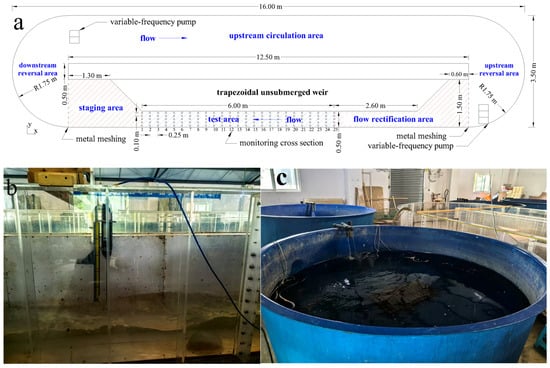
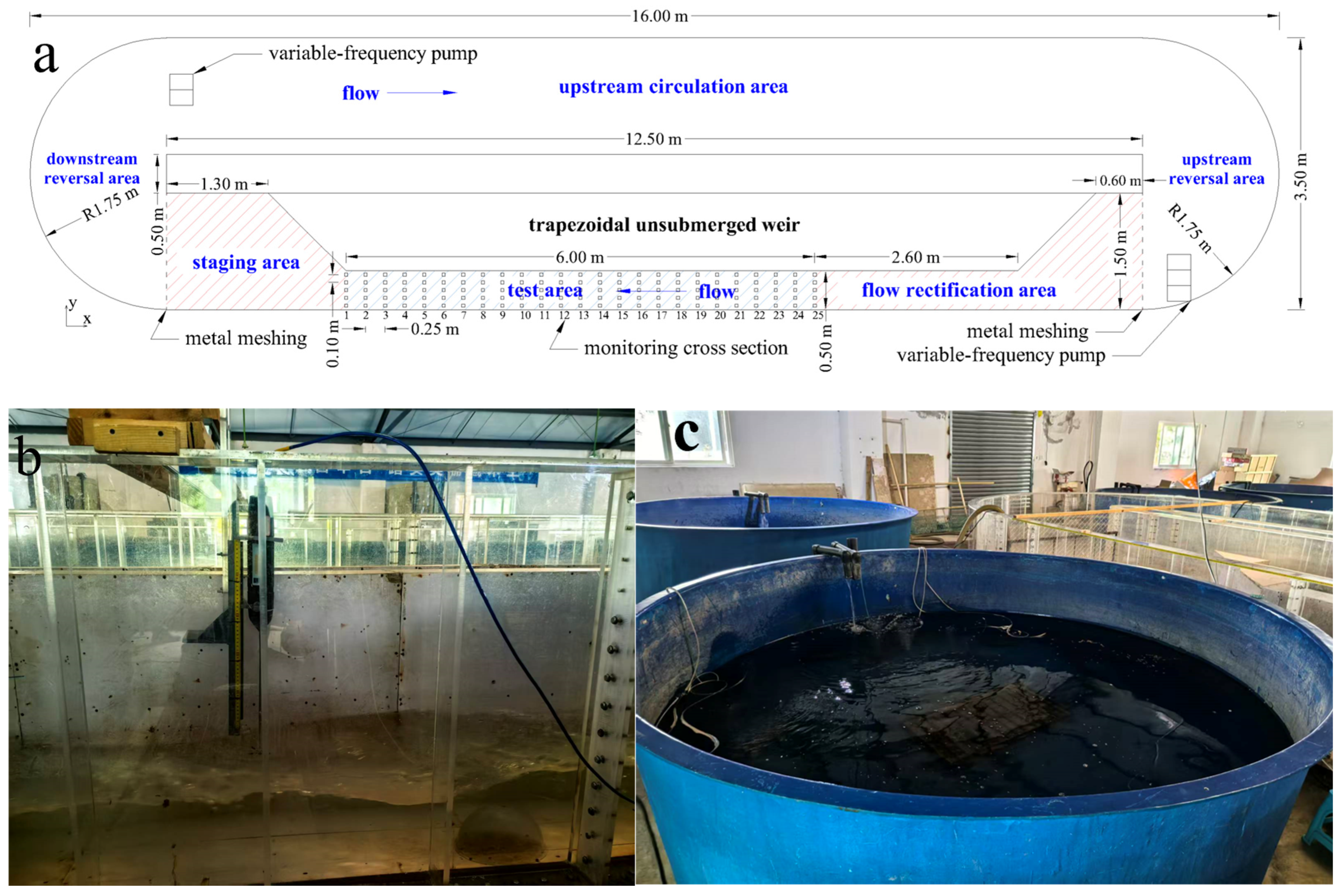
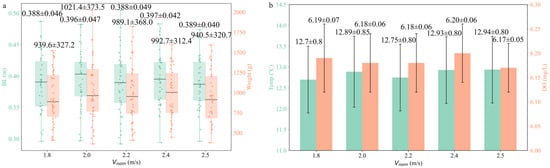
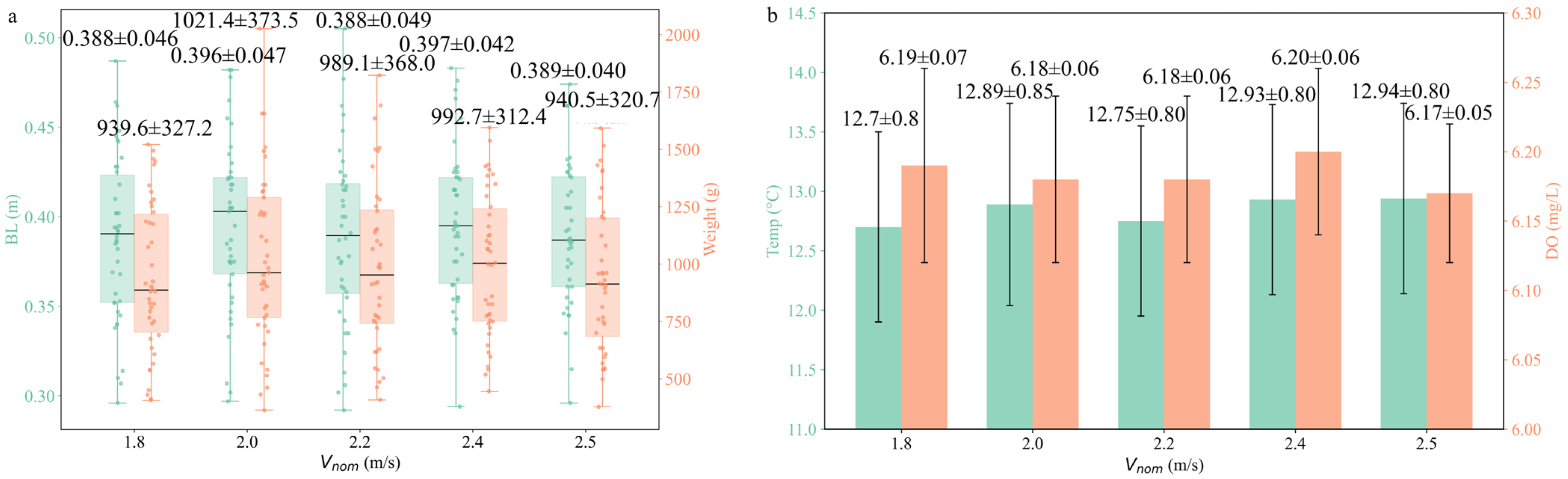
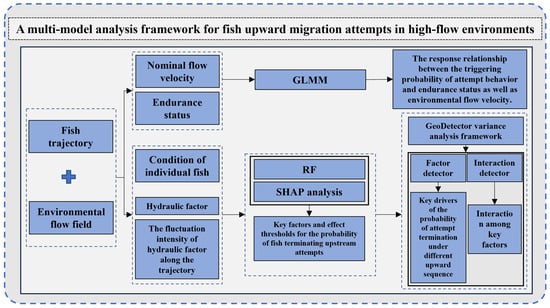
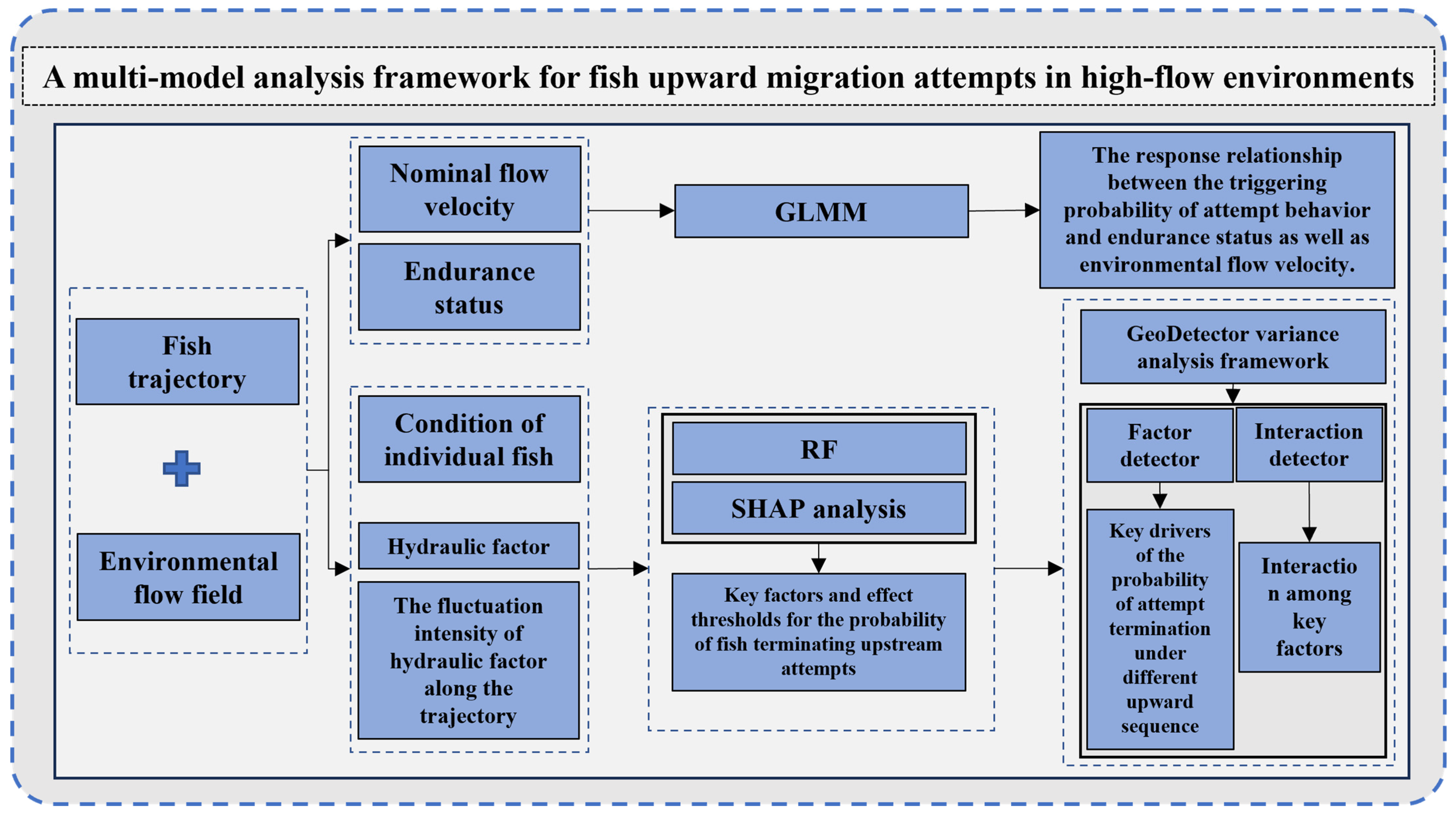
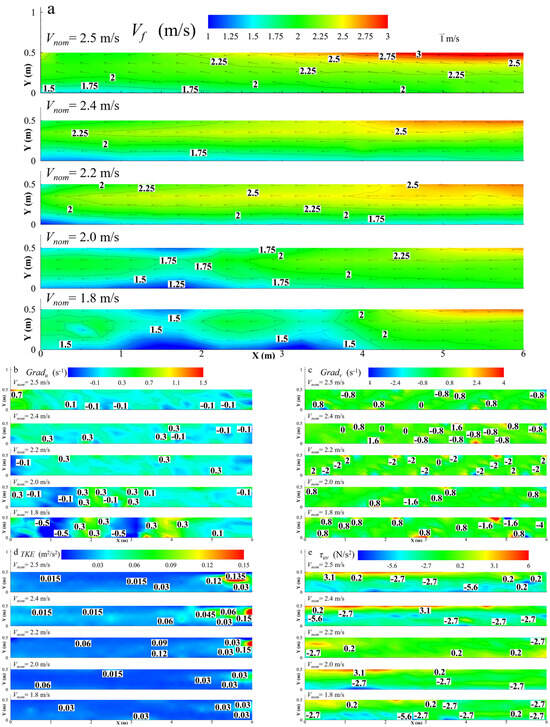
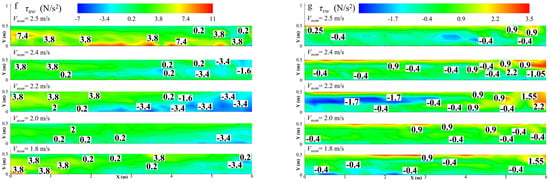
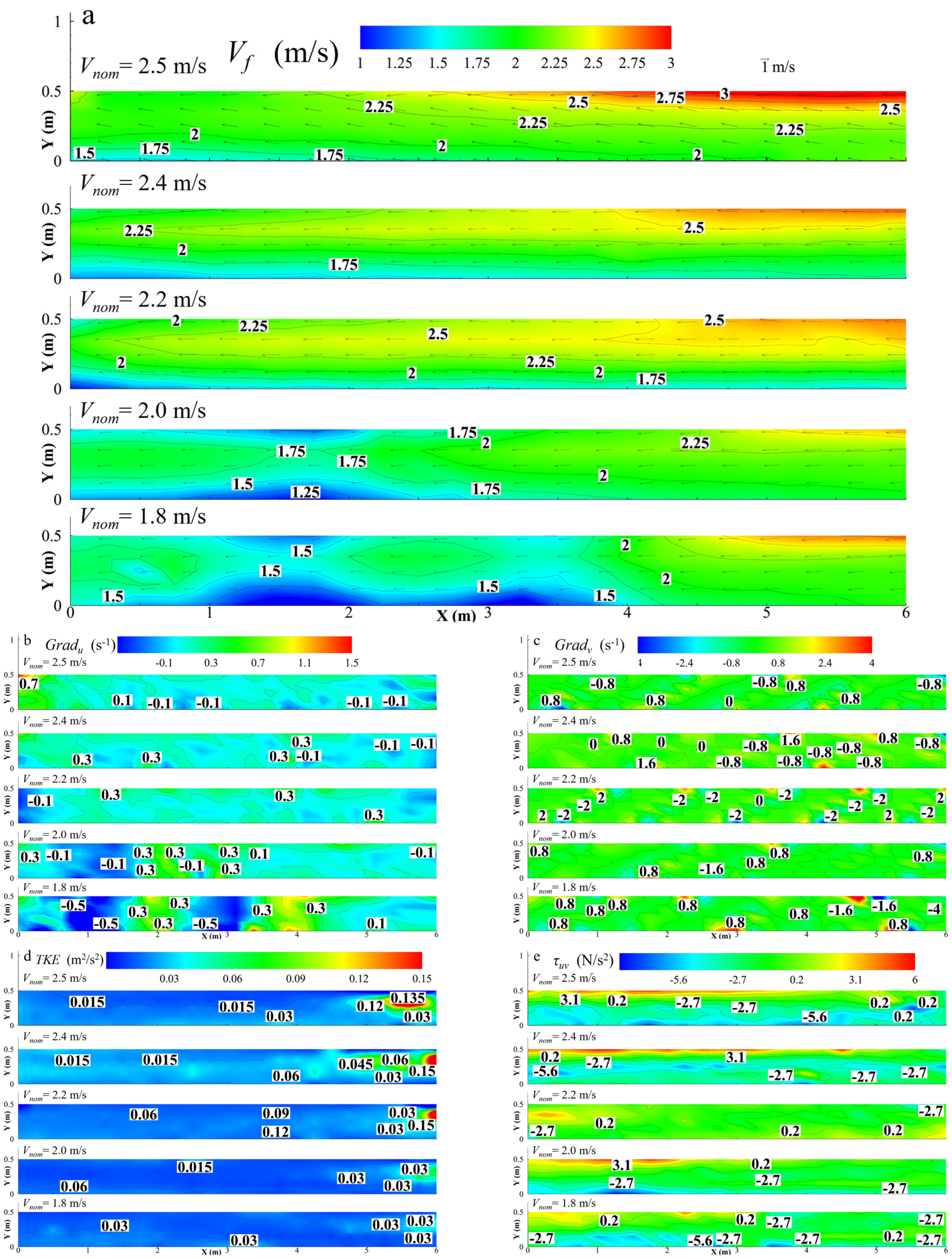
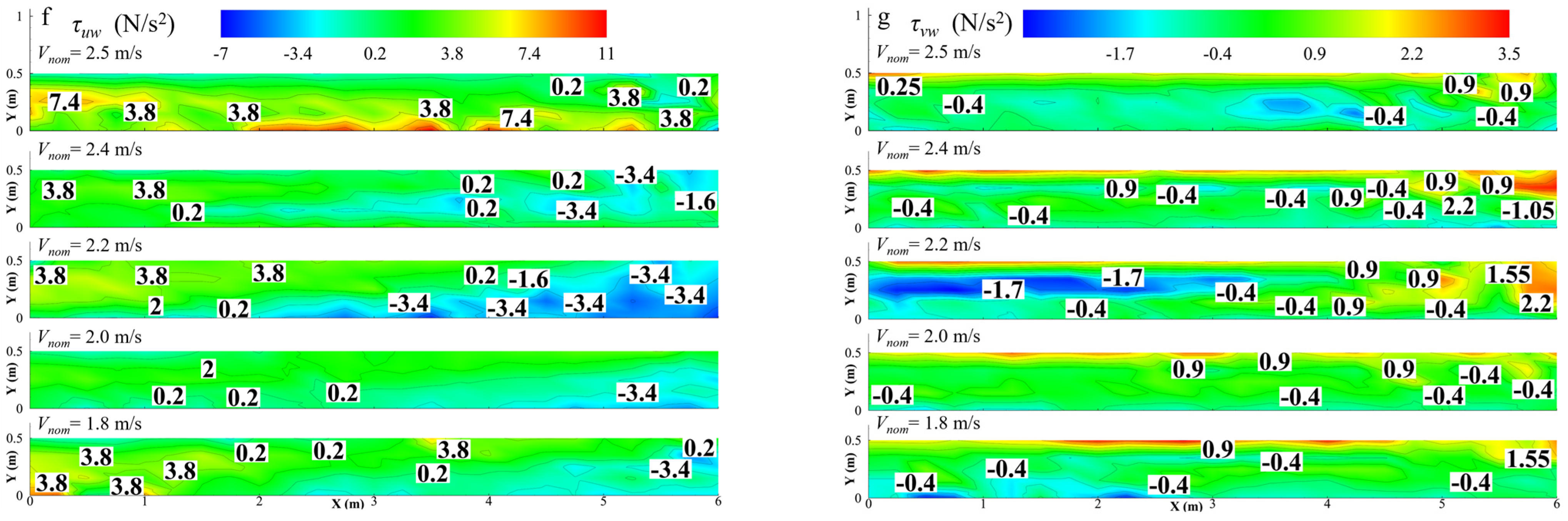
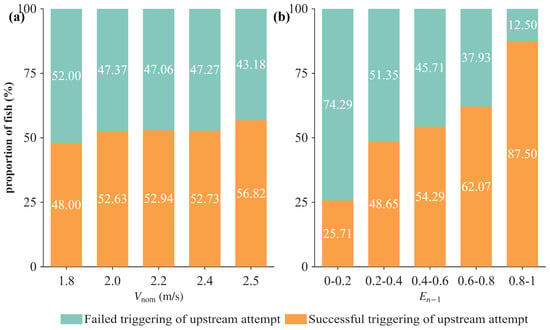
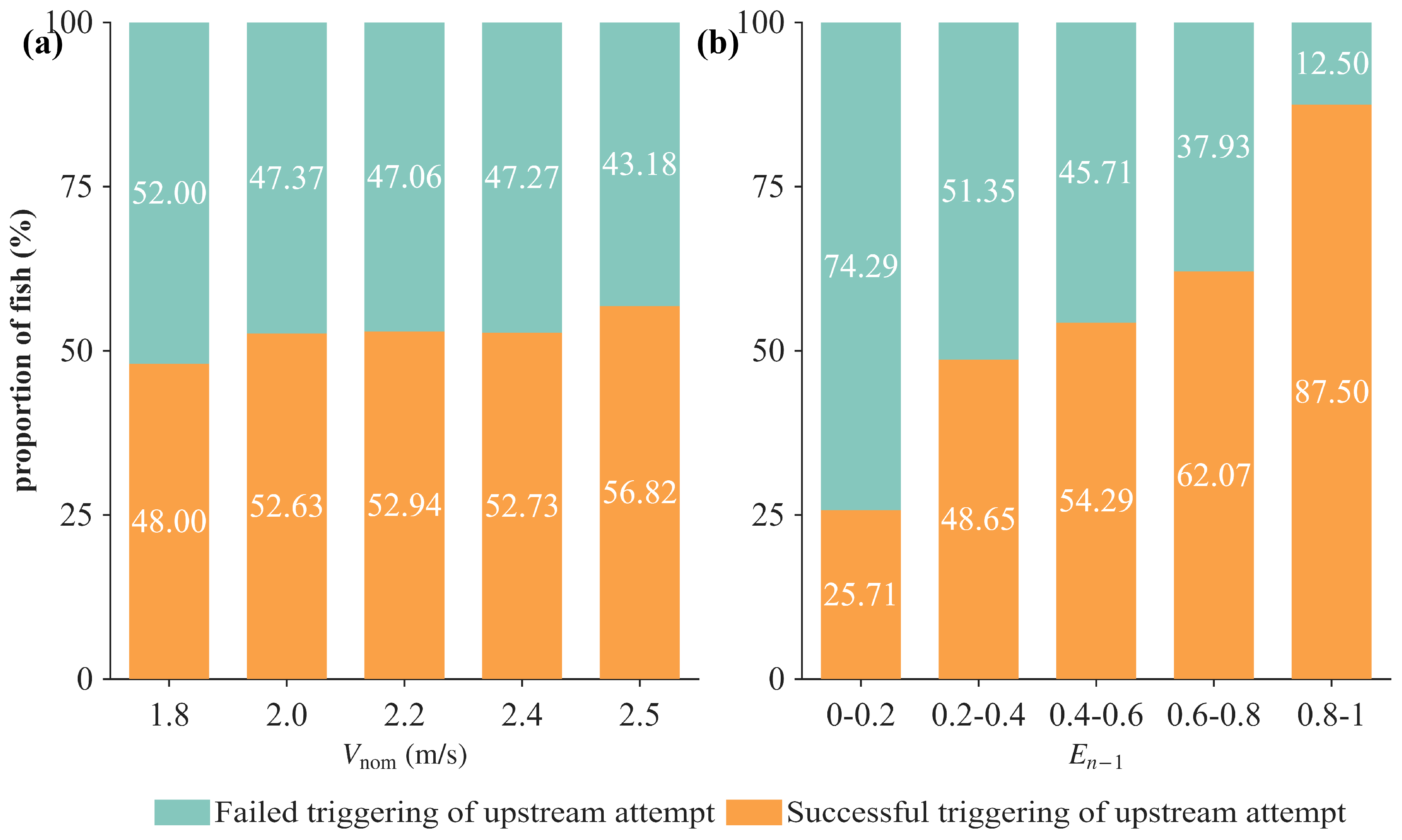
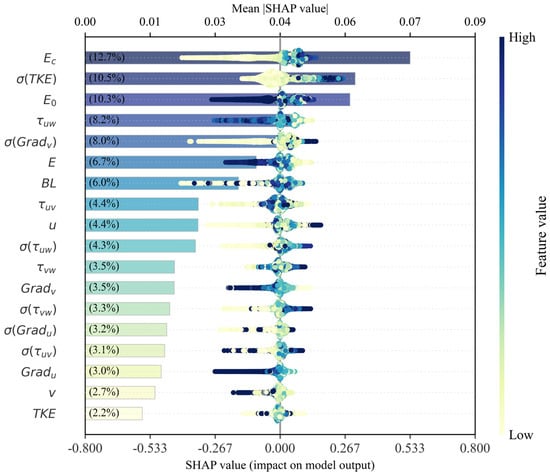
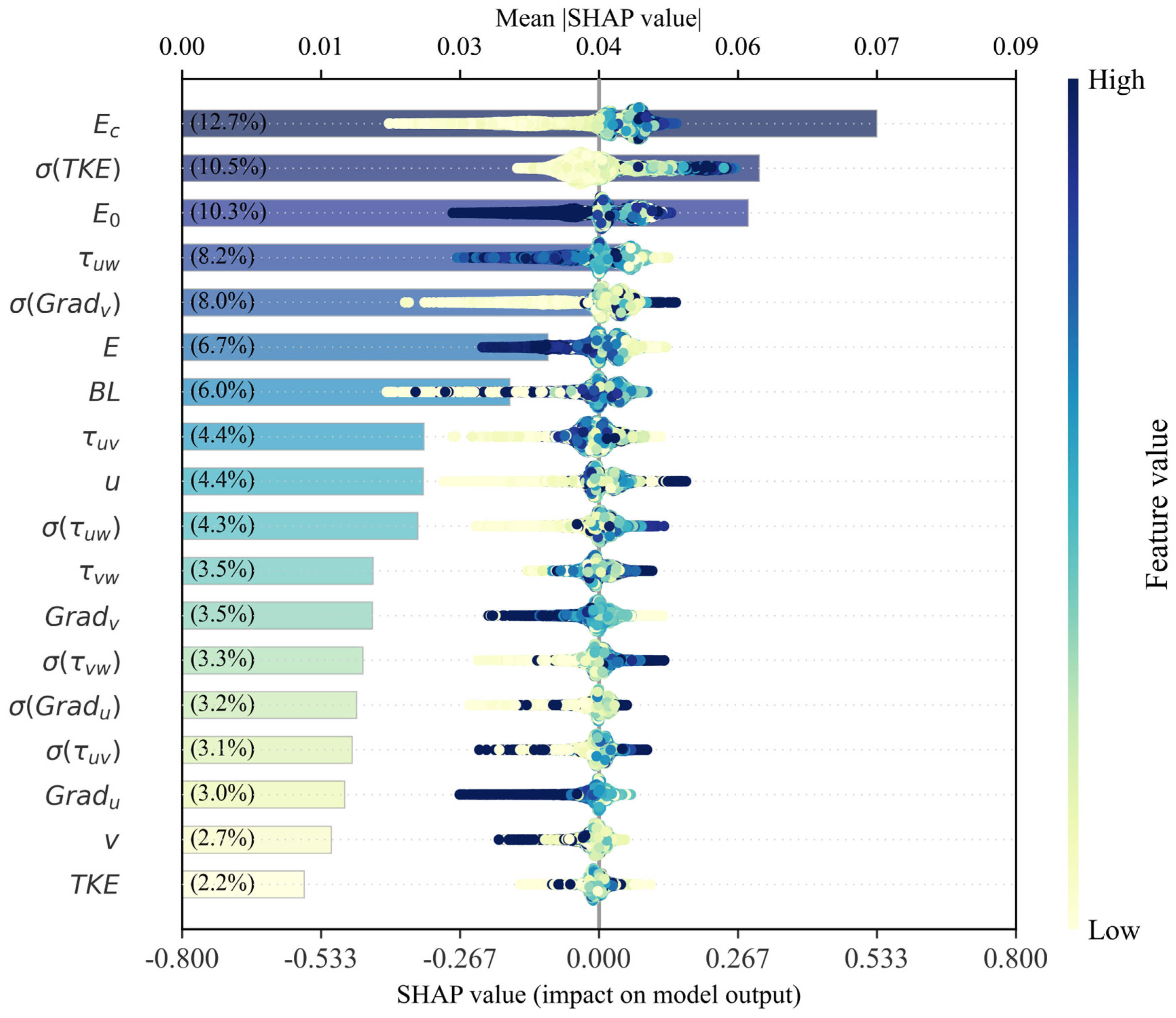
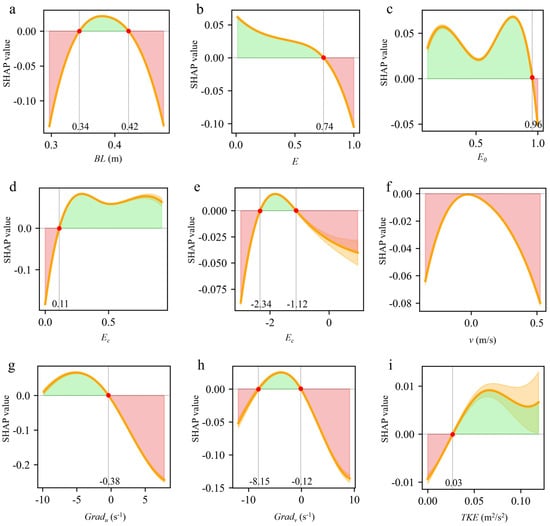
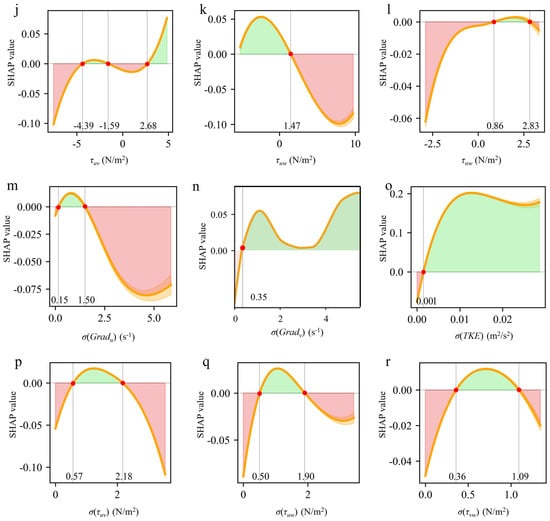
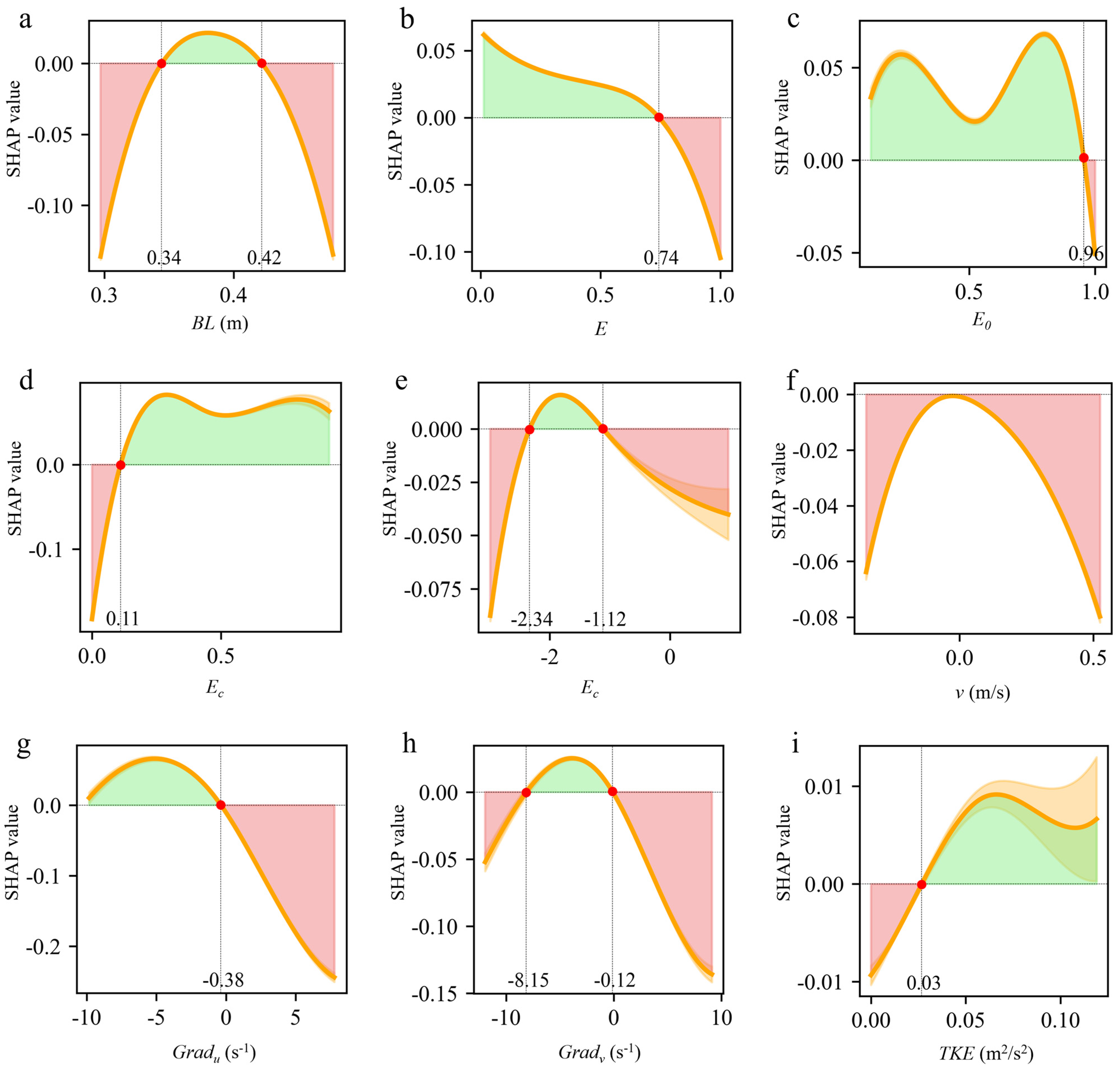
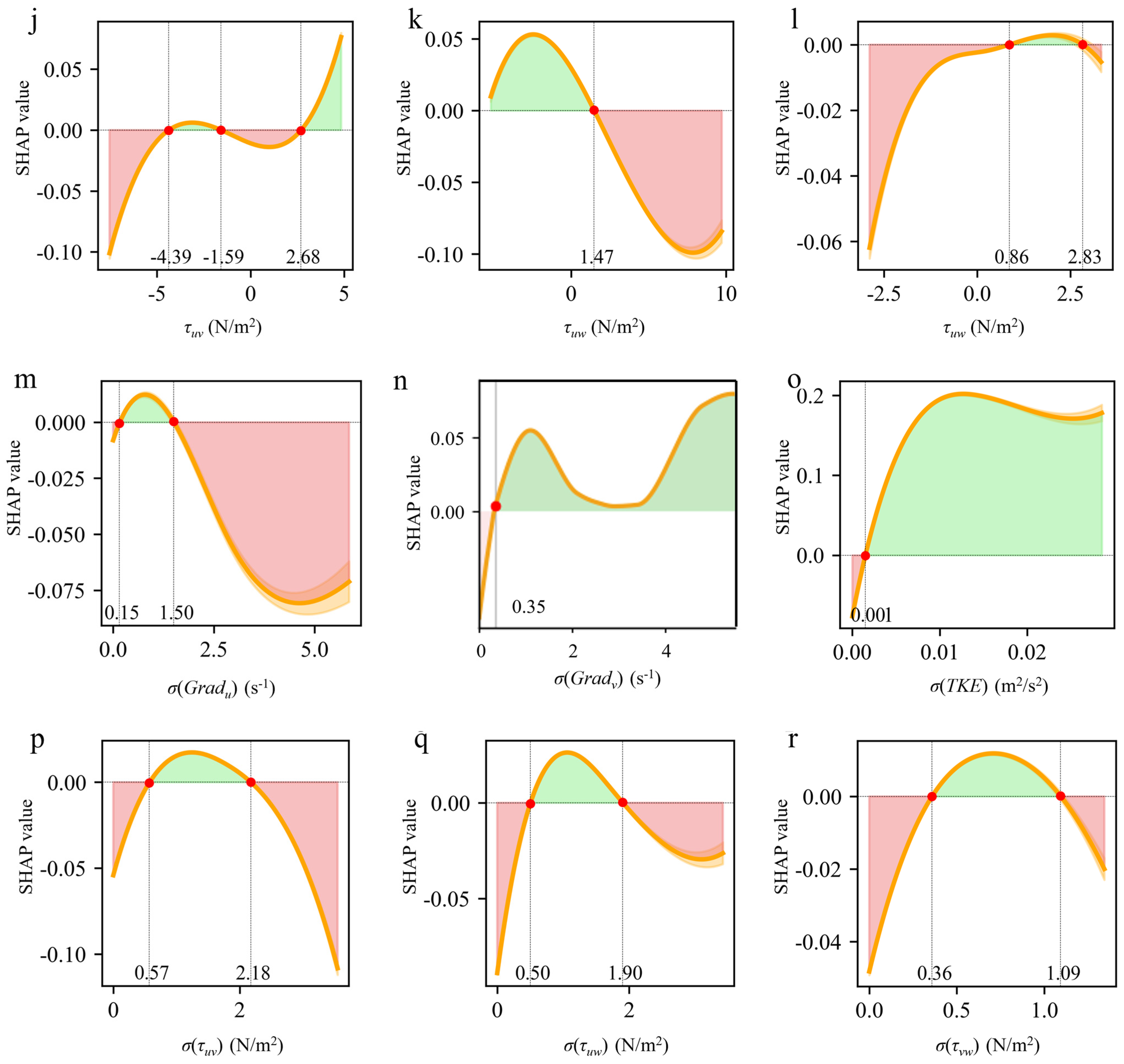
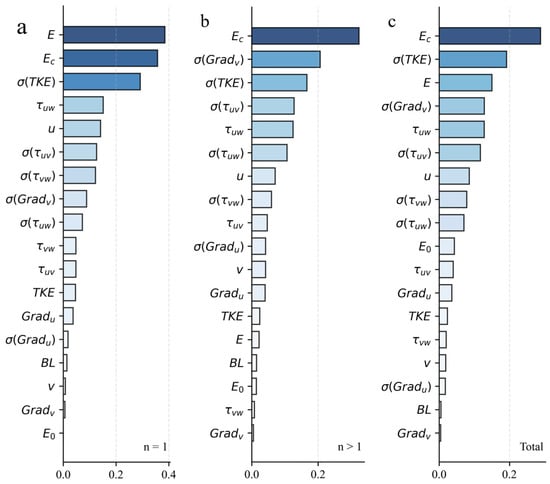
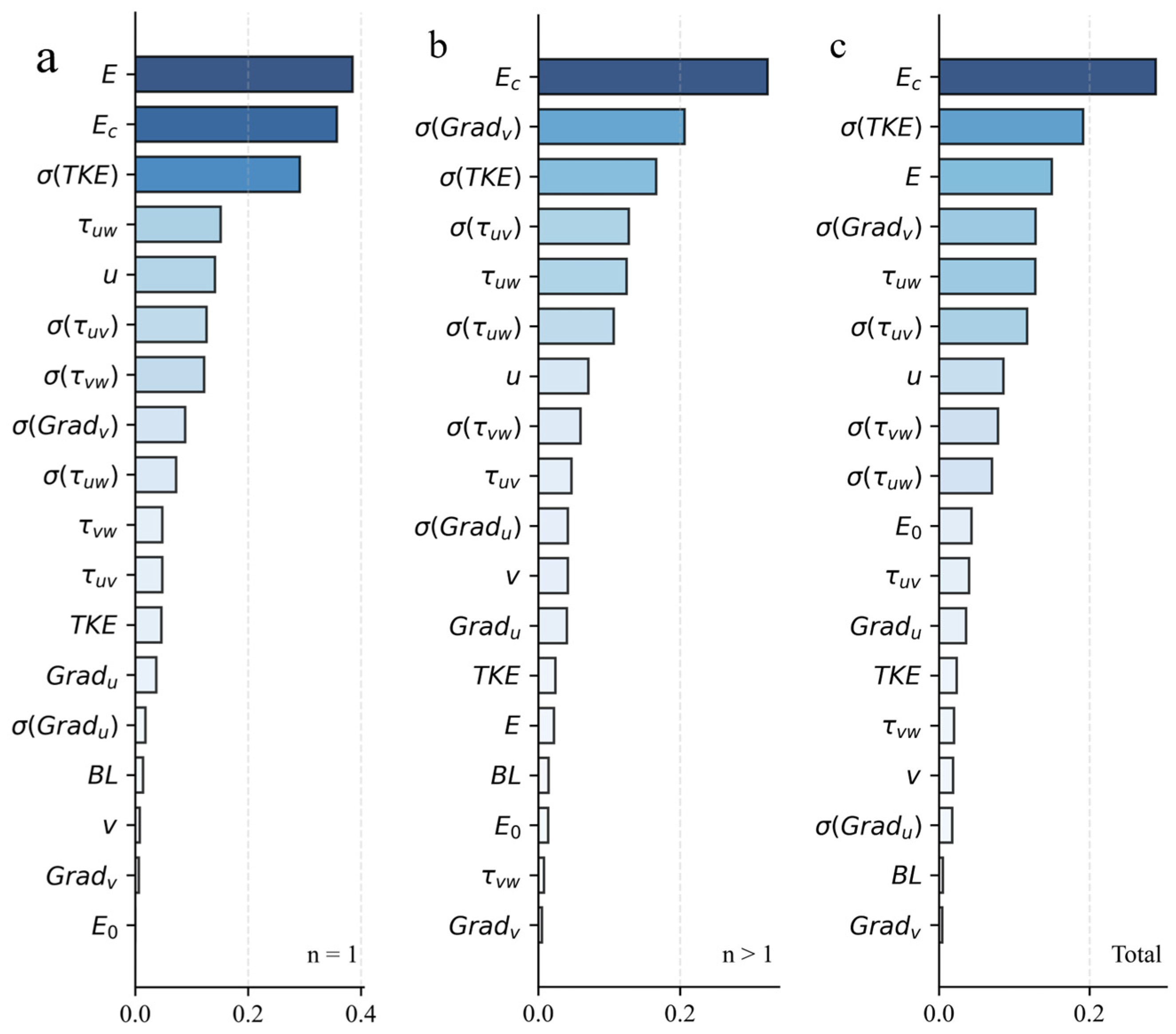
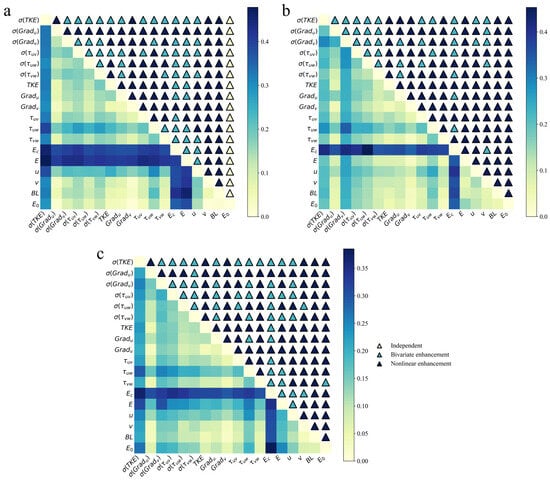
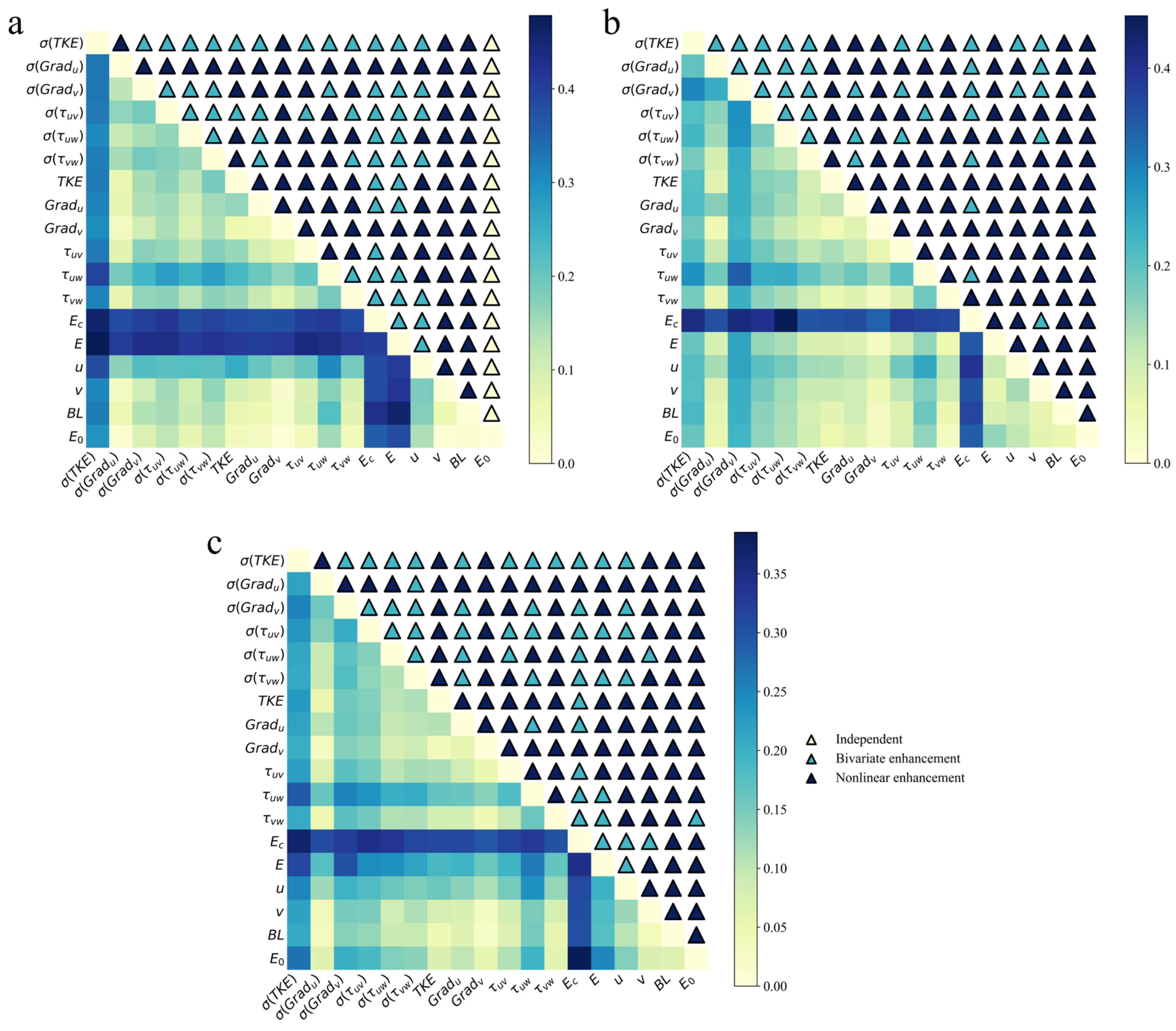

Disclaimer/Publisher’s Note: The statements, opinions and data contained in all publications are solely those of the individual author(s) and contributor(s) and not of MDPI and/or the editor(s). MDPI and/or the editor(s) disclaim responsibility for any injury to people or property resulting from any ideas, methods, instructions or products referred to in the content. |
© 2026 by the authors. Licensee MDPI, Basel, Switzerland. This article is an open access article distributed under the terms and conditions of the Creative Commons Attribution (CC BY) license.