


Abstract
Hmong people fleeing Southeast Asia at the end of the Vietnam War carried with them their knowledge of medicinal plants and healing practices. As the refugees resettled into a global diaspora, this knowledge crossed geopolitical, linguistic, and cultural borders, transforming in each new context where it was practiced. These traditions reinforced the health sovereignty of diasporic Hmong communities while helping them navigate the traumas of war and displacement. Over time, the circulation of plants and knowledge through transnational family networks has helped Hmong herbalism emerge as a global phenomenon. The internet and social media have facilitated knowledge exchange, enabling both the transmission of traditions and the adoption and diffusion of new practices and remedies. The dynamism of healing traditions was showcased during the COVID-19 pandemic, as communities acquired new plants and repurposed existing practices to deal with a novel health threat. The currents of change and conservation in medical practices reflect contrasting aspects of the ongoing process of formulating a transnational Hmong identity. Drawing on fieldwork in the U.S., France, French Guiana, and Thailand, I explore the transformations of Hmong healthcare practices as they have become globalized traditions and analyze their links with community resilience and identity.
1. Introduction: The Origins of Hmong Healthcare Practices
The healthcare traditions of Hmong communities have developed over a long history of resilience. In addition to everyday care, cycles of migration and war have fueled the need for healing practices. In ancient China, ancestors of the modern Hmong people fled the fertile lowlands after conflict with other groups and settled in the southwestern frontier (T. S. Vang 2008). By the 19th century, renewed conflict with the expanding Chinese empire forced some Hmong communities to migrate out of China and re-establish themselves in the highlands of Southeast Asia (Culas and Michaud 1997). The anticolonial wars that transformed this region during the 20th century sent a new wave of Hmong families from Laos overseas, where they rebuilt their lives in countries including the U.S., France, French Guiana, and Australia (Yang 2003). Today, several generations after the formation of this global diaspora, Hmong healthcare traditions remain strong even as they transform in response to globalization and culture change.
Hmong communities have employed a diverse array of healing practices to care for themselves across Asia and the diaspora. Due to their origins in China, many Hmong practices and theories about health and illness have been influenced by Chinese traditions (Tang et al. 2021). As Hmong healers have migrated to other regions, they have also acquired practices and medicinal plants from the healing traditions of other peoples, including the Vietnamese, Laotians, Thai, and numerous highland groups. In fact, comparisons between the ethnobotanical knowledge of Hmong and other highland peoples in Thailand have shown that the plants used in villages of different cultural groups in the same region are often more similar than those used in distant villages of the same group (Phumthum and Balslev 2019). This indicates that knowledge exchanges between Hmong communities and other peoples have resulted in dynamic healthcare traditions that continue to evolve and diversify through contact with other cultures.
Given this dynamism, ‘Hmong medicine’1 could reasonably refer to any medical practices used by people who identify as Hmong. On the other hand, there are certain techniques, preparations, plants, and ways of thinking about health that are widespread in Hmong communities, if not ubiquitous. My use of the term ‘Hmong medicine’ in this paper reflects this latter sense by referring to the subset of health-related knowledge and practices that is widely held by Hmong people across communities. These widespread practices are important because, beyond treating health problems, they participate in cultural performance and are thus connected to memory and identity. By helping build community through care, I argue that Hmong medicine has become bound up with the construction and maintenance of ‘Hmongness’, the sense of being Hmong (S. Lee 2024). The diversity of ways of understanding and performing Hmongness also reflects the diversity of practices Hmong people use to care for themselves and each other.
To understand the links between identity and care, this paper explores the dynamic currents of change and continuity in the practice of Hmong herbal medicine in Thailand and the diaspora. Examples of healthcare choices in the lives of individuals demonstrate the importance of interpersonal relations and family networks to the diffusion of healing practices. Globalization and digital technology have enhanced connectivity by facilitating international communication and exchange. As Hmong medicine and Hmong identity have both become increasingly transnational, new spaces of discourse have emerged, as well as new forms of assimilatory and homogenizing pressures. These dynamics crystallize in burgeoning efforts to codify traditional healthcare practices while still maintaining their dynamism in the face of state-sponsored care regimes.
The following sections discuss the currents of transmission and change in Hmong medicine, then explore postpartum care2, digital media, and responses to COVID-19 as sites of healthcare practice and contestation. The final discussion questions what Hmong healthcare practices can reveal about the productive tensions between cultural change and continuity by examining the entanglements of healthcare, globalization, and identity.
2. Methods
This article draws on 10 months of ethnographic fieldwork conducted in France, French Guiana, the U.S., and Thailand in 2021–2022. Part of a broader doctoral research project on plant circulation in the Hmong diaspora (Greene 2024), this fieldwork included 111 semi-structured interviews and 114 botanical surveys of Hmong farms and gardens. The importance of herbal medicine and the globalization of healing practices emerged as recurrent themes during early interviews, leading me and my research partners to focus increasing attention on these topics during subsequent fieldwork. Interviews were conducted in French, English, Hmong, or Thai by myself or by field partners (14 in total), who differed in each field site and included Hmong, French, and Thai researchers, students, and paid interpreters. As a non-Hmong researcher unable to speak the language, I relied on Hmong-speaking partners to interview older individuals, many of whom did not speak local national languages. Interviewees who are quoted in this paper are anonymized by using only their clan names (surnames); the limited number of clan names makes it impossible to identify the individuals in question.
To better understand postpartum practices and their role within Hmong healthcare, I posed questions on this topic opportunistically whenever we interviewed women in their 20 s–40 s who were likely to have given birth in recent years. We also included questions about postpartum care in interviews with some elderly women who are considered master herbalists, but we did not comprehensively question older generations. In the U.S. and France, I conducted in-depth interviews with several Hmong women who are also nurses to understand their feelings about biomedical versus Hmong maternity care.
In order to understand the digitalization of medical knowledge, I regularly spent time searching for content about Hmong herbalism and other healthcare practices through web searches, Facebook, and social media platforms from 2021 to 2024. I also included questions about digital communication as a source of medical knowledge whenever related topics (e.g., Facebook use) came up during semi-structured interviews. The information about responses to COVID-19 was collected as part of the ethnobotanical aspect of the project, which involved asking people how they use the plants that they grow. Plants were identified using a combination of herbarium specimens and photographic vouchers.
Due to the data collection methods and the diversity of topics discussed, the data presented in this paper are qualitative, partial, and opportunistic rather than resulting from standardized questionnaires or protocols. However, these data are grounded in the extensive ethnography conducted during a multi-sited, multi-year research project, which provided a large-scale, comparative perspective on cultural practices across the Hmong diaspora.
3. Continuity and Change in Hmong Healing Traditions
Hmong traditions have included a wide array of practices to treat health problems with both physical and spiritual causes. Choices about what kind of medicine to use or what type of healer to consult are often based on beliefs about whether a health problem has a physical or spiritual cause (Lor et al. 2017). Techniques to treat spiritual ailments, such as soul calling and shamanic rituals, are rooted in the animistic ontology traditionally held by Hmong communities (Desantiago 2020). In this worldview, spirits play an important role in health and illness and are often responsible for conditions that have no clear physical cause (Capps 2011).
However, many Hmong people who have converted to Christianity over the last century (Tapp 2006) reject shamanism and related practices, so spiritual healing techniques have likely become less common, at least in areas where conversion has been widespread. Nonetheless, soul calling, shamanic healing rituals and associated traditions are still common in Asia and continue to be practiced in the diaspora in both traditional and hybrid forms (S. Lee 2021). The ritualistic use of eggs, coins, and protective amulets to prevent, diagnose, or treat illness are other examples of healthcare practices oriented toward spiritual rather than physical causes of illness (J. L. Moua 1996; Nguanchoo et al. 2019).
Physical problems have been treated by massage, cupping, or other techniques, but herbal medicine is the most important and widespread healing modality (Her and Culhane-Pera 2004). Herbalism is highly developed in Hmong communities and has been well-studied, particularly in Asia (e.g., Phengmala et al. 2023; Vidal and Lemoine 1970; Yarnvudhi et al. 2016). Although herbalism can involve spiritual aspects (Greene Forthcoming), it is frequently practiced in a secular manner and remains popular among Christians. Many tshuaj, as medicinal plants are called, are preferentially used fresh, so they are often grown in home gardens or farms. Cuttings and seeds are regularly exchanged between friends and relatives, leading to an extensive circulation of medicinal plants between communities (Greene 2024). Although most popular species are native to Southeast Asia, new and introduced medicinal plants are regularly adopted by Hmong herbalists in each community where they live (Nguanchoo et al. 2019).
In the past, Hmong medicine was often the only recourse for families who faced healthcare challenges while living in remote mountain villages. Today, however, all forms of Hmong medicine are increasingly practiced alongside biomedicine (or ‘Western medicine’), Traditional Chinese Medicine, and other medical traditions. The coexistence of different medical systems and healing modalities in Hmong peoples’ lives has led to the development of complex systems of medical pluralism both in China (Wen et al. 2025) and in the diaspora (Capps 1994; Lor et al. 2017).
Increasing education, reliance on biomedical care, language loss, and acculturation have been linked to a generalized decrease in the knowledge and practice of Hmong healthcare traditions, particularly among younger generations (Franzen and Smith 2009; Nguanchoo et al. 2022). However, some research has indicated that even in the diaspora, where biomedicine is widespread, there are young people who continue to value and use these traditions (M. Lee 2016). Among older generations, Hmong medicine is still preferred by many, feeding the circulation of patients and remedies between Laos and the diaspora (Bochaton 2019; Thao and Bochaton 2021). Currents of change and continuity in Hmong medical practices are thus linked to generational perspectives on health as well as ongoing processes of cultural change. Although the following case studies focus primarily on herbalism, many of their conclusions can be applied to a wide range of Hmong healthcare practices.
3.1. Tshuaj Tsaws Qaib: The Postpartum Herbs
Women’s health and reproductive health are among the most important domains of Hmong medicine (Srithi et al. 2012). Reproductive healthcare includes herbal medicine to treat male and female infertility, taboos during pregnancy, and a suite of practices for postpartum care (Symonds 1996). In the past, Hmong women in Asia typically gave birth at home, but birthing at biomedical hospitals has become common in countries like Thailand (Culhane-Pera et al. 2013), while hospital births are nearly universal in the diaspora. The postpartum regime typically involves a period of 30 days (Nyob Nruab Hlis) during which the new mother remains in semi-seclusion, keeps her body warm, and consumes a strict diet of chicken boiled with medicinal herbs, called tshuaj tsaws qaib (Figure 1). These practices are consistent with beliefs about postpartum care across Asia, which commonly involve confinement, heating or avoidance of cold, and herbal diets (Withers et al. 2018).
Figure 1.
A bundle of tshuaj tsaws qaib herbs for sale in Thailand, 2022.
The postpartum practices continue to be commonly used by Hmong women in Asia, as shown by recent studies in Vietnam (Corbett et al. 2017), Laos (Smith et al. 2022), and Thailand (Kamdee and Nuntaboot 2021). They were also rapidly transmitted to the diaspora, as a series of early studies by nurses in the U.S. demonstrates (La Du 1985; P. A. Lee 1986; Potter and Whiren 1982), and continued to be practiced in Australia a few decades later (Rice 2000; Wang 2005). However, Rice (2000) noted that although the women she interviewed generally maintained the practices, some struggled to follow certain aspects. Contrasting expectations of the postpartum period in Australian culture made it hard for young mothers to stay in seclusion, keep warm, and rest. Despite such challenges, a recent survey of over 300 Hmong American mothers shows that the postpartum practices remain prevalent today: over 95% of women reported using the tshuaj tsaws qaib diet during an average confinement period of 25 days (Koch et al. 2026).
In my own fieldwork, I have similarly found a high retention of the postpartum practices among recent mothers in their 20s–40s. During interviews, many mentioned challenges to maintaining the practices but also expressed belief in their benefits. Mrs. Yang in the U.S., for instance, explained that:
“Definitely there are some [mothers] that don’t practice anymore, but the majority still do. And you know, they disregard [Hmong] medicine for anything else. But postpartum practice is still very strong, and daughters are still planting this postpartum herbal medicine for their diet. But many young mothers may not know the plants’ different properties. I think a lot of mothers don’t pass on that knowledge to daughters either. All the herbs that you use for your postpartum chicken diet take care of your body and rejuvenate your body after you’ve gone through this trauma, this physical trauma. We as daughters have just accepted that because there’s not a lot of care for a mother postpartum in Western medicine. And so I think that a lot of daughters who have had children have just seen that it really helps them. Whether there’s been studies that have been done or not, I think that a lot of us have seen the benefit of it…I was on my chicken diet for the whole month. It starts right after you give birth until the next month on the exact same date. I used all the different herbs that a mother would use after she’s given birth. All of that went into the chicken broth and the chicken that I had three times a day.”(Mrs. Yang, English, 2022)
Mrs. Yang adheres to the practices because she has seen that they help her, even though she is unsure about the names and uses of some of the plants. She trusts in the knowledge of older generations of mothers, although noting that the transmission of knowledge is breaking down3. Interestingly, she mentions that many of the young mothers who faithfully follow the postpartum herbal diet “disregard [Hmong] medicine for anything else.” The continuation of the postpartum practices appears all the more remarkable given the decrease in the use of herbal medicine in these women’s everyday lives. In France, Mrs. Moua also described continuing the postpartum traditions despite indicating reasons why it can be difficult:
“For me, I have my normal breakfast. Afterwards, for lunch and dinner it’s chicken with the herbs. And me, I was always lucky because I had six children and they were all born between March and June. So the herbs were already sprouting, you see? Because for women who give birth in winter, they have to think about freezing the herbs beforehand. At that time, I didn’t have a garden like I have now, but my mother-in-law made sure to grow the herbs, prepare them for me and bring them after I gave birth. Our mothers tell us that it’s to clean the body and flush out the blood. But it’s difficult for some women because they don’t have someone to help prepare the herbs for them, so they have no choice and have to feed themselves with something else.”(Mrs. Moua, French, 2021)
Like many medicinal plants popular among Hmong herbalists, the tshuaj tsaws qaib are always used fresh rather than dried. The vitality of the green plants appears important to their restorative and purifying qualities. In Southeast Asia, the subtropical climate allows the postpartum herbs to grow year-round, making them relatively easy to access for any pregnant woman with a garden. However, the need for large quantities of fresh herbs over a month-long period presents a unique challenge for anyone living in a temperate climate, where many plants are unavailable during the winter months. Freezing the herbs is an ingenious solution to help retain their freshness, but requires foresight and planning. In addition, Mrs. Moua also pointed out the importance of having a family care network, since a new mother is never expected to provision the herbs for herself. If she lacks help or if the people who help her do not know how to grow and prepare the herbs, she will be unable to follow the postpartum diet even if she wants to. In the U.S., Mrs. Lee also noted the challenges of adhering to the practices, but felt that the benefits are significant:
“A lot of my girlfriends of my generation don’t value it anymore because they don’t think that it’ll work. When I really look at it, the ladies that do practice it have a different lifestyle and they do seem healthier…The question is, why would you want to put your body through processing some really hard food when you could be using herbs to heal until you’re back to your regular alignment? But you would rather take, eat whatever you want and compromise your health, and in the long run you’re going to question why you have indigestion or your emotional wellbeing isn’t that great, because giving birth has impacted you in many ways. And we don’t realize until it’s too late. Well, we could have prevented it. That’s how my grandmother taught me how health works. When you really look at it, it falls into the holistic healing that a lot of the hospitals are now trying to adapt to, but Hmong people have always been holistic healers. They just didn’t write it down.”(Mrs. Lee, English, 2021)
Similar to Mrs. Yang, who mentioned the lack of biomedical studies validating the benefits of postpartum practices, Mrs. Lee has friends who “don’t think that it’ll work”. In her own experience, though, Hmong postpartum traditions are part of a broader approach to health that is holistic4 and pays close attention to the energies of the things we ingest. For her, the health risks for women who disregard the traditions are dangerous because they are delayed. Women I interviewed mentioned negative health effects of ignoring the postpartum practices that sometimes manifest many years after motherhood, including hair loss, poor skin, blood problems, digestive issues, back pain, emotional instability, and lack of energy.
Unsurprisingly, the persistence of Hmong women in continuing their postpartum practices despite the obstacles has been noticed outside the Hmong community. Many of the studies investigating Hmong postpartum beliefs are conducted by non-Hmong biomedical researchers curious to understand their patients’ practices. For generations now, Hmong women in French, American, and Australian birthing wards have received visits from relatives bearing them chicken and herbs, and many nurses and doctors have taken note. An herb vendor in the U.S. told me that she “gets a lot of nurses who aren’t Hmong who come to buy the herbs for postpartum medicine. They say that they heard about the plants from Hmong women having babies”.
One Hmong mother and herbalist who is also a nurse has gone a step further, promoting the postpartum diet at hospitals in Minnesota that serve large Hmong communities. Several of the hospitals have even set up contracts to buy the postpartum herbs on a monthly basis to offer as a meal option for mothers who have just given birth. At least one hospital in Nîmes, France (where there is a large Hmong community), also began offering the postpartum herbs with chicken to new mothers during the COVID-19 pandemic, when relatives were forbidden from bringing meals to patients. These examples demonstrate a lively interest in Hmong medicine from outside the Hmong community, which is also evidenced by the extensive ethnobotanical research on Hmong medicinal plants.
The continuing popularity of Hmong postpartum practices is thus an intriguing counterexample to the common narrative about the general decline in the use of herbal medicine, particularly in the diaspora. What makes these practices persist in the face of changing lifestyles, contrasting biomedical advice, problems with transmission, and the constraints of temperate climates? According to the women I interviewed, the core reason is that they believe that the practices work. In addition, women like Mrs. Yang also pointed out a surprising lack of attention in biomedicine to the ways women’s bodies heal after pregnancy: “there’s not a lot of care for a mother postpartum in Western medicine”.
Biomedicine has long marginalized women’s care, which remains chronically underdeveloped and underfunded today (Young 2024). In biomedical care, women are monitored throughout their pregnancies, but attention shifts heavily toward the baby during the period after birth, often sidelining the new mother’s recovery needs (Tully and Stuebe 2022). A recent national survey of postpartum healthcare providers in the U.S. reported that they spend an average of 24 min with new mothers during a single visit within 6 weeks after birth, which is increasingly conducted by video call (Krishnamurti et al. 2020). Studies have reported similarly insufficient levels of biomedical postpartum care in France (Puech 2019) and Thailand (Aye et al. 2022). In comparison, the sustained and attentive month-long care provided by Hmong postpartum traditions clearly fills a significant gap within the biomedical healthcare system. As one non-Hmong nurse midwife put it, “Technology cannot replace the emotional and spiritual benefit accomplished through maintaining these customs” (Morrow 1986, p. 288). The perceived effectiveness of the postpartum practices alongside the relative absence of biomedical alternatives does much to explain their continuing popularity.
In addition, it is important to recognize that the tshuaj tsaws qaib herbs are not only used for postpartum care. In fact, this dish is widely employed as a tonic or restorative to help people recover from surgery, injuries, fatigue, or lethargy. It is also eaten by many Hmong families as an occasional dish rather than for its medicinal properties. The dual use of these herbs as both food and medicine has likely reinforced their presence in Hmong gardens and farms, as well as the range of Hmong people who know about and grow them. In regions like Minnesota, where the postpartum herbs have made inroads into biomedical hospitals, commercial tshuaj markets have also increased these plants’ availability (Greene 2026). In turn, this has made the herbs more accessible for the postpartum diet, supporting the viability of this practice.
The social and relational aspects of postpartum traditions are likely also critical to their continuation. By supporting new mothers through a period of vulnerability and dependence, these practices weave them and their babies into networks of family care. Given that Hmong American women in California have a higher risk of preterm birth than other groups (Vang et al. 2015), the social aspects of these traditions may be important to navigating difficulties during the perinatal experience. Although the women I interviewed stressed the physical benefits of Hmong postpartum care, some nurses have argued that it also serves important social and emotional functions and may protect mothers from postpartum depression (Stewart and Jambunathan 1996).
Hmong postpartum healthcare remains strong, but it is clearly changing. Many women I interviewed mentioned that some people no longer follow the practices. Those who do increasingly modify the diet or its duration to fit their changing lifestyle needs, as a recent survey of Hmong American mothers has shown (Xiong et al. 2025). However, compared to Hmong medicine in general, the postpartum practices stand out for their strength and continuity, particularly in the diaspora. Some women have begun actively promoting the practices, for instance through the book 30 Days of Purification: Common Hmong Postpartum Herbs by a mother and daughter team of herbalists (Lee and Lee 2016). Others have taken Hmong birthing advice online in the form of videos or blog entries5. The continuity, challenges, and changes of postpartum practices offer a compelling snapshot of Hmong healthcare in a rapidly globalizing world.
3.2. Viral Herbalism: Plants on the Internet
The period during which the Hmong diaspora has developed—from 1975 until today—has seen an unprecedented series of transformations in global communications technology. Unsurprisingly, Hmong communities have rapidly engaged with newly emerging opportunities for communication. Hmong-language radio was widely used to connect communities even before the diaspora (Leepreecha 2020). By the early 1980s, Tapp wrote that Hmong refugees “communicate with relatives in other parts of the globe by cassette recorder and urgently desire telephones, so that lineage names can be entered in telephone directories and traditional lineage hospitality practiced on a global scale” (Tapp 1982, p. 125). Mailing cassette recordings from person to person may sound laborious, but it was an ideal method for early refugees “to replace the classic epistolary exchanges that elders, most of whom were illiterate,” could not exchange by other means (M. Moua 2009, p. 129, my translation).
As communication media have developed, the direct oral exchange recreated by the mailing of cassette tapes has evolved into other forms of cultural production (Ogden 2015). Real-time communication between communities in the first decades of the diaspora must have been largely by landline telephone. By the year 2000, however, Tapp observed that “There are now several millions of Hmong words on the World Wide Web” (Tapp 2000, p. 82). Given that only a third of American households owned a computer at that time (Venkatesh and Brown 2001), this appears to indicate a rapid uptake of the internet by Hmong communities.
In his study on early Hmong internet usage, Tapp (2000) describes how the internet was initially used for the sale of Hmong books, music CDs and movies, political statements, job announcements, and other forms of written communication. He further connects internet use with broader processes of identity performance and consumption by diasporic Hmong audiences seeking reconnection to Asia. In parallel to the internet’s rapid development in the diaspora, Hmong communities in Thailand were also beginning to use internet cafes around the turn of the 21st century to email relatives and arrange marriages at a distance (Yoshii 2002).
Connecting internet use to identity formation and cultural representation among Hmong communities in France, Moua has emphasized the natural affinities between the network structure of both the internet and the Hmong diaspora (M. Moua 2009). At the same time, she has drawn attention to the irony of projects of diasporic imagining or ‘virtual nation building’ carried out on French-language internet forums, making them inaccessible to Hmong people in other countries (M. Moua 2010). As Moua points out, Hmong media and internet production is far from a unified space—it unfolds in English, French, Lao, Thai, Vietnamese, and Chinese, as well as in Hmong, and helps to foster community at local, regional, national, and international scales.
Lee writes that even the earliest forms of media production—cassettes, VHR, and then DVD video documentaries and low-budget Hmong movies—“constitute a form of cultural reinvention that connects the Hmong together as a global community, and brings them…a new level of transnational group consciousness both in the diaspora and in the homeland” (G. Y. Lee 2006, p. 1). Baird has also stressed the transnational nature of Hmong video production, while drawing attention to its uneven benefits and place-based nature (Baird 2019). The potential for building transnational as well as regional media spaces has only increased with the move toward digital and internet-based forms of communication and production.
Lopez has shown how the democratizing potential of digital media such as conference call radio has been used, particularly by Hmong women, to discuss and renegotiate complex social issues such as gender roles, marital relations, and sexuality in a manner that is both anonymous and translocal (Lopez 2016). She quotes one of the call radio organizers as saying, “We are not local, but rather on the cellphone waves and anyone can call and listen” (Lopez 2017, p. 190). In her more recent work, Lopez traces how the inclusivity, accessibility and mutability of emerging media, including YouTube video channels, podcasts, and social media networks, have been used by Hmong Americans to creatively reinterpret identity on multiple scales (Lopez 2021). McKenzie has explored these themes among teenagers, showing how they use social media to both enable the preservation of cultural values and identities while actively challenging and transforming them (McKenzie 2022). Similar processes are also unfolding in China, where Hmong youth use social media platforms to assert and explore their ethnic identity (Poulin-Lamarre 2015).
Plants and medicine are a noticeable feature of Hmong virtual spaces. A 2024 search on YouTube for the term tshuaj hmoob (Hmong medicinal plants) returned almost 30,000 videos, some with thousands to over 100,000 views. Most depict women standing in a garden, showing plants to the viewer while explaining how to use and prepare them in Hmong. Like the exchange of cassette tape recordings, these videos represent a projection of traditional oral methods of knowledge transmission into digital space. In addition to discussing medicinal uses, other videos demonstrate how to cultivate plants, cook Hmong recipes, prepare remedies or freeze herbs for winter use. Some are produced by dedicated channels while others are occasional features from channels focused on healing, Hmong culture or daily life.
The wide diffusion of Hmong plant knowledge through the internet represents a stark change from the transmission of such knowledge in the pre-digital past, when it was often carefully guarded and sometimes sold (Dubost et al. 2019). In a context of diminishing general interest in Hmong herbalism among diasporic communities and increasing obstacles to inter-generational transmission, these videos represent a movement away from protectionist forms of knowledge maintenance to a democratization of access through digital space, much as Lopez has observed for social issues (Lopez 2017). Because a significant amount of this content, including captions, comments, and video narration, is in the Hmong language, this democratization is nonetheless limited primarily to the intended audience of native Hmong speakers. The increasing loss of Hmong language abilities among younger generations in the diaspora likely means that few are able to access the information these videos contain.
However, YouTube is far from the only space where Hmong plant relations can be found online. Many websites and blogs focus on Hmong medicinal plants, often with English text alongside or in place of Hmong. Most of the companies selling tshuaj plants through websites are based in Minnesota and Wisconsin. The high concentration of Hmong communities in this region combined with the influence of American capitalism has led to an impressive flourishing of Hmong entrepreneurship. One of its most visible expressions is the HmongTown Market in Saint Paul, Minnesota, which includes a section of vendors of food and medicinal plants. Many have developed an online presence to serve out-of-state Hmong communities and advertise their businesses through Facebook and social media. Herbalists in Southeast Asia also extensively use online platforms to market and sell herbal products, particularly to overseas clients. Other websites and blogs are run by people promoting Hmong medicine as part of health, diet or lifestyle advice, who share information about herbs or traditional recipes. Facebook is increasingly important to the exchange of knowledge and plants, with dedicated groups, Facebook Live events and Messenger all facilitating the circulation of plants and medicinal knowledge. Compared to YouTube, much of the Facebook content and discussion is in English and French, so younger generations in the diaspora are easily able to access it.
The internet has expanded access to knowledge about Hmong medicine in unprecedented ways, which has likely helped transmit it to generations who might otherwise have limited opportunities to be exposed to these traditions. However, it has also sped up processes of exchange with other medicinal knowledge systems. Digital media are playing an increasing role in the transmission of many ethnobotanical traditions (De Meyer and Ceuterick 2022), and have been shown to contribute to the development and dissemination of novel uses of medicinal plants (Anez et al. 2025). In some places, the transmission of ‘traditional knowledge’ about plants is now largely occurring through social media-based networks (e.g., Fišer and Pieroni 2025). Scholarship lags behind the rapid diffusion of plant knowledge on digital platforms, but it is clear that the ever-increasing access to information afforded by the internet is leading to significant cross-pollination between diverse cultural traditions. Several Hmong gardeners explained to me that they had begun growing new plants after learning about them from non-Hmong sources on social media.
The increasing connectivity provided by digital spaces has thus amplified opposing currents in Hmong healthcare by both supporting the dissemination of traditional practices and facilitating contact with new sources of knowledge. The internet has reinforced the globalization of medical traditions in unparalleled ways and provided new platforms for their performance and reinterpretation. As people discuss and produce information about Hmong medicine online, they also participate in broader conversations about identity. The digitalization of knowledge has enhanced the transnational connectivity of Hmong communities, bolstering their resilience in the face of familiar as well as emerging healthcare threats.
3.3. Viral Herbalism II: Responses to COVID-19
The COVID-19 pandemic tested healthcare systems worldwide in a form unprecedented in recent history. Faced with a contagious pathogen with no previous history of human infection, biomedical caretakers had surprisingly little to offer, especially in the early months of the pandemic. Even once the first vaccines had been produced, many communities struggled to access them. This created a situation in which all forms of alternative healthcare thrived. Unlike biomedicine, alternative healthcare traditions were not constrained by the need to wait for scientific, evidence-based recommendations for potential treatments. Rather, many users of herbal medicine reacted by quickly adapting existing remedies for viral respiratory infections and testing their effectiveness against the new disease (Paudyal et al. 2022).
Some researchers also participated in efforts to mobilize existing knowledge to respond to the new health threat. A group of ethnobotanists in Thailand, for instance, analyzed the medicinal plants previously used by Hmong people for COVID-like symptoms and proposed a number of species that could potentially be effective against the virus (Phumthum et al. 2021). However, the decentralized nature of alternative healthcare practices often means that efforts to codify knowledge are ineffective; few of the study’s recommendations correspond to the plants I found in use against COVID in Hmong communities. Nonetheless, Hmong herbalism was well-poised to contribute to community-level treatment and mitigation efforts. The availability of plants in home gardens and the extensive digital networks for diffusing knowledge online helped Hmong herbalists quickly begin experimenting with potential plants to prevent and treat the disease.
Surprisingly, the largest study about Hmong responses to COVID contains no mention of herbal medicine or other forms of cultural healthcare (Vang et al. 2023). However, this study simply surveyed the adherence of Hmong people to biomedical recommendations such as social distancing, without actually asking them what they were using to treat or prevent COVID. Two case studies of Hmong Americans by Lor and Xiong (2021) do describe the rapid diffusion of herbal and experimental remedies, including the use of urine. Their article mentions the use of the plants “vacomb” (Curcuma comosa), star anise, ginger, black cardamom, galangal, cloves, lemongrass, and “ntaw ntoo yuj” (unidentified) as COVID therapies by Hmong American patients.
Since I was conducting research on Hmong ethnobotany during the latter stages of the pandemic (2021–2022), I was able to make many incidental observations of COVID therapies. Generally, the people I spoke with employed Hmong healthcare alongside biomedicine, a finding also corroborated by Lor and Xiong (2021). In addition to vaccines, face masks, and other recommended biomedical precautions, many people scrambled to find plants with reputations for treating similar illnesses. This search for remedies resulted in a wave of plant circulation, often between distant communities. Mr. Yaj in French Guiana, for instance, asked a friend in Thailand to mail him cuttings of two medicinal plants, Barleria lupulina and Clinacanthus nutans, which were being promoted as herbal treatments for COVID in Southeast Asia. Mr. Yaj’s cousin also mail-ordered another unidentified plant for treating COVID from Laos to his home in France and, once the plant was established, mailed a cutting to Mr. Yaj in French Guiana. These examples show how the search for COVID remedies drew upon existing circulation and kinship networks to rapidly diffuse reputed remedies from one part of the world to another.
Approaches to treating COVID showed far more regional variation than the uses of more common and widespread tshuaj plants. For example, a cluster of gardeners in a single village in French Guiana were growing a species of Ambrosia to prevent and treat COVID, but I found the plant nowhere outside of this community. Other species used to treat COVID by Hmong gardeners in French Guiana were associated with the pharmacopoeias of local cultures rather than Hmong traditions, including Coleus amboinicus and Gymnanthemum amygdalinum (Tareau et al. 2019, 2020).
In France, Mrs. Yang ordered seeds of Artemisia afra from an online company after they were widely promoted on social media as an alternative COVID treatment (Van der Kooy 2024). She distributed the resulting harvest to family and friends and also prayed to the spirit of the plant to help protect her unvaccinated family members in the U.S. I found no other Hmong gardeners growing this plant during my fieldwork, nor did I encounter other people working with the protective energies of medicinal plants through spiritual means. In Thailand, Mrs. Vaj learned that Solanum erianthum was good for treating COVID from Chinese tourists she met in her village. Similarly, Mrs. Lee learned that Angiopteris evecta could treat long COVID from Hmong people in China through the messaging app Line. I found neither plant in Hmong gardens or farms outside of Thailand.
In addition to the search for new remedies, several common Hmong plants purported to be effective against the virus, including lemongrass (tauj dub), Curcuma comosa (vaj khoos; Figure 2), Microtoena insuavis (los fws kis), and Dicliptera chinensis (kua txob liab), were used and circulated by Hmong gardeners I visited in different regions. Several people told me that they had planted C. comosa during the pandemic for their own treatment, to send to relatives or to sell to customers in other countries. Lor and Xiong (2021) also mention the use of vaj khoos (spelt vacomb) and lemongrass in the U.S.
Figure 2.
Curcuma comosa (vaj khoos) grown in Thailand to sell as a treatment for COVID-19.
Medicinal plants were not the only techniques used by people to protect themselves against the virus. Some households I visited in the U.S., French Guiana, and Thailand had erected protective ntxaij, large emblems woven of bamboo and adorned with leaves (Figure 3), or hung them on doors and gates. Ntxaij have traditionally been used to protect people from sickness by preventing disease from entering the home, while hanging three leaves warns that the family should not be visited because they are in caiv or ‘prohibition’. During COVID, these two symbols were repurposed to warn people to stay away from homes with elderly family members in order to minimize the spread of the virus. This use of ntxaij and caiv thus represents a cross-pollination between Hmong traditions and the social distancing recommendations that were widely circulated by governments and biomedical practitioners during the pandemic.
Figure 3.
A ntxaij used to protect against COVID-19 in Thailand in 2022.
Vorreiter (2020) describes ntxaij as only one part of an elaborate series of animistic rituals conducted by some Hmong communities in Thailand to ward off the disease, including the erection of spirit gates (rooj vaag) at the entrance of villages and houses and the use of protective amulets by people who needed to leave their villages. I encountered similar practices in several communities in Thailand, including the use of X-shaped patches of red and black fabric on doors, bracelets made of red, white and black string, and red effigies hung outside the entrances to homes. All of these practices were intended to ward off the spirits of sickness and disease, and several shamans claimed to have learned about them by consulting their auxiliary spirits.
Adherence to biomedical recommendations about COVID varied significantly across the communities I visited. People in French Guiana expressed minimal hesitancy about receiving the vaccine and strongly encouraged mask use. In France, a few people expressed reluctance about the vaccine and mask use was lower than in French Guiana. In the U.S., vaccine hesitancy was widespread among people I interviewed, while mask use appeared low except among the elderly. By the time I visited communities in northern Thailand in late 2022, the pandemic was largely over. However, research in Laos has described low vaccination rates among Hmong communities there due to their distrust of the local biomedical healthcare system (Elliott et al. 2024; Phrasisombath et al. 2024). It seems likely that rampant vaccine hesitancy across the U.S. (Yasmin et al. 2021) may have influenced Hmong American perspectives, while the universal healthcare system in France may have promoted greater trust among Hmong communities. In turn, these regional healthcare conditions likely affected the choices people made about what kind of practices they preferred to prevent and combat COVID.
The dynamic COVID responses of Hmong communities thus included both spiritual and herbal interventions alongside those offered by biomedicine. Some herbal treatments were selected from among the preexisting Hmong pharmacopeia, while other plants were learned about or acquired from diverse sources. Social media and the internet played a significant role in disseminating information about potential remedies and circulating them within and between Hmong communities. Similar patterns regarding the use of both traditional and new herbal remedies against COVID have been described across the world, including in Asia (Nguyen et al. 2021), Africa (Musoke et al. 2021), and Latin America (Husaini et al. 2023). Systematic reviews of clinical research on the use of ‘complementary and alternative medicine’ against COVID have also demonstrated the effectiveness of many of these practices, particularly when combined with biomedicine (Ang et al. 2022; Badanta et al. 2023).
COVID was a critical instance that tested the ability of biomedical healthcare systems to respond to an emerging threat. By producing a vaccine in record time, the international pharmaceutical community clearly responded with efficiency. However, during the initial onset of the pandemic and throughout its duration, herbal medicine and a diverse array of alternative practices were actually the primary line of defense used by many individuals and communities worldwide. The transnational Hmong community, by bridging both highly developed countries like France and the U.S. as well as underdeveloped regions like Laos and rural China, was uniquely poised to mobilize both biomedicine and Hmong medicine against the new threat. Similar to the example of postpartum medicine, the vacuum created by the absence of clear biomedical responses to COVID provided a space within which Hmong medicine and other traditions could emerge and thrive. By filling a crucial gap during a moment of community risk, Hmong healthcare traditions demonstrated their flexibility and contributed to the resilience of those who practice them.
4. Globalizing Tradition: Identity at a Crossroads
We have now examined Hmong healthcare practices from various angles. Their persistence in the face of obstacles and challenges is demonstrated by the continuation of postpartum traditions by Hmong mothers, even those who otherwise prefer biomedicine. The dynamism of such practices and their capacity to enhance community resilience in the face of shocks and uncertainty was highlighted by the widespread use of herbal medicine during the COVID-19 pandemic. The increasing presence of Hmong healthcare practices on digital platforms appears to have facilitated both the conservative and exploratory aspects of their transmission and practice. Globalization, as a way of describing the growing connectivity between distant peoples and places and the speeding up of processes of change, is clearly a useful concept to describe the transformations of Hmong medicine over the last half century.
Forms of traditional medicine worldwide are rapidly evolving as they enter into international trade, are disseminated through global information networks, and have increasing contact with other healthcare systems (Leonti and Casu 2013). For the time being, the cross-pollination of traditions is leading to increasing heterogeneity in the medical practices of individuals and regions, despite the homogenizing pressure of international healthcare policy (Shim et al. 2011). The globalization of traditional medicine has sometimes been deployed as part of nationalist projects, for instance, the international promotion of Traditional Chinese Medicine by the Chinese government (Wu et al. 2015). More broadly, efforts to popularize forms of traditional medicine both within and outside of their regions of origin are often linked to the promotion or reinterpretation of cultural identity (Dew and Liyanagunawardena 2023).
Identity is a particularly complicated question for migrants and diasporic peoples, for whom place-based and cultural belonging are not always the same (Fox and Jones 2013). While I only interviewed self-identifying Hmong people during my fieldwork, some had complicated feelings about ‘being Hmong’. Mrs. Lauj, who was born in the diaspora, told me that after researching the origins of the Hmong people, she had come to the conclusion that they had formed out of the mixing of different Asian peoples and had no intrinsic reality as a group beyond what the world projected on them. When someone asks her what she is, she tells them: “I am French Guianese. I was born here, so that’s what I am. I cannot say that I am Hmong because I don’t know what that means; it doesn’t seem to mean anything.” (Mrs. Lauj, French, 2022).
Mrs. Lauj may express the feelings of an increasing number of young people born in the diaspora, who are often strongly connected to the languages and cultures of their home countries. Almost all of the young people I observed socializing during my fieldwork spoke French, English, or Thai amongst themselves, and many in France and the U.S. could not speak the Hmong language. However, despite language loss and acculturation, S. Lee (2024) has highlighted the ambivalence of many Hmong people’s attachment to their countries of residence in both Asia and the diaspora, describing them as stuck in a state of perpetual partial integration. Such ambivalence can be countered by a sense of diasporic history and the idea of a homeland. Hmong individuals have long sought to understand their history (G. Y. Lee 2007), and some have even traveled to China to learn about their ancestors’ origins (Yang 2008). Recent study abroad programs have given Hmong American students the opportunity to explore their heritage by traveling to Asia (Schein and Vang 2023). In the face of assimilatory pressures, such initiatives foster feelings of historical continuity and transnational belonging (Schein and Vang 2021).
Today, efforts to maintain group identity remain strong in most diasporic Hmong communities, including language revitalization programs, festivals like Hmong New Year, the celebration of cultural traditions, and their promotion online. Cultural production in diasporic conditions is easily drawn into broader debates about identity, because it consciously or unconsciously promotes and reinterprets cultural forms6. For example, the transnational production and consumption of Hmong movies has helped shape discourse about Hmong history and cultural values (Baird 2014; G. Y. Lee 2006). Dietary practices (Alkon and Vang 2020; Vue et al. 2011), clothing (Shi 2022), and embroidery (Shi 2020) have also been revealed as sites of contestation and performance of Hmong identity. At a time when individual identities are increasingly unstable for many young people in the Hmong diaspora, the globalization of cultural practices may paradoxically lead to both their dilution and the strengthening of their transmission.
The ongoing transformations of Hmong medicine are clearly symptomatic of these broader processes. Although herbalism, shamanism and other healing practices have diminished in the face of assimilation, breakdowns in transmission and exposure to biomedicine, Hmong traditions continue to show their versatility in upholding community healthcare during crises or gaps of coverage. This is so despite the sometimes painful social negotiations that arise from tension between competing forms of healthcare, as both Hmong (M. N. Moua 2001) and non-Hmong authors (Fadiman 1998) have explored. After decades of friction, Hmong healing traditions have also begun to influence biomedicine, contributing to the emergence of new forms of hybrid practice. By improving the ease of communication, the internet has strengthened the exchange of knowledge between diasporic communities and those in Asia, leading to the emergence of Hmong medicine as a transnational phenomenon.
Efforts to define or codify Hmong healthcare practices have remained limited so far, although a series of recent books about Hmong herbs (Lee et al. 2026; Lormée et al. 2019; C. Vang 2016) shows that people in the diaspora are increasingly interested in documenting and preserving this knowledge. A Hmong American student has even conducted pharmaceutical research on Hmong medicinal plants in hopes of scientifically validating their efficacy (Thor et al. 2010, 2012, 2014). Alongside books and research, online content including websites and Facebook groups devoted to Hmong healthcare and herbalism demonstrate the continuing importance of these traditions in cultural production. By shaping the way people care for each other, healing practices arguably play a more direct role in forming community than many other forms of cultural production. This means that efforts to build transnational identity may also encourage the standardization of cultural practices such as healthcare. The existence of biomedicine as an organized system has likely put pressure on Hmong healers to define their own practices, a tension which has also played a role in the emergence of Traditional Chinese Medicine, Traditional Vietnamese Medicine, Ayurvedic medicine and other Asian medical traditions. Time will tell whether we may one day encounter courses, certifications and manuals for Hmong Medicine, as already exist for these other traditions.
The productive tension between Hmong healing practices and biomedicine runs parallel to that between Christianity and animism. Borja (2017) has shown how changes in religious practice are linked with renegotiations of Hmong identity, a process which has also triggered transformations in the practice of shamanism in the diaspora (S. Lee 2021). One particularly intentional effort to define Hmong traditional beliefs by founding a Temple of Hmongism (Zhang 2020) plays directly into broader projects of cultural identity building. Similarly, the development of writing systems for the Hmong language over the last century has been critical to transnational projects, because language has historically had a central role in asserting and performing Hmong identity (Jarkey 2023). The development of a script has been essential to the propagation of the Hmong language in digital space, enabling countless other forms of cultural production. Efforts to systematize written Hmong have emerged in response to the assimilatory pressures of national languages while also fueling resistance to those pressures.
The acceleration of language loss among younger generations and conversion to Christianity in certain regions (e.g., Rumsby 2019) has weakened the role that language and traditional religion can play in transnational identity building. The way that Hmong healing traditions help construct communities through practices of care may make them more resilient. The cases of postpartum medicine and reactions to COVID-19 demonstrate that healthcare already plays a role in both asserting and questioning personal identity. Since care builds and reinforces the relations between individuals, the healthcare practices of communities contribute to weaving the social fabric that underlies group identity. The continuing preference of many older people for care that is authentically ‘Hmong’—even to the extent of traveling back to Laos to seek such care (Thao and Bochaton 2021)—reveals forms of identity that are rooted in history and place. The increasing tendency of younger people, particularly in the diaspora, to reinterpret or combine aspects of Hmong healthcare with biomedicine in complex systems of medical pluralism reveals flexibility and contestation in their own sense of Hmong identity.
Ultimately, even inquiring into the existence of ‘Hmong medicine’ as a discrete category of practice, as this article does, feeds discourse about the nature of Hmong identity. Whether writing about or practicing them, the dissemination of these traditions in any form helps sustain their vitality. As long as they remain relevant, Hmong healing practices will continue to contribute to the dynamic resilience and creativity that have facilitated the emergence of the transnational Hmong community.
Funding
This research was funded by an Investments for the Future grant (ANR-10-LABX-25–01), by the Prime80-DiaspoREs project of the Mission for Transverse and Interdisciplinarity Initiatives (MITI) of the French National Centre for Scientific Research (CNRS), and by fieldwork grants from the American Philosophical Society, the Society for Ethnobotany and the University of French Guiana.
Institutional Review Board Statement
Fieldwork in Thailand was approved by the Institutional Review Board of Mahidol University (Code: MU-DT/PY-IRB 2021/PY151) and the National Research Council of Thailand. Fieldwork in other regions was not subject to ethical or institutional review because the project was based in France, where such reviews are only performed for biomedical research.
Informed Consent Statement
Free, prior, informed consent was obtained from all people involved in the study.
Data Availability Statement
Data are present in the manuscript.
Acknowledgments
I would like to thank all the Hmong people who supported me during this research, either by participating in interviews, by showing me their gardens, or simply by sharing time together. I am also deeply grateful to those who worked with me in the field as project partners or interpreters; this work would not have been possible without your kindness and help.
Conflicts of Interest
The author declares no conflicts of interest.
Notes
| 1 | The term ‘Hmong medicine’ has been used by some authors (e.g., Cha 2003; Thao and Bochaton 2021; Wang 2005) either to refer to Hmong medicinal herbs or to the broader system of Hmong healthcare practices. |
| 2 | ‘Postpartum’ refers to the period after giving birth. |
| 3 | It is also possible that precise knowledge of the herbs for postpartum care has always been held primarily by older women. An early study in California reported that Hmong mothers following the postpartum diet relied on the knowledge of older women, and that “none knew which herbs were used” (Morrow 1986, p. 287). |
| 4 | Holistic is often used to describe healthcare that considers the health of the whole person—physical, emotional, psychological, and relational. This differs from biomedicine, where physical problems are considered separately from emotional, psychological, and relational health. |
| 5 | The blog entries Confinement Practices (Nyob Nruab Hli) and Hmong Postpartum Guide: After Delivering a Newborn (Nyob Nruab Hlis) are two examples: https://mimaiv.com/blogs/blog/confinement-practices-nyob-nruab-hli?srsltid=AfmBOopSeXhCGDBM4UTkaSOYL7uBpSBPQQIIvGf-1JXn7Au5HPEkV9O_(accessed on 18 June 2026); https://diaryofahmongmomdotcom.wordpress.com/2017/02/03/hmong-postpartum-guide-after-delivering-a-newborn/ (accessed on 18 June 2026). |
| 6 | The sociologist Herbert Gans famously argued that later generations of migrant groups undergoing acculturation conscientiously hold on to forms of “symbolic ethnicity” long after the socialization of their ethnic identity has weakened (Gans 1979). |
References
- Alkon, Alison Hope, and Kat Vang. 2020. Boiled Chicken and Pizza: The Making of Transnational Hmong American Foodways. In The Immigrant-Food Nexus: Borders, Labor, and Identity in North America. Edited by Julian Agyeman and Sydney Giacalone. Cambridge: The MIT Press, pp. 261–80. [Google Scholar] [CrossRef] [Scilit]
- Anez, Savannah G., Eric P. Burkhart, and Joshua J. Kellogg. 2025. Ghost Pipe Then and Now: The Influence of Digital Media on the Medicinal Use of Monotropa uniflora in the United States. Economic Botany 79: 460–77. [Google Scholar] [CrossRef] [Scilit]
- Ang, Lin, Eunhye Song, Xiao-Yang Hu, Hye Won Lee, Yaolong Chen, and Myeong Soo Lee. 2022. Herbal medicine intervention for the treatment of COVID-19: A living systematic review and cumulative meta-analysis. Frontiers in Pharmacology 13: 906764. [Google Scholar] [CrossRef] [Scilit] [PubMed]
- Aye, Yin Min, Soo Jung Kim, Wichukorn Suriyawongpaisal, Seo Ah Hong, and Yan-Shing Chang. 2022. Utilization of Postnatal Care Services among Thai Women during the COVID-19 Pandemic: Results of a Web-Based Survey. International Journal of Environmental Research and Public Health 19: 6536. [Google Scholar] [CrossRef] [Scilit] [PubMed]
- Badanta, Barbara, Marta Alonso García, Ángela Estepa Jiménez, Giancarlo Lucchetti, and Rocío de Diego-Cordero. 2023. The use of complementary and traditional medicine for the treatment of patients with COVID-19: A systematic review. Explore 19: 646–62. [Google Scholar] [CrossRef] [Scilit] [PubMed]
- Baird, Ian G. 2014. Chao Fa Movies: The Transnational Production of Hmong American History and Identity. Hmong Studies Journal 15: 1–24. [Google Scholar]
- Baird, Ian G. 2019. Hmollywood movies: 1.5-generation hmong americans and transnational film production in Thailand. Sojourn 34: 366–96. [Google Scholar] [CrossRef] [Scilit]
- Bochaton, Audrey. 2019. Intertwined therapeutic mobilities: Knowledge, plants, healers on the move between Laos and the U.S. Mobilities 14: 54–70. [Google Scholar] [CrossRef] [Scilit]
- Borja, Melissa May. 2017. Speaking of Spirits: Oral History, Religious Change, and the Seen and Unseen Worlds of Hmong Americans. Oral History Review 44: 1–18. [Google Scholar] [CrossRef] [Scilit]
- Capps, Lisa L. 1994. Change and Continuity in the Medical Culture of the Hmong in Kansas City. Medical Anthropology Quarterly 8: 161–77. [Google Scholar] [CrossRef] [Scilit]
- Capps, Lisa L. 2011. Ua Neeb Khu: A Hmong American Healing Ceremony. Journal of Holistic Nursing 29: 98–106. [Google Scholar] [CrossRef] [Scilit] [PubMed]
- Cha, Dia. 2003. Hmong American Concepts of Health, Healing, and Conventional Medicine. New York: Routledge. [Google Scholar]
- Corbett, Cheryl A., Lynn Clark Callister, Jamie Peterson Gettys, and Jacob R. Hickman. 2017. The Meaning of Giving Birth: Voices of Hmong Women Living in Vietnam. Journal of Perinatal and Neonatal Nursing 31: 207–15. [Google Scholar] [CrossRef] [Scilit] [PubMed]
- Culas, Christian, and Jean Michaud. 1997. A contribution to the study of Hmong (Miao) migrations and history. Bijdragen Tot de Taal-, Land- En Volkenkunde 153: 211–43. [Google Scholar] [CrossRef] [Scilit]
- Culhane-Pera, Kathleen A., Sarinya Sriphetcharawut, Rasamee Thawsirichucha, Wirachon Yangyuenkun, and Peter Kunstadter. 2013. Crossing Borders in Birthing Practices: A Hmong Village in Northern Thailand (1987–2013). Hmong Studies Journal 15: 1–21. [Google Scholar]
- De Meyer, Emiel, and Melissa Ceuterick. 2022. Digital Ethnobiology: Exploring the digisphere in search of traditional and indigenous knowledge and practices. Ethnobotany Research and Applications 24: 1–8. [Google Scholar] [CrossRef] [Scilit]
- Desantiago, Daniel. 2020. Animistic Relations in Nature: Spirits in the Natural World and the Underlying Process and Worldview that Influence Daily Life in Contemporary Hmong Society. The Journal of Lao Studies 7: 37–54. [Google Scholar]
- Dew, Kevin, and Supuni Liyanagunawardena. 2023. Traditional Medicine and Global Public Health. Handbook of Social Sciences and Global Public Health 2: 221–37. [Google Scholar] [CrossRef] [Scilit]
- Dubost, Jean Marc, Chiobouaphong Phakeovilay, Chithdavone Her, Audrey Bochaton, Elizabeth Elliott, Eric Deharo, Mouachan Xayvue, Somsanith Bouamanivong, and Geneviève Bourdy. 2019. Hmong herbal medicine and herbalists in Lao PDR: Pharmacopeia and knowledge transmission. Journal of Ethnobiology and Ethnomedicine 15: 1–15. [Google Scholar] [CrossRef] [Scilit] [PubMed]
- Elliott, Elizabeth M., Shogo Kubota, Dimbintsoa Rakotomalala Robinson, and Chankham Tengbriacheu. 2024. Gradients of Trust in Vaccines: Embodied Inequities, Religion, and Relational Care in Laos. Asian Medicine 19: 34–63. [Google Scholar] [CrossRef] [Scilit]
- Fadiman, Anne. 1998. The Spirit Catches You and You Fall Down: A Hmong Child, Her American Doctors and the Collision Between Two Cultures. New York: Farrar, Straus & Giroux. [Google Scholar]
- Fišer, Živa, and Andrea Pieroni. 2025. From Tradition to the Digital Age: The Evolution of Foraging in Slovenia. Economic Botany 79: 438–59. [Google Scholar] [CrossRef] [Scilit]
- Fox, Jon E., and Demelza Jones. 2013. Migration, everyday life and the ethnicity bias. Ethnicities 13: 385–400. [Google Scholar] [CrossRef] [Scilit]
- Franzen, Lisa, and Chery Smith. 2009. Acculturation and environmental change impacts dietary habits among adult Hmong. Appetite 52: 173–83. [Google Scholar] [CrossRef] [Scilit] [PubMed]
- Gans, Herbert J. 1979. Symbolic ethnicity: The future of ethnic groups and cultures in America. Ethnic and Racial Studies 2: 193–220. [Google Scholar] [CrossRef] [Scilit]
- Greene, Alexander M. 2024. Plant relations and circulations in the Hmong diaspora. Ph.D. dissertation, Université de Guyane, Cayenne, France. [Google Scholar]
- Greene, Alexander M. 2026. Jardin relationnel: Tisser la diaspora hmong à travers la circulation des plantes. Revue d’Ethnoecologie 28: 1–20. [Google Scholar] [CrossRef] [Scilit]
- Greene, Alexander M. Forthcoming. Ua tshuaj: Herbalists, medicine spirits and community health in the Hmong diaspora. Asian Ethnology.
- Her, Cheng, and Kathleen A. Culhane-Pera. 2004. Culturally responsive care for Hmong patients: Collaboration is a key treatment component. Care of Hmong Patients 116: 39–46. [Google Scholar] [CrossRef] [Scilit] [PubMed]
- Husaini, Danladi Chiroma, Orish Ebere Orisakwe, David Ditaba Mphuthi, Sani Maaji Garba, Cecilia Nwadiuto Obasi, and Innocent Ejiofor Nwachukwu. 2023. Phytotherapies for COVID-19 in Latin America and the Caribbean (LAC): Implications for present and future pandemics. Arab Gulf Journal of Scientific Research 41: 591–609. [Google Scholar] [CrossRef] [Scilit]
- Jarkey, Nerida. 2023. The Power of Kin Terms in White Hmong: Reinforcing Rights and Duties and Redefining Identity. In The Art of Language. Leiden: Brill, pp. 165–87. [Google Scholar] [CrossRef] [Scilit] [PubMed]
- Kamdee, Bumpen, and Khanitta Nuntaboot. 2021. Cultural Based Care for Hmong Pregnant Women and Postpartum Mothers in Northern Thailand: Qualitative Study. Pakistan Journal of Medical and Health Sciences 15: 3717–20. [Google Scholar] [CrossRef] [Scilit]
- Koch, Rachael, Asia Kerchia Lee, Celena Ho, and Kajua Betsy Lor. 2026. Perceptions of Traditional Postpartum Practices with Hmong Women in the United States. Journal of Midwifery and Women’s Health 71: 519–25. [Google Scholar] [CrossRef] [Scilit] [PubMed]
- Krishnamurti, Tamar, Hyagriv N. Simhan, and Sonya Borrero. 2020. Competing demands in postpartum care: A national survey of U.S. providers’ priorities and practice. BMC Health Services Research 20: 1–10. [Google Scholar] [CrossRef] [Scilit] [PubMed]
- La Du, Elizabeth Bjorkman. 1985. Childbirth Care for Hmong Families. MCN: The American Journal of Maternal/Child Nursing 10: 382–85. [Google Scholar] [CrossRef] [Scilit] [PubMed]
- Lee, Gary Yia. 2006. Dreaming across the oceans: Globalization and cultural reinvention in the Hmong diaspora. Hmong Studies Journal 7: 1–33. [Google Scholar]
- Lee, Gary Yia. 2007. Diaspora and the Predicament of Origins: Interrogating Hmong Postcolonial History and Identity. Hmong Studies Journal 8: 1–25. [Google Scholar]
- Lee, Marcie. 2016. Exploring Second Generation Hmong American Cultural Perspectives of Health and Their Health Behaviors. Master’s thesis, University of California Press, Berkeley, CA, USA. Available online: https://escholarship.org/uc/item/0th2s0ss (accessed on 21 September 2026).
- Lee, Priscilla A. 1986. Health Beliefs of Pregnant and Postpartum Hmong Women. Western Journal of Nursing Research 8: 83–93. [Google Scholar] [CrossRef] [Scilit] [PubMed]
- Lee, Sangmi. 2021. Traditionally transnational: Cultural continuity and change in Hmong shamanism across the diaspora. Ethnography 22: 51–69. [Google Scholar] [CrossRef] [Scilit]
- Lee, Sangmi. 2024. Reclaiming Diasporic Identity: Transnational Continuinty & National Fragmentation in the Hmong Diaspora. Urbana and Champaign: University of Illinois Press. [Google Scholar]
- Lee, Zongxee, and Mayyia Lee. 2016. 30 Days of Purification/Nyob Nruab Hlis: Common Hmong Postpartum Herbs. St. Paul: Zongchee Lee. [Google Scholar]
- Lee, Zongxee, Natalie Hoidal, Alex Crum, and Lindsey Miller. 2026. Tshuaj Ntsuab (Plant Medicine): A Compendium of Hmong Medicinal Plants. Saint Paul: Minnesota Historical Society Press. [Google Scholar]
- Leepreecha, Prasit. 2020. Transnational Hmong Protestant evangelism in Mainland Southeast Asia. In Ethnicity and Religion in Southwest China. London: Routledge, pp. 96–116. [Google Scholar]
- Leonti, Marco, and Laura Casu. 2013. Traditional medicines and globalization: Current and future perspectives in ethnopharmacology. Frontiers in Pharmacology 4: 92. [Google Scholar] [CrossRef] [Scilit] [PubMed]
- Lopez, Lori Kido. 2016. Mobile phones as participatory radio: Developing hmong mass communication in the diaspora. International Journal of Communication 10: 2038–55. [Google Scholar]
- Lopez, Lori Kido. 2017. Always on the Phone: The Invisible Role of Hmong Women in Diasporic Media Industries. Communication, Culture and Critique 10: 185–202. [Google Scholar] [CrossRef] [Scilit]
- Lopez, Lori Kido. 2021. Micro Media Industries: Hmong America Media Innovation in the Diaspora. New Brunswick: Rutgers University Press. [Google Scholar]
- Lor, Maichou, and Phia Xiong. 2021. Lessons Learned: COVID Management and Cultural Practices in the US Hmong Community. Wisconsin Medical Journal 120: 316–20. [Google Scholar] [PubMed]
- Lor, Maichou, Phia Xiong, Linda Park, Rebecca J. Schwei, and Elizabeth A. Jacobs. 2017. Western or Traditional Healers? Understanding Decision Making in the Hmong Population. Western Journal of Nursing Research 39: 400–15. [Google Scholar] [CrossRef] [Scilit] [PubMed]
- Lormée, Nicolas, Lauj Faiv Neeb, and Marie Fleury. 2019. Remèdes hmong; Tshuaj Hmoob. Cayenne: GADEPAM. [Google Scholar]
- McKenzie, Jessica. 2022. Digital Media as Sites for Cultural Identity Development: The Case of Hmong American Emerging Adults. Journal of Adolescent Research 40: 296–330. [Google Scholar] [CrossRef] [Scilit]
- Morrow, Kathleen. 1986. Transcultural midwifery: Adapting to Hmong birthing customs in California. Journal of Nurse-Midwifery 31: 285–88. [Google Scholar] [CrossRef] [Scilit] [PubMed]
- Moua, James Lue. 1996. The Uses of Herbal Medicine in Health Care Practices of Hmong Refugees, and Policy Implications in Merced County, California. Master’s thesis, California State University, Sacramento, CA, USA. [Google Scholar]
- Moua, Mai Neng. 2001. End-Stage. Rehabilitation Counseling Bulletin 45: 53–55. [Google Scholar] [CrossRef] [Scilit]
- Moua, Mayhoua. 2009. La dimension symbolique des TIC et l’auto-réalisation collective: Le cas de la diaspora hmong à travers internet. Tic & Société 3: 126–50. [Google Scholar] [CrossRef] [Scilit]
- Moua, Mayhoua. 2010. Diversité culturelle et usages du web: Les pratiques communautaires à travers le forum «hmong». Réseaux 159: 199–218. [Google Scholar] [CrossRef] [Scilit]
- Musoke, Phillip, Jerom Okot, Vivien Nanfuka, Pius Rwamafa, Joseph Masajjage, Ivan Kisuule, Brandy Nantaayi, Nelson Ssewante, and Felix Bongomin. 2021. A preliminary report on herbal medicine use among patients hospitalized at two-large COVID-19 treatment centers in Uganda. Risk Management and Healthcare Policy 14: 4609–17. [Google Scholar] [CrossRef] [Scilit] [PubMed]
- Nguanchoo, Varangrat, Prasit Wangpakapattanawong, Henrik Balslev, and Angkhana Inta. 2019. Exotic Plants Used by the Hmong in Thailand. Plants 8: 500. [Google Scholar] [CrossRef] [Scilit] [PubMed]
- Nguanchoo, Varangrat, Prasit Wangpakapattanawong, Henrik Balslev, and Angkhana Inta. 2022. Hmong Medicinal Plant Knowledge Transmission and Retention in Social Modernity. Human Ecology 50: 419–33. [Google Scholar] [CrossRef] [Scilit]
- Nguyen, Phuc Hung, Van De Tran, Duy Toan Pham, Tran Nhat Phong Dao, and Rebecca Susan Dewey. 2021. Use of and attitudes towards herbal medicine during the COVID-19 pandemic: A cross-sectional study in Vietnam. European Journal of Integrative Medicine 44: 101328. [Google Scholar] [CrossRef] [Scilit] [PubMed]
- Ogden, Mitch. 2015. Tebchaws: A Theory of Magnetic Media and Hmong Diasporic Homeland. Hmong Studies Journal 16: 1–25. [Google Scholar]
- Paudyal, Vibhu, Shusen Sun, Rabia Hussain, Mohammed H. Abutaleb, and Erick Wesley Hedima. 2022. Complementary and alternative medicines use in COVID-19: A global perspective on practice, policy and research. Research in Social and Administrative Pharmacy 18: 2524–28. [Google Scholar] [CrossRef] [Scilit] [PubMed]
- Phengmala, Kajonesuk, Surapon Saensouk, Piyaporn Saensouk, and Phetlasy Souladeth. 2023. Ethnobotany of Hmong ethnic groups in Bolikhamxay province, central Laos PDR. Notulae Botanicae Horti Agrobotanici Cluj-Napoca 51: 1–20. [Google Scholar] [CrossRef] [Scilit]
- Phrasisombath, Ketkesone, Shogo Kubota, Elizabeth M Elliott, Sayaka Horiuchi, Phonepaseuth Ounaphom, Laty Phimmachak, Ounkham Souksavanh, Pavina Vongsouvanh, Dimbintsoa Rakotomalala Robinson, Souliya Channavong, and et al. 2024. Reaching the unreached through building trust: A mixed-method study on COVID-19 vaccination in rural Lao PDR. BMJ Global Health 9: 14680. [Google Scholar] [CrossRef] [Scilit] [PubMed]
- Phumthum, Methee, and Henrik Balslev. 2019. Use of Medicinal Plants Among Thai Ethnic Groups: A Comparison. Economic Botany 73: 64–75. [Google Scholar] [CrossRef] [Scilit]
- Phumthum, Methee, Varangrat Nguanchoo, and Henrik Balslev. 2021. Medicinal Plants Used for Treating Mild COVID-19 Symptoms Among Thai Karen and Hmong. Frontiers in Pharmacology 12: 699897. [Google Scholar] [CrossRef] [Scilit] [PubMed]
- Potter, Gayle Siscard, and Alice Whiren. 1982. Traditional Hmong Birth Customs: A Historical Study. In The Hmong in the West: Papers of the 1981 Hmong Research Conference. Edited by Bruce T. Downing and Douglas P Olney. Minneapolis: Center for Urban and Regional Affairs, University of Minnesota, pp. 48–62. [Google Scholar]
- Poulin-Lamarre, Mathieu. 2015. Présentation de soi en ligne dans les marges chinoises: Les jeunes Hmong (Miao) sur QQ. Journal Des Anthropologues 142–143: 155–74. [Google Scholar] [CrossRef] [Scilit]
- Puech, Francis. 2019. Le temps, les temporalités et l’état de l’organisation des soins en périnatalité en France. Périnatalité 11: 73–77. [Google Scholar] [CrossRef] [Scilit]
- Rice, Pranee Liamputtong. 2000. Nyo dua hli—30 days confinement: Traditions and changed childbearing beliefs and practices among Hmong women in Australia. Midwifery 16: 22–34. [Google Scholar] [CrossRef] [Scilit] [PubMed]
- Rumsby, Seb. 2019. Rumours, sects and rallies: The ethnic politics of recent Hmong Millenarian movements in Vietnam’s highlands. Journal of Peasant Studies 46: 1347–67. [Google Scholar] [CrossRef] [Scilit]
- Schein, Louisa, and Chia Youyee Vang. 2021. From Hmong Versus Miao to the Making of Transnational Hmong/Miao Solidarity. In Global East Asia: Into the Twenty-First Century. Edited by Frank N. Pieke and Koichi Iwabuchi. Berkeley: University of California Press, pp. 219–32. [Google Scholar]
- Schein, Louisa, and Chia Youyee Vang. 2023. Tracing Hmong/Miao Diasporic Circuits and Transcultural Engagements. In Routledge Handbook of Asian Transnationalism. Edited by Ajaya K. Sahoo. London: Routledge, pp. 30–43. [Google Scholar] [CrossRef] [Scilit]
- Shi, Tian. 2020. Story Cloth-New Fashion, Memory, and Identity in the European Hmong Community. In Contemporary Aesthetics, Cultural Anthropology, and Fashion Studies. Edited by Wang Jie, Pang Chinglin and Petra Leutner. Montreal: Royal Collins, pp. 169–233. [Google Scholar]
- Shi, Tian. 2022. Local fashion, global imagination: Agency, identity, and aspiration in the diasporic Hmong community. Journal of Material Culture 28: 175–98. [Google Scholar] [CrossRef] [Scilit]
- Shim, Jae-Mahn, Gerard Bodeker, and Gemma Burford. 2011. Institutional heterogeneity in globalization: Co-development of western-allopathic medicine and traditional-alternative medicine. International Sociology 26: 769–88. [Google Scholar] [CrossRef] [Scilit]
- Smith, Taryn J., Xiuping Tan, Charles D. Arnold, Dalaphone Sitthideth, Sengchanh Kounnavong, and Sonja Y. Hess. 2022. Traditional prenatal and postpartum food restrictions among women in northern Lao PDR. Maternal and Child Nutrition 18: e13273. [Google Scholar] [CrossRef] [Scilit] [PubMed]
- Srithi, Kamonnate, Chusie Trisonthi, Prasit Wangpakapattanawong, and Henrik Balslev. 2012. Medicinal plants used in Hmong women’s healthcare in northern Thailand. Journal of Ethnopharmacology 139: 119–35. [Google Scholar] [CrossRef] [Scilit] [PubMed]
- Stewart, Stephanie, and Jaya Jambunathan. 1996. Hmong women and postpartum depression. Health Care for Women International 17: 319–30. [Google Scholar] [CrossRef] [Scilit] [PubMed]
- Symonds, Patricia V. 1996. Journey to the land of light: Birth among Hmong women. In Maternity and Reproductive Health in Asian Societies. Edited by Pranee Liamputtong Rice and Lenore Manderson. Amsterdam: Harwood Academic Publisher, pp. 103–23. [Google Scholar]
- Tang, Minke, Linglong Luo, Chi Zhang, Jiahui Wu, and Xueyong Wang. 2021. Basic theories and development of Miao medicine. Journal of Traditional Chinese Medical Sciences 8: S22–S26. [Google Scholar] [CrossRef] [Scilit]
- Tapp, Nicholas. 1982. The Relevance of Telephone Directories to a Lineage-Based Society: A Consideration of Some Messianic Myths Among the Hmong. Journal of the Siam Society 70: 114–27. [Google Scholar]
- Tapp, Nicholas. 2000. The consuming or the consumed? Virtual Hmong in China. The Asia Pacific Journal of Anthropology 1: 73–101. [Google Scholar]
- Tapp, Nicholas. 2006. The Impact of Missionary Christianity upon Marginalized Ethnic Minorities: The Case of the Hmong. In Religions and Missionaries around the Pacific, 1500–1900. Edited by Tanya Storch. Farnham: Ashgate Variorum, pp. 289–314. [Google Scholar]
- Tareau, Marc-Alexandre, Anaïs Bonnefond, Marianne Palisse, and Guillaume Odonne. 2020. Phytotherapies in motion: French Guiana as a case study for cross-cultural ethnobotanical hybridization. Journal of Ethnobiology and Ethnomedicine 16: 54. [Google Scholar] [CrossRef] [Scilit] [PubMed]
- Tareau, Marc-Alexandre, Lucie Dejouhanet, Marianne Palisse, and Guillaume Odonne. 2019. Circulations et échanges de plantes et de savoirs phytomédicinaux sur la frontière franco-brésilienne. Revue Francophone Sur La Santé et Les Territoires, 1–19. [Google Scholar] [CrossRef] [Scilit]
- Thao, Mai See, and Audrey Bochaton. 2021. Healing in the Diaspora: Hmong American and Hmong Lao Practices of Care. In Care Work and Medical Travel: Exploring the Emotional Dimensions of Caring on the Move. Edited by Cecilia Vindrola-Padros. Lanham: Lexington Books, pp. 11–34. [Google Scholar]
- Thor, S., M. Schuelke, J. A. Castillo, N. Harriman, T. Lammers, and T. Shors. 2010. Green Medicine in the Virology Laboratory. In Poster Presented at the McNair Showcase. Oshkosh: University of Wisconsin-Oshkosh. [Google Scholar]
- Thor, S., M. Schuelke, N. Harriman, T. Lammers, J. A. Castillo, B. Kedrowski, and T. Shors. 2012. Tshuaj Ntsuab—“Green Medicine,” A Part of Hmong Healing Practices for Centuries. In Poster Presented at the McNair Showcase. Oshkosh: University of Wisconsin-Oshkosh. [Google Scholar]
- Thor, S., N. Harriman, T. Lammers, T. Shors, and L. Dorn. 2014. Unraveling the Antiviral Properties of Hmong Green Medicine, Tshuaj Ntsuab. In Poster Presented at 22nd Celebration of Scholarship Conference. Oshkosh: University of Wisconsin-Oshkosh. [Google Scholar]
- Tully, Kristin P., and Alison M. Stuebe. 2022. Foreword: Respectful, Equitable, and Supportive Postpartum Care. Clinical Obstetrics and Gynecology 65: 538–49. [Google Scholar] [CrossRef] [Scilit] [PubMed]
- Van der Kooy, Frank. 2024. Artemisia afra and COVID-19, the Media Storm Versus the Current State-of-the-Art. Revista Brasileira de Farmacognosia 34: 1265–75. [Google Scholar] [CrossRef] [Scilit]
- Vang, C. 2016. Phau Ntawv Phia Tshuaj: Book of Herbs. Saint Paul: CreateSpace Independent Publishing Platform. [Google Scholar]
- Vang, Kao Kang Kue, Sheryl Catz, Christiana Drake, Dian Baker, and Lorena Garcia. 2023. COVID-19 mitigation behaviors among English-Speaking Hmong Americans. BMC Public Health 23: 487. [Google Scholar] [CrossRef] [Scilit] [PubMed]
- Vang, Thomas S. 2008. A History of the Hmong: From Ancient Times to the Modern Diaspora. Lavergn: Thomas Vang. [Google Scholar]
- Vang, Zoua M., Irma T. Elo, and Makoto Nagano. 2015. Preterm birth among the hmong, other Asian subgroups and non-hispanic whites in California. BMC Pregnancy and Childbirth 15: 184. [Google Scholar] [CrossRef] [Scilit] [PubMed]
- Venkatesh, Viswanath, and Susan A. Brown. 2001. A longitudinal investigation of personal computers in homes: Adoption determinants and emerging challenges. MIS Quarterly 25: 71–102. [Google Scholar] [CrossRef] [Scilit]
- Vidal, Jules, and Jacques Lemoine. 1970. Contribution à l’ethnobotanique des Hmong du Laos. Journal d’agriculture Tropicale et de Botanique Appliquée 17: 1–59. [Google Scholar] [CrossRef] [Scilit]
- Vorreiter, Victoria. 2020. Hmong Ancestor Wisdom: Surviving COVID-19. Available online: https://tribalmusicasia.com/tribal-music-articles.php (accessed on 2 July 2026).
- Vue, Wa, Cindy Wolff, and Keiko Goto. 2011. Hmong food helps us remember who we are: Perspectives of food culture and health among hmong women with young children. Journal of Nutrition Education and Behavior 43: 199–204. [Google Scholar] [CrossRef] [Scilit] [PubMed]
- Wang, Jennifer A. 2005. The changing health care behaviour of the Hmong refugee population in Sydney. Geographical Research 43: 417–28. [Google Scholar] [CrossRef] [Scilit]
- Wen, Shixian, Orlando Woods, and Quan Gao. 2025. The Transcendent Patterning of Medical Pluralism: Religion and Medical Practices Among Miao Migrants in China. Medical Anthropology: Cross Cultural Studies in Health and Illness 44: 650–65. [Google Scholar] [CrossRef] [Scilit] [PubMed]
- Withers, Mellissa, Nina Kharazmi, and Esther Lim. 2018. Traditional beliefs and practices in pregnancy, childbirth and postpartum: A review of the evidence from Asian countries. Midwifery 56: 158–70. [Google Scholar] [CrossRef] [Scilit] [PubMed]
- Wu, Wan-Ying, Wen-Zhi Yang, Jin-Jun Hou, and De-An Guo. 2015. Current status and future perspective in the globalization of traditional Chinese medicines. World Journal of Traditional Chinese Medicine 1: 1–4. [Google Scholar] [CrossRef] [Scilit]
- Xiong, Shoua, Zhiyuan Yu, and Maichou Lor. 2025. Experiences of Hmong Women in the Perinatal Period. JOGNN—Journal of Obstetric, Gynecologic, and Neonatal Nursing 54: 414–23. [Google Scholar] [CrossRef] [Scilit] [PubMed]
- Yang, Kou. 2003. Hmong diaspora of the post-war period. Asian and Pacific Migration Journal 12: 271–300. [Google Scholar] [CrossRef] [Scilit]
- Yang, Kou. 2008. A Visit to the Hmong of Asia: Globalization and Ethnicity at the Dawn of the 21st Century. Hmong Studies Journal 9: 1–50. [Google Scholar]
- Yarnvudhi, Arerut, Sarawood Sungkaew, Sutheera Hermhuk, Pasuta Sunthornhao, and Surin Onprom. 2016. Plant diversity and utilization on ethnobotany of local people at Hmong Doi Pui village in Doi Suthep-Pui National Park, Chiang Mai Province—Supplemental Data. Thai Journal of Forestry 35: 136–46. [Google Scholar]
- Yasmin, Farah, Hala Najeeb, Abdul Moeed, Unaiza Naeem, Muhammad Sohaib Asghar, Najeeb Ullah Chughtai, Zohaib Yousaf, Binyam Tariku Seboka, Irfan Ullah, Chung-Ying Lin, and et al. 2021. COVID-19 Vaccine Hesitancy in the United States: A Systematic Review. Frontiers in Public Health 9: 770985. [Google Scholar] [CrossRef] [Scilit] [PubMed]
- Yoshii, Senshu. 2002. A Study of Minority’s Internet Usage: A Case of Pa Khlang Hmong Villager in Nan Province, Thailand. Paper presented at Pacific Neighborhood Consortium 2002 Conference, Osaka, Japan, September 20–23; pp. 1–5. [Google Scholar]
- Young, Wendy B. 2024. Women’s Healthcare: Call for Action. Journal of Medicinal Chemistry 67: 8473–80. [Google Scholar] [CrossRef] [Scilit] [PubMed]
- Zhang, Weidong. 2020. Revamping Beliefs, Reforming Rituals, and Performing Hmongness? A Case Study of Temple of Hmongism. Hmong Studies Journal 21: 1–28. [Google Scholar]
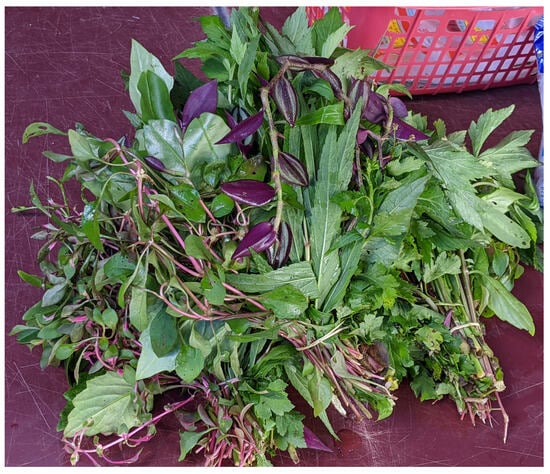
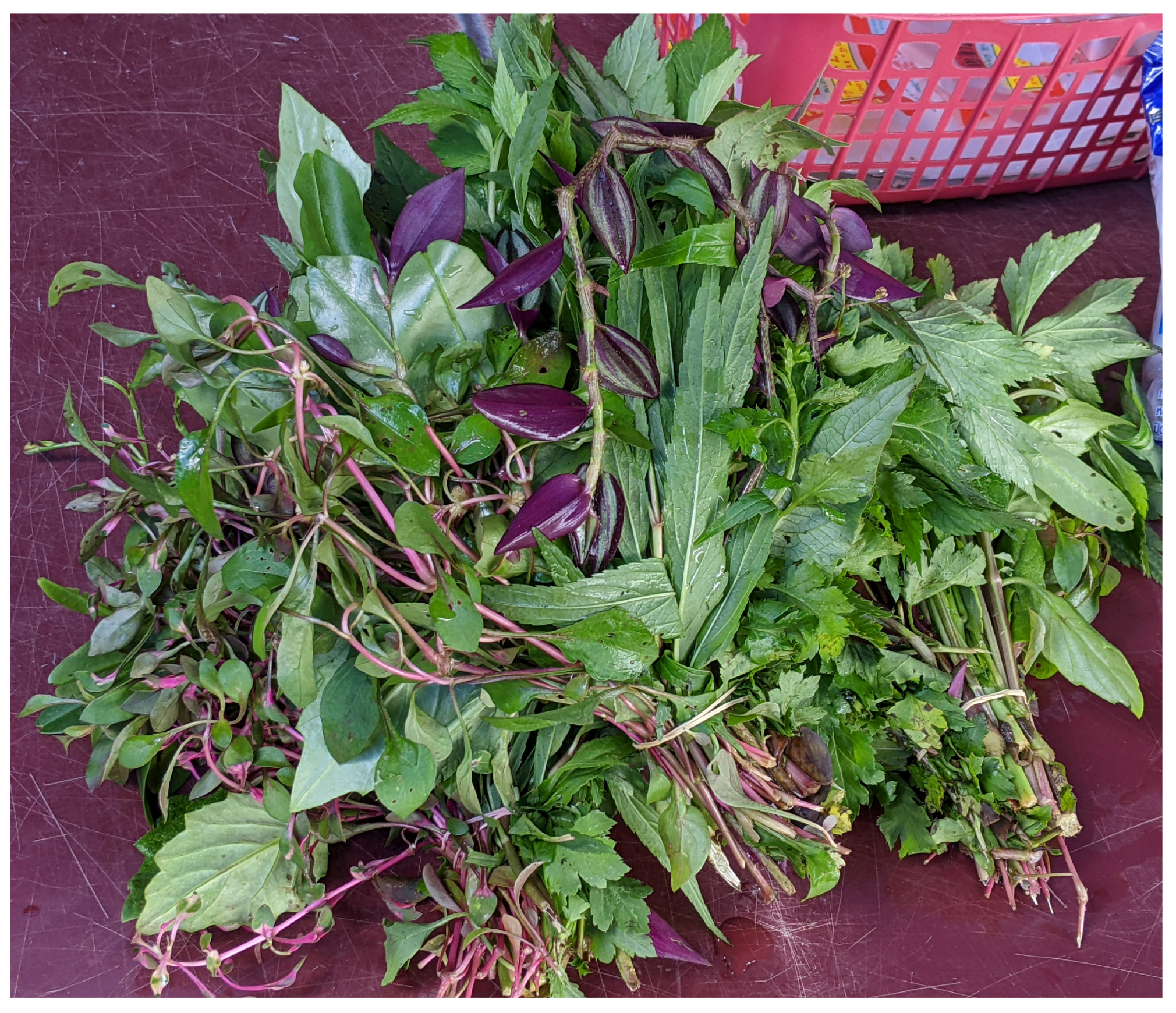
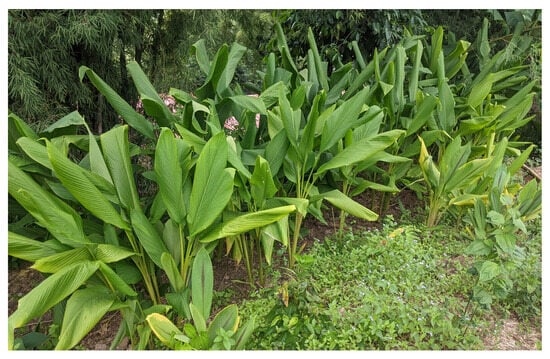
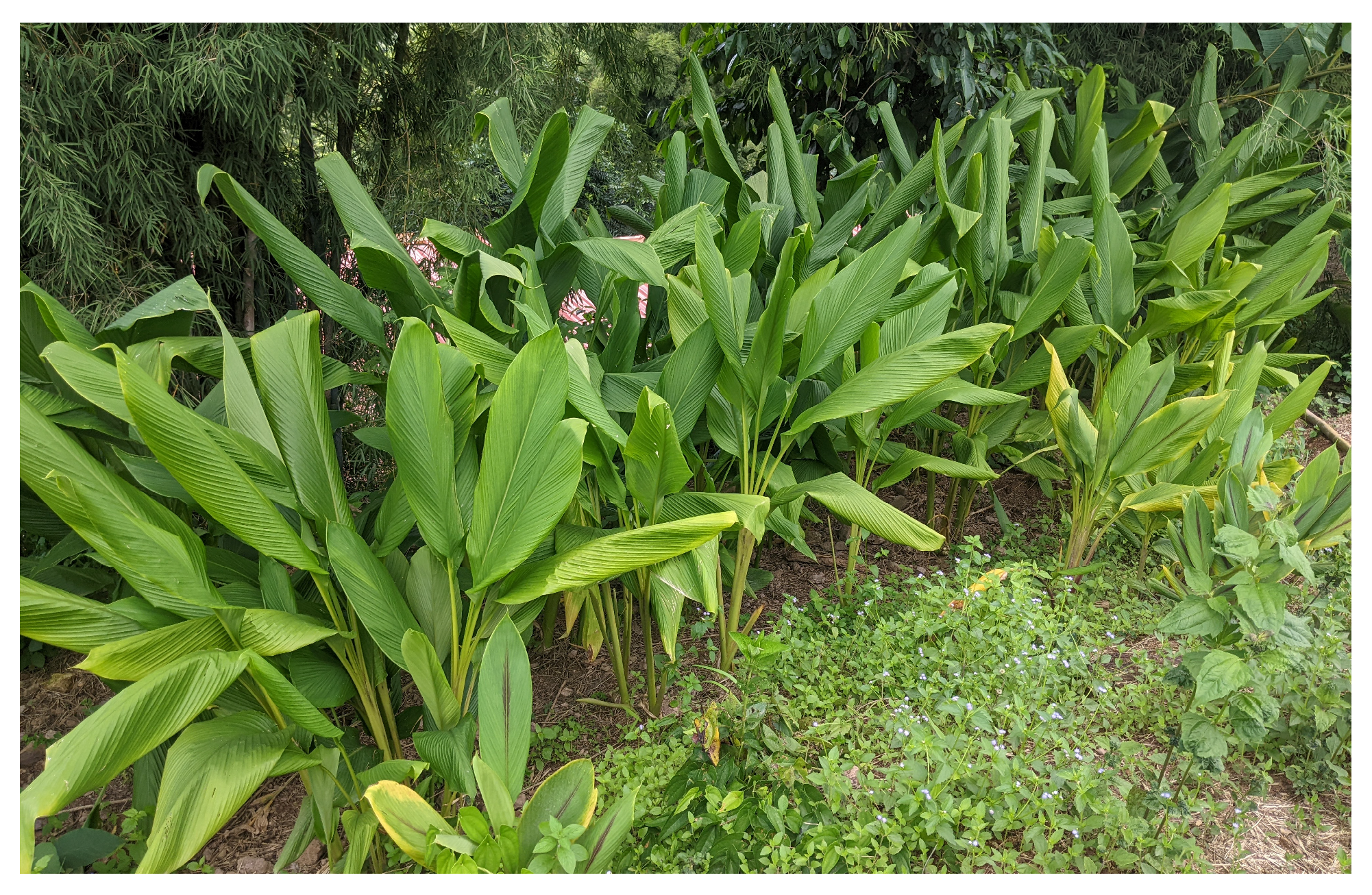
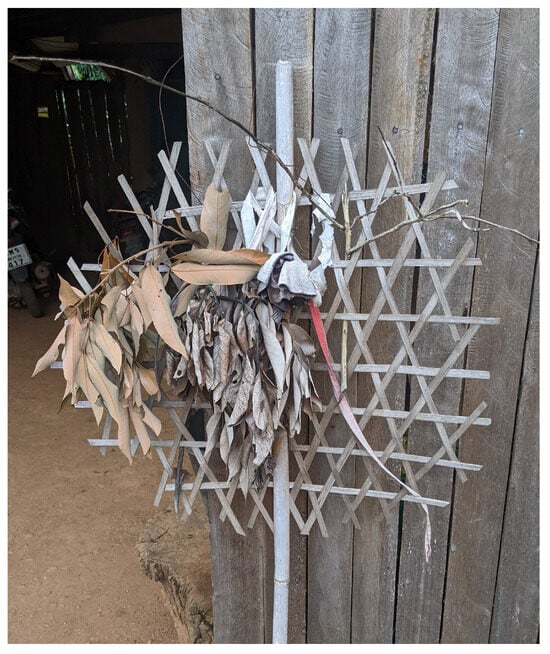
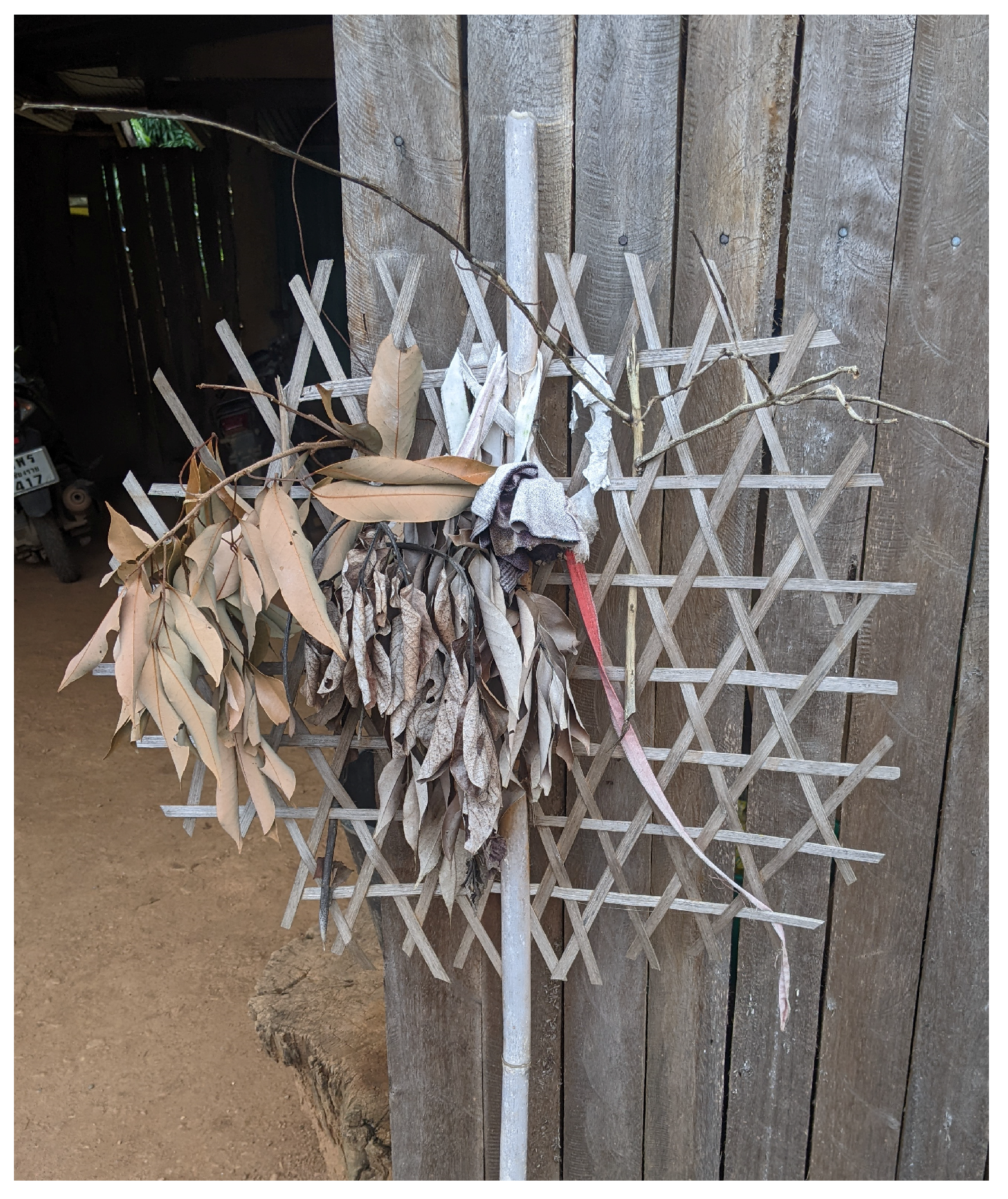
Disclaimer/Publisher’s Note: The statements, opinions and data contained in all publications are solely those of the individual author(s) and contributor(s) and not of MDPI and/or the editor(s). MDPI and/or the editor(s) disclaim responsibility for any injury to people or property resulting from any ideas, methods, instructions or products referred to in the content. |
© 2026 by the author. Licensee MDPI, Basel, Switzerland. This article is an open access article distributed under the terms and conditions of the Creative Commons Attribution (CC BY) license.