


Abstract
This study aimed to estimate life expectancy at birth and survival patterns within a multigenerational family from Romania (102 individuals), whose members lived across the period 1900–2024. Life expectancy was estimated using abridged synthetic cohort life tables, and the results were interpreted through survival curve analysis. Life expectancy at birth was estimated at approximately 84 years for females and 80 years for males, while the overall life expectancy for the total family population was 81 years, representing a weighted estimate derived from sex-specific life tables, with weights corresponding to the proportion of females and males in the studied population, rather than a simple arithmetic mean, following standard demographic practice. The resulting survival curves exhibited a clear Type I survival pattern, characterized by low mortality at younger ages and an increasing concentration of deaths at older ages. When contextualized using recent Eurostat data, the life expectancy estimated for the analyzed family exceeds current national-level values reported for Romania and is close to the European Union average, particularly for females. These findings indicate a favorable survival profile at the familial level and illustrate the usefulness of life tables for investigating longevity patterns in small populations.
1. Introduction
The remarkable increase in human life expectancy over the past century has been described in the recent literature as a major demographic success but also as a source of new vulnerabilities for health and social organization. From the perspective of evolutionary medicine, this expansion of longevity is associated with an increased prevalence of non-communicable diseases, explained by mechanisms such as the evolutionary mismatch between human biology and modern environments, adaptive trade-offs, and the biological constraints of the human organism (Amatori 2025).
The scientific literature on human life expectancy demonstrates that longevity is a complex, multidimensional phenomenon shaped by the interaction of biological, environmental, socio-economic, technological, and demographic factors. Life expectancy is widely used as a core indicator of population health and development, and substantial differences persist between countries and regions (Berry 2022). Recent European statistics indicate that life expectancy in Romania remains below the European Union average, despite overall improvements observed during the last few decades. This persistent gap has stimulated interest in understanding both population-level and more granular patterns of survival and longevity.
A large body of research has documented the strong association between life expectancy and human capital formation, education, income levels, and economic development (Mohamed et al. 2025; Kuchmaeva et al. 2024; Vu 2023). Numerous studies show that higher investments in education and human capital are consistently linked to longer life expectancy, while socio-economic inequality contributes to pronounced disparities in survival outcomes within and across countries. In this perspective, life expectancy reflects not only biological aging processes, but also the cumulative effects of long-term social, economic, and institutional conditions. Socio-historical research shows that longevity is not distributed uniformly across social groups, with persistent differences associated with status, power, and access to resources. Analyses of European royal families demonstrate a significant life expectancy advantage among monarchs compared both to the general population and to other members of their own families—an advantage that has persisted over centuries despite political transformations and overall improvements in population health. These findings suggest that social and contextual factors, including living conditions, material security, and even the positive stress associated with the exercise of power, may influence long-term survival trajectories, highlighting the role of the familial and social environment in shaping longevity (Batinti et al. 2025). The extension of the concept of life expectancy beyond a strictly biological dimension is evident in research that integrates social and psychosocial factors, such as loneliness and social isolation at older ages. The introduction of indicators such as “lonely life expectancy” highlights gender differences and the role of family relationships in the experience of aging, demonstrating that longevity cannot be evaluated solely in terms of length of life, but must also be examined through the quality of social relationships and experiences associated with advanced age (Furuya and Raymo 2025).
Environmental and lifestyle-related factors constitute another major dimension of longevity research. Exposure to air pollution, climate change, fossil fuel consumption, and broader environmental degradation has been associated with measurable losses in life expectancy, while dietary patterns, nutritional intake, alcohol consumption, and other lifestyle behaviors contribute to cross-population variation in survival (Ibrahim 2022; Cheng et al. 2019). These findings highlight the sensitivity of life expectancy to modifiable external conditions and reinforce its role as an integrative indicator of environmental and behavioral influences on health.
Biological and genetic perspectives have further expanded the understanding of longevity through studies of molecular mechanisms of aging, inflammatory processes, genetic variants, and epistatic interactions (Li et al. 2025; Berezina 2017; Mandi and Rouchka 2012). Theories such as mutation accumulation, antagonistic pleiotropy, and the “disposable soma” model suggest that extending lifespan in an ecological and social context profoundly different from the ancestral one promotes the late-life expression of biological vulnerabilities. As a result, life expectancy becomes a phenomenon that should be interpreted not only in quantitative terms, but also through the lens of quality of life and the degree to which social and urban environments are adapted to human biology (Amatori 2025). In parallel, the interdisciplinary literature emphasizes that the extension of life expectancy, combined with declining fertility rates, generates structural pressures on care systems and necessitates a rethinking of traditional models of support for older adults. Increasing emphasis is placed on extended family networks, geographic proximity, and urban community-based solutions that allow for the distribution of caregiving responsibilities and the strengthening of intergenerational ties. In this context, life expectancy emerges not only as a demographic outcome but also as an active factor shaping contemporary family relations, social solidarity, and urban infrastructure (Growney et al. 2025). Evolutionary and comparative research, including analyses of historical populations and non-human primates (Davison and Gurven 2021; Wood et al. 2017), has explored the constraints and trade-offs associated with extended life spans. While these approaches offer valuable insight into biological pathways and potential limits to longevity, they also emphasize that genetic influences operate in close interaction with social and environmental contexts.
At the same time, advances in medicine, technology, and data science have introduced new methodological approaches to life expectancy research. Statistical mortality models, probabilistic frameworks, and demographic forecasting techniques are widely used to estimate and project survival patterns (Alharbi and Alnagar 2022; Fernandez 2023; Pan et al. 2025; Tyrer et al. 2023). Although these approaches reflect increasing technological sophistication, their implications for long-term survival dynamics at the population level remain subject to ongoing debate.
An important segment of the literature focuses on the measurement, reconstruction, and historical evolution of life expectancy (Németh and Missov 2018). Long-term analyses document substantial increases in human longevity over the past centuries, while also highlighting periods of stagnation or decline associated with major social, epidemiological, or environmental shocks (Mazzuco and Campostrini 2022; Michalski et al. 2021). These studies demonstrate that life expectancy is not a fixed attribute but a dynamic demographic measure, responsive to changing historical conditions. Historical and paleodemographic evidence provides essential context for interpreting contemporary survival patterns and for situating current life expectancy estimates within a broader temporal framework.
Within this extensive body of research, family-based and intergenerational studies represent a comparatively smaller but distinct area of inquiry. Previous research has suggested that longevity tends to cluster within families, reflecting shared genetic, environmental, and socio-demographic influences. However, the study of long-lived families is methodologically challenging due to incomplete life span information and the limited availability of detailed data across generations. Life span data are typically available only for deceased individuals, whereas information on living family members is often censored, which complicates the analysis of familial longevity (Yashin et al. 2010). Despite these limitations, family-based studies can provide valuable descriptive insights into survival patterns and longevity within shared demographic and social contexts. In this regard, descriptive analyses of familial survival over extended periods remain relevant for understanding variability in life expectancy beyond population-level averages and for contextualizing individual or family-specific survival profiles within broader demographic frameworks.
The specialized literature addressing life expectancy in Romania is extensive, yet it is predominantly characterized by a macro-structural and sectoral orientation. Numerous studies have examined life expectancy and its associated indicators in relation to levels of socio-economic development, quality of life, human capital, and regional disparities. Research such as that conducted by Muntele et al. (2020), Anghelache and Anghel (2018), or Goschin (2014) has highlighted significant territorial disparities in life expectancy and health status, closely associated with economic development, income levels, infrastructure, and access to public services. These studies conceptualize life expectancy as an aggregate indicator, used either to assess the socio-economic performance of regions or to inform public policy design.
A second major direction in the literature is represented by demographic and epidemiological analyses focused on mortality and cause-specific patterns of death. Other studies (Furtunescu et al. 2021; Ioacara et al. 2020; Ioacara et al. 2019; Ioacara et al. 2018; Weiss et al. 2018) focus on mortality associated with cardiovascular diseases, diabetes, cancer, and other major pathologies, analyzing temporal trends and differences relative to the European Union average. Although these investigations make an essential contribution to understanding the health profile of the Romanian population, they address life expectancy indirectly, through the lens of cause-specific mortality, without reconstructing complete survival trajectories.
Another substantial body of work investigates the relationship between life expectancy, the healthcare system, and public policies. Studies addressing healthcare financing, demographic pressure, population aging, and the sustainability of pension systems (Rotaru et al. 2024; Preda and Grigoras 2011; Cristea et al. 2016) analyze the impact of increasing longevity on public resources. These studies generally treat life expectancy as an exogenous or contextual variable, rather than analyzing it directly through classical demographic instruments such as life tables.
The Romanian literature also includes studies examining the economic, social, and environmental determinants of health and longevity, such as regional inequalities, migration, working conditions, pollution, and lifestyle factors (Horodnic et al. 2018; Toader et al. 2017; Perticas and Simut 2014; Dragoi et al. 2008). These studies predominantly employ econometric models or aggregated statistical analyses, aiming to identify factors associated with variations in life expectancy at the national or regional level.
A more limited segment of the literature focuses on specific subpopulations or clinical groups in Romania, examining life expectancy or survival in particular medical contexts, such as patients with hypertension, HIV infection, autoimmune diseases, or other chronic conditions (Sandulescu et al. 2025; Streinu-Cercel et al. 2019; Suciu et al. 2019). These studies are clinically valuable; however, they do not aim to assess life expectancy at the population or familial level and do not allow for extensive long-term longitudinal comparisons.
Overall, existing research on life expectancy in Romania addresses this indicator primarily at the macro level (national or regional), either as a measure of development or as an outcome of socio-economic or medical determinants. Most analyses rely on aggregated data, relatively short time series, or well-defined clinical subpopulations.
The review of the existing literature reveals several clear gaps. From a methodological perspective, life expectancy analysis is dominated by sophisticated statistical models applied at the population level, aimed at describing and forecasting mortality by sex and country. Multipopulation models allow for the decomposition of mortality rates into age, time, and population components, while the integration of machine learning techniques seeks to capture nonlinear relationships and improve predictive performance. Although these approaches substantially refine aggregate life expectancy estimates, they remain centered on macro-demographic scales and provide limited insight into individual or familial survival trajectories (Debón et al. 2025). There are very few studies that investigate life expectancy using long-term observational data covering extended historical periods preceding the post-communist transition. Cohort-based life table approaches are rarely applied in studies dedicated to Romania, being largely replaced by aggregated analyses or econometric models. In practice, the Romanian literature does not include family-based or intergenerational analyses describing survival patterns within real familial units observed across multiple generations, while most studies focus on identifying determinants of life expectancy rather than adopting strictly descriptive approaches aimed at documenting survival trajectories.
Taken together, the literature reveals several relevant research gaps. First, while population-level analyses dominate life expectancy research, there is limited empirical work examining long-term survival patterns within real family units observed across multiple generations. Second, many studies prioritize causal inference, predictive modeling, or specific biological and socio-economic determinants, whereas fewer investigations adopt a descriptive demographic perspective focused on documenting survival trajectories over extended historical periods. Third, cohort-based life table methods are rarely applied at the familial level using long-term observational data, particularly in Eastern European contexts such as Romania. Finally, family-based studies are often embedded within genetic or biomarker-oriented frameworks (Yashin et al. 2010), leaving descriptive life table analyses of familial longevity relatively underrepresented.
The present study addresses these gaps by providing a descriptive life table analysis of life expectancy and survival patterns within a Romanian family observed over the period 1900–2024. By applying standardized synthetic cohort life table methodology to a multigenerational familial dataset, this study offers a long-term, family-level perspective on longevity that complements existing population-based research and national statistics reported by Eurostat. Rather than seeking to identify causal determinants of survival, the analysis situates familial life expectancy within broader demographic contexts, illustrating variability in longevity beyond national averages. In doing so, the study demonstrates the continued relevance of descriptive cohort life tables for understanding human survival dynamics in small populations and shared socio-historical settings, particularly in countries where population-level life expectancy remains below the European average.
This study is relevant for genealogical research, as it is based on reconstructed family records covering multiple generations over a period of more than one century. Such data are characteristic of genealogical approaches and allow for the analysis of survival and longevity within a documented family. The intergenerational nature of the dataset makes it possible to examine survival patterns across successive cohorts within the same family. In addition, this approach may serve as a starting point for future lineage-based analyses, in which survival outcomes could be explored along specific family lines, thereby contributing to bridging demographic methods and genealogical research.
2. Materials and Methods
2.1. Data Collection
Data on family members were collected retrospectively through structured interviews with living members of the family. Information regarding dates of birth, dates of death (where applicable), sex, and age at death was obtained not only based on interviews but also by consulting documents archived within each family (including both official records, family records, and personal recollections, or personal journals). For deceased individuals, data were reported by first-degree or close relatives and cross-checked across multiple respondents whenever possible to ensure internal consistency, and, in some cases, by consulting funerary monuments on which dates of birth and death were inscribed. Only individuals for whom the data could be established as reliable were included in the analysis, while cases with uncertain or incomplete information were excluded. This approach was adopted to ensure the reliability of the reconstructed dataset, particularly for earlier periods of the analysis.
The resulting dataset represents a reconstructed multigenerational family history, suitable for descriptive demographic analysis using synthetic cohort life table methods. The dataset was complete with respect to the variables required for life table construction, including age, sex, and vital status. No missing values were identified for these key variables.
2.2. Research Methodology
Life expectancy was estimated using an abridged synthetic cohort life table approach, based on family data, constructed from age-specific survival data covering a 124-year period (1900–2024). The study population consisted of 102 individuals belonging to a single extended family, including both blood relatives and partners who married into the family and had offspring. In practice, an extended family unit was analyzed, representing a historically closed cohort composed of genetically related family members, as well as their partners and the offspring resulting from these unions. Not all members shared the same genetic background, as spouses and partners introduced biological heterogeneity into the cohort. So, this was not a genetically homogeneous cohort; therefore, the study did not aim to isolate the genetic effect, but rather to describe life expectancy within a real familial unit. The inclusion of non-blood-related individuals reflects the structure of a real family unit and allows for a descriptive analysis of life expectancy and survival patterns within a shared familial and socio-demographic context.
Life expectancy was estimated using an abridged synthetic cohort life table, constructed based on standard age intervals commonly applied in human demographic studies. Age was grouped into standard demographic intervals: <1 year, 1–4 years, followed by five-year age intervals (5–9, 10–14, …, 80–84 years), with an open-ended final age group of 85 years and above. The use of grouped age intervals results in the construction of an abridged rather than a complete life table. The age intervals used in the analysis are standard in human demographic studies and are commonly applied in the construction of abridged life tables (World Health Organization/Eurostat/United Nations). This approach is appropriate given the size of the study population and allows for a robust estimation of life expectancy at birth without affecting the overall interpretation of survival patterns. Survival patterns were interpreted based on the resulting survival curve.
A hypothetical standardized cohort with a radix of 100,000 individuals (l0 = 100,000) was used, in accordance with international demographic conventions (Preston et al. 2001). For age groups with no observed deaths, the number of standardized survivors remained unchanged until the first observed mortality event, reflecting the absence of early-age mortality in the studied family cohort.
Limitations: The use of an abridged life table and grouped age intervals may smooth age-specific mortality patterns, particularly in a small, family-based population. In addition, the open-ended 85+ age group and the absence of early-age mortality introduce uncertainty that may affect age-specific life expectancy estimates at older ages.
The methodology used in the cohort life table included standard demographic functions. Data were analyzed using a standard life table framework organized in tabular form, allowing the estimation of life expectancy through the calculation of demographic parameters.
Parameter x represents age in years and the age interval of observation. For the human population analyzed, one-year age intervals were used.
Parameter nx indicates the number of individuals observed alive at exact age x in the study population.
Parameter lx represents the number of survivors at exact age x from a standardized hypothetical cohort (typically 100,000 individuals). In accordance with demographic conventions, a radix of 100,000 individuals (l0 = 100,000) was used (Preston et al. 2001). Values of lx were derived by applying age-specific mortality probabilities and were rounded to the nearest integer.
Parameter dx represents the number of deaths occurring in each age interval [x, x + n), standardized to a hypothetical cohort of 100,000 individuals. This parameter reflects the reduction in the number of survivors between the beginning and the end of the analyzed age interval. The value of dx was calculated as the difference between the number of survivors at the beginning and at the end of the interval, according to the following relationship: dx = lx − lx+n.
Parameter qx represents the probability of death within the age interval [x, x + n) for individuals who are alive at the beginning of the interval. It was calculated as the ratio between the number of deaths and the number of survivors at the beginning of the interval, according to the relationship: qx = dx/lx.
Parameter Lx represents the total number of person-years lived by the standardized cohort within each age interval [x, x + n). Lx was estimated using standard approximations assuming a uniform distribution of deaths within closed intervals, according to the formula: Lx = n · (lx + lx+n)/2.
For the final open-ended age interval (85+), person-years lived (Lx) were estimated using the standard life table approximation L85+ = l85/M85+. Unlike closed age intervals, for which Lx is calculated using the conventional interval-based formula, the open age group requires a specific treatment because its upper boundary is undefined.
Parameter Tx represents the total remaining person-years lived by the cohort after exact age x. This cumulative measure was obtained by summing the corresponding Lx values for all subsequent age intervals: , where ω denotes the last age group analyzed.
Parameter ex represents life expectancy at exact age x, defined as the average number of remaining years of life for an individual belonging to the analyzed cohort who has reached age x. It was calculated as the ratio between the total remaining person-years and the number of survivors at the beginning of the interval: ex = Tx/lx. The overall life expectancy at birth (e0) was calculated as a weighted average based on the sex distribution of the studied population. Specifically, sex-specific life expectancy values were weighted by the proportion of females and males in the dataset, rather than using a simple arithmetic mean.
Parameter log lx contains the logarithmic values of the number of standardized survivors (log lx), which are used for the graphical representation of the survival curve and for identifying the type of survival curve corresponding to the analyzed population.
In the analyzed dataset, some individuals were still alive at the end of the observation period (2024), and therefore, their complete lifespan could not be established. These individuals were included in the life table as part of the population at risk within the corresponding age intervals, based on their observed age at the end of follow-up, but were not counted among deaths. This treatment is equivalent to right-censoring, as the exact time of death is unknown.
2.3. Interpretation of Results
The results derived from the life table analysis were used to construct and interpret the survival curve of the studied family-based population. According to the classical classification of survival curves proposed by Deevey (1947), populations can be characterized into three main survival types based on age-specific mortality patterns.
The survival curve obtained for the analyzed family corresponds to a Type I survival pattern, characterized by low mortality at younger and adult ages and a marked increase in mortality at older ages. This pattern is typical of human populations and reflects high survival rates until advanced ages. This interpretation is descriptive in nature and does not imply causal inferences regarding genetic or socio-economic determinants of longevity.
3. Results
Life table analysis of the studied family-based population allowed the estimation of life expectancy and the characterization of age-specific survival patterns over a 102-year observation period. Life expectancy at birth for the total population was estimated at approximately 81 years (Table 1). The survival curve constructed from the standardized life table data exhibited a Type I survival pattern (Figure 1), according to the classical classification proposed by Deevey (1947). This pattern is characterized by low mortality at younger and adult ages, followed by a marked increase in mortality at older ages. Such a survival profile is typical of human populations and reflects high survival probabilities until advanced ages.
Table 1.
Synthetic cohort life table for estimating life expectancy in the analyzed family.
Figure 1.
Survival curve of the analyzed family-based population.
In the analyzed family, the absence of mortality in early-life age groups and the concentration of deaths at older ages observed in the analyzed data strongly support the classification of the survival curve as Type I. The log-transformed survivor function showed a gradual decline during early and middle adulthood, followed by a steeper decrease in later life, corresponding to increased mortality among elderly individuals. Although a slight increase in age-specific life expectancy was observed at older age intervals, this phenomenon can be attributed to survivor selection effects and to the use of grouped age intervals, particularly the open-ended 85+ age group, within an abridged life table framework. Such effects are well documented in demographic analyses of small populations and do not invalidate the overall interpretation of the survival pattern.
Overall, the results describe a longevity profile consistent with a human population exhibiting delayed mortality and extended survival into older ages. Given the family-based nature of the dataset and the descriptive aim of the study, the findings should be interpreted as illustrative of survival dynamics within a real familial context rather than as generalizable population-level estimates.
The survival curve of the total family-based population (Type I survival pattern) (Figure 1) is characterized by no early mortality at 1–14 years, very low mortality at younger and adult ages (15–19, 20–59 years) and a progressive increase in mortality at older ages, respectively, accentuated decline after 65–70 years and a pronounced decrease in the 75–84 si 85+ age groups. The curve remains nearly horizontal until mid-adulthood, indicating the absence of early mortality in the analyzed population, followed by a steeper decline beginning around 60–65 years of age and becoming more pronounced at advanced ages. Minor inflections observed at younger ages are attenuated in the aggregated population and do not affect the overall survival pattern. The sharp decline observed in the oldest age groups, particularly in the open-ended 85+ category, is consistent with the concentration of deaths at advanced ages and the use of an abridged life table.
Life expectancy at birth for the female population within the studied family was estimated at approximately 84 years (Table 2). The female survival curve exhibited a Type I pattern (Figure 2).
Table 2.
Synthetic cohort life table for estimating life expectancy in females from the analyzed family.
Figure 2.
Survival curve of females in the analyzed family.
The elevated mortality observed in the 15–19 age group reflects a single, punctual event, namely one real death occurring within this age-specific subgroup (a single death occurring at the age of 19, for which the cause of death was not established). In the context of a family-based sample and standardization to a hypothetical cohort of 100,000 individuals, this isolated event results in an amplified age-specific mortality estimate and does not indicate a generalized mortality pattern at these ages. This isolated event is visible on the survival curve graph (Figure 2) as a small downward inflection; however, it is local and of limited magnitude and does not alter the overall shape of the curve. The curve remains Type I, characterized by a very stable profile with a shallow slope indicating low mortality at adult ages, followed by a steeper slope reflecting a visible decline after approximately 70 years of age and a further accentuation after 75–80 years, illustrating the concentration of deaths at advanced ages. The survival curve for the female population, plotted using the logarithm of standardized survivors, exhibits a Type I survival pattern. The pronounced decline observed at advanced ages, particularly in the open-ended 85+ group, is consistent with the concentration of deaths at older ages and with the use of an abridged life table. This indicates a very favorable survival profile for the female population. Minor fluctuations in age-specific mortality at other intervals similarly reflect the small size of the study population and the applied standardization procedure.
When the total population is analyzed, for the 15–19 age segment, a small negative inflection can be observed, which is less pronounced than in the female population. This suggests an attenuation of the isolated event identified in the female subgroup (a single death at age 19 with an undetermined cause) when the total population is analyzed. Compared with the female-only survival curve, the decline in the total population begins slightly earlier and is more pronounced, reflecting the contribution of higher male mortality. Thus, the onset of the marked decline in survival occurs at approximately 70 years of age in the female population, whereas in the total (mixed-sex) population, the decline begins earlier, around 65 years of age.
Life expectancy at birth for the male population within the studied family was estimated at approximately 80 years (Table 3), lower than that observed for females. The male survival profile indicates a Type I survival pattern (Figure 3), with very low mortality at younger ages and a more pronounced increase in mortality beginning in late adulthood. Compared with females, the decline in male survival occurs earlier and is steeper, reflecting higher age-specific mortality among men. Elevated mortality values observed at certain age intervals reflect isolated events within small subgroups and the effect of standardization, while the marked increase in life expectancy at the oldest ages represents a survivor selection effect associated with the open-ended age group.
Table 3.
Synthetic cohort life table for estimating life expectancy in males from the analyzed family.
Figure 3.
Survival curve of males in the analyzed family.
A summary of the uncertainty associated with the estimated life expectancy at birth (e0) is presented in Table 4, which reports standard errors and 95% confidence intervals for the total population and by sex.
Table 4.
Life expectancy at birth with uncertainty estimates.
The results indicate the absence of early mortality in the analyzed male cohort (≤45 years), but a marked increase in mortality in the 50–54 age group, an effect that is further amplified by the standardization procedure used in the analysis. Mortality is very high at advanced ages, reflecting a classic male survival profile, the interpretation of which must take into account both the small size of the analyzed sample and the open-ended nature of the 85+ age group. In addition, a progressive increase in life expectancy (ex) was observed at very advanced ages, specifically in the 70–74, 75–79, 80–84, and 85+ age intervals. This increase does not reflect a biologically realistic phenomenon, but rather represents a survivor selection effect and an artifact associated with the open-ended 85+ age group.
The survival curve for the male population is a Type I survival pattern, with very low mortality at younger ages followed by a marked increase in mortality beginning earlier than observed in females. The survival curve shows that the decline begins earlier than in women and that mortality is concentrated at earlier ages. The curve remains nearly horizontal until approximately 50–55 years of age, after which a progressive decline becomes evident, intensifying at older ages. In the 50–54 age interval, the first real mortality event appears in the male cohort, amplified by standardization, but this does not change the type of the curve, which remains Type I, characterized by mortality concentrated at older ages. Compared with the female survival curve, the onset of the decline occurs earlier and the slope is steeper, reflecting higher age-specific mortality among men. Thus, among females, the onset of the pronounced survival decline occurs at approximately 70 years of age, whereas among males it begins earlier, around 55–60 years of age. Adult mortality is lower among women and higher among men. The pronounced decrease observed in the oldest age groups, particularly in the open-ended 85+ category, is consistent with the concentration of deaths at advanced ages and the use of an abridged life table.
When analyzed by sex, life expectancy at birth was approximately 84 years for females and 80 years for males, indicating a survival advantage for women, consistent with patterns reported in human populations. It was found that female life expectancy was approximately four years higher than that of males (Figure 4), which is consistent with the general trend observed in the global human population, as well as in Romania, namely that women tend to have a higher life expectancy than men.
Figure 4.
Survival curves of females, males, and the total population in the analyzed family.
The superimposed survival curves for females, males, and the total family-based population provide a detailed visualization of sex-specific survival dynamics across the life course. All three curves exhibit a Type I survival pattern, characterized by minimal mortality at early ages and an increasing concentration of deaths at older ages, consistent with human populations.
During childhood and early adolescence (<1–14 years), the curves are nearly perfectly overlapping and remain almost horizontal, indicating the absence of early-age mortality and a high degree of survival homogeneity between sexes. A minor deviation observed in the 15–19 age group, most evident in the female curve, reflects a single, punctual mortality event occurring within a small subgroup. Owing to the standardization of the data to a hypothetical cohort of 100,000 individuals, this isolated event produces a visible inflection in the curve without altering its overall shape or survival type. When females and males are analyzed together, this effect is attenuated, illustrating the smoothing effect of population aggregation.
From early adulthood through midlife (20–49 years), the three curves remain largely parallel, with females consistently exhibiting the highest survival levels, males the lowest, and the mixed population occupying an intermediate position. This persistent separation visually captures the female survival advantage, while the limited slope of all curves during this period indicates low age-specific mortality across the family-based population.
Clear divergence between the curves emerges after approximately 50–55 years of age. The male survival curve begins to decline earlier and more steeply, reflecting the onset of increased male mortality in late adulthood. The mixed population curve closely follows this trend, demonstrating the substantial contribution of male mortality to the overall survival profile. In contrast, the female curve remains relatively stable until around 70 years of age, after which a more pronounced decline becomes apparent.
At advanced ages (≥65 years), sex-specific differences become increasingly pronounced. The female curve shows a more gradual decline, whereas the male curve exhibits a steeper slope, indicating higher mortality rates among older men. The mixed population curve consistently falls between the two, representing a weighted combination of the sex-specific survival patterns. In the oldest age groups, particularly the open-ended 85+ category, all curves display a sharp decline. This pattern reflects the concentration of deaths at very advanced ages and is further influenced by the use of an abridged life table, small subgroup sizes, and survivor selection effects. Overall, the integrated analysis of the three survival curves highlights a coherent and biologically plausible survival structure, with delayed mortality among females, earlier and steeper declines among males, and an intermediate profile for the total population. Together, these curves provide a comprehensive depiction of longevity and age-specific mortality within the studied family over more than a century.
Compared with national population-level data and the European Union average, the analyzed family exhibits a smaller gender gap in life expectancy at birth (Figure 5), reflecting a more balanced survival profile from a gender perspective within this familial group.
Figure 5.
Life expectancy (years) in the studied family, by age group and sex, compared with the European average.
The integrated analysis of the life tables and survival curves for females, males, and the total family-based population reveals a coherent Type I survival pattern, characterized by low mortality at younger ages and an increasing concentration of deaths at older ages. Female life expectancy at birth was estimated at approximately 84 years, with a delayed onset of the survival decline occurring around 70 years of age, whereas male life expectancy at birth was lower, at approximately 80 years, and the decline in survival began earlier, around 55–60 years of age. The survival curve of the mixed population occupied an intermediate position and closely followed the male curve at older ages, indicating the substantial contribution of male mortality to the overall survival profile.
The estimated life expectancy values may be influenced by the presence of right-censored observations, since not all individuals had experienced death by the end of the observation period. As a result, some lifespans were only partially observed, which may affect the precision and interpretation of the life expectancy estimates, but these aspects are detailed in the section “Study limitations”.
4. Discussion
4.1. Interpretation of Results in the Context of the Present Study
An important methodological consideration concerns the comparability of the life expectancy estimates presented in this study with those reported by Eurostat. Although cohort life table techniques were applied, the dataset does not represent a single birth cohort, but rather a reconstructed multigenerational family including individuals born over more than a century. As such, the resulting estimates are more appropriately interpreted as those of a synthetic (or pseudo-cohort), reflecting the aggregated survival experience of individuals born across different time periods. In contrast, Eurostat life expectancy indicators are period measures, based on mortality rates observed at a specific point in time. As a result, these two types of estimates are not directly comparable, as they capture different demographic constructs. This has implications for comparability, as life expectancy derived from this approach is not directly equivalent to period life expectancy measures, such as those reported by Eurostat. Therefore, comparisons between the family-based estimates and national or European averages should be interpreted with caution, serving primarily as contextual references rather than direct equivalences.
Provisional Eurostat estimates for 2024 regarding the evolution of life expectancy at birth (e0) defined as the average number of years a newborn is expected to live if exposed throughout life to the current age-specific mortality conditions (age-specific probabilities of death) (Eurostat 2025), indicate that life expectancy at birth in the European Union reached 81.7 years, with substantial variation across countries and an increase compared to 2023. In 2024, life expectancy exceeded the EU average in 15 EU countries. The highest life expectancy was reported in Liechtenstein (84.7 years), Switzerland (84.5 years), Italy and Sweden (84.1 years), and Spain (84.0 years), whereas the lowest values were recorded in Bulgaria (75.9 years), Latvia (76.7 years), and Romania (76.6 years). This indicates that Europe exhibits a pronounced gradient in life expectancy at birth across its countries, with a persistent gap of approximately eight years between the lowest and highest values (76–84 years), while Romania remains among the countries with the lowest life expectancy. With an average life expectancy of 76.6 years in 2024, Romania lies substantially below the EU average of 81.7 years, a fact that provides a clear motivation for the present study.
By contrast, the analyzed family population, with an average life expectancy of approximately 81 years, is situated very close to the EU-27 mixed-sex national average (81.7 years) and well above the corresponding national average for Romania (76.6 years).
Eurostat data indicate that life expectancy at birth for females in the European Union has remained high and relatively stable over the past decade, reaching approximately 84.4 years in 2024. Substantial cross-country variation persists, with the highest female life expectancy observed in countries such as Liechtenstein (86.8 years), Spain (86.6 years), Switzerland (86.2 years), Italy (86 years), and markedly lower values reported in Eastern European countries. In Romania, female life expectancy declined sharply during the pandemic period and, despite subsequent recovery, remained at approximately 80.4 years in 2024, well below the EU average. In this context, the female life expectancy at birth estimated for the studied family (approximately 84 years) closely aligns with the EU-27 average and substantially exceeds recent (2024) national-level estimates for Romania (80.4 years). This finding suggests that female life expectancy in Romania (80.4 years) remains approximately four years lower than that observed in the benchmark countries mentioned above (Eurostat 2025).
The life expectancy of men in the analyzed family (approximately 80 years) remains lower than that of women (a typical difference), but it is nevertheless substantially higher than Romania’s national mixed-sex life expectancy level reported for 2024 (76.6 years). However, Eurostat estimates of life expectancy at birth are derived from period indicators, but these are used in this study as a population-level benchmark for contextualizing the synthetic cohort-based life expectancy estimates obtained for the analyzed family.
Eurostat data (Eurostat 2025) show that life expectancy at birth for males in the European Union remains substantially lower than that observed for females, reaching approximately 79.2 years in 2024. In Romania, male life expectancy remained at approximately 72.8 years in 2024, well below the EU average. Against this background, the male life expectancy at birth estimated for the studied family (approximately 80 years) exceeds both the recent national-level estimate for Romania and the EU-27 average, approaching the values observed in high-longevity European countries.
When contextualized using recent Eurostat data, the overall life expectancy estimated for the studied family (approximately 81 years) is close to the EU-27 average, and substantially exceeds the most recent national-level estimates reported for Romania. Notably, the female life expectancy observed within the family aligns with values reported in European countries with the highest longevity, while male life expectancy exceeds both national and EU averages. Furthermore, the gender gap in life expectancy within the studied family is smaller than that observed at the national and European levels, suggesting a low male mortality in this familial context. Minor age-specific deviations reflect isolated mortality events, small subgroup sizes, and the use of standardized cohort life tables, without altering the overall survival structure.
Estimating the life expectancy of family members is a complex process influenced by a multitude of interdependent factors. These include family medical history, behaviors and lifestyle patterns adopted over time, shared genetic factors, level of access to healthcare services, as well as the socio-economic and environmental conditions in which individuals live. These determinants act simultaneously and cumulatively on mortality risk and life span, making it difficult to isolate the contribution of each individual factor, particularly in family-based contexts characterized by limited observational data.
In the absence of detailed information on all these determinants, life expectancy estimation frequently relies on standardized demographic methods that use age- and mortality-based data. It should be emphasized that no method for estimating life expectancy can provide perfectly accurate results. All estimates are accompanied by a certain degree of uncertainty, determined by individual variability, unforeseen events that may influence mortality, and the inherent limitations of the available data. This issue is particularly relevant in family-based studies, where the small sample size and the incomplete or censored nature of the data may amplify fluctuations in the estimated values. However, the use of well-established demographic methods, applied rigorously and interpreted with caution, allows for the derivation of informative and comparable estimates of life expectancy. When such estimates are contextualized by reference to population-level or regional data, they can contribute to a better understanding of variability in longevity within families and to the identification of general survival patterns. Therefore, although they cannot substitute individual medical or genetic assessments, life table–based analyses provide a useful framework for exploring familial longevity from a demographic and descriptive perspective.
The findings of the present study complement and extend the existing literature on life expectancy in Romania by offering a micro-demographic, family-based perspective that contrasts with the predominantly macro-level approaches previously employed. While most studies in post-1990 Romania have provided valuable insights into structural determinants of survival and regional inequalities, they offer limited information on long-term survival trajectories within smaller, socially coherent units such as families.
In contrast to other Romanian studies, the present study applies a cohort life table methodology to reconstruct age-specific survival and mortality patterns over an extended historical period (1900–2024). This long-term perspective captures survival dynamics across multiple generations and historical contexts, including periods for which national demographic data are sparse or less reliable. As such, the results provide descriptive evidence that complements shorter-term population studies and enriches the understanding of longevity patterns in Romania. The Type I survival pattern identified in the present analysis is consistent with that observed in modern human populations and suggests that, within this family, mortality was concentrated at older ages, with relatively low early-life mortality. This finding contrasts with historical patterns documented for Romania in earlier demographic transitions and underscores the potential role of shared familial, social, or environmental conditions in shaping survival trajectories.
Overall, the comparative analysis indicates that family-based life table studies can reveal dimensions of longevity that are not captured by aggregate statistics. By situating the family-level estimates within the broader Romanian and European context, the present study contributes to a more nuanced interpretation of life expectancy, emphasizing variability, heterogeneity, and the importance of scale in demographic analysis.
4.2. Romanian Socio-Historical Context (20th–21st Century)
In order to understand the survival trajectories of the members of the studied family, several reference points from the Romanian socio-historical context specific to the 20th century and the beginning of the 21st century are outlined, including access to medical services, access to education, and dietary patterns
At the beginning of the 20th century, Romania was a predominantly rural society (approximately 80–90% of the population), characterized by very limited access to medical services and precarious socio-economic conditions (Momanu et al. 2018). Mortality was high, particularly infant mortality, and infectious diseases such as tuberculosis, typhoid fever, and respiratory conditions represented the main causes of death, in the absence of antibiotics, until the period of the 1940s–1950s. Life expectancy at birth was estimated at approximately 35–45 years around 1900 (Radu 2018). At the same time, Romania was an agrarian economy marked by significant social inequalities, with rudimentary housing, insufficient or unbalanced nutrition, limited access to hygiene and drinking water, and a low level of education, all of which contributed to increased vulnerability to disease and premature mortality (Scrob 2020; Alexandrache 2019; Cindea and “Nicolae Bălcescu” Land Forces Academy 2009; Dragomir et al. 2024). These conditions were aggravated by major historical shocks, such as the First World War, which generated significant loss of life, famine, and epidemics, as well as by the Spanish influenza pandemic of 1918–1919, characterized by very high mortality and a severe impact on the young population. Subsequently, after the Second World War, Romania underwent important transformations, including the expansion of the medical system, the introduction of vaccination as a notable development, the reduction in infectious diseases, and thus an increase in life expectancy, marking the epidemiological transition from a profile dominated by infectious diseases to one dominated by chronic diseases (Andrén et al. 2005; Trăușan-Matu and Buda 2025). Access to medical services in Romania has evolved substantially over the past century (Petrescu and Ioncică 2012). At the beginning of the 20th century, access to healthcare was very limited, particularly in rural areas, where the majority of the population had little or no contact with medical professionals, and hospitals were concentrated in urban centers. Early vaccination efforts existed but had limited coverage (Trăușan-Matu and Buda 2025; Petrescu and Ioncică 2012). The earliest vaccination practices in Romania date back to the 19th century, with the introduction of smallpox vaccination following the discovery of Edward Jenner. This became the first widely implemented immunization measure in the region, being used from the first half of the 19th century and gradually becoming mandatory in certain periods, contributing significantly to the reduction in mortality from a highly lethal disease (Mihancea 1979). During the interwar period (1918–1940), vaccination continued but remained limited and unevenly distributed, with smallpox vaccination maintained and early efforts introduced for diseases such as diphtheria and tuberculosis. A major expansion occurred after 1948, during the communist period, when systematic, nationwide vaccination programs were implemented (Trăușan-Matu and Buda 2025). These large-scale immunization efforts led to a substantial decline in infectious disease mortality and infant mortality, contributing significantly to the overall increase in life expectancy. During the interwar period, the state began to expand healthcare provision, including the establishment of rural dispensaries and the development of organized primary care, although access remained uneven. A major transformation occurred during the communist period (1948–1989), when healthcare became universally accessible and free of charge, accompanied by the expansion of hospitals, polyclinics, and rural dispensaries, as well as the implementation of large-scale vaccination programs (Cojocaru et al. 2011). These developments led to significant reductions in infectious disease mortality and improvements in population health. After 1990, the healthcare system underwent restructuring, with the introduction of health insurance and increased access to modern medical technologies, although inequalities in access, particularly between urban and rural areas, have persisted (Trăușan-Matu and Buda 2025). These long-term changes in healthcare access likely contributed to the observed improvements in survival patterns over time.
At the beginning of the 20th century, limited access to formal medical services in Romania, particularly in rural areas, led the population to rely extensively on traditional healing practices rooted in folk medicine, cultural beliefs, and symbolic or ritual-based interventions (Radu 2018). These practices, which were not perceived as “occult” in the modern sense but rather as an integral part of local culture, were carried out by traditional healers, who combined the use of medicinal plants with ritual elements. Healing often involved incantations or rituals aimed at treating conditions attributed to non-biomedical causes, such as the “evil eye,” spiritual influences, or perceived invisible imbalances, reflecting a worldview in which illness was not exclusively understood in biological terms. While some of these practices may have had indirect therapeutic effects, particularly through the use of herbal remedies, many contributed to delays in seeking professional medical care and limited access to effective treatments, thereby potentially increasing mortality risks. Over time, with the expansion of education and the development of the healthcare system, reliance on such practices declined, although elements of traditional healing have persisted in certain communities (Radu 2018). This cultural context is relevant for understanding health behaviors and survival patterns in earlier generations.
Access to education in Romania has undergone significant transformations over the past century, evolving from limited and unequal availability at the beginning of the 20th century to widespread access in the contemporary period. In the early 1900s, Romania was predominantly rural, and education was largely restricted, particularly in rural areas, with high levels of illiteracy (exceeding 60% in some regions), incomplete primary schooling, and marked disparities between urban and rural populations as well as between genders (Hitchins 1994; Stahl 1972). These conditions contributed to a generally low level of education, with implications for hygiene, health, and demographic behaviors. Although some progress was made during the interwar period, especially following the Great Union, when educational reforms expanded access to primary education, substantial inequalities persisted, and secondary education remained limited. A major expansion occurred during the communist era (1948–1989) (Alexandrache 2019), which represented a turning point, as compulsory education and mass literacy policies led to near-universal literacy, a significant increase in educational attainment, and broader access to schooling, including through the development of technical and vocational education and increased participation of women. Following 1990, the education system diversified, access to higher education expanded, and European integration influenced educational reforms; however, socio-economic disparities continued to shape educational outcomes, particularly between urban and rural areas, and school dropout remained an issue for certain groups. In the more recent period (2000–present), access to compulsory education has become widespread, participation in tertiary education has increased, and digitalization has gained importance, although socio-economic inequalities continue to influence access and outcomes. These long-term developments in education may have contributed, indirectly, to improvements in health, living conditions, and survival patterns over time.
Dietary patterns in Romania have undergone substantial changes over the past century, reflecting broader socio-economic transformations. At the beginning of the 20th century, the predominantly rural population of Romania relied on locally produced and seasonal foods, with diets largely based on cereals (such as maize and bread) (Scrob 2020), legumes, and dairy products, while meat consumption was relatively low, especially among rural populations (Dragomir et al. 2024). These diets were often monotonous and nutritionally unbalanced, with caloric intake varying depending on agricultural yields, contributing to malnutrition, nutritional deficiencies, and increased vulnerability to disease. Periods of food insecurity, including famine and food crises, were not uncommon, particularly in the context of wars and droughts (Hitchins 1994). During the interwar period, some dietary diversification occurred, although significant disparities between rural and urban populations persisted, and diets remained largely traditional and dependent on local resources. Under the communist regime (1948–1989), important changes took place, including the industrialization of food production, the increased availability of processed foods, and a more stable access to certain food products; however, this period was also marked by restrictions, especially in the 1980s, when food rationing and shortages became widespread, resulting in diets that, although more diverse than before, were sometimes insufficient and strongly influenced by state control. After 1990, dietary patterns changed significantly due to market liberalization and increased access to a wide range of foods, including meat, imported products, and processed foods, marking a shift from traditional to more modern dietary habits. In the recent period (2000–present), access to food has become widespread, and diets have become more diversified, but these changes have also been associated with increased consumption of fats, sugars, and ultra-processed foods, contributing to the rising prevalence of chronic diseases such as obesity and cardiovascular conditions. These long-term changes in nutrition may have played a role in shaping survival patterns across generations.
5. Study Limitations
This study has several limitations that should be acknowledged. First, the analysis is based on a single extended family, and the relatively small sample size limits the generalizability of the findings beyond the specific familial context examined. Second, although life expectancy is influenced by multiple factors—including medical history, lifestyle behaviors, genetic background, access to healthcare, and socio-economic conditions—these determinants were not explicitly analyzed in the present study. As a result, the findings should be interpreted as descriptive rather than causal.
Thirdly, life expectancy estimates in this study are derived from a synthetic (pseudo-) cohort based on a multigenerational family, rather than a true birth cohort. In contrast, Eurostat indicators represent period life expectancy based on mortality rates observed at a specific point in time. These differences reflect distinct demographic constructs, which limit direct comparability. Therefore, comparisons with national and European values should be interpreted with caution and considered primarily as contextual references.
In addition, the estimation of life expectancy using synthetic and abridged cohort life tables is inherently subject to uncertainty, particularly in family-based studies where data may be incomplete or censored (individuals still alive at the end of the observation period, for example) and where isolated mortality events can disproportionately affect age-specific estimates. While the use of standardized demographic methods (such as the cohort life table in this case) allows for internally consistent and comparable estimates, the results remain sensitive to data limitations and should be interpreted with caution.
Despite these constraints, the applied approach provides an informative descriptive framework for examining long-term survival patterns within a familial population.
6. Conclusions
This study applied cohort life table methodology to estimate life expectancy and survival patterns within a multigenerational Romanian family over a period exceeding one century. The results indicate a Type I survival pattern and a life expectancy at birth comparable to the European average, with a pronounced female survival advantage and a reduced gender gap relative to national and EU-level statistics.
However, these findings should be interpreted with caution, as they are based on a small, family-based dataset and are not intended to be generalizable beyond this specific context. In particular, comparisons with national and European statistics should be considered as contextual references rather than direct equivalences, given the methodological differences between the synthetic cohort approach used in this study and period life expectancy indicators.
The analysis is further limited by the absence of individual-level data on genetic, behavioral, or socioeconomic determinants, as well as by the presence of incomplete lifespans for some individuals. Therefore, the results should be regarded as descriptive rather than explanatory.
Despite these limitations, the study provides an illustrative example of how life table methods can be applied to small, well-documented family datasets to explore patterns of longevity and survival over extended time periods. More broadly, it highlights the potential of such approaches for integrating genealogical data into demographic analysis, while emphasizing the importance of cautious interpretation. The present study makes a novel contribution to the literature on life expectancy in Romania by providing a descriptive, cohort-based life table analysis of a single multigenerational family observed over more than a century. This represents one of the first applications of the cohort life table methodology at the familial level in the Romanian context, covering a historical period that substantially predates the availability of modern national demographic statistics. Unlike most existing studies, which focus on population-level trends, socio-economic determinants, or disease-specific mortality, this research adopts a micro-demographic perspective, documenting survival patterns within a real family across multiple generations. By doing so, it illustrates how family-based analyses can complement traditional demographic approaches. The study demonstrates the usefulness of standardized life table methods for reconstructing long-term survival trajectories in small populations with shared socio-historical contexts, providing an additional layer of evidence relevant to discussions on life expectancy disparities in Romania. In this context, the research underscores the relevance of classical demographic tools—such as cohort life tables and survival curves—for contemporary longevity research. The findings suggest that family-based descriptive analyses can serve as a valuable complement to macro-level studies, enriching the understanding of human longevity in Romania and similar contexts.
Future research could extend this approach by incorporating larger and more diverse genealogical datasets, allowing for more robust comparisons across families and population subgroups. In addition, integrating individual-level information on socio-economic status, health conditions, lifestyle factors, and environmental exposures would enable a more comprehensive assessment of the determinants of longevity. The combination of genealogical data with demographic and survival analysis methods also opens the possibility of exploring lineage-based patterns of survival, as well as intergenerational transmission of longevity. Such developments would contribute to a deeper understanding of how biological, social, and historical factors interact in shaping long-term survival outcomes.
Author Contributions
Conceptualization, M.I.; Methodology, M.I., I.C., D.D. and I.G.; Software, M.I., I.C., D.D. and I.G.; Validation, M.I.; Formal analysis, M.I.; Investigation, M.I., I.C. and I.G.; Resources, M.I., I.C., D.D. and I.G.; Data curation, M.I., I.C., D.D. and I.G.; Writing—original draft, M.I., I.C., D.D. and I.G.; Writing—review & editing, M.I., I.C., D.D. and I.G.; Funding acquisition, M.I., D.D. and I.G. All authors have read and agreed to the published version of the manuscript.
Funding
This research was funded by the authors.
Institutional Review Board Statement
The study was conducted in accordance with the Declaration of Helsinki, and approved by the University of Life Sciences “King Mihai I” of Timisoara, Romania (the protocol code of the University of Life Sciences “King Mihai I” of Timisoara, Romania and date of approval 2026-03-18).
Informed Consent Statement
Informed consent was obtained from all subjects involved in the study.
Data Availability Statement
The original contributions presented in this study are included in the article. Further inquiries can be directed to the corresponding author.
Conflicts of Interest
The authors declare no conflict of interest.
References
- Alexandrache, Carmen. 2019. Ethical and Moral Aspects of the Communist Education and Their Reflection in the History Romanian. Paper presented at the EDULEARN19: 11th International Conference on Education and New Learning Technologies, Palma, Spain, July 1–3. [Google Scholar]
- Alharbi, Randa, and Dalia. K. Alnagar. 2022. Forecasting life expectancy at birth using time series and Holt’s method in Saudi Arabia according to Saudi Vision 2030. Advances and Applications in Statistics 79: 121–30. [Google Scholar] [CrossRef] [Scilit]
- Amatori, Stefano. 2025. The Evolutionary Misfit: Evolution, Epigenetics, and the Rise of Non-Communicable Diseases. Epigenomes 9: 51. [Google Scholar] [CrossRef] [Scilit]
- Andrén, Daniela, John S. Earle, and Dana Săpătoru. 2005. The Wage Effects of Schooling under Socialism and in Transition: Evidence from Romania, 1950–2000. Journal of Comparative Economics 33: 300–23. [Google Scholar] [CrossRef] [Scilit]
- Anghelache, Constantin, and Madalina-Gabriela Anghel. 2018. Analysis Models and Methods of the Life Quality in Romania. Romanian Statistical Review 2: 59–86. [Google Scholar]
- Batinti, Alberto, Joan Costa-Font, and Vasuprada Shandar. 2025. The Survival of the Royals. Kyklos. early access. [Google Scholar] [CrossRef] [Scilit]
- Berezina, Tatiana. 2017. Individual life expectancy as a psychogenetic feature. Voprosy Psikhologii 2: 79–88. [Google Scholar]
- Berry, Stephen. 2022. The Most Important Thing That Ever Happened: Big, Bad Data and the Doubling of Human Life Expectancy. Journal of Planning History 21: 79–85. [Google Scholar] [CrossRef] [Scilit]
- Cheng, Qianwen, Manchun Li, Feixue Li, and Haoqing Tang. 2019. Response of Global Air Pollutant Emissions to Climate Change and Its Potential Effects on Human Life Expectancy Loss. Sustainability 11: 3670. [Google Scholar] [CrossRef] [Scilit]
- Cindea, Anca, and “Nicolae Bălcescu” Land Forces Academy. 2009. Features of the Romanian in the 20th Century and Traditions of Alternative Education in Romania. Paper presented at the 15th International Conference The Knowledge-Based Organization: Behavioral and Social Sciences, Sibiu, Romania, November 26–28. [Google Scholar]
- Cojocaru, Daniela, Stefan Cojocaru, and Antonio Sandu. 2011. The Role of Religion in the System of Social and Medical Services in Post-Communism Romania. Journal for the Study of Religions and Ideologies 10: 65–83. [Google Scholar]
- Cristea, Mirela, Nicu Marcu, and Oana-Valentina Cercelaru. 2016. Longer life with worsening pension system? Aging population impact on the pension system in two countries: Romania and Croatia. In Economic and Social Development (ESD), Paper presented at the 15th International Scientific Conference on Economic and Social Development-Human Resources Development, Book Series “International Scientific Conference on Economic and Social Development”, Varazdin, Croatia, June 9–10. Varazdin: Varazdin Development and Entrepreneurship Agency. [Google Scholar]
- Davison, Raziel J., and Michael D. Gurven. 2021. Human uniqueness? Life history diversity among small-scale societies and chimpanzees. PLoS ONE 16: e0239170. [Google Scholar] [CrossRef] [Scilit]
- Debón, Ana, Steven Haberman, and Gabriella Piscopo. 2025. A holistic approach to interpretable modelling and forecasting of human mortality by gender and country. Annals of Operations Research early access. [Google Scholar] [CrossRef] [Scilit]
- Deevey, Edward S. 1947. Life tables for natural-populations of animals. The Quarterly Review of Biology 22: 283–314. [Google Scholar] [CrossRef] [Scilit]
- Dragoi, Mihaela Cristina, Ecaterina Ionescu, Irina Eugenia Iamandi, Alina Chiciudean, and Laura Gabriela Constantin. 2008. Economic and social determinants of health. Modelling the case of Romania. In Paper presented at the 9th WSEAS International Conference on Mathematics & Computers in Business and Economics (MCBE ‘08), Bucharest, Romania, June 24–26. Edited by Luige Vladareanu, Veturia Chiroiu, Polidor Bratu and Ion Magheti. Stevens Point: World Scientific and Engineering Academy and Society, pp. 91–96. [Google Scholar]
- Dragomir, Carlo, Simona-Maria I. Ilie, Mariana-Atena Poiana, Corina Mișcă, Ilorina Cocan, Delia-Gabriela Dumbravă, Camelia Moldovan, Viorica-Mirela Popa, Carmen Daniela Petcu, Claudia Roman, and et al. 2024. Traditional Romanian Culinary Practices and Their Historical and Cultural Significance—A Review. Scientific Papers Series E: Land Reclamation, Earth Observation & Surveying, Environmental Engineering 13: 882–89. [Google Scholar]
- Eurostat. 2025. Life Expectancy at Birth, Total and by Sex, Mean Number of Years That a Newborn Child Can Expect to Live If Subjected Throughout His Life to the Current Age-Specific Mortality Conditions (Indicator: Tps00205). European Commission. Available online: https://ec.europa.eu/eurostat/databrowser/view/tps00205/default/table?lang=en (accessed on 20 December 2025).
- Fernandez, Oscar. 2023. Improved bounds and high-accuracy estimates for remaining life expectancy via quadrature rule-based methods. Demographic Research 48: 809–28. [Google Scholar] [CrossRef] [Scilit]
- Furtunescu, Florentina, Roxana Elena Bohiltea, Silviu Voinea, Tiberiu Augustin Georgescu, Octavian Munteanu, Adrian Neacsu, and Corina Silvia Pop. 2021. Breast cancer mortality gaps in Romanian women compared to the EU after 10 years of accession: Is breast cancer screening a priority for action in Romania? (Review of the Statistics). Experimental and Therapeutic Medicine 21: 268. [Google Scholar] [CrossRef] [Scilit] [PubMed]
- Furuya, Shiro, and James M. Raymo. 2025. Loneliness at Older Ages in Japan: Lonely Life Expectancy and the Role of Social Isolation. Population Research and Policy Review 44: 50. [Google Scholar] [CrossRef] [Scilit]
- Goschin, Zizi. 2014. Regional divergence in Romania based on a new index of economic and social development. In Emerging Markets Queries in Finance And Business 2014, Paper presented at the International Conference on Emerging Markets Queries in Finance and Business (EMQFB), Book Series “Procedia Economics and Finance”, Bucharest, Romania, October 24–25. Edited by Stefan Daniel. Amsterdam: Elsevier. [Google Scholar]
- Growney, Claire M., Caitlin Zaloom, and Laura L. Carstensen. 2025. The Human Geography of Care. Daedalus 154: 98–116. [Google Scholar] [CrossRef] [Scilit]
- Hitchins, Keith. 1994. Rumania 1866–1947. Oxford: Oxford University Press. [Google Scholar]
- Horodnic, Adrian, Gregory Brock, and Cristian Incaltarau. 2018. Transition and mortality impact in post-communist Romania. Transformations in Business & Economics 17: 21–37. [Google Scholar]
- Ibrahim, Ridwan. 2022. Beyond COP26: Can income level moderate fossil fuels, carbon emissions, and human capital for healthy life expectancy in Africa? Environmental Science and Pollution Research 29: 87568–82. [Google Scholar] [CrossRef] [Scilit]
- Ioacara, Sorin, Andreea C. Popescu, Joseph Tenenbaum, Doina R. Dimulescu, Mihaela R. Popescu, Anca Sirbu, and Simona Fica. 2020. Acute Myocardial Infarction Mortality Rates and Trends in Romania between 1994 and 2017. International Journal of Environmental Research and Public Health 17: 285. [Google Scholar] [CrossRef] [Scilit] [PubMed]
- Ioacara, Sorin, Cristina Tiu, Cristina Panea, Horia Nicolae, Elisabeta Sava, Sorina Martin, and Simona Fica. 2019. Stroke Mortality Rates and Trends in Romania, 1994–2017. Journal of Stroke and Cerebrovascular Diseases 28: 104431. [Google Scholar] [CrossRef] [Scilit]
- Ioacara, Sorin, Elisabeta Sava, Olivia Georgescu, Anca Sirbu, and Simona Fica. 2018. Recent diabetes-related mortality trends in Romania. Acta Diabetologica 55: 821–26. [Google Scholar] [CrossRef] [Scilit]
- Kuchmaeva, O., N. Kalmykova, and Anton Vasilyevich Kolotusha. 2024. Healthy life expectancy as a component of human capital development. Zhurnal Novoy Ekonomicheskoy Assotsiatsii 64: 129–53. [Google Scholar]
- Li, Rui, Chuanbo Xie, Lan Chen, Miao Cai, Xiaojie Wang, Chongjian Wang, Zilong Zhang, Junjie Hua, Haitao Li, and Hualiang Lin. 2025. Healthy lifestyle and longevity genetics associated with healthy life expectancy and years of life gained at age of 60 years: A prospective cohort study. Journal of Public Health 33: 991–1000. [Google Scholar] [CrossRef] [Scilit]
- Mandi, Rami, and Eric Rouchka. 2012. Codon usage bias as a function of generation time and life expectancy. Bioinformation 8: 158–62. [Google Scholar] [CrossRef] [Scilit] [PubMed]
- Mazzuco, Stefano, and Stefano Campostrini. 2022. Life expectancy drop in 2020. Estimates based on Human Mortality Database. PLoS ONE 17: e0262846. [Google Scholar] [CrossRef] [Scilit]
- Michalski, Andre, G. Zharinov, and V. Anisimov. 2021. Capacities and Limitations of the Use of Data from Wikipedia for Analysis of Human Life Expectancy. Advances in Gerontology 11: 1–7. [Google Scholar] [CrossRef] [Scilit]
- Mihancea, Nicolae. 1979. History of Smallpox Vaccination in Romania and Source of the IC Strains of Vaccinia Virus. Revista de Igiena, Bacteriologie, Virusologie, Parazitologie, Epidemiologie, Pneumoftiziologie. Bacteriologia, Virusologia, Parazitologia, Epidemiologia 24: 247–52. [Google Scholar] [PubMed]
- Mohamed, Abdikadir Ahmed, Saido Nur Mohamed, Ikran Mohamed Weyrah, Maryan Daud Isse, and Ismahan Abdi Husein. 2025. Determinants of economic well-being and human development in Somalia: A dual analysis of GDP per capita and life expectancy. Cogent Economics & Finance 13: 2513486. [Google Scholar] [CrossRef] [Scilit]
- Momanu, Mariana, Nicoleta Laura Popa, and Magda-Elena Samoilă. 2018. A Brief History of Family Life Education in Romania. Paedagogica Historica 54: 266–86. [Google Scholar] [CrossRef] [Scilit]
- Muntele, Ionel, Marinela Istrate, Alexandru Bănică, and Raluca-Ioana Horea-Șerban. 2020. Trends in Life Expectancy in Romania between 1990 and 2018. A Territorial Analysis of Its Determinants. Sustainability 12: 3802. [Google Scholar] [CrossRef] [Scilit]
- Németh, László, and Trifon I. Missov. 2018. Adequate life-expectancy reconstruction for adult human mortality data. PLoS ONE 13: e0198485. [Google Scholar] [CrossRef] [Scilit]
- Pan, Jie, Yewei Huang, Shilin Jiao, Biyun Zheng, Zhiying Yin, and Zhijuan Gan. 2025. Unraveling life expectancy and death spectrum changes of registered residents (hukou) in Quzhou, China, 2015–2023: A study using Arriaga decomposition method. Frontiers in Public Health 13: 1687798. [Google Scholar] [CrossRef] [Scilit] [PubMed]
- Perticas, Diana, and Ramona Simut. 2014. Econometric testing of the relationship between the CO2 level and life expectancy in Romania. In Paper presented at the 12th International Scientific Conference: Economic Policy in the European Union Member Countries, PTS I AND II, Ostravice, Czech Republic, September 16–18. Edited by Michal Tvrdon and Ingrid Majerova. Opava: Silesian University Opava, pp. 629–37. [Google Scholar]
- Petrescu, Eva-Cristina, and Diana-Eugenia Ioncica. 2012. Perception of Private and Public Medical Services in Romania. Amfiteatru Economic 14: 653–64. [Google Scholar]
- Preda, Marian, and Vlad Grigoras. 2011. The public pension system in Romania: Myths and facts. Transylvanian Review of Administrative Sciences 2011: 235–51. [Google Scholar]
- Preston, Samuel H., Patrick Heuveline, and Michel Guillot. 2001. Demography: Measuring and Modeling Population Processes, 1st ed. Oxford: Blackwell Publishers, p. 50. [Google Scholar]
- Radu, Mirela. 2018. History of Medicine on the Border between Philosophy and Science. Romanian Journal of Military Medicine 121: 21–25. [Google Scholar] [CrossRef] [Scilit]
- Rotaru, Flaviana, Andreea Matei, Sorana D. Bolboacă, Ariana Anamaria Cordoș, Adriana Elena Bulboacă, and Călin Muntean. 2024. Age-Inclusive Healthcare Sustainability: Romania’s Regulatory and Initiatives Landscape in the European Union Context. Sustainability 16: 1827. [Google Scholar] [CrossRef] [Scilit]
- Săndulescu, Oana, Anca Streinu-Cercel, Mariana Mărdărescu, Cristiana Oprea, Maria Dorobanţu, Gener Ismail, Aura Diana Reghina, Odette Chirilă, Extended Consensus Group, and Adrian Streinu-Cercel. 2025. Consensus statement: Updated recommendations for the interdisciplinary management of people living with HIV in Romania. Germs 15: 221–41. [Google Scholar] [CrossRef] [Scilit]
- Scrob, Mircea-Lucian. 2020. The Transition from Mămăligă to Bread in the Romanian Countryside under Socialism. Food & History 18: 75–96. [Google Scholar]
- Stahl, Henri H. 1972. Sate și Oameni din România. București: Editura Minerva. [Google Scholar]
- Streinu-Cercel, Anca, Oana Săndulescu, Cătălina Poiană, Maria Dorobanţu, Gabriel Mircescu, Voichiţa Elena Lăzureanu, Irina-Magdalena Dumitru, Odette Chirilă, Adrian Streinu-Cercel, and Extended Consensus Group. 2019. Consensus statement on the assessment of comorbidities in people living with HIV in Romania. Germs 9: 198–210. [Google Scholar] [CrossRef] [Scilit]
- Suciu, Liana, Carmen Valentina Cristescu, Maria C. Suciu, Mirela Voicu, Valentina Oana Buda, and Mirela Cleopatra Tomescu. 2019. Evaluation of morbidity and life expectancy based on the Markov prediction model, in a group of patients with essential hypertension in Romania. Atherosclerosis 287: E158–E159. [Google Scholar] [CrossRef] [Scilit]
- Toader, Elena, Bogdan Narcis Firtescu, and Florin Oprea. 2017. Determinants of health status and public policies implications—Lessons for Romania. Transylvanian Review of Administrative Sciences 2017: 128–47. [Google Scholar] [CrossRef] [Scilit]
- Trăușan-Matu, Lidia, and Octavian Buda. 2025. The Remarkable Life of Carol Davila: Founder of the Military Medical Service and Architect of Modern Medical Education in Romania. Journal of Medical Biography. [Google Scholar] [CrossRef] [Scilit]
- Tyrer, Freya, Yogini V. Chudasama, Paul C. Lambert, and Mark J. Rutherford. 2023. Flexible parametric methods for calculating life expectancy in small populations. Population Health Metrics 21: 13. [Google Scholar] [CrossRef] [Scilit]
- Vu, Trung. 2023. Life expectancy and human capital: New empirical evidence. Health Economics 32: 395–412. [Google Scholar] [CrossRef] [Scilit] [PubMed]
- Weiss, Emma, Cristina Japie, Ana Balahura, Daniela Bartos, and Elisabeta Badila. 2018. Cardiovascular risk factors in a Roma sample population from Romania. Romanian Journal of Internal Medicine 56: 193–202. [Google Scholar] [CrossRef] [Scilit] [PubMed]
- Wood, Brian M., David P. Watts, John C. Mitani, and Kevin E. Langergraber. 2017. Favorable ecological circumstances promote life expectancy in chimpanzees similar to that of human hunter-gatherers. Journal of Human Evolution 105: 41–56. [Google Scholar] [CrossRef] [Scilit] [PubMed]
- Yashin, Anatoli I., Konstantin G. Arbeev, Alexander Kulminski, Ingrid Borecki, Kaare Christensen, Michael Barmada, Evan Hadley, Winifred Rossi, Joseph H. Lee, Rong Cheng, and et al. 2010. “Predicting” parental longevity from offspring endophenotypes: Data from the Long Life Family Study (LLFS). Mechanisms of Ageing and Development 131: 215–22. [Google Scholar] [CrossRef] [Scilit]
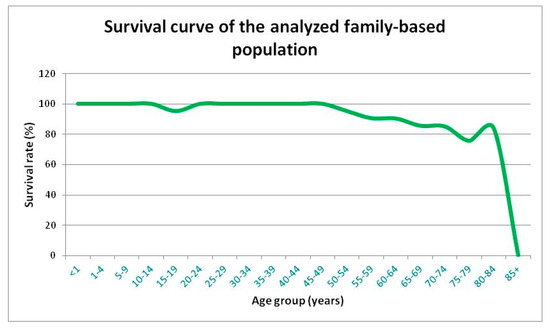
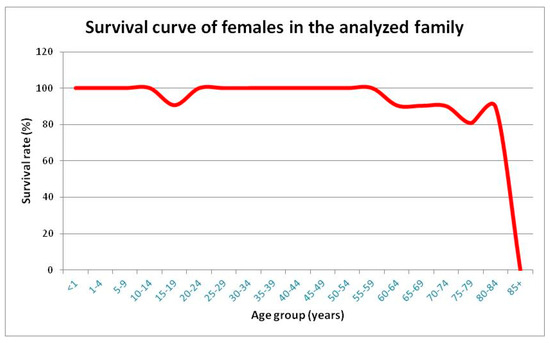
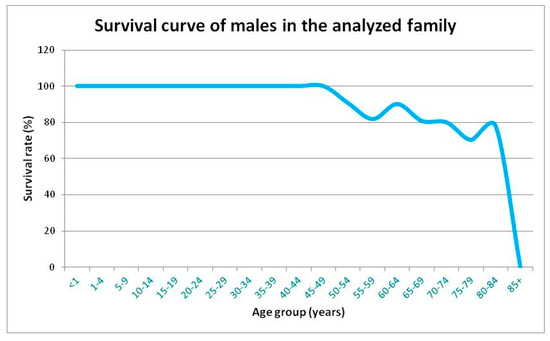
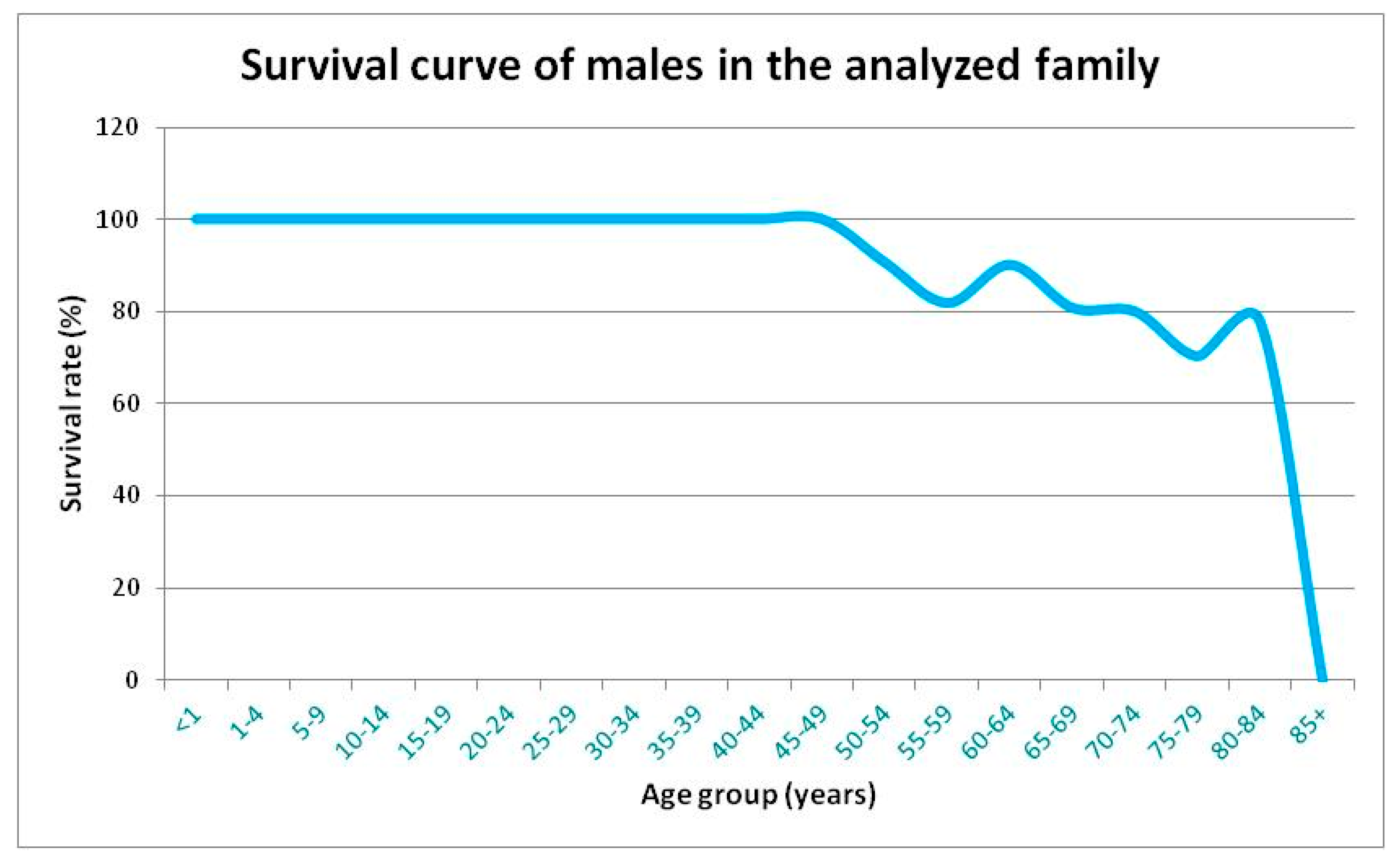
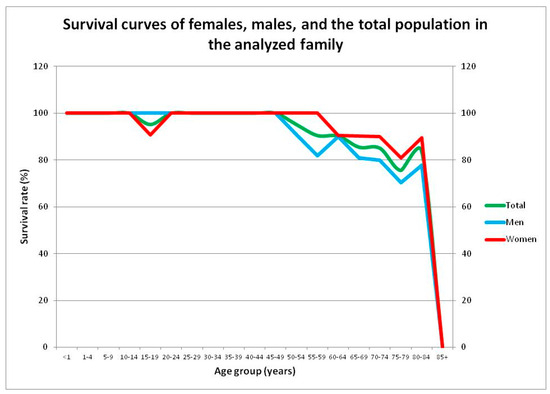
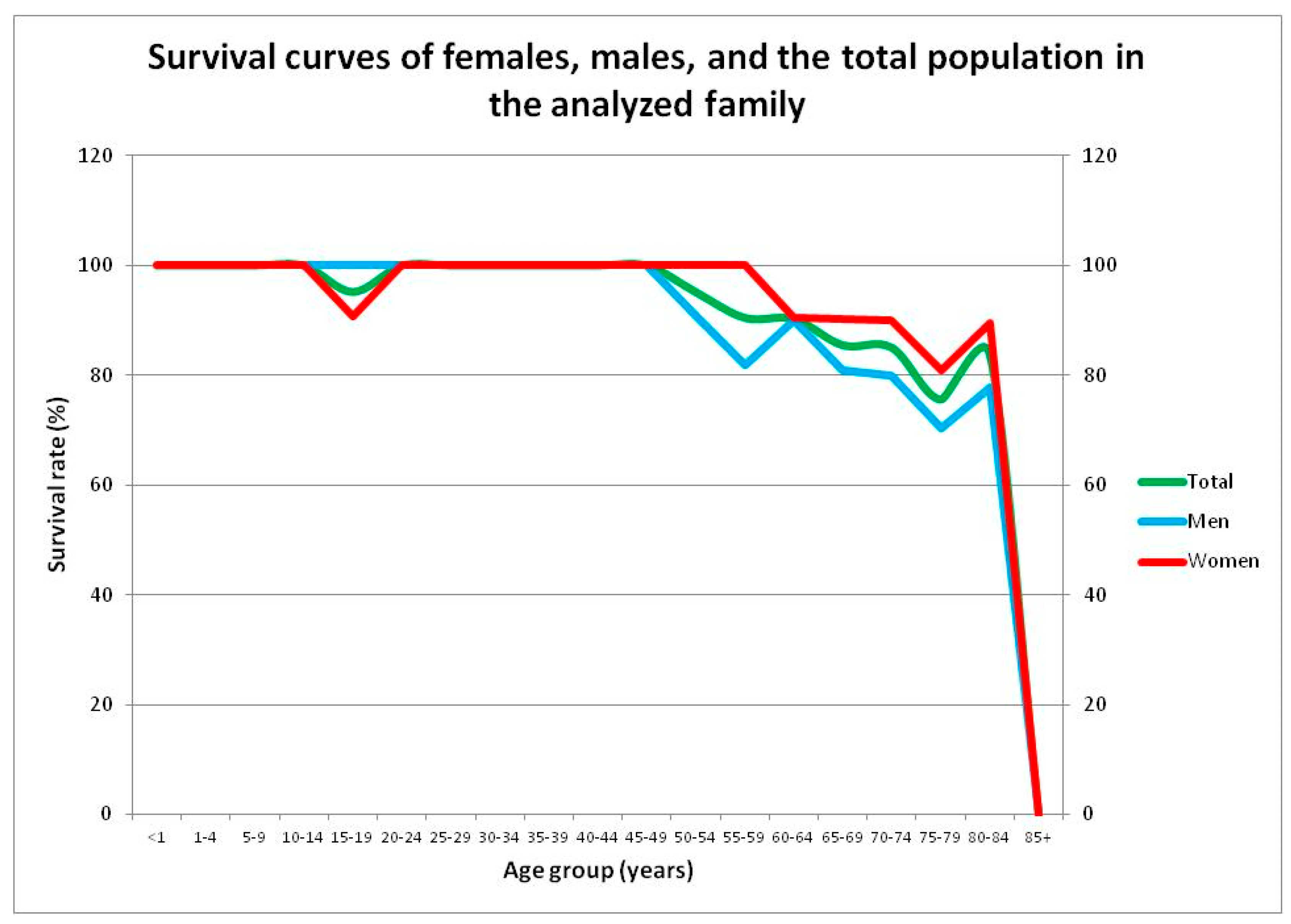
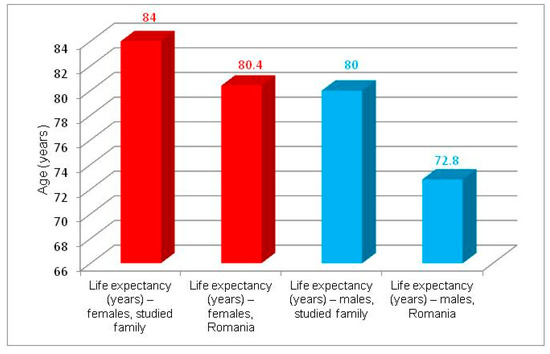
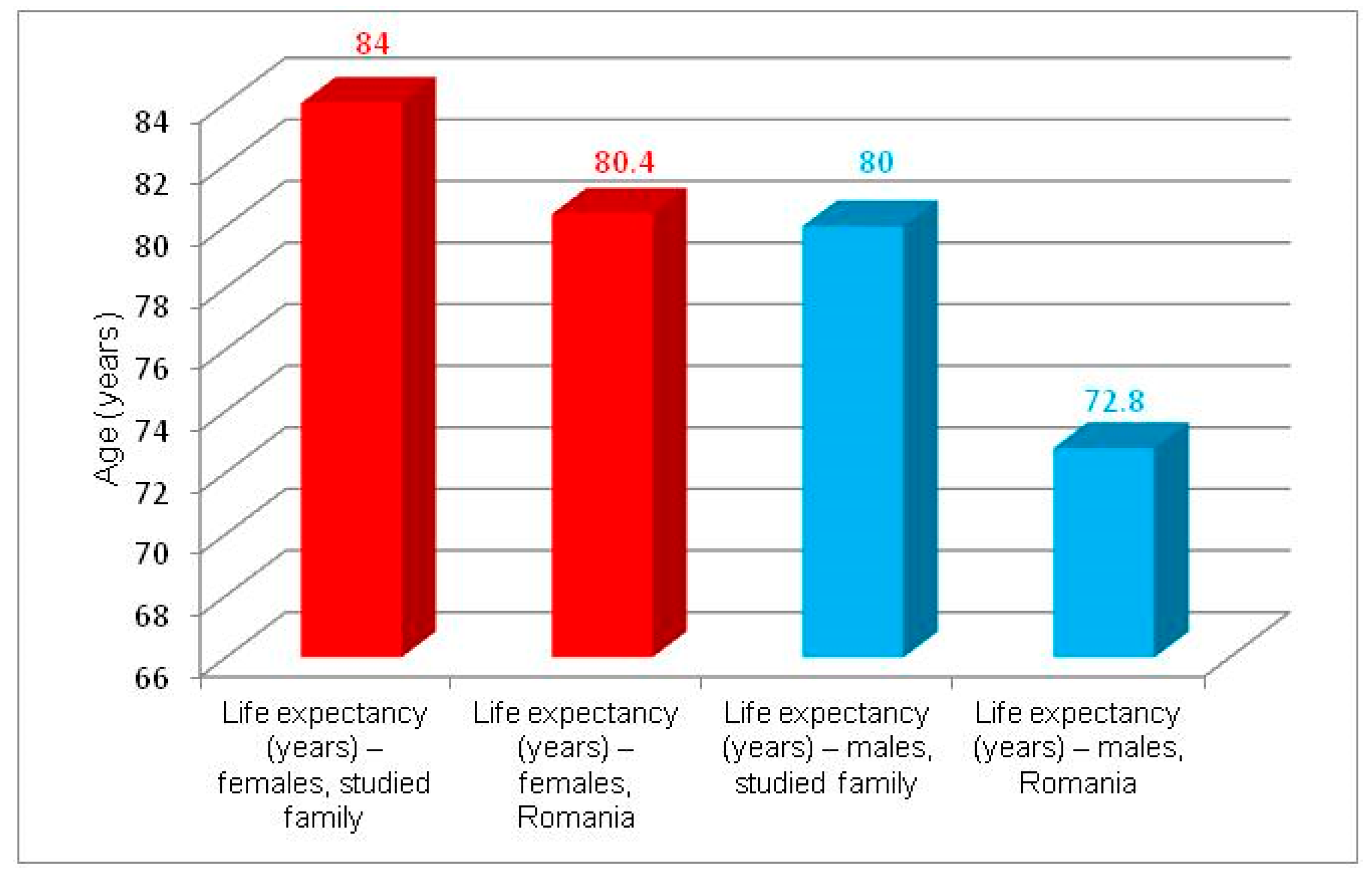

Disclaimer/Publisher’s Note: The statements, opinions and data contained in all publications are solely those of the individual author(s) and contributor(s) and not of MDPI and/or the editor(s). MDPI and/or the editor(s) disclaim responsibility for any injury to people or property resulting from any ideas, methods, instructions or products referred to in the content. |
© 2026 by the authors. Licensee MDPI, Basel, Switzerland. This article is an open access article distributed under the terms and conditions of the Creative Commons Attribution (CC BY) license.