


Abstract
Ship collision accidents remain a critical concern in maritime safety because of their potential to cause operational disruption as well as environmental and economic damage in areas with dense shipping activity. Complex traffic interactions, differences in vessel characteristics, and dynamic environmental conditions make collision risk increasingly difficult to manage using traditional navigation measures alone. This paper presents a structured review of ship collision research, focusing on collision impacts, collision avoidance strategies, risk assessment methodologies, and safety index development. The review synthesizes reported collision cases and their environmental consequences, examines commonly used analytical frameworks including probabilistic, data-driven, and multicriteria approaches, and discusses recent developments in AIS-based analysis, sensor-based monitoring, and intelligent prediction techniques. The analysis identifies several methodological gaps in existing studies. Collision avoidance methods and risk assessment models are often developed independently, while their integration with safety index frameworks remains limited. In addition, safety index formulations differ considerably in terms of indicator selection and modeling approaches, which reduces comparability between studies conducted in different waterways. The findings highlight how different analytical approaches contribute to maritime safety evaluation at strategic, operational, and real-time levels and provide insights for developing more integrated safety assessment frameworks to support navigation risk monitoring in high-traffic maritime environments.
1. Introduction
Maritime transportation plays a vital role in global trade, with a large proportion of goods and energy resources transported by sea [1,2,3]. As shipping activity continues to increase, particularly in regions with high traffic density such as major straits, port approaches, and coastal corridors, the risk of ship collisions becomes an important safety concern [4,5]. These areas are characterized by intensive ship interactions, diverse ship types, varying operational speeds, and dynamic environmental conditions, all of which increase navigational complexity and elevate accident potential [6,7]. Ensuring navigational safety in such environments is therefore a critical challenge for ship operators, port authorities, and maritime regulators.
Ship collisions are recognized as one of the most severe maritime accidents in high-density traffic areas due to their potentially wide-ranging consequences [8,9]. Although collision events are relatively infrequent, they can result in substantial financial losses and serious ecological damage, particularly when involving oil spills or hazardous material discharge. In addition to environmental impacts, ship collisions can cause severe structural damage to hulls, superstructures, and onboard systems, potentially leading to loss of stability, FLOODING, or even vessel sinking [10,11,12,13,14]. These incidents contribute significantly to marine pollution by degrading water quality, harming marine biodiversity, and disrupting coastal ecosystems [15]. Spilled oil can form surface slicks that inhibit oxygen exchange and create hypoxic conditions that threaten aquatic life [16].
Various analytical frameworks have been developed to assess ship collision risk and quantify the likelihood of ship–ship interactions [17]. Probabilistic approaches, including Bayesian networks, fault tree analysis, and formal safety assessment techniques, have been widely applied to model accident causation and estimate risk levels [18,19,20]. In addition, Automatic Identification System (AIS-based) data-driven methods and multicriteria decision-making models have been used to evaluate encounter situations and integrate environmental, operational, and behavioral factors into composite risk indicators [21]. However, the relationship between these approaches and the development of safety index frameworks for maritime operations remains relatively underexplored.
Advancements in sensing technologies and intelligent analytical methods have further broadened the scope of collision risk evaluation. Jiang et al. [22] developed a lightweight machine-vision method capable of detecting ships and estimating their trajectories to compute a collision risk index, enabling potential real-time applications in autonomous navigation. Xu et al. [23] proposed a radar-image-based framework that extracts ship motion information from sequential radar images and evaluates collision risk through Distance and Time at the Closest Point of Approach (DCPA/TCPA) indicators to support traffic monitoring in congested waterways.
The increasing availability of large maritime datasets has also encouraged the application of data-driven predictive models for identifying key risk determinants. Lan et al. [24] combined association rule mining, complex network analysis, and random forest models to identify factors influencing collision severity, highlighting the importance of communication and operational coordination among ship crews. Lee and Namgung [25] proposed a Computed Distance at Collision–Adaptive Neuro-Fuzzy Inference System (CDC–ANFIS) model that incorporates hull geometry and encounter conditions to produce a collision risk index that better reflects realistic vessel interactions compared with traditional CPA-based metrics.
Further methodological developments have explored the integration of artificial intelligence, human-factor analysis, and multi-vessel interaction modelling to better capture the complexity of maritime traffic environments. Jo et al. [26] introduced a deep learning framework based on convolutional neural networks that utilizes AIS-derived traffic representations to evaluate regional collision risk patterns while incorporating explainable artificial intelligence techniques to interpret spatial risk distributions. Xin et al. [27] proposed a spatiotemporal collision risk assessment framework that combines spatial interaction analysis with temporal urgency indicators to construct a multidimensional collision risk index capable of reflecting dynamic encounter situations.
Human performance has also been recognized as a critical component in maritime safety analysis. Du et al. [28] employed a Bayesian network model derived from real navigation experiments to investigate how environmental conditions influence seafarers’ physiological states and operational decisions, which subsequently affect vessel behavior and collision risk in restricted waterways. In addition, Zhao et al. [29] developed a hybrid framework integrating density-based spatial clustering and game-theoretic modeling to identify high-risk maritime zones and analyze vessel interaction strategies under varying traffic and environmental conditions.
The complexity of multi-ship encounters has also motivated the development of risk evaluation methods capable of accounting for environmental uncertainty and vessel interaction dynamics. Wang et al. [30] proposed a multi-ship collision risk assessment approach that incorporates hydro-meteorological conditions and vessel interaction characteristics using a finite interval cloud model to represent uncertainty in maritime navigation. Complementing these approaches, Firdaus et al. [31] developed a safety index framework that integrates vessel characteristics, encounter parameters, operational timing, and oceanographic conditions to quantify spatial variations in collision risk within major strait environments. Zhao et al. [32] further proposed a dynamic collision avoidance decision-making model that applies fuzzy inference and game-theoretic strategies to evaluate interaction risks among multiple vessels while maintaining compliance with international navigation regulations.
Several review studies have also examined specific aspects of ship collision analysis. Xiao et al. [33] reviewed probabilistic risk assessment models for ship collisions with offshore structures, focusing on statistical and simulation-based approaches used to estimate collision probabilities. Yu et al. [34] provided a review of ship collision risk assessment, traffic hotspot detection, and path planning in restricted waterways, emphasizing the growing role of big data analytics and intelligent traffic management systems. Wang and Pedersen [35] summarized research on ship–FPSO collision risk, discussing accident mechanisms, design scenarios, and risk assessment criteria for offshore production systems. Čorić et al. [36] reviewed quantitative models used to estimate ship collision frequency in waterways and discussed their modelling characteristics, validation approaches, and limitations.
Despite the growing body of research on ship collision avoidance and risk assessment techniques, the existing literature remains fragmented across different methodological approaches. Many studies address specific aspects such as collision avoidance algorithms, probabilistic risk models, or safety index formulations, but comprehensive syntheses that compare these approaches within a unified perspective remain limited.
This review focuses on three main aspects of ship collision research: collision avoidance strategies, risk assessment methodologies, and safety index formulation. This paper presents a structured review of ship collision research in high-traffic maritime environments, focusing on collision impacts, avoidance strategies, risk assessment methods, and safety index calculation. The review draws on previously reported ship collision cases and their documented environmental consequences, examines existing collision avoidance approaches developed for complex maritime traffic environments, and compares analytical frameworks commonly used for collision risk assessment, including probabilistic, data-driven, and multicriteria methods. In addition, existing approaches for safety index calculation are reviewed to illustrate how navigational safety conditions are represented and evaluated in different maritime operational contexts.
To address the objectives of this review, the literature was collected from several major scientific databases, including Scopus, Web of Science, and Google Scholar. The search primarily covered publications from approximately the last two decades to capture recent developments in ship collision analysis and maritime safety assessment. Keywords such as ship collision, collision avoidance, maritime risk assessment, and safety index were used to identify relevant studies. The selection focused mainly on peer-reviewed journal articles and conference papers that address ship–ship collision incidents, collision avoidance strategies, and risk assessment approaches in maritime transportation. Studies primarily related to other accident types or unrelated maritime hazards were excluded unless they provided relevant methodological insights.
2. Conceptual Framework of Collision Risk Assessment and Safety Evaluation
To provide a clearer understanding of the relationship between collision avoidance, risk assessment, and safety index development, a conceptual framework is introduced. Although these components are widely studied in maritime safety research, they are often presented separately [37,38]. This separation can limit the understanding of how different approaches contribute collectively to navigational safety. Therefore, an integrated perspective is required to describe how these elements interact within a unified maritime safety evaluation system.
Collision avoidance methods represent the first layer of safety by reducing the probability of collision during ship encounters [39]. These approaches support navigational decision-making by generating appropriate maneuvering actions based on COLREGs, environmental conditions, and traffic interactions. By identifying potential conflicts and providing avoidance strategies, collision avoidance systems aim to prevent hazardous situations before they develop into actual accidents [40]. In this context, their primary contribution lies in reducing the likelihood component of collision risk.
Building upon this, risk assessment frameworks provide a structured means to evaluate collision risk by quantifying both the likelihood of occurrence and the associated consequences [41]. Various analytical approaches, including probabilistic models, statistical methods, and failure-based techniques, are employed to estimate collision probability and assess potential impacts. The consequence component is informed by historical collision cases and their associated effects, including environmental damage, economic loss, and human safety, as discussed in the collision casualties section [42]. Through this approach, risk assessment enables a more comprehensive representation of maritime safety conditions.
Safety index formulations further extend this process by integrating probability and consequence. Safety indices provide a quantitative measure of navigational safety within a specific maritime area or operational scenario. These indices are commonly used to support decision-making, monitor safety performance, and assist in maritime risk management. By combining multiple influencing factors into a unified indicator, safety indices facilitate the comparison of safety levels across different conditions and regions [31].
Based on this framework, collision avoidance, risk assessment, and safety index development can be understood as sequential and interconnected components of maritime safety evaluation. Collision avoidance contributes to reducing collision probability, risk assessment quantifies both likelihood and consequence, and safety indices integrate these elements into an overall measure of safety performance. In addition, historical collision cases provide essential input for consequence evaluation, linking empirical evidence with analytical modeling. This integrated perspective forms the foundation for the subsequent sections, where each component is discussed in detail (see Figure 1).
Figure 1.
Conceptual framework of collision risk assessment and safety evaluation.
3. Ship Collision Casualties
3.1. Literature Review of Collision Cases
Global shipping routes are crucial for international trade, enabling the transport of goods, energy, and raw materials while supporting both developed and developing economies [43,44,45]. As maritime trade increases, heavy vessel traffic in key regions increases the risk of ship collisions, pollution, and delays [46,47]. The Strait of Malacca, a vital link between the Indian and Pacific Oceans, is heavily used by oil tankers, bulk carriers, and container ships transporting crude oil, LNG, and goods between Asia, the Middle East, and beyond [48,49].
Other critical chokepoints include the Suez Canal, which shortens voyages between Europe and Asia, and the Panama Canal, which facilitates transit between the Atlantic and Pacific Oceans, enabling efficient trade across the Americas and Asia [50,51]. The English Channel also serves as a vital trade corridor that links the North Sea and the Atlantic but is characterized by high traffic density and challenging weather conditions [52]. Increasing vessel activity in these congested corridors has intensified safety and environmental concerns [53]. Ship collisions, often caused by human error, equipment failure, adverse weather, or heavy traffic, pose significant risks, especially in narrow straits and busy ports [54].
Antão et al. [55], using IMO’s Global Integrated Shipping Information System (GISIS) and EQUASIS databases, recorded 936 ship accidents between 2005 and 2017, accounting for nearly 20% of all maritime incidents during that period. In general, cargo ships had the greatest number of collisions (186 cases), followed by container ships and bulk carriers (174 each), whereas oil and chemical tankers accounted for 109 incidents. The steady rise in collisions underscores ongoing challenges in maritime safety and risk management. Marino et al. [56] noted that in the second quarter of 2021, ship collisions increased to 31.2% of all maritime accidents, presenting growing challenges in traffic management. Factors such as navigational mistakes, mechanical breakdowns, and harsh weather continue to contribute to serious accidents [57].
Several cases of ship collisions in the Bali–Lombok waters case study emphasize the importance of navigation safety management. On 28 December 2018, KMP Munic hit the stern of KMP Dharma Kosala, which was not operating at the port. There was no crew on watch on the vessel, and communication via VHF received no response. On 2 June 2010, there was a collision between KM Shinpo 18 and KM Bosowa VI due to a maneuvering error although both vessels were aware of each other’s presence. Ineffective VHF communication and slow reaction time made the collision unavoidable [58]. On 15 February 2015, LCT Perkasa Prima 05 experienced a strong current pull while exiting the harbor and crashed into LCT Arjuna which was in the adjacent lane.
3.2. Environmental Impacts
One of the most significant environmental consequences of ship collisions is oil spills, which can severely affect marine ecosystems. Unti 2019 approximately 494,600 tons of oil have been spilled due to ship collisions, highlighting the scale of pollution associated with such incidents [59]. Collisions involving vessels carrying crude oil or hazardous substances increase the risk of pollutant release, leading to contamination of seawater, damage to marine habitats, and disruption of coastal economies dependent on fisheries and tourism [60,61,62].
Once released, oil undergoes physical and chemical transformations due to exposure to sunlight, air, and seawater, a process known as weathering, which influences its persistence and dispersion in the marine environment [63]. The extent of environmental impact depends on several factors, including spill volume, cargo type, and oceanographic conditions such as currents and wind.
Several historical cases illustrate the scale of these impacts. For example, the collision between M/T Nassia and M/V Shipbroker resulted in a major oil spill and extensive environmental damage [64,65]. Similarly, the Sanchi incident in the East China Sea led to the release of large quantities of condensate and fuel oil, affecting marine ecosystems and species migration routes [66,67]. Another case near Cap Corse and Capraia Island produced a significant oil slick, highlighting the influence of ocean currents on pollutant dispersion [68,69].
Comparisons of these collision cases reveal several recurring patterns. Large spills are more likely to occur in areas with high vessel density and limited maneuvering space, while cargo type strongly influences the scale of environmental damage. Oceanographic conditions, such as currents and wind, further affect pollutant dispersion and persistence. In maritime risk assessment frameworks, these environmental consequences are incorporated into the severity component of collision risk models, where pollution magnitude, ecological damage, and economic loss are evaluated. Therefore, understanding environmental impacts provides essential input for risk matrices and for assessing navigational safety in congested maritime regions.
3.3. Chemical Pollution and Hazardous Substances
Ship collisions involving chemical tankers may release hazardous and persistent substances into the marine environment. Chemicals such as acids, solvents, and toxic gases can pose serious environmental and human health risks because of their toxicity and long-term persistence [70,71]. A well-known example is the 1988 Anna Broere accident, in which approximately 547 tons of acrylonitrile, a highly toxic and flammable substance, were released into the marine environment [72]. The incident highlighted the importance of rapid emergency response, safety zones, and environmental monitoring.
Recent studies have emphasized the growing risk of chemical pollution associated with maritime accidents. One study proposed the use of knowledge graphs to analyze ship pollution incidents by integrating information from public databases, government reports, and news sources [73]. Through natural language processing, this approach helps identify the types of chemicals released, their dispersion patterns, and their potential environmental impacts.
The increasing volume of maritime traffic has also raised concerns about chemical spills in high-density shipping areas near ports and major trade routes [74]. Although oil spills are more frequently reported, chemical spills can sometimes cause more severe and long-lasting environmental damage due to their toxicity and complex behavior in seawater [75]. Unlike oil, some hazardous chemicals may dissolve in water, disperse through different water layers, or accumulate in sediments, leading to prolonged contamination.
These risks highlight the importance of incorporating hazardous cargo characteristics into maritime risk assessment models [76]. In collision risk evaluations, the potential release of toxic chemicals is often considered when estimating accident consequences, particularly in waterways with intensive tanker traffic. The presence of hazardous substances can significantly increase the severity level assigned to collision scenarios, influencing both risk metrics and safety index evaluations used in maritime safety management.
3.4. Marine Debris and Heavy Metal Contamination
Ship collisions can also generate marine debris when parts of the ship structure break off during impact [77]. This debris may include metal, plastic, fiberglass, or insulation materials [78]. These fragments, often referred to as shipwreck debris, can persist in the marine environment for years, posing risks to marine life and navigation. Small debris can be ingested by marine organisms, leading to internal injuries or toxic exposure, whereas larger wreckage may create hazards for other vessels operating in the area [79].
Even in small amounts, heavy metals can be highly toxic to marine organisms because of their persistence, toxicity, and inability to break down naturally. These contaminants remain in the environment for long periods, increasing the risk of accumulation in marine ecosystems [80]. Studies have shown that exposure to heavy metals can cause severe biological damage, particularly in fish and other marine species. For example, research conducted by [81] used fibroblast SAF-1 cells from gilthead seabream to assess the toxicity of several heavy metals. Methylmercury was identified as the most toxic, indicating that marine organisms are highly sensitive to the effects of heavy metal exposure.
Marine organisms absorb heavy metals through direct contact with contaminated water and the ingestion of polluted food [82,83]. These metals accumulate in tissues over time (bioaccumulation) and increase in concentration as they move through the food chain (biomagnification) [84,85]. Large fish species, and ultimately humans, accumulate relatively high metal levels, posing health risks such as neurological and developmental issues [86]. Heavy metal pollution from ship accidents threatens both marine biodiversity and food safety. Effective monitoring, pollution control, and stricter regulations are essential to mitigate long-term environmental and public health impacts [87].
Taken together, the collision cases and environmental consequences discussed in this section highlight the potentially severe impacts of maritime accidents, particularly in congested shipping routes. Beyond structural damage to vessels, collisions can lead to oil spills, chemical contamination, and long-term ecological disturbances that affect marine ecosystems and coastal communities. These consequences demonstrate that maritime safety assessments should consider not only the probability of collision but also the potential severity of its impacts. In many maritime risk assessment frameworks, such impacts are incorporated into severity parameters and risk metrics used to evaluate accident outcomes. Therefore, systematic risk assessment approaches are required to evaluate collision risks and identify areas where safety measures are most needed. In this context, safety index frameworks integrate operational, traffic, and environmental factors to provide a quantitative representation of navigational risk in maritime environments.
4. Ship Collision Avoidance
The main objective of collision avoidance is to reduce the possibility of close encounter situations through appropriate manoeuvring based on navigational rules and situational awareness [88]. Advances in shipborne sensors and AIS have supported operators in recognizing potential collision risks during navigation. As a result, many studies have explored different collision avoidance approaches to improve safety during ship encounters [89]. To support these approaches, the surrounding water space of a ship is often used as a basis for evaluating collision risk.
From a navigational safety viewpoint, the surrounding water space of a ship is managed according to different levels of collision risk, as illustrated in Figure 2. This space, commonly referred to as the ship domain, represents the area that navigators aim to keep clear during navigation in order to avoid contact with other ships or fixed obstacles [90]. Based on collision risk considerations, the ship domain can be divided into zones with different safety meanings, including an area suitable for normal operation and another area associated with higher danger [91]. During ship encounters, navigators generally try to remain within the safer zone, while a smaller region within the higher risk zone is defined as a forbidden area according to the relative positions of the ships. When another ship enters this forbidden area, the situation becomes critical and the collision risk reaches its highest level, with the separating line referred to as the forbidden boundary. Based on this classification of the surrounding water space, ship collision alerts can be grouped into different levels, as summarized in Table 1, ranging from Level I as the most dangerous condition to Level V as the safest condition [92].
Figure 2.
Ship domain in collision risk assessment. The dotted line indicates the target ship route, and the arrows represent the relative distance between the target ship and the ferry ship [93].
Table 1.
Classification of collision risk levels [92].
4.1. Rule-Based/COLREGs-Driven Approaches
Rule-based collision avoidance methods explicitly incorporate the International Regulations for Preventing Collisions at Sea (COLREGs) to ensure that navigation decisions comply with established maritime rules. These approaches typically evaluate encounter situations and generate avoidance maneuvers consistent with regulatory requirements.
Zhang et al. [94] propose a real-time collision avoidance method for autonomous ships that combines a modified velocity obstacle algorithm with an asymmetric grey cloud-based CRI. The approach evaluates collision risk under uncertain encounter conditions and incorporates ship maneuvering characteristics together with COLREGs to generate feasible collision-free actions. Its performance in multi-ship encounter scenarios is illustrated in Figure 3, where the own ship interacts with four target ships approaching from both port and starboard sides. The results show that the own ship maintains safe separation distances throughout the encounter, indicating that the method can support effective collision risk assessment and safe navigation in complex traffic environments.
Figure 3.
Multi-ship collision risk avoidance. OS denotes the own ship, while TS denotes the target ships; the colored lines represent the trajectories of each ship [94].
Seo et al. [95] compare the performance of the CRI with several existing methods, including those proposed by Goodwin, Fujii, and Szlapczynski, under different encounter situations such as head-on, fine-bow crossing, converging crossing, and overtaking. The comparison demonstrates that the CRI-based approach can adapt to varying encounter geometries more effectively than the reference methods by performing an adaptive node search on an extended local map grid. This capability allows avoidance strategies to be adjusted dynamically according to specific encounter conditions.
Despite their effectiveness in ensuring COLREGs compliance and adapting to different encounter situations, rule-based approaches rely on predefined rules and structured decision logic. This may limit their flexibility in highly dynamic multi-ship environments, where interactions between vessels become more complex. As a result, decision-making can become rigid when encountering unexpected or ambiguous situations that are not fully captured by predefined rules.
4.2. Optimization-Based Trajectory Planning Approaches
Optimization-based methods determine safe ship trajectories by minimizing collision risk while considering vessel maneuverability, environmental constraints, and navigational regulations. These approaches often integrate trajectory prediction, risk distribution, and path-planning algorithms.
Yoshioka et al. [96] propose a collision avoidance method that combines planar collision risk distribution with route planning. Collision risk is mapped over the surrounding water area based on predicted encounter conditions and compliance with COLREGs, enabling the identification of high-risk regions. Using this distribution, an avoidance route for the give-way vessel is then generated by accounting for maneuvering constraints in course and speed, resulting in an optimal path that safely passes behind the crossing vessel.
Gao and Zhang [97] develop a collision avoidance decision-making framework based on AIS trajectory data and probabilistic prediction. Ship trajectories are first clustered using the Ordering Points to Identify the Clustering Structure method combined with the Hausdorff distance, which enables matching each target ship with a representative trajectory cluster. A mixed Gaussian model is then applied to estimate the probability distribution of future ship motion while accounting for uncertainty. Ship maneuvering behavior is further simulated using the Mathematical Model Group (MMG) and PID control models, and these elements are integrated to form a collision avoidance decision-making model for ships.
Ali et al. [98] propose a safety-enhanced path-planning approach for autonomous ships operating in narrow and complex marine environments. The method addresses the limitations of traditional shortest-path planners by considering unseen obstacles, shore boundaries, and hydrokinematic constraints. A shore boundary expansion technique is introduced to maintain a safe distance from coastlines and shallow areas, while a global path is generated using a multidirectional A* algorithm and smoothed for practical navigation. In addition, local dynamic collision avoidance is applied to handle traffic and moving obstacles along the planned route. The results indicate that the proposed approach can improve navigation safety in constrained waterways with complex obstacle conditions.
Optimization-based approaches rely on multiple interconnected processes, including trajectory prediction, risk mapping, and constraint handling. The integration of these components increases computational demand, particularly in dynamic environments involving multiple ships. In addition, the effectiveness of the generated avoidance trajectory depends on the accuracy of predicted ship motion and environmental inputs, which may introduce uncertainty in real-time applications.
4.3. Learning-Based Approaches
Learning-based methods apply machine learning or reinforcement learning techniques to enable ships to adapt collision avoidance strategies based on observed encounter situations and navigation data. Wang et al. [99] present a COLREGs-constrained reinforcement learning-based collision avoidance framework for Maritime Autonomous Surface Ships (MASSs) operating in complex and uncertain traffic environments. The proposed approach evaluates collision risk in multi-ship encounter scenarios and embeds navigational rules into a safe hierarchical reinforcement learning structure. As demonstrated in the simulation results, including the avoidance trajectory, the MASS is able to recognize different encounter situations such as head-on and crossing conditions and respond with appropriate maneuvers. In particular, the MASS performs an early right turn to resolve a head-on encounter in accordance with COLREGs and later executes additional avoidance actions when facing crossing risks from multiple target ships that do not take evasive actions. These results indicate that the learning-based model can adapt its decisions to sequential and simultaneous collision risks, allowing the MASS to safely reach its destination while maintaining rule compliance and effective risk mitigation.
This capability is supported by advanced MASS awareness technologies (see Figure 4), including integrated sensor systems, real-time positioning, and data-driven decision-making frameworks, which enhance situational awareness in both surface and subsurface environments. Such approaches have strong potential applications in autonomous shipping, smart navigation systems, and future unmanned maritime operations, particularly in congested or high-risk waterways.
Figure 4.
Awareness Technology for MASS [100].
Ahn et al. [101] propose a deep learning-based collision avoidance approach using a Multilayer Perceptron neural network (MLP-NN) combined with fuzzy logic. The MLP-based framework employs seven input variables to support collision avoidance decision-making, including own ship and target ship speeds, headings, distance, target ship bearing, and ship domain. A comparison between the MLP and fuzzy logic approaches shows that both methods produce similar avoidance decisions. This similarity is attributed to the use of identical input parameters, as well as the ability of the MLP to implicitly learn decision patterns that align with fuzzy rule-based reasoning. Furthermore, the encounter scenarios considered are relatively standard, enabling both approaches to effectively represent collision risk without significant differences in performance.
Learning-based approaches rely on data-driven training processes to learn decision patterns from encounter scenarios. The effectiveness of these models is therefore influenced by the availability and representativeness of training data, particularly for complex or rare multi-ship interactions. In addition, the learned decision-making process is not always explicitly interpretable, which may limit transparency in safety-critical applications. Their performance in real-time operations may also be affected by computational requirements and the need to generalize to previously unseen conditions.
4.4. Vision-Based Collision Risk Detection
Vision-based methods utilize onboard cameras and computer vision techniques to detect vessels and assess collision risk when conventional navigation data such as AIS are unavailable or unreliable. According to Li et al. [102], the proposed framework integrates ship detection and positioning techniques to support vision-based collision avoidance (see Figure 5). The process begins with real-time video acquisition from cameras, followed by data preprocessing and parameter configuration. A training database is constructed by combining annotated image data with AIS information, which is then used to train a YOLOv7-based ship detection model. Detected ship positions are subsequently transformed into real-world coordinates using binocular stereo vision, enabling accurate tracking of vessel movements. This integrated approach provides reliable situational awareness and facilitates early identification of potential collision risks, supporting safer navigation in areas where AIS data may be limited or unavailable.
Figure 5.
Procedure for Ship Detection and Positioning [102].
Beyond vessel detection and tracking, additional capabilities such as vessel identity verification are also important to ensure the reliability of vision-based navigation systems. The integration of ship-face recognition based on re-identification into mobile VTS systems enables the verification of vessel identity and the detection of potential noncompliant or suspicious ships [103], as illustrated in Figure 6. In this approach, AIS data are first aligned with the camera coordinate system. A pre-trained re-identification model is then applied to extract visual features from the detected vessel, and these features are compared with AIS information to evaluate their similarity. When the similarity score exceeds a predefined threshold, the vessel may be identified as potentially manipulating or falsifying its AIS data, indicating illegal or nonconforming behavior.
Figure 6.
Workflow of ship recognition using re-identification (ReID) in a mobile VTS system. The green lines indicate the tracked vessel paths and their association with AIS data within the monitoring system [103].
Ding et al. [104] address the limitations of AIS-based collision risk assessment by proposing a real-time framework that relies on onboard video data and image processing techniques. The method enhances multi-ship detection using an attention mechanism combined with clustering and applies visual tracking to extract ship motion features. Ship distance and speed are estimated through imaging principles and further corrected to improve reliability under visual uncertainty. Based on these visual traffic features, collision risk is assessed in real time. The results demonstrate that the framework can effectively detect and warn of potential collision risks when AIS data are unreliable or unavailable, highlighting the potential of vision-based approaches for supporting navigational safety.
Vision-based approaches rely on visual data acquisition and image-based estimation of ship motion. Their performance is therefore influenced by environmental conditions such as visibility, lighting, weather, and occlusion, which may affect detection accuracy. In addition, the estimation of distance and speed from visual information introduces uncertainty compared to sensor-based measurements. Real-time implementation also requires continuous image processing and tracking, which may increase computational demand in scenarios involving multiple ships.
4.5. Comparative Analysis of Collision Avoidance Methods
The comparison presented in Table 2 reveals several important insights into the current state of collision avoidance research. Most of the reviewed methods demonstrate high prediction accuracy and are capable of supporting collision avoidance decision-making under various encounter scenarios. In addition, many approaches show promising real-time capability and partial or full compliance with COLREGs, indicating their potential for supporting navigational safety.
Table 2.
Comparison of ship collision avoidance methods.
However, a notable observation is that the majority of these methods have been validated primarily through simulation studies, with only limited evaluation using real-world operational data. While simulation-based validation enables controlled testing under diverse and repeatable conditions, it may not fully capture the complexity and uncertainty of real maritime environments. In practical navigation settings, factors such as human decision-making, sensor inaccuracies, environmental variability, and interactions among multiple vessels can significantly influence system performance. These aspects are often simplified or not fully represented in simulation environments.
As a result, the effectiveness of many proposed methods in real-time operational conditions remains uncertain. This indicates that, despite promising performance in controlled scenarios, the practical applicability of current collision avoidance approaches is still limited, particularly for deployment in complex and dynamic maritime traffic conditions.
5. Risk Assessment Methods
5.1. Formal Safety Assessment (FSA)
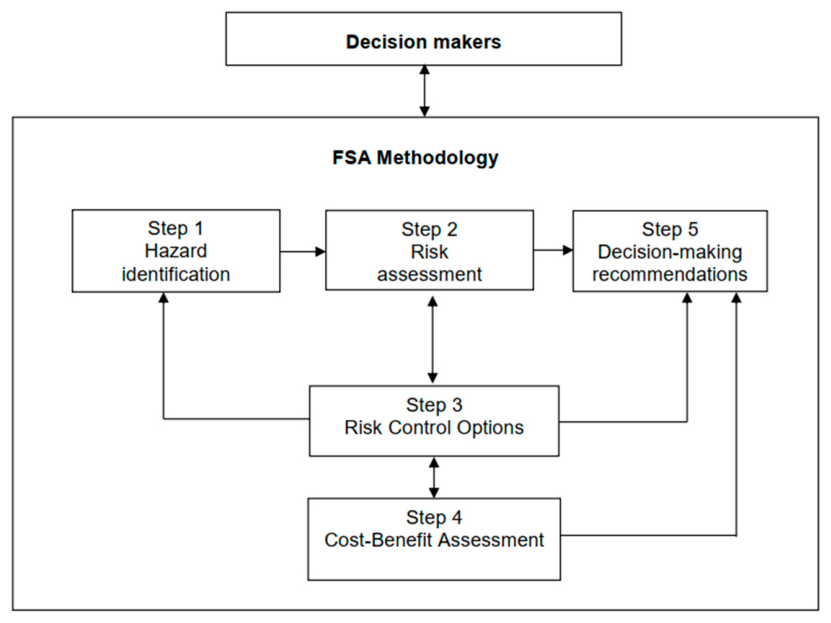
Formal Safety Assessment (FSA) is a structured risk evaluation framework developed by the International Maritime Organization (IMO) to support maritime safety decision-making. The method provides a systematic approach for identifying hazards, evaluating risks, and assessing potential safety measures before regulatory or operational actions are implemented [105,106,107]. As illustrated in Figure 7, the FSA process typically consists of five main steps: hazard identification, risk assessment, development of risk control options, cost–benefit assessment, and recommendations for decision-making. Through this structured procedure, both technical and human-related factors can be evaluated when analyzing maritime accident risks.
Within the FSA framework, risk is generally expressed as a function of accident frequency and consequence severity [108],
where represents the frequency of an accident occurring within a given traffic environment and represents the severity of the resulting consequences. In the context of ship collisions, accident severity may include various impacts such as structural damage to vessels, human casualties, economic losses, and environmental pollution. This formulation provides a basic structure for evaluating maritime risks in a systematic manner.
Figure 7.
Flowchart methodology of FSA, adapted from [109].
Although the conceptual formulation of risk in FSA is widely used, its quantitative implementation may vary depending on the available data and the objectives of a particular study. Some studies estimate accident frequency using historical accident statistics, while others employ traffic simulations or AIS-based data to represent encounter probabilities between vessels. Similarly, the assessment of consequence severity can be based on different indicators, such as economic losses, environmental damage, or potential human casualties. Therefore, while the general structure of the FSA framework remains consistent, the estimation of its parameters is often adapted to the specific characteristics of the analyzed maritime area.
Several studies have applied the FSA framework to evaluate ship collision risks in different maritime environments. In most applications, collision scenarios are first identified through hazard analysis, followed by the estimation of accident frequency and consequence severity. For instance, Zhang et al. [110] integrated FSA with Bayesian network techniques to represent probabilistic dependencies between navigation risk factors in the Yangtze River. Other studies have incorporated vessel traffic data to improve frequency estimation. Zaman et al. [111] used AIS data to analyze encounter situations and evaluate collision probabilities in the Malacca Strait, while Nugroho et al. [112] combined accident statistics with traffic simulation models to assess collision risks in the Musi River and evaluate potential mitigation measures. In regional waterway safety assessments, FSA has also been applied to analyze encounter scenarios such as head-on, overtaking, and crossing situations. Purba et al. [113], for example, evaluated these encounter scenarios in the Surabaya West Access Channel to identify critical risk conditions and propose risk control options related to waterway characteristics, vessel operations, and human factors.
More recently, researchers have attempted to extend the FSA framework by integrating it with decision-support methods that can better capture uncertainty and interactions between risk factors. Mentes et al. [114], for example, combined FSA with fuzzy set theory and DEMATEL techniques to analyze accident causation in Turkish waters, demonstrating that hybrid approaches can improve the representation of complex relationships between human, environmental, and operational factors.
Overall, these studies indicate that FSA is commonly used as a high-level risk evaluation framework for analyzing maritime collision risks. Rather than relying solely on a fixed quantitative formulation, many studies adapt the estimation of frequency and severity using different data sources such as accident statistics, AIS-based traffic analysis, and encounter simulations. In practice, FSA often serves as a system-level framework that can integrate multiple analytical tools, enabling researchers to evaluate accident likelihood, consequence severity, and potential mitigation measures in a consistent risk assessment structure. This flexibility explains why FSA remains one of the most widely adopted approaches for collision risk assessment in complex maritime environments.
5.2. Fault Tree Analysis (FTA)
Fault Tree Analysis (FTA) is a deductive reliability analysis method widely used to identify potential accident causes and analyze combinations of events that may lead to system failures. In maritime safety research, FTA is commonly applied to investigate the causal pathways that contribute to ship collision accidents. The method represents accident scenarios using a hierarchical structure in which the top event corresponds to the occurrence of a collision, while intermediate and basic events represent contributing factors such as human errors, equipment malfunctions, and environmental conditions [115,116].
The relationships between these events are described using logical gates, typically AND and OR gates, which determine how combinations of failures may trigger the top event. Through this structure, FTA enables researchers to systematically trace accident causation and identify critical risk factors that contribute to collision scenarios. Figure 8 illustrates a typical fault tree structure for ship collision accidents, where the top event is connected to several intermediate and basic events representing possible failure mechanisms.
Figure 8.
FTA collision, redrawn from [117].
The probability of the top event, , is obtained by combining the probabilities of all basic events that contribute to the fault tree structure. Depending on whether these events are linked through AND or OR gates, the appropriate mathematical operators are applied, as shown in Equation (2) [117]. The probability of the top event can be calculated from the probabilities of the basic events that contribute to the fault tree structure. Depending on the logical relationships between events, the probability of the top event can be expressed as:
where represents the probability of each basic event contributing to the accident scenario [117]. In addition, minimal cut sets are often used to determine the smallest combinations of events that are sufficient to trigger the top event. This approach allows researchers to evaluate the relative importance of different risk factors and identify the most critical accident pathways [118].
FTA has been widely applied in ship collision studies to analyze accident causes and evaluate contributing factors. Anderson and Talley [119] analyzed collision accidents involving oil tankers and reported that economic losses accounted for the largest proportion of accident consequences, followed by casualties and pollution impacts. Similarly, Töz et al. [120] examined accident reports from the Marine Accident Investigation Branch (MAIB) and identified failures in navigation watchkeeping and violations of COLREG observation rules as major contributors to collision accidents.
Other studies have applied FTA in complex maritime environments to evaluate accident risks associated with multiple operational conditions. Uğurlu et al. [121], for example, analyzed tanker accident records from the GISIS and reported that human error and communication failures were among the most significant contributors to collision and grounding incidents. In archipelagic waters such as Indonesia, Firdus et al. [117] also applied FTA to analyze ship collision accidents and found that human-related factors, particularly navigation performance and situational awareness, play a dominant role in accident occurrence. An example of this application is shown in Figure 9, which illustrates a fault tree model developed for ship collision accidents in Indonesian archipelagic waters.
Figure 9.
FTA of ship collision accidents in an archipelagic country (Indonesia) [117].
Although FTA is effective for identifying accident causation and structuring failure pathways, the method has several limitations when applied to complex maritime systems. Because FTA mainly represents static logical relationships between events, it may not fully capture dynamic interactions among multiple risk factors that evolve during real navigation situations. In ship collision scenarios, accident development often involves complex interactions between human decisions, vessel operations, traffic conditions, and environmental factors that cannot always be represented through fixed logical structures.
To address these limitations, several studies have combined FTA with other analytical approaches to improve the representation of accident causation and uncertainty. For example, Jovanović et al. [122] integrated FTA with Bayesian networks to analyze serious maritime accidents involving cargo ships. In their framework, FTA was first used to structure accident pathways and identify human-related causes, while the Bayesian network model was applied to represent probabilistic dependencies among key Risk Influencing Factors (RIFs). Using accident data collected over a ten-year period, the study demonstrated that shipboard activities such as crew resource management, manning conditions, and workplace organization play a significant role in accident occurrence.
These developments indicate that while FTA remains useful for identifying causal accident structures, additional modeling approaches are often required to capture uncertainty and complex interactions among risk factors. Probabilistic graphical models such as Bayesian Networks (BNs) provide greater flexibility for representing conditional dependencies between variables and multi-state risk factors. Consequently, many recent maritime risk studies have increasingly adopted BN-based approaches to extend traditional fault tree accident analysis.
5.3. Bayesian Network (BN)
Bayesian Network (BN) is a probabilistic graphical modeling approach widely used to represent uncertain relationships among multiple variables in complex systems. Building on the limitations of logic-based accident models such as FTA, BN has increasingly been adopted in maritime collision risk studies to capture probabilistic dependencies among human, technical, and environmental factors. Unlike FTA, which typically represents accident events using binary logical relationships, BN allows risk factors to be modeled as multi-state variables and enables conditional dependencies between them to be represented within a probabilistic framework [123].
In a BN model, variables are represented as nodes connected by directed edges that indicate causal or probabilistic relationships between factors (see Figure 10) [19]. These relationships form a directed acyclic graph (DAG) that describes how different risk influencing factors interact within the system. Each node is associated with a conditional probability table (CPT) that quantifies the probability of a particular state given the states of its parent nodes [124]. Under the assumption of conditional independence, the joint probability distribution of the network can be expressed as
where represents a node in the network and denotes the set of parent nodes influencing [125]. This formulation allows complex probabilistic relationships among risk factors to be decomposed into smaller conditional probability components, enabling efficient reasoning under uncertainty. Bayesian updating can then be applied to revise probability estimates when new evidence or observations become available.
Figure 10.
BN structure, where denotes the random variable domain [19].
In practical implementations, the reliability of BN models is strongly influenced by how CPT parameters are obtained. Two primary approaches are commonly used in maritime collision risk studies: expert-based estimation and data-driven learning. Expert-based CPT construction relies on knowledge elicitation from maritime experts such as navigators, safety analysts, or domain specialists and is typically applied when accident datasets are limited. In contrast, data-driven approaches estimate probability relationships using historical accident databases, AIS traffic records, or operational datasets. Some studies also combine both approaches to improve model reliability when empirical data are incomplete.
Several collision risk studies illustrate these different CPT estimation strategies. Aydin et al. [126], for example, developed a BN model combined with fuzzy logic to analyze collision risks in confined waterways. In this study, CPT values were primarily derived from expert judgments, while fuzzy logic was applied to address uncertainty in subjective probability assessments. Similarly, Khan et al. [127] applied a dynamic Bayesian network (DBN) to analyze ship–ice collision risks in Arctic navigation environments. Due to limited accident data in polar waters, CPT parameters in their model were also obtained from expert knowledge. The model incorporated environmental variables such as temperature, weather conditions, visibility, ice concentration, and vessel speed, allowing the collision risk to be evaluated dynamically under changing environmental conditions.
Other studies adopt data-driven approaches to estimate probabilistic relationships among risk factors. Meng et al. [125], for instance, developed a BN model that captures interactions among human, technical, and environmental factors influencing ship collision risks. The BN structure allows the influence of operational factors such as lookout performance, communication effectiveness, and crew coordination to be evaluated within a probabilistic framework. In this case, CPT values were derived from accident reports and statistical analysis, enabling the model to quantify how changes in operational conditions affect collision probability. Similarly, Meng et al. [95] developed a BN-based collision risk model using accident databases to estimate probabilistic dependencies among risk influencing factors. By relying on empirical accident data, such data-driven approaches aim to reduce subjectivity in probability estimation and improve model reproducibility.
In some cases, researchers combine expert knowledge with empirical data to improve model robustness. Xu et al. [128] applied a BN model to monitor navigation risks in the Three Gorges Waterway, one of the busiest inland waterways. In this study, CPT values were estimated using a hybrid approach that integrates expert knowledge with historical navigation and environmental data. This approach allows expert interpretation to complement empirical observations, particularly when available datasets are incomplete or uncertain.
BN models have also been applied to analyze the environmental consequences of ship collisions. Lehikoinen et al. [129] developed a BN-based risk assessment model to evaluate collision-induced oil spill risks in the Gulf of Finland under increasing maritime traffic conditions. In this study, CPT values were primarily obtained from expert-based estimates, reflecting the multidisciplinary nature of the problem and the limited availability of integrated datasets linking collision events to environmental impacts. The model combined traffic scenarios, accident probabilities, and environmental consequences to evaluate the effectiveness of preventive measures such as vessel traffic monitoring systems and obligatory pilotage.
The choice of CPT estimation method therefore has important implications for the reliability of BN-based collision risk models. Expert-based CPTs allow models to be constructed even when historical accident data are scarce, but the resulting probability estimates may depend on subjective judgments and the experience of selected experts. In contrast, data-driven approaches derive probability relationships directly from empirical accident records or traffic datasets, which may improve objectivity and reproducibility when sufficient data are available. Hybrid approaches that combine expert knowledge with empirical data are increasingly used in maritime safety studies to balance these advantages, allowing BN models to remain applicable in data-limited environments while improving model robustness and predictive capability.
More generally, validation is an important but often challenging step in collision risk modeling. Across different risk assessment methods, model outputs are evaluated by comparing predicted risk levels with historical accident statistics, AIS-based traffic observations, or simulated navigation scenarios. Such comparisons help determine whether the model is able to reproduce realistic collision risk patterns. However, validation remains limited in some cases due to incomplete accident records, reliance on expert-based parameters, or the lack of independent datasets for verification.
An example of model validation can be found in the work of Li et al. [130], who evaluated the reliability of a BN-based collision risk model by comparing model predictions with real accident statistics from eleven Chinese coastal ports between 2015 and 2024. Although model outputs were expressed as probabilities while observed accident data were reported as frequencies, the comparison revealed consistent spatial patterns between predicted risk levels and actual accident occurrences. The results, shown in Figure 11, demonstrate that the BN model was able to reproduce variations in collision risk across different ports, indicating a good level of agreement between model predictions and real accident trends.
Figure 11.
Comparison of BN predictions with actual accident. The dots represent normalized values (blue for risk assessment and green for actual collision accidents) [130].
Overall, Bayesian networks provide a flexible probabilistic framework for analyzing complex interactions among risk influencing factors in maritime collision studies. Compared with deterministic logic-based approaches such as FTA, BN enables conditional dependencies, multi-state variables, and uncertainty to be represented within a unified modeling structure. These capabilities make BN particularly suitable for analyzing collision risks in dynamic maritime environments where human behavior, vessel operations, traffic conditions, and environmental factors interact simultaneously.
5.4. Failure Mode and Effect Analysis (FMEA)
Failure Mode and Effect Analysis (FMEA) is a systematic method used to identify potential failures in ship systems and evaluate their possible impacts by analyzing failure modes and their associated effects. This approach supports the implementation of preventive measures aimed at reducing the likelihood of ship accidents and improving operational safety [131]. The primary objective of FMEA is to minimize or mitigate potential failures by evaluating their probability of occurrence, severity of consequences, and the ability to detect the failure before it leads to an accident [132].
In maritime applications, FMEA provides a structured framework for identifying possible failure modes in various ship components, including propulsion systems, navigation equipment, safety systems, and other critical onboard subsystems. The analysis begins by identifying system components and then determining the possible failure modes associated with each component and their potential effects on system performance and maritime safety [133].
In the context of ship collision risk, FMEA can be used to identify failures that may contribute to collision scenarios, such as engine shutdowns, navigation system malfunctions, or control system failures. These potential failures are evaluated using three main criteria: severity of impact, probability of occurrence, and effectiveness of detection. The results are typically summarized using the Risk Priority Number (RPN), which helps prioritize high-risk failure modes and supports decision-making regarding preventive actions such as maintenance improvements, equipment upgrades, or crew training. In maritime transport, fuzzy-based FMEA approaches (see Figure 12) have been proposed to enhance risk analysis by incorporating uncertainty in the evaluation process and improving the calculation of the RPN [134]. This approach allows safety managers to address potential failures before they escalate into critical incidents.
Figure 12.
Simple analogy of using fuzzy methods for the FMEA method, adapted from [135].
In the conventional FMEA framework, the priority level of each failure mode is quantified using the risk priority number (RPN), which is calculated as the product of three parameters: occurrence (O), severity (S), and detection (D) [136].
Several studies have applied FMEA to analyze operational failures and safety risks in maritime systems. Chi et al. [137] analyzed 345 vessel malfunction reports using FMEA to identify the root causes of system failures. Statistical techniques such as Cramer’s V and Phi coefficients [138] were used to determine relationships between components and defects, demonstrating that FMEA can effectively identify critical failure modes and support safety improvements in maritime engineering systems. In addition, FMECA combined with D-S evidence theory has been applied to assess risks in tanker ballast water systems, where incorrect valve operation (FM4.2) was identified as the most critical failure mode.
Goksu and Arslan [139] applied fuzzy Failure Mode and Effect Analysis (FFMEA) to evaluate operational risks during ship navigation. Their analysis highlighted several critical failure modes, including human fatigue, strong winds, extreme temperatures, and variations in vessel speed. By incorporating fuzzy logic into the FMEA framework, the study improved the representation of uncertainty in risk evaluation and supported the prioritization of operational hazards.
Zaman et al. [136] conducted a ship collision risk assessment in the Malacca Strait using an FMEA-based framework supported by AIS data. Ten accident scenarios were analyzed, including head-on, crossing, and overtaking encounters. The results, expressed as fuzzy Risk Priority Numbers (FRPNs), indicated that general human error produced the highest risk level, followed by head-on and crossing situations involving human factors. These findings demonstrate the usefulness of fuzzy FMEA approaches for evaluating collision risks in congested waterways.
A critical evaluation of FMEA also reveals several limitations and challenges when it is applied specifically to collision scenarios. The FMEA focuses primarily on component-level failures and may not fully capture the dynamic and situational factors that often contribute to collisions, such as human decision-making, vessel interactions, and rapidly changing environmental conditions [140]. The method also treats failure modes as independent, even though failures in navigation, communication, and situational awareness often occur simultaneously in real collisions [141]. Furthermore, the traditional RPN approach can oversimplify risk prioritization because it relies on subjective scoring and does not incorporate uncertainty or dependency among factors. These limitations indicate that while FMEA is useful for identifying technical vulnerabilities, its application to ship collision scenarios should be complemented with other analytical tools to obtain a more complete and realistic understanding of collision risk.
5.5. Analytical Hierarchy Process (AHP)
The Analytical Hierarchy Process (AHP) is a decision-analysis method widely applied in maritime studies, particularly for evaluating factors contributing to ship accidents. The method helps analyze complex decision problems by structuring them into a hierarchical framework consisting of criteria and subcriteria, which are then assigned relative weights through pairwise comparisons. This approach allows maritime stakeholders to better understand the relative importance of different factors influencing accident risk and supports more informed decision-making in safety management [142].
AHP has been widely applied across various sectors, including economics, healthcare, project management, and environmental management. Owing to its flexibility, the method can support both individual and group decision-making processes. By organizing decision elements hierarchically and visually representing relationships between criteria and alternatives, AHP helps improve the transparency and consistency of complex decision analyses [143].
Several studies have applied AHP to maritime safety assessments. Beşikçi et al. [144], for example, combined SWOT analysis with AHP to develop a ship safety management framework for the accident-prone Strait of Istanbul. Their results emphasized the importance of weighted risk factors and historical accident data in improving maritime safety management. Similarly, Sahin and Senol [145] applied fuzzy AHP to evaluate maritime accident risks, demonstrating that the method can provide a more comprehensive risk assessment by integrating failure data and uncertainty into the decision-making process.
Chaofan and Guoping [146] applied the fuzzy analytic hierarchy process (FAHP) to determine the relative weights of accident risk factors in the Dongsha operational area of Zhangjiagang Harbor. Their approach incorporated cloud computing techniques to quantify qualitative risk assessments while considering environmental navigation conditions. In another study, Karahalios [17] combined fuzzy sets with AHP to develop scorecards for identifying priority factors contributing to ship collisions and supporting safety management decisions related to crew protection and cargo safety.
To better position the AHP within the broader methodological landscape reviewed in this study, it is important to note that AHP differs from probabilistic and data-driven approaches such as BN, FTA, and AIS-based models, which focus primarily on estimating accident probabilities and causal relationships. Instead, AHP provides a structured multicriteria decision-making framework that incorporates expert judgment to prioritize environmental, operational, and human-related risk factors [147]. This characteristic makes AHP particularly valuable in situations where accident data are limited or when qualitative assessments need to be integrated into risk evaluation. Rather than replacing probabilistic models, AHP is often used to complement them by providing systematic weighting of influencing factors and supporting more comprehensive decision-making in collision risk assessment.
5.6. Multi Criteria Approach
In addition to the individual risk assessment methods discussed previously, several studies have proposed integrated or multi-criteria frameworks to evaluate ship collision risk. These approaches combine multiple analytical techniques or decision variables to better represent the complexity of maritime navigation environments. By integrating operational, environmental, and human-related factors, multi-criteria frameworks allow risk assessments to account for dynamic conditions and support more adaptive decision-making in collision prevention.
Yu et al. [148] developed a dynamic multicriteria framework for evaluating ship collision risk under different operational scenarios. The framework systematically identifies potential collision situations, analyzes key navigational parameters, and assigns weights based on the practical experience of ship officers. By applying the evidential reasoning approach, the model enables adaptive and real-time risk assessment under changing operational conditions. When applied to the coastal waters of mainland Portugal, the framework demonstrated reliable performance, with results validated through comparisons with established aggregation methods.
Zhang et al. [149] proposed a collision avoidance decision-making system (CADMS) based on model predictive control (MPC) to manage uncertainties in ship motion. The system consists of four main modules: collision risk analysis, trajectory prediction, control execution, and decision-making, as illustrated in Figure 13. Designed to improve navigation safety, the framework can also support autonomous ship operations. By integrating risk assessment, motion prediction, and maneuvering strategies through a real-time rolling optimization process, the system demonstrated reliable performance across multiple simulation scenarios, particularly in multi-ship environments where vessels experience sudden speed or course changes.
Figure 13.
Phases of collision avoidance maneuvers, adapted from the method described in [149].
A probabilistic approach for estimating ship collision probability was introduced by [150] to support navigation decision-making under environmental and behavioral uncertainties. The framework analyzes spatiotemporal trajectory uncertainty to identify vessels at risk of collision. As shown in Figure 14, the approach integrates several modules, including multimodel prediction of future ship positions, estimation of mean and covariance matrices describing trajectory variability, and the calculation of collision probabilities based on predicted position distributions. This probabilistic framework allows navigators and traffic management systems to assess potential collision risks and determine whether avoidance maneuvers are required.
Figure 14.
Multimodel technique for predicting future ship positions, adapted from the method described in [150].
To ensure compliance with maritime safety regulations, several studies have also developed collision avoidance decision frameworks that explicitly incorporate COLREG rules. In these approaches, decision-making models are designed separately for conventional and autonomous vessels [151]. For conventional ships, avoidance actions are typically based on COLREG maneuvering rules combined with human cognitive decision processes. In contrast, autonomous or intelligent ships rely on quantitative risk indicators, vessel dynamics parameters such as yaw angle and drift distance, and automated decision algorithms. Some systems also include collision-avoidance intention alert mechanisms that provide step-by-step decision updates in real time.
Multi-criteria and integrated approaches provide a flexible framework for combining different sources of information in ship collision risk assessment. By incorporating navigational dynamics, environmental uncertainties, and regulatory constraints, these models can support both human decision-making and automated navigation systems. Compared with single-method approaches, multi-criteria frameworks are particularly useful for complex navigation environments where multiple risk factors interact simultaneously. However, the increased model complexity may also require greater computational resources and more detailed input data, which can limit their practical implementation in real-time maritime operations.
5.7. Comparative Summary of Collision Risk Assessment Methods
To provide a clearer overview of the methodologies discussed in the previous subsections, Table 3 summarizes the main characteristics of commonly used approaches for ship collision risk assessment. The comparison highlights differences in methodological structure, data requirements, ability to represent uncertainty, and typical application contexts in maritime safety studies.
Table 3.
Comparison of commonly used ship collision risk assessment methods.
6. Safety Index Calculation
In maritime safety research, the term safety index generally refers to a composite indicator used to represent the overall safety condition of a vessel, waterway, or navigation environment. Unlike individual risk metrics such as accident probability, Collision Risk Index (CRI), or RPN, which quantify specific aspects of risk, a safety index integrates multiple risk-related variables into a single aggregated measure. These variables may include vessel characteristics, traffic interactions, environmental conditions, human factors, and operational parameters. The purpose of a safety index is therefore not only to estimate the likelihood of an accident but also to provide a holistic representation of navigational safety that can support monitoring, comparison between areas, and decision-making. In modern maritime research, safety indices are commonly derived from statistical models, probabilistic frameworks, or multicriteria evaluation methods, allowing complex risk information to be expressed in a simplified quantitative form.
However, despite the increasing use of safety indices in maritime studies, there is currently no universally standardized formulation. Different studies construct safety indices using various methodological approaches, including statistical regression models, perception-based scoring systems, encounter-based geometric indicators, or data-driven machine learning frameworks. As a result, many safety index formulations are method-specific and are often calibrated for particular waterways, traffic characteristics, or operational conditions. Nevertheless, most models rely on similar underlying factors such as vessel properties, traffic density, encounter geometry, and environmental conditions. This suggests that although the numerical form of a safety index may vary across studies, the general framework can potentially be transferred to other maritime contexts if the relevant parameters, weighting factors, and environmental characteristics are appropriately recalibrated. The following sections review how different studies formulate and apply safety indices to evaluate maritime safety in practical navigation environments.
To improve the clarity of these diverse formulations, the reviewed approaches are further structured into several main methodological categories. This classification is intended to provide a clearer overview of how safety indices are developed, while also enabling a more systematic comparison of their underlying principles, strengths, and limitations.
6.1. Analytical and Perception-Based Approaches
Analytical and perception-based approaches represent one of the fundamental methods in safety index formulation. These models typically construct safety indices using statistical relationships derived from historical data or subjective evaluations obtained from expert judgment. By integrating multiple risk-related variables into a structured mathematical formulation, these approaches aim to quantify overall navigational safety conditions in a relatively interpretable manner.
In the research of Li et al. [152], a safety index was calculated on the basis of data from 130,000 ships, including 10,000 lost ships and 120,000 existing ships, which were divided into three subdatasets. The first subdataset contained basic ship information, the second subdataset included casualty data between 1993 and 2008 with 8023 accident records, and the third subdataset included 370,000 inspection cases from 59 countries related to Port State Control (PSC). The study generated a vessel safety index via multivariate logistic regression that can be used for various applications, such as water access permits, insurance premium rates, and vessel quality assessment. On the basis of the safety index value, vessels are categorized into safe, yellow, or red zones.
The results of the safety index investigation by Li et al. [152] revealed a relationship between ship age and the increase in safety level, although this finding is contrary to previous expectations. In addition, vessel size was also found to have an inverse relationship with safety level, where larger vessels tend to have lower safety levels. The study also revealed significant differences in safety levels between different ship types, classification societies, navigation zones, and ship flags.
Research by S. Hwang et al. [153] in Osaka Bay developed a ship safety index model focusing on navigation officers’ perceptions of changes in the navigation situation. Modeling starts by classifying risk factors that have the potential to cause accidents, such as ship characteristics, ship-to-ship relationships, and environmental situations. A questionnaire with a 9-level scale is used to measure the navigation officers’ perception of the risk level of each factor. The results of this questionnaire were then calculated via the following risk quantification equation.
This safety evaluation model is applied to the Osaka Bay area and is divided into several small grids to analyze ship data in each section. Using traffic situation data obtained in real time through AIS, a safety index is calculated for each grid based on vessel information and environmental conditions. The equation used in the modeling to calculate the safety index is as follows:
The simulation results show that the safety index is affected by vessel movement, speed, and the number of vessels in the area. The highest safety index was 145.97, whereas the lowest was 56.18, with other variations across different grids (see Figure 15). The conclusions of this study show that the developed safety index model can support port authorities in decreasing the risk of marine collision by considering the entire ship route area and the perceptions of navigation officers. The model enables real-time safety evaluation, facilitates the identification of danger zones, and can be used by authorities to organize ship navigation quickly and efficiently.
Figure 15.
Hazard map according to the safety index level [153].
Overall, these approaches demonstrate that safety indices can be constructed either from statistical relationships or from expert-based perception of risk. While they offer relatively clear interpretation and practical applicability, their performance is influenced by data quality, subjective judgment, and assumptions embedded in the modeling process.
6.2. Encounter and Geometry-Based Approaches
Encounter and geometry-based approaches, which have been discussed in Section 4 in the context of collision avoidance, are also widely used as key components in safety index formulation. In this context, interaction-based indicators are not only applied to support maneuvering decisions but are further integrated into composite safety indices to quantify the level of navigational risk under different encounter scenarios.
Yoo and Lee [154] compared the environmental stress (ES) model with a new collision risk (CoRI) model to improve risk evaluation in busy waterways. Because the ES model does not fully account for geometry or speed differences, it can misjudge danger. The CoRI model moves the ship domain to the Closest Point of Approach (CPA) and measures risk based on CPA distance, time, and encounter angle. Using AIS and VTS data from Busan Port, the authors show that CoRI identifies high-risk situations more accurately during head-on, crossing, and overtaking encounters. Simulations also confirm that CoRI reflects avoidance maneuvers more reliably than the ES model, making it a more effective tool for real-time collision risk assessment. In the context of safety index development, such encounter-based indicators provide a quantitative representation of interaction risk that can be incorporated into aggregated safety metrics.
To address this need for more reliable indicators, Zhao and Fu [155] proposed a real-time collision risk indicator called the Margin of Projected Collision (MPC), which combines ship dimension data from AIS with the velocity obstacle method. This approach improves traditional indicators by using accurate ship size information and providing a clearer judgment of whether two vessels will collide if they maintain their current motion. Case studies using real encounter data show that MPC can detect collision risks earlier and with better precision, making it suitable for busy waterways and autonomous ship operations.
The MPC framework also introduces three additional measures (see Figure 16): the Margin of Projected Collision in Angle (MPCA), the Margin of Projected Collision in Speed (MPCS), and the Margin of Projected Collision in Time (MPCT). These parameters provide more intuitive guidance on how much a vessel should adjust its course, speed, or timing to avoid a projected collision. Although MPCA assumes a constant heading, which may introduce minor differences in real maneuvering conditions, the overall method offers strong practical value. Within safety index formulations, these parameters can be used as detailed descriptors of encounter severity and maneuvering requirements.
Figure 16.
MPC framework, adapted from the method described in [155].
Another study by Szlapczynski and Szlapczynska [156] highlighted significant differences in domain shape, safety criteria, and domain definition methods, which lead to variations in safety distances between vessels. The study also summarizes several approaches for constructing ship domain models, including empirical methods based on AIS data [157,158], knowledge-based approaches involving expert navigators and neural networks [159,160], and analytical approaches based on mathematical modeling and simulation [161]. One of the most advanced models is the Dynamic Quaternion Ship Domain (DQSD), which incorporates ship maneuvering parameters, traffic conditions, and human factors [162]. These findings indicate that geometry-based representations of ship interaction play a central role in defining safety margins, which can be translated into quantitative parameters within safety index frameworks.
6.3. Data-Driven and Machine Learning-Based Approaches
Data-driven and machine learning-based approaches have become increasingly important in safety index development due to the growing availability of AIS data and advances in computational methods. Unlike analytical models, these approaches aim to capture complex and nonlinear relationships among multiple risk factors, enabling a more adaptive and accurate representation of navigational safety conditions.
Abebe et al. [163] developed a new CRI estimation approach by combining machine learning with Dempster–Shafer (D-S) theory to reduce computational load while maintaining high accuracy. Several machine learning models were evaluated, and Gradient Boosting Regression (GBR) showed the best balance between prediction accuracy and computation time. The GBR model produced results similar to those of the traditional D-S method but required significantly less processing time, making it suitable for real-time applications.
To demonstrate practical application, the authors implemented the GBR-based model in collision avoidance simulations following COLREG rules for head-on, overtaking, and crossing encounters. The model supports timely maneuver decisions and accurately reflects changes in collision risk as vessels adjust their courses. The study indicates that the D-S-based GBR model is an efficient and reliable tool for collision risk estimation and has strong potential for improving ship maneuvering safety in dynamic navigation environments. In the context of safety index formulation, such data-driven models can serve as efficient tools for estimating interaction risk, which can then be incorporated into composite safety indicators.
To further extend predictive capabilities, Liu et al. [164] proposed an integrated framework for modeling, visualizing, and predicting ship collision risk using AIS data (see Figure 17). The method improves traditional detection by combining the quaternion ship domain with a vessel conflict ranking operator to better represent ship maneuverability. Kernel density estimation (KDE) is applied to visualize spatial risk patterns, while a convolutional long short-term memory (ConvLSTM) model is used to predict future spatial–temporal risk conditions. Tests in the waters of Chengshantou show that the framework performs effectively in risk calculation, visualization, and prediction, offering strong potential for enhancing maritime safety. The results demonstrate that this framework can effectively support risk visualization and prediction, providing valuable input for dynamic safety index evaluation.
Figure 17.
Simplified framework for ship collision risk modeling, visualization, and prediction based on AIS data, adapted from the methodology described in [164].
As a more recent development, Korupoju et al. [165] introduced a collision risk evaluation method that integrates ship tracking data with weather information using fuzzy logic and deep learning. The approach first computes a basic collision risk value based on the Distance to Closest Point of Approach (DCPA), Time to Closest Point of Approach (TCPA), relative bearing, and speed ratio between vessels. To account for environmental influences, an environmental factor index is developed based on wind direction, gust speed, and visibility at both the own ship and the target ship. These environmental variables are combined into a single index, which is then integrated with the basic collision risk through fuzzy logic to produce a more comprehensive indicator that reflects both navigational behavior and environmental conditions.
To improve prediction accuracy, several deep learning models were evaluated, and the Self-Attention and Intersample Attention Transformer (SAINT) model showed the best performance after pretraining and fine-tuning [165]. Using AIS data and weather data from the Piraeus region, the results show that the combined risk index incorporating weather conditions provides clearer distinctions between low-risk and high-risk encounters than traditional collision risk calculations. The SAINT model also outperforms classical machine learning approaches on the same dataset, demonstrating strong potential for more accurate and environmentally informed collision risk assessment. In safety index applications, such enriched risk indicators can improve the representation of environmental and operational variability.
These approaches demonstrate strong capability in handling large-scale data and capturing complex relationships among risk factors. However, their performance is highly dependent on data quality, model training, and computational resources, which should be carefully considered when applying them to safety index development.
6.4. Software and Spatial-Based Approaches
Software and spatial-based approaches provide a complementary perspective in safety index development by focusing on spatial analysis, visualization, and simulation of maritime risk. These methods typically utilize Geographic Information Systems (GIS) and specialized simulation tools to represent the distribution of collision risk across different maritime areas, allowing safety indices to be evaluated in a spatially explicit manner.
Huang et al. [166] conducted a global spatial analysis of ship accidents using ArcGIS 10, with a focus on accident distribution in narrow and coastal waters. The study used data from the Global Integrated Shipping Information System (GISIS) for the period 2002–2011. A total of 1697 accident records with complete coordinate information were analyzed using hot-spot analysis, where accident frequency in each grid cell was calculated and evaluated using Z-score statistics. In addition, buffer analysis was applied to identify accident occurrence within 25 and 50 nautical miles from the coastline. The results show that a significant proportion of accidents occur within 25 nautical miles from land, indicating that coastal areas represent critical zones for safety index evaluation.
Yildiz et al. [167] applied kernel density analysis using ArcMap 10.5 to examine the spatial distribution of ship accidents in the Singapore Strait. Based on 61 accident cases from 2004–2019, the study identified high-risk zones corresponding to areas with dense vessel traffic. The spatial patterns were further analyzed using chi-square statistical tests to examine relationships between operational conditions and accident characteristics. The results indicate that 78.7% of accidents occur in high-density traffic areas, particularly near traffic separation lanes and port approaches, demonstrating the importance of traffic concentration in defining spatial safety indices (Figure 18).
Figure 18.
Singapore Strait kernel density map [167].
Another study by Dinariyana et al. [168] assessed ship collision risk in the Lombok Strait using a combination of IWRAP (IALA Waterway Risk Assessment Program) and GNOME (General NOAA Operational Modeling Environment) software. IWRAP was used to estimate annual collision frequency based on AIS data, considering factors such as traffic lane configuration, vessel distribution, speed, and ship type. GNOME was applied to simulate oil spill dispersion under different wind and current conditions as a consequence of collision scenarios. This integrated approach allows both the probability and consequence components of risk to be evaluated, which can be incorporated into safety index frameworks.
A study by Kim et al. [169] compared two widely used tools for maritime safety assessment, namely the IWRAP model and the Environmental Stress (ES) model, in a case study of Ulsan Port. IWRAP was used to estimate annual collision frequency based on traffic data, while the ES model evaluated navigational stress based on time to collision and environmental constraints. The comparison showed that the ES model is more sensitive to subjective navigational conditions, whereas IWRAP provides a more conservative and objective estimation. These differences highlight how different modeling approaches can influence the representation of safety levels within index-based evaluations.
A study by Prastyasari et al. [170] assessed the risk of ship collision in the Surabaya West Access Channel (SWAC), which has a high density [171]. The method assumes that higher irregularity in vessel trajectories is associated with increased collision risk. The results were validated through comparison with collision frequency estimates obtained from IWRAP simulations, showing consistent patterns between both approaches. This indicates that alternative statistical measures can also be used to support safety index development based on traffic behavior. Figure 19 shows an illustration of the collision frequency values for each leg of the course from IWRAP and the Gini coefficient.
Figure 19.
Representation of the collision frequency: (a) IWRAP; (b) Gini coefficient [170].
These approaches demonstrate that software and spatial analysis methods are effective in representing the distribution of maritime risk across different regions and operational conditions. However, they are generally more suitable for large-scale analysis and planning purposes rather than real-time decision-making, as their performance depends on data availability, spatial resolution, and modeling assumptions.
6.5. Application of Safety Index in Narrow Waterways
Narrow lanes in coastal areas are considered high-risk zones for vessel collisions due to limited maneuvering space, high traffic density, and the combined influence of environmental and human factors [172,173]. Collisions in narrow passages can result in considerable economic and environmental losses [174,175]. Traffic separation schemes, pilotage services, and vessel traffic services are important measures to ensure navigation safety in such environments [176,177]. However, several factors continue to threaten safe navigation in narrow waterways, including local traffic movements, strong currents, sharp turns, intense environmental lighting, complex sea topography, limited anchorage areas, and interactions with transit vessels [178,179].
Yildiz et al. [180] analyzed the navigational safety of the narrow lanes of the Istanbul Strait (IS) and Dover Strait (DS), which have geographical complexity, as well as high vessel traffic intensity [181]. The study adopts a spatial analysis approach based on Geographic Information System (GIS) and kernel density estimation to map the distribution of marine accidents using 274 cases recorded between 2004 and 2020. This analysis is complemented by chi-square statistical tests to examine relationships between vessel operational conditions, accident type, severity, and accident density. As summarized in Table 4, the results for the IS show significant relationships between vessel type, season, and accident density. In contrast, the results for the DS, presented in Table 5, indicate that vessel size has a significant influence on both accident type and severity. These findings highlight the importance of spatial and statistical analysis in supporting safety index evaluation in narrow waterways.
Table 4.
Chi-Square test results of IS [180].
Table 5.
Chi-Square test results of DS [180].
Research by Qu et al. [182] presents a data-driven quantitative risk modeling approach to assess vessel collision risk in the narrow lanes of the Singapore Strait, which is characterized by high traffic volumes and the presence of bottlenecks such as the Philips Channel, with a width of only 2.8 km. The method is based on AIS data and utilizes three main indicators: speed dispersion, acceleration and deceleration degree, and fuzzy ship domain overlap. AIS data were processed using data cleansing and position mapping techniques across 15 voyage segments. Speed dispersion was calculated based on the deviation of vessel speeds within each segment, while acceleration and deceleration were derived from temporal changes in vessel speed. Ship domain analysis was conducted using the Fuzzy Quaternion Ship Domain (FQSD) model to detect overlapping domains based on vessel position and heading. These indicators provide a detailed representation of vessel interaction and traffic dynamics, which can be incorporated into safety index formulations.
Research by Langxiong et al. [183] proposed a path-planning-based approach using an improved Artificial Potential Field (APF) model in a 15-nautical-mile segment of the Guanhe River, China. The model integrates a collision risk index derived from an ellipsoid ship domain with four types of potential fields: attractive, repulsive obstacle, repulsive velocity, and repulsive boundary. In this framework, the collision risk index acts as a triggering parameter for repulsive forces from both static and dynamic obstacles. Simulation results across various navigation scenarios demonstrate the effectiveness of the improved APF model in supporting safe navigation in narrow waterways. This integration shows how operational navigation models can incorporate risk indicators into safety index-related assessments.
These studies demonstrate that narrow waterways require context-specific safety index formulations that account for spatial constraints, traffic behavior, and vessel interaction dynamics. The integration of AIS-based indicators, statistical analysis, and navigation models enables a more detailed representation of localized risk conditions, which is essential for effective safety monitoring and management in high-density maritime environments.
6.6. Influence of Operational Time on Safety Index
The influence of operational time has been widely recognized as an important factor affecting maritime safety performance and is increasingly incorporated into safety index formulations. Variations between daytime and nighttime operations can significantly alter risk exposure due to differences in visibility, human alertness, and environmental conditions [173,184]. Reduced illumination and increased fatigue during night operations are often associated with higher levels of human error and delayed response, while higher traffic density during daytime may increase the likelihood of encounter situations [185,186,187]. These variations indicate that operational time plays a critical role in shaping the dynamic characteristics of navigational risk.
Balmat et al. [188] applied the Maritime Risk Assessment (MARISA) framework to evaluate both static and dynamic risk factors affecting vessel safety. Static factors include vessel-related characteristics such as age, flag, gross tonnage, number of operating companies, detention duration, and vessel type. In contrast, dynamic factors are determined based on real-time operational conditions, including sea state, wind speed, visibility, and time of operation. The results show that risk levels vary significantly depending on the combination of these factors. Under calm sea conditions, good visibility, and daytime operations, the risk level is minimal. However, risk increases progressively under poor visibility, nighttime conditions, and severe weather, reaching the highest level under extreme conditions such as storms occurring at night. This demonstrates how time-dependent factors can be integrated into safety index frameworks to represent varying levels of navigational risk.
Zhang et al. [189] further confirmed that operational time has a significant influence on navigational risk, with higher risk levels consistently observed during nighttime conditions. Similarly, Vinagre-Ríos [190] analyzed collision frequency across different watch periods and found that the highest number of incidents occurs during the 00:00–04:00 interval, indicating the combined effects of fatigue and reduced alertness during this period.
Li et al. [191] investigated the effect of operational time on the performance of remote operators controlling MASS. The results show that fatigue and sleepiness are significantly higher during nighttime operations, with fatigue increasing over time. These findings highlight the importance of considering both operational time and exposure duration in safety evaluations.
Consistent patterns are also reported by Göksu and Arslan [192] and Karaca et al. [193], who demonstrate that nighttime conditions and the day/night ratio significantly influence navigational risk levels. Their results indicate that operations conducted at night are associated with higher risk values, emphasizing the combined impact of reduced visibility and human performance limitations.
Yurt and Nas [194] and Gao et al. [195] further show that operational time influences not only accident frequency but also severity. While minor incidents tend to occur more frequently during daytime navigation, severe collisions are more likely to occur at night, indicating a shift in risk characteristics across different operational periods.
These findings demonstrate that operational time is a critical factor influencing both the probability and severity components of maritime risk. Incorporating time-dependent variables into safety index formulations enables a more realistic representation of dynamic navigational conditions, particularly in environments where traffic patterns, human performance, and environmental factors vary over time.
7. Discussions
7.1. Summary of Key Findings
The findings of this review reveal that research on ship collision safety has developed along several interconnected directions, ranging from the identification of collision risk drivers to the development of analytical models and safety evaluation indicators. Previous studies show that collision risk in maritime environments is influenced by a combination of human factors, vessel characteristics, traffic interactions, and environmental conditions. To address these challenges, researchers have proposed various preventive navigation strategies, analytical risk assessment frameworks, and data-driven monitoring techniques to better understand and mitigate collision risks in complex maritime traffic environments.
Figure 20 presents a conceptual synthesis of the main components of ship collision research identified in this review. The figure illustrates how collision risk drivers are addressed through preventive navigation strategies, analytical risk modeling approaches, and data-driven traffic analysis, which together contribute to the development of composite safety indicators. Preventive navigation strategies include rule-based navigation following COLREGs, trajectory optimization methods, and intelligent decision-support systems that assist navigators in responding to complex encounter situations. At the same time, analytical risk modeling approaches such as FSA, BN, FTA, FMEA, and AHP provide structured frameworks for evaluating accident causation, estimating collision probabilities, and assessing the severity of potential consequences.
Figure 20.
Key findings.
In addition, the increasing availability of maritime traffic data has enabled the development of data-driven traffic analysis techniques that improve the understanding of vessel interactions and traffic patterns. AIS-based trajectory analysis, machine learning prediction models, and sensor-based monitoring systems allow collision risk to be evaluated dynamically across different maritime regions. These analytical outputs can then be integrated into composite safety indicators, such as CRI, MPC, and spatial risk mapping models, which support maritime safety management at multiple operational levels, including strategic policy analysis, operational traffic management, and real-time navigation monitoring. Together, these developments demonstrate the growing integration of traditional risk assessment methods with modern data-driven technologies in improving maritime safety.
7.2. Limitations of Current Approaches
Although numerous analytical methods have been developed to evaluate ship collision risks, several limitations remain evident in the current body of research. Many studies focus on individual methodological perspectives rather than providing integrated frameworks that connect collision avoidance strategies, risk assessment models, and safety index formulations. As a result, the relationships between these analytical components are often addressed separately, which can lead to fragmented approaches in maritime safety evaluation.
Across different collision avoidance approaches, several common limitations can be identified. Rule-based methods tend to rely on predefined decision structures, which may reduce flexibility in complex multi-ship environments. Optimization-based approaches require the integration of multiple computational processes, leading to increased computational demand in dynamic scenarios. Learning-based methods depend on data-driven training and may face challenges related to interpretability and generalization. Vision-based approaches are influenced by environmental conditions and visual uncertainty, which can affect detection reliability. In addition, many of these approaches are developed and validated under simplified or simulation-based conditions, which may not fully represent real-world operational complexity.
Another challenge relates to the dependence of many risk assessment models on specific data sources and simplifying assumptions. Probabilistic approaches such as BN and FSA frequently rely on historical accident data, AIS traffic records, or expert judgment to estimate collision probabilities and consequences. The availability and quality of such data can vary significantly between maritime regions, which may influence the reliability and transferability of model results. In addition, some analytical techniques, including FTA and FMEA, represent accident causation through predefined logical relationships or failure modes. While these methods provide clear representations of accident mechanisms, they may not fully capture the complex interactions among human behavior, vessel operations, environmental conditions, and traffic dynamics that characterize real navigation environments.
The representation of dynamic operational conditions also remains limited in many existing safety evaluation frameworks. Although recent studies increasingly incorporate AIS-based traffic analysis, machine learning models, and sensor-based monitoring systems, many risk assessment approaches still rely on static encounter scenarios or simplified traffic models. Real maritime environments involve continuously changing vessel movements, weather conditions, and human decision-making processes, which can significantly influence collision risk. The limited integration of these dynamic factors may therefore reduce the ability of some safety index models to represent real-time navigational safety conditions.
Finally, the comparability of safety index formulations across different studies remains challenging. Safety indices are often constructed using different variables, weighting schemes, and modeling techniques, including statistical models, probabilistic frameworks, or multicriteria decision approaches. While these models provide valuable insights within specific case studies or waterways, the absence of standardized indicator structures makes it difficult to directly compare safety index values across different maritime regions or operational contexts.
These limitations highlight several important research gaps in current maritime safety studies. First, there is a need for integrated frameworks that systematically combine collision avoidance strategies, risk assessment models, and safety index formulations into a unified analytical approach. Second, future research should focus on improving real-time applicability and scalability, particularly for multi-ship encounter scenarios in dense traffic environments. Third, the incorporation of uncertainty arising from environmental conditions, human behavior, and sensor limitations remains insufficient and requires more robust modeling techniques. Finally, greater efforts are needed to validate proposed methods using real-world operational data and to develop standardized safety indicators that enable consistent comparison across different maritime regions. Addressing these gaps is essential for advancing the reliability and applicability of maritime collision risk assessment and navigational safety evaluation.
7.3. Limitations of This Review
While this review provides a structured synthesis of ship collision avoidance methods, risk assessment frameworks, and safety index formulations, several considerations should be noted when interpreting the findings. The discussion primarily focuses on ship–ship collision scenarios and the analytical methods used to evaluate navigational safety in maritime transportation. Other types of maritime accidents are only addressed when they provide relevant insights into collision-related safety assessment. Consequently, the conclusions of this review are most directly applicable to collision risk analysis rather than the broader spectrum of maritime accident studies.
The reviewed studies also employ diverse analytical approaches and data sources, including accident reports, AIS-based traffic data, simulation models, and expert-based evaluations. This diversity reflects the multidisciplinary nature of maritime safety research but also means that direct quantitative comparison between methods is not always feasible. The analysis therefore emphasizes methodological synthesis and conceptual comparison rather than numerical benchmarking of model performance.
The literature considered in this review mainly represents studies that explicitly address collision avoidance strategies, collision risk assessment, and safety index development. While this approach allows the review to concentrate on the most relevant methodological developments in ship collision research, it may not capture every emerging analytical technique related to maritime safety analysis. Advances in intelligent navigation systems, real-time monitoring technologies, and data-driven maritime analytics continue to expand the field, and future studies may introduce additional approaches that further extend current collision risk assessment frameworks. Nevertheless, the reviewed studies represent the main methodological developments currently applied in ship collision risk assessment and maritime safety evaluation.
7.4. Future Research Directions
The findings of this review highlight several important directions for advancing ship collision risk assessment and maritime safety evaluation. In particular, the comparative analysis of collision avoidance methods indicates that most existing approaches are still validated primarily at the simulation level, with limited real-world implementation. This gap suggests that future research should place greater emphasis on improving the practical applicability and operational robustness of collision avoidance systems in real maritime environments.
To address this challenge, one key direction is the development of more integrated analytical frameworks that connect collision avoidance strategies, risk assessment models, and safety index formulations within a unified methodological structure. Such integration would enable a more comprehensive representation of navigational risk and improve the ability of safety evaluation systems to support both real-time decision-making and long-term maritime safety management.
In this context, the incorporation of dynamic operational data becomes increasingly important. The growing availability of AIS data, sensor-based monitoring systems, and intelligent navigation technologies provides opportunities to capture real-time vessel behavior, traffic interactions, and environmental conditions. Integrating these data sources into probabilistic and data-driven models can enhance the capability of safety indices to reflect actual navigational conditions in complex and evolving maritime environments.
Building on these developments, further research is needed to improve the scalability and reliability of existing approaches, particularly in multi-ship encounter scenarios and high-density traffic conditions. At the same time, addressing uncertainty arising from environmental variability, sensor limitations, and human decision-making remains a critical challenge for developing more robust and reliable collision avoidance and risk assessment systems.
Finally, improving the comparability and transferability of safety index frameworks across different maritime regions represents an important research direction. The development of standardized indicator structures, consistent modeling assumptions, or adaptable safety index architectures would support more reliable comparisons between waterways and operational contexts. Such advancements would allow safety indices to function not only as localized evaluation tools but also as broader indicators for maritime safety management.
8. Conclusions
This review presents a structured synthesis of ship collision research by examining collision impacts, avoidance strategies, risk assessment methodologies, and safety index development. The reviewed studies confirm that ship collisions remain a major maritime safety concern, particularly in congested waterways where complex vessel interactions, environmental variability, and human decision-making jointly influence accident risk. In addition to operational disruptions and economic losses, collision incidents may generate serious environmental consequences, including oil spills, chemical contamination, and long-term ecological degradation. These impacts highlight the importance of systematic approaches for evaluating collision risks and improving navigational safety management.
A wide range of analytical approaches have been developed to assess ship collision risks. Probabilistic frameworks such as FSA, BN, and FTA are widely used to model accident causation and estimate collision probabilities. Multi criteria decision approaches, including AHP-based methods, support risk prioritization when qualitative judgments and expert knowledge are required. At the same time, data-driven techniques based on AIS data, traffic simulations, and machine learning models have increasingly been applied to analyze vessel interactions and identify potential collision risks in busy maritime environments.
The reviewed literature also indicates that different analytical approaches are suitable for different levels of maritime safety management. Framework-based approaches such as FSA are particularly useful for strategic policy analysis, where regulatory measures and risk control options must be evaluated at the system level. Probabilistic and traffic-based models, including BN and AIS-based traffic analysis, are commonly applied in operational traffic management to analyze navigation patterns and identify high-risk areas in congested waterways. In contrast, real-time collision avoidance systems and autonomous navigation technologies increasingly rely on intelligent and data-driven techniques such as machine learning, reinforcement learning, and vision-based detection methods, which enable dynamic risk prediction and adaptive maneuvering.
In addition to these analytical approaches, safety index models play an important role in translating complex risk information into practical indicators for navigation safety evaluation. Safety indices integrate multiple variables, including vessel characteristics, traffic interactions, environmental conditions, and operational parameters, into composite measures that represent the safety condition of a navigation area. These indicators can support spatial safety mapping, traffic monitoring, and decision-making by maritime authorities. However, the reviewed studies also show that safety index formulations often vary in terms of indicator selection, weighting schemes, and modeling approaches, which can limit comparability across different maritime regions.
The synthesis presented in this review highlights the importance of combining multiple analytical perspectives to support effective maritime safety management. Integrating probabilistic risk models, traffic data analysis, and composite safety index frameworks offers promising opportunities for developing more comprehensive navigation safety assessment systems. Such approaches can enhance situational awareness for navigators, support traffic monitoring by port authorities, and provide evidence-based information for maritime safety policymaking.
Author Contributions
Conceptualization, M.I.F. and M.B.Z.; methodology, M.I.F. and R.O.S.G.; software, M.I.F.; validation, R.O.S.G. and M.B.Z.; formal analysis, M.I.F.; investigation, M.I.F.; resources, R.O.S.G.; data curation, M.B.Z.; writing—original draft preparation, M.I.F.; writing—review and editing, R.O.S.G. and M.B.Z.; visualization, M.I.F.; supervision, R.O.S.G. and M.B.Z.; project administration, M.I.F.; funding acquisition, M.I.F. and M.B.Z. All authors have read and agreed to the published version of the manuscript.
Funding
This research received no external funding.
Institutional Review Board Statement
Not applicable.
Informed Consent Statement
Not applicable.
Data Availability Statement
The original contributions presented in this study are included in the article. Further inquiries can be directed to the corresponding author.
Acknowledgments
The authors would like to express their sincere gratitude to Institut Teknologi Sepuluh Nopember (ITS) and the Banten Merchant Marine Polytechnic for their valuable support and collaboration in this research.
Conflicts of Interest
The authors declare no conflicts of interest.
Abbreviations
The following abbreviations are used in this manuscript:
| AIS | Automatic Identification System |
| ANFIS | Adaptive Neuro-Fuzzy Inference System |
| APF | Artificial Potential Field |
| BN | Bayesian Network |
| CADMS | Collision Avoidance Decision-Making System |
| COG | Course Over Ground |
| CoRI | Collision Risk |
| CPA | Closest Point of Approach |
| CPT | Conditional Probability Table |
| CRI | Collision Risk Index |
| DBN | Dynamic Bayesian Network |
| DEMATEL | Decision-Making Trial and Evaluation Laboratory |
| DCPA | Distance to Closest Point of Approach |
| DQSD | Dynamic Quaternion Ship Domain |
| ES | Environmental Stress |
| ESA | Environmental Stress Index |
| FAHP | Fuzzy Analytical Hierarchy Process |
| FFMEA | Fuzzy Failure Mode and Effect Analysis |
| FMEA | Failure Mode and Effect Analysis |
| FMECA | Failure Mode, Effects and Criticality Analysis |
| FQSD | Fuzzy Quaternion Ship Domain |
| FRPN | Fuzzy Risk Priority Number |
| FSA | Formal Safety Assessment |
| GBR | Gradient Boosting Regression |
| GIS | Geographic Information System |
| GISIS | Global Integrated Shipping Information System |
| GNOME | General NOAA Operational Modeling Environment |
| IWRAP | IALA Waterway Risk Assessment Program |
| MARISA | Maritime Risk Assessment |
| MASS | Maritime Autonomous Surface Ships |
| MMG | Mathematical Model Group |
| MPC | Margin of Projected Collision |
| MPCA | Margin of Projected Collision in Angle |
| MPCS | Margin of Projected Collision in Speed |
| MPCT | Margin of Projected Collision in Time |
| PSC | Port State Control |
| RCC | Remote Control Center |
| RIF | Risk Influencing Factor |
| RPN | Risk Priority Number |
| SAINT | Self-Attention and Intersample Attention Transformer |
| SI | Safety Index |
| SWAC | Surabaya West Access Channel |
| TCPA | Time to Closest Point of Approach |
| TTC | Time to Collision |
| VTS | Vessel Traffic Service |
| VTIS | Vessel Traffic Information System |
References
- Pratama, A.; Prabowo, A.; Tuswan, T.; Adiputra, R.; Muhayat, N.; Cao, B.; Hadi, S.; Yaningsih, I. Fast Patrol Boat Hull Design Concepts on Hydrodynamic Performances and Survivability Evaluation. J. Appl. Eng. Sci. 2023, 21, 501–531. [Google Scholar] [CrossRef] [Scilit]
- Adiputra, R.; Yoshikawa, T.; Erwandi, E. Reliability-Based Assessment of Ship Hull Girder Ultimate Strength. Curved Layer. Struct. 2023, 10, 20220189. [Google Scholar] [CrossRef] [Scilit]
- Widiyanto, I.; Alwan, F.H.A.; Mubarok, M.A.H.; Prabowo, A.R.; Laksono, F.B.; Bahatmaka, A.; Adiputra, R.; Smaradhana, D.F. Effect of Geometrical Variations on the Structural Performance of Shipping Container Panels: A Parametric Study towards a New Alternative Design. Curved Layer. Struct. 2021, 8, 271–306. [Google Scholar] [CrossRef] [Scilit]
- Febrianto, R.A.; Prabowo, A.R.; Baek, S.J.; Adiputra, R. Analysis of Monohull Design Characteristics as Supporting Vessel for the COVID-19 Medical Treatment and Logistic. Transp. Res. Procedia 2021, 55, 699–706. [Google Scholar] [CrossRef] [Scilit]
- Faqih, I.; Prabowo, A.R.; Adiputra, R.; Muhayat, N.; Braun, M.; Ehlers, S. Application of the Limit Design State to Hull-Girder Ultimate Strength Evaluations on the Ship-Shaped Structures. Procedia Struct. Integr. 2023, 47, 812–819. [Google Scholar] [CrossRef] [Scilit]
- Utama, A.M.A.; Adiputra, R.; Prabowo, A.R.; Sohn, J.M.; Melnyk, O.; Onyshchenko, S.; Muhayat, N.; Raharjo, W.P.; Wibowo, W.; Kuswardi, Y. Toward Ultimate Bending Moment of Marine-Based Structures: Mesh Convergence Study Using the MST-3 Box Girder. Struct. Integr. Life 2025, 25, 203–212. [Google Scholar] [CrossRef] [Scilit]
- Putra, E.C.K.; Prabowo, A.R.; Adiputra, R.; Nubli, H.; Hendriyono, W.; Ardli, A.M.T.F.; Ganendra, B.; Prasetyo, S.D.; Fitri, S.N. Comprehensive Bibliometric Analysis of Global Research Trends in Hull Grider Ultimate-Fatigue Strength in Naval and Marine Structures. Struct. Integr. Life 2025, 25, 319–327. [Google Scholar] [CrossRef] [Scilit]
- Firdaus, M.I.; Adiputra, R. Deterioration and Imperfection of the Ship Structural Components and Its Effects on the Structural Integrity: A Review. Curved Layer. Struct. 2024, 11, 20240008. [Google Scholar] [CrossRef] [Scilit]
- Nisa, A.W.S.; Faqih, I.; Adiputra, R.; Prabowo, A.R.; Jurkovič, M.; Baek, S.J. Technical Review of HGUS Calculations Based on ISSC Regulations to Ensure Safety and Reliability of Ship Structure in Maritime Territory. AIP Conf. Proc. 2025, 3290, 050011. [Google Scholar]
- Firdaus, M.I.; Adiputra, R.; Prabowo, A.R. Empirical Formulation for Assessing the Ultimate Strength of Ship Hull Plates under Geometrical Imperfection. Struct. Integr. Life 2025, 25, 79–88. [Google Scholar] [CrossRef] [Scilit]
- Firdaus, M.I.; Adiputra, R. The Influence of Geometrical Imperfection on the Collapse Behavior and Ultimate Bending Capacity of Ship Box Girder. Curved Layer. Struct. 2026, 13, 20250038. [Google Scholar] [CrossRef] [Scilit]
- Prabowo, A.R.; Ridwan, R.; Braun, M.; Song, S.; Ehlers, S.; Firdaus, N.; Adiputra, R. Comparative Study of Shell Element Formulations as NLFE Parameters to Forecast Structural Crashworthiness. Curved Layer. Struct. 2023, 10, 20220217. [Google Scholar] [CrossRef] [Scilit]
- Park, S.-H.; Yoon, S.-H.; Muttaqie, T.; Do, Q.T.; Cho, S.-R. Effects of Local Denting and Fracture Damage on the Residual Longitudinal Strength of Box Girders. J. Mar. Sci. Eng. 2023, 11, 76. [Google Scholar] [CrossRef] [Scilit]
- Nisa, A.W.S.; Adiputra, R.; Prabowo, A.R.; Kim, D.K.; Sukanto, H.; Lutfi, Y.M.; Imaduddin, M.H. Forecasting Ultimate Strength of Designed Thin-Walled VLCC Class Structures Based on Imperfection and Pressure Severities: Benchmarking and Developing Empirical Formula. Eng. Sci. 2024, 29, 1096. [Google Scholar] [CrossRef] [Scilit]
- Shahidul Islam, M.; Tanaka, M. Impacts of Pollution on Coastal and Marine Ecosystems Including Coastal and Marine Fisheries and Approach for Management: A Review and Synthesis. Mar. Pollut. Bull. 2004, 48, 624–649. [Google Scholar] [CrossRef] [Scilit]
- Bacosa, H.P.; Ancla, S.M.B.; Arcadio, C.G.L.A.; Dalogdog, J.R.A.; Ellos, D.M.C.; Hayag, H.D.A.; Jarabe, J.G.P.; Karim, A.J.T.; Navarro, C.K.P.; Palma, M.P.I.; et al. From Surface Water to the Deep Sea: A Review on Factors Affecting the Biodegradation of Spilled Oil in Marine Environment. J. Mar. Sci. Eng. 2022, 10, 426. [Google Scholar] [CrossRef] [Scilit]
- Karahalios, H. The Contribution of Risk Management in Ship Management: The Case of Ship Collision. Saf. Sci. 2014, 63, 104–114. [Google Scholar] [CrossRef] [Scilit]
- Chang, Z.; He, X.; Fan, H.; Guan, W.; He, L. Leverage Bayesian Network and Fault Tree Method on Risk Assessment of LNG Maritime Transport Shipping Routes: Application to the China–Australia Route. J. Mar. Sci. Eng. 2023, 11, 1722. [Google Scholar] [CrossRef] [Scilit]
- Liao, S.; Weng, J.; Zhang, Z.; Li, Z.; Li, F. Probabilistic Modeling of Maritime Accident Scenarios Leveraging Bayesian Network Techniques. J. Mar. Sci. Eng. 2023, 11, 1513. [Google Scholar] [CrossRef] [Scilit]
- Yu, J.; Wu, Z.; Liu, W.; Zhao, W. Identifying the Causes of Ship Collisions Accident Using Text Mining and Bayesian Networks. Elektron. Elektrotechnika 2023, 29, 58–67. [Google Scholar] [CrossRef] [Scilit]
- Olindersson, F.; Bruhn, W.; Scheidweiler, T.; Andersson, A. Developing a Maritime Safety Index Using Fuzzy Logics. TransNav Int. J. Mar. Navig. Saf. Sea Transp. 2017, 11, 469–475. [Google Scholar] [CrossRef] [Scilit]
- Jiang, Z.; Zhang, L.; Li, W. A Machine Vision Method for the Evaluation of Ship-to-Ship Collision Risk. Heliyon 2024, 10, e25105. [Google Scholar] [CrossRef] [Scilit] [PubMed]
- Xu, X.; Wu, B.; Teixeira, Â.P.; Soares, C.G. Ship Collision Risk Assessment and Visualization Using Radar Sequential Images for Intelligent Maritime Supervision. IEEE Trans. Intell. Transp. Syst. 2025, 26, 9004–9021. [Google Scholar] [CrossRef] [Scilit]
- Lan, H.; Ma, X.; Qiao, W.; Deng, W. Determining the Critical Risk Factors for Predicting the Severity of Ship Collision Accidents Using a Data-Driven Approach. Reliab. Eng. Syst. Saf. 2023, 230, 108934. [Google Scholar] [CrossRef] [Scilit]
- Lee, H.-J.; Namgung, H. A CDC–ANFIS-Based Model for Assessing Ship Collision Risk in Autonomous Navigation. J. Mar. Sci. Eng. 2025, 13, 1492. [Google Scholar] [CrossRef] [Scilit]
- Jo, S.; Lee, G.; Park, S.; Heo, J.; Kim, D.; Sim, S.; Bae, H. Deep Learning Framework for Regional Maritime Collision Risk Assessment Using CNN and Grad-CAM. Ocean Eng. 2026, 343, 123452. [Google Scholar] [CrossRef] [Scilit]
- Xin, Y.C.; Bao, X.G.; Yang, Y. A Quantitative Assessment Framework for Ship Collision Risk: Integrating Spatiotemporal Urgency Analysis. Ocean Eng. 2026, 343, 122730. [Google Scholar] [CrossRef] [Scilit]
- Du, J.; Xi, Y.; Weng, J.; Han, B.; Ding, H. Effects of Human Performance on Ship Collision Risk in Restricted Waters: A Bayesian Network Driven by Real Navigation Data. Reliab. Eng. Syst. Saf. 2026, 271, 112280. [Google Scholar] [CrossRef] [Scilit]
- Zhao, C.; Li, Z.; Yip, T.L.; Wu, B. Enhancing Ship Collision Risk Assessment by Integrating Virtual Ship-Based Shared Nearest Neighbor Clustering and Game-Theoretic Modeling. Transp. Res. Part E Logist. Transp. Rev. 2026, 208, 104675. [Google Scholar] [CrossRef] [Scilit]
- Wang, H.; Liu, Z.; Zhou, X.-Y.; Li, L.; Fei, S.; Wang, X. Multi-Ship Collision Risk Situation Assessment Based on Finite Interval Cloud Model. Reliab. Eng. Syst. Saf. 2026, 271, 112290. [Google Scholar] [CrossRef] [Scilit]
- Firdaus, M.I.; Zaman, M.B.; Gurning, R.O.S. Novel Safety Index Calculation Models for Ship Collision Risk Assessment to Enable Sustainable Maritime Transportation. Sustainability 2026, 18, 1696. [Google Scholar] [CrossRef] [Scilit]
- Zhao, C.; Yip, T.L.; Lu, Y.; Li, Y.; Wu, B. Multi-Ship Collision Avoidance Decision-Making Considering Dynamic Risk and Interaction Strategies. China Ocean Eng. 2026, 40, 106–119. [Google Scholar] [CrossRef] [Scilit]
- Xiao, F.; Ma, Y.; Wu, B. Review of Probabilistic Risk Assessment Models for Ship Collisions with Structures. Appl. Sci. 2022, 12, 3441. [Google Scholar] [CrossRef] [Scilit]
- Yu, H.; Meng, Q.; Fang, Z.; Liu, J.; Xu, L. A Review of Ship Collision Risk Assessment, Hotspot Detection and Path Planning for Maritime Traffic Control in Restricted Waters. J. Navig. 2022, 75, 1337–1363. [Google Scholar] [CrossRef] [Scilit]
- Wang, G.; Pedersen, P.T. A Literature Review of Risk Assessment of Ship-FPSO Collisions. In International Conference on Offshore Mechanics and Arctic Engineering, Volume 2: Structures, Safety, and Reliability; ASME: New York, NY, USA, 2007; pp. 609–617. [Google Scholar]
- Čorić, M.; Mandžuka, S.; Gudelj, A.; Lušić, Z. Quantitative Ship Collision Frequency Estimation Models: A Review. J. Mar. Sci. Eng. 2021, 9, 533. [Google Scholar] [CrossRef] [Scilit]
- Xu, M.; Ma, X.; Zhao, Y.; Qiao, W. A Systematic Literature Review of Maritime Transportation Safety Management. J. Mar. Sci. Eng. 2023, 11, 2311. [Google Scholar] [CrossRef] [Scilit]
- Gan, L.; Ye, B.; Huang, Z.; Xu, Y.; Chen, Q.; Shu, Y. Knowledge Graph Construction Based on Ship Collision Accident Reports to Improve Maritime Traffic Safety. Ocean Coast. Manag. 2023, 240, 106660. [Google Scholar] [CrossRef] [Scilit]
- Tam, C.; Bucknall, R.; Greig, A. Review of Collision Avoidance and Path Planning Methods for Ships in Close Range Encounters. J. Navig. 2009, 62, 455–476. [Google Scholar] [CrossRef] [Scilit]
- Goudarzi, P.; Hassanzadeh, B. Collision Risk in Autonomous Vehicles: Classification, Challenges, and Open Research Areas. Vehicles 2024, 6, 157–190. [Google Scholar] [CrossRef] [Scilit]
- Park, S.; Yeo, J.; Lee, K. Developing a Ship Collision Risk Assessment Model with Internal and External Factors: Focused on South Korea Maritime Environment. J. Adv. Transp. 2024, 2024, 5062203. [Google Scholar] [CrossRef] [Scilit]
- Li, H.; Çelik, C.; Bashir, M.; Zou, L.; Yang, Z. Incorporation of a Global Perspective into Data-Driven Analysis of Maritime Collision Accident Risk. Reliab. Eng. Syst. Saf. 2024, 249, 110187. [Google Scholar] [CrossRef] [Scilit]
- Zhang, X.; Chen, P.; Mou, J.; Chen, L.; Li, M. Critical Causation Factor Analysis in Ship Collision Accidents with Complex Network. Ocean Eng. 2025, 315, 119837. [Google Scholar] [CrossRef] [Scilit]
- Hanif, M.I.; Adiputra, R.; Prabowo, A.R.; Yamada, Y.; Firdaus, N. Assessment of the Ultimate Strength of Stiffened Panels of Ships Considering Uncertainties in Geometrical Aspects: Finite Element Approach and Simplified Formula. Ocean Eng. 2023, 286, 115522. [Google Scholar] [CrossRef] [Scilit]
- Suryanto, S.; Prabowo, A.R.; Muttaqie, T.; Istanto, I.; Adiputra, R.; Muhayat, N.; Fajri, A.; Braun, M.; Ehlers, S. Evaluation of High-Tensile Steel Using Nonlinear Analysis: Experiment-FE Materials Benchmarking of LNG Carrier Structures under Low-Temperature Conditions. Energy Rep. 2023, 9, 149–161. [Google Scholar] [CrossRef] [Scilit]
- Akbar Al Kautsar, H.; Pratama, A.A.; Suryanto, S.; Prabowo, A.R.; Adiputra, R.; Sukanto, H.; Kusharjanta, B.; Carvalho, H. Structural Analysis of Designed Tubes under Axial Compression: Variations of Applied Temperature, Material Type, and Geometry Design. Commun.—Sci. Lett. Univ. Zilina 2024, 26, B199–B215. [Google Scholar] [CrossRef] [Scilit]
- Faqih, I.; Adiputra, R.; Prabowo, A.R.; Muhayat, N.; Ehlers, S.; Braun, M. Hull Girder Ultimate Strength of Bulk Carrier (HGUS-BC) Evaluation: Structural Performances Subjected to True Inclination Conditions of Stiffened Panel Members. Results Eng. 2023, 18, 101076. [Google Scholar] [CrossRef] [Scilit]
- Md Hanafiah, R.; Zainon, N.S.; Karim, N.H.; Abdul Rahman, N.S.F.; Behforouzi, M.; Soltani, H.R. A New Evaluation Approach to Control Maritime Transportation Accidents: A Study Case at the Straits of Malacca. Case Stud. Transp. Policy 2022, 10, 751–763. [Google Scholar] [CrossRef] [Scilit]
- Nofandi, F.; Widyaningsih, U.; Rakhman, R.A.; Mirianto, A.; Zuhri, Z.; Harini, N. V Case Study of Ship Traffic Crowds in The Malacca Strait-Singapore by Using Vessel Traffic System. IOP Conf. Ser. Earth Environ. Sci. 2022, 1081, 012009. [Google Scholar] [CrossRef] [Scilit]
- Espinosa-Tasón, J.; Borsari, B.; Troian, A. The Panama Canal as a Key Factor for Panama’s Blue Economy. In Handbook of Sustainable Blue Economy; Springer Nature: Cham, Switzerland, 2024; pp. 1–18. [Google Scholar]
- Fan, S.; Yang, Z.; Wang, J.; Marsland, J. Shipping Accident Analysis in Restricted Waters: Lesson from the Suez Canal Blockage in 2021. Ocean Eng. 2022, 266, 113119. [Google Scholar] [CrossRef] [Scilit]
- Saliba, M.; Frantzi, S.; van Beukering, P. Shipping Spills and Plastic Pollution: A Review of Maritime Governance in the North Sea. Mar. Pollut. Bull. 2022, 181, 113939. [Google Scholar] [CrossRef] [Scilit]
- Mba, J.U. Advancing Maritime Operations Sustainable Practices and Enhanced Safety Protocols for Global Shipping. World J. Adv. Res. Rev. 2025, 25, 152–173. [Google Scholar] [CrossRef] [Scilit]
- Marino, M.; Cavallaro, L.; Castro, E.; Musumeci, R.E.; Martignoni, M.; Roman, F.; Foti, E. New Frontiers in the Risk Assessment of Ship Collision. Ocean Eng. 2023, 274, 113999. [Google Scholar] [CrossRef] [Scilit]
- Antão, P.; Sun, S.; Teixeira, A.P.; Guedes Soares, C. Quantitative Assessment of Ship Collision Risk Influencing Factors from Worldwide Accident and Fleet Data. Reliab. Eng. Syst. Saf. 2023, 234, 109166. [Google Scholar] [CrossRef] [Scilit]
- Marino, M.; Cavallaro, L.; Castro, E.; Musumeci, R.E.; Martignoni, M.; Roman, F.; Foti, E. Analysis on a Database of Ship Accidents in Port Areas. Data Br. 2023, 48, 109127. [Google Scholar] [CrossRef] [Scilit]
- Durlik, I.; Miller, T.; Dorobczyński, L.; Kozlovska, P.; Kostecki, T. Revolutionizing Marine Traffic Management: A Comprehensive Review of Machine Learning Applications in Complex Maritime Systems. Appl. Sci. 2023, 13, 8099. [Google Scholar] [CrossRef] [Scilit]
- Adhita, I.G.M.S.; Furusho, M. Analysis of Human Factors in Ship-to-Ship Collision Accident: A Semi-Quantitative Approach Based on Network Theory. IOP Conf. Ser. Mater. Sci. Eng. 2021, 1052, 012038. [Google Scholar] [CrossRef] [Scilit]
- Kozanhan, M.K. Maritime Tanker Accidents and Their Impact on Marine Environment. Sci. Bull. Nav. Acad. 2019, XXII, 324–342. [Google Scholar] [CrossRef] [Scilit]
- Luo, D.; Chen, P.; Yang, J.; Chen, X.; Li, X.; Zheng, G.; Ren, L.; Zhao, Y. A New Ship Tracing Technology from Oil Spills Based on Multi-Source Data. Mar. Pollut. Bull. 2024, 207, 116808. [Google Scholar] [CrossRef] [Scilit]
- Lemos, A.; Andrade, L.; Franklin, L.; Bezerra, D.; Ghisolfi, R.; Maita, R.; Nobre, P. Ship Route Oil Spill Modeling: A Case Study of the Northeast Brazil Event, 2019. Appl. Sci. 2024, 14, 865. [Google Scholar] [CrossRef] [Scilit]
- Suryanto, S.; Prabowo, A.R.; Adiputra, R.; Ehlers, S.; Braun, M.; Yaningsih, I.; Tjahjana, D.D.D.P.; Muhayat, N.; Budiana, E.P. Environmental Impacts Caused by Fire and Explosion Accidents in Maritime Activities: A Review. E3S Web Conf. 2024, 563, 02035. [Google Scholar] [CrossRef] [Scilit]
- Rodriguez, S. Maritime Accidents Affect the Environment. Cogn. Sustain. 2023, 2. [Google Scholar] [CrossRef] [Scilit]
- Doǧan, E.; Burak, S. Ship-Originated Pollution in the Istanbul Strait (Bosphorus) and Marmara Sea. J. Coast. Res. 2007, 23, 388–394. [Google Scholar] [CrossRef] [Scilit]
- Birpinar, M.E.; Talu, G.F.; Gönençgil, B. Environmental Effects of Maritime Traffic on the İstanbul Strait. Environ. Monit. Assess. 2009, 152, 13–23. [Google Scholar] [CrossRef] [Scilit]
- Chen, J.; Di, Z.; Shi, J.; Shu, Y.; Wan, Z.; Song, L.; Zhang, W. Marine Oil Spill Pollution Causes and Governance: A Case Study of Sanchi Tanker Collision and Explosion. J. Clean. Prod. 2020, 273, 122978. [Google Scholar] [CrossRef] [Scilit]
- Wan, Z.; Chen, J. Human Errors Are behind Most Oil-Tanker Spills. Nature 2018, 560, 161–163. [Google Scholar] [CrossRef] [Scilit]
- Magri, S.; Quagliati, M.; De Gaetano, P.; Vairo, T.; Fabiano, B. Fuel Spill after Ship Collision: Accident Scenario Modelling for Emergency Response. Chem. Eng. Trans. 2019, 74, 1363–1368. [Google Scholar] [CrossRef] [Scilit]
- Yusup, M.F. Bin Mitigating the Impact of Oil Spills in the Sea with Responsive Strategies and Ecosystem Recovery. Marit. Park J. Marit. Technol. Soc. 2024, 3, 22–27. [Google Scholar] [CrossRef] [Scilit]
- Przywarty, M.; Gucma, L.; Marcjan, K.; Bąk, A. Risk Analysis of Collision Between Passenger Ferry and Chemical Tanker in the Western Zone of the Baltic Sea. Polish Marit. Res. 2015, 22, 3–8. [Google Scholar] [CrossRef] [Scilit]
- Nurcholis, A.; Prabowo, A.R.; Muhayat, N.; Yaningsih, I.; Tjahjana, D.D.D.P.; Jurkovič, M.; Sohn, J.M.; Adiputra, R.; Hanif, M.I.; Ridwan, R. Performances of the Sandwich Panel Structures under Fire Accident Due to Hydrogen Leaks: Consideration of Structural Design and Environment Factor Using FE Analysis. Curved Layer. Struct. 2024, 11, 20240005. [Google Scholar] [CrossRef] [Scilit]
- Mamaca, E.; Girin, M.; Le Floch, S.; El Zir, R. Review of Chemical Spills at Sea and Lessons Learnt. In Proceedings of the INTERSPILL 2009 Conference, Marseille, France, 12–14 May 2009; 40p. [Google Scholar]
- Hu, J.; Zhou, W.; Zheng, P.; Liu, G. A Novel Approach for the Analysis of Ship Pollution Accidents Using Knowledge Graph. Sustainability 2024, 16, 5296. [Google Scholar] [CrossRef] [Scilit]
- Kim, Y.-J.; Lee, J.-S.; Pititto, A.; Falco, L.; Lee, M.-S.; Yoon, K.-K.; Cho, I.-S. Maritime Traffic Evaluation Using Spatial-Temporal Density Analysis Based on Big AIS Data. Appl. Sci. 2022, 12, 11246. [Google Scholar] [CrossRef] [Scilit]
- Häkkinen, J.M.; Posti, A.I. Review of Maritime Accidents Involving Chemicals—Special Focus on the Baltic Sea. TransNav Int. J. Mar. Navig. Saf. Sea Transp. 2014, 8, 295–306. [Google Scholar] [CrossRef] [Scilit]
- Álvarez, N.G.; Adenso-Díaz, B.; Calzada-Infante, L. Maritime Traffic as a Complex Network: A Systematic Review. Netw. Spat. Econ. 2021, 21, 387–417. [Google Scholar] [CrossRef] [Scilit]
- Sholikhah, M.; Ridwan, R.; Prabowo, A.R.; Ghanbari-Ghazijahani, T.; Yaningsih, I.; Muhayat, N.; Tjahjana, D.D.D.P.; Adiputra, R.; Sohn, J.M. Strength Assessment of Stiffened-Panel Structures against Buckling Loads: FE Benchmarking and Analysis. Civ. Eng. J. 2024, 10, 1034–1050. [Google Scholar] [CrossRef] [Scilit]
- Wan, S.; Yang, X.; Chen, X.; Qu, Z.; An, C.; Zhang, B.; Lee, K.; Bi, H. Emerging Marine Pollution from Container Ship Accidents: Risk Characteristics, Response Strategies, and Regulation Advancements. J. Clean. Prod. 2022, 376, 134266. [Google Scholar] [CrossRef] [Scilit]
- Gall, S.C.; Thompson, R.C. The Impact of Debris on Marine Life. Mar. Pollut. Bull. 2015, 92, 170–179. [Google Scholar] [CrossRef] [Scilit] [PubMed]
- Xin, X.; Huang, G.; An, C.; Feng, R. Interactive Toxicity of Triclosan and Nano-TiO2 to Green Alga Eremosphaera Viridis in Lake Erie: A New Perspective Based on Fourier Transform Infrared Spectromicroscopy and Synchrotron-Based X-Ray Fluorescence Imaging. Environ. Sci. Technol. 2019, 53, 9884–9894. [Google Scholar] [CrossRef] [Scilit] [PubMed]
- Morcillo, P.; Esteban, M.Á.; Cuesta, A. Heavy Metals Produce Toxicity, Oxidative Stress and Apoptosis in the Marine Teleost Fish SAF-1 Cell Line. Chemosphere 2016, 144, 225–233. [Google Scholar] [CrossRef] [Scilit]
- Jitar, O.; Teodosiu, C.; Oros, A.; Plavan, G.; Nicoara, M. Bioaccumulation of Heavy Metals in Marine Organisms from the Romanian Sector of the Black Sea. New Biotechnol. 2015, 32, 369–378. [Google Scholar] [CrossRef] [Scilit]
- Liu, J.-L.; Xu, X.-R.; Ding, Z.-H.; Peng, J.-X.; Jin, M.-H.; Wang, Y.-S.; Hong, Y.-G.; Yue, W.-Z. Heavy Metals in Wild Marine Fish from South China Sea: Levels, Tissue- and Species-Specific Accumulation and Potential Risk to Humans. Ecotoxicology 2015, 24, 1583–1592. [Google Scholar] [CrossRef] [Scilit]
- Wei, H.W.; Hassan, M.; Che, Y.; Peng, Q.K.; Su, Y.L.; Xie, B. Spatio-Temporal Characteristics and Source Apportionment of Water Pollutants in Upper Reaches of Maotiao River, Southwest of China, from 2003 to 2015. J. Environ. Inform. 2019, 37, 93–106. [Google Scholar] [CrossRef] [Scilit]
- Yllmaz, A.B.; Yanar, A.; Alkan, E.N. Review of Heavy Metal Accumulation on Aquatic Environment in Northern East Mediterrenean Sea Part I: Some Essential Metals. Rev. Environ. Health 2017, 32, 119–163. [Google Scholar] [CrossRef] [PubMed]
- Yang, X.; Huang, G.; An, C.; Chen, X.; Shen, J.; Yin, J.; Song, P.; Xu, Z.; Li, Y. Removal of Arsenic from Water through Ceramic Filter Modified by Nano-CeO2: A Cost-Effective Approach for Remote Areas. Sci. Total Environ. 2021, 750, 141510. [Google Scholar] [CrossRef] [Scilit]
- Björdal, C.G.; Nilsson, T. Reburial of Shipwrecks in Marine Sediments: A Long-Term Study on Wood Degradation. J. Archaeol. Sci. 2008, 35, 862–872. [Google Scholar] [CrossRef] [Scilit]
- Chun, D.-H.; Roh, M.-I.; Lee, H.-W.; Ha, J.; Yu, D. Deep Reinforcement Learning-Based Collision Avoidance for an Autonomous Ship. Ocean Eng. 2021, 234, 109216. [Google Scholar] [CrossRef] [Scilit]
- Huang, Y.; Chen, L.; Chen, P.; Negenborn, R.R.; van Gelder, P.H.A.J.M. Ship Collision Avoidance Methods: State-of-the-Art. Saf. Sci. 2020, 121, 451–473. [Google Scholar] [CrossRef] [Scilit]
- Goodwin, E.M. A Statistical Study of Ship Domains. J. Navig. 1975, 28, 328–344. [Google Scholar] [CrossRef] [Scilit]
- Zhang, L.; Meng, Q. Probabilistic Ship Domain with Applications to Ship Collision Risk Assessment. Ocean Eng. 2019, 186, 106130. [Google Scholar] [CrossRef] [Scilit]
- Chen, Y.; Liu, Z.; Zhang, M.; Yu, H.; Fu, X.; Xiao, Z. Dynamics Collision Risk Evaluation and Early Alert in Busy Waters: A Spatial-Temporal Coupling Approach. Ocean Eng. 2024, 300, 117315. [Google Scholar] [CrossRef] [Scilit]
- Yuan, X.; Yuan, C.; Tian, W.; Liu, G.; Zhang, J. Path Planning for Ferry Crossing Inland Waterways Based on Deep Reinforcement Learning. J. Mar. Sci. Eng. 2023, 11, 337. [Google Scholar] [CrossRef] [Scilit]
- Zhang, K.; Huang, L.; He, Y.; Zhang, L.; Huang, W.; Xie, C.; Hao, G. Collision Avoidance Method for Autonomous Ships Based on Modified Velocity Obstacle and Collision Risk Index. J. Adv. Transp. 2022, 2022, 1534815. [Google Scholar] [CrossRef] [Scilit]
- Seo, C.; Noh, Y.; Abebe, M.; Kang, Y.-J.; Park, S.; Kwon, C. Ship Collision Avoidance Route Planning Using CRI-Based A∗ Algorithm. Int. J. Nav. Archit. Ocean Eng. 2023, 15, 100551. [Google Scholar] [CrossRef] [Scilit]
- Yoshioka, H.; Hashimoto, H.; Makino, H. Decision-Making Algorithm for Ship Collision Avoidance with Collision Risk Map. Ocean Eng. 2023, 286, 115705. [Google Scholar] [CrossRef] [Scilit]
- Gao, J.; Zhang, Y. Ship Collision Avoidance Decision-Making Research in Coastal Waters Considering Uncertainty of Target Ships. Brodogradnja 2024, 75, 75203. [Google Scholar] [CrossRef] [Scilit]
- Ali, H.; Xiong, G.; Tianci, Q.; Kumar, R.; Dong, X.; Shen, Z. Autonomous Ship Navigation with an Enhanced Safety Collision Avoidance Technique. ISA Trans. 2024, 144, 271–281. [Google Scholar] [CrossRef] [Scilit]
- Wang, C.; Zhang, X.; Gao, H.; Bashir, M.; Li, H.; Yang, Z. COLERGs-Constrained Safe Reinforcement Learning for Realising MASS’s Risk-Informed Collision Avoidance Decision Making. Knowl.-Based Syst. 2024, 300, 112205. [Google Scholar] [CrossRef] [Scilit]
- Alamoush, A.S.; Ölçer, A.I. Maritime Autonomous Surface Ships: Architecture for Autonomous Navigation Systems. J. Mar. Sci. Eng. 2025, 13, 122. [Google Scholar] [CrossRef] [Scilit]
- Ahn, J.-H.; Rhee, K.-P.; You, Y.-J. A Study on the Collision Avoidance of a Ship Using Neural Networks and Fuzzy Logic. Appl. Ocean Res. 2012, 37, 162–173. [Google Scholar] [CrossRef] [Scilit]
- Liu, X.; Hu, Y.; Ji, H.; Zhang, M.; Yu, Q. A Deep Learning Method for Ship Detection and Traffic Monitoring in an Offshore Wind Farm Area. J. Mar. Sci. Eng. 2023, 11, 1259. [Google Scholar] [CrossRef] [Scilit]
- Qiao, D.; Liu, G.; Lv, T.; Li, W.; Zhang, J. Marine Vision-Based Situational Awareness Using Discriminative Deep Learning: A Survey. J. Mar. Sci. Eng. 2021, 9, 397. [Google Scholar] [CrossRef] [Scilit]
- Ding, H.; Weng, J.; Shi, K. Real-Time Assessment of Ship Collision Risk Using Image Processing Techniques. Appl. Ocean Res. 2024, 153, 104241. [Google Scholar] [CrossRef] [Scilit]
- Silveira, P.; Teixeira, A.P.; Figueira, J.R.; Guedes Soares, C. A Multicriteria Outranking Approach for Ship Collision Risk Assessment. Reliab. Eng. Syst. Saf. 2021, 214, 107789. [Google Scholar] [CrossRef] [Scilit]
- Lee, J.-O.; Yeo, I.-C.; Yang, Y.-S. A Trial Application of FSA Methodology to the Hatchway Watertight Integrity of Bulk Carriers. Mar. Struct. 2001, 14, 651–667. [Google Scholar] [CrossRef] [Scilit]
- Njumo, D.A. Fault tree analysis (FTA)—Formal safety assessment (FSA) in ship repair industry a made easy approach. Int. J. Marit. Eng. 2021, 155, A23–A32. [Google Scholar] [CrossRef] [Scilit]
- Görçün, Ö.F.; Burak, S.Z. Formal Safety Assessment for Ship Traffic in the Istanbul Straits. Procedia—Soc. Behav. Sci. 2015, 207, 252–261. [Google Scholar] [CrossRef] [Scilit]
- Wang, H.; Boulougouris, E.; Theotokatos, G.; Priftis, A.; Shi, G.; Dahle, M.; Tolo, E. Risk Assessment of a Battery-Powered High-Speed Ferry Using Formal Safety Assessment. Safety 2020, 6, 39. [Google Scholar] [CrossRef] [Scilit]
- Zhang, D.; Yan, X.P.; Yang, Z.L.; Wall, A.; Wang, J. Incorporation of Formal Safety Assessment and Bayesian Network in Navigational Risk Estimation of the Yangtze River. Reliab. Eng. Syst. Saf. 2013, 118, 93–105. [Google Scholar] [CrossRef] [Scilit]
- Zaman, M.B.; Santoso, A.; Kobayashi, E.; Wakabayashi, N.; Maimun, A. Formal Safety Assessment (FSA) for Analysis of Ship Collision Using AIS Data. TransNav Int. J. Mar. Navig. Saf. Sea Transp. 2015, 9, 67–72. [Google Scholar] [CrossRef] [Scilit]
- Nugroho, T.F.; Artana, K.B.; Dinariyana, A.A.B.; Gurning, S.; Mas’ud, M.A.A. Formal Safety Assessment (FSA) for Ship Collision in Musi River. IOP Conf. Ser. Earth Environ. Sci. 2024, 1423, 012009. [Google Scholar] [CrossRef] [Scilit]
- Purba, P.H.; Dinariyana, A.A.B.; Handani, D.W.; Rachman, A.F. Application of Formal Safety Assessment for Ship Collision Risk Analysis in Surabaya West Access Channel. IOP Conf. Ser. Earth Environ. Sci. 2020, 557, 012034. [Google Scholar] [CrossRef] [Scilit]
- Mentes, A.; Akyildiz, H.; Yetkin, M.; Turkoglu, N. A FSA Based Fuzzy DEMATEL Approach for Risk Assessment of Cargo Ships at Coasts and Open Seas of Turkey. Saf. Sci. 2015, 79, 1–10. [Google Scholar] [CrossRef] [Scilit]
- Kurniawan, R.A.; Rizqi, A.W. Risk Management Analysis with Fault Three Analysis (FTA) Method Compressor System Packed Drinking Water Pt. Swabina Gatra. J. Teknovasi 2022, 9, 26–36. [Google Scholar] [CrossRef] [Scilit]
- Cem, A.; Akyuz, E.; Arslan, O. Application of Fuzzy Fault Tree Analysis (FFTA) to Maritime Industry: A Risk Analysing of Ship Mooring Operation. Ocean Eng. 2019, 179, 128–134. [Google Scholar] [CrossRef] [Scilit]
- Firdaus, M.I.; Zaman, M.B.; Gurning, R.O.S. Analysis of Ship Collision Accidents in Indonesia Using Fault Tree Analysis (FTA) Method. IOP Conf. Ser. Earth Environ. Sci. 2024, 1423, 012003. [Google Scholar] [CrossRef] [Scilit]
- Arslan, Ö.; Zorba, Y.; Švetak, J. Fault Tree Analysis of Tanker Accidents during Loading and Unloading Operations at the Tanker Terminals. J. ETA Marit. Sci. 2018, 6, 3–16. [Google Scholar] [CrossRef] [Scilit]
- Anderson, E.E.; Talley, W.K. The Oil Spill Size of Tanker and Barge Accidents: Determinants and Policy Implications. Land Econ. 1995, 71, 216. [Google Scholar] [CrossRef] [Scilit]
- Töz, A.; Büber, M.; Köseoğlu, B.; Şakar, C. Analysis of Collision Accidents in Maritime Transportation By Fta Method. Turk. J. Marit. Mar. Sci. 2022, 8, 15–30. [Google Scholar] [CrossRef] [Scilit]
- Uğurlu, Ö.; Köse, E.; Yıldırım, U.; Yüksekyıldız, E. Marine Accident Analysis for Collision and Grounding in Oil Tanker Using FTA Method. Marit. Policy Manag. 2015, 42, 163–185. [Google Scholar] [CrossRef] [Scilit]
- Jovanović, I.; Perčić, M.; Vladimir, N. Assessment of Human Contribution to Cargo Ship Accidents Using Fault Tree Analysis and Bayesian Network Analysis. Ocean Eng. 2025, 323, 120628. [Google Scholar] [CrossRef] [Scilit]
- Zhang, G.; Thai, V.V. Expert Elicitation and Bayesian Network Modeling for Shipping Accidents: A Literature Review. Saf. Sci. 2016, 87, 53–62. [Google Scholar] [CrossRef] [Scilit]
- Liu, X.; Wang, C.; Yin, Z.; An, X.; Meng, H. Risk-Informed Multi-Objective Decision-Making of Emergency Schemes Optimization. Reliab. Eng. Syst. Saf. 2024, 245, 109979. [Google Scholar] [CrossRef] [Scilit]
- Meng, X.; Li, H.; Zhang, W.; Zhou, X.-Y.; Yang, X. Analyzing Risk Influencing Factors of Ship Collision Accidents: A Data-Driven Bayesian Network Model Integrating Physical Knowledge. Ocean Coast. Manag. 2024, 256, 107311. [Google Scholar] [CrossRef] [Scilit]
- Aydin, M.; Akyuz, E.; Turan, O.; Arslan, O. Validation of Risk Analysis for Ship Collision in Narrow Waters by Using Fuzzy Bayesian Networks Approach. Ocean Eng. 2021, 231, 108973. [Google Scholar] [CrossRef] [Scilit]
- Khan, B.; Khan, F.; Veitch, B. A Dynamic Bayesian Network Model for Ship-Ice Collision Risk in the Arctic Waters. Saf. Sci. 2020, 130, 104858. [Google Scholar] [CrossRef] [Scilit]
- Xu, X.; Wu, B.; Man, J.; Soares, C.G. Bayesian Network Modelling for Navigation Status Control of Cargo Ships in the Three Gorges Waterway. Reliab. Eng. Syst. Saf. 2024, 245, 110018. [Google Scholar] [CrossRef] [Scilit]
- Lehikoinen, A.; Hänninen, M.; Storgård, J.; Luoma, E.; Mäntyniemi, S.; Kuikka, S. A Bayesian Network for Assessing the Collision Induced Risk of an Oil Accident in the Gulf of Finland. Environ. Sci. Technol. 2015, 49, 5301–5309. [Google Scholar] [CrossRef] [Scilit]
- Li, Z.; Zhu, X.; Liao, S.; Yin, J.; Gao, K.; Liu, X. Integrating Bayesian Network and Cloud Model to Probabilistic Risk Assessment of Maritime Collision Accidents in China’s Coastal Port Waters. J. Mar. Sci. Eng. 2024, 12, 2113. [Google Scholar] [CrossRef] [Scilit]
- Johansson, A. Application of Fmea Method in Detailed Assessment Phase of Ships’ Critical Systems. Master’s Thesis, Tampere University, Tampere, Finland, 2022. [Google Scholar]
- Faturachman, D.; Mustafa, S.; Octaviany, F.; Novita, T.D. Failure Mode and Effects Analysis of Diesel Engine for Ship Navigation System Improvement. Int. J. Serv. Sci. Manag. Eng. 2014, 1, 6–16. [Google Scholar]
- Emovon, I. Failure Mode and Effects Analysis of Ship Systems Using an Integrated Dempster Shafer Theory and Electre Method. J. Adv. Manuf. Technol. 2016, 10, 45–60. [Google Scholar]
- Akyuz, E. Application of Fuzzy Fmea To Perform an Extensive Risk Analysis in Maritime Transportation Engineering. Trans. R. Inst. Nav. Archit. Part A Int. J. Marit. Eng. 2017, 159, A99–A105. [Google Scholar] [CrossRef] [Scilit]
- Ünal, A.U.; Arıcan, O.H. Accident Risk Analysis of Gas Tankers in Maritime Transport Using an Integrated Fuzzy Approach. Appl. Sci. 2025, 15, 6008. [Google Scholar] [CrossRef] [Scilit]
- Zaman, M.B.; Kobayashi, E.; Wakabayashi, N.; Khanfir, S.; Pitana, T.; Maimun, A. Fuzzy FMEA Model for Risk Evaluation of Ship Collisions in the Malacca Strait: Based on AIS Data. J. Simul. 2014, 8, 91–104. [Google Scholar] [CrossRef] [Scilit]
- Chi, C.-F.; Sigmund, D.; Astardi, M.O. Classification Scheme for Root Cause and Failure Modes and Effects Analysis (FMEA) of Passenger Vehicle Recalls. Reliab. Eng. Syst. Saf. 2020, 200, 106929. [Google Scholar] [CrossRef] [Scilit]
- Sezer, S.I.; Ceylan, B.O.; Akyuz, E.; Arslan, O. D-S Evidence Based FMECA Approach to Assess Potential Risks in Ballast Water System (BWS) on-Board Tanker Ship. J. Ocean Eng. Sci. 2022, 10, 509–520. [Google Scholar] [CrossRef] [Scilit]
- Goksu, S.; Arslan, O. A Quantitative Dynamic Risk Assessment for Ship Operation Using the Fuzzy FMEA: The Case of Ship Berthing/Unberthing Operation. Ocean Eng. 2023, 287, 115548. [Google Scholar] [CrossRef] [Scilit]
- Shebl, N.A.; Franklin, B.D.; Barber, N. Failure Mode and Effects Analysis Outputs: Are They Valid? BMC Health Serv. Res. 2012, 12, 150. [Google Scholar] [CrossRef] [Scilit]
- Spreafico, C.; Russo, D.; Rizzi, C. A State-of-the-Art Review of FMEA/FMECA Including Patents. Comput. Sci. Rev. 2017, 25, 19–28. [Google Scholar] [CrossRef] [Scilit]
- Saaty, R.W. The Analytic Hierarchy Process—What It Is and How It Is Used. Math. Model. 1987, 9, 161–176. [Google Scholar] [CrossRef] [Scilit]
- Sharma, J. Economics of Decision Making: Exploring Analytical Hierarchical Process (AHP). Theor. Econ. Lett. 2018, 08, 3141–3156. [Google Scholar] [CrossRef]
- Beşikçi, E.B.; Kececi, T.; Arslan, O.; Turan, O. An Application of Fuzzy-AHP to Ship Operational Energy Efficiency Measures. Ocean Eng. 2016, 121, 392–402. [Google Scholar] [CrossRef] [Scilit]
- Sahin, B.; Senol, Y.E. A Novel Process Model for Marine Accident Analysis by Using Generic Fuzzy-AHP Algorithm. J. Navig. 2015, 68, 162–183. [Google Scholar] [CrossRef] [Scilit]
- Chaofan, L.; Guoping, G. Risk Assessment of LNG Ship Navigation in Inland Water Based on FAHP-Cloud Model. IOP Conf. Ser. Earth Environ. Sci. 2021, 809, 012007. [Google Scholar] [CrossRef] [Scilit]
- Ibazebo, E.; Savsani, V.; Siddhpura, A.; Siddhpura, M. Developing a Framework for Assessing Boat Collision Risks Using Fuzzy Multi-Criteria Decision-Making Methodology. J. Mar. Sci. Eng. 2025, 13, 1816. [Google Scholar] [CrossRef] [Scilit]
- Yu, Q.; Teixeira, A.P.; Liu, K.; Guedes Soares, C. Framework and Application of Multi-Criteria Ship Collision Risk Assessment. Ocean Eng. 2022, 250, 111006. [Google Scholar] [CrossRef] [Scilit]
- Zhang, K.; Huang, L.; He, Y.; Wang, B.; Chen, J.; Tian, Y.; Zhao, X. A Real-Time Multi-Ship Collision Avoidance Decision-Making System for Autonomous Ships Considering Ship Motion Uncertainty. Ocean Eng. 2023, 278, 114205. [Google Scholar] [CrossRef] [Scilit]
- Wang, M.; Wang, Y.; Cui, E.; Fu, X. A Novel Multi-Ship Collision Probability Estimation Method Considering Data-Driven Quantification of Trajectory Uncertainty. Ocean Eng. 2023, 272, 113825. [Google Scholar] [CrossRef] [Scilit]
- Liu, J.; Zhang, J.; Yan, X.; Soares, C.G. Multi-Ship Collision Avoidance Decision-Making and Coordination Mechanism in Mixed Navigation Scenarios. Ocean Eng. 2022, 257, 111666. [Google Scholar] [CrossRef] [Scilit]
- Li, K.X.; Yin, J.; Fan, L. Ship Safety Index. Transp. Res. Part A Policy Pract. 2014, 66, 75–87. [Google Scholar] [CrossRef] [Scilit]
- Hwang, S.; Kobayashi, E.; Wakabayashi, N.; Im, N. A New Risk Evaluation Model for Safety Management on an Entire Ship Route. TransNav Int. J. Mar. Navig. Saf. Sea Transp. 2016, 10, 93–98. [Google Scholar] [CrossRef] [Scilit]
- Yoo, Y.; Lee, J.-S. Evaluation of Ship Collision Risk Assessments Using Environmental Stress and Collision Risk Models. Ocean Eng. 2019, 191, 106527. [Google Scholar] [CrossRef] [Scilit]
- Zhao, L.; Fu, X. A Novel Index for Real-Time Ship Collision Risk Assessment Based on Velocity Obstacle Considering Dimension Data from AIS. Ocean Eng. 2021, 240, 109913. [Google Scholar] [CrossRef] [Scilit]
- Szlapczynski, R.; Szlapczynska, J. Review of Ship Safety Domains: Models and Applications. Ocean Eng. 2017, 145, 277–289. [Google Scholar] [CrossRef] [Scilit]
- Hansen, M.G.; Jensen, T.K.; Lehn-Schioler, T.; Melchild, K.; Rasmussen, F.M.; Ennemark, F. Empirical Ship Domain Based on AIS Data. J. Navig. 2013, 66, 931–940. [Google Scholar] [CrossRef] [Scilit]
- Wang, Y.; Chin, H.-C. An Empirically-Calibrated Ship Domain as a Safety Criterion for Navigation in Confined Waters. J. Navig. 2016, 69, 257–276. [Google Scholar] [CrossRef] [Scilit]
- Pietrzykowski, Z.; Wołejsza, P.; Borkowski, P. Decision Support in Collision Situations at Sea. J. Navig. 2017, 70, 447–464. [Google Scholar] [CrossRef] [Scilit]
- Zhu, X.; Xu, H.; Lin, J. Domain and Its Model Based on Neural Networks. J. Navig. 2001, 54, 97–103. [Google Scholar] [CrossRef] [Scilit]
- Wang, N. An Intelligent Spatial Collision Risk Based on the Quaternion Ship Domain. J. Navig. 2010, 63, 733–749. [Google Scholar] [CrossRef] [Scilit]
- Wang, N. A Novel Analytical Framework for Dynamic Quaternion Ship Domains. J. Navig. 2013, 66, 265–281. [Google Scholar] [CrossRef] [Scilit]
- Abebe, M.; Noh, Y.; Seo, C.; Kim, D.; Lee, I. Developing a Ship Collision Risk Index Estimation Model Based on Dempster-Shafer Theory. Appl. Ocean Res. 2021, 113, 102735. [Google Scholar] [CrossRef] [Scilit]
- Liu, R.W.; Huo, X.; Liang, M.; Wang, K. Ship Collision Risk Analysis: Modeling, Visualization and Prediction. Ocean Eng. 2022, 266, 112895. [Google Scholar] [CrossRef] [Scilit]
- Korupoju, A.K.; Kapadia, V.; Vilwathilakam, A.S.; Samanta, A. Ship Collision Risk Evaluation Using AIS and Weather Data through Fuzzy Logic and Deep Learning. Ocean Eng. 2025, 318, 120116. [Google Scholar] [CrossRef] [Scilit]
- Huang, D.-Z.; Hu, H.; Li, Y.-Z. Spatial Analysis of Maritime Accidents Using the Geographic Information System. Transp. Res. Rec. J. Transp. Res. Board 2013, 2326, 39–44. [Google Scholar] [CrossRef] [Scilit]
- Yildiz, S.; Tonoğlu, F.; Uğurlu, Ö.; Loughney, S.; Wang, J. Spatial and Statistical Analysis of Operational Conditions Contributing to Marine Accidents in the Singapore Strait. J. Mar. Sci. Eng. 2022, 10, 2001. [Google Scholar] [CrossRef] [Scilit]
- Dinariyana, A.A.B.; Avesina, M.A.; Sambodho, K.; Fahrirozan, F. Collision Risk Analysis and Oil Spill Dispersion Modelling in Lombok Strait. IOP Conf. Ser. Earth Environ. Sci. 2020, 557, 012002. [Google Scholar] [CrossRef] [Scilit]
- Kim, D.-W.; Park, J.-S.; Park, Y.-S. Comparison Analysis between the IWRAP and the ES Model in Ulsan Waterway. J. Navig. Port Res. 2011, 35, 281–287. [Google Scholar] [CrossRef] [Scilit]
- Prastyasari, F.I.; Dinariyana, A.; Javanica, F.H. Collision Risk Assessment in a Narrow Channel with Gini Coefficient Approach. IOP Conf. Ser. Earth Environ. Sci. 2025, 1461, 012053. [Google Scholar] [CrossRef] [Scilit]
- Li, S.; Zhou, J.; Zhang, Y. Research of Vessel Traffic Safety in Ship Routeing Precautionary Areas Based on Navigational Traffic Conflict Technique. J. Navig. 2015, 68, 589–601. [Google Scholar] [CrossRef] [Scilit]
- Squire, D. The Hazards of Navigating The Dover Strait (Pas-de-Calais) Traffic Separation Scheme. J. Navig. 2003, 56, 195–210. [Google Scholar] [CrossRef] [Scilit]
- Ulusçu, Ö.S.; Özbaş, B.; Altıok, T.; Or, İ. Risk Analysis of the Vessel Traffic in the Strait of Istanbul. Risk Anal. 2009, 29, 1454–1472. [Google Scholar] [CrossRef] [Scilit] [PubMed]
- Akhtar, M.J.; Utne, I.B. Human Fatigue’s Effect on the Risk of Maritime Groundings—A Bayesian Network Modeling Approach. Saf. Sci. 2014, 62, 427–440. [Google Scholar] [CrossRef] [Scilit]
- Bateman, S.; Ho, J.; Mathai, M. Shipping Patterns in the Malacca and Singapore Straits: An Assessment of the Risks to Different Types of Vessel. Contemp. Southeast Asia 2007, 29, 309–332. [Google Scholar] [CrossRef] [Scilit]
- van Westrenen, F.; Praetorius, G. Maritime Traffic Management: A Need for Central Coordination? Cogn. Technol. Work 2014, 16, 59–70. [Google Scholar] [CrossRef] [Scilit]
- Tian, Y.-F.; Chen, L.-J.; Huang, L.-W.; Mou, J.-M. Featured Risk Evaluation of Nautical Navigational Environment Using a Risk Cloud Model. J. Mar. Eng. Technol. 2020, 19, 115–129. [Google Scholar] [CrossRef] [Scilit]
- Basar, E. Investigation into Marine Traffic and a Risky Area in The Turkish Straits System: Canakkale Strait. Transport 2010, 25, 5–10. [Google Scholar] [CrossRef] [Scilit]
- Uğurlu, Ö.; Yıldız, S.; Loughney, S.; Wang, J. Modified Human Factor Analysis and Classification System for Passenger Vessel Accidents (HFACS-PV). Ocean Eng. 2018, 161, 47–61. [Google Scholar] [CrossRef] [Scilit]
- Yildiz, S.; Uğurlu, Ö.; Loughney, S.; Wang, J.; Tonoğlu, F. Spatial and Statistical Analysis of Operational Conditions Influencing Accident Formation in Narrow Waterways: A Case Study of Istanbul Strait and Dover Strait. Ocean Eng. 2022, 265, 112647. [Google Scholar] [CrossRef] [Scilit]
- Yildiz, S.; Sönmez, V.Z.; Uğurlu, Ö.; Sivri, N.; Loughney, S.; Wang, J. Modelling of Possible Tanker Accident Oil Spills in the Istanbul Strait in Order to Demonstrate the Dispersion and Toxic Effects of Oil Pollution. Environ. Monit. Assess. 2021, 193, 538. [Google Scholar] [CrossRef] [Scilit]
- Qu, X.; Meng, Q.; Li, S. Ship Collision Risk Assessment for the Singapore Strait. Accid. Anal. Prev. 2011, 43, 2030–2036. [Google Scholar] [CrossRef] [Scilit]
- Langxiong, G.; Li, X.; Yan, T.; Song, L.; Xiao, J.; Shu, Y. Intelligent Ship Path Planning Based on Improved Artificial Potential Field in Narrow Inland Waterways. Ocean Eng. 2025, 317, 119928. [Google Scholar] [CrossRef] [Scilit]
- Weng, J.; Liao, S.; Wu, B.; Yang, D. Exploring Effects of Ship Traffic Characteristics and Environmental Conditions on Ship Collision Frequency. Marit. Policy Manag. 2020, 47, 523–543. [Google Scholar] [CrossRef] [Scilit]
- Wen, J.; Zhu, J.; Liu, B.; Meng, F. Night Navigation Safety Assessment of Ships Based on Actual Measurement of Port Light Environment. In 2023 7th International Conference on Transportation Information and Safety (ICTIS); IEEE: New York, NY, USA, 2023; pp. 1068–1073. [Google Scholar]
- Lee, M.; Park, S.; Park, Y.-S.; Park, M.; Lee, E. Analyzing the Factors Affecting the Safe Maritime Navigation for Training Apprentice Officers. TransNav Int. J. Mar. Navig. Saf. Sea Transp. 2019, 13, 393–399. [Google Scholar] [CrossRef] [Scilit]
- Chai, T.; Weng, J.; Xiong, D.-Q. Development of a Quantitative Risk Assessment Model for Ship Collisions in Fairways. Saf. Sci. 2017, 91, 71–83. [Google Scholar] [CrossRef] [Scilit]
- Balmat, J.F.; Lafont, F.; Maifret, R.; Pessel, N. MAritime RISk Assessment (MARISA), a Fuzzy Approach to Define an Individual Ship Risk Factor. Ocean Eng. 2009, 36, 1278–1286. [Google Scholar] [CrossRef] [Scilit]
- Zhang, J.; Teixeira, Â.P.; Guedes Soares, C.; Yan, X.; Liu, K. Maritime Transportation Risk Assessment of Tianjin Port with Bayesian Belief Networks. Risk Anal. 2016, 36, 1171–1187. [Google Scholar] [CrossRef] [Scilit]
- Vinagre-Ríos, J.; Pérez-Canosa, J.M.; Iglesias-Baniela, S. The Effect of Circadian Rhythms on Shipping Accidents. J. Navig. 2021, 74, 1189–1199. [Google Scholar] [CrossRef] [Scilit]
- Li, Z.; Wan, C.; Mao, Z.; Zhang, D. Investigating the Impact of Day-Night Conditions and Time Progression on the Fatigue of Maritime Autonomous Surface Ship Remote Operators: Implications for Remote Control Centre Design. In Proceedings of the 33rd European Safety and Reliability Conference, Southampton, UK, 3–8 September 2023; pp. 2944–2953. [Google Scholar]
- Göksu, S.; Arslan, Ö. Quantitative Analysis of Dynamic Risk Factors for Shipping Operations. J. ETA Marit. Sci. 2020, 8, 86–97. [Google Scholar] [CrossRef] [Scilit]
- Karaca, İ.; Soner, Ö.; Saraçoğlu, R. Meteorological Risk Assessment Based on Fuzzy Logic Systems for Maritime. J. ETA Marit. Sci. 2022, 10, 97–107. [Google Scholar] [CrossRef] [Scilit]
- Yurt, A.; Nas, S. Analysis of the Impact of Daylight on Grounding and Collision Accidents. Pomorstvo 2025, 39, 69–79. [Google Scholar] [CrossRef] [Scilit]
- Gao, X.; Dai, W.; Yu, L.; Yu, Q. Study on Factors Contributing to Severity of Ship Collision Accidents in the Yangtze River Estuary. Transp. Saf. Environ. 2024, 6, tdae014. [Google Scholar] [CrossRef] [Scilit]
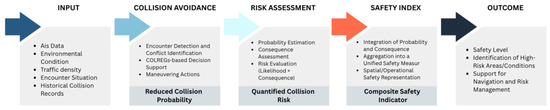
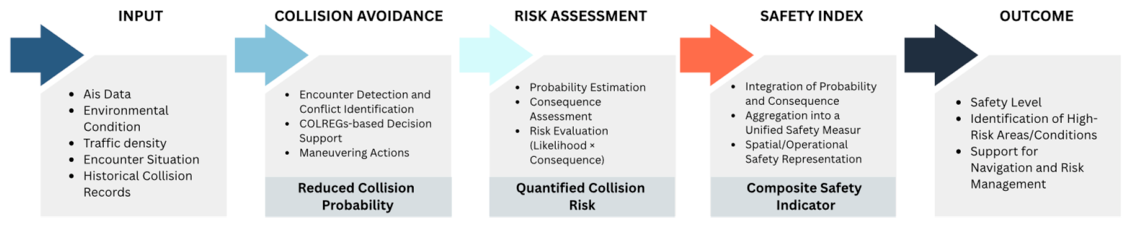
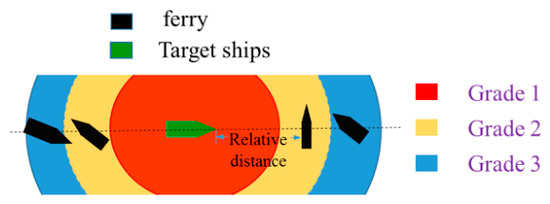
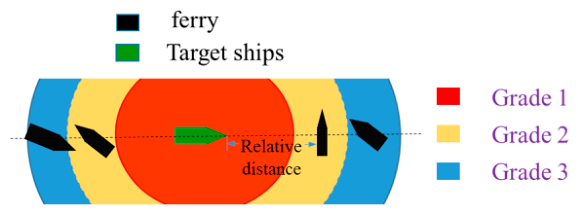
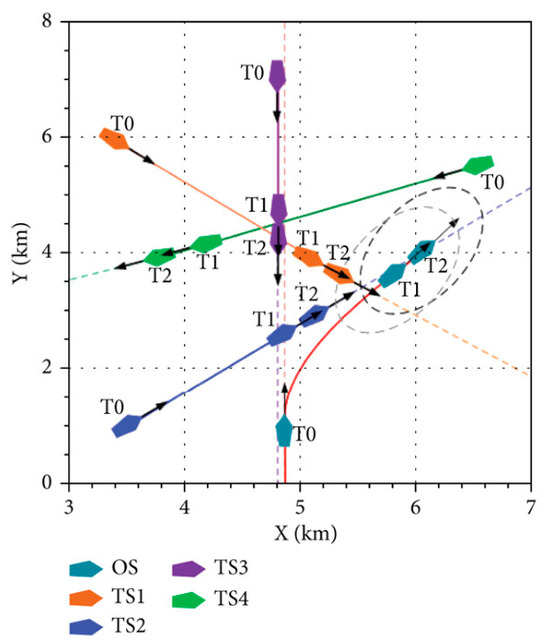
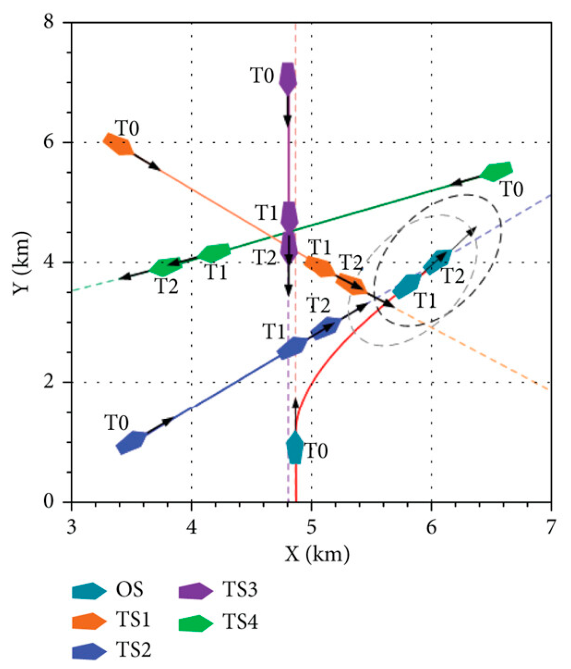
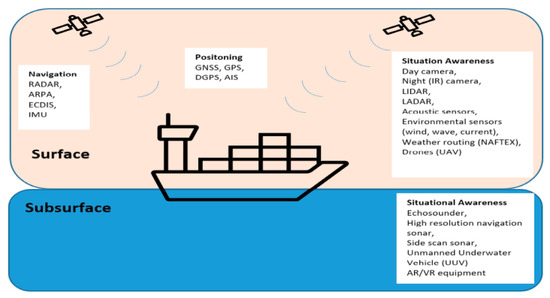
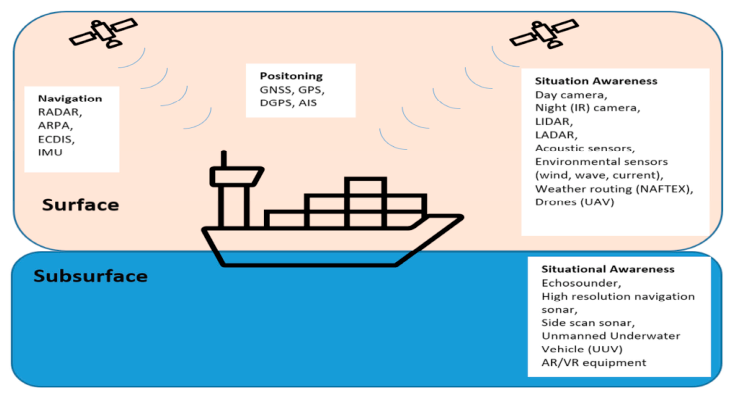
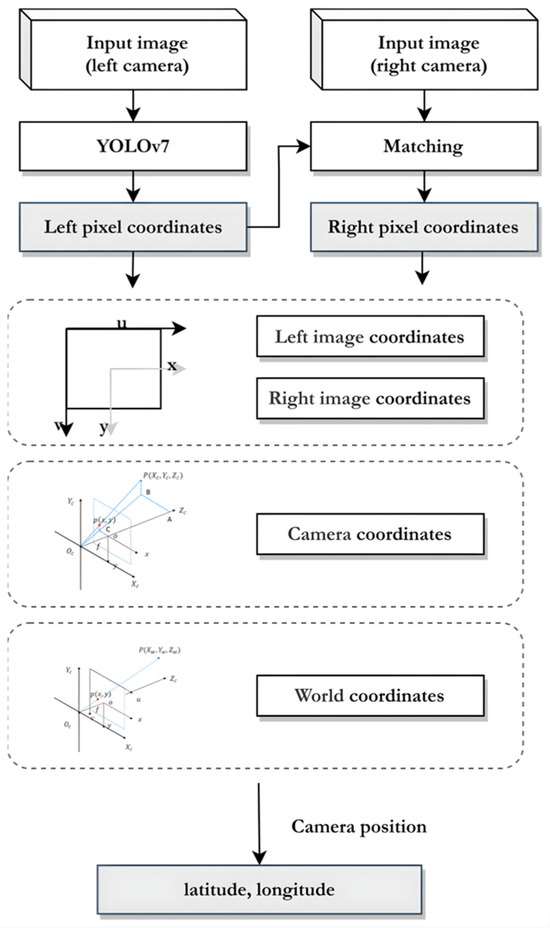
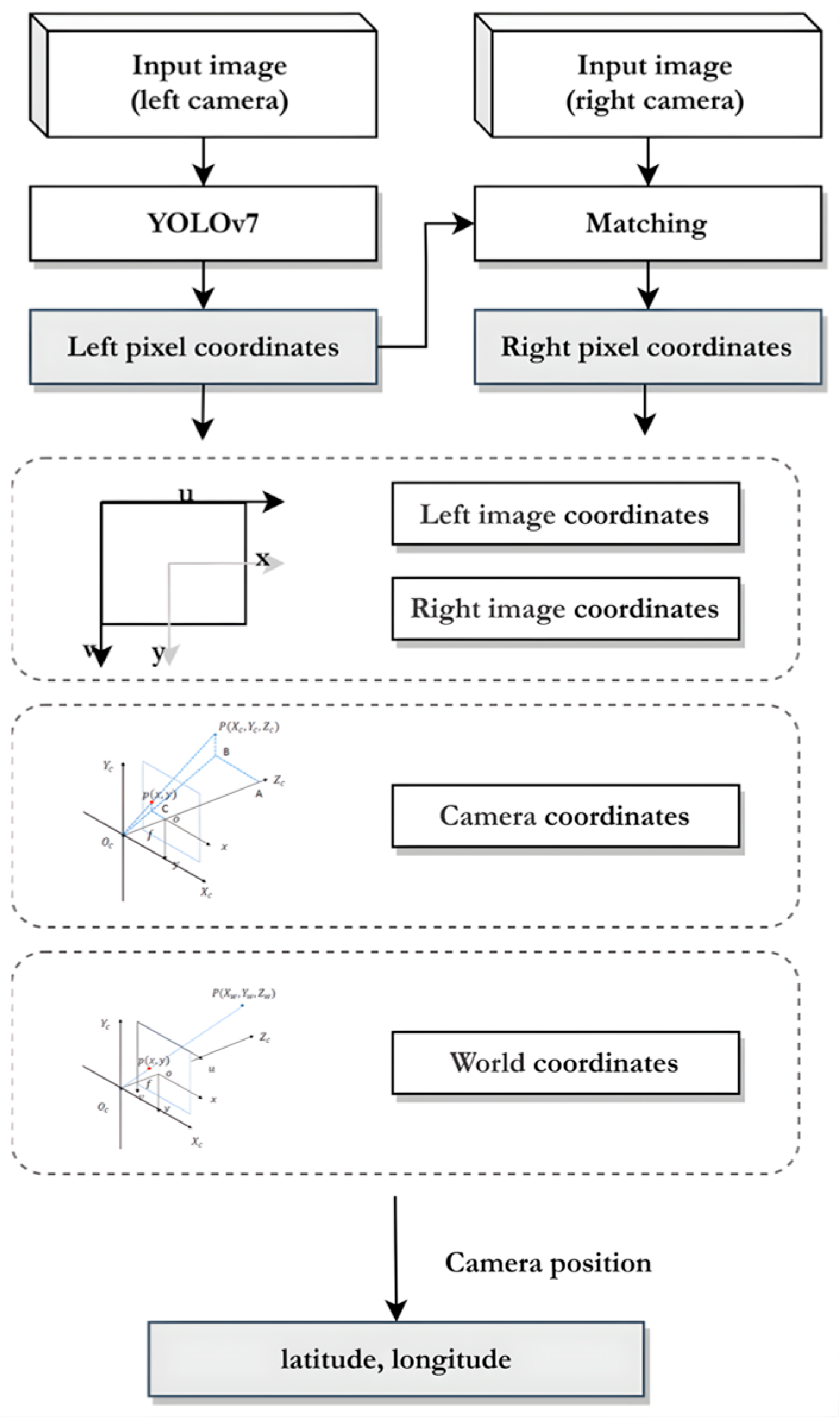
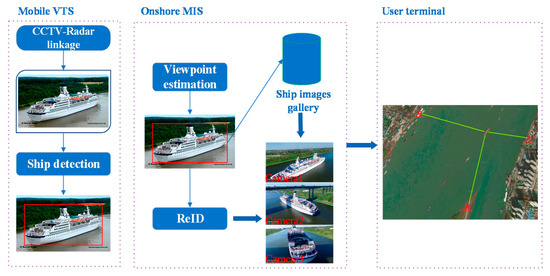
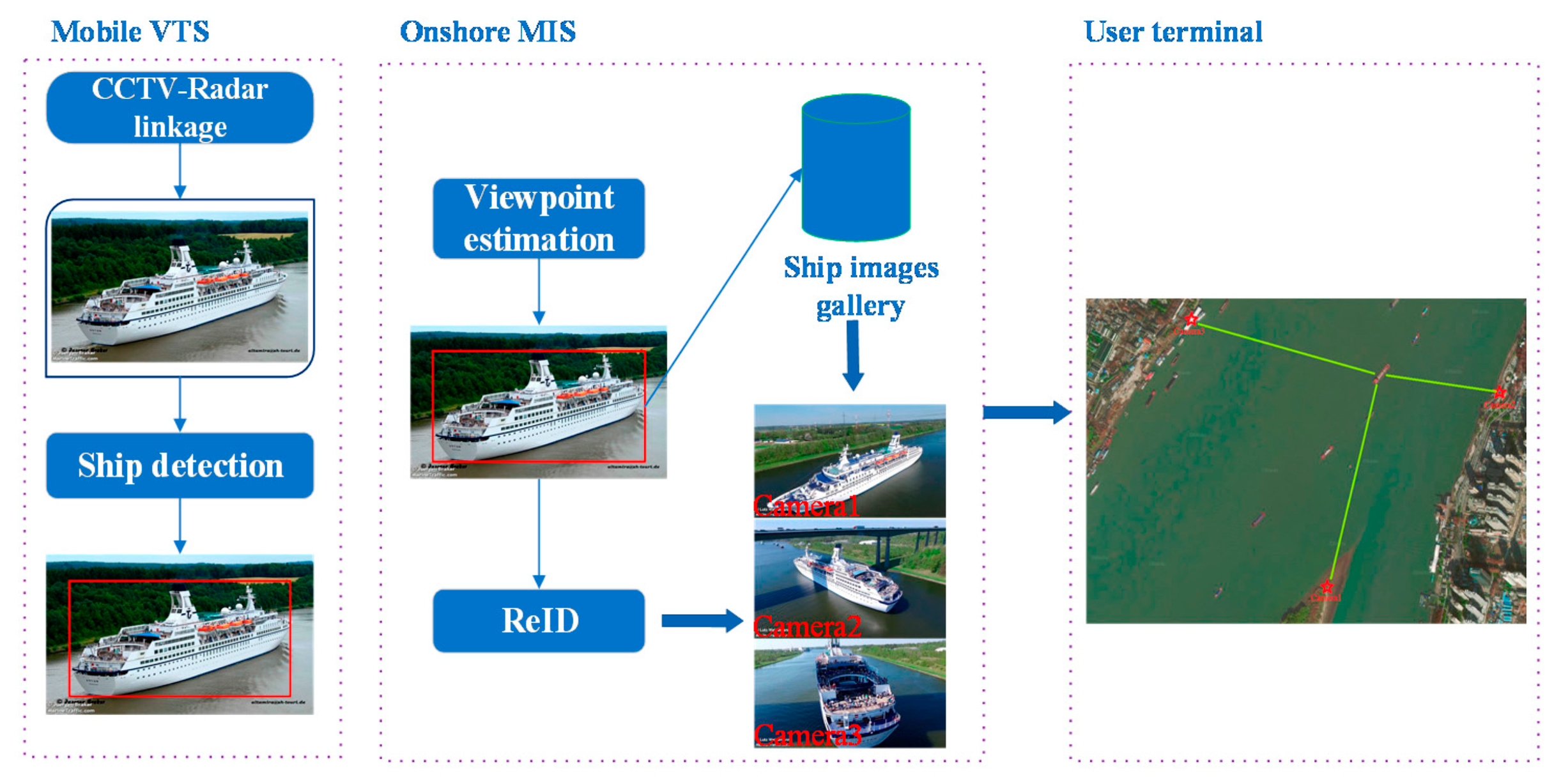
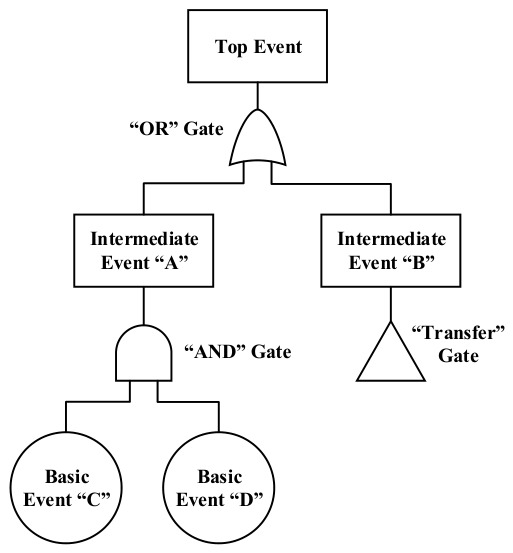
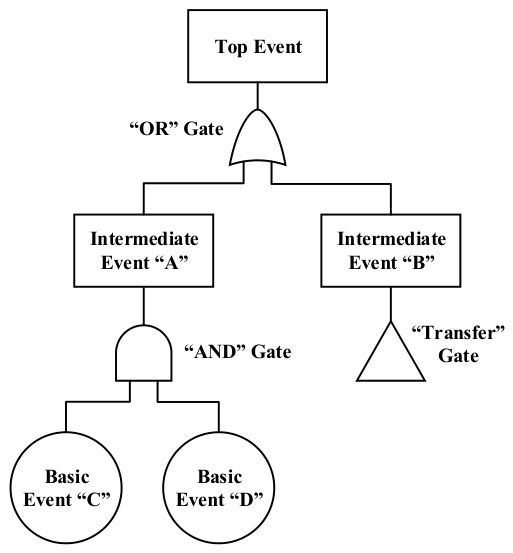
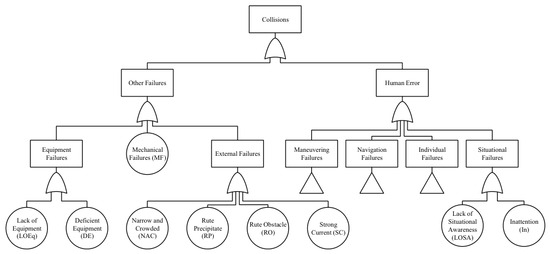
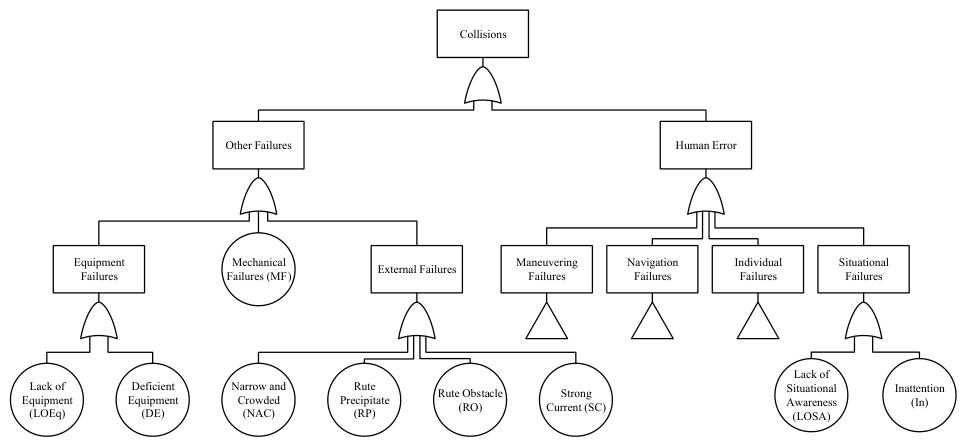
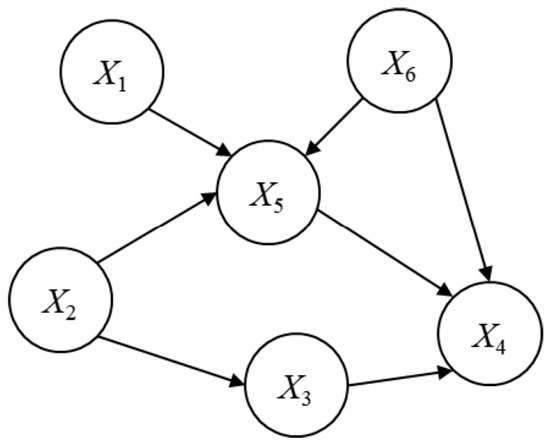
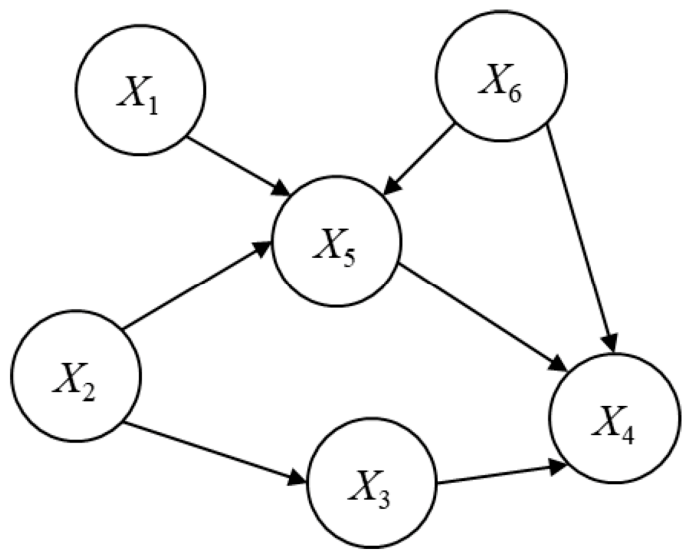
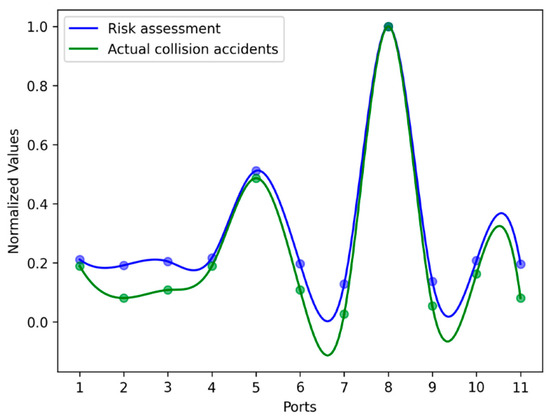
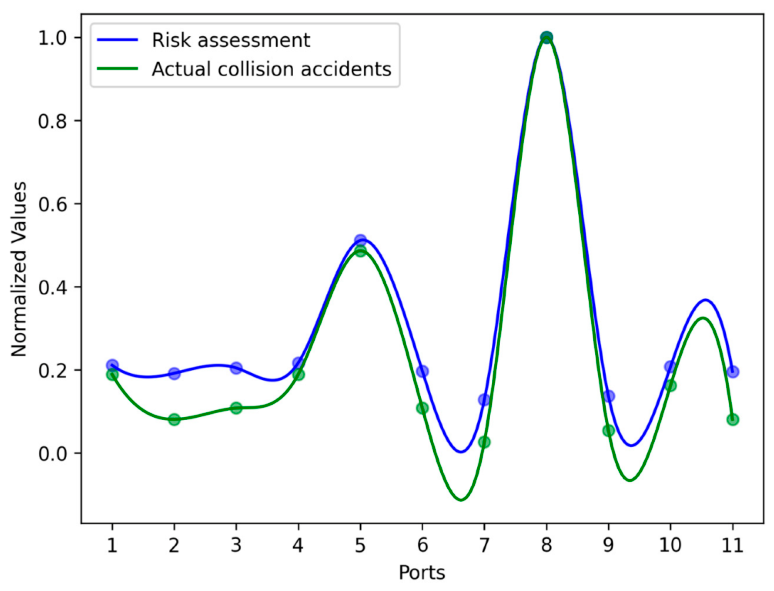
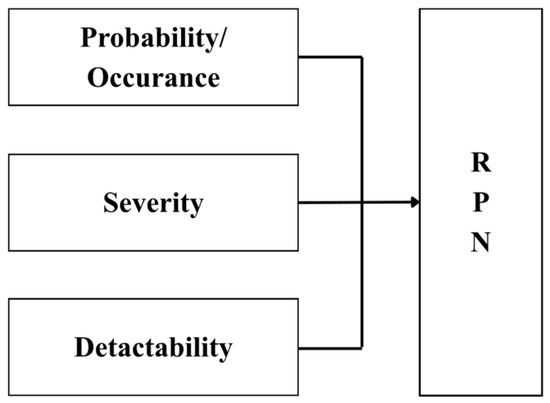
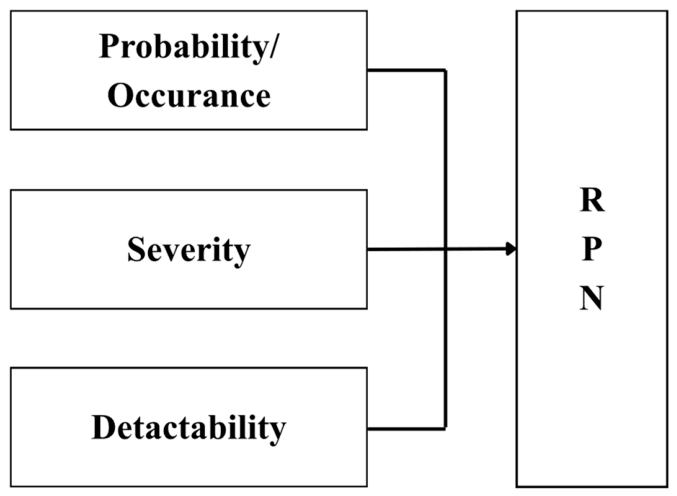


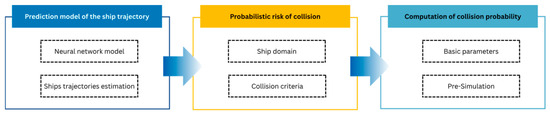
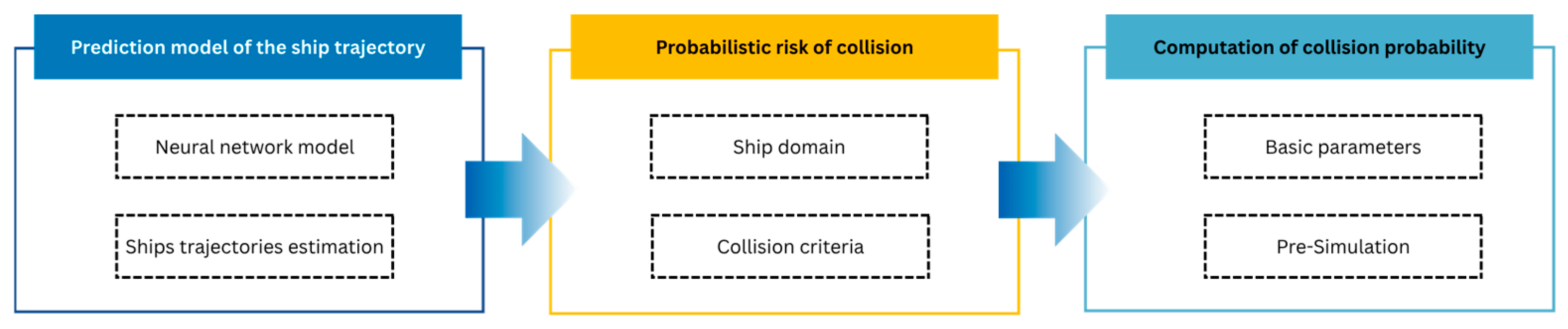
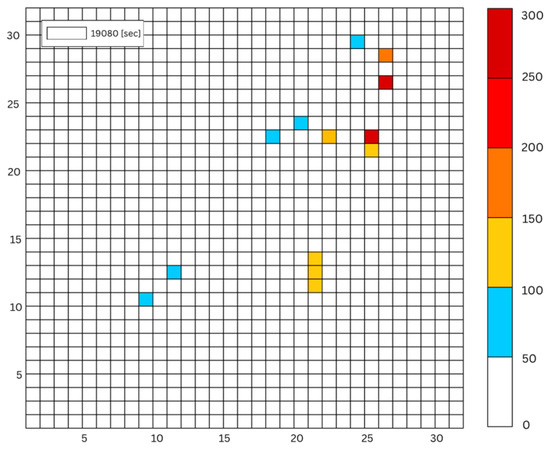
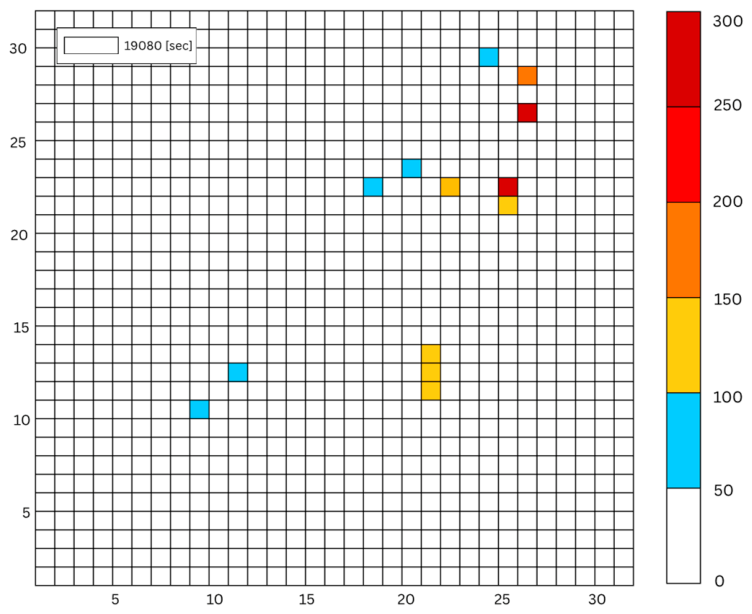
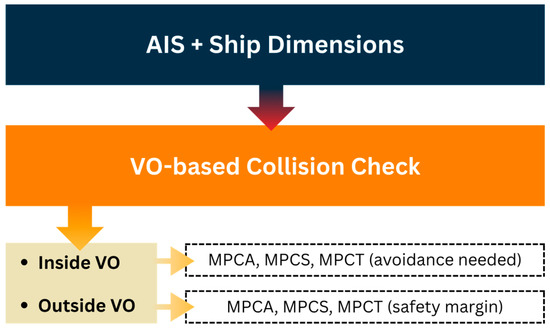
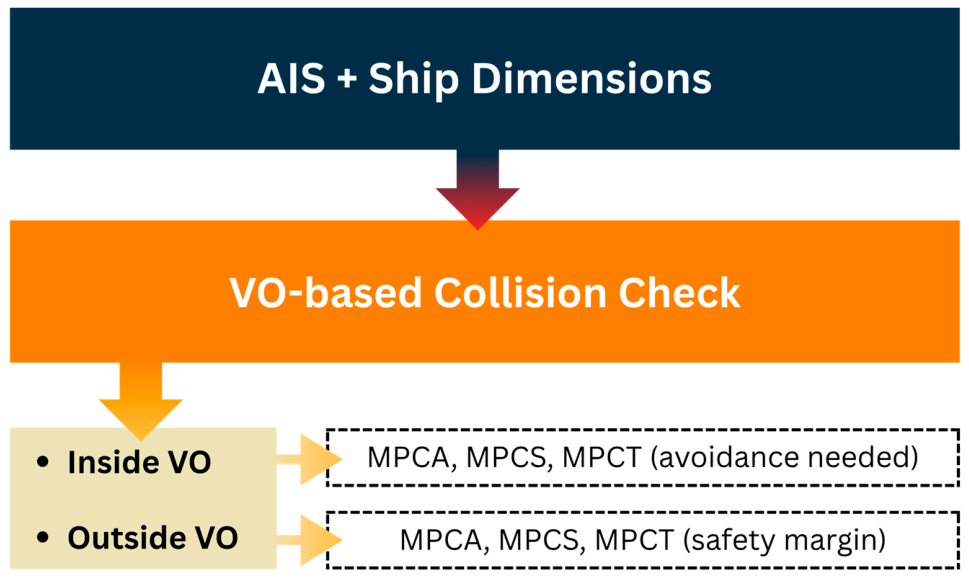
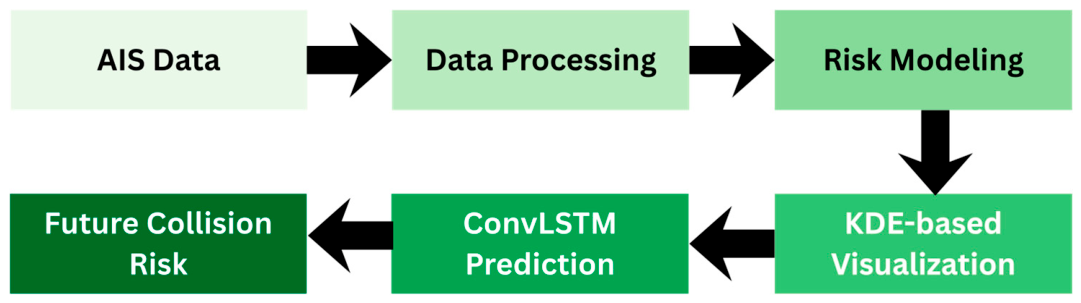
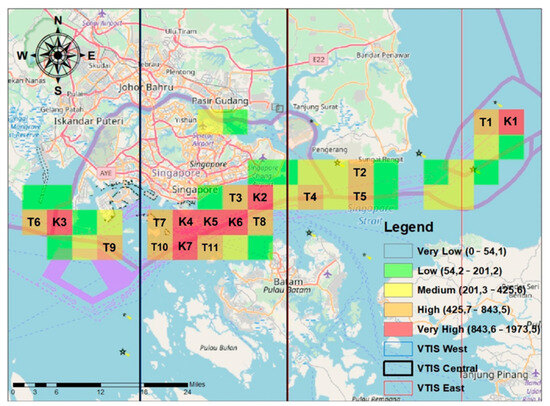
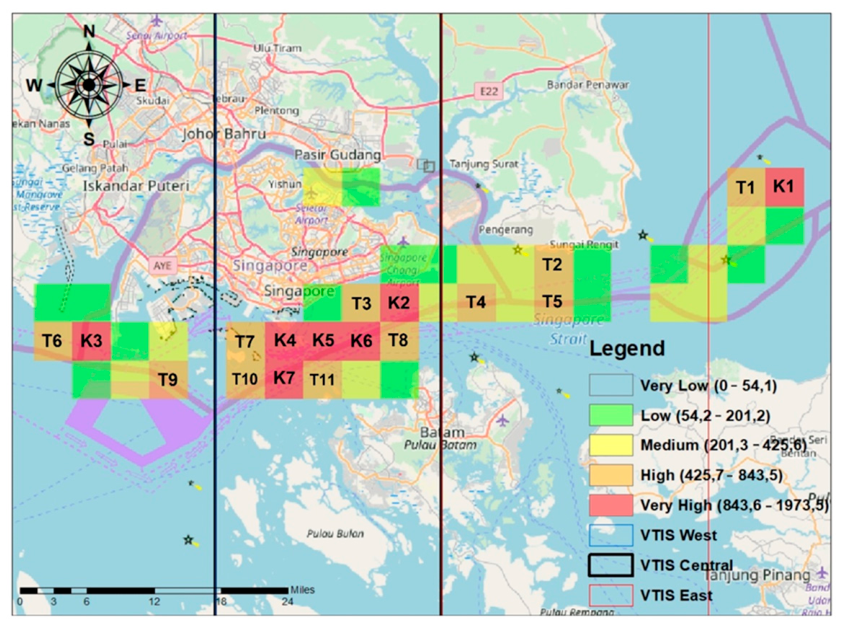
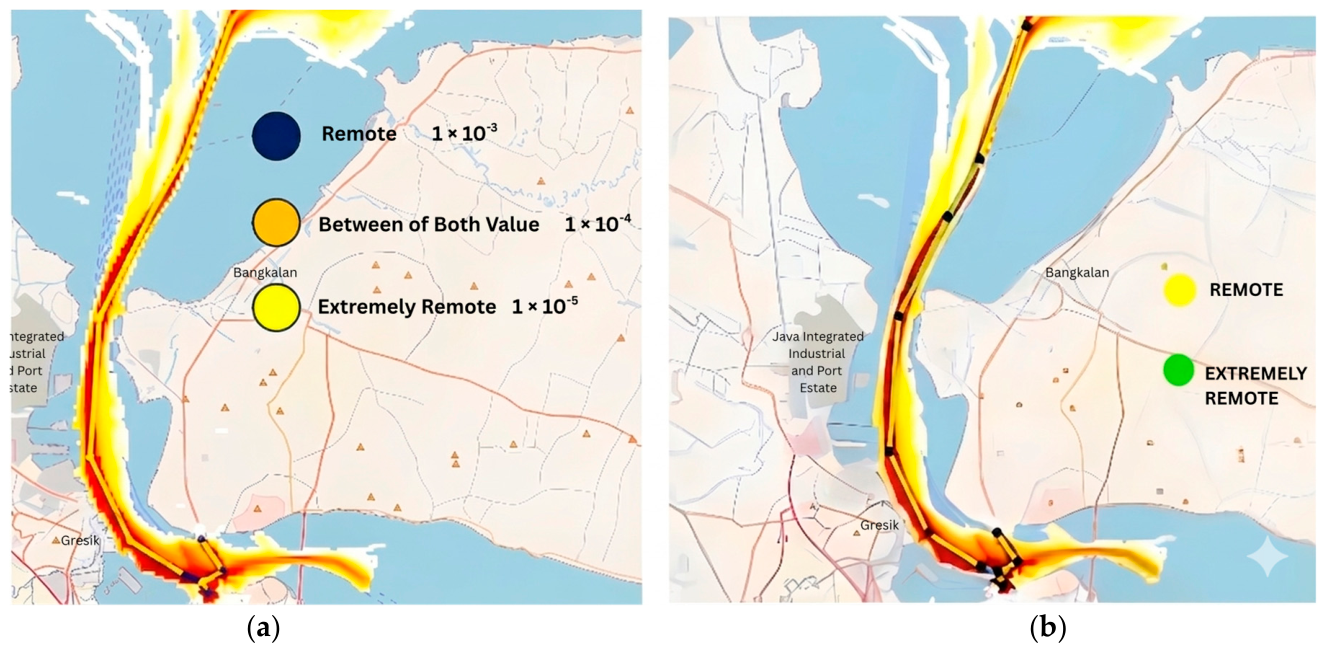
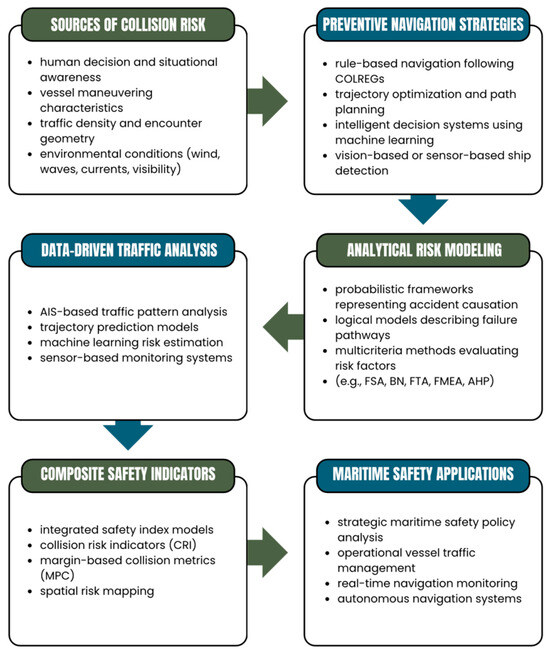
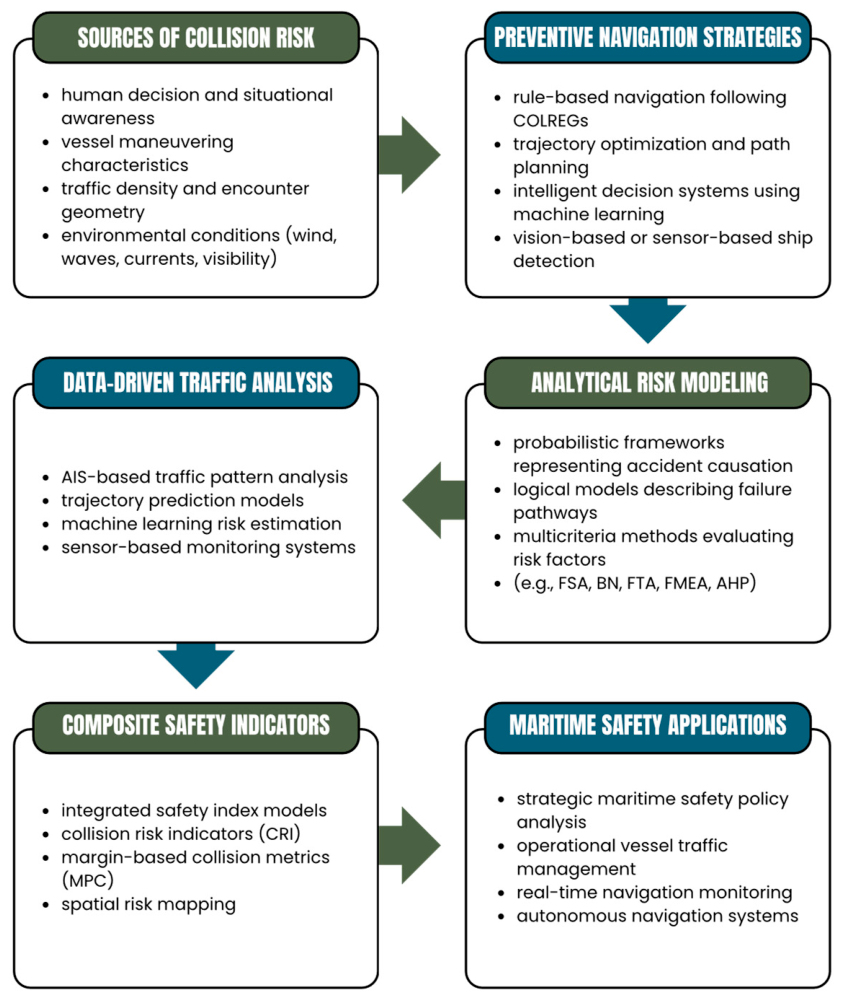

Disclaimer/Publisher’s Note: The statements, opinions and data contained in all publications are solely those of the individual author(s) and contributor(s) and not of MDPI and/or the editor(s). MDPI and/or the editor(s) disclaim responsibility for any injury to people or property resulting from any ideas, methods, instructions or products referred to in the content. |
© 2026 by the authors. Licensee MDPI, Basel, Switzerland. This article is an open access article distributed under the terms and conditions of the Creative Commons Attribution (CC BY) license.