
Real-Time Cognitive State Monitoring via Physiological Signals in Commercial Aviation: A Systematic Literature Review with Reasoned Snowballing Expansion


Abstract
1. Introduction
2. Cognitive Overload, Stress and Pilots’ Competencies
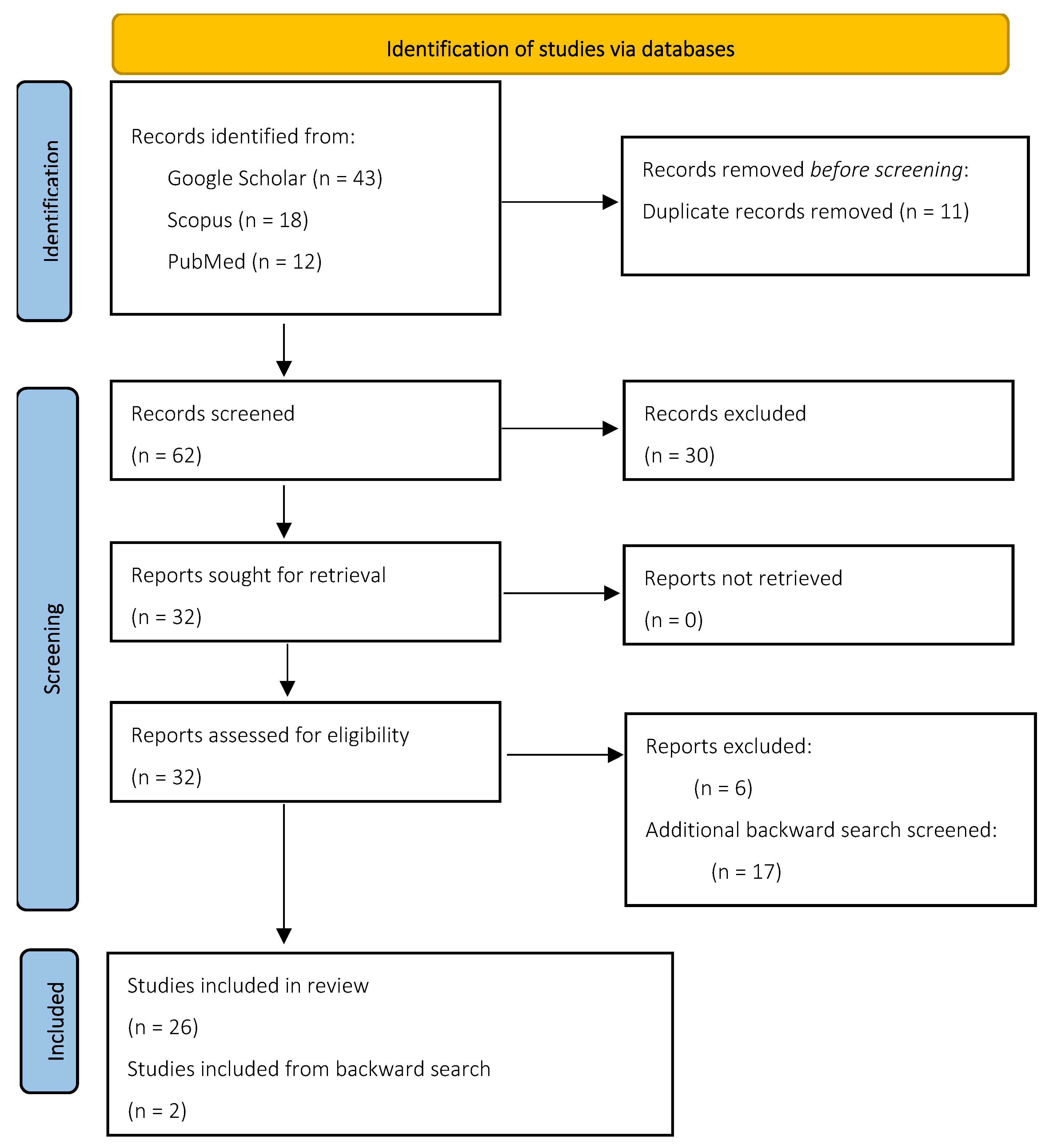
3. Methods
4. Results on Assessing Cognitive Load on Pilots
4.1. Subjective Evaluations
4.2. Behavioural Observations
4.3. Physiological and Biometric Measures
4.3.1. Electrodermal Activity
4.3.2. Cardiac Activity
Heart Rate (HR)
Heart Rate Variability (HRV)
Blood Pressure (BP)
4.3.3. Body Temperature
4.3.4. Respiration Monitoring
4.3.5. Eye Activity
4.3.6. Brain Activity
4.3.7. Muscle Activation
4.3.8. Voice Pattern
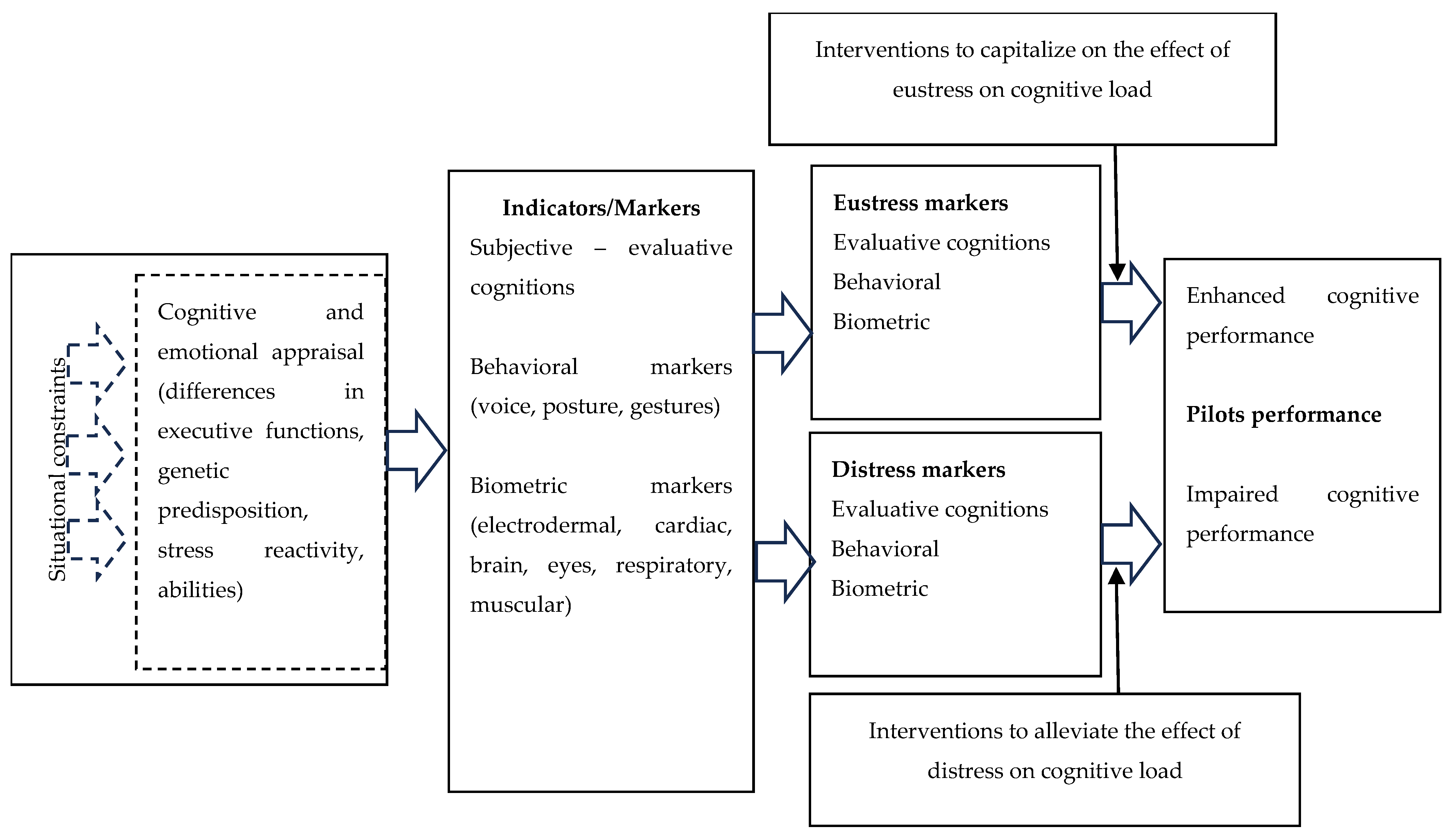
5. An Integrative, Dual Model of Stress Reactivity in Pilots
6. Future Research Directions
7. Limitations
8. Conclusions
Author Contributions
Funding
Institutional Review Board Statement
Informed Consent Statement
Data Availability Statement
Conflicts of Interest
Abbreviations
| ICAO | International Civil Aviation Organization |
| PRISMA | Preferred Reporting Items for Systematic Reviews and Meta-Analyses |
| SWAT | Subjective Workload Assessment Techniques |
| SART | Situation Awareness Rating Techniques |
| PSAQ | Participant Situation Awareness Questionnaire |
| SAGAT | Situation Awareness Global Assessment Technique |
| SUDS | Subjective Units of Distress Scale |
| SAM | Self-Assessment Manikin |
| ANS | Autonomic Nervous System |
| HR | Heart Rate |
| HRV | Heart Rate Variability |
| BP | Blood Pressure |
| EDA | Electrodermal Activity |
| GSR | Galvanic Skin Response |
| SCR | Skin Conductance Response |
| SCL | Skin Conductance Level |
| EEG | Electroencephalography |
| ECG | Electrocardiography |
Appendix A. Details on the Search and Selection Process

| Criteria | Included | Excluded |
|---|---|---|
| Texts | Academic peer-reviewed papers, conference and meeting proceedings, working papers, books, university dissertations. | |
| Population | Commercial airline pilots. | Military pilots, flying club pilots, helicopter pilots, remote pilots. |
| Measurement | Real-time monitoring of cognitive or mental states: overload, stress, startle through biometric or physiological measurements. | Fatigue, drones. |
| Time frame | Up to July 2025. | |
| Device | Non-invasive methodologies. | Intrusive equipment impeding normal cockpit operations and non-aviation domains unless analogously. |
| Environment | Realistic operational scenarios that require demanding cognitive involvement in commercial full flight simulators. | Laboratory-only if unrealistic (e.g., MRI, tethered systems). |
| Study type | Experimental, observational, validation studies. | Theoretical or conceptual studies. |
| Database | Search Query |
|---|---|
| Google Scholar | (“cognitive overload” OR “cognitive load” OR “stress” OR “startle” OR “mental overload” OR “mental load”) AND “real-time monitoring” AND (“biometric” OR “biomarkers” OR “sensors” OR “physiological”) (“commercial pilots” OR “airline pilots”)-fatigue-drones-evtol |
| Scopus | (“cognitive overload” OR “cognitive load” OR “stress” OR “startle” OR “mental overload” OR “mental load”) AND “real-time monitoring” AND (“biometric” OR “biomarkers” OR “sensors” OR “physiological”) AND (“commercial pilots” OR “airline pilots”) AND NOT TITLE-ABS-KEY (fatigue OR drones OR evtol) |
| PubMed | (“cognitive load” OR “mental load” OR “stress”) AND “real-time monitoring” AND (“biometric” OR “biomarkers” OR “sensors” OR “physiological”) AND (“commercial pilots” OR “airline pilots”) |

Appendix B. Summary of the Systematic Literature Review
| Article | Participants | Research Aim & Physiological Markers Used | Key Outcomes |
|---|---|---|---|
| [33] | Conference paper presenting a methodological treatment of instrumentation and measurement approaches for capturing startle responses in aviation contexts. | Aim: To evaluate instrumentation and measurement techniques for assessing startle responses in aviation, with emphasis on methodological and technical requirements for capturing psychophysiological reactions to unexpected events. Physiological markers: Discusses autonomic and electrophysiological signals relevant to startle, focusing on their acquisition and synchronisation rather than reporting empirical data. | The paper identifies and synthesises key measurement challenges in quantifying startle-related responses within aviation research or applied settings, highlighting the importance of reliable instrumentation. It provides a foundational framework for future empirical work by detailing how physiological signals relevant to startle could be reliably acquired and interpreted. The research underscores methodological limitations and opportunities in the current state of startle measurement technologies, laying the groundwork for subsequent experimental protocols that aim to integrate psychophysiological data in aviation safety research. |
| [9] | 28 volunteers, not professional pilots, who performed computerised cognitive tasks while their physiological markers were recorded to assess workload and stress levels. | Aim: To develop and preliminarily assess a pilot performance monitoring system based on physiological measurements. Markers: ECG (HR/HRV), EDA, respiration, sEMG, and skin temperature acquired via wearable sensors. | Physiological signals were sensitive to task-induced workload variations, supporting the feasibility of real-time pilot performance monitoring in simulated flight conditions. |
| [35] | 26 participants in a pilot study. | Aim: To develop and validate a regression approach based on separability maximisation (RASMa) to estimate a continuous-valued stress index from ECG features when no objective external stress measure exists, by finding a linear combination of features that maximises separability between stress and non-stress segments. Markers used: 17 HRV features extracted from ECG. | RASMa successfully generated a continuous stress index from ECG-derived HRV features using linear discriminant analysis and Bhattacharyya distance under leave-one-subject-out cross-validation. A near-real-time stress monitoring tool based on this model was implemented. |
| [37] | Teams performing a gamified search-and-rescue task and individuals in resting-state conditions. | Aim: Predict near-real-time team cognitive workload (CWL) using behavioural and physiological data. Markers: fNIRS and additional unspecified physiological data streams; recurring multimodal signatures were identified using multidimensional recurrence quantification analysis. | Multimodal data predicted CWL within 10 s windows. Models predicted individual and team performance beyond neurological measures alone, supporting potential real-time interventions. |
| [15] | A narrative review, not an empirical study with human participants. | Aim: To review economic, technological, regulatory (safety), and societal challenges associated with single-pilot operations (SPOs) in commercial airline operations. Markers: No physiological markers were used. | Technological and safety challenges for single-pilot operations can be addressed, but operational and organisational factors—including human factors, workload, ground support, regulations, and societal acceptance—will largely determine feasibility. Successful adoption requires integrating human factors, advanced automation, and system-wide safety assurance. Even if aircraft design is solved, the broader sociotechnical environment constrains implementation. |
| [1] | 53 aviation and aerospace medicine professionals (no pilots) from nine countries participated in a Delphi process to identify research priorities. | Aim: To establish consensus on key research priorities needed to optimise mental health and safety for aviation safety-sensitive personnel. Markers: None. | Six research priority domains were identified: safety and performance; mental health initiatives, education, and peer support; clinical care and return to duty; epidemiology and natural history; screening, monitoring, and emerging technology; and special considerations for underrepresented populations. The effort provides a structured framework to guide future research aimed at optimising mental health support and screening for aviation safety-sensitive personnel. |
| [94] | Adult individuals (no pilots) performing a visual comparison and clustering task in an immersive augmented-reality environment. | Aim: To investigate how interface layout and task cognitive load influence user interactions, internal neural activity, and task performance during sensemaking in an immersive visualisation task. Markers: fNIRS for cerebral hemodynamic responses and external behavioural interactions captured via an AR head-mounted display. | Increased user interactions and fNIRS-measured cerebral hemodynamic responses were associated with higher task accuracy, particularly under higher cognitive load. Interface layout (planar 2D vs. cylindrical 3D) did not reliably affect interactions or performance. Findings inform immersive system design and offer insights into embodied and distributed aspects of sensemaking cognition. |
| [20] | 52 pilots were recruited and divided into a stress group and a control group. | Aim: To assess pilot performance using both original and modified attitude indicators under acute stress and non-stress conditions. Markers: HR (as a physiological stress indicator) and subjective anxiety scores measured after acute stress induction. | The stress group exhibited significantly higher heart rates and anxiety than the control group, confirming successful stress induction. The modified attitude indicator improved flight attitude recovery accuracy and reduced pitch and roll reversal errors compared with the original indicator in both stress and non-stress conditions. Under acute stress, the modified indicator particularly enhanced accuracy for smaller initial pitch and bank angles and reduced role reversal errors. |
| [51] | Adult participants, grouped into high and low situational awareness (SA) aptitude cohorts, were recruited to complete tasks assessing SA; they were not professional pilots. | Aim: To compare brain activity between individuals with high vs. low SA aptitude using objective neuroimaging. Markers: fNIRS to measure cerebral hemodynamic changes associated with cognitive processing during situational awareness tasks. | Statistically significant differences in fNIRS-measured brain activity were observed between high and low SA aptitude groups, suggesting fNIRS can detect neural correlates of SA differences. |
| [68] | Five volunteers from the University of Queensland, postgraduate students and staff, all licenced drivers with normal or corrected vision. | Aim: To explore affect as a measurable skill supporting performance under stress, and to develop an objective measurement approach for affective states during simulation-based cognitive training. Physiological markers: EMG, eye-tracking, HR, BP, and other psychophysiological signals; combined with subjective questionnaires. | Pilot data confirmed proof of concept for simultaneous physiological and subjective affect measurement. EMG and eye tracking were sensitive to affective states during simulation. The study supports the conceptualisation of affect as a skill (Affective Skill Theory) that can be quantified and trained to optimise performance under high-stress conditions. |
| [53] | Twelve undergraduate aviation student pilots with prior flying experience participated in the simulator task. | Aim: To evaluate objective physiological measures of positive and negative affect during a challenging flight simulation, as affect influences cognitive processing and performance. Markers: Pupillometry (eye tracking: pupil size, fixation, and saccades) and EMG muscle activity, combined with self-reported affective state (Multiple Affect Adjective Checklist). | Fixation duration and saccade rate reliably corresponded with self-reported anxiety, whereas pupil size and some oculomotor measures were less consistent. Increased muscle activation occurred in conditions of higher negative affect; decreases in positive affect correlated significantly with changes in eye movement metrics (saccade rate, fixation duration, and mean saccade velocity). The results support the feasibility of continuous, objective physiological monitoring of the affective state during flight simulation, offering potential to augment assessment of training performance. |
| [4] | The review synthesised 45 experimental fNIRS studies published 2011–2023; individual studies involved small, often limited participant samples with unequal gender distributions (as noted by the authors). | Aim: To systematically review the application of machine learning (ML) and deep learning (DL) models for the classification of cognitive load using fNIRS signals, focusing on model design, feature selection, input formats, and architecture effectiveness. Physiological Markers: Changes in oxygenated haemoglobin (HbO2) and deoxygenated haemoglobin (dHb) measured by fNIRS as indicators of cortical haemodynamic responses to cognitive load. | fNIRS signals reliably reflect cognitive load. Hybrid DL models generally outperform traditional ML. Most studies used ML with feature engineering; DL, especially hybrid models, show higher potential but are less explored. Limitations include small datasets, low demographic diversity, and limited interpretability; future work should use larger, standardised datasets and advanced DL approaches. |
| [41] | Literature review: No primary empirical sample; focus on pilots and air traffic controllers as professional populations at risk. | Aim: Review of AI-driven approaches for early detection, prediction, and prevention of mental health deterioration in pilots and air traffic controllers. Physiological/AI Markers: Machine and deep learning models, edge/cloud computing, VR, and wearable multimodal physiological sensors. | Stressful professional lifestyles pose safety risks; AI methods show potential for longitudinal monitoring and risk prediction of mental health issues; advocates a multidisciplinary AI-based mental healthcare ecosystem for preventive intervention to enhance safety. |
| [29] | Literature review: Target population restricted to aircraft pilots (civil and military) with flight or advanced simulator experience; no original empirical sample was included. | Aim: To synthesise methods for assessing stress and mental workload in aviation and evaluate pros, cons, and applicability toward designing optimal comprehensive assessment protocols. Physiological Markers: Focus on objective neurophysiological signals (e.g., cardiac activity such as HR and HRV, EEG, respiration measures, electrodermal activity, and skin temperature) alongside self-assessment and performance metrics. | Objective measures, especially cardiac activity and HRV, are most commonly used; multi-method approaches dominate; real-time monitoring prefers lightweight instrumentation; challenges include signal recording constraints in real flight and complex psychophysiological interactions; alternative metrics (e.g., eye activity and muscular measures) show promise but face integration barriers. |
| [3] | Book spanning human performance research and human–machine interaction, without primary participant data. | Aim: Integrate psychology and human performance, covering attention, decision-making, multitasking, workload, stress, and human–automation interaction. Physiological Markers: Reviews physiological and cognitive measures of workload and stress in human–machine systems within human factors frameworks. | Provides a comprehensive theoretical foundation linking human cognitive abilities to technological design and performance outcomes; highlights mental workload, stress, multitasking, and human–automation issues as central to optimising safety and performance in complex systems. |
| [23] | 14 professional, real-life operators, eight of whom are experts due to their prior training on the platform, and six novices/beginners who were on their first training day. | Aim: To develop and evaluate a multimodal model of cognitive workload by combining optical brain imaging and eye tracking during task performance under normal and adverse conditions. Physiological Markers: Mobile eye tracking (fixation durations and gaze patterns) and portable fNIRS hemodynamic signals as neurophysiological indices of workload and expertise effects. | Experts showed different eye movement patterns and brain blood flow responses under challenging conditions. A model combining brain signals from the right prefrontal cortex and eye fixation data could correctly distinguish experts from novices about 91% of the time. This shows that combining brain and eye measures works better than using either alone, though the small number of participants limits how widely these results can be applied. |
| [7] | Conceptual discussion; no original participants or empirical sample. | Aim: To review advances in sensor networks for aerospace human–machine systems, emphasising real-time monitoring of human cognitive states to support adaptive human–machine interactions. Physiological/AI Markers: Focus on neurophysiological sensors (e.g., eye tracking, cardiorespiratory measures, EEG, and fNIRS) integrated into cyber–physical sensor networks; machine learning and statistical inference methods for cognitive state estimation are discussed. | Integrated sensor networks can enhance monitoring of operators’ cognitive states and improve human–machine system effectiveness; proper sensor selection and data fusion are critical for accurate estimation; applications include air traffic management, single-pilot and unmanned systems, and space operations. |
| [50] | Conceptual/technical review of avionics human–machine interface and interaction (HMI2) for human operators in manned and unmanned aircraft. | Aim: Review developments in HMI2 for both manned and unmanned aircraft, focusing on how evolving avionics support operator tasks and enhance safety and effectiveness. Physiological/AI Markers: Discusses sensor-based assessments of operator state and performance (e.g., real-time human performance and cognitive measures via sensors and algorithms) as foundations for adaptive interfaces; specific markers are discussed in context rather than measured empirically. | Adaptive HMI2, which assesses system, environment, and operator states, has strong potential to improve human–machine teaming; the main challenge lies in developing robust models and algorithms to interpret real-time sensor data for cognitive and performance state estimation. |
| [42] | 28 pilots, split evenly between a flight simulator group and a real-flight group. The simulator group included 14 pilots (mean group age: 29.25 ± 6.92; mean flight hours 80 ± 50). The real-flight group included 14 pilots (mean group age: 23.07 ± 5.35; mean flight hours 44.07 ± 37.5). | Aim: To implement and test an online passive fNIRS-based brain–computer interface that estimates working memory load in realistic aircraft piloting tasks. Physiological Markers: fNIRS measures of prefrontal cortex haemodynamics as indicators of cognitive workload. | Pilots in real flight made more errors and showed higher prefrontal activation under high cognitive load; the passive fNIRS system classified high vs. low working memory load with >76% accuracy across simulation and real flight, demonstrating the feasibility of real-time cognitive state monitoring in ecological settings. |
| [17] | Conceptual/theoretical work without empirical participants. | Research Aim: To identify brain processes underlying complex behaviour during aviation and space operations, enabling the development of neuroergonomic technologies to enhance human performance. Physiological Markers: Combination of high- and lower-resolution portable brain-imaging techniques and non-invasive brain stimulation to monitor neural activity in operational settings. | Aviation is presented as an ideal domain for neuroergonomics research; integrating brain measures in naturalistic settings can reveal neural processes underlying complex behaviour and support the development of technologies to enhance operator performance. |
| [55] | No participants: It is a theoretical and integrative book synthesising research on attention rather than reporting new experimental data. | Research Aim: To provide a comprehensive integrated review of cognitive, behavioural, and neural mechanisms of attention, including assessment, disorders, and treatment of attentional processes. Physiological Markers Used: Discussion of neurophysiological measures as indices of attentional mechanisms; described conceptually rather than used in new experiments. | Attention is framed as a core cognitive function with defined neural substrates, with a comprehensive synthesis of theoretical models, neural mechanisms, and clinical assessment approaches; the book integrates imaging and neuropsychological findings to advance understanding of attentional processes and their disturbances. |
| [10] | No original empirical sample; conceptual/technical review of physiological measurement applications in virtual training environments. | Aim: To examine how physiological measures can assess cognitive and behavioural responses of trainees in virtual environments, supporting optimisation of training design and transfer. Physiological Markers: EEG, ERPs (event-related potentials), HR/HRV, EDA, and EMG used to monitor cognitive states and engagement during training. | Physiological measures provide sensitive, objective indices of cognitive states and training engagement that can inform virtual environment design and fidelity requirements; such measures may detect subtle changes in operator state that behaviour or performance metrics alone may miss. |
| [5] | 28 young male pilots (average age 22.5 years) from the Civil Aviation Administration of China Flight Academy engaged in flight simulations. | Aim: To identify and classify cognitive load associated with different aircraft turning manoeuvres (level, descending, and climbing) in a simulated flight environment. Physiological Markers: HRV measures derived from continuous HRV data collected via a wearable heart rate sensor. | Different turning manoeuvres in the flight simulator were associated with different levels of cognitive load. As task difficulty increased, several HRV indicators decreased, showing that heart rate variability is sensitive to changes in pilot mental workload. A deep learning model (LSTM with Attention) achieved high accuracy in classifying cognitive load levels across different turning tasks. This suggests that HRV data can be used to reliably estimate pilots’ cognitive load in simulated flight, with potential applications for training and safety monitoring. |
| [2] | Ten professionally trained male pilots (20–24 years, ≥50 h simulator experience in each). | Aim: To characterise and classify pilots’ psychological workload during left and right turning phases in flight simulation using EEG features. Physiological Markers: EEG frequency band features, specifically the beta wave energy ratio (β/(θ + α)) and Shannon entropy, and sample entropy derived from multi-channel EEG recordings during different flight phases. | EEG features (higher beta energy and entropy) were significantly greater in turning phases than cruising, reflecting increased cognitive load during turns. A computer-based classification model was trained using patterns extracted from the brain activity recordings. It was then tested to see whether it could correctly identify the mental demand of each flight phase. The model performed very well, correctly identifying workload levels in most cases, indicating that patterns in brain activity can reliably distinguish between lower and higher mental workload during simulated flight. |
| [40] | 14 flight-trained individuals participated; all had prior simulator experience with aircraft such as the Boeing 737, Airbus A320, or Cessna 172, and were trained on the Boeing 737-800 simulator for the experiment. | Aim: To develop and validate a multi-source data fusion model using an adaptive neuro-fuzzy (fuzzy neural network) approach to map physiological and flight data onto real-time pilot workload levels during simulated takeoff and initial climb. Physiological Markers: HR, HRV, RR, respiratory depth, pupil diameter, gaze time, glance time, and blink time; combined with flight parameters (pitch angle, heading, and airspeed) and subjective NASA-TLX workload scores as the reference. | The neuro-fuzzy fusion model successfully integrated multi-sensor data to predict distinct workload levels corresponding to different flight phases and task difficulty conditions. The predicted workload values distinguished phases and failure difficulties, demonstrating the model’s capacity to reflect real-time workload variations; higher workload was associated with more complex failure conditions and critical flight segments. |
| [65] | 90 male pilots (average age ~32 years, ~896 flight hours). | Aim: To develop and evaluate machine learning models that use HRV and respiratory features derived from wearable ECG monitoring to objectively classify flight fatigue into three levels (non-fatigue, mild, and severe). Physiological Markers: HRV features and one respiratory indicator (mean respiratory rate), all extracted from ECG and respiratory signals recorded during flight. | A LightGBM model trained on 12 HRV features and one respiratory indicator achieved the highest classification performance among the tested algorithms, demonstrating that fatigue states, including mild fatigue, can be detected reliably for real-time monitoring. |
| [47] | Study 1 (simulator): 22 general aviation pilots; Study 2 (in flight): 6 pilots | Aim: To evaluate eye tracking as an objective debriefing tool in Upset Prevention and Recovery Training for general aviation pilots Physiological Markers: Eye tracking (head-mounted glasses) for scan path, fixation behaviour and saccades | Eye tracking rated highly useful for objective feedback as it enabled the identification of inadequate scanning patterns and it was feasible both in simulation as well as in aircraft, although some important hardware constraints were clearly present. |
| [48] | 35 pilots and avionics engineers | Aim: To develop and validate an eye tracking analytical framework to examine attention distribution and decision-making during flight operations. Physiological Markers: Head-mounted eye tracker for assessing fixation count and duration, dwell time, pupil area and gazepoint metrics | Significant differences between fixation count and fixation duration. Percentage of fixations and pupil area in different areas of interest and eye metrics are accurate indicators of attention allocation and cognitive processing. |
| Modality | Physiological Markers | Validity | Intrusiveness | Cockpit Feasibility | Maturity | Strengths and Limitations |
|---|---|---|---|---|---|---|
| ECG/HRV | HR, HRV | High | Medium | Medium | High | Strong workload/stress sensitivity; confounded by posture/movement; chest straps/patches can be acceptable but still burdensome. |
| PPG/PRV (smartwatch) | Pulse rate, PRV | Medium | Low | High | Medium–High | Very deployable but motion artefacts; PRV less robust than ECG in dynamic conditions. |
| EDA/GSR | SCR/SCL | Medium | Medium | Medium | Medium | High sensitivity to arousal; low specificity (stress vs. workload vs. emotion); electrode contact stability is a challenge. |
| Respiration | RR, variability | Medium | Medium | Medium | Medium | Sensitive to workload/stress/startle; confounded by speech and movement; chest bands can be intrusive. |
| Eye tracking | Fixations, saccades, dwell, scan path | High | Low–Medium | Medium | Medium–High | Strong for attention/workload; sensitive to calibration lighting and type of glasses; good cockpit relevance yet practical constraints persist. |
| Pupillometry | Pupil diameter/variability | Medium–High | Low–Medium | Medium | Medium | Highly workload sensitive; strong luminance/confound sensitivity; needs robust correction. |
| EEG (wearable) | Theta/alpha power, etc. | High | High | Low–Medium | Medium | Strong construct validity, but comfort, setup time, artefacts, and acceptance/regulatory concerns reduce feasibility. |
| fNIRS | HbO/Hb changes | Medium–High | High | Low–Medium | Medium | Better motion tolerance than EEG; still head-worn + setup; limited cockpit operational demonstrations. |
| EMG (sEMG) | Trapezius/face | Low–Medium | Medium | Low–Medium | Low–Medium | Useful complementary stress/tension marker yet interpretation ambiguous and sensible to vibration/movement noise. |
| Blood pressure | SBP/DBP trend | Low–Medium | Medium | Low–Medium | Low–Medium | Potential stress/workload sensitivity but calibration drift and device practicality remain issues. |
| Skin temperature/IRT | Peripheral temperature, facial thermography | Low–Medium | Low | Medium | Low–Medium | Non-contact possible; heavily confounded by environment/cabin conditions; latency. |
| Voice acoustics | Pitch, jitter, amplitude. | Medium | Very low | High | Medium | Extremely deployable (existing microphones), but noise/privacy/context confounds; best used multimodally. |
| Deep Metabolic-processes Assessment (DMA) | Metabolic indicators | Medium (empirical evidence in aviation is limited) | High (yet current implementations require biochemical or advanced biosensing) | Low | Low | Conceptually promising for capturing deeper physiological stress and allostatic load beyond surface autonomic measures; however, current sensing technologies are not yet practical for real-time cockpit deployment. |
| Multimodal fusion (recommended) | E.g., ECG/PPG + eye + EDA + respiration (+EEG/fNIRS) | Very High | Variable | Medium | Medium | Highest robustness/generalisation potential, but synchronisation, calibration, and integration complexity are key barriers as stated both in our review and Basnet and Zahabi. |
References
- Hoffman, W.R.; Tvaryanas, A.; Snyder, Q.; Spyropoulos, B.P.; Garcia, D.; Schroeder, D.; Fahnenbruck, G.; Trottier, K.; Overbo, S.; Santilhano, W.; et al. Aerospace Medical Association proposed research priorities for mental health and safety in aviation. Aerosp. Med. Hum. Perform. 2024, 95, 845–850. [Google Scholar] [CrossRef] [Scilit] [PubMed]
- Ji, L.; Yi, L.; Li, H.; Han, W.; Zhang, N. Detection of pilots’ psychological workload during turning phases using EEG characteristics. Sensors 2024, 24, 5176. [Google Scholar] [CrossRef] [Scilit]
- Wickens, C.D.; Helton, W.S.; Hollands, J.G.; Banbury, S. Engineering Psychology and Human Performance, 5th ed.; Routledge: New York, NY, USA, 2022. [Google Scholar] [CrossRef] [Scilit]
- Khan, M.A.; Asadi, H.; Zhang, L.; Qazani, M.R.C.; Oladazimi, S.; Loo, C.K.; Lim, C.P.; Nahavandi, S. Application of artificial intelligence in cognitive load analysis using functional near infrared spectroscopy: A systematic review. Expert Syst. Appl. 2024, 249, 123717. [Google Scholar] [CrossRef] [Scilit]
- Zhou, W.-G.; Yu, P.-P.; Wu, L.-H.; Cao, Y.-F.; Zhou, Y.; Yuan, J.-J. Pilot turning behavior cognitive load analysis in simulated flight. Front. Neurosci. 2024, 18, 1450416. [Google Scholar] [CrossRef] [Scilit] [PubMed]
- Hidalgo-Muñoz, A.R.; Mouratille, D.; Matton, N.; Causse, M.; Rouillard, Y.; El-Yagoubi, R. Cardiovascular correlates of emotional state, cognitive workload and time-on-task effect during a realistic flight simulation. Int. J. Psychophysiol. 2018, 128, 62–69. [Google Scholar] [CrossRef] [Scilit]
- Pongsakornsathien, N.; Lim, Y.; Gardi, A.; Hilton, S.; Planke, L.; Sabatini, R.; Kistan, T.; Ezer, N. Sensor networks for aerospace human–machine systems. Sensors 2019, 19, 3465. [Google Scholar] [CrossRef] [Scilit]
- Ayres, P.; Lee, J.Y.; Paas, F.; van Merriënboer, J.J.G. The validity of physiological measures to identify differences in intrinsic cognitive load. Front. Psychol. 2021, 12, 702538. [Google Scholar] [CrossRef] [Scilit]
- Luzzani, G.; Buraioli, I.; Demarchi, D.; Guglieri, G. Preliminary Study of a Pilot Performance Monitoring System Based on Physiological Signals. In Proceedings of the Aerospace Europe Conference 2023 (10th EUCASS, 9th CEAS), Lausanne, Switzerland, 9–13 July 2023. [Google Scholar] [CrossRef]
- Skinner, A.; Sebrechts, M.; Fidopiastis, C.; Berka, C.; Vice, J.; Lathan, C. Physiological measures of virtual environment training. In Human Performance Enhancement in High Risk Environments; Schmorrow, D.D., Fidopiastis, C.M., Eds.; Springer: New York, NY, USA, 2010; pp. 129–149. [Google Scholar]
- Çakır, M.P.; Vural, M.; Koç, S.Ö.; Toktaş, A. Real-time monitoring of cognitive workload of airline pilots in a flight simulator with fNIR optical brain imaging technology. In Foundations of Augmented Cognition: Neuroergonomics and Operational Neuroscience; Schmorrow, D.D., Fidopiastis, C.M., Eds.; Lecture Notes in Computer Science; Springer: Cham, Switzerland, 2016; Volume 9743, pp. 147–158. [Google Scholar] [CrossRef] [Scilit]
- Antoine, M.; Ben Abdessalem, H.; Frasson, C. Cognitive Workload Assessment of Aircraft Pilots. J. Behav. Brain Sci. 2022, 12, 474–484. [Google Scholar] [CrossRef]
- Kim, W.D.; Kim, S.; Cho, S.; Byeon, J.H.; Lee, G.; Hyun, W.; Jang, J. In-flight electrocardiography monitoring in a pilot during cross-country flight. Korean J. Aerosp. Environ. Med. 2024, 34, 101–107. [Google Scholar] [CrossRef] [Scilit]
- Wang, P.; Houghton, R.; Majumdar, A. Detecting and predicting pilot mental workload using heart rate variability: A systematic review. Sensors 2024, 24, 3723. [Google Scholar] [CrossRef] [Scilit]
- Harris, D. Single-pilot airline operations: Designing the aircraft may be the easy part. Aeronaut. J. 2023, 127, 1171–1191. [Google Scholar] [CrossRef] [Scilit]
- Nguyen, T.; Lim, C.P.; Nguyen, N.D.; Gordon-Brown, L.; Nahavandi, S. A review of Situation Awareness Assessment Approaches in Aviation Environments. arXiv 2018, arXiv:1803.08067. [Google Scholar] [CrossRef] [Scilit]
- Callan, D.E.; Dehais, F. Neuroergonomics for aviation. In Neuroergonomics: The Brain at Work and in Everyday Life; Ayaz, H., Dehais, F., Eds.; Academic Press: Cambridge, MA, USA, 2019; pp. 55–58. [Google Scholar] [CrossRef] [Scilit]
- Endsley, M.R.; Robertson, M.M. Training for situation awareness in individuals and teams. In Situation Awareness Analysis and Measurement; Endsley, M.R., Garland, D.J., Eds.; Lawrence Erlbaum Associates: Mahwah, NJ, USA, 2000; pp. 227–248. [Google Scholar]
- Salvan, L.; Paul, T.S.; Marois, A. Dry EEG-based mental workload prediction for aviation. In Proceedings of the 2023 IEEE/AIAA 42nd Digital Avionics Systems Conference (DASC), Barcelona, Spain, 1–5 October 2023; IEEE: New York, NY, USA, 2023; pp. 1–8. [Google Scholar] [CrossRef] [Scilit]
- Jiang, H.; Liu, X.; Peng, X.; Zhu, Q.; Wang, Q.; Yang, J. Pilot performance on original and modified attitude indicators with and without acute stress. Aerosp. Med. Hum. Perform. 2025, 96, 296–303. [Google Scholar] [CrossRef] [Scilit]
- Borghini, G.; Astolfi, L.; Vecchiato, G.; Mattia, D.; Babiloni, F. Measuring neurophysiological signals in aircraft pilots and car drivers for the assessment of mental workload, fatigue and drowsiness. Neurosci. Biobehav. Rev. 2014, 44, 58–75. [Google Scholar] [CrossRef] [Scilit]
- Dehais, F.; Duprès, A.; Blum, S.; Drougard, N.; Scannella, S.; Roy, R.N.; Lotte, F. Monitoring pilot’s mental workload using ERPs and spectral power with a six dry electrode EEG system in real flight conditions. Sensors 2019, 19, 1324. [Google Scholar] [CrossRef] [Scilit]
- İşbilir, E.; Çakır, M.P.; Acartürk, C.; Tekerek, A.Ş. Towards a multimodal model of cognitive workload through synchronous optical brain imaging and eye tracking measures. Front. Hum. Neurosci. 2019, 13, 375. [Google Scholar] [CrossRef] [Scilit] [PubMed]
- Hancock, P.A.; Szalma, J.L. Performance Under Stress; Ashgate Publishing: Farnham, UK, 2008. [Google Scholar]
- Aubry, R.; Carstens, D.S.; Hight, M. Perceived stress for pilots. In Proceedings of the IEMS 2024 Conference 2024, Bangkok, Thailand, 15–18 December 2024. [Google Scholar]
- Belloni, G.; Aiello, A.A. Mitigating stress and cognitive impairment in airline pilots through biomarkers. In Proceedings of the International Summer Conference 2025, Dortmund, Germany, 25–29 August 2025; University of Catania: Catania, Italy, 2025. [Google Scholar]
- Rai, R.K.; Singh, D.K. Stress detection through wearable EEG technology: A signal-based approach. Comput. Electr. Eng. 2025, 126, 110478. [Google Scholar] [CrossRef] [Scilit]
- Hancock, P.A.; Warm, J.S. A dynamic model of stress and sustained attention. Hum. Factors 1989, 31, 519–537. [Google Scholar] [CrossRef] [Scilit] [PubMed]
- Masi, G.; Amprimo, G.; Ferraris, C.; Priano, L. Stress and workload assessment in aviation—A narrative review. Sensors 2023, 23, 3556. [Google Scholar] [CrossRef] [Scilit]
- Pluut, H.; Curșeu, P.L.; Fodor, O.C. Development and validation of a short measure of emotional, physical, and behavioral markers of eustress and distress (MEDS). Healthcare 2022, 10, 339. [Google Scholar] [CrossRef] [Scilit]
- Svensson, E.; Angelborg-Thanderz, M.; Sjöberg, L.; Olsson, S. Information complexity—Mental workload and performance in combat aircraft. Ergonomics 1997, 40, 362–380. [Google Scholar] [CrossRef] [Scilit]
- Cain, B. A Review of the Mental Workload Literature; Technical Report RTO TR HFM 121 Part II; Defence Research and Development Canada: Toronto, Canada, 2007.
- Romano, F.; Tritto, M.; Di Cesare, M.G.; Nocco, S.; Cardone, D. Evaluating startle in aviation: A focus on instrumentation and measurement techniques. In Proceedings of the 2024 IEEE International Workshop on Technologies for Defense and Security (TechDefense), Naples, Italy, 11–13 November 2024; IEEE: Piscataway, NJ, USA, 2024. [Google Scholar] [CrossRef] [Scilit]
- Helmreich, R.L.; Foushee, H.C. Why Crew Resource Management? Empirical and Theoretical Bases of Human Factors Training in Aviation; Elsevier: Amsterdam, The Netherlands, 2010. [Google Scholar]
- Ribeiro, R.T.; Cunha, J.P. A regression approach based on separability maximization for modeling a continuous-valued stress index from electrocardiogram data. Biomed. Signal Process. Control 2018, 46, 33–45. [Google Scholar] [CrossRef] [Scilit]
- Deniel, J.; Neubert, J.; Schwartz, F.; Causse, M. Impact of startle reflex on cognitive performance, face temperature and brain activity. In Engineering Psychology and Cognitive Ergonomics; Harris, D., Li, W.-C., Eds.; Lecture Notes in Computer Science; Springer: Cham, Switzerland, 2024; Volume 14692, pp. 36–50. [Google Scholar] [CrossRef] [Scilit]
- Naher, N.; Amon, M.J.; Fiore, S.M. Interpretable models for near-real-time prediction of team cognitive workload in complex sociotechnical environments using behavioral and physiological data. Proc. Hum. Factors Ergon. Soc. Annu. Meet. 2024, 68, 294–301. [Google Scholar] [CrossRef] [Scilit]
- Diarra, M.; Marchitto, M.; Bressolle, M.-C.; Baccino, T.; Drai-Zerbib, V. A narrative review of the interconnection between pilot acute stress, startle, and surprise effects in the aviation context: Contribution of physiological measurements. Front. Neuroergon. 2023, 4, 1059476. [Google Scholar] [CrossRef] [Scilit] [PubMed]
- Sweller, J. Cognitive load during problem solving: Effects on learning. Cogn. Sci. 1988, 12, 257–285. [Google Scholar] [CrossRef] [PubMed]
- Zhang, X.; Sun, Y.; Qiu, Z.; Bao, J.; Zhang, Y. Adaptive neuro-fuzzy fusion of multi-sensor data for monitoring a pilot’s workload condition. Sensors 2019, 19, 3629. [Google Scholar] [CrossRef] [Scilit]
- Ćosić, K.; Popović, S.; Wiederhold, B.K. Enhancing aviation safety through AI-driven mental health management for pilots and air traffic controllers. Cyberpsychol. Behav. Soc. Netw. 2024, 27, 588–598. [Google Scholar] [CrossRef] [Scilit]
- Gateau, T.; Ayaz, H.; Dehais, F. In silico vs. over the clouds: On-the-fly mental state estimation of aircraft pilots using a functional near infrared spectroscopy-based passive BCI. Front. Hum. Neurosci. 2018, 12, 187. [Google Scholar] [CrossRef] [Scilit]
- Charles, R.L.; Nixon, J. Measuring mental workload using physiological measures: A systematic review. Appl. Ergon. 2019, 74, 221–232. [Google Scholar] [CrossRef] [Scilit]
- Page, M.J.; McKenzie, J.E.; Bossuyt, P.M.; Boutron, I.; Hoffmann, T.C.; Mulrow, C.D.; Shamseer, L.; Tetzlaff, J.M.; Akl, E.A.; Brennan, S.E.; et al. The PRISMA 2020 statement: An updated guideline for reporting systematic reviews. BMJ 2021, 372, n71. [Google Scholar] [CrossRef] [Scilit]
- Basnet, N.; Zahabi, M. Real-time cognitive workload assessment using non-intrusive methods: A systematic review. Ergonomics 2025, 1–26. [Google Scholar] [CrossRef] [Scilit]
- Hebbar, P.A.; Bhattacharya, K.; Prabhakar, G.; Pashilkar, A.A.; Biswas, P. Correlation between physiological and performance-based metrics to estimate pilots’ cognitive workload. Front. Psychol. 2021, 12, 555446. [Google Scholar] [CrossRef] [Scilit]
- Ryffel, C.P.; Muehlethaler, C.M.; Huber, S.M.; Elfering, A. Eye tracking as a debriefing tool in upset prevention and recovery training (UPRT) for general aviation pilots. Ergonomics 2019, 62, 319–329. [Google Scholar] [CrossRef] [Scilit]
- Li, W.C.; Lin, J.J.; Braithwaite, G.; Greaves, M. The development of eye tracking in aviation (ETA) technique to investigate pilot’s cognitive processes of attention and decision-making. In Proceedings of the 32nd Conference of the European Association for Aviation Psychology, Cascais, Portugal, 26–30 September 2016. [Google Scholar]
- Veltman, J.A.; Gaillard, A.W.K. Physiological indices of workload in a simulated flight task. Biol. Psychol. 1996, 42, 323–342. [Google Scholar] [CrossRef] [Scilit]
- Lim, Y.; Gardi, A.; Sabatini, R.; Ramasamy, S.; Kistan, T.; Ezer, N.; Vince, J.; Bolia, R. Avionics human–machine interfaces and interactions for manned and unmanned aircraft. Prog. Aerosp. Sci. 2018, 102, 1–46. [Google Scholar] [CrossRef] [Scilit]
- Endsley, M.R.; Garland, D.J. (Eds.) Situation Awareness Analysis and Measurement; CRC Press: Boca Raton, FL, USA, 2000. [Google Scholar]
- Hirshfield, L.; Costa, M.; Bandara, D.; Bratt, B. Measuring situational awareness aptitude using functional near-infrared spectroscopy. In Augmented Cognition; Schmorrow, D.D., Fidopiastis, C.M., Eds.; Springer: Cham, Switzerland, 2015; pp. 99–109. [Google Scholar] [CrossRef] [Scilit]
- Tichon, J.G.; Mavin, T.; Wallis, G.; Visser, T.A.W.; Riek, S. Using pupillometry and electromyography to track positive and negative affect during flight simulation. Aviat. Psychol. Appl. Hum. Factors 2014, 4, 23–32. [Google Scholar] [CrossRef] [Scilit]
- Wilson, G.F. An analysis of mental workload in pilots during flight using multiple psychophysiological measures. Int. J. Aviat. Psychol. 2002, 12, 3–18. [Google Scholar] [CrossRef] [Scilit] [PubMed]
- Cohen, R.A. The Neuropsychology of Attention, 2nd ed.; Springer: New York, NY, USA, 2014. [Google Scholar] [CrossRef] [Scilit]
- Hockey, G.R.J. Changes in operator efficiency as a function of environmental stress, fatigue, and circadian rhythms. In Handbook of Perception and Human Performance; Boff, K.R., Kaufman, L., Thomas, J.P., Eds.; John Wiley: New York, NY, USA, 1986; Volume 2, pp. 44.1–44.49. [Google Scholar]
- Gawron, V.J.; Schiflett, S.G.; Miller, J.C. Measures of in-flight workload. In Aviation Psychology; Jensen, R.S., Ed.; Ashgate: Aldershot, UK, 1989; pp. 240–287. [Google Scholar]
- Critchley, H.D. Electrodermal responses: What happens in the brain. Neuroscientist 2002, 8, 132–142. [Google Scholar] [CrossRef] [Scilit] [PubMed]
- Shi, Y.; Ruiz, N.; Taib, R.; Choi, E.H.C.; Chen, F. Galvanic skin response (GSR) as an index of cognitive load. In Proceedings of the CHI ’07 Extended Abstracts on Human Factors in Computing Systems, San Jose, CA, USA, 28 April–3 May 2007; ACM: New York, NY, USA, 2007; pp. 2651–2656. [Google Scholar] [CrossRef] [Scilit]
- Taylor, S.; Jaques, N.; Chen, W.; Fedor, S.; Sano, A.; Picard, R.W. Automatic identification of artifacts in electrodermal activity data. In Proceedings of the 2015 37th Annual International Conference of the IEEE Engineering in Medicine and Biology Society (EMBC), Milan, Italy, 25–29 August 2015; IEEE: New York, NY, USA, 2015; pp. 1934–1937. [Google Scholar] [CrossRef] [Scilit]
- Aricò, P.; Borghini, G.; Di Flumeri, G.; Sciaraffa, N.; Colosimo, A.; Babiloni, F. Passive BCI beyond the Lab: Current Trends and Future Directions. Physiol. Behav. 2017, 176, 139–148. [Google Scholar] [CrossRef] [Scilit]
- Boucsein, W. Electrodermal Activity, 2nd ed.; Springer: New York, NY, USA, 2012. [Google Scholar] [CrossRef] [Scilit]
- Beh, W.-K.; Wu, Y.-H.; Wu, A.-Y. Robust PPG-based mental workload assessment system using wearable devices. IEEE J. Biomed. Health Inform. 2023, 27, 2323–2334. [Google Scholar] [CrossRef] [Scilit]
- Shaffer, F.; Ginsberg, J.P. An overview of heart rate variability metrics and norms. Front. Public Health 2017, 5, 258. [Google Scholar] [CrossRef] [Scilit]
- Guo, D.; Wang, C.; Qin, Y.; Shang, L.; Gao, A.; Tan, B.; Zhou, Y.; Wang, G. Assessment of flight fatigue using heart rate variability and machine learning approaches. Front. Neurosci. 2025, 19, 1621638. [Google Scholar] [CrossRef] [Scilit]
- Park, J.; Seok, H.S.; Kim, S.-S.; Shin, H. Photoplethysmogram analysis and applications: An integrative review. Front. Physiol. 2022, 12, 808451. [Google Scholar] [CrossRef] [Scilit]
- Lu, G.; Yang, F.; Taylor, J.A.; Stein, J.F. A comparison of photoplethysmography and ECG recording to analyse heart rate variability in healthy subjects. J. Med. Eng. Technol. 2009, 33, 634–641. [Google Scholar] [CrossRef] [Scilit] [PubMed]
- Tichon, J. Affective Intensity and Its Effects; Final Report (AOARD 104011); Defense Technical Information Center: Fort Belvoir, VA, USA, 2010. [CrossRef] [Scilit]
- Henelius, A. A short review and primer on cardiovascular signals in human computer interaction applications. arXiv 2016, arXiv:1612.07677. [Google Scholar] [CrossRef] [Scilit]
- Lundberg, U.; Kadefors, R.; Melin, B.; Palmerud, G.; Hassmen, P.; Engstrom, M.; Dohns, I.E. Psychophysiological stress and EMG activity of the trapezius muscle. Int. J. Behav. Med. 1994, 1, 354–370. [Google Scholar] [CrossRef] [Scilit]
- Zhou, Z.-B.; Cui, T.-R.; Li, D.; Jian, J.-M.; Li, Z.; Ji, S.-R.; Li, X.; Xu, J.-D.; Liu, H.-F.; Yang, Y.; et al. Wearable continuous blood pressure monitoring devices based on pulse wave transit time and pulse arrival time: A review. Materials 2023, 16, 2133. [Google Scholar] [CrossRef] [Scilit]
- Brenner, M. Speech analysis. In Engineering Psychology and Cognitive Ergonomics; Harris, D., Li, W.C., Eds.; Lecture Notes in Computer Science; Springer: Cham, Switzerland, 2024; Volume 14692. [Google Scholar] [CrossRef] [Scilit]
- Thayer, J.F.; Åhs, F.; Fredrikson, M.; Sollers, J.J.; Wager, T.D. A meta-analysis of heart rate variability and neuroimaging studies: Implications for heart rate variability as a marker of stress and health. Neurosci. Biobehav. Rev. 2012, 36, 747–756. [Google Scholar] [CrossRef] [Scilit] [PubMed]
- McCraty, R.; Shaffer, F. Heart Rate Variability: New Perspectives on Physiological Mechanisms, Assessment of Self-regulatory Capacity, and Health Risk. Glob. Adv. Health Med. 2015, 4, 46–61. [Google Scholar] [CrossRef] [Scilit]
- Billman, G.E. The LF/HF ratio does not accurately measure cardiac sympatho-vagal balance. Front. Physiol. 2013, 4, 26. [Google Scholar] [CrossRef] [Scilit]
- Luque-Casado, A.; Perakakis, P.; Ciria, L.F.; Sanabria, D. Transient autonomic responses during sustained attention in high and low fit young adults. Sci. Rep. 2016, 6, 27556. [Google Scholar] [CrossRef] [Scilit] [PubMed]
- Tomitani, N.; Kanegae, H.; Kario, K. The effect of psychological stress and physical activity on ambulatory blood pressure variability detected by a multisensor ambulatory blood pressure monitoring device. Hypertens. Res. 2023, 46, 916–921. [Google Scholar] [CrossRef] [Scilit]
- Obrist, P.A. Cardiovascular Psychophysiology: A Perspective; Plenum Press: New York, NY, USA, 1981. [Google Scholar]
- Hartley, T.R.; Sung, B.H.; Pincomb, G.A.; Whitsett, T.L.; Wilson, M.F.; Lovallo, W.R. Hypertension risk status and effect of caffeine on blood pressure. Hypertension 2000, 36, 137–141. [Google Scholar] [CrossRef] [Scilit] [PubMed]
- Cho, Y.; Bianchi-Berthouze, N. Physiological and affective computing through thermal imaging: A survey. arXiv 2019, arXiv:1908.10307. [Google Scholar] [CrossRef] [Scilit]
- Charkoudian, N. Skin blood flow in adult human thermoregulation: How it works, when it does not, and why. Mayo Clin. Proc. 2003, 78, 603–612. [Google Scholar] [CrossRef] [Scilit]
- Ioannou, S.; Gallese, V.; Merla, A. Thermal infrared imaging in psychophysiology: Potentialities and limits. Psychophysiology 2014, 51, 1153–1166. [Google Scholar] [CrossRef] [Scilit]
- Liu, Q.; Li, M.; Wang, W.; Jin, S.; Piao, H.; Jiang, Y.; Li, N.; Yao, H. Infrared thermography in clinical practice: A literature review. Eur. J. Med. Res. 2025, 30, 33. [Google Scholar] [CrossRef] [Scilit]
- Cay, G.; Zhang, Y.; Yuce, M.R.; Li, X. SolunumWear: A smart textile system for dynamic respiration monitoring across various postures. iScience 2024, 27, 110223. [Google Scholar] [CrossRef] [Scilit]
- Wientjes, C.J.E. Respiration in psychophysiology: Methods and applications. Biol. Psychol. 1992, 34, 179–203. [Google Scholar] [CrossRef] [Scilit]
- Cacioppo, J.T.; Tassinary, L.G.; Berntson, G.G. (Eds.) Handbook of Psychophysiology, 3rd ed.; Cambridge University Press: Cambridge, UK, 2007. [Google Scholar]
- Grassmann, M.; Vlemincx, E.; von Leupoldt, A.; Mittelstädt, J.M.; Van den Bergh, O. Respiratory changes in response to cognitive load: A systematic review. Neural Plast. 2016, 2016, 8146809. [Google Scholar] [CrossRef] [Scilit]
- Hussain, T.; Ullah, S.; Fernández García, R.; Gil, I. Wearable sensors for respiration monitoring: A review. Sensors 2023, 23, 7518. [Google Scholar] [CrossRef] [Scilit]
- Bernardi, L.; Wdowczyk-Szulc, J.; Valenti, C.; Castoldi, S.; Passino, C.; Spadacini, G.; Sleight, P. Effects of controlled breathing, mental activity and mental stress with or without verbalization on heart rate variability. J. Am. Coll. Cardiol. 2000, 35, 1462–1469. [Google Scholar] [CrossRef] [Scilit]
- Galanda, J.; Jenčová, E. The use of eye tracking in aviation. Acta Avion. 2024, 26, 39–45. [Google Scholar] [CrossRef] [Scilit]
- Beatty, J. Task-evoked pupillary responses, processing load, and the structure of processing resources. Psychol. Bull. 1982, 91, 276–292. [Google Scholar] [CrossRef] [PubMed]
- Holmqvist, K.; Nyström, M.; Andersson, R.; Dewhurst, R.; Jarodzka, H.; van de Weijer, J. Eye Tracking: A Comprehensive Guide to Methods and Measures; Oxford University Press: Oxford, UK, 2011. [Google Scholar]
- van der Wel, P.; van Steenbergen, H. Pupil dilation as an index of effort in cognitive control tasks: A review. Psychon. Bull. Rev. 2018, 25, 2005–2015. [Google Scholar] [CrossRef] [Scilit]
- Galati, A.; Schoppa, R.; Lu, A. Exploring the sensemaking process through interactions and fNIRS in immersive visualization. IEEE Trans. Vis. Comput. Graph. 2021, 27, 2714–2724. [Google Scholar] [CrossRef] [Scilit] [PubMed]
- Durantin, G.; Scannella, S.; Gateau, T.; Delorme, A.; Dehais, F. Processing functional near infrared spectroscopy signal with a Kalman filter to assess working memory during simulated flight. Front. Hum. Neurosci. 2016, 9, 707. [Google Scholar] [CrossRef] [Scilit]
- Aricò, P.; Borghini, G.; Di Flumeri, G.; Sciaraffa, N.; Colosimo, A.; Babiloni, F. Adaptive automation triggered by EEG-based mental workload index: A passive brain–computer interface application in realistic air traffic control environment. Front. Hum. Neurosci. 2016, 10, 539. [Google Scholar] [CrossRef] [Scilit]
- Muhl, E. The challenge of wearable neurodevices for workplace monitoring: An EU legal perspective. Front. Hum. Dyn. 2024, 6, 1473893. [Google Scholar] [CrossRef] [Scilit]
- Chowdhury, R.H.; Reaz, M.B.I.; Ali, M.A.B.M.; Bakar, A.A.A.; Chellappan, K.; Chang, T.G. Surface electromyography signal processing and classification techniques. Sensors 2013, 13, 12431–12466. [Google Scholar] [CrossRef] [Scilit]
- Wingenbach, T.S.H. Facial EMG—Investigating the interplay of facial muscles and emotions. In Social and Affective Neuroscience of Everyday Human Interaction: From Theory to Methodology; Springer: Cham, Switzerland, 2023. [Google Scholar]
- van Boxtel, A. EMG as a tool in psychophysiology: Applications in emotion, cognition, and human–computer interaction. In The Structure of Emotion: Psychophysiological, Cognitive, and Clinical Aspects; Birbaumer, N., Öhman, A., Eds.; Lawrence Erlbaum Associates: Mahwah, NJ, USA, 2001; pp. 103–121. [Google Scholar]
- Brouwer, A.-M.; Hogervorst, M.; Reuderink, B.; van der Werf, Y.; van Erp, J. Physiological signals distinguish between reading emotional and non-emotional sections in a novel. Brain-Comput. Interfaces 2015, 2, 76–89. [Google Scholar] [CrossRef] [Scilit]
- Brenner, M.; Shipp, T. Voice stress analysis. In Mental State Estimation; Report 88N23395; NASA Langley Research Center: Hampton, VA, USA, 1987. [Google Scholar]
- Bittner, R.M.; Begault, D.R.; Christopher, B.R. Pilot workload and speech analysis: A preliminary investigation. In Proceedings of the 135th Audio Engineering Society Convention; Audio Engineering Society, Inc.: New York, NY, USA, 2013; p. 8985. [Google Scholar]
- International Civil Aviation Organization. Manual of Radiotelephony, 4th ed.; Doc 9432; ICAO: Montreal, QC, Canada, 2007. [Google Scholar]
- Bottalico, P.; Codino, J.; Cantor Cutiva, L.C.; Marks, K.; Nudelman, C.J.; Skeffington, J.; Shrivastav, R.; Jackson Menaldi, M.C.; Hunter, E.J.; Rubin, A.D. Reproducibility of voice parameters: The effect of room acoustics and microphones. J. Voice 2020, 34, 320–334. [Google Scholar] [CrossRef] [Scilit] [PubMed]
- Hecker, M.H.L.; Williams, C.E.; Miller, J.D. Effects of Task-Induced Stress on Voice; Technical Report; Avco Everett Research Laboratory: Everett, MA, USA, 1968. [Google Scholar]
- Bäckström, T. Privacy in speech technology. arXiv 2023, arXiv:2305.05227. [Google Scholar] [CrossRef] [Scilit]
- Plieger, T.; Reuter, M. Stress and executive functioning: A review considering moderating factors. Neurobiol. Learn. Mem. 2020, 173, 107254. [Google Scholar] [CrossRef] [Scilit]
- Simmons, B.L.; Nelson, D.L. Eustress at work: Extending the holistic stress model. In Positive Organizational Behavior; Nelson, D.L., Cooper, C.L., Eds.; SAGE Publications: London, UK, 2007; pp. 40–53. [Google Scholar] [CrossRef] [Scilit]
- International Civil Aviation Organization. Manual of Evidence-Based Training; Doc 9995; ICAO: Montreal, QC, Canada, 2013. [Google Scholar]
- Ruscio, D.; Bos, A.J.; Ciceri, M.R. Distraction or cognitive overload? Using modulations of the autonomic nervous system to discriminate the possible negative effects of advanced assistance system. Accid. Anal. Prev. 2017, 103, 105–111. [Google Scholar] [CrossRef] [Scilit]

| Distress | Eustress | |
|---|---|---|
| Evaluative cognitions | Negative self-talk and negative ruminative tendencies such as catastrophic thinking (“I might lose control of the aircraft”); threat appraisal (“This situation is dangerous, and it exceeds my abilities”); perceived lack of control. | Positive self-talk reflected as challenge appraisal (“This is difficult but manageable”); heightened motivation and engagement (“I can handle this situation”); focused attention with positive anticipation; optimistic outlook concerning the task. |
| Behavioural | Increase error rate in checklists and ATC communication; slower and erratic reaction times; confused speech; communication breakdown with others in the cockpit. | Faster and accurate reaction times; clear and concise ATC communication; smooth checklist execution without errors; adaptive task switching and proactive error-checking. |
| Biometric | Substantially elevated heart rate; increased skin conductance (phasic spikes in EDA); rapid and shallow breathing and decrease respiratory variability; enlarged pupil dilatation sustained beyond task demands; elevated trapezius EMG activity; raised systolic blood pressure. | Moderate increase in heart rate with preserved or slightly reduced heart rate variability; mild and transient increase in skin conductance; slight and controlled increase in respiration rate with maintained respiratory variability; pupil dilatation proportional to task demands with flexible recovery; increased frontal midline theta (EEG) reflective effective activation of executive control; stable muscle activation without excessive posture control. |
Disclaimer/Publisher’s Note: The statements, opinions and data contained in all publications are solely those of the individual author(s) and contributor(s) and not of MDPI and/or the editor(s). MDPI and/or the editor(s) disclaim responsibility for any injury to people or property resulting from any ideas, methods, instructions or products referred to in the content. |
© 2026 by the authors. Licensee MDPI, Basel, Switzerland. This article is an open access article distributed under the terms and conditions of the Creative Commons Attribution (CC BY) license.
Share and Cite
Belloni, G.; Curșeu, P.L. Real-Time Cognitive State Monitoring via Physiological Signals in Commercial Aviation: A Systematic Literature Review with Reasoned Snowballing Expansion. Safety 2026, 12, 56. https://doi.org/10.3390/safety12020056
Belloni G, Curșeu PL. Real-Time Cognitive State Monitoring via Physiological Signals in Commercial Aviation: A Systematic Literature Review with Reasoned Snowballing Expansion. Safety. 2026; 12(2):56. https://doi.org/10.3390/safety12020056
Chicago/Turabian StyleBelloni, Giacomo, and Petru Lucian Curșeu. 2026. "Real-Time Cognitive State Monitoring via Physiological Signals in Commercial Aviation: A Systematic Literature Review with Reasoned Snowballing Expansion" Safety 12, no. 2: 56. https://doi.org/10.3390/safety12020056
APA StyleBelloni, G., & Curșeu, P. L. (2026). Real-Time Cognitive State Monitoring via Physiological Signals in Commercial Aviation: A Systematic Literature Review with Reasoned Snowballing Expansion. Safety, 12(2), 56. https://doi.org/10.3390/safety12020056