


Abstract
Mini-roundabouts are increasingly implemented as compact, low-cost alternatives to conventional roundabouts and signalized intersections, especially at low-speed, space-constrained urban locations where safety is a concern. Their design emphasizes speed management, reduced conflict severity, and operational simplicity, contributing to safer mobility for all road users. This paper reviews U.S., German, and UK design guidelines and synthesizes empirical safety evidence from before-and-after studies of mini-roundabout conversions. In terms of design, the U.S. practice typically relies on a single large design vehicle and more permissive geometry, whereas the German guidance adopts a multi-vehicle approach with tighter curvature and stronger compactness to enforce lower speeds, affecting crash risk and driver behavior. The UK guidance is distinguished by its flush or slightly domed central marking and flexible application approach. Conversions from two-way stop-controlled (TWSC) or one-way stop-controlled (OWSC) intersections yield substantial reductions in injury and severe crashes, with total crash reductions of 17–42%. Conversions from all-way stop-controlled (AWSC) intersections present more variable outcomes, including increases in total crashes, because drivers are still reacting based on the previous control and may not adjust their expectations quickly. Modular roundabouts are also examined as alternative compact interventions for constrained or high-risk sites, with early evidence indicating reductions in severe crashes and improved speed control while minimizing construction costs and right-of-way impacts.
1. Introduction
Urban intersections often face competing demands for safety, operational efficiency, and space efficiency. However, traditional intersection designs, such as signalized or stop-controlled junctions, are prone to high-severity right-angle and left-turn/head-on conflicts, which constitute the most severe intersection crashes and represent a persistent public safety challenge. Mini-roundabouts have emerged as a flexible solution for low-speed, constrained intersections, offering the operational and safety advantages of conventional roundabouts while requiring significantly less right-of-way and construction cost. They improve traffic flow, reduce conflict points and delays, and promote lower vehicle speeds, thereby achieving safer mobility for all road users and making them particularly well-suited for space-constrained urban environments [1,2,3,4,5,6,7].
The successful implementation of mini-roundabouts relies on design guidelines, which provide standardized criteria for geometry, signage, and operational parameters, ensuring consistent, safe, and effective operation [8]. Inconsistent or permissive geometric guidance, however, can undermine the fundamental safety function of these intersections by failing to enforce adequate speed reduction and clear vehicle paths, contributing to variability in safety performance. For instance, larger entry radii reduce deflection, allowing drivers to maintain higher speeds on approach, which has been empirically associated with increased crash frequency and severity due to reduced time for recognizing yielding requirements, accepting gaps, and responding to circulating traffic. This may not be a construction “mistake” but rather a design decision prioritizing accommodation of larger vehicles over enforcing lower speeds [9]. Similarly, the absence of physical splitter islands (e.g., only painted markings) has been linked to higher speeds and greater pedestrian-vehicle conflicts because drivers experience less deflection and separation before conflict points, reducing the self-enforcing speed control that underpins roundabout safety [10]. Consistent with this, studies in the United Kingdom, where mini-roundabouts have been implemented since the 1970s, have highlighted the importance of entry deflection and island configuration in maintaining safe mini-roundabout operations [11]. These examples illustrate how key design elements, such as inscribed circle diameter (ICD), central and splitter islands, entry and exit widths, and yield control operations, directly influence driver behavior and intersection performance [1,12].
Mini-roundabouts are compact single-lane circular junctions intended for constrained urban sites. Their design follows the same modern-roundabout principles but with fully or partly mountable central islands and tight swept-path accommodation for design vehicles. Key geometric elements to verify during design are the inscribed (outer) diameter, circulatory width, entry/exit widths, splitter islands, and mountable central island geometry because these determine vehicle paths, speeds, and visibility on approach [1,2,3,13].
In addition, modular roundabouts extend these principles by providing a prefabricated, low-disruption alternative that can be quickly installed at existing intersections. They function similarly to mini-roundabouts in terms of safety and operational benefits but offer flexibility in installation, temporary deployment, and cost reduction, making them particularly useful for pilot projects or sites with physical or budgetary constraints [14].
Accordingly, this paper provides a structured synthesis of existing design guidance and empirical safety evidence for mini- and modular roundabouts. The primary objectives are to: (1) review and compare mini-roundabout design frameworks in the United States, Germany, and the UK highlighting differences in geometric philosophy and vehicle accommodation; (2) review how reported crash outcomes and severity patterns vary by pre-existing intersection control and operating context; and (3) develop a synthesis linking geometric design and safety outcomes, to explain variability in performance and inform context-sensitive application of mini- and modular roundabouts. The empirical safety evidence synthesized in this study is derived from before-and-after evaluations of intersections converted to mini- and modular roundabouts in the U.S. and several international contexts.
This review goes beyond descriptive synthesis by bridging the gap between geometric design, user behavior, and observed safety outcomes. Its contribution lies in integrating design principles, safety mechanisms, and contextual factors into a coherent interpretive framework that explains why mini- and modular roundabouts perform differently across countries and site conditions. By explicitly linking geometric compactness, speed management, and driver expectancy to observed crash outcomes, particularly the contrasting results at TWSC and AWSC conversions, the review advances understanding beyond aggregate crash statistics and supports more informed, evidence-based decisions regarding the use of mini- and modular roundabouts as safety interventions in urban environments.
2. Mini-Roundabouts: Design Principles and Features
2.1. Definition and Purpose
Mini-roundabouts are circular, unsignalized intersections where all traffic moves in a counterclockwise direction around a central island [15]. Vehicles entering the mini-roundabout slow down and yield to traffic already circulating, following the same fundamental operating principles as conventional modern roundabouts.
Mini-roundabouts must not be installed on approaches with dual carriageways, regardless of speed or traffic volume. Although they offer lower capacity than standard roundabouts, compact designs may be preferable where pedestrian or cyclist at-grade crossings need to be accommodated [16].
Mini-roundabouts are designed to improve safety by reducing both the frequency and the severity of collisions, promote traffic calming through lower approach speeds, and offer operational efficiency while fitting within existing rights-of-way, making them suitable for urban and suburban low-speed streets [17].
2.2. Design Features
The design principles of mini-roundabouts are realized through specific geometric and traffic control features, which ensure safe and efficient operation in constrained urban environments [18]. The defining features that distinguish mini-roundabouts from other roundabout types are the smaller ICD and the fully traversable central island, which allow larger vehicles, such as trucks or buses, to pass over them when necessary. Flush or painted central islands, or other visually distinguished treatments, may be appropriate in locations frequently used by buses [8,19,20,21].
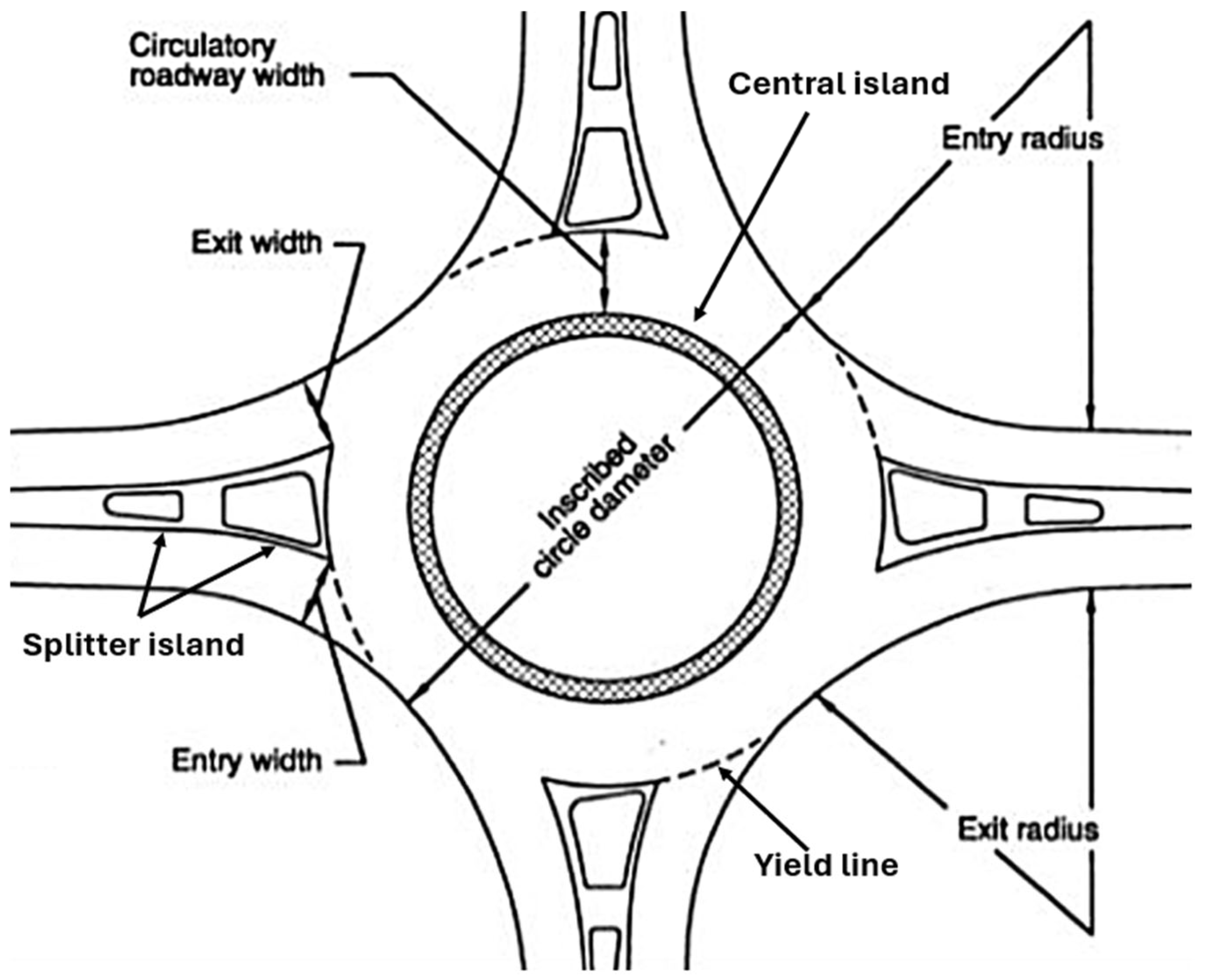
Key design principles include narrowed entry widths and appropriately shaped splitter islands to provide vehicle deflection and channelization on approach and discourage unsafe maneuvers such as left turns across the island [22]. These geometric features are critical safety elements, as they directly influence approach speeds, entry angles, and driver yielding behavior, factors that have been repeatedly linked to crash severity at compact intersections [22,23]. Although the geometric form is simplified compared to larger single-lane roundabouts, these principles ensure proper deflection, visibility, and channelization and are typically applied in constrained urban settings to improve safety and reduce delays on minor approaches while accommodating lower traffic volumes [18,24,25]. The primary components of mini-roundabouts and their functional purposes are summarized and illustrated in Figure 1:
- Central island: The core circular element that guides traffic and enhances driver recognition. Fully traversable to accommodate larger vehicles while maintaining deflection and reduced speeds for passenger cars. Typically delineated with paint, mountable curbing, or a low (7.6–10.2 cm/3–4 inch) raised surface [1];
- Splitter islands: Triangular or elongated raised or painted areas at each approach that separate entering and exiting traffic and reduce vehicle speeds. They also provide pedestrian refuge (min. 1.8 m/6.0 ft) and allow staged crossings [8,26,27];
- Circulatory roadway: The one-way roadway surrounding the central island, providing continuous counterclockwise flow for right-hand traffic countries. It often includes mountable aprons or painted edges to accommodate larger vehicles [8];
- Inscribed circle diameter (ICD): Defines the outer boundary of the circulatory roadway, typically 14–27 m (45–90 ft) in the U.S., depending on context and available space [8];
- Entry and exit geometry: Curvature and alignment of approaches designed to ensure low-speed entry (generally below 40 km/h (25 mph)) and smooth exits. Entry widths and path radii are calibrated to balance safety and operational efficiency. The entry width is measured from the intersection of the outer edge of the inscribed circle and the inner edge of the approach to the outer edge of the approach entry, taken perpendicular to the entry line. Similarly, the exit width is measured from the corresponding intersection point on the inscribed circle to the outer edge of the exit, perpendicular to the exit line [8,26];
- Yield control: Vehicles entering yield to circulating traffic, improving flow and reducing conflict points [4];
- Pedestrian crossings: Typically set back approximately 6.0 m (20 ft) from the yield line to enhance visibility and safety, often unmarked in constrained settings [8];
- Bicycle accommodation: cyclists may circulate with traffic or use shared paths where provided, generally accommodated on-street due to the low-speed environment [19,28].
Figure 1.
Mini-roundabout design features.
3. Geometric and Operational Design Features of Mini-Roundabouts: U.S., Germany, and the UK
3.1. Guideline Frameworks for Mini-Roundabouts
To contextualize current design practices, this section examines the mini-roundabout guidelines of the U.S., Germany, and the UK. These three countries were selected because they represent distinct yet influential frameworks. The U.S. offers a relatively rapidly developing body of national and state-level guidance, while Germany has long-standing experience with roundabouts, with over 15 years of experience, including mini-roundabouts, and decades of safety research on them [29,30]. The UK represents one of the earliest and most extensive adopters of mini-roundabouts, supported by comprehensive national guidance and widespread application in urban networks [31]. This section presents the U.S. design framework and key geometric and operational features, followed by an overview of the German and UK guidelines. Finally, a comparative analysis highlights similarities and differences between the three frameworks.
3.2. The U.S. Guidelines Framework
Roundabouts have been increasingly implemented within the last two decades in the U.S. As a result, several states have initiated roundabout-related research and developed their own guidelines. This effort was first supported at the national level when, in 2000, the Federal Highway Administration (FHWA) published the first comprehensive roundabout guide in the U.S. [1], which has since served as the fundamental reference to ensure that roundabouts meet performance objectives and safety standards. Comprehensive design guidance for single-lane and mini-roundabouts, covering geometric standards, operational considerations, and safety recommendations, is also provided by National Cooperative Research Program (NCHRP) Reports 672 [4] and 1043 [8]. In addition, state-level manuals and the American Association of State Highway and Transportation Officials (AASHTO) provided geometric design principles that support the implementation of mini-roundabouts [28].
3.3. Mini-Roundabout Design Features in the U.S.
Since the first mini-roundabout was installed in Dimondale, Michigan, in 2001, approximately 300 have been implemented across the U.S. [32]. They are mostly applied on local roadways with operating speeds (V85) of 50 km/h (30 mph) or less and daily traffic volumes below 15,000 vehicles. Entry design speeds are typically lower than other conventional roundabouts, typically 25–30 km/h (15–20 mph), to encourage safe deflection and circulation. The typical design vehicle is the SU-30 truck (Figure 2), whose swept path (Figure 3)—2.44 m (8 ft) wide—controls the sizing of the ICD, the central island, splitter islands, and the circulatory width.
Figure 2.
Key dimensions of the SU-30 truck [33].
Figure 3.
SU-30 truck turning template [33].
The overall layout of a mini-roundabout is primarily defined by its ICD [3], which should be maximized within the site constraints to maintain safe and efficient operation. While the U.S. guidance provides general limits, state-level standards offer additional variations to accommodate local conditions.
Table 1 summarizes ICD ranges recommended by selected U.S. Departments of Transportation (DOTs). The states included in Table 1 were selected based on the availability of data in published guidelines.
Table 1.
Typical ICD ranges for mini-roundabouts.
Overall, state-level guidelines for mini-roundabouts specify ICD ranges between 13 m and 30 m, reflecting local conditions. For comparison, FHWA guidance for mini-roundabouts [24] notes that the ICD should typically not exceed 27 m (90 ft). Beyond the upper threshold of 30 m, a standard single-lane roundabout design is generally more appropriate.
The central island is small yet conspicuous, slightly domed, fully mountable by large vehicles, and constructed from durable materials to guide traffic safely while accommodating oversized vehicles when necessary. Splitter islands are preferably raised to provide deflection and pedestrian refuge, with flush treatments generally discouraged. Approaches are generally single-lane to maintain compactness while ensuring safe circulation.
Key roadway dimensions further define mini-roundabout geometry. The entry width is determined by the turning profile of the design vehicle and ranges from 3.6 to 4.9 m (12 to 16 ft) to manage entry speeds [27,38]. The entry path radius, which affects vehicle deflection and travel speed, typically ranges from 15 to 30 m (50 to 100 ft). A common design range is 18–27 m (60 to 90 ft), though adjustments may be made for large vehicles or small-diameter roundabouts to maintain safe circulation while preserving compactness [8]. The circulatory roadway width is determined by the required swept path of the design vehicle and is typically kept constant around the roundabout, generally ranging from 4.8 to 6.1 m (16 to 20 ft) and up to approximately 5.5 m (18 ft), commonly used to accommodate buses [8,27]. The exit width typically ranges from 5.5 to 6.0 m (18–20 ft) at the circulatory roadway, narrowing smoothly to a standard lane width downstream to accommodate the design vehicle while keeping the intersection compact [1,8,21,22,24,25,39].
The circulatory roadway of a mini-roundabout is typically graded with an outward cross slope of approximately 2%, generally within a 1–3% range, to balance drainage, driver comfort, and vehicle stability. For fully traversable central islands, the surface is shaped with a gentle vertical profile that provides adequate visibility and vehicle overrunning capability without requiring substantial regrading of the intersection (Figure 4) [8,40].
Figure 4.
Cross-section of a traversable central island (domed) [8].
Visibility and pedestrian accommodation are essential while designing mini-roundabouts to ensure that drivers can recognize the intersection and react appropriately. Approaching arms should be visible at least 15 m (49 ft) before the yield line. Adequate sight distances must be ensured between the height of the driver’s eye (1.05–2.0 m [3.4–6.6 ft]) and the object height (0.26–2.0 m [0.85–6.6 ft]).
Pedestrian and bicyclist considerations are incorporated in these distances. Pedestrian crossings are generally located in whole passenger car–length increments (6.0 m [20 ft]) away from the edge of the circulatory roadway (or the yield line if one is provided) [8]. Bicyclists travel at similar speeds to vehicles and follow the same paths, with bike lanes ending about 30 m (100 ft) away from the edge of the circulatory roadway to facilitate merging; where traffic volumes are higher or approach speeds are elevated, cyclists may instead use a separate path around the roundabout [1,18,21,22,24,25,39]. Table 2 provides the key distances that ensure sufficient time for detection, interpretation, and maneuvering as vehicles, pedestrians, and cyclists approach and navigate a mini-roundabout.
Table 2.
Sight distance requirements for mini-roundabouts.
3.4. Mini-Roundabout Design Features in Germany
Germany, like many other European countries, has a long-standing tradition spanning several decades in the design and operation of roundabouts, reflecting experience that has informed its national guidelines and standards [41]. The German approach, codified by the Forschungsgesellschaft für Straßen- und Verkehrswesen (FGSV, or German Road and Transportation Research Association) [42], provides detailed specifications for different roundabout types, including mini-roundabouts. As outlined in the FGSV guidelines, mini-roundabouts are defined by specific design features that are particularly suited for urban environments, and many have been constructed in accordance with these standards, operating quite successfully in practice [29].
In Germany, mini-roundabout design is governed by the Merkblatt für die Anlage von Kreisverkehren (FGSV, MK06) [42] and the Richtlinien für die Anlage von Stadtstraßen (RASt 06) [43]. These guidelines focus on urban environments with posted speeds not exceeding 50 km/h (30 mph). Unlike U.S. design manuals, which specify a single design vehicle, German practice requires checking the swept paths of a set of standard vehicle types. MK06 and EU Directive 96/53/EC [44] identify approximately thirteen representative vehicle categories—including buses, rigid trucks, articulated trucks, and trucks with trailers—to ensure compliance with national and EU dimension standards [45]. For roundabouts, the geometry must accommodate the largest expected vehicle, ensuring the central island can be overrun if necessary [46].
The ICD typically ranges between 13 and 24 m, corresponding to an outer diameter of approximately 13–22 m depending on the curb configuration. The circulatory roadway (circular carriageway) width is generally 4.0–5.0 m, allowing safe operation at low speeds while maintaining adequate clearance for larger vehicles. Splitter islands are recommended where space permits to separate entering and exiting traffic, enhance driver guidance, and improve pedestrian safety. They should be approximately perpendicular to the roundabout edge and have a minimum width of 1.6 m [45,46].
The designed width of entry lanes should be 3.25–3.75 m, while exit lanes range between 3.5 and 4.0 m. The entry and exit corner radii are typically 8.0–10 m, promoting smooth vehicle transitions and appropriate deflection through the intersection. The central island should have a diameter (Di) of at least 4.0 m and be physically raised, enclosed by a curb approximately 4–5 cm high, providing clear visual and tactile separation from the circulatory lane. The total height difference from the central point of the island to the circular lane surface may reach up to 12 cm [45,46].
Mini-roundabouts are designed with single-lane entries and exits, meaning the entry width is not widened near the yield line (no flaring), and may accommodate daily traffic volumes of up to 20,000 vehicles per day (vpd) [45,46]. The non-flared entries/exits give the designer more flexibility for accommodating pedestrian crossings [47]. Cross-slopes are typically 2.5%, inclined outward for effective drainage. Cyclists normally use the main carriageway within mini-roundabouts, as separate cycle tracks are not provided at this scale of intersection.
3.5. Mini-Roundabout Design Features in the UK
The UK has a long history of roundabout design governed by the Design Manual for Roads and Bridges (DMRB), particularly CD 116: Design of Roundabouts [48], which provides detailed geometric standards for various roundabout types, including mini-roundabouts. Mini-roundabouts in the UK are designed for urban environments with relatively low operating speeds and compact geometric layouts. A distinctive feature of UK mini-roundabouts is the use of a flush or slightly domed circular white road marking at the center instead of a raised curbed island, allowing larger vehicles to overrun the center if necessary while maintaining appropriate deflection and speed control. Mini-roundabouts have been widely implemented across the UK as a remedial measure for poorly performing priority intersections, and several thousand installations exist nationwide [49].
UK guidance recommends that mini-roundabouts be installed on urban single-carriageway roads with speed limits of 30 mph (50 km/h) or lower and where the 85th percentile speed is below approximately 35 mph (56 km/h) within about 70 m of the give-way line. The ICD should not exceed 28 m, reflecting its compact form suitable for constrained urban intersections.
The central island is represented by a solid white circular marking, typically ranging between 1 m and 4 m in diameter, depending on the available space. Unlike conventional roundabouts, the central area is not physically raised. Ιnstead, it consists of a flush or slightly domed marking with a height not exceeding approximately 6 mm, enabling large vehicles such as buses and trucks to traverse it when necessary. Mini-roundabouts in the UK generally operate with single-lane entries and exits, and entry widening or limited flaring may be applied where necessary to accommodate turning movements. Entry and exit lane widths are commonly in the range of approximately 3.0–4.0 m, while the circulatory roadway width is generally about 4.0–5.0 m, allowing safe circulation of passenger vehicles while accommodating the swept paths of larger vehicles. The geometric layout emphasizes appropriate entry deflection and alignment to reduce vehicle speeds and ensure safe negotiation of the intersection. Splitter islands may be provided where space allows, although they are typically smaller or less prominent than those used at larger roundabouts.
3.6. Comparison of U.S., German, and UK Mini-Roundabout Design Features
The geometric and operational characteristics described above, including key design parameters from the U.S., German, and UK guidelines, are summarized in Table 3.
Table 3.
Typical geometric and operational design features of mini-roundabouts in the U.S., Germany, and the UK.
All three countries prescribe similar operating speed environments (≤50 km/h) and single-lane approaches for mini-roundabouts, reflecting their intended application in low-speed urban contexts. However, several geometric parameters differ among the guidelines. Mini-roundabouts in the U.S. generally allow slightly higher daily traffic volumes than those in Germany, use larger ICDs, and provide wider circulatory, entry, and exit lane widths. In contrast, German guidelines typically employ tighter geometric parameters, resulting in smaller design radii and more compact layouts. In addition, a broader range of design vehicles is considered in German guidance, whereas U.S. practice typically relies on the SU-30 truck as the primary reference vehicle. UK guidance generally falls between these two approaches, combining compact geometric dimensions similar to those used in Germany with greater operational flexibility in entry widths and circulatory space where site conditions require it.
A notable distinction between U.S. and German mini-roundabout design practice lies in the geometric radii used to shape vehicle paths, which carry direct implications for operating speed and safety performance. German designs typically employ tighter entry and circulating radii, consistent with a design philosophy that prioritizes active speed control and the preservation of compactness in constrained urban environments. This approach aligns closely with safety research demonstrating that lower and more uniform speeds are among the most effective predictors of reduced crash severity at intersections [50]. Smaller radii generate sharper entry curvature, limiting achievable approach speeds and promoting stronger self-enforcing speed management. This mechanism is also recognized in U.S. guidance, such as NCHRP Report 672 [4], which identifies fastest-path curvature as the dominant predictor of entering–circulating conflict risk. The safety implications of these geometric characteristics are discussed in detail in Section 5.
Another notable difference concerns the design of the central island. In the U.S. and Germany, mini-roundabouts typically include a raised central island with a mountable or traversable surface to accommodate larger vehicles. In contrast, UK mini-roundabouts generally use a flush or slightly domed circular white road marking rather than a raised island. This design allows large vehicles to overrun the center when necessary while maintaining the compact geometry required in constrained urban environments. The guidelines also differ in how traffic demand is considered. U.S. and German guidance provide indicative ranges for acceptable traffic volumes, whereas UK guidance does not define a strict upper threshold but instead specifies operational conditions, such as minimum traffic flows per approach and peak-period limits for multi-arm configurations. This reflects a more context-based application of mini-roundabouts in the UK, where they are often implemented as remedial treatments for poorly performing priority intersections.
Overall, the UK’s use of a flush or slightly domed central marking allows mini-roundabouts to fit into more constrained urban intersections than their U.S. or German counterparts, maintaining adequate deflection and speed control without requiring a raised island, while still accommodating larger vehicles when necessary. This approach reflects a practical balance between compact geometry, operational flexibility, and multimodal safety in densely built-up areas.
4. Empirical Safety Evidence from Mini-Roundabout Conversions
The majority of empirical safety evidence for mini-roundabouts is derived from the transformation of existing at-grade intersections (e.g., TWSC, AWSC, or signalized control) into compact roundabout configurations. These conversion-based studies provide the primary basis for understanding their safety performance. Evidence consistently shows that outcomes are strongly dependent on the type of pre-existing control, site geometry, and operating context, leading to substantial benefits in some applications and more variable results in others.
4.1. Conflict Points
Modern roundabouts, including mini-roundabouts, significantly reduce the number of potential conflict points compared to conventional intersections. While a standard signalized intersection has 32 vehicular conflict points, a roundabout reduces this to 8, and pedestrian conflict points decrease from 24 to 8. Fewer conflict points, combined with lower operating speeds and clearer decision-making, contribute to safer crossings and fewer, less severe collisions for both vehicles and pedestrians [6]. Figure 5 presents three types of vehicular conflict points (diverging, merging, and crossing) at a standard intersection compared to a modern roundabout.
Figure 5.
Vehicular conflict points illustration: (a) standard intersection; (b) modern roundabout [51].
Well-designed roundabouts are generally recognized as the safest type of intersection control [52]. Their reduced speeds, clear yielding rules, and appropriate geometry help explain the improved safety record [53].
4.2. U.S. Evidence from Before-And-After Studies
International research consistently demonstrates that converting conventional intersections to roundabouts leads to substantial safety improvements. Studies conducted in Australia, France, and the United Kingdom report reductions in injury crashes ranging from approximately 25% to 87%, while similar benefits have been observed in Sweden, the Netherlands, and Belgium following roundabout implementation [54]. U.S. studies indicate that converting traditional intersections to roundabouts yields substantial safety improvements, with an estimated 90% reduction in fatal crashes, 76% reduction in injury crashes, and 35% reduction in total crashes [55]. Consistent with international findings, a study of 28 signalized-to-roundabout conversions in the United States reported reductions of 21% in total crashes and 66% in injury crashes [56]. These improvements are largely attributed to a significant reduction in conflict points and the promotion of slower vehicle speeds and clearer decision-making characteristics of roundabout designs. Mini-roundabouts, designed for low-speed, space-constrained intersections [24,57], may replace two-way stop-controlled (TWSC)/one-way stop-controlled (OWSC), all-way stop-controlled (AWSC), or traffic signals, offering a flexible strategy to improve safety and operational efficiency in urban environments [24].
Evidence from multiple applications, however, shows that safety outcomes are highly dependent on local context and design consistency and the type of preexisting traffic control [18]. A U.S. synthesis covering more than 250 mini-roundabout installations—primarily in Georgia (GA), North Carolina (NC), and Colorado (CO)—indicated consistent reductions in severe and angle crashes compared to TWSC intersections [14]. In Minnesota (MN), approximately 50% of the sites were previously designed as TWSC, 25% as AWSC, and 25% as signal-controlled. Overall, the state observed an increase in total crashes following mini-roundabout installation, but injury crashes decreased compared to previous control types. Similar patterns were observed by the North Carolina DOT [32,58], in which a before-and-after study of 25 retrofit locations found that conversions from TWSC or OWSC intersections reduced total crashes by 17% and injury crashes by 59%, values that align closely with the Crash Modification Factors (CMFs) reported in the CMF Clearinghouse for TWSC to mini-roundabout conversions. This is largely because mini-roundabouts directly mitigate the high-risk crossing maneuvers and severe angle conflicts inherent to TWSC by transforming them into lower-speed, yield-controlled merging interactions. Whereas conversions from AWSC intersections resulted in increases of 224% in total crashes and 74% in injury crashes, increases that may be related to the introduction of circulating-flow conflicts at sites that previously required full stopping.
In Georgia, at the SR-11/Galilee Church Road intersection, previously operating as an AWSC, there was a reduction from seven crashes in the year before installation to a single property-damage-only (PDO) crash afterwards. Queueing was also improved; a quarter-mile stopped queue was replaced by an eight- to ten-car rolling queue. Although this was not a typical mini-roundabout candidate site, the design required a far smaller speed reduction than the former AWSC (from 55 mph down to about 15 mph instead of a full stop), resulting in smoother operations [59,60]. The intersection at S. Tollgate Rd and W. MacPhail Rd in Bel Air, Maryland—previously a TWSC intersection with eight reported crashes, one fatal crash, and a history of high major-road speeds—was converted into a mini-roundabout with an ICD of 20.4 m (67 ft). After installation, speeds dropped (from 60 km/h or 38 mph to about 40 km/h or 25 mph at 30.5 m/100 ft from the entry), confirming that the mini-roundabout addressed the original safety and speed-management problems [59].
An FHWA before-and-after study [61] evaluated 27 intersections that were converted from TWSC and AWSC to mini-roundabouts. Overall, conversions resulted in significant reductions in crashes, ranging from 31% to 42%. Intersections previously controlled by TWSC experienced the greatest safety improvements, with Maryland showing particularly pronounced results.
Additional studies provide further evidence of their effectiveness across the U.S. and internationally. Qawasmeh et al. [62] analyzed 14 sites in Michigan and found that signalized intersections converted to mini-roundabouts saw a 25% crash reduction, while TWSC and AWSC conversions led to small increases of 4% and 5%, respectively. Mishra [63] evaluated changes in crashes at 25 intersections across several states that were converted to mini-roundabouts, including both TWSC/OWSC and AWSC types. Overall, mini-roundabout implementation at TWSC/OWSC intersections reduced crash rates, particularly for injury crashes, while PDO crashes remained largely unchanged. In contrast, conversions at AWSC intersections generally led to increased crash rates across all severities.
Data from Dimondale, Michigan—the first U.S. mini-roundabout installed in 2001 at a former TWSC intersection—showed a 3.9% decline in crashes within 90 m/300 ft of the site [64]. A recent study in Los Angeles evaluated three residential sites where mini-roundabouts were implemented using over 25 million vehicle observations from the StreetLight transportation analytics platform [65]. The analysis showed that two sites experienced reductions in average vehicle speeds, and one also recorded a decline in the speeds of the fastest-moving vehicles—an important factor in mitigating crash severity. Design features such as larger central islands and tighter curb return radii were key contributors to these improvements.
4.3. International Evidence from Before-And-After Studies
At the international level, German studies reported a 29% reduction in crashes at 13 converted intersections [66], a result consistent with their design philosophy emphasizing tighter entry and circulating radii to enforce lower speeds and stronger self-enforcement of speed management. Similarly, Delbosc et al. [67] conducted a before-and-after study of 40 mini-roundabouts in Monash, Australia, observing a 78.9% reduction in total crashes, with severe crashes decreasing from six pre-installation to none post-installation. In addition to evidence from Australia and Germany, early UK studies also evaluated mini-roundabouts as a safety measure using Bayesian statistical analysis, estimating overall crash reductions of approximately 20–30% following conversion from priority-controlled intersections [68]. Similarly, at the mini-roundabout in Gravina di Catania, Italy, e-scooter users showed higher speed variability and instability risks, while bicyclists maintained steadier speeds, highlighting the need to consider diverse micromobility users in design and safety assessments [69]. Supporting these findings, the Danish study by Jensen [70] analyzed conversions of intersections to various roundabout types, including mini-roundabouts, at 332 sites nationally. The study found that conversions to mini-roundabouts resulted in an increase of 24% in crashes but a slight 6% decrease in injuries.
Although most documented safety evaluations focus on mini-roundabouts, there are a few case studies that include installations described as mini/modular, reflecting their functional similarities at low-speed, space-constrained intersections. However, modular roundabouts form a distinct category, differing in ICD, construction method, period, materials, and deployment purpose. For this reason, and given the limited but emerging safety evidence, modular roundabouts are discussed separately below, and their results are integrated in Table 4.
Table 4.
Summary of before-and-after safety performance at selected mini- and modular roundabout installations, including crash outcomes and key observations.
4.4. Modular Roundabouts as an Emerging Application of Mini-Roundabout Concepts
Modular roundabouts can be understood as an emerging implementation approach that applies mini-roundabout design principles using prefabricated and temporary elements, rather than as a fundamentally distinct intersection type. A modular roundabout represents a flexible, green, fast-to-install, and cost-effective alternative to a permanent roundabout [21]. When sited appropriately, it delivers comparable safety and operational benefits to conventional roundabouts [74]. It involves converting traditional two-way stop-controlled (TWSC) or all-way stop-controlled (AWSC) intersections into roundabout configurations using prefabricated units made from recycled materials, along with pavement markings, delineators, and modular curb elements that can be installed directly on the existing roadway [14]. Installation typically requires 1–12 days, and the components can be removed, relocated, or recycled, making modular roundabouts well-suited for piloting geometric changes or addressing safety and operational deficiencies where permanent construction is not yet justified. The ICD of modular roundabouts ranges from 7.0 to 37 m (23 to 120 ft), depending on the existing intersection footprint and anticipated vehicle types. By comparison, mini-roundabouts typically have ICDs below 27 m (90 ft) [14], using fully mountable central islands to facilitate truck turning without widening the footprint. Because modular systems are composed of prefabricated elements, they can be deployed as either mini-roundabout–sized configurations or as larger, non-mountable layouts where trucks remain fully within the circulatory roadway. Figure 6 illustrates a modular roundabout in Jackson, GA, U.S.
Figure 6.
Modular roundabout at Jackson, GA, in the U.S. [75].
Modular roundabouts are most often implemented at low-volume locations (<15,000 ADT) or in contexts where traditional construction would cause major disruptions or require additional right-of-way [14,75]. A 2023 NCDOT deployment at SR 1167 (Longpine Rd) and SR 1146 (Kirckpatrick Rd) in Burlington, NC, demonstrated the use of modular roundabouts as a low-cost, low-disruption safety treatment for a constrained three-legged stop-controlled intersection (7500 ADT). Chosen because traffic volumes did not warrant a signal and a permanent roundabout was cost-prohibitive, it functions as a mini-roundabout with a 23 m (75-ft) ICD, reducing costs by 60% compared to a permanent installation. [71]. Virginia (VA) DOT installed three modular roundabouts in 2020 in the Richmond area with ICDs of 30–34 m (100–112 ft).
However, compared to mini-roundabouts, the empirical evidence base for modular roundabouts remains limited and largely case-specific. Across the aforementioned sites, total crashes fell markedly: two TWSC intersections dropped from 18 to 4 and 1 to 0 crashes, while an AWSC intersection decreased from 14 to 6 crashes, with only two injuries reported [73]. These outcomes indicate that modular roundabouts can provide substantial safety benefits, particularly in reducing angle and rear-end crashes. In 2023, the Nebraska (NE) DOT [72] installed a modular roundabout at the US-6/N-66 intersection near Ashland, previously a TWSC with over 5600 vpd and with a crash rate of 3.5 times the state average; it significantly reduced crashes and resulted in zero fatalities. These findings suggest that modular roundabouts replicate many of the safety mechanisms observed in mini-roundabouts, particularly speed reduction and conflict simplification, but require further validation through long-term and large-sample studies.
4.5. Before-And-After Safety Performance for Mini- and Modular Roundabout Installations
Overall, the evidence indicates that mini-roundabout conversions from TWSC intersections consistently yield reductions in severe and angle crashes, while conversions from AWSC intersections produce more heterogeneous outcomes, often involving increases in total crashes but reductions in crash severity.
The safety outcomes documented across U.S. and international studies can be understood through several interrelated geometric and operational mechanisms integrated in the mini-roundabout design. By removing traditional right-angle and head-on conflict points and replacing them with lower-speed merging and diverging interactions, mini-roundabouts alter both crash patterns and crash severity. These mechanisms are particularly relevant for crash prevention at low-speed urban intersections, where severe injury risk is strongly correlated with impact angle and approach speed rather than traffic volume alone [76,77]. Tight entry radii, horizontal deflection, and compact inscribed circle diameters reduce speeds at key conflict locations, directly lowering both crash likelihood and severity. The yield-at-entry control simplifies driver decision-making and reduces ambiguity in priority assignment, contributing to more predictable and safer interactions. Additionally, splitter islands create shorter, staged pedestrian crossings, lowering exposure and conflict complexity for vulnerable users.
International evaluations, particularly Australia’s reported 79% crash reduction, show larger safety benefits compared to U.S. studies, and several factors may explain this disparity. Australian and European design practice enforces more stringent geometric compactness, with consistently smaller inscribed circle diameters, tighter curvature, and stronger mandatory deflection than many U.S. implementations, which often must accommodate large design vehicles and therefore use more generous radii. These geometric differences translate directly into lower operating speeds and more uniform entry behavior. Also, many international installations occur at locations with severe pre-treatment crash histories, amplifying the achievable percentage reduction. Third, driver familiarity is considerably higher in countries where roundabouts have been a standard form of control for several decades, reducing entry hesitation, yield non-compliance, and resulting variability in vehicle paths. Finally, Australian and European practice frequently operates within dense urban contexts where the compact form of mini-roundabouts aligns well with prevailing design philosophies emphasizing speed management and geometric discipline.
5. Discussion
5.1. Geometry, Design Philosophy, and Safety Mechanisms
The findings of this study show that the safety and operational performance of mini- and modular roundabouts arise from the interaction between geometric design, operating environment, driver expectancy, and multimodal considerations. From a safety perspective, these interactions determine whether compact roundabout installations function as effective crash-prevention measures or introduce residual risk due to insufficient speed control or ambiguous driver behavior. International practice illustrates how design philosophies shape safety outcomes through consistent application of compact geometry and self-enforcing speed management. German guidelines [43] mandate tight curvature, strong deflection, and small ICDs as non-negotiable safety features, accommodating large vehicles through mountable aprons rather than through geometric enlargement. The UK’s TD 16/07 guidelines [48,78] take a similar approach, emphasizing self-enforcing speed control and consistency informed by high driver familiarity. Australia also applies compact layouts with strong curvature, contributing to substantial crash-reduction magnitudes. These contexts consistently apply compact geometric layouts that enforce lower operating speeds and more predictable vehicle paths, underlying the higher crash-reduction rates observed internationally.
By contrast, the U.S. design guidance adopts a more forgiving approach, prioritizing accommodation of large design vehicles, consistency across road types, and broader operational flexibility [4,21,37]. While this improves accessibility, it reduces geometric self-enforcement and can weaken speed control, particularly at retrofits where spatial constraints limit the ability to maintain deflection. These design trade-offs provide a plausible explanation for why international studies often report larger safety gains than those observed in the U.S.
5.2. Influence of Prior Control Type and Interpretation of Safety Outcomes
Performance differences between TWSC and AWSC conversions further illustrate the interaction between geometry and driver expectancy. Across national and state studies, crash outcomes for mini-roundabout conversions vary substantially by the type of pre-existing control. Two-way stop-controlled (TWSC) intersections present inherently higher safety risks due to high-speed crossing conflicts and limited gap acceptance for minor road users, making them particularly responsive to roundabout-based safety interventions. In contrast, all-way stop-controlled (AWSC) already impose speed reduction through mandatory stopping, and conversions to yield control may reintroduce conflict exposure if geometric deflection is insufficient, with evidence suggesting predictable shifts in crash types rather than random variation.
Drivers familiar with mandatory stopping may misinterpret right-of-way, and expanded geometry introduced to accommodate larger vehicles can compromise the tight curvature needed to control speeds effectively. These observations highlight the importance of rigorous geometric design when converting AWSC intersections, particularly in U.S. contexts where geometric flexibility is more common [8,37].
The CMF Clearinghouse contains multiple CMFs for converting different stop-controlled intersections to roundabout or mini-roundabout configurations, with variations depending on prior control type, geometric layout, and traffic context. Practitioners should consider these distinctions rather than relying on average factors, as outcomes may differ substantially. For example, TWSC-to-mini-roundabout CMFs typically indicate reductions in injury crashes, whereas AWSC-to-mini-roundabout conversions may show increases in total crashes but reductions in severe injuries. Variations in ICD or approach speed can also alter the expected safety benefit, with compact, low-speed intersections generally showing the largest relative reductions. Conversions from AWSC intersections can result in a shift from fewer but more severe crashes to more frequent, lower-severity incidents (e.g., rear-end or PDO collisions), which may give the appearance of increased total crashes while still reducing injury risk. These findings reinforce that CMFs should not be interpreted as universal averages but as context-dependent indicators that must be evaluated alongside geometric design and operational conditions. Instead, factors such as prior intersection control, local traffic and geometric context, and severity-specific outcomes, including indicators such as fatal and injury (FI) crashes and killed and seriously injured (KSI) casualties, must be accounted for, in addition to total crash counts, to accurately assess safety benefits when applying CMFs or evaluating conversion effectiveness.
To convert these findings into practice-oriented guidance, Table 5 presents a decision-oriented synthesis of safety outcomes by prior intersection control type. As shown in Table 5, conversions from TWSC/OWSC intersections consistently yield the most favorable safety outcomes, whereas conversions from AWSC intersections are more context-dependent and may involve trade-offs between crash frequency and severity. This explains why several studies summarized in Table 4 show mixed outcomes for AWSC conversions.
Table 5.
Decision-oriented interpretation of mini- and modular roundabout conversions.
These divergent outcomes are consistent with the underlying operational issues of each control type. TWSC intersections are fundamentally safety-deficient, as minor-road drivers frequently struggle to identify adequate gaps during peak periods, creating high-risk angle conflicts that are particularly dangerous for pedestrians and bicyclists. Mini-roundabouts directly address this deficiency by slowing major road traffic and removing stop-and-go gap acceptance, thereby reducing conflict severity, even when total crashes do not decrease. AWSC intersections, however, are typically installed to manage congestion at locations where two minor arterial roads meet and already impose full stops that limit conflict speeds. Since their primary challenge is delay rather than severe crash risk, roundabout conversion may not address the core operational problem and can introduce new circulating-flow conflicts, helping explain the less favorable safety outcomes reported at AWSC sites.
5.3. Multimodal Users, CAVs, and Emerging Research Needs
Emerging research on connected and automated vehicles (CAVs), particularly from NCHRP Report 1043 [8], introduces additional considerations. CAVs may improve safety by harmonizing speeds, reducing variability in gap acceptance, and mitigating human errors such as late yielding or abrupt deceleration. However, mixed-fleet environments may generate unpredictable interactions, particularly at yield-controlled entries where human drivers interpret CAV behavior differently. Mini-roundabouts, with their compact geometry and constrained speed envelope, may be well-suited to CAV-dominated operations, but empirical evidence remains limited. Future research should explore how vulnerable road users, including pedestrians, cyclists, and emerging micromobility users, interact with mini- and modular roundabouts through a combination of empirical and simulation-based approaches. In particular, field-based observational studies and video-based trajectory extraction methods can be used to quantify conflict frequency, speed profiles, and interaction patterns under real-world conditions. Additionally, controlled experiments and driving or cycling simulators could be employed to investigate user perception, gap acceptance behavior, and decision-making under varying geometric and traffic conditions. Design guidance should also account for sensor limitations, communication requirements, and human–machine interaction in mixed traffic environments.
Multimodal safety adds further complexity. While splitter islands reduce pedestrian exposure and compact geometry lowers vehicle speeds, visually impaired users may struggle with auditory distance at yield-controlled intersections. Cyclists face trade-offs between circulating with traffic—exposing them to vehicular conflicts—and using side paths, which introduce turning conflicts at exits. This highlights the need for more detailed multimodal design strategies and for adopting surrogate safety assessment methods, such as trajectory-based conflict analysis, to better quantify non-motorized risk [8]. Design and implementation considerations must weigh available right-of-way, approach speeds and volumes, vehicle mix, pedestrian and cyclist activity, and potential for driver compliance.
5.4. Modular Roundabouts and Applicability Limitations
Modular roundabouts represent a promising but still emerging application. Their advantages, such as lower cost, rapid deployment, and adaptability, make them attractive for constrained or temporary contexts. In some pilot applications, modular roundabouts have been implemented at intersections that already met the operational thresholds for conversions to roundabout control, allowing installation without the need for major infrastructure modifications such as new pavement construction, right-of-way acquisition, utility relocation, or drainage reconstruction [79,80]. Early results show reductions in severe crashes, yet long-term performance, durability, and behavior in adverse conditions remain understudied. Industry sources report that modular roundabout systems are engineered for long-term service (e.g., 10–15 years [81]), yet their long-term field performance remains insufficiently validated in the scientific literature. Compared to mini-roundabouts, which are constructed with permanent materials and mountable central islands and have a longer track record of structural resilience, modular installations composed of prefabricated or recycled elements may be susceptible to wear, displacement, or localized damage under high volumes or repeated heavy-vehicle overrunning. Agency experiences suggest that periodic maintenance, repositioning, or replacement of elements may be required over time. In addition, practical considerations such as snow removal operations, pavement resurfacing, and long-term material degradation may influence the operational performance of modular installations over time [14]. Beyond structural considerations in material appearance, vertical deflection and driver perception may also influence multimodal safety in ways distinct from permanent installations. Nevertheless, even quick-build modular roundabouts, which may lack permanent curbing or landscaping, still reduce conflict points and create safer conditions for pedestrians and cyclists by reducing deflection and lowering operating speeds. This duality highlights the need for further research to understand how design features, temporary elements, and user behavior interact to influence multimodal safety outcomes over the longer term.
Advancing the state of practice will require integrating empirical crash data with surrogate safety tools, combining geometric analysis with human factors research, and preparing for future interactions between human-driven and automated vehicles [8]. Designs should be iteratively evaluated for safety and operational performance using field data, simulation, or surrogate safety assessment tools (e.g., SSAM).
Despite extensive literature on conventional roundabouts, there remain notable gaps in decision-support tools for mini and modular applications. While mini- and modular roundabouts are effective under the conditions described above, conventional roundabouts, signalized intersections, or other control types may be more appropriate where traffic volumes are high, turning movements are complex, or pedestrian and cyclist activity is heavy [22]. The emerging presence of micromobility devices further increases the need for targeted design and operational studies [82]. Overall, the synthesis of evidence suggests that mini-roundabouts function most effectively when:
- Demand is moderate, and approaches are balanced;
- Approach speeds are already low or can be feasibly reduced;
- Constrained sites require compact, low-cost solutions;
- Severe crash patterns, rather than congestion alone, support conversion.
6. Conclusions
This paper reviewed mini-roundabout design frameworks from the U.S. and Germany, along with safety outcomes from international studies, focusing on geometry, operational principles, and crash performance. Despite differences in regulatory frameworks and design vehicle approaches, both countries aim to promote compact, low-speed intersections that improve safety and efficiency.
The evidence reviewed indicates that the strongest safety benefits of mini-roundabouts occur at intersections previously operating under TWSC, where high-energy crossing conflicts are replaced by low-speed, yield-controlled interactions. These findings confirm that mini-roundabouts function most effectively as crash-prevention measures when geometric compactness and speed management are rigorously enforced. Performance varies, however, across installation types and national contexts: conversions from all-way stop control occasionally result in higher total crash frequencies, likely due to residual driver expectancy, inadequate geometric deflection, or insufficient speed control during retrofits.
Modular roundabouts offer promising flexibility and cost advantages for constrained or transitional environments, but their long-term safety performance remains insufficiently documented. Continued monitoring and longitudinal research are therefore needed to assess how user expectancy, durability, and seasonal effects influence long-term safety outcomes.
Design decisions should consider alternative intersection controls where traffic volumes, turning movements, or pedestrian activity exceed thresholds suited to mini- or modular roundabouts. Conventional roundabouts or signalized intersections may be more appropriate in such contexts. From a multimodal safety perspective, although roundabout conversions generally reduce overall crash frequency and severity, several studies report that safety outcomes for bicyclists can be less favorable, with vulnerable road users often overrepresented in crashes and roundabouts with on-carriageway cycle lanes showing poorer safety performance than those with separated cycle paths [83].
Overall, the synthesis supports the role of mini- and modular roundabouts as evidence-based safety interventions for low-speed urban intersections, provided that site selection, geometric discipline, and user expectancy are carefully aligned with safety objectives.
Future work should prioritize linking geometric design variations—such as entry curvature, deflection, splitter island dimensions, and inscribed circle diameter—to surrogate safety measures and observed crash outcomes to establish evidence-based relationships between design parameters and operational performance. Additionally, long-term evaluations of modular roundabout installations are needed to verify their durability, user expectancy, and sustained safety performance beyond short pilot periods. Further research should also develop detailed multimodal design guidance that addresses the needs of vulnerable road users, including cyclists, e-bike riders, and visually impaired pedestrians, whose movement patterns and conflict exposure differ from motor vehicles in compact geometries. Finally, CAV technologies advance [8], studies should explore how vehicle automation, communication systems, and cooperative control strategies may influence speed harmonization, gap acceptance, and safety performance at mini and modular roundabouts, particularly in constrained urban environments.
Author Contributions
Conceptualization, L.M.; methodology, L.M. and D.T.; formal analysis, D.T.; investigation, D.T.; writing—original draft preparation, D.T. and L.M.; writing—review and editing, D.T. and L.M.; visualization, D.T.; supervision, L.M.; project administration, L.M. All authors have read and agreed to the published version of the manuscript.
Funding
This research received no external funding.
Institutional Review Board Statement
Not applicable.
Informed Consent Statement
Not applicable.
Data Availability Statement
No new data were created or analyzed in this study. Data sharing is not applicable to this article.
Acknowledgments
Not applicable.
Conflicts of Interest
The authors declare no conflicts of interest.
Abbreviations
The following abbreviations are used in this manuscript:
| ADT | Average Daily Traffic |
| AWSC | All-way Stop-Controlled |
| CAV | Connected and Automated Vehicles |
| CMF | Crash Modification Factors |
| D | Minimum Visibility/Gap Acceptance Distance |
| D1 | Central Island Diameter |
| DSD | Decision Sight Distance |
| F | Forward Visibility Distance |
| FI | Fatal and Injury |
| ICD | Inscribed Circle Diameter |
| ISD | Intersection Sight Distance |
| KSI | Killed and Seriously Injured |
| OWSC | One-Way Stop-Controlled |
| PDO | Property damage only |
| SSD | Stopping Sight Distance |
| SU | Single Unit |
| TWSC | Two-Way Stop-Controlled |
| V85 | 85th percentile speed |
| vpd | vehicles per day |
References
- Robinson, B.W.; Rodegerdts, L.; Scarborough, W.; Kittelson, W.; Troutbeck, R.; Brilon, W.; Bondizio, L.; Courage, K.; Kyte, M.; Mason, J. Roundabouts: An Informational Guide; Federal Highway Administration: Washington, DC, USA, 2000. [Google Scholar]
- Hu, W. Roundabouts. Available online: https://www.iihs.org/research-areas/roundabouts (accessed on 6 November 2025).
- Lochrane, T.W.P.; Kronprasert, N.; Bared, J.; Dailey, D.J.; Zhang, W. Determination of Mini-Roundabout Capacity in the United States. J. Transp. Eng. 2014, 140, 04014051. [Google Scholar] [CrossRef] [Scilit]
- National Academies of Sciences, Engineering, and Medicine. Roundabouts: An Informational Guide—Second Edition; The National Academies Press: Washington, DC, USA, 2010; p. 22914. ISBN 978-0-309-15511-3. [Google Scholar]
- Transportation Master Plan Update; Effingham County, GA, USA, 2025; 185p. Available online: https://mccmeetingspublic.blob.core.usgovcloudapi.net/effingham-meet-26d4cdcc472b41ad96e2f43773d4649a/ITEM-Attachment-001-eca4ac1b9a8b4117b1ae8313b226c0b3.pdf (accessed on 11 November 2025).
- Kentucky Transportation Cabinet (KYTC). Modern Roundabouts 101; Kentucky, USA, 2011. Available online: https://transportation.ky.gov/Congestion-Toolbox/Documents/Modern%20Roundabouts%20101.pdf (accessed on 11 November 2025).
- Development of Critical Knowledge Gaps and Research Efforts. Available online: https://onlinepubs.trb.org/onlinepubs/rtforum/integration-whitepapers_chap_3.pdf (accessed on 11 November 2025).
- National Academies of Sciences, Engineering, and Medicine. Guide for Roundabouts; The National Academies Press: Washington, DC, USA, 2023; p. 27069. ISBN 978-0-309-69840-5. [Google Scholar]
- Alhadidi, T.I.; Al-Marafi, M.N.; Alazimi, A. Development of Safety Performance Measures for Different Crashes Severity at Urban Roundabouts. Results Eng. 2025, 25, 103680. [Google Scholar] [CrossRef] [Scilit]
- Karwand, Z.; Mokhtar, S.; Suzuki, K.; Oloruntobi, O.; Shah, M.Z.; Misnan, S.H. Impact of Splitter-Island on Pedestrian Safety at Roundabout Using Surrogate Safety Measures: A Comparative Study. Sustainability 2023, 15, 5359. [Google Scholar] [CrossRef] [Scilit]
- Kennedy, J.; Hall, R.; Barnard, S. Accidents at Urban Mini-Roundabouts. In PTRC Seminar Proceedings P.; PTRC Education and Research Services Ltd: London, UK, 1997; pp. 117–129. ISBN 978-0-86050-309-5. [Google Scholar]
- Rella Riccardi, M.; Augeri, M.G.; Galante, F.; Mauriello, F.; Nicolosi, V.; Montella, A. Safety Index for Evaluation of Urban Roundabouts. Accid. Anal. Prev. 2022, 178, 106858. [Google Scholar] [CrossRef] [Scilit] [PubMed]
- Nikiforiadis, A.; Nikiforiadis, A.; Mitropoulos, L.; Basbas, S.; Campisi, T. International Design Practices for Roundabouts. In Computational Science and Its Applications—ICCSA 2023 Workshops; Gervasi, O., Murgante, B., Rocha, A.M.A.C., Garau, C., Scorza, F., Karaca, Y., Torre, C.M., Eds.; Lecture Notes in Computer Science; Springer Nature Switzerland: Cham, Switzerland, 2023; Volume 14111, pp. 308–326. ISBN 978-3-031-37125-7. [Google Scholar]
- Hummer, J.E.; William, R.L.; Oladimeji, O.; Laura, D.N.; Garrett, D.; Gwen, M.; Mark, A.G.; Hillary, I.; Anyesha, M.; Zachary, B. Experiences in the Use of Mini and Modular Roundabouts; National Cooperative Highway Research Program (NCHRP), Transportation Research Board, National Academies of Sciences, Engineering, and Medicine: Lawrenceville, NJ, USA, 2025; p. 80. [Google Scholar]
- Mini Roundabout—Intersection. Virginia Department of Transportation. Available online: https://www.vdot.virginia.gov/about/our-system/highways/innovative-intersections/mini-roundabout/ (accessed on 7 November 2025).
- National Highways. Design Manual for Roads and Bridges (DMRB)– CD 116 Geometric Design of Roundabouts, United Kingdom. 2023. Available online: https://www.standardsforhighways.co.uk/search/html/7b5ea157-9b3e-4774-9781-7d1656e83338?standard=DMRB (accessed on 11 November 2025).
- Ayres. What’s a Mini Roundabout, And Why Is It Effective? Available online: https://www.ayresassociates.com/whats-a-mini-roundabout-and-why-is-it-effective/ (accessed on 11 November 2025).
- Pratelli, A.; Lupi, M.; Pratelli, C.; Farina, A. Mini-Roundabouts for Improving Urban Accessibility. In Modelling of the Interaction of the Different Vehicles and Various Transport Modes; Sładkowski, A., Ed.; Springer International Publishing: Cham, Switzerland, 2020; pp. 333–382. ISBN 978-3-030-11512-8. [Google Scholar]
- Naik, B.; Dey, K.C.; Woo, J.; Roy, A.K.; Hossein, M.A.; Bachy, A.; Sperry, B.R. Intersection Modifications Using Mini-/Modular-Roundabouts; Department of Civil Engineering Ohio University: Athens, OH, USA, 2021; p. 197. [Google Scholar]
- Gkyrtis, K.; Kokkalis, A. An Overview of the Efficiency of Roundabouts: Design Aspects and Contribution toward Safer Vehicle Movement. Vehicles 2024, 6, 433–449. [Google Scholar] [CrossRef] [Scilit]
- Georgia Department of Transportation. Roundabout Design Guide; GDOT: Atlanta, GA, USA, 2023. [Google Scholar]
- Rodegerdts, L.A.; Robinson, B.W. NCHRP Report 672 Roundabouts: An Informational Guide; Transportation Research Board: Washington, DC, USA, 2010. [Google Scholar]
- Klobučar, M.; Šurdonja, S.; Deluka-Tibljaš, A. Impact of Geometric Parameters and Operational Speed on Traffic Safety at Roundabouts: A Conflict Analysis Using Microsimulation Models. J. Road Saf. 2025, 36, 36–49. [Google Scholar] [CrossRef] [Scilit]
- Federal Highway Administration. Mini Roundabouts; US Department of Transportation: Washington, DC, USA, 2010; p. 20. [Google Scholar]
- Montella, A.; Turner, S.; Chiaradonna, S.; Aldridge, D. International Overview of Roundabout Design Practices and Insights for Improvement of the Italian Standard. Can. J. Civ. Eng. 2013, 40, 1215–1226. [Google Scholar] [CrossRef] [Scilit]
- Ahmed, H. Multi-Objective Optimization of Single-Lane Roundabout Geometric Design: Safety, Mobility, and Environmental Sustainability; Toronto Metropolitan University: Toronto, ON, Canada, 2022. [Google Scholar]
- Appendix A3 Innovative Intersection and Interchange Design Guidelines. Available online: https://www.vdot.virginia.gov/media/vdotvirginiagov/doing-business/technical-guidance-and-support/technical-guidance-documents/location-and-design/migrated/rdm/Appendix_a3acc12012025.pdf (accessed on 11 November 2025).
- American Association of State Highway and Transportation Officials (AASHTO). A Policy on Geometric Design of Highways and Streets, 2018, 7th ed.; AASHTO: Washington, DC, USA, 2018; ISBN 978-1-5231-1958-5. [Google Scholar]
- Brilon, W. Roundabouts: A state of the art in Germany. In Proceedings of the National Roundabout Conference, Vail, CO, USA, 22–25 May 2005; Volume 16. [Google Scholar]
- Stuwe, B. Capacity and Safety of Roundabouts—German Results. In Intersections without Traffic Signals II; Brilon, W., Ed.; Springer Berlin Heidelberg: Berlin, Heidelberg, 1991; pp. 1–12. ISBN 978-3-642-84539-0. [Google Scholar]
- Department of Transport. Mini Roundabouts: Good Practice Guidance; Department of Transport: London, UK, 2011. [Google Scholar]
- Srinivas, S.P.; Raunak, M.; Sonu, M. Mini-Roundabout CMF Development; North Carolina Department of Transportation: Raleigh, NC, USA, 2021; p. 135. [Google Scholar]
- A Policy on Geometric Design of Highways and Streets, 2001, American Association of State Highway and Transportation Officials, Ed.; 4th ed.; American Association of State Highway and Transportation Officials: Washington, DC, USA, 2001; ISBN 978-1-56051-156-4. [Google Scholar]
- Nan, R.; Pochowski, A.; Rodegerts, L.; Ray, B.; Myers, E.; Mah, S.; Inamdar, A.; Ap, L.; Jenior, P. Guidelines for the Planning and Design of Roundabouts; Massachusetts Department of Transportation: Boston, MA, USA.
- Maryland State Highway Administration. Roundabout Guidelines; Maryland State Highway Administration: Baltimore, MD, USA, 2012; p. 32. [Google Scholar]
- Minnesota Department of Transportation. Intersections. In Facility Design Guide; Minnesota Department of Transportation: Saint Paul, MN, USA, 2024. [Google Scholar]
- Wisconsin Department of Transportation. Design. In Facilities Development Manual; Wisconsin Department of Transportation: Madison, WI, USA, 2025; p. 65. [Google Scholar]
- Washington State Department of Transportation. Design Manual; Washington State Department of Transportation: Olympia, WA, USA, 2024; p. 1365. [Google Scholar]
- Colorado Department of Transportation. Roadway Design Guide; Colorado Department of Transportation: Denver, CO, USA, 2023; p. 608. [Google Scholar]
- Kentucky Transportation Cabinet. KYTC Roundabout Design Guidance; Kentucky, USA, 2025. Available online: https://transportation.ky.gov/Highway-Design/Documents/KYTC%20Roundabout%20Design%20Guidance.pdf (accessed on 11 November 2025).
- Brilon, W. Studies on Roundabouts in Germany: Lessons Learned. In Proceedings of the 3rd International TRB-roundabout Conference, Carmel, IN, USA, 17–20 May 2011. [Google Scholar]
- Merkblatt für die Anlage von Kreisverkehren; FGSV 242; Forschungsgesellschaft für Straßen- und Verkehrswesen (FGSV): Köln, Germany, 2006.
- Richtlinien Für Die Anlage von Stadtstraßen (RASt 06); Forschungsgesellschaft für Straßen- und Verkehrswesen (FGSV): Köln, Germany, 2006; p. 133.
- Commision Staff Working Document. Available online: https://eur-lex.europa.eu/legal-content/EN/TXT/HTML/?uri=CELEX%3A52023SC0447 (accessed on 12 November 2025).
- Stančerić, I.; Ahac, S.; Bezina, Š.; Vlaović, F. Design Limits for Intersection Angles between Approach Legs of Suburban Roundabouts. J. Croat. Assoc. Civ. Eng. 2019, 71, 389–399. [Google Scholar] [CrossRef] [Scilit]
- Minikreisverkehre—Ableitung ihrer Einsatzbereiche und Einsatzgrenzen; Baier, R., Ed.; Berichte der Bundesanstalt für Straßenwesen V, Verkehrstechnik; Fachverl. NW: Bremen, Germany, 2014; ISBN 978-3-95606-096-0. [Google Scholar]
- Highways Agency Design. Manual for Roads and Bridges. In Vol. 6 Road Geometry, Section 2 Junctions, Part 3: TD 16/07 Geometric Design of Roundabouts; The Stationery Office: London, UK, 2007. [Google Scholar]
- The Highways Agency; Transport Scotland; Welsh Assembly Government; The Department for Regional Development. Geometric Design of Roundabouts; Design Manual for Roads and Bridges (DMRB); National Highways: London, UK, 2023. [Google Scholar]
- Tollazzi, T. Alternative Types of Roundabouts: An Informational Guide; Springer Tracts on Transportation and Traffic; Springer International Publishing: Cham, Switzerland, 2015; Volume 6, ISBN 978-3-319-09083-2. [Google Scholar]
- Doecke, S.; Elsegood, M.; Ponte, G. Speeds in Intersection Crashed Using EDR Data; Centre for Automotive Safety Research: Adelaide, SA, Australia, 2025; p. 14. [Google Scholar]
- Arroju, R.; Gaddam, H.K.; Vanumu, L.D.; Rao, K.R. Comparative Evaluation of Roundabout Capacities under Heterogeneous Traffic Conditions. J. Mod. Transport. 2015, 23, 310–324. [Google Scholar] [CrossRef] [Scilit]
- O’Callaghan, N.; Bekavac, M.; Mak, M. Guide to Road Design Part 4B: Roundabouts; Austroads Ltd.: Sydney, Australia, 2025; p. 97. [Google Scholar]
- Tomarchio, M.D. Improved Theory for the Design of High-Speed Roundabouts to Suit Heavy Vehicles. Bachelor’s Thesis, University of Southern Queensland, Toowoomba, QLD, Australia, 2019. [Google Scholar]
- De Brabander, B.; Nuyts, E.; Vereeck, L. Road Safety Effects of Roundabouts in Flanders. J. Saf. Res. 2005, 36, 289–296. [Google Scholar] [CrossRef] [Scilit] [PubMed]
- Traffic and Safety Resources, Statewide Design & Engineering Services, Transportation & Public Facilities, State of Alaska. Available online: https://dot.alaska.gov/stwddes/dcstraffic/resources.shtml (accessed on 29 October 2025).
- Gross, F.; Lyon, C.; Persaud, B.; Srinivasan, R. Safety Effectiveness of Converting Signalized Intersections to Roundabouts. Accid. Anal. Prev. 2013, 50, 234–241. [Google Scholar] [CrossRef] [Scilit] [PubMed]
- Roy, A.K. Assessing Potential(s) of Mini-Roundabout Designs from a User’s Perspective: A Case Study Using a High-Fidelity Driving Simulator. Master’s Thesis, Ohio University, Athens, OH, USA, 2024. [Google Scholar]
- Hummer, J.E. Selecting Optimum Intersection or Interchange Alternatives; North Carolina Department of Transportation: Raleigh, NC, USA, 2024. [Google Scholar]
- Zhang, W.; Kronprasert, N. Mini-Roundabout Case Studies. In Proceedings of the 4th International Conference Roundabout Conference, Seattle, WA, USA, 16–19 February 2014; Transportation Research Board Commitee on Roundabouts: Seattle, WA, USA. [Google Scholar]
- Badgley, J.; Condon, J.; Rainville, L.; Li, D. Roundabout Research; Federal Highway Administration: Washington, DC, USA, 2018; p. 107. [Google Scholar]
- Avelar, R.E.; Park, E.S.; Kutela, B. Developing Crash Modification Factors for Mini-Roundabouts; Texas A&M Transportation Institute: College Station, TX, USA, 2023; p. 55. [Google Scholar]
- Qawasmeh, B.; Kwigizile, V.; Oh, J.-S. Performance and Safety Effectiveness Evaluation of Mini-Roundabouts in Michigan. J. Eng. Appl. Sci. 2023, 70, 36. [Google Scholar] [CrossRef] [Scilit]
- Mishra, R. Modeling and Evaluating the Safety Effectiveness of Mini-Roundabouts—ProQuest. Doctoral Dissertation, The University of North Carolina at Charlotte, Charlotte, NC, USA, 2022. [Google Scholar]
- Waddell, E.; Albertson, J. The Dimondale Mini: America’s First Mini-Roundabout. In Proceedings of the National Roundabout Conference, Vail, CO, USA, 22–25 May 2005. [Google Scholar]
- Giorgio, N. Evaluating All-Way Stops, Neighborhood Traffic Circles and Mini-Roundabouts in Los Angeles; UCLA Institute of Transportation Studies: Los Angeles, CA, USA, 2025. [Google Scholar] [CrossRef]
- Brilon, W. Studies on Roundabouts in Germany: Lessons Learned. In Proceedings of the 3rd International Roundabout Conference, Carmel, IN, USA, 17–20 May 2011. [Google Scholar]
- Delbosc, A.; Shafi, R.; Wanninayake, D.; Mascaro, J. Understanding Safety and Driver Behaviour Impacts of Mini-Roundabouts on Local Roads. In Proceedings of the Australasian Transport Research Forum 2017 (ATRF 2017), Auckland, New Zealand, 27–29 November 2017. [Google Scholar]
- Ibrahim, K.B.; Metcalfe, A.V. Bayesian Overview for Evaluation of Mini-Roundabouts as a Road Safety Measure. The Statistician 1993, 42, 525. [Google Scholar] [CrossRef] [Scilit]
- Tumminello, M.L.; Macioszek, E.; Granà, A. Insights into Simulated Smart Mobility on Roundabouts: Achievements, Lessons Learned, and Steps Ahead. Sustainability 2024, 16, 4079. [Google Scholar] [CrossRef] [Scilit]
- Jensen, S.U. Safety Effects of Converting Intersections to Roundabouts. Transp. Res. Rec. J. Transp. Res. Board. 2013, 2389, 22–29. [Google Scholar] [CrossRef] [Scilit]
- Modular Roundabouts Luncheon. Available online: https://www.wtsinternational.org/events/modular-roundabouts-luncheon (accessed on 2 December 2025).
- Lanik, A. Emergence of Modular Roundabouts as a Temporary and Permanent Solutions. Available online: https://www.localassistanceblog.com/wp-content/uploads/2024/05/Affordable-Roundabouts-4.1-Modular-Roundabouts.pdf (accessed on 1 December 2025).
- Board of Transportation Meeting. Available online: https://www.ncdot.gov/about-us/board-offices/boards/board-transportation/Archive/202408_Minutes.pdf (accessed on 2 December 2025).
- Bahaaldin, K.; Riley, J. Modular Roundabouts. Presented at the ASHE Old Dominion. 2023. Available online: https://olddominion.ashe.pro/docs/2023-02-16-modular-roundabouts.pdf (accessed on 1 December 2025).
- Fernau, J. NDOT’s Innovative Roundabout Project Earns Top Regional Award. 2024. Available online: https://chadronradio.com/ndots-innovative-roundabout-project-earns-top-regional-award/ (accessed on 2 December 2025).
- Harkley, D.; Lan, B.; Srinivasan, R.; Kumfler, W.; Carter, D.; Nujjetty, A. Impact of Intersection Angle on Highway Safety; Federal Highway Administration: Washington, DC, USA, 2021; p. 207. [Google Scholar]
- Haleem, K.; Abdel-Aty, M. Examining Traffic Crash Injury Severity at Unsignalized Intersections. J. Saf. Res. 2010, 41, 347–357. [Google Scholar] [CrossRef] [Scilit] [PubMed]
- TD 16-07—Geometric Design of Roundabouts. Available online: https://www.motorcycleguidelines.org.uk/wp-content/uploads/2013/08/td1607.pdf (accessed on 2 December 2025).
- Lanik, A.B.; Fanucci, J.P. Quick Build Approach to Roundabouts and Other Roadway Infrastructure. In Proceedings of the International Conference on Transportation and Development 2024, Atlanta, GA, USA, 15–18 June 2024; American Society of Civil Engineers: Atlanta, GA, USA; pp. 130–141. [Google Scholar]
- Safer Travel; FHWA Center fo Accelarating Innovation: Washington, DC, USA, 2018.
- Ionescu, D. Modular Roundabouts’ Offer Quick-Build Traffic Safety Solution. Available online: https://www.planetizen.com/news/2024/10/132025-modular-roundabouts-offer-quick-build-traffic-safety-solution (accessed on 10 March 2026).
- Mitropoulos, L.; Stavropoulou, E.; Tzouras, P.; Karolemeas, C.; Kepaptsoglou, K. E-Scooter Micromobility Systems: Review of Attributes and Impacts. Transp. Res. Interdiscip. Perspect. 2023, 21, 100888. [Google Scholar] [CrossRef] [Scilit]
- Daniels, S.; Brijs, T.; Nuyts, E.; Wets, G. Explaining Variation in Safety Performance of Roundabouts. Accid. Anal. Prev. 2010, 42, 393–402. [Google Scholar] [CrossRef] [Scilit] [PubMed]
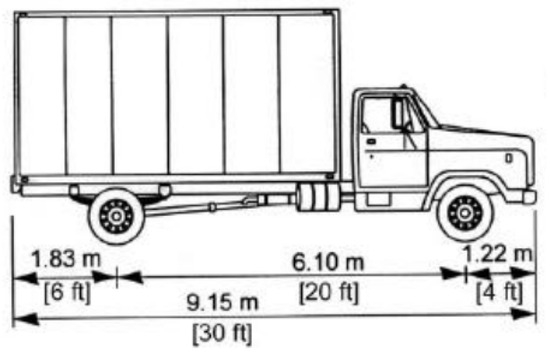
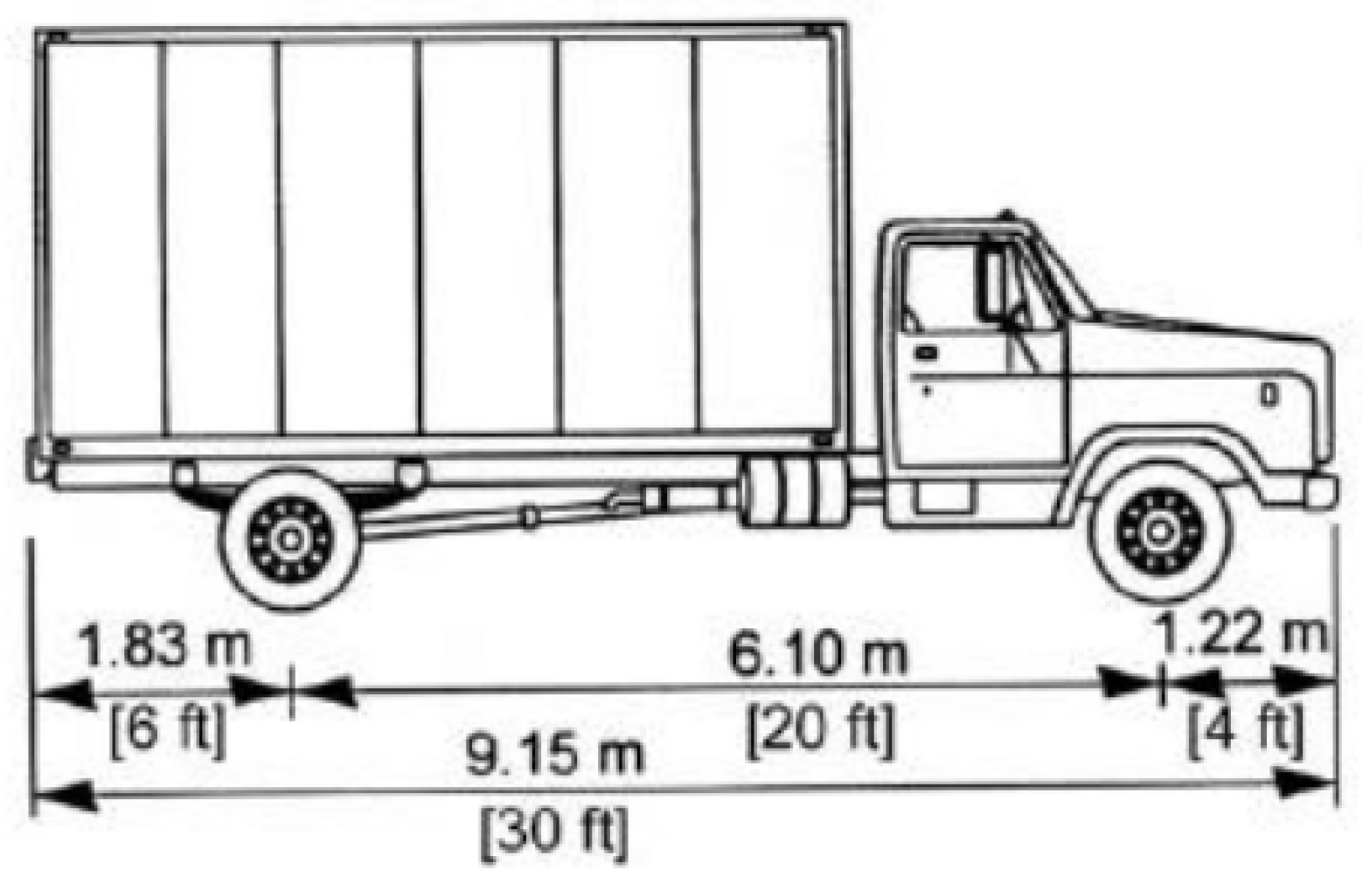
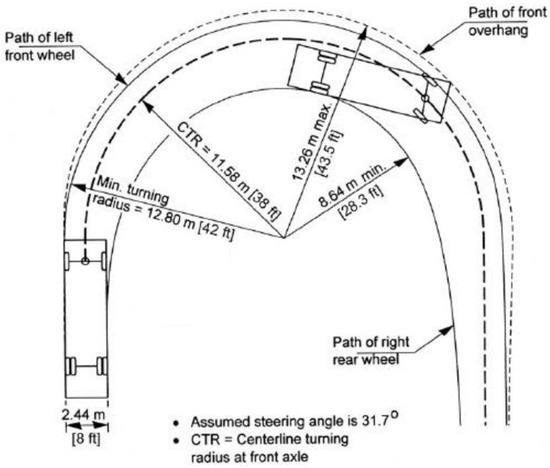
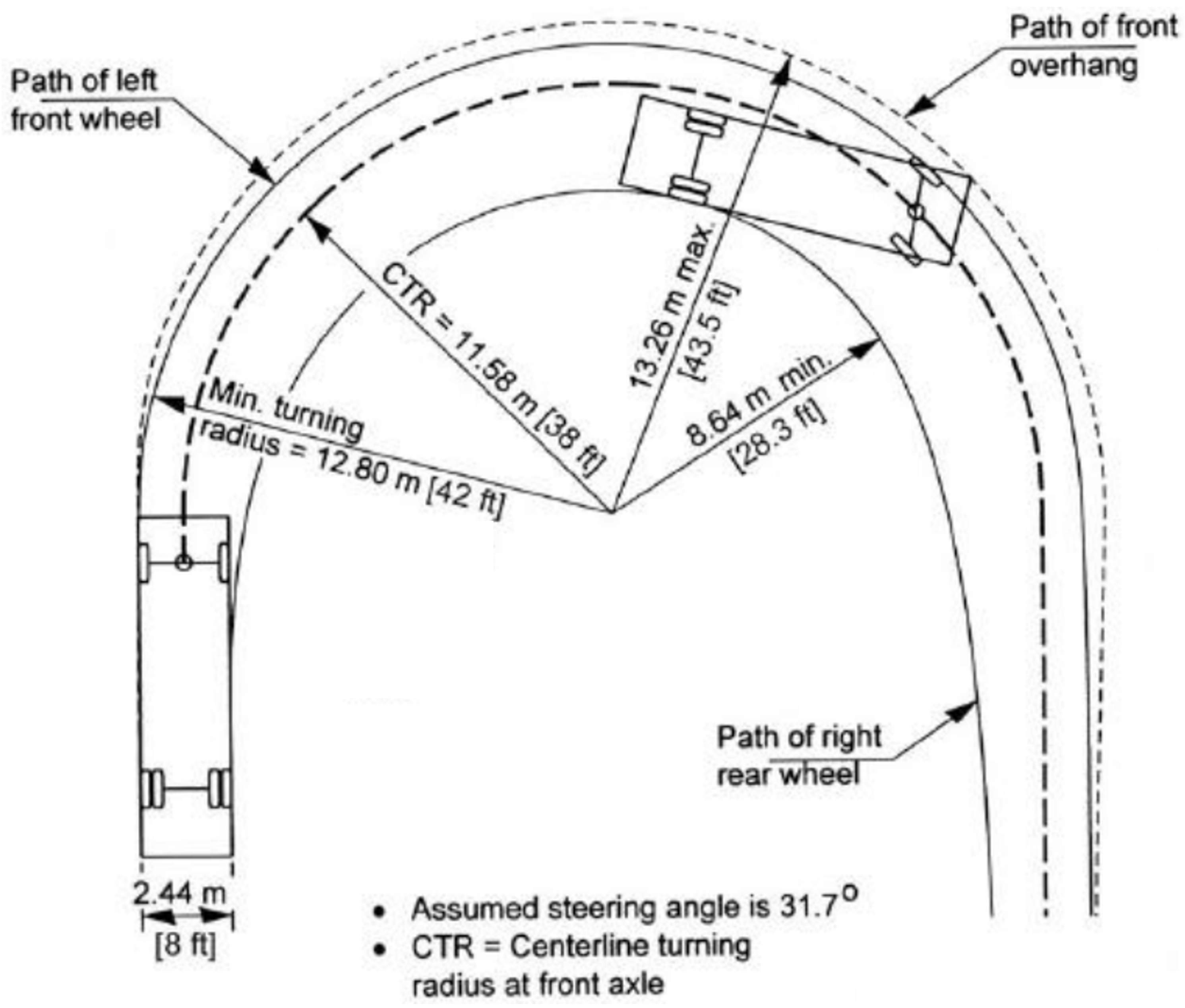


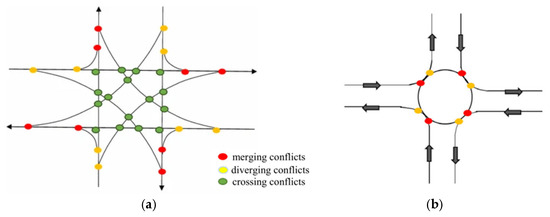
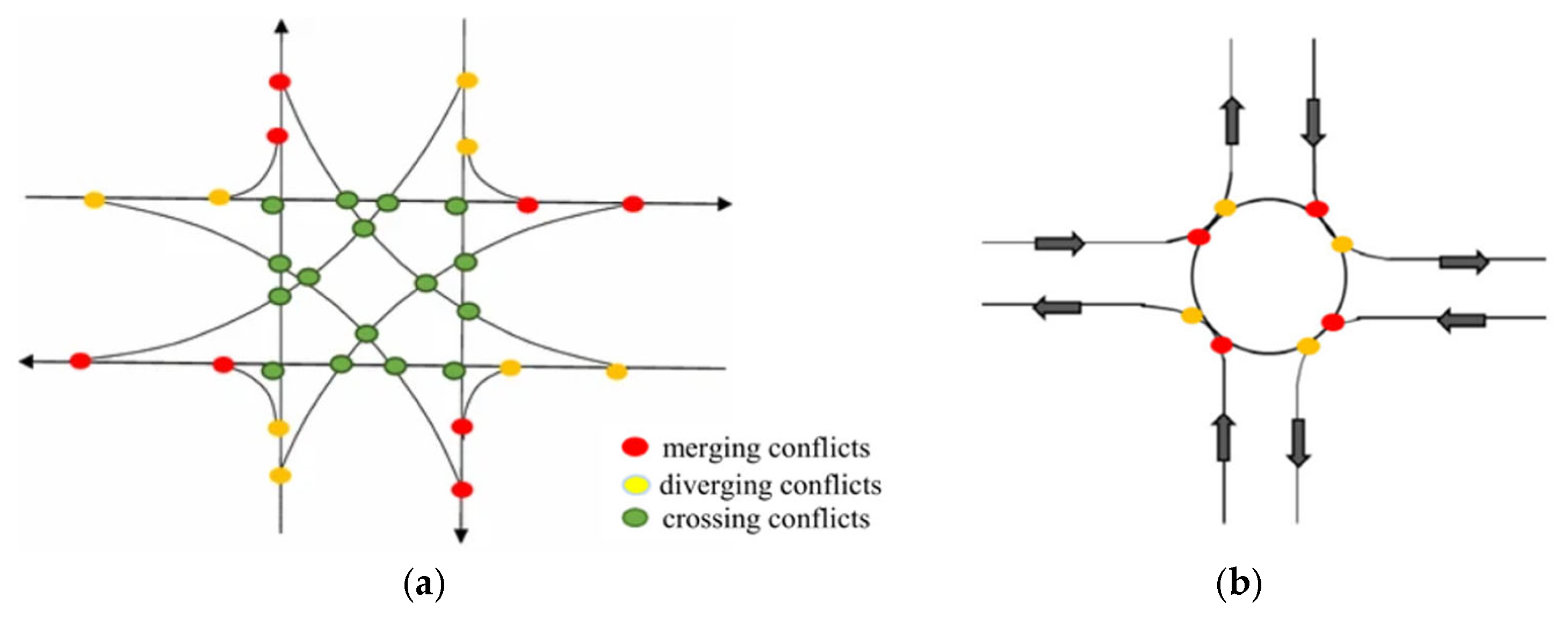
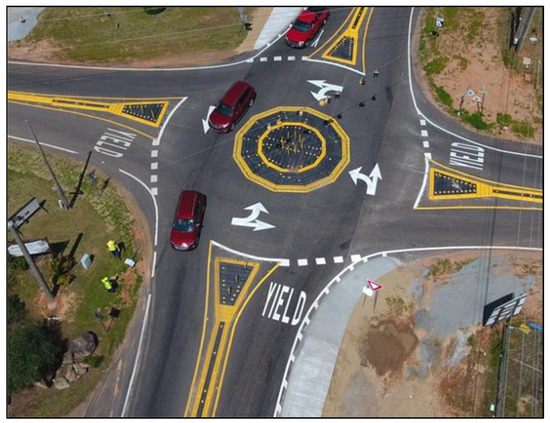
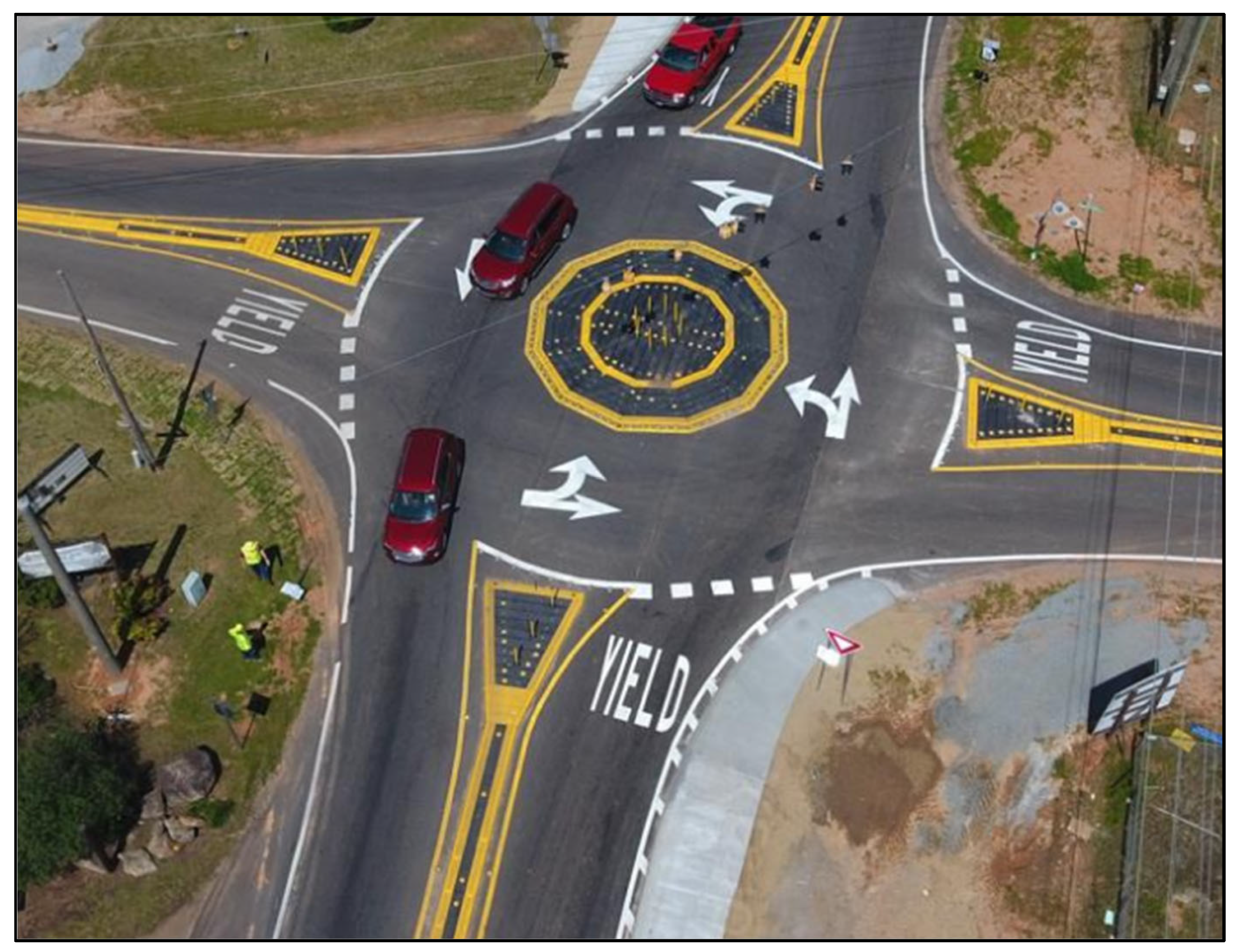

Disclaimer/Publisher’s Note: The statements, opinions and data contained in all publications are solely those of the individual author(s) and contributor(s) and not of MDPI and/or the editor(s). MDPI and/or the editor(s) disclaim responsibility for any injury to people or property resulting from any ideas, methods, instructions or products referred to in the content. |
© 2026 by the authors. Licensee MDPI, Basel, Switzerland. This article is an open access article distributed under the terms and conditions of the Creative Commons Attribution (CC BY) license.