


Abstract
Environmental Health Practitioners (EHPs) play a critical regulatory role within municipal health services, yet their occupational health and safety (OHS) risks remain poorly characterised in the literature. This narrative review synthesises evidence on the physical, biological, chemical, ergonomic, and psychosocial hazards encountered by EHPs during routine municipal inspection and enforcement activities. A structured literature search across major databases was conducted, and findings were synthesised using a risk characterisation framework to examine hazard types, exposure pathways, and associated health outcomes. The review demonstrates that EHPs are exposed to simultaneous and interacting hazards through multiple routes, including inhalation, dermal contact, ingestion, traumatic incidents, and psychosocial strain. Where available, quantitative indicators of exposure magnitude from inspection-relevant environments were identified, highlighting both potential risk severity and significant gaps in direct exposure measurement. Importantly, the findings indicate that occupational risks faced by EHPs are largely systemic, shaped by organisational constraints, resource limitations, enforcement contexts, and broader governance conditions rather than isolated individual behaviours. This review contributes to safety science by providing an integrated conceptual model of EHP occupational exposure pathways and by highlighting the need for system-level OHS interventions within municipal health services. Strengthening PPE provision, organisational support, and exposure monitoring is essential to improving EHPs safety and the effectiveness of environmental health regulation.
1. Introduction
Occupational health and safety (OHS) is a critical component of public health systems, aimed at protecting workers from hazards that may cause injury, disease, or psychosocial harm arising from workplace exposures. The International Labour Organisation (ILO) estimates that more than 2.7 million work-related deaths occur annually worldwide, alongside hundreds of millions of non-fatal occupational injuries and diseases, with a disproportionate burden borne by workers in low- and middle-income countries [1]. Despite advances in occupational health regulation and risk management, public sector workers operating outside formal healthcare and industrial settings remain under-represented in occupational health research and policy discourse.
Environmental Health Practitioners (EHPs) are frontline public health workers embedded within municipal systems and constitute a vital yet often overlooked component of the public health workforce. In South Africa and similar contexts, EHPs are primarily employed within municipal health services (MHS). They are mandated to protect communities from environmental and public health hazards through activities such as food control, waste management oversight, vector surveillance, water quality monitoring, communicable disease control, and enforcement of public health legislation [2,3,4].
Despite their critical role, the OHS risks faced by EHPs remain under-documented in the literature. Existing OHS research has predominantly focused on healthcare workers, emergency responders, and industrial workers, with comparatively limited attention given to inspection- and enforcement-based professions operating within municipal systems. Evidence from inspectors, public health officers, and environmental health professionals across various settings indicates elevated risks of occupational injury, infectious disease exposure, work-related stress, and burnout associated with regulatory and inspection duties [5,6,7,8], with recent findings from Ghana during the COVID-19 pandemic reinforcing concerns about frontline exposure and psychosocial strain in public-sector environmental health practice [9].
Municipal environmental health practice exposes EHPs to multiple occupational hazard categories, including biological, chemical, physical, ergonomic, and psychosocial risks [10,11,12,13,14]. From an occupational health perspective, risk is shaped not only by the presence of hazards but also by exposure pathways, exposure frequency and duration, and the effectiveness of control measures. Municipal health service environments often lack standardised occupational risk assessments tailored to EHPs’ specific duties, resulting in inconsistent provision of personal protective equipment, limited training in hazard mitigation, and inadequate reporting and follow-up of occupational incidents. International guidance from the World Health Organisation and established risk management frameworks emphasise the need for integrated approaches linking hazard identification, exposure assessment, risk characterisation, and health impact evaluation to protect frontline public health workers [15,16].
In South Africa, employee OHS is governed by the Occupational Health and Safety Act (No. 85 of 1993), which places a legal obligation on employers, including municipalities, to provide and maintain a safe working environment. Supported by the Labour Relations Act (No. 66 of 1995) [17,18]. This review aligns with the Sustainable Development Goals, particularly SDG 3 (Good Health and Well-Being) and SDG 8 (Decent Work and Economic Growth), by emphasising the protection of EHPs as essential frontline workers responsible for safeguarding public and environmental health [19].
1.1. What Are MHS and the Role of Environmental Health Practitioners (EHPs) Within Municipal Health Services (MHS)
In South Africa, EHPs are employed primarily within MHS, as defined by the National Health Act (No. 61 of 2003) and the National Environmental Health Policy [2,20,21]. MHS form a core component of local government public health systems and are mandated to deliver environmental health functions at the municipal level [2,21]. EHPs primarily execute these functions and include food control and safety inspections, oversight of waste management, water quality monitoring, chemical safety, vector surveillance and control, surveillance of premises, surveillance and prevention of communicable diseases excluding immunisation, regulation of the handling and disposal of human remains, environmental pollution investigations, and enforcement of public health and environmental legislation.
However, the capacity to deliver these functions is constrained by workforce availability. Despite the central role of EHPs within MHS, comprehensive national data on the MHS workforce remain limited. Parliamentary evidence indicates that only 1712 EHPs were employed nationally in 2023, against an estimated requirement of over 6200 practitioners based on a recommended ratio of approximately one EHPs per 10,000 population [22]. MHS reporting further suggests that effective national coverage is closer to one EHPs per 28,912 people, reflecting substantial understaffing within MHS [4,23]. National media reporting has similarly highlighted the gap between registered and employed EHPs in South Africa [22].
In fulfilling these statutory responsibilities, EHPs operate within a legislative framework that obliges municipalities to implement preventative occupational health and safety measures, including hazard identification, risk assessment, training, and the provision of appropriate personal protective equipment (PPE) in accordance with the OHS Act (No. 85 of 1993) [17].
1.2. Problem Statement
Despite the existence of occupational health, labour, and municipal governance frameworks, the occupational health and safety risks faced by EHPs remain poorly characterised in the scientific literature [17,18,24,25,26,27]. Existing studies addressing occupational hazards among inspection and regulatory personnel are limited in scope, often focusing on single hazard categories or drawing inferences from adjacent occupational groups rather than municipal environmental health practice specifically [28,29,30]. As a result, hazards, exposure pathways, and associated health outcomes affecting EHPs are typically examined in isolation, with limited integration across risk domains. Currently, there is no consolidated synthesis that systematically characterises the occupational risks faced by EHPs within municipal health services using a structured risk characterisation approach. This fragmentation of evidence constrains municipalities’ and policymakers’ ability to develop targeted, evidence-informed occupational health and safety interventions tailored to the specific conditions under which EHPs operate.
1.3. Aim of the Review
The aim of this narrative review is to synthesise existing literature on occupational health and safety risks faced by Environmental Health Practitioners working within municipal health services, using a structured risk characterisation approach to examine hazard categories, exposure pathways, and associated health outcomes [23,30,31].
2. Materials and Methods
2.1. Review Design
This study adopted a narrative review design to synthesise and critically examine the existing literature on OHS risks experienced by EHPs working within MHS. The review was guided by principles of occupational health risk assessment, incorporating hazard identification, exposure pathway analysis, risk characterisation, and potential health impact assessment. This framework enabled a structured synthesis of diverse evidence while maintaining flexibility to include qualitative, quantitative, and descriptive sources relevant to MHS contexts.
A narrative review design was selected because the available evidence on OHS risks among EHPs is heterogeneous, spanning diverse hazard types, study designs, occupational contexts, and regulatory environments. This approach is well-suited to synthesising fragmented, and multidisciplinary evidence, where quantitative pooling or meta-analysis is neither feasible nor appropriate [24,25]. A narrative review approach was considered appropriate given the multidisciplinary nature of environmental health practice, the heterogeneity of study designs in the available literature, and the need to integrate evidence from empirical studies, policy documents, and grey literature. Narrative reviews are particularly suitable for exploring under-researched professional groups, contextualising occupational risks, and identifying systemic and policy-level gaps in evidence [24,25]. The narrative synthesis enabled the integration of empirical studies, policy-relevant literature, and exposure-relevant inspection evidence to support structured risk characterisation and conceptual model development.
2.2. Search Strategy and Data Sources
A comprehensive literature search was conducted across multiple electronic databases to identify relevant peer-reviewed studies and reports. Search period and limits. Searches were conducted from 31 July 2025 to 15 November 2025. The databases searched included PubMed, Scopus, Web of Science, and Google Scholar. To ensure coverage of policy-relevant and practice-based evidence, grey literature sources were also consulted, including publications from the WHO, the ILO, national government departments, and MHS reports.
The search strategy combined keywords and Boolean operators related to environmental health practice, occupational health and safety, and municipal services. Search terms included combinations of:
- “Environmental Health Practitioner” OR “Environmental Health Officer” OR “Public Health Inspector.”
- “Occupational health” OR “Occupational safety” OR “Workplace hazards.”
- “Municipal health services” OR “Local government” OR “Public sector.”
- “Risk assessment” OR “Exposure” OR “Health impact.”
Records were limited to English-language publications. No strict geographical restrictions were applied in order to capture international evidence relevant to municipal and inspection-based occupational roles.
2.3. Eligibility Criteria
Studies and documents were included if they met the following criteria:
- Focused on EHPs, public health inspectors, or comparable frontline environmental or regulatory personnel.
- Addressed occupational hazards, safety risks, exposure pathways, or work-related health outcomes.
- Were conducted within municipal, local government, or community-based settings.
- Included empirical research, reviews, policy analyses, or authoritative reports from recognised institutions.
Studies focusing exclusively on clinical healthcare workers, industrial workers, or laboratory-based personnel, or that lacked relevance to environmental or municipal health practice, were excluded. Opinion pieces without empirical or policy grounding were also excluded.
2.4. Study Selection and Data Extraction
Titles and abstracts of identified sources were screened for relevance to the review objectives. Full-text screening was subsequently conducted for eligible studies and reports. Data were extracted using a structured template to ensure consistency across sources. Extracted information included: Author(s) and year of publication; Country or setting; Context (municipal/enforcement/inspection); Professional group studied; Type of occupational hazard; Exposure pathways; Risk level; Reported or potential health outcomes; and Key findings related to OHS risk and mitigation. This structured approach facilitated thematic synthesis while allowing comparison across different occupational contexts and study designs.
Study identification and selection followed a transparent, stepwise screening process consistent with best practices for narrative reviews, with reasons for exclusion documented at the full-text stage.
2.5. Data Synthesis and Risk Analysis Framework
The synthesis of findings was conducted thematically, guided by an occupational health risk analysis framework. Identified hazards were categorised into physical, biological, chemical, ergonomic, and psychosocial domains. Exposure pathways were analysed based on the nature of municipal environmental health activities, including inspections, enforcement, and community engagement. Risk characterisation was conducted qualitatively by integrating evidence on hazard presence, exposure pathways, reported health outcomes, and, where available, indicative exposure magnitude, to classify risks into relative categories (e.g., low, moderate, high). This approach aligns with established principles of occupational and environmental health risk assessment when quantitative exposure data are limited.
Risk characterisation considered the frequency, duration, and intensity of exposure, as well as the availability of control measures such as PPE, training, and institutional support (Table 1). Where direct health outcome data were limited, plausible health impacts were inferred based on established occupational health literature and risk assessment principles [1,15]. The qualitative risk matrix was developed in accordance with the WHO and ILO occupational risk assessment guidance and ISO 31000 risk management principles [1,15,16]. The qualitative risk characterisation recognises that this study was conducted in the absence of quantitative exposure measurements in the reviewed literature. Risk levels were derived from a qualitative assessment of exposure likelihood and impact severity, with consideration of the adequacy of existing control measures.
Table 1.
Risk Characterisation Components and Application to Environmental Health Practitioners (WHO–ILO/ISO 31000–Aligned).
2.6. Quality Considerations
Although formal quality appraisal tools are not routinely applied in narrative reviews, efforts were made to ensure methodological rigour and transparency. The review was informed by the Scale for the Assessment of Narrative Review Articles (SANRA), which emphasises clarity of objectives, transparency of the search strategy, relevance of the cited literature, and a balanced interpretation of the findings [32]. Priority was given to peer-reviewed publications and authoritative institutional reports.
2.7. Ethical Considerations
This study was based exclusively on the review and synthesis of publicly available literature and did not involve human participants or the collection of primary data. Ethical approval was therefore not required.
3. Results
This section synthesises evidence from the reviewed literature to identify and analyse OHS risks faced by EHPs working within MHS. While empirical studies focusing exclusively on EHPs remain limited, emerging international evidence increasingly supports the occupational risk patterns identified among comparable environmental and inspection-based public sector workers.
Findings are structured according to principles of occupational health risk assessment, encompassing hazard identification, exposure pathways, risk characterisation, and associated health impacts. Where studies did not explicitly focus on EHPs, evidence from comparable environmental, inspection-based, and municipal frontline occupations was used to inform the characterisation of hazards and health outcomes.
Table 2 summarises the studies and reports that informed the identification of occupational hazards and exposure pathways relevant to EHPs and comparable frontline workers.
Table 2.
Studies and Reports Informing Occupational Hazard Identification among Environmental Health Practitioners.
3.1. Hazard Identification Among Environmental Health Practitioners (EHPs)
The literature consistently demonstrates that EHPs are exposed to multiple, overlapping occupational hazards as a direct consequence of their inspection, enforcement, and surveillance roles within municipal environments. These hazards span physical, biological, chemical, psychosocial, and ergonomic domains, reflecting the diverse and uncontrolled nature of EHPs’ work settings.
3.1.1. Physical Hazards
Physical hazards were frequently reported across studies of EHPs, environmental inspectors, and other frontline public-sector fieldworkers in South Africa and internationally. The physical risks identified in the reviewed literature can be categorised into three main domains: slips, trips, and falls during inspections; road traffic accidents associated with fieldwork; and injuries arising from unsafe or dilapidated inspection environments. Similar physical hazard profiles have been reported among Environmental Health Officers in Australia and New Zealand, where field-based inspections were associated with elevated risks of travel, unsafe inspection environments, and the physical demands inherent to environmental health practice [28].
Slips, Trips, and Falls during Inspections:
EHPs routinely conduct inspections in informal, overcrowded, and poorly maintained environments, including food-preparation areas, waste-handling sites, and informal trading spaces. These settings often present uneven surfaces, wet floors, poor lighting, and obstructed walkways, increasing the risk of slips, trips, and falls. Such incidents have been widely documented among waste workers, inspectors, and environmental field staff, particularly in settings where infrastructure and maintenance standards are inconsistent [10,29].
Comparable physical and field-based hazards have been documented among Public Health Inspectors in Ontario, Canada, where routine inspection work was associated with risks of slips and trips, exposure to sharps and hazardous materials, and physical hazards encountered in diverse community and inspection environments [30].
Comparable field-enforcement risks are also documented among animal control officers employed by local authorities [33], including unpredictable field conditions, threats/violence, and injury risks during regulatory encounters. Although not specific to municipal environmental health services, these findings reinforce the broader pattern that frontline local-government enforcement roles share overlapping physical and psychosocial risk profiles.
Road Traffic Accidents during Fieldwork:
Frequent travel between inspection sites constitutes a significant component of EHPs fieldwork and was identified as an important physical hazard. The literature reviewed indicates that road traffic accidents constitute a significant occupational hazard for mobile public-sector workers, including inspectors and enforcement officers. Factors contributing to this risk include extended travel distances, time pressures, unfamiliar routes, and poor road conditions, particularly in peri-urban and informal areas [15]. These risks are heightened in contexts where transport safety policies and vehicle maintenance systems are inadequately enforced.
Unsafe or Dilapidated Inspection Environments:
Inspections conducted in unsafe or structurally compromised premises expose EHPs to additional physical hazards, including the risk of collapse, falling objects, and contact with sharp or unstable materials. Such environments are commonly encountered in abandoned buildings, informal structures, and poorly regulated industrial or commercial sites. The ILO has highlighted unsafe infrastructure and inadequate workplace design as key contributors to occupational injury risk among workers operating outside formal, regulated environments [1].
3.1.2. Biological Hazards
Biological hazards were consistently identified in the reviewed literature as a significant occupational risk for EHPs, arising from routine exposure to contaminated environmental media during inspection, surveillance, and enforcement activities. The biological risks identified can be categorised into three primary domains: exposure to foodborne pathogens, exposure to disease vectors, and interaction with decomposing organic matter, human waste, and sewage.
Exposure to Foodborne Pathogens:
EHPs involved in food safety inspections are routinely exposed to foodborne pathogens through direct contact with contaminated food, food preparation surfaces, and equipment. EHPs involved in food safety inspections are routinely exposed to foodborne pathogens through direct contact with contaminated food, food preparation surfaces, and equipment.
Inspections conducted in informal food trading environments, small-scale food establishments, and premises with limited hygiene controls increase the likelihood of exposure to pathogenic microorganisms. Occupational exposure to foodborne pathogens has been documented among food inspectors and sanitation workers and is associated with an elevated risk of gastrointestinal illness and other infectious outcomes [10,11].
Surveillance and Community-Based Contact
In addition to traditional environmental inspection roles, EHPs conduct surveillance and prevention of communicable diseases, which may involve interviewing individuals, conducting home or community visits, and assessing health facilities, early childhood development centres, and schools. Empirical evidence from Ghana further confirms the biological risks faced by Environmental Health Professionals, including exposure to contaminated environments during inspections, sanitation oversight, and disease control activities, particularly in resource-constrained municipal settings [9]. These activities increase potential exposure to human pathogens through direct person-to-person contact, contaminated surfaces, and shared airspace during close interaction, extending biological hazard pathways beyond environmental vectors alone [4].
Contact with Human Waste and Sewage:
Environmental health duties often involve inspections related to sanitation, sewage management, and environmental contamination, placing EHPs at risk of direct contact with human waste and sewage. The literature indicates that occupational exposure to sewage and wastewater is associated with increased risk of enteric infections and dermatological conditions among environmental and sanitation workers [10,15]. This exposure is particularly common during investigations of infrastructure failures, informal settlement inspections, and waste disposal sites, and is associated with increased risk of enteric infections and dermatological conditions [10,15].
Exposure to Decomposing Organic Matter
Environmental health duties often involve inspections of sanitation, sewage management, and related areas, including illegal dumping and environmental nuisance complaints, and often require EHPs to interact with decomposing organic matter. Such exposure is particularly common during investigations of sanitation infrastructure failures, inspections of informal settlements, and waste disposal sites. Decomposition processes generate high microbial loads and bioaerosols, increasing the risk of inhalation and contact exposure. Studies among waste and sanitation workers have linked exposure to decomposing organic material with respiratory symptoms and increased infection risk, highlighting the occupational relevance of this hazard for EHPs [10,11].
Exposure to Disease Vectors:
EHPs conducting inspections in informal settlements, waste collection areas, and community environments are exposed to disease vectors, including rodents and insects. Such exposure increases the risk of vector-borne diseases, particularly in settings with limited environmental control measures [15]. Exposure to disease vectors, including rodents, insects, and other vermin, was identified as a recurring biological hazard in MHS environments. EHPs conducting inspections in informal settlements, waste collection areas, and food vending sites are frequently exposed to environments conducive to vector breeding and infestation. Such exposure increases the risk of vector-borne and zoonotic diseases, particularly in settings with limited environmental control measures [15].
3.1.3. Chemical Hazards
Chemical hazards were identified in the reviewed literature as an important occupational risk for Environmental Health EHPs, arising from routine interaction with chemical substances during inspections, environmental assessments, and enforcement activities. The chemical risks encountered in MHS settings can be categorised into four main domains: exposure to disinfectants and cleaning agents; pesticide exposure during vector control and environmental assessments; contact with industrial chemicals; and inhalation of airborne contaminants.
Exposure to Disinfectants and Cleaning Agents:
EHPs are frequently exposed to disinfectants and cleaning agents during inspections of food premises, healthcare facilities, and sanitation infrastructure. These substances may be encountered through direct handling, surface contact, or inhalation, particularly in poorly ventilated environments. Occupational exposure to disinfectants has been associated with respiratory irritation, skin conditions, and other adverse health effects among public sector and environmental workers [12]. Repeated, low-level exposure during routine inspections may contribute to cumulative health risk.
Pesticide Exposure during Vector Control Activities:
Pesticide exposure poses a significant chemical hazard to EHPs involved in vector surveillance, control, and environmental health investigations. Contact may occur during inspections of pesticide storage, application sites, or areas treated for vector control. The literature indicates that occupational exposure to pesticides is associated with both acute and chronic health effects, including respiratory symptoms and neurological outcomes, particularly where protective measures are inadequate [12]. These risks may be amplified in municipal settings with limited regulatory oversight or training.
Exposure to Industrial Chemicals:
EHPs conducting inspections in industrial, commercial, or mixed-use premises may be exposed to industrial chemicals, including solvents, fuels, and other hazardous substances. Such exposures may occur during environmental compliance inspections or investigations of pollution complaints. Studies on occupational exposure in industrial environments have demonstrated potential risks associated with dermal contact and inhalation of hazardous substances, particularly in settings lacking adequate ventilation or containment measures [11].
Inhalation of Airborne Contaminants:
Inhalation exposure to airborne contaminants is a recurring chemical hazard, particularly in enclosed or poorly ventilated spaces. EHPs may be exposed to dust, smoke, volatile organic compounds, and other airborne pollutants during inspections of informal premises, waste sites, or industrial facilities. Inhalation exposure has been linked to respiratory symptoms and irritation among environmental and waste workers, highlighting the relevance of this pathway for EHP occupational health [11,15].
3.1.4. Psychosocial Hazards
Psychosocial hazards were consistently identified in the reviewed literature as a significant occupational risk for EHPs, particularly due to the enforcement-oriented nature of their work within MHS. The psychosocial risks identified can be categorised into four interrelated domains: enforcement-related threats and intimidation, verbal abuse, workload-related stress and burnout, and moral distress with role conflict.
Threats and Intimidation during Enforcement:
Enforcement of public health legislation frequently places EHPs in adversarial situations with regulated entities and community members. The literature indicates that inspectors and enforcement officers are at risk of threats and intimidation, particularly when issuing compliance notices, imposing fines, or issuing closure directives. Such encounters contribute to heightened perceptions of personal safety risk and emotional strain during fieldwork, especially in informal or non-compliant settings [6].
Empirical evidence from a cross-sectional survey of Environmental Health Officers in Australia and New Zealand similarly identified workplace violence, enforcement-related conflict, and high psychosocial demands as dominant occupational health and safety hazards, reinforcing the global relevance of these risks within environmental health enforcement roles [28]
Verbal Abuse:
Verbal abuse was identified as a common psychosocial hazard associated with routine inspection and enforcement activities. EHPs may encounter hostility, aggression, and disrespect from members of the public or business operators who perceive regulatory actions as punitive or economically threatening. Repeated exposure to verbal abuse has been linked to increased psychological distress, reduced job satisfaction, and emotional exhaustion among frontline public sector workers [14].
High Workload and Burnout:
High workloads, staff shortages, and competing administrative demands were consistently reported as contributors to chronic occupational stress and burnout. EHPs are often required to balance extensive fieldwork with reporting, compliance monitoring, and administrative responsibilities, frequently under resource-constrained conditions. Prolonged exposure to high job demands without adequate organisational support increases the risk of burnout and negatively affects overall well-being and performance [6].
Similar psychosocial stressors were documented among Environmental Health Professionals in Ghana, where enforcement responsibilities, high workloads, and limited institutional support contributed to heightened stress, emotional exhaustion, and perceived personal safety risks [9]. Psychosocial hazards related to inspection work have also been documented among Public Health Inspectors in Greece, where a pilot study identified high job demands, workload pressures, and organisational stressors as significant contributors to burnout and reduced job satisfaction [8].
Moral Distress and Role Conflict:
Moral distress and role conflict emerged as distinct psychosocial challenges within environmental health practice. EHPs may experience internal conflict when enforcing regulations in socio-economically disadvantaged communities, where compliance requirements may conflict with community livelihoods or access to basic services. This tension between regulatory obligations and social realities can lead to emotional discomfort, ethical strain, and reduced professional fulfilment over time [7,12].
3.1.5. Ergonomic Hazards
Ergonomic hazards were identified in the reviewed literature as a relevant occupational risk for EHPs, affecting both field-based inspection activities and office-based administrative tasks. The ergonomic risks identified can be categorised into three primary domains: prolonged standing during inspections, manual handling and carrying of inspection equipment, and poor workstation design associated with reporting and documentation tasks.
Prolonged Standing during Inspections:
EHPs frequently conduct inspections that require prolonged standing, often in confined or poorly designed environments, such as food preparation areas, informal trading sites, and waste facilities. Extended periods of standing, particularly when combined with awkward postures or uneven surfaces, have been associated with lower limb discomfort, fatigue, and musculoskeletal strain among field-based workers [29]. Repeated exposure to such conditions may contribute to the development of chronic musculoskeletal disorders over time.
Carrying and Handling of Inspection Equipment:
The routine carrying and handling of inspection equipment, including sampling tools, documentation materials, and PPE, were identified as ergonomic risks. Manual handling tasks, primarily when performed repeatedly or without ergonomic training, increase the risk of strain to the back, shoulders, and upper limbs. Studies among agricultural and environmental workers have highlighted an association between manual handling and musculoskeletal discomfort, underscoring the relevance of this hazard to EHPs [5].
Poor Workstation Design for Reporting and Documentation Tasks:
In addition to field-based risks, EHPs perform extensive office-based reporting and documentation, often under time constraints. Poorly designed workstations, including inadequate seating, improper monitor height, and limited ergonomic support, were associated with musculoskeletal discomfort affecting the neck, shoulders, and upper limbs. Prolonged computer use under suboptimal ergonomic conditions has been widely associated with musculoskeletal disorders among administrative and professional workers, contributing to cumulative occupational strain [5,29].
3.2. Exposure Pathways in Municipal Health Services
The reviewed literature identified multiple exposure pathways that frequently occur simultaneously, through which EHPs are exposed to occupational hazards. Direct contact with contaminated food, waste, and environmental surfaces represents a primary pathway for biological exposure [10]. Inhalation of aerosols (airborne contaminants) and dust was a key pathway for chemical and respiratory hazards, particularly in enclosed or poorly ventilated spaces [11]. Dermal exposure occurred through contact with chemicals and contaminated materials during inspections [12].
In addition to physical pathways, psychosocial exposure, including conflict, threats, and emotional strain, was identified as a distinct pathway influencing mental health outcomes [14]. Importantly, EHPs experience cumulative exposure due to repeated daily inspections across diverse environments. Unlike controlled clinical or industrial settings, MHS environments are characterised by unpredictable, largely uncontrolled conditions, which amplify occupational risk [15].
Unlike controlled clinical settings, municipal environments expose EHPs to unpredictable and uncontrolled conditions. This review identified multiple exposure pathways (Table 3), often occurring simultaneously:
Table 3.
Multiple pathways.
Evidence from Canadian Public Health Inspectors further supports these exposure pathways, with reported occupational exposure occurring through direct contact with contaminated environments, inhalation of airborne contaminants, and field-based interactions within community settings during inspection and enforcement activities [30].
Evidence on Exposure Magnitude
Although this review primarily synthesised qualitative evidence on hazard categories and exposure pathways, several included sources provided measurement-based or guideline-informed evidence relevant to exposure magnitude, including bioaerosol assessments in waste-handling environments [34,35], indoor air quality studies [36], toxicological thresholds for sanitation-related gases [37,38], environmental noise guidance [39], reports of workplace violence in inspection roles [40,41], and ergonomic risk indicators for prolonged standing and repetitive work [42,43]. Because direct exposure monitoring data specific to Environmental Health Practitioners were rarely available, these findings are used as inspection-relevant proxies to contextualise potential exposure levels rather than as precise quantitative estimates. The evidence is summarised in Table 4 to support risk characterisation and to highlight important gaps that require occupation-specific measurement.
Table 4.
Indicative exposure magnitudes and contextual evidence for hazards relevant to EHP field inspections, derived from comparable occupational and environmental settings.
3.3. Risk Characterisation
Risk characterisation in this review was informed by internationally recognised occupational risk assessment frameworks proposed by the WHO and the ILO, which conceptualise occupational risk as a function of hazard severity, exposure likelihood, and the effectiveness of existing control measures [1,15]. This approach is consistent with broader risk management principles outlined in ISO 31000, which emphasise the interaction between exposure, vulnerability, and organisational context in determining risk magnitude [16].
Using this framework, the occupational risks faced by EHPs were characterised based on (Table 5):
- (i)
- frequency and duration of exposure,
- (ii)
- intensity and nature of the hazard, and
- (iii)
- adequacy of preventive and protective controls.
Table 5.
Qualitative Risk Characterisation Matrix of Occupational Hazards for Environmental Health Practitioners (EHPs).
3.3.1. Exposure Frequency and Duration
Across the reviewed literature (Table 3), exposure frequency and duration emerged as key determinants of occupational risk. EHPs are routinely exposed to physical, biological, chemical, ergonomic, and psychosocial hazards through repeated daily inspections, environmental investigations, and law enforcement activities. Some of these activities are sometimes performed over weekends as part of overtime due to major public events or investigations. The WHO–ILO framework recognises repeated or prolonged exposure as a critical factor increasing the probability of adverse health outcomes, even when individual exposure events are of low to moderate intensity [15]. In MHS contexts, cumulative exposure resulting from sustained fieldwork amplifies overall occupational risk.
3.3.2. Effectiveness of Control Measures
Risk characterisation further considered the availability and effectiveness of control measures, particularly PPE, training, and administrative controls. The reviewed evidence indicates that inconsistent PPE provision, limited role-specific training, and weak incident reporting mechanisms reduce the effectiveness of exposure mitigation. According to ILO guidance, the absence or inadequate implementation of control measures significantly elevates occupational risk, shifting exposure from tolerable to unacceptable levels [1]. This is particularly relevant for EHPs operating in informal or poorly regulated environments where engineering controls are limited.
3.3.3. Organisational and Safety Culture Factors
Consistent with ISO 31000 and the WHO occupational health guidance, organisational and institutional factors were identified as critical modifiers of risk [15,16]. Safety culture, management commitment to worker protection, and enforcement of occupational health policies influence both the likelihood and severity of exposure. Weak organisational safety cultures, characterised by limited supervision, insufficient staffing, and low prioritisation of occupational health, were associated with higher exposure intensity and reduced reporting of occupational incidents [1,15].
3.3.4. Enforcement Intensity and Contextual Risk
The intensity of enforcement activities further influenced risk characterisation, particularly for psychosocial and physical hazards. EHPs operating in informal, noncompliant, or socioeconomically constrained settings faced heightened risk due to increased conflict, resistance, and unpredictability. The WHO–ILO framework acknowledges contextual and social determinants as amplifiers of occupational risk, especially for regulatory and inspection-based occupations [15]. The reviewed literature indicates that exposure to enforcement-related practices substantially increases both physical safety risks and psychosocial strain [5].
3.3.5. Systemic Nature of Occupational Risk
A consistent observation across sources is that occupational risks faced by EHPs are systemic rather than incidental, reflecting organisational, regulatory, and governance-related determinants rather than isolated events [1].
Applying the WHO–ILO and ISO 31000 frameworks highlights that these risks are embedded within organisational, regulatory, and governance structures that shape how MHS are delivered [15,16]. Rather than resulting from isolated hazardous events, EHPs occupational risks arise from persistent exposure, insufficient controls, and structural constraints within municipal systems [1]. The Ghanaian study reinforces the systemic nature of occupational risk among Environmental Health Professionals, demonstrating how exposure intensity is shaped by enforcement environments, resource limitations, and organisational capacity rather than isolated hazard events [9].
3.4. Health Impacts Associated with Occupational Health and Safety (OHS) Risks
The reviewed literature reported a range of physical, biological, and psychosocial health outcomes associated with occupational exposures relevant to environmental and municipal health practice. While few studies have focused exclusively on EHPs, evidence from comparable frontline environmental, inspection-based, and public-sector occupations was used to characterise reported and potential health outcomes. Table 6 summarises the key studies and reports documenting health outcomes associated with identified occupational hazards, forming the evidence base for the outcome categories described in Section 3.4.1, Section 3.4.2 and Section 3.4.3.
Table 6.
Reported and Potential Health Outcomes Associated with Occupational Exposures Relevant to Environmental Health Practice.
3.4.1. Physical Health Outcomes
Physical health outcomes associated with occupational exposures relevant to environmental health practice are summarised in Table 5 and were reported across multiple studies involving EHPs and comparable frontline workers. These outcomes included musculoskeletal disorders, particularly affecting the lower back and upper limbs, which were linked to prolonged standing, manual handling, and repetitive physical tasks [29]. Respiratory symptoms, associated with inhalation exposure to dust, airborne contaminants, and bioaerosols, were reported among environmental and inspection-based workers [9]. In addition, occupational injuries, such as falls and minor trauma, were documented in relation to unsafe inspection environments and fieldwork activities [10]. Work-related fatigue was also identified as a common outcome, reflecting cumulative physical demands and administrative workload pressures [15].
3.4.2. Biological Health Outcomes
Biological health outcomes identified in the reviewed literature and summarised in Table 5 included gastrointestinal infections and skin conditions, particularly among workers involved in sanitation, food safety, and waste-related activities [10]. Exposure to contaminated environments and biological agents was associated with increased risk of communicable diseases [9]. Although direct evidence of zoonotic disease transmission among EHPs was limited, the literature indicates potential risk due to frequent contact with vectors, human waste, and contaminated environmental media [15].
3.4.3. Mental and Psychosocial Health Outcomes
Mental and psychosocial health outcomes were widely reported across the studies summarised in Table 5, particularly among public-sector and inspection-based workers. Reported outcomes included occupational stress, anxiety, burnout, and reduced job satisfaction, often associated with enforcement-related conflict, high workloads, and perceived lack of institutional support [7,14]. These psychosocial outcomes were especially prominent in roles involving regulatory authority and community-level enforcement [6].
Evidence from Ghana further illustrates the mental health burden associated with environmental health enforcement work, with reported outcomes including stress, anxiety, and burnout among Environmental Health Professionals operating under high-risk and resource-limited municipal conditions [9]. Findings from Environmental Health Officers in Australia and New Zealand further support these outcomes, with reported associations among workplace exposure, enforcement-related conflict, and psychological strain, underscoring the cumulative mental health burden associated with environmental health enforcement work [28]. Empirical evidence from Greek Public Health Inspectors further supports these mental health outcomes, with reported associations between occupational inspection-related stressors and symptoms of burnout, emotional exhaustion, and diminished job satisfaction [8].
3.5. Summary Risk Matrix
To synthesise the identified hazards, exposure pathways, and health impacts, a summary risk matrix (Table 7) was developed that reflects qualitative risk severity across key occupational domains relevant to environmental health practice.
Table 7.
Occupational Health and Safety Risk Profile of Environmental Health Practitioners.
To integrate the multiple hazards and simultaneous exposure routes experienced during municipal fieldwork, Figure 1 presents a conceptual model of EHPs occupational exposure pathways. The model (Figure 1) links hazard categories (physical, biological, chemical, ergonomic, psychosocial) to exposure routes (inhalation, dermal contact, ingestion, traumatic incidents, psychosocial strain) and resulting health outcomes, while highlighting contextual modifiers in municipal environments (informality, infrastructure deficits, PPE availability, training, security support, governance/supply-chain constraints, workload). This model is intended to illustrate simultaneous and interacting risks rather than linear causality.
Figure 1.
Conceptual Model of EHPs’ Occupational Exposure Pathways in Municipal Health Services. Note: Arrows illustrate the many-to-many relationships between hazards, routes, and outcomes; Hazard categories (left, general multicolour-coded blocks) interact through exposure routes (centre, general multicolour-coded blocks) to produce health outcomes (right, general multicolour-coded blocks), while contextual and organisational modifiers (grey boxes) influence exposure conditions and overall risk.
4. Discussion
The invisibility of EHPs within occupational health discourse contributes to persistent under-protection. This narrative review synthesised evidence on OHS risks experienced by EHPs working within MHS, with a specific focus on hazard identification, exposure pathways, risk characterisation, and associated health impacts. The findings demonstrate that EHPs constitute a highly exposed yet under-recognised occupational group, facing complex and cumulative risks that extend beyond traditional occupational health frameworks applied to public sector workers.
In the South African context, EHPs operate within a legislative framework that imposes explicit duties on employers to ensure occupational health and safety. The OHS Act (No. 85 of 1993) requires employers, including municipalities, to provide and maintain a safe working environment free of risks to employee health [17]. However, the findings of this review suggest gaps between legislative obligations and their practical implementation, particularly regarding PPE provision, training, and psychosocial risk management. Complementary labour legislation, including the LRA (No. 66 of 1995) and the Basic Conditions of Employment Act (BCEA) (No. 75 of 1997), further underscores the importance of fair working conditions and workload management, which are directly linked to occupational stress and burnout among EHPs [26].
Occupational risk exposure among EHPs may vary across spatial contexts, with higher psychosocial and physical risks reported in densely populated urban areas, informal settlements, and under-resourced environments where enforcement activities occur under conditions of social tension, infrastructure decay, and limited institutional support.
4.1. Multi-Hazard Exposure in Municipal Health Service Contexts
The results indicate that EHPs are exposed to a broad spectrum of occupational hazards, including physical, biological, chemical, psychosocial, and ergonomic risks. This multi-hazard exposure profile reflects the diverse, often uncontrolled environments in which EHPs operate, including informal food premises, waste-handling sites, informal settlements, and industrial facilities. Unlike healthcare workers who generally function within regulated institutional settings, EHPs perform their duties across decentralised municipal spaces characterised by variability, informality, and limited engineering controls [15].
The critical role of EHPs became particularly evident during the COVID-19 pandemic, when MHS were required to support outbreak response activities, including environmental inspections, infection prevention and control measures, regulation of the handling, transportation, and burial of human remains, monitoring of compliance with public health regulations, and community-level risk mitigation. These expanded responsibilities often occurred under conditions of heightened exposure risk, increased workload, and psychosocial stress, further underscoring the occupational health and safety vulnerabilities faced by EHPs during public health emergencies.
The coexistence of multiple hazards increases the likelihood of cumulative and synergistic effects, whereby repeated low-level exposures may result in significant long-term health consequences. Similar observations have been reported among waste management workers and public health inspectors, where chronic exposure to biological and chemical hazards is associated with respiratory symptoms, musculoskeletal disorders, and fatigue [10,11]. The findings of this review therefore reinforce the need to conceptualise EHPs’ occupational risk as continuous and systemic, rather than episodic or task specific.
4.2. Biological and Chemical Risks as Core Occupational Exposures
Biological hazards emerged as a dominant risk category, mainly due to EHPs’ routine contact with contaminated food, waste, sewage, and vectors [34,35]. These findings align with the occupational health literature, which documents elevated infection risks among workers involved in sanitation, food safety, and environmental surveillance [10,15]. Although direct epidemiological evidence linking EHPs’ duties to specific infectious outcomes remains limited, the plausibility of exposure-related health effects is well supported by existing environmental and occupational health research.
Chemical exposures, particularly to disinfectants, pesticides, and airborne contaminants, further compound occupational risk, especially in poorly ventilated inspection settings and sewage or sanitation environments where volatile organic compounds and hydrogen sulphide may accumulate above recommended limits [36,37,38]. Studies have shown that repeated exposure to cleaning agents and pesticides is associated with respiratory irritation, dermatological conditions, and long-term health effects among public sector and environmental workers [12]. The intermittent yet recurrent nature of such exposures in municipal settings underscores the importance of cumulative risk assessment approaches when evaluating EHPs’ occupational health.
4.3. Psychosocial Risk and the Enforcement Dimension of Environmental Health Practice
A key contribution of this review is the identification of psychosocial hazards as a central component of EHPs occupational risk. Enforcement of public health legislation places EHPs in confrontational roles that frequently involve resistance, verbal abuse, and threats. A pattern similarly documented among other local government enforcement and animal control personnel exposed to routine violence and intimidation during regulatory duties [33,41]. These findings are consistent with the literature on regulatory and inspection-based occupations, which shows that enforcement authority is associated with elevated stress, emotional exhaustion, and burnout [6,14].
Organisational constraints, including high workloads, staff shortages, and limited managerial support, further intensify psychosocial risks. The presence of moral distress arising when EHPs must enforce regulations in socio-economically constrained communities reflects broader tensions between public health mandates and social realities. Such dynamics have been shown to negatively affect job satisfaction, mental well-being, and workforce retention in public service occupations [7].
To strengthen explanatory mechanisms underpinning psychosocial risk, the findings were interpreted through the Job Demands–Resources (JD-R) model [44,45]. Within the JD-R framework, job demands refer to aspects of work that require sustained physical or psychological effort and are associated with physiological and psychological costs. In contrast, job resources are aspects that support goal attainment, reduce demands, and promote learning, coping, and resilience [44,46]. For municipal Environmental Health Practitioners (EHPs), key job demands evident in the reviewed literature include enforcement-related conflicts and threats, high workloads and administrative burdens, repeated exposure to unsafe premises, role conflict and moral distress, and work under time pressure with limited staffing support. Such demands are well recognised as drivers of chronic stress reactions, increased vulnerability to burnout, and reduced job satisfaction in regulatory and inspection-based occupations [13,14].
Conversely, the review highlights several municipal-level job resources that may buffer these demands, including consistent availability of personal protective equipment, supervisory and peer support, clear standard operating procedures for high-risk inspections, enforcement accompaniment or security support in hostile contexts, access to training and refresher programmes, and structured debriefing and mental health support. Framed within the JD-R model, the psychosocial outcomes reported in the evidence base, such as stress, burnout, anxiety, fatigue, and reduced job satisfaction, are likely to reflect an imbalance in which job demands outweigh available resources [45,46]. This interpretation strengthens the rationale for prioritising resource-building interventions, including organisational support, safety systems, training, and psychosocial services, alongside traditional hazard control measures.
4.4. Organisational and Governance Determinants of Occupational Risk
Risk characterisation findings suggest that the occupational hazards faced by EHPs are not solely determined by individual behaviours or environmental conditions, but are deeply embedded in organisational and governance structures. Inconsistent PPE provision, limited training in occupational risk mitigation, and weak incident-reporting systems contribute to sustained exposure and vulnerability [1]. The absence of tailored OHS policies for EHPs within MHS further exacerbates risk and reinforces their invisibility within occupational health frameworks. These findings echo global concerns regarding the protection of frontline public health workers operating outside formal healthcare systems. The WHO has emphasised the need for comprehensive, context-specific occupational health strategies that recognise the unique risk profiles of community-based and regulatory workers [15]. Failure to address these systemic determinants undermines not only worker health but also the effectiveness and sustainability of MHS (Figure 2).
Figure 2.
Case illustration of systemic risk in a municipal inspection context (typical scenario).
The reviewed hazards are likely to be exacerbated in low- and middle-income municipal contexts by interacting constraints, including infrastructure backlogs, high density of informal settlements, resource-limited enforcement systems, and inconsistent supply chains for personal protective equipment and operational resources [1,15]. In South Africa, EHPs frequently operate across mixed formal–informal environments where ventilation, sanitation, waste services, and safe access to premises may be limited, increasing the likelihood that routine inspections involve uncontrolled exposures [4,21]. Governance and administrative constraints, including understaffing, vehicle shortages, delayed infrastructure maintenance, and limited security accompaniment, may prolong exposure duration and constrain the practical application of the hierarchy of controls within municipal health services [9,16]. These contextual factors help explain why occupational risks for EHPs may be considered “systemic,” as they are embedded within municipal operating conditions rather than attributable solely to individual behaviours.
4.5. Health Implications for Workforce Sustainability and Service Delivery
The physical, biological, and psychosocial health outcomes identified in this review have significant implications for workforce sustainability. Musculoskeletal disorders, respiratory symptoms, and fatigue may reduce functional capacity, while chronic stress and burnout contribute to absenteeism, reduced productivity, and attrition. This includes situations in which inspections require prolonged standing or walking, or repetitive manual tasks associated with upper-limb strain [41,42]. Furthermore, it includes traffic-adjacent or community settings where environmental noise may exceed recommended occupational thresholds [38]. Evidence from occupational health studies indicates that unaddressed psychosocial risks are a major driver of workforce instability in public sector environments [14]. Given the central role of EHPs in disease prevention, environmental monitoring, and regulatory enforcement, compromised worker health has broader implications for public health protection and regulatory compliance. Ensuring the occupational well-being of EHPs is therefore not only a labour rights issue, but a critical component of effective municipal governance and population health outcomes.
4.6. Positioning Environmental Health Practitioners (EHPs) as Invisible Frontline Workers
Collectively, the findings of this review support the conceptualisation of EHPs as invisible frontline workers within public health systems. While their work is essential to preventing environmental and communicable disease risks, their occupational health needs remain insufficiently recognised in research, policy, and practice. This invisibility contributes to gaps in occupational risk assessment, resource allocation, and institutional support, perpetuating cycles of exposure and vulnerability. Addressing this invisibility requires a paradigm shift that explicitly acknowledges EHPs as a high-risk occupational group deserving of targeted protection. Integrating occupational health risk assessment into municipal health planning, strengthening enforcement safety protocols, and embedding psychosocial support mechanisms are critical steps toward safeguarding this workforce.
5. Policy and Practice Implications
The findings of this narrative review have important implications for occupational health policy, municipal governance, and public health practice. The identification of multi-hazard, cumulative occupational risks among EHPs highlights the need for targeted, context-specific occupational health and safety (OHS) interventions within MHS. Addressing these risks is essential not only for protecting worker health and well-being but also for ensuring the effectiveness and sustainability of environmental health service delivery.
5.1. Recognition of Environmental Health Practitioners as a High-Risk Occupational Group
A key policy implication of this review is the need for formal recognition of EHPs as a high-risk occupational group within public sector OHS frameworks. Existing occupational health policies often prioritise healthcare workers, emergency responders, and industrial employees, while overlooking regulatory and inspection-based professions operating in community environments [1]. Explicit recognition of EHPs within national and municipal OHS strategies would provide a foundation for tailored risk assessments, resource allocation, and monitoring mechanisms. At a national level, occupational health legislation and guidelines should explicitly acknowledge the unique risk profile of EHPs, including exposure to biological, chemical, psychosocial, and enforcement-related hazards. Such recognition would align with the World Health Organisation’s call for inclusive occupational health strategies that protect all categories of frontline public health workers [15].
5.2. Strengthening Occupational Risk Assessment and Management in Municipal Health Services
Municipal health services should institutionalise routine occupational risk assessments specific to environmental health practice. These assessments should go beyond generic workplace safety checklists and incorporate hazard identification, exposure pathway analysis, and risk characterisation reflective of EHPs duties. Integrating occupational risk assessment into municipal operational planning would enable proactive identification of high-risk activities, such as inspections in informal settlements, waste handling sites, and enforcement operations. In practice, this requires collaboration among municipal management, occupational health units, and EHPs to ensure risk assessments are contextually relevant and regularly updated. The ILO emphasises that effective occupational risk management depends on participatory approaches that involve workers in identifying and mitigating hazards [1].
5.3. Provision and Enforcement of Appropriate Control Measures
The review highlights inconsistencies in the availability and use of PPE and other control measures. Municipalities should ensure the consistent provision of appropriate PPE, including gloves, masks or respirators, protective footwear, and clothing suited to field-based environmental health work. PPE provision should be accompanied by regular training on correct use, limitations, and maintenance, in line with established occupational health standards [15].
In certain enforcement contexts, EHPs are required to conduct inspections in high-risk environments, including nightlife venues, informal entertainment spaces, and premises that are not in regulatory compliance. In these settings, occupational risks extend beyond conventional environmental and health hazards to include threats to personal safety. In line with the hierarchy of controls and employer obligations under OHS legislation, additional protective measures may be necessary. These may include coordinated inspections with law enforcement agencies, access to appropriate PPE, and clear protocols for conducting inspections in environments with an elevated risk of violence or intimidation. Such measures are essential to ensure that EHPs are adequately protected while fulfilling their statutory enforcement duties.
Beyond PPE, greater emphasis should be placed on administrative and organisational controls, such as clear inspection protocols, workload management, and scheduling practices that reduce prolonged or repeated exposure. Where feasible, engineering controls, including improved ventilation in inspected premises and safer inspection tools, should be prioritised to reduce reliance on individual-level protective measures.
A review of municipal occupational health and safety policies and standard operating procedures reveals a high degree of alignment in stated commitments to employee safety, hazard identification, and risk control across South African municipalities. Municipal OHS policies consistently reference compliance with the OHS Act (Act 85 of 1993) [17], including provisions for hazard identification, risk assessment, PPE provision, incident reporting, medical surveillance, and employee training [29,30,31]. Similarly, MHS policy documents and national environmental health frameworks acknowledge the hazardous nature of environmental health work, including routine field inspections, enforcement activities, and exposure to biological, chemical, and physical hazards (20; 21].
Despite this policy presence, the persistence of high-risk exposure profiles identified in this review suggests a substantial implementation gap between formal OHS commitments and day-to-day occupational realities. Many policies emphasise generic administrative controls and PPE provision, yet offer limited guidance on managing context-specific risks such as enforcement-related violence, inspections in high-crime or informal settings, or cumulative psychosocial stress experienced by Environmental Health Practitioners. This disconnect indicates that occupational risk among EHPs is shaped less by policy absence and more by constraints related to resourcing, enforcement environments, supervision, and municipal governance capacity.
5.4. Addressing Psychosocial Risks and Enforcement Safety
Psychosocial hazards associated with enforcement activities represent a critical area for policy intervention. MHS should develop and implement enforcement safety protocols that address conflict management, personal safety, and incident response during inspections. This may include pairing inspectors during high-risk inspections, establishing clear escalation pathways, and strengthening collaboration with law enforcement where appropriate.
In addition, municipalities should integrate mental health and psychosocial support mechanisms into occupational health programmes for EHPs. Evidence indicates that organisational interventions, including supportive supervision, access to counselling services, and workload management, are effective in mitigating work-related stress and burnout [13,14]. Addressing psychosocial risk is essential for sustaining workforce morale, retention, and performance.
5.5. Training, Capacity Building, and Professional Development
Ongoing training and capacity building are central to effective OHS risk mitigation. EHPs should receive regular, role-specific training on occupational hazards, exposure prevention, and risk management strategies relevant to municipal contexts. Training curricula should integrate occupational health principles into environmental health education and continuous professional development programmes, reinforcing risk awareness as a core professional competency.
Professional regulatory bodies and training institutions play an important role in embedding occupational health and safety within environmental health practice standards. Aligning training with real-world municipal risks would enhance preparedness and resilience among EHPs, particularly early-career practitioners.
5.6. Governance, Monitoring, and Accountability
Finally, protecting EHPs requires stronger governance and accountability mechanisms within municipal health systems. Clear lines of responsibility for occupational health oversight, incident reporting, and follow-up are essential to ensure that identified risks are addressed systematically. Routine monitoring of occupational incidents, near-misses, and health outcomes should inform continuous improvement of OHS policies and practices.
At a broader level, integrating occupational health indicators for EHPs into municipal performance monitoring frameworks would reinforce the importance of worker safety as a component of service quality and public health effectiveness. Such integration aligns with global calls for linking worker health to organisational performance and governance outcomes [15].
5.7. Limitations
This narrative review has several limitations that should be considered when interpreting the findings. First, as a narrative review, the study did not follow a systematic review protocol or a formal quality appraisal process for individual studies. While this approach allowed for the inclusion of diverse evidence sources and a broad synthesis of OHS risks relevant to EHPs, it may also introduce selection bias and limit reproducibility. As with all narrative reviews, the findings are influenced by the scope of available literature and the interpretive synthesis undertaken; however, transparency was prioritised through explicit reporting of search sources, eligibility criteria, and structured synthesis procedures. Second, the availability of empirical studies focused specifically on EHPs working within MHSs was limited. As a result, evidence from related occupational groups, such as public health inspectors, sanitation workers, and environmental enforcement personnel, was included to contextualise risks. Although these professions share comparable exposure pathways and work environments, differences in roles and responsibilities may affect the direct transferability of findings to all EHPs contexts. Third, much of the available literature originates from high-income countries, with fewer studies conducted in low- and middle-income settings where municipal infrastructure constraints, informal environments, and resource limitations may intensify occupational risks. This imbalance may limit the generalisability of findings to settings with different socio-economic and governance conditions. Fourth, the review relied on published, publicly available literature, which may underrepresent psychosocial hazards, enforcement-related incidents, and informal workplace exposures due to underreporting or inconsistent documentation. Consequently, the true extent of occupational risk experienced by EHPs may be underestimated.
Finally, this review focused on identifying hazards, exposure pathways, and potential health impacts rather than quantifying risk magnitude or causal relationships. Future research employing primary data collection, longitudinal designs, and quantitative exposure assessment would strengthen the evidence base and support more precise risk estimation.
6. Conclusions
EHPs are essential yet invisible frontline workers. This narrative review synthesised evidence on the occupational health and safety risks faced by Environmental Health Practitioners working within municipal health services. This workforce remains under-represented in occupational safety research despite its critical regulatory role. By integrating hazard identification with structured risk characterisation, the review demonstrates that EHPs are exposed to multiple physical, biological, chemical, ergonomic, and psychosocial hazards, often in unpredictable, resource-constrained environments. Notably, the findings show that these risks are systemic rather than incidental, arising from the interaction between enforcement duties, environmental conditions, and organisational and governance constraints.
The review has practical implications for municipal safety management. Protecting EHPs requires moving beyond individual-level controls toward system-level interventions, including reliable PPE supply chains, clearer standard operating procedures for high-risk inspections, access to security support during enforcement, and formal psychosocial support mechanisms. Embedding occupational health considerations into municipal planning, inspection protocols, and workforce development is essential to reducing preventable exposures and improving both worker well-being and service effectiveness.
A key gap identified is the limited availability of quantitative exposure data specific to EHPs, which constrains evidence-based risk assessment and control prioritisation. Future research should prioritise exposure measurement, longitudinal health surveillance, and evaluation of organisational interventions. Addressing these gaps will strengthen occupational safety science and support the development of safer, more resilient municipal health services.
Funding
APC was funded by Tshwane University of Technology.
Institutional Review Board Statement
Not applicable.
Informed Consent Statement
Not applicable.
Data Availability Statement
The original contributions presented in this study are included in the article. Further inquiries can be directed to the corresponding author.
Acknowledgments
The author would like to thank the Tshwane University of Technology for providing access to research facilities and resources that were crucial for conducting this review.
Conflicts of Interest
The authors declare no conflicts of interest.
Abbreviations
The following abbreviations are used in this manuscript:
| BCEA | Basic Conditions of Employment Act |
| NHA | National Health Act |
| MHS | Municipal Health Services |
| EHP | Environmental Health Practitioner |
| ILO | International Labour Organisation |
| ISO | International Organization for Standardization |
| LRA | Labour Relations Act |
| OHSA | Occupational Health and Safety Act |
| OHS | Occupational Health and Safety |
| SDG | Sustainable Development Goal |
| WHO | World Health Organisation |
| MSD | Musculoskeletal Disorders |
References
- International Labour Organisation (ILO). Safety and Health at the Heart of the Future of Work; ILO: Geneva, Switzerland, 2019; Available online: https://www.ilo.org/sites/default/files/wcmsp5/groups/public/@dgreports/@dcomm/documents/publication/wcms_686645.pdf (accessed on 18 December 2025).
- Republic of South Africa. National Health Act 61 of 2003; Government Printer: Pretoria, South Africa, 2003. Available online: https://www.gov.za/documents/national-health-act (accessed on 18 December 2025).
- Republic of South Africa. The Constitution of the Republic of South Africa, Act 108 of 1996; Government Printer: Pretoria, South Africa, 1996. Available online: https://www.gov.za/documents/constitution-republic-south-africa-1996 (accessed on 18 December 2025).
- South African Local Government Association (SALGA). Municipal Health Services Booklet (2017–2018); SALGA: Pretoria, South Africa, 2018; Available online: https://www.salga.org.za/Documents/Knowledge%20Hub/Publications/MHS%20booklet%20%20(2017-2018)%204th%20final.pdf (accessed on 18 December 2025).
- Kirkhorn, S.R.; Earle-Richardson, G.; Banks, R.J. Ergonomic Risks and Musculoskeletal Disorders in Agricultural Workers. J. Agromed. 2010, 15, 281–299. [Google Scholar] [CrossRef] [Scilit] [PubMed]
- Gray, P.; Senabe, S.; Naicker, N.; Kgalamono, S.; Yassi, A.; Spiegel, J.M. Workplace-Based Organizational Interventions Promoting Mental Health and Happiness among Healthcare Workers: A Realist Review. Int. J. Environ. Res. Public Health 2019, 16, 4396. [Google Scholar] [CrossRef] [Scilit]
- Khamisa, N.; Oldenburg, B.; Peltzer, K.; Ilic, D. Work-Related Stress, Burnout, Job Satisfaction and General Health of Nurses. Int. J. Environ. Res. Public Health 2015, 12, 652–666. [Google Scholar] [CrossRef] [Scilit]
- Adamopoulos, I.; Lamnisos, D.; Syrou, N.; Boustras, G. Public health and work safety pilot study: Inspection of job risks, burnout syndrome, and job satisfaction of public health inspectors in Greece. Saf. Sci. 2022, 147, 105592. [Google Scholar] [CrossRef] [Scilit]
- Monney, I.; Yengbe, H.; Yar, D.D.; Boateng, K.S.; Darteh, E. Hazards on the Frontlines: Occupational Health and Safety Risks Faced by Ghana’s Environmental Health Professionals During the COVID-19 Pandemic. Public Health Res. 2025, 15, 35–45. [Google Scholar] [CrossRef] [Scilit]
- Poulsen, O.M.; Breum, N.O.; Ebbehøj, N.; Hansen, Å.M.; Ivens, U.I.; van Lelieveld, D.; Malmros, P.; Matthiasen, L.; Nielsen, B.H.; Nielsen, E.M.; et al. Collection of Domestic Waste: Review of Occupational Health Problems and Their Possible Causes. Sci. Total Environ. 1995, 170, 1–19. [Google Scholar] [CrossRef] [Scilit]
- Heederik, D.; Sigsgaard, T.; Thorne, P.S.; Kline, J.N.; Avery, R.; Bønløkke, J.H.; Chrischilles, E.A.; Dosman, J.A.; Duchaine, C.; Kirkhorn, S.R.; et al. Health Effects of Airborne Exposures from Concentrated Animal Feeding Operations. Environ. Health Perspect. 2006, 115, 298–302. [Google Scholar] [CrossRef] [Scilit]
- Kim, K.-H.; Kabir, E.; Jahan, S.A. Exposure to Pesticides and the Associated Human Health Effects. Sci. Total Environ. 2017, 575, 525–535. [Google Scholar] [CrossRef] [Scilit]
- Lamontagne, A.D.; Keegel, T.; Louie, A.M.; Ostry, A.; Landsbergis, P.A. A Systematic Review of the Job-stress Intervention Evaluation Literature, 1990–2005. Int. J. Occup. Environ. Health 2007, 13, 268–280. [Google Scholar] [CrossRef] [Scilit] [PubMed]
- Harvey, S.B.; Modini, M.; Joyce, S.; Milligan-Saville, J.S.; Tan, L.; Mykletun, A.; Bryant, R.A.; Christensen, H.; Mitchell, P.B. Can Work Make You Mentally Ill? A Systematic Meta-Review of Work-Related Risk Factors for Common Mental Health Problems. Occup. Environ. Med. 2017, 74, 301–310. [Google Scholar] [CrossRef] [Scilit] [PubMed]
- World Health Organisation (WHO). Protecting Workers’ Health; WHO: Geneva, Switzerland, 2017; Available online: https://www.who.int/news-room/fact-sheets/detail/protecting-workers%27-health (accessed on 18 December 2025).
- ISO 31000:2018; Risk Management—Guidelines. ISO: Geneva, Switzerland, 2018. Available online: https://www.iso.org/standard/65694.html (accessed on 18 December 2025).
- Republic of South Africa. Occupational Health and Safety Act, No. 85 of 1993; Government Printer: Pretoria, South Africa, 1993. Available online: https://www.gov.za/documents/occupational-health-and-safety-act (accessed on 18 December 2025).
- Republic of South Africa. Labour Relations Act, No. 66 of 1995; Government Printer: Pretoria, South Africa, 1995. Available online: https://www.gov.za/documents/labour-relations-act (accessed on 18 December 2025).
- United Nations. Transforming Our World: The 2030 Agenda for Sustainable Development; United Nations: New York, NY, USA, 2015; Available online: https://sdgs.un.org/2030agenda (accessed on 18 December 2025).
- National Department of Health (NDoH). National Environmental Health Policy; Government of the Republic of South Africa: Pretoria, South Africa, 2013. Available online: https://cer.org.za/wp-content/uploads/2014/03/national-environ-health-policy-dec-2013.pdf (accessed on 18 December 2025).
- National Department of Health (NDoH). Municipal Health Services in South Africa: Opportunities and Challenges; Government of the Republic of South Africa: Pretoria, South Africa, 2011. Available online: https://www.dbsa.org/sites/default/files/media/documents/2021-03/Municipal%20health%20services%20in%20South%20Africa%20Opportunities%20and%20challenges.pdf (accessed on 18 December 2025).
- Parliamentary Monitoring Group (PMG). Parliamentary Question to the Minister of Health: Environmental Health Practitioners (Health Inspectors): Employment Numbers and Vacancy Rates by Province (BER 2023—NW4197); Parliamentary Monitoring Group: Cape Town, South Africa, 2023; Available online: https://pmg.org.za/committee-question/24463/ (accessed on 16 January 2026).
- Garden Route District Municipality. Municipal Health Services: Environmental Health Practitioner Capacity and Service Delivery; Garden Route District Municipality: Western Cape, South Africa, 2023. Available online: https://www.gardenroute.gov.za/category/community-services/municipal-health-services/ (accessed on 16 January 2026).
- Republic of South Africa. Basic Conditions of Employment Act, No. 75 of 1997; Government Printer: Pretoria, South Africa, 1997. Available online: https://www.gov.za/documents/basic-conditions-employment-act (accessed on 18 December 2025).
- Mogale City Local Municipality. Occupational Health and Safety Policy 2025–2026; Approved by Council: Mogale City Local Municipality: Mogale City, South Africa, 2025. Available online: https://mogalecity.gov.za/wp-content/uploads/Pdfs/Council%20Page/Key%20Documents/Policies/Approved%202025%20-2026/ANNEXURE%2046%20APPROVED%20OCCUPATIONAL%20HEALTH%20%26%20SAFETY%20POLICY%202025-2026.pdf?_t=1751039622 (accessed on 18 December 2025).
- Thembisile Hani Local Municipality. Occupational Health and Safety Policy; Thembisile Hani Local Municipality: Mpumalanga, South Africa, 2019. Available online: https://www.thembisilehanilm.gov.za/sites/default/files/OHS%20POLICY.pdf (accessed on 18 December 2025).
- Mhlontlo Local Municipality. Occupational Health and Safety Policy 2019–2020; Mhlontlo Local Municipality: Eastern Cape, South Africa, 2019. Available online: https://www.mhlontlolm.gov.za/wp-content/uploads/2021/09/Occupational-Health-and-Safety-Policy-2019-2020.pdf (accessed on 18 December 2025).
- Dine, G.; Reed, S.; Oosthuizen, J.; Masaka, E. Identifying occupational health and safety risks among environmental health officers in Australia and New Zealand through an online survey. Medicine 2023, 102, e33270. [Google Scholar] [CrossRef] [Scilit]
- Tak, S.; Calvert, G.M. Hearing difficulty attributable to employment by industry and occupation: An analysis of the National Health Interview Survey--United States, 1997 to 2003. J. Occup. Environ. Med. 2008, 50, 46–56. [Google Scholar] [CrossRef] [Scilit] [PubMed]
- Tustin, J.L.; Hau, J.P.; Hon, C.-Y. Occupational health and safety hazards encountered by Ontario Public Health Inspectors. Environ. Health Rev. 2019, 62, 14–19. [Google Scholar] [CrossRef] [Scilit]
- Green, B.N.; Johnson, C.D.; Adams, A. Writing Narrative Literature Reviews for Peer-Reviewed Journals: Secrets of the Trade. J. Chiropr. Med. 2006, 5, 101–117. [Google Scholar] [CrossRef] [Scilit]
- Ferrari, R. Writing Narrative Style Literature Reviews. Med. Writ. 2015, 24, 230–235. [Google Scholar] [CrossRef] [Scilit]
- Baethge, C.; Goldbeck-Wood, S.; Mertens, S. SANRA—A Scale for the Quality Assessment of Narrative Review Articles. Res. Integr. Peer Rev. 2019, 4, 5. [Google Scholar] [CrossRef] [Scilit]
- Langley, R.L.; Loomis, M. Health and safety concerns of zoo and animal control workers. Occup. Med. 2001, 16, 163–182. [Google Scholar] [PubMed]
- Eduard, W.; Heederik, D.; Duchaine, C.; Green, B.J. Bioaerosol exposure assessment in waste handling environments. Ann. Occup. Hyg. 2012, 56, 865–878. [Google Scholar]
- World Health Organization (WHO). Health Aspects of Air Pollution: Biological Agents; WHO Regional Office for Europe: Copenhagen, Denmark, 2004. [Google Scholar]
- World Health Organization (WHO). WHO Guidelines for Indoor Air Quality: Selected Pollutants; WHO: Copenhagen, Denmark, 2010. [Google Scholar]
- Agency for Toxic Substances and Disease Registry (ATSDR). Toxicological Profile for Hydrogen Sulfide; ATSDR: Atlanta, GA, USA, 2016.
- Occupational Safety and Health Administration (OSHA). Hydrogen Sulfide Hazard Information; OSHA: Washington, DC, USA, 2023.
- World Health Organization (WHO). Environmental Noise Guidelines for the European Region; WHO: Geneva, Switzerland, 2018. [Google Scholar]
- International Labour Organization (ILO). Workplace Violence in Services Sectors; ILO: Geneva, Switzerland, 2016. [Google Scholar]
- Waters, T.R.; Dick, R.B. Evidence of health risks associated with prolonged standing at work and intervention effectiveness. Rehabil Nurs. 2015, 40, 148–165. [Google Scholar] [CrossRef] [Scilit]
- Health and Safety Executive (HSE). Upper Limb Disorders in the Workplace; HSE: England, UK, 2013.
- Demerouti, E.; Bakker, A.B.; Nachreiner, F.; Schaufeli, W.B. The Job Demands–Resources Model of Burnout. J. Appl. Psychol. 2001, 86, 499–512. [Google Scholar] [CrossRef]
- Bakker, A.B.; Demerouti, E. The Job Demands–Resources model: State of the art. J. Manag. Psychol. 2007, 22, 309–328. [Google Scholar] [CrossRef] [Scilit]
- Bakker, A.B.; Demerouti, E.; Sanz-Vergel, A.I. Burnout and work engagement: The JD-R approach. Annu. Rev. Organ. Psychol. 2014, 1, 389–411. [Google Scholar] [CrossRef] [Scilit]
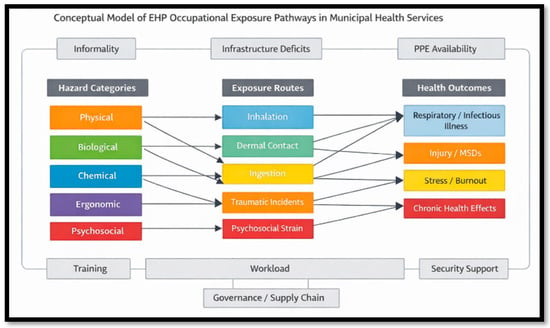
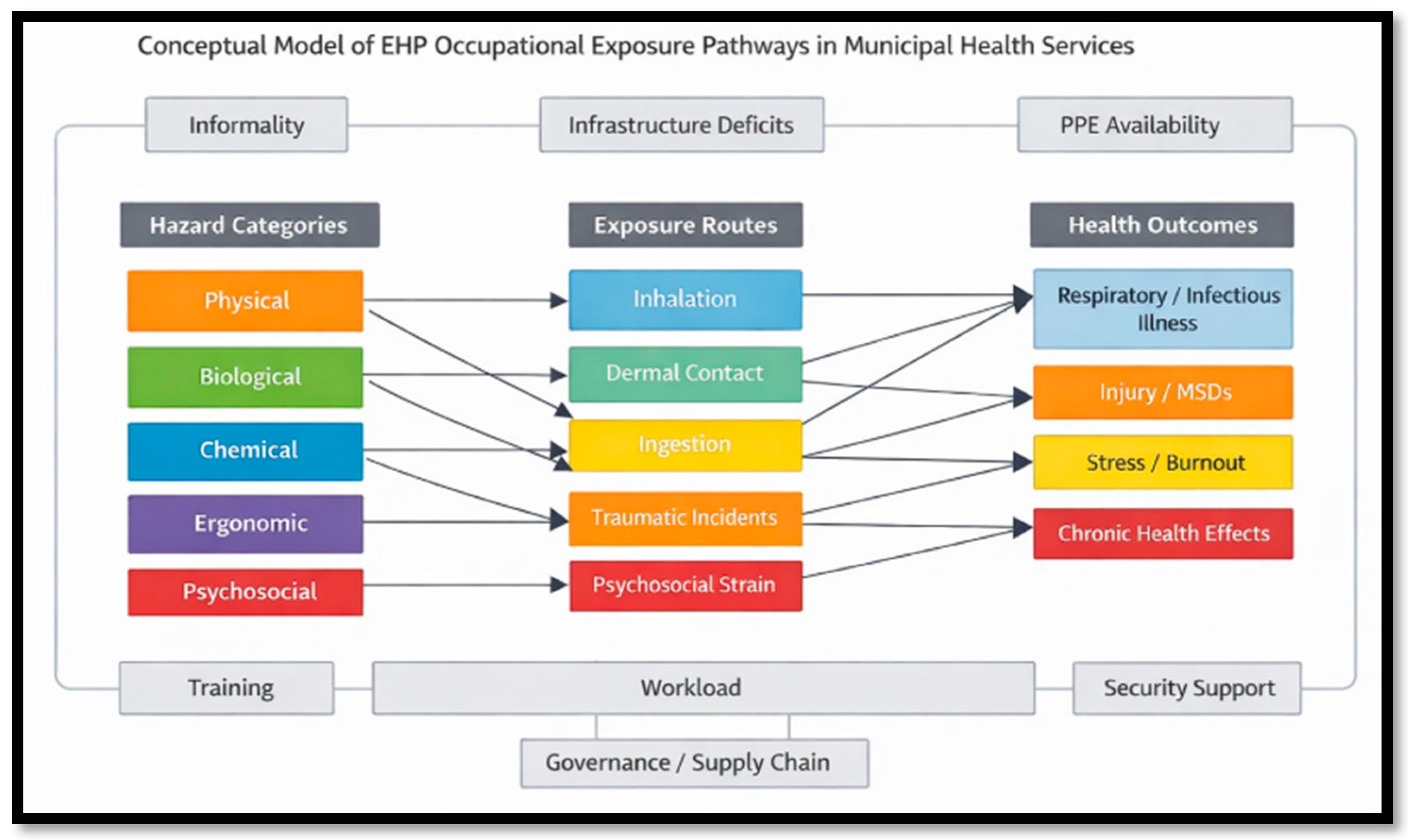
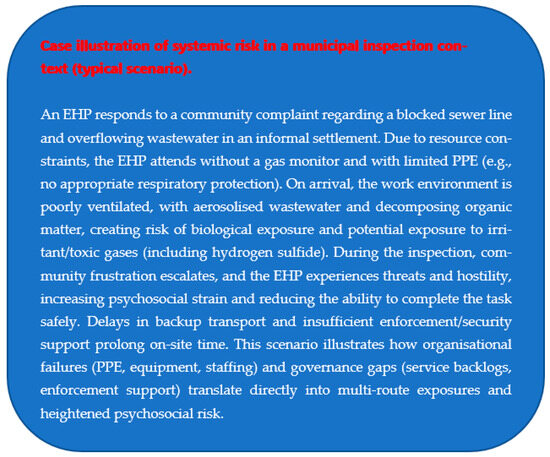
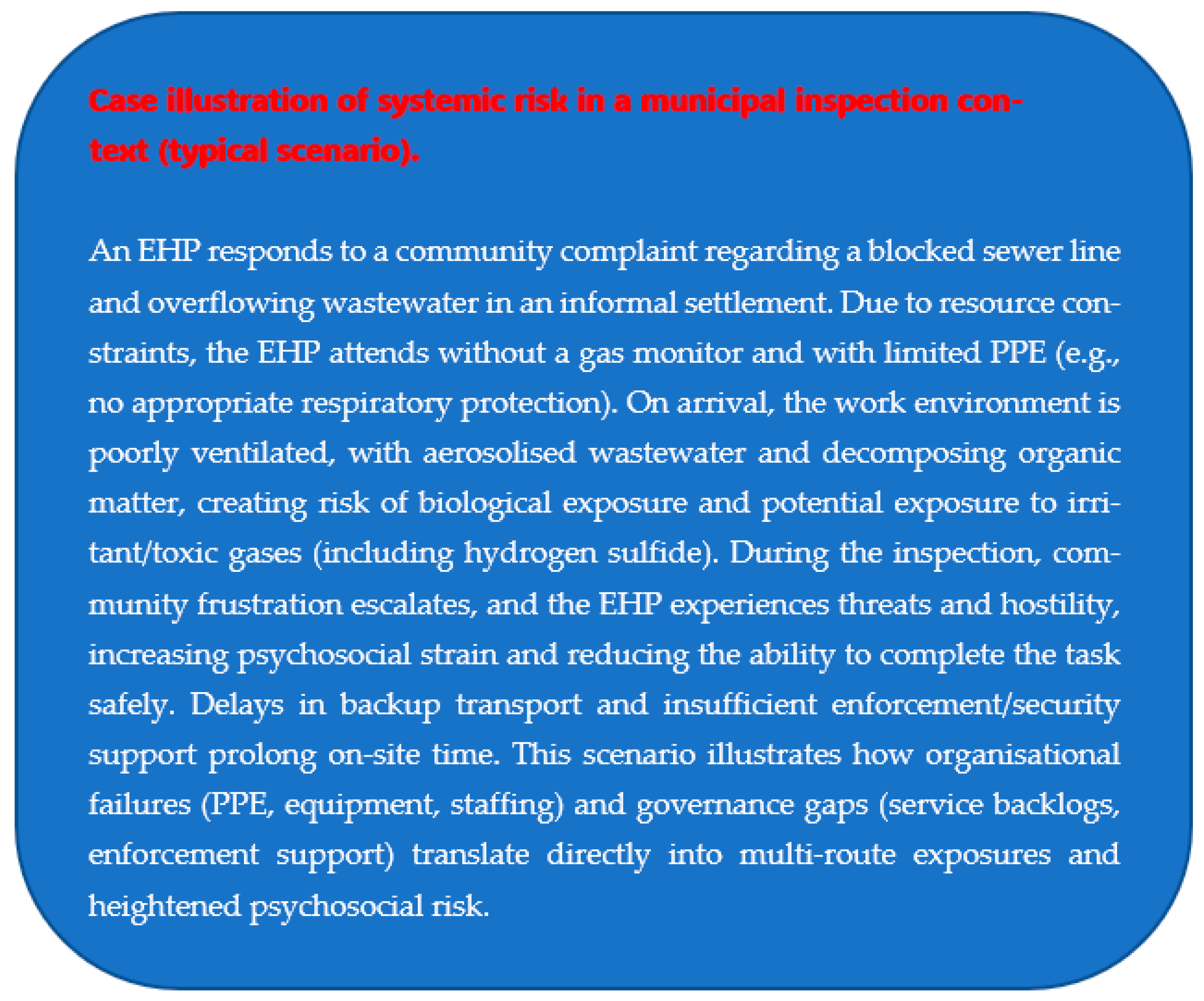

Disclaimer/Publisher’s Note: The statements, opinions and data contained in all publications are solely those of the individual author(s) and contributor(s) and not of MDPI and/or the editor(s). MDPI and/or the editor(s) disclaim responsibility for any injury to people or property resulting from any ideas, methods, instructions or products referred to in the content. |
© 2026 by the author. Licensee MDPI, Basel, Switzerland. This article is an open access article distributed under the terms and conditions of the Creative Commons Attribution (CC BY) license.