


Abstract
Despite sustained efforts to improve construction health and safety (CHS), accident and injury rates remain persistently high, driving increased interest in Artificial Intelligence (AI)-enabled safety solutions. This study presents a thematic systematic literature review of 148 peer-reviewed journal articles published between 2013 and 2025, conducted in accordance with PRISMA guidelines and sourced from Scopus. The synthesis identifies four dominant thematic areas: AI use cases, adoption barriers, realised benefits, and future research directions. Findings indicate a strong concentration of studies on vision-based monitoring, predictive hazard detection, and automated risk assessment, while organisational, ethical, and governance dimensions remain comparatively underexplored. Recurring impediments include data quality limitations, algorithmic opacity, fragmented digital ecosystems, and organisational resistance, highlighting persistent non-technical constraints on implementation. Reported benefits consistently emphasise improved predictive accuracy, real-time situational awareness, and proactive safety intervention, signalling a transition from reactive compliance-based approaches toward anticipatory, data-driven safety management. Based on these patterns, future research should prioritise explainable AI, interoperable data infrastructures, and cross-disciplinary integration to support scalable and trustworthy AI adoption in CHS.
1. Introduction
Ensuring occupational health and safety (OHS) in infrastructure delivery remains a persistent challenge within the built environment, with implications extending beyond worker well-being to include financial losses, schedule disruptions, and reputational damage [1,2]. Despite decades of regulatory reform and improved training, the construction sector continues to rank among the most hazardous industries globally, recording fatality rates significantly higher than most other sectors [3,4]. This elevated risk profile is driven by dynamic site conditions, complex task interdependencies, extensive machinery use, and exposure to adverse environmental factors such as noise, dust, and extreme weather [5].
As characterized in Table 1, traditional health and safety (H&S) practices are often reactive, manually intensive, and unable to keep pace with the dynamic risks inherent to construction environments [6]. Critical issues such as ineffective hazard detection, inconsistent training outcomes, and delayed response to emerging site risks continue to compromise worker safety [7]. Furthermore, safety inspections are frequently paper-based and fragmented, limiting the capacity to monitor, predict, and mitigate risks in real-time. Remote or high-risk zones further exacerbate monitoring challenges, while the pressure to comply with increasingly complex regulatory frameworks adds to operational strain [8,9]. In this context, artificial intelligence (AI) offers a transformative approach to construction H&S management. AI-powered systems through machine learning, computer vision, and IoT integration enable predictive risk analytics, real-time hazard identification, and adaptive safety training tailored to individual behaviour and roles [10,11]. These capabilities facilitate a shift from reactive to proactive safety strategies, enhance situational awareness, automate compliance tracking, and reduce reliance on human supervision in dangerous zones.
Despite advances in safety protocols and training, the industry continues to suffer from a high frequency of both lethal and non-lethal workplace accidents. As Ayhan [12] note, even with declining injury and fatality rates over the past four decades, the construction sector remains disproportionately vulnerable to work-related mishaps. Incidents, broadly defined to include accidents as well as near-misses, are often the result of insufficient preventive measures and systemic weaknesses in risk identification, monitoring, and control. The persistence of these events underscores the urgent need to improve existing safety management systems with more adaptive, intelligent solutions. The identification, evaluation, and management of risk factors in construction projects have long been central themes in construction safety scholarship [13]. Given that these variables emerge across the entire project lifecycle, from design to decommissioning, the need for sophisticated, multi-dimensional safety strategies is paramount [14].
Table 1.
Characterizing the need for AI in Construction Health & Safety.
To address these challenges, there is a growing consensus around the integration of artificial intelligence (AI) into construction health and safety management systems. Scholars such as Tixier [27], Kim et al. [28] and Luo et al. [29] advocate for a shift toward holistic, AI-driven safety models that integrate human, systemic, environmental, and technological data into unified predictive frameworks. Such models hold the potential not only to improve the accuracy of risk prediction but also to generate actionable, real-time insights for proactive intervention.
In light of these developments, this paper explores the transformative role of artificial intelligence in construction health and safety. Specifically, it examines: (1) the applications of AI in construction health and safety across various project stages and contexts; (2) the key value AI brings to hazard detection, risk mitigation, and decision-making (3) the impediments limiting AI uptake, including technical, ethical, and organizational barriers and (4) prospective directions for future research and practice aimed at integrating AI into sustainable, scalable construction safety ecosystems. Beyond providing a broad overview of existing studies, this research makes an original contribution by offering a thematic systematic synthesis of artificial intelligence applications in construction health and safety. The study integrates fragmented evidence across technological, organisational, and behavioural dimensions, systematically contrasts reported benefits with persistent adoption barriers, and exposes structural imbalances between rapid technological advancement and limited real-world validation. By shifting the analytical focus from isolated technologies to application domains and systemic constraints, the review provides a conceptual foundation that supports theory development, informs practice, and guides future empirical and policy-oriented research on AI-enabled construction safety. This paper is organized into six main sections. Section 1 provides the introduction and background to the study, with a focus on characterising the need for Artificial Intelligence (AI) in construction health and safety. It outlines the persistent challenges within the sector and frames the rationale for the integration of AI technologies. Section 2 describes the methodological approach adopted for the study, detailing the systematic literature review process and the criteria used for data selection and analysis. Section 3 presents the results, offering a synthesis of key findings derived from the reviewed literature, including use cases, benefits, and barriers associated with AI in construction safety practices. It is laid out with a critical discussion of the findings, interpreting their implications within the broader context of current industry practices and academic discourse. Finally, Section 4 concludes the study by summarizing the key insights and highlighting the contributions to knowledge.
2. Materials and Methods
This study adopted a systematic literature review (SLR) as the principal methodological framework to comprehensively explore the evolving discourse on the application of artificial intelligence (AI) in construction health and safety (CHS) [30,31]. The review was structured to rigorously address four central objectives highlighted previously.
2.1. Literature Search Strategy and Data Sources
To ensure broad disciplinary coverage and inclusion of high-quality, peer-reviewed literature, Scopus was adopted [32,33]. Scopus was chosen not only for its global academic recognition and citation breadth but also for its extensive indexing of interdisciplinary publications across engineering, computer science, and the built environment [34,35]. While systematic reviews often employ multiple databases, Scopus has been widely recognised in construction management and built environment research as a comprehensive standalone source capable of supporting robust systematic and bibliometric analyses, particularly for interdisciplinary topics at the interface of digital technologies and construction safety. This strategic database selection was therefore considered sufficient for meeting the objectives of the present review. The literature search was conducted using a “Title/Abstract/Keyword” query, guided by the Preferred Reporting Items for Systematic Reviews and Meta-Analyses (PRISMA) framework, to ensure methodological transparency and replicability [36]. The following Boolean search string was deployed; (“Artificial Intelligence” OR “AI” OR “Machine Learning” OR “Deep Learning”) AND (“Construction” OR “Construction Industry”) AND (“Health and Safety” OR “Occupational Safety” OR “Risk Assessment” OR “Hazard Detection”). To capture the most relevant publications, the search was restricted to articles published between 2013 and 2025. This time frame was selected based on the noticeable emergence of AI applications in CHS around 2013, reflecting a growing academic and industry interest in digital safety solutions over the last decade [33,37].
2.2. Inclusion and Exclusion Criteria
To ensure thematic relevance and methodological rigour, a multi-stage screening process was employed, incorporating both inclusion and exclusion criteria [33]. The initial search yielded 1245 documents. A title and abstract screening was conducted to refine the pool to studies specifically addressing AI in construction safety [38,39,40]. The review process applied the following filters:
Subject Area: Engineering and construction-focused disciplines
Publication Stage: Final publications only
Language: English
Document Type: Journal articles only (excluding conference proceedings, editorials, preprints, or non-peer-reviewed materials)
This screening reduced the corpus to 404 documents, of which a full-text review narrowed the final selection to 148 peer-reviewed journal articles. Figure 1 summarises the article selection search, screening, and analysis of previous literature through three stages. To support efficiency and consistency during the initial screening stage, basic automation features embedded within the Scopus export and reference management environment were used for duplicate removal and preliminary filtering based on title, abstract, and keyword relevance. All eligibility decisions, full-text assessments, and final article selections were conducted manually by the researchers to ensure interpretive accuracy and methodological rigour.
Figure 1.
PRISMA flow diagram of the research process.
2.2.1. Inclusion Criteria
The publication discusses case studies, theoretical frameworks, implementation strategies, or conceptual discussions on the integration of AI in CHS and addresses technical, behavioural, or systemic challenges or opportunities associated with AI-driven safety systems in construction environments.
2.2.2. Exclusion Criteria
The study does not focus on the application or implications of AI in the context of construction health and safety. Also considered is whether the document is peer-reviewed (e.g., editorials, white papers, textbooks, workshop summaries, keynote addresses); the paper is not published in English, as English remains the predominant language of scholarly communication in engineering and AI research [35].
A document was deemed eligible for inclusion if it satisfied at least one inclusion criterion and did not meet any exclusion criteria [41,42]. This process ensured that the final sample represented a robust, thematically coherent, and methodologically diverse body of scholarship capable of supporting an in-depth analysis of AI’s role in CHS [43,44].
2.2.3. Thematic Analysis and Synthesis Procedure
A qualitative thematic synthesis approach was employed to analyse and integrate findings from the included studies. Following full-text review, relevant content was systematically coded using an iterative, inductive–deductive process. Initial open coding was conducted to capture recurring concepts related to AI use cases, benefits, impediments, and future research directions. These preliminary codes were then repeatedly reviewed and refined through constant comparison across studies to ensure consistency and conceptual alignment. To enhance coding reliability, the coding framework was iteratively revised as new patterns emerged, with earlier coded studies revisited to confirm alignment with updated code definitions. This recursive process reduced interpretive drift and ensured consistent application of codes across the dataset.
Theme consolidation was achieved through axial coding, whereby closely related codes were grouped into higher-order categories based on conceptual similarity, explanatory relevance, and frequency of occurrence. These categories were subsequently synthesised into four overarching themes that reflected both the empirical emphasis and analytical objectives of the review. The final thematic structure was validated by reassessing the coherence and distinctiveness of each theme against the full corpus of included studies. All figures presented in this study were developed by the authors based on the systematic extraction, synthesis, and interpretation of findings from the reviewed literature. Figures were used to visually summarise conceptual frameworks, bibliometric trends, and thematic relationships identified during analysis. Standard academic software tools were employed for figure layout, formatting, and visual refinement to enhance clarity and readability. No generative or analytical artificial intelligence tools were used to generate figure content, derive results, or perform data interpretation.
3. Results and Discussion
3.1. Statistical Analysis
The global distribution of publications on artificial intelligence in construction health and safety (AI in CHS) from 2013 to 2025 is presented in Figure 2. The earliest contributions, dating back to 2013, primarily explored conceptual frameworks and theoretical models, laying the groundwork for subsequent empirical investigations. From 2018 onwards, there has been a discernible shift toward studies incorporating experimentation and applied research, indicating a growing maturation of the field. Notably, a significant upward trajectory in publication volume is observed beginning in 2020, reflecting a surge in global academic and industry interest. This acceleration aligns with the broader technological advancements in AI, particularly the rise of Generative AI, Multimodal AI, Large Language Models (LLMs), and Conversational AI, which between 2022 and 2024 catalyzed a significant increase in scholarly output. The marked increase in publications after 2020 can be interpreted not only as a function of broader advances in artificial intelligence but also as a response to heightened awareness of occupational risk, accelerated digitalisation initiatives, and disruptions to traditional site supervision practices. The convergence of Industry 4.0 agendas, increased availability of sensor and visual data, and growing regulatory emphasis on proactive safety management appears to have catalysed scholarly attention toward AI-enabled construction safety solutions during this period. Figure 3 illustrates the distribution of articles across academic journals. Safety Science leads with the highest number of publications (n = 24), followed closely by Automation in Construction (n = 22), the Journal of Construction Engineering and Management (n = 16), and Buildings (n = 11). These journals have emerged as central platforms for disseminating cutting-edge findings on AI integration in CHS domains. The disciplinary concentration of publications within engineering, computer science, and construction management journals suggests that AI-driven safety research remains predominantly technology-oriented. While this focus has yielded significant advances in algorithm development and system performance, it may also explain the relative underrepresentation of organisational, behavioural, and policy-oriented perspectives. This disciplinary imbalance underscores the need for greater integration with social science, management, and occupational health scholarship to support holistic and implementable AI-enabled safety frameworks. The systematic review encompasses contributions from 29 countries spanning six continents, underscoring the global nature of this research domain. As shown in Figure 4, China stands at the forefront with 38 peer-reviewed journal articles, followed by the United States (n = 26), Turkey (n = 16), South Korea (n = 12), and the United Kingdom (n = 10). This geographic spread demonstrates the transnational commitment to advancing AI solutions for enhancing safety outcomes in the construction industry [45].
Figure 2.
Number of articles based on the publication year from 2013 to 2025.
Figure 3.
Articles sorted by data source.
Figure 4.
Distribution map of research articles published based on their country of origin.
Regional disparities in publication output reflect underlying differences in institutional capacity, regulatory enforcement, and digital readiness within the construction sector. High research intensity in regions such as East Asia, North America, and parts of Europe may be attributed to stronger research funding ecosystems, advanced digital infrastructure, and stringent occupational safety regulations that incentivise technological innovation. Conversely, lower representation from developing regions does not necessarily indicate reduced safety challenges but rather highlights structural constraints related to data availability, research funding, and limited access to advanced AI technologies.
3.2. Qualitative Analysis of the Papers
The content of the 148 journal articles reviewed was rigorously examined to assess the depth, scope, and contextual richness of discussions surrounding the application of artificial intelligence (AI) in construction health and safety (CHS). The analysis specifically focused on four critical dimensions: practical use cases, barriers to adoption, realized and anticipated benefits, and emerging future research directions. A comprehensive coding process was employed to systematically extract insights, beginning with a structured reading of each article and evolving through a bottom-up, inductive methodology [46]. This approach allowed for the organic emergence of themes grounded in the data itself, rather than being imposed a priori. Initial open coding captured granular concepts, which were subsequently refined and grouped into broader thematic categories [47]. Codes with limited recurrence or those lacking conceptual coherence were excluded to ensure analytical clarity and thematic integrity. Through this iterative process, a robust thematic framework was established, capturing the multifaceted roles AI plays across various stages of construction health and safety management [48].
3.2.1. Use Cases of Artificial Intelligence in Construction Health & Safety
Use cases of AI in construction health and safety are discussed below and presented in Table 2.
AI-Enhanced Techniques for Proactive Construction Safety Management
Complex structural environments, hazardous operational conditions, and human factors such as worker attitudes, organizational size, project coordination, financial pressures, and safety culture collectively contribute to the elevated rate of incidents [49]. Recognizing these challenges, numerous safety identification techniques and technological approaches, particularly vision-based monitoring systems, have been explored to reduce the frequency and severity of safety accidents on construction sites. Nevertheless, despite considerable promise, the application of advanced technological solutions such as automated surveillance and monitoring systems remains hindered by complexities inherent in construction environments and site vulnerability [49].
Table 2.
Existing Use Cases of AI in Construction Health & Safety.
For instance, Lee et al. [49] introduced AI-driven Automatic Sound Recognition (ASR) for detecting hazardous noise levels in compliance with occupational safety standards, such as the NIOSH Recommended Exposure Limit (REL). Such AI-enhanced noise classification technology facilitates the identification of hazardous construction sounds (e.g., machinery malfunctions, and distress calls), significantly contributing to accident prevention [8,64]. Furthermore, the authors underscored innovative applications of AI-integrated wearable technologies, including devices capable of detecting abnormal breathing patterns and distress signals among construction workers, thus improving overall workplace safety. Extending these advancements, Lee et al. [50] proposed an attribute-based AI approach that systematically decomposes construction activities into potential hazard categories, such as working at heights or handling liquid concrete. This methodological framework allows for the generation of proactive, AI-driven safety alerts by recognizing risks associated with specific tasks before their initiation [65,66]. Similarly, Wu et al. [51] demonstrated AI-driven methods that leverage worker proximity data, significantly enhancing the detection and prevention of accidents caused by unauthorized access or blind spots.
Collectively, these findings Lee et al. [50]; Wu et al. [51]; Zhou et al. [68] reinforce the argument that integrating multiple AI-driven safety approaches substantially enhances overall construction site safety. A significant illustrative application includes deep learning (DL) techniques, particularly convolutional neural networks (CNN), YOLO, and R-CNN, for real-time tracking of workers, equipment, and hazard-prone areas [67]. For example, Onososen et al. [52] utilized the YOLOv8 algorithm to achieve a mean average precision (mAP) of 78% for worker drowsiness detection, a critical precursor to accidents. In a related study, Zayed et al. [69] developed an EEG-based system achieving impressive accuracy rates (up to 99.85% intra-subject, 96.4% inter-subject) for identifying worker drowsiness. These DL-driven systems underscore the efficacy and practicality of embedding AI technologies into real-time safety infrastructures [70,71]. Despite significant advancements, conventional safety-based decision-making techniques often overlook interrelationships among causal factors, associated risks, and the subjective biases of decision-makers [72,73]. Addressing these gaps, Sadeghi et al. [5] proposed an Enhanced Risk Assessment and Fuzzy-based Framework (ERAFF), employing algorithms such as FBWM, IVFDEMATEL, FTOPSIS, and TFNs to elucidate causal-effect relationships within safety management.
Moreover, Alateeq et al. [7] employed the YOLO-v5 model, demonstrating real-time accuracy (141 FPS) in detecting critical safety elements including PPE and machinery. Lee and Lee [74] similarly employed synthetic-data-driven transfer learning approaches for real-time fall detection and PPE monitoring, indicating a shift towards comprehensive AI-based proactive surveillance systems. Complementing these advancements, Sowiński et al. [26] presented cost-effective wearable smartwatch solutions leveraging ASSIST-IoT architecture to bridge sophisticated AI analytics and accessible hardware, offering scalable, cross-domain applicability in safety management.
AI-Enhanced Hazard Recognition and Incident Causation in Construction Safety
Numerous studies consistently underscore the inadequate identification of hazards and systematic underestimation of risks as primary factors contributing to construction-related incidents [20]. Namian et al. [75], for example, illustrated how cognitive distractions among workers considerably degrade their hazard perception and identification capabilities, thereby heightening their vulnerability to accidents. Ekici et al. [76], for instance, contribute to this discourse through the development of Adjacent-Net, a specialized deep-learning framework explicitly designed for seismic hazard detection. Wu et al. [77] demonstrated the significant benefits of employing multi-source data fusion techniques grounded in the enhanced Dempster-Shafer (D-S) theory. Beyond addressing macro-level hazards, recent advancements have also extended AI’s capabilities into personalized occupational health and safety (OHS) interventions. Koc [78], in particular, developed an innovative data-driven framework utilizing Random Forest (RF), Particle Swarm Optimization (PSO), and SHAP analysis to proactively identify individual workers at elevated fatality risk.
Advanced Predictive Approaches for Enhancing Safety Management in Construction
Regression models offer clear interpretability and straightforward mechanisms for modelling risk relationships. However, they exhibit notable shortcomings when confronted with complex, nonlinear data relationships that typify construction safety scenarios [79,80]. Conversely, ANNs adeptly handle complex nonlinear dynamics inherent to safety data, demonstrating high predictive accuracy, particularly in predicting safety climates and worker behaviour patterns [81]. Despite their robustness, the practical utility of ANNs often diminishes due to their lack of transparency in decision-making processes, frequently rendering them opaque or “black-box” solutions, thereby reducing their acceptance among industry practitioners [81]. Addressing interpretability concerns inherent to ANNs, hybrid approaches incorporating fuzzy set theory have emerged as a viable alternative. These integrated fuzzy-ANN systems substantially enhance interpretability while concurrently preserving predictive accuracy by effectively managing the inherent vagueness and uncertainty present in safety assessments.
Considering practical constraints in adopting advanced methodologies, simpler, short-term safety measures such as administrative controls (AC) and personal protective equipment (PPE) remain widely prevalent within the construction industry. PPE, in particular, constitutes an accessible frontline measure, frequently mandated by regulatory bodies across diverse jurisdictions. In the United States, for example, the Occupational Safety and Health Administration (OSHA) requires safety harnesses for working at heights and mandates the use of hard hats at construction sites. Similarly, the General Administration of Quality Supervision, Inspection, and Quarantine (GAQSIQ) in mainland China enforce comparable regulations to safeguard worker safety through PPE implementation [82]. However, despite the regulatory reliance on PPE as a baseline protective measure, its efficacy remains limited predominantly to safeguarding against immediate bodily harm, notably involving head or upper extremity injuries. Thus, a comprehensive predictive safety management system should integrate both straightforward regulatory compliance measures and sophisticated predictive analytics, thereby optimizing safety outcomes through proactive hazard mitigation and informed decision-making. Across predictive modelling studies, a consistent pattern emerges in which machine learning algorithms leverage historical accident data, site characteristics, and worker attributes to forecast risk likelihood and injury severity. Although model performance is frequently reported as high, the synthesis reveals a broader reliance on retrospective datasets and limited deployment in live construction environments. This highlights both the promise of predictive analytics for proactive intervention and the need for greater emphasis on model generalisability, interpretability, and real-world validation.
Machine Learning Applications in Construction Safety Management
Recent developments in machine learning (ML) have significantly advanced predictive capabilities within the field of construction safety management, offering sophisticated solutions capable of handling complex and multifaceted safety challenges [83,84]. Prominent among these innovations are algorithms such as Random Forests, decision trees, and support vector machines, each of which has demonstrated considerable robustness and predictive reliability in forecasting construction safety outcomes [4,85,86]. For example, Tixier et al. [85] successfully leveraged textual analyses derived from detailed incident reports to accurately predict nuanced incident outcomes. In a related study, Kim et al. [86] underscored the efficacy of Random Forest classifiers, highlighting their exceptional predictive accuracy in discerning construction workers most vulnerable to fatalities. Collectively, these findings reinforce the considerable potential of ML techniques to enhance proactive safety interventions through precise identification and management of high-risk scenarios. However, despite their demonstrated advantages, such advanced ML methodologies necessitate substantial quantities of accurately annotated data, a requirement that frequently represents a significant limitation for organizations lacking well-developed and mature data collection infrastructures [1,87]. Consequently, this dependence on high-quality datasets poses a notable barrier to broader implementation, particularly in smaller firms or those with limited digital maturity. To address such challenges and facilitate practical adoption, recent efforts have emphasized operationalizing ML techniques within real-world construction contexts. Notably, Yoon et al. [88] deployed ML models to classify construction site risk profiles systematically, incorporating five critical attributes; facility type, ordering organization, construction cost, safety management plan, and type of construction. Their research utilized these classifications to train specialized submodels dedicated to predicting distinct safety outcomes, specifically the causative objects of accidents, accident types, and resultant injury severities. Among the algorithms tested, XGBoost emerged as the optimal predictive model, outperforming other approaches evaluated within the study.
Case-Based Reasoning (CBR) as a Learning Paradigm
Case-based reasoning (CBR) has emerged as a particularly valuable method for improving safety management by systematically leveraging historical incident data to inform present decisions. Goh [89], for instance, demonstrated that the application of CBR facilitates early hazard warnings derived from analogous historical scenarios. Such predictive insights significantly enhance the industry’s capability for preemptive risk mitigation. Similarly, Pereira et al. [90] further expanded upon this concept by employing CBR methodologies to systematically evaluate safety performance. However, the practical efficacy of CBR frameworks hinges critically upon the quality, completeness, and accuracy of the underlying case databases. Maintaining comprehensive and detailed case databases can present considerable challenges, particularly for construction firms with limited resources or insufficient infrastructure dedicated to systematic accident documentation.
Data-Driven Approaches in Construction Health and Safety Management
The importance of adopting robust, data-driven safety management platforms is increasingly evident as these systems offer precise identification and prediction of vulnerable body parts among construction personnel [91,92]. Such targeted analytics enable safety professionals to formulate individually tailored mitigation strategies, significantly enhancing the efficacy of interventions. Indeed, the extensive data available internally and externally from construction operations, when systematically captured and analyzed, can play a pivotal role in proactively mitigating injuries or reducing their severity [78]. While personal protective equipment (PPE) remains an essential safeguard, primarily providing effective protection against injuries to the fingers, hands, and head, its protective efficacy concerning injuries to upper and lower extremities remains limited. The increasing influence of the big data era on contemporary safety management is well-documented [93,94]. As such, the establishment of sophisticated platforms for the collection, analysis, and management of expansive occupational health and safety data is integral for future-focused projections. Such platforms enable the accurate identification of specific risk factors influencing bodily injuries and facilitate the formulation of optimized, evidence-based mitigation strategies. Ultimately, these data-driven methods represent a significant evolution in construction safety management, fostering more precise, proactive, and adaptive approaches to mitigate ongoing occupational health and safety risks.
Advanced Analytical Methods for Construction Hazard Recognition and Comprehensive Risk Assessment
Given the intricate nature of construction environments, hazard recognition emerges as a critical component of effective risk management. Xu et al. [95] significantly contributed to this domain through their innovative application of eye-tracking technology, systematically examining workers’ cognitive visual-search patterns during hazard identification tasks. Their findings emphasized notable challenges in hazard recognition within dynamic, three-dimensional site environments, revealing substantially lower detection rates compared to simpler two-dimensional contexts. Extending this discourse, Zhu et al. [4] stressed the necessity of accurately estimating the likelihood of fall-related incidents due to their significant predictive role in assessing severe outcomes such as the nature of injury (NOI), part of the body affected (POB), source of injury (SOI), and event or exposure (EOE). Their analysis identified crucial determinants that influence fall risk predictions, notably the effectiveness and proper utilization of personal fall arrest systems (PFAS), workers’ locations and specific activities, appropriate usage of safety gear (including hard hats, gloves, and boots), and overall adherence to safe working conditions. Complementing these perspectives, Do et al. [96] employed advanced analytical techniques to investigate 1051 accident narratives reported by the Occupational Safety and Health Administration (OSHA), focusing explicitly on highway construction incidents. Their study delineated twelve distinct root causes, categorized into five domains: management, environmental conditions, material factors, human errors, and behavioural influences. Significantly, their analytical framework underscored unique hazards characteristic of highway construction environments, such as spatial constraints and inadequate worker protection, which are frequently overlooked in broader construction safety paradigms.
Ergonomic Risk Assessment Methods in Construction: From Traditional Approaches to AI-Enhanced Solutions
Self-reported ergonomic risk assessment tools, such as the Nordic Musculoskeletal Questionnaire and the Borg Scale, remain popular due to their affordability, ease of deployment, and broad applicability across diverse construction environments [97]. Despite these practical advantages, their effectiveness in accurately identifying and quantifying ergonomic risks is significantly undermined by inherent subjective biases [98]. Workers often provide imprecise or inconsistent accounts of exposure levels, resulting in potentially unreliable data. This lack of objectivity diminishes the credibility of resultant health and safety interventions, prompting the need for alternative methodologies that offer greater reliability [97,98]. To address the limitations posed by subjectivity in self-reported measures, traditional observational methods, including Rapid Upper Limb Assessment (RULA), Rapid Entire Body Assessment (REBA), and Ovako Working Posture Analysis System (OWAS), have frequently been utilized [57]. Although these observational techniques offer cost-effectiveness and relative simplicity, they suffer markedly from observer-dependent variability. Differences arising from intra- and inter-observer assessments often yield inconsistent ergonomic evaluations, further limiting the accuracy and reproducibility required for effective safety interventions. Advancements in optical motion tracking technologies, including both marker-based and markerless systems, have been introduced as a potential solution to overcome these observational inconsistencies [99]. Crucially, existing sensor-based approaches often operate independently, lacking cohesive integration across multiple physiological monitoring platforms. Consequently, comprehensive ergonomic assessments remain difficult, necessitating advancements in sensor integration and minimally intrusive, AI-powered sensor technologies [100,101].
Building upon sensor-based approaches, Jebelli et al. [60] proposed a biosensor-driven system leveraging multiple physiological signals, including skin temperature, photoplethysmography, and electrodermal activity, to quantify workers’ physical demands on construction sites. Complementing this biosensor-based method, Ogunseiju et al. introduced an innovative convolutional neural network (CNN)-based technique, specifically the Inception v1 model, for automated recognition and classification of construction tasks (e.g., carpentry, painting) through analysis of time-series physiological signals. The practical implications of this method extend beyond real-time hazard monitoring to include improved incident prevention, targeted worker training, and optimized resource allocation.
Risk-Informed Decision-Making Through Psychological and Cognitive Modelling
Li et al. [6] present a pioneering application of fuzzy-set Qualitative Comparative Analysis (fsQCA) to uncover the psychological configurations that shape Building Information Modeling (BIM) adoption in small and medium-sized enterprises (SMEs). Moving from managerial cognition to frontline risk detection, Siddula et al. [102] address a critical operational gap in site safety through a computer vision-based classifier for detecting roof structures from construction images. Although constrained by assumptions related to conventional roof geometries and segmentation algorithms, the model marks an early yet important attempt to automate fall hazard identification. Shuang et al. [103] introduced the INSTRUCTOR-CIT model for automatic classification of OSHA accident narratives, outperforming existing benchmarks such as Qiao et al. [62] and Goh and Ubeynarayana [48] in both accuracy and weighted F1 scores. Unlike earlier models, INSTRUCTOR-CIT effectively handles underrepresented classes and complex semantic variations, thereby improving the granularity and reliability of risk classification. Similarly, Qiao et al. [62] employed supervised learning techniques (Support Vector Machines and Convolutional Neural Networks) to classify OSHA injury narratives, achieving accuracies up to 90%. Their work laid the groundwork for structuring injury causes automatically, serving as a foundational step for broader safety analytics and machine-readable risk databases.
Cloud-Based AI Frameworks for Risk Assessment in Construction Health and Safety
A notable contribution in this domain comes from Liu and Tian [61], who proposed an innovative application of extension cloud theory combined with distributed computing methodologies to evaluate construction site risks. Their model represents a significant step forward in addressing two persistent challenges in safety assessments: randomness and uncertainty. By leveraging fuzzy-random reasoning, the framework effectively handles imprecise or incomplete safety data conditions that are common in the unpredictable and fast-paced construction environment. One of the model’s most salient features is its capacity to detect latent hazards that might otherwise go unnoticed in conventional rule-based systems. Additionally, it enables the delivery of real-time, actionable insights to safety professionals, thereby enhancing their ability to intervene proactively before risks escalate into incidents. This functionality positions the cloud-based system not merely as a passive data repository but as an active decision-support tool that continuously refines risk assessments as new data becomes available [104,105].
AI for Environmental Risk Mitigation and Regulatory Compliance in Construction Safety
One key area where AI has shown considerable promise is in enhancing regulatory compliance through improved information processing. Liu et al. [106] demonstrated that AI-driven platforms strengthen the ability of construction firms to interact more effectively with e-government systems, thereby reducing information asymmetry between regulators and industry actors. This heightened information visibility allows companies to better perceive and respond to environmental regulatory pressures, ultimately promoting compliance with pollution control standards. Traditional construction safety models often neglect environmental risk factors such as natural disasters or weather anomalies—thus limiting their predictive robustness. Addressing this shortcoming, Kim et al. [107] developed a deep learning framework that integrates natural disaster indicators (e.g., severe weather events, seismic activity) with construction project metadata to forecast safety incidents and fatalities. The inclusion of environmental parameters significantly enhances model accuracy, offering a more holistic risk assessment and enabling advanced safety preparedness in vulnerable regions. Focusing specifically on meteorological hazards, Wang and Li [108] proposed a CNN-based hybrid model to predict wind fluctuations on construction sites. As modern construction projects increasingly involve vertical structures and high-altitude operations, the ability to forecast wind behaviour is crucial for preempting site-specific risks, such as crane instability or falling debris. This model, therefore, plays a pivotal role in augmenting safety protocols on complex construction sites.
Tang and Golparvar-Fard [109] identified significant constraints associated with camera-based pose estimation, particularly under suboptimal viewing angles and frequent occlusions typical of crowded construction sites. Similarly, Xiahou et al. [56] noted that sensor-based models often degrade in performance when operating under poor illumination or occluded conditions, both of which are common in real-world construction environments. These limitations highlight the need for more resilient systems capable of maintaining accuracy despite environmental variability.
Vision-Based AI for Fatigue Detection, PPE Compliance, and Ergonomic Risk Monitoring in Construction
Yu et al. [110] proposed a novel fatigue monitoring approach that integrates biomechanical analysis with computer vision techniques. This vision-based, non-intrusive method allows for whole-body fatigue monitoring without the need for physical sensors, making it more practical and worker-friendly for real-time application on construction sites. Vision-based AI systems have since gained substantial traction in construction safety research, particularly in the realms of PPE compliance and hazardous behaviour detection. For instance, Fang et al. [111] demonstrated the efficacy of object detection models specifically SSD and Faster R-CNN in identifying improper PPE usage. These models, trained on extensive image datasets, exhibited high accuracy even under complex environmental conditions, marking a significant evolution from reactive safety protocols to proactive monitoring strategies. However, the challenge of detecting nuanced or posture-dependent PPE violations remains. Traditional object detection systems may fail to account for contextual misuses, such as loosely worn harnesses or incorrectly positioned helmets. To bridge this gap, studies by Chen and Demachi [54], Tang [109] and Li et al. [112] have combined pose estimation with object detection, enabling the system to interpret the spatial relationships between PPE and worker posture. This integration has substantially improved detection accuracy by identifying violations that would be overlooked by appearance-based models alone. Beyond visual recognition, several recent studies have explored ontology-based reasoning to further enrich the interpretive capacity of AI models. Research by Xiong et al. [113], Zhang et al. [114], Wu et al. [115], and Chen et al. [116] emphasize the value of incorporating semantic frameworks such as ontologies and graph structures into vision-based safety systems. These enhancements enable the system not only to detect hazardous scenarios but also to infer complex relationships and context-specific risks, elevating hazard identification to a more intelligent and adaptable level.
Building upon these conceptual advancements, Chen et al. [117] introduced hybrid visual information analysis frameworks that integrate instance segmentation and pose estimation techniques (e.g., Cascade Mask R-CNN, YOLACT) for monitoring occupational hazards, such as improper handrail usage. These systems offer a marked improvement over traditional single-object detection methods, enabling real-time and automated surveillance of unsafe behaviours with a level of precision that manual observation simply cannot match. The potential of such frameworks is further expanded by the introduction of datasets specifically designed for construction ergonomics. Notably, Fan et al. [57] developed the CP3D dataset, which supports pose estimation and ergonomic risk assessment (ERA) via deep learning. By embedding biomechanical assessment tools like REBA (Rapid Entire Body Assessment) and RULA (Rapid Upper Limb Assessment) within AI models, this system facilitates non-invasive, scalable evaluation of awkward or high-risk postures—frequent precursors to musculoskeletal disorders. The automation of ergonomic risk assessment through vision-based AI represents a transformative leap toward real-time, individualized health and safety interventions. Collectively, studies employing computer vision and wearable sensing technologies demonstrate a clear shift toward continuous, real-time safety surveillance capable of identifying hazards, unsafe behaviours, and physiological risk states as they emerge. While vision-based systems excel in non-intrusive monitoring of PPE compliance, posture, and spatial interactions, wearable and biosensor-driven approaches offer complementary insights into workers’ physiological and cognitive conditions. Together, these technologies illustrate how multimodal AI systems can move construction safety management beyond episodic inspections toward adaptive, data-driven risk prevention.
RFID to Deep Learning: Evolving Technologies for Real-Time PPE Compliance in Construction Safety
Chen et al. [118] study have led to the development of real-time compliance monitoring systems that rely on RFID tags, pressure sensors, and interconnected IoT platforms. These systems function by tracking workers’ PPE status either continuously or at designated checkpoints such as entry or high-risk zones thus allowing for timely alerts and immediate corrective actions. Despite their strengths, RFID-based systems face notable practical limitations. Chief among these is the requirement for substantial infrastructure investment and ongoing maintenance, which can pose significant barriers to adoption, especially on small-scale or resource-constrained construction sites [119,120,121]. Nath et al. [122] demonstrated that vision-based systems can achieve near-real-time detection of multiple PPE items with high accuracy, offering a level of context awareness that surpasses traditional sensor-based methods. These systems are capable of identifying complex violations involving the simultaneous misuse or absence of multiple protective elements, which are often challenging to capture through hardware-dependent means.
Multimodal Wearable Sensing for Proactive Risk Detection and Worker Safety in Construction
As Antwi-Afari et al. [100] and Zhang et al. [123] observed, the long-term viability of such systems hinges on achieving a delicate balance between accuracy, user comfort, and operational acceptability. In response to the ergonomic shortcomings of IMUs, pressure-sensitive insole systems have emerged as a compelling alternative. A practical demonstration of this shift is offered by Danilenka et al. [18], who developed a lightweight long short-term memory (LSTM)-based fall detection system. Designed for resource-constrained IoT and edge computing environments, this model processes multimodal inputs from wearables, smart devices, and dummies to differentiate between real and simulated fall events. Notably, its low computational footprint and bandwidth demands make it viable for real-time deployment, especially in high-risk areas such as scaffolding or confined spaces, where rapid response to movement anomalies is crucial. Further diversifying the application of wearable sensing, Huang et al. [124] explored augmented hearing protection devices (HPDs) that embed safety feedback into standard PPE.
Meanwhile, Altheimer and Schneider [125] addressed the overlooked issue of hand-arm vibration syndrome (HAVS) risk through smartwatch-based activity recognition. By employing ConvPoolLSTM algorithms, they achieved up to 96.1% accuracy in classifying high-vibration tool use, demonstrating the potential for nuanced task-specific monitoring. Such advancements pave the way for integrating wearable ergonomics into broader occupational health frameworks. In a similar vein, Xiahou et al. [56] pushed the envelope by fusing multiple biosignal modalities including electroencephalography (EEG), pressure data, and IMU readings to detect awkward postures. Leveraging LSTM models, they achieved an impressive 99.6% accuracy, offering a scalable method for the early detection of musculoskeletal risk factors that often go unnoticed by traditional observation-based techniques. Focusing on psychological and physiological monitoring, Lee et al. [126] demonstrated the feasibility of assessing workers’ perceived risk through electrodermal activity (EDA) and photoplethysmography (PPG) captured via wearable wristbands. Their GSVM-based model achieved 81.2% accuracy, underscoring the utility of biosignal analytics in cognitive-state monitoring. This approach supports non-invasive, continuous risk assessment, allowing preemptive interventions before workers enter high-risk decision-making states.
Extending predictive capabilities to incident severity, Kang et al. [127] utilized a random forest model to classify construction injuries by severity level. Their analysis highlighted the value of machine learning in identifying high-impact but infrequent accidents, such as electrocutions or structural collapses, which are strongly associated with long-term work disruptions. AI applications based on natural language processing and BIM-based integration extend safety analytics beyond immediate site conditions to encompass organisational knowledge and project lifecycle information. NLP-driven analysis of accident narratives supports systematic learning from past incidents, while BIM-enabled safety models embed risk awareness directly into design and planning stages. Together, these approaches signal a transition toward knowledge-integrated safety management, where historical experience, digital design data, and real-time monitoring converge to inform preventive decision-making. Overall, the reviewed AI use cases reveal a progressive evolution from isolated, technology-specific solutions toward more integrated and systemic safety ecosystems. While individual approaches address distinct dimensions of risk, their combined potential lies in interoperability and cross-domain integration, underscoring the importance of holistic frameworks for scalable and sustainable AI adoption in construction health and safety.
3.2.2. Benefits of Artificial Intelligence in Construction Health & Safety
AI for Proactive, Personalized, and Predictive Construction Safety
Artificial intelligence (AI) continues to reshape construction health and safety (H&S) by enabling real-time hazard detection, risk forecasting, personalized safety interventions, and improved worker compliance. These benefits are particularly pronounced when AI solutions are carefully tailored to meet both operational needs and ethical considerations. For instance, the FedSWP framework developed by Li et al. [128] exemplifies how AI can be harnessed to personalize fatigue monitoring while safeguarding user privacy. By addressing concerns surrounding surveillance and data use, such models enhance worker engagement and foster greater trust in safety initiatives. Beyond personalized monitoring, AI-driven systems are also proving critical in managing dynamic, high-risk environments. Studies by Ray and Teizer [129] and Niu et al. [130] illuminate how Smart Construction Objects (SCOs) facilitate real-time visibility mapping, hazard detection, and autonomous safety responses. By continuously tracking worker locations relative to heavy machinery and known hazard zones, SCOs help prevent common accident scenarios such as collisions, falls, and encroachments into restricted areas. These systems can be further augmented through integration with Building Information Modeling (BIM) platforms, allowing for a more comprehensive and preemptive safety planning process.
Complementing visual sensing, Lee et al. [50] introduced an innovative audio-based safety monitoring system tailored to the construction environment. Their approach employs noise reduction preprocessing, feature extraction, and machine learning classification, specifically K-Nearest Neighbor (KNN), to detect hazardous audio signatures linked to specific construction activities. By synchronizing audio cues with real-time schedules and safety codes (e.g., the Occupational Injury and Illness Classification System, OIICS), their system supports the predictive identification of emerging risks. Key benefits include enhanced hazard classification accuracy, immediate worker alerts, and faster response times to unfolding safety issues. The impact of immersive technologies in fostering real-time awareness has also been recognized. Wu et al. [131] highlight the use of wearable mixed-reality (MR) devices, which deliver visual warnings directly to workers, improving situational awareness and reducing the likelihood of accidents. These visual cues act as an immediate behavioural nudge, helping workers modify unsafe actions in real time. Parallel developments by Zhou et al. [132] focus on decision-making systems that combine AI-driven reasoning with structured domain knowledge to increase the speed and precision of safety interventions. By replacing subjective human judgment with semantically enriched, AI-optimized models, the system enables more consistent and contextually accurate safety decisions.
AI-Driven Regulatory Compliance and Environmental Risk Governance in Construction Safety
As Liu et al. [133] contend, improved AI-driven information processing empowers firms to better comprehend governmental regulatory frameworks, allowing them to align their practices with environmental expectations. Ning et al. [134] offer a nuanced reframing of occupational noise traditionally viewed as a passive environmental irritant into a quantifiable health and safety hazard. By embedding high-decibel zones, such as formwork yards, within AI-optimized construction layout models, they demonstrate how environmental risks can be modelled as actionable spatial parameters. This allows safety managers to proactively design workspaces that minimize auditory strain and mental fatigue, all while maintaining operational efficiency and cost neutrality. However, technological sophistication alone does not guarantee ethical or effective implementation. Waqar et al. [17] underscore the importance of aligning AI deployment with ethical, regulatory, and stakeholder-driven imperatives. Their contribution introduces a normative lens to AI governance, reminding developers and policymakers that system legitimacy and user trust hinge on transparency, inclusivity, and adherence to well-defined regulatory standards. In this way, AI’s role in CHS extends beyond analytics to become an instrument of ethical stewardship and institutional accountability. From a usability perspective, Akinosho et al. [135] highlight how embedding AI into user-centric platforms such as Power BI dashboards and dynamic site planning interfaces empowers decision-makers with limited technical expertise. By abstracting the complexity of machine learning algorithms into accessible visual formats, these tools democratize access to advanced safety intelligence. Project managers can therefore make real-time, data-informed decisions without relying on data science specialists, promoting faster and broader adoption of AI in everyday site operations.
Actionable Safety Analytics through 4D BIM, Digital Twins, and AI Technologies
A key advancement in this field is demonstrated by Khan et al. [136], who effectively fused historical accident data with 4D BIM simulations in Navisworks. This innovative integration offers a robust platform for anticipating potential hazards before physical construction commences. By embedding incident data into construction sequences, the system supports predictive safety planning, empowering project teams to visualize and mitigate risks at various project stages. This shift is pivotal for embedding safety intelligence early in the project lifecycle, thus aligning with the principles of prevention through design.
Extending the power of digital twins, Torres et al. [137] propose a Digital Building Twin Platform (BDTP) framework that incorporates machine learning for real-time monitoring and autonomous decision-making across multiple construction subprocesses, including operational health and safety. This system integrates autonomous devices to capture environmental data, adaptively optimize workflows, and respond to hazardous situations in real-time. The architecture enables decentralized safety intelligence, reducing response latency and mitigating human error—two major contributors to construction site incidents.
Enhancing Health and Performance in Construction Workforces
The integration of advanced technologies into safety training protocols has emerged as a promising countermeasure. A growing body of evidence underscores the efficacy of artificial intelligence (AI)-enhanced immersive virtual training environments in promoting safer behavioural practices among construction workers. For instance, Shayesteh et al. [138] and Xu and Zou [139] demonstrated that such environments not only cultivate more disciplined safety behaviours but also enable real-time biometric monitoring. This capability facilitates personalized, adaptive training regimens that are responsive to individual worker needs, ultimately augmenting situational awareness while simultaneously mitigating cognitive overload during high-risk tasks. In parallel, advancements in deep learning methodologies have further expanded the analytical toolkit available for safety enhancement. Ajayi et al. [140] highlighted the computational efficiency and high classification performance of deep neural networks (DNNs), reporting an impressive area under the curve (AUC) of 0.93. These models exhibit remarkable predictive fidelity and are particularly well-suited for rapid, data-driven decision-making in complex and dynamic project environments. One of the salient advantages of DNNs is their minimal reliance on manual feature engineering, which expedites implementation and allows for scalable deployment across diverse construction scenarios.
Real-Time Risk Mitigation through AI-Enhanced Monitoring in Construction
Xu and Zou [139] and Li et al. [141] demonstrated that when integrated with on-site technologies including sensors, RFID, and surveillance cameras, these systems enable proactive safety alerts. Wang et al. [142] introduced AI-driven posture analysis tools capable of performing rapid and reliable ergonomic evaluations without disrupting workflow [143]. Liu et al. [59,144] exemplify this advancement through the application of Dendritic Cell Algorithm (DCA)-based signal processing to improve the reliability of electroencephalogram (EEG) data collected from workers in noisy, real-world environments. By effectively eliminating ocular artefacts, a common source of noise in EEG signals, AI makes brain–computer interfaces (BCIs) viable for on-site mental state monitoring. This innovation facilitates the early detection of cognitive fatigue and attentional lapses, both of which are leading precursors to safety incidents.
Enhanced Predictive Accuracy and Improve Hazard Identification Performance
Chen et al. [145] demonstrated that hybrid visual frameworks combining multiple detection modalities consistently outperform traditional object detection algorithms in identifying unsafe worker behaviors. This increased accuracy facilitates more timely interventions and proactive risk management. Building upon these visual analytics, the application of AI-driven biomechanics offers a powerful tool for the objective and continuous assessment of worker fatigue. Yu et al. [58] emphasized that such systems allow for the nuanced management of physical exertion, thereby enabling the optimization of shift scheduling and workload distribution. Wang et al. [146] uncovered that impairments in working memory resulting from hypoxic conditions, particularly among high-altitude workers, are not readily reversible. This insight underscores the necessity of targeted cognitive interventions tailored to specific environmental stressors. Expanding the predictive paradigm further, Esmaeili and Hallowell [147] proposed the innovative concept of a “safety float” a temporal buffer embedded within construction schedules to account for safety-critical risks. This approach quantifies safety risk during project scheduling and integrates it directly into the design and preconstruction phases. The introduction of a safety float enables contractors to preemptively implement mitigation strategies before physical exposure occurs, thereby enhancing not only operational efficiency but also the overall quality and safety of project outcomes.
AI-enabled Risk Assessment and Strategic Decision-Making in Construction
The integration of advanced data analytics into construction health and safety practices has markedly transformed the way risks are assessed and managed. At the core of this transformation is the growing reliance on predictive models and intelligent decision-support systems that enable a shift from reactive responses to anticipatory strategies. Luo et al. [29] exemplify this shift through the application of Random Forest (RF) algorithms and text-mining techniques to uncover critical insights into accident causation. Complementing this, Koc et al. [148] developed a predictive accident model capable of generating detailed forecasts across multiple temporal dimensions. This model enhances strategic decision-making by allowing stakeholders to anticipate and address safety concerns before they materialize on-site. Such foresight has the potential to drastically reduce both the frequency and severity of accidents, thereby fostering a culture of proactive safety management. In the context of extreme weather events, Kamari and Ham [149] introduced a debris threat prioritization method that significantly strengthens hurricane preparedness.
Automated Ergonomic Risk Detection
Antwi-Afari et al. [150] underscored the potential of wearable insole systems to provide highly accurate, non-invasive posture monitoring. By minimizing manual intervention, these systems mitigate assessment biases and enable continuous observation of workers’ biomechanical patterns. Building on this foundation, Antwi-Afari et al. [151] advocated for the integration of insole sensors with physiological and environmental sensors such as heart rate monitors and oxygen level detectors to construct a more holistic representation of a worker’s health status. This multimodal approach captures the nuanced interplay between external conditions and internal responses, deepening insight into early indicators of physical strain, fatigue, and injury. Such automated monitoring systems not only elevate the precision and reliability of ergonomic assessments but also enhance the timeliness of intervention. The ability to continuously and objectively measure workers’ physical states facilitates proactive fatigue detection, reducing the prevalence of work-related musculoskeletal disorders. Yu et al. [58] highlighted that AI-driven biomechanics enable effective management of physical fatigue, optimizing task scheduling and workload distribution. This, in turn, directly contributes to improved safety outcomes, sustained productivity, and enhanced workplace sustainability. The key benefits are presented in Figure 5.
Figure 5.
Key Benefits of AI in Construction Health & Safety.
The benefits of AI reported in the reviewed literature vary considerably in terms of empirical maturity. A subset of benefits particularly those related to vision-based hazard detection, PPE compliance monitoring, fatigue recognition, and injury risk prediction—are supported by empirical validation using real-world or semi-controlled datasets, with several studies demonstrating measurable improvements in detection accuracy, response time, and predictive performance. These benefits can therefore be regarded as technically mature, although large-scale longitudinal validation remains limited.
A second category comprises benefits that are partially validated, including proactive risk planning, adaptive safety training, and real-time decision support. While these benefits are supported by pilot studies, simulations, or case-based evaluations, their implementation often remains constrained to controlled environments or single-project contexts, limiting generalisability. In contrast, benefits associated with system-wide integration, such as fully autonomous safety management, seamless regulatory interoperability, and ethically governed AI decision-making, remain largely conceptual or emergent. These benefits are frequently discussed in forward-looking terms but are supported by limited empirical evidence, reflecting ongoing challenges related to data interoperability, organisational readiness, and regulatory alignment.
Distinguishing these maturity levels highlights that, while AI demonstrates clear potential to transform construction health and safety, the translation of conceptual benefits into operational practice remains uneven and context-dependent
3.2.3. Barriers to Artificial Intelligence Uptake in Construction Health & Safety
Organizational Resistance and Technical Constraints in AI-Based Construction Safety Systems
Despite growing interest in artificial intelligence (AI) as a transformative force in construction health and safety (CHS), the sector continues to report alarming accident and fatality rates globally. Between 2014 and 2019, mainland China recorded a troubling rise in construction safety incidents, reporting 522, 442, 634, 692, 734, and 773 incidents per year, respectively [152]. Fatalities also increased from 648 in 2014 to 904 in 2019. The two most prevalent causes, falling from height (FFH) and object striking (OS), accounted for 52% and 14% of all reported incidents. A parallel trend was observed in the United States, where construction-related deaths climbed steadily from 933 in 2014 to 1066 in 2019, with falls representing nearly one-third of all fatalities [153]. These statistics underscore the urgent need for innovative, data-driven interventions, particularly AI-powered tools, to reduce preventable injuries and deaths in the industry. However, the successful implementation of AI technologies in CHS remains hindered by a complex web of organizational, technical, and contextual barriers. In developing regions especially, Oduoza et al. [154] identified organizational and cultural impediments such as limited stakeholder engagement in safety policy design and enforcement. The lack of bottom-up integration erodes a sense of ownership and accountability among frontline workers, diminishing the long-term impact and sustainability of AI-based safety solutions.
From a technical standpoint, the inherent dynamism of construction sites presents substantial challenges. Zhou et al. [68] and Wu et al. [155] emphasized that continuous movement of personnel, materials, and machinery introduces signal interference that impairs the accuracy of AI-powered tracking systems. Visual-based solutions are similarly affected, facing issues such as lens distortion, diminished precision at greater distances, processing latency, and perspective errors [155]. These limitations undermine real-time responsiveness and the practical reliability of AI in active site environments. Additionally, Lee et al. [50] drew attention to the difficulty in distinguishing similar auditory cues in construction settings, such as differentiating concrete mixing from concrete pumping, given the variability in equipment brands and overlapping ambient sounds. These auditory ambiguities pose a considerable obstacle to AI-driven sound classification and hazard recognition systems. Similarly, Zhou et al. [132] reported on the difficulties in extracting precise semantic meaning from unstructured safety documentation. Occasional redundancies and gaps in AI-generated outputs compromise the reliability of automated risk assessment systems.
Challenges of Data Quality and Contextual Validity in Construction AI Systems
While artificial intelligence continues to show significant promise in revolutionizing construction safety practices, a critical examination of the underlying data quality and model limitations reveals considerable barriers to effective implementation. Central to these challenges is the difficulty in obtaining precise, standardized indicators of AI maturity within organizations. As noted by Li et al. [156] and Liu et al. [157], AI adoption is often gauged through indirect proxies—such as the number of computing devices rather than through metrics that capture meaningful engagement with AI systems. This lack of definitional clarity complicates efforts to measure implementation progress and benchmark technological readiness. Compounding this issue are persistent concerns around the robustness of training datasets. Overfitting, inconsistencies in data labeling, and limited diversity in training inputs undermine the generalizability of AI models. Data augmentation techniques such as SMOTE have been introduced to address these shortcomings; however, Koc et al. [3] caution that synthetic data can distort feature importance, particularly in national datasets containing categorical variables or outliers, ultimately reducing model reliability, especially in high-stakes applications like safety prediction. The limitations of data-driven models are further exacerbated by their contextual and environmental constraints. Shayesteh et al. [138] emphasized that many findings are derived from studies conducted within large enterprises or under regulatory regimes unique to specific nations, such as China’s e-government context. As a result, the insights generated may not seamlessly generalize across geographies, project sizes, or organizational cultures. Similarly, Liu et al. [157] underscored the challenge of transferring AI training and cognitive load assessments from controlled laboratory settings to dynamic construction environments. Real-world tasks are often fluid and unstructured, making static or secondary data sources based on expert judgment or intuition insufficient for capturing the fleeting complexities of site operations.
As emphasized by Ning et al. [134] and Waqar et al. [158], models are inherently constrained by the quality of the data on which they are trained. Variability in spatial resolution, outdated environmental inputs, and inconsistencies across projects contribute to reduced model accuracy. These challenges are further complicated by privacy regulations such as the General Data Protection Regulation (GDPR), which necessitate compliance-conscious system design from the outset.
Challenges of Class Imbalance and Interpretability in AI-Based Construction Safety Systems
In the domain of construction health and safety (CHS), the challenge of class imbalance remains one of the most persistent barriers to the performance and trustworthiness of AI models. Koc and Gurgun [159] highlight that prediction accuracies are significantly lower for critical outcome classes such as permanent incapacity and fatalities. Mislabeling and semantic overlap, particularly the misclassification of permanent incapacity as temporary, underscore the limitations of static classification schemes. These misclassifications may stem from an inability to capture the temporal progression of injuries, suggesting the need for dynamic modelling approaches that track the evolution of injury severity over time. Further complicating this landscape is the interpretability of AI systems. Akinosho et al. [135] note that although deep learning models offer impressive predictive performance, their inherent opacity impedes stakeholder trust, especially in safety-critical environments. Construction site managers, regulators, and safety officers require more than black-box predictions; they need clear, intelligible rationales behind algorithmic decisions. To address this, model-agnostic interpretability tools such as LIME, DALEX, and ELI5 have been employed, as demonstrated by Kang et al. [127], who successfully identified key safety determinants such as PPE usage and unsafe conditions using these tools. However, the quest for high-performing yet interpretable models remains unresolved, particularly in high-stakes decision-making contexts. Interpretability challenges intersect with physiological variability in biosensor-based systems.
Computational and Methodological Constraints in AI-Driven Construction Safety
Despite the transformative potential of artificial intelligence (AI) in construction health and safety (CHS), its deployment is not without significant computational and methodological challenges. As Li et al. [128] point out, federated learning frameworks—while promising for preserving data privacy face practical limitations related to computational intensity, the scalability of homomorphic encryption, and the logistical complexity of implementation across large, mobile construction workforces. In parallel, Luo et al. [29] discuss the challenges associated with textual data preprocessing in CHS contexts. Issues such as inaccurate word segmentation and class imbalance compromise the reliability of natural language processing (NLP)-based prediction models. Addressing these linguistic nuances is crucial for meaningful data extraction, especially given the increasing interest in leveraging site reports, incident logs, and worker feedback as rich sources of safety intelligence.
Beyond data and modelling techniques, human and organizational factors introduce further layers of complexity. Zermane et al. [160] highlight non-technical impediments such as worker attitudes, mental stress, language barriers among foreign labourers, inadequate supervision, and inconsistent management practices, all of which impact safety outcomes. These findings affirm that AI technologies, while technically sophisticated, must be embedded within human-centred safety cultures and supported by robust organizational policies to be truly effective. This critique of human judgment is not new. Tixier et al. [27] underscored the inherent subjectivity of traditional expert-based safety analyses, identifying cognitive biases such as overconfidence, availability heuristics, and emotional distortions as significant threats to the reliability of risk assessments. The summarized barriers are presented in Figure 6.
Figure 6.
Summary of Barriers to AI in Construction Health & Safety.
The impediments identified in the reviewed literature vary in their relative severity, interdependence, and implications for implementation. To enhance practical applicability, these barriers can be interpreted hierarchically across three levels. Foundational impediments represent the most critical constraints, as they underpin the feasibility of AI adoption. These include poor data quality and availability, fragmented digital infrastructure, and limited data governance frameworks. Without addressing these foundational conditions, higher-level AI functionalities remain largely unattainable.
Systemic impediments emerge once baseline digital capabilities exist and relate primarily to organisational readiness, workforce skills, algorithmic opacity, and integration challenges across existing project systems. These barriers directly influence trust, usability, and sustained adoption of AI-enabled safety tools. Context-dependent impediments encompass regulatory uncertainty, ethical concerns, and socio-cultural resistance, which vary across jurisdictions and organisational contexts. While not always immediate blockers, these factors significantly shape the long-term scalability, legitimacy, and acceptance of AI-driven safety systems. This hierarchical interpretation highlights that effective AI adoption strategies should prioritise foundational and systemic barriers before addressing context-specific concerns, thereby supporting more structured and actionable decision-making.
3.2.4. Future Research Directions and Opportunities for Artificial Intelligence in Construction Health and Safety
Transformative Learning and Advanced AI Integration in Construction Safety
Van Marrewijk and van der Steen [161] emphasize four interrelated stages in the organizational learning process following fatal incidents; investigation and analysis, intervention planning, execution of interventions, and evaluation of their effectiveness. However, the translation of these stages into practice is often impeded by structural bottlenecks, including poor event registration, an absence of evaluative feedback loops, and unsystematic application of lessons learned. Similarly, the work of Luo et al. [29] and Chen et al. [118] underscores the importance of generalizing existing AI safety frameworks originally applied to scenarios such as collapse prevention or handrail compliance into wider occupational safety applications. Extending these models to domains like crane operation, forklift usage, and mobile hazard detection would significantly amplify their utility. This sentiment is echoed by Wang et al. [162], who propose integrating real-time monitoring tools with AI to enable proactive intervention in cases of hazardous postures. Their framework also calls for fusing internal physiological data, such as musculoskeletal strain, with external indicators of risk to produce more holistic assessments. Another significant research trajectory involves the development of multi-label classification systems for real-time safety intelligence. Shuang et al. [103] and Qiao et al. [62] suggest that embedding multiple safety attributes, such as location, cause, and agent, within a single model could dramatically enhance the granularity and applicability of decision-support dashboards. Building upon this, Wang and El-Gohary [163] introduce BiLSTM-CNN architectures for entity extraction from safety regulations, which can power automated compliance systems. Future work by Shen et al. [164] also calls for integrating temporal reasoning and relation extraction to model risk evolution over time.
Attribute-Based Safety Analysis and the Integration of Natural Language Processing
In recent years, significant progress has been made in improving the predictive accuracy and interpretability of construction safety analytics through the use of attribute-based frameworks and advanced machine-learning techniques. A key contribution to this area has come from Tixier et al. [27], who developed a Natural Language Processing (NLP) tool capable of extracting structured safety attributes from unstructured injury reports with a remarkable 96% F1 score. This high-performance NLP application significantly reduces the labour and biases associated with manual report analysis, thereby enhancing the scalability and timeliness of safety data processing. By automating the extraction of critical risk indicators, this approach not only fosters proactive safety management but also lays the groundwork for real-time decision support systems in construction environments. Building upon this foundation, earlier works by Esmaeili and Hallowell [165] proposed a standardized attribute-based framework designed to derive universal, objective descriptors from textual accident data. Such a framework introduces consistency in the classification and analysis of safety incidents, enabling systematic comparative studies across varied project types, regions, and operational conditions. This standardized methodology has become instrumental in mitigating subjectivity in incident analysis and in strengthening the predictive reliability of risk assessment tools.
AI-Driven Predictive Analytics and Preventive Safety Measures in Construction
Recent advancements in artificial intelligence (AI) have significantly enhanced the potential for predictive analytics in construction health and safety, particularly through targeted risk identification and proactive prevention strategies. A notable study by Koc et al. [3] investigates the anatomical regions most susceptible to work-related injuries among construction workers. By pinpointing these high-risk body areas, safety professionals can tailor training programs more precisely and design more effective protective interventions for individual workers. This body-region-specific approach supports the development of nuanced and evidence-based safety strategies aimed at reducing injury severity and frequency. To achieve these insights, Koc et al. [3] utilized a combination of resampling techniques and machine learning models, generating outcomes across 12 predictive frameworks. Their methodology underscores the value of hybrid analytical strategies in refining the precision of safety predictions. In tandem with improved analytical techniques, the future of AI-driven construction safety lies in the continued integration of AI with emerging technologies such as 5G, the Internet of Things (IoT), and Radio Frequency Identification (RFID). The synergy between AI and these technologies has the potential to shift construction safety from reactive to anticipatory, enabling real-time risk assessments and adaptive safety interventions.
Integrating AI and BIM for Proactive Safety Management
The integration of artificial intelligence (AI) with Building Information Modeling (BIM) and Advanced Work Packaging (AWP) represents a significant yet underutilized opportunity to revolutionize construction safety management. Tixier et al. [27] highlight the current limitations of BIM-based safety applications, which often rely on heuristic or manually defined rules rather than on empirically derived predictive insights. This gap restricts the potential of BIM to function as a proactive safety tool, particularly when it comes to anticipating hazards embedded in dynamic construction environments. To address this shortcoming, Tixier et al. [27] advocate for the empirical integration of AI-generated safety intelligence into BIM and AWP frameworks. By enabling dynamic, data-driven risk identification, such integration allows safety managers to detect and mitigate risks before they materialize on-site. A notable innovation introduced in their work is the concept of “safety clashes” interactions between seemingly benign attributes that, when combined, significantly amplify safety risks. This concept provides a new analytical lens for uncovering previously overlooked hazards, thus extending the depth and precision of hazard detection and prevention. Building on this trajectory, Kamari and Ham [149] propose augmenting BIM systems with advanced techniques for evaluating disorganized materials on site such as edge detection and line orientation analysis to improve volumetric accuracy. This refinement would enhance AI-powered hazard prioritization systems by allowing them to more effectively account for the irregularities and complexities inherent in real-world construction environments. To further increase the accessibility and usability of BIM-integrated safety systems, Akinosho et al. [135] propose incorporating Automatic Speech Recognition (ASR) and Natural Language Understanding (NLU) technologies. This innovation would allow site workers—who often operate in environments where hands are occupied or gloved to interact with BIM systems via voice commands. Such functionality could prove invaluable in high-noise or fast-paced construction contexts, enhancing the practicality and inclusivity of digital safety solutions. Future research directions for AI in construction health and safety is conceptualized in Figure 7.
Figure 7.
Key Themes and Sub-themes in Future Research Directions for AI in Construction Health & Safety.
Advancing NLP and Accident Data Intelligence
The increasing use of natural language processing (NLP) further extends the utility of AI in construction safety. Khan et al. [136] advocate for the future adoption of contextual embeddings like BERT and GloVe, which are capable of capturing semantic and syntactic nuance within narrative safety data. These models can enhance the precision and interpretability of AI-based systems by establishing more reliable connections between text inputs and specific safety patterns. Their study effectively isolated high-risk behaviours and managerial oversights while showcasing how archival safety records can be transformed into actionable predictive intelligence. This demonstrates the potential for legacy textual data to support more accurate, forward-looking safety strategies.
Ethical AI in Multi-Stakeholder Environments
As AI systems become increasingly integrated into construction workflows, ethical considerations around transparency, fairness, and inclusivity have grown in importance. Fang et al. [166] highlight a critical oversight in many AI applications: the homogeneity of training datasets, including limited gender representation and insufficient consideration of site-specific variables such as heat and noise. These gaps undermine the generalizability of safety models and can reduce their effectiveness in real-world deployments. Wearable EEG devices, biosensors, and insole-based pressure systems, while promising, still face adoption barriers related to cost, hardware durability, and the need for specialized training [151]. Moreover, the ethical implications of real-time biometric monitoring particularly with respect to surveillance, informed consent, and data usage demand clear governance structures. Fang et al. [166] both underscore that earning worker trust requires robust privacy safeguards, transparency in data handling, and clear articulation of the system’s purpose. These considerations are foundational to building inclusive, ethically sound AI systems in the construction sector.
4. Conclusions
This study was guided by four key objectives: (1) to identify how AI is currently applied in CHS; (2) to examine impediments limiting its adoption; (3) to assess the realized benefits of AI in CHS environments; and (4) to chart future research directions to advance its practical integration. The findings revealed that AI is increasingly applied in predictive hazard detection, automated safety monitoring through computer vision, immersive safety training, and risk profiling via machine learning models. However, impediments such as data scarcity, lack of transparency in algorithmic decisions, resistance to digital innovation, and regulatory uncertainties continue to obstruct widespread implementation. Despite these challenges, the benefits of AI are evident, ranging from enhanced predictive accuracy and real-time decision-making to reductions in human error and improved resource allocation. Future research opportunities include integrating explainable AI, leveraging blockchain for secure safety data management, and fostering interdisciplinary approaches to address technical and organisational gaps.
4.1. Theoretical Contributions
This study makes several important theoretical contributions to the body of knowledge on artificial intelligence in construction health and safety. Firstly, by systematically synthesising evidence across a broad corpus of peer-reviewed studies, the review moves beyond fragmented, technology-centric narratives to offer a structured and integrative understanding of AI applications across different safety functions and construction contexts. This contributes to theory by consolidating dispersed insights into coherent analytical categories. Secondly, the study advances theoretical understanding by distinguishing between functional, technological, and organisational dimensions of AI adoption in construction health and safety. This multidimensional framing highlights how safety outcomes are shaped not only by algorithmic capability but also by contextual and systemic factors, thereby extending existing adoption-oriented perspectives.
Thirdly, the review contributes by identifying persistent theoretical gaps and underexplored relationships within the literature, particularly concerning human–AI interaction, organisational readiness, and ethical governance in safety-critical environments. These gaps point to limitations in prevailing models that prioritise technical performance while under-theorising socio-technical dynamics. Finally, by synthesising findings into an integrative conceptual perspective, the study provides a theory-informed foundation for future empirical and model-building research, enabling scholars to move from descriptive mapping toward explanatory and predictive investigations of AI-enabled safety systems in construction.
4.2. Limitations
Despite the robustness of the adopted review protocol, this study relied on a single bibliographic database. While Scopus provides broad and high-quality coverage of interdisciplinary research relevant to artificial intelligence and construction health and safety, the exclusion of additional databases such as Web of Science or IEEE Xplore may have resulted in the omission of some relevant studies, particularly those published in highly specialised outlets. Future research could address this limitation by integrating multiple databases to further enhance coverage and comparative depth. While this review provides a rigorous synthesis of peer-reviewed journal literature, it does not incorporate conference proceedings or social media sources. Although such sources may offer timely insights into emerging technologies and industry practices, their exclusion was intentional in order to maintain methodological consistency and evidence quality within a PRISMA-guided framework. Future studies may extend this work by adopting scoping or mixed-evidence review approaches that integrate conference outputs, professional reports, and social media discourse to capture early-stage innovations and practitioner-led developments in AI-enabled construction safety.
4.3. Implications
The study offers critical implications for practice, theory, and future research. Practically, it provides safety managers, contractors, and policymakers with a roadmap for integrating AI into proactive safety management systems. Theoretically, it advances CHS literature by offering a novel conceptual model that unifies fragmented studies and establishes a structured framework for understanding AI’s role in construction safety. For research, it lays a future agenda that highlights unexplored intersections between AI technologies and safety science. This study distinguishes itself through its originality and scholarly contribution, offering the first structured synthesis of 148 peer-reviewed journal articles published over a 12-year period (2013–2025). By systematically consolidating this expansive body of work, the review provides a comprehensive and critical overview of AI applications in construction health and safety, an area previously lacking cohesive academic integration, critically organising them into four analytical themes using a systematic and inductive approach. It contributes new knowledge by offering a panoramic yet granular understanding of AI’s trajectory in CHS, exposing existing blind spots, and guiding the scholarly community toward high-impact, solution-oriented inquiry. Ultimately, the significance of this study lies in its ability to elevate the discourse on digital transformation in the built environment. As the construction industry increasingly adopts data-driven strategies, this work provides the intellectual scaffolding necessary for leveraging AI not just as a technological tool, but as a catalyst for safer, smarter, and more sustainable construction ecosystems.
Author Contributions
A.O. and I.M. jointly conceived and designed the study. A.O. led the analysis and interpretation of data and prepared the initial draft of the manuscript. I.M. critically reviewed the paper for important intellectual content and provided supervisory guidance. All authors have read and agreed to the published version of the manuscript.
Funding
This research received no external funding.
Institutional Review Board Statement
Not applicable.
Informed Consent Statement
Not applicable.
Data Availability Statement
The raw data supporting the conclusions of this article will be made available by the authors on request.
Acknowledgments
This work forms part of a broader ongoing research initiative at the Centre for Applied Research and Innovation in the Built Environment (CARINBE), University of Johannesburg. The authors gratefully acknowledge the collaborative environment and support provided by CARINBE, which has been instrumental in facilitating this study as a component of a larger inquiry into digital transformation and innovation in the built environment.
Conflicts of Interest
The authors declare no conflicts of interest.
References
- Ogunseiju, O.R.; Olayiwola, J.; Akanmu, A.A.; Nnaji, C. Recognition of Workers’ Actions from Time-Series Signal Images Using Deep Convolutional Neural Network. Smart Sustain. Built Environ. 2022, 11, 812–831. [Google Scholar] [CrossRef] [Scilit]
- Li, J.; Liu, Z.; Han, G.; Demian, P.; Osmani, M. The Relationship Between Artificial Intelligence (AI) and Building Information Modeling (BIM) Technologies for Sustainable Building in the Context of Smart Cities. Sustainability 2024, 16, 10848. [Google Scholar] [CrossRef] [Scilit]
- Koc, K. Role of National Conditions in Occupational Fatal Accidents in the Construction Industry Using Interpretable Machine Learning Approach. J. Manag. Eng. 2023, 39, 04023037. [Google Scholar] [CrossRef] [Scilit]
- Zhu, J.; Shi, Q.; Li, Q.; Shou, W.; Li, H.; Wu, P. Developing Predictive Models of Construction Fatality Characteristics Using Machine Learning. Saf. Sci. 2023, 164, 106149. [Google Scholar] [CrossRef] [Scilit]
- Sadeghi, H.; Zhang, X.; Mohandes, S.R. Developing an Ensemble Risk Analysis Framework for Improving the Safety of Tower Crane Operations under Coupled Fuzzy-Based Environment. Saf. Sci. 2023, 158, 105957. [Google Scholar] [CrossRef] [Scilit]
- Li, J.; Miao, Q.; Zou, Z.; Gao, H.; Zhang, L.; Li, Z.; Wang, N. A Review of Computer Vision-Based Monitoring Approaches for Construction Workers’ Work-Related Behaviors. IEEE Access 2024, 12, 7134–7155. [Google Scholar] [CrossRef] [Scilit]
- Alateeq, M.M.; PP, F.R.; Ali, M.A.S. Construction Site Hazards Identification Using Deep Learning and Computer Vision. Sustainability 2023, 15, 2358. [Google Scholar] [CrossRef] [Scilit]
- Elelu, K.; Le, T.; Le, C. Collision Hazard Detection for Construction Worker Safety Using Audio Surveillance. J. Constr. Eng. Manag. 2023, 149, 04022159. [Google Scholar] [CrossRef] [Scilit]
- Sorbi, T.; Getuli, V.; Capone, P.; Rahimian, F.P. Agent-Based Simulation Framework for Enhanced Construction Site Risk Estimation and Safety Management. J. Inf. Technol. Constr. 2024, 29, 1219–1238. [Google Scholar] [CrossRef] [Scilit]
- Onososen, A.O.; Musonda, I. Perceived Benefits of Automation and Artificial Intelligence in the AEC Sector: An Interpretive Structural Modeling Approach. Front. Built Environ. 2022, 8, 864814. [Google Scholar] [CrossRef] [Scilit]
- Tjebane, M.M.; Musonda, I.; Okoro, C.S.; Onososen, A.O. Artificial Intelligence (AI) in Sustainable Construction Management: A Scientometric Review. In Construction in 5D: Deconstruction, Digitalization, Disruption, Disaster, Development; Haupt, T.C., Akinlolu, M., Simpeh, F., Amoah, C., Armoed, Z., Eds.; Springer: Berlin/Heidelberg, Germany, 2023; pp. 137–150. [Google Scholar] [CrossRef] [Scilit]
- Ayhan, B.U.; Tokdemir, O.B. Predicting the Outcome of Construction Incidents. Saf. Sci. 2019, 113, 91–104. [Google Scholar] [CrossRef] [Scilit]
- Al-Mohammad, M.S.; Haron, A.T.; Rahman, R.A.; Alhammadi, Y. Factors Affecting BIM Implementation in Saudi Arabia: A Critical Analysis. Int. J. Build. Pathol. Adapt. 2023, 43, 951–976. [Google Scholar] [CrossRef] [Scilit]
- Wang, L.; Zhang, X. Bayesian Analytics for Estimating Risk Probability in PPP Waste-to-Energy Projects. J. Manag. Eng. 2018, 34, 04018047. [Google Scholar] [CrossRef] [Scilit]
- Abunadi, I.; Althobaiti, M.M.; Al-Wesabi, F.N.; Hilal, A.M.; Medani, M.; Hamza, M.A.; Rizwanullah, M.; Zamani, A.S. Federated Learning with Blockchain Assisted Image Classification for Clustered UAV Networks. Comput. Mater. Contin. 2022, 72, 1195–1212. [Google Scholar] [CrossRef] [Scilit]
- Su, X.; Chau, K.Y.; Ho, G.T.S.; Yip, H.T.; Tang, Y.M. A Bibliometric Study on Technology Usage for Occupational Safety and Health Risk Assessment in Construction Industry. J. Asian Archit. Build. Eng. 2025, 1–16. [Google Scholar] [CrossRef] [Scilit]
- Waqar, A.; Qureshi, A.H.; Almujibah, H.R.; Tanjung, L.E.; Utami, C. Evaluation of Success Factors of Utilizing AI in Digital Transformation of Health and Safety Management Systems in Modern Construction Projects. Ain Shams Eng. J. 2023, 14, 102551. [Google Scholar] [CrossRef] [Scilit]
- Danilenka, A.; Sowiński, P.; Rachwał, K.; Bogacka, K.; Dąbrowska, A.; Kobus, M.; Baszczyński, K.; Okrasa, M.; Olczak, W.; Dymarski, P.; et al. Real-Time AI-Driven Fall Detection Method for Occupational Health and Safety. Electronics 2023, 12, 4257. [Google Scholar] [CrossRef] [Scilit]
- Koeppen, M.; Holzhausen, J. Temporary Isolation Measures in Hospitals. Initial Treatment of Patients Suspected of Highly Contagious Pathogens in Priority and Maximum Care Hospitals. Hyg. Med. 2020, 44, D118–D123. [Google Scholar]
- Erfani, A.; Cui, Q.; Cavanaugh, I. An Empirical Analysis of Risk Similarity among Major Transportation Projects Using Natural Language Processing. J. Constr. Eng. Manag. 2021, 147, 04021175. [Google Scholar] [CrossRef] [Scilit]
- Zhang, G.; Ma, S.; Zheng, M.; Li, C.; Chang, F.; Zhang, F. Impact of Digitization and Artificial Intelligence on Carbon Emissions Considering Variable Interaction and Heterogeneity: An Interpretable Deep Learning Modeling Framework. Sustain. Cities Soc. 2025, 125, 106333. [Google Scholar] [CrossRef] [Scilit]
- Li, R.; Niu, Z.; Liu, C.; Wu, B. The Co-Movement Effect of Managers’ Psychological Factors on the BIM Adoption Decision in SMEs: A Study Based on FsQCA. Eng. Constr. Archit. Manag. 2024, 31, 1454–1472. [Google Scholar] [CrossRef] [Scilit]
- Emaminejad, N.; Kath, L.; Akhavian, R. Assessing Trust in Construction AI-Powered Collaborative Robots Using Structural Equation Modeling. J. Comput. Civ. Eng. 2024, 38, 04024011. [Google Scholar] [CrossRef] [Scilit]
- Getuli, V.; Capone, P.; Bruttini, A.; Isaac, S. BIM-Based Immersive Virtual Reality for Construction Workspace Planning: A Safety-Oriented Approach. Autom. Constr. 2020, 114, 103160. [Google Scholar] [CrossRef] [Scilit]
- Kim, B.; Yuvaraj, N.; Park, H.W.; Preethaa, K.R.S.; Pandian, R.A.; Lee, D.E. Investigation of Steel Frame Damage Based on Computer Vision and Deep Learning. Autom. Constr. 2021, 132, 103941. [Google Scholar] [CrossRef] [Scilit]
- Sowiński, P.; Rachwał, K.; Danilenka, A.; Bogacka, K.; Kobus, M.; Dąbrowska, A.; Paszkiewicz, A.; Bolanowski, M.; Ganzha, M.; Paprzycki, M. Frugal Heart Rate Correction Method for Scalable Health and Safety Monitoring in Construction Sites. Sensors 2023, 23, 6464. [Google Scholar] [CrossRef] [Scilit] [PubMed]
- Tixier, A.J.-P.; Hallowell, M.R.; Rajagopalan, B.; Bowman, D. Construction Safety Clash Detection: Identifying Safety Incompatibilities among Fundamental Attributes Using Data Mining. Autom. Constr. 2017, 74, 39–54. [Google Scholar] [CrossRef] [Scilit]
- Kim, J.; Chung, S.; Chi, S. Cross-Lingual Information Retrieval from Multilingual Construction Documents Using Pretrained Language Models. J. Constr. Eng. Manag. 2024, 150, 04024041. [Google Scholar] [CrossRef] [Scilit]
- Luo, X.; Li, X.; Goh, Y.M.; Song, X.; Liu, Q. Application of Machine Learning Technology for Occupational Accident Severity Prediction in the Case of Construction Collapse Accidents. Saf. Sci. 2023, 163, 106138. [Google Scholar] [CrossRef] [Scilit]
- Manzoor, B.; Charef, R.; Antwi-Afari, M.F.; Alotaibi, K.S.; Harirchian, E. Revolutionizing Construction Safety: Unveiling the Digital Potential of Building Information Modeling (BIM). Buildings 2025, 15, 828. [Google Scholar] [CrossRef] [Scilit]
- Chen, X.; Chang-Richards, A.Y.; Pelosi, A.; Jia, Y.; Shen, X.; Siddiqui, M.K.; Yang, N. Implementation of Technologies in the Construction Industry: A Systematic Review. Eng. Constr. Archit. Manag. 2021, 29, 3181–3209. [Google Scholar] [CrossRef] [Scilit]
- Yadav, S.; Prakash, A.; Arora, M.; Mittal, A. Digital Transformation: Exploring Cornerstones for Construction Industry. Kybernetes 2023, 53, 5378–5401. [Google Scholar] [CrossRef] [Scilit]
- Agapiou, A. A Systematic Review of the Socio-Legal Dimensions of Responsible AI and Its Role in Improving Health and Safety in Construction. Buildings 2024, 14, 1469. [Google Scholar] [CrossRef] [Scilit]
- Bello, S.A.; Oyedele, L.O.; Akinade, O.O.; Bilal, M.; Davila Delgado, J.M.; Akanbi, L.A.; Ajayi, A.O.; Owolabi, H.A. Cloud Computing in Construction Industry: Use Cases, Benefits and Challenges. Autom. Constr. 2021, 122, 103441. [Google Scholar] [CrossRef] [Scilit]
- Ciccozzi, A.; de Rubeis, T.; Paoletti, D.; Ambrosini, D. BIM to BEM for Building Energy Analysis: A Review of Interoperability Strategies. Energies 2023, 16, 7845. [Google Scholar] [CrossRef] [Scilit]
- Abdelaziz, A.; Santos, V.; Dias, M.S. Machine Learning Techniques in the Energy Consumption of Buildings: A Systematic Literature Review Using Text Mining and Bibliometric Analysis. Energies 2021, 14, 7810. [Google Scholar] [CrossRef] [Scilit]
- Ullah, F.; Olatunji, O.; Qayyum, S. A Scoping Review of Green Internet of Things in Construction and Smart Cities: Current Applications, Adoption Strategies and Future Directions. Smart Sustain. Built Environ. 2024, 15, 294–318. [Google Scholar] [CrossRef] [Scilit]
- Zong, J.; Wan Mohamed, W.S.; Zaky Jaafar, M.F.; Ujang, N. Sustainable Development of Vernacular Architecture: A Systematic Literature Review. J. Asian Archit. Build. Eng. 2024, 24, 3558–3574. [Google Scholar] [CrossRef] [Scilit]
- Wang, L.; Li, J.; Cen, W.; Feng, W. Governing Sustainable Smart Cities Supported by City Information Modelling: A Bibliometric Analysis and Systematic Review. J. Asian Archit. Build. Eng. 2024, 24, 4433–4451. [Google Scholar] [CrossRef] [Scilit]
- Nwankwo, C.O.; Mahachi, J.; Olukanni, D.O.; Musonda, I. Africa’s Natural Fibres Used in Polymer Composites: A Systematic Review. Polym. Compos. 2024, 45, 9677–9702. [Google Scholar] [CrossRef] [Scilit]
- Parece, S.; Resende, R.; Rato, V. BIM-Based Life Cycle Assessment: A Systematic Review on Automation and Decision-Making during Design. Build. Environ. 2025, 282, 113248. [Google Scholar] [CrossRef] [Scilit]
- Lanlan, J.; Sarker, M.N.I.; Ali, I.; Firdaus, R.B.R.; Hossin, M.A. Vulnerability and Resilience in the Context of Natural Hazards: A Critical Conceptual Analysis. Environ. Dev. Sustain. 2024, 26, 19069–19092. [Google Scholar] [CrossRef] [Scilit]
- Gupta, D.; Prusty, S.K. Developing an Accountability Framework for Public–Private Partnership: Insights from an Indian Case Study. Built Environ. Proj. Asset Manag. 2025, 16, 168–186. [Google Scholar] [CrossRef] [Scilit]
- Akomea-Frimpong, I.; Jin, X.; Osei-Kyei, R. Fuzzy Analysis of Financial Risk Management Strategies for Sustainable Public–Private Partnership Infrastructure Projects in Ghana. Infrastructures 2024, 9, 76. [Google Scholar] [CrossRef] [Scilit]
- Onososen, A.O.; Musonda, I.; Ramabodu, M. Construction Robotics and Human—Robot Teams Research Methods. Buildings 2022, 12, 1192. [Google Scholar] [CrossRef] [Scilit]
- Mwakabole, G.C.; Gurmu, A.T.; Tivendale, L. Investigation of the Challenges Facing Public-Private Partnership Projects in Australia. Constr. Econ. Build. 2019, 19, 57–74. [Google Scholar] [CrossRef] [Scilit]
- Saeed, A.M.; Duffield, C.; Hui, F.K.P. An Enhanced Framework for Assessing the Operational Performance of Public-Private Partnership School Projects. Built Environ. Proj. Asset Manag. 2018, 8, 194–214. [Google Scholar] [CrossRef] [Scilit]
- Zhou, Z.; Goh, Y.M.; Shen, L. Overview and Analysis of Ontology Studies Supporting Development of the Construction Industry. J. Comput. Civ. Eng. 2016, 30, 04016026. [Google Scholar] [CrossRef] [Scilit]
- Lee, Y.C.; Eastman, C.M.; Lee, J.K. Validations for Ensuring the Interoperability of Data Exchange of a Building Information Model. Autom. Constr. 2015, 58, 176–195. [Google Scholar] [CrossRef] [Scilit]
- Lee, Y.-C.; Shariatfar, M.; Rashidi, A.; Lee, H.W. Evidence-Driven Sound Detection for Prenotification and Identification of Construction Safety Hazards and Accidents. Autom. Constr. 2020, 113, 103127. [Google Scholar] [CrossRef] [Scilit]
- Wu, S.; Hou, L.; Zhang, G.K.; Chen, H. Real-Time Mixed Reality-Based Visual Warning for Construction Workforce Safety. Autom. Constr. 2022, 139, 104252. [Google Scholar] [CrossRef] [Scilit]
- Onososen, A.O.; Musonda, I.; Onatayo, D.; Saka, A.B.; Adekunle, S.A.; Onatayo, E. Drowsiness Detection of Construction Workers: Accident Prevention Leveraging Yolov8 Deep Learning and Computer Vision Techniques. Buildings 2025, 15, 500. [Google Scholar] [CrossRef] [Scilit]
- Elrifaee, M.; Zayed, T. Smart IoT-BIM Framework with Modified Zonal Safety Analysis (ZSA) for Real-Time Safety Monitoring in Construction. Autom. Constr. 2025, 178, 106431. [Google Scholar] [CrossRef] [Scilit]
- Chen, S.; Dong, F.; Demachi, K. Hybrid Visual Information Analysis for On-Site Occupational Hazards Identification: A Case Study on Stairway Safety. Saf. Sci. 2023, 159, 106043. [Google Scholar] [CrossRef] [Scilit]
- Fang, Q.; Li, H.; Luo, X.; Ding, L.; Luo, H.; Li, C. Computer Vision Aided Inspection on Falling Prevention Measures for Steeplejacks in an Aerial Environment. Autom. Constr. 2018, 93, 148–164. [Google Scholar] [CrossRef] [Scilit]
- Xiahou, X.; Li, Z.; Xia, J.; Zhou, Z.; Li, Q. A Feature-Level Fusion-Based Multimodal Analysis of Recognition and Classification of Awkward Working Postures in Construction. J. Constr. Eng. Manag. 2023, 149, 04023138. [Google Scholar] [CrossRef] [Scilit]
- Fan, C.; Mei, Q.; Li, X. 3D Pose Estimation Dataset and Deep Learning-Based Ergonomic Risk Assessment in Construction. Autom. Constr. 2024, 164, 105452. [Google Scholar] [CrossRef] [Scilit]
- Yu, Y.; Yang, X.; Li, H.; Luo, X.; Guo, H.; Fang, Q. Joint-Level Vision-Based Ergonomic Assessment Tool for Construction Workers. J. Constr. Eng. Manag. 2019, 145, 04019025. [Google Scholar] [CrossRef] [Scilit]
- Liu, W.; Xu, Y.; Fan, D.; Li, Y.; Shao, X.-F.; Zheng, J. Alleviating Corporate Environmental Pollution Threats toward Public Health and Safety: The Role of Smart City and Artificial Intelligence. Saf. Sci. 2021, 143, 105433. [Google Scholar] [CrossRef] [Scilit]
- Jebelli, H.; Choi, B.; Lee, S. Application of Wearable Biosensors to Construction Sites. II: Assessing Workers’ Physical Demand. J. Constr. Eng. Manag. 2019, 145, 04019080. [Google Scholar] [CrossRef] [Scilit]
- Liu, H.; Tian, G. Building Engineering Safety Risk Assessment and Early Warning Mechanism Construction Based on Distributed Machine Learning Algorithm. Saf. Sci. 2019, 120, 764–771. [Google Scholar] [CrossRef] [Scilit]
- Qiao, J.; Wang, C.; Guan, S.; Shuran, L. Construction-Accident Narrative Classification Using Shallow and Deep Learning. J. Constr. Eng. Manag. 2022, 148, 04022088. [Google Scholar] [CrossRef] [Scilit]
- Gohr, F.; Leal, L.; Araújo, F.; Christine, M.; Saldanha, W.; Henrique, G.; Nascimento, P. Improvement Factors of Constructability and Occupational Safety on Project Life Cycle Phases. Autom. Constr. 2022, 138, 104227. [Google Scholar] [CrossRef] [Scilit]
- Ku, B.; Kim, K.; Jeong, J. Real-Time ISR-YOLOv4 Based Small Object Detection for Safe Shop Floor in Smart Factories. Electronics 2022, 11, 2348. [Google Scholar] [CrossRef] [Scilit]
- Elghaish, F.; Mohandes, S.R.; Rahimian, F.; Abrishami, S.; Hosseini, M.R. Predictive Digital Monitoring of Construction Resources: An Integrated Digital Twin Solution. Eng. Constr. Archit. Manag. 2025, 1–25. [Google Scholar] [CrossRef] [Scilit]
- Purushotham, N.; Kailashnath, C.; Mutis, I. Framework for Automated Building Code Compliance Checking to Improve Transparency, Trust, Validation, and Design Interpretation. Autom. Constr. 2026, 181, 106598. [Google Scholar] [CrossRef] [Scilit]
- Bae, C.; Choi, E.; Lee, S. Technologies, Applications, and Challenges of Digital Twin Across Industries: A Systematic Review of the State-of-the-Art Literature. IEEE Access 2025, 13, 152843–152869. [Google Scholar] [CrossRef] [Scilit]
- Li, J.; Zhou, G.; Li, D.; Zhang, M.; Zhao, X. Recognizing Workers’ Construction Activities on a Reinforcement Processing Area through the Position Relationship of Objects Detected by Faster R-CNN. Eng. Constr. Archit. Manag. 2023, 30, 1657–1678. [Google Scholar] [CrossRef] [Scilit]
- Zayed, A.; Belhadj, N.; Ben Khalifa, K.; Bedoui, M.H.; Valderrama, C. Efficient Generalized Electroencephalography-Based Drowsiness Detection Approach with Minimal Electrodes. Sensors 2024, 24, 4256. [Google Scholar] [CrossRef] [Scilit]
- Patterson, B.; Leone, G.; Pantoja, M.; Behrouzi, A. Deep Learning for Automated Image Classification of Seismic Damage to Built Infrastructure. In 11th National Conference on Earthquake Engineering 2018, NCEE 2018: Integrating Science, Engineering, and Policy; Earthquake Engineering Research Institute, Department of Computer Science & Software Engineering, California Polytechnic State University: San Luis Obispo, CA, USA, 2018; Volume 10, pp. 6561–6571. [Google Scholar]
- Yu, Z.; Li, B. Reinforced Concrete Beam Full Response Prediction with Hybrid Feature-Orientation Transformer-LSTM Model. Eng. Struct. 2025, 332, 120040. [Google Scholar] [CrossRef] [Scilit]
- Yang, J.; Zhang, Y.; Wang, K.; Tong, Y.; Liu, J.; Wang, G. Coal–Rock Data Recognition Method Based on Spectral Dimension Transform and CBAM-VIT. Appl. Sci. 2024, 14, 593. [Google Scholar] [CrossRef] [Scilit]
- Zhou, H.; Tang, S.; Huang, W.; Zhao, X. Generating Risk Response Measures for Subway Construction by Fusion of Knowledge and Deep Learning. Autom. Constr. 2023, 152, 104951. [Google Scholar] [CrossRef] [Scilit]
- Lee, J.; Lee, S. Construction Site Safety Management: A Computer Vision and Deep Learning Approach. Sensors 2023, 23, 944. [Google Scholar] [CrossRef] [Scilit]
- Namian, M.; Albert, A.; Feng, J. Effect of Distraction on Hazard Recognition and Safety Risk Perception. J. Constr. Eng. Manag. 2018, 144, 04018008. [Google Scholar] [CrossRef] [Scilit]
- Ekici, M.Y.; Yavariabdi, A.; Dogan, G.; Arslan, M.H. Adjacent-NET: Deep Learning Classification of Adjacent Buildings for Assessing Pounding Effects Using Building Facade Images in Earthquake-Prone Regions. Structures 2025, 73, 108332. [Google Scholar] [CrossRef] [Scilit]
- Yang, M.; Wu, C.; Guo, Y.; Jiang, R.; Zhou, F.; Zhang, J.; Yang, Z. Transformer-Based Deep Learning Model and Video Dataset for Unsafe Action Identification in Construction Projects. Autom. Constr. 2023, 146, 104703. [Google Scholar] [CrossRef] [Scilit]
- Koc, K.; Ekmekcioǧlu, Ö.; Gurgun, A.P. Developing a National Data-Driven Construction Safety Management Framework with Interpretable Fatal Accident Prediction. J. Constr. Eng. Manag. 2023, 149, 04023010. [Google Scholar] [CrossRef] [Scilit]
- Elmousalami, H.H. Artificial Intelligence and Parametric Construction Cost Estimate Modeling: State-of-the-Art Review. J. Constr. Eng. Manag. 2020, 146, 03119008. [Google Scholar] [CrossRef] [Scilit]
- Yiğit, U.; Kazar, G. Project Characteristics-Based Predicting the Likelihood of Occupational Accidents in Public School Maintenances Using a Topological Approach. Saf. Sci. 2025, 184, 106764. [Google Scholar] [CrossRef] [Scilit]
- Sanni-Anibire, M.O.; Zin, R.M.; Olatunji, S.O. Machine Learning Model for Delay Risk Assessment in Tall Building Projects. Int. J. Constr. Manag. 2022, 22, 2134–2143. [Google Scholar] [CrossRef] [Scilit]
- Li, J.; Zhao, X.; Zhou, G.; Zhang, M. Standardized Use Inspection of Workers’ Personal Protective Equipment Based on Deep Learning. Saf. Sci. 2022, 150, 105689. [Google Scholar] [CrossRef] [Scilit]
- Wang, Z.; Cai, Z.; Wu, Y. An Improved YOLOX Approach for Low-Light and Small Object Detection: PPE on Tunnel Construction Sites. J. Comput. Des. Eng. 2023, 10, 1158–1175. [Google Scholar] [CrossRef] [Scilit]
- Yadav, D.P.; Sharma, B.; Chauhan, S.; Dhaou, I.B. Bridging Convolutional Neural Networks and Transformers for Efficient Crack Detection in Concrete Building Structures. Sensors 2024, 24, 4257. [Google Scholar] [CrossRef] [Scilit]
- Tixier, A.J.-P.; Hallowell, M.R.; Rajagopalan, B.; Bowman, D. Application of Machine Learning to Construction Injury Prediction. Autom. Constr. 2016, 69, 102–114. [Google Scholar] [CrossRef] [Scilit]
- Kim, I.; Choi, J.; Teo, E.A.L.; Sun, H. Development of Kbim E-Submission Prototypical System for the Openbim-Based Building Permit Framework. J. Civ. Eng. Manag. 2020, 26, 744–756. [Google Scholar] [CrossRef] [Scilit]
- Özerol Özman, G.; Selçuk, S.A.; Arslan, A. Image Classification on Post-Earthquake Damage Assessment: A Case of the 2023 Kahramanmaraş Earthquake. Eng. Sci. Technol. Int. J. 2024, 56, 101780. [Google Scholar] [CrossRef] [Scilit]
- Yoon, S.; Chang, T.; Chi, S. Developing an Integrated Construction Safety Management System for Accident Prevention. J. Manag. Eng. 2024, 40, 04024051. [Google Scholar] [CrossRef] [Scilit]
- Yang, F.; Goh, Y.M. VR and MR Technology for Safety Management Education: An Authentic Learning Approach. Saf. Sci. 2022, 148, 105645. [Google Scholar] [CrossRef] [Scilit]
- Eiris Pereira, R.; Zhou, S.; Gheisari, M. Integrating the Use of UAVs and Photogrammetry into a Construction Management Course: Lessons Learned. In Proceedings of the ISARC 2018—International Symposium on Automation and Robotics in Construction; IAARC Publications: Berlin, Germany, 2018. [Google Scholar] [CrossRef] [Scilit]
- Alkannad, A.A.; Smadi, A.A.L.; Al-Makhlafi, M.; Yang, S.; Feng, Z. CrackVisionX: A Fine-Tuned Framework for Efficient Binary Concrete Crack Detection. IEEE Trans. Intell. Transp. Syst. 2025, 26, 10353–10372. [Google Scholar] [CrossRef] [Scilit]
- Choi, Y.; Seo, S.; Lee, J.; Kim, T.W.; Koo, C. A Machine Learning-Based Forecasting Model for Personal Maximum Allowable Exposure Time under Extremely Hot Environments. Sustain. Cities Soc. 2024, 101, 105140. [Google Scholar] [CrossRef] [Scilit]
- Guo, H.; Yu, Y.; Skitmore, M. Automation in Construction Visualization Technology-Based Construction Safety Management: A Review. Autom. Constr. 2017, 73, 135–144. [Google Scholar] [CrossRef] [Scilit]
- Wang, W.; Chen, Y.; Li, R.; Jia, Y. Applied Sciences Learning and Comfort in Human—Robot Interaction: A Review. Appl. Sci. 2019, 9, 5152. [Google Scholar] [CrossRef] [Scilit]
- Xu, S.; Wang, J.; Wang, X.; Shou, W. Computer Vision Techniques in Construction, Operation and Maintenance Phases of Civil Assets: A Critical Review. In Proceedings of the 36th International Symposium on Automation and Robotics in Construction (ISARC 2019); IAARC Publications: Banff, AB, Canada, 2019; pp. 672–679. [Google Scholar] [CrossRef] [Scilit]
- Do, Q.; Le, T.; Le, C. Uncovering Critical Causes of Highway Work Zone Accidents Using Unsupervised Machine Learning and Social Network Analysis. J. Constr. Eng. Manag. 2024, 150, 04023168. [Google Scholar] [CrossRef] [Scilit]
- Umer, W.; Li, H.; Yantao, Y.; Antwi-Afari, M.F.; Anwer, S.; Luo, X. Physical Exertion Modeling for Construction Tasks Using Combined Cardiorespiratory and Thermoregulatory Measures. Autom. Constr. 2020, 112, 103079. [Google Scholar] [CrossRef] [Scilit]
- Xia, Z.; Shu, J.P.; Ding, W.; Gao, Y.F.; Duan, Y.F.; Debono, C.J.; Prakash, V.; Seychell, D.; Borg, R.P. Complete-Coverage Path Planning for Surface Inspection of Cable-Stayed Bridge Tower Based on Building Information Models and Climbing Robots. Comput. Civ. Infrastruct. Eng. 2025, 40, 4149–4171. [Google Scholar] [CrossRef] [Scilit]
- Kaur, S.; Dureja, A.; Kumar, M.; Dayal, M.; Shyla, S. Real-Time Violence Detection in Video: Streams Exploiting ResNet-50 for Enhanced Accuracy. In Data Analytics and Artificial Intelligence for Predictive Maintenance in Smart Manufacturing; CRC Press: New Delhi, India, 2024; pp. 150–162. [Google Scholar] [CrossRef] [Scilit]
- Antwi-Afari, M.F.; Li, H.; Pärn, E.A.; Edwards, D.J. Critical Success Factors for Implementing Building Information Modelling (BIM): A Longitudinal Review. Autom. Constr. 2018, 91, 100–110. [Google Scholar] [CrossRef] [Scilit]
- Zhang, Z.; Zheng, C.; Lan, L. Smart City Pilots, Marketization Processes, and Substantive Green Innovation: A Quasi-Natural Experiment from China. PLoS ONE 2023, 18, e0286572. [Google Scholar] [CrossRef] [Scilit] [PubMed]
- Siddula, M.; Dai, F.; Ye, Y.; Fan, J. Classifying Construction Site Photos for Roof Detection. Constr. Innov. 2016, 16, 368–389. [Google Scholar] [CrossRef] [Scilit]
- Shuang, Q.; Liu, X.; Wang, Z.; Xu, X. Automatically Categorizing Construction Accident Narratives Using the Deep-Learning Model with a Class-Imbalance Treatment Technique. J. Constr. Eng. Manag. 2024, 150, 04024107. [Google Scholar] [CrossRef] [Scilit]
- Rowan, G.S.L.; Kalacska, M. A Review of Remote Sensing of Submerged Aquatic Vegetation for Non-specialists. Remote Sens. 2021, 13, 623. [Google Scholar] [CrossRef] [Scilit]
- Toesca, A.; David, D.; Kuster, A.; Lussault, M.; Johannes, K. An Urban Thermal Tool Chain to Simulate Summer Thermal Comfort in Passive Urban Buildings. Build. Environ. 2022, 215, 108987. [Google Scholar] [CrossRef] [Scilit]
- Liu, W.; Meng, Q.; Li, Z.; Hu, X. Applications of Computer Vision in Monitoring the Unsafe Behavior of Construction Workers: Current Status and Challenges. Buildings 2021, 11, 409. [Google Scholar] [CrossRef] [Scilit]
- Kim, J.-M.; Yum, S.-G.; Adhikari, M.D.; Bae, J. A Deep-Learning Approach to Leveraging Natural Hazard Indicators for Improved Safety on Construction Sites. Saf. Sci. 2024, 177, 106596. [Google Scholar] [CrossRef] [Scilit]
- Wang, L.; Huang, Y.; Wang, Y.; Gu, B.; Li, B.; Fang, D. Comprehensive Lifecycle Safety Risk Assessment for Construction Robotics Using T-S Fault Tree Analysis and Bayesian Network. Autom. Constr. 2025, 172, 106041. [Google Scholar] [CrossRef] [Scilit]
- Tang, S.; Golparvar-Fard, M. Machine Learning-Based Risk Analysis for Construction Worker Safety from Ubiquitous Site Photos and Videos. J. Comput. Civ. Eng. 2021, 35, 04021020. [Google Scholar] [CrossRef] [Scilit]
- Yu, Y.; Li, H.; Yang, X.; Kong, L.; Luo, X.; Wong, A.Y. An Automatic and Noninvasive Physical Fatigue Assessment Method for Construction Workers. Autom. Constr. 2019, 103, 1–12. [Google Scholar] [CrossRef] [Scilit]
- Fang, W.; Ding, L.; Luo, H.; Love, P.E.D. Falls from Heights: A Computer Vision-Based Approach for Safety Harness Detection. Autom. Constr. 2018, 91, 53–61. [Google Scholar] [CrossRef] [Scilit]
- Chen, C.; Li, X.; Qiu, Z.-Q.; Yao, W.; Zhù, H. Research progress of building construction robots. J. Archit. Civ. Eng. 2022, 39, 58–70. [Google Scholar] [CrossRef]
- Xiong, B.; Jin, Y.; Li, F.; Chen, Y.; Zou, Y.; Zhou, Z. Knowledge-Driven Inference for Automatic Reconstruction of Indoor Detailed as-Built BIMs from Laser Scanning Data. Autom. Constr. 2023, 156, 105097. [Google Scholar] [CrossRef] [Scilit]
- Zhuang, D.; Zhang, X.; Lu, Y.; Wang, C.; Jin, X.; Zhou, X.; Shi, X. A Performance Data Integrated BIM Framework for Building Life-Cycle Energy Efficiency and Environmental Optimization Design. Autom. Constr. 2021, 127, 103712. [Google Scholar] [CrossRef] [Scilit]
- Wu, H.; Shen, G.Q.; Lin, X.; Li, M.; Li, C.Z. A Transformer-Based Deep Learning Model for Recognizing Communication-Oriented Entities from Patents of ICT in Construction. Autom. Constr. 2021, 125, 103608. [Google Scholar] [CrossRef] [Scilit]
- Chen, Z.; Zhao, Y.; Zhou, X.; Hao, S.; Li, J. Identifying the Risk Factors and Their Interactions of Human–Robot Collaboration Implementation during Engineering Project Construction: Evidence from China. Eng. Constr. Archit. Manag. 2022, 30, 3073–3094. [Google Scholar] [CrossRef] [Scilit]
- Cheng, J.C.P.; Song, C.; Zhang, X.; Chen, Z. Pose Graph Relocalization with Deep Object Detection and BIM-Supported Object Landmark Dictionary. J. Comput. Civ. Eng. 2023, 37, 04023020. [Google Scholar] [CrossRef] [Scilit]
- Chen, G.; Liu, M.; Zhang, Y.; Wang, Z.; Hsiang, S.M.; He, C. Using Images to Detect, Plan, Analyze, and Coordinate a Smart Contract in Construction. J. Manag. Eng. 2023, 39, 04023002. [Google Scholar] [CrossRef] [Scilit]
- Ragnoli, M.; Colaiuda, D.; Leoni, A.; Ferri, G.; Barile, G.; Rotilio, M.; Laurini, E.; De Berardinis, P.; Stornelli, V. A LoRaWAN Multi-Technological Architecture for Construction Site Monitoring. Sensors 2022, 22, 8685. [Google Scholar] [CrossRef] [Scilit] [PubMed]
- Shehu, M.O.; Almeida, R.; Mahapatra, K. Opportunities for Digital Tracking Technologies in the Precast Concrete Sector in Sweden. Front. Built Environ. 2025, 11, 1566784. [Google Scholar] [CrossRef] [Scilit]
- Motamedi, A.; Soltani, M.M.; Setayeshgar, S.; Hammad, A. Extending IFC to Incorporate Information of RFID Tags Attached to Building Elements. Adv. Eng. Inf. 2016, 30, 39–53. [Google Scholar] [CrossRef] [Scilit]
- Nath, N.D.; Behzadan, A.H.; Paal, S.G. Deep Learning for Site Safety: Real-Time Detection of Personal Protective Equipment. Autom. Constr. 2020, 112, 103085. [Google Scholar] [CrossRef] [Scilit]
- Zhang, Y.; Jiang, J.; Bai, Y.; Liu, J.; Shao, H.; Wu, C.; Guo, Z. A Fractional Mass Transfer Model for Simulating VOC Emissions from Porous, Dry Building Material. Build. Environ. 2019, 152, 182–191. [Google Scholar] [CrossRef] [Scilit]
- Huang, W.; Fan, Z. Innovation and Coordination a SWOT Analysis of Artificial Intelligence Industry in Guangdong Province. E3S Web Conf. 2021, 235, 3–7. [Google Scholar] [CrossRef] [Scilit]
- Altheimer, J.; Schneider, J. Smart-Watch-Based Construction Worker Activity Recognition with Hand-Held Power Tools. Autom. Constr. 2024, 167, 105684. [Google Scholar] [CrossRef] [Scilit]
- Lee, B.G.; Choi, B.; Jebelli, H.; Lee, S. Assessment of Construction Workers’ Perceived Risk Using Physiological Data from Wearable Sensors: A Machine Learning Approach. J. Build. Eng. 2021, 42, 102824. [Google Scholar] [CrossRef] [Scilit]
- Kang, K.-S.; Koo, C.; Ryu, H.-G. An Interpretable Machine Learning Approach for Evaluating the Feature Importance Affecting Lost Workdays at Construction Sites. J. Build. Eng. 2022, 53, 102824. [Google Scholar] [CrossRef] [Scilit]
- Li, P.; Lu, Y.; Yan, D.; Xiao, J.; Wu, H. Scientometric Mapping of Smart Building Research: Towards a Framework of Human-Cyber-Physical System (HCPS). Autom. Constr. 2021, 129, 103776. [Google Scholar] [CrossRef] [Scilit]
- Ray, S.J.; Teizer, J. Dynamic Blindspots Measurement for Construction Equipment Operators. Saf. Sci. 2016, 85, 139–151. [Google Scholar] [CrossRef] [Scilit]
- Niu, Y.; Lu, W.; Xue, F.; Liu, D.; Chen, K.; Fang, D.; Anumba, C. Towards the “Third Wave”: An SCO-Enabled Occupational Health and Safety Management System for Construction. Saf. Sci. 2019, 111, 213–223. [Google Scholar] [CrossRef] [Scilit]
- Sun, X.; Wu, M.; Cheng, B.; Yang, A.; Ye, X.; Ouyang, Y. A Chinese Business License Text Detection Algorithm Based On Multi-Scale Features. In Proceedings of the 4th IEEE International Conference on Artificial Intelligence in Engineering and Technology, IICAIET 2022, Kota Kinabalu, Malaysia, 13–15 September 2022; Institute of Electrical and Electronics Engineers Inc.: Beijing, China, 2022. [Google Scholar] [CrossRef] [Scilit]
- Zhou, L.; Liu, W.; Zhang, S.; Luo, N.; Xu, M. CRMNet: Development of a Deep-Learning-Based Anchor-Free Detection Method for Illegal Building Objects. Int. J. Pattern Recognit. Artif. Intell. 2023, 37, 2352007. [Google Scholar] [CrossRef] [Scilit]
- Liu, Y.; Habibnezhad, M.; Jebelli, H. Brainwave-Driven Human-Robot Collaboration in Construction. Autom. Constr. 2021, 124, 103556. [Google Scholar] [CrossRef] [Scilit]
- Ning, X.; Qi, J.; Wu, C.; Wang, W. Reducing Noise Pollution by Planning Construction Site Layout via a Multi-Objective Optimization Model. J. Clean. Prod. 2019, 222, 218–230. [Google Scholar] [CrossRef] [Scilit]
- Akinosho, T.D.; Oyedele, L.O.; Bilal, M.; Ajayi, A.O.; Delgado, M.D.; Akinade, O.O.; Ahmed, A.A. Deep Learning in the Construction Industry: A Review of Present Status and Future Innovations. J. Build. Eng. 2020, 32, 101827. [Google Scholar] [CrossRef] [Scilit]
- Khan, N.; Nadeau, S.; Xuan-Tan, P.; Boton, C. Exploring Associations between Accident Types and Activities in Construction Using Natural Language Processing. Autom. Constr. 2024, 164, 105457. [Google Scholar] [CrossRef] [Scilit]
- Torres, J.; San-Mateos, R.; Lasarte, N.; Mediavilla, A.; Sagarna, M.; León, I. Building Digital Twins to Overcome Digitalization Barriers for Automating Construction Site Management. Buildings 2024, 14, 2238. [Google Scholar] [CrossRef] [Scilit]
- Shayesteh, S.; Ojha, A.; Liu, Y.; Jebelli, H. Human-Robot Teaming in Construction: Evaluative Safety Training through the Integration of Immersive Technologies and Wearable Physiological Sensing. Saf. Sci. 2023, 159, 106019. [Google Scholar] [CrossRef] [Scilit]
- Xu, X.; Zou, P.X.W. Discovery of New Safety Knowledge from Mining Large Injury Dataset in Construction. Saf. Sci. 2021, 144, 105481. [Google Scholar] [CrossRef] [Scilit]
- Ajayi, A.; Oyedele, L.; Owolabi, H.; Akinade, O.; Bilal, M.; Davila Delgado, J.M.; Akanbi, L. Deep Learning Models for Health and Safety Risk Prediction in Power Infrastructure Projects. Risk Anal. 2020, 40, 2019–2039. [Google Scholar] [CrossRef] [Scilit]
- Li, X.; Yang, D.; Yuan, J.; Donkers, A.; Liu, X. BIM-Enabled Semantic Web for Automated Safety Checks in Subway Construction. Autom. Constr. 2022, 141, 104454. [Google Scholar] [CrossRef] [Scilit]
- Wang, B.; Yuan, J.; Ghafoor, K.Z. Research on Construction Cost Estimation Based on Artificial Intelligence Technology. Scalable Comput. Pract. Exp. 2021, 22, 93–104. [Google Scholar] [CrossRef] [Scilit]
- Koc, K.; Gurgun, A.P. Scenario-Based Automated Data Preprocessing to Predict Severity of Construction Accidents. Autom. Constr. 2022, 140, 104351. [Google Scholar] [CrossRef] [Scilit]
- Ahmadi, L.; Bilal, M.; Olumo, A.; Mollaei, A.; Jalaei, F.; Ebrahimi, N.; Mozaffari, H.; Kim, J.; Haas, C. Enhancing Circularity in the Building Industry: A Review of Material Passports and Digital Twin Technologies. J. Constr. Eng. Manag. 2026, 152, 03125012. [Google Scholar] [CrossRef] [Scilit]
- Chen, Y.-C.; Wang, W.-J. Safety Helmet Wearing Detection System Based on a Two-Stage Network Model. In Proceedings of the 2023 5th International Conference on Computer Communication and the Internet, ICCCI 2023, Fujisawa, Japan, 23–25 June 2023; Institute of Electrical and Electronics Engineers Inc.: Taoyuan, Taiwan, 2023; pp. 122–126. [Google Scholar] [CrossRef] [Scilit]
- Wang, D.; Lu, H. Development of a BIM Platform for the Design of Single-Story Steel Structure Factories. Buildings 2024, 14, 747. [Google Scholar] [CrossRef] [Scilit]
- Esmaeili, B.; Hallowell, M. Integration of Safety Risk Data with Highway Construction Schedules. Constr. Manag. Econ. 2013, 31, 528–541. [Google Scholar] [CrossRef] [Scilit]
- Koc, K.; Ekmekcioğlu, Ö.; Gurgun, A.P. Accident Prediction in Construction Using Hybrid Wavelet-Machine Learning. Autom. Constr. 2022, 133, 103987. [Google Scholar] [CrossRef] [Scilit]
- Kamari, M.; Ham, Y. AI-Based Risk Assessment for Construction Site Disaster Preparedness through Deep Learning-Based Digital Twinning. Autom. Constr. 2022, 134, 104091. [Google Scholar] [CrossRef] [Scilit]
- Antwi-Afari, M.F.; Li, H.; Yu, Y.; Kong, L. Wearable Insole Pressure System for Automated Detection and Classification of Awkward Working Postures in Construction Workers. Autom. Constr. 2018, 96, 433–441. [Google Scholar] [CrossRef] [Scilit]
- Antwi-Afari, M.F.; Li, H.; Umer, W.; Yu, Y.; Xing, X. Construction Activity Recognition and Ergonomic Risk Assessment Using a Wearable Insole Pressure System. J. Constr. Eng. Manag. 2020, 146, 04020077. [Google Scholar] [CrossRef] [Scilit]
- Zhou, Y.; Li, P.; Ye, Z.; Yue, L.; Gui, L.; Jiang, X.; Li, X.; Liu, Y.-H. Building Information Modeling-Based 3D Reconstruction and Coverage Planning Enabled Automatic Painting of Interior Walls Using a Novel Painting Robot in Construction. J. Field Robot. 2022, 39, 1178–1204. [Google Scholar] [CrossRef] [Scilit]
- Luo, F.; Li, R.Y.M.; Crabbe, M.J.C.; Pu, R. Economic Development and Construction Safety Research: A Bibliometrics Approach. Saf. Sci. 2022, 145, 105519. [Google Scholar] [CrossRef] [Scilit]
- Oduoza, C.F.; Alamri, R.; Oloke, D. Best Practice for Safety Management—Case of Major Oil Processing Country in the Middle East. Eng. Constr. Archit. Manag. 2025, 32, 1857–1874. [Google Scholar] [CrossRef] [Scilit]
- Wu, L.; Lu, W.; Xue, F.; Li, X.; Zhao, R.; Tang, M. Linking Permissioned Blockchain to Internet of Things (IoT)-BIM Platform for off-Site Production Management in Modular Construction. Comput. Ind. 2022, 135, 103573. [Google Scholar] [CrossRef] [Scilit]
- Li, H.; Yin, K.; Ji, X.; Liu, Y.; Huang, T.; Yin, G. Improved YOLOV3 Surveillance Device Object Detection Method Based on Federated Learning. In Proceedings of the 2022 4th International Conference on Data-Driven Optimization of Complex Systems, DOCS 2022, Chengdu, China, 28–30 October 2022; Institute of Electrical and Electronics Engineers Inc.: Chengdu, China, 2022. [Google Scholar] [CrossRef] [Scilit]
- Liu, Z.; Chi, Z.; Osmani, M.; Demian, P. Blockchain and Building Information Management (Bim) for Sustainable Building Development within the Context of Smart Cities. Sustainability 2021, 13, 2090. [Google Scholar] [CrossRef] [Scilit]
- Waqar, A.; Othman, I.; Almujibah, H.; Khan, M.B.; Alotaibi, S.; Elhassan, A.A.M. Factors Influencing Adoption of Digital Twin Advanced Technologies for Smart City Development: Evidence from Malaysia. Buildings 2023, 13, 775. [Google Scholar] [CrossRef] [Scilit]
- Liang, X.; Yabuki, N.; Fukuda, T. Fully automated synthetic BIM dataset generation using a deep learning-based framework. Autom. Constr. 2026, 181, 106584. [Google Scholar] [CrossRef] [Scilit]
- Zermane, A.; Mohd Tohir, M.Z.; Zermane, H.; Baharudin, M.R.; Mohamed Yusoff, H. Predicting Fatal Fall from Heights Accidents Using Random Forest Classification Machine Learning Model. Saf. Sci. 2023, 159, 106023. [Google Scholar] [CrossRef] [Scilit]
- van Marrewijk, A.; van der Steen, H. Organizational Learning from Construction Fatalities: Balancing Juridical, Ethical, and Operational Processes. Saf. Sci. 2024, 174, 106472. [Google Scholar] [CrossRef] [Scilit]
- Wang, X.; Zhu, Z. Vision—Based Framework for Automatic Interpretation of Construction Workers’ Hand Gestures. Autom. Constr. 2021, 130, 103872. [Google Scholar] [CrossRef] [Scilit]
- Wang, X.; El-Gohary, N. Deep Learning-Based Named Entity Recognition and Resolution of Referential Ambiguities for Enhanced Information Extraction from Construction Safety Regulations. J. Comput. Civ. Eng. 2023, 37, 04023023. [Google Scholar] [CrossRef] [Scilit]
- Shen, J.; Liu, S.; Zhang, J. Using Text Mining and Bayesian Network to Identify Key Risk Factors for Safety Accidents in Metro Construction. J. Constr. Eng. Manag. 2024, 150, 04024052. [Google Scholar] [CrossRef] [Scilit]
- Esmaeili, B.; Hallowell, M.R. Diffusion of Safety Innovations in the Construction Industry. J. Constr. Eng. Manag. 2012, 138, 955–963. [Google Scholar] [CrossRef] [Scilit]
- Fang, X.; Li, H.; Mas, J.; Xing, X.; Fu, Z.; Antwi-Afari, M.F.; Umer, W. Assessment of Construction Workers’ Spontaneous Mental Fatigue Based on Non-Invasive and Multimodal In-Ear EEG Sensors. Buildings 2024, 14, 2793. [Google Scholar] [CrossRef] [Scilit]
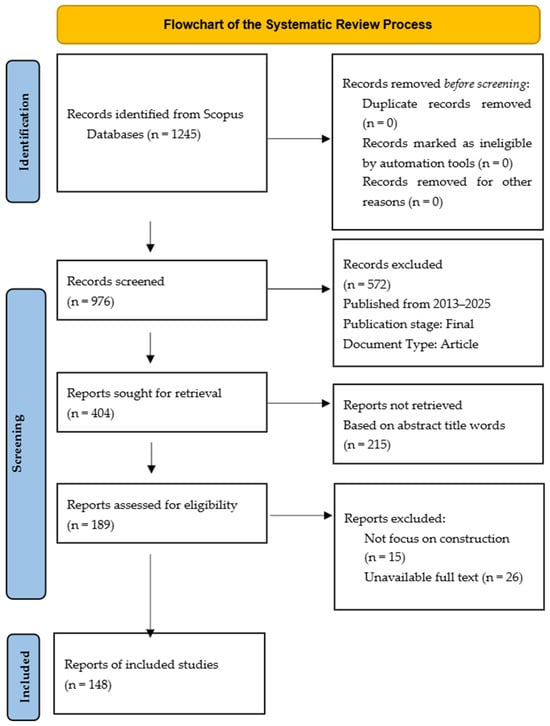
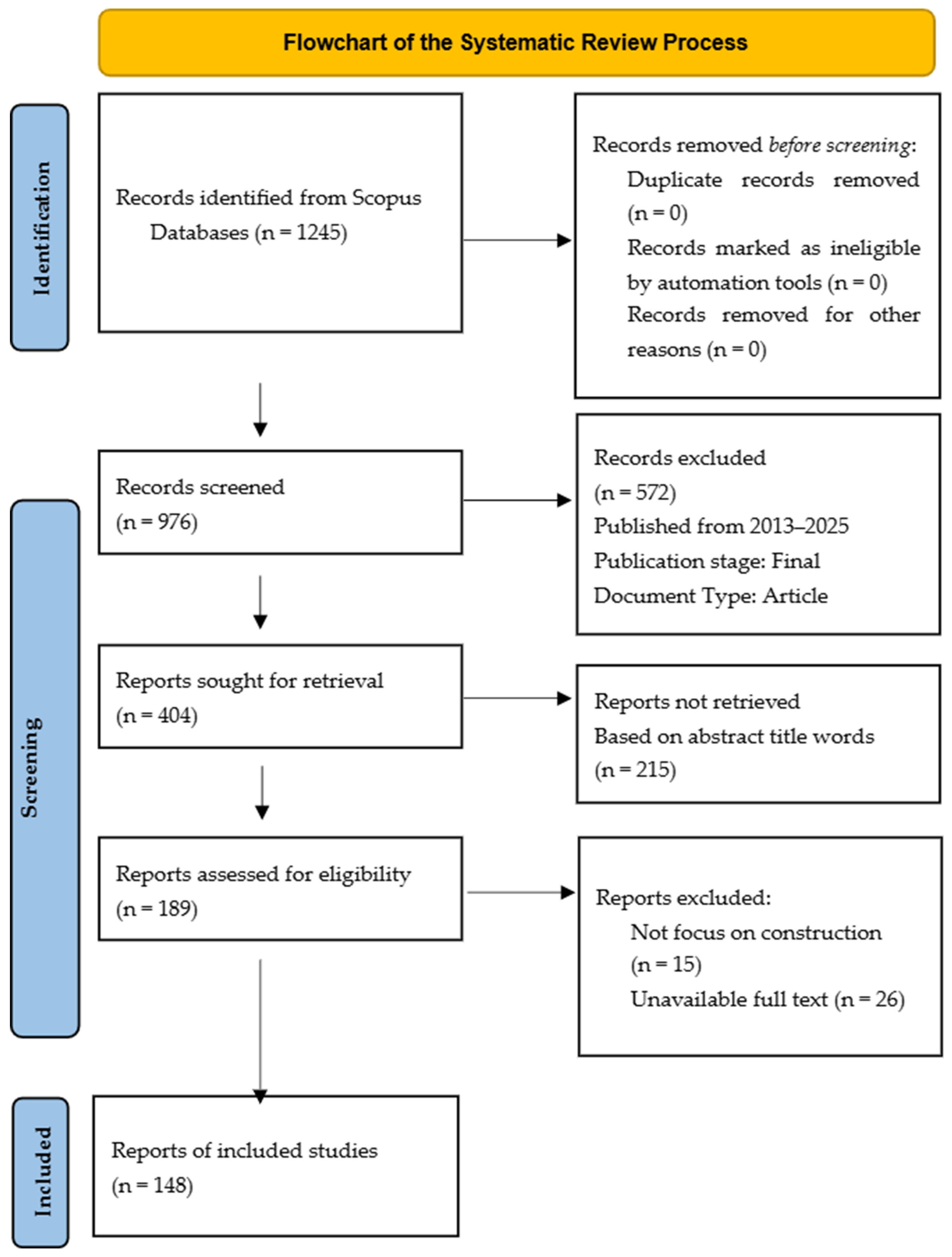
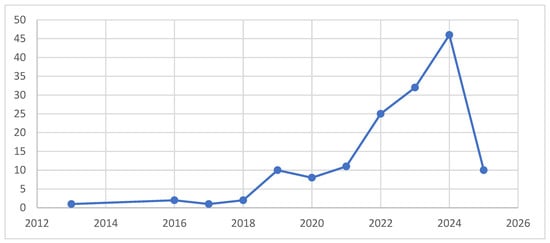
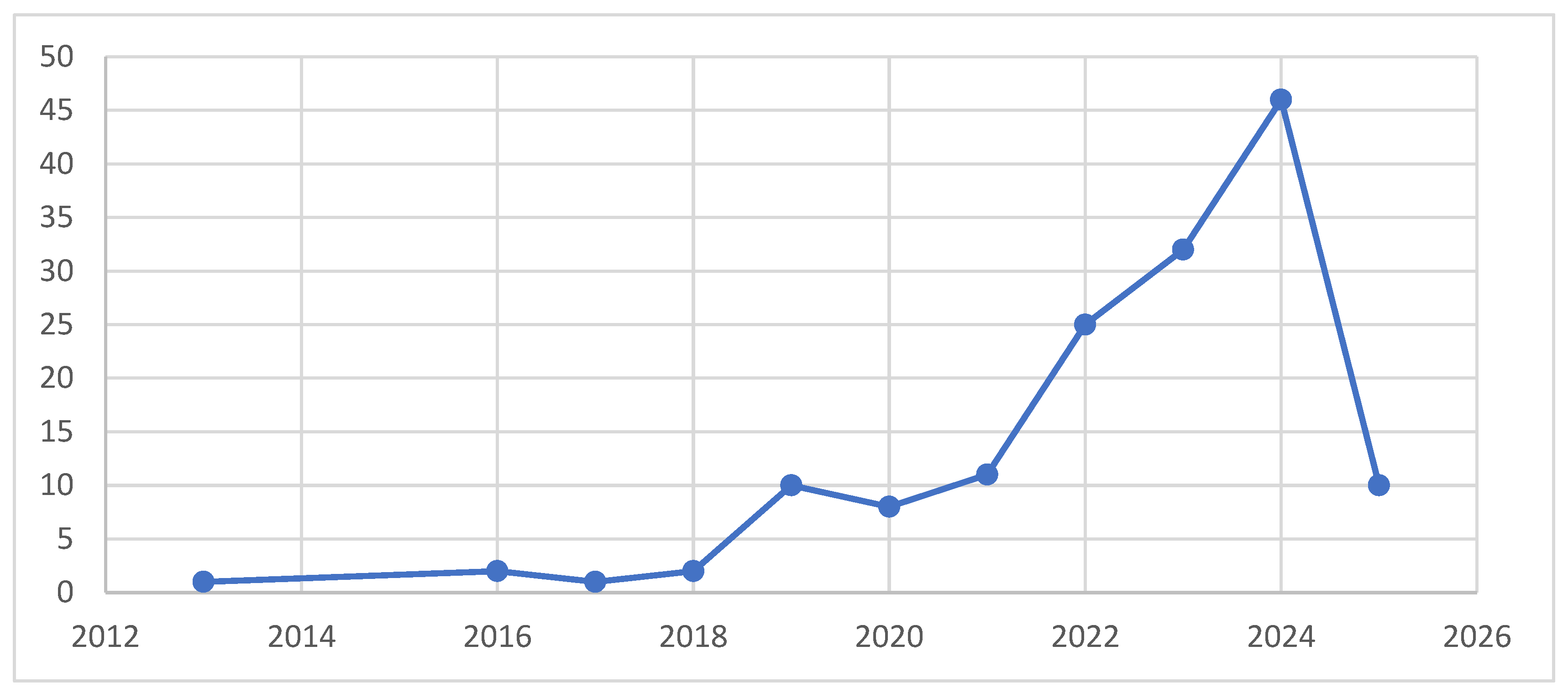
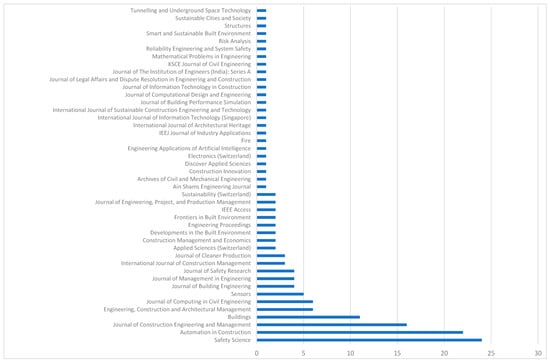
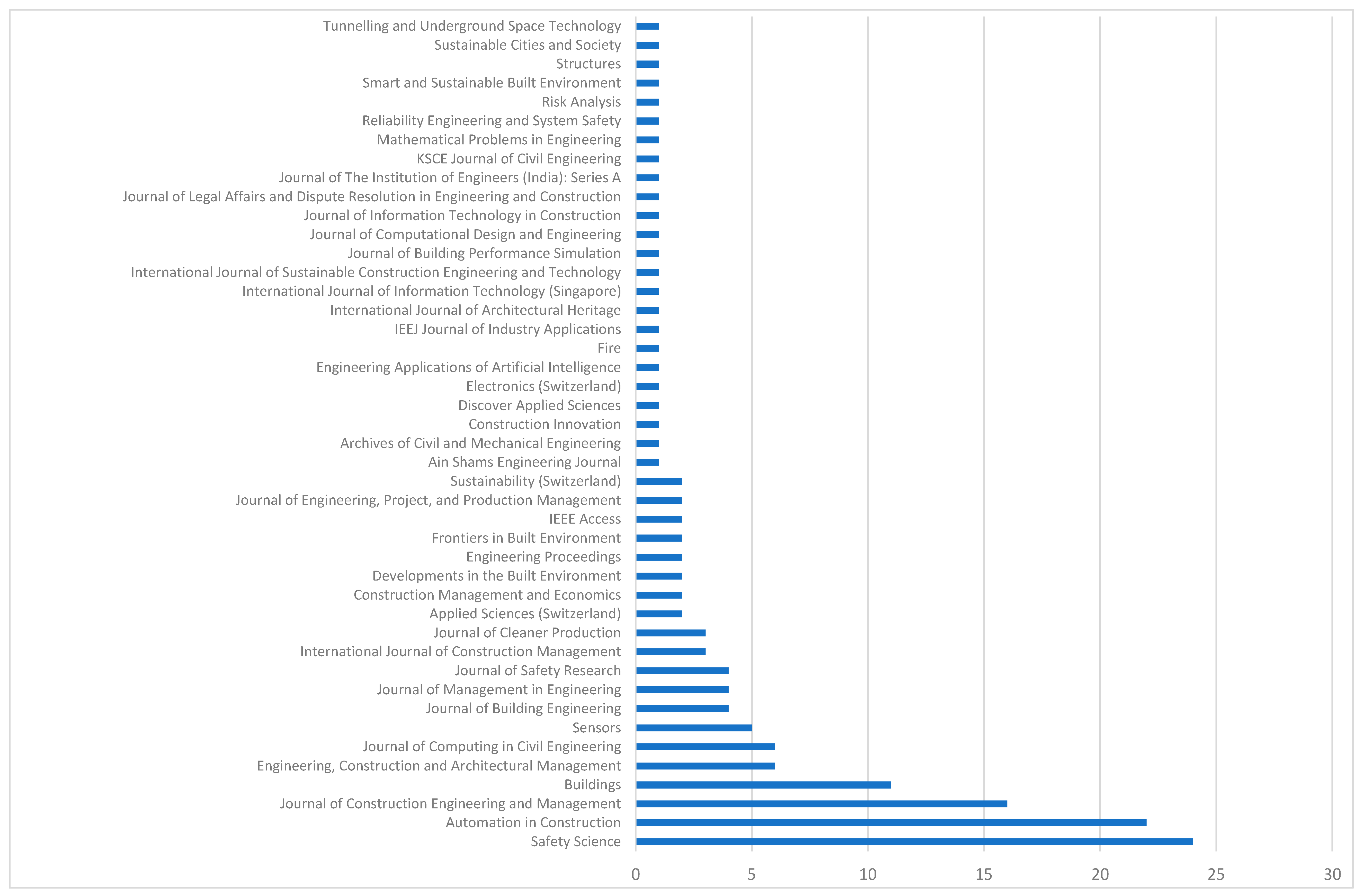
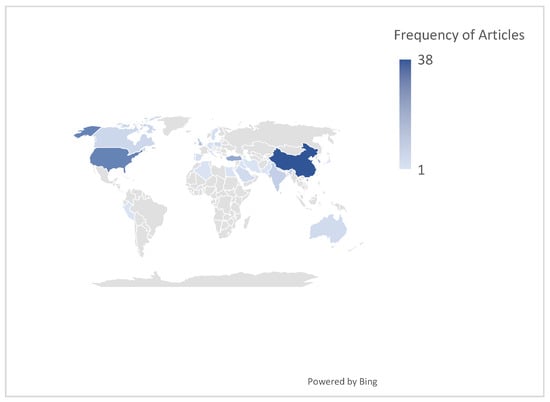
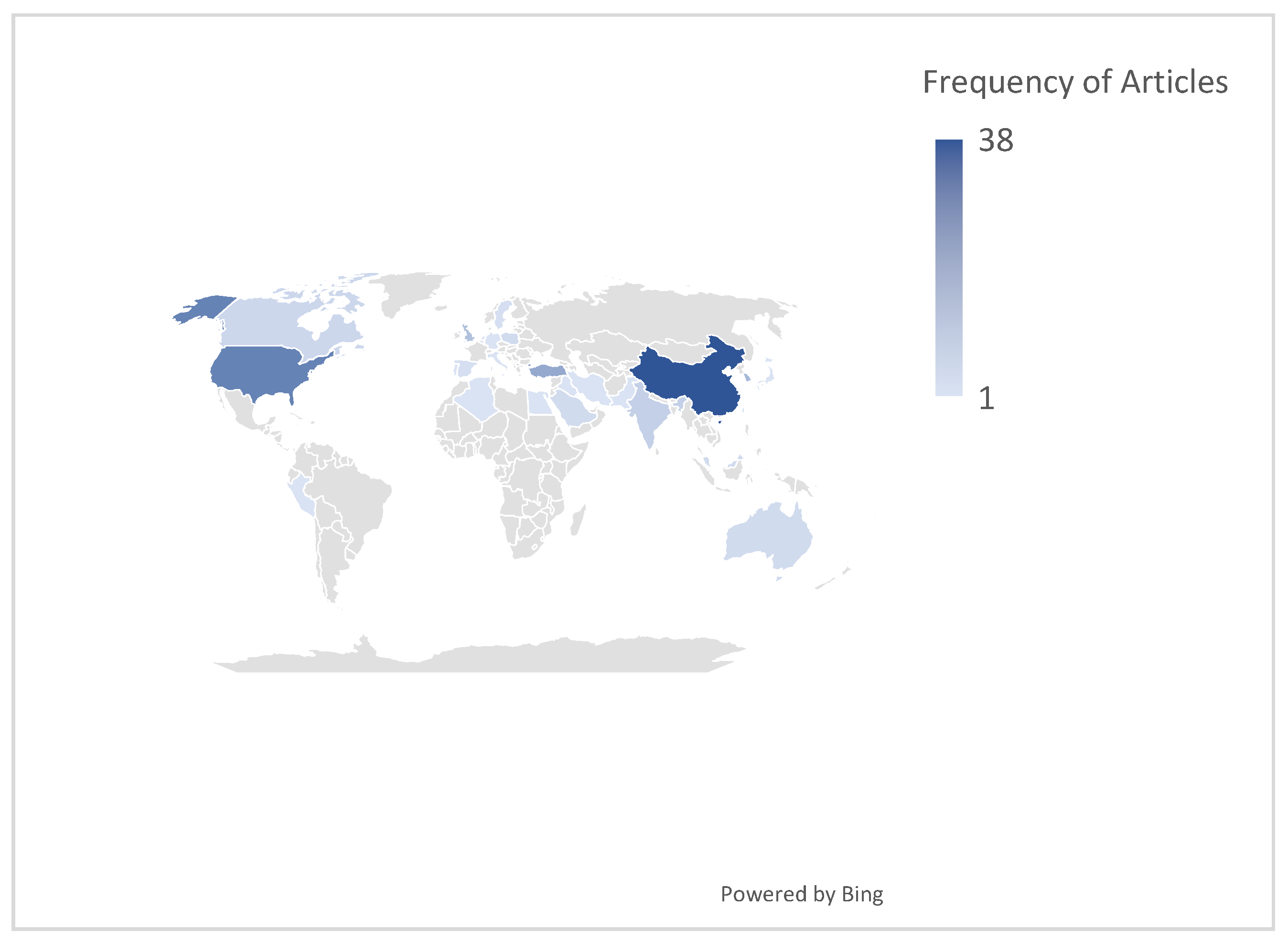
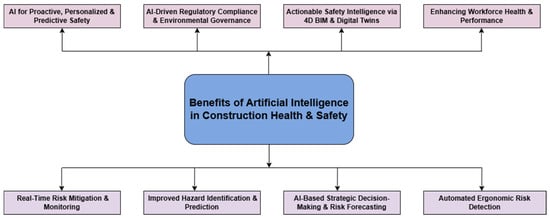
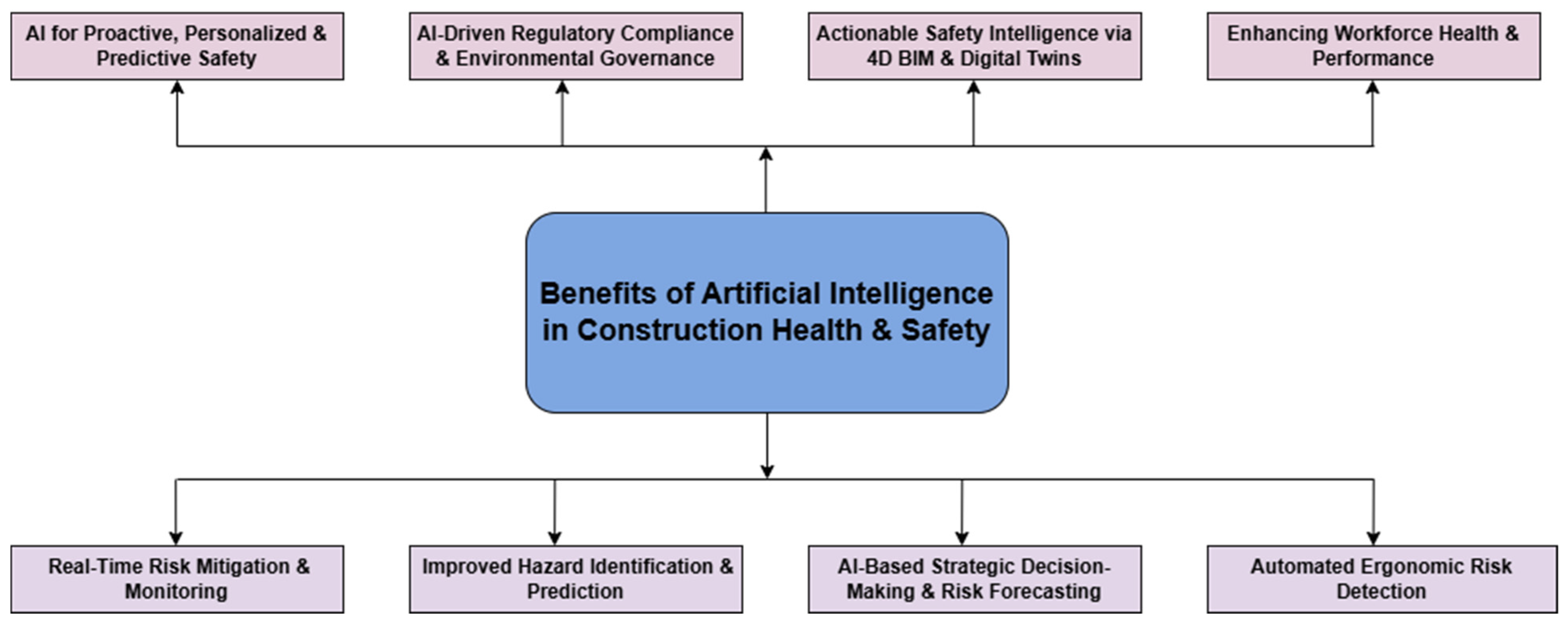
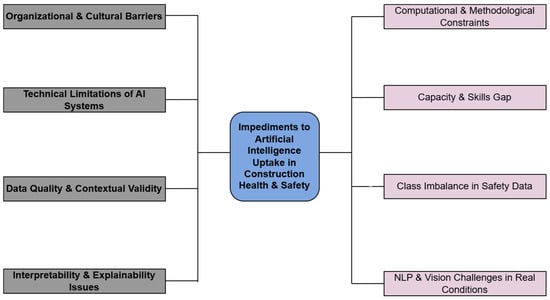
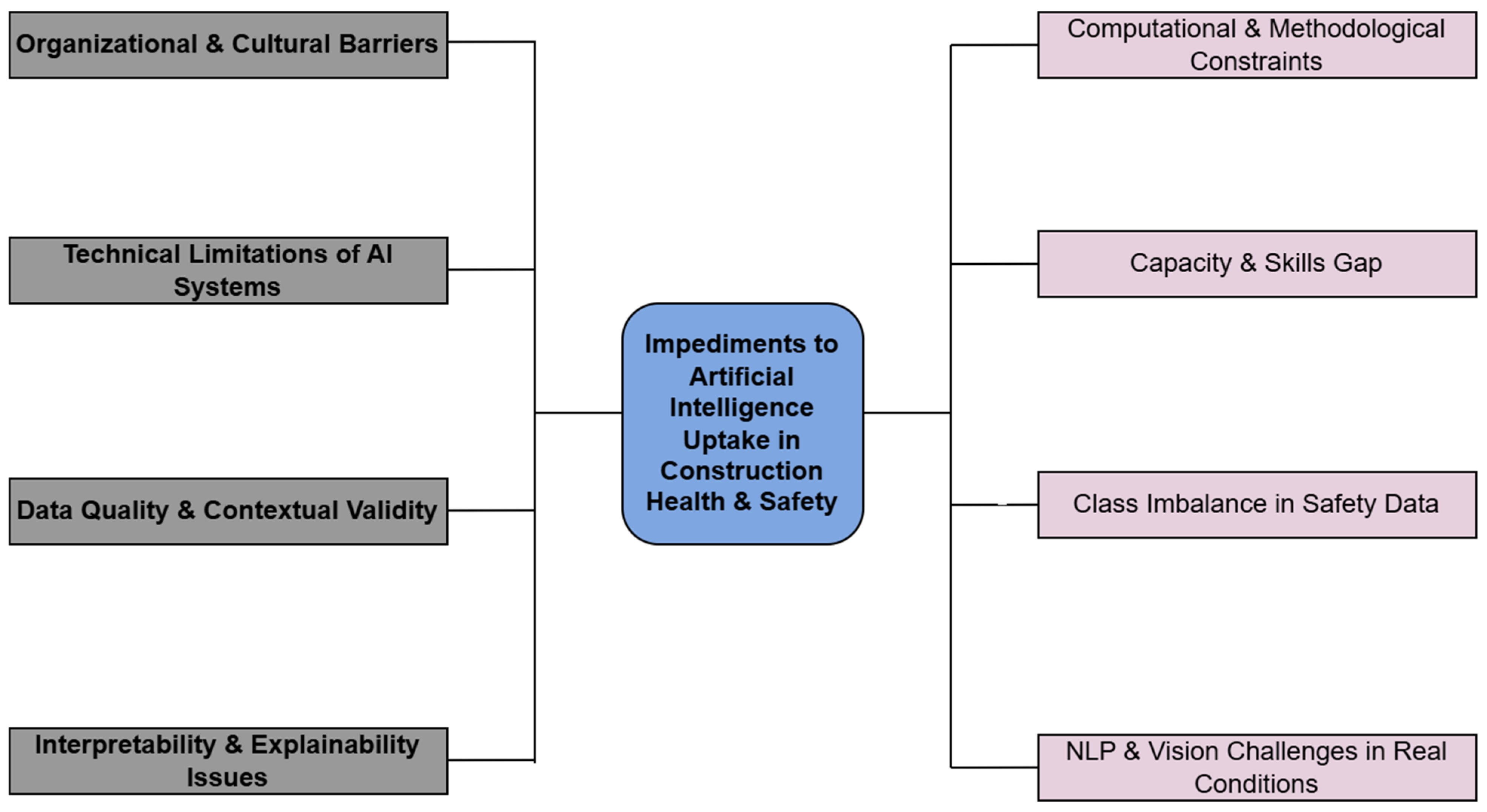
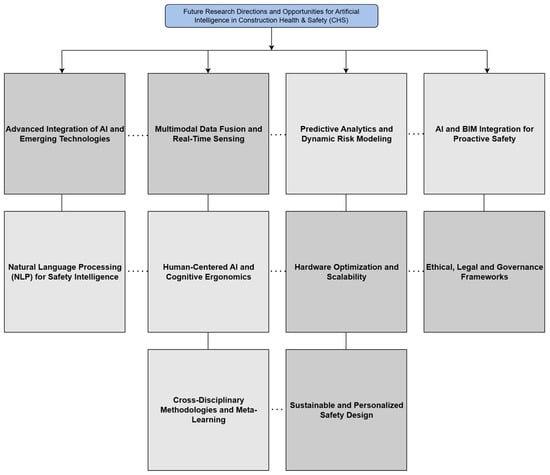
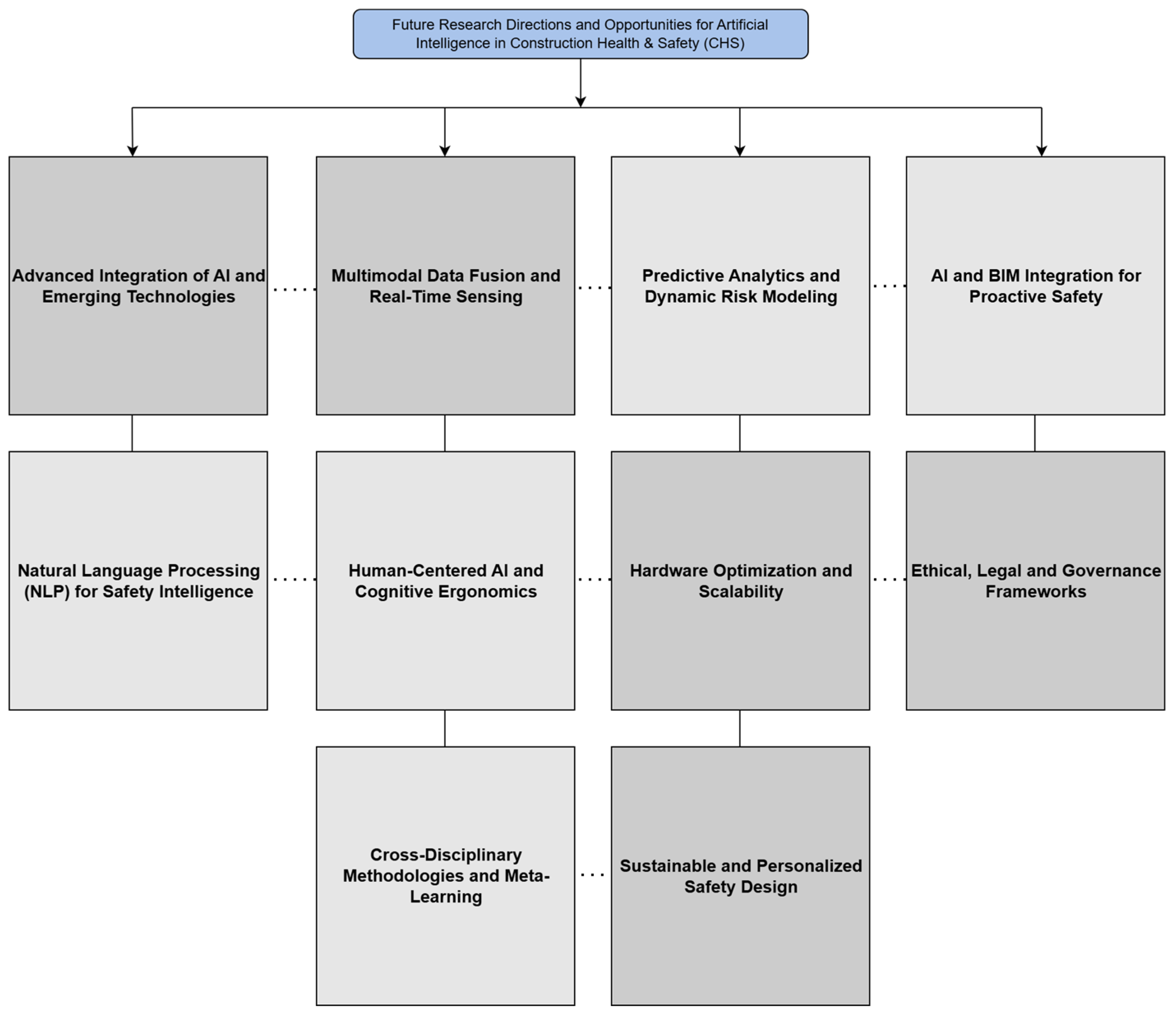
Disclaimer/Publisher’s Note: The statements, opinions and data contained in all publications are solely those of the individual author(s) and contributor(s) and not of MDPI and/or the editor(s). MDPI and/or the editor(s) disclaim responsibility for any injury to people or property resulting from any ideas, methods, instructions or products referred to in the content. |
© 2026 by the authors. Licensee MDPI, Basel, Switzerland. This article is an open access article distributed under the terms and conditions of the Creative Commons Attribution (CC BY) license.