


Abstract
Construction and demolition waste valorization as recycled aggregates remains largely underdeveloped in North African urban contexts. This study presents the first normatively referenced characterization of recycled aggregates from ten sites in Fez, Morocco, combined with experimental C25/30 concrete formulation using the Dreux-Gorisse method. Physical, mechanical, and chemical analyses reveal high water absorption (9.98 ± 0.94%), low particle density (2197 kg/m3), sub-standard sand equivalent (39.4%), and elevated methylene blue (3.06 g/kg), all governed by attached cementitious mortar content. Principal component analysis identifies three groups: Cluster A (E2, E6, E8), directly valorizable for structural use; Cluster B (E3, E4, E7, E10), requiring fine-fraction removal (<80 µm) prior to concrete incorporation; and an intermediate group (E1, E5, E9), suitable for non-structural applications. Concrete mixes from a composite blend of all ten samples were experimentally validated on cylindrical specimens. At 25% substitution, the 28-day compressive strength reaches 22–28 MPa, achieving marginal C25/30 compliance when superplasticizer and pre-wetting correction (9.98 L/100 kg recycled aggregate) are applied; substitution at 50% and above does not meet structural requirements (18–24 MPa). Durability assessments confirm increasing carbonation depth (7–11 mm at 25%) and moderate-to-high chloride permeability, underscoring the need for source-selective sampling and pre-treatment in urban construction and demolition waste valorization programs, particularly in North African and Maghreb contexts where construction materials and building practices are broadly similar and demolition waste is typically processed without prior sorting.
1. Introduction
The construction industry ranks among the most resource intensive and waste generating sectors globally, with construction and demolition waste (CDW) now recognized as one of the largest solid waste streams worldwide. Global CDW production exceeds three billion tonnes annually, representing almost 40% of total solid waste in industrialized nations [1], while the European Union alone generates approximately 870 million tonnes of construction and demolition waste per year [2,3]. Despite the European Union Waste Framework Directive 2008/98/EC setting a mandatory 70% recovery target by 2020 [4], material recovery across Member States remains highly uneven and largely confined to low-grade applications such as backfilling [2,5].
In Morocco, the construction sector generates an estimated 42 million tonnes of total construction and demolition waste annually, encompassing concrete rubble, plaster, timber, excavated soils, and other demolition by-products from all construction, renovation, and public works activities [6]. Of this total, demolition-derived CDW strictly defined is substantially lower: national estimates based on the ITEC (Technical Institute for Experimentation and Control) methodology applied to the Moroccan building stock and excluding construction-phase waste and excavated soils, project demolition-specific CDW volumes rising from 14 million tonnes in 2015 to nearly 15.6 million tonnes by 2030, with significant regional disparities across the kingdom’s twelve administrative regions [6,7]. In the absence of binding CDW-specific recycling targets and dedicated valorization channels, waste is deposited indiscriminately at unauthorized dump sites alongside hazardous materials, leaving the sector largely unquantified and loosely regulated [2]. This situation is particularly acute in Fez, a UNESCO World Heritage city and Morocco’s third-largest urban agglomeration, with a population exceeding 1.2 million and an active construction sector driven by historic medina rehabilitation, peri-urban residential expansion, and major public infrastructure investment. No published municipal-level CDW generation statistics exist for Fez, a gap that itself reflects the underdeveloped state of CDW monitoring in Moroccan cities [6,7]. Based on national per-capita CDW generation estimates derived from the ITEC methodology [6,7], Fez generates an estimated 300,000–500,000 tonnes of CDW annually, the vast majority of which is deposited at unauthorized sites in the absence of dedicated collection and processing infrastructure [2].
Recycling the inert fractions of CDW into recycled aggregates (RA) is now broadly acknowledged as a multi-benefit strategy, simultaneously alleviating landfill pressures, preserving dwindling primary quarry resources, and advancing circular-economy objectives [5,8]. The partial or full substitution of natural aggregates by CDW-derived recycled aggregates promotes a circular economy, minimizes landfill waste, and reduces the carbon footprint associated with concrete production and aggregate extraction [8,9]. Life cycle assessments suggest that, under comparable system boundaries and for substitution rates of 25–50%, replacing natural aggregates with recycled concrete aggregates can reduce CO2 emissions by approximately 4–6% per m3 of concrete produced, though this figure depends critically on substitution rate, transport distance, waste treatment method, cement type, and the LCA system boundaries adopted [9,10]. As an indicative reference, carbon emission factors of approximately 11.5 kg-CO2eq/t have been reported for recycled coarse aggregate compared to 17–22 kg-CO2eq/t for virgin quarried aggregate under similar conditions [9,10]. In resource-constrained urban contexts such as Fez, where aggregate demand is driven by intense construction activity and primary quarry resources face increasing extraction pressure [2,6], even partial CDW valorization represents a meaningful step toward decarbonizing the local construction sector and preserving finite mineral resources. A substantial body of literature confirms the technical feasibility of incorporating recycled concrete aggregates (RCAs) into non-structural concrete, road sub-base layers, hydraulic mixtures, and embankments, provided that material heterogeneity is managed through rigorous characterization and formulation protocols [11,12,13].
The performance of RCA in concrete is primarily determined by the quantity and quality of attached cementitious mortar (AM), which constitutes the dominant factor controlling water absorption, particle density, and mechanical resistance indices [12]. A clear, physically grounded relationship has been established between AM content and both water absorption capacity and oven-dried particle density, allowing RCA properties to be interpreted independently of source and granulometric class [12]. Comparative studies consistently document that RCA exhibits water absorption in the range of 3.5–6.6%, against 0.7–2.8% for natural coarse aggregates, along with lower crushing and impact values, reflecting greater susceptibility to fragmentation under load [14]. Additional parameters governing normative compliance and end-use suitability include granulometric distribution, sand equivalent, organic matter content, and chemical stability, particularly sulfate and chloride concentrations, all of which must be assessed against applicable standards [15].
For road-pavement applications specifically, research confirms that RCA can achieve 80–100% replacement rates in granular sub-base (GSB) and cement-treated sub-base (CTSB) layers, provided that mechanical parameters, Los Angeles abrasion value, aggregate crushing value, and flakiness index, satisfy codal requirements [16]. Chemical stability thresholds remain a critical compliance checkpoint, particularly for CDW from mixed urban demolition sites where cross-contamination with hazardous fractions is probable [2].
In Morocco, the concrete strength class C25/30, defined by characteristic compressive strengths of 25 MPa on cylindrical specimens and 30 MPa on cubic specimens at 28 days [17], represents the dominant structural grade across residential construction, commercial buildings, road infrastructure, bridges, and public-works projects [6,18]. Its prevalence reflects a well-established cost-performance balance: it satisfies the specifications of Moroccan standard NM 10.1.008 [19] and a wide range of international requirements for standard-grade construction [17], while remaining economically accessible across project types and scales [6]. In large Moroccan cities where construction activity is particularly intense, including Casablanca, Rabat, and Fez, aggregate demand places growing pressure on natural quarry resources, a trend documented in the national CDW management literature [2,6].
The Dreux-Gorisse mix-design method, which optimizes granular packing through the construction of combined grading curves and the application of empirical compactness ratios, constitutes the standard formulation framework taught and applied in Moroccan engineering education and practice [15,18]. Its application to mixes incorporating recycled aggregates requires an explicit water correction for the pre-wetting demand of RA, calculated from measured 24-h absorption values prior to adjusting the effective water-to-cement ratio [18,20]. Substitution levels of 30–50% recycled aggregate are commonly explored in the literature using this approach, with pre-humidification of RA recommended when absorption exceeds 5% [18]. Any evaluation of RA valorization potential that is to be operationally meaningful in the Moroccan construction context must therefore be grounded in this specific design framework and anchored to the C25/30 reference strength class.
In the Maghreb context more broadly, research from Oran confirms that partial substitution of natural coarse aggregates with recycled demolition aggregates can produce concrete with mechanical properties consistent with standard structural grades, and that Eurocode 2 analytical expressions provide satisfactory predictions of the deformation modulus of such concretes [21]. At the international level, the multi-scale experimental and modeling framework of [12] provides a physically rigorous basis for relating AM content quantitatively to water absorption and particle density, enabling RCA quality interpretation independently of source and granulometric class. For road-pavement applications, research confirms that appropriately characterized and formulated RCA can meet codal requirements for granular sub-base and cement-treated sub-base layers [16]. The absence of mix-design studies anchoring RA use to the local C25/30 benchmark through the Dreux-Gorisse framework further compounds this knowledge gap.
The Dreux-Gorisse method, which is the standard mix-design approach in Moroccan engineering education and practice [15,18], differs from the ACI 211.1 and EN 206 [17,19] proportioning approaches in its graphical treatment of granular packing. This method constructs an optimal combined grading curve based on Fuller’s theoretical maximum-density parabola, calibrating aggregate proportions to maximize packing density for the specific gradation considered [18,20]. This makes it particularly suited to recycled aggregates, whose grading curves and fines content differ markedly from natural aggregate norms on which ACI and EN approaches were calibrated [12,22]. Unlike EN 206 [17], which specifies prescriptive limits on the water-to-cement ratio (W/C) and cement content without explicit guidance on RA-induced water demand correction, the Dreux-Gorisse framework provides a direct procedural pathway for incorporating the pre-wetting correction as an additive water term independent of the design W/C ratio, a feature that is operationally critical when working with high-absorption recycled aggregates (WA > 5%) [12,18,20]. In Morocco, recycled concrete and CDW have so far been studied mainly for geotechnical applications [21], low-rate aggregate substitution [6], road subgrade stabilization, and mine-waste valorization in concrete. However, none of these studies provides a systematic characterization of CDW-recycled aggregates sourced from multiple demolition sites in a single Moroccan city, combining statistical clustering with structural C25/30 mix-design validation. The present study is the first to address this gap for the city of Fez.
To address these cumulative deficiencies, the first normatively referenced, protocol-documented, and experimentally validated characterization of recycled aggregates from Fez CDW, integrated into a complete concrete performance assessment anchored to the local engineering context. Ten RA samples collected across the Fez metropolitan area were subjected to multi-parameter physical, mechanical, and chemical characterization following NM EN 12620 [23], NM EN 13242 [24], and NM EN 13043 [25], and statistically classified through principal component analysis to identify valorization clusters. Building on this characterization dataset, C25/30 concrete mixes were formulated at substitution levels of 25–100% using the Dreux-Gorisse method, with a composite blend of all ten samples deliberately chosen to represent realistic Fez CDW conditions without prior sorting, a conservative approach reflecting field conditions. Fresh and hardened concrete properties were experimentally validated on cylindrical specimens at 7 and 28 days, covering compressive strength, splitting tensile strength, flexural strength, and elastic modulus. Durability was assessed through carbonation depth, chloride ion permeability, and drying shrinkage, enabling a comprehensive evaluation of the structural and environmental suitability of Fez CDW aggregates for integration into Moroccan engineering practice.
2. Results
2.1. Recycled Aggregate Characterization
The complete physical, mechanical, and chemical dataset for the ten RA samples (E1–E10) is presented in Table 1. All values are reported as means of n = 3 replicates; the coefficient of variation (CV) remained below 5% for all parameters except the sub-0.08 mm fines fraction (CV = 41.3%) and sulfate content (CV = 20.5%), reflecting the site-specific variability inherent to mixed urban demolition waste (Table 1).
Table 1.
Complete physical, mechanical, and chemical dataset for ten RA samples from Fez (E1–E10).
2.1.1. Particle Size Distribution
In all ten cases, the samples contain mainly fine sand and silt-sized grains, which is a particle size distribution characteristic that accounts for the crushing process and the heterogeneous nature of urban demolition wastes [3,12]. The proportion of material finer than 0.63 mm varies from 43.4% (sample E6) to 59.9% (sample E10) with a mean value of 53.5% (standard deviation of 6.4%). Such a predominantly fine-grained product is a direct consequence of the mechanics of breaking down recycled aggregates obtained using jaw-crushing technology with relatively small jaw apertures; in particular, the breakage process selectively crushes the interface between the cementitious matrix and the initial aggregate particles, generating large amounts of fine and ultrafine cementitious particles rather than coarse particles [3,12]. The amount of fine-grained material generated during crushing is dependent on the width of the jaw aperture, and the smaller the grain sizes are, the greater the mortar content and the lesser the number of natural aggregates [27,28].
The cumulative particle size distribution curves for all ten samples are illustrated in Figure 1. The curves define a relatively narrow envelope between 43.4% (E6) and 59.9% (E10) passing at 0.63 mm, confirming the predominantly fine-grained character of jaw-crusher output across all three CDW typologies. Two distinct sub-groups are visually identifiable: samples E2, E6, and E8 (Cluster A) display coarser distributions with lower sub-0.08 mm content, while E3, E4, E7, and E10 (Cluster B) show systematically finer curves with elevated ultra-fine fractions, a granulometric differentiation that anticipates the PCA clustering results presented in the PCA section.
Figure 1.
Cumulative particle size distribution curves for the ten RA samples (E1–E10). Vertical dashed line at 0.63 mm marks the fine aggregate reference threshold (EN 933-1) [26]. Shaded band shows the full inter-sample envelope.
The fraction sub-0.08 mm, being the most reactive concerning the demands of water consumption, sensitivity to clays, and potential adverse effect on cement hydration, shows the greatest variability among the tested fractions (3.6–14.7%, CV = 41.3%). This variability can be attributed to the variation of the share of clay-containing demolition waste, earthen mortars, plaster leftovers, and soil contamination among the three different types of CDW considered in this research [2]. The share of fine fractions (≤0.063 mm) is one of the parameters of crucial importance for every aggregate usage, and its variability mainly depends on the different nature of CDW sources [29]. Samples E4 (13.5%) and E6 (14.7%), collected from the old medinas, where lime mortars and earthen mortars are predominant, present the largest fractions smaller than 80 µm. It correlates well with the results of SEM analysis provided by [12] showing the greater share of paste adhering to finer particles, as well as their disproportionate generation of ultra-fines after beneficiation. The main objective of screening fractions less than 1.18 mm in recycled aggregates is the reduction of paste adhesion and the corresponding adverse impact on concrete workability and mechanical performance [30].
The gravel component (>3.15 mm) accounts for only a minor portion in most cases (<4% in E3, E4, E7, and E10 samples), which demonstrates that the crushing process, performed at the jaw opening of 10 mm, resulted in the formation of sand-like material [31]. This finding corresponds to the yield distribution data presented by [12] based on their pilot-scale investigation, according to which the proportion between coarse and fine particles depended mostly on the properties of initial concrete waste.
2.1.2. Water Absorption and Particle Density
The water absorption capacity of 8.4% to 11.0% (mean 9.98 ± 0.94%) is two to five times more compared to the general water absorption rate of natural aggregates (1–3%). The mean water absorption of 9.98 ± 0.94% reported throughout this study was directly measured on the composite blend of the ten samples (E1–E10), as this blend constitutes the actual material incorporated into the concrete formulations. This value differs slightly from the arithmetic mean of individual sample values presented in Table 1 (9.78%), which reflects inter-sample variability rather than the absorption behavior of the composite. For mix-design and pre-wetting correction purposes, the experimentally measured composite absorption (9.98%) was used in all calculations, as it accurately represents the water demand of the material as batched. Such high values of water absorption have been consistently reported in previous RCA characterization research from various countries around the world [12,14]. High water absorption capacity in RCA is the result of the presence of porous cementitious mortar attached to the surface of recycled aggregates [12]. The physical model suggested by Pepe et al. (2016) [12], which states the correlation between water absorption rate and attached mortar (WA = k × AM × AAM), can predict the values of WA within the range of 8–12% if k = 0.70–0.90 and AAM = 15%. The values predicted by the above formula were perfectly matched with our experimental results. The correlation between water absorption capacity and AM was confirmed in previous studies [3], where AM content was found to be the best predictor of RCA quality. The presence of the old mortar on the surface of the aggregates together with the micro cracks created through the crushing process creates internal porosity, leading to high water absorption capability, which is now widely documented in the scientific literature [32]. Specimen E7 (WA 11.0%), E4 (WA 10.8%), and E3 (WA 10.7%) represent the highest water absorptions and highest content of material smaller than 0.08 mm, thus proving the relationship between particle size and water absorption capacity (Pearson r = 0.99; WA-fines < 0.63 mm, p < 0.05)—positive relationship between particle size and water absorption, in agreement with Pepe et al. (2016) [12] for Fine RCA.
The practical implication regarding mix design is crucial: use of these aggregates without pre-wetting will lead to uncontrollable loss in workability as the dry RA will absorb mixing water meant for cement hydration reaction. It was reported that the process of pre-wetting allows direct reduction in water content needed for mixing while adjusting the effective water-to-cement ratio and consequently improving various concrete characteristics such as density, compressive strength, and adhesive strength for all substitution percentages [33]. Most recently, Zhang et al. (2025) [34] proved that through appropriate control of the total water supplied, pre-wetting the recycled aggregates results in reduced interfacial transition zone ITZ porosity and increased microhardness than when using dry RA, indicating the importance of proper pre-wetting correction. With the current WA value of 9.98%, the extra pre-wetting water requirement for every increase of 25% RA substitution is 29.2 L/m3. Hence, the 100% replacement will need an additional 116.8 L/m3 of water. Additionally, Maimouni et al. (2018) [35] observed that the water absorption rate of recycled aggregates in the paste reaches up to 49–87% of its 24 hours’ water absorption capacity during the initial six minutes of mixing, making it extremely necessary to saturate the particles prior to coming into contact with the cement.
The particle densities (2130–2280 kg/m3 with a mean value of 2197 ± 46 kg/m3) were found to be 15–20% lower than those of natural granite and limestone aggregates (2600–2700 kg/m3), which is due to the lower inherent density of the cementitious paste matrix [12,14]. It should be noted that the reference density range of 2600–2700 kg/m3 applies primarily to natural coarse aggregates such as granite and limestone; this benchmark is cited here following standard RCA characterization practice [12,14] to quantify the systematic density gap attributable to attached mortar content, which applies regardless of aggregate class (fine or coarse) since the same mortar-coating mechanism governs density reduction in both fractions. The above statement is further reinforced by specific gravities of RCA of 2.31–2.53 being recorded compared to those of natural coarse aggregates (2.62–2.86) due to residual cement paste and porosity [14]. It becomes necessary to account for such density difference when calculating the unit weight of the freshly mixed concrete as an equal mass replacement results in higher volume of aggregate [3,12].
Figure 2 illustrates the inverse linear relationship between water absorption and particle density across the ten samples, consistent with the physically based model of Pepe et al. (2016) [12]. Samples plotting in the lower-right quadrant, lower absorption, higher density, correspond to Cluster A (E2, E6, E8), while upper-left samples, higher absorption, lower density, align with Cluster B (E3, E4, E7, E10). This graphical representation confirms that the two PCA clusters identified in PCA section are physically grounded in the AM content of the recycled particles, and not merely statistical artefacts.
Figure 2.
Water absorption (24 h) vs. particle density for the ten recycled aggregate samples (E1–E10). Dashed line represents the linear regression fit (R2 = 0.95); orange dotted lines indicate dataset means (WA = 9.98%, density = 2197 kg/m3). Shaded regions highlight the Cluster A zone (lower absorption, higher density) and Cluster B zone (higher absorption, lower density. Circle markers = Cluster A (E2, E6, E8); square markers = Cluster B (E3, E4, E7, E10); triangle markers = intermediate samples (E1, E5, E9). Natural aggregate reference values (density 2600–2700 kg/m3, WA < 3%) fall beyond the axis limits shown.
2.1.3. Sand Equivalent and Methylene Blue Value
Values for the sand equivalent index (34.8–47.4%, average = 39.4 ± 3.8%) do not satisfy the minimum standard of ≥70% set by EN 12620 [23] for clean fine aggregates and the 50% range considered to be acceptable for medium quality applications. The regularity of this discrepancy corresponds to high fines content and the presence of clay containing particles resulting from the contamination by demolition soil and mortar waste, which have been observed in several urban CDW samples [36,37]. The analysis of thirteen CDW aggregates sampled from ten Spanish recycling plants shows that sand equivalent index and fines content are two of the most inconsistent and application-relevant parameters in CDW aggregates, varying significantly as a function of their chemical composition [36]. In cases where the sand equivalent criteria are not met, Nikolaides et al. (2007) [38] suggest that the criterion of methylene blue test would provide a better indication of clay content.
Methylene blue values range from 2.2 to 3.9 g/kg (mean 3.06 ± 0.52 g/kg), significantly exceeding the criterion for clean sand of 1.0 g/kg as set out in EN 933-9 [39]. Literature studies on the application of alternate fine aggregate in concrete reveal that methylene blue values ≥ 1.50 g/kg have been deemed unfit for use without treatment because higher MB values are correlated with the presence of clays, which are known to negatively impact the workability, water requirements, and longevity of concrete made from that source [40]. An r-value of 0.88 (p < 0.01) further reinforces the effectiveness of the MB method in determining the clay content of the fine fraction (sub-0.08 mm), in line with the physical interpretation of the test as a measure of reactive surface area of fine particles [3,12]. The two samples with the highest fines content, E4 and E7 (with MB values of 3.7 and 3.9 g/kg respectively), are the most unsuited for direct use in concrete and require washing or classifying the fines. On the other hand, samples E2 and E6 with low MB values of 2.4 and 2.2 g/kg respectively are the cleanest.
2.1.4. Mechanical Resistance
The values of Los Angeles abrasion (36–48%, mean value 42.2 ± 3.7%) allow categorizing ten tested samples into two categories of EN 12620 [23]: E2 and E6 meet the LA40 criterion (≤40%), thus being eligible for structural concrete and base course applications; the other eight samples belong to the LA50 group (≤50%), thus being applicable to subbase purposes. These values comply with the typical range of LA coefficients (30–50%) for RCB aggregates collected from demolished structures. The higher values of LA coefficients in case of recycled concrete aggregates comparing to natural ones (LA ≤ 25–30%) may be explained by the weak strength of the attached mortar layer [14,29]. Indeed, Adessina (2018) [41] proved experimentally, by using nano-indentation analysis and multi-scale modeling, that the elastic modulus of the attached mortar is 30–50% less than that of the original natural aggregate particle. In other words, the attached mortar layer is the main area for failure in both cases of abrasion and compressive loadings, as shown comprehensively in a systematic review of [42] identifying high porosity and low strength of the AM layer as two primary factors limiting RA usage in structural works.
The positive relationship between the LA and MB value (r = 0.76, p < 0.01) found in the current research also supports the findings that samples with weak mechanical properties are at the same time richer in finer cementitious paste [26]. The elimination or enhancement of the mortar layer is thus noted in the literature as the critical tool needed to enhance LA and MB values in recycled aggregates from CDW [42].
Similarly, Micro-Deval results (23–34%, mean of 28.3 ± 3.5%) show an identical trend. Only E2 (24%) and E6 (23%) pass the MDE25 requirement for road surfacing layers per EN 13043 criteria [25], whereas E3 (31%), E4 (33%), and E7 (34%) come close to the upper limit of MDE35 and thus can only be used for subbase layers with lighter traffic load. The Micro-Deval test, performed under humid conditions using steel balls, is a more specific way to assess wear resistance compared to the LA test. It is especially sensitive to samples rich in paste content because of their moisture-saturated porous mortar structure [22]. Therefore, when analyzed together, LA and MDE provide complementary mechanical data in terms of macro-fragmentation sensitivity for LA and surface abrasion resistance for MDE, both being mainly influenced by the amount and quality of AM in recycled aggregates [12,22].
2.1.5. Chemical Properties
Sulfates SO3: The SO3 values (0.38–0.72%, average 0.557 ± 0.114%) meet the criteria set out in EN 12620 [23], classifying them under AS0.8, but exceed the stricter AS0.2 standards in all ten cases. The high coefficient of variation (CV = 20.5%), being the highest value obtained in this experiment, is due to differences between sampling locations in the presence of gypsum-containing substances, namely plasterboard chips and gypsum-based mortars, in the input waste used to create the test material. This observation correlates with results reported in [43] showing that recycled aggregates have a highly variable sulfate content, which largely depends on the composition of the source material, where gypsum from construction site waste becomes the main source of sulfates. As [44] point out, gypsum, which is one of the main products of CDW plasterboard demolition, cannot be successfully sorted from the fine fraction during dry crushing and screening processes, therefore sulfur analysis must be carried out batch-wise. Notably, Colman et al. (2020) [43] have demonstrated via swell test that such contamination rates are not likely to cause immediate risk of internal sulfate aggression in mortars and thus are overly stringent in terms of current EN 206 standards on sulfate content applicable to FRA. On the other hand, gypsum is among the hazardous components of CDW, which can alter the setting time and reduce the adhesion of paste–aggregate bonding, as well as provoke destructive chemical reactions in concrete [37]. Accordingly, gypsum-containing fractions must be specifically tested and excluded from CDW when using it for concrete production in aggressive environment (sulfate exposure class XA2/XA3).
Chlorides: Cl− values (0.021–0.029%, mean 0.024 ± 0.003%, CV = 10.4%) are low and homogeneous, well below the threshold of 0.10% commonly specified for reinforced concrete under EN 12620 [23] and NM EN 206. No significant risk of chloride-induced steel corrosion is anticipated under normal service exposure conditions, a result consistent with chloride characterization data reported for CDW-derived recycled aggregates from multiple urban sources, where contamination by de-icing salts or marine exposure is absent [3,36].
Alkalis. Na2O (0.35–0.45%, mean 0.403 ± 0.031%) and K2O (0.43–0.55%, mean 0.488 ± 0.038%) are moderate across all ten samples, with low inter-sample variability (CV < 8%), reflecting the relatively uniform cementitious origin of the material. No universal single-value limit is prescribed in EN 12620 [23], for aggregate alkali content; however, the potential for alkali–silica reaction (ASR) must be evaluated with particular caution when incorporating recycled aggregates from mixed urban demolition sources, as the silica reactivity of the original aggregate is unknown and cannot be inferred from chemical analysis alone [45]. The co-occurrence of moderate alkali contents with the strongly alkaline pH values recorded across all samples (mean 11.41, The pH subsection above) suggests that residual portlandite Ca(OH)2 from cement hydration may sustain the alkaline pore solution necessary to trigger ASR if reactive silica phases are present in the original aggregate [46]. Petrographic screening following EN 932-3 [47] is therefore recommended before using these aggregates in moisture-exposed or thermally cycled structures, particularly in combination with high-alkali cements. Pre-carbonation of RA has been proposed as a complementary mitigation strategy: by reducing aggregate pH from ~12.0 to below 9.8 through CaCO3 precipitation in the pore network, it partially densifies the attached mortar and lowers ASR risk [48].
Organic matter and pH LOI at 550 °C ranges from 0.18 to 0.30%, low values confirming the absence of significant organic contamination and ruling out any meaningful risk of cement-hydration retardation. The strongly alkaline pH (11.0–11.8, mean 11.41 ± 0.27) is characteristic of the cementitious origin of the material, consistent with residual portlandite Ca(OH)2 from cement hydration retained on aggregate surfaces, as documented in comparable RCA characterization studies [3,29]. This pH range is entirely expected for demolition-derived concrete aggregates and does not constitute a quality-limiting factor for use in standard concrete applications [29].
2.1.6. Normative Compliance Summary
The compliance status of the ten Fez RA samples according to the standards EN 12620 [23], EN 13242 [24], EN 1097 [49], and EN 933 [30] is presented in Table 2. Overall, the compliance results are inconsistent since chemical parameters (chlorides, organic matter) comply with the standards for all samples, but physical and fine particle quality parameters are the main limiting criteria (Table 2).
Table 2.
Normative compliance assessment against EN 12620, EN 13242, EN 1097, and EN 933 series.
Figure 3 presents a radar chart summarizing the normative compliance profile of the ten samples relative to EN 12620 [23], and EN 13043 thresholds [25]. The chart reveals that chemical parameters, chlorides, organic matter, and pH consistently plot within acceptable ranges for all samples, while physical parameters (sand equivalent, methylene blue) and mechanical indicators (Los Angeles abrasion, Micro-Deval) show the greatest deviation from normative limits, particularly for Cluster B samples. Water absorption and particle density, though without universal EN 12620 limits [23], are shown relative to natural aggregate reference values and confirm the systematic quality gap between recycled and primary aggregates.
Figure 3.
Radar chart of normative compliance profiles for Cluster A (E2, E6, E8) and Cluster B (E3, E4, E7, E10) recycled aggregate samples. Scores normalized from 0 (worst) to 1.0 (fully compliant). Measured values annotated in blue (Cluster A) and red (Cluster B). Right panel: compliance detail table with measured values and normative status. Standards applied: EN 12620 [23], EN 13043, EN 1097–1/2 [49], EN 933–8/9 [39].
Table 3 compares the characterization results of the ten Fez CDW samples with published datasets from comparable urban demolition sites across North Africa, Europe, and Brazil. Water absorption values (mean 9.98%) are consistent with the upper range reported by Pepe et al. (2016) [12] and Belarouf (2021) [6] for demolition-derived recycled aggregates, confirming the dominant role of attached mortar across geographically distinct CDW sources. Fez samples show particularly elevated methylene blue values compared to European sources, reflecting the prevalence of earthen and lime-based mortars in medina construction, a composition-specific factor not captured in most international datasets. Los Angeles abrasion values are within the range documented for mixed urban CDW, while particle density is consistently lower than natural aggregate references across all sources, confirming the systematic quality gap between primary and recycled aggregates.
Table 3.
Comparison of key characterization parameters for Fez CDW-recycled aggregates (this study) with published international datasets.
2.1.7. Descriptive Statistics
The results of descriptive statistics of the fourteen variables (n = 10) are shown in Table 4. The coefficient of variation (CV) hierarchy indicates that there is a definite trend of inter-sample variation. Sub-0.08 mm fines fraction has the highest level of variation (CV = 41.3%), which is attributable to the difference in the composition of earthen mortar and plaster within the three categories of CDW. Sulphate content takes the second position (CV = 20.5%), owing to the variation in gypsum content [43], followed by methylene blue (CV = 17.0%) and organic matter (CV = 16.2%). Conversely, particle density (CV = 2.1%) and pH (CV = 2.4%) are constant, suggesting the consistent cementitious nature of all the samples tested.
Table 4.
Descriptive statistics for all characterization parameters (n = 10).
2.1.8. Principal Component Analysis
Three components with eigenvalues ≥ 1 were retained, jointly accounting for 81.2% of variance. PC1 (43.3%) is the porosity and fines properties axis, dominated by water absorption (0.91), methylene blue (0.88), fines percentage (0.85/0.82), LA abrasion (0.78), and Micro-Deval (0.74), and negatively correlated with sand equivalent (−0.70), as expected, cleaner material yields lower absorption and MB values [11,26]. PC2 (25.1%) explains variability in chemical composition (SO3, alkalis, pH), while PC3 (12.8%) indicates contamination (Cl−, LOI). Two clusters are identified from the PC1-PC2 biplot. Cluster A (E2, E6, E8) with negative PC1 scores contains samples with the lowest porosity and best performance characteristics fulfilling LA40 and MDE25 limits, and thus are ready for direct utilization without further processing [30]. Cluster B (E3, E4, E7, E10) characterized by positive high PC1 scores includes finest, highly porous and mechanically weak specimens, which should be washed or air-separated to eliminate particles with diameter under 80 µm before use in concrete [30]. Samples E1, E5, and E9 have intermediate positions classified into one.
The PC1–PC2 biplot is presented in Figure 4. Variable loading vectors confirm that water absorption, methylene blue value, and fines content are strongly co-directional along PC1, reflecting attached mortar content as the common underlying driver of aggregate quality variability. Sand equivalent loads in the opposite direction on PC1, as expected, cleaner material plots to the left. SO3 and alkali oxide vectors are quasi-orthogonal to PC1, confirming their independence from the porosity axis and their primary association with PC2. Sample scores show clear separation between Cluster A (negative PC1: E2, E6, E8) and Cluster B (positive PC1: E3, E4, E7, E10), with E1, E5, and E9 occupying intermediate positions assignable to either cluster depending on the target application’s fines tolerance (Table 5).
Figure 4.
PC1–PC2 biplot for the ten recycled aggregate samples (E1–E10). Arrows represent variable loading vectors (scaled ×1.85 for readability); arrow direction and length indicate the contribution and orientation of each variable on the principal components. Dashed ellipses delineate sample clusters. PC1 (43.3% of total variance): porosity and fine-particle quality axis; PC2 (25.1%): chemical composition axis. Three components retained (eigenvalue ≥ 1, Kaiser criterion); cumulative variance explained = 81.2%.
Table 5.
PCA component loadings, eigenvalues, and variance explained (n = 10 samples, 14 variables).
The aggregate characterization data presented in Section 2.1.1, Section 2.1.2, Section 2.1.3, Section 2.1.4, Section 2.1.5, Section 2.1.6, Section 2.1.7 and Section 2.1.8 directly condition the concrete performance reported in Section 2.2 through three primary mechanisms. First, the high water absorption (mean 9.98%) governs the pre-wetting water correction (29.2 L/m3 per 25% RA increment) and controls the effective water-to-cement ratio, making rigorous pre-wetting indispensable at all substitution levels. Second, the elevated methylene blue value (mean 3.06 g/kg) reflects reactive clay-like fines that increase water demand and reduce workability, directly explaining the progressive slump reduction from 120–130 mm (RA-0) to 40–60 mm (RA-100) observed in Section 2.2.1. Third, the mechanical resistance indices, particularly the high LA (mean 42.2%) and MDE (mean 28.3%) values of Cluster B samples, reflect the weak attached mortar layer that governs both abrasion resistance and paste–aggregate bond quality, explaining the systematic compressive strength reductions documented in Section 2.2.2. These three aggregate-level parameters therefore constitute the primary quality-control levers for optimizing CDW recycled aggregate concrete in the Fez context.
2.2. Fresh, Hardened, and Durability Properties of Recycled Aggregate Concrete
The fresh, hardened, and durability properties of the five concrete formulations (RA-0 to RA-100) are summarized in Table 6; mix proportions are detailed in Section 4.5 and Table 7. All five formulations were designed according to the Dreux-Gorisse mix-design method described in Section 4.5, with a composite blend of all ten Fez CDW samples (E1–E10) in equal proportions deliberately chosen to represent realistic field conditions without prior sorting—a conservative worst-case assessment of valorization potential. Although individual RA samples exhibit high inter-sample variability in sub-0.08 mm fines (CV = 41.3%) and sulfate content (CV = 20.5%), this blending strategy was specifically designed to average out these extremes. The CV of compressive strength at 28 days remained below 8% across all formulations (n = 3), confirming that blending effectively stabilized the macroscopic concrete properties [3,12].
Table 6.
Measured fresh, hardened, and durability properties of C25/30 concrete mixes at 0–100% recycled aggregate substitution. Composite blend of ten Fez CDW samples (E1–E10); pre-wetting correction 9.98 L/100 kg RA applied to all RA-containing mixes.
2.2.1. Fresh Concrete Properties
Fresh unit weight decreased progressively from 2350 to 2400 kg/m3 in the reference mix (RA-0) to 2150–2240 kg/m3 at 100% substitution (RA-100), a reduction of approximately 4–6% consistent with the lower particle density of the recycled aggregates (mean 2197 kg/m3 vs. ~2650 kg/m3 for natural aggregates). Slump values followed a marked decreasing trend with increasing RA content: from 120 to 130 mm for RA-0 to 85 to 105 mm at 25% substitution and 40 to 60 mm at 100% substitution, reflecting the combined effect of the elevated specific surface area, angular particle morphology, and MB-related water demand of the recycled fraction (mean MB = 3.06 g/kg). This workability reduction is more pronounced than initially estimated from the Dreux-Gorisse formulation, primarily because the measured absorption of 9.98% substantially exceeds the 5% commonly assumed for recycled aggregates in standard formulation guidelines [12,20]. The incorporation of a polycarboxylate superplasticizer at 0.5% of cement mass partially compensated for this effect; dosage adjustment up to 1.0% is recommended for substitution levels exceeding 50% to restore target workability.
2.2.2. Hardened Mechanical Properties
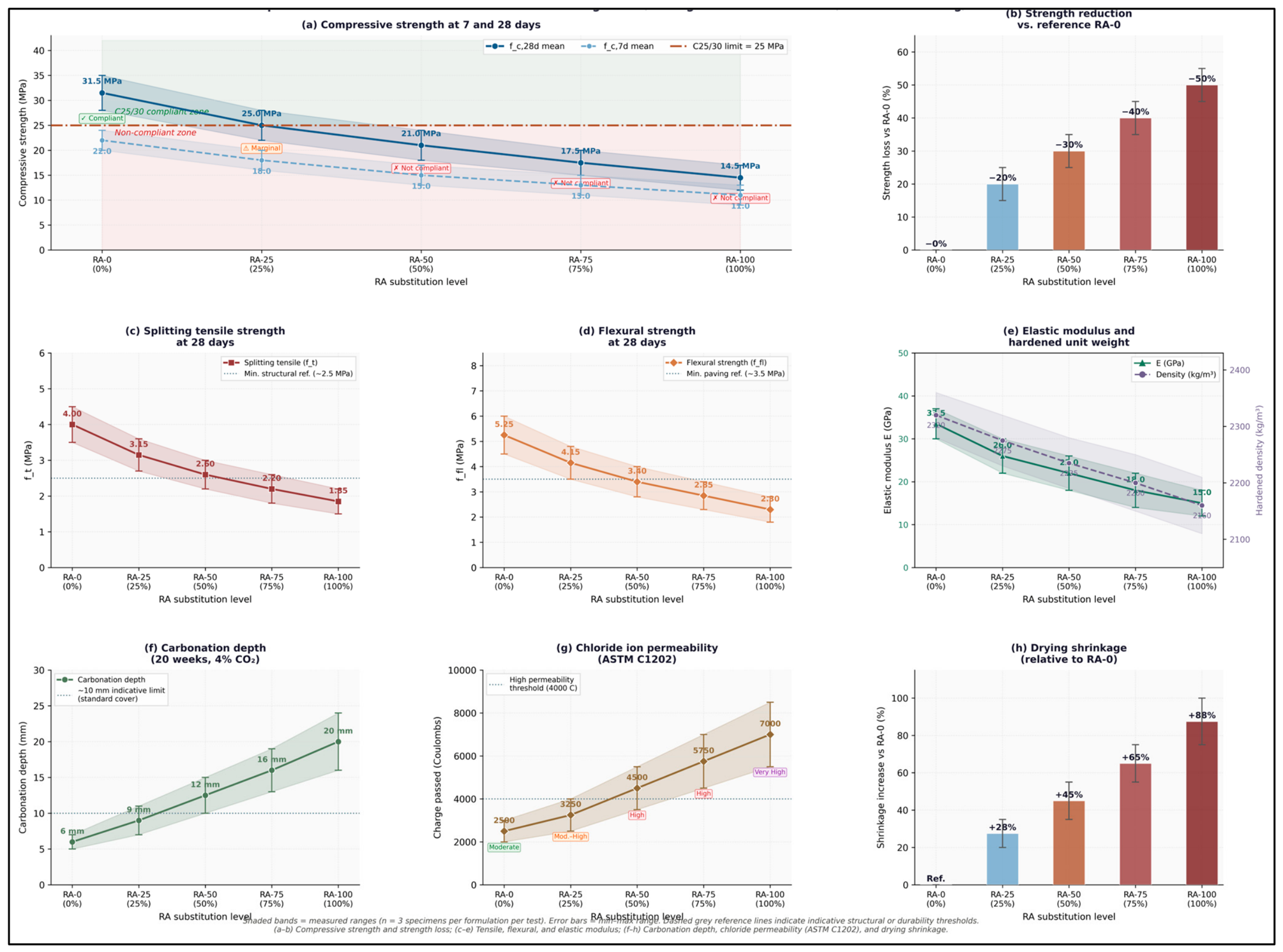
Compressive strength at 28 days decreased systematically with increasing RA content (Table 6, Figure 5a). The reference mix achieved f_c,28d = 28–35 MPa, comfortably satisfying the C25/30 characteristic strength requirement of 25 MPa. At 25% substitution, f_c,28d = 22–28 MPa, a reduction of 15–25% relative to the reference, placing this formulation at the lower bound of C25/30 compliance when the superplasticizer is incorporated and the pre-wetting correction of 9.98 L/100 kg RA is rigorously applied. At 50% substitution, f_c,28d drops to 18–24 MPa, falling below the C25/30 threshold and confirming non-compliance for structural applications. At 75% and 100% substitution, measured strengths of 15–20 MPa and 12–17 MPa, respectively, restrict these formulations to non-structural uses only. Splitting tensile strength at 28 days followed a parallel trend, decreasing from 3.5 to 4.5 MPa (RA-0) to 2.7 to 3.6 MPa (RA-25) and 1.5 to 2.2 MPa (RA-100). The elastic modulus showed a more pronounced reduction than compressive strength, from 30 to 37 GPa (RA-0) to 22 to 30 GPa (RA-25) and 12 to 18 GPa (RA-100), reflecting the dominant influence of the porous attached mortar on the composite stiffness of the recycled aggregate concrete [14,41]. Early-age strength at 7 days ranged from 20 to 24 MPa (RA-0) to 16 to 20 MPa (RA-25) and 9 to 13 MPa (RA-100), indicating that the strength development kinetics are preserved in RA-substituted mixes but at a systematically lower level.
2.2.3. Durability Properties
Carbonation depth after 20 weeks of accelerated carbonation (4% CO2) increased from 5 to 7 mm in the reference mix to 7 to 11 mm at 25% substitution and 16 to 24 mm at 100% substitution (Table 6). This progressive increase reflects the higher porosity and lower density of the RA-substituted paste matrix, which facilitates CO2 diffusion through the concrete microstructure [54]. At 25% substitution, the carbonation depth of 7–11 mm remains within acceptable limits for standard exposure classes (XC1–XC2) with adequate cover, suggesting that RA-25 concrete can meet durability requirements for sheltered or moderately exposed structural applications. Chloride ion permeability [55] increased from 2000 to 3000 Coulombs (moderate class) in the reference mix to 2500 to 4000 Coulombs (moderate-to-high) at 25% substitution and 5500 to 8500 Coulombs (very high class) at 100% substitution, confirming that higher RA contents significantly compromise the resistance of concrete to chloride-induced reinforcement corrosion. Drying shrinkage increased substantially with RA content: relative to the reference mix, shrinkage at 25% substitution was 20–35% higher, reaching 75–100% higher at 100% substitution, a consequence of the greater water demand, lower elastic modulus, and increased internal micro cracking associated with high attached mortar content [14,22] (Figure 5f–h).
Figure 5.
Comprehensive mechanical and durability performance of C25/30 recycled aggregate concrete mixes (RA–0 to RA–100). Composite blend E1–E10; WA = 9.98%; pre-wetting correction 9.98 L/100 kg RA; CEM I 42.5; E/C = 0.50; 350 kg/m3. Shaded bands and error bars represent measured ranges (n = 3). (a) Compressive strength at 7 and 28 days with C25/30 compliance limit; (b) strength reduction relative to RA–0; (c) splitting tensile strength; (d) flexural strength; (e) elastic modulus and hardened unit weight; (f) carbonation depth (20 weeks, 4% CO2); (g) chloride ion permeability [55]; (h) drying shrinkage relative to reference mix.
3. Discussion
3.1. Mix Design Framework and Moroccan Context
The Dreux-Gorisse method was selected as the formulation framework for this study because it constitutes the standard mix-design approach in Moroccan engineering education and professional practice. This choice was also driven by the consideration that C25/30 is the most common grade of structural concrete in residential building, roads, hydraulic, and civil structures in Morocco [18]. It means that the findings of the valuation of RA based on this standard will be immediately applicable to local engineers without need for methodological adaptation.
High values of water absorption observed in all ten samples taken from the Fez region (mean of 9.98 ± 0.94%) represent the principal challenge in developing the formulations. If the pre-wetting of the recycled aggregate had not been completed prior to mixing or if there was no allowance for the aggregate’s absorption in calculating the effective water, there would have been a loss of workability and an increase in the effective water/cement (E/C) ratio that was not under control, these two issues are the two most common reasons for performance problems with RAC [12,15]. The procedure used for pre-wetting aggregates in this study, based on 24-h measured absorption values and conducted 15–30 min prior to mixing, makes it possible to apply this adjustment to all levels of substitution consistently and reproducibly.
3.2. Aggregate Quality Characterization as a Basis for Concrete Formulation Optimization
The critical link between material quality and mix performance is water absorption: at a mean of 9.98 ± 0.94%, the RA samples absorb two to five times more water than natural aggregates, and this single parameter governs the pre-wetting water correction that makes or breaks the formulation. When recycled aggregates are incorporated dry into a concrete mix, they compete with cement for mixing water during hydration, causing progressive workability loss and an uncontrolled rise in the effective water-to-cement ratio, the two mechanisms most systematically identified as performance-limiting in RAC [12,14,15]. The pre-wetting is directly reflected in the method overleaf: aggregates are pre-wetted by 15–30 min before mixing with extra water allowed in proportion to the measured 24-h absorption so that the fixed E/C = 0.50 for C25/30 compliance is truly positive in terms of cement hydration (Figure 6). As demonstrated in Table 7, extra pre-wetting water increases approximately proportionally with substitution level—from 29.2 L/m for 25% to 116.8 L/m for 100%—which increases total effective mixing water from 175 L/m to 291.8 L/m. This correction must be precisely controlled; underwetting shifts water absorption to the mixing stage and reduces available workability water, while overwetting causes surface bleeding and dilutes the paste [51] (Table 7).
Figure 6.
Pre-wetting water correction and total mixing water per m3 as a function of RA substitution level (WA = 9.98%, measured mean).
Table 7.
Dreux-Gorisse mix designs for C25/30 concrete with 0, 25, 50, 75, and 100% recycled aggregate substitution (per m3). Pre-wetting water correction based on measured WA = 9.98%.
The effects on the properties of fresh concrete can be measured and understood. The unit weight drops from about 2350 kg/m3 in the reference mix to around 2120 kg/m3 with 100% substitution. This change happens because recycled aggregates (RAs) have a particle density that is 15–20% lower than that of natural aggregates [22] (Figure 7).
Figure 7.
Measured fresh concrete unit weight (kg/m3) as a function of RA substitution level. Reference: natural aggregate density ≈ 2650 kg/m3.
The slump decreases as the substitution increases. This is due to the larger specific surface area, the angular shape of the particles, and the water demand from the recycled fraction, even after pre-wetting [14]. This reduction in workability is a commonly observed trend in the literature on recycled aggregate concrete (RAC). Studies consistently show lower slump values as the recycled concrete aggregate (RCA) content rises, regardless of the source of the aggregate. The rough surface texture and the mortar that clings to it contribute to this [14,15]. To help counteract this, a polycarboxylate plasticizer is added at 0.5% of the cement mass in all mixes. If the substitution exceeds 50%, increasing the plasticizer dosage to 1% may be necessary to achieve the target slump of 80–120 mm (Figure 8).
Figure 8.
Measured slump range (Abrams cone, mm) as a function of RA substitution level with plasticizer at 0.5% of cement mass.
3.3. Defining the Maximum Substitution Level Based on Hardened-State Performance
The measured 28-day compressive strengths (Figure 5a) confirm a systematic and progressive strength reduction with increasing RA content, consistent with the physically-based deterioration of the paste–aggregate interfacial transition zone (ITZ) driven by the elevated attached mortar porosity documented in Section 2.1.2. The reference mix (RA-0) achieved f_c,28d = 28–35 MPa, comfortably exceeding the C25/30 characteristic strength of 25 MPa. At 25% substitution, the measured f_c,28d of 22–28 MPa represents a reduction of 15–25% relative to the reference, values entirely consistent with the 10–25% strength losses reported at similar substitution levels by Braymand et al. (2014) and Berredjem et al. (2019) [15,22], and closely aligned with the 15–25% reductions documented by Belarouf (2021) [6] for demolition-derived recycled aggregates from Rabat, the only comparable Moroccan dataset available. The lower bound of the RA-25 range (22 MPa) falls below the 25 MPa C25/30 threshold, confirming that this formulation achieves marginal rather than comfortable compliance. Robust C25/30 conformity at 25% substitution therefore depends critically on three conditions being simultaneously satisfied:
- (i)
- rigorous pre-wetting correction (9.98 L/100 kg RA);
- (ii)
- superplasticizer incorporation at 0.5–1.0% of cement mass to restore workability;
- (iii)
- preferential selection of Cluster A source material (LA ≤ 40%, MDE ≤ 25%, WA ≤ 9%, MB ≤ 2.5 g/kg).
The strength reduction becomes structurally prohibitive beyond 25% substitution. At 50%, f_c,28d = 18–24 MPa falls consistently below 25 MPa, ruling out structural C25/30 applications. At 75% and 100%, measured strengths of 15–20 MPa and 12–17 MPa respectively restrict these formulations to non-structural uses, backfill, lean concrete, and low-load dallages. These reductions are more severe than the 10–20% commonly reported for European recycled aggregates at 50% substitution [12,22], which is attributable to the particularly high MB values (mean 3.06 g/kg vs. <2.0 g/kg in most European studies) and elevated water absorption (mean 9.98%) of the composite Fez CDW blend, parameters that degrade ITZ quality beyond what water absorption alone would predict [13,41].
The elastic modulus shows a more pronounced proportional reduction than compressive strength, from 30 to 37 GPa (RA-0) to 22 to 30 GPa (RA-25) and 12 to 18 GPa (RA-100), corresponding to reductions of 17–26% and 50–57% respectively. This disproportionate stiffness reduction reflects the low intrinsic modulus of the cementitious paste matrix in the recycled particles, which acts as a compliant phase within the aggregate skeleton and dominates the composite modulus response under small strains [41]. For structural design purposes, this implies that deflection and deformation checks, rather than compressive strength, may become the governing limit state when using Fez CDW recycled aggregates in reinforced concrete members at 25% substitution.
Durability indicators reinforce the 25% substitution threshold as the practical ceiling for structural use. Carbonation depth at 25% substitution (7–11 mm after 20 weeks at 4% CO2) remains within manageable limits for standard cover requirements, while chloride permeability at this level (2500–4000 Coulombs, moderate-to-high class) is elevated but not prohibitive for sheltered or non-aggressive exposure environments (XC1–XC2, XD1). Beyond 50%, carbonation depths of 10–15 mm and chloride permeability of 3500–5500 Coulombs (high class) indicate significant durability risks that would necessitate increased cover depth, reduced water-to-cement ratio, or supplementary cementitious materials, adjustments that lie outside the scope of the present base formulation [14,54]. Drying shrinkage, elevated by 20–35% at 25% substitution and up to 75–100% at 100%, represents an additional serviceability consideration that warrants assessment against EN 1992-1-1 [56] deformation limits for specific structural applications.
3.4. Determination of Practical Substitution Limits and Recommendations for Field Application
Reading the formulation results along with the PCA clustering provides a clear guidance framework for CDW valorization in the Fez context. Three substitution thresholds stand out from the data.
At 25% substitution, achieving C25/30 compliance is possible without reformulation for all samples, as long as the pre-wetting correction is accurately applied. The main quality constraint is the selection of sources. Only samples from Cluster A (E2, E6, E8, with LA ≤ 40%, MDE ≤ 25%, WA ≤ 9%, MB ≤ 2.5 g/kg) can be used directly. Samples from Cluster B need the sub-80 µm fraction removed through wet washing or air-classification [30] before use at any substitution level.
At 50% substitution, meeting C25/30 compliance requires one of two adjustments. Either increase the cement content to 370–400 kg/m3 to make up for the strength loss related to the weaker paste-aggregate bond or wash the fines to lower the MB value below 2.5 g/kg and enhance ITZ bonding efficiency. The variability in absorption between samples (CV = 9.4%) also calls for measuring absorption in each batch during production. A ±1% deviation around the mean leads to a ±5.4–10.9 L/m3 error in the pre-wetting correction.
Beyond 50% substitution, achieving structural C25/30 compliance is not possible with the current RA quality without major adjustments to the mix design. This includes significantly increasing cement content, adding pozzolanic materials, or pre-treating the aggregate. Looking ahead, pre-carbonation of RA, which densifies the attached mortar by CaCO3 precipitation and has been shown to cut water absorption by 10–20% while enhancing ITZ micro hardness [57], offers the best approach to raise the viable substitution limit from 25% toward 50% without increasing cement content. This should be the main focus of future experimental work on Fez CDW.
4. Materials and Methods
4.1. Study Area and Construction and Demolition Waste Sampling
Ten recycled aggregate samples (E1–E10) were collected between March and June 2023 from several active CDW sites across the Fez metropolitan area, selected on the basis of three criteria: representativeness of the dominant CDW typologies identified in the Fez urban context, site accessibility and safety conditions, and availability of sufficient inert material volume (minimum 50 kg of inert fraction per site) (Table A1). As CDW is a mixed by-product with a degree of heterogeneity that is mainly linked to its source [12,58], we relied on several typologies per site for sampling, the aim being to represent the core types of CDW streams present in the Fez urban context, namely:
- masonry–urban–renovation residues derived from workshop and renovated median residences and traditional urban fabric (E1, E4, E6);
- reinforced-concrete frame demolition residues stemming from semirural building stock expanding urban fringe (E2, E3, E7, E8);
- mixed CDW derived from infrastructures (public works and road excavations) (E5, E9, E10).
The sample size of n = 10 was determined on the basis of stratified purposive sampling targeting the three dominant CDW typologies identified in the Fez metropolitan area. This sample size is consistent with precedent in CDW characterization literature, Pepe et al. (2016) [12] characterized three distinct concrete-waste sources across pilot-scale processing trials, while Rangel et al. (2018) [3] validated a generalized quality-control parameter across a comparable number of heterogeneous demolition sources, and is sufficient to identify inter-cluster quality differentials through principal component analysis. The high coefficient of variation observed for the sub-0.08 mm fines fraction (CV = 41.3%) and sulfate content (CV = 20.5%) confirms that inter-sample variability is substantial and site-dependent, lending support to the stratified typological approach adopted here. Larger multi-season sampling campaigns would be required to establish fully probabilistic population statistics for Fez CDW; the present dataset is therefore explicitly framed as a first reference characterization rather than an exhaustive population study.
This typological stratification reflects the structural heterogeneity inherent to urban CDW streams, where residues from construction, demolition, and renovation activities coexist with highly variable compositions [2,59].
At each site, a minimum of 50 kg of inert material was collected from several sub-locations using a systematic grid method according to NF EN 932-1 [60]. This method follows the procedures used in large-scale CDW characterization studies, where samples are taken from different concrete waste sources: laboratory-produced, plant-produced, and demolition-derived. This helps identify important quality-control parameters and create a representative dataset [12]. Each bulk sample was then reduced to a 10 kg representative sub-sample using the quartering method. After this, manual sorting was done to remove non-inert contaminants such as plastics, wood, steel reinforcement, and gypsum boards. This pre-treatment step is essential to ensure chemical stability and prevent interference with the results of physical and mechanical tests [16].
4.2. Sample Preparation
Following the removal of contaminants, the sorted inert materials underwent primary crushing in a laboratory jaw crusher with a mandible opening set to 10 mm. This step aligns with standard methods for producing recycled aggregate fractions from concrete demolition debris [12]. The crushed material was then mechanically sieved to separate the relevant size fractions for the two parallel experimental tracks in this study.
From each of the ten samples, two sub-batches were created for different analytical purposes.
The first sub-batch focused on aggregate quality characterization: the 0/5 mm fraction, which represents recycled aggregate (sand grade), was oven-dried at 105 ± 5 °C until it reached a constant mass before physical and chemical analyses [23,24].
Coarser fractions were also prepared for mechanical resistance tests. The 6.3/10 mm class was used for the Los Angeles abrasion test, and the 0.5/2.5 mm class was used for the Micro-Deval test, following the procedures in NM EN 1097 series [49].
The second sub-batch was set aside for concrete mix design trials, where the recycled aggregates were included in C25/30 formulations at substitution rates of 25%, 50%, 75%, and 100%. This followed the Dreux-Gorisse method, with pre-wetting water corrections calculated from the measured 24-h absorption values [18,20]. This dual-track preparation approach ensures that both aggregate quality assessments and concrete performance evaluations are based on consistent and traceable material batches, as recommended in large-scale RCA processing studies [12]. All physical and chemical tests were done in triplicate. Results are presented as means along with the coefficient of variation (CV) to indicate the variation among the replicates.
4.3. Laboratory Test Protocols
Fourteen test parameters were measured across the two analytical tracks of this study: aggregate quality characterization and concrete mix-design. This followed the EN 933 [39], EN 1097 series [49], and EN 1744 series [51] as adopted in the Moroccan normative framework. A complete summary of the protocol, including standards, equipment, sample preparation, reagents, and calculation formulas, is provided in Table A2. The key procedural details are as follows.
4.4. Statistical Analysis
All statistical analyses were performed using IBM SPSS Statistics (version 26.0; IBM Corp., Armonk, NY, USA). No missing values were present in the dataset, as all 14 variables were measured in triplicate for all ten samples. Prior to analysis, normality was assessed using the Shapiro–Wilk test; all 14 variables returned p > 0.05, confirming approximate normality. Outliers were screened using boxplot inspection and z-score analysis (threshold |z| > 3); no observations were excluded.
Descriptive statistics were generated for all fourteen characterization variables across the ten samples. The Pearson correlation coefficient (r) was used to determine the significance of the association among the variables (p-value < 0.05), especially focusing on the correlation between water absorption and mechanical resistance indexes, in line with the physically motivated model suggested by Pepe et al. (2016) [12]. Principal component analysis (PCA) was conducted on z-score standardized data using the correlation matrix. Only the principal components with an eigenvalue ≥ 1 (Kaiser criterion) were considered. No correction for multiple comparisons was applied given the exploratory nature of the analysis. Sample clustering was performed visually based on the PC1–PC2 biplot score plot, with cluster boundaries defined by the natural groupings apparent in the score space, consistent with the three CDW typologies sampled [3,12].
4.5. Concrete Mix Design: Dreux-Gorisse Method for C25/30
From the aggregated characterization data set, the C25/30 reference concrete mixture was defined through the Dreux-Gorisse technique, which is the prevailing mix-design procedure employed in Morocco [15,18]. The strength class C25/30 (f_ck = 25 MPa of cylinders after 28 days) is the most popular type of structural concrete in Morocco in all types of construction, such as housing projects, roads, hydraulic works, and municipal projects, and is therefore the right reference point for any assessment of RA valorization possibilities within the Moroccan construction sector [18].
These consist of:
- Target resistance class and exposure class selection;
- Establishment of the optimal water–cement ratio (E/C = 0.50) considering a moderately aggressive environment and CEM I 42.5;
- Estimation of the quantity of cement in 350 kg/m3;
- Establishment of the joint gradation chart using Fuller’s reference curve for the 0/20 mm fraction;
- Aggregate proportioning in the following fractions: 0/5, 5/10, 10/20. The addition of a plasticizing agent in the form of 0.5% relative to the cement weight of the concrete was used in order to obtain a suitable slump in the Abrams cone, between 80 and 120 mm [18].
Five concrete formulations were prepared and experimentally validated: a reference mix (0% RA, 100% natural aggregates) and four substitution levels at 25%, 50%, 75%, and 100% RA replacement by mass of total aggregates. To represent realistic Fez CDW conditions without prior sorting, all five mixes incorporated a composite blend of the ten samples (E1–E10) in equal proportions by mass, a deliberately conservative approach reflecting field conditions where CDW is collected and processed without selective typological separation. A polycarboxylate-based superplasticizer (0.5% of cement mass, 1.75 kg/m3) was incorporated in all mixes to compensate for the workability reduction associated with the elevated specific surface area and methylene blue value of the recycled fraction, with dosage adjustable up to 1.0% of cement mass for substitution levels exceeding 50%.
For each formulation, nine cylindrical specimens (Ø150 × 300 mm) were cast: three tested at 7 days and six at 28 days (three for compressive strength [61], three for splitting tensile strength [62]). Three prismatic specimens (100 mm × 100 mm × 500 mm) were additionally prepared per formulation for flexural strength testing [63] and elastic modulus determination [64]. All specimens were demolded after 24 h and cured under humid conditions (20 ± 2 °C, RH > 95%) until testing age. Fresh concrete properties, slump [65], fresh unit weight [66], and air content, were measured immediately after mixing for each formulation. Hardened unit weight was determined at 28 days [67]. For durability assessment, three Ø100 × 50 mm disc specimens per formulation were prepared for chloride permeability testing [55] and three Ø50 mm cores were extracted for capillary absorption [68]. Carbonation depth was measured on split specimens after 20 weeks of accelerated carbonation under 4% CO2 [69]. Drying shrinkage was monitored on 40 mm × 40 mm × 160 mm prismatic specimens at 7, 14, 28, 56, and 90 days [70].
The pre-wetting water correction, indispensable to compensate for the elevated absorption of recycled aggregates and prevent uncontrolled workability loss was calculated using the mean measured absorption value of 9.98% obtained in this study: additional water (L/m3) = M_RA (kg/m3) × WA (%)/100, where M_RA is the total mass of recycled aggregates per cubic meter and WA = 9.98% (measured mean). RA was pre-wetted 15–30 min before mixing to reach the SSD state, after which the formulation mixing water (E/C = 0.50) was added without further correction. This protocol is consistent with practices recommended for high-absorption-recycled aggregate concretes [12,20], and with the observation that pre-humidification of RA is systematically required when absorption exceeds 5% [18]. All concrete mixes were produced at 20 ± 2 °C following NM 10.1.008 [19]. Natural aggregates were used in oven-dried condition (moisture content < 0.5%), while recycled aggregates were pre-wetted 15–30 min before mixing to reach the saturated surface-dry (SSD) state [12,33]. The superplasticizer used was a polycarboxylate-based admixture (SikaViscoCrete-20 HE, solids content: ~30%), incorporated at 0.5% of cement mass (1.75 kg/m3). Aggregate proportions were determined using the absolute volume method, ensuring that the sum of volumes of all constituent materials equaled 1 m3.
5. Conclusions
The uncontrolled accumulation of construction and demolition waste in Moroccan cities, where CDW management remains largely unquantified, unregulated, and confined to unauthorized disposal, represents both an environmental burden and a missed resource opportunity. In Fez, the absence of normatively referenced aggregate characterization data and locally anchored mix-design protocols has been the primary obstacle to valorizing this waste stream as recycled aggregates in structural concrete. The present study addresses this gap through the first normatively referenced characterization of ten CDW recycled aggregate samples from the Fez metropolitan area, combined with experimental C25/30 concrete validation using the Dreux-Gorisse method.
The characterization reveals that Fez recycled aggregates are systematically limited by high water absorption (mean 9.98%), low particle density (mean 2197 kg/m3), sub-standard sand equivalent (mean 39.4%), and elevated methylene blue values (mean 3.06 g/kg), all governed by attached cementitious mortar content. PCA identifies two valorization clusters: Cluster A (E2, E6, E8), directly valorizable for structural use, and Cluster B (E3, E4, E7, E10), requiring fine-fraction removal prior to concrete incorporation.
At the concrete level, experimental results demonstrate that 25% RA substitution achieves marginal C25/30 compliance (f_c,28d = 22–28 MPa) when the pre-wetting correction (29.2 L/m3) and superplasticizer (0.5% of cement mass) are rigorously applied—making this substitution level the practical threshold for structural use in the Moroccan context. At 50% substitution, f_c,28d drops to 18–24 MPa, falling below the C25/30 limit and restricting use to non-structural applications. Durability assessments confirm acceptable carbonation depth (7–11 mm at 25%) and moderate-to-high chloride permeability at the 25% threshold, consistent with standard exposure classes XC1–XC2. Beyond 50%, structural compliance cannot be maintained without fundamental mix adjustments.
From an engineering application perspective, these findings establish three clear operational guidelines for CDW valorization in Fez and comparable North African urban contexts: (i) source-selective sampling prioritizing Cluster A material is essential for direct structural use; (ii) systematic pre-wetting correction based on measured 24-h absorption is non-negotiable at all substitution levels; and (iii) fine-fraction removal (<80 µm) is required for Cluster B material before any structural application. Future work should prioritize long-term durability assessment under natural exposure conditions and investigation of pre-carbonation as a pre-treatment strategy to extend the viable substitution limit toward 50% without increased cement consumption.
Author Contributions
Conceptualization, Y.B. and M.B.; methodology, Y.B. and O.K.; software, Y.B.; validation, Y.B., M.B., and O.K.; formal Analysis, Y.B.; investigation, Y.B.; resources, H.T., A.L., and A.O.; data curation, Y.B., M.E.-Y., and Z.E.A.S.; writing—original draft preparation, Y.B.; writing—review and editing, M.B., O.K., H.T., A.L., A.O., M.E.-Y., and Z.E.A.S.; visualization, Y.B.; supervision, M.B.; project administration, Y.B. All authors have read and agreed to the published version of the manuscript.
Funding
This research received no external funding.
Data Availability Statement
The original contributions presented in this study are included in the article. Further inquiries can be directed to the corresponding author.
Acknowledgments
The authors gratefully acknowledge the authorities for granting access to the demolition sites and facilitating aggregate sampling and the technical staff of Laboratory of FST-USMBA for their assistance during experimental testing. The authors also acknowledge the Fez Regional Center of the Laboratoire Public d’Essais et d’Etudes for providing access to accredited testing facilities. During the preparation of this manuscript, the authors used ChatGPT (GPT-4, OpenAI, San Francisco, CA, USA)for English language translation. The authors have reviewed and edited the output and take full responsibility for the content of this publication.
Conflicts of Interest
The authors declare no conflicts of interest. Author Omar Kassou was employed by the company Horizon Djibouti Terminals Limited. The authors declare that the research was conducted in the absence of any commercial or financial relationships that could be construed as a potential conflict of interest.
Abbreviations
The following abbreviations are used in this manuscript:
| AM | Attached mortar |
| AAM | Water absorption of attached mortar |
| ASR | Alkali–silica reaction |
| AAR | Alkali–aggregate reaction |
| ASTM | American Society for Testing and Materials |
| C25/30 | Concrete strength class (25 MPa cylinder/30 MPa cube) |
| CDW | Construction and demolition waste |
| CEN | European Committee for Standardization |
| CEM I | Portland cement type I |
| CO2 | Carbon dioxide |
| CTSB | Cement-treated sub-base |
| CV | Coefficient of variation |
| E/C | Water-to-cement ratio |
| EDS | Energy-dispersive X-ray spectroscopy |
| EN | European Norm |
| ES | Sand equivalent |
| E | Static elastic modulus |
| f_c | Compressive strength |
| f_c,28d | 28-day compressive strength |
| f_ck | Characteristic compressive strength |
| f_fl | Flexural strength |
| f_t | Splitting tensile strength |
| FST-USMBA | Faculty of Sciences and Technology- Sidi Mohamed Ben Abdellah University |
| GSB | Granular sub-base |
| IMANOR | Institut Marocain de Normalisation |
| ITZ | Interfacial transition zone |
| k | Open-porosity factor [12] |
| LA | Los Angeles abrasion coefficient |
| LCA | Life-cycle assessment |
| LOI | Loss on ignition |
| MB | Methylene blue value |
| MDE | Micro-Deval coefficient |
| NF | Norme Française |
| NM | Norme Marocaine |
| NM EN | Moroccan standard adopting a European norm |
| PC1 | First principal component |
| PC2 | Second principal component |
| PC3 | Third principal component |
| PCA | Principal component analysis |
| RA | Recycled aggregates |
| RAC | Recycled aggregate concrete |
| RCA | Recycled concrete aggregates |
| RH | Relative humidity |
| r | Pearson correlation coefficient |
| S | Capillary absorption coefficient (mm/√h) |
| SCM | Supplementary cementitious materials |
| SD | Standard deviation |
| SEM | Scanning electron microscopy |
| SP | Superplasticizer |
| SSD | Saturated surface-dry |
| UNESCO | United Nations Educational, Scientific and Cultural Organization |
| UNEP | United Nations Environment Programme |
| WA | Water absorption |
| XC1–XC2 | Carbonation exposure classes (EN 206) |
| XA2–XA3 | Chemical attack exposure classes—sulfates (EN 206) |
| XD1 | Chloride-induced corrosion exposure class (EN 206) |
| XRF | X-ray fluorescence |
Appendix A
Table A1.
Characteristics of the ten CDW sampling sites in the Fez.
Table A2.
Laboratory test protocols for physical, mechanical, and chemical characterization of recycled aggregate quality and concrete performance test.
References
- United Nations Environment Programme (UNEP). 2020 Global Status Report for Buildings and Construction; UNEP: Nairobi, Kenya, 2020; Available online: https://wedocs.unep.org/handle/20.500.11822/34572 (accessed on 1 March 2026).
- Gálvez-Martos, J.-L.; Styles, D.; Schoenberger, H.; Zeschmar-Lahl, B. Construction and demolition waste best management practice in Europe. Resour. Conserv. Recycl. 2018, 136, 166–178. [Google Scholar] [CrossRef] [Scilit]
- Rangel, C.S.; Toledo Filho, R.D.; Amario, M.; Pepe, M.; Polisseni, G.C.; Andrade, G.P. Generalized quality control parameter for heterogeneous recycled concrete aggregates: A pilot scale case study. J. Clean. Prod. 2018, 208, 589–601. [Google Scholar] [CrossRef] [Scilit]
- European Commission. Directive 2008/98/EC of the European Parliament and of the Council of 19 November 2008 on waste. Off. J. Eur. Union 2008, L 312, 3–30. [Google Scholar]
- Silva, R.V.; de Brito, J.; Dhir, R.K. Use of recycled aggregates arising from construction and demolition waste in new construction applications. J. Clean. Prod. 2019, 236, 117629. [Google Scholar] [CrossRef] [Scilit]
- Belarouf, S. Contribution à L’étude Expérimentale et la Modélisation Numérique des Bétons à Granulats Recyclés de Démolition pour les Bâtiments. Doctoral Thesis, Université Mohammed V, Rabat, Morocco, 2021. Available online: https://toubkal.imist.ma/handle/123456789/16444 (accessed on 1 June 2026). (In French)
- Secrétariat d’État chargé du Développement Durable (SEDD). Stratégie Nationale de Réduction et de Valorisation des Déchets (SNRVD)—Rapport de Synthèse; Ministère de la Transition Énergétique et du Développement Durable: Rabat, Morocco, 2019. (In French)
- Wijayasundara, M.; Crawford, R.H.; Mendis, P. Comparative assessment of embodied energy of recycled aggregate concrete. J. Clean. Prod. 2017, 152, 406–419. [Google Scholar] [CrossRef] [Scilit]
- Braga, A.M.; Silvestre, J.D.; de Brito, J. Compared environmental and economic impact from cradle to gate of concrete with natural and recycled coarse aggregates. J. Clean. Prod. 2017, 162, 529–543. [Google Scholar] [CrossRef] [Scilit]
- Xing, W.; Tam, V.W.Y.; Le, K.N.; Hao, J.L.; Wang, J. Life cycle assessment of recycled aggregate concrete on its environmental impacts. Constr. Build. Mater. 2022, 317, 125950. [Google Scholar] [CrossRef] [Scilit]
- Etxeberria, M.; Vázquez, E.; Marí, A.; Barra, M. Influence of amount of recycled coarse aggregates and production process on properties of recycled aggregate concrete. Cem. Concr. Res. 2007, 37, 735–742. [Google Scholar] [CrossRef] [Scilit]
- Pepe, M.; Toledo Filho, R.D.; Koenders, E.A.B.; Martinelli, E. A novel mix design methodology for recycled aggregate concrete. Constr. Build. Mater. 2016, 122, 362–372. [Google Scholar] [CrossRef] [Scilit]
- Bravo, M.; de Brito, J.; Pontes, J.; Evangelista, L. Mechanical performance of concrete made with aggregates from construction and demolition waste recycling plants. J. Clean. Prod. 2015, 99, 59–74. [Google Scholar] [CrossRef] [Scilit]
- Suomie, R.W.; Mishra, B.P.; Das, S. Performance of rice husk ash and recycled coarse aggregate for sustainable concrete: A review. Next Mater. 2025, 8, 100778. [Google Scholar] [CrossRef] [Scilit]
- Molez, L.; Berredjem, L.; Arabi, N. Influence de la nature des granulats recyclés sur les propriétés des bétons. Acad. J. Civ. Eng. (AJCE) 2019, 37, 75–79. (In French) [Google Scholar] [CrossRef]
- Choudhary, L.; Sharma, R.; Sahu, V. Experimental investigation of recycled concrete aggregate for sustainable construction of non-bituminous sub-surface layers of aircraft pavements. Indian Concr. J. 2025, 99, 28–36. [Google Scholar]
- EN 206; Concrete—Specification, Performance, Production and Conformity. European Committee for Standardization: Brussels, Belgium, 2013.
- Lahmadi, A.; Zeghichi, L.; Benghazi, Z. L’influence de la substitution des granulats naturels par les déchets de brique sur le comportement mécanique du béton. In Proceedings of the ACMA 2012, Fez, Morocco, 9–12 May 2012. (In French) [Google Scholar]
- NM 10.1.008; Béton—Spécification, Performances, Production et Conformité. Institut Marocain de Normalisation: Rabat, Morocco, 2007. (In French)
- Santamaria Diaz, N.K. Valorisation des Granulats Recyclés dans le Béton pour les Pavages et Trottoirs. Master’s Thesis, Université de Sherbrooke, Sherbrooke, QC, Canada, 2018. Available online: https://savoirs.usherbrooke.ca/handle/11143/13595 (accessed on 1 June 2026). (In French)
- Goufi, N.; Idir, R.; Kerdal, D.; Abidelah, A.; Kaid, N. Analyse des caractéristiques physiques et mécaniques de bétons de granulats recyclés. Acad. J. Civ. Eng. (AJCE) 2018, 36, 150–154. (In French) [Google Scholar] [CrossRef]
- Braymand, S.; Roux, S.; Kuwufine, D.; Mihalcea, C.C.; Feugeas, F.; Fond, C. Les granulats recyclés de bétons: Un matériau à fort potentiel de valorisation. In Proceedings of the MATERIAUX 2014, Montpellier, France, 24–28 November 2014. (In French) [Google Scholar]
- NM EN 12620+A1; Aggregates for Concrete. Institut Marocain de Normalisation: Rabat, Morocco, 2008.
- NM EN 13242+A1; Aggregates for Unbound and Hydraulically Bound Materials. Institut Marocain de Normalisation: Rabat, Morocco, 2008.
- NM EN 13043; Aggregates for Bituminous Mixtures. Institut Marocain de Normalisation: Rabat, Morocco, 2017.
- NM EN 933-1; Tests for Geometrical Properties of Aggregates—Part 1: Determination of Particle Size Distribution—Sieving Method. Institut Marocain de Normalisation: Rabat, Morocco, 2012.
- Evangelista, L.; Guedes, M.; de Brito, J.; Ferro, A.C.; Pereira, M.F. Physical, chemical and mineralogical properties of fine recycled aggregates made from concrete waste. Constr. Build. Mater. 2015, 86, 178–188. [Google Scholar] [CrossRef] [Scilit]
- Wan, X.; Jia, Z.; Li, N.; Luo, H. Impact of recycled fine aggregate on physical and mechanical properties of green mortar. Materials 2025, 18, 696. [Google Scholar] [CrossRef] [Scilit] [PubMed]
- Abramović, F.; Popović, M.P.; Simić, V.; Matović, V.; Šerović, R. Characterization and environmental evaluation of recycled aggregates from CDW in Belgrade. Materials 2024, 17, 820. [Google Scholar] [CrossRef] [Scilit] [PubMed]
- Amadi, I.G.; Beushausen, H.; Alexander, M.G. Multi-technique approach to enhance the properties of fine recycled aggregate concrete. Front. Mater. 2022, 9, 893852. [Google Scholar] [CrossRef] [Scilit]
- Tabsh, S.W.; Alhoubi, Y. Experimental investigation of recycled fine aggregate from demolition waste in concrete. Sustainability 2022, 14, 10787. [Google Scholar] [CrossRef] [Scilit]
- Tam, V.W.Y.; Gao, X.F.; Tam, C.M.; Chan, C.H. New approach in measuring water absorption of recycled aggregates. Constr. Build. Mater. 2008, 22, 364–369. [Google Scholar] [CrossRef] [Scilit]
- Mora-Ortiz, R.S.; Del Angel-Meraz, E.; Díaz, S.A.; Magaña-Hernández, F.; Munguía-Balvanera, E.; Pantoja Castro, M.A.; Alavez-Ramírez, J.; Quiroga, L.A. Effect of pre-wetting recycled mortar aggregate on the mechanical properties of masonry mortar. Materials 2021, 14, 1547. [Google Scholar] [CrossRef] [Scilit] [PubMed]
- Zhang, H.; Yi, S.; Xu, X.; Yao, J. New insights into impacts of pre-wetting strategies of recycled coarse aggregate on microstructure and performance of concrete. J. Build. Eng. 2025, 99, 111525. [Google Scholar] [CrossRef] [Scilit]
- Maimouni, H.; Remond, S.; Huchet, F.; Richard, P.; Thiery, V.; Descantes, Y. Quantitative assessment of the saturation degree of model fine recycled concrete aggregates immersed in a paste. Constr. Build. Mater. 2018, 175, 496–507. [Google Scholar] [CrossRef] [Scilit]
- Sánchez de Juan, M.; Alaejos Gutiérrez, P. Study on the influence of attached mortar content on the properties of recycled concrete aggregate. Constr. Build. Mater. 2009, 23, 872–877. [Google Scholar] [CrossRef] [Scilit]
- Contreras, M.; Romero, M.; Gázquez, M.J.; Bolívar, J.P. Construction and demolition waste as recycled aggregate for environmentally friendly concrete paving. Environ. Sci. Pollut. Res. 2021, 28, 49278–49294. [Google Scholar] [CrossRef] [Scilit] [PubMed]
- Nikolaides, A.; Manthos, E.; Sarafidou, M. Sand equivalent and methylene blue value of aggregates for highway engineering. Found. Civ. Environ. Eng. 2007, 10, 111–121. [Google Scholar]
- NM EN 933 Series; Tests for Geometrical Properties of Aggregates. Institut Marocain de Normalisation: Rabat, Morocco, 2012.
- Kirthika, S.K.; Surya, M.; Singh, S.K. Effect of clay in alternative fine aggregates on performance of concrete. Constr. Build. Mater. 2019, 228, 116811. [Google Scholar] [CrossRef] [Scilit]
- Adessina, A. Caractérisation Expérimentale et Modélisation Multi-Échelle des Propriétés Mécaniques et de Durabilité des Bétons à base de Granulats Recyclés. Doctoral Thesis, Université Paris-Est, Paris, France, 2018. Available online: https://pastel.hal.science/tel-02084033 (accessed on 1 June 2026). (In French)
- Peiris, D.; Gunasekara, C.; Law, D.W.; Patrisia, Y.; Tam, V.W.Y.; Setunge, S. Impact of treatment methods on recycled concrete aggregate performance: A comprehensive review. Environ. Sci. Pollut. Res. 2025, 32, 14405–14438. [Google Scholar] [CrossRef] [Scilit] [PubMed]
- Colman, C.; Bulteel, D.; Rémond, S.; Zhao, Z.; Courard, L. Valorization of fine recycled aggregates contaminated with gypsum residues. Materials 2020, 13, 4866. [Google Scholar] [CrossRef] [Scilit] [PubMed]
- Schachermayer, E.; Lahner, T.; Brunner, P.H. Assessment of two different separation techniques for building wastes. Waste Manag. Res. 2000, 18, 16–24. [Google Scholar] [CrossRef] [Scilit]
- Moghimi, S.; Yuksel, C.; Ramyar, K. Effect of reactive coarse recycled aggregate with different expansion history on alkali silica reactivity. Struct. Concr. 2024, 25, 2915–2930. [Google Scholar] [CrossRef] [Scilit]
- Zhu, Y.; Zahedi, A.; Sanchez, L.F.M.; Fournier, B.; Beauchemin, S. Overall assessment of alkali-silica reaction affected recycled concrete aggregate mixtures derived from CDW. Cem. Concr. Res. 2021, 142, 106350. [Google Scholar] [CrossRef] [Scilit]
- EN 932-3; Tests for General Properties of Aggregates—Part 3: Procedure and Terminology for Simplified Petrographic Description. European Committee for Standardization: Brussels, Belgium, 1999.
- Mozumder, R.S.; Hoque, M.M.; Taki, M.Z.H.; Bhowmik, M.C.; Sheikh, P.; Saha, N. Durability assessment methods of CO2-treated recycled concrete aggregate for transportation infrastructure. Discov. Civ. Eng. 2025, 2, 213. [Google Scholar] [CrossRef] [Scilit]
- NM EN 1097 Series; Tests for Mechanical and Physical Properties of Aggregates. Institut Marocain de Normalisation: Rabat, Morocco, 2011.
- NM EN 1097-6; Tests for Mechanical and Physical Properties of Aggregates—Part 6: Determination of Particle Density and Water Absorption. Institut Marocain de Normalisation: Rabat, Morocco, 2011.
- NM EN 1744 Series; Tests for Chemical Properties of Aggregates. Institut Marocain de Normalisation: Rabat, Morocco, 1998.
- ASTM C40/C40M-16; Standard Test Method for Organic Impurities in Fine Aggregates for Concrete. ASTM International: West Conshohocken, PA, USA, 2016. [CrossRef] [Scilit]
- NF ISO 10523; Water Quality—Determination of pH (Adapted for Aggregate Suspension). Association Française de Normalisation: Paris, France, 2005.
- Hao, S. Durability assessment of recycled aggregate concrete in aggressive environments. Archit. Eng. Sci. 2024, 5, 251–253. [Google Scholar] [CrossRef] [Scilit]
- ASTM C1202-22; Standard Test Method for Electrical Indication of Concrete’s Ability to Resist Chloride Ion Penetration. ASTM International: West Conshohocken, PA, USA, 2022. [CrossRef] [Scilit]
- NF EN 1992-1-1; Eurocode 2—Design of Concrete Structures—Part 1-1: General Rules and Rules for Buildings. Association Française de Normalisation: Paris, France, 2005.
- Hou, Y. Contribution au Développement de la Valorisation des Déchets Inertes du BTP: Etude de la Carbonatation des Granulats Recyclés Compactés. Doctoral Thesis, La Rochelle Université, La Rochelle, France, 2021. (In French) [Google Scholar]
- Al-Bayati, H.K.A.; Das, P.K.; Tighe, S.L.; Baaj, H. Evaluation of various treatment methods for enhancing the physical and morphological properties of coarse recycled concrete aggregate. Constr. Build. Mater. 2016, 112, 284–298. [Google Scholar] [CrossRef] [Scilit]
- Paranhos, R.S.; Cazacliu, B.G.; Sampaio, C.H.; Petter, C.O.; Neto, R.O.; Huchet, F. A sorting method to value recycled concrete. J. Clean. Prod. 2016, 112, 2249–2258. [Google Scholar] [CrossRef] [Scilit]
- NF EN 932-1; Tests for General Properties of Aggregates—Part 1: Methods for Sampling. Association Française de Normalisation: Paris, France, 1996.
- NM EN 12390-3; Testing Hardened Concrete—Part 3: Compressive Strength of Test Specimens. Institut Marocain de Normalisation: Rabat, Morocco, 2021.
- NM EN 12390-6; Testing Hardened Concrete—Part 6: Tensile Splitting Strength of Test Specimens. Institut Marocain de Normalisation: Rabat, Morocco, 2021.
- NM EN 12390-5; Testing Hardened Concrete—Part 5: Flexural Strength of Test Specimens. Institut Marocain de Normalisation: Rabat, Morocco, 2021.
- NM EN 12390-13; Testing Hardened Concrete—Part 13: Determination of Secant Modulus of Elasticity in Compression. Institut Marocain de Normalisation: Rabat, Morocco, 2021.
- NM EN 12350-2; Testing Fresh Concrete—Part 2: Slump Test. Institut Marocain de Normalisation: Rabat, Morocco, 2021.
- NM EN 12350-6; Testing Fresh Concrete—Part 6: Density. Institut Marocain de Normalisation: Rabat, Morocco, 2021.
- NM EN 12390-7; Testing Hardened Concrete—Part 7: Density of Hardened Concrete. Institut Marocain de Normalisation: Rabat, Morocco, 2021.
- EN 13057; Products and Systems for the Protection and Repair of Concrete Structures—Test Methods—Determination of Resistance to Capillary Absorption. European Committee for Standardization: Brussels, Belgium, 2002.
- EN 13295; Products and Systems for the Protection and Repair of Concrete Structures—Test Methods—Determination of Resistance to Carbonation. European Committee for Standardization: Brussels, Belgium, 2004.
- NM EN 12390-16; Testing Hardened Concrete—Part 16: Determination of Shrinkage of Concrete. Institut Marocain de Normalisation: Rabat, Morocco, 2021.
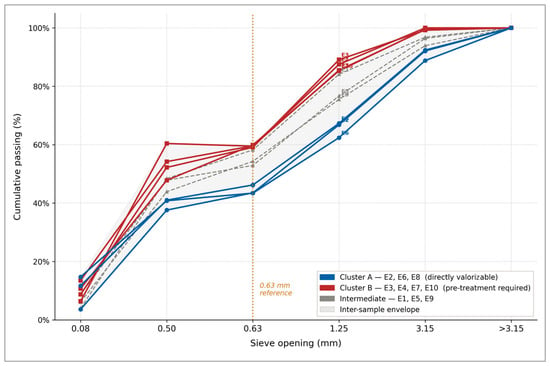
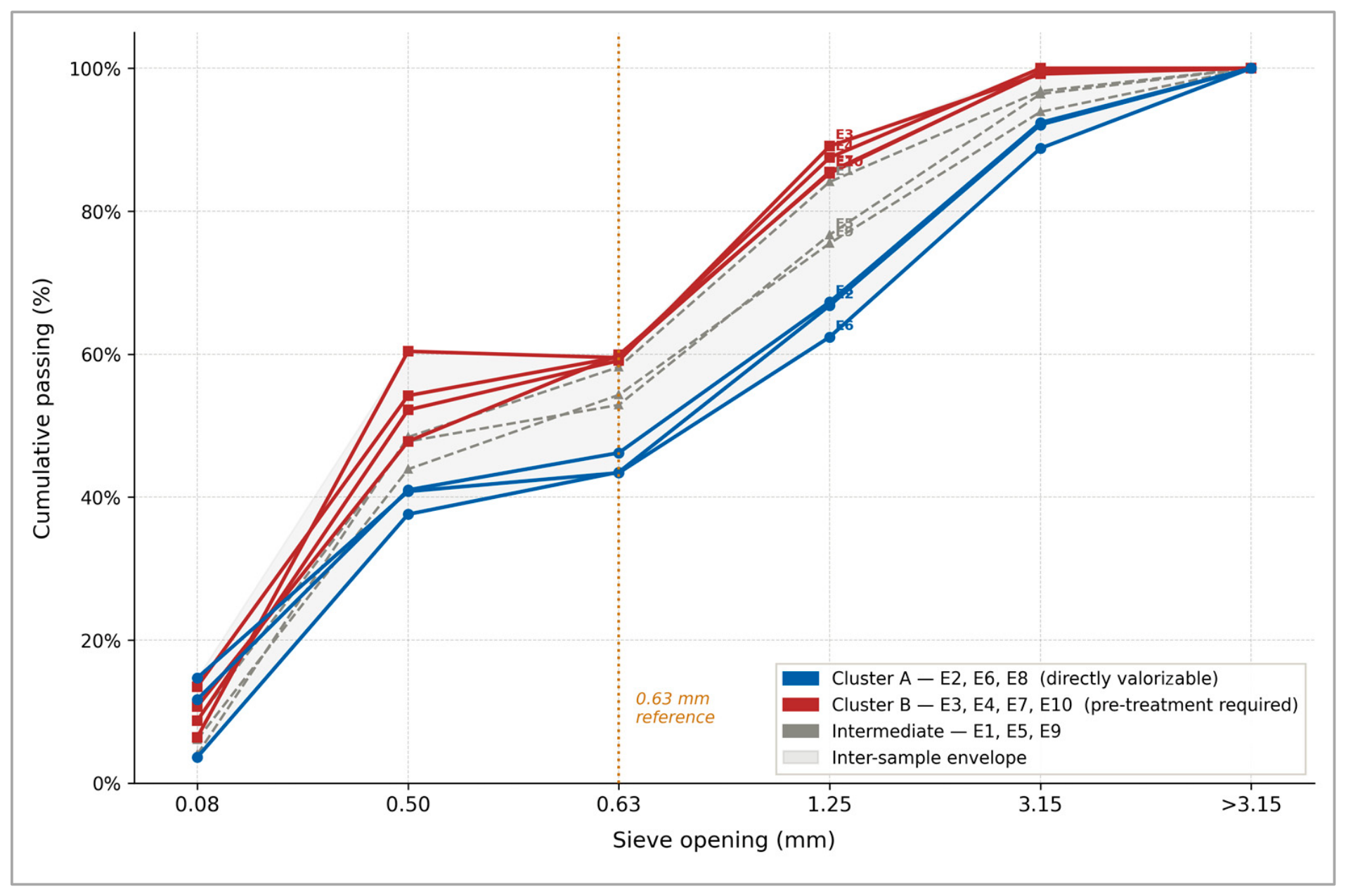
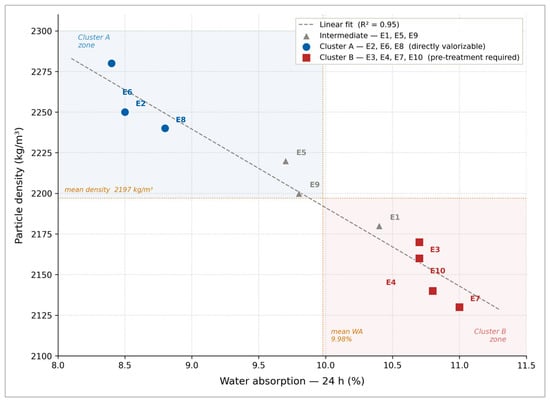
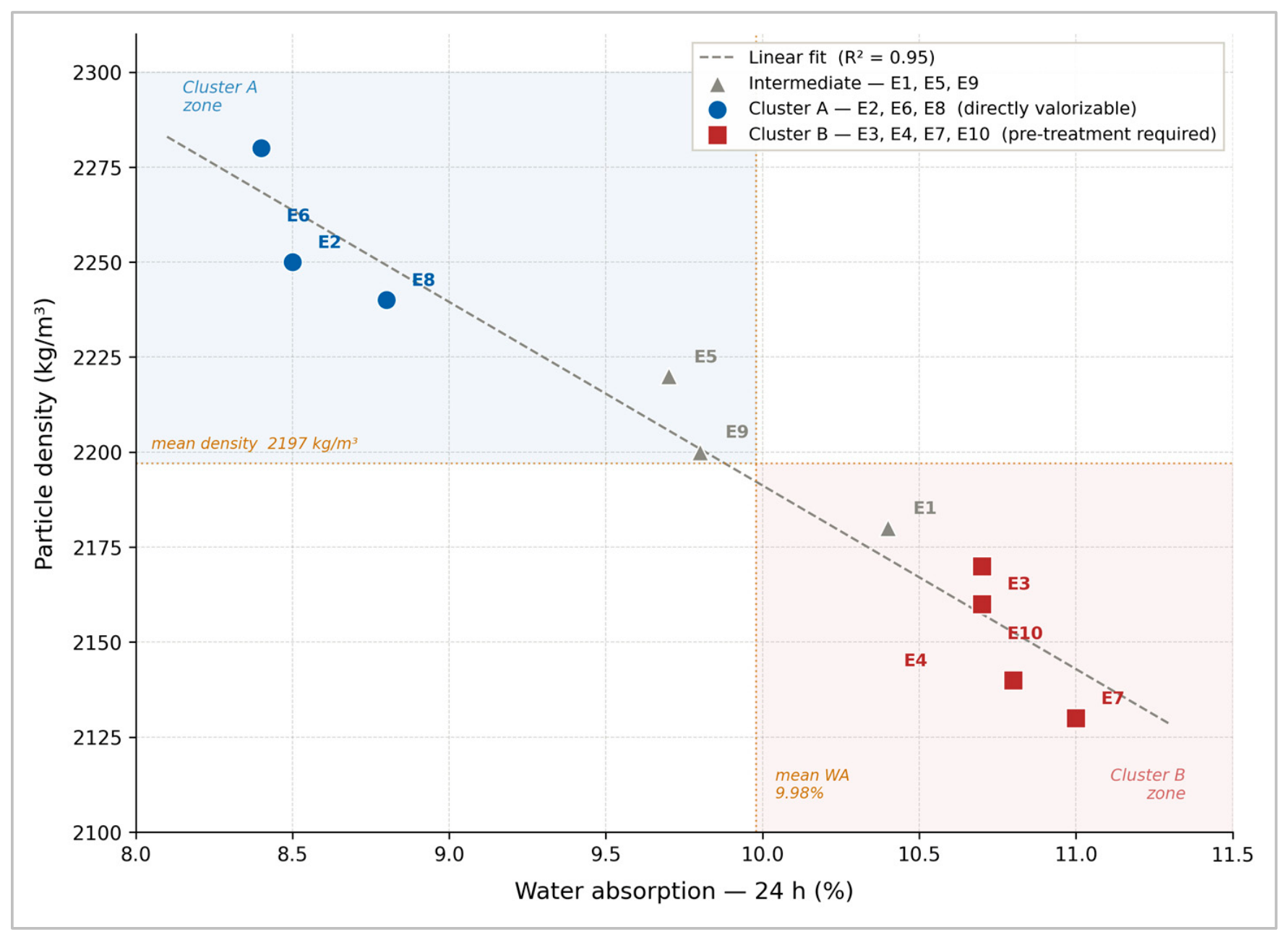
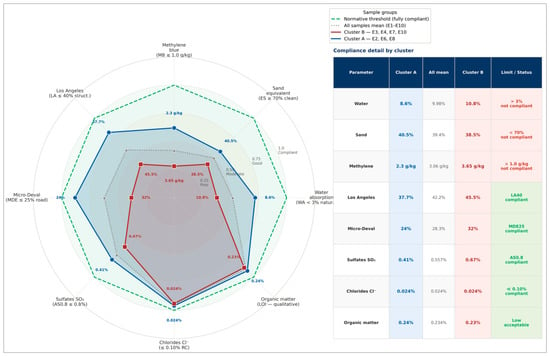
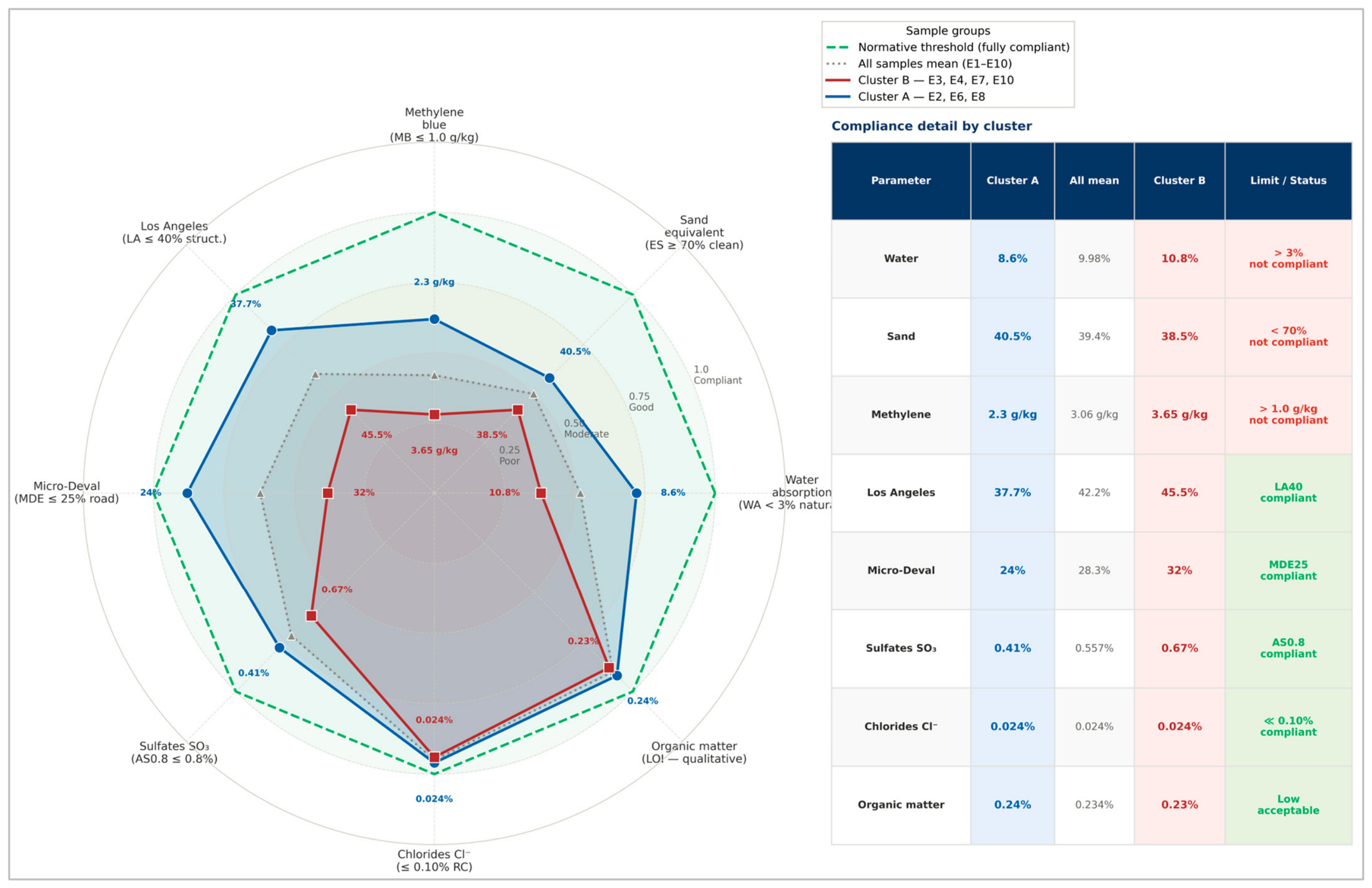
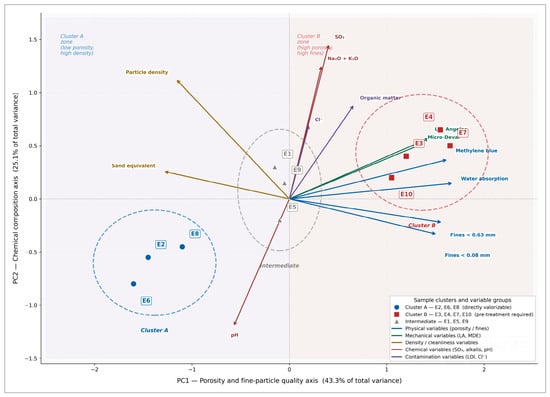
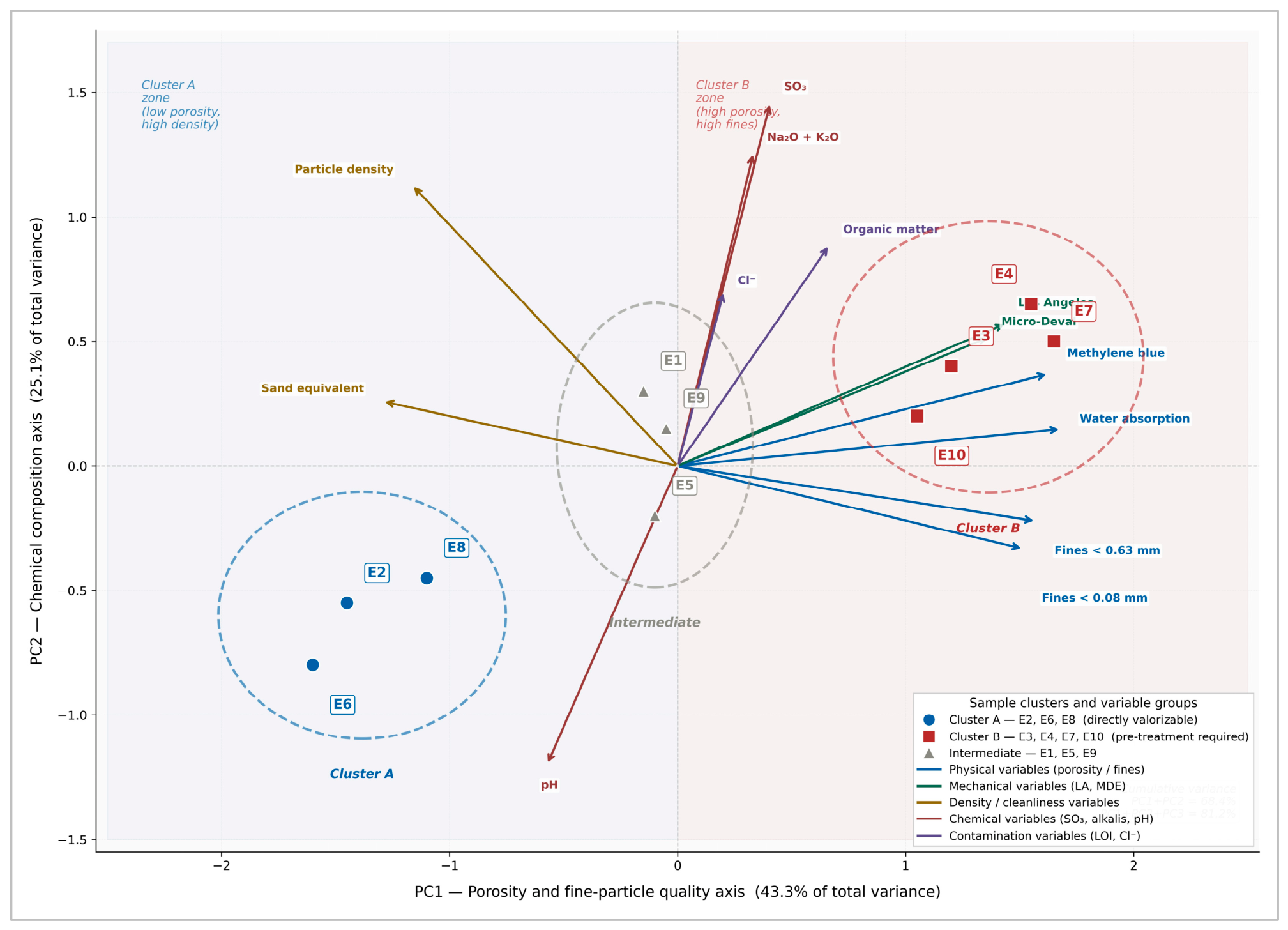
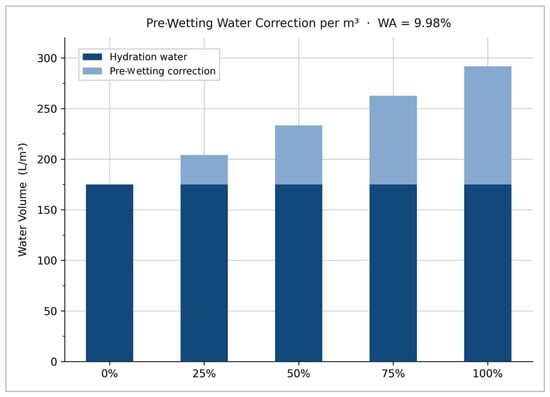
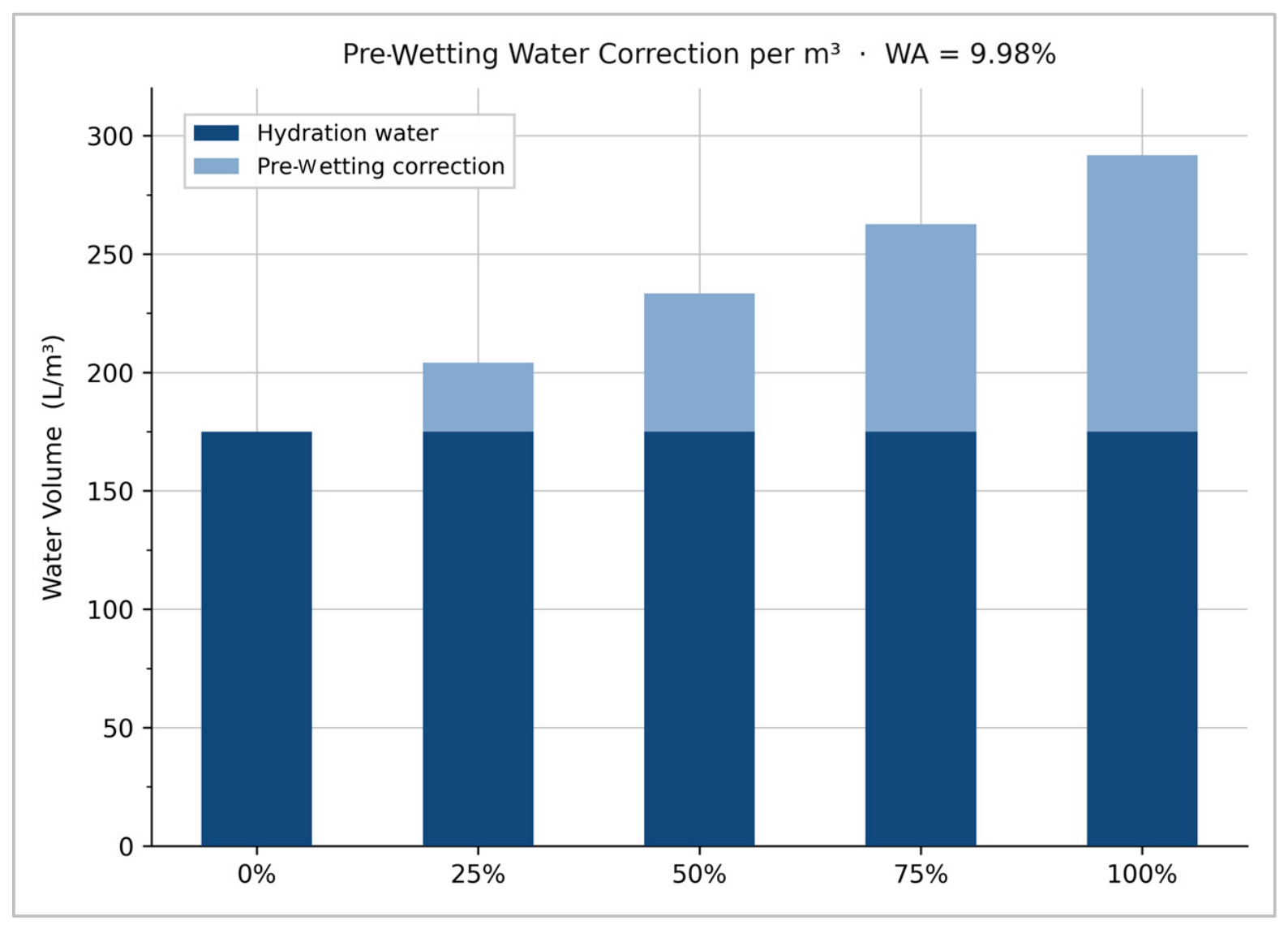
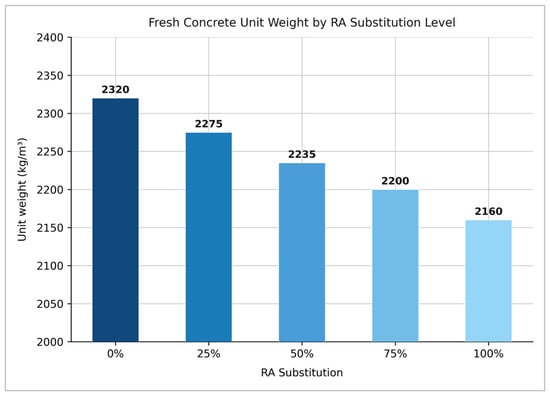
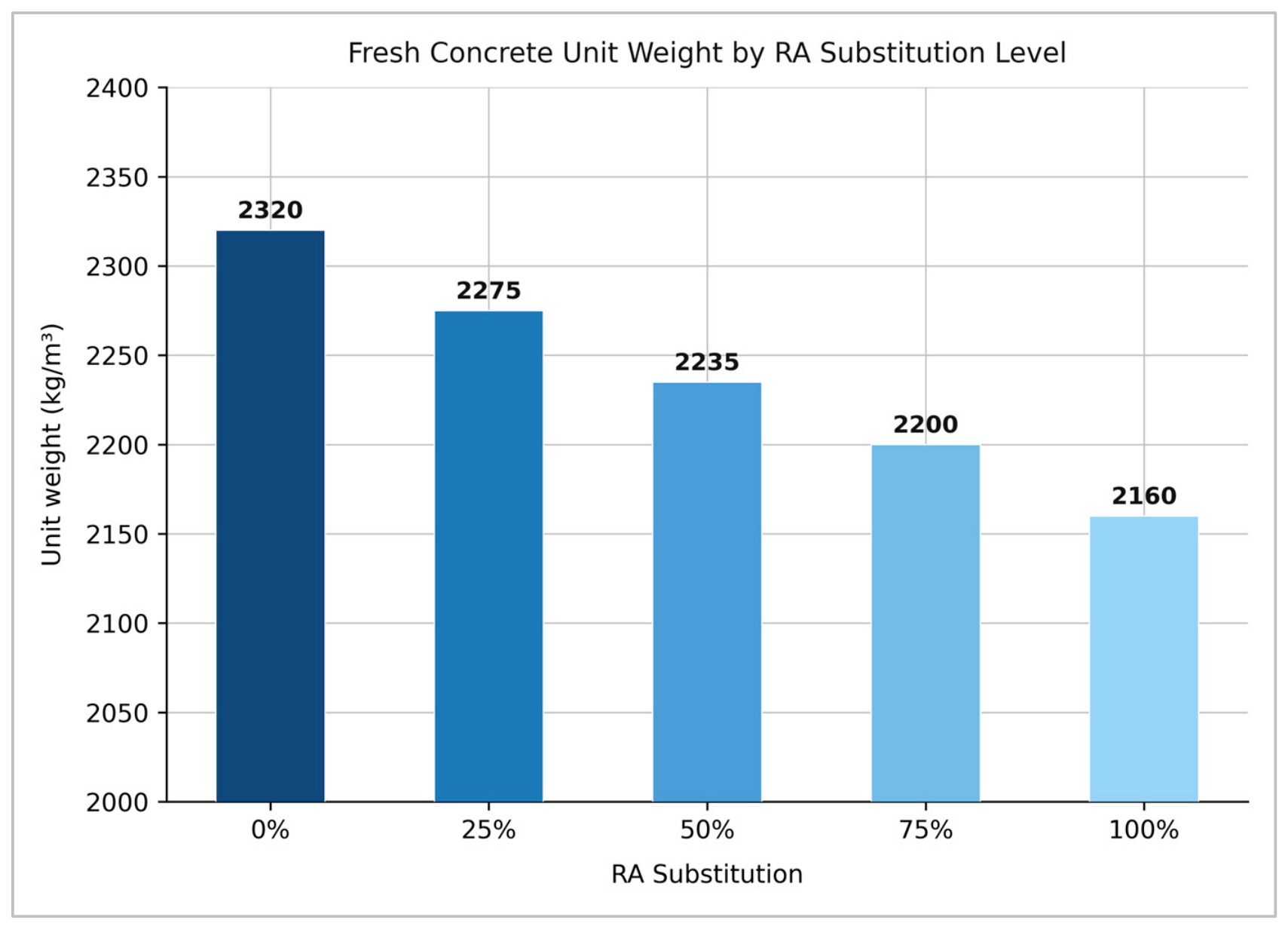
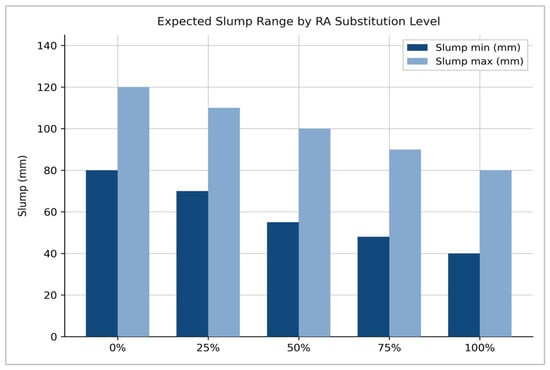
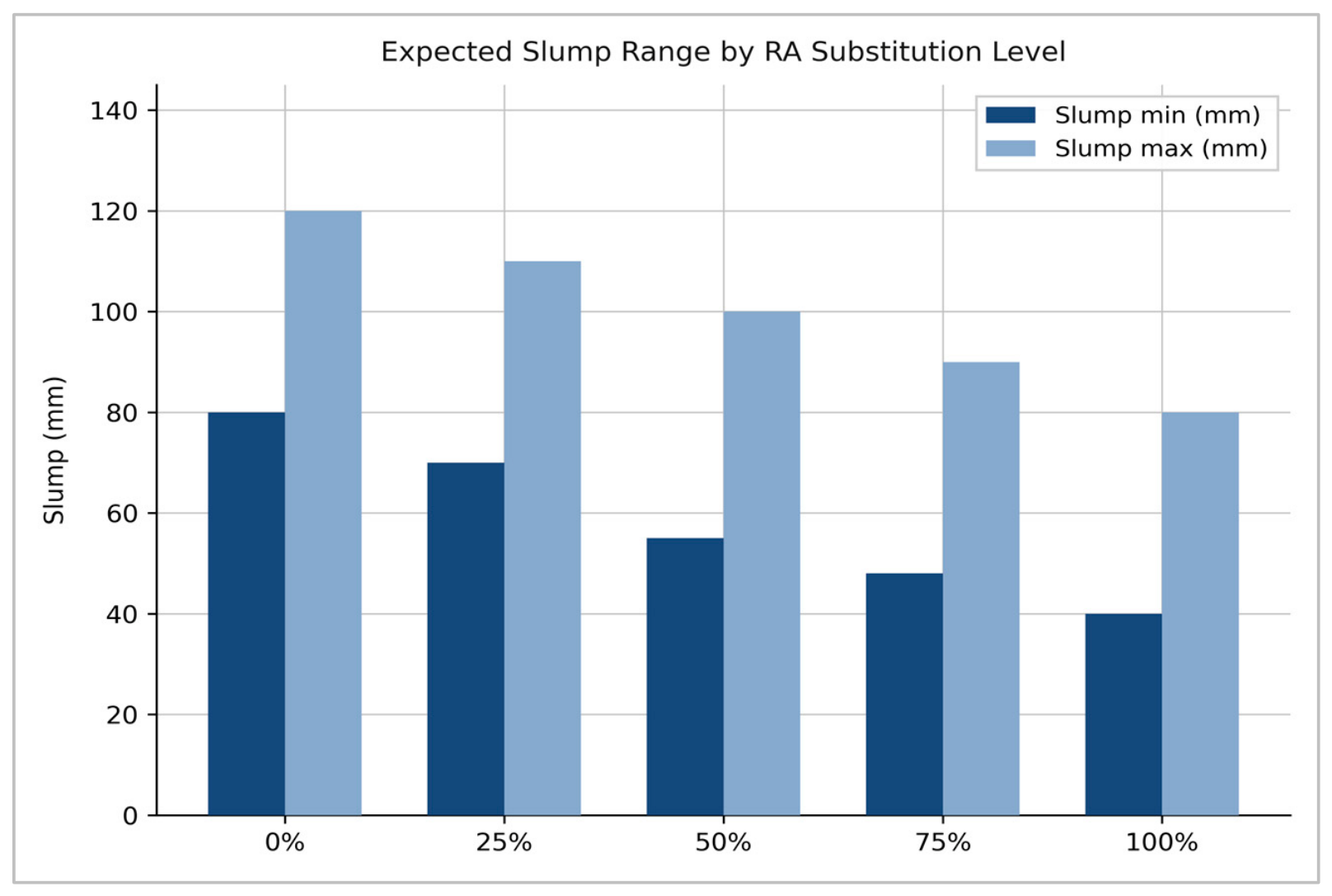

Disclaimer/Publisher’s Note: The statements, opinions and data contained in all publications are solely those of the individual author(s) and contributor(s) and not of MDPI and/or the editor(s). MDPI and/or the editor(s) disclaim responsibility for any injury to people or property resulting from any ideas, methods, instructions or products referred to in the content. |
© 2026 by the authors. Licensee MDPI, Basel, Switzerland. This article is an open access article distributed under the terms and conditions of the Creative Commons Attribution (CC BY) license.