


Abstract
The rapid growth of electric vehicles will generate a substantial volume of retired lithium-ion batteries over the coming years. Although many of these batteries no longer satisfy the performance requirements of mobile applications, they often retain sufficient capacity for second-life energy storage systems. However, the lack of transparent and standardized classification methods remains a major barrier to the safe, reliable, and efficient deployment of second-life batteries. This paper proposes a multidimensional classification framework for retired lithium-ion batteries based on battery shape, chemistry, state of health, and safety condition. The main novelty of this work is the development of an integrated decision matrix that combines battery chemistry, health class, thermal behavior, power capability, and safety-screening outcomes within a single application-routing framework. Compared with conventional approaches that mainly rely on SoH, the proposed framework provides a more complete basis for distinguishing batteries suitable for high-demand, medium-demand, low-demand, or recycling pathways. The proposed matrix promotes more transparent and consistent decision-making for battery reuse, repurposing, and recycling while supporting sustainability and circular economy principles. The integrated decision matrix provides a structured basis for matching retired batteries to appropriate stationary applications, improving deployment consistency, reducing premature recycling, and maximizing the environmental and economic value of second-life lithium-ion batteries. The proposed framework is presented as a qualitative decision-support approach, providing a structured basis for more consistent second-life battery classification and application routing.
1. Introduction
For several decades, fossil fuels have been used as a main source of energy for transportation, industry, and electricity generation [1]. Transportation systems have depended deeply on CNG, gasoline, and diesel. According to the International Energy Agency (IEA), transport systems contribute more than 23% of global carbon dioxide (CO2) emissions from fuel combustion [2]. Therefore, this huge dependency on fossil fuels has contributed a significant amount of greenhouse gas (GHG) emissions, climate change, and global warming. In order to reduce GHG emissions, many countries are changing their transportation systems toward electrification. Electric vehicles (EVs) have developed as a new solution. The EV industry has developed very fast because of advances in battery technology. Among the different battery technologies, lithium-ion (Li-ion) batteries have become famous due to their interesting features, like high specific energy, high energy density, relatively low self-discharge rate, long cycle life, and good efficiency [3,4]. The EV market has grown very fast in recent years. According to the IEA Global EV Outlook 2024, only in 2023, around 14 million EVs were sold worldwide, and this market has the potential to grow rapidly. This growth has a positive effect on climate goals and reduces dependence on fossil fuels. However, it causes a noticeable increase in global battery demand. The statistic predicted that the total battery demand could exceed 4.7 TWh by 2030 [5]. While this transition is positive for decarbonization, it creates a new challenge. EV batteries are naturally retired when their State of Health (SoH) decreases to around 80% [6]. However, these retired batteries still have a significant amount of usable energy for other applications. Therefore, there is still a noticeable amount of materials, energy, and carbon footprint remaining inside the battery when it leaves the vehicle. At the same time, renewable energy systems such as solar and wind are becoming more popular worldwide. Renewable energies have great potential, and they are increasing every year, but these energy sources are not continuous. They need reliable energy storage systems to store the energy during production time and balance supply and demand to ensure grid stability [7].
This creates an important opportunity for energy storage. Retired EV batteries can potentially be reused in stationary energy storage applications [8]. Instead of direct recycling of retired batteries, they can be used in grid-scale storage, commercial backup systems, microgrids, or residential energy storage. Extending the lifetime of Li-ion batteries through second-life applications has many benefits, such as reducing raw material demand, delaying recycling, and lowering the overall environmental impact of the battery value chain. Several papers have investigated the technical, economic, environmental, and regulatory aspects of second-life batteries (SLBs). Behi et al. [9] classified different Li-ion batteries based on safety and sustainability, and evaluated their feasibility for different applications. Li et al. [10] fully considered the battery aging mechanisms, life prediction methods, and potential second-life application scenarios for retired EV batteries. Patel et al. [11] discussed key pathways, challenges, and future outlooks for battery repurposing, while Salek et al. [12] focused on experimental analysis, developed mathematical models, technical barriers, and solutions associated with maximizing the utilization of SLBs. Gharebaghi et al. [13] surveyed second-life batteries in stationary storage, covering technical challenges, economic feasibility, environmental impact, and the implications of cell form factor for repurposing and recycling. Kampker et al. [14] evaluated the issues related to SLBs and analyzed the challenges along the process chain. Also, they considered the economic and legal obstacles to the reallocation of EV batteries. Song et al. [15] prepared a review on safety issues, thermal runaway, cell inhomogeneity, and compatibility issues of SLBs. Collectively, these studies have substantially improved the understanding of battery reuse, degradation behavior, safety considerations, economic viability, and lifecycle management. However, limited attention has been given to the development of an integrated classification framework that simultaneously considers battery chemistry, shape factor, and SoH characteristics when matching retired batteries to appropriate second-life applications.
In this paper, a multidimensional classification framework for second-life Li-ion batteries is proposed to support more systematic, transparent, and application-oriented battery reuse. The framework integrates multiple classification layers, including battery shape, chemistry, SoH, and safety condition, to better evaluate the suitability of retired batteries for different second-life applications. Unlike conventional approaches that primarily rely on SoH, the proposed framework considers the combined influence of structural, electrochemical, and operational factors on battery reuse decisions. A key novelty of this study is the development of an integrated decision matrix that combines battery chemistry, health class, thermal behavior, power capability, and safety-screening outcomes into a unified application-routing framework. Rather than evaluating these parameters independently, the proposed matrix systematically links battery characteristics to appropriate second-life applications or recycling pathways, providing a practical decision-support tool for battery repurposing. This multidimensional decision matrix improves the transparency and consistency of battery classification while facilitating more reliable, application-oriented deployment decisions. The remainder of this paper is organized as follows. Section 2 discusses the sustainability drivers behind SLBs and highlights the importance of structured battery classification. Section 3 reviews the current limitations of existing SLB assessment approaches and identifies key challenges associated with capacity-based evaluation methods. Section 4 presents the proposed multidimensional classification architecture, including structural classification, chemistry-based classification, health-based grading, and safety screening requirements. Section 5 introduces the proposed application-mapping framework and presents the integrated decision matrix for application-oriented routing of retired batteries, demonstrating how different battery characteristics can be linked to suitable second-life applications. Section 6 discusses the climate and sustainability implications of SLB applications, including circular economy benefits, lifetime extension, and the role of standardization in supporting large-scale adoption. Finally, Section 7 provides a discussion of the proposed framework, its advantages and limitations, and future research directions for improving SLB classification and deployment.
2. Sustainability Drivers and Why Classification Matters for SLBs
The rapid growth of the EV industry has led to a significant increase in the number of retired Li-ion battery packs. EV batteries are usually retired when their SoH reaches approximately 80% of their initial capacity, and after that, they are not considered for mobile applications [16]. Due to this reduction, the performance of batteries declines, but the retired batteries still hold a considerable amount of usable energy, which makes recycling at this stage a premature and environmentally costly decision [17]. In most stationary energy storage applications, the power and energy requirements are significantly less demanding compared to vehicle traction. Therefore, SLBs can still deliver reliable performance for an additional 5–8 years in grid-scale storage, backup power, and microgrid applications [18]. The sustainability case for SLBs is very straightforward. By extending the operational lifetime of a battery before recycling, the total environmental and carbon footprint per usable kWh is reduced [19]. Raw material demand is delayed, manufacturing is avoided, and the carbon cost embedded in the original battery production is distributed over a longer useful life. At the same time, the rapid expansion of renewable energy systems, particularly solar and wind energy, has increased the global need for reliable and cost-effective energy storage. SLBs represent a promising solution to support this transition, especially in applications where cost sensitivity and sustainability are both critical factors.
However, the effectiveness of SLBs is not straightforward. After 8–10 years of operation under diverse driving conditions, charging behaviors, and climate environments, retired battery packs show high variability in their remaining health, internal resistance, degradation mechanisms, and structural configuration [13]. This variability creates a challenge for batteries with a similar SoH value that can exhibit significantly different degradation roots due to the different usage stage [20]. It has been shown that relying on SoH alone as a selection criterion is insufficient to predict second-life behavior with acceptable accuracy. A battery pack that appears healthy by capacity measurement may already exhibit advanced lithium plating, SEI layer growth, or active material loss that will accelerate degradation under stationary cycling conditions [21]. This uncertainty reinforces the need for a structured and multi-dimensional classification framework. Without a transparent and standardized grading approach, the sustainability benefit of SLBs cannot be guaranteed. Poor battery selection leads to early failures, unexpected safety incidents, and finally unnecessary recycling, that outcomes eliminate the environmental advantage entirely. In this context, classification is not simply a logistics or quality control issue, but it is an important issue that can shape the second-life ecosystem.
Policy developments are moving in the same direction. The EU Battery Regulation (Regulation EU 2023/1542), which entered into force in August 2023, introduces the concept of a digital battery passport, which will become mandatory for EV and industrial batteries above 2 kWh from February 2027 [22]. The passport is designed to provide standardized access to important battery information, including chemistry, carbon footprint, SoH, and data relevant to repurposing and recycling decisions. This regulatory framework directly supports the need for structured battery classification. It can also provide better data availability and enable more informed and reliable reuse decisions. Therefore, this paper proposes a multi-dimensional classification architecture that integrates three complementary levels of information, including the structural form factor, battery chemistry, and SoH-based health grading into a unified decision framework. The objective is to provide a practical and transparent tool that enables SLBs by systematically matching battery characteristics to suitable stationary applications.
3. Current Limitations in SLB Assessment
3.1. Capacity-Only Evaluation Approaches
In the existing literature and current industrial practice, the SoH of a retired Li-ion battery is the most common method for the evaluation and classification of the SLBs. The most direct method to determine this capacity-based SoH is Coulomb counting, which consists of a full constant-current discharge. This method typically performs at the 1C rate and at a controlled ambient temperature of 25 °C and records the total charge extracted from the battery [11]. The SoH is then calculated by comparing this measured capacity against the original rated capacity of the battery cell or pack. Despite its simplicity and common acceptance, capacity measurement alone has some fundamental limitations as the only classification criterion for second-life applications. The most critical issue is that capacity fade is an indicator, not a diagnosis. Two battery packs with an identical measured SoH of, for example, 78% may have arrived at that point through entirely different degradation mechanisms. Based on different usage, the loss of lithium inventory may be different. Layer growth may have happened in one case, and loss of active material caused by particle cracking under high C-rate stress happened in another one [23]. It has been shown experimentally that cells at a similar SoH but with different first-life degradation roots have different degradation rates when subjected to the same second-life applications. Relying only on capacity can therefore create uncertainty when predicting second-life performance. In addition, a full discharge capacity test is time-consuming and costly for large EV battery packs, which can create a major bottleneck in large-scale screening and grading. Capacity measurement also provides limited information about other important battery characteristics such as power capability, internal resistance, thermal behavior, and future degradation. For this reason, SoH should be considered an important indicator, but not as a complete measure of SLB condition. A more reliable assessment should also consider other parameters such as internal resistance or impedance, thermal behavior, power capability, physical condition, and available battery management system (BMS) or operating-history data. These indicators can provide additional information about electrical degradation, heat generation, previous operating stress, and possible safety risks that are not directly reflected in the SoH value.
To reduce the dependence on time-consuming full charge/discharge capacity tests, additional electrochemical and power-related indicators can also be included in the assessment process. Internal resistance and impedance measurements can provide useful information about resistance growth and electrochemical degradation. Short pulse-based charge and discharge tests can also be used to evaluate the remaining power capability of the battery by measuring its voltage response under load. A larger voltage drop or slower voltage recovery may indicate higher resistance and reduced power capability, even when the battery still shows an acceptable SoH. Thermal response during these short tests can provide additional information about abnormal heat generation and possible safety concerns. Therefore, combining SoH with resistance or impedance, voltage response, power capability, and thermal behavior can provide a faster and more complete assessment of SLBs and reduce the dependence on full capacity testing.
3.2. Fragmented Industry Practices
In the current SLB industry, evaluation and grading procedures vary significantly between manufacturers, repurposes, and regional markets. In the absence of a globally harmonized standard, each industry in the second-life supply chain tries to apply its own testing protocol, SoH measurement, and grading criteria [12]. Some repurposes rely only on voltage checks and simple capacity measurements, while others apply more advanced diagnostic methods such as direct-current internal resistance or EIS. This inconsistency means that a battery graded as suitable for reuse by one operator may be rejected by another, even when the main battery condition is identified. The lack of consistent grading methods is problematic. Currently, there are no unified safety standards in the EU or UK specifically developed for SLBs. Safety testing of SLBs is still conducted under IEC 62619, which is the reference standard originally designed for first-life battery systems [24]. In the United States and Canada, UL 1974 provides specific requirements for sorting and grading SLBs, but this standard has not been adopted globally to create a regulatory fragmentation across markets [25]. Furthermore, EV manufacturers typically do not share detailed battery usage history, chemistry specifications, or degradation data with downstream repurposes, which causes SLB operators to perform expensive and time-consuming characterization tests from scratch on every retired pack [26]. This lack of OEM data can also reduce the accuracy of second-life assessment. Without information about first-life temperature exposure, charging conditions, cycling history, and original battery chemistry, it is more difficult to understand the actual degradation condition of the battery. Two batteries with a similar SoH may therefore have experienced very different operating stresses and may perform differently during second-life use. This missing information also increases uncertainty when estimating the remaining lifetime and selecting suitable operating conditions for second-life applications. It is necessary to mention that this lack of data access and standardization is one of the largest technical and commercial barriers to managing the SLBs at an industrial level. Therefore, a unified and transparent classification framework is essential not only as a technical tool but also as the foundation for building a reliable and investable SLB market.
3.3. Current Standards and Remaining Gaps in Classification
Several standards currently support the assessment, repurposing, and safe use of retired batteries. UL 1974 is one of the most directly relevant standards because it covers the sorting and grading of battery cells, modules, and packs originally used in applications such as electric vehicles and later intended for repurposing [25]. The standard considers parameters such as battery condition, remaining viability, and suitability for continued use. However, UL 1974 is mainly applied in North America and does not provide a globally harmonized classification system for all second-life applications. More recently, IEC 63330-1 provides general requirements for evaluating the performance and safety of used batteries before repurposing, while IEC 63338 provides guidance on the reuse and repurposing of secondary Li-ion and nickel-metal hydride batteries [12]. These standards improve international consistency and also highlight the importance of battery traceability. However, they remain relatively general and do not define one universal grading system with chemistry-specific thresholds for SoH, impedance, thermal behavior, power capability, and remaining lifetime.
Other standards mainly address safety at the battery or system level. IEC 62619 defines safety requirements for lithium batteries used in industrial and stationary applications, while IEC 62933-5-2 focuses on the safety of grid-integrated electrochemical energy-storage systems throughout their lifecycle. These standards are important for safe deployment, but they are not specifically designed to classify retired EV batteries according to their suitability for different second-life applications. Therefore, the main remaining gap is not the absence of safety standards, but the lack of a common application-oriented grading method that combines battery chemistry, structural condition, SoH, electrical performance, thermal behavior, and safety condition. The framework proposed in this study aims to address this gap by integrating these parameters into a single classification and application-routing approach.
3.4. Climate Risk of Premature Recycling
The decision to recycle a retired battery immediately when it reaches the end of its first life creates a high and often underestimated environmental cost. Battery manufacturing is one of the most carbon-intensive stages of the whole EV lifecycle. For the global production, the carbon footprint of EV battery packs is estimated at around 49.2 and 81.8 kg CO2 equivalent per kWh [27]. When a battery is sent directly to recycling without first using the second-life potential, the embedded carbon cost of its production is not fully paid off over its total useful energy output, which leads to a higher carbon footprint per kWh over the battery’s lifetime [28]. Life cycle assessment studies show that the SLBs after usage consistently deliver lower overall environmental impacts compared to immediate recycling after first life. It is proven that the carbon footprint and cumulative energy demand of SLBs can be reduced by 8 to 17% and 2 to 6%, respectively, compared to direct recycling after EV retirement [28]. Moreover, a 10-year SLB can decrease lifecycle emissions by 178–197 kg CO2 equivalent per battery pack. On the other hand, premature recycling after only one year of second-life use can actually increase the carbon footprint by 111–129 kg CO2 equivalent [29]. These findings confirm that the environmental benefit of second-life usage is strongly dependent on the duration of reuse and, by extension, on the accuracy of the classification framework that determines whether a battery is suitable for reuse or not. It is also necessary to mention that current methods of recycling processes recover valuable materials, but they are energy and chemical-intensive and cannot fully balance the carbon footprint in battery production. Therefore, premature recycling represents a calculable climate risk. A robust classification framework that accurately identifies batteries suitable for second-life usage is consequently not only an economic tool but also a critical instrument for minimizing the carbon footprint of the rapidly growing EV batteries.
More quantitative way to evaluate the environmental benefit of second-life use is to identify the carbon break-even point. Life cycle assessment commonly evaluates the net environmental impact by considering both the environmental burden of a process and the benefit obtained by avoiding another process or product [30]. The general relationship can be written as:
For SLBs, this concept can be expressed in terms of global warming potential as:
where represents the emissions associated with battery testing, transport, repurposing, second-life operation, and final recycling, while represents the emissions avoided by replacing an alternative energy-storage pathway. The minimum environmentally beneficial second-life duration can therefore be defined as:
This means that the carbon break-even point is reached when the avoided emissions become equal to or greater than the additional emissions associated with the second-life pathway. The value of is not fixed and depends on factors such as battery degradation, round-trip efficiency, electricity carbon intensity, repurposing requirements, the recycling method, and the type of storage system being replaced. Previous life-cycle studies have also shown that the environmental performance of SLBs changes considerably with the duration of their second-life use [31]. Therefore, extending the second-life period beyond the carbon break-even point is important to ensure that battery reuse provides a real environmental benefit compared with premature recycling.
4. Proposed Multi-Layer Classification Architecture
The classification framework proposed in this paper consists of three levels: structural form factor, battery chemistry, and SoH. Each level provides independent and complementary information. Together, they form a unified decision tool that can match a retired battery to a suitable second-life application. Individual elements of this architecture appear in the existing literature. However, to the authors’ knowledge, no existing work combines structural, chemical, and health-based classification into a single application-routing output, as distinct from tools that select a diagnostic method or evaluate suitability for one predetermined application. Figure 1 shows the proposed multi-layer classification architecture for second-life Li-ion batteries. The following sections describe each level in detail.
Figure 1.
Multi-layer classification architecture for second-life Li-ion batteries.
4.1. Level 1: Structural Classification
The shape of a Li-ion battery cell is the first and most immediately observable characteristic of an SLB pack. Three main battery shapes are currently used in EV applications, such as cylindrical, prismatic, and pouch cells [32]. Each battery shape has its own mechanical properties, thermal behavior, and integration requirements that directly affect the complexity and cost of second-life repurposing.
Cylindrical cells, such as the 18650 and 21700, are widely used by Tesla [33]. They have a firm and robust casing that provides good mechanical stability. Their radial geometry supports efficient heat dissipation, and they show strong performance consistency due to mature manufacturing processes [34]. However, the disassembly of cylindrical cells is difficult at the cell level due to their tightly wound structure and the adhesives used in module assembly. This needs special mechanical or robotic disassembly systems.
Prismatic cells are also one of the famous shapes of Li-ion batteries. They are used in the BMW i3 and many Chinese EV platforms [35]. They have a rectangular casing that allows them to have a high packing efficiency and simpler integration with cooling plates. Their gravimetric energy density reaches up to 210 Wh/kg for lithium nickel manganese cobalt oxide (NMC) chemistry and 160 Wh/kg for lithium iron phosphate (LFP) [36]. Among the three shapes in Li-ion batteries, the prismatic cells are the easiest ones to disassemble at the module level, which reduces repurposing cost and complexity. However, they need a suitable thermal management system for internal stress during rapid cycling [37].
Pouch cells are lightweight and have a flexible case. They have the highest gravimetric energy density among the different shapes [38]. They are used in many EVs, including the Nissan Leaf and the Chevrolet Bolt [39]. Nevertheless, pouch cells are very weak to mechanical damage, swelling, and thermal hotspots. Their flexible casing makes disassembly more complex compared to prismatic cells, and they require compression systems during operation to prevent deformation. At the module and pack level, structural classification also determines whether a retired battery can be repurposed directly as a pack or whether it must be disassembled to the module or cell level before reuse. It is necessary to mention that pack-level repurposing is always preferred when battery condition allows, as module or cell-level disassembly significantly increases the cost and safety risk of the process. Figure 2 shows the Comparison of the three main Li-ion battery cell shapes used in electric vehicles.
Figure 2.
Structural classification of Li-ion batteries.
4.2. Level 2: Chemistry-Based Classification
Battery chemistry is one of the most important features in shaping the suitability of a retired battery for second-life applications. Different chemistries show different electrochemical behavior, thermal stability, degradation mechanisms, safety characteristics, and cycle life. For example, two battery packs with similar SoH values may still have very different behavior in second-life operation. Therefore, chemistry-based classification should be considered as a complementary layer together with structural configuration and health grading. Among the existing Li-ion battery chemistries, NMC, lithium nickel cobalt aluminum oxide (NCA), LFP, lithium titanate oxide (LTO), and lithium manganese oxide (LMO) are the most commonly used in EV applications [40]. Each chemistry has its own advantages and limitations for second-life applications. NMC batteries are currently one of the dominant chemistries in modern EVs due to their high energy density and balanced electrochemical performance [41]. They are widely used in passenger EV platforms because they can provide a high driving range and relatively good power capability. However, NMC batteries generally show lower thermal stability compared to LFP and LTO chemistries, especially under high-temperature and high-C rate operation [42]. In second-life applications, NMC batteries can still provide good performance for stationary energy storage systems when sufficient SoH and safety margins remain. In addition, the presence of valuable materials such as nickel and cobalt increases their economic value for future recycling processes. NCA batteries also offer very high energy density and are mainly used in high-performance EV applications. Similar to NMC batteries, NCA cells can provide high specific energy but are more sensitive to thermal instability and degradation under aggressive cycling conditions [43]. Therefore, second-life deployment of NCA batteries requires careful thermal management and safety screening before reuse in stationary systems. LFP batteries have received noticeable attention in recent years because of their strong thermal stability, lower cost, and long cycle life [44]. LFP chemistry shows lower energy density but significantly better safety behavior and degradation resistance compared to NMC and NCA chemistries. These features make LFP batteries a good candidate for second-life applications, especially in stationary energy storage systems where safety, durability, and cycle life are more important than density. Moreover, LFP batteries do not have cobalt or nickel, which reduces material cost and environmental concerns related to critical raw material supply.
LTO batteries are famous for their very long cycle life, excellent thermal stability, and high charging capability [45]. Unlike conventional graphite-anode Li-ion batteries, LTO batteries use lithium titanate material in the anode, which significantly reduces lithium plating and improves safety performance. Although their energy density is lower compared to NMC and NCA batteries, LTO batteries are highly suitable for long-term stationary applications and high-power duty cycles. Their superior cycling stability makes them one of the most promising candidates for second-life deployment in demanding grid-support applications. LMO batteries were widely used in the first generations of EVs because of their high thermal stability and relatively low cost. However, their shorter cycle life and lower long-term durability compared to newer chemistries such as NMC and LFP have reduced their usage in modern EV platforms. Therefore, LMO batteries are expected to play a smaller role in future second-life markets. Table 1 summarizes the main characteristics of the most common Li-ion battery chemistries and their general suitability for second-life applications.
The materials chemistry of LTO also explains its strong performance in high-power and frequent-cycling applications. LTO operates at an anode potential of around 1.55 V vs. Li/Li+, which is much higher than that of conventional graphite anodes and therefore strongly reduces the risk of lithium plating during fast charging or high-current operation [46]. Its spinel structure also shows very small volume change during lithium insertion and extraction, which improves structural stability and cycle life. In comparison, graphite anodes commonly used with NMC and NCA cathodes operate closer to the lithium-plating potential and are more sensitive to high charging rates and low-temperature operation. These differences make LTO particularly suitable for high-power duty cycles, fast-charging support, and frequent grid services. However, because LTO has lower energy density, graphite-based NMC or NCA cells may remain more attractive when high stored energy and compactness are more important. LTO can also be suitable for long-term stationary storage where safety and long cycle life are the main priorities.
Table 1.
Most common Li-ion battery chemistries and their general suitability.
4.3. Level 3: Health-Based Classification
4.3.1. Definition of State of Health
SoH is one of the most widely used indicators for evaluating the remaining condition and usability of Li-ion batteries [56]. In general, SoH represents the current performance of a battery compared to its initial condition when it was new. The most common method to estimate SoH is based on capacity fade, where the remaining discharge capacity of the battery is compared with its rated capacity under standardized operating conditions [57]. Mathematically, SoH can be expressed as:
In most EV applications, batteries are considered to reach the end of their first life when the SoH decreases to around 80%. Although capacity-based SoH is the most common metric in current industry practice, it does not fully represent the internal condition of the battery. Two battery packs with identical SoH values may exhibit different internal resistance growth, thermal behavior, or degradation mechanisms depending on their first-life operating conditions. Therefore, SoH should be considered as an important but not exclusive indicator for SLB classification.
4.3.2. Proposed Health Classes
To support practical and scalable second-life applications, this paper proposes a simple three-level health classification framework based on SoH. The classification is intended to provide a transparent and application-oriented grading method for retired EV batteries. Class A batteries retain near initial battery performance and exhibit relatively low degradation. These batteries are classified with SoH of more than 90% which considered suitable for demanding second-life applications where higher power capability, reliability, and longer operational lifetime are required. Typical applications include grid-scale battery energy storage systems (BESS), renewable energy integration, peak shaving, and commercial backup systems. Class B batteries show moderate degradation between 70% and 90% that still maintains acceptable operational stability for many stationary applications. These batteries are suitable for medium and low-demand energy storage systems where compactness and high power density are less critical. Potential applications include residential storage systems, microgrids, EV charging support systems, and low-demand commercial storage. Finally, class C are the batteries that exhibit significant degradation and have an SoH of less than 70% that reduced performance capability. In many cases, these batteries may no longer be economically or technically suitable for long-term second-life applications. The main target of these batteries is recycling; however, depending on the safety conditions and application requirements, some class C batteries may still be used in very low-demand applications before final recycling. Batteries that show abnormal thermal behavior, severe internal resistance growth, swelling, or safety instability should proceed directly to recycling. Table 2 shows the battery classification based on their SoH and recommended pathways.
Table 2.
Battery classification based on their SoH and recommended pathways.
4.3.3. Stability and Safety Screening Requirements
SoH is one of the most commonly used indicators for evaluating retired Li-ion batteries. However, it cannot independently guarantee the safety and reliability of a second-life application. In many cases, batteries with an acceptable SoH may still contain internal degradation mechanisms that are not directly reflected in the remaining capacity measurement. After years of operation under different charging rates, temperatures, driving conditions, and cycling histories, battery packs can develop non-uniform degradation. Therefore, it is not safe to trust only in capacity-based SoH, which may cause significant uncertainty in second-life decision-making. One of the major concerns in second-life applications is battery safety. Aged batteries are generally more vulnerable to abnormal heat generation during charging and discharging processes. Internal resistance growth over time can increase irreversible heat generation, leading to localized hotspots inside the cell [58]. Under stressful operating conditions, these hotspots may accelerate degradation further and increase the risk of thermal runaway propagation [59]. This issue becomes more critical in large battery packs where thermal and electrical non-uniformity between cells can create unstable operating conditions.
For this reason, additional stability and safety screening procedures should be integrated into the classification of SLB. Thermal stability assessment is particularly important because it provides insight into the heat generation behavior of aged cells under operational loading. Batteries showing abnormal temperature rise, unstable thermal behavior, or excessive temperature gradients should be excluded from demanding second-life applications. Similarly, internal resistance measurements can provide important information regarding the depth of degradation. Batteries with more degradation may experience large voltage drops, reduced efficiency, and accelerated thermal stress during operation.
Visual inspection also remains an important part of the screening process. Physical deformation, swelling, electrolyte leakage, corrosion, or damaged terminals can increase operational risk and short circuit. In addition, the BMS history can provide valuable information regarding previous operating conditions, deep discharge history, or thermal incidents experienced during first-life operation.
It is important to mention that the objective of safety screening is not to eliminate all aged batteries from second-life applications. However, the goal is to identify the most suitable pathway for each battery according to its remaining condition and operational risk. Batteries with stable thermal and electrical behavior may still operate safely for many years in less demanding stationary applications, even when their SoH has declined significantly. Therefore, combining SoH evaluation with safety and stability assessment provides a more reliable and practical classification approach for second-life battery applications.
For EIS-based screening, a single universal impedance threshold cannot be applied to all retired batteries because the measured impedance depends on cell design, SoC, temperature, aging history, and testing conditions. Therefore, EIS results should preferably be compared with the original or OEM reference under the same conditions. Important ageing indicators are an increase in ohmic resistance, growth of the mid-frequency semicircle associated with charge-transfer resistance, and changes in the low-frequency diffusion impedance [60]. A doubling of internal resistance compared with the initial value has commonly been used as an end-of-life indicator [61], but it should not be used alone as a definitive safety limit. For Class C of NMC and NCA batteries, recycling should be recommended when strong impedance growth is combined with abnormal thermal behavior, voltage instability, excessive self-discharge, swelling, or other safety concerns. Similar impedance-based screening can also be applied to other Li-ion chemistries, including LFP and LTO; however, the acceptable resistance and impedance ranges should be defined separately for each chemistry because their electrochemical behavior, degradation mechanisms, and thermal stability are different.
5. Application-Oriented Mapping Framework
5.1. Purpose of Application Matching
The main objective of battery classification is not only to evaluate the remaining capacity of the SLBs, but also to identify the most suitable second-life application for each battery. Different stationary energy storage applications have different technical, thermal, safety, and economic requirements. Therefore, a battery that performs well in one application may not necessarily be suitable for another application. For example, grid-scale BESS usually require high reliability, stable thermal behavior, and long operational lifetime. On the other hand, low-demand backup systems or residential storage applications may tolerate lower performance levels and reduced energy capacity. As a result, applying the same strategy to all SLBs can lead to poor performance, safety risks, and premature system failure. The proposed classification framework aims to reduce this uncertainty by linking battery characteristics directly to suitable second-life pathways. Instead of considering SoH alone, the framework combines shape, battery chemistry, and health condition to support more informed and sustainable deployment decisions. This approach can improve operational reliability, reduce unnecessary recycling, and maximize the remaining value of retired Li-ion batteries.
5.2. Matching Classification to Use Cases
SLB applications do not all have the same requirements. Some applications need high power, fast response, and high reliability. Other applications only need moderate energy storage and can operate under lower power demand. Therefore, the classification framework should not only say whether a battery is suitable or not, but it should also help identify where the battery can be used most safely and effectively. From a health perspective, class A batteries are the strongest candidates for demanding second-life applications. These batteries are more suitable for grid-scale BESS, commercial backup power, renewable energy integration, and EV charging support. Class B batteries still retain useful energy but should be directed toward medium- or low-demand applications such as residential storage, microgrids, and backup systems. Class C batteries should generally be sent to recycling unless they pass safety screening and are only used in very low-demand applications.
Battery chemistry is also important in SLB classification. LFP and LTO batteries are generally stronger candidates for long-term stationary applications because they have better thermal stability, longer cycle life, and safer operating behavior compared with high-energy chemistries. In some cases, these chemistries can reach very high cycle numbers depending on cell design and operating conditions. This makes them attractive for applications where long service life is more important than high energy density, such as grid storage, microgrids, backup power, and renewable energy buffering. LFP batteries are particularly suitable for stationary storage because they are safer, cheaper, and more stable under repeated cycling. They do not contain cobalt or nickel, which also reduces material risk. Their lower energy density is less problematic in stationary systems because size and weight are not as critical as in EVs. LTO batteries have even stronger cycling stability and very good safety behavior. Their main limitation is lower energy density and higher cost, but for long-life, high-power, and frequent-cycling applications, LTO can be an excellent option. NMC and NCA batteries have higher energy density and are useful where compactness and energy capacity are important. However, they usually require more careful thermal management and safety monitoring, especially in warmer climates or applications with frequent high-power cycling. These chemistries may be better suited to controlled environments where temperature variation is limited, such as indoor commercial storage, EV charging buffers, or stationary systems with proper cooling and BMS control.
The shape of the battery also affects the application decision. Prismatic cells are often easier to integrate into stationary systems because their rectangular shape supports compact packaging and a simpler cooling plate design. They can be practical for module-level repurposing where the battery modules remain mechanically stable and easy to arrange in racks. Pouch cells can offer high energy density, but they are mechanically more sensitive. They may swell during aging and often require compression systems to maintain safe operation. For this reason, pouch-based second-life systems usually need more careful mechanical design, monitoring, and thermal management. Cylindrical cells have strong mechanical stability and mature manufacturing quality. Their shape can support good heat dissipation at the cell level, but pack-level cooling and disassembly can become more complex because many small cells are connected together [62]. This makes cylindrical systems suitable when the original pack or module can be reused safely, but more difficult when deep cell-level disassembly is required.
Therefore, the best second-life application should be selected by combining health class, chemistry, shape, and safety screening. Table 3 shows the multi-dimensional classification approach of different Li-ion battery chemistries. For example, a Class B LFP prismatic battery may still be suitable for residential or microgrid storage, while a Class B pouch NCA battery may require a more limited application with stronger monitoring. This shows why SoH alone is not enough. A multi-dimensional classification approach provides a more realistic basis for matching retired EV batteries to sustainable second-life applications.
Table 3.
Multi-dimensional classification approach of different Li-ion battery chemistries.
5.3. Integrated Decision Matrix
The proposed framework combines battery chemistry, shape, health condition, and safety screening into a unified decision-making approach for second-life applications. The objective of this integrated matrix is not to provide inflexible deployment rules, but rather to support practical and more informed routing decisions for retired Li-ion batteries. In current industry practice, battery evaluation is often strongly dependent on SoH alone. However, batteries with similar SoH values may still behave very differently during second-life operation due to differences in chemistry, thermal behavior, structural configuration, cycling history, and degradation mechanisms. The integrated decision matrix proposed in this study is designed to reduce this uncertainty by considering multiple classification and performance indicators together. In this approach, battery chemistry provides information regarding thermal stability, energy density, degradation tendency, and cycling capability. The battery shape influences mechanical integration, cooling strategy, module arrangement, and repurposing complexity. Health classification provides an indication of remaining performance capability, while safety screening ensures that unstable or damaged batteries are excluded from demanding applications. To improve the clarity of the decision process, Figure 3 is presented as a three-panel matrix. Figure 3A links battery chemistry and SoH class to the recommended second-life application and key limiting factors. Figure 3B presents the corresponding thermal behavior and power capability, while Figure 3C provides the safety-screening outcome and routing override criteria. Together, these three panels provide a structured basis for routing retired Li-ion batteries toward suitable second-life applications or recycling.
Figure 3.
Multidimensional decision matrix for second-life battery routing: (A) recommended application and key limiting factors according to battery chemistry and SoH class; (B) thermal behavior and power capability; and (C) safety-screening outcomes and routing override criteria.
For example, a Class A LFP prismatic battery may be highly suitable for grid-scale energy storage because of its strong thermal stability, long cycle life, and relatively simple integration into stationary systems. On the other hand, a Class B pouch NCA battery may still retain acceptable energy capacity, but may require stronger thermal monitoring and more controlled operating conditions because of its higher thermal sensitivity and mechanical complexity. Similarly, Class B LTO batteries remain attractive for frequent-cycling and long-life applications because of their excellent cycling stability and safety behavior, while Class C LTO batteries should be limited to very low-demand applications and only when the required safety criteria are satisfied. The proposed matrix, therefore, acts as a practical method and decision-support framework. Instead of directing all retired batteries toward the same pathway, the framework supports more selective deployment according to the remaining characteristics of each battery type. This approach can improve operational reliability, reduce safety risks, delay premature recycling, and maximize the environmental and economic value of SLBs. It is important to mention that the proposed framework is qualitative and intended as an initial classification and routing methodology. Final deployment decisions may additionally depend on thermal management requirements, local regulations, economic feasibility, battery management system compatibility, and detailed diagnostic testing. In addition, any battery that fails the safety-screening criteria should be directed to recycling regardless of its chemistry or SoH class. The framework provides a structured basis for improving consistency and transparency in second-life battery applications.
6. Climate and Sustainability Implications
6.1. Extended Lifetime and Carbon Avoidance
Extending battery lifetime provides important environmental benefits. The production of new Li-ion batteries is energy-intensive and contributes significantly to carbon emissions due to mining and raw material extraction, material processing, manufacturing, and transportation. By reusing batteries for second-life applications, the environmental issues associated with manufacturing new batteries can be partially reduced. This helps decrease the total carbon footprint per unit of delivered energy during the battery lifetime. Several life-cycle assessment studies have shown that second-life applications can reduce greenhouse gas emissions and improve resource efficiency compared with immediate recycling pathways [28]. Also, delaying recycling can help optimize the use of materials and energy already used in the battery during manufacturing.
SLBs can also contribute to more affordable renewable energy storage systems. Since repurposed SLBs are generally less expensive than newly manufactured batteries. They can improve the economic feasibility of stationary energy-storage projects, particularly for low- and medium-demand applications. This may support the usage of renewable energy systems, especially in distributed energy systems and microgrid applications. However, the environmental benefits strongly depend on proper battery assessment and application matching. Batteries that are deployed in unsuitable applications may degrade rapidly, require early replacement, or create safety risks that reduce the expected sustainability benefits. Therefore, extending battery lifetime should be combined with reliable classification, safety screening, and operational management to ensure that the second-life application remains both environmentally and technically effective.
6.2. Circular Economy Enablement
A circular approach tries to use the battery more intelligently. Instead of treating the SLBs as waste, they can be assessed, classified, and then sent to the most suitable second-life application. So, it can create an additional value chain between first-life use and final recycling. It also gives battery owners, repurposing companies, and energy-storage developers a clearer pathway for deciding whether a battery should be reused, refurbished, or recycled. The classification framework proposed in this paper supports this circular model. By separating batteries according to chemistry, shape, health class, and safety condition, it becomes easier to match each battery with an appropriate application. For example, a stable Class B battery may not be strong enough for demanding grid services, but it may still be useful for residential storage or backup power. On the other hand, a Class B of another chemistry would be a strong candidate for demanding grid services. In this case, classification helps avoid premature recycling and allows the battery to continue delivering useful energy. This is important because the circular economy is not only about recycling. Recycling is necessary at the final stage, but it should not be the first option when the battery still has usable life. Reuse and repurposing can extract more value from the same battery before material recovery takes place. This can reduce waste, lower demand for new battery production, and improve the overall sustainability of the battery value chain. However, circular economy benefits depend on good decision-making. If batteries are reused without proper classification, the second-life system may fail early or create safety risks. In that case, the environmental benefit can be reduced or lost. Therefore, structured classification is a key step for making second-life applications practical, safe, and scalable. In this context, the proposed framework can be seen as a bridge between battery retirement and circular battery use. It provides a simple way to organize retired batteries and support better reuse decisions before final recycling.
6.3. Role of Standardization in Scaling Second-Life Markets
One of the main problems for the limitation of SLBs usage is the lack of standardized assessment and classification procedures. At present, different manufacturers, recyclers, and second-life operators often use different testing methods, safety criteria, and health indicators when assessing retired batteries. As a result, battery quality and reliability can vary significantly between different second-life systems. This lack of standardization creates uncertainty across the entire second-life market. Energy-storage developers may hesitate to use repurposed batteries if the remaining performance and safety conditions are not clearly defined. Similarly, investors and utility operators may face difficulties when comparing battery systems coming from different manufacturers or operating histories. Without consistent classification and testing procedures, it becomes difficult to establish confidence in SLB’s applications.
Standardization can help to address these challenges by creating a common framework for battery assessment and grading. A standard method can improve transparency and simplify communication between battery suppliers, recyclers, integrators, and end users. For example, standardized health classes and safety screening procedures can make it easier to identify which batteries are suitable for high-demand stationary systems and which should proceed directly to recycling. Recent regulatory developments also show that the industry is moving toward greater transparency and traceability. The European Union Battery Regulation and the concept of the battery passport aim to improve access to battery information such as chemistry, manufacturing history, carbon footprint, and health condition. These initiatives can support more reliable SLB evaluation and encourage better lifecycle management of Li-ion batteries. Standardization may also help reduce operational and economic risks. Today, many second life projects require significant manual testing, sorting, and repackaging because of the high variability between retired battery packs. A more structured and standardized classification system could simplify this process and improve scalability. In the long term, this may reduce repurposing costs and support wider adoption of SLB systems.
A universally accepted grading standard could also reduce investment risk for grid scale energy storage developers and utility operators. If batteries from different manufacturers are tested using the same criteria, their quality, remaining performance, and safety can be compared more reliably. This can reduce uncertainty in system design, procurement, warranty decisions, and expected lifetime. The most important electrochemical performance markers should include SoH or remaining capacity, internal resistance or impedance, power capability, thermal behavior, self-discharge, and available cycling or BMS history. Using these indicators together can provide greater confidence in battery quality and support more reliable technical and financial decisions for large scale second-life projects.
7. Discussion
The main purpose of this paper is to show that SLB deployment cannot be based only on one simple indicator of SoH. Although SoH is useful and widely used in battery evaluation, it does not fully explain whether SLB is safe, reliable, or suitable for a specific second-life application. Two batteries can have the same SoH but very different internal conditions depending on their chemistry, thermal history, cycling behavior, degradation mechanism, and operational environment during the first life. For this reason, relying only on SoH can create uncertainty in second-life applications and may increase operational and safety risks. Furthermore, one of the main contributions of this work is the proposed integrated decision matrix, which combines battery chemistry, health class, thermal behavior, power capability, and safety screening into a unified application framework. Unlike conventional approaches that primarily rely on SoH, the proposed methodology integrates multiple battery characteristics to support more transparent, consistent, and application-oriented decision-making for second-life utilization or recycling.
The proposed framework presented in this study combines multiple classification layers, including battery chemistry, battery shape, health condition, and safety screening. Each layer provides different information regarding the remaining capability and practical usability of the battery. Battery chemistry affects thermal stability, energy density, degradation behavior, cycle life, and operational safety. Battery shape influences cooling strategy, module integration, packaging complexity, and repurposing requirements. The health classification provides a simplified indication of the remaining battery condition, while the safety screening layer ensures that unstable or damaged batteries are excluded from demanding second-life applications.
Instead of using exact cycle-life predictions, the roadmap presents qualitative remaining-lifetime categories and application suitability trends for different chemistries and health classes. This approach was intentionally selected because the actual remaining lifetime of SLBs depends strongly on multiple factors including operating temperature, charging and discharging conditions, depth of discharge, degradation history, and thermal exposure during first-life operation. Therefore, the proposed roadmap should be interpreted as a practical decision-support framework rather than a deterministic lifetime prediction model.
Based on the proposed roadmap, class A batteries are generally more suitable for high-demand applications such as grid-scale BESS, renewable energy integration, EV charging support, and commercial stationary storage. These batteries still retain relatively high performance capability and operational stability. Class B batteries are more suitable for medium-demand applications, including residential storage systems, backup power, and microgrids, where the operational requirements are less aggressive. Class C batteries are treated more conservatively because their degradation level and operational uncertainty become more significant. In this framework, Class C batteries may only be considered for very low-demand applications if all safety criteria are satisfied. The framework highlights the importance of battery chemistry in SLBs. LFP and LTO batteries generally show stronger suitability for long-term stationary applications because of their higher thermal stability, safer operating behavior, and longer cycle life. In many cases, these chemistries can tolerate repeated cycling more effectively than higher-energy chemistries. On the other hand, NMC and NCA batteries provide higher energy density but usually require stronger thermal management and safety monitoring because of their lower thermal stability and higher sensitivity to degradation under harsh operating conditions.
Despite these advantages, the proposed framework still has some limitations. The methodology remains qualitative and does not yet provide a fully validated numerical scoring system. The integrated decision matrix is therefore intended as a practical decision-support tool rather than a quantitative prediction model, and future studies should validate and refine it using large-scale industrial datasets. Real industrial deployment may require additional diagnostic methods such as impedance measurement, thermal characterization, degradation modeling, and battery management system history analysis. Economic feasibility, local regulations, transportation costs, and system integration constraints may also influence second-life decisions in practice. Another limitation is the availability and transparency of battery data. In many cases, second-life operators do not have complete access to the first-life operating history of retired EV batteries. Missing information regarding thermal events, charging behavior, or degradation history can increase uncertainty during classification and reuse decisions. Emerging concepts such as battery passports and standardized battery traceability systems may help reduce these limitations in future second-life markets.
Finally, the proposed framework should be considered as a structured first step toward more transparent and scalable SLB applications. Although it does not replace advanced industrial diagnostics or detailed engineering analysis, it provides a practical and understandable methodology for organizing retired batteries according to their remaining characteristics and potential applications. Future work should focus on validating the framework using real battery datasets, integrating quantitative diagnostic parameters, and connecting the classification results with lifetime prediction, safety analysis, and life-cycle sustainability assessment.
8. Conclusions
This study proposed a multidimensional classification framework for second-life lithium-ion batteries based on battery shape, chemistry, SoH, and safety condition. Unlike conventional approaches that rely mainly on SoH, the proposed framework considers several interacting factors that influence battery performance, safety, and suitability for second-life applications. A three-level health classification and an integrated decision matrix were developed to support the routing of retired batteries toward high-demand, medium-demand, low-demand, or recycling pathways according to their remaining characteristics. The framework also considers thermal behavior, power capability, and safety screening, providing a more structured basis for application-oriented battery assessment. Batteries that fail the safety-screening criteria are directed to recycling regardless of chemistry or SoH, while batteries that remain stable can be matched to applications according to their technical limitations and remaining performance. From a sustainability perspective, appropriate second-life deployment can extend battery lifetime, delay premature recycling, reduce demand for new battery production, and support circular-economy objectives. However, the proposed framework remains a qualitative decision-support approach rather than a validated quantitative prediction model. Future work should therefore focus on validation using real industrial battery datasets, development of chemistry-specific quantitative scoring criteria, and integration with lifetime prediction, battery-passport data, and life-cycle sustainability assessment.
Author Contributions
Conceptualization, H.B.; Methodology, H.B.; Investigation, H.B.; Resources, H.B.; Writing—original draft, H.B.; Writing—review & editing, H.B. and M.B. (Mark Behi); Visualization, H.B.; Supervision, H.B.; M.B. (Mark Behi) and M.B. (Masud Behnia); Project administration, H.B. All authors have read and agreed to the published version of the manuscript.
Funding
This research is supported by the Fonds de la Recherche Scientifique (FNRS).
Data Availability Statement
The original contributions presented in this study are included in the article. Further inquiries can be directed to the corresponding author.
Acknowledgments
During the preparation of this manuscript, the authors used ChatGPT-4o (OpenAI) for language editing and polishing of selected text, and for minor visual refinement of selected schematic figures. The authors have reviewed and edited the output and take full responsibility for the content of this publication.
Conflicts of Interest
Author Mark Behi is the founder of Metasense Pty Ltd. The remaining authors declare that the research was conducted in the absence of any commercial or financial relationships that could be construed as a potential conflict of interest.
List of Abbreviations
| IEA | International Energy Agency | NMC | Lithium nickel manganese cobalt oxide |
| CO2 | Carbon dioxide | LFP | Lithium iron phosphate |
| GHG | Greenhouse gas | NCA | Lithium nickel cobalt aluminum oxide |
| EVs | Electric vehicles | LTO | Lithium titanate oxide |
| Li-ion | Lithium-ion | LMO | Lithium manganese oxide |
| SoH | State of Health | BMS | Battery management system |
| SLBs | Second-life batteries | ||
| EIS | Electrochemical impedance spectroscopy |
References
- Yang, Y.; Xia, S.; Huang, P.; Qian, J. Energy transition: Connotations, mechanisms and effects. Energy Strategy Rev. 2024, 52, 101320. [Google Scholar] [CrossRef] [Scilit]
- International Energy Agency Staff. CO2 Emissions from Fuel Combustion. Energy Explor. Exploit. 1997, 15, 523. [Google Scholar] [CrossRef] [Scilit]
- Ngoy, K.R.; Lukong, V.T.; Yoro, K.O.; Makambo, J.B.; Chukwuati, N.C.; Ibegbulam, C.; Eterigho-Ikelegbe, O.; Ukoba, K.; Jen, T.-C. Lithium-ion batteries and the future of sustainable energy: A comprehensive review. Renew. Sustain. Energy Rev. 2025, 223, 115971. [Google Scholar] [CrossRef] [Scilit]
- Idu, C.I.; Uyor, U.O.; Popoola, A.P.I.; Popoola, O.M.; Adams, S.M. A review of recent advances, current limitations, and remedies of lithium-ion batteries for advanced technological applications. Future Batter. 2025, 7, 100109. [Google Scholar] [CrossRef] [Scilit]
- McKinsey & Company. Battery 2030: Resilient, Sustainable, and Circular. Available online: https://www.mckinsey.com/industries/automotive-and-assembly/our-insights/battery-2030-resilient-sustainable-and-circular (accessed on 1 September 2026).
- Kostenko, G.; Zaporozhets, A. Transition from Electric Vehicles to Energy Storage: Review on Targeted Lithium-Ion Battery Diagnostics. Energies 2024, 17, 5132. [Google Scholar] [CrossRef] [Scilit]
- Gholami, M.; Muyeen, S.M.; Mousavi, S.A. Development of new reliability metrics for microgrids: Integrating renewable energy sources and battery energy storage system. Energy Rep. 2023, 10, 2251–2259. [Google Scholar] [CrossRef] [Scilit]
- Colarullo, L.; Thakur, J. Second-life EV batteries for stationary storage applications in Local Energy Communities. Renew. Sustain. Energy Rev. 2022, 169, 112913. [Google Scholar] [CrossRef] [Scilit]
- Behi, H.; Behi, M.; Karimi, D.; Behnia, M.; Tam, V.W.Y. Battery energy storage systems for renewable energy integration: A comparative review of battery classification, safety, and sustainability. Results Eng. 2026, 32, 112756. [Google Scholar] [CrossRef] [Scilit]
- Li, J.; He, S.; Yang, Q.; Wei, Z.; Li, Y.; He, H. A Comprehensive Review of Second Life Batteries Toward Sustainable Mechanisms: Potential, Challenges, and Future Prospects. IEEE Trans. Transp. Electrif. 2023, 9, 4824–4845. [Google Scholar] [CrossRef] [Scilit]
- Patel, A.N.; Lander, L.; Ahuja, J.; Bulman, J.; Lum, J.K.H.; Pople, J.O.D.; Hales, A.; Patel, Y.; Edge, J.S. Lithium-ion battery second life: Pathways, challenges and outlook. Front. Chem. 2024, 12, 1358417. [Google Scholar] [CrossRef] [Scilit] [PubMed]
- Salek, F.; Resalati, S.; Babaie, M.; Henshall, P.; Morrey, D.; Yao, L. A Review of the Technical Challenges and Solutions in Maximising the Potential Use of Second Life Batteries from Electric Vehicles. Batteries 2024, 10, 79. [Google Scholar] [CrossRef] [Scilit]
- Gharebaghi, M.; Rezaei, O.; Li, C.; Wang, Z.; Tang, Y. A Survey on Using Second-Life Batteries in Stationary Energy Storage Applications. Energies 2025, 18, 42. [Google Scholar] [CrossRef] [Scilit]
- Kampker, A.; Heimes, H.H.; Offermanns, C.; Vienenkötter, J.; Frank, M.; Holz, D. Identification of Challenges for Second-Life Battery Systems—A Literature Review. World Electr. Veh. J. 2023, 14, 80. [Google Scholar] [CrossRef] [Scilit]
- Song, H.; Chen, H.; Wang, Y.; Sun, X.-E. An Overview About Second-Life Battery Utilization for Energy Storage: Key Challenges and Solutions. Energies 2024, 17, 6163. [Google Scholar] [CrossRef] [Scilit]
- John, J.; Kudva, G.; Jayalakshmi, N.S. Secondary Life of Electric Vehicle Batteries: Degradation, State of Health Estimation Using Incremental Capacity Analysis, Applications and Challenges. IEEE Access 2024, 12, 63735–63753. [Google Scholar] [CrossRef] [Scilit]
- Harper, G.; Sommerville, R.; Kendrick, E.; Driscoll, L.; Slater, P.; Stolkin, R.; Walton, A.; Christensen, P.; Heidrich, O.; Lambert, S.; et al. Recycling lithium-ion batteries from electric vehicles. Nature 2019, 575, 75–86. [Google Scholar] [CrossRef] [Scilit] [PubMed]
- Neigum, K.; Wang, Z. Technology, economic, and environmental analysis of second-life batteries as stationary energy storage: A review. J. Energy Storage 2024, 103, 114393. [Google Scholar] [CrossRef] [Scilit]
- Casals, L.C.; Amante García, B.; Canal, C. Second life batteries lifespan: Rest of useful life and environmental analysis. J. Environ. Manag. 2019, 232, 354–363. [Google Scholar] [CrossRef] [Scilit] [PubMed]
- Tasnim Mowri, S.; Barai, A.; Moharana, S.; Gupta, A.; Marco, J. Assessing the Impact of First-Life Lithium-Ion Battery Degradation on Second-Life Performance. Energies 2024, 17, 501. [Google Scholar] [CrossRef] [Scilit]
- Obe, C.T.; Ujah, C.O.; Oti, S.E.; Nwulu, N.I. Investigation of battery-aging dynamics for electric vehicle management under real-world driving stress. J. Power Sources 2026, 692, 241071. [Google Scholar] [CrossRef] [Scilit]
- Rizos, V.; Urban, P. Implementing the EU Opportunities and Challenges for Battery Circularity; Centre for European Policy Studies: Brussels, Belgium, 2024. [Google Scholar]
- Arif, N.A.; Mekhilef, S.; Seyedmahmoudian, M.; Stojcevski, A. Degradation in Li-ion batteries and capacity decline under different cycling conditions: A comprehensive review. J. Energy Storage 2026, 154, 121270. [Google Scholar] [CrossRef] [Scilit]
- Manaia, J.P.; Pedreiro, G.; Dias, J.P.; Santos, J.; Alves, A.; Pardal, A. Sustainable repurposing of EV batteries: A methodology for certification in the EU. Future Batter. 2025, 7, 100101. [Google Scholar] [CrossRef] [Scilit]
- Font, C.H.I.; Siqueira, H.V.; Neto, J.E.M.; dos Santos, J.L.F.; Stevan, S.L.; Converti, A.; Corrêa, F.C. Second Life of Lithium-Ion Batteries of Electric Vehicles: A Short Review and Perspectives. Energies 2023, 16, 953. [Google Scholar] [CrossRef] [Scilit]
- Prenner, S.; Part, F.; Jung-Waclik, S.; Bordes, A.; Leonhardt, R.; Jandric, A.; Schmidt, A.; Huber-Humer, M. Barriers and framework conditions for the market entry of second-life lithium-ion batteries from electric vehicles. Heliyon 2024, 10, e37423. [Google Scholar] [CrossRef] [Scilit] [PubMed]
- Gutsch, M.; Leker, J. Costs, carbon footprint, and environmental impacts of lithium-ion batteries—From cathode active material synthesis to cell manufacturing and recycling. Appl. Energy 2024, 353, 122132. [Google Scholar] [CrossRef] [Scilit]
- Tao, Y.; Rahn, C.D.; Archer, L.A.; You, F. Second life and recycling: Energy and environmental sustainability perspectives for high-performance lithium-ion batteries. Sci. Adv. 2021, 7, eabi7633. [Google Scholar] [CrossRef] [Scilit] [PubMed]
- Dong, Q.; Liang, S.; Li, J.; Kim, H.C.; Shen, W.; Wallington, T.J. Cost, energy, and carbon footprint benefits of second-life electric vehicle battery use. IScience 2023, 26, 107195. [Google Scholar] [CrossRef] [Scilit] [PubMed]
- Wagner-Wenz, R.; van Zuilichem, A.-J.; Göllner-Völker, L.; Berberich, K.; Weidenkaff, A.; Schebek, L. Recycling routes of lithium-ion batteries: A critical review of the development status, the process performance, and life-cycle environmental impacts. MRS Energy Sustain. 2023, 10, 1–34. [Google Scholar] [CrossRef] [Scilit]
- Wang, Y.; Tang, B.; Shen, M.; Wu, Y.; Qu, S.; Hu, Y.; Feng, Y. Environmental impact assessment of second life and recycling for LiFePO4 power batteries in China. J. Environ. Manag. 2022, 314, 115083. [Google Scholar] [CrossRef] [Scilit] [PubMed]
- Behi, H.; Berecibar, I.; Van Mierlo, I. Advanced Thermal Management Systems for the Electric Vehicles. 2022. Available online: https://researchportal.vub.be/files/95291132/Behi_Hamidreza_thesis.pdf (accessed on 1 September 2026).
- Baazouzi, S.; Feistel, N.; Wanner, J.; Landwehr, I.; Fill, A.; Birke, K.P. Design, Properties, and Manufacturing of Cylindrical Li-Ion Battery Cells—A Generic Overview. Batteries 2023, 9, 309. [Google Scholar] [CrossRef] [Scilit]
- Behi, H.; Karimi, D.; Behi, M.; Ghanbarpour, M.; Jaguemont, J.; Sokkeh, M.A.; Gandoman, F.H.; Berecibar, M.; Van Mierlo, J. A new concept of thermal management system in Li-ion battery using air cooling and heat pipe for electric vehicles. Appl. Therm. Eng. 2020, 174, 115280. [Google Scholar] [CrossRef] [Scilit]
- Ezugwu, E.O.; Bhattacharya, I.; Ayomide, A.I.; Dhason, M.V.A.; Soyoye, B.D.; Banik, T. Powertrain in Battery Electric Vehicles (BEVs): Comprehensive Review of Current Technologies and Future Trends Among Automakers. World Electr. Veh. J. 2025, 16, 573. [Google Scholar] [CrossRef] [Scilit]
- Vullum-Bruer, F.; Galteland, O.; Gouis, M.; McDougall, N.; Tenhunen-Lunkka, A. Existing and Upcoming Challenges for Extending Electric Vehicle Battery Lifetime Through 2nd Life Applications. J. Circ. Econ. 2024, 2. [Google Scholar] [CrossRef] [Scilit]
- Behi, H.; Karimi, D.; Jaguemont, J.; Gandoman, F.H.; Kalogiannis, T.; Berecibar, M.; Van Mierlo, J. Novel thermal management methods to improve the performance of the Li-ion batteries in high discharge current applications. Energy 2021, 224, 120165. [Google Scholar] [CrossRef] [Scilit]
- Mekdour, K.; Reddy, A.K.M.R.; Dawkins, J.I.G.; Selva, T.M.G.; Zaghib, K. Comparative Analysis of Cell Design: Form Factor and Electrode Architectures in Advanced Lithium-Ion Batteries. Batteries 2025, 11, 450. [Google Scholar] [CrossRef] [Scilit]
- Cai, W. Lithium-ion battery manufacturing for electric vehicles: A contemporary overview. In Advances in Battery Manufacturing, Service, and Management Systems; John Wiley & Sons, Ltd.: Chichester, UK, 2016; pp. 1–28. [Google Scholar] [CrossRef] [Scilit]
- Nitta, N.; Wu, F.; Lee, J.T.; Yushin, G. Li-ion battery materials: Present and future. Mater. Today 2015, 18, 252–264. [Google Scholar] [CrossRef] [Scilit]
- Houache, M.S.E.; Yim, C.-H.; Karkar, Z.; Abu-Lebdeh, Y. On the Current and Future Outlook of Battery Chemistries for Electric Vehicles—Mini Review. Batteries 2022, 8, 70. [Google Scholar] [CrossRef] [Scilit]
- Behi, H.; Karimi, D.; Gandoman, F.H.; Akbarzadeh, M.; Khaleghi, S.; Kalogiannis, T.; Hosen, M.S.; Jaguemont, J.; Van Mierlo, J.; Berecibar, M. PCM assisted heat pipe cooling system for the thermal management of an LTO cell for high-current profiles. Case Stud. Therm. Eng. 2021, 25, 100920. [Google Scholar] [CrossRef] [Scilit]
- Xu, G.-L.; Liu, X.; Daali, A.; Amine, R.; Chen, Z.; Amine, K. Challenges and Strategies to Advance High-Energy Nickel-Rich Layered Lithium Transition Metal Oxide Cathodes for Harsh Operation. Adv. Funct. Mater. 2020, 30, 2004748. [Google Scholar] [CrossRef] [Scilit]
- Chen, T.; Li, M.; Bae, J. Recent Advances in Lithium Iron Phosphate Battery Technology: A Comprehensive Review. Batteries 2024, 10, 424. [Google Scholar] [CrossRef] [Scilit]
- Behi, H.; Karimi, D.; Kalogiannis, T.; He, J.; Patil, M.S.; Muller, J.-D.; Haider, A.; Van Mierlo, J.; Berecibar, M. Advanced hybrid thermal management system for LTO battery module under fast charging. Case Stud. Therm. Eng. 2022, 33, 101938. [Google Scholar] [CrossRef] [Scilit]
- Kazemi, A.; Mostaani, R.; Ravari, M.K.; Ghorbanzadeh, M.; Yavarinasab, M.; Enferadi, J.; Chen, Z.; Iqbal, N.; Xiang, Y.; Liu, W.; et al. Enhancing high rate performance of Lithium Titanium Oxide (LTO) anodes: A comprehensive review. J. Power Sources 2025, 630, 236051. [Google Scholar] [CrossRef] [Scilit]
- Linders, K.; Jenu, S.; Hentunen, A.; Chandra Mouli, G.R. The impact of V2X on battery degradation: A quantitative review. J. Power Sources 2025, 660, 238482. [Google Scholar] [CrossRef] [Scilit]
- Nájera, J.; Arribas, J.R.; de Castro, R.M.; Núñez, C.S. Semi-empirical ageing model for LFP and NMC Li-ion battery chemistries. J. Energy Storage 2023, 72, 108016. [Google Scholar] [CrossRef] [Scilit]
- Wegmann, R.; Döge, V.; Sauer, D.U. Assessing the potential of a hybrid battery system to reduce battery aging in an electric vehicle by studying the cycle life of a graphite∣NCA high energy and a LTO∣metal oxide high power battery cell considering realistic test profiles. Appl. Energy 2018, 226, 197–212. [Google Scholar] [CrossRef] [Scilit]
- Kemeny, M.; Ondrejka, P.; Mikolasek, M. Comprehensive Degradation Analysis of NCA Li-Ion Batteries via Methods of Electrochemical Characterisation for Various Stress-Inducing Scenarios. Batteries 2023, 9, 33. [Google Scholar] [CrossRef] [Scilit]
- Liu, Z.; Wang, X.; Wang, L.; Jia, Y. Temperature-dependent safety behavior of LiFePO4 pouch cells under mechanically induced localized short circuits. Energy 2026, 342, 139494. [Google Scholar] [CrossRef] [Scilit]
- Pikalova, E.; Il’ina, E.; Osinkin, D. The state-of-the-art in lithium iron phosphate LiFePO4 synthesis: A review of methods and optimizations. J. Energy Storage 2026, 158, 121759. [Google Scholar] [CrossRef] [Scilit]
- Behi, H.; Karimi, D.; Kalogiannis, T.; Van Mierlo, J.; Berecibar, M. New concept of hybrid cooling system for fast charging of electric vehicles. J. Energy Storage 2024, 97, 112994. [Google Scholar] [CrossRef] [Scilit]
- Singh, B.; Singh, P.; Tejani, G.G.; Sharma, S.K.; Mousavirad, S.J. Role of lithium-ion batteries in microgrid system. Transp. Eng. 2025, 21, 100368. [Google Scholar] [CrossRef] [Scilit]
- Iskandar Radzi, Z.; Helmy Arifin, K.; Zieauddin Kufian, M.; Balakrishnan, V.; Rohani Sheikh Raihan, S.; Abd Rahim, N.; Subramaniam, R. Review of spinel LiMn2O4 cathode materials under high cut-off voltage in lithium-ion batteries: Challenges and strategies. J. Electroanal. Chem. 2022, 920, 116623. [Google Scholar] [CrossRef] [Scilit]
- Li, Q.; Song, R.; Wei, Y. A review of state-of-health estimation for lithium-ion battery packs. J. Energy Storage 2025, 118, 116078. [Google Scholar] [CrossRef] [Scilit]
- Xu, W.; Liu, L.; Li, M.; Hu, E.; Zhang, J.; Mao, Z.; Chen, Z. Comprehensive review on capacity degradation mechanisms and state-of-health estimation of sodium-ion batteries. J. Energy Storage 2025, 132, 117725. [Google Scholar] [CrossRef] [Scilit]
- Behi, H.; Karimi, D.; Behi, M.; Nargesi, N.; Aminian, M.; Ghanbarpour, A.; Mirmohseni, F.; Van Mierlo, J.; Berecibar, M. An Enhanced Phase Change Material Composite for Electrical Vehicle Thermal Management. Designs 2022, 6, 70. [Google Scholar] [CrossRef] [Scilit]
- Yang, J.; Yang, Y.; Xie, J.; Zhang, Q. Characterization of thermal runaway propagation in aviation lithium-ion batteries based on lumped thermal resistance network. J. Energy Storage 2026, 152, 120741. [Google Scholar] [CrossRef] [Scilit]
- Iurilli, P.; Brivio, C.; Wood, V. On the use of electrochemical impedance spectroscopy to characterize and model the aging phenomena of lithium-ion batteries: A critical review. J. Power Sources 2021, 505, 229860. [Google Scholar] [CrossRef] [Scilit]
- Grandjean, T.R.B.; Groenewald, J.; McGordon, A.; Widanage, W.D.; Marco, J. Accelerated Internal Resistance Measurements of Lithium-Ion Cells to Support Future End-of-Life Strategies for Electric Vehicles. Batteries 2018, 4, 49. [Google Scholar] [CrossRef] [Scilit]
- Pegel, H.; Autenrieth, M.; Schaeffler, S.; Jossen, A.; Sauer, D.U. Design guidelines to prevent thermal propagation and maximize packing density within battery systems with tabless cylindrical lithium-ion cells. J. Energy Storage 2024, 86, 111275. [Google Scholar] [CrossRef] [Scilit]
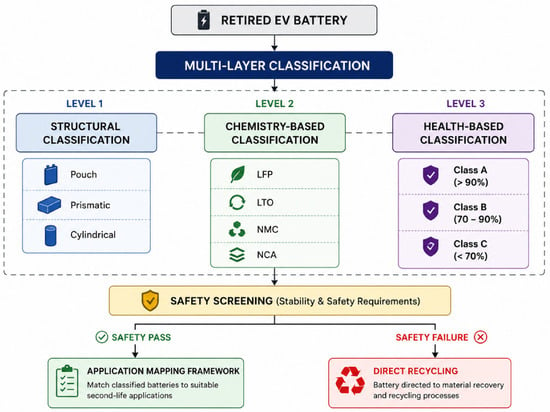
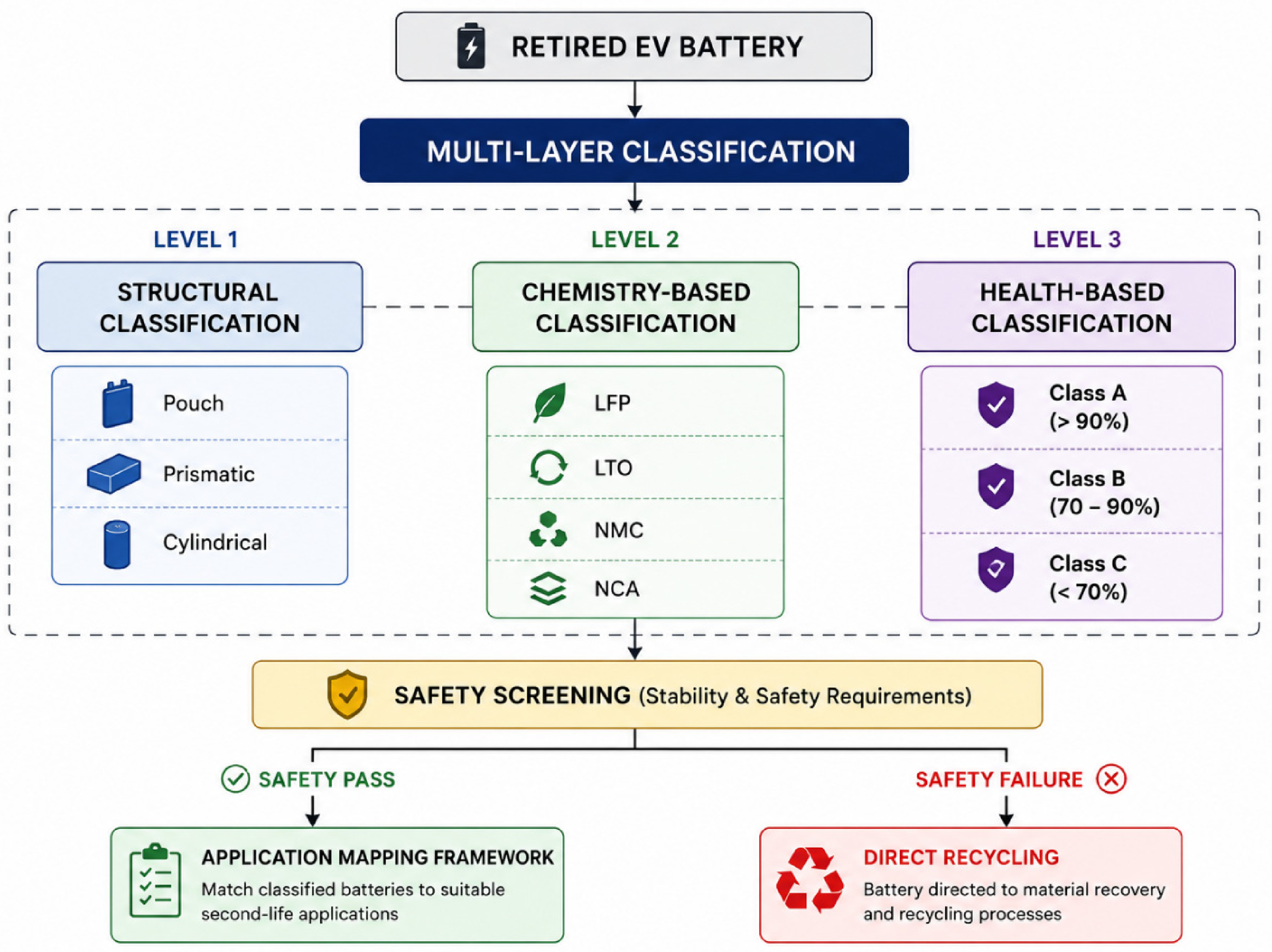
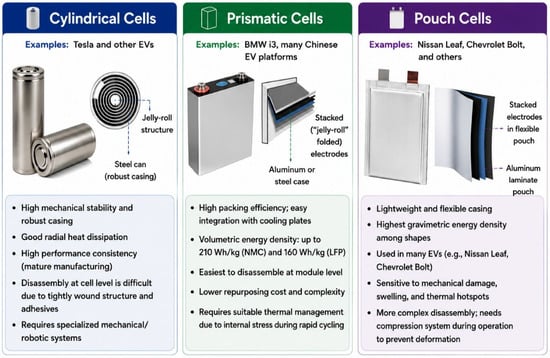
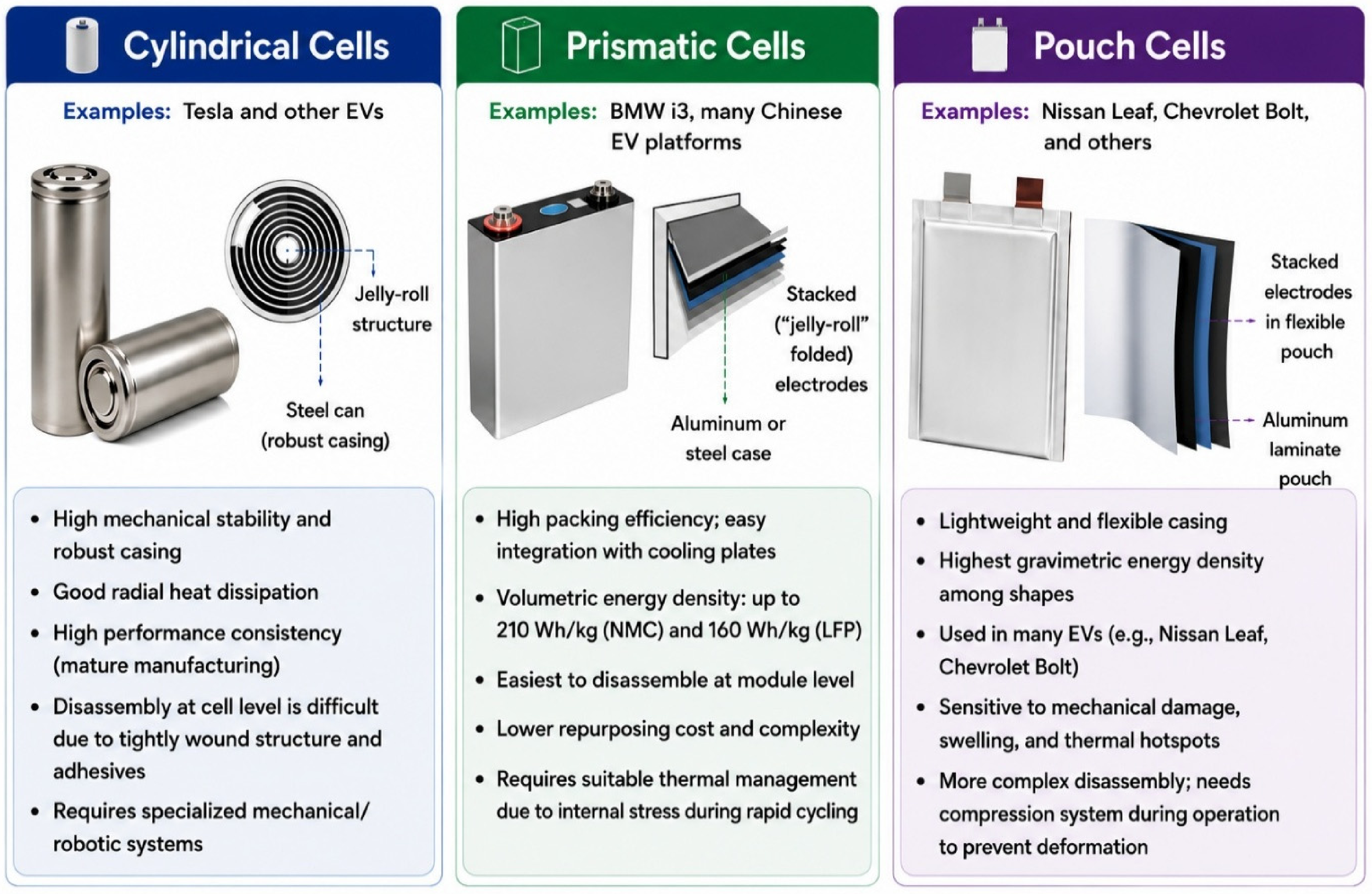
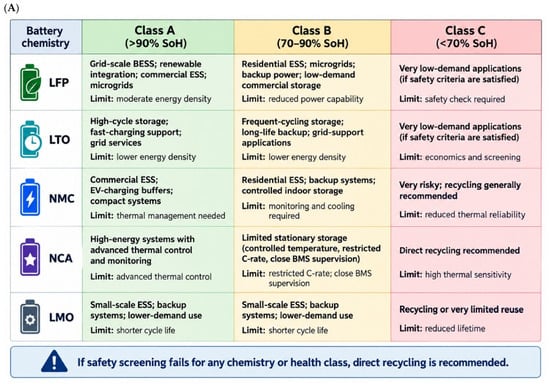
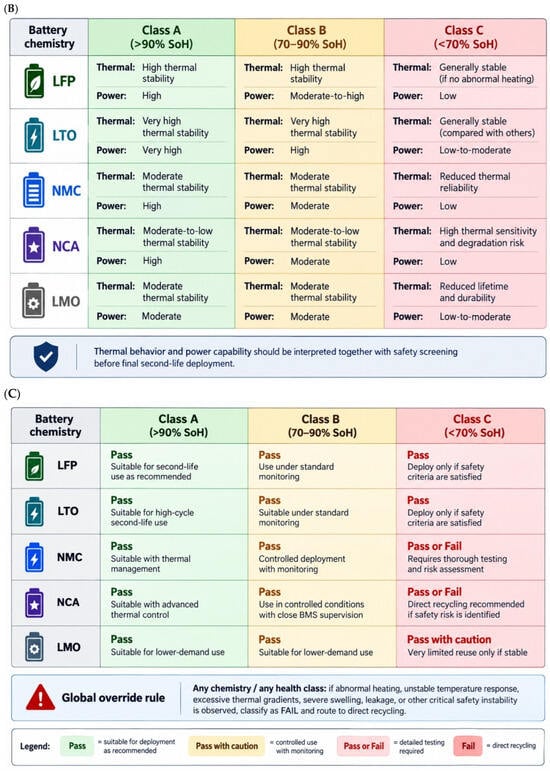
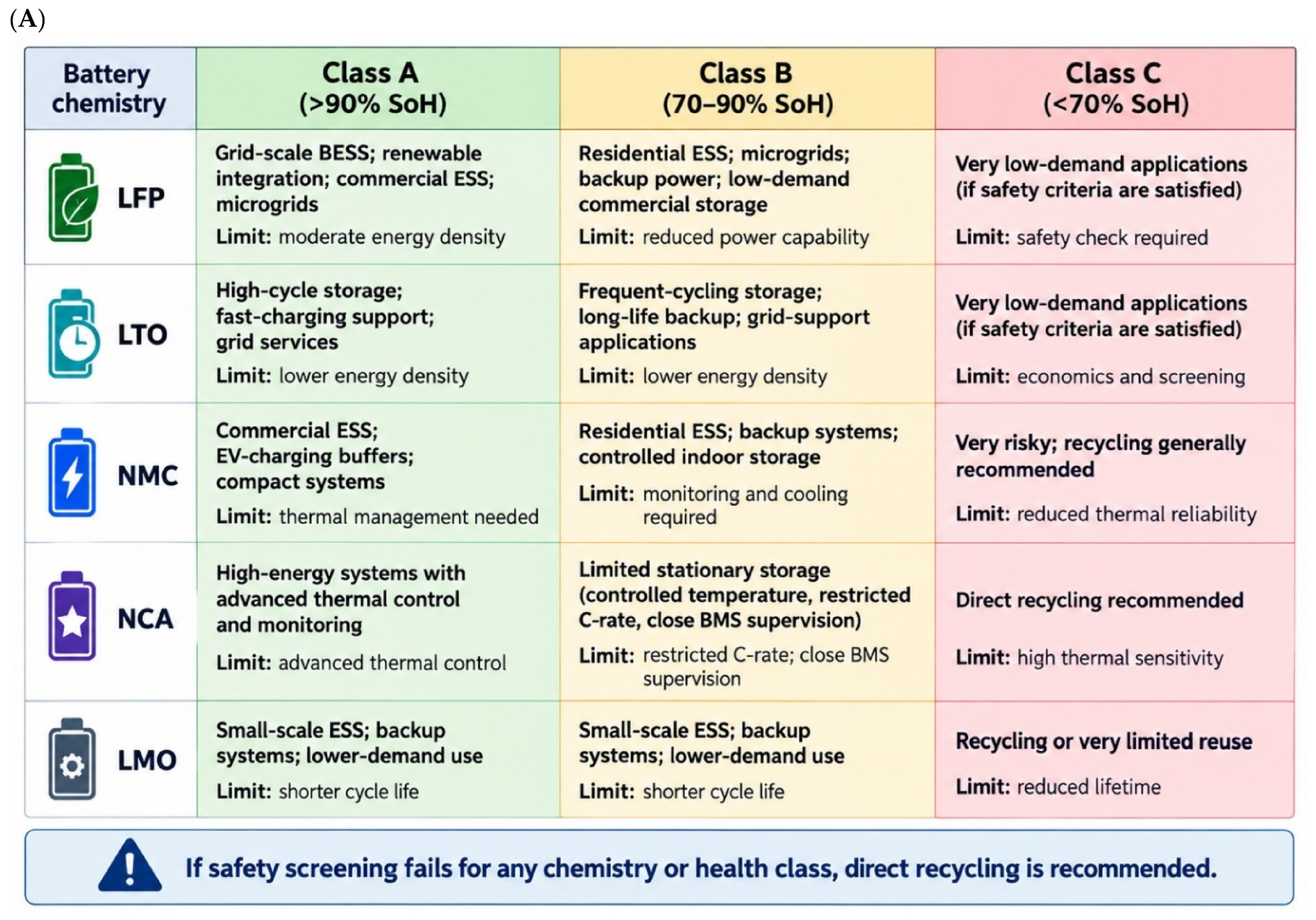
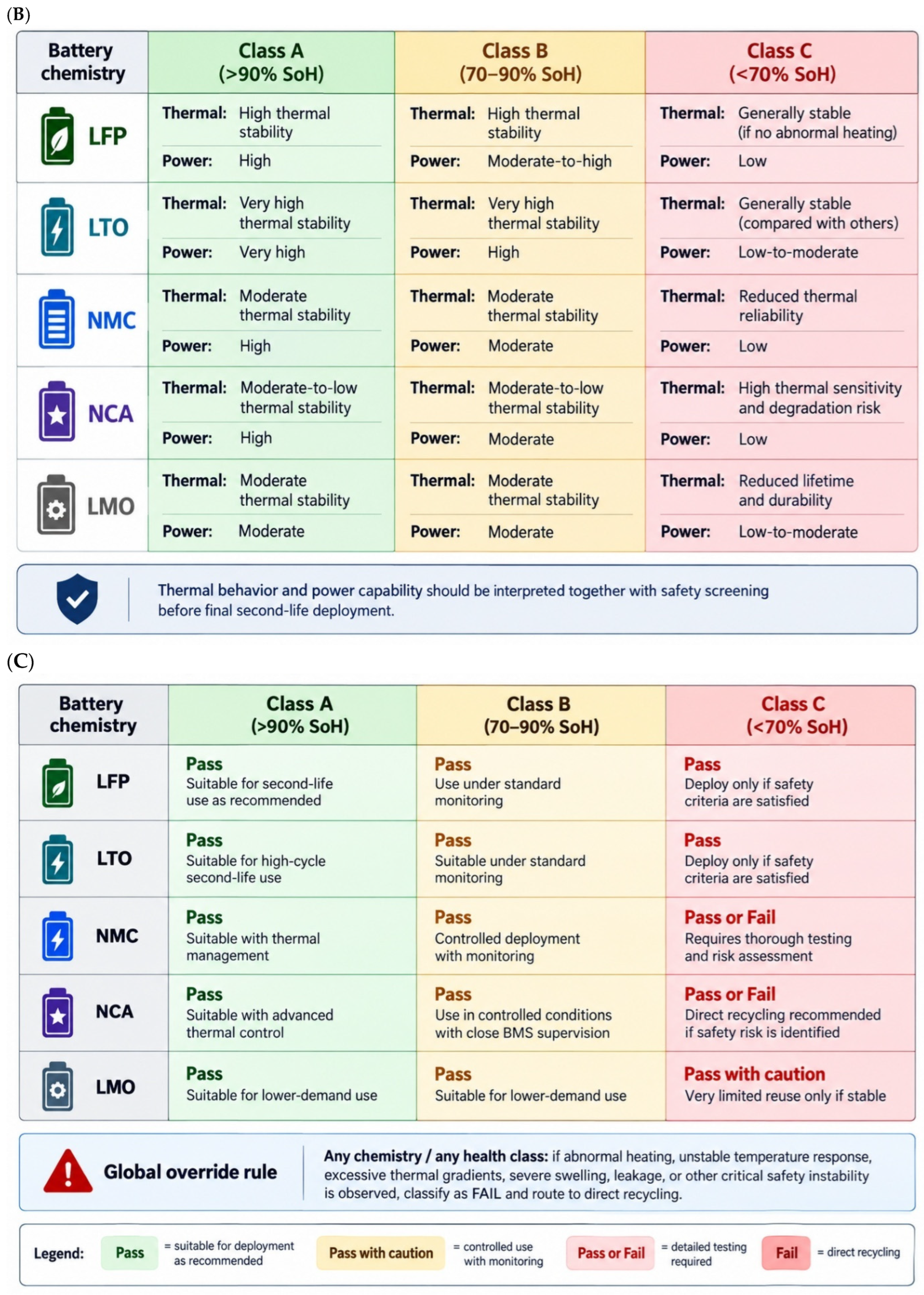

Disclaimer/Publisher’s Note: The statements, opinions and data contained in all publications are solely those of the individual author(s) and contributor(s) and not of MDPI and/or the editor(s). MDPI and/or the editor(s) disclaim responsibility for any injury to people or property resulting from any ideas, methods, instructions or products referred to in the content. |
© 2026 by the authors. Licensee MDPI, Basel, Switzerland. This article is an open access article distributed under the terms and conditions of the Creative Commons Attribution (CC BY) license.