


Abstract
Lithium-ion batteries (LIBs) typically operate within a temperature range of 20–50 °C, depending on the chemical composition and application of the battery. Overheating may lead to degradation and thermal runaway, while overcooling may cause lithium plating and internal short circuits. Absorbing heat during the melting of phase-change materials (PCMs) has become an attractive passive thermal management strategy. However, organic PCMs such as paraffin are flammable, and most strategies for improving their inherently low thermal conductivity, such as adding carbon fillers and engineering porous scaffolds, sacrifice latent heat, electrical safety, or cost. Flame retardants achieve flame retardancy at the cost of 15–25% of latent heat, while inorganic PCMs eliminate flammability but introduce undercooling and corrosion. This study synthesizes the PCM–battery thermal management system (BTMS) literature with this safety–performance tension as its organizing principle, covering composite PCM strategies for thermal enhancement, flame-retardant approaches and thermal runaway mitigation, hybrid PCM–active cooling systems, and emerging directions that transcend rather than manage the trade-off. It also identifies the gaps between laboratory demonstration and commercial deployment: durability data measured in hundreds rather than thousands of cycles, absent standardized testing protocols, and manufacturing routes that have not left the university laboratory.
1. Introduction
The global shift toward electrified transportation and renewable energy storage has placed lithium-ion batteries (LIBs) at the center of modern energy systems [1]. By 2030, the global electric vehicle (EV) fleet is projected to surpass 300 million vehicles [2,3]. Operating this fleet safely across diverse climates and duty cycles demands effective thermal management. LIB performance and safety are tightly coupled to temperature: the optimal operating window spans 20–50 °C, with cell–to–cell variation ideally below 5 °C [4,5]; above 60 °C, accelerated degradation causes irreversible capacity fade, and below 0 °C, lithium plating creates internal short-circuit hazards. Under abuse conditions, exothermic chain reactions cascade into thermal runaway (TR), which can culminate in fire, explosion, and toxic gas release within seconds [2,3]. Battery thermal management systems (BTMSs) are broadly divided into active cooling (air, liquid, and refrigeration) and passive cooling (PCM-based and heat-pipe-based) [4,5]. Active liquid cooling removes heat effectively but introduces parasitic power draw, system complexity, and failure modes. Passive PCM-based systems absorb heat through the latent heat of phase transition, requiring no external energy input and delivering temperature uniformity without parasitic power [6]. The application of paraffin wax to a Li–ion battery module dates to the early 2000s, and the field has since attracted sustained research interest [5].
PCMs for BTMSs fall into three broad classes: organic (e.g., paraffins, fatty acids, and polyethylene glycol (PEG)), inorganic (e.g., salt hydrates and metallic alloys), and eutectic mixtures. Organic PCMs offer high latent heat and chemical stability but suffer from low conductivity and flammability; inorganic PCMs provide higher conductivity and non-flammability but face phase separation and supercooling; eutectics allow for tunable phase-change temperatures. A detailed comparison is deferred to Section 2.1. PCM-based BTMSs face a fundamental tension: strategies that improve thermal performance often introduce or exacerbate safety concerns, and safety measures typically impose performance or cost penalties. Organic PCMs—paraffin in particular—offer tunable phase-change temperatures and high latent heat (150–250 J/g), but their thermal conductivity is low (0.1–0.3 W/(m·K)), they leak upon melting, and they are highly flammable (calorific value of 42 MJ/kg, comparable to diesel fuel) [3,6]. Adding thermally conductive carbon fillers such as expanded graphite (EG), carbon nanotubes (CNTs), and graphene raises thermal conductivity to 1–30 W/(m·K) but introduces electrical conductivity [7,8], creating a short-circuit risk that has not been systematically evaluated in production modules. Adding flame retardants achieves UL94 V–0 ratings [9] but imposes a latent heat penalty of 15–25% [10]. Using inherently non-flammable inorganic PCMs (hydrated salts) eliminates the fire risk but introduces supercooling, phase separation, and corrosion [6]. This trade-off is the central design dilemma of the field [11].
A systematic literature search was conducted using Web of Science, Scopus, and ScienceDirect with advanced Boolean search functions. The search combined keywords (“phase change material” OR PCM) AND (“battery thermal management” OR BTMS) AND (“thermal runaway” OR “thermal conductivity” OR “composite PCM” OR “hybrid cooling”), covering publications from 2000 to July 2026. The initial search returned 910 records; after removing duplicates, 479 papers were retained for full-text screening. The final 183 references were selected based on topical relevance to PCM thermophysical properties, safety performance, or system-level BTMS integration, with emphasis on recent publications (over 70% of the retained set was published in 2023–2026), citation impact, and the novelty of the approach. Earlier seminal works (2012–2019) were included through citation tracking where they provided foundational data or benchmark values. Studies were excluded if they (1) focused exclusively on building or electronic thermal management without battery applications, (2) lacked quantitative performance data, or (3) were not available in English. The existing literature on PCM-based BTMSs is extensive, spanning PCM classification and material surveys [5,12,13,14], hybrid cooling architectures [15,16], comprehensive BTMSs [4,5,17,18], and safety-oriented analyses [3,19]. These works have mapped the territory, yet they treat thermal performance and safety as separate problems: materials-focused surveys emphasize thermal conductivity (k) and latent heat (ΔH), while safety-focused surveys cover thermal runaway and flame retardants. This review instead frames them as inseparable, with their trade-off defining the field. Following the framework mapped in Figure 1, this study traces the safety–performance tension from materials (Section 3 and Section 4), through system-level engineering (Section 5), to the deployment gap between laboratory research and commercial practice (Section 6), closing with a synthesis of findings (Section 7).
Figure 1.
Framework of the safety–performance trade-off analysis.
2. Fundamentals of PCM-Based Battery Thermal Management
2.1. PCM Classification: Types, Advantages, and Limitations
PCMs for battery thermal management are classified into three categories: organic, inorganic, and eutectic mixtures [20]. Paraffin wax, the dominant organic PCM in BTMS research, offers tunable phase-change temperatures (20–70 °C), high latent heat (150–250 J/g), chemical stability, negligible supercooling, and low cost. Fatty acids (lauric acid, palmitic acid, and stearic acid) deliver comparable latent heat with sharper melting transitions. These strengths are offset by four weaknesses: thermal conductivity of only 0.1–0.3 W/(m·K), volume expansion of 10–15% upon melting, liquid leakage demanding reliable encapsulation, and inherent flammability—the last defining the central tension of this study. With a calorific value of approximately 42 MJ/kg, comparable to conventional hydrocarbon fuels, paraffin placed in direct contact with cells capable of reaching 600–800 °C during thermal runaway becomes fuel rather than protection. In contrast, inorganic PCMs avoid the flammability burden. Hydrated salts such as sodium acetate trihydrate (SAT, CH3COONa·3H2O), disodium hydrogen phosphate dodecahydrate (DHPD), and their analogs are inherently non-flammable while offering higher thermal conductivity (0.5–1.0 W/(m·K)), higher volumetric latent heat, and lower cost. Ling et al. [6] quantified the safety contrast directly: SAT–Urea/EG produced zero combustion under direct flame exposure, whereas paraffin/EG burned continuously. The compensating drawbacks are severe—supercooling of 10–30 °C, progressive phase separation over repeated cycles, and corrosion of metal containment. Recent studies have catalogued PCM applications and enhancement strategies across BTMS architectures [5,21,22]. Eutectic mixtures occupy a middle ground: by combining two or more PCMs at their eutectic composition, the phase-change temperature can be precisely tuned and the melting transition can sharpened, though at the cost of increased formulation complexity. Figure 2 consolidates the three-way classification with key thermophysical properties. Figure 3 presents scanning electron microscopy (SEM) micrographs of expanded graphite (EG), which is among the most widely used composite phase change material (CPCM) fillers, at multiple magnifications. The interconnected micro-porosity traps molten PCM through capillary force, while the graphite walls provide continuous thermal conduction pathways—a dual function that dispersed nanoparticles cannot replicate. Beyond batteries, the same enhancement logic applies to thermal storage devices. Nanomodified phase-change materials, particularly those incorporating carbon nanotubes, improve heat-storage device performance through controlled thermal contact and higher heat fluxes (up to 100 kW/m2 with the outlet temperature reduced from ~100 to 40 °C) [23]. Graphene and CNT networks reduce interfacial thermal resistance in latent heat-storage units, paralleling the conductivity gains seen in BTMS applications.
Figure 2.
Melting-temperature and volumetric latent-heat ranges of the major organic and inorganic PCM classes, with the Li–ion battery operating window shaded for reference (data compiled from Bao et al. [24]).
Figure 3.
Characterizations of the EG and EG/PCM composite: (A) SEM images of the EG, (B) SEM images of the EG/PCM particles, and (C) photograph of the compressed EG/PCM composite for BTMSs with SEM characterization and element mapping (adapted from Wang et al. [25]).
2.2. Working Principles of PCM-Based BTMSs
During battery operation, heat arises from ohmic heating (I2R losses), entropy change in the electrochemical reaction, and concentration polarization [4]. As the cell temperature approaches the PCM melting point, the PCM absorbs energy isothermally through the solid–liquid phase transition, buffering the temperature rise [6]. The heat absorption capacity follows:
where m is the PCM mass and ΔHf is the latent heat of fusion. For a typical 18650 cell generating 3–5 W at 1C discharge, 30–50 g of PCM with ΔHf = 150 J/g buffers the temperature rise for approximately 15–25 min. Once the PCM melts completely, sensible heat capacity becomes the sole mechanism, and temperature escalates rapidly. This finite capacity is the thermodynamic ceiling that motivates hybrid BTMS architectures. Strategies for enhancing PCM thermal performance span four categories: filling with thermally conductive additives (carbon, ceramic, or metal particles), constructing three-dimensional heat-conduction scaffolds, formulating flexible composite PCMs to prevent leakage, and developing inorganic PCMs with inherently higher conductivity. Section 3.1, Section 3.2, Section 3.3, Section 3.4 and Section 3.5 examine each strategy in turn, with quantitative benchmarks consolidated in the corresponding summary tables. The total heat-generation rate of a single cell can be expressed as
where I is the discharge current, Rint is the internal resistance, V is the terminal voltage, and Vocv is the open-circuit voltage. Because the terminal voltage (V) is lower than the open-circuit voltage during discharge, the term I(Vocv − V) yields a positive heat-generation rate. Equation (2) represents the irreversible Joule and polarization heat; the reversible entropic term, which alternates sign between charge and discharge, is typically an order of magnitude smaller in LIBs and is omitted here for clarity. For a typical 18650 cell, Qgen ranges from 3 to 5 W at 1C discharge. This heat must be absorbed by the surrounding PCM to maintain the cell within its safe operating window. More completely, the total heat absorbed by the PCM before and during the phase transition is
where mPCM is the PCM mass, cp,s and cp,l are the specific heat capacities of the solid and liquid phases, Tm is the melting temperature, Ti is the initial temperature, Tmax is the maximum allowable cell temperature, and L is the latent heat of fusion. The first and third terms represent sensible heat storage in the solid and liquid phases; the middle term represents latent heat during the isothermal phase transition.
The thermal diffusivity of the PCM, which governs how quickly heat penetrates the material, is defined as follows:
For typical organic PCMs (k = 0.2 W/(m·K), ρ = 900 kg/m3, cp = 2 kJ/(kg·K)), α ≈ 1.1 × 10⁻⁷ m2/s; for EG–enhanced CPCMs (k = 2 W/(m·K)), α increases to ≈ 1.1 × 10⁻⁶ m2/s. This order-of-magnitude difference directly affects the Fourier number introduced below.
Two dimensionless groups govern the design of the PCM layer. The Biot number, i.e.,
compares the external convective resistance to internal conductive resistance: for Bi < 0.1, the temperature within the PCM layer is essentially uniform, and a thicker layer can be used without compromising thermal response; for Bi > 0.1, internal temperature gradients become significant, and the layer thickness (δ) directly limits the heat uptake rate. The Fourier number, i.e.,
characterizes the time scale of thermal diffusion across the PCM: the melting front advances over a characteristic time (t ≈ δ2/α), which explains why PCM layer thickness, tube diameter, and heat-pipe diameter are critical geometric parameters in BTMS design (Section 5.1 and Section 5.2). For a typical CPCM with k = 2 W/(m·K), ρ = 900 kg/m3, and cp = 2 kJ/(kg·K) (α ≈ 1.1 × 10⁻⁶ m2/s), a 5 mm PCM layer reaches thermal equilibrium in roughly 23 s (Fo = 1), setting the time constant against which transient heat loads must be compared.
A further dimensionless group, the Stefan number, characterizes the ratio of sensible heat to latent heat during phase change:
where Tw is the wall (cell surface) temperature. For Ste < 0.1, latent heat dominates and the PCM operates in its most effective regime; for Ste > 1, sensible heat dominates and the phase-change advantage is diminished. In BTMS applications with Tw − Tm ≈ 5–15 °C and L ≈ 150–200 J/g, Ste typically falls in the range of 0.05–0.2, confirming that latent heat is the primary thermal buffer under normal operating conditions.
The conductive heat flux through the PCM layer links these dimensionless criteria to a practical design equation:
where Tcell is the cell-surface temperature, Tamb is the ambient temperature, and δ is the PCM layer thickness. Halving δ doubles the heat-transfer rate but also halves the total latent heat available. The optimal δ balances rapid heat uptake against sufficient thermal storage capacity, explaining why PCM layer thickness, tube diameter, and heat-pipe diameter are critical geometric parameters in BTMS design (Section 5.1 and Section 5.2).
2.3. Key Performance Metrics and the Inherent Tension
Thermal conductivity (k, 0.1–0.3 W/(m·K) for pristine organic PCMs), latent heat (ΔHf, 150–250 J/g), and phase-change temperature (Tm, optimal range of 35–50 °C) govern PCM selection for BTMSs. Comprehensive studies have systematically mapped the thermal enhancement landscape [26,27,28]. Filler addition raises the thermal conductivity but inherently lowers ΔHf—a fundamental trade-off. Thermal cycling stability and flammability, the latter of which defined the study’s central tension, complete the picture. Table 1 summarizes the baseline properties of major PCM classes before any enhancement.
Table 1.
Baseline thermophysical and safety properties of major phase-change material (PCM) classes.
No single PCM class dominates across all metrics simultaneously, structuring the subsequent chapters around this tension. Figure 4 traces this evolution from pure material discovery to application-specific composites.
Figure 4.
Decade-by-decade trajectory of PCM research, tracing the shift from foundational material discovery to application-specific and next-generation composite formulations (redrawn based on the research roadmap of Kalidasan and Pandey [29]).
The trajectory reveals a shift from pure PCM characterization before 2010 to EG-based composites from 2010 to 2018 and toward multifunctional materials since 2018. This evolution motivates the composite strategies examined below.
3. Strategies for Enhancing CPCM Thermal Performance
Pristine PCMs suffer from low thermal conductivity (k ≈ 0.1–0.3 W/(m·K)), liquid leakage, and poor mechanical compliance. CPCMs resolve these through three strategies: filler dispersion, three–dimensional scaffolds, and encapsulation—each carrying distinct safety implications. Each wt% of filler typically reduces latent heat [30], establishing the first axis of the safety–performance trade-off examined throughout Section 3.
3.1. Carbon-Based Fillers
Carbon materials dominate CPCM research because they offer high intrinsic conductivity (graphite basal plane of k ≈ 2000 W/(m·K)), low density, and chemical inertness. In practice, interfacial thermal resistance and dispersion quality determine real performance far more than the theoretical filler conductivity. Figure 5 maps this trade-off: EG-based formulations cluster in the practical sweet spot (k = 1–5 W/(m·K), ΔH = 120–200 J/g), while the Pareto frontier above k = 10 W/(m·K) and ΔH > 150 J/g remains sparse. All quantitative data points plotted in the quantitative figures were extracted directly from the original cited studies. No normalization was applied; values are compared only within the same physical quantity and unit. Where multiple studies reported data under different test conditions, the specific conditions (cell format, discharge rate, and ambient temperature) are noted in the Supplementary Materials (Tables S1–S11).
Figure 5.
k–ΔH scatter plot for representative CPCM formulations, color-coded by filler category.
Expanded graphite (EG) is produced by thermal exfoliation of graphite intercalation compounds and has been among the most widely used CPCM fillers for over a decade. Its worm-like microstructure provides interconnected micro-porosity that traps molten PCM through capillary force while boosting thermal conductivity. The k–ΔH trade-off, however, is thermodynamic: incorporating 10 wt% EG raises k from 0.23 to 1.86 W/(m·K) while latent heat declines from 238 to 104 J/g [31]. EG-based formulations reliably deliver k = 1–5 W/(m·K) at acceptable cost, but the practical ceiling for simple dispersion sits around k = 10 W/(m·K), beyond which ΔH drops below 120 J/g. Pre-formed 3D architectures can push beyond this ceiling—reaching k = 19.27 W/(m·K) [32]—by eliminating percolation as a rate-limiting factor, though at higher manufacturing complexity.
Beyond pushing conductivity enhancement, recent work has expanded EG-based CPCMs toward multifunctionality. Incorporating Si3N4 into EG/paraffin composites targets the k–mechanical integrity trade-off for 21700 cylindrical cells [33], while low-melting-point alloy/EG/paraffin combinations achieve k = 2.31 W/(m·K), with the alloy providing additional latent heat and a hybrid three–dimensional conduction network [34]. Flexible EG-based CPCMs using styrene–butadiene–styrene (SBS), olefin block copolymer (OBC), SEPS, or thermoplastic polyether ester (TPEE) polymer matrices represent the most commercially mature approach, with k ranging from 1.5 to over 10 W/(m·K) depending on the loading and matrix [35,36]; TPEE/PEG1500 [37], ester-based [38], and low-cost LA–PA–EG [39] formulations have broadened the matrix selection space. Manufacturing advances—sulfur-free synthesis, microwave preparation, and AC/EG hybrids [40,41,42]—point toward sustainable production routes.
Carbon nanotubes (CNTs) and graphene, while offering higher theoretical conductivity (CNT axial k of up to 3000 W/(m·K) [43] and graphene in-plane k exceeding 5000 W/(m·K)), find their clearest value in hybrid systems rather than as standalone fillers. Covalently bonded BN (boron nitride)–CNT hybrids achieve k = 5.92 W/(m·K) while retaining electrical insulation [44]. CNT-enhanced inorganic CPCMs reduced the peak module temperature from 76 to 61.2 °C at 2C discharge and delayed the thermal runaway trigger by 129, 474, and 551 s in each of three cells [45]; graphene-based composites with radiation cooling maintained Tmax at 52.5 °C under 2.5C discharge [25]. Vertically aligned graphene monoliths with surface metal liquefaction reduce the interfacial thermal resistance to 4–6 K·mm2/W—roughly an order of magnitude lower than typical PCM–filler interfaces [46]. Table 2 summarizes representative carbon-based CPCM formulations spanning EG dispersion, 3D graphite foams, CNT hybrids, and graphene-based architectures.
Table 2.
Carbon-based CPCM formulations for BTMSs. TEC: thermoelectric cooler.
3.2. Ceramic-Based Thermally Conductive Fillers
Ceramic fillers are the primary option when electrical insulation matters. Hexagonal boron nitride (hBN), with its graphene-analogous layered structure (in-plane k ≈ 300–600 W/(m·K)) and wide bandgap of 5.9 eV, dominates this category. Wong et al. [50] systematically compared BN polymorphs and confirmed hBN as the optimal choice for BTMSs where electrical isolation between cells is required. The highest reported k comes from Lin et al. [51], at 28.3 W/(m·K). Flexible insulating films [52] and honeycomb-structured BN composites [53] have further broadened the ceramic filler design space. Among the most effective formulations are those combining carbon and ceramic fillers, playing to the strengths of each. Fu et al. [43] dispersed BNNS and MWCNTs onto a sulfonated cellulose nanofibril aerogel, achieving a 91.8% enhancement in thermal conductivity while maintaining a high PCM loading of 94.51 wt% and a latent heat of 213.27 J/g—a result neither filler achieved individually. The carbon provides bulk conduction while the ceramic provides surface insulation [8]. Beyond its filler role, h–BN also serves as a multifunctional battery component: in separators and gel polymer electrolytes, functionalized h–BN simultaneously improves ionic transport and thermal stability [8]. The asymmetry of this trade-off determines which strategies are practical. Yang et al. [7] showed that adding natural rubber to an EG/paraffin CPCM raises the electrical resistivity to 2700 Ω·cm (corresponding to an electrical conductivity of 0.037 S/m, 1/500 of the pristine OP44E/EG composite) while lowering the thermal conductivity by only 48%, a ratio that makes the hybrid carbon–ceramic approach viable. Fan et al. [44] exploited this approach with covalently bonded BN–CNT hybrids combining k = 5.92 W/(m·K) with a resistivity of 8.89 × 10¹¹ Ω·cm, and Chen et al. [54] showed that carbon–graphite–BN composites sustain 9C discharge with a 32.5% Tmax reduction while retaining a resistivity of 1.6 × 10⁸ Ω·m. Both results confirm that carbon–ceramic co-fillers meet practical discharge-rate requirements without electrical risk. Translating this logic from the filler to the polymer matrix amplifies the effect. In a liquid crystal epoxy (LCE) matrix, spherical BN raises k to 9.36 W/(m·K) at 60 wt% [55], far exceeding conventional epoxy at the same loading. Separately, a discotic LCE cured with 10 wt% DOPO–POSS flame retardant achieves k// = 1.30 W/(m·K) and a limiting oxygen index of 31.1—nearly double that of conventional epoxy (19.8) [55].
3.3. Three-Dimensional Scaffold Architectures
The shift from dispersing fillers randomly to first constructing a continuous thermal network, then infiltrating it with PCM is one of the most consequential conceptual advances in CPCM design. A pre-formed scaffold eliminates percolation as a rate-limiting factor, and the highest reported k values in the literature all come from scaffold architectures.
Porous graphite foams and metal foams occupy the high-performance end. Pressing graphite powder with NH4HCO3, thermally decomposing the porogen, and vacuum-infiltrating paraffin yields k = 19.27 W/(m·K) [32]. Metal foams such as copper, nickel, and aluminum foams offer the highest efficiency per unit of filler weight (Δk/wt% = 0.30–0.50), owing to their continuous structure and high intrinsic conductivity, and have been integrated into heat-pipe-assisted hybrid BTMSs [56] and passive/hybrid configurations with fins and nanoparticles [57]. The weight penalty (roughly 0.5–1.0 kg/kWh) limits their appeal for passenger EVs but matters less for stationary storage. Graphene aerogels extend the scaffold concept to ultralight architectures with porosities exceeding 99.8% [58], though their high electrical conductivity reintroduces the short-circuit concern that ceramic alternatives avoid. For applications where k > 10 W/(m·K) is essential, these architectures set the benchmark; for most BTMS duty cycles, the marginal conductivity gain does not justify the cost and weight.
Biomass-derived scaffolds offer a different value proposition: lower conductivity but lower cost and additional functionality. Carbonized natural wood exploits hierarchical microchannels to create scaffolds that simultaneously prevent leakage, suppress flames, and shield against EMI (electromagnetic interference) (44.45 dB), with solar–thermal conversion efficiency reaching 98.58% [59]. Particle-stabilized foam templates with glucose-derived carbon produce graphite foam scaffolds with tunable porosity [60]. Biochar-based CPCMs achieve modest k values (0.5–1.0 W/(m·K)) at USD 3–6/kg—suitable for stationary storage, where cost matters more than peak conductivity [61]. Bio-inspired structures [62] and topology-optimized designs for compact applications [63,64] further extend the geometric design space. Bio-derived carbon aerogels from waste biomass achieve 94.7 wt% PEG (polyethylene glycol) loading with latent heat of 137.79 J/g and radiation shielding capability [65].
MOF (metal–organic framework)-derived scaffolds offer atomic-scale control over pore size (0.5–5 nm) and surface areas up to 7000 m2/g but at a laboratory scale. EG@Bi–MOF/LA CPCM achieved k = 2.55 W/(m·K) [66], with 3D EG@MOF matrices [67] and MOF/RGO CPCMs [68] exploring related architectures. The conductivity values are modest compared to graphite foams, and scaling from milligram batches to the kilogram quantities needed for battery packs remains an open challenge requiring adaptation to extrusion or injection molding. Other scaffold approaches such as shape-stable composites [69], fatty acid eutectic encapsulation [70], diatomite-based scaffolds [71], dual-strategy encapsulated PCMs [72], and bio-based eutectic formulations [73] further broaden the material base but remain at lower TRLs (technology readiness levels). Figure 6 compares the enhancement efficiency (Δk per wt%) across these filler systems [65].
Figure 6.
Δk per wt% loading for representative filler systems. Values above bars indicate the final composite k value in W/(m·K).
3.4. Flexibility Enhancement and Leakage Prevention
Flexible multifunctional CPCMs were previously reviewed in [74,75]. The practical problem that flexible CPCMs solve is contact resistance. When a rigid CPCM block is pressed against a cylindrical 18650 cell and contact occurs along a narrow line, the resulting air gap acts as a thermal insulator, erasing much of the conductivity improvement. Flexible CPCMs conform to the cell surface, reducing contact resistance by 30–50%, with vibration tolerance also demonstrated [76,77]. Huang et al. [30] pioneered the approach with SBS@PA/EG, achieving k = 0.88 W/(m·K), a tensile strength of 0.25–0.38 MPa, and a Tmax reduction of about 3 °C at 3C discharge. Lin et al. [35] demonstrated SEPS/PA/EG maintaining shape stability while making conformal contact with 18650 cells, with the thermal conductivity reaching 2.67–10.02 W/(m·K) at 5–30 wt% EG loading. Jing et al. [78] addressed the room-temperature flexibility challenge with OBC–SEBS/PW, achieving 560% elongation—a capability that early flexible CPCMs lacked below their polymer glass transition. Aliya et al. [79] pushed farther with PEG/SEPS/POE/EG/CNT/Cu, achieving a 26.6% Tmax reduction with room-temperature handling. Bio-based flexible composite films represent a renewable alternative [80].
3.5. Inorganic PCM Enhancement
Inorganic PCMs—hydrated salts in particular—offer what organic PCMs cannot: inherent non-flammability, higher raw k values (0.5–1.0 vs. 0.1–0.3 W/(m·K)), and lower material cost. They also bring severe supercooling (10–30 °C), phase separation over repeated cycles, and metal corrosion [6]. For most of the past two decades, these problems kept hydrated salts confined to niche studies while paraffin dominated. The calculus began to shift when Ling et al. [6] demonstrated SAT–Urea/EG with k = 4.96 W/(m·K) and zero combustion under direct flame exposure, with performance verified over 100 cycles—proving that the flammability problem and the supercooling problem can be solved together in a single formulation. Progress since has attacked the remaining barriers along two fronts. On the bulk CPCM front, Wu et al. [81] reduced subcooling to only 1.6 °C in SAT/glycine/urea/EG (k = 2.55 W/(m·K)), directly confronting the parameter historically regarded as intractable. Wang et al. [82] then showed that a SAT-based CPCM at k = 4.27 W/(m·K) keeps Tmax = 46.8 °C at 4C/40 °C without any flame-retardant additive. Zhang et al. [83] pushed this farther: a dual-stage Na2SO4·10H2O system couples phase-change cooling with dehydration-driven thermochemical heat absorption, delaying the time to reach 130 °C by 187 s. On the nanoencapsulation front, Ping et al. [84] encapsulated Na2HPO4 in SiO2 shells, decreasing the peak battery surface temperature by 20% at 2C and delaying TR by 495 s—twice the delay of the dual-stage bulk system. Zhao et al. [85] then added DOPO to the SiO2 shell for dual flame retardancy. These safety implications are examined in detail in Section 4 [86,87,88].
4. Safety Assessment and Thermal Runaway Mitigation
PCM-based BTMSs occupy an inherently ambiguous safety position: on one hand, PCMs absorb heat during thermal runaway (TR), delaying propagation and buying time for active countermeasures. On the other hand, organic PCMs—paraffin in particular, with a calorific value of approximately 42 MJ/kg—are, themselves, combustible. Whether a PCM functions as a fire barrier or contributes additional fuel load depends largely on its formulation and integration. This tension between hazard mitigation and hazard contribution defines the safety research agenda for PCM-based BTMSs [89,90,91].
4.1. Thermal Runaway: Mechanisms and Propagation Pathways
TR is an exothermic cascade initiated by the decomposition of metastable solid-electrolyte-interphase (SEI) components at 70–120 °C [2]. The progression follows four well-characterized stages: SEI (solid electrolyte interphase) decomposition, separator shrinkage, cathode decomposition, and fully developed TR proceed across successively higher temperature ranges, with cell temperatures surging past 600–800 °C within seconds [92]. NMC (nickel–manganese–cobalt) cells generally propagate faster between cells than lithium iron phosphate (LFP) cells, owing to their higher energy density and more exothermic cathode decomposition chemistry [2]. Three critical temperature thresholds govern TR progression: the self-heating onset temperature (T1, 70–90 °C), the TR trigger temperature (T2, 130–180 °C), and the maximum TR temperature (T3, 600–900 °C). The key insight for PCM-based safety design is that delaying or preventing a cell from reaching T2 is a critical intervention point. Once T2 is crossed, the cell enters an irreversible exothermic cascade that no passive material can arrest. The PCM’s safety function, therefore, is to absorb sufficient heat to keep adjacent cells below T2 for long enough that active countermeasures—liquid cooling activation and fire suppression—can engage or until the triggering cell exhausts its energy. This temporal framing—PCM as a delay mechanism, not a prevention mechanism—is essential for understanding the safety literature.
4.2. Flame-Retardant Strategies for Organic PCMs
Recent studies have cataloged PCM fire suppression strategies and thermal safety risks in battery systems [88,93]. The flammability of paraffin-based PCMs is not a theoretical concern. During a TR event, paraffin ignites at approximately 200–250 °C and burns with a high heat release rate. Weng et al. [94] established that untreated organic PCMs constitute a genuine fire load; technical studies on CPCM safety [95] and eutectic PCMs targeting TR thresholds [96] have further delineated the safety design space. The research community has pursued three distinct strategies, which a comprehensive survey by Jang et al. [97] systematically cataloged: additive flame retardants, coating and bilayer approaches, and intrinsically non-flammable PCMs.
Additive flame retardants (FR) are the most straightforward approach: FR compounds are mixed directly into the PCM matrix during preparation. Yang et al. [98] demonstrated a P–Si synergistic system using TPP/MPS in PA/EG that achieved UL94 V–0 rating, while Li et al. [10] achieved V–0 with melamine/TPP at a latent heat of 125.7 J/g, corresponding to a reduction of about 44% relative to the pristine paraffin baseline (225.7 J/g). Deng et al. [99] investigated the coupled thermal–safety aging behavior that most studies treat separately, revealing that FR effectiveness degrades after thermal cycling. The trade-off is systematic: formulations achieving V–0 sacrifice 15–25% of latent heat, and the FR additives may interfere with the PCM crystalline structure, broadening the melting peak and reducing the effective heat-storage density. Coating and bilayer strategies decouple the FR function from the PCM bulk, reducing the latent heat penalty. Liu et al. [9] introduced a bilayered FRC–CPCM with a flame-retardant outer layer, preserving 131.6 kJ/kg latent heat at UL94 V–0—a penalty of only 10–15%. Qiu et al. [100] demonstrated that an EG/ammonium polyphosphate (APP) coating on EPDM/PA/EG arrested TR propagation in 9-cell nail penetration tests, with all cells except the pinned cell remaining below 70 °C. Coating strategies reduce the latent heat penalty to 5–15%, but coating delamination over thermal cycling has not been systematically studied, and the additional manufacturing step raises production complexity.
Intrinsically non-flammable inorganic PCMs eliminate the fire risk at the material level rather than mitigating it post hoc. Ling et al. [6] provided the benchmark: SAT–Urea/EG achieved zero combustion under direct flame exposure, while paraffin/EG burned continuously. As safety regulations tighten (GB 38031 [101], UN R100 [102], and UL 2580 [103] emphasize non-flammable materials), the burden of proof may shift from inorganic PCMs (which must match paraffin’s cycle stability) to organic PCMs (which must demonstrate they do not constitute an unacceptable fire risk). Emerging FR technologies, including stimulus-responsive and self–ceramizing approaches, are discussed alongside other breakthrough directions in Section 5.5; Wu et al. recently demonstrated self-ceramizing PCMs that transform into ceramic protective barriers at elevated temperatures [104]. Figure 7 and Table 3 quantify the flame-retardant performance and latent heat trade-off across these three strategies.
Figure 7.
Flame-retardant performance of representative CPCM formulations: (a) heat release rate (PHRR and THR); (b) time to ignition (TTI); (c) limiting oxygen index (LOI), with the V–0 threshold (LOI ≥ 28%) marked; and (d) fire risk map plotting PHRR against TTI, with bubble size scaled to THR.
Table 3.
Quantitative comparison of FR strategies for organic PCM-based CPCMs. LOI: limiting oxygen index.
4.3. Thermal Runaway Propagation Suppression
Flame retardancy addresses whether the PCM, itself, burns. TR propagation suppression addresses the following broader question: Can a PCM-based system prevent a TR event in one cell from cascading through the entire module? These are distinct problems, and a PCM can be effective for the second even if it requires FR treatment for the first. Talele et al. [107,108] established the quantitative benchmark for TR delay: a cell without CPCM triggered at 160 s; adding PCM delayed triggering to about 330 s, and adding PCM plus a pyro block extended this to 550 s. In a related study, the addition of CPCM extended the onset time from 185 s to as much as 1208 s depending on thermal conductivity. Parametric analysis showed that TR delay is most sensitive to CPCM thermal conductivity, followed by battery chemistry, with CPCM thickness having the smallest influence [108]. One of the most effective TR propagation barriers demonstrated to date combines PCM with aerogel insulation. Zhou et al. [92] tested this combination on 105 Ah LFP prismatic modules: with aerogel alone, the adjacent-cell safety valve opened at approximately 5000 s, while aerogel plus PCM eliminated safety-valve opening in adjacent cells. The mechanism is complementary—the aerogel slows conductive and radiative heat transfer between cells, while PCM absorbs whatever heat penetrates the aerogel barrier. Wang et al. [109] refined this concept: a 3 mm aerogel layer blocked TR propagation from the first cell, while a 2 mm aerogel plus 1.5 mm PCM combination arrested propagation under all tested conditions, with the PCM layer delaying propagation by 133–752 s depending on the position. A counterintuitive finding that strengthens the safety–performance coupling argument is that high thermal conductivity can accelerate TR propagation under certain conditions. Zhang et al. [110] observed this dual-edged behavior: while CPCM delays TR onset in the triggering cell, once TR begins, a high-k PCM transports heat to neighboring cells more rapidly, potentially shortening the propagation delay that the PCM was meant to provide. These results imply that the optimal conductivity for normal thermal management (higher is better) may not coincide with the optimal conductivity for TR propagation suppression (lower may be safer)—a trade-off that has received insufficient attention in a literature focused on maximizing conductivity. Hybrid active–passive TR prevention represents the most reliable approach for production applications. The same Zhang et al. study [110] demonstrated that PCM alone fails after the PCM ignites during TR, losing its thermal management function and contributing to the fire. Adding liquid cooling activation during TR prevents both outcomes: the liquid loop continuously removes heat, keeping the PCM below its ignition temperature and maintaining its structural integrity. The implication is clear—for applications where TR prevention is non-negotiable, PCM should be paired with active cooling that can engage during TR events. Liang et al. [111] provided experimental evidence that immersion cooling can delay TR propagation, and Shivram et al. [112] studied dual nano-enhanced PCM for TR mitigation. Table 4 summarizes the key TR propagation suppression strategies.
Table 4.
Summary of TR propagation suppression strategies using PCM-based systems.
4.4. The Five-Layer Safety Architecture
A defense-in-depth approach has emerged across the safety literature, organized around five layers of protection from cell to pack: (1) cell-level safety via fire-extinguishing separators and electrolyte additives that suppress TR initiation, (2) non-flammable or FR PCMs to minimize fire load at the module level, (3) TR propagation barriers combining PCM with thermal insulation (aerogel or pyro block) between cells, (4) active cooling intervention that activates liquid cooling during TR to remove heat and prevent PCM combustion, and (5) pack-level detection and suppression via multi-sensor early warning systems integrated with fire extinguishing. Figure 8 illustrates this layered architecture schematically, from cell-level materials through pack-level systems. The architecture is conceptually well-founded but carries cost implications: each additional layer adds material, mass, volume, and manufacturing complexity. Whether five distinct layers are necessary or whether three well-integrated layers can achieve equivalent safety warrants systematic study.
Figure 8.
Five-layer safety architecture for PCM-integrated battery systems [41,83,110].
The answer likely depends on cell chemistry (NMC requires more protection than LFP), pack size, and application requirements (aerospace applications tolerate higher cost per kWh for safety than mainstream automotive applications). Across all four safety sub–domains, the fundamental trade-off at the heart of PCM-based BTMS is clear: strategies that enhance thermal performance typically carry a safety implication, and safety measures generally carry a performance or cost penalty. Recognizing this trade-off explicitly—rather than treating thermal performance and safety as independent optimization problems—is essential for the design of CPCMs and BTMS architectures that can meet the simultaneous demands of both.
A balanced assessment also requires attention to the failure modes and end-of-life behavior of PCM-based systems. Liquid leakage under long-term cycling remains a primary concern: approximately 5 wt% PCM loss after 50 thermal cycles has been reported for EG-based CPCMs [13], with leaked PCM coating cell surfaces and raising short-circuit and corrosion risks [94]. Degradation of latent heat and thermal conductivity through phase separation, supercooling drift, and microcrack formation further reduces performance over service life, with measurable phase-component loss and increased thermal contact resistance observed in flexible flame-retardant CPCMs [99]. During thermal runaway, jet venting may accelerate spread through CPCM systems [104], although residual PCM char can also act as a barrier against flames, ejecta, and electrolyte vapor [86]. Direct contact between molten PCM and battery components poses contamination risks that encapsulation is designed to prevent [80], yet the stability of PCM-containing materials against electrolyte exposure has been verified only in specific separator applications [105]. Finally, the disposal and recycling of PCM-based modules represents an additional end-of-life consideration [27].
5. Hybrid Battery Thermal Management Systems and Intelligent Control
When materials-level strategies cannot fully resolve the safety–performance trade-off, system-level hybridization offers an engineering path forward. The core idea is division of labor: PCM provides passive thermal buffering and, if properly formulated, fire resistance; active cooling engages when PCM saturates and can prevent thermal runaway propagation during abuse events [112]. The following subsections examine how PCM pairs with liquid cooling, heat pipes, passive adaptive regulation, and AI-based control to extend the operating envelope while preserving the passive safety baseline.
5.1. PCM with Liquid Cooling
Liquid cooling is the dominant active thermal management technology in commercial EVs, and combining it with PCM is the most extensively studied hybrid BTMS configuration [113,114]. The operating logic is straightforward: PCM handles baseline thermal loads passively, while the liquid loop activates during high-rate operation [115,116]. This division of labor minimizes parasitic pumping power while ensuring that the system maintains thermal control. At the baseline level, a PCM + double cold-plate configuration for a 168-cell pack kept Tmax at 46.3 °C at 5C discharge—a 17.7 °C reduction versus pure PCM—with cell-to-cell variation under 3 °C [113]. When passive PCM saturates, the liquid loop takes over; microchannel cold plates paired with PCM address hot-spot temperature gradients in large-format cells [13,117], pulling heat from hot spots while PCM smooths the rest.
The hybrid configuration also serves a critical dual safety function that pure passive or pure active systems cannot replicate. With liquid cooling activated, Tmax stays below 42 °C during cycling; during a thermal runaway (TR) event, activating liquid cooling prevents cascading propagation by continuously removing heat and preventing PCM ignition [110]. This dual-mode capability (thermal management under normal conditions and fire suppression under abuse conditions) is not replicated by purely passive or purely active systems and directly connects system-level design to the safety–performance trade-off at the core of this study. A controlled comparison confirmed this advantage: alternating three PCM plates with mini-channel cold plates lowered Tmax by 16.2 K at 3C discharge compared with the active cooling system without PCM before the liquid loop became the sole cooling mechanism [118].
Beyond thermal performance, system-level optimization has focused on reducing parasitic energy consumption. Channel geometry has been systematically explored across hexagonal, helical, and fractal designs [119,120,121,122], with saturation analysis [123] and aerogel-based weight reduction [124] refining the engineering envelope. Segmented CPCM with delayed liquid cooling reduced pump energy by 33% [125], and dynamic liquid cooling strategies with duty factors of 21–28% save pump energy under optimized cycling [126]. Dual-mode systems extend to cold climates through PCM preheating [127,128]. A non-flammable inorganic PCM hybrid system has demonstrated 825 cycles with 4.55% capacity fade [129], and topology-optimized designs serve heavy-duty EVs [130,131]. PCM-as-safety-buffer concepts have been implemented for 6C fast charging [132], confirming that the hybrid architecture scales to extreme duty cycles.
5.2. PCM with Heat Pipe and Passive Adaptive Regulation
Heat pipes exploit passive liquid–vapor phase change to transport heat with effective conductivities orders of magnitude above solid conductors [133,134,135]. When paired with PCM, they serve two functions: during normal operation, they distribute heat evenly through the PCM volume; under high thermal load, they transport heat from the PCM to external finned surfaces for rejection to ambient air. Performance analyses of battery thermal management with optimized heat-pipe configurations [136] and copper foam/paraffin CPCM coupled with flat heat pipes extending to external finned heat sinks [56] have demonstrated strong passive cooling performance. At 2C discharge and 25 °C ambient temperature, Tmax dropped by 22 °C versus air cooling—a larger reduction than active liquid cooling achieves in many comparable studies, with zero parasitic power. At 40 °C ambient temperature, the same hybrid system maintained an 18 °C advantage over air cooling at 2C discharge and about 10 °C over pure CPCM under 1.5C cycling. Behi et al. [137] demonstrated scalability to extreme C rates: a PCM-assisted heat-pipe system maintained Tmax at 33.2 °C under 8C discharge—a 40.7% reduction versus natural convection—confirming that the passive heat pipe + PCM coupling can handle extreme transient loads without active cooling. Sharifi et al. [138] proposed a decoupled heat pipe–PCM design that isolates the PCM reservoir from the cell array, improving serviceability and thermal response. A vulnerability of heat-pipe systems that deserves attention is orientation sensitivity: performance degrades when the condenser is below the evaporator, a routine condition in vehicles. Numerical investigations of PCM–heat pipe coupling [139] and triple-hybrid PCM–HP–TEC architectures [140] have extended the configuration space. Structural optimization of multi-stage hybrid systems continues to improve thermal uniformity [141]. Wu et al. [142] numerically studied the effects of gravity level and orientation in a PCM–fin system, finding that orientation influences the melting time and temperature difference—a magnitude comparable to the improvement that the heat pipe, itself, provides.
Passive adaptive thermal regulation takes a complementary approach: use materials whose temperature-dependent properties, such as phase change, expansion, and shape memory, automatically switch the system between heating, cooling, and insulating modes without external power, sensors, or software [143]. One route exploits the volume change that accompanies melting. Zhang et al. [144] exploited the 10–15% PCM volume expansion as a self-switching mechanism: solid PCM maintains an insulating air gap during cold starts; once the cell warms past the melting point, expansion pushes dielectric fluid into the gap and activates liquid-mediated cooling; upon cooling, the PCM contracts, and the insulating gap is restored. A complementary route uses shape memory alloys (SMAs) as the actuator. Joula et al. [145] integrated NiTi SMA with PCM/EG: below the transition temperature, the SMA keeps cells in contact for heat retention; above it, the phase change generates displacement that opens additional cooling paths. Using temperature-dependent material properties to encode thermal control logic such as eliminating electronic failure modes is conceptually attractive, though only a handful of prototypes exist, and durability over thousands of actuation cycles remains unvalidated.
5.3. Air-Cooled, Thermoelectric, and Immersion Hybrid Configurations
Air-cooled PCM hybrids offer the lowest cost and complexity. Forced convection over PCM-coated cells achieves heat-transfer coefficients of 50–100 W/(m2·K)—sufficient for moderate C rates but inadequate for fast charging. Ahmad et al. [146] reported an 18.6% Tmax reduction at 5C, and systematic studies of channel geometry [147,148] and enhanced air cooling strategies [149] have refined the design space. TEC-based configurations trade higher parasitic power for rapid, localized response: Wu et al. [150] maintained Tmax below 38.2 °C under Worldwide Harmonized Light Vehicle Test Procedure (WLTP) cycles using Peltier elements coupled to PCM, though the coefficient of performance limits scalability to small cells. Triple-hybrid systems combining PCM, liquid cooling, and air cooling target large-format packs where no single mode suffices [151]. Immersion cooling with PCM represents a more radical configuration. By submerging cells in a dielectric fluid, heat-transfer coefficients reach 1200–3500 W/(m2·K)—an order of magnitude above forced-air convection. As Figure 9 shows, single-phase immersion alone achieves Tmax = 40 °C, while combining immersion with PCM and liquid cooling brings Tmax to 34 °C. Roe et al. [152] established the baseline performance envelope, and Mei et al. [153] demonstrated dual-mode thermal regulation using PCM encapsulation within the immersion fluid. The dielectric fluid adds cost and complexity, but for fast-charging and high-energy-density packs where conventional cooling reaches its limit, immersion is gaining traction.
Figure 9.
Immersion cooling combined with PCM: (a) effective heat-transfer coefficient and (b) maximum cell temperature (Tmax) at 3C discharge across six cooling configurations.
5.4. Intelligent Control and AI-Based Optimization
AI methods enter this study through their role in resolving the safety–performance trade-off: they enable real-time temperature prediction and proactive control that passive PCM alone cannot provide, complementing the physical thermal management strategies surveyed above. AI/ML (artificial intelligence and machine learning) in hybrid BTMSs serves three functions. Khan et al. reviewed advancements in AI-driven BTMS optimization, covering predictive modeling, design optimization, and intelligent control [15,154]. Data-driven thermal prediction using ANNs, LSTMs, and physics-informed neural networks (PINNs) achieves R2 > 0.99 for temperature and state-of-health estimation [155]. Multi-objective optimization via NSGA–II, particle swarm, and Bayesian methods resolves conflicts between competing design objectives [156,157,158]. Intelligent real-time control using fuzzy PID suits embedded BMS (battery management system) deployment [159]. Kiasari et al. [160] applied ML to fire protection prediction, and Gajghate et al. [161] developed a transformer-guided framework for multimodal thermal runaway assessment. Air-cooled hybrid configurations and jet-impingement strategies have also been reviewed [162,163].
As Figure 10 shows, the regression and surrogate models achieve the highest R2 scores (up to 0.9999), while physics-informed neural networks reach 0.9863 by embedding physical constraints that reduce reliance on large training datasets. Deploying models on resource-constrained BMS platforms requires model compression and edge-optimized architectures. Recent perspectives on AI-enhanced thermal state estimation [164] and technical studies on composite PCM-based secondary assisted cooling [165] complement the modeling–experiment interface. Design optimization studies coupling PCM with heat pipes and liquid cooling have demonstrated AI-driven multi-objective frameworks with R2 > 0.99 [156]. Figure 11 consolidates the hybrid configurations discussed in Section 5.1, Section 5.2 and Section 5.3 into a two-dimensional comparison of temperature control and uniformity. Configurations coupling PCM with liquid cooling or heat pipes achieve the highest temperature-control scores with low temperature differences, whereas passive-only and air-only baselines fall short on both axes. The red line in Figure 12 marks the 45 °C safety threshold; configurations below it meet the thermal safety criterion.
Figure 10.
R2 of ML and surrogate models for battery temperature prediction.
Figure 11.
Comparison of hybrid BTMS configurations across Tmax control score and temperature uniformity (ΔT), grouped by discharge C rate. Bars are colored by C rate; strategies at different C rates are not directly comparable.
Figure 12.
Maximum battery temperature (Tmax) of hybrid BTMS configurations, grouped and color-coded by discharge C rate (2C–8C and WLTP cycle). The dashed line marks the 45 °C safety threshold; configurations below it meet the thermal safety criterion. Strategies at different C rates are not directly comparable.
The comparison reveals clear trade-offs: PCM + liquid cooling and PCM + heat pipe dominate in Tmax reduction and maturity, while passive adaptive and triple-hybrid configurations trade higher complexity for niche advantages. Configurations near the upper-right quadrant (high Tmax reduction combined with low ΔT) appear closest to production readiness. Table 5 consolidates these performance profiles into quantitative benchmarks.
Table 5.
Summary of PCM-based hybrid BTMS configurations.
The largest single contribution to Tmax reduction consistently comes from PCM latent heat, reaffirming the central role of the PCM, even in hybrid configurations. PCM + liquid cooling is closest to production, PCM + heat pipe offers a fully passive alternative, immersion cooling with PCM is an emerging configuration for fast charging, and passive adaptive regulation is the most promising though least mature direction. From the safety–performance perspective, hybrid systems are the engineering answer to constraints that materials alone cannot beat: PCM provides the passive baseline and, if properly formulated, fire resistance; active cooling steps in when PCM saturates and can prevent TR propagation during abuse events.
5.5. Emerging Directions for Transcending the Safety–Performance Trade-Off
The hybrid configurations in Section 5.1, Section 5.2, Section 5.3 and Section 5.4 manage the safety–performance trade-off through system-level division of labor: PCM handles passive loads; active cooling handles peaks; and the two, together, cover the operating envelope. Emerging directions take a fundamentally different approach—seeking to break the trade-off at the material level by building safety and performance into the same material simultaneously. The evolution of flexible CPCMs traced in Figure 13 illustrates this shift from passive thermal storage toward adaptive, multifunctional materials.
Figure 13.
Evolution of flexible CPCMs for battery thermal management from 2018 to 2026: (a) thermal conductivity (k), with bubble size proportional to latent heat (ΔHf), and (b) elongation at break across 11 polymer-matrix formulations.
Solid–solid PCMs undergo crystalline-to-crystalline transitions with zero leakage and intrinsic flame retardancy [106,171]. Inorganic hydrated salts are inherently non-flammable (Section 3.5), and recent progress on supercooling suppression and nanoencapsulation is closing the gap with organic PCMs. Beyond these material classes, emerging FR technologies pursue active fire suppression: Liu et al. [105] integrated PCM–TEP@SiO2 microspheres into battery separators, creating cell-level chemical suppression at the TR trigger temperature. MXene-based FR CPCMs [172] and DOPO/SiO2 nanoencapsulation [85] add shape-memory and dual FR–thermal functionality. Wu et al. [104] demonstrated a self-ceramizing CPCM that serves as a thermal regulator during normal operation and transforms into a ceramic barrier at elevated temperatures (LOI = 31.6%, UL94 V–0)—a dual-function material in which safety and performance reinforce one another rather than compete. Additive manufacturing enables geometries that optimize heat transfer, mechanical compliance, and fluid flow simultaneously. Nofal et al. [173] demonstrated selective laser sintering of PCM composites directly onto cell surfaces. Guo et al. [174] exploited shear alignment during extrusion-based printing, achieving a through-plane k of 12 W/(m·K) through oriented graphene flakes. Freeman et al. provided a comprehensive review of additive manufacturing processes for PCM encapsulation [175], and lightweight scaffolds have demonstrated 60% weight reduction [176]. The near-term niche remains aerospace and motorsport applications, where the manufacturing premium is absorbed by the value of weight savings. Beyond conventional phase transitions, barocaloric materials exploiting dual solid–solid and solid–liquid transitions at triple-phase points achieve adiabatic temperature changes of 30 K [177], offering a conceptual pathway toward materials with enhanced thermal storage capacity per unit mass. Several figures and tables in the following sections present qualitative assessments rather than direct measurements. The radar charts (Figure 14 and Figure 15) score CPCM systems on a relative 1–5 scale across six dimensions (thermal conductivity, latent heat, flexibility, flame retardancy, TR suppression, and cost-effectiveness); the cost–performance chart (Figure 16) combines reported or estimated material costs with manufacturing maturity, and the technology readiness levels (TRL) follow the standard NASA 1–9 scale (TRL 1: basic principles observed; TRL 9: actual system proven in operational environment). All qualitative scores are the authors’ expert estimates based on the published evidence surveyed in this study. Tables S6 and S9–S11 provide the supporting references and assessment criteria for each assignment.
Figure 14.
Radar chart comparing multifunctional CPCM systems across thermal management, flame retardancy, EMI shielding, electrical conductivity, mechanical flexibility, and shape-memory capability.
Figure 15.
Radar chart comparing CPCM strategies across thermal conductivity, latent heat, flexibility, flame retardancy, TR suppression, and cost-effectiveness.
Figure 16.
Bubble chart mapping the cost–performance trade-off of CPCM formulations, with bubble size proportional to scalability.
A further step toward breaking the trade-off is a material that performs thermal management, structural support, and fire protection simultaneously. Figure 14 compares six multifunctional CPCM systems across six performance dimensions, revealing how different material strategies distribute their capabilities. Metal foam/PCM composites are the simplest example: the metal foam provides both thermal conduction and mechanical stiffness, and the PCM is not dead weight. Wood-derived carbon scaffolds go farther: one material handles leakage, flame retardancy, EMI shielding (44.45 dB), and solar–thermal conversion (98.6%) [59]. The k is modest (0.82 W/(m·K)), but the combination of functions from a renewable feedstock processed by simple carbonization is difficult to match on a systems-level basis.
Photothermal and electrothermal conversion CPCMs are a growing subclass. Shu et al. [178] built an APP/GNP aerogel CPCM with a layered architecture that simultaneously provides flame retardancy, k = 8.75 W/(m·K) at 6.49 vol% GNP, and dual-mode solar/electric energy conversion. Ma et al. [179] developed a multifunctional ionic hydrogel that simultaneously provides battery cooling (8.9 °C reduction), early-warning sensing via thermoelectric voltage signals (Seebeck coefficient of 14.17 mV/K), and thermal runaway blocking through water evaporation (530-s delay)—a single material performing three safety-critical functions. These demonstrations, together with recent studies on composite PCM progress [180], dual-skeleton architectures [181], and AI-enhanced thermal management [182,183], indicate that CPCMs can serve as active, multifunctional elements in the battery system. Table 6 consolidates these emerging directions, mapping each against its safety benefit, performance benefit, technology readiness level (TRL), and primary barriers to deployment.
Table 6.
Emerging directions and their position in the safety–performance trade-off.
6. Challenges in Translation from Laboratory to Production
A decade ago, filling a battery pack with paraffin wax and expecting it to survive automotive duty cycles seemed ambitious. Today, EG-based flexible CPCMs achieve k = 2–5 W/(m·K), hybrid PCM–liquid cooling configurations keep module temperatures below 45 °C at 3C discharge, and flame-retardant formulations routinely achieve UL94 V–0 ratings—each verified at module scale, though none yet through full automotive qualification cycles. What separates the current state of the art from commercial deployment is a collection of inter-related engineering, economic, and regulatory challenges. Figure 15 provides a multi-dimensional comparison of the CPCM strategies surveyed in this study.
6.1. Gaps Between Research and Production
A significant practical challenge for the PCM–BTMS literature is that most published studies test materials under conditions that differ considerably from real-world operation. Single cells, constant C rates, 25–30 °C ambient temperatures, no vibration, and 50–100 cycles are the norm, whereas a battery pack in service experiences 45 °C ambient temperatures, thousands of partial charge–discharge cycles, and continuous vibration and must survive 10–15 years [17]. The most pressing need is durability testing: 50–100 cycles is typical, 500 is exceptional, and 1000 is rare. Developing accelerated aging protocols that can credibly predict decade-scale performance is a priority [4]. Standardized cell formats, thermal duty cycles, and minimum cycle counts would enable meaningful cross-study comparison. The electrical insulation question (whether carbon-based CPCM conductivity poses a genuine short-circuit hazard in production modules) remains unresolved [7]. Systematic comparisons of metal foam, fin, and nanoparticle enhancement strategies [184] and optimization studies [125,185] provide the quantitative benchmarks needed for manufacturing readiness assessment. Pilali et al. provided a techno-economic–environmental assessment of second-life batteries with PCM cooling, offering cost benchmarks relevant to deployment planning [186]. The cost–performance distribution in Figure 16 illustrates the trade-off spectrum: EG-based formulations cluster at low cost with moderate conductivity; graphene and BN occupy the high-cost, high-k quadrant; and biochar fills the low-cost, low-k niche. Table 7 consolidates the TRL, performance range, and estimated time to production for each major CPCM class. Addressing these gaps requires concrete actions. Accelerated aging protocols that combine thermal cycling with vibration and humidity exposure are needed, with temperature and cycle-count acceleration factors validated against real duty cycles through Arrhenius-based extrapolation. A minimum reporting standard specifying cell format, discharge rate, ambient temperature, cycle count, and PCM loading would enable meaningful cross-study comparison. On the manufacturing side, pilot-scale routes such as extrusion and injection molding for EG-based flexible CPCMs must be demonstrated to bridge the gap between laboratory specimens and producible modules. Finally, standardized module-level TR propagation tests are essential to verify that laboratory-scale safety gains translate to pack-level protection.
Table 7.
Technology readiness summary for major CPCM classes.
TRL values follow the standard 1–9 NASA scale (TRL 1: basic principles observed; TRL 9: actual system proven in operational environment). The assignments in Table 7 are the authors’ qualitative assessment based on the maturity of reported experimental validation: systems demonstrated only at the coin-cell or single-cell level are rated TRL 3–4, module-level prototypes with cycle data are rated TRL 5–6, and full-pack field deployments are rated TRL 7–8. Table 8 consolidates the quantitative achievements and remaining barriers for each emerging direction, complementing the qualitative trade-off analysis in Table 6 and the readiness assessment in Table 7.
Table 8.
Numerical summary of emerging CPCM directions and their progress status.
6.2. Priorities and Outlook
High-priority directions include inorganic PCMs, which address flammability at the materials level and align with tightening safety regulations; accelerated aging protocols to credibly predict decade-scale CPCM durability; and module-level validation as the minimum reporting standard. Evaluation metrics must broaden beyond conductivity: a CPCM with verified durability and USD 10/kg cost is more valuable than one with k = 28 W/(m·K) at USD 200/kg tested for 50 cycles. Three open questions define the near-term research frontier: Can accelerated aging protocols predict decade-scale CPCM durability? Can inorganic hydrated salts overcome remaining engineering barriers for safety-critical applications? Does carbon-based CPCM electrical conductivity pose a real hazard in production modules? EG-based flexible CPCMs are positioned to enter production within the next several years, most likely in hybrid configurations with liquid cooling.
7. Conclusions
This study examined PCM-based battery thermal management through the lens of a central tension: strategies that improve thermal performance often introduce safety concerns, and safety measures typically impose performance or cost penalties. The findings support three conclusions.
- (1)
- The trade-off is real and quantifiable. Carbon fillers deliver k = 1–30 W/(m·K) but introduce electrical conductivity concerns; flame retardant additives achieve V–0 ratings; inorganic hydrated salts eliminate flammability but face supercooling and corrosion. These reflect thermodynamic and materials constraints.
- (2)
- Hybrid systems are the engineering bridge. PCM paired with active cooling resolves the finite capacity ceiling while preserving passive buffering and fire resistance. The dual-mode capability of PCM + liquid cooling (normal thermal management and TR intervention) is the design approach advocated here. Among configurations, PCM + liquid cooling is closest to production, PCM + heat pipe offers a fully passive alternative, and passive adaptive regulation is the most promising though earliest-stage direction. For example, a 168-cell pack achieved a Tmax of 46.3 °C at 5C discharge (17.7 °C reduction versus pure PCM), with hybrid configurations reaching 34–38 °C and the largest single contribution (13 °C) from PCM latent heat.
- (3)
- Emerging directions seek to break rather than manage the trade-off. Intrinsically safe PCMs eliminate the FR penalty at the materials level. Additive manufacturing decouples design variables coupled in conventional manufacturing. Multifunctional CPCMs turn PCM from a mass penalty into a structural and functional contribution. None is production-ready, but collectively, they define a research agenda in which safety and performance reinforce rather than compete. Notable examples include SAT–Urea/EG with k = 4.96 W/(m·K) and zero combustion under direct flame, as well as nanoencapsulated hydrated salts delaying thermal runaway by up to 495 s.
The path to deployment runs through engineering validation, not further thermal-conductivity enhancement. The gap between laboratory demonstration and commercial deployment lies not in inadequate thermal properties but in insufficient durability data—typically, 50–100 tested cycles versus the thousands demanded in service—along with absent standardized testing protocols and unresolved manufacturing scale-up questions. The PCM–BTMS field has built a solid materials science foundation; the question now is whether these materials can be made to work reliably, affordably, and at scale.
Supplementary Materials
The following supporting information can be downloaded at: https://www.mdpi.com/article/10.3390/batteries12090337/s1. Table S1: Sources and test conditions of the CPCM formulations plotted in Figure 5; Table S2: Δk per wt% data of the filler systems plotted in Figure 6; Table S3: Flame-retardant performance data (PHRR, TTI, LOI) of the formulations plotted in Figure 7; Table S4: Immersion-cooling performance data plotted in Figure 9; Table S5: R2 values of the ML and surrogate models plotted in Figure 10; Table S6: Comparison data of the hybrid BTMS configurations plotted in Figure 11; Table S7: Maximum battery temperature data plotted in Figure 12; Table S8: Property data of the flexible CPCM systems plotted in Figure 13; Table S9: Multifunctional performance scores of the CPCM systems plotted in Figure 14; Table S10: Performance scores of the CPCM strategies plotted in Figure 15; Table S11: Cost and scalability data of the CPMC classes plotted in Figure 16.
Author Contributions
Conceptualization, Y.C. and Y.L.; validation, Y.C. and B.Z.; formal analysis, Y.C.; investigation, Y.C. and B.Z.; resources, S.Y. and W.P.; data curation, Y.C.; writing—original draft preparation, Y.C.; writing—review and editing, Y.L., S.Y. and C.S.; visualization, Y.C.; supervision, Y.L. and C.S.; project administration, Y.L.; funding acquisition, Y.L. All authors have read and agreed to the published version of the manuscript.
Funding
This research is supported by the Cooperative Scientific Research Project of Shanxi Installation Group Co., Ltd. (KY–2026–01–002); the special fund for the open project of Low–Carbon Building Laboratory In Shanxi Province, China (No. DTJZ–KF–25–07); and the Central Guidance for Local Science and Technology Development Funding Projects (YDZJSX2024D028).
Data Availability Statement
All data presented in this study are derived from published literature cited in the reference list. No new experimental data were generated in this study.
Conflicts of Interest
Shuangliang Yang works for Shanxi Shan’an Maode Distributed Energy Technology Co., Ltd. Wuxuan Pan and Yonggang Lei work for Low-Carbon Building Laboratory in Shanxi Province Co., Ltd. Other authors declare no conflicts of interest.
Abbreviations
The following abbreviations are used in this manuscript:
| AI/ML | Artificial Intelligence/Machine Learning |
| APP/GNP | Ammonium Polyphosphate/Graphite Nanoplatelet |
| Bi | Biot Number |
| BMS | Battery Management System |
| BN | Boron Nitride |
| BNNS | Boron Nitride Nanosheet |
| BTMS | Battery Thermal Management System |
| CPCM | Composite Phase-Change Material |
| CNT | Carbon Nanotube |
| DHPD | Disodium Hydrogen Phosphate Dodecahydrate |
| DOPO | 9,10–Dihydro–9–oxa–10–phosphaphenanthrene–10–oxide |
| EG | Expanded Graphite |
| EMI | Electromagnetic Interference |
| EV | Electric Vehicle |
| Fo | Fourier Number |
| FR | Flame Retardant |
| GNP | Graphite Nanoplatelet |
| HP | Heat Pipe |
| LCE | Liquid Crystal Epoxy |
| LFP | Lithium Iron Phosphate |
| LIB | Lithium-Ion Battery |
| LOI | Limiting Oxygen Index |
| MOF | Metal–Organic Framework |
| NMC | Nickel–Manganese–Cobalt |
| NSGA–II | Non-dominated Sorting Genetic Algorithm II |
| OBC | Olefin Block Copolymer |
| PA | Palmitic Acid |
| PCM | Phase-Change Material |
| PEG | Polyethylene Glycol |
| PHRR | Peak Heat Release Rate |
| PID | Proportional–Integral–Derivative |
| PINN | Physics-Informed Neural Network |
| RGO | Reduced Graphene Oxide |
| SAT | Sodium Acetate Trihydrate |
| SBS | Styrene–Butadiene–Styrene |
| SEI | Solid Electrolyte Interphase |
| SEPS | Styrene–Ethylene/Propylene–Styrene |
| SEM | Scanning Electron Microscopy |
| SMA | Shape Memory Alloy |
| Ste | Stefan Number |
| TEC | Thermoelectric Cooler |
| TPEE | Thermoplastic Polyether Ester Elastomer |
| TPP | Triphenyl Phosphate |
| TR | Thermal Runaway |
| THR | Total Heat Release |
| TRL | Technology Readiness Level |
| TTI | Time to Ignition |
| USD | United States Dollar |
| WLTP | Worldwide Harmonized Light Vehicle Test Procedure |
References
- Ghalkhani, M.; Habibi, S. Review of the Li–Ion Battery, Thermal Management, and AI–Based Battery Management System for EV Application. Energies 2022, 16, 185. [Google Scholar] [CrossRef] [Scilit]
- Jia, Z.; Jin, K.; Mei, W.; Qin, P.; Sun, J.; Wang, Q. Advances and Perspectives in Fire Safety of Lithium–Ion Battery Energy Storage Systems. eTransportation 2025, 24, 100390. [Google Scholar] [CrossRef] [Scilit]
- Li, Q.; Xu, Y.; Pan, Y.; Wang, W.; Yeoh, G.H. Review and Future Perspectives on Lithium Battery Fire Safety: Focusing on Design of Organic Components. Energy Environ. Mater. 2025, 8, e12892. [Google Scholar] [CrossRef] [Scilit]
- Akkuş, F.; Işık, M.Z. A Review of Thermal Management Systems of Lithium–Ion Batteries Used in Electric Vehicles. J. Traffic Transp. Eng. 2025, 12, 1763–1783. [Google Scholar] [CrossRef] [Scilit]
- Khan, A.; Al Rashid, H.; Roy, P.K.; Chowdhury, S.I.; Sathi, S.A. Challenges and the Way to Improve Lithium-Ion Battery Technology for Next-Generation Energy Storage. Energy Environ. Mater. 2025, 8, e70088. [Google Scholar] [CrossRef] [Scilit]
- Ling, Z.; Li, S.; Cai, C.; Lin, S.; Fang, X.; Zhang, Z. Battery Thermal Management Based on Multiscale Encapsulated Inorganic Phase Change Material of High Stability. Appl. Therm. Eng. 2021, 193, 117002. [Google Scholar] [CrossRef] [Scilit]
- Yang, K.; Ling, Z.; Fang, X.; Zhang, Z. Introducing a Flexible Insulation Network to the Expanded Graphite–Based Composite Phase Change Material to Enhance Dielectric and Mechanical Properties for Battery Thermal Management. J. Energy Storage 2023, 66, 107486. [Google Scholar] [CrossRef] [Scilit]
- Angizi, S.; Ahmad Alem, S.A.; Torabian, M.; Khalaj, M.; Golberg, D.; Pakdel, A. Boron Nitride-Integrated Lithium Batteries: Exploring Innovations in Longevity and Performance. Energy Environ. Mater. 2024, 7, e12777. [Google Scholar] [CrossRef] [Scilit]
- Liu, Q.; Deng, Q.; Zhao, R.; Cheng, W.-L.; Wang, Y.-D. A Novel Flexible Flame–Retardant Phase Change Materials with Battery Thermal Management Test. J. Energy Storage 2023, 70, 108077. [Google Scholar] [CrossRef] [Scilit]
- Li, Y.; Wang, T.; Li, X.; Zhang, G.; Chen, K.; Yang, W. Experimental Investigation on Thermal Management System with Flame Retardant Flexible Phase Change Material for Retired Battery Module. Appl. Energy 2022, 327, 120109. [Google Scholar] [CrossRef] [Scilit]
- Huang, Q.; Bai, Y.; Luo, H.; Jia, Y.; Zhang, C. Dynamic Multi-Physics Behaviors and Performance Loss of Cylindrical Batteries Upon Low-Velocity Impact Loading. Energy Environ. Mater. 2024, 7, e12771. [Google Scholar] [CrossRef] [Scilit]
- Luo, J.; Zou, D.; Wang, Y.; Wang, S.; Huang, L. Battery Thermal Management Systems (BTMs) Based on Phase Change Material (PCM): A Comprehensive Review. Chem. Eng. J. 2022, 430, 132741. [Google Scholar] [CrossRef] [Scilit]
- Zhao, Y.; Zou, B.; Zhang, T.; Jiang, Z.; Ding, J.; Ding, Y. A Comprehensive Review of Composite Phase Change Material Based Thermal Management System for Lithium–Ion Batteries. Renew. Sustain. Energy Rev. 2022, 167, 112667. [Google Scholar] [CrossRef] [Scilit]
- Mebarek–Oudina, F.; Chabani, I. Review on Nano Enhanced PCMs: Insight on nePCM Application in Thermal Management/Storage Systems. Energies 2023, 16, 1066. [Google Scholar] [CrossRef] [Scilit]
- Khan, S.A.; Hussain, I.; Thakur, A.K.; Yu, S.; Lau, K.T.; He, S.; Dong, K.; Chen, J.; Xiangrong, L.; Ahmad, M.; et al. Advancements in Battery Thermal Management System for Fast Charging/Discharging Applications. Energy Storage Mater. 2024, 65, 103144. [Google Scholar] [CrossRef] [Scilit]
- Suresh, C.; Awasthi, A.; Kumar, B.; Im, S.; Jeon, Y. Advances in Battery Thermal Management for Electric Vehicles: A Comprehensive Review of Hybrid PCM–Metal Foam and Immersion Cooling Technologies. Renew. Sustain. Energy Rev. 2025, 208, 115021. [Google Scholar] [CrossRef] [Scilit]
- Bai, M.; Liu, N.; Liu, J.; Li, L.; Zhang, W.; Kreschel, M. A Review of Thermal Management Technologies for Electric Vehicles. J. Energy Storage 2026, 143, 119658. [Google Scholar] [CrossRef] [Scilit]
- Calborean, A.; Máthé, L.; Bruj, O. Phase Change Materials for Thermal Management in Lithium–Ion Battery Packs: A Review. Batteries 2025, 11, 432. [Google Scholar] [CrossRef] [Scilit]
- Yuan, K.; Lin, Y.; Li, X.; Ding, Y.; Yu, P.; Peng, J.; Wang, J.; Liu, H.; Dou, S. High-Safety Anode Materials for Advanced Lithium-Ion Batteries. Energy Environ. Mater. 2024, 7, e12759. [Google Scholar] [CrossRef] [Scilit]
- Madad, A.; Mouhib, T.; Mouhsen, A. Phase Change Materials for Building Applications: A Thorough Review and New Perspectives. Buildings 2018, 8, 63. [Google Scholar] [CrossRef] [Scilit]
- Alami, A.H.; Maghrabie, H.M.; Abdelkareem, M.A.; Sayed, E.T.; Yasser, Z.; Salameh, T.; Rahman, S.M.A.; Rezk, H.; Olabi, A.G. Potential Applications of Phase Change Materials for Batteries’ Thermal Management Systems in Electric Vehicles. J. Energy Storage 2022, 54, 105204. [Google Scholar] [CrossRef] [Scilit]
- Cai, S.; Zhang, X.; Ji, J. Recent Advances in Phase Change Materials–Based Battery Thermal Management Systems for Electric Vehicles. J. Energy Storage 2023, 72, 108750. [Google Scholar] [CrossRef] [Scilit]
- Shchegolkov, A.; Shchegolkov, A.; Demidova, A. The Use of Nanomodified Heat Storage Materials for Thermal Stabilization in the Engineering and Aerospace Industry as a Solution for Economy. MATEC Web Conf. 2018, 224, 03012. [Google Scholar] [CrossRef] [Scilit]
- Bao, Z.; Wu, Z.; Chen, H.; Ma, Y.; Ji, Z.; Sun, F.; Luo, D. Advanced Battery Thermal Management Systems: Technologies, Integration Challenges, and Future Trends. J. Energy Storage 2025, 140, 119094. [Google Scholar] [CrossRef] [Scilit]
- Wang, J.; Mao, Y.; Miljkovic, N. Nano-Enhanced Graphite/Phase Change Material/Graphene Composite for Sustainable and Efficient Passive Thermal Management. Adv. Sci. 2024, 11, 2402190. [Google Scholar] [CrossRef] [PubMed]
- Jhariya, M.; Dewangan, A.K.; Moinuddin, S.Q.; Kumar, S.; Ahmad, A.; Yadav, A.K. Research Progress on Efficient Battery Thermal Management System (BTMs) for Electric Vehicles Using Composite Phase Change Materials with Liquid Cooling and Nanoadditives. J. Therm. Anal. Calorim. 2024, 149, 13653–13680. [Google Scholar] [CrossRef] [Scilit]
- Babu Sanker, S.; Baby, R. Phase Change Material Based Thermal Management of Lithium Ion Batteries: A Review on Thermal Performance of Various Thermal Conductivity Enhancers. J. Energy Storage 2022, 50, 104606. [Google Scholar] [CrossRef] [Scilit]
- Rahmani, A.; Dibaj, M.; Akrami, M. Recent Advancements in Battery Thermal Management Systems for Enhanced Performance of Li–Ion Batteries: A Comprehensive Review. Batteries 2024, 10, 265. [Google Scholar] [CrossRef] [Scilit]
- Kalidasan, B.; Pandey, A.K. Next Generation Phase Change Materials: State–of–the–Art towards Sustainable Future. Prog. Mater. Sci. 2025, 148, 101380. [Google Scholar] [CrossRef] [Scilit]
- Huang, Q.; Li, X.; Zhang, G.; Deng, J.; Wang, C. Thermal Management of Lithium–Ion Battery Pack through the Application of Flexible Form–Stable Composite Phase Change Materials. Appl. Therm. Eng. 2021, 183, 116151. [Google Scholar] [CrossRef] [Scilit]
- Wu, W.; Ye, G.; Zhang, G.; Yang, X. Composite Phase Change Material with Room–Temperature–Flexibility for Battery Thermal Management. Chem. Eng. J. 2022, 428, 131116. [Google Scholar] [CrossRef] [Scilit]
- Yang, X.; Li, C.; Ma, Y.; Chi, H.; Hu, Z.; Xie, J. High Thermal Conductivity of Porous Graphite/Paraffin Composite Phase Change Material with 3D Porous Graphite Foam. Chem. Eng. J. 2023, 473, 145364. [Google Scholar] [CrossRef] [Scilit]
- Liu, J.; You, S.; Ge, X.; Chen, B.; Zeng, D.; Li, Y.; Qu, M.; Yu, J.; Shan, K.; Zeng, S.; et al. Experimental Study on Battery Thermal Management Performance of Expanded Graphite/Paraffin/Si3N4 Composite Phase Change Material for Cylindrical 21,700 Li–Ion Battery. Appl. Therm. Eng. 2025, 276, 127009. [Google Scholar] [CrossRef] [Scilit]
- Zhao, J.; Chen, Y.; Chen, M. Battery Thermal Management with a Modified Metal Alloy/Expanded Graphite/Paraffin Composite Phase Change Material. J. Energy Storage 2025, 113, 115652. [Google Scholar] [CrossRef] [Scilit]
- Lin, X.; Zhang, X.; Liu, L.; Liang, J.; Liu, W. Polymer/Expanded Graphite–Based Flexible Phase Change Material with High Thermal Conductivity for Battery Thermal Management. J. Clean. Prod. 2022, 331, 130014. [Google Scholar] [CrossRef] [Scilit]
- Zhao, X.; Lei, K.; Wang, S.; Wang, B.; Huang, L.; Zou, D. A Shape–Memory, Room–Temperature Flexible Phase Change Material Based on PA/TPEE/EG for Battery Thermal Management. Chem. Eng. J. 2023, 463, 142514. [Google Scholar] [CrossRef] [Scilit]
- Xiao, X.; Yao, M.; Xu, Y.; Jiang, G.; Duan, Y. Preparation and Characterization of TPEE@PEG1500/EG Flexible Composite Phase Change Materials and Thermal Response for Thermal Management of Batteries. Energy Convers. Manag. 2026, 352, 121044. [Google Scholar] [CrossRef] [Scilit]
- Geng, L.; Luo, K.; Lin, Y.; Li, G.; Cao, Y.; Zhao, J.; Liu, C. Facile Ester–Based Phase Change Materials Synthesis for Enhanced Energy Storage Toward Battery Thermal Management. Adv. Sci. 2025, 12, 2413703. [Google Scholar] [CrossRef] [Scilit] [PubMed]
- Zhang, G.; Sun, Y.; Wu, C.; Yan, X.; Zhao, W.; Peng, C. Low–Cost and Highly Thermally Conductive Lauric Acid–Paraffin–Expanded Graphite Multifunctional Composite Phase Change Materials for Quenching Thermal Runaway of Lithium–Ion Battery. Energy Rep. 2023, 9, 2538–2547. [Google Scholar] [CrossRef] [Scilit]
- Zhang, X.; Huo, J.; Yuan, X.; Zheng, M.; Guo, S. Sulfur–Free Expanded Graphite/Paraffin Composite Phase Change Material with High Thermal Conductivity for Lithium–Ion Battery Thermal Management. J. Therm. Sci. 2025, 34, 1287–1300. [Google Scholar] [CrossRef] [Scilit]
- Zagrai, M.; Bruj, O.-R.; Turza, A.; Radu, T.; Rednic, V. Structure and Thermophysical Properties of Phase Change Materials Used in a Lithium–Ion Coin Battery Thermal Management System. Crystals 2026, 16, 93. [Google Scholar] [CrossRef] [Scilit]
- Zhao, J.; Chen, Y.; Gong, Y.; Chen, M. A Novel Paraffin Wax/Expanded Graphite/Bacterial Cellulose Powder Phase Change Materials for the Dependable Battery Safety Management. Batteries 2024, 10, 363. [Google Scholar] [CrossRef] [Scilit]
- Fu, L.; Wu, Z.; Wu, K.; Chen, W.; Zhang, M.; Huang, X.; Ma, C.; Shao, Y.; Ran, J.; Chua, K.J. A Thermally Induced Flexible Composite Phase Change Material with Boron Nitride Nanosheets/Carbon Nanotubes Modified Skeleton for Battery Thermal Management. Appl. Energy 2024, 373, 123899. [Google Scholar] [CrossRef] [Scilit]
- Fan, D.; Zhao, M.; Yin, S.; Peng, X.; Zhang, G.; Peng, H. Covalently Interconnected BN/CNTs Hybrid Networks Enhance the Thermal Conductivity and Electrical Insulation of Phase Change Composites for Advanced Thermal Management. Adv. Funct. Mater. 2026, 36, e31090. [Google Scholar] [CrossRef] [Scilit]
- Dai, X.; Ping, P.; Kong, D.; Gao, X.; Zhang, Y.; Wang, G.; Peng, R. Heat Transfer Enhanced Inorganic Phase Change Material Compositing Carbon Nanotubes for Battery Thermal Management and Thermal Runaway Propagation Mitigation. J. Energy Chem. 2024, 89, 226–238. [Google Scholar] [CrossRef] [Scilit]
- Dai, W.; Ren, X.-J.; Yan, Q.; Wang, S.; Yang, M.; Lv, L.; Ying, J.; Chen, L.; Tao, P.; Sun, L.; et al. Ultralow Interfacial Thermal Resistance of Graphene Thermal Interface Materials with Surface Metal Liquefaction. Nano Micro Lett. 2023, 15, 9. [Google Scholar] [CrossRef] [Scilit] [PubMed]
- Zhang, C.; Mao, Y.; Li, K.; Liu, Y.; Xu, Z.; Pang, K.; Cai, S.; Fan, L.; Gao, C. High Power and Energy Density Graphene Phase Change Composite Materials for Efficient Thermal Management of Li–Ion Batteries. Energy Storage Mater. 2025, 75, 104003. [Google Scholar] [CrossRef] [Scilit]
- Hekimoğlu, G.; Sarı, A.; Gencel, O.; Tyagi, V.V.; Sharma, R.K. Activated Carbon/Expanded Graphite Hybrid Structure for Development of Nonadecane Based Composite PCM with Excellent Shape Stability, Enhanced Thermal Conductivity and Heat Charging–Discharging Performance. Therm. Sci. Eng. Prog. 2023, 44, 102081. [Google Scholar] [CrossRef] [Scilit]
- Kalidasan, B.; Pandey, A.K.; Rahman, S.; Sharma, K.; Tyagi, V.V. Experimental Investigation of Graphene Nanoplatelets Enhanced Low Temperature Ternary Eutectic Salt Hydrate Phase Change Material. Energies 2023, 16, 1574. [Google Scholar] [CrossRef] [Scilit]
- Wong, T.L.; Vallés, C.; Nasser, A.; Abeykoon, C. Effects of Boron–Nitride–Based Nanomaterials on the Thermal Properties of Composite Organic Phase Change Materials: A State–of–the–Art Review. Renew. Sustain. Energy Rev. 2023, 187, 113730. [Google Scholar] [CrossRef] [Scilit]
- Lin, Y.; Kang, Q.; Liu, Y.; Zhu, Y.; Jiang, P.; Mai, Y.-W.; Huang, X. Flexible, Highly Thermally Conductive and Electrically Insulating Phase Change Materials for Advanced Thermal Management of 5G Base Stations and Thermoelectric Generators. Nano Micro Lett. 2023, 15, 31. [Google Scholar] [CrossRef] [Scilit] [PubMed]
- Zhang, X.; Sun, K.; Liu, H.; Chen, J.; Yan, X.; Kou, Y.; Shi, Q. Flexible Insulating Phase Change Composite Film with Improved Thermal Conductivity for Wearable Thermal Management. Nano Energy 2024, 121, 109256. [Google Scholar] [CrossRef] [Scilit]
- Sun, N.; Luo, Q.; Li, X.; Wang, Z. High–Flexible Phase Change Composites with Enhanced Thermal Conductivity for Electronic Thermal Management. ACS Appl. Polym. Mater. 2024, 6, 778–786. [Google Scholar] [CrossRef] [Scilit]
- Chen, Y.; Tian, C.; Tu, Y.; Zhang, Z.; Wu, Y.; Wang, D.; Jiang, M.; Zang, Y.; Weng, L.; Yan, W. Paraffin/Graphite/Boron Nitride Composite as a Novel Phase Change Material for Rapid Heat Absorption in Battery Thermal Management Technology. Int. J. Heat Mass Transf. 2024, 235, 126214. [Google Scholar] [CrossRef] [Scilit]
- Zhou, W.; Wang, Y.; Kong, F.; Peng, W.; Wang, Y.; Yuan, M.; Han, X.; Liu, X.; Li, B. Advances in Liquid Crystal Epoxy: Molecular Structures, Thermal Conductivity, and Promising Applications in Thermal Management. Energy Environ. Mater. 2024, 7, e12698. [Google Scholar] [CrossRef] [Scilit]
- Feng, R.; Huang, P.; Tang, Z.; He, Y.; Bai, Z. Experimental and Numerical Study on the Cooling Performance of Heat Pipe Assisted Composite Phase Change Material–Based Battery Thermal Management System. Energy Convers. Manag. 2022, 272, 116359. [Google Scholar] [CrossRef] [Scilit]
- Moaveni, A.; Siavashi, M.; Mousavi, S. Passive and Hybrid Battery Thermal Management System by Cooling Flow Control, Employing Nano–PCM, Fins, and Metal Foam. Energy 2024, 288, 129809. [Google Scholar] [CrossRef] [Scilit]
- Gong, X.; Zhang, X.; Wang, D.; Jing, C.; Zhang, Y.X. Three-Dimensional Graphene Aerogel Materials for Supercapacitors: Strategies and Mechanisms. Energy Environ. Mater. 2025, 8, e70054. [Google Scholar] [CrossRef] [Scilit]
- Chen, Y.; Meng, Y.; Zhang, J.; Xie, Y.; Guo, H.; He, M.; Shi, X.; Mei, Y.; Sheng, X.; Xie, D. Leakage Proof, Flame–Retardant, and Electromagnetic Shield Wood Morphology Genetic Composite Phase Change Materials for Solar Thermal Energy Harvesting. Nano Micro Lett. 2024, 16, 196. [Google Scholar] [CrossRef] [Scilit] [PubMed]
- Liu, Y.; Chen, J.; Zhang, W.; Bao, Y.; Wang, J. Harnessing Particle–Stabilized Foam and Glucose–Derived Carbon: A Strategy for Constructing Graphite Foam/Paraffin Composite Phase Change Materials. Chem. Eng. J. 2026, 535, 175603. [Google Scholar] [CrossRef] [Scilit]
- Goud V., M.; Raval, F.; Sudhakar D., S. A Sustainable Biochar–Based Shape Stable Composite Phase Change Material for Thermal Management of a Lithium–Ion Battery System and Hybrid Neural Network Modeling for Heat Flow Prediction. J. Energy Storage 2022, 56, 106163. [Google Scholar] [CrossRef] [Scilit]
- Wenping, X.; Furen, Z.; Xin, L.; Sunran, H. BTMS Thermal Properties and Optimisation of New Bionic Petal–Shaped Fin–Reinforced Phase Change Materials. Int. Commun. Heat Mass Transf. 2025, 169, 109617. [Google Scholar] [CrossRef] [Scilit]
- Belwadi, Z.A.; Akula, R. Design of a PCM–Based Thermal Management System for Cylindrical Li–Ion Battery Using Topology Optimization. Appl. Therm. Eng. 2025, 270, 126143. [Google Scholar] [CrossRef] [Scilit]
- Lu, Y.; Zhao, C.; Verstraete, D.; Tong, L. Design of a Compact Phase Change Material–Integrated Battery Thermal Management System for Electric Aircraft via Topology Optimization. Appl. Therm. Eng. 2026, 289, 129829. [Google Scholar] [CrossRef] [Scilit]
- Zhao, Z.; Feng, D.; Zhang, X.; Feng, Y. Ultra-Compact Cellular Structured Bio-Carbon Aerogels Supported PCM for Exceptional Thermal Insulation and Radiation Shielding for Space Applications. Energy Environ. Mater. 2025, 8, e70042. [Google Scholar] [CrossRef] [Scilit]
- Ma, Y.; Yang, H.; Zuo, H.; Zuo, Q.; He, X.; Chen, W.; Wei, R. EG@Bi–MOF Derived Porous Carbon/Lauric Acid Composite Phase Change Materials for Thermal Management of Batteries. Energy 2023, 272, 127180. [Google Scholar] [CrossRef] [Scilit]
- Ma, Y.; Yang, H.; Zuo, H.; Ma, Y.; Zuo, Q.; Chen, Y.; He, X.; Wei, R. Three–Dimensional EG@MOF Matrix Composite Phase Change Materials for High Efficiency Battery Cooling. Energy 2023, 278, 127798. [Google Scholar] [CrossRef] [Scilit]
- Zhou, J.; Fang, M.; Yang, K.; Lu, K.; Fei, H.; Mu, P.; He, R. A Novel MOF/RGO–Based Composite Phase Change Material for Battery Thermal Management. Appl. Therm. Eng. 2023, 227, 120383. [Google Scholar] [CrossRef] [Scilit]
- Islam, A.; Pandey, A.K.; Saidur, R.; Tyagi, V.V. Shape Stable Composite Phase Change Material with Improved Thermal Conductivity for Electrical–to–Thermal Energy Conversion and Storage. Mater. Today Sustain. 2024, 25, 100678. [Google Scholar] [CrossRef] [Scilit]
- Sun, Y.; He, F.; Wang, J.; Wang, L.; Fu, B.; Tang, W. Preparation and Characterization of Fatty Acid Ternary Eutectic Mixture/Nano–SiO2 Composite Phase Change Material for Building Applications. Appl. Energy 2024, 376, 124221. [Google Scholar] [CrossRef] [Scilit]
- Xu, W.; Yang, W.; Su, J.; Huang, J.; Min, Y.; Yu, Y.; Zeng, Y.; Chen, P.; Wang, Y.; Li, X. Diatom–Based Biomass Composites Phase Change Materials with High Thermal Conductivity for Battery Thermal Management. J. Energy Storage 2024, 96, 112737. [Google Scholar] [CrossRef] [Scilit]
- Zhou, G.; Li, L.; Lee, S.-Y.; Zhang, F.; Xie, J.; Ye, B.; Geng, W.; Xiao, K.; Lee, J.-H.; Park, S.-J.; et al. Dual–Strategy–Encapsulated Phase Change Materials with Thermal Immune Functions for Efficient Energy Storage and All–Climate Battery Thermal Management. Compos. Sci. Technol. 2023, 243, 110256. [Google Scholar] [CrossRef] [Scilit]
- Su, Y.; Shen, J.; Chen, X.; Xu, X.; Shi, S.; Wang, X.; Zhou, F.; Huang, X. Bio–Based Eutectic Composite Phase Change Materials with Enhanced Thermal Conductivity and Excellent Shape Stabilization for Battery Thermal Management. J. Energy Storage 2024, 100, 113712. [Google Scholar] [CrossRef] [Scilit]
- Liu, Q.; Deng, Z.; Han, L.-C.; Chen, H.; Cheng, W.-L. Innovative Flexible Multifunctional Phase Change Materials for Advanced Battery Thermal Management. Mater. Today Energy 2025, 51, 101878. [Google Scholar] [CrossRef] [Scilit]
- Hu, J.; Huang, W.; Ge, X.; Wang, C.; Zhang, G.; Chen, Y.; Tu, C. Preparation of Flexible Composite Phase Change Material with High Thermal Conductivity for Battery Thermal Management. J. Energy Storage 2024, 100, 113485. [Google Scholar] [CrossRef] [Scilit]
- Huang, Q.; Li, X.; Zhang, G.; Kan, Y.; Li, C.; Deng, J.; Wang, C. Flexible Composite Phase Change Material with Anti–Leakage and Anti–Vibration Properties for Battery Thermal Management. Appl. Energy 2022, 309, 118434. [Google Scholar] [CrossRef] [Scilit]
- Du, W.; Chen, S. Effect of Mechanical Vibration on Phase Change Material Based Thermal Management Module of a Lithium–Ion Battery at High Ambient Temperature. J. Energy Storage 2023, 59, 106465. [Google Scholar] [CrossRef] [Scilit]
- Jing, Y.; Zhao, Z.; Cao, X.; Sun, Q.; Yuan, Y.; Li, T. Ultraflexible, Cost–Effective and Scalable Polymer–Based Phase Change Composites via Chemical Cross–Linking for Wearable Thermal Management. Nat. Commun. 2023, 14, 8060. [Google Scholar] [CrossRef] [Scilit] [PubMed]
- Aliya, A.; Gong, Y.; Chen, Y.; Wei, R.; Chen, M. Advanced Polyethylene Glycol Based Flexible Composite Phase Change Materials Enabling Stable and Efficient Lithium–Ion Battery Thermal Safety Management. Appl. Therm. Eng. 2026, 290, 130112. [Google Scholar] [CrossRef] [Scilit]
- He, Y.; Li, H.; Luo, F.; Jin, Y.; Huang, B.; Qian, Q. Bio–Based Flexible Phase Change Composite Film with High Thermal Conductivity for Thermal Energy Storage. Compos. Part A Appl. Sci. Manuf. 2021, 151, 106638. [Google Scholar] [CrossRef] [Scilit]
- Wu, J.; Su, Y.; Dong, Q.; Wang, J. A Novel Stable Composite Phase Change Material with Tailored Temperature and Enhanced Thermal Conductivity for Efficient Battery Thermal Management. J. Energy Storage 2026, 143, 119735. [Google Scholar] [CrossRef] [Scilit]
- Wang, Z.; He, Y.; Cheng, G.; Tang, T. Thermal Characteristics of a Flame–Retardant Composite Phase Change Material for Battery Thermal Management. Appl. Therm. Eng. 2024, 243, 122659. [Google Scholar] [CrossRef] [Scilit]
- Zhang, J.; Liu, Q.; Yao, X.; Sun, C.; Zhu, X.; Xu, C.; Ju, X. Passive Battery Thermal Management and Thermal Safety Protection Based on Hydrated Salt Composite Phase Change Materials. Energy Storage Sav. 2024, 3, 305–317. [Google Scholar] [CrossRef] [Scilit]
- Ping, P.; Dai, X.; Kong, D.; Zhang, Y.; Zhao, H.; Gao, X.; Gao, W. Experimental Study on Nano–Encapsulated Inorganic Phase Change Material for Lithium–Ion Battery Thermal Management and Thermal Runaway Suppression. Chem. Eng. J. 2023, 463, 142401. [Google Scholar] [CrossRef] [Scilit]
- Zhao, P.; Ma, J.; Jiang, X. Nanoencapsulated Phase–Change Materials with a Hybrid DOPO/SiO2 Shell for Integrated Thermal Regulation and Flame Retardancy in Building Materials. Langmuir 2026, 42, 6971–6982. [Google Scholar] [CrossRef] [Scilit] [PubMed]
- Wu, Z.; Zuo, J.; Fang, X.; Ling, Z.; Zhang, Z. A Novel Hydrated Salt Gel with High Thermal Conductivity and Enthalpy for Thermal Management and Thermal Runaway Prevention in Lithium–Ion Batteries. J. Power Sources 2026, 674, 239813. [Google Scholar] [CrossRef] [Scilit]
- Zhi, M.; Fan, R.; Zheng, L.; Yue, S.; Pan, Z.; Sun, Q.; Liu, Q. Experimental Investigation on Hydrated Salt Phase Change Material for Lithium–Ion Battery Thermal Management and Thermal Runaway Mitigation. Energy 2024, 307, 132685. [Google Scholar] [CrossRef] [Scilit]
- An, Z.; Huang, Z.; Mombeki Pea, H.J.; Du, X.; Zhang, D.; Fu, J.; Ding, Y. PCM–Based Thermal Management and Fire Suppression of Lithium–Ion Batteries: A Comprehensive Review of Current Technologies and Future Directions. Renew. Sustain. Energy Rev. 2026, 226, 116369. [Google Scholar] [CrossRef] [Scilit]
- Yu, Y.; Zhang, C.; Zhang, R.; Lv, S. A Review of Thermal Runaway Mechanism, Safety Enhancement, Monitoring and Early Warning of Solid–State Lithium Batteries. J. Energy Storage 2025, 135, 118294. [Google Scholar] [CrossRef] [Scilit]
- Gharehghani, A.; Rabiei, M.; Mehranfar, S.; Saeedipour, S.; Mahmoudzadeh Andwari, A.; García, A.; Reche, C.M. Progress in Battery Thermal Management Systems Technologies for Electric Vehicles. Renew. Sustain. Energy Rev. 2024, 202, 114654. [Google Scholar] [CrossRef] [Scilit]
- Tai, L.D.; Lee, M.-Y. Advances in the Battery Thermal Management Systems of Electric Vehicles for Thermal Runaway Prevention and Suppression. Batteries 2025, 11, 216. [Google Scholar] [CrossRef] [Scilit]
- Zhou, Z.; Zhou, X.; Li, M.; Cao, B.; Liew, K.M.; Yang, L. Experimentally Exploring Prevention of Thermal Runaway Propagation of Large–Format Prismatic Lithium–Ion Battery Module. Appl. Energy 2022, 327, 120119. [Google Scholar] [CrossRef] [Scilit]
- Chen, S.; Gao, Z.; Sun, T. Safety Challenges and Safety Measures of Li–Ion Batteries. Energy Sci. Eng. 2021, 9, 1647–1672. [Google Scholar] [CrossRef] [Scilit]
- Weng, J.; Huang, Q.; Li, X.; Zhang, G.; Ouyang, D.; Chen, M.; Yuen, A.C.Y.; Li, A.; Lee, E.W.M.; Yang, W.; et al. Safety Issue on PCM–Based Battery Thermal Management: Material Thermal Stability and System Hazard Mitigation. Energy Storage Mater. 2022, 53, 580–612. [Google Scholar] [CrossRef] [Scilit]
- Shamnaz, M.; Bal, D.K.; Sahoo, B.B. A Technical Review on Controlling the Li–Ion Battery Temperature through Composite Phase Change Materials and Hybrid Cooling Techniques. J. Energy Storage 2025, 112, 115584. [Google Scholar] [CrossRef] [Scilit]
- Shi, F.; Shi, H.; Du, M.; Wu, W.; Yin, R.; Zhou, D.; Zheng, Q. Study of a Medium–Temperature Eutectic Composite Phase Change Material with Effective Thermal Management in Lithium–Ion Batteries. Int. J. Heat Mass Transf. 2025, 240, 126661. [Google Scholar] [CrossRef] [Scilit]
- Jang, H.; Han, Y.; Jeong, J.; Youn, B.; Lee, D. Fire–Retardant Phase–Change Material Composites: A Review of Organic and Inorganic Systems for Thermal Safety. Compos. Part B 2026, 314, 113448. [Google Scholar] [CrossRef] [Scilit]
- Yang, W.; Li, C.; Li, X.; Wang, H.; Deng, J.; Fu, T.; Luo, Y.; Wang, Y.; Xue, K.; Zhang, G.; et al. High Flame Retardant Composite Phase Change Materials with Triphenyl Phosphate for Thermal Safety System of Power Battery Module. eTransportation 2024, 20, 100325. [Google Scholar] [CrossRef] [Scilit]
- Deng, J.; Huang, Q.; Li, X.; Zhang, G.; Li, C.; Li, S. Influence Mechanism of Battery Thermal Management with Flexible Flame Retardant Composite Phase Change Materials by Temperature Aging. Renew. Energy 2024, 222, 119922. [Google Scholar] [CrossRef] [Scilit]
- Qiu, H.; Zhang, Z.; Ling, Z.; Fang, X. Developing a Flame–Retardant Flexible Composite Phase Change Material to Realize Both Temperature Control and Thermal Runaway Prevention for Lithium–Ion Battery Pack. Appl. Therm. Eng. 2024, 248, 123301. [Google Scholar] [CrossRef] [Scilit]
- GB 38031—2025; Electric Vehicles Traction Battery Safety Requirements. State Administration for Market Regulation & Standardization Administration of China: Beijing, China, 2025.
- UN R100; Uniform Provisions Concerning the Approval of Vehicles with Regard to Specific Requirements for the Electric Power Train. Rev. 3; United Nations Economic Commission for Europe: Geneva, Switzerland, 2022.
- UL 2580 Ed. 3-2020; Batteries for Use in Electric Vehicles. Underwriters Laboratories LLC: Northbrook, IL, USA, 2022.
- Wu, Z.; Zheng, J.; Su, W.; Wu, T.; Wang, C. Thermoregulatory Phase Change Material with Ceramization and Flame Retardancy for High–Safety Battery Thermal Management. J. Energy Storage 2026, 152, 120669. [Google Scholar] [CrossRef] [Scilit]
- Liu, Z.; Peng, Y.; Meng, T.; Yu, L.; Wang, S.; Hu, X. Thermal–Triggered Fire–Extinguishing Separators by Phase Change Materials for High–Safety Lithium–Ion Batteries. Energy Storage Mater. 2022, 47, 445–452. [Google Scholar] [CrossRef] [Scilit]
- Xu, Z.; Chen, W.; Wu, T.; Wang, C.; Liang, Z. Thermal Management System Study of Flame Retardant Solid–Solid Phase Change Material Battery. Surf. Interfaces 2023, 36, 102558. [Google Scholar] [CrossRef] [Scilit]
- Talele, V.; Patil, M.S.; Panchal, S.; Fraser, R.; Fowler, M. Battery Thermal Runaway Propagation Time Delay Strategy Using Phase Change Material Integrated with Pyro Block Lining: Dual Functionality Battery Thermal Design. J. Energy Storage 2023, 65, 107253. [Google Scholar] [CrossRef] [Scilit]
- Talele, V.; Moralı, U.; Najafi Khaboshan, H.; Patil, M.S.; Panchal, S.; Fraser, R.; Fowler, M. Improving Battery Safety by Utilizing Composite Phase Change Material to Delay the Occurrence of Thermal Runaway Event. Int. Commun. Heat Mass Transf. 2024, 155, 107527. [Google Scholar] [CrossRef] [Scilit]
- Wang, K.; Gao, W. Suppression of Different Positions Thermal Runaway in Lithium–Ion Batteries Using Thermal Insulation KGSA and Phase–Change SMEP Both Based on Aerogel. Chem. Eng. J. 2025, 524, 169633. [Google Scholar] [CrossRef] [Scilit]
- Zhang, W.; Liang, Z.; Yin, X.; Ling, G. Avoiding Thermal Runaway Propagation of Lithium–Ion Battery Modules by Using Hybrid Phase Change Material and Liquid Cooling. Appl. Therm. Eng. 2021, 184, 116380. [Google Scholar] [CrossRef] [Scilit]
- Liang, C.; Lai, X.; Shen, K.; Zheng, Y.; Xu, C.; Peng, Y.; Li, J.; Wang, X.; Wang, Y.; Hong, Y.; et al. Experimental Study on Immersion Cooling for Delaying Thermal Runaway Propagation in Lithium-ion Battery Modules. Process Saf. Environ. Prot. 2026, 206, 108333. [Google Scholar] [CrossRef] [Scilit]
- Shivram, S.; Harish, R. Impact of Dual Nano–Enhanced Phase Change Materials on Mitigating Thermal Runaway in Lithium–Ion Battery Cell. Case Stud. Therm. Eng. 2024, 60, 104667. [Google Scholar] [CrossRef] [Scilit]
- Wang, R.; Liang, Z.; Souri, M.; Esfahani, M.N.; Jabbari, M. Numerical Analysis of Lithium–Ion Battery Thermal Management System Using Phase Change Material Assisted by Liquid Cooling Method. Int. J. Heat Mass Transf. 2022, 183, 122095. [Google Scholar] [CrossRef] [Scilit]
- Tong, L.; Gong, X.; Su, S.; Xu, L.; Liu, M.; Chen, L.; Xin, Q.; Yang, T.; Zhang, H.; Xiao, J. Performance Improvement of a Honeycomb Battery Thermal Management System Based on Fin–Casing Synergistically Enhanced Heat Transfer. Batteries 2026, 12, 94. [Google Scholar] [CrossRef] [Scilit]
- Bozorg, M.V.; Torres, J.F. Multifaceted Thermal Regulation in Electrochemical Batteries Using Cooling Channels and Foam–Embedded Phase Change Materials. Appl. Therm. Eng. 2025, 263, 125266. [Google Scholar] [CrossRef] [Scilit]
- Balasubramanian, D.; Venugopal, I.P.; Subramanian, M.; Raja, V.; Kale, U.; Matijošius, J. Study on the Battery Thermal Management System for Cylindrical Lithium–Ion Battery with Nano–Doped Phase Change Material and Liquid Cooling. Sci. Rep. 2025, 15, 24053. [Google Scholar] [CrossRef] [Scilit] [PubMed]
- Yang, H.; Wang, Z.; Li, M.; Ren, F.; Feng, Y. A Manifold Channel Liquid Cooling System with Low–Cost and High Temperature Uniformity for Lithium–Ion Battery Pack Thermal Management. Therm. Sci. Eng. Prog. 2023, 41, 101857. [Google Scholar] [CrossRef] [Scilit]
- Mousavi, S.; Zadehkabir, A.; Siavashi, M.; Yang, X. An Improved Hybrid Thermal Management System for Prismatic Li–Ion Batteries Integrated with Mini–Channel and Phase Change Materials. Appl. Energy 2023, 334, 120643. [Google Scholar] [CrossRef] [Scilit]
- Pu, J.H.; Li, Y.; Li, R.C.; Hua, N.; Zhang, H.; Lu, Y.; Panchal, S.; Fraser, R.; Fowler, M.; Zhang, X.-K. Design and Performance of a Compact Lightweight Hybrid Thermal Management System Using Phase Change Material and Liquid Cooling with a Honeycomb–like Structure for Prismatic Lithium–Ion Batteries. J. Power Sources 2024, 624, 235632. [Google Scholar] [CrossRef] [Scilit]
- Fan, Y.; Wang, Z.; Xiong, X.; Zhu, J.; Gao, Q.; Wang, H.; Wu, H. Novel Concept Design of Low Energy Hybrid Battery Thermal Management System Using PCM and Multistage Tesla Valve Liquid Cooling. Appl. Therm. Eng. 2023, 220, 119680. [Google Scholar] [CrossRef] [Scilit]
- Liu, H.; Ahmad, S.; Shi, Y.; Zhao, J. A Parametric Study of a Hybrid Battery Thermal Management System That Couples PCM/Copper Foam Composite with Helical Liquid Channel Cooling. Energy 2021, 231, 120869. [Google Scholar] [CrossRef] [Scilit]
- Luo, M.; Zhang, Y.; Wang, Z.; Niu, Y.; Lu, B.; Zhu, J.; Zhang, J.; Wang, K. Thermal Performance Enhancement with Snowflake Fins and Liquid Cooling in PCM–Based Battery Thermal Management System at High Ambient Temperature and High Discharge Rate. J. Energy Storage 2024, 90, 111754. [Google Scholar] [CrossRef] [Scilit]
- Hyun, S.W.; Kim, J.H.; Shin, D.H. Hybrid PCM–Liquid Cooling System with Optimized Channel Design for Enhanced Thermal Management of Lithium–Ion Batteries. Energies 2025, 18, 4996. [Google Scholar] [CrossRef] [Scilit]
- Chen, K.; Huang, Q.; Li, Q.-Y.; Liang, S.; Wu, X. Optimization Strategy for Battery Thermal Management System with Phase Change Materials, Aerogel and Cold Plates. Int. J. Heat Mass Transf. 2024, 221, 125070. [Google Scholar] [CrossRef] [Scilit]
- Chen, X.; Zhou, F.; Yang, W.; Gui, Y.; Zhang, Y. A Hybrid Thermal Management System with Liquid Cooling and Composite Phase Change Materials Containing Various Expanded Graphite Contents for Cylindrical Lithium–Ion Batteries. Appl. Therm. Eng. 2022, 200, 117702. [Google Scholar] [CrossRef] [Scilit]
- Weng, J.; Xiao, C.; Yang, X.; Ouyang, D.; Chen, M.; Zhang, G.; Lee Waiming, E.; Kit Yuen, R.K.; Wang, J. An Energy–Saving Battery Thermal Management Strategy Coupling Tubular Phase–Change–Material with Dynamic Liquid Cooling under Different Ambient Temperatures. Renew. Energy 2022, 195, 918–930. [Google Scholar] [CrossRef] [Scilit]
- Lee, S.; Lee, H.; Jun, Y.J.; Lee, H. Hybrid Battery Thermal Management System Coupled with Paraffin/Copper Foam Composite Phase Change Material. Appl. Energy 2024, 353, 122043. [Google Scholar] [CrossRef] [Scilit]
- Tang, Z.; Yu, P.; Li, M.; Tao, C.; Cheng, J. Thermal Management Characteristics of a Novel Cylindrical Lithium–Ion Battery Module Using Liquid Cooling, Phase Change Materials, and Heat Pipes. J. Energy Storage 2024, 99, 113350. [Google Scholar] [CrossRef] [Scilit]
- Yang, H.; Xu, W.; Huang, Y.; Xu, C.; Hu, Z.; Yan, J.; Cen, K.; Bo, Z. A Hybrid Battery Thermal Management Structure with Partial Embedding of Finned Liquid Cooling Plate into Phase Change Material. J. Energy Storage 2025, 134, 118254. [Google Scholar] [CrossRef] [Scilit]
- Mu, M.; Zhang, Z.; Li, Y.; Chang, L.; Zhao, X.; Li, M.; Sun, J.; Song, Z. Thermal Study of the Battery Thermal Management System Based on Electric Mining Trucks under Different Working Conditions. Int. J. Therm. Sci. 2026, 222, 110539. [Google Scholar] [CrossRef] [Scilit]
- Fan, Y.; Wang, Z.; Yang, H.; Yang, W.; He, P.; Zhang, X. Performance Analysis and Optimized Design of Hybrid Battery Thermal Management System Integrating Leak–Free PCM with Liquid Cooling under Extreme Temperature Conditions. Energy 2025, 341, 139404. [Google Scholar] [CrossRef] [Scilit]
- Gonzalez–Agirre, E.; Behi, H.; Gastelurrutia, J.; Portillo–Valdés, L.D.; Kalogiannis, T.; Berecibar, M. Implementation of Battery Thermal Management System for High–Performance Electromobility Application: A Hybrid Cold Plate and Phase Change Material Approach. IEEE Trans. Veh. Technol. 2025, 74, 2587–2598. [Google Scholar] [CrossRef] [Scilit]
- Behi, H.; Karimi, D.; Youssef, R.; Suresh Patil, M.; Van Mierlo, J.; Berecibar, M. Comprehensive Passive Thermal Management Systems for Electric Vehicles. Energies 2021, 14, 3881. [Google Scholar] [CrossRef] [Scilit]
- Chen, K.; Hou, J.; Song, M.; Wang, S.; Wu, W.; Zhang, Y. Design of Battery Thermal Management System Based on Phase Change Material and Heat Pipe. Appl. Therm. Eng. 2021, 188, 116665. [Google Scholar] [CrossRef] [Scilit]
- Behi, H.; Behi, M.; Karimi, D.; Jaguemont, J.; Ghanbarpour, M.; Behnia, M.; Berecibar, M.; Van Mierlo, J. Heat Pipe Air–Cooled Thermal Management System for Lithium–Ion Batteries: High Power Applications. Appl. Therm. Eng. 2021, 183, 116240. [Google Scholar] [CrossRef] [Scilit]
- He, Z.; Li, R.; Yang, L.; Mikulčić, H.; Wang, J.; Čuček, L. Performance Analysis of a Battery Thermal Management System Based on Phase Change Materials with Micro Heat Pipe Arrays. Energy Convers. Manag. 2024, 311, 118506. [Google Scholar] [CrossRef] [Scilit]
- Behi, H.; Karimi, D.; Gandoman, F.H.; Akbarzadeh, M.; Khaleghi, S.; Kalogiannis, T.; Hosen, M.S.; Jaguemont, J.; Van Mierlo, J.; Berecibar, M. PCM Assisted Heat Pipe Cooling System for the Thermal Management of an LTO Cell for High–Current Profiles. Case Stud. Therm. Eng. 2021, 25, 100920. [Google Scholar] [CrossRef] [Scilit]
- Sharifi, N.; Shabgard, H.; Millard, C.; Etufugh, U. Hybrid Heat Pipe–PCM–Assisted Thermal Management for Lithium–Ion Batteries. Batteries 2025, 11, 64. [Google Scholar] [CrossRef] [Scilit]
- Peng, P.; Wang, Y.; Jiang, F. Numerical Study of PCM Thermal Behavior of a Novel PCM–Heat Pipe Combined System for Li–Ion Battery Thermal Management. Appl. Therm. Eng. 2022, 209, 118293. [Google Scholar] [CrossRef] [Scilit]
- Wu, Z.; Chen, H.; Jiang, L.; Zhang, P.; Ji, Z.; Luo, D. Thermal Management of Lithium–Ion Batteries Using a PCM–HP–TEC Hybrid BTMS: A Numerical Study. Int. Commun. Heat Mass Transf. 2025, 169, 109702. [Google Scholar] [CrossRef] [Scilit]
- Xie, N.; Zhang, Y.; Liu, X.; Luo, R.; Liu, Y.; Ma, C. Thermal Performance and Structural Optimization of a Hybrid Thermal Management System Based on MHPA/PCM/Liquid Cooling for Lithium–Ion Battery. Appl. Therm. Eng. 2023, 235, 121341. [Google Scholar] [CrossRef] [Scilit]
- Wu, C.; Qiu, C.; Yuan, X.; Yuan, N.; Zhang, B.; Li, Y.; Qin, L.; Shi, H. Numerical Study and Optimization of Battery Thermal Management Systems (BTMS) Based on Fin–Phase Change Material (PCM) in Variable Gravity Environments. Appl. Therm. Eng. 2024, 244, 122777. [Google Scholar] [CrossRef] [Scilit]
- You, Z.; Sun, Y.; Mo, S.; Zou, W.; Zhang, X.; Gao, D. Experimental Evaluation of the Effects of Passive Phase Change Material Walls on the Building Demand Response for Smart Grid Applications. Buildings 2022, 12, 1830. [Google Scholar] [CrossRef] [Scilit]
- Zhang, Z.; Yao, X.; Zhang, J.; Zhu, X.; Xu, C.; Ju, X. Investigation of a Novel Passive Self–Adaptive Battery Thermal Regulator Combining Liquid Immersion and PCM. J. Energy Storage 2025, 120, 116356. [Google Scholar] [CrossRef] [Scilit]
- Joula, M.; Dilibal, S.; Mafratoglu, G.; Danquah, J.; Alipour, M. Hybrid Battery Thermal Management System with NiTi SMA and Phase Change Material (PCM) for Li–Ion Batteries. Energies 2022, 15, 4403. [Google Scholar] [CrossRef] [Scilit]
- Ahmad, S.; Liu, Y.; Khan, S.A.; Hao, M.; Huang, X. Hybrid Battery Thermal Management by Coupling Fin Intensified Phase Change Material with Air Cooling. J. Energy Storage 2023, 64, 107167. [Google Scholar] [CrossRef] [Scilit]
- Alihosseini, A.; Shafaee, M. Experimental Study and Numerical Simulation of a Lithium–Ion Battery Thermal Management System Using a Heat Pipe. J. Energy Storage 2021, 39, 102616. [Google Scholar] [CrossRef] [Scilit]
- Akbarzadeh, M.; Kalogiannis, T.; Jaguemont, J.; Jin, L.; Behi, H.; Karimi, D.; Beheshti, H.; Van Mierlo, J.; Berecibar, M. A Comparative Study between Air Cooling and Liquid Cooling Thermal Management Systems for a High–Energy Lithium–Ion Battery Module. Appl. Therm. Eng. 2021, 198, 117503. [Google Scholar] [CrossRef] [Scilit]
- Yang, W.; Wang, B.; Fan, Y.; Zheng, Y.; Deng, S. Enhancement of Air–Cooling Performance for Battery Module Using Flow Guidance Blocks with Phase Change Materials. Appl. Therm. Eng. 2025, 279, 127872. [Google Scholar] [CrossRef] [Scilit]
- Wu, Z.; Luo, D.; Zhang, P.; Gao, N.; Wang, X.; Chen, H. Rapid Response of the Thermoelectric Active Battery Thermal Management System Assisted with Phase Change Materials. J. Adv. Res. 2026; in press. [CrossRef] [Scilit] [PubMed]
- Xin, Q.; Yang, T.; Zhang, H.; Zeng, J.; Xiao, J. Simulation and Optimization of Lithium–Ion Battery Thermal Management System Integrating Composite Phase Change Material, Flat Heat Pipe and Liquid Cooling. Batteries 2023, 9, 334. [Google Scholar] [CrossRef] [Scilit]
- Roe, C.; Feng, X.; White, G.; Li, R.; Wang, H.; Rui, X.; Li, C.; Zhang, F.; Null, V.; Parkes, M.; et al. Immersion Cooling for Lithium–Ion Batteries—A Review. J. Power Sources 2022, 525, 231094. [Google Scholar] [CrossRef] [Scilit]
- Mei, J.; Shi, G.; Chen, M.; Wang, B.; Yang, D.; Li, Q.; Zhang, Y.; An, W. A Dual–Strategy Thermal Management System for Lithium–Ion Battery: Integrating Immersion Cooling with Shape–Stable Phase Change Materials. Appl. Therm. Eng. 2026, 290, 130001. [Google Scholar] [CrossRef] [Scilit]
- Dragomir, O.E.; Dragomir, F. A Value–Driven Multi–Agent Reinforcement Learning Framework for Decentralized Adaptive Energy Management in Prosumer Smart Grids. Buildings 2026, 16, 1974. [Google Scholar] [CrossRef] [Scilit]
- Amiri, M.N.; Håkansson, A.; Burheim, O.S.; Lamb, J.J. Lithium–Ion Battery Digitalization: Combining Physics–Based Models and Machine Learning. Renew. Sustain. Energy Rev. 2024, 200, 114577. [Google Scholar] [CrossRef] [Scilit]
- Ali, N.B.; Louhichi, B.; Hassan, W.H.; Alizadeh, A.; Hussein, A.A.; Aich, W.; Hajlaoui, K.; Aminian, S. Design of a Li–Ion Battery Cooling System Incorporating PCM, Heat Pipes, and Liquid Circuits Using Marine Predator Algorithm–Enhanced ANN and Multi–Verse Optimization. Sci. Rep. 2026, 16, 11796. [Google Scholar] [CrossRef] [Scilit] [PubMed]
- Cao, H.; Lin, Z.; Zhang, D.; Wang, Y.; Sun, Y. Design and Optimization of Thermal Management System for Cylindrical Battery Pack Combining Liquid Cooling with Phase Change Materials Based on Nondominated Sorting Genetic Algorithm. Energy 2026, 342, 139591. [Google Scholar] [CrossRef] [Scilit]
- Zhu, B.; Zhang, Y.; Yan, Z. Fin–Embedded PCM Tubes in BTMS: Heat Transfer Augmentation and Mass Minimization via Multi–Objective Surrogate Optimization. Batteries 2025, 11, 387. [Google Scholar] [CrossRef] [Scilit]
- Liu, Z.; Qiao, B.; Qi, N. Corrigendum to “Research on the Fuzzy Proportional–Integral–Derivative Control Strategy of a Hybrid Battery Thermal Management System under Different Ambient Temperatures” [J. Energy Storage, Volume 153, Part C (2026) 121039]. J. Energy Storage 2026, 155, 121350. [Google Scholar] [CrossRef] [Scilit]
- Kiasari, M.M.; Aly, H.H. Enhancing Fire Protection in Electric Vehicle Batteries Based on Thermal Energy Storage Systems Using Machine Learning and Feature Engineering. Fire 2024, 7, 296. [Google Scholar] [CrossRef] [Scilit]
- Gajghate, S.S.; Noor, M.M.; Kumar, S.; Bansod, P.J.; Shelare, S.D.; Nikam, K.C.; Jathar, L.D.; Dennison, M.S. A Transformer Guided Multi Modal Learning Framework for Predictive and Causal Assessment of Thermal Runaway in High Energy Batteries. Sci. Rep. 2025, 15, 37054. [Google Scholar] [CrossRef] [Scilit] [PubMed]
- Zhao, G.; Wang, X.; Negnevitsky, M.; Zhang, H. A Review of Air–Cooling Battery Thermal Management Systems for Electric and Hybrid Electric Vehicles. J. Power Sources 2021, 501, 230001. [Google Scholar] [CrossRef] [Scilit]
- Zhou, H.; Li, W.; Yang, W.; Guo, X.; Cui, L.; Liu, T. A Hybrid Battery Thermal Management Strategy That Couples Internal PCM with External Air–Jet Cooling. J. Energy Storage 2024, 98, 113127. [Google Scholar] [CrossRef] [Scilit]
- Vashisht, S.; Rajat; Rakshit, D. Recent Advances and Perspectives in Enhancing Thermal State of Lithium–Ion Batteries with Phase Change Materials: Internal and External Heat Transfer Enhancement Factors. eTransportation 2024, 22, 100381. [Google Scholar] [CrossRef] [Scilit]
- Subramanian, M.; Hoang, A.T.; B., K.; Nižetić, S.; Solomon, J.M.; Balasubramanian, D.; C., S.; G., T.; Metghalchi, H.; Nguyen, X.P. A Technical Review on Composite Phase Change Material Based Secondary Assisted Battery Thermal Management System for Electric Vehicles. J. Clean. Prod. 2021, 322, 129079. [Google Scholar] [CrossRef] [Scilit]
- Keyhani–Asl, A.; Perera, N.; Lahr, J.; Hasan, R. Innovative Hybrid Battery Thermal Management System Incorporating Copper Foam Porous Fins and Layers with Phase Change Material and Liquid Cooling. Appl. Therm. Eng. 2025, 268, 125848. [Google Scholar] [CrossRef] [Scilit]
- Hu, C.; Li, H.; Wang, Y.; Hu, X.; Tang, D. Experimental and Numerical Investigations of Lithium–Ion Battery Thermal Management Using Flat Heat Pipe and Phase Change Material. J. Energy Storage 2022, 55, 105743. [Google Scholar] [CrossRef] [Scilit]
- Karimi, D.; Hosen, M.S.; Behi, H.; Khaleghi, S.; Akbarzadeh, M.; Van Mierlo, J.; Berecibar, M. A Hybrid Thermal Management System for High Power Lithium–Ion Capacitors Combining Heat Pipe with Phase Change Materials. Heliyon 2021, 7, e07773. [Google Scholar] [CrossRef] [Scilit] [PubMed]
- Leng, Z.; Yuan, Y.; Cao, X.; Zhong, W.; Zeng, C. Heat Pipe/Phase Change Material Coupled Thermal Management in Li–Ion Battery Packs: Optimization and Energy–Saving Assessment. Appl. Therm. Eng. 2022, 208, 118211. [Google Scholar] [CrossRef] [Scilit]
- Adit, M.A.; Hasan, S.; Mustafi, N.N. Performance Analysis of a Novel Battery Thermal Management System Integrating Thermoelectric and Dielectric Immersion Cooling in EVs. Energy Convers. Manag. X 2026, 30, 101550. [Google Scholar] [CrossRef] [Scilit]
- Zhu, G.; Zou, M.; Luo, W.; Huang, Y.; Chen, W.; Hu, X.; Jiang, X.; Li, Q. A Polyurethane Solid–Solid Phase Change Material for Flexible Use in Thermal Management. Chem. Eng. J. 2024, 488, 150930. [Google Scholar] [CrossRef] [Scilit]
- Gao, S.; Ding, J.; Wang, W.; Lu, J. MXene Based Flexible Composite Phase Change Material with Shape Memory, Self–Healing and Flame Retardant for Thermal Management. Compos. Sci. Technol. 2023, 234, 109945. [Google Scholar] [CrossRef] [Scilit]
- Nofal, M.; Al–Hallaj, S.; Pan, Y. Thermal Management of Lithium–Ion Battery Cells Using 3D Printed Phase Change Composites. Appl. Therm. Eng. 2020, 171, 115126. [Google Scholar] [CrossRef] [Scilit]
- Guo, H.; Zhao, H.; Niu, H.; Ren, Y.; Fang, H.; Fang, X.; Lv, R.; Maqbool, M.; Bai, S. Highly Thermally Conductive 3D Printed Graphene Filled Polymer Composites for Scalable Thermal Management Applications. ACS Nano 2021, 15, 6917–6928. [Google Scholar] [CrossRef] [Scilit] [PubMed]
- Freeman, T.B.; Foster, K.E.O.; Troxler, C.J.; Irvin, C.W.; Aday, A.; Boetcher, S.K.S.; Mahvi, A.; Smith, M.K.; Odukomaiya, A. Advanced Materials and Additive Manufacturing for Phase Change Thermal Energy Storage and Management: A Review. Adv. Energy Mater. 2023, 13, 2204208. [Google Scholar] [CrossRef] [Scilit]
- An, Z.; Zhang, J.; Gao, W.; Liu, H.; Gao, Z. Lightweight Hybrid Lithium–Ion Battery Thermal Management System Based on 3D–Printed Scaffold. J. Energy Storage 2024, 78, 110141. [Google Scholar] [CrossRef] [Scilit]
- Zhang, Z.; Li, F.; Xiong, T.; Zhang, Z.; Li, B.; Tong, P.; Wang, X.; Wang, H.; Zheng, Q.; Du, J. Colossal Barocaloric Effects at Triple-Phase Points. Energy Environ. Mater. 2025, 8, e70021. [Google Scholar] [CrossRef] [Scilit]
- Shu, C.; Zhao, H.-Y.; Lu, X.-H.; Sun, X.; Liu, J.; Li, X.; Yu, Z.-Z. APP/GNP Aerogel–Enhanced Layered Phase Change Composites for Multi–Scenario Energy Conversion and Storage. Chem. Eng. J. 2026, 534, 174841. [Google Scholar] [CrossRef] [Scilit]
- Ma, X.; Gong, J.; Ding, J.; Zhu, C.; Huang, X.; Wei, Z.; Yuan, J.; Ao, Y.; Yuan, B. A Multifunctional Ionic Hydrogel Facilitating Enhanced Thermal Safety for Lithium–Ion Battery via Overheating Cooling, Intelligent Warning, and Thermal Runaway Blocking. Mater. Today Energy 2026, 55, 102171. [Google Scholar] [CrossRef] [Scilit]
- Yu, X.; Tian, Y.; Tong, J.; Zheng, N.; Wang, G.; Huang, X. State–of–the–Art Progress in Composite Phase Change Materials for Photo–Thermal Conversion and Their Multifunctional Applications. EnergyChem 2026, 8, 100180. [Google Scholar] [CrossRef] [Scilit]
- He, J.; Yang, X.; Zhang, G. A Phase Change Material with Enhanced Thermal Conductivity and Secondary Heat Dissipation Capability by Introducing a Binary Thermal Conductive Skeleton for Battery Thermal Management. Appl. Therm. Eng. 2019, 148, 984–991. [Google Scholar] [CrossRef] [Scilit]
- Borah, M.; Wang, Q.; Moura, S.; Sauer, D.U.; Li, W. Synergizing Physics and Machine Learning for Advanced Battery Management. Commun. Eng. 2024, 3, 134. [Google Scholar] [CrossRef] [Scilit] [PubMed]
- Cho, G.; Wang, M.; Kim, Y.; Kwon, J.; Su, W. A Physics–Informed Machine Learning Approach for Estimating Lithium–Ion Battery Temperature. IEEE Access 2022, 10, 88117–88126. [Google Scholar] [CrossRef] [Scilit]
- Heyhat, M.M.; Mousavi, S.; Siavashi, M. Battery Thermal Management with Thermal Energy Storage Composites of PCM, Metal Foam, Fin and Nanoparticle. J. Energy Storage 2020, 28, 101235. [Google Scholar] [CrossRef] [Scilit]
- Amalesh, T.; Narasimhan, N.L. Introducing New Designs of Minichannel Cold Plates for the Cooling of Lithium–Ion Batteries. J. Power Sources 2020, 479, 228775. [Google Scholar] [CrossRef] [Scilit]
- Pilali, E.; Shafiei, S.; Salimi, M.; Amidpour, M.; Soltani, M. Techno–Economic–Environmental Assessment of PV–Second–Life Battery Systems with PCM–Assisted Thermal Management in Low Peak–Load Residential Grids of Iran. Results Eng. 2026, 29, 109038. [Google Scholar] [CrossRef] [Scilit]
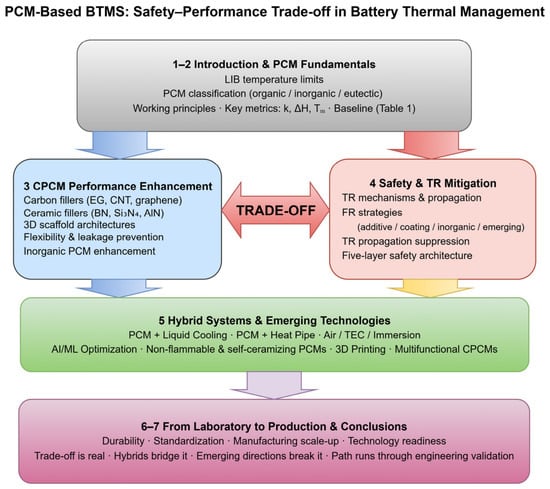
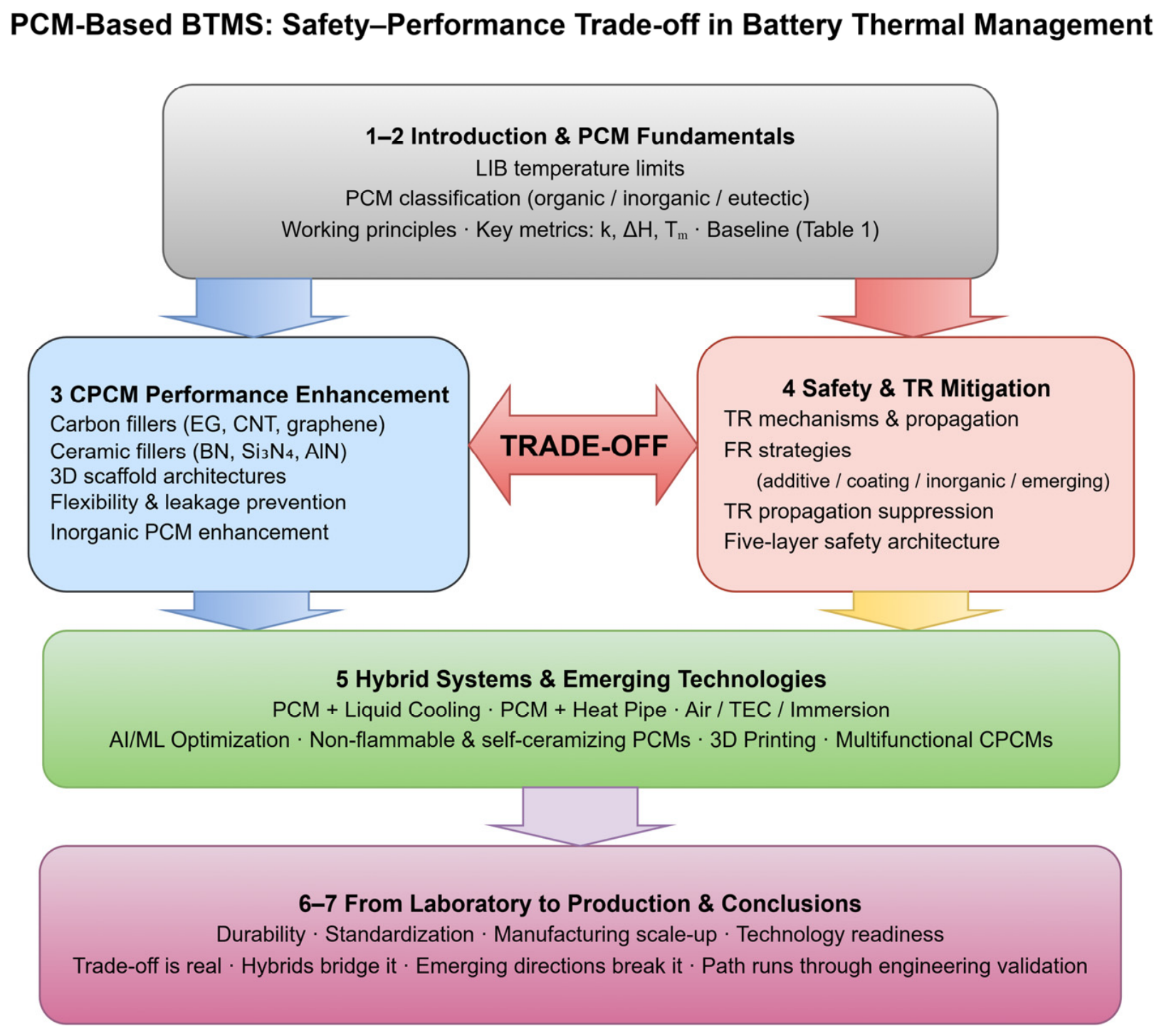
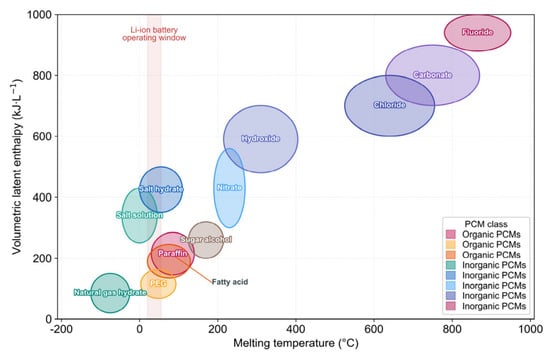
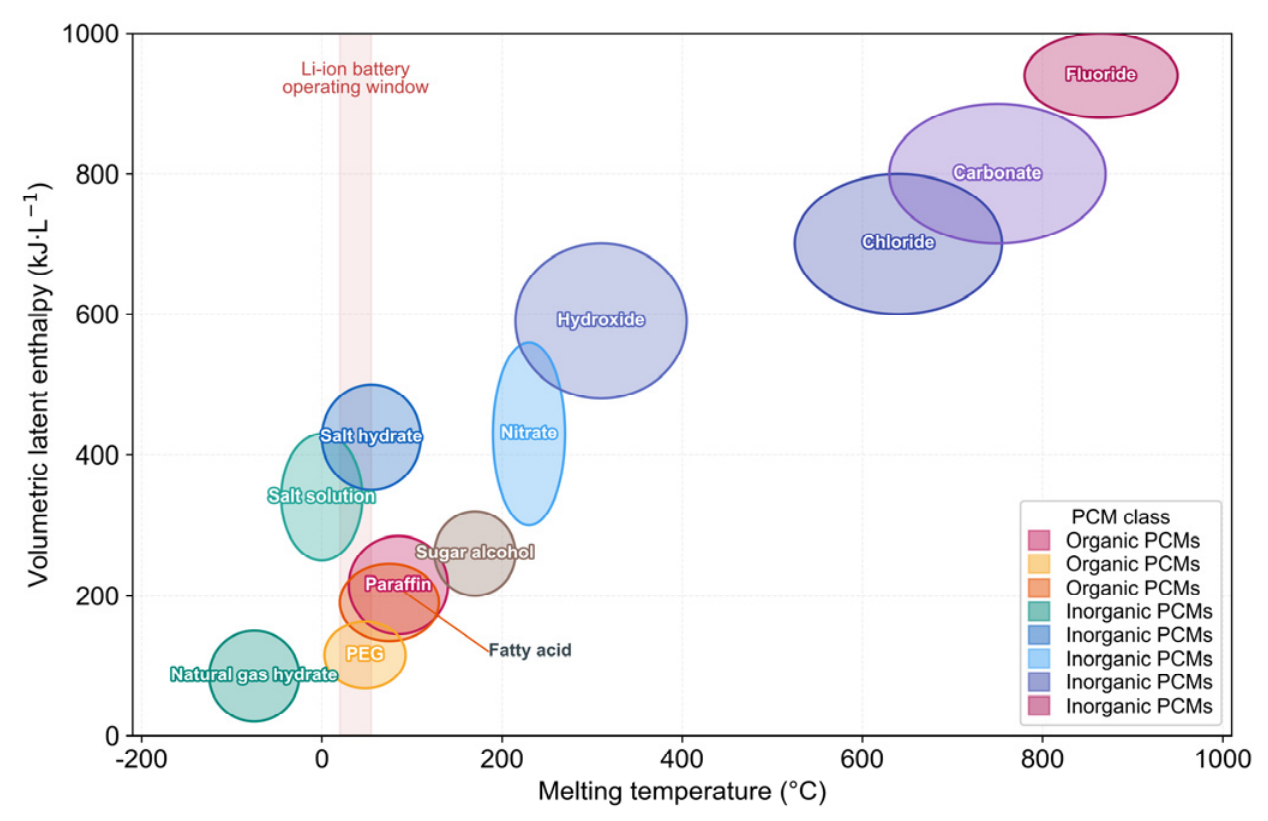
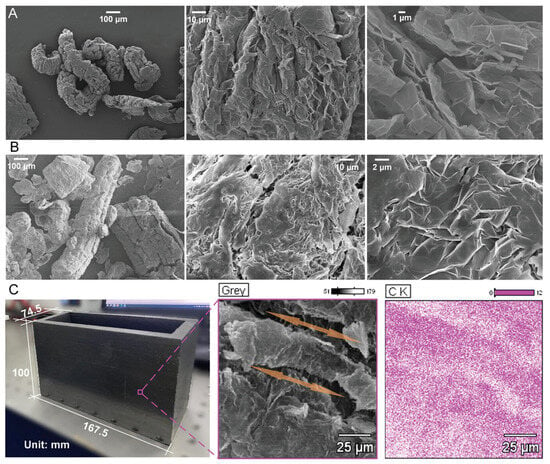
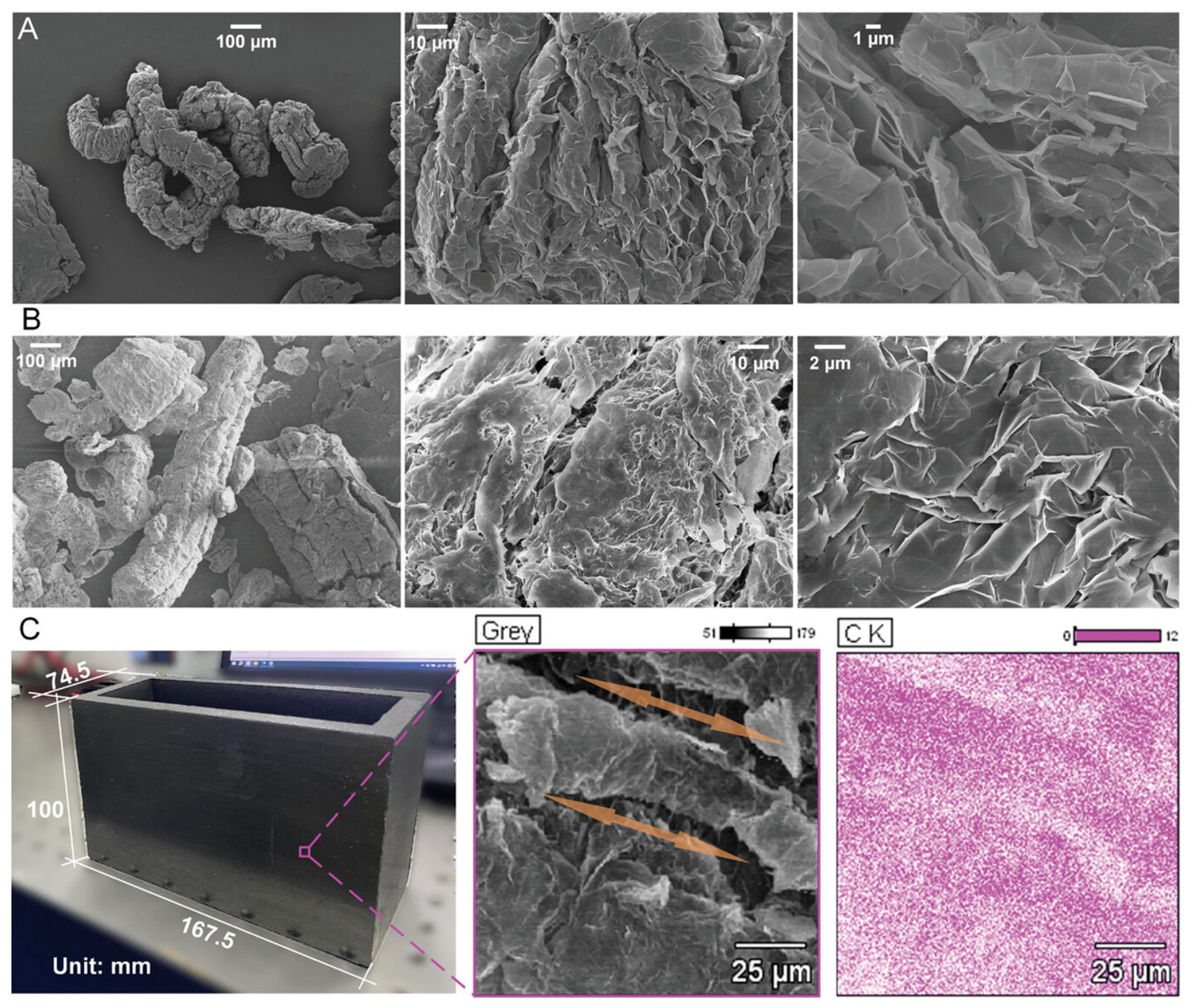
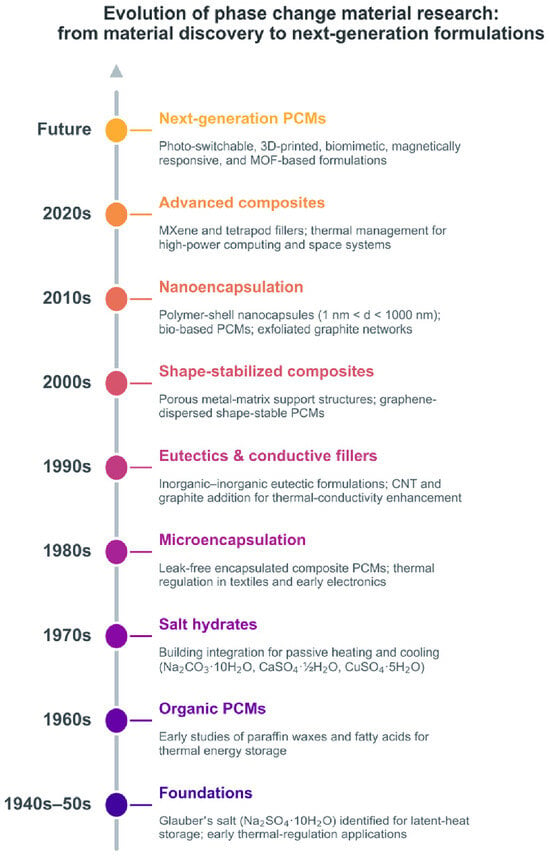
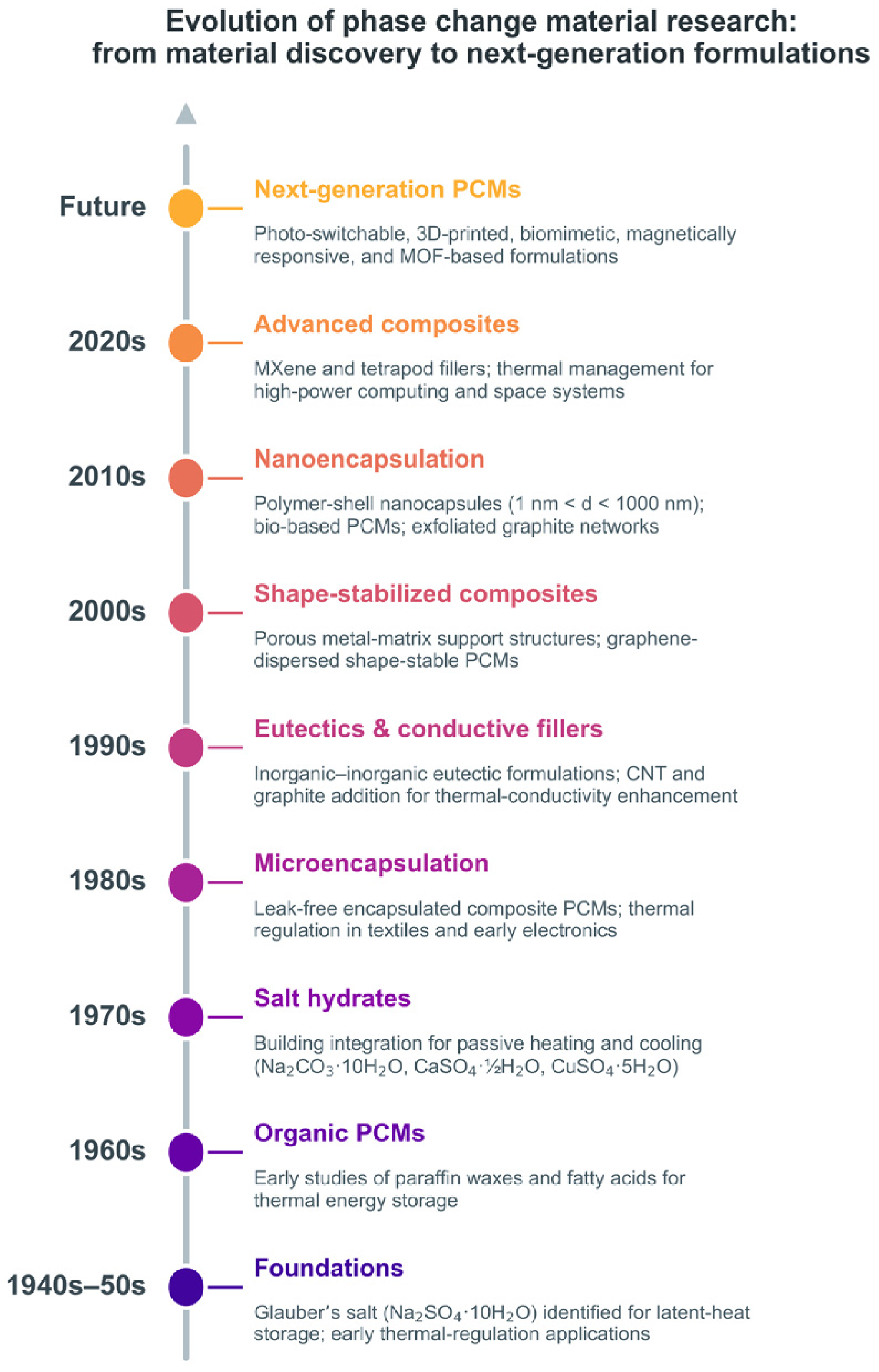
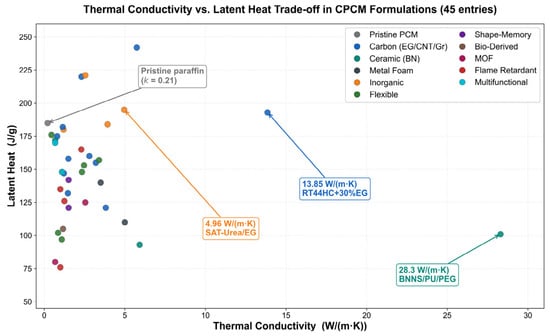
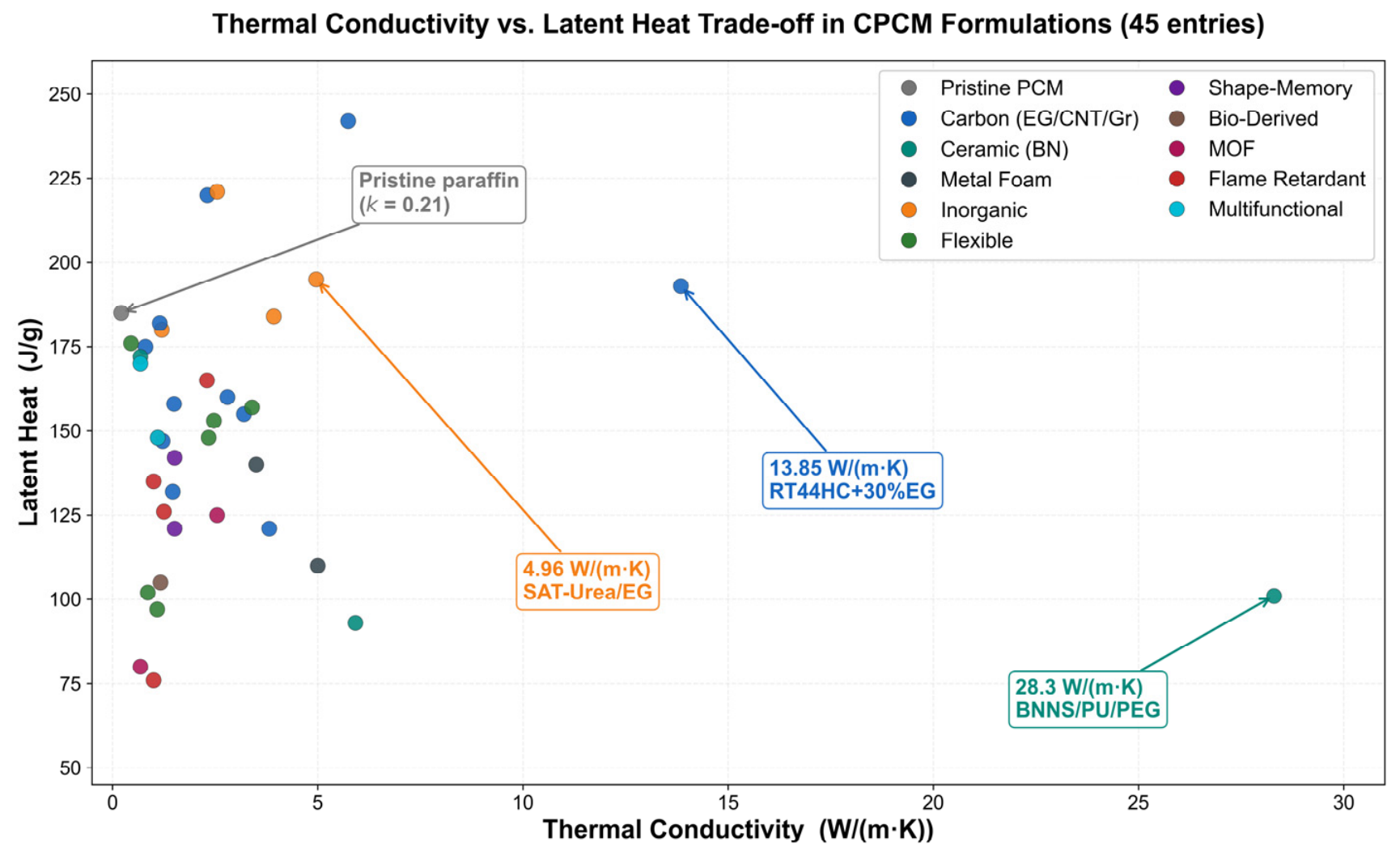
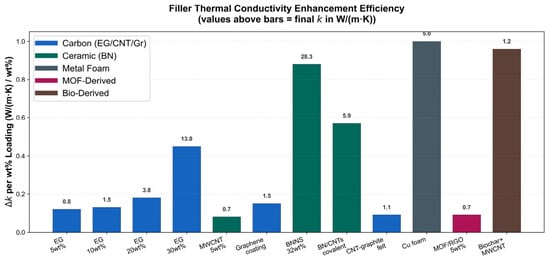
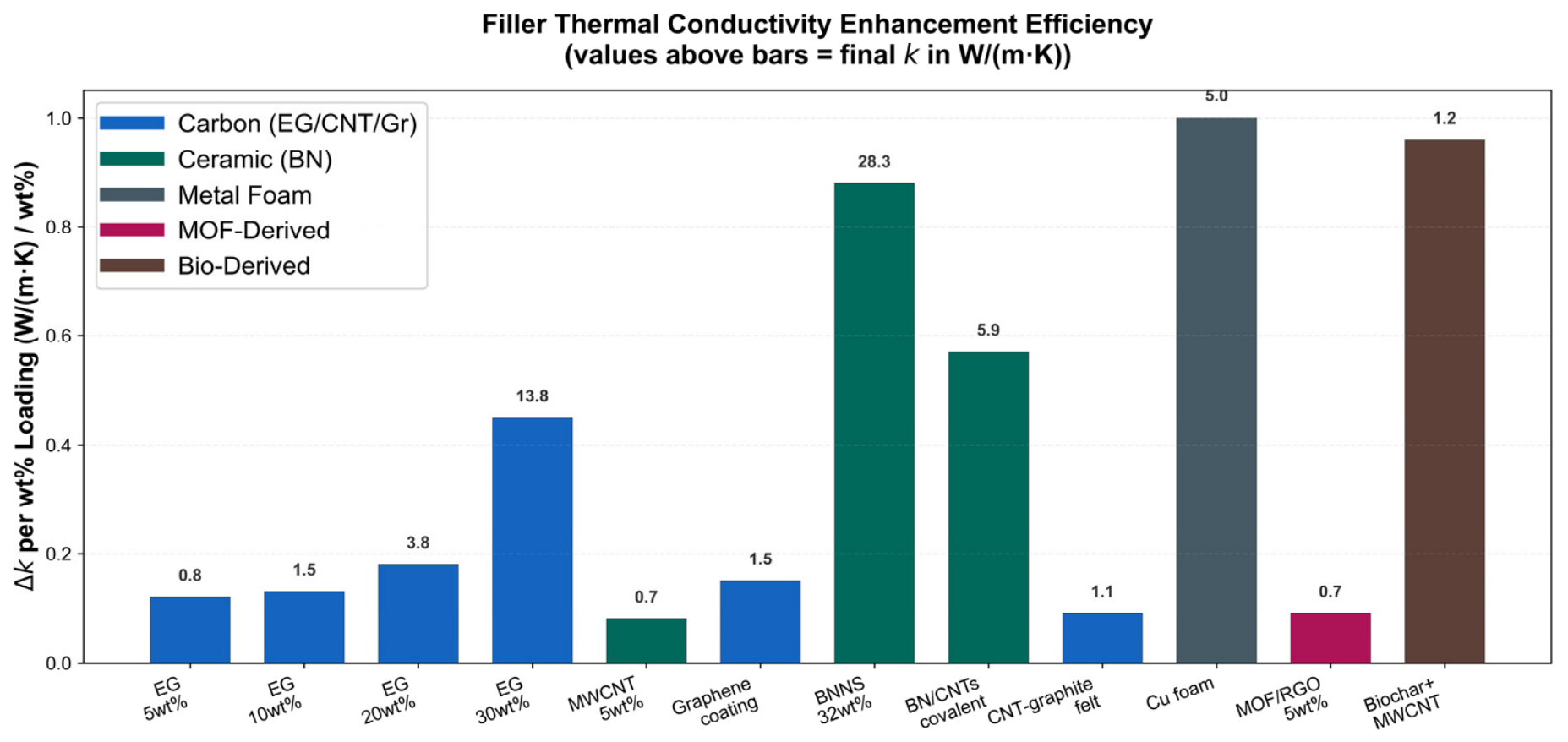
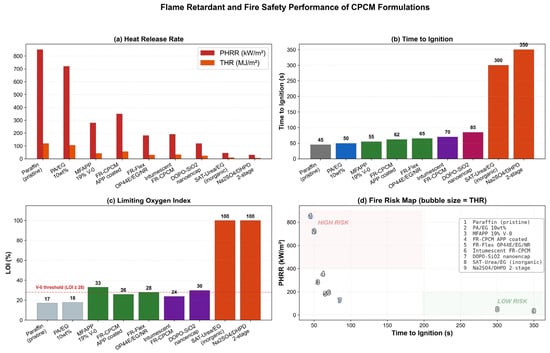
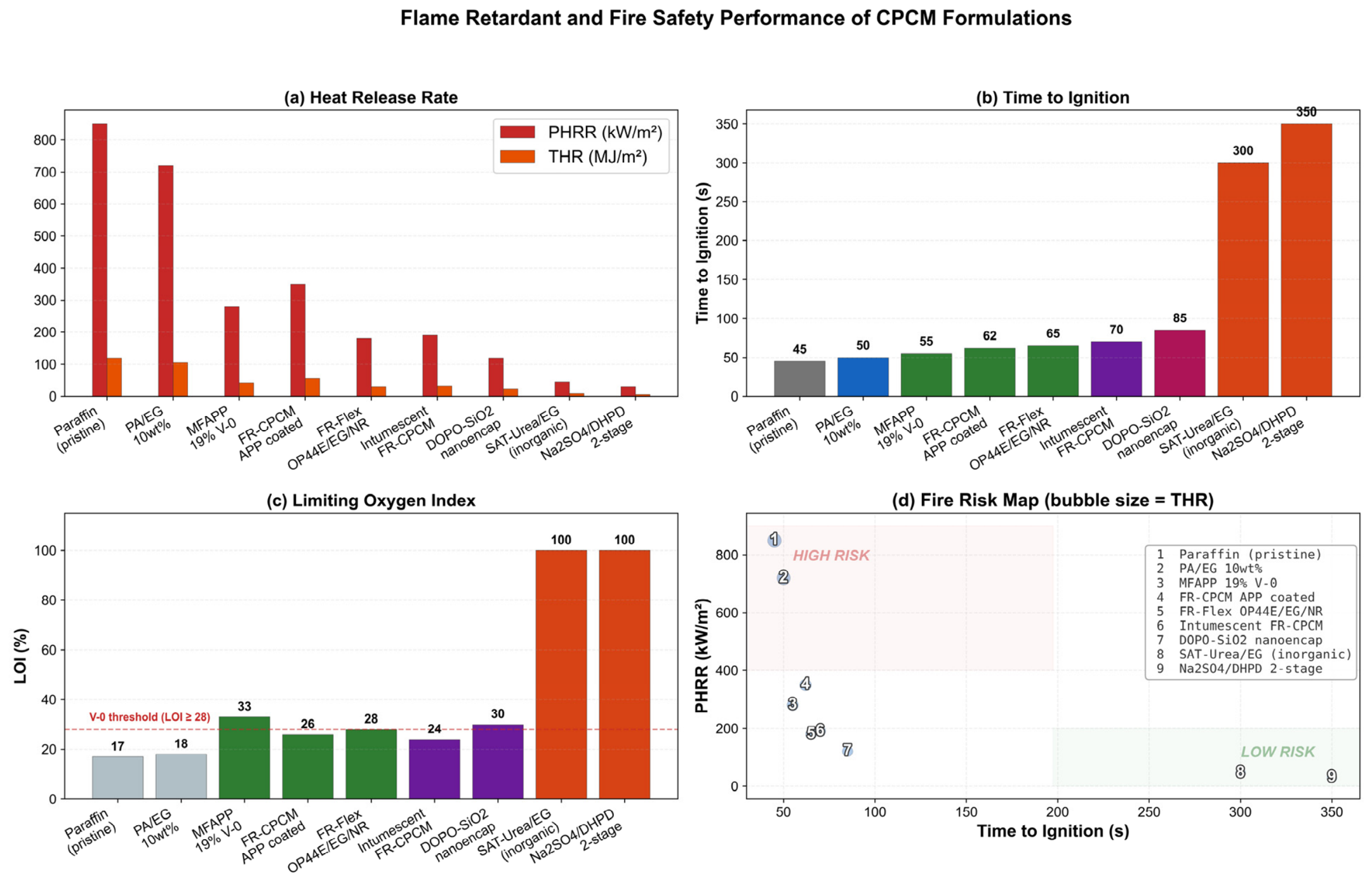
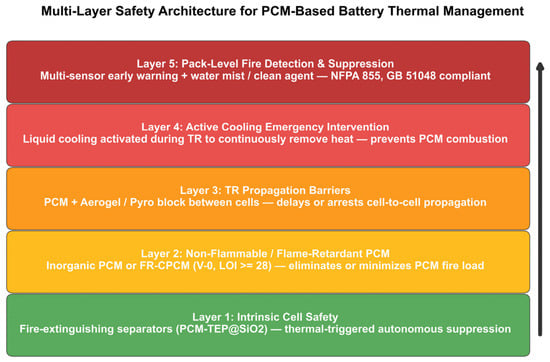
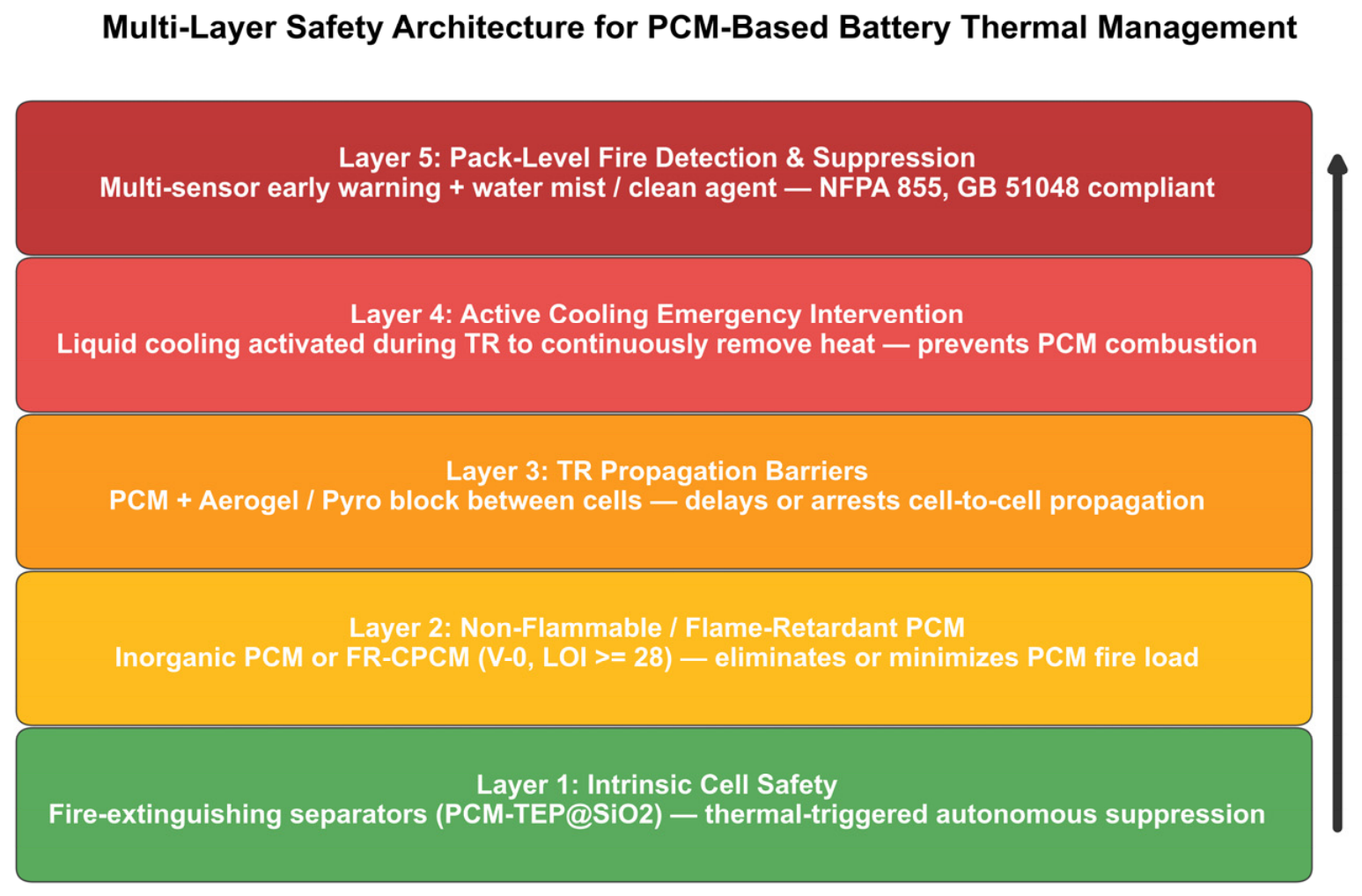
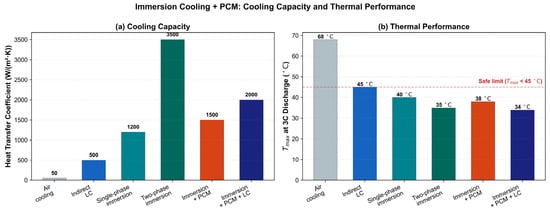
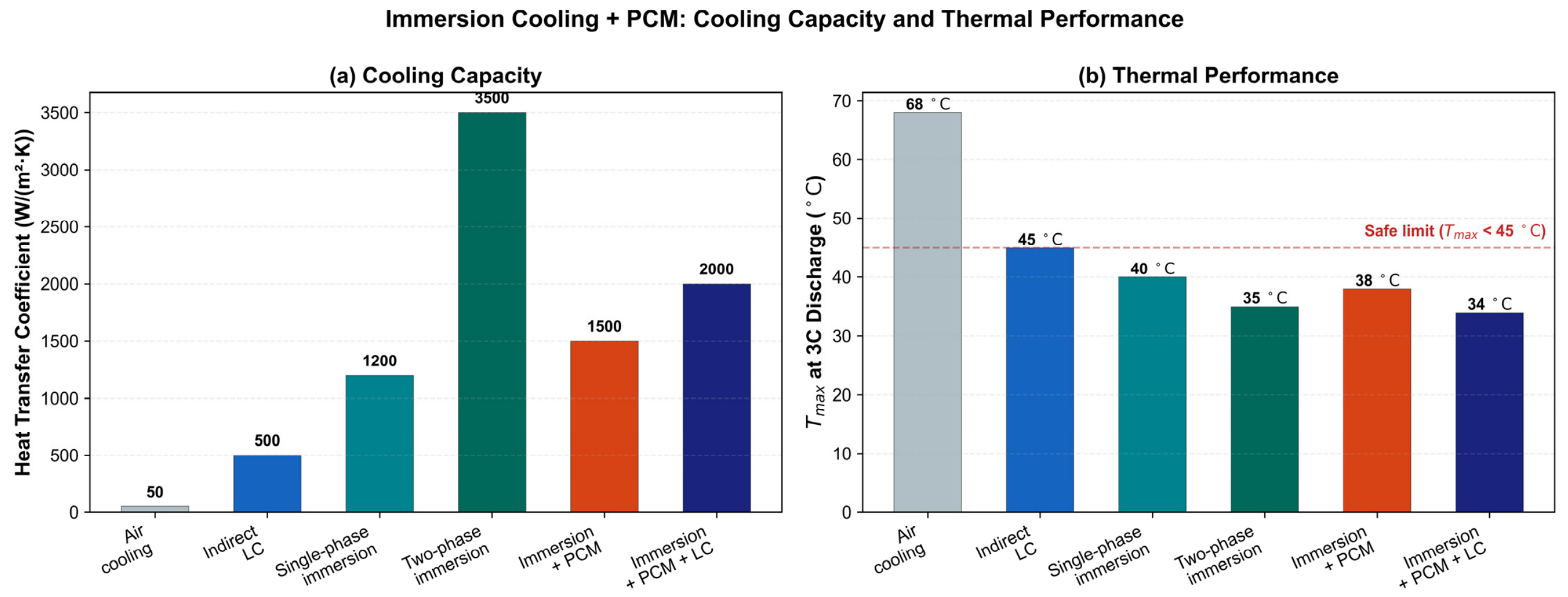
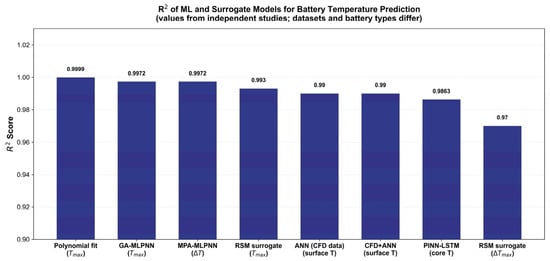
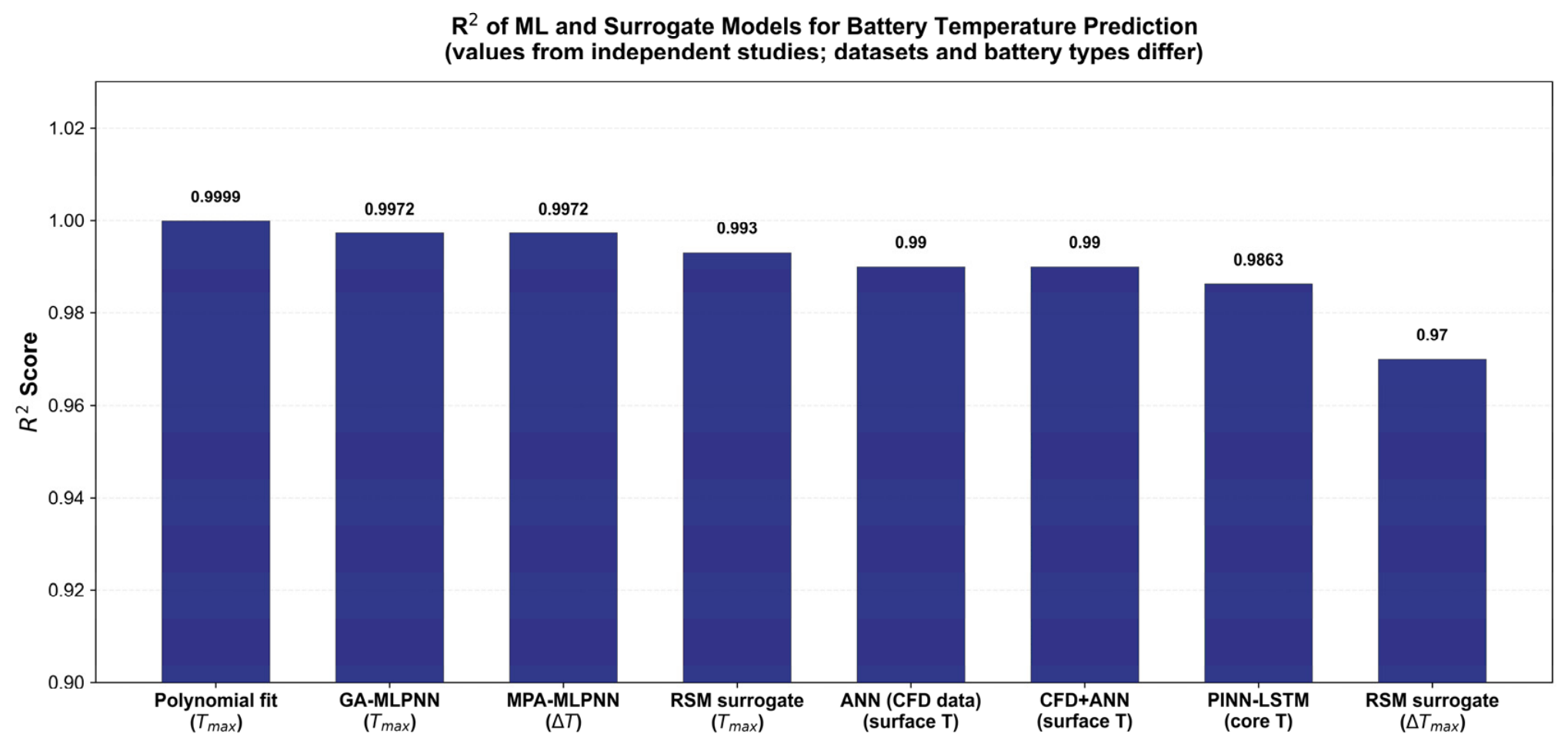
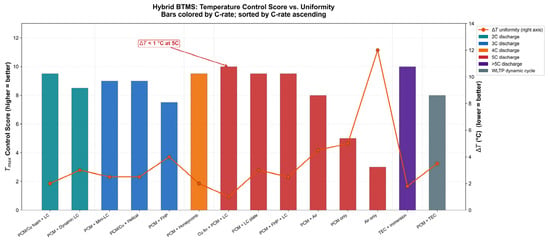
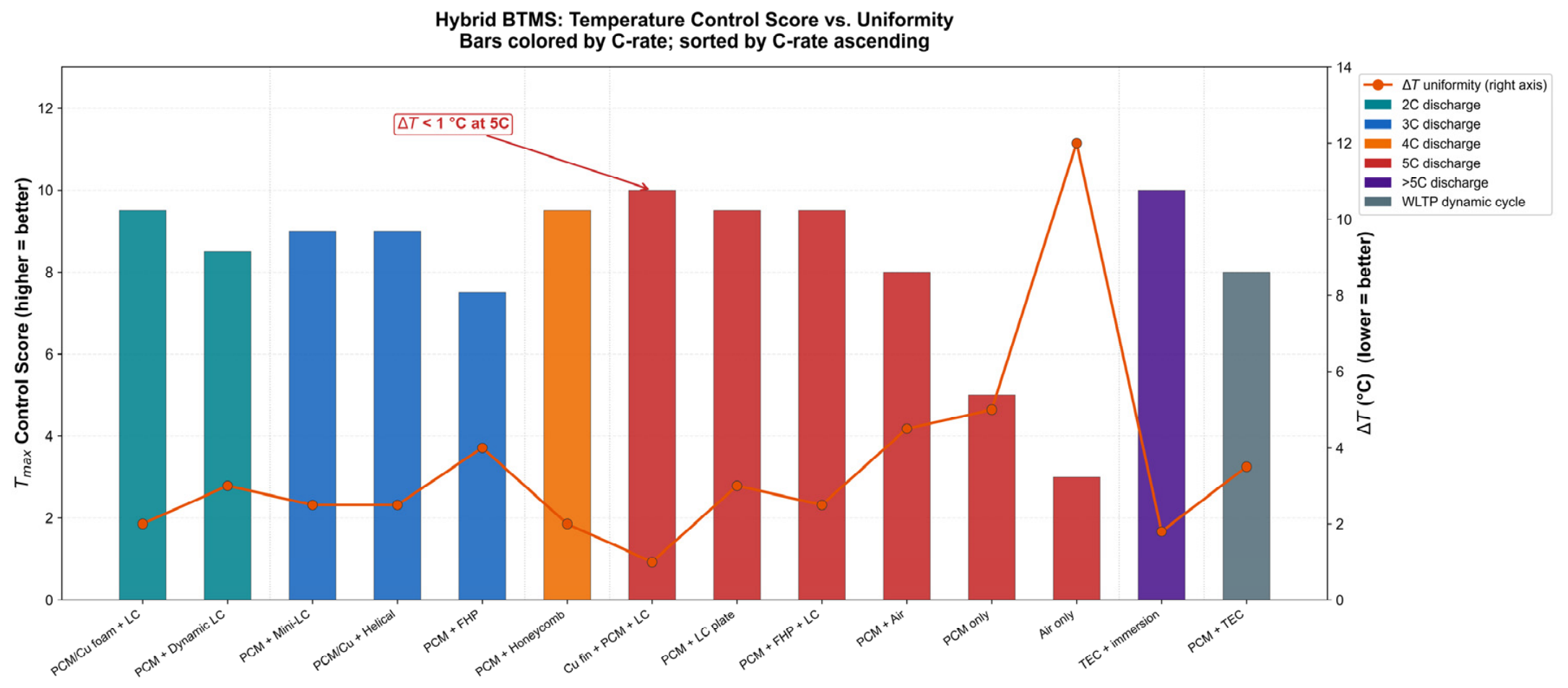
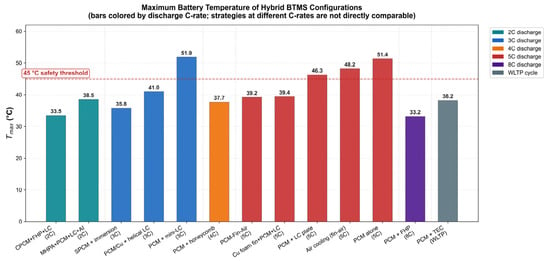
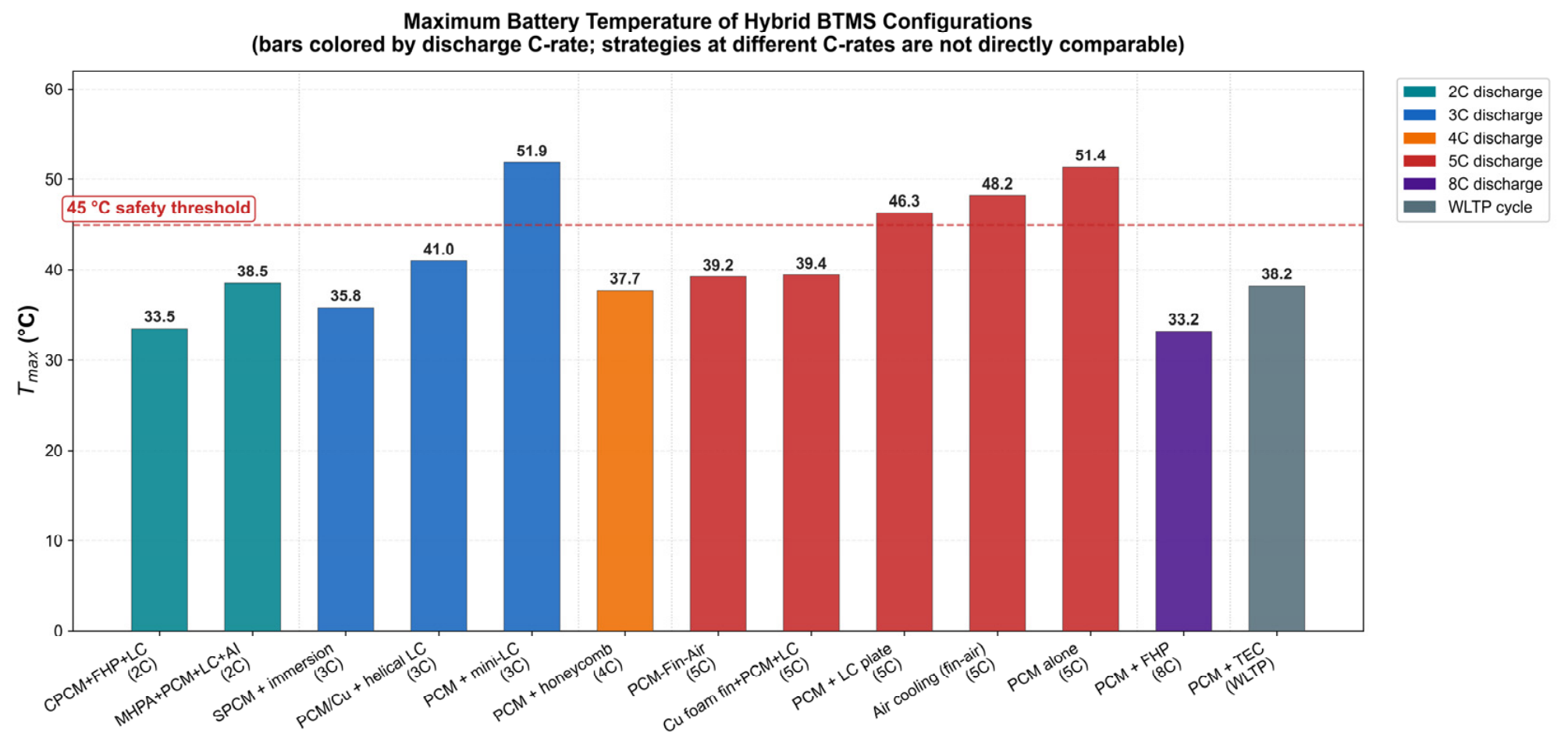
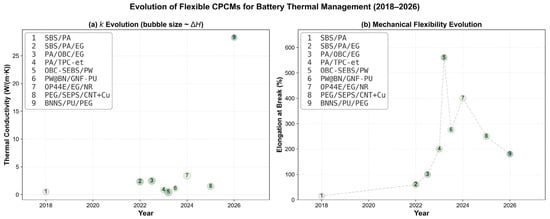
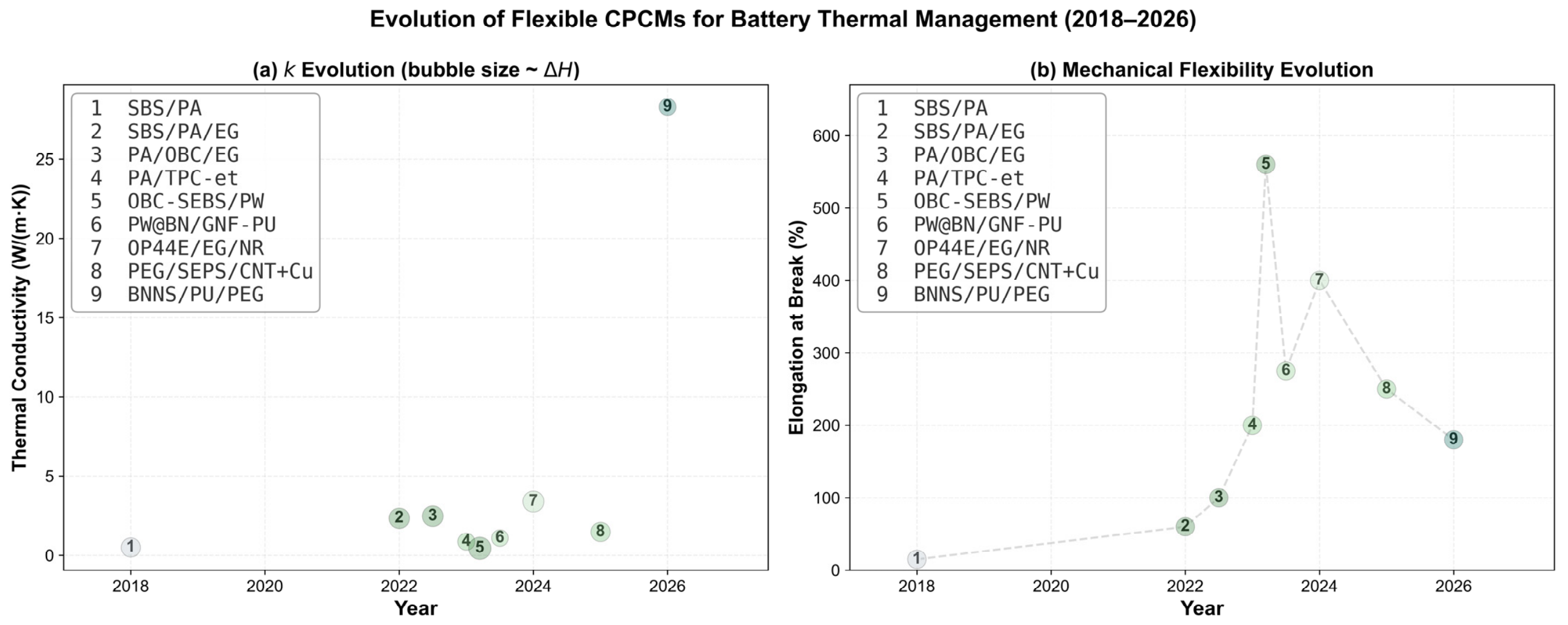
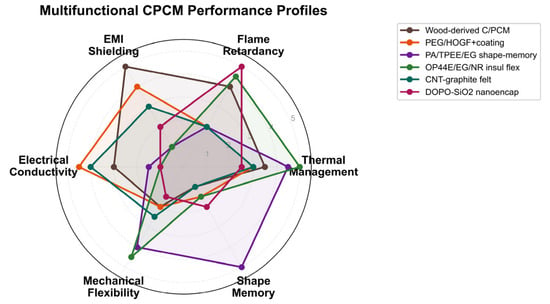
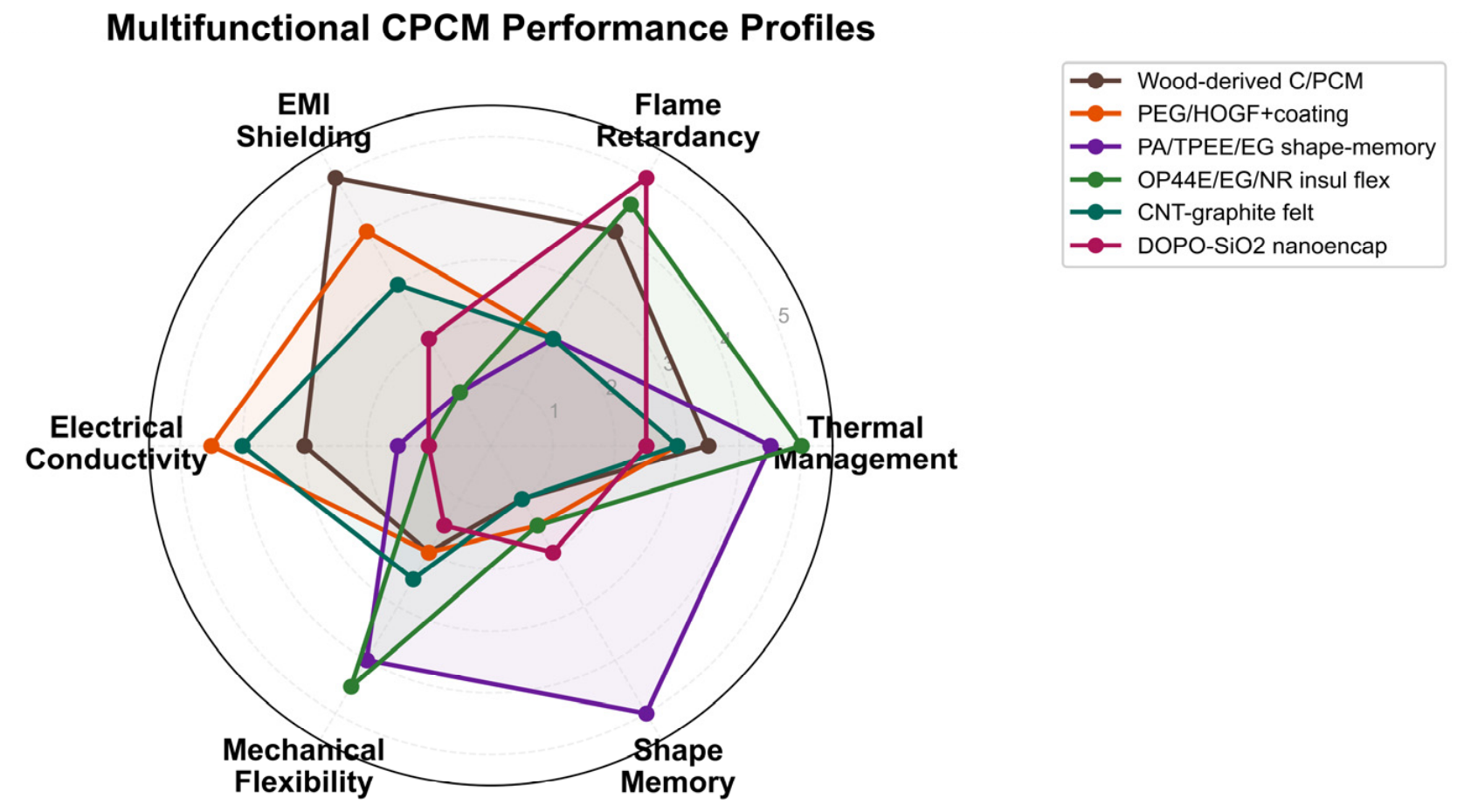
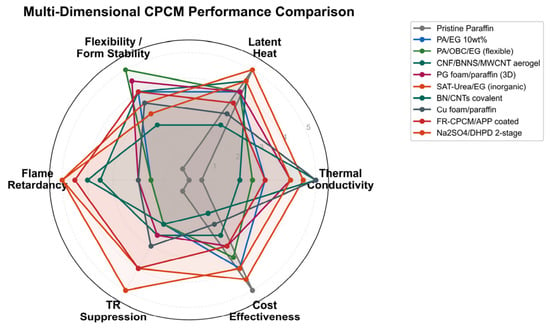
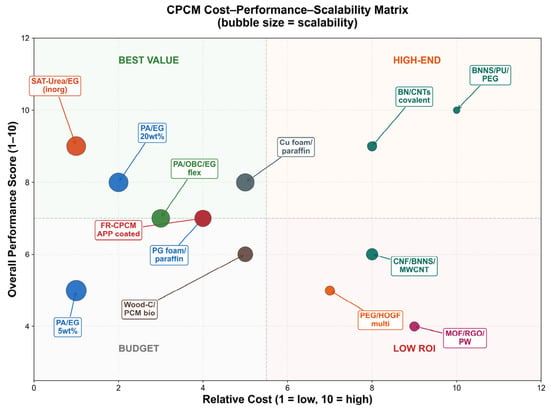

Disclaimer/Publisher’s Note: The statements, opinions and data contained in all publications are solely those of the individual author(s) and contributor(s) and not of MDPI and/or the editor(s). MDPI and/or the editor(s) disclaim responsibility for any injury to people or property resulting from any ideas, methods, instructions or products referred to in the content. |
© 2026 by the authors. Licensee MDPI, Basel, Switzerland. This article is an open access article distributed under the terms and conditions of the Creative Commons Attribution (CC BY) license.