


Abstract
As lithium-ion batteries are widely deployed, thermal runaway (TR) poses severe safety risks, making early and accurate warning systems critical. While machine learning (ML) has advanced data-driven TR prediction, challenges remain regarding model interpretability, generalization under unseen conditions, and real-time deployment. This review evaluates recent progress in ML-driven TR warning technologies, moving beyond a mere compilation of algorithms to provide an organized synthesis of the field. As a key contribution, we critically analyze the paradigm shift toward physics-informed ML, demonstrating how embedding electrochemical and thermodynamic principles into neural networks reduces prediction errors by 40–60% while enhancing robustness. Furthermore, we synthesize a Battery Digital Twin (BDT) framework integrating Internet of Things (IoT), cloud computing, and on-board master BMS for closed-loop collaboration, effectively balancing low-latency control with high-precision health assessment. Finally, we outline strategic pathways for future breakthroughs: advancing physics-informed cross-scale modeling, optimizing cloud-edge architectures, and establishing open access benchmark databases. By calling for standardized evaluation protocols to break down data silos, this review provides a comprehensive roadmap and actionable insights to accelerate the industrial implementation of next-generation intelligent battery safety management.
1. Introduction
Driven by the “dual carbon” goals, lithium-ion batteries, owing to their high energy density and long cycle life, have become a core enabling technology for transportation electrification (electric vehicles) and energy system decarbonization (grid-scale energy storage). According to the International Energy Agency (IEA), global demand for power batteries is projected to exceed 2 TWh by 2025, while the market size for energy storage batteries is expected to reach 500 GWh, underscoring the increasingly strategic role of lithium batteries in the global energy system [1]. However, with their large-scale deployment, safety incidents triggered by TR are becoming increasingly frequent, posing a significant barrier to the healthy development of the industry. Achieving accurate early warning of TR has thus emerged as a critical scientific and engineering challenge that urgently needs to be addressed by both academia and industry [2].
With the widespread application of lithium-ion batteries in sectors such as automotive, energy storage, and aviation, their safety risks are becoming more prominent. Frequent fire and explosion incidents have become a key issue restricting industry progress.
Due to their composition, which includes high-energy-density and flammable materials like electrodes and electrolytes, these batteries are highly susceptible to a series of violent physical and chemical reactions under conditions such as thermal, electrical, or mechanical abuse. These reactions lead to rapid internal heat and gas accumulation, ultimately triggering TR. During TR, phenomena such as smoke emission and jet flames occur, along with the release of toxic gases like CO and HF. The peak heat release rate can reach 88.6 kW, with a total heat release of up to 19,530.6 kJ. In confined or poorly ventilated spaces, the hazards from gas toxicity and fire are significantly exacerbated. Even Lithium Iron Phosphate (LFP) batteries, often considered relatively safer, present a substantial fire risk when exposed to an external ignition source. Furthermore, a higher state of charge (SOC) correlates with increased fire severity, faster TR propagation, and greater gas toxicity, posing serious threats to both human safety and property [3].
TR is inherently a catastrophic cascade of uncontrolled exothermic reactions within a lithium-ion battery. Various stage-delineation frameworks have been proposed to conceptualize its evolution. For example, Feng et al. proposed a four-stage model based on sequential chemical reactions (SEI decomposition→anode–electrolyte reaction→separator melting→cathode decomposition), emphasizing material-level kinetics [4]. Wang et al. developed a five-stage phenomenological model (self-heating→venting→fire→jet flame→extinction) to describe observable TR behaviors [5]. In this study, we adopt a three-stage “Inducement–Trigger–Propagation” model, which is particularly suitable for mechanical abuse scenarios such as nail penetration.
The first stage involves the accumulation of abuse factors, including mechanical abuse (e.g., nail penetration, crushing), electrical abuse (e.g., overcharge, over-discharge), and thermal abuse (e.g., high ambient temperature, thermal management failure). For instance, penetrating a cell with a 5 mm diameter steel nail can instantly cause an internal short circuit (ISC), with local temperatures soaring to 500 °C [6]. The second stage is the trigger onset. When the internal battery temperature exceeds 80 °C, the Solid Electrolyte Interphase (SEI) layer begins to decompose, releasing gases like ethylene (C2H4) and carbon monoxide (CO) along with a small amount of heat. As the temperature rises to 130–190 °C, the polyethylene (PE) or polypropylene (PP) separator melts and shuts down pores, allowing direct contact between the positive and negative electrodes, which causes an ISC. The resulting Joule heat can drive local temperature rise rates as high as 1000 °C/s [4]. The third stage is the chain propagation. Once the temperature surpasses 200 °C, high-nickel cathodes (e.g., NCM811) decompose, releasing oxygen. This oxygen reacts violently with carbonate-based solvents in the electrolyte, contributing approximately 64.5% of the total heat generated. This ultimately leads to electrolyte combustion and explosion, with internal pressure building rapidly and resulting in jetting and combustion [7]. The sequence and temperature thresholds of these cascading side reactions can be visualized in Figure 1: starting with SEI decomposition, progressing through negative-electrolyte reaction, separator melting, positive-electrolyte reaction, and electrolyte decomposition, and finally forming a closed loop via ISC and combustion. The heat released from each reaction accumulates, driving an exponential temperature rise. This process is characterized by intense heat generation (peak temperatures exceeding 800 °C), rapid propagation (spread speeds up to 0.8 cells per minute within a module), and difficulty in suppression, making it extremely challenging to control once initiated [8].
Figure 1.
Chain side reactions during TR of lithium-ion batteries [9]. Copyright 2023, Science Partner Journal.
Nevertheless, the three-stage model has inherent limitations. First, it simplifies the often prolonged pre-runaway period (e.g., micro-short circuits, localized self-heating, gas accumulation) into a single “inducement” stage, potentially overlooking early warning signals. Second, the boundaries between stages lack quantitative thresholds (e.g., specific temperature rise rates or voltage drop rates), limiting its applicability for real-time diagnostics. Third, the model assumes lumped battery behavior, whereas TR typically initiates at a local point and propagates spatially; different regions of the same cell may be at different stages simultaneously. These limitations suggest that the model is best suited for qualitative system-level safety design rather than precise warning of TR onset. Nevertheless, for nail penetration scenarios where mechanical damage is instantaneous and localized, the three-stage model provides a clear and practical framework for understanding failure progression.
Traditional battery management system (BMS) with fixed-threshold method exhibits significant limitations in TR warning, hindering its ability to meet practical application requirements. This method triggers alarms by setting safety thresholds for voltage and temperature (e.g., temperature > 85 °C, voltage < 2.5 V), relying entirely on empirically derived values while neglecting battery aging and operating conditions. Recent studies have quantitatively demonstrated this weakness. For instance, Severson et al. [10] showed that early-cycle discharge capacity—which directly informs fixed voltage/temperature thresholds—correlates very weakly with final cycle life (correlation coefficients as low as −0.06 to 0.47), indicating that static thresholds cannot capture aging-dependent degradation. In contrast, advanced features based on voltage curve evolution (ΔQ(V)) enable accurate lifetime prediction with <10% error using only early cycles. Similarly, a comprehensive BMS review [11] highlights that battery models and state estimation must account for aging and dynamic loads, yet conventional onboard BMS still relies on temperature-only and voltage-only thresholds. These findings confirm that the fixed-threshold method’s empirical nature and ignorance of battery state evolution lead to unreliable TR warnings under real-world aging and variable operating conditions. Consequently, the actual warning window is typically less than one minute, making this approach suitable only for emergency mitigation rather than accident prevention [10,11].
While Incremental Capacity Analysis (ICA) and Differential Voltage Analysis (DVA) can decouple degradation modes such as Loss of Lithium Inventory (LLI) and Loss of Active Material (LAM) by analyzing the differential features of voltage-capacity curves, they rely heavily on charging/discharging conditions that require low rates (≤C/10) and strictly constant current [10]. Under real-world dynamic driving conditions—characterized by high-rate pulses and variable loads—polarization effects distort the voltage curve, causing the differential features to blur or even disappear. Additionally, the high computational complexity of these methods prevents their use for online real-time monitoring within a BMS [10]. Furthermore, although physical models based on electrochemical principles offer clear interpretability, their prediction accuracy drops sharply in high-dimensional complex scenarios due to excessive parameter simplification and idealized assumptions. Conventional models usually ignore the temperature dependence of key thermal parameters (thermal conductivity, convective heat transfer coefficient), fail to consider local thermal field non-uniformity and concentrated heat sources caused by ISC, oversimplify the kinetic parameters of multi-step exothermic side reactions (SEI decomposition, anode-electrolyte reaction), and do not couple aging effects such as SEI thickening and internal resistance rise. These simplifications directly cause large deviations in calculating heat release rate, TR critical temperature and safety boundaries, making the model unable to accurately predict TR triggered by local overheating or ISC, and leading to a significant reduction in prediction accuracy for aged batteries and dynamic working conditions [8].
Machine Learning (ML) techniques offer a new research paradigm to overcome the bottlenecks of traditional methods. Their core advantages lie in three main areas. First, they possess a strong capability for processing high-dimensional time-series data. ML can directly handle operational time-series data such as voltage, current, and temperature without the need for manual feature selection. Models like Convolutional Neural Networks (CNN) and Long Short-Term Memory (LSTM) networks can automatically extract implicit features from the data, accurately capturing the nonlinear patterns of capacity degradation and addressing the limitations of conventional methods in identifying such patterns. Second, ML excels at mining weak early-stage features. It can detect subtle signals preceding TR, such as minor changes in voltage slope due to SEI layer decomposition or micro-shorts, as well as abnormal temperature rise rates. Through multi-layer nonlinear mapping, these weak features are amplified, enabling precise extraction of effective signals from noise. Third, ML enables longer-term warning capabilities. ML-based warning systems can effectively realize early warning of battery TR. Ma et al. proposed a time–frequency domain attention deep learning model to extract time-frequency coupling features from voltage and temperature signals, achieving 8–13 min advanced TR warning for electric vehicle power batteries [12]. Daniels et al. used a random forest classification algorithm and optimized the layout of temperature sensors in the module, which realized high-precision early fault detection and location of TR cells in air-cooled cylindrical lithium-ion battery modules, with millisecond-level prediction speed [13]. These advantages position ML as a core technological pathway for solving the challenge of early TR warning in batteries. As illustrated in Figure 2, the Battery Digital Twin (BDT) framework, which integrates Internet of Things (IoT), cloud computing, AI, and XR technologies, provides a robust engineering implementation pathway for the ML-based TR early warning methods mentioned above [14].
Figure 2.
BDT framework [14]. Copyright 2025, Results in Engineering.
A functional BDT follows a four-layer closed-loop architecture (Figure 2). At the physical layer, IoT-enabled sensors and the master BMS collect real-time voltage V(k), current I(k), and temperature T(k). At the data layer, cloud/edge platforms perform data cleaning, storage, and feature engineering. At the model layer, AI algorithms—including physics-based models (equivalent circuit models, electrochemical models) and data-driven models (CNN, LSTM)—create a virtual replica of the battery. At the application layer, XR technologies enable 3D visualisation of battery states, and the prediction results (e.g., TR warning, SOC, State of Health (SOH), Remaining Useful Life (RUL)) are fed back to the physical BMS for control actions. This closed-loop architecture provides the necessary data infrastructure and computational support for deploying the ML-based early warning models discussed above.
Several recent studies have quantitatively validated BDT frameworks for battery state estimation. For example, a digital twin (DT)-based power lithium battery management system was developed by Tang et al., achieving a state-of-charge (SOC) estimation error below 1% and a voltage error below 0.8% under dynamic conditions [15]. A lithium-ion digital battery twin using a GRU-based recurrent encoder–decoder was constructed by Schmitt et al., who estimated SOH with an error of only 0.3–1.1% via virtual experiments [16]. For RUL prediction, a hybrid CNN-LSTM-DNN model within a DT framework was proposed by Zraibi et al., achieving a root mean square error (RMSE) below 2.03% on NASA and CALCE datasets [17]. These cases demonstrate that BDT is not merely a conceptual proposal but an effective engineering framework that integrates existing ML models and enhances their practical utility.
Despite these advances, most existing BDT implementations focus on SOC and SOH estimation using equivalent circuit models or capacity-degradation models [13]. TR early warning—which requires amplifying weak early-stage signals (e.g., subtle voltage slope changes, abnormal temperature rise rates) and coupling multi-physics dynamics—remains largely unexplored within the BDT paradigm. Therefore, the ML-based TR early warning method proposed in this paper directly addresses this gap, extending BDT from state monitoring to fault prognostics. This work provides a concrete pathway to embed real-time TR prediction into the BDT framework, thereby enhancing the safety and practical feasibility of intelligent battery management systems.
Compared with existing reviews on machine learning-driven TR warning for lithium-ion batteries, this work overcomes the limitations of prior studies that merely enumerate algorithms, focus on isolated technical components, or conduct only qualitative discussions, and presents three distinctive advantages and core contributions. First, rather than simply listing machine learning models, this review traces the paradigm shift in TR warning from purely data-driven approaches to physics-informed machine learning. Quantitative validation confirms that integrating electrochemical and thermodynamic principles into neural networks reduces prediction errors by 40–60%, bridging the technical gap between the poor generalization of black-box models and the insufficient accuracy of conventional physical models. Second, few existing reviews address engineering implementation pathways. This work synthesizes available research findings to derive a closed-loop BDT framework that integrates the IoT, cloud computing, and on-board master BMS. This framework balances low-latency real-time control and high-precision health assessment, offering a clear engineering solution for the industrial deployment of machine learning-based warning technologies. Third, unlike previous reviews that analyze only single-modal signals, this work compares the suitability of four types of multi-modal signals—electrical, thermal, gas, and acoustic emission (AE) signals—across different warning time scales, and establishes a complete logical chain of “Data–Features–Models–Applications–Challenges”. Furthermore, targeting industrial practicality, this review explicitly proposes the establishment of open access benchmark databases and standardized evaluation protocols to break down data silos. Compared with similar reviews that remain limited to theoretical and technical sorting, this work is more practically valuable and forward-looking.
This paper provides a comprehensive review of the research progress and future directions of ML in battery TR warning, following a logical framework of “Data, Features, Models, Applications, Challenges.” Section 2 focuses on the technical foundations of ML-based warning, analyzing the key aspects and recent achievements of the technology chain from three perspectives: multi-modal datasets, automated feature engineering, and core model training strategies. Section 3 illustrates the practical effectiveness and comparative performance of ML in specific application scenarios, including early electro-thermal signal warning, prediction and mitigation of TR propagation, and ISC diagnosis. Section 4 objectively analyzes the current challenges related to data, models, and engineering deployment. It also proposes future directions for breakthroughs, such as physics-informed fusion and cross-scale modeling, while calling for interdisciplinary collaboration to facilitate the practical implementation of these technologies.
2. Machine Learning Workflow
2.1. Datasets and Multimodal Signals
2.1.1. Public Datasets
In battery safety research, especially for analyses of abuse conditions and TR behaviors, comprehensive, high-quality, and clearly labeled experimental data serve as the foundation for constructing reliable models and validating relevant theories. To support the quantitative analysis and model verification in this study, multiple authoritative public datasets were systematically selected and integrated. Their key features are summarized in Table 1, including the NASA Battery Datasets, the Ames Research Center (ARC) and the Comprehensive Abuse Benchmark Dataset. All these data are available from the official websites of relevant references under permitted access conditions.
Table 1.
Domestic and international data sets on battery abuse and TR.
These datasets cover critical response parameters of different battery systems (such as lithium-ion batteries and solid-state batteries) under various abuse working conditions. The typical scenarios include mechanical extrusion, internal and external short circuits (ESC), overcharging and overdischarging, and high-temperature thermal shock. Electrical signals (voltage, current, internal resistance, and capacity) are adopted to capture sudden changes in electrochemical states. Thermal signals (temperature and thermal imaging data) are used to track heat accumulation and propagation processes. Gas signals (components and concentrations of CO, H2, hydrocarbons, and other gases) help reveal internal side reaction pathways. AE signals are applied to reflect dynamic mechanical failures, such as structural deformation and diaphragm rupture during high-frequency acoustic events.
Statistical verification and distribution analysis of the above four types of key signals further clarify the multi-physics coupled failure mechanism and dynamic evolution process of batteries progressing toward TR under abuse conditions, thereby establishing a basic benchmark for battery informatics research. The practical application of ML in battery fields largely depends on the availability of large-scale and high-quality datasets, which also support efficient model training and verification. Based on this consensus, remarkable progress has been made in the academic community: standardized specifications for data collection have been gradually established, and open platforms for data sharing have been actively promoted. These efforts jointly promote the further development of battery informatics.
2.1.2. Electrical Signals
The advantages of electrical signals originate from their direct electrochemical coupling with the precursor processes of TR chain reactions. Most existing studies have confirmed that before TR occurs, ISCs, SEI film decomposition and regeneration, oxygen release from cathode materials, and electrolyte decomposition can first disturb electrical signals. Among these, ISCs act as the most critical early event.
Compared with thermal signals, electrical signals can respond to micro short circuits and electrochemical side reactions 2–5 min in advance, but they are less sensitive to local thermal abnormalities. Compared with gas signals, electrical signals have a shorter early warning window (usually at the minute level), but they have higher real-time performance and are easier to collect by the BMS. Compared with AE signals, electrical signals have stronger anti-interference ability and better engineering adaptability, but they are difficult to characterize mechanical damage such as diaphragm rupture and dendrite puncture. In general, electrical signals have the best universality and are the most basic signal source for on-board early warning, but they need to be fused with thermal, gas and AE signals to achieve full-cycle and high-reliability early warning [22].
Micro short circuits can form between the anode and cathode, which generate local Joule heat to cause changes in voltage and temperature [23], and further trigger SEI film decomposition. This leads to reactions between the exposed anode materials and the electrolyte, consuming lithium ions and electrolyte while producing heat, and also affects the internal resistance and voltage plateau of batteries [24]. With further temperature increase, oxygen release from cathode materials induces oxidation side reactions with the electrolyte, altering the electrode equilibrium potential and reaction impedance.
For early warning of battery TR, feature extraction of electrical signals is essential, mainly including capturing subtle voltage fluctuations and monitoring Direct Current Internal Resistance (DCIR). Minor non-uniform voltage changes are sensitive indicators of ISCs and local side reactions, relying on high-sampling-rate voltage time-series data [25]. Sample entropy can also be used to detect increased complexity in voltage sequences, indicating internal disturbances [25]. Additionally, DVA or ICA can observe shifts or new peaks in characteristic curves to quantify abnormal side reactions [26].
DCIR is highly sensitive to internal changes in batteries and requires synchronously collected voltage and current pulse data. Its nonlinear accelerated growth rate with cycling or aging can be tracked at fixed SOC points, which is more sensitive than absolute thresholds [27]. The relaxation voltage curve can also be used to estimate internal resistance variations, where sudden changes in extracted polarization resistance parameters are strong indicators of ISCs [27]. Furthermore, Electrochemical Impedance Spectroscopy (EIS) can be combined with DCIR, as the mechanisms revealed by EIS help explain DCIR variation under high-rate pulse conditions [8].
2.1.3. Thermal Signals
The essential physical mechanism of battery TR is a catastrophic self-accelerating temperature rise, which occurs when the internal heat generation rate greatly exceeds the heat dissipation rate. Accordingly, thermal signals serve as the most direct and essential indicators for characterizing this process. For instance, ref. [28] systematically reviewed mitigation strategies for TR, confirming that thermal parameters—particularly the temperature rise rate—are the most fundamental indicators for triggering safety responses, as they directly reflect the imbalance between heat generation and dissipation within the cell. Such signals exhibit distinct advantages for early warning owing to their clear physical principle and high sensitivity to both overall and local abnormalities. On one hand, precursor reactions of TR, including SEI film decomposition, separator melting and ISCs, are all exothermic and can directly induce abnormal temperature rises inside or at local positions of batteries [29]. On the other hand, temperature signals can reflect the overall heat generation state of batteries, and local hot spots can also provide early warnings for localized faults such as ISCs [30].
In TR early warning systems, raw temperature data are collected by sensors installed on cell surfaces, pole posts and key positions of modules. The temperature rise rate (dT/dt) is defined as the core characteristic parameter, which directly reflects the real-time difference between heat generation and heat dissipation rates. Compared with absolute temperature values that are easily disturbed by ambient conditions and operating loads, abnormal changes in dT/dt can more sensitively identify the initiation of internal exothermic reactions [31]. The early warning principle is described as follows: during normal operation, dT/dt changes gently; once internal exothermic side reactions occur, dT/dt will show a continuous abnormal increase inconsistent with the current operating conditions, even if the absolute temperature has not reached critical thresholds.
Common calculation methods for temperature rise rate include the direct difference method, the sliding window linear fitting method, and the filter-based state estimation method [23]. Traditional early warning methods based on fixed temperature thresholds fail to capture the subtle thermal abnormalities in the early stage of TR. To address this limitation, multi-dimensional spatiotemporal thermal data are imported into an improved LSTM network integrated with the pre-dropout technique, which effectively establishes the mapping relationship between subtle TR precursors and future temperature trends. Combined with the DT concept and cloud data processing technology, the proposed framework realizes high-precision thermal state estimation and can issue early warnings in advance with high accuracy.
2.1.4. Gas Signals
For TR early warning technologies based on gas signals, the core principle is to directly capture the products of chemical chain reactions at the initial thermal decomposition stage of internal battery materials. Such gas generation occurs much earlier than the changes in macroscopic thermal and electrical parameters of batteries. Traditional temperature and voltage monitoring methods can only capture obvious abnormal signals when TR enters the accelerated stage, which results in an extremely limited early warning window. In contrast, gas release starts from the initial decomposition of the SEI film, making ultra-early TR warning for batteries practically achievable.
The staged characteristics of gas release mechanisms form the theoretical basis of gas-based warning. For instance, experimental studies on large-format Lithium Iron Phosphate (LFP) batteries have quantified the release of toxic gases such as Carbon Monoxide (CO) during the early decomposition stages. These findings confirm that gas signals not only provide ultra-early warnings but also carry critical information about the toxicity and flammability risks, which are often overlooked in traditional electrical or thermal monitoring [32]. In the early stage (approximately 80–120 °C), the decomposition of the anode SEI film produces CO2, CO and trace ethylene, marking the start of exothermic chain reactions [33]. Afterwards, within the temperature range of 150–250 °C, the electrolyte decomposes violently and releases a large amount of CO, hydrogen and various volatile organic compounds (VOCs). When the temperature exceeds 200 °C, oxygen released from cathode decomposition triggers intense oxidation reactions, leading to the explosive generation of H2 and CO. This staged gas release spectrum provides a unique chemical fingerprint to identify different TR stages. Compared with conventional monitoring parameters, gas signals have three key advantages: they enhance warning capability by providing an early window of 10 to 60 min before the first obvious temperature rise [34], which is 5–15 min earlier than that of electrical signal monitoring and 10–30 min earlier than that of traditional fixed-threshold BMS methods. In addition, compared with AE monitoring, gas signals can maintain stable identification under long-term cycling and complex working conditions, with a false alarm rate reduced by about 20–40%, specificity (the types and proportions of generated gases vary under different abuse conditions, supporting fault tracing and diagnosis), and easy monitoring (gases can diffuse into the battery headspace or module cavity, enabling non-intrusive centralized arrangement of sensors). To visually illustrate the distribution characteristics and evolution patterns of gaseous products under different thermal abuse stages, Figure 3 compiles the concentration data of major gas components under four representative conditions. As shown in the figure, CO2 and CO account for a relatively high proportion during the early stage. As the TR process progresses, the concentrations of organic gases such as C2H4, C2H6, and CH4, along with H2, increase significantly. These trends clearly reflect the evolution pathways of products across different stages, including the decomposition of the SEI layer, electrolyte reactions, and oxygen release from the cathode, thereby providing a quantitative basis for stage identification and feature extraction in gas-based early warning.
Figure 3.
Gas production composition and volume percentage of four samples. (a) Sample No.1 (NCM622). (b) Sample No.2 (NCM811). (c) Sample No. 3 (NCM9-0.5-0.5). (d) Sample No. 4 (LFP) [35]. Copyright 2022, Batteries.
In practical TR warning systems, the original signals collected by gas sensor arrays usually have low signal-to-noise ratios and cross-sensitivity. Effective state information must be obtained through feature extraction from three dimensions: time domain (response value, concentration change rate d[CO]/dt, integral area), frequency domain (periodic fluctuation characteristics), and correlation domain. Correlation domain features are the most valuable; for instance, the concentration ratio of ethylene to ethane (C2H4/C2H6) increases regularly with rising temperature. Three types of gases show great potential as ultra-early warning indicators. VOCs (ethylene and ethane) are the most sensitive markers of electrolyte decomposition, and their trace occurrence can provide the earliest warning window. CO is a major persistent product with high yield and stable signals, which can clearly reflect the development process of TR. H2 is massively generated mainly at temperatures above 250 °C [36], and its sudden sharp increase acts as the final indicator that TR has entered an irreversible explosion stage.
To address the cross-sensitivity interference of sensor signals, ML has realized a paradigm shift from empirical threshold judgment to data-driven intelligent decision-making. In terms of mixed gas concentration prediction, models such as CNN-LSTM and SACNN-Mamba can accurately predict the true concentration of key gases against complex interference backgrounds. For fault classification and TR prediction, algorithms including support vector machine and random forest can distinguish early gas release patterns caused by different inducements. Time series prediction models can directly calculate the TR probability and remaining safe time, achieving high-precision warning more than 15 min earlier than traditional methods. The construction of a ML integrated warning system follows a standard process: obtaining labeled datasets through laboratory abuse tests, conducting feature engineering and model optimization, and deploying lightweight models on edge computing units [37]. Current main challenges include establishing large-scale standard databases covering multiple scenarios, ensuring real-time and low-power operation of algorithms on embedded hardware, and maintaining long-term model robustness in complex working environments.
2.1.5. AE Signals
AE refers to the transient elastic stress waves released when the internal structure of a lithium-ion battery releases strain energy due to micro-deformation, fracture, or phase transition during service. This is a natural physical phenomenon driven by structural damage and energy dissipation. The generation mechanism of AE signals during TR evolution mainly includes four types: (1) SEI membrane rupture and repeated formation caused by internal stress change; (2) stress release and micro-crack generation of electrode particles during lithium intercalation/deintercalation; (3) nucleation, growth and puncture behavior of lithium dendrites; (4)mechanical fracture events such as diaphragm tearing, fiber fracture and shell deformation. In terms of collection mode, AE signals are mainly collected by piezoelectric sensors attached to the surface of the battery cell, module shell or busbar. The sensor converts the stress wave into an electrical signal, and then obtains the available AE characteristic parameters through a high-speed data acquisition card, band-pass filtering, gain amplification and denoising processing. Typical sampling frequency is 500 kHz–10 MHz to capture micro-failure transient signals within 1–100 μs.
As a highly sensitive non-destructive testing technique, AE shows great potential for the ultra-early warning of battery TR. Its core advantage lies in capturing transient elastic waves released during micro-failure of internal materials, which appear much earlier than changes in macroscopic parameters. These signals are directly generated by microscopic mechanical events such as lithium dendrite growth and particle cracks, emerging tens of minutes earlier than observable chemical side reactions or temperature rises. Furthermore, AE signals provide evidence of mechanical failure closely related to separator rupture—a critical physical trigger of TR.
The raw data of an AE system are voltage-time sequences collected by sensors, with feature extraction mainly including parametric analysis and waveform analysis.
AE technology has irreplaceable advantages in capturing two key precursors of TR: lithium dendrite growth and separator rupture. For instance, the study by Ma et al. [38] systematically investigated the voltage-temperature coupling characteristics during TR, confirming that mechanical failure precursors—such as separator rupture and dendrite penetration—can be effectively captured by physical signals like AE, which serve as the fundamental physical triggers of ISC. This highlights the unique value of AE signals in monitoring the mechanical integrity of batteries, despite the challenges in signal processing. For lithium dendrite monitoring, AE acts as a sensitive stethoscope [39]. The nucleation, growth and separator piercing of dendrites can produce detectable micro signals. Relevant studies have systematically verified the feasibility of using AE to monitor lithium dendrites, and confirmed that specific AE event clusters correspond to lithium deposition, with these signals appearing far earlier than abnormal voltage platforms [27]. In terms of separator rupture and short-circuit warning, AE serves as an effective early warning. Separator tearing can generate burst signals with high amplitude and high energy. Synchronous monitoring has clearly recorded the entire AE evolution process from separator rupture to ISC, providing in situ monitoring evidence for the physical trigger of TR.
By capturing stress waves generated by microscopic mechanical damage, AE technology creates a new physical dimension for battery safety monitoring. It possesses unique strengths in real-time monitoring of critical physical precursors such as lithium dendrite growth and separator rupture, which have been validated by numerous advanced studies. With the establishment of standardized databases and the in-depth application of artificial intelligence, intelligent diagnosis systems based on AE are expected to become core modules of the next-generation BMSs, offering an ultimate technical solution for predictable and preventable battery safety management.
2.1.6. Matching Between Signal Types and TR Warning Tasks
Different signal modalities exhibit distinct advantages and limitations for TR warning, and their suitability varies significantly with warning objectives, required lead time, and deployment conditions.
Electrical signals (voltage, current, DClR) are most suitable for early lSC detection and minute-level TR warning because they respond rapidly to ISC and SEl decomposition. However, they suffer from low sensitivity under weak faults and high noise in dynamic operating conditions, leading to relatively high false-alarm rates [22].
Thermal signals (temperature and dT/dt) are ideal for TR warning and propagation monitoring owing to their inherent correlation with heat generation. While they feature high stability and low sensor costs, they only provide a narrow warning window, generally within one minute under conventional thresholds [28].
Gas signals enable ultra-early warning (10–60 min in advance) by detecting decomposition products at low temperatures. They excel at identifying TR initiation before obvious thermal anomalies but require expensive gas sensor arrays and suffer from cross-sensitivity and time delay caused by gas diffusion [32].
AE signals are uniquely suited for mechanical fault early warning, including dendrite growth and separator rupture. They can detect micro-failure events hours before TR but require high-frequency sampling and are easily disturbed by environmental vibration [38].
In summary, electrical and thermal signals are preferred for real-time BNS deployment owing to low cost and easy integration. Gas and AE signals are more suitable for offline or high-safety scenarios requiring ultra-early warning, rather than mainstream vehicle-mounted applications.
2.2. Feature Engineering and Early Feature Extraction
Accurate assessment of lithium-ion battery SOH and fault diagnosis and early degradation detection depend heavily on extracting features from observable data that reflect the internal aging state of the battery. The development of feature engineering has evolved from traditional methods grounded in clear electrochemical mechanisms to data-driven automatic feature extraction, and is now moving toward a paradigm that integrates physical principles with data intelligence. ML methods driven by data have been widely shown to be effective in addressing the complexity of battery state estimation [40].
2.2.1. Traditional Feature Engineering: Differential Curve Analysis Based on Electrochemical Mechanisms
Similar to the state of health estimation of lithium-ion batteries, TR warning also faces the challenge of traditional methods failing under actual dynamic operating conditions. Traditional TR warning methods often rely on steady-state or quasi-steady-state features obtained under laboratory conditions, such as the characteristic peaks of ICA or differential voltage analysis extracted from constant-current charge–discharge curves. These features are closely related to the loss of lithium inventory and loss of active material within the battery, and can reflect the degree of battery degradation to some extent, thereby indirectly providing early indications of TR risk. However, TR is inherently a rapid, nonlinear, out-of-control process driven by coupled thermal-electrochemical-mechanical mechanisms, and its precursor signals differ significantly from capacity fade characteristics in both time scale and signal-to-noise ratio. Existing studies have indicated that feature engineering techniques based on differential curves have fundamental limitations in practical applications, as the accuracy of feature extraction highly depends on low-rate and strictly constant-current charge–discharge conditions. In actual electric vehicle or energy storage systems, loads are typically dynamic, random, and often include high-rate pulses, which induce significant polarization and distort the voltage curve, thereby causing the ICA or differential voltage analysis features to become blurred, shifted, or even completely obscured. For TR warning, this issue is particularly critical, as the precursor signals of TR often appear under high-risk operating conditions such as non-steady states, high currents, or rapid charge–discharge scenarios—precisely the conditions where traditional differential curve methods are least applicable. Furthermore, the differentiation process amplifies the measurement noise inherent in raw data, further masking weak abnormal signals in the early stage of TR. These factors collectively render traditional differential curve methods, although suitable for offline aging analysis in laboratory settings, difficult to apply directly to online real-time TR warning in battery management systems. Therefore, there is an urgent need to develop data-driven or physics-informed TR warning methods capable of operating stably under dynamic and noisy conditions, in order to address the fundamental shortcomings of traditional feature engineering in early TR detection [40].
2.2.2. ML-Driven Automatic Feature Extraction
To overcome the dependence of traditional methods on ideal operating conditions and to uncover deeper, non-explicit degradation patterns within data, automatic feature extraction techniques based on ML have emerged. These methods are data-driven in nature and can automatically learn high-dimensional abstract features from raw or lightly preprocessed data in an end-to-end manner. It is worth noting that, in addition to automatic extraction, feature selection based on optimization algorithms also represents an important direction for improving model performance and interpretability. Together, these two aspects form the core of modern data-driven feature engineering [41]. The following discussion elaborates on this from three perspectives.
CNNs have shown strong capabilities in capturing local correlations and temporal patterns from battery measurement data, making them effective for feature extraction in state estimation [40]. In battery fault diagnosis, raw one-dimensional voltage or current sequences, or transformed two-dimensional time-series images such as Gramian angular fields, can serve as inputs. Shallow convolutional layers automatically learn and capture basic morphological features, such as minor fluctuations in the charging voltage plateau and local changes in slope. Through the stacking and nonlinear combination of multiple network layers, deeper layers can integrate these low-level features into high-level abstract representations. Quantitative validation further confirms the superior performance of CNN-based methods: 1D-CNN structures deliver reliable capacity estimation with improved accuracy on battery aging datasets, while deep convolutional neural networks (DCNN) with transfer learning and ensemble learning achieve an overall RMSE of 1.503% on the NASA lithium-ion battery dataset [42]; on real-vehicle operational data for TR early warning, a time–frequency domain CNN with an attention mechanism realizes an ultra-low combined relative error (CRE) of 0.28% for voltage and temperature prediction [12]. These quantitative results verify that CNN-driven automatic feature extraction significantly outperforms manual feature engineering in both precision and robustness [12,42,43]. For example, a “health fingerprint” that predicts the full lifespan of a battery can be directly mapped from charging segments in its early cycles [10]. This automatic mapping from raw signals to high-level semantic features significantly reduces reliance on prior knowledge and manually designed features, enhancing model adaptability to complex and variable operating conditions. The extraction of such spatial features lays the foundation for subsequently modeling temporal dependencies.
Battery aging is a typical temporal evolution process, where the current state is closely related to historical charge–discharge experiences. LSTM networks, through their sophisticated gating mechanisms (forget gate, input gate, output gate), effectively address the vanishing and exploding gradient problems commonly encountered in recurrent neural networks (RNN), and are specifically designed to model long-term dependencies in sequential data [44]. This mechanism enables LSTM to autonomously decide which important historical information to retain and which irrelevant information to discard, thereby accurately modeling the nonlinear degradation trajectory of battery capacity over cycles, and even capturing complex dynamics such as capacity regeneration [44]. Studies often employ hybrid architectures, where CNNs are first used to extract high-dimensional spatial features within a single cycle, which are then fed as sequences into LSTMs, allowing the model to simultaneously learn the spatial patterns of features and their temporal evolution across cycles. This approach significantly improves the accuracy of RUL predictions [45]. As illustrated in Figure 4, the temporal convolutional network (TCN) architecture, through its causal and dilated convolutions, effectively captures long-term dependencies in battery charge–discharge time-series data, enabling high-precision SOH estimation under partial charging conditions [40]. Recent studies further indicate that LSTM models combining short-term charging history with incremental capacity features can achieve high-precision SOH estimation under realistic partial charging conditions [46]. In addressing the core challenge of dynamic and varying operating conditions, the latest deep learning frameworks have been shown to effectively predict battery degradation paths under complex dynamic operating sequences [11]. Beyond temporal modeling, unsupervised learning also offers unique advantages for feature extraction.
Figure 4.
TCN model architecture used for SOH estimation [40]. Copyright 2023, Elsevier.
Autoencoders are a type of unsupervised learning model designed to learn a low-dimensional compressed representation of input data through an encoding and decoding process [47]. During training, the model is optimized using a large volume of normal battery operating data—such as standard charging curves—by minimizing the reconstruction error. Once training is complete, when an anomalous sample—for instance, data from a battery experiencing early-stage ISCs—is input, the autoencoder struggles to reconstruct it accurately, as such patterns fall outside the learned normal data distribution. As a result, the reconstruction error becomes significantly higher than that for normal samples. This error can be directly used as an anomaly score, enabling early safety warnings without the need for fault labels [47]. This approach provides a powerful tool for identifying unknown or rare early-stage fault modes and represents a key technique in data-driven safety monitoring. In summary, ML methods—ranging from CNNs and LSTM networks to autoencoders—form a multi-level, multi-perspective framework for automatic feature extraction.
2.2.3. Method Comparison and Integrated Development Trends
Traditional feature engineering and automated feature extraction via ML represent two complementary paradigms. As summarized in a recent review, the former offers clear physical interpretability and mechanistic transparency but is often constrained by idealized application conditions. For TR warning, this limitation is particularly critical, as TR precursor signals typically emerge under non-steady-state, high-current, or rapid charge–discharge conditions—exactly where traditional differential curve methods (e.g., ICA and differential voltage analysis) become unreliable due to severe polarization and distorted voltage curves. In contrast, the latter demonstrates strong adaptability and excels at capturing complex nonlinear relationships, making it more suitable for real-world operating conditions. However, challenges remain regarding its black-box nature and dependence on data quality. Moreover, the differentiation process inherent in traditional feature engineering amplifies measurement noise, further masking the weak abnormal signals that characterize early-stage TR, thereby limiting its applicability for online real-time TR warning in battery management systems. To provide a systematic comparison across multiple dimensions, Table 2 summarizes the key differences between these two approaches.
Table 2.
Comprehensive comparison between traditional and ML-driven feature engineering methods for battery TR warning.
A promising direction for future development lies in the deep integration of physics-informed ML [53]. Rather than simply reverting to physics-based models, this paradigm incorporates known physical laws—such as electrochemical equations or ECMs—into deep learning frameworks, either as soft constraints (e.g., regularization terms in the loss function) or hard constraints (e.g., architectural design). Given that TR precursor signals often appear under dynamic and noisy conditions where traditional feature engineering fails, physics-informed machine learning offers a viable pathway to combine the robustness of data-driven methods with the mechanistic constraints derived from battery physical models. For instance, combining fractional-order battery models with data-driven approaches can improve the reliability and interpretability of TR early warning models [53]. Such integration aims to develop a new generation of intelligent battery diagnostic models that combine mechanistic interpretability with the strong learning capacity of data-driven methods, thereby laying a critical theoretical foundation for achieving reliable, safe, and interpretable online battery health management, with particular promise for addressing the longstanding challenges in early TR detection under real-world operating conditions.
2.3. Core ML Models and Training Strategies
2.3.1. Model Architectures and General Workflow
Random forests can identify faulty cells, achieving an accuracy of over 94% under diverse operating conditions [54]. CNNs demonstrate high precision in detecting ISCs and locating heat sources [55]. LSTM networks are well-suited for detecting voltage anomalies and performing time-series prediction, offering strong robustness. The three are respectively tailored to meet the different core requirements of the TR warning system [13]. Regarding the selection of deep learning models, convolutional neural networks and object detection architectures represent key technologies for TR warning tasks. Among these, the You Only Look Once (YOLO) object detection network offers distinct advantages in locating thermal anomalies in batteries due to its efficient real-time detection capability. However, beyond specific network architectures, establishing a robust and systematic modeling pipeline is essential for effective feature extraction and prediction. To unify these approaches, Figure 5 illustrates a generalized framework for the machine learning modeling process. This workflow typically involves defining the model inputs and outputs, preparing training and test datasets to ensure data quality, selecting appropriate algorithms (such as probabilistic models or neural networks), and conducting rigorous performance evaluation. This systematic approach provides a foundational structure for the subsequent stages of model development.
Figure 5.
A probabilistic ML pipeline for battery state estimation. Among the probabilistic ML algorithms listed here, “GPR” stands for Gaussian process regression (the section “Gaussian process regression’’); “RVM” stands for relevance vector machine (the section “Relevance vector machine’’); “sampling’’ stands for sampling methods (the section “Sampling methods’’); “BNN” stands for Bayesian neural network (the section “Bayesian neural network’’); “MC dropout” stands for Monte Carlo dropout (the section “Bayesian neural network’’); and “NN ensemble” stands for neural network ensemble (the section “Neural network ensemble”) [56]. Copyright 2024, Springer Nature.
While the probabilistic pipeline offers uncertainty quantification, deterministic deep learning models such as CNN, LSTM, and their hybrid variants remain the mainstream choice for TR warning due to their computational efficiency. To provide a systematic comparison under unified evaluation standards, Table 3 summarizes the performance of representative architectures—including CNN, LSTM, Convolutional Bidirectional LSTM (ConvBiLSTM), and Autoencoders—on benchmark battery datasets. This comparison evaluates their trade-offs in terms of prediction accuracy (RMSE, MAE) and computational complexity.
Table 3.
Systematic Comparison of Deep Learning Models for TR Warning.
Unlike deterministic ML models, the probabilistic pipeline shown in Figure 5 quantifies prediction uncertainty—a critical feature for TR warning, where false negatives (missing a real TR event) can lead to catastrophic fires. By providing confidence intervals alongside point estimates, probabilistic models enable risk-sensitive decision-making, such as triggering a preemptive cooling action when the upper bound of temperature rise exceeds a threshold.
However, this framework assumes stationary data distributions, which rarely hold under real-world dynamic driving conditions or battery aging. Moreover, the computational overhead of Bayesian inference or Monte Carlo dropout limits its onboard deployment in current battery management systems (BMS). Therefore, while uncertainty-aware modeling is promising for TR risk assessment, its application requires domain-specific simplifications (e.g., approximate inference) or hybrid cloud-edge architectures where lightweight edge models trigger cloud-based probabilistic verification only when anomalies are detected.
2.3.2. Advanced Training Strategies
The deep learning architectures described above provide a foundational framework for feature extraction. In the feature extraction and development stage, techniques such as integrating pre-trained models are often employed to improve the efficiency of data utilization.
The core concept of transfer learning involves leveraging knowledge acquired from a data-rich source domain—such as laboratory data from a specific battery model—and applying it to a target domain with limited data, such as real-world vehicle data from another battery model. This approach helps address the challenges of time-consuming and costly data acquisition in battery applications, particularly for real-world operating or TR scenarios [58]. Domain adaptation (DA) serves as a key supporting technique in this context, with several efficient strategies proposed in existing research. The Multi-source Domain Transfer Learning with Few-Shot Learning (MDTL-FSL) model selects source domains with similar data distributions using a segmented voltage difference method, incorporates adversarial learning to extract time-invariant features, and integrates meta-learning with a source domain reassembly mechanism to enable few-shot transfer, thereby improving TR warning accuracy [59]. The Domain-Adaptive Transformer (DAT) framework combines multi-dimensional features with a hybrid CNN-Transformer backbone, equipped with a lightweight ELA module, to efficiently estimate SOH and RULSEI across varying charging protocols and chemical systems [60]. Other studies have directly utilized battery ejection mass data and metadata to rapidly predict TR exothermic characteristics through transfer learning. These methods effectively mitigate domain shift issues and provide data-efficient solutions for battery safety diagnostics and health prognostics. To further illustrate the effectiveness of transfer learning in predicting TR heat release, a typical application case with visualized model performance and feature contributions is presented in Figure 6.
Figure 6.
Transfer learning innovation on predicting Li-ion battery heat release under TR conditions. (a) Mean absolute Shapley additive explanations (SHAP) value of each feature for the four heat-output model targets (total, positive, cell body, and negative). (b) Normalized heat output under different conditions (total, positive, cell body, and negative). (c) Mahalanobis plots for the LG 18650-MJ1 cell of the relative ejected/retained mass features versus the SVM predicted and actual normalized heat outputs. All parts. (a–c) are reproduced with permission from Ref. [58]. Copyright 2024, Tsinghua University Press.
Figure 6 exemplifies how transfer learning combined with Shapley additive explanations (SHAP) analysis enhances TR heat release prediction across different battery chemistries and abuse conditions. Panel (a) reveals that ejected mass fraction and cell surface temperature dominate total heat output, guiding feature selection for cross-domain models. This insight helps prioritize sensor types (e.g., mass loss detectors or thermocouples) when deploying early warning systems in scenarios where full multi-modal data are unavailable.
Panel (b) shows that transfer learning effectively aligns heat output distributions across different abuse conditions (e.g., overcharge vs. nail penetration), reducing domain shift errors that commonly undermine traditional empirical models. Panel (c) confirms that a support vector machine (SVM) based transfer model achieves high prediction fidelity, with most points falling within a Mahalanobis distance of 2.
Critical limitations: This approach assumes that source and target domains share similar failure mechanisms—a condition not always met when transferring across fundamentally different chemistries (e.g., LFP vs. NMC). Additionally, SHAP values are sensitive to input noise and collinearity, and transfer learning may still fail under extreme TR scenarios not represented in the source data. Therefore, domain similarity assessment and uncertainty bounds should accompany such predictions in practice.
While transfer learning leverages existing data, meta-learning focuses on the algorithm’s ability to learn from minimal examples. Small sample or meta-learning takes “learning to learn” as its core concept. By mining cross-scenario common knowledge, the model can quickly adapt to new working conditions with only single-digit TR samples, effectively addressing the scarcity of TR data. For example, the MDTL-FSL algorithm integrates meta-learning techniques to achieve accurate TR diagnosis and early warning in multi-source domain few-shot scenarios [61].The Meta-TRFNN framework leverages meta-learning to perform multi-step TR warning using only limited historical information [62]. The DCEPN, derived from prototypical networks, enhances few-shot fault discrimination through dual-channel embedding, while model-agnostic meta-learning (MAML)optimizes encoding parameters to support few-shot adaptation in low-latency TR scenarios [63]. These approaches collectively demonstrate the effectiveness of this concept in TR-related tasks.
Physics-informed ML represents a core strategy for addressing data scarcity in the lithium-ion battery domain. Its central idea involves embedding physical laws—such as electrochemical-thermal coupling—as regularization terms within the model loss function, thereby achieving a principled integration of data-driven learning and physical constraints [64]. As shown by relevant studies, by integrating knowledge from fields such as battery capacity degradation equations and heat conduction partial differential equations, the PLML framework can constrain model predictions to conform to physical laws under limited high or low fidelity data [65]. Whether applied to ISC estimation, real-time TR warning, or thermal map prediction of battery packs, this strategy significantly improves model extrapolation capability and trustworthiness, alleviating performance bottlenecks caused by data scarcity and noise, and offering a practical pathway for reliable modeling of complex battery systems [66].
2.3.3. Comparative Analysis of Model–Task Suitability
To facilitate a systematic comparison and provide a clear roadmap for model selection in practical applications, the characteristics of the aforementioned representative ML approaches are summarized in Table 4. These models span from classical ensemble learning to advanced hybrid architectures, each demonstrating distinct strengths when handling different input signals and targeting specific aspects of TR warning—ranging from early onset detection to propagation prediction.
Table 4.
ML Models Comparison.
As summarized in Table 4, different ML models exhibit distinct trade-offs among warning lead time, computational cost, and deployment feasibility. However, a unified framework clarifying which model suits which task under multidimensional constraints is still missing. This section systematically compares these issues from the perspectives of warning task requirements and engineering deployment constraints.
(1) Model–Task Suitability Analysis
Inducement Stage (Ultra-early Warning): Models like LSTM and its variants are prominent here, demonstrating a strong capability to extract subtle trend changes from long time-series data. Their strength aligns with detecting millivolt- or millidegree-level abnormal drifts. Similarly, autoencoders, by learning normal data distributions and flagging anomalies via reconstruction error, are uniquely suited for identifying unforeseen fault types without exhaustive prior labeling. The specific applications of these models in minute-level or second-level early warning are detailed in Section 3.
Full-Cycle Health Diagnosis and Global Optimization: More complex hybrid architectures (e.g., CNN-LSTM) and reinforcement learning prove more valuable. The former excels at extracting spatiotemporal features from multi-parameter data (electrical, thermal, gas) for high-accuracy fault classification. The latter can autonomously learn optimal strategies, such as sensor placement or isolation protocols, by interacting with battery models or operational data.
(2) Systematic Challenges under Multidimensional Constraints
Warning Lead Time vs. False Alarm Rate (Accuracy): Pursuing a longer warning time (e.g., extending to over ten minutes) forces the model to make decisions at a very early stage when signals are extremely weak and the signal-to-noise ratio is very low, inevitably increasing false alarms. Gas signals can extend the warning window, but the long-term stability and cross-sensitivity issues of sensors further elevate the false alarm rate. In contrast, electrical and thermal signals benefit from mature and reliable sensors, yielding lower false alarms but shorter warning times. A high false alarm rate directly undermines user trust in the system.
Model Accuracy vs. Generalization Ability (Domain Shift): A model achieving high accuracy under specific laboratory conditions often suffers severe performance degradation when deployed in real vehicles due to differences in battery aging, wide operating temperature ranges, and varying charge/discharge profiles—this is the domain shift problem. Two main pathways address this: transfer learning, which aligns data distributions between source and target domains through techniques like domain adversarial networks; and physics-informed ML, which embeds electrochemical-thermal coupling equations as physical constraints to fundamentally restrict the solution space and improve extrapolation to unseen conditions.
Model Complexity vs. On-Board Computing Resources: Large models such as CNN-LSTM and Transformers often have millions of parameters and require substantial GPU/NPU compute for inference, creating a sharp contradiction with the limited hardware resources of on-board BMS chips (typically MCUs or low-performance processors). Model lightweighting techniques (pruning, quantization, knowledge distillation) are key enabling technologies for edge deployment, but their effectiveness under stringent safety-critical accuracy requirements still needs rigorous engineering validation.
Multi-Sensor Requirement vs. Cost and System Reliability: Gas sensors and AE sensors can provide “fingerprint-level” information closest to the origin of TR, theoretically offering the longest warning time. However, their packaging cost, integration complexity, and long-term reliability under vehicle vibration and wide temperature ranges are major obstacles to large-scale application. Models relying solely on voltage and temperature signals from the BMS have lower signal dimensionality but offer a simpler system, lower cost, and higher reliability. This trade-off essentially boils down to a choice between warning lead time and total system cost and reliability.
Data Scarcity vs. the Data-Hungry Nature of Data-Driven Models: Battery TR is a rare and destructive event, making high-quality labeled data extremely scarce. This creates a fundamental contradiction with the massive labeled data requirements of data-driven deep learning. Few-shot learning and meta-learning demonstrate unique value in this context: their core idea is “learning to learn,” extracting common cross-task knowledge from limited TR data of various battery types, enabling the model to adapt quickly with only a very small number of samples from a new battery type. This paradigm offers a practical technical pathway to overcome the data bottleneck.
In summary, future TR warning systems aimed at engineering deployment should not pursue a single “universal” model. Instead, the most suitable model should be selected or combined based on the temporal hierarchy of the warning task (early warning, propagation prediction, post-event tracing), the available data modalities (electrical, thermal, gas, acoustic), and the on-board hardware constraints. The systematic comparison above provides a clear decision-making reference framework for this selection. The integration logic outlined above is operationalized in the following application scenarios (Section 3).
3. Application Scenarios of ML in TR Warning
Regarding the application of ML in TR warning, with the core logic of “theoretical technology—engineering scenarios—actual effectiveness”, it focuses on different granularity scenarios such as materials or cells, modules or systems. By integrating multi-source monitoring data and constructing precise warning models, it achieves full-chain coverage from microscopic feature mining to macroscopic risk prediction, providing theoretical support and practical references for the engineering implementation of the technology.
3.1. Early Warning of TR Based on Multimodal Signals
3.1.1. Early Warning Based on Electrical and Thermal Signals
To achieve early warning based on electrical and thermal signals, it is first necessary to clarify the information acquisition and processing chain within the BMS, which serves as the primary source of electrical and thermal data. A typical architecture of such a system is illustrated in Figure 7: Nevertheless, this conventional architecture relies on reactive thresholding. To enable proactive warning, ML modules must be integrated either as cloud-based analyzers (for long-term trend mining) or as edge-deployed lightweight models (for real-time anomaly detection). Figure 7 thus serves as a baseline to highlight where ML intervenes.
Figure 7.
An illustrative flowchart showing essential functions of a BMS that manages the power and health of a battery pack. This battery pack comprises SE serially connected strings, each of which is composed of PL cells connected in parallel [56]. Copyright 2024, Springer Nature.
Based on voltage and temperature data routinely collected by the BMS, ML-driven early warning has made notable progress. Minute-level warning represents a key area of research: Ma et al. adopted a time–frequency domain attention mechanism deep learning method to extract time-frequency coupling features, and constructed a voltage-temperature coupled thermal runaway warning framework, which can realize 8–13 min in advance thermal runaway warning for electric vehicle power batteries, with a combined relative error of only 0.28% for voltage and temperature prediction [12]; Sun et al. (2024) improved the LSTM-HMM framework to better capture dynamic parameter variations, thereby enhancing real-time responsiveness [67]; Daniels et al. used a random forest classification algorithm and optimized the layout of temperature sensors in the module, which realized high-precision early fault detection and location of thermal runaway cells in air-cooled cylindrical lithium-ion battery modules, with millisecond-level prediction speed [13]. Hour-level warning relies on short-term high-density electrical and thermal time-series data, select models of moderate complexity such as LSTM and RVM. By extracting short-term evolution patterns from the signals, these models can provide warnings several hours in advance, requiring high data timeliness but not long-term cyclical accumulation. An example is the ABMS-CEEMDAN-LSTM framework, which integrates data preprocessing to enhance robustness [68].
3.1.2. Ultra-Early Warning of TR Based on Gas Signals
Gas signals serve as the earliest precursor for battery TR, corresponding to Section 2.1.4, where gas generation originates from SEI film decomposition at 80–120 °C, long before abrupt changes in macroscopic electrical and thermal parameters. It is important to note that the widely cited 10–60 min warning window is contingent upon specific experimental boundary conditions and exhibits variability across different material systems. This ultra-early warning capability is primarily observed under slow thermal ramping conditions, such as those in Accelerating Rate Calorimetry (ARC) tests or low-rate external heating (β < 0.05 °C/min), where the gradual SEI decomposition and electrolyte volatilization generate detectable gas signatures over an extended period [34]. Conversely, under rapid abuse conditions like high-speed nail penetration or internal short circuits, the gas release is more abrupt, typically compressing the effective warning window to 2–5 min [6]. Regarding reproducibility across operating conditions and chemistries: The robustness of gas-based warning models varies significantly with battery chemistry and aging status. For NCM batteries, the oxidation of electrolytes and oxygen release from the cathode produce distinct hydrocarbon (e.g., C2H4) and CO peaks, enabling stable 10–15 min warnings across different overcharge and overheating scenarios [3]. However, for LFP batteries, which lack lattice oxygen release, gas generation is less pronounced and often delayed until higher temperatures (>200 °C) [34]. Consequently, the 10–60 min window for LFP is primarily reproducible only under adiabatic or extremely slow heating conditions, shortening to approximately 5–10 min under standard abuse tests. Furthermore, the “gas fingerprint” is sensitive to cycling rates; high C-rate charging can induce lithium plating and parasitic reactions, altering the baseline gas composition [36]. This necessitates model retraining or the incorporation of aging factors to maintain low false alarm rates in long-term deployment, as fresh and aged cells may exhibit different gas evolution kinetics despite the same thermal runaway trigger. ML acts as a core solution for weak feature extraction and interference suppression of gas signals in early warning. For mixed-gas analysis, CNN-LSTM, SACNN-Mamba and other models are applied to handle the low signal-to-noise ratio and cross-sensitivity issues of gas sensor arrays, enabling accurate prediction of real concentrations of key gases, including CO, VOCs and H2, and reconstructing the gas production spectrum at different TR stages. Diaz et al. verified via FTIR and ion chromatography that LIBs release a complex gas mixture including CO, CO2, H2, hydrocarbons and toxic fluorides during TR, with gas composition and toxicity jointly determined by battery type, SOC and ambient atmosphere [33]. Mattinen et al. achieved real-time quantitative detection of gas evolution via online electrochemical mass spectrometry (OEMS), and identified that the generation of C2H4, CO2 and H2 is strongly dependent on charge–discharge C-rate and operating voltage [36]. For TR stage identification and warning, random forest, support vector machine and other ML algorithms are adopted to learn the gas fingerprint features at different TR stages, characterized by high CO2/CO ratio in the early stage and surging H2/VOCs in the later stage, realizing quantitative staging of TR and extending the warning window by 10–60 min compared with conventional methods. Yang et al. revealed the sequential gas evolution patterns of NCM and LFP batteries during TR, and validated that concentration ratios of typical gases can be used as reliable criteria for TR stage discrimination [35]. In terms of fault traceability, ML models can inversely identify TR trigger causes based on distinct gas production characteristics under different abuse conditions such as overcharge, nail penetration and thermal shock. Diaz et al. reported that mechanical abuse (penetration) generates far less and lower-toxicity gas than thermal treatment, and pyrolysis in N2 atmosphere yields a remarkably different gas composition from combustion in air [33]; Mattinen et al. further clarified that high-rate cycling mainly induces massive C2H4 release, while overvoltage primarily causes intensive CO2 emission, forming distinguishable gas fingerprints for different fault types [36].
3.1.3. Micro Fault Detection Based on AE Signals
AE signals can capture internal microscopic mechanical faults in batteries such as lithium dendrite growth and separator rupture (corresponding to Section 2 and Section 2.1.5). These signals appear tens of minutes earlier than thermal, electrical, and gas signals, serving as the most advanced early warning indicators for TR. Machine learning enables intelligent diagnosis of AE signals.
For micro fault feature extraction, CNN is adopted to automatically extract time-domain and frequency-domain features of AE signals, while LSTM models the temporal evolution of AE signals, enabling accurate identification of weak fault signals, including lithium dendrite nucleation and separator micro-cracking. Mechanical abuse-induced ISC is a critical trigger for TR, and AE signals can sensitively capture mechanical deformation and separator damage caused by mechanical stress [27]. In situ visualization revealed that internal mechanical failures such as dendrite penetration and separator damage are direct precursors of TR, and AE signals are highly consistent with the evolution of such micro-failures [39].
For unsupervised anomaly detection, an autoencoder model is employed, trained on AE signals of normal batteries. Abnormalities are determined by reconstruction error, realizing the detection of micro short circuits and separator failure without fault labels. This approach effectively identifies incipient mechanical faults that are difficult to detect via electrical or thermal signals [27].
For physical trigger point warning, AE signals can directly pinpoint separator rupture—the core physical trigger event of TR, providing an ultra-early time window for intervention. As verified by in situ observation, separator rupture and dendrite penetration are deterministic precursors to TR, and AE monitoring enables real-time capture of such critical events [39].
3.1.4. Multimodal Signal Fusion for High-Precision Intelligent Early Warning
This paper summarizes the application of ML in TR warning, focusing on multimodal signal-based early warning scenarios. ML plays a core role in extracting weak features and suppressing interference from electrical, thermal, gas, and AE signals, realizing early, ultra-early, and micro-fault warning at different granularities. Multimodal signal fusion further improves warning accuracy and extends the warning window, addressing the limitations of single-modal signals. Overall, ML provides effective theoretical and practical support for the engineering implementation of TR warning, laying a foundation for the safe operation of battery systems.
3.2. Prediction and Mitigation of TR Propagation
Traditional prediction methods based on heat conduction mechanisms rely on simplified assumptions, making them less adaptable to dynamic scenarios within high-dimensional parameter spaces. In contrast, ML-based approaches for predicting the propagation path and speed of TR within battery modules operate through data-driven modeling. As illustrated in Figure 8 and Figure 9, the dedicated experimental platform for battery thermal runaway propagation tests, including key components such as the fire chamber, sensor layout, and battery sample installation, is displayed in detail, while the complete machine learning-based research framework covering data acquisition, feature extraction, model training and prediction is systematically constructed and illustrated, together with the brief modeling and simulation flow of this study, which lays a solid foundation for revealing the thermal runaway propagation mechanism and realizing accurate risk early warning of battery energy storage systems, these approaches demonstrate the ability to capture the complex nonlinear relationships linking cell structure, thermal physical properties, and TR propagation laws [69], without relying on simplified assumptions about heat conduction mechanisms. This makes such approaches well-suited for dynamic prediction scenarios involving high-dimensional parameter spaces.
Figure 8.
(a) A schematic image of the large-scale fire chamber; (b–d) Images showing the TR initiation points, sensors, and sample locations for the battery module (7.5 kWh) and battery pack (74 kWh); (e,f) Photographs of the battery samples and sensor setups, as well as the installation of the battery pack within a mobile ESS container [70]. Copyright 2025, Energies.
Figure 9.
Schematics of modeling and simulation flow in this study [71]. Copyright 2025, Batteries.
In their study “Optimization of Sensor Placement for Battery TR Monitoring,” Daniels et al. framed sensor placement as a feature selection problem in a high-dimensional space and proposed an optimal layout strategy for TR monitoring sensors in lithium-ion battery modules. The approach begins with the construction of a candidate position pool, where the battery module is discretized into N potential sensor locations—such as the surface of each cell or busbar node. The selection of these candidate positions is based on findings from model error analysis and observability evaluation, which are critical to ensuring the reliability of thermal field reconstruction and early TR warning. Specifically, spatial discretization of the battery module (converting the continuous thermal field into discrete nodes) introduces truncation errors; Samad et al. [72] demonstrated that ill-conditioned observability matrices, caused by small singular values in the discretized heat partial differential equation (PDE), can significantly amplify temperature estimation errors. Meanwhile, Barai A et al. [73] proved that model simplifications (e.g., ignoring contact thermal resistance) lead to structured uncertainty that increases estimation error bounds by 2–5 times, and further quantified that unoptimized candidate positions result in measurement errors with a mean absolute percentage error (MAPE) of 15–25%. All of these findings highlight the necessity of integrating error analysis into candidate position selection, thereby laying a solid foundation for subsequent layout optimization. In addition to error analysis, the selection of candidate positions draws on findings from studies on critical regions of TR propagation, prioritizing temperature-sensitive points on the cells. Next, information entropy is calculated using a pre-trained TR propagation prediction model, such as LSTM, to simulate temperature data at each candidate position under various fault scenarios. These fault scenarios are defined based on the core mechanisms of lithium-ion battery TR and analyses of heat propagation paths [4]. The information entropy contributed by each position to the prediction of propagation path or speed is then computed, with lower entropy indicating higher information gain. This logic aligns with the broader technical principle of enhancing monitoring accuracy through optimized sensor deployment. Finally, an optimization of the greedy algorithm is applied to iteratively select the positions with the lowest information entropy until either a prediction accuracy threshold of at least 90% is achieved or the sensor count is below the budget limit, resulting in an optimal layout. These optimal placement strategies are further verified by practical application effects: model errors can directly affect the rationality and economy of actual sensor placement schemes by quantitatively changing the optimal sensor placement position, quantity, and accuracy requirements. Even a 5% deviation in thermal conductivity parameters can cause a 10–15 mm shift in the optimal sensor placement position in a 4 × 4 battery module, thereby reducing the accuracy of thermal field reconstruction by 8–12%; ignoring the truncation error caused by spatial discretization will increase the number of sensors required to maintain the same monitoring accuracy by 30%, significantly increasing system costs [74]; under high-rate discharge scenarios, the error caused by model simplification can lead to a deviation of up to 20 mm between the ideal and actual optimal sensor positions, resulting in an 18% decrease in the sensitivity of early TR warning; at the same time, the operational stability of the proposed prediction framework in actual battery pack scenarios is also obviously insufficient. In large-scale battery packs, the superposition of unoptimized placement and model uncertainty will increase the false alarm rate of TR by 25% and extend the detection delay by 15 s under dynamic charging-discharging cycles [75]; under extreme operating conditions, the RMSE of the framework’s temperature estimation increases from 0.8 °C to 3.4 °C, and the early warning window is shortened to less than 10 min; without an adaptive error compensation mechanism, the accuracy of the framework will decrease by 40% after 6 months of continuous operation, failing to meet the long-term stability requirements of engineering applications [76]. Therefore, the impact of model errors on sensor placement and the stability of the framework in actual scenarios both need further in-depth analysis and optimization, which is also the core significance of the optimal sensor placement strategy proposed earlier.
This optimization framework aligns with the established research paradigm of constructing a candidate position pool and applying algorithmic selection to identify optimal sensor locations, providing a basis for comparing different algorithms applied to this problem. For instance, in a 3 × 3 Matrix module configuration, the model preferentially selected positions along the diagonal between the central cell and the corner cells. Compared to a uniform layout, this approach improved monitoring coverage by 40% and enabled the detection of propagation trends two seconds earlier. This optimization outcome further underscores the importance of rational sensor placement in TR monitoring and aligns with the core direction of strengthening monitoring and early warning within TR mitigation strategies [2].
Existing research has explored sensor layout and mitigation system optimization using two main categories of ML methods. The first is reinforcement learning frameworks, such as the “ML-based localization optimization” approach, which frames layout selection as an agent interacting with an environment, using minimization of localization error as the reward and optimizing through gradient descent [77]. For example, in an air-cooled module, the model prioritized placing sensors downstream of airflow based on real-time wind speed, effectively reducing the risk of monitoring delays [77]. The second approach involves transferring modal testing concepts, where ML optimization strategies from modal testing are adapted to battery modules. A neural network learns the mapping between sensor positions and modal parameters to accurately identify sensitive monitoring locations for TR [78]. For example, in a long-shaped module, two-thirds of the sensors were placed at a distance of one to two cells from the initial fault location, resulting in a 25% reduction in velocity prediction error compared to a uniform layout [78].
A physical isolation system triggered according to risk level can serve as an example of how prediction results are used to initiate a response. First, for isolation decisions: the ML model classifies risk levels based on thermal propagation speed and path, with low risk defined as less than 0.3 cells per minute and high risk as greater than 0.8 cells per minute. When the model predicts full-module propagation within five seconds, a ceramic fiber insulation board can be deployed within two seconds to isolate the failed cell. This achieves physical separation between the failed cell and the rest of the module, effectively reducing the risk of monitoring delays [79]. Concurrently, a fault inversion process is carried out. The thermal propagation path constraint model can simultaneously identify the initial fault location, triggering physical isolation while cutting off the power supply circuit in the corresponding region, thereby providing data support for subsequent fault tracing [79].
3.3. High-Precision Detection of ISCs
Traditional approaches are largely model-driven or rely on simple threshold-based judgment, which carry significant limitations. In contrast, ML methods offer greater flexibility and can leverage the inherent advantages of artificial intelligence. By learning from large volumes of data, they substantially enhance detection accuracy and operational efficiency.
Compared with traditional methods, ML offers several specific advantages. First, it can automatically adjust the sensitivity of threshold-based judgment, overcoming the limitations inherent in conventional threshold-setting approaches [80]. Second, traditional methods are often affected by changes in operating conditions, leading to various inaccuracies, whereas ML methods, trained on extensive datasets, can achieve early detection through self-learning and demonstrate greater stability. Third, ML can autonomously identify battery types and adapt the corresponding prediction method accordingly.
The approach proposed by Qiao et al. (2024) [81] combines dynamic time warping (DTW) with gradient boosting decision trees (GBDT) to effectively address the technical challenge of extracting weak fault features in early-stage ISCs while achieving precise fault classification. The effectiveness of this method stems from the complementary strengths of the two techniques and their suitability for battery data characteristics. The specific contributions are as follows:
(1) DTW effectively addresses the core issue of time-axis distortion in time-series data. The primary advantage of dynamic time warping lies in its ability to resolve misalignments along the time axis in sequential data [82]. The detailed experimental process is illustrated using graphical data in Figure 10. They illustrate the application of DTW for the early diagnosis of battery ISC, showing the DTW distance distributions of cells under different cycles and short circuit resistance (SR). With a red dashed threshold, green dots representing the DTW distances of individual cells, and connecting pink lines, they provide intuitive support for the early identification of ISC, while the diagnostic principle of DTW is shown in Figure 11. This schematic shows the early diagnosis principle of battery internal short circuits based on DTW. By matching and comparing time-series curves of voltage and temperature, DTW calculates the similarity between normal and tested batteries. Once the deviation exceeds the threshold, early internal short circuits can be identified, enabling sensitive fault warnings and ensuring battery safety.
Figure 10.
Early detection of ISC in batteries using Dynamic Time Warping (DTW). (a) DTW distances of each cell in Cycle 3 with a SR (Short Circuit Resistance) of 300 Ω. The red dashed line here represents the threshold. The green dots represent the DTW distance of each individual cell, and the pink lines connect them together. (b) DTW distances of each cell in Cycle 5 with a SR of 200 Ω. The red dashed line here represents the threshold. The green dots represent the DTW distance of each individual cell, and the pink lines connect them together. (c) DTW distances of each cell in Cycle 7 with a SR of 100 Ω. The red dashed line here represents the threshold. The green dots represent the DTW distance of each individual cell, and the pink lines connect them together. (d) DTW distances of each cell in Cycle 9 with a SR of 50 Ω. The red dashed line here represents the threshold. The green dots represent the DTW distance of each individual cell, and the pink lines connect them together. (e) DTW distances of each cell in Cycle 11 with a SR of 10 Ω. The red dashed line here represents the threshold. The green dots represent the DTW distance of each individual cell, and the pink lines connect them togethe (f) DTW distances of each cell in Cycle 13 with a SR of 5 Ω. The red dashed line here represents the threshold. The green dots represent the DTW distance of each individual cell, and the pink lines connect them together [7]. Copyright 2024, Batteries.
Figure 11.
Schematic diagram of the early diagnosis principle for the ISC of batteries based on Dynamic Time Warping (DTW). Schematic Diagram of DTW for Early Diagnosis of Batteries.
(2) GBDT ensures efficient utilization of features and high prediction accuracy. Gradient boosting decision trees iteratively construct decision trees to correct the residuals of preceding models. This approach efficiently handles high-dimensional features and assesses feature importance through the contribution of feature split nodes, thereby reducing interference from redundant information [83].
4. Summary and Outlook
Despite the widespread application of BMS in electric vehicles and energy storage systems, their practical deployment still faces several critical limitations, concentrated in four core areas: state estimation, balancing control, standardization, and safety early warning. Under complex dynamic operating conditions, SOC and SOH estimation using conventional BMS is highly vulnerable to temperature fluctuations and battery aging, leading to significant model deviations and insufficient prediction accuracy that can hardly meet the requirements of long-term stable operation [81]. In terms of balancing control, passive balancing suffers from severe energy dissipation, while active balancing is difficult to implement on a large scale due to economic costs and circuit complexity, both of which fail to effectively restrain the consistency degradation of battery packs and thereby degrade the overall performance of the battery system [84]. In addition, the lack of unified industrial standards and fragmented communication protocols further restricts the cross-platform interoperability and full lifecycle management capabilities of BMS. For safety early warning, most BMS rely merely on threshold-based protection and lack effective means for the early detection of faults such as internal short circuits and lithium plating, resulting in delayed identification of thermal runaway risks and potential safety hazards.
The deep integration of ML is driving a fundamental paradigm shift in battery TR warning, transitioning from traditional threshold-dependent passive response to active predictive health management based on multi-modal data mining. Following a “data-features-models-applications” logic, this paper systematically reviews the entire technical chain of ML for battery TR warning. It covers the physical meaning and acquisition characteristics of four multi-modal data types (electrical, thermal, gas, acoustic signals), automatic feature engineering methods (e.g., CNN, LSTM, autoencoder), core training strategies (supervised learning, transfer learning, few-shot learning, physics-informed ML), and three major application scenarios (early warning based on electrical/thermal signals, TR propagation prediction, high-precision internal short-circuit diagnosis). This technical approach overcomes key limitations of traditional fixed-threshold methods—short warning windows, susceptibility to false alarms/missed detections, and purely post-event response—extending the warning window from less than 1 min to 8–13 min for electric vehicle batteries [12], while increasing prediction accuracy from approximately 75% to more than 95% [85], thus offering a viable pathway toward preventive battery safety management for electric vehicles and large-scale energy storage systems.
Despite excellent laboratory performance, transitioning this technology to large-scale applications faces critical challenges. First, data limitations remain a key obstacle: a scarcity of well-annotated public datasets and a distribution shift between laboratory and real-world conditions degrade model generalization [9]. Real vehicle dynamic conditions can reduce model accuracy by 10–15% compared with laboratory settings [12]. Second, model-related challenges center on the trade-off between interpretability and reliability, as deep learning models lack transparency and balancing false alarms with missed detections remains difficult [52]. Specifically, the false alarm rate is typically 3–8% and the missed detection rate is 2–5% under complex dynamic working conditions [85]. Third, engineering challenges arise in deployment, as complex models demand high computational resources while onboard systems operate under severe constraints [86].
To address these challenges, future research should focus on three directions. First, deep integration of knowledge-driven and data-driven approaches—developing physics-informed ML that embeds electrochemical and thermodynamic principles into neural networks to constrain predictions, enhance interpretability, and improve generalization [87]. Relevant studies confirm that such integration reduces prediction error by 40–60% and significantly improves generalization ability in unknown working conditions [87]. Second, constructing a BDT framework with IoT-cloud-master BMS closed-loop collaboration to balance real-time response, prediction accuracy, and resource adaptation. This architecture enables on-board master BMS for low-latency control and cloud-based gray/black-box modeling for high-precision health assessment, forming a closed-loop collaboration that extends the warning window [14]. Third, promoting open science and standardized evaluation benchmarks. Academia and industry should jointly establish benchmark databases and unified evaluation protocols to break down data silos, enable fair comparison, and accelerate industrial application [88].
In summary, achieving truly intelligent and reliable battery safety management cannot be accomplished by any single discipline alone. It urgently requires breaking down disciplinary boundaries and fostering deep interdisciplinary collaboration across electrochemistry, materials science, data science, and control engineering. Only through the integration of mechanistic understanding with data-driven approaches and through coordinated efforts between academia and industry can intelligent warning algorithms developed at the laboratory level be effectively transformed into robust solutions for large-scale industrial applications, thereby safeguarding the safety of new energy systems and supporting the global energy transition.
Author Contributions
Conceptualization, J.H. and Y.Z. (Yulong Zhang); methodology, H.Z.; validation, Y.Z. (Yaran Zhao); formal analysis, S.Z.; investigation, T.M. and J.H.; data curation, H.Y.; writing—original draft preparation, J.H. and L.Z.; writing—review and editing, L.Z.; supervision, Y.Z. (Yulong Zhang) and Y.L. All authors have read and agreed to the published version of the manuscript.
Funding
This research was funded by the Innovation and Entrepreneurship Training Program for College Students of Hebei Agricultural University (Grant No. S202610086023).
Data Availability Statement
No new data were created or analyzed in this study. Data sharing is not applicable to this article.
Conflicts of Interest
The authors declare no conflicts of interest.
References
- International Energy Agency. Global EV Outlook 2025. Available online: https://www.iea.org/reports/global-ev-outlook-2025 (accessed on 26 May 2026).
- Xu, B.; Lee, J.; Kwon, D.; Kong, L.; Pecht, M. Mitigation Strategies for Li-Ion Battery Thermal Runaway: A Review. Renew. Sustain. Energy Rev. 2021, 150, 111437. [Google Scholar] [CrossRef] [Scilit]
- Liu, P.; Li, Y.; Mao, B.; Chen, M.; Huang, Z.; Wang, Q. Experimental Study on Thermal Runaway and Fire Behaviors of Large Format Lithium Iron Phosphate Battery. Appl. Therm. Eng. 2021, 192, 116949. [Google Scholar] [CrossRef] [Scilit]
- Feng, X.; Ouyang, M.; Liu, X.; Lu, L.; Xia, Y.; He, X. Thermal Runaway Mechanism of Lithium Ion Battery for Electric Vehicles: A Review. Energy Storage Mater. 2018, 10, 246–267. [Google Scholar] [CrossRef] [Scilit]
- Wang, Q.; Ping, P.; Zhao, X.; Chu, G.; Sun, J.; Chen, C. Thermal Runaway Caused Fire and Explosion of Lithium Ion Battery. J. Power Sources 2012, 208, 210–224. [Google Scholar] [CrossRef] [Scilit]
- Zhao, H.; Bo, X.; Zhang, Z.; Wang, L.; Daoud, W.A.; He, X. Insight Into Puncture-Induced Thermal Runaway in Lithium-Ion Batteries to Reduce Fire Risks in Electric Vehicle Collisions. Battery Energy 2025, 4, e70041. [Google Scholar] [CrossRef] [Scilit]
- Zhang, M.; Guo, Q.; Fu, K.; Du, X.; Zhang, H.; Zuo, Q.; Yang, Q.; Lyu, C. Early Internal Short Circuit Diagnosis for Lithium-Ion Battery Packs Based on Dynamic Time Warping of Incremental Capacity. Batteries 2024, 10, 378. [Google Scholar] [CrossRef] [Scilit]
- Barré, A.; Deguilhem, B.; Grolleau, S.; Gérard, M.; Suard, F.; Riu, D. A Review on Lithium-Ion Battery Ageing Mechanisms and Estimations for Automotive Applications. J. Power Sources 2013, 241, 680–689. [Google Scholar] [CrossRef] [Scilit]
- Zhang, X.; Chen, S.; Zhu, J.; Gao, Y. A Critical Review of Thermal Runaway Prediction and Early-Warning Methods for Lithium-Ion Batteries. Energy Mater. Adv. 2023, 4, 0008. [Google Scholar] [CrossRef] [Scilit]
- Severson, K.A.; Attia, P.M.; Jin, N.; Perkins, N.; Jiang, B.; Yang, Z.; Chen, M.H.; Aykol, M.; Herring, P.K.; Fraggedakis, D.; et al. Data-Driven Prediction of Battery Cycle Life before Capacity Degradation. Nat. Energy 2019, 4, 383–391. [Google Scholar] [CrossRef] [Scilit]
- Liu, K.; Li, K.; Peng, Q.; Zhang, C. A Brief Review on Key Technologies in the Battery Management System of Electric Vehicles. Front. Mech. Eng. 2019, 14, 47–64. [Google Scholar] [CrossRef] [Scilit]
- Ma, Z.; Huo, Q.; Wang, W.; Zhang, T. Voltage-Temperature Aware Thermal Runaway Alarming Framework for Electric Vehicles via Deep Learning with Attention Mechanism in Time-Frequency Domain. Energy 2023, 278, 127747. [Google Scholar] [CrossRef] [Scilit]
- Daniels, R.K.; Kumar, V.; Chouhan, S.S.; Prabhakar, A. Thermal Runaway Fault Prediction in Air-Cooled Lithium-Ion Battery Modules Using Machine Learning through Temperature Sensors Placement Optimization. Appl. Energy 2024, 355, 122352. [Google Scholar] [CrossRef] [Scilit]
- Ramshankar, S.; Manimozhi, M. Integration of Digital Twin Technologies for State Estimation in Electric Vehicle Batteries: A Review. Results Eng. 2025, 27, 106858. [Google Scholar] [CrossRef] [Scilit]
- Tang, H.; Wu, Y.; Cai, Y.; Wang, F.; Lin, Z.; Pei, Y. Design of Power Lithium Battery Management System Based on Digital Twin. J. Energy Storage 2022, 47, 103679. [Google Scholar] [CrossRef] [Scilit]
- Schmitt, J.; Horstkötter, I.; Bäker, B. State-of-Health Estimation by Virtual Experiments Using Recurrent Decoder–Encoder Based Lithium-Ion Digital Battery Twins Trained on Unstructured Battery Data. J. Energy Storage 2023, 58, 106335. [Google Scholar] [CrossRef] [Scilit]
- Zraibi, B.; Okar, C.; Chaoui, H.; Mansouri, M. Remaining Useful Life Assessment for Lithium-Ion Batteries Using CNN-LSTM-DNN Hybrid Method. IEEE Trans. Veh. Technol. 2021, 70, 4252–4261. [Google Scholar] [CrossRef] [Scilit]
- Hoq, M.; Shin, H. Correlation of Acoustic Emission Signatures with Electrochemical and Mechanical Behavior in Li-Ion Batteries: A Comprehensive Method for in-Operando Acoustic Emission Analysis. Next Energy 2025, 6, 100189. [Google Scholar] [CrossRef] [Scilit]
- Saha, B.; Goebel, K.; Poll, S.; Christophersen, J. Prognostics Methods for Battery Health Monitoring Using a Bayesian Framework. IEEE Trans. Instrum. Meas. 2009, 58, 291–296. [Google Scholar] [CrossRef] [Scilit]
- Wang, M.; Wu, S.; Chen, Y.; Wang, S.; Chen, H.; Luan, W. Quantitative Safety Assessment of Lithium-Ion Batteries: Integrating Abuse Risks and Intrinsic Safety. J. Power Sources 2025, 640, 236789. [Google Scholar] [CrossRef] [Scilit]
- Zhao, J.; Feng, X.; Pang, Q.; Fowler, M.; Lian, Y.; Ouyang, M.; Burke, A.F. Battery Safety: Machine Learning-Based Prognostics. Prog. Energy Combust. Sci. 2024, 102, 101142. [Google Scholar] [CrossRef] [Scilit]
- Rahkonen, J. Methods in Dynamic Analysis of Lithium-Ion Batteries. Master’s Thesis, Tampere University, Tampere, Finland, 2022. [Google Scholar]
- Hou, J.; Lu, L.; Wang, L.; Ohma, A.; Ren, D.; Feng, X.; Li, Y.; Li, Y.; Ootani, I.; Han, X.; et al. Thermal Runaway of Lithium-Ion Batteries Employing LiN(SO2F)2-Based Concentrated Electrolytes. Nat. Commun. 2020, 11, 5100. [Google Scholar] [CrossRef] [Scilit] [PubMed]
- Ye, R.; Bell, J.; Patino, D.; Ahmed, K.; Ozkan, M.; Ozkan, C.S. Advanced Sulfur-Silicon Full Cell Architecture for Lithium Ion Batteries. Sci. Rep. 2017, 7, 17264. [Google Scholar] [CrossRef] [Scilit]
- She, C.; Liu, C.; Li, Y.; Wang, X.; Ye, H.; Zeng, C.; Mei, W.; Wang, Q. A Novel Early Warning Method for Thermal Runaway of Lithium-Ion Batteries Based on Mechanical Stress Signal. Process Saf. Environ. Prot. 2025, 201, 107626. [Google Scholar] [CrossRef] [Scilit]
- Dubarry, M.; Truchot, C.; Liaw, B.Y. Synthesize Battery Degradation Modes via a Diagnostic and Prognostic Model. J. Power Sources 2012, 219, 204–216. [Google Scholar] [CrossRef] [Scilit]
- Naha, A.; Khandelwal, A.; Agarwal, S.; Tagade, P.; Hariharan, K.S.; Kaushik, A.; Yadu, A.; Kolake, S.M.; Han, S.; Oh, B. Internal Short Circuit Detection in Li-Ion Batteries Using Supervised Machine Learning. Sci. Rep. 2020, 10, 1301. [Google Scholar] [CrossRef] [Scilit] [PubMed]
- Wang, X.; Mi, Y.; Zhao, Z.; Cai, J.; Yang, D.; Tu, F.; Jiang, Y.; Xiang, J.; Mi, S.; Wang, R. Investigating the Thermal Runaway Behavior and Early Warning Characteristics of Lithium-Ion Batteries by Simulation. J. Electron. Mater. 2024, 53, 7367–7379. [Google Scholar] [CrossRef] [Scilit]
- Wang, G.; Ping, P.; Kong, D.; Peng, R.; He, X.; Zhang, Y.; Dai, X.; Wen, J. Advances and Challenges in Thermal Runaway Modeling of Lithium-Ion Batteries. Innovation 2024, 5, 100624. [Google Scholar] [CrossRef] [Scilit]
- Liu, J.; Wang, W.; Wang, Z.; Wang, H.; Kang, Y.; Yang, J. Experimental Investigation of the Thermal Runaway and Fire Characteristics of Overcapacity Lithium-Ion Batteries for Electric Bicycles in Charging Cabinets. Front. Energy Res. 2025, 13, 1681969. [Google Scholar] [CrossRef] [Scilit]
- Xu, Y.; Teng, H.; Guo, M.; Zhao, X.; Zhang, J.; Wang, X.; Peng, W.; Chen, K. Thermal Runaway Warning of Lithium Battery Based on Fiber-Optic Photoacoustic Gas Sensor. Sens. Actuators B Chem. 2026, 451, 139339. [Google Scholar] [CrossRef] [Scilit]
- Qian, Y.; Zhao, Y.; Li, Z.; Wang, Q.; Zhao, Y. Gas Detection Technology for Thermal Runaway of Lithium-Ion Batteries. Front. Phys. 2025, 13, 1615872. [Google Scholar] [CrossRef] [Scilit]
- Diaz, F.; Wang, Y.; Weyhe, R.; Friedrich, B. Gas Generation Measurement and Evaluation during Mechanical Processing and Thermal Treatment of Spent Li-Ion Batteries. Waste Manag. 2019, 84, 102–111. [Google Scholar] [CrossRef] [Scilit]
- Mei, W.; Liu, Z.; Wang, C.; Wu, C.; Liu, Y.; Liu, P.; Xia, X.; Xue, X.; Han, X.; Sun, J.; et al. Operando Monitoring of Thermal Runaway in Commercial Lithium-Ion Cells via Advanced Lab-on-Fiber Technologies. Nat. Commun. 2023, 14, 5251. [Google Scholar] [CrossRef] [Scilit]
- Yang, X.; Wang, H.; Li, M.; Li, Y.; Li, C.; Zhang, Y.; Chen, S.; Shen, H.; Qian, F.; Feng, X.; et al. Experimental Study on Thermal Runaway Behavior of Lithium-Ion Battery and Analysis of Combustible Limit of Gas Production. Batteries 2022, 8, 250. [Google Scholar] [CrossRef] [Scilit]
- Mattinen, U.; Klett, M.; Lindbergh, G.; Wreland Lindström, R. Gas Evolution in Commercial Li-Ion Battery Cells Measured by on-Line Mass Spectrometry—Effects of C-Rate and Cell Voltage. J. Power Sources 2020, 477, 228968. [Google Scholar] [CrossRef] [Scilit]
- Luo, W.; Zhang, S.; Gao, Y.; Shen, C. Review of Mechanisms and Detection Methods of Internal Short Circuits in Lithium-Ion Batteries. Ionics 2025, 31, 3945–3964. [Google Scholar] [CrossRef] [Scilit]
- Espinoza Ramos, I.; Coric, A.; Su, B.; Zhao, Q.; Eriksson, L.; Krysander, M.; Ahlberg Tidblad, A.; Zhang, L. Online Acoustic Emission Sensing of Rechargeable Batteries: Technology, Status, and Prospects. J. Mater. Chem. A 2024, 12, 23280–23296. [Google Scholar] [CrossRef] [Scilit]
- Li, Q.; Yi, T.; Wang, X.; Pan, H.; Quan, B.; Liang, T.; Guo, X.; Yu, X.; Wang, H.; Huang, X.; et al. In-Situ Visualization of Lithium Plating in All-Solid-State Lithium-Metal Battery. Nano Energy 2019, 63, 103895. [Google Scholar] [CrossRef] [Scilit]
- Bockrath, S.; Lorentz, V.; Pruckner, M. State of Health Estimation of Lithium-Ion Batteries with a Temporal Convolutional Neural Network Using Partial Load Profiles. Appl. Energy 2023, 329, 120307. [Google Scholar] [CrossRef] [Scilit]
- Wu, J.; Cui, X.; Zhang, H.; Lin, M. Health Prognosis with Optimized Feature Selection for Lithium-Ion Battery in Electric Vehicle Applications. IEEE Trans. Power Electron. 2021, 36, 12646–12655. [Google Scholar] [CrossRef] [Scilit]
- Shen, S.; Sadoughi, M.; Li, M.; Wang, Z.; Hu, C. Deep Convolutional Neural Networks with Ensemble Learning and Transfer Learning for Capacity Estimation of Lithium-Ion Batteries. Appl. Energy 2020, 260, 114296. [Google Scholar] [CrossRef] [Scilit]
- Che, Y.; Zheng, Y.; Wu, Y.; Sui, X.; Bharadwaj, P.; Stroe, D.-I.; Yang, Y.; Hu, X.; Teodorescu, R. Data Efficient Health Prognostic for Batteries Based on Sequential Information-Driven Probabilistic Neural Network. Appl. Energy 2022, 323, 119663. [Google Scholar] [CrossRef] [Scilit]
- Zhang, Y.; Xiong, R.; He, H.; Pecht, M.G. Long Short-Term Memory Recurrent Neural Network for Remaining Useful Life Prediction of Lithium-Ion Batteries. IEEE Trans. Veh. Technol. 2018, 67, 5695–5705. [Google Scholar] [CrossRef] [Scilit]
- Azizi, H.; Kadrani, A. An Inexact Solution Approach for the Mathematical Program with Complementarity Constraints. In Proceedings of the 2020 IEEE 6th International Conference on Optimization and Applications (ICOA); IEEE: Beni Mellal, Morocco, 2020; pp. 1–6. [Google Scholar]
- Akram, A.S.; Sohaib, M.; Choi, W. SOH Estimation of Lithium-Ion Batteries Using Distribution of Relaxation Times Parameters and Long Short-Term Memory Model. Batteries 2025, 11, 183. [Google Scholar] [CrossRef] [Scilit]
- Malhotra, P.; Tv, V.; Ramakrishnan, A.; Anand, G.; Vig, L.; Agarwal, P.; Shroff, G. Multi-Sensor Prognostics Using an Unsupervised Health Index Based on LSTM Encoder-Decoder. arXiv 2016, arXiv:1608.06154. [Google Scholar] [CrossRef] [Scilit]
- Lanubile, A.; Bosoni, P.; Pozzato, G.; Allam, A.; Acquarone, M.; Onori, S. Domain Knowledge-Guided Machine Learning Framework for State of Health Estimation in Lithium-Ion Batteries. Commun. Eng. 2024, 3, 168. [Google Scholar] [CrossRef] [Scilit]
- Li, M.; Xu, W.; Zhang, S.; Liu, L.; Hussain, A.; Hu, E.; Zhang, J.; Mao, Z.; Chen, Z. State of Health Estimation and Battery Management: A Review of Health Indicators, Models and Machine Learning. Materials 2025, 18, 145. [Google Scholar] [CrossRef] [Scilit] [PubMed]
- Islam, S.; Namkoong, G. High-Fidelity SOH Prediction in Lithium-Ion Batteries Using Hybrid ML Networks. J. Electrochem. Soc. 2025, 172, 080506. [Google Scholar] [CrossRef] [Scilit]
- Sun, Z.; He, W.; Wang, J.; He, X. State of Health Estimation for Lithium-Ion Batteries with Deep Learning Approach and Direct Current Internal Resistance. Energies 2024, 17, 2487. [Google Scholar] [CrossRef] [Scilit]
- Lu, J.; Xiong, R.; Tian, J.; Wang, C.; Sun, F. Deep Learning to Estimate Lithium-Ion Battery State of Health without Additional Degradation Experiments. Nat. Commun. 2023, 14, 2760. [Google Scholar] [CrossRef] [Scilit] [PubMed]
- Tian, J.; Xiong, R.; Yu, Q. Fractional-Order Model-Based Incremental Capacity Analysis for Degradation State Recognition of Lithium-Ion Batteries. IEEE Trans. Ind. Electron. 2019, 66, 1576–1584. [Google Scholar] [CrossRef] [Scilit]
- Das Goswami, B.R.; Mastrogiorgio, M.; Ragone, M.; Jabbari, V.; Shahbazian-Yassar, R.; Mashayek, F.; Yurkiv, V. A Combined Multiphysics Modeling and Deep Learning Framework to Predict Thermal Runaway in Cylindrical Li-Ion Batteries. J. Power Sources 2024, 595, 234065. [Google Scholar] [CrossRef] [Scilit]
- Huang, Y.; Wang, T.; Xu, W.; Zhao, Y.; Liao, Y.; Wang, J.; Fan, Y.; Wang, Z. Study on Thermal Runaway Characteristics of Lithium Batteries under High-Rate Charge/Discharge and Development of a Deep Learning-Based Early Warning Model. Energy 2025, 334, 137676. [Google Scholar] [CrossRef] [Scilit]
- Thelen, A.; Huan, X.; Paulson, N.; Onori, S.; Hu, Z.; Hu, C. Probabilistic Machine Learning for Battery Health Diagnostics and Prognostics—Review and Perspectives. npj Mater. Sustain. 2024, 2, 14. [Google Scholar] [CrossRef] [Scilit]
- Rincón-Maya, C.; Guevara-Carazas, F.; Hernández-Barajas, F.; Patino-Rodriguez, C.; Usuga-Manco, O. Remaining Useful Life Prediction of Lithium-Ion Battery Using ICC-CNN-LSTM Methodology. Energies 2023, 16, 7081. [Google Scholar] [CrossRef] [Scilit]
- Shi, C.; Zhu, D.; Zhang, L.; Song, S.; Sheldon, B.W. Transfer Learning Prediction on Lithium-Ion Battery Heat Release under Thermal Runaway Condition. Nano Res. Energy 2024, 3, e9120147. [Google Scholar] [CrossRef] [Scilit]
- Dong, C.; Sun, D. Multi-Source Domain Transfer Learning with Small Sample Learning for Thermal Runaway Diagnosis of Lithium-Ion Battery. Appl. Energy 2024, 365, 123248. [Google Scholar] [CrossRef] [Scilit]
- Zhu, B.; Jia, L.; Pan, Q.; Zhang, H. Cross-Domain Battery SOH and RUL Estimation via Domain-Adaptive Transformer. Energy 2025, 341, 139288. [Google Scholar] [CrossRef] [Scilit]
- Ding, S.; Dong, C.; Zhao, T.; Koh, L.; Bai, X.; Luo, J. A Meta-Learning Based Multimodal Neural Network for Multistep Ahead Battery Thermal Runaway Forecasting. IEEE Trans. Ind. Inf. 2021, 17, 4503–4511. [Google Scholar] [CrossRef] [Scilit]
- Rivera Julio, Y.; Pinto, Á.; García, R.; Aguilar, J.; Pérez-García, N.A. Distributed Adaptive Coding Optimization for IoT Using Fulcrum Code and Model-Agnostic Meta-Learning (MAML) in Ultra-Low Latency Environments. IEEE Access 2025, 13, 139155–139172. [Google Scholar] [CrossRef] [Scilit]
- Ruan, H.; Yu, J. Dual Channel Consistent Embedding Prototypical Networks for Industrial Few-Shot Fault Diagnosis. In Proceedings of the 2025 IEEE 14th Data Driven Control and Learning Systems (DDCLS); IEEE: Wuxi, China, 2025; pp. 1479–1485. [Google Scholar]
- Luo, X.; Dong, G. Robust Physics-Informed Neural Network for State of Health Estimation of Lithium-Ion Battery. In Proceedings of the 2025 IEEE 26th China Conference on System Simulation Technology and its Applications (CCSSTA); IEEE: Shenzhen, China, 2025; pp. 998–1002. [Google Scholar]
- Jeong, J.; Kwak, E.; Kim, J.-H.; Oh, K.-Y. Real-Time Thermal Runaway Prognosis of a Lithium-Ion Battery via Physics-Informed Latent Ensemble DeepONet with Synthetic Data. In Proceedings of the 17th Annual Conference of the PHM Society, Bellevue, WA, USA, 27–30 October 2025. [Google Scholar]
- Jiang, Y.; Liu, Z.; Kabirzadeh, P.; Wu, Y.; Li, Y.; Miljkovic, N.; Wang, P. Multi-Fidelity Physics-Informed Convolutional Neural Network for Heat Map Prediction of Battery Packs. Reliab. Eng. Syst. Saf. 2025, 256, 110752. [Google Scholar] [CrossRef] [Scilit]
- Sun, Y.; Xie, K.; Li, J.; An, Z. Research on the Prediction of Thermal Runaway Risk of New Energy Vehicle Lithium Battery Based on Improved LSTM-HMM. In Proceedings of the 2024 6th International Conference on Energy, Power and Grid (ICEPG); IEEE: Guangzhou, China, 2024; pp. 351–355. [Google Scholar]
- Zhang, L.; Ji, T.; Yu, S.; Liu, G. Accurate Prediction Approach of SOH for Lithium-Ion Batteries Based on LSTM Method. Batteries 2023, 9, 177. [Google Scholar] [CrossRef] [Scilit]
- Zhang, W.; Ouyang, N.; Yin, X.; Li, X.; Wu, W.; Huang, L. Data-Driven Early Warning Strategy for Thermal Runaway Propagation in Lithium-Ion Battery Modules with Variable State of Charge. Appl. Energy 2022, 323, 119614. [Google Scholar] [CrossRef] [Scilit]
- Choi, S.; Lee, K.; Kim, J.; Oh, S.; Joo, J.; Bae, E.; Lee, H.; Kim, M. Early Detection and Suppression of Thermal Runaway in Large-Format Lithium-Ion Batteries: Insights from Experimental Analysis. Energies 2025, 18, 155. [Google Scholar] [CrossRef] [Scilit]
- Kitagawa, H.; Takagishi, Y.; Nishiuchi, M.; Saeki, K.; Baba, R.; Yamaue, T. Modelling of Thermal Runaway Propagation in Li-Ion Battery Cells Considering Variations in Thermal Property Measurements. Batteries 2025, 11, 386. [Google Scholar] [CrossRef] [Scilit]
- Samad, N.A.; Siegel, J.B.; Stefanopoulou, A.G.; Knobloch, A. Observability Analysis for Surface Sensor Location in Encased Battery Cells. In Proceedings of the 2015 American Control Conference (ACC); IEEE: Chicago, IL, USA, 2015; pp. 299–304. [Google Scholar]
- Bandhauer, T.M.; Garimella, S.; Fuller, T.F. A Critical Review of Thermal Issues in Lithium-Ion Batteries. J. Electrochem. Soc. 2011, 158, R1. [Google Scholar] [CrossRef] [Scilit]
- Sattarzadeh, S.; Roy, T.; Dey, S. Thermal Fault Detection and Localization Framework for Large Format Batteries. J. Power Sources 2021, 512, 230400. [Google Scholar] [CrossRef] [Scilit]
- Naguib, M.; Chen, J.; Kollmeyer, P.; Emadi, A. Thermal Fault Detection of Lithium-Ion Battery Packs through an Integrated Physics and Deep Neural Network Based Model. Commun. Eng. 2025, 4, 79. [Google Scholar] [CrossRef] [Scilit]
- Qasem, M.; Yassin, Y.; Haddadin, M.; Stoyanov, S.; Al-Hallaj, S.; Krishnamurthy, M. Dynamic Fast-Charging Control with Age-Aware BMS for Enhanced Safety and Efficiency in Li-Ion Batteries. IEEE Open J. Ind. Electron. Soc. 2025, 6, 1663–1681. [Google Scholar] [CrossRef] [Scilit]
- Butt, M.M.; Pantelidou, A.; Kovacs, I.Z. ML-Assisted UE Positioning: Performance Analysis and 5G Architecture Enhancements. IEEE Open J. Veh. Technol. 2021, 2, 377–388. [Google Scholar] [CrossRef] [Scilit]
- Kelmar, T.; Chierichetti, M.; Davoudi Kakhki, F. Optimization of Sensor Placement for Modal Testing Using Machine Learning. Appl. Sci. 2024, 14, 3040. [Google Scholar] [CrossRef] [Scilit]
- Chen, Y.; Kang, Y.; Zhao, Y.; Wang, L.; Liu, J.; Li, Y.; Liang, Z.; He, X.; Li, X.; Tavajohi, N.; et al. A Review of Lithium-Ion Battery Safety Concerns: The Issues, Strategies, and Testing Standards. J. Energy Chem. 2021, 59, 83–99. [Google Scholar] [CrossRef] [Scilit]
- Xu, M.; Garg, S.; Milford, M.; Gould, S. Deep Declarative Dynamic Time Warping for End-to-End Learning of Alignment Paths. arXiv 2023, arXiv:2303.10778. [Google Scholar]
- Qiao, D.; Wei, X.; Jiang, B.; Fan, W.; Gong, H.; Lai, X.; Liu, X.; Yang, S. Data-Driven Fault Diagnosis of Internal Short Circuit for Series-Connected Battery Packs Using Partial Voltage Curves. IEEE Trans. Ind. Inform. 2024, 20, 6751–6761. [Google Scholar] [CrossRef] [Scilit]
- Cao, R.; Zhang, Z.; Shi, R.; Lu, J.; Zheng, Y.; Sun, Y.; Liu, X.; Yang, S. Model-Constrained Deep Learning for Online Fault Diagnosis in Li-Ion Batteries over Stochastic Conditions. Nat. Commun. 2025, 16, 1651. [Google Scholar] [CrossRef] [Scilit]
- Adler, A.I.; Painsky, A. Feature Importance in Gradient Boosting Trees with Cross-Validation Feature Selection. Entropy 2022, 24, 687. [Google Scholar] [CrossRef] [Scilit]
- Guo, X.; Liu, Z.; Xu, X.; Geng, J.; Kang, L. Integrated Balancing Method for Series-parallel Battery Packs Based on LC Energy Storage. IET Electr. Power Appl. 2021, 15, 579–592. [Google Scholar] [CrossRef] [Scilit]
- Tian, J.; Qi, W.; Wang, J.; Shen, J. Closed-Loop Multimodal Framework for Early Warning and Emergency Response for Overcharge-Induced Thermal Runaway in LFP Batteries. Fire 2025, 8, 437. [Google Scholar] [CrossRef] [Scilit]
- Yang, S.; Zhang, Z.; Cao, R.; Wang, M.; Cheng, H.; Zhang, L.; Jiang, Y.; Li, Y.; Chen, B.; Ling, H.; et al. Implementation for a Cloud Battery Management System Based on the CHAIN Framework. Energy AI 2021, 5, 100088. [Google Scholar] [CrossRef] [Scilit]
- Ma, L.; Tian, J.; Zhang, T.; Guo, Q.; Hu, C. Accurate and Efficient Remaining Useful Life Prediction of Batteries Enabled by Physics-Informed Machine Learning. J. Energy Chem. 2024, 91, 512–521. [Google Scholar] [CrossRef] [Scilit]
- Finegan, D.P.; Billman, J.; Darst, J.; Hughes, P.; Trillo, J.; Sharp, M.; Benson, A.; Pham, M.; Kesuma, I.; Buckwell, M.; et al. The Battery Failure Databank: Insights from an Open-Access Database of Thermal Runaway Behaviors of Li-Ion Cells and a Resource for Benchmarking Risks. J. Power Sources 2024, 597, 234106. [Google Scholar] [CrossRef] [Scilit]
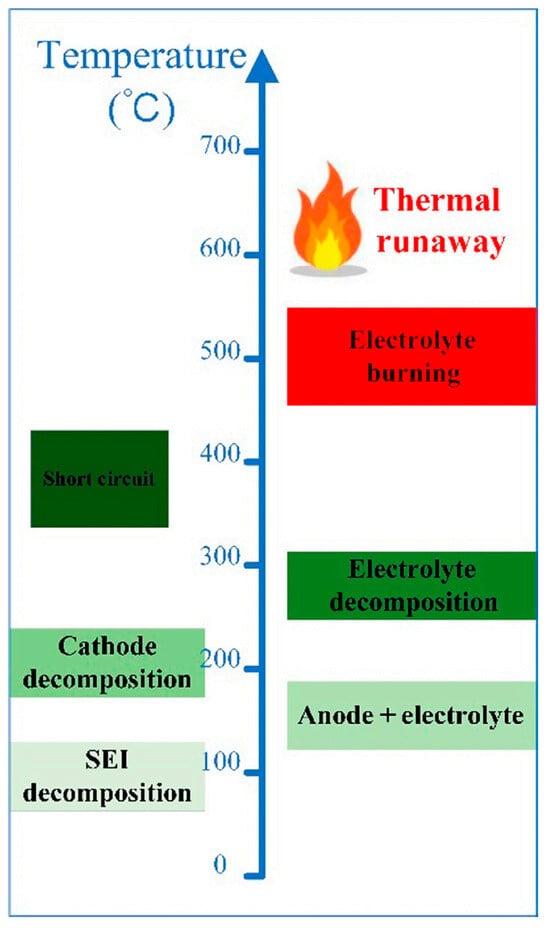
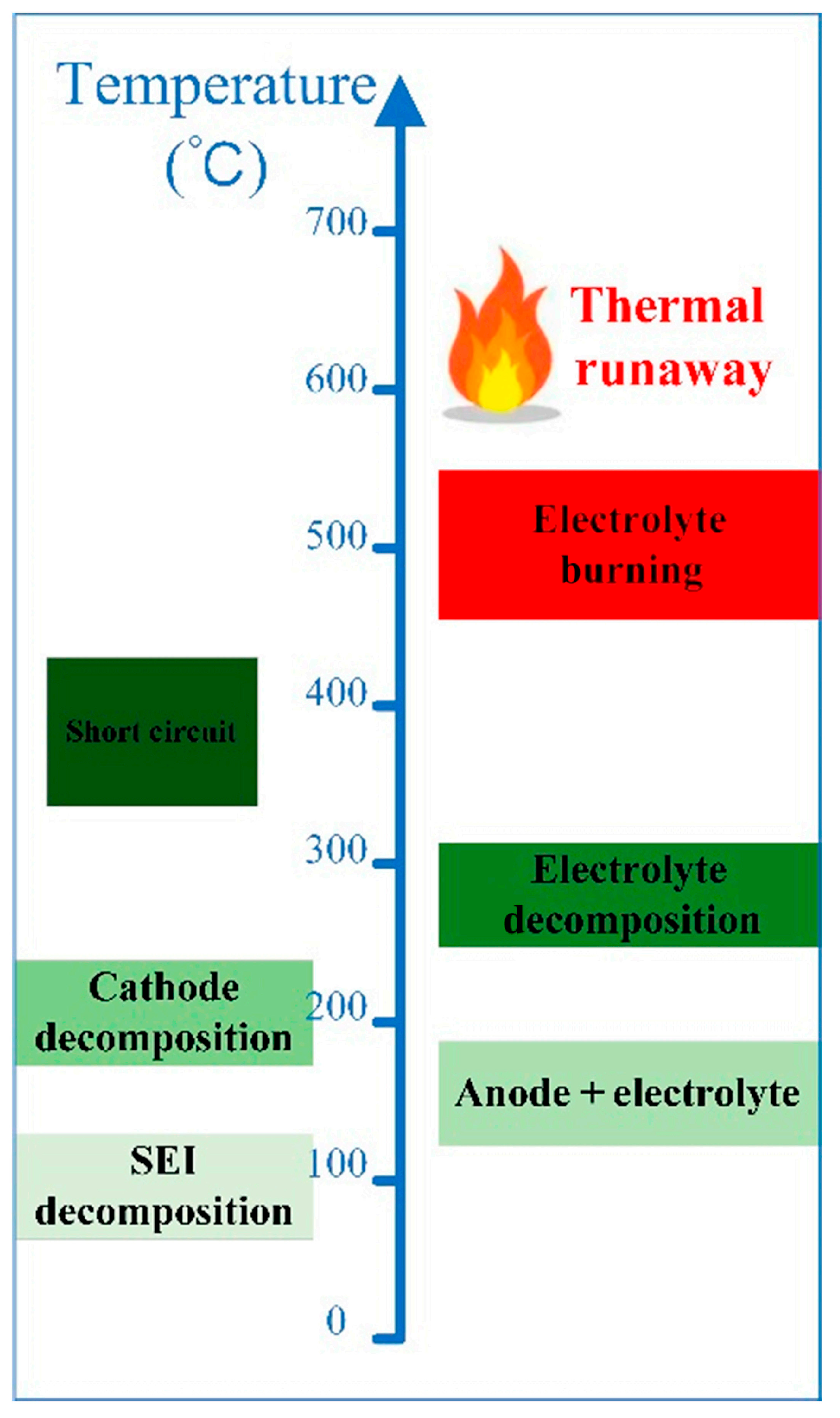
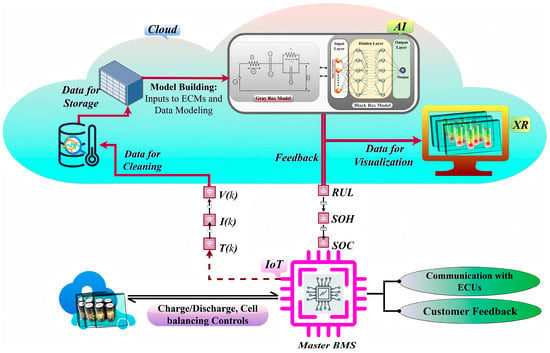
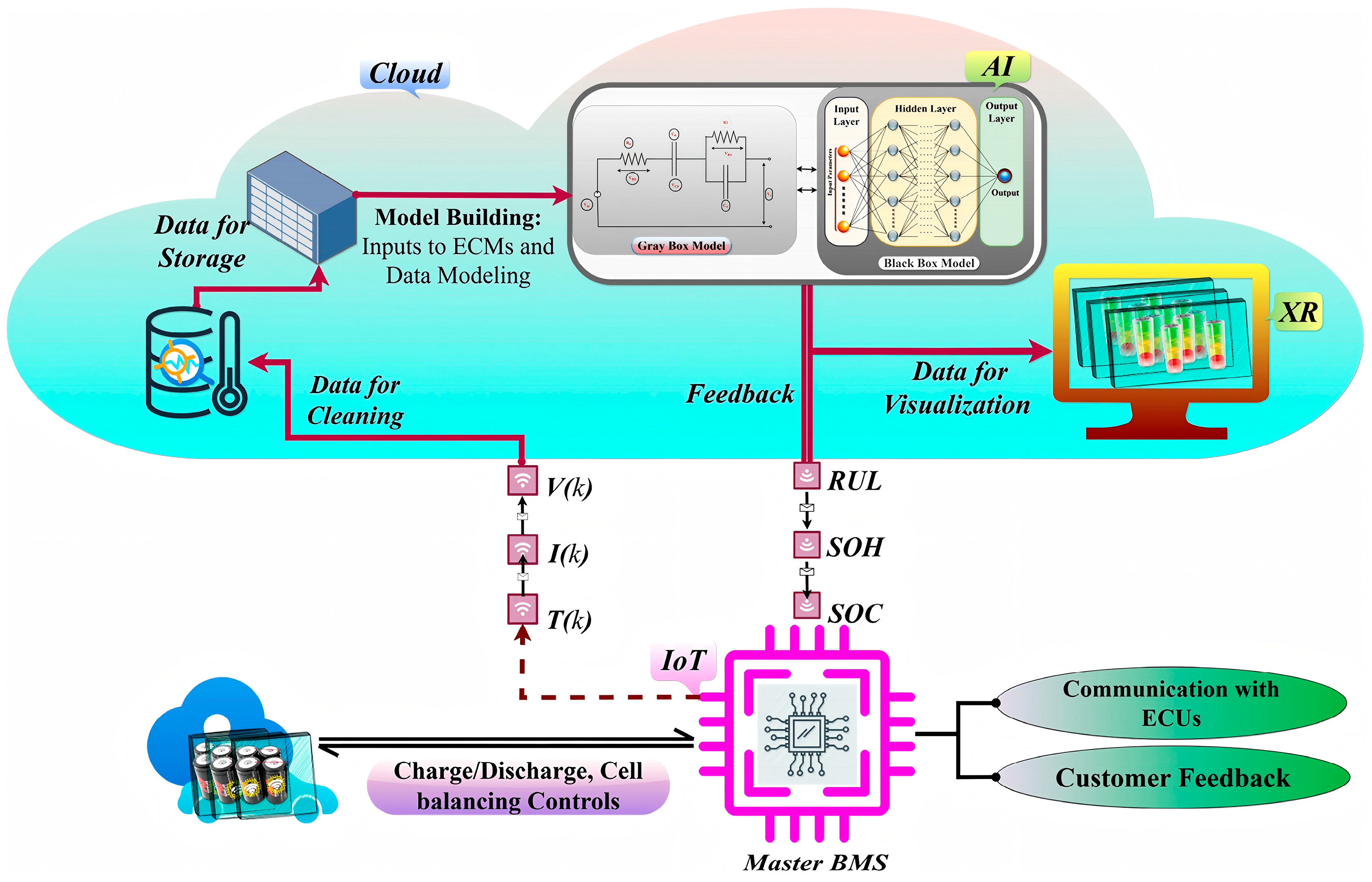
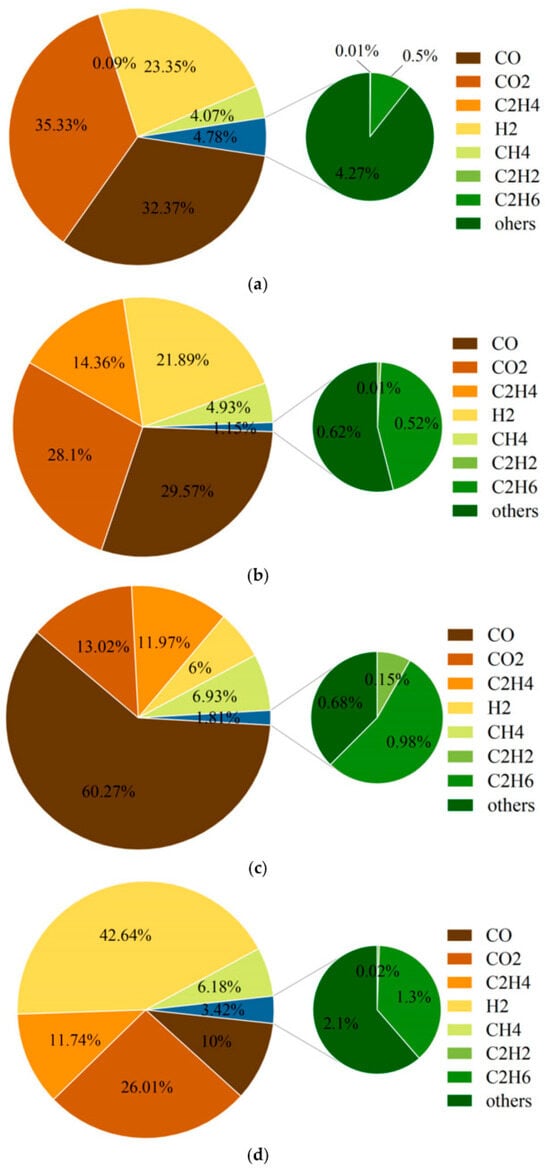
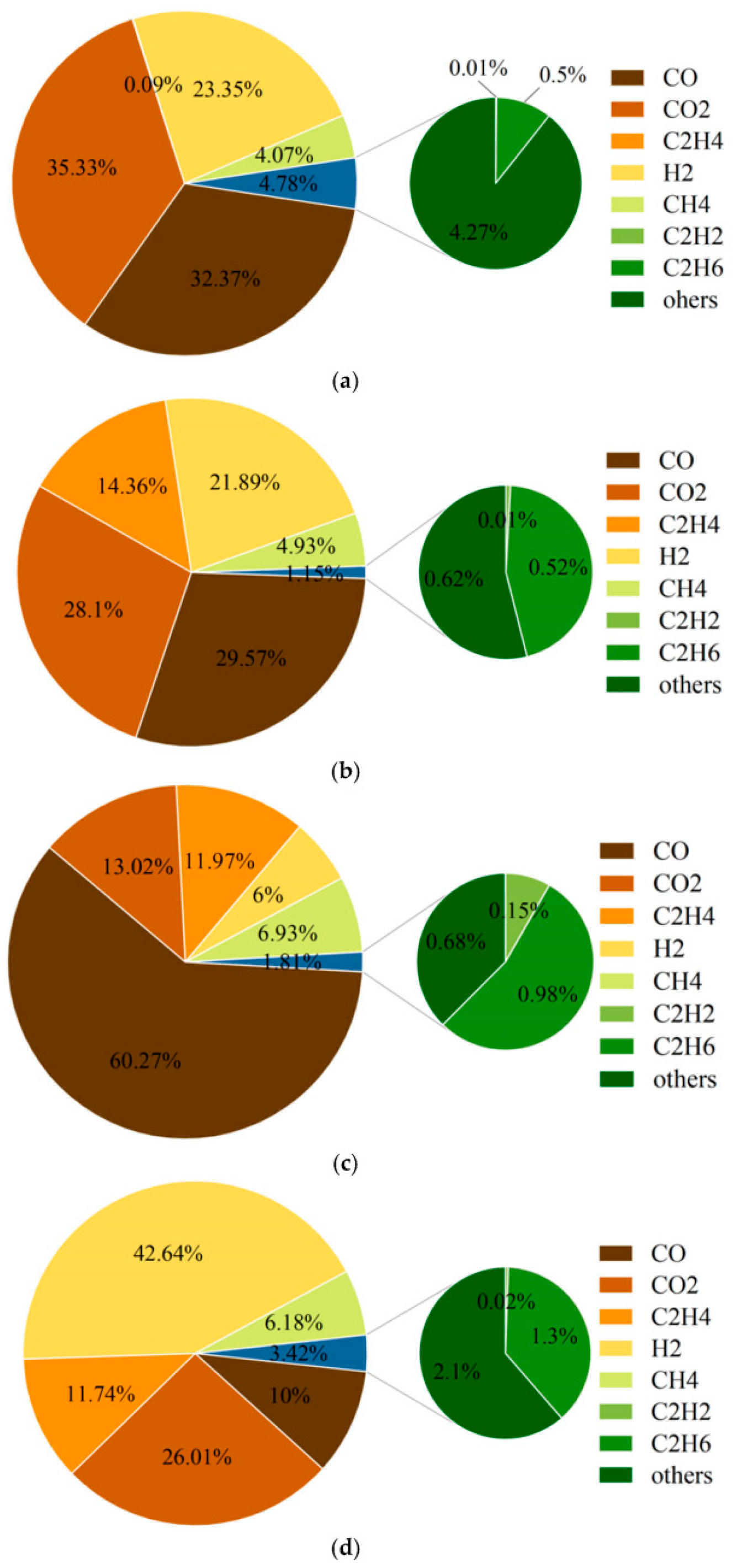
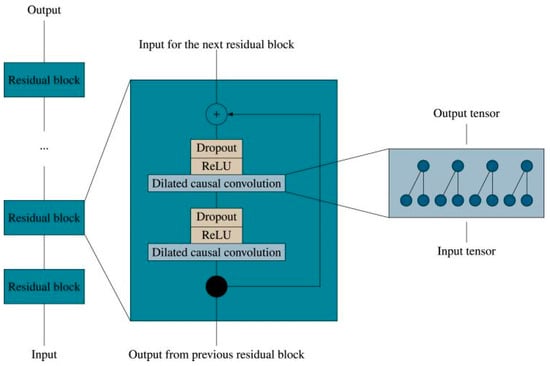
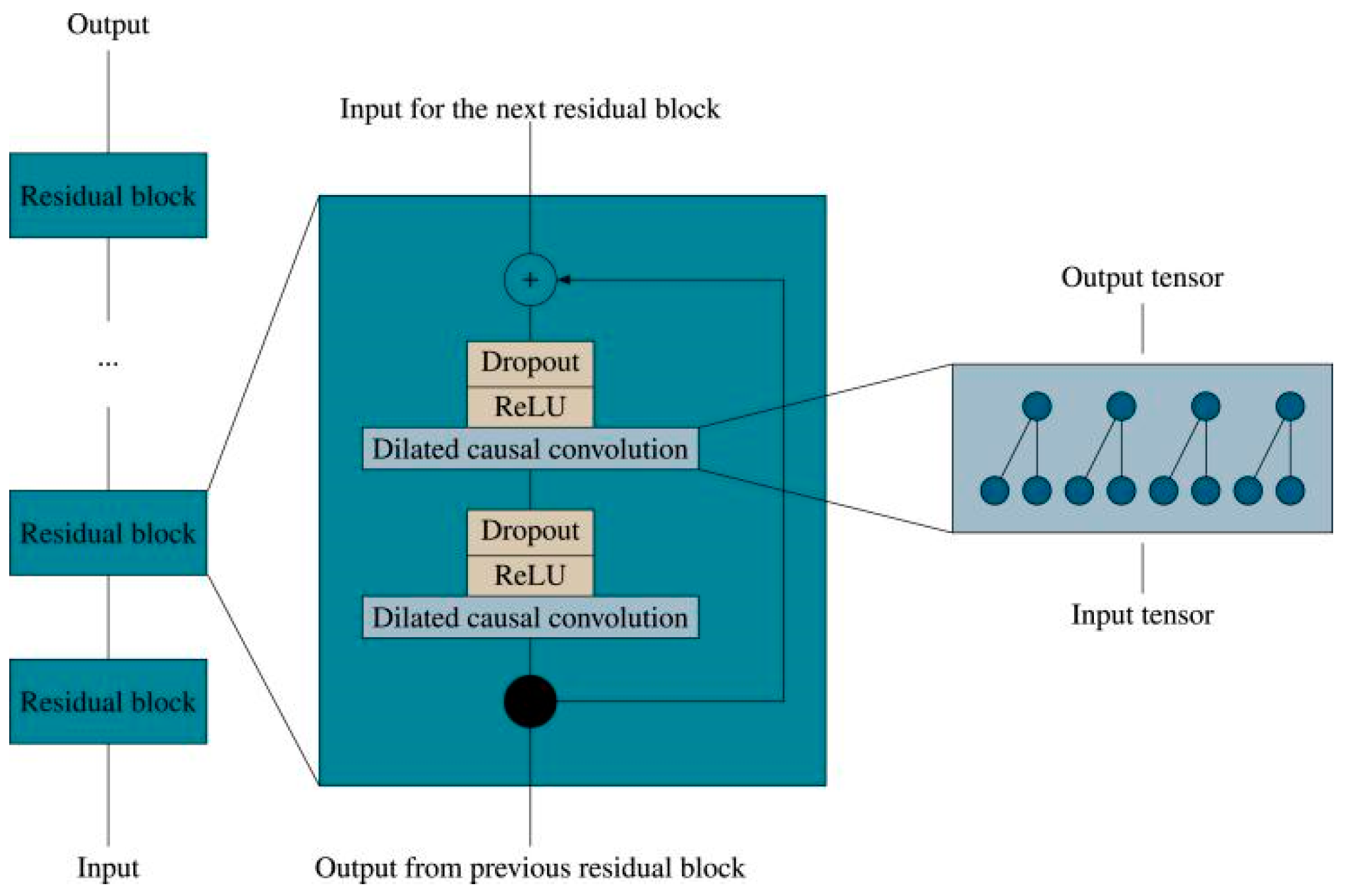
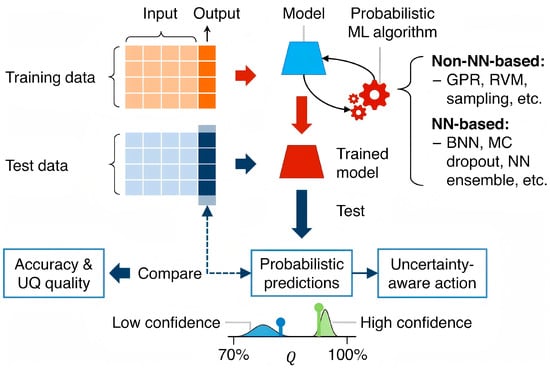
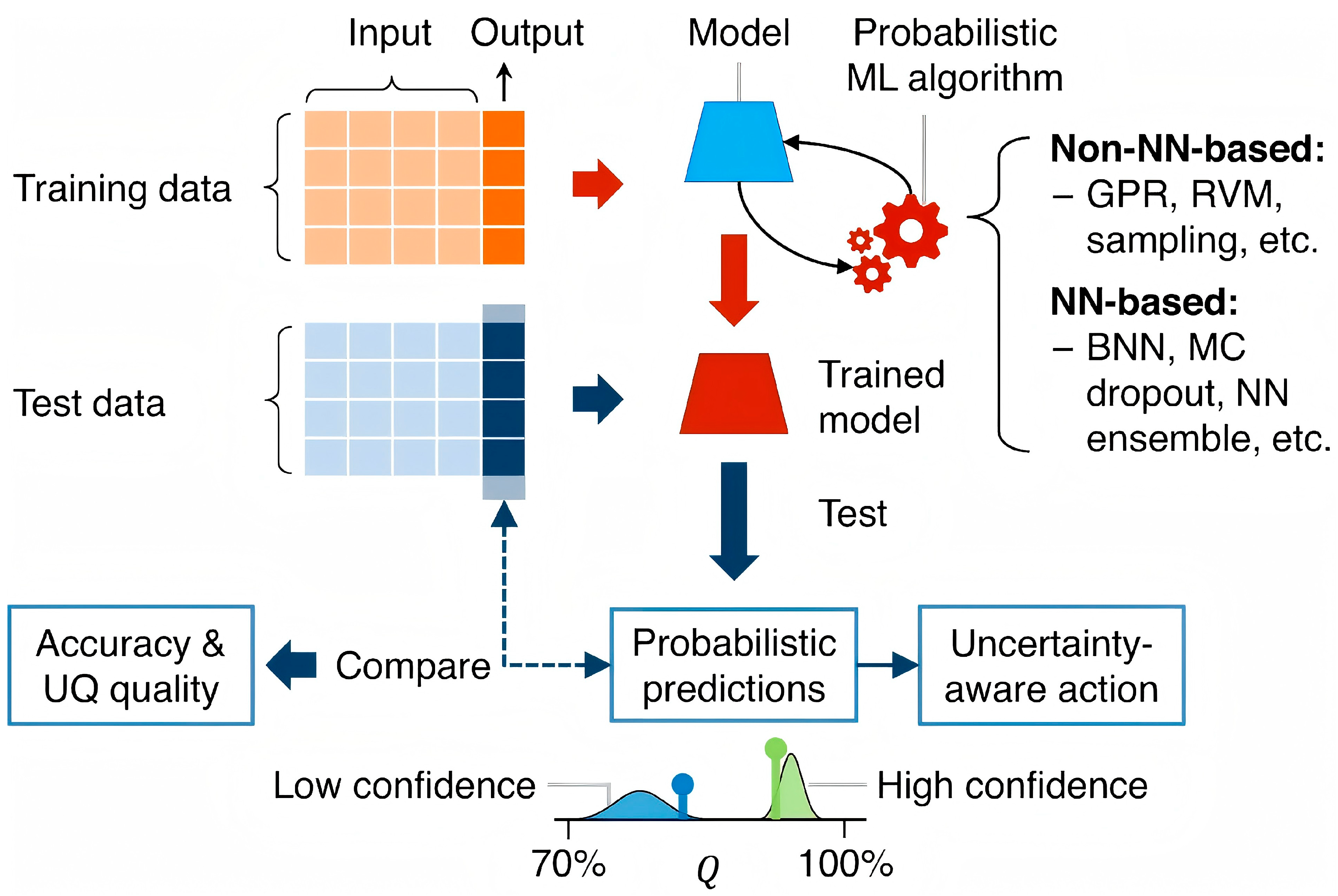
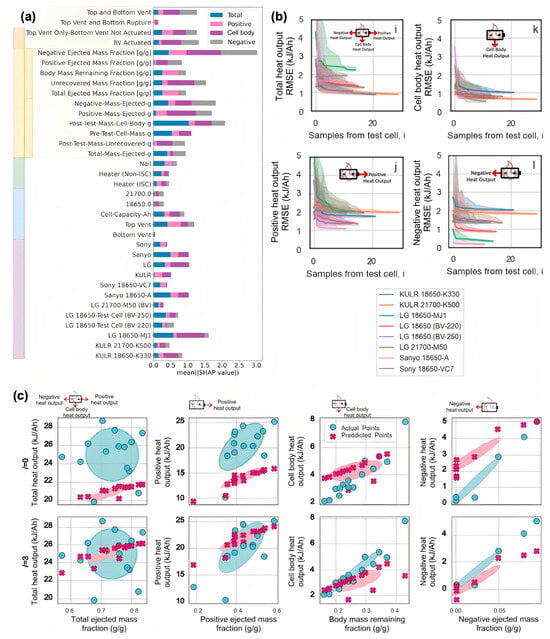
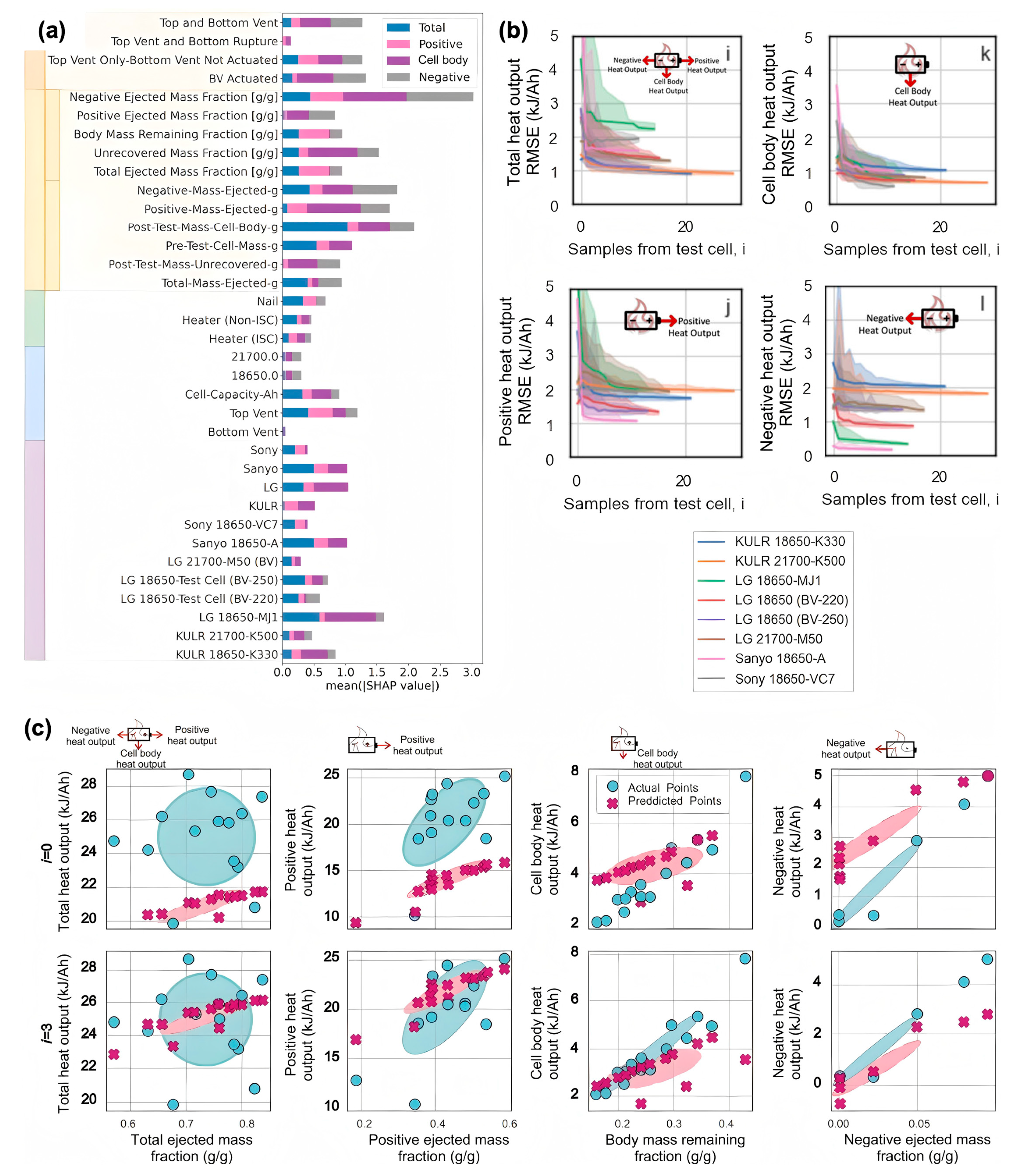
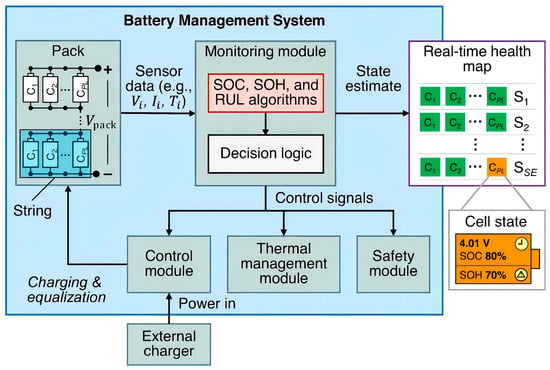
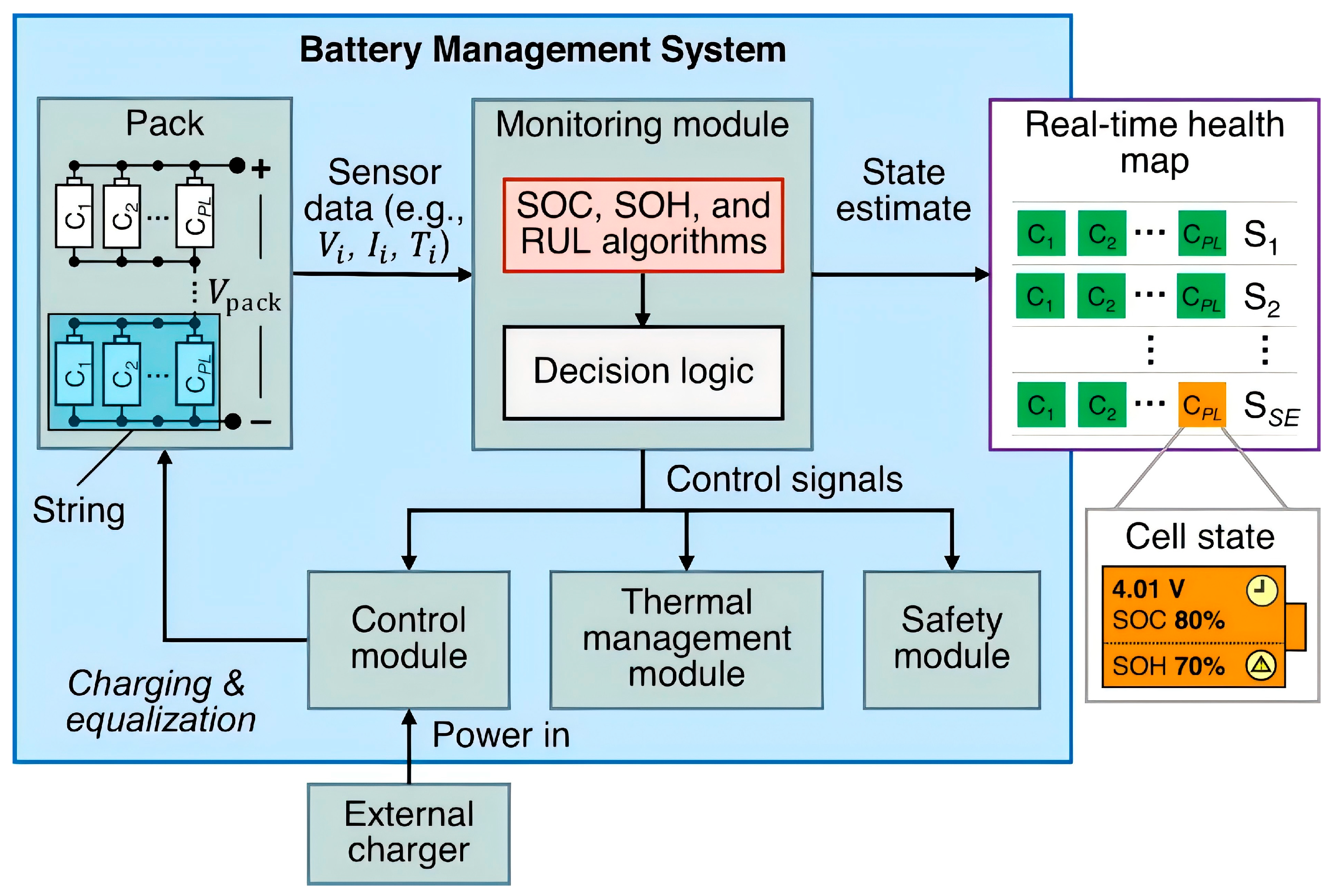
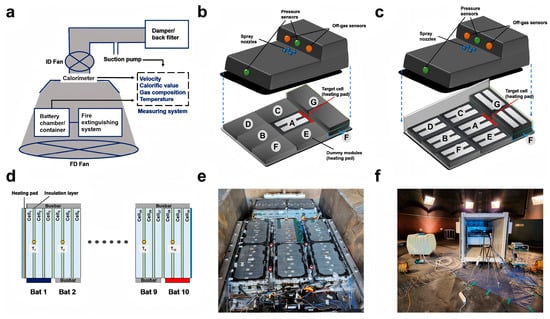
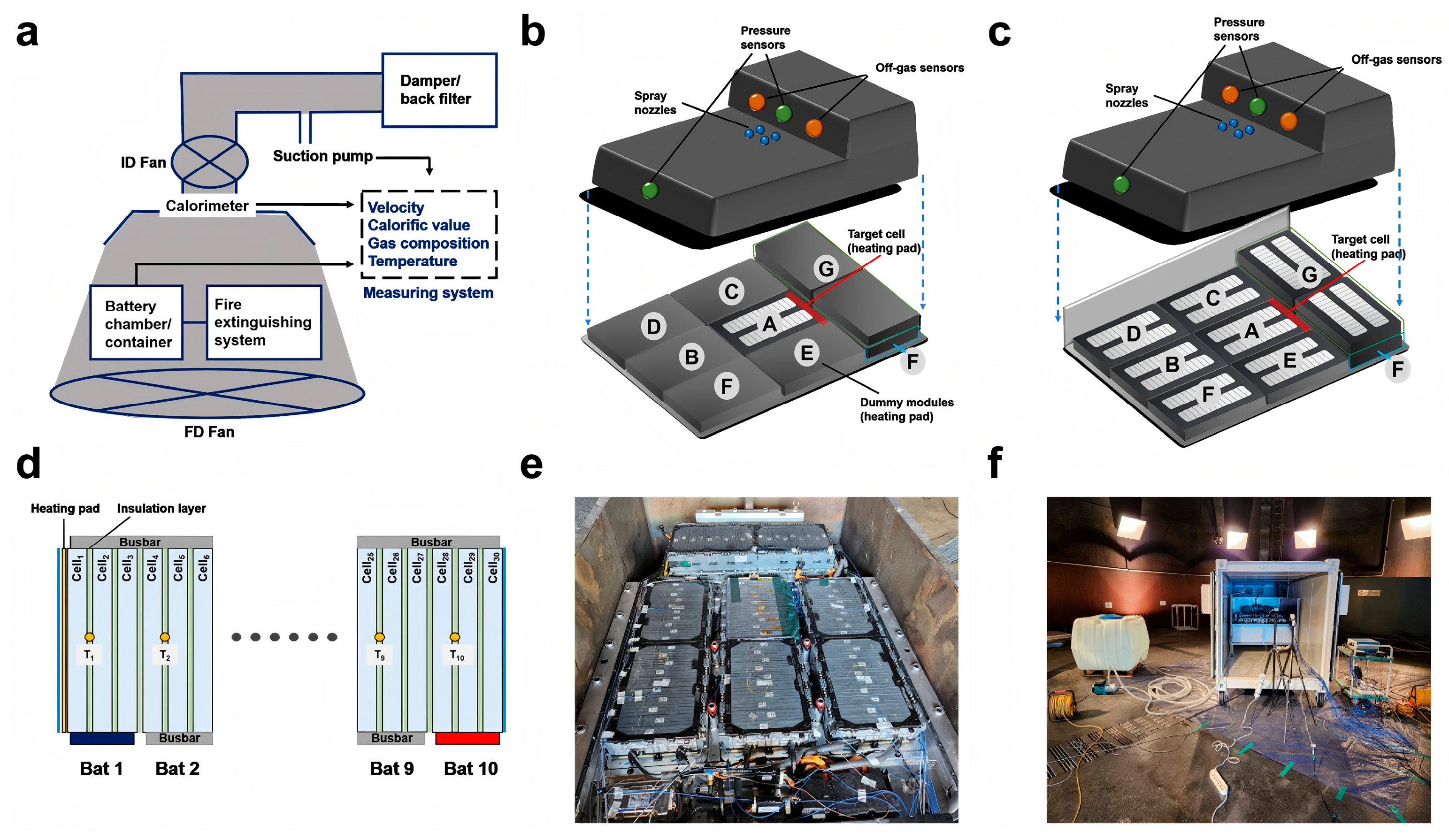
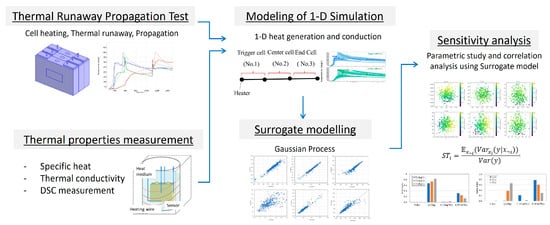
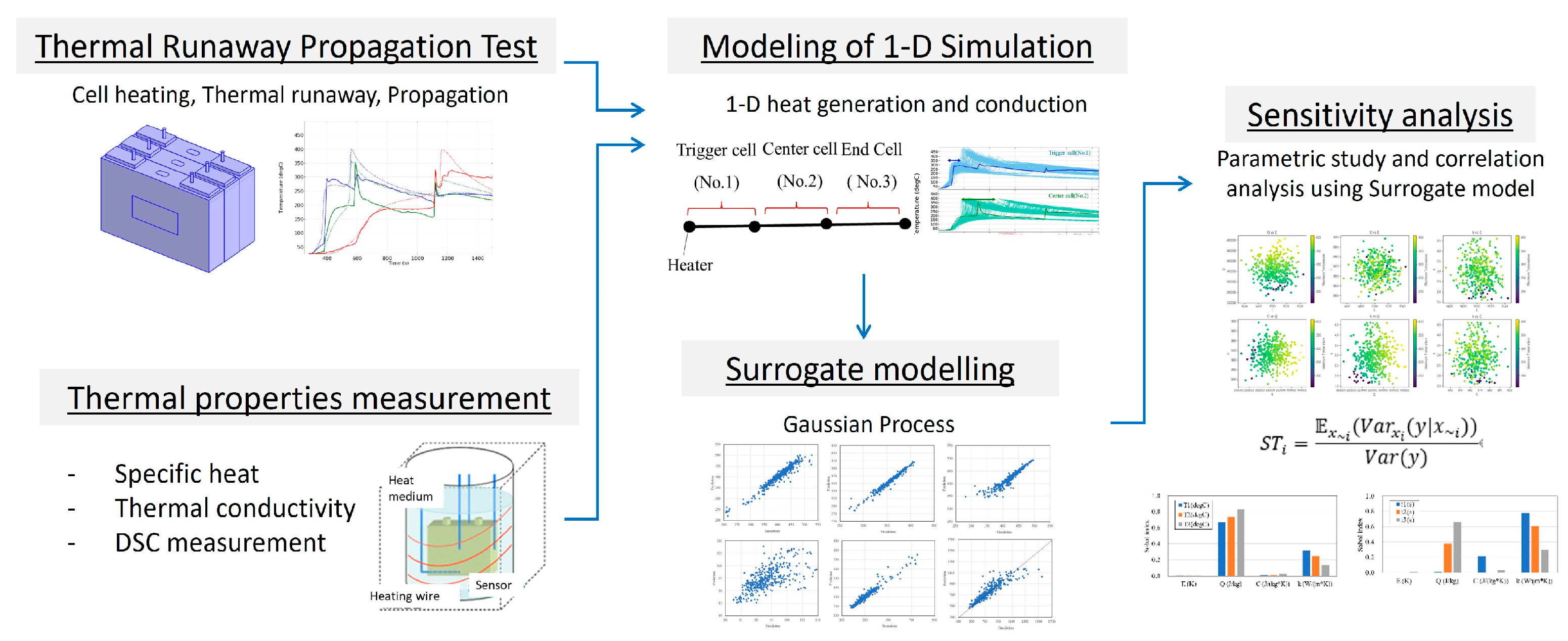
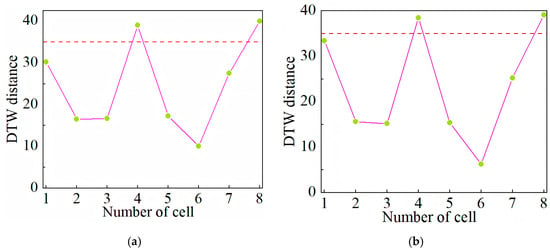
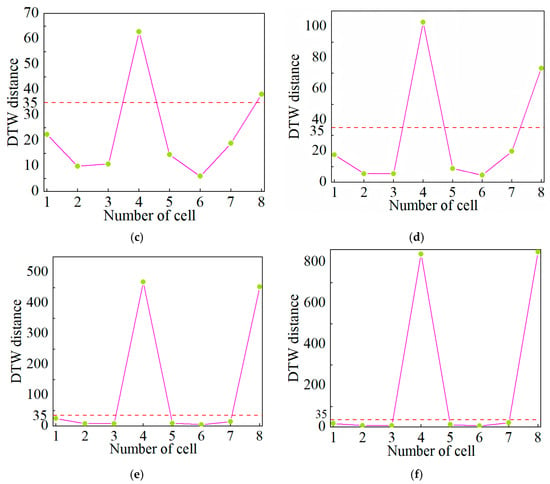
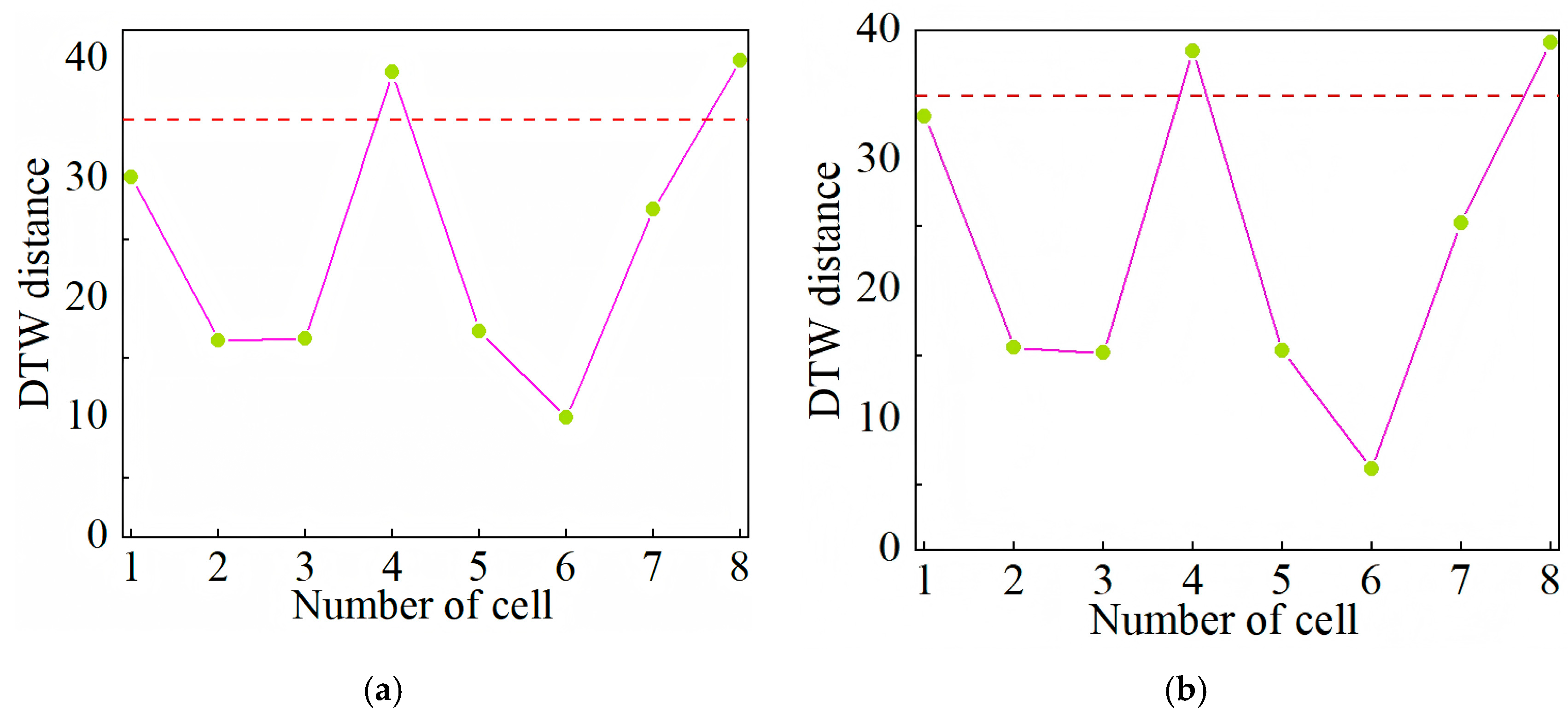
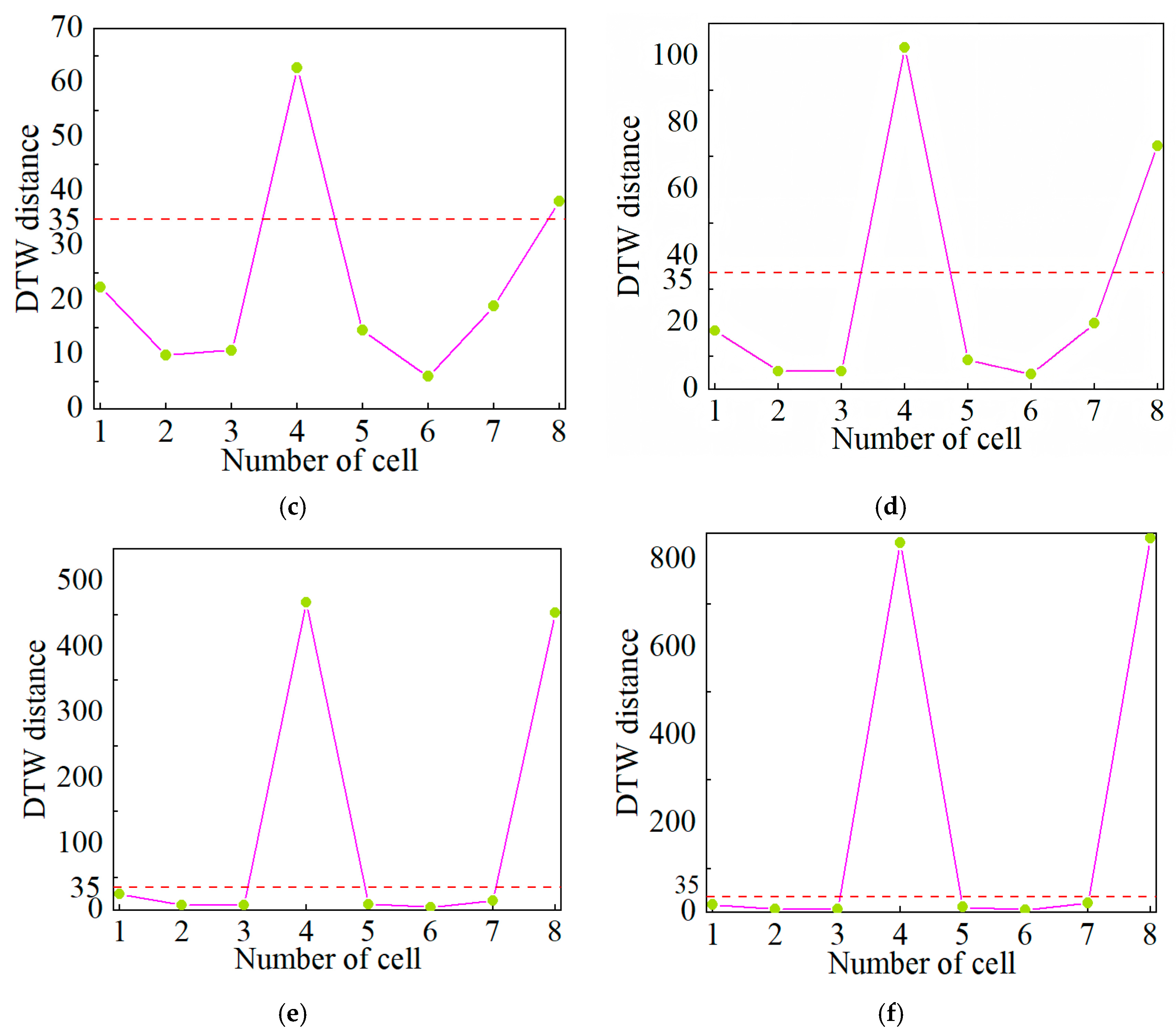
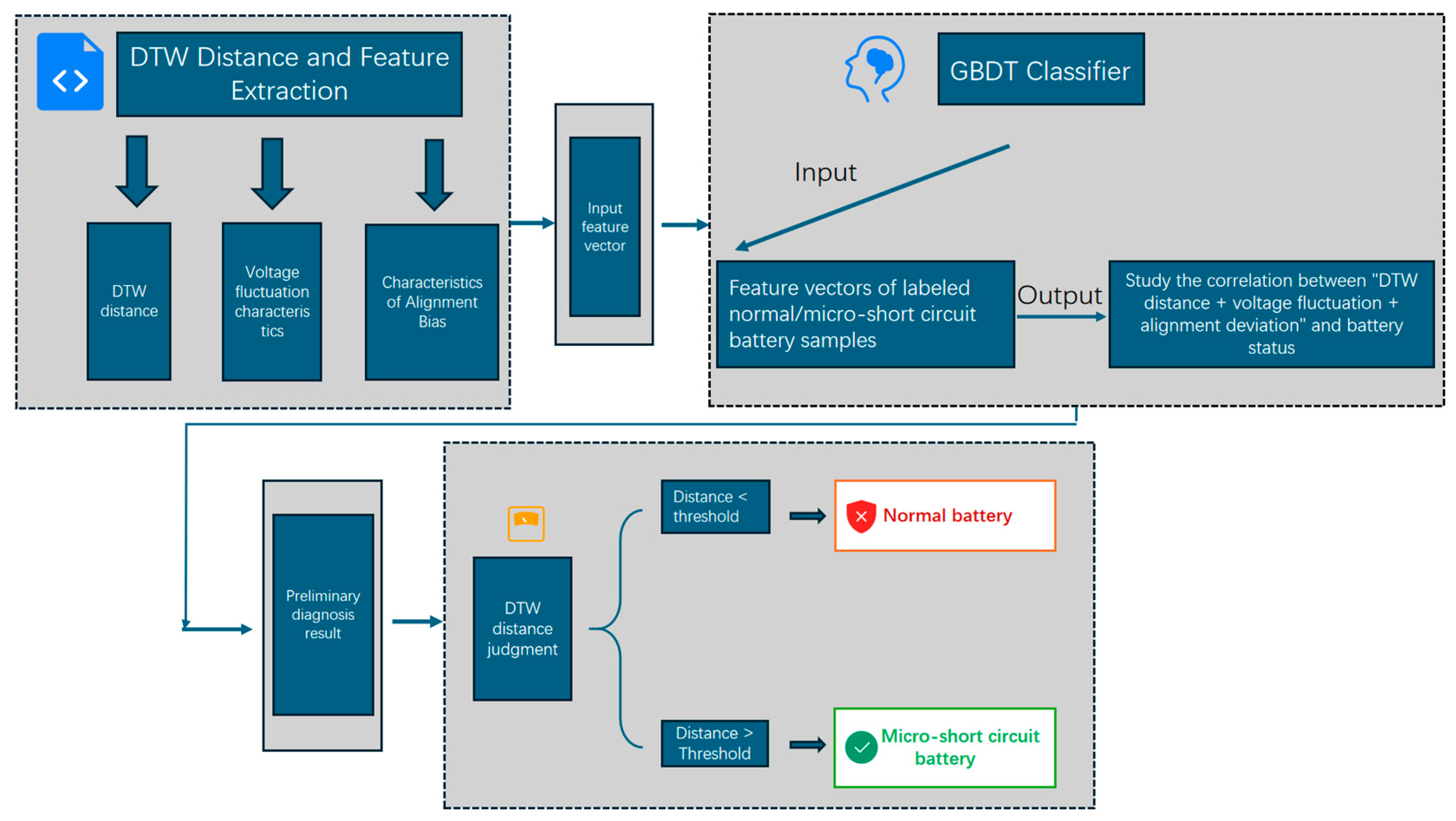

Disclaimer/Publisher’s Note: The statements, opinions and data contained in all publications are solely those of the individual author(s) and contributor(s) and not of MDPI and/or the editor(s). MDPI and/or the editor(s) disclaim responsibility for any injury to people or property resulting from any ideas, methods, instructions or products referred to in the content. |
© 2026 by the authors. Licensee MDPI, Basel, Switzerland. This article is an open access article distributed under the terms and conditions of the Creative Commons Attribution (CC BY) license.