


Abstract
Root-knot nematodes (RKNs) are among the most destructive pests in protected watermelon production under continuous cropping systems. Although both pepper rotation and arbuscular mycorrhizal fungi (AMF) inoculation have shown potential for suppressing RKNs and promoting plant growth, their combined effects remain unclear. This study conducted greenhouse pot experiments using continuously cropped watermelon soil over two consecutive cycles. In the first cycle, chili pepper (Capsicum annuum) or watermelon (Citrullus lanatus) was planted, followed by watermelon cultivation in the second cycle with inoculation of Funneliformis mosseae or Glomus versiforme. Compared with continuous watermelon cropping, both rotation and AMF inoculation improved root vitality, osmotic regulation, antioxidant enzyme activities, and photosynthetic performance, thereby enhancing watermelon growth and resistance to RKNs. Among all treatments, chili pepper rotation combined with Glomus versiforme showed the best performance, increasing shoot fresh weight by 31% and reducing disease index (DI), gall index (GI), and egg mass index (EI) by 30.8%, 77.0%, and 57.1%, respectively. In addition, the populations of second-stage juveniles (J2) in soil and roots and adult females in roots decreased by 85.4%, 55.5%, and 50.8%, respectively. High-throughput sequencing results showed that the combined treatment enriched several potentially beneficial microbial taxa, including Ochrobactrum, Bacillus, Acinetobacter, and Delftia. In addition, it enriched predicted metabolic pathways that may be associated with plant growth promotion and stress tolerance. Overall, pepper rotation combined with Glomus versiforme inoculation represents a promising, environmentally friendly strategy for the management of watermelon root-knot nematode disease.
1. Introduction
Watermelon is an important economic crop in China. In recent years, the domestic watermelon industry has expanded rapidly, with its cultivated area and total production consistently ranking first worldwide. By 2022, China’s harvested area for watermelon had reached 1.38 million hectares, with a total production of 60.39 million tonnes, making it a dominant crop in protected agriculture [1]. However, the expansion of cultivation has led to increasingly intensive continuous cropping, which has exacerbated the incidence of root-knot nematode (RKN) disease. This trend has resulted in significant declines in watermelon yield, quality, and overall economic returns [2]. Currently, chemical control remains the most commonly used measure to maintain stable production; however, long-term reliance on chemical nematicides leads to a range of adverse effects, including reduced fruit quality, ecological imbalance, and the development of nematode resistance [3]. Therefore, exploring sustainable control strategies as alternatives to chemical control is of great significance for alleviating the damage caused by watermelon root-knot nematodes and achieving green production in the watermelon industry.
Crop rotation is not only an important practice for maintaining soil productivity, stabilizing crop yields, and controlling soil-borne diseases but also one of the most fundamental and effective strategies for managing RKN disease [4,5]. Numerous studies have demonstrated that crop rotation with non-host or resistant plants can significantly reduce the occurrence of root-knot nematode disease and enhance plant resistance by regulating the structure of the rhizosphere microbial community [6,7,8]. Previous studies have demonstrated that resistant chili pepper cultivars have good potential for controlling RKN disease in watermelon production [9]. Chili pepper rotation can effectively mitigate RKN damage by reducing nematode propagule abundance, improving soil physicochemical properties, and restoring soil microbial communities [10,11]. However, current research on green control of RKNs has mainly focused on biocontrol agents and biofumigation, whereas studies specifically addressing crop rotation remain relatively limited [12,13,14]. In addition, existing rotation-based studies have primarily focused on crop growth and disease indices, while the underlying microecological regulatory mechanisms remain insufficiently explored. Therefore, an in-depth analysis of the control effects and regulatory mechanisms of chili pepper rotation on RKN disease in watermelon is of important theoretical significance for rotation-based nematode management and for guiding watermelon production.
Arbuscular mycorrhizal fungi (AMF), as beneficial soil fungi, can establish mutualistic symbioses with the roots of approximately 80% of terrestrial vascular plants, playing important roles in enhancing plant nutrient uptake, improving soil structure, promoting plant growth, and maintaining ecosystem stability [15,16,17]. In addition, AMF can reshape rhizosphere microbial communities and recruit specific functional microbes by regulating root exudates, thereby enhancing plant stress resistance [18,19]. Extensive studies have shown that AMF exhibit considerable potential for controlling RKN disease [20,21]. Zhou et al. reported that AMF effectively suppressed RKN disease in tomato by enhancing soil nutrient availability, increasing plant resistance, and improving mycorrhizal colonization rates [22]. Abdel et al. demonstrated that AMF significantly alleviated RKN damage and promoted tomato growth by inducing systemic resistance in plants and inhibiting nematode reproduction [23]. Moreover, AMF can alter the composition of root exudates, thereby reducing the secretion of chemoattractant signaling molecules for nematodes and effectively controlling RKN disease in cucumber [24]. Furthermore, AMFs have shown significant potential for controlling RKN disease in various crops, including tobacco and melon, indicating their broad applicability and promising prospects in nematode management [25,26]. However, existing studies on AMF-mediated control of RKNs have mainly focused on vegetable crops such as tomato and cucumber, with relatively limited research on watermelon. In addition, although the individual effects of chili pepper rotation and AMF inoculation on RKN control have been demonstrated, whether their combined application produces synergistic effects and the underlying biological mechanisms remain to be further elucidated.
This study systematically compared the effects of pepper rotation combined with two arbuscular mycorrhizal fungi (AMF), Funneliformis mosseae and Glomus versiforme, on watermelon growth, physiological metabolism, and the control of root-knot nematode disease. Meanwhile, 16S rRNA high-throughput sequencing was employed to analyze changes in the structure and functional profiles of rhizosphere bacterial communities. The aim was to further elucidate the synergistic disease-suppressive effects of pepper rotation and AMF on watermelon and to provide insights into possible mechanisms involved.
2. Materials and Methods
2.1. Materials
The chili pepper cultivar used in this study was ‘Qingnong Cluster Pepper’, which is highly resistant to southern root-knot nematode and was provided by Qingdao Agricultural University. The watermelon cultivar was ‘Jingxin No. 4’, provided by the Beijing Jingyan Yirun Agricultural Technology Development Center. The rootstock used for watermelon grafting was ‘Qingnong No. 1’ pumpkin, also provided by Qingdao Agricultural University. The AMF inocula used were Funneliformis mosseae (Fm) and Glomus versiforme (Gv). Mycorrhizal fungi were cultured under laboratory conditions. Maize (Zea mays) and white clover (Trifolium repens) were grown in a sterilized substrate composed of peat, vermiculite, and river sand for AMF propagation. The inoculum consisted of a mixture of root fragments, spores, hyphae, and growth substrate. The spore densities were 1328 spores g−1 for Fm and 1309 spores g−1 for Gv. The amount of inoculum added was adjusted according to spore density to ensure the same total number of spores (3000 spores) per pot. For the WWWF and WPWF treatments, Funneliformis mosseae inoculum was added; for the WWWG and WPWG treatments, Glomus versiforme inoculum was added. For the CK groups (WWW and WPW treatments), an equal-mass mixture of the above two sterilized inocula (autoclaved at 121 °C for 120 min twice) was added [27]. The soil used in this experiment was collected from a greenhouse with three years of continuous watermelon cultivation.
2.2. Experimental Design
Soil was collected from a greenhouse with continuous watermelon cropping for three years. The physicochemical properties were as follows: pH 6.98, organic matter 0.83%, total phosphorus 0.10%, alkaline hydrolyzable nitrogen 16.7 mg·kg−1, available phosphorus (Olsen-P) 15.1 mg·kg−1, and available potassium 81.3 mg·kg−1. The initial root-knot nematode infestation levels were: 60 second-stage juveniles (J2) per g of soil, 267 egg masses per g of soil, 125 J2 per g of root, and 158 adult females per g of root. The experiment was conducted over two cropping cycles. In the first cycle, to simulate field production conditions, watermelon and chili pepper seedlings were raised in 50-cell plug trays. Thirty-day-old seedlings were transplanted into plastic pots (2 kg capacity) filled with the collected continuous-cropping soil. After 80 days of growth, all plants were removed, and the soil was retained for the second cycle. The second cropping cycle included six treatments with three replicates each: continuous watermelon cropping (WWW), WWW + Funneliformis mosseae (WWWF), WWW + Glomus versiforme (WWWG), chili pepper rotation (WPW), WPW + Funneliformis mosseae (WPWF), and WPW + Glomus versiforme (WPWG). Watermelon seeds were sown in 50-cell plug trays for seedling production. For AMF treatments, a total of 2000 spores per pot were applied, while non-inoculated treatments received an equivalent amount of autoclaved AMF inoculum (121 °C, 120 min, twice). When cotyledons of watermelon seedlings were fully expanded, grafting was performed using the top insertion method. Uniform grafted seedlings were transplanted into plastic pots (2 kg capacity) filled with soil previously cultivated with either chili pepper or watermelon in the first cycle. After 80 days of growth, plants were harvested, and all relevant parameters were measured. Based on the synergistic effects with chili pepper rotation, the most effective AMF treatment was selected for subsequent high-throughput sequencing of the 16S rRNA gene.
2.3. Measurement Indices and Methods
2.3.1. Growth Indicators and AMF Colonization Rate
Plant height, stem diameter, shoot fresh weight, and root fresh weight were determined using standard methods. Specifically, the aboveground part of the plant was excised, stem diameter was measured using a vernier caliper, and plant height was measured using a ruler. The roots were carefully cleaned and blotted dry with absorbent paper, and then the fresh weights of the aboveground and belowground (root) parts were measured separately. The experiment included six treatments, each with three replicates. AMF colonization was assessed using the trypan blue staining method. Watermelon roots were gently washed with tap water and cut into approximately 1 cm segments, which were then placed in film canisters. The root segments were immersed in potassium hydroxide (KOH) solution and heated in a water bath at 90 °C for 60 min. After cooling, the KOH solution was discarded, and the roots were rinsed with water 2–3 times, followed by acidification with hydrochloric acid (HCl) for 5 min. After acidification, the HCl was removed, and the root segments were stained with 0.05% trypan blue in lactoglycerol solution until fully submerged. The samples were then heated in a water bath for 30 min. After staining, the solution was discarded and replaced with lactoglycerol for destaining overnight [28]. Thirty stained root segments were randomly selected to prepare slides. AMF colonization was observed under a microscope, and the colonization rate was calculated using the weighted method [29], as follows:
Colonization rate (%) = Σ (0% × number of root segments + 10% × number of root segments + 20% × number of root segments + ⋯100% × number of root segments)/total number of root segments observed
2.3.2. Physiological Indicators
Physiological parameters were determined according to the method described by Zhang et al. [30]. Five fully expanded leaves at the same position were collected between 9:00 and 10:00 a.m. from each pot for physiological analysis. Each pot contained two watermelon plants. Leaves collected from the same pot were pooled and regarded as one biological replicate. Three biological replicates were used for each treatment. Superoxide dismutase (SOD) activity was measured using the nitroblue tetrazolium (NBT) reduction method, peroxidase (POD) activity was determined using the guaiacol method, and catalase (CAT) activity was measured using the ultraviolet (UV) spectrophotometric method. Malondialdehyde (MDA) content was determined using the thiobarbituric acid (TBA) method, proline (Pro) content was measured using the ninhydrin colorimetric method, and soluble sugar content was determined using the anthrone colorimetric method. Root tips from the same pots were collected for root activity determination using the triphenyltetrazolium chloride (TTC) method.
2.3.3. Disease Index
The resistance was assessed according to Bridge et al. [31]. Disease severity was rated on a 0–5 scale: 0 = no root galls on plant roots; 1 = 1–20% of roots with galls; 2 = 21–50%; 3 = 51–80%; 4 = 81–90%; and 5 = 91–100% of roots with galls. The disease index (DI) was calculated as follows: DI = Σ (number of plants in each disease grade × grade value)/(total number of plants assessed × maximum grade value) × 100. The root gall index (GI), egg mass index (EI), and reproduction coefficient were determined according to Boiteux et al. [32]. The GI was calculated as the number of root galls per plant divided by fresh root weight per plant, and the EI was calculated as the number of eggs per plant divided by fresh root weight per plant.
2.3.4. Population Density of Root-Knot Nematodes
The number of second-stage juveniles (J2) and adult females in watermelon roots was determined using the lactophenol–acid fuchsin staining method. Roots of infected plants from each treatment were washed thoroughly and immersed in boiling 0.1% lactophenol acid fuchsin solution for 3 min. After staining, roots were rinsed with water and transferred to lactophenol for destaining. After 2 days, roots were dissected under a stereomicroscope, and nematodes were counted. The number of second-stage juveniles (J2) and egg masses in rhizosphere soil was determined using the sucrose centrifugal flotation method. Briefly, 100 g of rhizosphere soil was suspended in water to a final volume of 600 mL, stirred for 20 s, and allowed to stand for 1 min. The suspension was passed sequentially through 500 μm and 38 μm sieves, and the material retained on the 38 μm sieve was collected. The suspension was centrifuged at 3000 rpm for 5 min, and the supernatant was discarded. A 38.5% sucrose solution was added and mixed thoroughly, followed by centrifugation at 3000 rpm for 30 s. The supernatant was passed through a 26 μm sieve, and nematodes and egg masses retained on the sieve were collected. After adjusting to a fixed volume, nematodes and egg masses were counted under a stereomicroscope [33].
2.3.5. Photosynthetic Parameters
From 10:00 to 11:30 a.m. on 19 May, the net photosynthetic rate (Pn), transpiration rate (Tr), water use efficiency (WUE), intercellular CO2 concentration (Ci), and stomatal conductance (Gs) of the first fully expanded functional leaf from the top of each plant were measured using a CIRAS-3 portable photosynthesis system (PP Systems, Amesbury, MA, USA). The SPAD value of the same leaf was determined using a SPAD-502 chlorophyll meter (Konica Minolta, Tokyo, Japan).
2.3.6. Enumeration of Soil Microorganisms
Microbial populations were determined using the dilution plate counting method [34]. Serial dilutions were prepared and spread onto different culture media plates. Bacteria were cultured on Luria–Bertani (LB) medium, fungi on potato dextrose agar (PDA), and actinomycetes on Gao’s No. 1 medium. The number of bacteria, fungi, and actinomycetes in the rhizosphere soil of watermelon was then determined based on colony counts. All plates were incubated at 28 °C for 2–7 days, depending on the microbial group.
2.3.7. Soil Sample Collection and Total DNA Extraction of the Microbiome
After 50 days of watermelon seedling growth, rhizosphere soil samples were collected. The root-shaking method was used to obtain rhizosphere soil. Briefly, watermelon plants were carefully uprooted, and soil adhering to the roots was collected, passed through a 2 mm sieve, and transferred into sterile sampling tubes [35]. The samples were stored on dry ice and transported to the laboratory. Total soil microbial DNA was extracted from the samples. The quality of extracted DNA was assessed by 0.8% agarose gel electrophoresis, and DNA concentration was measured using a NanoDrop spectrophotometer (Thermo Fisher Scientific, Waltham, MA, USA).
2.3.8. PCR Amplification and High-Throughput Sequencing of Target Fragments
Rhizosphere soil samples were collected and stored following standard procedures. Total genomic DNA was extracted from 0.5 g of soil using the FastDNA® SPIN Kit (Qbiogene Inc., Carlsbad, CA, USA) according to the manufacturer’s instructions. The extracted DNA was used as a template for PCR amplification with specific primers. High-throughput sequencing of rhizosphere bacterial communities was performed by targeting the V3–V4 hypervariable regions of the 16S rRNA gene using the primer pair 338F/806R [36]. The PCR reaction system (50 μL) contained 2 μL of DNA template, 2 μL of forward primer (10 μM), 2 μL of reverse primer (10 μM), 4 μL of dNTPs (2.5 mM), 5 μL of 10× Pyrobest Buffer, 0.3 μL of Pyrobest DNA polymerase (2.5 U μL−1; TaKaRa, Bio Inc., Shiga, Japan; Code: DR005A), and 34.7 μL of ddH2O. The PCR amplification program was as follows: initial denaturation at 95 °C for 5 min, followed by 25 cycles of 95 °C for 45 s, 55 °C for 45 s, and 72 °C for 45 s; with a final extension at 72 °C for 10 min and storage at 4 °C. PCR products were stored at low temperature and subsequently sent to the Illumina HiSeq 2500 platform (Illumina Inc., San Diego, CA, USA) for sequencing.
2.4. Statistical Analyses
Microbial community data were analyzed using R software (version 4.4.2, R Core Team, Vienna, Austria). Alpha diversity indices, including Chao1, ACE, Simpson, and Shannon indices, were calculated using the vegan package. Beta diversity was assessed based on Bray–Curtis distance matrices using principal coordinate analysis (PCoA), and differences among treatments were quantified using permutational multivariate analysis of variance (PERMANOVA, Adonis). For community composition analysis, linear discriminant analysis effect size (LEfSe) was performed using the microeco package with an LDA score threshold of ≥4.0 to identify significantly different evolutionary clades. Pearson correlation coefficients were calculated using the corrplot package to explore potential relationships among different indicators. All figures were visualized using the ggplot2 package. Redundancy analysis (RDA) and Monte Carlo permutation tests for bacterial community data were conducted using Canoco 5.0 software (Microcomputer Power, Ithaca, NY, USA). Analysis of variance (ANOVA) was performed using DPS 7.5 software, and significant differences among means were determined using Tukey’s test at p < 0.05. Normality was checked using the Shapiro–Wilk test, and homogeneity of variances was checked using Levene’s test. All data satisfied the assumptions (p > 0.05).
3. Results
3.1. Effects of Chili Pepper Rotation and Different AMF Inoculations on Watermelon Growth and Disease Resistance
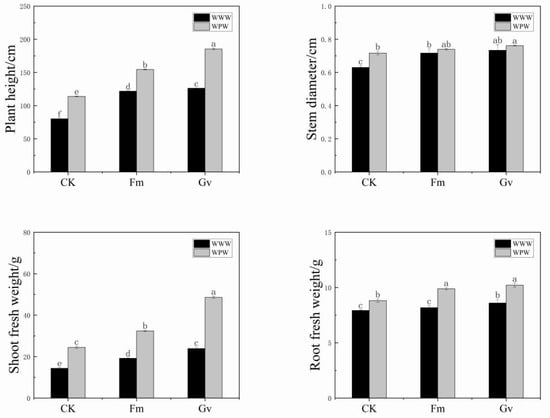
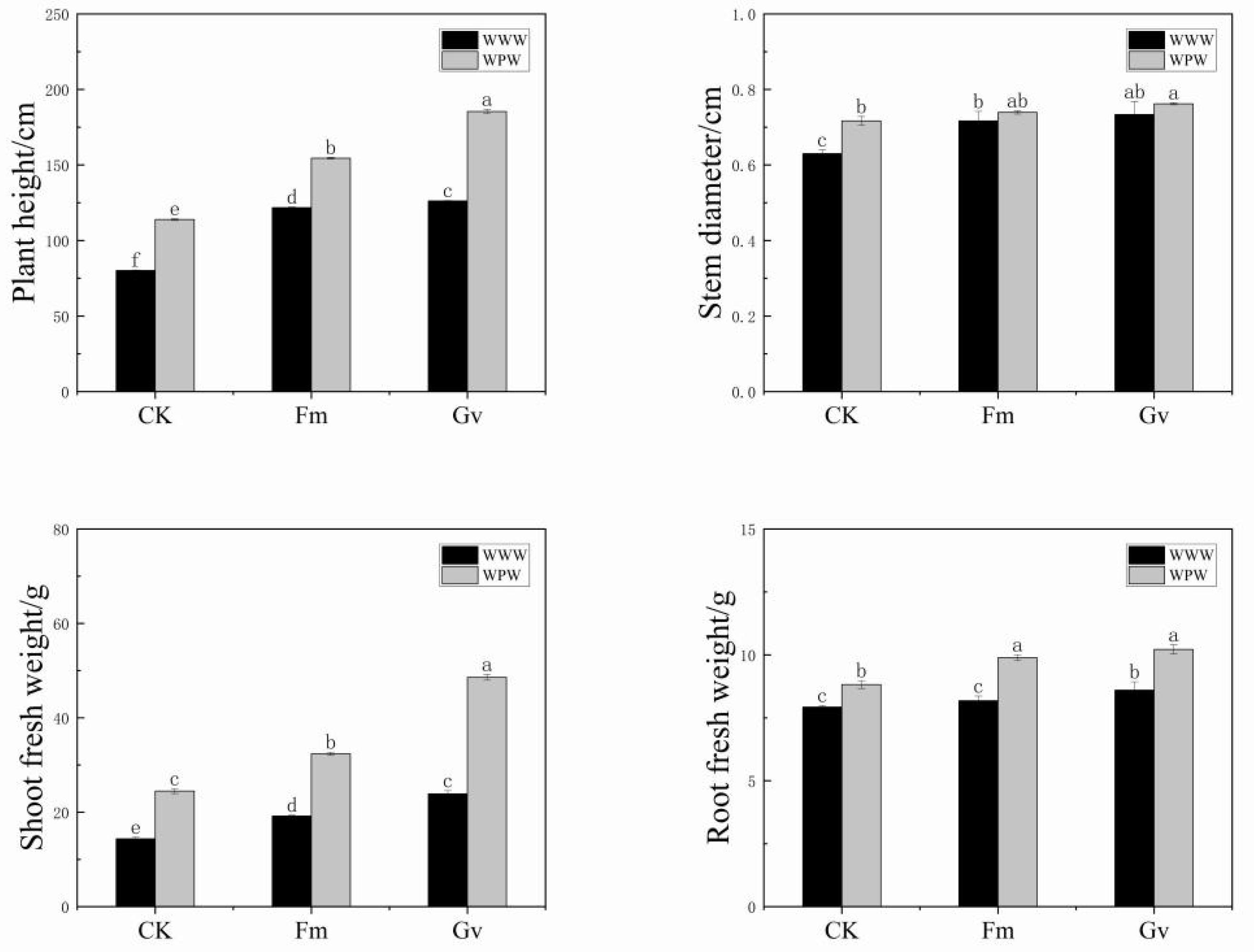
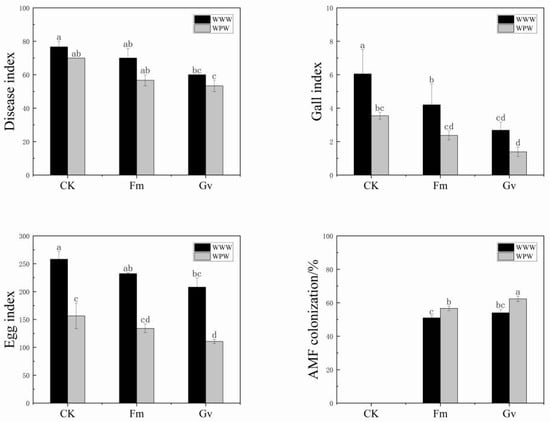
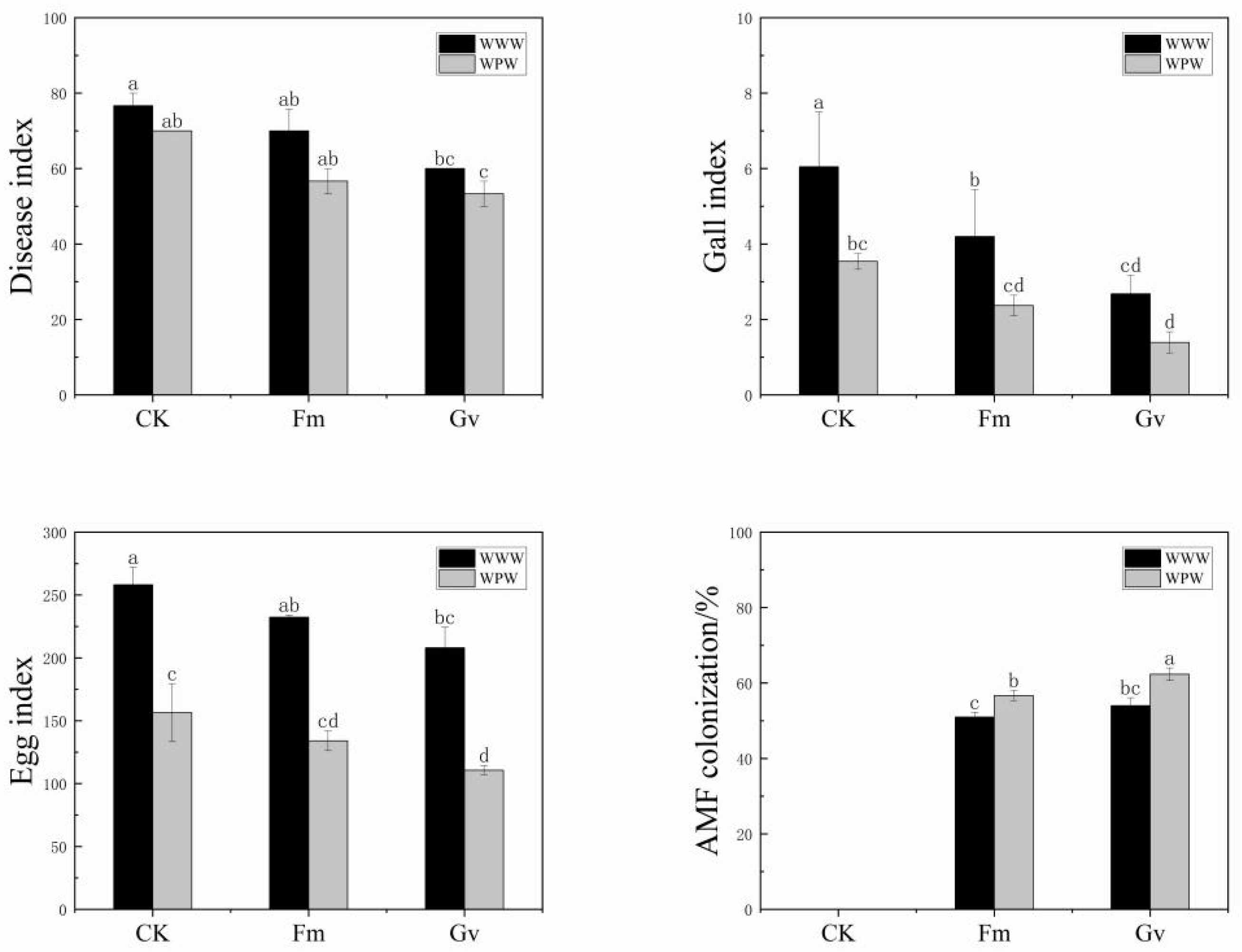
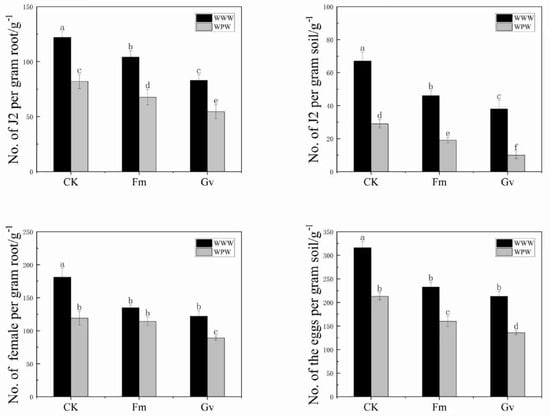
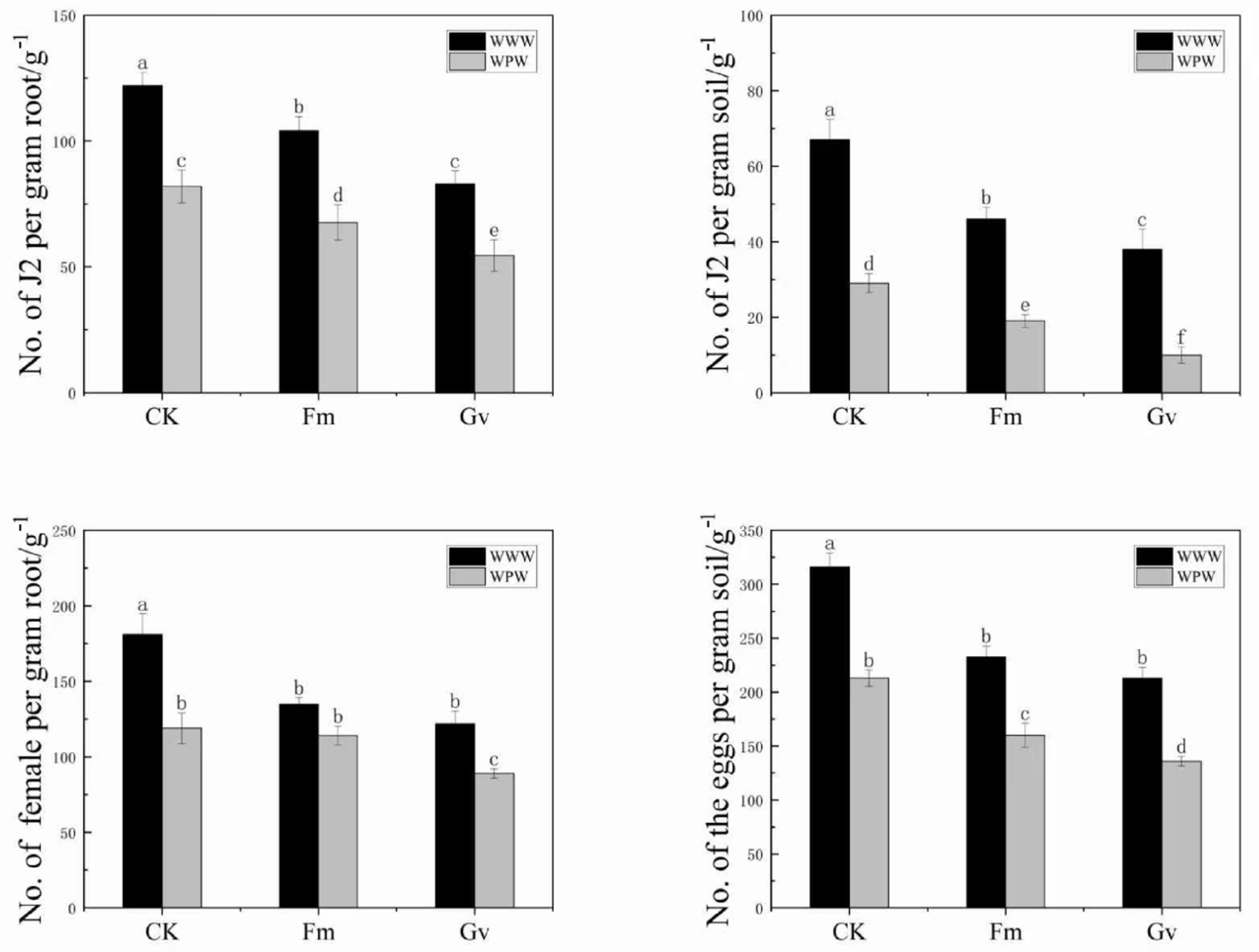
Compared with continuous watermelon cropping (WWW), chili pepper rotation (WPW), single AMF inoculation (WWWF/WWWG), and combined treatments (WPWF/WPWG) all significantly promoted watermelon growth and reduced RKN disease severity (Figure 1, Figure 2 and Figure 3). Among these treatments, the combination of chili pepper rotation and Glomus versiforme inoculation (WPWG) exhibited the strongest effects. Compared with WWW, plant height, stem diameter, shoot fresh weight, and root fresh weight increased by 131.24%, 20.95%, 238.07%, and 31.00%, respectively (Figure 1). Meanwhile, the disease index (DI), gall index (GI), and egg mass index (EI) decreased by 30.80%, 77.02%, and 57.13%, respectively (Figure 2). Two-way ANOVA revealed a significant rotation × AMF interaction for shoot fresh weight (p < 0.01; Supplementary Table S1). In terms of nematode population densities, the WPWG treatment showed the strongest suppression effect, reducing the numbers of second-stage juveniles (J2) in soil, egg masses in soil, J2 in roots, and adult females in roots by 85.4%, 56.8%, 55.5%, and 50.8%, respectively (Figure 3). Two-way ANOVA also revealed a significant rotation × AMF interaction for the number of adult females in roots (p < 0.05; Supplementary Table S1). Overall, WPWG treatment resulted in the highest values for all growth parameters and the lowest values for all nematode parameters among the six treatments.
Figure 1.
Effects of rotating pepper crops and AMF inoculation on the growth of watermelon plants. Note: CK indicates the non-AMF inoculation treatments. Fm, Funneliformis mosseae; Gv, Glomus versiforme. WWW, continuous watermelon cropping; WWWF, continuous watermelon cropping + Fm; WWWG, continuous watermelon cropping + Gv; WPW, pepper–watermelon rotation; WPWF, pepper–watermelon rotation + Fm; WPWG, pepper–watermelon rotation + Gv. The data format is mean ± SD. Different lowercase letters above the bars indicate significant differences among treatments at the p < 0.05 level.
Figure 2.
Impact of chili pepper rotation and AMF inoculation on root-knot nematode disease in watermelon plants. Note: CK indicates the non-AMF inoculation treatments. Fm, Funneliformis mosseae; Gv, Glomus versiforme. WWW, continuous watermelon cropping; WWWF, continuous watermelon cropping + Fm; WWWG, continuous watermelon cropping + Gv; WPW, pepper–watermelon rotation; WPWF, pepper–watermelon rotation + Fm; WPWG, pepper–watermelon rotation + Gv. The data format is mean ± SD. Different lowercase letters above the bars indicate significant differences among treatments at the p < 0.05 level.
Figure 3.
Effect of rotating pepper and inoculating AMF on the number of root-knot nematode reproduction bodies in watermelon. Note: CK indicates the non-AMF inoculation treatments. Fm, Funneliformis mosseae; Gv, Glomus versiforme. WWW, continuous watermelon cropping; WWWF, continuous watermelon cropping + Fm; WWWG, continuous watermelon cropping + Gv; WPW, pepper–watermelon rotation; WPWF, pepper–watermelon rotation + Fm; WPWG, pepper–watermelon rotation + Gv. The data format is mean ± SD. Different lowercase letters above the bars indicate significant differences among treatments at the p < 0.05 level.
3.2. Synergistic Physiological Mechanisms of Chili Pepper Rotation and AMF Inoculation
Compared with continuous watermelon cropping (WWW), chili pepper rotation (WPW), AMF inoculation (WWWF/WWWG), and combined treatments (WPWF/WPWG) significantly improved watermelon physiological parameters, including root activity, osmotic adjustment, and the antioxidant system. Among all treatments, the combination of chili pepper rotation and Glomus versiforme inoculation (WPWG) exhibited the strongest effects. Under this treatment, root activity increased by 32.6% compared with WWW, while proline and soluble sugar contents increased by 72.7% and 31.6%, respectively (Table 1). In addition, the activities of superoxide dismutase (SOD), peroxidase (POD), and catalase (CAT) increased by 30.6%, 100.9%, and 100.3%, respectively, whereas malondialdehyde (MDA) content decreased by 53.3% (Table 1). In terms of photosynthetic parameters, WPWG also showed the greatest improvement. This treatment significantly enhanced photosynthetic capacity, with net photosynthetic rate (Pn), stomatal conductance (Gs), intercellular CO2 concentration (Ci), and SPAD value all significantly higher than those of other treatments (Table 1). Two-way ANOVA further revealed significant rotation × AMF interactions for Pn, SPAD, and Gs (p < 0.01 for Pn and SPAD; p < 0.05 for Gs; Supplementary Table S1).
Table 1.
Effects of chili rotation and AMF inoculation on watermelon physiology.
3.3. Effects of Chili Pepper Rotation and AMF Inoculation on Rhizosphere Microbial Communities of Watermelon
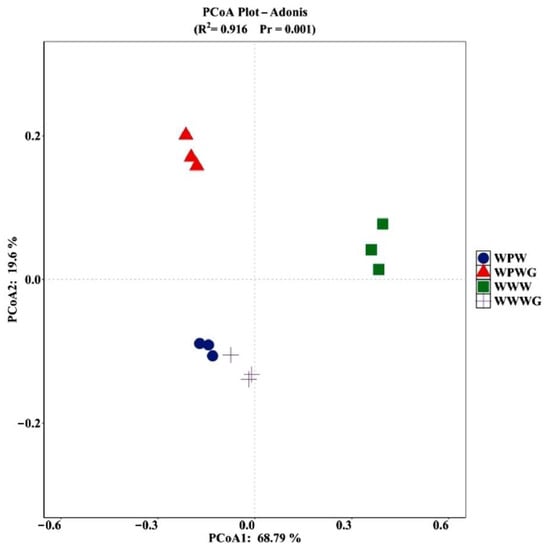
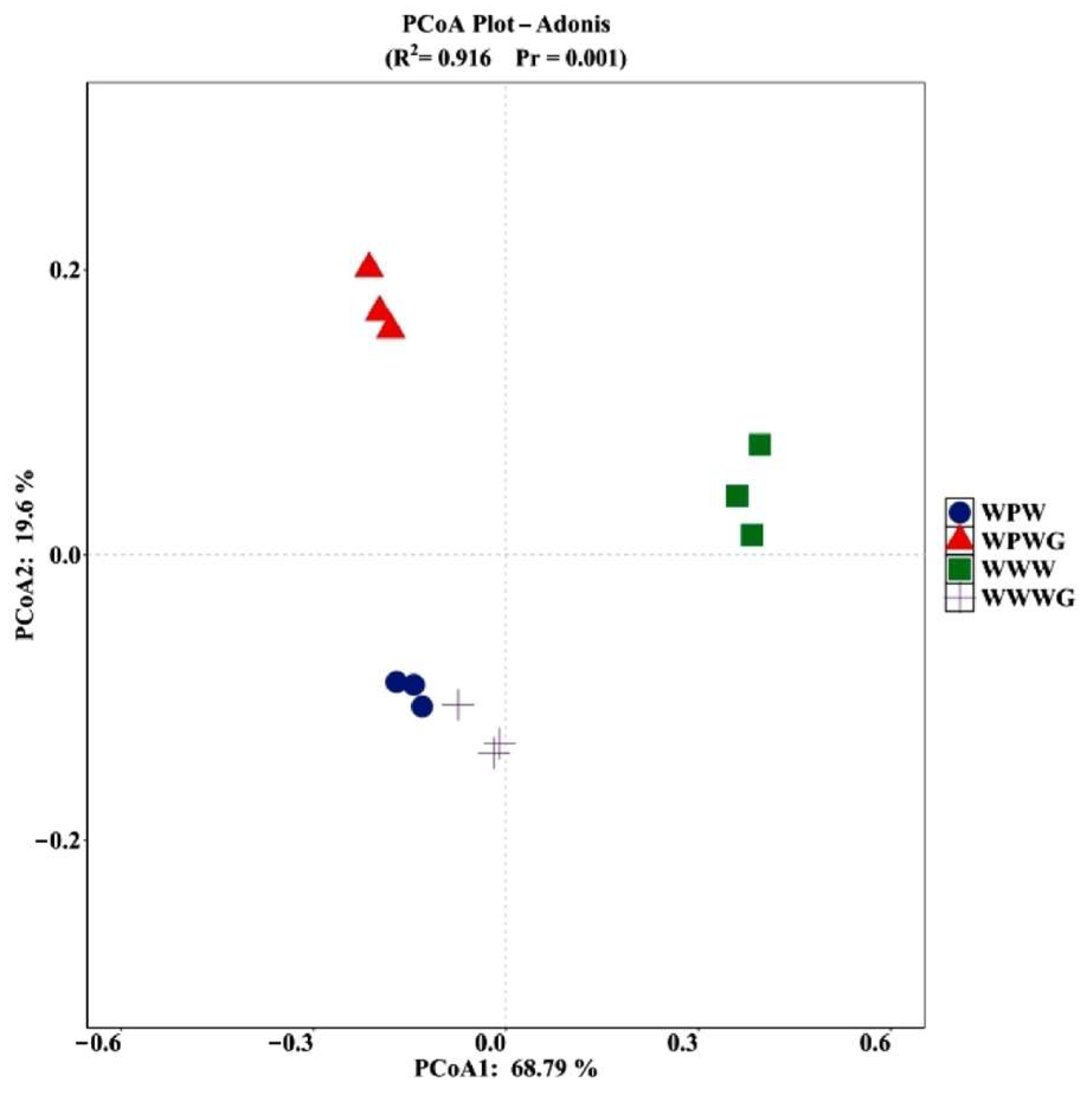
Compared with continuous watermelon cropping (WWW), chili pepper rotation (WPW), AMF inoculation (WWWF/WWWG), and combined treatments (WPWF/WPWG) all altered the structure of the rhizosphere microbial community. Among these treatments, the combination of chili pepper rotation and Glomus versiforme inoculation (WPWG) exhibited the strongest effects. Under this treatment, the abundances of bacteria and actinomycetes, as well as the actinomycetes-to-fungi and bacteria-to-fungi ratios, were significantly higher than those in other treatments, whereas fungal abundance was significantly lower (Table 2). High-throughput sequencing of the 16S rRNA gene revealed that the WPWG treatment significantly increased alpha diversity indices (Chao1, ACE, and Shannon) compared with the other treatments (Table 3). Principal coordinate analysis (PCoA) further demonstrated significant differences in beta-diversity among treatments (R2 = 0.871, p = 0.001; Figure 4).
Table 2.
Effects of chili rotation and AMF inoculation on rhizosphere soil microbial abundance in watermelon.
Table 3.
α-diversity indices of watermelon rhizosphere microbial communities under different treatments.
Figure 4.
Principal Coordinates Analysis (PCoA) of bacterial community structures under different treatments. Note: WWW, continuous watermelon cropping; WWWG, continuous watermelon cropping + Glomus versiforme; WPW, pepper–watermelon rotation; WPWG, pepper–watermelon rotation + Glomus versiforme.
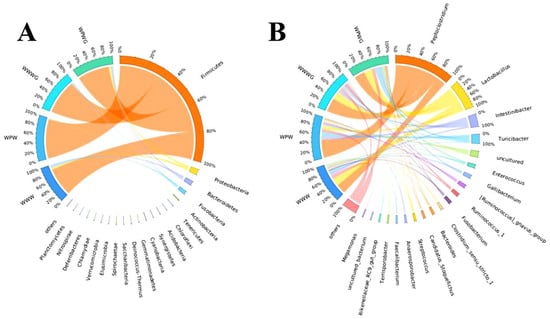
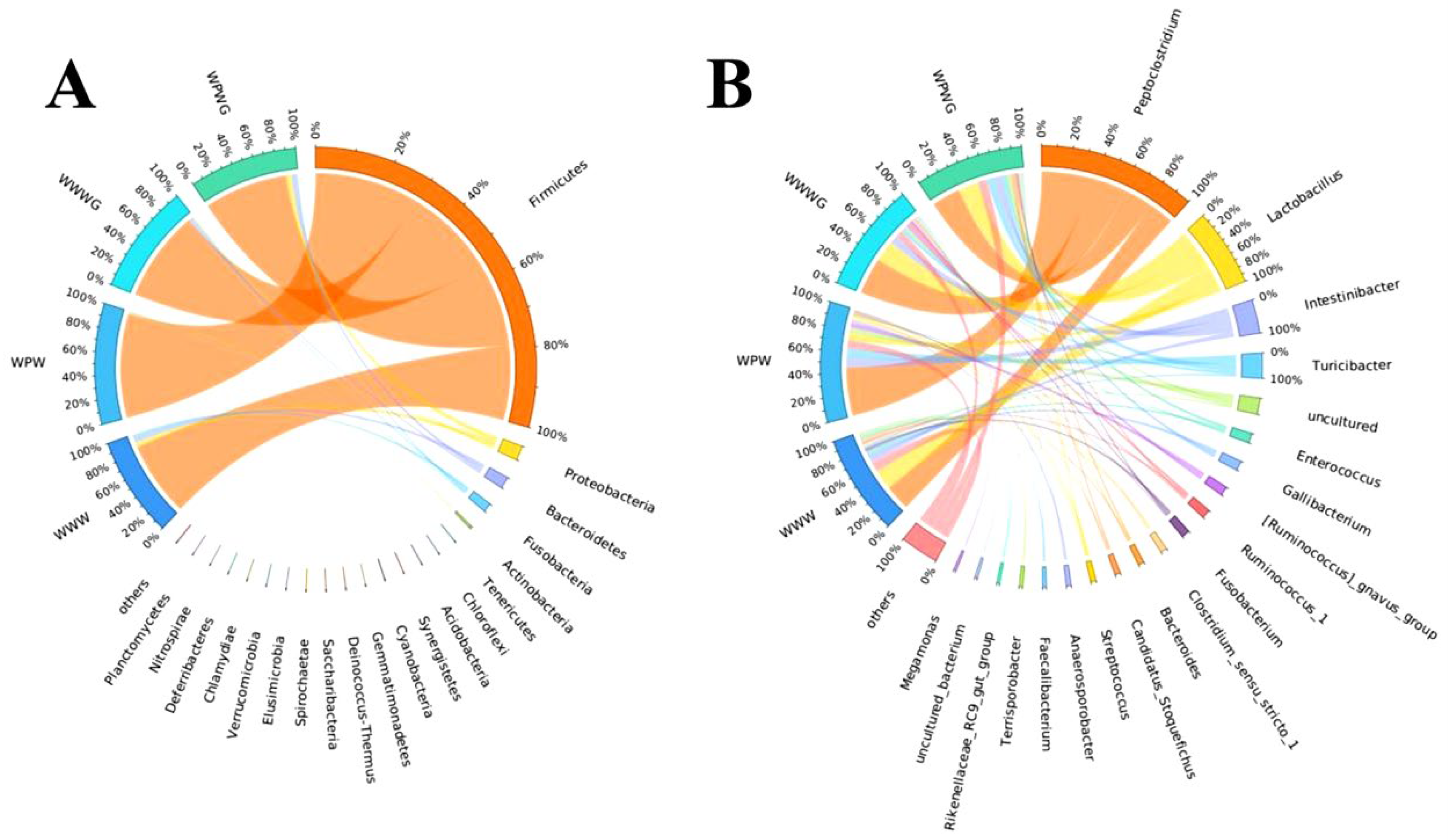
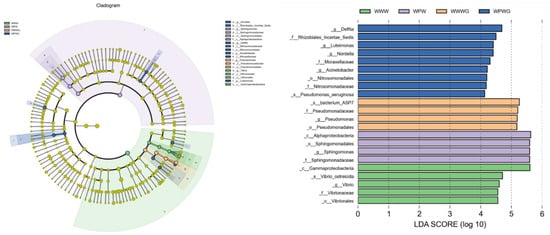
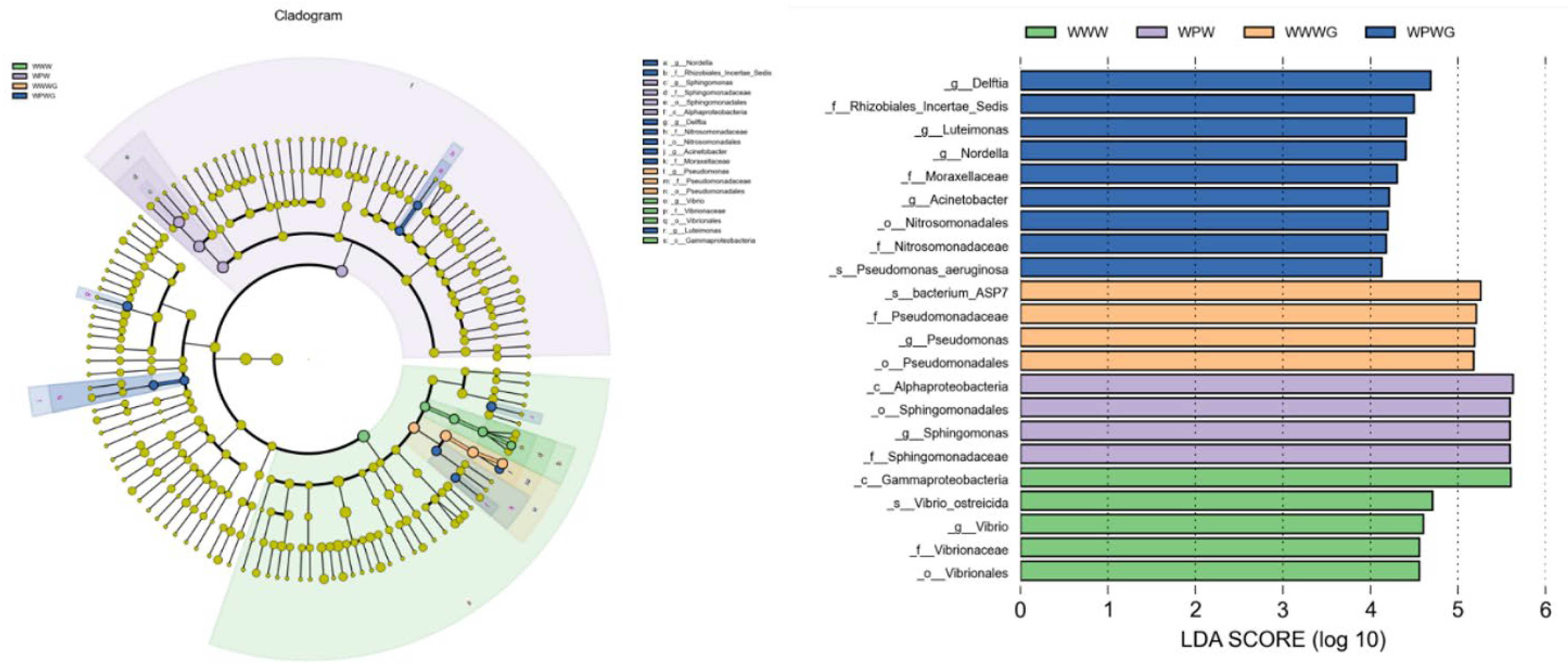
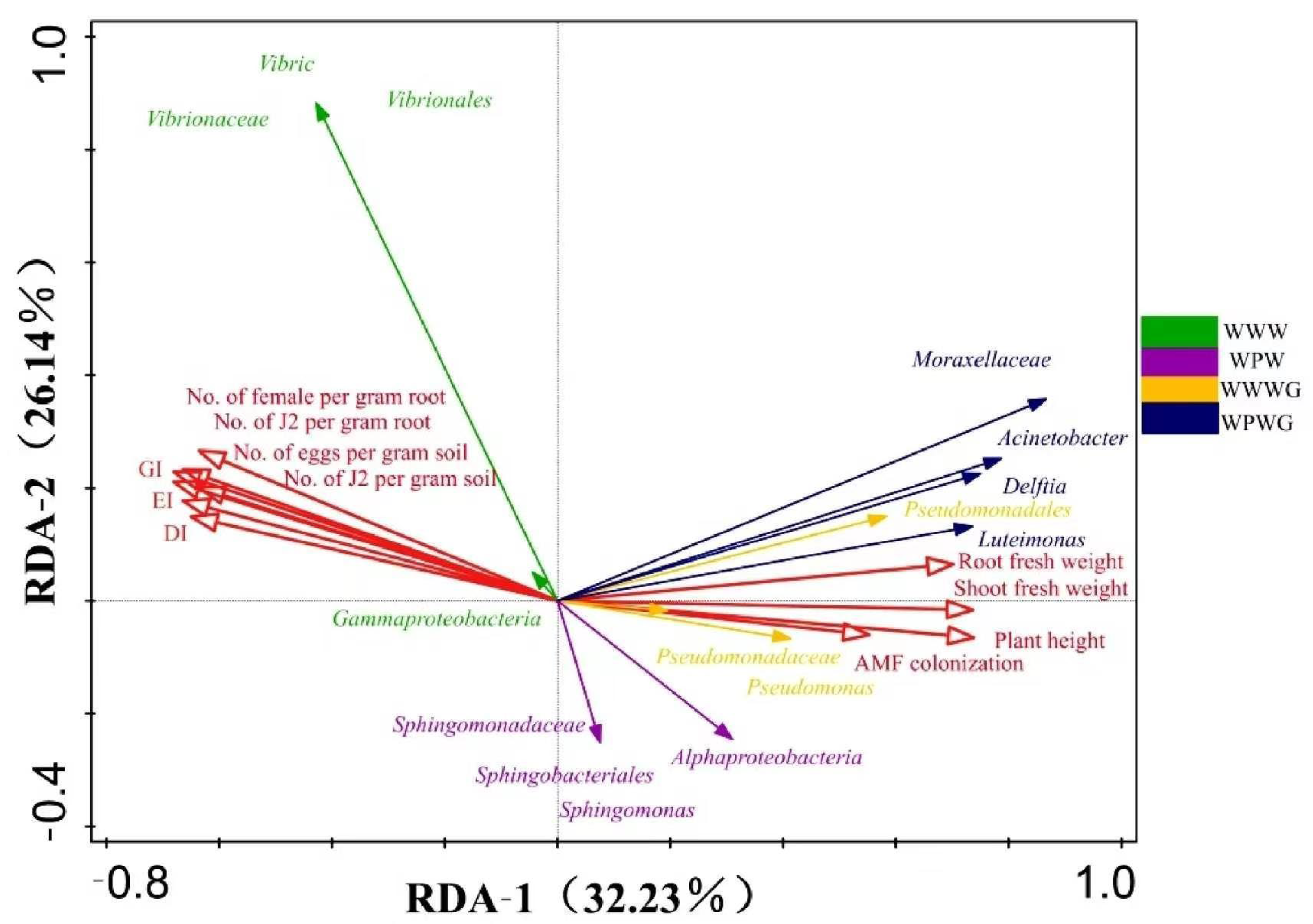
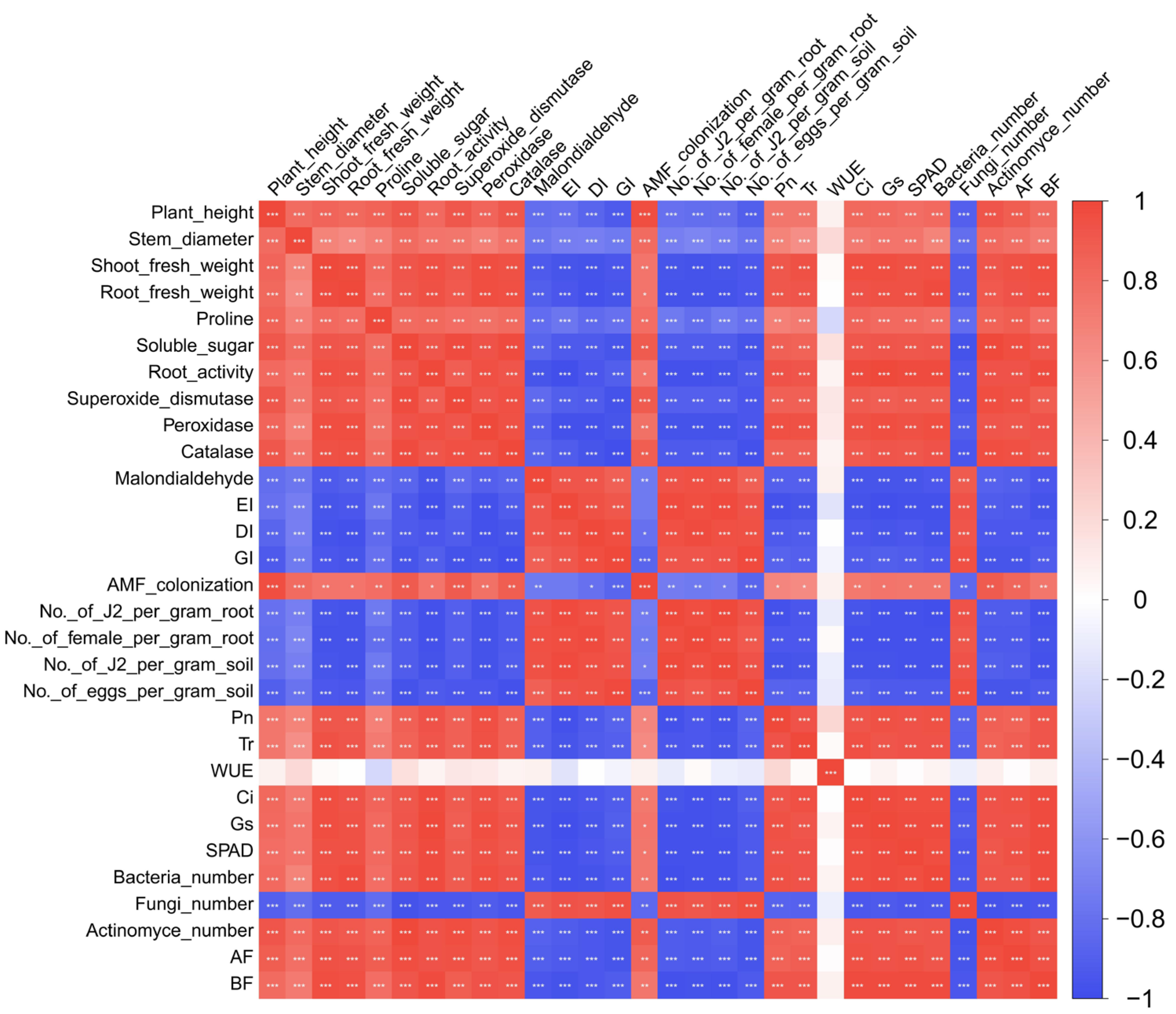
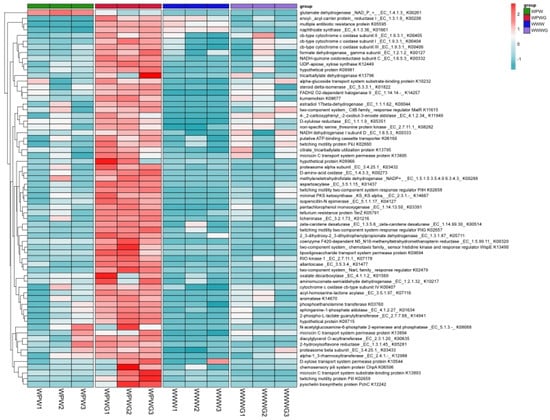
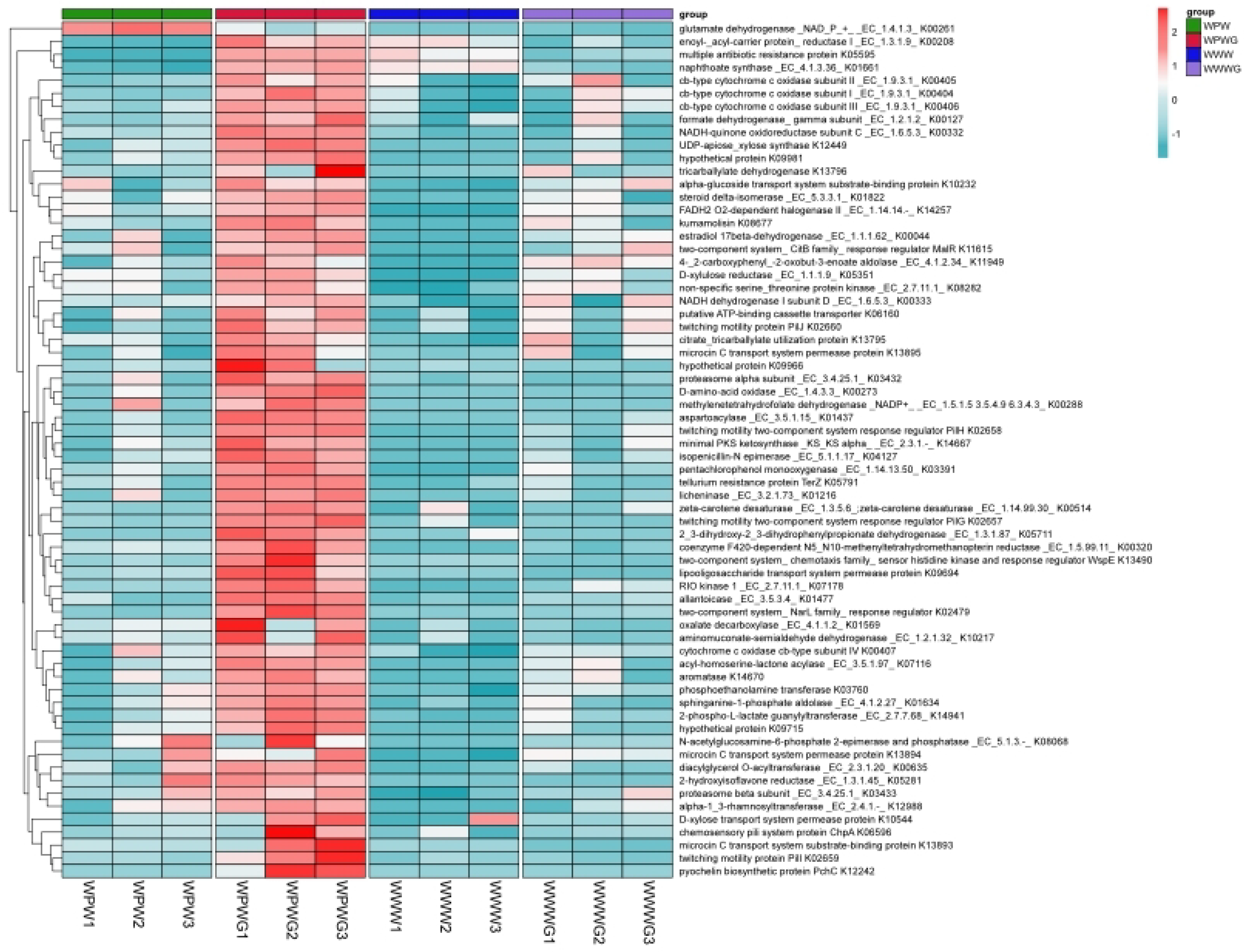
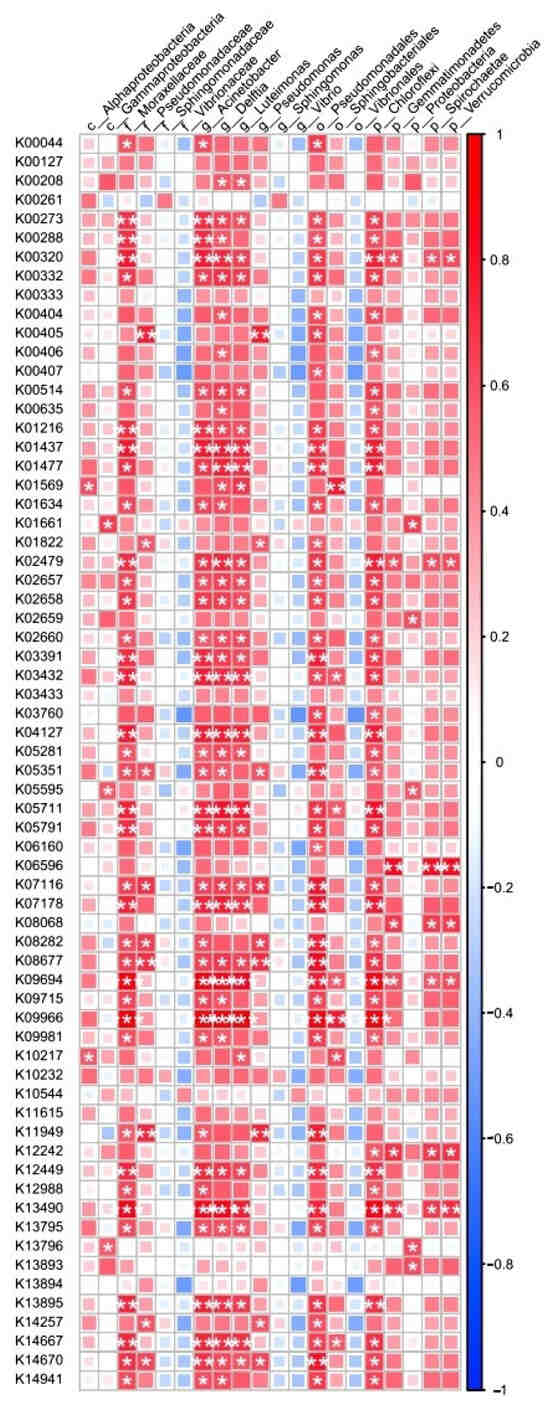
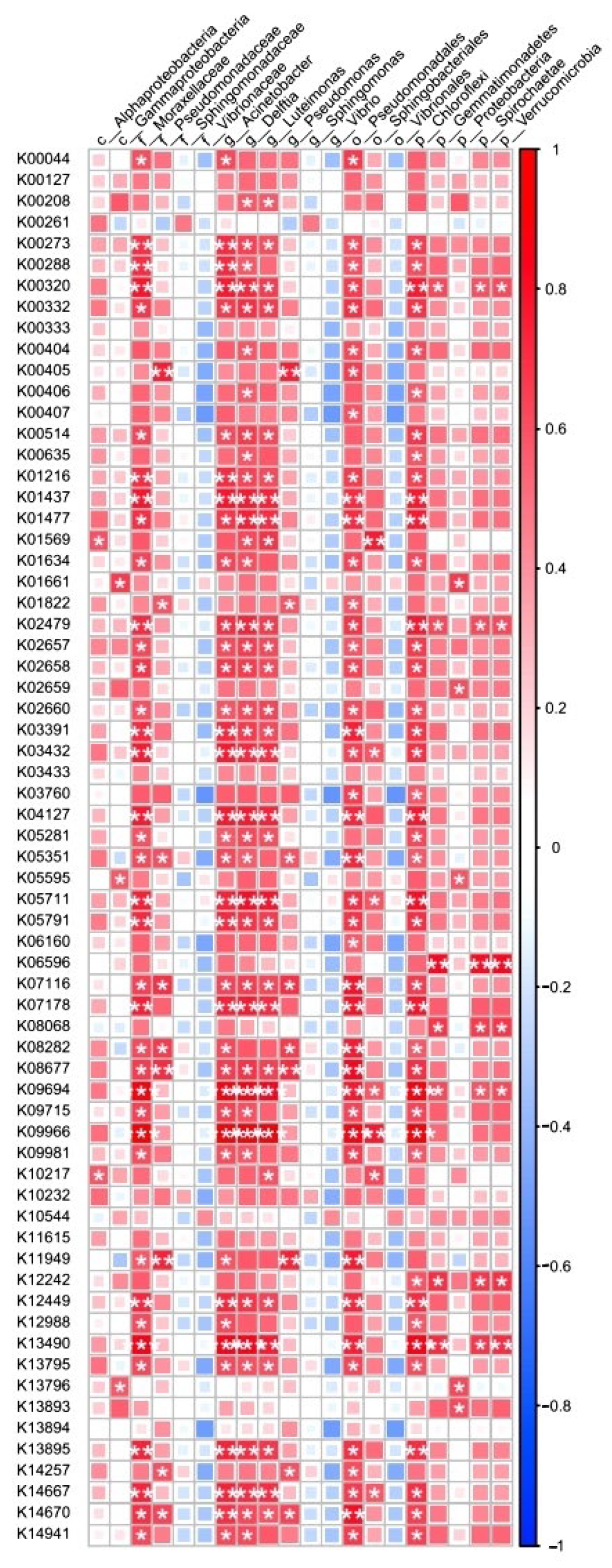
At the phylum level, the relative abundance of Firmicutes in the WPW, WWWG, and WPWG treatments was significantly higher than that in the WWW treatment. In addition, Proteobacteria abundance was significantly higher in the WPWG treatment than in the other treatments. At the genus level, the WPWG treatment exhibited the highest relative abundances of Enterococcus, Clostridium_sensu_stricto_1, Ochrobactrum, and Bacillus among all treatments (Figure 5). Phylogenetic cladogram analysis identified 19 significantly different bacterial clades among the four treatments. Compared with other treatments, WPWG enriched a greater number of specific bacterial taxa, including Nitrosomonadales, Nitrosomonadaceae, Rhizobiales_Incertae_Sedis, Moraxellaceae, Acinetobacter, Delftia, Luteimonas, Nordella, and Pseudomonas_aeruginosa, suggesting a greater shift in microbial community composition (Figure 6). Redundancy analysis (RDA) showed that these differential taxa were positively correlated with plant height, shoot fresh weight, and AMF colonization rate but negatively correlated with disease indices (Figure 7). Correlation analysis further indicated that plant growth, physiological, and photosynthetic parameters were positively correlated with the actinomycetes-to-fungi and bacteria-to-fungi ratios but negatively correlated with DI, root-knot nematode abundance, MDA content, and fungal abundance (Figure 8). KEGG functional prediction revealed that the WPWG treatment significantly enriched 65 metabolic pathways, including those related to histone acetyltransferase, allantoicase, 2′-hydroxyisoflavone reductase, and sphinganine-1-phosphate aldolase, which are associated with plant stress resistance (Figure 9). Further correlation analysis indicated that these pathways were positively correlated with key differential taxa such as Acinetobacter, Delftia, and Moraxellaceae (Figure 10).
Figure 5.
Distribution and abundance of the top 20 taxa at the phylum (A) and genus (B) levels under different treatments.
Figure 6.
LEfSe analysis of bacterial communities under different treatments. The significance threshold was set at 4.
Figure 7.
RDA of differential species and environmental factors. Note: Red arrows indicate growth and disease indicators; blue, orange, purple, and green arrows indicate differentially enriched species in the WPWG, WWWG, WPW, and WWW treatments, respectively. The cosine of the angle between the arrows represents the degree of correlation between the two; the higher the correlation, the smaller the angle.
Figure 8.
Correlation Analysis of Each Factor. Note: EI, DI, and GI denote the egg mass index, disease index, and root gall index, respectively. Pn, Tr, WUE, Ci, Gs, and SPAD represent net photosynthetic rate, transpiration rate, water use efficiency, intercellular CO2 concentration, stomatal conductance, and chlorophyll content, respectively. A/F and B/F indicate the actinomycete-to-fungus ratio and bacteria-to-fungus ratio, respectively. *, **, and *** indicate significant correlations at p < 0.05, p < 0.01, and p < 0.001, respectively.
Figure 9.
Heatmap of KEGG metabolic pathway abundance showing significant differences between different treatments.
Figure 10.
Heatmap of correlations between KEGG pathways and differential species. *, **, and *** indicate significant correlations at p < 0.05, p < 0.01, and p < 0.001, respectively.
4. Discussion
RKN infection is a major factor contributing to continuous cropping obstacles in greenhouse watermelon production, posing a serious threat to yield and fruit quality. Although chili pepper rotation and AMF inoculation have been widely reported to alleviate continuous cropping stress and reduce disease incidence, whether synergistic effects exist between these two strategies and the underlying biological mechanisms remains unclear. In the present study, compared with continuous cropping, chili pepper rotation, AMF inoculation, and their combined treatments promoted plant growth and reduced disease severity and nematode population density. Among all treatments, the combination of chili pepper rotation and Glomus versiforme inoculation (WPWG) exhibited the strongest effects.
This pronounced synergistic control effect is primarily built upon a highly efficient and strain-specific arbuscular mycorrhizal symbiotic system. In the present study, Glomus versiforme (Gv) showed a significantly higher colonization rate in watermelon roots than Funneliformis mosseae (Fm), and the colonization rate was significantly negatively correlated with the number of root-knot nematode reproductive units, indicating that the colonization level of AMF is closely associated with its biocontrol efficacy [37,38]. In addition to the colonization rate, the Gv treatment showed stronger effects than Fm in enhancing antioxidant enzyme activities, reducing lipid peroxidation, and improving photosynthetic performance in watermelon. Similar results have been reported in Platycodon grandiflorus and Salvia miltiorrhiza, where Gv exhibited stronger growth-promoting and stress-alleviating effects than Fm [39]. These interspecific differences in AMF performance may be attributed to species-specific variation in symbiotic compatibility with host plants. Previous studies have demonstrated that AMF strains differ in root recognition, colonization efficiency, and functional interactions, and their effects on host plants depend on the degree of symbiotic compatibility and mutual adaptation between fungi and plants [40,41,42,43]. Such compatibility differences may be a key factor underlying variation in AMF-induced plant defense activation and metabolic regulation.
Notably, the WPWG treatment exhibited a significantly higher mycorrhizal colonization rate than all other treatments, suggesting a potential synergistic interaction between chili pepper rotation and AMF establishment. This finding is consistent with Liu et al. [44], who reported that appropriate crop rotation can enhance AMF colonization and diversity in soil systems. Although the initial root-knot nematode population and allelochemical composition after rotation were not directly quantified in this study, previous studies on crop rotation-mediated alleviation of continuous cropping obstacles provide a mechanistic basis for interpretation. Chili pepper rotation may alter the composition of residual allelochemicals in the rhizosphere [45,46,47,48] and reduce the accumulation of specific soil-borne pathogens associated with continuous cropping systems. Such changes may reduce competitive pressure between pathogenic microorganisms and AMF at root infection sites, thereby potentially facilitating earlier and more effective AMF colonization of the rhizosphere niche [49]. Consequently, this may create a more favorable initial symbiotic environment and enhance the biocontrol potential of AMF against root-knot nematodes.
Compared with the individual treatments, the combined application of pepper rotation and AMF significantly increased net photosynthetic rate, chlorophyll content, root activity, osmotic adjustment capacity, and antioxidant enzyme activity, while reducing MDA content, thereby exhibiting superior growth-promoting and stress-resistance effects. Furthermore, two-way ANOVA revealed a significant interaction between pepper rotation and AMF. This suggests that the two factors exert a synergistic effect in enhancing plant photosynthetic function and alleviating physiological stress. In this study, the combined treatment (chili rotation + Glomus versiforme) significantly improved root vitality, the activities of antioxidant enzymes (SOD, POD, CAT), and the accumulation of osmotic regulatory substances (proline and soluble sugars). SOD, POD, and CAT are key enzymatic systems involved in scavenging reactive oxygen species (ROS) in plants. Their increased activities help maintain ROS metabolic balance and alleviate membrane lipid peroxidation damage [50]. Meanwhile, as important osmotic regulators, proline and soluble sugars can alleviate stress damage by maintaining cellular osmotic balance, stabilizing membrane structure, and reducing water loss [51]. On the other hand, ROS accumulation induced by nematode infection typically inhibits chlorophyll synthesis and reduces photosynthetic capacity [52,53]. In this study, the combined treatment significantly increased net photosynthetic rate, stomatal conductance, intercellular CO2 concentration, and SPAD values, indicating an effective improvement in plant photosynthetic performance [54]. In summary, the combined application of chili crop rotation and AMF improved root vitality, enhanced osmotic adjustment capacity, strengthened antioxidant defense systems, and promoted photosynthetic performance, which may contribute to alleviating the adverse effects of continuous cropping and root-knot nematode stress on watermelon growth. Notably, Glomus versiforme showed superior growth-promoting and defense-activating effects compared with Funneliformis mosseae across treatments, further confirming the importance of screening efficient strains with strong physiological regulatory potential for the green control of root-knot nematode disease in protected watermelon cultivation [55,56].
AMF colonization not only directly enhances plant resistance but may also contribute to changes in the rhizosphere microbial community [57]. Continuous cropping tends to cause an imbalance in soil microbial communities, characterized by a decrease in bacteria and actinomycetes and an increase in fungi, which may exacerbate soil-borne diseases [58,59,60]. The ratios of bacteria to fungi and actinomycetes to fungi are important indicators of soil ecological stability; higher values of these ratios are associated with lower crop disease risk. In this study, chili crop rotation, AMF inoculation, and their combined treatment all increased the abundance of bacteria and actinomycetes while reducing fungal abundance, which was associated with higher values of these ratios and a shift in the microbial community composition toward greater bacterial dominance. Among them, the combined treatment showed a stronger effect than single treatments, with the WPWG treatment exhibiting the most pronounced increase. These results indicate that the synergistic effects of crop rotation and AMF can alleviate the negative impacts of continuous cropping on the soil microenvironment by increasing beneficial rhizosphere microorganisms and suppressing harmful fungi, thereby creating a healthier rhizosphere ecosystem for watermelon growth [60].
Rhizosphere microorganisms serve as an important bridge between plants and soil, and their community composition undergoes significant changes following root-knot nematode infection. High-throughput sequencing results showed that the chili rotation combined with Glomus versiforme (WPWG) treatment significantly increased the richness and diversity of rhizosphere bacteria and enriched functional microbial groups such as Ochrobactrum, Bacillus, and members of the phylum Proteobacteria. These taxa have been widely reported to possess biocontrol potential. Ochrobactrum is capable of degrading autotoxic compounds accumulated in continuously cropped soils, thereby alleviating continuous cropping obstacles in watermelon systems, while also promoting plant growth and suppressing root-knot nematodes synergistically [61,62,63]. Bacillus species are well known for inducing systemic resistance and enhancing recovery of diseased plants through activation of host immune responses [64]. In addition, Proteobacteria are widely distributed in soil ecosystems and are consistently enriched in disease-suppressive rhizospheres, showing strong associations with plant resistance to nematode infection [65,66,67]. RDA further indicated that members of Acinetobacter, Delftia, and Pseudomonadales within Proteobacteria played key roles in promoting plant growth and suppressing root-knot nematode disease [68,69]. Mechanistically, Acinetobacter exhibits strong insecticidal activity [70], while Delftia shows broad-spectrum antagonism against Rhizoctonia solani, Ralstonia solanacearum, and other phytopathogens [71]. Moreover, Pseudomonas spp. are key functional contributors to plant growth promotion and nematode suppression [72,73,74,75,76]. In particular, Pseudomonas fluorescens and Pseudomonas aeruginosa have been reported to reduce root gall formation and second-stage juvenile densities in soil, with their metabolites disrupting nematode cuticle integrity and internal structures, ultimately leading to nematode mortality [77,78]. Environmental rhizosphere-associated strains of Pseudomonas aeruginosa have also been reported to contribute to plant growth promotion and nematode suppression within soil-root ecosystems [79]. In summary, these findings suggest that pepper rotation combined with Gv inoculation can reshape the composition of the rhizosphere microbial community, characterized by the enrichment of microbial taxa previously reported to be associated with disease suppression and plant growth promotion.
PICRUSt functional prediction analysis, based on 16S rRNA marker gene data, can infer the potential functional composition and related metabolic pathways of microbial communities [80]. The results showed a significant increase in 65 metabolic pathways, among which pathways related to 2′-hydroxyisoflavone reductase and allantoin metabolism were closely associated with enhanced plant stress tolerance. 2′-hydroxyisoflavone reductase is a key enzyme in isoflavonoid biosynthesis [81], and isoflavonoids, as characteristic secondary metabolites induced upon pathogen attack, play crucial roles in inhibiting pathogen activity and enhancing plant defense capacity [82,83,84]. Allantoin and its related metabolic enzymes (e.g., allantoinase) also play important roles in plant–pathogen interactions. Allantoin not only functions as a signaling molecule involved in stress responses [85,86] but also contributes to plant growth promotion under adverse conditions [87]. Correlation analysis further showed that most of the enriched metabolic pathways were significantly positively correlated with beneficial bacterial taxa such as Acinetobacter, Delftia, and Pseudomonadales, suggesting that the beneficial microbiota enriched under WPWG treatment may participate in or regulate these metabolic pathways, thereby enhancing watermelon resistance to nematode stress and promoting plant growth. However, it should be noted that the PICRUSt prediction results only represent potential functional characteristics and cannot directly confirm the actual expression and activity of the related metabolic pathways in the real environment. Future studies will combine multi-omics approaches, such as metagenomics, metatranscriptomics, and metabolomics, to further verify these functions and their underlying mechanisms.
Taken together, chili pepper rotation combined with Gv inoculation synergistically enhances watermelon resistance to root-knot nematode stress at multiple levels, including mycorrhizal symbiosis, plant physiological regulation, rhizosphere microbial community assembly, and metabolic pathway reprogramming.
5. Conclusions
This study investigated the synergistic effects of pepper rotation combined with arbuscular mycorrhizal fungi (AMF) in controlling root-knot nematode disease in watermelon. Greenhouse pot experiment results showed that the combined application of pepper rotation and Glomus versiforme was superior to individual treatments in promoting plant growth and suppressing disease. Two-way ANOVA revealed a significant interaction between the two factors, indicating a synergistic effect. Microbiome analysis provided further clues regarding this synergistic effect, which may be associated with the enrichment of beneficial rhizosphere microbiota and the upregulation of stress-resistance-related metabolic pathways. This study provides a theoretical basis for the green management of watermelon root-knot nematode disease.
Supplementary Materials
The following supporting information can be downloaded at https://www.mdpi.com/article/10.3390/horticulturae12060706/s1, Table S1: Significance Analysis.
Author Contributions
J.S.: Writing—review and editing, Writing—original draft, Data curation, Conceptualization. M.L.: Writing—review and editing, Methodology, Supervision, Conceptualization. S.W.: Data curation, Conceptualization, Investigation, Software. B.L.: Writing—review and editing, Supervision, Project administration, Conceptualization. H.L.: Validation, Supervision, Writing—review and editing, Project administration. D.X.: Validation, Supervision, Writing—review and editing, Project administration. All authors have read and agreed to the published version of the manuscript.
Funding
This research was funded by the National Key R&D Program of China (2023 YFD 1902700). Key Research and Development Project of the Tibet Autonomous Region Project Number: XZ202502ZY0057.
Data Availability Statement
Sequence data for bacterial 16S rRNA gene amplicons are available in GenBase at the China National Bioinformatics Center, with accession numbers C_AA122243.1–C_AA122398.1.
Conflicts of Interest
The authors declare no conflicts of interest.
References
- Yu, J.; Xia, W. Current situation, problems and suggestions of watermelon industry in China. Mod. Agric. 2024, 5, 25–27. (In Chinese) [Google Scholar]
- García-Mendívil, H.A.; Sorribas, F.J. Effect of Citrullus amarus accessions on the population dynamics of Meloidogyne incognita and M. javanica and watermelon yield. Sci. Hortic. 2021, 275, 109680. [Google Scholar] [CrossRef] [Scilit]
- Wang, X.; Wen, R.Q.; Yang, T.; Li, J.L.; Ma, H.F.; Weng, A.Q.; Zhang, W.; Ma, J.X. Effects of different microbial agents on control root knot nematodes and growth of watermelon. Acta Bot. Boreali-Occident. Sin. 2025, 34, 1658–1664. (In Chinese) [Google Scholar]
- Collange, B.; Navarrete, M.; Peyre, G.; Mateille, T.; Tchamitchian, M. Root-knot nematode (Meloidogyne) management in vegetable crop production: The challenge of an agronomic system analysis. Crop Prot. 2011, 30, 1251–1262. [Google Scholar] [CrossRef] [Scilit]
- Pan, X.; Yildiz, U.; Armstrong, S.K.; Bissonnette, K. Status and advancement of root-knot nematode management strategies and the emerging CRISPR/Cas biotechnology application. Funct. Integr. Genom. 2026, 26, 38. [Google Scholar] [CrossRef] [Scilit] [PubMed]
- Kerry, B.R. Rhizosphere interactions and the exploitation of microbial agents for the biological control of plant-parasitic nematodes. Annu. Rev. Phytopathol. 2000, 38, 423–441. [Google Scholar] [CrossRef] [Scilit] [PubMed]
- Forghani, F.; Hajihassani, A. Recent advances in the development of environmentally benign treatments to control root-knot nematodes. Front. Plant Sci. 2020, 11, 1125. [Google Scholar] [CrossRef] [Scilit] [PubMed]
- Zhang, H.; Guo, D.; Lei, Y.; Lozano-Torres, J.L.; Deng, Y.; Xu, J.; Hu, L. Cover crop rotation suppresses root-knot nematode infection by shaping soil microbiota. New Phytol. 2025, 245, 363–377. [Google Scholar] [CrossRef] [Scilit]
- Nnamdi, C.; Grey, T.L.; Hajihassani, A. Root-knot nematode management for pepper and squash rotations using plasticulture systems with fumigants and non-fumigant nematicides. Crop Prot. 2022, 152, 105844. [Google Scholar] [CrossRef] [Scilit]
- Xie, H.X.; Liu, Y.C.; Li, X.; Li, M. Untersuchung der Befallssituation durch den Wurzelgallennematoden in den Hauptanbaugebieten von Gewächshaus-Wassermelonen in Weifang. Shandong Agric. Sci. 2019, 51, 117–119+124. (In Chinese) [Google Scholar]
- Zhao, L.; Duan, Y.X.; Bai, C.M.; Chen, L.J.; Wang, Y.Y.; Zhu, X.F. Patterns of root-knot nematode occurrence and control strategies in protected-culture vegetables in Liaoning Province. Plant Prot. 2011, 37, 105–109. (In Chinese) [Google Scholar]
- Parsiaaref, S.; Cao, A.; Li, Y.; Ebadollahi, A.; Parmoon, G.; Wang, Q.; Yan, D.; Fang, W.; Huang, B.; Zhang, M. The main compounds of bio-fumigant plants and their role in controlling the root-knot nematode Meloidogyne incognita (Kofoid and White) Chitwood. Agriculture 2024, 14, 261. [Google Scholar] [CrossRef] [Scilit]
- Parveen, A.; Tanaka, K.; Khan, M. Biocontrol efficacy of Pochonia chlamydosporia against root-knot nematode Meloidogyne javanica in eggplant and its impact on plant growth. Sci. Rep. 2025, 15, 36990. [Google Scholar] [CrossRef] [Scilit] [PubMed]
- La, S.; Li, J.; Ma, S.; Liu, X.; Gao, L.; Tian, Y. Protective role of native root-associated bacterial consortium against root-knot nematode infection in susceptible plants. Nat. Commun. 2024, 15, 6723. [Google Scholar] [CrossRef] [Scilit] [PubMed]
- Delavaux, C.S.; Smith-Ramesh, L.M.; Kuebbing, S.E. Beyond nutrients: A meta-analysis of the diverse effects of arbuscular mycorrhizal fungi on plants and soils. Ecology 2017, 98, 2111–2119. [Google Scholar] [CrossRef] [Scilit] [PubMed]
- Vos, C.; Claerhout, S.; Mkandawire, R.; Panis, B.; De Waele, D.; Elsen, A. Arbuscular mycorrhizal fungi reduce root-knot nematode penetration through altered root exudation of their host. Plant Soil 2012, 354, 335–345. [Google Scholar] [CrossRef] [Scilit]
- Zhao, P.; Gu, S.; Han, C.; Lu, Y.; Ma, C.; Tian, J.; Bi, J.; Deng, Z.; Wang, Q.; Xu, Q. Targeted and untargeted metabolomics profiling of wheat reveals amino acids increase resistance to Fusarium head blight. Front. Plant Sci. 2021, 12, 762605. [Google Scholar] [CrossRef] [Scilit]
- Ujvári, G.; Turrini, A.; Avio, L.; Agnolucci, M. Possible role of arbuscular mycorrhizal fungi and associated bacteria in the recruitment of endophytic bacterial communities by plant roots. Mycorrhiza 2021, 31, 527–544. [Google Scholar] [CrossRef] [Scilit]
- Vos, C.; Schouteden, N.; Van Tuinen, D.; Chatagnier, O.; Elsen, A.; De Waele, D.; Panis, B.; Gianinazzi-Pearson, V. Mycorrhiza-induced resistance against the root-knot nematode Meloidogyne incognita involves priming of defense gene responses in tomato. Soil Biol. Biochem. 2013, 60, 45–54. [Google Scholar] [CrossRef] [Scilit]
- Liu, R.; Dai, M.; Wu, X.; Li, M.; Liu, X. Suppression of the root-knot nematode [Meloidogyne incognita (Kofoid & White) Chitwood] on tomato by dual inoculation with arbuscular mycorrhizal fungi and plant growth-promoting rhizobacteria. Mycorrhiza 2012, 22, 289–296. [Google Scholar] [PubMed]
- Schouteden, N.; De Waele, D.; Panis, B.; Vos, C.M. Arbuscular mycorrhizal fungi for the biocontrol of plant-parasitic nematodes: A review of the mechanisms involved. Front. Microbiol. 2015, 6, 1280. [Google Scholar] [CrossRef] [Scilit]
- Zhou, L.Y.; Lu, J.Z.; Huang, X.Y.; Sun, Z.Z.; Wu, F.Z.; Gao, D.M. Effects of arbuscular mycorrhizal fungi on tomato growth and root-knot nematode disease. China Veg. 2024, 2, 100–105. (In Chinese) [Google Scholar]
- Sulieman, A.M.E.; Elbadri, G.M.; Alanazi, N.A.; Alazmi, M.; Alrashidi, A.; Alothman, N.S. Mitigation of root-knot nematode infestation in tomato plants by mycorrhizal fungi. Front. Sustain. Food Syst. 2025, 9, 1609286. [Google Scholar] [CrossRef] [Scilit]
- Zhang, L.; Zhang, J.; Christie, P.; Li, X. Effect of inoculation with the arbuscular mycorrhizal fungus Glomus intraradices on the root-knot nematode Meloidogyne incognita in cucumber. J. Plant Nutr. 2009, 32, 967–979. [Google Scholar] [CrossRef] [Scilit]
- Campos, M.A.S.; Silva, F.S.B.; Lisboa, B.B.; Freitas, L.G.; Silva, I.R. Bioprotection by arbuscular mycorrhizal fungi in plants infected with Meloidogyne nematodes: A sustainable alternative. Crop Prot. 2020, 135, 105203. [Google Scholar] [CrossRef] [Scilit]
- Malviya, D.; Singh, P.; Singh, U.B.; Paul, S.; Kumar Bisen, P.; Rai, J.P.; Verma, R.L.; Fiyaz, R.A.; Kumar, A.; Kumari, P. Arbuscular mycorrhizal fungi-mediated activation of plant defense responses in direct seeded rice (Oryza sativa L.) against root-knot nematode Meloidogyne graminicola. Front. Microbiol. 2023, 14, 1104490. [Google Scholar] [CrossRef] [Scilit]
- Wen, S.; Sun, J.; Zeng, W.; Xiang, H.; Zhao, M.; Xiang, D. Effects of different arbuscular mycorrhizal fungi on tobacco seedling growth and their rhizosphere microecological mechanisms. BMC Plant Biol. 2025, 25, 1578. [Google Scholar] [CrossRef] [Scilit]
- Phillips, J.M.; Hayman, D.S. Improved procedures for clearing roots and staining parasitic and vesicular-arbuscular mycorrhizal fungi for rapid assessment of infection. Trans. Br. Mycol. Soc. 1970, 55, 158–161. [Google Scholar] [CrossRef] [Scilit]
- Sheng, P.P.; Liu, R.J.; Li, M. Methodological comparison of observation and colonization measurement of arbuscular mycorrhizal fungi. Mycosystema 2011, 30, 519–525. (In Chinese) [Google Scholar]
- Zhang, W. Effects of Calcium Application on Peanut Microbial Community and Disease Resistance. Master’s Thesis, Hunan Agricultural University, Changsha, China, 2020. (In Chinese) [Google Scholar]
- Bridge, J.; Page, S. Estimation of root-knot nematode infestation levels on roots using a rating chart. Int. J. Pest Manag. 1980, 26, 296–298. [Google Scholar] [CrossRef] [Scilit]
- Boiteux, L.S.; Charchar, J. Genetic resistance to root-knot nematode (Meloidogyne javanica) in eggplant (Solanum melongena). Plant Breed. 1996, 115, 198–200. [Google Scholar] [CrossRef] [Scilit]
- Wang, W.H.; Guo, Y.G.; Li, M. Effect of pepper root exudates on watermelon root-knot nematode and preliminary study on nematode-suppressing substance. J. Qingdao Agric. Univ. (Nat. Sci.) 2021, 38, 20–25. (In Chinese) [Google Scholar]
- Li, Z.; Wang, Y.; Guo, Z.; Luan, H.; Fu, Y.; Wang, W.; Jin, L.; Wang, Y. Identification of antagonistic bacteria against Angelica wilt and their effect on promoting growth and disease controlling. Chin. J. Biol. Control 2025, 41, 561. (In Chinese) [Google Scholar]
- Li, J.; Xie, T.; Zhu, H.; Zhou, J.; Li, C.; Xiong, W.; Xu, L.; Wu, Y.; He, Z.; Li, X. Alkaline phosphatase activity mediates soil organic phosphorus mineralization in a subalpine forest ecosystem. Geoderma 2021, 404, 115376. [Google Scholar] [CrossRef] [Scilit]
- Kao, C.; Li, J.; Gao, R.; Li, W.; Li, X.; Zhang, Q.; Peng, Y. Advanced nitrogen removal from real municipal wastewater by multiple coupling nitritation, denitritation and endogenous denitritation with anammox in a single suspended sludge bioreactor. Water Res. 2022, 221, 118749. [Google Scholar] [CrossRef] [Scilit]
- Kalamulla, R.; Karunarathna, S.C.; Tibpromma, S.; Galappaththi, M.C.; Suwannarach, N.; Stephenson, S.L.; Asad, S.; Salem, Z.S.; Yapa, N. Arbuscular mycorrhizal fungi in sustainable agriculture. Sustainability 2022, 14, 12250. [Google Scholar] [CrossRef] [Scilit]
- Xiang, D.; Huang, Y.; Li, L.; Zhao, M.; Liang, B. Effects of combinations of arbuscular mycorrhizal fungal species on tomato growth and Fusarium wilt control. Biol. Control 2023, 186, 105353. [Google Scholar] [CrossRef] [Scilit]
- Han, X.L. Effects of Arbuscular Mycorrhizal Fungi on the Growth and Physiological Characteristics of Platycodon grandiflorus and Salvia miltiorrhiza Seedlings. Master’s Thesis, Hebei University of Science and Technology, Qinhuangdao, China, 2024. (In Chinese) [Google Scholar]
- Smith, S.E.; Smith, F.A. Roles of arbuscular mycorrhizas in plant nutrition and growth: New paradigms from cellular to ecosystem scales. Annu. Rev. Plant Biol. 2011, 62, 227–250. [Google Scholar] [CrossRef] [Scilit] [PubMed]
- Barea, J.-M.; Ferrol, N.; Azcón-Aguilar, C.; Azcón, R. Mycorrhizal symbioses. In The Ecophysiology of Plant-Phosphorus Interactions; Springer: Berlin/Heidelberg, Germany, 2008; pp. 143–163. [Google Scholar]
- van der Heijden, M.G.; Martin, F.M.; Selosse, M.; Sanders, I.R. Mycorrhizal ecology and evolution: The past, the present, and the future. New Phytol. 2015, 205, 1406–1423. [Google Scholar] [CrossRef] [Scilit] [PubMed]
- Hoeksema, J.D.; Chaudhary, V.B.; Gehring, C.A.; Johnson, N.C.; Karst, J.; Koide, R.T.; Pringle, A.; Zabinski, C.; Bever, J.D.; Moore, J.C.; et al. A meta-analysis of context-dependency in plant response to inoculation with mycorrhizal fungi. Ecol. Lett. 2010, 13, 394–407. [Google Scholar] [CrossRef] [Scilit]
- Liu, L.; Xu, M.; Zhang, G.Y.; Wang, L.; Sun, S.Y.; Ru, S.H.; Xiao, G.M.; Gao, J.; Li, B.; Ma, L.M. Seasonal changes in the community structure of arbuscular mycorrhizal fungi in protected-culture soils under different crop rotation systems. J. Appl. Ecol. 2021, 32, 4095–4106. (In Chinese) [Google Scholar]
- Chen, Y.; Yang, L.; Zhang, L.; Li, J.; Zheng, Y.; Yang, W.; Deng, L.; Gao, Q.; Mi, Q.; Li, X. Autotoxins in continuous tobacco cropping soils and their management. Front. Plant Sci. 2023, 14, 1106033. [Google Scholar] [CrossRef] [Scilit] [PubMed]
- Huang, L.-F.; Song, L.-X.; Xia, X.-J.; Mao, W.-H.; Shi, K.; Zhou, Y.-H.; Yu, J.-Q. Plant-soil feedbacks and soil sickness: From mechanisms to application in agriculture. J. Chem. Ecol. 2013, 39, 232–242. [Google Scholar] [CrossRef] [Scilit] [PubMed]
- Farooq, M.; Hussain, T.; Wakeel, A.; Cheema, Z.A. Differential response of maize and mungbean to tobacco allelopathy. Exp. Agric. 2014, 50, 611–624. [Google Scholar] [CrossRef] [Scilit]
- Xiao, X.; Cheng, Z.; Meng, H.; Liu, L.; Li, H.; Dong, Y. Intercropping of green garlic (Allium sativum L.) induces nutrient concentration changes in the soil and plants in continuously cropped cucumber (Cucumis sativus L.) in a plastic tunnel. PLoS ONE 2013, 8, e62173. [Google Scholar] [CrossRef] [Scilit] [PubMed]
- Larkin, R.P. Soil health paradigms and implications for disease management. Annu. Rev. Phytopathol. 2015, 53, 199–221. [Google Scholar] [CrossRef] [Scilit]
- Feng, L.Z.; Chen, Q.Z.; Guo, W.S.; Zhu, J.H.; Chen, H.M. Relationship between eucalyptus resistance to eucalyptus dieback and defense enzyme system. Chin. J. Eco-Agric. 2008, 16, 1188–1191. [Google Scholar] [CrossRef] [Scilit]
- Liu, Y.; He, Z.; Xie, Y. Drought resistance mechanisms of Phedimus aizoon L. Sci. Rep. 2021, 11, 13600. [Google Scholar] [CrossRef] [Scilit] [PubMed]
- Sun, X.L.; Xu, Y.F.; Ma, L.Y.; Zhou, H. A review of acclimation of photosynthetic pigment composition in plant leaves to shade environment. Chin. J. Plant Ecol. 2010, 34, 989–999. [Google Scholar]
- Wang, J.G.; Jiang, X.; Luan, Q.S.; Feng, J.; Wang, J.J.; Liu, M. Effects of Bursaphelenchus xylophilus infestation on physiological indexes of Larix kaempferi. J. Southwest For. Univ. 2023, 43, 135–140. [Google Scholar]
- Sharkey, T.D. What gas exchange data can tell us about photosynthesis. Plant Cell Environ. 2015, 39, 1161–1163. [Google Scholar] [CrossRef] [Scilit]
- Molinari, S. Factors determining the variability of performance of bio-control agents against root-knot nematodes in vegetable plants. Agronomy 2021, 11, 1602. [Google Scholar] [CrossRef] [Scilit]
- Sharma, S.; Mehta, C.M.; Sirari, K.; Taoussi, M.; Assouguem, A.; Lahlali, R. Dynamic interaction between arbuscular mycorrhizal fungi and nematodes: A review. Microbe 2025, 10, 100647. [Google Scholar] [CrossRef] [Scilit]
- Kang, J.; Yang, W.; Liu, S.; Xuan, N.; Shao, Y.; Geng, Y.; Afzal, M.; Zhang, Y.; Yue, S.; Mushtaq, R. Arbuscular mycorrhizal fungi increased peanut (Arachis hypogaea L.) yield by changing the rhizosphere microbial community structure in saline-alkali soil. Front. Microbiol. 2023, 14, 1303979. [Google Scholar] [CrossRef] [Scilit] [PubMed]
- Li, N.; Wang, C.; Li, X.; Liu, M. Effects of earthworms and arbuscular mycorrhizal fungi on preventing Fusarium oxysporum infection in the strawberry plant. Plant Soil 2019, 443, 139–153. [Google Scholar] [CrossRef] [Scilit]
- Zhao, M.; Li, M.; Liu, R. Effects of arbuscular mycorrhizae on microbial population and enzyme activity in replant soil used for watermelon production. Int. J. Eng. Sci. Technol. 2010, 2, 17–22. [Google Scholar] [CrossRef] [Scilit]
- Xie, H.X.; Liu, R.J.; Sun, J.Q.; Li, M. Effects of AMF and grafting on soil physical, chemical and microbial characters in continuous cropping watermelon soil. Acta Mycosystema Sin. 2018, 37, 625–632. (In Chinese) [Google Scholar] [CrossRef]
- Qi, G.Z.; Mao, Z.Q.; Hu, X.N.; Du, B.H.; Ge, K.; Yang, Q.Q.; Ding, Y.Q. Screening, identification, and degradation characteristics of bacteria capable of degrading apple rhizosphere autotoxins. Microbiol. Bull. 2016, 43, 330–342. (In Chinese) [Google Scholar]
- Zhou, W.; Zhang, H.H.; Zeng, X.B.; Cheng, G.J. Isolation, identification, and degradation characteristics of the aromatic compound-degrading bacterium PM8. Hubei Agric. Sci. 2012, 51, 1775–1778. (In Chinese) [Google Scholar]
- Krithika, V.P.; Shandeep, G.; Bellie, A.; Banu, J.G.; Mannu, J.; Suganthy, M.; Gomathi, V.; Uma, D.; Mohan, P. Harnessing nature’s arsenal: Ochrobactrum bacteria metabolites in the battle against root-knot nematode—Insights from in vitro and molecular docking studies. J. Invertebr. Pathol. 2024, 204, 108114. [Google Scholar] [CrossRef] [Scilit]
- Owusu-Darko, R.; Allam, M.; Ismail, A.; Ferreira, C.A.; de Oliveira, S.D.; Buys, E.M. Comparative genome analysis of Bacillus sporothermodurans with its closest phylogenetic neighbor, Bacillus oleronius, and Bacillus cereus and Bacillus subtilis groups. Microorganisms 2020, 8, 1185. [Google Scholar] [CrossRef] [Scilit]
- Guo, Z.; Chen, J.; Jiao, L.; Li, P.; Liu, D. Diversity analysis of bacterial communities in rhizosphere soil of different resistant adzuki beans under soybean cyst nematode stress. Southwest China J. Agric. Sci. 2023, 36, 1711–1717. [Google Scholar] [CrossRef]
- Dimkić, I.; Janakiev, T.; Petrović, M.; Degrassi, G.; Fira, D. Plant-associated Bacillus and Pseudomonas antimicrobial activities in plant disease suppression via biological control mechanisms—A review. Physiol. Mol. Plant Pathol. 2022, 117, 101754. [Google Scholar] [CrossRef] [Scilit]
- Zhang, X.B.; Yang, X.Y.; Yu, Y.Z. Research progress of plant growth-promoting mechanism of Bacillus. Jiangsu Agric. Sci. 2020, 48, 73–80. (In Chinese) [Google Scholar]
- Gu, M.; Gulinisha, S.; Zhang, Z.; Zhu, J.; Liu, X.; Tang, Q.; Outikuer, M.; Song, S.; Feng, L.; Tang, G.; et al. Diversity and function analysis of endophytic bacterial community in different tissues of Lycium ruthenicum Murr. Acta Microbiol. Sin. 2021, 61, 152–166. [Google Scholar] [CrossRef]
- Zhang, H.; Duan, W.; Xie, B.; Wang, B.; Hou, F.; Li, A.; Dong, S.; Qin, Z.; Wang, Q.; Zhang, L. Root yield, antioxidant capacities, and hormone contents in different drought-tolerant sweet potato cultivars treated with ABA under early drought stress. Acta Physiol. Plant. 2020, 42, 132. [Google Scholar] [CrossRef] [Scilit]
- Tian, S.J. Whole-genome analysis of Acinetobacter johnsonii MB44 with nematocidal activity. Master’s Thesis, Huazhong Agricultural University, Wuhan, China, 2017. (In Chinese) [Google Scholar]
- Liang, X.J.; Guo, D.H.; Liu, Y.Z.; Tang, Y.Q.; Qiao, J.Q.; Du, Y. Identification and evaluation of Delftia tsuruhatensis strain NF83-1. J. Plant Prot. 2016, 43, 248–254. [Google Scholar]
- Rajkumar, M.; Bruno, L.B.; Banu, J.R. Alleviation of environmental stress in plants: The role of beneficial Pseudomonas spp. Crit. Rev. Environ. Sci. Technol. 2017, 47, 372–407. [Google Scholar] [CrossRef] [Scilit]
- Patten, C.L.; Glick, B.R. Role of Pseudomonas putida indoleacetic acid in development of the host plant root system. Appl. Environ. Microbiol. 2002, 68, 3795–3801. [Google Scholar] [CrossRef] [Scilit] [PubMed]
- Abramovitch, R.B.; Kim, Y.-J.; Chen, S.; Dickman, M.B.; Martin, G.B. Pseudomonas type III effector AvrPtoB induces plant disease susceptibility by inhibition of host programmed cell death. EMBO J. 2003, 22, 60–69. [Google Scholar] [CrossRef] [Scilit]
- Kim, Y.C.; Anderson, A. Rhizosphere pseudomonads as probiotics improving plant health. Mol. Plant Pathol. 2018, 19, 2349–2359. [Google Scholar] [CrossRef] [Scilit]
- Ma, L.; Zhang, H.-Y.; Zhou, X.-K.; Yang, C.-G.; Zheng, S.-C.; Duo, J.-L.; Mo, M.-H. Biological control of tobacco bacterial wilt and black shank and root colonization by bio-organic fertilizer containing bacterium Pseudomonas aeruginosa NXHG29. Appl. Soil Ecol. 2018, 129, 136–144. [Google Scholar] [CrossRef] [Scilit]
- Ali, N.I.; Siddiqui, I.A.; Shaukat, S.S.; Zaki, M.J. Nematicidal activity of some strains of Pseudomonas spp. Soil Biol. Biochem. 2002, 34, 1051–1058. [Google Scholar] [CrossRef] [Scilit]
- Siddiqui, I.A.; Shaukat, S.S. Suppression of root-knot disease by Pseudomonas fluorescens CHA0 in tomato: Importance of bacterial secondary metabolite, 2,4-diacetylphloroglucinol. Soil Biol. Biochem. 2003, 35, 1615–1623. [Google Scholar] [CrossRef] [Scilit]
- Yuan, M.; Li, W.; Fan, L.; Zhang, F.; Wu, C.; Xu, X.; Yao, Y.; Zhu, Z.; Li, S.; Yao, J. Isolation and characterization of Pseudomonas aeruginosa XR2-39 against Meloidogyne incognita and its enhancement of tomato growth. Microorganisms 2026, 14, 5. [Google Scholar] [CrossRef] [Scilit]
- Langille, M.G.I.; Zaneveld, J.; Caporaso, J.G.; McDonald, D.; Knights, D.; Reyes, J.A.; Clemente, J.C.; Burkepile, D.E.; Vega Thurber, R.L.; Knight, R.; et al. Predictive functional profiling of microbial communities using 16S rRNA marker gene sequences. Nat. Biotechnol. 2013, 31, 814–821. [Google Scholar] [CrossRef] [Scilit] [PubMed]
- Wang, Q.Y.; Jiang, L.; Fan, C.L. The research advances of isoflavonoids biosynthesis in legumes plants. Tillage Cultiv. 2016, 5, 83–86. (In Chinese) [Google Scholar]
- Qu, G.; Wu, W.; Ba, L.; Ma, C.; Ji, N.; Cao, S. Melatonin enhances the postharvest disease resistance of blueberries fruit by modulating the jasmonic acid signaling pathway and phenylpropanoid metabolites. Front. Chem. 2022, 10, 957581. [Google Scholar] [CrossRef] [Scilit]
- Mughal, N.; Zhang, X.; Shoaib, N.; Deng, J.; Guo, J.; Zhang, J.; Yang, W.; Liu, J. Screening of soybean antifungal isoflavones based on targeted metabolomics analysis. Food Chem. X 2025, 25, 102195. [Google Scholar] [CrossRef] [Scilit]
- Jia, W.; Xiaojie, L.; Ming, G.; Liwen, W.; Yunxiao, Z.; Yangdong, W.; Shiqing, H.; Yongzhi, Z.; Huoyong, F.; Yicun, C. Response of flavonoids biosynthesis in roots of Vernicia montana to Fusarium wilt infection. Sci. Silvae Sin. 2022, 58, 159–170. [Google Scholar]
- Kaur, R.; Chandra, J.; Varghese, B.; Keshavkant, S. Allantoin: A potential compound for the mitigation of adverse effects of abiotic stresses in plants. Plants 2023, 12, 3059. [Google Scholar] [CrossRef] [Scilit]
- Montalbini, P. Effect of rust infection on levels of uricase, allantoinase and ureides in susceptible and hypersensitive bean leaves. Physiol. Mol. Plant Pathol. 1991, 39, 173–188. [Google Scholar] [CrossRef] [Scilit]
- Zhang, P.; Wang, X.; Lu, Q.; Zhang, H.; Chen, J.; Zhang, H.; Wang, Y.; Li, C. Allantoin, a purine metabolite, confers saline–alkaline tolerance to sugar beet by triggering a self-amplifying feedback loop comprising jasmonic acid and nitric oxide. Environ. Exp. Bot. 2023, 206, 105172. [Google Scholar] [CrossRef] [Scilit]

Disclaimer/Publisher’s Note: The statements, opinions and data contained in all publications are solely those of the individual author(s) and contributor(s) and not of MDPI and/or the editor(s). MDPI and/or the editor(s) disclaim responsibility for any injury to people or property resulting from any ideas, methods, instructions or products referred to in the content. |
© 2026 by the authors. Licensee MDPI, Basel, Switzerland. This article is an open access article distributed under the terms and conditions of the Creative Commons Attribution (CC BY) license.