


Abstract
Anthocyanins, an important class of flavonoids, determine the color quality of many horticultural crops and influence their postharvest quality. Their accumulation is controlled by the phenylpropanoid–flavonoid biosynthetic pathway and by post-synthetic modifications such as glycosylation, acylation, and methylation, which contribute to pigment chemical diversity and stability. To better understand and control anthocyanin beyond conventional breeding, increasing evidence indicates that epigenetic mechanisms, including DNA methylation, histone modifications, noncoding RNAs, and chromatin remodeling, regulate anthocyanin biosynthetic and regulatory genes and thereby influence the accumulation of anthocyanins. This review examines anthocyanin biosynthesis and the epigenetic regulation of anthocyanin accumulation in horticultural crops and discusses prospects for targeted quality improvement. We distinguish plant-level epigenetic evidence from downstream evidence on anthocyanin composition, postharvest stability, and bioavailability and identify current gaps in linking epigenetic marks to functional outcomes.
1. Introduction
Horticultural crops, including fruits, vegetables, nuts, herbs, and ornamentals, play a significant role in the global agricultural economy [1]. They serve as a source of vitamins, minerals, dietary fiber, and antioxidants in the daily diet. According to the Food and Agriculture Organization of the United Nations (FAO) data [2], China consistently records the highest estimated gross production value for most major horticultural crops, including sweet potato, tomato, cabbage, and eggplant among vegetables and raspberry, pear, apple, and grape among fruits, with apples notably standing out at an estimated gross production value of Int$24.21 billion (Figure 1). In addition, the United States, India, and various European countries also contribute significantly to the production of these crops, reflecting notable gross production values. Within this landscape, anthocyanins have emerged as a critical nexus: they simultaneously determine the marketable color quality of fresh produce, and serve as bioactive flavonoids with reported health-related properties. Notably, in this review, cereals, grain legumes, and other field crops are not treated as core horticultural crops; they are mentioned only when they provide comparative mechanistic evidence and are explicitly identified as non-horticultural reference species.
Figure 1.
Top 10 countries by estimated gross production value of major horticultural crops: fruits (raspberry, grape, apple, and pear) and vegetables (eggplant, cabbage, sweet potato, and tomato). Value unit: 1000 Int$.
In horticultural crops, sensory quality is a primary factor influencing consumer choice, with visual appeal being particularly critical [3]. Anthocyanins, as a major group of pigments, directly determine the color brightness, tonal richness, and overall appearance of produce, thereby affecting market competitiveness [4]. The accumulation levels of these pigments significantly influence consumers’ purchasing decisions and market value. Furthermore, anthocyanins possess notable biological activities, such as antioxidant and anti-inflammatory properties [5]. These characteristics suggest their potential role in preventing chronic diseases and support their broad application prospects in functional foods and health products [6]. Overcoming their inherent susceptibility to degradation is crucial to enhancing the practical utility of anthocyanins in industries such as cosmetics and natural dyes [7,8,9]. The integration of emerging technologies may further expand pathways for the high-value utilization of these compounds, opening new opportunities for their application across diverse fields.
The efficient integration and utilization of anthocyanins in agriculture, food, health, and new materials rely heavily on a deeper understanding of their regulation mechanisms [10]. Anthocyanin accumulation is controlled by the phenylpropanoid–flavonoid biosynthetic pathway and by post-synthetic modifications such as glycosylation, acylation, and methylation, which contribute to pigment chemical diversity and stability. Research on the regulatory mechanisms of anthocyanin synthesis not only helps reveal the molecular basis and regulatory networks of plant secondary metabolism but also plays a crucial role in enhancing anthocyanin content in horticultural crops, improving fruit coloration, strengthening stress resistance, and elevating overall ornamental quality [11,12]. In recent years, epigenetic modifications, as a key regulatory mechanism in plant growth, development, and environmental adaptation, have garnered increasing attention [13]. This review integrates recent advances in anthocyanin metabolism, transport, and epigenetic regulation to clarify how anthocyanin accumulates and discusses the implications for crop quality and functional food research.
2. Materials and Methods
2.1. Literature Search and Selection
This work is designed as a critical narrative review rather than a systematic review. Literature was searched in Web of Science, Scopus, PubMed, and Google Scholar using combinations of the following terms: “anthocyanin,” “epigenetic,” “DNA methylation,” “histone modification,” “non-coding RNA,” “horticultural crop,” “postharvest,” and “bioavailability.” The search period was December 2005 to August 2025. Inclusion criteria were peer-reviewed studies on anthocyanin biosynthesis, transport, epigenetic regulation, postharvest stability, or bioavailability in horticultural crops. Exclusion criteria were non-peer-reviewed sources, studies without sufficient methodological detail, and studies unrelated to anthocyanins or horticultural crops. Two authors independently screened titles and abstracts; disagreements were resolved by discussion with a third author. Records were screened in duplicate, and the final reference list was verified manually against the original publications by all authors. Because the review is narrative rather than systematic, no formal risk-of-bias scoring was applied; instead, the level of evidence (in vitro, animal model, clinical trial, or field study) is stated explicitly wherever a biological effect is discussed.
For the purpose of this review, horticultural crops are defined as fruits, vegetables, nuts, herbs, and ornamentals. Corn, wheat, beans, rice, and other field crops were not considered core horticultural crops. They were included only when their studies provided comparative mechanistic evidence on regulation. These species are explicitly identified as non-horticultural references throughout the manuscript.
2.2. Use of Generative Artificial Intelligence Tools
Generative artificial intelligence tools were used in this study. Specifically, DeepSeek-V3.2 (DeepSeek, Hangzhou, China) and Kimi K2 (Moonshot AI, Beijing, China) were used solely to extract target content from the literature and to translate/paraphrase the extracted content. These tools were not used for data analysis, image processing, or the generation of original research data. The authors take full responsibility for the originality, accuracy, and final content of the manuscript.
3. Types and Distribution of Anthocyanins in Horticultural Crops
Anthocyanins exhibit significant structural diversity and an uneven distribution across different horticultural crops. They are flavonoids with an anthocyanidin core consisting of a 3,5,7-trihydroxy-2-phenylbenzopyrylium (flavylium) cation, which shares the C6-C3-C6 skeleton common to flavonoids but is specifically defined by the flavylium cation and usually glycosylated with one or more sugar moieties [14,15]. Structural diversity among individual anthocyanins arises from specific substitutions at the R1 and R2 positions on the B-ring. Unlike most other flavonoids, anthocyanins bear a positive charge on the C-ring, leading to their pronounced color variation with pH [16]. Six anthocyanidins are widespread in horticultural crops: cyanidin, delphinidin, pelargonidin, peonidin, petunidin, and malvidin [17] (Figure 2A).
Figure 2.
Distribution and content of anthocyanins in horticultural crops. (A) Diversity and classification of anthocyanins and anthocyanidins in horticultural crops. (B) Composition and content of anthocyanins in horticultural crops.
Data from the USDA Foreign Agricultural Service [18] show that many horticultural crops, such as raspberries, elderberries, chokeberries, bilberries, red cabbage, blueberries, black currants, radicchio, blackberries, maqui, and eggplants, are rich in various anthocyanins (Figure 2B). Among them, cyanidin is the predominant anthocyanidin, especially in berry fruits, which generally contain the highest total anthocyanin levels. The color diversity of anthocyanins depends not only on the type of anthocyanidin but also on structural variations like differences in attached glycosyl or acyl groups [19,20]. For example, pelargonidin-3-O-glucoside, the main red pigment in strawberries [21], also occurs in pitaya [22] and onion [23]. While its derivative pelargonidin-3-O-rutinoside is found in mulberries [24]. Cyanidin-3-O-glucoside, the most common anthocyanin in fruits, together with cyanidin-3-(6″-malonylglucoside), constitutes over 90% of total anthocyanins in blood oranges [25,26] and is abundant in raspberries [27] and cranberries [28]. Peonidin is widely distributed and appears in multiple forms: as peonidin-3-O-glucoside in blueberries (about 12.6% of total anthocyanins) [29], as peonidin-3-rutinoside in cherries [30], and as peonidin-3-galactoside in apples [31]. Petunidin contributes to the dark pigmentation in foods like bilberries [32], purple tomatoes [33], and purple potatoes [34]. Malvidin derivatives are present in grapes [35] and Chinese bayberries [36], and delphinidin derivatives can be found in eggplant [37], kiwifruit [38], pomegranate [39], and pecan [40]. Overall, the widespread occurrence and structural diversity of anthocyanins across major horticultural crops underscore their significant role as natural pigments in the plant kingdom. Further research into their specific distribution and biosynthesis could enhance their utilization in food, nutrition, and agricultural applications.
4. Applications of Anthocyanins from Horticultural Crops in Functional Foods and Potential Health Effects
Anthocyanins are widely utilized as excellent natural colorants in food, nutraceuticals, cosmetics, textiles, animal husbandry and biotechnology [41,42,43,44,45,46,47,48,49,50,51,52,53,54]. In addition to coloring properties, anthocyanins provide significant nutritional and functional benefits, making them common functional ingredients in dietary supplements and animal feed. Moreover, the chemical reactivity of anthocyanins supports applications in advanced material science, particularly in the development of intelligent packaging systems (Table S1). Figure 3 shows the diverse industrial applications of cyanidin-based products, which capitalize on their health benefits, natural pigmentation, and reactive characteristics.
Figure 3.
Potential applications and reported health-related effects of anthocyanins from horticultural crops. (A) Product applications of anthocyanins derived from horticultural crops. (B) Potential health effects of horticultural crops containing anthocyanins.
Functional foods are the primary application context for anthocyanins from horticultural crops. Anthocyanins impart vibrant colors to a wide range of color products such as yogurt, microcapsules, and beverages [43,49,50,52]. The enhancement of anthocyanin stability in food systems, achieved through methods such as copigmentation, microencapsulation, hydrogel encapsulation, pH adjustment, and storage at low temperatures without light, allows these compounds to function as nutritional fortificants in addition to providing sensory appeal [55,56]. In the field of nutraceuticals, anthocyanins have shown promise for targeted therapeutic and preventive applications. Recent studies are focused on optimizing delivery systems, clarifying mechanisms of action, and exploring associated health benefits. Encapsulation of blueberry anthocyanins with soy protein isolates or gelatin has been shown to delay their release and improve delivery to the colon. This was accompanied by a beneficial modulation of the gut microbiota, characterized by an increase in Bacteroidetes and a rise in short-chain fatty acid generation [51]. Another study developed a colon-targeted capsule containing grape seed anthocyanins, which demonstrated efficacy in the treatment of colitis [57]. Furthermore, a clinical trial revealed that an oral capsule containing anthocyanins, omega-3 fatty acids, and vitamins significantly alleviated visual strain and improved the tear film status in patients with mild-to-moderate dry eye disease [47].
Anthocyanins have been reported to exert potential health-promoting effects through proposed mechanisms, including free radical scavenging, anti-inflammatory activity, and restoration of redox balance, suggesting that these mechanisms may confer protection across various organ systems (Table S2). In animal models, dietary anthocyanins attenuate autism-like behavior in valproic acid-exposed mice [58] and improve peripheral and hippocampal antioxidant defenses in high-fat-diet-fed mice [59]. Separately, anthocyanins and anthocyanin-rich extracts have been reported to suppress Aβ toxicity in in vitro and in vivo models of Alzheimer’s disease [60] and to modulate neuroinflammation and behavioral deficits in Parkinson’s disease-like mouse models [61,62]. In the eye, extracts from purple corn, blueberry, grape skin, and purple sweet potato protect the ocular surface against desiccating stress, lacrimal gland excision, and high-fat-diet challenges. In vitro evidence further indicates that these extracts shield human retinal pigment epithelial cells from H2O2-induced oxidation by simultaneously suppressing NF-κB and restoring lipid homeostasis [63,64,65,66].
In the cardiovascular system, clinical trial evidence suggests that anthocyanin intake may increase HDL-cholesterol levels and HDL-particle number, improve flow-mediated dilation, and reduce arterial stiffness. However, these findings are based largely on intermediate indicators rather than hard clinical outcomes and may vary by population, dose, duration, and anthocyanin source. Evidence from animal models supports activation of the NO-cGMP-PKG axis (eNOS, PKG, SERCA2a) with potential implications for coronary artery disease and atherosclerosis [67,68,69,70]. At the hepatic level, in free fatty acid-induced L02 hepatocytes, the acetylated anthocyanin pelargonidin-3-O-(6″-acetyl)-glucoside reduced intracellular lipid droplets and triglycerides and activated AMPK-mediated lysosome–autophagy and redox regulation, providing in vitro evidence potentially relevant to nonalcoholic fatty liver disease (NAFLD) [71]. In the gut, animal-model evidence indicates that diets enriched with anthocyanins preserve crypt architecture and MUC2 expression in colitis induced by dextran sodium sulfate [72]; malvidin attenuates inflammation and oxidative stress and promotes tissue repair in several mouse models of peptic ulcer [73]. Cell-culture studies in colon cancer cells show apoptotic effects [74], while studies in inflamed colon cells and colon cancer cells show cancer-cytotoxic and anti-inflammatory activities [75]. These findings may be relevant to inflammatory bowel disease, colorectal cancer, peptic ulcer, and irritable bowel syndrome. In exercised muscles, clinical trial evidence suggests that juice containing anthocyanins may reduce oxidative damage, improve running economy, and shorten recovery time, although confounding by other juice components and small sample sizes should be considered [76,77].
Anthocyanins have shown potential in the prevention and management of various chronic metabolic disorders associated with metabolic syndrome, including type 2 diabetes mellitus, hyperuricemia, and obesity [78,79,80]; however, this evidence is derived largely from preclinical studies. In animal models, anthocyanins have been shown to improve oral glucose tolerance and insulin sensitivity while activating key antioxidant enzymes to alleviate oxidative stress. Mechanistically, preclinical studies indicate that anthocyanins modulate critical signaling pathways such as adiponectin-AMPK and PI3K/AKT, and upregulate glucose transporters GLUT-2 and GLUT-4, underscoring their promise for type 2 diabetes management [81]. Additionally, in a hyperuricemic mouse model, anthocyanins were shown to protect against hyperuricemia by lowering serum uric acid levels, reducing renal inflammation and injury, and alleviating oxidative stress [82]. In preclinical studies, cyanidin, delphinidin, and pelargonidin have been reported to reduce obesity-related inflammation [83]. Collectively, preclinical evidence and limited human data indicate that anthocyanins, a single class of molecules acting across the brain, eyes, heart, liver, gut, and muscles, can influence multiple metabolic pathways and physiological processes across several organ systems. They appear to be generally well tolerated at dietary doses, although long-term safety data remain limited. These findings support their potential as dietary bioactive compounds that may help reduce the risk of chronic metabolic disorders and maintain metabolic health (Figure 3B).
5. Metabolic Pathways of Anthocyanins
To advance biofortification, we must first map the conserved phenylpropanoid–flavonoid route and the downstream tailoring (hydroxylation, methylation, glycosylation) that diversifies anthocyanin skeletons in horticultural crops. The resulting pigments are then transported into vacuoles for color display, providing a tightly regulated trait that can be exploited for genetic enhancement of color and stress adaptation.
5.1. Biosynthetic Pathway of Anthocyanins
The biosynthesis of anthocyanins proceeds through the phenylpropanoid pathway, with the flavonoid pathway representing a key branch of this route [84] (Figure 4A,B). This process is orchestrated by a series of enzymes encoded by early biosynthetic genes (EBGs) and late biosynthetic genes (LBGs) [85]. The EBGs initiate the pathway from phenylalanine, which is deaminated by phenylalanine ammonia-lyase (PAL) to yield cinnamic acid [86]. This compound is hydroxylated by cinnamic acid 4-hydroxylase (C4H), yielding p-coumaric acid [87]. The reaction is followed by activation via 4-coumarate-CoA ligase (4CL), generating p-coumaroyl-CoA. Chalcone synthase (CHS), the first committed enzyme of the flavonoid pathway [88], catalyzes the condensation of one molecule of p-coumaroyl-CoA with three molecules of malonyl-CoA to produce naringenin chalcone, which provides the core flavonoid skeleton [89]. Subsequently, chalcone isomerase (CHI), the first enzyme identified in flavonoid metabolism, converts naringenin chalcone into naringenin [90].
Figure 4.
The metabolic pathway of anthocyanins. (A) The phenylpropanoid pathway for the biosynthesis of precursor compounds. (B) The core flavonoid pathway leading to the production of anthocyanidins. (C) Modification pathways of anthocyanin structures. (D) Intracellular transport of anthocyanins. Abbreviations: PAL, phenylalanine ammonia-lyase; C4H, cinnamate-4-hydroxylase; 4CL, 4-coumarate-CoA ligase; ACCase, acetyl-coA carboxylase; CHS, chalcone synthase; CHI, chalcone isomerase; F3′H, flavanone 3′-hydroxylase; F3′5′H, flavanone 3′,5′-hydroxylase; F3H, flavanone 3-hydroxylase; DFR, dihydroflavonol 4-reductase; ANS/LDOX, anthocyanidin synthase/leucoanthocyanidin dioxygenase; UFGT, UDP-glucose: flavonoid 3-O-glucosyltransferase; OMTs, O-methyltransferases.
Naringenin is a central intermediate in the biosynthesis of diverse flavonoid derivatives, including flavanones such as sakuranetin and hesperetin, as well as flavonols and anthocyanins [91,92]. Subsequently, naringenin can be further hydroxylated by flavanone 3-hydroxylase (F3H), flavanone 3′-hydroxylase (F3′H), or flavanone 3′,5′-hydroxylase (F3′5′H) to form different dihydroflavonols [93]. Among these, F3H catalyzes the conversion of flavanones to dihydroflavonols, while F3′H and F3′5′H, both of which are cytochrome P450 monooxygenases, are essential for synthesizing red cyanidin-based and blue delphinidin-based anthocyanins, respectively [94]. F3′5′H is the only known enzyme system capable of B-ring 5′-hydroxylation in flavonoids, catalyzing this step at either the 5′-position or at both the 3′- and 5′-positions, and directly competing with F3′H for the common substrates naringenin and dihydrokaempferol [95,96]. The resulting dihydroflavonols are then reduced by dihydroflavonol 4-reductase (DFR), a key LBG that utilizes NADPH to produce colorless leucoanthocyanidins [97]. Finally, leucoanthocyanidin dioxygenase/anthocyanidin synthase (LDOX/ANS) converts leucoanthocyanidins into colored anthocyanidins, namely pelargonidin, cyanidin, and delphinidin [98].
5.2. Modifications of Anthocyanins
The structural diversity of anthocyanins is largely attributed to post-synthetic modifications, primarily glycosylation, acylation, and methylation, which expand their chemical complexity and functional properties [99] (Figure 4C). A crucial step in anthocyanin biosynthesis is O-glycosylation, catalyzed by UDP-glucose: flavonoid 3-O-glucosyltransferase (UFGT) [100]. As the final enzyme encoded by structural genes in the anthocyanin biosynthesis pathway, UFGT transfers a glucose moiety from UDP-glucose to the 3-position of the flavonoid C-ring [101]. This glycosylation converts unstable anthocyanidins into stable anthocyanins, significantly enhancing their stability and water solubility [102]. Anthocyanins contain various sugar moieties, with glucose being the most common, followed by galactose, arabinose, xylose, and rhamnose [103]. These sugars are typically attached to the hydroxyl group at the C3 position of anthocyanidins and may also be linked to hydroxyl groups at C5, C7, C3′, and C5′. With the exception of 3-deoxyanthocyanidins, nearly all anthocyanins contain a sugar moiety at the C3 hydroxyl group [104].
Acylation further diversifies anthocyanin structures. Hydroxyl groups on the attached sugars can be esterified with aromatic (e.g., p-coumaric, caffeic, or ferulic acids) or aliphatic (e.g., acetic, malonic, or succinic acids) acyl groups [105]. Acylation, particularly with aromatic acids and in polyacylated forms, generally increases molecular stability and has often been reported to enhance antioxidant capacity relative to non-acylated or aliphatic-acylated analogues, although the effect depends on acyl type, binding site and number of acyl groups [106]. In eggplant, SmelAAT, which encodes a BAHD anthocyanin acyltransferase, has been demonstrated to be responsible for the key acylation step in the pathway converting delphinidin-3-rutinoside (D3R) to nasunin (NAS), and loss of its function leads to the accumulation of D3R [107]. In contrast, in most other horticultural crops that accumulate acylated anthocyanins, the acyltransferases catalyzing the corresponding acylation steps remain unidentified, with functional validation still lacking [108], and the division of labor between BAHD and SCPL enzymes in generating specific acylation profiles is still largely unresolved [109].
Methylation of anthocyanin hydroxyl groups, catalyzed by S-adenosyl-L-methionine (SAM)-dependent O-methyltransferases (OMTs), fine-tunes their color properties. In plants, OMTs are broadly classified into two types: Type I enzymes are metal-ion-independent homodimers (~40 kDa per subunit), whereas Type II OMTs are smaller (23~27 kDa) and require metal cations for activity [110,111,112]. Methylation generally induces a bathochromic (red-shift) effect; increasing methoxylation deepens pigmentation from red toward purple and blue hues [113]. Commonly accumulated methylated anthocyanidins include the monomethylated forms peonidin and petunidin, and the dimethylated malvidin, which are prevalent in many colored horticultural varieties [114]. Methylation predominantly occurs on glycosylated anthocyanins. The majority of anthocyanin OMTs preferentially recognize glycosylated anthocyanins and exhibit virtually no catalytic activity toward free anthocyanidins [115,116]. In Paeonia, OMT activity toward cyanidin glycosides is critical for purple flower coloration; a difference in activity of up to 60-fold between two homologous OMTs was found to result solely from a single amino acid substitution at position 87 (arginine to leucine) [113]. This directly indicates that small changes in substrate recognition and catalytic efficiency are sufficient to generate marked differences in pigmentation phenotype. Methylation may act as a factor independent of other processes influencing anthocyanin accumulation and color formation. Nevertheless, it remains to be established whether high-activity OMTs can be employed more reliably in horticultural crops to increase the proportion of methylated anthocyanins and enhance pigment stability.
5.3. Transport of Anthocyanins
Anthocyanins are synthesized on the cytosolic surface of the endoplasmic reticulum (ER) and must cross the tonoplast to generate the vacuolar color. Two parallel routes account for this traffic: direct transporter-mediated import and vesicle-mediated delivery that often terminates in anthocyanic vacuolar inclusions (AVIs) (Figure 4D).
The best-characterized importers are ATP-binding cassette (ABC) and multidrug and toxic compound extrusion (MATE) transporters. In Arabidopsis thaliana, ABCC subfamily members such as AtABCC2 use the energy of ATP hydrolysis to pump anthocyanins against their concentration gradient; this transport is assisted by glutathione S-transferases that transiently present the pigment to the transporter in a glutathione-bound form without forming a stable conjugate [117,118,119]. The conservation of this mechanism across other plant species remains unclear. MATE transporters, exemplified by TT12 in Arabidopsis thaliana and MATE1 in grape, exploit the H+ gradient generated by vacuolar H+-ATPases to drive secondary active uptake of acylated anthocyanins and proanthocyanidin precursors [120,121]. A third, minor pathway is catalyzed by bilitranslocase-homolog (BTL), an ATP-independent carrier detected in carnation and grape berry that localizes to both the tonoplast and the plasma membrane; however, substrate specificity and physiological contribution remain to be defined [122,123].
Once inside the vacuole, pigments may be stored as a homogeneous solution or further condensed into AVIs [124]. Anthocyanins may reach the vacuole through autophagy-associated vesicle trafficking, in which vesicles in anthocyanin-containing cells are transferred to the vacuole by macroautophagy or microautophagy [125]. It has been proposed that in macroautophagy, anthocyanin-containing ER domains could potentially be sequestered within double-membrane autophagosomes; upon fusion with the tonoplast, the inner autophagic body would then be released into the vacuolar lumen. However, direct experimental evidence for this specific route is currently lacking, and observed autophagy-dependent anthocyanin transport in Arabidopsis is predominantly attributed to a microautophagy-like mechanism [126,127]. Microautophagy, by contrast, employs direct invagination of the tonoplast to engulf cytoplasmic anthocyanin clusters and form microautophagic structures, a process independent of ATG5 and phosphatidylinositol 3-kinase (PI3K) activity [126,128]. Both routes may generate AVIs, but the genes and signals that direct specific anthocyanin species into vesicles versus transporters are still unresolved.
6. The Epigenetic Regulation of Anthocyanin Biosynthesis in Horticultural Crops
From postharvest quality maintenance to finished-product innovation, the multifunctional value of anthocyanins is closely associated with epigenetic regulation. This regulation is achieved through mechanisms such as DNA methylation, histone modification, chromatin remodeling, non-coding RNAs (ncRNAs), and other epigenetic mechanisms [129] (Figure 5A and Table 1). Research in this field provides novel insights for improving crop traits and developing innovative breeding strategies, with the potential to enhance resilience to environmental fluctuations and to support more consistent improvements in both yield and quality.
Figure 5.
Epigenetic regulation of anthocyanin biosynthesis in horticultural crops. (A) Key mechanisms: DNA methylation, chromatin remodeling, and ncRNAs (Me, methyl; Ac, acetyl; H3ac, acetylated histone H3). (B) Kiwifruit: DML1-mediated demethylation of AcGST1 promoter enhances anthocyanin accumulation. (C) Pear: PpERF9-PpTPL1 repressor complex mediates histone H3 deacetylation (reduced H3ac) and suppresses PpMYB114 and PpRAP2.4. (D) Apple: Cold-induced MdROS1 facilitates demethylation and transcription of MdF3′H and MdUFGT. (E) Strawberry: FaSRT1-2 overexpression enhances anthocyanins but reduces stress resistance. (F) Sweet potato: Ib-pri-MIR2111 targets IbKFB to upregulate anthocyanin biosynthetic genes. (G) Grape: Drought-induced ABA activates VvAREB2–MIR156b module, suppressing VvSBP8/13 and promoting anthocyanin accumulation.
6.1. DNA Methylation
DNA methylation is the biochemical process of adding methyl groups to DNA, which plays critical roles in regulating gene expression, maintaining genome integrity, and enabling environmental adaptation in horticultural crops [130]. In higher plants, DNA methylation occurs in the symmetric CG and CHG contexts as well as the asymmetric CHH context (where H = A, C, or T) [131,132]. This process is dynamically governed by the balanced action of specific methyltransferases and demethylases [133]. The decreased CHH cytosine methylation level in the kiwifruit AcGST1 promoter was associated with reduced expression of methyltransferase genes MET1 and CMT2, and increased expression of demethylase genes ROS1 and DML1 [134]. Notably, the demethylase gene DML1 was found to activate AcGST1 transcription and enhance its expression, suggesting that reduced methylation of the AcGST1 promoter may contribute to anthocyanin accumulation (Figure 5B). In apple, low temperature upregulates MdROS1, which encodes a key member of the DNA glycosylase DEMETER (DME) family responsible for active DNA demethylation [133,135]. The MdROS1 protein facilitates active demethylation and concurrently suppresses DNA methyltransferase (DNMT) activity, primarily within CHH sequence contexts. Via its conserved RNA recognition motif-DME (RRD-DME) domains, MdROS1 binds to the promoters of the anthocyanin biosynthetic genes MdF3′H and MdUFGT, thereby promoting their transcription [136]. Consequently, this cold-induced epigenetic mechanism enhances anthocyanin accumulation (Figure 5D). Xu et al. [137] found that elevated methylation in the MsMYB1R1 promoter suppresses transcription, leading to reduced anthocyanin accumulation. Typically, DNA methylation is associated with transcriptional silence, whereas DNA demethylation can activate gene expression, as evidenced in fruits such as fig [138], peach [139], orange [140], and pear [141].
6.2. Histone Modifications
Histone octamers undergo post-translational modifications at specific residues of their subunit proteins [142]. The most common and well-known modifications are methylation and acetylation, although ubiquitylation and phosphorylation also have important roles [143]. These epigenetic marks play a crucial role in regulating gene expression by altering chromatin structure and recruiting transcription regulators [144]. For instance, histone deacetylases (HDAC19) recruit ERF4 to the MYB5a promoter, thereby diminishing anthocyanin accumulation during grape ripening [145]. Furthermore, the Ethylene-responsive element-binding factor-associated Amphiphilic Repression (EAR) motif mediates the interaction with the TOPLESS (TPL) corepressor [146,147]. In pear, PpETHYLENE RESPONSE FACTOR9 (PpERF9) recruits the corepressor PpTPL1 through its EAR motif to form a transcriptional repressor complex that mediates histone deacetylation, leading to reduced H3 acetylation at the promoters of PpMYB114 and PpRAP2.4 (Figure 5C). Furthermore, PpERF9 directly binds to DRE and GCC-box cis-elements in the promoters of PpRAP2.4 and PpMYB114, respectively, repressing their transcription. In contrast, PpRAP2.4 functions as a positive regulator of PpMYB114 expression, thereby promoting anthocyanin biosynthesis. This hierarchical regulatory cascade ultimately fine-tunes the expression of key structural and regulatory genes in the anthocyanin pathway, including PpMYB10, PpUFGT, PpANS, PpDFR, PpF3H, PpCHI, and PpCHS [148]. As shown in Figure 5E, transient overexpression of the histone deacetylase FaSRT1-2 in strawberry fruit promotes anthocyanin accumulation by upregulating key biosynthetic genes such as FACHS, FaMYB10, FaMYB1, FaANS, and FaANR. In stable transgenic strawberry plants, FaSRT1-2 overexpression negatively affects resistance to both heat stress and Botrytis cinerea infection [149]. Although the regulation of anthocyanin biosynthesis by histone methylation has been relatively unexplored in fruits and vegetables, it has been reported in Arabidopsis. Specifically, the JmjC domain-containing histone demethylase IBM1 is induced by high light (HL) and epigenetically regulates HL-induced anthocyanin accumulation. IBM1 directly binds to the SPA1/3/4 chromatin, reducing H3K9 dimethylation and non-CG DNA methylation at these loci, thereby derepressing their expression [150]. Manipulating histone acetylation therefore provides a double-edged tool for pigment enhancement, requiring stress-resistance trade-offs to be considered.
6.3. Non-Coding RNAs
Non-coding RNAs, particularly miRNAs, have mechanisms of action that include the canonical post-transcriptional repression of target protein-coding gene expression by promoting mRNA decay or dampening translation [151]. In plants, MIRNA genes are transcribed by RNA polymerase II into primary miRNAs (pri-miRNAs), which are predominantly processed in the nucleus by DICER-LIKE 1 (DCL1) in complex with RNA-binding proteins such as HYL1 and SERRATE. DCL1 sequentially cleaves pri-miRNAs into precursor miRNAs (pre-miRNAs) and then into miRNA duplexes. HEN1 catalyzes 2′-O-methylation of the 3′-terminal nucleotide of the miRNA duplex, and the guide strand is loaded into an ARGONAUTE protein to form the miRNA-induced silencing complex (miRISC). The resulting miRISC primarily mediates cleavage of target mRNAs and can also repress translation [152,153]. Ib-pri-MIR2111 is processed into its mature form and targets IbKFB mRNA for downregulation, thereby reducing IbKFB protein levels (Figure 5F). This reduction leads to the upregulation of IbPAL1, IbCHS, IbCHI, IbDFR, and IbANS in the anthocyanin biosynthetic pathway, promoting anthocyanin biosynthesis in sweet potatoes [154]. Drought-induced ABA accumulation promotes the direct binding of VvAREB2 to the ABA-responsive element (ABRE) in the MIR156b promoter and activates its expression. This leads to the suppression of VvSBP8 and VvSBP13, ultimately enhancing anthocyanin accumulation in grape berries [155] (Figure 5G). Notably, in apple, overexpression of mdm-miR858 has been shown to significantly inhibit anthocyanin accumulation [156]. Similarly, transgenic apple plants overexpressing miR172 exhibit a reduction in anthocyanin content across multiple tissue types [157]. Furthermore, studies indicate that miR399d, a key regulator of phosphate deficiency adaptation, also promotes anthocyanin accumulation [158]. Under drought stress conditions, transgenic potato plants overexpressing stu-miR159a accumulated significantly higher levels of anthocyanins compared to non-transgenic controls, which was associated with enhanced antioxidant capacity and improved drought tolerance [159]. Collectively, these findings underscore the multifaceted roles of miRNAs in modulating anthocyanin metabolism across diverse environmental and genetic contexts.
6.4. Chromatin Remodeling
Chromatin remodeling is a dynamic, ATP-dependent process mediated by sucrose nonfermenting 2 (Snf2) family DNA translocases [160], which hydrolyze ATP to disrupt DNA–histone interactions and alter nucleosome positioning, thereby modulating chromatin accessibility [161,162]. In general, chromatin structure is shaped by the concerted activity of enzymes that methylate DNA, covalently modify core histone proteins (H2A, H2B, H3, and H4), deposit histone variants, and ATP-dependent remodeling complexes that alter nucleosome positioning and stability [163,164,165]. Cai et al. demonstrate that the conserved histone variant H2A.Z negatively regulates anthocyanin accumulation in Arabidopsis thaliana by depositing at a subset of anthocyanin biosynthetic genes and repressing their expression [166]. Consistent with this repressive role, Zhang et al. [167] revealed that a chromatin-associated regulatory module, comprising the cleaved C-terminal fragment of SILENCING DEFECTIVE 2 (SDE2-C) and LIKE HETEROCHROMATIN PROTEIN 1 (LHP1), represses the expression of anthocyanin biosynthesis genes. This repression is mediated by H3K27me3 and modulates sucrose-induced anthocyanin biosynthesis. Within the eukaryotic nucleus, chromatin is organized into two distinct structural domains: highly condensed, transcriptionally silent heterochromatin and more open, transcriptionally active euchromatin. Each of these domains plays a specific role in cellular mechanotransduction [168]. Chromatin accessibility is a fundamental prerequisite for essential nuclear processes such as DNA transcription, replication, and damage repair [169]. Recent studies in fruit crops further underscore the importance of chromatin dynamics in regulating anthocyanin pathways. The regulation of anthocyanin biosynthesis in strawberry involves dynamic changes in chromatin states, including the expansion of active genomic regions marked by histone acetylation such as H3K9/K14ac and H3K27ac. These epigenetic modifications collectively orchestrate the transcription of anthocyanin biosynthesis-related genes, including FvCHS, thereby promoting anthocyanin accumulation during fruit ripening [170]. Despite these advances, the role of chromatin remodeling in regulating anthocyanin biosynthesis remains underexplored, and the mechanisms by which chromatin states control the pathway in response to developmental and environmental signals require further investigation.
Table 1.
Representative studies on epigenetic regulation of anthocyanin biosynthesis in horticultural crops.
7. Discussion and Future Perspectives
7.1. The Missing Links Between Epigenetic Control and Chemical Fate
Most studies on anthocyanins in horticultural crops fall into one of two camps: plant epigenetics or human nutrition [172,173]. The former has shown that DNA methylation, histone modifications, and non-coding RNAs regulate the expression of biosynthetic genes such as DFR, ANS and UFGT [159,148,171]. The latter has documented that anthocyanins, especially their acylated and glycosylated forms [174], can improve antioxidant status and reduce inflammation in vivo [77,82]. What remains largely unexplored is how a specific epigenetic state in a crop translates into a defined chemical profile that survives postharvest handling and digestion [105,106]. For example, a hypomethylated UFGT promoter might increase total anthocyanins, but does it also shift the ratio between mono- and di-glycosylated forms? And if it does, how does that shift affect stability during roasting or pasteurization? We could not find a single study that directly connects these dots. This disconnect means that current nutritional recommendations based on total anthocyanin content are likely incomplete. A high-anthocyanin variety with an unfavorable modification pattern may deliver far fewer bioactive metabolites to the target tissue than a moderate-anthocyanin variety with the right acylation signature. Although each segment of the chain has been studied separately, the links between them remain hypothesis-generating. We propose that epigenetic states that alter the expression of UFGT, OMTs, and acyltransferases may change not only total anthocyanin content but also the proportions of glycosylated, acylated, and methylated forms. These proportions may be better predictors of postharvest stability and colonic delivery than total content alone. For example, aromatic acylation often increases thermal stability but may reduce upper-gut absorption, whereas less acylated glycosides may be absorbed more rapidly but are less stable. Testing this framework requires paired methylome, metabolome, and simulated-digestion data from the same germplasm; to our knowledge, no study has yet reported such an integrated dataset. We therefore present this framework as a set of testable hypotheses rather than an established causal chain.
Closing this knowledge gap demands a staged, hypothesis-driven experimental strategy, rather than untargeted multi-omics screening as a starting point. First, a panel of phenotypically contrasting germplasm or near-isogenic/epiallelic lines should be cultivated under controlled environments and sampled at identical tissue types and developmental stages. Identical samples should be subjected to targeted bisulfite/EM-seq amplicon sequencing, ChIP-qPCR for H3ac, H3K27me3 and H2A.Z, transcript quantification, and absolute LC-MS/MS profiling of anthocyanin isomers. This design allows testing whether locus-specific epigenetic states at UFGT, OMT, and BAHD/SCPL acyltransferase loci co-vary with anthocyanin substitution profiles, after accounting for total anthocyanin concentration. Second, the same well-characterized plant materials or purified extracts should undergo standardized postharvest and processing challenges (controlled heat, pH, light exposure, and storage), with degradation kinetics used to evaluate whether substitution profiles outperform total anthocyanin content in predicting stability. Third, INFOGEST static digestion coupled with in vitro colonic fermentation using standardized fecal inocula should be applied to quantify bioaccessibility, colonic release, and phenolic acid metabolites. When consistent supportive evidence emerges from these in vitro assays should animal or human studies be implemented using chemically annotated materials, paired with mediator analysis to examine whether microbiota-derived phenolic metabolites mediate downstream Nrf2/NF-κB biomarker responses. Causal validation can then be pursued via targeted dCas9-based epigenetic editing or transient modulation of UFGT, OMT, and acyltransferase loci in isogenic backgrounds. Multi-omics approaches should be deployed after these targeted functional assays, not before, to uncover unanticipated regulatory components or explain residual variation once the core regulatory axis of anthocyanin modification has been validated.
7.2. Advancing Anthocyanin Nutrigenomics Toward Functional Food Applications in Horticultural Crops
Within the framework of nutrigenomics, anthocyanins from horticultural plants are emerging as important bioactive components in the development of functional foods. It has been hypothesized that their health effects are mediated through the regulation of gene expression, although this has yet to be firmly established in vivo [175]. In cell-based studies, cyanidin-3-O-glucoside activates Nrf2/ARE (EpRE) signaling and induces cytoprotective phase II enzymes such as HO-1 and NQO1 in endothelial cells [176,177]. In a preclinical retinal degeneration model, cyanidin-3-O-glucoside and one of its phenolic acid metabolites, ferulic acid, activate the Nrf2/HO-1 pathway, as indicated by increased HO-1 expression and Nrf2 mRNA, with Nrf2 protein showing a non-significant increasing trend [178]. These effects may act in a coordinated manner, activating protective pathways while suppressing inflammatory pathways, although these pathways are not necessarily mechanistically coupled. Although intact anthocyanins generally show limited systemic bioavailability, a substantial proportion remains unabsorbed and reaches the colon, where gut microbiota-mediated biotransformation is considered a major metabolic pathway [69]. The resulting phenolic acid metabolites may enter the systemic circulation and act as signaling molecules involved in regulating gene expression [179], and may thus serve as important mediators of nutrigenomic effects.
A plausible hypothesis is that polymorphisms in genes encoding enzymes and transporters involved in anthocyanin absorption and metabolism, together with differences in gut microbiota composition between individuals, may jointly contribute to variability in anthocyanin bioavailability and systemic exposure [180]. Therefore, the design of anthocyanin-based functional foods may need to shift from simply pursuing content toward precision nutrition strategies based on matching genotype, microbiota, and metabolic phenotype. Multi-omics approaches may help define responder populations, and strategies such as encapsulation and prebiotic co-delivery may help compensate for insufficient bioavailability by improving colonic delivery and microbial biotransformation efficiency, thereby enhancing the stability and reproducibility of interventions [51,181]. Collectively, these proposed nutrigenomic mechanisms may provide a scientific basis for formulating anthocyanin-enriched functional foods with defined health claims, guiding evidence-based product development that links ingredient composition to measurable biomarker outcomes in target populations. These propositions assume that anthocyanin-derived metabolites reach target tissues at sufficient concentrations and retain measurable biological activity.
7.3. Implications for Breeding and Sustainable Agriculture
Compared with genetic variation, epigenetic variation does not alter DNA sequences and may therefore face different public and regulatory considerations, although this remains to be tested for most horticultural crops [182]. Any breeding pipeline based on epigenetic markers would require robust identification of stable marks that regulate anthocyanin content and modification patterns. Conventional gene editing, such as nuclease-active Cas9 or Cas12, introduces targeted DNA double-strand breaks and permanently changes the DNA sequence. In contrast, epigenetic editing uses nuclease-dead Cas9 (dCas9) fused to epigenetic modifiers to write or erase marks at specific loci without changing the underlying sequence [183]. These tools can be delivered transiently, for example through agroinfiltration or viral vectors [184], or stably through transgenic integration, and the two modes have very different regulatory and commercial implications.
For anthocyanin traits, dCas9-based epigenetic editing has been proposed as a way to create novel germplasm with tailored anthocyanin profiles, but this remains largely untested in most horticultural crops. Several fundamental questions remain unresolved. First, the heritable stability of introduced epigenetic marks is uncertain, and it is not known whether desirable marks would persist across vegetative propagation or sexual generations. Second, off-target binding and unintended spreading of epigenetic modifications could affect other traits. Third, the regulatory framework for edited organisms is still evolving, and it is unclear whether epigenetic edits without DNA sequence changes would be regulated differently from conventional transgenic or gene-edited crops. Fourth, pleiotropic effects on yield, stress resistance, and overall quality must be carefully evaluated, because anthocyanin regulation is intertwined with hormone signaling, development, and stress responses. We therefore conclude that dCas9-based epigenetic editing should be regarded as a prospective research direction rather than an established breeding tool. Future work should prioritize proof-of-concept studies in major horticultural species, systematic off-target assessment, and long-term field evaluation of stability and pleiotropy.
Supplementary Materials
The following supporting information can be downloaded at: https://www.mdpi.com/article/10.3390/horticulturae12111355/s1. Table S1. Application of anthocyanin properties in multifield product development. Table S2. Health effects in preclinical and clinical studies of horticultural crops containing anthocyanins.
Author Contributions
Writing—Original Draft, Visualization, Z.C.; Writing—Original Draft, C.L.; Visualization, Z.Z., L.C., Y.H., K.L. and L.W.; Writing—Review & Editing, Funding Acquisition, F.G.; Writing—Review & Editing, Funding Acquisition, L.S.; Writing—Review & Editing, Funding Acquisition, H.T. All authors have read and agreed to the published version of the manuscript.
Funding
This work was supported by the National Natural Science Foundation of China under Grant No. 32401619, the National Natural Science Foundation of China (U23A20219), the National Key Research and Development Program of China (2022YFD2200603), and the Wenzhou City Major Science and Technology Project (ZL20250054).
Data Availability Statement
No new data were created or analyzed in this study. Data sharing is not applicable to this article.
Acknowledgments
The authors acknowledge the use of generative artificial intelligence tools in this study. DeepSeek-V3.2 (DeepSeek, Hangzhou, China) and Kimi K2 (Moonshot AI, Beijing, China) served exclusively to extract target content from the literature and to translate/paraphrase the extracted content. The authors take full responsibility for the originality, accuracy, and final content of the manuscript.
Conflicts of Interest
Author Chunrui Li was employed by the company Hangzhou First Electronic Material Co., Ltd., Hangzhou 311300, China. The remaining authors declare that the research was conducted in the absence of any commercial or financial relationships that could be construed as a potential conflict of interest.
References
- Ahmed, N.; Zhang, B.; Chachar, Z.; Li, J.; Xiao, G.; Wang, Q.; Hayat, F.; Deng, L.; Narejo, M.; Bozdar, B.; et al. Micronutrients and their effects on Horticultural crop quality, productivity and sustainability. Sci. Hortic. 2024, 323, 112512. [Google Scholar] [CrossRef] [Scilit]
- Food and Agriculture Organization of the United Nations. Top 10 Countries by Estimated Gross Production Value of Major Horticultural Crops—Rankings. Food and Agriculture Organization of the United Nations. Available online: https://www.fao.org/faostat/en/#rankings/countries_by_commodity (accessed on 18 October 2026).
- Liu, L.; Li, Y.; Jian, C.; Guo, R.; Wang, Q. Regulation of apocarotenoids for quality improvement and biofortification of horticultural crops. J. Adv. Res. 2025, 80, 31–48. [Google Scholar] [CrossRef] [Scilit] [PubMed]
- Zhao, Y.; Sun, J.L.; Cherono, S.; An, J.P.; Allan, A.C.; Han, Y.P. Colorful hues: Insight into the mechanisms of anthocyanin pigmentation in fruit. Plant Physiol. 2023, 192, 1718–1732. [Google Scholar] [CrossRef] [Scilit] [PubMed]
- Foroutani, Z.; Mogaddam, M.R.A.; Ghasempour, Z.; Ghareaghajlou, N. Application of deep eutectic solvents in the extraction of anthocyanins: Stability, bioavailability, and antioxidant property. Trends Food Sci. Technol. 2024, 144, 104324. [Google Scholar] [CrossRef] [Scilit]
- Hay, T.O.; Nastasi, J.R.; Prakash, S.; Fitzgerald, M.A. Comparison of Gidyea gum, gum Arabic, and maltodextrin in the microencapsulation and colour stabilisation of anthocyanin-rich powders using freeze-drying and spray-drying techniques. Food Hydrocoll. 2025, 163, 111023. [Google Scholar] [CrossRef] [Scilit]
- Auger, C.; Muzammel, H.; Diouf, I.; Kerth, V.B.S. Potential of anthocyanin-rich products to prevent and improve endothelial function and senescence: Focus on anthocyanins. J. Agric. Food Chem. 2024, 72, 27590–27618. [Google Scholar] [CrossRef] [Scilit] [PubMed]
- Houghton, J.A.; Tidder, A.; Stenton, M.; Blackburn, R.S. Coloration in flow: The potential of in situ coloration of casein fibers to mitigate environmental impact of traditional dyeing methods. ACS Sustain. Chem. Eng. 2024, 12, 2130–2134. [Google Scholar] [CrossRef] [Scilit] [PubMed]
- Ivanković, A.P.; Ćorović, M.; Milivojević, A.; Blagojević, S.; Radulović, A.; Pjanović, R.; Bezbradica, D. Assessment of enzymatically derived blackcurrant extract as cosmetic ingredient-antioxidant properties determination and in vitro diffusion study. Pharmaceutics 2024, 16, 1209. [Google Scholar] [CrossRef] [Scilit] [PubMed]
- Deng, H.; Meng, X.; Xue, B.; Li, L. Unveiling the antibacterial potential of anthocyanins—A comprehensive review on this natural plant extract. Crit. Rev. Food Sci. Nutr. 2024, 65, 5417–5430. [Google Scholar] [CrossRef] [Scilit] [PubMed]
- Tao, H.; Gao, F.; Li, L.; He, Y.; Zhang, X.; Wang, M.; Wei, J.; Zhao, Y.; Zhang, C.; Wang, Q.; et al. WRKY33 negatively regulates anthocyanins biosynthesis and cooperates with PHR1 to mediate the acclimation to phosphate starvation. Plant Commun. 2024, 5, 100821. [Google Scholar] [CrossRef] [Scilit] [PubMed]
- Xu, W.; Dubos, C.; Lepiniec, L. Transcriptional control of flavonoid biosynthesis by MYB–bHLH–WDR complexes. Trends Plant Sci. 2015, 20, 176–185. [Google Scholar] [CrossRef] [Scilit] [PubMed]
- Xue, Y.; Cao, X.; Chen, X.; Deng, X.; Deng, X.W.; Ding, Y.; Dong, A.; Duan, C.G.; Fang, X.; Gong, L.; et al. Epigenetics in the modern era of crop improvements. Sci. China Life Sci. 2025, 68, 1570–1609. [Google Scholar] [CrossRef] [Scilit] [PubMed]
- Shu, C.; Zhang, S.; Wu, S.Y.; Liu, S.T.; Xu, J.N.; Zhao, J.; Li, B. Microorganism-mediated production of anthocyanins: Current progress and future prospects. Food Res. Int. 2025, 201, 115550. [Google Scholar] [CrossRef] [Scilit] [PubMed]
- Zhang, L.; Wang, Y.; Cao, Y.; Wang, F.; Li, F. Review: Enhancing the bioavailability and stability of anthocyanins for the prevention and treatment of central nervous system-related diseases. Foods 2025, 14, 2420. [Google Scholar] [CrossRef] [Scilit] [PubMed]
- Chatham, L.A.; Howard, J.E.; Juvik, J.A. A natural colorant system from corn: Flavone-anthocyanin copigmentation for altered hues and improved shelf life. Food Chem. 2020, 310, 125734. [Google Scholar] [CrossRef] [Scilit] [PubMed]
- Han, T.; Linying, L.; Yuqing, H.; Xueying, Z.; Yao, Z.; Qiaomei, W.; Gaojie, H. Flavonoids in vegetables: Improvement of dietary flavonoids by metabolic engineering to promote health. Crit. Rev. Food Sci. Nutr. 2022, 64, 11–15. [Google Scholar] [CrossRef] [Scilit] [PubMed]
- United States Department of Agriculture Foreign Agricultural Service. USDA Database for the Flavonoid Content of Selected Foods, Release 3.3. Available online: http://www.ars.usda.gov/nutrientdata/flav (accessed on 11 May 2025).
- Koss-Mikolajczyk, I.; Bartoszek, A. Relationship between chemical structure and biological activity evaluated in vitro for six anthocyanidins most commonly occurring in edible plants. Molecules 2023, 28, 6156. [Google Scholar] [CrossRef] [Scilit] [PubMed]
- Sun, L.; Huo, J.; Liu, J.; Yu, J.; Zhou, J.; Sun, C.; Wang, Y.; Leng, F. Anthocyanins distribution, transcriptional regulation, epigenetic and post-translational modification in fruits. Food Chem. 2023, 411, 135540. [Google Scholar] [CrossRef] [Scilit] [PubMed]
- Luo, J.; Chen, W.; Pan, Y.; He, Q.; Sun, J.; Bai, W. Unraveling the color evolution and metabolic pathways of pelargonidin-3-O-glucoside during lactic acid fermentation of the strawberry juice color simulation system: A novel perspective through untargeted metabolomics. Food Chem. 2025, 464, 141740. [Google Scholar] [CrossRef] [Scilit] [PubMed]
- Huang, Y.; Brennan, M.A.; Kasapis, S.; Richardson, S.J.; Brennan, C.S. Maturation process, nutritional profile, bioactivities and utilisation in food products of red pitaya fruits: A review. Foods 2021, 10, 2862. [Google Scholar] [CrossRef] [Scilit] [PubMed]
- Mirzazadeh, N.; Bagheri, H.; Mirzazadeh, M.; Soleimanimehr, S.; Rasi, F.; Mahdavi, S. Comparison of different green extraction methods used for the extraction of anthocyanin from red onion skin. Food Sci. Nutr. 2024, 12, 7347–7357. [Google Scholar] [CrossRef] [Scilit] [PubMed]
- Xiao, T.; Guo, Z.; Sun, B.; Zhao, Y. Identification of anthocyanins from four kinds of berries and their inhibition activity to α-glycosidase and protein tyrosine phosphatase 1B by HPLC FT-ICR MS/MS. J. Agric. Food Chem. 2017, 65, 6211–6221. [Google Scholar] [CrossRef] [Scilit] [PubMed]
- Cebadera-Miranda, L.; Dominguez, L.; Dias, M.I.; Barros, L.; Ferreira, I.C.F.R.; Igual, M.; Martinez-Navarrete, N.; Fernandez-Ruiz, V.; Morales, P.; Camara, M. Sanguinello and Tarocco (Citrus sinensis L. Osbeck): Bioactive compounds and colour appearance of blood oranges. Food Chem. 2019, 270, 395–402. [Google Scholar] [CrossRef] [Scilit] [PubMed]
- Habibi, F.; Emma Garcia-Pastor, M.; Puente-Moreno, J.; Garrido-Aunon, F.; Serrano, M.; Valero, D. Anthocyanin in blood oranges: A review on postharvest approaches for its enhancement and preservation. Crit. Rev. Food Sci. Nutr. 2023, 63, 12089–12101. [Google Scholar] [CrossRef] [Scilit] [PubMed]
- Burton-Freeman, B.M.; Sandhu, A.K.; Edirisinghe, I. Red raspberries and their bioactive polyphenols: Cardiometabolic and neuronal health links. Adv. Nutr. 2016, 7, 44–65. [Google Scholar] [CrossRef] [Scilit] [PubMed]
- Guo, L.; Qiao, J.; Mikhailovich, M.S.; Chen, Y.; Ji, X.; She, H.; Zhang, L.; Zhang, Y.; Huo, J. Comprehensive structural analysis of anthocyanins in blue honeysuckle (Lonicera caerulea L.), bilberry (Vaccinium uliginosum L.), cranberry (Vaccinium macrocarpon Ait.), and antioxidant capacity comparison. Food Chem. X 2024, 23, 101734. [Google Scholar] [CrossRef] [Scilit] [PubMed]
- Xie, B.; Wang, M.; Yang, D. Identification of anthocyanins in deep colored berries and grains in China. Food Chem. X 2024, 23, 101602. [Google Scholar] [CrossRef] [Scilit] [PubMed]
- Cao, J.; Jiang, Q.; Lin, J.; Li, X.; Sun, C.; Chen, K. Physicochemical characterisation of four cherry species (Prunus spp.) grown in China. Food Chem. 2015, 173, 855–863. [Google Scholar] [CrossRef] [Scilit] [PubMed]
- Karakus, S. Enhancing post-harvest resilience: Investigating the synergistic effects of essential oil combinations on biochemical profiles in Botrytis cinerea-infected apples. Horticulturae 2024, 10, 341. [Google Scholar] [CrossRef] [Scilit]
- Manninen, O.H.; Martz, F.; Sorvari, J.; Merilä, P. Fruit quality of bilberry (Vaccinium myrtillus L.) in boreal forests: Effects of forest stand, understorey, and soil characteristics. For. Ecol. Manag. 2025, 596, 123077. [Google Scholar] [CrossRef] [Scilit]
- Jian, W.; Ou, X.; Sun, L.; Chen, Y.; Liu, S.; Lu, W.; Yang, X.; Zhao, Z.; Li, Z. Characterization of anthocyanin accumulation, nutritional properties, and postharvest attributes of transgenic purple tomato. Food Chem. 2023, 408, 135181. [Google Scholar] [CrossRef] [Scilit] [PubMed]
- Gutierrez-Quequezana, L.; Vuorinen, A.L.; Kallio, H.; Yang, B. Impact of cultivar, growth temperature and developmental stage on phenolic compounds and ascorbic acid in purple and yellow potato tubers. Food Chem. 2020, 326, 126966. [Google Scholar] [CrossRef] [Scilit] [PubMed]
- Lu, S.; Wang, J.; Zhuge, Y.; Zhang, M.; Liu, C.; Jia, H.; Fang, J. Integrative analyses of metabolomes and transcriptomes provide insights into flavonoid variation in grape berries. J. Agric. Food Chem. 2021, 69, 12354–12367. [Google Scholar] [CrossRef] [Scilit] [PubMed]
- Li, Y.; Chen, S.; Lyu, X.; Fang, X.; Cao, X. Metabolomic analysis to unravel the composition and dynamic variations of anthocyanins in bayberry-soaked wine during the maceration process. Food Chem. X 2024, 21, 101175. [Google Scholar] [CrossRef] [Scilit] [PubMed]
- Zhang, Y.; Deng, Z.; Li, H.; Zheng, L.; Liu, R.; Zhang, B. Degradation kinetics of anthocyanins from purple eggplant in a fortified food model system during microwave and frying treatments. J. Agric. Food Chem. 2020, 68, 11817–11828. [Google Scholar] [CrossRef] [Scilit] [PubMed]
- Montefiori, M.; Comeskey, D.J.; Wohlers, M.; McGhie, T.K. Characterization and quantification of anthocyanins in red kiwifruit (Actinidia spp.). J. Agric. Food Chem. 2009, 57, 6856–6861. [Google Scholar] [CrossRef] [Scilit] [PubMed]
- Radunic, M.; Spika, M.J.; Ban, S.G.; Gadze, J.; Diaz-Perez, J.C.; MacLean, D. Physical and chemical properties of pomegranate fruit accessions from Croatia. Food Chem. 2015, 177, 53–60. [Google Scholar] [CrossRef] [Scilit] [PubMed]
- Kang, M.J.; Pegg, R.B.; Kerr, W.L.; Wells, M.L.; Conner, P.J.; Suh, J.H. Metabolomic analysis combined with machine learning algorithms enables the evaluation of postharvest pecan color stability. Food Chem. 2024, 461, 140814. [Google Scholar] [CrossRef] [Scilit] [PubMed]
- Bustamante-Bernedo, M.S.; Felix, L.L.; Gutierrez-Pineda, E.; Huaman-Castilla, N.L.; Solis, J.L.; Leon, M.M.G.; Montoya-Matos, I.R.; Yacono-Llanos, J.C.; Pacheco-Salazar, D.G. Development of antioxidant films based on anthocyanin microcapsules extracted from purple corn cob and incorporated into a chitosan matrix. Int. J. Biol. Macromol. 2025, 284, 137658. [Google Scholar] [CrossRef] [Scilit] [PubMed]
- Csernus, B.; Asbóth, G.P.; Remenyik, J.; Biró, S.; Babinszky, L.; Stündl, L.; Oláh, J.; Vass, N.; Czeglédi, L. Impact of selected natural bioactive substances on immune response and tight junction proteins in broiler chickens. Vet. Med. Sci. 2025, 11, e70175. [Google Scholar] [CrossRef] [Scilit] [PubMed]
- Du, H.; Yang, H.; Wang, X.; Zhu, F.; Tang, D.; Cheng, J.; Liu, X. Effects of mulberry pomace on physicochemical and textural properties of stirred-type flavored yogurt. J. Dairy Sci. 2021, 104, 12403–12414. [Google Scholar] [CrossRef] [Scilit] [PubMed]
- Li, J.; Zhou, D.; Li, H.; Luo, Q.; Wang, X.; Qin, J.; Xu, Y.; Lu, Q.; Tian, X. Effect of purple corn extract on performance, antioxidant activity, egg quality, egg amino acid, and fatty acid profiles of laying hen. Front. Vet. Sci. 2023, 9, 1083842. [Google Scholar] [CrossRef] [Scilit] [PubMed]
- Li, L.; Zhou, C.; Xu, Y.; Zheng, X.; Wu, Y.; Yan, B.; Zhong, K.; Gao, H. An intelligent biomass aerogel label loaded with anthocyanin from wasted peanut seed coat for monitoring chilled chicken freshness. Food Hydrocoll. 2025, 160, 110731. [Google Scholar] [CrossRef] [Scilit]
- Moshfegh, N.; Niakousary, M.; Hosseini, S.M.H.; Mazloomi, S.M.; Abbasi, A. Effect of maltodextrin and Persian gum as wall materials and tannic acid as copigment on some properties of encapsulated sour cherry anthocyanin microcapsules. Food Chem. 2025, 463, 141165. [Google Scholar] [CrossRef] [Scilit] [PubMed]
- Ng, D.; Carlos Altamirano-Vallejo, J.; Gonzalez-De La Rosa, A.; Navarro-Partida, J.; Eugenio Valdez-Garcia, J.; Acosta-Gonzalez, R.; Martinez Camarillo, J.C.; Bustamante-Arias, A.; Armendariz-Borunda, J.; Santos, A. An oral polyphenol formulation to modulate the ocular surface inflammatory process and to improve the symptomatology associated with dry eye disease. Nutrients 2022, 14, 3236. [Google Scholar] [CrossRef] [Scilit] [PubMed]
- Rose, P.M.; Cantrill, V.; Benohoud, M.; Tidder, A.; Rayner, C.M.; Blackburn, R.S. Application of anthocyanins from blackcurrant (Ribes nigrum L.) fruit waste as renewable hair dyes. J. Agric. Food Chem. 2018, 66, 6790–6798. [Google Scholar] [CrossRef] [Scilit] [PubMed]
- Sia, Y.J.; Chua, L.S.; Nor, N.F.A.; Soo, J.; Sari, E. Spray drying and characterisation of anthocyanin rich microcapsules from jaboticaba juice with maltodextrin. Food Biosci. 2025, 68, 106446. [Google Scholar] [CrossRef] [Scilit]
- Szumny, D.; Kucharska, A.Z.; Czajor, K.; Bernacka, K.; Ziolkowska, S.; Krzyzanowska-Berkowska, P.; Magdalan, J.; Misiuk-Hojlo, M.; Sozanski, T.; Szelag, A. Extract from Aronia melanocarpa, Lonicera caerulea, and Vaccinium myrtillus Improves near Visual Acuity in People with Presbyopia. Nutrients 2024, 16, 926. [Google Scholar] [CrossRef] [Scilit] [PubMed]
- Wu, Y.; Han, Y.; Tao, Y.; Li, D.; Xie, G.; Show, P.L.; Lee, S.Y. In vitro gastrointestinal digestion and fecal fermentation reveal the effect of different encapsulation materials on the release, degradation and modulation of gut microbiota of blueberry anthocyanin extract. Food Res. Int. 2020, 132, 109098. [Google Scholar] [CrossRef] [Scilit] [PubMed]
- Xu, B.; Yang, X.; Zhao, J.; Yu, B.; Li, J.; Zhu, X. Effects of mixed fermentation on the flavor quality and in vitro antioxidant activity of Zaosu pear-Merlot grape composite alcoholic beverage. Food Chem. X 2025, 25, 102128. [Google Scholar] [CrossRef] [Scilit] [PubMed]
- Yan, C.; Chen, J.; Wan, X.; Nilghaz, A.; Cao, R.; Xie, Y.; Zhang, C.; Tian, J. Smart bacteria cellulose facial mask for sensing and recovering skin pH. Int. J. Biol. Macromol. 2025, 306, 141286. [Google Scholar] [CrossRef] [Scilit] [PubMed]
- Zhu, W.; Ma, Z.; Zhang, L.; Yang, C.; Xu, F.; Yu, J. Natural anthocyanin-based wearable colorimetric pH indicator with high color fastness. Dye. Pigment. 2025, 239, 112789. [Google Scholar] [CrossRef] [Scilit]
- Haggard, S.; Luna-Vital, D.; West, L.; Juvik, J.A.; Chatham, L.; Paulsmeyer, M.; de Mejia, E.G. Comparison of chemical, color stability, and phenolic composition from pericarp of nine colored corn unique varieties in a beverage model. Food Res. Int. 2018, 105, 286–297. [Google Scholar] [CrossRef] [Scilit] [PubMed]
- Li, W.; Qi, Q.; Yang, Y.; Chen, X.; Huang, Y.; Chen, P. Regulated release of anthocyanins via gelatin/pectin composite gels in simulated digestion. Food Hydrocoll. 2025, 166, 111390. [Google Scholar] [CrossRef] [Scilit]
- Niu, B.; Gao, W.; Li, F.; Pei, Z.; Wang, H.; Tian, F.; Zhao, J.; Lu, W. Enhancing colonic health with encapsulated grape seed anthocyanins: Oral capsule for Colon-targeted delivery. Food Chem. 2025, 469, 142544. [Google Scholar] [CrossRef] [Scilit] [PubMed]
- Serra, D.; Henriques, J.F.; Sousa, F.J.; Laranjo, M.; Resende, R.; Ferreira-Marques, M.; de Freitas, V.; Silva, G.; Peca, J.; Dinis, T.C.P.; et al. Attenuation of autism-like behaviors by an anthocyanin-rich extract from portuguese blueberries via microbiota-gut-brain axis modulation in a valproic acid mouse model. Int. J. Mol. Sci. 2022, 23, 9259. [Google Scholar] [CrossRef] [Scilit] [PubMed]
- Si, X.; Bi, J.; Chen, Q.; Cui, H.; Bao, Y.; Tian, J.; Shu, C.; Wang, Y.; Tan, H.; Zhang, W.; et al. Effect of blueberry anthocyanin-rich extracts on peripheral and hippocampal antioxidant defensiveness: The analysis of the serum fatty acid species and gut microbiota profile. J. Agric. Food Chem. 2021, 69, 3658–3666. [Google Scholar] [CrossRef] [Scilit] [PubMed]
- Yamakawa, M.Y.; Uchino, K.; Watanabe, Y.; Adachi, T.; Nakanishi, M.; Ichino, H.; Hongo, K.; Mizobata, T.; Kobayashi, S.; Nakashima, K.; et al. Anthocyanin suppresses the toxicity of Aβ deposits through diversion of molecular forms in in vitro and in vivo models of Alzheimer’s disease. Nutr. Neurosci. 2016, 19, 32–42. [Google Scholar] [CrossRef] [Scilit] [PubMed]
- Grotemeyer, A.; Alexander, S.; Friess, L.; Roewer, J.; Bankoglu, E.E.; Badr, M.; Wu, J.; Stopper, H.; Volkmann, J.; Roewer, N.; et al. Delphinidin modulates neuroinflammation and behavioral deficits in a Parkinson’s disease mouse model. npj Park. Dis. 2026, 12, 32. [Google Scholar] [CrossRef] [Scilit] [PubMed]
- Tikhonova, M.A.; Tikhonova, N.G.; Tenditnik, M.V.; Ovsyukova, M.V.; Akopyan, A.A.; Dubrovina, N.I.; Amstislavskaya, T.G.; Khlestkina, E.K. Effects of grape polyphenols on the life span and neuroinflammatory alterations related to neurodegenerative Parkinson disease-like disturbances in mice. Molecules 2020, 25, 5339. [Google Scholar] [CrossRef] [Scilit] [PubMed]
- Chiang, M.-C.; Liu, Y.-C.; Chen, B.-Y.; Wu, D.-L.; Wu, C.-L.; Cheng, C.-W.; Chang, W.-L.; Lee, H.-J. Purple sweet potato powder containing anthocyanin mitigates high-fat-diet-induced dry eye disease. Int. J. Mol. Sci. 2023, 24, 6983. [Google Scholar] [CrossRef] [Scilit] [PubMed]
- Fan, M.; Kim, S.A.; Choi, Y.-J.; Tang, Y.; Yang, H.P.; Kim, E.-K. Anthocyanin oligomer (grape skin extract) administration improves dry eye disease: A randomised, double-blind, placebo-controlled study. Clin. Exp. Ophthalmol. 2023, 51, 122–130. [Google Scholar] [CrossRef] [Scilit] [PubMed]
- Huang, W.-Y.; Wu, H.; Li, D.-J.; Song, J.-F.; Xiao, Y.-D.; Liu, C.-Q.; Zhou, J.-Z.; Sui, Z.-Q. Protective Effects of Blueberry Anthocyanins against H2O2-Induced Oxidative Injuries in Human Retinal Pigment Epithelial Cells. J. Agric. Food Chem. 2018, 66, 1638–1648. [Google Scholar] [CrossRef] [Scilit] [PubMed]
- Lee, J.-M.; Choi, A.; Lee, H.-H.; Park, S.J.; Kim, B.-H. Purple corn extract improves dry eye symptoms in models induced by desiccating stress and extraorbital lacrimal gland excision. Nutrients 2023, 15, 5063. [Google Scholar] [CrossRef] [Scilit] [PubMed]
- Curtis, P.J.; van der Velpen, V.; Berends, L.; Jennings, A.; Feelisch, M.; Umpleby, A.M.; Evans, M.; Fernandez, B.O.; Meiss, M.S.; Minnion, M.; et al. Blueberries improve biomarkers of cardiometabolic function in participants with metabolic syndrome-results from a 6-month, double-blind, randomized controlled trial. Am. J. Clin. Nutr. 2019, 109, 1535–1545. [Google Scholar] [CrossRef] [Scilit] [PubMed]
- Festa, J.; Hussain, A.; Hackney, A.; Desai, U.; Sahota, T.S.; Singh, H.; Da Boit, M. Elderberry extract improves molecular markers of endothelial dysfunction linked to atherosclerosis. Food Sci. Nutr. 2023, 11, 4047–4059. [Google Scholar] [CrossRef] [Scilit] [PubMed]
- Krga, I.; Milenkovic, D. Anthocyanins: From sources and bioavailability to cardiovascular-health benefits and molecular mechanisms of action. J. Agric. Food Chem. 2019, 67, 1771–1783. [Google Scholar] [CrossRef] [Scilit] [PubMed]
- Szekeres, R.; Priksz, D.; Kiss, R.; Romanescu, D.D.; Bombicz, M.; Varga, B.; Gesztelyi, R.; Szilagyi, A.; Takacs, B.; Tarjanyi, V.; et al. Therapeutic aspects of Prunus cerasus extract in a rabbit model of atherosclerosis-associated diastolic dysfunction. Int. J. Mol. Sci. 2023, 24, 13253. [Google Scholar] [CrossRef] [Scilit] [PubMed]
- Xie, L.; Hao, X.; Xie, J.; Mo, J.; Yuan, C.; Chen, W. Acetylated pelargonidin-3-O-glucoside alleviates hepatocyte lipid deposition through activating the AMPK-mediated lysosome-autophagy pathway and redox state. Food Funct. 2024, 15, 6929–6942. [Google Scholar] [CrossRef] [Scilit] [PubMed]
- Wu, B.; Cox, A.D.; Chang, H.; Kennett, M.; Rosa, C.; Chopra, S.; Li, S.; Reddivari, L. Maize near-isogenic lines with enhanced flavonoids alleviated dextran sodium sulfate-induced murine colitis via modulation of the gut microbiota. Food Funct. 2023, 14, 9606–9616. [Google Scholar] [CrossRef] [Scilit] [PubMed]
- Fagundes, F.L.; Pereira, Q.C.; Zarricueta, M.L.; dos Santos, R.d.C. Malvidin protects against and repairs peptic ulcers in mice by alleviating oxidative stress and inflammation. Nutrients 2021, 13, 3312. [Google Scholar] [CrossRef] [Scilit] [PubMed]
- Lopez de las Hazas, M.-C.; Mosele, J.I.; Macia, A.; Ludwig, I.A.; Motilva, M.-J. Exploring the colonic metabolism of grape and strawberry anthocyanins and their in vitro apoptotic effects in HT-29 colon cancer cells. J. Agric. Food Chem. 2017, 65, 6477–6487. [Google Scholar] [CrossRef] [Scilit] [PubMed]
- Venancio, V.P.; Cipriano, P.A.; Kim, H.; Antunes, L.M.G.; Talcott, S.T.; Mertens-Talcott, S.U. Cocoplum (Chrysobalanus icaco L.) anthocyanins exert anti-inflammatory activity in human colon cancer and non-malignant colon cells. Food Funct. 2017, 8, 307–314. [Google Scholar] [CrossRef] [Scilit] [PubMed]
- Hunt, J.E.A.; Coelho, M.O.C.; Buxton, S.; Butcher, R.; Foran, D.; Rowland, D.; Gurton, W.; Macrae, H.; Jones, L.; Gapper, K.S.; et al. Consumption of new zealand blackcurrant extract improves recovery from exercise-induced muscle damage in non-resistance trained men and women: A double-blind randomised trial. Nutrients 2021, 13, 2875. [Google Scholar] [CrossRef] [Scilit] [PubMed]
- Lima, L.C.R.; Barreto, R.V.; Bassan, N.M.; Greco, C.C.; Denadai, B.S. Consumption of an anthocyanin-rich antioxidant juice accelerates recovery of running economy and indirect markers of exercise-induced muscle damage following downhill running. Nutrients 2019, 11, 2274. [Google Scholar] [CrossRef] [Scilit] [PubMed]
- Ding, W.; Liu, H.; Qin, Z.; Liu, M.; Zheng, M.; Cai, D.; Liu, J. Dietary antioxidant anthocyanins mitigate type II diabetes through improving the disorder of glycometabolism and insulin resistance. J. Agric. Food Chem. 2021, 69, 13350–13363. [Google Scholar] [CrossRef] [Scilit] [PubMed]
- Escalante-Aburto, A.; Mendoza-Cordova, M.Y.; Mahady, G.B.; Luna-Vital, D.A.; Gutierrez-Uribe, J.A.; Chuck-Hernandez, C. Consumption of dietary anthocyanins and their association with a reduction in obesity biomarkers and the prevention of obesity. Trends Food Sci. Technol. 2023, 140, 104140. [Google Scholar] [CrossRef] [Scilit]
- Song, H.; Shen, X.; Zhou, Y.; Zheng, X. Black rice anthocyanins alleviate hyperlipidemia, liver steatosis and insulin resistance by regulating lipid metabolism and gut microbiota in obese mice. Food Funct. 2021, 12, 10160–10170. [Google Scholar] [CrossRef] [Scilit] [PubMed]
- Tiwari, V.; Kamboj, A.; Sheoran, B.; Chaudhary, E.; Yadav, M.; Kumari, A.; Krishania, M.; Ali, U.; Tiwari, A.; Garg, M.; et al. Anthocyanin-rich black wheat as a functional food for managing type 2 diabetes mellitus: A study on high fat diet-streptozotocin-induced diabetic rats. Food Funct. 2025, 16, 3273–3295. [Google Scholar] [CrossRef] [Scilit] [PubMed]
- Zhang, Z.-C.; Zhou, Q.; Yang, Y.; Wang, Y.; Zhang, J.-l. Highly acylated anthocyanins from purple sweet potato (Ipomoea batatas L.) alleviate hyperuricemia and kidney inflammation in hyperuricemic mice: Possible attenuation effects on allopurinol. J. Agric. Food Chem. 2019, 67, 6202–6211. [Google Scholar] [CrossRef] [Scilit] [PubMed]
- Fragoso-Medina, J.A.; Vaquera, S.R.L.; Dominguez-Uscanga, A.; Luna-Vital, D.; Garcia, N. Single anthocyanins effectiveness modulating inflammation markers in obesity: Dosage and matrix composition analysis. Front. Nutr. 2023, 10, 1255518. [Google Scholar] [CrossRef] [Scilit] [PubMed]
- LaFountain, A.; Yuan, Y.-W. Repressors of anthocyanin biosynthesis. New Phytol. 2021, 231, 933–949. [Google Scholar] [CrossRef] [Scilit] [PubMed]
- Shi, L.; Li, X.; Fu, Y.; Li, C. Environmental stimuli and phytohormones in anthocyanin biosynthesis: A Comprehensive review. Int. J. Mol. Sci. 2023, 24, 16415. [Google Scholar] [CrossRef] [Scilit] [PubMed]
- Zhe, L.; Jalal, A.G. Hormonal regulation of anthocyanin biosynthesis for improved stress tolerance in plants. Plant Physiol. Biochem. 2023, 201, 107835. [Google Scholar] [CrossRef] [Scilit] [PubMed]
- Edmundo, L.; Fernando, C.; Neftalí, O. Anthocyanin metabolic engineering of Euphorbia pulcherrima: Advances and perspectives. Front. Plant Sci. 2023, 14, 1176701. [Google Scholar] [CrossRef] [Scilit] [PubMed]
- Cao, Y.; Mei, Y.; Zhang, R.; Zhong, Z.; Yang, X.; Xu, C.; Chen, K.; Li, X. Transcriptional regulation of flavonol biosynthesis in plants. Hortic. Res. 2024, 11, uhae043. [Google Scholar] [CrossRef] [Scilit] [PubMed]
- Wang, J.F.; Li, G.B.; Li, C.X.; Zhang, C.L.; Cui, L.; Ai, G.; Wang, X.; Zheng, F.Y.; Zhang, D.D.; Larkin, R.M.; et al. NF-Y plays essential roles in flavonoid biosynthesis by modulating histone modifications in tomato. New Phytol. 2021, 229, 3237–3252. [Google Scholar] [CrossRef] [Scilit] [PubMed]
- Zhao, C.; Liu, X.; Gong, Q.; Cao, J.; Shen, W.; Yin, X.; Grierson, D.; Zhang, B.; Xu, C.; Li, X.; et al. Three AP2/ERF family members modulate flavonoid synthesis by regulating type IV chalcone isomerase in citrus. Plant Biotechnol. J. 2020, 19, 671–688. [Google Scholar] [CrossRef] [Scilit] [PubMed]
- Yonekura-Sakakibara, K.; Higashi, Y.; Nakabayashi, R. The origin and evolution of plant flavonoid metabolism. Front. Plant Sci. 2019, 10, 943. [Google Scholar] [CrossRef] [Scilit] [PubMed]
- Zhao, C.; Wang, F.; Lian, Y.; Xiao, H.; Zheng, J. Biosynthesis of citrus flavonoids and their health effects. Crit. Rev. Food Sci. Nutr. 2018, 60, 566–583. [Google Scholar] [CrossRef] [Scilit] [PubMed]
- Yu, C.M.; Liu, G.Y.; Qin, J.; Wan, X.; Guo, A.F.; Wei, H.; Chen, Y.H.; Lian, B.L.; Zhong, F.; Zhang, J. Genomic and transcriptomic studies on flavonoid biosynthesis in Lagerstroemia indica. BMC Plant Biol. 2024, 24, 171. [Google Scholar] [CrossRef] [Scilit] [PubMed]
- Pei, T.; Zhu, S.; Liao, W.; Fang, Y.; Liu, J.; Kong, Y.; Yan, M.; Cui, M.; Zhao, Q. Gap-free genome assembly and CYP450 gene family analysis reveal the biosynthesis of anthocyanins in Scutellaria baicalensis. Hortic. Res. 2023, 10, uhad235. [Google Scholar] [CrossRef] [Scilit] [PubMed]
- Falginella, L.; Castellarin, S.D.; Testolin, R.; Gambetta, G.A.; Morgante, M.; Di Gaspero, G. Expansion and subfunctionalisation of flavonoid 3′,5′-hydroxylases in the grapevine lineage. BMC Genom. 2010, 11, 562. [Google Scholar] [CrossRef] [Scilit] [PubMed]
- Zhou, Y.; Tao, R.; Ni, J.; Qian, M.; Teng, Y. Identification of flavonoid 3′-hydroxylase genes from red Chinese sand pear (Pyrus pyrifolia Nakai) and their regulation of anthocyanin accumulation in fruit peel. Horticulturae 2024, 10, 535. [Google Scholar] [CrossRef] [Scilit]
- Jia, Y.; Li, B.; Zhang, Y.; Zhang, X.; Xu, Y.; Li, C. Evolutionary dynamic analyses on monocot flavonoid 3′-hydroxylase gene family reveal evidence of plant-environment interaction. BMC Plant Biol. 2019, 19, 347. [Google Scholar] [CrossRef] [Scilit] [PubMed]
- Bindhu, A.; Jayaraj, A. Anthocyanin pigments: Beyond aesthetics. Molecules 2020, 25, 5500. [Google Scholar] [CrossRef] [Scilit] [PubMed]
- Liu, Y.; Zhang, J.; Yang, X.; Wang, J.; Li, Y.; Zhang, P.; Mao, J.; Huang, Q.; Tang, H. Diversity in flower colorations of Ranunculus asiaticus L. revealed by anthocyanin biosynthesis pathway in view of gene composition, gene expression patterns, and color phenotype. Environ. Sci. Pollut. Res. Int. 2018, 26, 13785–13794. [Google Scholar] [CrossRef] [Scilit] [PubMed]
- Huang, H.; Zhao, L.; Zhang, B.; Huang, W.; Zhang, Z.; An, B. Integrated analysis of the metabolome and transcriptome provides insights into anthocyanin biosynthesis of cashew apple. Food Res. Int. 2024, 175, 113711. [Google Scholar] [CrossRef] [Scilit] [PubMed]
- Wang, Y.Y.; Xiao, Y.Q.; Sun, Y.T.; Zhang, X.; Du, B.Y.; Turupu, M.; Yao, Q.S.; Gai, S.L.; Tong, S.; Huang, J.; et al. Two B-box proteins, PavBBX6/9, positively regulate light-induced anthocyanin accumulation in sweet cherry. Plant Physiol. 2023, 192, 2030–2048. [Google Scholar] [CrossRef] [Scilit] [PubMed]
- Ju, Z.; Sun, W.; Meng, X.; Liang, L.; Li, Y.; Zhou, T.; Shen, H.; Gao, X.; Wang, L. Isolation and functional characterization of two 5-O-glucosyltransferases related to anthocyanin biosynthesis from Freesia hybrida. Plant Cell Tissue Organ Cult. 2018, 135, 99–110. [Google Scholar] [CrossRef] [Scilit]
- Jacopo, M.; Pierdomenico, P.; Silvia, G. In pursuit of purple: Anthocyanin biosynthesis in fruits of the tomato clade. Trends Plant Sci. 2024, 29, 589–604. [Google Scholar] [CrossRef] [Scilit] [PubMed]
- Zhang, Y.; Butelli, E.; Martin, C. Engineering anthocyanin biosynthesis in plants. Curr. Opin. Plant Biol. 2014, 19, 81–90. [Google Scholar] [CrossRef] [Scilit] [PubMed]
- Gamage, G.C.V.; Lim, Y.Y.; Choo, W.S. Sources and relative stabilities of acylated and nonacylated anthocyanins in beverage systems. J. Food Sci. Technol. 2021, 59, 831–845. [Google Scholar] [CrossRef] [Scilit] [PubMed]
- Rui, T.; Yong, H.; Kai, F. Recent advances in stability improvement of anthocyanins by efficient methods and its application in food intelligent packaging: A review. Food Biosci. 2023, 56, 103164. [Google Scholar] [CrossRef] [Scilit]
- Florio, F.E.; Gattolin, S.; Toppino, L.; Bassolino, L.; Fibiani, M.; Lo Scalzo, R.; Rotino, G.L. A SmelAAT acyltransferase variant causes a major difference in eggplant (Solanum melongena L.) peel anthocyanin composition. Int. J. Mol. Sci. 2021, 22, 9174. [Google Scholar] [CrossRef] [Scilit] [PubMed]
- Bontpart, T.; Ferrero, M.; Khater, F.; Marlin, T.; Vialet, S.; Vallverdù-Queralt, A.; Pinasseau, L.; Ageorges, A.; Cheynier, V.; Terrier, N. Focus on putative serine carboxypeptidase-like acyltransferases in grapevine. Plant Physiol. Biochem. 2018, 130, 356–366. [Google Scholar] [CrossRef] [Scilit] [PubMed]
- Bontpart, T.; Cheynier, V.; Ageorges, A.; Terrier, N. BAHD or SCPL acyltransferase? What a dilemma for acylation in the world of plant phenolic compounds. New Phytol. 2015, 208, 695–707. [Google Scholar] [CrossRef] [Scilit] [PubMed]
- Park, H.L.; Lee, J.C.; Lee, K.; Lee, J.M.; Nam, H.J.; Bhoo, S.H.; Lee, T.H.; Lee, S.-W.; Cho, M.-H. Biochemical characterization of a flavonoid O-methyltransferase from perilla leaves and its application in 7-methoxyflavonoid production. Molecules 2020, 25, 4455. [Google Scholar] [CrossRef] [Scilit] [PubMed]
- Wu, Y.; Han, T.; Lyu, L.; Li, W.; Wu, W. Research progress in understanding the biosynthesis and regulation of plant anthocyanins. Sci. Hortic. 2023, 321, 112374. [Google Scholar] [CrossRef] [Scilit]
- Xie, L.; Lu, Y.; Zhou, Y.; Hao, X.; Chen, W. Functional analysis of a methyltransferase involved in anthocyanin biosynthesis from blueberries (Vaccinium corymbosum). J. Agric. Food Chem. 2022, 70, 16253–16262. [Google Scholar] [CrossRef] [Scilit] [PubMed]
- Du, H.; Wu, J.; Ji, K.X.; Zeng, Q.Y.; Bhuiya, M.W.; Su, S.; Shu, Q.Y.; Ren, H.X.; Liu, Z.A.; Wang, L.S. Methylation mediated by an anthocyanin, O-methyltransferase, is involved in purple flower coloration in Paeonia. J. Exp. Bot. 2015, 66, 6563–6577. [Google Scholar] [CrossRef] [Scilit] [PubMed]
- Lu, S.; Zhuge, Y.; Hao, T.; Liu, Z.; Zhang, M.; Fang, J. Systematic analysis reveals O-methyltransferase gene family members involved in flavonoid biosynthesis in grape. Plant Physiol. Biochem. 2022, 173, 33–45. [Google Scholar] [CrossRef] [Scilit] [PubMed]
- Liu, Y.; Fernie, A.R.; Tohge, T. Diversification of chemical structures of methoxylated flavonoids and genes encoding flavonoid-O-methyltransferases. Plants 2022, 11, 564. [Google Scholar] [CrossRef] [Scilit] [PubMed]
- Roldan, M.V.G.; Outchkourov, N.; van Houwelingen, A.; Lammers, M.; de la Fuente, I.R.; Ziklo, N.; Aharoni, A.; Hall, R.D.; Beekwilder, J. An O-methyltransferase modifies accumulation of methylated anthocyanins in seedlings of tomato. Plant J. 2014, 80, 695–708. [Google Scholar] [CrossRef] [Scilit] [PubMed]
- Behrens, C.E.; Smith, K.E.; Iancu, C.V.; Choe, J.; Dean, J.V. Transport of anthocyanins and other flavonoids by the Arabidopsis ATP-binding cassette transporter AtABCC2. Sci. Rep. 2019, 9, 437. [Google Scholar] [CrossRef] [Scilit] [PubMed]
- Kees, B.; Javiera, A.C.; Clara, R.Z.; Kasper, H.; Tomas, L. Anthocyanic vacuolar inclusions: From biosynthesis to storage and possible applications. Front. Chem. 2022, 10, 913324. [Google Scholar] [CrossRef] [Scilit] [PubMed]
- Zhao, J. Flavonoid transport mechanisms: How to go, and with whom. Trends Plant Sci. 2015, 20, 576–585. [Google Scholar] [CrossRef] [Scilit] [PubMed]
- Wei, X.F.; Ju, Y.L.; Ma, T.T.; Zhang, J.X.; Fang, Y.L.; Sun, X.Y. New perspectives on the biosynthesis, transportation, astringency perception and detection methods of grape proanthocyanidins. Crit. Rev. Food Sci. Nutr. 2020, 61, 2372–2398. [Google Scholar] [CrossRef] [Scilit] [PubMed]
- Zha, J.; Koffas, M.A.G. Production of anthocyanins in metabolically engineered microorganisms: Current status and perspectives. Synth. Syst. Biotechnol. 2017, 2, 259–266. [Google Scholar] [CrossRef] [Scilit] [PubMed]
- Aamir, M.M.; Ali, S.I.; Hussain, S.I.; Waheed, R.M.; Shamsur, R.; Chen, S.; Li, G.; Sanaullah, M.M.; Abbas, A.G.; Sajjad, H.M.; et al. Flavonoids: A review on biosynthesis and transportation mechanism in plants. Funct. Integr. Genom. 2023, 23, 212. [Google Scholar] [CrossRef] [Scilit] [PubMed]
- Kaur, S.; Sharma, N.; Kapoor, P.; Chunduri, V.; Pandey, A.K.; Garg, M. Spotlight on the overlapping routes and partners for anthocyanin transport in plants. Physiol. Plant. 2021, 171, 868–881. [Google Scholar] [CrossRef] [Scilit] [PubMed]
- Pourcel, L.; Irani, N.G.; Lu, Y.; Riedl, K.; Schwartz, S.; Grotewold, E. The formation of Anthocyanic Vacuolar Inclusions in Arabidopsis thaliana and implications for the sequestration of anthocyanin pigments. Mol. Plant. 2010, 3, 78–90. [Google Scholar] [CrossRef] [Scilit] [PubMed]
- Karahan, H.; Onan, E.; Çölgeçen, H. The alternative approaches to anthocyanin production by callus culture of Vaccinium arctostaphylos L. and the ultrastructure of anthocyanin-producing callus. In Vitr. Cell. Dev. Biol.-Plant. 2024, 61, 147–162. [Google Scholar] [CrossRef] [Scilit]
- Alexandra, C.; Nik, K.; Brian, B.; Samantha, S.; Andres, B.-R.; Takashi, U.; Eliceiri, K.W.; Erich, G.; Otegui, M.S. Anthocyanin vacuolar inclusions form by a microautophagy mechanism. Plant Cell 2015, 27, 2545–2559. [Google Scholar] [CrossRef] [Scilit] [PubMed]
- Lysenko, V.; Fedorenko, G.; Fedorenko, A.; Kirichenko, E.; Logvinov, A.; Varduny, T. Targeting of organelles into vacuoles and ultrastructure of flower petal epidermis of Petunia hybrida. Braz. J. Bot. 2016, 39, 327–336. [Google Scholar] [CrossRef] [Scilit]
- Sienko, K.; Poormassalehgoo, A.; Yamada, K.; Goto-Yamada, S. Microautophagy in plants: Consideration of its molecular mechanism. Cells 2020, 9, 887. [Google Scholar] [CrossRef] [Scilit] [PubMed]
- Liu, X.; Wang, D.; Zhang, Z.; Lin, X.; Xiao, J. Epigenetic perspectives on wheat speciation, adaptation, and development. Trends Genet. 2025, 41, 817–829. [Google Scholar] [CrossRef] [Scilit] [PubMed]
- Liu, J.; Zhong, X. Population epigenetics: DNA methylation in the plant omics era. Plant Physiol. 2024, 194, 2039–2048. [Google Scholar] [CrossRef] [Scilit] [PubMed]
- Wei, T.-L.; Wan, Y.-T.; Liu, H.-N.; Pei, M.-S.; He, G.-Q.; Guo, D.-L. CHH hypermethylation contributes to the early ripening of grapes revealed by DNA methylome landscape of ‘Kyoho’ and its bud mutant. Hortic. Res. 2025, 12, uhae285. [Google Scholar] [CrossRef] [Scilit] [PubMed]
- Yu, H.; Zhang, C.; Lu, C.; Wang, Y.; Ge, C.; Huang, G.; Wang, H. The lemon genome and DNA methylome unveil epigenetic regulation of citric acid biosynthesis during fruit development. Hortic. Res. 2024, 11, uhae005. [Google Scholar] [CrossRef] [Scilit] [PubMed]
- Zhang, H.; Gong, Z.; Zhu, J.-K. Active DNA demethylation in plants: 20 years of discovery and beyond. J. Integr. Plant Biol. 2022, 64, 2217–2239. [Google Scholar] [CrossRef] [Scilit] [PubMed]
- Zhang, X.F.; Zhang, K.; Guo, Y.Q.; Lv, X.Y.; Wu, M.J.; Deng, H.H.; Xie, Y.; Li, M.Z.; Wang, J.; Lin, L.J.; et al. Methylation of AcGST1 is associated with anthocyanin accumulation in the kiwifruit outer pericarp. J. Agric. Food Chem. 2023, 71, 18865–18876. [Google Scholar] [CrossRef] [Scilit] [PubMed]
- Gehring, M.; Huh, J.H.; Hsieh, T.-F.; Penterman, J.; Choi, Y.; Harada, J.J.; Goldberg, R.B.; Fischer, R.L. DEMETER DNA glycosylase establishes MEDEA polycomb gene self-imprinting by allele-specific demethylation. Cell 2005, 124, 495–506. [Google Scholar] [CrossRef] [Scilit] [PubMed]
- Yu, L.; Sun, Y.; Zhang, X.; Chen, M.; Wu, T.; Zhang, J.; Xing, Y.; Tian, J.; Yao, Y. ROS1 promotes low temperature-induced anthocyanin accumulation in apple by demethylating the promoter of anthocyanin-associated genes. Hortic. Res. 2022, 9, uhac007. [Google Scholar] [CrossRef] [Scilit] [PubMed]
- Xu, X.; Gui, R.Z.; Zhu, J.L.; Zhang, X.Z.; Fu, W.H.; Zhao, L.; Wang, S.H. Epigenetic silencing of MsMYB1R1 drives anthocyanin reduction in developing red-fleshed apple. J. Agric. Food Chem. 2025, 73, 15550–15560. [Google Scholar] [CrossRef] [Scilit] [PubMed]
- Sun, K.; Wang, X.; Huang, H.; Wang, Y.; Fan, Z.; Xia, Y.; Ma, H.; Song, M. FcMET1 mediates low DNA methylation and promotes peel coloring in Ficus carica. Hortic. Plant J. 2024, 12, 345–355. [Google Scholar] [CrossRef] [Scilit]
- Zhu, Y.-C.; Zhang, B.; Allan, A.C.; Kui, L.-W.; Yun, Z.; Ke, W.; Chen, K.-S.; Xu, C.-J. DNA demethylation is involved in the regulation of temperature-dependent anthocyanin accumulation in peach. Plant J. Cell Mol. Biol. 2020, 102, 965–976. [Google Scholar] [CrossRef] [Scilit] [PubMed]
- Sicilia, A.; Scialo, E.; Puglisi, I.; Lo Piero, A.R. Anthocyanin biosynthesis and DNA methylation dynamics in sweet orange fruit [Citrus sinensis L. (Osbeck)] under cold stress. J. Agric. Food Chem. 2020, 68, 7024–7031. [Google Scholar] [CrossRef] [Scilit] [PubMed]
- Liu, H.-N.; Shu, Q.; Kui, L.-W.; Espley, R.V.; Allan, A.C.; Pei, M.-S.; Li, X.-L.; Su, J.; Wu, J. DNA methylation reprogramming provides insights into light-induced anthocyanin biosynthesis in red pear. Plant Sci. 2022, 326, 111499. [Google Scholar] [CrossRef] [Scilit] [PubMed]
- Paldi, F.; Cavalli, G. 3D genome folding in epigenetic regulation and cellular memory. Trends Cell Biol. 2025, 36, 28–41. [Google Scholar] [CrossRef] [Scilit] [PubMed]
- Hyun, K.; Jeon, J.; Park, K.; Kim, J. Writing, erasing and reading histone lysine methylations. Exp. Mol. Med. 2017, 49, e324. [Google Scholar] [CrossRef] [Scilit] [PubMed]
- Candela-Ferre, J.; Diego-Martin, B.; Perez-Alemany, J.; Gallego-Bartolome, J. Mind the gap: Epigenetic regulation of chromatin accessibility in plants. Plant Physiol. 2024, 194, 1998–2016. [Google Scholar] [CrossRef] [Scilit] [PubMed]
- Jia, H.; Zuo, Q.; Sadeghnezhad, E.; Zheng, T.; Chen, X.; Dong, T.; Fang, J. HDAC19 recruits ERF4 to the MYB5a promoter and diminishes anthocyanin accumulation during grape ripening. Plant J. 2023, 113, 127–144. [Google Scholar] [CrossRef] [Scilit] [PubMed]
- Deng, H.; Chen, Y.; Liu, Z.; Liu, Z.; Shu, P.; Wang, R.; Hao, Y.; Su, D.; Pirrello, J.; Liu, Y.; et al. SlERF.F12 modulates the transition to ripening in tomato fruit by recruiting the co-repressor TOPLESS and histone deacetylases to repress key ripening genes. Plant Cell 2022, 34, 1250–1272. [Google Scholar] [CrossRef] [Scilit]
- Zheng, T.; Tan, W.; Yang, H.; Zhang, L.e.; Li, T.; Liu, B.; Zhang, D.; Lin, H. Regulation of anthocyanin accumulation via MYB75/HAT1/TPL-mediated transcriptional repression. PLoS Genet. 2019, 15, e1007993. [Google Scholar] [CrossRef] [Scilit] [PubMed]
- Ni, J.; Wang, S.; Yu, W.; Liao, Y.; Pan, C.; Zhang, M.; Tao, R.; Wei, J.; Gao, Y.; Wang, D.; et al. The ethylene-responsive transcription factor PpERF9 represses PpRAP2.4 and PpMYB114 via histone deacetylation to inhibit anthocyanin biosynthesis in pear. Plant Cell 2023, 35, 2271–2292. [Google Scholar] [CrossRef] [Scilit] [PubMed]
- Wang, L.; Lin, Y.; Hou, G.; Yang, M.; Peng, Y.; Jiang, Y.; He, C.; She, M.; Chen, Q.; Li, M.; et al. A histone deacetylase, FaSRT1-2, plays multiple roles in regulating fruit ripening, plant growth and stresses resistance of cultivated strawberry. Plant Cell Environ. 2024, 47, 2258–2273. [Google Scholar] [CrossRef] [Scilit] [PubMed]
- Fan, D.; Wang, X.; Liu, T.; Liu, H.; Peng, Y.; Tang, X.; Ye, X.; Sun, K.; Yue, Y.; Xu, D.; et al. Epigenetic regulation of high light-induced anthocyanin biosynthesis by histone demethylase IBM1 in Arabidopsis. New Phytol. 2024, 242, 2570–2585. [Google Scholar] [CrossRef] [Scilit] [PubMed]
- Dragomir, M.P.; Knutsen, E.; Calin, G.A. SnapShot: Unconventional miRNA functions. Cell 2018, 174, 1038. [Google Scholar] [CrossRef] [Scilit] [PubMed]
- Song, X.W.; Li, Y.; Cao, X.F.; Qi, Y.J. MicroRNAs and their regulatory roles in plant-environment interactions. Annu. Rev. Plant Biol. 2019, 70, 489–525. [Google Scholar] [CrossRef] [Scilit] [PubMed]
- Zhan, J.P.; Meyers, B.C. Plant small RNAs: Their biogenesis, regulatory roles, and functions. Annu. Rev. Plant Biol. 2023, 74, 21–51. [Google Scholar] [CrossRef] [Scilit] [PubMed]
- Tang, R.; Zhao, C.; Dong, J.; Liu, X.; Chang, L.; Li, J.; Dong, H.; Lv, Y.; Luo, Z.; Wu, M.; et al. Post-transcriptional and post-translational regulation of anthocyanin biosynthesis in sweetpotato by Ib-miR2111 and IbKFB: Implications for health promotion. J. Adv. Res. 2025, 77, 57–73. [Google Scholar] [CrossRef] [Scilit] [PubMed]
- Guo, S.; Zhang, M.; Feng, M.; Liu, G.; Torregrosa, L.; Tao, X.; Ren, R.; Fang, Y.; Zhang, Z.; Meng, J.; et al. miR156b-targeted VvSBP8/13 functions downstream of the abscisic acid signal to regulate anthocyanins biosynthesis in grapevine fruit under drought. Hortic. Res. 2024, 11, uhad293. [Google Scholar] [CrossRef] [Scilit] [PubMed]
- Li, Z.Q.; Liu, W.J.; Chen, Q.J.; Zhang, S.H.; Mei, Z.X.; Yu, L.; Wang, C.; Mao, Z.Q.; Chen, Z.J.; Chen, X.S.; et al. Mdm-miR858 targets MdMYB9 and MdMYBPA1 to participate anthocyanin biosynthesis in red-fleshed apple. Plant J. 2023, 113, 1295–1309. [Google Scholar] [CrossRef] [Scilit] [PubMed]
- Ding, T.; Tomes, S.; Gleave, A.P.; Zhang, H.; Dare, A.P.; Plunkett, B.; Espley, R.V.; Luo, Z.; Zhang, R.; Allan, A.C.; et al. microRNA172 targets APETALA2 to regulate flavonoid biosynthesis in apple (Malus domestica). Hortic. Res. 2022, 9, uhab007. [Google Scholar] [CrossRef] [Scilit] [PubMed]
- Peng, Z.; Tian, J.; Luo, R.; Kang, Y.; Lu, Y.; Hu, Y.; Liu, N.; Zhang, J.; Cheng, H.; Niu, S.; et al. MiR399d and epigenetic modification comodulate anthocyanin accumulation in Malus leaves suffering from phosphorus deficiency. Plant Cell Environ. 2020, 43, 1148–1159. [Google Scholar] [CrossRef] [Scilit] [PubMed]
- Deng, Y.; Yang, J.; Wei, J.; Liu, S.; Yang, L.; Wang, X.; Zhang, N.; Si, H. stu-miR159a negatively regulates anthocyanin-specific MYB transcription factor to mediate drought stress tolerance in potato. Hortic. Plant J. 2024, 11, 1917–1929. [Google Scholar] [CrossRef] [Scilit]
- Guo, J.; He, X.J. Composition and function of plant chromatin remodeling complexes. Curr. Opin. Plant Biol. 2024, 81, 102613. [Google Scholar] [CrossRef] [Scilit] [PubMed]
- Huang, Y.; Guo, J.; He, X.-J.; Li, C. Chromatin remodeling in plants: Complex composition, mechanistic diversity, and biological functions. Mol. Plant. 2025, 18, 1436–1457. [Google Scholar] [CrossRef] [Scilit] [PubMed]
- Eustermann, S.; Patel, A.B.; Hopfner, K.-P.; He, Y.; Korber, P. Energy-driven genome regulation by ATP-dependent chromatin remodellers. Nat. Rev. Mol. Cell Biol. 2023, 25, 309–332. [Google Scholar] [CrossRef] [Scilit] [PubMed]
- Garcia-Gonzalez, E.; Escamilla-Del-Arenal, M.; Arzate-Mejia, R.; Recillas-Targa, F. Chromatin remodeling effects on enhancer activity. Cell. Mol. Life Sci. 2016, 73, 2897–2910. [Google Scholar] [CrossRef] [Scilit] [PubMed]
- Plskova, Z.; Van Breusegem, F.; Kerchev, P. Redox regulation of chromatin remodelling in plants. Plant Cell Environ. 2024, 47, 2780–2792. [Google Scholar] [CrossRef] [Scilit] [PubMed]
- Yang, T.; Wang, D.; Tian, G.; Sun, L.; Yang, M.; Yin, X.; Xiao, J.; Sheng, Y.; Zhu, D.; He, H.; et al. Chromatin remodeling complexes regulate genome architecture in Arabidopsis. Plant Cell 2022, 34, 2638–2651. [Google Scholar] [CrossRef] [Scilit] [PubMed]
- Cai, H.; Zhang, M.; Chai, M.; He, Q.; Huang, X.; Zhao, L.; Qin, Y. Epigenetic regulation of anthocyanin biosynthesis by an antagonistic interaction between H2A.Z and H3K4me3. New Phytol. 2019, 221, 295–308. [Google Scholar] [CrossRef] [Scilit] [PubMed]
- Zhang, Z.; Liang, C.; Ren, Y.; Lv, Z.; Huang, J. Interaction of ubiquitin-like protein SILENCING DEFECTIVE 2 with LIKE HETEROCHROMATIN PROTEIN 1 is required for regulation of anthocyanin biosynthesis in Arabidopsis thaliana in response to sucrose. New Phytol. 2024, 243, 1374–1386. [Google Scholar] [CrossRef] [Scilit] [PubMed]
- Ghosh, S.; Cuevas, V.C.; Seelbinder, B.; Neu, C.P. Image-based elastography of heterochromatin and euchromatin domains in the deforming cell nucleus. Small 2021, 17, e2006109. [Google Scholar] [CrossRef] [Scilit] [PubMed]
- Chen, Y.; Liang, R.; Li, Y.; Jiang, L.L.; Ma, D.; Luo, Q.; Song, G.B. Chromatin accessibility: Biological functions, molecular mechanisms and therapeutic application. Signal Transduct. Target. Ther. 2024, 9, 340. [Google Scholar] [CrossRef] [Scilit] [PubMed]
- Pan, Q.; Guo, S.; Ding, J.; Zhou, Y.; Huang, X.; Qi, Q.; Wang, F.; Wu, H.; Li, Y.; Gu, T. Dynamic histone modification signatures coordinate developmental programs in strawberry fruit ripening. Hortic. Res. 2024, 11, uhae158. [Google Scholar] [CrossRef] [Scilit] [PubMed]
- Xu, J.; Xiong, L.; Yao, J.L.; Zhao, P.; Jiang, S.; Sun, X.; Dong, C.; Jiang, H.; Xu, X.; Zhang, Y. Hypermethylation in the promoter regions of flavonoid pathway genes is associated with skin color fading during ‘Daihong’ apple fruit development. Hortic. Res. 2024, 11, uhae031. [Google Scholar] [CrossRef] [Scilit] [PubMed]
- Aparecida Ribeiro Silva, L.B.; Pinheiro-Castro, N.; Novaes, G.M.; Laiber Pascoal, G.d.F.; Ong, T.P. Bioactive food compounds, epigenetics and chronic disease prevention: Focus on early-life interventions with polyphenols. Food Res. Int. 2019, 125, 108646. [Google Scholar] [CrossRef] [Scilit] [PubMed]
- Li, C.; Cui, J.; Lu, X.; Shi, M.; Xu, J.; Yu, W. Function of DNA methylation in fruits: A review. Int. J. Biol. Macromol. 2024, 282, 137086. [Google Scholar] [CrossRef] [Scilit] [PubMed]
- Huang, J.; Yang, C.; Pan, X.; Wu, J.; Lao, F. Effect of glycosylation, acylation and pyranylation at cyanidin C-ring on its interaction with vitamin C in apple juice beverage matrix. J. Sci. Food Agric. 2025, 105, 362–371. [Google Scholar] [CrossRef] [Scilit] [PubMed]
- Ruskovska, T.; Budic-Leto, I.; Corral-Jara, K.F.; Ajdzanovic, V.; Arola-Arnal, A.; Bravo, F.I.; Deligiannidou, G.-E.; Havlik, J.; Janeva, M.; Kistanova, E.; et al. Systematic bioinformatic analyses of nutrigenomic modifications by polyphenols associated with cardiometabolic health in humans-evidence from targeted nutrigenomic studies. Nutrients 2021, 13, 2326. [Google Scholar] [CrossRef] [Scilit] [PubMed]
- Fratantonio, D.; Speciale, A.; Ferrari, D.; Cristani, M.; Saija, A.; Cimino, F. Palmitate-induced endothelial dysfunction is attenuated by cyanidin-3-O-glucoside through modulation of Nrf2/Bach1 and NF-κB pathways. Toxicol. Lett. 2015, 239, 152–160. [Google Scholar] [CrossRef] [Scilit] [PubMed]
- Speciale, A.; Anwar, S.; Canali, R.; Chirafisi, J.; Saija, A.; Virgili, F.; Cimino, F. Cyanidin-3-O-glucoside counters the response to TNF-alpha of endothelial cells by activating Nrf2 pathway. Mol. Nutr. Food Res. 2013, 57, 1979–1987. [Google Scholar] [CrossRef] [Scilit] [PubMed]
- Wang, Y.; Huo, Y.; Zhao, L.; Lu, F.; Wang, O.; Yang, X.; Ji, B.; Zhou, F. Cyanidin-3-glucoside and its phenolic acid metabolites attenuate visible light-induced retinal degeneration in vivo via activation of Nrf2/HO-1 pathway and NF-B suppression. Mol. Nutr. Food Res. 2016, 60, 1564–1577. [Google Scholar] [CrossRef] [Scilit] [PubMed]
- Liang, A.Q.; Leonard, W.; Beasley, J.T.; Fang, Z.X.; Zhang, P.Z.; Ranadheera, C.S. Anthocyanins-gut microbiota-health axis: A review. Crit. Rev. Food Sci. Nutr. 2024, 64, 7563–7588. [Google Scholar] [CrossRef] [Scilit] [PubMed]
- Eker, M.E.; Aaby, K.; Budic-Leto, I.; Brncic, S.R.; Nehir, E.S.; Karakaya, S.; Simsek, S.; Manach, C.; Wiczkowski, W.; de Pascual-Teresa, S. A review of factors affecting anthocyanin bioavailability: Possible implications for the inter-Individual variability. Foods 2020, 9, 2. [Google Scholar] [CrossRef] [Scilit] [PubMed]
- Liu, M.; Ma, S.; Zhi, J.; Wang, M.; Xu, Y.; Kim, Y.-R.; Luo, K. Bioinspired core-shell microparticle for dual-delivery of prebiotic and probiotic for the treatment of ulcerative colitis. J. Control. Release 2024, 376, 566–576. [Google Scholar] [CrossRef] [Scilit] [PubMed]
- Wang, Z.B.; Bart, R.S. Using targeted genome methylation for crop improvement. J. Exp. Bot. 2025, 76, 2394–2404. [Google Scholar] [CrossRef] [Scilit] [PubMed]
- Li, X.Q.; Bu, F.Q.; Zhang, M.; Li, Z.Z.; Zhang, Y.; Chen, H.W.; Xue, W.J.; Guo, R.H.; Qi, J.Z.; Kim, C.; et al. Enhancing nature’s palette through the epigenetic breeding of flower color in chrysanthemum. New Phytol. 2025, 245, 2117–2132. [Google Scholar] [CrossRef] [Scilit] [PubMed]
- Kujur, S.; Senthil-Kumar, M.; Kumar, R. Plant viral vectors: Expanding the possibilities of precise gene editing in plant genomes. Plant Cell Rep. 2021, 40, 931–934. [Google Scholar] [CrossRef] [Scilit] [PubMed]
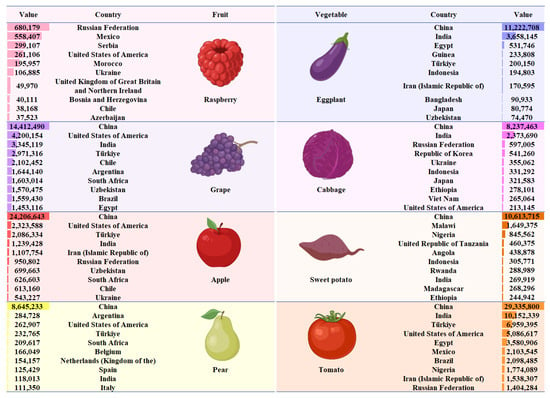
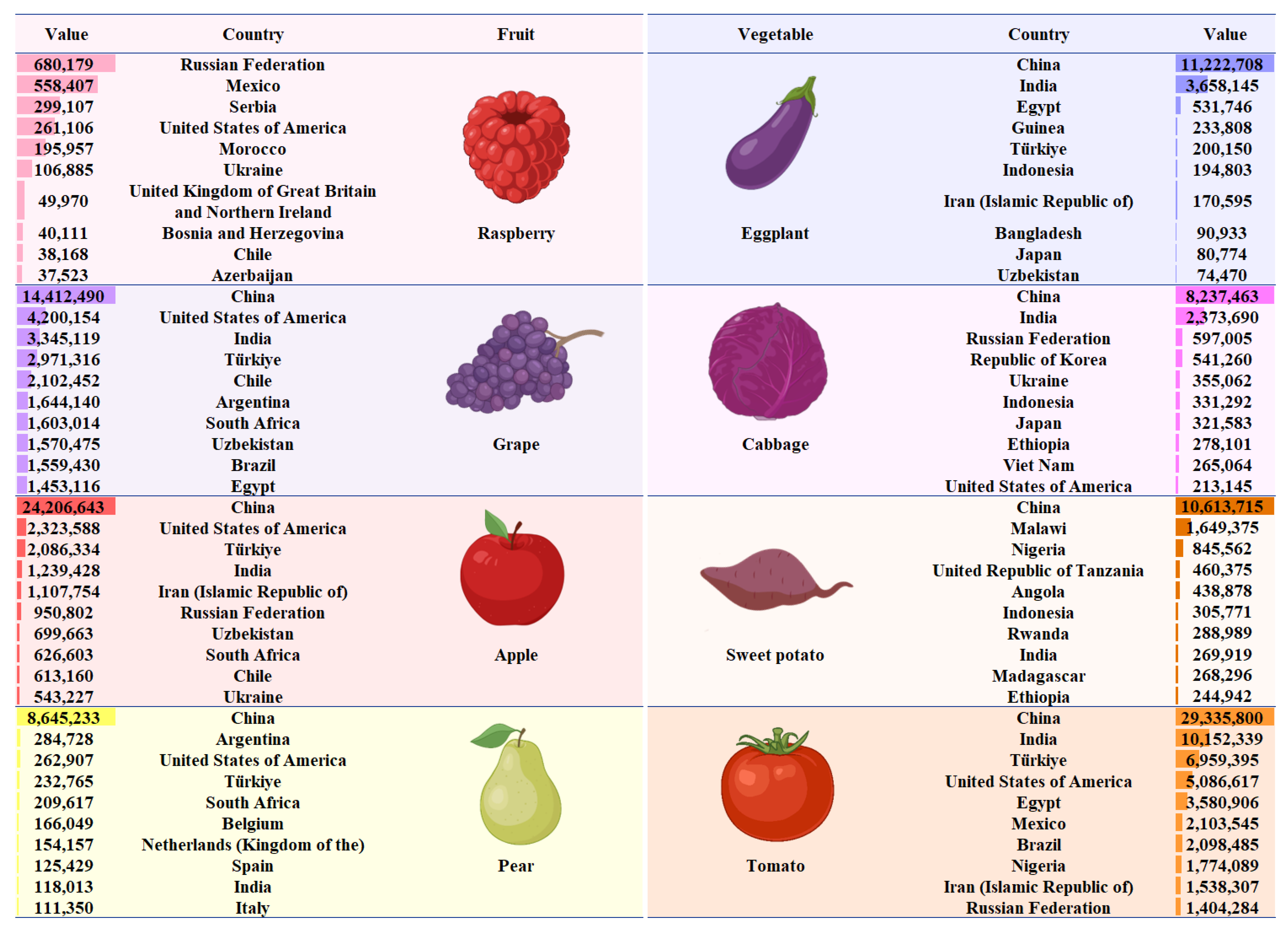
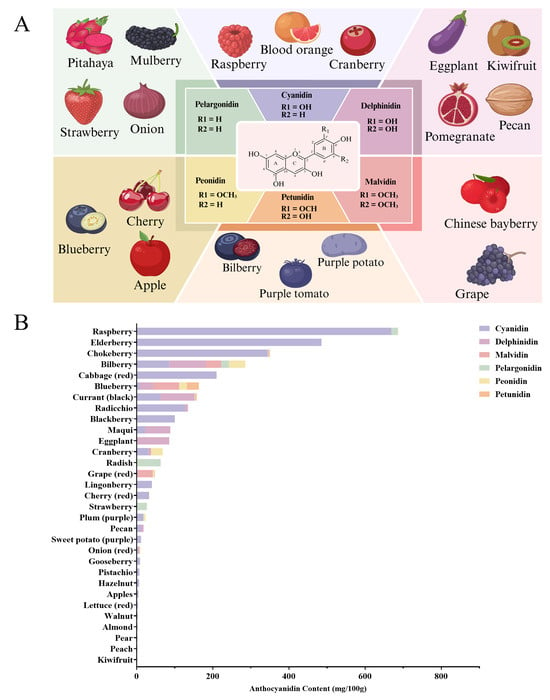
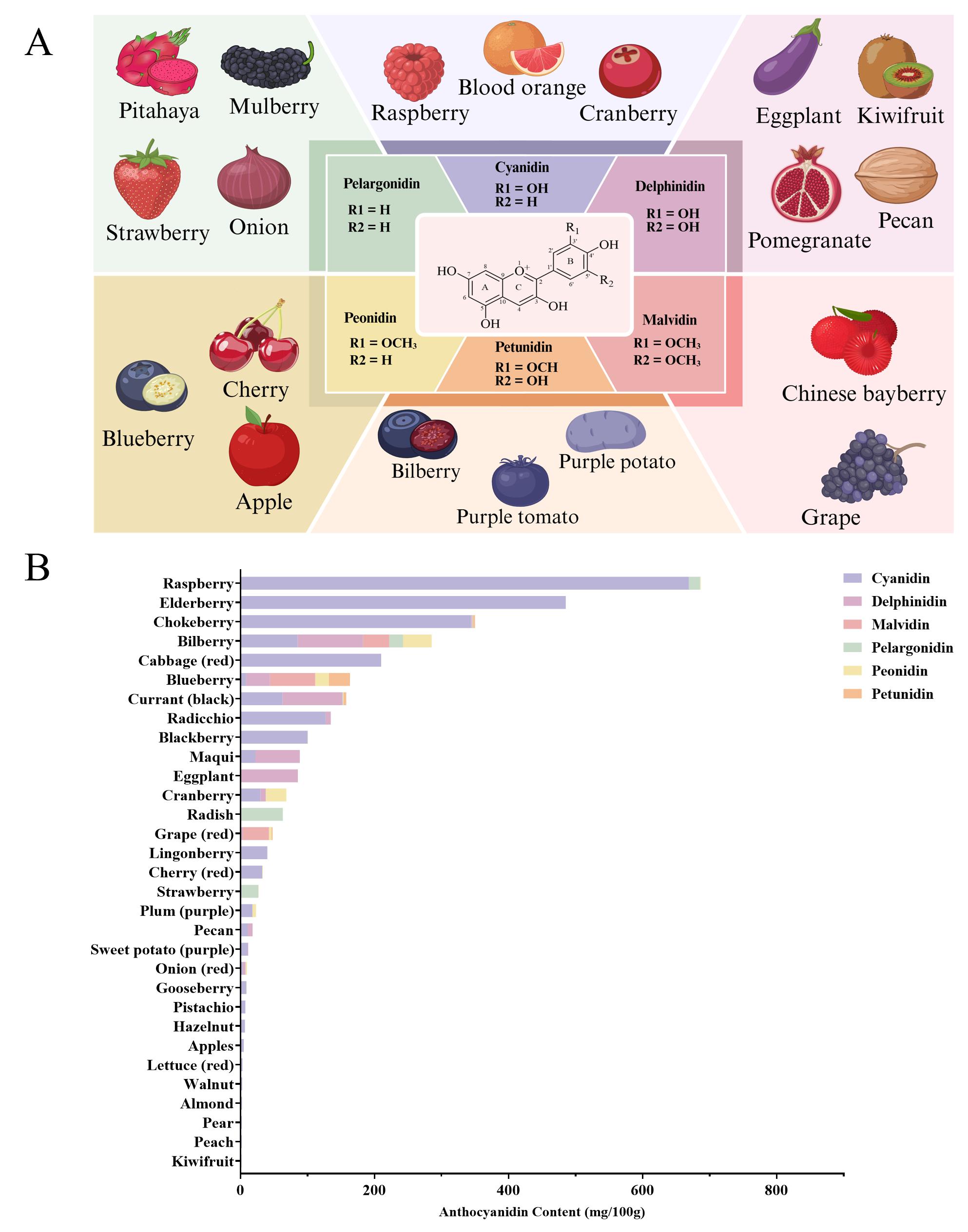
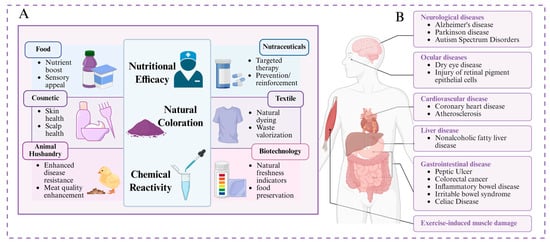
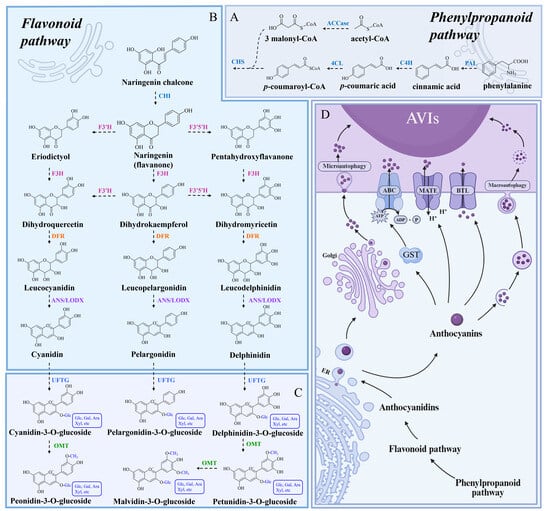
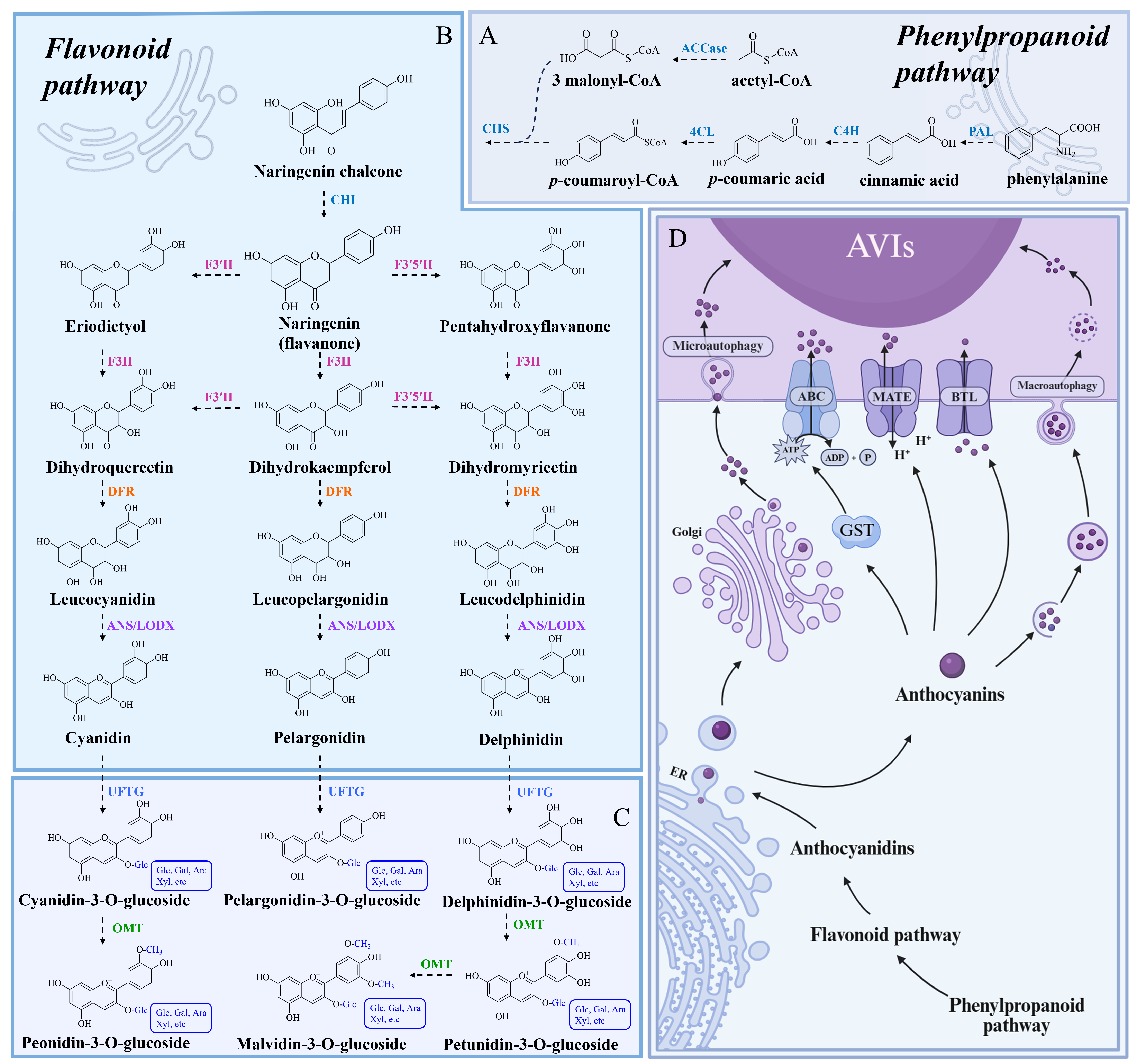
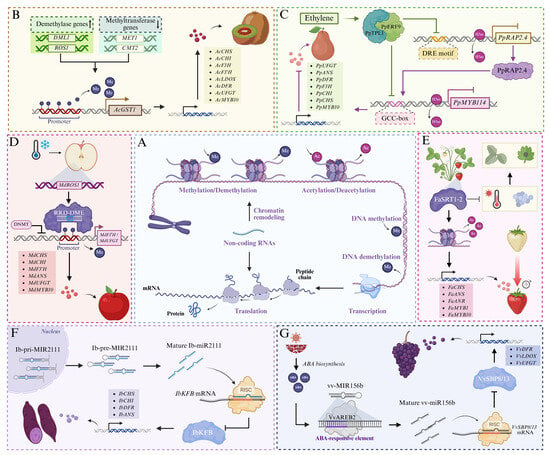
Disclaimer/Publisher’s Note: The statements, opinions and data contained in all publications are solely those of the individual author(s) and contributor(s) and not of MDPI and/or the editor(s). MDPI and/or the editor(s) disclaim responsibility for any injury to people or property resulting from any ideas, methods, instructions or products referred to in the content. |
© 2026 by the authors. Licensee MDPI, Basel, Switzerland. This article is an open access article distributed under the terms and conditions of the Creative Commons Attribution (CC BY) license.