


Abstract
Organic waste causes severe pollution, while agriculture lacks quality fertilizers. Solid-state fermentation solves both issues. Nevertheless, traditional methods are slow and lead to nitrogen loss. They also emit greenhouse gases and yield uneven products. This fails to reach modern low-carbon standards. We urgently need efficient solid-state fermentation systems. Therefore, this review summarizes recent advances in parameter optimization and cutting-edge innovations. Firstly, key solid-state fermentation operational parameters, such as carbon-to-nitrogen ratio, aeration frequency, temperature, humidity and pH, are analyzed. The optimization of these parameters facilitates nitrogen retention and mitigates pollutant emissions. Secondly, emerging enhancement strategies are discussed. Elaboration on the electron-shuttle effect of modified biochar and advances in synthetic microbial consortia is provided. For process coupling, the mechanisms of hydrothermal carbonization (HTC) combined with solid-state fermentation are explored. Bioelectrochemically assisted solid-state fermentation (MCFT/BFC) based on Direct Inter-Species Electron Transfer (DIET) is also examined. Furthermore, feasible mitigation approaches for pollutants including greenhouse gases and antibiotic resistance genes (ARGs) are summarized. Subsequently, the applications of mathematical models, the Internet of Things (IoT), and artificial intelligence in solid-state fermentation are introduced. Finally, current challenges in large-scale application and risk management are analyzed. Future prospects involving multi-omics, life cycle assessment (LCA), and functional customization are discussed. Low-carbon solutions for high-value waste utilization are provided in this review.
1. Introduction
Solid-state fermentation is implemented to harness microbial metabolic activity for the remediation of organic waste and its transformation into stable organic fertilizers. Typical feedstocks for this process include straw, kitchen waste, livestock manure, and municipal sludge [1]. Microbial metabolism drives this technology. Microorganisms utilize organic waste as nutrients. They oxidize part of the organic matter into simple inorganic substances, releasing energy. The remaining organic matter synthesizes cellular materials for microbial growth [2]. Meanwhile, partially degraded organic substances are transformed into humus, a complex organic colloid [3]. It significantly improves soil structure and fertility [4]. Solid-state fermentation proceeds with temperature changes. It divides into four stages: mesophilic, thermophilic, cooling, and maturation. Each stage exhibits distinct characteristics and microbial activity patterns [2].
The continuous growth of organic waste output renders the inherent advantages of solid-state fermentation increasingly prominent. This technology mitigates methane emissions from landfills, strengthens soil carbon sinks, and lowers chemical fertilizer consumption, thereby effectively cutting whole-chain carbon emissions [5]. Solid-state fermentation serves as the major pathway for nutrient recycling back to farmland. Developing green solid-state fermentation technologies supports low-carbon goals [6]. Nevertheless, traditional natural fermentation has practical limitations. Firstly, it features a lengthy fermentation cycle and requires large land occupation; dependence on spontaneous heating reduces site turnover efficiency [1]. Secondly, nitrogen is prone to volatilization in the form of ammonia, which triggers odor generation and devalues the final fertilizer product [7]. Thirdly, anaerobic organisms readily emerge within the compost pile, releasing greenhouse gases such as methane and nitrous oxide [8]. Finally, spatially non-uniform temperature distribution is frequently detected. Edge regions often fail to reach pathogen-killing temperatures. This results in inconsistent product maturity [9].
These drawbacks severely restrict industrial-scale implementation. This paper systematically reviews recent research advances aimed at resolving these bottlenecks, covering three major research directions. First, dynamic parameter regulation is explored, including the optimization of carbon-to-nitrogen ratios, aeration, temperature, moisture, and pH. Second, state-of-the-art enhancement technologies, such as membrane covering, fed-batch operation, modified biochar, synthetic microbial consortia, and hydrothermal carbonization, are summarized. Third, we introduce intelligent monitoring technologies and forecast industry trends. Core novelty of this integrative review: Organic solid waste solid-state fermentation is a multi-factor-coupled complex system. A single optimization measure often fails to achieve simultaneous goals of nitrogen retention, GHG reduction and pollutant elimination. This paper unifies parameter regulation, material synergy, synthetic microbial consortia, bioelectrochemical/HTC cross-process coupling and AI intelligent decision making into an integrated research framework. We systematically sort out their interaction mechanisms and coordinated application paths, which fills the gap of comprehensive whole-process reviews in this field. The classification and action mechanisms of common functional microbial inoculants are preliminarily summarized in Table 1.
Table 1.
Classification and action mechanisms of common functional microbial inoculants for solid-state fermentation.
2. Process Parameter Optimization and Dynamic Regulation
2.1. Carbon-to-Nitrogen (C/N) Ratio and Co-Fermentation
The carbon-to-nitrogen (C/N) ratio fundamentally governs the startup and operation of solid-state fermentation [14]. Carbon supplies energy for microbial metabolism. Nitrogen is essential to synthesizing cellular components such as proteins and nucleic acids [15]. Appropriate C/N adjustment avoids nutrient imbalance and guarantees efficient organic-matter degradation.
The optimal initial C/N ratio generally ranges within 25–30:1. Optimization experiments have demonstrated that a C/N ratio of 25 delivers maximum degradation efficiency and humification performance [16]. The pile undergoes rapid temperature rise, and the thermophilic phase can persist for 14 days, facilitating humus formation and pathogen inactivation. This promotes humus formation and eradicates pathogens [17]. Deviating from this range hinders fermentation. A C/N ratio above 40:1 provides insufficient nitrogen. This suppresses microbial growth and prolongs the fermentation cycle [18]. By contrast, a C/N ratio below 20:1 results in relative carbon shortage, so that microorganisms cannot assimilate surplus nitrogen [19]. This unassimilated nitrogen readily volatilizes as ammonia gas. Ammonia volatilization is especially severe under hot, alkaline conditions. This causes nitrogen loss, odors, and greenhouse gas emissions [20].
In practical applications, single feedstocks can hardly reach the ideal C/N ratio. Multi-source co-fermentation is therefore widely adopted. Sludge, kitchen waste, and manure possess low C/N ratios and high moisture. They are often mixed with high-carbon structural conditioners like straw or sawdust [21]. This supplements carbon and improves pile porosity. Conversely, crop straws require blending with high-nitrogen materials to balance nutrients [22]. Organic carbon is continuously oxidized into CO2 during solid-state fermentation. Nitrogen accumulates relatively. The C/N ratio drops continuously. A final C/N ratio of 15–20:1 is generally regarded as the maturity indicator for fermented products [23].
2.2. Aeration Strategies and Oxygen Supply
Aeration delivers oxygen to drive microbial metabolism. It regulates pile temperature and removes excess moisture [24]. Ideal aeration satisfies microbial oxygen demand. It also minimizes energy use and gas emissions [25]. Modern aeration strategies have evolved from constant continuous-airflow modes to intermittent and dynamic regulation frameworks.
2.2.1. Continuous vs. Intermittent Aeration
Forced aeration in solid-state fermentation includes continuous aeration (CA) and intermittent aeration (IA). These two methods differ significantly. They vary in their mechanisms for reshaping internal microenvironments and their application efficacy [26].
Continuous aeration (CA) delivers a constant 24 h airflow. It eliminates oxygen mass transfer resistance and accelerates early-stage degradation [27]. Nevertheless, CA suffers from prominent practical drawbacks. First, it removes excessive metabolic heat. The pile struggles to maintain temperatures above 55 °C. This severely weakens pathogen inactivation [28]. Second, persistent air stripping elevates the release of ammonia and volatile organic compounds (VOCs). Such gaseous pollutants lead to environmental deterioration and reduce the nutrient value of final fermented products [25]. Third, long-term continuous fan operation brings about high energy consumption.
Intermittent aeration (IA) alternates between “aeration-on” and “aeration-off” cycles. This overcomes the defects of CA. Heat is accumulated during the off-aeration period, whereas oxygen supply and moisture adjustment are realized during the aeration-on phase, generating distinct operational merits. First, IA balances thermal and oxygen demand. The aeration-off phase suppresses convective heat loss. This reduces heat dissipation. Microbial metabolic heat accumulates internally. This helps the pile quickly reach the thermophilic phase. The subsequent on phase replenishes depleted oxygen [29]. Well-tuned IA parameters can effectively extend the thermophilic duration and boost degradation efficiency of recalcitrant substrates such as lignocellulose. Second, IA facilitates nitrogen conservation, promotes humification, and mitigates greenhouse gas emissions. During the aeration-off stage, residual oxygen is rapidly depleted, forming alternating aerobic–anoxic microzones within the pile. This unique microenvironmental condition selectively enriches typical facultative anaerobic taxa, including Bacillus and Pseudomonas, as well as diverse denitrifying bacteria. These functional microbes promote the decomposition of macromolecular organic matter, increase humic acid accumulation, and enhance compost humification [25]. Furthermore, appropriate on/off ratios weaken the persistent ammonia-stripping effect, lowering ammonia volatilization and nitrous oxide emissions via nitrification–denitrification processes within micro-anoxic niches [26].
2.2.2. Dynamic Oxygen Supply Model Based on Oxygen Uptake Rate (OUR)
Intermittent aeration (IA) possesses prominent engineering merits. Nevertheless, conventional IA adopts empirical fixed on-off durations, while microbial oxygen demand varies greatly across heating, thermophilic, cooling, and maturation phases. Fixed-time aeration causes issues. Oxygen supply becomes inadequate in the thermophilic phase, triggering local anaerobic zones and methane generation. Accordingly, over-aeration occurs during the cooling phase. This wastes energy [25,30]. Therefore, dynamic control models based on the oxygen uptake rate (OUR) are current research hotspots [31].
The oxygen uptake rate (OUR) serves as a core indicator that directly mirrors microbial metabolic activity. It quantifies the biological oxygen consumption per unit mass of organic matter per unit time [32]. The OUR curve presents an inverted “U” profile. Values rise rapidly during the heating phase. They peak during the thermophilic phase. This indicates massive mineralization of easily degradable organic carbon. Substrates decrease during cooling and maturation. Humus stabilizes. The OUR eventually drops to its lowest point [33].
The OUR-based dynamic oxygen supply model is a high-precision closed-loop feedback control system. It coordinates equipment operation with microbial oxygen demand [34]. Firstly, in situ sensing and computation are implemented. Sensors are placed inside the pile or exhaust ducts. They collect real-time data on exhaust oxygen concentration, flow rate, and pile temperature. The current instantaneous OUR is calculated. This uses mass conservation and gas state equations [35]. Secondly, intelligent parameter modulation is realized. The system compares the real-time OUR with set oxygen thresholds. It uses algorithms like PID, fuzzy logic, and machine learning. Based on deviations, the system adjusts the variable-frequency drive (VFD). This changes fan speed. Alternatively, it calculates optimal on/off ratios for the next aeration cycle [31].
The OUR-based model fundamentally achieves “on-demand oxygen supply”. Mechanistically, it maintains pile oxygen within an efficient and safe range, with exhaust oxygen kept at 10–15%. On one hand, exhaust oxygen data only reflect the average oxygen level of the entire compost pile. Local anaerobic microsites can still form due to material compaction and airflow channeling. These microzones cannot be completely eliminated by overall exhaust oxygen control. This regulation strategy can substantially reduce anaerobic dead zones formed by material compaction and airflow channeling, yet cannot fully eradicate microscale anoxic pockets merely relying on exhaust oxygen detection [36]. On the other hand, the system automatically reduces aeration during late stages. Organic matter stabilizes here. This prevents moisture loss and ammonia volatilization [37]. Measured data prove its superiority. The OUR feedback model shortens the fermentation cycle by 15–20%. It reduces fan energy consumption by 30–50%. This maximizes economic benefits. It achieves multi-dimensional synergy in nitrogen conservation, emission reduction, energy saving, and humification [31].
2.3. Bi-Directional Feedback Mechanism of Temperature and Moisture
Among solid-state fermentation parameters, temperature and moisture do not function independently. Instead, they interact via thermodynamic principles and microbial metabolism to form a highly delicate bi-directional feedback system. Understanding and controlling this balance are crucial to ensuring efficient organic degradation and safe products.
2.3.1. Duration of Thermophilic Phase and Pathogen Inactivation
Temperature mirrors microbial metabolic activity and heat release. The solid-state fermentation process consists of heating, thermophilic, cooling, and maturation phases. Both temperature magnitude and the duration of the thermophilic phase determine final product safety.
Biologically, heat inactivation of harmful organisms is a cumulative process. It is not instantaneous. When pile temperature exceeds 55 °C, cell membranes break down. This affects Salmonella, E. coli, parasite eggs, and weed seeds. Intracellular proteins and metabolic enzymes undergo irreversible denaturation and lose their biological functions [38]. Instantaneous high temperatures differ from sustained high-temperature exposure. Standards mandate that composting must maintain temperatures above 55 °C for at least 3 days. Static composting requires over 15 days of high temperatures [39]. Short thermophilic phases are dangerous. Harmful organisms survive in edge regions and cold spots. They may multiply during the cooling phase using residual nutrients. This causes a microbial rebound. It poses severe safety risks [40]. Accordingly, extending the thermophilic phase is a primary engineering goal.
2.3.2. Dynamic Balance Between Moisture Evaporation and Dry Matter Degradation
Extending the thermophilic phase faces a physical contradiction. This is the bi-directional feedback between organic degradation heat and moisture evaporation heat loss.
Moisture is a prerequisite for degradation. Microbes cannot decompose dry solids directly. They utilize dissolved nutrients. The material surface must maintain a complete water film. A moisture content of 50–65% guarantees smooth degradation performance. Nevertheless, high temperatures cause moisture loss. Intense microbial metabolism releases abundant heat energy. Much of this heat vaporizes moisture. Studies indicate that over 80% of total heat loss originates from water evaporation [33].
Moisture evaporation dissipates large amounts of heat, preventing pile temperature from rising above 75 °C, protecting thermophilic microorganisms from thermal damage and maintaining the thermal stability of the system [33]. However, rapid evaporation causes moisture to drop below 40%. This destroys the water film on solid particles [41]. Although undegraded organics remain, liquid mass transfer ceases. Osmotic pressure inhibits microbial exchange and extracellular enzymatic reactions. Metabolic activity stalls [28,42]. Once degradation ceases, heat generation terminates, and pile temperature drops sharply. Premature termination of fermentation leads to “pseudo-maturity” [43]. This highlights the tight bi-directional feedback among temperature, moisture, and microbial metabolism.
Therefore, process control must balance these factors. It must ensure efficient degradation and heat production. It must control aeration to prevent excessive moisture loss. The goal is coordinating multiple factors to achieve a dynamic balance of degradation, heat production, evaporation, and insulation: securing sufficient degradation and heat generation while modulating aeration intensity to avoid excessive moisture loss.
2.3.3. Practice of Dynamic Fed-Batch Process
Conventional single-batch solid-state fermentation suffers from inherent limitations. Readily available carbon substrates are rapidly depleted, leading to substrate starvation and metabolic decline of the microecosystem in later stages [44]. The thermophilic phase is brief, as the depletion of easily degradable substrates and moisture loss lead to rapid cooling. Pathogen inactivation and recalcitrant organic degradation are compromised [45]. To overcome this, the dynamic fed-batch process was introduced. It adopts dynamic regulation concepts from bioengineering. Fresh organic materials are added in stages. This continuously provides efficient metabolic substrates. It sustains pile heat and degradation efficacy [46].
The fed-batch strategy delivers prominent engineering advantages. First, it prolongs the thermophilic phase. When the temperature begins to drop, fresh degradable materials are added, thereby restoring metabolic activity and heat production. The phase with temperatures above 55 °C can last for two weeks or more. This thoroughly inactivates pathogens. It accelerates the degradation of antibiotics and microplastics [44]. Second, it preserves moisture balance. Fresh feedstocks such as kitchen waste or sludge possess high moisture content and replenish evaporated water. The system adjusts moisture naturally without extra watering. It aligns with temperature-moisture feedback rules. This ensures sustained metabolism. Third, it improves space utilization and treatment capacity. Substantial volume reduction (>30%) occurs after early-stage high-temperature degradation. Step-wise feeding takes advantage of the newly available void space and maximizes reactor capacity [45]. The overall processing efficiency and capacity increase by over 40% compared with traditional batches. This holds high promotional value.
However, staged feeding also raises potential biosafety risks. Newly added raw materials cannot undergo the same long-term high-temperature treatment as the original compost matrix. Local under-treated zones may remain, carrying residual pathogens. Thus, regular monitoring is required for practical operation. After each feeding cycle, representative sampling should be performed; further, material mixing uniformity should be checked and pathogen indicators should be tested. These measures ensure sufficient pathogen inactivation and reduce biosafety risks in fed-batch composting.
2.4. Spatiotemporal Evolution of pH and In Situ Buffer Regulation
In aerobic composting, pH indicates dynamic changes in physicochemical properties. It regulates microbial succession, humification, and nitrogen transformation.
2.4.1. “V-Shaped” Dynamic Evolution of pH
The classic V-shaped pH dynamic profile is typically observed in compost systems dominated by carbon-rich raw materials, yet this pattern is not universal and is highly dependent on feedstock characteristics.
Early fermentation is the acidification phase. Mesophilic microbes degrade soluble sugars. Metabolism generates abundant volatile fatty acids (VFAs). Rapid organic acid accumulation makes the pH drop and stabilize in the slightly acidic range of 5.5–6.5. Insufficient aeration or excessive easy carbon causes acid buildup. This leads to over-acidification, which suppresses core microbial activity and halts fermentation [47]. However, high-ammonium and inherently alkaline feedstocks (e.g., poultry manure) show distinctly different pH trajectories. Their initial pH remains near-neutral or weakly alkaline from the start, without an obvious early acidification stage.
For typical carbon-rich compost matrices, the system shifts to alkaline during the thermophilic and maturation phases. Microbes degrade recalcitrant substrates like lignocellulose and proteins. Proteins undergo intense ammonification. This releases abundant free ammonia (NH3). This is the main cause of nitrogen loss [48]. Free ammonia hydrolyzes into ammonium (NH4+). This consumes hydrogen ions (H+) [49]. Meanwhile, accumulated VFAs degrade under high temperatures and strong oxidation. They also volatilize. Consequently, the pH rises rapidly. It peaks at 8.5–9.0 during the thermophilic phase. It drops slightly later. It finally stabilizes in the weakly alkaline range. This completes the V-shaped evolution for carbon-dominant compost systems.
2.4.2. Mechanisms of Dynamic Buffer Regulation and Ammonia Inhibition
When the pH reaches 8.5–9.0, nitrogen loss and pollution occur. This is a major bottleneck.
From a chemical perspective, nitrogen exists in the forms of ammonium (NH4+) and free ammonia (NH3). Under conditions of pH > 8.0 and high temperature, the chemical equilibrium shifts sharply, driving the conversion of ammonium ions into volatile ammonia gas. This loses valuable nitrogen and causes pollution. Adding biochar or fulvic acid inhibits ammonia volatilization [50]. “In situ pH buffer regulation” using exogenous additives is a key solution. It introduces specific buffer materials early on. These include modified biochar, phosphogypsum, superphosphate, and magnesium salts. Their active surface functional groups buffer hydrogen ions. This stabilizes the system pH at 7.0–8.0 throughout fermentation. This suits microbial metabolic needs [50].
Exogenous additives realize simultaneous nutrient retention and rapid maturation. In terms of physicochemical retention, acidic buffers such as superphosphate directly neutralize alkaline ammonia and convert it into stable inorganic salts. Synergistic addition of magnesium and phosphate salts triggers chemical precipitation. This reacts with free ammonia to form highly stable struvite crystals. This firmly fixes volatile ammonia [51]. Biochar combined with microbial consortia regulates community structure. This significantly reduces nitrogenous greenhouse gases and ammonia [52]. This regulation also ensures maturation. The stable, weakly alkaline buffer environment prevents early acidification. It provides an optimal environment for lignin-degrading enzymes (laccase and manganese peroxidase) and thermophilic actinobacteria. This dramatically accelerates macromolecule cleavage and humus synthesis [53].
In brief, in situ buffering regulation against pH fluctuation is of great importance for nitrogen conservation, emission abatement and maturation acceleration. The optimal regulation ranges and bi-directional impact mechanisms of these key parameters are systematically summarized in Table 2.
Table 2.
Optimal regulation ranges and bi-directional impact mechanisms of key composting parameters.
3. Composting Enhancement Technologies and Cutting-Edge Process Innovations
Conventional parameter optimization can ameliorate the basic microenvironment of solid-state fermentation. Nevertheless, it cannot overcome the physicochemical bottlenecks of slow recalcitrant degradation and gas emissions. Introducing physical and chemical materials has become a core strategy to break these limits and achieve high-value conversion.
3.1. Synergistic Enhancement by Physical/Chemical Materials
Exogenous functional materials no longer merely improve the macroscopic physical properties of fermentation piles. They now penetrate the micro-level. They affect electron transfer dynamics, interface-specific adsorption, and biochemical pathways [56,57]. Such microlevel intervention effectively eliminates intrinsic bottlenecks restricting microbial metabolic activity.
3.1.1. Modified Biochar Synergy: Evolution from Physical Water Retention to Electron-Shuttle Effects and Targeted VOC Adsorption
Biochar has abundant pores and a huge surface area. It was previously used purely as a physical conditioner. It increased porosity, optimized oxygen transfer, and retained moisture. However, modification technologies (acid/base modification, metal loading) have advanced. Biochar’s role has evolved. It has changed from a single physical medium to a multi-dimensional catalytic system with targeted adsorption functions.
It should be noted that Direct Inter-Species Electron Transfer (DIET) is originally a metabolic mechanism identified in anaerobic methanogenic syntrophic systems, rather than the dominant reaction pathway under aerobic solid-state fermentation conditions. Modified biochar acts as an electron shuttle to accelerate oxidative transformation of lignin aromatic structures, which provides favorable precursors for humus formation. This electron transfer function mainly facilitates lignin degradation, and there is no solid research evidence proving that DIET can directly promote the hydrolytic cleavage of the glycosidic bond [58]. Targeted Adsorption and Pollution Control: Biochar’s network shows targeted interception of gas pollutants after surface modification [59]. For NH3 and VOCs, grafted oxygen-containing functional groups (carboxyls and hydroxyls) exhibit strong capture abilities [60]. Biochar physically traps pollutants via micropores. It also anchors gaseous pollutants chemically via hydrogen bonds, electrostatic attraction, and surface complexation. This synergistic mechanism cuts off odor and greenhouse gas emissions at the source. It fixes free nitrogen, enhancing fertilizer efficacy [61].
3.1.2. Application of Nanomaterials and Novel Inorganic Conditioners
Nanomaterials and novel inorganic minerals provide new routes for precise biochemical intervention at the microscale.
Nanomaterial Enzyme Stimulation and ARG Regulation Mechanism: Nano-metals and -oxides (nano-zero-valent iron, nano-TiO2, and nano-ZnO) have high specific surface reactivity. They are widely used in composting [62]. At proper concentrations, nano-metal ions act as co-factors for core degrading enzymes (e.g., laccase and peroxidase). They stimulate enzyme expression. This accelerates polymer degradation and humification. Notably, reactive oxygen species (ROS) generated by nanomaterials act as non-specific oxidants and cannot selectively target ARG-carrying microbial cells. Moderate ROS stress reshapes the overall composition of the microbial community during solid-state fermentation. Furthermore, nanomaterial-induced environmental pressure alters microbial co-selection effects, thereby indirectly regulating the total abundance of ARGs in the system. This interpretation conforms to the mainstream research consensus on nanomaterial-mediated ARG dynamics. Moderate ROS stress reorganizes microbial community succession and alters microbial ecological niches, thereby indirectly regulating the overall ARG abundance of the compost system. In addition, nanomaterial-induced environmental stress alters microbial selective pressure. This regulates ARG abundance via microbial co-selection effects, which conforms to the mainstream understanding of ARG variation in compost systems [63,64]. This approach effectively reduces the horizontal spread risk of antibiotic resistance genes in compost.
Ion Anchoring and Chemical Phase Transition of Inorganic Conditioners: Nanomaterial research focuses on enzyme/stress catalysis. Novel inorganic minerals utilize 3D lattice cavities and spatial retention. They stabilize system nutrients via chemical equilibrium shifts. Minerals like zeolite, medical stone, and phosphogypsum possess natural ion exchange and acid–base buffering capabilities. They build efficient “ion capture traps” in the microenvironment. They convert volatile ammonia nitrogen into slow-release nutrients via chemical phase transition. This profoundly reshapes physicochemical properties and enhances fertilizer efficiency [65].
3.2. Biological Enhancement and Precise Control of Functional Microbes
Microorganisms govern material transformation and energy cycling during solid-state fermentation. Natural fermentation relies on spontaneous succession. Nevertheless, environmental fluctuations and recalcitrant materials cause slow startup, long cycles, and severe nitrogen loss. Bioaugmentation, defined as the exogenous addition of specialized microbial inocula, constitutes a core strategy for upgrading fermented product quality.
3.2.1. Classification and Mechanisms of Functional Consortia
According to microbial taxonomy and core metabolic functions, inoculants applied in solid-state fermentation can be classified into three major functional consortia:
(1) Macromolecule Degradation Consortia: Lignocellulosic raw feedstocks such as straw contain compact crystalline structures that are difficult to degrade. Fungi including Trichoderma and Phanerochaete chrysosporium form extensive hyphae to penetrate rigid lignocellulose matrices. These fungi secrete cellulase and lignin peroxidase to break down aromatic structures and glycosidic bonds, facilitating preliminary decomposition of recalcitrant organic fractions [11]. The initial temperature rise of the fermentation system mainly depends on mesophilic bacteria rather than fungi. Bacillus subtilis and other fast-growing bacteria consume soluble oligomers and amino acids produced by fungal degradation. Their rapid metabolic activity generates heat, driving the system into the thermophilic stage, and establishes a high-temperature fermentation environment [66,67]. Fungal lignocellulose degradation functions predominantly in the later cooling and maturation stages to promote humification.
(2) Nitrogen Conservation and Odor Control Consortia: High-nitrogen substrates such as sludge release large amounts of free ammonia under high-temperature conditions, causing severe odor and nitrogen loss. Nitrifying bacteria are highly sensitive to sustained high temperatures, so AMO-mediated nitrification rarely proceeds effectively during the peak thermophilic phase. Functional strains including Pseudomonas and nitrogen-fixing bacteria mainly mitigate ammonia loss via microbial nitrogen assimilation in the thermophilic period. They convert free ammonia into microbial biomass protein, directly reducing volatile nitrogen loss. Nitrification processes occur mainly during the subsequent cooling and maturation phases, further converting nitrogen into stable nitrate [68]. This staged nitrogen transformation pattern balances odor suppression and total nitrogen preservation across the whole fermentation cycle.
(3) Humification and Biocontrol Consortia: The quality and biosafety of final fermented products are largely determined by late-stage humification and pathogen suppression. Heat-tolerant actinobacteria (e.g., Streptomyces and Nocardia) adapt to the sustained high-temperature environment of the thermophilic phase. They maintain stable metabolic function and continuously secrete polyphenol oxidase. This enzyme catalyzes oxidative condensation of lignin-derived phenolic precursors and accelerates polymerization toward stable humic acid skeletons during maturation [37]. Such humification pathways convert fragmented organic moieties into recalcitrant humus, improving fermentation stability and the soil-amending potential of end-products. Beyond humification, these actinobacteria, together with Bacillus strains, synthesize bioactive secondary metabolites including lipopeptides and antibacterial peptides. Rather than directly disrupting pathogen cell membranes, these metabolites interfere with pathogen proliferation and build a sustainable antagonistic microhabitat. This microbial antagonism suppresses harmful pathogens such as Salmonella and E. coli, reducing disease risks and ensuring safe agricultural application.
3.2.2. Microbial Evolution Innovation: From Single Strains to Synthetic Consortia
Specific functional strains exhibit unique metabolic advantages under stable laboratory culture conditions. However, bioaugmentation using single strains or randomly mixed microbial preparations frequently exhibits poor colonization performance in complex practical solid-state fermentation environments. Exogenous inoculated strains face intense thermal stress and fierce resource competition from indigenous microorganisms, making them vulnerable to competitive exclusion by native microflora.
Evolution of synthetic microbial consortium bioaugmentation. To mitigate such colonization barriers, bioaugmentation strategies have evolved gradually. The technical route has shifted from simple strain isolation and screening to rationally constructed synthetic microbial consortia guided by multi-omics profiling [69]. A synthetic microbial consortium is not merely a random physical mixture of individual strains; it represents a manually assembled microecosystem underpinned by compatible metabolic interaction networks. Its key functional mechanisms depend on metabolic cross-feeding and biofilm-supported synergistic defense to enhance microbial fitness within fermentation substrates [70].
Metabolic cross-feeding. Synthetic consortia establish tightly coupled nutrient circulation loops. Metabolic intermediates generated by upstream fungal species serve as available carbon and nitrogen substrates for downstream bacteria. Such complementary substrate exchange alleviates end-product inhibition and improves energy conversion efficiency under well-controlled lab conditions [71]. Even with this synergistic advantage, the delicate nutrient balance is vulnerable to field-scale disturbances. Fluctuating temperature, variable pH, and uneven raw material composition disrupt coordinated cross-feeding, weakening consortium metabolic activity during full-scale operation.
Synergistic defense and biofilm colonization. Strains in synthetic consortia mediate inter-species communication via quorum-sensing signals and jointly secrete extracellular polymeric substances (EPSs). The secreted EPSs encapsulate microbial cells to form compact biofilm matrices [72]. This biofilm layer can partially buffer abrupt fluctuations in temperature and moisture and mitigate competitive pressure exerted by indigenous microorganisms. Nevertheless, this protective effect has clear limitations. Biofilm cannot fully insulate inoculated strains from long-term resource competition with native microbiota, and gradual functional decay of exogenous strains is commonly observed in continuous industrial fermentation systems.
Bottlenecks for large-scale field promotion. Overall, rationally designed synthetic consortia show promising potential to improve solid-state fermentation performance under controlled conditions. Nevertheless, large-scale field application still faces critical challenges, including complex environmental variability, inconsistent long-term microbial activity, high production costs, and difficulty in continuous colonization against indigenous microbiomes. Further validation through full-cycle pilot-scale and industrial trials is needed to confirm the robustness and economic feasibility of synthetic microbial consortia. The categories, representative strains, and application characteristics of these typical inoculants are summarized in Table 3.
Table 3.
Categories, representative strains, and application characteristics of common composting inoculants.
3.3. Cross-Field Coupling: Bioelectrochemically Assisted Composting (BFC/MCFT)
Traditional solid-state fermentation relies on natural thermodynamics and biochemistry. It suffers from slow temperature rise and low recalcitrant degradation efficiency. Recently, bioelectrochemical systems were integrated into solid-state fermentation. This created “Microbial Compost Fuel Cells (MCFT/BFC)”. Such cross-field coupling between physical electric fields and microecological environments overcomes thermodynamic constraints [73].
3.3.1. In Situ Micro-Electric Field Construction and Electrogenic Heating Mechanism
MCFT establishes an in situ micro-electric field within the fermentation pile. For engineering configuration, conductive materials (e.g., carbon felt and graphite) are embedded in the anoxic zone of the pile to serve as the anode, whereas the cathode is installed on the pile surface or ventilation channels (aerobic zone). Both electrodes are linked through an external circuit. During fermentation, electroactive microbes (e.g., Geobacter and Shewanella) act as “micro-generators”. While degrading organics, they transfer stripped electrons to the anode via extracellular respiration. Electrons flow through the circuit to the cathode. They combine with oxygen and protons to form water. This generates a continuous weak current inside the pile [74].
This in situ micro-electric field induces prominent electrogenic heating. Low-intensity current flowing across the resistive solid-state fermentation matrix produces Joule heat. Furthermore, the electric field stimulates overall microbial metabolic activity and accelerates heat output. This dual physical–biological heating mode enables rapid temperature increase in fermentation piles under cold conditions and addresses the bottleneck of low-temperature startup [75].
3.3.2. Core Role of Direct Inter-Species Electron Transfer (DIET) in Accelerating
Degradation of Recalcitrant Organics
Beyond macroscopic heating, the micro-electric field profoundly transforms the microecology. It fundamentally reshapes microbial energy transfer by inducing and enhancing Direct Inter-Species Electron Transfer (DIET).
In traditional solid-state fermentation, microbial collaboration relies on chemical carriers like hydrogen or formate. This diffusion mode is slow and vulnerable to environmental changes. It is the main reason why lignocellulose degrades slowly. In MCFT-coupled solid-state fermentation systems, the micro-electric field stimulates microorganisms to synthesize conductive nanowires (pili) or enables them to directly utilize anode materials as electron conduits. Upstream acidogenic bacteria and downstream degrading bacteria establish physical connections. Electrons bypass chemical carriers. They transmit directly across cells as point-to-point electrical signals [76].
DIET greatly improves microbial electron transfer efficiency. This efficient energy transfer lowers the activation energy required to cleave complex chemical bonds (e.g., aromatic rings and glycosidic bonds). Studies show that DIET increases recalcitrant macromolecule degradation rates by over 30%. It accelerates the oxidative condensation of precursors. It significantly boosts humic acid generation and humification indices in the final product [77]. The mechanisms of bioelectrochemically assisted composting and in situ micro-electric field construction are illustrated in Figure 1.
Figure 1.
Cross-field coupling: bioelectrochemically assisted composting (BFC/MCFT) and in-situ micro-electric field construction [74,77].
3.4. System-Level Coupling of Hydrothermal Carbonization and Composting Processes
High-moisture (>80%) solid wastes such as municipal sludge and food waste present considerable practical challenges. Conventional aerobic solid-state fermentation suffers from heat loss induced by water evaporation, slow temperature rise, and high demand for excessive structural bulking agents. Coupling hydrothermal carbonization (HTC) with aerobic solid-state fermentation has become a cutting-edge series process. It achieves efficient reduction and safe resource recovery for wet waste [78].
3.4.1. Route of High-Moisture HTC Treatment Combined with Hydrochar Recirculation
HTC is a thermochemical conversion technology. It operates in a closed, high-temperature (180–250 °C), high-pressure aqueous environment. It bypasses energy-intensive pre-drying. It uses free water in wet materials as the reaction medium. Within hours, it dehydrates and decarboxylates complex organic macromolecules. It converts them into solid, carbon-rich “hydrochar” [79].
In this coupled path, extremely recalcitrant, high-moisture waste first enters the HTC reactor. It undergoes rapid volume reduction and carbonization. Subsequently, the dehydrated hydrochar is recycled as a functional additive. It enters conventional aerobic fermentation tanks for synergistic co-fermentation. This system-level coupling reduces the strict moisture and C/N requirements of front-end composting. The hydrochar’s catalytic action enhances the subsequent fermentation process [79].
3.4.2. Synergistic Effects of HTC Coupling on Humification and Heavy Metal Passivation
Hydrochar recirculation is not simple physical mixing. It generates significant synergistic effects at the microecological and chemical levels. This accelerates humification and passivates heavy metals [80]. (1) Electron mediation and accelerated humification: Unlike regular high-temperature biochar, hydrochar retains abundant oxygen-containing functional groups (carboxyl, hydroxyl, and carbonyl) and aliphatic structures. Once introduced into the fermentation system, these functional groups endow hydrochar with favorable redox activity. Hydrochar serves as an effective electron shuttle that mediates DIET and accelerates oxidative cleavage of recalcitrant precursors (e.g., lignin derivatives). It also uses abiotic catalysis to lower the activation energy for polyphenolic and amino acid condensation. This accelerates the synthesis of core humic macromolecules and shortens the cycle. (2) Dual physicochemical heavy-metal passivation: Municipal sludge contains high heavy-metal (Cu, Zn, Pb, and Cd) contents. Direct composting risks pollution. In the coupled process, the high-temperature and high-pressure HTC environment destroys organic–metal complexes. It physically encapsulates metals within the dense hydrochar carbon skeleton. This provides primary immobilization. During the subsequent recycling-based solid-state fermentation, humification proceeds at an elevated rate. Newly synthesized humic macromolecules, rich in carboxyl and phenolic hydroxyl groups, act synergistically with the active sites of hydrochar. They produce extreme chemical complexation and chelation with free heavy-metal ions. This “physical encapsulation plus chemical chelation” converts highly toxic heavy metals into stable residual fractions. It fundamentally eliminates application risks. The synergistic effects of this system-level process coupling are illustrated in Figure 2.
Figure 2.
System-level process coupling: hydrothermal carbonization (HTC) and composting [79,80].
3.5. Goal-Oriented Innovation: Mitigation of Emerging Contaminants and Greenhouse Gas (GHG) Abatement
The objectives of conventional solid-state fermentation are shifting from basic maturation and pathogen inactivation toward targeted removal of emerging contaminants (ECs) and effective greenhouse gas (GHG) abatement [81].
3.5.1. Degradation and Inhibition Mechanisms of Antibiotic Resistance Genes (ARGs) and Microplastics (MPs)
In complex matrices (e.g., livestock manure and municipal sludge), the enrichment of ARGs and MPs poses massive safety risks. Modern solid-state fermentation tackles these distinct pollutants via “genetic information blocking” and “macromolecular skeleton cleavage” [82]. Biochemically regulated inhibition of horizontal gene transfer (HGT) for ARGs: The dynamic microecological interface within solid-state fermentation systems serves as a hotspot for ARG horizontal gene transfer (HGT) [83]. Different from thermal degradation, thermophilic temperature primarily causes DNA denaturation rather than complete DNA breakdown. High heat damages the cell membranes of ARG host microorganisms. It releases intact free DNA into compost matrices. Notably, such thermally denatured DNA can partially recover its structural integrity during the cooling phase and still maintain transformable activity. These residual DNA fragments remain biologically available. They can be taken up by microbes during the cooling stage, potentially increasing the risk of transformation-mediated HGT. Therefore, high temperature cannot thoroughly eliminate ARG dissemination risks [84]. Furthermore, adding specific conditioners passivates heavy metals and antibiotic residues. This removes the “co-selection pressure” on microbial communities. It cuts off the cross-species transmission of ARGs via mobile genetic elements (MGEs) like plasmids and integrons at the source [85].
Multi-phase surface weathering and fragmentation of microplastics: Microplastics have stable polymer carbon chains and strong biochemical resistance. Previous overestimation of enzymatic depolymerization in conventional composting is revised here. Under composting conditions, high temperature mainly induces thermal–oxidative aging on plastic surfaces [86]. Indigenous fungi and actinobacteria secrete extracellular enzymes to act on plastic amorphous regions. This process only triggers superficial weathering and physical fragmentation, rather than thorough depolymerization. Large-size microplastics are broken into smaller particles. This process even produces nanoplastics, introducing additional potential environmental risks [87].
3.5.2. Integrated Strategies of Smart Semi-Permeable Membranes for NH3 and N2O Abatement
Forced aeration leads to continuous gas stripping, which facilitates ammonia (NH3) volatilization and nitrous oxide (N2O) emission. Integrated multi-phase blocking strategies based on smart semi-permeable membranes address this problem.
Physical interception and condensate reflux driven by interfacial phase transition: Smart semi-permeable membranes (e.g., expanded polytetrafluoroethylene (ePTFE)) construct specific separation boundaries above the fermentation pile [88]. The ePTFE membrane features unique micropores. Oxygen (O2) and carbon dioxide (CO2) pass freely to maintain aerobic conditions. Nevertheless, it blocks large aerosol molecules and odor gases. High-temperature steam condenses on the inner membrane surface to form a dense condensate water film. Volatile NH3 rapidly dissolves into this film to form ammonium (NH4+). It drips back into the pile. Such gas–liquid phase-transition reflux achieves physical interception and in situ nitrogen recovery and improves nitrogen-retention efficiency [89].
It is noteworthy that this continuous ammonia reflux brings potential feedback risks. The continuous backflow of dissolved ammonium gradually increases pile pH during long-term operation. The elevated pH further promotes NH3 volatilization, which weakens the long-term ammonia control effect of membrane systems. To sustain stable nitrogen retention, auxiliary pH buffering regulation is essential throughout the whole composting period. Full-cycle operational monitoring data confirm that reasonable pH stabilization can offset the alkaline feedback effect and maintain the long-term effectiveness of membrane ammonia control. Cascade synergistic reduction network—“inhibition and external blocking”: Physical membranes block aerosols but struggle against small, poorly soluble N2O molecules. Advanced engineering strategies combine membrane covering with in situ chemical matrix modification [89]. For instance, nitrification inhibitors or functional biochar are pre-mixed. Biochar optimizes oxygen transfer and substantially reduces anaerobic dead zones. Nitrification inhibitors specifically block N2O generation pathways. Such system-scale “internal biochemical source inhibition plus external physical airflow interception” enables effective abatement of pollutant gases and greenhouse gas emissions. An integrated overview of these goal-oriented innovations for contaminant mitigation and GHG control is presented. A comprehensive overview of these goal-oriented innovations for contaminant mitigation and GHG abatement is illustrated in Figure 3.
Figure 3.
Goal-oriented innovation: mitigation of emerging contaminants and control of greenhouse gas emissions [82].
4. Mathematical Models and Intelligent Development of Solid-State Fermentation
4.1. Solid-State Fermentation Kinetics and Mass–Heat Transfer Models
Conventional solid-state fermentation depends on empirical black-box operations, which hinders precise process control. Establishing mathematical models that couple microbial metabolism with macroscopic physical fields is critical to intelligent-oriented process development.
4.1.1. Progressive Refinement of Carbon–Nitrogen Kinetic Models
Early kinetic models used simple first-order reactions. They treated complex solid waste as a uniform carbon source. However, degradation rates vary massively. Single models produce huge deviations [90].
Multi-component kinetic models have advanced rapidly. They divide organic matter by degradability: easily degradable (sugars and soluble proteins), slowly degradable (cellulose), and inert (lignin). These models integrate modified Monod equations to rigorously characterize the nonlinear coupling among substrate concentration, oxygen thresholds, temperature-dependent inhibition, and microbial proliferation. For complex nitrogen transformation processes, multi-component models adopt ammonification rate constants and dynamic pH/temperature feedback. They highly accurately predict ammonia peaks and total nitrogen loss. This provides quantitative theoretical bases for nitrogen conservation [91].
4.1.2. Mass–Heat Transfer and Three-Dimensional Multi-Physics Models
Heat and mass balance determines reaction rates. The macroscopic outcome depends on the dynamic interplay of microbial heat production, latent heat evaporation, and convective heat loss.
Early lumped-parameter models assumed uniform environments, ignoring spatial gradients. With the advancement of computational capabilities, computational fluid dynamics (CFD) has been introduced into solid-state fermentation modeling. CFD treats the pile as a non-uniform porous medium. By solving Navier–Stokes equations coupled with Darcy’s law, it rigorously describes fluid dynamics of forced aeration in complex matrices [33].
These multi-physics models precisely simulate three-dimensional temperature, oxygen, and moisture distribution. They accurately locate bottom “cold zones” and internal “anaerobic dead zones”. This provides reliable digital twin support for reactor design and precise aeration.
4.2. IoT and Multi-Parameter In Situ Online Monitoring
Traditional monitoring relies on manual offline sampling. It exhibits severe spatiotemporal lag. It fails to capture transient microbial metabolic shifts. The Internet of Things (IoT) builds multi-dimensional data sensing networks. It drives the leap from “empirical black boxes” to “data-driven digital precision regulation” [92].
4.2.1. Sensor Arrays and In Situ Data Sensing Mechanisms
IoT architectures center on distributed in situ sensor arrays.
Probes deployed at different depths continuously acquire high-frequency measurements of temperature, humidity, oxygen content, and volatile organic compounds (VOCs).
Mechanistically, electrochemical or zirconia-based oxygen sensors enable the accurate tracking of the dynamic oxygen uptake rate (OUR), which directly mirrors aerobic microbial metabolic activity. Metal–oxide–semiconductor (MOS) sensor arrays target and quantify NH3 and VOC concentrations. These signals are transmitted to cloud servers through low-power wide-area networks (LPWANs), building a real-time data panorama of microecological succession [36].
4.2.2. Closed-Loop Synergistic Control of Smart Membrane-Assisted Aeration
Within advanced membrane-coupled solid-state fermentation systems, IoT platforms serve as both monitoring units and actuation drivers for closed-loop control. Smart membrane aeration perfectly couples sensor arrays with actuators.
When internal sensors detect oxygen dropping below thresholds or VOC spikes, edge computing units engage. They run fuzzy PID control algorithms. The system calculates optimal compensation air volumes. It precisely regulates the frequencies and duty cycles of variable-frequency drive (VFD) fans. Such “on-demand variable-frequency oxygen supply” prevents overcooling and drying caused by continuous aeration. It perfectly matches the internal micro-positive pressure with the ePTFE membrane’s physical interception [89]. It ensures efficient deep maturation. It aerodynamically suppresses the diffusion of VOCs and GHGs. It minimizes energy use while maximizing environmental benefits.
4.3. Decision Making in AI-Driven Processes
Traditional dynamic models struggle with highly heterogeneous, fluctuating multi-source waste. Parameter calibration is difficult. With enhanced edge computing and a large number of IoT historical data, machine learning (ML) data-driven models are becoming crucial to precise decision making.
4.3.1. Machine Learning-Based Maturity Prediction
Accurate prediction of final maturity, represented by indicators such as the germination index (GI), guarantees the quality of fermented organic fertilizers. Since solid-state fermentation processes exhibit strong nonlinear characteristics, conventional linear regression approaches show poor performance. Artificial neural networks (ANNs) and random forest (RF) show massive advantages here [93].
ANNs build multi-layer hidden structures imitating neural synapses. They autonomously extract nonlinear mapping relationships and link easily measurable precursors (e.g., initial moisture, C/N, temperature curves, and pH) with final maturity. This achieves high-precision end-to-end prediction [94]. RF is a powerful ensemble learning algorithm. It builds hundreds of independent decision trees using voting mechanisms. It easily handles high-dimensional, noisy engineering data. It quantitatively outputs the importance contribution of each input feature toward fermentation maturity [95]. This provides critical guidance for optimal front-end raw material blending [96].
4.3.2. Decision Making in Deep Learning-Enabled Multi-Objective Optimization of Aeration
For the core optimization of aeration strategies, artificial intelligence enables a paradigm shift from empirical response-oriented control toward feedforward predictive optimization. State-of-the-art intelligent systems couple deep time-series models (e.g., long short-term memory (LSTM)) with heuristic algorithms (Genetic Algorithms (Gas); Particle Swarm Optimization (PSO)) [97]. The decision mechanism works as follows: AI models use historical data to precisely predict future temperature trends, moisture loss, and fan energy use under different variable-frequency curves. Optimization algorithms then efficiently explore this high-dimensional prediction space to identify dynamic optimal solutions balancing three competing objectives: ensuring sufficient oxygen transfer, mitigating ammonia stripping, and minimizing fan power consumption. This AI-driven dynamic optimization frees systems from rigid timer/thermostat logic. It truly achieves energy-saving, low-carbon operation throughout the life cycle [98].
5. Challenges and Future Perspectives
Aerobic solid-state fermentation has achieved substantial breakthroughs in multi-physics coupling, intelligent process regulation, and targeted bioaugmentation. Nevertheless, considerable obstacles remain for translating theoretical findings into full-scale industrial deployment. Future research should overcome scale-up bottlenecks, decipher underlying biological mechanisms, and develop innovative product-oriented applications.
5.1. Current Research Limitations
5.1.1. Disconnect Between Laboratory-Scale Tests and Engineering Scale-Up
Numerous mechanistic investigations of novel processes (e.g., additives and microbial consortia) are performed in laboratory-scale reactors smaller than 100 L, where mixing and mass–heat transfer conditions are nearly ideal. Nevertheless, scale-up to hundred-ton-level systems generates pronounced spatial heterogeneity. Compaction causes anaerobic dead zones. Edge heat loss creates “cold zone” effects. Parameters optimized under laboratory conditions often perform poorly in practical engineering scenarios. This discrepancy is particularly prominent for microbial-coupled fuel cell-based solid-state fermentation/bioelectrochemical fermentation (MCFT/BFC). Micro-electric fields show excellent heating and degradation in the lab. In scale-up scenarios, low solid-matrix conductivity and increased electrode spacing raise internal resistance. Complex materials form insulating layers on electrodes. The electron transfer network collapses. Electrogenic heating completely fails in large piles.
5.1.2. Inadequate Ecological Risk Assessment of Emerging Additives
Researchers have extensively leveraged nanomaterials (nano-zero-valent iron and graphene oxide) and modified hydrochar to maximize nitrogen retention or catalysis. Existing studies overemphasize the favorable catalytic effects observed during the fermentation stage while neglecting potential toxic risks after fermented products are applied to soils. Unreacted nanomaterials may agglomerate in soil pores or oxidize, releasing toxic ions. They disrupt indigenous soil microecology. They risk root absorption and food chain accumulation. The lack of cross-chain “fermentation–soil–plant” ecological risk assessments is a massive bottleneck for applying emerging conditioners.
5.2. Future Technological Evolution and Trends
5.2.1. Multi-Omics Mining of Microbial “Dark Matter”
Conventional isolation-based techniques can cultivate fewer than 5% of microbial taxa present during solid-state fermentation, and the remaining 95% are regarded as microbial dark matter. Breaking this blind spot relies on crossing multi-omics technologies (metagenomics, metatranscriptomics, and metabolomics). Using Metagenome-Assembled Genomes (MAGs), researchers can directly reconstruct complete genetic information of unknown extremophiles or lignin degraders from DNA without cultivation [99]. Combined with the metabolomics-enabled precise profiling of metabolic intermediates, this strategy allows for the reconstruction of the core metabolite interaction network over the whole fermentation life cycle. Such efforts facilitate the discovery of novel thermostable degrading enzymes and supply well-defined genetic-part libraries for next-generation synthetic artificial microbial consortia [100,101].
5.2.2. Life Cycle Assessment-Driven, Carbon-Negative, Green Solid-State Fermentation Processes
Against the background of carbon-neutrality targets, process-optimization objectives will shift from basic harmless treatment toward carbon-negative performance, which necessitates life cycle assessment (LCA). It demands rigorous carbon footprint accounting across all stages: waste collection, fermentation energy use, GHG diffusion, and final soil carbon sinks [102,103]. Future innovations will focus on two areas: first, utilizing intelligent membrane covers and chemical blocking to drop methane and N2O emissions to near zero; second, coupling CO2 mineralization reactions via alkaline minerals (silicates and fly ash) to fix CO2 in situ within the compost. This ultimately converts solid waste into highly stable carbon sink carriers. It achieves net-negative carbon emissions over the processing life cycle [104,105].
5.2.3. Development of Customized Functional Solid-State Fermentation Products
Traditional compost products act as low-value general base fertilizers. They struggle to solve specific agricultural issues. Future products will evolve into targeted soil-conditioning agents. For heavy-metal-polluted mining soils (e.g., Cd- and Pb-contaminated sites), complex-functionalized fermented products can be tailored for application. Fermentation specifically enhances active functional groups (e.g., carboxyl and sulfhydryl) in humus, making them act as long-acting metal passivators. For saline–alkali soils, salt-tolerant, plant growth-promoting rhizobacteria (PGPR) can be directionally inoculated. This yields stress-tolerant, growth-promoting microecological inoculant preparations [97]. This closed-loop “soil diagnosis-reverse customized composting process” R&D model will unlock immense commercial and ecological potential for organic solid waste.
6. Conclusions
Most current published reviews only discuss isolated single technologies, such as separate aeration regulation, biochar amendment and intelligent monitoring. They ignore the internal mutual restriction and synergistic coupling relationships of parameter control, material enhancement, microbial engineering, cross-field electrothermal coupling and intelligent control in actual industrial solid-state fermentation. Fragmented single-technology summaries cannot provide systematic whole-chain low-carbon guidance for practical organic waste treatment engineering.
The present paper systematically summarizes the technical pathways and research advances of aerobic solid-state fermentation in its transition from empirical operation to high-efficiency, low-carbon, intelligent, and environmentally safe performance.
First, we clarify the optimal ranges and multi-dimensional control indices for core parameters. The ideal initial C/N ratio is 25–30:1. Moisture should be 50–65%. For aeration, OUR-based dynamic intermittent aeration (IA) maintains exhaust oxygen at 10–15%. This eliminates anaerobic zones while minimizing energy use and gas losses. In situ regulation using superphosphate or magnesium salts locks system pH between 7.0 and 8.0. This precise microenvironment regulation ensures that the pile enters and maintains the thermophilic phase (>55 °C). It completely inactivates pathogens and accelerates recalcitrant pollutant cleavage. Second, we summarize multi-dimensional state-of-the-art process-enhancement strategies. The dynamic fed-batch feeding of fresh organic substrates alleviates late-stage substrate starvation and overcooling induced by false maturation. In biomaterial enhancement, multi-omics-designed synthetic consortia use cross-feeding to relieve inhibition. They synergistically secrete extracellular polymeric substances (EPSs) to build dense biofilms, overcoming single-strain colonization failures. Bioelectrochemical solid-state fermentation combined with hydrochar recycling realizes cross-field coupling among physical, electrochemical, and microecological processes, triggering Direct Inter-Species Electron Transfer (DIET). Such coupling reduces the activation energy for lignocellulose decomposition and substantially elevates humic acid content and humification indices. Furthermore, HTC series processes use physical encapsulation and chemical chelation to convert highly toxic heavy metals into stable residues, eliminating application risks. Finally, goal-oriented innovations effectively mitigate emerging contaminants and block GHGs. For solid-phase risks, thermophilic heat stress damages host membranes and thermally degrades DNA to block the horizontal gene transfer of antibiotic-resistance genes (ARGs). Specific fungi and actinobacteria secrete powerful extracellular enzymes to target non-crystalline microplastic surfaces. This catalyzes bond cleavage for surface depolymerization. For gas-phase blocking, smart semi-permeable membranes utilize a “gas–liquid phase-transition reflux” mechanism to intercept and dissolve ammonia in situ. The synergistic internal pre-mixing of nitrification inhibitors or functional biochar creates an “internal biochemical inhibition, external physical blocking” network. This conquers small-molecule GHG diffusion.
In summary, through deep integration of state-of-the-art materials, synthetic microbial reprogramming, cross-domain process coupling, and artificial intelligence-driven decision-making algorithms, aerobic solid-state fermentation realizes precise digital parameter regulation and full-life cycle energy conservation. It fulfills macroscopic environmental objectives: efficient emerging-contaminant (EC) mitigation, high-efficiency nitrogen retention, and near-zero greenhouse gas emissions.
Author Contributions
Conceptualization, Y.F., M.A., R.L. and J.C. (Jie Cao); methodology, Y.F., M.A. and R.L.; software, Y.F.; formal analysis, Y.F. and M.A.; investigation, Y.F.; data curation, Y.F.; writing—original draft preparation, Y.F. and J.C. (Jinling Cai); writing—review and editing, Y.F., R.L. and J.C. (Jinling Cai); visualization, Y.F. and M.A.; supervision, J.C. (Jinling Cai) and R.L.; project administration, J.C. (Jie Cao) and J.C. (Jinling Cai) All authors have read and agreed to the published version of the manuscript.
Funding
This research study was supported by the Gansu Provincial Technology Innovation Guidance Program (25CXNA024) the Open Project Program of Key Laboratory of Marine Resource Chemistry and Food Technology (TUST), and Ministry of Education (No. EMTUST-23-04), Nanjing Modern Agricultural Machinery Equipment and Technology Innovation Demonstration Project (NJ [2024] 08).
Institutional Review Board Statement
Not applicable.
Informed Consent Statement
Not applicable.
Data Availability Statement
No new data were created or analyzed in this study. Data sharing is not applicable to this article.
Conflicts of Interest
The authors declare no conflicts of interest.
References
- Ayilara, M.; Olanrewaju, O.; Babalola, O.; Odeyemi, O. Waste management through composting: Challenges and potentials. Sustainability 2020, 12, 4456. [Google Scholar] [CrossRef] [Scilit]
- Núñez-Rodríguez, L.; Suárez-Estrada, M.; Torres-Cuesta, D.; Polanía-Hincapié, K.; Moreno-Bermúdez, J.; Molano-Chávez, L.; Chavarro-Bermeo, J.; Estrada-Bonilla, G. Impact of microbial dynamics during composting on product quality and soil biological enrichment efficiency. Microorganisms 2026, 14, 1205. [Google Scholar] [CrossRef] [Scilit] [PubMed]
- Wang, J.; Chen, Y.; Li, H.; Li, Y.; Jiang, H.; Jiang, K.; Wang, N.; He, Y.; Yi, Z.; Peng, X. Driving forces of the humification process in composting: From a microbial perspective. Appl. Environ. Microbiol. 2026, 92, e00207–e00226. [Google Scholar] [CrossRef] [Scilit] [PubMed]
- Lee, D.-J.; Lu, J.-S.; Chang, J.-S. Pyrolysis synergy of municipal solid waste (MSW): A review. Bioresour. Technol. 2020, 318, 123912. [Google Scholar] [CrossRef] [Scilit] [PubMed]
- Woods, E.; Clauser, N.; Daystar, J.; Sagues, W.J. Techno-economic assessment of atmospheric carbon removal via industrial composting of biomass waste with CO2 capture. ACS Omega 2025, 10, 22549–22561. [Google Scholar] [CrossRef] [Scilit] [PubMed]
- Lu, Y.; Wang, Y.; Yu, J.; Zhao, X.; Wang, Z.; Xi, B. Advancing the refinement of compost standards: Tailoring composting and fertilization protocols to align with specific soil requirements. Agron. Eng. Aust. 2026, 2, e008. [Google Scholar] [CrossRef] [Scilit]
- Li, M.; Li, S.; Chen, S.; Meng, Q.; Wang, Y.; Yang, W.; Shi, L.; Ding, F.; Zhu, J.; Ma, R.; et al. Measures for controlling gaseous emissions during composting: A review. Int. J. Environ. Res. Public Health 2023, 20, 3587. [Google Scholar] [CrossRef] [Scilit] [PubMed]
- Cao, J.; Qu, H.; Li, R.; Wang, P.; Fu, J.; Chen, M. Effects of membrane covers and biochar on compost quality and greenhouse gas reduction in aerobic composting. BioResources 2024, 19, 3475–3488. [Google Scholar] [CrossRef] [Scilit]
- Yang, Y.; Kong, Y.; Wang, G.; Shen, Y.; Tang, R.; Yin, Z.; Yang, J.; Li, G.; Yuan, J. Temporal succession and spatial heterogeneity of humification, pathogens and bacterial community in facultative heap composting. Process Saf. Environ. Prot. 2023, 176, 734–746. [Google Scholar] [CrossRef] [Scilit]
- Zhang, S.B.; Xia, T.Y.; Wang, J.L.; Zhao, Y.; Xie, X.Y.; Wei, Z.M.; Zhang, X.; Song, C.H.; Song, X.Y. Role of bacillus inoculation in rice straw composting and bacterial community stability after inoculation: Unite resistance or individual collapse. Bioresour. Technol. 2021, 337, 125464. [Google Scholar] [CrossRef] [Scilit] [PubMed]
- Zhai, S.M.; Wang, K.; Yu, F.C.; Gao, Z.L.; Yang, X.; Cao, X.Q.; Shaghaleh, H.; Hamoud, Y.A. Effects of trichoderma harzianum combined with Phanerochaete chrysosporium on lignin degradation and humification during chicken manure and rice husk composting. Front. Microbiol. 2025, 16, 1515931. [Google Scholar] [CrossRef] [Scilit] [PubMed]
- Zhao, Z.; Liu, H.; Zhao, S.; Liu, H.; Han, Y.; Liu, J. Screening and combination selection of multifunctional actinomycetes for aerobic composting. Microbiol. Spectr. 2023, 11, e02053-23. [Google Scholar] [CrossRef] [Scilit] [PubMed]
- Mironov, V.; Zhukov, V.; Efremova, K.; Brinton, W.F. Enhancing aerobic composting of food waste by adding hydrolytically active microorganisms. Front. Microbiol. 2024, 15, 1487165. [Google Scholar] [CrossRef] [Scilit] [PubMed]
- Shen, B.; Zheng, L.L.; Zheng, X.Y.; Yang, Y.; Xiao, D.; Wang, Y.Q.; Sheng, Z.W.; Ai, B.L. Insights from meta-analysis on carbon to nitrogen ratios in aerobic composting of agricultural residues. Bioresour. Technol. 2024, 413, 131416. [Google Scholar] [CrossRef] [Scilit] [PubMed]
- Manas, P.; de las Heras, J. Agronomic potential of compost from unconventional organic waste sources and the effect of trichoderma harzianum T-22 on durum wheat’s early development. Agronomy 2025, 15, 1935. [Google Scholar] [CrossRef] [Scilit]
- Qiao, C.; Zhang, Q.; Bao, L.; Zhao, J.; Xie, Y.; Wu, Z.; Ren, L.; Wu, W.; Wang, J. Appropriate C/N ratio achieved by the addition of pine needle steered aerobic composting efficiency associated with key extracellular enzymes. Pol. J. Environ. Stud. 2026, 35, 1295–1305. [Google Scholar] [CrossRef] [Scilit] [PubMed]
- Yuan, J.; Chadwick, D.; Zhang, D.; Li, G.; Chen, S.; Luo, W.; Du, L.; He, S.; Peng, S. Effects of aeration rate on maturity and gaseous emissions during sewage sludge composting. Waste Manag. 2016, 56, 403–410. [Google Scholar] [CrossRef] [Scilit] [PubMed]
- Yang, H.; Zhang, H.; Qiu, H.; Anning, D.K.; Li, M.; Wang, Y.; Zhang, C. Effects of C/N ratio on lignocellulose degradation and enzyme activities in aerobic composting. Horticulturae 2021, 7, 482. [Google Scholar] [CrossRef] [Scilit]
- Wang, Y.; Singh, R.P.; Geng, C.; Fu, D. Carbon-to-nitrogen ratio Influence on the performance of bioretention for wastewater treatment. Environ. Sci. Pollut. Res. 2020, 27, 17652–17660. [Google Scholar] [CrossRef] [Scilit] [PubMed]
- Guo, H.; Wu, S.; Tian, Y.; Zhang, J.; Liu, H. Application of machine learning methods for the prediction of organic solid waste treatment and recycling processes: A review. Bioresour. Technol. 2021, 319, 124114. [Google Scholar] [CrossRef] [Scilit] [PubMed]
- Rodríguez-Carretero, I.; Canet, R.; Quiñones, A.; Pérez-Piqueres, A. Industrial-scale composting of rice straw and sewage sludge. Agronomy 2023, 13, 2295. [Google Scholar] [CrossRef] [Scilit]
- Wang, K.; Du, M.; Wang, Z.; Liu, H.; Zhao, Y.; Wu, C.; Tian, Y. Effects of bulking agents on greenhouse gases and related genes in sludge composting. Bioresour. Technol. 2022, 344, 126270. [Google Scholar] [CrossRef] [Scilit] [PubMed]
- Azis, F.A.; Choo, M.; Suhaimi, H.; Abas, P.E. The effect of initial carbon to nitrogen ratio on kitchen waste composting maturity. Sustainability 2023, 15, 7619. [Google Scholar] [CrossRef] [Scilit]
- Ding, S.; Du, S.; Zhang, K.; Wu, Y.; Xu, X.; Lou, L.; Wu, D. Intelligent aeration strategy for optimizing food waste composting and enhancing humification. Chem. Eng. J. 2025, 521, 140668. [Google Scholar] [CrossRef] [Scilit]
- Cheng, J.; Gao, X.; Yan, Z.; Li, G.; Luo, W.; Xu, Z. Intermittent aeration to reduce gaseous emission and advance humification in food waste digestate composting: Performance and mechanisms. Bioresour. Technol. 2023, 371, 128644. [Google Scholar] [CrossRef] [Scilit]
- Jiang, T.; Li, G.; Tang, Q.; Ma, X.; Wang, G.; Schuchardt, F. Effects of aeration method and aeration rate on greenhouse gas emissions during composting of pig feces in pilot scale. J. Environ. Sci. 2015, 31, 124–132. [Google Scholar] [CrossRef] [Scilit] [PubMed]
- Sayara, T.; Sanchez, A. Gaseous emissions from the composting process: Controlling parameters and strategies of mitigation. Processes 2021, 9, 1844. [Google Scholar] [CrossRef] [Scilit]
- Chen, Y.; Zhang, H.; Wu, H.; He, X. Effect of aeration process on lignocellulosic degradation, humification and carbohydrate-active enzyme (CAZymes) genes in aerobic composting. Fermentation 2026, 12, 170. [Google Scholar] [CrossRef] [Scilit]
- Zhang, K.; Zheng, J.; Liu, K.; Gao, L.; Bi, R.; Ji, F. Optimizing intermittent rotary aeration to enhance efficiency and reduce greenhouse gas and ammonia emissions during fish manure composting. J. Environ. Manag. 2026, 398, 128414. [Google Scholar] [CrossRef] [Scilit] [PubMed]
- Keng, Z.X.; Tan, J.J.M.; Phoon, B.L.; Khoo, C.C.; Khoiroh, I.; Chong, S.; Supramaniam, C.; Singh, A.; Pan, G.-T. Aerated static pile composting for industrial biowastes: From engineering to microbiology. Bioengineering 2023, 10, 938. [Google Scholar] [CrossRef] [Scilit] [PubMed]
- Wang, L.; Feng, Z.; Wang, Z.; Wang, Y.; Wang, Z. Aerobic composting characteristics of corn straw and pig manure under dynamic aeration. Environ. Technol. 2025, 46, 443–452. [Google Scholar] [CrossRef] [Scilit] [PubMed]
- Pecorini, I.; Pasciucco, F.; Palmieri, R.; Panico, A. Assessing the suitability of digestate and compost as organic fertilizers: A comparison of different biological stability indices for sustainable development in agriculture. Sustainability 2026, 18, 1196. [Google Scholar] [CrossRef] [Scilit]
- Martinez-Hernandez, R.S.; Vidriales-Escobar, G.; Garcia-Hernandez, E.; Herrera-Hernandez, E.C.; Gonzalez-Garcia, R.; Ocampo-Perez, R.; Gonzalez-Ortega, O. Mathematical description of the initial stages of a composting process in a batch bioreactor. Ind. Eng. Chem. Res. 2022, 61, 5388–5400. [Google Scholar] [CrossRef] [Scilit]
- Wang, J.; Mao, H.; Zhou, J.; Yao, C.; Wang, Y. Process control of a compost-reactor turning operation based on a composting kinetics model. Processes 2023, 11, 3206. [Google Scholar] [CrossRef] [Scilit]
- Wang, J.; Ren, K.L.; Zhang, Y.; Zhang, L.F.; Li, Z. Investigation of the composting process of mongolian horse manure utilizing intelligent composting equipment. Agronomy 2024, 14, 2083. [Google Scholar] [CrossRef] [Scilit]
- Nordahl, S.L.; Preble, C.V.; Kirchstetter, T.W.; Scown, C.D. Greenhouse gas and air pollutant emissions from composting. Environ. Sci. Technol. 2023, 57, 2235–2247. [Google Scholar] [CrossRef] [Scilit] [PubMed]
- Shan, G.; Li, W.; Gao, Y.; Tan, W.; Xi, B. Additives for reducing nitrogen loss during composting: A review. J. Clean. Prod. 2021, 307, 127308. [Google Scholar] [CrossRef] [Scilit]
- Cekmecelioglu, D.; Demirci, A.; Graves, R.E. Feedstock optimization of in-vessel food waste composting systems for inactivation of pathogenic microorganisms. J. Food Prot. 2005, 68, 589–596. [Google Scholar] [CrossRef] [Scilit] [PubMed]
- Wainaina, S.; Awasthi, M.K.; Sarsaiya, S.; Chen, H.; Singh, E.; Kumar, A.; Ravindran, B.; Awasthi, S.K.; Liu, T.; Duan, Y.; et al. Resource recovery and circular economy from organic solid waste using aerobic and anaerobic digestion technologies. Bioresour. Technol. 2020, 301, 122778. [Google Scholar] [CrossRef] [Scilit] [PubMed]
- Shen, L.; Qiu, T.; Guo, Y.; Gao, M.; Gao, H.; Zhao, G.; Wang, X. Enhancing control of multidrug-resistant plasmid and its host community with a prolonged thermophilic phase during composting. Front. Microbiol. 2022, 13, 989085. [Google Scholar] [CrossRef] [Scilit] [PubMed]
- Zhang, X.; Liu, Y.; Zhang, M.; Chang, L.; Qin, Y.; Zhang, Y. Adsorbed carrier solid-state fermentation of beauveria bassiana: Process optimization and growth dynamics modelization based on an improved biomass determination method. Fermentation 2025, 12, 15. [Google Scholar] [CrossRef] [Scilit]
- Ghezzehei, T.A.; Sulman, B.; Arnold, C.L.; Bogie, N.A.; Berhe, A.A. On the role of soil water retention characteristic on aerobic microbial respiration. Biogeosciences 2019, 16, 1187–1209. [Google Scholar] [CrossRef] [Scilit]
- Noor, R.S.; Shah, A.N.; Tahir, M.B.; Umair, M.; Nawaz, M.; Ali, A.; Ercisli, S.; Abdelsalam, N.R.; Ali, H.M.; Yang, S.H.; et al. Recent trends and advances in additive-mediated composting technology for agricultural waste resources: A comprehensive review. ACS Omega 2024, 9, 8632–8653. [Google Scholar] [CrossRef] [Scilit] [PubMed]
- Wang, S.-P.; Sun, Z.-Y.; An, M.-Z.; Wang, T.-T.; Xia, Z.-Y.; Tang, Y.-Q. Continuous thermophilic composting of distilled grain waste improved organic matter stability and succession of bacterial community. Bioresour. Technol. 2024, 394, 130307. [Google Scholar] [CrossRef] [Scilit] [PubMed]
- Wang, F.; Chen, C.; Fu, D.; Singh, R.P. Effect of reactor temperature and feeding ratio on fed-batch composting of household food waste and green wastes. Biomass Bioenergy 2024, 181, 107040. [Google Scholar] [CrossRef] [Scilit]
- Chu, X.L.; Peng, X.Y.; Sun, Z.Y.; Xie, C.Y.; Tang, Y.Q. Converting kitchen waste into value-added fertilizer using thermophilic semi-continuous composting-biofiltration two-stage process with minimized NH3 emission. Bioresour. Technol. 2024, 406, 130955. [Google Scholar] [CrossRef] [Scilit] [PubMed]
- Yu, H.; Huang, G.H.; Zhang, X.D.; Li, Y. Inhibitory effects of organic acids on bacteria growth during food waste composting. Compost Sci. Util. 2010, 18, 55–63. [Google Scholar] [CrossRef] [Scilit]
- Tian, X.; Qin, W.; Zhang, Y.; Liu, Y.; Lyu, Q.; Chen, G.; Feng, Z.; Ji, G.; Yan, Z. The inoculation of thermophilic heterotrophic nitrifiers improved the efficiency and reduced ammonia emission during sewage sludge composting. Chem. Eng. J. 2024, 479, 147237. [Google Scholar] [CrossRef] [Scilit]
- Li, D.; Zhou, J.; Liang, J.; Xu, Q.; Zhang, J.; Xue, W.; Wong, J.W.C. Nitrogen conservation by hardwood biochar during food waste digestate composting: Pyrolytic temperature dictates microbial mechanisms. Biochar 2026, 8, 58. [Google Scholar] [CrossRef] [Scilit]
- Yang, C.; Wu, J.; Xie, W.; Yang, J.; Feng, Y.; Wang, X.; Zhang, X.; Yu, X.; Yao, R. A Closed-loop strategy for composting: Using biochar and fulvic acid derived from manure or straw to mitigate ammonia emission and enhance humification. RSC Adv. 2026, 16, 7149–7162. [Google Scholar] [CrossRef] [Scilit] [PubMed]
- Valverde-Vozmediano, L.; Sánchez-Méndez, S.; Orden, L.; Mira-Urios, M.A.; Andreu, F.J.; Sáez, J.A.; Martínez-Sabater, E.; Bustamante, M.Á.; Martín-Pozuelo, J.; Moral, R. Looking for new P fertilizers: Comparative study of mineral-, organomineral- and organic-based fertilizers for lettuce (Lactuca sativa L.). Agronomy 2025, 15, 1661. [Google Scholar] [CrossRef] [Scilit]
- Li, S.; You, X.; Wang, X.; Li, Y.; Yu, X.; Li, Y.; Yue, Y.; Yin, X.; Liu, J.; Zhang, Y. Mitigated nitrous oxide and ammonia emissions in the composting of tail vegetables by co-application of biochar and complex microbial agents: Performance and microbial mechanisms. Front. Sustain. Food Syst. 2026, 10, 1816287. [Google Scholar] [CrossRef] [Scilit]
- Li, A.; Mai, X.; Huang, S.; Simha, P.; Buisman, C.J.N.; Chen, W.-S. Urine-derived solids as nutrient sources to enhance microbial wood degradation in a composting environment. Chem. Eng. J. 2025, 522, 167178. [Google Scholar] [CrossRef] [Scilit]
- Zhang, W.; Yu, C.; Wang, X.; Hai, L. Increased abundance of nitrogen transforming bacteria by higher C/N ratio reduces the total losses of N and C in chicken manure and corn stover mix composting. Bioresour. Technol. 2020, 297, 122410. [Google Scholar] [CrossRef] [Scilit] [PubMed]
- Jiang, L.H.; Dai, J.P.; Wang, L.T.; Chen, L.; Zeng, G.X.; Liu, E.R.; Zhou, X.D.; Yao, H.; Xiao, Y.H.; Fang, J. Ca(H2PO4)2 and MgSO4 activated nitrogen-related bacteria and genes in thermophilic stage of compost. Microbiol. Biotechnol. 2024, 108, 331. [Google Scholar] [CrossRef] [Scilit] [PubMed]
- Pang, L.; Huang, Z.; Yang, P.; Wu, M.; Zhang, Y.; Pang, R.; Jin, B.; Zhang, R. Effects of biochar on the degradation of organophosphate esters in sewage sludge aerobic composting. J. Hazard. Mater. 2023, 442, 130047. [Google Scholar] [CrossRef] [Scilit] [PubMed]
- Yang, X.; Mazarji, M.; Li, M.; Li, A.; Li, R.; Zhang, Z.; Pan, J. Mechanism of magnetite-assisted aerobic composting on the nitrogen cycle in pig manure. Bioresour. Technol. 2024, 391, 129985. [Google Scholar] [CrossRef] [Scilit] [PubMed]
- Zhang, J.Y.; Fan, B.W.; Zhao, L.Q.; Zhao, C.J.; Yang, F.J. Biochar promotes compost humification by regulating bacterial and fungal communities. Front. Microbiol. 2024, 15, 1470930. [Google Scholar] [CrossRef] [Scilit] [PubMed]
- Zhang, Y.; Wang, W.; Hou, R.; Li, J.; Zhou, L.; Huang, Y.; Zhu, C. Modified carbon-based additive can achieve mitigation of ammonia and hydrogen sulfide emissions simultaneously in composting. J. Environ. Manag. 2026, 401, 128796. [Google Scholar] [CrossRef] [Scilit] [PubMed]
- Fan, B.; Zhao, C.; Zhao, L.; Wang, M.; Sun, N.; Li, Z.; Yang, F. Biochar application can enhance phosphorus solubilization by strengthening redox properties of humic reducing microorganisms during composting. Bioresour. Technol. 2024, 395, 130329. [Google Scholar] [CrossRef] [Scilit] [PubMed]
- Kim, Y.; Kim, S.-H. Potential application of ferrate-modified commercial biochar to control ammonia and hydrogen sulfide. Appl. Sci. 2026, 16, 5140. [Google Scholar] [CrossRef] [Scilit]
- Li, K.; Fu, M.; Ma, L.; Yang, H.; Li, Q. Zero-valent iron drives the passivation of Zn and Cu during composting: Fate of heavy metal resistant bacteria and genes. Chem. Eng. J. 2023, 452, 139136. [Google Scholar] [CrossRef] [Scilit]
- Gattupalli, M.; Dashora, K.; Mishra, M.; Javed, Z.; Tripathi, G.D. Microbial bioprocess performance in nanoparticle-mediated composting. Crit. Rev. Biotechnol. 2023, 43, 1193–1210. [Google Scholar] [CrossRef] [Scilit] [PubMed]
- Qiu, X.; Zhou, G.; Wang, H. Nanoscale zero-valent iron inhibits the horizontal gene transfer of antibiotic resistance genes in chicken manure compost. J. Hazard. Mater. 2022, 422, 126883. [Google Scholar] [CrossRef] [Scilit] [PubMed]
- Voropaev, V.; Alfimova, N.; Nikulin, I.; Nikulicheva, T.; Titenko, A.; Nikulichev, V. Influence of gypsum-containing waste on ammonia binding in animal waste composting. Agriculture 2021, 11, 1153. [Google Scholar] [CrossRef] [Scilit]
- Xu, M.; Zhan, Y.; Xu, J.; Fan, H.; Chen, Y. Succession of micro-food webs and their role in lignocellulose degradation during pepper stalk composting. Sci. Rep. 2025, 15, 4159. [Google Scholar] [CrossRef] [Scilit] [PubMed]
- Wang, D.C.; He, J.Q.; Li, L.D.; Wu, G.Y.; Jiang, Z.X.; Cang, B.F.; Wu, M.K.; Nuo, M.; Liu, Z.C.; Li, J.X.; et al. Inoculation of the fungi-static C. iranensis ZJW-6 accelerates compost maturation, enhances fertilizer efficiency, and increases the abundance of target microbes in spring and autumn compost. Front. Microbiol. 2025, 16, 1592864. [Google Scholar] [CrossRef] [Scilit] [PubMed]
- He, Y.; Zhang, Y.; Huang, X.; Xu, J.; Zhang, H.; Dai, X.; Xie, L. Deciphering the internal driving mechanism of microbial community for carbon conversion and nitrogen fixation during food waste composting with multifunctional microbial inoculation. Bioresour. Technol. 2022, 360, 127623. [Google Scholar] [CrossRef] [Scilit] [PubMed]
- Wei, X.; Qiu, Z.; Niyitanga, E.; Gu, S.; Shen, W. Effects of synthetic community and additives on microbial community structure and carbon and nitrogen transformation in chicken manure composting. J. Environ. Manag. 2025, 394, 127608. [Google Scholar] [CrossRef] [Scilit] [PubMed]
- Liu, Q.M.; Xie, Z.L.; Tang, S.Y.; Xie, Q.Q.; He, X.Y.; Li, D.J. Synthetic microbial community enhances lignocellulose degradation during composting by assembling fungal communities. Bioresour. Technol. 2025, 419, 132068. [Google Scholar] [CrossRef] [Scilit] [PubMed]
- Ren, Y.; Liu, C.; Luo, J.Y.; Deng, X.H.; Zheng, D.Y.; Shao, J.H.; Xu, Z.H.; Zhang, N.; Xiong, W.; Liu, H.J.; et al. Substrate preference triggers metabolic patterns of indigenous microbiome during initial composting stages. Bioresour. Technol. 2025, 419, 132034. [Google Scholar] [CrossRef] [Scilit] [PubMed]
- Xu, Z.; Wang, S.; Li, R.; Li, H.; Zhang, C.; Zhang, Y.; Zhang, X.; Quan, F.; Wang, F. Enhancement of microbial community dynamics and metabolism in compost through ammonifying cultures inoculation. Environ. Res. 2024, 255, 119188. [Google Scholar] [CrossRef] [Scilit] [PubMed]
- Li, B.; Sardar, M.F.; Zhang, X.; Ye, J.; Tian, Y.; Song, T.; Wang, X.; Zhu, C.; Li, H. Electrokinetic technology enhanced the control of antibiotic resistance and the quality of swine manure composting. Chem. Eng. J. 2024, 484, 149581. [Google Scholar] [CrossRef] [Scilit]
- Magotra, V.K.; Lee, D.-J.; Kim, D.Y.; Lee, S.J.; Kang, T.W.; Magotra, A.; Inamdar, A.I.; Shrestha, N.K.; Patil, S.A.; Thammanu, S.; et al. Increasing power generation to a single-chamber compost soil urea fuel cell for carbon-neutral bioelectricity generation: A novel approach. Front. Microbiol. 2023, 14, 1086962. [Google Scholar] [CrossRef] [Scilit] [PubMed]
- Cui, H.; Hou, S.-N.; Wang, X.-Y.; Zhu, H. Greenhouse gas emissions in a microbial fuel cell-assisted composting system: Mi-crobial insights into bacterial structures and genetic functions. Environ. Res. 2025, 285, 122504. [Google Scholar] [CrossRef] [Scilit] [PubMed]
- Rong, Q.; Ji, J.-L.; Li, Y.; Wang, D.; Pan, J.; Wang, Y.-Z. Effect of biochar addition on biogas production and humic acid formation during solid-state anaerobic digestion and subsequent aerobic fermentation. J. Environ. Chem. Eng. 2025, 13, 116596. [Google Scholar] [CrossRef] [Scilit]
- Li, X.; Li, Q.; He, J.; Zhang, Y.; Zhu, N. Application of activated carbon to enhance biogas production rate of flammulina velutipes residues with composting pretreatment. Waste Biomass Valorization 2021, 12, 823–831. [Google Scholar] [CrossRef] [Scilit]
- Song, T.; Zhang, F.; Chen, Q.; Tao, Y.; Chang, W.; Xia, W.; Ding, W.; Jin, J. Acceleration of the biodegradation of cationic polyacrylamide by the coupling effect of thermophilic microorganisms and high temperature in hyperthermophilic composting. Bioprocess Biosyst. Eng. 2024, 47, 403–415. [Google Scholar] [CrossRef] [Scilit] [PubMed]
- Shan, G.; Wang, K.; Li, W.; Li, Z.; Liu, J.; Zhu, L.; Wei, X.; Xi, B.; Tan, W. Mitigating antibiotic resistance genes in chicken manure composting through hydrothermal carbonization solution of sewage sludge. Process Saf. Environ. Prot. 2026, 206, 108269. [Google Scholar] [CrossRef] [Scilit]
- Liu, D.; Wang, S.; Zhao, L.; Tan, W. Synergistic pathways of composting and hydrothermal carbonization for livestock manure valorization: From molecular mechanisms to carbon-neutral applications. J. Environ. Chem. Eng. 2026, 14, 121464. [Google Scholar] [CrossRef] [Scilit]
- Tang, X.Y.; Yuan, X.Y.; Lu, W.Y.; Wen, X.; Wu, Y.B.; Chen, T. Microplastics in livestock manure and compost: Environmental distribution, degradation behavior, and their impact on antibiotic resistance gene dissemination. Chem. Eng. J. 2025, 513, 162881. [Google Scholar] [CrossRef] [Scilit]
- Zhang, Y.; Tao, J.; Bai, Y.; Wang, F.; Xie, B. Incomplete degradation of aromatic-aliphatic copolymer leads to proliferation of microplastics and antibiotic resistance genes. Environ. Int. 2023, 181, 108291. [Google Scholar] [CrossRef] [Scilit] [PubMed]
- Sun, Z.; Yang, S.; Zhang, T.; Li, H.; Gao, P.; Zhang, L.; Feng, L.; Han, Q. The fate of antibiotic resistance genes and their influential factors during large-Scale cattle manure composting. Toxics 2026, 14, 428. [Google Scholar] [CrossRef] [Scilit] [PubMed]
- Gahlot, P.; Tyagi, V.K. Microplastics and antibiotic resistance genes nexus in sewage sludge: Impact of thermal hydrolysis process-anaerobic digestion. Bioresour. Technol. 2026, 449, 134349. [Google Scholar] [CrossRef] [Scilit] [PubMed]
- Basil, S.; Zhu, C.; Huo, Z.L.; Xu, S. Current progress on antibiotic resistance genes removal by composting in sewage sludge: Influencing factors and possible mechanisms. Water 2024, 16, 3066. [Google Scholar] [CrossRef] [Scilit]
- Ahmed, I.; Zhang, D.; Farooq, M.U.; Sheikh, Z.; Dai, X. Microplastics exacerbate antibiotic resistance by regulating microbial and functional gene dynamics in sludge and food waste composting. Water Res. 2026, 291, 125161. [Google Scholar] [CrossRef] [Scilit] [PubMed]
- Yang, J.; Jiang, R.; Li, Y.; Liu, W.; Wang, M.; Ren, P. Influence and mechanism of polyethylene microplastics on antibiotic resistance genes and microbial community in sludge composting process. J. Environ. Chem. Eng. 2025, 13, 118742. [Google Scholar] [CrossRef] [Scilit]
- Varga, Z.I.; Shahzad, S.; Ramay, M.W.; Damak, M.; Gulyás, M.; Béres, A.; Gyuricza, C.; Székács, A.; Aleksza, L. Ammonia and greenhouse gas emissions from organic manure composting: The effect of membrane cover. Agronomy 2024, 14, 1471. [Google Scholar] [CrossRef] [Scilit]
- Soto-Herranz, M.; Sanchez-Bascones, M.; Antolin-Rodriguez, J.M.; Martin-Ramos, P. Reduction of ammonia emissions from laying hen manure in a closed composting process using gas-permeable membrane technology. Agronomy 2021, 11, 2384. [Google Scholar] [CrossRef] [Scilit]
- Quelal, O.M.; Jimenez, R.S. Mathematical modeling approaches for aerobic digestion processes in food industry waste management: A critical review. Appl. Sci. 2026, 16, 3794. [Google Scholar] [CrossRef] [Scilit]
- Yang, Z.; Muhayodin, F.; Larsen, O.C.; Miao, H.; Xue, B.; Rotter, V.S. A review of composting process models of organic solid waste with a focus on the fates of C, N, P, and K. Processes 2021, 9, 473. [Google Scholar] [CrossRef] [Scilit]
- Hong, T.B.; Saruchi, S.A.; Mustapha, A.A.; Seng, J.L.L.; Razap, A.N.A.A.; Halisno, N.; Solihin, M.I.; Izni, N.A. Intelligent kitchen waste composting system via deep learning and internet-of-things (IoT). Waste Biomass Valorization 2024, 15, 3133–3146. [Google Scholar] [CrossRef] [Scilit]
- Kianfar, N.; Taghi, M.; Dasdar, S.; Mollalo, A.; Kiani, B. Geospatial and machine learning analyses of cardiovascular disease mortality across the continental united states: Identifying associated variables using shapley values. BMC Public Health 2026, 26, 26571–26576. [Google Scholar] [CrossRef] [Scilit] [PubMed]
- Wang, N.; Yang, W.; Wang, B.; Bai, X.; Wang, X.; Xu, Q. Predicting maturity and identifying key factors in organic waste composting using machine learning models. Bioresour. Technol. 2024, 400, 130663. [Google Scholar] [CrossRef] [Scilit] [PubMed]
- Vadivel, T.; Barathi, K.; Arulkumaran, G.; Anand, M.B.; Cherubini, C. Wastewater management using a neural network-assisted novel paradigm for waste prediction from vermicomposting. Water 2024, 16, 3450. [Google Scholar] [CrossRef] [Scilit]
- Shi, S.; Guo, Z.H.; Bao, J.X.; Jia, X.Y.; Fang, X.Y.; Tang, H.Y.; Zhang, H.X.; Sun, Y.; Xu, X.H. Machine learning-based prediction of compost maturity and identification of key parameters during manure composting. Bioresour. Technol. 2025, 419, 132024. [Google Scholar] [CrossRef] [Scilit] [PubMed]
- Naser, A.G.; Nawi, N.M.; Zakaria, M.R.; Kassim, M.S.M.; Mutalovich, A.A.; Nasir, M.A.M. Design and implementation of an integrated sensor network for monitoring abiotic parameters during composting. Sustainability 2025, 17, 9780. [Google Scholar] [CrossRef] [Scilit]
- Uribe, L.; Andrade-Ibarra, Y.; Trejo-Ramirez, U.; Cuate, O.; Lara, A. Enhancing machinery-aided composting through multiobjective optimization. Appl. Sci. 2025, 15, 10754. [Google Scholar] [CrossRef] [Scilit]
- Du, S.; Ding, S.; Zhao, Y.; Wang, Y.; Ju, F.; Wu, D. Maintaining oxygen above a critical threshold prevents acetate-driven phytotoxicity in industrial-scale aerobic composting: Metagenomic, MAG, and enzyme-activity evidence. Bioresour. Technol. 2026, 456, 134949. [Google Scholar] [CrossRef] [Scilit] [PubMed]
- Rahman, A.; Ping, T.A.; Mubeen, S.K.; Mahmud, I.; Abbasi, G.A. What influences home gardeners’ food waste composting intention in high-rise buildings in haka megacity, bangladesh? An Integrated Model of TPB and DMP. Sustainability 2022, 14, 9400. [Google Scholar] [CrossRef] [Scilit]
- Wang, G.Y.; Kong, Y.L.; Tang, H.; Li, G.X.; Yuan, J. Multi-omics insights into the vital role of thermophilic phase on compost maturity. J. Clean. Prod. 2024, 482, 144195. [Google Scholar] [CrossRef] [Scilit]
- Zhang, B.; Fu, T.; Guan, C.-Y.; Cui, S.; Fan, B.; Tan, Y.; Luo, W.; Wei, Q.; Li, G.; Peng, Y. Environmental life cycle assessments of chicken manure compost using tobacco residue, mushroom bran, and biochar as additives. Sustainability 2022, 14, 4976. [Google Scholar] [CrossRef] [Scilit]
- Arshad, M.Y.; Saeed, S.; Raza, A.; Ahmad, A.S.; Urbanowska, A.; Jackowski, M.; Niedzwiecki, L. Integrating life cycle assessment and machine learning to enhance black soldier fly larvae-based composting of kitchen waste. Sustainability 2023, 15, 12475. [Google Scholar] [CrossRef] [Scilit]
- Serafini, L.F.; Feliciano, M.; Rodrigues, M.A.; Goncalves, A. Systematic review and meta-analysis on the use of LCA to assess the environmental impacts of the composting process. Sustainability 2023, 15, 1394. [Google Scholar] [CrossRef] [Scilit]
- Salcedo-Puerto, O.; Breton, M.; Sermyagina, E.; Goncalves, L.; Cardoso, M.; Havukainen, J.; Vakkilainen, E.; Mendoza-Martinez, C. Life cycle assessment of alternative pulp mill sludge treatment methods in Finland. Waste Manag. 2024, 186, 236–248. [Google Scholar] [CrossRef] [Scilit] [PubMed]
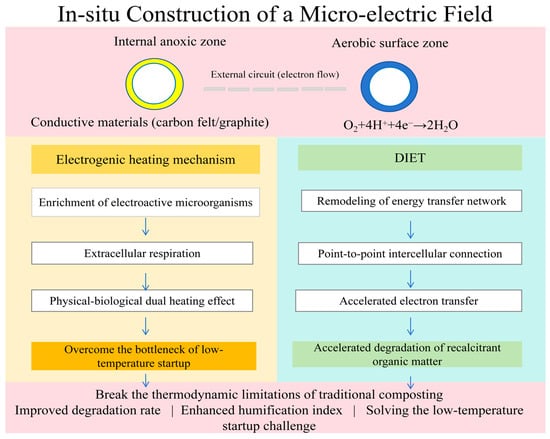
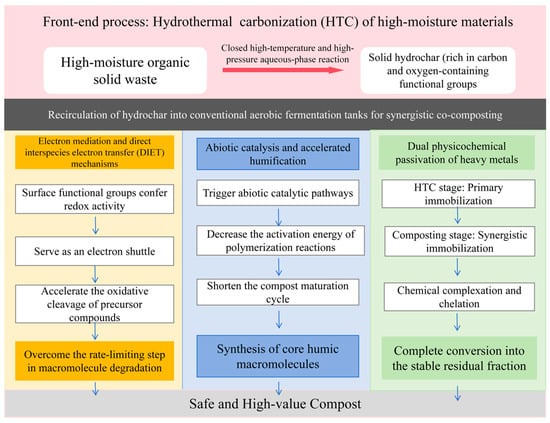
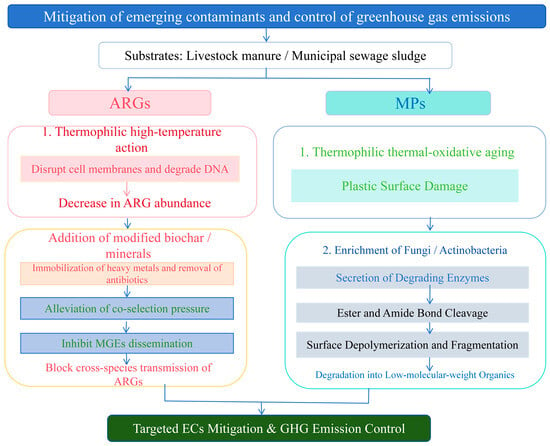
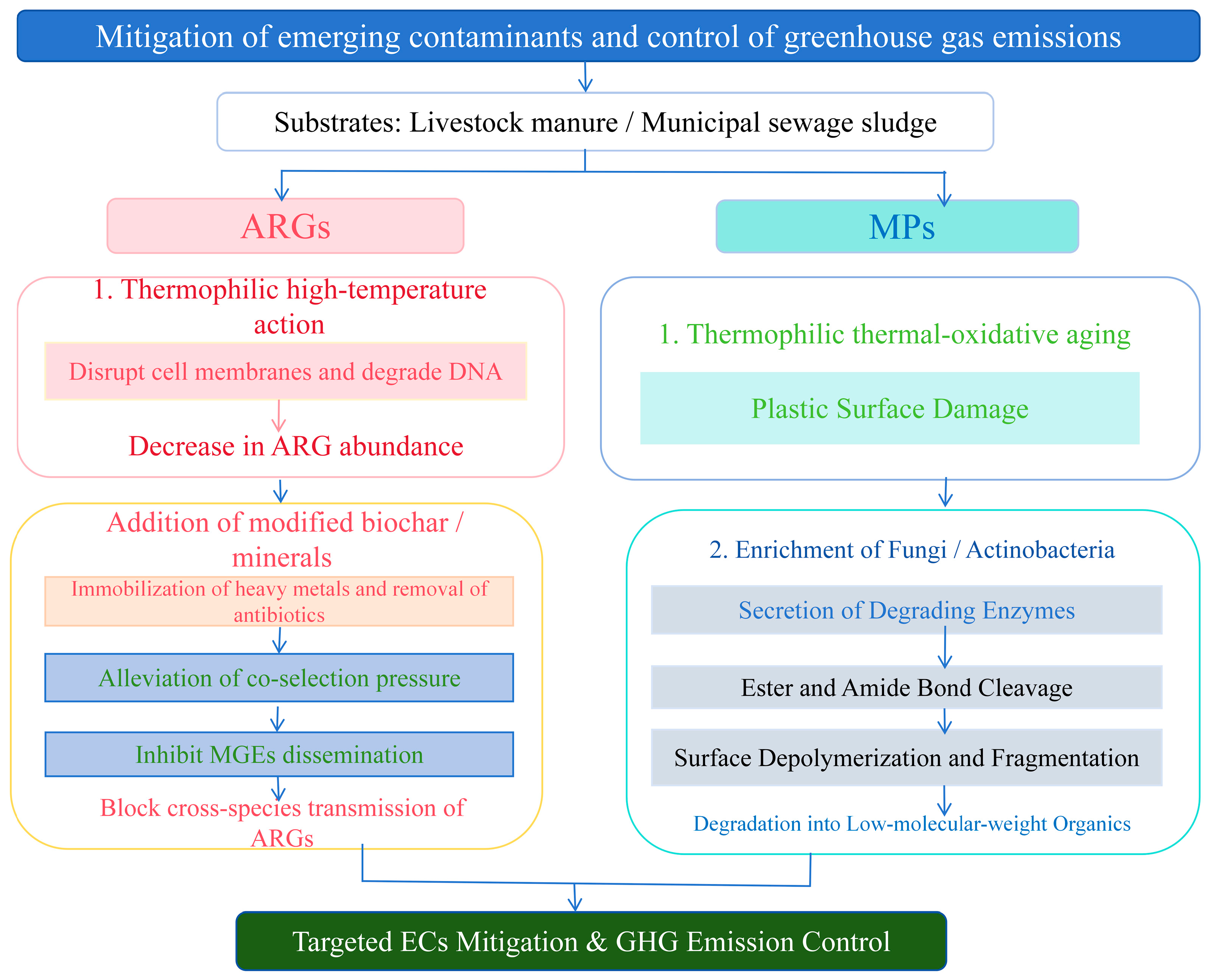

Disclaimer/Publisher’s Note: The statements, opinions and data contained in all publications are solely those of the individual author(s) and contributor(s) and not of MDPI and/or the editor(s). MDPI and/or the editor(s) disclaim responsibility for any injury to people or property resulting from any ideas, methods, instructions or products referred to in the content. |
© 2026 by the authors. Licensee MDPI, Basel, Switzerland. This article is an open access article distributed under the terms and conditions of the Creative Commons Attribution (CC BY) license.