


Abstract
Over the past several decades, the conceptual basis for carbon isotope tracing has steadily matured. The method’s high specificity and sensitivity have established it as a robust, widely adopted tool across soil, vegetation, ecology, and environmental research. This paper surveys the underlying principles of carbon isotope tracing and the state of current research, highlighting its range of applications. Using stable carbon isotope technology, the genetic source of natural organic matter such as coal, oil and natural gas can be effectively identified. Global climate change can be effectively retrieved through the changes of carbon isotope composition in different geological bodies such as cave stalagmites, loess sediments, lake sediments, tree rings, marine carbonate rocks and ice cores. In addition, carbon stable isotopes are also used to trace the geochemical cycle of soil organic carbon and solve the problem of inorganic carbon sink transformation in arid and semi-arid areas. We propose that a comprehensive understanding of the fundamental mechanisms controlling DIC’s chemical and isotopic compositions, coupled with extensive measurements across diverse conditions, would substantially improve our comprehension of the dynamic interplay between carbon cycling and climate change. By providing a structured, cross-disciplinary mapping of principles, analytical platforms, and applications, this integrative review aims to serve as a practical reference for researchers navigating the increasingly diverse and fragmented landscape of carbon isotope tracing.
1. Introduction
Seven carbon isotopes, namely 10C, 11C, 12C, 13C, 14C, 15C and 16C, occur naturally. Among these, 12C and 13C are stable isotopes. Differences in physical and chemical properties among these isotopes cause variations in their isotopic compositions before and after chemical reactions, a phenomenon known as isotopic fractionation [1,2]. Based on this intrinsic characteristic, carbon isotope tracing technology has become an effective tool in multi-disciplinary fields such as environmental science, geology and ecology [3]. Joos, F. [4] used the isotope-enabled Bern3D-LPX Earth system model to simulate the seasonal cycle of atmospheric δ13CO2. The simulations reveal that at Northern Hemisphere monitoring stations, the seasonal amplitude of δ13CO2 exhibits no significant increasing trend over the study period—a pattern that stands in marked contrast to the concurrent rise in the seasonal amplitude of atmospheric CO2 concentrations. Based on isotopic mass balance constraints, Dean, J.F. [5] found that 59 ± 17% of global riverine CO2 emissions originate from old carbon pools with turnover times of millennia or longer. Due to its high specificity and sensitivity in investigating the sources, 13C stable isotope offers a safe, non-polluting and easily controllable method when used in combination with radioactive carbon isotopes, making it the preferred choice for studying the biogeochemical processes of carbon turnover in terrestrial ecosystems. The widespread application and rapid development of carbon isotope tracing techniques have greatly improved our understanding of carbon cycling processes at the microscale. Currently, methods such as the natural abundance method, FACE experiments coupled with 13C depletion tracing, pulse and continuous 13C-CO2 labeling, and 13C-enriched substrate labeling are the mainstream techniques used in laboratory and field studies of terrestrial carbon cycling [6,7]. However, many scientific questions could not be solved by carbon isotope tracing alone, especially in ecological research field. To address this limitation, considerable efforts have been devoted to the development of carbon-tracing technology, especially its integration with other isotopic tracers, spectroscopic techniques, and molecular biological methods. For instance, Kušlienë et al. employed a 13C/15N dual-labeling method combined with biomarker analysis to investigate the contributions of different types of 13C/15N-labeled root exudates to soil carbon and nitrogen dynamics [8].
Carbon isotope tracing has evolved into a cross-cutting tool across paleoclimatology, petroleum geology, soil science, ecology, and atmospheric chemistry. Advances in instrumentation—from IRMS to laser-based spectroscopy and AMS—have improved precision and accessibility, while coupling with molecular techniques (PLFA-SIP, DNA/RNA-SIP), in situ imaging (Raman, NanoSIMS), and machine learning has expanded its scope and resolution. This rapid expansion has, however, fragmented the literature, as innovations proliferate within disciplinary silos with limited cross-fertilization. Existing reviews address individual compartments—soils, tree rings, marine carbonates, or fossil fuels—in isolation, treating them as separate reservoirs rather than as linked components of the carbon cycle. A synthesis bridging principles, analytical platforms, fractionation mechanisms, and applications across disparate fields has been lacking.
The present integrative review fills this gap. A literature search was performed in the Web of Science. The search strategy combined keywords such as “carbon isotope tracing” “δ13C,” and “carbon cycling.” Additionally, the reference lists of included articles and relevant reviews were manually screened. In this integrative review, we articulated the fragmentation problem in the current carbon isotope literature and identified the critical gap that existing reviews have not addressed. Rather than attempting a quantitative synthesis, our integrative review pursues three explicit objectives: (i) to synthesize principles and methodologies across analytical platforms (IRMS, CRDS, OA-ICOS, AMS) and coupling technologies (in situ spectroscopy, molecular probing, machine learning), providing a unified methodological reference; (ii) to integrate evidence across four application domains—fossil energy, global change archives, soil organic carbon cycling, and soil inorganic carbon dynamics—revealing common challenges and conceptual linkages obscured in compartmentalized treatments; and (iii) to identify emerging frontiers, including the underutilization of position-specific isotope analysis in ecological studies, limited multi-isotope fingerprinting (δ13C, Δ14C, δ18O, δ15N, δ34S), and the convergence of isotope tracing with artificial intelligence.
This review serves as a practical reference for three distinct audiences: experimentalists seeking guidance on platform selection and labeling strategies for their specific research questions; modelers requiring reliable end-member δ13C constraints and uncertainty estimates for carbon budget calculations and Earth system models; and early-career researchers needing a coherent, up-to-date entry point to the increasingly diverse and fragmented field of carbon isotope tracing. By integrating fragmented knowledge across disciplines, this integrative review aims to lower interdisciplinary barriers and stimulate the holistic thinking essential for addressing carbon cycle science and climate mitigation challenges.
2. Principles and Analytical Methods of Carbon Isotope Tracing Technology
2.1. Basic Principle of Carbon Isotopes
Three carbon isotopes occur naturally: 12C, 13C (natural abundances of 98.89% and 1.11%, respectively) and 14C. Among these, 14C is a cosmogenic radioactive isotope that is present in extremely low abundances in nature and has a half-life of 5730 years.
The composition of stable carbon isotopes is commonly expressed using the δ13C notation, which represents the per mil deviation of the R value (the ratio of 13C to 12C, R = 13C/12C) of a sample relative to a standard reference material. The calculation formula is as follows:
δ13C (‰) = (Rsample/Rstandard − 1) × 1000
Historically, the international reference for carbon isotope analysis was the Pee Dee Belemnite (PDB)—a Cretaceous belemnite fossil from the Pee Dee Formation in South Carolina, USA, with an R value of 1.124 × 10⁻². However, this natural standard has now been completely exhausted. Currently, the artificially prepared Vienna-PDB (V-PDB) standard is the most widely used reference material, with an R value of 1.1113 × 10⁻² [9]. Recent measurements of carbon isotope ratios associated with VPDB have led the CIAAW to reexamine the set of reference values describing the isotopic composition of VPDB. The CIAAW now recommends the following value of the 13C/12C isotope ratio for VPDB (where the quoted uncertainty is at the 95% confidence level): R (13C/12C, VPDB) = 0.011 113 ± 0.000 022. This value represents a consensus estimate from ten studies published between 1990 and 2024 from numerous independent measurement techniques [10]. The uncertainties in δ13C measurements should not be neglected. They originate from multiple interconnected steps, from sample preparation to data reporting. The most immediate source is instrumental analysis: even with state-of-the-art EA-IRMS, random fluctuations (precision) are typically ≤0.15‰, especially for low-carbon samples. In practice, many published studies underestimate total uncertainty by reporting only measurement precision. When all components—instrument behavior, scale realization, 17O correction, matrix effects, standardization, and computation—are properly summed, the combined expanded uncertainty often exceeds 1‰, and in some cases reaches several per mil. Therefore, a transparent, full-budget uncertainty evaluation is essential for reliable data intercomparison and for drawing robust biogeochemical or climatic conclusions. Comprehensive reporting should accompany every δ13C dataset.
The above formula is applicable not only to carbon-bearing samples but also to CO2 and CH4 trapped in fluid inclusions. The natural variation range of δ13C values spans approximately 160‰ across all Earth materials and extraterrestrial samples: the highest values are found in carbonates from carbonaceous chondrites (up to 70‰), and dolomite with a δ13C value of 55‰ has been identified in terrestrial materials [11]. In contrast, methane from natural gas can exhibit δ13C values as low as −90‰, atmospheric CO2 has a typical δ13C value of around −8‰, and marine carbonates generally have a δ13C value of approximately 0‰ (Figure 1).
Figure 1.
Carbon isotopic composition of some important geological bodies [11].
14C is formed in the Earth’s atmosphere via cosmogenic nuclear reactions, following the reaction equation:
14N + n ↔ 14C + p (where n denotes a neutron and p a proton)
14C uniformly distributed in the atmospheric reservoir will be oxidized to 14CO2 quickly, then can be incorporated into plants via photosynthesis. Through the food chain and biogeochemical cycles, 14C will further be transported throughout the biosphere, hydrosphere and lithosphere [12]. The 14C content is in dynamic equilibrium with atmospheric 14C in living organisms and will remain relatively constant during the organism’s lifetime. Once the living creature dies, 14C will decay to 14N with a half-life of 5730 years, and the residual 14C content will be inversely proportional to the time since death. Thus, measuring the residual 14C content in the organic carbon of dead organisms can determine their age at death [13].
2.2. Basic Mechanisms of Carbon Isotope Fractionation
Carbon isotope fractionation can be categorized into two primary types: thermodynamic (equilibrium) fractionation and kinetic fractionation. Each fractionation type is driven by distinct physical and chemical processes and occurs in different geological and environmental settings. Within the carbon cycle, isotope exchange reactions cause inorganic carbon pools—such as carbonates—to accumulate the heavier isotope (13C). Organic carbon cycling presents the opposite pattern: kinetic fractionation during photosynthesis preferentially incorporates the lighter isotope (12C) into biomass. This fundamental asymmetry leaves a clear isotopic imprint between organic matter and atmospheric CO2 across terrestrial ecosystems [14].
Photosynthetic pathways differ in how strongly they discriminate against 13C during CO2 fixation, which is why C3 and C4 plants end up with consistently different stable carbon isotope ratios (δ13C). Consequently, δ13C can serve as a reliable indicator of a plant’s ecophysiological characteristics.
When soil organic carbon (SOC) undergoes microbial mineralization to CO2, the associated 13C fractionation is quite modest—only about 1–3‰. By contrast, methanogenesis from SOC under anaerobic conditions generates a much larger isotopic shift, typically 10–70‰ [15,16]. Yet, what really matters here is scale: SOC originates predominantly from terrestrial higher plants, and the fractionation during SOC decomposition is dwarfed by the strong fractionation that occurs during photosynthetic CO2 fixation. For this reason, the δ13C of SOC stays remarkably close to that of the vegetation growing on the soil [17,18].
2.2.1. Thermodynamic Isotope Fractionation
Due to differences in the thermodynamic properties of light and heavy isotopic atoms, there exists preferential partitioning of certain isotopes between different phases or chemical species, called thermodynamic equilibrium fractionation. In short, the primary mechanism of thermodynamic carbon isotope fractionation is isotopic exchange reactions. For example,
H12CO3−(aq) + Ca13CO3 ⇌ H13CO3−(aq) + Ca12CO3
In this reaction, the amount of 13C in aqueous HCO3− will increase until the reaction reaches chemical equilibrium.
2.2.2. Kinetic Isotope Fractionation
Apart from thermodynamic equilibrium fractionation, physical, chemical and biological reactions will lead to kinetic isotope fractionation in carbon cycling. For instance, photosynthesis and other organic carbon cycling processes lead to the enrichment of light isotopes (e.g., 12C) in biogenic carbon (organic matter). This phenomenon creates a significant carbon isotopic fractionation between organisms and atmospheric CO2 in terrestrial ecosystems.
(1) Kinetic fractionation in photosynthesis process
During photosynthesis, plants preferentially assimilate 12CO2 from the atmosphere; as a result, the organic carbon fixed in plant tissues becomes enriched in 12C, while the residual atmospheric CO2 is relatively enriched in 13C. This fractionation produces a substantial shift in carbon isotope composition.
Different plant groups employ distinct biochemical pathways, leading to varying efficiencies of carbon isotope discrimination. Based on their photosynthetic pathways, plants can be classified into three groups-C3, C4 and CAM. C3 plants typically exhibit δ13C values ranging from −34‰ to −24‰, C4 plants range from −19‰ to −6‰, and CAM plants occupy an intermediate range, with δ13C values from −30‰ to −10‰ [19,20].
CO2 in the air has a δ13C value of approximately −7‰, it will dissolve in seawater when the pH of seawater reaches approximately 8.1 to form HCO3− (δ13C value of around 0‰). According to photosynthesis, terrestrial plants utilizing CO2 in the air will exhibit lower δ13C values compared to their marine counterparts.
(2) Kinetic fractionation in oxidation–reduction reactions
Light and heavy isotopes participate in oxidation–reduction reactions at different rates, which will lead to isotopic fractionation. As a multivalent element, carbon will undergo significant isotope fractionation during redox reactions, exhibiting a trend of heavy isotope enrichment with increasing carbon valence state. Previous studies have reported that the anaerobic oxidation of methane (AOM) is an important methane sink reaction. The reaction is carried out by consortia of anaerobic methanotrophic archaea (ANME) and partner bacteria in the presence of methane and sulfate. During partial methane consumption in four sets of experiments, residual methane became enriched in 13CH4 and 12CH3D, following kinetic fractionations from 11.1 to 18.3‰ and from 117 to 180‰, respectively [21].
(3) Kinetic fractionation in organic matter cracking process
Hydrocarbons undergo cracking when their structures become unstable, and this process is accompanied by carbon isotope fractionation. The isothermal time-series ethane pyrolysis experiments have been conducted at 550 and 600 °C to measure methane and ethane 13C/12C fractionation. The results show that ethane and methane 13C/12C are controlled by kinetic isotope effects and Rayleigh distillation processes. Since 12C-12C bonds possess lower bond energy than 12C-13C or 13C-13C bonds, 12C is preferentially partitioned into the lighter organic compounds, while 13C becomes enriched in the heavier organic compounds [22].
Stable carbon isotope (δ13C) signatures have long served as powerful tracers of carbon cycling across terrestrial, aquatic, and atmospheric systems. However, a growing body of evidence from recent years (2024–2026) reveals that fractionation uncertainties in real-world settings are substantially larger and more complex than laboratory-based estimates would suggest, arising from multiple interacting sources of variability.
The most direct source of field uncertainty stems from the sensitivity of fractionation to environmental fluctuations. In a continuous in situ monitoring study conducted across a canopy profile in an old-growth temperate forest in northeastern China, Diao et al. [23] observed that extreme precipitation events fundamentally altered the transfer of photosynthetic δ13C signals to ecosystem respiration.
A second category of uncertainty, often overlooked, concerns the physical representativeness of samples themselves. Recent work by researchers [24] has demonstrated that carbon isotope data (13C, 14C) are sensitive to aliquot size in soils. In heterogeneous environmental matrices such as soils, sediments, and particulate materials, single measurements on small aliquots (~100 μg C) frequently fail to reproduce the mean signal of the parent sample. Critically, the variability between replicate measurements exceeds analytical error, indicating that sample heterogeneity, not analytical precision, now limits microsampling reliability.
2.3. Determination Methods for Stable Carbon Isotopes
Several methods are available for the determination of carbon isotopes. Mass spectrometry, nuclear magnetic resonance (NMR) spectroscopy, cavity ring-down spectroscopy (CRDS), Off-Axis Integrated Cavity Output Spectroscopy (OA-ICOS), Accelerator Mass Spectrometry (AMS), laser isotope spectroscopy and infrared spectroscopy represent the most widely employed and accurate techniques for stable carbon isotope analysis [25,26,27,28]. The principles of these methods are outlined as follows:
In mass spectrometry, prepared samples are converted into suitable carrier gases (e.g., CO2, H2, N2, SO2), which are subsequently ionized in an ion source. The resulting ion beams are separated according to their mass-to-charge ratios under the influence of electric and magnetic fields, thereby enabling the measurement of isotope abundances. With modern technological development, computer-assisted mass spectrometers can directly output carbon isotope ratios. When coupled with other advanced instruments, high sensitivity and a wide measurement range can be easily achieved in the integrated measurement system.
NMR spectroscopy determines the isotopic abundances associated with different functional groups in organic matter by applying a constant magnetic field and varying the frequency of the radio frequency electric field. When combined with carbon isotope tracing techniques, this approach can monitor the dynamic changes in the chemical composition of substrates during soil carbon cycling.
CRDS is a highly sensitive laser absorption technique that determines gas concentration and isotope ratios by measuring the exponential decay time (ring-down time) of laser light confined within an optical cavity composed of two ultra-high-reflectivity mirrors. The effective optical path length reaches several kilometers, enabling parts-per-billion to parts-per-trillion level detection sensitivity. For carbon isotope analysis, CRDS measures the rovibrational absorption peaks of different isotopologues (e.g., 12CO2 and 13CO2), whose peak positions shift due to mass differences. The technique offers a distinct advantage over isotope ratio mass spectrometry (IRMS) in its ability to differentiate isobars that are otherwise indistinguishable by mass.
OA-ICOS is a cavity-enhanced absorption technique that employs an off-axis beam to eliminate interference from cavity mode structures, enabling continuous spectral output. Laser light is injected into the optical cavity at an angle such that the beam does not retrace its path, producing a dense spectrum of cavity modes that are averaged to a continuous transmission signal. For carbon isotope analysis, OA-ICOS resolves individual absorption lines of different isotopologues (e.g., 12CH4 and 13CH4), whose wavelengths are mass-dependent.
AMS is an ultra-sensitive analytical technique that measures extremely rare isotopes (e.g., 14C) by counting individual atoms rather than detecting radioactive decays. The principle involves the separation of individual positively charged atoms based on mass, charge, and momentum differences. Negative ions are accelerated through a high-voltage field (up to 10 million volts) generated by a tandem Van de Graaff accelerator. At the accelerator midpoint, outer valence electrons are stripped, and the resulting multi-charged positive ions are mass-selected and counted by particle detectors. This approach makes AMS up to one million times more sensitive than conventional decay counting. Typical AMS is capable of measuring isotope ratios in the range of 10−10 to 10−15 (atomic ratio).
Laser isotope spectroscopy includes TDLAS, CRDS, OA-ICOS, and QCLAS, all based on resolving wavelength shifts in rovibrational spectra due to isotopic substitution. They require no sample pretreatment, enable real-time monitoring, and are field-deployable. A tunable mid-IR direct absorption system achieved δ13C repeatability of <0.03‰ over 0.3–30 nmol CO2. TDLAS detection limits are ~0.6 ppb for 12CO2 and 0.18 ppb for 13CO2. These optical methods offer a cost-effective alternative to IRMS for many applications.
Since differences in atomic mass among isotopes give rise to shifts in infrared absorption spectra, infrared spectroscopy measures these spectral shifts to determine carbon isotope abundances. In recent years, developments in biogeochemical cycle research and the advent of hyphenated techniques—such as Elemental Analyzer–Isotope Ratio Mass Spectrometry (EA–IRMS) and Simultaneous Thermal Analysis–Fourier Transform Infrared Spectroscopy–Gas Chromatography–Mass Spectrometry (STA–FTIR–GC–MS)—have substantially advanced the analytical capabilities for carbon isotopes.
Carbon isotope analysis techniques vary markedly in detection limits and practical trade-offs. Isotope ratio mass spectrometry (IRMS) achieves δ13C precision as fine as 0.01‰, yet demands expensive instrumentation, tedious preparation, and high-purity helium. Accelerator mass spectrometry (AMS), targeting 14C, attains extraordinary sensitivity (14C/12C ~10−16) with milligram samples, but its facilities are rare and costly.
Among optical methods, CRDS and OA-ICOS rely on high-finesse cavities to reach kilometer-scale paths, detecting gases at ppb–ppt levels. CRDS offers δ13C precision <0.3‰ but requires stringent optoelectronics; OA-ICOS is more rugged and field-friendly. Laser techniques (e.g., TDLAS) and infrared (FTIR) stand out for real-time, in situ, portable monitoring without pretreatment, though they are less sensitive. FTIR allows multi-component detection, yet its precision often fails to meet atmospheric background demands. NMR provides structural details, but its sensitivity lags far behind, making it rare in routine isotope ratio work.
2.4. Coupling of Stable Carbon Isotope Tracing with Other Technologies
2.4.1. Coupling with In Situ Detection Technologies
Due to its high resolution, boasting advantages such as low sample demand, no pretreatment, non-invasiveness, non-destructiveness and low requirements for sample physical state, Raman spectral imaging technology has been widely used since its development. 13C stable isotope probing coupled with Raman microspectroscopy (SIRM) enables in situ and continuous monitoring of carbon isotope abundances during the synthesis, decomposition, transport, and distribution of carbon-containing compounds within ecosystems and organisms. It not only provides physiological and ecological information of microorganisms at the single-cell level but also enables the detection of microbial taxa that are low in natural abundances but have important ecological functions, which is of considerable significance for advancing the understanding of carbon cycling in terrestrial ecosystems [29,30]. Surface-enhanced Raman spectral imaging technology has effectively improved the sensitivity of Raman spectroscopy by enhancing Raman scattering signals [31,32].
Nano-scale Secondary Ion Mass Spectrometry (NanoSIMS) allows ultra-high-resolution microscopic imaging of elemental spatial distribution. Combined with isotope tracing technology, it has shown enormous potential in the study of micro-mechanisms in ecosystems [33,34,35]. Due to its high sensitivity and accuracy, this technology can be applied to investigate the microbial driving mechanisms of biogeochemical cycles of carbon, nitrogen, sulfur and other elements, as well as the interactions among soil, microorganisms and plants [36,37,38]. At present, the stable carbon isotope probing-NanoSIMS (NanoSIP) has achieved major breakthroughs in studies on plant/animal–microbe symbiosis, carbon food chain transfer in microbial communities, and the carbon–nitrogen coupling mechanism of anaerobic methane oxidation. Moreover, in studies of soil organic carbon (SOC) turnover, NanoSIP directly reveals the binding forms and dynamic processes of exogenous carbon with soil minerals, strongly promoting research on SOC stabilization mechanisms [39].
2.4.2. Coupling with Molecular Biological Technologies
To investigate the functional processes of soil biotic communities, particularly microorganisms, the combination of carbon isotopic tracing with molecular biological approaches has become a powerful tool [40]. 13C isotope probing-phospholipid fatty acid (PLFA-SIP) is widely used to examine the microbial driving mechanisms of soil carbon cycling. Owing to its high sensitivity, this technique can indicate the biomass and community structure of viable microorganisms and quantitatively detect the assimilation and utilization of labeled substrates [41]. Research on microbial necromass, primarily composed of amino sugars, and its contribution to soil organic carbon (SOC) has drawn considerable attention. Integrating PLFA-SIP with amino sugar biomarkers allows the construction of a carbon turnover continuum model—exogenous carbon → microorganisms → soil carbon pool—which helps to reveal the mechanisms underlying SOC accumulation [42].
PLFA-SIP has its own limitations (low resolution in species composition) which makes it difficult to identify functional microorganisms and makes it unable to detect archaea. Combining DNA/RNA sequencing and PLFA-SIP, the DNA/RNA-stable isotope probing (DNA/RNA-SIP) technology can overcome these limitations. The integration of carbon isotope tracing with metagenomics, commonly implemented through DNA stable isotope probing (DNA-SIP), has become a powerful approach for investigating the functional ecology of complex microbial assemblages. The principle rests on supplying environmental samples with a 13C-labeled substrate—such as 13C-glucose, 13CO2, or 13CH4—so that microorganisms actively consuming the substrate incorporate the heavy isotope into their newly replicated DNA. With the selection of appropriate substrates and target genes, DNA/RNA-SIP can accurately indicate the community structure and functional changes of key microorganisms in soil, specifically link microbial populations to ecological processes and physiological characteristics, and reveal the microbial-driven soil element cycling processes and mechanisms. Combining 13C and 18O labeling, researchers establish quantitative DNA-SIP (DNA-qSIP) technology, which elaborates the differences in microbial communities involved in the turnover of newly input organic carbon (new carbon) and native soil organic carbon (old carbon) in soil [43].
2.4.3. Coupling with Artificial Intelligence
The convergence of artificial intelligence with carbon isotope tracing is reshaping the field across multiple fronts, including data reconstruction, analytical precision, metabolic flux analysis, and physically constrained modeling.
In data reconstruction and spatial prediction, machine learning approaches effectively overcome the sparsity of observational datasets. For example, Gaussian process regression has been applied to reconstruct δ13C values of dissolved inorganic carbon in the Atlantic Ocean, expanding the effective sample count from 8941 to 68,435. In paleoceanographic studies, supervised machine learning using XRF core-scanning data has produced high-resolution benthic foraminiferal δ13C records, achieving a test R2 of 0.82. Furthermore, algorithms such as random forest, support vector machines, and neural networks have been systematically employed in source apportionment, paleoclimate reconstruction, and pollution tracing using carbon isotope signatures [44].
For analytical precision enhancement, neural networks have been deployed to correct concentration-dependent biases in laser-based isotope spectroscopy (e.g., OA-ICOS), reducing residual errors in δ13C measurements to within ±0.4‰. Under low concentrations, precision for CH4 and CO2 reached 0.19‰ and 0.075‰, respectively [45]. In industrial contexts, the CarAT framework integrates machine learning-based atom mapping with linear optimization to automate the tracking of biogenic carbon content along chemical value chains.
In metabolic flux quantification, deep learning models enable rapid estimation of fluxes from 13C-labeling patterns. ML-Flux, for instance, uses neural networks to interpret complex isotopic labeling patterns derived from 26 tracers in central carbon metabolism, delivering computation speeds orders of magnitude faster than conventional flux analysis. NeuralFlux further extends deep learning to genome-scale flux estimation from time-resolved labeling data.
Regarding physically constrained modeling, physics-informed neural networks (PINNs) embed fundamental geochemical principles—such as carbon isotope fractionation—into model architectures, thus mitigating the risk of geochemically implausible predictions that may arise from traditional “black-box” machine learning [46]. A multivariate LSTM model, for example, incorporates fractionation mechanisms and a Keeling auxiliary task to achieve physically consistent modeling of carbon isotope time series, markedly improving both accuracy and interpretability. Collectively, these advances illustrate that the deep integration of AI with carbon isotope tracing is driving a paradigm shift from purely data-driven approaches toward knowledge-data dual-driven methodologies [46].
3. Applications of Compound-Specific Carbon Isotopic in Different Fields
3.1. Applications in the Coal-Oil-Gas Sector
The carbon isotopic composition of coal, petroleum, and natural gas is influenced by the isotopic composition of their original parent material as well as the formation environment. Additionally, carbon isotopes will fractionate during thermal cracking and the migration process. Carbon isotope tracing technology provides critical information such as the type of original parent material, thermal evolution degree, and oil/gas migration and accumulation, making it an indispensable tool in petroleum geology and coal geology research.
Coal δ13C values vary widely: Indonesian coal is the lightest (average −27.4‰) and South African coal the heaviest (average −23.7‰), with Cenozoic coal generally lighter than Paleozoic coal [47]. Spatial patterns show that African and European coals are relatively heavy, Indonesian coal is light, and coal from northern China is heavier than that from southern China. Carbon isotope tracing aids CO2 emission reduction and paleoclimate/paleovegetation reconstruction [48,49]. Coal δ13C is influenced by temperature rise, modern climate, and carbon type; values increase with aromatic carbon content and decrease with higher H/C ratios and aliphatic carbon content [50,51,52].
Petroleum δ13C values range from −20‰ to −36‰, varying with formation environment, original organic matter type, and maturity, making carbon isotopes a key indicator of petroleum genesis and evolution. Crude oil fractions typically show progressive 13C enrichment with increasing polarity: δ13Csaturated ≤ δ13Caromatic ≤ δ13Cnon-hydrocarbon ≤ δ13Casphaltene. Marine petroleum is generally heavier than continental petroleum, and because the carbon isotopic signature of source organic matter is largely preserved during petroleum formation, measured δ13C values can be used to infer the source rock depositional environment. However, some marine petroleum is lighter than continental petroleum, so reliable interpretation requires integrating other geochemical indicators. Based on extensive analytical data, Al-Khafaji [53] proposed a method to distinguish petroleum derived from marine and continental source rocks: the difference in carbon isotopic composition of saturated and aromatic hydrocarbons in petroleum.
This method constructs a scatter plot with δ13Csaturated hydrocarbons on the horizontal axis and δ13Caromatic hydrocarbons on the vertical axis, and statistically regresses the optimal dividing line as follows: δ13Caromatic hydrocarbons = 1.14 δ13Csaturated hydrocarbons + 5.46. Petroleum plotting above and to the left of the line is of continental origin, while that below and to the right is marine (Figure 2).
Figure 2.
Sofer map of marine oil in Early Cretaceous clastic rocks in the southern oil fields of the Mesopotamian Basin. (after Al-Khafaji [53]).
Al-Khafaji also proposed a CV value (CV = −2.53δ13C saturated hydrocarbons + 2.22δ13Caromatic hydrocarbons − 11.65) to distinguish marine and continental petroleum, with a threshold of 0.47: CV > 0.47 for continental petroleum and CV < 0.47 for marine petroleum. This method has been widely used to determine the sedimentary environment of petroleum formation [54].
The hydrocarbon constituents of natural gas are dominated by alkanes, with methane accounting for the largest proportion, accompanied by minor amounts of ethane, propane, and butane [55]. Compared to petroleum and coal, natural gas is relatively enriched in 12C and exhibits a wide variation range of δ13C values, while ethane (C2) has a relatively narrow range. Based on δ13C1−4 values for 1390 gas samples from large organic-genetic gas fields in China, Dai et al. [56] provided a table which illustrates the variation range of δ13C1 to δ13C4 values for natural gas in China’s large organic-genetic gas fields (Table 1).
Table 1.
C1-4 carbon isotope box plot of atmospheric fields in China (after Dai et al. [56]).
The carbon isotopic composition of alkane gases exhibits two key characteristics (Table 1): ① The lightest and average δ13C values of methane, ethane, propane and butane become progressively heavier with increasing carbon number in the molecule, while the heaviest values become progressively lighter. ② The variation interval of carbon isotopic composition for methane, ethane, propane and butane narrows with increasing molecular carbon number.
Schoell’s carbon isotope method is widely used for genetic classification of natural gas [57]. Inorganic methane generally has δ13C1 > −30‰, while most organic methane is <−30‰. Organic alkane gases show a positive carbon isotopic series (δ13C1 < δ13C2 < δ13C3 < δ13C4), whereas inorganic gases show a negative series [55]. Natural gas is often of mixed origin, complicating source correlation. The δ13C1-Ro relationship helps infer source rock maturity and identify source strata [58]. For example, Yin [59] concluded that deep gas in the Shahezi Formation of the Songliao Basin is near-source from the adjacent Shahezi source rocks, while Huoshiling gas is mixed from Huoshiling and Shahezi sources. Since source rock carbon isotopes control ethane and propane isotopic signatures and migration fractionation affects them less than methane, δ13C2 and δ13C3 are reliable source indicators. Zhang et al. [60] used δ13C2 and δ13C3 to show that Xinzhao gas in the Ordos Basin mainly derives from Shanxi Formation source rocks, whereas Duguijiahan and Shiguhao gas is mixed from Taiyuan and Shanxi formations.
3.2. Applications in Global Change Research
Carbon isotopes serve as valuable proxies in global change research. Based on the variations in their δ13C values in natural archives such as cave stalagmites, loess sediments, lacustrine deposits, tree rings, marine foraminifera, marine carbonates and ice cores, researchers can reconstruct past climate and vegetation changes and extract critical information on global change.
Each archive offers distinct advantages and inherent limitations, and their combined use permits a more comprehensive reconstruction. In cave stalagmites, δ13C primarily reflects a mixture of soil-derived CO2 and carbonate bedrock dissolution; Loess–palaeosol sequences record organic-matter δ13C that not only preserves palaeovegetation information but also tracks aridity in dust source regions, making it a valuable proxy for East Asian monsoon dynamics. Lacustrine sediments pose greater interpretive challenges because of the need to disentangle autochthonous aquatic production from allochthonous terrestrial inputs, yet once resolved, they reveal changes in catchment hydrological closure and lake trophic status. Tree rings, with their annual resolution, imprint stomatal conductance responses to vapor-pressure deficit onto δ13C series, thus offering direct records of summer moisture and atmospheric CO2 interactions. In the marine realm, planktonic foraminiferal calcite records the δ13C of surface-water dissolved inorganic carbon, which is linked to deep-ocean reservoir ages and hence to ocean circulation and carbon sequestration; bulk marine carbonates provide longer-term perspectives on alkalinity and global carbon cycle balance. Finally, ice cores trap atmospheric CO2 and its δ13C in bubbles, uniquely affording direct recovery of past atmospheric composition; the glacial–interglacial covariance between CO2 and δ13C clearly indicates shifts in terrestrial biospheric storage and provides a pre-industrial baseline against which anthropogenic fossil-fuel signals can be quantified.
3.2.1. Cave Stalagmites
Carbon isotope fractionation in cave stalagmites follows the open system fractionation model, which means that the δ13C value of carbonate precipitated in cave stalagmites depends solely on the δ13C value of CO2 produced by vegetation respiration and organic matter degradation, and is independent of the δ13C value of limestone itself. The predominant vegetation type under given environmental conditions regulates the δ13C value. C3 plants prefer environments with low temperature, moderate sunlight, high rainfall and high soil moisture, and they exhibit depleted δ13C values; in contrast, C4 plants grow at higher temperatures and under stronger sunlight, prefer arid and low-moisture soil environments, and have relatively high δ13C values. Consequently, CO2 in warm and rainy environments is mainly derived from respiration and biodegradation of C3 vegetation (forests, shrubs, etc.), leading to carbonate sediments with low δ13C values; in hot and arid climates, C4 vegetation is dominant, resulting in carbonate sediments with high δ13C values [61,62]. Stalagmite δ13C values record information on surface vegetation and soil organic matter, which represent a record of climate change over the past tens of thousands of years, and offer unique advantages in paleoclimate and paleovegetation reconstruction. Burns et al. [63] conducted analyses on two stalagmite samples from Anjohibe Cave to investigate paleoecology and paleoclimate in northwestern Madagascar over the past 1800 years. Their stable carbon isotope data revealed a sudden increase in δ13C at approximately 890 AD, with values rising by about 8‰ in both stalagmites over the subsequent 100 years. This shift reflects a rapid and complete transition from a C3-dominated ecosystem to a C4 grassland system within a century.
3.2.2. Loess Sediments
Loess deposits preserve records of climatic and environmental changes spanning millions of years and are characterized by their extensive distribution, great thickness, well-developed stratigraphy, strong representativeness, and continuous deposition. By analyzing variations in the δ13C values of soil organic carbon, pedogenic carbonates, n-alkanes, and black carbon [64,65] in loess sediments, researchers can reconstruct the spatial distribution and temporal evolution of paleovegetation, from which contemporaneous paleoenvironmental information can be inferred [66].
Under in situ burial conditions, the organic matter in soil sediments originates from the mixture of residual plant materials and decomposed surficial vegetation, which transfers the δ13C signature to soil organic carbon. Consequently, the carbon isotopic composition of soil organic carbon (δ13CTOC) in loess can be used to reconstruct local paleovegetation. Pötter et al. [67] applied δ13CTOC records from loess to confirm that C3 vegetation dominated the Carpathian Basin in southeastern Europe from the Middle to Late Pleistocene.
The carbon isotopic composition of pedogenic carbonates (δ13Cpc) is controlled by the δ13C of soil pore CO2, which consists of a mixture of CO2 from soil respiration and atmospheric CO2 [67]. Under conditions of high soil productivity, the partial pressure of CO2 generated by root respiration and microbial oxidation greatly exceeds that of atmospheric CO2, making vegetation type and its relative abundance the dominant factors governing δ13CPC. As a result, δ13CPC values can record paleovegetation and paleoclimate information at the time of carbonate formation [68]. Bayat et al. [69] demonstrated that the δ13C values of pedogenic carbonates in northeastern Iran reveal two distinct formation intervals: one characterized by temperatures lower than the present and dominated by C3 plants, and the other marked by higher temperatures and C4 plant dominance.
The compound-specific carbon isotopic composition of individual n-alkanes (δ13Cn-alkanes) is determined by the carbon source utilized by plants, as well as being associated with the carbon isotope fractionation such as carbon fixation and the biosynthesis processes. Therefore, δ13Cn-alkanes values can be used to reflect paleovegetation and paleoclimate information [70]. Schäfer et al. [71] reported that the highest δ13C values of n-alkanes in loess from central Spain occur in Marine Isotope Stage (MIS) 3, indicating arid environmental conditions; lower δ13C values in MIS 4 and 2 represent relatively humid conditions.
Black carbon is an aggregate of several substances formed by the incomplete combustion of organic matter or fossil fuels, leading to minor carbon isotope fractionation. The carbon isotope values of black carbon remain stable after combustion. Consequently, the carbon isotopic composition of black carbon (δ13CBC) can represent the stable carbon isotopic composition of the burned vegetation, which is jointly determined by vegetation type and climatic environment. Thus, δ13CBC can be used to reconstruct paleovegetation information. Wang et al. [72] used δ13CBC in loess to demonstrate that C4 plants were more abundant in the southern Chinese Loess Plateau during the mid-Holocene, while C3 plants dominated the northwestern region.
3.2.3. Lacustrine Sediments
Lacustrine sediments can reflect regional climate change on short timescales and are ideal archives for reconstructing high-resolution records and for elucidating the mechanisms of abrupt climate change. The organic matter preserved in lake sediments originates from two primary sources: autochthonous aquatic organisms within the lake, and allochthonous terrestrial plants flowing into the lake. Autochthonous organic matter reflects the environmental information of the lake water, whereas allochthonous organic matter reflects the environmental characteristics of the regional landmass.
It is well established that organic matter from different sources exhibits characteristic δ13C values. Terrestrial C3 plants are characterized by low δ13C values, whereas C4 plants display relatively high values. Among aquatic sources, submerged plants and other organisms that utilize CO2 released from bicarbonate dissolution typically yield high δ13C values, while plankton and emergent plants that fix atmospheric CO2 have relatively low values [73,74,75]. Furthermore, the molecular distribution patterns of n alkanes and fatty acids derived from plant leaf waxes in lacustrine sediments provide an additional basis for distinguishing source vegetation: terrestrial plant waxes are dominated by long-chain n alkanes (C27, C29, C31) and long-chain fatty acids, whereas aquatic organisms are characterized by a predominance of short- to medium-chain n alkanes (C17, C19, C21) and short-chain fatty acids [76].
Given the multiple sources of organic matter in lacustrine sediments, researchers have combined analyses of organic molecular composition with carbon isotopic signatures to extract paleoenvironmental information. When lacustrine organic matter is predominantly of terrestrial origin and aquatic contributions are minor, the δ13C value of the bulk organic matter primarily reflects the vegetation types surrounding the lake and the associated climatic changes. Likewise, variations in the δ13C values of long-chain n alkanes or long-chain fatty acids in lacustrine sediments can trace shifts in terrestrial C3/C4 vegetation [77]. Some studies [78] have reported that δ13C values of organic matter in sediments from Dagze Co on the Tibetan Plateau fluctuated over the past millennium, recording multiple alternations between cold-arid and warm-humid conditions in the lake region. Aichner et al. [79] utilized δ13C values of fatty acids from lacustrine sediments of Karakul Lake, Xinjiang, to confirm the dominance of C3 vegetation in the eastern Pamir Plateau during the late Holocene.
3.2.4. Tree Rings
The δ13C values of tree rings provide useful information on climatic and environmental conditions due to the organic carbon synthesized and utilized during the period of tree growth. Currently, tree ring α-cellulose is widely used for δ13C analysis; its fractionation is mainly influenced by stomatal conductance and photosynthetic rate. Stomatal conductance is primarily controlled by water conditions (e.g., relative humidity, drought), while photosynthetic rate is mainly affected by temperature and radiation intensity [80,81,82,83,84,85,86]. Thus, tree ring δ13C can be used to reconstruct meteorological elements such as temperature, radiation intensity, relative humidity and drought.
Kang et al. [83] reported α-cellulose extracted from Chinese red pine trees in the semi-arid region of north-central China, reconstructing a 270-year tree ring δ13C sequence. This study demonstrates that tree ring δ13C is a powerful tool for investigating historical hydrological and climatic changes.
3.2.5. Marine Carbonates
The δ13C values of marine carbonates preserve signatures of ancient seawater, and their variations can be linked to global environmental changes. Large amounts of relatively 12C-enriched organisms are buried on the seafloor when the sea level rises. In the deep ocean, the oxidation of these organisms consumes oxygen in the bottom water; as this process proceeds, severe marine anoxia occurs in the deep ocean, forming a strongly reducing sedimentary environment. This reduction environment contributes to the extensive preservation of sedimentary organic carbon, which prevents the production of 12C-enriched CO2 and significantly reduces the amount of CO2 returned to the atmosphere, resulting in the relative enrichment of 13C in atmospheric CO2 [84]. Simultaneously, carbon isotope equilibrium is attained between atmospheric CO2 and carbon-bearing aqueous species in the surface ocean, and the resulting δ13C variations are imprinted on contemporaneous carbonate sediments [85]. Global oceanic anoxic events are therefore commonly accompanied by positive δ13C excursions in marine carbonates. Conversely, during sea-level fall, extensive oxidation of 12C-enriched organic carbon releases large quantities of 12C-rich CO2 into the atmosphere, and marine carbonates formed under such conditions exhibit relatively low δ13C values [86]. Thus, δ13C variations in marine carbonates can record sea-level fluctuations, organic carbon burial, and climatic conditions at the time of formation.
Li et al. [87] pointed out that the δ13C values of Early–Middle Permian marine carbonates from the northern margin of the South China Block exhibit a long-term increasing trend, possibly reflecting a continuous rise in sea level during the early Guadalupian. It has been suggested that deposition during glacial sea-level lowstands and the subsequent postglacial flooding promoted the preservation of an aragonitic signature with elevated δ13C produced in shallow-water settings. In contrast, on the mid- and inner ramp, extensive early marine diagenesis under seawater-buffered conditions attenuated the magnitude of the δ13C shift [88]. Liu et al. [89] documented three positive carbon isotope excursions in Middle–Late Ordovician marine carbonates from the northern Tarim Basin, which are linked to organic carbon burial and indicate substantial changes in the paleoceanographic environment.
3.2.6. Ice Cores
Ice core records provide a key means for investigating global climate change and environmental evolution, owing to their long timescale, rich information content, and high fidelity. Current ice core research concentrates mainly on Antarctica, the Arctic, and the Tibetan Plateau. Gases trapped in ice cores offer a direct pathway to the past atmospheric composition and isotope ratios [90]; variations in the δ13C values of CO2 and CH4 in ice cores can be used to reconstruct historical climate changes and assess the contributions of different carbon sources.
3.3. Applications of Carbon Isotopes in Soil Organic Carbon Cycling
Terrestrial ecosystems absorb carbon through plant photosynthesis and release it back to the atmosphere via autotrophic and heterotrophic respiration. Soil plays a central role in the CO2 exchange between terrestrial ecosystems and the atmosphere [91].
Due to their high specificity and sensitivity in tracing carbon sources, stable carbon isotope technology combined with labeling methodologies has become a powerful tool in the research of soil organic carbon (SOC) [92,93,94,95]. These methods have been widely applied to explore SOC cycling processes in farmland soils, to distinguish the sources of soil respiration, and to quantify carbon allocation between aboveground and belowground plant parts. Two approaches are commonly used in this context: the natural abundance method and the enrichment labeling method.
3.3.1. Natural Abundance Method of Carbon Isotopes
The natural abundance method exploits the distinct δ13C values of C3 and C4 plants. By introducing C3 (or C4) plants into soils that have long been under C4 (or C3) vegetation, the isotopic difference between the plant-derived carbon and the native soil organic carbon can be used to distinguish carbon sources. This approach is cost-effective and easy to implement, but it requires that the selected C4 (or C3) soils have supported a continuous cover of the respective photosynthetic type over an extended period. In addition, its relatively low sensitivity reduces the reliability of source partitioning during the late growing season [96,97].
Shifts between C3 and C4 vegetation alter the δ13C composition of SOC: growing C4 plants in a C3-dominated soil enriches δ13C values of SOC, whereas planting C3 plants in a historically C4 soil decreases the δ13C values of SOC. By using non-rotated soils as a control group, researchers can track changes in SOC δ13C to calculate SOC turnover rates, determine the proportion of plant-derived carbon in different soil carbon pools, and quantify the contribution of new and old carbon to soil respiration [98,99,100].
3.3.2. Carbon Isotope Enrichment Labeling Method
In contrast to the natural abundance method, the enrichment labeling method uses an exogenous carbon source that is highly enriched in 13C as a tracer. Superior sensitivity and resolution, lower requirements for instrumental precision, and negligible bias due to C3/C4 vegetation shifts and isotopic fractionation effects make the enrichment labeling method widespread in soil carbon cycling research. Two dominant labeling techniques are employed in this research: the 13CO2 isotope labeling method and the 13C-enriched substrate labeling method.
3.3.3. The 13CO2 Isotope Labeling Method
The enrichment labeling method employs highly enriched 13CO2 to label atmospheric carbon, enabling quantitative tracing of photosynthetic carbon assimilation and its subsequent transfer to the soil. This approach allows researchers to follow the migration, transformation, and accumulation of carbon within plant–soil systems, to detect subtle changes in soil carbon dynamics, and to elucidate the sources and turnover patterns of carbon in these systems [101]. It also provides a powerful tool for investigating the direction and intensity of rhizosphere priming effects on soil carbon cycling [102,103,104].
(1) 13CO2 isotopic labeling method
Pulse labeling and continuous labeling are the two most widely used 13CO2 labeling techniques. Pulse labeling involves the addition of high-abundance 13CO2 during one or more plant growth stages to characterize carbon allocation patterns [105]. In contrast, continuous labeling exposes plants to enriched 13CO2 throughout the entire growth period. This approach tracks the dynamics of photosynthetic carbon over the full plant life cycle, including responses to elevated CO2 concentrations, and it enables quantitative assessment of photosynthate allocation in plant–soil systems as well as the characterization of soil carbon [106]. Zhu et al. [107] applied the 13CO2 pulse labeling method to rice grown in soils with varying organic matter contents and revealed significant differences in the transformation and turnover of rice photosynthetic carbon linked to soil organic matter levels—a phenomenon referred to as the “Matthew effect” in belowground carbon transport. Butterly et al. used 13CO2 pulse labeling at the grain-filling and maturation stages of wheat to investigate photosynthate allocation [108]. A marked increase in 13C content in wheat roots and soil demonstrated that the majority of new soil carbon input occurs during grain filling, whereas lower root 13C levels at maturity reflected the plant’s prioritization of photosynthate transport to grains. Using 13CO2 pulse labeling, researchers further investigated the effects of doubled CO2 concentration on photosynthate accumulation in wolfberry and found that elevated CO2 enhanced carbon accumulation in plant organs during the rapid growth stage, while carbon accumulated mainly in stems, fruits, and leaves during the late growing season [109].
(2) 13C-enriched substrate labeling method
This approach involves adding 13C-enriched small-molecule organic compounds or plant residues to soil, combined with biomarker techniques, to characterize the relative abundance and degradation status of organic matter from different sources. In addition, it can be used to investigate the relative contributions of new and old organic carbon to soil carbon storage [110]. This method is most commonly applied in laboratory experiments. The labeled substrates fall into two categories: simple small-molecule organic compounds (e.g., glucose, alanine) and complex macromolecular organic materials (e.g., cellulose, lignin, plant straw). By employing the 13C-enriched substrate labeling method (with unlabeled substrates as controls) together with biomarker techniques, researchers can measure the amount and source of 13C in different soil organic carbon fractions, thereby providing critical evidence on how exogenous carbon contributes to soil carbon sequestration [39].
When 13C-labeled organic substrates are added to soil in field or laboratory experiments, the amount of 13CO2 released into the atmosphere can be measured to distinguish carbon derived from exogenous substrates from that originating from native soil organic matter. This enables researchers to evaluate how exogenous organic inputs affect the decomposition of soil carbon. By combining the 13C-enriched substrate labeling method with stable isotope probing (SIP) techniques—such as PLFA-SIP and DNA-SIP—it is possible to precisely trace the microbial mechanisms involved in SOC turnover and to identify the microbial groups that participate in the assimilation and mineralization of specific carbon sources [111,112]. However, field isotope labeling experiments face multiple practical constraints that limit their application and interpretation. Economic costs are substantial due to expensive enriched isotopes and analytical instrumentation. Signal dilution and limited residence time of 13C/15N labels restrict their use to short-term processes, whereas natural abundance approaches require sufficient fractionation rates. Uniform label distribution in structured soils is difficult to achieve—preferential flow paths reduce recovery, and vertical gradients persist even with drip irrigation improving horizontal spread. Cross-contamination risks necessitate long-term spatial isolation to preserve sites for subsequent natural abundance studies. Pulse labeling of trees is particularly challenging because of overlapping root systems and the differential isotope signatures between labile and structural pools that complicate quantification. Seasonal and environmental conditions constrain experimental windows, and soil moisture directly affects tracer infiltration and recovery. Laboratory qSIP results often diverge from field observations: taxa showing higher assimilation in vitro tend to be opportunistic, whereas field-active taxa depend on intact root–soil interactions. Finally, 14C natural abundance suits millennial-scale turnover, but 13C pulse labels are confined to short-term dynamics. These multifaceted limitations require careful experimental design, appropriate method selection, and rigorous site management to ensure robust data interpretation.
3.3.4. Recent Advance in Soil Organic Carbon Cycling
Carbon isotope tracing serves as a core methodological thread that permeates studies of microbial carbon use efficiency (CUE), mineral-associated organic matter (MAOM) stabilization, rhizosphere priming effects (RPE), and carbon persistence, providing an indispensable quantitative lens for deciphering the “black box” of soil carbon dynamics.
- (1)
- Microbial CUE.
Isotopic approaches are the most widely employed means to estimate microbial CUE, by tracking the partitioning of labeled substrates between biomass and respiration. The 13C-substrate method—typically using 13C-glucose—yields a global mean CUE of 0.59, whereas the 18O-water and stoichiometric-model approaches both give 0.34, highlighting the importance of understanding methodological principles through isotope tracing. The 18O-H2O combined with quantitative stable isotope probing (qSIP) has further been used to track active microbial taxa, revealing that long-term nitrogen addition reduces CUE by reshaping active communities [113]. A recent alternative proposes using hydrogen isotopes of microbial phospholipid fatty acids (δ2H_PLFA) to estimate taxon-specific CUE.
- (2)
- MAOM stabilization.
Jia et al. [114] constructed 13C-labeled microbial- and plant-derived MAOM materials and monitored both the rate and isotopic signature of respired CO2 during incubations. They found that nitrogen-rich MAOM paradoxically exhibits higher decomposition potential—nitrogenous compounds accumulate on mineral surfaces through organic-organic interactions, and such associated carbon is more labile than carbon directly sorbed to minerals. Using natural 13C abundance, recent work confirms MAOM as the most stable carbon pool globally, underscoring the central role of organic compound fixation onto minerals for long-term persistence. At the 14C level, the Δ14C of mineral-associated carbon decreases with increasing reactive mineral content; large-scale soil 14C measurements show that plant carbon inputs drive topsoil Δ14C variations, whereas mineral protection (iron/aluminum oxides and cation bridging) dominates in subsoils.
- (3)
- Rhizosphere priming effect.
Carbon isotope tracing is the cornerstone for quantifying RPE. Natural 13C root-box methods have successfully determined RPE intensities of adult trees under field conditions. 13C pulse-chase labeling quantifies rhizodeposition and carbon transfer to roots. The BLOSOM platform enables continuous high-intensity 13C labeling (>500‰) of plants, allowing simultaneous quantification of new SOC formation and RPE in temperature-controlled soils, reducing the total uncertainty in detecting new SOC formation from ±39% to ±3% [115]. Continuous 13CO2 labeling combined with high-resolution δ13C analysis captures short-term RPE dynamics. Dual labeling (13C and 15N) further allows simultaneous tracking of both carbon and nitrogen fluxes under priming [116].
- (4)
- Carbon persistence.
14C serves as the “gold standard” for determining soil carbon age and turnover rates, providing a time-integrated metric for persistence. Compound-specific radiocarbon analysis (CSRA) has revealed distinct age-depth distributions for different compound classes, indicating differential turnover. Large-scale soil 14C surveys on the Tibetan Plateau identify plant carbon input as the primary driver of topsoil Δ14C, while mineral protection governs subsoil values. 14C analyses have also exposed systematic underestimation of SOC persistence by next-generation soil models—five Earth system models overestimated Δ14C of particulate organic matter by 69‰ on average [117].
In summary, both stable (13C) and radioactive (14C) carbon isotopes play central roles in estimating microbial CUE, tracing MAOM sources and turnover, quantifying RPE, and assessing carbon persistence. From tracking substrate partitioning on a minute-to-day scale to determining millennial-scale carbon residence times, isotope approaches provide the quantitative backbone that unifies these four research frontiers, offering a continuum of temporal perspectives that is essential for a mechanistic understanding of soil carbon cycling.
3.4. Applications of Carbon Isotopes in Soil Inorganic Carbon Sink-Source Dynamics
Soil inorganic carbon (SIC) in arid and semi-arid regions constitutes an essential component of the global carbon cycle. Its carbon sink effect exerts a non-negligible influence on global carbon sequestration and has become a prominent research focus in recent decades [118]. Stable carbon isotope techniques play a crucial role in investigating SIC source–sink relationships, offering an effective analytical tool for clarifying SIC sequestration processes and characterizing carbon pool dynamics in these regions. Experiments conducted in the Mu Us Desert of Ningxia, China, demonstrated that atmospheric CO2 infiltrates the soil, dissolves in soil water, and partially converts into carbonate minerals that become fixed in the soil solid phase [119]. Applying a similar approach on the Chinese Loess Plateau, Gao [120] found that 33.2% of the atmospheric CO2 absorbed by loess soils is immobilized in the solid phase in the form of inorganic carbon. Kelson [121] reported that the occurrence of pedogenic carbonates at depths >50 cm in soils derived from glacial till under a humid continental climate in Michigan, USA. Multi-isotope analyses of soil carbonates (δ13C, δ18O, Δ47, and 14C) and soil water (δ18O and δ2H) indicate that these carbonates likely represent a physical mixture of pedogenic and detrital components. Mechanistically, under humid conditions, seasonal soil respiration and temperature fluctuations drive dissolution–reprecipitation processes between detrital and pedogenic carbonates; the pedogenic carbonates themselves may be transient products in the chemical weathering sequence following deglaciation, rather than stable, accumulated terminal phases.
The central challenge in current SIC research lies in determining whether SIC functions as an effective and stable carbon sink. This question can be resolved through the accurate identification of the genetic sources of soil carbonates. Based on the origin of carbonate anions, soil solid-phase carbonates are classified into two types: lithogenic carbonates (LC) and pedogenic carbonates (PC). Lithogenic carbonates are derived from parent materials through geological diagenetic processes, and their formation involves no atmospheric CO2 sequestration; thus, they make no contribution to the modern carbon sink. Pedogenic carbonates, in contrast, form via contemporary pedogenic processes [122]. Under suitable soil moisture and pH conditions, atmospheric CO2 dissolves in the soil solution to generate carbonate or bicarbonate ions, which then react with Ca2+ and Mg2+ released from soil minerals to precipitate as secondary carbonates. The formation of pedogenic carbonates represents the primary mechanism of SIC sequestration in arid and semi-arid soils. Consequently, reliably distinguishing between pedogenic and lithogenic carbonates is essential for evaluating the actual SIC sink capacity of these regions.
As discussed above, distinguishing between lithogenic and pedogenic carbonates is essential for evaluating the SIC sink potential. Stable carbon isotopes have proven to be a highly effective tool for this purpose. The carbon isotopic composition of pedogenic carbonates is governed by two principal factors: the δ13C value of soil pore CO2 at the time of formation and the carbon isotope fractionation that occurs during carbonate precipitation from the soil solution [123]. In soil systems, isotopic exchange between dissolved bicarbonate and soil CO2 reaches equilibrium prior to pedogenic carbonate formation; consequently, the δ13C of pedogenic carbonates ultimately reflects that of soil CO2. Soil CO2 is derived predominantly from two sources: root and microbial respiration linked to soil organic matter decomposition, and atmospheric CO2 that diffuses into the soil profile [124]. Previous studies have indicated that the δ13C value of soil CO2 is approximately 4.4‰ enriched relative to that of the source SOC, a value that can also be determined through in situ measurements [109]. In open soil systems, temperature-dependent carbon isotope fractionation accompanies pedogenic carbonate precipitation. By combining the measured fractionation factors with the δ13C values of soil CO2, researchers can calculate the theoretical δ13C range of pedogenic carbonates. Owing to variability in soil-forming conditions and processes, pedogenic carbonates exhibit a broad δ13C range from –10‰ to 0‰. In contrast, lithogenic carbonates display a relatively narrow δ13C distribution around 0‰, typically ranging from –2‰ to +2‰. The distinct isotopic differences between the two carbonate types allow the proportion of pedogenic carbonates within the total SIC pool to be quantitatively assessed using an appropriate isotopic mass-balance model [125].
4. Challenges and Future Directions
Currently, a considerable body of research employing carbon isotope tracer techniques has been devoted to C3/C4 vegetation succession, soil organic matter (SOM) sources and sinks, turnover of various SOM fractions, and associated microbial response mechanisms, and these approaches have become well established. In contrast, studies on the functional roles of plants, microorganisms, and soil fauna (e.g., protozoa, nematodes, and arthropods) within plant–soil carbon cycling, as well as the mechanistic pathways involved, remain comparatively scarce. Although carbon isotope tracing has already proven valuable in plant physiological ecology, numerous physical, chemical, and biological processes are still inadequately understood. Moreover, integrated investigations into how anthropogenic disturbances—such as grazing, fertilization, and tillage—either act directly or interact synergistically with climatic factors to influence vegetation dynamics and soil organic matter transformations, are urgently needed. There is also a lack of research addressing stoichiometric balances between carbon and other nutrient elements, alongside the coordinated development and application of multi-isotope probing techniques (including carbon, nitrogen, phosphorus, sulfur, and oxygen) in ecological contexts. In view of these knowledge gaps, we propose the following four research perspectives:
(1) High-precision in situ detection methods combining stable carbon isotopes with spectroscopic imaging technologies
Currently, the application of stable carbon isotope tracing coupled with in situ detection techniques in ecology still encounters numerous challenges, particularly in soil systems, where the intrinsic complexity of soil severely limits the performance of many in situ detection approaches. Enhancing the coupling efficiency between stable carbon isotope tracing and in situ detection is therefore a prerequisite for the wider adoption of these techniques. Owing to the strong fluorescence background originating from soil particles and the interference of pore gases, Raman spectroscopic imaging is especially difficult to apply directly to soil samples. At present, studies on soil systems are largely conducted indirectly through soil-like media and by isolating soil organisms, so that the development of interference masking and correction techniques is critically important for the successful application of stable carbon isotope-coupled Raman spectroscopic imaging in plant–soil system research [126].
(2) Coupling Carbon Isotopes with Ultra-High-Resolution Imaging Techniques
Although NanoSIP enables ultra-high-resolution imaging of the spatial distribution of stable carbon isotopes in soil, its high cost and nano-scale measurement scale restrict its wider applicability [127]. Combining 14C isotope tracing with autoradiography permits direct visualization of the distribution and transport of plant and soil carbon, thus offering a powerful means to accurately decipher source–sink relationships and allocation dynamics of carbon [128]. When autoradiography is employed to investigate the spatial distribution of 14C in soil, processes such as excitation, ionization, and bremsstrahlung of β-particles induced by soil particles can severely attenuate the 14C signal. Fortunately, approaches including matrix transfer and attenuation coefficient correction are expected to correct measurement biases and enhance the reliability of this technique for soil sample analysis [129,130]. Moreover, the introduction of phosphor imaging has improved both the safety and sensitivity of autoradiography, creating favorable opportunities for its broader adoption in ecological research. The integration of isotope tracing with ultra-high-resolution imaging enables microscale investigations of plant–microbe–soil interactions during carbon turnover, as well as the coupling relationships between carbon and other elements, which is of great importance for revealing the mechanisms underlying the global carbon cycle.
(3) Stable Carbon Isotope Probing Coupled with Multi-Omics Approaches in Microbial Ecology
Although PLFA-SIP and DNA/RNA-SIP have substantially advanced research linking microbial community dynamics to ecosystem functions, a mechanistic understanding of microbially driven biogeochemical cycles still requires the integration of stable carbon isotope tracing with multi-omics techniques. Stable carbon isotope probing combined with metagenomics/metatranscriptomics can reveal the composition of active microbial communities, functional diversity, and ecological network relationships during specific ecological processes, thereby enabling the prediction and reconstruction of metabolic pathways involved in the microbial turnover of elements such as carbon and nitrogen [131,132]. Metagenomic and metatranscriptomic analyses characterize the potential metabolic processes, whereas proteomic and metabolomic approaches provide direct evidence for establishing metabolic pathways of specific substrates. Together, these approaches constitute an indispensable route toward a complete understanding of biogeochemical cycling in ecosystems.
(4) Multi-source apportionment of organic carbon sources and turnover fluxes
Based on the mass balance principle, the binary or ternary composition and contributions of organic matter within the soil–plant–microbe continuum can be resolved, and the relative proportions of carbon sources such as low-molecular-weight root exudates, plant residues, biochar, soil organic matter, and living microbial biomass and residues can be quantified, thereby revealing the pathways and mechanisms of carbon source flow in ecosystems [133,134,135]. However, organic matter in ecosystems consists of multiple carbon sources, and mass balance approaches are not applicable to source partitioning under all environmental conditions. Therefore, it is necessary to construct appropriate equation-based models and original theoretical frameworks grounded in the fundamental principles of isotope tracing, so as to accurately distinguish and quantify the sources and turnover fluxes of organic carbon in complex ecosystems and to elucidate the mechanisms underlying carbon cycling and its regulation.
5. Conclusions
(1) Stable carbon isotope techniques have been widely applied in coal, oil, and gas research. The carbon isotopic composition of coal is primarily determined by its original parent materials and can therefore reflect the paleoenvironment during coal formation. In contrast, the carbon isotopic signatures of petroleum and natural gas display complex variations influenced by organic matter source types, sedimentary environments, thermal maturity, and numerous other factors. The technology shows great application potential in coal-oil-gas related studies; researchers should combine its application with actual geological settings and multiple other identification methods for comprehensive analysis, especially with the notable progress achieved in biomarker analysis in recent years.
(2) Carbon isotopes serve as effective indicators in global climate change research, as variations in their δ13C values recorded in different geological archives can reflect past climatic and vegetation changes. This approach has been widely applied to the analysis of cave stalagmites, loess sediments, lacustrine deposits, tree rings, marine carbonates, ice cores, and other natural archives, yielding remarkable results in global change studies. In such research, carbon isotope data should be combined with other isotopic or biomarker proxies for cross-validation, thereby avoiding one-sided interpretations and improving the accuracy of the findings.
(3) Current research on soil carbon turnover using stable carbon isotope techniques has reached a relatively mature stage, as exemplified by studies of carbon exchange between plants and soils and carbon cycling at the organismal and ecosystem levels. In contrast, research on the microbial decomposition and transformation of organic carbon remains at an early stage. Although advances in in situ detection and molecular biology techniques have greatly advanced our understanding of the links between microbial communities and ecosystem functions, the underlying microbial driving mechanisms still require further elucidation. The development and wider application of approaches that couple stable carbon isotope techniques with these methods remain key to overcoming current research bottlenecks.
(4) The dynamics of SIC sinks and sources in arid and semi-arid regions exert a vital influence on global carbon sequestration, and elucidating SIC sink–source relationships and their controlling factors will remain a research focus in the near future. Stable carbon isotope techniques have played a significant role in identifying soil carbon sinks and in distinguishing lithogenic from pedogenic carbonates. However, siliceous pedogenic carbonates—the fraction that truly functions as a long-term, stable carbon sink—can only be identified with the assistance of strontium isotope analysis. At present, genetic source identification of SIC based on the combined application of carbon and strontium isotopes has been reported only in a limited number of regions worldwide, and the conclusions drawn from different regions remain inconsistent due to regional variability. These approaches require further refinement, and the coupled isotope methodology needs more extensive practical application and validation across diverse geological and environmental settings.
With the ongoing advancement of analytical instrumentation and testing techniques, the theoretical framework and methodological approaches of stable carbon isotope technology will become increasingly refined and mature. This technology is expected to play an ever more important role in interdisciplinary research spanning geology, ecology, environmental science, and global change, providing more robust scientific evidence for a comprehensive understanding of carbon cycle processes and for the formulation of environmental and carbon neutrality strategies.
Author Contributions
Conceptualization, W.C and B.X.; methodology, Z.W.; software, Q.H.; validation, B.X., R.Y. and Z.W.; formal analysis, W.C.; investigation, W.C.; resources, B.X.; data curation, W.C.; writing—original draft preparation, W.C.; writing—review and editing, B.X.; supervision, B.X.; project administration, B.X.; funding acquisition, R.Y. All authors have read and agreed to the published version of the manuscript.
Funding
This research was funded by Open Fund of Key Laboratory of Soil Environmental Management and Pollution Control, Ministry of Ecology and Environment (Grant No. 2024-12) and Project on Source Tracing (Cause Investigation) of Heavy Metal Pollution in Cultivated Land Soils of Xuancheng City (Phase I) (Grant No. XCS-CG-CS-2025170).
Data Availability Statement
No new data were created in this study. Data sharing is not applicable to this article.
Conflicts of Interest
The authors declare no conflict of interest.
References
- Chen, S.P.; Bai, Y.F.; Han, X.G. Applications of stable carbon isotope techniques to ecological research. Acta Phytoecol. Sin. 2002, 26, 549–560. [Google Scholar]
- Keeling, C.D. The concentration and isotopic abundances of atmospheric carbon dioxide in rural areas. Geochim. Cosmochim. Acta 1958, 13, 322–334. [Google Scholar] [CrossRef] [Scilit]
- Blaser, M.; Conrad, R. Stable carbon isotope fractionation as tracer of carbon cycling in anoxic soil ecosystems. Curr. Opin. Biotechnol. 2016, 41, 122–129. [Google Scholar] [CrossRef] [Scilit]
- Joos, F.; Lienert, S.; Zaehle, S. No increase is detected and modeled for the seasonal cycle amplitude of δ13C of atmospheric carbon dioxide. Biogeosciences 2025, 22, 19–39. [Google Scholar] [CrossRef] [Scilit]
- Dean, J.F.; Coxon, G.; Zheng, Y.; Bishop, J.; Garnett, M.H.; Bastviken, D.; Galy, V.; Spancer, R.G.M.; Tank, S.E.; Tipper, E.T.; et al. Old carbon routed from land to the atmosphere by global river systems. Nature 2025, 642, 105–111. [Google Scholar] [CrossRef] [Scilit]
- Epron, D.; Bahn, M.; Derrien, D.; Lattanzi, F.A.; Pumpanen, J.; Gessler, A.; Högberg, P.; Maillard, P.; Dannoura, M.; Gérant, D.; et al. Pulse-labelling trees to study car-bon allocation dynamics: A review of methods, current knowledge and future prospects. Tree Physiol. 2012, 32, 776–798. [Google Scholar] [CrossRef] [Scilit]
- Ge, T.D.; Li, B.Z.; Zhu, Z.K.; Hu, Y.J.; Yuan, H.Z.; Dorodnikov, M.; Jones, D.L.; Wu, J.S.; Kuzyakov, Y. Rice rhizodeposition and its utilization by microbial groups depends on N fertilization. Biol. Fertil. Soils 2017, 53, 37–48. [Google Scholar] [CrossRef] [Scilit]
- Kušlienë, G.; Rasmussen, J.; Kuzyakov, Y.; Eriksen, J. Medium-term response of microbial community to rhizodeposits of white clover and ryegrass and tracing of active processes induced by 13C and 15N labelled exudates. Soil Biol. Biochem. 2014, 76, 22–33. [Google Scholar] [CrossRef] [Scilit]
- Zhu, S.F.; Liu, C.Q.; Tao, F.X. Use of δ13C method in studying soil organic matter. Acta Pedol. Sin. 2005, 42, 495–503, (In Chinese with English abstract). [Google Scholar] [CrossRef]
- Dunn, P.J.H.; Malinovsky, D.; Ogrinc, N.; Potočnik, D.; Flierl, L.; Rienitz, O.; Pail, D.; Meijer, H.A. Re-determination of R(13C/12C) for Vienna Peedee belemnite (VPDB). Rapid Commun. Mass Spectrom. 2024, 38, e9773. [Google Scholar] [CrossRef] [Scilit]
- Wei, J.Y.; Wang, Y.G. Isotope Geochemistry; Geological Publishing House: Beijing, China, 1988. (In Chinese) [Google Scholar]
- Agnihotri, R.; Gahlaud, S.K.S.; Patel, N.; Sharma, R.; Kumar, P.; Chopra, S. Radiocarbon measurements using new automated graphite preparation laboratory coupled with stable isotope mass-spectrometry at Birbal Sahni Institute of Palaeosciences, Lucknow (India). J. Environ. Radioact. 2020, 213, 106156. [Google Scholar] [CrossRef] [Scilit]
- Larsen, T.; Yokoyama, Y.; Fernandes, R. Radiocarbon in ecology: Insights and perspectives from aquatic and terrestrial studies. Methods Ecol. Evol. 2018, 9, 181–190. [Google Scholar] [CrossRef] [Scilit]
- Tieszen, L.L.; Boutton, T.W. Stable Carbon Isotopes in Terrestrial Ecosystem Research. In Stable Isotopes in Ecological Research; Springer: New York, NY, USA, 1989. [Google Scholar]
- Conrad, R.; Klose, M.; Claus, P.; Enrich-Prast, A. Methanogenic pathway, 13C isotope fractionation, and archaeal community composition in the sediment of two clear-water lakes of Amazonia. Limnol. Oceanogr. 2010, 55, 689–702. [Google Scholar] [CrossRef] [Scilit]
- Yuan, Q.; Pump, J.; Conrad, R. Straw Application in Paddy Soil Enhances Methane Production also from Other Carbon Sources. Biogeosciences 2014, 11, 237–246. [Google Scholar] [CrossRef] [Scilit]
- Fernandez, I.; Mahieu, N.; Cadisch, G. Carbon isotopic fractionation during decomposition of plant materials of different quality. Glob. Biogeochem. Cycles 2003, 17, 1075. [Google Scholar] [CrossRef] [Scilit]
- Crow, S.E.; Sulzman, E.W.; Rugh, W.D.; Bowden, R.D.; Lajtha, K. Isotopic analysis of respired CO2 during decomposition of separated soil organic matter pools. Soil Biol. Biochem. 2006, 38, 3279–3291. [Google Scholar] [CrossRef] [Scilit]
- Hermann-Ene, V.; Vetter, W. Stable Carbon Isotope Ratios (δ13C Values [‰]) of Individual Sterols in the Oils of C3, C4, and CAM Plants. J. Agric. Food Chem. 2024, 72, 8247–8256. [Google Scholar] [CrossRef] [Scilit]
- Zhou, Y.T.; Han, J.M.; Wang, G.A.; Shi, M.R.; Dong, W.L. Continuous investigation on the response of carbon isotopes of C3 plants to climate change in north China and application in paleoprecipitation reconstruction. Quat. Sci. Rev. 2025, 365, 109487. [Google Scholar] [CrossRef] [Scilit]
- Ono, S.; Rhim, J.H.; Gruen, D.S.; Taubner, H.; Kölling, M.; Wegener, G. Clumped isotopologue fractionation by microbial cultures performing the anaerobic oxidation of methane. Geochim. Cosmochim. Acta 2021, 293, 70–85. [Google Scholar] [CrossRef] [Scilit]
- Eldridge, D.L.; Turner, A.C.; Bill, M.; Conrad, M.E.; Stolper, D.A. Experimental determinations of carbon and hydrogen isotope fractionations and methane clumped isotope compositions associated with ethane pyrolysis from 550 to 600 °C. Geochim. Cosmochim. Acta 2023, 355, 235–265. [Google Scholar] [CrossRef] [Scilit]
- Diao, H.Y.; Wu, J.B. Extreme precipitation reduces the recent photosynthetic carbon isotope signal detected in ecosystem respiration in an old-growth temperate forest. Tree Physiol. 2024, 44, tpae118. [Google Scholar] [CrossRef] [Scilit]
- Hatté, C.; Ejaz, M.; Gauthier, C.; Jedrzejowski, M.; Moretti, L.; Morrás, H.; Nadea, M.J.S.; Pawełczyk, S.; Piotrowska, N.; Thil, F.; et al. Aliquot size and sample heterogeneity in environmental studies: Consequences for isotope-based interpretation. Sci. Total Environ. 2026, 1029, 181712. [Google Scholar] [CrossRef] [Scilit]
- Paul, D.; Skrzypek, G.; Fórizs, I. Normalization of measured stable isotopic compositions to isotope reference scales—A review. Rapid Commun. Mass Spectrom. 2007, 21, 3006–3014. [Google Scholar] [CrossRef] [Scilit]
- Eiler, J.M.; Clog, M.; Magyar, P.; Piasecki, A.; Sessions, A.; Stolper, D.; Deerberg, M.; Schlueter, H.J.; Schwieters, J. A high-resolution gas-source isotope ratio mass spectrometer. Int. J. Mass Spectrom. 2012, 335, 45–56. [Google Scholar] [CrossRef] [Scilit]
- Wilhelm, K.; Longman, J.; Orr, S.A.; Viles, H. Stone-built heritage as a proxy archive for long-term historical air quality: A study of weathering crusts on three generations of stone sculptures on Broad Street, Oxford. Sci. Total Environ. 2021, 759, 143916. [Google Scholar] [CrossRef] [Scilit]
- Oh, M.S.; Lee, G.H.; Lim, W.C.; Yu, B.Y. Determination of 14C concentration in coastal seawater of the Korean Peninsula using accelerator mass spectrometry. Mar. Chem. 2026, 274, 104602. [Google Scholar] [CrossRef] [Scilit]
- Li, M.Q.; Canniffe, D.P.; Jackson, P.J.; Davison, P.A.; FitzGerald, S.; Dickman, M.J.; Burgess, J.G.; Hunter, C.N.; Huang, W.E. Rapid resonance Raman microspectroscopy to probe carbon dioxide fixation by single cells in microbial communities. ISME J. 2012, 6, 875–885. [Google Scholar] [CrossRef] [Scilit]
- Wiesheu, A.C.; Brejcha, R.; Mueller, C.W.; Kögel-Knabner, I.; Elsner, M.; Niessner, R.; Ivleva, N.P. Stable-isotope Raman microspectroscopy for the analysis of soil organic matter. Anal. Bioanal. Chem. 2018, 410, 923–931. [Google Scholar] [CrossRef] [Scilit]
- Zong, C.; Xu, M.X.; Xu, L.J.; Wei, T.; Ma, X.; Zheng, X.S.; Hu, R.; Ren, B. Surface-enhanced raman spectroscopy for bioanalysis: Reliability and challenges. Chem. Rev. 2018, 118, 4946–4980. [Google Scholar] [CrossRef] [Scilit]
- Nguyen, H.A.; Nga, D.T.N.; Cuong, T.D.; Quan, D.M.; Le, A.T. Advances in surface-enhanced Raman scattering applications for precision agriculture: Monitoring plant health and crop quality. RSC Adv. 2025, 15, 49320–49352. [Google Scholar] [CrossRef] [Scilit]
- Herrmann, A.M.; Ritz, K.; Nunan, N.; Clode, P.L.; Pett-Ridge, J.; Kil-burn, M.R.; Murphy, D.V.; O’Donnell, A.G.; Stockdale, E.A. Nano-scale secondary ion mass spectrometry—A new analytical tool in biogeochemistry and soil ecology: A review article. Soil Biol. Biochem. 2007, 39, 1835–1850. [Google Scholar] [CrossRef] [Scilit]
- Schmidt, H.; Gorka, S.; Seki, D.; Schintlmeister, A.; Woebken, D. Gold-FISH enables targeted NanoSIMS analysis of plant-associated bacteria. New Phytol. 2023, 240, 430–451. [Google Scholar] [CrossRef] [Scilit]
- Moore, K.L.; Chen, Y.; van de Meene, A.M.L.; Hughes, L.; Liu, W.; Geraki, T.; Mosselmans, F.; McGrath, S.P.; Grovenor, C.; Zhao, F.-J. Combined NanoSIMS and synchrotron X-ray fluorescence reveal distinct cellular and subcellular distribution patterns of trace elements in rice tissues. New Phytol. 2014, 201, 104–115. [Google Scholar] [CrossRef] [Scilit]
- Lechene, C.P.; Luyten, Y.; McMahon, G.; Distel, D.L. Quantitative imaging of nitrogen fixation by individual bacteria within animal cells. Science 2007, 317, 1563–1566. [Google Scholar] [CrossRef] [Scilit]
- Berry, D.; Stecher, B.; Schintlmeister, A.; Reichert, J.; Brugiroux, S.; Wild, B.; Wanek, W.; Richter, A.; Rauch, I.; Decker, T.; et al. Host-compound foraging by intestinal microbiota revealed by single-cell stable isotope probing. Proc. Natl. Acad. Sci. USA 2013, 110, 4720–4725. [Google Scholar] [CrossRef] [Scilit]
- Kleindienst, S.; Polerecky, L.; Amann, R.; Musat, F.; Knittel, K. In Situ Metabolic Rates of Alkane-Degrading Sulphate-Reducing Bacteria in Hydrocarbon Seep Sediments Revealed by Combining CARD-FISH, NanoSIMS, and Mathematical Modelling. Environ. Microbiol. 2025, 27, e70151. [Google Scholar] [CrossRef] [Scilit]
- Musat, N.; Musat, F.; Weber, P.K.; Pett-Ridge, J. Tracking microbial interactions with NanoSIMS. Curr. Opin. Biotechnol. 2016, 41, 114–121. [Google Scholar] [CrossRef] [Scilit]
- Shi, G.J.; Gao, Q.; Fu, Q.L.; Huang, H.; Yang, X. Molecular-level insights into the disinfection by-product precursor removal by biological activated carbon process using FT-ICR MS. J. Environ. Sci. 2026, 167, 438–447. [Google Scholar] [CrossRef] [Scilit]
- Fan, F.L.; Yin, C.; Tang, Y.J.; Li, Z.J.; Song, A.L.; Wakelin, S.A.; Zou, J.; Liang, Y.C. Probing potential microbial coupling of carbon and nitrogen cycling during decomposition of maize residue by 13C-DNA-SIP. Soil Biol. Biochem. 2014, 70, 12–21. [Google Scholar] [CrossRef] [Scilit]
- Liang, C.; Schimel, J.P.; Jastrow, J.D. The importance of anabolism in microbial control over soil carbon storage. Nat. Microbiol. 2017, 2, 17105. [Google Scholar] [CrossRef] [Scilit]
- Hungate, B.A.; Mau, R.L.; Schwartz, E.; Caporaso, J.G.; Dijkstra, P.; Koch, B.J.; Liu, C.M.; McHugh, T.A.; Marks, J.C.; Morrissey, E.M.; et al. Quantitative microbial ecology through stable isotope probing. Appl. Environ. Microbiol. 2015, 81, 7570–7581. [Google Scholar] [CrossRef] [Scilit]
- Kumar, V.; Tiwari, M.; Tarique, M.; Bhushan, R.; Sarathchandraprasad, T. Building a high-resolution late Miocene benthic foraminiferal δ13C record from the Bay of Bengal with a non-destructive approach using machine learning. Palaeogeogr. Palaeoclimatol. Palaeoecol. 2026, 695, 113877. [Google Scholar] [CrossRef] [Scilit]
- Zhou, C.F.; Huang, Q.; Cui, M.M.; Wang, X.; Feng, X.B. Advances of machine learning in stable isotope geochemistry. J. Anal. At. Spectrom. 2025, 40, 3344–3367. [Google Scholar] [CrossRef] [Scilit]
- Hammouri, N.; Al-Ruzouq, R.; Shanableh, A.; Ratiranjan, J.; Hamdan, A.H.; Mohamed, B.G.G.; Daniel, M.; Mohamed, I.A.F. Machine and deep learning in geological applications: A review of advances, challenges, and future research directions. Med. Geosc. Rev. 2026, 8, 127–148. [Google Scholar] [CrossRef] [Scilit]
- Suto, N.; Kawashima, H. Global mapping of carbon isotope ratiosin coal. J. Geochem. Explor. 2016, 167, 12–19. [Google Scholar] [CrossRef] [Scilit]
- Schwarzbauer, J.; Littke, R.; Meier, R.; Strauss, H. Stable carbon isotope ratios of aliphatic biomarkers in Late Palaeozoic coals. Int. J. Coal Geol. 2013, 107, 127–140. [Google Scholar] [CrossRef] [Scilit]
- Warwick, P.D.; Ruppert, L.F. Carbon and oxygen isotopic composition of coal and carbon dioxide derived from laboratory coal combustion: A preliminary study. Int. J. Coal Geol. 2016, 166, 128–135. [Google Scholar] [CrossRef] [Scilit]
- Van de Wetering, N.; Esterle, J.; Baublys, K. Decoupling δ13C response to palaeoflora cycles and climatic variation in coal: A case study from the Late Permian Bowen Basin, Queensland, Australia. Palaeogeogr. Palaeoclimatol. Palaeoecol. 2013, 386, 165–179. [Google Scholar] [CrossRef] [Scilit]
- Ding, D.S.; Liu, G.J.; Fu, B.; Wang, W.J. New insights into the nitrogen isotope compositions in coals from the Huainan Coalfield, Anhui Province, China: Influence of the distribution of nitrogen forms. Energy Fuels 2018, 32, 9380–9387. [Google Scholar] [CrossRef] [Scilit]
- Ding, D.S.; Liu, G.J.; Fu, B. Influence of carbon type on carbon isotopic composition of coal from the perspective of solid-state 13C NMR. Fuel 2019, 245, 174–180. [Google Scholar] [CrossRef] [Scilit]
- Al-Khafaji, A.J.; Hakimi, M.H.; Mohialdeen, I.M.J.; Idan, R.M.; Afify, W.E.; Lashin, A.A. Geochemical characteristics of crude oils and basin modelling of the probable source rocks in the Southern Mesopotamian Basin, South Iraq. J. Pet. Sci. Eng. 2021, 196, 107641. [Google Scholar] [CrossRef] [Scilit]
- Baniasad, A.; Littke, R.; Abeed, Q. Petroleum systems analysis of the eastern arabian plate: Chemometrics based on a review of the geochemical characteristics of oils in Jurassic-Cenozoic reservoirs. J. Pet. Geol. 2023, 46, 3–45. [Google Scholar] [CrossRef] [Scilit]
- Wu, Y.Q.; Liu, Y.H.; Wang, T.; Wang, Z.Y.; Yuan, L.M.; Xia, Y.Q. Inversion characteristics of hydrocarbon gases carbon isotopes varying with temperature and implications for shale exploration. Front. Earth Sci. 2021, 9, 620161. [Google Scholar] [CrossRef] [Scilit]
- Dai, J.X.; Ni, Y.Y.; Gong, D.Y.; Huang, S.P.; Liu, Q.Y.; Hong, F.; Zhang, Y.L. Characteristics of carbon isotopic composition of alkane gas in large gas fields in China. Pet. Explor. Dev. 2024, 51, 223–233. [Google Scholar] [CrossRef] [Scilit]
- Schoell, M. Genetic Characterization of Natural Gases. AAPG Bull. 1983, 67, 2225–2238. [Google Scholar] [CrossRef] [Scilit]
- Yang, Y.Z.; Huang, Z.L.; Zhao, Z.; Tang, Y.J. Geochemical characteristics and oil source correlation of paleo-reservoirs in Biluocuo Area, Qiangtang Basin. Earth Sci. 2022, 47, 1834–1848, (In Chinese with English abstract). [Google Scholar] [CrossRef] [Scilit]
- Yin, Q.Q. Study on Origin of Deep Natural Gas and Gas and Source Rocks Correlation of Gudian Depression in Songliao Basin. Master’s Thesis, China University of Petroleum, Beijing, China, 2020. (In Chinese with English abstract). [Google Scholar]
- Zhang, M.; Song, D.F.; Wang, T.G.; He, F.Q.; Zhang, W.; An, C.; Liu, Y.; Lu, Z.G. Geochemical characteristics and sources of natural gas in Hangjinqi area of Ordos Basin. Pet. Geol. Exp. 2024, 46, 124–135, (In Chinese with English abstract). [Google Scholar] [CrossRef]
- Zhang, H.W.; Cai, Y.J.; Tan, L.C.; Cheng, H.; Qin, S.J.; An, Z.S.; Edwards, R.L.; Ma, L. Large variations of δ13C values in stalagmites from southeastern China during historical times: Implications for anthropogenic deforestation. Boreas 2015, 44, 511–525. [Google Scholar] [CrossRef] [Scilit]
- Liu, D.B.; Wang, Y.J.; Cheng, H.; Edwards, R.L. Strong coupling of centennial-scale changes of Asian monsoon and soil processes derived from stalagmite δ18O and δ13C records, southern China. Quat. Res. 2016, 85, 455–466. [Google Scholar] [CrossRef] [Scilit]
- Burns, S.J.; Godfrey, L.R.; Faina, P.; McGee, D.; Hardt, B.; Ranivoharimanana, L.; Randrianasy, J. Rapid human-induced landscape transformation in Madagascar at the end of the first millennium of the Common Era. Quat. Sci. Rev. 2016, 134, 92–99. [Google Scholar] [CrossRef] [Scilit]
- Zhou, B.; Bird, M.; Zheng, R.; Zhang, E.; Wurster, C.M.; Xie, L.; Taylor, D. New sedimentary evidence reveals a unique history of C4 biomass in continental East Asia since the early Miocene. Sci. Rep. 2017, 7, 170. [Google Scholar] [CrossRef] [Scilit]
- Wang, Y.; Li, J.; Zhang, Y. Asian monsoon rainfall variation during the Pliocene forced by global temperature change. Quat. Sci. Rev. 2019, 226, 107542. [Google Scholar] [CrossRef] [Scilit]
- Rao, Z.G.; Zhu, Z.Y.; Chen, F.H.; Zhang, J.W. Does δ13C carb of the Chinese loess indicate past C3/C4 abundance? A review of research on stable carbon isotopes of the Chinese loess. Quat. Sci. Rev. 2006, 25, 2251–2257. [Google Scholar] [CrossRef] [Scilit]
- Yang, F.; Guo, Z.T.; Wang, G.A. Seasonality of C4 plant growth and carbonate precipitation in the Chinese Loess Plateau may cause positive carbon isotope anomalies in pedogenic carbonates. Quat. Res. 2024, 120, 71–82. [Google Scholar] [CrossRef] [Scilit]
- Khormali, F.; Tabor, N.; Robbins, J.A. High-resolution carbonate isotope records of Holocene soil water balance and ecosystem dynamics in northern Iran loess. Quat. Res. 2026, 132, 80–96. [Google Scholar] [CrossRef] [Scilit]
- Bayat, O.; Karimi, A.; Khademi, H. Stable isotope geochemistry of pedogenic carbonates in loess-derived soils of northeastern Iran: Paleoenvironmental implications and correlation across Eurasia. Quat. Int. 2017, 429, 52–61. [Google Scholar] [CrossRef] [Scilit]
- Trigui, Y.; Wolf, D.; Sahakyan, L.; Hovakimyan, H.; Sahakyan, K.; Zech, R.; Fuchs, M.; Wolpert, T.; Zech, M.; Faust, D. First Calibration and Application of Leaf Wax n-Alkane Biomarkers in Loess-Paleosol Sequences and Modern Plants and Soils in Armenia. Geosciences 2019, 9, 263. [Google Scholar] [CrossRef] [Scilit]
- Schäfer, I.K.; Bliedtner, M.; Wolf, D.; Kolb, T.; Zech, J.; Faust, D.; Zech, R. A δ13C and δ2H leaf wax record from the Late Quaternary loess-paleosoil sequence El Paraíso, Central Spain. Palaeogeogr. Palaeoclimatol. Palaeoecol. 2018, 507, 52–59. [Google Scholar] [CrossRef] [Scilit]
- Wang, X.; Cui, L.L.; Yang, S.L.; Zhai, J.X.; Ding, Z.L. Stable carbon isotope records of black carbon on Chinese Loess Plateau since last glacial maximum: An evaluation on their usefulness for paleorainfall and paleovegetation reconstruction. Palaeogeogr. Palaeoclimatol. Palaeoecol. 2018, 509, 98–104. [Google Scholar] [CrossRef] [Scilit]
- Hou, J.Z.; Cao, X.Y.; Wu, D.; Wang, M.D. Holocene climate changes and paleoecology on the Tibetan Plateau: Recent advances. Front. Earth Sci. 2023, 17, 899–904. [Google Scholar] [CrossRef] [Scilit]
- Sessions, A.L.; Burgoyne, T.W.; Schimmelmann, A. Fractionation of hydrogen isotopes in lipid biosynthesis. Org. Geochem. 1999, 30, 1193–1208. [Google Scholar] [CrossRef] [Scilit]
- Zhan, S.E.; Wu, J.L.; Zhang, H.L.; Miao, J. Occurrence, sources and spatial distribution of n-alkanes in surface soils from the Amu Darya Delta, Uzbekistan, arid Central Asia. Environ. Res. 2022, 214, 114063. [Google Scholar] [CrossRef] [Scilit]
- Hu, X.; Zhu, L.; Wang, Y.; Wang, J.; Peng, P.; Ma, Q.; Hu, J.; Lin, X. Climatic significance of n-alkanes and their compound-specific δD values from lake surface sediments on the southwestern Tibetan Plateau. Chin. Sci. Bull. 2014, 59, 3022–3033. [Google Scholar] [CrossRef] [Scilit]
- Jia, G.D.; Bai, Y.; Yang, X.Q.; Xie, L.H.; Wei, G.J.; Ouyang, T.P.; Chu, G.Q.; Liu, Z.H.; Peng, P.A. Biogeochemical evidence of Holocene East Asian summer and winter monsoon variability from a tropical maar lake in southern China. Quat. Sci. Rev. 2015, 111, 51–61. [Google Scholar] [CrossRef] [Scilit]
- Li, X.M.; Fan, B.W.; Hou, J.Z.; Wang, M.D.; He, Y. Characteristics of compositions of organic matter δ13C in lake sediments from Dagze Co in Tibetan Plateau and its paleoclimatic and paleoenvironmental significance. Earth Sci. 2022, 47, 2275–2286, (In Chinese with English abstract). [Google Scholar] [CrossRef] [Scilit]
- Aichner, B.; Feakins, S.J.; Lee, J.E.; Herzschuh, U.; Liu, X. High-resolution leaf wax carbon and hydrogen isotopic record of the late Holocene paleoclimate in arid Central Asia. Clim. Past 2015, 11, 619–633. [Google Scholar] [CrossRef] [Scilit]
- Van Der Sleen, P.; Groenendijk, P.; Vlam, M.; Anten, N.P.R.; Boom, A.; Bongers, F.; Pons, T.L.; Terburg, G.; Zuidema, P.A. No growth stimulation of tropical trees by 150 years of CO2 fertilization but water-use efficiency increased. Nat. Geosci. 2015, 8, 24–28. [Google Scholar] [CrossRef] [Scilit]
- Fu, L.; Xu, Y.; Xu, Z.H.; Wu, B.F.; Zhao, D. Tree water-use efficiency and growth dynamics in response to climatic and environmental changes in a temperate forest in Beijing, China. Environ. Int. 2020, 134, 105209. [Google Scholar] [CrossRef] [Scilit]
- Wang, Y.; Zhu, L.P.; Wang, J.B.; Ju, J.T.; Peng, P.; Lin, X.; Hu, J.F.; Nishimura, M. Paleohydrological processes revealed by n-alkane δD in lacustrine sediments of Lake Pumoyum Co, southern Tibetan Plateau, and their response to climate changes during the past 18.5 cal ka. J. Paleolimnol. 2016, 56, 223–238. [Google Scholar] [CrossRef] [Scilit]
- Kang, S.; Loader, N.J.; Wang, J.; Qin, C.; Liu, J.; Song, M. Tree-Ring Stable Carbon Isotope as a Proxy for hydroclimate Variations in Semi-Arid Regions of North-Central China. Forests 2022, 13, 492. [Google Scholar] [CrossRef] [Scilit]
- Rickaby, R.E.M.; Wood, T.J.; Lu, Z.; Bjerrum, C.J. Shelf-invading low-oxygen waters control Cenozoic organic carbon burial rates. Proc. Natl. Acad. Sci. USA 2026, 123, e2526409123. [Google Scholar] [CrossRef] [Scilit]
- Tao, Y.; Gao, D.; He, Y.; Ngia, N.R.; Wang, M.; Sun, C.; Huang, X.; Wu, J. Carbon and oxygen isotopes of the Lianglitage Formation in the Tazhong area, Tarim Basin: Implications for sea-level changes and palaeomarine conditions. Geol. J. 2023, 58, 967–980. [Google Scholar] [CrossRef] [Scilit]
- Zhao, X.; Zhang, Y.; Li, J. Carbon isotope stratigraphy and sea-level change of the Upper Ordovician Lianglitage Formation in the Tazhong area, Tarim Basin. Palaeogeogr. Palaeoclimatol. Palaeoecol. 2022, 598, 110897. [Google Scholar]
- Li, Q.; Azmy, K.; Yang, S.; Chen, H.; Xu, S.; Lin, L.; Su, Z.; Chen, A.; Yu, Y.; Sun, F. Early-Middle Permian carbon-isotope stratigraphy of marine carbonates in the northern edge of the South China: Implications for global correlation. Carbon. Evapor. 2022, 37, 1. [Google Scholar] [CrossRef] [Scilit]
- Jones, D.S.; Brothers, R.W.; Ahm, A.S.C.; Slater, N.; Higgins, J.A.; Fike, D.A. Sea level, carbonate mineralogy, and early diagenesis controlled δ13C records in Upper Ordovician carbonates. Geology 2020, 48, 194–199. [Google Scholar] [CrossRef] [Scilit]
- Liu, C.G.; Qi, L.X.; Liu, Y.L.; Luo, M.; Shao, X.M.; Luo, P.; Zhang, Z.L. Positive carbon isotope excursions: Global correlation and genesis in the Middle-Upper Ordovician in the northern Tarim Basin, Northwest China. Pet. Sci. 2016, 13, 192–203. [Google Scholar] [CrossRef] [Scilit]
- Yan, Y.; Bender, M.L.; Brook, E.J.; Clifford, H.M.; Kemeny, P.C.; Kurbatov, A.V.; Mackay, S.; Mayewski, P.A.; Ng, J.; Severinghaus, J.P.; et al. Two-million-year-old snapshots of atmospheric gases from Antarctic ice. Nature 2019, 574, 663–666. [Google Scholar] [CrossRef] [Scilit]
- Bai, E.; Boutton, T.W.; Liu, F.; Wu, X.B.; Hallmark, C.T.; Archer, S.R. Spatial variation of soil δ13C and its relation to carbon input and soil texture in a subtropical lowland woodland. Soil Biol. Biochem. 2012, 44, 102–112. [Google Scholar] [CrossRef] [Scilit]
- Cheng, X.Y.; Hao, Q.; Zhang, X.D.; Xia, S.P.; Wu, L.L.; Shi, A.Q.; Song, Z.L. Distribution pattern and influencing factors of soil stable carbon isotopes in global coastal wetlands. Estuar. Coast. Shelf Sci. 2026, 334, 109800. [Google Scholar] [CrossRef] [Scilit]
- Assavapanuvat, P.; Breithaupt, J.L.; He, D.; Mead, R.N.; Bianchi, T.S. The predominance of root- and salt-marsh-derived soil organic carbon in a mangrove poleward range expansion front. Geoderma 2025, 456, 117249. [Google Scholar] [CrossRef] [Scilit]
- Ceccopieri, M.; Scofield, A.L.; Almeida, L.; Araújo, M.P.; Hamacher, C.; Farias, C.O.; Soares, M.L.; Carreira, R.S.; Wagener, A.L. Carbon isotopic composition of leaf wax n-alkanes in mangrove plants along a latitudinal gradient in Brazil. Org. Geochem. 2021, 161, 104299. [Google Scholar] [CrossRef] [Scilit]
- Cavanaugh, K.C.; Parker, J.D.; Cook-Patton, S.C.; Feller, I.C.; Williams, A.P.; Kellner, J.R. Integrating physiological threshold experiments with climate modeling to project mangrove species’ range expansion. Glob. Change Biol. 2015, 21, 1928–1938. [Google Scholar] [CrossRef] [Scilit]
- Rochette, P.; Flanagan, L.B.; Gregorich, E.G. Separating Soil Respiration into Plant and Soil Components Using Analyses of the Natural Abundance of Carbon-13. Soil Sci. Soc. Am. J. 1999, 63, 1207–1213. [Google Scholar] [CrossRef] [Scilit]
- Cook, R.L.; Stape, J.L.; Binkley, D. Soil Carbon Dynamics Following Reforestation of Tropical Pastures. Soil Sci. Soc. Am. J. 2014, 78, 290–296. [Google Scholar] [CrossRef] [Scilit]
- Kuzyakov, Y. Priming effects: Interactions between living and dead organic matter. Soil Biol. Biochem. 2010, 42, 1363–1371. [Google Scholar] [CrossRef] [Scilit]
- Jansson, J.K.; Hofmockel, K.S. Soil microbiomes and climate change. Nat. Rev. Microbiol. 2020, 18, 35–46. [Google Scholar] [CrossRef] [Scilit]
- Kuzyakov, Y.; Blagodatskaya, E. Microbial hotspots and hot moments in soil: Concept & review. Soil Biol. Biochem. 2015, 83, 184–199. [Google Scholar] [CrossRef] [Scilit]
- Liu, Y.; Ge, T.; Zhu, Z.; Liu, S.; Luo, Y.; Li, Y.; Wang, P.; Gavrichkova, O.; Xu, X.; Wang, J.; et al. Carbon input and allocation by rice into paddy soils: A review. Soil Biol. Biochem. 2019, 133, 97–107. [Google Scholar] [CrossRef] [Scilit]
- Rosenzweig, S.T.; Schipanski, M.E.; Kaye, J.P. Rhizosphere priming and plant-mediated cover crop decomposition. Plant Soil 2017, 417, 127–139. [Google Scholar] [CrossRef] [Scilit]
- Wang, X.H.; Fan, A.L.; Dijkstra, F.A.; Cheng, W.X.; Yao, X.D.; Wu, D.M.; Yang, Y.S.; Chen, G.S. Declines in rhizosphere priming and decomposition of mineral-associated organic matter during plantation development. Soil Biol. Biochem. 2026, 219, 110175. [Google Scholar] [CrossRef] [Scilit]
- Murphy, C.J.; Baggs, E.M.; Morley, N.; Wall, D.P.; Paterson, E. Rhizosphere priming can promote mineralization of N-rich compounds from soil organic matter. Soil Biol. Biochem. 2015, 81, 236–243. [Google Scholar] [CrossRef] [Scilit]
- Zang, H.D.; Xiao, M.L.; Wang, Y.D.; Ling, N.; Wu, J.S.; Ge, T.D.; Kuzyakov, Y. Allocation of assimilated carbon in paddies depending on rice age, chase period and N fertilization: Experiment with 13CO2 labellingand literature synthesis. Plant Soil 2019, 445, 113–123. [Google Scholar] [CrossRef] [Scilit]
- Conrad, R.; Klose, M.; Yuan, Q.; Lu, Y.; Chidthaisong, A. Stable carbon isotope fractionation, carbon flux partitioning and priming effects in anoxic soils during methanogenic degradation of straw and soil organic matter. Soil Biol. Biochem. 2012, 49, 193–199. [Google Scholar] [CrossRef] [Scilit]
- Zhu, Z.K.; Ge, T.D.; Xiao, M.L.; Yuan, H.Z.; Wang, T.T.; Liu, S.L.; Atere, C.T.; Wu, J.S.; Kuzyakov, Y. Belowground carbon allocation and dynamics under rice cultivation depends on soil organic matter content. Plant Soil 2017, 410, 247–258. [Google Scholar] [CrossRef] [Scilit]
- Butterly, C.R.; Armstrong, R.; Chen, D.; Tang, C. Carbon and nitrogen partitioning of wheat and field pea grown with two nitrogen levels under elevated CO2. Plant Soil 2015, 391, 367–382. [Google Scholar] [CrossRef] [Scilit]
- Ma, Y.P.; Xie, Y.; Ha, R.; Cao, B.; Song, L.H. Effects of Elevated CO2 on Photosynthetic Accumulation, Sucrose Metabolism-Related Enzymes, and Genes Identification in Goji Berry (Lycium barbarum L.). Front. Plant Sci. 2021, 12, 643555. [Google Scholar] [CrossRef] [Scilit]
- Zhu, Z.K.; Ge, T.D.; Hu, Y.J.; Zhou, P.; Wang, T.T.; Shibistova, O.; Guggenberger, G.; Su, Y.R.; Wu, J.S. Fate of rice shoot and root residues, rhizodeposits, and microbial assimilated carbon in paddy soil—Part 2: Turnover and microbial utilization. Plant Soil 2017, 416, 243–257. [Google Scholar] [CrossRef] [Scilit]
- Apostel, C.; Dippold, M.; Kuzyakov, Y. Biochemistry of hexose and pentose transformations in soil analyzed by position-specific labeling and 13C-PLFA. Soil Biol. Biochem. 2015, 80, 199–208. [Google Scholar] [CrossRef] [Scilit]
- Wang, J.; Chapman, S.J.; Yao, H. Incorporation of 13 C-labelled rice rhizodeposition into soil microbial communities under different fertilizer applications. Appl. Soil Ecol. 2016, 101, 11–19. [Google Scholar] [CrossRef] [Scilit]
- Sun, X.Y.; Zang, S.Y.; Yan, G.Y.; Xing, Y.J.; Chao, L.; Yin, L.M.; Shao, P.S.; Liu, X.Y.; Liu, G.C.; Gao, Y.G.; et al. Long term low-level nitrogen addition enhances microbial carbon use efficiency and turnover rate across different seasons. Geoderma 2026, 467, 117733. [Google Scholar] [CrossRef] [Scilit]
- Jia, J.; Zhai, G.Q.; Jia, Y.F.; Feng, X.J. Fast decomposition of nitrogen-rich mineral-associated organic matter in soils. Glob. Change Biol. 2025, 31, e70448. [Google Scholar] [CrossRef] [Scilit]
- Feng, J.; Zhang, Q.; Chen, Y.; Dijkstra, F.A.; Zhu, B. Rhizosphere priming of soil organic matter in response to multiple global change factors. New Phytol. 2026, 250, 2121–2135. [Google Scholar] [CrossRef] [Scilit]
- Michel, J. A paradigm shift for rhizosphere priming effects to unearth new potential for more sustainable plant production? Biol. Fertil. Soils 2026, 62, 935–955. [Google Scholar] [CrossRef] [Scilit]
- Chen, L.; Fang, K.; Wei, B.; Qin, S.; Feng, X.; Hu, T.; Ji, C.; Yang, Y. Soil carbon persistence governed by plant input and mineral protection at regional and global scales. Ecol. Lett. 2021, 24, 1018–1028. [Google Scholar] [CrossRef] [Scilit]
- Shi, P.; Guan, X.Y.; Xiao, J.; Li, Z.; Gómez, J.A. Mechanisms of Soil Inorganic Carbon Migration and CO2 Exchange in Arid and Semi-Arid Regions. Eur. J. Soil Sci. 2025, 76, 70241. [Google Scholar] [CrossRef] [Scilit]
- Liu, J.B.; Fa, K.Y.; Zhang, Y.Q.; Wu, B.; Qin, S.G.; Jia, X. Abiotic CO2 uptake from the atmosphere by semiarid desert soil and its partitioning into soil phases. Geophys. Res. Lett. 2015, 42, 5779–5785. [Google Scholar] [CrossRef] [Scilit]
- Gao, Y.; Zhang, P.; Liu, J. One third of the abiotically-absorbed atmospheric CO2 by the loess soil is conserved in the solid phase. Geoderma 2020, 374, 114448. [Google Scholar] [CrossRef] [Scilit]
- Kelson, J.R.; Huth, T.E.; Andrews, K.; Bartleson, M.N.; Cerling, T.E.; Jin, L.X.; Salinas, M.P.; Levin, N.E. Pedogenic carbonate as a transient soil component in a humid, temperate forest (Michigan, USA). Quat. Res. 2024, 124, 10562829. [Google Scholar] [CrossRef] [Scilit]
- Huang, Y.Y.; Song, X.D.; Wang, Y.P.; Canadell, J.G.; Luo, Y.Q.; Ciais, P.; Chen, A.P.; Hong, S.B.; Wang, Y.G.; Tao, F.; et al. Size, distribution, and vulnerability of the global soil inorganic carbon. Science 2024, 384, 233–239. [Google Scholar] [CrossRef] [Scilit]
- Ryskov, Y.; Demkin, V.; Oleynik, S.; Ryskova, E. Dynamics of pedogenic carbonate for the last 5000 years and its role as a buffer reservoir for atmospheric carbon dioxide in soils of Russia. Glob. Planet. Change 2008, 61, 63–69. [Google Scholar] [CrossRef] [Scilit]
- Da, J.; Zhang, Y.G.; Li, G.; Ji, J. Aridity-driven decoupling of δ13C between pedogenic carbonate and soil organic matter. Geology 2020, 48, 981–985. [Google Scholar] [CrossRef] [Scilit]
- Geng, Z.; Li, M.J.; Zhang, S.C.; Shi, S.B.; Wang, W.Q.; Zhu, L.; Li, T.T.; Zhang, J.F. Geochemical implications of the carbon isotope compositions of individual polycyclic aromatic compounds in coals from the Junggar and Ordos basins, NW China. Org. Geochem. 2025, 208, 105049. [Google Scholar] [CrossRef] [Scilit]
- Wang, D.Q.; He, P.S.; Wang, Z.J.; Li, G.Y.; Majed, N.; Gu, A.Z. Advances in single cell Raman spectroscopy technologies for biological and environmental applications. Curr. Opin. Biotechnol. 2020, 64, 218–229. [Google Scholar] [CrossRef] [Scilit]
- Rumpel, C.; Baumann, K.; Remusat, L.; Dignac, M.F.; Barré, P.; Deldicque, D.; Glasser, G.; Lieberwirth, I.; Chabbi, A. Nanoscale evidence of contrasted processes for rootderived organic matter stabilization by mineral interactions depending on soil depth. Soil Biol. Biochem. 2015, 85, 82–88. [Google Scholar] [CrossRef] [Scilit]
- Pausch, J.; Kuzyakov, Y. Photoassimilate allocation and dynamics of hotspots in roots visualized by 14C phosphor imaging. J. Plant Nutr. Soil Sci. 2011, 174, 12–19. [Google Scholar] [CrossRef] [Scilit]
- Holz, M.; Zarebanadkouki, M.; Carminati, A.; Kuzyakov, Y. Visualization and quantification of root exudation using 14C imaging: Challenges and uncertainties. Plant Soil 2019, 437, 473–485. [Google Scholar] [CrossRef] [Scilit]
- Holz, M.; Zarebanadkouki, M.; Kuzyakov, Y.; Pausch, J.; Carminati, A. Root hairs increase rhizosphere extension and carbon input to soil. Ann. Bot. 2018, 121, 61–69. [Google Scholar] [CrossRef] [Scilit]
- Coyotzi, S.; Pratscher, J.; Murrell, J.C.; Neufeld, J.D. Targeted metagenomics of active microbial populations with stable-isotope probing. Curr. Opin. Biotechnol. 2016, 41, 1–8. [Google Scholar] [CrossRef] [Scilit]
- Yu, J.L.; Pavia, M.J.; Deem, L.M.; Crow, S.E.; Deenik, J.L.; Penton, C.R. DNA-Stable Isotope Probing Shotgun Metagenomics Reveals the Resilience of Active Microbial Communities to Biochar Amendment in Oxisol Soil. Front. Microbiol. 2020, 11, 587972. [Google Scholar] [CrossRef] [Scilit]
- Whalen, E.D.; Grandy, A.S.; Sokol, N.W.; Keiluweit, M.; Ernakovich, J.; Smith, R.G.; Frey, S.D. Clarifying the evidence for microbial- and plant-derived soil organic matter, and the path toward a more quantitative understanding. Glob. Change Biol. 2022, 28, 7167–7185. [Google Scholar] [CrossRef] [Scilit]
- Angst, G.; Mueller, K.E.; Nierop, K.G.J.; Simpson, M.J. Plant- or microbial-derived? A review on the molecular composition of soil organic matter. Soil Biol. Biochem. 2021, 156, 108189. [Google Scholar] [CrossRef] [Scilit]
- Wang, B.; An, S.; Liang, C.; Liu, Y.; Kuzyakov, Y. Microbial necromass as the source of soil organic carbon: A global meta-analysis. Glob. Change Biol. 2021, 27, 6041–6043. [Google Scholar] [CrossRef] [Scilit]
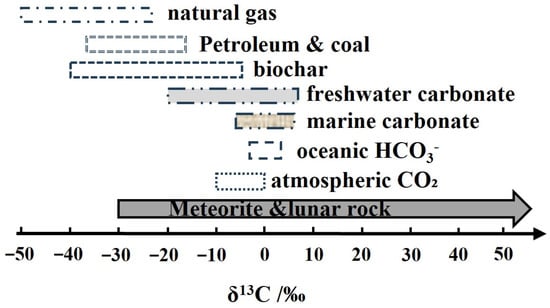
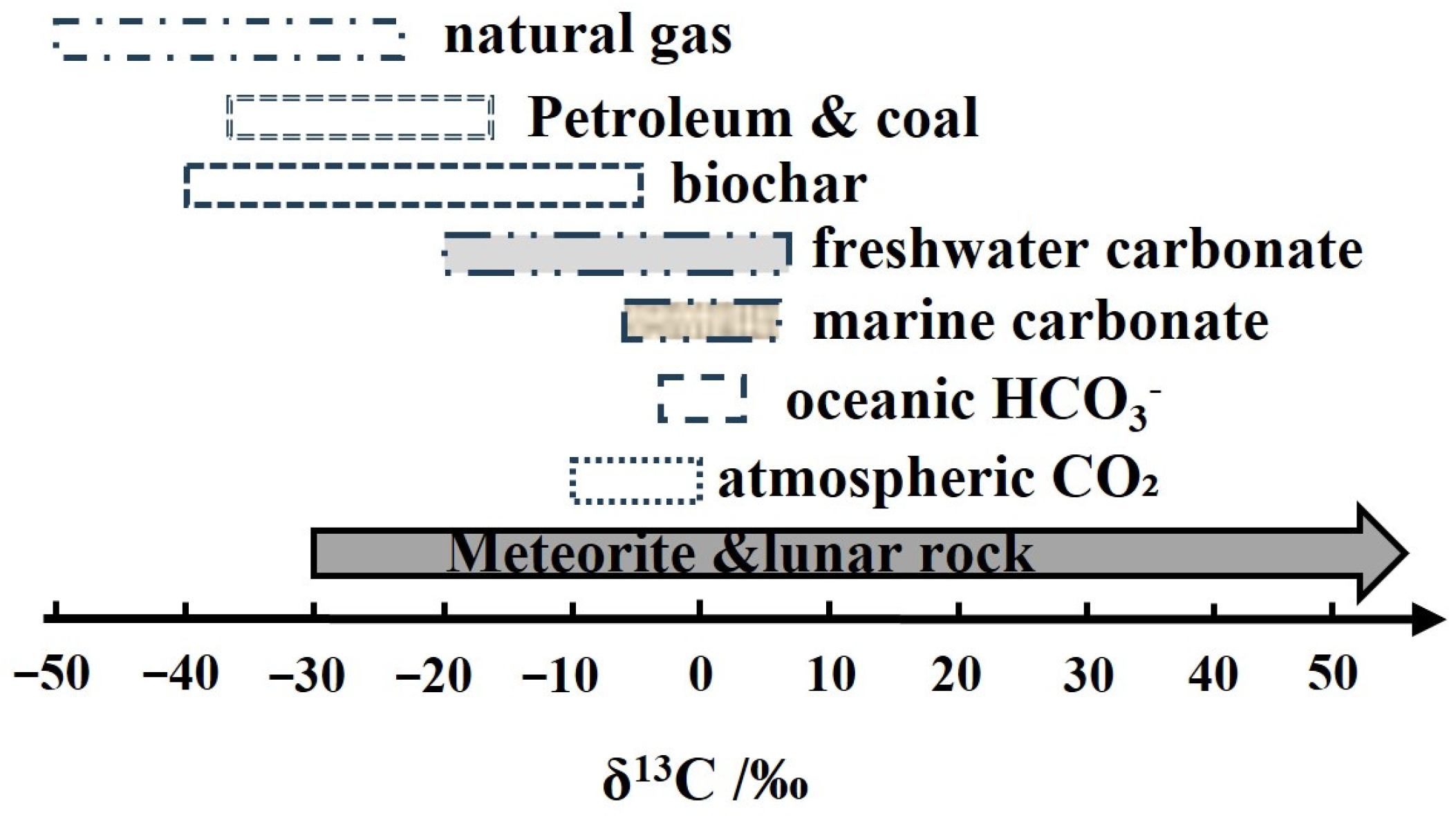
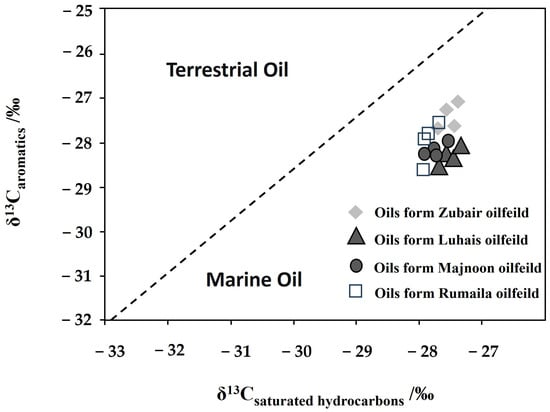
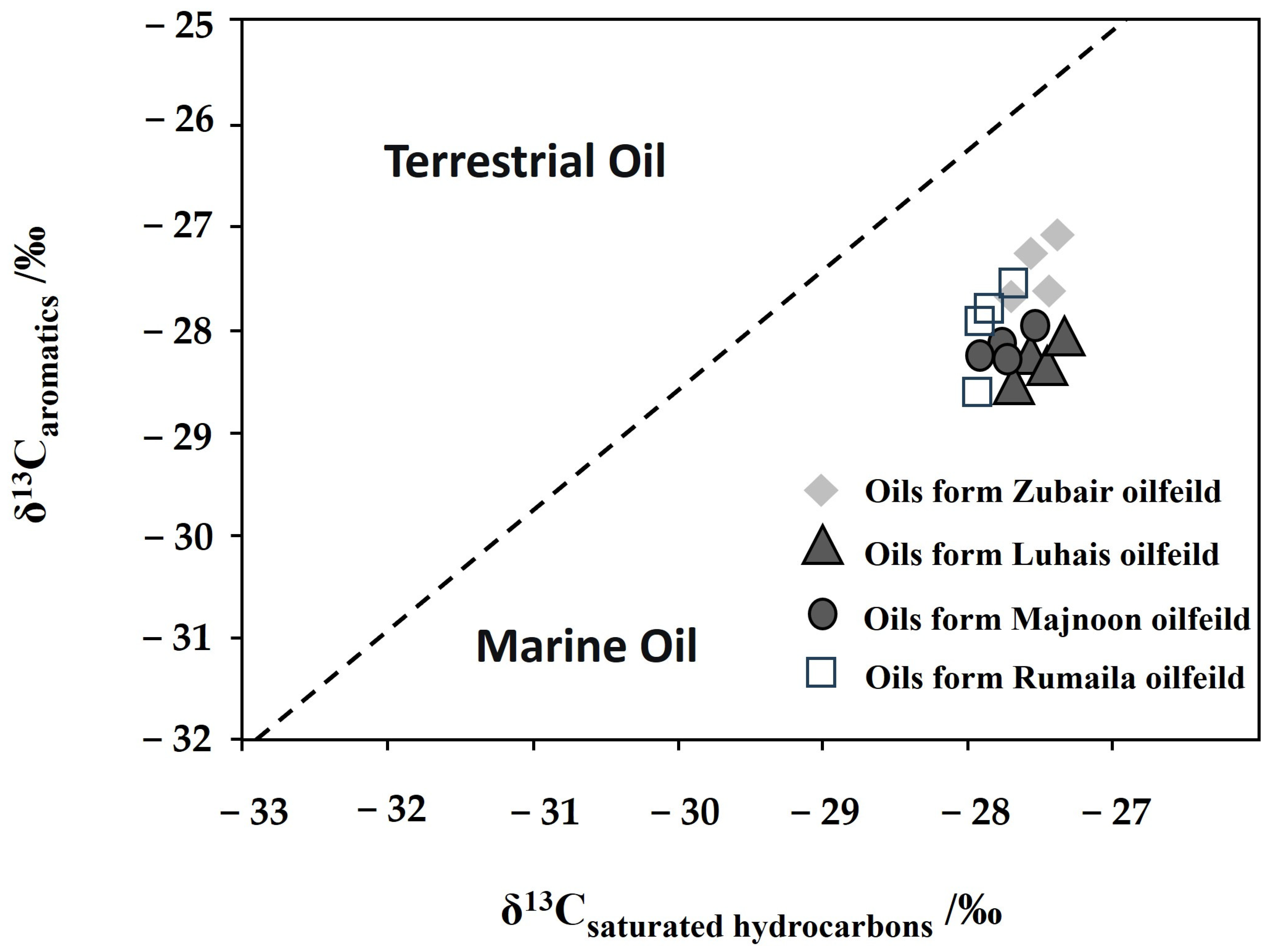

Disclaimer/Publisher’s Note: The statements, opinions and data contained in all publications are solely those of the individual author(s) and contributor(s) and not of MDPI and/or the editor(s). MDPI and/or the editor(s) disclaim responsibility for any injury to people or property resulting from any ideas, methods, instructions or products referred to in the content. |
© 2026 by the authors. Licensee MDPI, Basel, Switzerland. This article is an open access article distributed under the terms and conditions of the Creative Commons Attribution (CC BY) license.