


Abstract
As core structural components for deep-sea oil and gas exploitation, deep-sea risers are continuously subjected to wind, wave, and current loads, which readily induce vortex-induced vibration (VIV) and further trigger structural fatigue damage. Furthermore, the progressive exploitation of deepwater and ultra-deepwater oil and gas resources has exacerbated the complexity and risk of riser VIV, rendering it a critical engineering problem that urgently requires effective solutions. This paper presents a comprehensive review of numerical studies on deep-sea riser VIV, systematically elaborating the fundamental principles, research advances, and application scenarios of three mainstream numerical approaches: semi-empirical models, computational fluid dynamics (CFD) models, and computational structural dynamics (CSD) models. The respective accuracy advantages and inherent limitations of each numerical method are thoroughly analyzed. Additionally, this review focuses on key research hotspots and challenging issues, including VIV responses of flexible risers, dynamic fluid–structure boundary coupling, internal–external flow coupling effects, wake interference of multi-riser systems, efficient VIV prediction, and vibration suppression optimization. The current technical bottlenecks in existing research are clarified. This study aims to provide a systematic theoretical framework and methodological reference for subsequent numerical investigations and engineering applications of riser VIV, and offer technical support for the optimal structural design and safety risk prevention of deep-sea riser systems.
1. Introduction
To address growing global energy demand and ensure long-term energy security, deep-sea and ultra-deepwater oil and gas resources have become an important strategic development priority [1,2,3]. While deep-sea sedimentary basins worldwide possess enormous hydrocarbon resource potential, the advancement of deep-sea resource exploitation is severely restricted by existing technical limitations, including insufficient independent innovation, immature key equipment, and reliance on imported core technologies, which limit the efficient, safe and sustainable development of offshore hydrocarbon resources [4,5,6]. Relevant progress and challenges in global energy transition and industry development further highlight the urgent requirement for breakthroughs in deep-sea engineering core technology [7,8,9]. With the continuous expansion of deepwater and ultra-deepwater oil and gas activities, riser systems, as critical structural components linking subsea production infrastructure and surface platforms, are playing an increasingly vital role in offshore engineering [10,11]. Responsible for hydrocarbon transmission and drilling fluid circulation, risers operate under the harshest marine environments and most complex loading conditions, and their structural safety is central to the overall reliability of deep-sea engineering systems. Under persistent ocean current excitation, risers are highly susceptible to vortex-induced vibration, which easily induces fatigue damage and structural failure, making VIV prediction and mitigation a core technical bottleneck [12] in current deep-sea engineering research.
Common deep-sea riser types include the Steel Catenary Riser (SCR), Top Tensioned Riser (TTR), Flexible Riser (FR), and Free Standing Riser (FSR), as illustrated in Figure 1. Due to distinct structural forms and boundary constraints, these configurations differ significantly in environmental adaptability, economic performance and technical maturity. Rational riser type selection and VIV performance evaluation require systematic consideration of water depth, metocean conditions, platform characteristics and service requirements. Against this background, numerical simulation has become the dominant and most effective approach for revealing riser VIV mechanisms, and related numerical method research therefore constitutes the core focus of this review.
Figure 1.
Classification of deep-sea riser systems. (a) Steel Catenary Riser system [13]. (b) Top Tensioned Riser system [14]. (c) Flexible Riser system [15]. (d) Free Standing Riser system.
Vortex-induced vibration of deep-sea risers has always been a core research focus in the field of marine engineering [16,17]. Guided by multi-dimensional and differentiated research objectives, scholars have conducted systematic investigations on the VIV characteristics of deep-sea risers. Their research methods can be summarized into two core directions: experimental research and numerical research, with specific classifications shown in Figure 2.
Figure 2.
Classification of current research status [18].
Numerical simulation has become a dominant methodology for investigating the vortex-induced vibration of deep-sea risers, as it effectively circumvents the environmental and scale constraints of physical model tests and enables quantitative characterization of VIV behaviors under complex marine operating conditions. Numerically, the mainstream methods for analyzing the VIV of slender flexible deep-sea risers fall into two primary categories: data-driven empirical/semi-empirical models, and high-fidelity numerical simulation methods that couple computational fluid dynamics and computational structural dynamics. CFD reproduces the coupling evolution of flow field vortex structures and riser vibration by solving the Navier–Stokes equations, revealing the mesoscopic flow mechanisms underlying VIV. In contrast, CSD focuses on the structural dynamic responses of risers. Based on beam theory, it solves key parameters such as vibration displacement, structural stress and fatigue damage, establishing a quantitative correlation between hydrodynamic loads and structural safety evaluation. The fluid–structure interaction (FSI) framework combining CFD and CSD realizes the full closed-loop reproduction of VIV mechanisms via bidirectional data transmission, where CFD outputs hydrodynamic load data and CSD performs structural vibration response calculation. As a simplified alternative, semi-empirical models streamline complex FSI coupling relationships and calibrate key parameters to achieve efficient VIV prediction. Among them, time-domain models are capable of capturing transient VIV characteristics, while frequency-domain models, grounded on experimental databases, exhibit higher computational efficiency in engineering applications.
This study comprehensively reviews numerical research on deepwater riser vortex-induced vibration. Focusing on fatigue damage and elevated operational risks incurred during deepwater oil and gas development, this work systematically summarizes the fundamental principles, research progress, and application scenarios of three mainstream numerical approaches, namely semi-empirical models, CFD numerical models, and CSD numerical models, while comparatively discussing their computational accuracy, technical merits, and inherent limitations. This review further addresses core research topics in deepwater riser vibration, including dynamic responses of flexible risers, dynamic boundary coupling, internal and external flow synergy, multi-riser wake interference, rapid vibration prediction, and vibration suppression optimization. The prevailing technical bottlenecks in existing research are clarified accordingly. This study aims to provide comprehensive theoretical and methodological references for the numerical investigation and engineering application of riser vibration, and further support the optimal design, safety precautions, and operational control of deepwater riser systems.
2. Principle of Vortex-Induced Vibration
Strouhal pioneered flow-induced vibration research in 1878 and established the classic Strouhal relationship based on wind-excited wire vibration observations. When a fluid passes a bluff body, counter-rotating vortices are alternately shed from the leeward side to form a Karman vortex street, which originates from boundary layer separation, as shown in Figure 3. Affected by fluid viscosity and adverse pressure gradients, boundary-layer fluid kinetic energy rapidly dissipates, leading to zero velocity at the wall and downstream flow reversal, which further triggers flow separation and vortex formation. The separation location varies with turbulence intensity and Reynolds number, and the detached boundary layer is defined as the shear layer.
Figure 3.
Boundary layer separation and Karman vortex street phenomenon [19].
Vortex-induced vibration represents a typical fluid–structure interaction behavior with complex multi-frequency and multi-degree-of-freedom responses, which significantly affects the operational safety of offshore flexible risers [20]. According to different excitation conditions, riser VIV can be divided into two types. The first is coupled internal–external flow VIV, as shown in Figure 4, where risers undergo strong nonlinear vibration under the combined excitation of internal multiphase pulsating flow and external Karman vortex shedding, dominated by internal flow velocity, external Reynolds number and other coupled parameters. The second corresponds to idealized VIV, as shown in Figure 5, in which risers with orthogonal elastic constraints interact with uniform incoming flow. This simplified configuration reveals the fundamental coupling mechanism between vortex shedding and structural vibration, providing basic theoretical support for engineering VIV research.
Figure 4.
Schematic diagram of VIV for marine riser systems under the combined excitation of internal and external flow fields [21].
Figure 5.
Schematic diagram of the VIV principle.
When a fluid flows past a cylinder, an unsteady wake in the form of shed vortices is generated. These vortices shed alternately from both sides of the cylinder, producing periodic fluid forces in both the cross-flow and streamwise directions. Assuming the cylinder is stationary, the drag and lift forces acting on the cylinder align with the x and y coordinate axes, respectively, as illustrated in Figure 6a, and are expressed as follows:
where Fx and Fy denote the drag force and lift force acting on the cylinder, respectively; CD and CL represent the drag coefficient and lift coefficient, respectively; ρ is the fluid density; D is the cylinder diameter; and U is the fluid velocity.
Figure 6.
Schematic diagram of fluid forces under uniform inflow.
However, in practice, the cylinder undergoes displacement and vibration under the action of fluid forces. At this point, the fluid forces no longer align with the x and y coordinate axes but form a certain included angle, as illustrated in Figure 6b. The drag force and lift force can then be expressed as follows, respectively:
where fD is the mean drag force acting on the cylinder, fD′ and fL denote the vortex-induced drag force and vortex-induced lift force, respectively, and θ is the included angle between the x-axis and the instantaneous velocity.
Two-dimensional riser vibration can be described by the simplified Euler–Bernoulli beam equation:
where M is the mass, C is the damping coefficient, EI denotes the flexural rigidity, and T represents the effective axial tension.
It can be inferred from the form of the equation that the vortex-induced vibration of risers is a complex multi-dimensional, nonlinear, and asymmetric fluid–structure interaction problem, which poses considerable challenges to its theoretical solution, numerical simulation, and experimental research.
3. Numerical Analysis Methods
The numerical analysis methods for slender flexible deep-sea risers are mainly classified into two categories: one is based on experimental data, such as empirical and semi-empirical criteria; the other is the numerical simulation method based on CFD and CSD [22,23,24].
3.1. Empirical and Frequency-Domain VIV Prediction Methods
Semi-empirical models remain the mainstream engineering approach for VIV fatigue life assessment due to their clear physical meaning, extremely low computational cost, and well-established engineering validation systems. These methods avoid solving complex fluid governing equations by describing fluid–structure interaction through empirically calibrated relationships, enabling rapid VIV response prediction with engineering-acceptable accuracy. Among them, wake oscillator models and their improved versions are the most widely used. This section systematically reviews their theoretical evolution, introduces three industrial-standard design tools, elaborates on universal model calibration specifications and international benchmark validation systems, and analyzes the inherent limitations of semi-empirical methods, thereby establishing a benchmark for subsequent comparative analysis with numerical methods.
3.1.1. Wake Oscillator Models
The core idea of wake oscillator models is to simulate the periodic fluctuations of the wake using a nonlinear oscillator with self-excited and self-limiting characteristics, thereby realizing fluid force simulation and coupling with structural vibration equations. After more than half a century of development, this theoretical system has gradually evolved from the initial single-degree-of-freedom rigid cylinder model to three-dimensional multi-degree-of-freedom models applicable to slender flexible risers.
Bishop and Hassan [25] first proposed using the van der Pol nonlinear vibration equation to simulate the fluctuating fluid forces induced by vortex shedding behind cylinders, laying the mathematical foundation for wake oscillator models. Subsequently, Hartlen and Currie [26] formally proposed the concept of wake oscillators and established the mathematical expression of a semi-empirical model describing fluid forces on elastically supported cylinders. They used a weakly nonlinear van der Pol oscillator to represent the lift coefficient, considering only the transverse motion of the cylinder. The dimensionless equation of motion can be expressed as
where yr is the dimensionless displacement, is the reference frequency of the wake oscillator model, is the structural damping ratio, and a is a dimensionless parameter.
The dimensionless vortex-induced force on the right-hand side of Equation (7) satisfies the following equation:
where the parameter shall be determined through regression analysis of experimental data, with the constraint , and represents the lift force amplitude of the stationary cylinder.
On this basis, Skop and Griffin [27] upgraded the Hartlen and Currie model and defined the wake variable as the lift coefficient in a modified van der Pol equation. By constructing nonlinear relations to regulate lift force, they established the classical Skop & Griffin [28] model for VIV prediction, and further extended it to three-dimensional slender flexible cylinders. Facchinetti et al. [29] explored the self-excited and self-limiting properties of wake oscillator equations, and adopted displacement, velocity and acceleration as coupling terms to excite the van der Pol oscillator, so as to determine the optimal wake–structure coupling mechanism.
Ogink and Metrikine [30] reviewed the evolution of Facchinetti’s model and optimized its coupling term by introducing a frequency-related variable, which extended the model’s applicability to both self-excited and forced vibrations. Combining Euler–Bernoulli beam theory with the Skop & Balasubramanian [31] wake oscillator model, Srinil et al. [32] developed a 2DOF fluid–structure interaction model for steel catenary risers, which accurately predicts the maximum vibration amplitude and lock-in response. Doan and Nishi [33] coupled the wake oscillator model with the finite difference method to realize efficient and stable numerical prediction of riser VIV. Xu et al. [34] modified Facchinetti’s model by partitioning the reduced velocity range, and adopted the second-order central difference method to realize reliable prediction of streamwise VIV for flexible structures. Zanganeh and Srinil [35] constructed a 3DOF VIV prediction model with dual van der Pol oscillators, considering axial dynamic response and mean drag deformation, and analyzed the standing and traveling wave characteristics of VIV. Moreover, many scholars, including Violette et al. [36], Gu et al. [37], and Leclercq and Langre [38], have also adopted the wake oscillator model or its improved versions to study the VIV performance of flexible structures.
It is noteworthy that early wake oscillator studies mostly adopted the lift coefficient to establish governing equations, which is a typical modeling form in the classical literature. In recent years, wake oscillator models with explicit wake coefficients have gradually become the mainstream modeling framework, which can better reflect fluid–structure coupling effects and adapt to complex structural and flow conditions. Kumar and Nallayarasu [39] adopted an improved wake oscillator model with wake coefficients to conduct numerical investigation on VIV responses of risers with large aspect ratios and low rigidity. Zhao et al. [40] further applied this mainstream wake coefficient-based wake oscillator method to predict the VIV characteristics of pipe-in-pipe systems. On this basis, Asok et al. [41] extended the wake coefficient-embedded wake oscillator model to energy extraction and optimization analysis of elastically mounted rigid cylinder VIV, further verifying the applicability and superiority of such modern modeling methods in current VIV research.
3.1.2. Industrial-Standard VIV Tools
Vandiver and Jong [42], who first established the mathematical foundation of the wake oscillator model in 1987, proposed the original rigorous mathematical description of vortex-induced vibration of circular cylinders and laid the cornerstone for the entire semi-empirical VIV research field. Building on this foundational work, Vandiver [43] further developed the widely recognized unified wake oscillator model in 1993. This model systematically integrated previously fragmented theoretical frameworks and established a consistent, broadly applicable theoretical foundation that has served as a key reference for numerous subsequent frequency-domain VIV design tools.
Based on this unified model, Professor Vandiver’s team at the Massachusetts Institute of Technology (MIT) developed SHEAR7, the first industrial VIV design tool widely accepted by the global offshore engineering community. It solves structural responses using the modal superposition method and incorporates a built-in parameter library validated by decades of global engineering data, enabling full-life fatigue analysis of a single riser within minutes. In 1999, Triantafyllou et al. [44] proposed the landmark standardized three-level calibration procedure specifically for SHEAR7 at the Offshore Technology Conference [OTC-10931-MS], which fundamentally resolved the problem of inconsistent prediction results among different institutions and significantly improved the accuracy and reliability of industrial VIV analysis. Through continuous iteration via joint industry projects, SHEAR7 has become the de facto preferred tool for designing deepwater steel catenary risers and top tensioned risers.
Alongside SHEAR7, VIVA is another core industrial-standard frequency-domain VIV tool developed by TechnipFMC in collaboration with Marintek. Rooted in the same unified wake oscillator theoretical framework, VIVA features specialized optimization modules for multi-riser hydrodynamic interference and complex structural boundary conditions, which significantly enhances its adaptability to clustered riser systems and subsea umbilical cables. Extensively validated against full-scale field measurements and joint industry project datasets, VIVA has been widely adopted by major offshore operators and engineering contractors globally, forming a complementary industrial standard system alongside SHEAR7.
In recent years, to meet the evolving requirements of floating wind energy and ultra-deepwater development, DNV and SINTEF jointly proposed VIVANA-TD, a new-generation time-domain semi-empirical tool. As verified and improved by Wu et al. [45], this tool breaks through the steady-state assumption limitation inherent in traditional frequency-domain methods, and enables fully coupled VIV analysis involving waves, currents, floater motions, and structural nonlinearity. It therefore exhibits superior performance in the VIV prediction of floating wind dynamic cables and steel lazy wave risers, and has been widely adopted in advanced offshore structural design practices.
3.1.3. Calibration Specifications and Benchmark Validation
The predictive performance of semi-empirical models depends not only on their theoretical frameworks, but also heavily on the calibration and validation of empirical parameters. In the early stage of industrial application, diverse calibration procedures adopted by different tools resulted in considerable dispersion of calculation results. At the Offshore Technology Conference, Triantafyllou et al. [44] put forward a three-level standardized calibration system that effectively resolved the aforementioned problem. This system consists of three sequential steps. First, experimental data of rigid cylinders under uniform flow are used to calibrate core parameters, including lift coefficient amplitude, fluid damping coefficient and vortex shedding correlation length. Second, test results for flexible risers under shear flow are adopted to verify the model’s capability in predicting structural displacement response and vibration modes. Finally, field-measured data are applied for final calibration to ensure the model’s adaptability to practical marine environments. At present, this procedure has become a widely accepted standard for industrial VIV analysis tools, and mainstream commercial software is embedded with default parameters calibrated following this system.
To unify the validation criteria for different models, Trim et al. [46] carried out a systematic VIV benchmark test at the MARINTEK deepwater towing tank in Norway in 2005. The test not only clarified the distribution laws of dominant vibration modes and fatigue damage of the riser under various working conditions, but also fully revealed the spanwise evolution characteristics of three-dimensional vortex structures. This dataset has become a commonly used validation benchmark for semi-empirical and numerical models. Many newly proposed VIV prediction methods are validated against this benchmark to gain recognition from the engineering community.
3.1.4. Limitations of Empirical Methods and Numerical Improvements
The aforementioned wake oscillator-based semi-empirical frequency-domain methods have long been mainstream tools for marine riser vortex-induced vibration analysis, due to their high efficiency, mature parameter systems, and standardized calibration/validation frameworks. However, relying on simplified physical assumptions, their inherent limitations have become pronounced as marine engineering advances into complex flows, novel structures, and multi-body systems. Coupled CFD and CSD methods fundamentally address these constraints, as detailed below:
Flow Field Adaptation Limitation Under Steady Flow Assumptions
All semi-empirical frequency-domain tools adopt steady uniform flow or linear shear flow as their premise assumptions, and thus cannot characterize the unsteady effects of complex marine flow conditions such as oscillatory flow, stratified flow, and coupled internal–external flow, failing to adapt to the flow field characteristics of real marine environments. CFD/CSD improvement path: The coupled numerical method directly solves the three-dimensional unsteady Navier–Stokes equations, which are not limited by flow field types, and can simulate the entire fluid–structure interaction process under any complex flow conditions [47].
Nonlinear Characterization Limitation Under Decoupled Linearization Assumptions
Traditional models simplify vortex shedding and structural vibration as decoupled single- or multi-frequency processes, with fluid–structure interaction treated via linearization approximations. Consequently, they fail to capture key phenomena such as strong nonlinear coupling, chaotic vibration, and instantaneous vortex shedding mode transitions. CFD/CSD improvement path: Coupled numerical methods dispense with linearization assumptions, resolving the strong nonlinear interaction between the flow field and the structure, thereby enabling accurate prediction of vortex shedding mode evolution and multi-frequency coupled vibration responses.
Multi-Body Wake Interference Limitation Under Single-Structure Assumptions
Most semi-empirical models are constructed based on the single-riser assumption, ignoring the flow disturbance effect between adjacent components, and thus cannot simulate wake shielding and coupled vibration behaviors in multi-body systems such as riser groups and offshore wind turbine support structures, which are core difficulties in the design of clustered marine structures. CFD/CSD improvement path: The CFD–CSD method can solve the flow field evolution law of multi-body systems in the whole domain, directly reproduce the wake interference effect between structures, and provide reliable support for VIV analysis of multi-riser arrays [48].
Extrapolation Prediction Limitation Under Empirical Parameter Dependence
The core parameters of semi-empirical models are calibrated based on test data under specific working conditions, with clear boundaries of parameter applicability. For scenarios such as new riser structures with attachments and extreme marine conditions, the extrapolation prediction performance of the models is poor. CFD/CSD improvement path: The coupled numerical method is solved based on the first principles of fluid and structural mechanics, and is therefore less reliant on empirically calibrated parameters compared to semi-empirical models. Within its validated range of grid resolution and turbulence modeling, it has improved generalization prediction ability, offering potential for direct prediction of VIV responses of new structures under extreme working conditions.
In addition to the above limitations in engineering applications, traditional wake oscillator theories still have significant theoretical shortcomings: they cannot fully explain the physical mechanism of mode conversion between standing waves and traveling waves in riser vibration, and there is still a lack of a unified modeling framework for describing cross-flow and in-line coupled VIV. Leveraging the full-domain flow field solution capability, the CFD–CSD coupled method can reveal the intrinsic physical nature of such complex vibration phenomena from the perspective of fine-scale flow field evolution.
To address the inherent deficiencies of semi-empirical methods, CFD-based numerical model methods have developed rapidly. The following sections will systematically introduce the basic principles, technical characteristics, and application progress of these numerical methods in VIV prediction.
3.2. Numerical Models Based on CFD
3.2.1. Turbulence Numerical Simulation Methods
Deep-sea risers serve as a core structure in deep-sea oil and gas development, and their VIV is identified as a primary cause of fatigue damage. CFD numerical simulation serves as a key approach for VIV research, while turbulence models directly determine flow field resolution, vibration response accuracy, and computational efficiency, representing a core technical bottleneck in VIV numerical simulations. Based on differences in turbulence treatment methods, as illustrated in Figure 7, CFD numerical simulation methods are mainly classified into direct numerical simulation (DNS), large eddy simulation (LES), Reynolds-averaged Navier–Stokes (RANS) methods, detached eddy simulation (DES), and others [49,50,51,52,53,54].
Figure 7.
Classification of different turbulence treatment modes [55].
Scale-Resolving Simulation Methods
- (1)
- Large Eddy Simulation
LES directly resolves large-scale eddies, with small-scale eddies closed through subgrid-scale models. It achieves higher accuracy than RANS but entails significant computational cost, rendering it primarily suitable for three-dimensional high-fidelity VIV research. The governing fluid equations for LES are presented as follows:
where is the fluid density, v is the fluid kinematic viscosity, and is the filtered velocity.
Herein, the subgrid-scale stress (SGS) is introduced, with its definition given by
The subgrid-scale stress accounts for the momentum flux variation at large scales induced by small-scale eddies. In this study, the Smagorinsky SGS model is adopted to characterize the SGS stress, with its expression given by
where is the eddy viscosity, is the resolved-scale strain rate tensor; the eddy viscosity coefficient is given by , where denotes the filter size and represents the magnitude of the resolved-scale strain rate tensor. For external flows, is typically adopted as the Smagorinsky constant.
- (2)
- Detached Eddy Simulation
Detached Eddy Simulation proposed by Spalart [62] is a three-dimensional unsteady hybrid turbulent numerical simulation method, also referred to as a coupled RANS/LES model. The governing equations of DES are based on the filtered Navier–Stokes equations, enabling mode switching between RANS and LES through dynamic comparison between the local grid scale and turbulent scale. Its key equations are as follows:
- (1)
- Unified momentum equation
DES adopts a unified formulation to describe fluid momentum conservation, encompassing the solution characteristics of both RANS and LES:
where is the fluid density, denotes the unified velocity (time-averaged velocity in the RANS region, filtered velocity in the LES region), represents the unified pressure, and is the molecular dynamic viscosity. stands for the modeled stress tensor (Reynolds stress in the RANS region; SGS in the LES region); and is the body force term.
- (2)
- Modeled Stress Tensor and Mode Switching
The modeled stress tensor serves as the core of DES mode switching, whose formulation is jointly determined by local grid characteristics and turbulent properties:
where is the local grid size; lk denotes the turbulent length scale; and represents the damping function, which is used to define the transition boundary between RANS and LES.
The criterion for mode switching is given by
where is the DES characteristic length, and denotes the mode switching coefficient (for the Spalart–Allmaras model, = 0.65 is typically adopted). When , the model switches to the LES mode; when , the RANS mode is maintained.
- (3)
- Typical DES Eddy Viscosity Equation
The original DES is modified based on the Spalart–Allmaras (S–A) one-equation model, and its eddy viscosity transport equation is given by
where is the eddy viscosity, denotes the magnitude of the vorticity tensor, d represents the wall distance, is the von Kármán constant ( = 0.41), , , , and σ are model empirical constants, and and are correction functions, which are used to regulate the eddy viscosity distribution in the near-wall region and the mode switching threshold.
Direct Numerical Simulation
Direct Numerical Simulation solves flow fields with high precision in both spatial and temporal domains by directly resolving all scales of turbulent motion. It offers exceptional accuracy but incurs enormous computational resource consumption. Currently, DNS is widely applied to numerical simulations of flow past stationary cylinders and vortex-induced vibration of rigid cylinders.
Evangelinos et al. [63] adopted DNS to investigate the hydrodynamic force distribution of flexible cylinders in VIV. The instantaneous force data along the cylinder were obtained, and the results demonstrated that structural deformation causes an axial non-uniform force distribution, which is highly associated with vortex spatial coherence. This study provides DNS-based force data for the fluid–structure interaction analysis of flexible cylinders. Lucor et al. [55] numerically studied long flexible cylinders in shear flow using DNS. The vortex dislocation and hydrodynamic force distribution were captured in detail. Shear flow-induced vortex dislocations were found to cause local force peaks, and the frequency correlation between vortex dislocation and force fluctuation was quantified, which clarifies the unique VIV mechanism of flexible cylinders under shear flow.
Dong et al. [64] conducted DNS simulations of stationary and oscillating cylinders at Re = 10,000. The flow field and force characteristics under two motion states were compared. Cylinder oscillation was proven to change vortex shedding frequency and intensity. The oscillating cylinder presents stronger lift fluctuation and more complex wake structures. This work validates the effect of cylinder oscillation on flow characteristics and provides a reference for high-Reynolds-number VIV numerical methods.
Ji et al. [65] numerically investigated inclined flexible cylinders near a plane boundary. The boundary distorts wake vortices, and the inclination angle significantly affects VIV responses and aggravates axial force differences. The relationship between boundary distance and vortex evolution was analyzed, offering data support for the VIV control of near-boundary inclined cylinders. Chen et al. [66] further explored the wall-confined VIV of cylinders. The wall suppresses the vortex shedding on the cylinder underside, producing asymmetric lift fluctuations, and this suppression strengthens with decreasing wall distance. The variations in dynamic response and wake morphology under different wall constraints were quantified, verifying the capability of DNS in complex FSI simulation and providing guidance for near-wall structural design.
In general, the aforementioned turbulence simulation methods possess distinct strengths and limitations for riser VIV prediction. RANS methods feature low computational cost and excellent robustness but fail to capture refined vortex evolution and nonlinear VIV characteristics. Scale-resolving methods including LES and DES improve the resolution of unsteady wake vortices, while their high mesh requirements and computational consumption limit engineering applications. DNS provides the highest flow-field accuracy but is restricted to simple cases due to its unaffordable computation cost. Presently, there is still a lack of universal turbulence schemes that can balance accuracy and efficiency for long flexible risers under complex marine conditions. Most numerical studies select turbulence models empirically without quantitative comparative analysis, which inevitably introduces prediction uncertainties for multi-mode VIV and near-wall flow interference.
3.2.2. Slice Theory Model
Deep-sea risers exhibit an extremely large axial scale, representing a typical large-scale and high-intensity computational problem. In the early stage of CFD-based vortex-induced vibration research on risers, achieving three-dimensional time-domain solutions for the entire flow field posed significant challenges regardless of which CFD model was employed. A compromising approach involves selecting several cross-sections along the riser axis. CFD methods are applied to solve hydrodynamic forces at each cross-section, with the assumption that the hydrodynamic forces acting on the riser segment represented by each cross-section can be approximated using the forces calculated at that specific cross-section. This method does not require excessive assumptions nor rely on experimental data or empirical parameters like empirical models. It features a strong physical mechanism and high computational efficiency, making it a mainstream approach for predicting vortex-induced vibration responses of slender flexible risers. Termed the slice method, this approach is illustrated in Figure 8.
Figure 8.
Schematic diagram of the slice method [67].
Numerous numerical studies have been conducted on the vortex-induced vibration analysis of slender flexible risers based on the slice method. Herfjord et al. [68] pioneered the application of this method by developing a fluid–structure interaction algorithm, where the computational fluid dynamics module discretized the flow field using the “slice” theory and solved it with the NAVISM CFD code, while the computational structural dynamics module adopted the USFOS code, with data exchange between the two modules facilitated by a coupling module at each time step. Another representative study was conducted by Yamamoto et al. [69], who employed the discrete vortex method suitable for simulating two-dimensional (2D) incompressible viscous flow combined with a stream function-based boundary integral program to solve the 2D flow field, and used the Euler–Bernoulli beam element model for structural analysis. Willden et al. [70] utilized the FSI model VIVIC to simulate riser VIV responses, with its CFD module solving the 2D incompressible Navier–Stokes (N–S) equations in velocity-vorticity form based on the hybrid Eulerian–Lagrangian Vortex-in-Cell method. Bao et al. [71] proposed the improved solver viv3D-FOAM-SJTU based on the traditional slice method, incorporating spanwise correlation effects, three-dimensional (3D) effects, computational resource efficiency, and other factors, and validated the simulation results for vibration responses, hydrodynamic forces, and wake patterns against experimental data. Deng et al. [67] applied the viv3D-FOAM-SJTU solver combined with the RANS method to simulate the 3D characteristics of VIV responses of a riser with an aspect ratio of 481.5 in uniform flow, verifying the method’s effectiveness through experimental comparisons and finding that the 3D effect of the riser becomes more pronounced with increasing slice thickness, as illustrated in Figure 9. Most recently, Jia et al. [47] conducted numerical simulations of VIV in deepwater flexible risers based on the slice method, coupling the finite element model of the riser structure with 2D flow field slices from the Fluent solver via self-developed User-Defined Function programs and overset grid technology, and comprehensively analyzing the VIV characteristics under different slenderness ratios and uniform flow velocities.
Figure 9.
Numerical simulation results by Deng et al. [67]. (A) Schematic diagram of slice division; (B) Z-vorticity contour plots under different slice thicknesses, where (a) 1/200L; (b) 2/200L; (c) 4/200L; (d) 6/200L; (e) 8/200L; (f) 10/200L.
In general, the slice method balances low computational cost and high efficiency, ideal for quick VIV estimations of risers under simple uniform flow. However, its core independent 2D section assumption inherently ignores the critical spanwise vortex correlation and 3D wake coupling effect. For large-aspect-ratio deep-sea risers, it fails to capture real spanwise flow features, leading to errors in lock-in regions, high-order modes and amplitude prediction. Even corrected versions cannot remedy missing 3D FSI effects. Thus, it is only fit for preliminary assessment, not high-precision mechanism research.
3.2.3. Full-Scale Three-Dimensional Model
Despite the acceptable accuracy of vortex-induced vibration simulations based on slice theory in predicting VIV responses, this approach neglects the 3D effects of the flow field, making it difficult to fully characterize the physical mechanisms of VIV in slender flexible deepwater risers. With the continuous advancement of computational fluid dynamics technology, full-scale 3D numerical simulation methods based on unsimplified flow fields have gradually become a research hotspot, as they can more accurately reproduce the intrinsic mechanisms of physical models. In recent years, scholars have conducted numerous innovative studies focusing on 3D CFD solution strategies, turbulence model optimization, and fluid–structure interaction algorithms, advancing the in-depth understanding of the multi-physics coupling mechanisms of marine riser VIV.
Holmes et al. [72] developed a 3D CFD simulation method, accurately capturing 3D flow effects using tens of millions of meshes. The results showed excellent agreement with the experimental data by Trim [46], laying a foundation for 3D simulations of riser VIV. Constantinides and Oakley [73] adopted this model and successfully analyzed a riser with an aspect ratio of 4200. The simulation results matched well with the measured data from the Deepstar-MIT Gulf Stream project and reproduced the harmonic components observed in experiments, expanding the application scope of the method. Zou et al. [74] improved the technical scheme by adopting a strong coupling algorithm of the finite volume method and finite element method to realize 3D two-way fluid–structure interaction simulations. It was found that the riser exhibits multi-frequency responses at high flow velocities, the vortex shedding pattern transitions from 2S to P+S and 2P, and fixed boundaries intensify end vibrations. The vorticity contour plot is illustrated in Figure 10.
Figure 10.
Numerical simulation results by Zou et al. [74]. (A) Schematic diagram of computational setup; (B) Z-vorticity contour plots under different incoming flow velocities, where (a) U = 0.1 m/s; (b) U = 0.15 m/s; (c) U = 0.2 m/s; (d) U = 0. 25 m/s.
Full-scale three-dimensional models effectively remedy the defects of two-dimensional methods, accurately reproducing spanwise vortex evolution, modal coupling and boundary effects of flexible risers. However, they still have noticeable drawbacks. High-precision 3D simulations require dense meshes and massive computing resources, which limit parametric analysis and engineering applications. Moreover, most existing studies merely adopt simple incoming flow conditions, ignoring complex marine flow environments. The numerical stability of strong coupling algorithms also needs further improvement. Consequently, it remains difficult to balance accuracy and computational efficiency for the widespread engineering application of 3D riser VIV simulation.
3.3. Numerical Model Research Based on Computational Structural Dynamics
In the field of marine engineering, dynamic analysis methods for flexible structures mainly include classical approaches such as the lumped mass method and the slender rod method. In recent years, the Absolute Nodal Coordinate Formulation (ANCF) has gradually emerged as a promising method for simulating the dynamic responses of flexible structures.
3.3.1. Lumped Mass Method and Slender Rod Method
The lumped mass method is suitable for calculating the dynamic responses of flexible structures such as risers and mooring lines. It simulates pipelines by connecting a series of lumped mass points through “spring-damper” elements. Its advantages lie in simple spatial discretization and easy implementation, but compared with other methods based on finite element theory, it exhibits lower accuracy with the same number of degrees of freedom. Van den Boom et al. [75] and Ghadimi et al. [76] systematically studied the simulation of bending stiffness in the lumped mass method, improving the bending stiffness expression through the slope change of two elements. Kamman et al. [77] applied this method to simulate the dynamic responses of towed cables with fixed and variable lengths. Low and Langley [78] conducted frequency-domain and time-domain analyses on the dynamic characteristics of risers using the lumped mass method that considers both axial and bending deformations. In recent years, scholars such as Palm et al. [79], Masciola et al. [80], Hall and Goupee [81], and Deng et al. [82] have widely adopted the lumped mass method for calculating and analyzing the dynamic responses of risers or anchor chains. Additionally, foreign enterprises have developed professional software based on this method, such as AQWA and OrcaFlex, which are extensively used in the marine engineering field.
The slender rod method is based on the finite element method and was first proposed by Garrett [83] on the basis of classical slender rod theory. It assumes that components have arbitrary geometric shapes and are deformable, with the arc length remaining unchanged before and after deformation. Paulling and Webster [84] further developed Garrett’s elastic slender rod theory, allowing small axial deformations of the model. The improved slender rod model, based on assumptions such as linear elasticity and small deformations, has found numerous applications in marine engineering. In recent years, Vijayalakshmi and Panneerselvam [85], Bae and Kim [86], Ma et al. [87], Han et al. [88], and Yue et al. [89] have continuously advanced the slender rod theory and integrated it with the dynamic calculation of flexible engineering structures.
Classical lumped mass and slender rod methods adopt the small-deformation assumption and neglect secondary coupling deformation, producing notable errors under large structural motion. Even with tensile deformation correction, averaged element strains still induce deviations, while Lagrange multipliers further increase model complexity. These methods focus only on global dynamic responses and cannot couple well with VIV characteristics, limiting their applicability to fluid–structure interaction analysis. Similarly, the widely used Euler–Bernoulli beam model suffers from poor universality, oversimplified deformation description, and poor adaptability to flexible multi-body systems. Accordingly, developing a high-precision dynamic model is essential to improve VIV prediction accuracy.
3.3.2. Absolute Nodal Coordinate Formulation
The ANCF was proposed by Shabana [90] based on continuum mechanics theory and nonlinear large-deformation finite element theory. This method clearly distinguishes between the current configuration and the reference configuration of the structure. The nodal coordinates of elements are defined in the global coordinate system, and slope vectors are used to replace the nodal rotation coordinates in traditional finite element methods. The derived differential-algebraic equations for multi-body systems feature core characteristics such as a constant mass matrix and the absence of Coriolis and centrifugal force terms, enabling accurate and efficient description of the deformation characteristics of flexible multi-body systems.
In terms of the development of basic theories and element models, Berzeri et al. [91] established a one-dimensional beam model of ANCF in the early stage and compared it with the floating coordinate method, confirming its higher computational accuracy due to the inclusion of nonlinear axial deformations. Omar and Shabana [92] extended it to a three-dimensional two-node beam element model, effectively solving the problem of simulating the spatial motion of flexible structures. Subsequently, scholars such as García-Vallejo et al. [93], Matikainen [94], and Sereshk and Salimi [95] conducted in-depth research on beam elements, surface elements, and shell elements, continuously improving the theoretical system of ANCF. Pappalardo et al. [96] extended it to tetrahedral elements for analyzing the nonlinear dynamic characteristics of flexible structures. Sugiyama et al. [97] proposed a curved beam element model that reduces the number of coordinate gradients, significantly improving computational efficiency while ensuring accuracy. Studies by scholars such as Ebel et al. [98] and Wang et al. [99] have further expanded the application scope of ANCF. In recent years, Fan et al. [100] conducted research on the elastic line method based on ANCF, providing a new theoretical perspective for the dynamic analysis of flexible structures. Chen et al. [101] analyzed the dynamic characteristics of hyperelastic flexible beams based on the MLS-ANCF method, expanding the application of ANCF in the field of nonlinear materials. Fan et al. [102] studied the cable dynamic responses of catenary anchor leg mooring systems based on ANCF, deepening the engineering application value of ANCF in marine mooring systems.
Despite the phased achievements in the application of ANCF in marine engineering, existing models are still limited to single flexible structures and fail to fully consider the combined effects of complex marine environmental loads and various coupled motion forms. For complex analysis scenarios that simultaneously consider the overall dynamic responses and VIV responses of risers, future research needs to further explore the construction of multi-field coupling and multi-scale ANCF models, providing more accurate theoretical support for the safety design and performance optimization of marine flexible structures.
4. Research Questions
4.1. Numerical Simulation of Vortex-Induced Vibration in Flexible Risers
Driven by growing deep-sea engineering demands, flexible risers feature a large aspect ratio and low structural stiffness, which induce multimodal vibration coupling and three-dimensional inhomogeneous wake characteristics. Such behaviors yield distinct vortex-induced vibration mechanisms from those of rigid structures and critically determine the operational safety and reliability of deep-sea equipment. In VIV research, lock-in is defined as a resonant phenomenon wherein the vortex shedding frequency synchronizes with the natural frequency of the structure within a specific range of reduced velocity, resulting in remarkably increased vibration amplitude. Notably, significant differences in lock-in characteristics exist between rigid and flexible structures. Rigid cylinders generally present a narrow and single lock-in interval with stable vortex shedding modes. By contrast, flexible risers with multiple natural frequencies possess a wider lock-in bandwidth, and multi-mode lock-in behavior frequently occurs along the spanwise direction, accompanied by complex travelling-wave vibration responses. With the rapid development of computational fluid dynamics techniques, numerical investigations into flexible riser VIV have become an essential research direction for engineering-oriented applications. Current numerical studies have evolved from preliminary mechanism exploration toward multi-physics coupling analysis and practical engineering verification, focusing on realistic marine vibration responses, flow control optimization, and adaptive applications for emerging scenarios such as deep-sea mining.
Evangelinos et al. [103] numerically compared the dynamic behaviors and wake flow structures of rigid and flexible cylinders, identifying fundamental differences in their VIV responses and vortex evolution characteristics and establishing a basis for subsequent flexible riser numerical studies. Le Cunff et al. [104] constructed a comprehensive research framework integrating theoretical derivation, numerical simulation and experimental validation, revealing core VIV response mechanisms and bridging theoretical analysis with practical engineering design. To overcome the limitations of early simplified models, Holmes et al. [72] adopted full three-dimensional CFD methods for riser VIV simulation, enabling high-fidelity reproduction of fluid–structure coupling processes and achieving a landmark advancement in high-precision riser VIV numerical modeling. Wang et al. [105] conducted numerical simulations of vertical risers under uniform and linear shear flows, clarifying the regulatory effects of incoming flow profiles on vibration amplitude and frequency and validating the robustness of numerical approaches under complex flow conditions. Focusing on vibration suppression requirements, Hu et al. [16] numerically investigated the VIV performance of grooved and straked flexible risers, revealing how passive control structures modulate vortex shedding behaviors and providing effective optimization strategies for anti-vibration riser design. Further expanding the application scenarios of VIV research, Jin et al. [15] established a fluid–structure interaction model for flexible cantilever risers tailored to deep-sea mining conditions, as illustrated in Figure 11a. The study systematically analyzed the influences of bottom vertical forces on structural vibration and wake evolution, and the differentiated vortex distribution patterns under various load conditions are presented in Figure 11b. This work clarified the unique VIV response rules for mining-oriented flexible risers and extended the existing VIV numerical system from conventional oil–gas engineering to emerging deep-sea mining applications.
Figure 11.
Numerical simulation results by Jin et al. [15]. (A) Schematic diagram of structural simplification; (B) Instantaneous wake vortex patterns in cross-sectional regions under different bottom vertical forces, where (a–f) correspond to six different bottom vertical force conditions.
Although existing numerical studies have progressively revealed the VIV mechanisms of flexible risers and expanded relevant engineering applications, most models simplify complex marine environmental factors and time-varying boundary conditions, lacking high-fidelity coupling simulations that fully reproduce the real-service nonlinear vibration characteristics of flexible risers.
4.2. Numerical Simulation of Riser VIV Under Complex Flow Conditions
4.2.1. Numerical Simulation of Riser VIV Under Shear Flow
In real marine environments, the incoming flow acting on risers is predominantly shear flow with a spanwise velocity gradient. Its vortex shedding patterns and modal responses differ greatly from those under uniform flow, easily inducing complex phenomena such as multi-mode coupling and local lock-in, making it a critical working condition for riser VIV research. This section reviews the core advances in numerical investigations on flexible riser VIV under shear flow, and summarizes the evolution of relevant theories and numerical methods.
Research on shear-flow-induced VIV originated from fundamental mechanism studies on long flexible cylinders. Using direct numerical simulation, Bourguet et al. [106,107] first identified the multi-mode-dominated vibration characteristics of flexible cylinders in shear flow. The spanwise velocity gradient produces distinct vortex shedding frequencies at different cross-sections. Local lock-in occurs when the vortex shedding frequency matches the structural natural frequency at a certain spanwise position, and vibration energy propagates along the span to form a traveling-wave-dominated response. Meanwhile, shear flow widens the lock-in range, and the vibration frequency within the lock-in state is governed by the global modal properties rather than the local flow velocity, which revises the classical understanding derived from uniform flow conditions.
Subsequent studies focused on refined numerical simulation and in-depth mechanism interpretation of shear flow VIV. Adopting the RANS-SST model, Zhang et al. [108] investigated the effects of shear index on vortex shedding modes and lift coefficients. The results indicated that shear flow suppresses symmetric vortex shedding and increases the spanwise phase difference of lift coefficients, thereby inducing asynchronous structural vibration. Based on large eddy simulation (LES), Zhao [109] revealed the skewed vortex shedding mechanism in shear flow, where the vortex shedding line tilts along the velocity gradient and forms a three-dimensional vortex tube distortion, essentially causing asynchronous vibration along the riser span. Gsell et al. [110] further verified the coupling relationship between inclined vortex shedding lines and vibration modes via planar shear flow simulation, and improved the three-dimensional vortex dynamics theory for shear flow VIV.
In recent years, research has extended to practical engineering scenarios, with attention paid to complex boundary conditions and internal–external flow coupling effects. Combining experimental and numerical methods, Zhu et al. [111] explored the VIV responses of curved flexible pipes in shear flow, and confirmed that shear flow suppresses modal transition and maintains a stable standing wave feature, which is remarkably different from the multi-mode switching behavior in uniform flow. Wang et al. [112] and Chen et al. [113] conducted numerical simulations of drilling risers and internal-flow-containing flexible risers under external shear flow, respectively. Taking Wang et al. [112] as an example, their simulation framework explicitly incorporates linear shear incoming flow and multiphase internal flow, as shown in the schematic diagram of external incoming flow. The three-dimensional flow field diagram under shear incoming flow reveals spanwise-varying vorticity distributions and multi-modal vibration trajectories induced by the shear flow gradient, as presented in Figure 12. They further clarified the synergistic influences of internal flow velocity and external shear gradient on vibration amplitude, frequency, and modal participation, providing more practical numerical frameworks for the prediction of engineering-scale riser VIV.
Figure 12.
Numerical simulation results by Wang et al. [112]. (A) Schematic diagram of external linear shear incoming multiphase flow; (B) Three-dimensional vorticity field and flow characteristics under shear inflow, where (a) denotes the vorticity color scale bar; (b–d) represent cross-flow trajectory curves at sections P1, T1, P2; (e–g) denote Z-vorticity contour plots of the three cross-sections; (h) presents the vertical distribution of cross-flow RMS amplitude.
In summary, existing numerical studies on riser VIV under shear flow have evolved from fundamental mechanism exploration to practical engineering application. Early studies adopted high-fidelity methods including DNS and LES to reveal key mechanisms such as local lock-in and skewed vortex shedding. Intermediate research employed RANS models to carry out quantitative analysis of dominant parameters such as shear index. Recent works have concentrated on engineering factors including internal flow coupling and complex boundaries to establish realistic numerical models. Nevertheless, current studies still have limitations: most models inadequately consider the multi-field coupling among shear flow, internal flow and structural nonlinearity, and a universal framework for modal prediction and vibration suppression optimization for shear-flow VIV is still lacking. Further refined numerical simulation and parametric analysis are required to support the structural design and service performance evaluation of marine risers.
4.2.2. Numerical Simulation of Riser VIV Under Oscillatory Flow
Unlike steady uniform or shear flow, oscillatory flow, characterized by periodic velocity variations, introduces complex unsteady hydrodynamic interactions with marine risers. This working condition significantly alters vortex shedding mechanisms, lock-in behavior, and fatigue damage accumulation, making it a critical yet challenging scenario for riser VIV research. This section reviews key advances in numerical investigations on riser VIV under oscillatory flow, tracing the evolution of theories and simulation methodologies.
Early studies laid the foundation for understanding VIV in combined steady–oscillatory and pure oscillatory flows. Zhao et al. [114] numerically investigated VIV of a circular cylinder under combined steady and oscillatory flow, revealing that the oscillatory component disrupts the conventional lock-in state and introduces new frequency-locking regimes governed by both the vortex shedding frequency and the oscillatory flow frequency. Wang et al. [115] further explored the VIV development process of flexible cylinders under pure oscillatory flow, identifying distinct stages of vortex formation, shedding, and interaction with structural vibration, which differ fundamentally from those in steady flow.
Subsequent research advanced to fatigue damage assessment and time-domain simulation methods. Wang et al. [116] evaluated the fatigue damage induced by VIV in oscillatory flow, demonstrating that oscillatory flow leads to more severe and irregular fatigue loading compared to steady flow due to continuous changes in the relative flow velocity and direction. Thorsen et al. [117] developed a time-domain simulation framework for VIV under both stationary and oscillatory flows, providing a robust numerical tool to capture the unsteady coupling between flow and structure in oscillatory conditions.
Recent years have witnessed the expansion of research into engineering-oriented scenarios, including internal flow coupling and advanced prediction methods. Duan et al. [118] studied cross-flow VIV of flexible fluid-conveying risers under external oscillatory flow, clarifying how internal flow velocity modulates the riser’s natural frequency and interacts with oscillatory flow to alter vibration amplitude and modal response. Zhang et al. [119] proposed a hybrid FEM-DNN method for prediction of time-domain VIV of flexible pipes under oscillatory flow, offering an efficient alternative to high-fidelity CFD simulations for engineering applications. Rehman et al. [120] extended the research to rotating cylinders, investigating VIV responses in both in-line and cross-flow directions under oscillatory flow. Their numerical results, shown in Figure 13, capture the evolution of vortex shedding patterns and the corresponding time histories of motion responses under specific oscillatory flow conditions (α = 0.50, KC = 10, Vr = 2), revealing how the combined effects of rotation and oscillatory flow lead to asymmetric vortex formation and unique vibration modes. Most recently, Gao and Wang [121] compared VIV characteristics of small- and large-scale risers in uniform oscillatory flow, highlighting significant scale effects on vibration amplitude and lock-in behavior, which provide valuable insights for full-scale riser design.
Figure 13.
Numerical simulation results by Rehman et al. [120]. (a–f) Instantaneous vorticity contour plots captured at different dimensionless time tfw with α = 0.50, KC = 10 and Vr = 2; (g) Time history curves of inline velocity u/Um, cross-flow displacement X/D and vertical displacement Y/D.
Numerical studies on riser VIV under oscillatory flow have evolved from fundamental mechanism exploration to practical engineering applications. Early works identified key differences in vortex shedding and lock-in behavior compared to steady flow. Intermediate research developed time-domain simulation methods and assessed fatigue damage risks. Recent studies have focused on multi-factor coupling, advanced prediction techniques, and scale effects, addressing critical engineering concerns. However, existing research still faces challenges, including the lack of unified criteria for defining oscillatory flow parameters and limited understanding of the combined effects of oscillatory flow with shear flow, internal flow, and structural nonlinearities. Further refined numerical simulations and experimental validations are needed to develop reliable prediction and mitigation strategies for riser VIV under complex oscillatory flow conditions.
4.2.3. Numerical Simulation of Riser VIV Under Dynamic Boundary Conditions
Combined wind, wave and current loads induce multi-degree-of-freedom platform motions, including heave, roll and surge, which generate time-varying dynamic boundaries at the top and key nodes of deep-sea risers. The coupling of dynamic boundary motion, incoming flow and structural vibration forms a strongly interactive “flow–structure–boundary” system. This complex coupling substantially alters vortex generation, shedding and evolution around risers, triggers modal transitions, and reorganizes the fatigue damage mechanism of riser structures. As a core technical approach for such complex coupling analysis, dynamic boundary-adaptive numerical models update boundary conditions in real time and cooperate with fluid–structure interaction solving processes. These models accurately reproduce the multi-field correlation among platform motion, riser vibration and vortex evolution, providing reliable theoretical and methodological support for precise VIV prediction under practical dynamic boundary conditions.
Existing research on dynamic boundary-adaptive numerical models follows a progressive development trend, evolving from simplified scenarios to complex engineering conditions and from single-field analysis to multi-field coupling. A hierarchical research system has been established based on the motion degrees of freedom and mechanical nonlinearity of dynamic boundaries, focusing on model development, accuracy validation and mechanism analysis of typical boundary forms to approximate realistic engineering environments.
- (1)
- Single-degree-of-freedom dynamic boundary conditions
Single-degree-of-freedom (SDOF) boundary conditions correspond to unidirectional structural vibration, where in-line excitation is directly coupled with background flow and cross-flow excitation is dominated by indirect cross-coupling. For rigid cylinders with single-degree-of-freedom motion, the lock-in range is relatively narrow, and the synchronization between vortex shedding and structural vibration occurs within a limited reduced velocity interval. The lock-in state is stable, with fewer vortex pattern transitions. Taking the Keulegan–Carpenter number and top excitation frequency as core control parameters, combined with the Reynolds number and mass ratio, existing studies adopt controlled-variable experimental and numerical methods to reveal the coupling laws of vibration amplitude, frequency, modal characteristics and vortex evolution, supporting mechanism interpretation and engineering application of riser VIV.
Yuan et al. [122] conducted numerical simulations and theoretical analyses on SDOF cylinders to investigate their VIV characteristics and influencing factors. They analyzed the effects of key parameters such as Reynolds number and mass ratio on cylinder vibration responses and flow field vortex structures, revealing the correlation between vortex shedding modes and vibration characteristics under different parameters. This study provides basic data and mechanism analysis for SDOF VIV research. Hajj et al. [123] established an SDOF VIV displacement model. Based on theoretical derivation and numerical verification, a mathematical model describing VIV displacement responses was developed to analyze the influence of model parameters on displacement characteristics. Validation against experimental data confirmed the model’s effectiveness, offering a theoretical tool for SDOF VIV displacement prediction and facilitating vibration response evaluation in related engineering fields. Gu et al. [124] employed large eddy simulation to study the SDOF VIV of elastically supported cylinders, where the vibration system can be simplified as a mass-spring-damper model, as illustrated in Figure 14. High-precision numerical solutions captured the evolution of large-scale vortices in the flow field, with vortex shedding cloud diagrams shown in Figure 15. The coupling relationship between flow field vortex structures and cylinder dynamic responses during vibration was analyzed, and characteristics such as vibration amplitude and frequency under different working conditions were quantified. This study verified the reliability of LES in high-precision simulation of SDOF VIV, providing a reference for high-accuracy numerical methods in related research.
Figure 14.
Schematic diagram of single-degree-of-freedom vortex-induced vibration and computational domain layout [124].
Figure 15.
Vortex shedding cloud diagrams under different reduced velocities [124].
Current SDOF dynamic boundary studies predominantly rely on idealized unidirectional excitation assumptions and ignore the nonlinear superposition of multi-dimensional platform motions, making existing models insufficient to fully reproduce the real dynamic boundary coupling effects of practical riser–platform systems.
- (2)
- Multi-degree-of-freedom (MDOF) dynamic boundary conditions
MDOF VIV conditions refer to scenarios where structures can vibrate along two or more orthogonal directions, with motions in each direction forming complex couplings with the incoming flow field and dynamic boundaries. This condition is more consistent with engineering practices involving multi-degree-of-freedom motions of floating platforms (e.g., sway and surge), and its core characteristics include synergistic interference of multi-directional vibrations and enhanced fluid–structure interaction mechanisms. Different from SDOF rigid structures, two-degree-of-freedom (2DOF) rigid cylinders exhibit a broader lock-in interval. The mutual coupling between in-line and cross-flow motions changes the hydrodynamic loading characteristics, thereby expanding the resonant synchronization range and generating more complex vibration trajectories and diverse vortex shedding modes.
Most studies employ experimental simulations or numerical analyses to explore the evolutionary laws of parameters such as vibration amplitude, frequency, and mode with boundary motion parameters, while capturing the coupling characteristics between flow field vortex structures and multi-directional vibrations. Additionally, some studies focus on passive control technologies or establish response prediction models to quantify the influence of MDOF coupling on vibration characteristics, providing theoretical and data support for structural vibration assessment and prevention.
Zhang et al. [125] focused on the effects of platform sway and surge on marine riser VIV under uniform incoming flow. Using numerical simulation combined with FSI solution technology, they captured the riser vibration response and flow field vortex structure evolution process. By comparing and analyzing the regulatory laws of unidirectional and bidirectional platform motions on riser vibration amplitude, frequency, and mode, they clarified the synergistic interference mechanism of multi-directional boundary motions, providing a methodological reference for numerical prediction of riser VIV. Du et al. [126] analyzed the VIV characteristics of two types of tandem cylinders under low Reynolds numbers, with the two-degree-of-freedom tandem cylinders shown in Figure 16. Through numerical simulations, they systematically investigated the vibration responses and wake interference laws of tandem cylinders under different spacing ratios, comparing the differences in vortex shedding modes, vibration amplitudes, and hydrodynamic characteristics between the two types of cylinders. The vortex shedding cloud diagrams are presented in Figure 17, revealing the influence mechanism of tandem arrangement on cylinder VIV under low Reynolds number conditions and providing basic data for the study of vibration characteristics of multi-cylinder structures.
Figure 16.
Schematic diagram of 2DOF tandem cylinders [126]. (a) Schematic diagram of computational domain; (b) The upstream cylinder is fixed, and the downstream cylinder moves with two degrees of freedom; (c) Both the upstream and downstream cylinders move with two degrees of freedom.
Figure 17.
Vorticity contour plots of tandem twin cylinders [126].
Existing MDOF boundary studies mostly focus on bidirectional coupling under ideal low-Reynolds and uniform flow conditions, while neglecting the nonlinear superposition of multi-dimensional coupled motions and complex shear flow effects, which limits the applicability of current findings to full-scale practical riser operating scenarios.
Qin et al. [127] conducted analyses and predictions of structural responses and hydrodynamic characteristics of 2DOF vortex-induced vibrations. Based on theoretical derivation, they established a 2DOF VIV response prediction model. Combined with numerical verification and experimental data calibration, they quantified the correlation between structural dynamic parameters and hydrodynamic characteristics and clarified the prediction accuracy of the model under different working conditions. This study provides a reliable theoretical tool for the response assessment of 2DOF VIV. Youssef et al. [128] carried out research on passive flow control technologies for 2DOF VIV of cylinders with low mass ratios. Through numerical simulations and mechanism analyses, they explored the suppression effects of specific control devices on the coupled in-line and cross-flow vibrations of cylinders, quantified the influences of control measures on vibration amplitude, fluid loads, and vortex shedding modes, and clarified the effectiveness and adaptation conditions of passive control technologies in 2DOF VIV suppression. This work offers a novel method for vibration control of cylindrical structures.
- (3)
- Nonlinear Dynamic Boundary Conditions
Under nonlinear dynamic boundary conditions, the response mechanism of VIV in deep-sea risers is regulated by the coupling of multiple complex factors. Current research in this field is still dominated by experimental exploration, with relatively few numerical simulation studies. From the perspective of experimental research, the nonlinear effects of boundary constraints have been initially quantified through numerous model experiments and field measurements: by adjusting the nonlinear parameters of riser elastic supports and mooring constraints, experiments have confirmed that these parameters significantly alter vibration amplitude, frequency, and modal characteristics, transforming the coupling mode between vortex structures and riser vibration from a steady state to a non-stationary state. Regarding the synergistic effect between buoyancy tanks and risers, wave flume experiments have also verified that the nonlinear VIV of buoyancy tanks is transmitted to risers through flow field interference, leading to obvious nonlinear deviations in riser force and vibration responses.
Govardhan and Williamson et al. [129] experimentally and theoretically studied the VIV of moored spheres. They clarified the constraint modulation effect on spherical vibration and laid a foundation for spherical-structure VIV research. Williamson and Govardhan et al. [130] summarized VIV advances concerning diverse structures, boundaries and research methods, offering comprehensive references for subsequent VIV investigations. Kang et al. [131,132] conducted two marine VIV experiments. Their experiments on buoyancy tanks revealed the vibration mechanism and provided experimental data for structural anti-vibration design. Furthermore, the influences of mooring constraints and flow velocity on moored cylinder VIV were analyzed, supporting the engineering application of moored marine structures. Badhurshah et al. [133] adopted the immersed boundary method to simulate cylinder VIV with bistable springs. A simplified model is displayed in Figure 18. The vorticity contours under different spring types are presented in Figure 19. Bistable constraints were found to expand the lock-in range, whereas the maximum amplitude was independent of spring type. Vortex modes were governed by reduced velocity and amplitude, which benefits the design of broadband energy harvesters. Abdolahpour et al. [134] integrated simulations and experiments to quantify boundary coupling effects on VIV, providing practical guidance for the prediction and mitigation of marine structural vibration.
Figure 18.
Schematic diagram of the cylinder model constrained by bistable springs [133].
Figure 19.
Vorticity contour plots at typical reduced velocities (Ur) for different spring types [133].
4.3. Numerical Simulation of Riser VIV Under Coupled Internal and External Flow Conditions
Internal fluid transportation within deep-sea risers generates persistent dynamic excitation, which couples with external hydrodynamic loads and triggers complex nonlinear VIV responses. In practical deep-sea oil–gas production and mining operations, risers are simultaneously exposed to external current-induced flow separation and vortex shedding while conveying internal media including crude oil, natural gas, and mineral slurry. Such internal–external flow coupling significantly enhances the geometric and mechanical nonlinearity of riser dynamic behaviors, thereby emerging as a critical research topic in offshore structural dynamics. Existing studies have demonstrated that internal flow within a certain velocity range can induce structural instability, featured by abrupt amplitude growth and modal transformation, which substantially affects the structural safety and service life of riser systems.
Wang et al. [135] conducted research on the three-dimensional VIV of supported risers with internal flow based on the wake oscillator model. Through theoretical derivation and numerical verification, they established a dynamic model describing the VIV response of risers and analyzed the influence of model parameters on vibration characteristics, providing a theoretical tool for the prediction of VIV in risers with internal flow. Thorsen et al. [136] employed numerical methods to study the effect of changes in mineral slurry density on the VIV fatigue characteristics of marine mining risers. They quantified the influence law of internal flow density on riser vibration energy transfer and fatigue damage, offering key evidence for the fatigue life assessment of mining risers. Jiang et al. [137] focused on fluid-conveying risers with internal flow and explored their three-dimensional dynamic characteristics under the action of external axial flow through a combination of numerical simulation and theoretical derivation. They analyzed the influence laws of factors such as internal–external flow coupling and boundary support on pipe vibration responses and flow field vortex structures, revealing the correlation between vortex shedding modes and vibration characteristics under different parameters. This study provides basic data and mechanism analysis for the research on the dynamics of risers under coupled internal and external flows. Duan et al. [138] carried out numerical research on the VIV of risers with internal flow. Based on the FSI method, they analyzed the influence mechanism of internal flow velocity on the VIV mode, frequency, and displacement of risers, providing a numerical method reference for prediction of the dynamic responses of risers with internal flow. Duan et al. [139] also conducted research on the cross-flow VIV of risers with internal flow in a shear flow field. Through high-precision numerical solutions, they captured the evolution process of vortices in the flow field, analyzed the coupling relationship between flow field vortex structures and riser dynamic responses during vibration, and quantified characteristics such as vibration amplitude and frequency under different working conditions. Figure 20 illustrates the variation trends of the transverse root mean square (RMS) displacement with changes in internal flow parameters (velocity and density), deepening the understanding of the VIV mechanism of risers under the coupling of shear flow and internal flow. Leng et al. [140] studied the influence of internal flow on the cross-flow VIV of deep-sea risers under different support methods, comparing and analyzing the differences in riser vibration characteristics under various support conditions, which provides a reference for the support design and vibration control of risers with internal flow.
Figure 20.
Variation trends of transverse root mean square displacement with different internal flow parameters [139]. (a) Variation trend of transverse RMS displacement with internal flow velocity; (b) Variation trend of transverse RMS displacement with internal flow density.
Current studies mostly focus on steady single-phase internal flow and ideal external flow environments, while ignoring unsteady multiphase flow characteristics and complex marine flow variations, which restricts the practical applicability of existing coupling mechanisms and evaluation conclusions.
4.4. Numerical Simulation of Wake Interference in VIV of Multi-Riser Systems
With the continuous expansion of marine resource exploitation scale, the production capacity of a single riser can no longer meet operational demands, leading to the widespread application of multi-riser clusters. Compared with the VIV response of a single riser, the VIV response of multi-riser clusters is significantly more complex [21]. The common configuration forms of multi-riser clusters mainly include tandem double risers, side-by-side double risers, staggered double risers, three risers with different incoming flow angles, and riser arrays. The typical arrangement forms of twin cylinders are displayed in Figure 21, consisting of tandem arrangement, side-by-side arrangement and staggered arrangement. Sumner [141] also conducted a detailed review on the near-wake vortex patterns, transitional vortex structure behaviors, Reynolds number effects, lift and drag coefficients, and Strouhal number of two “infinitely long” cylinders with equal diameters arranged in uniform flow. As illustrated in Figure 22, the vortex shedding modes of tandem twin cylinders can be classified into three categories: extended mode, re-attachment mode, and co-shedding mode; additionally, the vortex shedding modes of side-by-side cylinders can be divided into single-body mode, biased flow mode, and parallel flow mode.
Figure 21.
Arrangement forms of twin cylinders under cross flow [141].
Figure 22.
Schematic diagram of vortex shedding modes for tandem twin cylinders under cross flow [141].
In the numerical simulation research on VIV of multi-cylinder systems, Chang et al. [142] pioneered the use of the finite element method (FEM) to analyze the wake interference and vortex shedding characteristics of side-by-side twin cylinders. They not only identified typical wake modes such as extended shedding and reattachment but also quantified the regulatory law of the spacing ratio on lift and drag coefficients, establishing a fundamental framework for subsequent theoretical modeling and numerical research on multi-cylinder VIV. Patnaik et al. [143] extended the research object to tandem twin cylinders and similarly employed the FEM to simulate the transient laminar flow around the cylinders. They focused on investigating the mechanism of buoyancy on wake interference and found that buoyancy can alter the phase difference of vortex shedding, thereby supplementing the influence law of environmental factors on multi-cylinder VIV responses.
Regarding the near-field interference characteristics of tandem twin cylinders, Borazjani et al. [144] focused on the “near-wake interference region” with a spacing of 3D–5D (where D denotes the cylinder diameter). Through direct numerical simulation of two-way fluid–structure interaction, they revealed the dynamic feedback effect of downstream cylinder vibration on the upstream wake, further refining the wake mode classification system proposed by Chang et al. [142]. This study represents an in-depth analysis of the dynamic interference mechanism of VIV in tandem twin cylinders. To break through the limitation of the equal-diameter assumption, Zhao et al. [145] conducted numerical simulations on VIV of twin cylinders with different diameters under low Reynolds numbers. They found that the small-diameter cylinder can change the vortex shedding frequency of the large-diameter cylinder, improving the regulatory law of geometric parameters on multi-cylinder VIV responses. Subsequently, Zhao et al. [146] focused on rigidly connected twin cylinders and used the Reynolds-averaged Navier–Stokes model to compare and analyze the VIV characteristics of side-by-side and tandem configurations. The results showed that rigid connection inhibits the intensity of wake interference, which expands the connection form dimension of “flexible independent cylinders” studied by Borazjani et al. [144].
With the increasing complexity of research objects, Chen et al. [147] extended the twin-cylinder research to an equilateral triangular three-cylinder system, simulating the flow-induced vibration characteristics under cross flow and identifying the unique “alternate dominant shedding” mode of the three-cylinder system. Building on the research of the three-cylinder system, Qiu et al. [148] focused on tandem square twin cylinders and conducted numerical simulations of VIV under different constraint conditions; constraint conditions are shown in Figure 23. By comparing the wake modes, lift and drag characteristics, and vibration responses under different constraints, they found that rigid constraints inhibit the dynamic wake feedback between cylinders, while the wake interference intensity of tandem square cylinders under flexible constraints is significantly higher than that of equispaced circular cylinders; vortex structures are shown in Figure 24. This study expands the coupling influence dimension of cross-sectional shape and constraint conditions in multi-cylinder VIV research, providing data support for the engineering layout and constraint design of square-section risers.
Figure 23.
Schematic diagram of constraint conditions for tandem square twin cylinders under cross flow [148]. (a) UC is free to oscillate while DC is fixed; (b) UC and DC are free to oscillate; (c) UC is fixed while DC is free to oscillate.
Figure 24.
Vortex structures of tandem square twin cylinders under different constraint conditions [148].
Min [149] returned to the tandem twin-cylinder configuration and conducted high-Reynolds-number VIV numerical simulations for spacing ratios ranging from 2D to 8D. They quantified the nonlinear correlations between spacing ratio, vibration amplitude, and lift coefficient, verified the applicability of Chang et al.’s [142] early low-Reynolds-number conclusions under high-Reynolds-number conditions, and integrated Chen et al.’s [147] multi-cylinder analysis method to advance the research on tandem twin-cylinder VIV under engineering-relevant operating conditions. Building on the aforementioned studies, Abedi et al. [150] further introduced the free surface condition. Constraint conditions are illustrated in Figure 25 and focused on tandem circular twin cylinders to perform numerical simulations of VIV under near-plane boundary conditions. This research emphasized the coupled effects of wall distance, cylinder spacing, and Reynolds number. By capturing the evolution of wake vortex patterns, fluctuations in lift and drag coefficients, and variations in vibration amplitude across different working conditions, the study revealed the superposition mechanism of wall effects and inter-tube wake interference; vortex structures are presented in Figure 26. Mirrored vortices in the near-wall region enhance the vortex trapping phenomenon of the downstream cylinder, resulting in a 15–30% increase in its vibration response compared to cases without wall effects. Furthermore, this enhancement effect intensifies significantly as the wall distance decreases.
Figure 25.
Schematic diagram of constraint conditions for tandem twin cylinders under cross flow [150].
Figure 26.
Cylinder trajectories, displacement, and vorticity contour plots at different reduced velocities [150].
Current research on VIV of riser clusters primarily focuses on side-by-side or tandem twin-riser configurations, with relatively limited theoretical analysis and experimental investigation on complex riser clusters comprising three or more risers. Due to the lack of systematic theoretical support and experimental validation, a quantitative description method for the interference forces between risers has not yet been established, hindering accurate guidance for engineering practice. Future research should prioritize specialized experiments and in-depth theoretical studies on VIV of multi-riser clusters, aiming to clarify the dynamic interference mechanisms between risers under various operating conditions (e.g., different flow fields and arrangement forms). This will provide a robust theoretical basis and technical support for reasonably determining the safe spacing of risers and effectively mitigating the risk of inter-tube collisions.
4.5. Rapid Prediction and Vibration Suppression Optimization of Marine Riser VIV Responses
Rapid and accurate prediction of VIV has emerged as a key engineering focus, requiring alignment with the complexity of marine environments and support for real-time monitoring. Research in this field has formed a progressive hierarchy centered on “prediction accuracy and efficiency”: evolving from early mechanical predictions of forced vibration to engineering-oriented models adapted to complex sea conditions, further advancing to intelligent algorithm-driven rapid prediction technologies, and ultimately extending to scenario-specific applications of active vibration suppression. This progression not only achieves a leap in prediction efficiency but also completes a technical closed loop from passive analysis to active intervention.
In the initial stage of VIV prediction research, the focus was on the mechanical correlation between forced vibration and VIV responses: Leontini et al. [151] conducted VIV response prediction studies with forced vibration experimental results as the core foundation. This work established the first quantitative correlation framework between forced vibration characteristics and VIV responses, establishing a fundamental paradigm for subsequent mechanical modeling of VIV prediction. Morse et al. [152] continued the research thread of forced vibration, expanded the VIV response prediction model using controlled motion methods, further quantified the correlation laws between forced motion parameters and VIV amplitude/frequency, and deepened the mechanical mechanism analysis of early VIV prediction. As research advanced toward engineering practice, models began to integrate typical operating condition characteristics of marine structures: Srinil [153] analyzed the VIV responses of vertical risers with variable tension (a typical configuration in marine engineering) under linear shear flow. This work, for the first time, integrated the prediction model with the riser’s tension distribution and actual shear flow field, enhancing the model’s adaptability to engineering structures. Yang et al. [154] developed a three-dimensional VIV prediction model for flexible fluid-conveying risers considering geometric and hydrodynamic nonlinearities. Based on the extended Hamiltonian principle, dual van der Pol wake oscillators were employed to simulate lift and drag coefficients, and the fluid–structure interaction equations were solved using the finite element method. Figure 27 presents schematic diagrams of the riser’s 3D model, internal flow relative velocity, and cross-sectional hydrodynamic forces, while Figure 28 compares the numerical simulation and experimental results for the maximum displacement amplitude in the in-line (IL) and cross-flow (CF) directions, verifying the model’s reliability. The study revealed that internal flow velocity significantly reduces the riser’s natural frequency, and critical internal flow velocity can trigger vibration mode transitions and abrupt changes in response amplitude, providing theoretical support for fatigue protection of flexible fluid-conveying risers.
Figure 27.
Schematic diagrams of the riser’s 3D model, internal flow relative velocity, and cross-sectional hydrodynamic forces [154]. (a) Full 3D schematic of flexible riser with shear external and internal flow; (b) Relative velocity decomposition with internal flow fluctuation; (c) 3D hydrodynamic force components on the riser cross-section; (d) Simplified 2D cross-flow hydrodynamic force decomposition.
Figure 28.
Comparison of numerical simulation and experimental results for the maximum displacement amplitude in the in-line and cross-flow directions [154]. (a) Variation of maximum in-line displacement amplitude with flow velocity; (b) Variation of maximum cross-flow displacement amplitude with flow velocity.
With the rapid advancement of intelligent technologies, riser VIV research has gradually shifted toward data-driven efficient prediction, complementing conventional mechanical analysis with multi-dimensional technical innovations. Riemer-Sørensen et al. [155] pioneered the data-driven prediction of deep-sea riser VIV under three-dimensional flow fields, laying a foundational framework for intelligent VIV prediction under complex flow conditions. Sabino et al. [156] predicted VIV responses based on impedance criteria, providing a feasible route for integrating traditional mechanical theories with data-based prediction methods. Carpenter [157] adopted digital twin technology to predict VIV-induced riser fatigue damage, realizing the effective combination of data-driven algorithms and structural health monitoring for offshore engineering. Kim et al. [158] innovatively introduced deep learning into flow-induced vibration prediction, broadening the application scope of intelligent algorithms in VIV research. Targeting the engineering limitation of insufficient sensor deployment, Mentzelopoulos et al. [159] proposed a machine learning approach to establish hydrodynamic coefficient databases using sparse monitoring data, enabling reliable VIV prediction for flexible risers. The corresponding amplitude prediction results for vertical risers in uniform flow are displayed in Figure 29, which show satisfactory consistency with experimental measurements and accurate identification of high-order modal responses. Furthermore, Zhang et al. [160] incorporated structural nonlinear stiffness characteristics, while Lu et al. [161] adopted RBF neural networks to improve prediction performance, complementing existing VIV prediction systems from the perspectives of nonlinear structural features and optimized network frameworks. Ijaz and Manzoor [162] and Yan et al. [163] further diversified machine learning applications and enriched the technical system of intelligent VIV prediction.
Figure 29.
Amplitude prediction results for a vertical riser in uniform flow [159].
With the gradual maturity of prediction techniques, research focus has further shifted from pure response prediction to active vibration suppression, achieving a research leap from passive monitoring to active intervention. Ren et al. [164] adopted deep reinforcement learning to develop novel VIV active control strategies, shifting the research paradigm from passive response prediction to active vibration regulation and providing innovative intelligent solutions for VIV mitigation. Jia et al. [165] optimized deep reinforcement learning-based active flow control schemes, further refining intelligent control methods and promoting their practical extension to engineering flow regulation scenarios.
Despite the rapid development of intelligent prediction and active control methods, most existing data-driven models rely heavily on limited experimental or numerical datasets, with insufficient generalization performance under complex cross-scale marine conditions and a lack of systematic sea trial verification, restricting their large-scale practical engineering application.
5. Conclusions and Future Outlook
This paper systematically summarizes numerical techniques for marine riser vortex-induced vibration analysis and reviews mainstream research advances across five key directions: simulation of flexible riser VIV, dynamic boundary coupling effects, internal–external flow interaction, wake interference of multi-riser systems, and efficient prediction with vibration suppression optimization. Research on flexible riser VIV has evolved from comparative mechanism analysis between rigid and flexible structures to adaptive investigations targeting emerging engineering scenarios such as deep-sea mining, enabling numerical models to shift from simplified mechanical idealization to practical engineering applicability. Studies on dynamic boundaries have formed a hierarchical framework covering single-degree-of-freedom, multi-degree-of-freedom and nonlinear boundary conditions that better reflects the strong coupling characteristics between floating platforms and risers under realistic service conditions. Relevant efforts on internal–external flow coupling have clarified the regulatory effects of internal flow parameters on riser dynamic instability, providing fundamental support for the structural safety assessment of deep-sea transportation risers. Investigations of multi-riser configurations have expanded from twin-riser arrangements to complex cluster systems, further identifying the combined influences of geometric features and constraint conditions on wake interference and aerodynamic coupling. In addition, research on VIV prediction and vibration control has been continuously driven by mechanical theories, engineering demands and intelligent algorithms, substantially improving prediction efficiency and promoting the scalable application of active vibration mitigation strategies.
Although existing studies have covered multiple research dimensions, the high complexity of actual marine engineering environments still creates prominent discrepancies between theoretical predictions and on-site performance, leaving considerable room for further improvement. Future research priorities are outlined as follows:
(1) Multi-physics-coupled VIV simulation. Most numerical models ignore extreme deep-sea environmental effects such as low temperature and high hydrostatic pressure. Establishing integrated internal flow–external flow–structure–environment coupling models is essential to improve response prediction accuracy under complex service conditions. Current models oversimplify marine environmental factors, resulting in limited fidelity for extreme deep-sea working scenarios.
(2) High-fidelity VIV simulation under complex flow conditions. Existing studies mostly adopt simplified uniform flow conditions, which deviate from the actual marine flow environment. Advanced numerical frameworks for shear flow, oscillatory flow, and flow–boundary coupled scenarios need to be developed to reproduce realistic flow characteristics. Specifically, further optimization is required for turbulence models and mesh strategies to accurately capture the evolution of spanwise vortices and modal coupling effects under complex incoming flows.
(3) Multiphase flow coupling mechanisms. Most studies adopt single-phase internal flow assumptions, without considering oil–gas mixtures or slurry transport conditions. Further investigation of multiphase flow effects is necessary to revise riser instability criteria. Single-phase simplification deviates from actual operating media, restricting the applicability of existing instability evaluation theories.
(4) Theoretical system for complex multi-riser clusters. Current research is limited to small-scale dual- or triple-riser configurations. Quantitative theoretical and experimental studies on large-scale riser groups are required to support optimal cluster layout design. A universal quantitative description of multi-riser wake interference is still lacking, restricting engineering guidance for complex riser systems.
(5) Engineering implementation of intelligent VIV control. Existing intelligent models rely heavily on sufficient high-quality datasets. Lightweight sparse-data algorithms and systematic sea trial verification are required to promote practical engineering applications. Current intelligent methods suffer from poor generalization and insufficient on-site verification, limiting industrial translation.
(6) Coupling of multiple flow-induced vibrations. Existing studies mainly focus on independent VIV responses, ignoring the synergistic effects of multiple vibration modes such as flow-induced galloping. Exploring multi-mode vibration coupling mechanisms is critical for improving structural vibration risk assessment. Single-vibration analysis underestimates the nonlinear superposition effect of multi-source flow excitations and potential fatigue risks in real sea conditions.
Author Contributions
Conceptualization, Y.Z. and L.C.; methodology, X.L. and P.D.; formal analysis, H.-S.Y. and R.R.; investigation, X.L., R.J. and Y.Z.; resources, L.C. and L.X.; data curation, P.D.; writing—original draft preparation, X.L.; writing—review and editing, X.L.; project administration, R.J.; funding acquisition, L.X. All authors have read and agreed to the published version of the manuscript.
Funding
This research is financially supported by the Guangdong Basic and Applied Basic Research Foundation of China (No. 2024A1515240027), the National Natural Science Foundation of China (Nos. 52301321 and 52501337), the Basic Research Program of Jiangsu (No. BK20251009), the MTIC-JUST Joint Innovation Center Development Fund (No. 2025MTIC-JUST001), and the Fund of the Observation and Research Station of Zhoushan Tidal Energy, Ministry of Natural Resources (No. ZSTE-2025KB01).
Institutional Review Board Statement
Not applicable.
Informed Consent Statement
Not applicable.
Data Availability Statement
Datasets generated during the current study are available from the corresponding author on reasonable request.
Acknowledgments
The authors would like to thank the CFD-China community for the fruitful CFD-related discussions.
Conflicts of Interest
The authors declare no conflicts of interest.
References
- Chen, W.; Du, X. The research progress on the current status, key challenges, and frontier technologies in deepwater oil and gas development. Adv. Resour. Res. 2025, 5, 2671–2701. [Google Scholar]
- Liu, H.; Li, M.; Shen, Y. Numerical analysis of mechanical behaviors of composite tensile armored flexible risers in deep-sea oil and gas. J. Mar. Sci. Eng. 2023, 11, 619. [Google Scholar] [CrossRef] [Scilit]
- Zhang, X.; Ji, R.; Sun, K.; Zhang, J.; Zhang, X.; Yin, M.; Kong, M.; Reabroy, R. A review of ocean tidal current energy technology: Advances, trends, and challenges. Phys. Fluids 2025, 37, 071308. [Google Scholar] [CrossRef] [Scilit]
- Sarpkaya, T. A critical review of the intrinsic nature of vortex-induced vibrations. J. Fluids Struct. 2004, 19, 389–447. [Google Scholar] [CrossRef]
- Liu, Y.; Wang, C.; Jiang, Y. Vortex-induced vibration response characteristics of deep-sea mining risers considering abrasion damage. China Ocean Eng. 2025, 39, 806–821. [Google Scholar] [CrossRef] [Scilit]
- Yin, M.; Ji, R.; Zhu, R.; Xu, S.; Sun, K.; Zhang, J.; Zhang, Y.; Reabroy, R. Performance and wake prediction of a ducted tidal stream turbine in yaw misalignment using the lattice Boltzmann method. Energy Convers. Manag. 2026, 347, 120574. [Google Scholar] [CrossRef] [Scilit]
- Lu, Y.; Liu, Z.; Xu, W.; Ma, Y. Vortex-induced vibration (VIV) fatigue damage characteristics of submarine multispan pipelines. Ocean Eng. 2025, 324, 120666. [Google Scholar] [CrossRef] [Scilit]
- Meng, S.; Chen, Y.; Che, C. Slug flow’s intermittent feature affects VIV responses of flexible marine risers. Ocean Eng. 2020, 205, 106883. [Google Scholar] [CrossRef] [Scilit]
- Yin, M.; Ji, R.; Sun, K.; Zhang, J.; Xu, S.; Zhang, X.; Zhang, Y.; Reabroy, R. Performance evaluation of a short-tube ducted tidal stream turbine: A hybrid framework integrating lattice Boltzmann simulation and orthogonal experimental design. Energy 2026, 349, 140582. [Google Scholar] [CrossRef] [Scilit]
- Kim, S.W.; Sævik, S.; Wu, J.; Leira, B.J. Time domain simulation of marine riser vortex-induced vibrations in three-dimensional currents. Appl. Ocean Res. 2022, 120, 103057. [Google Scholar] [CrossRef] [Scilit]
- Yin, D.; Wu, J.; Lie, H.; Passano, E.; Sævik, S.; Grytøyr, G.; Tognarelli, M.A.; Andersen, T.; Igland, R. Wave effects on vortex-induced vibrations of a top-tensioned riser. J. Offshore Mech. Arct. Eng. 2023, 145, 041901. [Google Scholar] [CrossRef] [Scilit]
- Williamson, C.H.K.; Govardhan, R. Vortex-induced vibrations. Annu. Rev. Fluid Mech. 2004, 36, 413–455. [Google Scholar] [CrossRef] [Scilit]
- Wang, W.; Li, H.; Chen, Y.; Peng, H. Experimental and theoretical study on the effect of inclined angle in the SCR pipe-in-pipe system. Ocean Eng. 2018, 154, 389–395. [Google Scholar] [CrossRef] [Scilit]
- Yuan, Y.; Xue, H.; Tang, W. VIV response characteristics of a top-tensioned riser with bi-frequency parametric excitation. Ocean Eng. 2019, 190, 106490. [Google Scholar] [CrossRef] [Scilit]
- Jin, G.; Zong, Z.; Sun, Z.; Zou, L.; Wang, H. Numerical analysis of vortex-induced vibration on a flexible cantilever riser for deep-sea mining system. Mar. Struct. 2023, 87, 103334. [Google Scholar] [CrossRef] [Scilit]
- Hu, H.; Zhao, W.; Wan, D. Vortex-induced vibration of a slender flexible riser with grooved and spanwise strips subject to uniform currents. Phys. Fluids 2022, 34, 125115. [Google Scholar] [CrossRef] [Scilit]
- Zhu, H.; Gao, Y. Vortex induced vibration response and energy harvesting of a marine riser attached by a free-to-rotate impeller. Energy 2017, 134, 532–544. [Google Scholar] [CrossRef] [Scilit]
- Zhang, C. Research on Characteristics of Vortex-Induced Vibration for Deepwater Riser Considering Dynamic Boundary Coupling Effect. Ph.D. Thesis, Harbin Engineering University, Harbin, China, 2020. (In Chinese) [Google Scholar]
- Wille, R. Karman vortex streets. Adv. Appl. Mech. 1960, 6, 273–287. [Google Scholar] [CrossRef] [Scilit]
- Zhu, H.; Liu, W.; Gao, Y. Experimental study of the influence of platform motion on the vortex-induced vibration of a flexible riser. Acta Mech. Sin. 2023, 56, 565–576. (In Chinese) [Google Scholar]
- Yin, B.; Hu, Q.; Li, Y. Review on the characteristics of vortex-induced vibration of marine risers. J. Ship Mech. 2022, 26, 1097–1109. (In Chinese) [Google Scholar]
- Wan, D.; Duanmu, Y. A recent review of numerical studies on vortex-induced vibrations of long slender flexible risers in deep sea. Chin. Q. Mech. 2017, 38, 179–196. (In Chinese) [Google Scholar]
- Chang, H.; Tang, G.; Zhou, L. Investigation of energy dissipation mechanisms and unsteady flow characteristics of a cooling pump based on sweeping jet inflow. Energy Convers. Manag. 2026, 351, 120959. [Google Scholar] [CrossRef] [Scilit]
- Ji, R.; Zheng, J.; Xue, M.; Sun, K.; Ye, Y.; Zhu, R.; Rodriguez, E.; Zhang, Y. Investigations on the performance and wake dynamics of a tidal stream turbine under different yaw-offset conditions. Phys. Fluids 2025, 37, 015192. [Google Scholar] [CrossRef] [Scilit]
- Bishop, R.E.D.; Hassan, A.Y. The lift and drag forces on a circular cylinder in a flowing fluid. Proc. R. Soc. Lond. A 1964, 277, 32–50. [Google Scholar] [CrossRef] [Scilit]
- Hartlen, R.T.; Currie, I.G. Lift-oscillator model of vortex-induced vibration. J. Eng. Mech. Div. 1970, 96, 577–591. [Google Scholar] [CrossRef] [Scilit]
- Skop, R.A.; Griffin, O.M. A model for the vortex-excited resonant response of bluff cylinders. J. Sound Vib. 1973, 27, 225–233. [Google Scholar] [CrossRef] [Scilit]
- Skop, R.A.; Griffin, O.M. On a theory for the vortex-excited oscillations of flexible cylindrical structures. J. Sound Vib. 1975, 41, 263–274. [Google Scholar] [CrossRef] [Scilit]
- Facchinetti, M.L.; De Langre, E.; Biolley, F. Coupling of structure and wake oscillators in vortex-induced vibrations. J. Fluids Struct. 2004, 19, 123–140. [Google Scholar] [CrossRef] [Scilit]
- Ogink, R.H.M.; Metrikine, A.V. A wake oscillator with frequency dependent coupling for the modeling of vortex-induced vibration. J. Sound Vib. 2010, 329, 5452–5473. [Google Scholar] [CrossRef] [Scilit]
- Skop, R.A.; Balasubramanian, S. A new twist on an old model for vortex-excited vibrations. J. Fluids Struct. 1997, 11, 395–412. [Google Scholar] [CrossRef] [Scilit]
- Srinil, N.; Wiercigroch, M.; O’Brien, P. Reduced-order modelling of vortex-induced vibration of catenary risers. Ocean Eng. 2009, 36, 1404–1414. [Google Scholar] [CrossRef] [Scilit]
- Doan, V.P.; Nishi, Y. Modeling of fluid-structure interaction for simulating vortex-induced vibration of flexible riser: Finite difference method combined with wake oscillator model. J. Mar. Sci. Technol. 2015, 20, 309–321. [Google Scholar] [CrossRef] [Scilit]
- Xu, W.; Gao, X.; Du, J. The prediction on in-line vortex-induced vibration of slender marine structures. Acta Mech. Sin. Engl. Ser. 2012, 28, 1303–1308. [Google Scholar] [CrossRef] [Scilit]
- Zanganeh, H.; Srinil, N. Three-dimensional viv prediction model for a long flexible cylinder with axial dynamics and mean drag magnifications. J. Fluids Struct. 2016, 66, 127–146. [Google Scholar] [CrossRef] [Scilit]
- Violette, R.; Langre, E.D.; Szydlowski, J. Computation of vortex-induced vibrations of long structures using a wake oscillator model: Comparison with dns and experiments. Comput. Struct. 2007, 85, 1134–1141. [Google Scholar] [CrossRef] [Scilit]
- Gu, J.; An, C.; Levi, C.; Su, J. Prediction of vortex-induced vibration of long flexible cylinders modeled by a coupled nonlinear oscillator: Integral transform solution. J. Hydrodyn. 2012, 24, 888–898. [Google Scholar] [CrossRef] [Scilit]
- Leclercq, T.; Delangre, E. Vortex-induced vibrations of cylinders bent by the flow. J. Fluids Struct. 2018, 80, 77–93. [Google Scholar] [CrossRef] [Scilit]
- Kumar, R.P.; Nallayarasu, S. Viv response of risers with large aspect ratio and low rigidity using a numerical scheme based on wake oscillator model. Appl. Ocean Res. 2022, 118, 103011. [Google Scholar] [CrossRef] [Scilit]
- Zhao, X.; Tan, M.; Zhu, W. Study of vortex-induced vibration of a pipe-in-pipe system by using a wake oscillator model. J. Environ. Eng. 2023, 149, 04023007. [Google Scholar] [CrossRef] [Scilit]
- Asok, V.; Kumar, R.P.; Akbar, M.A. Energy extraction and optimization studies on vortex-induced vibration of the elastically mounted rigid cylinder using wake oscillator model. Ocean Eng. 2024, 300, 117515. [Google Scholar] [CrossRef] [Scilit]
- Vandiver, J.K.; Jong, J.Y. The relationship between in-line and cross-flow vortex-induced vibration of cylinders. J. Fluids Struct. 1987, 1, 381–399. [Google Scholar] [CrossRef] [Scilit]
- Vandiver, J.K. Dimensionless parameters important to the prediction of vortex-induced vibration of long, flexible cylinders in ocean currents. J. Fluids Struct. 1993, 7, 423–455. [Google Scholar] [CrossRef] [Scilit]
- Triantafyllou, M.; Triantafyllou, G.; Tein, Y.S.D.; Ambrose, B.D. Pragmatic riser VIV analysis. In Proceedings of the Offshore Technology Conference, Houston, TX, USA, 3–6 May 1999. [Google Scholar]
- Wu, J.; Jin, J.; Yin, D. Time domain VIV analysis tool VIVANA-TD: Validations and improvements. In International Conference on Offshore Mechanics and Arctic Engineering; ASME: New York, NY, USA, 2020; Volume 84409, p. V008T08A031. [Google Scholar]
- Trim, A.D.; Braaten, H.; Lie, H. Experimental investigation of vortex-induced vibration of long marine risers. J. Fluids Struct. 2005, 21, 335–361. [Google Scholar] [CrossRef] [Scilit]
- Jia, L.; Sang, S.; Shi, X.; Shen, F. Investigation on numerical simulation of viv of deep-sea flexible risers. Appl. Sci. 2023, 13, 8096. [Google Scholar] [CrossRef] [Scilit]
- Papadakis, G.; Riziotis, V.A.; Voutsinas, S.G. A hybrid Lagrangian–Eulerian flow solver applied to elastically mounted cylinders in tandem arrangement. J. Fluids Struct. 2022, 113, 103686. [Google Scholar] [CrossRef] [Scilit]
- Yin, M.; Ji, R.; Zhu, R.; Sun, K.; Zhang, J.; Cheng, Y.; Zhang, Y.; Reabroy, R. High-fidelity IDDES simulations of unsteady hydrodynamics and wake evolution characteristics of a tidal current turbine under focused wave-current interaction. Renew. Energy 2026, 266, 125647. [Google Scholar] [CrossRef] [Scilit]
- Ji, R.; Wu, M.; Zheng, J.; Sun, K.; Zhang, J.; Xue, M.; Reabroy, R.; Zhang, Y. Lagrangian dynamic large-eddy simulation of the performance of a horizontal-axis tidal turbine with an actuator-line method. Phys. Fluids 2025, 37, 075169. [Google Scholar] [CrossRef] [Scilit]
- Chang, H.; Wang, Z.; Peng, G. Role of wall roughness on energy dissipation and vortex dynamics in self-priming centrifugal pump: A study via entropy generation and liutex vortex identification. Energy 2025, 337, 138733. [Google Scholar] [CrossRef] [Scilit]
- Kong, M.; Ji, R.; Sun, K.; Zhang, J.; Cheng, Y.; Wu, H.; Zhang, Y.; Reabroy, R. Quantifying the pitch-induced response of side-by-side horizontal-axis tidal stream turbines in wave-current interaction. Energy 2026, 342, 139650. [Google Scholar] [CrossRef] [Scilit]
- Wu, M.; Ji, R.; Dou, P.; Gao, C.; Zhang, Y.; Zhang, J.; Chen, L.; Rodriguez, E. Energy-harvesting performance of twin-rotor vertical-axis wind turbines with phase interference under different solidities. J. Mar. Sci. Eng. 2026, 14, 508. [Google Scholar] [CrossRef] [Scilit]
- Yin, M.; Ji, R.; Zheng, J.; Sun, K.; Zhang, J.; Cheng, Y.; Zhang, Y.; Reabroy, R. Energy-harvesting dynamics analysis of a vertical-axis tidal turbine considering multi-degree-of-freedom motion interaction effects using the lattice Boltzmann method. Renew. Energy 2026, 266, 125632. [Google Scholar] [CrossRef] [Scilit]
- Lucor, D.; Imas, L.; Karniadakis, G.E. Vortex dislocations and force distribution of long flexible cylinders subjected to sheared flows. J. Fluids Struct. 2001, 15, 641–650. [Google Scholar] [CrossRef] [Scilit]
- Wang, F. Computational Fluid Dynamics Analysis: Principles and Applications of CFD Software; Tsinghua University Press: Beijing, China, 2004. (In Chinese) [Google Scholar]
- Wilcox, D.C. Turbulence Modeling for CFD; DCW Industries: La Canada, CA, USA, 1998. [Google Scholar]
- Menter, F.R. Two-equation eddy-viscosity turbulence models for engineering applications. AIAA J. 1994, 32, 1598–1605. [Google Scholar] [CrossRef] [Scilit] [PubMed]
- Li, W.; Li, J.; Liu, S. Numerical simulation of vortex-induced vibration of a circular cylinder at low mass and damping with different turbulent models. In Proceedings of the OCEANS 2014-Taipei, Taipei, Taiwan, 7–10 April 2014; pp. 1–7. [Google Scholar]
- Mgaidi, A.M.; Rafie, A.S.; Ahmad, K.A.; Zahari, R.; Hamid, M.F.A.; Marzuki, O.F. Numerical and experimental analyses of the flow around a rotating circular cylinder at subcritical regime of Reynolds number using k-ε and k-ω-SST turbulent models. ARPN J. Eng. Appl. Sci. 2018, 13, 954–960. [Google Scholar]
- Zeng, P.; Yuan, D.; Yang, Z.; Liu, C. Discussion on the adaptability of turbulence models in numerical simulations of vortex-induced vibration of a two-dimensional circular cylinder. Adv. Mar. Sci. 2018, 36, 55–65. [Google Scholar]
- Spalart, P.R. Comments on the feasibility of les for wings and on the hybrid rans/les approach. In Proceedings of the First AFOSR International Conference on DNS/LES, Ruston, LA, USA, 4–8 August 1997; pp. 137–147. [Google Scholar]
- Evangelinos, C.; Lucor, D.; Karniadakis, G.E. Dns-derived force distribution on flexible cylinders subject to vortex-induced vibration. J. Fluids Struct. 2000, 14, 429–440. [Google Scholar] [CrossRef] [Scilit]
- Dong, S.; Karniadakis, G.E. Dns of flow past a stationary and oscillating cylinder at re = 10000. J. Fluids Struct. 2005, 20, 519–531. [Google Scholar] [CrossRef] [Scilit]
- Ji, C.; Zhang, Z.; Alam, M.M.; Xu, D. Three-dimensional dns of vortex-induced vibrations of an inclined flexible cylinder near a plane boundary. In Proceedings of the 2019 World Congress on Advances in Structural Engineering and Mechanics, Jeju Island, Republic of Korea, 17–21 September 2019; pp. 17–21. [Google Scholar]
- Chen, W.; Ji, C.; Xu, D.; Zhang, Z. Three-dimensional direct numerical simulations of vortex-induced vibrations of a circular cylinder in proximity to a stationary wall. Phys. Rev. Fluids 2022, 7, 044607. [Google Scholar] [CrossRef] [Scilit]
- Deng, D.; Zhao, W.W.; Wan, D.C. Vortex-induced vibration prediction of a flexible cylinder by three-dimensional strip model. Ocean Eng. 2020, 205, 107318. [Google Scholar] [CrossRef] [Scilit]
- Herfjord, K.K.; Drange, S.O.; Kvamsdal, T.T. Assessment of vortex-induced vibrations on deepwater risers by considering fluid-structure interaction. J. Offshore Mech. Arct. Eng. 1999, 121, 207–212. [Google Scholar] [CrossRef] [Scilit]
- Yamamoto, C.T.; Meneghini, J.R.; Saltara, F. Numerical simulations of vortex-induced vibration on flexible cylinders. J. Fluids Struct. 2004, 19, 467–489. [Google Scholar] [CrossRef] [Scilit]
- Willden, R.H.J.; Graham, J.M.R. Multi-modal vortex-induced vibrations of a vertical riser pipe subject to a uniform current profile. Eur. J. Mech. B-Fluids 2004, 23, 209–218. [Google Scholar] [CrossRef] [Scilit]
- Bao, Y.; Zhu, H.B.; Huan, P.; Wang, R.; Zhou, D.; Han, Z.L.; Palacios, R.; Graham, M.; Sherwin, S. Numerical prediction of vortex-induced vibration of flexible riser with thick strip method. J. Fluids Struct. 2019, 88, 166–173. [Google Scholar] [CrossRef] [Scilit]
- Holmes, S.; Oakley, O.H.; Constantinides, Y. Simulation of riser viv using fully three dimensional CFD simulations. In International Conference on Offshore Mechanics and Arctic Engineering; ASME: New York, NY, USA, 2006; Volume 47497, pp. 563–570. [Google Scholar]
- Constantinides, Y.; Oakley, O.H. Numerical prediction of viv and comparison with field experiments. In International Conference on Offshore Mechanics and Arctic Engineering; ASME: New York, NY, USA, 2008; Volume 48227, pp. 577–583. [Google Scholar]
- Zou, J.; Zhou, B.; Yi, W. Numerical study of vortex-induced vibration characteristics of a long flexible marine riser. J. Mar. Sci. Eng. 2024, 12, 1892. [Google Scholar] [CrossRef] [Scilit]
- Van den Boom, H.J.J.; Dekker, J.N.; Van Elsacker, A.W. Dynamic aspects of offshore riser and mooring concepts. J. Pet. Technol. 1988, 40, 1609–1616. [Google Scholar] [CrossRef] [Scilit]
- Ghadimi, R. A simple and efficient algorithm for the static and dynamic analysis of flexible marine risers. Comput. Struct. 1988, 29, 541–555. [Google Scholar] [CrossRef] [Scilit]
- Kamman, J.W.; Huston, R.L. Modeling of variable length towed and tethered cable systems. J. Guid. Control Dyn. 1999, 22, 602–608. [Google Scholar] [CrossRef] [Scilit] [PubMed]
- Low, Y.M.; Langley, R.S. Dynamic analysis of a flexible hanging riser in the time and frequency domain. In Proceedings of the 25th International Conference on Offshore Mechanics and Arctic Engineering; ASME: Hamburg, Germany, 2006; pp. 161–170. [Google Scholar]
- Palm, J.; Moura Paredes, G.; Eskilsson, C. Simulation of mooring cable dynamics using a discontinuous Galerkin method. In MARINE V: Proceedings of the V International Conference on Computational Methods in Marine Engineering; CIMNE: Barcelona, Spain, 2013; pp. 455–466. [Google Scholar]
- Masciola, M.; Robertson, A.; Jonkman, J. Assessment of the importance of mooring dynamics on the global response of the DeepCwind floating semisubmersible offshore wind turbine. Boll. Soc. Ital. Biol. Sper. 2013, 46, 553–558. [Google Scholar]
- Hall, M.; Goupee, A. Validation of a lumped mass mooring line model with DeepCwind semisubmersible model test data. Ocean Eng. 2015, 104, 590–603. [Google Scholar] [CrossRef] [Scilit]
- Deng, L.; Lu, H.; Yang, J. Vortex-induced vibration of deep-sea mining riser under different currents and tension conditions using wake oscillator model. J. Mar. Sci. Eng. 2025, 13, 1565. [Google Scholar] [CrossRef] [Scilit]
- Garrett, D.L. Dynamic analysis of slender rods. J. Energy Resour. Technol. 1982, 104, 302–307. [Google Scholar] [CrossRef] [Scilit]
- Paulling, J.R.; Webster, W.C. A consistent, large-amplitude analysis of the coupled response of a TLP and tendon system. In Proceedings of the Fifth International Symposium on Offshore Mechanics and Arctic Engineering, Tokyo, Japan, 13–18 April 1986. [Google Scholar]
- Vijayalakshmi, R.; Panneerselvam, R. Hydrodynamic response of a non-ship-shaped FPSO vessel with damping plates. J. Mar. Sci. Technol. 2012, 17, 187–202. [Google Scholar] [CrossRef] [Scilit]
- Bae, Y.H.; Kim, M.H. Turbine floater-tether coupled dynamic analysis including second-order sum-frequency wave loads for a TLP-type FOWT. Ocean Eng. 2013, 61, 109–122. [Google Scholar] [CrossRef] [Scilit]
- Ma, G. Nonlinear Dynamic Response Analysis of Slender Rods in Deepwater. Ph.D. Thesis, Harbin Engineering University, Harbin, China, 2014. (In Chinese) [Google Scholar]
- Han, X.; Duan, W.; Ma, S. Body nonlinear time domain coupled dynamic analysis of a mooring floating body in deepsea. J. Ship Mech. 2017, 1, 31–44. (In Chinese) [Google Scholar]
- Yue, Q.; Wang, X.; Wang, G. Numerical method of coupling vibration and collision characteristics between slender rotating rod string and produced fluid. J. Vib. Eng. 2025, 38, 249–259. (In Chinese) [Google Scholar]
- Shabana, A.A. Definition of the slopes and the finite element absolute nodal coordinate formulation. Multibody Syst. Dyn. 1997, 1, 339–348. [Google Scholar] [CrossRef] [Scilit]
- Berzeri, M.; Campanelli, M.; Shabana, A.A. Definition of the elastic forces in the finite-element absolute nodal coordinate formulation and the floating frame of reference formulation. Multibody Syst. Dyn. 2001, 5, 21–54. [Google Scholar] [CrossRef] [Scilit]
- Omar, M.A.; Shabana, A.A. A two-dimensional shear deformable beam for large rotation and deformation problems. J. Sound Vib. 2001, 243, 565–576. [Google Scholar] [CrossRef] [Scilit]
- García-Vallejo, D.; Mikkola, A.M.; Escalona, J.L. A new locking-free shear deformable finite element based on absolute nodal coordinates. Nonlinear Dyn. 2007, 50, 249–264. [Google Scholar] [CrossRef] [Scilit]
- Matikainen, M. Development of Beam and Plate Finite Elements Based on the Absolute Nodal Coordinate Formulation. Ph.D. Thesis, Lappeenranta University of Technology, Lappeenranta, Finland, 2009. [Google Scholar]
- Vaziri Sereshk, M.; Salimi, M. Comparison of finite element method based on nodal displacement and absolute nodal coordinate formulation (ANCF) in thin shell analysis. Int. J. Numer. Methods Biomed. Eng. 2011, 27, 1185–1198. [Google Scholar] [CrossRef] [Scilit]
- Pappalardo, C.M.; Wang, T.; Shabana, A.A. Development of ANCF tetrahedral finite elements for the nonlinear dynamics of flexible structures. Nonlinear Dyn. 2017, 89, 2905–2932. [Google Scholar] [CrossRef] [Scilit]
- Sugiyama, H.; Koyama, H.; Yamashita, H. Gradient deficient curved beam element using the absolute nodal coordinate formulation. J. Comput. Nonlinear Dyn. 2010, 5, 021001. [Google Scholar] [CrossRef] [Scilit]
- Ebel, H.; Matikainen, M.K.; Hurskainen, V.V. Higher-order beam elements based on the absolute nodal coordinate formulation for three-dimensional elasticity. Nonlinear Dyn. 2017, 88, 1075–1091. [Google Scholar]
- Wang, Z.; Tian, Q.; Hu, H. Dynamics of spatial rigid-flexible multibody systems with uncertain interval parameters. Nonlinear Dyn. 2016, 84, 527–548. [Google Scholar] [CrossRef] [Scilit]
- Fan, J.; Zhang, D.; Chen, H. Research on elastic line method based on absolute nodal coordinate method. Acta Mech. Sin. 2019, 51, 1455–1465. (In Chinese) [Google Scholar]
- Chen, C.; Fan, J.; Fang, H. Dynamic characteristics analysis of hyperelastic flexible beam based on MLS-ANCF. Eng. Anal. Bound. Elem. 2024, 167, 105881. [Google Scholar] [CrossRef] [Scilit]
- Fan, J.; Bai, H.; Wang, M. Research on cable dynamic response of a catenary anchor leg mooring system based on ANCF. Ocean Eng. 2024, 305, 117916. [Google Scholar] [CrossRef] [Scilit]
- Evangelinos, C.; Karniadakis, G.E. Dynamics and flow structures in the turbulent wake of rigid and flexible cylinders subject to vortex-induced vibrations. J. Fluid Mech. 1999, 400, 91–124. [Google Scholar] [CrossRef] [Scilit]
- Le Cunff, C.; Biolley, F.; Fontaine, E. Vortex-induced vibrations of risers: Theoretical, numerical and experimental investigation. Oil Gas Sci. Technol. 2002, 57, 59–69. [Google Scholar] [CrossRef] [Scilit]
- Wang, E.; Xiao, Q. Numerical simulation of vortex-induced vibration of a vertical riser in uniform and linearly sheared currents. Ocean Eng. 2016, 121, 492–515. [Google Scholar] [CrossRef] [Scilit]
- Bourguet, R.; Karniadakis, G.E.; Triantafyllou, M.S. Vortex-induced vibrations of a long flexible cylinder in shear flow. J. Fluid Mech. 2011, 677, 342–382. [Google Scholar] [CrossRef] [Scilit]
- Bourguet, R.; Karniadakis, G.E.; Triantafyllou, M.S. Lock-in of the vortex-induced vibrations of a long tensioned beam in shear flow. J. Fluids Struct. 2011, 27, 838–847. [Google Scholar] [CrossRef] [Scilit]
- Zhang, H.; Fan, B.; Chen, Z. An in-depth study on vortex-induced vibration of a circular cylinder with shear flow. Comput. Fluids 2014, 100, 30–44. [Google Scholar] [CrossRef] [Scilit]
- Zhao, M. Numerical simulation of vortex-induced vibration of a circular cylinder in a spanwise shear flow. Phys. Fluids 2015, 27, 6. [Google Scholar] [CrossRef] [Scilit]
- Gsell, S.; Bourguet, R.; Braza, M. Vortex-induced vibrations of a cylinder in planar shear flow. J. Fluid Mech. 2017, 825, 353–384. [Google Scholar] [CrossRef] [Scilit]
- Zhu, H.; Lin, P.; Yao, J. An experimental investigation of vortex-induced vibration of a curved flexible pipe in shear flows. Ocean Eng. 2016, 121, 62–75. [Google Scholar] [CrossRef] [Scilit]
- Wang, K.; Fang, P.; Xu, H. Effect of internal fluid and external shear flow on vortex-induced vibration response of drilling riser. Ocean Eng. 2024, 312, 119262. [Google Scholar] [CrossRef] [Scilit]
- Chen, Z.L.; Liu, N.N.; Peng, Y.X. Numerical simulation of vortex-induced vibration response of flexible riser with internal flow under shear flow. Ocean Eng. 2025, 338, 121839. [Google Scholar] [CrossRef] [Scilit]
- Zhao, M.; Kaja, K.; Xiang, Y. Vortex-induced vibration (VIV) of a circular cylinder in combined steady and oscillatory flow. Ocean Eng. 2013, 73, 83–95. [Google Scholar] [CrossRef] [Scilit]
- Wang, J.; Fu, S.; Xu, Y. VIV developing process of a flexible cylinder under oscillatory flow. Chin. J. Theor. Appl. Mech. 2014, 46, 173–182. [Google Scholar]
- Wang, J.; Fu, S.; Baarholm, R. Fatigue damage induced by vortex-induced vibrations in oscillatory flow. Mar. Struct. 2015, 40, 73–91. [Google Scholar] [CrossRef] [Scilit]
- Thorsen, M.J.; Sævik, S.; Larsen, C.M. Time domain simulation of vortex-induced vibrations in stationary and oscillating flows. J. Fluids Struct. 2016, 61, 1–19. [Google Scholar] [CrossRef] [Scilit]
- Duan, J.; Zhou, J.; Wang, X. Cross-flow vortex-induced vibration of a flexible fluid-conveying riser undergoing external oscillatory flow. Ocean Eng. 2022, 250, 111030. [Google Scholar] [CrossRef] [Scilit]
- Zhang, M.; Fu, S.; Ren, H. A hybrid FEM-DNN-based vortex-induced vibration prediction method for flexible pipes under oscillatory flow in the time domain. Ocean Eng. 2022, 246, 110488. [Google Scholar] [CrossRef] [Scilit]
- Rehman, U.U.; Munir, A.; Khan, N.B. Numerical investigation of vortex-induced vibrations (VIV) of a rotating cylinder in in-line and cross-flow directions subjected to oscillatory flow. Ocean Eng. 2024, 304, 117917. [Google Scholar] [CrossRef] [Scilit]
- Gao, S.; Wang, E. Investigation of vortex-induced vibration characteristics of small-scale and large-scale risers in uniform oscillatory flow. J. Mar. Sci. Eng. 2025, 13, 1552. [Google Scholar] [CrossRef] [Scilit]
- Yuan, F.; Yuan, D.; Zeng, P. Analysis on the characteristics of single-degree-of-freedom cylindrical vortex-excited vibration and its influencing factors. Period. Ocean Univ. China 2020, 50, 115–122. (In Chinese) [Google Scholar]
- Hajj, M.R.; Mehmood, A.; Akhtar, I. Single-degree-of-freedom model of displacement in vortex-induced vibrations. Nonlinear Dyn. 2021, 103, 1305–1320. [Google Scholar] [CrossRef] [Scilit]
- Gu, G.; Qu, S.; Lai, X. LES investigation on the 1dof VIV response of a circular cylinder. China Rural Water Hydropower 2025, 3, 212–219. (In Chinese) [Google Scholar]
- Zhang, Y.; Deng, D.; Wan, D. Numerical simulation and analysis of influence of platform sway and surge on vortex induced vibration of riser under uniform inflow. J. Hydrodyn. 2021, 36, 295–302. (In Chinese) [Google Scholar]
- Du, X.; Wu, W.; Zhao, Y. Vortex-induced vibration of two types of tandem circular cylinders at low reynolds number. J. Vib. Eng. 2021, 34, 283–291. (In Chinese) [Google Scholar] [CrossRef] [Scilit]
- Qin, W.; Bai, X.; Bai, Y. Analysis and prediction for structural responses and hydrodynamic properties of two-degree-of-freedom vortex induced vibration. Mech. Adv. Mater. Struct. 2021, 28, 16–26. [Google Scholar] [CrossRef] [Scilit]
- Youssef, M.; el Moctar, O.; el Sheshtawy, H. Passive flow control of vortex-induced vibrations of a low mass ratio circular cylinder oscillating in two degrees-of-freedom. Ocean Eng. 2022, 254, 111366. [Google Scholar] [CrossRef] [Scilit]
- Govardhan, R.; Williamson, C.H.K. Vortex-induced motions of a tethered sphere. J. Wind Eng. Ind. Aerodyn. 1997, 69–71, 375–385. [Google Scholar] [CrossRef] [Scilit]
- Williamson, C.H.K.; Govardhan, R. A brief review of recent results in vortex-induced vibrations. J. Wind Eng. Ind. Aerodyn. 2008, 96, 713–735. [Google Scholar] [CrossRef] [Scilit]
- Kang, Z.; Ni, W.; Ma, G. A model test investigation on vortex-induced motions of a buoyancy can. Mar. Struct. 2017, 53, 86–104. [Google Scholar] [CrossRef] [Scilit]
- Kang, Z.; Ni, W.; Zhang, L. An experimental study on vortex induced motion of a tethered cylinder in uniform flow. Ocean Eng. 2017, 142, 259–267. [Google Scholar] [CrossRef] [Scilit]
- Badhurshah, R.; Bhardwaj, R.; Bhattacharya, A. Numerical simulation of Vortex-Induced Vibration with bistable springs: Consistency with the Equilibrium Constraint. J. Fluids Struct. 2021, 103, 103280. [Google Scholar] [CrossRef] [Scilit]
- Abdolahpour, M.; Draper, S.; An, H. Investigation of vortex-induced vibrations in realistic boundary conditions. In International Conference on Offshore Mechanics and Arctic Engineering; ASME: New York, NY, USA, 2025; Volume 88919, p. V002T04A037. [Google Scholar]
- Wang, L.; Jiang, T.; Dai, H. Three-dimensional vortex-induced vibrations of supported pipes conveying fluid based on wake oscillator models. J. Sound Vib. 2018, 422, 590–612. [Google Scholar] [CrossRef] [Scilit]
- Thorsen, M.J.; Challabotla, N.R.; Sævik, S. A numerical study on vortex-induced vibrations and the effect of slurry density variations on fatigue of ocean mining risers. Ocean Eng. 2019, 174, 1–13. [Google Scholar] [CrossRef] [Scilit]
- Jiang, T.; Dai, H.; Wang, L. Three-dimensional dynamics of fluid-conveying pipe simultaneously subjected to external axial flow. Ocean Eng. 2020, 217, 107970. [Google Scholar] [CrossRef] [Scilit]
- Duan, J.; Zhou, J.; You, Y. Time-domain analysis of vortex-induced vibration of a flexible mining riser transporting flow with various velocities and densities. Ocean Eng. 2021, 220, 108427. [Google Scholar] [CrossRef] [Scilit]
- Duan, J.; Zhou, J.; Wang, X. Cross-flow vortex-induced vibration of a flexible riser with internal flow in shear current. Acta Mech. Sin. 2021, 53, 1876–1884. (In Chinese) [Google Scholar]
- Leng, D.; Liu, D.; Li, H. Internal flow effect on the cross-flow vortex-induced vibration of marine risers with different support methods. Ocean Eng. 2022, 257, 111487. [Google Scholar] [CrossRef] [Scilit]
- Sumner, D. Two circular cylinders in cross-flow: A review. J. Fluids Struct. 2010, 26, 849–899. [Google Scholar] [CrossRef] [Scilit]
- Chang, K.S.; Song, C.J. Interactive vortex shedding from a pair of circular cylinders in a transverse arrangement. Int. J. Numer. Methods Fluids 1990, 11, 317–329. [Google Scholar] [CrossRef] [Scilit]
- Patnaik, B.S.V.; Narayana, P.A.A.; Seetharamu, K.N. Finite element simulation of transient laminar flow past a circular cylinder and two cylinders in tandem–Influence of buoyancy. Int. J. Numer. Methods Heat Fluid Flow 2000, 10, 560–580. [Google Scholar] [CrossRef] [Scilit]
- Borazjani, I.; Sotiropoulos, F. Vortex-induced vibrations of two cylinders in tandem arrangement in the proximity–wake interference region. J. Fluid Mech. 2009, 621, 321–364. [Google Scholar] [CrossRef] [Scilit] [PubMed]
- Zhao, M.; Yan, G. Numerical simulation of vortex-induced vibration of two circular cylinders of different diameters at low Reynolds number. Phys. Fluids 2013, 25, 8. [Google Scholar] [CrossRef] [Scilit]
- Zhao, M.; Murphy, J.M.; Kwok, K. Numerical simulation of vortex-induced vibration of two rigidly connected cylinders in side-by-side and tandem arrangements using RANS model. J. Fluids Eng. 2016, 138, 021102. [Google Scholar]
- Chen, W.; Ji, C.; Alam, M.M. Flow-induced vibrations of three circular cylinders in an equilateral triangular arrangement subjected to cross-flow. Wind Struct. 2019, 29, 43–53. [Google Scholar]
- Qiu, T.; Zhao, Y.; Du, X. Vortex-induced vibration of two tandem square cylinders with different restraint conditions. Ocean Eng. 2023, 273, 113946. [Google Scholar] [CrossRef] [Scilit]
- Min, G. Vortex-induced vibration of double cylinders under different tandem spacing. Phys. Fluids 2025, 37, 2. [Google Scholar] [CrossRef] [Scilit]
- Abedi, R.; Zhao, M.; Wu, H. Numerical simulation of vortex-induced vibration of tandem circular cylinders near a plane boundary. Ocean Eng. 2025, 342, 123055. [Google Scholar] [CrossRef] [Scilit]
- Leontini, J.S.; Stewart, B.E.; Thompson, M.C. Predicting vortex-induced vibration from driven oscillation results. Appl. Math. Model. 2006, 30, 1096–1102. [Google Scholar] [CrossRef] [Scilit]
- Morse, T.L.; Williamson, C.H.K. Prediction of vortex-induced vibration response by employing controlled motion. J. Fluid Mech. 2009, 634, 5–39. [Google Scholar] [CrossRef] [Scilit]
- Srinil, N. Analysis and prediction of vortex-induced vibrations of variable-tension vertical risers in linearly sheared currents. Appl. Ocean Res. 2011, 33, 41–53. [Google Scholar] [CrossRef] [Scilit]
- Yang, W.; Ai, Z.; Zhang, X. Nonlinear dynamics of three-dimensional vortex-induced vibration prediction model for a flexible fluid-conveying pipe. Int. J. Mech. Sci. 2018, 138, 99–109. [Google Scholar] [CrossRef] [Scilit]
- Riemer-Sørensen, S.; Wu, J.; Lie, H. Data-driven prediction of vortex-induced vibration response of marine risers subjected to three-dimensional current. In Symposium of the Norwegian AI Society; Springer: Cham, Switzerland, 2019; pp. 78–89. [Google Scholar]
- Sabino, D.; Fabre, D.; Leontini, J.S. Vortex-induced vibration prediction via an impedance criterion. J. Fluid Mech. 2020, 890, A4. [Google Scholar] [CrossRef] [Scilit]
- Carpenter, C. Digital-twin approach predicts fatigue damage of marine risers. J. Pet. Technol. 2021, 73, 65–66. [Google Scholar] [CrossRef] [Scilit]
- Kim, G.; Lim, C.; Kim, E.S. Prediction of dynamic responses of flow-induced vibration using deep learning. Appl. Sci. 2021, 11, 7163. [Google Scholar] [CrossRef] [Scilit]
- Mentzelopoulos, A.P.; del Águila Ferrandis, J.; Rudy, S. Data-driven prediction and study of vortex induced vibrations by leveraging hydrodynamic coefficient databases learned from sparse sensors. Ocean Eng. 2022, 266, 112833. [Google Scholar] [CrossRef] [Scilit]
- Zhang, M.; Song, Y.; Abdelkefi, A. Vortex-induced vibration of a circular cylinder with nonlinear stiffness: Prediction using forced vibration data. Nonlinear Dyn. 2022, 108, 1867–1884. [Google Scholar] [CrossRef] [Scilit]
- Lu, Y.; Luo, Q.; Liao, Y. Vortex-induced vibration fatigue damage prediction method for flexible cylinders based on RBF neural network. Ocean Eng. 2022, 254, 111344. [Google Scholar] [CrossRef] [Scilit]
- Ijaz, A.; Manzoor, S. Vortex induced vibration prediction through machine learning techniques. AIP Adv. 2024, 14, 11. [Google Scholar] [CrossRef] [Scilit]
- Yan, Z.; Zheng, S.; Yang, F. A simplified approach to recognize vortex-induced vibration response using machine learning. Struct. Eng. Int. 2024, 34, 670–682. [Google Scholar] [CrossRef] [Scilit]
- Ren, F.; Wang, C.; Song, J. Deep reinforcement learning finds a new strategy for vortex-induced vibration control. J. Fluid Mech. 2024, 990, A7. [Google Scholar] [CrossRef] [Scilit]
- Jia, W.; Xu, H. Active flow control strategies based on deep reinforcement learning. In International Conference on Offshore Mechanics and Arctic Engineering; ASME: New York, NY, USA, 2025; Volume 88933, p. V004T08A025. [Google Scholar]
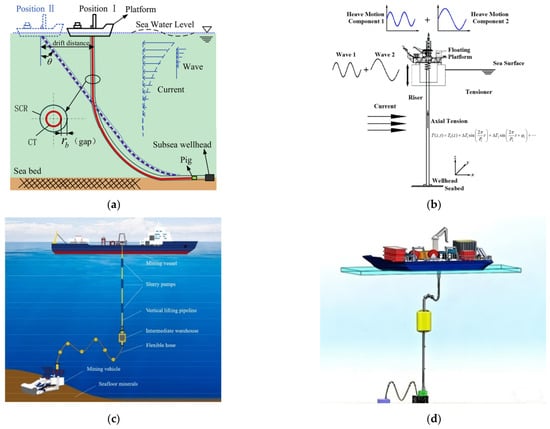
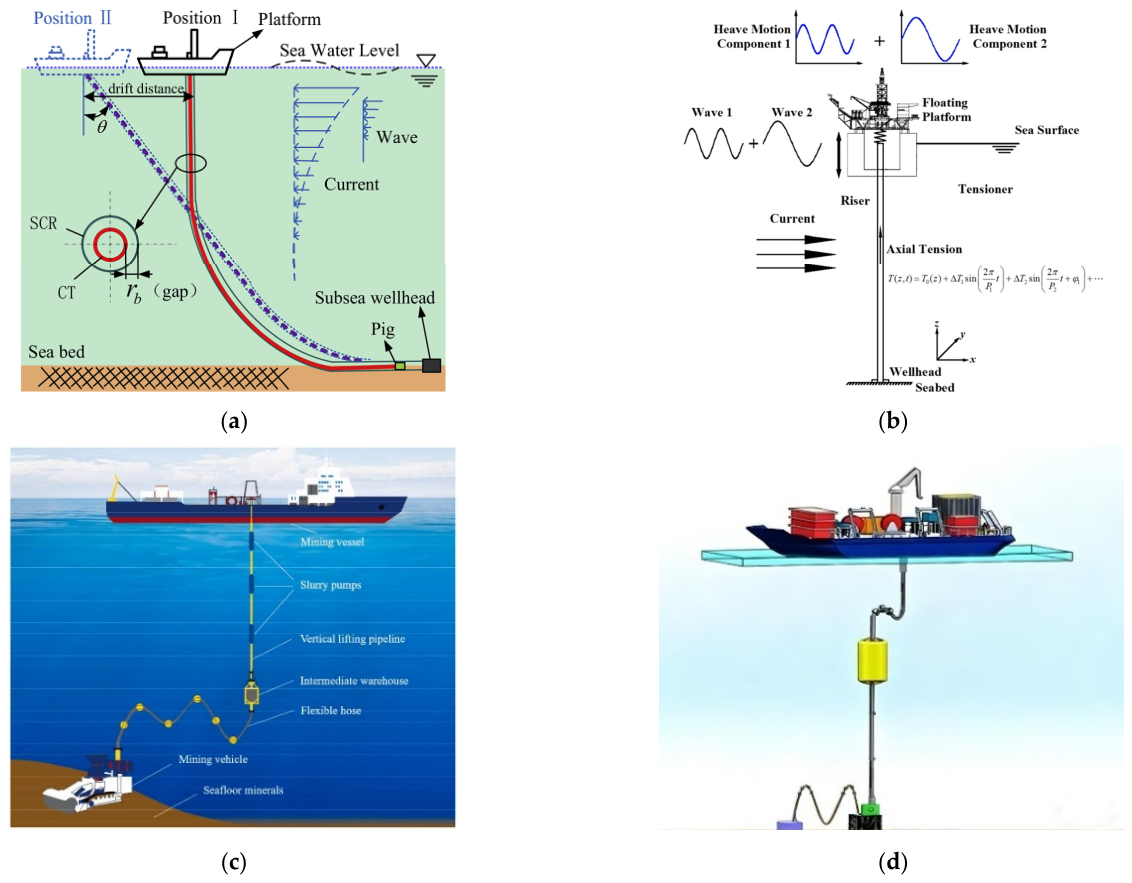
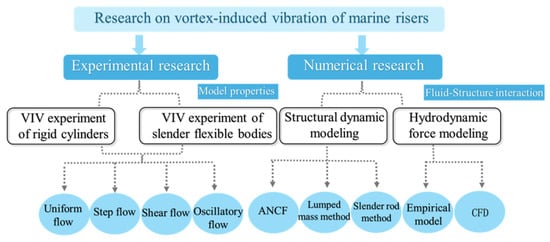
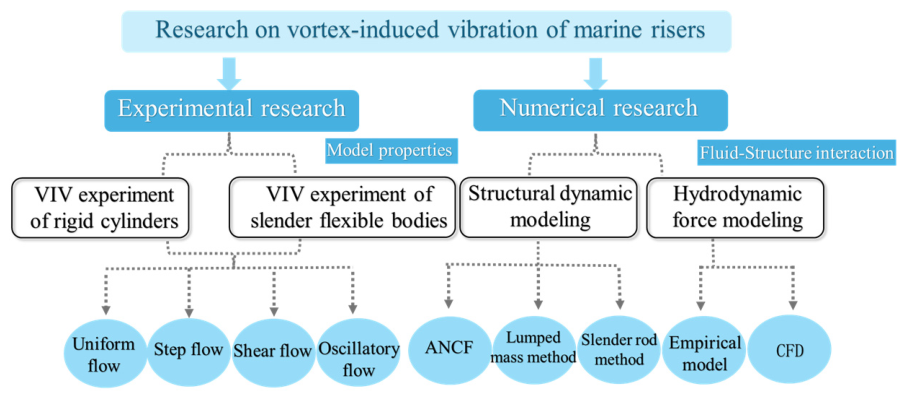
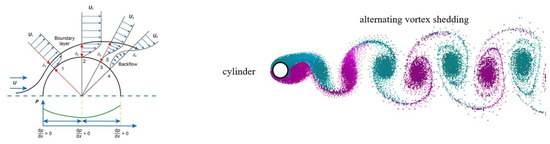
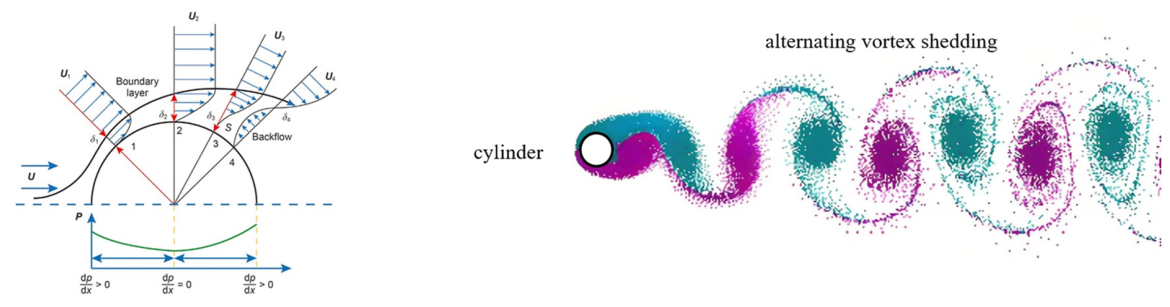
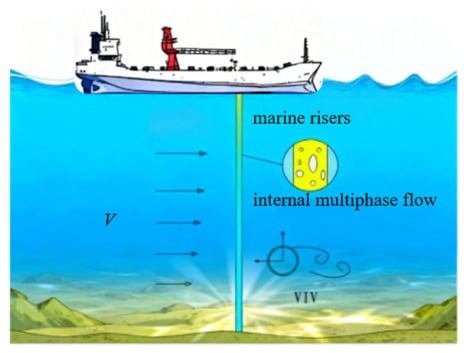
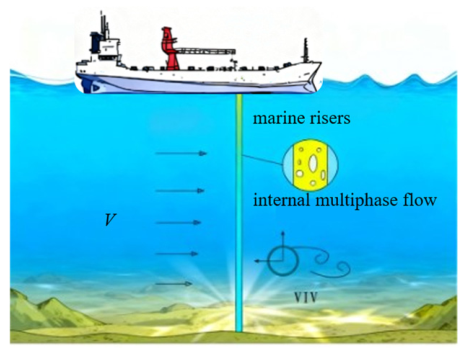
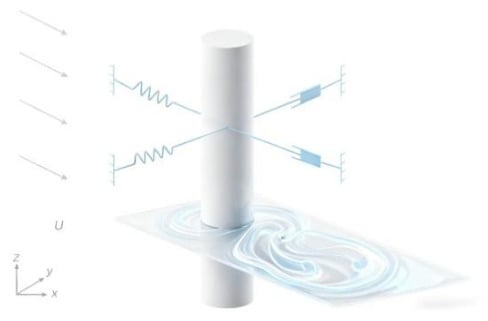
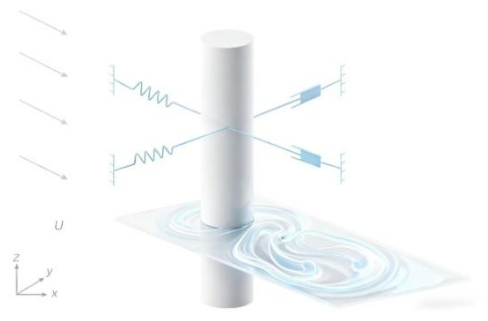
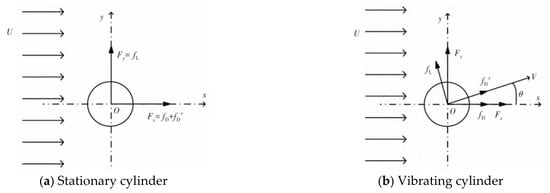
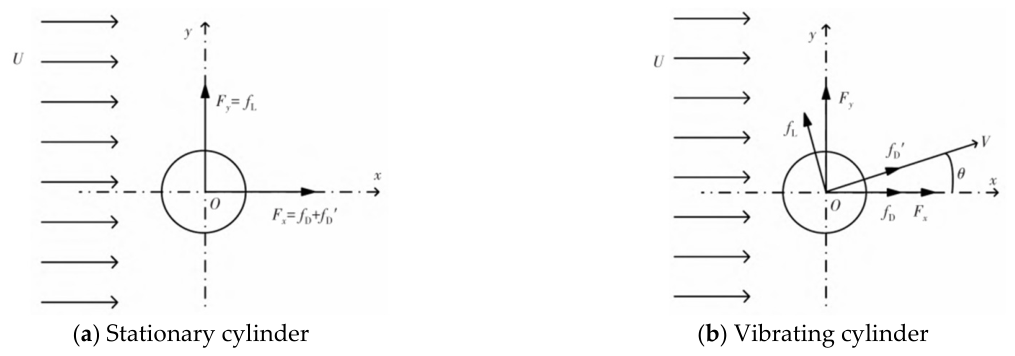
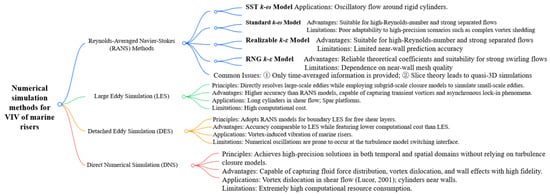
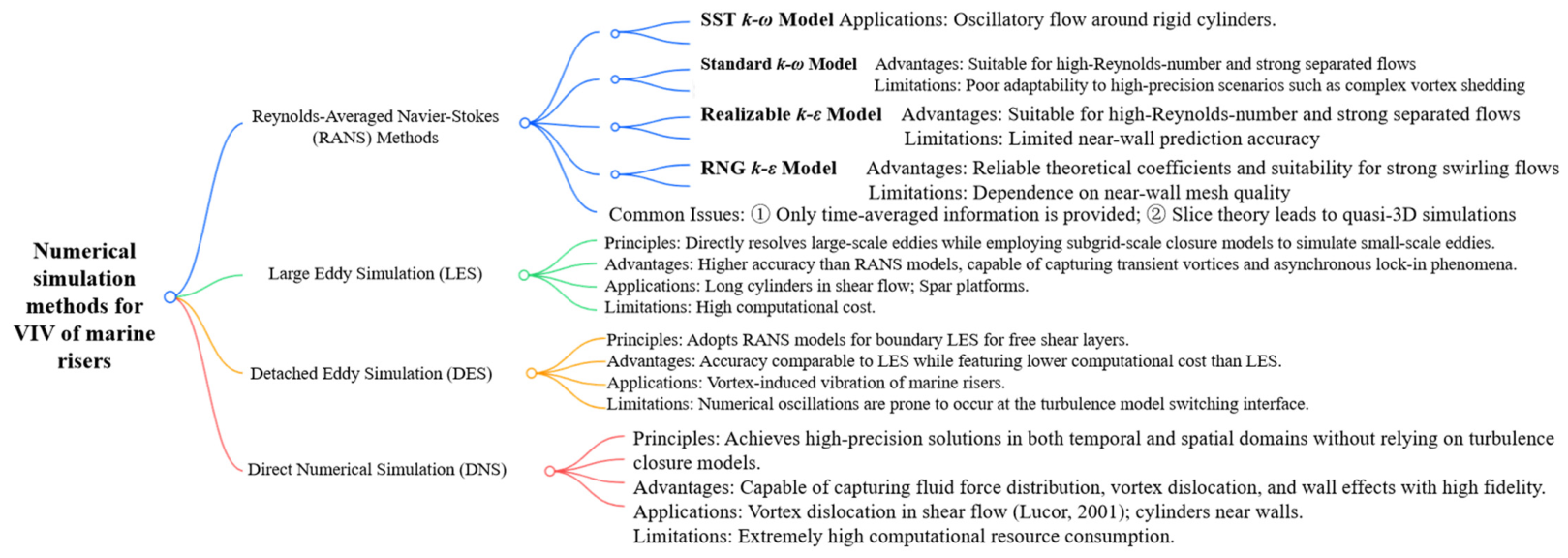
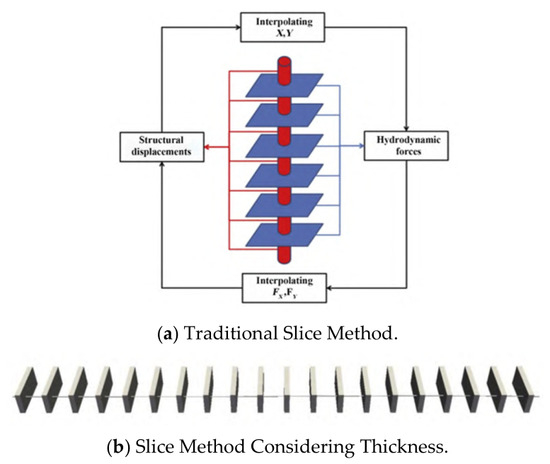
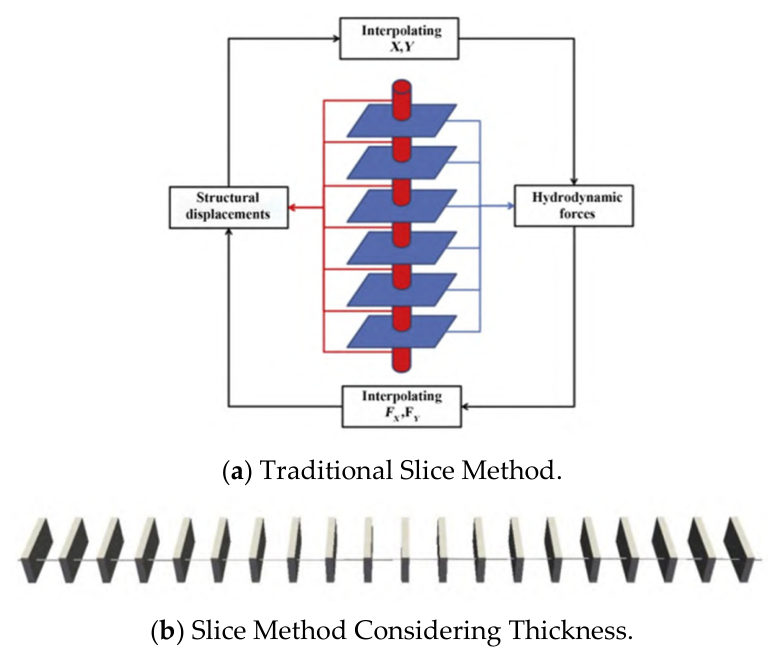
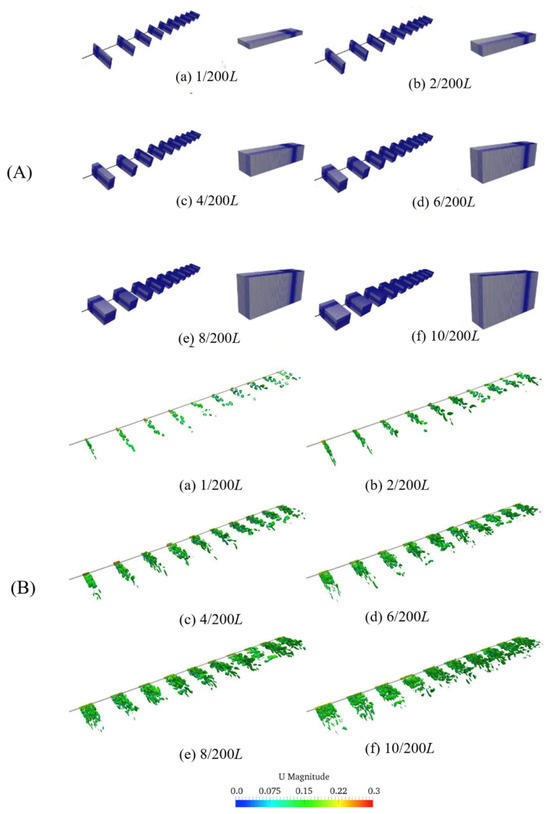
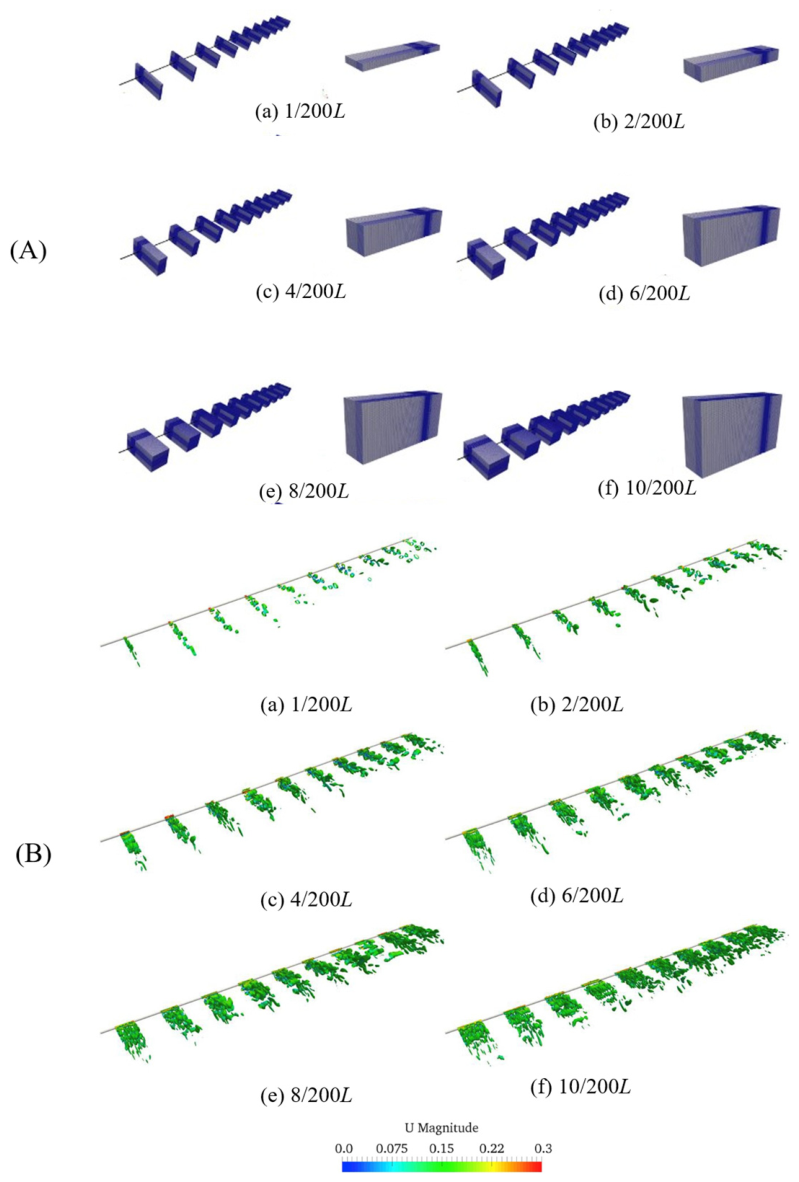
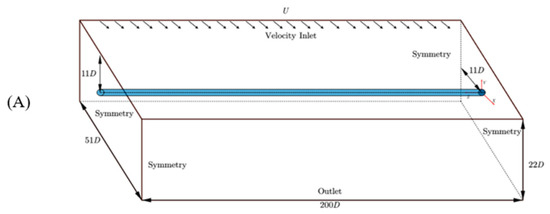
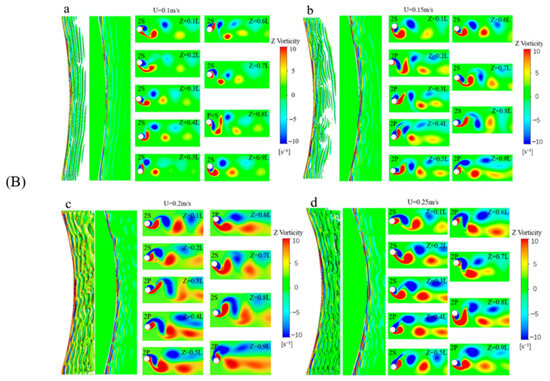
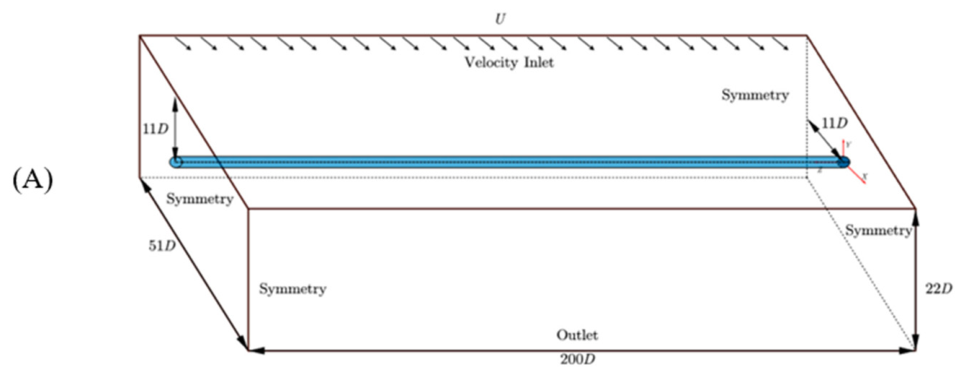
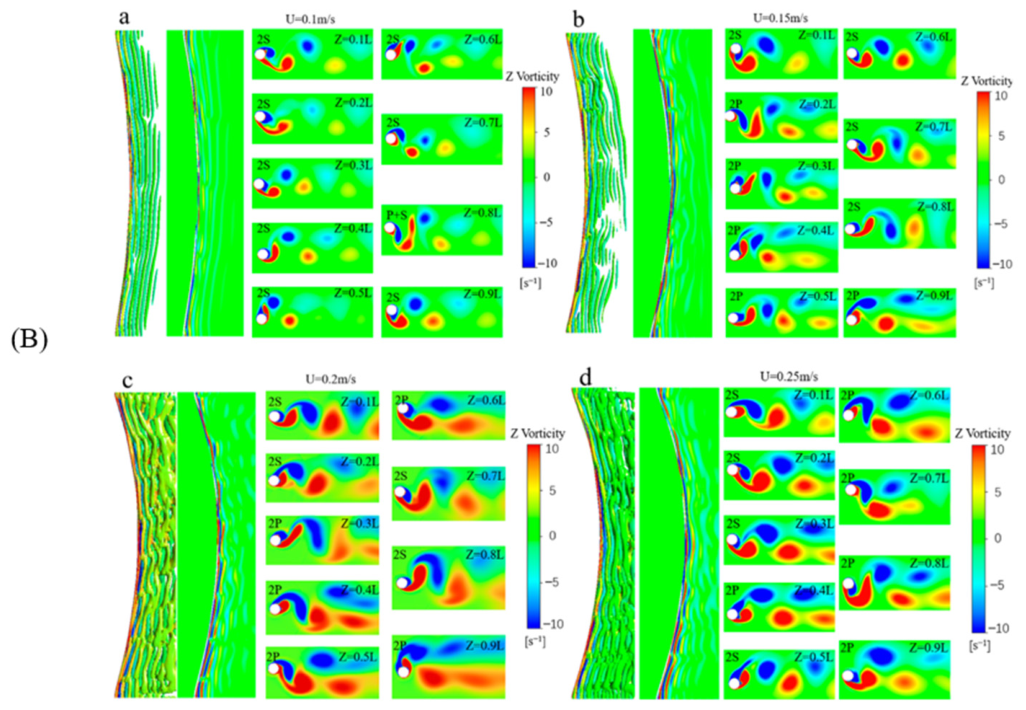
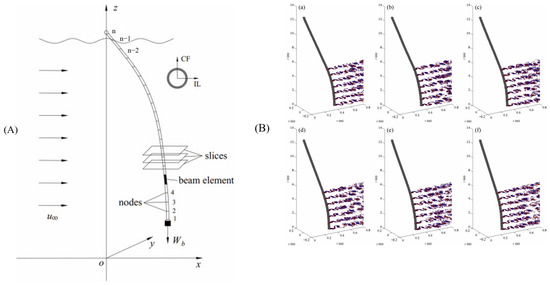
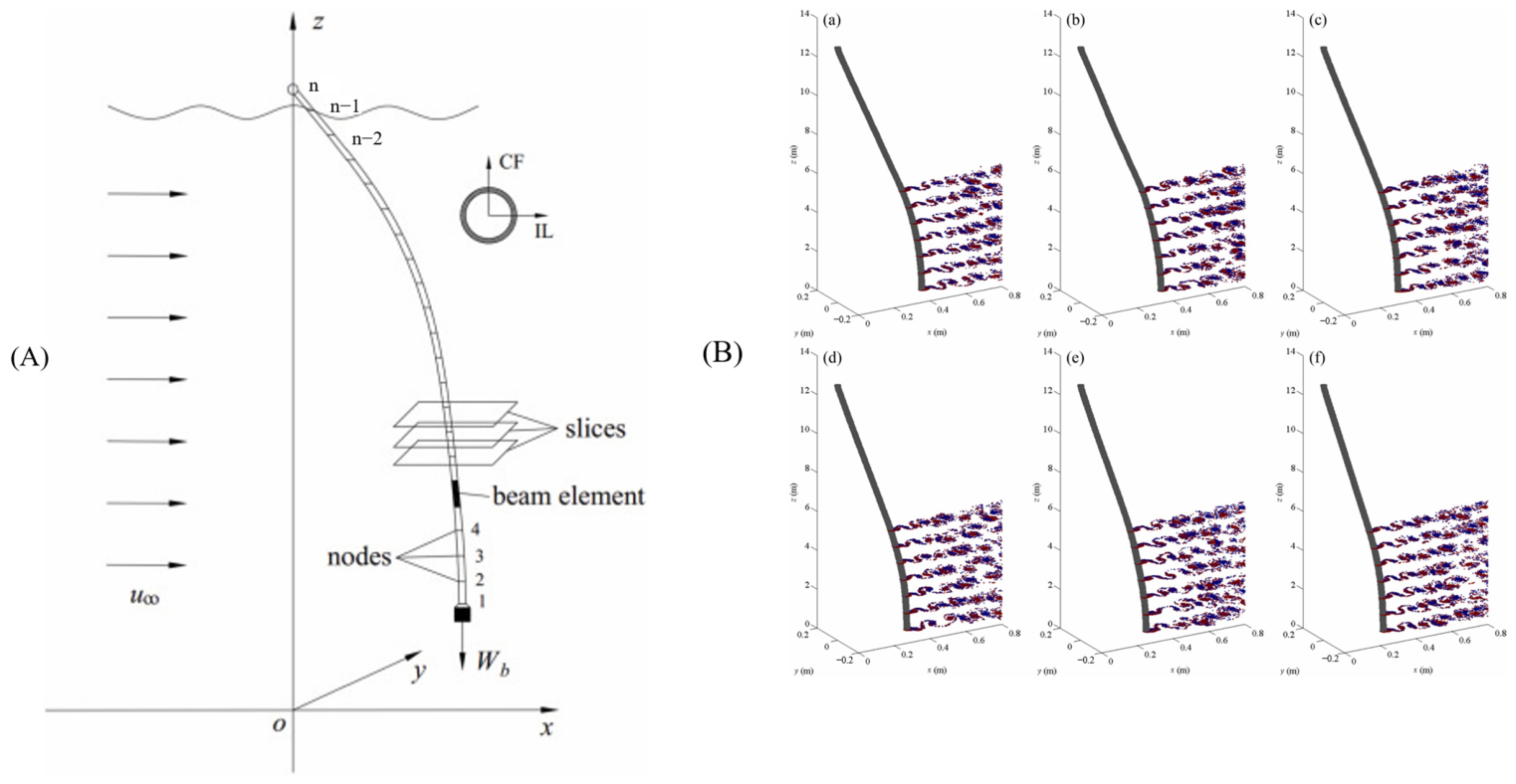
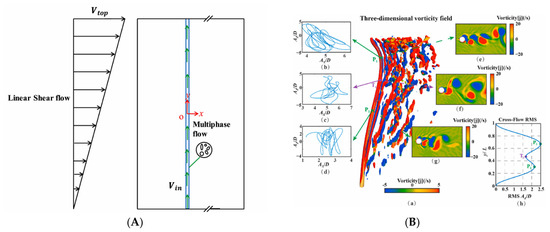
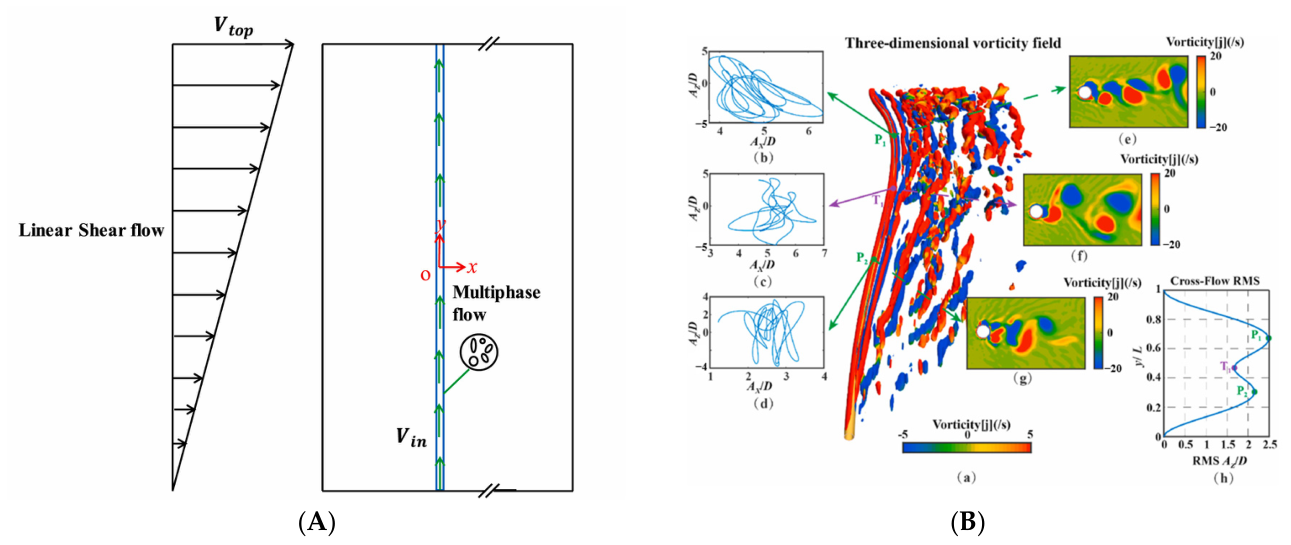
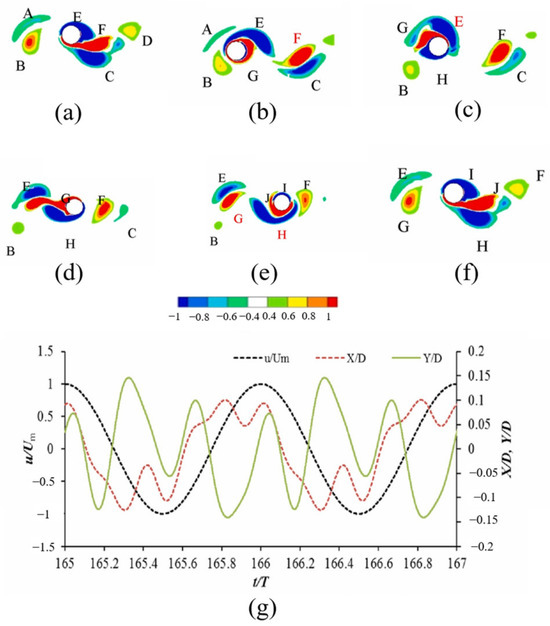
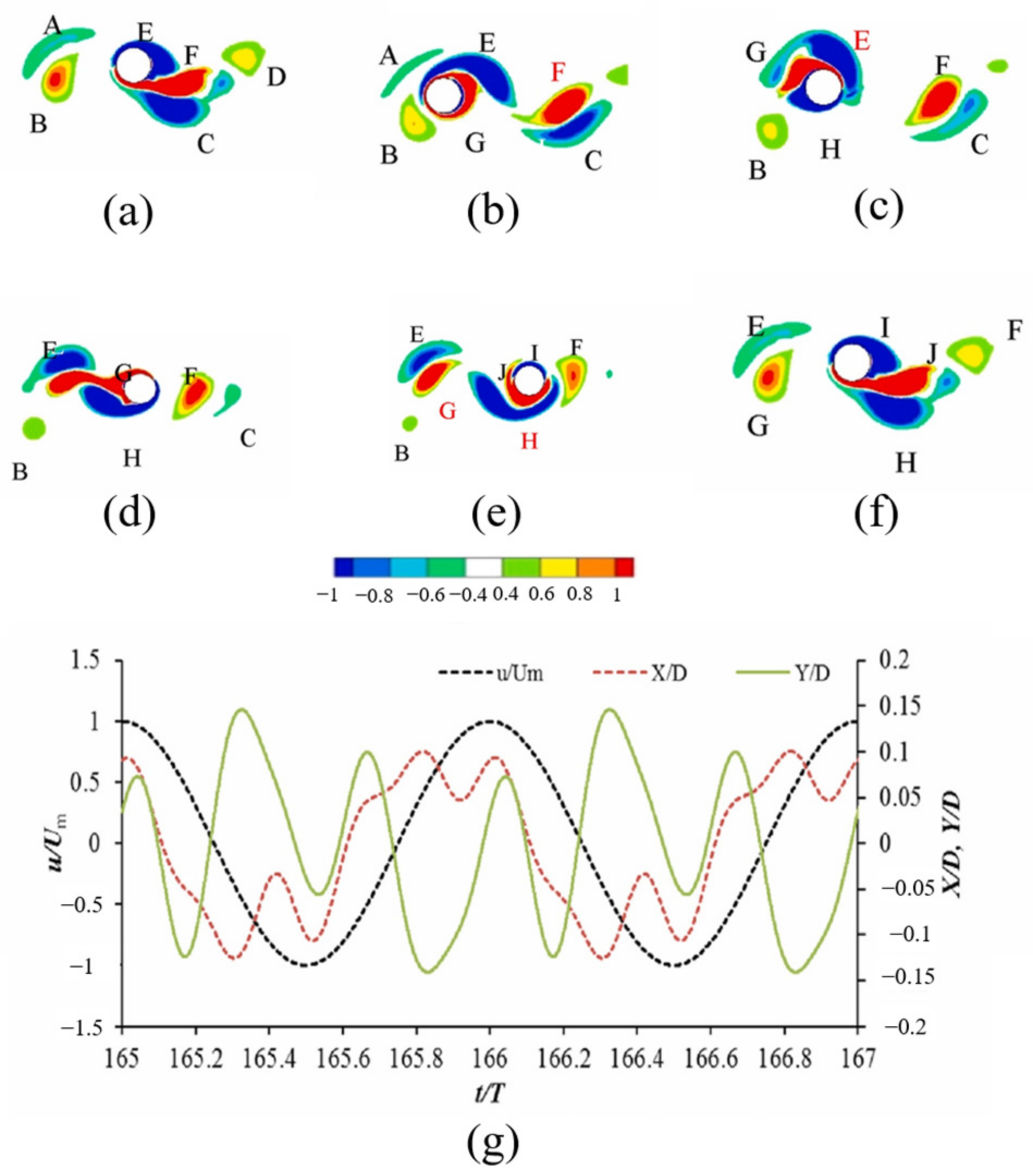
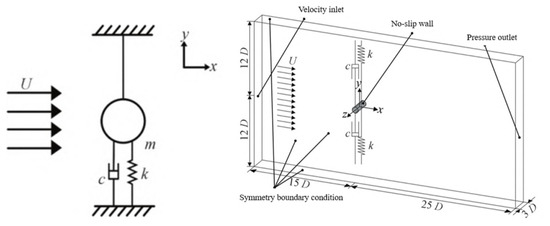
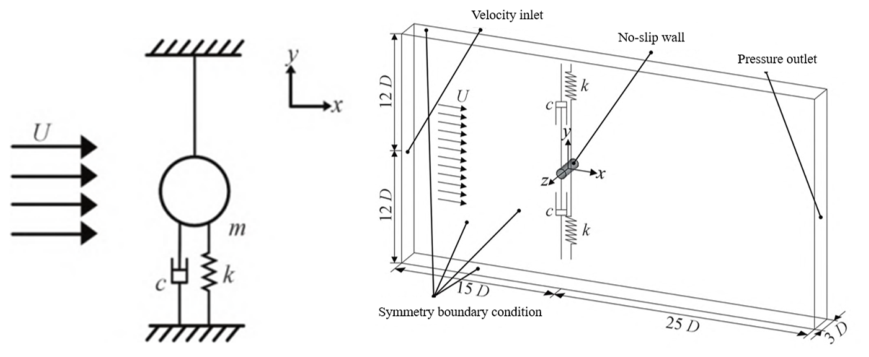
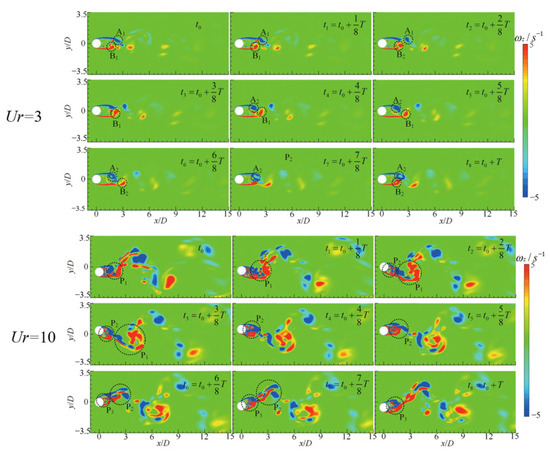
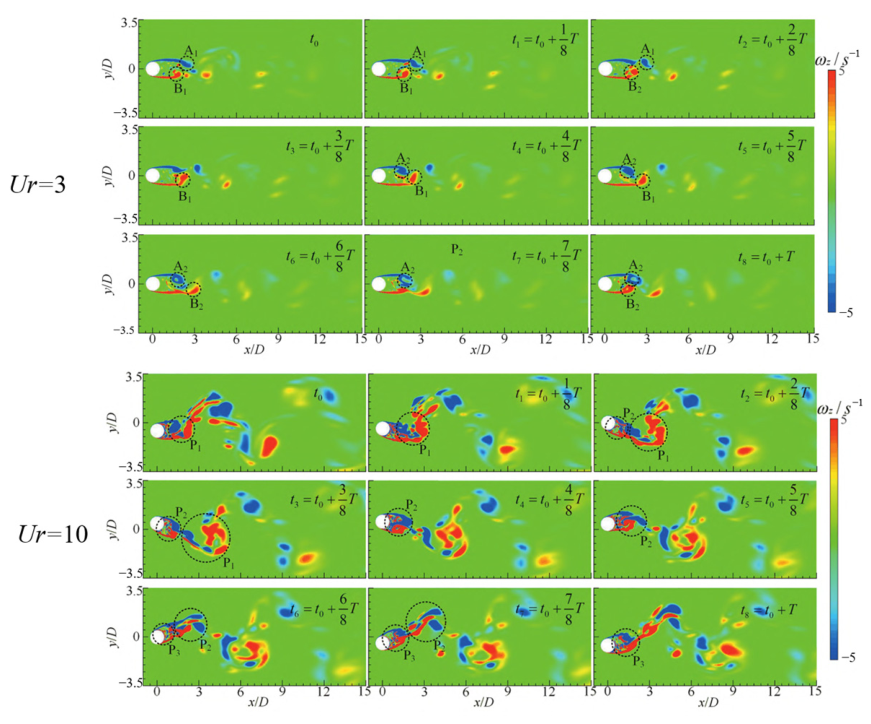
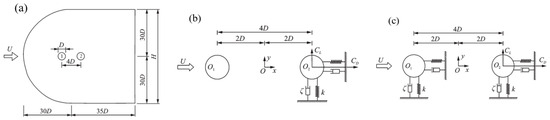
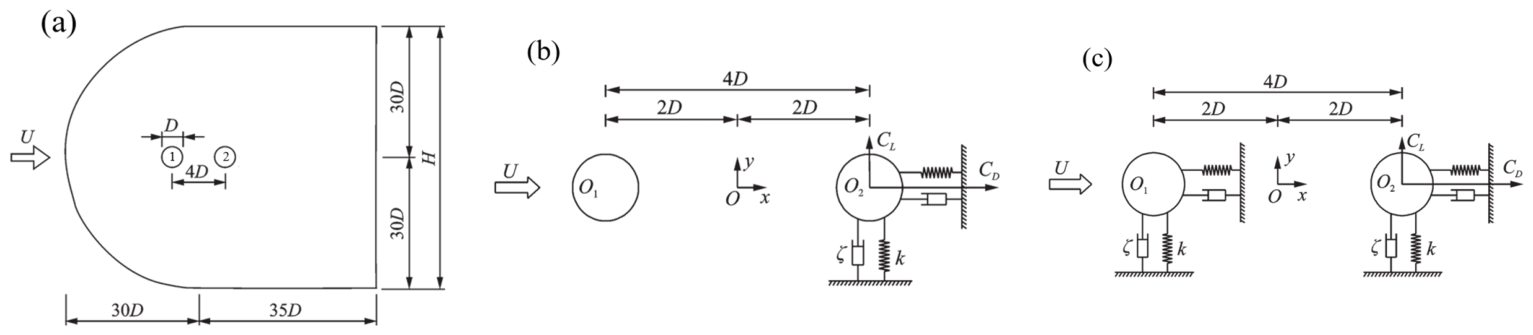
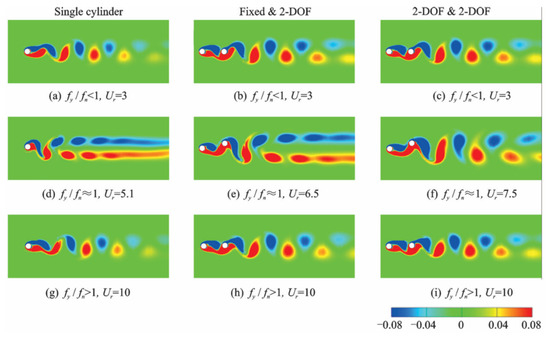
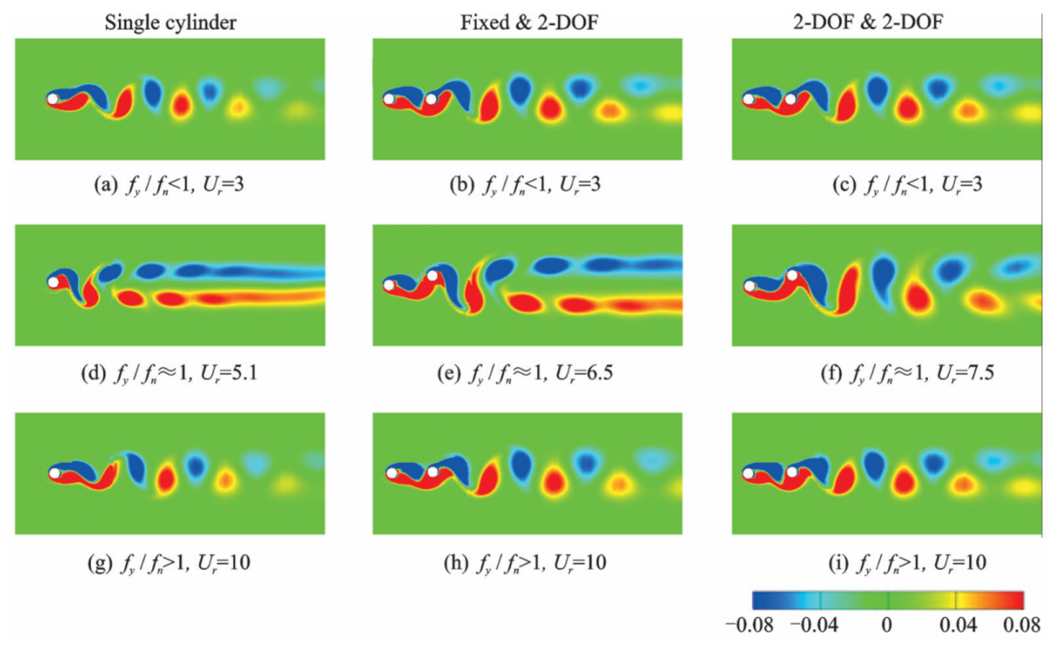
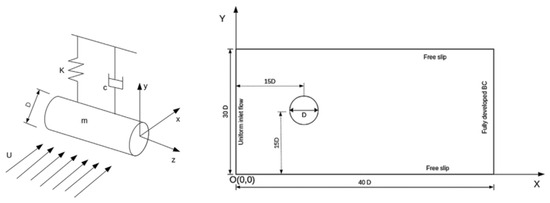
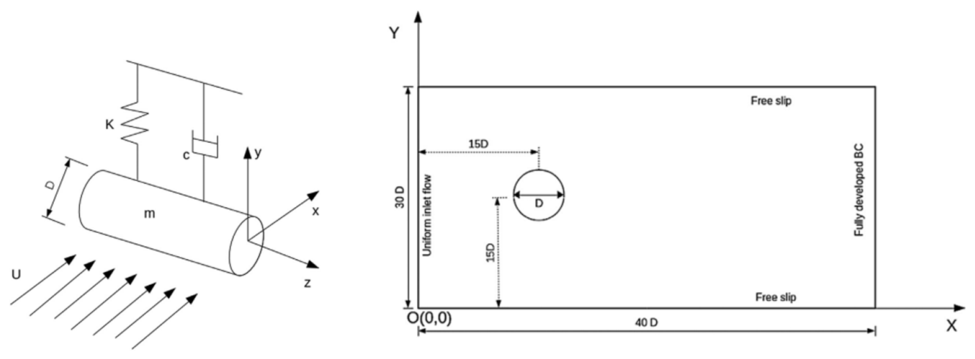
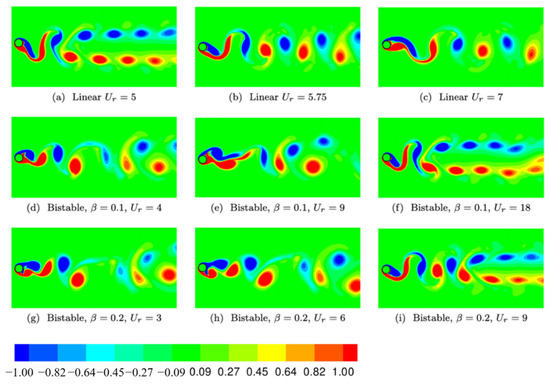
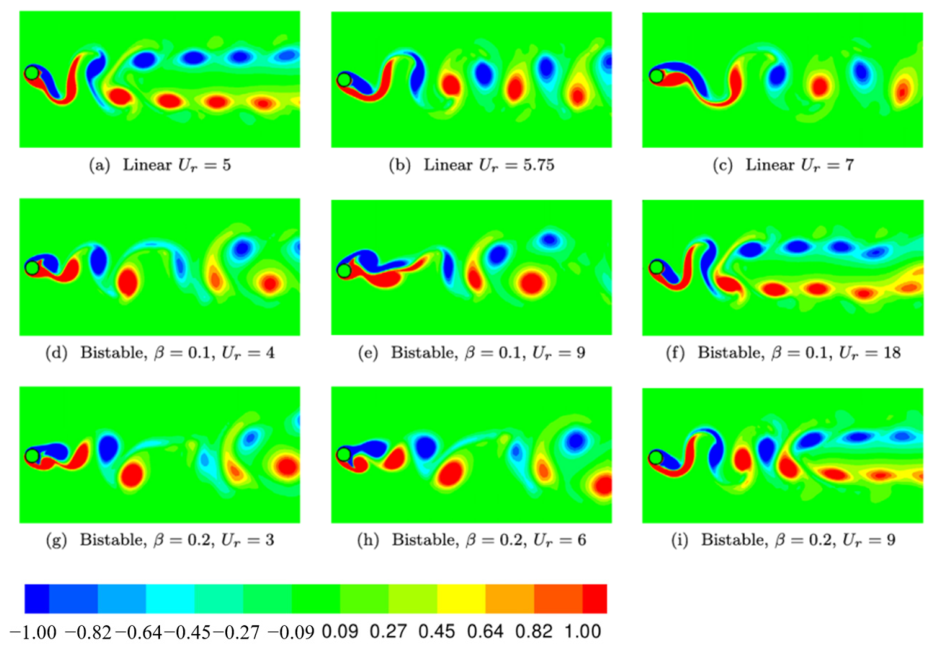
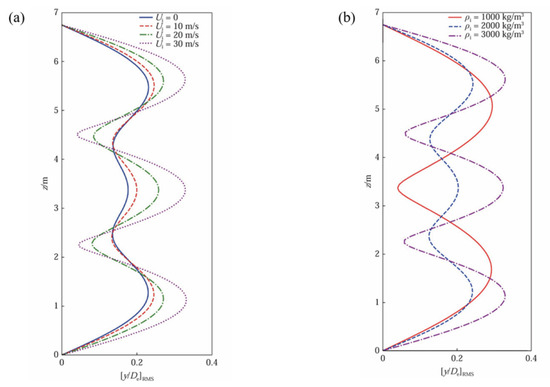
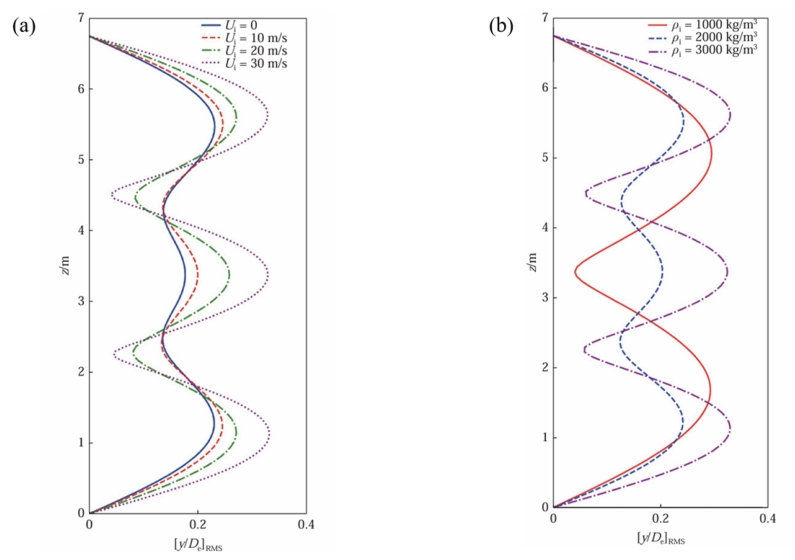
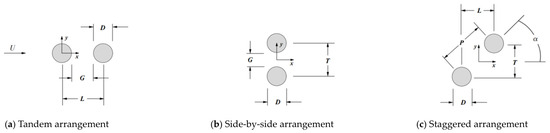
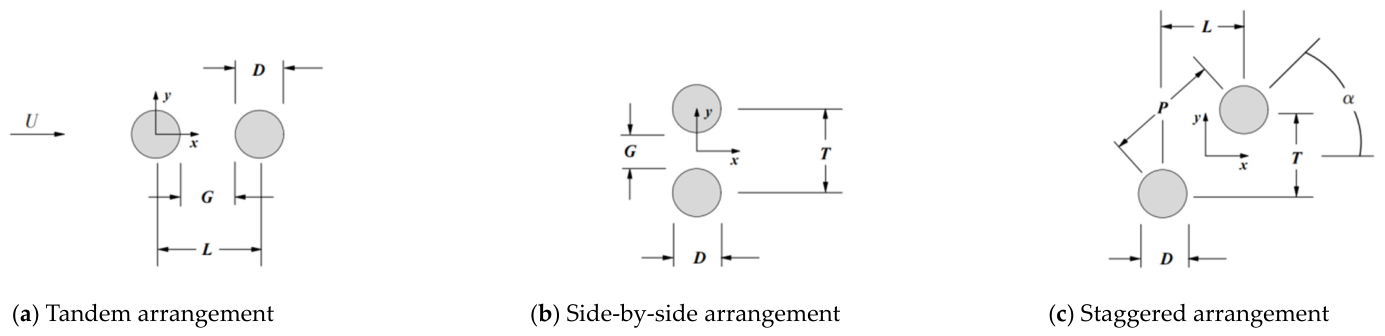
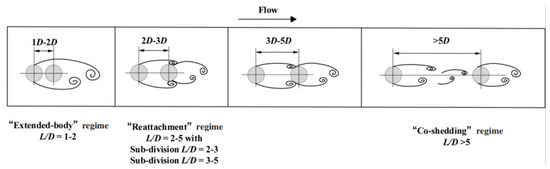
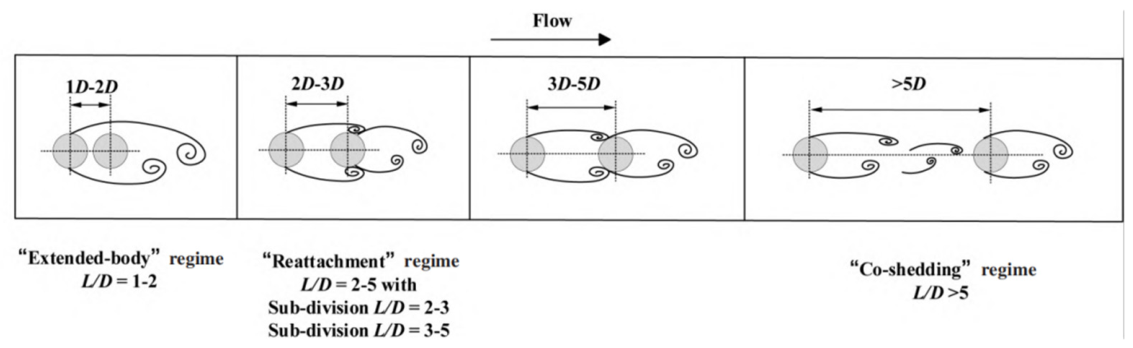
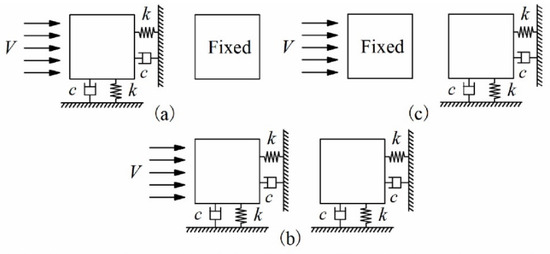
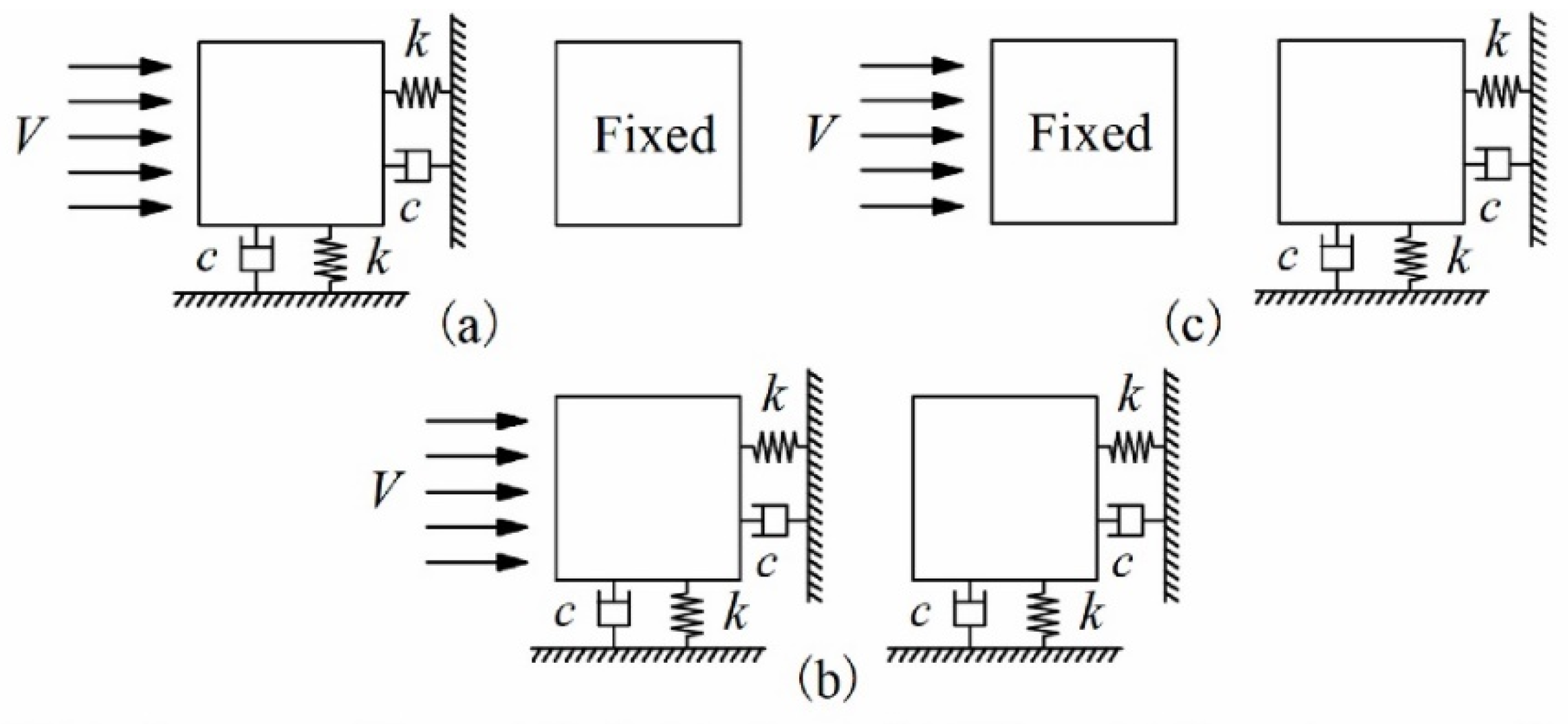
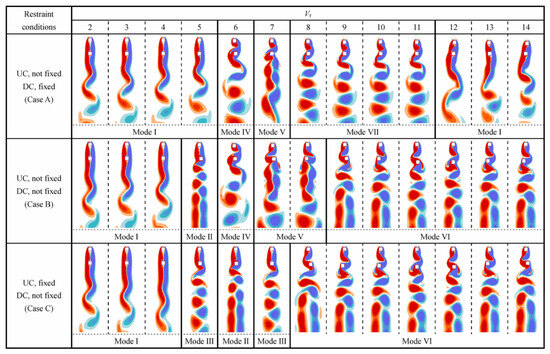
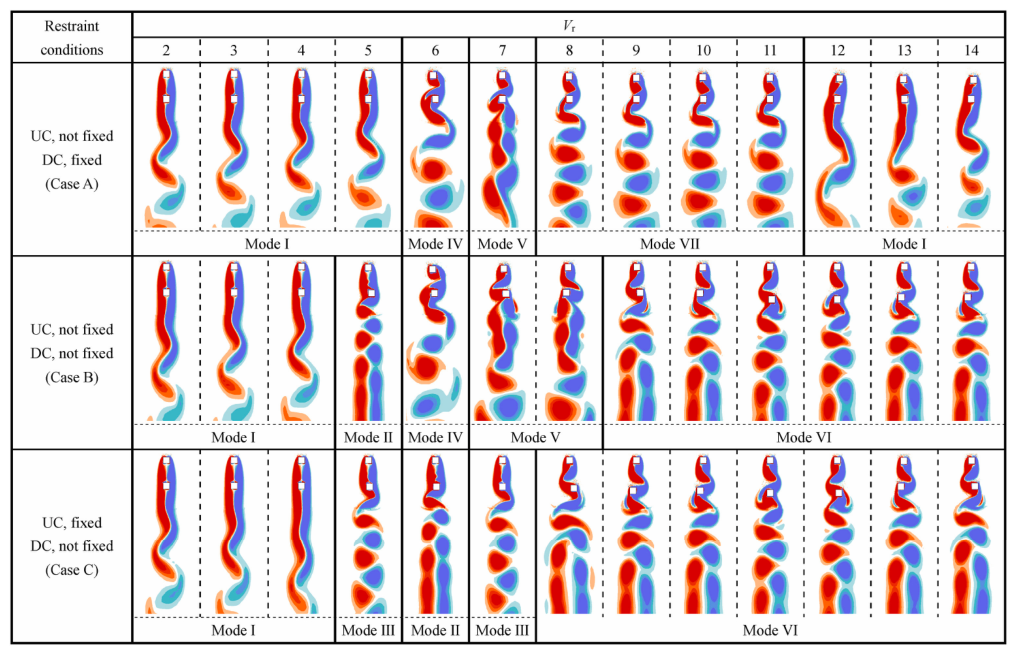
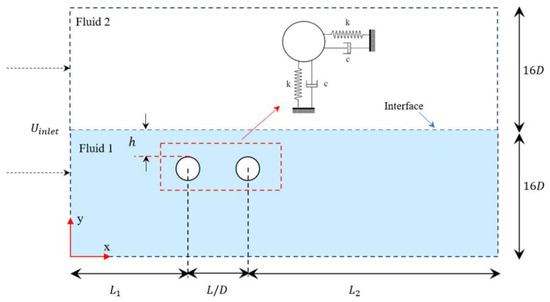
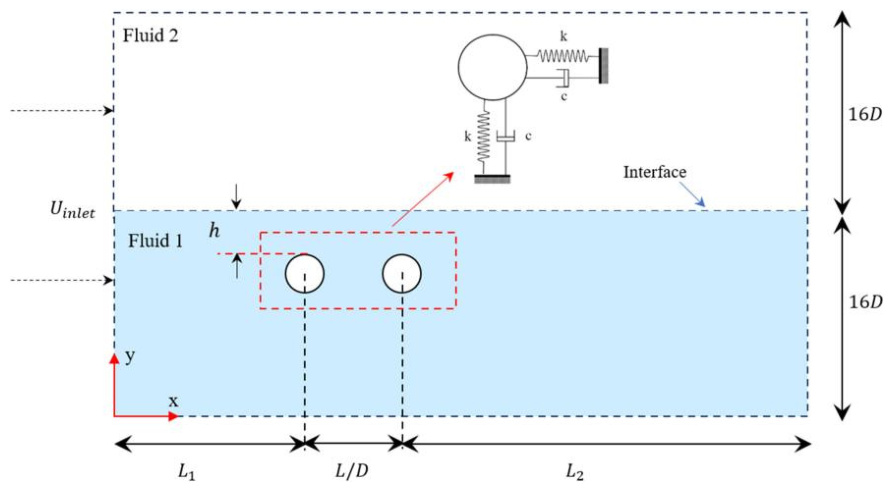
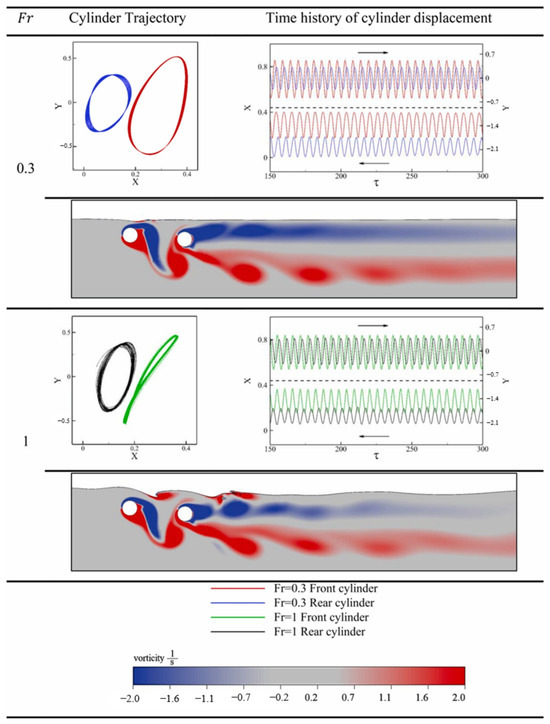
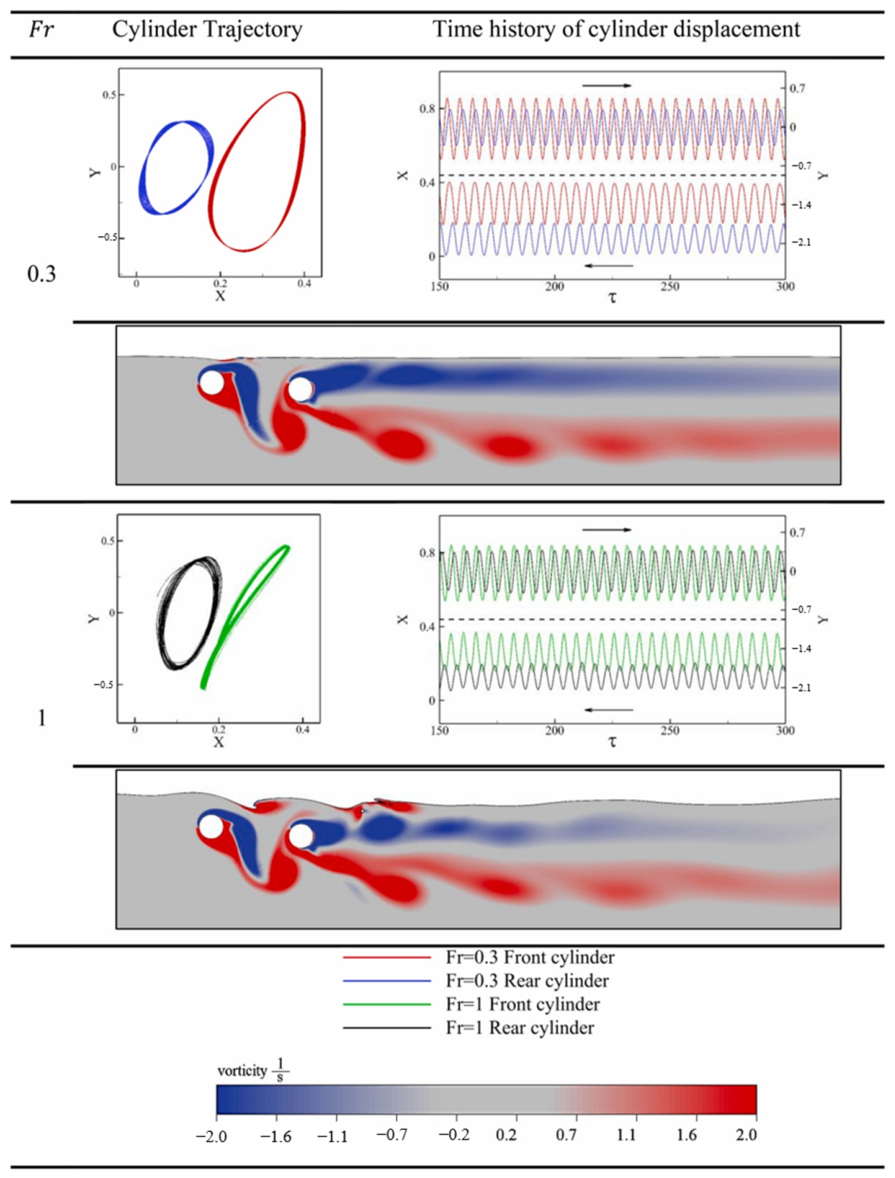
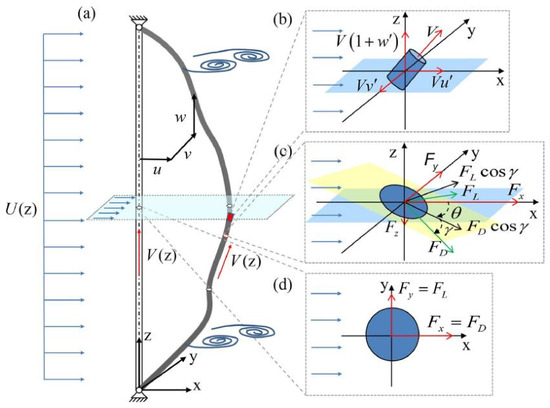
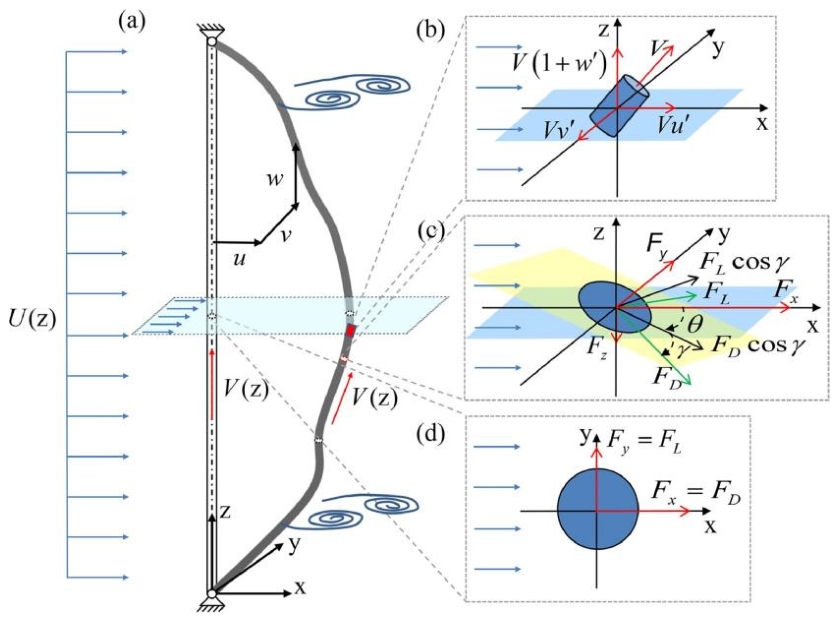
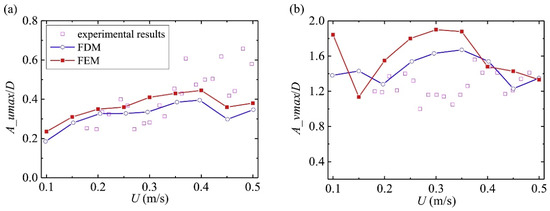
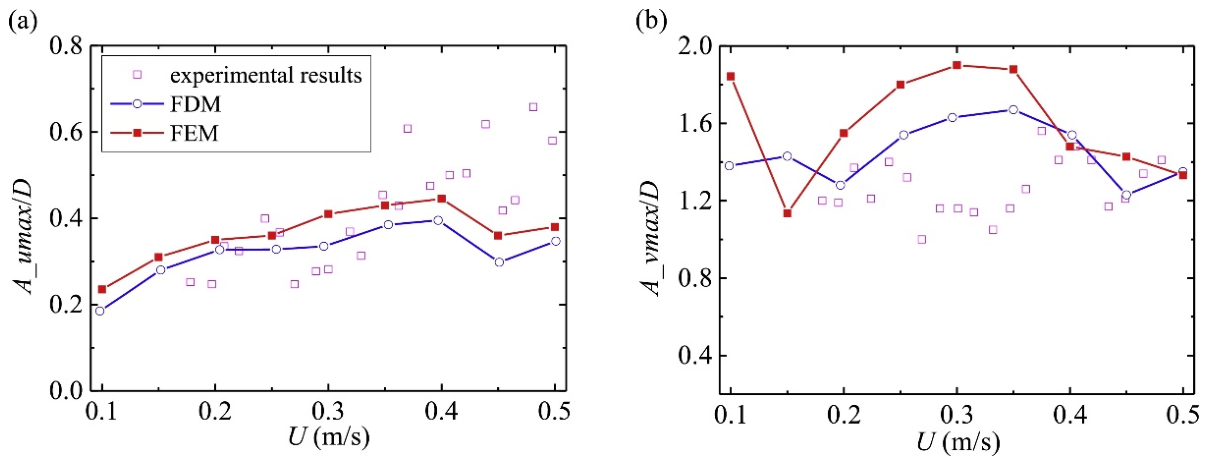
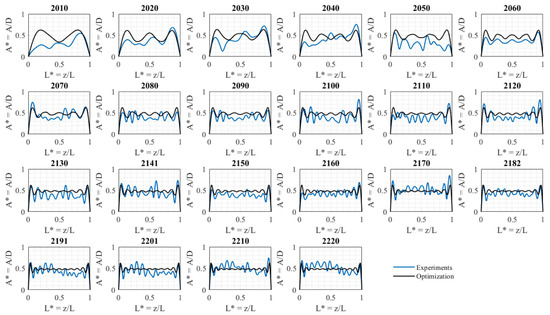
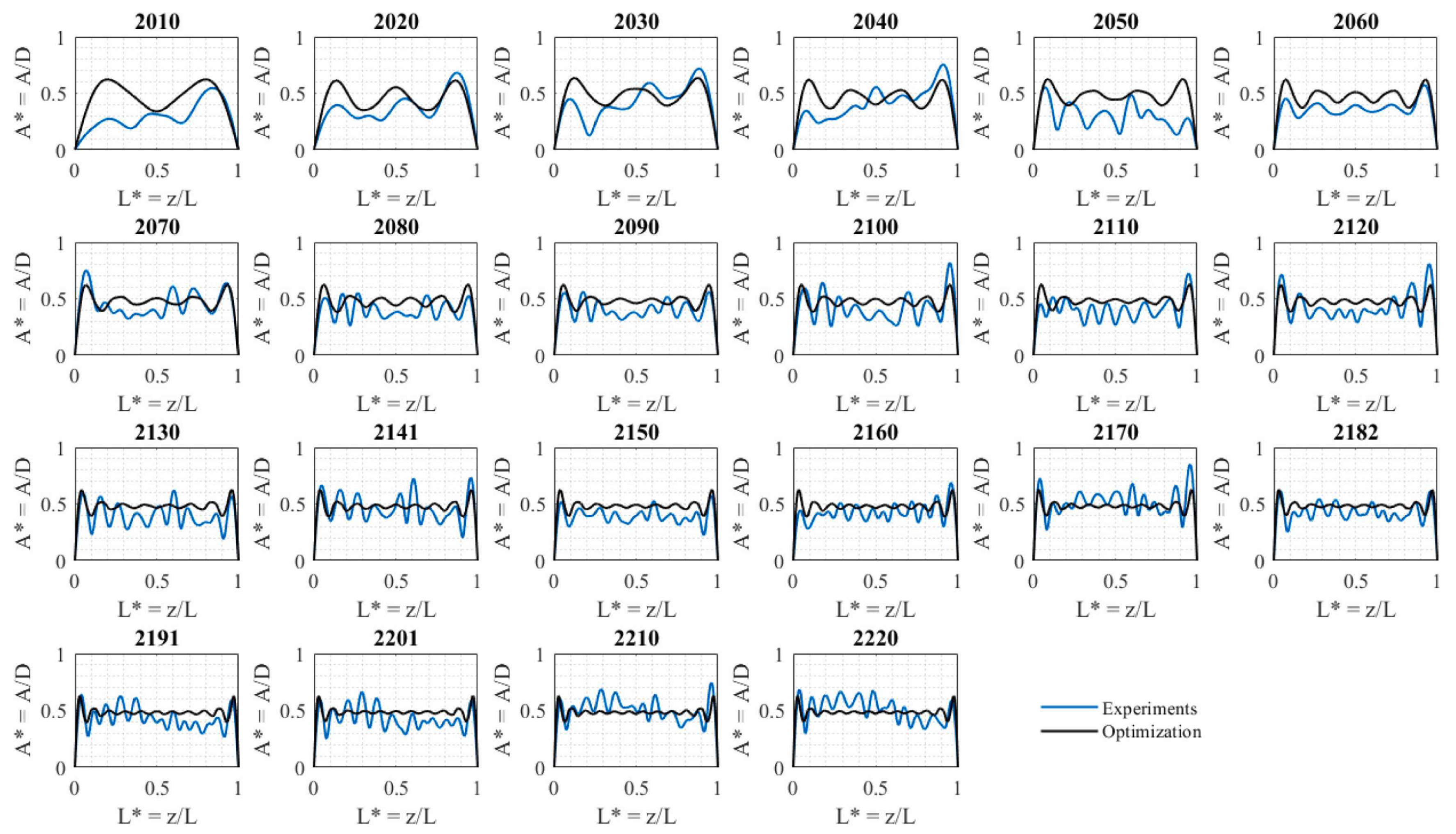
Disclaimer/Publisher’s Note: The statements, opinions and data contained in all publications are solely those of the individual author(s) and contributor(s) and not of MDPI and/or the editor(s). MDPI and/or the editor(s) disclaim responsibility for any injury to people or property resulting from any ideas, methods, instructions or products referred to in the content. |
© 2026 by the authors. Licensee MDPI, Basel, Switzerland. This article is an open access article distributed under the terms and conditions of the Creative Commons Attribution (CC BY) license.