


Highlights
- This study identified shared biological pathways—chronic inflammation, anabolic resistance, mitochondrial dysfunction, and vascular impairment—that jointly contribute to frailty, sarcopenia, and cognitive decline based on convergent evidence from observational and mechanistic studies.
- Clarifies key controversies in the literature, such as optimal protein intake, the role of plant-based diets, and the impact of microbiota-targeted interventions, and identifies persistent knowledge gaps and emerging mechanistic insights relevant to frailty, sarcopenia, and cognitive decline.
- Summarizes consistent evidence showing that Mediterranean and DASH dietary patterns are associated with lower frailty risk and better cognitive performance, while highlighting more heterogeneous findings for plant-based diets depending on nutrient quality and protein adequacy.
- Describes how age-related physiological changes—reduced muscle protein synthesis, altered appetite regulation, impaired micronutrient absorption, and increased oxidative stress—shape nutritional vulnerability in older adults and influence responsiveness to dietary interventions.
- This study synthesizes findings from 116 records, integrating observational, randomized, and mechanistic evidence to outline nutritional strategies that may support healthy aging while clarifying where causal relationships remain unconfirmed.
Abstract
Healthy nutrition is a key modifiable determinant of healthy aging, particularly among older adults vulnerable to malnutrition, frailty, sarcopenia, and cognitive decline. Age-related physiological changes, including reduced muscle mass, anabolic resistance, chronic low-grade inflammation, impaired appetite regulation, and decreased nutrient absorption, contribute to nutritional vulnerability and accelerate functional decline. Understanding how dietary patterns influence these mechanisms is essential for developing effective prevention strategies. This narrative review synthesizes evidence from PubMed-indexed studies published between January 2000 and July 2026, as well as World Health Organization recommendations regarding dietary components and biological pathways relevant to healthy aging. Balanced dietary patterns rich in vegetables, fruits, high-quality proteins, vitamins, minerals, and antioxidants, and low in ultra-processed foods are consistently associated with improved physical performance, better cognitive outcomes, reduced frailty risk, and lower mortality. The Mediterranean diet demonstrates robust benefits through anti-inflammatory and antioxidant effects, improved mitochondrial efficiency, modulation of gut microbiota, and preservation of muscle mass and neuronal integrity. Adequate protein intake (1.0–1.2 g/kg/day) supports muscle protein synthesis and mitigates sarcopenia, while micronutrients such as vitamin D, B12, omega-3 fatty acids, and polyphenols support neuroprotection and reduce oxidative stress. Inconsistent operational definitions and diagnostic criteria for frailty and sarcopenia, limited long-term randomized trials, and insufficient data on diet–microbiota–brain interactions restrict the ability to establish causal pathways. Future research should prioritize standardized diagnostic criteria, mechanistic studies integrating metabolomics and inflammatory biomarkers, and interventions tailored to older adults with multimorbidity. Integrating evidence-based nutrition into geriatric care and public health policies is essential to promote active aging and maintain functional and cognitive health in older adults.
1. Introduction
Global population aging is accelerating, with the number of adults aged ≥65 years expected to surpass 1.6 billion by 2050. According to the World Health Organization (WHO), the number of people aged 60 and older is steadily increasing, and by 2050 this group is expected to exceed 2 billion [1,2,3]. This demographic transition is accompanied by a substantial increase in chronic diseases, functional impairment, and healthcare utilization. Aging involves progressive physiological changes that affect multiple systems and increase vulnerability to adverse outcomes. Key mechanisms include anabolic resistance, chronic low-grade inflammation (“inflammaging”), mitochondrial dysfunction, hormonal decline, impaired neuromuscular signaling, reduced appetite, and diminished gastrointestinal absorption. Together, these processes contribute to decreased muscle protein synthesis, reduced metabolic flexibility, and compromised cognitive resilience [4,5,6,7,8].
Frailty, sarcopenia, and cognitive decline are interconnected geriatric syndromes that emerge from these biological alterations. Frailty reflects decreased physiological reserve and an impaired stress response driven by inflammation, endocrine dysregulation, oxidative stress, and neuromuscular deterioration. Sarcopenia, defined as the loss of muscle mass and strength, is strongly influenced by inadequate protein intake, reduced physical activity, mitochondrial impairment, and altered muscle regeneration pathways. Cognitive decline and neurodegenerative processes are linked to vascular dysfunction, neuroinflammation, oxidative stress, impaired synaptic plasticity, and disruptions in the gut–brain axis. These syndromes frequently coexist, share common mechanisms, and collectively predict disability, hospitalization, institutionalization, and mortality [9,10,11,12].
1.1. Common Biological Mechanisms Linking Frailty, Sarcopenia, and Cognitive Decline
1.1.1. Chronic Low-Grade Inflammation (“Inflammaging”)
Chronic low-grade inflammation is increasingly recognized as a central biological mechanism contributing to frailty, sarcopenia, and cognitive decline in older adults. “Inflammaging” is a hallmark of biological aging and a persistent, systemic inflammatory state characterized by elevated IL-6, TNF-α, and CRP, along with activation of NF-κB pathways. Frailty is a clinical syndrome characterized by diminished physiological reserves and increased vulnerability to stressors. This chronic inflammatory milieu accelerates muscle catabolism, impairs neuromuscular function, and disrupts synaptic plasticity. In skeletal muscle, inflammation reduces protein synthesis and increases proteolysis, contributing to sarcopenia. In the brain, neuroinflammation promotes neuronal loss, microglial activation, and cognitive decline. Systemically, inflammaging reduces physiological reserve and stress tolerance, directly contributing to frailty [8,11,12,13].
1.1.2. Oxidative Stress and Mitochondrial Dysfunction
Aging is associated with increased reactive oxygen species (ROS) production and reduced antioxidant capacity. Mitochondria become less efficient, generating oxidative damage to proteins, lipids, and DNA. In muscle tissue, mitochondrial dysfunction reduces ATP production, impairs muscle contraction, and accelerates the loss of type II fibers. In the brain, oxidative stress contributes to neuronal vulnerability, impaired neurotransmission, and cognitive deterioration. The cumulative effect of mitochondrial decline manifests clinically as fatigue, weakness, and reduced resilience, which are the core features of frailty. At the muscle–brain interface, mitochondrial dysfunction is implicated in both sarcopenia and cognitive decline. Sedentary lifestyles exacerbate mitochondrial impairments, disrupt redox homeostasis, and drive chronic systemic inflammation that further damages muscle tissue through oxidative injury [14,15,16].
1.1.3. Anabolic Resistance
Anabolic resistance in aging is a critical factor linked to frailty, sarcopenia, and cognitive decline, reflecting a complex interplay of biological processes that impair muscle and cognitive health. Older adults exhibit diminished responsiveness to anabolic stimuli, such as dietary protein, resistance exercise, and anabolic hormones. This “anabolic resistance” reduces muscle protein synthesis and impairs muscle repair. The consequences include progressive loss of muscle mass and strength (sarcopenia), decreased mobility and endurance (frailty), and reduced metabolic support for neuronal function (cognitive decline). Inflammation, physical inactivity, and inadequate protein intake exacerbate anabolic resistance [17,18].
1.1.4. Endocrine Dysregulation
Endocrine dysregulation plays a significant role in aging and is accompanied by declines in IGF-1, growth hormone, testosterone, and estrogen, along with altered insulin sensitivity. These hormonal changes impair muscle anabolism, reduce neuromuscular efficiency, and compromise glucose metabolism. Endocrine dysregulation contributes to muscle wasting, decreased strength, and impaired cognitive performance. Reduced IGF-1 and sex hormones are strongly associated with frailty and sarcopenia, while insulin resistance and metabolic dysfunction accelerate neurodegenerative processes. These endocrine changes disrupt muscle–brain cross-talk, impair neuromuscular signaling, and exacerbate metabolic disturbances [9,19,20].
1.1.5. Gut Microbiota Alterations (Gut–Muscle–Brain Axis)
The gut microbiota undergoes profound age-related alterations that contribute to sarcopenia, frailty, and cognitive decline through multiple interconnected pathways. Aging is characterized by reduced microbial diversity, a shift toward pro-inflammatory species, and diminished production of short-chain fatty acids (SCFAs), particularly butyrate. SCFAs play a central role in maintaining metabolic homeostasis, modulating insulin sensitivity, and suppressing systemic inflammation—processes essential for preserving muscle mass and function. The marked reduction in butyrate-producing bacteria observed in sarcopenic individuals highlights a potential therapeutic target for restoring microbial metabolic activity. Dysbiosis further promotes systemic inflammation, increases intestinal permeability, and disrupts nutrient metabolism, thereby impairing muscle protein synthesis, mitochondrial efficiency, and neurocognitive processes. These effects reflect the broader gut–muscle axis, a bidirectional system in which microbial metabolites influence anabolic and catabolic signaling pathways in skeletal muscle, while muscle-derived myokines modulate microbial composition and diversity. Through metabolic, inflammatory, and neuroendocrine mechanisms, alterations in the gut microbiota contribute to the progressive decline in physical and cognitive resilience observed in older adults [21,22].
1.1.6. Neuromuscular Degeneration
Neuromuscular degeneration plays a central role in sarcopenia, frailty, and cognitive decline in aging, reflecting a complex interplay of molecular, cellular, and systemic factors that affect both the nervous and musculoskeletal systems. The age-related loss of motor neurons, denervation of muscle fibers, and impaired neuromuscular junction transmission reduce muscle strength and coordination. Motor unit remodeling becomes inefficient, resulting in weaker and less fatigue-resistant muscle fibers. These neuromuscular changes contribute to sarcopenia and increase the risk of falls and functional decline, key components of frailty. In parallel, degeneration of central nervous system pathways affects executive function, gait control, and cognitive processing. Mitochondrial dysfunction is considered a primary upstream event contributing to neuromuscular degeneration, provoking excessive reactive oxygen species and defective mitophagy, which triggers inflammatory cascades and cellular senescence [23,24].
1.1.7. Malnutrition and Inadequate Nutrient Intake
Insufficient intake of protein, energy, and key micronutrients (vitamin D, B12, folate, omega-3 fatty acids, and antioxidants) is both a cause and consequence of frailty, sarcopenia, and cognitive decline. Malnutrition accelerates muscle catabolism, reduces bone and muscle strength, impairs neurotransmitter synthesis, and increases vulnerability to stressors. Poor appetite, reduced taste and smell, dental problems, and social isolation further exacerbate nutritional deficits in older adults [25,26].
Understanding these mechanisms can guide integrated interventions to improve aging outcomes and quality of life (Figure 1).
Figure 1.
Molecular mechanisms linking frailty, sarcopenia, and cognitive decline. The figure illustrates the shared biological pathways underlying frailty, sarcopenia, and cognitive impairment in aging [12,13,14,15,16,17,18,19,20,21,22,23,24,25,26].
1.2. The Role of Nutrition in Preventing Frailty, Sarcopenia, and Cognitive Decline
Nutrition plays a central role in modulating biological pathways that contribute to frailty, sarcopenia, and cognitive decline. Age-related physiological changes—including anabolic resistance, chronic inflammation, mitochondrial dysfunction, and impaired nutrient absorption—make older adults particularly vulnerable to nutritional deficits. Evidence consistently shows that adequate intake of macronutrients and micronutrients, along with adherence to balanced dietary patterns, can attenuate these mechanisms and support functional and cognitive resilience. In recent decades, numerous studies have shown that lifestyle changes, unhealthy eating, and increased consumption of ultra-processed foods are associated with an increased incidence of chronic non-communicable diseases, such as cardiovascular diseases, type 2 diabetes, obesity, and cancer [1,27,28]. International health organizations emphasize that poor nutrition is a major risk factor for premature mortality [1,4,29]. Nutrition is a fundamental part of lifestyle and directly influences individual health. In the modern context, marked by urbanization and increased access to processed foods, eating habits have changed significantly, with negative consequences for population health [2]. International health organizations emphasize that poor diet quality is a major risk factor for premature mortality [1,5,29].
1.2.1. Protein Intake and Muscle Health
Protein is essential for maintaining muscle mass and strength; however, older adults often consume insufficient amounts. Anabolic resistance reduces the muscle’s ability to respond to dietary protein, making higher protein intake (≥1.0–1.2 g/kg/day) particularly important. Studies have shown that adequate protein intake improves muscle protein synthesis, slows sarcopenia progression, and enhances physical performance. Leucine-rich sources and evenly distributed protein intake across meals further optimize anabolic responses. A healthy diet is a dietary pattern that provides the nutrients needed for optimal physiological functioning and helps prevent malnutrition and chronic diseases. It involves balanced consumption of all major food groups to ensure adequate intake of essential macronutrients and micronutrients [30,31,32,33,34].
1.2.2. Micronutrients Relevant to Aging
Several micronutrients have demonstrated protective effects against frailty, sarcopenia, and cognitive decline. Vitamin D supports muscle function, balance, and neuromuscular coordination, while deficiencies are strongly associated with frailty and falls. Vitamin B12 and folate are critical for neuronal integrity and cognitive performance; low levels contribute to neurodegeneration and impaired gait. Omega-3 fatty acids exert anti-inflammatory and neuroprotective effects, improving muscle quality and cognitive outcomes. Antioxidants such as vitamins C and E counteract oxidative stress and support mitochondrial function [26,27]. Calcium and vitamin D play established roles in bone and muscle health to prevent falls and fractures. Meanwhile, vitamins C, D, and E, alongside zinc and selenium, support immune function and antioxidant defenses critical to mitigating age-related physiological stress. Specific classes of bioactive compounds like polyphenols found in berries—flavanols, anthocyanins, stilbenes (notably resveratrol)—exhibit neuroprotective effects. Experimental and clinical data suggest that these compounds enhance brain plasticity, reduce neuroinflammation, and improve several types of memory, positioning them as promising dietary components for healthy brain aging. Given the prevalence of micronutrient insufficiency in older populations and their multifaceted roles in aging physiology and cognition, maintaining adequate micronutrient status through diet or supplementation constitutes a pivotal strategy for promoting healthy aging and mitigating cognitive decline [35,36,37,38].
1.2.3. Dietary Patterns and Anti-Inflammatory Effects
A healthy lifestyle, particularly one that ensures an adequate intake of essential nutrients and bioactive compounds, is strongly associated with lower morbidity and mortality and increased life expectancy. Antioxidant-rich foods may support healthy aging by reducing oxidative stress and inflammatory cytokines that contribute to chronic disease development, including cardiovascular conditions. Emerging research highlights the role of gut microbiota in regulating inflammation, metabolism, and neuromuscular function. Diets rich in fiber, polyphenols, and fermented foods promote microbial diversity and increase short-chain fatty acid production, which has anti-inflammatory and neuroprotective effects. Improved gut health is associated with better muscle function, reduced frailty, and enhanced cognitive performance [4,7,31,39].
1.2.4. Energy Intake and Malnutrition Prevention
Adequate caloric intake is essential to prevent catabolism and maintain physiological reserve. Malnutrition—common among older adults due to reduced appetite, sensory decline, dental issues, and social factors—accelerates muscle loss, impairs immune function, and increases vulnerability to stressors. Effective prevention and treatment of malnutrition fundamentally rely on ensuring adequate energy intake adjusted to individual energy requirements. Nurse-led hospital initiatives using screening tools, such as the Malnutrition Universal Screening Tool (MUST), enable early detection, and nutrition support, including caloric supplementation, improves clinical outcomes such as wound healing and reduces complications. Nutritional screening and individualized dietary interventions are therefore critical components of frailty prevention [12,40,41].
Numerous studies have shown that diet is one of the most important modifiable factors influencing longevity, and the Mediterranean dietary pattern is among the most effective nutritional models for preventing cardiovascular, neurodegenerative, and metabolic diseases, thereby increasing life expectancy and promoting healthy aging. This diet is based on high consumption of vegetables, fruits, nuts, whole grains, fish, olive oil, and unsaturated fats and is associated with better health [4,41,42].
Overall, evidence demonstrates that nutrition is a powerful modifiable determinant of healthy aging. Adequate protein intake, sufficient micronutrients, adherence to anti-inflammatory dietary patterns, and gut health collectively support muscle integrity, cognitive resilience, and physiological reserve. Optimizing nutrition is a key strategy to prevent and mitigate frailty, sarcopenia, and cognitive decline in aging populations (Figure 2).
Figure 2.
The role of macronutrients and micronutrients in supporting healthy aging. The figure illustrates how adequate intake of macronutrients (particularly high-quality protein) and essential micronutrients contributes to muscle integrity, cognitive resilience, and overall physiological reserve in older adults [27,28,29,30,31,32,33,34,35,36,37,38,39,40,41,42].
Including both preventive and therapeutic perspectives reflects the continuum of aging, in which nutritional needs evolve, and interventions often overlap across stages of functional decline. This framing provides a more comprehensive understanding of how nutrition influences aging trajectories.
1.3. Objective
This review examines how dietary patterns and key nutrients modulate the biological pathways involved in frailty, sarcopenia, and cognitive decline. It synthesizes evidence from observational studies, randomized controlled trials, and mechanistic research to provide an integrated understanding of nutrition-related determinants of healthy aging. In addition, the review identifies gaps and inconsistencies in current knowledge that limit the development of targeted nutritional recommendations for older adults. Finally, it highlights priorities for future research needed to support the design of mechanism-based nutritional strategies that can effectively prevent or attenuate frailty, sarcopenia, and cognitive decline.
2. Materials and Methods
2.1. Type of Study
This article presents a narrative review of the scientific literature on the relationship between nutrition, healthy aging, frailty, sarcopenia, and cognitive decline. We conducted a comprehensive search of PubMed/MEDLINE, the World Health Organization (WHO) database, and additional academic sources to identify relevant publications. The review included observational studies, randomized controlled trials, systematic reviews, meta-analyses, and authoritative reports addressing dietary patterns, nutrient intake, and age-related physiological changes.
The search focused on articles published between 2000 and July 2026. Keywords and combinations of terms used in the search strategy included: “healthy diet”, “nutrition”, “Mediterranean diet”, “DASH diet”, “plant-based diet”, “healthy aging”, “cognitive decline and diet”, “frailty”, “sarcopenia”, “cardiovascular disease”, “obesity”, and “metabolic syndrome”. We screened titles and abstracts to identify studies that examined the nutritional determinants of physical and cognitive function in adults aged ≥65 years. We assessed full-text articles for relevance based on methodological quality, clarity of outcomes, and their contribution to understanding the biological mechanisms linking nutrition with aging-related syndromes.
This narrative approach allowed the integration of heterogeneous evidence from clinical, epidemiological, and mechanistic research, providing a broad synthesis of current knowledge. The study design did not include a formal meta-analytic statistical component; instead, it summarizes key findings, highlights consistent patterns across studies, and identifies gaps requiring further investigation.
2.2. Search Strategy
We conducted a structured literature search in PubMed/MEDLINE, Web of Science, Scopus, and Google Scholar to identify scientific publications examining the relationship between nutrition, healthy aging, frailty, sarcopenia, and cognitive decline. The search targeted articles published between January 2000 and July 2026. Search terms and Boolean combinations included: “healthy diet”, “nutrition”, “Mediterranean diet”, “DASH diet”, “plant-based diet”, “healthy aging”, “cognitive decline and diet”, “frailty”, “sarcopenia”, “cardiovascular disease”, “obesity”, and “metabolic syndrome”. Additional sources included recent publications in geriatric nutrition journals and authoritative reports from international health organizations.
We screened titles and abstracts to identify studies that evaluated dietary patterns, nutrient intake, or nutrition-related mechanisms relevant to physical and cognitive function in older adults. We reviewed full-text articles to determine eligibility based on methodological quality, outcome clarity, and relevance to the biological pathways underlying frailty, sarcopenia, and cognitive decline. The search included randomized controlled trials, cohort studies, cross-sectional analyses, systematic reviews, and meta-analyses involving adults aged ≥65 years.
We analyzed data from eligible studies comparatively to identify consistent patterns across dietary interventions, nutrient-specific effects, and mechanistic pathways. We paid particular attention to evidence linking nutrition with inflammation, oxidative stress, mitochondrial function, muscle metabolism, and neurocognitive health. This structured approach enabled the synthesis of heterogeneous findings and supported the identification of key nutritional determinants of healthy aging.
A total of 397 records were identified through database searches. After removing duplicates and screening titles and abstracts, 226 reports were sought for retrieval, of which 214 full-text articles were assessed for eligibility. Reports were excluded because they reported no relevant clinical outcomes (n = 25), the full text was unavailable (n = 36), the publication was not available in English (n = 14), or the study was published before 2000 (n = 23). After applying the predefined eligibility criteria, we included 116 publications in the final narrative synthesis. Figure 3 presents the study selection process.
Figure 3.
PRISMA flow diagram for identification of studies retrieved from databases.
2.3. Analysis Method
We synthesized the extracted data using a narrative approach, integrating heterogeneous evidence from clinical, epidemiological, and mechanistic studies. We examined each eligible publication for study design, population characteristics, dietary assessment methods, and outcomes related to frailty, sarcopenia, cognitive decline, and healthy aging. We performed a comparative analysis to identify recurring themes across dietary patterns, nutrient intake, and physiological mechanisms.
We focused on the biological pathways through which nutrition influences aging, including inflammation, oxidative stress, mitochondrial function, anabolic resistance, neuromuscular integrity, and gut microbiota composition. We compared findings from randomized controlled trials, cohort studies, and systematic reviews to assess consistency in reported associations and distinguish well-supported mechanisms from areas with conflicting or insufficient evidence.
The analysis also considered the quality and methodological rigor of included studies, including sample size, follow-up duration, dietary measurement accuracy, and relevance to adults aged ≥65 years. Evidence was grouped into conceptual categories—dietary patterns, macronutrient intake, micronutrient adequacy, and nutrition-related physiological pathways—to facilitate thematic synthesis.
This structured narrative method enabled the identification of key nutritional determinants of physical and cognitive function, as well as gaps in current knowledge that require further investigation.
2.4. Selection Criteria
2.4.1. Inclusion Criteria
The review included peer-reviewed scientific publications, including narrative reviews, systematic reviews, observational studies, cohort studies, randomized controlled trials, and meta-analyses. Additional sources comprised authoritative documents from the World Health Organization (WHO), international nutritional guidelines, and articles published in specialized journals focusing on geriatric nutrition and healthy aging.
Eligible studies examined adults aged ≥65 years and addressed healthy dietary patterns, nutrient intake, and the Mediterranean, DASH, or plant-based diets. We included publications that evaluated the effects of nutrition on physical function, muscle mass and strength, cognitive health, frailty, sarcopenia, or chronic disease prevention. We also considered studies that explored biological mechanisms linking nutrition with aging-related outcomes, including inflammation, oxidative stress, mitochondrial function, anabolic resistance, neuromuscular integrity, and gut microbiota.
The final synthesis included only articles with clear methodological descriptions, relevant outcomes, and scientifically credible evidence.
2.4.2. Exclusion Criteria
We excluded studies if the full text was not accessible, the methodology was insufficiently described to allow reliable interpretation, or the publication duplicated another record identified during the search. We also excluded articles that did not focus on adults aged ≥65 years, did not address dietary patterns or nutrient intake, or were not relevant to frailty, sarcopenia, cognitive decline, or healthy aging. We removed publications that provided only anecdotal evidence, non-scientific commentary, or insufficiently defined outcomes from the final synthesis.
2.5. Data Extraction and Synthesis
We manually extracted data from eligible studies and organized them by study type, population characteristics, dietary patterns, nutrient intake, and reported outcomes related to physical function, cognitive performance, frailty, and sarcopenia. Two reviewers independently extracted data from all eligible studies and resolved discrepancies through discussion and consensus to ensure accuracy and consistency. For each publication, we recorded methodological quality, dietary assessment tools, intervention characteristics, and biological mechanisms to ensure consistent comparison across studies. We used a narrative synthesis approach to integrate findings from heterogeneous study designs, including randomized controlled trials, cohort studies, cross-sectional analyses, systematic reviews, and meta-analyses. The synthesis emphasized recurring mechanisms and consistent evidence linking nutrition with healthy aging, focusing on inflammation, oxidative stress, mitochondrial function, anabolic resistance, neuromuscular integrity, and gut microbiota.
We grouped studies into thematic categories—dietary patterns, macronutrient intake, micronutrient adequacy, and nutrition-related physiological pathways—to support comparative analysis (Table S1). We examined findings across study types to identify convergent results, highlight discrepancies, and determine the nutritional components most strongly associated with improved physical and cognitive outcomes in older adults. This structured narrative synthesis integrated heterogeneous data and helped identify the nutritional components most strongly associated with healthy aging and disease prevention in older adults.
The characteristics of all publications included in the final narrative synthesis are presented in Supplementary Table S2.
2.6. Quality Assessment
We conducted a general appraisal of study quality for all included publications. We evaluated each study based on the clarity and transparency of its methodology, sample size adequacy, appropriateness of outcome measures, and overall relevance to geriatric nutrition and healthy aging. We assessed the rigor of dietary assessment methods, how studies defined aging-related outcomes, and the extent to which they accounted for potential confounding factors.
Because this review was narrative and included heterogeneous study designs, we did not apply formal risk-of-bias tools. Instead, we qualitatively assessed methodological strengths and limitations and integrated them into the interpretation of findings. We interpreted studies with insufficient methodological detail, poorly defined outcomes, or limited applicability to adults aged ≥65 years with caution in the final synthesis.
The inclusion of structured methodological elements—such as database searching, predefined eligibility criteria, independent screening, and quality appraisal—was intended to enhance transparency and rigor within a narrative review framework.
3. Results
A healthy diet plays an essential role in maintaining body functions and provides the nutrients needed for optimal organ and system function. Macronutrients (proteins, carbohydrates, and lipids) and micronutrients (vitamins and minerals) play essential roles in metabolism, immunity, and cell regeneration. The WHO emphasizes that a diet rich in fruits, vegetables, whole grains, and high-quality protein helps prevent malnutrition and chronic diseases (Table 1) [1,4,28,34,37,43].
Table 1.
Main food groups, key nutrients, recommended intake, and physiological benefits for healthy aging.
3.1. Physiological Changes Associated with Aging and Their Nutritional Implications
Excessive consumption of ultra-processed foods high in sugar and saturated fats contributes to hypertension, diabetes, atherosclerosis, obesity, and cardiovascular disease. In contrast, balanced dietary patterns exert anti-inflammatory and antioxidant effects, reducing oxidative stress involved in cellular aging. Healthy diets emphasize complex carbohydrates (whole grains), high-quality proteins (fish, legumes), unsaturated fatty acids, and micronutrient-rich fruits and vegetables, as exemplified by the Mediterranean and DASH diets [44,45,46,47].
WHO recommends consuming at least 400 g of fruits and vegetables daily, as they provide fiber, vitamins, minerals, and antioxidants that help prevent chronic diseases. Whole grains support glycemic control and lipid regulation, while adequate protein intake is essential for maintaining muscle mass and preventing sarcopenia [7,8,29,37,48]. Monounsaturated and polyunsaturated fatty acids contribute to cardiovascular protection and reduced inflammation. Aging is associated with multiple physiological changes that influence nutritional status (Table 2).
Table 2.
Physiological changes associated with aging and their nutritional implications.
Physiological changes associated with aging substantially increase the risk of malnutrition, a condition frequently encountered among older adults and strongly linked to functional decline, recurrent hospitalizations, and increased mortality. Epidemiological data indicate that malnutrition affects approximately 10–30% of older adults living in the community and up to 60% of those residing in institutional settings. Social determinants play a significant role: numerous studies consistently show that older adults living alone have a markedly higher risk of malnutrition compared with those receiving family or caregiver support [2,4,28,29,30,31,32,33,49]. These findings highlight the multifactorial nature of malnutrition, driven by physiological, psychological, and social vulnerabilities.
Cognitive decline represents another major challenge in aging populations and is closely intertwined with nutritional status. Dementia currently affects more than 55 million people worldwide, with prevalence expected to rise steadily due to population aging and increased life expectancy. Age-related cognitive impairment spans a continuum from mild cognitive decline to severe neurodegenerative disorders such as Alzheimer’s disease and vascular dementia. The aging brain undergoes several structural and functional alterations that contribute to cognitive deterioration. These include neuronal loss, synaptic dysfunction, mitochondrial impairment, and oxidative stress accumulation, all of which reduce neural signaling efficiency. Chronic low-grade inflammation (“inflammaging”) further accelerates neurodegenerative processes, while vascular aging—characterized by endothelial dysfunction, arterial stiffness, and reduced cerebral perfusion—compromises oxygen and nutrient delivery to neural tissue [50,51,52].
Beyond biological aging, several modifiable factors influence cognitive trajectories in older adults. Poor nutrition, deficiencies in key micronutrients (such as B vitamins, vitamin D, and antioxidants), and inadequate intake of omega-3 fatty acids are associated with impaired cognitive performance and increased dementia risk. Conversely, adherence to balanced dietary patterns—particularly the Mediterranean, DASH, and MIND diets—has been linked to slower cognitive decline, improved memory and executive function, and reduced incidence of Alzheimer’s disease. These diets exert neuroprotective effects through anti-inflammatory pathways, improved vascular health, enhanced mitochondrial function, and reduced oxidative stress [42,53,54,55,56,57]. Given the rising global burden of dementia and the biological vulnerability of the aging brain, identifying and promoting nutritional strategies that support cognitive resilience is essential for healthy aging. Nutrition represents a modifiable, accessible, and cost-effective intervention that can significantly influence cognitive outcomes in older adults. Meta-analyses indicate that seniors who follow a healthy dietary pattern are approximately 40% less likely to develop cognitive dysfunction than those with an unbalanced diet [50,51,52,53,56,57,58,59].
Together, these mechanisms create a biological environment that increases vulnerability to cognitive decline, frailty, and functional impairment. Understanding physiological aging changes guides targeted nutritional strategies to maintain health and functional independence in older adults (Figure 4).
Figure 4.
Physiological changes associated with aging and their nutritional implications. The figure summarizes key age-related physiological changes and their impact on nutritional status and dietary requirements in older adults. Declines in muscle mass, basal metabolic rate, gastric acid secretion, taste and smell, and thirst perception contribute to reduced nutrient intake, impaired absorption, and increased vulnerability to malnutrition, sarcopenia, and frailty [43,44,45,46,47,48,49,50,51,52,53,54,55,56,57,58,59].
3.2. Mediterranean Diet
The Mediterranean diet is widely recognized as one of the most beneficial dietary patterns for promoting healthy aging. Numerous studies have demonstrated its protective effects against metabolic disorders, chronic diseases, and cognitive decline. Adherence to this diet has been associated with significant improvements in metabolic parameters, including reductions in fasting blood glucose, HbA1c, LDL cholesterol, total cholesterol, and body weight [55,56,57,58,59]. These effects are largely attributed to its high content of monounsaturated fatty acids, omega-3 fatty acids, dietary fiber, antioxidants, and polyphenols.
In older adults, the Mediterranean diet is consistently associated with improved physical performance and a reduced risk of geriatric syndromes. Evidence shows that this dietary pattern is associated with a lower prevalence of sarcopenia, improved gait speed and balance, reduced chronic inflammation, and decreased mortality and cardiovascular disease risk [60,61,62,63]. Its anti-inflammatory and antioxidant properties help preserve muscle mass and function, while its cardiometabolic benefits support vascular health and cognitive resilience.
Emerging research on the gut microbiome further highlights the Mediterranean diet’s relevance in aging. Studies indicate that adherence to a healthy, fiber-rich diet enhances gut microbial diversity, improves intestinal barrier function, and strengthens immune responses in older adults. These changes matter because dysbiosis and immune dysregulation commonly contribute to frailty, chronic inflammation, and cognitive impairment in older adults [64,65].
Across the included studies, Mediterranean diet interventions demonstrated beneficial effects on multiple aging-related outcomes, including frailty markers, inflammatory and metabolic profiles, and gut microbiome composition. These improvements were observed across both interventional and observational designs, although the magnitude and specificity of effects varied depending on population characteristics and study methodology.
Overall, the Mediterranean diet represents a comprehensive nutritional strategy that supports metabolic balance, musculoskeletal health, cognitive function, and immune integrity—key components of healthy aging. Its integration into geriatric nutritional recommendations is strongly supported by current evidence.
3.3. DASH Diet
The Dietary Approaches to Stop Hypertension (DASH) diet is one of the most extensively studied and clinically validated dietary patterns for blood pressure control. Major medical guidelines recommend it because it has proven effectiveness in reducing hypertension and improving cardiometabolic health. The DASH diet emphasizes fruits, vegetables, whole grains, legumes, nuts, and low-fat dairy products, while limiting red meat, sweets, and sugar-sweetened beverages. This nutrient-dense pattern provides high levels of potassium, magnesium, calcium, fiber, and antioxidants—key components involved in blood pressure regulation and vascular health [66,67].
Clinical studies show that adherence to the DASH diet can reduce systolic blood pressure by about 5.5 mmHg and diastolic blood pressure by 3 mmHg, effects comparable to first-line antihypertensive medications. These benefits are particularly relevant for older adults, who frequently present with isolated systolic hypertension, arterial stiffness, and increased cardiovascular risk [5,8].
Beyond controlling blood pressure, the DASH diet improves several metabolic parameters. Its favorable nutritional composition—characterized by high intake of calcium, magnesium, and fiber; low levels of saturated fat; and adequate protein—supports management of components of metabolic syndrome, including hypertension, dyslipidemia, insulin resistance, and central adiposity [4,29,44,45,66,67,68]. By reducing oxidative stress and chronic inflammation, the DASH diet also promotes vascular integrity and may indirectly support cognitive function, which strongly influences cerebrovascular health in older adults.
Given its robust evidence base and broad cardiometabolic benefits, the DASH diet is an effective, accessible nutritional strategy for older adults that helps prevent cardiovascular disease, metabolic dysfunction, and potentially cognitive decline.
3.4. Plant-Based Diets
Plant-based diets, including vegetarian and vegan dietary patterns, are consistently associated with a reduced risk of chronic diseases, largely because of their high content of dietary fiber, antioxidants, vitamins, minerals, and phytochemicals. These diets emphasize consuming fruits, vegetables, legumes, nuts, seeds, and whole grains, while limiting or excluding animal products. Their nutrient profile supports improved metabolic regulation, reduced oxidative stress, and lower chronic inflammation—mechanisms particularly relevant to healthy aging [28,69].
Cardiovascular health is one of the main areas where plant-based diets demonstrate substantial benefits. Cardiovascular disease remains the leading cause of mortality worldwide, and dietary interventions play a central role in prevention. Numerous meta-analyses show that individuals who follow plant-based dietary patterns have lower systolic and diastolic blood pressure, lower LDL-cholesterol levels, and a reduced risk of myocardial infarction and stroke [49,70]. These effects are attributed to high intakes of fiber, unsaturated fatty acids, antioxidants, and potassium, combined with low intakes of saturated fat and cholesterol.
In older adults, plant-based diets may also support musculoskeletal and cognitive health through anti-inflammatory pathways and improved vascular function. By promoting endothelial health and reducing cardiometabolic risk factors, these diets indirectly support improved cerebral perfusion and lower the risk of cognitive decline. Additionally, their high antioxidant content may help counteract age-related oxidative stress, a key driver of neurodegeneration and frailty. Seniors’ diets require more specific nutritional considerations. As people age, physiological changes affect nutrition: decreased thirst and hunger, decreased muscle mass, reduced absorption of vitamins and minerals, dental and digestive disorders, and chronic diseases. Seniors need increased protein to prevent sarcopenia, calcium and vitamin D for bone health, vitamin B12 for neurological function, and fiber for digestive health [4,7,28,37,42,43,44,45,71,72].
Sarcopenia is recognized as a progressive muscle disease resulting from adverse age-related changes in muscle strength, mass, and quality. EWGSOP2 identifies low muscle strength as the primary diagnostic criterion, with reduced muscle quantity or quality confirming the diagnosis and poor physical performance indicating severe sarcopenia. It is a leading cause of frailty, disability, and loss of functional independence in older adults. Recent studies have shown that older adults require a higher protein intake than younger adults due to a phenomenon called “anabolic resistance”, characterized by a reduced ability of muscles to respond to nutritional stimuli (Table 3) [7,8,33,71,72,73].
Table 3.
Protein intake recommendations for the elderly.
Vitamin D deficiency is one of the most common nutritional problems in older adults. Studies indicate that more than 50% of European seniors have insufficient levels of vitamin D, contributing to an increased risk of osteoporosis and fractures. Osteoporosis affects millions of older individuals and represents a major cause of morbidity and functional decline.
Key nutrients for bone health include calcium (dairy products, broccoli), vitamin D (fatty fish, eggs), phosphorus, magnesium (seeds, nuts), and vitamin K (green leafy vegetables). Deficiencies in these nutrients increase the risk of frailty, falls, fractures, and reduced quality of life [4,7]. Frailty is characterized by diminished physiological reserve and increased vulnerability to stressors, while adequate protein and micronutrient intake helps maintain muscle mass, strength, and mobility. Evidence strength varies substantially across micronutrients. Vitamin D and omega-3 fatty acids have moderate evidence from interventional trials, whereas antioxidants and B vitamins rely primarily on observational data. Limitations include heterogeneity in dosage, baseline deficiency status, and outcome measurement [8,29,37,44,45,67].
Current recommendations suggest a protein intake of approximately 1.0–1.2 g/kg body weight/day for most older adults, with higher requirements in cases of frailty or chronic illness. Moderate physical activity combined with a balanced diet further supports musculoskeletal and metabolic health. Unhealthy dietary patterns negatively affect glucose metabolism and increase the risk of type 2 diabetes mellitus, a condition closely linked to dietary quality. Regular consumption of dietary fiber, whole grains, legumes, unsaturated fats, and minimally processed foods supports gut microbiota diversity, improves digestion, and enhances insulin sensitivity and glycemic control [2]. Interventional studies consistently showed that protein supplementation improves muscle mass and strength in older adults, particularly when combined with resistance exercise. Observational studies supported these findings by linking higher protein intake with lower frailty prevalence.
The Mediterranean diet, one of the most evidence-based dietary patterns for older adults, has been consistently associated with a reduced risk of type 2 diabetes and improved metabolic control. Because chronic diseases such as type 2 diabetes, hypertension, coronary artery disease, colorectal cancer, and obesity significantly contribute to frailty, sarcopenia, and cognitive decline, understanding their nutritional determinants is essential [31,35,74,75]. Table 4 summarizes the main protective dietary factors associated with these conditions.
Table 4.
Dietary determinants of chronic diseases contributing to frailty and cognitive decline.
Essential nutrients, particularly vitamins and minerals, play a critical role in supporting immune function. Evidence also shows a strong link between nutrition and mental health, with healthy dietary patterns associated with a lower risk of depression and better cognitive performance [76]. Diets rich in omega-3 fatty acids, antioxidants, and polyphenols help balance neurotransmitters, reduce neuroinflammation, and protect neuronal integrity, thereby lowering the risk of Alzheimer’s disease. Epidemiological studies consistently report that adherence to the Mediterranean diet is associated with a reduced incidence of neurodegenerative disorders [43,49,53,54,55,56,57,77,78,79,80].
Consumption of fruits, vegetables, and whole grains is associated with a lower risk of obesity and metabolic syndrome [60]. Nutrient-dense diets rich in antioxidants and sulfur-containing compounds support endogenous glutathione synthesis, a key cellular antioxidant that improves insulin sensitivity, reduces chronic inflammation, and protects against oxidative stress. Adequate glutathione levels are essential for metabolic regulation and neuroprotection, helping to preserve mitochondrial function and reduce neuronal damage [80,81].
Healthy dietary patterns help prevent chronic diseases, such as diabetes, obesity, and cancer, by modulating inflammation and metabolic pathways. Meta-analyses have shown that the Mediterranean diet is associated with reduced incidence of several cancers, cardiovascular disease, and overall mortality, as well as improved cognitive and functional status. These benefits largely stem from increased consumption of fruits and vegetables, which provide antioxidants, flavonoids, carotenoids, and vitamins C and E [50,53,54,55,56,57,81,82,83]. These compounds help neutralize free radicals and reduce oxidative stress, a key mechanism in carcinogenesis.
Unhealthy dietary patterns, particularly those high in ultra-processed foods, contribute to obesity, cardiovascular disease, diabetes, metabolic dysfunction, and increased oxidative stress. Inadequate intake of essential nutrients, antioxidants, and omega-3 fatty acids is also associated with a higher prevalence of depression due to impaired neurotransmitter synthesis, increased neuroinflammation, and reduced neuroprotective capacity [84,85,86].
Socioeconomic status, nutritional education, and social environment strongly influence dietary habits and adherence to healthy eating patterns [82]. Numerous studies show that predominantly plant-based diets and limited consumption of ultra-processed foods are associated with reduced overall mortality, lower cardiovascular risk, and better functional status in older adults [55,83].
Meta-analyses evaluating the Mediterranean diet consistently demonstrate significant reductions in cardiovascular risk and mortality in older adults. Additionally, studies on protein intake confirm that adequate protein consumption helps prevent sarcopenia and maintain functional independence. Regular intake of fruits, vegetables, and fish is associated with a lower risk of depression and cognitive decline. Adopting a healthy lifestyle during adulthood contributes to increased healthy life expectancy and reduced age-related disability [78,80,82,83].
To illustrate the distinct yet complementary nutritional frameworks that support healthy aging, Figure 5 summarizes the core characteristics of the Mediterranean, DASH, and plant-based dietary patterns.
Figure 5.
Key characteristics of the Mediterranean, DASH, and plant-based dietary patterns [51,52,53,54,55,56,57,58,59,60,61,62,63,64,65,66,67,68,69,70,71,72,73,74,75,76,77,78,79,80,81,82,83].
4. Discussion
This narrative review highlights the central role of balanced dietary patterns—particularly the Mediterranean, DASH, and plant-based diets—in promoting healthy aging and reducing the burden of chronic diseases in older adults. Evidence from clinical trials, cohort studies, and meta-analyses consistently indicates that these dietary models are associated with better cardiometabolic health, cognitive function, musculoskeletal integrity, and overall longevity [87,88,89,90]. Randomized controlled trials provide more robust evidence for specific nutritional interventions in improving muscle mass, metabolic regulation, and frailty outcomes (Supplementary Table S1). These trials include heterogeneous populations of older adults, ranging from community-dwelling individuals to malnourished or metabolically vulnerable groups, and assess outcomes such as muscle mass, strength, frailty scores, dietary diversity, and metabolic markers. Interventions span protein supplementation, Mediterranean diet patterns, DASH diet, and nutrition education, demonstrating both direct effects on sarcopenia and frailty and indirect effects through improved metabolic and inflammatory profiles. Together, these findings provide moderate-to-strong evidence that targeted nutritional strategies can influence key physiological pathways relevant to frailty, sarcopenia, and cognitive decline.
Adherence to nutrient-dense dietary patterns is consistently associated with improved cardiovascular outcomes. The Mediterranean and DASH diets have demonstrated robust effects in lowering blood pressure, improving lipid profiles, and reducing the incidence of myocardial infarction and stroke. These findings are especially relevant for older adults, who experience increased vascular stiffness, endothelial dysfunction, and heightened cardiovascular risk. High intake of unsaturated fatty acids, antioxidants, fiber, and minerals such as potassium, magnesium, and calcium, along with reduced consumption of saturated fat and refined sugars, may contribute to these cardioprotective associations [82,83,91,92].
Healthy dietary patterns also play a key role in preserving cognitive function and reducing dementia risk. Age-related cognitive decline is driven by oxidative stress, chronic inflammation, mitochondrial dysfunction, and vascular impairment. Diets rich in polyphenols, omega-3 fatty acids, vitamins, and antioxidants—such as the Mediterranean and plant-based diets—may counteract these processes by enhancing neuronal resilience, improving cerebral perfusion, and reducing neuroinflammation. Although most studies are observational, consistent findings across diverse populations strengthen the evidence supporting dietary interventions as accessible strategies to promote cognitive health in aging [86,87].
Nutrition is equally important for musculoskeletal health, particularly in preventing frailty and sarcopenia. Adequate protein intake, combined with anti-inflammatory and antioxidant dietary components, is associated with better muscle mass, strength, and physical performance. The Mediterranean diet has been repeatedly associated with lower prevalence of sarcopenia and better functional outcomes, including improved gait speed and balance. These effects may be mediated by enhanced metabolic regulation, reduced systemic inflammation, and improved mitochondrial function [80,82,83].
Emerging research on the gut microbiome further expands the understanding of how diet influences aging. Healthy dietary patterns promote microbial diversity, improve intestinal barrier integrity, and modulate immune responses. Given the strong links between dysbiosis, chronic inflammation, frailty, and cognitive impairment, the microbiome represents a promising target for future nutritional interventions in older adults [64,93].
Overall, the evidence synthesized in this review underscores the importance of adopting balanced, nutrient-rich dietary patterns as a cornerstone of healthy aging. Nutrition is a modifiable, accessible, and cost-effective intervention that may support physical, cognitive, and metabolic outcomes in older adults, ultimately enhancing quality of life and reducing healthcare burden. While observational evidence is strong and mechanistic plausibility is high, additional long-term randomized trials are needed to establish causal pathways and optimize dietary recommendations.
4.1. Comparative and Integrative Insights
The Mediterranean, DASH, and plant-based diets share a common foundation built on high consumption of fruits, vegetables, whole grains, legumes, nuts, and antioxidant-rich foods, yet they differ substantially in emphasis and clinical impact. Among these dietary patterns, the Mediterranean diet consistently demonstrates the strongest and most comprehensive evidence for healthy aging [52,63].
Compared with other models, the Mediterranean diet provides broad, multisystem benefits, including superior cardiometabolic protection, reduced chronic inflammation, enhanced cognitive resilience, and better musculoskeletal outcomes. These effects largely stem from its unique combination of monounsaturated fats, omega-3 fatty acids, polyphenols, and diverse antioxidant compounds—nutrients that act synergistically to support vascular health, neuronal integrity, and muscle metabolism [53,54,55,56].
Findings were generally consistent across interventional and observational designs, with both types of studies indicating beneficial effects on physical and metabolic outcomes. However, interventional trials tended to show stronger effects on frailty and microbiome markers, whereas observational studies more frequently reported associations with cognitive outcomes. Divergence was noted in the magnitude of metabolic improvements, which varied depending on baseline risk profiles and adherence levels. Interventional trials provide robust support for effects on frailty and inflammatory pathways, while evidence for cognitive outcomes is primarily observational and therefore more susceptible to confounding. Limitations include heterogeneity in dietary adherence measurement, variability in intervention duration, and limited representation of very old or frail populations.
The DASH diet, although structurally similar, is specifically designed to reduce blood pressure and shows the most pronounced antihypertensive effects, driven by high intake of potassium, magnesium, calcium, and low-fat dairy. However, its benefits are more targeted and less extensive across cognitive and musculoskeletal domains [67,68].
Plant-based diets excel at weight management and reducing metabolic risk because of their high fiber content and low saturated fat. They improve insulin sensitivity and reduce obesity risk, but require careful nutrient planning to ensure adequate intake of protein, vitamin B12, iron, and omega-3 fatty acids [69,88].
Overall, while all three dietary patterns reduce inflammation, improve vascular health, and lower chronic disease risk, the Mediterranean diet stands out as the most robust and well-validated model, offering the widest range of benefits across cardiovascular, cognitive, and functional domains. DASH remains superior for blood pressure control, and plant-based diets are particularly effective for metabolic regulation and weight management [94,95,96,97].
4.2. Controversies, Knowledge Gaps, and Novel Insights
Despite substantial evidence supporting the role of balanced dietary patterns in healthy aging, several controversies and knowledge gaps remain. One major debate concerns the optimal macronutrient distribution for older adults, particularly protein intake. While most guidelines recommend 1.0–1.2 g/kg/day, some studies suggest higher requirements for frail individuals, yet robust randomized trials validating these thresholds are lacking. Similarly, the effectiveness of plant-based diets in preventing sarcopenia remains controversial, as their lower intake of high-quality protein and vitamin B12 may pose challenges without careful dietary planning. Translational challenges between promising in vitro and animal model data versus human applications highlight unresolved issues about their efficacy and safety, calling for more rigorous human trials and standardized regulatory frameworks [34,35,36,98].
Another unresolved issue involves the causal relationship between dietary patterns and cognitive decline. Although observational studies consistently show protective associations, randomized controlled trials remain limited, short-term, and methodologically heterogeneous. This limits the ability to establish definitive causal pathways linking diet to neuroprotection, mitochondrial resilience, or reduced neuroinflammation [99,100].
Knowledge gaps also persist regarding how diet interacts with multimorbidity and polypharmacy in older adults. Few studies examine how dietary interventions perform in individuals with multiple chronic conditions, despite this being the most common clinical scenario in geriatric practice. Additionally, adults over 80 years old remain underrepresented in nutritional research, creating uncertainty about whether current recommendations apply to the oldest-old population [101,102].
Recent developments have expanded understanding of the biological mechanisms through which diet influences aging. Advances in metabolomics and microbiome science have identified new biomarkers linked to dietary adherence, inflammation, and muscle metabolism. Emerging evidence suggests that polyphenols, omega-3 fatty acids, and fermented foods may modulate the gut–muscle–brain axis, influencing frailty trajectories and cognitive resilience. Furthermore, epigenetic studies indicate that adherence to Mediterranean and plant-forward diets may regulate aging-related gene expression, although these findings require further validation [103,104].
Novel insights highlight the potential of personalized nutrition approaches that integrate genetic, metabolic, and microbiome profiles to tailor dietary interventions for older adults. Digital tools, remote monitoring, and AI-supported dietary counseling represent promising strategies to enhance adherence and support long-term behavior change [105,106].
Divergent findings persist regarding optimal protein thresholds, the magnitude of Mediterranean diet effects on cognition, and the role of micronutrient supplementation in non-deficient older adults. Evidence remains uncertain for very old adults (>85 years), multimorbid populations, and individuals with advanced frailty.
Overall, while the evidence base for nutrition and healthy aging is strong, significant gaps remain Figure 6 [34,35,36,98,101,102,103,104,105,106]. Addressing these uncertainties through high-quality, long-term trials and mechanistic studies is essential to develop effective, personalized strategies for healthy aging and prevention of frailty, sarcopenia, and cognitive decline.
Figure 6.
Controversies, knowledge gaps, and emerging insights. The figure highlights current scientific uncertainties, persistent gaps in evidence, and novel conceptual advances related to frailty, sarcopenia, and cognitive decline, underscoring the need for more robust mechanistic and longitudinal research [34,35,36,37,94,95,96,97,98,99,100,101,102,103,104].
4.3. The Role and Impact of Nutrition Education
Nutrition education plays a fundamental role in promoting healthy aging by equipping older adults with the knowledge and skills needed to make informed dietary choices and adopt sustainable eating behaviors. Effective educational interventions—delivered through healthcare providers, community programs, or public health initiatives—can improve understanding of nutrient requirements, portion control, hydration, and the importance of balanced dietary patterns. By strengthening awareness of the relationship between diet, chronic disease prevention, and functional capacity, nutrition education supports better self-management of conditions such as hypertension, diabetes, frailty, and sarcopenia [107,108].
Empowering older adults with practical tools for meal planning, food selection, and label reading enhances dietary adherence, autonomy, and overall quality of life. Experiential and interactive approaches—such as cooking classes, gardening projects, digital applications, and game-based learning—have shown promising results in improving nutrition knowledge, attitudes, self-efficacy, and food-related skills [109,110,111,112]. These strategies are particularly valuable for vulnerable older adults who may face cognitive, physical, or socioeconomic barriers that limit their ability to maintain healthy eating patterns.
Overall, nutrition education is a cost-effective, scalable intervention that can complement dietary recommendations and strengthen their long-term impact. By improving dietary literacy and supporting behavior change, nutrition education contributes meaningfully to preventing frailty, sarcopenia, and cognitive decline—key determinants of healthy aging.
4.4. Practical Recommendations for Older Adults
Nutritional counseling and structured meal planning are essential components of healthy aging, helping older adults adopt balanced dietary patterns and maintain adequate nutrient intake. Public health policies also play a critical role, as initiatives that improve access to affordable nutritious foods and promote nutrition education can positively influence dietary behavior in this population. Recent evidence shows that healthy eating is associated with reduced overall and cardiovascular mortality, lower frailty prevalence, better preservation of cognitive function, and improved quality of life. These findings underscore the importance of integrating individualized nutritional guidance with broader community and policy-level strategies to support functional independence in older adults [96,113].
Older adults can promote healthy aging by adopting balanced dietary habits and consistent lifestyle practices. Consuming at least five servings of fruits and vegetables daily, choosing whole grains over refined products, and eating fish regularly (2–3 times per week) provide essential nutrients that support cardiovascular, metabolic, and cognitive health. Using olive oil as the main fat source and maintaining adequate protein intake help preserve muscle mass and reduce inflammation, while limiting salt and sugar improves blood pressure and glycemic control. Adequate hydration remains crucial for preventing dizziness, hypotension, and renal complications. Combining healthy eating with regular physical activity, monitoring body weight, and seeking periodic medical and nutritional counseling further enhances functional capacity, supports disease prevention, and improves quality of life in older adults [114,115,116].
The inclusion of therapeutic nutritional evidence complements the preventive focus of the review and reflects the clinical reality that many older adults present with early functional decline, multimorbidity, or nutritional vulnerability. Preventive strategies alone do not fully capture the complexity of aging trajectories, and therapeutic interventions provide essential insights into how nutrition can support recovery, mitigate deterioration, or stabilize functional outcomes. By integrating findings across both preventive and therapeutic domains, the review offers a more complete perspective on how nutritional strategies can be applied across the aging continuum, from maintaining function to addressing early deficits. This dual perspective strengthens the interpretive framework of the review, ensuring that the conclusions are relevant not only for healthy older adults but also for those experiencing early or established frailty or sarcopenia. It also aligns with emerging gerontological models that view aging as a dynamic continuum rather than a set of discrete states, thereby supporting the integration of preventive and therapeutic nutritional strategies within a unified conceptual approach.
4.5. Strengths and Limitations
This review provides a comprehensive synthesis of recent evidence on the role of healthy eating in promoting healthy aging, integrating findings from diverse clinical trials, cohort studies, and meta-analyses. Its strength lies in the broad perspective it offers on cardiometabolic, cognitive, musculoskeletal, and functional outcomes, as well as the clear presentation of practical recommendations for older adults.
However, several limitations remain. As a narrative review, the study does not use formal risk-of-bias assessment tools, and heterogeneity among the included studies limits the ability to draw causal conclusions.
Many investigations rely on self-reported dietary intake, which may introduce measurement bias, and relatively few randomized controlled trials specifically target very old adults, a population with distinct nutritional needs.
Additionally, studies do not uniformly address cultural, socioeconomic, and behavioral factors that influence dietary adherence.
These constraints should be considered when interpreting the findings, highlighting the need for further high-quality research in geriatric nutrition.
5. Conclusions
Healthy eating is a fundamental determinant of health and longevity, and its importance increases in older adults because of the physiological changes associated with aging. Regular consumption of fruits, vegetables, whole grains, legumes, and unsaturated fats is consistently associated with a lower risk of chronic diseases—including cardiovascular conditions, diabetes, and certain cancers—while adequate hydration supports cognitive, cardiovascular, and renal function. Current evidence indicates that the Mediterranean diet and other health-promoting dietary patterns help prevent chronic diseases, preserve muscle mass, and reduce the risk of osteoporosis, frailty, and cognitive decline. Adequate intake of protein, vitamins, minerals, and fluids is essential for maintaining functional independence in older adults.
These findings highlight the need to integrate routine nutritional assessment and early identification of malnutrition risk into geriatric care, as timely nutritional interventions can reduce hospitalizations, healthcare costs, and mortality. Public health policies should also promote nutrition education programs for older adults and their families to support healthy, sustainable eating habits. Strengthening nutrition literacy and improving access to nutritious foods are essential strategies for supporting healthy aging at the population level.
Future research should prioritize long-term, high-quality studies that specifically address the nutritional needs of older adults, particularly those over 80 years of age, who remain underrepresented in current evidence. Randomized controlled trials are needed to clarify causal relationships between dietary patterns and outcomes such as frailty, cognitive decline, sarcopenia, and multimorbidity. Further investigation into the role of the gut microbiome, oxidative stress, and inflammatory pathways may help elucidate the biological mechanisms through which healthy diets promote longevity. Research should also explore personalized nutrition approaches that integrate genetic, metabolic, and microbiome profiles to tailor dietary interventions for older individuals. Additionally, evaluating the effectiveness of nutrition education programs, community-based interventions, and public health policies can provide insight into how best to support dietary adherence and improve health outcomes in aging populations.
Supplementary Materials
The following supporting information can be downloaded at: https://www.mdpi.com/article/10.3390/geriatrics11060172/s1, Table S1: Summary of Experimental Studies (Randomized Controlled Trials and Interventional Designs); Table S2: Characteristics of Publications Included in the Final Narrative Synthesis.
Author Contributions
Conceptualization, F.P. and C.S.; methodology, F.P., C.S. and M.Z.; validation, F.P., C.S. and M.Z.; formal analysis, F.P., C.S., A.M.Z. and M.Z.; investigation, F.P., C.S., A.M.Z. and M.Z.; resources, F.P., C.S., A.M.Z. and M.Z.; data curation, A.M.Z. and M.Z.; writing—original draft preparation, F.P., C.S., A.M.Z. and M.Z.; writing—review and editing, F.P., C.S. and M.Z.; visualization, F.P., C.S. and M.Z.; supervision, F.P. and C.S. All authors have read and agreed to the published version of the manuscript.
Funding
This research received no external funding.
Institutional Review Board Statement
Not applicable.
Informed Consent Statement
Not applicable.
Data Availability Statement
No new data were created or analyzed in this study. Data sharing is not applicable to this article.
Acknowledgments
During the preparation of this manuscript, the authors used AI-assisted tools only for organizational support. The authors wrote, reviewed, and validated all scientific content and take full responsibility for the final version. The authors created the graphical illustrations using the Mind the Graph platform (https://mindthegraph.com/) under a valid subscription.
Conflicts of Interest
The authors declare no conflicts of interest.
References
- World Health Organization. Healthy Diet Guidelines. 2020. Available online: https://www.who.int/health-topics/healthy-diet (accessed on 2 May 2026).
- World Health Organization. Ageing and Health; WHO: Geneva, Switzerland, 2025; Available online: https://www.who.int/news-room/fact-sheets/detail/ageing-and-health (accessed on 2 May 2026).
- Phillips, S.M. Current Concepts and Unresolved Questions in Dietary Protein Requirements and Supplements in Adults. Front. Nutr. 2017, 4, 13, Erratum in Front. Nutr. 2023, 9, 1078528. https://doi.org/10.3389/fnut.2022.1078528. [Google Scholar] [CrossRef] [Scilit]
- Volkert, D.; Beck, A.M.; Cederholm, T.; Cruz-Jentoft, A.; Goisser, S.; Hooper, L.; Kiesswetter, E.; Maggio, M.; Raynaud-Simon, A.; Sieber, C.C.; et al. ESPEN guideline on clinical nutrition and hydration in geriatrics. Clin. Nutr. 2019, 38, 10–47. [Google Scholar] [CrossRef] [Scilit]
- WHO Europe. Nutrition for a Healthy Life—WHO Recommendations. 2025. Available online: https://www.who.int/europe/news-room/fact-sheets/item/nutrition---maintaining-a-healthy-lifestyle (accessed on 12 April 2026).
- Van Staveren, W.A.; De Groot, L.C.P.G.M. Evidence-Based Dietary Guidance and the Role of Dairy Products for Appropriate Nutrition in the Elderly. J. Am. Coll. Nutr. 2011, 30, 429S–437S. [Google Scholar] [CrossRef] [Scilit]
- Black, M.; Bowman, M. Nutrition and Healthy Aging. Clin. Geriatr. Med. 2020, 36, 655–669. [Google Scholar] [CrossRef] [Scilit]
- Pan, Y.; Ma, L. Inflammatory Markers Associated with Physical Frailty and Cognitive Impairment. Aging Dis. 2024, 16, 859–875. [Google Scholar] [CrossRef] [Scilit]
- Morley, J.E. Frailty and sarcopenia in elderly. Wien. Klin. Wochenschr. 2016, 128, 439–445. [Google Scholar] [CrossRef] [Scilit]
- Arosio, B.; Calvani, R.; Ferri, E.; Coelho-Junior, H.J.; Carandina, A.; Campanelli, F.; Ghiglieri, V.; Marzetti, E.; Picca, A. Sarcopenia and Cognitive Decline in Older Adults: Targeting the Muscle–Brain Axis. Nutrients 2023, 15, 1853. [Google Scholar] [CrossRef] [Scilit]
- Halil, M.; Cemal Kizilarslanoglu, M.; Emin Kuyumcu, M.; Yesil, Y.; Cruz Jentoft, A.J. Cognitive aspects of frailty: Mechanisms behind the link between frailty and cognitive impairment. J. Nutr. Health Aging 2015, 19, 276–283. [Google Scholar] [CrossRef] [Scilit]
- Liang, Z.; Zhang, L. Chronic inflammation as a driving factor for sarcopenia: An update on pathophysiology and future therapeutic targets. Front. Pharmacol. 2026, 17, 1733798. [Google Scholar] [CrossRef] [Scilit]
- Abdullah, G.A.; Akpan, A.; Phelan, M.M.; Wright, H.L. The complex role of neutrophils in healthy aging, inflammaging, and frailty. J. Leukoc. Biol. 2025, 117, qiaf117. [Google Scholar] [CrossRef] [Scilit]
- Safdar, A.; Hamadeh, M.J.; Kaczor, J.J.; Raha, S.; Debeer, J.; Tarnopolsky, M.A. Aberrant Mitochondrial Homeostasis in the Skeletal Muscle of Sedentary Older Adults. PLoS ONE 2010, 5, e10778. [Google Scholar] [CrossRef] [Scilit]
- Guo, H.; Jiang, X.; Zhiming, W.; Gui, Y.; Su, Z. Redox regulation in aging muscles: Exercise as a key modulator to combat sarcopenia and frailty. Front. Cell Dev. Biol. 2026, 14, 1772623. [Google Scholar] [CrossRef] [Scilit]
- Zhu, Y.; Zhou, X.; Zhu, A.; Xiong, S.; Xie, J.; Bai, Z. Advances in exercise to alleviate sarcopenia in older adults by improving mitochondrial dysfunction. Front. Physiol. 2023, 14, 1196426. [Google Scholar] [CrossRef] [Scilit]
- Prokopidis, K.; Chambers, E.; Ni Lochlainn, M.; Witard, O.C. Mechanisms Linking the Gut-Muscle Axis With Muscle Protein Metabolism and Anabolic Resistance: Implications for Older Adults at Risk of Sarcopenia. Front. Physiol. 2021, 12, 770455. [Google Scholar] [CrossRef] [Scilit]
- Haran, P.H.; Rivas, D.; Fielding, R.A. Role and potential mechanisms of anabolic resistance in sarcopenia. J. Cachexia Sarcopenia Muscle 2012, 3, 157–162. [Google Scholar] [CrossRef] [Scilit]
- Ceccarelli, D.; Solerte, S.B. Unraveling Shared Pathways Linking Metabolic Syndrome, Mild Cognitive Impairment, Dementia, and Sarcopenia. Metabolites 2025, 15, 159. [Google Scholar] [CrossRef] [Scilit]
- Bikle, D.D.; Tahimic, C.; Chang, W.; Wang, Y.; Philippou, A.; Barton, E.R. Role of IGF-I signaling in muscle bone interactions. Bone 2015, 80, 79–88. [Google Scholar] [CrossRef] [Scilit]
- Burtscher, J.; Ticinesi, A.; Millet, G.P.; Burtscher, M.; Strasser, B. Exercise-microbiota interactions in aging-related sarcopenia. J. Cachexia Sarcopenia Muscle 2022, 13, 775–780. [Google Scholar] [CrossRef] [Scilit]
- Pan, Y.; Yang, J.; Jiang, Y.; Feng, Z.Q.; Tang, X.Y.; Yuan, Y.; Hu, G.M.; Luo, D.L.; Jiang, Y.; Dong, J.C. Gut frailty: The core of reversing frailty. Ann. Med. 2025, 57, 2527955. [Google Scholar] [CrossRef] [Scilit]
- Miao, Y.; Xie, L.; Song, J.; Cai, X.; Yang, J.; Ma, X.; Chen, S.; Xie, P. Unraveling the causes of sarcopenia: Roles of neuromuscular junction impairment and mitochondrial dysfunction. Physiol. Rep. 2024, 12, e15917. [Google Scholar] [CrossRef] [Scilit]
- Toumi, H.; Almhdie-Imjabbar, A.; Ibrahim, N.; Lespessailles, E. Biomarkers and Early Mechanisms of Sarcopenia: Central Roles of Mitochondrial Dysfunction, Inflammaging, Cellular Senescence, and Neuromuscular Degeneration. Int. J. Mol. Sci. 2026, 27, 6332. [Google Scholar] [CrossRef] [Scilit]
- de Sire, A.; Ferrillo, M.; Lippi, L.; Agostini, F.; de Sire, R.; Ferrara, P.E.; Raguso, G.; Riso, S.; Roccuzzo, A.; Ronconi, G.; et al. Sarcopenic Dysphagia, Malnutrition, and Oral Frailty in Elderly: A Comprehensive Review. Nutrients 2022, 14, 982. [Google Scholar] [CrossRef] [Scilit]
- Cruz-Jentoft, A.J.; Woo, J. Nutritional interventions to prevent and treat frailty. Curr. Opin. Clin. Nutr. Metab. Care 2019, 22, 191–195. [Google Scholar] [CrossRef] [Scilit]
- de Ridder, D.; Kroese, F.; Evers, C.; Adriaanse, M.; Gillebaart, M. Healthy diet: Health impact, prevalence, correlates, and interventions. Psychol. Health 2017, 32, 907–941. [Google Scholar] [CrossRef] [Scilit]
- Shlisky, J.; Bloom, D.E.; Beaudreault, A.R.; Tucker, K.L.; Keller, H.H.; Freund-Levi, Y.; Fielding, R.A.; Cheng, F.W.; Jensen, G.L.; Wu, D.; et al. Nutritional Considerations for Healthy Aging and Reduction in Age-Related Chronic Disease. Adv. Nutr. 2017, 8, 17–26. [Google Scholar] [CrossRef] [Scilit]
- World Health Organization. Healthy Diet Fact Sheet; WHO: Geneva, Switzerland, 2024; Available online: https://www.who.int/news-room/fact-sheets/detail/healthy-diet (accessed on 2 May 2026).
- Di Renzo, L.; Gualtieri, P.; Romano, L.; Marrone, G.; Noce, A.; Pujia, A.; Perrone, M.A.; Aiello, V.; Colica, C.; De Lorenzo, A. Role of Personalized Nutrition in Chronic-Degenerative Diseases. Nutrients 2019, 11, 1707. [Google Scholar] [CrossRef] [Scilit]
- Lawrence, M. Fundamentals of a healthy and sustainable diet. Nutr. J. 2024, 23, 412–415. [Google Scholar] [CrossRef] [Scilit]
- Weaver, C.M. Nutrition and bone health. Oral Dis. 2017, 23, 412–415. [Google Scholar] [CrossRef] [Scilit]
- Rizzoli, R.; Biver, E.; Brennan-Speranza, T.C. Nutritional intake and bone health. Lancet Diabetes Endocrinol. 2021, 9, 606–621. [Google Scholar] [CrossRef] [Scilit]
- Cederholm, T.; Barazzoni, R.; Austin, P.; Ballmer, P.; Biolo, G.; Bischoff, S.C.; Compher, C.; Correia, I.; Higashiguchi, T.; Holst, M.; et al. ESPEN guidelines on definitions and terminology of clinical nutrition. Clin. Nutr. 2017, 36, 49–64. [Google Scholar] [CrossRef] [Scilit]
- O’Connor, D.; Molloy, A.M.; Laird, E.; Kenny, R.A.; O’Halloran, A.M. Sustaining an ageing population: The role of micronutrients in frailty and cognitive impairment. Proc. Nutr. Soc. 2023, 82, 315–328. [Google Scholar] [CrossRef] [Scilit]
- Finta, H.; Avram, C.; Buicu, C.-F.; Ceana, D.-E.; Moldovan, I.; Ruta, F. Micronutrient Status, Health Implications, and Assessment Aproaches in Older Adults: A Narrative Review of Recent Studies. Life 2026, 16, 570. [Google Scholar] [CrossRef] [Scilit]
- Cena, H.; Calder, P.C. Defining a healthy diet: Evidence for the role of contemporary dietary patterns in health and disease. Nutrients 2020, 12, 334. [Google Scholar] [CrossRef] [Scilit]
- Stanescu, C.; Chiscop, I.; Mihalache, D.; Boev, M.; Tamas, C.; Stoleriu, G. The Roles of Micronutrition and Nutraceuticals in Enhancing Wound Healing and Tissue Regeneration: A Systematic Review. Molecules 2025, 30, 3568. [Google Scholar] [CrossRef] [Scilit]
- Das, G.; Kameswaran, S.; Ramesh, B.; Bangeppagari, M.; Nath, R.; Das Talukdar, A.; Shin, H.-S.; Patra, J.K. Anti-Aging Effect of Traditional Plant-Based Food: An Overview. Foods 2024, 13, 3785. [Google Scholar] [CrossRef] [Scilit]
- Yang, F.; Tao, S.; Liu, X.; Wei, H. Nurse-Led Nutritional Interventions in Nursing Care for Malnourished Patients: A Systematic Review and Meta-Analysis. Int. J. Nurs. Pract. 2026, 32, e70176. [Google Scholar] [CrossRef] [Scilit]
- Bauer, J.M.; Verlaan, S.; Bautmans, I.; Brandt, K.; Donini, L.M.; Maggio, M.; McMurdo, M.E.; Mets, T.; Seal, C.; Wijers, S.L.; et al. Effects of a vitamin D and leucine-enriched whey protein nutritional supplement on measures of sarcopenia in older adults, the PROVIDE study: A randomized, double-blind, placebo-controlled trial. J. Am. Med. Dir. Assoc. 2015, 16, 740–747. [Google Scholar] [CrossRef] [Scilit]
- Furbatto, M.; Lelli, D.; Antonelli Incalzi, R.; Pedone, C. Mediterranean Diet in Older Adults: Cardiovascular Outcomes and Mortality from Observational and Interventional Studies—A Systematic Review and Meta-Analysis. Nutrients 2024, 16, 3947. [Google Scholar] [CrossRef] [Scilit]
- Vauzour, D.; Camprubi-Robles, M.; Miquel-Kergoat, S.; Andres-Lacueva, C.; Bánáti, D.; Barberger-Gateau, P.; Bowman, G.L.; Caberlotto, L.; Clarke, R.; Hogervorst, E.; et al. Nutrition for the ageing brain: Towards evidence for an optimal diet. Ageing Res. Rev. 2017, 35, 222–240. [Google Scholar] [CrossRef] [Scilit]
- Foote, J.A.; Giuliano, A.R.; Harris, R.B. Older Adults Need Guidance to Meet Nutritional Recommendations. J. Am. Coll. Nutr. 2000, 19, 628–640. [Google Scholar] [CrossRef] [Scilit]
- Deutz, N.E.; Bauer, J.M.; Barazzoni, R.; Biolo, G.; Boirie, Y.; Bosy-Westphal, A.; Cederholm, T.; Cruz-Jentoft, A.; Krznariç, Z.; Nair, K.S.; et al. Protein intake and exercise for optimal muscle function with aging: Recommendations from the ESPEN Expert Group. Clin. Nutr. 2014, 33, 929–936. [Google Scholar] [CrossRef] [Scilit]
- Landi, F.; Calvani, R.; Tosato, M.; Martone, A.M.; Ortolani, E.; Savera, G.; D’Angelo, E.; Sisto, A.; Marzetti, E. Protein Intake and Muscle Health in Old Age: From Biological Plausibility to Clinical Evidence. Nutrients 2016, 8, 295. [Google Scholar] [CrossRef] [Scilit]
- Shannon, O.M.; Ashor, A.W.; Scialo, F.; Saretzki, G.; Martin-Ruiz, C.; Lara, J.; Matu, J.; Griffiths, A.; Robinson, N.; Lillà, L.; et al. Mediterranean diet and the hallmarks of ageing. Eur. J. Clin. Nutr. 2021, 75, 1176–1192. [Google Scholar] [CrossRef] [Scilit]
- Cruz-Jentoft, A.J.; Bahat, G.; Bauer, J.; Boirie, Y.; Bruyère, O.; Cederholm, T.; Cooper, C.; Landi, F.; Rolland, Y.; Sayer, A.A.; et al. Writing Group for the European Working Group on Sarcopenia in Older People 2 (EWGSOP2); Extended Group for EWGSOP2. Sarcopenia: Revised European consensus on definition and diagnosis. Age Ageing 2019, 48, 601. [Google Scholar] [CrossRef] [Scilit]
- Sofi, F.; Abbate, R.; Gensini, G.F.; Casini, A. Accruing evidence on benefits of adherence to the Mediterranean diet on health: An updated systematic review and meta-analysis. Am. J. Clin. Nutr. 2010, 92, 1189–1196. [Google Scholar] [CrossRef] [Scilit]
- Chen, X.; Maguire, B.; Brodaty, H.; O’Leary, F. Dietary Patterns and Cognitive Health in Older Adults: A Systematic Review. J. Alzheimers Dis. 2019, 67, 583–619, Erratum in J. Alzheimers Dis. 2019, 69, 595–596. https://doi.org/10.3233/JAD-199002. [Google Scholar] [CrossRef] [Scilit] [PubMed]
- Youn, J.E.; Kwon, Y.J.; Lee, Y.J.; Heo, S.J.; Lee, J.W. Association of Mediterranean, high-quality, and anti-inflammatory diet with dementia in UK Biobank cohort. J. Nutr. Health Aging 2025, 29, 100564. [Google Scholar] [CrossRef] [Scilit]
- Lourida, I.; Soni, M.; Thompson-Coon, J.; Purandare, N.; Lang, I.A.; Ukoumunne, O.C.; Llewellyn, D.J. Mediterranean diet, cognitive function, and dementia: A systematic review. Epidemiology 2013, 24, 479–489. [Google Scholar] [CrossRef] [Scilit]
- Guasch-Ferré, M.; Willett, W.C. The Mediterranean diet and health: A comprehensive overview. J. Intern. Med. 2021, 290, 549–566. [Google Scholar] [CrossRef] [Scilit]
- Devranis, P.; Vassilopoulou, E.; Tsironis, V.; Sotiriadis, P.M.; Chourdakis, M.; Aivaliotis, M.; Tsolaki, M. Mediterranean diet, ketogenic diet or MIND diet for aging populations with cognitive decline: A systematic review. Life 2023, 13, 173. [Google Scholar] [CrossRef] [Scilit]
- Trichopoulou, A. Traditional Mediterranean diet and longevity in the elderly: A review. Public Health Nutr. 2004, 7, 943–947. [Google Scholar] [CrossRef] [Scilit]
- Dominguez, L.J.; Veronese, N.; Ragusa, F.S.; Petralia, V.; Ciriminna, S.; Di Bella, G.; Schirò, P.; Sabico, S.; Al-Daghri, N.M.; Barbagallo, M. Mediterranean diet and spirituality/religion: Eating with meaning. Aging Clin. Exp. Res. 2024, 36, 223. [Google Scholar] [CrossRef] [Scilit]
- Petersen, R.C. Mild Cognitive Impairment. Continuum 2016, 22, 404–418. [Google Scholar] [CrossRef] [Scilit]
- Martínez-Lacoba, R.; Pardo-García, I.; Amo-Saus, E.; Escribano-Sotos, F. Mediterranean diet and health outcomes: A systematic meta-review. Eur. J. Public Health 2018, 28, 955–961. [Google Scholar] [CrossRef] [Scilit]
- Harvard T.H. Chan School of Public Health. The Nutrition Source. Available online: https://nutritionsource.hsph.harvard.edu/ (accessed on 12 April 2026).
- Phillips, S.M.; Chevalier, S.; Leidy, H.J. Protein ‘requirements’ beyond the RDA: Implications for optimizing health. Appl. Physiol. Nutr. Metab. 2016, 41, 565–572, Correction in Appl. Physiol. Nutr. Metab. 2022, 47, https://cdnsciencepub.com/doi/10.1139/apnm-2022-0131. [Google Scholar] [CrossRef] [Scilit]
- Reynolds, A.; Mann, J.; Cummings, J.; Winter, N.; Mete, E.; Te Morenga, L. Carbohydrate quality and human health: A series of systematic reviews and meta-analyses. Lancet 2019, 393, 434–445, Erratum in Lancet 2019, 393, 406. https://doi.org/10.1016/S0140-6736(19)30119-9. [Google Scholar] [CrossRef] [Scilit]
- Minari, T.P.; Manzano, C.F.; Tácito, L.H.B.; Yugar, L.B.T.; Sedenho-Prado, L.G.; Rubio, T.d.A.; Pires, A.C.; Vilela-Martin, J.F.; Cosenso-Martin, L.N.; Moreno, H.; et al. The Impact of a Nutritional Intervention on Glycemic Control and Cardiovascular Risk Markers in Type 2 Diabetes. Nutrients 2024, 16, 1378. [Google Scholar] [CrossRef] [Scilit]
- Estruch, R.; Ros, E.; Salas-Salvadó, J.; Covas, M.-I.; Corella, D.; Arós, F.; Gómez-Gracia, E.; Ruiz-Gutiérrez, V.; Fiol, M.; Lapetra, J.; et al. PREDIMED Study Investigators. Primary prevention of cardiovascular disease with a Mediterranean diet supplemented with extra-virgin olive oil or nuts. N. Engl. J. Med. 2018, 378, e34. [Google Scholar] [CrossRef] [Scilit]
- Ghosh, T.S.; Rampelli, S.; Jeffery, I.B.; Santoro, A.; Neto, M.; Capri, M.; Giampieri, E.; Jennings, A.; Candela, M.; Turroni, S.; et al. Mediterranean diet intervention alters the gut microbiome in older people reducing frailty and improving health status: The NU-AGE study. Gut 2020, 69, 1218–1228. [Google Scholar] [CrossRef] [Scilit]
- Boev, M.; Stănescu, C.; Turturica, M.; Cotarlet, M.; Batîr-Marin, D.; Maftei, N.; Chiţescu, C.; Grigore-Gurgu, L.; Barbu, V.; Enachi, E.; et al. Bioactive Potential of Carrot-Based Products Enriched With Lactobacillus plantarum. Molecules 2024, 29, 917. [Google Scholar] [CrossRef] [Scilit]
- Gholampour, A.; Ajri-Khameslou, M.; Mardi, A.; Hosseinpour, R.; Alaei Namaki, S. Physical activity and dietary patterns of older women with hypertension: A cross-sectional study. BMC Geriatr. 2025, 26, 204. [Google Scholar] [CrossRef] [Scilit]
- Suri, S.; Kumar, V.; Kumar, S.; Goyal, A.; Tanwar, B.; Kaur, J.; Kaur, J. DASH Dietary Pattern: A Treatment for Non-communicable Diseases. Curr. Hypertens. Rev. 2020, 16, 108–114. [Google Scholar] [CrossRef] [Scilit]
- Sangouni, A.A.; Hosseinzadeh, M.; Parastouei, K. The effect of dietary approaches to stop hypertension (DASH) diet on fatty liver and cardiovascular risk factors in subjects with metabolic syndrome: A randomized controlled trial. BMC Endocr. Disord. 2024, 24, 126. [Google Scholar] [CrossRef] [Scilit]
- Dinu, M.; Abbate, R.; Gensini, G.F.; Casini, A.; Sofi, F. Vegetarian, vegan diets and multiple health outcomes: A systematic review with meta-analysis of observational studies. Crit. Rev. Food Sci. Nutr. 2017, 57, 3640–3649. [Google Scholar] [CrossRef] [Scilit]
- Daley, S.F.; Hinson, M.R. Mediterranean diet. In StatPearls [Internet]; StatPearls Publishing: Treasure Island, FL, USA, 2026. Available online: https://www.ncbi.nlm.nih.gov/books/NBK557733/ (accessed on 12 April 2026).
- Arroyo-Huidobro, M.; Amat, M.; Capdevila-Reniu, A.; Chavez, A.; Pellicé, M.; Ladino, A.; Sepúlveda, C.; Sacanella, E. The role of the Mediterranean diet in the prevention of sarcopenia and frailty in older adults: A narrative review. Nutrients 2025, 17, 1743. [Google Scholar] [CrossRef] [Scilit]
- Cacciatore, S.; Calvani, R.; Marzetti, E.; Picca, A.; Coelho-Júnior, H.J.; Martone, A.M.; Massaro, C.; Tosato, M.; Landi, F. Low Adherence to Mediterranean Diet Is Associated with Probable Sarcopenia in Community-Dwelling Older Adults: Results from the Longevity Check-Up (Lookup) 7+ Project. Nutrients 2023, 15, 1026. [Google Scholar] [CrossRef] [Scilit]
- Bloomfield, H.E.; Koeller, E.; Greer, N.; MacDonald, R.; Kane, R.; Wilt, T.J. Effects on health outcomes of a Mediterranean diet with no restriction on fat intake: A systematic review and meta-analysis. Ann. Intern. Med. 2016, 165, 491–500. [Google Scholar] [CrossRef] [Scilit]
- Fabiano, N.; Lane, M.M.; Marx, W. Diet and depression. CMAJ 2024, 196, E1205–E1206. [Google Scholar] [CrossRef] [Scilit]
- Price, S. Understanding the importance to health of a balanced diet. Nurs. Times 2005, 101, 30–31. [Google Scholar]
- Snetselaar, L.G.; de Jesus, J.M.; DeSilva, D.M.; Stoody, E.E. Dietary Guidelines for Americans, 2020–2025: Understanding the scientific process, guidelines, and key recommendations. Nutr. Today 2021, 56, 287–295. [Google Scholar] [CrossRef] [Scilit]
- Capurso, C.; Bellanti, F.; Lo Buglio, A.; Vendemiale, G. The Mediterranean diet slows down the progression of aging and helps to prevent the onset of frailty: A narrative review. Nutrients 2019, 12, 35. [Google Scholar] [CrossRef] [Scilit]
- Dinu, M.; Pagliai, G.; Casini, A.; Sofi, F. Mediterranean diet and multiple health outcomes: An umbrella review of meta-analyses of observational studies and randomised trials. Eur. J. Clin. Nutr. 2018, 72, 30–43. [Google Scholar] [CrossRef] [Scilit]
- Willett, W.; Rockström, J.; Loken, B.; Springmann, M.; Lang, T.; Vermeulen, S.; Garnett, T.; Tilman, D.; DeClerck, F.; Wood, A.; et al. Food in the Anthropocene: The EAT-Lancet Commission on healthy diets from sustainable food systems. Lancet 2019, 393, 447–492, Erratum in Lancet 2019, 393, 530. https://doi.org/10.1016/S0140-6736(19)30212-0. Erratum in Lancet 2019, 393, 2590. https://doi.org/10.1016/S0140-6736(19)31428-X. [Google Scholar] [CrossRef] [Scilit]
- Sánchez-Sánchez, M.L.; García-Vigara, A.; Hidalgo-Mora, J.J.; García-Pérez, M.Á.; Tarín, J.; Cano, A. Mediterranean diet and health: A systematic review of epidemiological studies and intervention trials. Maturitas 2020, 136, 25–37. [Google Scholar] [CrossRef] [Scilit]
- Stanescu, C.; Chiscop, I.; Boev, M.; Stanescu, G.D.; Matei, M.N. Glutathione in Skin Aging and Tissue Regeneration: A Systematic Review of Molecular Mechanisms, Redox Modulation, and Biomedical Implications. Molecules 2026, 31, 981. [Google Scholar] [CrossRef] [Scilit]
- Dobroslavska, P.; Silva, M.L.; Vicente, F.; Pereira, P. Mediterranean dietary pattern for healthy and active aging: A narrative review of an integrative and sustainable approach. Nutrients 2024, 16, 1725. [Google Scholar] [CrossRef] [Scilit]
- Sofi, F.; Cesari, F.; Abbate, R.; Gensini, G.F.; Casini, A. Adherence to Mediterranean diet and health status: Meta-analysis. BMJ 2008, 337, a1344. [Google Scholar] [CrossRef] [Scilit]
- Anghel, L.; Boev, M.; Stanescu, C.; Mitincu Caramfil, S.; Luca, L.; Musat, C.L.; Ciubara, A. Depression in the Diabetic Patient. Brain Broad Res. Artif. Intell. Neurosci. 2023, 14, 658–672. [Google Scholar] [CrossRef] [Scilit]
- Stanescu, C.; Boev, M.; Avram, O.A.; Ciubara, A. Investigating the Connection Between Skin Cancers and Mental Disorders: A Thorough Analysis. Brain Broad Res. Artif. Intell. Neurosci. 2024, 15, 118–131. [Google Scholar] [CrossRef] [Scilit]
- Wells, J.L.; Dumbrell, A.C. Nutrition and aging: Assessment and treatment of compromised nutritional status in frail elderly patients. Clin. Interv. Aging 2006, 1, 67–79. [Google Scholar] [CrossRef] [Scilit]
- Fatima, G.; Dalmadi, I.; Süllős, G.; Takács, K.; Halmy, E. Dietary Patterns for Health-Span and Longevity: A Comprehensive Review of Nutritional Strategies Promoting Lifelong Wellness. Appl. Sci. 2025, 15, 12013. [Google Scholar] [CrossRef] [Scilit]
- Hu, F.B. Diet strategies for promoting healthy aging and longevity: An epidemiological perspective. J. Intern. Med. 2023, 295, 508–531. [Google Scholar] [CrossRef] [Scilit]
- Azadbakht, L.; Esmaillzadeh, A. Beneficial Effects of a Dietary Approaches to Stop Hypertension Eating Plan on Features of the Metabolic Syndrome. Diabetes Care 2006, 29, 954–955. [Google Scholar] [CrossRef] [Scilit]
- Dai, S.; Xiao, X.; Xu, C.; Jiao, Y.; Qin, Z.; Meng, J.; Zuo, H.; Zeng, P.; Tang, D.; Wu, X.; et al. Association of Dietary Approaches to Stop Hypertension diet and Mediterranean diet with blood pressure in less-developed ethnic minority regions. Public Health Nutr. 2022, 25, 3476–3486. [Google Scholar] [CrossRef] [Scilit]
- Esfandiari, S.; Bahadoran, Z.; Mirmiran, P.; Tohidi, M.; Azizi, F. Adherence to the Dietary Approaches to Stop Hypertension trial (DASH) diet is inversely associated with incidence of insulin resistance in adults: The Tehran Lipid and Glucose Study. J. Clin. Biochem. Nutr. 2017, 61, 123–129. [Google Scholar] [CrossRef] [Scilit]
- Arnoldy, L.; Gauci, S.; Young, L.M.; Macpherson, H.; Civier, O.; Scholey, A.; Pipingas, A.; White, D.J. Assessing the association between the Mediterranean, Dietary Approaches to Stop Hypertension and Mediterranean-DASH Intervention for Neurodegenerative Delay dietary patterns, structural connectivity and cognitive function. Br. J. Nutr. 2025, 133, 901–917. [Google Scholar] [CrossRef] [Scilit]
- Boev, M.; Enachi, E.; Maftei, N.-M.; Gurău, G.; Ștefan, C.S.; Stanescu, C.; Cioancă, O.; Hăncianu, M.; Batîr Marin, D. Functional Properties, Viability and Adhesion Capacity of Probiotic Lactic Acid Bacteria Cultivated in Aloe Vera Supplemented Culture Media. Farmacia 2026, 74, 664–676. [Google Scholar] [CrossRef] [Scilit]
- Kim, Y.; Je, M.; Kang, K.; Kim, Y. Impact of Diverse Dietary Patterns on Cognitive Health: Cumulative Evidence from Prospective Cohort Studies. Nutrients 2025, 17, 3469. [Google Scholar] [CrossRef] [Scilit]
- Filippou, C.; Tatakis, F.; Polyzos, D.; Manta, E.; Thomopoulos, C.; Nihoyannopoulos, P.; Tousoulis, D.; Tsioufis, K. Overview of salt restriction in the Dietary Approaches to Stop Hypertension (DASH) and the Mediterranean diet for blood pressure reduction. Rev. Cardiovasc. Med. 2022, 23, 36. [Google Scholar] [CrossRef] [Scilit]
- Bakırhan, H.; Yıldıran, H.; Uyar Cankay, T. Associations between diet quality, DASH and Mediterranean dietary patterns and migraine characteristics. Nutr. Neurosci. 2021, 25, 2324–2334. [Google Scholar] [CrossRef] [Scilit]
- Bisogno, A.; Leone, L.; D’Oria, V.; Agostoni, C.; Abodi, M. Learning About Healthy Nutrition by Doing: Experiential Approaches in School-Based Nutrition Education. Nutrients 2026, 18, 1610. [Google Scholar] [CrossRef] [Scilit]
- Liu, Y.; Tao, X.; Wang, X.; Lv, H.; Luo, H.; Li, P. Plant-based dietary miRNAS: Cross-border regulatory factors for regulating glycolipid metabolism and their nutritional intervention strategies. Front. Nutr. 2025, 12, 1703178. [Google Scholar] [CrossRef] [Scilit]
- Booth, S. Dietary Patterns and Risk of Age-Related Cognitive Decline and Dementia: Enthusiasm Before Evidence? Innov. Aging 2025, 9, igaf122.1872. [Google Scholar] [CrossRef] [Scilit]
- Isa, M.; Ono, K.; Noguchi-Shinohara, M.; Ishimiya-Jokaji, M.; Ide, K.; Kawano, T.; Tokuchi, S.; Suzuki, R.; Murahashi, M.; Ntege, E.H.; et al. Solitary eating is linked to reduced brain volume in cognitively unimpaired individuals and possible future cognitive decline. npj Aging 2025, 11, 90. [Google Scholar] [CrossRef] [Scilit]
- Riker, G.I.; Setter, S.M. Polypharmacy in older adults at home: What it is and what to do about it-implications for home healthcare and hospice, part 2. Home Healthc. Nurse 2013, 31, 65–77; quiz 78-9. [Google Scholar] [CrossRef] [Scilit]
- Assari, S.; Wisseh, C.; Bazargan, M. Obesity and Polypharmacy among African American Older Adults: Gender as the Moderator and Multimorbidity as the Mediator. Int. J. Environ. Res. Public Health 2019, 16, 2181. [Google Scholar] [CrossRef] [Scilit]
- Reynolds, L.M.; Houston, D.K.; Skiba, M.B.; Whitsel, E.A.; Stewart, J.D.; Li, Y.; Zannas, A.S.; Assimes, T.L.; Horvath, S.; Bhatti, P.; et al. Diet Quality and Epigenetic Aging in the Women’s Health Initiative. J. Acad. Nutr. Diet. 2024, 124, 1419–1430.e3. [Google Scholar] [CrossRef] [Scilit]
- Kenanoglu, S.; Gokce, N.; Akalin, H.; Ergoren, M.C.; Beccari, T.; Bertelli, M.; Dundar, M. Implication of the Mediterranean diet on the human epigenome. J. Prev. Med. Hyg. 2022, 63, E44–E55. [Google Scholar] [CrossRef] [Scilit]
- Johnson, D.; Hurt, R.T.; Mundi, M.S.; Salonen, B.R.; Bonnes, S.L.; Schroeder, D.R.; Fokken, S.C.; Croghan, I.T.; Edakkanambeth Varayil, J. Perceptions of Registered Dietitian Nutritionists (RDNs) on the Use of Artificial Intelligence (AI) in Clinical Nutrition Care: A Cross-Sectional Survey Within a Large U.S. Healthcare System. Nutrients 2026, 18, 934. [Google Scholar] [CrossRef] [Scilit]
- Alsultani, H.A.; Zagzoog, A.M. Exploring the use, benefits, and challenges of nutrition applications among clinical nutrition specialists in Saudi Arabia. Front Nutr. 2026, 13, 1766014. [Google Scholar] [CrossRef] [Scilit]
- Mitchell, R.E.; Ash, S.L.; McClelland, J.W. Nutrition education among low-income older adults: A randomized intervention trial in Congregate Nutrition sites. Health Educ. Behav. 2006, 33, 374–392. [Google Scholar] [CrossRef] [Scilit]
- Shuremu, M.; Abate, K.H.; Belachew, T. Effect of nutrition education intervention to improve dietary diversity practice and nutritional status of the older people: A cluster randomized controlled trial. Food Sci. Nutr. 2023, 11, 7383–7395. [Google Scholar] [CrossRef] [Scilit]
- Ulker, M.T.; Simsek, A.; Hacioglu, G.E.; Kurt, A.; Erken, S.; Yildiz, B. Growth and development impact of sustainable nutrition education: An experimental study. J. Food Sci. 2023, 89, 1294–1302. [Google Scholar] [CrossRef] [Scilit]
- Stanescu, C.; Anghel, L.; Tamas, C.; Ciubara, A. Education of Patients and Their Families to Manage Emotional Impact of Skin Scars. Brain Broad Res. Artif. Intell. Neurosci. 2025, 16, 324–341. [Google Scholar] [CrossRef] [Scilit]
- Caba, U.; Çakır, A.S.; Turan, M.B.; Pepe, O.; Pekel, A.; Bahçe, A.; Bayiroğlu, G.B.; Dalbudak, İ. From nutrition knowledge to sustainable diets: A cross-sectional serial mediation model of dietary self-efficacy and mindful eating. Front. Nutr. 2026, 13, 1812781. [Google Scholar] [CrossRef] [Scilit]
- Alsharif, S.N. Nutrition education and its public health impact in Saudi Arabia: A systematic review. Front. Public Health 2025, 13, 1700254. [Google Scholar] [CrossRef] [Scilit]
- Carnevale, E.; Bisogno, M.; D’Antoni, I.; Scarcella, P.; Liotta, G. Longitudinal Effects of a Combined Nutritional and Fall Prevention Intervention in Older Adults. Eur. J. Public Health 2025, 35, ckaf161.1580. [Google Scholar] [CrossRef] [Scilit]
- Loss, S.H.; Viana, L.V.; Viana, M.V. Importance of older age for nutrition management. Curr. Opin. Clin. Nutr. Metab. Care 2025, 29, 202–209. [Google Scholar] [CrossRef] [Scilit]
- Jayawardena, R.; Wickramawardhane, P.; Dalpatadu, C.; Hills, A.P.; Ranasinghe, P. The impact of an oral nutritional supplement on body weight gain in older adults with malnutrition: An open-label randomized controlled trial. Trials 2023, 24, 625. [Google Scholar] [CrossRef] [Scilit]
- Buckinx, F.; Brabant, C.; Bruyère, O.; Durieux, N. Effects of nutritional counseling on physical performance and muscle strength in older adults: A systematic review protocol. JBI Evid. Synth. 2024, 22, 305–313. [Google Scholar] [CrossRef] [Scilit]
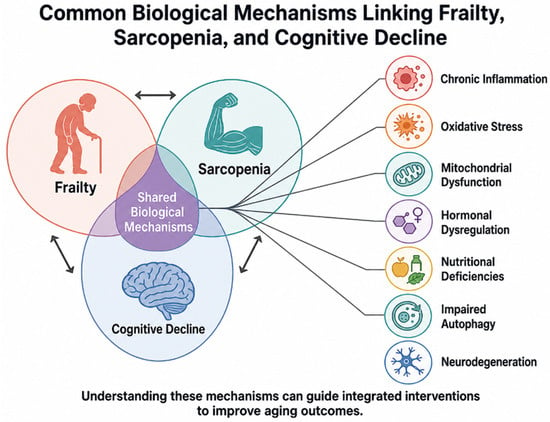
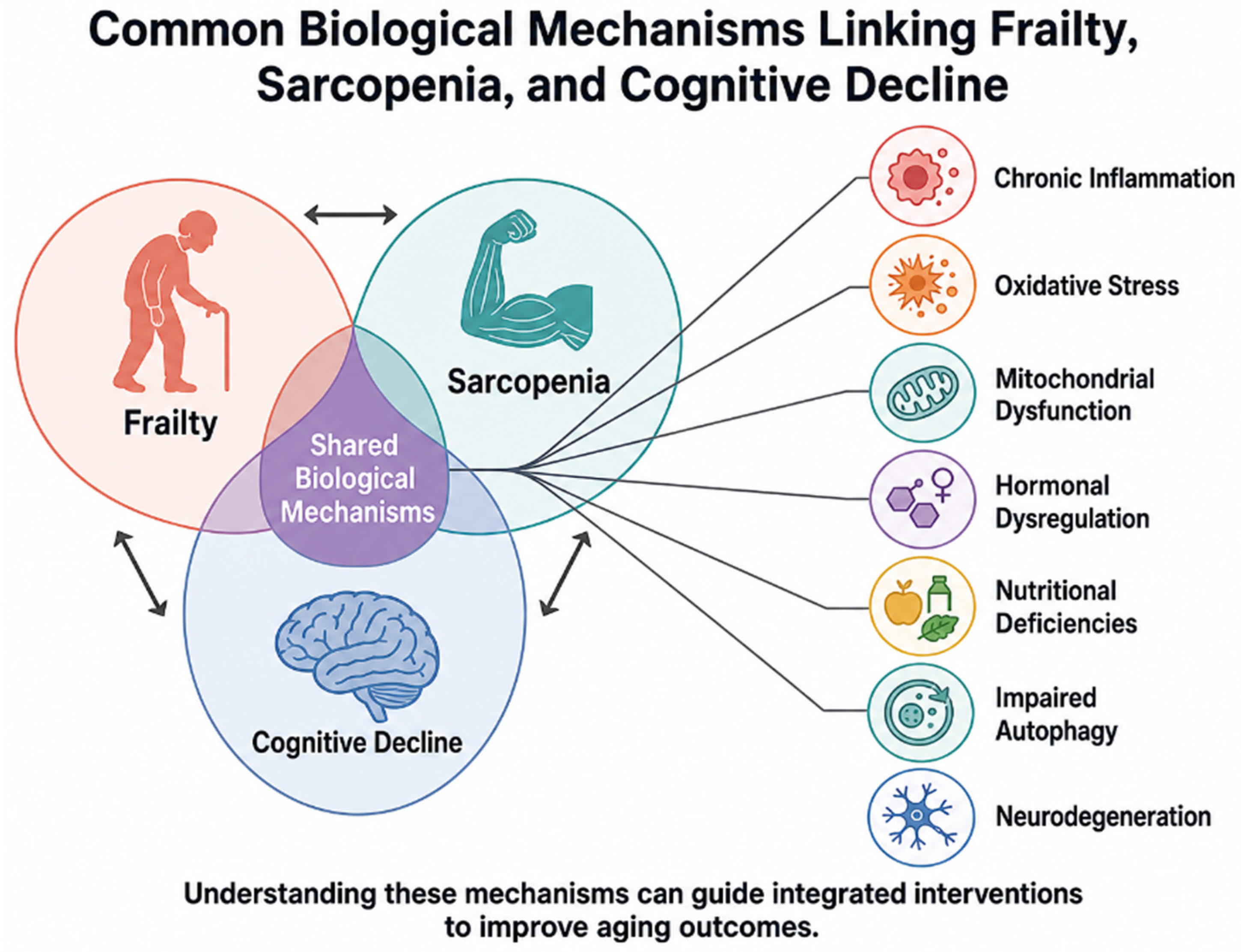
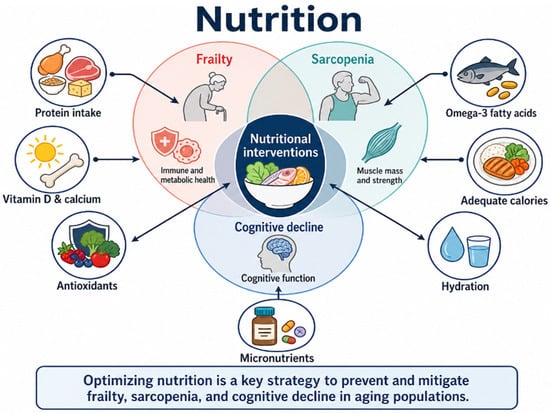
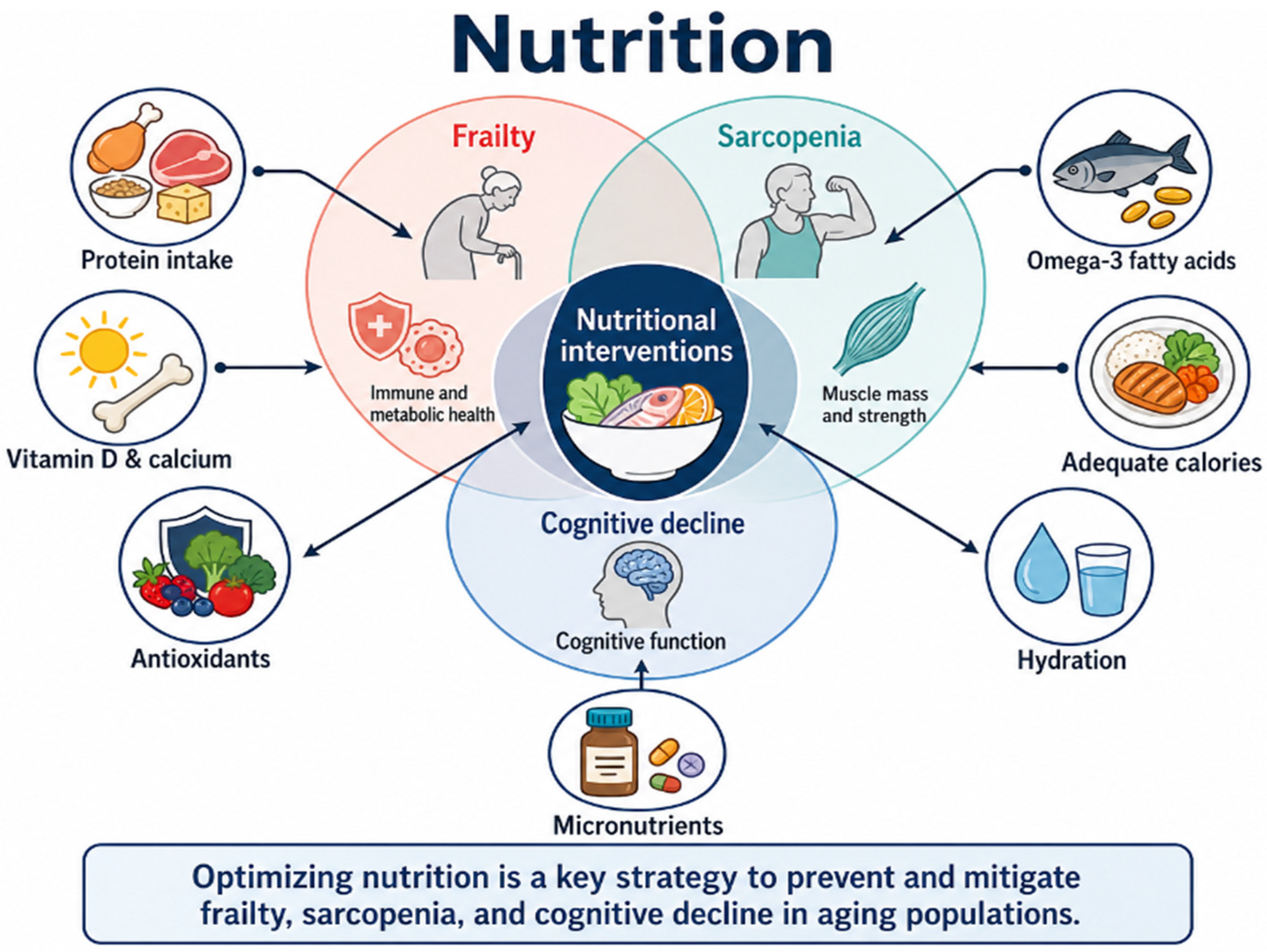
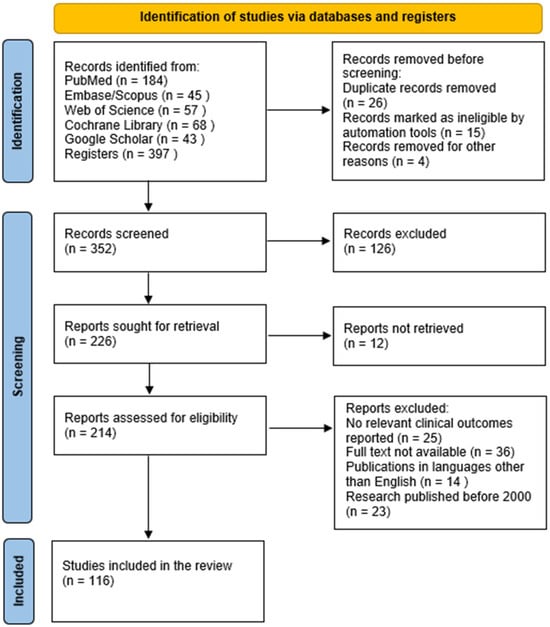
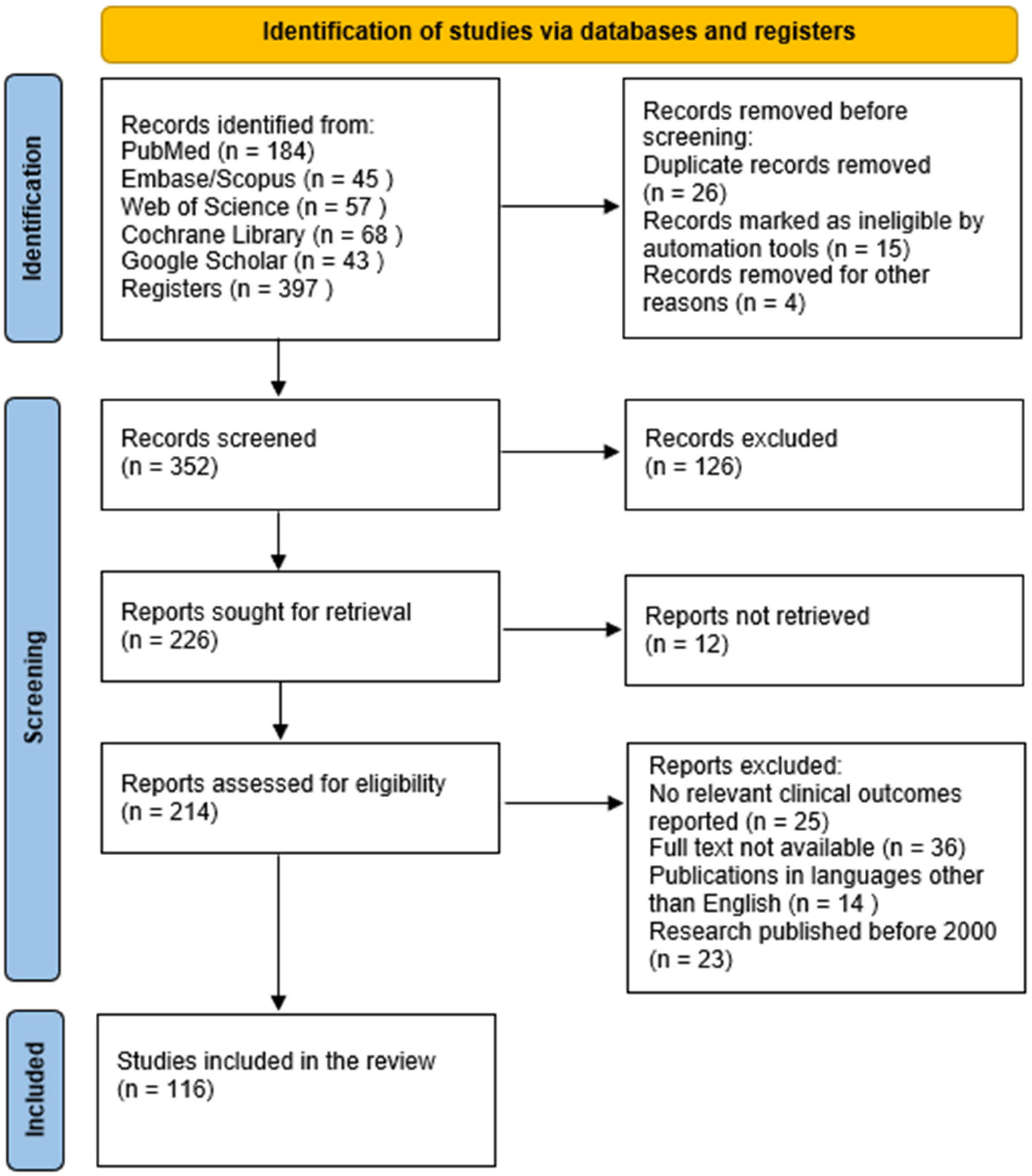
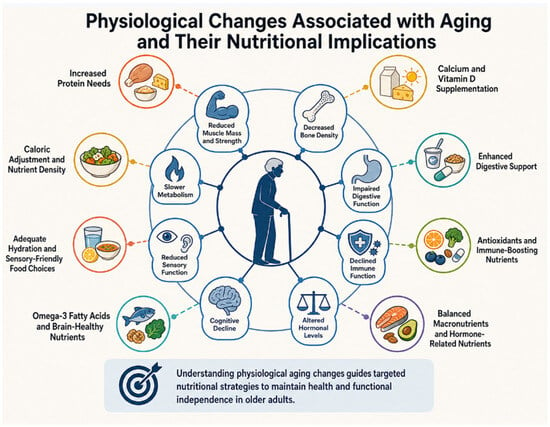
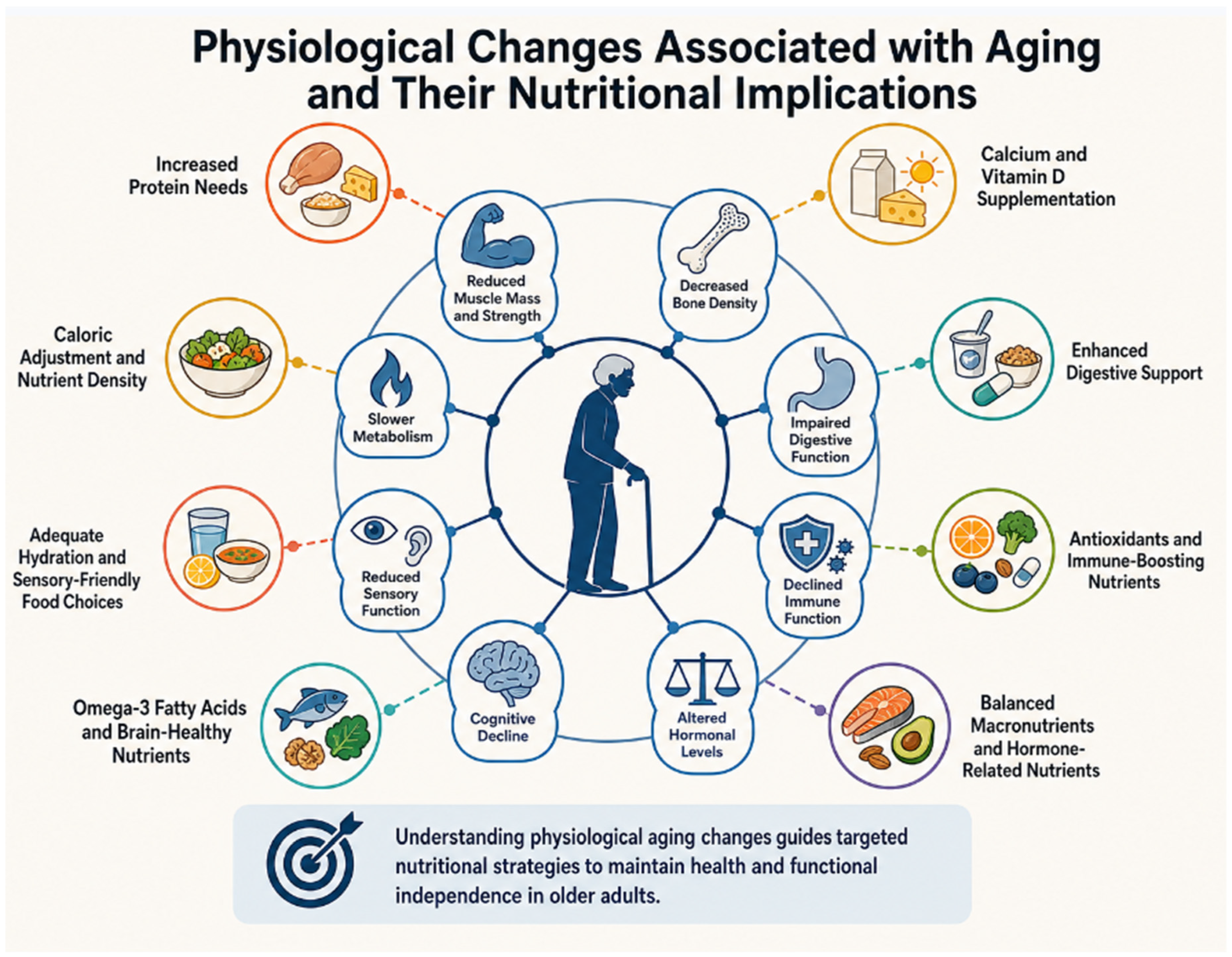
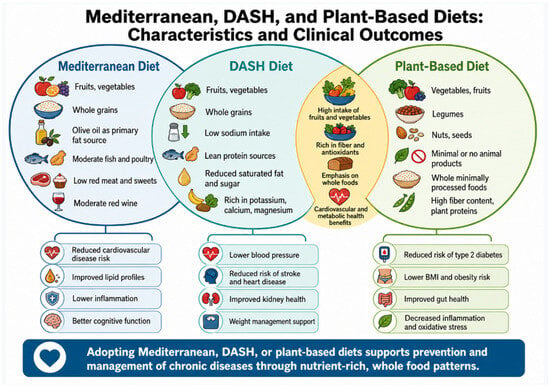
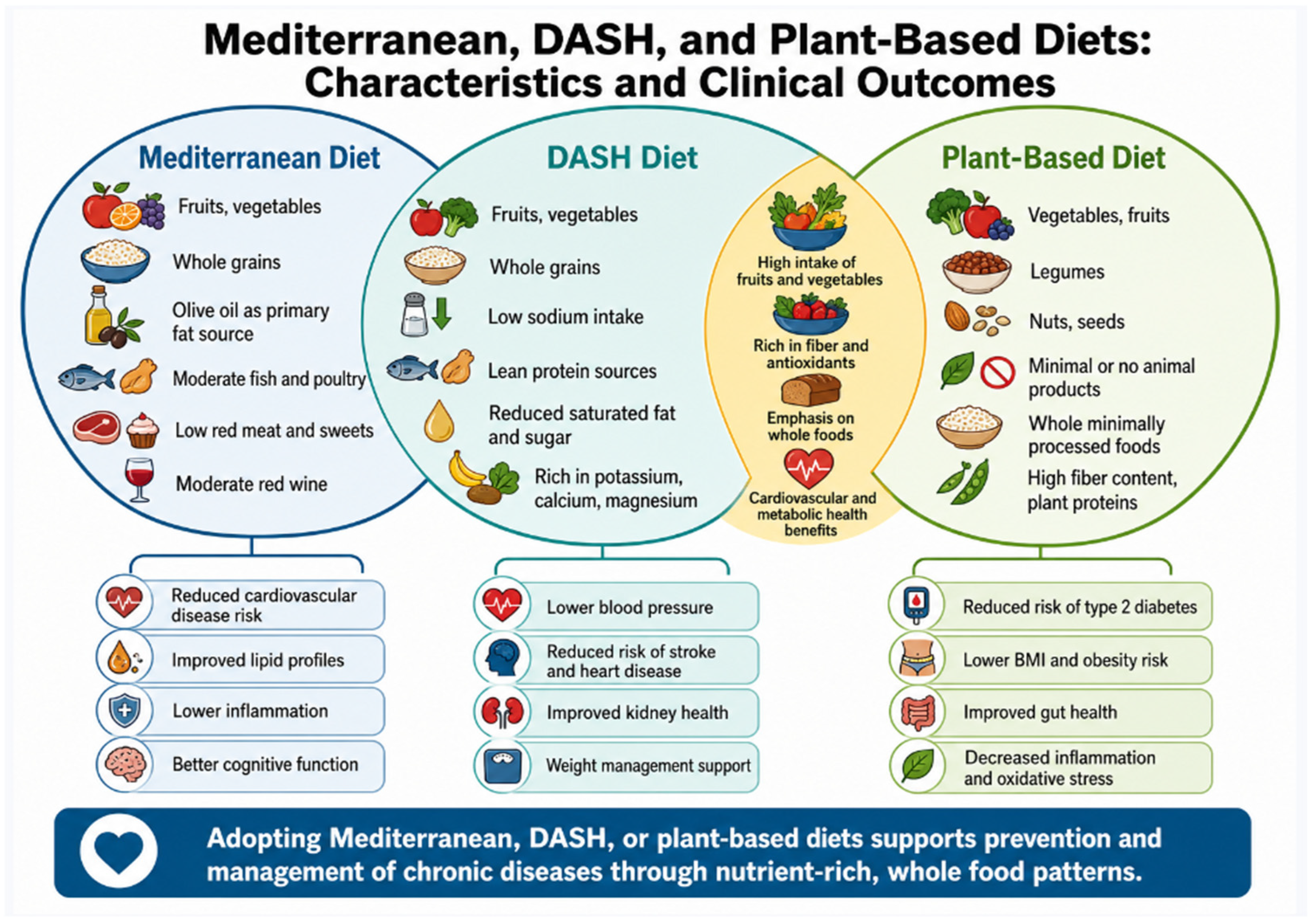
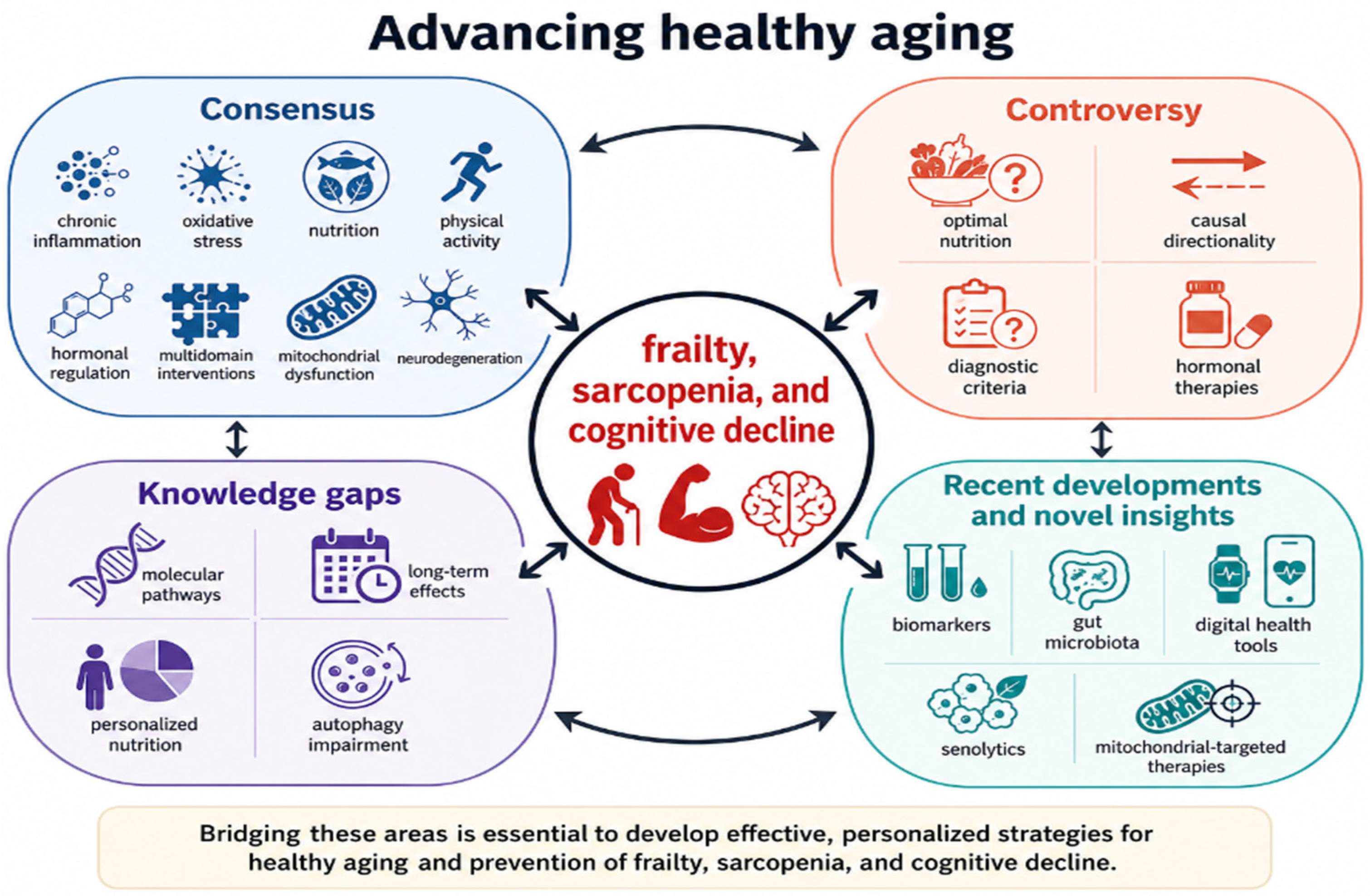

Disclaimer/Publisher’s Note: The statements, opinions and data contained in all publications are solely those of the individual author(s) and contributor(s) and not of MDPI and/or the editor(s). MDPI and/or the editor(s) disclaim responsibility for any injury to people or property resulting from any ideas, methods, instructions or products referred to in the content. |
© 2026 by the authors. Licensee MDPI, Basel, Switzerland. This article is an open access article distributed under the terms and conditions of the Creative Commons Attribution (CC BY) license.