



Next Issue
Volume 13, May
Previous Issue
Volume 13, March


Vet. Sci., Volume 13, Issue 4 (April 2026) – 100 articles
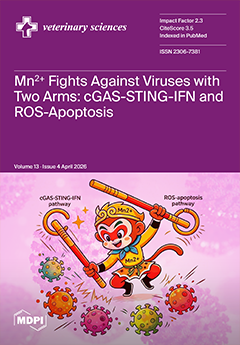
Cover Story (view full-size image): Manganese ions (Mn2+) are an important trace element that can activate innate immunity and inhibit viral infections. Here, we used porcine alveolar macrophages and gene-knockout cells to explore antiviral pathways of Mn2+. We found that the cGAS-STING pathway is required for Mn2+ to induce IFN antiviral signaling but not essential for its antiviral activity. Even in STING-deficient cells, Mn2+ still suppressed HSV-1 and VSV replications. This study demonstrates that Mn2+ inhibits viruses not only through the cGAS-STING-IFN pathway but also through the ROS-apoptosis pathway, revealing two arms with which Mn2+ combats virus infections. View this paper
  • Issues are regarded as officially published after their release is announced to the table of contents alert mailing list.
  • You may sign up for e-mail alerts to receive table of contents of newly released issues.
  • PDF is the official format for papers published in both, html and pdf forms. To view the papers in pdf format, click on the "PDF Full-text" link, and use the free Adobe Reader to open them.
Order results
Result details
Section
Select all
Export citation of selected articles as:
14 pages, 1116 KB  
Article
Genetic Diversity and Population Structure Analysis of Seven Duck Populations of Bangladesh Using Microsatellite Markers
by Pranto Saha, Krishna Chandra Barman, Minjun Kim, Dongwon Seo, Md. Munir Hossain, Seung Hwan Lee, Md Azizul Haque and Mohammad Shamsul Alam Bhuiyan
Vet. Sci. 2026, 13(4), 407; https://doi.org/10.3390/vetsci13040407 - 21 Apr 2026
Viewed by 920
Abstract
The objectives of this paper were to assess the genetic diversity, population structure, genetic differentiation, and phylogenetic relationships among seven duck populations using 14 microsatellite (MS) markers. This paper included 176 individuals representing seven duck populations of Bangladesh: indigenous duck (BLD), Nageswari (NAG), [...] Read more.
The objectives of this paper were to assess the genetic diversity, population structure, genetic differentiation, and phylogenetic relationships among seven duck populations using 14 microsatellite (MS) markers. This paper included 176 individuals representing seven duck populations of Bangladesh: indigenous duck (BLD), Nageswari (NAG), Rupali (RUP), Jinding (JIN), Pekin (PEK), BAU Black and White (BWC), and BAU White (WHC). A total of 133 alleles were observed with a mean of 9.50 alleles per locus. Genetic diversity was evaluated using measures such as allele frequency, observed and expected heterozygosity, and Shannon’s information index with average values of 5.44 ± 0.31, 0.59 ± 0.02, 0.64 ± 0.02, and 1.28 ± 0.05, respectively. Population differentiation and inbreeding analysis (F-statistics) indicated moderate genetic diversity and a slight degree of inbreeding across populations. Analysis of molecular variance indicated that 75% of the total genetic diversity was attributable to the within-population variation, whereas 9% and 16% were attributed to the variation among individuals and population differentiation, respectively. Indigenous duck populations (BLD, NAG, and RUP) had a close genetic relationship with JIN ducks and an intermediate relationship with two crossbreds (BWC and WHC), and the highest genetic distance was observed with PEK ducks. Neighbor-joining phylogenetic analysis revealed that the Bangladeshi indigenous duck populations formed a single cluster, while the two crossbreds (BWC and WHC) and PEK exhibited their distinct genetic identities in separate clusters. Furthermore, structure analysis at K = 2 to 5 confirmed the distinct genetic architecture (ΔK = 4.00) of the studied duck populations. This paper provides important insights into genetic diversity measures and population differentiation that will be helpful in future genetic improvement, conservation initiatives, and the design of appropriate breeding programs. Full article
Show Figures

Figure 1

18 pages, 3783 KB  
Article
Dual Immunomodulatory and Anti-Virulence Mechanisms of Curcumin Against Salmonella enterica Infection in Broilers: An Integrated Network Pharmacology and Molecular Docking Study
by Muhammad Jabbar, Mohamed Tharwat, Muhammad Younus, Muhammad Tariq, Abdallah A. Mousa and Saleh Alkhedhairi
Vet. Sci. 2026, 13(4), 406; https://doi.org/10.3390/vetsci13040406 - 20 Apr 2026
Viewed by 965
Abstract
Salmonella enterica infection remains a major threat to poultry health and food safety, largely due to its ability to invade the intestinal epithelium, modulate host immunity, and persist intracellularly. Curcumin, a bioactive phytochemical, has shown promising antimicrobial and immunomodulatory potential; however, its [...] Read more.
Salmonella enterica infection remains a major threat to poultry health and food safety, largely due to its ability to invade the intestinal epithelium, modulate host immunity, and persist intracellularly. Curcumin, a bioactive phytochemical, has shown promising antimicrobial and immunomodulatory potential; however, its precise molecular interplay with host and pathogen systems remains unclear. An integrated computational pipeline was applied, combining target prediction, host immune network construction, Salmonella virulence interaction analysis, STRING-based PPI mapping, KEGG/GO enrichment, and molecular docking validation. Host immune hub genes and Salmonella virulence regulators were identified, followed by docking of curcumin to key host (AKT1, STAT3, TNF) and pathogen proteins (invA, phoP, ssrB). Host network analysis revealed enrichment in the PI3K–AKT, NF-κB, FoxO, and IL-10 signaling pathways, indicating roles in epithelial protection, immune regulation, inflammation suppression, and antioxidant defense. Salmonella virulence hubs were primarily associated with epithelial invasion, Type III secretion, intracellular survival, and global virulence reg-ulation. Docking analysis demonstrated a strong binding affinity of curcumin toward AKT1 (−7.4 kcal/mol), STAT3 (−6.5 kcal/mol) and TNF (−5.8 kcal/mol), supporting host immunomodulation and epithelial protection. Simultaneously, curcumin showed notable affinity for phoP (−6.8 kcal/mol), invA (−6.3 kcal/mol), and ssrB (−5.8 kcal/mol), suggesting the potential suppression of virulence signaling, invasion machinery, and intracellular persistence. This integrated host–pathogen systems analysis demonstrates that curcumin exerts a dual regulatory effect by enhancing host immune protection while concurrently disrupting Salmonella virulence mechanisms. These findings provide mechanistic insight supporting curcumin as a promising natural therapeutic candidate for controlling Salmonella infection in broilers. Full article
(This article belongs to the Topic Advances in Infectious and Parasitic Diseases of Animals)
Show Figures

Graphical abstract

19 pages, 36134 KB  
Article
Chronic Heat Stress Is Associated with Brain Injury, Blood–Brain Barrier Impairment, and Neuroinflammatory Gene Expression in Broilers
by Siliang Feng, Chenyang Zhou, Yajin Tie, Zhanqin Zhao, Mengyun Li and Lifang Si
Vet. Sci. 2026, 13(4), 405; https://doi.org/10.3390/vetsci13040405 - 20 Apr 2026
Viewed by 804
Abstract
This study investigated the effects of chronic heat stress (HS) on brain injury in broilers and the associated molecular changes. A chronic HS model was established by exposing broilers to 35 °C from 08:00 to 20:00 daily from 21 to 42 days of [...] Read more.
This study investigated the effects of chronic heat stress (HS) on brain injury in broilers and the associated molecular changes. A chronic HS model was established by exposing broilers to 35 °C from 08:00 to 20:00 daily from 21 to 42 days of age, and samples were collected at 28, 35, and 42 days of age. Chronic HS significantly impaired growth performance and was associated with histopathological and ultrastructural alterations in brain tissue. Serum antioxidant enzyme activities and the total antioxidant capacity were significantly reduced, whereas malondialdehyde levels were significantly increased, indicating sustained oxidative stress (OS). Blood–brain barrier (BBB) permeability, assessed by Evans blue extravasation, was significantly higher in HS birds and was accompanied by reduced mRNA expression of the tight junction-related genes ZO-1 and Claudin-5. In addition, chronic HS was associated with increased mRNA expression in genes related to cellular stress, oxidative stress, and inflammation, including key components of the TLR4/MyD88/NF-κB/NLRP3 pathway, as well as decreased expression of IL-4. These findings suggest that chronic HS is associated with enhanced OS, altered neuroinflammatory gene expression, and BBB impairment in the broiler brain. Overall, this study provides evidence that chronic HS is associated with brain injury in broilers and highlights a potential link among OS, inflammation-related transcriptional changes, and BBB dysfunction, thereby offering a basis for further mechanistic and interventional studies. Full article
(This article belongs to the Special Issue Innovative Strategies to Mitigate Heat Stress in Livestock Production)
Show Figures

Figure 1

16 pages, 9505 KB  
Article
Extraction of Kinematic Parameters and Comparative Study of Endurance Levels in Mongolian Horses
by Yakai Shen, Lide Su, Yong Zhang, Jin Liu, Zhihao Zhang and Shun Zhang
Vet. Sci. 2026, 13(4), 404; https://doi.org/10.3390/vetsci13040404 - 20 Apr 2026
Viewed by 524
Abstract
Mongolian horses are an indigenous Chinese breed known for their endurance capacity, yet quantitative descriptions of their gait-related kinematic characteristics remain limited. This pilot exploratory study aimed to describe the kinematics of Mongolian horses during walk, slow trot, and fast trot, and to [...] Read more.
Mongolian horses are an indigenous Chinese breed known for their endurance capacity, yet quantitative descriptions of their gait-related kinematic characteristics remain limited. This pilot exploratory study aimed to describe the kinematics of Mongolian horses during walk, slow trot, and fast trot, and to examine whether selected variables differed between race-result groups in a 12 km endurance race. Forty-six horses were classified into an excellent group and an ordinary group based on the result of a single race. Kinematic data were collected using optical motion capture and three-dimensional skeletal modelling. Separate gait-specific linear mixed-effects models were fitted, with horse identity as a random effect and group and speed as fixed effects. The results showed gait-dependent between-group differences. During walk, the excellent group had significantly greater range of motion of the tarsal, hip, and elbow joints, as well as a greater maximum forelimb retraction angle (all p < 0.001). During slow trot, the excellent group showed significantly greater stride length (p = 0.009), elbow joint range of motion (p < 0.001), minimum hindlimb forward extension angle (p = 0.033), and minimum forelimb forward extension angle (p = 0.004). During fast trot, the between-group differences were most pronounced, with significantly greater stride length (p < 0.001) and range of motion of the tarsal joint (p < 0.001), hip joint (p = 0.015), and elbow joint (p = 0.014), together with greater maximum hindlimb retraction angle (p = 0.001) and minimum forelimb forward extension angle (p = 0.026). Overall, these findings provide preliminary evidence that gait-related kinematic differences may exist between race-result groups in Mongolian horses. However, because this was an exploratory study based on a single race, the findings should be interpreted cautiously and require validation in larger and more diverse cohorts. Full article
Show Figures

Figure 1

21 pages, 1400 KB  
Systematic Review
Some of the Newest Therapeutic Methods in Canine Atopic Dermatitis
by Constantin-Cătălin Mazilu, Anamaria-Hortensia Strichea and Gheorghe Solcan
Vet. Sci. 2026, 13(4), 403; https://doi.org/10.3390/vetsci13040403 - 20 Apr 2026
Viewed by 2541
Abstract
Canine atopic dermatitis is a hereditary chronic inflammatory and pruritic skin disease, which is mediated by T cells and requires long-term, individualized management. In recent years, numerous studies have described a wide range of therapeutic approaches for canine atopic dermatitis, including fast-acting symptomatic [...] Read more.
Canine atopic dermatitis is a hereditary chronic inflammatory and pruritic skin disease, which is mediated by T cells and requires long-term, individualized management. In recent years, numerous studies have described a wide range of therapeutic approaches for canine atopic dermatitis, including fast-acting symptomatic treatments, long-term immune-modulating interventions, and strategies to support skin barrier function and microbial balance. This review summarizes the principal treatment modalities currently available, including glucocorticoids, cyclosporine A, mycophenolate, Janus kinase inhibitors, lokivetmab, and allergen-specific immunotherapy, as well as complementary strategies aimed at restoring skin barrier integrity. Emphasis is placed on the importance of a multimodal and personalized approach to optimize long-term disease control and improve quality of life in affected dogs. Providing an integrated overview of current evidence, this article aims to guide clinicians in making informed, evidence-based decisions and to support the safe and effective management of canine atopic dermatitis. Full article
(This article belongs to the Special Issue Research in Small Animal Clinical Dermatology)
Show Figures

Figure 1

15 pages, 2256 KB  
Article
Diagnostic Significance of Renal Artery Resistive Index (RRI), Caudal Vena Cava Diameter (CVC), and Aorta (Ao) in Dogs with Hypovolemia
by Ghada Ashraf, Mohamed Marzok, Sabry El-khodery, Al Mohamad Zakriya, Adel Almubarak, Mohammed Albaloushi and Mohamed Ali
Vet. Sci. 2026, 13(4), 402; https://doi.org/10.3390/vetsci13040402 - 19 Apr 2026
Viewed by 961
Abstract
Hypovolemia is a systemic state characterized by severe reduction in the effective blood volume with subsequent tissue hypoperfusion. It may be due to fluid loss, decreased water intake, fluid redistribution, or systemic disease. The present study aimed to evaluate the diagnostic significance of [...] Read more.
Hypovolemia is a systemic state characterized by severe reduction in the effective blood volume with subsequent tissue hypoperfusion. It may be due to fluid loss, decreased water intake, fluid redistribution, or systemic disease. The present study aimed to evaluate the diagnostic significance of the renal artery resistive index (RRI), caudal vena cava (CVC) diameter, and aorta (Ao) diameter in dogs with hypovolemia. For this purpose, 30 dogs (hypovolemic, n = 15; control, n = 15) were investigated. Clinical variables and hematological findings were investigated for each dog. Pulsed-wave Doppler ultrasound was performed to measure the RRI and diameters of the CVC and Ao. Ultrasound examination revealed a markedly elevated RRI (p < 0.001) and significantly reduced CVC (p < 0.001) and Ao (p < 0.001) diameters in hypovolemic dogs compared to controls, reflecting increased vascular resistance and impaired venous return. Biochemical analysis showed significant increases in blood urea nitrogen (BUN) and BUN:Cr ratio, while Cr remained unchanged. Hematological variables demonstrated limited diagnostic value, with only mild increases in packed cell volume (PCV%). Correlation analysis confirmed a strong positive correlation between RRI and BUN (r = 0.917; p < 0.01), RRI and BUN:Cr ratio (r = 0.664; p < 0.01), and CVC and Ao diameters (r = 0.832; p < 0.05). Receiver operating characteristic (ROC) analysis with area under the curve (AUC) identified RRI (AUC = 0.99), CVC diameter (AUC = 0.93), and Ao diameter (AUC = 0.88) as highly accurate markers of hypovolemia, whereas the CVC:Ao ratio and hematological markers provided poor discrimination. Logistic regression confirmed significant diagnostic value for RRI, CVC diameter, Ao diameter, and BUN, but final multivariate analysis revealed RRI as the sole independent early diagnostic marker (p < 0.001; OR: 196.0; 95% CI: 11.12–34.72). In conclusion, RRI measured by Doppler ultrasound is the most reliable and sensitive early diagnostic marker for hypovolemia in dogs, outperforming conventional biochemical and hematological markers. Full article
Show Figures

Figure 1

21 pages, 3845 KB  
Article
Genomic and Pathogenic Characterization of a Novel Capsule-Deficient Neonatal Meningitis-Associated Escherichia coli from Calves
by Jinchun Cai, Borui Qi, Jingjing Ren, Shuzhu Cao, Yongjian Li, Keshuang Li, Mengying Du, Shilei Zhang, Lin Yang, Yongjie Wang and Yayin Qi
Vet. Sci. 2026, 13(4), 401; https://doi.org/10.3390/vetsci13040401 - 19 Apr 2026
Viewed by 686
Abstract
Neonatal meningitis-associated Escherichia coli (NMEC) is a formidable pathogen in veterinary medicine. The emergence of atypical, multidrug-resistant (MDR) variants complicates disease control. An Escherichia coli (E. coli) strain was isolated from the brain tissue of a deceased calf with acute meningitis. [...] Read more.
Neonatal meningitis-associated Escherichia coli (NMEC) is a formidable pathogen in veterinary medicine. The emergence of atypical, multidrug-resistant (MDR) variants complicates disease control. An Escherichia coli (E. coli) strain was isolated from the brain tissue of a deceased calf with acute meningitis. Comprehensive characterizations were performed, including whole-genome sequencing (WGS), multi-locus sequence typing (MLST), antimicrobial susceptibility testing (AST), murine pathogenicity assays, and RT-qPCR evaluation of neuroinflammatory cytokines. Results: The isolate (O18ab:H14) was identified as a capsule-deficient NMEC strain belonging to phylogroup A and sequence type ST1434. WGS showed that the genome size of this strain is 5.1 Mb, containing 73 strictly defined antimicrobial resistance genes and 202 virulence factors. These may be involved in the compensatory mechanism for capsule deficiency, and further functional verification is required. Phenotypically, it exhibited a robust MDR profile. In the murine model, the strain demonstrated high lethality, and induced severe multi-organ lesions characteristic of both meningitis and systemic sepsis. While intraperitoneal injection bypasses natural colonization routes, the brain-specific bacterial persistence and neuronal pathology imply neurotropic potential. Furthermore, RT-qPCR confirmed a severe neuroinflammatory response, marked by the significant upregulation of IL-1β, IL-6, and TNF-α in the infected brains. This study characterizes a novel, highly virulent, and MDR capsule-deficient NMEC/SEPEC hybrid strain. The findings emphasize the urgent need for continuous genomic surveillance of atypical E. coli pathotypes in livestock. Full article
Show Figures

Figure 1

16 pages, 1297 KB  
Article
Oxidative Stress Markers in the Common Bream Abramis brama Parasitized with Ligula intestinalis
by Nadezhda P. Kantserova, Irina V. Sukhovskaya, Albina A. Tsekova, Daria I. Lebedeva and Liudmila A. Lysenko
Vet. Sci. 2026, 13(4), 400; https://doi.org/10.3390/vetsci13040400 - 19 Apr 2026
Viewed by 660
Abstract
The present study investigated the effect of Ligula intestinalis L. infection on several components of the antioxidant system and on protein oxidation in the host fish, common bream Abramis brama L. In ligulosed bream, the hepatopancreatic antioxidant system response included a decrease in [...] Read more.
The present study investigated the effect of Ligula intestinalis L. infection on several components of the antioxidant system and on protein oxidation in the host fish, common bream Abramis brama L. In ligulosed bream, the hepatopancreatic antioxidant system response included a decrease in catalase (CAT) activity, an increase in glutathione S-transferase (GST) activity, and no change in superoxide dismutase (SOD) activity. The contents of molecular antioxidants in the organs of infected bream were inconsistent; for instance, hepatopancreatic α-tocopherol content was significantly lower, whereas retinol content was significantly higher than in uninfected individuals. In contrast, no significant differences were found in the α-tocopherol or retinol content in the skeletal muscles of infected and uninfected fish. The protein oxidation, estimated via protein carbonyl content, was unaffected by ligulosis, as was the activity of proteasomes. However, the activity of calpain, another protease, was significantly higher in the skeletal muscle of infected fish. Overall, the data reveal moderate and tissue-specific alterations in oxidative stress markers in A. brama infected with L. intestinalis, suggesting a complex host–parasite interaction that does not result in severe systemic oxidative damage under the studied conditions. Full article
(This article belongs to the Special Issue Advances in Aquatic Animal Diseases)
Show Figures

Figure 1

25 pages, 2431 KB  
Article
Multimodal Topical Formulations Combining Synthetic Anti-Inflammatory Agents, Levofloxacin, and Plant Extracts for Veterinary Wound and Inflammation Care: In Vivo Efficacy
by Maria-Teodora Pițuru, Marina Ionela Nedea, Miruna Maria Apetroaei-Leucă, Dana Tăpăloagă, Andreea Letiția Arsene, Denisa Ioana Udeanu, Cosmin Șonea, Bruno Ștefan Velescu, Tudor Ion Năstasescu and Constantin Vlăgioiu
Vet. Sci. 2026, 13(4), 399; https://doi.org/10.3390/vetsci13040399 - 19 Apr 2026
Viewed by 795
Abstract
Skin wound management in veterinary medicine requires therapies able to control inflammation, limit microbial burden, and support tissue repair. This study evaluated the anti-inflammatory, wound-healing, and immunomodulatory effects of four novel topical formulations combining synthetic anti-inflammatory drugs, antibiotics, and plant extracts in rat [...] Read more.
Skin wound management in veterinary medicine requires therapies able to control inflammation, limit microbial burden, and support tissue repair. This study evaluated the anti-inflammatory, wound-healing, and immunomodulatory effects of four novel topical formulations combining synthetic anti-inflammatory drugs, antibiotics, and plant extracts in rat experimental models. Burn injury was induced in male Wistar rats for wound-healing assessment, while kaolin- and dextran-induced paw edema models were used to assess anti-inflammatory activity. The tested formulations were meloxicam, dexamethasone, and levofloxacin; thyme extract with meloxicam and dexamethasone; burdock extract with dexamethasone and levofloxacin; and thyme extract combined with burdock extract. Wound evolution was monitored macroscopically, edema was quantified by plethysmometry, and selected inflammatory mediators were measured by immunoassay. In the burn model, the thyme-containing formulation with meloxicam and dexamethasone, and the thyme–burdock formulation, achieved complete wound closure by the end of follow-up, whereas the reference product did not. In the acute inflammation models, all innovative formulations significantly reduced edema at the main early time points compared with the negative control and outperformed the reference product. The thyme–burdock formulation also showed the most favorable immunomodulatory profile, including normalization of interleukin-10 and marked reduction in interleukin-1 beta in both models. These results support the potential of multi-component topical formulations, particularly plant extract-based combinations, as promising candidates for veterinary wound care. Full article
Show Figures

Figure 1

24 pages, 1243 KB  
Review
Bovine Spongiform Encephalopathy: An Integrated Review of Prion Mechanisms, Neuroanatomy, and Control
by Giovanna Pires Marzola, Rodrigo Paolo Flores Abuna, Lucas de Assis Ribeiro, João Paulo Ruiz Lucio de Lima Parra, Matheus Henrique Hermínio Garcia, Sandra Maria Barbalho and Maria Angélica Miglino
Vet. Sci. 2026, 13(4), 398; https://doi.org/10.3390/vetsci13040398 - 18 Apr 2026
Viewed by 1242
Abstract
Bovine spongiform encephalopathy (BSE) is a fatal transmissible spongiform encephalopathy caused by the misfolding of the host prion protein (PrP), representing a unique intersection between molecular pathology, neuroanatomy, and public health regulation. Although historically framed as a single feedborne epizootic, BSE is now [...] Read more.
Bovine spongiform encephalopathy (BSE) is a fatal transmissible spongiform encephalopathy caused by the misfolding of the host prion protein (PrP), representing a unique intersection between molecular pathology, neuroanatomy, and public health regulation. Although historically framed as a single feedborne epizootic, BSE is now recognized as a spectrum of strain-defined prion disorders encompassing classical and atypical forms with distinct origins, neuroanatomical trajectories, and surveillance implications. This review integrates advances in prion biology, neurodegenerative mechanisms, and anatomical pathways of neuroinvasion to reframe BSE as a heterogeneous disease entity. We synthesize evidence on PrP^C structure, trafficking, and proteolytic processing to explain how normal cellular physiology enables strain-specific conversion to pathogenic PrP^Sc and subsequent neurotoxicity. Distinct patterns of neuroinvasion and regional vulnerability are discussed for classical versus atypical (H- and L-type) BSE, highlighting differences in lymphoid involvement, brainstem targeting, and cortical or cerebellar tropism. We further examine how these biological differences translate into diagnostic sensitivity, surveillance design, and zoonotic risk assessment. By integrating molecular strain diversity with neuroanatomical connectivity, this review underscores the limitations of obex-centered surveillance for atypical BSE and emphasizes the need for proportionate yet precautionary monitoring strategies. These considerations should be interpreted in light of surveillance-dependent detection biases, which influence the apparent distribution of BSE forms. Ultimately, BSE emerges as a critical model for understanding how protein misfolding disorders bridge cellular mechanisms, animal health, and human public health policy. Full article
(This article belongs to the Special Issue Exploring Innovative Approaches in Veterinary Health)
Show Figures

Figure 1

16 pages, 964 KB  
Article
Benefits of Utilization of Hydroxy–Methionine in Diets of Finishing Pigs Raised Under Hot Environmental Conditions
by Caio Abércio da Silva, Cleandro Pazinato Dias, Marco Aurélio Callegari, Kelly Lais de Souza, José Henrique Barbi, Naiara Simarro Fagundes and Rafael Humberto de Carvalho
Vet. Sci. 2026, 13(4), 397; https://doi.org/10.3390/vetsci13040397 - 18 Apr 2026
Viewed by 784
Abstract
This study evaluated the effects of DL-methionine (DL-Met) and hydroxy–methionine (OH-Met) on the performance and meat quality of finishing pigs raised under intermittent hot environmental conditions. A total of 120 pigs (PIC337 × Camborough; 63.26 ± 4.49 kg initial body weight) were assigned [...] Read more.
This study evaluated the effects of DL-methionine (DL-Met) and hydroxy–methionine (OH-Met) on the performance and meat quality of finishing pigs raised under intermittent hot environmental conditions. A total of 120 pigs (PIC337 × Camborough; 63.26 ± 4.49 kg initial body weight) were assigned to two dietary treatments in a randomized block design. Growth performance, carcass traits, and physicochemical meat parameters were assessed during the finishing period. Overall performance and carcass characteristics did not differ between treatments (p > 0.05). However, during finishing phase II (141–168 days), pigs fed OH-Met showed higher average daily gain (ADG; 1.027 vs. 0.957 kg/day; p < 0.05) and improved feed conversion ratio (FCR; 2.862 vs. 3.028; p < 0.05) compared with DL-Met. Meat from pigs receiving OH-Met presented a higher pH at 24 h postmortem (5.78 vs. 5.63; p = 0.022) and reduced water loss by pressure (26.14% vs. 28.78%; p = 0.047). No differences were detected for backfat thickness, longissimus dorsi depth, lean percentage, color parameters, or lipid oxidation (TBARS) (p > 0.05). In conclusion, under intermittent heat stress conditions during the late-finishing phase, diets formulated with OH-Met resulted in improved growth efficiency and reduced meat water loss compared with DL-Met diets. Full article
Show Figures

Figure 1

18 pages, 4693 KB  
Article
Mn2+-Mediated Antiviral Activity Through Both the cGAS-STING-IFN and ROS-Apoptosis Pathways in Porcine Alveolar Macrophage Cells
by Wanglong Zheng, Yajing Chang, Anjing Liu, Chenyang Zhang, Weilin Hao, Tianna Chen, Qing Lu, Zhiyu Wang, Wei Wang, Nanhua Chen and Jianzhong Zhu
Vet. Sci. 2026, 13(4), 396; https://doi.org/10.3390/vetsci13040396 - 17 Apr 2026
Viewed by 547
Abstract
Manganese ions (Mn2+) are an essential trace element within organisms spanning the entire tree of life. It has reported that Mn2+ exerts strong immunocompetence effects and exhibits antiviral effects against various human and animal viruses, including DNA and RNA viruses. [...] Read more.
Manganese ions (Mn2+) are an essential trace element within organisms spanning the entire tree of life. It has reported that Mn2+ exerts strong immunocompetence effects and exhibits antiviral effects against various human and animal viruses, including DNA and RNA viruses. Recently, Mn2+ has been found to be involved in the activation of the innate immune DNA-sensing cyclic GMP-AMP synthase (cGAS) stimulator of interferon genes (STING) pathway and subsequent antiviral function. However, the antiviral mechanism of Mn2+ remains unclear. In the current study, the results suggest that the cGAS-STING pathway is essential for Mn2+ to promote interferon (IFN) signaling, but it is not essential for triggering antiviral functions. After knocking out the STING or interferon regulatory factor 3 (IRF3) gene, Mn2+ still retains its antiviral activity against herpes simplex virus type 1 (HSV-1) and vesicular stomatitis virus (VSV). Furthermore, the results from transcriptomic analysis indicate that Mn2+ can induce a significant change in the apoptotic process in STING/ 3D4/21 cells. Mn2+ can induce cell apoptosis through the oxidative stress pathway, and inhibiting the apoptotic signal could suppress Mn2+-mediated antiviral activity in STING/ 3D4/21 cells. Additionally, dual knockout of IRF3 and caspase3, resulting in concurrent loss of IFN and apoptotic signals, eliminates the antiviral effects of Mn2+. In summary, the current study suggests that Mn2+ could exert antiviral effects not only through the cGAS-STING-IFN pathway but also via the reactive oxygen species (ROS)-apoptosis pathway. Full article
Show Figures

Graphical abstract

15 pages, 695 KB  
Article
Physiological and Productive Impacts of Including Artificial Saliva in Lamb Diets: Growth, Carcass Traits, and Fermentation Efficiency
by Mutassim M. Abdelrahman, Ibrahim A. Alhidary, Gamaleldin M. Suliman, Mohsen M. Alobre, Mohammed M. Qaid, Faisal A. Alshamiry and Abdulkareem M. Matar
Vet. Sci. 2026, 13(4), 395; https://doi.org/10.3390/vetsci13040395 - 17 Apr 2026
Cited by 2 | Viewed by 569
Abstract
The intensive lamb rearing and finishing systems are usually based on nutritionally balanced concentrate-based rations. However, the inclusion of feed additives is often necessary to avoid possible disturbances of digestibility. Artificial saliva plays an important role in ruminal buffering, improving the digestibility of [...] Read more.
The intensive lamb rearing and finishing systems are usually based on nutritionally balanced concentrate-based rations. However, the inclusion of feed additives is often necessary to avoid possible disturbances of digestibility. Artificial saliva plays an important role in ruminal buffering, improving the digestibility of the feed under conditions where natural saliva production may be insufficient. The study aimed to evaluate the effects of dietary artificial saliva (AS) on the total mixed ration (TMR) on lambs’ growth performance, carcass characteristics and the efficacy of ruminal fermentation. Forty-five male Naemi lambs (mean body weight of 23 ± 1.8 kg) were randomly assigned to five experimental groups (n = 9 per group) and kept in complete confinement with water and adlibitum feeding. During the 84-day feeding period, animals received isonitrogenous and isoenergetic TMRs that vary in AS inclusion by level: T0 (0% AS), T2 (1.5% AS), T3 (3.0% AS), T4 (4.5% AS), and T5 (6% AS). No significant differences (p > 0.05) were observed in the overall performance parameters. However, lambs fed the control diet (0% AS) had a higher body weight (BW), average daily gain (ADG), and feed intake (FI) than those receiving AS supplementation (p < 0.01). Ruminal pH measured 3 h after feeding and at slaughter remained comparatively stable in lambs fed 3% and 4.5% AS treatments, whereas it declined to 5.21 in the control group. Dietary inclusion of AS at 4.5% significantly increased (p < 0.05 < 0.05) the molar proportions of butyric acid, iso-valeric acid, and valeric acid in ruminal fluid while other levels of artificial saliva were associated with reduced concentrations of volatile fatty acids (VFAs). In conclusion, AS effectively functioned as a buffering agent, enhancing dietary safety without adverse health effects. Full article
(This article belongs to the Section Veterinary Food Safety and Zoonosis)
Show Figures

Figure 1

23 pages, 318 KB  
Article
Farmer and Consumer Responses to African Swine Fever Outbreaks: Implications for Post-Outbreak Control and Eradication
by Chi Ma and Wenfei Zhang
Vet. Sci. 2026, 13(4), 394; https://doi.org/10.3390/vetsci13040394 - 17 Apr 2026
Viewed by 742
Abstract
African swine fever (ASF) remains a major challenge for global animal disease prevention and control. Public sentiment during ASF, along with farmer and consumer behavior, are underexplored factors in ASF control. This study examines how public sentiment influences farmers’ risk perceptions and consumers’ [...] Read more.
African swine fever (ASF) remains a major challenge for global animal disease prevention and control. Public sentiment during ASF, along with farmer and consumer behavior, are underexplored factors in ASF control. This study examines how public sentiment influences farmers’ risk perceptions and consumers’ behavioral responses, including consumption substitution intention and pork price expectations, and assesses the implications of these behaviors for disease control effectiveness. Using provincial panel data from China (June 2021–November 2022), sentiment analysis of 1.19 million Weibo posts, and a micro-level survey of 920 farmers, we combine panel regression, spatial econometric analysis, and micro-level behavioral evidence. Results show that public sentiment significantly elevates farmers’ risk perception, which may influence reporting decisions, marketing timing, and biosecurity investment, thereby increasing the complexity of surveillance and disease control. Sentiment intensifies substitution intentions and shapes pork price expectations, leading to reduced demand for formally marketed pork and potential shifts to lower-traceability or less-inspected channels. Spatial analysis indicates that the half-decay distance for amplifying ASF risk via sentiment is about 1300 km, providing parameters for cross-jurisdictional coordination. These findings support integrating socio-behavioral indicators into veterinary early warning systems and designing targeted disease risk communication under a broader One Health framework. Full article
(This article belongs to the Special Issue Advances in Post-Outbreak Control and Eradication of Swine Diseases)
18 pages, 8115 KB  
Article
First Complete Genome Sequencing of a Pigeonpox Virus Strain from Mainland China and Preliminary Evaluation of Its Attenuated Potential
by Yifan Zhu, Baolichen Zhang, Zhongshu Ji, Jingliang Su, Jianyu Chang and Kai Fan
Vet. Sci. 2026, 13(4), 393; https://doi.org/10.3390/vetsci13040393 - 17 Apr 2026
Viewed by 718
Abstract
Pigeonpox is a significant infectious disease caused by Pigeonpox virus (PPV), which severely impacts the pigeon industry. Current control methods primarily rely on heterologous vaccines, such as those derived from avian poxviruses, but their protection is limited, creating an urgent need for the [...] Read more.
Pigeonpox is a significant infectious disease caused by Pigeonpox virus (PPV), which severely impacts the pigeon industry. Current control methods primarily rely on heterologous vaccines, such as those derived from avian poxviruses, but their protection is limited, creating an urgent need for the development of a specific vaccine. In this study, 720 samples collected from several regions of China between 2022 and 2023 were tested for PPV, followed by virus isolation, identification, and genetic evolutionary analysis. Based on these findings, complete genome sequencing and attenuation of the representative BJ-02 isolate were conducted, and the potential of this strain as a candidate for an attenuated vaccine was preliminarily evaluated. The survey showed PCR positive rates of 9.05%, 16.11%, and 12.50% in samples from Beijing, Guangdong, and Hainan, respectively. Six viral strains were isolated, all of which produced typical lesions on chorioallantoic membranes (CAM) and chicken embryo fibroblasts (CEF). Phylogenetic analysis based on the P4b gene revealed that the six viruses clustered within the same evolutionary branch, closely related to PPV and penguinpox virus strains from South Africa, India, and Taiwan, China. Complete genome sequencing of the BJ-02 strain showed its genomic structure to be similar to that of other fowlpox viruses, with some differences. After serial passage in CAM, PEF and CEF, the BJ-02 SD55 high-passage strain adapted well to in vitro culture, exhibited significantly reduced pathogenicity in chicken embryos and pigeons, and showed no reversion to virulence after five consecutive back-passages. Animal immunization tests demonstrated that the BJ-02 SD55 suspected attenuated strain induced specific antibodies and provided 100% protection against challenge with the virulent strain. In conclusion, PPV is widely prevalent in China. The BJ-02 strain, successfully isolated and attenuated through serial passage, demonstrates excellent immunogenicity and high safety, making it a promising candidate for a specific pigeonpox vaccine. Additionally, the complete genome characterization of BJ-02 contributes to the avian poxvirus genome database and provides critical data to support research on viral pathogenesis and the development of viral vector vaccines for avian and potentially mammalian species. Full article
Show Figures

Figure 1

13 pages, 2658 KB  
Article
Chronic Psoroptes ovis Infestation Induces Testicular Degeneration and Submandibular Gland Hypertrophy in Rabbits (Oryctolagus cuniculus)
by María Fernanda González-Chávez, Guadalupe Arjona-Jiménez, Pablo Alejandro Bochicchio, Claudia Hallal-Calleros and Iván Flores-Pérez
Vet. Sci. 2026, 13(4), 392; https://doi.org/10.3390/vetsci13040392 - 17 Apr 2026
Viewed by 960
Abstract
Background: Psoroptic mange caused by Psoroptes ovis is the most common dermatological disease in rabbits; despite being an ectoparasite, in male rabbits P. ovis alters characteristic hormone-dependent behaviors like chinning and sexual behavior, also inducing a decrease in serum testosterone. Our goal was [...] Read more.
Background: Psoroptic mange caused by Psoroptes ovis is the most common dermatological disease in rabbits; despite being an ectoparasite, in male rabbits P. ovis alters characteristic hormone-dependent behaviors like chinning and sexual behavior, also inducing a decrease in serum testosterone. Our goal was to evaluate the effect of P. ovis infestation on the histomorphology of testicular and submandibular (chinning) gland tissues of infected rabbits. Methods: Glands were obtained from experimentally infested and healthy rabbits, processed for inclusion in paraffin and stained with hematoxylin-eosin. Results: Testicular degeneration and submandibular gland hypertrophy were observed. In the testes of infested rabbits, lumen area and perimeter, seminiferous tubule area, tubule perimeter and diameter, increased. Conversely, germinal epithelium thickness and Johnsen scores of spermatogenic scale decreased, indicating impaired spermatogenesis. In the submandibular gland, lumen area and perimeter, and the total duct area and perimeter were increased. In addition, the area and perimeter of the acini also increased, while the number of acini decreased, consistent with glandular hypertrophy. Conclusions: The acarosis markedly alters the morphometric characteristics of both tissues, highlighting that psoroptic mange exerts a systemic effect on reproduction of the host altering non-dermal tissues with key roles in male reproductive function and chemical communication. Full article
(This article belongs to the Special Issue Innovations in Small Animal Reproduction and Fertility Management)
Show Figures

Figure 1

14 pages, 2242 KB  
Article
Genetic Selection for Growth Rate Reshapes the Plasma Metabolome of Rabbit Does Derived from Vitrified Embryos: Insights into Nutrient Metabolism and Productive Efficiency
by Jorge Mateo-López, Alejandro Huertas-Herrera, Mónica Toro-Manríquez, Mette Skou Hedemann, César Cortés-García, Lola Llobat, Diego Páez-Rosas, María Cambra-López, Juan José Pascual and Pablo Jesús Marín-García
Vet. Sci. 2026, 13(4), 391; https://doi.org/10.3390/vetsci13040391 - 17 Apr 2026
Cited by 1 | Viewed by 889
Abstract
In response to the growing global demand for food, intensive genetic selection programs have been implemented to improve livestock efficiency and productivity. Understanding how such selection alters metabolism across nutritional stages is essential for optimizing feeding strategies. In this study, we examined the [...] Read more.
In response to the growing global demand for food, intensive genetic selection programs have been implemented to improve livestock efficiency and productivity. Understanding how such selection alters metabolism across nutritional stages is essential for optimizing feeding strategies. In this study, we examined the impact of long-term genetic selection for growth rate (GR) on the plasma metabolome of reproductive female rabbits using an untargeted metabolomics approach. Two vitrified–rederived populations from the same paternal line but separated by 18 generations of GR selection (R19V and R37V) were compared under identical environmental and nutritional conditions. We analyzed 48 plasma samples, showing that GR selection significantly influenced the metabolomic profile. Notably, R37V does exhibited a 76% increase in phospholipid LysoPE (0:0/20:4) concentrations (p < 0.0001) than R19V. GR selection affected key metabolites related to lipid metabolism and energy balance, reflecting potential changes in nutrient utilization efficiency. These findings highlight the interplay between genetics and nutrient efficiency in shaping the metabolome, offering insights that may support nutritional management in genetically improved livestock. Full article
(This article belongs to the Section Veterinary Physiology, Pharmacology, and Toxicology)
Show Figures

Figure 1

14 pages, 5235 KB  
Article
Development of a Three-Dimensional Mucosal Surface Cast of the Caprine Ruminoreticulum
by Joachim Truelsen, Julia Hollenbach, Elisabeth Engelke, Matthias Lüpke, Kerstin von Pückler, Lara Ott, Johanna-Marie Haumann, Sandra Wissing, Kristin Elfers and Christiane Pfarrer
Vet. Sci. 2026, 13(4), 390; https://doi.org/10.3390/vetsci13040390 - 17 Apr 2026
Viewed by 1000
Abstract
In veterinary education, many exercises are performed on animals. Palpating the mucosa of the Ruminoreticulum in ruminants is a necessary preparatory exercise for future surgery. However, there are legal and ethical obligations to reduce the use of animals and improve animal welfare. This [...] Read more.
In veterinary education, many exercises are performed on animals. Palpating the mucosa of the Ruminoreticulum in ruminants is a necessary preparatory exercise for future surgery. However, there are legal and ethical obligations to reduce the use of animals and improve animal welfare. This can be achieved using 3D models and simulators. To allow students to practice palpating the goat’s forestomach, a simulator is being developed. The aim of the present study was to produce replicas of the mucosal surface of the Ruminoreticulum for the inner lining of this simulator. Two methods were applied and compared: 3D printing and surface casting. For 3D printing, computed tomography-based virtual templates were created and printed after appropriate post-processing. For the surface cast, a negative mold of the mucosal surfaces was created using epoxy resin. The positive mucosal cast was then created using silicone. The results showed a clear advantage of surface casting compared to 3D printing. The virtual templates and 3D prints lacked fine anatomical structures. In contrast, the surface casting method yielded detailed replicas of the mucosal surfaces of Rumen and Reticulum, including even finer anatomical structures. Since the silicone casts also allowed for haptic differentiation of mucosal formations, they can be considered a suitable inner lining for the planned simulator. Full article
(This article belongs to the Special Issue Recent Trends in Applied Animal Anatomical Research)
Show Figures

Figure 1

10 pages, 1378 KB  
Article
Diagnostic Performance of Infrared Nasal Thermography for the Detection of Enzootic Nasal Adenocarcinoma in Goats
by Pablo Quilez, Marta Ruiz de Arcaute, Marcelo de las Heras, Delia Lacasta, David Guallar, Javier Balado, José María González, Carlos Hedman, Alfredo Benito, Héctor Ruiz and Aurora Ortín
Vet. Sci. 2026, 13(4), 389; https://doi.org/10.3390/vetsci13040389 - 17 Apr 2026
Viewed by 836
Abstract
Enzootic nasal adenocarcinoma is a contagious neoplasm of goats for which early antemortem diagnosis remains challenging under field conditions. This study evaluated the diagnostic accuracy of infrared nasal thermography for detecting the disease using histopathology as the reference standard. Eighty-six goats from a [...] Read more.
Enzootic nasal adenocarcinoma is a contagious neoplasm of goats for which early antemortem diagnosis remains challenging under field conditions. This study evaluated the diagnostic accuracy of infrared nasal thermography for detecting the disease using histopathology as the reference standard. Eighty-six goats from a dairy herd with confirmed enzootic nasal adenocarcinoma were examined by infrared thermography one day prior to slaughter under standardized environmental conditions. Thermal images of the ethmoidal region were qualitatively assessed for asymmetry or focal hyperthermia. Following slaughter, all heads underwent systematic necropsy and bilateral histopathological examination. Twenty-three goats (26.7%) were histologically confirmed as positive with confirmation by RT-PCR (Reverse Transcriptase Polymerase Chain Reaction) from tissue samples. Infrared thermography showed a sensitivity of 82.6% and a specificity of 90.5%, with an overall diagnostic accuracy of 88.4%. Positive and negative predictive values were 76.0% and 93.4%, respectively. Agreement between thermography and histopathology was substantial (Cohen’s κ = 0.711; p < 0.001). Although thermography did not achieve the specificity of macroscopic post-mortem examination, its non-invasive and rapid nature supports its potential as a preliminary complementary antemortem screening approach, although its applicability at herd level requires validation in broader and more representative populations. Full article
Show Figures

Figure 1

19 pages, 4108 KB  
Article
Topical Application of Preserved and Unpreserved Bevacizumab Eye Drops Improves Ocular Surface Parameters in Dogs with Chronic Keratitis: A Pilot Study
by Ulrike Lessiak, Stefan Kummer, Michael Schueller-Wambacher, Alexander Tichy and Barbara Nell
Vet. Sci. 2026, 13(4), 388; https://doi.org/10.3390/vetsci13040388 - 17 Apr 2026
Viewed by 1032
Abstract
Corneal neovascularization (CNV) in dogs causes chronic ocular surface inflammation, which may disrupt tear film stability and meibomian gland function. As bevacizumab inhibits abnormal vessel growth and affects tear composition, it may benefit dogs with ocular surface disorders. The aim of this pilot [...] Read more.
Corneal neovascularization (CNV) in dogs causes chronic ocular surface inflammation, which may disrupt tear film stability and meibomian gland function. As bevacizumab inhibits abnormal vessel growth and affects tear composition, it may benefit dogs with ocular surface disorders. The aim of this pilot study was to evaluate the effects of bevacizumab eye drops on the ocular surface in dogs with chronic CNV. Fourteen eyes from nine client-owned dogs were included. Dogs received either preserved (BBAC-group) or unpreserved (B-group) 0.25% bevacizumab eye drops twice daily for 28 days. Re-examinations occurred one week after treatment initiation, at the end of treatment, and three months later. An ocular surface analyzer was used to assess tear composition and meibomian glands via interferometry, tear meniscus height, and meibography. Ocular and systemic toxicities were monitored, and clinical signs were scored. Serum VEGF levels were measured via ELISA before and after treatment. No statistically significant changes in intraocular pressure, tear production, or systemic VEGF levels were observed. Statistically significant improvements were noted in conjunctival hyperemia and chemosis in both groups, ocular discharge in the BBAC-group, and fluorescein uptake in the B-group. Both formulations were safe and well tolerated. These preliminary findings suggest that topical bevacizumab may have potential benefits for CNV and ocular surface disorders in dogs, although larger studies are needed. Full article
(This article belongs to the Section Veterinary Physiology, Pharmacology, and Toxicology)
Show Figures

Figure 1

13 pages, 818 KB  
Article
Comparative Circulating microRNA Profiling in Dogs with Pyometra and Other Inflammatory Diseases
by Myeong-Seon Jeong, Gyo-Bin Choo, Bum-Kyu Choi, Mun-Ik Lee and Ju-Hyun An
Vet. Sci. 2026, 13(4), 387; https://doi.org/10.3390/vetsci13040387 - 16 Apr 2026
Viewed by 922
Abstract
Circulating microRNAs (miRNAs) regulate inflammatory responses and have emerged as potential minimally invasive biomarkers of disease. However, comprehensive profiling of circulating miRNAs in naturally occurring inflammatory conditions in dogs remains limited. This study aimed to characterize circulating miRNA expression profiles using small RNA [...] Read more.
Circulating microRNAs (miRNAs) regulate inflammatory responses and have emerged as potential minimally invasive biomarkers of disease. However, comprehensive profiling of circulating miRNAs in naturally occurring inflammatory conditions in dogs remains limited. This study aimed to characterize circulating miRNA expression profiles using small RNA sequencing in plasma samples from dogs with pyometra, non-reproductive inflammatory diseases, and healthy controls to identify shared and disease-related miRNA alterations. Global expression patterns, including heatmap and principal component analysis (PCA), demonstrated separation between healthy controls and diseased dogs. Based on DESeq2 analysis (adjusted p-value < 0.05), 39 circulating miRNAs were commonly altered in both pyometra and non-reproductive inflammatory diseases compared with healthy controls. A total of 83 miRNAs were differentially expressed in the pyometra group, whereas 4 miRNAs were differentially expressed in the non-reproductive inflammatory disease group. Direct comparison between the two disease groups further identified three circulating miRNAs—cfa-miR-885, cfa-miR-599, and cfa-miR-122—as significantly differentially expressed. These findings suggest that circulating miRNA profiles in dogs with pyometra reflect both systemic inflammation and condition-related molecular variation. Further studies with larger cohorts are warranted to validate the clinical relevance of these candidate circulating miRNAs. Full article
(This article belongs to the Section Veterinary Reproduction and Obstetrics)
Show Figures

Figure 1

14 pages, 1367 KB  
Article
Study on the Non-Target Metabolomics Effects of Tylosin on Pasteurella multocida
by Ting Zhang, Junhao Xiang, Yaoxin Tang, Xiubo Li and Yiming Liu
Vet. Sci. 2026, 13(4), 386; https://doi.org/10.3390/vetsci13040386 - 16 Apr 2026
Viewed by 839
Abstract
Pasteurella multocida (P. multocida) is not only the core pathogen of bovine respiratory disease (BRDC) but also a significant zoonotic agent, posing a dual threat to global animal husbandry and public health. This study utilized untargeted metabolomics to systematically dissect the [...] Read more.
Pasteurella multocida (P. multocida) is not only the core pathogen of bovine respiratory disease (BRDC) but also a significant zoonotic agent, posing a dual threat to global animal husbandry and public health. This study utilized untargeted metabolomics to systematically dissect the metabolic regulatory network of P. multocida in response to tylosin within a One Health framework. The results revealed significant “defense–growth” metabolic reprogramming: activation of amino sugar and nucleotide sugar pathways (e.g., CDP-glucose) indicated cell wall remodeling, while directional shifts in the phenylalanine–tyrosine network directed flux toward defensive secondary metabolites. Concurrently, amino acid disorders and the overactivation of the ABC transporter system exacerbated an internal energy crisis, characterized by a shift from respiration to glycolysis, ATP depletion, and ROS accumulation. SEM observations confirmed membrane integrity disruption and cytoplasmic leakage. Crucially, this metabolic stress and the transition into a “persister-like” dormant state are closely linked to the adaptive expression of antimicrobial resistance (AMR) genes. Under the selective pressure of tylosin, these metabolic perturbations may facilitate the emergence and horizontal transfer of resistance determinants, which can circulate through the animal–human–environment interface. By revealing the metabolic physiological basis of tylosin’s action and its role in inducing bacterial tolerance, this study provides critical theoretical insights for antimicrobial stewardship, aiming to mitigate the risk of AMR transmission and preserve the efficacy of macrolides for both veterinary and human medicine. Full article
Show Figures

Figure 1

16 pages, 2873 KB  
Article
A One Health Computational Framework for Identifying PA Endonuclease Inhibitors Against Contemporary H5N1 Avian Influenza
by Manos C. Vlasiou
Vet. Sci. 2026, 13(4), 385; https://doi.org/10.3390/vetsci13040385 - 16 Apr 2026
Viewed by 923
Abstract
Highly pathogenic avian influenza (HPAI) H5N1 clade 2.3.4.4b continues to circulate globally across wild birds, poultry, and an expanding range of mammalian hosts, highlighting the need for antiviral strategies that address the animal–environment–human interface. The influenza A polymerase acidic (PA) endonuclease, a key [...] Read more.
Highly pathogenic avian influenza (HPAI) H5N1 clade 2.3.4.4b continues to circulate globally across wild birds, poultry, and an expanding range of mammalian hosts, highlighting the need for antiviral strategies that address the animal–environment–human interface. The influenza A polymerase acidic (PA) endonuclease, a key enzyme in viral transcription, represents a conserved antiviral target across host species. In this study, we present a computational prioritization framework integrating homology modeling, molecular docking, molecular dynamics simulations, and physicochemical filtering to identify candidate PA endonuclease inhibitors relevant to a One Health context. Homology models of contemporary H5N1 clade 2.3.4.4b PA sequences were constructed based on the crystallographic template 6FS8 and used for cross-host docking against a targeted ligand library. Docking analysis identified baloxavir, a reference inhibitor, and entecavir, a nucleoside analog, as compounds of interest, with entecavir demonstrating favorable binding behavior, particularly in the poultry-associated model. Molecular dynamics simulations of the poultry PA–entecavir complex indicated stable interaction over 170 ns, supported by low structural deviation and favorable binding free energy (ΔG ≈ −85 kJ/mol). Physicochemical profiling suggested that entecavir possesses properties such as high polarity and predicted aqueous solubility, which were considered within the translational filtering step of this computational workflow. However, these properties do not establish antiviral efficacy or practical suitability for field use. The study provides a structured framework for integrating cross-host structural analysis with basic translational considerations, supporting the identification of candidate compounds for further biochemical and virological evaluation within the context of H5N1 control. Full article
(This article belongs to the Special Issue From Barn to Table: Animal Health, Welfare, and Food Safety)
Show Figures

Graphical abstract

8 pages, 2798 KB  
Case Report
A Rare Case of Malignant Plasmacytoma at a Previous Injection Site in a Cat
by Hasuk Nam, Yeon Chae, Yoonhoi Koo, Hakhyun Kim, Byeong-Teck Kang and Taesik Yun
Vet. Sci. 2026, 13(4), 384; https://doi.org/10.3390/vetsci13040384 - 16 Apr 2026
Viewed by 1084
Abstract
A 6-year-old castrated male Bengal cat developed a subcutaneous mass at a previous vaccination site, which was initially diagnosed as cutaneous T-cell lymphoma following surgical excision at a local hospital. The cat was referred for metastatic evaluation and further treatment. Computed tomography revealed [...] Read more.
A 6-year-old castrated male Bengal cat developed a subcutaneous mass at a previous vaccination site, which was initially diagnosed as cutaneous T-cell lymphoma following surgical excision at a local hospital. The cat was referred for metastatic evaluation and further treatment. Computed tomography revealed a residual tumor at the excision site, and an additional thoracic subcutaneous mass was identified. Both lesions were surgically excised and submitted for histopathologic and immunohistochemical examination. Despite the initial diagnosis of lymphoma, immunohistochemistry demonstrated that the neoplastic cells were negative for multiple lineage-specific markers, including CD3, Pax5, CD20, and cytokeratin, but showed strong MUM-1 positivity in mitotically active cells. These findings supported a diagnosis of plasmacytoma. This case emphasizes a diagnostic challenge in distinguishing round cell tumors in cats and the critical role of immunohistochemistry in achieving an accurate diagnosis. The tumor also showed aggressive clinical behavior, including suspected distant metastasis, and may have arisen in association with chronic inflammation at a prior injection site. Full article
(This article belongs to the Section Veterinary Internal Medicine)
Show Figures

Figure 1

15 pages, 276 KB  
Review
Camel-Associated Antimicrobial Resistance: An Overlooked One Health Interface
by Arwa A. Faizo and Thamir A. Alandijany
Vet. Sci. 2026, 13(4), 383; https://doi.org/10.3390/vetsci13040383 - 15 Apr 2026
Viewed by 882
Abstract
Camel-associated antimicrobial resistance (AMR) is an underrecognized component of the One Health landscape, particularly in the Gulf Cooperation Council (GCC) and North Africa. Available evidence demonstrates the presence of clinically significant resistance mechanisms in camel populations, including extended-spectrum beta-lactamases, carbapenemases, colistin resistance genes, [...] Read more.
Camel-associated antimicrobial resistance (AMR) is an underrecognized component of the One Health landscape, particularly in the Gulf Cooperation Council (GCC) and North Africa. Available evidence demonstrates the presence of clinically significant resistance mechanisms in camel populations, including extended-spectrum beta-lactamases, carbapenemases, colistin resistance genes, and multidrug-resistant clones. Molecular similarities between camel and human isolates suggest potential cross-species transmission and highlight camels as possible reservoirs within interconnected human–animal–environment systems. Despite documented resistance patterns, camel production systems remain largely excluded from national AMR surveillance and stewardship frameworks. This gap reflects limited camel-specific data on antimicrobial usage and structural challenges related to pastoral mobility, cross-border trade, and emerging commercial intensification. Strengthening diagnostic capacity, implementing tailored antimicrobial stewardship strategies, and integrating camels into national AMR action plans are essential to mitigate potential public health risks. Proactive inclusion of camel systems within regional AMR governance frameworks is necessary to prevent further amplification of resistance. Full article
17 pages, 3787 KB  
Article
Giant Panda Feces-Derived Weissella confusa BSP201703 Protects Mice Against Chronic ETEC Infection by Repairing Intestinal Barrier Function
by Yan Zeng, Lvchen Xiong, Yi Zhou, Jie Wang, Lei Liu, Ziyao Zhou, Bo Jing, Kangcheng Pan, Dong Zeng, Zhijun Zhong and Xueqin Ni
Vet. Sci. 2026, 13(4), 382; https://doi.org/10.3390/vetsci13040382 - 15 Apr 2026
Viewed by 947
Abstract
Enterotoxigenic Escherichia coli (ETEC) causes severe intestinal infections in animals and threatens public health under the One Health framework. Most conventional studies focus on acute short-term ETEC infection, while natural persistent colonization oftern induces chronic intestinal mucosal compensatory remodeling in hosts. This study [...] Read more.
Enterotoxigenic Escherichia coli (ETEC) causes severe intestinal infections in animals and threatens public health under the One Health framework. Most conventional studies focus on acute short-term ETEC infection, while natural persistent colonization oftern induces chronic intestinal mucosal compensatory remodeling in hosts. This study evaluated the protective effects of giant panda-derived Weissella confusa BSP201703 against chronic ETEC-induced intestinal damage using a giant panda fecal microbiota-associated (GPF) mouse model. Seventy-two Kunming mice were divided into six groups: blank control (C1), GPF control (C2), ETEC control (C3), and three W. confusa BSP201703 groups at low (1.0 × 10⁷ cfu/mL, W1), medium (1.0 × 10⁸ cfu/mL, W2), and high (1.0 × 10⁹ cfu/mL, W3) doses. Mice were first subjected to continuous ETEC challenge for 5 days to establish stable chronic intestinal injury, followed by a subsequent 5-day intervention with probiotic or sterile PBS for repairing existing damage. Growth performance, histopathology, serum D-lactate, SIgA, tight junction genes (ZO-1, Occludin, Claudin-1), and gut microbiota were analyzed. Histomorphologically, the chronic ETEC challenge induced compensatory increases in ileal villus height and crypt depth, which differed from typical acute necrotic atrophy. W. confusa BSP201703 mitigated ETEC-induced damage, reduced serum D-lactate (p < 0.05), increased SIgA, and upregulated tight junctions (p < 0.05). Microbial results demonstrated that medium-dose W2 maximized microbial diversity, while W1/W3 selectively enriched beneficial Bacteroidetes, Clostridium cluster IV, and Clostridium cluster XIVa taxa, confirming that moderate doses yielded optimal protection. In conclusion, W. confusa BSP201703 relieves ETEC injury by enhancing intestinal barrier function and regulating gut microbiota, highlighting its potential as a wildlife probiotic for One Health applications. Full article
Show Figures

Figure 1

19 pages, 911 KB  
Article
Assessment of Bovine Herpesvirus Type 1 (BoHV-1) Stability and Infectivity on Copper, Zinc, and Stainless Steel Surfaces
by Dovilė Grigauskaitė, Raimundas Lelešius, Dainius Zienius, Raimundas Mockeliūnas and Algirdas Šalomskas
Vet. Sci. 2026, 13(4), 381; https://doi.org/10.3390/vetsci13040381 - 15 Apr 2026
Viewed by 1109
Abstract
Despite increased interest in virus survival on surfaces, data on bovine herpesvirus type 1 (BoHV-1) interactions with metal surfaces remain limited. This study aimed to assess the effects of copper, zinc, and iron on BoHV-1 viability, viral titre, and DNA stability under different [...] Read more.
Despite increased interest in virus survival on surfaces, data on bovine herpesvirus type 1 (BoHV-1) interactions with metal surfaces remain limited. This study aimed to assess the effects of copper, zinc, and iron on BoHV-1 viability, viral titre, and DNA stability under different conditions. MDBK-adapted BoHV-1 was used to investigate the virucidal effect of copper, zinc and stainless steel surfaces. The virus was exposed for 1 and 24 h under both wet and dry conditions. Inactivation was assessed based on changes in TCID50 log10 values, qPCR Ct results, and calculating half-lives of the virus and its DNA. Virus stability varied depending on surface type, environmental conditions, and duration of exposure. Copper demonstrated the strongest virucidal effect, significantly reducing viral titres and DNA levels under all conditions. After 1 h in wet conditions, copper reduced viral titre to 4.7 log10, while zinc and stainless steel showed minimal impact. Under dry conditions, copper reduced viral titres to the limit of detection after 24 h. Half-life analysis confirmed rapid inactivation on copper, with the shortest persistence observed across all conditions. Zinc showed moderate virucidal activity but required longer exposure times. These findings highlight copper’s superior antiviral properties and suggest its potential application in reducing viral transmission on surfaces. Full article
Show Figures

Figure 1

24 pages, 1305 KB  
Article
Food Safety Implementation and Associated Challenges: Insights from Cambodia’s Pangasius Fish and Chicken Farms
by Shwe Phue San, Linda Nicolaides, Sinh Dang-Xuan, Delia Grace, Stephen Young, Kuok Fidero, Chhoun Chamnan, Tumnoon Charaslertrangsi, Ra Thorng, Leab Kong and Rortana Chea
Vet. Sci. 2026, 13(4), 380; https://doi.org/10.3390/vetsci13040380 - 15 Apr 2026
Viewed by 1359
Abstract
Since agriculture sustains most Cambodian households, food safety in the aquaculture and poultry sectors is a public health priority. This study investigates food safety practices and compliance with legal provisions through interviews with 20 participants across four provinces (Battambang, Siem Reap, Kampong Speu, [...] Read more.
Since agriculture sustains most Cambodian households, food safety in the aquaculture and poultry sectors is a public health priority. This study investigates food safety practices and compliance with legal provisions through interviews with 20 participants across four provinces (Battambang, Siem Reap, Kampong Speu, and Takeo). The findings revealed critical deficiencies in hygiene, veterinary medical product management, and traceability. In addition to a detailed qualitative thematic analysis, Structural Equation Modelling identified veterinary drug control (β = 0.670, p < 0.001) and hygiene practices (β = 0.395, p < 0.001) as significant predictors of farm safety. While knowledge positively correlates with these practices, operational challenges negatively impact compliance (β = −0.466 and −0.497, p < 0.005). Notably, fish farmers reported using human medications (e.g., paracetamol) and often neglecting withdrawal periods due to limited VMP access and insufficient knowhow. While acknowledging the pilot-scale sample size, the findings of our modelling complement our qualitative analysis and provide a foundational model for future research. These findings suggest that farmer knowledge and systemic barriers are the primary drivers of food safety outcomes. The study highlights the urgent need for targeted training in good practices and responsible VMP use. Future research should explore scalable interventions to enhance regulatory compliance among smallholder farmers. Full article
Show Figures

Figure 1

22 pages, 1648 KB  
Article
Phenotypic Characterization of Carcass Traits, Organ Weights, Reproductive Organ Measurements and Tissue Chemical Composition in Three Sheep Breeds
by Ahmed A. Saleh and Nasir A. Ibrahim
Vet. Sci. 2026, 13(4), 379; https://doi.org/10.3390/vetsci13040379 - 14 Apr 2026
Viewed by 1049
Abstract
This study aimed to characterize carcass traits, organ weights, reproductive organ measurements, meat chemical composition, and gastrointestinal tract characteristics in Barki (BAR), Rahmani (RAH), and their crossbred BAR × RAH sheep. A total of 30 adult sheep, consisting of 10 animals from each [...] Read more.
This study aimed to characterize carcass traits, organ weights, reproductive organ measurements, meat chemical composition, and gastrointestinal tract characteristics in Barki (BAR), Rahmani (RAH), and their crossbred BAR × RAH sheep. A total of 30 adult sheep, consisting of 10 animals from each breed group, (5 males and 5 females per group), aged approximately 36.5 ± 0.75 months, were randomly selected from the flock raised under uniform management systems in northern Egypt. The animals were subjected to comprehensive phenotypic evaluation following slaughter. The crossbred BAR × RAH animals were found to be superior for all weight-related traits since they had the highest mean values for cold carcass weight (30.12 ± 2.43 kg), final live body weight (59.46 ± 1.28 kg), slaughter weight (58.27 ± 2.19 kg), as well as trimmed meat weight (23.70 ± 1.35 kg), all of which were significantly higher than those of both purebred breeds (p < 0.001). BAR breed had the lowest values in the weight-related traits but the most favorable ratio of lean-to-fat tissue (4.12 ± 0.92) and the highest content of ash in the meat (1.00 ± 0.05%). Pronounced breed differences were observed in the measurements of the reproductive organs. Chemical analysis of the meat revealed that the meat of the crossbred animals contained the highest amount of moisture (74.66 ± 1.99%) and crude protein (21.65 ± 0.57%). The results of the GI tract revealed that the crossbred animals had the longest intestines (41.17 ± 2.18 m). The pH of the animals also showed breed-specific characteristics. Crossbreeding BAR and RAH improved growth, carcass and reproductive traits, supporting its use in breeding programs. Full article
Show Figures

Figure 1

16 pages, 280 KB  
Article
Preoperative Tapentadol Enhances the Depth of Anesthesia-Induced Sleep, Recovery Profile, and Serotonergic Modulation in Dogs Undergoing Ovariectomy with Propofol–Sevoflurane Anesthesia
by Giovanna Lucrezia Costa, Fabio Bruno, Fabio Leonardi, Nicola Maria Iannelli, Giuseppe Bruschetta and Suzane Lilian Beier
Vet. Sci. 2026, 13(4), 378; https://doi.org/10.3390/vetsci13040378 - 14 Apr 2026
Viewed by 1225
Abstract
Background: Optimizing pain control and anesthesia stability is essential for surgical outcomes in dogs. This study evaluated the effects of preoperative tapentadol on anesthesia depth, recovery, and serotonin levels in dogs undergoing elective spaying. Methods: Sixty-six healthy female dogs were randomly assigned to [...] Read more.
Background: Optimizing pain control and anesthesia stability is essential for surgical outcomes in dogs. This study evaluated the effects of preoperative tapentadol on anesthesia depth, recovery, and serotonin levels in dogs undergoing elective spaying. Methods: Sixty-six healthy female dogs were randomly assigned to three groups: standard pain relief, tapentadol alone, or tapentadol combined with standard pain relief. Anesthesia was induced with propofol and maintained with sevoflurane. Intraoperative heart rate, blood pressure, anesthetic depth, postoperative sedation, pain scores, and plasma serotonin concentrations were recorded. Results: Tapentadol-treated dogs showed deeper and more stable anesthesia during surgical stimulation, higher early postoperative sedation that resolved within two hours, and reduced postoperative serotonin levels compared with controls. All analgesic protocols maintained adequate pain control, and biochemical parameters remained within normal limits. Conclusions: Preoperative tapentadol enhances anesthetic stability, supports smoother early recovery, and modulates serotonin levels in dogs, suggesting benefits for perioperative pain management and overall surgical welfare. Full article
(This article belongs to the Special Issue Emerging Trends in Veterinary Anesthesia and Analgesia)
Previous Issue
Next Issue
Back to TopTop
