
Integrated Bioinformatics Analysis Reveals the Impact of SHEV ORF3-Related LncRNA Network on Bile Secretion Pathway (ko 04976) in HepG2 Cells
by
Hanwei Jiao
1,*,†, 
Jiya Li
1,2,†, 
Shengping Wu
1,
Lingjie Wang
1,
Yu Zhao
3,
Yulong Yin
4,
Xin Cao
2 and
Leli Wang
4,* 1
The College of Veterinary Medicine, Southwest University, Chongqing 402460, China
2
College of Veterinary Medicine, Jilin Agricultural University, Changchun 130118, China
3
Institute of Animal Husbandry and Veterinary Medicine of Guizhou Academy of Agricultural Science, Ministry of Agriculture and Rural Affairs Key Laboratory of Crop Genitic Resources and Germplasm Innovation in Karst Region, Guiyang 550005, China
4
Institute of Subtropical Agriculture, Chinese Academy of Sciences, Changsha 410125, China
*
Authors to whom correspondence should be addressed.
†
These authors contributed equally to this work.
Vet. Sci. 2026, 13(3), 276; https://doi.org/10.3390/vetsci13030276
Submission received: 29 January 2026
/
Revised: 10 March 2026
/
Accepted: 11 March 2026
/
Published: 16 March 2026
(This article belongs to the Special Issue Diagnosis, Epidemiology, and Vaccine Development of Swine Viral Diseases—2nd Edition)
Simple Summary
Swine hepatitis E (SHE), caused by the swine hepatitis E virus (SHEV), is a significant zoonotic disease which is often associated with disrupted bile secretion. This study focused on the role of the SHEV ORF3 protein in this pathological process. Using bioinformatics approaches on HepG2 cells expressing genotype IV SHEV ORF3, we identified three specific long non-coding RNAs (lncRNAs) linked to the bile secretion pathway. We further constructed their potential regulatory networks with target mRNAs and characterized putative molecular binding sites. These findings could offer novel insights into the functions of the ORF3 protein and the infection mechanism of SHEV.
Abstract
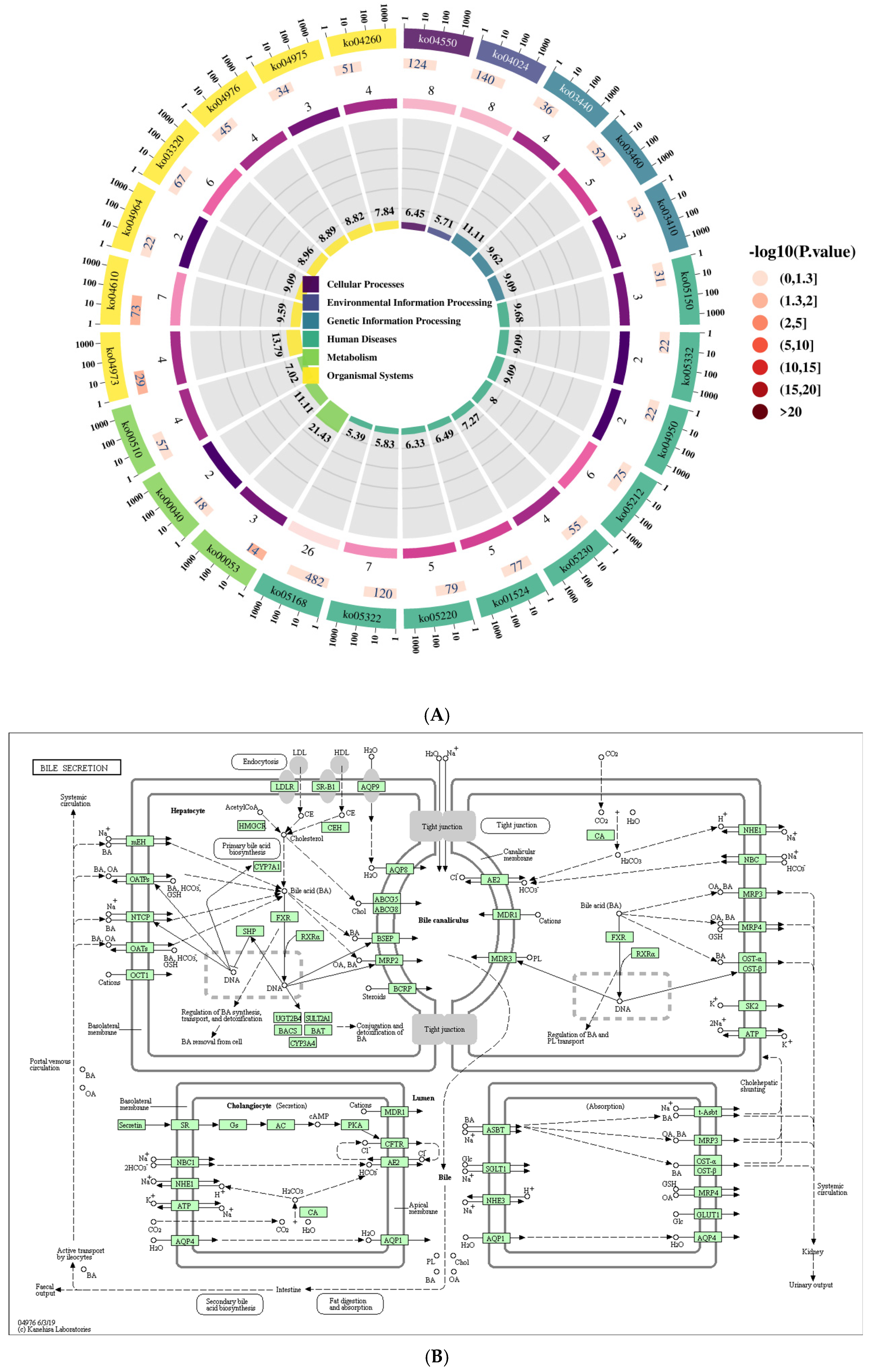
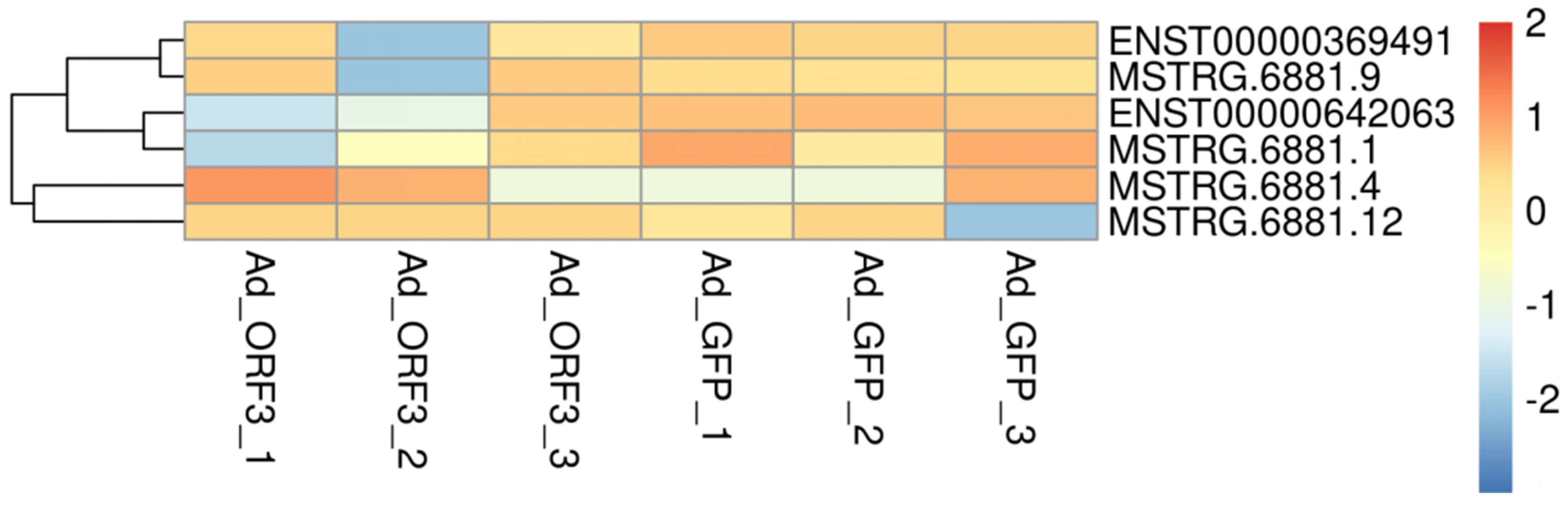
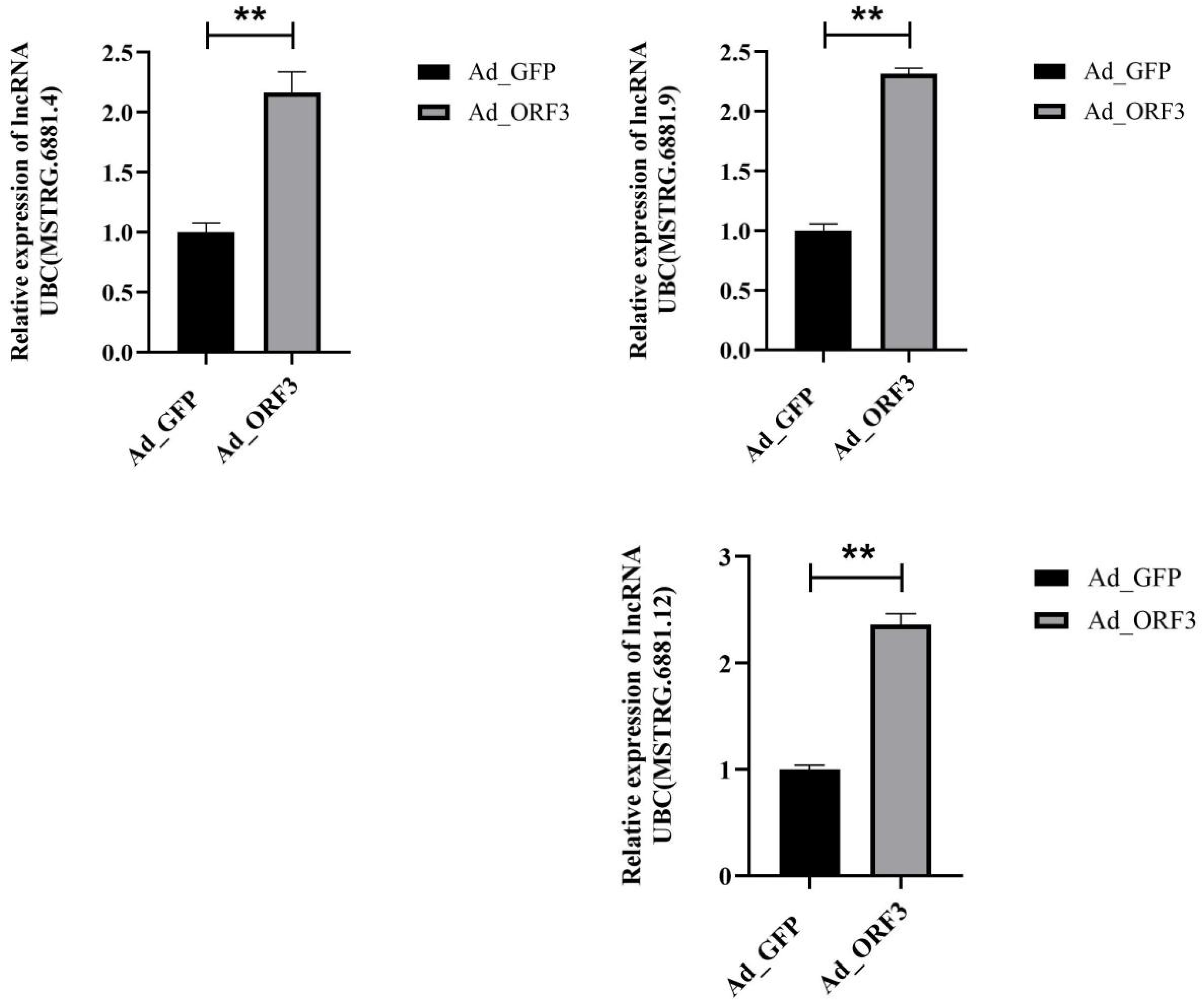
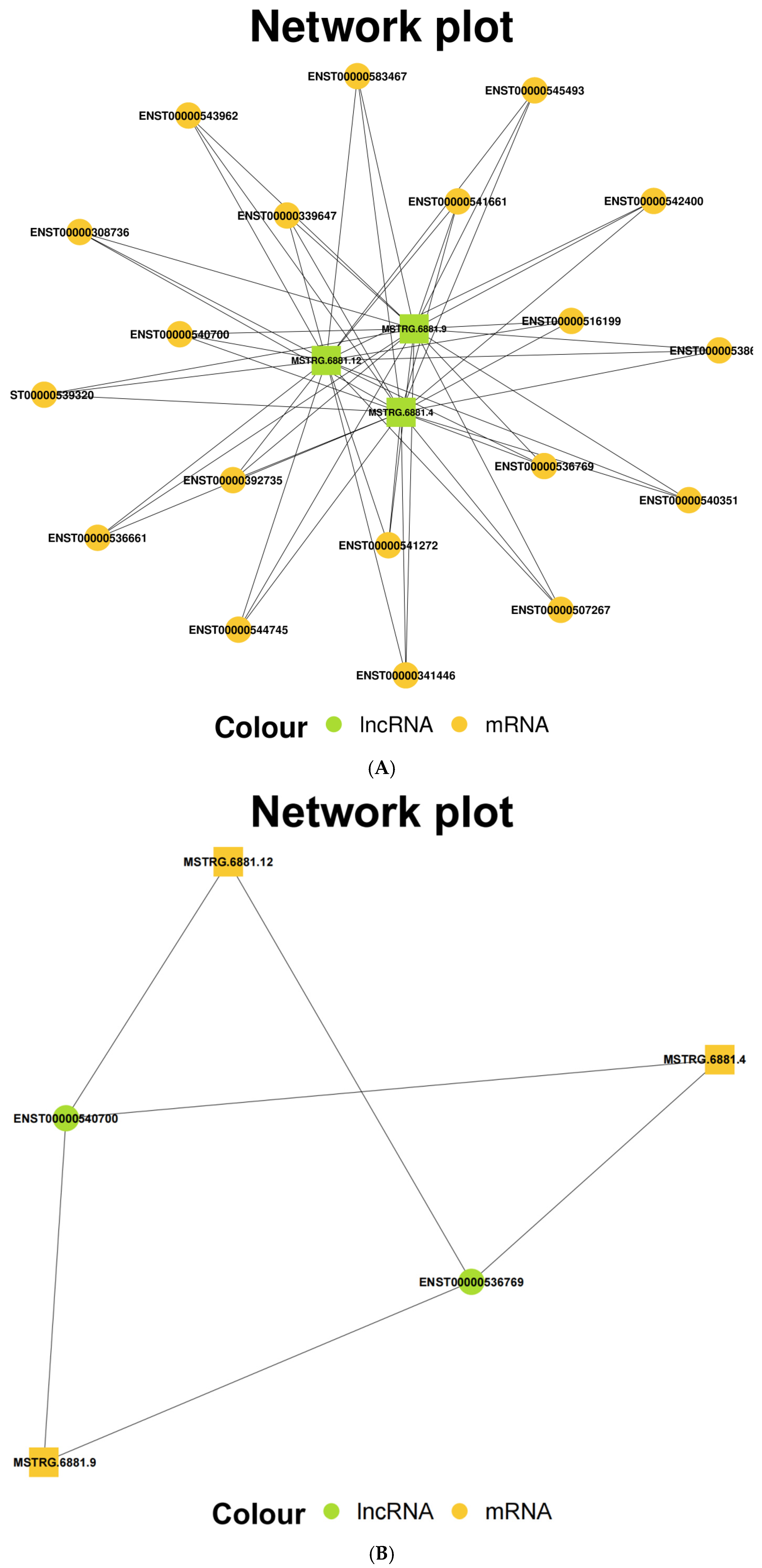
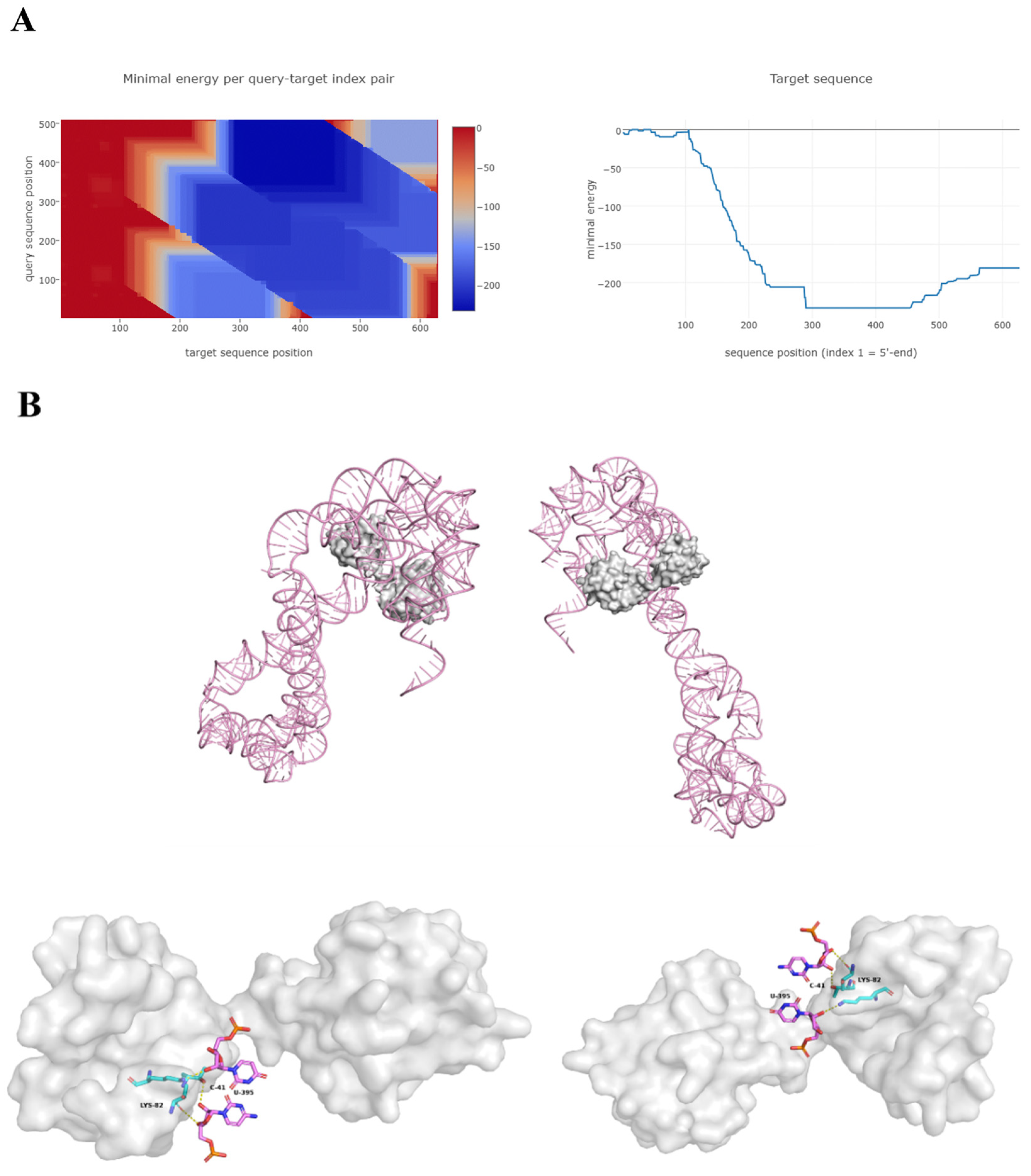
(1) Background: Swine hepatitis E (SHE) is an emerging zoonotic disease caused by the swine hepatitis E virus (SHEV). The open reading frame 3 (ORF3) protein is a recognized virulence factor of SHEV. Jaundice, the typical clinical sign of SHE, primarily results from disruptions in bile production, secretion, and excretion. However, the mechanism by which SHEV ORF3 influences bile metabolism remains unclear. (2) Methods: Building on our previous work involving adenovirus-mediated overexpression of genotype IV SHEV ORF3 in HepG2 cells and subsequent high-throughput lncRNA/transcriptome sequencing, this study performed KEGG enrichment analysis on differentially expressed lncRNAs. Candidate lncRNAs were validated via qRT-PCR. Cis-regulated target genes were predicted by integrating differentially expressed mRNA data. Furthermore, AlphaFold 3.0 was employed to analyze the molecular binding sites between lncRNA UBC (MSTRG.6881.4) and its target, UBC protein. (3) Results: We identified three lncRNAs associated with the bile secretion pathway (ko 04976) in HepG2 cells expressing genotype IV SHEV ORF3, which were further confirmed by qRT-PCR: lncRNA UBC (MSTRG.6881.4), lncRNA UBC (MSTRG.6881.9), and lncRNA UBC (MSTRG.6881.12). Bioinformatics prediction suggested six lncRNA-mRNA regulatory networks involved these lncRNAs and two downregulated UBC mRNA transcripts (ENST00000540700 and ENST00000536769). Molecular docking indicated that nucleotides 395U and 41C of lncRNA UBC (MSTRG.6881.4) could potentially bind to residues 82Lys, 88Thr, and 90Thr of the UBC protein, with predicted binding energies ranging from −4.73 to −0.75 kcal/mol. (4) Conclusions: The successful identification of bile secretion-related lncRNAs, coupled with the prediction of their regulatory networks and molecular interaction sites, has advanced our understanding of SHEV ORF3 function and the pathogenesis of SHEV infection.
Keywords:
SHE; SHEV ORF3; HepG2; bile secretion; lncRNA-mRNA network