


Simple Summary
Dairy cattle health and milk production depend not only on feed and animal management but also on the microorganisms living in the digestive system. These microorganisms help break down feed, release useful nutrients, support immune function, and may influence udder health and milk quality. This review examines how digestive microorganisms affect milk production, milk composition, and the risk of udder inflammation, as well as how feeding practices and microbial supplements may influence these relationships. The available evidence suggests that microbial activity in the rumen contributes to energy supply and the production of milk components. Differences in microbial communities have also been linked to changes in milk fat, protein, and other quality indicators, as well as udder health. However, many reported relationships are observational and do not prove that particular microorganisms directly cause these changes. The effects of microbial supplements also depend on the specific organisms and how they are used. A better understanding of these relationships may help researchers develop improved feeding and health-management strategies, support animal welfare, enhance milk quality and production efficiency, and promote more sustainable dairy farming.
Abstract
The gut microbiota is increasingly recognized as an important regulator of cattle health and productivity, particularly in shaping lactation performance. This review synthesizes current research on how gut microbial communities influence milk yield, composition, and lactational physiology. The diverse microbial populations in the ruminant gastrointestinal tract produce key metabolites, including short-chain fatty acids, microbial amino acids, and vitamins, that support host energy balance and nutrient utilization during lactation. We discuss the role of the gut microbiota in the gut–mammary axis and how microbial fermentation influences immune modulation, mastitis, and nutrient metabolism, all of which affect mammary gland development and milk synthesis. The review also examines how factors such as diet composition, feed additives (e.g., prebiotics, probiotics, and postbiotics), antimicrobial use, and environmental stressors alter microbiota structure and function. These changes can promote microbial resilience or dysbiosis, thereby affecting lactation either positively or negatively. Understanding these complex interactions offers promising avenues for microbiome-targeted interventions to enhance dairy performance and animal well-being. Future research should emphasize integrated multi-omics approaches to identify causal pathways and inform precision strategies for improving lactation efficiency in cattle.
1. Introduction
Lactation represents a critical metabolic period in dairy cattle, characterized by notably increased demands for nutrients, metabolic regulation, and immune defense. In recent years, researchers have highlighted gut microbiota as a central contributor to lactation through its multifaceted effects on energy metabolism, immunity, and mammary health. At the core of this interaction is microbial fermentation in the rumen, the largest stomach compartment in the cattle gut, which generates essential metabolites such as short-chain fatty acids (SCFAs) and microbial proteins. In Tibetan cattle, elevated SCFA levels have been documented within two weeks postpartum, bolstering energy supply during the early lactogenesis phase [1]. Complementing these findings, targeted probiotic supplementation with strains such as Lactobacillus plantarum, Bifidobacterium bifidum, and Streptococcus thermophilus has been shown to enhance microbial crude protein production, increase dry matter intake (DMI), and significantly improve milk yield in crossbred cows [2]. Beyond fermentative benefits, probiotics and postbiotics may influence immune responses and mammary function. Supplementation with L. casei and L. plantarum in lactating cows increased milk immunoglobulin G (IgG), lactoferrin, lysozyme, and peroxidase levels while reducing somatic cell counts (SCC), signifying improved udder immunity and a potentially lower risk of mastitis [3]. Similarly, postbiotic supplementation during the transition period enhanced nutrient digestibility, colostrum fat and protein concentrations, and milk yield through 60 days postpartum [4]. Yeast and lactic acid bacterial supplementation have also been associated with reduced concentrations of inflammatory cytokines (e.g., TNF-α, IL-1β, and IL-6) in milk, lower milk enzyme markers of blood–milk barrier damage, and alterations in the milk microbiota [5]. In late-lactation cows, shifts toward greater microbial pathway diversity, particularly in amino acid and lipid metabolism, are reflected by elevated fecal concentrations of phenylalanine, phosphocholine, and histamine, which may influence inflammation through mechanisms involving gut permeability [6].
Rumen microbiome succession during the periparturient period is also associated with production-related traits. The Firmicutes-to-Bacteroidetes (F/B) ratio has been proposed as a marker of gut microbial metabolism and immunoregulation in mammals [7,8]. The F/B ratio and specific microbial groups, such as Prevotellaceae, have been associated with milk fat and volume, although the strength and consistency of these associations vary across studies [9]. In addition to their roles in fermentation and immunity, gut-derived metabolites such as succinate from Prevotella species contribute to gut homeostasis, energy regulation, and systemic inflammation, potentially influencing host energy balance and udder health [10].
Moreover, integrative multi-omics analyses are beginning to clarify how host genetics modulate microbiome composition and lactation efficiency. A large-scale association study in Holsteins showed that rumen microbial functions, along with specific host single-nucleotide polymorphisms, may enhance milk production through metabolic pathways such as linoleic acid metabolism [11].
Taken together, these studies reveal a network of interrelated pathways through which the gut microbiota influence lactation by enhancing fermentation and feed conversion, modulating immune responses, shaping the mammary microbiome, and mediating host–microbe metabolic communication. Although previous reviews have discussed rumen microbiota in relation to fermentation, nutrient utilization, and dairy productivity, the connections between microbial metabolism, systemic immune regulation, mammary health, and lactation outcomes warrant a more integrated synthesis. This review addresses this gap by examining the gut–mammary axis in dairy cattle, linking microbial metabolites and host immune responses with mastitis, milk yield, and milk composition. It further integrates evidence on dietary and microbiome-targeted interventions, highlights limitations in establishing causal relationships, and identifies priorities for multi-omics research and precision strategies to improve lactation efficiency.
2. Methods
For this review, we conducted a focused literature search in PubMed, Scopus, Web of Science, and Google Scholar for studies published from 2015 to 2026, plus earlier landmark studies. Search terms included combinations of “gut microbiota,” “rumen microbiota,” “gut–mammary axis,” “dairy cattle,” “lactation,” “milk yield,” “milk composition,” “mastitis,” and “microbiome.” Studies were included if they investigated gastrointestinal microbiota, microbial metabolites, immune regulation, mammary health, lactation, or related mechanisms relevant to the gut–mammary axis. Evidence from dairy and beef cattle, buffalo calves, and mouse models was considered when relevant to these objectives. Human immunological studies were used only to provide background on established host–microbiota mechanisms in mammals, not as direct evidence of effects in cattle. Findings were interpreted according to the species and study model, with direct evidence from cattle distinguished from indirect or mechanistic evidence from other models when direct findings from dairy cattle are limited. Relevant review articles were also consulted for background and contextual interpretation.
3. Microbial Function on the Gut-Mammary Axis
The gut–mammary axis describes a proposed, potentially bidirectional pathway through which the gastrointestinal microbiota may influence mammary health, particularly mastitis, through microbial metabolites, immune modulation, and microbial translocation. In dairy cattle, microbial products such as LPS originating in the rumen can enter the systemic circulation and influence the mammary gland, and it has been proposed that viable microbes may also reach the mammary gland, possibly carried by immune cells [12]. This section primarily examines gut-to-mammary effects on mammary inflammation and mastitis, while acknowledging that reciprocal mammary-to-gut interactions remain less clearly characterized.
Rumen microbial imbalance, such as that observed during subacute ruminal acidosis (SARA), increases the permeability of the gastrointestinal and blood–milk barriers. This allows lipopolysaccharide (LPS) and pathogenic bacteria to translocate into the circulation and the mammary gland, thereby provoking inflammation and disrupting tight-junction integrity, reducing alkaline phosphatase (ALP) levels, and contributing to mastitis severity [13]. Comparative studies have shown that cows with mastitis exhibit significantly higher serum concentrations of LPS, TNF-α, and IL-1, which are associated with shifts in the rumen microbiota, including increased abundance of Proteobacteria and of the Lachnospiraceae genus Moryella and decreased abundance of beneficial genera such as Prevotella or Olsenella [14].
Beneficial gut bacteria produce SCFAs, particularly butyrate, which strengthen epithelial barriers and exert anti-inflammatory effects. For example, Roseburia, a butyrate producer, has been shown to reduce gut permeability, prevent pathogen translocation, and mitigate mastitis symptoms [15]. In contrast, SARA-induced increases in sialic acid promote Enterobacteriaceae overgrowth, resulting in gut dysbiosis, increased LPS levels, and mammary inflammation through TLR4–NF-κB/NLRP3 signaling. Interventions involving commensal bacteria or inhibitors of sialic acid release have been shown to attenuate mastitis in mice [16].
Bacterial genera reported in both fecal and milk or blood samples suggest possible overlap between microbial communities but do not establish direct gut-to-mammary migration (Figure 1). In cows and mouse models, bacterial taxa such as Ruminococcus, Peptostreptococcus, and Bifidobacterium were detected in both feces and milk or blood. Moreover, oral administration of green fluorescent protein-labeled E. coli provided experimental evidence of gut-to-mammary translocation in mouse mastitis models [16]. It has been proposed that dendritic cells and macrophages sample luminal bacteria and carry them through the lymphatic and systemic circulation, particularly when intestinal permeability is increased [17]. Although translocation has been reported in mouse models, evidence for this cell-mediated pathway in dairy cattle remains limited; therefore, it should be regarded as a proposed mechanism rather than an established route. Demonstrating such transfer requires strain-level comparisons and appropriate controls to exclude alternative sources, including teat skin, the teat canal, environmental exposure, and laboratory contamination. Normally, the integrity of the blood–milk barrier allows for normal material exchange between blood and the mammary acinus and prevents excessive inflammatory mediators and pathogen invasions [18]. However, the permeability of the blood–milk barrier is regulated by many factors. Recently, studies in animal models have shown that the gut microbiota and its metabolites play an important role in regulating blood–milk barrier permeability by affecting tight junction protein expression [19,20], leading to the accumulation of immune cells in the mammary acinar cells and promoting the occurrence and development of mastitis.
Figure 1.
Proposed model illustrating the gut–mammary axis in dairy cattle. Gut dysbiosis promotes the translocation of LPS, pro-inflammatory metabolites (e.g., sialic acids), and, as a proposed route, immune cell-carried bacteria into the systemic circulation. These factors reach the mammary gland, where they trigger inflammation through TLR4–NF-κB signaling, impair barrier function, and increase susceptibility to mastitis. The figure was created using BioRender software v. 04.
4. Gut Microbiota in Immune Modulation
The gut microbiota plays a central role in shaping the immune landscape of cattle. Beyond its function in digestion and nutrient absorption, the microbiota acts like a “forgotten organ” that educates and regulates host immune responses throughout life [21,22]. In ruminants, the rumen and hindgut microbiota, including Prevotella, Butyrivibrio, Barnesiella, Clostridium clusters, Ruminococcus, and Bacteroides, contribute to fiber fermentation and the production of SCFAs such as acetate, propionate, and butyrate, which function both as energy sources and modulators of immune function [22]. Butyrate and propionate function as histone deacetylase inhibitors, facilitating the epigenetic reprogramming of immune cells, promoting regulatory T-cell (Treg) differentiation, and stimulating the production of anti-inflammatory cytokines (e.g., IL-10). These effects may contribute to a systemic tolerogenic environment that could limit excessive inflammation in the mammary gland, although this has been inferred mainly from rodent and human studies [23,24]. SCFAs, particularly butyrate, support epithelial tight-junction integrity and mucosal defense, preventing microbial translocation and endotoxemia [25]. Conversely, gut dysbiosis due to antibiotic use can deplete butyrate-producing bacteria, including members of the Lachnospiraceae, and impair barrier integrity; in calves, such dysbiosis was accompanied by increased methanogen abundance [26].
Bacteroides fragilis and other commensal bacteria can influence mucosal immune development through microbial immunomodulatory molecules. In particular, polysaccharide A (PSA) from B. fragilis has been shown in mammalian experimental models, particularly mice, to promote regulatory T-cell responses and IL-10 production through TLR2-dependent mechanisms (Figure 2) [27,28]. However, direct evidence for a comparable PSA-mediated effect in cattle remains limited. In cattle, early exposure to colostrum and maternal microbes expands Lactobacillus and Bifidobacterium populations [29], decreases opportunistic pathogenic E. coli and Escherichia-Shigella genus in the colon of dairy calves [30], and enhances mucosal immunity and gut maturation [28,31], although the specific contribution of individual bacterial molecules requires further investigation. The gut microbiota interacts with mucosal immune cells and contributes to the maturation and polarization of innate and adaptive immune compartments. It has been proposed that, following this microbial education, immune cells, including tolerogenic dendritic cells, Tregs, and tolerogenic macrophages, migrate through the circulatory and lymphatic systems to distal sites, including the mammary gland, where they may modulate local immune surveillance and inflammatory responses (Figure 1); direct evidence for this in cattle remains limited. Such systemic immune education may influence the mammary gland’s capacity to respond to pathogens while limiting unnecessary inflammatory responses [32].
Figure 2.
Schematic illustration of the role of the gut microbiota in immunomodulation in cattle. The figure was created using BioRender software.
One essential mechanism through which gut microbes influence immunity is pathogen exclusion. Commensals outcompete pathogens for adhesion sites and nutrients, produce bacteriocins, and prime innate defenses, including mucosal antimicrobial peptide production and mucus secretion [22]. They also interact with pattern recognition receptors (PRRs), including Toll-like receptors (TLRs), thereby shaping host inflammatory tone. In cattle with high feed efficiency, enrichment of taxa such as Muribaculaceae, Moryella, Weissella, and Arthrobacter was associated with increased expression of genes such as TLR4, LY96, and MBL2, which are crucial for pathogen recognition and immune activation [33].
High-grain diets in dairy cows have been associated with reduced microbial diversity and increased inflammatory gene expression through the NF-κB pathway in rumen epithelium. This inflammatory response was accompanied by increased abundances of specific microbiota, including Succinivibrionaceae and Ruminococcaceae, consistent with a gut–immune link influenced by fermentative products [25]. Calves experiencing weaning stress often exhibit shifts in luminal microbiota and reductions in beneficial taxa; this may lead to decreased concentrations of anti-inflammatory cytokines, defensins, and IgA, thereby increasing disease susceptibility [34]. Supplementation with compounded probiotics in Holstein calves accelerated gut microbiome development, increased beneficial taxa, and facilitated immune maturation, including increased IgA and a balanced cytokine profile, within weeks [35].
Emerging research has also highlighted the significance of extracellular vesicles (EVs) released by gut microbiota in mediating cross-kingdom communication and delivering bioactive molecules (e.g., proteins, lipids, and RNAs) to host immune cells. Microbiota-derived EVs can regulate epithelial healing, immune cell maturation, and pathogen defense, a frontier that is yet to be extensively explored in cattle but remains important [22].
The complex interplay between microbiota-derived metabolites, including SCFAs and bile acids, and host immunity involves the modulation of dendritic cells, macrophage polarization, T-cell differentiation, epithelial turnover, and complement expression. In cattle, these interactions are reflected in associations among metabolomic profiles, PRR signaling pathways such as TLR4–NF-κB, and systemic immune gene expressions. Altogether, these findings reveal a multilayered microbiome–gut–organ axis that may influence not only the gut but also mammary, hepatic, neural, and endocrine tissues [22,25,33,34].
The liver acts as a metabolic and immunological relay by filtering gut-derived molecules and generating acute-phase reactants and inflammatory mediators that can influence the mammary environment. Through this gut-liver-mammary connection, gut microbial signals are integrated with systemic host responses that influence mammary tissue adaptation, resistance to infection and lactational output [23,36]. Table 1 summarizes the different roles of the gut microbiota in immune modulation in mammals; most entries are derived from studies in humans and rodents, and their relevance to cattle remains to be confirmed.
Table 1.
Key relationships between gut microbiota structure/function and immune modulation in mammals.
5. Gut Microbiota and Mastitis
Mounting evidence highlights a crucial gut–mammary axis through which disruption of ruminal or intestinal microbial communities may promote mastitis in dairy cows by impairing barrier integrity, promoting systemic inflammation, and facilitating the translocation of bacterial products into the udder. Cows with mastitis have been reported to exhibit marked alterations in their ruminal and fecal microbiota, characterized by enrichment of Proteobacteria (e.g., Moraxella) and of Saccharofermentans (Firmicutes) and depletion of butyrate-producing taxa (Roseburia, Lachnospiraceae, and Coprococcus) and lactic acid-producing bacteria (Bifidobacterium and Lactobacillus) [13]. Bifidobacterium does not produce butyrate directly; its acetate and lactate can support butyrate production by other taxa through cross-feeding, as shown mainly in the human colon [45].
These microbial alterations may have important functional consequences. In a rodent model, transplantation of ruminal microbiota from cows with mastitis induced mastitis-like phenotypes, accompanied by elevated serum LPS levels, reduced ALP activity, disruption of the gut and blood–milk barriers, and activation of inflammatory signaling pathways, including TLR4–cGAS–STING–NF-κB/NLRP3 [13]. LPS-driven endotoxemia may further impair mammary tight-junction integrity, facilitating the translocation of commensal and opportunistic bacteria such as Enterobacteriaceae and Stenotrophomonas into mammary tissue and exacerbating udder inflammation [15].
Conversely, strategies that enhance gut health may have potential for mastitis control. The butyrate-producing genus Roseburia, for example, has been shown to reinforce intestinal and mammary barrier integrity by limiting bacterial translocation and reducing mastitis severity in mice [15]. In mice, supplementation with calf intestinal ALP or the neuraminidase inhibitor zanamivir restored systemic ALP activity, facilitated LPS detoxification, and significantly reduced pathogen-induced mastitis [13]. These mouse findings identify potential mechanisms for reducing inflammatory cytokines and restoring blood–milk barrier integrity, but they cannot be extrapolated to therapeutic efficacy in dairy cattle without controlled trials in cows.
Probiotic supplementation has also been evaluated in cows with elevated SCC. In a 40-day trial in Holstein cows with milk SCC above 500,000 cells/mL (n = 6 per group), dietary yeast and lactic acid bacteria lowered milk SCC, and the combined supplement reduced milk TNF-α, IL-6, and IL-1β concentrations. Milk myeloperoxidase and N-acetyl-β-D-glucosaminidase activities, used as indirect markers of neutrophil infiltration and blood–milk barrier damage, were also reduced [5]. Clinical mastitis incidence and tight-junction proteins were not assessed.
Microbiome profiling has also identified bacterial signatures associated with mastitis. In a cross-sectional comparison of mid-lactation Holstein cows, models incorporating rumen and hindgut bacteria such as Erysipelotrichaceae, Schwartzia, Absconditabacteriales, and Ruminococcaceae discriminated cows with mastitis from healthy cows [46]. Because these models classified existing disease, their value for predicting future mastitis requires prospective validation. These microbial shifts have been associated with reduced metabolic capacities (e.g., vitamin B, fatty acid, and amino acid pathways) that normally support immune resilience [47].
In summary, the gut microbiota may influence bovine mastitis through three interconnected mechanisms: (1) barrier maintenance, whereby healthy, butyrate-producing microbes (e.g., Roseburia and Lachnospiraceae) support gut and mammary barrier integrity, preventing LPS and microbes from entering systemic circulation; (2) immune modulation, whereby gut dysbiosis elevates systemic LPS levels, triggers pro-inflammatory cascades, and compromises host defenses, thereby creating a mammary environment more susceptible to infection (Figure 1); and (3) therapeutic intervention, whereby restoration of microbial balance may attenuate dysbiosis-induced inflammation and improve milk quality, as shown mainly in mouse models and small trials in cows with elevated SCC (Table 2). However, functional assignments based on genus-level abundance should be interpreted cautiously, as metabolic capabilities can differ among species and strains and may vary with diet, physiological state, microbial community interactions, and host context.
Table 2.
Key relationships between gut microbiota structure/function and mastitis in cattle.
6. Gut Microbiota on Nutrient Utilization
In adult ruminants, most microbial fermentation occurs in the rumen, where dietary carbohydrates are fermented into SCFAs, which in ruminant nutrition are also termed volatile fatty acids (VFAs), principally acetate, propionate, and butyrate. Fiber and resistant starch that escape ruminal fermentation and small-intestinal digestion are further fermented in the hindgut [54]. Studies have shown that small-intestinal digestion of rumen-escape starch (RES) in dairy cows is incomplete and variable, with reported digestion efficiencies typically ranging from approximately 50–84% of RES, depending on the intake level, starch source, and physiological state [55]. Rumen microorganisms, including Streptococcus bovis, Ruminobacter amylophilus, and Prevotella bryantii, produce a range of amylolytic enzymes (e.g., α-amylase and pullulanase) that catalyze the hydrolysis of starch into fermentable sugars, leading to the generation of VFAs, such as acetate, propionate, and butyrate [56]. Diets with adequate starch levels tend to favour a mixed community of amylolytic and lactic acid-producing taxa such as Proteobacteria, Megasphaera elsdenii, Streptococcus bovis, Selenomonas ruminantium, and Prevotella bryantii, thereby shaping metabolite production and host physiology [57]. In ruminants, microbial fermentation, predominantly in the rumen, supplies approximately 70% of the host’s energy requirements [58]. In the hindgut, Firmicutes, Bacteroidetes, Actinobacteria, and Verrucomicrobia ferment and decompose fibrous xylose and hemicellulose to meet host energy and metabolic processes, and participate in immunity [59,60].
Balanced protein diets containing both animal and plant sources are associated with microbial communities that support gut and metabolic health [61]. Ruminal microbes play a central role in protein nutrition in dairy cattle by converting dietary nitrogen, including non-protein nitrogen, into microbial protein. Unlike monogastric animals, dairy cows obtain much of their metabolizable protein from microbial protein synthesized in the reticulorumen, together with rumen-undegradable dietary protein [58,62]. Members of the Firmicutes, Bacteroidetes, and Proteobacteria contribute to this supply of VFAs, microbial protein, and vitamins [63,64].
The gut microbiota also contributes to vitamin supply and mineral availability in dairy cattle. Microorganisms in the forestomach and hindgut contribute to feed digestion, vitamin synthesis, and the absorption of minerals and other micronutrients [36,65,66]. Ruminal bacteria (members of the Bacteroidetes and Firmicutes, including Prevotella) produce various water-soluble B vitamins (such as cobalamin-B12). These vitamins work to improve the cow’s metabolism, energy production and milk quality. Vitamin B12 can be synthesized only by bacteria and archaea, and its ruminal synthesis requires an adequate cobalt supply. Studies have shown that microorganisms can produce more B12 if there is enough fiber in the diet [65,66,67]. A metagenomic approach reveals that microbes in the stomach and large intestine of ruminants, mainly the phyla Bacteroidetes, Firmicutes, and Proteobacteria, produce fat-soluble vitamin K2 (menaquinone) in the cow’s body through a ‘de novo’ process [65]. A previous study showed that a higher ruminal concentration of vitamin B12 was correlated with greater abundance of Prevotella, whereas a lower concentration was correlated with greater abundance of Bacteroidetes, Ruminiclostridium, and Butyrivibrio; the authors noted that bacterial consumption of B12 in the rumen may be as important as its production [67]. Phosphorus or other minerals in plant foods are often bound as phytate (phytic acid). Gut bacteria produce enzymes called phytases to break this bond, allowing calcium, magnesium and phosphate to be more easily absorbed into the cow’s blood [68,69]. Early lactation is characterized by negative energy balance and metabolic stress. During this period, a well-adapted gut microbiota may support nutrient absorption and has been associated with a lower risk of disorders such as ketosis and acidosis [70].
Differences in rumen and fecal microbial composition have been associated with body condition score (BCS) [71,72]. In the high-BCS (HBCS) group, genera within the phylum Firmicutes showed greater abundance and richness. Phyla such as Firmicutes, Patescibacteria, Acidobacteriota, Euryarchaeota, and Desulfobacterota were significantly more abundant in the HBCS group than in the low-BCS (LBCS) group (Figure 3A–C). At the genus level, Anaerovibrio, Veillonellaceae_UCG_001, Ruminococcus gauvreauii, Blautia, Eubacterium, Prevotellaceae_YAB2003_group, Schwartzia, and Halomonas were significantly more abundant in the HBCS group (Figure 3A). The tricarboxylic acid cycle, which is involved in carbohydrate metabolism, displayed a significant enrichment trend, accompanied by a notable increase in citrate abundance in the HBCS group (Figure 3D). This increase was significantly and positively correlated with the differential bacterial genera [71]. 16S rRNA sequencing revealed that the LBCS group had significantly greater abundances of Clostridiaceae, Erysipelotrichales, Erysipelotrichaceae, and Turicibacter, while cows with normal BCS had higher abundances of Clostridiales_vadinBB60_group, UCG-010, Bacteroidaceae, Ruminococcaceae, Paludibacteraceae, Alistipes, and Bacteroides [72]. These differences in ruminal microbial composition and metabolite profile may influence metabolic adaptation during the transition to lactation. These microbial differences may reflect altered substrate availability, energy balance, or host metabolic status and could contribute to subsequent lactation performance through changes in fermentation and metabolic signaling. Further longitudinal studies are needed to establish whether these prepartum microbial signatures predict milk yield, milk composition, or metabolic health during lactation.
Figure 3.
Differences in the gut microbiome and metabolic profiles of prepartum dairy cows with different body condition scores (BCSs). (A) Relative composition of the ruminal microbiota at the phylum and genus levels in cows with low-BCS (LBCS) and high-BCS (HBCS) groups. The charts illustrate differences in microbial community composition between the BCS groups. (B) Cladogram showing significantly different rumen microbiota between the LBCS and HBCS groups based on 16S rRNA gene sequencing data. (C) Abundances of significantly different bacterial genera between the LBCS and HBCS groups based on 16S rRNA gene sequencing data. Significant differences in panels B and C were identified using linear discriminant analysis effect size, with a linear discriminant analysis score > 2 and p < 0.05. (D) Correlation between significantly different microbes and metabolites based on Spearman’s correlation analysis. * indicates p < 0.05; ** indicates p < 0.01. Red and blue indicate positive and negative correlations, respectively (Adapted from [71], published under CC BY 4.0).
7. Impact of the Gut Microbiota on Milk Yield
The gut microbiota, especially the ruminal microbial community, plays a central role in milk production. These microbes ferment indigestible plant materials into metabolites that can be absorbed and used as precursors for milk components [7,8,10]. One of the primary ways gut microbes impact milk yield is through the fermentation of dietary fiber and carbohydrates into VFAs, which serve as major energy substrates for the host. The principal VFAs produced are acetate, propionate, and butyrate, each of which contributes differently to milk biosynthesis [73,74]. Acetate and butyrate are especially important for de novo synthesis of milk fat in the mammary gland, while propionate is a major substrate for gluconeogenesis in the liver, thereby supporting lactose synthesis and, consequently, milk volume [73,74]. Studies have shown that cows with a greater abundance of acetate- and butyrate-producing bacteria tend to have higher milk fat content, while efficient propionate production is associated with improved energy balance and higher milk volume [75]. Furthermore, dietary strategies that promote fiber-degrading bacteria, such as Ruminococcus and Fibrobacter, have been linked to improved feed digestibility and VFA production, contributing to enhanced lactational performance [76].
Microbial protein synthesis is another important pathway through which the gut microbiota influences milk composition. Rumen microbes synthesize protein using nitrogen sources, including urea and ammonia, generating microbial biomass that serves as a primary amino acid source for the host following postruminal digestion. These amino acids support maintenance and milk protein synthesis. Efficient microbial protein synthesis improves nitrogen utilization and may support milk protein synthesis [74]. Additionally, specific bacterial genera, such as Prevotella, have been associated with ruminal protein metabolism and milk protein content [75].
Beyond energy and protein metabolism, the gut microbiota also influences milk production through effects on the immune system and systemic inflammation [77,78]. A balanced microbial community helps maintain gut barrier integrity and limits the translocation of endotoxins, such as LPS, into the bloodstream. When the gut barrier is compromised, as in the case of dysbiosis, LPS can enter systemic circulation and trigger inflammatory responses that may adversely affect milk yield and composition. Inflammatory cytokines are known to reduce feed intake, divert nutrients away from lactation toward immune functions, and impair mammary gland function [79,80]. Thus, maintaining microbial balance in the gut indirectly supports milk production by limiting metabolic stress and preserving nutrient availability for lactation.
Emerging research also highlights the influence of the gut microbiota during the transition period, which spans the three weeks before and after calving. This period is marked by a sudden increase in energy demand associated with the onset of lactation. Cows often experience negative energy balance during this period, which can alter microbial composition and activity. Dysbiosis during this critical window has been linked to metabolic disorders such as ketosis and fatty liver, which subsequently reduce milk yield [81]. Conversely, a well-adapted gut microbiota during this period promotes more efficient energy extraction from the diet and better metabolic adaptation, thereby contributing to improved milk output and stability of milk components [81].
Microbiota composition also varies among individual cows, and these differences have been linked to variation in lactational performance. For example, a study showed that even when rumen contents were exchanged between cows, recipient animals reestablished distinct microbial communities over time, indicating that host genetics and physiological characteristics influence microbial colonization. This host–microbiome interaction may partly explain why some cows outperform others under similar environmental conditions and feeding regimes [82].
Recent studies using metagenomic and metabolomic approaches have advanced our understanding of how gut microbes affect milk traits. A recent study found that the abundance of certain bacterial taxa correlated positively with milk fat and protein percentages, while greater microbial diversity and the presence of certain fiber-degrading and lactic acid-utilizing bacteria were associated with improved feed efficiency and higher milk solids [74]. Moreover, bacterial metabolites produced during rumen fermentation, including biohydrogenation intermediates (e.g., trans-10, cis-12 conjugated linoleic acid), can influence milk fat synthesis in complex ways, sometimes even leading to milk fat depression depending on dietary conditions [83].
Manipulation of the gut microbiota through dietary strategies has become an area of growing interest for improving milk production. Supplementation with direct-fed microbials (probiotics), such as Saccharomyces cerevisiae, Lactobacillus, and Bacillus species, as well as prebiotics such as yeast cell wall polysaccharides, can enhance ruminal fermentation, stabilize ruminal pH, and promote the growth of beneficial microbes. These interventions have been associated with increased feed intake, improved nutrient digestibility, and enhanced milk yield and composition [84]. Additionally, phytobiotics and essential oils have demonstrated antimicrobial properties that selectively suppress harmful bacteria and support beneficial populations in the rumen. These microbial shifts often improve VFA profiles and reduce methane production, thereby limiting energy losses and increasing the energy available for milk production [85].
8. Influence on Milk Composition
Microbial metabolites and microbial protein can contribute to the precursors required for milk component synthesis. Acetate and butyrate are important substrates for mammary fatty acid synthesis, whereas propionate contributes to hepatic gluconeogenesis and thereby supports glucose availability for lactose synthesis. However, observed associations between ruminal microbial taxa, VFA production, and milk traits should be interpreted as associations rather than evidence that changes in individual microbial genera directly increase milk yield or milk components. Dietary composition, energy balance, stage of lactation, and host metabolism can substantially modify these relationships.
8.1. Milk Fat
The pathways for de novo fatty acid synthesis in the mammary gland are largely supported by acetate and butyrate, which are derived from ruminal fermentation of dietary fiber [44]. The F/B ratio and the abundance of taxa such as Butyrivibrio and Ruminococcus have been linked to higher acetate production and milk fat yield in dairy buffaloes [37] and dairy cows [46]. Dietary interventions, such as supplementation with rice bran oil, can alter ruminal microbial composition and VFA profiles, thereby modifying milk fatty acid composition and increasing the proportion of beneficial fatty acids such as conjugated linoleic acid (e.g., enriched conjugated linoleic acid) [86].
8.2. Milk Protein
Efficient microbial nitrogen utilization, supported by cellulolytic and proteolytic microorganisms, contributes to the supply of amino acids for milk protein synthesis [87]. In dairy buffaloes, the abundance of genera such as Prevotella and Bacteroides was associated with serum concentrations of metabolites involved in protein biosynthesis in high-yielding animals [36]. Rumen microbial composition and metabolic activity are associated with nutrient utilization and milk production traits, underscoring the potential of dietary management to influence microbial functions and host productivity [36].
8.3. Milk Vitamins and Bioactive Compounds
Gut microbes are also responsible for the synthesis of vitamins (notably B12) and other bioactive compounds that contribute to milk’s nutritional profile. High ruminal concentrations of vitamin B12 have been associated with increased abundance of Prevotella, while Bacteroidetes, Ruminiclostridium, and Butyrivibrio have been associated with lower vitamin B12 concentrations (Table 3). These associations suggest that targeted manipulation of the rumen microbiota may eventually provide an opportunity to influence the vitamin B12 content of milk, although this has not been tested experimentally [67]. Such relationships should therefore be considered preliminary and require experimental validation to establish causality and the extent of transfer to milk.
Table 3.
Key microbial taxa and their possible impact on milk production and composition.
8.4. Lactose
The gut microbiota contributes to lactose synthesis by influencing feed digestion and nutrient absorption. Microbial fermentation of complex carbohydrates produces VFAs, including acetate, propionate, and butyrate, which serve as important energy sources and metabolic substrates for the lactating cow [58,62]. Among these VFAs, propionate is particularly important for lactose synthesis because it serves as a major substrate for hepatic gluconeogenesis. Accordingly, the abundance of propionate-producing bacteria, including certain Prevotella and Bacteroides spp., has been associated with milk yield [88,89]. Because milk lactose concentration is relatively constant, increased glucose supply is expected to affect milk volume more than lactose percentage.
A recent study reported differences in ruminal microbial composition, fermentation products, milk composition, and immune-related parameters between cows with low and high somatic cell counts (SCC) [90]. Compared with the low-SCC group, high-SCC cows showed lower milk fat, protein, and lactose concentrations (Figure 4A) and reduced ruminal fermentation products, together with higher abundances of Bacteroidetes, Firmicutes, Lachnospiraceae, Prevotella, and Ruminiclostridium [90]. The H-SCC group had lower proportions of saturated fatty acids (SFAs) (p < 0.01) and medium-chain fatty acids (p < 0.05) than the L-SCC group. Long-chain fatty acids and polyunsaturated fatty acids did not significantly differ between the groups. Although IgA concentrations did not differ significantly between the groups (Figure 4C), IgG2 and IgM concentrations were significantly higher in the H-SCC group than in the L-SCC group (p < 0.05). The H-SCC group demonstrated significantly higher levels of IL-1β, IL-6, TNF-α, and haptoglobin (Hpt) than the L-SCC group (p < 0.05), indicating systemic inflammation. However, no significant variations in IL-10 or serum amyloid A (SAA) were observed between the two groups (Figure 4D,E). Furthermore, the IgG1/IgG2 ratio was significantly lower in the H-SCC group than in the L-SCC group (p < 0.05; Figure 4G) [90]. These findings indicate associations between ruminal microbiota and SCC-related metabolic and milk-composition differences; however, further study is needed to validate whether microbial changes contribute to increased SCC or occur as a consequence of altered host physiology. In contrast to the report in [48], this study found greater Prevotella abundance in H-SCC cows. Therefore, Prevotella abundance should not be interpreted as uniformly protective, and differences among studies may reflect variation in host status, diet, microbial community structure, or study design. The conflicting findings also highlight the need for longitudinal and mechanistic studies to determine the direction and biological significance of this association.
Figure 4.
Milk composition and serum immune and inflammatory parameters in dairy cows with low-SCC (L-SCC) and high-SCC (H-SCC). The figure illustrates differences in milk composition and serum immune and inflammatory parameters between the two SCC groups. (A) Milk composition (milk fat, %; milk protein, %; lactose, %; milk SCC, ×103 cells/mL). (B) Milk fatty acid composition, including caprylic acid (C8:0), capric acid (C10:0), palmitoleic acid (C16:1, cis-9), heptadecanoic acid (C17:0), octadecadienoic acid (C18:2, cis-9,12), heneicosanoic acid (C21:0), lauric acid (C12:0), and linolenic acid (C18:3, cis-9,12,15) in L-SCC and H-SCC cows. (C) Serum immunoglobulin concentrations. (D,E) Serum cytokine concentrations. (F) Hpt/SAA ratio. (G) IgG1/IgG2 ratio. Data are presented as mean ± SD. * indicates p < 0.05; ** indicates p < 0.01 between the L-SCC and H-SCC groups (Adapted from [90], published under CC BY 4.0).
9. Strategies to Manipulate the Cattle Gut Microbiota
The gut microbiota of cattle plays a pivotal role in nutrition, immunity, disease resistance, and greenhouse-gas emissions. Emerging pressures such as restrictions on antibiotic growth promoters (AGPs), the need to reduce methane emissions, and the demand for sustainable livestock production have accelerated the development of microbiome-based interventions. This section details contemporary strategies for manipulating the cattle gut microbiota, spanning bioactive feed additives, microbial engineering, and precision interventions.
9.1. Probiotic Supplementation
Probiotic supplementation modulates the gut microbiome through the administration of live beneficial microbes. Lactobacillus, Bifidobacterium, Bacillus, Enterococcus, and Saccharomyces cerevisiae are the most studied taxa and have been reported to reduce diarrhea and improve early growth performance in calves, although results vary among products and studies [91]. In adult cattle, direct-fed microbials, including yeast and mixed bacterial preparations, have been evaluated for effects on nutrient digestibility, ruminal fermentation, and lactation performance [86,91]. These effects are dependent on the specific strain, dose, formulation, and administration conditions and should not be generalized to all members of a genus.
In cows with elevated SCC, dietary lactic acid bacteria and yeast lowered milk SCC and milk inflammatory markers and reduced the relative abundance of Enterococcus and Streptococcus in milk [5]; effects on clinical mastitis incidence were not assessed. Other probiotics, including Saccharomyces cerevisiae, Megasphaera elsdenii, Butyrivibrio fibrosolvens, and various Lactobacillus and Bifidobacterium strains, can stabilize ruminal pH, promote SCFA production, and antagonize pathogens [77]. Supplementation of newborn calves with the probiotic Limosilactobacillus reuteri SW23 enhanced immune responses, which led to increased performance and gut health and reduced the incidence of diarrhea [92]. In a mouse model, Clostridium tyrobutyricum protected against Staphylococcus aureus-induced mastitis by improving the integrity of the blood–milk barrier through the production of butyrate [20]. These immunomodulatory microbes are being investigated as potential alternatives to antibiotics in reducing antimicrobial resistance while improving health and productivity.
9.2. Prebiotics
Prebiotics are defined as substrates that are selectively utilized by host microorganisms, conferring a health benefit. Common examples include inulin, fructooligosaccharides (FOS), galactooligosaccharides (GOS), and xylooligosaccharides. In ruminants, inulin supplementation has been reported to reduce ruminal ammonia and methane production, increase microbial protein synthesis, and improve calf weight gain [93]. Carbohydrate-based prebiotics (e.g., FOS and GOS) have been widely used in several studies. Supplementation with GOS has been shown to reduce Citrobacter rodentium adherence to epithelial cells in vitro; however, in mice, GOS did not reduce colonic adherence or systemic dissemination, despite reducing colonic disease severity [94]. Probiotic–prebiotic combinations may have complementary or synergistic effects, but such synergy is dependent on the specific strains, substrates, doses, and experimental context. In buffalo calves, combinations of host-specific probiotics and prebiotic substrates increased the abundance of Prevotella, improved feed efficiency and growth, and reduced the incidence of diarrhea [95]. Similarly, FOS combined with Lactobacillus plantarum CRD-7 was associated with fewer gastrointestinal disorders in buffalo calves [96]. Mechanistically, prebiotics undergo saccharolytic fermentation in the rumen and colon, generating SCFAs, particularly propionate and butyrate, which contribute to energy metabolism and epithelial barrier maintenance [97,98].
9.3. Synbiotics
Synbiotics combine probiotics and prebiotics with the aim of achieving complementary or synergistic effects. In buffalo calves, synbiotic administration has been associated with improved gut health, immunity, and growth performance [96]. In Murrah buffalo calves, a synbiotic formulation containing 6 g of FOS and L. plantarum CRD-7 enhanced immune function, antioxidant enzyme activity, and nutrient digestibility. It also altered the fecal microbiota and reduced the likelihood of diarrhea. Compared with the control group, the treated group exhibited greater crude protein digestibility and average daily growth (p < 0.05) [96]. Similar findings were observed in another study [99]. By combining live microorganisms with substrates that support their activity, synbiotics may serve as a promising alternative to antibiotic growth promoters for maintaining intestinal stability and improving livestock productivity. A synbiotic formulation containing Cichorium intybus root powder with L. acidophilus NCDC15 and L. reuteri BFE7 enhanced growth performance in Murrah buffalo calves by modifying certain gut health indices [100].
9.4. Postbiotics and Parabiotics
Beyond live microbial preparations, postbiotics have emerged as potential microbiome-based interventions. According to the ISAPP consensus, a postbiotic is a preparation of inanimate microorganisms and/or their components that confers a health benefit on the host, with or without metabolites; purified metabolites alone are not postbiotics [101]. Inactivated whole-cell preparations, sometimes termed parabiotics, fall within this definition [102]. Their stability, chemical composition, and shelf life vary according to the specific preparation and processing conditions. Although their research in cattle is limited, studies in other species and limited data in beef cattle suggest potential benefits for gut health, pathogen suppression, and feed efficiency without the risks associated with live cultures [103,104]. In Friesian cows, two postbiotics derived from wheat bran were evaluated from calving through the first two months of lactation. Postbiotic supplementation during late pregnancy and early lactation increased voluntary DMI and apparent total tract nutrient digestibility. Supplementation was also associated with increased colostral immunoglobulin concentrations and higher milk fat and protein yields [4].
9.5. Rumen Transfaunation and Fecal Microbiota Transplant (FMT)
Veterinary practice has long used rumen transfaunation, in which rumen contents from healthy animals are administered to recipients to help restore ruminal microbial function and digestive flora [105]. This approach is used to help re-establish ruminal microbial function in animals with digestive disorders, although controlled efficacy data remain limited. Modifying the rumen microbiome early in life has the potential to improve long-term productivity, health, and calf development [106]. Early-life FMT has also been investigated as a strategy for influencing gut microbial development in neonatal calves. By lowering the pro-inflammatory response and raising the antioxidant capacity, FMT therapy mitigated the adverse effects of weaning stress [107]. The scalability and biosecurity of transfaunation and FMT, including the risk of pathogen transmission, require further attention [105].
9.6. Dietary Additives for Methane Management
Amid climate concerns, dietary strategies targeting ruminal methanogenic archaea are emerging for reducing enteric methane production. In vivo studies have revealed that red seaweed Asparagopsis taxiformis has been reported to strongly reduce methane production in rumen fermentation of dairy cows, particularly at 0.50% of the substrate. The treatment also altered rumen fermentation, with lower acetate and higher propionate and butyrate levels. However, these findings cannot be directly extrapolated to feed intake or milk production in live dairy cows, and animal-level effects require in vivo validation [108]. The long-term ecological and production impacts also remain under evaluation. Enzymatic supplements, tannins, and carbohydrases also modify rumen microbiota [109]. Tannins can bind dietary proteins and have antimicrobial activity, while feed enzymes can improve fiber breakdown [109]. In grazing Nellore steers, a phytogenic blend containing hydrolyzable tannins, carvacrol, and cinnamaldehyde reduced the ruminal proportion of valerate and the abundance of several Firmicutes and Verrucomicrobia taxa, but did not improve nitrogen retention [110]. Condensed tannins can reduce ruminal proteolysis, thereby increasing the proportion of dietary nitrogen available for post-ruminal digestion and absorption, lowering urinary excretion, and improving overall nitrogen retention [110].
9.7. Microbial and Molecular Innovations
CRISPR-based engineering has been proposed as a potential strategy to modify methanogenic archaea, including Methanobrevibacter ruminantium, to redirect carbon metabolism toward acetate production [111]. Although its feasibility and effects on rumen fermentation remain to be experimentally established, it may offer a future route to methane mitigation. Machine learning (ML) is increasingly being leveraged to select probiotic strains and design personalized interventions. Recent studies have applied ML to link microbiome changes following L. reuteri treatment with calf health outcomes, thereby enhancing the accuracy of probiotic strain screening [112].
9.8. Environmental and Antibiotic Management
The move away from AGPs is necessary. Antibiotics can alter commensal microbiota, causing gut dysbiosis [113]. In Japanese Black calves, chlortetracycline disrupted microbiome homeostasis, reducing butyrate-producing bacteria while increasing methanogens [26]. Such imbalance can impair immunity, growth, and sustainability. Monitoring pasture-induced dysbiosis, such as that associated with fescue toxicosis, through microbiome profiling enables early detection. Genomic studies have revealed shifts towards resistant taxa under toxin stress, supporting the development of potential biomarkers [114]. Implementing strict hygiene protocols in housing facilities, milking parlors, and calf-rearing areas can considerably reduce the incidence of diseases such as mastitis, thereby minimizing the need for antibiotics [115]. Researching and implementing non-antibiotic alternatives for disease prevention and treatment, such as vaccines, probiotics, and other therapeutic interventions, can further reduce reliance on antibiotics [116].
9.9. Dietary Strategies
Rations supplying highly degradable protein (e.g., lupin) can lead to excess ammonia production if they are not adequately balanced with rapidly fermentable energy sources, such as barley starch [87]. Synchronizing energy and nitrogen release enhances microbial uptake, thereby preventing ammonia accumulation and reducing urinary nitrogen excretion. Supplementation with rumen-protected essential amino acids (e.g., methionine and lysine) can help meet animal requirements more precisely and improve nitrogen-use efficiency by reducing the need for high dietary crude protein inputs [61]. Microbial urease activity facilitates the utilization of recycled urea-N by converting urea to ammonia, which, when sufficient fermentable energy is available, can be efficiently assimilated into microbial protein [117] (Figure 5).
Figure 5.
Strategies for manipulating gut microbiota in cattle. The figure was created using BioRender software.
10. Conclusions
The integration of multi-omics technologies, including metagenomics, metabolomics, and transcriptomics, is revealing associations among microbial taxa (e.g., Muribaculaceae, Moryella, and Weissella), metabolites, and the upregulation of immune genes (e.g., TLR4, LY96, and MBL2) in cattle [22,33]. These studies advance understanding of the gut–mammary axis and how it may be harnessed to improve cattle health, productivity, and product quality.
Manipulation of the cattle gut microbiota is an active area of research in sustainable livestock production. Probiotics, prebiotics, synbiotics, postbiotics, and advanced genomic tools are collectively expanding opportunities to improve animal health and productivity while reducing environmental impacts. Tailoring these interventions to host species, management systems, and local challenges can maximize their benefits. With multidisciplinary support, including policy harmonization and farmer education, microbiome optimization may become an integral component of ethical, efficient, and climate-friendly cattle production.
In conclusion, manipulating the gut microbiota through targeted nutritional and microbial interventions represents a potential strategy to improve milk production, enhance milk quality, and promote overall cow health. However, a deeper mechanistic understanding of microbiome–host interactions is needed to translate microbiome research into practical applications. In particular, strain-level evidence for gut-to-mammary translocation in cattle, prospective validation of microbial markers of mastitis risk, and controlled intervention trials that report clinical mastitis incidence and lactation outcomes are required. Such knowledge will be instrumental in developing precision livestock farming strategies that align with animal welfare, environmental sustainability, and economic viability in the dairy sector.
Author Contributions
Conceptualization, T.I., K.A.; Methodology, Q.M.S.J. and S.S., K.A.; Investigation, Q.M.S.J., S.S. and M.F.R.; Resources, K.A. and M.F.R.; Data curation, T.I.; Writing—original draft preparation, T.I.; Writing—review and editing, T.I., Q.M.S.J., S.S., K.A. and M.F.R.; Visualization, T.I.; Supervision, K.A. and M.F.R.; Project administration, K.A. and M.F.R. All authors have read and agreed to the published version of the manuscript.
Funding
This research received no external funding.
Institutional Review Board Statement
Not applicable.
Informed Consent Statement
Not applicable.
Data Availability Statement
No new data were created or analyzed in this study. Data sharing is not applicable to this article.
Acknowledgments
The researchers would like to thank the Deanship of Graduate Studies and Scientific Research at Qassim University (https://www.qu.edu.sa) for financial support (QU-APC-2026).
Conflicts of Interest
The authors declare no conflicts of interest.
References
- Liu, J.; Ahmad, A.A.; Yang, C.; Zhang, J.; Zheng, J.; Liang, Z.; Wang, F.; Zhai, H.; Qin, S.; Yang, F.; et al. Modulations in Gastrointestinal Microbiota during Postpartum Period Fulfill Energy Requirements and Maintain Health of Lactating Tibetan Cattle. Front. Microbiol. 2024, 15, 1369173. [Google Scholar] [CrossRef] [Scilit]
- Ayyat, M.S.; Abdel Monem, U.M.; Abdel-Rahman, G.; Hussein, A.I.; El-Nagar, H.A.; Wafa, W.M.; Mahgoub, S.; Al-Sagheer, A.A. Supplementation of Multistrain Probiotics Improves Milk Production, Blood Metabolites, Digestibility, and Rectal Microbiota during the Prepartum and Early Lactation Stages in Crossbred Cows. Vet. Med. Int. 2024, 2024, 7646024. [Google Scholar] [CrossRef] [Scilit]
- Xu, H.; Huang, W.; Hou, Q.; Kwok, L.Y.; Sun, Z.; Ma, H.; Zhao, F.; Lee, Y.K.; Zhang, H. The Effects of Probiotics Administration on the Milk Production, Milk Components and Fecal Bacteria Microbiota of Dairy Cows. Sci. Bull. 2017, 62, 767–774. [Google Scholar] [CrossRef] [Scilit]
- Vicente, F.; Campo-Celada, M.; Menéndez-Miranda, M.; García-Rodríguez, J.; Martínez-Fernández, A. Effect of Postbiotic Supplementation on Nutrient Digestibility and Milk Yield during the Transition Period in Dairy Cows. Animals 2024, 14, 2359. [Google Scholar] [CrossRef] [Scilit]
- Gao, J.; Liu, Y.C.; Wang, Y.; Li, H.; Wang, X.M.; Wu, Y.; Zhang, D.R.; Gao, S.; Qi, Z.L. Impact of Yeast and Lactic Acid Bacteria on Mastitis and Milk Microbiota Composition of Dairy Cows. AMB Express 2020, 10, 22. [Google Scholar] [CrossRef] [Scilit]
- Vasco, K.A.; Hansen, Z.A.; Schilmiller, A.L.; Bowcutt, B.; Carbonell, S.L.; Ruegg, P.L.; Quinn, R.A.; Zhang, L.; Manning, S.D. Untargeted Metabolomics and Metagenomics Reveal Signatures for Intramammary Ceftiofur Treatment and Lactation Stage in the Cattle Hindgut. Front. Mol. Biosci. 2024, 11, 1364637. [Google Scholar] [CrossRef] [Scilit]
- Schären, M.; Frahm, J.; Kersten, S.; Meyer, U.; Hummel, J.; Breves, G.; Dänicke, S. Interrelations between the Rumen Microbiota and Production, Behavioral, Rumen Fermentation, Metabolic, and Immunological Attributes of Dairy Cows. J. Dairy Sci. 2018, 101, 4615–4637. [Google Scholar] [CrossRef] [Scilit]
- Si, B.; Liu, K.; Huang, G.; Chen, M.; Yang, J.; Wu, X.; Li, N.; Tang, W.; Zhao, S.; Zheng, N.; et al. Relationship between Rumen Bacterial Community and Milk Fat in Dairy Cows. Front. Microbiol. 2023, 14, 1247348. [Google Scholar] [CrossRef] [Scilit]
- Xue, M.; Sun, H.; Wu, X.; Guan, L.L.; Liu, J. Assessment of Rumen Microbiota from a Large Dairy Cattle Cohort Reveals the Pan and Core Bacteriomes Contributing to Varied Phenotypes. Appl. Environ. Microbiol. 2018, 84, e00970-18. [Google Scholar] [CrossRef] [Scilit]
- Betancur-Murillo, C.L.; Aguilar-Marín, S.B.; Jovel, J. Prevotella: A Key Player in Ruminal Metabolism. Microorganisms 2022, 11, 1. [Google Scholar] [CrossRef] [Scilit]
- Zhang, C.; Liu, H.; Jiang, X.; Zhang, Z.; Hou, X.; Wang, Y.; Wang, D.; Li, Z.; Cao, Y.; Wu, S.; et al. An Integrated Microbiome- and Metabolome-Genome-Wide Association Study Reveals the Role of Heritable Ruminal Microbial Carbohydrate Metabolism in Lactation Performance in Holstein Dairy Cows. Microbiome 2024, 12, 232. [Google Scholar] [CrossRef] [Scilit]
- Wang, Y.; Zhao, Y.; Tang, X.; Nan, X.; Jiang, L.; Wang, H.; Liu, J.; Yang, L.; Yao, J.; Xiong, B. Nutrition, Gastrointestinal Microorganisms and Metabolites in Mastitis Occurrence and Control. Anim. Nutr. 2024, 17, 220. [Google Scholar] [CrossRef] [Scilit]
- Zhao, C.; Hu, X.; Bao, L.; Wu, K.; Zhao, Y.; Xiang, K.; Li, S.; Wang, Y.; Qiu, M.; Feng, L.; et al. Gut Dysbiosis Induces the Development of Mastitis through a Reduction in Host Anti-Inflammatory Enzyme Activity by Endotoxemia. Microbiome 2022, 10, 205. [Google Scholar] [CrossRef] [Scilit]
- Guo, C.; Liu, J.; Wei, Y.; Du, W.; Li, S. Comparison of the Gastrointestinal Bacterial Microbiota between Dairy Cows with and without Mastitis. Front. Microbiol. 2024, 15, 1332497. [Google Scholar] [CrossRef] [Scilit]
- Zhao, C.; Bao, L.; Qiu, M.; Wu, K.; Zhao, Y.; Feng, L.; Xiang, K.; Zhang, N.; Hu, X.; Fu, Y. Commensal Cow Roseburia Reduces Gut-Dysbiosis-Induced Mastitis through Inhibiting Bacterial Translocation by Producing Butyrate in Mice. Cell Rep. 2022, 41, 111681. [Google Scholar] [CrossRef] [Scilit]
- Zhao, C.; Hu, X.; Qiu, M.; Bao, L.; Wu, K.; Meng, X.; Zhao, Y.; Feng, L.; Duan, S.; He, Y.; et al. Sialic Acid Exacerbates Gut Dysbiosis-Associated Mastitis through the Microbiota-Gut-Mammary Axis by Fueling Gut Microbiota Disruption. Microbiome 2023, 11, 78. [Google Scholar] [CrossRef] [Scilit]
- Reuben, R.C.; Torres, C. Integrating the Milk Microbiome Signatures in Mastitis: Milk-Omics and Functional Implications. World J. Microbiol. Biotechnol. 2025, 41, 41. [Google Scholar] [CrossRef] [Scilit]
- Hu, X.; He, Z.; Zhao, C.; He, Y.; Qiu, M.; Xiang, K.; Zhang, N.; Fu, Y. Gut/Rumen-Mammary Gland Axis in Mastitis: Gut/Rumen Microbiota–Mediated “Gastroenterogenic Mastitis”. J. Adv. Res. 2024, 55, 159–171. [Google Scholar] [CrossRef] [Scilit]
- Ran, X.; Liu, J.; Fu, S.; He, F.; Li, K.; Hu, G.; Guo, W. Phytic Acid Maintains the Integrity of the Blood–Milk by Regulating Inflammatory Response and Intestinal Flora Structure. J. Agric. Food Chem. 2022, 70, 381–391. [Google Scholar] [CrossRef] [Scilit]
- Hu, X.; Guo, J.; Zhao, C.; Jiang, P.; Maimai, T.; Yanyi, L.; Cao, Y.; Fu, Y.; Zhang, N. The Gut Microbiota Contributes to the Development of Staphylococcus Aureus-Induced Mastitis in Mice. ISME J. 2020, 14, 1897–1910. [Google Scholar] [CrossRef] [Scilit]
- Kober, A.K.M.H.; Saha, S.; Islam, M.A.; Rajoka, M.S.R.; Fukuyama, K.; Aso, H.; Villena, J.; Kitazawa, H. Immunomodulatory Effects of Probiotics: A Novel Preventive Approach for the Control of Bovine Mastitis. Microorganisms 2022, 10, 2255. [Google Scholar] [CrossRef] [Scilit]
- Barathan, M.; Ng, S.L.; Lokanathan, Y.; Ng, M.H.; Law, J.X. The Profound Influence of Gut Microbiome and Extracellular Vesicles on Animal Health and Disease. Int. J. Mol. Sci. 2024, 25, 4024. [Google Scholar] [CrossRef] [Scilit]
- Wang, J.; Zhu, N.; Su, X.; Gao, Y.; Yang, R. Gut-Microbiota-Derived Metabolites Maintain Gut and Systemic Immune Homeostasis. Cells 2023, 12, 793. [Google Scholar] [CrossRef] [Scilit]
- Yoo, J.Y.; Groer, M.; Dutra, S.V.O.; Sarkar, A.; McSkimming, D.I. Gut Microbiota and Immune System Interactions. Microorganisms 2020, 8, 1587. [Google Scholar] [CrossRef] [Scilit]
- Castillo-Lopez, E.; Ricci, S.; Rivera-Chacon, R.; Sener-Aydemir, A.; Pacífico, C.; Reisinger, N.; Schwartz-Zimmermann, H.E.; Berthiller, F.; Kreuzer-Redmer, S.; Zebeli, Q. Dynamic Interplay of Immune Response, Metabolome, and Microbiota in Cows during High-Grain Feeding: Insights from Multi-Omics Analysis. Microbiol. Spectr. 2024, 12, e00944-24. [Google Scholar] [CrossRef] [Scilit]
- Okada, S.; Inabu, Y.; Miyamoto, H.; Suzuki, K.; Kato, T.; Kurotani, A.; Taguchi, Y.; Fujino, R.; Shiotsuka, Y.; Etoh, T.; et al. Estimation of Silent Phenotypes of Calf Antibiotic Dysbiosis. Sci. Rep. 2023, 13, 6359. [Google Scholar] [CrossRef] [Scilit]
- Round, J.L.; Mazmanian, S.K. Inducible Foxp3+ Regulatory T-Cell Development by a Commensal Bacterium of the Intestinal Microbiota. Proc. Natl. Acad. Sci. USA 2010, 107, 12204–12209. [Google Scholar] [CrossRef] [Scilit]
- Mazmanian, S.K.; Round, J.L.; Kasper, D.L. A Microbial Symbiosis Factor Prevents Intestinal Inflammatory Disease. Nature 2008, 453, 620–625. [Google Scholar] [CrossRef] [Scilit]
- Urrutia-Angulo, L.; Ocejo, M.; Yergaliyev, T.; Oporto, B.; Aduriz, G.; Camarinha-Silva, A.; Hurtado, A. Exploring Colostrum Microbiota and Its Influence on Early Calf Gut Microbiota Development Using Full-Length 16S RRNA Gene Metabarcoding. Sci. Rep. 2025, 15, 36350. [Google Scholar] [CrossRef] [Scilit]
- Ma, T.; O’Hara, E.; Song, Y.; Fischer, A.J.; He, Z.; Steele, M.A.; Guan, L.L. Altered Mucosa-Associated Microbiota in the Ileum and Colon of Neonatal Calves in Response to Delayed First Colostrum Feeding. J. Dairy Sci. 2019, 102, 7073–7086. [Google Scholar] [CrossRef] [Scilit]
- Yang, M.; Zou, Y.; Wu, Z.H.; Li, S.L.; Cao, Z.J. Colostrum Quality Affects Immune System Establishment and Intestinal Development of Neonatal Calves. J. Dairy Sci. 2015, 98, 7153–7163. [Google Scholar] [CrossRef] [Scilit]
- Li, Y.; Wang, M.; Liu, W.; Geng, M.; Asiri, M.; Alzahrani, F.M.; Alzahrani, K.J.; Ma, Q.; Wang, C.; Khan, M.Z. Targeting the Gut–Mammary Axis for Understanding Mastitis Pathogenesis and Therapeutic Strategies. Vet. Sci. 2025, 12, 1049. [Google Scholar] [CrossRef] [Scilit]
- Taiwo, G.; Morenikeji, O.B.; Idowu, M.; Sidney, T.; Adekunle, A.; Cervantes, A.P.; Peters, S.; Ogunade, I.M. Characterization of Rumen Microbiome and Immune Genes Expression of Crossbred Beef Steers with Divergent Residual Feed Intake Phenotypes. BMC Genom. 2024, 25, 245. [Google Scholar] [CrossRef] [Scilit]
- Loor, J.J.; Elolimy, A.A. Immunometabolism in Livestock: Triggers and Physiological Role of Transcription Regulators, Nutrients, and Microbiota. Anim. Front. 2022, 12, 13. [Google Scholar] [CrossRef] [Scilit]
- Cai, X.; Yi, P.; Chen, X.; Wu, J.; Lan, G.; Li, S.; Luo, S.; Huang, F.; Huang, J.; Shen, P. Intake of Compound Probiotics Accelerates the Construction of Immune Function and Gut Microbiome in Holstein Calves. Microbiol. Spectr. 2024, 12, e01909-23. [Google Scholar] [CrossRef] [Scilit]
- Jiang, B.; Qin, C.; Xu, Y.; Song, X.; Fu, Y.; Li, R.; Liu, Q.; Shi, D. Multi-Omics Reveals the Mechanism of Rumen Microbiome and Its Metabolome Together with Host Metabolome Participating in the Regulation of Milk Production Traits in Dairy Buffaloes. Front. Microbiol. 2024, 15, 1301292. [Google Scholar] [CrossRef] [Scilit]
- Zhao, Q.; Elson, C.O. Adaptive Immune Education by Gut Microbiota Antigens. Immunology 2018, 154, 28–37. [Google Scholar] [CrossRef] [Scilit]
- Wang, X.; Zhang, P.; Zhang, X. Probiotics Regulate Gut Microbiota: An Effective Method to Improve Immunity. Molecules 2021, 26, 6076. [Google Scholar] [CrossRef] [Scilit]
- Peterson, C.T.; Sharma, V.; Elmén, L.; Peterson, S.N. Immune Homeostasis, Dysbiosis and Therapeutic Modulation of the Gut Microbiota. Clin. Exp. Immunol. 2015, 179, 363–377. [Google Scholar] [CrossRef] [Scilit]
- Liu, Y.; Wang, J.; Wu, C. Modulation of Gut Microbiota and Immune System by Probiotics, Pre-Biotics, and Post-Biotics. Front. Nutr. 2022, 8, 634897. [Google Scholar] [CrossRef] [Scilit]
- Shim, J.A.; Ryu, J.H.; Jo, Y.; Hong, C. The Role of Gut Microbiota in T Cell Immunity and Immune Mediated Disorders. Int. J. Biol. Sci. 2023, 19, 1178–1191. [Google Scholar] [CrossRef] [Scilit]
- Maciel-Fiuza, M.F.; Muller, G.C.; Campos, D.M.S.; do Socorro Silva Costa, P.; Peruzzo, J.; Bonamigo, R.R.; Veit, T.; Vianna, F.S.L. Role of Gut Microbiota in Infectious and Inflammatory Diseases. Front. Microbiol. 2023, 14, 1098386. [Google Scholar] [CrossRef] [Scilit]
- Wang, C.; Li, Q.; Ren, J. Microbiota-Immune Interaction in the Pathogenesis of Gut-Derived Infection. Front. Immunol. 2019, 10, 1873. [Google Scholar] [CrossRef] [Scilit]
- Jami, E.; White, B.A.; Mizrahi, I. Potential Role of the Bovine Rumen Microbiome in Modulating Milk Composition and Feed Efficiency. PLoS ONE 2014, 9, e85423. [Google Scholar] [CrossRef] [Scilit]
- Rivière, A.; Selak, M.; Lantin, D.; Leroy, F.; De Vuyst, L. Bifidobacteria and Butyrate-Producing Colon Bacteria: Importance and Strategies for Their Stimulation in the Human Gut. Front. Microbiol. 2016, 7, 979. [Google Scholar] [CrossRef] [Scilit]
- Zhong, Y.; Xue, M.Y.; Sun, H.Z.; Valencak, T.G.; Guan, L.L.; Liu, J. Rumen and Hindgut Bacteria Are Potential Indicators for Mastitis of Mid-Lactating Holstein Dairy Cows. Microorganisms 2020, 8, 2042. [Google Scholar] [CrossRef] [Scilit]
- Ma, C.; Sun, Z.; Zeng, B.; Huang, S.; Zhao, J.; Zhang, Y.; Su, X.; Xu, J.; Wei, H.; Zhang, H. Cow-to-Mouse Fecal Transplantations Suggest Intestinal Microbiome as One Cause of Mastitis. Microbiome 2018, 6, 200. [Google Scholar] [CrossRef] [Scilit]
- Zhao, C.; Sun, X.; Zhang, N.; Hu, X.; Li, H.; Fu, Y. Ruminal Dysbiosis-Induced Mastitis: New Insight into the Pathogenesis of Mastitis. J. Anim. Sci. Biotechnol. 2025, 16, 139. [Google Scholar] [CrossRef] [Scilit]
- Zhao, Y.; Yu, S.; Li, L.; Zhao, H.; Li, Y.; Jiang, L.; Liu, M. Feeding Citrus Flavonoid Extracts Decreases Bacterial Endotoxin and Systemic Inflammation and Improves Immunometabolic Status by Modulating Hindgut Microbiome and Metabolome in Lactating Dairy Cows. Anim. Nutr. 2023, 13, 386–400. [Google Scholar] [CrossRef] [Scilit]
- Wang, Y.; Nan, X.; Zhao, Y.; Jiang, L.; Wang, H.; Zhang, F.; Hua, D.; Liu, J.; Yao, J.; Yang, L.; et al. Dietary Supplementation of Inulin Ameliorates Subclinical Mastitis via Regulation of Rumen Microbial Community and Metabolites in Dairy Cows. Microbiol. Spectr. 2021, 9, e00105-21. [Google Scholar] [CrossRef] [Scilit]
- Angelopoulou, A.; Warda, A.K.; Hill, C.; Ross, R.P. Non-Antibiotic Microbial Solutions for Bovine Mastitis—Live Biotherapeutics, Bacteriophage, and Phage Lysins. Crit. Rev. Microbiol. 2019, 45, 564–580. [Google Scholar] [CrossRef] [Scilit]
- Goulart, D.B.; Mellata, M. Escherichia Coli Mastitis in Dairy Cattle: Etiology, Diagnosis, and Treatment Challenges. Front. Microbiol. 2022, 13, 928346. [Google Scholar] [CrossRef] [Scilit]
- Derakhshani, H.; Fehr, K.B.; Sepehri, S.; Francoz, D.; De Buck, J.; Barkema, H.W.; Plaizier, J.C.; Khafipour, E. Invited Review: Microbiota of the Bovine Udder: Contributing Factors and Potential Implications for Udder Health and Mastitis Susceptibility. J. Dairy Sci. 2018, 101, 10605–10625. [Google Scholar] [CrossRef] [Scilit]
- Shi, W.; Haisan, J.; Inabu, Y.; Sugino, T.; Oba, M. Effects of Starch Concentration of Close-up Diets on Rumen PH and Plasma Metabolite Responses of Dairy Cows to Grain Challenges after Calving. J. Dairy Sci. 2020, 103, 11461–11471. [Google Scholar] [CrossRef] [Scilit]
- Sanz-Fernandez, M.V.; Daniel, J.B.; Seymour, D.J.; Kvidera, S.K.; Bester, Z.; Doelman, J.; Martín-Tereso, J. Targeting the Hindgut to Improve Health and Performance in Cattle. Animals 2020, 10, 1817. [Google Scholar] [CrossRef] [Scilit]
- Yin, Q.; Wu, S.; Lei, X.; Zhang, J.; Wang, D.; Li, X.; Yao, J. Revisiting Starch Degradability in Dairy Ruminants: From Feed Processing to Gut Microbiota and Metabolic Regulation. J. Anim. Sci. Biotechnol. 2026, 17, 54. [Google Scholar] [CrossRef] [Scilit]
- Fernando, S.C.; Purvis, H.T.; Najar, F.Z.; Sukharnikov, L.O.; Krehbiel, C.R.; Nagaraja, T.G.; Roe, B.A.; De Silva, U. Rumen Microbial Population Dynamics during Adaptation to a High-Grain Diet. Appl. Environ. Microbiol. 2010, 76, 7482–7490. [Google Scholar] [CrossRef] [Scilit]
- Liu, L.; Wu, P.; Guo, A.; Yang, Y.; Chen, F.; Zhang, Q. Research Progress on the Regulation of Production Traits by Gastrointestinal Microbiota in Dairy Cows. Front. Vet. Sci. 2023, 10, 1206346. [Google Scholar] [CrossRef] [Scilit]
- Abeyta, M.A.; Horst, E.A.; Mayorga, E.J.; Goetz, B.M.; Al-Qaisi, M.; McCarthy, C.S.; O’Neil, M.R.; Dooley, B.C.; Piantoni, P.; Schroeder, G.F.; et al. Effects of Hindgut Acidosis on Metabolism, Inflammation, and Production in Dairy Cows Consuming a Standard Lactation Diet. J. Dairy Sci. 2023, 106, 1429–1440. [Google Scholar] [CrossRef] [Scilit]
- Bach, A.; Aris, A.; Vidal, M.; Fàbregas, F.; Terré, M. Influence of Milk Processing Temperature on Growth Performance, Nitrogen Retention, and Hindgut’s Inflammatory Status and Bacterial Populations in a Calf Model. J. Dairy Res. 2017, 84, 355–359. [Google Scholar] [CrossRef] [Scilit]
- Zhao, G. Improving Feed Protein Utilization Rate in Cattle through Nutritional Approaches. Curr. Protein Pept. Sci. 2019, 20, 164–171. [Google Scholar] [CrossRef] [Scilit]
- Tardiolo, G.; La Fauci, D.; Riggio, V.; Daghio, M.; Di Salvo, E.; Zumbo, A.; Sutera, A.M. Gut Microbiota of Ruminants and Monogastric Livestock: An Overview. Animals 2025, 15, 758. [Google Scholar] [CrossRef] [Scilit]
- Le, K.D.; Yu, N.H.; Park, A.R.; Park, D.J.; Kim, C.J.; Kim, J.C. Streptomyces sp. AN090126 as a Biocontrol Agent against Bacterial and Fungal Plant Diseases. Microorganisms 2022, 10, 791. [Google Scholar] [CrossRef] [Scilit]
- Na, S.W.; Guan, L.L. Understanding the Role of Rumen Epithelial Host-Microbe Interactions in Cattle Feed Efficiency. Anim. Nutr. 2022, 10, 41. [Google Scholar] [CrossRef] [Scilit]
- Jiang, Q.; Lin, L.; Xie, F.; Jin, W.; Zhu, W.; Wang, M.; Qiu, Q.; Li, Z.; Liu, J.; Mao, S. Metagenomic Insights into the Microbe-Mediated B and K2 Vitamin Biosynthesis in the Gastrointestinal Microbiome of Ruminants. Microbiome 2022, 10, 109. [Google Scholar] [CrossRef] [Scilit]
- Liu, K.; Zhang, Y.; Yu, Z.; Xu, Q.; Zheng, N.; Zhao, S.; Huang, G.; Wang, J. Ruminal Microbiota–Host Interaction and Its Effect on Nutrient Metabolism. Anim. Nutr. 2020, 7, 49. [Google Scholar] [CrossRef] [Scilit]
- Franco-Lopez, J.; Duplessis, M.; Bui, A.; Reymond, C.; Poisson, W.; Blais, L.; Chong, J.; Gervais, R.; Rico, D.E.; Cue, R.I.; et al. Correlations between the Composition of the Bovine Microbiota and Vitamin B12 Abundance. mSystems 2020, 5, e00107-20. [Google Scholar] [CrossRef] [Scilit]
- Hadadi, N.; Berweiler, V.; Wang, H.; Trajkovski, M. Intestinal Microbiota as a Route for Micronutrient Bioavailability. Curr. Opin. Endocr. Metab. Res. 2021, 20, 100285. [Google Scholar] [CrossRef] [Scilit]
- Barone, M.; D’Amico, F.; Brigidi, P.; Turroni, S. Gut Microbiome–Micronutrient Interaction: The Key to Controlling the Bioavailability of Minerals and Vitamins? Biofactors 2022, 48, 307. [Google Scholar] [CrossRef] [Scilit]
- Xu, Q.; Qiao, Q.; Gao, Y.; Hou, J.; Hu, M.; Du, Y.; Zhao, K.; Li, X. Gut Microbiota and Their Role in Health and Metabolic Disease of Dairy Cow. Front. Nutr. 2021, 8, 701511. [Google Scholar] [CrossRef] [Scilit]
- Du, D.; Wang, Y.; Gao, Y.; Feng, L.; Zhang, Z.; Hu, Z. Analysis of Differences in the Rumen Microbiome and Metabolic Function in Prepartum Dairy Cows with Different Body Condition Scores. Anim. Microbiome 2024, 6, 35. [Google Scholar] [CrossRef] [Scilit]
- Saraphol, B.; Hinthong, W.; Chienwichai, P.; Pumipuntu, N.; Reamtong, O.; Srisook, T.; Premsuriya, J. Analysis of the Fecal Microbiome and Metabolome in Dairy Cows with Different Body Condition Scores. PLoS ONE 2025, 20, e0319461. [Google Scholar] [CrossRef] [Scilit]
- Mao, S.; Zhang, M.; Liu, J.; Zhu, W. Characterising the Bacterial Microbiota across the Gastrointestinal Tracts of Dairy Cattle: Membership and Potential Function. Sci. Rep. 2015, 5, 16116. [Google Scholar] [CrossRef] [Scilit]
- Tapio, I.; Fischer, D.; Blasco, L.; Tapio, M.; Wallace, R.J.; Bayat, A.R.; Ventto, L.; Kahala, M.; Negussie, E.; Shingfield, K.J.; et al. Taxon Abundance, Diversity, Co-Occurrence and Network Analysis of the Ruminal Microbiota in Response to Dietary Changes in Dairy Cows. PLoS ONE 2017, 12, e0180260. [Google Scholar] [CrossRef] [Scilit]
- Indugu, N.; Vecchiarelli, B.; Baker, L.D.; Ferguson, J.D.; Vanamala, J.K.P.; Pitta, D.W. Comparison of Rumen Bacterial Communities in Dairy Herds of Different Production. BMC Microbiol. 2017, 17, 190. [Google Scholar] [CrossRef] [Scilit]
- Firkins, J.L.; Henderson, E.L.; Duan, H.; Pope, P.B. International Symposium on Ruminant Physiology: Current Perspective on Rumen Microbial Ecology to Improve Fiber Digestibility. J. Dairy Sci. 2025, 108, 7511–7529. [Google Scholar] [CrossRef] [Scilit]
- Welch, C.B.; Ryman, V.E.; Pringle, T.D.; Lourenco, J.M. Utilizing the Gastrointestinal Microbiota to Modulate Cattle Health through the Microbiome-Gut-Organ Axes. Microorganisms 2022, 10, 1391. [Google Scholar] [CrossRef] [Scilit]
- Wang, W.; Ma, S.; Wang, D.; Xu, L.; Zhang, M.; Yan, M.; Ma, K.; Hu, Z.; Shang, Y.; Wei, J.; et al. The Effects of Milk and Posterior Intestinal Microorganisms on the Lactation Performance of Dual-Purpose Cattle (Bos Taurus) Revealed by 16S RRNA Sequencing. Microorganisms 2025, 13, 448. [Google Scholar] [CrossRef] [Scilit]
- Shaheen, T.; Ahmad, S.B.; Rehman, M.U.; Muzamil, S.; Bhat, R.R.; Hussain, I.; Bashir, N.; Mir, M.U.R.; Paray, B.A.; Dawood, M.A.O.; et al. Investigations on Cytokines and Proteins in Lactating Cows with and without Naturally Occurring Mastitis. J. King Saud Univ.–Sci. 2020, 32, 2863–2867. [Google Scholar] [CrossRef] [Scilit]
- Jahan, N.; Trevisi, E.; Minuti, A.; Ahmed, S.; Haque, M.N. Pro-Inflammatory Cytokines as Indicators of Health Status around Calving in Dairy Cows. Vet. Anim. Sci. 2026, 33, 100676. [Google Scholar] [CrossRef] [Scilit]
- Zhong, P.; Ren, A.; Cui, J.; Guo, C.; Zhang, Y.; Diao, Q.; Liu, X.; Zhang, N.; Tu, Y.; Bi, Y. Microbial Landscapes in Dairy Cow Diseases: From Localized Dysbiosis to Inter-Organ Axes. npj Biofilms Microbiomes 2026, 12, 122. [Google Scholar] [CrossRef] [Scilit]
- Weimer, P.J.; Stevenson, D.M.; Mantovani, H.C.; Man, S.L.C. Host Specificity of the Ruminal Bacterial Community in the Dairy Cow Following Near-Total Exchange of Ruminal Contents. J. Dairy Sci. 2010, 93, 5902–5912. [Google Scholar] [CrossRef] [Scilit]
- Sun, X.; Wang, Y.; Ma, X.; Li, S.; Wang, W. Producing Natural Functional and Low-Carbon Milk by Regulating the Diet of the Cattle—The Fatty Acid Associated Rumen Fermentation, Biohydrogenation, and Microorganism Response. Front. Nutr. 2022, 9, 955846. [Google Scholar] [CrossRef] [Scilit]
- Wei, D.; Liu, S.; Zheng, M.; Deng, M.; Sun, B.; Li, Y.; Liu, G.; Liu, D.; Hu, W.; Liu, Q.; et al. Dietary Compound Probiotics Enhance Milk Fat Production, Nutrient Digestibility, and Modulate Hindgut Health in Lactating Dairy Cows. Anim. Feed Sci. Technol. 2026, 345, 116983. [Google Scholar] [CrossRef] [Scilit]
- Nhara, R.B.; Baloyi, J.J. Complementary Effects of Essential Oils and Organic Acids on Rumen Physiology as Alternatives to Antibiotic Feed Additives. Animals 2025, 15, 2910. [Google Scholar] [CrossRef] [Scilit]
- Lunsin, R.; Wanapat, M.; Rowlinson, P. Effect of Cassava Hay and Rice Bran Oil Supplementation on Rumen Fermentation, Milk Yield and Milk Composition in Lactating Dairy Cows. Asian-Australas. J. Anim. Sci. 2012, 25, 1364–1373. [Google Scholar] [CrossRef] [Scilit]
- Strzetelski, J.; Krawczyk, K.; Kowalczyk, J.; Osiçgłowski, S.; Pustkowiak, H. Milk Yield and Composition in Cows Fed Rations with different Energy and Protein Sources. J. Anim. Feed Sci. 2001, 10, 569–588. [Google Scholar] [CrossRef] [Scilit]
- Yang, J.; Li, Y.; Sun, M.; Guo, S.; Lin, P.; Wang, A.; Jin, Y. Understanding the Differences in Rumen Bacteria and Their Impact on Dairy Cows’ Production Performance: A Review. Anim. Nutr. 2025, 22, 259–279. [Google Scholar] [CrossRef] [Scilit]
- Bulnes, M.; Bonilla, J.; Suazo, M.; Michelotti, T.C.; Paz, A.; Lefler, J.; Marotz, C.; Embree, M.; Begalli, G.; Halfen, J.; et al. Effects of Peripartal Rumen-Derived Direct-Fed Microbial Supplementation on Lactation Performance, Metabolism, Ruminal Fermentation, and Microbial Abundance in Dairy Cows. J. Dairy Sci. 2025, 108, 2354–2370. [Google Scholar] [CrossRef] [Scilit]
- Zhang, H.; Lu, T.; Guo, S.; He, T.; Shin, M.-K.; Luo, C.; Tong, J.; Zhang, Y. Rumen Microbes Affect the Somatic Cell Counts of Dairy Cows by Modulating Glutathione Metabolism. mSystems 2025, 10, e01093-24. [Google Scholar] [CrossRef] [Scilit]
- El Jeni, R.; Villot, C.; Koyun, O.Y.; Osorio-Doblado, A.; Baloyi, J.J.; Lourenco, J.M.; Steele, M.; Callaway, T.R. Invited Review: “Probiotic” Approaches to Improving Dairy Production: Reassessing “Magic Foo-Foo Dust”. J. Dairy Sci. 2024, 107, 1832–1856. [Google Scholar] [CrossRef] [Scilit]
- Yadav, M.; Kumar, S.; Parsana, Y.; Chauhan, N.; Tyagi, N.; Mondal, G.; Samanta, A.K. Non-Encapsulated, Encapsulated, and Lyophilized Probiotic Limosilactobacillus reuteri SW23 Influenced the Growth and Gut Health in Calves. Sci. Rep. 2024, 14, 7657. [Google Scholar] [CrossRef] [Scilit]
- Samanta, A.K.; Jayapal, N.; Senani, S.; Kolte, A.P.; Sridhar, M. Prebiotic Inulin: Useful Dietary Adjuncts to Manipulate the Livestock Gut Microflora. Braz. J. Microbiol. 2013, 44, 1–14. [Google Scholar] [CrossRef] [Scilit]
- Kittana, H.; Quintero-Villegas, M.I.; Bindels, L.B.; Gomes-Neto, J.C.; Schmaltz, R.J.; Segura Munoz, R.R.; Cody, L.A.; Moxley, R.A.; Hostetter, J.; Hutkins, R.W.; et al. Galactooligosaccharide Supplementation Provides Protection against Citrobacter Rodentium-Induced Colitis without Limiting Pathogen Burden. Microbiology 2018, 164, 154. [Google Scholar] [CrossRef] [Scilit]
- Varada, V.V.; Kumar, S.; Chhotaray, S.; Tyagi, A.K. Host-Specific Probiotics Feeding Influence Growth, Gut Microbiota, and Fecal Biomarkers in Buffalo Calves. AMB Express 2022, 12, 118. [Google Scholar] [CrossRef] [Scilit]
- Sharma, A.N.; Chaudhary, P.; Kumar, S.; Grover, C.R.; Mondal, G. Effect of Synbiotics on Growth Performance, Gut Health, and Immunity Status in Pre-Ruminant Buffalo Calves. Sci. Rep. 2023, 13, 10184. [Google Scholar] [CrossRef] [Scilit]
- Gibson, G.R.; Hutkins, R.; Sanders, M.E.; Prescott, S.L.; Reimer, R.A.; Salminen, S.J.; Scott, K.; Stanton, C.; Swanson, K.S.; Cani, P.D.; et al. Expert Consensus Document: The International Scientific Association for Probiotics and Prebiotics (ISAPP) Consensus Statement on the Definition and Scope of Prebiotics. Nat. Rev. Gastroenterol. Hepatol. 2017, 14, 491–502. [Google Scholar] [CrossRef] [Scilit]
- Slavin, J. Fiber and Prebiotics: Mechanisms and Health Benefits. Nutrients 2013, 5, 1417–1435. [Google Scholar] [CrossRef] [Scilit]
- Sharma, A.N.; Chaudhary, P.; Grover, C.R.; Kumar, S.; Mondal, G. Impact of Synbiotics on Growth Performance and Gut Health in Murrah Buffalo Calves. Vet. Res. Commun. 2024, 48, 179–190. [Google Scholar] [CrossRef] [Scilit]
- Singh, M.; Kumar, S.; Banakar, P.S.; Vinay, V.V.; Das, A.; Tyagi, N.; Tyagi, A.K. Synbiotic Formulation of Cichorium Intybus Root Powder with Lactobacillus Acidophilus NCDC15 and Lactobacillus Reuteri BFE7 Improves Growth Performance in Murrah Buffalo Calves via Altering Selective Gut Health Indices. Trop. Anim. Health Prod. 2021, 53, 291. [Google Scholar] [CrossRef] [Scilit]
- Salminen, S.; Collado, M.C.; Endo, A.; Hill, C.; Lebeer, S.; Quigley, E.M.M.; Sanders, M.E.; Shamir, R.; Swann, J.R.; Szajewska, H.; et al. The International Scientific Association of Probiotics and Prebiotics (ISAPP) Consensus Statement on the Definition and Scope of Postbiotics. Nat. Rev. Gastroenterol. Hepatol. 2021, 18, 649–667. [Google Scholar] [CrossRef] [Scilit]
- Hosseini, S.H.; Farhangfar, A.; Moradi, M.; Dalir-Naghadeh, B. Beyond Probiotics: Exploring the Potential of Postbiotics and Parabiotics in Veterinary Medicine. Res. Vet. Sci. 2024, 167, 105133. [Google Scholar] [CrossRef] [Scilit]
- Vera-Santander, V.E.; Hernández-Figueroa, R.H.; Jiménez-Munguía, M.T.; Mani-López, E.; López-Malo, A. Health Benefits of Consuming Foods with Bacterial Probiotics, Postbiotics, and Their Metabolites: A Review. Molecules 2023, 28, 1230. [Google Scholar] [CrossRef] [Scilit]
- Bettini, S.; Perini, F.; Colombi, D.; Ghilardi, M.; Trabalza-Marinucci, M.; Lasagna, E. Assessing the Impact of Biotics on the Ruminal Microbiome to Enhance Sustainability, Welfare, and Performance in Beef Cattle: Highlighting the Omics Approach. Ital. J. Anim. Sci. 2025, 24, 660–676. [Google Scholar] [CrossRef] [Scilit]
- DePeters, E.J.; George, L.W. Rumen Transfaunation. Immunol. Lett. 2014, 162, 69–76. [Google Scholar] [CrossRef] [Scilit]
- Huuki, H.; Vilkki, J.; Vanhatalo, A.; Tapio, I. Fecal Microbiota Colonization Dynamics in Dairy Heifers Associated with Early-Life Rumen Microbiota Modulation and Gut Health. Front. Microbiol. 2024, 15, 1353874. [Google Scholar] [CrossRef] [Scilit]
- Rosa, F.; Michelotti, T.C.; St-Pierre, B.; Trevisi, E.; Osorio, J.S. Early Life Fecal Microbiota Transplantation in Neonatal Dairy Calves Promotes Growth Performance and Alleviates Inflammation and Oxidative Stress during Weaning. Animals 2021, 11, 2704. [Google Scholar] [CrossRef] [Scilit]
- Kinley, R.D.; De Nys, R.; Vucko, M.J.; MacHado, L.; Tomkins, N.W. The Red Macroalgae Asparagopsis Taxiformis Is a Potent Natural Antimethanogenic That Reduces Methane Production during in Vitro Fermentation with Rumen Fluid. Anim. Prod. Sci. 2016, 56, 282–289. [Google Scholar] [CrossRef] [Scilit]
- Besharati, M.; Maggiolino, A.; Palangi, V.; Kaya, A.; Jabbar, M.; Eseceli, H.; De Palo, P.; Lorenzo, J.M. Tannin in Ruminant Nutrition: Review. Molecules 2022, 27, 8273. [Google Scholar] [CrossRef] [Scilit]
- Teobaldo, R.W.; Granja-Salcedo, Y.T.; da Silva Cardoso, A.; Constancio, M.T.L.; Brito, T.R.; Romanzini, E.P.; Reis, R.A. The Impact of Mineral and Energy Supplementation and Phytogenic Compounds on Rumen Microbial Diversity and Nitrogen Utilization in Grazing Beef Cattle. Microorganisms 2023, 11, 810. [Google Scholar] [CrossRef] [Scilit]
- Mrutu, R.I.; Abdussamad, A.M.; Umar, K.M.; Abdulhamid, A.; Farny, N.G. Mitigating Methane Emissions and Promoting Acetogenesis in Ruminant Livestock. Front. Anim. Sci. 2025, 6, 1489212. [Google Scholar] [CrossRef] [Scilit]
- Zhai, Y.; Kim, M.; Fan, P.; Rajeev, S.; Kim, S.A.; Driver, J.D.; Galvão, K.N.; Boucher, C.; Jeong, K.C. Machine Learning-Enhanced Assessment of Potential Probiotics from Healthy Calves for the Treatment of Neonatal Calf Diarrhea. Front. Microbiol. 2024, 15, 1507537. [Google Scholar] [CrossRef] [Scilit]
- Ji, S.; Jiang, T.; Yan, H.; Guo, C.; Liu, J.; Su, H.; Alugongo, G.M.; Shi, H.; Wang, Y.; Cao, Z.; et al. Ecological Restoration of Antibiotic-Disturbed Gastrointestinal Microbiota in Foregut and Hindgut of Cows. Front. Cell. Infect. Microbiol. 2018, 8, 79. [Google Scholar] [CrossRef] [Scilit]
- Alfaro, G.F.; Zhou, Y.; Cao, W.; Zhang, Y.; Rodning, S.P.; Muntifering, R.B.; Pacheco, W.J.; Moisá, S.J.; Wang, X. Metagenomic Analysis Revealed Significant Changes in the Beef Cattle Rectum Microbiome Under Fescue Toxicosis. Biology 2025, 14, 1197. [Google Scholar] [CrossRef] [Scilit]
- Iraguha, B.; Mpatswenumugabo, J.P.M.; Gasana, M.N.; Åsbjer, E. Mitigating Antibiotics Misuse in Dairy Farming Systems and Milk Value Chain Market: Insights into Practices, Factors, and Farmers Education in Nyabihu District, Rwanda. One Health 2024, 19, 100843. [Google Scholar] [CrossRef] [Scilit]
- Islam, T.; Tamanna, N.T.; Sagor, M.S.; Zaki, R.M.; Rabbee, M.F.; Lackner, M. Antimicrobial Peptides: A Promising Solution to the Rising Threat of Antibiotic Resistance. Pharmaceutics 2024, 16, 1542. [Google Scholar] [CrossRef] [Scilit]
- Patra, A.K.; Aschenbach, J.R. Ureases in the Gastrointestinal Tracts of Ruminant and Monogastric Animals and Their Implication in Urea-N/Ammonia Metabolism: A Review. J. Adv. Res. 2018, 13, 39–50. [Google Scholar] [CrossRef] [Scilit]
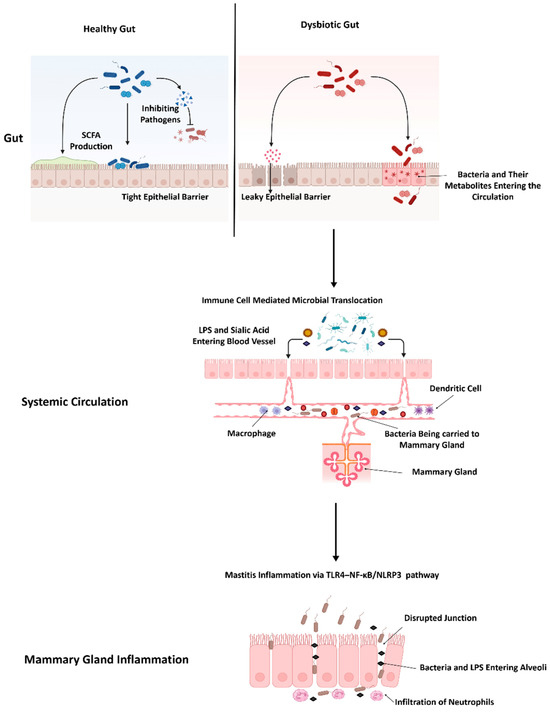
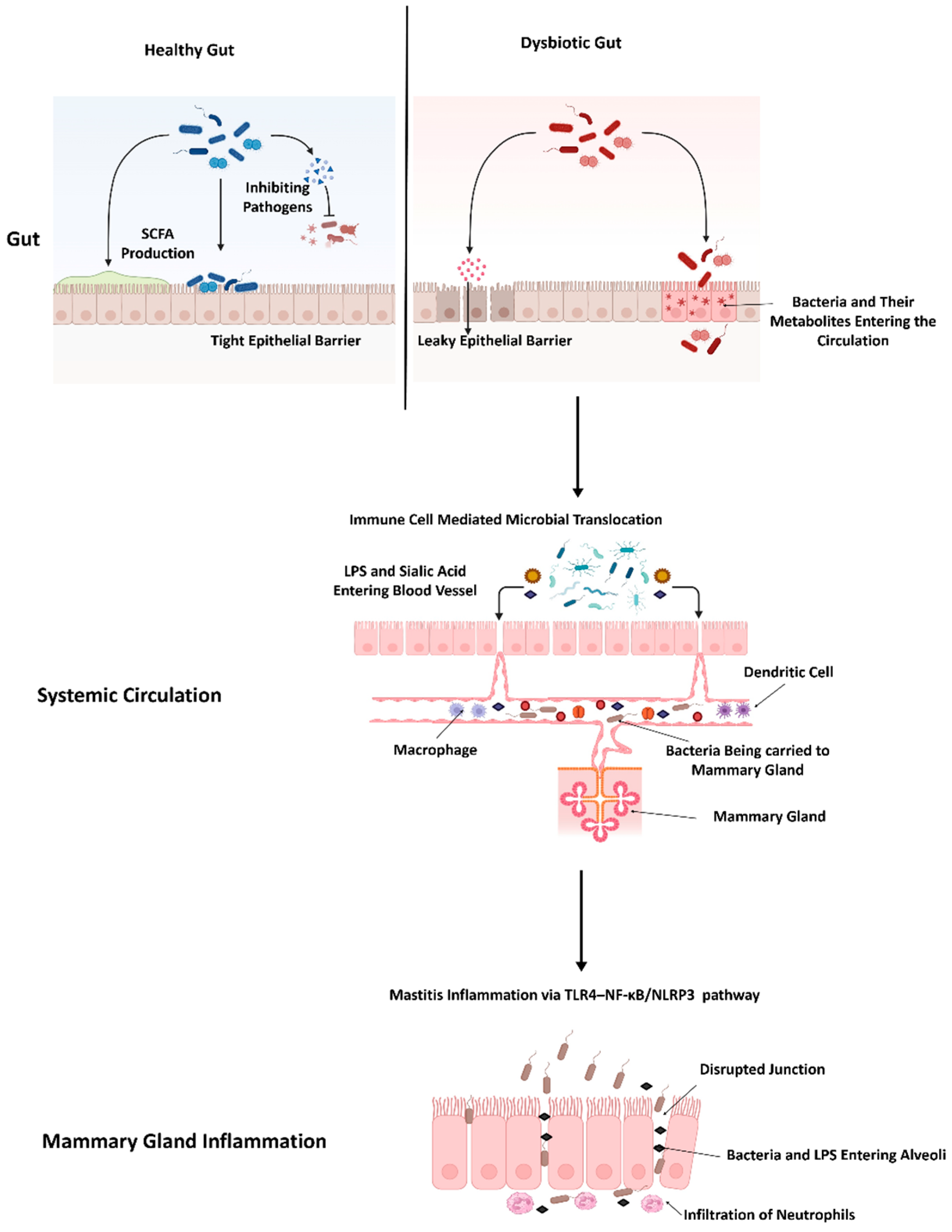
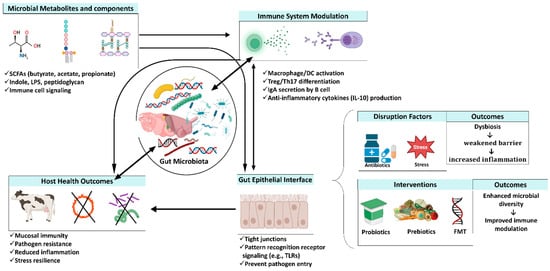
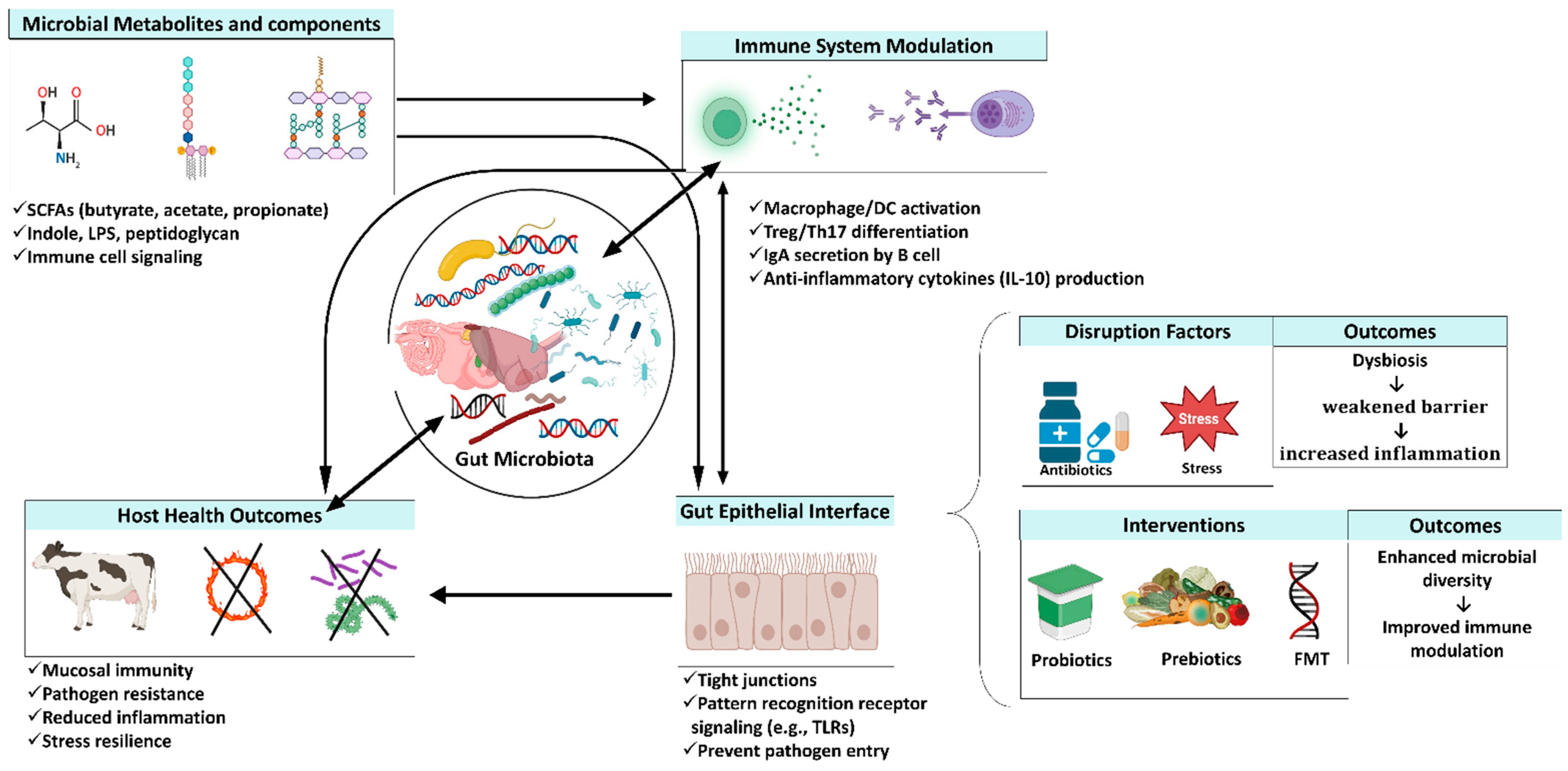
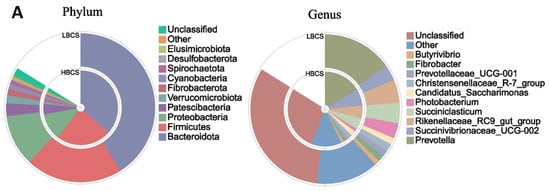
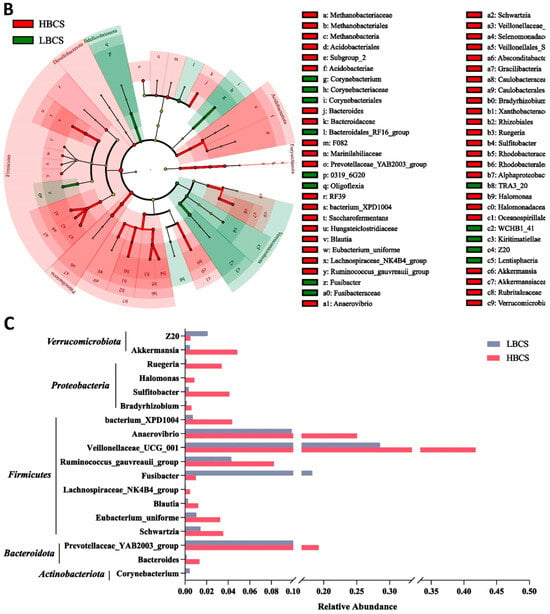
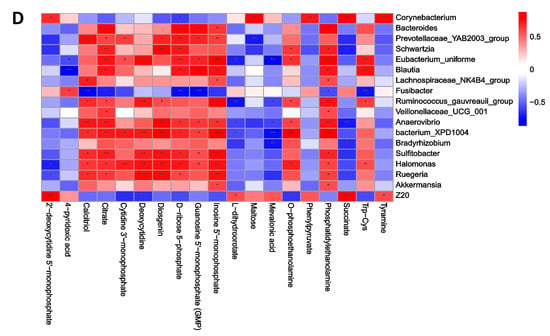
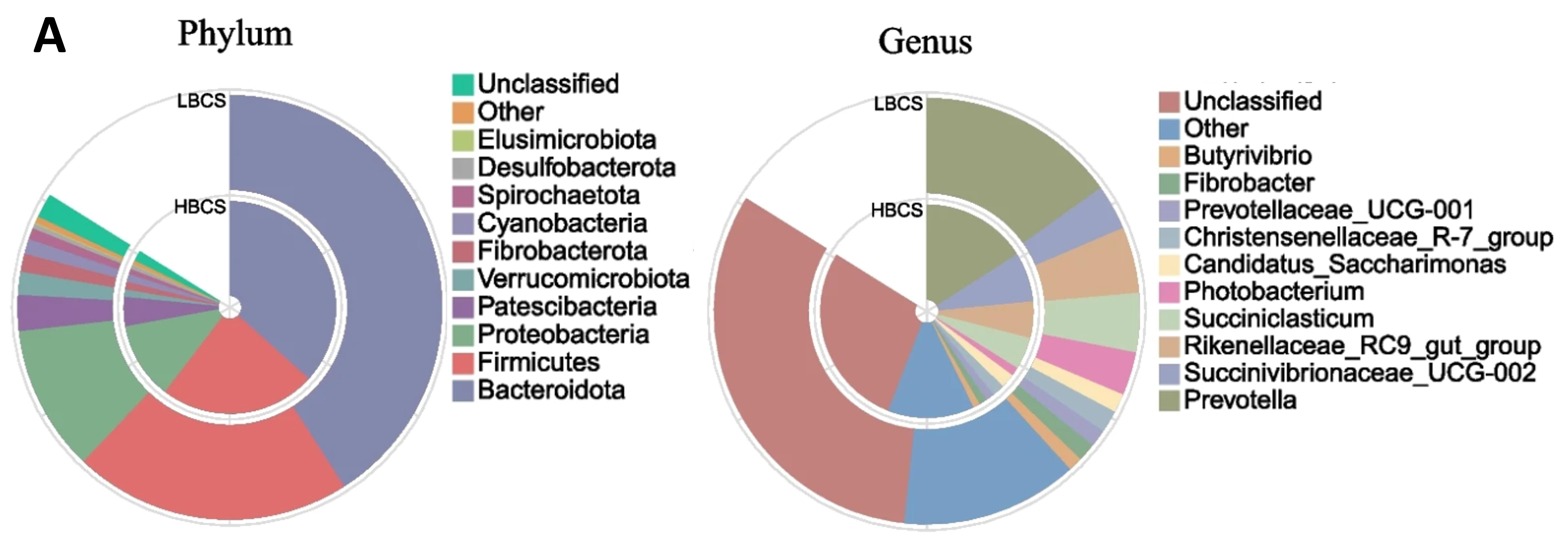
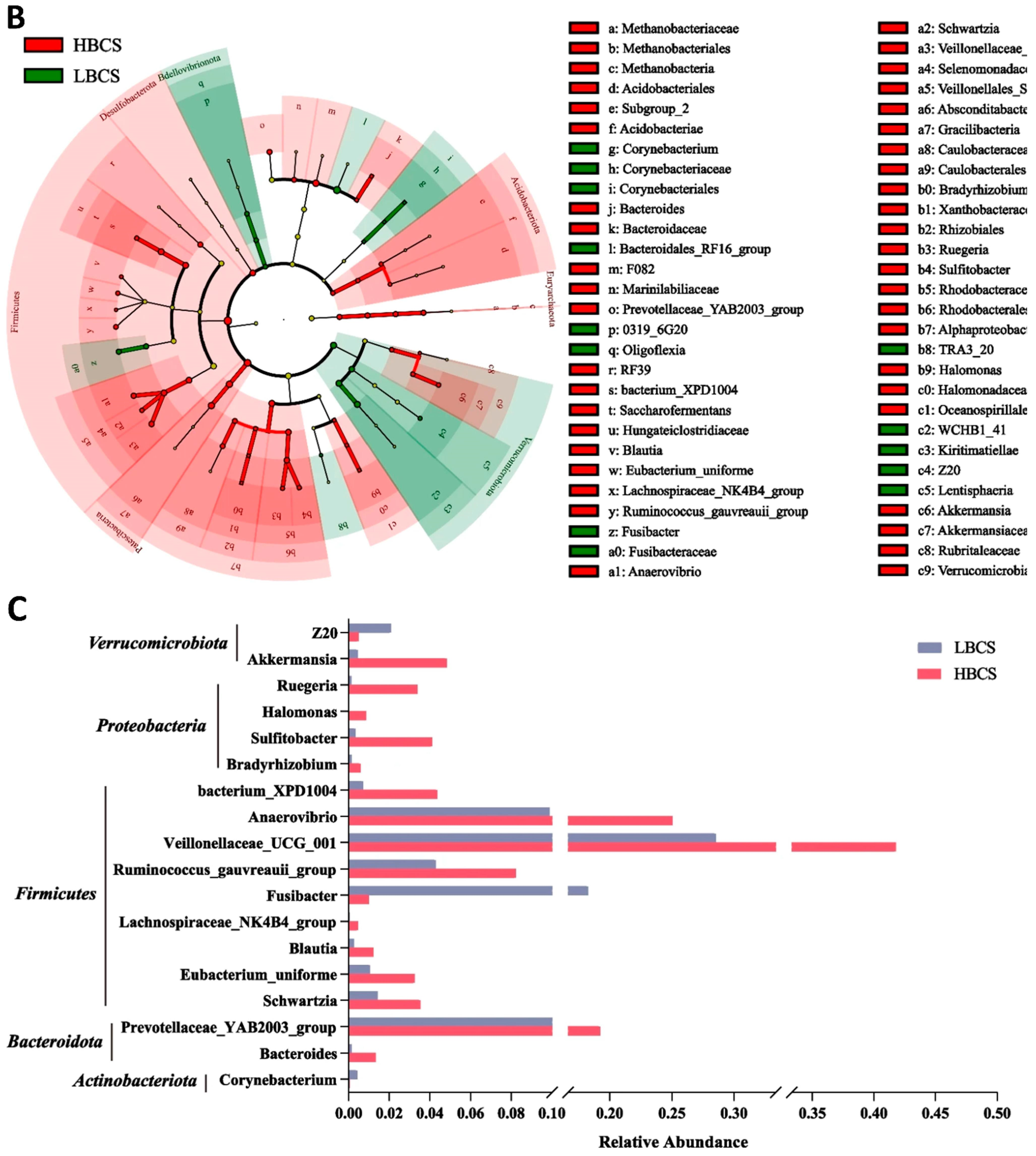
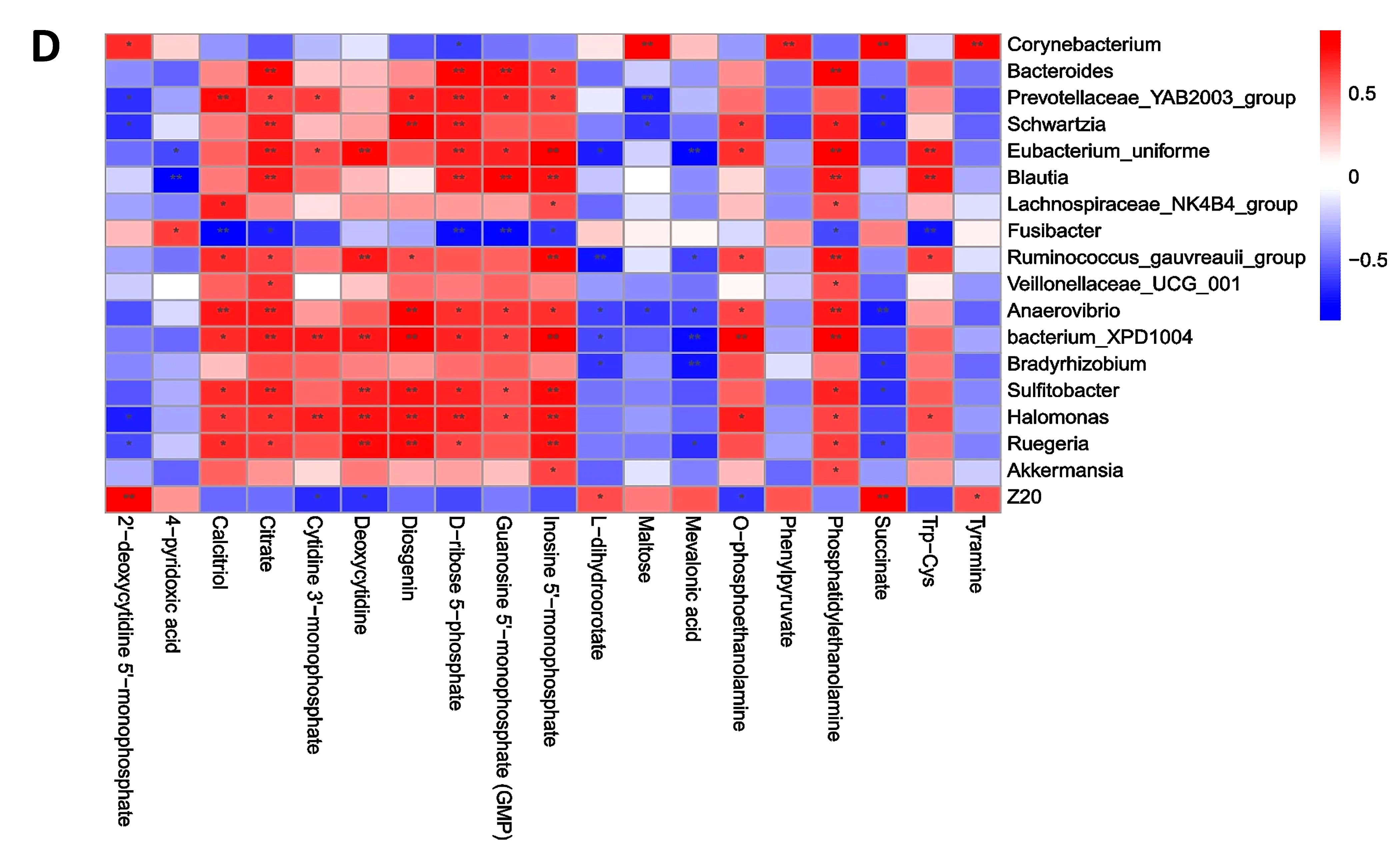
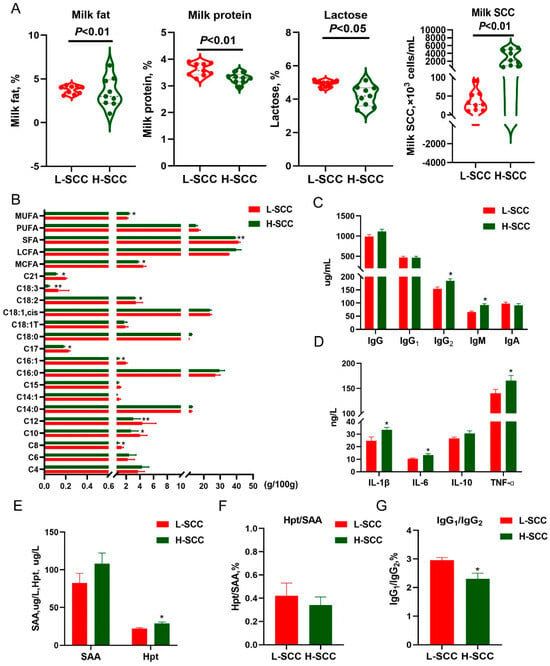
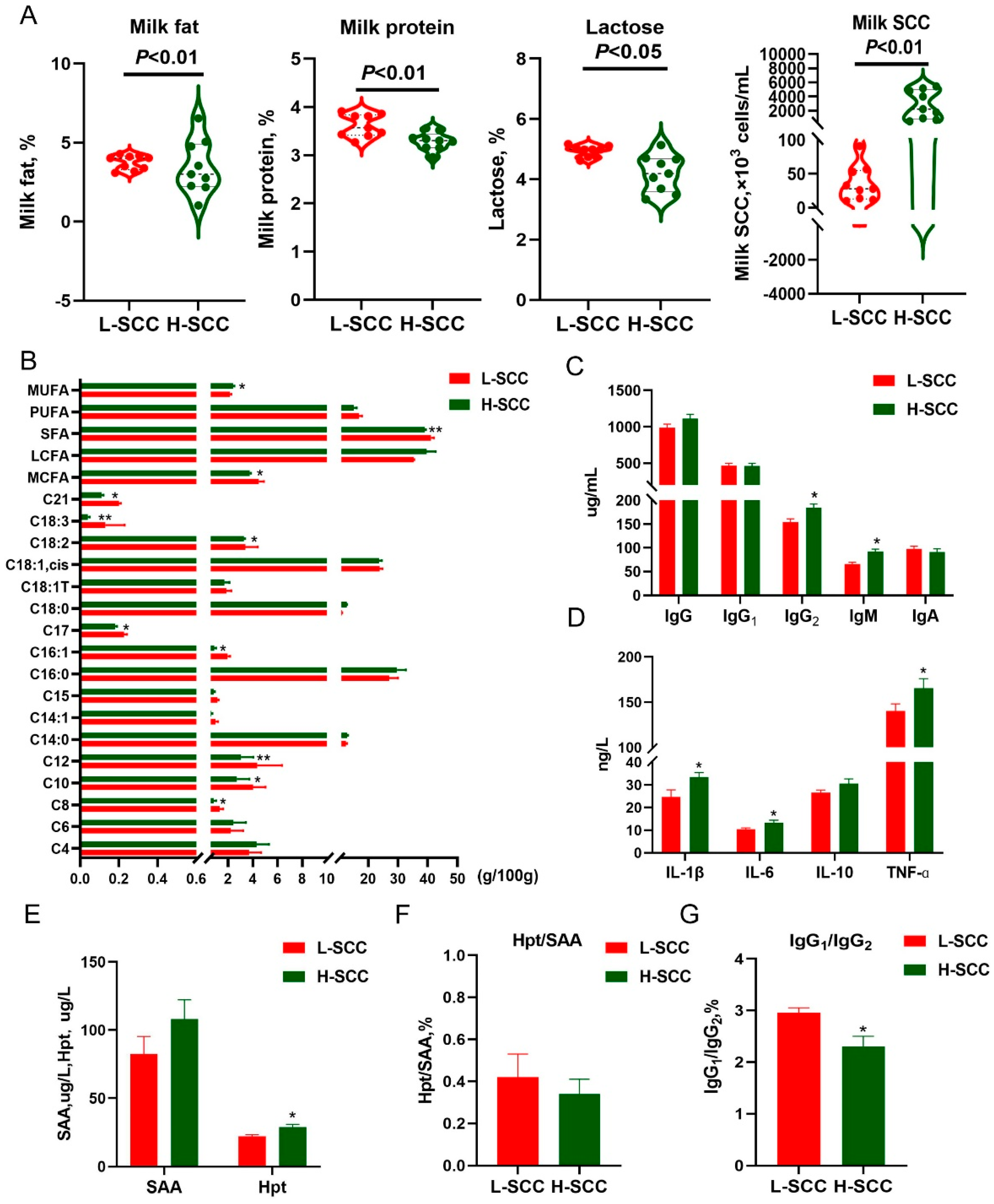
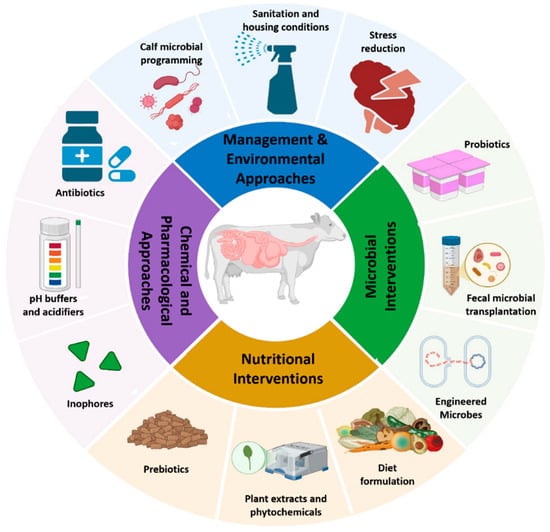
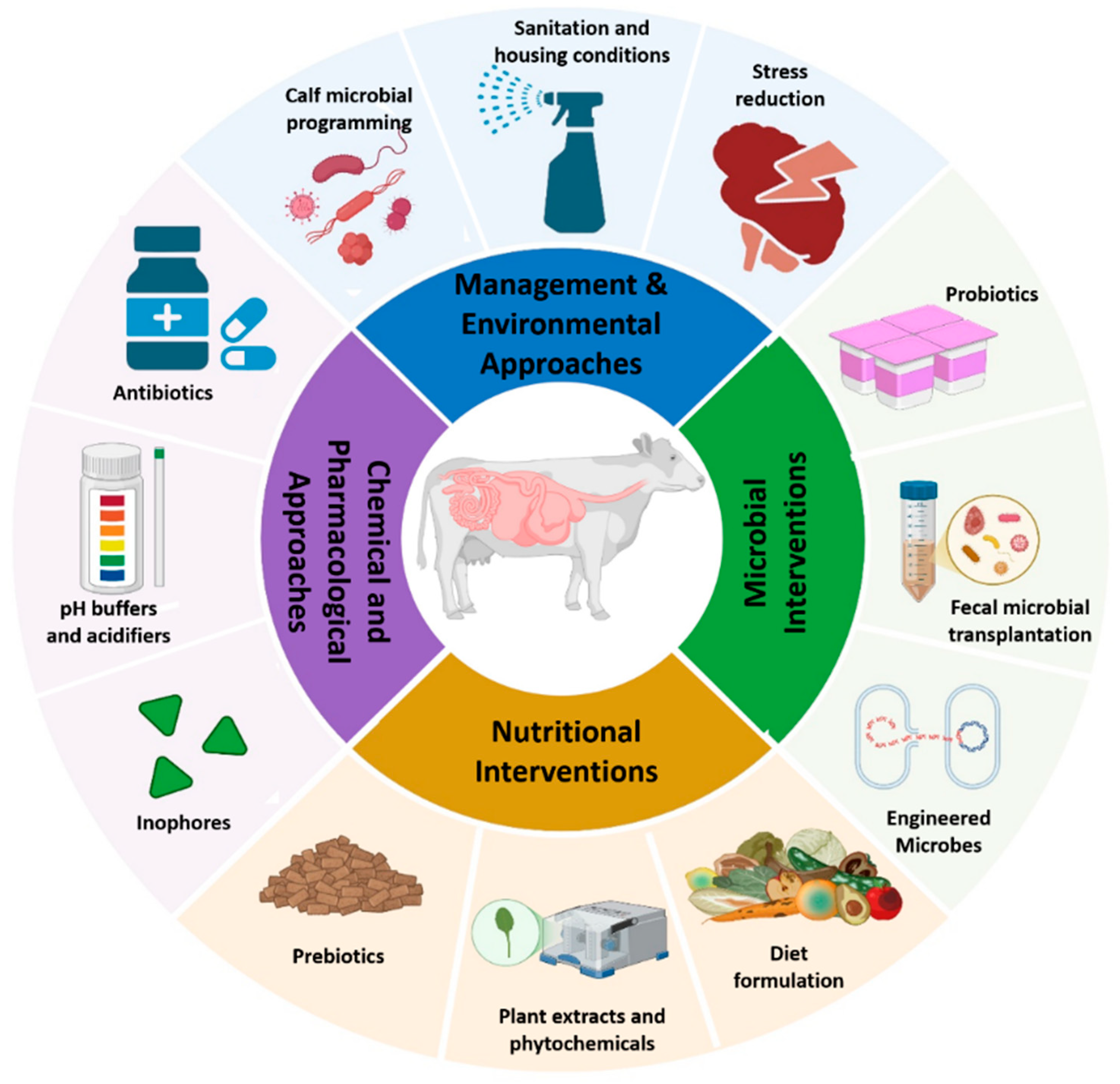

Disclaimer/Publisher’s Note: The statements, opinions and data contained in all publications are solely those of the individual author(s) and contributor(s) and not of MDPI and/or the editor(s). MDPI and/or the editor(s) disclaim responsibility for any injury to people or property resulting from any ideas, methods, instructions or products referred to in the content. |
© 2026 by the authors. Licensee MDPI, Basel, Switzerland. This article is an open access article distributed under the terms and conditions of the Creative Commons Attribution (CC BY) license.