


Abstract
This paper presents a dataset collected through a visitor questionnaire survey conducted at the Archaeological Site of Ancient Dodona, Greece, a large-scale, spatially complex open-air archaeological site. The dataset documents visitors’ experiences, perceptions, and information needs, as well as their attitudes toward the use of digital technologies for heritage interpretation and engagement. The questionnaire was administered in printed form to adult visitors at the entrance and exit of the archaeological site. A total of 99 valid responses were collected. The dataset includes information on visitor demographics, visit characteristics, perceptions of existing interpretive material, spatial behavior within the site, and attitudes toward digital applications such as augmented reality, digital storytelling, and interactive tools. All data are fully anonymized and contain no personally identifiable or sensitive information. The dataset supports research in the fields of visitor studies, cultural heritage interpretation, digital heritage, and cultural tourism, and may be reused for comparative studies or for the design and evaluation of digital mediation applications in archaeological contexts. The dataset enables cross-tabulation analyses exploring associations between visitor characteristics and attitudes toward digital mediation, thereby supporting visitor segmentation and the evidence-based development of digital interpretation strategies in archaeological contexts.
Dataset: https://zenodo.org/records/18338727.
Dataset License: CC BY 4.0
1. Summary
Understanding visitor experience and interpretive needs in archaeological sites is a key challenge for cultural heritage management and digital heritage research [1,2]. Visitor-centered approaches highlight the role of personal, social, and physical contexts in shaping how visitors perceive, interpret, and remember archaeological environments [2,3]. In recent years, digital technologies such as augmented reality, virtual reconstructions, and interactive storytelling have increasingly been employed to support interpretation and visitor engagement in archaeological contexts [4,5,6,7,8]. However, openly available datasets documenting visitors’ perceptions, expectations, and attitudes toward such technologies remain limited.
The dataset presented in this paper addresses this gap by providing empirical data collected from visitors to the Archaeological Site of Ancient Dodona, one of the most significant and spatially complex ancient sanctuaries in Greece. The questionnaire was designed to capture multiple dimensions of the visitor experience, including demographic characteristics, motivations for visiting, frequency of visits to archaeological sites, evaluation of existing interpretive material, spatial behavior during the visit, and attitudes toward digital interpretation tools.
By making this dataset openly available, this paper contributes to the growing body of open research data in cultural heritage and tourism studies. The dataset may be reused by researchers, heritage professionals, and designers of digital heritage applications to support visitor-centered interpretation strategies, comparative analyses across archaeological sites, and the development of adaptive and personalized digital mediation approaches [2,5,9].
The structure of the dataset enables the exploration of associations between key visitor characteristics and attitudes toward digital interpretation. In particular, the dataset allows for the examination of relationships between age and interest in digital storytelling, level of technological familiarity and perceived usefulness of digital applications, frequency of visits to archaeological sites and preferred types of interpretive information, level of education and perception of existing interpretive material, as well as technological familiarity and preferences for different digital storytelling formats (e.g., augmented reality, virtual reality, web-based 3D applications).
The aim of this dataset is to document visitor experience, interpretive needs, and attitudes toward digital technologies at the archaeological site of Ancient Dodona. Its contribution lies in providing in situ, structured data suitable for descriptive and comparative analyses in visitor studies and digital heritage research.
2. Introduction
Visitor experience has emerged as a central concept in contemporary cultural heritage research, particularly in relation to archaeological sites and other open-air heritage environments. Visitor-centered approaches emphasize that meaning-making during a visit is not a passive process but is shaped through the interaction of personal, social, and physical contexts, influencing how visitors perceive, interpret, and remember cultural heritage sites [2]. As a result, visitors’ perceptions, expectations, and interpretive needs play a crucial role in shaping the overall experience in archaeological environments.
In parallel, heritage interpretation has increasingly incorporated digital technologies as mediating tools between visitors and archaeological content. Digital storytelling, mobile applications, and immersive technologies such as augmented and virtual reality have been explored as means to support orientation, enhance engagement, and communicate complex historical narratives in situ [4,9,10].
Within museum and heritage contexts, mobile applications and guides have been examined and evaluated through taxonomies that distinguish different functional and interactional features, including informational support, navigation assistance, and interactive engagement mechanisms, each associated with different modes of visitor experience and learning [11]. At a broader level, research in digital heritage suggests that such technologies can facilitate multi-layered interpretation and adapt content to different visitor profiles, particularly in large-scale and spatially dispersed archaeological sites where traditional interpretive media may be limited [9,10].
Digital storytelling, in particular, has been framed not only as a technological innovation but also as a strategic interpretive practice that connects narrative structures with visitor meaning-making processes [7]. Mobile storytelling systems have been further explored as narrative-driven interfaces capable of delivering contextualized and location-aware content within heritage sites [8], while immersive virtual environments and 3D applications have been developed to enhance user interaction and experiential engagement with cultural heritage content [6].
In recent years, the open research data movement has increasingly extended to the field of cultural heritage and visitor studies, supported by initiatives promoting FAIR data principles [12]. Repositories such as Zenodo host a growing number of datasets related to museum visitor feedback, cultural tourism surveys, and heritage site documentation projects. These datasets often focus on visitor satisfaction, tourism patterns, sentiment analysis of online reviews, or descriptive documentation of heritage environments. Such contributions represent an important step toward transparency, reproducibility, and secondary analysis in heritage research. However, comparatively fewer openly available datasets provide structured, questionnaire-based data collected directly in situ within archaeological sites, particularly with a focus on visitor perceptions of interpretation and attitudes toward digital storytelling and augmented reality applications.
Despite the expanding body of research on visitor experience and digital mediation, openly available datasets documenting visitors’ perceptions, expectations, and attitudes toward interpretation and digital technologies in archaeological sites remain relatively limited. Existing datasets have predominantly focused on museum environments or structured indoor settings [13,14], while open-air archaeological sites present distinct interpretive challenges related to scale, spatial complexity, and fragmented material remains. The limited availability of reusable visitor datasets constrains comparative research and evidence-based design of digital interpretation systems in archaeological contexts. While previous studies have explored visitor experience and digital technologies in cultural heritage contexts, openly accessible in situ questionnaire datasets focusing on visitor interpretation and digital engagement in archaeological contexts remain relatively limited.
The dataset presented in this paper contributes to addressing this gap by providing structured questionnaire data collected from adult visitors to the Archaeological Site of Ancient Dodona in Greece. The dataset documents multiple dimensions of the visitor experience, including visit characteristics, engagement with existing interpretive material, spatial behavior during the visit, and attitudes toward digital interpretation tools. By making these data openly available, this study supports descriptive and exploratory analyses of visitor experience and enables secondary research on digital mediation, personalization, and visitor-centered interpretation in archaeological sites [5,13].
The aim of this study is to provide an openly accessible dataset documenting visitor experience, interpretive needs, and attitudes toward digital technologies at a large-scale archaeological site. The novelty of this dataset lies in its in situ data collection at the archaeological site of Dodona, integrating demographic, experiential, and technological variables. The dataset supports descriptive and cross-tabulation analyses and contributes to the development and evaluation of digital interpretation strategies.
3. Study Area (Ancient Dodona)
The Archaeological Site of Ancient Dodona is in northwestern Greece, in the region of Epirus, at the foothills of Mount Tomaros. It constitutes one of the most significant ancient sanctuaries in the Greek world and is widely recognized as the oldest oracle of Zeus, referred to by Herodotus as “the most ancient oracle in Greece” [15].
According to literary sources, the sanctuary was already known in Homeric epic poetry. Odysseus is said to have consulted the oracle of Dodona during his wanderings (Odyssey 14.327–328), while Achilles invoked Dodonaean Zeus in the Iliad (Iliad 16.233–235). The central element of the sanctuary in its early phase was the sacred oak tree (phegos), through which Zeus delivered oracular responses. Until the late 5th century BCE, the sacred oak and its surrounding bronze tripods constituted the main cultic features of the site [15].
During the Classical and especially the Hellenistic period, the sanctuary underwent substantial architectural development. In the early 4th century BCE, the first temple of Zeus was constructed near the sacred oak, followed later by the temple of Dione. Under the reign of King Pyrrhus of Epirus in the early 3rd century BCE, Dodona experienced a major building program, including the construction of monumental public buildings such as the theatre, the bouleuterion (council house), and the prytaneion [15,16].
The theatre of Dodona, built in the 3rd century BCE, is among the largest ancient theatres in Greece, with a capacity estimated between 15,000 and 17,000 spectators. It was later modified during the Roman period and partially transformed into an arena. Adjacent to the theatre lies the stadium, where the Naia festival—athletic, musical, and dramatic competitions in honor of Zeus—was held. These games eventually acquired Panhellenic status [15,16].
The sanctuary was not only a religious center but also acquired significant political importance. It served as the administrative seat of the Molossian state and later of the Epirote League. The bouleuterion functioned as the meeting place of political assemblies, while numerous inscriptions attest to decrees, honorary statues, and administrative activities [15,16].
Following its destruction by the Aetolians in 219 BCE and later by the Romans in 167 BCE, the sanctuary was rebuilt and continued to function into the Roman Imperial period. In Late Antiquity, the site gradually lost its pagan religious function, and in the 5th–6th century CE, a Christian basilica was constructed within the sanctuary area, marking a transformation in its use and symbolic meaning.
Today, Dodona represents a large-scale open-air archaeological landscape characterized by dispersed monuments, extensive spatial organization, and layered historical phases. The fragmented material remains and the scale of the site create interpretive challenges for visitors, particularly regarding spatial orientation, monument identification, and historical contextualization. These characteristics make Dodona a particularly relevant case study for research on visitor experience, heritage interpretation, and the potential role of digital technologies in supporting meaning-making processes in archaeological environments [17]. In archaeological contexts, visitors may gradually shift from general tourists to more engaged monument visitors through interpretive mediation and contextual understanding [18].
These spatial and interpretive characteristics directly informed the design of the questionnaire variables related to orientation, monument identification, and information preferences. The scale, monument dispersion, and multilayered historical development of Dodona create specific interpretive challenges related to spatial orientation, monument recognition, and historical contextualization, which directly informed the design of the present questionnaire.
Within the broader framework of cultural tourism development in Greece, archaeological sites such as Dodona function as nodes within cultural routes that combine heritage interpretation with experiential tourism models [17].
4. Data Description
The dataset consists of responses collected through a structured questionnaire administered to visitors at the Archaeological Site of Ancient Dodona, Greece. The dataset is provided as a single anonymized spreadsheet file, in which each row corresponds to one individual respondent and each column corresponds to a questionnaire variable. The following results are presented descriptively, and any observed patterns are interpreted in an exploratory manner.
The questionnaire was designed to capture multiple dimensions of visitor experience and digital engagement in an archaeological context, drawing on established visitor experience and heritage interpretation frameworks [2,3]. The variables are organized into three main thematic groups: (a) demographic characteristics, (b) visit experience and interpretation, and (c) technological familiarity and attitudes toward digital applications.
4.1. Demographic Characteristics
This group of variables includes basic demographic information describing the socio-demographic profile of respondents. Variables include gender, age group, place of residence, level of education, and occupation. All demographic variables are categorical or ordinal and were collected using predefined response options. No personally identifiable information was collected.
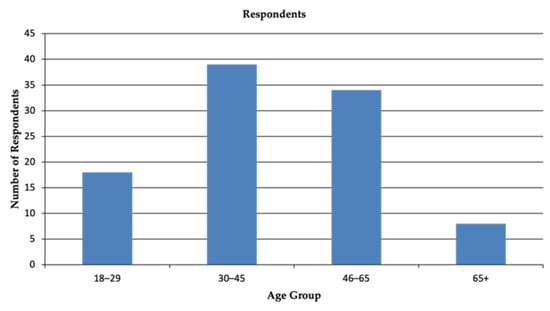
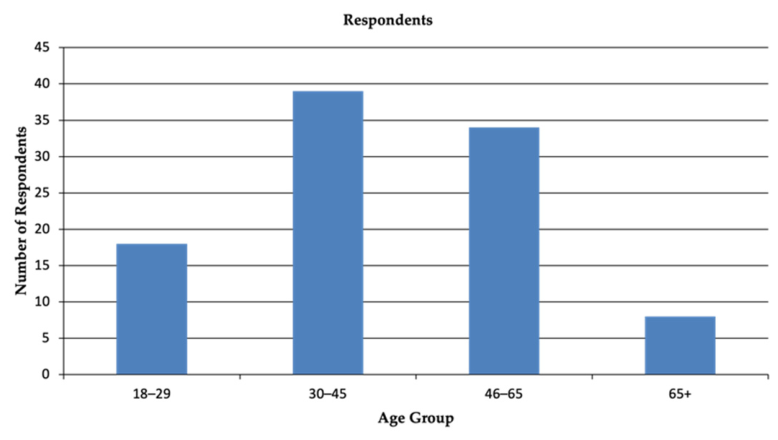
The age distribution of respondents is presented in Figure 1, providing an overview of the demographic structure of the sample.
Figure 1.
Age distribution of respondents (n = 99).
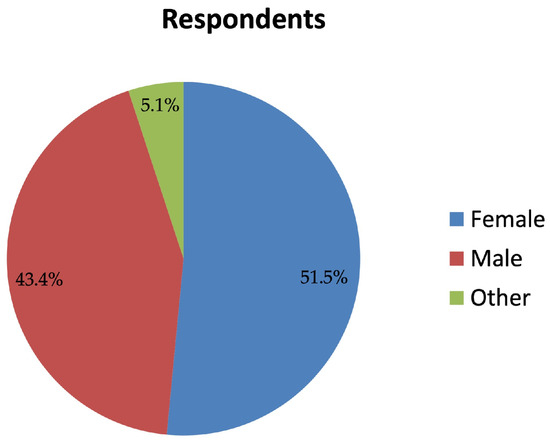
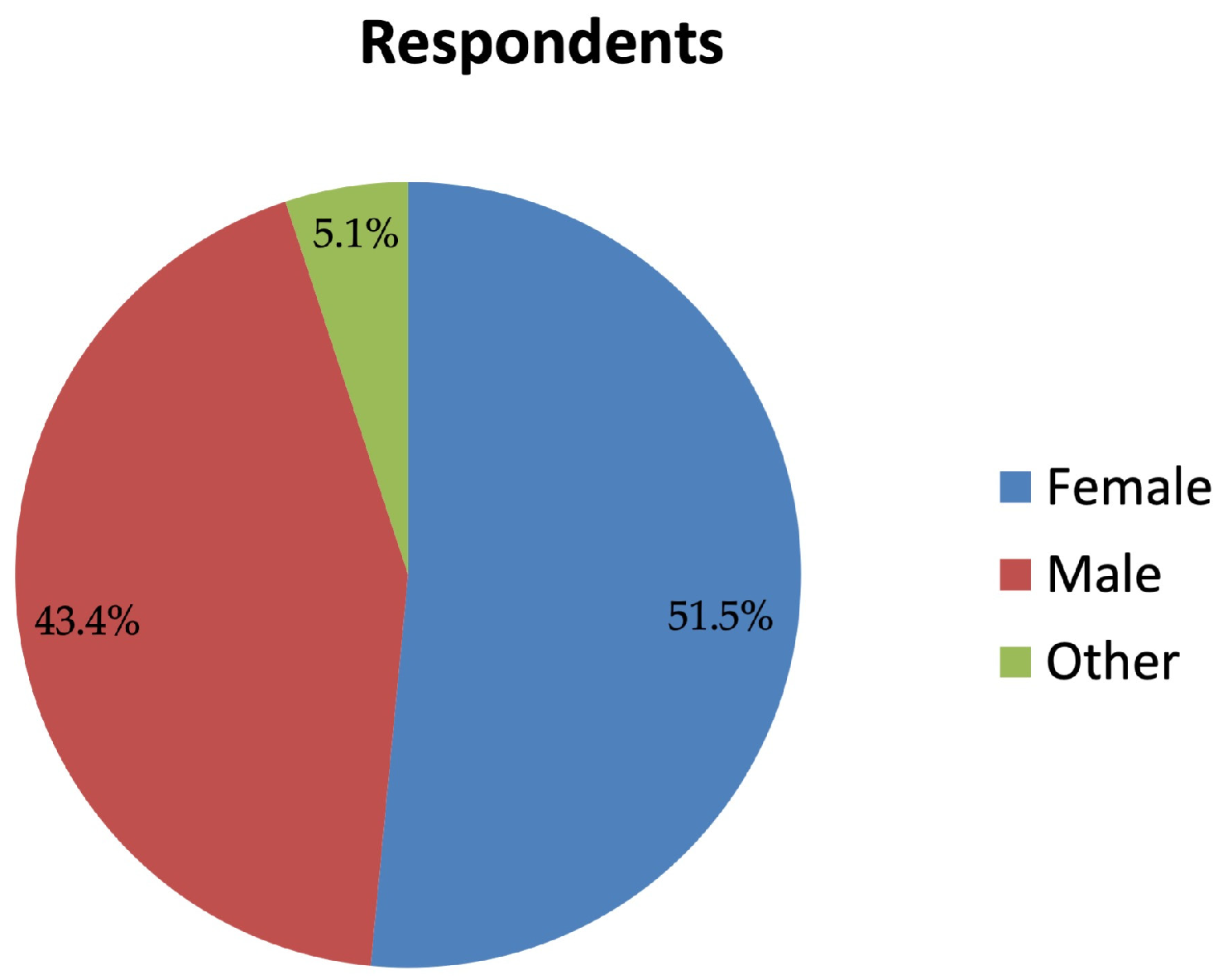
Gender distribution is illustrated in Figure 2.
Figure 2.
Gender distribution of respondents (n = 99).
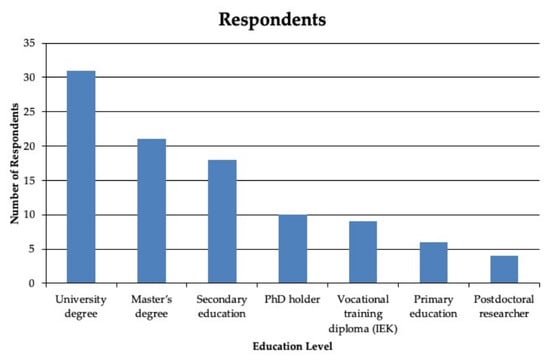
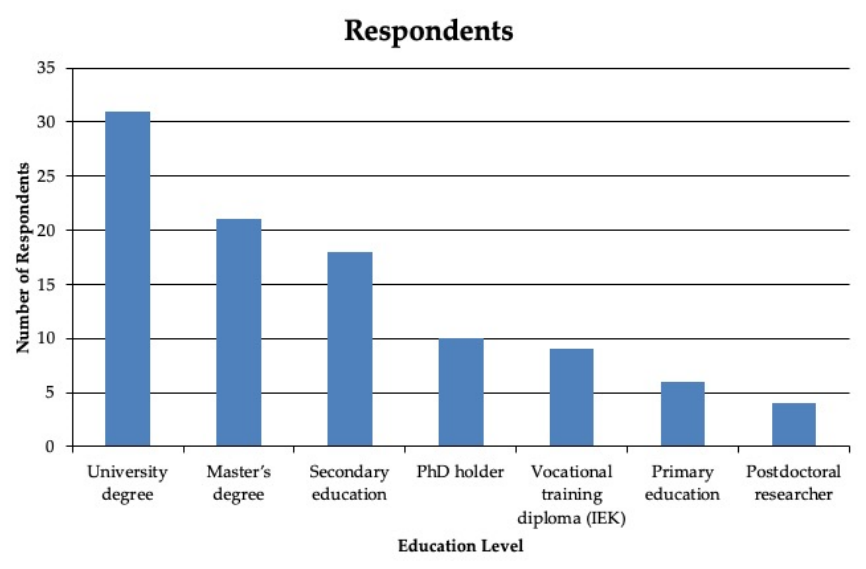
Figure 3 presents the distribution of respondents according to educational level.
Figure 3.
Educational level of respondents (n = 99).
4.2. Visit Experience and Interpretation
This group documents visitors’ engagement with the archaeological site and their interaction with the existing interpretive infrastructure. Variables capture previous visits to the site, motivations for visiting, frequency of visits to archaeological sites, visit duration, and the monument where visitors spent the most time.
Visitors were also asked to evaluate the interpretive material available on site using multiple descriptive categories, allowing different interpretive perceptions to be recorded [2]. An open-ended variable captures the route followed within the site, providing qualitative insight into spatial behavior, while a related variable records the reasons for route selection. Finally, visitors indicated the types of information they would be interested in receiving about the monuments they visited, supporting the examination of interpretive preferences in archaeological contexts [2,3]. The frequency categories were defined to ensure mutually exclusive ranges.
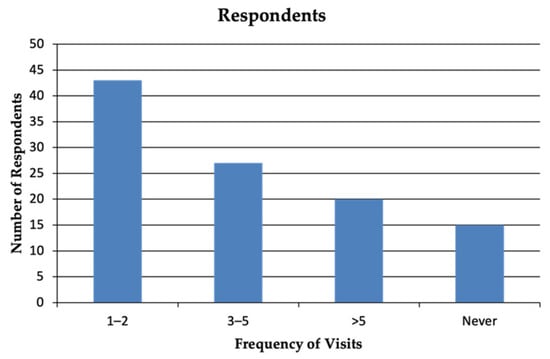
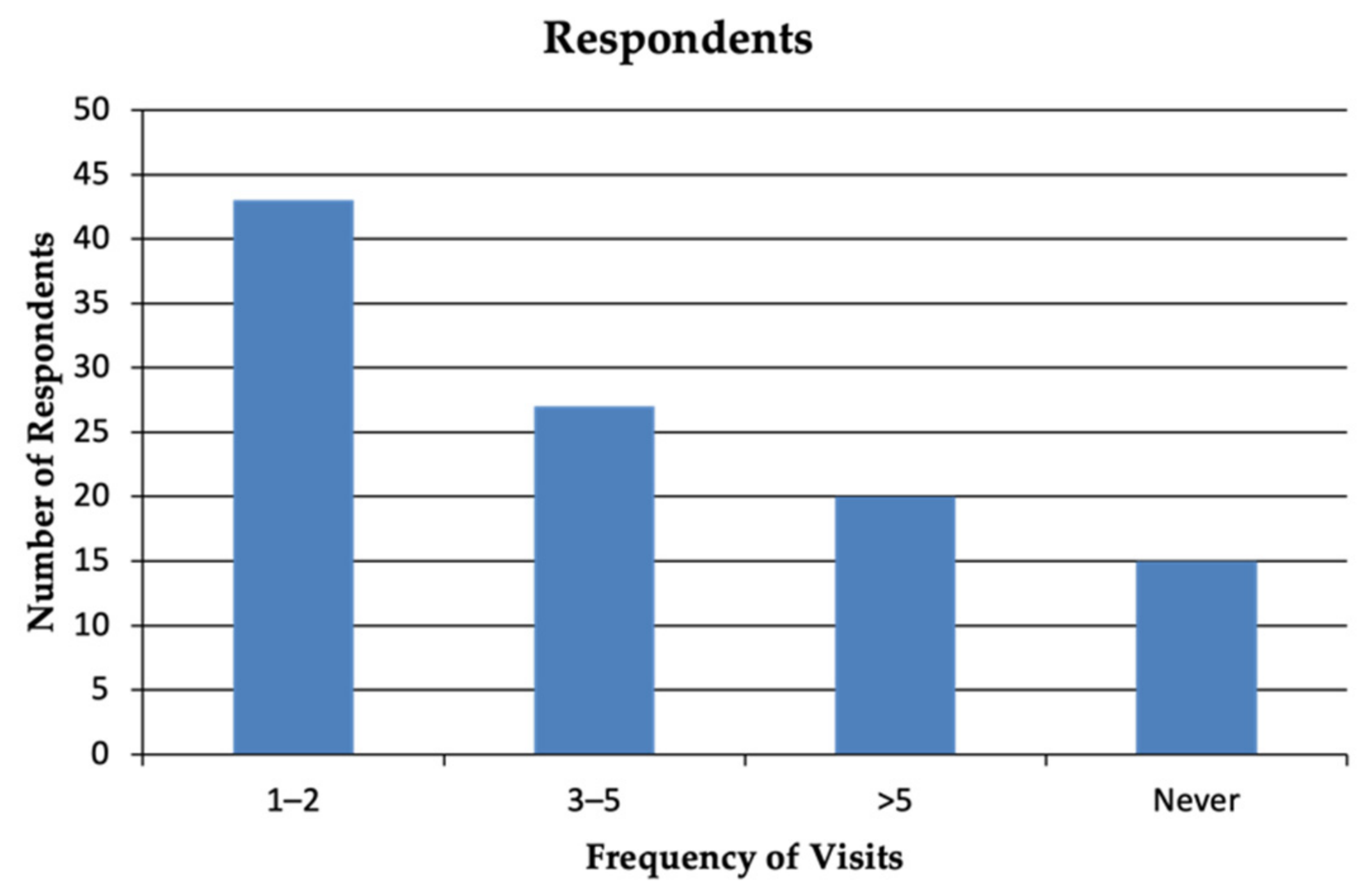
Figure 4 presents the frequency with which respondents visit archaeological sites.
Figure 4.
Frequency of visits to archaeological sites (n = 99).
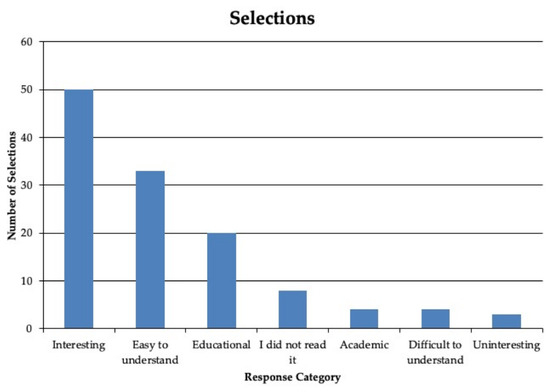
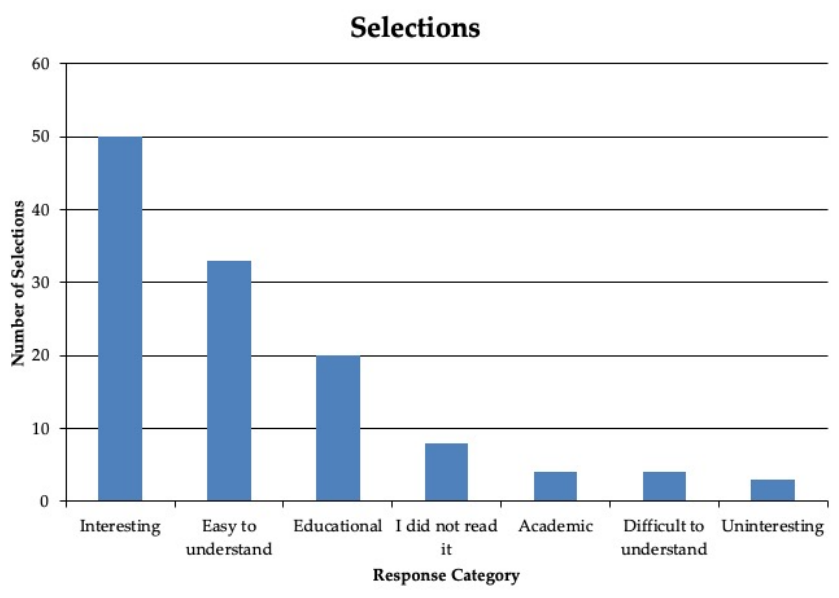
Respondents’ perceptions of the existing interpretive material are summarized in Figure 5.
Figure 5.
Perception of existing interpretive material at the archaeological site (multiple responses allowed; n = 99).
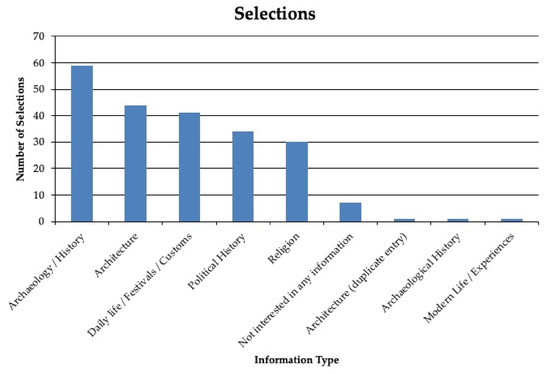
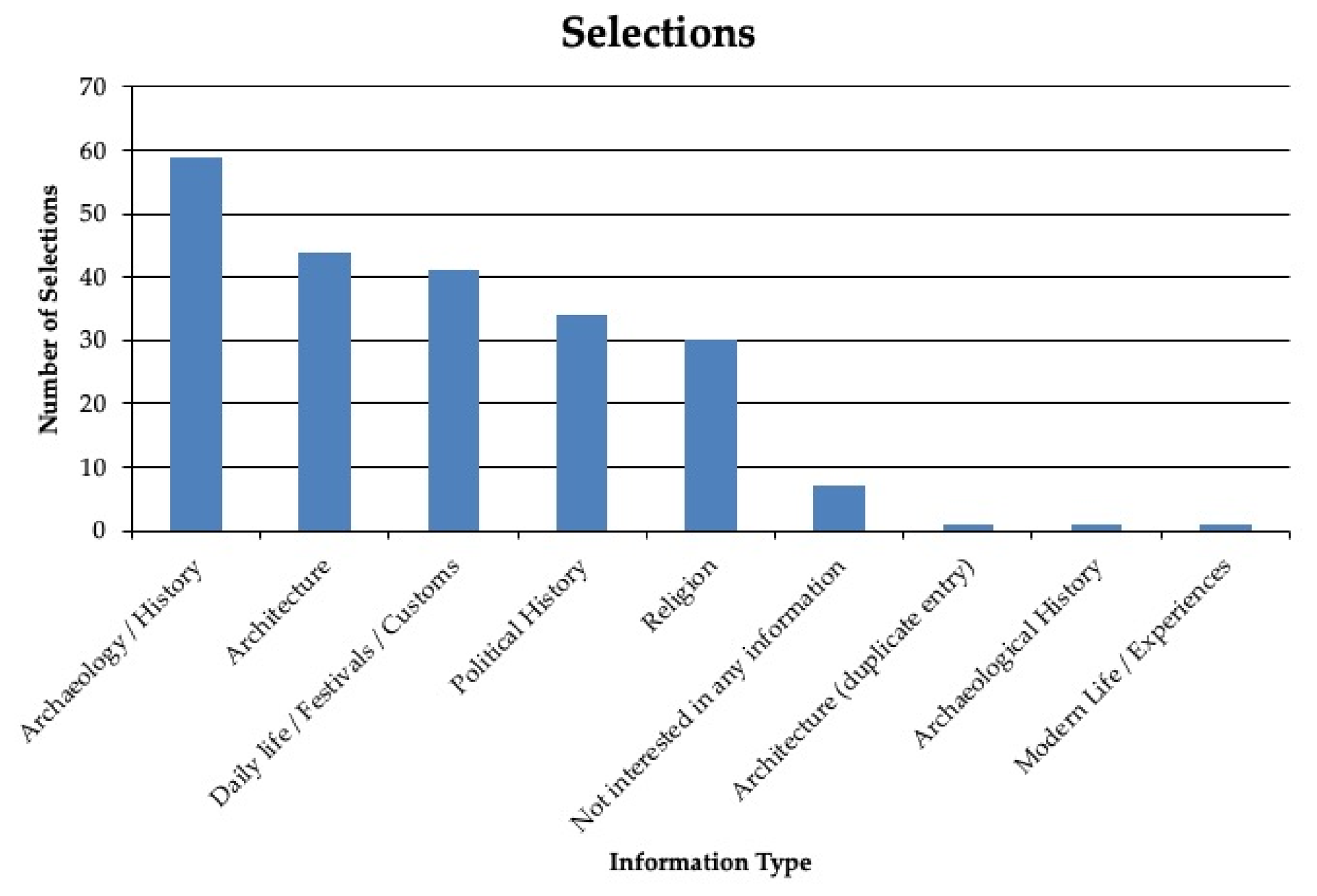
Figure 6 illustrates the types of information visitors expressed interest in receiving.
Figure 6.
Preferred types of information about the monuments (multiple responses allowed; n = 99).
4.3. Technological Familiarity and Digital Engagement
This group of variables addresses visitors’ familiarity with digital technologies and their attitudes toward the use of digital applications for heritage interpretation. Variables include self-reported computer familiarity, mobile device ownership, perceived usefulness of a digital application, interest in digital storytelling, preferences for different types of digital storytelling applications, familiarity with immersive technologies, and prior experience with augmented reality applications.
The variables included in this group were designed to enable the exploration of associations between technological readiness, device ownership, and preferences for different types of digital storytelling applications, as commonly examined in digital heritage and mobile interpretation research [13]. Descriptive distributions of key technological variables are presented in Figure 7, Figure 8, Figure 9 and Figure 10.
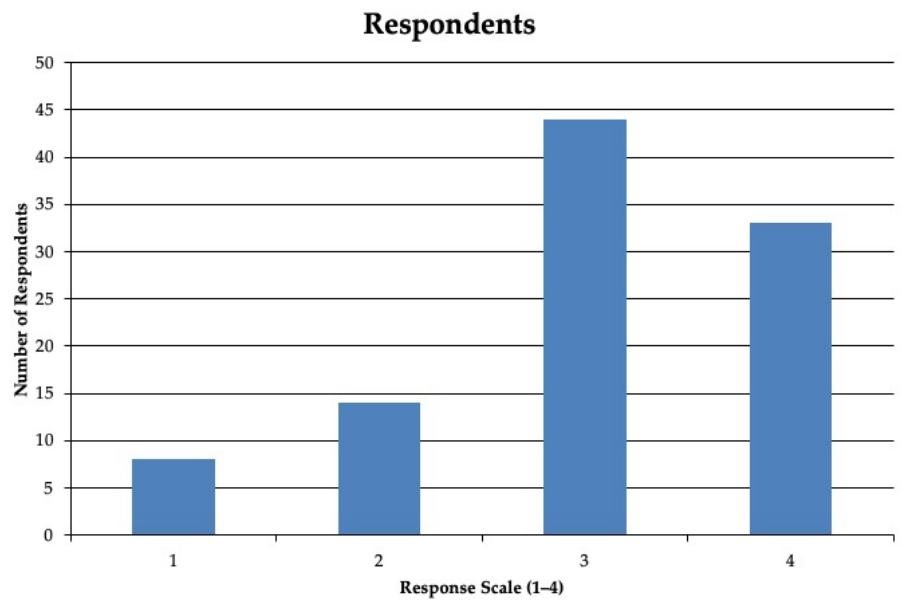
Figure 7 presents respondents’ perceived usefulness of a digital application for enhancing understanding of the archaeological site.
Figure 7.
Perceived usefulness of a digital application (1 = Not at all, 2 = A little, 3 = Very much, 4 = Extremely) (n = 99).
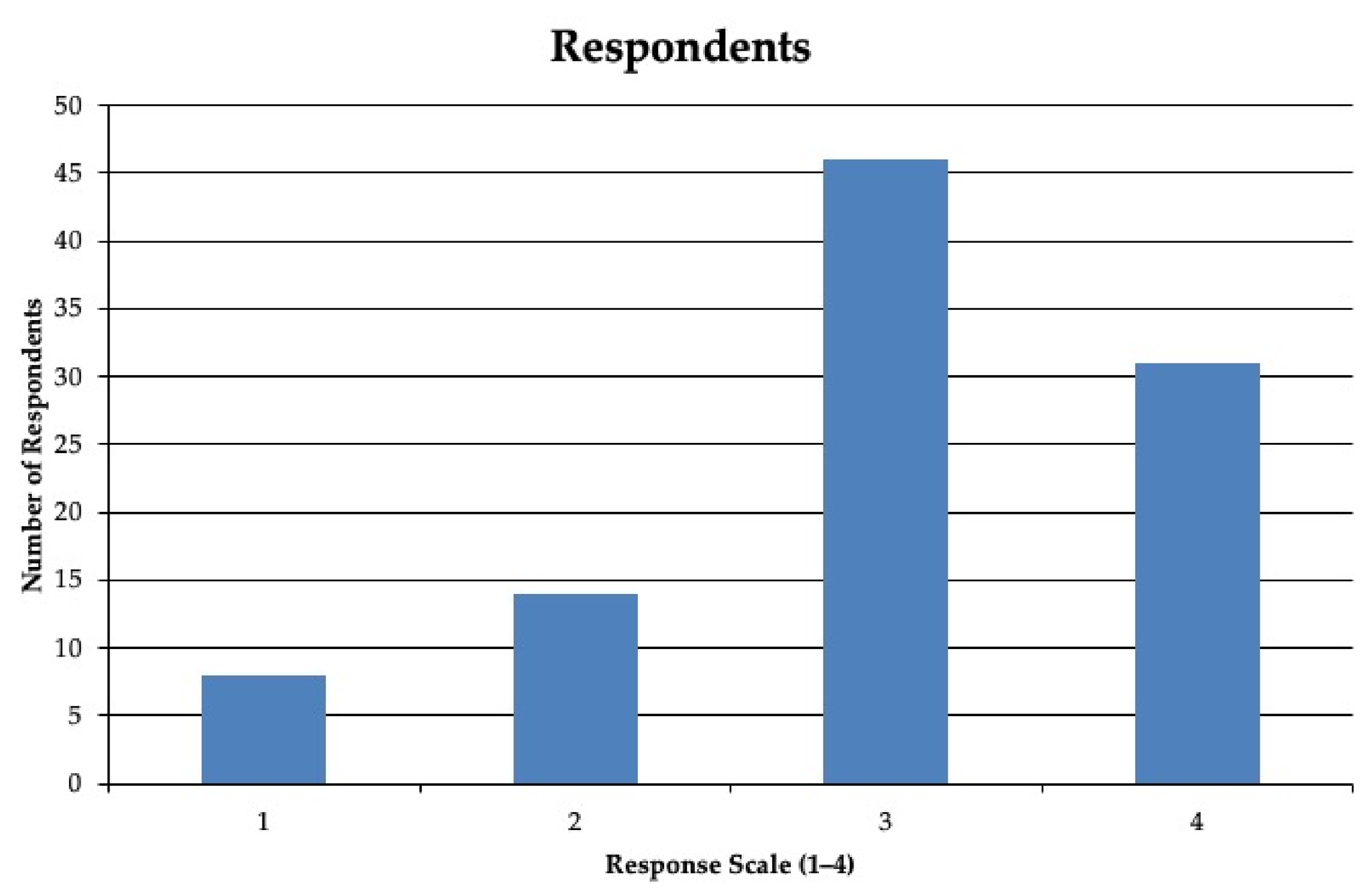
Interest in digital storytelling applications is illustrated in Figure 8.
Figure 8.
Interest in digital storytelling application (1 = Not at all, 2 = A little, 3 = Very much, 4 = Extremely) (n = 99).
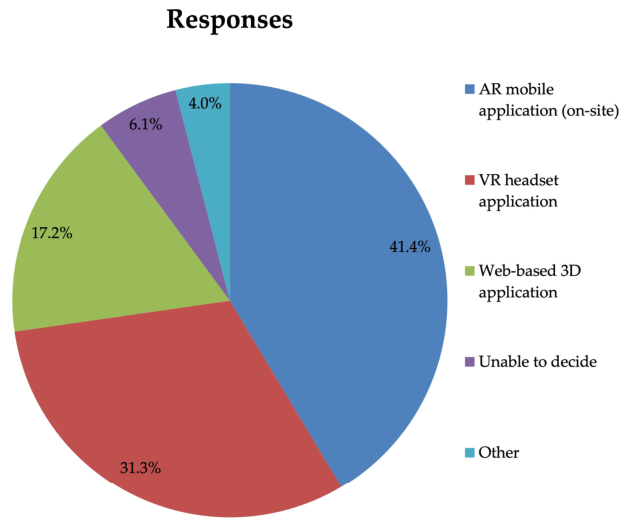
Preferences for different digital storytelling formats are shown in Figure 9.
Figure 9.
Preferred type of digital storytelling application (multiple responses allowed; n = 99).
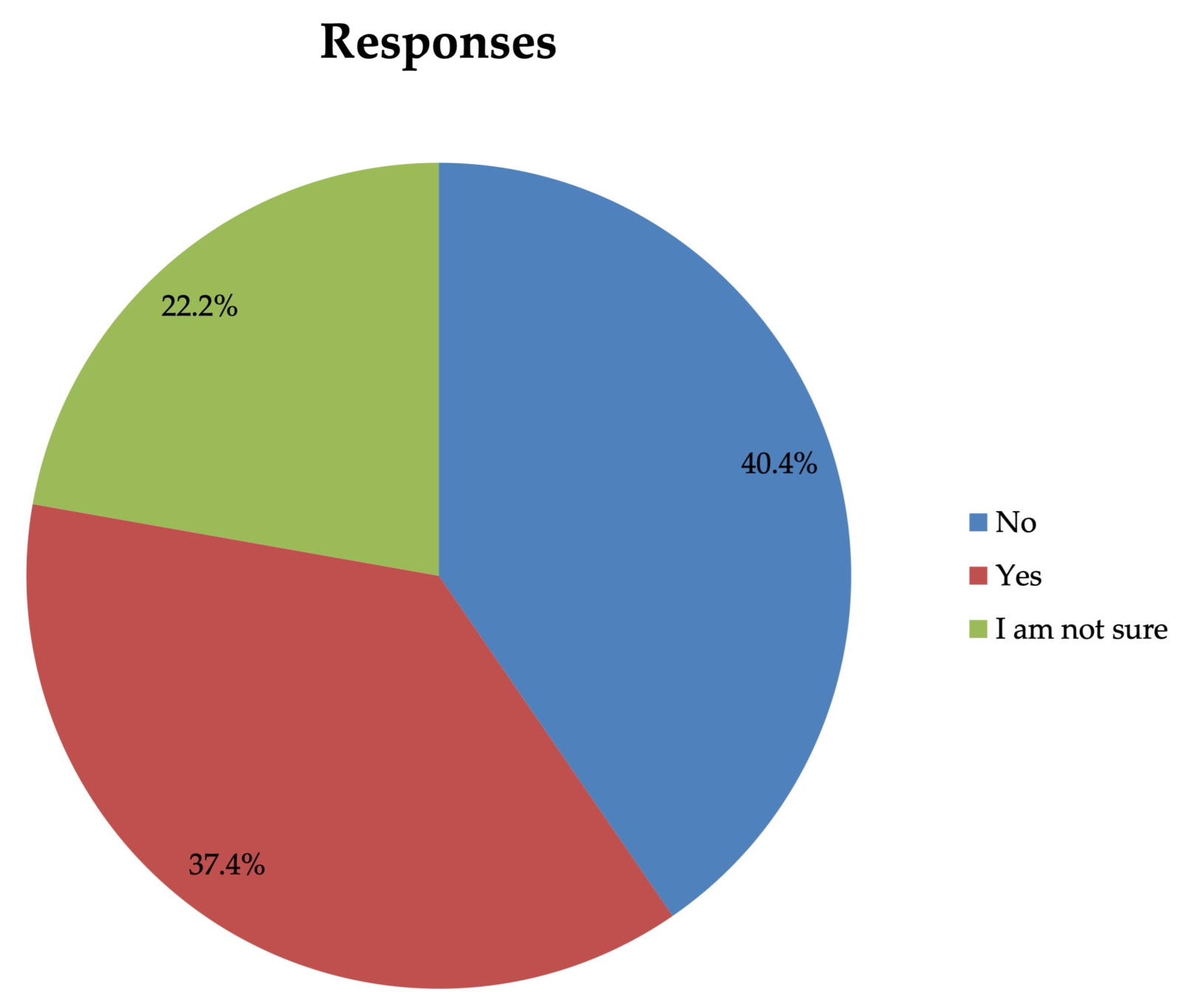
Previous experience with augmented reality applications is presented in Figure 10.
Figure 10.
Previous use of augmented reality applications (n = 99).
Descriptive statistics indicate a generally positive orientation toward digital mediation among respondents. Approximately 77.8% of participants rated a digital application as “very” or “extremely” useful for enhancing their understanding of the archaeological site. A similar proportion (77.8%) expressed strong interest in learning more about the site through digital storytelling applications.
In terms of technological readiness, 37.4% of respondents reported prior experience with augmented reality applications. Furthermore, 62.6% of the respondents held university or postgraduate degrees, suggesting a relatively high educational profile among participants. These descriptive indicators highlight the relevance of investigating digital interpretation strategies within this visitor population.
4.4. Dataset Structure and Coding
Each questionnaire item corresponds to a separate variable column. Multiple-response questions were encoded using binary variables, while open-ended responses were retained as text fields. Variable names are concise and descriptive to support readability and reuse. Missing values are explicitly coded, and no composite indices or derived variables are included.
4.5. Data Integrity and Reuse Potential
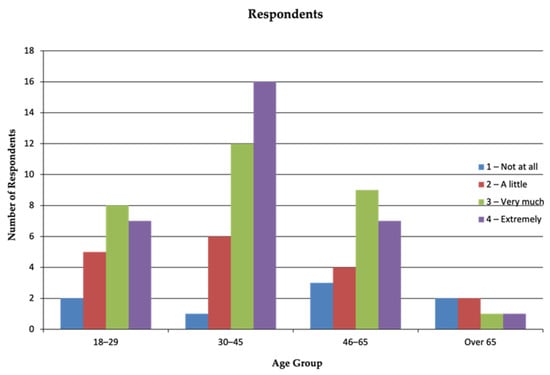
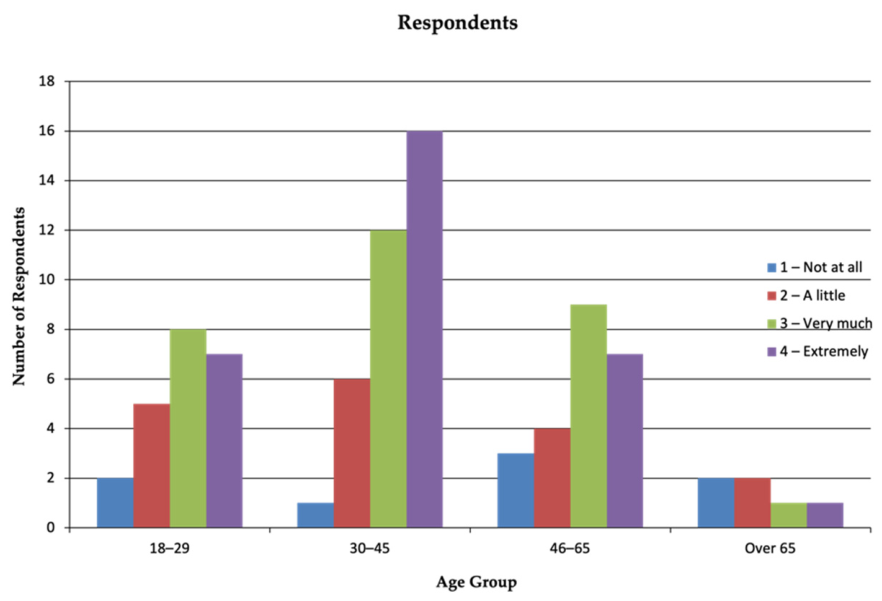
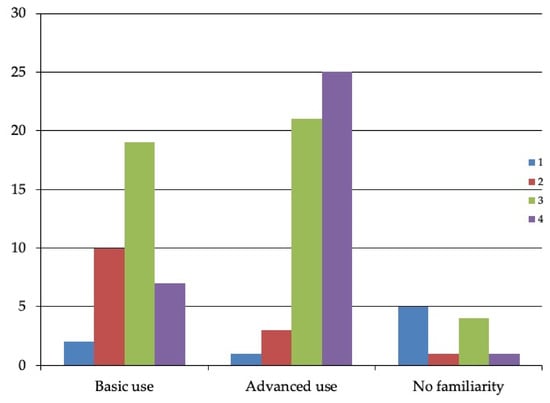
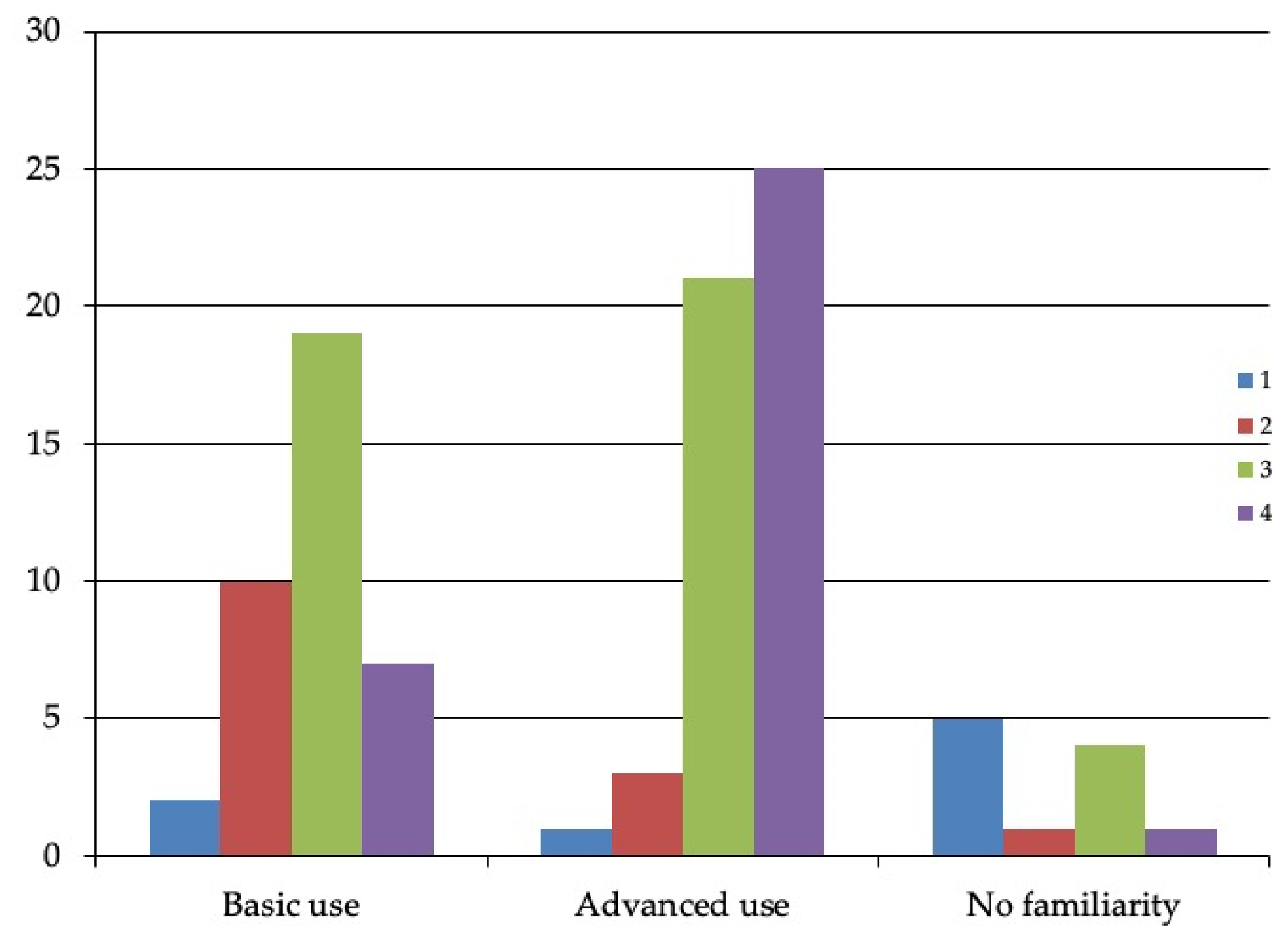
Responses were reviewed for consistency and completeness prior to publication. Questionnaires with substantial missing data were excluded, resulting in a final dataset of 99 valid records. The dataset is suitable for descriptive and exploratory analyses, comparative studies across heritage sites, and research on visitor experience and digital interpretation, supporting reuse in line with open research data principles [12]. The inclusion of descriptive statistical distributions (Figure 1, Figure 2, Figure 3, Figure 4, Figure 5, Figure 6, Figure 7, Figure 8, Figure 9 and Figure 10) and selected cross-tabulations (Figure 11 and Figure 12) demonstrates the analytical potential of the dataset beyond basic reporting, illustrating its suitability for segmentation and visitor profiling research. Table 1 provides an overview of the dataset structure and contents.
Figure 11.
Cross-tabulation between age group and interest in digital storytelling (n = 99; cross-tabulation).
Figure 12.
Cross-tabulation between computer familiarity and perceived usefulness of a digital application (n = 99; cross-tabulation).
Table 1.
Dataset description.
Dataset description:
The dataset consists of anonymized questionnaire responses collected from 99 adult visitors to the Archaeological Site of Ancient Dodona (Greece). The questionnaire was administered in printed form at the entrance and exit of the site and aimed to capture visitors’ experiences, perceptions, and expectations regarding on-site interpretation and the use of digital technologies.
The dataset includes demographic information, visit characteristics, perceptions of existing interpretive material, spatial behavior within the site, and attitudes toward digital applications such as augmented reality, digital storytelling, and interactive tools. No personally identifiable or sensitive data are included.
The data file contains 99 rows corresponding to individual respondents and multiple columns representing questionnaire variables. The first row contains the variable names. The following tables group the variables into thematic categories reflecting different dimensions of visitor experience and digital engagement at archaeological sites.
Table 2 presents variables related to visitors’ on-site experience and their interaction with the interpretive material. These variables allow the exploration of how visitors perceive existing interpretation, what types of information they value, and how they engage spatially and cognitively with the archaeological site.
Table 2.
Visitor experience and interpretation.
Table 3 presents variables related to visitors’ technological readiness and access to digital devices, which are critical factors for the design and implementation of digital interpretation tools in archaeological contexts.
Table 3.
Technological readiness and access.
5. Methods
This section outlines the procedures followed for data collection, processing, and publication.
5.1. Data Collection
Data were collected through a structured questionnaire survey administered to adult visitors at the Archaeological Site of Ancient Dodona. The questionnaire was distributed in printed form at the entrance and exit of the site. Participation was voluntary, and respondents were informed about the purpose of the study. A total of 99 valid questionnaires were collected. The survey focused on documenting visitor experience and attitudes toward digital technologies in archaeological contexts.
A convenience sampling approach was employed, which is common in in situ visitor studies in open-air heritage environments. The questionnaire was administered in printed form by members of the research team to adult visitors at the entrance and exit of the archaeological site. Data were collected during the winter period (November–December 2025). Each participant completed the questionnaire only once, ensuring no duplication of responses.
5.2. Questionnaire Design
The questionnaire included closed-ended, multiple-choice, Likert-type, and open-ended questions and was structured into three thematic sections: demographic information, visit experience and interpretation, and technological familiarity and digital engagement. The questionnaire was originally developed in Greek. The English version provided in the Zenodo repository was prepared for documentation and dissemination purposes and reviewed by the authors to ensure translation accuracy and conceptual consistency with the original Greek instrument. The full questionnaire is provided as Supplementary Materials
5.3. Data Anonymization and Ethical Considerations
The dataset is fully anonymized and does not contain personally identifiable or sensitive information. Participation was voluntary, no incentives were provided, and all data were collected anonymously. The study complied with principles of research ethics and data protection.
5.4. Data Processing and Quality Control
Questionnaire responses were digitized and compiled into a single spreadsheet file. Data entry was checked for accuracy and consistency. Categorical variables were encoded using standardized codes, and multiple-response questions were transformed into binary variables. For analytical purposes, certain categorical variables (e.g., age groups and visit frequency) were recoded into mutually exclusive and analytically consistent categories to ensure clarity in data analysis and visualization. No statistical transformations, weighting, or data imputation procedures were applied.
5.5. Data Format and Accessibility
The dataset is provided in spreadsheet format (.xlsx) and may be exported as a .csv file. Each row represents one respondent and each column one variable. The dataset is openly available via Zenodo under an open license to support reuse and reproducibility in alignment with FAIR data principles [12].
The analysis is descriptive and exploratory in nature. No inferential statistical tests were applied, and the results should be interpreted accordingly.
6. Data Records
The dataset is publicly available through the Zenodo research data repository and is assigned a persistent Digital Object Identifier (DOI), ensuring long-term accessibility and citability. The dataset is provided as a single spreadsheet file in .xlsx format and may also be exported in .csv format to facilitate reuse across different analytical environments.
Each row in the data file corresponds to an individual respondent, while each column represents a questionnaire variable. Variable names are provided in the first row of the dataset and are concise and descriptive to support readability and interoperability. Categorical and ordinal variables are encoded using standardized numerical or textual codes, while binary variables are used to represent multiple-response questions. Open-ended responses are retained as text fields.
The dataset does not include personally identifiable or sensitive information. All data have been anonymized prior to publication. The structure and documentation of the dataset support reuse in descriptive and exploratory analyses, comparative studies across archaeological sites, and secondary research on visitor experience and digital interpretation in cultural heritage contexts.
The dataset is assigned a persistent DOI and is stored in a trusted repository (Zenodo), ensuring long-term preservation, citability, and version control [12].
7. Applications and Reuse
The dataset supports research in visitor studies, cultural heritage interpretation, cultural tourism, and digital heritage. It may be reused for descriptive analyses, cross-site comparisons, and the design and evaluation of digital interpretation strategies, including augmented reality and digital storytelling applications [13]. Digital media have been shown to enhance tourism experiences at heritage destinations by supporting immersion, interpretation, and personalization strategies [19].
Beyond descriptive analyses, the dataset enables the investigation of associations between visitor characteristics and attitudes toward digital interpretation. Such analyses are aligned with visitor-centered and experience-based interpretive frameworks, which emphasize the role of personal and contextual factors in shaping heritage engagement [2]. The dataset supports the exploration of age-related differences in interest in digital storytelling, the relationship between technological familiarity and perceived usefulness of digital applications, and the association between frequency of visits to archaeological sites and preferred types of interpretive information. An example of cross-tabulation between age group and interest in digital storytelling is presented in Figure 11, illustrating the potential of the dataset for visitor segmentation analysis. Figure 12 presents the relationship between computer familiarity and perceived usefulness of a digital application, demonstrating how the dataset can support analyses of technological readiness and digital acceptance.
Preliminary descriptive patterns derived from the dataset indicate that a substantial proportion of respondents (77.8%) perceive digital applications as highly useful, and an equivalent percentage expresses strong interest in digital storytelling. These findings reinforce the analytical relevance of examining technological readiness and visitor segmentation, particularly in relation to age and familiarity with digital tools.
A descriptive comparison across age groups suggests that younger respondents tend to report slightly higher levels of interest in digital storytelling applications compared to older age categories. While high interest is observed across all age groups, the proportion of respondents selecting “very much” or “extremely” appears comparatively stronger among younger participants. This pattern indicates potential age-related variation in attitudes toward digital interpretation, warranting further statistical investigation.
Furthermore, the dataset allows examination of links between educational background and perceptions of existing interpretive material, as well as between technological readiness and preferred modes of digital storytelling delivery (e.g., augmented reality, virtual reality, web-based applications). These analytical possibilities support visitor segmentation strategies and evidence-based development of adaptive and personalized digital interpretation approaches in archaeological contexts [3].
By providing structured and reusable visitor data from a large-scale open-air archaeological site, the dataset contributes to comparative research and to the development of data-informed design frameworks for digital mediation in cultural heritage environments.
8. Conclusions
This paper presents an openly accessible dataset documenting visitor experience, interpretive needs, and attitudes toward digital technologies at the Archaeological Site of Ancient Dodona, Greece. Its contribution lies in providing structured in situ questionnaire data from a large-scale open-air archaeological site, supporting descriptive and exploratory analyses of visitor behavior, interpretation, and digital readiness. By making these anonymized data publicly available, the study contributes to open research practices in cultural heritage and tourism and supports comparative research, visitor segmentation, and the evidence-based design of digital interpretation strategies.
The dataset provides a structured and reusable resource for the study of visitor experience and digital engagement in archaeological contexts and enables secondary research on digital mediation and adaptive interpretation approaches. Future research may extend the dataset through longitudinal data collection or comparative applications across additional archaeological sites.
As the dataset is based on self-reported responses from a single site, it should be used primarily for site-specific and comparative analyses rather than population-level inference. Additionally, responses may be subject to biases such as social desirability, particularly regarding attitudes toward digital technologies.
9. User Notes
The data reflect self-reported perceptions from visitors at a single archaeological site and are suitable for site-specific and comparative research rather than population-level inference. Users are encouraged to cite both this paper and the associated Zenodo record when reusing the dataset [20].
Supplementary Materials
The following supporting information can be downloaded at: https://www.mdpi.com/article/10.3390/data11050093/s1. The questionnaire used for data collection, including the full wording of Likert-scale and multiple-response questions, is provided as supplementary material.
Author Contributions
Conceptualization, A.Τ.T. and E.K.; methodology, E.K.; validation, E.K.; investigation, E.K. and N.G.; resources, F.B. and N.G.; data curation, F.B.; writing—original draft preparation, E.K. and N.G.; writing—review and editing, A.Τ.T. and F.B.; visualization, E.K.; supervision, A.Τ.T.; All authors have read and agreed to the published version of the manuscript.
Funding
This research received no external funding.
Institutional Review Board Statement
The study was conducted in accordance with the Declaration of Helsinki, and the protocol was approved by the Research Ethics and Deontology Committee, University of Ioannina(No. 6984/2026) on 16 February 2026.
Informed Consent Statement
Informed consent was obtained from all subjects involved in the study.
Data Availability Statement
The dataset is freely available at https://doi.org/10.5281/zenodo.18338727 (accessed on 27 January 2026) or https://zenodo.org/records/18338727 (accessed on 27 January 2026).
Conflicts of Interest
The authors declare no conflicts of interest.
References
- Tilden, F. Interpreting Our Heritage; University of North Carolina Press: Chapel Hill, NC, USA, 2007. [Google Scholar]
- Falk, J.H.; Dierking, L.D. The Museum Experience Revisited; Routledge: London, UK, 2013. [Google Scholar]
- Hooper-Greenhill, E. Museums and Education: Purpose, Pedagogy, Performance; Routledge: London, UK, 2007. [Google Scholar]
- Tom Dieck, M.C.; Jung, T. A theoretical model of mobile augmented reality acceptance in urban heritage tourism. Curr. Issues Tour. 2018, 21, 154–174. [Google Scholar] [CrossRef] [Scilit]
- Hammady, R.; Ma, M.; Temple, N. Augmented Reality and Gamification in Heritage Museums. In Proceedings of the Serious Games: Second Joint International Conference, JCSG 2016, Brisbane, QLD, Australia, 26–27 September 2016; Marsh, T., Ma, M., Oliveira, M.F., Hauge, J.B., Göbel, S., Eds.; Lecture Notes in Computer Science; Springer: Cham, Switzerland, 2016; Volume 9894, pp. 181–187. [Google Scholar] [CrossRef] [Scilit]
- Zidianakis, E.; Partarakis, N.; Ntoa, S.; Dimopoulos, A.; Kopidaki, S.; Ntagianta, A.; Ntafotis, E.; Xhako, A.; Pervolarakis, Z.; Kontaki, E.; et al. The Invisible Museum: A User-Centric Platform for Creating Virtual 3D Exhibitions with VR Support. Electronics 2021, 10, 363. [Google Scholar] [CrossRef] [Scilit]
- Wyman, B.; Smith, S.; Meyers, D.; Godfrey, M. Digital Storytelling in Museums: Observations and Best Practices. Curator Mus. J. 2011, 54, 461–478. [Google Scholar] [CrossRef] [Scilit]
- Lombardo, V.; Damiano, R. Storytelling on Mobile Devices for Cultural Heritage: A State of the Art and Research Perspectives. New Rev. Hypermedia Multimed. 2010, 16, 77–93. [Google Scholar] [CrossRef] [Scilit]
- Jung, T.; Tom Dieck, M.C.; Moorhouse, N.; Tom Dieck, D. Tourists’ Experience of Virtual Reality Applications. In Proceedings of the 2017 IEEE International Conference on Consumer Electronics (ICCE), Las Vegas, NV, USA, 8–10 January 2017; pp. 208–210. [Google Scholar] [CrossRef] [Scilit]
- Hein, G.E. Learning in the Museum; Routledge: London, UK, 1998. [Google Scholar]
- Damala, A.; Kockelkorn, H.; Panagiotopoulos, G. A Taxonomy for the Evaluation of Mobile Museum Guides. In Proceedings of the 8th Conference on Human-Computer Interaction with Mobile Devices and Services (MobileHCI ’06), Helsinki, Finland, 12–15 September 2006; pp. 219–222. [Google Scholar] [CrossRef] [Scilit]
- Wilkinson, M.D.; Dumontier, M.; Aalbersberg, I.J.; Appleton, G.; Axton, M.; Baak, A.; Blomberg, N.; Boiten, J.W.; Santos, L.B.; Bourne, P.E.; et al. The FAIR Guiding Principles for Scientific Data Management and Stewardship. Sci. Data 2016, 3, 160018. [Google Scholar] [CrossRef] [Scilit] [PubMed]
- Damala, A.; Cubaud, P.; Bationo, A.; Houlier, P.; Marchal, I. Bridging the gap between the digital and the physical: Design and evaluation of a mobile augmented reality guide for the museum visit. In Proceedings of the 3rd International Conference on Digital Interactive Media in Entertainment and Arts (DIMEA ‘08), Athens, Greece, 10–12 September 2008; ACM Press: New York, NY, USA, 2008; pp. 120–127. [Google Scholar] [CrossRef] [Scilit]
- Roussou, M. The Role of Interactivity in the Formation of Informal Educational Experiences. In Proceedings of the 2nd International Museology Conference, Mytilene, Greece, 28 June–2 July 2004. [Google Scholar]
- Dakaris, S. Dodona: Archaeological Guide; Archaeological Resources Fund: Athens, Greece, 1986. [Google Scholar]
- Eleftheratou, S.; Soueref, K. Dodona: The Oracle of Sounds; Acropolis Museum: Athens, Greece, 2016. [Google Scholar]
- Kosta, E.G. Πολιτιστικές διαδρομές στην Ελλάδα: Προοπτικές για τη δημιουργική οικονομία; Ινστιτούτο του Βιβλίου—Καρδαμίτσα: Athens, Greece, 2024. [Google Scholar]
- Petri, C. How Heritage Site Tourists May Become Monument Visitors. Tour. Manag. 2015, 51, 247–262. [Google Scholar] [CrossRef] [Scilit]
- Tussyadiah, I.; Wang, D.; Jia, C.H. Virtual Reality and Attitudes Toward Tourism Destinations. Tour. Manag. 2018, 66, 140–154. [Google Scholar] [CrossRef] [Scilit]
- Kosta, E.; Bosmos, F.; Giannakeas, N.; Tzallas, A.T. Visitor Perceptions of Using Digital Technologies at the Archaeological Site of Ancient Dodona; Zenodo: Geneva, Switzerland, 2026. [Google Scholar] [CrossRef]

Disclaimer/Publisher’s Note: The statements, opinions and data contained in all publications are solely those of the individual author(s) and contributor(s) and not of MDPI and/or the editor(s). MDPI and/or the editor(s) disclaim responsibility for any injury to people or property resulting from any ideas, methods, instructions or products referred to in the content. |
© 2026 by the authors. Licensee MDPI, Basel, Switzerland. This article is an open access article distributed under the terms and conditions of the Creative Commons Attribution (CC BY) license.