Review

Global Research Trends in Extracellular Vesicle–Based Therapy for Regenerative Medicine: A Bibliometric Analysis (2014–2024)


by
Ramya Lakshmi Rajendran
1,2,3,†,
Atharva Anand Mahajan
4,†,
Sathish Muthu
5,6,†,
Sathish Kumar Rajappan Chandra
7,
Prakash Gangadaran
2,3,* and
Byeong-Cheol Ahn
1,2,3,8,*
1
BK21 FOUR KNU Convergence Educational Program of Biomedical Sciences for Creative Future Talents, Department of Biomedical Sciences, School of Medicine, Kyungpook National University, Daegu 41944, Republic of Korea
2
Department of Nuclear Medicine, School of Medicine, Kyungpook National University, Daegu 41944, Republic of Korea
3
Cardiovascular Research Institute, Kyungpook National University, Daegu 41944, Republic of Korea
4
Advanced Centre for Treatment, Research and Education in Cancer, Navi Mumbai 410210, Maharashtra, India
5
Orthopaedic Research Group, Department of Orthopaedics, Coimbatore 641005, Tamil Nadu, India
6
Central Research Laboratory, Meenakshi Medical College Hospital and Research Institute, Meenakshi Academy of Higher Education and Research, Kanchipuram 631552, Tamil Nadu, India
7
Clinical Trial & Research Unit, Interdisciplinary Institute of Indian System of Medicine (IIISM), SRM Institute of Science and Technology, Kattankulathur 603203, Tamil Nadu, India
8
Department of Nuclear Medicine, School of Medicine, Kyungpook National University Hospital, Daegu 41944, Republic of Korea
*
Authors to whom correspondence should be addressed.
These authors contributed equally to this work.
Bioengineering 2026, 13(2), 247; https://doi.org/10.3390/bioengineering13020247

Submission received: 8 January 2026 / Revised: 11 February 2026 / Accepted: 13 February 2026 / Published: 20 February 2026

Abstract

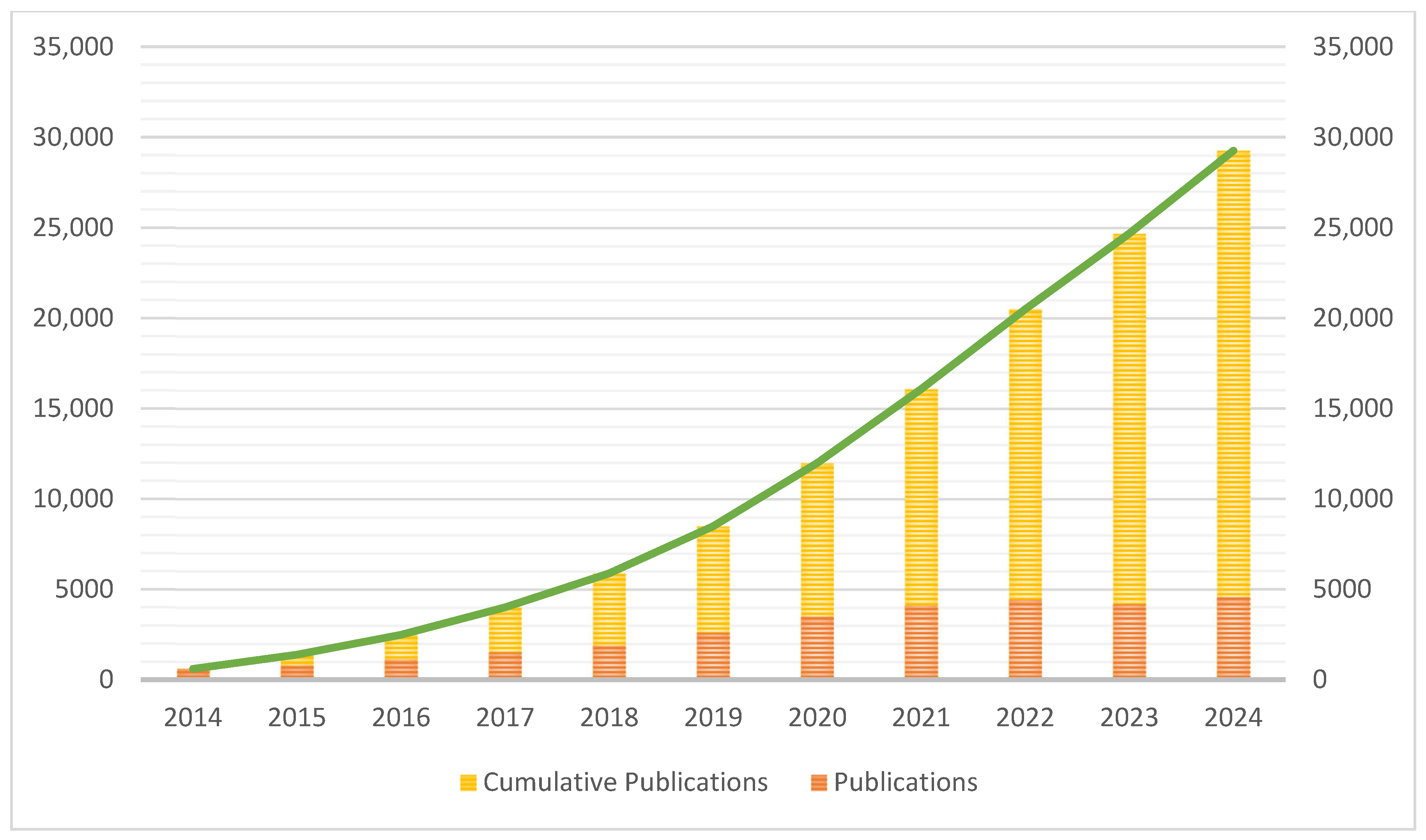
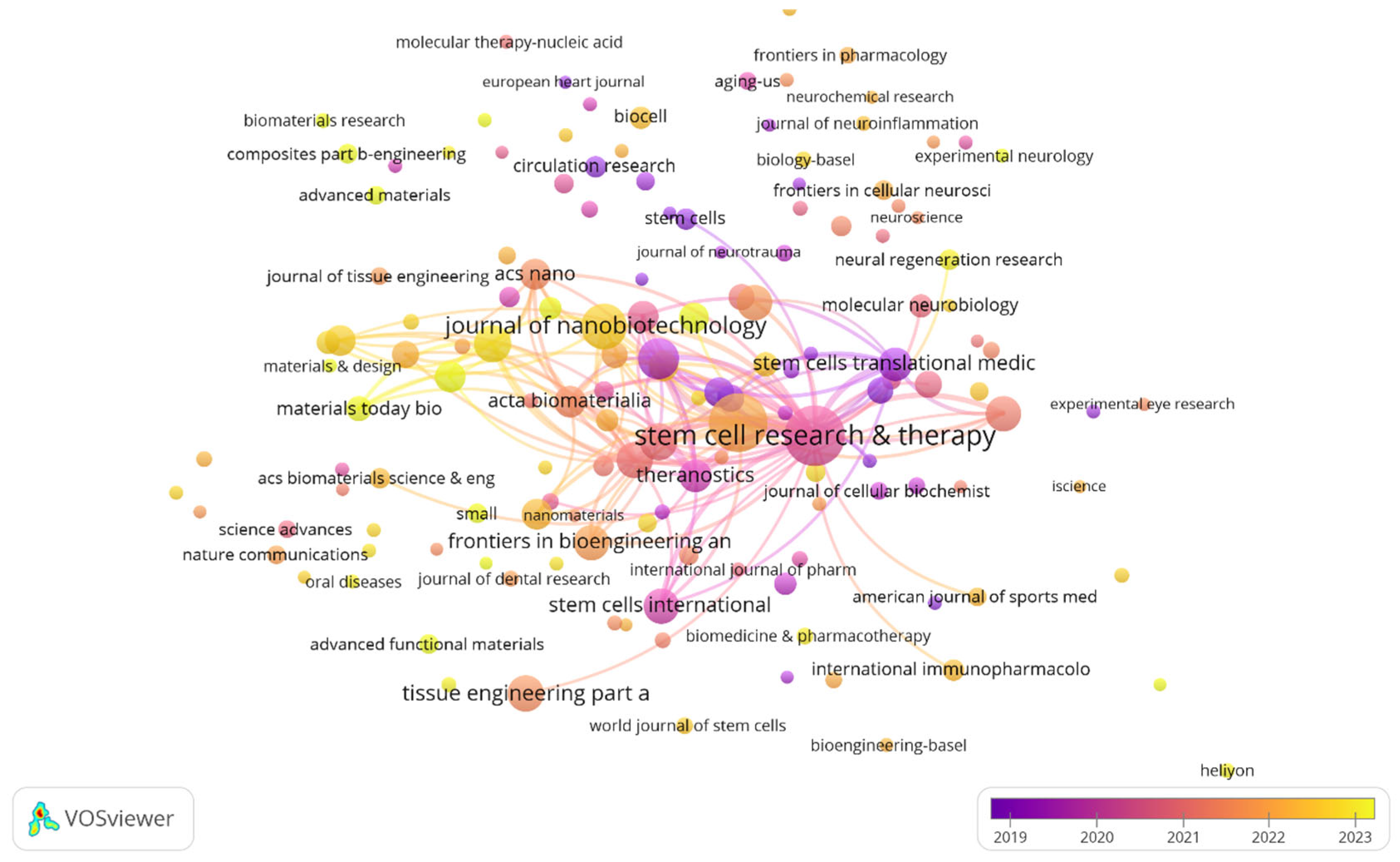
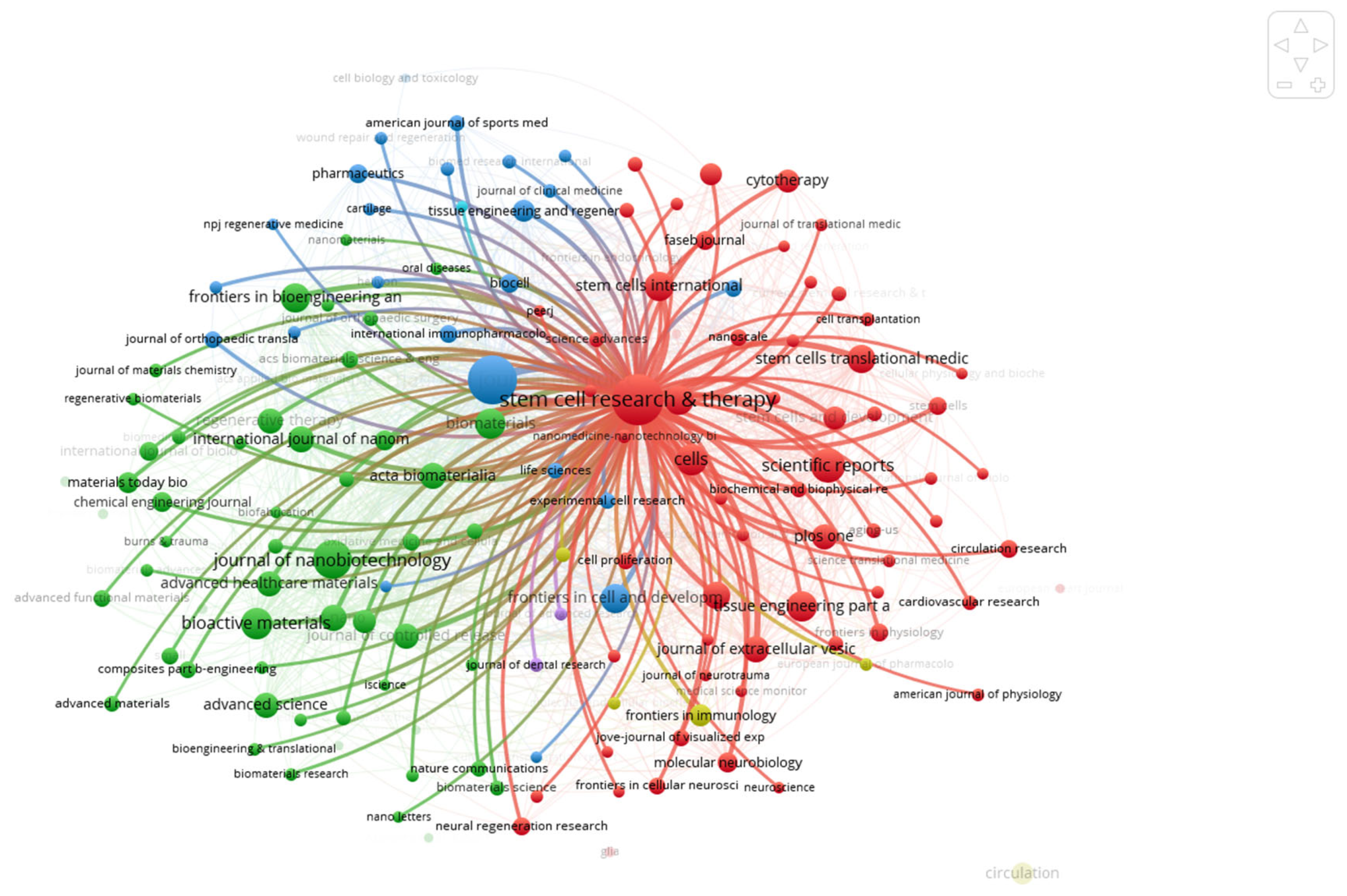
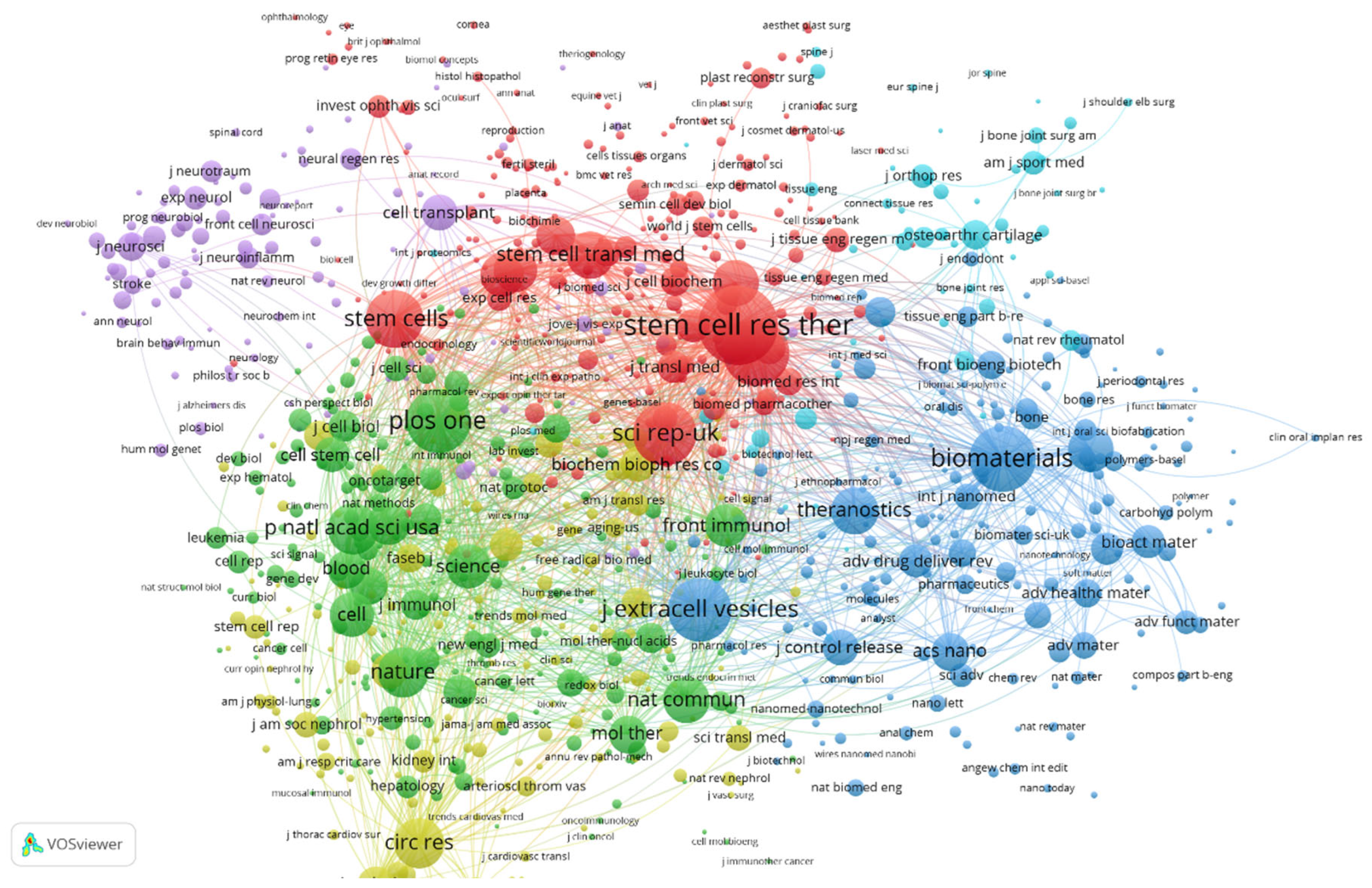
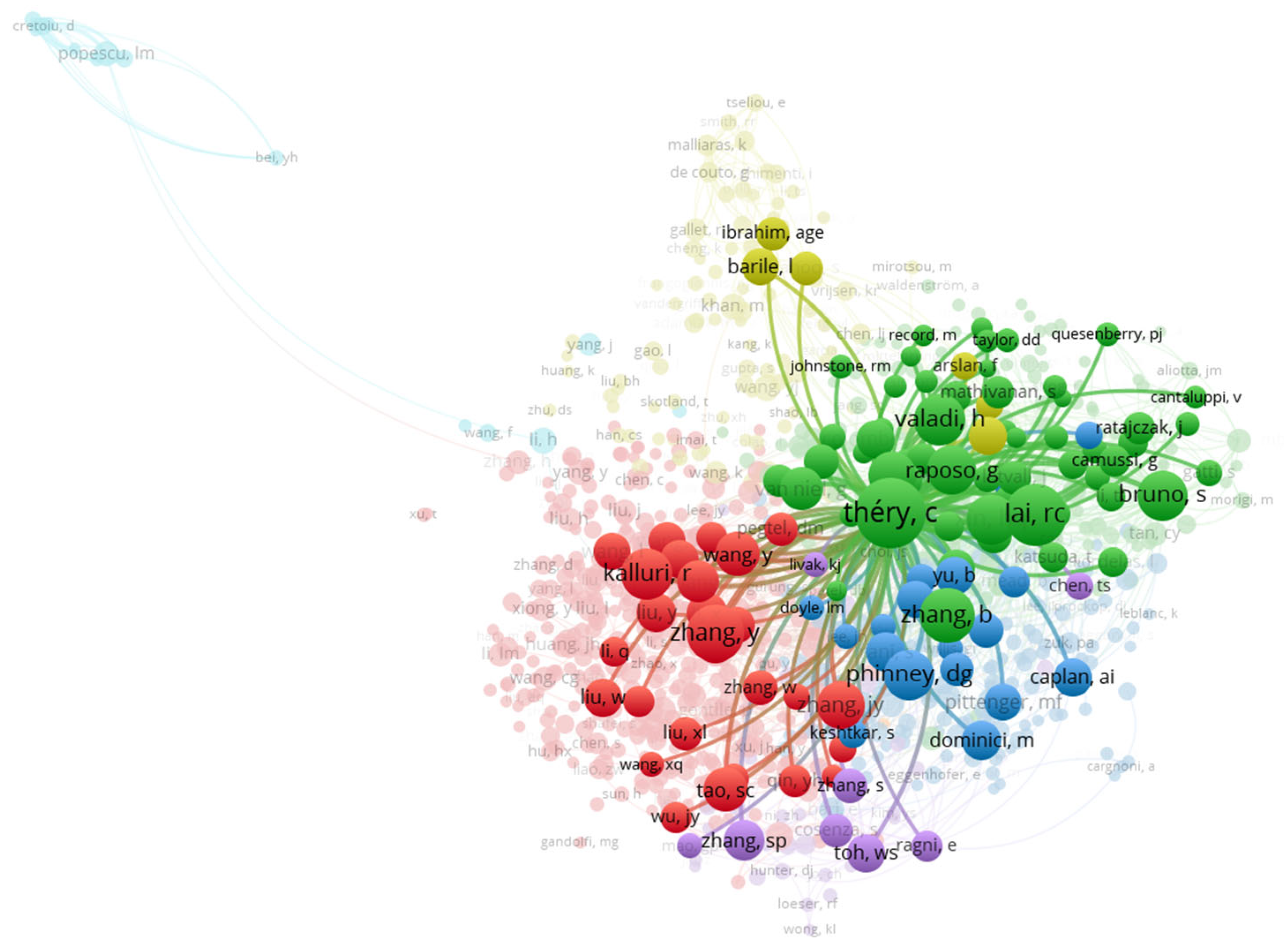
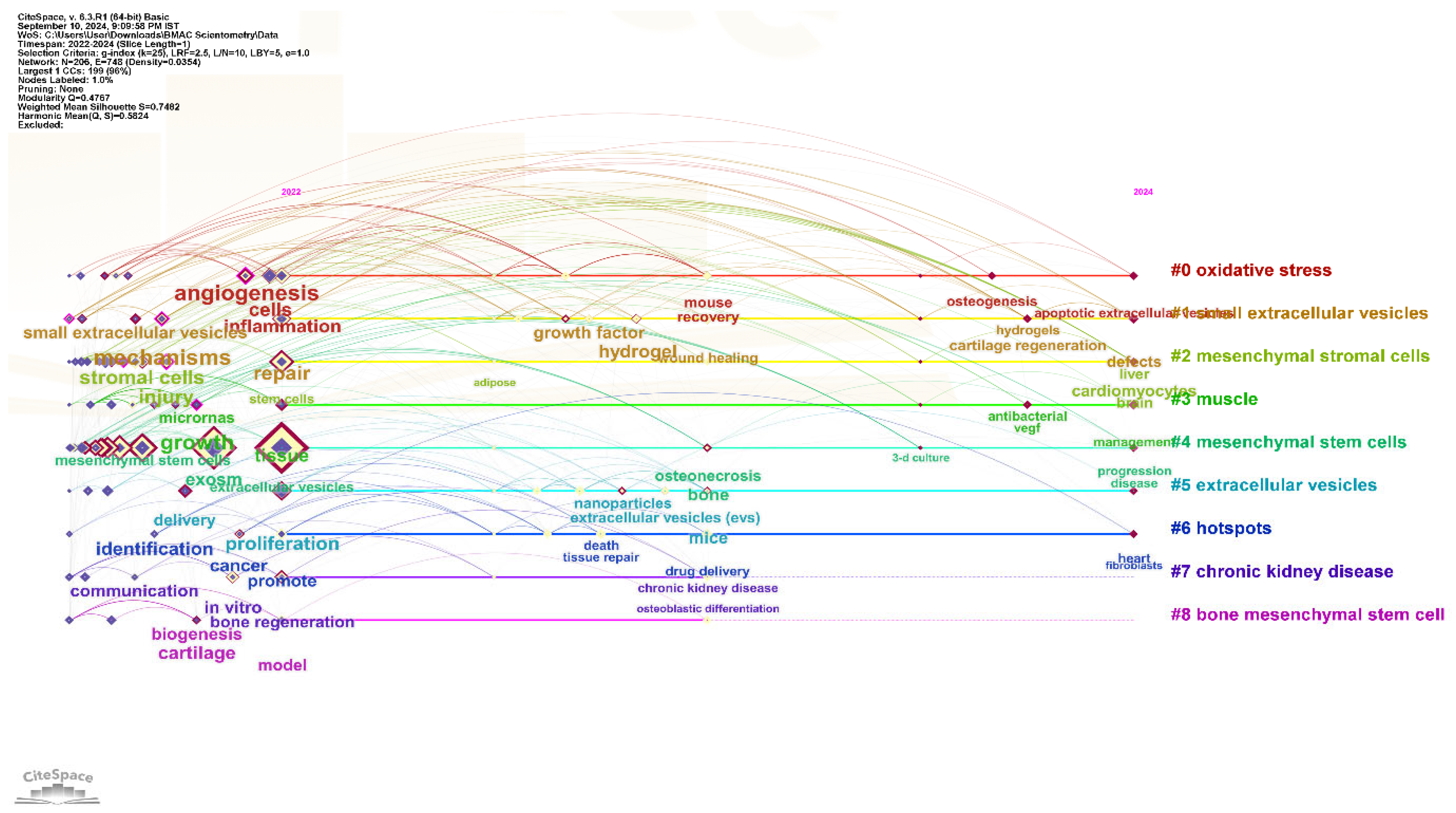
Background: Extracellular vesicles (EVs) have emerged as promising cell-free therapeutic agents in regenerative medicine due to their ability to deliver bioactive molecules with enhanced stability and low immunogenicity. Their potential to replicate stem cell functions without the risks of live-cell transplantation has catalyzed a surge in global research. Objective: This study aims to perform a scientometric analysis of EV-based regenerative medicine research from 2014 to 2024, identifying publication trends, influential contributors, thematic clusters, and translational challenges. Methods: Data were retrieved from the Web of Science Core Collection and analyzed using CiteSpace software. The analysis included journal impact mapping, co-authorship networks, co-citation analysis, and thematic cluster identification. Metrics such as citation bursts, total link strength, and silhouette values were used to assess influence and thematic coherence. Results: The most prolific journals were Stem Cell Research & Therapy and International Journal of Molecular Sciences. China led in publication volume, while the USA dominated citation impact. Foundational works by Théry and Lai, including the MISEV guidelines, shaped methodological standards. Nine thematic clusters were identified, including oxidative stress, small EVs, mesenchymal stromal cells, muscle regeneration, and chronic kidney disease. A strategic shift toward engineered EVs and novel sources such as iPSCs and macrophages was evident. Key translational barriers include lack of standardization, scalability issues, and regulatory ambiguity. Conclusions: EV-based therapies are transitioning from foundational research to clinical application. Overcoming methodological and regulatory challenges will be critical to realizing their full therapeutic potential in regenerative medicine.
Keywords: extracellular vesicles; regenerative medicine; scientometric (bibliometric) analysis; exosomes extracellular vesicles; regenerative medicine; scientometric (bibliometric) analysis; exosomes