


Abstract
Teacher well-being has expanded rapidly as a research field, yet conceptual and methodological heterogeneity continues to limit cumulative knowledge. This study examined the intellectual and thematic development of teacher well-being research, how teacher well-being is measured in influential studies, and which theoretical models underpin its conceptualization. We conducted a systematic review complemented by science-mapping analyses of Web of Science and Scopus records published between 2015 and 2026. The full corpus comprised 1113 articles. Historiography, thematic evolution, and trend topics were examined with Bibliometrix. The top citation-impact decile (111 articles, based on annualized citations) was screened for in-depth analysis of measurement and theoretical models, yielding a final high-impact analytical subset of 92 empirical studies and 178 applications of instruments or indicators. The historiographic analysis identified multiple partially parallel intellectual trajectories, while more recent indexed publications showed greater representation of resilience, psychological well-being, retention, and contextual approaches alongside stress, depression, and burnout. Within this 92-study high-impact subset, measurement remained fragmented: 46.6% of applications assessed ill-being, 64.6% used non-teacher-specific measures, and no positive teacher well-being instrument was dominant. Within the same subset, although 82.6% of studies had explicit theoretical grounding, no model accounted for one quarter of the sample; JD-R was most frequent (19.6%), followed by Positive Psychology/PERMA (17.4%). Teacher well-being was primarily modeled as an outcome (63.0%). Teacher well-being research appears more diversified than consolidated. Its advancement depends less on adopting a single theory or instrument than on strengthening alignment between construct definition, theoretical function, and measurement, while promoting clearer measurement standards and context-sensitive psychometric evidence.
1. Introduction
Teacher well-being has become a prominent field of educational research due to its associations with teachers’ health and quality of life, professional engagement, teaching quality, and students’ educational outcomes [1]. Although teaching can provide a sense of purpose, social connections, and professional fulfillment, it also involves demands related to workload, administrative responsibilities, organizational conditions, and professional recognition [2]. In this context, teacher well-being has increasingly been understood as a multidimensional phenomenon resulting from the interaction between individual characteristics and relational, occupational, and institutional conditions [1,2,3].
This multidimensionality, however, also represents one of the main challenges to the consolidation of the field. Different theoretical traditions have been used to explain well-being, including approaches to subjective and psychological well-being [4,5], positive psychology [6], self-determination theory [7], and occupational models centered on job demands and resources [8]. In the specific context of teaching, these perspectives have been combined with concepts such as self-efficacy, job satisfaction, engagement, burnout, teacher–student relationships, and working conditions [9,10,11,12]. Consequently, the term teacher well-being does not necessarily represent the same construct across studies. In the present review, teacher well-being is therefore treated as an umbrella analytical construct encompassing the different conceptualizations used in the literature. This does not imply that well-being and ill-being are considered interchangeable or necessarily opposite ends of a single continuum. Instead, positive functioning, ill-being, and related domains are distinguished analytically while retaining the way in which each study incorporated them into its conceptualization or operationalization of teacher well-being.
It must also be emphasized that this conceptual diversity directly affects how teacher well-being is measured. The literature includes instruments designed to assess subjective, psychological, or occupational well-being, as well as scales measuring job satisfaction, engagement, mental health, and other related constructs. At the same time, instruments specifically developed for the teaching context have emerged, such as the Teacher Subjective Wellbeing Questionnaire [11], whereas other studies employ measures originally designed for general or occupational populations. Thus, studies apparently addressing the same phenomenon may operationalize it through different dimensions, factor structures, and theoretical foundations.
Understanding this diversity requires examining which instruments are used and how particular ways of conceptualizing and measuring well-being have developed over time. Scientific fields often develop through intellectual continuity: later studies build on previous work, certain publications become reference points for subsequent lines of inquiry, and particular concepts or approaches gain or lose prominence. This historical perspective is especially relevant to teacher well-being, a field that has expanded rapidly and undergone substantial changes over the past decade [13]. Research initially centered more strongly on mental health, stress, self-efficacy, and burnout has increasingly incorporated psychological and occupational well-being, resilience, job satisfaction, and contextual approaches, while the COVID-19 pandemic further increased attention to teachers’ working conditions and institutional environments. Examining these trajectories may therefore clarify how contemporary conceptualizations and measurement practices have emerged.
Previous reviews have addressed important but distinct aspects of this literature. Hascher and Waber [1] synthesized conceptualizations and measurement approaches and documented substantial diversity in the instruments used to assess teacher well-being. Dreer [13] examined outcomes and correlates across 44 studies and highlighted the predominance of self-report measures. Aziku and Zhang [14] focused on methodological patterns during the COVID-19 period and identified a strong reliance on quantitative survey designs, whereas Gámez-Genovart et al. [15] emphasized persistent conceptual and methodological fragmentation. From a broader bibliometric perspective, Zhang et al. [16] mapped the growth and thematic development of teacher well-being research over several decades. These reviews have therefore established the field’s expansion, conceptual diversity, measurement heterogeneity, and major methodological characteristics. However, these dimensions have largely been examined separately.
The present study differs by explicitly connecting three levels of analysis: the intellectual and thematic evolution of the field, the instruments used to operationalize teacher well-being, and the theoretical models underlying those operationalizations. This connection is important because the existence of multiple instruments does not, by itself, indicate cumulative conceptual development. It remains necessary to examine whether different measures reflect distinct theoretical conceptions of well-being, whether particular models and instruments have become associated with specific research traditions, and whether the field’s thematic expansion has been accompanied by greater conceptual convergence or continued coexistence of different approaches. Rather than only cataloging measures, correlates, or publication trends, the present study investigates how measurement heterogeneity is connected to theoretical and conceptual choices and situates these relationships within the recent intellectual development of the field.
To address these gaps, the present study aims to analyze how teacher well-being has been conceptualized and measured in contemporary literature by linking the intellectual and thematic evolution of the field with a systematic review of the instruments and theoretical models employed in its high citation-impact studies. The study combines a historiographic perspective on scientific production, identifying influential works that structured subsequent lines of inquiry and the emergence of new topics, with an analysis of the ways in which the construct has been empirically operationalized.
Accordingly, the study is guided by the following research questions:
RQ1. Which studies constitute intellectual milestones in the contemporary historiography of teacher well-being research, and how have the field’s trend topics evolved over time?
RQ2. Which instruments are used to measure teacher well-being in the high citation-impact studies, which dimensions of the construct do they assess, and what are their main measurement characteristics?
RQ3. How is the construct of teacher well-being conceptualized in the high citation-impact studies, and which theoretical models underpin its investigation?
By integrating intellectual trajectory, thematic trends, measurement instruments, and theoretical models, this study seeks to clarify the extent to which the expansion of teacher well-being research has been accompanied by conceptual and methodological convergence or, alternatively, by the coexistence of different conceptions of the phenomenon. This synthesis may contribute to a more informed use of existing instruments and to greater coherence among theoretical definitions, operationalization, and measurement in future research.
2. Methodology
The study was structured as a systematic literature review complemented by science mapping techniques. The analysis was conducted at two levels. First, the complete set of publications was used to examine the intellectual and thematic trajectory of teacher well-being research. Second, a core of publications with the highest relative impact was delineated and subjected to systematic analysis of the instruments used to measure well-being and the theoretical models underpinning these studies.
2.1. Search Strategy and Corpus Composition
The final search was conducted in June 2026 in the Web of Science Core Collection and Scopus, selected for their international coverage and complementarity. The same conceptual search strategy was adapted to the syntax of each database. In Web of Science, the Topic field (TS), which searches titles, abstracts, Author Keywords, and Keywords Plus, was used; 487 records were retrieved. In Scopus, the “title-abs-key” field, covering article titles, abstracts, and keywords, was used; 1050 records were retrieved. The search was restricted to publications from 2015 to 2026, with no language restriction. The first Boolean block combined alternative terms for teacher, professor, or educator well-being, whereas the second combined terms related to assessment and measurement. Terms within each block were connected with “or”, and the two conceptual blocks were combined with “and”.
The database-specific search syntax was as follows. Web of Science: TS = ((“teacher well-being” OR “teacher wellbeing” OR “teacher occupational well-being” OR “teacher subjective well-being” OR “teacher psychological well-being” OR “teacher mental health” OR “teacher wellness” OR “professor well-being” OR “professor wellbeing” OR “professor occupational well-being” OR “professor subjective well-being” OR “professor psychological well-being” OR “professor mental health” OR “professor wellness” OR “educator well-being” OR “educator wellbeing” OR “educator occupational well-being” OR “educator subjective well-being” OR “educator psychological well-being” OR “educator mental health” OR “educator wellness”) AND (“assessment” OR “measurement” OR “scale” OR “instrument” OR “questionnaire” OR “survey” OR “psychometric” OR “validation”)) AND PY = (2015–2026). Scopus: TITLE-ABS-KEY((“teacher well-being” OR “teacher wellbeing” OR “teacher occupational well-being” OR “teacher subjective well-being” OR “teacher psychological well-being” OR “teacher mental health” OR “teacher wellness” OR “professor well-being” OR “professor wellbeing” OR “professor occupational well-being” OR “professor subjective well-being” OR “professor psychological well-being” OR “professor mental health” OR “professor wellness” OR “educator well-being” OR “educator wellbeing” OR “educator occupational well-being” OR “educator subjective well-being” OR “educator psychological well-being” OR “educator mental health” OR “educator wellness”) AND (“assessment” OR “measurement” OR “scale” OR “instrument” OR “questionnaire” OR “survey” OR “psychometric” OR “validation”)) AND PUBYEAR > 2014 AND PUBYEAR < 2027.
The two searches yielded 1537 records before deduplication. After removal of 424 duplicate records, the final bibliographic corpus comprised 1113 unique documents. During cross-database deduplication, records were matched primarily by normalized DOI and, when necessary, by normalized title. Citation counts from Web of Science and Scopus were neither summed nor averaged. For publications indexed in both databases, the Scopus record was systematically retained, together with its citation metadata, whereas publications available only in Web of Science retained their original Web of Science metadata. Scopus was used as the primary record source for duplicates because it provided broader coverage in the present search and allowed a consistent citation field to be retained across the merged dataset.
As noted, studies published between 2015 and 2026 were considered. The beginning of this period coincides with the consolidation of teacher-specific well-being measurement, marked, among other developments, by the publication of the “Teacher Subjective Wellbeing Questionnaire” [11] and the advancement of multidimensional models designed for teachers’ professional context [9]. In addition, 2015 marked the launch of the United Nations 2030 Agenda, whose Sustainable Development Goal 4 reinforced internationally the importance of valuing teachers and supporting their well-being for educational quality [17]. This period also captures both the field’s conceptual consolidation and the transformations associated with the pandemic and post-pandemic periods.
Eligible records were scientific articles published in any language. Duplicate records, editorials, reviews, letters to the editor, technical notes, and book chapters were excluded. The bibliographic corpus comprised 1113 documents. This set was used in the analysis aimed at characterizing the intellectual and thematic evolution of the field.
2.2. Historiography and Evolution of the Research Agenda
To address RQ1, the field’s intellectual trajectory was examined through three complementary analyses conducted in R using the Bibliometrix package [18].
The historiography was reconstructed through a direct citation network among documents in the corpus. The procedure identifies which publications within the corpus directly cite other publications in the same collection and represents these relationships through a directed adjacency matrix, in which each connection indicates a citing–cited relationship. The Local Citation Score (LCS) indicates citations received within the collection itself, allowing intellectual antecedents and lineages to be identified across the period without implying methodological quality [18].
Trend topics were examined based on keywords and titles. Bibliometrix relates term frequencies to publication years and summarizes their distribution using the median and interquartile range (Q1–Q3). A minimum of five occurrences were required, and no more than three terms were displayed per year; network clustering used the Louvain algorithm.
To examine thematic evolution over time, the 2015–2026 period was divided into three intervals to facilitate comparisons across different stages of scientific production [19,20]. The first interval, through 2019, corresponds to an initial phase in the consolidation of teacher well-being as a field of research [9,11], alongside the adoption of the 2030 Agenda [17] and the recognition of burnout as an occupational phenomenon in ICD-11 in 2019 [21]. The second period, covering publications from 2020 through 2022, coincides with the COVID-19 pandemic, a period characterized by increased attention to pandemic-related issues in teacher well-being research [22,23]. Finally, the 2023–2026 interval covers the post-pandemic years and the most recent expansion of the indexed literature. During this period, issues such as global challenges in teacher recruitment and retention [24] and the growing effects of digital technologies and artificial intelligence on teachers’ work [25] gained greater prominence.
The three intervals were intentionally unequal in duration because they were defined according to contextual phases, not equivalent temporal windows. Accordingly, differences in term frequencies across periods were interpreted descriptively and were not treated as directly comparable rates of thematic change. The final interval also included 2026, which was incomplete at the time of data collection; therefore, patterns concentrated in the most recent years were treated as provisional signals in the indexed literature, without being taken as evidence of established changes in the field.
2.3. Delimitation of the High-Impact Core
For the in-depth analysis of instruments and theoretical models, the 111 articles in the top decile of relative citation impact among the 1113 documents were selected. The purpose of this threshold was to delineate a selective core of publications that had attained comparatively high citation impact within the corpus and could therefore be examined in greater conceptual and methodological depth. The use of upper citation percentiles, particularly the top 10%, is well established in bibliometric research as a way of identifying highly cited publications and summarizing the upper tail of skewed citation distributions [26,27,28]. Citation thresholds are also commonly used in science-mapping and bibliometric reviews to define a focused core of influential publications for detailed analysis [29].
Because citation accumulation is strongly affected by publication age, articles were ranked using annualized citations (TC/year) rather than raw citation counts. TC/year was calculated from the citation count associated with the bibliographic record retained during deduplication. This approach reduces, but does not eliminate, the cumulative citation advantage of older publications [28,30]. Articles published in 2026 were retained because annualization adjusts for exposure time since publication, although their citation impact remains provisional because the year was incomplete at the time of data collection. When identical TC/year values occurred, total citation count (TC) was used as a secondary ranking criterion.
Because citation coverage differs between Web of Science and Scopus, a sensitivity analysis was conducted to assess whether the database-specific citation counts materially affected the composition of the high citation-impact subset. The ranking was recalculated by replacing the Scopus citation count with the Web of Science citation count whenever a publication was indexed in both databases, while retaining the available citation count for records not indexed in Web of Science. The alternative ranking retained 104 of the original 111 studies, corresponding to a 93.7% overlap. Seven publications would have left and seven would have entered the top-decile subset. After applying the same eligibility criteria used for the in-depth analyses (empirical research involving in-service teachers and an eligible structured measure or indicator explicitly incorporated into the operationalization of teacher well-being), five studies from the original analytical sample would have been lost, whereas four of the seven newly included publications would have met the eligibility criteria. The resulting analytical sample would therefore have contained 91 rather than 92 studies. This high overlap and the difference in only one study in the final analytical sample indicate that the composition of the in-depth sample was largely robust to the alternative citation source. The primary analyses therefore retained the original Scopus-priority deduplication rule applied consistently during corpus construction.
Importantly, the top-decile criterion was used solely as a citation-influence filter for the in-depth RQ2 and RQ3 analyses. Citation impact was not interpreted as an indicator of methodological quality, theoretical superiority, or representativeness of the field as a whole. Citation-based selection may favor established journals, countries, topics, research communities, or already consolidated theoretical approaches, while more recent or less visible lines of research may be underrepresented. Accordingly, findings from RQ2 and RQ3 are interpreted as characterizing the high citation-impact literature analyzed, rather than all 1113 publications in the field.
For RQ2, eligible studies were empirical articles from the high-impact core that applied structured instruments assessing teacher well-being or constructs explicitly incorporated by the authors into their operationalization, such as mental health, stress, burnout/exhaustion, depression/anxiety, satisfaction, engagement, flourishing, affect, and quality of life. Studies without an eligible instrument and those involving preservice teachers were excluded from this analysis, resulting in 92 articles (Figure 1). The same analytical sample was retained for RQ3 to enable direct comparison between theoretical conceptualization and the measurement practices examined in RQ2.
Figure 1.
Flow diagram of the study selection process for the systematic and bibliometric analysis. The methodological and conceptual basis used to structure the categories was informed by Gale et al. [31], Thomas and Harden [32], and Saldaña et al. [33].
Accordingly, the 111 articles in the high citation-impact core and the final analytical sample of 92 studies represent two distinct stages of the review. The 111 articles constituted the citation-based screening set. The final sample of 92 studies comprised empirical studies conducted with in-service teachers that met the criteria for the in-depth analyses of RQ2 and RQ3. Review articles, non-empirical publications, studies focused on preservice teachers, and studies that did not apply an eligible structured instrument or indicator for the operationalization of teacher well-being were excluded from the set of 111 articles at this stage, resulting in a sample of 92 papers. For RQ3, the unit of analysis was the study, resulting in 92 study-level records. For RQ2, however, the unit of analysis was each eligible application of an instrument or indicator. Because individual studies could employ more than one relevant measure, the 92 studies yielded 178 instrument/indicator applications.
The complete analytical datasets for RQ2 and RQ3 are provided in the Supplementary Materials (Supplementary File S1), including the 178 instrument/indicator applications identified across the 92 eligible studies (RQ2) and the corresponding 92 study-level records used to analyze theoretical models (RQ3).
The 111 studies in the high citation-impact subset were independently assessed for eligibility by two reviewers. Agreement was reached for 109 of the 111 studies (98.2%; Cohen’s κ = 0.93). After discussion and verification against the eligibility criteria, the two discrepant cases were excluded.
2.4. Systematic Analysis of Instruments and Theoretical Models
After the historiographic, thematic evolution, and trend-topic analyses, the 92 studies in the high-impact core were examined in full text to identify the operationalization of well-being (RQ2) and its theoretical foundations (RQ3). For data extraction and coding, two reviewers used standardized matrices, one for each RQ.
Before full coding, the two reviewers conducted an initial calibration exercise using three studies, which were coded jointly to refine the interpretation of the codebook and align the application of the operational criteria. Data from the remaining 89 studies were then independently extracted and coded by both reviewers using the same standardized matrices. Any study presenting at least one coding discrepancy was considered a disagreement at the study level. Initial agreement was reached for 83 of the 89 independently coded studies, corresponding to an overall agreement of 93.3%. Discrepancies occurred in six studies and were resolved through discussion and re-examination of the predefined coding criteria until consensus was reached. No third reviewer was required.
Information was initially recorded using the authors’ terminology and was subsequently grouped into comparable categories. The procedure combined a priori categories derived from the research questions with corpus-derived categories, integrating the framework method [31], thematic synthesis [32], and simultaneous coding when conceptual overlap occurred [33]. A codebook defined operational criteria, inclusion/exclusion rules, examples, and borderline cases for each variable and macrodomain. Missing information was recorded as NR (not reported).
2.4.1. Data Analysis for RQ2: Instrument Characteristics and Construct Dimensions
For RQ2, the unit of analysis was each application of an instrument or indicator incorporated into the operationalization of teacher well-being. Thus, the 178 rows of the final RQ2 analytical dataset represent instrument/indicator applications nested within the 92 eligible studies, rather than 178 independent studies. When a study used multiple eligible measures, each application was entered as a separate row.
For each application described in the articles, the following fields were extracted: instrument name and measured construct, polarity/nature, number of items, dimensions, response format, reliability, validity evidence, and teacher specificity; the construct was recorded as stated by the authors.
The polarity/nature variable was used to distinguish four situations: (a) well-being, when the measure predominantly assessed positive functioning, satisfaction, engagement, positive affect, flourishing, or other positive manifestations of well-being; (b) ill-being, when it assessed distress, stress, burnout, depression, anxiety, exhaustion, or other negative manifestations; (c) both/mixed, when the same instrument explicitly included positive and negative dimensions; and (d) positive indicator explicitly incorporated into the operationalization of well-being, when a construct not originally developed as a direct well-being measure was explicitly treated by the original study as a component, outcome, or indicator of teacher well-being. Positive constructs such as coping, self-efficacy, perceived support, or contextual resources were not included solely because they were positively associated with well-being. Variables functioning only as antecedents, predictors, moderators, resources, or contextual determinants were excluded from the RQ2 measurement analysis.
The classification was informed by distinctions between subjective and psychological well-being and between positive mental health and psychopathology [5,34,35]. Negative constructs were included only when the study itself treated them as an indicator or component of teacher health/well-being.
Importantly, the inclusion of ill-being indicators does not imply that the present review treats burnout, stress, depression, anxiety, or emotional exhaustion as equivalent to teacher well-being. These measures were included only when the original study explicitly used them as indicators, components, or operational counterparts of teacher well-being. The purpose was therefore to document how teacher well-being has been operationalized in the selected literature, including cases in which authors represented the construct primarily through the presence or absence of ill-being.
The number of items, dimensions, and response format characterized the structure of the measures. Information on the reporting of reliability and validity evidence was extracted descriptively, using terminology guided by the Standards for Educational and Psychological Testing [36] and COSMIN [37], without formal psychometric appraisal. Reliability was coded as (1) coefficient reported, (2) not reported, or (3) not applicable; validity evidence was coded as (1) evidence analyzed in the current study, (2) evidence from previous studies only, or (3) not reported/limited.
Teacher specificity was classified as (1) specific/contextualized, (2) nonspecific, or (3) ambiguous/partially contextualized when adaptation to the teaching context could not be confidently established. This distinction was included because contemporary models of teacher well-being emphasize that profession-specific aspects, such as workload, relationships with students, organizational context, and working conditions, may not be fully captured by general health or well-being measures [9,38].
After data extraction, synthesis and categorization were conducted using the analytical framework summarized in Table 1. Versions, translations, and adaptations of the same instrument were harmonized into families when they preserved the same conceptual core (e.g., versions of the Maslach Burnout Inventory [MBI]). Dimensions were then synthesized using a hybrid inductive-deductive logic informed by established distinctions in the literature between hedonic/subjective well-being [34], psychological/eudaimonic functioning [5], positive mental health and psychopathology [35], and specifically occupational and teacher-focused approaches [9,38].
Table 1.
Variables extracted, purpose, and framework used to structure and support the categories for addressing RQ2.
This analysis yielded seven macrodomains: mental health/ill-being (distress and psychological symptoms); occupational/motivational (motivational and evaluative experiences directly linked to work); psychological/eudaimonic (positive functioning, purpose, autonomy, and development); affective/hedonic (affect, happiness, pleasure, and satisfaction); relational/social (relationships and interpersonal functioning); organizational/contextual (contextual aspects incorporated into the definition of well-being itself); and physical/somatic (health and physical functioning). Occupational or contextual variables used only as antecedents were not treated as dimensions. Multi-label coding was permitted; therefore, percentages do not necessarily sum to 100%.
2.4.2. Data Analysis for RQ3: Theoretical Models and the Conceptualization–Measurement Relationship
For RQ3, the article was the unit of analysis. The matrix included the term used for well-being, conceptualization of the construct, presence of explicit theoretical grounding, theoretical model, and the role of well-being in the model (Table 2). The term used for well-being was preserved as reported by the authors, for example, teacher well-being, psychological well-being, subjective well-being, occupational well-being, wellness, or flourishing. The construct’s conceptualization, however, was synthesized from the definitions and dimensions presented in the text. This distinction was necessary because studies using the same expression often assigned different meanings to well-being.
Table 2.
Variables extracted, purpose, and framework used to structure and support the categories for addressing RQ3.
Regarding theoretical grounding, this variable was classified as (1) explicit when a named theory/model structured hypotheses, relationships, the analytical model, or interpretation; (2) partial when a theory or model was mentioned and used to explain only part of the study’s conceptual or analytical model without constituting the framework structuring the conceptualization and/or measurement of teacher well-being, including cases in which the framework primarily underpinned a construct related to well-being rather than well-being itself; and (3) absent when no structuring framework was identified. Models were initially preserved under their original names and were subsequently harmonized into families (e.g., variants of Job Demands-Resources into the JD-R family). When multiple frameworks coexisted, multi-label coding was applied [31,32,33].
Well-being conceptualization was analyzed and grouped into six non-mutually exclusive conceptual categories: mental health/ill-being, occupational/professional, psychological/eudaimonic, subjective/hedonic/affective, holistic/systemic/multidomain, and social-emotional/relational. These categories made it possible to compare different understandings of teacher well-being beyond the terminology adopted by the authors. Because a study could incorporate more than one conceptual tradition, multi-label coding was permitted for this variable. The primary role of well-being in each study was coded as one mutually exclusive category: (1) outcome, (2) predictor/antecedent, (3) mediator/intermediate variable, (4) central construct/profile/criterion, or (5) not directly measured.
The methodological analysis sequence was organized to progress from a historical and thematic view of the field to its conceptual and operational structure (Figure 1).
3. Results
3.1. Historiographic Analysis
The historiographic analysis (Figure 2) revealed that the development of the contemporary literature on teacher well-being did not follow a single intellectual lineage. Instead, the analysis identified different citation trajectories that developed partly in parallel.
Figure 2.
Citation trajectories in teacher well-being research, illustrating six interconnected thematic clusters and their intellectual development over time. Nodes represent influential publications discussed in the text [39,40,41,42,43,44,45,46,47,48,49,50,51,52,53,54,55], while links indicate citation relationships among studies.
The brown historiographic network comprises two studies. McLean and Connor [39] investigated how teachers’ depressive symptoms relate to classroom quality and student achievement, finding associations with poorer learning environments and smaller gains in mathematics, particularly among students who were initially more vulnerable. Jennings et al. [40] subsequently examined the long-term effects of the Cultivating Awareness and Resilience in Education (CARE) program, a mindfulness-based intervention, and identified sustained benefits in emotion regulation, mindfulness, and psychological distress. Thus, this trajectory connects an ill-being and teacher mental health perspective linked to educational outcomes with an intervention-oriented approach focused on developing socioemotional resources.
The blue network reveals two complementary strands that subsequently converge. The first begins with occupational strain. Klusmann et al. [41] show that emotional exhaustion may also be associated with student achievement, whereas Dicke et al. [42] examine occupational well-being based on the interaction between job demands and job resources. In parallel, Zee and Koomen [43] emphasize teachers’ psychological resources, showing that self-efficacy is related to classroom functioning and professional well-being. These perspectives converge in Chan et al. [44], who, during the pandemic, simultaneously considered teachers’ experiences and the support needed to cope with new professional demands.
The orange network includes studies linking teacher well-being to psychological distress as well as studies examining broader determinants, consequences, and resources. Kidger et al. [45] jointly examine well-being, depressive symptoms, and work-related risk factors, thereby bringing together the traditions of well-being and mental health research. Jeon et al. [46] investigate antecedents of psychological well-being, such as professional characteristics, self-efficacy, and the work environment. However, the construct is operationalized primarily through depression, stress, and emotional exhaustion, indicating that the use of the term psychological well-being does not necessarily imply positive measurement. Harding et al. [47] link teachers’ mental health and well-being to students’ well-being and mental health. Finally, Tikhomirova et al. [48] examine personal and professional resources capable of sustaining well-being. Taken together, this trajectory includes psychological distress as well as its determinants, consequences, and promoting resources.
The purple network links individual coping resources with dynamic and contextual perspectives. During the transition to remote teaching, MacIntyre et al. [49] examine coping strategies and their associations with well-being, health, happiness, resilience, stress, and negative emotions. Herman et al. [50] show that stress, coping, and wellness also depend on factors related to the school context. Gregersen et al. [51], in turn, analyze how stressors and positive events (uplifts) vary in everyday life and cross the boundaries between work and personal life. The network therefore links individual coping resources with a conception of well-being as continuously constructed through the interaction between teachers, work, and everyday life.
The green network, in turn, links well-being to career sustainability and concrete working conditions. Grant et al. [52] show that unfavorable working conditions and greater emotional exhaustion are associated with intentions to leave the profession among early childhood education professionals, thereby linking well-being to teacher retention. Kwon et al. [53] adopt the notion of whole teacher well-being, integrating physical, psychological, and professional dimensions and relating them to working conditions. This trajectory therefore connects the organizational consequences of ill-being with a multidimensional conception of well-being linked to remaining in the profession.
Finally, the red network is associated with the COVID-19 pandemic and includes studies framing well-being as an outcome of the interaction among stressors, protective resources, and institutional conditions. Baker et al. [54] show that greater exposure to stressors was associated with poorer mental health, coping difficulties, and adverse effects on teaching practice, whereas protective factors had a buffering effect. Robinson et al. [55] provide qualitative evidence that stress stems from personal and professional demands as well as from instability, administrative decisions, and concerns about students. This trajectory therefore represents teacher ill-being as a relational phenomenon situated within concrete working conditions.
3.2. Thematic Evolution and Trend Topics
Regarding thematic evolution (Figure 3), between 2015 and 2019, the field combined terms directly related to well-being (teacher well-being, well-being, and teachers’ well-being) with constructs associated with psychological or occupational difficulties, such as depression and occupational stress, as well as mindfulness and mental health literacy. From 2020 to 2022, the field became more markedly diversified. Different formulations of well-being remained present, while topics such as burnout, teacher burnout, subjective well-being, and the COVID-19 pandemic gained prominence. Artificial intelligence also emerged during this period, although it did not become established as one of the main topics in the subsequent period. Finally, between 2023 and 2026, the thematic flows once again converged around a smaller set of terms, predominantly teachers, well-being, and teacher well-being, while emotional exhaustion remained a negative dimension associated with teachers’ work.
Figure 3.
Thematic evolution across the three periods into which the sample was divided.
These patterns reflect not the replacement of earlier topics by newer ones, but rather a reorganization of the research agenda around a relatively stable core of teacher well-being, accompanied by psychological and occupational constructs that vary over time. However, these patterns describe differences in the thematic composition of the indexed publications across the three intervals and should not be interpreted as direct evidence that the underlying conceptual structure of the field changed over time.
The two trend topic analyses provide a more detailed view of this movement from complementary perspectives. In the keyword analysis (Figure 4), topics whose distributions were concentrated in earlier years include teachers’ mental health, happiness, elementary school, assessment, and classroom management. Subsequently, mindfulness and subjective well-being gain prominence, followed, during the years associated with the pandemic and its immediate aftermath, by COVID-19, stress, emotional intelligence, mental health, burnout, and job satisfaction. In the most recent years, the indexed literature shows greater representation of psychological well-being, professional development, and emotional exhaustion, while teacher resilience, teacher job satisfaction, and self-determination theory are concentrated most recently in the time series. Although some of these terms occur less frequently, their concentration at the end of the time series indicates potential emerging directions in the literature.
Figure 4.
Trend topics identified in the keywords of all analyzed articles.
These recent patterns should nevertheless be interpreted cautiously, as the 2026 literature was only partially indexed at the time of data collection and recent publications had less time to gain visibility in the literature. They should therefore be regarded as provisional signals of emerging directions, not as established trends.
The analysis of title terms produces a similar pattern but provides additional information about what studies explicitly place at the forefront (Figure 5). Terms related to experimental designs, such as cluster randomized, randomized controlled, and controlled trial, are concentrated primarily at the beginning of the time series, whereas distance learning appears later, and COVID-pandemic assumes a central position during the pandemic period.
Figure 5.
Trend topics identified in the titles of all analyzed articles.
From 2023 onward, expressions directly related to mental health, teachers’ well-being, psychological well-being, and occupational well-being predominate, followed more recently by job satisfaction and teacher resilience. At the same time, terms such as mediating role and mixed-methods study appear more recently, suggesting changes in the topics being investigated, greater interest in explanatory mechanisms, and more diverse methodological approaches. Terms referring to specific groups or contexts, such as language teachers and Chinese primary, also appear toward the end of the time series, although their lower frequency warrants caution when interpreting them as broader trends in the field.
3.3. Main Characteristics of the Instruments and Construct Dimensions Used in the Highest-Impact Studies
Across the 92 included studies, 178 applications of instruments or indicators were identified to measure teacher well-being, positive components related to well-being, or manifestations of ill-being used as its operational counterpart. This corresponded to an average of 1.93 measures per study (median = 2; range = 1–6). Forty-two studies (45.7%) used a single measure and 33 (35.9%) used two, whereas 17 (18.5%) employed three or more measures. Considering measurement profiles at the article level, 49 studies (53.3%) combined positive and negative indicators or used inherently mixed measures; 24 (26.1%) measured exclusively negative indicators of ill-being; and 19 (20.7%) used only positive indicators of well-being. Thus, although the most common strategy was to combine both poles, more than one quarter of the studies investigated teacher well-being exclusively through manifestations of psychological distress, stress, or impaired mental health (Table 3).
Table 3.
General characteristics of the measures used in the RQ2 studies. Percentages calculated based on 178 measure applications.
As shown in Table 3, among the 178 applications, ill-being measures were the most frequent category (83; 46.6%), exceeding exclusively positive well-being applications (67; 37.6%). Another 23 applications integrated positive and negative elements, and five corresponded to positive indicators explicitly incorporated into the operationalization of well-being. Thus, the operationalization of well-being was not uniform and frequently included stress, burnout, depression, anxiety, or exhaustion as central indicators.
The use of instruments not specific to teachers also predominated. Of the 178 applications, 115 (64.6%) employed generic psychological or occupational measures, whereas 59 (33.1%) used instruments developed for teachers or explicitly contextualized for teaching. Measure length varied considerably: 57 applications (32.0%) used 11 or more items, 51 (28.7%) employed between two and five items, and 45 (25.3%) used between six and ten items; 14 (7.9%) were single-item measures. Five-point scales were the most frequent (29.2%), followed by four-point (22.5%) and seven-point scales (20.2%), indicating heterogeneity in response formats as well.
Regarding the reporting of psychometric evidence, 133 applications (74.7%) reported a reliability coefficient. Regarding validity evidence, 79 applications (44.4%) relied only on evidence from previous validation studies, whereas 69 (38.8%) reported some validity evidence in the current study, such as confirmatory factor analysis, exploratory factor analysis, factor loadings, average variance extracted, convergent/discriminant validity, or invariance. Only 30 (16.9%) provided limited information or no explicit evidence of validity.
After harmonizing shortened versions, translations, and adaptations of the same instrument, a substantial concentration among a small number of measurement families was observed, although no positive teacher well-being scale became dominant. Table 4 presents the 16 most recurrent instruments/adaptations, using the 92 studies as the denominator.
Table 4.
Most frequently used instruments and adapted versions for measuring teacher well-being or ill-being. Percentages calculated based on 92 studies.
The most frequent family was the Maslach Burnout Inventory (MBI-ES, MBI-GS, MBI-EE, etc.), used in 21 of the 92 studies (22.8%). Thus, the most recurrent instrument in high-impact research addressing teacher well-being is, in fact, a measure of burnout rather than a positive well-being scale. Its use was more than twice as frequent as that of the Perceived Stress Scale and the Utrecht Work Engagement Scale, each used in nine studies (9.8%), and substantially more frequent than positive measures or instruments specifically designed to assess well-being, such as the Psychological Well-Being at Work family (6.5%), the PERMA Profiler (4.3%), the Teacher Well-Being Scale (3.3%), or the Teaching Satisfaction Scale (2.2%). In summary, a substantial proportion of the literature still operationalizes teacher well-being through ill-being, that is, through the presence or absence of burnout, stress, and psychopathological symptoms, with comparatively less attention given to the direct measurement of positive functioning or flourishing.
Alongside the MBI, other ill-being measures were also among the most recurrent families: PSS (9.8%), CES-D (6.5%), DASS-21 (5.4%), and PHQ (5.4%). Among positive indicators, the UWES was the most frequent, reflecting the importance of engagement in the occupational operationalization of well-being. Positive multidimensional measures appeared less frequently and took different forms: some assessed general flourishing (PERMA Profiler; BIT; WEMWBS), others focused on psychological functioning at work (PWBW/IPWBW/PWBQ), and others were designed specifically for the teaching experience (TWBS and some TALIS-derived measures).
Regarding the dimensions assessed, the instruments were grouped into seven non-mutually exclusive conceptual macrodomains; thus, an article could contribute to more than one when using multidimensional measures or multiple instruments (Table 5). Two forms of operationalization predominated. Mental health/ill-being appeared in 64 studies (69.6%), mainly comprising stress, burnout, depression, anxiety, and emotional exhaustion. Occupational/motivational components appeared in 50 (54.3%), including job satisfaction, engagement, vigor, dedication, and commitment. Psychological/eudaimonic dimensions appeared in 25 (27.2%) and affective/hedonic dimensions in 22 (23.9%). Relational/social domains appeared in 20 (21.7%), organizational/contextual aspects in 15 (16.3%), and physical/somatic components in 11 (12.0%).
Table 5.
Conceptual macrodomains covered by teacher well-being measures. Percentages calculated based on 92 studies. The macrodomains are not mutually exclusive; consequently, percentages sum to more than 100%.
The results indicate that there is no dominant instrument for the positive measurement of teacher well-being in the highest-impact studies. The literature employs a heterogeneous combination of general mental health scales, occupational instruments, and, to a lesser extent, measures specifically developed for teachers or for flourishing. Although most applications reported a reliability coefficient and a large proportion of the instruments used were supported by validity evidence from previous studies, measurement remains conceptually dispersed. Ill-being indicators are more numerous, and the MBI is the single most frequent instrument family, whereas positive eudaimonic, relational, and physical dimensions appear less consistently. Thus, the answer to RQ2 points to instrumental diversity and to different operational conceptions of what constitutes teacher well-being.
3.4. Theoretical Models Underpinning Research on Teacher Well-Being
Of the 92 studies analyzed, 76 (82.6%) presented explicit theoretical grounding, 14 (15.2%) did not adopt a formal theoretical model for well-being, and two (2.2%) presented partial theoretical grounding. However, this high proportion of theoretically grounded studies did not correspond to convergence around a dominant model. The Job Demands–Resources Model (JD-R) was the most recurrent model, appearing in 18 studies (19.6%), followed by Positive Psychology/PERMA approaches, identified in 16 (17.4%) (Table 6). Thus, no perspective underpinned even one quarter of the sample, indicating substantial theoretical plurality.
Table 6.
General characteristics of the theoretical grounding and conceptualization of teacher well-being. Percentages calculated based on 92 studies.
The use of the label teacher well-being itself also encompassed distinct conceptualizations. The general label teacher well-being/teachers’ well-being appeared in 51 studies (55.4%); however, when the construct definitions were recoded into non-mutually exclusive conceptual categories, 58 studies (63.0%) incorporated a mental health/ill-being perspective, 42 (45.7%) an occupational or professional perspective, 35 (38.0%) a psychological/eudaimonic perspective, and 17 (18.5%) a subjective, hedonic, or affective perspective. Holistic, systemic, or multidomain conceptualizations appeared in 10 studies (10.9%), and explicitly social-emotional or relational approaches in seven (7.6%).
Well-being was predominantly treated as a variable to be explained. In 58 studies (63.0%), well-being or its indicators functioned primarily as an outcome of demands, resources, personal characteristics, organizational conditions, or interventions. In 12 studies (13.0%), well-being or one of its manifestations functioned primarily as an antecedent of other outcomes, such as instructional quality, teacher–student relationships, or intention to remain in the profession; in six (6.5%), it played a mediating role. Another 11 studies (12.0%) used it as a central construct for profile description, validation, or comparison, whereas in five (5.4%) well-being was invoked in the framing or interpretation but was not directly measured. This latter group is particularly relevant because it shows that the presence of the term well-being in an article’s discourse does not always correspond to the empirical operationalization of the construct.
Regarding the most recurrent theoretical families, Table 7 summarizes these data. Because the same study could combine more than one theory, the theoretical categories are not mutually exclusive. JD-R was the most frequently used perspective, but its presence did not lead to a single way of measuring well-being. Of the 18 studies grounded in this family, 11 (61.1%) combined positive and negative indicators, four (22.2%) used only ill-being measures, and only three (16.7%) adopted exclusively positive indicators. This pattern is consistent with the function of JD-R, given that the model explains health-impairment and motivational processes through demands and resources but does not, by itself, define which dimensions constitute teacher well-being. Consequently, JD-R-based studies used measures ranging from burnout, stress, and exhaustion to job satisfaction, engagement, psychological well-being, and TALIS measures.
Table 7.
Most recurrent theoretical families. Percentages calculated based on 92 studies.
A distinct relationship was observed for Positive Psychology/PERMA approaches. Among the 16 studies in this family, none used exclusively negative indicators: eight (50.0%) employed only positive measures, and eight (50.0%) combined positive and negative indicators. The same principle was even more evident in Subjective/Affective Well-Being models, in which eight of nine studies (88.9%) used mixed measurement, and in Dual-Factor/Two-Continua models, in which all three studies combined both poles. In these cases, the theoretical structure showed a closer correspondence with measurement, for example, through positive/negative affect, life satisfaction, flourishing, or parallel indicators of positive mental health and psychopathology.
4. Discussion
4.1. Historiography and Thematic Evolution: Broadening Perspectives Rather than Replacing Paradigms
The contemporary historiography showed that the main intellectual lineages in the literature developed partly in parallel, while progressively broadening the definitions of teacher well-being. Some of the earliest trajectories in the sample focused on depression, emotional exhaustion, and the effects of teacher distress on classrooms and students [39,41], whereas others emphasized psychological resources, coping, working conditions, and, later, positive and multidimensional conceptions of well-being [47,48,50]. This pattern is consistent with previous reviews describing teacher well-being as an interdisciplinary and conceptually heterogeneous field and emphasizing the need for greater precision and specificity in defining the construct [1].
The more recent indexed literature contains a greater representation of positive, multidimensional, and contextual approaches to teacher well-being, including studies addressing relationships, working conditions, personal life, retention, and career sustainability [51,53]. The citation and thematic patterns suggest a broadening of the perspectives represented in the literature, alongside the continued presence of well-established ill-being approaches, without necessarily indicating a conceptual transition in the field itself. Well-being and ill-being therefore remain visible as distinct but frequently interconnected perspectives [72].
The thematic analyses are consistent with this interpretation but should be understood as descriptive signals and not as direct evidence of conceptual change. Depression and occupational stress were more visible among terms associated with the earlier period; burnout, subjective well-being, and COVID-19 were prominent in the intermediate interval; and psychological well-being, teacher resilience, job satisfaction, and self-determination theory were concentrated more recently. Emotional exhaustion, however, remained present in the latest interval. These distributions may indicate a broadening of the vocabulary and explanatory approaches represented in the indexed literature, but differences in period length, publication volume, and the incomplete coverage of 2026 preclude treating them as evidence of a linear or causal transformation of the field. Similarly, the pandemic period coincided with greater visibility of demands, resources, coping, institutional support, and work–life boundaries, but the present bibliometric design does not establish that the pandemic itself caused these conceptual developments.
4.2. Characteristics of the Instruments Used to Measure Teacher Well-Being in the Highest-Impact Studies and Dimensions of the Construct
The measurement patterns observed in the high-impact subset are consistent with the intellectual and thematic heterogeneity described above. The most frequently used family of instruments for studying teacher well-being was the Maslach Burnout Inventory (MBI), present in 22.8% of the studies. In addition, 46.6% of measurement applications were classified as ill-being, 69.6% of the studies included the mental health/ill-being macrodomain, and 26.1% relied exclusively on negative indicators. Although burnout, anxiety, and depression are well-established occupational responses to chronic stressors [73], the absence of these indicators should not be equated with well-being itself.
This distinction is central to the well-being literature. Diener [34] defined subjective well-being in terms of affective and cognitive evaluations of life; Ryff [5] demonstrated that positive psychological functioning encompasses dimensions such as autonomy, environmental mastery, personal growth, purpose, self-acceptance, and positive relationships; and Ryan and Deci [74] systematized the distinction between hedonic traditions, centered on pleasure and satisfaction, and eudaimonic traditions, centered on meaning and the realization of human potential. More directly, Keyes’s [35] complete state model demonstrated that positive mental health and mental illness are correlated but distinct dimensions. From these perspectives, low exhaustion does not guarantee engagement, low levels of depression do not guarantee purpose, and low stress does not guarantee positive relationships or professional fulfillment. Inferring teacher well-being solely from the absence of ill-being therefore creates conceptual narrowing that may obscure forms of positive functioning that are particularly relevant to the teaching profession.
At the same time, the findings also show that more than half of the studies (53.3%) combined positive and negative indicators or used inherently mixed measures. This approach is more consistent with well-being research because it recognizes that protecting individuals from distress and promoting positive functioning are related but distinct objectives. The presence, although less frequent, of the PERMA Profiler, thriving scales, measures of psychological well-being at work, and teacher-specific instruments such as the Teacher Well-Being Scale indicates that components of flourishing, engagement, meaning, relationships, and professional functioning were also represented in the reviewed literature. Nevertheless, the absence of a dominant positive measure confirms that there is still no operational consensus regarding what constitutes the core of teacher well-being.
The limited specificity of measures to the teaching profession further supports this conclusion. Approximately two-thirds of the measurement applications used general psychological or occupational instruments, a pattern also identified by Fox et al. [75]. This choice has advantages, as generic measures can facilitate comparisons across occupational groups and are appropriate when the objective is to screen symptoms or assess general psychological processes [76]. However, occupation-specific measures may be more sensitive to the demands and experiences inherent in particular occupations [77]. Thus, the predominance of generic instruments may limit the understanding of distinctive aspects of teacher well-being.
Instruments such as the Teacher Well-Being Scale developed by Collie et al. [9], for example, may capture experiences that are not represented by generic clinical measures. The OECD framework likewise proposes that teacher well-being encompasses physical and mental, cognitive, subjective, and social components related both to working conditions and to outcomes for teachers and teaching quality [38]. The issue, therefore, is not to replace general scales entirely with teacher-specific measures but to make the level of inference explicit and distinguish whether an instrument measures psychological distress among teachers or well-being as an experience embedded in the teaching profession.
4.3. Theory and Operationalization: Distinguishing Models That Define Well-Being from Those That Explain Its Determinants
Although 82.6% of the studies presented a theoretical foundation, no single theoretical model underpinned even one quarter of the sample. The field therefore shows limited convergence. However, such plurality should not necessarily be interpreted as a weakness, because teacher well-being is a multidimensional and contextual construct that can legitimately be examined at different levels and through different determinants and mechanisms [1,9,38]. The problem arises when theories that serve different functions are treated as though they answer the same question, that is, when every theory used to explain well-being is also assumed to define what well-being is.
The findings suggest a useful distinction between constitutive and explanatory models. The former includes approaches such as Ryff’s [5] psychological well-being, Diener’s [4] subjective well-being, Seligman’s [6] PERMA, and Keyes’s [35] two-continuum model of mental health. Because these approaches specify the components of the construct itself, they tend to produce greater correspondence between theory and measurement. Studies based on PERMA, for example, assess dimensions such as positive emotions, engagement, relationships, meaning, and accomplishment; eudaimonic approaches emphasize purpose, autonomy, and personal growth; and dual-factor models combine indicators of positive mental health and psychopathology. In these cases, theory not only helps explain well-being but also directly guides what should be measured to represent it [5,6,34,35].
Models such as Job Demands–Resources (JD-R), Conservation of Resources (COR), and the Transactional Theory of Stress and Coping, identified in the reviewed studies, primarily serve an explanatory function. Rather than defining which dimensions constitute well-being, they describe the processes through which demands, resources, losses, cognitive appraisals, and coping strategies may produce stress, motivation, or adaptation [78,79,80]. JD-R, for example, proposes two central processes: a health-impairment process associated with excessive demands and a motivational process fostered by job resources [78]. Because the model does not determine which specific indicators should represent well-being, it can be applied to different outcomes. This may help explain why the 18 JD-R-based studies in the present sample used diverse measures, including burnout, stress, job satisfaction, engagement, psychological well-being, and indicators derived from TALIS. Thus, JD-R explains why particular working conditions affect well-being but does not, by itself, establish whether well-being should be operationalized as the absence of exhaustion, the presence of engagement, satisfaction, flourishing, or some combination of these elements.
This analytical distinction may help interpret part of the observed measurement heterogeneity as related to prior theoretical choices. When a model provides an explicit definition of the construct, operationalization tends to be more clearly delimited. When the model primarily describes antecedents and mechanisms, however, different variables may receive the same label of teacher well-being. This issue is particularly relevant for studies combining multiple theories. Theoretical integration can enrich a model, but only when each theory is assigned a clear function, whether defining the construct, explaining its antecedents, or specifying mediating mechanisms. Without such organization, the multiplication of frameworks may increase fragmentation and conceptual ambiguity.
Self-Determination Theory illustrates an interesting intermediate position. By identifying autonomy, competence, and relatedness as essential psychological needs for growth, integrity, and well-being, the theory simultaneously provides a motivational explanation and specifies conditions necessary for positive functioning [7]. Similarly, the Prosocial Classroom Model situates teachers’ socioemotional competence and well-being within a chain involving teacher–student relationships, classroom management, classroom climate, and student outcomes [81]. These approaches are particularly promising because they connect individual functioning with the professional context without reducing well-being either to clinical symptoms or to a generic evaluation of life.
In summary, although most studies have a theoretical foundation, the high-impact literature analyzed is characterized by multiple perspectives, and well-being is predominantly treated as an outcome to be explained. The synthesis therefore suggests that how teacher well-being is conceptualized and measured may depend, in part, on the function assigned to the theoretical framework within each study. This may help explain why studies using the same label of teacher well-being may measure substantially different phenomena. The observed heterogeneity is therefore not merely instrumental but also conceptual and theoretical. Progress in the field requires clear definitions of well-being, a clear articulation of the theoretical framework, and a strong rationale for the adequacy of the selected indicators to represent the proposed construct [75,82].
4.4. Conceptual and Methodological Implications for Consolidating the Field and Advancing the Research Agenda
Taken together, the findings suggest that relational and contextual approaches are increasingly represented in the indexed literature, whereas measurement in the high-impact subset remains predominantly focused on the individual. The historiographic network includes studies addressing depression, stress, and exhaustion alongside later studies examining coping, support, working conditions, retention, and multidimensional conceptions of well-being. These patterns are consistent with Acton and Glasgow [83] and Viac and Fraser [38], who situate teacher well-being within the interaction between individual characteristics and school and systemic conditions. These analyses are important because interventions focused exclusively on strengthening personal resources may individualize problems that also arise from workload, autonomy, organizational support, bureaucratization, and professional insecurity. A more consistent agenda should therefore combine individual-level interventions with organizational and systemic changes.
A second implication concerns the role assigned to well-being in the models analyzed. In 63.0% of the studies, it was predominantly treated as an outcome, whereas only 13.0% examined it primarily as an antecedent and 6.5% as a mediator. The field therefore remains more focused on understanding what produces well-being than on investigating what well-being itself produces, a gap already identified by Hascher and Waber [1]. Studies within the historiographic analysis nevertheless show that teachers’ health and well-being may be associated with classroom quality and student outcomes, a relationship also proposed by the Prosocial Classroom Model [81]. Future research should therefore advance toward longitudinal, multilevel, and reciprocal-effects models capable of examining well-being simultaneously as an outcome, mechanism, and antecedent of educational processes.
The findings also reinforce the need for greater conceptual precision. Studies should explicitly state whether well-being is understood as subjective, psychological, occupational, flourishing-oriented, or another conception and select measures accordingly [1,5]. Ill-being indicators remain informative but should not be used as substitutes for positive functioning; when theoretically appropriate, they can be complemented by measures of satisfaction, engagement, purpose, relationships, competence, recognition, or flourishing.
Finally, methodological consolidation of the field requires greater attention to the reporting and documentation of validity evidence. Although most measurement applications reported a reliability coefficient, only 38.8% presented validity evidence within the study itself, whereas 44.4% relied exclusively on previous validation evidence. This pattern warrants attention given the frequent use of translations, adaptations, and applications across different educational levels and cultural contexts. Using general instruments to make teacher-specific inferences, as well as transferring scales across countries, requires evidence of factor structure, measurement invariance, and convergent and discriminant validity. Specific measures such as the TWBS [9] and broader frameworks such as that of Viac and Fraser [38] provide important references, but they do not replace the need to demonstrate that scores retain their meaning in the contexts in which they are used.
From a standardization perspective, these findings raise broader concerns about the comparability and interpretability of teacher well-being metrics across studies and contexts. Greater alignment between construct definition, instrument selection, and relevant reliability and validity evidence may therefore contribute to more consistent, interpretable, and transferable measurement practices.
5. Conclusions
The findings indicate that the rapid expansion of teacher well-being research has not been accompanied by equivalent convergence in how the construct is defined or investigated. In the more recent indexed literature, positive, relational, contextual, and multidimensional approaches were more visible alongside perspectives centered on psychological distress and occupational strain. However, this broader range of conceptualizations was only partly reflected in measurement practices, which still relied heavily on indicators of ill-being and general instruments not specifically designed for the teaching profession. The high-impact literature analyzed therefore appears more diversified than consolidated.
This tension also helps explain the theoretical plurality identified. As discussed, the absence of a dominant model is not, in itself, a problem for a phenomenon as complex as teacher well-being. Difficulties arise when different theories, conceptualizations, and measures are grouped under the same label without clearly specifying their respective functions. Consolidating the field therefore does not require uniformity, but rather greater coherence among what is understood as well-being, what the theory is intended to explain, and what the instrument measures. This distinction is particularly important to avoid treating the absence of distress, positive functioning, and conditions that promote well-being as equivalent phenomena.
The main contribution of this study is to make these relationships visible by integrating intellectual trajectory, thematic evolution, instruments, dimensions, conceptualizations, and theoretical models within a single analysis. Beyond mapping the field, the review suggests that part of the observed instrumental heterogeneity may have conceptual and theoretical roots and proposes an analytical distinction between models that help define well-being and those that help explain its determinants and mechanisms.
These conclusions should be considered in light of some limitations. The search was restricted to Web of Science and Scopus and to the 2015–2026 period. In addition, the in-depth analyses of measurement and theoretical models were intentionally restricted to the upper 10% of the citation-impact distribution. This design allowed detailed examination of an influential segment of the literature but limits generalization to the complete corpus. Citation impact may reflect visibility, publication age, journal prestige, geographic concentration, or topical popularity in addition to scholarly influence; therefore, less cited or emerging approaches may be underrepresented. Additionally, the three thematic periods differed in duration, and the final interval included only the portion of 2026 indexed at the time of data collection. Therefore, differences in term frequencies across periods should not be interpreted as directly comparable rates of thematic or conceptual change. For the same reason, trend topics concentrated in the most recent years should be interpreted as provisional signals and not as consolidated developments in the field. The analysis of reliability and validity evidence was descriptive and limited to the evidence reported in the included studies; it did not constitute a formal psychometric assessment or evaluation of instrument quality.
Future research could expand the corpus systematically to assess the psychometric quality of the measures and test their invariance across countries, educational levels, and teacher groups. More importantly, longitudinal and multilevel studies should investigate well-being as an outcome of individual characteristics and working conditions, as well as a mechanism and antecedent of processes involving teachers, students, school organizations, and career retention.
Supplementary Materials
The following supporting information can be downloaded at: https://www.mdpi.com/article/10.3390/standards6040043/s1, Supplementary File S1: Analytical datasets for the systematic review of teacher well-being, including the 178 instrument/indicator applications examined in RQ2 and the 92 study-level records used for the analysis of theoretical models in RQ3.
Author Contributions
Conceptualization, M.L.d.O.B., D.M.-S. and R.M.A.B.; methodology, M.L.d.O.B. and D.M.-S.; formal analysis, M.L.d.O.B. and R.M.A.B.; investigation, M.L.d.O.B. and D.M.-S.; data curation, M.L.d.O.B. and R.M.A.B.; writing—original draft preparation, M.L.d.O.B.; writing—review and editing, M.L.d.O.B., D.M.-S. and R.M.A.B.; visualization, M.L.d.O.B. and R.M.A.B.; supervision, D.M.-S. and R.M.A.B.; project administration, M.L.d.O.B. All authors have read and agreed to the published version of the manuscript.
Funding
This work was supported by the Fundação de Apoio à Pesquisa do Distrito Federal (FAPDF) and the Instituto Federal de Brasília (IFB), under Edital nº 24/2025 PRPI/RIFB/IFBRASILIA.
Institutional Review Board Statement
Not applicable.
Informed Consent Statement
Not applicable.
Data Availability Statement
The data supporting the findings of this study, including the coding and data-extraction matrices, are available from the corresponding author upon reasonable request. Bibliographic records were obtained from Web of Science and Scopus and are subject to the access conditions of the respective databases.
Acknowledgments
During the preparation of this manuscript, the authors used ChatGPT (OpenAI, GPT-5.6) for language editing, translation assistance, and visual refinement of the flowchart figure, and DeepL Translator (DeepL SE, web-based version, accessed in 2026) for translation and linguistic refinement. All AI-assisted outputs were carefully reviewed and verified by the authors to ensure linguistic accuracy, consistency, and preservation of the original scientific content. The authors take full responsibility for the final content of this publication.
Conflicts of Interest
The authors declare no conflicts of interest.
References
- Hascher, T.; Waber, J. Teacher well-being: A systematic review of the research literature from the year 2000–2019. Educ. Res. Rev. 2021, 34, 100411. [Google Scholar] [CrossRef] [Scilit]
- Spilt, J.L.; Koomen, H.M.Y.; Thijs, J.T. Teacher wellbeing: The importance of teacher–student relationships. Educ. Psychol. Rev. 2011, 23, 457–477. [Google Scholar] [CrossRef] [Scilit]
- McCallum, F.; Price, D.; Graham, A.; Morrison, A. Teacher Wellbeing: A Review of the Literature; Association of Independent Schools of NSW: Sydney, NSW, Australia, 2017. [Google Scholar]
- Diener, E.; Suh, E.M.; Lucas, R.E.; Smith, H.L. Subjective well-being: Three decades of progress. Psychol. Bull. 1999, 125, 276–302. [Google Scholar] [CrossRef]
- Ryff, C.D. Happiness is everything, or is it? Explorations on the meaning of psychological well-being. J. Pers. Soc. Psychol. 1989, 57, 1069–1081. [Google Scholar] [CrossRef]
- Seligman, M.E.P. Flourish: A Visionary New Understanding of Happiness and Well-Being; Free Press: New York, NY, USA, 2011. [Google Scholar]
- Deci, E.L.; Ryan, R.M. The “what” and “why” of goal pursuits: Human needs and the self-determination of behavior. Psychol. Inq. 2000, 11, 227–268. [Google Scholar] [CrossRef] [Scilit]
- Bakker, A.B.; Demerouti, E. The job demands-resources model: State of the art. J. Manag. Psychol. 2007, 22, 309–328. [Google Scholar] [CrossRef] [Scilit]
- Collie, R.J.; Shapka, J.D.; Perry, N.E.; Martin, A.J. Teacher well-being: Exploring its components and a practice-oriented scale. J. Psychoeduc. Assess. 2015, 33, 744–756. [Google Scholar] [CrossRef] [Scilit]
- Klassen, R.M.; Chiu, M.M. Effects on teachers’ self-efficacy and job satisfaction: Teacher gender, years of experience, and job stress. J. Educ. Psychol. 2010, 102, 741–756. [Google Scholar] [CrossRef] [Scilit]
- Renshaw, T.L.; Long, A.C.J.; Cook, C.R. Assessing teachers’ positive psychological functioning at work: Development and validation of the Teacher Subjective Wellbeing Questionnaire. Sch. Psychol. Q. 2015, 30, 289–306. [Google Scholar] [CrossRef] [Scilit]
- Skaalvik, E.M.; Skaalvik, S. Teacher job satisfaction and motivation to leave the teaching profession: Relations with school context, feeling of belonging, and emotional exhaustion. Teach. Teach. Educ. 2011, 27, 1029–1038. [Google Scholar] [CrossRef] [Scilit]
- Dreer, B. On the outcomes of teacher wellbeing: A systematic review of research. Front. Psychol. 2023, 14, 1205179. [Google Scholar] [CrossRef] [Scilit]
- Aziku, M.; Zhang, B. Systematic review of teacher well-being research during the COVID-19 pandemic. Front. Psychol. 2024, 15, 1427979. [Google Scholar] [CrossRef] [Scilit]
- Gámez-Genovart, M.; Oliver-Trobat, M.F.; Rosselló-Ramon, M.R. Research on teacher well-being: A systematic review. Teach. Teach. Educ. 2025, 168, 105264. [Google Scholar] [CrossRef] [Scilit]
- Zhang, L.; Chen, J.; Li, X.; Zhan, Y. A scope review of the teacher well-being research between 1968 and 2021. Asia-Pac. Educ. Res. 2024, 33, 171–186. [Google Scholar] [CrossRef] [Scilit]
- United Nations. Transformando Nosso Mundo: A Agenda 2030 para o Desenvolvimento Sustentável. 2015. Available online: https://brasil.un.org/pt-br/91863-agenda-2030-para-o-desenvolvimento-sustent%C3%A1vel (accessed on 1 July 2026).
- Aria, M.; Cuccurullo, C. Bibliometrix: An R-tool for comprehensive science mapping analysis. J. Informetr. 2017, 11, 959–975. [Google Scholar] [CrossRef] [Scilit]
- Cobo, M.J.; López-Herrera, A.G.; Herrera-Viedma, E.; Herrera, F. Science mapping software tools: Review, analysis, and cooperative study among tools. J. Am. Soc. Inf. Sci. Technol. 2011, 62, 1382–1402. [Google Scholar] [CrossRef] [Scilit]
- Moral-Muñoz, J.A.; Herrera-Viedma, E.; Santisteban-Espejo, A.; Cobo, M.J. Software tools for conducting bibliometric analysis in science: An up-to-date review. Prof. Inf. 2020, 29, e290103. [Google Scholar] [CrossRef] [Scilit]
- World Health Organization. Burn-Out an “Occupational Phenomenon”: International Classification of Diseases. 2019. Available online: https://www.who.int/news/item/28-05-2019-burn-out-an-occupational-phenomenon-international-classification-of-diseases (accessed on 3 July 2026).
- Pressley, T. Factors contributing to teacher burnout during COVID-19. Educ. Res. 2021, 50, 325–327. [Google Scholar] [CrossRef] [Scilit]
- Sokal, L.; Trudel, L.E.; Babb, J. Canadian teachers’ attitudes toward change, efficacy, and burnout during the COVID-19 pandemic. Int. J. Educ. Res. Open 2020, 1, 100016. [Google Scholar] [CrossRef] [Scilit]
- UNESCO; International Task Force on Teachers for Education 2030. Global Report on Teachers: Addressing Teacher Shortages and Transforming the Profession; UNESCO: Paris, France, 2024; Available online: https://unesdoc.unesco.org/ark:/48223/pf0000388832 (accessed on 1 July 2026).
- Aruda, E.P. Inteligência artificial generativa no contexto da transformação do trabalho docente. Educ. Rev. 2024, 40, e48078. [Google Scholar] [CrossRef] [Scilit]
- Tijssen, R.J.W.; Visser, M.S.; van Leeuwen, T.N. Benchmarking international scientific excellence: Are highly cited research papers an appropriate frame of reference? Scientometrics 2002, 54, 381–397. [Google Scholar] [CrossRef] [Scilit]
- Waltman, L.; Calero-Medina, C.; Kosten, J.; Noyons, E.C.M.; Tijssen, R.J.W.; van Eck, N.J.; van Leeuwen, T.N.; van Raan, A.F.J.; Visser, M.S.; Wouters, P. The Leiden Ranking 2011/2012: Data collection, indicators, and interpretation. J. Am. Soc. Inf. Sci. Technol. 2012, 63, 2419–2432. [Google Scholar] [CrossRef] [Scilit]
- Waltman, L.; Schreiber, M. On the calculation of percentile-based bibliometric indicators. J. Am. Soc. Inf. Sci. Technol. 2013, 64, 372–379. [Google Scholar] [CrossRef] [Scilit]
- Zupic, I.; Čater, T. Bibliometric methods in management and organization. Organ. Res. Methods 2015, 18, 429–472. [Google Scholar] [CrossRef] [Scilit]
- Costas, R.; van Leeuwen, T.N.; Bordons, M. A bibliometric classificatory approach for the study and assessment of research performance at the individual level: The effects of age on productivity and impact. J. Am. Soc. Inf. Sci. Technol. 2010, 61, 1564–1581. [Google Scholar] [CrossRef] [Scilit]
- Gale, N.K.; Heath, G.; Cameron, E.; Rashid, S.; Redwood, S. Using the framework method for the analysis of qualitative data in multi-disciplinary health research. BMC Med. Res. Methodol. 2013, 13, 117. [Google Scholar] [CrossRef] [Scilit]
- Thomas, J.; Harden, A. Methods for the thematic synthesis of qualitative research in systematic reviews. BMC Med. Res. Methodol. 2008, 8, 45. [Google Scholar] [CrossRef] [Scilit]
- Saldaña, J. The Coding Manual for Qualitative Researchers, 2nd ed.; SAGE Publications: Thousand Oaks, CA, USA, 2013. [Google Scholar]
- Diener, E. Subjective well-being. Psychol. Bull. 1984, 95, 542–575. [Google Scholar] [CrossRef]
- Keyes, C.L.M. Mental illness and/or mental health? Investigating axioms of the complete state model of health. J. Consult. Clin. Psychol. 2005, 73, 539–548. [Google Scholar] [CrossRef] [Scilit]
- American Educational Research Association; American Psychological Association; National Council on Measurement in Education. Standards for Educational and Psychological Testing; American Educational Research Association: Washington, DC, USA, 2014. [Google Scholar]
- Prinsen, C.A.C.; Mokkink, L.B.; Bouter, L.M.; Alonso, J.; Patrick, D.L.; de Vet, H.C.W.; Terwee, C.B. COSMIN guideline for systematic reviews of patient-reported outcome measures. Qual. Life Res. 2018, 27, 1147–1157. [Google Scholar] [CrossRef] [Scilit]
- Viac, C.; Fraser, P. Teachers’ Well-Being: A Framework for Data Collection and Analysis; OECD Education Working Papers No. 213; OECD Publishing: Paris, France, 2020. [Google Scholar] [CrossRef]
- McLean, L.; Connor, C.M. Depressive symptoms in third-grade teachers: Relations to classroom quality and student achievement. Child Dev. 2015, 86, 945–954. [Google Scholar] [CrossRef] [Scilit]
- Jennings, P.A.; Doyle, S.; Oh, Y.; Rasheed, D.; Frank, J.L.; Brown, J.L. Long-term impacts of the CARE program on teachers’ self-reported social and emotional competence and well-being. J. Sch. Psychol. 2019, 76, 186–202. [Google Scholar] [CrossRef] [Scilit]
- Klusmann, U.; Richter, D.; Lüdtke, O. Teachers’ emotional exhaustion is negatively related to students’ achievement: Evidence from a large-scale assessment study. J. Educ. Psychol. 2016, 108, 1193–1203. [Google Scholar] [CrossRef] [Scilit]
- Dicke, T.; Stebner, F.; Linninger, C.; Kunter, M.; Leutner, D. A longitudinal study of teachers’ occupational well-being: Applying the job demands-resources model. J. Occup. Health Psychol. 2018, 23, 262–277. [Google Scholar] [CrossRef] [Scilit]
- Zee, M.; Koomen, H.M.Y. Teacher self-efficacy and its effects on classroom processes, student academic adjustment, and teacher well-being: A synthesis of 40 years of research. Rev. Educ. Res. 2016, 86, 981–1015. [Google Scholar] [CrossRef] [Scilit]
- Chan, M.-K.; Sharkey, J.D.; Lawrie, S.I.; Arch, D.A.N.; Nylund-Gibson, K. Elementary school teacher well-being and supportive measures amid COVID-19: An exploratory study. Sch. Psychol. 2021, 36, 533–545. [Google Scholar] [CrossRef] [Scilit]
- Kidger, J.; Brockman, R.; Tilling, K.; Campbell, R.; Ford, T.; Araya, R.; King, M.; Gunnell, D. Teachers’ wellbeing and depressive symptoms, and associated risk factors: A large cross-sectional study in English secondary schools. J. Affect. Disord. 2016, 192, 76–82. [Google Scholar] [CrossRef] [Scilit]
- Jeon, L.; Buettner, C.K.; Grant, A.A. Early childhood teachers’ psychological well-being: Exploring potential predictors of depression, stress, and emotional exhaustion. Early Educ. Dev. 2018, 29, 53–69. [Google Scholar] [CrossRef] [Scilit]
- Harding, S.; Morris, R.; Gunnell, D.; Ford, T.; Hollingworth, W.; Tilling, K.; Evans, R.; Bell, S.; Grey, J.; Brockman, R.; et al. Is teachers’ mental health and wellbeing associated with students’ mental health and wellbeing? J. Affect. Disord. 2019, 242, 180–187. [Google Scholar] [CrossRef] [Scilit]
- Tikhomirova, M.A.; Bordovskaia, N.V.; Koshkina, E.A. Psychological well-being of teachers. Educ. Self Dev. 2022, 17, 188–202. [Google Scholar] [CrossRef] [Scilit]
- MacIntyre, P.D.; Gregersen, T.; Mercer, S. Language teachers’ coping strategies during the COVID-19 conversion to online teaching: Correlations with stress, wellbeing and negative emotions. System 2020, 94, 102352. [Google Scholar] [CrossRef] [Scilit]
- Herman, K.C.; Sebastian, J.; Reinke, W.M.; Huang, F.L. Individual and school predictors of teacher stress, coping, and wellness during the COVID-19 pandemic. Sch. Psychol. 2021, 36, 483–493. [Google Scholar] [CrossRef] [Scilit]
- Gregersen, T.; Mercer, S.; MacIntyre, P.; Talbot, K.; Banga, C.A. Understanding language teacher wellbeing: An ESM study of daily stressors and uplifts. Lang. Teach. Res. 2023, 27, 862–883. [Google Scholar] [CrossRef] [Scilit]
- Grant, A.A.; Jeon, L.; Buettner, C.K. Relating early childhood teachers’ working conditions and well-being to their turnover intentions. Educ. Psychol. 2019, 39, 294–312. [Google Scholar] [CrossRef] [Scilit]
- Kwon, K.-A.; Ford, T.G.; Salvatore, A.L.; Randall, K.; Jeon, L.; Malek-Lasater, A.; Ellis, N.; Kile, M.S.; Horm, D.M.; Kim, S.G.; et al. Neglected elements of a high-quality early childhood workforce: Whole teacher well-being and working conditions. Early Child. Educ. J. 2022, 50, 157–168, Correction in Early Childhood Educ. J. 2022, 50, 169–171. [Google Scholar] [CrossRef] [Scilit]
- Baker, C.N.; Peele, H.; Daniels, M.; Saybe, M.; Whalen, K.; Overstreet, S. The New Orleans Trauma-Informed Schools Learning Collaborative. The experience of COVID-19 and its impact on teachers’ mental health, coping, and teaching. Sch. Psychol. Rev. 2021, 50, 491–504. [Google Scholar] [CrossRef] [Scilit]
- Robinson, L.E.; Valido, A.; Drescher, A.; Woolweaver, A.B.; Espelage, D.L.; LoMurray, S.; Long, A.C.J.; Wright, A.A.; Dailey, M.M. Teachers, stress, and the COVID-19 pandemic: A qualitative analysis. Sch. Ment. Health 2023, 15, 78–89. [Google Scholar] [CrossRef] [Scilit]
- Yin, H.; Huang, S.; Wang, W. Work environment characteristics and teacher well-being: The mediation of emotion regulation strategies. Int. J. Environ. Res. Public Health 2016, 13, 907. [Google Scholar] [CrossRef] [Scilit]
- Klusmann, U.; Aldrup, K.; Roloff, J.; Lüdtke, O.; Hamre, B.K. Does instructional quality mediate the link between teachers’ emotional exhaustion and student outcomes? A large-scale study using teacher and student reports. J. Educ. Psychol. 2022, 114, 1442–1460. [Google Scholar] [CrossRef] [Scilit]
- Rahm, T.; Heise, E. Teaching happiness to teachers: Development and evaluation of training in subjective well-being. Front. Psychol. 2019, 10, 2703. [Google Scholar] [CrossRef] [Scilit]
- Salmela-Aro, K.; Hietajärvi, L.; Lonka, K. Work burnout and engagement profiles among teachers. Front. Psychol. 2019, 10, 2254. [Google Scholar] [CrossRef] [Scilit]
- Mikus, K.; Teoh, K.R.H. Psychological capital, future-oriented coping, and the well-being of secondary school teachers in Germany. Educ. Psychol. 2022, 42, 334–353. [Google Scholar] [CrossRef] [Scilit]
- Pan, H.-L.W.; Chung, C.-H.; Lin, Y.-C. Exploring the predictors of teacher well-being: An analysis of teacher training preparedness, autonomy, and workload. Sustainability 2023, 15, 5804. [Google Scholar] [CrossRef] [Scilit]
- Xiyun, S.; Fathi, J.; Shirbagi, N.; Mohammaddokht, F. A structural model of teacher self-efficacy, emotion regulation, and psychological wellbeing among English teachers. Front. Psychol. 2022, 13, 904151. [Google Scholar] [CrossRef] [Scilit]
- Jakubowski, T.D.; Sitko-Dominik, M.M. Teachers’ mental health during the first two waves of the COVID-19 pandemic in Poland. PLoS ONE 2021, 16, e0257252. [Google Scholar] [CrossRef] [Scilit]
- Qu, J.; Wang, Y. Modelling the interaction between EFL teachers’ personality traits, emotion regulation strategies, and teachers’ depression: A structural equation approach. Eur. J. Educ. 2024, 59, e12727. [Google Scholar] [CrossRef] [Scilit]
- Miksza, P.; Parkes, K.; Russell, J.A.; Bauer, W. The well-being of music educators during the pandemic spring of 2020. Psychol. Music 2022, 50, 1152–1168. [Google Scholar] [CrossRef] [Scilit]
- Arnold, B.; Rahimi, M. Teachers’ working conditions, wellbeing and retention: An exploratory analysis to identify the key factors associated with teachers’ intention to leave. Aust. Educ. Res. 2025, 52, 1947–1973. [Google Scholar] [CrossRef] [Scilit]
- Dreer, B. Teacher well-being: Investigating the contributions of school climate and job crafting. Cogent Educ. 2022, 9, 2044583. [Google Scholar] [CrossRef] [Scilit]
- Nalipay, M.J.N.; King, R.B.; Mordeno, I.G.; Wang, H. Are good teachers born or made? Teachers who hold a growth mindset about their teaching ability have better well-being. Educ. Psychol. 2022, 42, 23–41. [Google Scholar] [CrossRef] [Scilit]
- Stang-Rabrig, J.; Brüggemann, T.; Lorenz, R.; McElvany, N. Teachers’ occupational well-being during the COVID-19 pandemic: The role of resources and demands. Teach. Teach. Educ. 2022, 117, 103803. [Google Scholar] [CrossRef] [Scilit]
- Tarrasch, R.; Berger, R.; Grossman, D. Mindfulness and compassion as key factors in improving teacher’s well being. Mindfulness 2020, 11, 1049–1061. [Google Scholar] [CrossRef] [Scilit]
- Smetackova, I.; Viktorova, I.; Pavlas Martanova, V.; Pachova, A.; Francova, V.; Stech, S. Teachers between job satisfaction and burnout syndrome: What makes difference in Czech elementary schools. Front. Psychol. 2019, 10, 2287. [Google Scholar] [CrossRef] [Scilit]
- von der Embse, N.; Mankin, A. Changes in teacher stress and wellbeing throughout the academic year. J. Appl. Sch. Psychol. 2021, 37, 165–184. [Google Scholar] [CrossRef] [Scilit]
- Maslach, C.; Schaufeli, W.B.; Leiter, M.P. Job burnout. Annu. Rev. Psychol. 2001, 52, 397–422. [Google Scholar] [CrossRef] [Scilit]
- Ryan, R.M.; Deci, E.L. On happiness and human potentials: A review of research on hedonic and eudaimonic well-being. Annu. Rev. Psychol. 2001, 52, 141–166. [Google Scholar] [CrossRef] [Scilit]
- Fox, H.B.; Walter, H.L.; Ball, K.B. Methods used to evaluate teacher well-being: A systematic review. Psychol. Sch. 2023, 60, 4177–4198. [Google Scholar] [CrossRef] [Scilit]
- Wännström, I.; Peterson, U.; Åsberg, M.; Nygren, Å.; Gustavsson, J.P. Can scales assessing psychological and social factors at work be used across different occupations? Work 2009, 34, 3–11. [Google Scholar] [CrossRef] [Scilit]
- Brough, P.; Biggs, A. Job demands × job control interaction effects: Do occupation-specific job demands increase their occurrence? Stress Health 2015, 31, 138–149. [Google Scholar] [CrossRef] [Scilit]
- Bakker, A.B.; Demerouti, E. Job demands–resources theory: Taking stock and looking forward. J. Occup. Health Psychol. 2017, 22, 273–285. [Google Scholar] [CrossRef] [Scilit]
- Hobfoll, S.E. Conservation of resources: A new attempt at conceptualizing stress. Am. Psychol. 1989, 44, 513–524. [Google Scholar] [CrossRef]
- Lazarus, R.S.; Folkman, S. Stress, Appraisal, and Coping; Springer Publishing Company: New York, NY, USA, 1984. [Google Scholar]
- Jennings, P.A.; Greenberg, M.T. The prosocial classroom: Teacher social and emotional competence in relation to student and classroom outcomes. Rev. Educ. Res. 2009, 79, 491–525. [Google Scholar] [CrossRef] [Scilit]
- Zhou, S.; Slemp, G.R.; Vella-Brodrick, D.A. Factors associated with teacher wellbeing: A meta-analysis. Educ. Psychol. Rev. 2024, 36, 63, Correction in Educ. Psychol. Rev. 2024, 36, 97. [Google Scholar] [CrossRef] [Scilit]
- Acton, R.; Glasgow, P. Teacher wellbeing in neoliberal contexts: A review of the literature. Aust. J. Teach. Educ. 2015, 40, 99–114. [Google Scholar] [CrossRef] [Scilit]
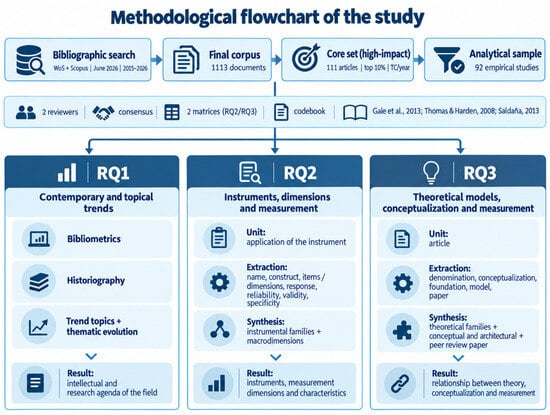
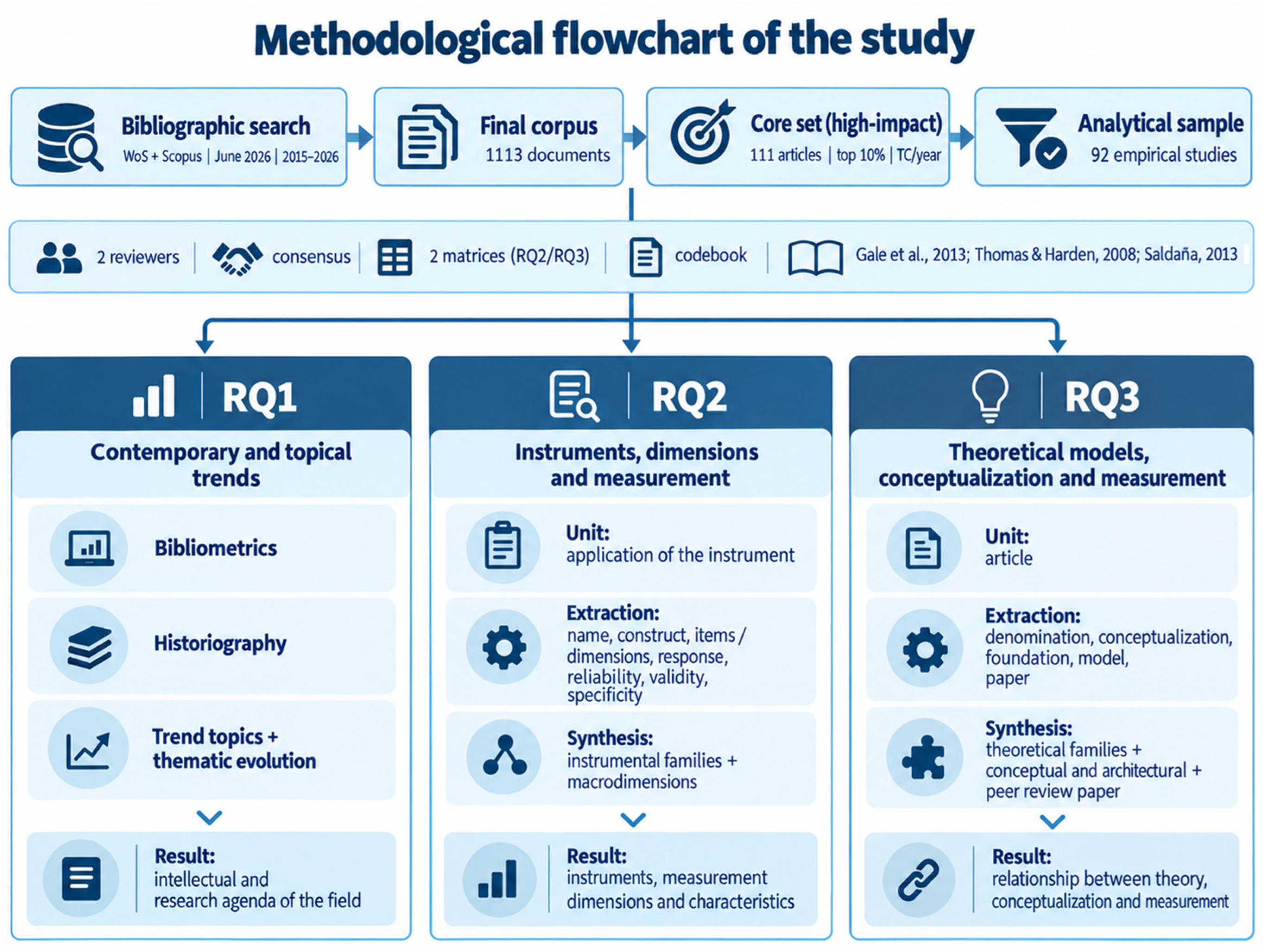
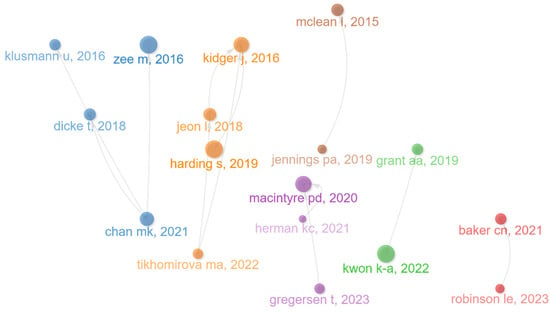
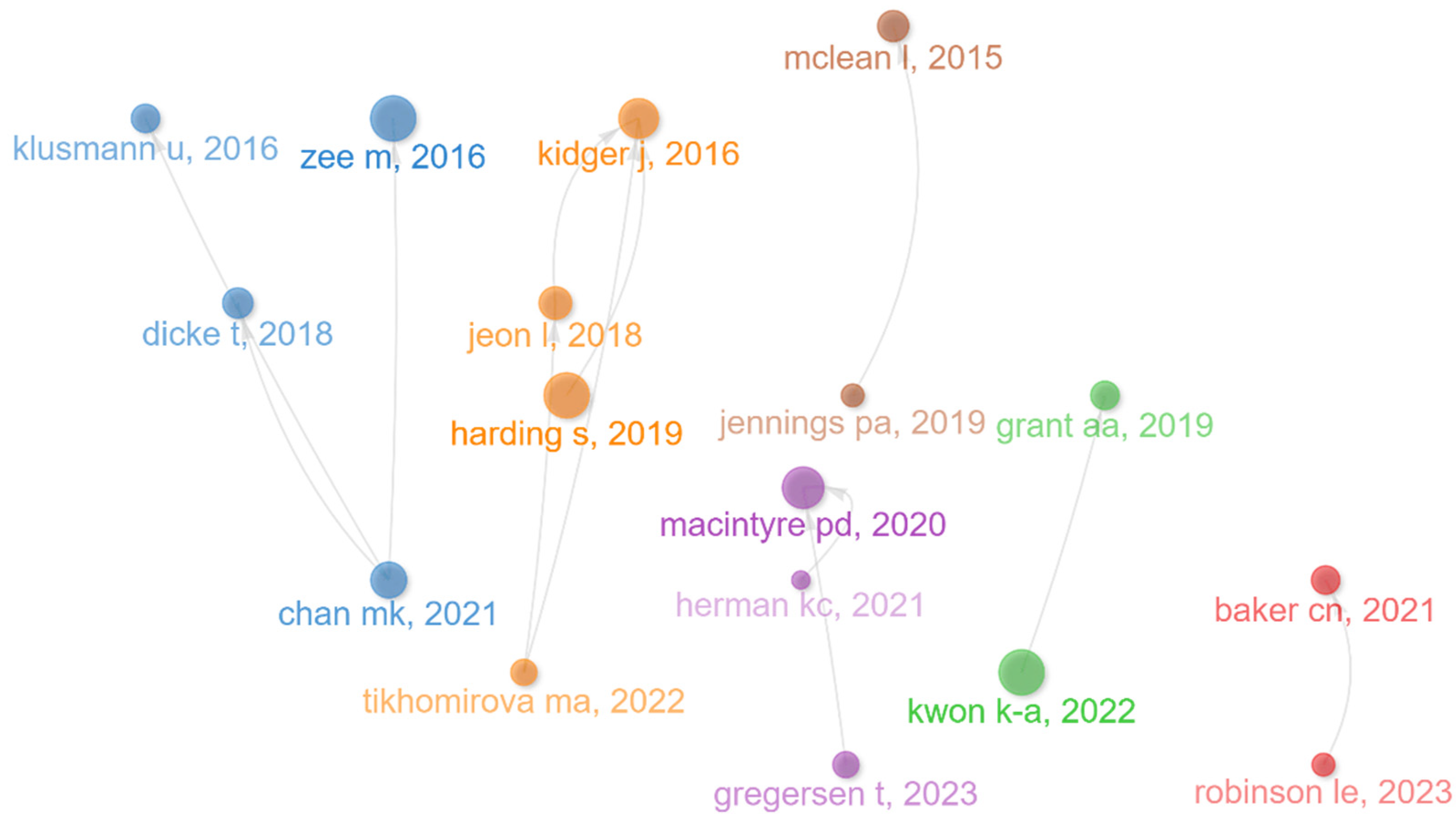
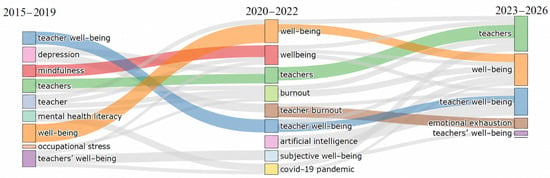
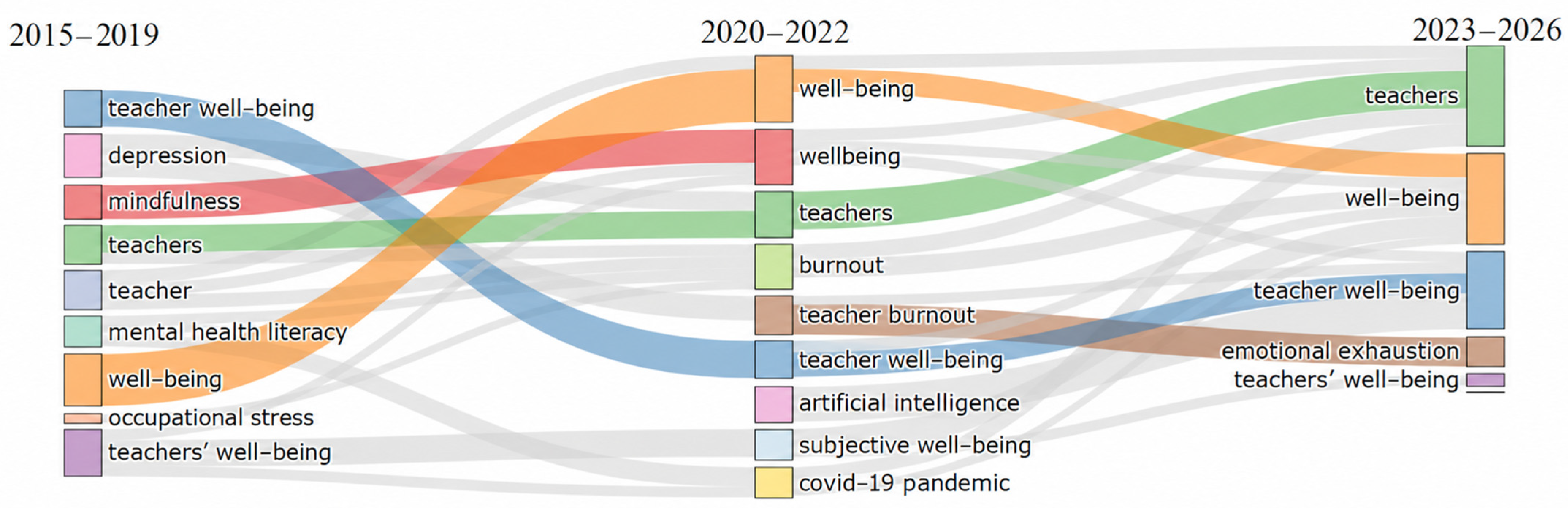
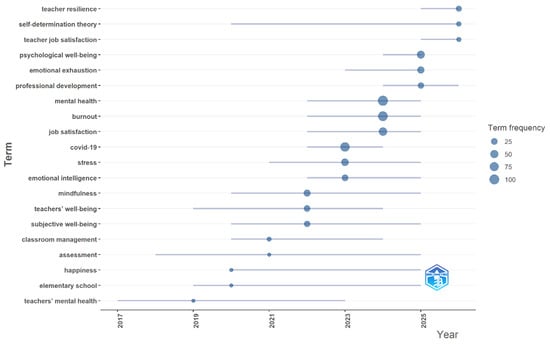
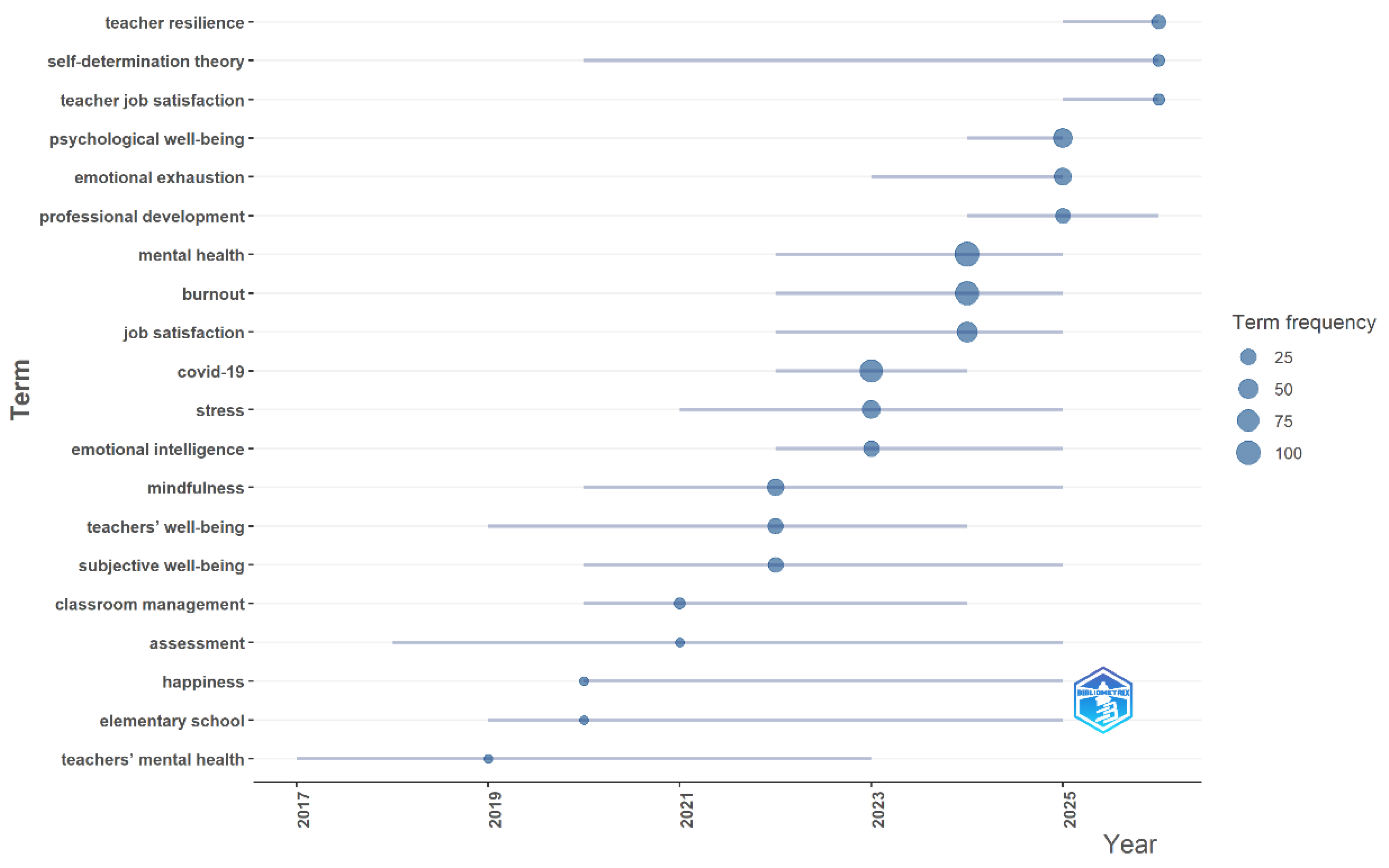
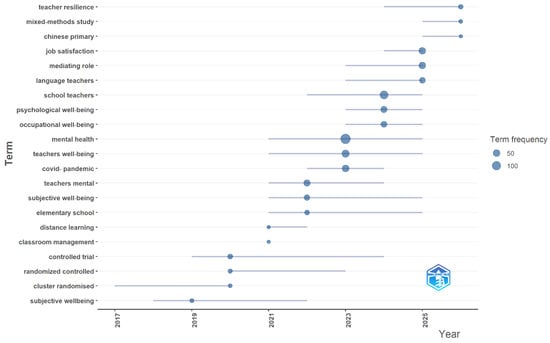
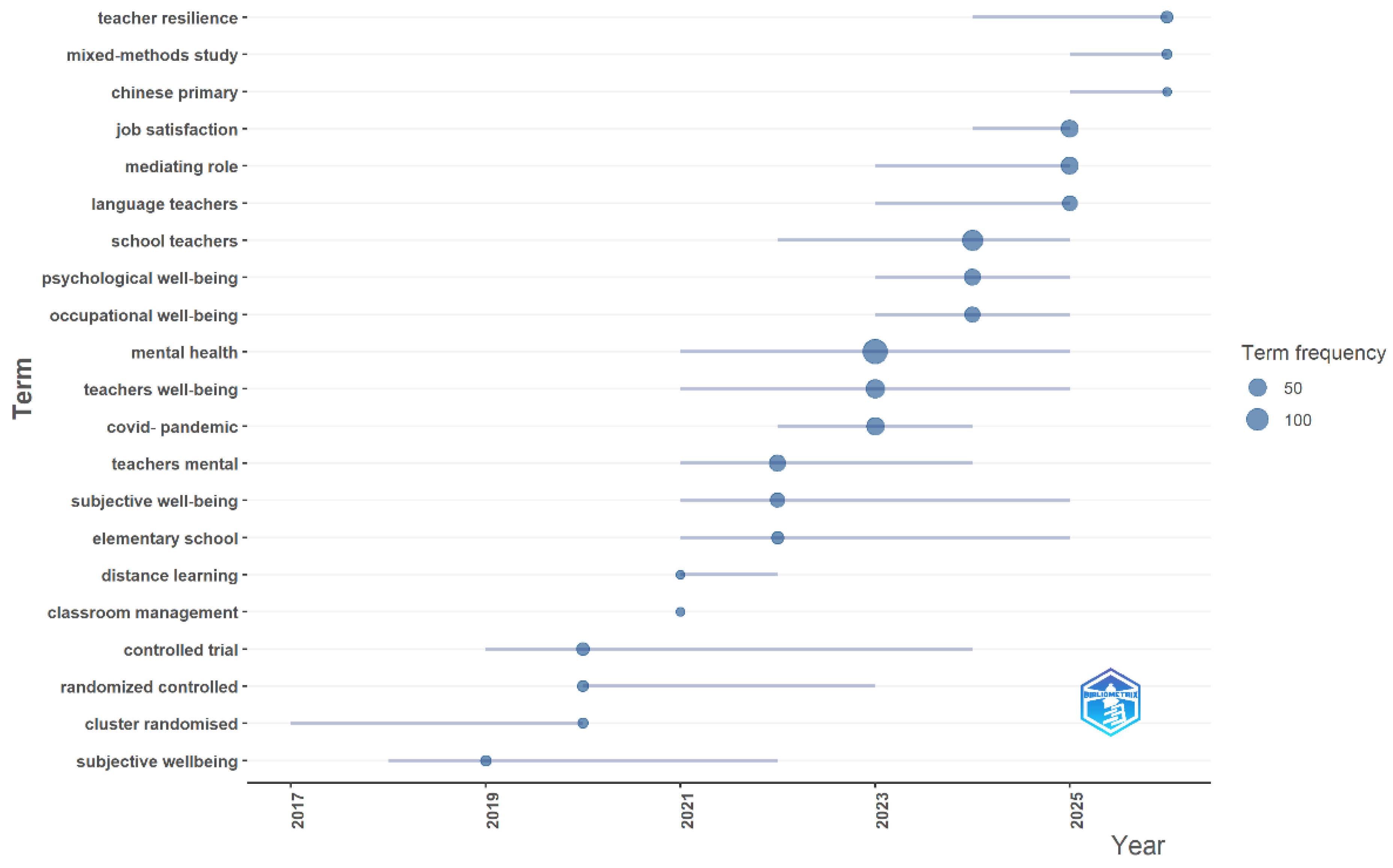

Disclaimer/Publisher’s Note: The statements, opinions and data contained in all publications are solely those of the individual author(s) and contributor(s) and not of MDPI and/or the editor(s). MDPI and/or the editor(s) disclaim responsibility for any injury to people or property resulting from any ideas, methods, instructions or products referred to in the content. |
© 2026 by the authors. Licensee MDPI, Basel, Switzerland. This article is an open access article distributed under the terms and conditions of the Creative Commons Attribution (CC BY) license.