


Abstract
Background: Cloud computing has become a fundamental digital infrastructure to supply chain (SC) digitalization, supporting the implementation of Lean, Agile, Resilient and Green (LARG) strategies. Although previous studies have examined its contribution to individual SC strategies, the organizational capabilities through which cloud computing supports different strategic orientations remain fragmented. This study addresses this gap by systematically reviewing the literature and developing an integrative framework of cloud-enabled organizational capabilities. Methods: A systematic literature review was conducted following PRISMA (Preferred Reporting Items for Systematic Reviews and Meta-Analyses) 2020 guidelines. Relevant studies were identified, screened and systematically coded. Reported capabilities were synthesized into five domains: Information, Integration, Operational, Decision, and Control. Results: The review identifies distinct capability configurations across LARG strategies. Lean SCs are supported by Operational, Integration, and Information capabilities; Agile SCs by Integration, Decision, and Information capabilities; Resilient SCs by Control, Decision, and Information capabilities; and Green SCs by Operational, Control, and Information capabilities. An integrative framework distinguishing primary and complementary capabilities is proposed. Conclusions: The study shifts the focus from cloud computing as a technological resource towards cloud-enabled organizational capability configurations that support SC strategies. The framework and theoretical propositions provide a foundation for future empirical research and managerial decision-making.
1. Introduction
Global supply chains (SCs) are undergoing a profound transformation driven by increasing market volatility, geopolitical tensions, climate change, resource scarcity, stricter sustainability requirements, and recurrent large-scale disruptions [1]. These challenges have increased SC complexity and compelled firms to reconsider how their SCs are designed, coordinated, and managed [2,3]. At the same time, digital transformation has become a strategic priority for firms seeking to enhance operational efficiency, responsiveness, and long-term competitiveness. Firms increasingly view digital technologies not merely as operational tools but as strategic resources that enable them to redesign SC processes and develop new competitive strategies [4,5].
Among the technologies driving this digital transformation, cloud computing [6] plays a particularly important role. Initially developed as a computing paradigm based on distributed infrastructure, on-demand access to shared computing resources, scalability, and pay-per-use models [6,7], cloud computing has evolved from an emerging information technology into a key enabler of digital business transformation. Today, it provides the technological foundation for deploying a wide range of Industry 4.0 technologies, including the Internet of Things, Big Data Analytics, Artificial Intelligence, and Digital Twins. By providing scalable computing resources, data storage, ubiquitous connectivity, interoperability, and real-time access to information, cloud computing enables firms to integrate and deploy these technologies across their operations [8,9,10].
As cloud computing has matured, research has gradually shifted from examining its technological characteristics and adoption drivers [11] to exploring its organizational and strategic implications. Early studies focused primarily on technological architectures, service models, and the drivers and barriers to adoption [11,12]. More recent research has emphasized how cloud computing facilitates interorganizational collaboration, information sharing, process integration, SC visibility, flexibility and data-driven decision-making across SC networks [13,14,15]. This shift suggests that cloud computing should no longer be viewed merely as a digital technology or Information Technology infrastructure. Instead, it has emerged as a strategic capability enabler that helps firms develop the organizational capabilities required to design and implement increasingly sophisticated SC strategies [13].
These strategic challenges have traditionally been analyzed through different SC strategic paradigms. Among them, the LARG framework, comprising Lean, Agile, Resilient and Green SC strategies [16], provides a comprehensive perspective for understanding how firms pursue efficiency, responsiveness, resilience, and environmental performance simultaneously. More recently, growing concerns about sustainability and the transition towards circular business models have extended the original SC Green perspective to include Sustainable [17] and Circular SCs [17,18]. Given their shared environmental orientation, overlapping objectives, and reliance on similar digitally enabled capabilities, this review considers Green, Sustainable and Circular SCs as a single strategic domain within the broader LARG framework.
In this context, LARG SC strategies have evolved from predominantly operational approaches into digitally enabled strategic systems [19]. Cloud computing has played a central role in this transformation by providing the digital infrastructure that increasingly supports the development and implementation of modern SC strategies [13].
The growing strategic relevance of cloud computing has generated a substantial body of research on its application across different SC strategies. Existing studies have examined, among other areas, its contribution to SC integration [14], Lean SC management [20], Agile SCs [15], Resilient SCs [21], Sustainability SCs [22,23] and Circular SCs [24]. Several systematic literature reviews have also investigated individual SC strategies or broader Industry 4.0 technologies within specific strategic contexts (e.g., [20,22,23,25]). Although these studies have expanded our understanding of the role of digital technologies in SC management, they have largely developed along separate research streams. As a result, the literature provides a fragmented view of how cloud computing contributes to the development and implementation of different SC strategies.
However, LARG strategic orientations are not necessarily mutually exclusive [16]. Firms may pursue multiple strategic priorities simultaneously, combining, for example, Lean and Agile SC practices [15] or integrating resilience and environmental objectives. This coexistence has important implications for understanding the role of cloud computing. If cloud computing enables organizational capabilities that support multiple strategic orientations, examining its relationship with each LARG SC strategy independently may obscure the common capabilities that underpin these strategies. An integrated analysis of LARG strategies can instead identify which organizational capabilities cloud computing enables across different strategic orientations and which become more prominent depending on the strategic priority pursued. This cross-strategy perspective remains largely absent from the existing review literature.
Current research provides substantial evidence of where cloud computing has been applied, and which benefits it has generated within individual SC strategies. However, considerably less is known about how cloud computing enables different SC strategies through the development of shared organizational capabilities, whether similar enabling mechanisms operate across the LARG strategic orientations, and how cloud computing’s strategic role varies across this heterogeneous body of research. This important gap calls for an integrated perspective that examines cloud computing across LARG strategies. Such an approach can determine whether a common cloud-enabled capability base underpins different strategic orientations and how firms configure these capabilities according to their strategic priorities.
To the best of our knowledge, no previous systematic literature review has brought these fragmented research streams together within a unified conceptual framework to examine the strategic role of cloud computing across different SC strategies.
To address this gap, this study conducts a systematic literature review [26,27] on cloud computing and SC strategies following PRISMA (Preferred Reporting Items for Systematic Reviews and Meta-Analyses) 2020 guidelines. Previous reviews have examined the effects of cloud computing on individual SC strategies [21,28], the effects of Industry 4.0 technologies on specific SC strategies [29,30,31], or particular technological applications. In contrast, this study adopts an integrated perspective that conceptualizes cloud computing as a strategic enabler of SC strategies. Building on the LARG framework [16], this review synthesizes the available evidence to identify the organizational capabilities enabled by cloud computing, examines how these capabilities support different SC strategies, and develops an integrative framework that explains the relationships between cloud-enabled capabilities and strategic orientations.
This study makes three main contributions to the literature. First, it provides a comprehensive synthesis of research on cloud computing across the LARG strategic framework. Second, it advances current research by shifting the focus from cloud computing as a digital technology to its role as a strategic enabler of organizational capabilities. Third, it develops an integrative framework that shows how cloud-enabled organizational capabilities support the implementation of different SC strategies and derives theoretical propositions from these relationships. The framework therefore extends existing capability-based perspectives on SC digitalization by adopting a cross-strategy approach. More specifically, the originality of this study lies in examining which organizational capabilities cloud computing commonly enables across different LARG strategies and which capabilities become more prominent depending on the strategic priority pursued. In doing so, the study provides a more integrated understanding of how cloud computing contributes to the development and implementation of diverse SC strategies.
The remainder of this paper is organized as follows. Section 2 presents the conceptual background of this review, focusing on the evolution of cloud computing and the LARG SC strategies. Section 3 describes the systematic literature review methodology. Section 4 presents the review findings and synthesizes the evidence across the different SC strategies. Based on these findings, Section 4 also develops an integrative framework that characterizes the strategic role of cloud computing in enabling LARG SC strategies, presents the resulting theoretical propositions, and discusses managerial applications. Finally, Section 5 concludes the paper by summarizing the main findings and contributions, discussing the study’s limitations, and outlining directions for future research.
2. Conceptual Background
2.1. Cloud Computing: From Digital Technology to Strategic Enabler
Cloud computing has evolved from an emerging computing paradigm into a core technology supporting digital transformation across industries. Initially, it provided on-demand access to geographically distributed computing resources through virtualization, scalability and pay-per-use service models, marking a fundamental shift from traditional IT infrastructures [6,7,8]. These characteristics allowed firms to access computing resources more flexibly, while reducing infrastructure costs and improving resource availability [9].
As cloud computing matured, research gradually shifted from its technological characteristics to its organizational and strategic value. Beyond providing computing infrastructure, cloud computing has emerged as a platform that enhances organizational flexibility, scalability and innovation while facilitating business digitalization [9,32,33]. More recently, it has become a key technological foundation for Industry 4.0 and Supply Chain 4.0, supporting the deployment and integration of complementary technologies such as the Internet of Things, Big Data Analytics and Artificial Intelligence [10].
This evolution has also reshaped the role of cloud computing in SC management [13]. Rather than serving solely as an IT infrastructure, cloud computing increasingly functions as a platform that facilitates information sharing, SC integration, visibility, collaboration, and data-driven decision-making across SC networks [5,14]. Its value therefore extends beyond its technological capabilities to its capacity to enable organizational capabilities that help firms implement different SC strategies.
Accordingly, this review adopts a strategic perspective of cloud computing and conceptualizes it as a strategic enabler of organizational capabilities. From this perspective, cloud computing provides the digital foundation through which firms can develop and implement Lean, Agile, Resilient and Green/Sustainable/Circular SC strategies.
2.2. LARG Supply Chain Strategies
SC strategies have evolved in response to increasingly complex and dynamic business environments, requiring firms to balance efficiency, responsiveness, resilience and sustainability. Among the frameworks developed to capture these strategic priorities, the LARG paradigm integrates four complementary strategic approaches: Lean, Agile, Resilient and Green supply chains [16]. Although each strategy emphasizes different strategic objectives, they are not mutually exclusive and may be pursued simultaneously to enhance overall SC performance [16,25,34].
Lean SCs focus on improving efficiency by eliminating waste, reducing costs, and standardizing processes, thereby enhancing operational performance [35,36]. In contrast, Agile SCs emphasize flexibility, responsiveness, and speed, enabling firms to respond rapidly to changing customer requirements and volatile market conditions [37,38]. Resilient SCs focus on the ability to anticipate, withstand, and recover from disruptions while maintaining business continuity, adaptability, and long-term competitiveness [39,40]. Finally, Green SCs aim to reduce environmental impacts through sustainable resource management, pollution prevention, and environmentally responsible operations [41,42].
More recently, the growing importance of sustainability and circular economy principles has broadened the scope of the original Green SC strategy. Sustainable and Circular SCs share many of the same environmental objectives and rely on related capabilities, including resource efficiency, product lifecycle management, reverse logistics, and closed-loop SC practices [17,18]. Accordingly, this review treats Green, Sustainable and Circular SCs as a single strategic domain within the LARG framework. This approach enables a more comprehensive analysis of the strategic role of cloud computing across environmentally oriented SC strategies.
Importantly, LARG SC strategies should not necessarily be viewed as mutually exclusive strategic alternatives [15,16]. Firms may pursue multiple strategic priorities simultaneously, combining efficiency through Lean SC practices, responsiveness through Agile SC practices, robustness through Resilient SC practices, and environmental performance through Green, Sustainable and Circular SC practices.
Together, these strategies provide the conceptual lens for examining how cloud computing enables different organizational capabilities and supports the development and implementation of contemporary SC strategies.
2.3. Related Systematic Literature Reviews
The increasing adoption of digital technologies in SCs has generated a growing body of systematic literature reviews examining their contribution to different SC strategies. As summarized in Table 1, most previous reviews have adopted an Industry 4.0 perspective, examining cloud computing alongside other enabling technologies such as the Internet of Things, Big Data Analytics and Artificial Intelligence. These reviews have primarily focused on specific strategic domains, including Lean SCs [20,31], Agile SCs [15,30], Green, Sustainable and Circular SCs [17,23,43,44,45,46], and Resilient SCs [29]. Other reviews have focused specifically on cloud computing, but within more narrowly defined contexts, such as manufacturing systems [28] or SC integration [14].
Table 1.
Related systematic literature reviews on cloud computing, Industry 4.0 and SC strategies.
As shown in Table 1, previous reviews have provided valuable insights into the role of digital technologies within individual SC strategies. Existing reviews have either examined multiple Industry 4.0 technologies in the context of a single SC strategy or focused on a specific application of cloud computing. Consequently, the literature remains largely fragmented by technology, strategic orientation, or both. This fragmentation is particularly relevant because firms may pursue multiple strategic objectives simultaneously rather than adopting Lean, Agile, Resilient, or Green orientations as mutually exclusive alternatives [15,16]. What remains unclear is whether the organizational capabilities through which cloud computing supports Lean, Agile, Resilient, and Green SCs represent independent sets of capabilities or different strategic manifestations of a common cloud-enabled capability portfolio. Addressing this question requires an integrative review that examines these strategic orientations simultaneously. Such an integrative review can provide a different type of contribution to the literature: rather than assessing whether cloud computing supports each SC strategy independently, it can identify the common organizational capability base enabled by cloud computing and determine how the relative prominence of these capabilities varies across LARG SC strategies.
To the best of our knowledge, no previous systematic literature review has placed cloud computing at the center of analysis while simultaneously examining its contribution across the Lean, Agile, Resilient and Green/Sustainable/Circular (LARG) SC strategies. This study addresses this gap by providing an integrated synthesis of the literature, developing an integrative conceptual framework and identifying directions for future research.
3. Research Methodology
Research Design
The methodological approach adopted to identify, analyze and synthesize the available scientific evidence in a structured, transparent and reproducible manner was a Systematic Literature Review [26,27]. To this end, a research protocol was developed based on the principles proposed in the conceptual framework of [26] for planning systematic reviews. A standardized procedure was then established to document the identification, screening, eligibility assessment, and inclusion of studies in accordance with the PRISMA 2020 guidelines [47]. This methodological approach has been registered in the Open Science Framework (OSF) (https://www.cos.io/products/osf, accessed on 13 September 2026). The review followed five sequential phases (Figure 1), based on the methodological framework proposed by [26].
Figure 1.
Research design. * Note: Review articles were used to provide theoretical context for this study, but were excluded from the qualitative synthesis because they did not provide primary scientific evidence. Source: prepared by the authors based on [26,48].
- Formulation of the research questions
The overall objective of this research lies at the intersection of three key concepts: (1) cloud computing, (2) supply chain and (3) LARG strategies. These concepts can be represented as interconnected sets (Figure 2). Based on this conceptualization and the research objective, the following research questions (RQs) are formulated:
Figure 2.
Key concepts of the study. Source: the authors.
RQ1. Which articles discuss the relationship between cloud computing and LARG SC strategies?
RQ2. How can this literature be classified, and what are the relationships between cloud computing and LARG SC strategies?
- 2.
- Identification of the most relevant studies
The literature search was conducted exclusively in the Web of Science (WoS) Core Collection database. The choice of this unique bibliographic database was based on the fact that it provides extensive coverage of peer-reviewed journals in Operations Management and SC Management and supports a transparent and reproducible search process [48]. Although some systematic literature reviews may combine multiple bibliographic databases, the use of a single high-quality database can be appropriate when the review applies a clearly defined search strategy and prioritizes consistency, traceability, and reproducibility [48]. Using a single database also facilitates the management and screening of records within a consistent bibliographic environment and avoids potential duplication arising from overlapping database coverage. Furthermore, the aim of this study was not the traditional objective of a systematic literature review to maximize the number of bibliographic sources, but to develop a transparent and reproducible synthesis based on a consistently defined corpus of scientific literature that would support cross-strategy analysis. The decision to use WoS as the exclusive database has also been adopted in other systematic literature reviews on cloud computing [48] and SC research.
The studies were identified using the Topic Search (TS) option in the WoS Core Collection. This search function retrieves records based on terms appearing in the title, abstract, author keywords, and keywords plus, the latter being terms generated by WoS during the indexing process. The search string was developed by combining keywords identified in previous systematic literature reviews on cloud computing (for example, [48]) and SCs (for example, [15,20]) with additional terms identified through a structured brainstorming process involving researchers with extensive experience in information technology and SC management. The resulting search terms were designed to represent the three conceptual dimensions of the study identified in Figure 2: cloud computing, SCs, and the different LARG strategies.
In the cloud computing set, the term “cloud” was deliberately used as the core search term, following the approach adopted in previous reviews [48]. The term was selected because it represents the common lexical root in expressions such as cloud computing, cloud-based systems, cloud services, and cloud platforms, among others. In the SC set, the terms “supply chain” and “logistics” were included following previous systematic literature reviews [15,20].
In the LARG set, the search terms were deliberately defined more broadly than the analytical framework adopted in this review. Conceptually related terms, including “flexible”, “sustainable”, and “circular”, were therefore incorporated into the search string to increase search sensitivity and reduce the risk of excluding potentially relevant studies. The term “flexible” was included because flexibility is frequently discussed as an organizational capability closely associated with both Lean and Agile SCs. The terms “sustainable” and “circular” were included because they share many of the same environmental objectives and rely on similar capabilities related to those underlying Green SC strategies, including resource efficiency, product lifecycle management, reverse logistics and closed-loop SC practices [18,42].
This approach is consistent with recommendations for systematic literature reviews [49], which emphasize the importance of designing search strategies to maximize sensitivity while relying on subsequent inclusion, selection and coding criteria to ensure conceptual consistency. Accordingly, the search strategy was intentionally broader than the analytical framework. The synthesis and discussion were subsequently structured around the LARG paradigm. Within this framework, Green, Sustainable and Circular SCs were treated as a single environmentally oriented strategic domain. Studies retrieved through the term “flexible” were not assigned to a specific LARG strategy; instead, their strategic orientation was determined through a detailed analysis of their content and subsequently classified as Lean SC or Agile SC research, as appropriate.
In addition, Boolean operators were used to structure the search strategy: “OR” was used to combine related terms within each conceptual set, whereas “AND” was used to identify records containing terms from all three sets. Truncated operators (e.g., *, exact phrase or ?) were also applied to broaden the search while maintaining conceptual relevance. These procedures resulted in a comprehensive search string, which was executed using the Advanced Search function of WoS Core Collection (see Table 2). The search was conducted in May 2025 and initially retrieved 646 records.
Table 2.
Keywords and search string.
- 3.
- Selection and evaluation of studies
To select the studies for the final corpus, the inclusion criteria established during the design of the methodological protocol were applied [26]. The following criteria were considered. First, studies published between 2009 and December 2024 were eligible. The starting year was set to 2009 because it corresponds to the emergence of the first scientific publications on cloud computing [7]. Second, only studies published in English were considered. The eligible publication types included research articles, articles in press, and early-access publications. Review articles were also identified during the initial search and examined to provide theoretical context and to assess their relevance to the review; however, they were subsequently excluded from the final corpus and qualitative synthesis because they did not provide primary empirical evidence. Third, to ensure the relevance of the retrieved studies, the search was restricted to WoS research areas closely aligned with the objectives of the review. These areas included Engineering, Computer Science, Business and Economics, Operations Research and Management Science, Transportation, Telecommunications, Automation and Control Systems, Communication, Agriculture, Energy and Fuels, Medical Informatics, Geography, Environmental Sciences, and other closely related interdisciplinary fields. Finally, journal-level eligibility was considered as an additional criterion. Only studies published in journals with an impact factor and indexed in the Journal Citation Reports (JCR) were retained, thereby restricting the final corpus to peer-reviewed journals recognized within the JCR database.
This selection process is illustrated in Figure 3 [48]. The application of the initial eligibility criteria excluded records published before 2009 and those not written in English, reducing the number of records from 646 to 580. Next, 122 publications, including conference papers, book chapters, editorials and other non-peer-reviewed documents, were excluded. This resulted in 458 publications. A further 80 publications were excluded because they fell within research areas not directly related to the research questions. Subsequently, 3 publications were excluded because the journals were not indexed in the JCR. The resulting corpus comprised 375 studies.
Figure 3.
Literature selection process. Source: prepared by the authors based on [48].
The remaining studies were then assessed using the exclusion criteria defined in the methodological protocol. First, 8 studies were excluded because their full texts were unavailable, leaving 367 studies for further assessment. Review articles were subsequently excluded from the final corpus because they represented a different level of analysis from that of primary research articles. This resulted in the exclusion of 47 review articles and left 320 studies for screening.
The remaining studies were screened by examining their titles, abstracts, and keywords to determine whether they directly addressed cloud computing and its relationship with at least one of the LARG strategies. Studies were excluded when cloud computing was mentioned only as a peripheral technology, when they addressed generic cloud-based digital transformation without examining an SC strategy, or when the relevant LARG strategic orientation was not an explicit or clearly identifiable focus of the study. When eligibility remained unclear, the introduction and conclusions were examined and, where necessary, the full text was assessed.
This screening process resulted in the exclusion of 252 studies, leaving 68 articles for full-text assessment. These articles were then read in full to determine their final suitability for the research objectives. This assessment led to the exclusion of 26 studies because they did not provide sufficient evidence regarding the role of cloud computing in SC strategies or focused on issues outside the scope of the research question. The final corpus therefore comprised 42 studies. All exclusion decisions were discussed and agreed upon by the research team to reduce the potential for individual selection bias.
Following this screening process, the final corpus constituted the empirical basis for the analysis and synthesis of the evidence presented in Section 4.
The study selection process was reported in accordance with the PRISMA 2020 checklist (see Supplementary Materials) and is also summarized in the PRISMA 2020 flow diagram shown in Figure 4 [47]. This diagram reports the main stages of the selection process (Identification, Screening, and Inclusion) and the inclusion and exclusion criteria applied at each stage. The resulting number of studies is consistent with the selection process described above. During the Identification stage, the (WoS Core Collection was searched, yielding 646 records. No automated tools were used during the identification or screening process. Because the search was conducted in a single bibliographic database, no duplicate records were identified at this stage.
Figure 4.
PRISMA 2020 flow diagram. * Web of Science database (WoS) was the sole database used. ** No automation tools were used; records were screened manually. Source: [47].
During the Screening stage, the predefined inclusion and exclusion criteria were applied to the 646 records identified in the initial search. The process resulted in the exclusion of 604 records and the inclusion of 42 studies in the final review corpus. The 604 excluded records were removed for the following reasons. First, eight records were excluded because the full text could not be retrieved. Second, 318 records were excluded based on the predefined inclusion criteria: 63 were published outside the 2009–2024 period, three were not written in English, 122 were not research articles, articles in press, early-access articles, or review articles, 80 fell outside the selected research areas, three were published in journals without an impact factor in the JCR, and 47 were review articles. Third, 252 records were excluded during title, abstract, and keyword screening because they did not directly address the research question. Finally, 26 studies were excluded after full-text assessment because they did not provide sufficient evidence regarding the relationship between cloud computing and LARG SC strategies or addressed issues outside the scope of the research questions.
The Inclusion stage therefore resulted in a final corpus of 42 studies. These studies constitute the empirical basis for the analysis, synthesis, and discussion presented in the following sections.
- 4.
- Analysis and synthesis
After reading the 42 selected articles in full, bibliographic information was recorded for each study, including authors, publication year, journal, and country of origin (see Supplementary Materials). The research characteristics of each study were then extracted and coded in an Excel database. These characteristics included research design, industrial sector, application context, and unit of analysis, together with information directly related to the research questions and the main findings and conclusions. The coding framework covered four main analytical dimensions. First, the SC strategy addressed in each study was coded as Lean, Agile, Resilient or Green. Second, the organizational capabilities enabled by cloud computing were identified. Individual capabilities reported in the studies were initially coded using the terminology adopted by each study and were subsequently grouped according to conceptual similarity and the organizational function they represented. Third, the complementary Industry 4.0 technologies associated with cloud computing were recorded, including the Internet of Things, Big Data Analytics, and Artificial Intelligence. Fourth, the research context and the effects attributed to cloud computing within each SC strategy were documented.
To ensure systematic and consistent data extraction and to reduce the risk of coding bias, the research team developed a coding manual based on the research questions. The manual specified the variables to be extracted, the aspects to be considered for each variable, and the coding categories to be applied. Three researchers participated in the coding process. One researcher initially coded all selected studies, while the other two independently reviewed the classifications and proposed changes whenever necessary. The researchers then discussed any discrepancies in dedicated meetings and reached consensus on the final coding of all 42 studies.
- 5.
- Results and discussion
A descriptive analysis was conducted on the 42 selected articles, followed by a systematic classification of the literature according to the research questions. The analysis examined the effects of cloud computing across the different LARG SC strategies and enabled a cross-strategy assessment of their relationship. Based on these findings, an integrative framework was developed to explain the strategic role of cloud computing across LARG orientations, together with directions for future research. The results of these analyses are presented in the following section.
4. Results
4.1. Literature Clasification: Research Streams on Cloud Computing and LARG Supply Chain Strategies
The reviewed studies were classified according to their primary SC strategy: Lean, Agile, Resilient or Green/Sustainable/Circular. Within these strategies, an inductive thematic analysis identified eight research sub-streams that capture the main directions pursued in the literature. Rather than merely grouping studies by topic, this classification highlights how cloud computing has been examined as an enabler of different SC strategies and provides the foundation for the subsequent cross-strategy analysis of cloud-enabled organizational capabilities.
As shown in Table 3, the literature has evolved unevenly across the four strategies. Early studies focused primarily on operational efficiency, process integration, and information sharing, particularly in the context of Lean SCs. More recent research has progressively expanded towards agile decision-making, sustainability, environmental governance, and SC resilience, often examining cloud computing in combination with complementary digital technologies such as the Internet of Things, Big Data Analytics, Artificial Intelligence, and Blockchain. Overall, this evolution indicates a shift from viewing cloud computing primarily as technological infrastructure towards recognizing its role as an organizational enabler that supports different strategic objectives across SCs.
Table 3.
Research streams on cloud computing and LARG SC strategies.
The research streams and sub-streams identified in Table 3 also differ in their level of conceptual maturity. While some streams focus primarily on specific operational applications, others address broader managerial issues including environmental governance, collaborative decision-making, and SC resilience. Despite these differences, the research streams converge in emphasizing the role of cloud computing in facilitating information exchange, coordination, and organizational responsiveness across SC partners.
The following sections examine each LARG strategy in greater detail, describing the corresponding research sub-streams and synthesizing their main contributions. This strategy-oriented analysis provides the basis for the subsequent cross-strategy examination of cloud-enabled organizational capabilities presented in Section 4.2.
4.1.1. Cloud Computing in Lean Supply Chains
The literature on cloud computing in Lean SCs comprises ten studies and can be organized into two complementary research sub-streams or sub-line (SL) (Table 3). The first examines the role of cloud computing in enhancing operational efficiency and reducing costs (SL1.1), while the second focuses on its contribution to technological integration and SC flexibility (SL1.2). Together, these studies portray cloud computing as a technological foundation that supports the implementation of Lean principles while enhancing the flexibility required to operate in increasingly dynamic and interconnected SC environments.
The first research sub-stream (SL1.1) examines how cloud computing contributes to operational excellence through process digitalization, resource optimization and cost reduction. Several studies show that cloud-based architectures can improve the coordination of logistics and production activities, reduce transportation and transaction costs, standardize operational processes, and enhance overall SC efficiency [50,51,52,53,54]. Despite differences in their methodological approaches and empirical contexts, these studies converge in identifying cloud computing as a key technological enabler of operational improvement. More specifically, the evidence suggests that cloud-enabled digitalization facilitates the identification and elimination of operational inefficiencies while supporting the standardization and continuous improvement of Lean-oriented processes.
The second research sub-stream (SL1.2) extends this operational perspective by emphasizing the role of cloud computing in integrating SC processes and enhancing organizational flexibility. Rather than focusing exclusively on efficiency, these studies examine how cloud-based platforms facilitate real-time information sharing, interoperability, collaborative coordination, and service-oriented architectures that can respond to demand variability. In particular, cloud computing is viewed as a technological foundation for synchronizing production, logistics, and information flows across SC partners, thereby enhancing responsiveness and supporting more flexible decision-making [55,56,57,58,59]. Several studies also highlight the integration of cloud services with collaborative platforms and digital manufacturing environments, pointing to a broader transition from isolated operational improvements towards digitally integrated SC ecosystems.
Overall, the literature suggests a clear evolution in the role attributed to cloud computing within the Lean SC strategy. Earlier research primarily examined cloud computing as a means of improving operational efficiency and reducing costs, whereas more recent studies increasingly emphasize its contribution to SC process integration, collaboration, and organizational flexibility. This evolution suggests that cloud computing is increasingly viewed not only as a technology supporting Lean-oriented operational improvements, but also as a broader technological foundation for integrating SC activities and enhancing the flexibility of Lean SCs.
4.1.2. Cloud Computing in Agile Supply Chains
The literature on cloud computing in Agile SCs comprises two complementary research sub-streams (Table 3). The first examines cloud computing as an enabler of digitalization and rapid information exchange to enhance SC agility (SL2.1), whereas the second explores its integration with Artificial Intelligence and advanced analytics to support adaptive and intelligent decision-making (SL2.2). Together, these studies illustrate the progressive evolution of the literature from viewing cloud computing primarily as digital infrastructure towards recognizing its broader role in supporting responsive and data-driven SC management.
The first research sub-stream (SL2.1) focuses on the contribution of cloud computing to SC agility through enhanced information sharing, visibility, and responsiveness. These studies show that cloud-based platforms facilitate the rapid exchange of information among SC partners, improve coordination, and reduce response times to changing customer requirements and market conditions. Accordingly, cloud computing is regarded as an important digital foundation for Agile SC practices, enabling greater visibility, collaboration, and real-time access to information [60,61,62]. Collectively, this research stream suggests that organizational agility depends not only on the availability of digital technologies but also on their ability to facilitate continuous information flows and coordinated responses across the SC.
The second research sub-stream (SL2.2) extends this perspective by examining the convergence of cloud computing with Artificial Intelligence and Big Data Analytics. Rather than considering cloud computing solely as infrastructure for information management, these studies investigate how cloud-based platforms support intelligent decision-making through predictive analytics, adaptive algorithms, and real-time data processing. The integration of Artificial Intelligence and Big Data Analytics with cloud services enables firms to anticipate changes, optimize operational decisions, and respond more proactively to uncertain and dynamic environments [63,64]. This research stream therefore reflects a progression from information-enabled agility towards intelligence-enabled agility, where cloud computing provides the technological platform supporting advanced analytical capabilities and adaptive decision-making.
Overall, the Agile literature reveals a clear conceptual evolution in the role attributed to cloud computing. Earlier studies primarily associated cloud computing with enhanced information sharing, communication speed, and SC visibility, whereas more recent contributions increasingly emphasize its integration with Artificial Intelligence and Big Data Analytics to support adaptive and data-driven decision-making. This progression suggests that cloud computing is increasingly viewed not simply as technological infrastructure supporting agility, but as a broader strategic platform for developing intelligent responsiveness in highly dynamic SC environments.
4.1.3. Cloud Computing in Resilient Supply Chains
The literature on cloud computing in Resilient SCs is concentrated in a single research sub-stream (SL3.1), indicating a relatively focused research direction (Table 3). Unlike the Lean and Agile literature, which encompasses multiple thematic sub-streams, research on Resilient SCs consistently examines cloud computing as an enabler of visibility, collaboration and real-time decision-making to strengthen the ability of SCs to anticipate, respond to and recover from disruptions.
The reviewed studies highlight that cloud-based platforms facilitate continuous information exchange across SC partners, enhance situational awareness, and support coordinated responses to disruptive events. Cloud computing is also frequently combined with complementary digital technologies, including the Internet of Things, Big Data Analytics, and Artificial Intelligence, to support risk management, dynamic planning, and organizational responsiveness. Collectively, the evidence indicate that cloud computing contributes to SC resilience by enhancing visibility, collaboration, and data-driven decision-making, thereby strengthening firms’ ability to manage and recover from disruptions [65,66,67,68,69,70,71].
Overall, the resilience literature positions cloud computing as a strategic digital infrastructure for managing increasing uncertainty and disruption in SCs. Rather than focusing solely on operational improvements, recent research emphasizes its role in developing dynamic organizational capabilities that strengthen preparedness, adaptability and recovery. These findings reinforce the strategic role of cloud computing in supporting resilient SC management.
4.1.4. Cloud Computing in Green, Sustainable and Circular Supply Chains
The literature on cloud computing in Green, Sustainable and Circular SCs can be classified into three complementary research sub-streams (Table 3). The first focuses on green supplier evaluation and selection (SL4.1), the second examines environmental sustainability and circular economy practices (SL4.2), and the third addresses environmental governance and regulatory compliance (SL4.3). Together, these streams indicate an evolution from operational applications focused on environmental performance towards a broader strategic perspective on sustainable SC management.
The first research sub-stream (SL4.1) examines how cloud computing supports sustainable supplier evaluation and selection through cloud-based decision support systems. These studies emphasize supplier integration, collaboration, traceability, and risk assessment. They also frequently combine cloud computing with complementary digital technologies to support more informed and sustainable sourcing decisions [72,73,74,75,76,77,78].
The second research sub-stream (SL4.2) broadens the analysis to environmental sustainability across the SC. These studies examine how cloud computing supports environmental monitoring, resource optimization, lifecycle information management, and circular economy practices. Several studies also investigate its integration with the Internet of Things, Big Data Analytics, Artificial Intelligence, and Blockchain to improve environmental performance and support more sustainable SC operations [79,80,81,82,83,84,85,86].
The third research sub-stream (SL4.3) reflects the growing emphasis on environmental governance. These studies examine how cloud computing improves transparency, traceability, and regulatory compliance while supporting governance mechanisms through secure information exchange and digital platforms. Blockchain is frequently integrated with cloud services to strengthen these functions [87,88,89,90,91].
Overall, the literature indicates a progression from supporting individual environmentally oriented operations towards enabling integrated environmental management and governance across the SC. This evolution further illustrates the broader strategic role of cloud computing as a key digital infrastructure for achieving sustainability objectives through collaboration, visibility, transparency, and data-driven management.
4.2. Cross-LARG Supply Chain Strategies Analysis of Cloud Computing-Enable Organizational Capabilities
The research streams classification presented in Section 4.1 provides a structured view of how cloud computing has been investigated across the four LARG SC strategies. However, examining the strategies separately does not fully explain the organizational mechanisms through which cloud computing supports different strategic objectives. To address this limitation, a second-stage interpretative synthesis was conducted to identify the core organizational capabilities that emerged across the reviewed studies.
The organizational capabilities identified within each SC strategy were thematically grouped into five capabilities domains. These organizational capability domains were not defined a priori. They emerged through an iterative thematic synthesis of the organizational capabilities identified in the reviewed studies. Individual capabilities were first coded using the terminology reported in the studies and were subsequently grouped according to their conceptual similarity and the organizational function they represented, as specified in the coding manual. This process resulted in five capability domains: Information capability domain, Integration capability domain, Operational capability domain, Decision capability domain, and Control capability domain. Each capability domain corresponds to a core capability in the SC with the same name.
These domains synthesize conceptually related organizational capabilities that repeatedly emerged across the reviewed studies and capture the main organizational mechanisms through which cloud computing creates value in different strategic contexts. The dominant capability domain or domains identified for each LARG strategic were then synthesized into corresponding core organizational capabilities. These core capabilities represent clusters of organizational capabilities through which cloud computing supports each strategic orientation. The results of this synthesis are presented in Table 4. This table provides traceability between the individual capabilities identified in the reviewed studies and their corresponding core capabilities.
Table 4.
LARG SC strategies, organizational capabilities identified and core capabilities.
The synthesis reveals that the different LARG SC strategies are associated with distinct configurations of core organizational capabilities. Lean SC are primarily characterized by Operational capability, Integration capability, and Information capability, reflecting their emphasis on process efficiency, resource optimization, and coordination across SC partners. Agile SCs are mainly associated with Decision capability, Integration capability, and Information capability, highlighting the importance of real-time visibility, and rapid decision-making in responding to changing market conditions. Resilient SCs are primarily supported by Control capability, Decision capability, and Information capability, emphasizing monitoring, risk management, and adaptive response to disruptions. Finally, Green SCs are characterized by the combined importance of Operational capability, Control capability, and Information capability, reflecting the need to coordinate sustainability-related activities, optimize resource use, and support environmental monitoring and governance.
Although Table 4 identifies the core organizational capabilities emerging from the systematic literature review for each individual strategy, contemporary SC research suggests that Lean, Agile, Resilient, and Green SC strategies should not be regarded as mutually exclusive. Instead, they represent complementary strategic orientations that may coexist within the same SC [16,38,92]. Firms rarely pursue a single strategic orientation in isolation. Rather, they combine different strategic priorities in response to their competitive and operating environments. Consequently, the organizational capabilities that constitute core enablers of one SC strategy may also support the implementation of other strategies, although their relative importance may vary across strategic contexts.
Building on this configurational perspective, the capability configurations proposed in this study distinguish between primary capabilities, directly identified through the systematic review for each SC strategy (Table 4), and complementary capabilities, which correspond to the core organizational capabilities of the remaining LARG strategies. So, in the systematic literature review, the coding process first identified the organizational capabilities reported in each reviewed study. These capabilities were subsequently grouped into five capability domains and five core organizational capabilities through an iterative thematic synthesis. Finally, the frequency and strategic relevance of each core capability across the reviewed studies allowed us to distinguish primary capabilities (those most consistently associated with a given LARG strategy) from complementary capabilities, which, although less dominant, reinforce the overall capability configuration. In this sense, the complementary capabilities reinforce the implementation of a given strategy without representing its dominant organizational mechanism. Therefore, the distinction between primary and complementary capabilities was subsequently derived from their relative frequency across the studies associated with each LARG strategy. For each strategy, the core capability domain appearing most frequently in the coded evidence was classified as a primary capability, whereas the remaining capability domains identified for the LARG SC strategies were classified as complementary capabilities. This classification does not imply that complementary capabilities are unimportant or that primary capabilities are exclusive to a given strategy. Rather, all five capability domains may contribute to each LARG strategy, while their relative prominence differs according to the strategic orientation. The resulting capability configurations are summarized in Table 5 and Table 6.
Table 5.
Cloud computing-enabled organizational capability configurations for LARG SC strategies.
Table 6.
Primary and complementary roles of core organizational capabilities across LARG SC strategies.
Table 5 presents each SC strategy in the rows and the primary or complementary core capabilities in the columns, with the corresponding capability classification shown at each intersection. Table 6 shows the core capabilities in the rows and the SC strategies in the columns, indicating whether each capability is primary or complementary for the corresponding SC strategy. Both tables show that, unlike the other core organizational capabilities, Information Capability emerges as a primary capability across all LARG strategies. This finding highlights the central role of cloud computing in enabling information-related capabilities regardless of the strategic orientation pursued.
Taken together, these findings demonstrate that the contribution of cloud computing extends beyond supporting individual organizational capabilities. Rather, cloud computing enables a common portfolio of five core SC organizational capabilities that can be strategically configured according to different LARG SC strategies. This configurational perspective shifts the analytic focus from technology adoption towards the organizational capability configurations through which cloud computing supports different SC strategies. These capability configurations constitute the conceptual foundation for the integrative framework presented in the following section.
4.3. An Integrative Framework of Cloud-Enabled Capability Configurations for LARG Supply Chain Strategies
The systematic review reveals how cloud computing contributes to the development and implementation of SC strategies. The evidence indicates that cloud computing provides the digital infrastructure through which multiple organizational capabilities can be developed and subsequently configured to support different strategic objectives. Building on the synthesis presented in Section 4.1 and Section 4.2, this study proposes an integrative framework that explains how cloud-enabled organizational capabilities are developed and strategically configured to support different LARG SC strategies.
At the highest level of the framework, cloud computing represents the technological platform that enables organizational capability development by providing scalable computing resources, real-time access to information, data integration, and collaborative environments across SC partners. The reviewed studies consistently describe cloud computing as a digital foundation supporting the deployment of complementary technologies, including the Internet of Things, Big Data Analytics, and Artificial Intelligence, thereby facilitating organizational digital transformation [61]. Rather than generating competitive advantage directly, cloud computing creates the technological conditions under which higher-order organizational capabilities (core capabilities) can be developed and deployed.
The literature synthesis further identifies five broad capability domains enabled by cloud computing: Information, Integration, Operational, Decision, and Control capabilities (Section 4.1). These domains encompass capabilities that are supported by organizational routines and practices through which cloud computing creates value within SCs. Thus, Information capabilities strengthen data visibility, information sharing, and traceability; Integration capabilities facilitate collaboration and interoperability among SC partners; Operational capabilities improve process execution and resource utilization; Decision capabilities support analytical, predictive, and adaptive decision-making; and Control capabilities reinforce monitoring, governance, and risk management. Collectively, these domains represent the organizational mechanisms through which cloud computing is translated into strategic outcomes.
These capability domains constitute a common portfolio of five core organizational capabilities that form the strategic building blocks of the proposed framework: Information capability, Integration capability, Operational capability, Decision capability, and Control capability. Unlike previous studies that typically examine these capabilities independently, the evidence synthesized in this review suggests that they should be understood as complementary organizational capabilities that may be deployed across all LARG SC strategies. Their strategic contribution therefore depends not only on their individual presence but also on how they are combined and configured to support different strategic priorities within the SC.
Figure 5 shows the framework that integrates these findings into a hierarchical capability architecture linking cloud computing, organizational capability development, and LARG SC strategies. The framework proposes that cloud computing enables the development of broad organizational capability domains, which subsequently generate the five core organizational capabilities. These capabilities constitute a shared organizational capability portfolio from which different LARG SC strategies emerge through alternative capability configurations. Consequently, the framework shifts the focus from isolated cloud-enabled capabilities towards understanding how firms configure a common portfolio of organizational capabilities to pursue different strategic objectives.
Figure 5.
Integrative framework. Source: the authors.
The capability configurations associated with each LARG strategy emerge directly from the synthesis of the reviewed literature (Table 3 and Table 4). Rather than identifying exclusive capabilities for each strategy, the review finds that all five core capabilities can contribute across the different LARG strategies, although their relative prominence varies by strategic context. Accordingly, the framework distinguishes between primary capabilities, which represent the most dominant organizational capabilities supporting a particular strategy, and complementary capabilities, which reinforce the effectiveness of the primary capability configuration. Each LARG SC strategy is therefore characterized by a specific configuration of these five core SC capabilities, comprising a combination of primary and complementary capabilities.
For Lean SCs, Operational capability, Integration capability, and Information capability constitute the primary capability configuration, reflecting the dominant emphasis of the reviewed studies on process efficiency, workflow coordination, information availability, and resource optimization [51,52,55,57,58]. Decision and Control capabilities complement this configuration by supporting operational visibility, continuous improvement, process monitoring, and standardization.
For Agile SCs, Decision capability, Integration capability, and Information capability emerge as the dominant capabilities, reflecting the importance of real-time visibility, rapid information processing, and timely decision-making under changing market conditions [60,61,64]. Integration capability strengthens organizational responsiveness by facilitating information exchange and coordination across SC partners, while Operational and Control capabilities provide additional support for execution, monitoring and coordination.
Resilient SCs are primarily supported by Decision capability, Control capability, and Information capability, reflecting the importance of visibility, analytical capabilities, and organizational control in anticipating, absorbing, and recovering from disruptions [65,67,68,70,71]. Integration capability complements this configuration by facilitating collaboration among SC partners during disruption management, while Operational capability supports the implementation of recovery actions and business continuity.
Finally, for Green SCs, the reviewed studies consistently emphasize the importance of coordinating sustainability-related activities across organizational boundaries. Accordingly, Operational capability, Control capability, and Information capability form the primary capability configuration supporting environmental governance, resource efficiency, and sustainable process management [72,73,82]. Integration and Decision capabilities complement this configuration by enhancing environmental information sharing and supporting sustainability-oriented decision-making.
Therefore, the proposed framework extends previous research in three important ways. First, it conceptualizes cloud computing as a strategic technological foundation that enables organizational capability development rather than as an isolated technological resource. Second, it organizes the diverse cloud-enabled organizational capabilities identified in the literature into a coherent multi-level capability architecture that explains how technological infrastructure is translated into organizational capabilities. Third, and most importantly, it proposes that LARG SC strategies do not necessarily require distinct capability portfolios; rather, they can be understood as different configurations of a common portfolio of cloud-enabled organizational capabilities. This configurational perspective provides an integrated explanation of the relationship between cloud computing, organizational capability development, and SC strategy and establishes the conceptual foundation for the theoretical propositions developed in the following section.
4.4. Theoretical Propositions
Building on the integrative framework presented in Figure 5, the following theoretical propositions formalize the relationships between cloud computing, organizational capability development, and LARG SC strategies identified through the systematic literature review. The propositions synthesize the dominant capability configurations emerging from the reviewed evidence and provide a conceptual articulation of the relationships represented in the proposed framework. They are not intended as fully operationalized hypotheses but rather as theoretically grounded propositions that establish a basis for future empirical investigation.
These propositions can be examined through complementary methodological approaches. Quantitative studies may test the proposed relationships and assess the relative contribution of different cloud-enabled capabilities to specific SC strategies, while qualitative approaches, such as case studies, may provide deeper insights into how these capabilities are developed, combined, and deployed across different strategic contexts.
Proposition 1 (P1).
Cloud computing enables the development of organizational capability domains (Information, Integration, Operational, Decision, and Control) which constitute the foundation for organizational capability development in supply chains.
Proposition 2 (P2).
The development of organizational capability domains enables the emergence of five core organizational capabilities: Information capability, Integration capability, Operational capability, Decision capability, and Control capability.
Proposition 3 (P3).
Lean SC strategies are primarily enabled by the joint deployment of Operational capability, Integration capability, and Information capability.
Proposition 4 (P4).
Agile SC strategies are primarily enabled by the joint deployment of Integration capability, Decision capability, and Information capability.
Proposition 5 (P5).
Resilient SC strategies are primarily enabled by the joint deployment of Decision capability, Control capability, and Information capability.
Proposition 6 (P6).
Green SC strategies are primarily enabled by the joint deployment of Operational capability, Control capability, and Information capability.
4.5. Managerial Application of the Framework
The proposed framework provides a practical basis for SC managers to align cloud computing investments with their strategic priorities and organizational capability requirements. Based on the proposed framework, managers can follow a four-step process to: (1) identify the current and desired strategic priorities of their SC; (2) assess the current development of the five core organizational capabilities and identify capability gaps in relation to those priorities; (3) prioritize cloud computing investments aimed at developing or strengthening the capabilities required; and (4) design the desired capability configuration by combining primary and complementary capabilities according to the strategic priorities pursued. Each step is described below.
Step 1. Identify strategic priorities
First, managers can use the framework to identify the strategic priorities currently pursued, or intended to be pursued, within their SC. Because LARG strategies are not mutually exclusive, firms may simultaneously pursue multiple priorities, including efficiency through Lean SC practices, responsiveness through Agile SC practices, resilience through Resilient SC practices, and environmental performance through Green SC practices. The framework therefore does not prescribe a single capability configuration. Instead, it provides reference profiles that managers can use to assess the alignment between their strategic priorities and their existing capability structure.
Step 2. Assess current capability profile and identify capability gaps
Second, managers can assess the current development of the five core organizational capabilities (Information, Integration, Operational, Decision, and Control) and identify gaps between the existing capability profile and the capabilities required to support the strategic priorities identified in Step 1. The primary capabilities associated with each LARG orientation provide a reference for identifying the capabilities that may require greater attention, while complementary capabilities should be considered as reinforcing elements of the overall capability profile. This assessment enables managers to distinguish between capabilities that are already sufficiently developed and those that require further development or strengthening.
Step 3. Prioritize cloud computing investments for organizational capability development
Third, once the capability gaps have been identified, managers can use the framework to prioritize cloud computing investments according to the organizational capabilities that need to be developed or strengthened. Rather than adopting cloud computing technologies as an end in themselves, managers should evaluate how alternative cloud computing investments can most effectively contribute to developing the organizational capabilities required to support their strategic priorities. The framework therefore shifts the investment perspective from technology adoption towards capability development. For example, when agility is a strategic priority, managers may prioritize cloud computing investments that strengthen Information and Decision capabilities, whereas resilience-oriented priorities may require investments that enhance Information, Decision, and Control capabilities.
Step 4. Design the desired capability configuration
Finally, managers can use the framework to design the desired configuration of cloud-enabled organizational capabilities in accordance with their strategic priorities. This involves combining the primary capabilities associated with the selected strategy with the complementary capabilities required to reinforce their effectiveness. Because firms may pursue multiple LARG strategies simultaneously, managers can also consider combined capability configurations when different strategic priorities coexist. The resulting configuration provides a reference for coordinating cloud computing initiatives, organizational capability development, and SC strategic objectives.
5. Conclusions
This study set out to systematically review the role of cloud computing in enabling Lean, Agile, Resilient and Green, or LARG, SC strategies and to integrate the fragmented body of knowledge into a coherent conceptual framework. Based on the analysis of 42 studies, the review identified the organizational capabilities through which cloud computing supports different SC strategies and synthesized the evidence into a multi-level capability architecture linking digital infrastructure, organizational capability development, and strategic capability configurations.
The review makes four main theoretical contributions. First, it consolidates the literature by identifying five organizational capability domains (Information, Integration, Operational, Decision, and Control) that capture the main organizational mechanisms through which cloud computing creates value within SC strategies. Second, it develops an integrative framework in which these capability domains are consolidated into five core organizational capabilities that constitute a common capability portfolio that firms can develop and configure according to their strategic priorities. Third, it proposes that LARG SC strategies can be understood not as relying on distinct organizational capabilities, but as different configurations of this common portfolio of cloud-enabled core capabilities. This perspective advances existing knowledge by shifting the analytical focus from isolated capabilities towards the strategic configuration and orchestration of organizational capabilities across different LARG SC strategies. Fourth, from a managerial perspective, the proposed framework suggests that investments in cloud computing should not be viewed as isolated technological initiatives, but as strategic investments in organizational capability development. Instead of pursuing strategy-specific capabilities independently, SC managers can use the framework to follow a four-step process: (1) identify their SC’s current and desired strategic priorities; (2) assess the current state of the five core organizational capabilities and identify gaps in relation to those priorities; (3) prioritize cloud computing investments aimed at developing or strengthening the capabilities required to support those priorities; and (4) design the desired capability configuration by combining core capabilities according to the strategic priorities pursued. This approach can help firms align technology investments, capability development, and SC strategic objectives.
Rather than pursuing strategy-specific capabilities independently, managers can assess capability gaps, prioritize cloud computing investments according to their strategic priorities, and configure a balanced portfolio of primary and complementary capabilities. This approach can help firms align technology investments, capability development, and SC strategic objectives.
Despite these contributions, this study has several limitations. First, as a systematic literature review, the proposed framework has not yet been empirically validated. The relationships identified and the capability configurations proposed therefore require further empirical examination. Second, although the review follows a rigorous and transparent methodology, the analysis is limited to peer-reviewed journal articles indexed in the selected scientific database and published in English, potentially excluding relevant evidence from other sources. In particular, the exclusive use of the WoS Core Collection and the JCR eligibility criterion may have resulted in the exclusion of studies indexed in other databases or published in journals not meeting the selected JCR criterion. Third, for the purpose of the LARG classification, studies addressing Sustainable and Circular SCs were grouped within the Green SC strategy because of their substantial overlap in environmental objectives and practices. Although this approach facilitates an integrated analysis of environmentally oriented strategies, it may mask differences in their underlying mechanisms and therefore represents a limitation. Fourth, the classification of the literature presented in this study involves a certain degree of subjectivity, which is an inherent limitation of systematic literature reviews. However, the classification was developed through a structured coding process involving three researchers, who independently reviewed and discussed the classifications and reached consensus on the final coding. Fifth, the theoretical propositions derived from the proposed framework have not yet been operationalized or empirically tested. Finally, the capability configurations proposed in this study represent a conceptual synthesis of the literature available at the time of the review and may evolve as cloud computing technologies, complementary digital technologies, and SC management practices continue to develop.
These limitations also provide several opportunities for future research. First, the theoretical propositions developed in this study should be empirically examined using quantitative, qualitative, or mixed-method approaches across different industrial and geographical contexts. Quantitative research could develop testable hypotheses, operationalize the constructs and their measurement models, and employ methods such as regression analysis or structural equation modeling to examine the relationships proposed in the framework. Qualitative research, including carefully selected case studies, could complement these analyses by examining how cloud-enabled capabilities are developed, combined, and deployed in practice through in-depth interviews, direct observation, and the analysis of primary and secondary data. Such research could provide valuable empirical evidence to assess and further refine the framework proposed in this study.
Future research could also examine how contextual factors, including firm size, industry characteristics, digital maturity, and environmental uncertainty, influence the development and effectiveness of different capability configurations across LARG SC strategies. Comparative studies could further examine whether the relative prominence of the five core capabilities varies across industries, geographical contexts, or levels of digital maturity. Finally, the proposed framework could be extended to investigate how emerging digital technologies closely linked to cloud computing, such as the Internet of Things, Big Data Analytics, and Artificial Intelligence, interact with cloud computing to strengthen the development of organizational capabilities and support the continued evolution of LARG SC strategies. Furthermore, future research could draw on Resource Orchestration Theory to examine how managers identify, select, and leverage technological resources that rely on cloud computing infrastructure to develop the five core capabilities outlined in the framework. Such research could investigate which combinations of technological resources are associated with each organizational capability and how managers orchestrate these resources to support different LARG strategic orientations. This line of research would provide valuable insights for --SC managers seeking to align digital technology investments with organizational capability development and strategic priorities.
Supplementary Materials
The following supporting information can be downloaded at: https://www.mdpi.com/article/10.3390/logistics10090217/s1, Figure S1: Chronological evolution of the papers; Figure S2: Classification of the papers by the first author’s country; Table S1: PRISMA 2020 checklist; Table S2: Papers classification by journals.
Author Contributions
Conceptualization, J.M.M. and B.M.-R.; methodology, J.M.M. and B.M.-R.; software, J.M.M., B.M.-R. and D.P.d.O.; validation, J.M.M., B.M.-R. and D.P.d.O.; formal analysis, J.M.M., B.M.-R. and D.P.d.O.; investigation, J.M.M., B.M.-R. and D.P.d.O.; resources, J.M.M., B.M.-R. and D.P.d.O.; data curation, J.M.M., B.M.-R. and D.P.d.O.; writing-original draft preparation, J.M.M. and B.M.-R.; writing-review and editing, J.M.M. and B.M.-R.; visualization, J.M.M., B.M.-R. and D.P.d.O.; supervision, J.M.M. and B.M.-R.; project administration, J.M.M. and B.M.-R. All authors have read and agreed to the published version of the manuscript.
Funding
This research received no external funding.
Institutional Review Board Statement
Not applicable.
Informed Consent Statement
Not applicable.
Data Availability Statement
No new data were created or analyzed in this study. Data sharing is not applicable to this article.
Conflicts of Interest
The authors declare no conflicts of interest.
Abbreviations
The following abbreviations are used in this manuscript:
| IT | Information Technology |
| JCR | Journal Citation Reports |
| LARG | Lean, Agile, Resilient and Green |
| OSF | Open Science Framework |
| PRISMA | Preferred Reporting Items for Systematic Reviews and Meta-Analyses |
| RQ | Research Question |
| SC | Supply Chain |
| SL | Sub-line |
| TS | Topic Search |
| WoS | Web of Science |
References
- Katsaliaki, K.; Galetsi, P.; Kumar, S. Supply chain disruptions and resilience: A major review and future research agenda. Ann. Oper. Res. 2022, 319, 965–1002. [Google Scholar] [CrossRef] [Scilit] [PubMed]
- Chajae, H.; El Oualidi, M.A.; Hebaz, A.; Mharzi, H. Exploring the Interplay Between Green Practices, Resilience, and Viability in Supply Chains: A Systematic Literature Review. Logistics 2026, 10, 23. [Google Scholar] [CrossRef] [Scilit]
- Shekarian, M.; Mellat-Parast, M. An Integrative approach to supply chain disruption risk and resilience management: A literature review. Int. J. Logist. Res. Appl. 2021, 24, 427–455. [Google Scholar] [CrossRef] [Scilit]
- Ivanov, D.; Dolgui, A.; Sokolov, B. The impact of digital technology and Industry 4.0 on the ripple effect and supply chain risk analytics. Int. J. Prod. Res. 2019, 57, 829–846. [Google Scholar] [CrossRef] [Scilit]
- Queiroz, M.M.; Fosso Wamba, S.; Machado, M.C.; Telles, R. Smart production systems drivers for business process management improvement: An integrative framework. Bus. Process Manag. J. 2021, 26, 1075–1092. [Google Scholar] [CrossRef] [Scilit]
- Mell, P.; Grance, T. The NIST Definition of Cloud Computing; NIST Special Publication 800-145; National Institute of Standards and Technology: Gaithersburg, MD, USA, 2011.
- Buyya, R.; Yeo, C.S.; Venugopal, S.; Broberg, J.; Brandic, I. Cloud computing and emerging IT platforms: Vision, hype, and reality for delivering computing as the 5th utility. Future Gener. Comput. Syst. 2009, 25, 599–616. [Google Scholar] [CrossRef] [Scilit]
- Armbrust, M.; Fox, A.; Griffith, R.; Joseph, A.D.; Katz, R.; Konwinski, A.; Lee, G.; Patterson, D.; Rabkin, A.; Stoica, I.; et al. A view of cloud computing. Commun. ACM 2010, 53, 50–58. [Google Scholar] [CrossRef] [Scilit]
- Marston, S.; Li, Z.; Bandyopadhyay, S.; Zhang, J.; Ghalsasi, A. Cloud computing—The business perspective. Decis. Support Syst. 2011, 51, 176–189. [Google Scholar] [CrossRef] [Scilit]
- Zhong, R.Y.; Xu, X.; Klotz, E.; Newman, S. Intelligent Manufacturing in the context of industry 4.0: A review. Engineering 2017, 3, 616–630. [Google Scholar] [CrossRef] [Scilit]
- Maqueira-Marín, J.M.; Bruque-Cámara, S.; Minguela-Rata, B. Environment determinants in business adoption of Cloud Computing. Ind. Manag. Data Syst. 2017, 117, 228–246. [Google Scholar] [CrossRef] [Scilit]
- Bruque-Cámara, S.; Moyano-Fuentes, J.; Maqueira-Marín, J.M. Supply chain integration through community cloud: Effects on operational performance. J. Purch. Supply Manag. 2016, 22, 141–153. [Google Scholar] [CrossRef] [Scilit]
- Gammelgaard, B.; Nowicka, K. Next generation supply chain management: The impact of cloud computing. J. Enterp. Inf. Manag. 2024, 37, 1140–1160. [Google Scholar] [CrossRef] [Scilit]
- Novais, L.; Maqueira, J.M.; Ortiz-Bas, A. A systematic literature review of cloud computing use in supply chain integration. Comput. Ind. Eng. 2019, 129, 296–314. [Google Scholar] [CrossRef] [Scilit]
- Oliveira-Dias, D.; Moyano-Fuentes, J.; Maqueira-Marín, J.M. Understanding the relationships between information technology and lean and agile supply chain strategies: A systematic literature review. Ann. Oper. Res. 2022, 312, 973–1005. [Google Scholar] [CrossRef] [Scilit]
- Carvalho, H.; Duarte, S.; Cruz-Machado, V. Lean, agile, resilient and green: Divergencies and synergies. Int. J. Lean Six. Sigma 2011, 2, 151–179. [Google Scholar] [CrossRef] [Scilit]
- Pereira, E.T.; Shafique, M.N.; Vieira, H.; Costa, P.; Matias, J.C.O.; Szczygiel, N. A systematic literature review of digital supply chains and logistics 4.0 for sustainability and circular economy. Sustainability 2026, 18, 2318. [Google Scholar] [CrossRef] [Scilit]
- Farooque, M.; Zhang, A.; Thürer, M.; Qu, T.; Huisingh, D. Circular supply chain management: A definition and structured literature review. J. Clean. Prod. 2019, 228, 882–900. [Google Scholar] [CrossRef] [Scilit]
- Ho, W.R.; Tsolakis, N.; Dawes, T.; Dora, M.; Kumar, M. A Digital Strategy Development Framework for Supply Chains. IEEE Trans. Eng. Manag. 2023, 70, 2493–2506. [Google Scholar] [CrossRef] [Scilit]
- Núñez-Merino, M.; Maqueira-Marín, J.M.; Moyano-Fuentes, J.; Martínez-Jurado, P.J. Information and digital technologies of Industry 4.0 and Lean supply chain management: A systematic literature review. Int. J. Prod. Res. 2020, 58, 5034–5061. [Google Scholar] [CrossRef] [Scilit]
- Gonul Kochan, C.G.; Nowick, D.; Glassburner, A. Understanding the influence of cloud-based information and communication technology on supply chain resilience. Benchmarking An. Int. J. 2026, 33, 237–263. [Google Scholar] [CrossRef] [Scilit]
- De Mattos Nascimento, D.L.; de Oliveira-Dias, D.; Moyano-Fuentes, J.; Maqueira-Marín, J.M.; Garza-Reyes, J.A. Interrelationships between circular economy and Industry 4.0: A research agenda for sustainable supply chains. Bus. Strategy Environ. 2024, 33, 575–596. [Google Scholar] [CrossRef] [Scilit]
- Roca-Murgado, I.; Moyano-Fuentes, J.; García-Buedía, N.; Maqueira-Marín, J.M. The Sustainability promise of Industry 4.0 in Supply Chains: A technology life cycle-aligned review. Bus. Strategy Environ. 2026, in press. [Google Scholar] [CrossRef] [Scilit]
- García-Buendía, N.; Nuñez-Merino, M.; Moyano-Fuentes, J.; Maqueira, J.M. Squaring Circular Supply Chain Management: A comprehensive overview of emerging themes and trends. Bus. Strategy Environ. 2024, 33, 8190–8210. [Google Scholar] [CrossRef] [Scilit]
- Sharma, V.; Raut, R.D.; Mangla, S.K.; Narkhede, B.E.; Luthra, S.; Gokhale, R. A systematic literature review to integrate lean, agile, resilient, green and sustainable paradigms in the supply chain management. Bus. Strategy Environ. 2021, 30, 1191–1212. [Google Scholar] [CrossRef] [Scilit]
- Denyer, D.; Tranfield, D. Produxing a systematic review. In The SAGE Handbook of Organizational Research Methods; Sage Publications: London, UK, 2009; pp. 671–698. [Google Scholar]
- Tranfield, D.; Denyer, D.; Smart, P. Toward a methodology for developing evidence-informed management knowledge by means of systematic review. Br. J. Manag. 2003, 14, 207–222. [Google Scholar] [CrossRef] [Scilit]
- Adamson, G.; Wang, L.; Holm, M.; Moore, P. Cloud manufacturing—A critical review of recent development and future trends. Int. J. Comput. Integr. Manuf. 2017, 30, 347–380. [Google Scholar] [CrossRef] [Scilit]
- Hu, C.; Zhou, T.; Zhou, D.; Chen, J. Industry 4.0- driven digital transformation for resilient aerospace supply chains: A comprehensive review. Aircr. Eng. Aerosp. Technol. An. Int. J. 2026, 98, 415–425. [Google Scholar] [CrossRef] [Scilit]
- Mrugalska, B.; Ahmed, J. Organizational Agility in Industry 4.0: A systematic literature review. Sustainability 2021, 13, 8272. [Google Scholar] [CrossRef] [Scilit]
- Reyes, J.; Mula, J.; Diaz-Madroñero, M. Reviewing lean manufacturing and Industry 4.0 technologies in the supply chain. Int. J. Prod. Res. 2026. [Google Scholar] [CrossRef] [Scilit]
- Gangwar, H.; Date, H.; Ramaswamy, R. Developing a Cloud-computing adoption framework. Glob. Bus. Rev. 2015, 16, 632–651. [Google Scholar] [CrossRef] [Scilit]
- Low, C.; Chen, Y.; Wu, M. Understanding the determinants of cloud computing adoption. Ind. Manag. Data Syst. 2011, 111, 1006–1023. [Google Scholar] [CrossRef] [Scilit]
- Govindan, K.; Azevedo, S.G.; Carvalho, H.; Cruz-Machado, V. Lean, green and resilient practices influence on supply chain performance: Interpretive structural modeling approach. Int. J. Environ. Sci. Technol. 2015, 12, 15–34. [Google Scholar] [CrossRef] [Scilit]
- Hines, P.; Holweg, M.; Rich, N. Learning to evolve: A review of contemporary lean thinking. Int. J. Oper. Prod. Manag. 2004, 24, 994–1011. [Google Scholar] [CrossRef] [Scilit]
- Womack, J.P.; Jones, D.T.; Roos, D. The Machine That Changed the World; Rawson Associates: New York, NY, USA, 1990. [Google Scholar]
- Christopher, M. The agile supply chain: Competing in volatile markets. Ind. Mark. Manag. 2000, 29, 37–44. [Google Scholar] [CrossRef] [Scilit]
- Christopher, M.; Towill, D.R. An integrated model for the design of agile supply chains. Int. J. Phys. Distrib. Logist. Manag. 2001, 31, 235–246. [Google Scholar] [CrossRef] [Scilit]
- Christopher, M.; Peck, H. Building the resilient supply chain. Int. J. Logist. Manag. 2004, 15, 1–14. [Google Scholar] [CrossRef] [Scilit]
- Ponomarov, S.Y.; Holcomb, M.C. Understanding the concept of supply chain resilience. Int. J. Logist. Manag. 2009, 20, 124–143. [Google Scholar] [CrossRef] [Scilit]
- Maheshwari, S.; Jaggi, C.K.; Gautam, P.A. State-of-the-art review of green supply chain management: Observations and business insights. Ann. Oper. Res. 2026, 358, 193–273. [Google Scholar] [CrossRef] [Scilit]
- Andonia, D.; AlGhasawneh, Y.; Almnadheh, Y.; Samara, H.; Alqudah, M.Z.; Ghasawneh, D. Environmental metrics in green supply chain management: A bibliometric review of trends, gaps and research directions. Int. J. Sustain. Eng. 2026, 19, 2649430. [Google Scholar] [CrossRef] [Scilit]
- Challouf, K.; Alhloul, A.; Németh, N. Mapping the role of industry 4.0 technologies in green supply chain management: A bibliometric and structured text analysis. Discov. Sustain. 2025, 6, 949. [Google Scholar] [CrossRef] [Scilit]
- Hariyani, D.; Hariyani, P.; Mishra, S. Digital technologies for the sustainable development goals. Green Technol. Sustain. 2025, 3, 100202. [Google Scholar] [CrossRef] [Scilit]
- Rejeb, A.; Appolloni, A. The Nexus of Industry 4.0 and circular procurement: A systematic literature review and research agenda. Sustainability 2022, 14, 15633. [Google Scholar] [CrossRef] [Scilit]
- Wang, Y.; Yang, Y.; Qin, Z.; Yang, Y.; Li, J. A literature review on the application of digital technology in achieving green supply chain management. Sustainability 2023, 15, 8564. [Google Scholar] [CrossRef] [Scilit]
- Page, M.J.; McKenzie, J.E.; Bossuyt, P.M.; Boutron, I.; Hoffmann, T.C.; Mulrow, C.D.; Shamseer, L.; Tetzlaff, J.M.; Akl, E.A.; Brennan, S.E.; et al. The PRISMA 2020 statement: An updated guideline for reporting systematic reviews. Syst. Rev. 2021, 10, 89. [Google Scholar] [CrossRef] [Scilit] [PubMed]
- Maqueira-Marín, J.M.; de Oliveira-Dias, D.; Navimipour, N.J.; Gardas, B.; Unal, M. Cloud computing and human resource management: Systematic literature review and future research agenda. Kybernetes 2022, 51, 2172–2191. [Google Scholar] [CrossRef] [Scilit]
- Thomé, A.M.T.; Scavarda, L.F.; Scavarda, A.J. Conducting systematic literature review in operations management. Prod. Plan. Control 2016, 27, 408–420. [Google Scholar] [CrossRef] [Scilit]
- Akyuz, G.A.; Rehan, M. A generic, multi-period and multi-partner cost optimizing model for cloud-based supply chain. Int. J. Cloud Appl. Comput. 2016, 6, 55–63. [Google Scholar] [CrossRef] [Scilit]
- Benotmane, Z.; Belalem, G.; Neki, A. A cloud computing model for optimization of transport logistics process. Transp. Telecommun. 2017, 18, 194–206. [Google Scholar] [CrossRef] [Scilit]
- Schniederjans, D.G.; Hales, D.N. Cloud computing and its impact on economic and environmental performance: A transaction cost economics perspective. Decis. Support Syst. 2016, 86, 73–82. [Google Scholar] [CrossRef] [Scilit]
- Shee, H.; Miah, S.J.; Fairfield, L.; Pujawan, N. The impact of cloud-enabled process integration on supply chain performance and firm sustainability: The moderating role of top management. Supply Chain Manag. 2018, 23, 500–517. [Google Scholar] [CrossRef] [Scilit]
- Vazquez-Martinez, G.A.; Gonzalez-Compean, J.L.; Sosa-Sosa, V.J.; Morales-Sandoval, M.; Perez, J.C. CloudChain: A novel distribution model for digital products based on supply chain principles. Int. J. Inf. Manag. 2018, 39, 90–103. [Google Scholar] [CrossRef] [Scilit]
- Enrique, D.V.; Lerman, L.V.; de Sousa, P.R.; Benitez, G.B.; Santos, F.M.B.C.; Frank, A.G. Being digital and flexible to navigate the storm: How digital transformation enhances supply chain flexibility in turbulent environments. Int. J. Prod. Econ. 2022, 250, 108668. [Google Scholar] [CrossRef] [Scilit]
- Hung, Y.H. Investigating how the cloud computing transforms the development of industries. IEEE Access 2019, 7, 181505–181517. [Google Scholar] [CrossRef] [Scilit]
- Lin, Y.; Qu, T.; Zhang, K.; Huang, G.Q. Cloud-based production logistics synchronisation service infrastructure for customised production processes. IET Collab. Intell. Manuf. 2020, 2, 115–122. [Google Scholar] [CrossRef] [Scilit]
- Novais, L.; Maqueira Marín, J.M.; Moyano-Fuentes, J. Lean production implementation, cloud-supported logistics and supply chain integration: Interrelationships and effects on business performance. Int. J. Logist. Manag. 2020, 31, 629–663. [Google Scholar] [CrossRef] [Scilit]
- Yan, J.; Xin, S.; Liu, Q.; Xu, W.; Yang, L.; Fan, L.; Chen, B.; Wang, Q. Intelligent supply chain integration and management based on cloud of things. Int. J. Distrib. Sens. Netw. 2014, 10, 624839. [Google Scholar] [CrossRef] [Scilit]
- Nachet, B.; Frendi, M.; Adla, A. Physical Internet enabled traceability systems for sustainable supply chain management. J. Inf. Organ. Sci. 2024, 48, 99–116. [Google Scholar] [CrossRef] [Scilit]
- Oliveira Días, D.; Maqueira, J.M.; Moyano-Fuentes, J.; Carvalho, H. Implications of using Industry 4.0 base technologies for lean and agile supply chains and performance. Int. J. Prod. Econ. 2023, 262, 108916. [Google Scholar] [CrossRef] [Scilit]
- Yu, C.; Mou, S.; Ji, Y.; Xu, X.; Gu, X. A delayed product differentiation model for cloud manufacturing. Comput. Ind. Eng. 2018, 117, 60–70. [Google Scholar] [CrossRef] [Scilit]
- Iyoob, I.; Zarifoglu, E.; Dieker, A.B. Cloud Computing Operations Research. Serv. Sci. 2013, 5, 88–101. [Google Scholar] [CrossRef] [Scilit]
- Peng, G.; Wen, Y.; Dou, W.; Li, T.; Xu, X.; Ye, Q. Edge intelligence empowered delivery route planning for handling changes in uncertain supply chain environment. J. Cloud Comput. 2024, 13, 69. [Google Scholar] [CrossRef] [Scilit]
- Damtew, A.W.; Goshu, Y.Y. The impacts of AWS from digital visions to action for supply chain resilience, performances, and inclusiveness. Int. J. Adv. Manuf. Technol. 2024, 130, 4821–4834. [Google Scholar] [CrossRef] [Scilit]
- Hasani, A. Resilience cloud-based global supply chain network design under uncertainty: Resource-based approach. Comput. Ind. Eng. 2021, 158, 107382. [Google Scholar] [CrossRef] [Scilit]
- Ivanov, D.; Dolgui, A.; Sokolov, B. Cloud supply chain: Integrating Industry 4.0 and digital platforms in the “Supply Chain-as-a-Service”. Transp. Res. Part E Logist. Transp. Rev. 2022, 160, 2676. [Google Scholar] [CrossRef] [Scilit]
- Kopanaki, E. Conceptualizing supply chain resilience: The role of complex IT infrastructures. Systems 2022, 10, 35. [Google Scholar] [CrossRef] [Scilit]
- Marinagi, C.; Reklitis, P.; Trivellas, P.; Sakas, D. The impact of Industry 4.0 technologies on key performance indicators for a resilient supply chain 4.0. Sustainability 2023, 15, 5185. [Google Scholar] [CrossRef] [Scilit]
- Özen, F.; Souri, A. Cloud-based disaster management architecture using hybrid machine learning approach in IoT. Multimed. Tools Appl. 2024, 83, 72357–72370. [Google Scholar] [CrossRef] [Scilit]
- Rashid, A.; Rasheed, R.; Ngah, A.H.; Amirah, N.A. Unleashing the power of cloud adoption and artificial intelligence in optimizing resilience and sustainable manufacturing supply chain in the USA. J. Manuf. Technol. Manag. 2024, 35, 1329–1353. [Google Scholar] [CrossRef] [Scilit]
- Azadi, M.; Toloo, M.; Ramezani, F.; Saen, R.F.; Hussain, F.K.; Farnoudkia, H. Evaluating efficiency of cloud service providers in era of digital technologies. Ann. Oper. Res. 2024, 342, 1049–1078. [Google Scholar] [CrossRef] [Scilit]
- Chen, J.K.; Tseng, T.C. A duo-theme cloud model DEMATEL approach for exploring the cause factors of green supply chain management. PLoS ONE 2024, 19, e0294684. [Google Scholar] [CrossRef] [Scilit] [PubMed]
- Ebinger, F.; Omondi, B. Leveraging digital approaches for transparency in sustainable supply chains: A conceptual paper. Sustainability 2020, 12, 6129. [Google Scholar] [CrossRef] [Scilit]
- Li, J.; Fang, H.; Song, W. Sustainable supplier selection based on SSCM practices: A rough cloud TOPSIS approach. J. Clean. Prod. 2019, 222, 606–621. [Google Scholar] [CrossRef] [Scilit]
- Liu, S.; Hu, Y.; Zhang, Y. Supply chain partner selection under cloud computing environment: An improved approach based on BWM and VIKOR. Math. Probl. Eng. 2018, 2018, 7012827. [Google Scholar] [CrossRef] [Scilit]
- Ramakrishnan, K.R.; Chakraborty, S. A cloud topsis model for green supplier selection. Facta Univ. Ser. Mech. Eng. 2020, 18, 375–397. [Google Scholar] [CrossRef] [Scilit]
- Wang, K.Q.; Liu, H.C.; Liu, L.; Huang, J. Green supplier evaluation and selection using cloud model theory and the QUALIFLEX method. Sustainability 2017, 9, 688. [Google Scholar] [CrossRef] [Scilit]
- Kittichotsatsawat, Y.; Jangkrajarng, V.; Tippayawong, K.Y. Enhancing coffee supply chain towards sustainable growth with big data and modern agricultural technologies. Sustainability 2021, 13, 4593. [Google Scholar] [CrossRef] [Scilit]
- Liu, L.; Song, W.; Liu, Y. Leveraging digital capabilities toward a circular economy: Reinforcing sustainable supply chain management with Industry 4.0 technologies. Comput. Ind. Eng. 2023, 178, 109113. [Google Scholar] [CrossRef] [Scilit]
- Qureshi, K.M.; Mewada, B.G.; Kaur, S.; Alghamdi, S.Y.; Almakayeel, N.; Almuflih, A.S.; Qureshi, M.R.N.M. Sustainable manufacturing supply chain performance enhancement through technology utilization and process innovation in Industry 4.0: A SEM-PLS approach. Sustainability 2023, 15, 5388. [Google Scholar] [CrossRef] [Scilit]
- Radmanesh, S.A.; Haji, A.; Fatahi Valilai, O. Blockchain-based architecture for a sustainable supply chain in cloud architecture. Sustainability 2023, 15, 9072. [Google Scholar] [CrossRef] [Scilit]
- Sindhwani, R.; Hasteer, N.; Behl, A.; Chatterjee, C.; Hamzi, L. Analysis of sustainable supply chain and industry 4.0 enablers: A step towards decarbonization of supply chains. Ann. Oper. Res. 2026, 359, 429–467. [Google Scholar] [CrossRef] [Scilit]
- Subramanian, N.; Abdulrahman, M.D.; Zhou, X. Integration of logistics and cloud computing service providers: Cost and green benefits in the Chinese context. Transp. Res. Part E Logist. Transp. Rev. 2014, 70, 86–98. [Google Scholar] [CrossRef] [Scilit]
- Xing, K.; Qian, W.; Zaman, A.U. Development of a cloud-based platform for footprint assessment in green supply chain management. J. Clean. Prod. 2016, 139, 191–203. [Google Scholar] [CrossRef] [Scilit]
- Yu, W.H.; Chiou, C.C. Effects of Sustainable Development of the Logistics Industry by Cloud Operational System. Sustainability 2022, 14, 10440. [Google Scholar] [CrossRef] [Scilit]
- Bergier, I.; Papa, M.; Silva, R.; Santos, P.M. Cloud/edge computing for compliance in the Brazilian livestock supply chain. Sci. Total Environ. 2021, 761, 143276. [Google Scholar] [CrossRef] [Scilit] [PubMed]
- Chauhan, S.; Singh, R.; Gehlot, A.; Akram, S.V.; Twala, B.; Priyadarshi, N. Digitalization of supply chain management with Industry 4.0 enabling technologies: A sustainable perspective. Processes 2023, 11, 96. [Google Scholar] [CrossRef] [Scilit]
- Chen, Y.; Feng, Y.; Lai, K.H.; Zhu, Q. Value of blockchain for scope 3 carbon disclosure: The moderating role of data processing technologies. Int. J. Prod. Econ. 2024, 279, 109445. [Google Scholar] [CrossRef] [Scilit]
- Matenga, A.E.; Mpofu, K. Blockchain-based cloud manufacturing SCM system for collaborative enterprise manufacturing: A case study of transport manufacturing. Appl. Sci. 2022, 12, 8664. [Google Scholar] [CrossRef] [Scilit]
- Pan, H.Y.; Bayanati, M.; Vaseei, M.; Chobar, A.P. Empowering solar photovoltaic logistic operations through cloud-enabled blockchain technology: A sustainable approach. Front. Energy Res. 2023, 11, 1293449. [Google Scholar] [CrossRef] [Scilit]
- Purvis, L.; Gosling, J.; Naim, M.M. The development of a lean, agile and leagile supply network taxonomy based on differing types of flexibility. Int. J. Prod. Econ. 2014, 151, 100–111. [Google Scholar] [CrossRef] [Scilit]
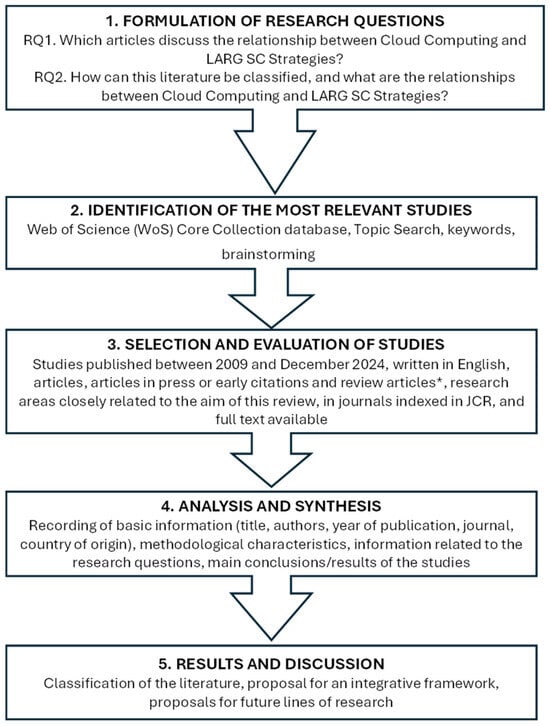
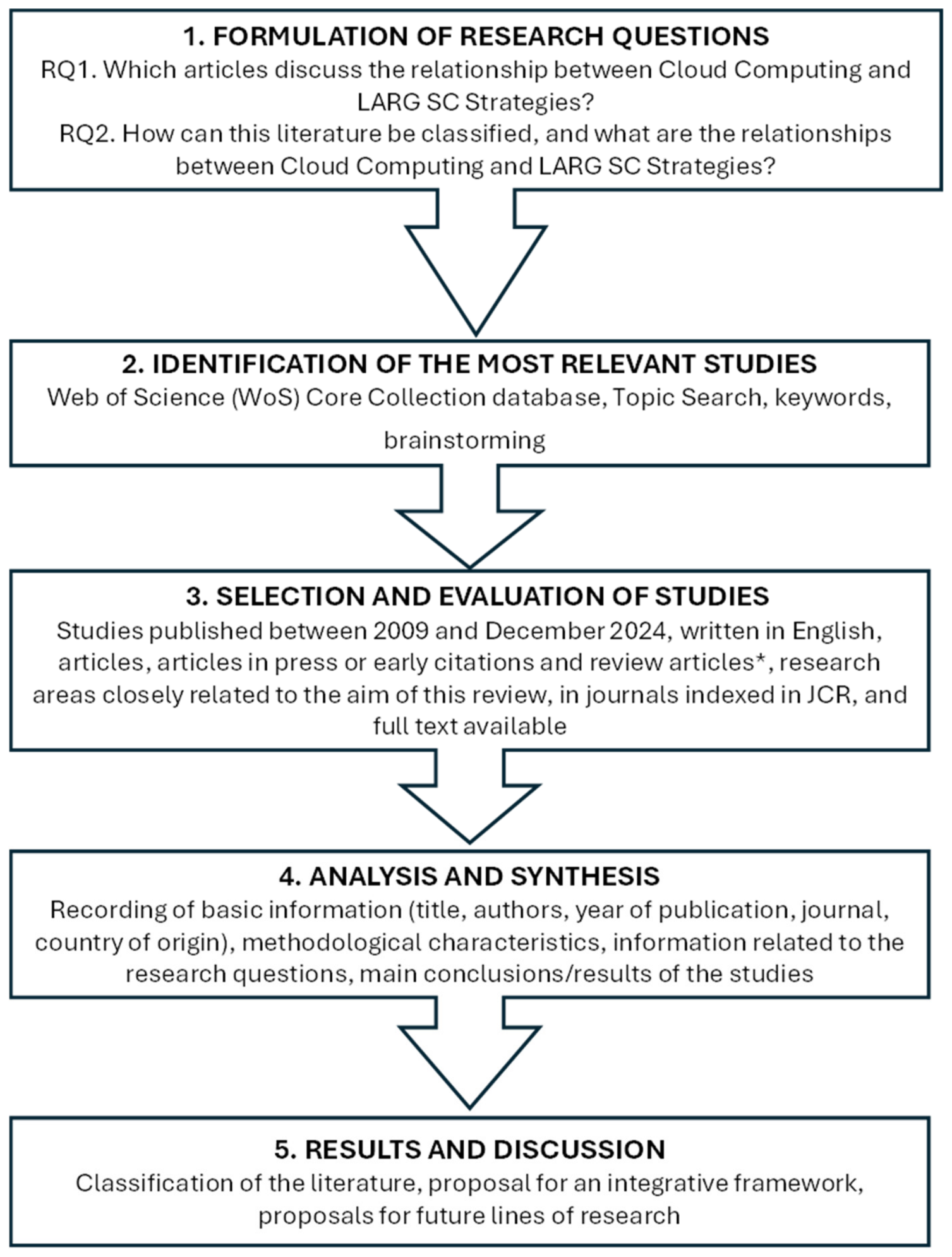
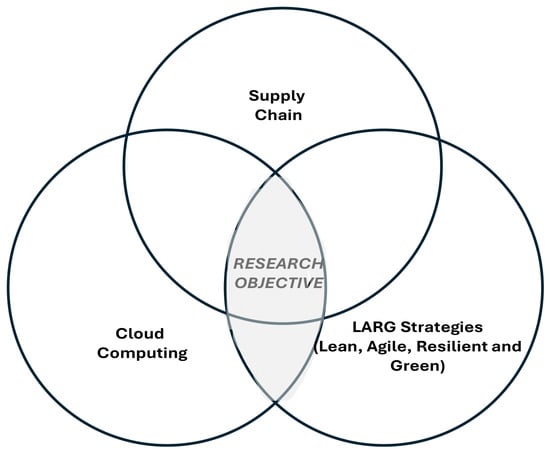
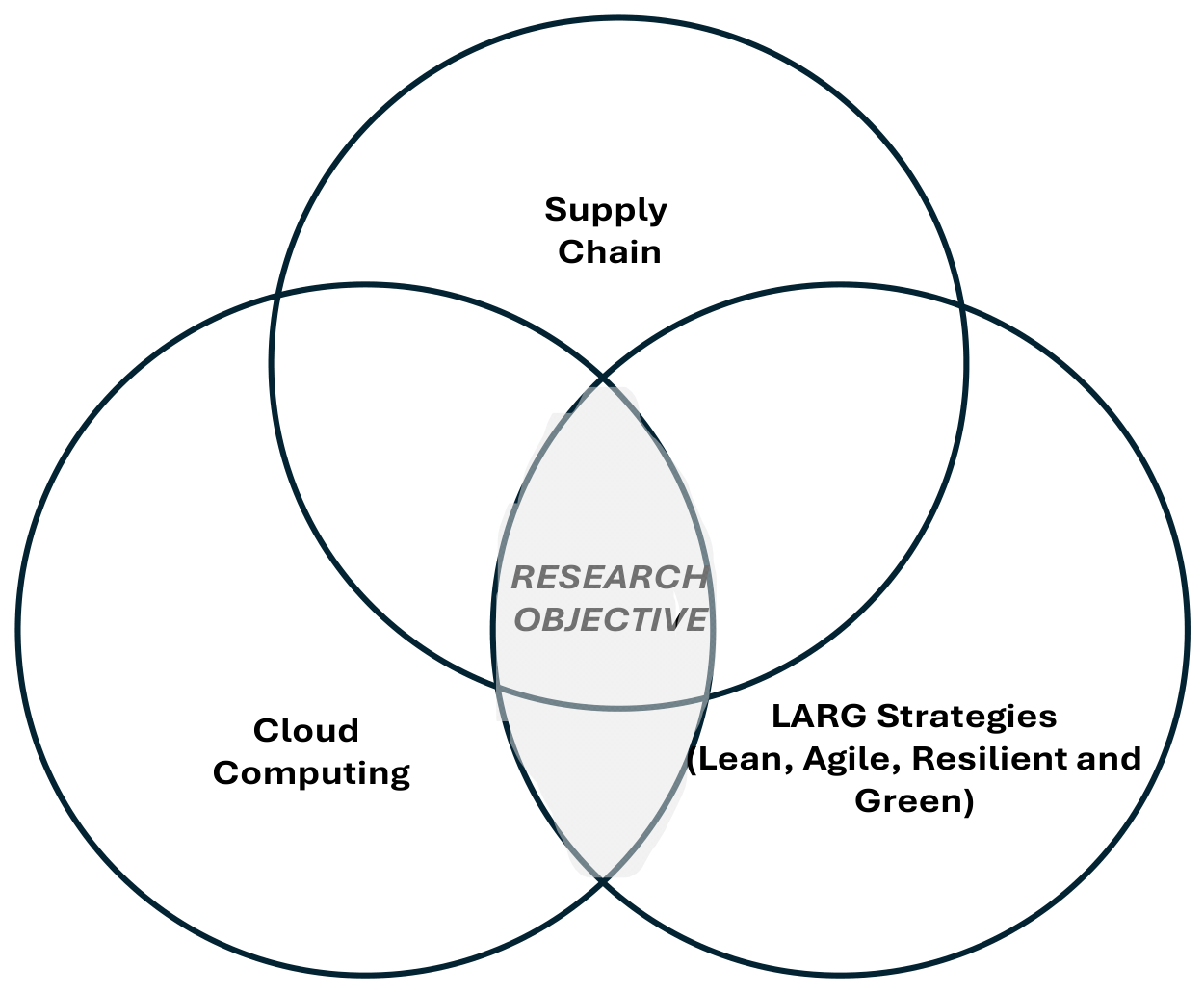
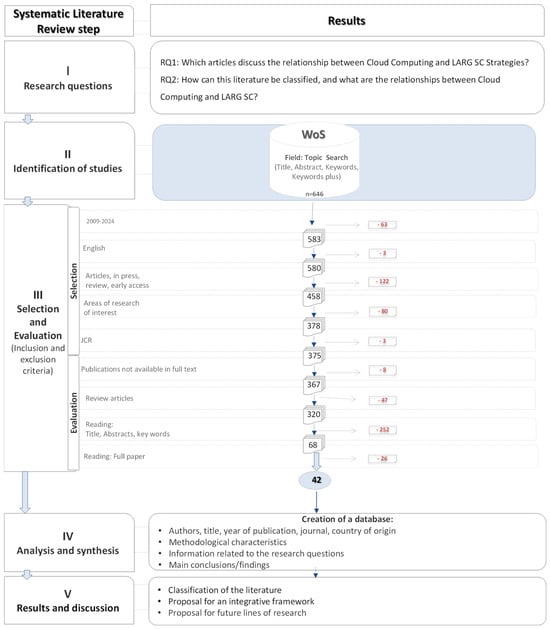
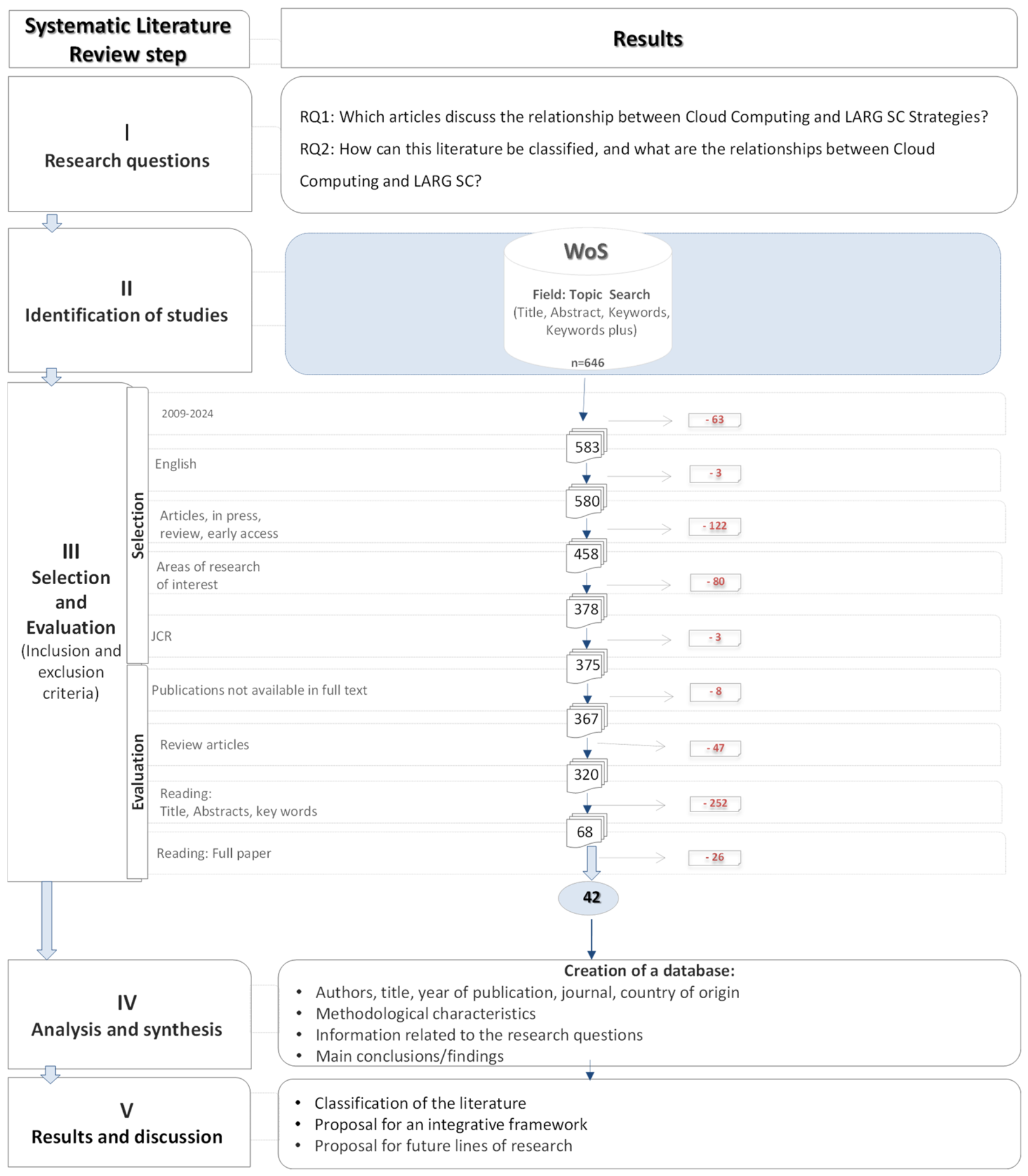
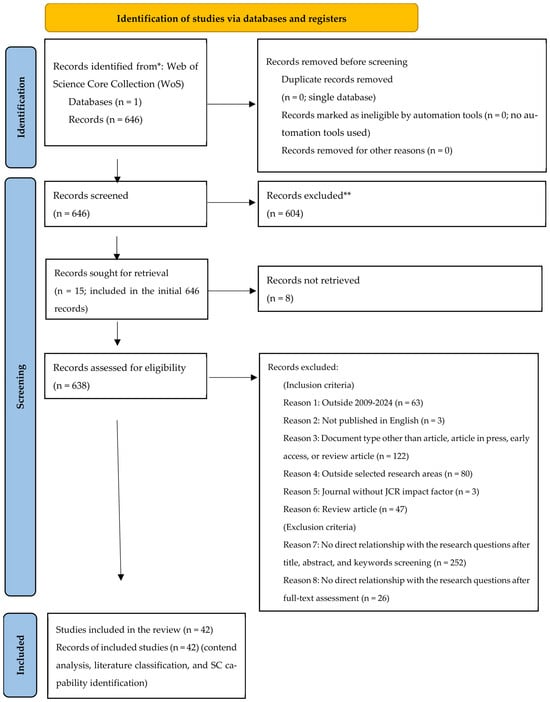
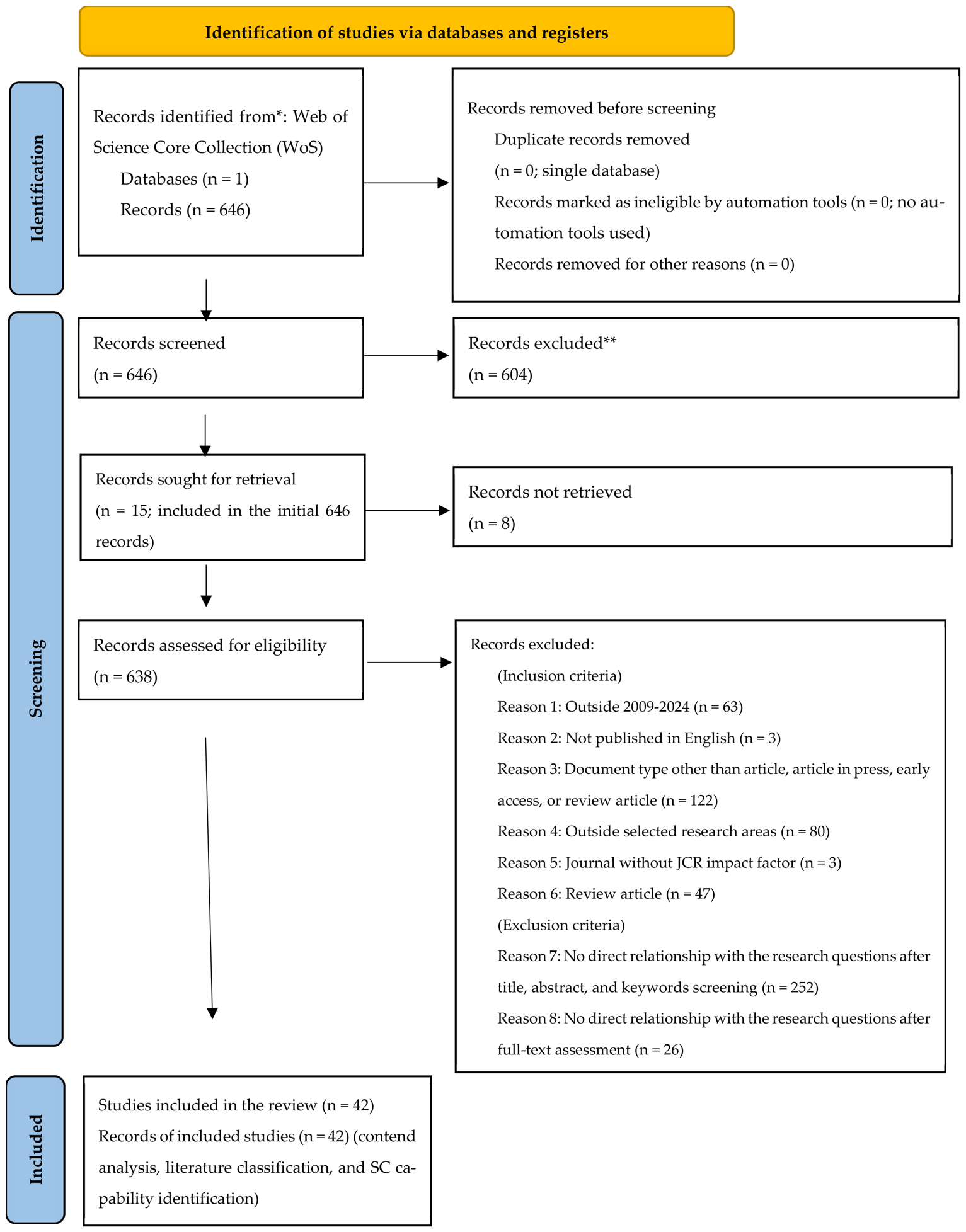
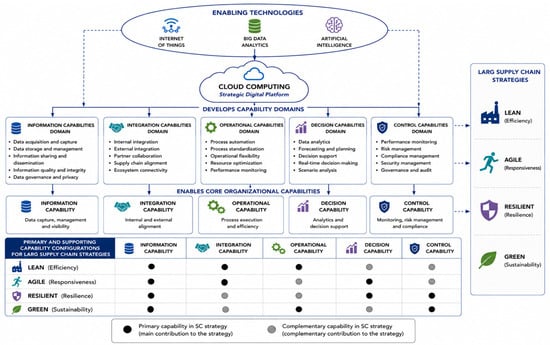
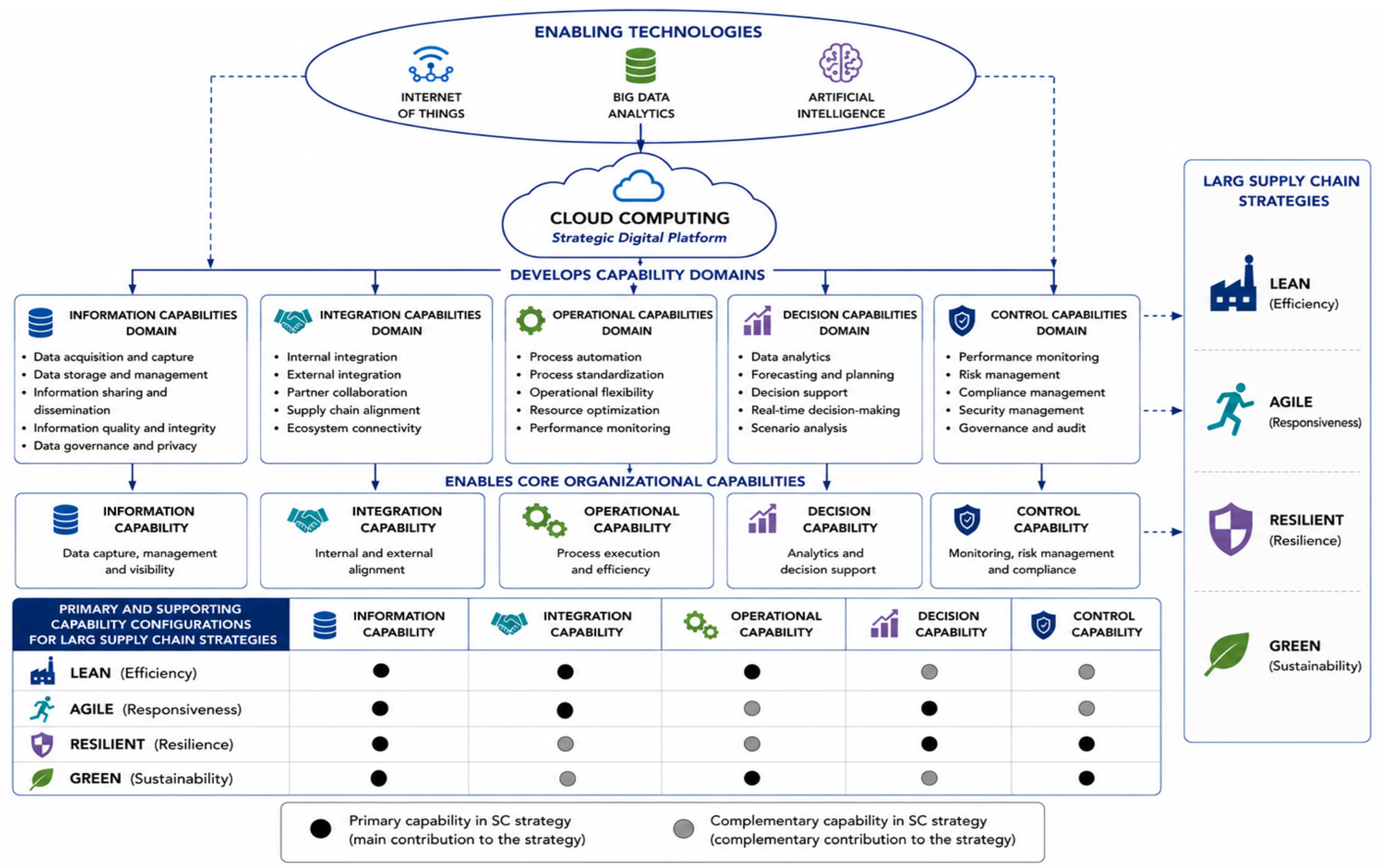

Disclaimer/Publisher’s Note: The statements, opinions and data contained in all publications are solely those of the individual author(s) and contributor(s) and not of MDPI and/or the editor(s). MDPI and/or the editor(s) disclaim responsibility for any injury to people or property resulting from any ideas, methods, instructions or products referred to in the content. |
© 2026 by the authors. Licensee MDPI, Basel, Switzerland. This article is an open access article distributed under the terms and conditions of the Creative Commons Attribution (CC BY) license.