


Abstract
Background: The rapid development of e-commerce has led to significant changes in last-mile logistics, where innovative delivery solutions such as parcel lockers are increasingly considered to improve efficiency and flexibility. Methods: This study analyzes user attitudes and behavior toward traditional delivery and parcel locker usage through a quantitative survey conducted in November 2024 in Serbia, on a sample of 420 respondents with diverse demographic characteristics. Results: The findings indicate that, despite recognized advantages such as flexibility, accessibility, and reduced risk of missed deliveries, parcel lockers remain underutilized. This is mainly due to limited user awareness, insufficient infrastructure, and a strong preference for traditional home delivery. Statistically significant differences were identified across demographic groups, including gender, age, education level, occupation, and place of residence. Conclusions: The results suggest that improving infrastructure, increasing user awareness, and implementing targeted communication strategies could significantly enhance the adoption of parcel lockers. The study contributes to a better understanding of user behavior and supports the development of more efficient and user-oriented last-mile delivery solutions.
1. Introduction
The COVID-19 pandemic significantly stimulated the growth of e-commerce [1,2]. Due to the measures introduced to curb the spread of the virus, particularly restrictions on physical contact, consumers increasingly turned to online shopping [2]. As a result, along with the continuous growth of online purchasing [3], last-mile delivery within the context of traditional home delivery has gained increasing importance [2,3]. Furthermore, the development of e-commerce has led to increased demand for postal services [4].
Maintaining accessibility as a key indicator of postal service quality is becoming increasingly challenging due to the accelerated pace of modern life. Users find it more difficult to allocate time for postal services, as their professional and personal obligations often coincide with the operating hours of postal companies [4]. Efficiently organized delivery represents a crucial segment of the parcel transmission process, particularly because it involves direct interaction with users. In order to improve this segment, postal operators are implementing various solutions, including the introduction of services that offer greater time accessibility [4]. Parcel lockers are self-service terminals that enable both the sending and collection of parcels. The sending function helps postal operators improve parcel acceptance in the “first mile,” while parcel lockers can effectively replace traditional door-to-door courier delivery and enhance parcel distribution within the “last mile,” which represents the costliest phase of the delivery process. Additional advantages of parcel lockers include reduced environmental pollution and traffic congestion in densely populated urban areas, as well as 24/7 service availability [4].
This study aims to analyze user attitudes and behavior toward parcel lockers compared to traditional home delivery and examine whether demographic factors significantly influence adoption. The research is grounded in the Theory of Planned Behaviour, which explains how attitudes and perceived accessibility influence user behavior toward innovative logistics solutions. Despite the growing body of research on parcel lockers and last-mile delivery systems, limited attention has been paid to user attitudes and behavioral differences, particularly in developing e-commerce markets. This is especially relevant in the context of Serbia, where parcel locker infrastructure is still evolving and user awareness remains relatively low. To better structure the analysis, the study is guided by the following research question: What are the key differences in user attitudes and behavior between traditional home delivery and parcel locker usage, and how are these differences shaped by demographic characteristics? This research question is further operationalized through the analysis of demographic factors, including gender, age, education level, occupation, and place of residence, in order to identify their influence on user preferences and adoption patterns.
2. Theoretical Background
This section provides the theoretical background for the study by reviewing relevant literature on e-commerce, last-mile delivery, and parcel lockers, followed by the presentation of the theoretical framework and research hypotheses that guide the empirical analysis.
2.1. Literature Review
In recent years, the importance of freight transport and parcel delivery in urban areas has increased significantly, as these activities play a crucial role in the economic and social development of cities. At the same time, this sector faces numerous challenges, inefficiencies, and negative externalities, particularly in the last-mile segment. Consequently, awareness of the need to improve urban mobility and transport has grown, in order to make them more sustainable and competitive through the integration of traditional approaches and modern technologies [5].
In many European countries, consumer habits are rapidly changing. Today, approximately 45% of consumers in Europe purchase products online [6]. Although online shopping is a relatively recent phenomenon, spanning just over two decades, it has significantly transformed business practices. The key role of e-commerce in the development of delivery systems, the digitalization of postal services, and the enhancement of market competitiveness is particularly emphasized. E-commerce is defined as the process of buying, selling, or exchanging goods and services online, with cost reduction and faster transactions being among its primary advantages [7].
Parcel lockers are automated devices installed in public locations that enable the sending and collection of parcels with greater flexibility, as they operate 24/7 and are not dependent on the operating hours of post offices or retail outlets. Their use has increased alongside the development of e-commerce, which has led to a higher volume of postal items and placed growing demands on traditional delivery systems. These “smart lockers” offer convenience and security, as users can collect parcels at a time that suits them, without the risk of theft or damage, making them an important step in the modernization and improvement of delivery services [8].
Vakulenko et al. [9] investigated how users perceive parcel lockers as an innovative solution to the challenges of the last mile in e-commerce delivery. Due to the rapid growth of online shopping, retailers and logistics providers face increasing operational pressure, while parcel lockers offer a way to mitigate these issues through innovations in the delivery process. However, there is a limited number of studies focusing on user experience and perspective; therefore, a qualitative approach was applied to better understand the actual meaning of parcel lockers for users. The findings indicate that parcel lockers create several types of value for users, which can be classified into four categories: functional, emotional, social, and financial. The study examines how these values are generated within the process of self-organized e-commerce delivery, adopting a holistic approach that supports both users and service providers in improving their roles. It also highlights that these value dimensions are interrelated and jointly influence the overall quality of the service.
Iwan et al. [10], in their study on the efficiency of parcel lockers in Poland, found that parcel lockers have become a popular and practical solution for last-mile delivery, particularly due to the growth of e-commerce and the increasing number of small, individual orders. An analysis of the Polish InPost system indicates that parcel lockers reduce failed deliveries, relieve pressure on courier services, and contribute to lower emissions, as they allow users to collect parcels at a time that suits them. This solution has already been adopted in many countries and offers both economic and environmental advantages compared to traditional delivery methods.
Morganti et al. [6] analyzed the development of two important delivery models—collection points and parcel lockers—by examining the strategies of logistics providers, e-commerce companies, and consumer preferences. The authors also present e-commerce trends in France and Germany, which, together with the United Kingdom, were the largest distance-selling markets in Europe in 2013. In that year, e-commerce turnover amounted to approximately €37.7 billion in France and around €35 billion in Germany [6].
Over the past five years, e-commerce has significantly increased its share of total retail sales in France and Germany. Between 2010 and 2011, growth rates of 22% in France and 17% in Germany were recorded, while in 2013 the share of e-commerce in total retail sales reached 7% in France and 6.4% in Germany. A study conducted in Serbia in 2018 showed that one in five online shoppers was dissatisfied, with 21% citing excessively long delivery times as the main reason. The same report also indicated that 45.4% of the population in Serbia had never purchased goods online [2].
Consumer purchasing patterns in online environments differ across product categories. Data from European surveys indicate that fashion, entertainment, and travel-related services are among the most frequently purchased items online, while categories such as food, household goods, and electronics are less dominant. Similar trends have been observed in Serbia, where clothing and sports equipment account for the largest share of online purchases, followed by household and electronic products. At the European Union level, a wide range of categories are represented, including sports goods, accommodation services, household items, event tickets, and digital content, highlighting the diversity of online consumer behavior [11].
The most common problems faced by e-commerce customers are related to delivery, including the absence of recipients at home, delivery delays, high delivery costs, and the need to collect parcels from distant locations. In Germany, delays and damaged goods are particularly emphasized as major issues. These findings highlight the crucial role of logistics and delivery in e-commerce and the need to improve services in order to reduce such problems [2].
Payment methods represent a key factor in online shopping and differ significantly between Germany and France. In Germany, approximately two-thirds of all online orders are paid by invoice, meaning that customers pay for the product only after deciding to keep it. This practice is characteristic of the German market, where retailers expect customers to order more items than they will ultimately retain, resulting in an average return rate of around 40%. In contrast, in France, 90% of customers pay for products in advance, before receiving them, and the return rate is less than half of that observed in Germany. These data indicate substantial differences in consumer behavior related to payment methods and expectations in online shopping. These differences also influence return and sales policies of online retailers in both countries.
A particular focus of the analysis is placed on alternative delivery services, especially automated parcel stations and collection points. These options offer approaches to reducing last-mile deliveries, thereby contributing to lower congestion and reduced pollution in urban freight transport [12]. Combining deliveries to parcel lockers with collection at designated points offers several advantages for carriers, including an increased rate of successful first-attempt deliveries, optimized delivery routes, and reduced operational costs. These approaches enable a more efficient and environmentally sustainable delivery process, while also improving customer experience [12]. Building on these insights, the reviewed literature indicates that parcel lockers have been extensively analyzed from operational, environmental, and technological perspectives, with a particular focus on efficiency, sustainability, and system optimization [10,13,14]. In addition, some studies have explored customer value and acceptance of parcel locker services in specific contexts [9]. However, there is still a lack of comprehensive empirical research that simultaneously examines user attitudes, behavioral patterns, and demographic differences in the adoption of parcel lockers, especially in developing and transitional e-commerce markets. Furthermore, limited attention has been given to directly comparing parcel lockers with traditional home delivery from the user perspective. To address these gaps, this study provides a quantitative analysis of user attitudes and behavior toward traditional delivery and parcel lockers, with a specific focus on demographic influences. In doing so, the research contributes to a better understanding of user-centered factors that influence the adoption of innovative last-mile delivery solutions.
2.2. Theory of Planned Behaviour
The adoption of innovative logistics solutions, such as parcel lockers, can be better understood through established behavioral frameworks. Among them, the Theory of Planned Behaviour (TPB) [15,16,17,18] is frequently applied in studies of consumer decision-making and technology acceptance. This framework suggests that behavior is driven by intention, which is shaped by individual attitudes, perceived social influences, and the perceived ability to perform the behavior. In the context of parcel locker usage, attitudes reflect users’ evaluation of the benefits of this delivery option, such as flexibility, convenience, and reliability. Social influences refer to the extent to which individuals perceive that important others support or use such services. Perceived behavioral control is associated with users’ assessment of how easy it is to access and use parcel lockers, which depends on factors such as infrastructure availability and awareness of locker locations. Previous research indicates that both demographic characteristics and perceived service attributes play a significant role in shaping user attitudes and the adoption of innovative last-mile delivery solutions. Therefore, TPB provides a suitable framework for analyzing how user characteristics and service-related perceptions influence behavior toward parcel lockers compared to traditional home delivery.
2.3. Research Hypotheses
Based on the Theory of Planned Behaviour, behavioral differences between users can be explained by variations in attitudes, perceived behavioral control, and exposure to innovative delivery systems. Demographic characteristics influence familiarity with technology, openness to innovation, and perceived convenience, which ultimately affects behavioral choices. Previous studies have shown that demographic characteristics significantly influence user attitudes, technology adoption, and service preferences in last-mile delivery systems [19,20,21,22]. Differences in gender, age, education level, and occupation have been identified as important determinants of behavioral patterns, particularly in the adoption of innovative logistics solutions.
Gender differences in technology usage and service preferences have been widely documented, indicating that men and women may differ in their attitudes toward convenience, risk, and innovation adoption [9,19].
H1:
Gender has a significant impact on user attitudes and behavior toward parcel locker usage.
Age has been identified as a key factor influencing technology acceptance, with younger users generally showing higher levels of adoption and openness to innovative delivery solutions [19,22].
H2:
Age has a significant impact on user attitudes and behavior toward parcel locker usage.
Education level is strongly associated with digital literacy and the ability to adopt new technologies, which can significantly influence user behavior in e-commerce and delivery services [9,22].
H3:
Education level has a significant impact on user attitudes and behavior toward parcel locker usage.
Occupation reflects differences in lifestyle, time constraints, and service expectations, which can affect preferences for delivery methods and the adoption of flexible solutions such as parcel lockers [19,22].
H4:
Occupation has a significant impact on user attitudes and behavior toward parcel locker usage.
These hypotheses are tested to identify significant differences between demographic groups.
3. Methodology
This study follows a positivist research approach, using quantitative survey data to test hypotheses derived from the Theory of Planned Behaviour. The survey instrument was designed to measure user attitudes, awareness, behavioral preferences, and perceived accessibility related to parcel lockers, which represent key components influencing behavioral intention and actual behavior. For the purposes of this research, a survey questionnaire was conducted using Google Forms, with the aim of analyzing user attitudes and behavior in the context of traditional delivery and the use of parcel lockers. Prior to the main data collection, a pilot study was conducted to evaluate and improve the questionnaire design. The pilot survey involved a small group of respondents, and their feedback was used to refine the wording, structure, and clarity of the questions. This step helped ensure better understanding of the survey and improved the overall quality and reliability of the instrument. The questionnaire was designed in a user-friendly format, with clear instructions and a logical sequence of questions to facilitate easy completion and reduce respondent fatigue. The survey was accessible via both desktop and mobile devices. The survey was carried out in November 2024. Respondents were presented with a questionnaire consisting of 17 closed-ended questions. The respondents were asked to provide information related to demographic characteristics (gender, age, level of education, and place of residence), their preferred type of shopping (online or traditional), the frequency of online purchases, parcel collection locations, previous use of parcel locker services, acceptable delivery prices for parcel lockers, acceptable parcel sizes for locker delivery, acceptable distance from the home address to a parcel locker, reasons for choosing parcel lockers over courier services, reasons for choosing courier services over parcel lockers, awareness of parcel locker locations in their city, acceptable parcel retention time in parcel lockers, and their level of satisfaction with parcel locker services and courier services, rated on a scale from 1 to 10. After collecting responses from 420 respondents, the data were downloaded into MS Excel 2023, where data review and validation were performed, followed by statistical data analysis using SPSS v. 21. The sample size (N = 420) is considered sufficient for statistical analysis and hypothesis testing. The variables used in the study, including dependent and independent variables, are summarized in Table 1.
Table 1.
Description of variables used in the study.
The survey design was informed by the Theory of Planned Behaviour. User attitudes were assessed through questions related to satisfaction, perceived advantages, and delivery preferences. Perceived behavioral control was reflected in variables such as accessibility of parcel lockers, awareness of their locations, and acceptable distance. Behavioral aspects were examined through reported usage patterns and preferences for delivery methods.
User attitudes and behavior were operationalized through multiple survey items, including preferred shopping method, frequency of online shopping, parcel collection location, use of parcel lockers, delivery-related preferences, awareness, and satisfaction levels. These variables were analyzed individually in order to identify differences across demographic groups. This approach ensures a clear alignment between the theoretical framework and the empirical analysis. Due to the scope of the study, subjective norms were not directly measured and are suggested for future research.
4. Results
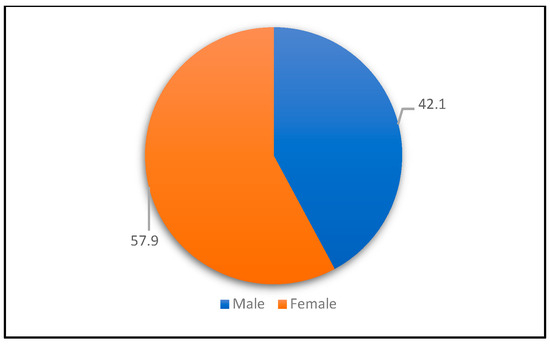
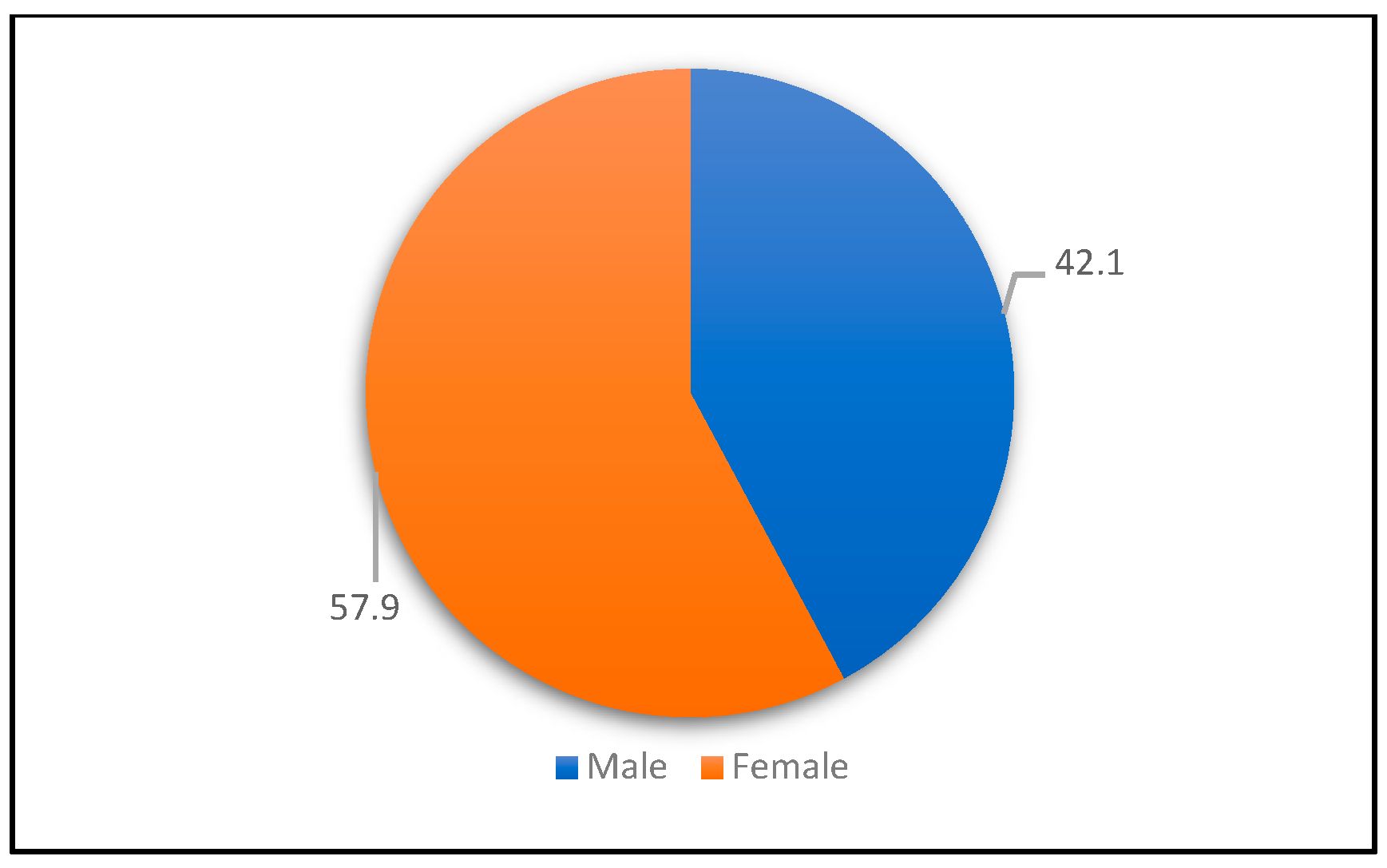
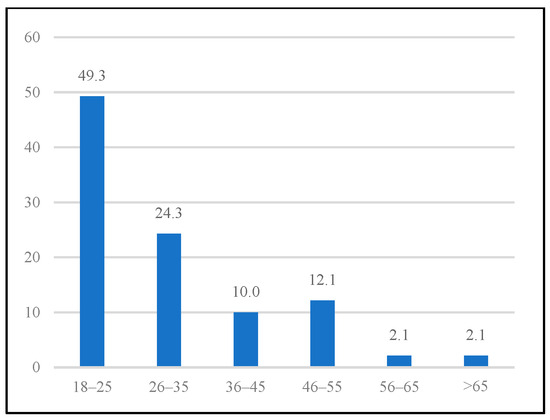
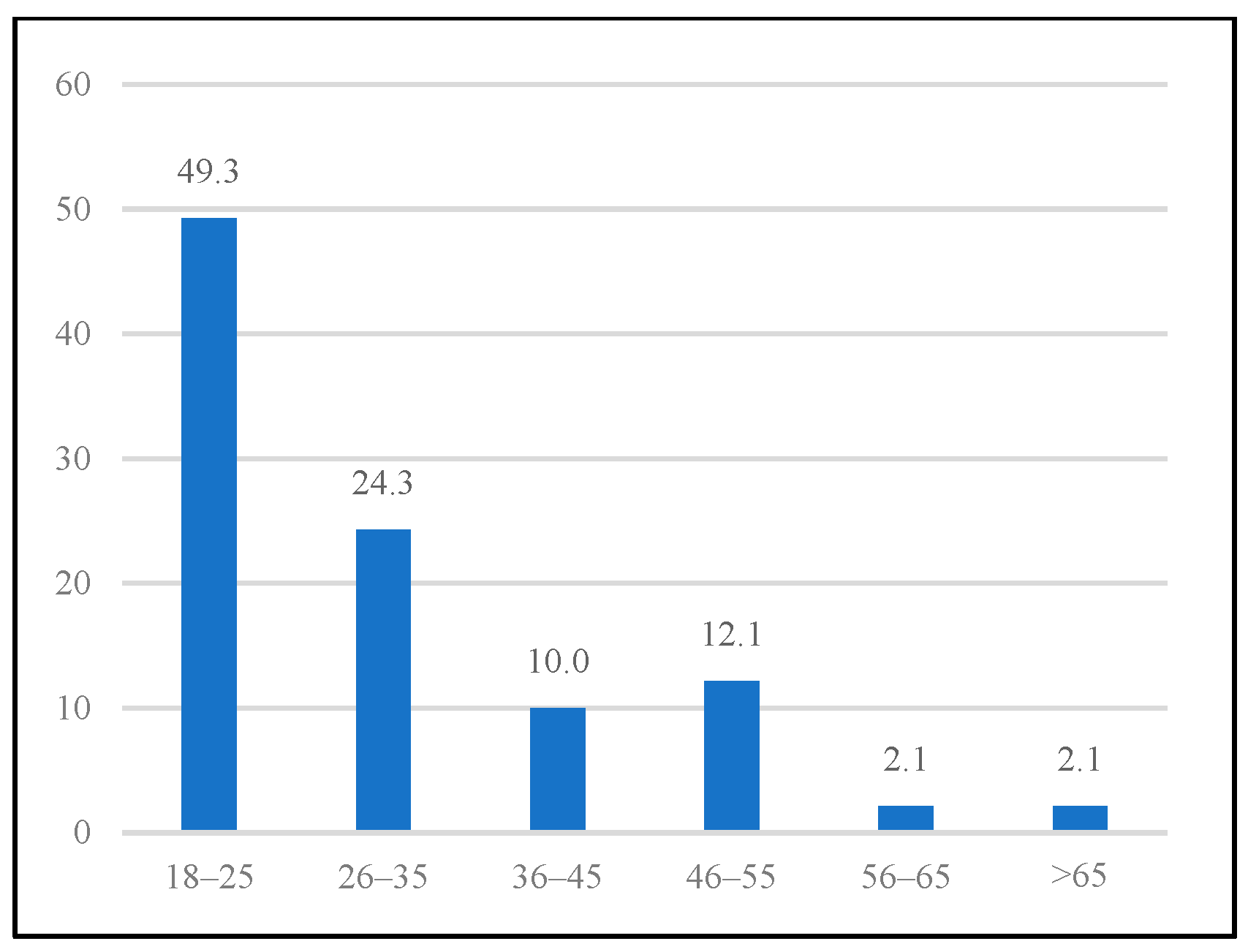
A total of 420 respondents participated in the study. Female respondents accounted for 57.9% of the total sample, while male respondents represented 42.1% (Figure 1). Nearly half of the sample (49.3%) consisted of respondents aged between 18 and 25 years, representing the younger population group (Figure 2).
Figure 1.
Gender distribution of respondents.
Figure 2.
Distribution of respondents by age.
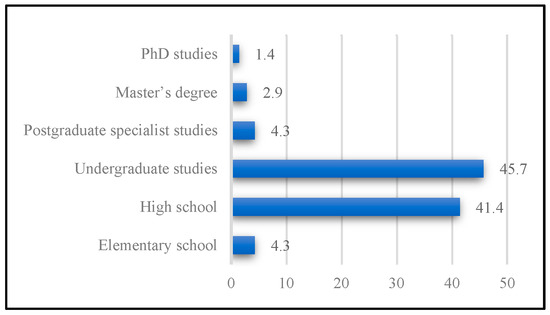
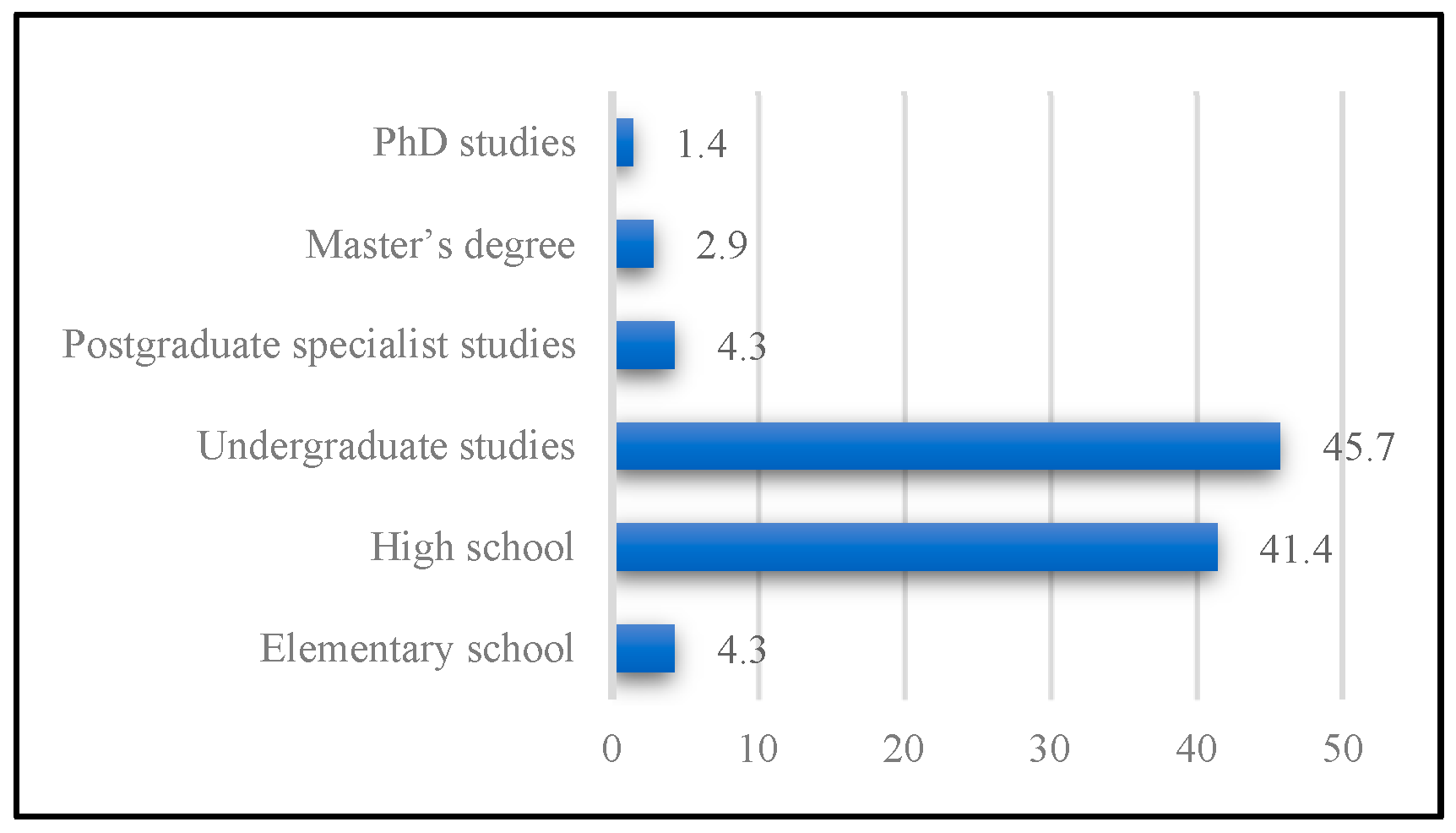
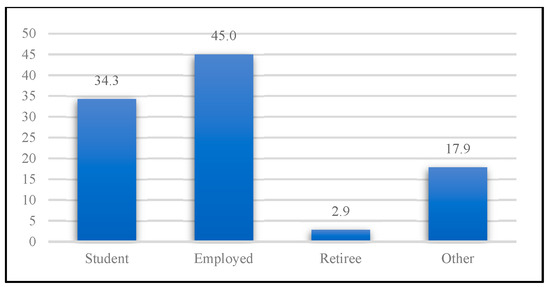
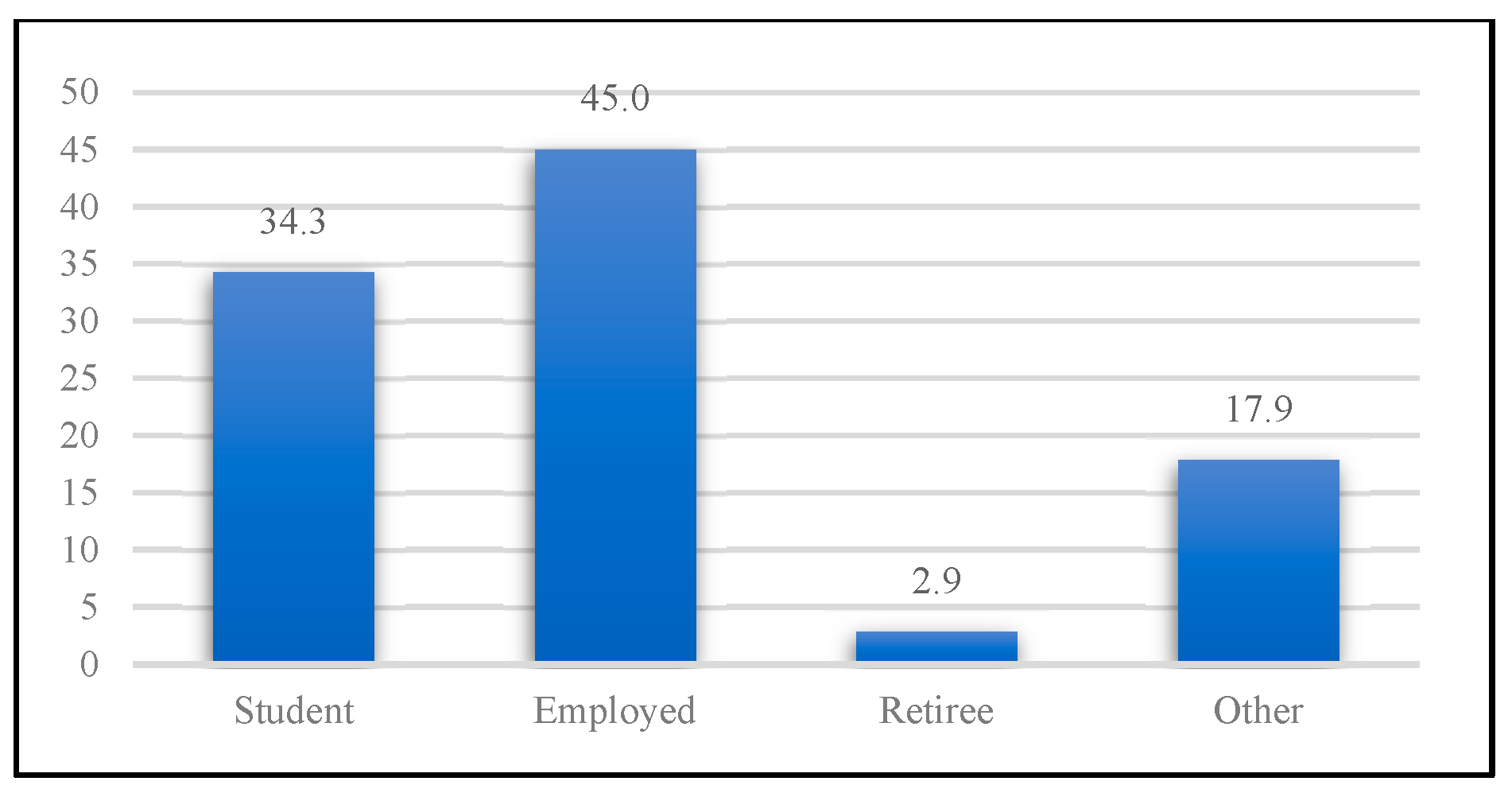
The largest proportion of respondents (45.7%) had completed academic or professional studies, while 41.4% of respondents had completed secondary education. The remaining 12.9% consisted of respondents with either a higher or lower level of education than the aforementioned categories (Figure 3). Nearly half of the respondents (45%) were employed, while 34.3% of the sample consisted of students (Figure 4).
Figure 3.
Distribution of respondents by education level.
Figure 4.
Distribution of respondents by occupation.
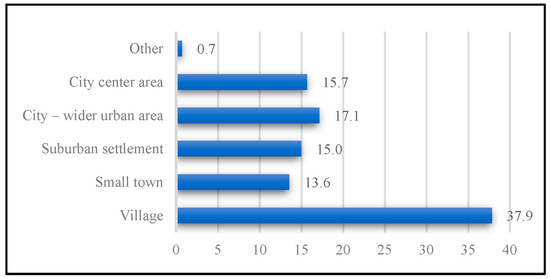
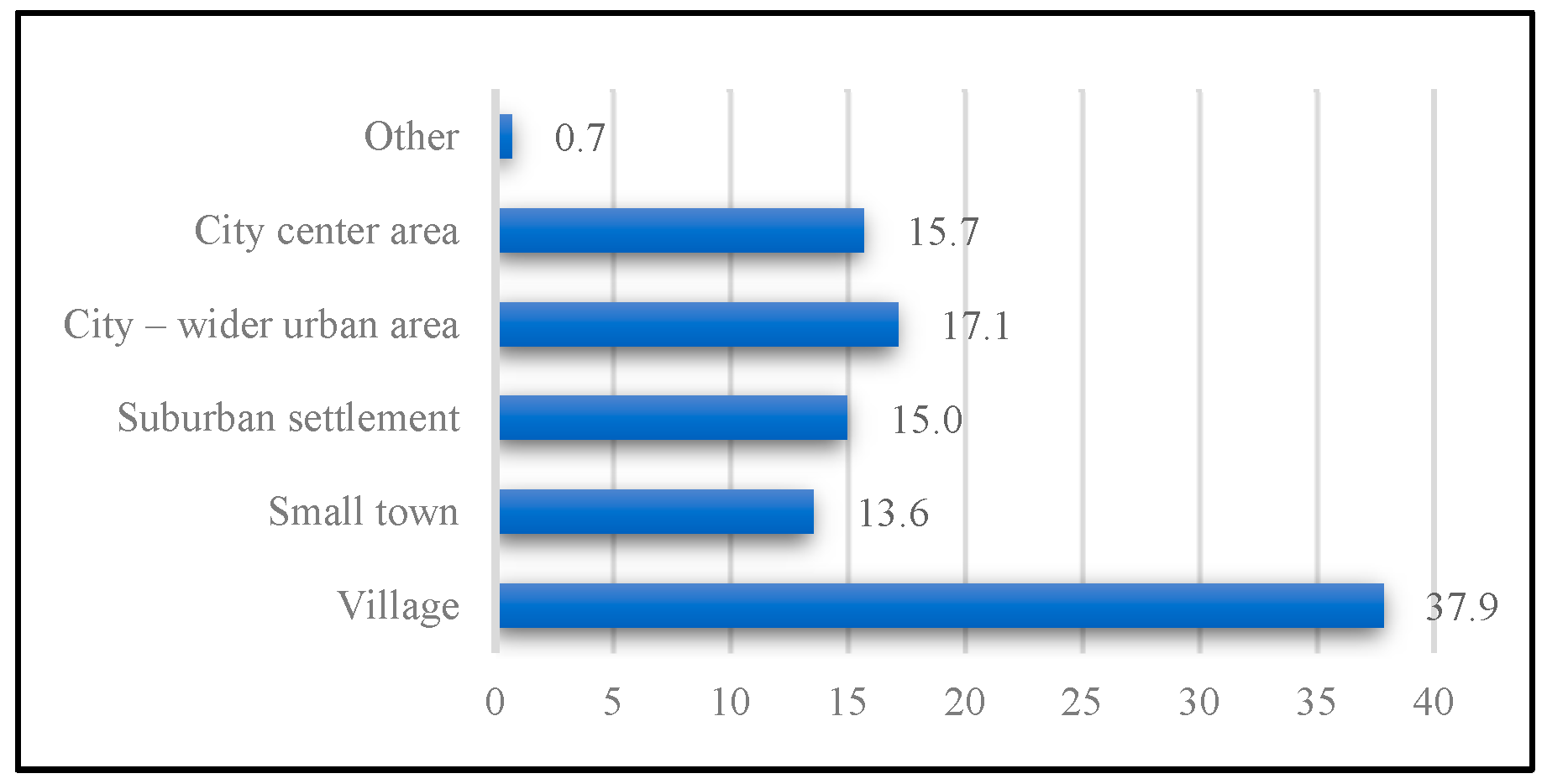
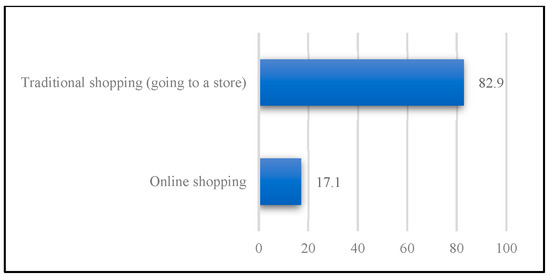
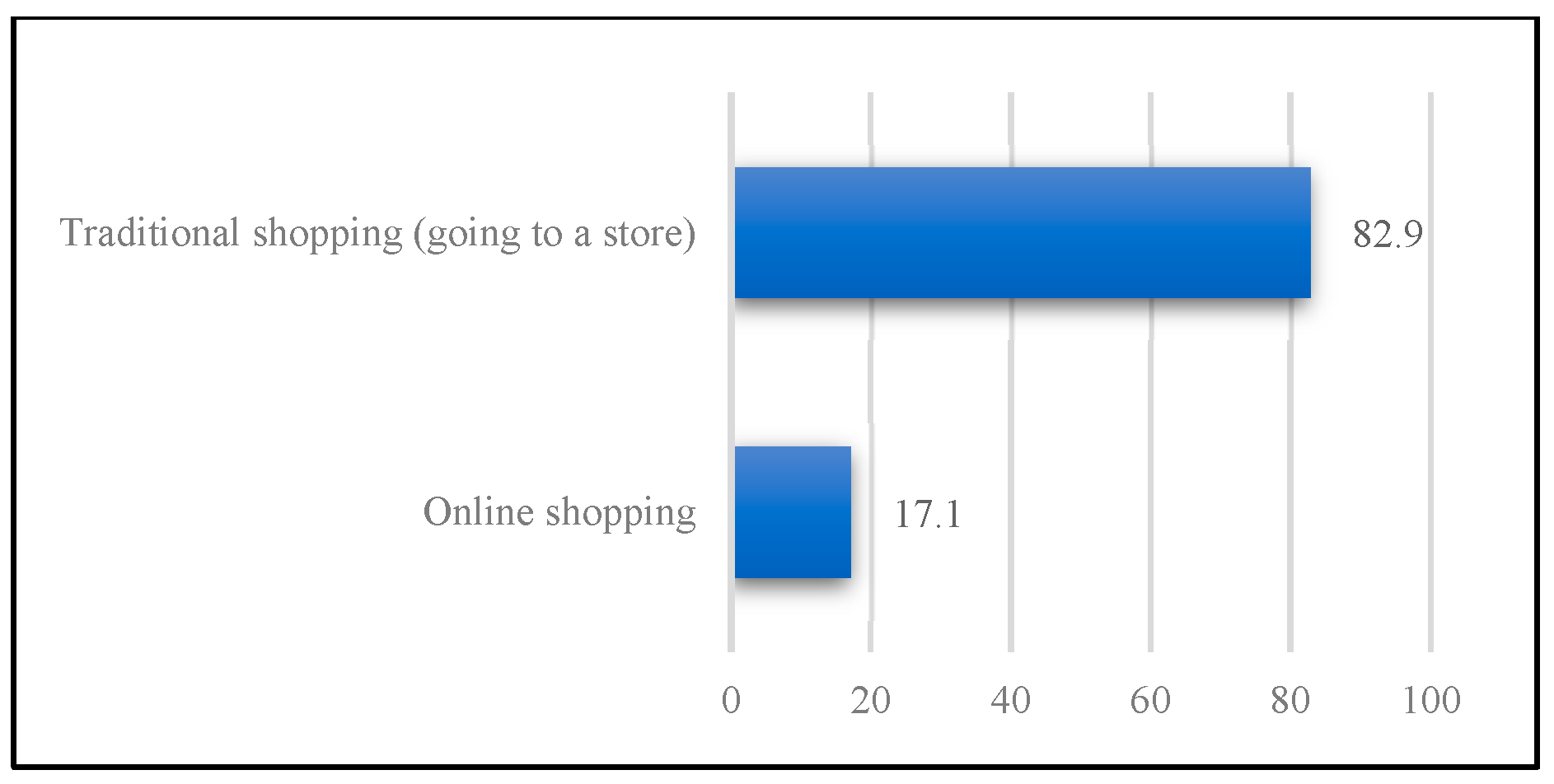
A total of 37.9% of respondents live in rural areas, while 32.8% live in the city center (15.7% in the inner-city zone and 17.1% in the wider city zone) (Figure 5). In 82.9% of cases, respondents prefer traditional shopping, i.e., in-store purchases, while only 17.1% prefer online shopping (Figure 6).
Figure 5.
Distribution of respondents by place of residence.
Figure 6.
Distribution of respondents by preferred shopping method.
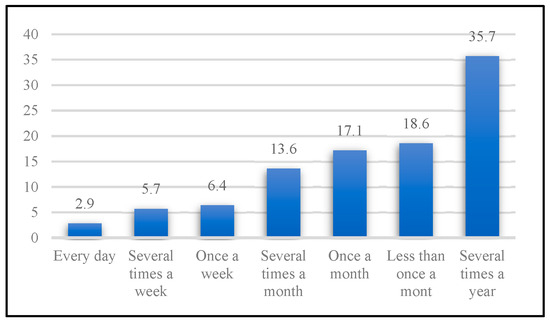
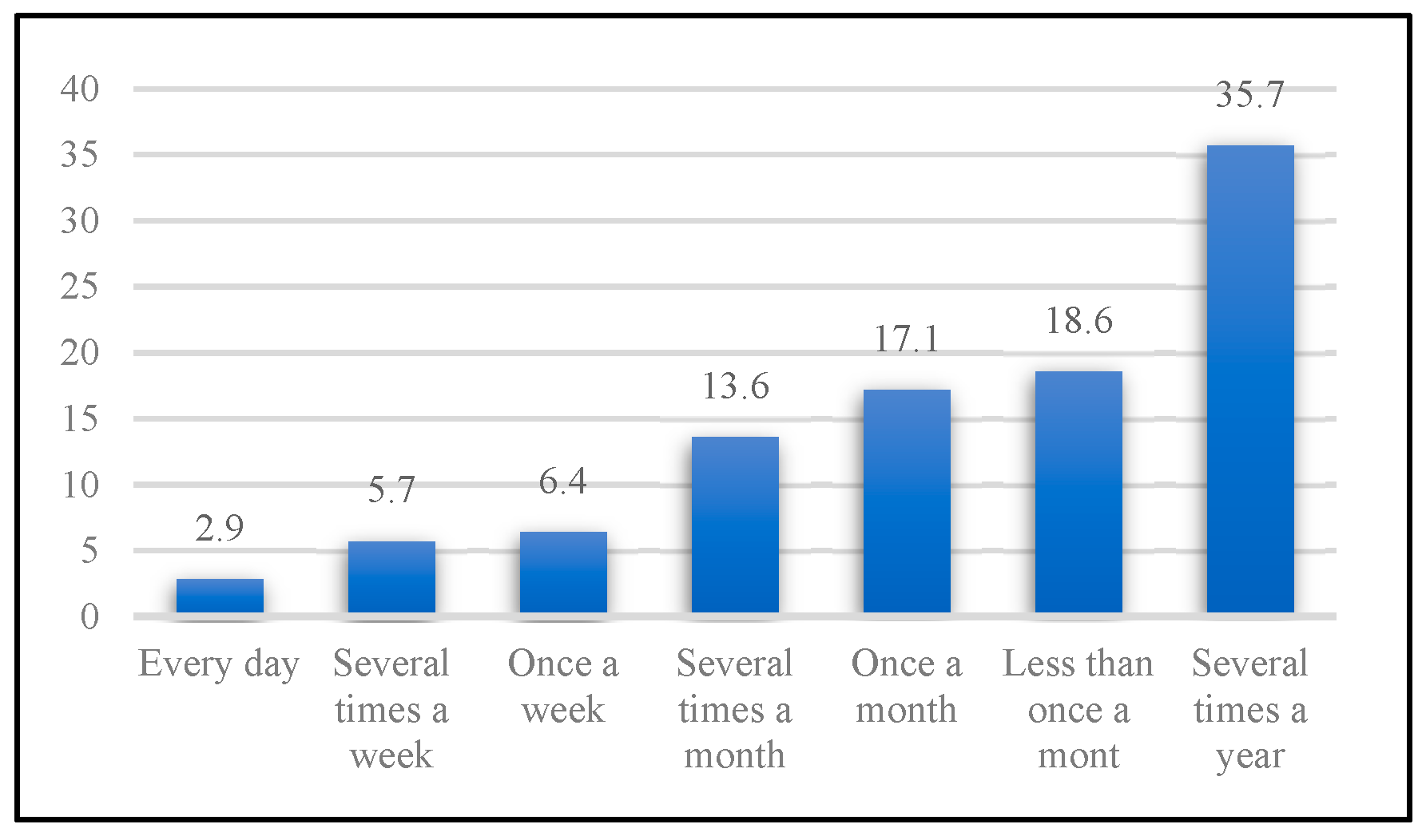
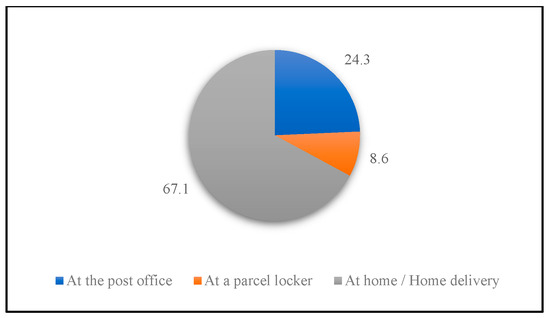
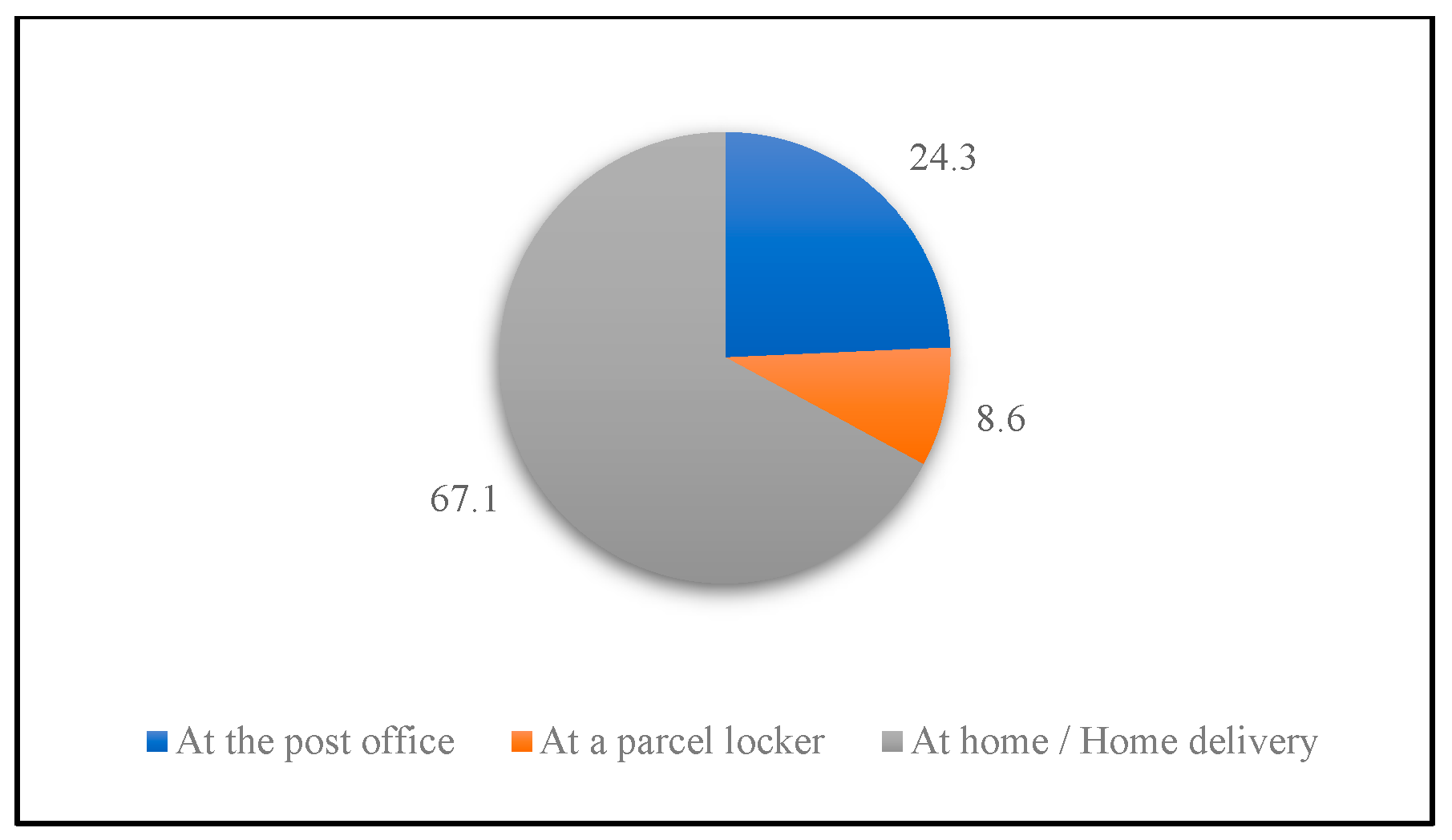
More than one third of respondents (35.7%) stated that they make online purchases several times a year, followed by 18.6% who shop online less than once a month, 17.1% who shop online once a month, and 13.6% who shop online several times a month (Figure 7). A total of 67.1% of respondents collect their parcels at home, while only 8.6% of respondents collect their parcels from parcel lockers (Figure 8).
Figure 7.
Distribution of respondents by frequency of online shopping.
Figure 8.
Distribution of respondents by parcel collection location.
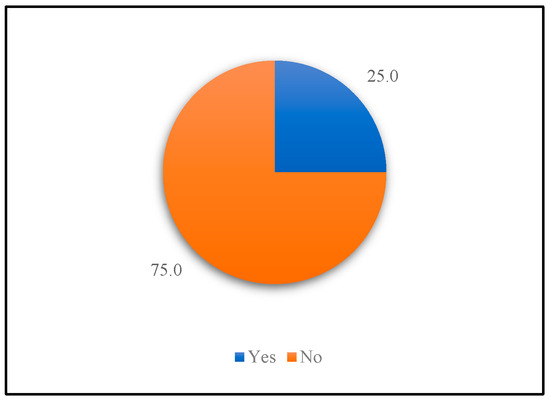
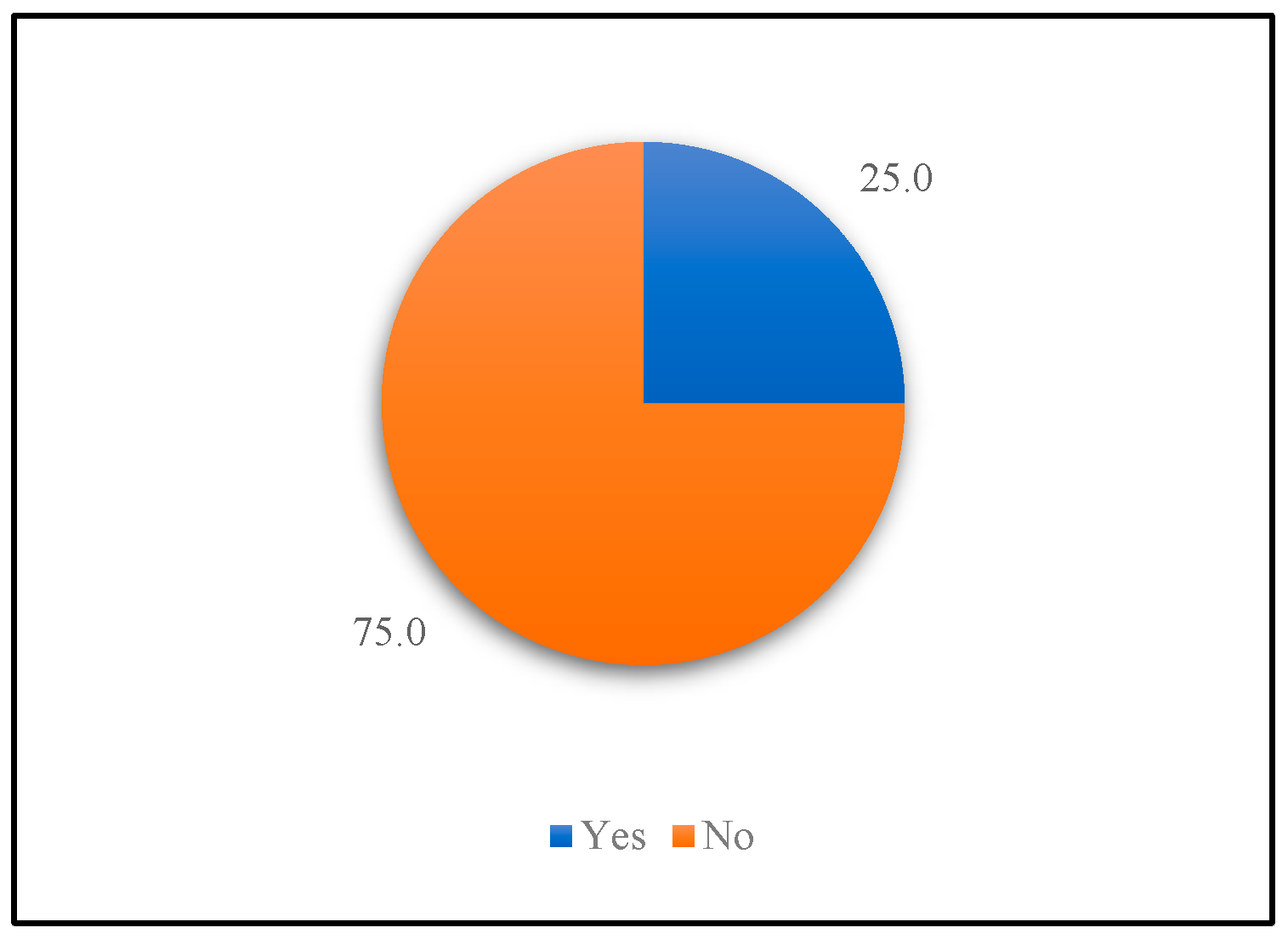
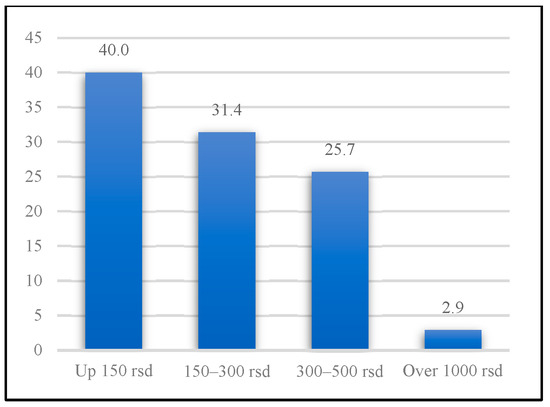
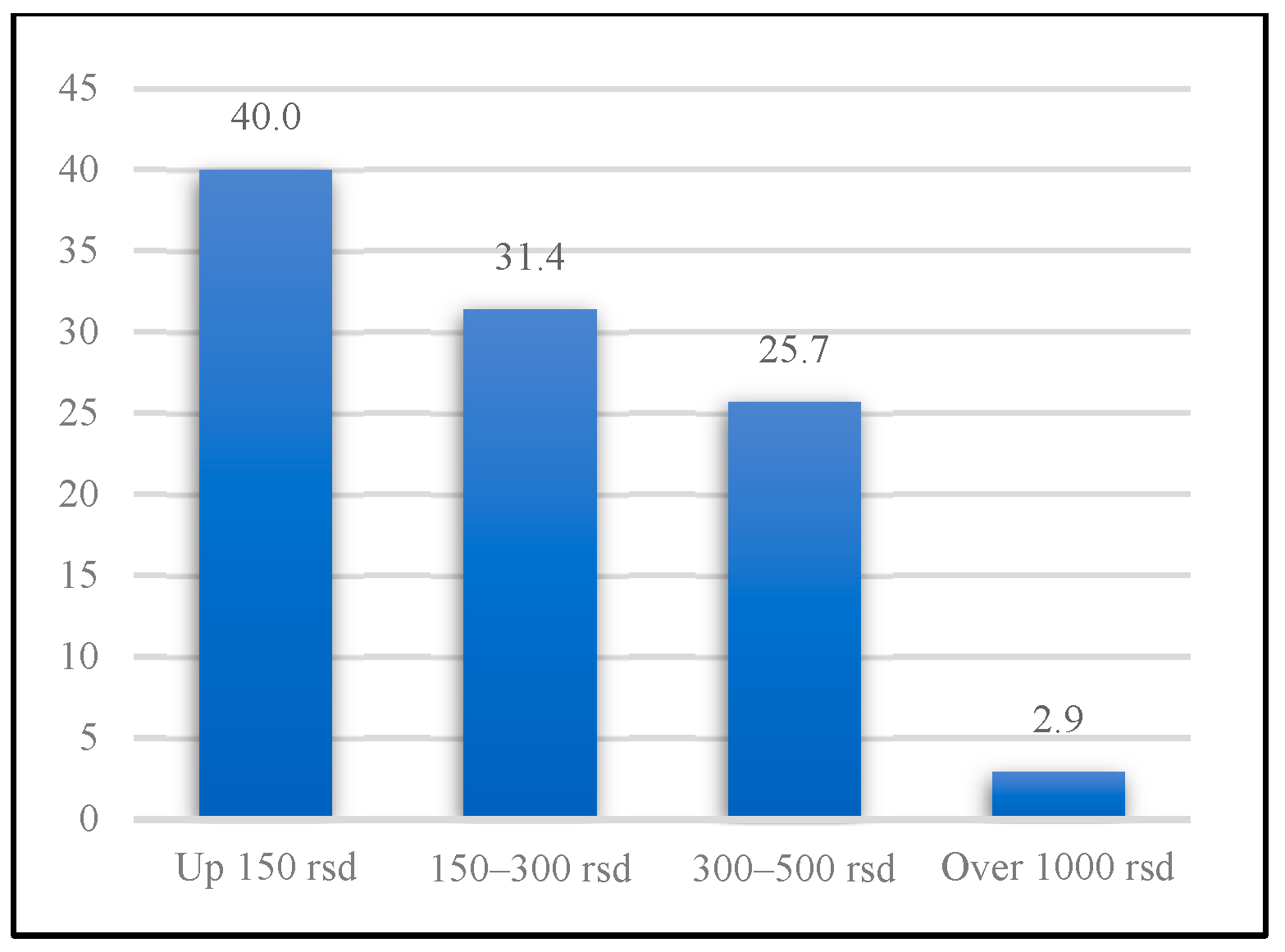
The largest proportion of respondents, as many as 75%, do not use parcel locker services (Figure 9). Among respondents who use parcel lockers (25% of the sample), the highest proportion (40%) considered a delivery price of up to 150 RSD (€1.2) to be acceptable (Figure 10).
Figure 9.
Distribution of respondents by parcel locker usage.
Figure 10.
Distribution of respondents by acceptable parcel locker delivery price.
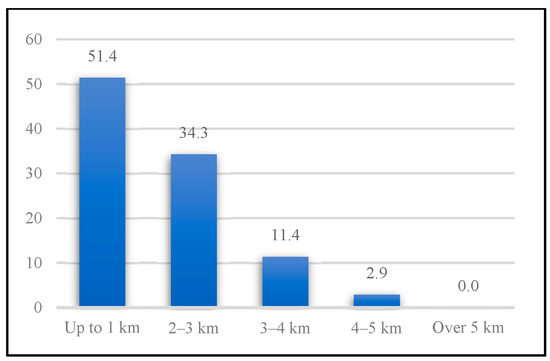
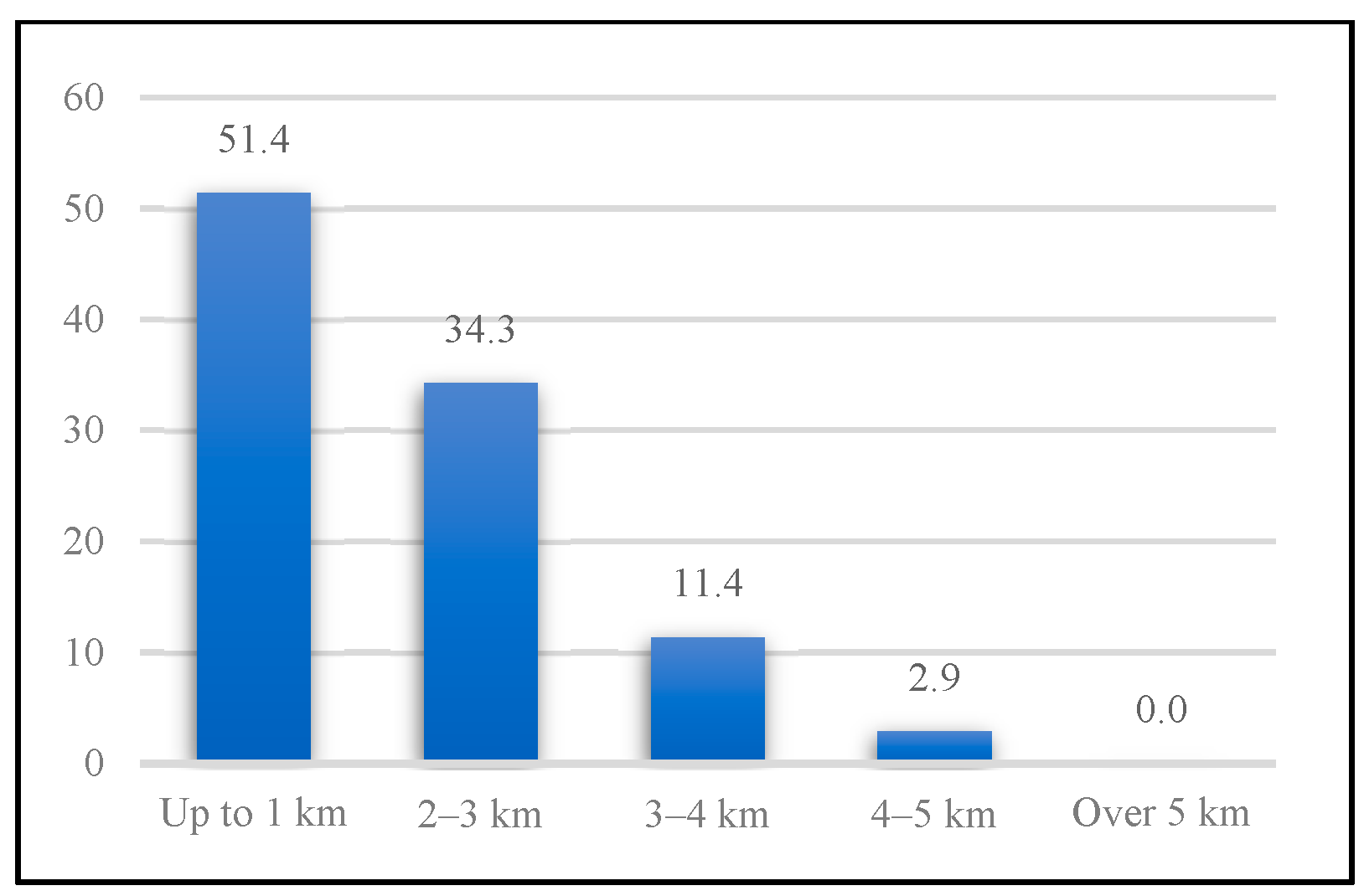
More than half of the respondents (51.4%) consider a distance of up to 1 km from their home address to a parcel locker to be acceptable when collecting a parcel, while 34.3% of respondents consider a distance of 2 to 3 km to be acceptable (Figure 11).
Figure 11.
Distribution of respondents by acceptable distance from home to parcel locker.
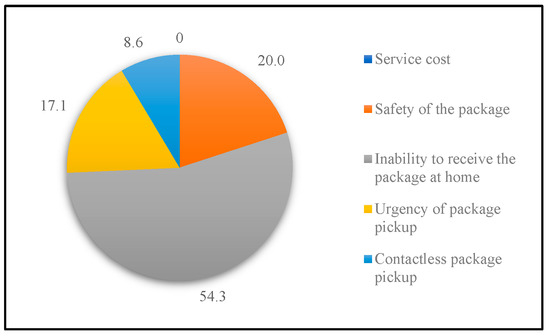
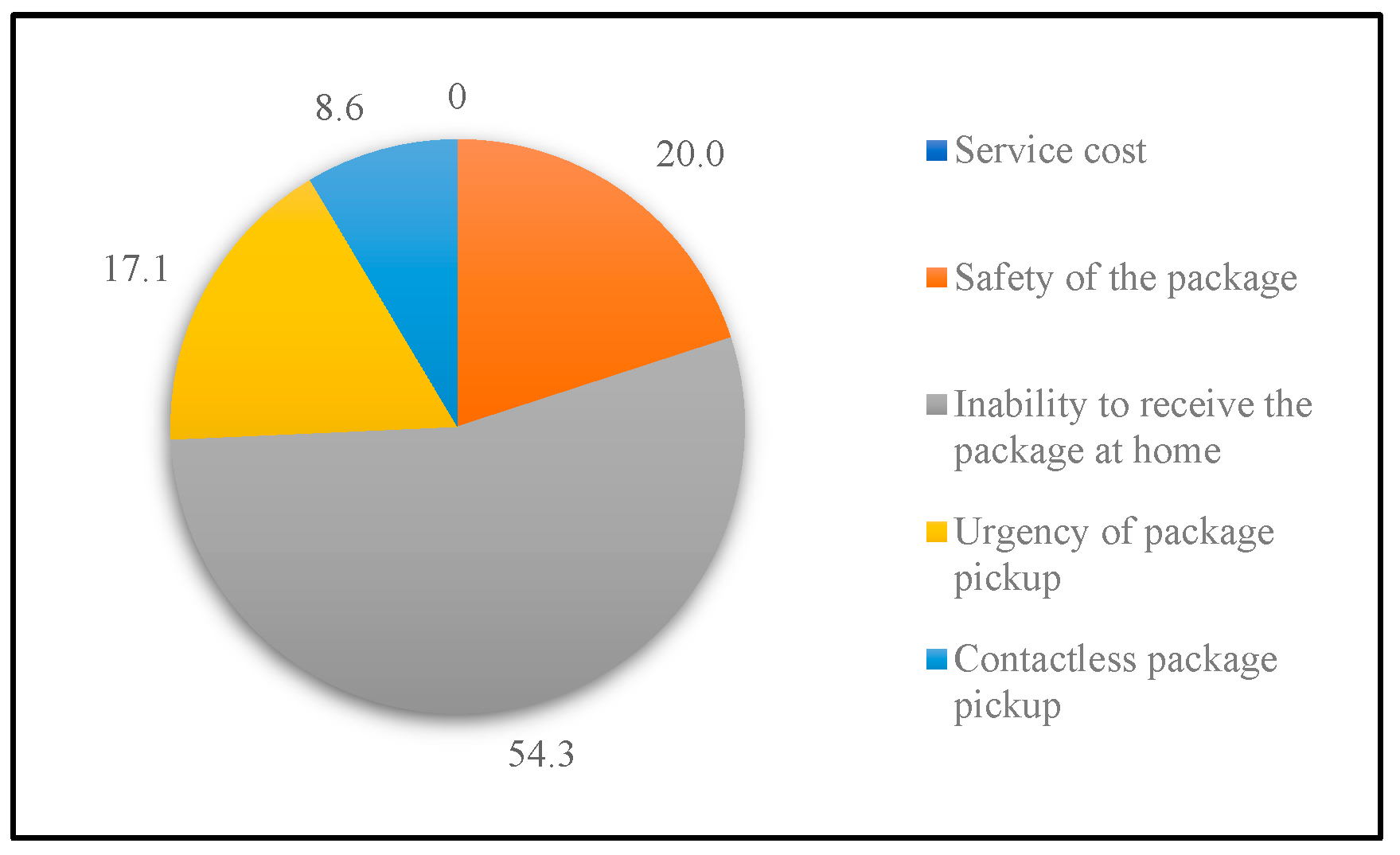
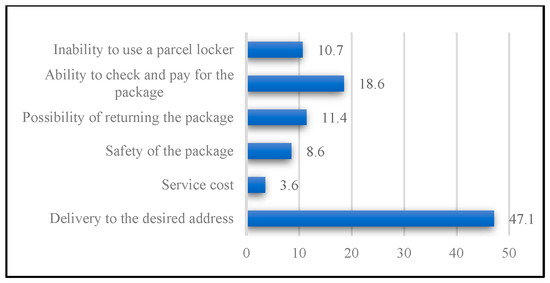
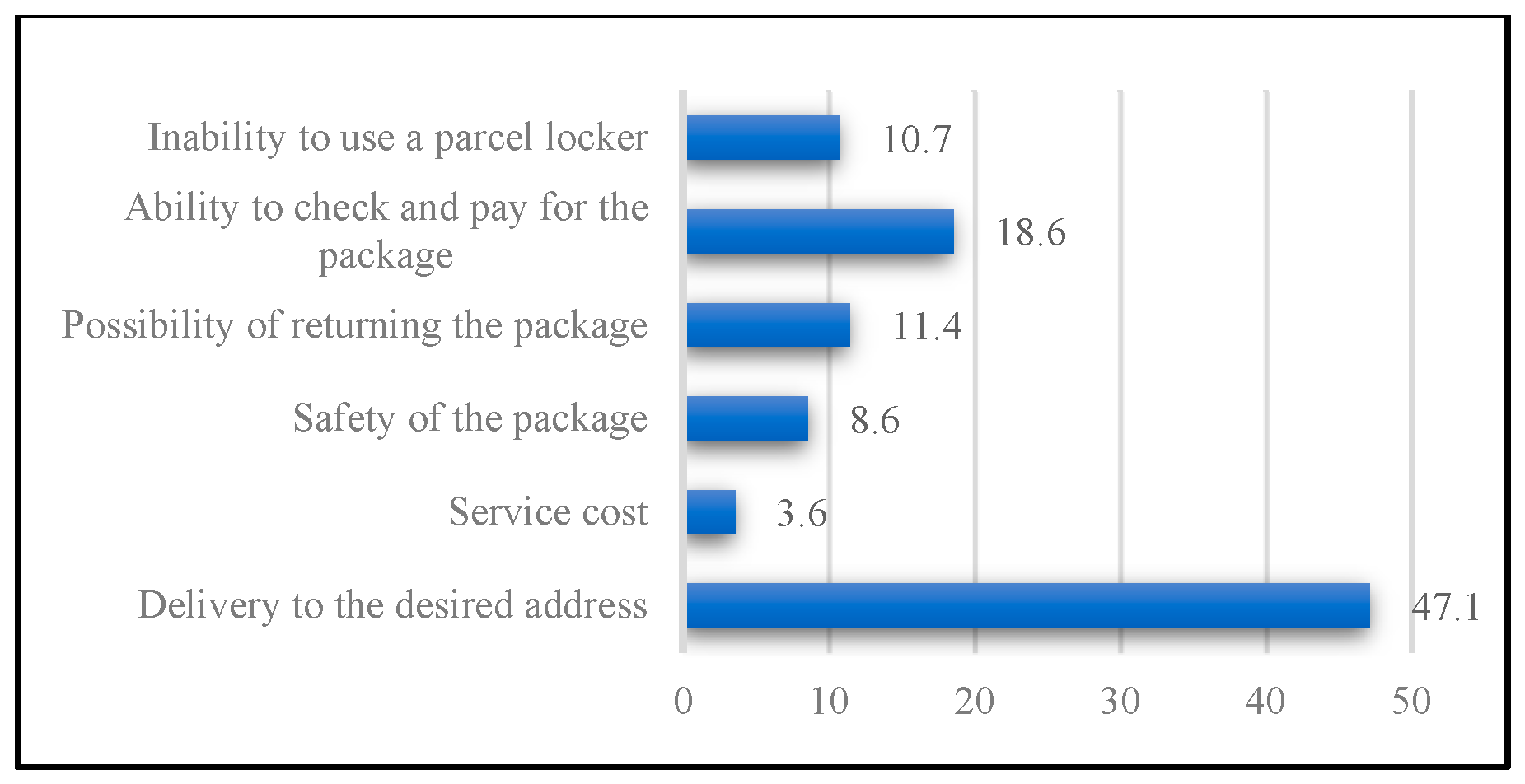
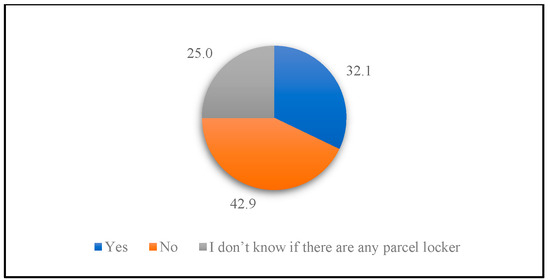
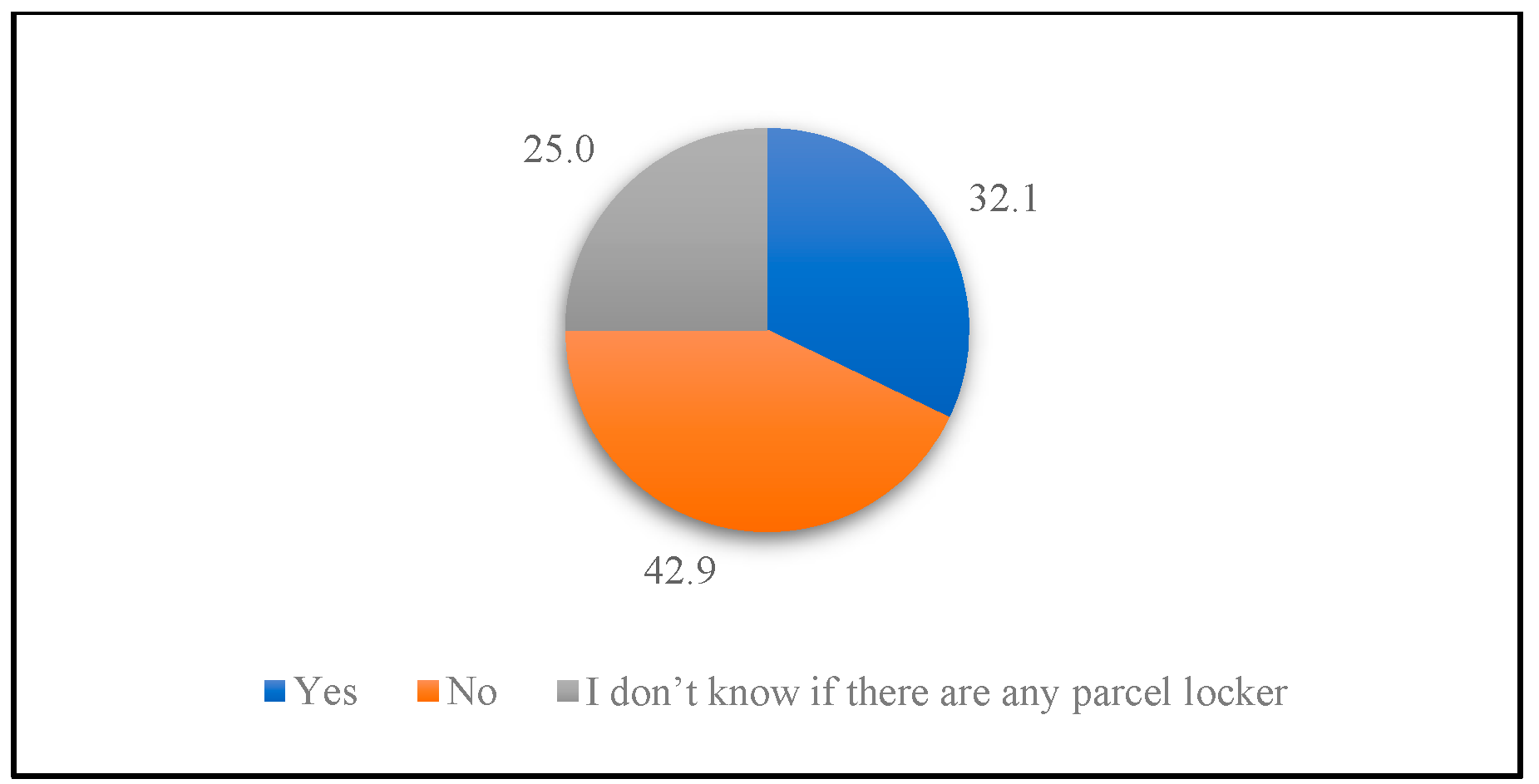
More than half of the respondents (54.3%) cited “inability to collect the parcel at the home address” as the main reason for using parcel locker services instead of home delivery (Figure 12). As a reason for using courier services instead of parcel lockers, 47.1% of respondents stated “delivery to the desired address” (Figure 13). Furthermore, 42.9% of respondents do not know the locations of parcel lockers in their city or area of residence, while 25% stated that they “do not know whether parcel locker locations exist.” Only 32.1% of respondents indicated that they are aware of the parcel locker locations in their city or place of residence (Figure 14).
Figure 12.
Distribution of respondents by reasons for using parcel lockers instead of home delivery.
Figure 13.
Distribution of respondents by reasons for using courier services instead of parcel lockers.
Figure 14.
Distribution of respondents by awareness of parcel locker locations in the city.
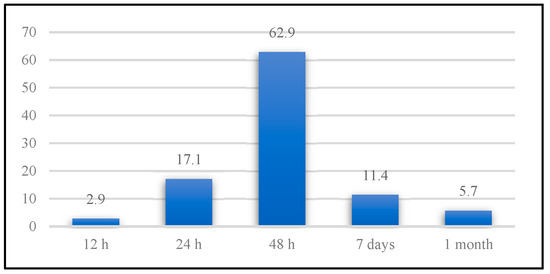
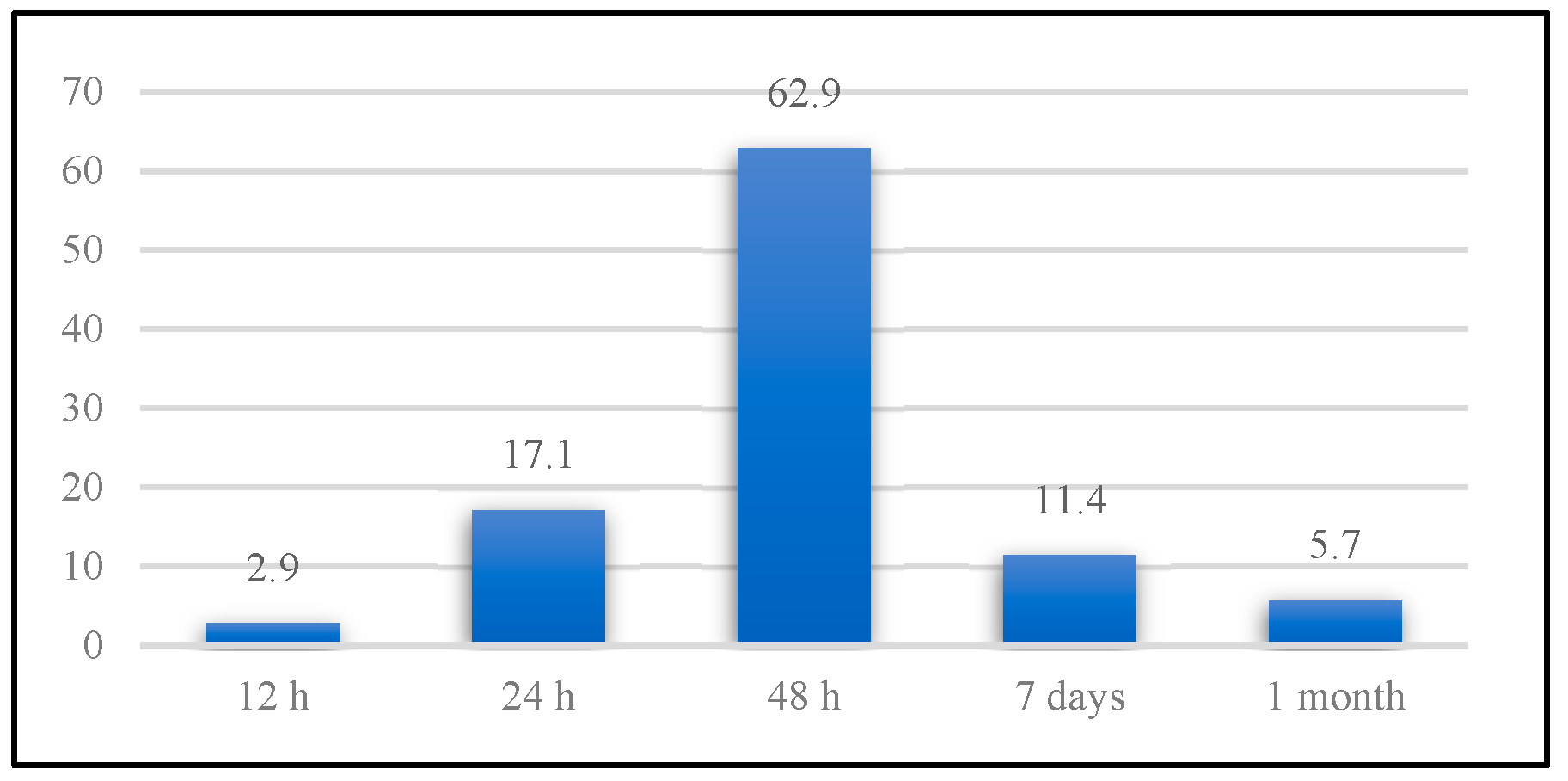
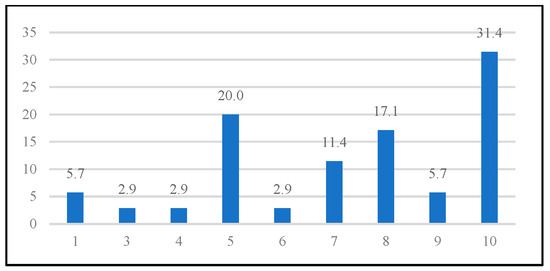
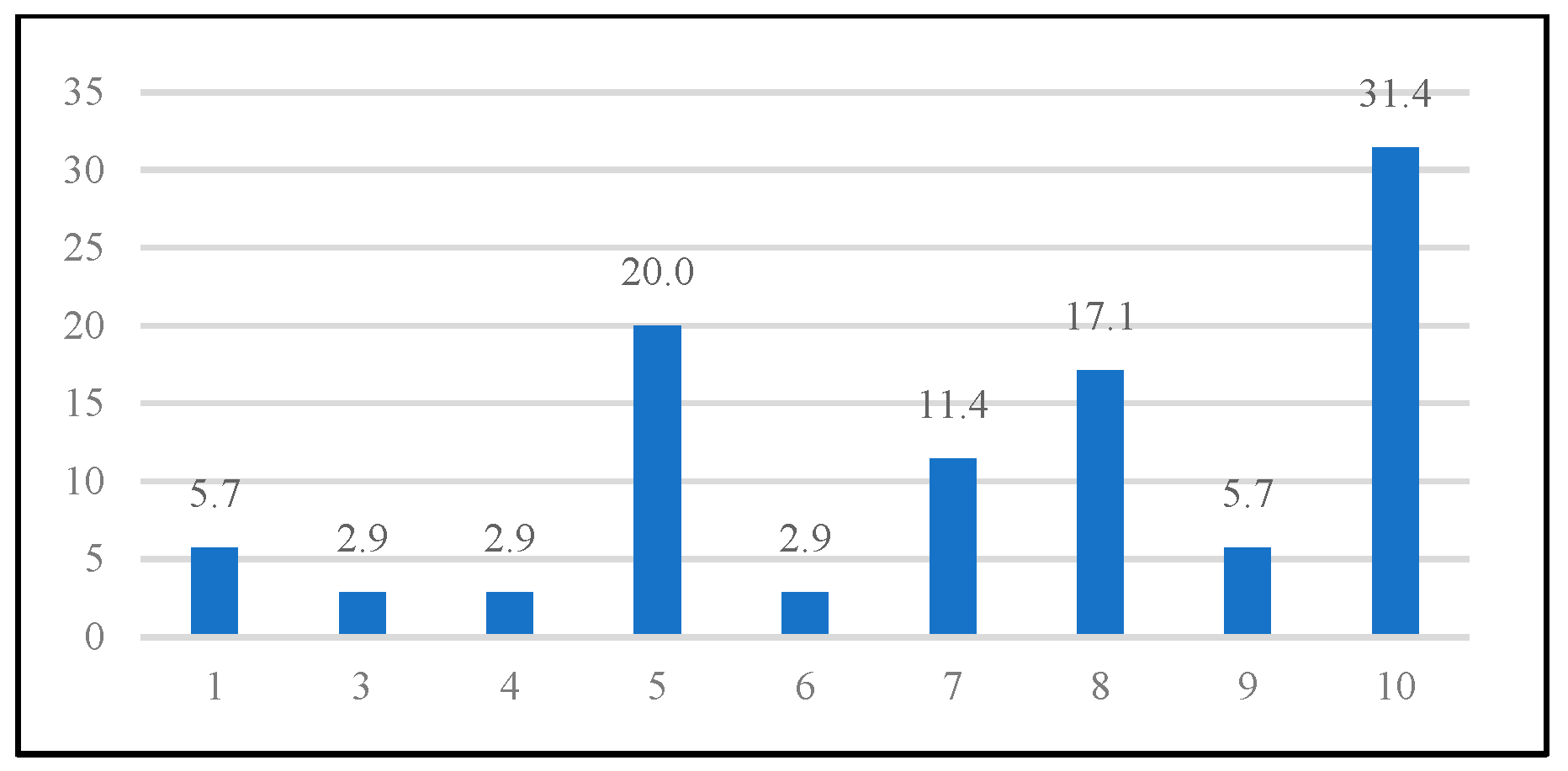
A total of 62.9% of respondents consider 48 h to be an acceptable parcel retention time in a parcel locker (Figure 15). More than one third of respondents (31.4%) rated the parcel locker service with the highest score of 10, followed by 20% who rated it with a score of 5 and 17.1% who gave it a score of 8 (Figure 16).
Figure 15.
Distribution of respondents by acceptable parcel retention time in parcel lockers.
Figure 16.
Distribution of respondents by satisfaction with parcel locker services.
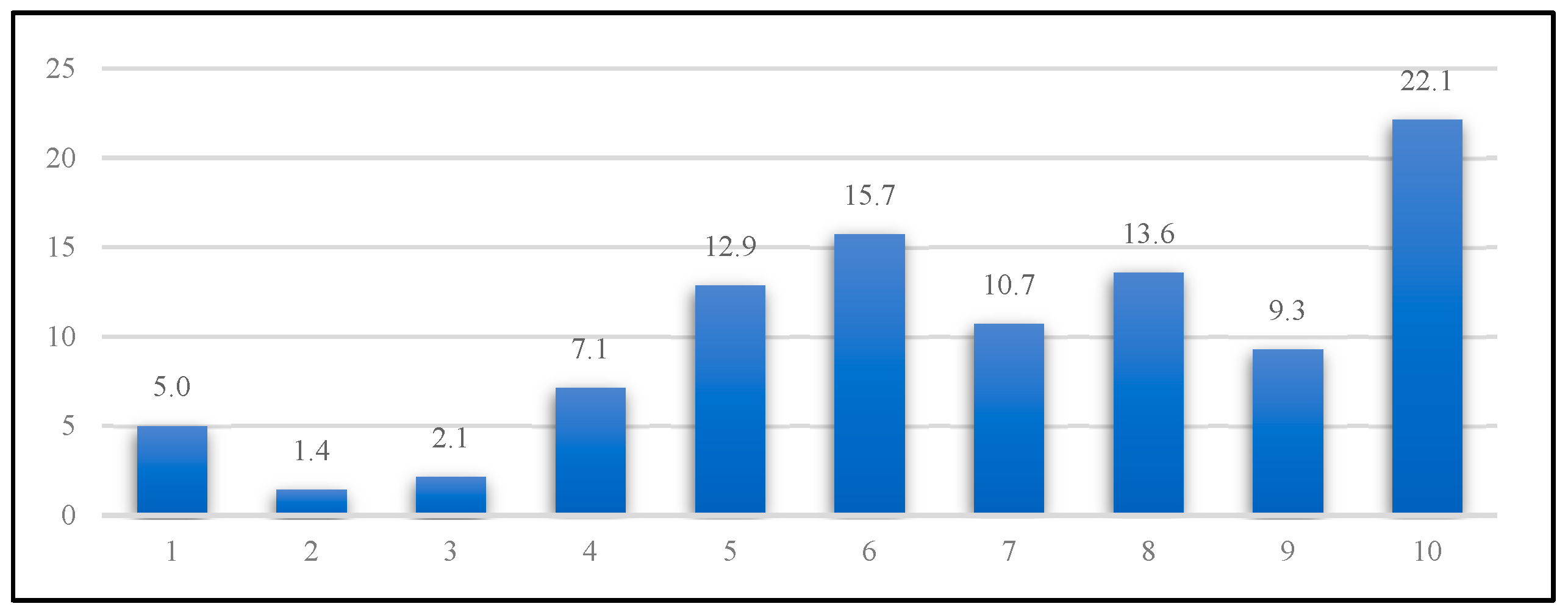
Nearly one quarter of respondents (22.1%) rated courier services with the highest score of 10, followed by 15.7% who gave a rating of 6 and 13.6% who rated the service with a score of 8 (Figure 17).
Figure 17.
Distribution of respondents by satisfaction with courier services.
4.1. Impact of Gender on User Attitudes and Behavior in the Context of Traditional Delivery and the Use of Parcel Lockers
The results of the independent samples t-test, presented in Table 2, indicate statistically significant differences in respondents’ attitudes and behavior toward traditional delivery and parcel locker usage when gender is taken into account. Statistically significant differences were identified for the following variables: preferred shopping method (t = −5.603; p < 0.005), frequency of online shopping (t = −3.856; p < 0.005), parcel collection location (t = −5.862; p < 0.005), use of parcel lockers (t = −2.233; p = 0.026), acceptable distance from home address to a parcel locker (t = 2.102; p = 0.036), reasons for using parcel lockers instead of home delivery (t = 2.964; p = 0.003), and satisfaction with parcel locker services (t = 2.389; p = 0.017).
Table 2.
Independent samples t-test results for gender differences in user attitudes and behavior.
4.2. Impact of Age on User Attitudes and Behavior in the Context of Traditional Delivery and the Use of Parcel Lockers
As shown in Table 3, the results of the one-way ANOVA test indicate statistically significant differences in respondents’ attitudes and behavior regarding traditional delivery and parcel locker usage, particularly across age groups. Statistically significant differences were identified for the following variables: preferred shopping method (F = 4.673; p < 0.005), frequency of online shopping (F = 10.035; p < 0.005), parcel collection location (F = 2.740; p = 0.019), use of parcel lockers (F = 4.922; p < 0.005), acceptable parcel size for parcel locker delivery (F = 4.268; p = 0.001), acceptable distance from home address to a parcel locker (F = 5.660; p < 0.005), reasons for using parcel lockers instead of home delivery (F = 3.512; p = 0.004), reasons for using courier services instead of parcel lockers (F = 4.897; p < 0.005), awareness of parcel locker locations in the city (F = 2.537; p = 0.028), acceptable parcel retention time in parcel lockers (F = 4.244; p = 0.001), as well as satisfaction with parcel locker services (F = 8.494; p < 0.005) and satisfaction with courier services (F = 2.866; p = 0.015).
Table 3.
One-way ANOVA results for age differences in user attitudes and behavior.
4.3. Impact of Education Level on User Attitudes and Behavior in the Context of Traditional Delivery and the Use of Parcel Lockers
As shown in Table 4, the results of the one-way ANOVA test indicate statistically significant differences in respondents’ attitudes and behavior across different education levels. Statistically significant differences were identified for the following variables: preferred shopping method (F = 2.901; p = 0.004), frequency of online shopping (F = 8.166; p < 0.005), parcel collection location (F = 4.992; p < 0.005), use of parcel lockers (F = 5.157; p < 0.005), acceptable parcel locker delivery price (F = 9.706; p < 0.005), acceptable parcel size for parcel locker delivery (F = 5.739; p < 0.005), acceptable distance from home address to a parcel locker (F = 3.217; p = 0.001), reasons for using parcel lockers instead of home delivery (F = 4.245; p < 0.005), reasons for using courier services instead of parcel lockers (F = 2.498; p = 0.012), awareness of parcel locker locations in the city (F = 3.193; p = 0.002), acceptable parcel retention time in parcel lockers (F = 4.685; p < 0.005), as well as satisfaction with parcel locker services (F = 8.728; p < 0.005) and satisfaction with courier services (F = 3.198; p = 0.002). These findings suggest that education level plays a significant role in shaping user preferences and behavior related to delivery methods.
Table 4.
One-way ANOVA results for education level differences in user attitudes and behavior.
4.4. Impact of Occupation on User Attitudes and Behavior in the Context of Traditional Delivery and the Use of Parcel Lockers
As shown in Table 5, the results of the one-way ANOVA test indicate statistically significant differences in respondents’ attitudes and behavior across different occupation groups. Statistically significant differences were identified for the following variables: preferred shopping method (F = 15.413; p < 0.005), frequency of online shopping (F = 19.684; p < 0.005), parcel collection location (F = 10.216; p < 0.005), use of parcel lockers (F = 10.760; p < 0.005), acceptable parcel size for parcel locker delivery (F = 3.284; p = 0.021), acceptable distance from home address to a parcel locker (F = 12.650; p < 0.005), reasons for using courier services instead of parcel lockers (F = 8.921; p < 0.005), awareness of parcel locker locations in the city (F = 5.216; p = 0.002), acceptable parcel retention time in parcel lockers (F = 22.251; p < 0.005), as well as satisfaction with parcel locker services (F = 3.330; p = 0.020). These results indicate that occupation significantly influences user preferences and behavior related to delivery methods and parcel locker usage.
Table 5.
One-way ANOVA results for occupation differences in user attitudes and behavior.
4.5. Impact of Place of Residence on User Attitudes and Behavior in the Context of Traditional Delivery and the Use of Parcel Lockers
As shown in Table 6, the results of the one-way ANOVA test indicate statistically significant differences in respondents’ attitudes and behavior across different places of residence. Statistically significant differences were identified for the following variables: preferred shopping method (F = 5.647; p < 0.005), frequency of online shopping (F = 17.909; p < 0.005), parcel collection location (F = 2.950; p = 0.012), use of parcel lockers (F = 8.464; p < 0.005), acceptable parcel locker delivery price (F = 2.404; p = 0.036), acceptable parcel size for parcel locker delivery (F = 4.472; p = 0.001), acceptable distance from home address to a parcel locker (F = 6.395; p < 0.005), reasons for using parcel lockers instead of courier home delivery (F = 3.432; p = 0.005), reasons for using courier services instead of parcel lockers (F = 5.446; p < 0.005), awareness of parcel locker locations in the city (F = 18.820; p < 0.005), acceptable parcel retention time in parcel lockers (F = 9.494; p < 0.005), as well as satisfaction with parcel locker services (F = 13.546; p < 0.005). These results suggest that place of residence plays an important role in shaping user behavior and preferences regarding delivery methods and parcel locker usage.
Table 6.
One-way ANOVA results for place of residence differences in user attitudes and behavior.
5. Discussion
The research findings indicate a significant gap between the potential of parcel lockers and their actual use in practice. Although respondents recognize key functional advantages of this service, such as flexibility and time-independent parcel collection, parcel lockers remain underutilized. As shown in Table 1, Table 2, Table 3, Table 4 and Table 5, statistically significant differences across multiple variables confirm that user behavior is strongly shaped by demographic factors and existing delivery habits. The dominant preference for traditional home delivery reflects strong user habituation to established delivery models, which is consistent with previous studies on consumer resistance to change in logistics services (consumer inertia logistics). In addition, the relatively low level of awareness of parcel locker locations represents a critical barrier to adoption, supporting earlier findings that awareness and perceived accessibility are key determinants of last-mile delivery choices (parcel locker awareness adoption). The high level of satisfaction among users who have already used parcel lockers suggests that the main limitation is not service quality, but rather accessibility and visibility. This indicates that the main barrier to wider adoption is not related to service quality, but rather to external factors such as limited awareness, insufficient infrastructure, and established user habits. In other words, a gap exists between positive user experience and actual adoption behavior. This aligns with the Theory of Planned Behaviour, where perceived behavioral control, shaped by infrastructure availability and awareness, plays a crucial role in influencing behavior (TPB perceived behavioral control logistics). The finding that users are willing to accept reasonable delivery costs and flexible collection times further indicates a latent demand for alternative delivery solutions.
The results also demonstrate that demographic characteristics significantly influence user attitudes and behavior. As confirmed by the ANOVA results (Table 2, Table 3, Table 4 and Table 5), younger and more educated users show a higher propensity to adopt innovative delivery solutions, which is consistent with existing research on technology acceptance and digital behavior (technology adoption age education logistics). Conversely, users in rural areas face structural limitations due to lower availability of parcel lockers, highlighting the importance of infrastructure in shaping behavioral outcomes. Occupation-related differences further emphasize the role of lifestyle and time constraints. Although employed users express a greater need for flexible delivery solutions, they still predominantly rely on traditional home delivery. This indicates a gap between user needs and actual behavior, which may be explained by insufficient promotion and limited integration of parcel lockers into everyday logistics systems (last mile delivery behavior gap).
Overall, the findings suggest that parcel lockers have strong development potential, but their adoption is constrained by a combination of behavioral, informational, and infrastructural factors. To increase adoption, it is necessary to improve service visibility, expand infrastructure, and align delivery solutions with user needs and behavioral patterns.
The results of the hypothesis testing (H1–H4) confirm that demographic characteristics play a significant role in shaping user attitudes and behavior toward parcel lockers. All tested variables, including gender, age, education level, occupation, and place of residence, showed statistically significant differences, indicating that user preferences are not uniform across population groups. These findings support the initial research objective that parcel lockers represent a potentially efficient and flexible delivery solution; however, their adoption depends on user-specific characteristics and contextual factors. In particular, younger and more educated users demonstrate a higher readiness to adopt innovative delivery models, while users in rural areas face infrastructural limitations. In addition, the results highlight that improving the efficiency and flexibility of last-mile delivery systems requires not only technological solutions such as parcel lockers, but also a better understanding of user expectations and targeted strategies that address different demographic groups. This directly supports the study’s objective of contributing to the development of more efficient and user-oriented logistics models.
From a broader perspective, the findings of hypotheses H1–H4 provide insights that extend beyond the local context and are relevant for the international development of last-mile logistics systems. The identified influence of demographic factors on user behavior highlights the importance of user-centered approaches in designing delivery solutions within the global digital economy. As e-commerce continues to expand across international markets, logistics providers must adapt their services to diverse user needs, preferences, and infrastructural conditions. These results suggest that improving the efficiency and flexibility of delivery systems in the global marketplace requires not only technological innovation, such as parcel lockers, but also a deeper understanding of user behavior and targeted strategies tailored to different population segments. In this context, the study contributes to the broader discourse on modernizing last-mile logistics in an increasingly digitalized and globally interconnected economy.
5.1. Implications for Theory
These findings are consistent with prior studies applying the Theory of Planned Behaviour in logistics contexts, which emphasize the role of perceived behavioral control and attitudes in shaping the adoption of innovative delivery systems [13]. This study contributes to the theoretical understanding of last-mile delivery adoption by applying the Theory of Planned Behaviour in the context of parcel locker usage. The results confirm that user behavior is strongly influenced by factors related to perceived behavioral control, particularly accessibility, awareness of parcel locker locations, and infrastructure availability. Limited awareness and insufficient network coverage reduce users’ perceived ability to use parcel lockers, thereby constraining behavioral adoption. Furthermore, the identified demographic differences support previous research indicating that younger and more educated individuals are more likely to adopt innovative logistics technologies. These findings reinforce the role of individual characteristics as important determinants of attitudes and behavioral outcomes. The results also highlight the importance of attitude formation. Users with prior experience of parcel lockers report higher satisfaction levels, suggesting that positive direct experience strengthens favorable attitudes and increases the likelihood of continued use, in line with TPB assumptions. Overall, this study extends the application of the Theory of Planned Behaviour in logistics by demonstrating how perceived behavioral control, awareness, infrastructure accessibility, and demographic characteristics jointly influence the adoption of innovative last-mile delivery solutions.
5.2. Implications for Practice
These results are consistent with previous studies highlighting the importance of accessibility, infrastructure density, and user awareness in increasing the adoption of parcel locker systems (last mile logistics parcel lockers infrastructure). The findings provide important practical implications for logistics operators, postal service providers, and e-commerce companies. The low level of parcel locker usage is primarily associated with insufficient awareness and limited infrastructure rather than negative user perceptions. Logistics providers should prioritize expanding parcel locker networks, particularly in urban areas with high e-commerce activity. Increasing the density and visibility of parcel lockers can improve perceived accessibility and encourage adoption. In addition, targeted communication strategies should be developed to increase user awareness and inform customers about the benefits of parcel lockers, including flexibility, security, and reduced delivery failures. Employers and working populations represent a key target group, as time constraints increase the need for flexible delivery options. Marketing strategies tailored to younger and digitally active users may also accelerate adoption rates. Finally, parcel lockers can contribute to more sustainable urban logistics by reducing delivery attempts, lowering emissions, and improving delivery efficiency. Finally, parcel lockers can contribute to more sustainable urban logistics by reducing delivery attempts, lowering emissions, and improving delivery efficiency. These recommendations are particularly relevant for logistics service providers and policymakers aiming to support the wider adoption of sustainable and user-oriented last-mile delivery solutions.
5.3. Limitations and Future Research
This study has several limitations. First, the research was conducted using a convenience sample, which may limit the generalizability of the results to the entire population. Furthermore, the sample includes a higher proportion of respondents aged 18–25, which may influence the results and limit their generalizability to the broader population groups. However, this age group represents a significant segment of active e-commerce users, making the findings particularly relevant for understanding the adoption of innovative delivery solutions. Second, the study relies on self-reported attitudes and behaviors, which may be influenced by subjective perception and response bias [18,19,20,21,22]. Third, the study focuses primarily on demographic variables and does not directly measure all psychological constructs of the Theory of Planned Behaviour, such as subjective norms and behavioral intention [23,24,25,26,27]. Future research should include structural equation modeling (SEM) to examine causal relationships between attitudes, perceived behavioral control, and behavioral intention [28,29,30]. In addition, advanced quantitative and hybrid modeling approaches, widely applied in logistics and related research domains, have demonstrated strong potential for analyzing complex systems and improving decision-making processes [31,32,33,34]. Longitudinal studies could provide insights into how parcel locker adoption evolves over time as service availability and system accessibility improve [35]. Furthermore, qualitative approaches, such as interviews or focus groups, may offer deeper insights into user perceptions and behavioral barriers. Finally, comparative studies across different countries and contexts would contribute to a better understanding of behavioral and contextual differences in parcel locker adoption [36,37,38].
6. Conclusions
The research has shown that although parcel lockers represent a functionally, economically, and environmentally more advanced last-mile solution, their adoption among users in Serbia remains unsatisfactory. Respondents’ preferences are strongly oriented toward traditional delivery, while awareness and use of parcel lockers are limited. At the same time, users who already utilize parcel lockers rate the service very highly, indicating a solid foundation for further expansion of this delivery model.
Demographic factors significantly influence user preferences, with differences related to age, education level, and place of residence being particularly pronounced. The results clearly indicate that the adoption of new logistics technologies is largely conditioned by resource availability, user awareness, and the level of digital literacy.
Based on the obtained results, three key conclusions can be identified:
- The low usage of parcel lockers is primarily the result of insufficient infrastructure and limited user awareness, rather than dissatisfaction with service quality.
- There is considerable potential for growth in the parcel locker market, especially in urban areas and among younger, more highly educated populations.
- Logistics companies should improve information strategies and expand the availability of parcel lockers in order to better meet the needs of users who prefer flexible delivery options.
This study also contributes to the theoretical understanding of last-mile delivery adoption by applying the Theory of Planned Behaviour framework to explain differences in user attitudes and behavior. Additionally, it provides a comprehensive insight into user attitudes and behavior regarding traditional delivery and the use of parcel lockers, based on a sample of 420 respondents with diverse demographic profiles. The results demonstrate that although parcel lockers offer significant functional advantages, their adoption in Serbia remains limited due to insufficient awareness, strong user habits favoring home delivery, and underdeveloped infrastructure. Demographic characteristics, such as gender, age, education level, occupation, and place of residence, were identified as key factors influencing user preferences and the level of acceptance of this service. Although most respondents prefer traditional shopping and delivery, the high satisfaction ratings among parcel locker users indicate substantial development potential. The findings highlight the need to improve the visibility and accessibility of parcel lockers, as well as to implement tailored communication strategies for different user groups, in order to support wider adoption of modern last-mile logistics solutions.
Author Contributions
Conceptualization, T.I. and S.S.; methodology, T.I.; software, S.S.; validation, A.T.; formal analysis, T.I.; investigation, T.I.; resources, S.S.; data curation, S.S.; writing—original draft preparation, T.I.; writing—review and editing, A.T.; visualization, S.S.; supervision, T.I.; project administration, S.S.; funding acquisition, S.S. All authors have read and agreed to the published version of the manuscript.
Funding
This research received no external funding.
Institutional Review Board Statement
The study was conducted in accordance with the Declaration of Helsinki, and approved the Ethics Committee of the Academy of professional studies sumadija(protocol code 169612025 -02 and date of 30 December 2025).
Informed Consent Statement
Informed consent was obtained from all subjects involved in the study.
Data Availability Statement
The original contributions presented in this study are included in the article. Further inquiries can be directed to the corresponding author.
Conflicts of Interest
The authors declare no conflict of interest.
References
- Bhatti, A.; Akram, H.; Basit, H.M.; Khan, A.U.; Raza, S.M.; Naqvi, M.B. E-commerce trends during COVID-19 Pandemic. Int. J. Future Gener. Commun. Netw. 2020, 13, 1449–1452. [Google Scholar]
- Ivanisevic, T.; Simović, S. Delivery of goods by courier services, before and during the Covid-19 virus epidemic. J. Road Traffic Eng. 2021, 67, 53–56. [Google Scholar] [CrossRef] [Scilit]
- Browne, M.; Piotrowska, M.; Woodburn, A.; Allen, J. Literature Review WM9: Part I—Urban Freight Transport; Green Logistics Project; University of Westminster: London, UK, 2007; Available online: https://www.researchgate.net/publication/239752527_Literature_Review_WM9_Part_I_-_Urban_Freight_Transport (accessed on 8 October 2020).
- Lazarević, D.; Dobrodolac, M.; Marković, D. Analysis of the Implementation of Mobile Parcel Lockers in the Parcel Delivery System. Symposium on New Technologies in Postal and Telecommunication Transport. In Proceedings of the XL Simpozijum o Novim Tehnologijama u Poštanskom i Telekomunikacionom Saobraćaju—PosTel 2022, Beograd, Serbia, 29–30 November 2022. [Google Scholar] [CrossRef] [Scilit]
- Perboli, G.; Rosano, M. Parcel delivery in urban areas: Opportunities and green business models. Transp. Res. Part C Emerg. Technol. 2019, 99, 19–36. [Google Scholar] [CrossRef] [Scilit]
- Morganti, E.; Seidel, S.; Blanquart, C.; Dablanc, L.; Lenz, B. The impact of e-commerce on final deliveries: Alternative parcel delivery services in France and Germany. Transp. Res. Procedia 2014, 4, 178–190. [Google Scholar] [CrossRef] [Scilit]
- Krajnović, A.; Radman Peša, A. The Scope of Electronic Commerce in Croatia and Worldwide. 2011. Available online: https://hrcak.srce.hr/75179 (accessed on 11 November 2023).
- Narančić, F. Analysis of Parcel Delivery Through the Introduction of Parcel Lockers. 2023. Available online: https://urn.nsk.hr/urn:nbn:hr:119:280750 (accessed on 12 November 2023).
- Vakulenko, Y.; Hellström, D.; Hjort, K. What’s in the Parcel Locker? Exploring Customer Value in E-Commerce Last Mile Delivery. J. Bus. Res. 2018, 88, 421–427. [Google Scholar] [CrossRef] [Scilit]
- Iwan, S.; Kijewska, K.; Lemke, J. Analysis of parcel lockers efficiency as the last mile delivery solution: The results of the research in Poland. Transp. Res. Procedia 2016, 12, 644–655. [Google Scholar] [CrossRef] [Scilit]
- Official Gazette of the Republic of Serbia. Program for the Development of Electronic Commerce in the Republic of Serbia for the Period 2019–2020. No. 73/2019. Available online: https://www.pravno-informacioni-sistem.rs/ (accessed on 10 January 2026).
- Eurobarometer. Consumer Attitude Towards Cross-Border Trade and Consumer Protection (Flash Eurobarometer); European Commission: Brussels, Belgium, 2013. [Google Scholar]
- Pérez-Portabella, A.; Arias-Oliva, M.; Padilla-Castillo, G.; Andrés-Sánchez, J.d. Correlational and Configurational Perspectives on the Determinants of Generative AI Adoption Among Spanish Zoomers and Millennials. Societies 2025, 15, 285. [Google Scholar] [CrossRef] [Scilit]
- Nakchatree, K.; Prabnasak, J. Efficiency and Sustainability of Bangkok Port Barge Transport: A Comparative Analysis with Feeder Vessels Under Thailand’s Logistics Strategy. Int. J. Transp. Dev. Integr. 2025, 9, 249–258. [Google Scholar] [CrossRef] [Scilit]
- Ajzen, I. The theory of planned behavior. Organ. Behav. Hum. Decis. Process. 1991, 50, 179–211. [Google Scholar] [CrossRef] [Scilit]
- Aseri, M.; Ansari, Z.A. Purchase Behaviour of Green Footwear in Saudi Arabia Using Theory of Planned Behaviour. Sustainability 2023, 15, 5045. [Google Scholar] [CrossRef] [Scilit]
- Amponteng, M.; Tracey, D.; Nketsia, W. Understanding Teachers’ Intention and Behaviour Towards Inclusive Education in Ghana: Applying the Theory of Planned Behaviour. Educ. Sci. 2026, 16, 93. [Google Scholar] [CrossRef] [Scilit]
- Aiken, M.P.; Davidson, J.C.; Walrave, M.; Ponnet, K.S.; Phillips, K.; Farr, R.R. Intention to Hack? Applying the Theory of Planned Behaviour to Youth Criminal Hacking. Forensic Sci. 2024, 4, 24–41. [Google Scholar] [CrossRef] [Scilit]
- Pratelli, A.; Brocchini, L.; Petri, M. Optimising Drone-Assisted Logistics for Urban Last-Mile Delivery: An Overview of Applications, Methodologies, and Emerging Trends. J. Urban Dev. Manag. 2024, 3, 188–197. [Google Scholar] [CrossRef] [Scilit]
- Pang, S.M.; Mohd Hanafi, H.; Chong, C.Y.; Tan, B.C. Does Quality of Life Influence Pro-Environmental Intention? An Extension of Theory of Planned Behaviour. Sustainability 2025, 17, 8953. [Google Scholar] [CrossRef] [Scilit]
- Matović, B.; Petrović, A.; Damjanović, M.; Bulajić, A.; Ilić, V. Socio-Cognitive Determinants of Pedestrians’ Intention to Cross on a Red Light Signal: An Application of the Theory of Planned Behaviour. Safety 2024, 10, 33. [Google Scholar] [CrossRef] [Scilit]
- Krstić, M.; Tadić, S.; Spajić, A. Application of a Hybrid MCDM Model for Locating a Humanitarian Logistics Center. J. Oper. Strateg. Anal. 2024, 2, 160–176. [Google Scholar] [CrossRef] [Scilit]
- Andrejić, M.; Pajić, V.; Stanković, A. Human Resource Dynamics in Urban Crowd Logistics: A Comprehensive Analysis. J. Urban Dev. Manag. 2023, 2, 135–144. [Google Scholar] [CrossRef] [Scilit]
- Sun, Z.; Zhang, Y.; Yu, P.; Zhang, L.; Pang, J. Calculation and Intensity Analysis of Logistics Industry Embodied CO2 Emissions in China. J. Green Econ. Low-Carbon Dev. 2023, 2, 27–35. [Google Scholar] [CrossRef] [Scilit]
- Jusufbašić, A.; Stević, Ž. Measuring Logistics Service Quality Using the SERVQUAL Model. J. Intell. Manag. Decis. 2023, 2, 1–10. [Google Scholar] [CrossRef] [Scilit]
- Tsai, J.-F.; Ngo, H.-N.; Che, Z.-H.; Lin, M.-H. Sustainable Solutions in E-Commerce: An Examination of Customer Acceptance of Automated Delivery Stations in Vietnam. Sustainability 2024, 16, 4570. [Google Scholar] [CrossRef] [Scilit]
- Hadaś, Ł.; Domański, R.; Wojciechowski, H.; Majewski, A.; Lewandowicz, J. The Role of Packaging in Sustainable Omnichannel Returns—The Perspective of Young Consumers in Poland. Sustainability 2024, 16, 2231. [Google Scholar] [CrossRef] [Scilit]
- Tadić, S.; Krstić, M.; Božić, M.; Dabić-Miletić, S.; Zečević, S. Ranking of Technologies for Intralogistic Bulk Material Handling Processes Using Fuzzy Step-Wise Weight Assessment Ratio Analysis and Axial-Distance-Based Aggregated Measurement Methods. Appl. Sci. 2024, 14, 1549. [Google Scholar] [CrossRef] [Scilit]
- Kurowski, M.; Sobolewski, M.; Koszorek, M. Geometrical Parcel Locker Network Design with Consideration of Users’ Preferences as a Solution for Sustainable Last Mile Delivery. Sustainability 2023, 15, 15114. [Google Scholar] [CrossRef] [Scilit]
- Munyeshuri, E.; Song, L.K.; Akoko, J.A.; Okello, J.A.; Nfu, K.Y. Strategic Application of Cooperative Game Theory in Mitigating Labor Shortages in Post-Pandemic Logistics: A Case Study of Poland. J. Oper. Strateg. Anal. 2023, 1, 214–224. [Google Scholar] [CrossRef] [Scilit]
- Senić, A.S. Hybrid System for Risk Quantification and Management on Road Infrastructure Projects. Ph.D. Thesis, Faculty of Civil Engineering, University of Belgrade, Belgrade, Serbia, 2025. [Google Scholar]
- Senić, A.; Simić, N.; Dobrodolac, M.; Stojadinović, Z. Risk Prediction in Road Infrastructure Projects Considering Project Complexity Coefficients. Promet—Traffic Transp. 2025, 37, 1441–1457. [Google Scholar] [CrossRef] [Scilit]
- Senić, A.; Dobrodolac, M.; Stojadinović, Z. Predicting Extension of Time and Increasing Contract Price in Road Infrastructure Projects Using a Sugeno Fuzzy Logic Model. Mathematics 2024, 12, 2852. [Google Scholar] [CrossRef] [Scilit]
- Senić, A.; Simić, N.; Dobrodolac, M.; Stojadinović, Z. Development of a Hybrid Model for Risk Assessment and Management in Complex Road Infrastructure Projects. Appl. Sci. 2025, 15, 2736. [Google Scholar] [CrossRef] [Scilit]
- Tadić, S.; Krstić, M.; Veljović, M.; Čokorilo, O.; Milovanović, M. Risk Analysis of the Use of Drones in City Logistics. Mathematics 2024, 12, 1250. [Google Scholar] [CrossRef] [Scilit]
- Saputra, H.; Madyawati, S.P.; Wijoyo, S.; Megasari, N.L.A. Comprehensive analysis of economic, sociocultural, and environmental impacts on community well-being in tourist areas. Cent. Community Dev. J. 2025, 5, 136–151. [Google Scholar] [CrossRef] [Scilit]
- Maleki, M.; Rayburg, S.; Glackin, S. Demographic and Operational Factors in Public Transport-Based Parcel Locker Crowdshipping: A Mixed-Methods Analysis. Logistics 2025, 9, 55. [Google Scholar] [CrossRef] [Scilit]
- Yang, Y.; Xie, D.; Lai, P.-L.; Wang, X. Adoption of Incremental and Radical Innovations in E-Commerce Delivery: Evidence from Smart Lockers and Autonomous Drones Using the UTAUT Model. J. Theor. Appl. Electron. Commer. Res. 2025, 20, 139. [Google Scholar] [CrossRef] [Scilit]

Disclaimer/Publisher’s Note: The statements, opinions and data contained in all publications are solely those of the individual author(s) and contributor(s) and not of MDPI and/or the editor(s). MDPI and/or the editor(s) disclaim responsibility for any injury to people or property resulting from any ideas, methods, instructions or products referred to in the content. |
© 2026 by the authors. Licensee MDPI, Basel, Switzerland. This article is an open access article distributed under the terms and conditions of the Creative Commons Attribution (CC BY) license.