


Abstract
Background: Excessive caffeine intake from tea triggers adverse reactions in sensitive populations. While existing reviews focus heavily on caffeine’s health effects, no synthesis covers the full industrial chain of low-caffeine tea development. This review aimed to systematically summarize research progress, core bottlenecks, and future directions across low-caffeine tea germplasm, caffeine metabolism, cultivar breeding, and decaffeination to bridge basic research and industrial application. Methods: Four predefined topic search strings targeting ① “tea cultivar” AND “low caffeine”, ②. “tea” AND “germplasm” AND “low caffeine”, ③ “tea” AND “decaffeination”, and ④ “microorganism” AND “caffeine degradation” AND “tea” were executed across the databases Web of Science, Conference Proceedings Citation Index—Science, Index Chemicus, and Current Chemical Reactions covering the period from 1 January 2000 to 12 April 2026. Inclusion criteria were original research into low-caffeine tea germplasm, studies evaluating decaffeination technologies or microbial caffeine degradation, and peer-reviewed English-language publications. Exclusion criteria included review articles, duplicate records, and studies lacking quantitative validation. Risk of bias was assessed by evaluating experimental design robustness, metabolite quantification consistency, and adequacy of field/industrial validation. Results: A total of 107 original studies were finally included. The results show that the core rate-limiting enzymes involved in caffeine biosynthesis and catabolism in tea plants include TCS1, 7-XMT, and 9-NMT. Three representative natural low-caffeine tea germplasms included Camellia ptilophylla, Camellia assamica var. kucha, and wild low-caffeine Camellia species. Four mainstream industrial decaffeination technologies have been established, each with standardized and optimized process parameters tailored to distinct tea raw materials, providing actionable, evidence-based technical guidance for tea processing enterprises. Discussion: The evidence on low-caffeine tea faces four key limitations: scarce elite germplasm, inconsistent quality across batches, absence of science-based evaluation standards, and a trade-off between decaffeination efficiency and organoleptic/nutritional quality preservation. To address these, the review proposes interdisciplinary research integrating molecular mechanisms with scalable engineering and pilot validation. It introduces a full-value-chain framework covering germplasm discovery, breeding, green processing, and standardization. This framework provides evidence-based guidance for cultivar development, technology transfer, and policy design. Ultimately, it supports the scientific advancement and market expansion of high-quality, health-oriented low-caffeine tea products.
1. Introduction
Caffeine, a naturally occurring methylxanthine alkaloid and potent central nervous system stimulant, is ubiquitously present in widely consumed plant-based commodities, including coffee beans, tea leaves, and cocoa pods. As a key bioactive constituent in tea plants [Camellia section Thea (L.) Dyer, particularly Camellia sinensis], caffeine contributes significantly to its sensory profile and consumer acceptance [1]. Moderate caffeine intake confers well-documented physiological benefits, including transient fatigue alleviation, enhanced energy levels, improved alertness, and elevated cognitive performance, which collectively support daily functional capacity and mental acuity [2,3]. Conversely, chronic or excessive consumption of caffeine is associated with adverse outcomes ranging from anxiety, insomnia, and tachycardia to gastrointestinal distress and heightened irritability. Vulnerable populations, including children, older adults, and individuals with preexisting neurological or cardiovascular conditions, exhibit amplified caffeine sensitivity [4,5,6,7], which may trigger endocrine dysregulation and elevate systemic metabolic burden, underscoring the need for tailored caffeine intake management.
In recognition of these risks, global health authorities have established evidence-based daily caffeine intake guidelines. Health Canada recommends that total daily caffeine intake for children and adolescents should not exceed 2.5 mg/kg of body weight, advises women of childbearing age to limit intake to ≤300 mg/day, and sets a safe upper limit of 400–450 mg/day for healthy adults [8]. The European Food Safety Authority (EFSA) similarly specifies a maximum intake of 3 mg/kg body weight per day for children and adolescents, and 400 mg/day for adults [9]. The US Food and Drug Administration (FDA) identifies 400 mg/day as a safe threshold for most adults, based on a systematic review of caffeine-related adverse health effects [10,11].
As one of the primary dietary sources of caffeine globally, tea is characterized by high consumption frequency and broad demographic reach, making it a major contributor to population-level caffeine exposure [9]. In China, traditional tea leaves account for 20.9–51.7% of total caffeine intake across all food categories, with this proportion exhibiting a consistent upward trend [12]. In the UK and Switzerland, tea is the major contributor to daily caffeine intake [13,14]; it supplies 57% of total daily caffeine intake in the UK, with black tea contributing over 90% of tea-derived caffeine [9,13]. Among Japanese adults, tea contributes ~47% of total daily caffeine intake, with green and oolong teas accounting for ~38% and black tea for ~9% [15]. Even in Brazil, where coffee is the dominant caffeine source, tea remains a meaningful contributor to total caffeine intake among heavy tea consumers [16].
Given tea’s integral role in global dietary patterns, strategic interventions to reduce foliar caffeine content, including targeted breeding of low-caffeine cultivars, evidence-based processing optimization, and standardized regulatory frameworks for production-level caffeine control, have become imperative [17,18,19]. These measures not only enable precise, science-informed caffeine intake regulation to address heterogeneous consumer health needs, but also advance the paradigm of sustainable, health-oriented tea consumption. Driven by growing demand for functional beverages aligned with health-conscious lifestyles and evidence-based dietary guidance, low-caffeine tea products exhibit substantial untapped market potential, further emphasizing the urgency of consolidating existing research progress. Although caffeine is the predominant stimulant, tea also accumulates other purine alkaloids, notably theobromine and theacrine, which exhibit milder but pharmacologically relevant stimulant activity. Consequently, low-caffeine teas should be regarded as ‘reduced-caffeine’ rather than ‘stimulant-free’ products.
While numerous reviews have addressed the health implications of tea-derived caffeine intake [20,21,22,23,24,25], few have focused on the technical and mechanistic foundations of low-caffeine tea development. A small subset of studies has explored low-caffeine tea germplasm, genes involved in caffeine biosynthesis and catabolism in Camellia sinensis, or technologies for extracting caffeine-reduced bioactive compounds [17,26,27]. However, no existing review comprehensively synthesizes the full industrial chain of low-caffeine tea production, spanning germplasm discovery, functional genomics of caffeine metabolism, processing-induced caffeine reduction, and standardized product development. This critical gap hinders a holistic understanding of the current research landscape, limits translational links between basic science and industrial application, and impedes identification of key bottlenecks and future research priorities.
To address this unmet need, we present a systematic, mechanism-centric synthesis of pivotal technological advancements underpinning low-caffeine tea innovation, encompassing the entire value chain, from germplasm excavation, characterization, and functional validation of Camellia sect. Thea, including C. sinensis, to the molecular regulatory networks governing caffeine biosynthesis, catabolism, and accumulation, as well as agronomic modulation strategies and decaffeination processing optimization. By delineating core technical pathways, integrating disparate empirical and mechanistic findings, and identifying unresolved bottlenecks, this work aims to provide a rigorous academic framework and actionable technical insights for interdisciplinary researchers, plant breeders, industrial processors, and regulatory authorities committed to advancing next-generation low-caffeine tea products and technologies. Specific objectives are as follows: ① Systematically dissect the molecular mechanisms and regulatory networks governing caffeine biosynthesis, catabolism, and translocation in tea plants, establishing a robust theoretical scaffold for targeted caffeine attenuation. ② Comprehensively collate and evaluate the screening, identification, and utilization of low-caffeine tea germplasm resources, alongside cutting-edge progress in low-caffeine cultivar breeding. ③ Systematically integrate and critically assess diverse decaffeination strategies, including selective caffeine removal from conventional tea leaves and microbial caffeine degradation. ④ Explicitly identify critical technical bottlenecks and unmet challenges in low-caffeine tea research and industrialization, and propose evidence-based prospective directions for future interdisciplinary research, technological innovation, and industrial translation.
2. Methods
To ensure transparency, reproducibility, and methodological rigor, this systematic review was conducted in accordance with the Preferred Reporting Items for Systematic Reviews (PRISMA) 2020 guidelines [28], with a detailed protocol registered in PROSPERO with registration No. CRD420261382507 [29]. Four search strings were systematically executed in databases Web of Science, Conference Proceedings Citation Index—Science, Index Chemicus, and Current Chemical Reactions covering the period from 1 January 2000 to 12 April 2026: ① tea cultivar (Topic) AND low caffeine (Topic), yielding 67 records; ② tea (Topic) AND germplasm (Topic) AND low caffeine (All Fields), yielding 28 records; ③ tea (Topic) AND decaffeination (Topic), yielding 101 records; ④ microorganism (Topic) AND caffeine degradation (Topic) AND tea (Topic), yielding 14 records. A total of 210 records were retrieved from the four searches. Reference lists of included studies and relevant review articles were manually screened to identify additional eligible publications. After excluding 14 review articles and 16 duplicate records via manual verification, 180 unique records underwent title and abstract screening by two independent reviewers against predefined inclusion criteria; disagreements were resolved through discussion or consultation with a third reviewer (Figure 1). Studies were included if they met the following criteria: ① described tea cultivars or germplasm with low caffeine content (<6 mg/g) [29]; ② investigated decaffeination technologies or microbial caffeine degradation; ③ reported original research or comprehensive technical evaluations; and ④ published in peer-reviewed journals or conference proceedings in English.
Figure 1.
Flow diagram for the systematic review.
The PRISMA 2020 checklist and the PRISMA 2020 abstract checklist are uploaded as Supplements S1 and S2. The review protocol can be downloaded at https://www.crd.york.ac.uk/PROSPERO/view/CRD420261382507 (access on 27 November 2026).
3. Results and Discussions
3.1. Caffeine Biosynthesis, Catabolism, and Accumulation in Tea Plants
3.1.1. Biosynthesis of Caffeine in Tea Plants
Caffeine biosynthesis and accumulation in tea plants are tightly governed by cultivar genetics, shoot developmental stage, and seasonal dynamics, centered on conserved metabolic pathways and key rate-limiting enzymes. The primary biosynthetic route follows a sequential methylation pathway: xanthosine → 7-methylxanthosine → 7-methylxanthine → theobromine → caffeine, with a minor alternative pathway (7-methylxanthine → paraxanthine → caffeine) also operative in foliar tissues (Figure 2). This process uses S-adenosyl-L-methionine (SAM) as the methyl donor, with N-methyltransferases (NMT) catalyzing all critical methylation steps [30,31,32,33,34,35]. The conversion from 7-methylxanthine to theobromine is catalyzed by theobromine synthase (TS), and from theobromine to caffeine is uniquely catalyzed by tea caffeine synthase (TCS), a bifunctional enzyme with dual SAM-dependent NMT activities. The key TCS-encoding gene TCS1 was first cloned from young tea leaves [30,31,36], confirming its central role in regulating caffeine production.
Figure 2.
Biosynthesis of caffeine and theacrine in tea plants. CDH: caffeine oxidase/dehydrogenase; N-MeNase: N-methylnucleosidase; 7XMT: 7-methylxanthosine synthase; TCS: tea caffeine synthase; TcS: theacrine synthase; TS: theobromine synthase. Solid arrows indicate major catabolic routes; dashed arrows indicate minor routes. Numbers beside atoms indicate the xanthine ring numbering (N1–C2–N3–C4–C5–C6; N7–C8–N9).
Purine alkaloids, primarily caffeine, theobromine, and theacrine, are signature secondary metabolites of tea plants, with their accumulation patterns strongly defined by species-specific biosynthetic pathways and regulatory networks. Marked quantitative and qualitative variation in these alkaloids across wild and cultivated tea species reflects evolutionary divergence in enzyme activity and gene expression.
C. sinensis: Caffeine [15–60 mg/g DW (dry weight)] dominates the purine alkaloid profile, with moderate theobromine (1–5 mg/g) and trace theacrine [37,38,39,40,41,42,43,44,45,46]. Its core biosynthetic pathway proceeds as xanthosine → 7-methylxanthosine → 7-methylxanthine → theobromine → caffeine, catalyzed by NMTs, i.e., TS and TCS (Figure 2) [36]. C. sinensis preferentially utilizes the SAM-dependent xanthosine route, with high TCS1 expression in young leaves driving robust caffeine synthesis [30].
Camellia ptilophylla: Commonly known as cocoa tea (Keke Cha in Chinese). It accumulates high levels of theobromine with negligible caffeine, favoring alternative purine salvage pathways that limit carbon flux to caffeine [19,34,47,48,49].
Camellia Kucha: Commonly known as Kucha. Characterized by high theacrine accumulation and reduced caffeine levels. Theacrine is synthesized via a two-step pathway: caffeine oxidation to 1,3,7-trimethyluric acid (TMU) catalyzed by caffeine oxidase/dehydrogenase (CDH), followed by N9-methylation of TMU to theacrine catalyzed by theacrine synthase (TcS), a 9-NMT absent or silenced in C. ptilophylla and C. sinensis (Figure 2) [50,51,52,53].
Genetic variation underpins these interspecific differences. Allelic variants of TCS1 (designated TCS1a–TCS1f) and differential expression of 9-NMT alter pathway flux across species [54,55,56]. Comparative transcriptomics confirms that expression levels of TS, TCS, and TcS correlate positively with theobromine, caffeine, and theacrine accumulation, respectively [17,32,39].
The key enzymes involved in the caffeine biosynthetic pathway include the following:
Xanthosine methyltransferase (XMT): This enzyme mediates the first committed methylation step in caffeine biosynthesis, transferring the methyl moiety from SAM to the N-7 of xanthosine, yielding 7-methylxanthosine (Figure 2).
N-methylxanthosine nucleosidase (N-MeNase): A hydrolytic enzyme that removes the ribose moiety from 7-methylxanthosine to generate 7-methylxanthine. It acts immediately downstream of 7-XMT, bridging nucleoside methylation and methylxanthine formation. Unlike NMTs, N-MeNase does not require SAM and functions solely in substrate preparation for subsequent methylation reactions (Figure 2).
Theobromine synthase (TS): It is a 7-methylxanthine methyltransferase (MXMT) that catalyzes methylation at the N-3 position of 7-methylxanthine to produce theobromine (3,7-dimethylxanthine). It exhibits high substrate specificity for 7-methylxanthine and is abundantly expressed in actively growing young tea tissues. Its activity peaks during the growing season and declines during winter dormancy, aligning with seasonal variation in caffeine content (Figure 2).
Tea caffeine synthase (TCS): It is a 1-N-methyltransferase (1-NMT) that catalyzes the final methylation step in the canonical caffeine biosynthesis pathway, transferring a methyl group to the N-1 position of theobromine to generate caffeine (1,3,7-trimethylxanthine). As the most critical rate-limiting enzyme in the pathway, TCS is a bifunctional enzyme that also weakly catalyzes conversion of 7-methylxanthine to paraxanthine in the minor alternative pathway (Figure 2). The TCS1 gene encoding TCS is specifically highly expressed in apical buds and the first two emerging leaves [36], and its expression level correlates positively with foliar caffeine content across tea cultivars.
Theacrine synthase (TcS): It is a 9-NMT that catalyzes N9-methylation of TMU to theacrine using SAM as the methyl donor, defining the unique theacrine accumulation phenotype of C. kucha (Figure 2) [50,57,58].
3.1.2. Catabolism of Caffeine in Tea Plants
Caffeine catabolism is tightly regulated by developmental and environmental cues, with distinct pathways operating in different tissues. The primary degradation route in tea plants is a stepwise N-demethylation and purine breakdown cascade: caffeine is first converted to theophylline via 7-demethylation, catalyzed by 7-N-demethylase (7NDM), a cytochrome P450 enzyme at high caffeine concentrations. Theophylline undergoes further demethylation to 3-methylxanthine by 1-N-demethylase (1NDM), followed by demethylation to xanthine by 3-N-demethylase (3NDM). There are two minor caffeine degradation pathways: (1) caffeine → theobromine → 3-methylxanthine, and (2) theophylline → 1-methylxanthine → xanthine (Figure 3). Xanthine is then oxidized to uric acid by xanthine dehydrogenase (XDH), a key enzyme induced by continuous strong light, linking caffeine degradation to light adaptation. Uric acid is further degraded to allantoin, allantoic acid, and ultimately mineralized to CO2, NH3, and S-ureido glycine, in which the enzymes urate oxidase (UOX), allantoinase (ALN), and allantoate amidohydrolase (AAH) are involved (Figure 3) [59,60,61,62]. Degradation capacity varies markedly by tissue: roots exhibit a far higher caffeine degradation rate than shoot apices, where catabolism is negligible, preserving high alkaloid levels in young harvestable tissues. A minor alternative pathway operates in C. assamica var. kucha, where caffeine is converted to theacrine (Figure 2), which produces stimulant-like effects that are milder than caffeine and less prone to habituation, via oxidation and N9-methylation, representing a natural decaffeination mechanism. Caffeine metabolism is also modulated by development and seasonality: young shoots exhibit high biosynthetic capacity but low catabolic activity, while senescent leaves accumulate allantoin, an intermediate product of caffeine catabolism. This dynamic balance enables tea plants to optimize caffeine levels for defense and stress tolerance [59].
Figure 3.
Catabolism of caffeine in tea plants. NDM: N-demethylase; XDH: xanthine dehydrogenase; UOX: urate oxidase; ALN: allantoinase; AAH: allantoate amidohydrolase. Solid arrows indicate major catabolic routes; dashed arrows indicate minor routes. Numbers beside atoms indicate the xanthine ring numbering (N1–C2–N3–C4–C5–C6; N7–C8–N9).
3.1.3. Variation in Purine Alkaloids Accumulation in Tea Plants
As one of the most widely consumed beverages globally, tea derives its distinctive flavor, functional attributes, and nutritional value primarily from secondary metabolites, particularly purine alkaloids and catechins polyphenols. Purine alkaloids, including caffeine, theobromine, and theacrine, constitute the core bitter-active fraction of tea, while catechins serve as the primary astringent components and dominant antioxidant phytochemicals. Substantial inter-germplasm variation exists in the accumulation profiles of these key metabolites across tea species and cultivars, underpinning distinct flavor profiles and functional diversities. Characterization of alkaloid and catechin variation across diverse tea resources is therefore critical for germplasm evaluation, quality improvement, and targeted industrial utilization. C. sinensis exhibits a relatively stable purine alkaloid profile, with caffeine as the dominant constituent, low theobromine and undetectable theacrine in most conventional cultivars [63]. This typical alkaloid composition confers mild bitterness and moderate flavor intensity to traditional green, black, and oolong teas. Catechin profiles are dominated by epigallocatechin gallate (EGCG; up to 82.7 mg/g), with trace gallocatechin gallate (GCG; 0–6.1 mg/g) [64]. C. taliensis is now a wild tea species endemic to southwestern China, containing 19.1–44.5 mg/g caffeine and 2.7–4.5 mg/g theobromine. Lower caffeine levels relative to cultivated C. sinensis and stable theobromine accumulation contribute to its mild sensory profile [65,66,67]. C. ptilophylla is a low-caffeine, high-theobromine germplasm with marked alkaloid specificity, with undetectable caffeine in select elite accessions [64,68,69,70]. Theobromine accumulation is 10- to 100-fold higher than in C. sinensis [47,48]. Select accessions also accumulate 0.9–7.8 mg/g theacrine, further diversifying its alkaloid profile [49]. It exhibits a reversed catechin profile relative to C. sinensis, with high GCG accumulation and variable EGCG content. This unique metabolic signature alters the astringency structure of tea and enhances antioxidant and anti-inflammatory bioactivity [47]. C. kucha is distinguished by high theacrine accumulation, moderate caffeine (19.04–23.20 mg/g), and trace theobromine. Typical kucha cultivars KC1 and KC2 contain 22.22 mg/g and 15.40 mg/g theacrine in fresh leaves, respectively, far exceeding levels in other germplasms [71,72,73]. Jianghua kucha germplasm contains 14.47 mg/g theacrine, 31.14 mg/g caffeine, and trace theophylline, forming a unique four-component alkaloid system [51]. Alkaloid accumulation exhibits clear tissue specificity: young expanding buds have the highest theacrine content (up to 28.0 mg/g), while mature leaves show reduced theacrine but stable caffeine accumulation, indicating tight developmental regulation of theacrine synthesis [50]. Kucha germplasms also exhibit unique catechin profiles: Yunnan kucha white tea is characterized by high EGCG and reduced non-gallated catechins (e.g., catechin, epicatechin), while fresh leaves of Jianghua kucha contain 63.12 mg/g EGCG and 27.91 mg/g epicatechin gallate (ECG), conferring strong antioxidant activity and a distinctive bitter–astringent profile [51,63,64] (Table 1).
Collectively, long-term natural selection has shaped distinct metabolic signatures across tea germplasms: cultivated C. sinensis is characterized by high caffeine and high EGCG; cocoa tea by negligible caffeine, high theobromine, and high GCG; and kucha tea by high theacrine and high gallated catechins. These metabolic differences are driven by differential expression of key metabolic genes (e.g., methyltransferases, catechin synthases) and directly determine the flavor quality and functional diversity of derived tea products [53,73]. Further elucidation of the metabolic regulatory mechanisms governing characteristic metabolites in specialty germplasms will provide critical theoretical support for precision development of high-value functional tea products and innovative utilization of tea genetic resources.
Table 1.
Purine alkaloid concentrations in various tea plants *.
Beyond species-level variation, caffeine biosynthesis and accumulation are modulated by tissue type, maturity, and seasonal cues. Peak TCS1 expression and caffeine accumulation occur in commercially valuable young shoots with two leaves and apical buds during the non-dormant growth phase (April–September). In contrast, mature leaves exhibit low TCS1 expression and caffeine content, reflecting developmental regulation [32]. Reproductive tissues also contribute to alkaloid pools: fruit coats show higher TCS1 expression and caffeine levels than cotyledons across cultivars. Seasonal variation is equally pronounced: non-dormant phases (e.g., July) support robust TCS1 transcription and caffeine synthesis, while dormant phases (October–March) are characterized by significant downregulation, particularly in apical buds and young leaves, where growth cessation reduces commercial tea yield.
Cultivar differences further modulate biosynthetic flux. Among four cultivars evaluated (Kangra jat, Upasi-9, Tocklai germplasm 270/2/13, Tocklai 23), Upasi-9 achieved the highest caffeine content (4.7% DW) during the non-dormant phase, while Kangra jat exhibited the most dramatic seasonal decline (to 0.1% in dormancy). Notably, young stems of some cultivars (e.g., Tocklai 23) retain TCS1 expression during dormancy but still exhibit reduced caffeine levels, suggesting post-transcriptional regulation or contributions from other pathway genes [75]. Collectively, these findings demonstrate that tea caffeine biosynthesis is a complex interplay of enzymatic activity, tissue differentiation, seasonal cues, and genetic background, ensuring targeted accumulation in metabolically active young tissues coincident with peak commercial harvest periods.
3.2. Breeding Low-Caffeine Tea Cultivars
3.2.1. Exploitation of Naturally Low-Caffeine Tea Germplasm Resources
Conventional tea cultivars accumulate high caffeine levels (15.0–60 mg/g DW), which may induce insomnia, palpitations, and gastrointestinal distress in caffeine-sensitive individuals [71]. With rising demand for mild, health-oriented functional beverages, naturally low-caffeine tea germplasms have emerged as a research focus in tea breeding and functional food development. These wild and naturally variant germplasms are characterized by unique alkaloid metabolic signatures, negligible caffeine accumulation, and abundant alternative bioactive constituents, providing elite parental materials for low-irritation tea product development and mechanistic studies of purine alkaloid regulation in tea plants.
Naturally low-caffeine tea germplasms, including C. ptilophylla (Cocoa tea), C. crassicolumna, and C. fangchengensis (Fangcheng tea), are widely distributed in subtropical montane regions of southern China and have evolved stable, heritable low-caffeine traits through long-term natural selection [38,74]. Unlike industrially decaffeinated teas, which often incur losses of aroma compounds and bioactive phytochemicals, wild low-caffeine germplasms exhibit inherent, stable low-caffeine phenotypes without requiring post-harvest processing. Cocoa tea is the most extensively characterized low-caffeine germplasm, with caffeine content as low as 0–2.3 mg/g; some selected elite accessions have undetectable caffeine [63,64]. In contrast to the low theobromine levels (0.1–6.2 mg/g) of conventional C. sinensis, cocoa tea compensates for reduced caffeine via massive theobromine accumulation (34.3–126.9 mg/g), forming a unique low-caffeine, high-theobromine chemical profile [47]. C. crassicolumna is another rare low-caffeine wild resource, containing only 2.2–3.3 mg/g caffeine and 30.1–31.5 mg/g theobromine, with traits analogous to those of cocoa tea [38]. C. fangchengensis, a recently identified endangered wild germplasm, contains 2.5–4.5 mg/g caffeine and high theobromine levels (40.8–53.4 mg/g), further expanding the low-caffeine germplasm pool and offering high ecological and breeding value [74]. Unlike kucha germplasms [76], which are defined by high theacrine accumulation, these low-caffeine resources rely on theobromine as the dominant purine alkaloid, conferring milder taste and superior suitability for caffeine-sensitive consumers.
Beyond alkaloid traits, low-caffeine germplasms exhibit unique catechin metabolic profiles and enhanced functional properties. While conventional C. sinensis is dominated by EGCG, cocoa tea accumulates high levels of GCG (19.6 –128.8 mg/g), far exceeding levels in cultivated tea [48]. GCG exhibits stronger anti-inflammatory, antioxidant, and lipid-regulating activities than EGCG, endowing low-caffeine tea with superior nutritional and functional value [47]. Low-caffeine germplasms also retain abundant tea polyphenols and free amino acids, preserving the characteristic flavor and health benefits of tea while eliminating caffeine-associated irritation, making them suitable for children, older adults, and caffeine-intolerant populations.
In terms of industrial utilization, natural low-caffeine germplasms offer irreplaceable advantages over post-harvest decaffeination. Conventional decaffeination processes often degrade volatile aroma compounds and bioactive polyphenols, compromising product quality. In contrast, these germplasms can be directly processed into natural low-caffeine green tea, black tea, and functional tea beverages without secondary treatment [51]. Additionally, elite low-caffeine accessions serve as ideal parental materials for low-caffeine cultivar breeding; TCS1-based molecular markers enable rapid, targeted screening of low-caffeine progeny, dramatically improving breeding efficiency [73].
Naturally low-caffeine tea germplasms, exemplified by C. ptilophylla and C. crassicolumna, exhibit stable heritability, unique metabolic profiles, and excellent processing adaptability. They not only serve as critical resources for elucidating purine alkaloid metabolic networks in tea plants, but also open new avenues for innovation in healthy, low-irritation functional tea products. Further exploration of the genetic regulation underlying low-caffeine traits and efficient exploitation of elite germplasm resources will accelerate the industrial development of high-quality, less-stimulant functional teas.
To date, two elite clonal cultivars, i.e., “Keke Cha 1” (also known as “Cocoa Tea No. 1”) and “Keke Cha 2” (also known as “Cocoa Tea No. 2”), have been developed through selective breeding from elite individual plants identified within natural C. ptilophylla populations, which exhibit substantial phenotypic and biochemical variation, and whose seed-propagated progeny show unstable metabolite accumulation. To obtain genetically uniform, high-performing material, researchers conducted multi-year field screening, phenotypic identification, and biochemical profiling of wild accessions, from which elite individual plants were selected and developed into these two clonal cultivars. “Keke Cha 1” was selected for high theobromine and total polyphenol contents combined with vigorous growth and stronger environmental adaptability, whereas “Keke Cha 2” was selected for a superior catechin profile and stable processing performance [77]. After prolonged vegetative propagation and multi-location regional trials, both cultivars acquired stable genetic traits, uniform growth habits, and consistent internal quality; they were granted plant variety rights in 2008 and have since been released for commercial cultivation in South China [77]. Both retain the characteristic genetic background of wild cocoa tea together with stable and favorable alkaloid and catechin compositions, making them valuable for the development of mild functional teas [77].
The defining trait of both cultivars is their natural caffeine-free phenotype, which distinguishes them from all conventional C. sinensis cultivars; the latter typically contain 30–50 mg/g caffeine. In “Keke Cha 1” and “Keke Cha 2”, caffeine is below the quantification limit of routine HPLC in both fresh leaves and processed products [77]. Their purine alkaloid fraction is dominated almost exclusively by theobromine, at 39.8–60.6 mg/g DW in “Keke Cha 1” and 42.1–62.6 mg/g DW in “Keke Cha 2” [77]. This profile lacks caffeine-mediated stimulation while retaining the milder activity attributable to theobromine, which supports the suitability of both cultivars for caffeine-sensitive consumers and for the development of less-irritating functional teas [48].
The catechin profiles of the two cultivars differ markedly from those of conventional cultivars. Whereas EGCG predominates in C. sinensis, both “Keke Cha 1” and “Keke Cha 2” accumulate GCG as their major catechins, at 52.6–71.5 mg/g DW in “Keke Cha 1” and 61.5–71.5 mg/g DW in “Keke Cha 2” [77]. Total polyphenol contents are also elevated (255.7–315.8 mg/g DW in “Keke Cha 1”; 241.9–291.3 mg/g DW in “Keke Cha 2”) and exceed those of the conventional reference cultivars [77]. The catechin composition follows the order GCG > C > GC > EGCG, underpinning a flavor and functional signature distinct from that of traditional teas.
Seasonal variation in biochemical traits follows consistent patterns: polyphenol and catechin contents peak in summer tea, followed by spring and autumn tea, whereas free amino acid content is highest in spring tea [71]. Tea processing suitability differs between the cultivars, in which “Keke Cha 1” is suited to oolong, green, and black tea manufacture, its black tea being characterized by a rich aroma and a mellow taste; while “Keke Cha 2” performs best in black tea processing, yielding a bright red liquor with a fruity aroma and a strong, brisk taste, and retaining stable catechin and alkaloid profiles after processing [77]. Unlike artificially decaffeinated teas, which often suffer nutrient degradation, these naturally bred cultivars preserve their low-caffeine and high-GCG traits through processing and show enhanced antioxidant and anti-inflammatory bioactivity [47].
It should be emphasized that low caffeine content alone does not qualify a tea germplasm for commercial exploitation: yield potential, environmental adaptation, stress tolerance, processing suitability, sensory quality, propagation efficiency, and genetic stability of the alkaloid phenotype are equally decisive. Among low-caffeine resources, only C. ptilophylla has reached partial agronomic validation, through the registered cultivars described above and demonstration plantations of approximately 133 ha in Guangdong, China, in which leaf caffeine contents of 0–0.2% were confirmed by an official testing laboratory. Nevertheless, the registered adaptation range of these cultivars (500–1200 m elevation, mean annual temperature 19–20 °C, absolute minimum temperature above −2 °C, soil pH 4.5–5.5) is narrow and constrains large-scale geographic expansion. For C. assamica var. kucha and other theacrine-accumulating resources, systematic yield trials, stress-resistance screening, cultivar registration, and sensory profiling are still lacking, and their pronounced intrinsic bitterness requires additional processing optimization. Conventional introgression of the caffeine-free trait into elite C. sinensis backgrounds is further constrained by the multi-enzymatic nature of caffeine biosynthesis (with the attendant risk that intermediates such as theobromine accumulate), fertility barriers in wide crosses, the long juvenile phase of tea, and the absence of genotype-independent transformation or routine gene editing pipelines. Accordingly, C. ptilophylla should currently be regarded as a resource with demonstrated, albeit partial, industrial potential, whereas Kucha-type germplasm remains promising breeding material whose commercial deployment awaits comprehensive agronomic and sensory validation.
3.2.2. Biotechnology-Enabled Low-Caffeine Tea Breeding
Reducing caffeine content in tea plants is a primary objective of tea breeding programs; however, the scarcity of naturally low-caffeine germplasm severely constrains progress in developing low-caffeine cultivars. Consequently, biotechnological innovations to generate low-caffeine breeding materials represent a pivotal strategy for accelerating cultivar development [54,74,76].
Low-caffeine tea plants have been predominantly identified in wild species of C. Sect. Thea, including C. ptilophylla, C. crassicolumna, C. kucha, and C. fangchengensis, whereas they remain exceptionally rare within cultivated populations of C. sinensis. Low-caffeine traits in these wild tea plants are highly susceptible to environmental modulation and exhibit poor genetic stability [78]. Moreover, wild tea plants exhibiting low-caffeine traits are typically recalcitrant to propagation by stem cuttings. Conventional hybrid and single-plant selection breeding are time-intensive processes, typically requiring more than a decade to develop and release a new cultivar. Biotechnology-enabled precision breeding helps address these constraints, enabling targeted trait manipulation, high-throughput screening, and substantially shortened breeding cycles. In recent years, with continuous refinement of tea genomic datasets and gene functional validation systems, multiple key genes governing caffeine biosynthesis and catabolism have been functionally characterized, and biotechnology-based breeding platforms have been progressively established, accelerating innovation in low-caffeine tea germplasm [78]. This section reviews recent advances in mainstream biotechnological approaches for low-caffeine tea breeding, including molecular-marker-assisted selection, functional gene identification and regulatory network dissection, and transgenic/gene editing technologies, and discusses persistent challenges and future research directions.
Molecular-Marker-Assisted Breeding
Molecular-marker-assisted breeding leverages sequence polymorphisms to enable high-efficiency, targeted trait screening. It mitigates environmental confounding effects and permits nursery-stage selection of low-caffeine germplasm, addressing a core limitation of conventional phenotypic screening [55]. Caffeine biosynthesis in tea plants is primarily regulated by key enzyme-encoding genes, and allelic variation in these loci constitutes the genetic basis of low-caffeine traits. To date, the most widely deployed markers for low-caffeine breeding are insertion–deletion (InDel) markers and functional DNA markers tightly linked to caffeine biosynthesis genes.
TCS1 encodes caffeine synthase, a rate-limiting enzyme in the caffeine biosynthetic pathway, largely determining foliar caffeine accumulation [56]. Recent studies have classified TCS1 alleles into three functional types, clarifying the relationship between allelic variation and low-caffeine phenotypes, and providing a targeted framework for low-caffeine breeding [56].
Leveraging TCS1 sequence polymorphisms, researchers developed a diagnostic functional marker, CafLess-TCS1, which enables accurate identification of caffeine-free individuals in segregating populations. Germplasm screened using this marker exhibits stable low-caffeine inheritance and has been successfully deployed in molecular marker-assisted breeding programs [56]. Additionally, a novel TCS allele associated with high-theacrine, low-caffeine phenotypes was identified in a unique tea germplasm. Co-segregating molecular markers developed based on this allele enable efficient screening of low-caffeine, high-theacrine germplasms, facilitating the directed breeding of specialty functional tea cultivars [54].
Functional Gene Identification and Metabolic Regulatory Network Dissection
Elucidating the functional genes and regulatory networks underlying caffeine metabolism provides the theoretical foundation for biotechnological low-caffeine tea breeding. In the canonical caffeine biosynthetic pathway, xanthosine is sequentially methylated by NMTs to produce caffeine; mutations or downregulation of key enzyme genes significantly suppress caffeine synthesis [66]. Genome-wide association studies (GWASs) have emerged as a powerful tool for identifying functional loci associated with low-caffeine traits. A recent GWAS identified aspartate kinase (AK) as a key upstream regulator of caffeine biosynthesis: differential AK expression modulates purine alkaloid metabolic flux, thereby influencing foliar caffeine accumulation, providing a novel target for molecular breeding [35].
Beyond structural genes, transcription factor regulatory modules play critical roles in caffeine metabolism. The CsTINY–CsWRKY33 regulatory module directly binds to the promoter of the theobromine synthase gene TCS2, activating its transcription and coordinately regulating theobromine and caffeine biosynthesis [46]. Discovery of this transcriptional regulatory network expands our understanding of the molecular basis of low-caffeine trait formation and provides multi-level gene resources for targeted improvement of foliar caffeine content. Functional validation of these key genes provides a basis for subsequent precise editing and directed modification of low-caffeine traits.
Transgenic and Gene Editing Technologies
Transgenic and gene editing technologies enable targeted modification of the tea genome to suppress expression of caffeine biosynthesis genes, representing the most direct route to low-caffeine germplasm innovation, although such materials remain at the experimental stage. Agrobacterium-tumefaciens-mediated genetic transformation systems have been preliminarily established for tea. By constructing RNA interference (RNAi) constructs targeting TCS1, researchers have achieved significant suppression of TCS1 expression in tea calli and regenerated seedlings, reducing caffeine synthase activity and consequently decreasing foliar caffeine content [66].
With advances in CRISPR/Cas9 gene editing technology, precise knockout of caffeine biosynthesis genes has become feasible. Compared with conventional transgenic approaches, CRISPR/Cas9-mediated editing enables precise, site-directed modification of target loci without introducing exogenous DNA, offering an improved biosafety profile and potentially shorter breeding cycles, and constitutes a promising direction for future low-caffeine tea breeding [78]. Multiple research teams have completed editing of TCS1 and its upstream regulatory genes, generating mutant materials with significantly reduced caffeine content, which provide candidate germplasm resources for new cultivar development.
Persistent Challenges and Future Directions
Biotechnology has advanced low-caffeine tea breeding considerably, delivering multiple breakthroughs: functional characterization of TCS1 allelic variants has resolved the longstanding challenge of inaccurate low-caffeine germplasm screening in conventional breeding, delivering a >3-fold improvement in breeding efficiency relative to phenotypic selection [56]. Exploiting the novel TCS allele, researchers have identified multiple low-caffeine, high-theacrine germplasms that combine reduced caffeine content with enhanced functional potential, partially overcoming the single-trait limitation of earlier low-caffeine resources [54]. RNAi-mediated silencing of TCS1 has generated transgenic tea lines with >60% reductions in caffeine content, with no significant alterations to key quality constituents including tea polyphenols and free amino acids, balancing low-caffeine traits with product quality [66]. Identification of AK further expands the gene pool for low-caffeine breeding: modulating this upstream regulator optimizes global purine alkaloid metabolic flux, potentially reducing the instability associated with single-gene targeting [35]. Additionally, molecular-marker-assisted screening systems for low-caffeine tea have entered preliminary commercial deployment, supporting cultivar development in major tea-producing regions with positive early outcomes.
Despite these advances, several barriers constrain industrial translation:
Immature genetic transformation systems: Tea is a perennial woody crop with long tissue culture cycles and low explant regeneration efficiency, resulting in low success rates for transgenic and gene editing workflows, which cannot yet meet large-scale breeding demands [78].
Incomplete understanding of regulatory networks: The molecular regulatory architecture of caffeine biosynthesis is highly complex. Most existing studies focus on single causal genes, with limited understanding of intergenic interactions and genotype-by-environment effects, leading to unstable low-caffeine phenotypes in field-grown lines [56].
Underdeveloped biosafety frameworks: Comprehensive biosafety assessment protocols for transgenic tea remain lacking. Strict regulatory approval processes for transgenic cultivars and persistent public skepticism regarding gene-edited crops constrain commercial deployment [66].
Scarcity of elite germplasm: Most biotechnology-derived materials remain confined to laboratory settings, with a paucity of elite lines combining stable yield, superior quality, and broad adaptability.
Future research should prioritize three core directions. First, optimizing transformation and tissue culture protocols: refining Agrobacterium-mediated transformation and regeneration systems to enhance explant regeneration efficiency and genome editing success rates, thereby shortening the breeding cycle for low-caffeine cultivars. Second, deciphering the complete regulatory networks: elucidating the full molecular regulatory network governing caffeine metabolism to identify novel functional genes and transcription factor modules, enabling multi-gene coordinated regulation to enhance the genetic stability of low-caffeine traits. Third, establishing end-to-end precision breeding pipelines: developing high-efficiency, high-specificity molecular diagnostic markers and building integrated breeding platforms spanning gene discovery, marker-assisted screening, targeted genome editing, and cultivar validation to accelerate commercial translation of low-caffeine tea breeding technologies.
Integration of multi-omics approaches, including joint transcriptomic, metabolomic, and genomic analyses, will further elucidate the mechanisms underlying low-caffeine and high-quality trait formation, enabling simultaneous improvement of caffeine content, flavor quality, and stress tolerance. This will support the development of high-yield, high-quality, multi-functional low-caffeine cultivars tailored to diverse consumption scenarios, meeting growing market demand for health-oriented tea products.
Biotechnology has substantially advanced low-caffeine tea breeding, serving as an important technical support for germplasm innovation and cultivar development. Molecular-marker-assisted breeding enables efficient early-stage germplasm screening; functional gene identification clarifies the molecular basis of low-caffeine trait formation; and transgenic and gene editing technologies permit directional, precise trait modification. Substantial technical advances and candidate germplasm resources have been generated in this field, laying a foundation for industrial development of low-caffeine tea. Addressing persistent gaps in transformation systems, regulatory network understanding, and commercial translation will require continued optimization of technical platforms, expanded mining of core gene resources, and establishment of high-efficiency, stable precision breeding systems, ultimately supporting the sustainable development of the low-caffeine tea industry.
3.3. Decaffeination of Tea Leaves
There are three categories of low-caffeine teas, differing fundamentally in mechanism and outcome. In naturally low-caffeine germplasm, the low-caffeine trait is genetic, and no processing losses occur, but the alkaloid profile may shift toward theobromine or theacrine (Table 1). In genetically improved cultivars, caffeine is reduced by suppressing biosynthetic genes in a standard C. sinensis background, avoiding processing losses but requiring long development cycles. In conventionally processed teas, initial caffeine levels of conventional tea (15–60 mg/g DW) are reduced to technology-dependent final levels, with catechin losses ranging from <5% to approximately 50%. These distinctions are essential for matching each strategy to specific product positioning and quality requirements.
Low-caffeine tea can be produced either directly from naturally low-caffeine tea cultivars or via decaffeination of conventional tea leaves. Given the limited availability and inconsistent supply of natural low-caffeine tea cultivars, diverse decaffeination technologies have been continuously developed and refined in the food and tea processing industries. Currently, mainstream approaches include solvent extraction, hot water treatment, supercritical carbon dioxide (SC-CO2) extraction, and microbial biodegradation, each characterized by distinct mechanistic principles, operational parameter requirements, and suitability for specific product profiles and scale-up contexts. Conventional physical and chemical methods offer high removal efficiency and strong industrial scalability but are associated with drawbacks such as degradation of bioactive compounds (e.g., catechins, theanine) and potential residual solvent contamination. In contrast, microbial decaffeination enables selective, mild, and environmentally sustainable caffeine degradation under ambient conditions, generally preserving the sensory attributes and functional quality of tea to a greater extent. This section compares the underlying mechanisms, optimized process parameters, performance outcomes (e.g., caffeine removal rate, retention of key phytochemicals), and comparative advantages and limitations of these four representative decaffeination strategies, with the aim of providing evidence-based theoretical insights and practical technical guidance for advancing process optimization, industrial implementation, and high-value utilization of tea decaffeination technologies.
3.3.1. Decaffeination by Organic Solvents
Solvent-based decaffeination is one of the earliest and most industrially mature approaches to caffeine removal, featuring flexible operational conditions, adjustable extraction selectivity, and scalable production capacity, and it has long served as a principal technical means for commercial production of low-caffeine and decaffeinated tea products [79]. Different from physical and biological decaffeination methods, solvent extraction relies on the differential solubility of caffeine and other tea functional components in specific solvents to achieve selective separation, and can be applied to raw tea leaves, tea infusions, and tea processing by-products, with strong practical versatility [80]. With the continuous upgrading of food safety standards, solvent decaffeination technology has evolved from single organic solvent extraction to green composite solvent systems and auxiliary-enhanced extraction modes, effectively balancing decaffeination efficiency, active component retention, and food safety.
Traditional liquid–liquid organic solvent extraction is the earliest applied solvent decaffeination technology, adopting food-grade organic solvents with high solubility for caffeine to strip caffeine from tea matrices [81]. Commonly used extraction solvents include ethyl acetate, dichloromethane, and mixed aqueous–organic composite solvents, all of which have significant solubility differences for caffeine, tea polyphenols, and amino acids, laying a foundation for selective separation [79,80,81,82].
Traditional liquid–liquid organic solvent extraction is the earliest applied solvent decaffeination technology, adopting historically permitted food-grade organic solvents with high solubility for caffeine to strip caffeine from tea matrices [81]. Commonly used extraction solvents include ethyl acetate, dichloromethane, and mixed aqueous–organic composite solvents, all of which have significant solubility differences for caffeine, tea polyphenols, and amino acids, laying a foundation for selective separation [79,80,81,82]. However, none of these solvents is hazard-free: ethyl acetate is highly flammable and harmful if ingested; dichloromethane has recently been classified as probably carcinogenic to humans (IARC Group 2A); and many mixed aqueous–organic composite solvents contain hazardous organic components such as methanol, acetonitrile, and DMSO. Therefore, strict solvent residue limits (≤10 ppm in finished tea) as well as post-extraction purification, drying, and solvent removal procedures are indispensable [80]. In actual production, liquid solvent extraction has prominent limitations of insufficient selectivity, inevitable loss of functional components, and potential organic solvent residue risks, which have motivated the development of greener alternatives described below.
The extraction efficiency of liquid solvent decaffeination is mainly regulated by extraction temperature, infusion time, solid-to-liquid ratio, and solvent concentration. A systematic study showed that appropriately prolonged extraction time and moderate temperature can significantly improve caffeine dissolution rate and decaffeination efficiency [81]; however, excessive temperature can degrade heat-sensitive tea polyphenols and aroma substances, while overlong extraction times lead to substantial co-extraction of theanine and catechins, reducing the nutritional and sensory quality of the decaffeinated tea. In actual production, liquid solvent extraction has notable limitations of insufficient selectivity, unavoidable loss of functional components, and potential organic solvent residue risks, which require strict post-extraction purification, drying, and solvent removal procedures, increasing production complexity and cost [80].
To overcome the limitations of traditional single solvent extraction, green modified solvent systems and auxiliary extraction technologies have been widely developed and applied. Cosolvent-modified solvent extraction optimizes solvent polarity by adding green polar additives, significantly improving the differential solubility of caffeine and the other active ingredients [83]. Common green cosolvents include ethanol, water, ethyl lactate, and ethyl acetate, among which ethanol is the most widely applied. Ethanol-modified solvent extraction can remove more than 70% of caffeine in tea while retaining over 90% of catechin components, effectively maintaining the antioxidant activity and nutritional value of tea [84]. In contrast, water as a cosolvent has low selectivity; although it can improve caffeine dissolution efficiency, it will cause the loss of nearly 68% of tea polyphenols, substantially compromising tea quality [85].
In recent years, emerging auxiliary solvent extraction technologies have further improved decaffeination performance. Microwave- and ultrasonic-assisted solvent extraction can accelerate caffeine mass transfer efficiency, shorten extraction time, and reduce thermal damage to active components caused by long-term high-temperature treatment [86]. Novel adsorbent composite solvent systems represented by montmorillonite and aerogel materials achieve selective adsorption and removal of caffeine, which can efficiently strip caffeine from tea infusions while retaining most polyphenol and amino acid components, with the advantages of recyclable adsorbents, low cost, and environmental compatibility [87].
At present, solvent decaffeination comprises a diverse portfolio of technical options. Traditional liquid solvent extraction remains suitable for low-cost industrial mass production, while modified green composite solvent and auxiliary extraction technologies are applied to higher-quality decaffeinated tea processing. Future research should focus on developing new green low-residue solvents, optimizing intelligent parameter control strategies, and improving component separation selectivity to achieve efficient and high-value tea decaffeination production [88].
Optimized parameter sets for solvent decaffeination have been repeatedly validated in laboratory and industrial practice, providing good operational reproducibility. For mainstream ethyl acetate liquid–liquid extraction, representative technical parameters include a solid–liquid ratio of 1:15–1:20, an extraction temperature of 45–55 °C, a single extraction duration of 40–50 min, and a two-stage continuous extraction cycle [81]. Under these conditions, the caffeine removal rate of green tea and black tea can reach 94–97%, while the retention rate of tea catechins is maintained at 50–70%, and the solvent residual rate in finished tea products is far below the food safety standard of 10 ppm. For ethanol-modified green composite solvent extraction, the optimal ethanol volume fraction is 15–20%, with extraction temperature controlled at 50 °C and a solid–liquid ratio of 1:18, achieving a decaffeination rate of over 90%, representing an effective balance between decaffeination efficiency and active component retention [84]. In terms of industrial application effects, commercial solvent decaffeination production lines have a processing cycle of 4–6 h, with solvent recovery efficiency exceeding 90%, and the comprehensive production cost is controlled at 1.5–2.0 US dollars per kilogram of finished tea, making this approach one of the cost-effective large-scale options for mass-market tea bag products and instant tea raw materials. A representative case shows that after optimized two-stage ethanol–ethyl acetate composite solvent treatment on bulk black tea raw materials, the caffeine content is reduced from 3.8% in raw tea to less than 0.1%, meeting the low-caffeine tea standard (0.6% DW), while the tea’s aroma and taste are largely unchanged, and the product market qualification rate reaches 99.2% [89]. Additionally, the novel montmorillonite aerogel composite solvent system proposed in recent research achieves efficient adsorption-based decaffeination at room temperature with a dosage of 0.8 g/100 mL tea infusion, realizing 92.5% caffeine removal and 93.1% polyphenol retention, and the adsorbent can be recycled more than 10 times, further reducing industrial production costs [87].
3.3.2. Decaffeination by Hot Water Treatment
Hot water treatment decaffeination is a green, low-cost, solvent-free green, low-cost, solvent-free decaffeination technology that relies on the difference in water solubility between caffeine and other functional components to achieve caffeine removal [90]. As a natural and non-toxic extraction medium, water avoids the risk of organic solvent residue, and the process is simple, environmentally friendly, and requires no complex equipment, making it particularly suitable for food-grade tea processing. Caffeine has high water solubility, whereas tea polyphenols (including catechins) and theanine are relatively less soluble under controlled hot water conditions, providing a theoretical basis for selective hot water decaffeination [32]. Unlike supercritical extraction and organic solvent extraction, hot water treatment involves no chemical reagents and produces no harmful by-products, and can largely preserve the natural flavor and nutritional characteristics of tea, offering clear advantages for civilian and high-safety tea products.
Hot water decaffeination works only on fresh tea leaves, not dried tea. It selectively removes free caffeine by controlling temperature, time, solid–liquid ratio, and water bath frequency, while minimizing loss of polyphenols and amino acids [90]. Under optimized conditions for fresh green tea leaves (1:20 solid-to-liquid ratio, 3 min in boiling water), the caffeine level was reduced from 23.7 to 4.0 mg/g DW (83% removal), while total catechins decreased only from 134.5 to 127.6 mg/g DW (95% retention) [90].
In order to balance decaffeination efficiency and active component retention, tailored hot water protocols have been developed for delicate teas such as albino and yellow teas and tea waste: they preserve flavor and function better than solvent or supercritical methods [91] and convert spent leaves into low-caffeine polyphenol raw materials [92]. However, caffeine removal efficiency depends on leaf maturity, cultivar, and moisture [93]. Alternatively, a segmented soaking protocol first removes surface caffeine at low temperature and then extracts internal caffeine at moderate temperature, thereby limiting thermal damage and preserving quality [88].
3.3.3. Decaffeination by Supercritical Carbon Dioxide
Supercritical carbon dioxide (SC-CO2) extraction is an advanced, green, and high-efficiency decaffeination technology, which relies on the unique solvent properties of carbon dioxide in the supercritical state (temperature > 31.1 °C, pressure > 7.38 MPa) to realize highly selective separation of tea caffeine [93]. SC-CO2 has the advantages of non-toxicity, no residual solvent, mild extraction conditions, easy separation of products, and environmental friendliness; it is an advanced, green, and highly efficient technology and has become a preferred technology for industrial production of high-end decaffeinated tea and high-purity tea active extracts [94]. In the supercritical state, CO2 has tunable polarity, strong permeability, and excellent mass transfer performance, which can penetrate tea tissues and effectively dissolve caffeine, while effectively retaining heat-sensitive active components such as catechins and theanine [83].
Pure SC-CO2 is non-polar, resulting in low solubility for polar caffeine molecules, so polar green cosolvents are essential to improve extraction efficiency and selectivity [84]. Common cosolvents include ethanol, water, ethyl lactate, and ethyl acetate, which differ markedly in decaffeination performance and component retention. Ethanol-modified SC-CO2 extraction generally offers the best overall performance: it can remove more than 70% of caffeine in green tea, while the retention rate of catechins is higher than 90%, and the antioxidant activity and sensory quality of tea are largely unchanged [84]. Water as a cosolvent can significantly improve the solubility of caffeine in SC-CO2, but it will cause the loss of a large number of phenolic components and destroy tea quality, so it is rarely used in high-quality tea decaffeination [85]. Newer green cosolvents such as ethyl lactate have been increasingly studied in recent years, which can further optimize the differential solubility of caffeine and bioactive components, improving separation precision [95].
Process parameter optimization is central to SC-CO2 decaffeination performance. Key parameters, including extraction pressure, temperature, time, and CO2 flow rate, jointly determine decaffeination efficiency and the retention rate of other components [96]. Pilot-scale studies on black tea (particle size 0.5–1.0 mm) showed that SC-CO2 with 5% ethanol as cosolvent at 25 MPa and 60 °C for 300 min achieved a 76.2% caffeine removal rate [96]. For heat-sensitive green tea, lower-temperature and moderate-pressure settings are required to avoid thermal degradation of catechins and volatile aroma substances and maintain the unique fresh flavor of green tea [97]. To further improve selectivity, sequential graded supercritical fluid extraction has been developed; by adjusting cosolvent types and process parameters in stages, caffeine and catechins can be fractionated, simultaneously yielding high-purity caffeine products and high-catechin, low-caffeine tea raw materials, thereby enhancing the comprehensive utilization value of tea resources [98].
Based on the obtained experimental results, representative optimal parameters for green tea supercritical decaffeination are an extraction pressure of 30 MPa, a temperature of 55 °C, a CO2 flow rate of 1.5 L/min, an extraction time of 120 min, and 15% (v/v) ethanol as cosolvent, with tea particle size controlled at 0.2–0.6 mm. Under these conditions, the caffeine removal rate of green tea reaches 70.2–75.6%, and the retention rate of catechins exceeds 92%, which effectively retains the functional and flavor characteristics of green tea [6,83,84,85,93,95,96,97,98]. For black tea, SC-CO2 extraction is typically conducted at 25–37.5 MPa, a CO2 flow rate of 2–3 L/min, an ethanol cosolvent concentration of 2.5–5.0% (v/v), a temperature of 60–62.5 °C, and an extraction duration of 90–300 min. Under these conditions, caffeine removal ranged from 76.2% to 100%, while the retention rates of key polyphenolic compounds were 88.9% for theaflavins, 81.2% for thearubigins, and 73.5% for catechins [96,99,100].
Despite its advantages in safety, efficiency, and selectivity, SC-CO2 decaffeination still faces industrial limitations. The equipment investment and operation cost of supercritical extraction are high, and the process control is complex, which restricts its adoption by small- and medium-sized tea processing enterprises [94]. In addition, the decaffeination effect is affected by tea cultivars, leaf maturity, and moisture content, and the parameter adaptability needs to be further improved. Current research focuses on screening new high-selectivity green cosolvents, establishing parameter prediction models based on Hansen solubility parameters, and developing coupled extraction purification processes [95]. With the continuous reduction in equipment costs and the improvement in process optimization, SC-CO2 extraction is expected to become an increasingly mainstream technology for high-quality tea decaffeination [88].
3.3.4. Decaffeination by Microorganism
Microbial decaffeination is an emerging green biological approach that uses the specific caffeine-degrading enzyme system of microorganisms to decompose and metabolize caffeine in tea into less-toxic or non-toxic small-molecule metabolites, so as to realize tea decaffeination [101]. Compared with traditional physical and chemical decaffeination technologies, microbial decaffeination offers the notable advantages of mild reaction conditions, minimal damage to tea natural active components, no chemical residue, low energy consumption, and environmental friendliness, thereby avoiding the bioactive component loss and flavor damage caused by solvent extraction and high-temperature treatment [102]. This technology is based on the natural metabolic characteristics of tea-derived microorganisms, with high biological safety, and is especially suitable for the deep processing of high-quality characteristic tea and organic tea, showing promising prospects in high-value tea processing.
At present, the dominant caffeine-degrading microorganisms isolated from tea garden soils and fermented tea include bacteria represented by Pseudomonas putida and fungi represented by Aspergillus sydowii and Aspergillus niger [103]. These tea-derived microorganisms exhibit strong caffeine tolerance and specific metabolic degradation ability and can use caffeine as the sole carbon and nitrogen source for growth and reproduction, efficiently decomposing caffeine in tea matrices [101]. P. putida CT25 is a high-caffeine-tolerant bacterial strain isolated from tea field soil, which can survive and metabolize normally in a medium containing 20 g/L caffeine, and efficiently degrade caffeine through specific demethylation metabolic pathways [103]. Fungal strains such as A. sydowii show even higher degradation performance, completely degrading 600 mg/L caffeine in liquid medium, making them dominant strains for microbial tea decaffeination [102].
The metabolic degradation mechanism of microbial decaffeination has been elucidated by metabolomic and chromatographic analysis. Microorganisms mainly degrade caffeine through two core pathways: N-demethylation oxidation and xanthine ring hydrolysis [104]. Under the action of microbial-specific enzymes, caffeine is first demethylated to produce intermediate metabolites such as theophylline, 3-methylxanthine, and 7-methylxanthine, and then further oxidized and hydrolyzed to generate small-molecule compounds such as carbon dioxide and water, achieving complete mineralization and removal of caffeine [105]. Different microbial strains show distinct metabolic characteristics: bacteria mainly rely on demethylation reactions to degrade caffeine, whereas fungi possess dual demethylation and ring-cleavage pathways, with higher degradation efficiency and wider adaptability [101]. Importantly, microbial fermentation decaffeination does not destroy tea polyphenols, including catechin or theanine components, and may even improve tea flavor by modulating secondary metabolism, enhancing the sensory quality of decaffeinated tea [101,102,103,104,105].
The efficiency of microbial decaffeination is regulated by key environmental and incubation parameters, including fermentation temperature, pH value, initial caffeine concentration, nitrogen source, and fermentation time [102]. Temperature is the most critical factor: Aspergillus fungi show the highest caffeine degradation efficiency at 25 °C, whereas efficiency drops sharply to 30% of the optimal level at 30 °C, indicating that low-temperature mild fermentation conditions are conducive to microbial caffeine metabolism [102]. Microbial decaffeination has been applied in the processing of fermented tea such as Pu-erh tea, where inoculation with dominant degrading strains in solid-state fermentation can efficiently reduce tea caffeine content while optimizing tea flavor and functional characteristics [104].
Optimized fermentation parameters for microbial decaffeination have been validated in practice, improving process operability and reproducibility. For tea decaffeination by the dominant fungal strain A. sydowii, the optimal fermentation parameters are a temperature of 25 °C, an initial pH value of 5.5–6.0, an inoculation amount of 8–10%, and a solid-state fermentation time of 7 days [102]. Under these conditions, the strain effectively degrades 600 mg/L caffeine in the tea matrix, with a caffeine degradation rate of 91.7%, and the contents of tea polyphenols and theanine are increased by 3.2% and 5.6%, respectively, after fermentation. For the bacterial strain P. putida CT25, the optimal parameters are a temperature of 28 °C, a pH of 7.0, and a fermentation time of 5 days, which can tolerate caffeine concentrations up to 20 g/L and achieve a degradation rate of 85.2% for high-caffeine raw tea, making it suitable for pretreatment of coarse, mature tea leaves [103]. In a practical Pu-erh tea solid-state fermentation application case, inoculation with optimized mixed dominant strains of Aspergillus and Pseudomonas with the optimized parameters reduced the caffeine content of raw Pu-erh tea from 41 mg/g to 3.2 mg/g. Meanwhile, microbial metabolism produces a variety of aromatic small-molecule substances, which significantly improves the mellow and smooth taste of the fermented tea and reduces the bitter and astringent taste of raw tea [104]. Unlike physical and chemical decaffeination, microbial decaffeination does not damage tea cell structure, with active component retention rates of 90% or above; the whole process proceeds at ambient temperature and pressure, with low energy consumption and zero chemical residue. The main limitation is the relatively long fermentation cycle. Immobilized strain technology has been introduced to shorten the fermentation cycle by 40% and improve strain reuse, partially alleviating this bottleneck and supporting the scale-up of green biological tea decaffeination.
Across technologies, the principal quality trade-offs involve (1) thermal or oxidative degradation of catechins and volatile aroma compounds under excessive temperature or prolonged treatment, (2) co-extraction losses of theanine and catechins, and (3) potential solvent residues; conversely, ambient temperature processes (microbial degradation, adsorbent systems) minimize these losses and may even generate desirable aroma compounds (Table 2).
Table 2.
Comparative performance of the four main decaffeination technologies for tea.
3.3.5. Techno-Economic Considerations of Low-Caffeine Tea Production
Industrial caffeine removal from tea relies on three principal routes. Solvent extraction (ethyl acetate or, historically, methylene chloride) has the lowest capital and operating costs and meets the customary ≥97% caffeine removal threshold, but co-extracts catechins and aroma compounds (reported polyphenol retention of ~18% versus ~92% for SC-CO2), requires solvent recovery by distillation with trace residue limits, and faces consumer resistance. Hot water treatment avoids organic solvents but consumes large volumes of water, generates wastewater requiring treatment, and partially strips flavor precursors. SC-CO2 offers the best quality retention, no solvent residue, and >98% closed-loop CO2 recycling, but demands high-pressure equipment whose capital cost and compression energy confine it to premium segments and a small number of large facilities, typically accessed via toll processing with large minimum lots. Reported cost premiums for CO2-treated material are roughly twice those of solvent routes (Table 3). These figures derive largely from the coffee industry and should be read as order-of-magnitude indications; systematic, tea-specific techno-economic analyses are lacking.
Table 3.
Comparative assessment of the principal decaffeination technologies.
A further distinction must be drawn between laboratory-scale performance and demonstrated industrial feasibility. Solvent and SC-CO2 routes are proven at industrial scale; hot water extraction has been validated mainly at pilot scale; and microbial caffeine degradation approaches remain bench-scale concepts.
Against this economic baseline, natural low-caffeine germplasm offers a structurally different proposition: by eliminating the decaffeination step entirely, it avoids the associated capital, energy, solvent, and wastewater costs, shifting the economic burden instead to the agronomic development of elite cultivars.
4. Conclusions
This systematic review comprehensively summarizes key advances in low-caffeine tea research, covering caffeine metabolic mechanisms in tea plants, characteristic low-caffeine germplasm resources, innovative breeding technologies, and diversified decaffeination processing approaches, forming a complete theoretical and technical system for low-caffeine tea research and industrial development. Tea caffeine synthesis and accumulation are precisely regulated by core methyltransferase genes represented by TCS1, and interspecific metabolic differences among Camellia species create unique natural low-caffeine tea resources. Wild germplasms and artificially bred elite cultivars with stable low-caffeine characteristics effectively avoid quality damage caused by post-harvest decaffeination, serving as crucial materials for the healthy development of the low-caffeine tea industry.
Biotechnological breeding profoundly optimizes traditional low-efficiency breeding modes. Molecular-marker-assisted screening realizes rapid early identification of low-caffeine germplasms, while gene editing and RNA interference technologies achieve precise directional modification of caffeine metabolic genes, greatly accelerating cultivar iteration.
In terms of processing, four mainstream decaffeination technologies form a differentiated system adapting to diverse production needs, covering large-scale industrial production, high-end product processing, and green organic tea manufacturing. Economically, solvent-based decaffeination is cheapest but quality-compromising; SC-CO2 is the quality benchmark but capital-intensive; hot water treatment processes trade solvent burden for high water use; reliable tea-specific cost data remain scarce; and most emerging alternatives are not demonstrated beyond the laboratory.
Nevertheless, low-caffeine tea industrialization still faces notable challenges. Immature tea genetic transformation systems, unstable field traits of modified germplasms, and absent unified quality and safety standards restrict large-scale industrial promotion. Additionally, existing decaffeination techniques struggle to balance efficiency, sensory quality, and economic cost. Future research should prioritize exploring core functional genes to stabilize low-caffeine traits, optimizing composite green decaffeination processes to improve product quality, and establishing unified industrial evaluation standards. With continuous interdisciplinary innovation, low-caffeine tea will further expand its market value and meet global health-oriented consumption demands. Furthermore, residual theobromine or theacrine should be considered when evaluating the suitability of natural low-caffeine teas for stimulant-sensitive populations.
Supplementary Materials
The following supporting information can be downloaded at: https://www.mdpi.com/article/10.3390/foods15234310/s1, Supplement S1: PRISMA 2020 Checklist; Supplement S2: PRISMA 2020 Abstract. Review protocol.
Author Contributions
X.-Q.Z.: Conceptualization, funding acquisition, data curation, writing—original draft; T.-T.H.: data curation, writing—original draft; X.-Q.L.: data curation, writing—original draft; J.-H.Y.: data curation, writing—original draft; J.-L.L.: writing—review and editing, validation; Y.-R.L.: conceptualization, project administration, writing—review and editing. All authors have read and agreed to the published version of the manuscript.
Funding
This study was financially supported by the Earmarked Fund for CARS-Tea (Grant No.: CARS-18). The sponsors of the Earmarked Fund for CARS-Tea (China Agriculture Research System-Tea) include both the Ministry of Finance, and the Ministry of Agriculture and Rural Affairs of People’s Republic of China. The project No. was once CARS-19 before 2025, and now is changed as CARS-18.
Institutional Review Board Statement
Not applicable.
Informed Consent Statement
Not applicable.
Data Availability Statement
No new data were created or analyzed in this study. Data sharing is not applicable to this article.
Acknowledgments
The authors gratefully acknowledge both the Ministry of Finance and the Ministry of Agriculture and Rural Affairs of People’s Republic of China for financial support for this study through the Earmarked Fund of the China Agriculture Research System-Tea (Grant No.: CARS-18). During the preparation of this manuscript, the authors used Workbuddy (Version 5.9.2) for language polishing. The authors have reviewed and edited the output and take full responsibility for the content of this publication.
Conflicts of Interest
The authors declare no conflicts of interest.
Abbreviations
The following abbreviations are used in this manuscript:
| AAH | allantoate amidohydrolase |
| AK | aspartate kinase |
| ALN | allantoinase |
| CDH | caffeine oxidase/dehydrogenase |
| DW | dry weight |
| ECG | epicatechin gallate |
| EFSA | European Food Safety Authority |
| EGCG | Epigallocatechin gallate |
| FDA | Food and Drug Administration |
| GCG | Gallocatechin gallate |
| GWAS | Genome-wide association studies |
| MXMT | 7-methylxanthine methyltransferase |
| NDM | N-demethylase |
| N-MeNase | N-methylxanthosine nucleosidase |
| NMT | N-methyltransferases |
| PRISMA | Preferred Reporting Items for Systematic Reviews |
| SAM | S-adenosyl-L-methionine |
| SC-CO2 | supercritical carbon dioxide |
| TCS | tea caffeine synthase |
| TMU | 1,3,7-trimethyluric acid |
| TS | Theobromine synthase |
| UOX | urate oxidase |
| XDH | xanthine dehydrogenase |
| XMT | Xanthosine methyltransferase |
References
- Jang, J.H.; Kim, E.S.; Wu, S.Y.; Lu, J.L.; Liang, H.L.; Du, Y.Y.; Lin, C.; Liang, Y.R. Assessing geographic origins of green teas using instruments. Food Sci. Biotechnol. 2008, 171, 1016–1020. [Google Scholar]
- Glade, M.J. Caffeine—Not just a stimulant. Nutrition 2010, 26, 932–938. [Google Scholar] [CrossRef] [Scilit] [PubMed]
- Riedel, A.; Pignitter, M.; Hochkogler, C.M.; Rohm, B.; Walker, J.; Bytof, G.; Lantz, I.; Somoza, V. Caffeine dose-dependently induces thermogenesis but restores ATP in HepG2 cells in culture. Food Funct. 2012, 31, 955–964. [Google Scholar] [CrossRef] [Scilit] [PubMed]
- Chu, D.C.; Juneja, L.R. General chemical composition of green tea and its infusion. In Chemistry and Applications of Green Tea; Yamamoto, T., Juneja, L.R., Chu, D.C., Kim, M., Eds.; CRC Press: Boca Raton, FL, USA, 1997; pp. 13–22. [Google Scholar]
- Heaney, R.P. Effects of caffeine on bone and the calcium economy. Food Chem. Toxicol. 2002, 40, 1263–1270. [Google Scholar] [CrossRef] [Scilit] [PubMed]
- Kerrigan, S.; Lindsey, T. Fatal caffeine overdose: Two case reports. Forensic Sci. Int. 2005, 153, 67–69. [Google Scholar] [CrossRef] [Scilit] [PubMed]
- Louis, E.D.; Meyers, J.H.; Cristal, A.D.; Factor-Litvak, P. Caffeine consumption in first-degree relatives of essential tremor cases: Evidence of dietary modification before disease onset. Neuroepidemiology 2018, 51, 64–70. [Google Scholar] [CrossRef] [Scilit] [PubMed]
- Health Canada. It’s Your Health. Caffeine. 2006. Available online: http://publications.gc.ca/collections/collection_2007/hc-sc/H13-7-2-2006E.pdf (accessed on 12 April 2026).
- EFSA Panel on Food Additives and Nutrient Sources Added to Food. Scientific opinion on the safety of caffeine. EFSA J. 2015, 13, 4102. [Google Scholar] [CrossRef] [Scilit]
- Wikoff, D.; Welsh, B.T.; Henderson, R.; Brorby, G.P.; Britt, J.; Myers, E.; Goldberger, J.; Lieberman, H.R.; O’Brien, C.; Peck, J.; et al. Systematic review of the potential adverse effects of caffeine consumption in healthy adults, pregnant women, adolescents, and children. Food Chem. Toxicol. 2017, 109, 585–648. [Google Scholar] [CrossRef] [Scilit] [PubMed]
- U.S. Food and Drug Administration. Spilling the Beans: How Much Caffeine is Too Much? 2024. Available online: https://www.fda.gov/consumers/consumer-updates/spilling-beans-how-much-caffeine-too-much (accessed on 1 May 2026).
- Ye, C.; Xiao, X.; Sui, H.X.; Yang, D.Y.; Yong, L. Trends of caffeine intake from food and beverage among Chinese adults: 2004–2018. Food Chem. Toxicol. 2023, 173, 113629. [Google Scholar] [CrossRef] [Scilit] [PubMed]
- Fitt, E.; Pell, D.; Cole, D. Assessing caffeine intake in the United Kingdom diet. Food Chem. 2013, 140, 421–426. [Google Scholar] [CrossRef] [Scilit] [PubMed]
- Rochat, C.; Eap, C.B.; Bochud, M.; Chatelan, A. Caffeine consumption in Switzerland: Results from the first national nutrition survey MenuCH. Nutrients 2020, 12, 28. [Google Scholar] [CrossRef] [Scilit] [PubMed]
- Yamada, M.; Sasaki, S.; Murakami, K.; Takahashi, Y.; Okubo, H.; Hirota, N.; Notsu, A.; Todoriki, H.; Miura, A.; Fukui, M.; et al. Estimation of caffeine intake in Japanese adults using 16 d weighed diet records based on a food composition database newly developed for Japanese populations. Public Health Nutr. 2010, 13, 663–672. [Google Scholar] [CrossRef] [Scilit] [PubMed]
- Tfouni, S.A.V.; Camara, M.M.; Kamikata, K.; Gomes, F.M.L.; Furlani, R.P.L. Caffeine in teas: Levels, transference to infusion and estimated intake. Food Sci. Technol. 2018, 38, 661–666. [Google Scholar] [CrossRef] [Scilit]
- Mohanpuria, P.; Kumar, V.; Yadav, S.K. Tea Caffeine: Metabolism, Functions, and Reduction Strategies. Food Sci. Biotechnol. 2010, 19, 275–287. [Google Scholar] [CrossRef] [Scilit]
- Yadav, S.K.; Singh Ahuja, P.S. Towards generating caffeine-free tea by metabolic engineering. Plant Foods Hum. Nutr. 2007, 62, 185–191. [Google Scholar] [CrossRef] [Scilit] [PubMed]
- Chen, T.L.; Ge, Z.W.; Yang, X.M.; Wang, X.F.; Zuo, H.; Liao, Y.P.; Chen, Z.P.; Zhang, Z.; Chen, M.L.; Zhao, J.; et al. Characterization of a new Camellia plant resource with low caffeine and high theobromine for production of a novel natural low-caffeine tea. Food Chem.-X 2024, 23, 101586. [Google Scholar] [CrossRef] [Scilit] [PubMed]
- Diepvens, K.; Westerterp, K.R.; Westerterp-Plantenga, M.S. Obesity and thermogenesis related to the consumption of caffeine, ephedrine, capsaicin, and green tea. Am. J. Physiol.-Regul. Integr. Comp. Physiol. 2007, 292, R77–R85. [Google Scholar] [CrossRef] [Scilit] [PubMed]
- Grosso, G.; Micek, A.; Castellano, S.; Pajak, A.; Galvano, F. Coffee, tea, caffeine and risk of depression: A systematic review and dose-response meta-analysis of observational studies. Mol. Nutr. Food Res. 2016, 60, 223–234. [Google Scholar] [CrossRef] [Scilit] [PubMed]
- Caini, S.; Cattaruzza, S.; Bendinelli, B.; Tosti, G.; Masala, G.; Gnagnarella, P.; Assedi, M.; Stanganelli, I.; Palli, D.; Gandini, S. Coffee, tea and caffeine intake and the risk of non-melanoma skin cancer: A review of the literature and meta-analysis. Eur. J. Nutr. 2017, 56, 1–12. [Google Scholar] [CrossRef] [Scilit] [PubMed]
- Kim, Y.S.; Kwak, S.M.; Myung, S.K. Caffeine intake from coffee or tea and cognitive disorders: A meta-analysis of observational studies. Neuroepidemiology 2015, 44, 51–63. [Google Scholar] [CrossRef] [Scilit] [PubMed]
- Asoudeh, F.; Dashti, F.; Jayedi, A.; Hemmati, A.; Fadel, A.; Mohammadi, H. Caffeine, coffee, tea and risk of rheumatoid arthritis: Systematic review and dose-response meta-analysis of prospective cohort studies. Front. Nutr. 2022, 9, 822557. [Google Scholar] [CrossRef] [Scilit] [PubMed]
- Torabynasab, K.; Shahinfar, H.; Payandeh, N.; Jazayeri, S. Association between dietary caffeine, coffee, and tea consumption and depressive symptoms in adults: A systematic review and dose-response meta-analysis of observational studies. Front. Nutr. 2023, 10, 1051444. [Google Scholar] [CrossRef] [Scilit] [PubMed]
- Li, J.L.; Xiao, Y.Y.; Zhou, X.C.; Liao, Y.Y.; Wu, S.H.; Chen, J.M.; Qian, J.J.; Yan, Y. Characterizing the cultivar-specific mechanisms underlying the accumulation of quality-related metabolites in specific Chinese tea (Camellia sinensis) germplasms to diversify tea products. Food Res. Int. 2022, 161, 111824. [Google Scholar] [CrossRef] [Scilit] [PubMed]
- Ishiguro, Y.; Yamashita, H.; Ikka, T. Advances in tea breeding in Japan: From traditional methods to genomic approaches. Breed. Sci. 2026, 76, 76–85. [Google Scholar] [CrossRef] [Scilit] [PubMed]
- Page, M.J.; McKenzie, J.E.; Bossuyt, P.M.; Boutron, I.; Hoffmann, T.C.; Mulrow, C.D.; Shamseer, L.; Tetzlaff, J.M.; Akl, E.A.; Brennan, S.E.; et al. The PRISMA 2020 statement: An updated guideline for reporting systematic reviews. BMJ 2021, 372, n71. [Google Scholar] [CrossRef] [Scilit]
- Liang, Y.R.; Zheng, X.Q.; Hao, T.T.; Lu, X.Q.; Lu, J.L.; Ye, J.H. A Systematic Review of Low-Caffeine Tea: From Germplasm Exploration to Decaffeination Improvement. PROSPERO, 2026, CRD420261382507. Available online: https://www.crd.york.ac.uk/PROSPERO/view/CRD420261382507 (accessed on 24 November 2026).
- Koshiishi, C.; Kato, A.; Yama, S.; Crozier, A.; Ashihara, H. A new caffeine biosynthetic pathway in tea leaves: Utilisation of adenosine released from the s-adenosyl-l-methionine cycle. FEBS Lett. 2001, 499, 50–54. [Google Scholar] [CrossRef] [Scilit] [PubMed]
- Ashihara, H.; Suzuki, T. Distribution and biosynthesis of caffeine in plants. Front. Biosci. 2004, 9, 1864–1876. [Google Scholar] [CrossRef] [Scilit] [PubMed]
- Mohanpuria, P.; Kumar, V.; Joshi, R.; Gulati, A.; Ahuja, P.S.; Yadav, S.K. Caffeine biosynthesis and degradation in tea [Camellia sinensis (L.) O. Kuntze] is under developmental and seasonal regulation. Mol. Biotechnol. 2009, 43, 104–111. [Google Scholar] [CrossRef] [Scilit] [PubMed]
- Mi, X.Z.; Yang, C.; Qiao, D.H.; Tang, M.S.; Guo, Y.; Liang, S.H.; Li, Y.; Chen, Z.W.; Chen, J. De novo full length transcriptome analysis of a naturally caffeine-free tea plant reveals specificity in secondary metabolic regulation. Sci. Rep. 2023, 13, 6015. [Google Scholar] [CrossRef] [Scilit] [PubMed]
- Khan, W.; Zheng, P.; Sun, B.M.; Liu, S.Q. Transcriptomics analysis reveals differences in purine and phenylpropanoid biosynthesis pathways between Camellia sinensis var. Shuchazao and Camellia ptilophylla. Horticulturae 2025, 11, 8. [Google Scholar] [CrossRef] [Scilit]
- Rao, K.X.; Ouyang, Y.T.; Chen, Y.J.; Li, X.H.; Wang, P.; Zhang, X.; Liu, Z. Identification of CsAK as a critical caffeine-related upstream gene in tea accessions through genome-wide association study. J. Integr. Agric. 2026, 25, 1519–1530. [Google Scholar] [CrossRef] [Scilit]
- Kato, M.; Mizuno, K.; Crozier, A.; Fujimura, T.; Ashihara, H. Plant biotechnology—Caffeine synthase gene from tea leaves. Nature 2000, 406, 956–957. [Google Scholar] [CrossRef] [Scilit] [PubMed]
- Punyasiri, P.A.N.; Jeganathan, B.; Kottawa-Arachchi, J.D.; Ranatunga, M.A.B.; Abeysinghe, I.S.B.; Gunasekare, M.T.K.; Bandara, B.M.R. Genotypic variation in biochemical compounds of the Sri Lankan tea (Camellia sinensis L.) accessions and their relationships to quality and biotic stresses. J. Hortic. Sci. Biotechnol. 2017, 92, 502–512. [Google Scholar] [CrossRef] [Scilit]
- Zeng, W.; Zeng, Z.; Teng, J.; Rothenberg, D.O.; Zhou, M.Z.; Lai, R.H.; Lai, X.F.; Zhao, W.F.; Li, D.; Yan, C.Y.; et al. Comparative analysis of purine alkaloids and main quality components of the three Camellia species in China. Foods 2022, 11, 627. [Google Scholar] [CrossRef] [Scilit] [PubMed]
- Tang, H.; Zhang, M.; Liu, J.Y.; Cai, J. Metabolomic and transcriptomic analyses reveal the characteristics of tea flavonoids and caffeine accumulation and regulation between Chinese varieties (Camellia sinensis var. sinensis) and Assam varieties (C. sinensis var. assamica). Genes 2022, 13, 1994. [Google Scholar] [CrossRef] [Scilit] [PubMed]
- Wu, Q.; Tong, W.; Zhao, H.J.; Ge, R.H.; Li, R.P.; Huang, J.; Li, F.D.; Wang, Y.L.; Mallano, A.I.; Deng, W.W.; et al. Comparative transcriptomic analysis unveils the deep phylogeny and secondary metabolite evolution of 116 Camellia plants. Plant J. 2022, 111, 406–421. [Google Scholar] [CrossRef] [Scilit] [PubMed]
- Chen, T.L.; Wu, H.R.; Luo, J.W.; Ge, Z.W.; Zuo, H.; Wang, X.F.; Yang, X.M.; Li, S.M.; Liao, Y.P.; Meng, J.J.; et al. Phytochemical characterization of low-caffeine and high-theobromine wild tea Camellia yungkiangensis var. yuanbaoshanica reveal its special compositions. Food Chem. 2025, 496, 146685. [Google Scholar] [CrossRef] [Scilit] [PubMed]
- Fang, R.; Redfern, S.P.; Kirkup, D.; Porter, E.A.; Kite, G.C.; Terry, L.A.; Berry, M.J.; Simmonds, M.S.J. Variation of theanine, phenolic, and methylxanthine compounds in 21 cultivars of Camellia sinensis harvested in different seasons. Food Chem. 2017, 220, 517–526. [Google Scholar] [CrossRef] [Scilit] [PubMed]
- Fang, K.X.; Xia, Z.Q.; Li, H.J.; Jiang, X.H.; Qin, D.D.; Wang, Q.S.; Wang, Q.; Pan, C.D.; Li, B.; Wu, H.L. Genome-wide association analysis identified molecular markers associated with important tea flavor-related metabolites. Hortic. Res. 2021, 8, 42. [Google Scholar] [CrossRef] [Scilit] [PubMed]
- Mo, X.L.; Wang, Y.H.; Huang, Y.H.; Zeng, Z.; Yan, C.Y. Cytological Observation of distant hybridization barrier and preliminary investigation of hybrid offspring in tea plants. Plants 2025, 14, 2061. [Google Scholar] [CrossRef] [Scilit] [PubMed]
- Konwar, T.; Sarma, R.N.; Sarmah, B.K. Genome wide association analysis of flavour related metabolites in tea germplasm [Camellia sinensis (L.) Kuntze] from Assam using a genotyping by sequencing strategy. BMC Plant Biol. 2025, 25, 911. [Google Scholar] [CrossRef] [Scilit] [PubMed]
- Zhang, Y.; Chen, X.; Li, M.; Zhao, Y.; Yang, C.; Wang, X. CsTINY–CsWRKY33 module regulates the transcription of a novel theobromine synthase gene CsTcS2 to drive theobromine biosynthesis in tea plants. J. Exp. Bot. 2026, 77, 2456–2468. [Google Scholar] [CrossRef] [Scilit] [PubMed]
- Gao, X.; Lin, X.R.; Ho, C.T.; Zhang, Y.Y.; Li, B.; Chen, Z.Z. Chemical composition and anti-inflammatory activity of water extract from black cocoa tea (Camellia ptilophylla). Food Res. Int. 2022, 161, 111831. [Google Scholar] [CrossRef] [Scilit] [PubMed]
- Yang, X.R.; Wang, Y.Y.; Li, K.K.; Li, J.; Li, C.R.; Shi, X.G.; Ko, C.H.; Leung, P.C.; Ye, C.X.; Song, X.H. Cocoa tea (Camellia ptilophylla Chang), a natural decaffeinated species of tea—Recommendations on the proper way of preparation for consumption. J. Funct. Foods 2011, 3, 305–312. [Google Scholar] [CrossRef] [Scilit]
- Zheng, X.-Q.; Dong, S.-L.; Li, Z.-Y.; Lu, J.-L.; Ye, J.-H.; Tao, S.-K.; Hu, Y.-P.; Liang, Y.-R. Variation of major chemical composition in seed-propagated population of wild cocoa tea plant Camellia ptilophylla Chang. Foods 2023, 12, 123. [Google Scholar] [CrossRef] [Scilit] [PubMed]
- Zheng, X.Q.; Ye, C.X.; Kato, M.; Crozier, A.; Ashihara, H. Theacrine (1,3,7,9 tetramethyluric acid) synthesis in leaves of a Chinese tea, kucha (Camellia assamica var. kucha). Phytochemistry 2002, 60, 129–134. [Google Scholar] [CrossRef] [Scilit] [PubMed]
- Xing, R.X.; Cai, T.C.; Jia, W.B.; Ma, Q.T.; Yin, X.; Xiao, Y.B.; Liu, S.J.; Zhang, S.G.; Lin, Y.; Wu, W.L. Comprehensive analyses of the bitterness of alkaloids and simulated taste mechanism of theacrine from Jianghua Kucha tea (Camellia sinensis var. assamica cv. Jianghua). Food Sci. Technol. Res. 2024, 30, 281–294. [Google Scholar] [CrossRef] [Scilit]
- Wu, T.; Zhu, L.H.; Shao, C.Y.; Xie, S.Y.; Li, N.; Li, X.Y.; Wang, F.; Peng, L.; Jin, H.Y.; Shang, F.H.Z.; et al. Transcriptional regulation of the novel theacrine synthase gene CsTcS2 by the CsTINY-CsWRKY33 module underpins theacrine biosynthesis in Camellia sinensis. Plant Biotechnol. J. 2026, 24, 1987–1999. [Google Scholar] [CrossRef] [Scilit] [PubMed]
- Wang, S.L.; Chen, J.D.; Ma, J.Q.; Jin, J.Q.; Chen, L.; Yao, M.Z. Novel insight into theacrine metabolism revealed by transcriptome analysis in bitter tea (Kucha, Camellia sinensis). Sci. Rep. 2020, 10, 6286. [Google Scholar] [CrossRef] [Scilit] [PubMed]
- Zhong, H.; Wang, Y.; Qu, F.R.; Wei, M.Y.; Zhang, C.Y.; Liu, H.R.; Chen, L.; Yao, M.Z.; Jin, J.Q. A novel TcS allele conferring the high-theacrine and low-caffeine traits and having potential use in tea plant breeding. Hortic. Res. 2022, 9, uhac191. [Google Scholar] [CrossRef] [Scilit] [PubMed]
- Jin, S.; Liu, Q.; Wang, H.; Yao, M.Z.; Ma, C.L.; Jin, J.Q. Screening, cloning and functional research of the rare allelic variation of caffeine synthase gene (TCS1g) in tea plants. Sci. Agric. Sin. 2019, 52, 1752–1762. [Google Scholar] [CrossRef]
- Jin, J.; Wang, Y.; Chen, J.D.; Liu, Y.F.; Zhang, L.; Yao, M.Z.; Ma, C.L.; Liang, Y.R. Deeply functional identification of TCS1 alleles provides efficient technical paths for low-caffeine breeding of tea plants. Hortic. Res. 2023, 10, uhac279. [Google Scholar] [CrossRef] [Scilit] [PubMed]
- Zhang, Y.H.; Li, Y.F.; Wang, Y.J.; Tan, L.; Cao, Z.Q.; Xie, C.; Xie, G.; Gong, H.B.; Sun, W.Y.; Ouyang, S.H.; et al. Identification and characterization of N9-methyltransferase involved in converting caffeine into non-stimulatory theacrine in tea. Nat. Commun. 2020, 11, 1473. [Google Scholar] [CrossRef] [Scilit] [PubMed]
- Zhu, L.H.; Wu, T.; Shao, C.Y.; Li, X.Y.; Zhou, B.; Peng, L.; Jin, Q.F.; Jin, H.Y.; Xie, S.Y.; Shang, F.H.Z.; et al. Cloning and functional characterization of the caffeine oxidase gene CsCDH from Camellia sinensis. Int. J. Biol. Macromol. 2025, 302, 140429. [Google Scholar] [CrossRef] [Scilit] [PubMed]
- Deng, C.; Ku, X.P.; Cheng, L.L.; Pan, S.A.; Fan, L.M.; Deng, W.W.; Zhao, J.; Zhang, Z.Z. Metabolite and transcriptome profiling on xanthine alkaloids-fed tea plant shoot tips and roots reveal the complex metabolic network for caffeine biosynthesis and degradation. Front. Plant Sci. 2020, 11, 551288. [Google Scholar] [CrossRef] [Scilit] [PubMed]
- Ashihara, H.; Sano, H.; Crozier, A. Caffeine and related purine alkaloids: Biosynthesis, catabolism, function and genetic engineering. Phytochem. 2008, 69, 841–856. [Google Scholar] [CrossRef] [Scilit]
- Tang, Q.H.; Liu, K.Y.; Yue, C.; Luo, L.Y.; Zeng, L.; Wu, Z.J. CsXDH1 gene promotes caffeine catabolism induced by continuous strong light in tea plant. Hortic. Res. 2023, 10, uhad090. [Google Scholar] [CrossRef] [Scilit] [PubMed]
- Stasolla, C.; Katahira, R.; Thorpe, T.A.; Ashihara, H. Purine and pyrimidine nucleotide metabolism in higher plants. J. Plant Physiol. 2003, 160, 1271–1295. [Google Scholar] [CrossRef] [Scilit] [PubMed]
- Zhu, B.Y.; Chen, L.B.; Lu, M.Q.; Zhang, J.; Han, J.Y.; Deng, W.W.; Zhang, Z.Z. Caffeine content and related gene expression: Novel insight into caffeine metabolism in Camellia plants containing low, normal, and high caffeine concentrations. J. Agric. Food Chem. 2019, 67, 3400–3411. [Google Scholar] [CrossRef] [Scilit] [PubMed]
- Peng, L.; Wang, X.J.; Shi, X.G.; Li, C.R.; Ye, C.X.; Song, X.H. Characterization of the constituents and antioxidative activity of cocoa tea (Camellia ptilophylla). Food Chem. 2011, 129, 1475–1482. [Google Scholar] [CrossRef] [Scilit]
- Ogino, A.; Tanaka, J.; Taniguchi, F.; Yamamoto, M.P.; Yamada, K. Detection and characterization of caffeine-less tea plants originated from interspecific hybridization. Breed. Sci. 2009, 59, 277–283. [Google Scholar] [CrossRef] [Scilit]
- Ogino, A.; Taniguchi, F.; Yoshida, K.; Matsumoto, S.; Fukuoka, H.; Nesumi, A. A new DNA marker CafLess-TCS1 for selection of caffeine-less tea plants. Breed. Sci. 2019, 69, 393–400. [Google Scholar] [CrossRef] [Scilit] [PubMed]
- Jin, J.Q.; Yao, M.Z.; Ma, C.L.; Ma, J.Q.; Chen, L. Natural allelic variations of TCS1 play a crucial role in caffeine biosynthesis of tea plant and its related species. Plant Physiol. Biochem. 2016, 100, 18–26. [Google Scholar] [CrossRef] [Scilit] [PubMed]
- Jin, J.Q.; Chai, Y.F.; Liu, Y.F.; Zhang, J.; Yao, M.Z.; Chen, L. Hongyacha, a naturally caffeine-free tea plant from Fujian, China. J. Agric. Food Chem. 2018, 66, 11311–11319. [Google Scholar] [CrossRef] [Scilit] [PubMed]
- Yang, X.R.; Ye, C.X.; Xu, J.K.; Jiang, Y.M. Simultaneous analysis of purine alkaloids and catechins in Camellia sinensis, Camellia ptilophylla and Camellia assamica var. kucha by HPLC. Food Chem. 2007, 100, 1132–1136. [Google Scholar] [CrossRef] [Scilit]
- Li, K.K.; Shi, X.G.; Yang, X.R.; Wang, Y.Y.; Ye, C.X.; Yang, Z.Y. Antioxidative activities and the chemical constituents of two Chinese teas, Camellia kucha and C. ptilophylla. Int. J. Food Sci. Technol. 2012, 47, 1063–1071. [Google Scholar] [CrossRef] [Scilit]
- Qin, D.D.; Wang, Q.S.; Li, H.J.; Jiang, X.H.; Fang, K.X.; Wang, Q.; Li, B.; Pan, C.D.; Wu, H.L. Identification of key metabolites based on non-targeted metabolomics and chemometrics analyses provides insights into bitterness in Kucha [Camellia kucha (Chang et Wang) Chang]. Food Res. Int. 2020, 138, 109789. [Google Scholar] [CrossRef] [Scilit] [PubMed]
- Lu, J.L.; Wang, D.M.; Shi, X.G.; Yang, D.P.; Zheng, X.Q.; Ye, C.X. Determination of purine alkaloids and catechins in different parts of Camellia assamica var. kucha by HPLC-DAD/ESI-MS/MS. J. Sci. Food Agric. 2009, 89, 2024–2029. [Google Scholar] [CrossRef] [Scilit]
- Li, H.J.; Fang, K.X.; Qin, D.D.; Jiang, X.H.; Wang, Q.S.; Pan, C.D.; Li, B.; Wang, Q.; Wu, H.L. Comparative transcriptome analysis reveals putative genes responsible for high theacrine content in Kucha (Camellia kucha (Chang et Wang) Chang). Trop. Plant Biol. 2021, 14, 82–92. [Google Scholar] [CrossRef] [Scilit]
- Liu, Y.F.; Pang, D.D.; Chen, C.L.; Tian, Y.P.; Deng, S.C.; Xu, Y.; Jiang, H.B.; Liu, Y.; Li, Y.Y.; Zhou, Y.Z.; et al. Systematic identification of characteristic metabolites and analysis of quality and metabolomic profiles of Yunnan Kucha white tea. Foods 2026, 15, 924. [Google Scholar] [CrossRef] [Scilit] [PubMed]
- Kumar, N.; Pandey, S.; Bhattacharya, A.; Ahuja, P.S. Do leaf surface characteristics affect Agrobacterium infection in tea [Camellia sinensis (L.) O Kuntze? J. Biosci. 2004, 29, 309–314. [Google Scholar] [CrossRef] [Scilit] [PubMed]
- Liu, D.D.; Ma, C.L.; Chen, J.D.; Zhang, C.Y.; Ye, Y.Y.; Mei, P.; Wang, P.X.; Ding, S.Q.; Gong, Y.; Wang, J.Y.; et al. An endangered wild tea plant resource with unique alkaloid and catechin profiles and potential for high-quality tea. Hortic. Res. 2026, 13, uhag031. [Google Scholar] [CrossRef] [Scilit] [PubMed]
- He, Y.M.; Peng, L.; Li, C.R.; Li, J.X.; Huang, H.L.; Qiao, X.Y.; Yan, C.Y.; Wu, H.L.; Ye, C.X.; Song, X.H. Research on the biochemical ingredients of cultivated varieties of Cocoa tea. Guangdong Agric. Sci. 2011, 38, 10–13. [Google Scholar]
- Mukhopadhyay, M.; Mondal, T.K.; Chand, P.K. Biotechnological advances in tea (Camellia sinensis [L.] O. Kuntze): A review. Plant Cell Rep. 2016, 35, 255–287. [Google Scholar] [CrossRef] [Scilit]
- Vuong, Q.V.; Roach, P.D. Caffeine in green tea: Its removal and isolation. Sep. Purif. Rev. 2014, 43, 155–174. [Google Scholar] [CrossRef] [Scilit]
- Dong, J.J.; Ye, J.H.; Lu, J.L.; Zheng, X.Q.; Liang, Y.R. Isolation of antioxidant catechins from green tea and its decaffeination. Food Bioprod. Process. 2011, 89, 62–66. [Google Scholar] [CrossRef] [Scilit]
- Sharif, R.; Ahmad, S.W.; Anjum, H.; Ramzan, N.; Malik, S.R. Effect of infusion time and temperature on decaffeination of tea using liquid-liquid extraction technique. J. Food Process Eng. 2014, 37, 46–52. [Google Scholar] [CrossRef] [Scilit]
- Kocadagli, T.; Özdemir, K.S.; Gökmen, V. Effects of infusion conditions and decaffeination on free amino acid profiles of green and black tea. Food Res. Int. 2013, 53, 720–725. [Google Scholar] [CrossRef] [Scilit]
- Bermejo, D.V.; Ibáñez, E.; Reglero, G.; Fornari, T. Effect of cosolvents (ethyl lactate, ethyl acetate and ethanol) on the supercritical CO2 extraction of caffeine from green tea. J. Supercrit. Fluids 2016, 107, 507–512. [Google Scholar] [CrossRef] [Scilit]
- Huang, K.J.; Wu, J.J.; Chiu, Y.H.; Lai, C.Y.; Chang, C.M.J. Designed polar cosolvent-modified Supercritical CO2 removing caffeine from and retaining catechins in green tea powder using response surface methodology. J. Agric. Food Chem. 2007, 55, 9014–9020. [Google Scholar] [CrossRef] [Scilit] [PubMed]
- Park, H.S.; Im, N.G.; Kim, K.H. Extraction behaviors of caffeine and chlorophylls in supercritical decaffeination of green tea leaves. LWT-Food Sci. Technol. 2012, 45, 73–78. [Google Scholar] [CrossRef] [Scilit]
- Ghasemzadeh-mohammadi, V.; Zamani, B.; Afsharpour, M.; Mohammadi, A. Extraction of caffeine and catechins using microwave-assisted and ultrasonic extraction from green tea leaves: An optimization study by the IV-optimal design. Food Sci. Biotechnol. 2017, 26, 1281–1290. [Google Scholar] [CrossRef] [Scilit] [PubMed]
- Yu, W.Y.; Zhou, Y.Y.; Liu, Y.; Guo, H.; Huang, L.H.; Feng, L.; Bai, J.R.; Xiao, Y.; Wu, Y.P.; Zhong, K.; et al. Montmorillonite-enhanced carboxymethylcellulose/polyethyleneimine aerogel: A highly efficient and reusable adsorbent for caffeine removal from tea infusions. Food Chem. 2025, 474, 143038. [Google Scholar] [CrossRef] [Scilit] [PubMed]
- Wang, J.; Zhang, Y.; Liu, Y.; Zhang, S.R.; Yuan, L.Y.; Zhong, Y.F.; Wu, X.H.; Yang, J.; Xu, Z. Multi- metabolomics coupled with quantitative descriptive analysis revealed key alterations in phytochemical composition and sensory qualities of decaffeinated green and black tea from the same fresh leaves. Foods 2022, 11, 3269. [Google Scholar] [CrossRef] [Scilit] [PubMed]
- Gu, M.C.; Shen, L.S.; Chen, K.D. Preparation of a Low-Caffeine Tea with Enhanced Tea Aroma and Its Application. Chinese Patent application number: CN202411206198.9; Publication No.: CN121621408A, 10 March 2026. [Google Scholar]
- Liang, H.L.; Liang, Y.R.; Dong, J.J.; Lu, J.L.; Xu, H.R.; Wang, H. Decaffeination of fresh green tea leaf (Camellia sinensis) by hot water treatment. Food Chem. 2007, 101, 1451–1456. [Google Scholar] [CrossRef] [Scilit]
- Feng, L.; Gao, M.J.; Hou, R.Y.; Hu, X.Y.; Zhang, L.; Wan, X.C.; Wei, S. Determination of quality constituents in the young leaves of albino tea cultivars. Food Chem. 2014, 155, 98–104. [Google Scholar] [CrossRef] [Scilit] [PubMed]
- Vuong, Q.V.; Golding, J.B.; Nguyen, M.H.; Roach, P.D. Production of caffeinated and decaffeinated green tea catechin powders from underutilised old tea leaves. J. Food Eng. 2012, 110, 1–8. [Google Scholar] [CrossRef] [Scilit]
- Park, H.S.; Choi, H.K.; Lee, S.J.; Park, K.W.; Choi, S.G.; Kim, K.H. Decaffeinated green tea extract as a nature-derived antibiotic alternative: An application in antibacterial nano-thin coating on medical implants. J. Supercrit. Fluids 2007, 42, 205–211. [Google Scholar] [CrossRef] [Scilit]
- Sun, Q.L.; Hua, S.; Ye, J.H.; Lu, J.L.; Zheng, X.Q.; Liang, Y.R. Decaffeination of green tea by supercritical carbon dioxide. J. Med. Plants Res. 2010, 4, 1161–1168. [Google Scholar]
- Valle, J.M.D.; Cuellar, L.; Canales, R.; Fuente, J.C.D.; Nunez, G.A. Use of Hansen solubility parameters to select supercritical carbon dioxide cosolvents for improved extraction selectivity: Case study on green tea decaffeination. J. Food Eng. 2025, 396, 112538. [Google Scholar] [CrossRef] [Scilit]
- Ilgaz, S.; Sat, I.G.; Polat, A. Effects of processing parameters on the caffeine extraction yield during decaffeination of black tea using pilot-scale supercritical carbon dioxide extraction technique. J. Food Sci. Technol.-Mysore 2018, 55, 1407–1415. [Google Scholar] [CrossRef] [Scilit] [PubMed]
- Lee, S.; Park, M.K.; Kim, K.H.; Kim, Y.S. Effect of supercritical carbon dioxide decaffeination on volatile components of green teas. J. Food Sci. 2007, 72, S497–S502. [Google Scholar] [CrossRef] [Scilit] [PubMed]
- Sökmen, M.; Demir, E.; Alomar, S.Y. Optimization of sequential supercritical fluid extraction (SFE) of caffeine and catechins from green tea. J. Supercrit. Fluids 2018, 133, 171–176. [Google Scholar] [CrossRef] [Scilit]
- Bahar, B.; Pelvan, E.; Hasbay, İ.; Alasalvar, C. Decaffeinated black tea: Process optimization and phenolic profiles. J. Supercrit. Fluids 2013, 82, 116–121. [Google Scholar] [CrossRef] [Scilit]
- Joshi, R.; Kiran Babu, G.D.; Gulati, A. Effect of decaffeination conditions on quality parameters of Kangra orthodox black tea. Food Res. Int. 2013, 53, 693–703. [Google Scholar] [CrossRef] [Scilit]
- Gokulakrishnan, S.; Chandraraj, K.; Gummadi, S.N. Microbial and enzymatic methods for the removal of caffeine. Enzym. Microb. Technol. 2005, 37, 225–232. [Google Scholar] [CrossRef] [Scilit]
- Zhou, B.X.; Ma, C.Q.; Wang, H.Z.; Xia, T. Biodegradation of caffeine by whole cells of tea-derived fungi Aspergillus sydowii, Aspergillus niger and optimization for caffeine degradation. BMC Microbiol. 2018, 18, 53. [Google Scholar] [CrossRef] [Scilit] [PubMed]
- Ma, Y.X.; Wu, X.H.; Wu, H.S.; Dong, Z.B.; Ye, J.H.; Zheng, X.Q.; Liang, Y.R.; Lu, J.L. Different catabolism pathways triggered by various methylxanthines in caffeine-tolerant bacterium Pseudomonas putida CT25 isolated from tea garden soil. J. Microbiol. Biotechnol. 2018, 28, 1147–1155. [Google Scholar] [CrossRef] [Scilit] [PubMed]
- Zhou, B.X.; Ma, C.Q.; Ren, X.Y.; Xia, T.; Li, X.H.; Wu, Y. Production of theophylline via aerobic fermentation of pu-erh tea using tea-derived fungi. BMC Microbiol. 2019, 19, 261. [Google Scholar] [CrossRef] [Scilit] [PubMed]
- Zhou, B.X.; Ma, C.A.; Ren, X.Y.; Xia, T.; Li, X.H. LC-MS/MS-based metabolomic analysis of caffeine-degrading fungus Aspergillus sydowii during tea fermentation. J. Food Sci. 2020, 85, 477–485. [Google Scholar] [CrossRef] [Scilit] [PubMed]
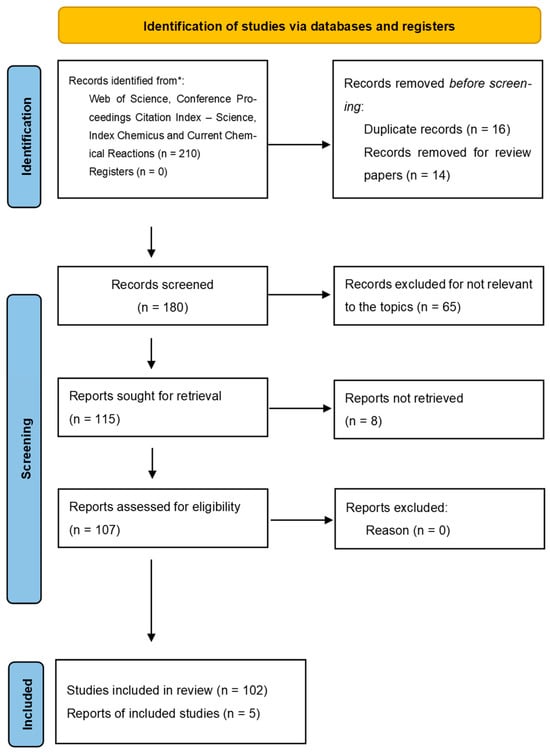
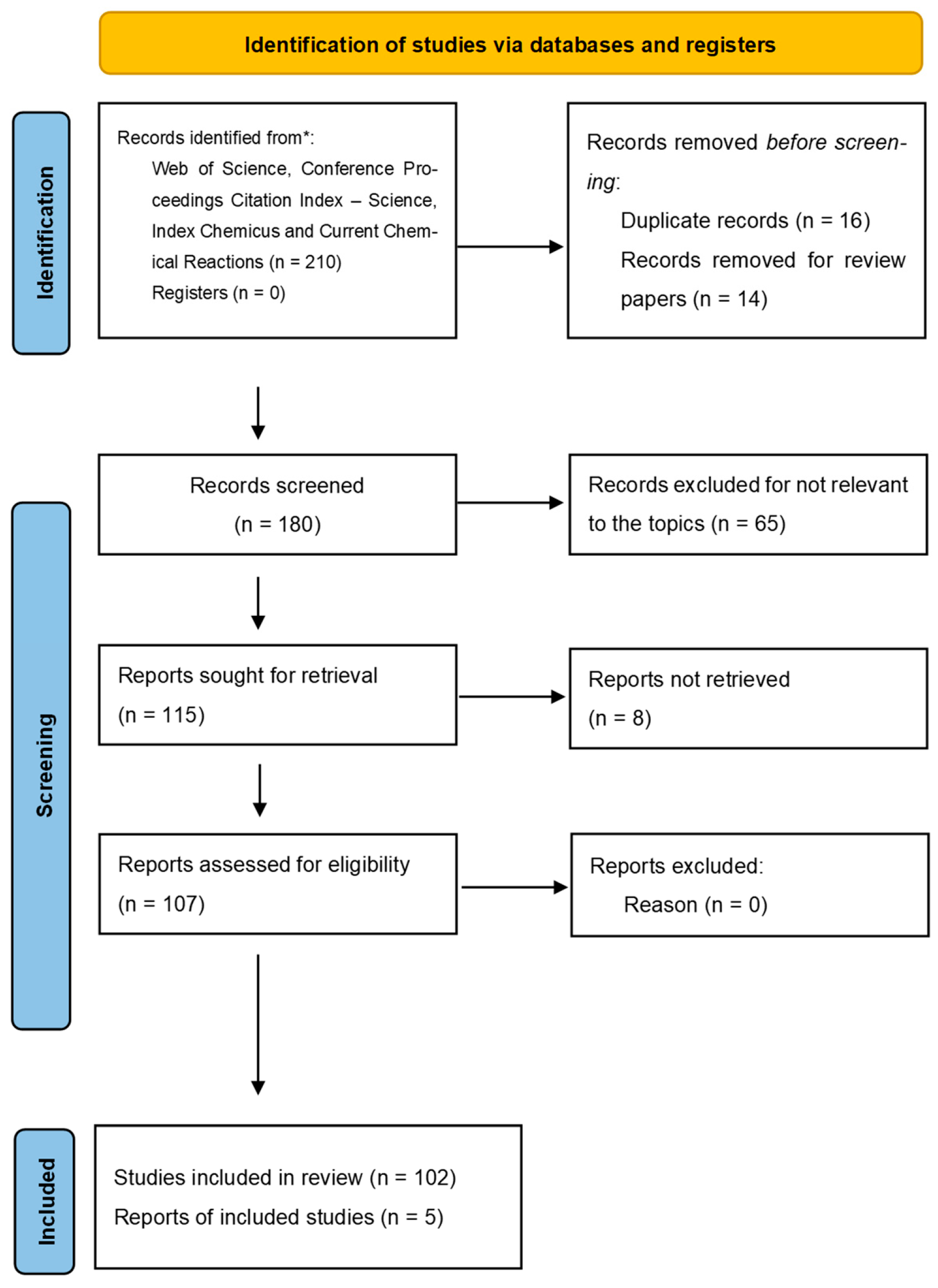
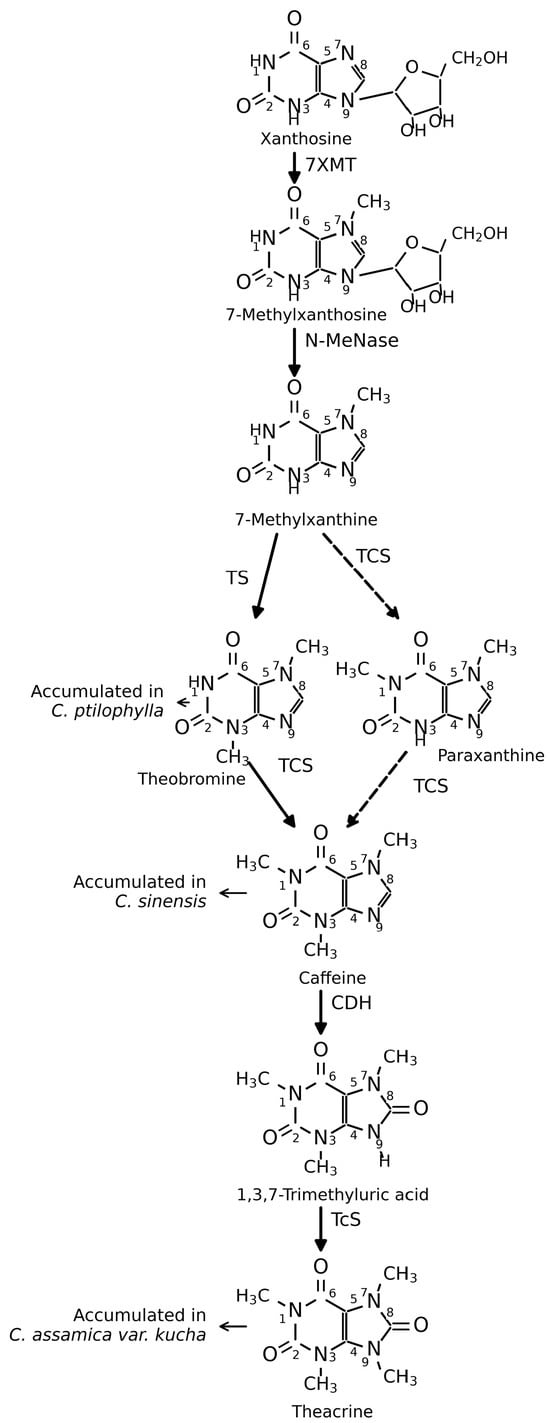
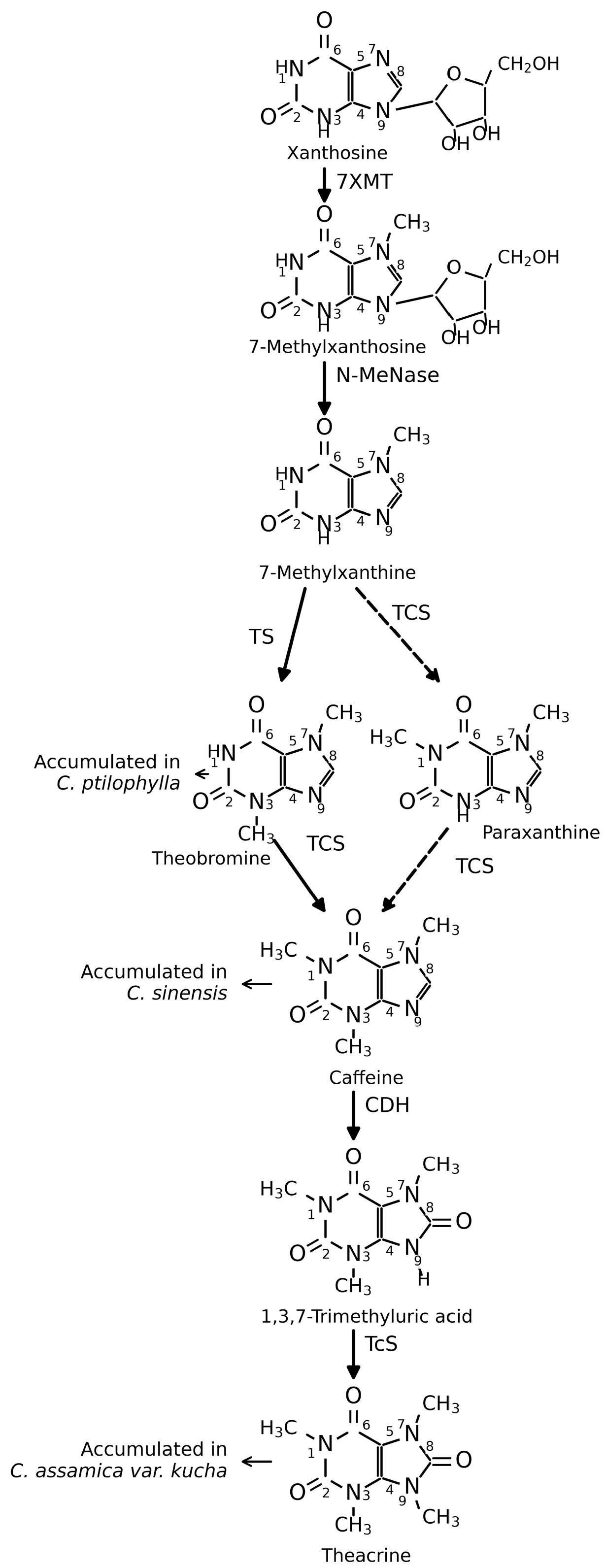
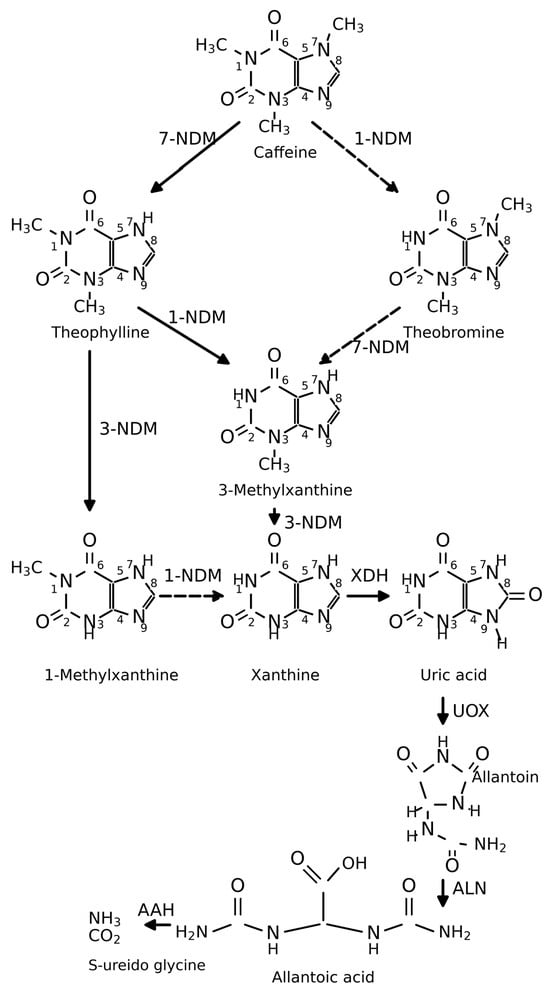
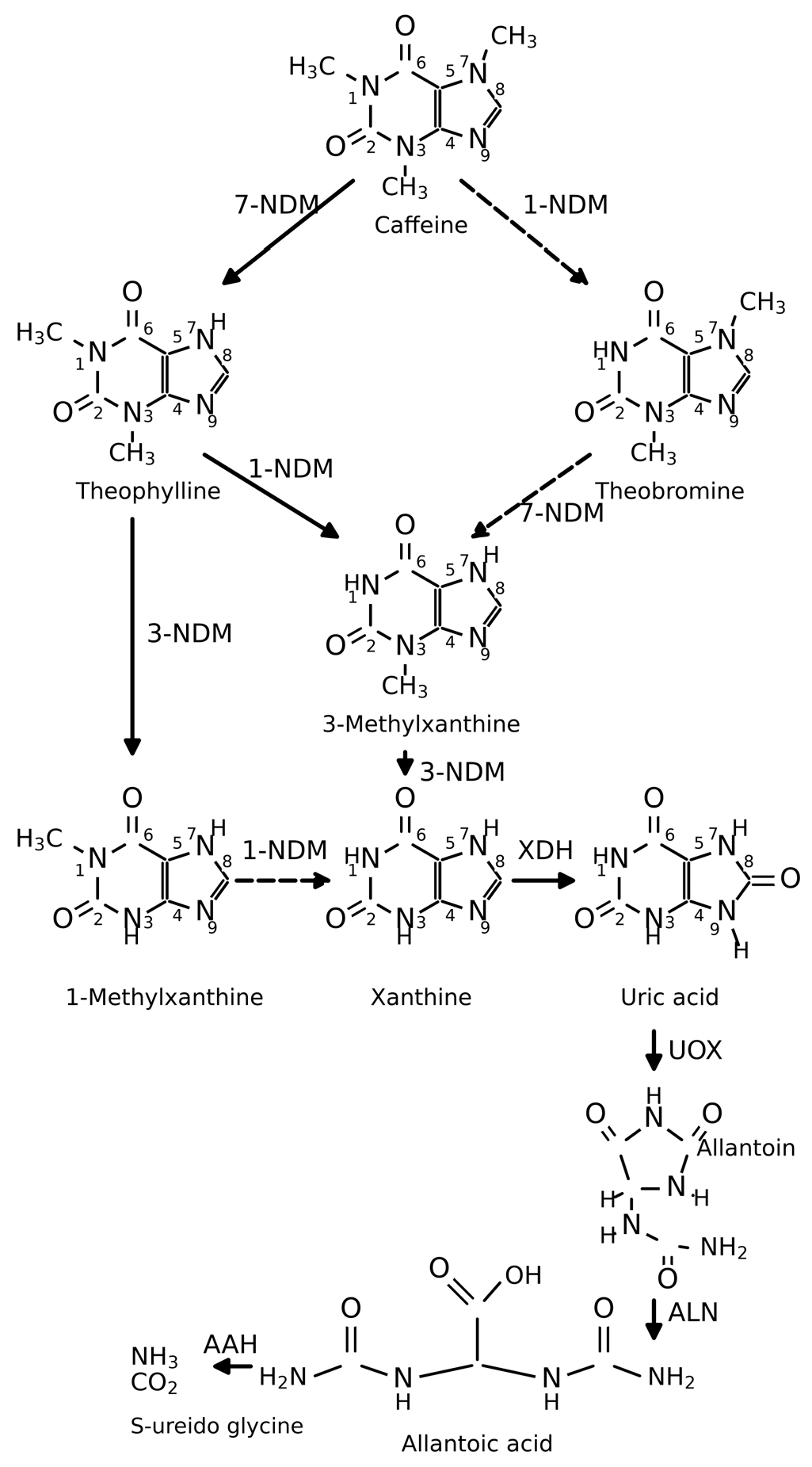

Disclaimer/Publisher’s Note: The statements, opinions and data contained in all publications are solely those of the individual author(s) and contributor(s) and not of MDPI and/or the editor(s). MDPI and/or the editor(s) disclaim responsibility for any injury to people or property resulting from any ideas, methods, instructions or products referred to in the content. |
© 2026 by the authors. Licensee MDPI, Basel, Switzerland. This article is an open access article distributed under the terms and conditions of the Creative Commons Attribution (CC BY) license.