


Abstract
Fresh-cut longan (Dimocarpus longan Lour.) arils are highly susceptible to quality deterioration during refrigerated storage. This study developed a graphene quantum dot (GQD)-incorporated chitosan/κ-carrageenan (CS/CG) edible coating and evaluated its physicochemical properties and preservation performance. Among 16 CS/CG formulations, the matrix containing 1.5% (w/v) CS and 1.0% (w/v) CG was selected for GQD incorporation. The formulation containing 1.0% (w/w) GQDs increased elongation at break by 43% without significant changes in tensile strength or water vapor permeability relative to the CS/CG matrix and was subsequently applied to fresh-cut longan arils stored at 4 °C. Compared with the uncoated control, the CC7/GQDs coating reduced weight loss and improved the retention of total phenolic content, ascorbic acid, titratable acidity, reducing sugars, and antioxidant activity during storage. The coating also delayed yeast and mold proliferation. Using an operational microbiological endpoint of 5 log CFU/g, the estimated times to reach this level were approximately 4–5 days for the control, 12 days for CC7, and 18 days for CC7/GQDs. These results concern the measured attributes during continuous refrigeration; the overall eating quality and commercial shelf life were not established.
1. Introduction
Longan (Dimocarpus longan Lour.) is a commercially important tropical fruit cultivated extensively throughout China and Southeast Asia owing to its distinctive flavor, high nutritional value, and well-recognized health-promoting properties [1,2]. The edible aril possesses a desirable sweetness and is rich in vitamin C, polyphenols, reducing sugars, and flavonoids, which contribute to its antioxidant, antiglycation, anticancer, and immunomodulatory activities [3,4,5]. Although cold storage can effectively delay fruit senescence up to 30 days by reducing respiration and suppressing pathogen development, postharvest handling, transportation, and distribution under ambient conditions generally limit its shelf life to only 3–5 days [6]. Following pericarp removal, longan arils deteriorate rapidly because of enzymatic browning, microbial spoilage, accelerated moisture loss, and increased respiratory metabolism [7]. Conventional preservation methods, including precooling, sulfur dioxide fumigation and synthetic antifungal agents, require optimization and a thorough investigation of the chemical residues, toxicity, and environmental impacts [8]. Therefore, developing a safe, bio-based, and environmentally sustainable packaging alternatives for longan preservation has become a major priority for the fruit industry.
Biopolymer-based edible films and coatings have attracted increasing attention because they provide a biodegradable protective barrier while exhibiting various bioactivities and maintaining fruit quality [9]. Polysaccharides, such as chitosan, alginate, carrageenan, and cellulose derivatives, have been widely used due to their film-forming capacity, low toxicity, and biocompatibility [10]. Chitosan (CS) derived from chitin deacetylation exerts a broad-spectrum antimicrobial activity through electrostatic interaction with the negatively charged microbial cell membrane [11,12,13]. CS films further function as semi-permeable barriers that suppress enzymatic browning by limiting the oxygen availability at the tissue surface, retarding moisture loss and slowing respiration [14]. However, single CS films are limited by their mechanical brittleness, relatively high-water vapor permeability and susceptibility to swelling and dissolution in high-humidity environments [15]. The formation of polyelectrolyte complexes (PECs) between CS (polycation) and carrageenan offers a potential strategy to overcome these limitations [16,17]. κ-Carrageenan (CG), which is a sulfated galactan extracted from red seaweed, carries strong negative charges that interact electrostatically with ammonium groups in CS to form a dense, cross-linked interpenetrating network with improved mechanical resilience, moisture barrier performance, and structural stability relative to individual polymer system [18]. For example, Jayathissa et al. have reported that combining CG with CD creates a ternary polysaccharide matrix with substantially enhanced mechanical strength and barrier properties [19]. Similarly, the coating of (1.29% w/v CS + 0.42% glycerol) and (1.49% w/v CG + 0.03% glycerol) also effectively preserved postharvest longan fruit by delaying pericarp browning [20]. However, the effect of CS and CG composite concentrations and application on preservation of fresh-cut Edor longan arils has not received sufficient investigation.
The integration of nanomaterials into biopolymer matrices represents a transformative advancement in the design of high-performance food packaging films [21,22]. Among carbon-based nanomaterials, graphene quantum dots (GQDs), which are nanometer-scale sp2-hybridized graphene fragments, have attracted attention for their multifunctional properties directly relevant to food preservation, including strong UV-A and UV-B absorption, durability, broad-spectrum antimicrobial activity via reactive oxygen species (ROS) generation and membrane disruption, as well as antioxidant capacity via surface hydroxyl groups [23]. Previous studies have shown that adding GQD synthesized from mango peel to SA film effectively enhanced antimicrobial, antioxidant and UV protective properties [24]. In addition, GQD incorporation at a 14 wt% concentration improved the mechanical properties and light transmission of starch-gelatin nano-biofilms, which exhibited antimicrobial activity upon application on cherry and cucumber at ambient temperature for 14 days [25]. Although the effectiveness of GQD-reinforced biopolymer coatings at different concentrations have been investigated on a wide range of horticultural commodities (e.g., litchi, apple, mango, avocado and strawberry), no studies have been conducted on longan [26,27,28,29,30].
Despite their promising functional properties, the use of GQDs in edible coatings also raises important safety and regulatory considerations. Because edible coatings are applied directly to food, the migration or release of GQDs from the polymer matrix may result in oral exposure. The toxicological profile of carbon-based quantum dots may depend on several physicochemical factors, including particle size, surface chemistry, concentration, aggregation state, residual synthesis impurities, and degradation behavior [31,32]. Therefore, favorable antimicrobial, antioxidant, or barrier properties should not be interpreted as evidence of food safety. A further evaluation of migration, gastrointestinal fate, cytotoxicity, genotoxicity, repeated-dose exposure, and potential bioaccumulation is required before commercial application [33]. From a regulatory perspective, nanomaterials intended for food-related uses require a case-specific assessment. The European Food Safety Authority (EFSA) recommends nanospecific characterization and exposure assessment for regulated food and food-contact applications involving small particles or nanomaterials, whereas the U.S. Food and Drug Administration (FDA) evaluates nanotechnology applications under existing regulatory frameworks on a case-by-case basis [34,35]. Therefore, the safety and regulatory suitability of GQDs for direct application in edible coatings remain to be established. This distinction is important because a separate packaging film is regulated as a food contact material, for which the safety assessment focuses on migration, whereas an edible coating becomes part of the food and is consumed in its entirety. In the EU, substances applied as fruit coatings are regulated as food additives under Regulation (EC) No 1333/2008 [36], and a GQD-containing coating would additionally require a nanospecific risk assessment, as GQDs fall within the definition of an engineered nanomaterial under Regulation (EU) 2015/2283 [37]. In Vietnam, food additives must appear on the permitted list of Circular No. 24/2019/TT-BYT, as amended and partially repealed [38], which does not include GQDs. The coating developed here should therefore be regarded as a laboratory proof of concept.
Taken together, several critical knowledge gaps persist in the literature. Firstly, the fabrication of CS/CG composite film systematically incorporating hydrothermally synthesized GQDs and film characterization have remained limited. In addition, the CS/CG/GQD composite film has not been applied in the cold storage of longan arils. Therefore, the present study aimed to investigate (1) the formulation of CS/CG composite films based on their mechanical, barrier, and optical properties, (2) the effects of GQD incorporation on the physicochemical, structural, and optical characteristics of the optimized CS/CG composite film, (3) the preservation performance of the optimized CS/CG/GQD edible coating on fresh-cut longan arils stored at 4 °C by monitoring weight loss, total phenolic content, ascorbic acid retention, titratable acidity, reducing sugars, and antioxidant activity throughout 21 days. Findings from this study provide an essential platform for the development of environmentally friendly, multifunctional composite coatings for the postharvest preservation of highly perishable tropical fruit products.
2. Materials and Methods
2.1. Plant Material, Chemicals and Reagents
Healthy, fresh longan (Dimocarpus longan Lour., Edor cultivar) were obtained from a local orchard in Long An province, Vietnam, and transported to the laboratory of Ho Chi Minh City University of Industry and Trade within 24 h of harvest (March 2026). Fruits with uniform size and maturity and without mechanical damage or visible microbial infection were selected. Approximately 0.5 kg of fruits were washed thoroughly under running water, and then the pericarp and seed were removed manually. The arils were then placed in presterilized rigid polyethylene (PE) containers (internal volume 500 mL; approximately 250 g of arils per container) for subsequent experiments.
Food-grade CS (degree of deacetylation ≤ 80%) and CG (≥98% purity) were purchased from Sigma-Aldrich (St. Louis, MO, USA). Glycerol (99% purity) was used as a plasticizer. Wheat flour, used as the carbon precursor for GQD synthesis, was obtained from Tai Ky Food–Flour Joint Stock Company (Can Tho City, Vietnam). All other reagents, including acetic acid (99%), sodium hydroxide (≥96%), ascorbic acid (99%), anhydrous calcium chloride (>96%), methanol, ethanol, Folin–Ciocalteu reagent, and 2,2-diphenyl-1-picrylhydrazyl (DPPH), were of analytical grade and purchased from Xilong Scientific Co., Ltd. (Guangzhou, China). All reagents and chemicals were of analytical grade.
2.2. Preparation of CS/CG Composite Film
CS solutions were prepared at four final concentrations expressed as grams of polymer per 100 mL of final solution (0.5, 1.0, 1.5, and 2.0%, w/v) by dissolving chitosan powder in 1% (v/v) acetic acid solution under magnetic stirring at 70 °C until complete dissolution. The pH was subsequently adjusted to 5.0 using 1 N NaOH. In parallel, CG solutions were prepared at the same four final concentrations (0.5, 1.0, 1.5, and 2.0%, w/v) by dissolving CG powder in distilled water at 60 °C for 1 h, followed by cooling to room temperature for 1 h and acidification with 1% (w/w) acetic acid. The prepared CS and CG solutions were combined into sixteen combinations (a 4 × 4 full factorial matrix) (Table 1) and homogenized using an ultrasonic homogenizer (Sonic Vibra Cell VCX750, Sonics & Materials Inc., Newton, NJ, USA) operating at 300 W at 22 °C for 15 min. Glycerol (10% w/w) relative to the total dry mass of CS and CG was added to each formulation as a plasticizer. A total of 60 g of each film-forming solution was cast into Petri dishes (25 × 25 cm2 of size) and dried in a desiccator at 45 ± 2 °C for 48 h until a moisture content of 16.0 ± 0.5% was obtained before subsequent film characterization.
Table 1.
Formulation matrix of CC films (CC1–CC16).
2.3. Synthesis and Characterization of GQDs
GQDs were synthesized via hydrothermal carbonization method with commercial wheat flour as the carbon precursor. Briefly, 0.3 g of wheat flour was dispersed in 12 mL of distilled water under magnetic stirring at 60 °C for 30 min to obtain a homogeneous suspension. Ascorbic acid solution (2 mL, 1 M) was then added dropwise, and stirring was continued for 5 min. The resulting mixture was transferred to autoclave and heated at 190 °C for 8 h, and then allowed to cool to room temperature. The crude product was sequentially filtered through a 0.22 µm membrane filter and centrifuged at 10,000 rpm for 15 min. The clear supernatant containing purified GQDs was collected as the GQD stock suspension. The solid concentration (dry matter content) of the GQD stock suspension was determined gravimetrically by oven-drying a known volume at 105 °C until constant weight.
The morphology and size of GQDs were examined by transmission electron microscopy (TEM; JEOL JEM-2100, JEOL Ltd., Tokyo, Japan) at magnifications from ×25,000 to ×600,000 and an accelerating voltage of 200 kV [39]. A droplet of diluted GQD suspension was deposited onto a carbon-coated copper grid (300 mesh) and air-dried completely at room temperature prior to imaging. Particle size and morphology were analyzed from the acquired micrographs using ImageJ software (version 1.53, National Institutes of Health, Bethesda, MD, USA). The size of the primary domains was determined by image segmentation of high-magnification TEM images and expressed as the area-equivalent diameter (D(eq)) and the maximum Feret diameter. Lattice spacings were determined by fast Fourier-transform (FFT) analysis of 512 × 512 pixel regions of the ×600,000 image, using a pixel size of 0.0257 nm calibrated from the instrument scale bar, and lattice fringes were visualized by Bragg filtering (inverse FFT of the selected reflections).
Fourier-transform infrared (FTIR) spectroscopy was obtained in the frequency range of 400–4000 cm−1 using Spectrum-Two FTIR spectrometer (Perkin Elmer, Norwalk, CT, USA) at Vietnam Academy of Science and Technology.
2.4. Synthesis of CS/CG/GQDs Composite Film
The CS/CG formulation selected on the basis of its mechanical, moisture-barrier, and optical properties was used as the polymer matrix for GQD incorporation. GQDs were incorporated at four loadings of 0.5, 1.0, 1.5, and 2.0% (w/w). In this study, GQD loading was defined on a dry-mass basis relative to the total dry mass of the biopolymers (CS + CG), instead of the total mass of the aqueous film-forming solution. The required dry mass of GQDs was calculated according to the following:
where mGQD is the required dry mass of GQDs, LGQD is the target GQD loading (0.5, 1.0, 1.5, or 2.0%), and mCG and mCS are the dry masses of CS and CG, respectively. Because GQDs were added as an aqueous stock suspension, the corresponding volume of stock suspension was calculated as follows:
where CGQD stock represents the experimentally determined dry-matter concentration of the GQD stock suspension. The calculated volume of GQD suspension was added to the CS/CG film-forming solution, followed by ultrasonic homogenization. The resulting formulations were then cast and dried under the same conditions described in Section 2.2. The 0% GQD reference film (CC7) was prepared, ultrasonically homogenized, cast, and dried under the same conditions as the GQD-containing films.
2.5. Characterization of CS/CG/GQD Composite Film
2.5.1. Thickness and Mechanical Properties
Film thickness of CS/CG/GQD composite film was determined by averaging measurements taken at five random points on each film specimen using a Panme digital micrometer (Green-Lake Import & Export Co., Ltd., Zhangzhou, China; accuracy: 0.001 mm) [40].
Young’s modulus, tensile strength (TS, MPa) and elongation at break (EB, %) of CS/CG/GQD composite film were determined according to ASTM D882 standard [41]. Film specimens were cut into strips (200 × 25 mm2) and stretched at a crosshead speed of 30 mm/min until rupture using a ZwickiLine material testing machine (ZwickRoell, Kennesaw, GA, USA), equipped with a 2.5 kN load.
2.5.2. Opacity and UV–Vis Transmittance
Film opacity was calculated as the ratio of absorbance at 600 nm to film thickness (mm). UV–Vis transmittance of triplicate film specimens (8 × 35 mm2) was measured using a Shimadzu UV-1900i UV–Vis spectrophotometer (Shimadzu Corporation, Kyoto, Japan) at wavelengths between 200 and 600 nm [40].
2.5.3. Water Vapor Permeability (WVP)
WVP (×10−11 g·m−1·s−1·Pa−1) and WVTR (g∙m−2∙h−1) of CS/CG/GQD composite film were determined using ASTM E96 standard cup method [42]. Film specimens were sealed over glass cups containing 10 mL distilled water and exposed to a controlled relative-humidity gradient at 25 ± 1 °C and 50% relative humidity (RH). Changes in cup mass were determined over 24 h. WVTR and WVP were calculated as follows:
where Δm is the difference of cups weights (g); A is the film area (m2); d is the film thickness (m); t is the test duration; and ∆p is the difference of partial vapor pressure (Pa). At 25 °C, the water-vapor partial-pressure difference (Δp) was 1584.5 Pa, calculated from a saturated vapor pressure of 3169 Pa and a relative-humidity difference of 50% (100% inside and 50% outside the cup). WVP was calculated for each specimen from its WVTR and thickness.
2.5.4. Color Measurement
The color measurement of CS/CG/GQD composite film were quantified as L* (brightness), a* (greenness), and b* (yellowness) at five randomly selected positions on each film specimen using a Konica Minolta CR-410 colorimeter (Konica Minolta, Tokyo, Japan) [43].
2.5.5. SEM Analysis
The surface morphology of CS/CG/GQD composite film was examined using scanning electron microscope (SEM) at an accelerating voltage of 10.0 kV [44]. Film samples were mounted on aluminum stubs and sputter-coated with gold. Images were taken using Hitachi S-4800 SEM (Hitachi High-Technologies Corporation, Tokyo, Japan) at a magnification of ×10,000.
2.6. Application for Longan Arils Preservation
Three treatments were evaluated: (1) control (dipped in distilled water); (2) CG/CS (coated with 1.0% CG + 1.5% CS); and (3) CG/CS/GQD (coated with 1.0% CG + 1.5% CS supplemented with 1.0% GQDs relative to the total dry mass of CS and CG. Because the CC7 formulation contained 2.5 g total polymer per 100 mL of coating solution, the 1.0% GQD loading corresponded to 0.025 g GQDs per 100 mL, equivalent to a final concentration of 0.025% (w/v) or 0.25 mg/mL.
Prior to coating application, the CC7/GQD solution was ultrasonically homogenized at 40% instrument output (approximately 300 W) for 15 min using a pulsed cycle of 10 s on and 10 s off to promote uniform dispersion of the GQDs within the polymer matrix. The longan arils were dipped in treatment solutions for 2 min, and then drained using a mesh for 30 s at room temperature [20,45]. A freshly prepared coating solution was used for each application, and residual solution was not reused. Each experimental unit consisted of one rigid polyethylene container, containing approximately 250 g of arils. The containers were tightly sealed under ambient atmospheric pressure (no vacuum was applied), and stored at 4 ± 1 °C in a refrigerated chamber for 21 days. Each rigid polyethylene container had an internal volume of 500 mL, giving an estimated headspace of approximately 250 mL. Headspace gas composition, relative humidity, and condensation were not monitored. Quality attributes, including weight loss percentage, TPC, DPPH scavenging activity, total titratable acidity, reducing sugar content, total ascorbic acid content, and total yeast and mold counts, were recorded every 3 days. Three independent biological replicates were prepared for each treatment × storage-time combination.
Weight loss (%) was determined by using independently prepared packages for each sampling time [45]. The initial mass of longan arils in each experimental unit was recorded before storage. At the designated sampling time, the container was opened and the arils were removed and allowed to drain before weighing. Condensate remaining on the container surface was not included in the fruit mass. Weight loss was calculated as [(initial fruit mass − fruit mass at sampling)/initial fruit mass] × 100.
Total titratable acidity (%) was determined using volumetric titration with 0.1 M NaOH according to AOAC 942.15 standard [46].
TPC (mgGAE/gDW) was determined using the Folin–Ciocalteu colorimetric method [46]. Absorbance was measured using Spectro UV-11 spectrophotometer (Spectro, Farmingdale, NY, USA) at 765 nm of wavelength, based on a gallic acid standard curve, y = 0.0114 + 0.0326 (R2 = 0.9888), using concentrations ranging from 0 to 100 ppm.
Antioxidant activity (mgTE/100gDW) was assessed using the DPPH (2,2-diphenyl-1-picrylhydrazyl) scavenging assay [46]. Absorbance was measured at 517 nm using Spectro UV-11 spectrophotometer (UV-11, Spectro, USA), based on a standard curve equivalent to Trolox, y = 0.7681x − 1.1407 (R2 = 0.9835), using concentrations ranging from 0 to 100 ppm.
Reducing sugar content (g/100gFW) was determined using the 2, 4–dinitrophenylhydrazin colorimetric method according to AOAC 925.36 standard [46]. Absorbance was determined at 534 nm using Spectro UV-11 spectrophotometer (Spectro, USA), and the reducing sugar content was calculated based on a glucose standard curve, y = 0.0026x − 0.024 (R2 = 0.9984), using concentrations ranging from 0 to 500 ppm.
Total ascorbic acid content (mg AA/100 g DW) was determined by the 2,4 dinitrophenylhydrazine (DNPH) method [47]. The absorbance of the samples was determined at 521 nm using a UV–VIS spectrophotometer (UV 11, Spectro, USA), and the ascorbic acid content was calculated based on a standard curve, y = 0.0121x + 0.0359 (R2 = 0.9967), using concentrations ranging from 10 to 100 ppm.
Total yeast and mold count (log CFU/g) of cold-stored longan arils was determined using the pour plate method with slight modifications (ISO 21527-1:2008) [48]. A total of 1 g of longan arils was homogenized in 9 mL of sterile physiological saline solution to obtain a 10−1 dilution. Serial ten-fold dilutions ranging from 10−2 to 10−6 were subsequently prepared by transferring 1 mL of each dilution into 9 mL of sterile physiological saline solution (autoclaved at 121 °C for 15 min). For each sample, two to three appropriate dilutions were selected, with one to three replicate plates per dilution. One milliliter of the diluted sample was aseptically pipetted into the center of a sterile Petri dish, followed by the addition of 7–10 mL of molten Sabouraud Dextrose Agar (SDA) medium (65 g/L, sterilized by autoclaving at 121 °C for 30 min and cooled to approximately 45 °C). The plates were gently mixed by swirling in a figure-eight motion and rotating clockwise and counterclockwise (5–8 times in each direction), then allowed to solidify at room temperature. After solidification, the plates were inverted and incubated at 32–37 °C for 24–48 h. Colonies were counted on plates containing between 25 and 250 colonies, and the total yeast and mold count was expressed as log CFU/g of sample.
For comparative assessment of preservation performance, a total yeast and mold count (TYMC) of 5 log CFU/g was used as an operational microbiological endpoint. Once a treatment exceeded this criterion, subsequent physicochemical measurements for that treatment were discontinued. This endpoint was used solely for comparative analysis and was not interpreted as a regulatory food-safety limit, sensory rejection threshold, or comprehensive definition of commercial shelf life.
2.7. Statistical Analysis
All experiments and analytical measurements were performed using three independent biological replicates (n = 3), and the results are expressed as mean ± standard deviation (SD). For the longan preservation experiment, coating treatment and storage time were considered two independent factors.
Their effects, as well as the treatment × storage-time interaction, on weight loss, TPC, ascorbic acid content, titratable acidity, reducing sugar content, DPPH radical-scavenging activity, and total yeast and mold count (TYMC), were evaluated using two-way analysis of variance (ANOVA). Because independently prepared fruit packages were destructively analyzed at each sampling time, measurements obtained at different storage times were considered independent observations.
When a significant treatment, storage-time, or treatment × storage-time effect was detected, Tukey’s honestly significant difference (HSD) test was applied for simple-effect multiple comparisons at p < 0.05. Two sets of comparisons were performed: (i) among treatments at each individual storage time and (ii) among storage times within each individual treatment. Different lowercase superscript letters indicate significant differences among treatments within the same storage time, whereas different uppercase superscript letters indicate significant differences among storage times within the same treatment. Statistical analyses were performed using IBM SPSS Statistics Version 26.0 (IBM Corp., Armonk, NY, USA). Graphical representations and linear regressions were generated using Microsoft Excel 365 (Microsoft Corp., Redmond, WA, USA) and OriginPro 2024 (OriginLab Corp., Northampton, MA, USA).
3. Results and Discussion
3.1. Effect of CS/CG Concentration on Film Quality
3.1.1. Thickness
As shown in Figure 1, the thickness of the CS/CG composite films was significantly affected by both CS and CG concentrations (p < 0.05), ranging from 0.023 ± 0.0008 mm to 0.081 ± 0.0005 mm. Overall, increasing the concentration of either polymer resulted in thicker films. At a fixed CG concentration of 0.5%, film thickness increased progressively from 0.023 mm to 0.051 mm as the CS concentration increased from 0.5% to 2.0%. A similar trend was observed at higher CG concentrations, indicating that increasing the total polymer content produced a greater amount of solid material within the casting solution, thereby generating thicker films after solvent evaporation. The influence of CG was even more pronounced at higher polymer concentrations. Increasing the CG concentration from 0.5% to 2.0% markedly increased film thickness at all CS levels. The thickest film (0.081 ± 0.0005 mm) was obtained from the formulation containing 1.0% CS and 2.0% CG (CC14), whereas the thinnest film (0.023 ± 0.0008 mm) was produced using 0.5% CS and 0.5% CG (CC1).
Figure 1.
Effect of CG and CS concentrations on composite film thickness. Values are presented as mean ± standard deviation (n = 3). Different lowercase letters indicate statistically significant differences among the 16 CS/CG formulations according to Tukey’s HSD test (p < 0.05).
The increase in film thickness can be attributed to the greater solid content of the film-forming solution as well as the formation of a denser polyelectrolyte network through electrostatic interactions between the protonated amino groups of CS and the negatively charged sulfate groups of CG [48,49]. A higher polymer concentration increased solution viscosity, limited polymer-chain mobility during drying, and, consequently, promoted the formation of thicker films. Although thicker films generally exhibit improved mechanical strength and enhanced moisture resistance, excessive thickness may adversely affect transparency and increase material consumption. Therefore, film thickness should be considered together with other physicochemical properties.
3.1.2. Optical Properties
As shown in Figure 2, film opacity varied significantly among the formulations (p < 0.05), with values ranging from 1.68 ± 0.01 to 9.95 ± 0.17. The lowest opacity was observed for the formulation containing 2.0% CS and 1.0% CG (CC8), whereas the highest value was recorded for 0.5% CS and 2.0% CG (CC13). Overall, the effect of polymer composition on opacity was not monotonic, indicating that optical properties were governed not only by the total polymer content but also by the structural organization of the polymer matrix. Moderate concentrations of CS and CG generally produced films with lower opacity, suggesting the formation of a more homogeneous polymer network that minimized light scattering. In contrast, formulations containing high CG concentrations tended to exhibit greater opacity resulting from enhanced polymer aggregation or microstructural heterogeneity [50]. These observations indicate that the optical properties of the composite films were closely associated with the intermolecular interactions between the two polysaccharides rather than with film thickness alone. From a food-packaging perspective, films with lower opacity provide greater transparency, allowing consumers to visually inspect the packaged product, whereas moderately opaque films may offer improved protection against the light-induced degradation of photosensitive compounds. Therefore, an appropriate balance between transparency and light-shielding capacity should be considered when selecting the optimal film formulation.
Figure 2.
Effect of CG and CS concentrations on opacity of composite films. Values are presented as mean ± standard deviation (n = 3). Different lowercase letters indicate statistically significant differences among the 16 CS/CG formulations according to Tukey’s HSD test (p < 0.05).
The color characteristics of the composite films were also significantly influenced by the polymer composition (p < 0.05) (Table 2). The L* values ranged from 82.10 ± 0.05 to 86.08 ± 0.17, indicating that all films maintained relatively high lightness despite variations in polymer concentration. However, increasing the concentrations of CS and CG generally resulted in a gradual reduction in L*, suggesting the formation of denser polymer matrices that slightly decreased light reflectance. The a* values remained negative for all formulations, ranging from −3.71 ± 0.01 to −5.44 ± 0.23, indicating a slight greenish hue. Although statistically significant differences were observed among formulations, the relatively narrow range suggests that variations in polymer composition had only a minor influence on the red–green color component. In contrast, the b* values increased substantially from 2.79 ± 0.14 to 12.43 ± 0.35, indicating a progressive increase in yellowness with increasing polymer concentration, particularly at higher κ-carrageenan levels. The enhanced yellowness may be associated with the intrinsic color of the biopolymers and the increased optical density of thicker films. Similar increases in b* values have been reported for polysaccharide-based composite films with elevated solid contents, where greater polymer accumulation enhances light absorption in the blue region of the visible spectrum [51].
Table 2.
Effect of CS/CG concentration on film color. Values are presented as mean ± standard deviation. Different letters within the same column indicate statistically significant differences (p < 0.05).
Among all formulations, CC7 exhibited relatively low opacity while maintaining high lightness and moderate yellowness, suggesting a favorable balance between optical transparency and light protection. These characteristics, together with its superior moisture barrier properties, supported the selection of CC7 as the optimal formulation for subsequent incorporation of GQDs and application as an edible coating for fresh-cut longan arils.
3.1.3. WVP and WVTR
The WVP values varied significantly (p < 0.05) among the formulations, ranging from 5.16 ± 0.43 to 13.79 ± 0.26 × 10⁻¹¹ g·m−1·s−1·Pa−1 (Figure 3A). A progressive reduction in WVP was observed as the CS concentration increased from 0.5% to 1.5%, particularly at CG concentrations of 0.5% and 1.0%. The lowest WVP (5.16 ± 0.43 × 10⁻¹¹ g·m−1·s−1·Pa−1) was obtained for the formulation containing 1.5% CS and 1.0% CG (CC7) (Figure 3A). This result indicates that an appropriate balance between the cationic amino groups of chitosan and the anionic sulfate groups of CG promoted the formation of a compact polyelectrolyte complex (PEC), thereby reducing the free volume available for water diffusion through the polymer matrix markedly to 12.52 ± 0.26 × 10⁻¹¹ g·m−1·s−1·Pa−1 for the formulation containing 1.5% CS.
Figure 3.
Effect of CS and CG concentrations on (A) WVP and (B) WVTR of the composite films. Values are presented as mean ± standard deviation (n = 3). Different lowercase letters indicate statistically significant differences among the 16 CS/CG formulations for each mechanical property according to Tukey’s HSD test (p < 0.05).
Further increasing the concentration of either polymer did not consistently improve the moisture barrier properties. For example, the WVP increased and 2.0% CG, suggesting that excessive CG disrupted the optimal polymer network. The presence of excess hydrophilic sulfate groups may increase water sorption and reduce the compactness of the polymer matrix, thereby facilitating moisture diffusion.
The WVTR values exhibited a trend generally consistent with the WVP results, although some variations were observed because WVTR is also influenced by film thickness. The lowest WVTR (5.80 ± 0.36 g·m−2·h−1) was likewise recorded for CC7, whereas the highest value (15.37 ± 0.48 g·m−2·h−1) was observed for the formulation containing 0.5% CS and 2.0% CG (Figure 3B). Since WVP normalizes water vapor transport with respect to film thickness, it provides a more reliable assessment of the intrinsic moisture barrier performance than WVTR alone.
However, further increasing the concentration of either polymer did not consistently improve the moisture barrier properties. For example, the WVP increased and 2.0% CG, suggesting that excessive CG disrupted the optimal polymer network. The presence of excess hydrophilic sulfate groups may increase water sorption and reduce the compactness of the polymer matrix, thereby facilitating moisture diffusion.
3.1.4. Mechanical Properties
The tensile strength of the composite films ranged from 4.74 ± 0.03 MPa to 18.84 ± 0.04 MPa, indicating that both CS and CG concentrations significantly influenced the mechanical performance of the films (p < 0.05) (Figure 4A). In general, increasing the CS concentration enhanced tensile strength at most CG levels, reflecting the contribution of chitosan to the formation of a mechanically stable polymer network. CS possesses a semi-crystalline structure capable of forming extensive intermolecular hydrogen bonds, thereby increasing resistance to applied tensile stress [52]. The highest tensile strength (18.84 ± 0.04 MPa) was obtained from the formulation containing 2.0% CS and 2.0% CG, whereas the lowest value (4.74 ± 0.03 MPa) was observed from the formulation containing 0.5% CS and 1.5% CG. The improvement in tensile strength may also be attributed to the formation of electrostatic interactions between the protonated amino groups of CS and the negatively charged sulfate groups of CG, which strengthened intermolecular cohesion within the polymer matrix. However, the effect of CG was not linear, suggesting that the mechanical performance depended on achieving an appropriate polymer ratio rather than simply increasing the concentration of either component.
Figure 4.
Effect of CS and CG concentrations on (A) tensile strength, (B) Young’s modulus, and (C) elongation at break of the composite films. Values are presented as mean ± standard deviation (n = 3). Different lowercase letters indicate statistically significant differences among the 16 CS/CG formulations for each mechanical property according to Tukey’s HSD test (p < 0.05).
The elongation at break varied significantly among the formulations, ranging from 16.45 ± 0.08% to 36.81 ± 0.22% (Figure 4B). Unlike tensile strength, elongation at break generally increased with increasing CG concentration, particularly in formulations containing moderate to high CS contents. The highest elongation (36.81 ± 0.22%) was obtained for the formulation containing 0.5% CS and 2.0% CG, whereas the lowest value (16.45 ± 0.08%) was recorded for 0.5% CS and 0.5% CG. The increased flexibility may result from the hydrophilic nature of CG, which facilitates polymer-chain mobility and promotes greater molecular rearrangement during tensile deformation. Consequently, films containing higher proportions of CG exhibited greater extensibility before rupture. Nevertheless, excessive flexibility does not necessarily correspond to superior overall performance because highly extensible films may simultaneously exhibit reduced structural rigidity or moisture resistance.
Young’s modulus ranged from 32.57 ± 0.08 MPa to 526.55 ± 1.59 Mpa, demonstrating substantial differences in film stiffness among the formulations (Figure 4C). The highest modulus was observed for the formulation containing 0.5% CS and 0.5% CG, indicating the greatest resistance to elastic deformation. In contrast, increasing CG concentration generally reduced film stiffness, particularly when combined with higher CS concentrations. This reduction in Young’s modulus suggests that the polymer network became progressively less rigid and more flexible as the balance between the two polysaccharides changed. The decrease in stiffness is likely associated with increased chain mobility resulting from modifications in intermolecular interactions within the CS/CG polyelectrolyte network [53]. Although lower Young’s modulus values indicate greater flexibility, excessively low stiffness may compromise the structural integrity required for food-packaging applications. Therefore, an appropriate balance between stiffness and flexibility is desirable.
Three mechanical parameters demonstrated that no single formulation simultaneously exhibited the highest tensile strength, elongation at break, and stiffness, indicating a trade-off among strength, flexibility, and rigidity across the 16 CS/CG formulations.
Sixteen CS/CG formulations were prepared using a 4 × 4 factorial matrix comprising four CG concentrations (0.5, 1.0, 1.5, and 2.0%, w/v) and four CS concentrations (0.5, 1.0, 1.5, and 2.0%, w/v) (Table 1). All formulations were prepared under identical processing conditions and subsequently characterized for film thickness, mechanical properties, WVP, WVTR, and optical properties. The selection of the formulation for the subsequent incorporation of GQDs was based on a comparative assessment of three application-relevant property groups: (i) mechanical performance, including tensile strength (TS), elongation at break (EB), and Young’s modulus; (ii) moisture-barrier performance, represented by WVP and WVTR; and (iii) optical characteristics, particularly film opacity. These criteria were considered simultaneously because a suitable edible coating should provide adequate mechanical integrity and flexibility while limiting moisture transfer and maintaining appropriate optical properties. No numerical weighting or composite optimization score was assigned to the individual properties; instead, the 16 formulations were compared directly to identify a formulation providing a favorable overall balance among these attributes.
Based on this comparative screening, formulation CC7, consisting of 1.0% CG and 1.5% CS, was selected for subsequent GQD incorporation. CC7 exhibited a relatively high TS (16.95 ± 0.08 Mpa), good EB (28.58 ± 0.39%), and intermediate Young’s modulus (221.79 ± 0.18 Mpa), together with a low WVP and WVTR and relatively low opacity. Therefore, CC7 was considered the most suitable CS/CG matrix for the subsequent development of the GQD-containing composite film.
3.2. Characterization of GQDs
The synthesized GQDs were characterized by TEM, UV–Vis spectroscopy, and FTIR spectroscopy to evaluate its morphology, optical characteristics, and surface chemistry, respectively. In the present study, the assignment of the material as GQDs was based on the combined analytical evidence, particularly TEM/FFT evidence of crystalline graphitic domains with 0.32 and 0.23 nm lattice periodicities, characteristic π → π* electronic transitions associated with conjugated sp2 carbon domains, and oxygen-containing surface functional groups typically reported for hydrothermally synthesized GQDs. Because TEM, UV–Vis, and FTIR were used for structural and physicochemical characterization rather than trace quantitative analysis, a conventional concentration-based limit of detection (LOD) was not applicable. Importantly, the identification was not based on any single spectral band or morphological parameter alone, but on the consistency among the complementary characterization results.
3.2.1. TEM Analysis
As shown in Figure 5, at ×100,000–×200,000, the synthesized material consisted of elongated graphitic nanostructures, 30–80 nm in length and 8–15 nm in width, each composed of bundles of thinner, parallel sub-units of 2–4 nm, dispersed on an amorphous carbonaceous matrix attributed to the residual, incompletely carbonized precursor.
Figure 5.
TEM images of the synthesized GQDs at increasing magnification: (a) ×100,000 (scale bar: 100 nm), showing elongated graphitic nanostructures dispersed on an amorphous carbonaceous matrix; (b) ×200,000 (scale bar: 50 nm) and (c) enlarged view (scale bar: 20 nm), showing that each nanostructure consists of bundles of thinner, parallel sub-units (d) scale bar: 10 nm.
The segmentation of the primary domains gave an area-equivalent diameter of 5.2 ± 1.3 nm and a maximum Feret diameter of 7.8 ± 2.6 nm (n = 13), which lay within the size range typically reported for GQDs and indicate that the elongated nanostructures observed at lower magnification are assemblies of nanometer-sized primary domains (Figure 6) [54].
Figure 6.
Size analysis of the primary GQD domains: (a) segmented domains (numbered, n = 13) in a high-magnification TEM image; (b) distribution of the area-equivalent diameter (D(eq); mean 5.2 ± 1.3 nm); and (c) distribution of the maximum Feret diameter (mean 7.8 ± 2.6 nm).
FFT analysis of the ×600,000 image revealed lattice spacings of 0.32 nm and 0.23 nm (Figure 7). The 0.32 nm spacing, oriented approximately parallel to the long axis of the nanostructures, is close to the (002) interlayer spacing of graphitic carbon (0.335 nm) [55], consistent with stacked graphene layers viewed edge-on, whereas the 0.23 nm spacing is close to the ~0.24 nm lattice spacing reported for nitrogen-doped GQDs [56]. The values of 0.23 and 0.32 nm were measured in this study. These lattice periodicities provide direct evidence of crystalline graphitic domains and, together with the measured primary-domain sizes, strongly support their identification as GQDs.
Figure 7.
Lattice analysis of the GQDs by high-magnification TEM. (a) TEM image at ×600,000 (scale bar: 20 nm) with the analyzed regions A and B marked; (b,e) magnified views of regions A and B (scale bar: 5 nm); (c,f) corresponding FFT patterns with the selected reflections circled, giving lattice spacings of 0.23 nm (region A) and 0.32 nm (region B); (d,g) Bragg-filtered (inverse FFT) images showing the corresponding lattice fringes.
3.2.2. UV–Vis Spectroscopy
The UV–Vis spectra of the synthesized GQDs exhibited several reproducible absorption features characteristic of conjugated carbon nanostructures (Figure 8). A strong absorption contribution was observed below 230 nm, followed by a distinct absorption maximum at 281 ± 1 nm and a weaker shoulder at approximately 315 nm. At wavelengths above approximately 330 nm, the spectra displayed a gradually decreasing absorption tail extending into the visible region. The absorption below 230 nm is attributable primarily to π → π* transitions of aromatic C=C units within small conjugated carbon domains. Similar absorption in the approximately 220–240 nm region has been widely associated with π → π* transitions of sp2-hybridized carbon frameworks in carbon-based quantum dots. More importantly, the well-defined absorption maximum at 281 ± 1 nm was consistently observed across the analyzed GQD dispersions. This band is assigned to π → π* transitions involving aromatic C=C bonds within more extended conjugated sp2 domains. Comparable absorption maxima have been reported for hydrothermally synthesized carbon dots and GQDs, including values around 270–284 nm depending on precursor chemistry, carbonization conditions, and surface functionalization. The occurrence of both the high-energy absorption below 230 nm and the red-shifted band around 281 nm suggests the coexistence of conjugated sp2 domains with different degrees of π-electron delocalization, consistent with the heterogeneous carbonization of a carbohydrate-rich precursor.
Figure 8.
UV–Vis absorption spectra.
A weaker shoulder at approximately 315 nm was also consistently detected. This feature is attributed mainly to n → π* transitions associated with carbonyl- and other oxygen-containing surface groups. The presence of this transition agrees with the FTIR results described below, which independently demonstrate abundant hydroxyl, carbonyl/carboxyl, and C–O-containing functionalities on the GQD surface. The smooth absorption tail extending from approximately 330 to 800 nm may arise from a combination of surface-associated electronic states and heterogeneity in conjugated sp2 domains. Such broad absorption is commonly observed in hydrothermally prepared carbon-dot materials because their electronic properties depend not only on the carbon core but also on surface defects and oxygen-containing functional groups.
3.2.3. FTIR Spectroscopy
The FTIR spectrum of the synthesized GQDs revealed a chemically heterogeneous surface containing aromatic carbon domains and abundant oxygen-containing functional groups (Figure 9).
Figure 9.
FTIR spectrum.
A broad and intense absorption band centered at approximately 3419 cm−1 was assigned primarily to O–H stretching vibrations of hydroxyl and carboxyl groups involved in hydrogen bonding. This strong hydrophilic surface functionality is consistent with the good dispersibility of the synthesized GQDs in aqueous media. The band at approximately 2932 cm−1 was assigned to the C–H stretching of sp3-hybridized CH2/CH3 groups, indicating that a fraction of aliphatic carbon remained following hydrothermal carbonization. A distinct absorption band at approximately 1720 cm−1 was attributed to the C=O stretching of carboxyl and/or carbonyl groups. Of particular relevance to the carbon-core structure, an absorption band at approximately 1636–1639 cm−1 was assigned mainly to the aromatic C=C stretching of conjugated sp2 carbon, although a contribution from adsorbed water and other overlapping vibrations cannot be completely excluded. An additional band at approximately 1524 cm−1 was also consistent with vibrations of substituted aromatic/conjugated structures, with possible contributions from nitrogen-containing groups originating from the protein fraction of the wheat-flour precursor.
The oxygenated surface structure was further supported by bands near 1400 cm−1, associated with carboxyl/carboxylate functionalities; approximately 1283–1293 and 1202 cm−1, associated with C–O-containing groups such as phenolic, epoxy, and ether functionalities; and approximately 1077 and 1035 cm−1, assigned to C–O–C and C–OH stretching vibrations. Lower-intensity bands in the fingerprint region, including those around 927 and 772–775 cm−1, were attributable to residual saccharide-related structures and out-of-plane aromatic C–H vibrations, respectively. The combination of the approximately 1636–1639 cm−1 aromatic C=C band and the oxygen-containing bands at approximately 3419, 1720, 1400, 1293–1202, and 1077–1035 cm−1 indicates that the synthesized GQDs consisted of conjugated carbon domains bearing abundant hydroxyl, carboxyl/carbonyl, ether, and related oxygenated surface functionalities. The FTIR profile was also highly comparable to spectra reported for hydrothermally synthesized starch-derived carbon nanodots, particularly with respect to the O–H, C–H, C=O, aromatic carbon, C–O–C, and C–OH bands.
The FTIR results are therefore fully consistent with the UV–Vis observations: the π → π* absorption maximum at approximately 281 nm corresponds to the conjugated aromatic carbon framework, whereas the n → π* shoulder near 315 nm is consistent with the carbonyl/carboxyl functionalities detected by FTIR. This agreement between two independent spectroscopic techniques strengthens the assignment of an oxygen-functionalized conjugated carbon structure.
Taken together, the TEM, UV–Vis, and FTIR results show that the hydrothermal treatment of wheat flour produced nanometer-sized carbon domains containing crystalline graphitic layers, conjugated sp2 domains, and abundant oxygen-containing surface groups. The TEM and FFT results provide direct structural evidence of nanoscale crystalline graphitic domains, and, together with the measured primary-domain sizes, strongly support the identification of the material as graphene quantum dots [57,58]. Lattice spacings of 0.32 nm and 0.23 nm provide the structural basis that distinguishes this material from amorphous carbon dots [57,58], and the term GQDs is therefore used throughout this study. The FTIR bands attributable to residual saccharide structures and sp3 carbon indicate that part of the precursor remained incompletely carbonized, consistent with the amorphous matrix observed by TEM.
3.3. Effect of GQD Concentrations on CC7 Film Quality
3.3.1. Film Thickness and Opacity
The incorporation of GQDs affected the thickness of the nanocomposite films (Figure 10A). Compared with the control film, the addition of 0.5% GQDs reduced the film thickness from approximately 0.063 mm to 0.049 mm, but this thickness change alone does not establish a more compact polymer arrangement. However, further increases in GQD concentration gradually increased the film thickness, reaching approximately 0.060 mm at 2.0% GQDs. This increase may reflect changes in film packing or aggregation, but neither mechanism was directly verified [59]. A similar result has been reported by Sun et al., who observed that the incorporation of GQDs into starch/polyvinyl alcohol composite films increased film thickness from 51.23 to 55.78 μm with increasing GQD concentration [60]. Likewise, Riahi et al. reported that increasing the GQD concentration altered the internal membrane structure and correspondingly changed the film thickness, attributing this effect to the space-filling behavior of GQDs within the polymer matrix [61].
Figure 10.
Effect of GQD concentration on film thickness (A) and opacity (B) (n = 3). Different lowercase letters indicate statistically significant differences among GQD concentrations within each measured property according to Tukey’s HSD test (p < 0.05).
The opacity of the CC7/CQD film also increased from 2.611 ± 0.035 to 3.337 ± 0.027 as the GQD concentration increased from 0.5 to 2.0% (Figure 10B). This change in opacity does not by itself establish nanoscale GQD dispersion or identify a specific light-scattering mechanism [26].
3.3.2. Film Color
The addition of GQDs significantly altered the optical characteristics of the composite films. As shown in Table 3, film opacity increased progressively with increasing GQD concentration, while the L* value decreased from 87.30 to 74.00, indicating reduced transparency. Conversely, both a* and b* values increased significantly, reflecting enhanced redness and yellowness.
Table 3.
Effect of GQD concentration on CC7/GQD film color. Values are presented as mean ± standard deviation. Different letters within the same column indicate statistically significant differences (p < 0.05).
These changes are attributed to the intrinsic light-absorbing characteristics of carbon nanomaterials and the increased optical density of the nanocomposite films. The UV–visible spectra further demonstrated that films containing GQDs exhibited stronger absorption in the ultraviolet region than the control film, indicating an enhanced UV-shielding capability [62] (Figure 11). This property is advantageous for food-packaging applications because ultraviolet radiation accelerates oxidative degradation, pigment discoloration, and the loss of bioactive compounds in fresh produce.
Figure 11.
Effect of GQD concentration on UV absorption of CC7/GQD film.
Although higher GQD concentrations further improved UV blocking, excessive nanoparticle loading also reduced visible-light transparency. Therefore, an appropriate balance between UV protection and optical transparency is required for practical edible-coating applications.
3.3.3. WVP and WVTR
The WVP of the 1.0% GQD film (6.77 ± 0.66 × 10⁻¹¹ g·m−1·s−1·Pa−1) did not differ significantly from that of CC7 (6.21 ± 0.51 × 10⁻¹¹ g·m−1·s−1·Pa−1), whereas WVP increased to 8.02 ± 0.22, 11.85 ± 0.16, and 20.84 ± 0.57 × 10⁻¹¹ g·m−1·s−1·Pa−1 at 0.5, 1.5, and 2.0% GQDs, respectively (Figure 12). WVTR followed the same trend. Platelet-like nanofillers can increase diffusion-path tortuosity, with their barrier contribution depending on aspect ratio, volume fraction, orientation, and dispersion [63], whereas the hydroxyl and carboxyl groups of the GQDs may increase the affinity of the matrix for water. The relative contributions of these effects were not quantified in CC7/GQD films. At 1.0%, WVP did not differ significantly from that of CC7. At higher loadings, the hydrophilic contribution of the GQDs and possible aggregation may have contributed to increased water vapor transport; aggregation was not directly verified.
Figure 12.
Effect of GQD concentration on WVP (A) and WVTR (B) of CC7/GQD film. The values were expressed as mean ± standard deviations (n = 3). Different lowercase letters indicate statistically significant differences among GQD concentrations within each measured property according to Tukey’s HSD test (p < 0.05).
3.3.4. Mechanical Properties
Between 0 and 1.5% GQDs, tensile strength did not differ significantly from that of CC7 (13.49–15.58 MPa), whereas elongation at break increased from 28.58 ± 0.48% to 40.78 ± 0.67% and 41.68 ± 0.58% at 1.0 and 1.5% GQDs, respectively, and Young’s modulus increased slightly, reaching 235.3 ± 7.5 MPa at 1.5% GQDs (Figure 13). At 1.0% GQDs, elongation at break increased by 43% relative to CC7, with no statistically significant differences in tensile strength or water vapor permeability. Hydrogen bonds and ionic contacts between the oxygen-containing groups of the GQDs and the free–NH3+ groups of chitosan may act as reversible junctions that break and re-form during deformation, allowing chain slippage before rupture. At 2.0% GQDs, tensile strength, Young’s modulus, and elongation at break all decreased (11.29 ± 0.79 MPa, 198.2 ± 7.1 MPa, and 27.26 ± 0.70%, respectively), possibly reflecting GQD aggregation creating stress-concentration sites, although aggregation was not directly verified. The viscosity of the coating solution and the dipping conditions affect coating thickness and coverage [64]. Tensile tests on free-standing films characterize film mechanics, while coating performance on arils also depends on wetting, adhesion, and layer continuity. Coating thickness, wettability, and adhesion on the aril surface were not measured in the present study. The 1.0% GQD formulation was selected for fruit application because it had the highest ductility among formulations with no statistically significant differences in tensile strength or WVP relative to CC7.
Figure 13.
Effect of GQD concentration on tensile strength (A), Young’s modulus (B), and elongation at break (C) of the composite films. Values are presented as mean ± standard deviation (n = 3). Different lowercase letters indicate statistically significant differences among GQD concentrations within each mechanical property according to Tukey’s HSD test (p < 0.05).
The surface morphology of the CC7/1.0% GQD nanocomposite film was examined by SEM (Figure 11).
At ×10,000, the CC7/1.0% GQD film showed a continuous surface without visible large agglomerates, cracks, pores, or phase separation (Figure 14). It should be noted that SEM at this magnification cannot resolve individual GQDs and can only exclude the presence of large agglomerates. GQD dispersion was therefore inferred indirectly from the SEM morphology and from the gradual, concentration-dependent changes in opacity, color, and UV absorbance. The changes in barrier and mechanical properties at higher GQD loadings are consistent with aggregation, but this was not directly verified.
Figure 14.
SEM image of CC7/1.0% GQD film.
3.3.5. FTIR Analysis of CC7/1.0% GQD Film
The FTIR spectra of GQDs, the selected CS/CG composite film (CC7), and the CC7/GQD nanocomposite film are presented in Figure 15.
Figure 15.
FTIR spectrum of CC7/1.0%GQD composite film.
The FTIR spectrum of the synthesized GQDs exhibited a broad absorption band at 3200–3500 cm−1, attributed to O–H stretching. Bands in the 1600–1700 cm−1 region were assigned to the C=O stretching of carbonyl/carboxyl groups, whereas bands between 1000 and 1300 cm−1 were associated with C–O and C–O–C stretching vibrations. These results demonstrate the presence of abundant oxygen-containing functional groups on the surface of the synthesized GQDs. FTIR was used to characterize the surface chemistry of the material and was not considered, by itself, sufficient to distinguish GQDs from other carbon-dot structures. The CC7 composite film exhibited the characteristic absorption bands of both CS and CG. The broad band around 3300–3400 cm−1 corresponds to the overlapping stretching vibrations of hydroxyl and amino groups. Characteristic peaks in the 1600–1650 cm−1 region are associated with amide groups of CS, whereas the absorption bands between 1200 and 1250 cm−1 and approximately 840–930 cm−1 are characteristic of sulfate ester groups originating from CG, confirming the successful formation of the composite film.
After the incorporation of GQDs, the overall spectral profile of the nanocomposite film remained similar to that of CC7, indicating that the addition of GQDs did not alter the fundamental chemical structure of the polymer matrix. However, slight changes in band intensity and subtle shifts in several characteristic absorption bands were observed, particularly in the hydroxyl stretching region. These spectral changes suggest the occurrence of intermolecular interactions between GQDs and the CS/CG matrix.
At pH 4.5, most amino groups of chitosan are protonated. The pKa is approximately 6.4 and depends on the degree of deacetylation and molecular weight [65]. In the film-forming solution, the sulfate groups of κ-carrageenan are fully ionized, and the carboxyl groups of the GQDs may be partly ionized. GQDs can therefore interact with the matrix through electrostatic attraction between their carboxylates and the –NH3+ groups of chitosan, which competes with CS–CG complexation [66]. This electrostatic interaction has been demonstrated in related chitosan-based polyelectrolyte complexes and films containing GQDs or carbon dots [67,68,69]. The polymer concentrations (% w/v) do not establish the charge ratio in CC7. Some protonated amino groups may remain available for interactions with GQD carboxylates. GQDs may also interact with the matrix through hydrogen bonding between their –OH/–COOH groups and the hydroxyl, amino, glycosidic, and sulfate oxygen atoms of both polysaccharides. Electrostatic repulsion between GQD carboxylates and CG sulfate groups would, in turn, favor the association of GQDs with chitosan-rich domains. The O–H (3420 cm−1) and C=O (1720 cm−1) bands of the GQDs confirm the presence of oxygen-containing groups able to form these interactions, although band shifts upon incorporation were not quantified. At low loading, such reversible junctions may allow chain slippage during deformation, consistent with the increase in elongation at break at 1.0–1.5% GQDs, whereas, at higher loading, the consumption of –NH3+ sites and GQD–GQD association may disturb the CS/CG charge balance, consistent with the increase in WVP at 1.5–2.0% GQDs and the decline of mechanical properties at 2.0%. As the zeta potential and XPS were not measured, these interaction modes were not verified directly in the CC7/GQD films; the electrostatic chitosan–GQD interaction is supported by evidence from related systems [67,68,69], whereas the other modes remain an interpretation of the FTIR data.
The absence of new absorption bands suggests that GQDs interact with the matrix mainly through non-covalent interactions, although FTIR alone cannot exclude the formation of a small number of covalent bonds.
3.4. Application of CC7/GQD Film on Longan Aril Preservation at Cold Storage
This experiment evaluated the preservation performance of the CC7/GQD coating on fresh-cut longan arils during refrigerated storage at 4 °C for up to 21 days. The weight loss percentage, TPC, ascorbic acid content, titratable acidity, reducing sugar and DPPH scavenging activity of the control (uncoated), coating with CC7 formulation (1.0% CG and 1.5% CS) and coating with selected CC7/GQDs nanocomposite film (1.0% CG + 1.5% CS + 1.0% GQDs) groups were measured every 3 days during the 21-day storage period.
3.4.1. Weight Loss Percentage
As shown in Figure 16A, weight loss increased progressively in all treatments throughout refrigerated storage (p < 0.05). The uncoated control exhibited the most rapid increase in weight loss, reaching approximately 12.2% by day 6. At the same sampling point, the TYMC of the control had reached 5.84 ± 0.007 log CFU/g, exceeding the operational microbiological endpoint of 5 log CFU/g adopted in this study. Therefore, subsequent measurements of the control treatment were discontinued after day 6. In contrast, the CC7- and CC7/GQD-coated samples reached this microbiological endpoint substantially later during storage. In contrast, longan arils coated with the selected CS/CG film (CC7) exhibited a considerably slower increase in weight loss, remaining below 10% until 15 days of storage. The CC7/GQD-coated samples exhibited the lowest weight loss throughout 21 experimental days, although weight loss gradually increased to approximately 9.2% at the end of storage.
Figure 16.
Changes in (A) weight loss, (B) TPC, (C) ascorbic acid content, (D) titratable acidity, (E) reducing sugar content, (F) DPPH scavenging activity, and (G) total yeast and mold count (TYMC) of fresh-cut longan arils treated with Control, CC7, and CC7/GQD coatings during refrigerated storage at 4 ± 1 °C. Data are presented as mean ± SD (n = 3). At each storage time, different lowercase letters indicate significant differences among treatments. Within each treatment, different uppercase letters indicate significant differences among storage times according to Tukey’s HSD test (p < 0.05).
The seeds were removed before coating, and only the longan flesh (arils) was immersed in the film-forming solution. The coating was therefore applied directly to the exposed flesh, including the surface exposed by seed removal. The arils were subsequently stored in tightly closed polyethylene containers. Under these conditions, the measured weight loss may include both moisture transfer to the headspace and container walls and juice leakage from the arils. The lower weight loss of coated arils may be associated with reduced moisture transfer from the exposed flesh. However, moisture loss and juice leakage were not quantified separately, so their individual contributions could not be distinguished. In such closed containers, aril respiration could lower O2 and raise CO2, depending on gas transfer through the container and its closure; moisture accumulation could also favor condensation. In packaged fresh produce, gas composition reflects the balance between respiration and gas transfer, while moisture accumulation and temperature fluctuations can promote condensation and microbial growth [70]. These variables were not measured; the comparisons among treatments are therefore valid for this storage configuration, but the absolute values should not be extrapolated to other packaging conditions.
3.4.2. TPC
The TPC of fresh-cut longan decreased progressively during refrigerated storage for all treatments (Figure 16B), reflecting the continuous oxidation and degradation of phenolic compounds after tissue injury. The uncoated control exhibited the fastest decline in TPC from approximately 1.24 mgGAE/gDW to 1.15 mgGAE/gDW after only 6 days of storage. In contrast, the CC7-coated samples showed a slower reduction in TPC and maintained higher values throughout the storage period. The highest retention of TPC was observed in fruits coated with the CC7/GQD nanocomposite film. Even after 21 days of storage, the coated samples retained substantially higher TPC than the control and the CC7 coating.
The improved preservation of phenolic compounds is possibly attributed to the effect of the CC7/GQD coating at the fruit surface; oxygen permeability was not measured, and the 1.0% GQD film did not have a significantly lower WVP than CC7. A possible explanation is that the coating may limit oxygen exposure and moisture transfer at the fruit surface, thereby potentially slowing the oxidative degradation of phenolic compounds. Similar mechanisms involving reduced oxygen availability and the lower activity of oxidative processes have been proposed for edible coatings in previous studies [71,72]. However, oxygen permeability through the coating and the activities of oxidative enzymes such as polyphenol oxidase and peroxidase were not directly measured in the present study.
3.4.3. Ascorbic Acid Content
As shown in Figure 16C, the ascorbic acid content decreased progressively in all treatments throughout refrigerated storage (p < 0.05). The uncoated control exhibited the most rapid loss of ascorbic acid, decreasing from approximately 156 mgAA/100 gDW to about 101 mgAA/100gDW within only 6 days of storage. In comparison, longan arils coated with the CS/CG film retained significantly higher ascorbic acid levels during storage, while the CS/CG/GQD nanocomposite coating showed the greatest preservation effect. Even after 21 days, fruits coated with the nanocomposite film maintained substantially higher ascorbic acid contents than those coated with CS/CG alone.
The improved retention of ascorbic acid may possibly be associated with the barrier properties of the CS/CG/GQD coating. By limiting oxygen diffusion and moisture loss, the coating may have reduced the rate of oxidative degradation of ascorbic acid during storage. This result is consistent with a previous study in which the ascorbic acid dipping of Daw longan markedly slowed vitamin C loss and reduced pericarp browning and disease [73]. Similarly, coating with chitosan/nano-silica film helped longan retain a significantly higher ascorbic acid content throughout storage at ambient temperature due to the film’s capacity to restrict oxygen diffusion [74].
3.4.4. Titratable Acidity
As shown in Figure 16D, the TA of all samples changed throughout refrigerated storage, although coated samples exhibited significantly smaller variations than the uncoated control. The control treatment showed the most pronounced fluctuation in TA, indicating the rapid consumption of organic acids during storage. In contrast, fruits coated with the CS/CG and CS/CG/GQD films maintained more stable acidity levels throughout the storage period. The nanocomposite coating consistently exhibited the highest TA values during the later stages of storage.
The improved retention of organic acids may indicate the slower utilization of organic acids during storage. One possible explanation is that the coating reduced the gas exchange at the fruit surface, which may have contributed to the lower respiratory consumption of organic acids. However, the respiration rate was not directly measured in the present study. Similar results were obtained from CS-based coatings combined with citric acid and potassium sorbate on longan fruit, where coated fruit exhibited significantly reduced pericarp pH fluctuation and preserved fruit quality during cold storage [75].
3.4.5. Reducing Sugar
As shown in Figure 16E, during storage, the uncoated control exhibited a rapid decline and reached its lowest value by day 6, after which further measurements were discontinued because the treatment had exceeded the predefined microbiological endpoint. In contrast, the CC7-coated samples showed an initial increase in reducing sugar content during the early storage period, followed by a progressive decrease toward day 15. The CC7/GQD-treated samples exhibited the greatest retention of reducing sugars, with values increasing during the first half of storage, reaching a maximum around day 12, and subsequently declining through day 21. At the later sampling times, the CC7/GQD treatment maintained significantly higher reducing sugar contents than the corresponding CC7 treatment (p < 0.05).
The temporal changes in reducing sugars likely reflect the combined effects of carbohydrate conversion and metabolic utilization during postharvest storage. The increase observed during the early stages of storage in the coated samples may be associated with the hydrolysis of complex carbohydrates or the conversion of non-reducing sugars into reducing sugars following tissue processing. As storage progressed, the subsequent decline is consistent with the utilization of soluble sugars as respiratory substrates and with other metabolic reactions occurring during senescence [76,77]. Compared with the uncoated control, both coatings delayed the decline in reducing sugar content, with the CC7/GQD treatment showing the most pronounced effect. This result is consistent with the overall preservation pattern observed for weight loss, ascorbic acid, titratable acidity, antioxidant activity, and microbial growth.
3.4.6. DPPH Scavenging Activity
The DPPH radical scavenging capacity of fresh-cut longan gradually declined throughout refrigerated storage (Figure 16F). The antioxidant capacity of control group fell sharply by >55% within 6 days. The CC7-coated sample showed a slower decline, reaching 50 mg TE/100 gDW at day 3 and stabilizing around 43–48 mgTE/100 gDW from day 6 to day 15. The CC7/GQDs coating preserved antioxidant activity at around 48 mg TE/100 g until the end of storage period.
The greater retention of DPPH radical-scavenging activity in the CC7/GQD-coated samples may be associated with the functional contribution of GQDs to the coating matrix. Previous studies have demonstrated that GQD can exhibit intrinsic antioxidant activity and can enhance the antioxidant properties of biopolymer-based films [24]. Such functionality may have contributed to the greater retention of antioxidant capacity observed in the CC7/GQD-coated longan during refrigerated storage. In addition, the incorporation of GQDs may modify the barrier characteristics of the polymer matrix, which could potentially influence the exposure of fruit tissues to environmental factors associated with oxidative deterioration. However, oxygen transport through the coating and the specific biochemical pathways responsible for antioxidant retention were not directly measured in the present study. Therefore, the higher DPPH radical-scavenging capacity observed for the CC7/GQD treatment should be interpreted as an experimental association with GQD incorporation rather than as direct evidence of a specific oxygen-mediated mechanism.
3.4.7. Total Yeast and Mold Counts (TYMC)
As shown in Figure 16G, all treatments had a comparable initial TYMC of 3.03 ± 0.008 log CFU/g, with no significant difference among treatments at day 0 (p > 0.05). During refrigerated storage, TYMC increased in all treatments, but the rate of increase differed markedly among the treatments. The uncoated control exhibited the most rapid increase, reaching 5.84 ± 0.007 log CFU/g by day 6, corresponding to an average increase of approximately 0.47 log CFU/g/day. In this study, 5 log CFU/g was therefore used as an operational microbiological endpoint for comparing fungal growth across treatments. It should be emphasized that this value is only used here as a microbiological criterion for comparative estimation.
The observed increase in the control treatment was substantially faster than that in the coated samples. The CC7 coating reduced the mean increase in TYMC to approximately 0.19 log CFU/g/day, with counts of 5.02 ± 0.026 log CFU/g and 5.87 ± 0.023 log CFU/g recorded on days 12 and 15, respectively. The TYMC observed for CC7 at day 15 was similar in magnitude to that of the uncoated control at day 6, indicating that the CC7 coating delayed the attainment of a comparable fungal population by approximately 9 days. This finding demonstrates that the CS/CG coating provided a measurable microbiological preservation effect relative to the uncoated control.
The effect was more pronounced following the incorporation of GQDs into the CC7 matrix. The CC7/GQD treatment exhibited an extended initial lag phase, during which TYMC increased by only 0.19 log CFU/g over the first 9 days, reaching 3.22 ± 0.009 log CFU/g at day 9. Thereafter, TYMC increased to 4.16 ± 0.004, 4.93 ± 0.007, and 5.77 ± 0.006 log CFU/g on days 15, 18, and 21, respectively, corresponding to an overall mean increase of approximately 0.13 log CFU/g/day. At day 21, the TYMC of the CC7/GQD-treated samples remained significantly lower than that observed for the uncoated control after only 6 days of storage (Tukey’s HSD, p < 0.05). Thus, under the conditions investigated, the incorporation of GQDs into the CC7 matrix further delayed the increase in yeast and mold populations during refrigerated storage. Because CC7 and CC7/GQDs contained identical CS and CG concentrations, the difference between these treatments reflects the incremental effect of GQD incorporation into the matrix. However, this design does not allow the intrinsic antifungal activity of GQDs to be separated from the indirect effects of GQD incorporation, such as changes in the matrix structure and ductility, surface coverage, or availability of protonated chitosan amino groups. CS/CG polyelectrolyte complexation can engage these groups [66]. Electrostatic interactions between protonated chitosan amino groups and the carboxylate groups of GQDs and related carbon dots have been demonstrated in chitosan-based polyelectrolyte complexes and films [67,68,69]; the same mechanism is expected to operate in the CC7/GQD films, although it was not measured directly in the present study. WVP did not differ significantly between the CC7 and 1.0% GQD free-standing films, and coating continuity on the arils was not quantified. A GQD-only treatment and in vitro antifungal assays were not included and should be performed in future studies.
For comparative estimation, the time required for each treatment to reach the operational endpoint of 5 log CFU/g was estimated by linear interpolation between the experimental sampling points immediately below and above this value. On this basis, the estimated time to reach 5 log CFU/g was approximately 4–5 days for the uncoated control, 12 days for the CC7-coated samples, and 18 days for the CC7/GQDs-coated samples. Relative to the uncoated control, the CC7 and CC7/GQD treatments therefore delayed the attainment of the defined microbiological endpoint by approximately 7 and 13 days, respectively, while the incorporation of GQDs provided an additional delay of approximately 6 days compared with the CC7 coating alone. These estimates should not be interpreted as comprehensive commercial shelf-life values because sensory acceptability, visible decay incidence, specific spoilage organisms, and consumer acceptance were not independently evaluated. Instead, they provide a quantitative microbiological basis for comparing the preservation performance of the coatings under the experimental storage conditions.
The functional preservation effect of the CC7/GQD treatment remained evident throughout the investigated storage period, as reflected by the sustained differences in weight loss, nutritional quality parameters, antioxidant activity, and microbial growth relative to the control. However, these results did not indicate that the physicochemical structure of the coating or the incorporated GQDs remained unchanged for 21 days. The temporal stability of the coating layer, possible structural rearrangement, GQD aggregation, migration, or release from the polymer matrix were not directly investigated. Therefore, the present findings demonstrate the persistence of functional preservation performance rather than intrinsic material stability. In addition, although TYMC was measured and a predefined operational microbiological endpoint was used for comparative analysis, other shelf-life determinants, including instrumental fruit color, browning index, texture, odor, sensory acceptability, polyphenol oxidase (PPO) and peroxidase (POD) activities, visible decay scoring, and consumer rejection criteria, were not systematically evaluated. Therefore, the 21-day experimental period should be interpreted as the maximum observation period for the CC7/GQD treatment rather than as a validated 21-day shelf life. Future studies should combine microbiological, physicochemical, sensory, textural, and enzymatic endpoints to establish commercially relevant shelf-life criteria, as well as the monitor coating morphology, chemical structure, barrier properties, and potential GQD migration at multiple storage times to establish the long-term stability of the coating system.
The preservation effects observed in the present study are broadly consistent with previous carbon-dot- and graphene-based systems, although coating matrices, commodities, and storage conditions differed. Ma et al. [24] reported that mango-peel-derived carbon quantum dots incorporated into PVA/cellulose nanocrystal films enhanced the antioxidant, antimicrobial, UV-barrier, and moisture-retention properties in strawberries. Afshar et al. [25] similarly showed that GQD-containing starch/gelatin films reduced moisture loss and microbial deterioration in cherries and cucumbers. Wang et al. [26] reported improved barrier properties, reduced weight loss, and reduced browning in fresh-cut apples treated with graphene-oxide-reinforced polysaccharide packaging.
Fang et al. [27] found that a GQD/sodium alginate coating reduced weight loss, preserved vitamin C and titratable acidity, and inhibited Alternaria alternata and Botrytis cinerea, with effects associated with the disruption of fungal cell integrity and changes in the surface microbial community. Ezati et al. [28] likewise reported the antioxidant and antifungal activity of carbon-dot-containing chitosan/gelatin films on avocado, although WVP was not substantially altered, indicating that barrier effects depend on polymer–nanofiller interactions. Zheng et al. [29] demonstrated the inhibition of Colletotrichum gloeosporioides in mango through a metacaspase-dependent apoptotic pathway, together with improved barrier properties and vitamin C retention. Su et al. [30] reported reduced weight loss and browning and the improved retention of vitamin C and sugars in coated litchi, consistent with delayed oxidative and metabolic deterioration. Collectively, these studies suggest that carbon-based nanomaterials may contribute through combined barrier, antioxidant, and antimicrobial mechanisms. However, in the present study, oxygen transport, respiration, oxidative-enzyme activity, and pathogen-specific antimicrobial mechanisms were not directly measured; therefore, these mechanisms are considered plausible explanations rather than experimentally demonstrated modes of action for the CC7/GQDs coating.
Collectively, these studies indicate that carbon-dot-based nanocomposite coatings can improve moisture retention, nutritional quality, antioxidant capacity, and microbial stability across several horticultural commodities. The present work extends these findings to fresh-cut Edor longan arils, for which the removal of the pericarp and seed exposes the edible tissue directly to dehydration, oxidation, and microbial contamination. The novelty of the present study therefore lies not simply in the use of GQDs for fruit preservation, but in the systematic optimization of a CS/CG matrix, the incorporation of hydrothermally synthesized GQDs into this matrix, and its subsequent application to minimally processed longan arils under refrigerated storage. Under the experimental conditions used, the CC7/GQDs treatment delayed the attainment of the predefined microbiological endpoint of 5 log CFU/g to approximately 18 days, compared with 12 days for CC7 and 4–5 days for the uncoated control. These results described the behavior of the arils under continuous storage at 4 °C. The arils were not evaluated after the transfer to ambient or retail conditions, so it remains unknown whether the delay in deterioration persists after the removal from cold storage.
3.5. SEM Morphology of Coated Longan Surfaces
The surface morphology of uncoated and coated fresh-cut longan arils was examined by SEM at magnifications of ×500 and ×5000 (Figure 17). The uncoated control surface (Figure 17a,d) appeared rough, irregular, and discontinuous, with evident grooves, fissures, and a heterogeneous topography. After coating with CC7, the longan surface became more covered and relatively smoother (Figure 17b,e), indicating the formation of a coating layer on the fruit tissue. However, some local irregularities and discontinuities were still observed. In contrast, the CC7/GQD-coated surface (Figure 17c,f.) exhibited the smoothest, most compact, and most continuous morphology among the treatments. The surface appeared more uniform and showed fewer visible cracks, pores, and structural interruptions than the uncoated control and the CC7-coated sample. These observations suggest that the incorporation of GQDs improved the structural organization and surface coverage of the coating layer on the longan arils.
Figure 17.
SEM images of fresh-cut longan aril surfaces: uncoated (a,d), CC7-coated (b,e) and CC7/GQD-coated (c,f). Top row ×500 magnification with a scale bar of 50 μm, and bottom row ×50 magnification with a scale bar of 5 μm. The coated samples exhibited smoother and more continuous surface morphology than the uncoated control, while the CC7/GQDs-coated sample showed the most compact and uniform surface coverage.
The SEM observations provide direct morphological evidence that the coatings were deposited on the longan surface and that the incorporation of GQDs was associated with a more compact and homogeneous coating structure. These structural differences are consistent with, and may partly explain, the improved preservation performance of the CC7/GQD treatment during refrigerated storage.
The preservation experiments show that incorporating GQDs into the CS/CG coating slowed the decline of the measured physicochemical, nutritional, and microbiological attributes of fresh-cut longan arils during storage at 4 °C, although it did not prevent their deterioration. Compared with the uncoated control and the CS/CG film, the nanocomposite coating significantly reduced weight loss, delayed the depletion of phenolic compounds, ascorbic acid, and reducing sugars, maintained a higher titratable acidity, and preserved the antioxidant capacity over an extended storage period (Figure 18). These improvements were associated with the enhanced physicochemical properties of the nanocomposite film. At 1.0% GQDs, elongation increased but WVP did not differ significantly from CC7; the measured fruit responses cannot be ascribed to an improved film moisture barrier. In addition, based on the mechanisms proposed for related edible-coating systems, the coating may also have modified the gas exchange at the fruit surface and thereby contributed to slower respiratory and oxidative deterioration. However, the oxygen permeability, respiration rate, and activities of enzymes associated with oxidative browning were not directly measured in the present study. Therefore, these mechanisms should be regarded as plausible explanations for the observed quality retention rather than experimentally demonstrated modes of action.
Figure 18.
Visual appearance of fresh-cut longan arils subjected to Control, CC7, and CC7/GQD treatments during refrigerated storage at 4 ± 1 °C. Images were recorded at days 0, 6, 12, 15, and 21, where available. “Not evaluated” indicates that the corresponding treatment was no longer evaluated at that storage time.
4. Conclusions
This study evaluated graphene quantum dot (GQD)-incorporated chitosan/κ-carrageenan (CS/CG) composite films as coatings for fresh-cut longan arils under refrigerated storage. Among the sixteen CS/CG formulations evaluated, CC7, containing 1.5% (w/v) CS and 1.0% (w/v) CG, provided a favorable overall balance of mechanical, moisture-barrier, and optical properties and was therefore selected as the matrix for GQD incorporation. GQD incorporation modified the strength–ductility balance of the matrix rather than reinforcing its tensile strength: at 1.0–1.5% GQDs, elongation at break increased by 43–46% without a significant change in tensile strength, whereas, at 2.0%, all mechanical properties decreased. The WVP of the 1.0% GQD film did not differ significantly from that of CC7, whereas higher loadings increased WVP; the 1.0% formulation was therefore selected for the preservation experiment. When applied to fresh-cut longan arils, the selected CC7/GQD coating reduced weight loss and improved the retention of ascorbic acid, titratable acidity, reducing sugars, phenolic compounds, and antioxidant activity during refrigerated storage compared with the uncoated control. The microbiological results further showed that the CC7/GQD treatment slowed the increase in total yeast and mold counts. Using the predefined operational microbiological endpoint of 5 log CFU/g, the estimated time to reach this threshold was approximately 4–5 days for the uncoated control, 12 days for CC7, and 18 days for CC7/GQDs. These findings concern the measured attributes under continuous refrigeration, not the overall eating quality or validated commercial shelf life.
From a practical perspective, the results suggest that the CS/CG/GQD system may provide a multifunctional coating capable of delaying deterioration without uniformly improving film moisture-barrier performance under the tested conditions. However, several limitations should be considered before practical application. The present study was conducted at laboratory scale using one Edor cultivar from one orchard and harvest, one maturity stage and initial microbial load, and constant refrigerated conditions, and the preservation mechanisms proposed from the observed changes in physicochemical quality were not directly verified. In particular, the respiration rate, internal gas composition, oxygen permeability, ROS scavenging assays and activities of PPO/POD enzymes associated with browning and senescence were not measured and should therefore be investigated in future studies. Because the texture, aroma, instrumental color and browning, and sensory acceptability were not evaluated, the present results show a slower decline of the selected compositional and microbiological attributes and should not be interpreted as the preservation of the overall eating quality of the arils. The results were obtained with a single cultivar, harvest, maturity stage, and initial microbial load, and at a constant storage temperature. Because the cultivar, maturity, and surface properties of the arils may affect coating adhesion and fruit physiology, and because the time to a microbiological endpoint depends on the initial microbial load and temperature history, the performance of the coating under other conditions remains to be established. The GQD loading was selected on the basis of film properties and was not optimized on the fruit. The translation to commercial-scale application will also require optimization beyond the laboratory formulation. The further physicochemical characterization of the GQDs, particularly the fluorescence quantum yield, zeta potential, and quantitative elemental composition, will also be required to clarify the relationships between the nanomaterial properties, dispersion stability, and functional performance of the coating. Important challenges include maintaining consistent GQD characteristics between production batches, verifying nanoscale GQD dispersion and monitoring possible aggregation, controlling coating thickness and uniformity on fruit surfaces, maintaining film-forming-solution stability during large-scale processing, and adapting coating and drying operations to commercially relevant throughput. Economic feasibility and the reproducibility of the hydrothermal GQD-production process should also be evaluated. In addition, although the preservation effect of the CC7/GQD treatment persisted during the 21-day storage experiment, the temporal physicochemical stability of the coating and the fate of GQDs within the coating matrix were not directly investigated and require further study. The reuse of the coating solution was not evaluated. Repeated dipping may change the polymer and GQD concentrations through drag-out and dilution, alter the pH and ionic strength through the accumulation of fruit exudates, and increase the risk of cross-contamination between batches by analogy with bacteria detected in fresh-cut processing wash water [78]. These changes, including GQD concentration changes, remain hypotheses requiring direct measurement; any reuse at the commercial scale would require a validated replenishment and monitoring protocol.
Most importantly, the oral safety and food-use regulatory suitability of GQDs remain to be established before direct commercial application. Because the coating is applied to edible tissue, the authorization of its ingredients for the intended food use in Vietnam must be established; the present formulation is a laboratory proof of concept. Future work should therefore include a toxicological assessment, migration studies, regulatory evaluation, sensory and consumer-acceptance testing, and validation using different longan cultivars and other fresh-cut fruit matrices. Pilot-scale studies under realistic cold-chain storage, transportation, and retail conditions will be required to determine whether the preservation effects observed in the laboratory can be reproduced under commercial conditions. Taken together, the present findings provide a basis for the further development of GQD-incorporated CS/CG coatings, while also identifying the key scientific, safety, processing, and scale-up issues that must be addressed before practical implementation.
Author Contributions
Conceptualization, T.T.L. and L.G.B.; methodology, V.T.P. and M.K.N.; validation, T.P.M.N., D.T.N.P. and N.B.H.; formal analysis, T.C.Q.N. and V.M.N.; investigation, T.T.L., V.T.P. and M.K.N.; writing—original draft preparation, T.T.L. and V.T.P.; writing—review and editing, D.T.N.P. and N.B.H.; supervision, T.T.L.; project administration, L.G.B. All authors have read and agreed to the published version of the manuscript.
Funding
This research was funded by Nguyen Tat Thanh University, grant number 2026.01.71/HĐ-KHCN.
Institutional Review Board Statement
Not applicable.
Informed Consent Statement
Not applicable.
Data Availability Statement
All data are included in this article. Any additional information will be provided by the authors upon reasonable request.
Acknowledgments
The authors acknowledge Nguyen Tat Thanh University, Bach Khoa College, Can Tho University and Ho Chi Minh City University of Industry and Trade for supporting this study.
Conflicts of Interest
The authors declare no conflicts of interest.
References
- Tien, T.N.; Dao, T.A.; Pham, T.N.; Pham, V.T.; Nguyen, P.N.N.; Nguyen, T.V. Effect of ultrasound-assisted osmotic pretreatment on selected physicochemical attributes and antioxidant characteristics of soft-dried longan. J. Food Process. Preserv. 2026, 2026, 2148678. [Google Scholar] [CrossRef] [Scilit]
- Jiang, Y.; Zhang, Z.; Joyce, D.C.; Ketsa, S. Postharvest biology and handling of longan fruit (Dimocarpus longan Lour.). Postharvest Biol. Technol. 2002, 26, 241–252. [Google Scholar] [CrossRef] [Scilit]
- Qiu, H.-Y.; Qin, X.-Q.; Fang, C.; Hou, Y.-J.; Li, D.-B.; You, J.-Y.; Xu, N.; Cai, X.-L.; Li, H. Genome-wide SNP analysis uncovers population structure and genetic differentiation in longan (Dimocarpus longan Lour.). Front. Plant Sci. 2026, 17, 1796047. [Google Scholar] [CrossRef] [Scilit] [PubMed]
- Somjai, C.; Siriwoharn, T.; Kulprachakarn, K.; Chaipoot, S.; Phongphisutthinant, R.; Chaiyana, W.; Srinuanpan, S.; Wiriyacharee, P. Effect of drying process and long-term storage on characterization of Longan pulps and their biological aspects: Antioxidant and cholinesterase inhibition activities. LWT 2022, 154, 112692. [Google Scholar] [CrossRef] [Scilit]
- Li, J.; Luo, T.; Xu, J.; Zhu, D.; Han, D.; Wu, Z. Comprehensive evaluation of the ‘shixia’ longan quality under postharvest ambient storage: The volatile compounds played a critical part. Horticulturae 2024, 10, 585. [Google Scholar] [CrossRef] [Scilit]
- Hong-in, P.; Neimkhum, W.; Punyoyai, C.; Sriyab, S.; Chaiyana, W. Enhancement of phenolics content and biological activities of longan (Dimocarpus longan Lour.) treated with thermal and ageing process. Sci. Rep. 2021, 11, 15977. [Google Scholar] [CrossRef] [Scilit] [PubMed]
- Rodriguez, O.T.; Valero, M.F.; Gómez-Tejedor, J.A.; Diaz, L. Performance of biodegradable active packaging in the preservation of fresh-cut fruits: A systematic review. Polymers 2024, 16, 3518. [Google Scholar] [CrossRef] [Scilit] [PubMed]
- Han, D.; Luo, T.; Zhang, L.; Wu, J.; Wu, H.; Wu, Z.; Li, J.; Wang, J.; Pan, X. Optimized precooling combined with SO2 -released paper treatment improves the storability of longan (Dimocarpus longan lour.) fruits stored at room temperature. Food Sci. Nutr. 2020, 8, 2827–2838. [Google Scholar] [CrossRef] [Scilit] [PubMed]
- Khalid, M.Y.; Arif, Z.U. Novel biopolymer-based sustainable composites for food packaging applications: A narrative review. Food Packag. Shelf Life 2022, 33, 100892. [Google Scholar] [CrossRef] [Scilit]
- Sabir, A.; Ali, S.; Khalid, M.Z.; Shankarappa, A.; Sangeetha, V.J.; Ahsan, S.; Kumar, A.; Kamran; Cheong, K.-L.; Zhong, S. Polysaccharides: Nature’s guardians of freshness in food preservation. Molecules 2026, 31, 1545. [Google Scholar] [CrossRef] [Scilit] [PubMed]
- Khan, F.; Pham, D.T.N.; Oloketuyi, S.F.; Manivasagan, P.; Oh, J.; Kim, Y.-M. Chitosan and their derivatives: Antibiofilm drugs against pathogenic bacteria. Colloids Surf. B Biointerfaces 2020, 185, 110627. [Google Scholar] [CrossRef] [Scilit] [PubMed]
- Aranaz, I.; Alcántara, A.R.; Civera, M.C.; Arias, C.; Elorza, B.; Heras Caballero, A.; Acosta, N. Chitosan: An overview of its properties and applications. Polymers 2021, 13, 3256. [Google Scholar] [CrossRef] [Scilit] [PubMed]
- Li, L.; Li, Q. Advancements in chitosan-anthocyanin composite films: Sustainable food preservation with biodegradable packaging. Foods 2025, 14, 1721. [Google Scholar] [CrossRef] [Scilit] [PubMed]
- Chi, K.; He, J.; Lin, W.-S.; Bokhari, S.M.Q.; Catchmark, J.M. Electrostatically complexed natural polysaccharides as aqueous barrier coatings for sustainable and recyclable fiber-based packaging. ACS Appl. Mater. Interfaces 2023, 15, 12248–12260. [Google Scholar] [CrossRef] [Scilit] [PubMed]
- Jurić, S.; Bureš, M.S.; Vlahoviček-Kahlina, K.; Stracenski, K.S.; Fruk, G.; Jalšenjak, N.; Bandić, L.M. Chitosan-based layer-by-layer edible coatings application for the preservation of mandarin fruit bioactive compounds and organic acids. Food Chem. X 2023, 17, 100575. [Google Scholar] [CrossRef] [Scilit] [PubMed]
- Qiu, L.; Luo, Q.; Bai, C.; Xiong, G.; Jin, S.; Li, H.; Liao, T. Preparation and characterization of a biodegradable film using irradiated chitosan incorporated with lysozyme and carrageenan and its application in crayfish preservation. Foods 2023, 12, 2642. [Google Scholar] [CrossRef] [Scilit] [PubMed]
- Sarkar, A.; Barman, S.B.; Mandal, S. Sodium alginate derived carboxymethyl alginate-chitosan and chitosan-alginate complexes: A dual-action antimicrobial effect against bacillus subtilis and escherichia coli. Asian J. Res. Pharm. Sci. 2026, 16, 207. [Google Scholar] [CrossRef] [Scilit]
- Cao, S.; Wang, S.; Wang, Q.; Lin, G.; Niu, B.; Guo, R.; Yan, H.; Wang, H. Sodium alginate/chitosan-based intelligent bilayer film with antimicrobial activity for pork preservation and freshness monitoring. Food Control 2023, 148, 109615. [Google Scholar] [CrossRef] [Scilit]
- Jayathissa, I.S.; Rajapaksha, G.D.S.P.; Vidanarachchi, J.K.; Adassooriya, N.M.; Chamara, H.K.B.S.; Priyashantha, H.; Jayarathna, S.; Bandaranayake, P.C.G. Biodegradable composite films from carrageenan, chitosan, and modified starch with enhanced mechanical strength and barrier properties for sustainable packaging. Discov. Sustain. 2026, 7, 2028. [Google Scholar] [CrossRef] [Scilit]
- Lin, M.G.; Lasekan, O.; Saari, N.; Khairunniza-Bejo, S. Effect of chitosan and carrageenan-based edible coatings on post-harvested longan (dimocarpus longan) fruits. CyTA-J. Food 2018, 16, 490–497. [Google Scholar] [CrossRef] [Scilit]
- Jafari, M.; Abdolshahi, A.; Shariatifar, N.; Zeinali, T. Nanomaterials and nano-bio-polymers characteristics for using in meat and food packaging. Food Chem. Adv. 2025, 9, 101135. [Google Scholar] [CrossRef] [Scilit]
- Priyadarshi, R.; Roy, S.; Ghosh, T.; Biswas, D.; Rhim, J.-W. Antimicrobial nanofillers reinforced biopolymer composite films for active food packaging applications—A review. Sustain. Mater. Technol. 2022, 32, e00353. [Google Scholar] [CrossRef] [Scilit]
- Singh, A.K.; Itkor, P.; Lee, M.; Saenjaiban, A.; Lee, Y.S. Synergistic integration of carbon quantum dots in biopolymer matrices: An overview of current advancements in antioxidant and antimicrobial active packaging. Molecules 2024, 29, 5138. [Google Scholar] [CrossRef] [Scilit] [PubMed]
- Ma, X.; Su, X.; Wang, F.; Song, W.; Li, D.; Li, J.; Qiao, F. Multifunctional cellulose nanocrystal/mango peel carbon quantum dots/polyvinyl alcohol nanocomposite films incorporated with citric acid for strawberry preservation. Food Packag. Shelf Life 2025, 52, 101663. [Google Scholar] [CrossRef] [Scilit]
- Bakeshlouy Afshar, M.; Poursattar Marjani, A.; Gozali Balkanloo, P. Introducing graphene quantum dots in decomposable wheat starch-gelatin based nano-biofilms. Sci. Rep. 2024, 14, 2069. [Google Scholar] [CrossRef] [Scilit] [PubMed]
- Wang, W.; Qu, W.; Zhang, C.; Fan, Q.; Xue, W.; Wang, J.; Yu, M.; Wu, H.; Zhu, J. Graphene-oxide-infused marine biopolymers: Layer-by-layer assembled nanocomposite packaging for prolonged fresh-cut apple preservation. ACS Sustain. Chem. Eng. 2024, 12, 3012–3024. [Google Scholar] [CrossRef] [Scilit]
- Fang, Y.; Wang, J.; Qin, Y.; Li, Y.; Lu, K.; Wu, W.; Zhang, M. Inhibition effect of graphene quantum dots against Alternaria alternate and Botrytis cinerea and their potential application in strawberry preservation. J. Future Foods 2025, 7, 612–621. [Google Scholar] [CrossRef] [Scilit]
- Ezati, P.; Rhim, J.-W.; Molaei, R.; Rezaei, Z. Carbon quantum dots-based antifungal coating film for active packaging application of avocado. Food Packag. Shelf Life 2022, 33, 100878. [Google Scholar] [CrossRef] [Scilit]
- Zheng, M.; Chen, M.; Xiao, R.; Feng, J.; Su, H.; Lin, F.; Chen, J.; Tan, K.B.; Zhu, Y. Xanthan gum/hydroxypropyl methylcellulose/carbon quantum dots composite to enhance mango shelf life by triggering metacaspase-dependent apoptosis in Colletotrichum gloeosporioides. Int. J. Biol. Macromol. 2025, 311, 143935. [Google Scholar] [CrossRef] [Scilit] [PubMed]
- Su, X.; Lin, H.; Fu, B.; Mei, S.; Lin, M.; Chen, H.; Zheng, Z.; Bo, H.; Yang, D.-P.; Lin, Y. Egg-yolk-derived carbon dots@albumin bio-nanocomposite as multifunctional coating and its application in quality maintenance of fresh litchi fruit during storage. Food Chem. 2023, 405, 134813. [Google Scholar] [CrossRef] [Scilit]
- Liang, L.; Peng, X.; Sun, F.; Kong, Z.; Shen, J.-W. A review on the cytotoxicity of graphene quantum dots: From experiment to simulation. Nanoscale Adv. 2021, 3, 904–917. [Google Scholar] [CrossRef] [Scilit] [PubMed]
- Huang, M.; Dissanayaka, W.L.; Yiu, C.K. From synthesis to application: The transformative role of graphene-based quantum dots in biomedicine. ACS Biomater. Sci. Eng. 2026, 12, 1373–1396. [Google Scholar] [CrossRef] [Scilit] [PubMed]
- Wang, Q.; Zhu, G.; Xin, Y.; Chen, F.; Li, W. Graphene quantum dots as advanced carbon nanomaterials: Controlled synthetic strategies and multifunctional biomedical theranostic applications. ChemistrySelect 2026, 11, e74466. [Google Scholar] [CrossRef] [Scilit]
- EFSA Scientific Committee; More, S.; Bampidis, V.; Benford, D.; Bragard, C.; Halldorsson, T.; Hernández-Jerez, A.; Bennekou, S.H.; Koutsoumanis, K.; Lambré, C.; et al. Guidance on technical requirements for regulated food and feed product applications to establish the presence of small particles including nanoparticles. EFSA J. 2021, 19, e06769. [Google Scholar] [CrossRef] [Scilit] [PubMed]
- Office of the Commissioner. Considering Whether an Fda-Regulated Product Involves the Application of Nanotechnology; FDA: Silver Spring, MD, USA, 2019. Available online: https://www.fda.gov/regulatory-information/search-fda-guidance-documents/considering-whether-fda-regulated-product-involves-application-nanotechnology (accessed on 20 March 2026).
- European Union. Regulation (EC) No 1333/2008 of the European Parliament and of the Council of 16 December 2008 on food additives. Off. J. Eur. Union 2008, L 354, 16–33. [Google Scholar]
- European Union. Regulation (EU) 2015/2283 of the European Parliament and of the Council of 25 November 2015 on novel foods. Off. J. Eur. Union 2015, L 327, 1–22. [Google Scholar]
- Ministry of Health of Vietnam. Circular No. 24/2019/TT-BYT of 30 August 2019 on the Management and Use of Food Additives, as Amended by Circular No. 17/2023/TT-BYT of 25 September 2023 and Partially Repealed (Article 13) by Circular No. 08/2024/TT-BYT of 24 May 2024. 2019. Available online: https://vanban.chinhphu.vn/?docid=210369&pageid=27160 (accessed on 17 March 2026).
- Zhu, S.; Bai, X.; Wang, T.; Shi, Q.; Zhu, J.; Wang, B. One-step synthesis of fluorescent graphene quantum dots as an effective fluorescence probe for vanillin detection. RSC Adv. 2021, 11, 9121–9129. [Google Scholar] [CrossRef] [Scilit] [PubMed]
- Munshi, M.H.; Islam, M.D.; Hasan, M.M.; Nasiruddin, M.; Rabbi, S.M.F.; Hussain, S.A.; Kamruzzaman, M. Transparent and flexible MXene-chitosan nanocomposite film for effective UV and high-energy blue light shielding applications. RSC Sustain. 2025, 3, 3036–3048. [Google Scholar] [CrossRef] [Scilit]
- American Society for Testing and Materials. ASTM D882-97: Standard Test Method for Tensile Properties of Thin Plastic Sheeting. In Annual Book of ASTM Standards; ASTM: Philadelphia, PA, USA, 1998; pp. 163–171. [Google Scholar]
- Phothisarattana, D.; Wongphan, P.; Promhuad, K.; Promsorn, J.; Harnkarnsujarit, N. Biodegradable poly(Butylene adipate-co-terephthalate) and thermoplastic starch-blended TiO2 nanocomposite blown films as functional active packaging of fresh fruit. Polymers 2021, 13, 4192. [Google Scholar] [CrossRef] [Scilit] [PubMed]
- Pizato, S.; Vega-Herrera, S.S.; Chevalier, R.C.; Pinedo, R.A.; Cortez-Vega, W.R. Impact of chitosan coatings enriched with clove essential oil on quality of minimally processed strawberries. Braz. Arch. Biol. Technol. 2022, 65, e22210278. [Google Scholar] [CrossRef] [Scilit]
- Asghar, M.A.; Ibrahim, F.; Waseem, U.; Naeem, S.; Zafar, F.; Fatima, K.; Ali, I.; Mehmood, S.J.; Ahmed, F. Evaluation of physio-mechanical and antimicrobial properties of indigenously developed food packaging films from corn starch/chitosan incorporated with Fe-NPs and black tea extract. Int. J. Biol. Macromol. 2025, 318, 145285. [Google Scholar] [CrossRef] [Scilit] [PubMed]
- Lin, M.G.; Lasekan, O.; Saari, N.; Khairunniza-Bejo, S. The effect of the application of edible coatings on or before ultraviolet treatment on postharvested longan fruits. J. Food Qual. 2017, 2017, 5454263. [Google Scholar] [CrossRef] [Scilit]
- Vu, N.D.; Hang, N.T.T.N.; Mi, K.D.Q.; Anh, N.H.T.; Pham, B.A. Exploring the nutritional composition, physicochemical properties, and biological characteristics of mature banana varieties (Musaceae). Food Chem. X 2025, 28, 102594. [Google Scholar] [CrossRef] [Scilit] [PubMed]
- Abeysuriya, H.I.; Bulugahapitiya, V.P.; Loku Pulukkuttige, J. Total vitamin c, ascorbic acid, dehydroascorbic acid, antioxidant properties, and iron content of underutilized and commonly consumed fruits in sri lanka. Int. J. Food Sci. 2020, 2020, 4783029. [Google Scholar] [CrossRef] [Scilit] [PubMed]
- Favian, E.; Nugraheni, P.S. Effect of carrageenan addition on the characteristic of chitosan-based bioplastic. IOP Conf. Ser. Earth Environ. Sci. 2023, 1289, 012039. [Google Scholar] [CrossRef] [Scilit]
- Susilowati, E.; Mahardiani, L.; Ariani, S.R.D.; Naufa Aisy, R. The effect of kappa carrageenan composition on the characteristics of chitosan-kappa carrageenan hydrogel film. Nano Hybrids Compos. 2024, 45, 65–76. [Google Scholar] [CrossRef] [Scilit]
- Alsayyed, R.; Ribeiro, A.; Cabral-Marques, H. Polyelectrolytes and polyelectrolyte complexes as future antibacterial agents. Bacteria 2024, 3, 452–475. [Google Scholar] [CrossRef] [Scilit]
- Flores, A.C.; Punzalan, E.R.; Ambangan, N.G. Effects of kappa-carrageenan on the physico-chemical properties of thermoplastic starch. KIMIKA 2015, 26, 10–16. [Google Scholar] [CrossRef] [Scilit]
- Thambiliyagodage, C.; Jayanetti, M.; Mendis, A.; Ekanayake, G.; Liyanaarachchi, H.; Vigneswaran, S. Recent advances in chitosan-based applications—A review. Materials 2023, 16, 2073. [Google Scholar] [CrossRef] [Scilit] [PubMed]
- Volod’ko, A.V.; Davydova, V.N.; Petrova, V.A.; Romanov, D.P.; Pimenova, E.A.; Yermak, I.M. Comparative analysis of the functional properties of films based on carrageenans, chitosan, and their polyelectrolyte complexes. Mar. Drugs 2021, 19, 704. [Google Scholar] [CrossRef] [Scilit] [PubMed]
- Ghaffarkhah, A.; Hosseini, E.; Kamkar, M.; Sehat, A.A.; Dordanihaghighi, S.; Allahbakhsh, A.; van der Kuur, C.; Arjmand, M. Synthesis, applications, and prospects of graphene quantum dots: A comprehensive review. Small 2022, 18, e2102683. [Google Scholar] [CrossRef] [Scilit] [PubMed]
- Belessi, V.; Koutsioukis, A.; Giasafaki, D.; Philippakopoulou, T.; Panagiotopoulou, V.; Mitzithra, C.; Kripotou, S.; Manolis, G.; Steriotis, T.; Charalambopoulou, G.; et al. One-pot synthesis of functionalised rGO/AgNPs hybrids as pigments for highly conductive printing inks. Nanomaterials 2024, 14, 859. [Google Scholar] [CrossRef] [Scilit] [PubMed]
- Wang, Y.; Wang, Y.; Liu, D.; Feng, Y.; Yang, D.; Wu, S.; Jiang, H.; Wang, D.; Bi, S. Study on the synthesis and electrochemical properties of nitrogen-doped graphene quantum dots. Materials 2024, 17, 6163. [Google Scholar] [CrossRef] [Scilit] [PubMed]
- Cui, Y.; Liu, L.; Shi, M.; Wang, Y.; Meng, X.; Chen, Y.; Huang, Q.; Liu, C. A review of advances in graphene quantum dots: From preparation and modification methods to application. C 2024, 10, 7. [Google Scholar] [CrossRef] [Scilit]
- Etefa, H.F.; Tessema, A.A.; Dejene, F.B. Carbon dots for future prospects: Synthesis, characterizations and recent applications: A review (2019–2023). C 2024, 10, 60. [Google Scholar] [CrossRef] [Scilit]
- Jafarzadeh, S.; Golgoli, M.; Qazanfarzadeh, Z.; Forough, M.; Wu, P.; Timms, W.; Barrow, C.J.; Naebe, M.; Zargar, M. Evaluating the influence of carbon quantum dots on starch-based bioplastics: Toward potential food packaging applications. Food Packag. Shelf Life 2025, 50, 101555. [Google Scholar] [CrossRef] [Scilit]
- Sun, Q.; Zhang, L.; Huang, M.; Ma, M.; Zeng, J.; Le, T. Modification of starch-derived graphene quantum dots as multifunctional nanofillers to produce polymer starch/polyvinyl alcohol composite films for active packaging. LWT 2024, 198, 115953. [Google Scholar] [CrossRef] [Scilit]
- Riahi, Z.; Khan, A.; Ebrahimi, M.; Rhim, J.; Shin, G.H.; Kim, J.T. Exploring sustainable carbon dots as uv-blocking agents for food preservation. Compr. Rev. Food Sci. Food Saf. 2025, 24, e70192. [Google Scholar] [CrossRef] [Scilit] [PubMed]
- Alaş, M.Ö.; Doğan, G.; Yalcin, M.S.; Ozdemir, S.; Genç, R. Multicolor emitting carbon dot-reinforced pva composites as edible food packaging films and coatings with antimicrobial and uv-blocking properties. ACS Omega 2022, 7, 29967–29983. [Google Scholar] [CrossRef] [Scilit] [PubMed]
- Mandal, S.; Roy, D.; Mukhopadhyay, K.; Dwivedi, M.; Joshi, M. Mechanistic insight into the role of the aspect ratio of nanofillers in the gas barrier properties of polymer nanocomposite thin films. RSC Appl. Interfaces 2024, 1, 977–991. [Google Scholar] [CrossRef] [Scilit]
- Jama, S.O.; Lufu, R.; Opara, U.L.; Crouch, E.; Tsige, A.A. Edible coatings for fresh fruits: Functional roles, optimization strategies, and analytical perspectives. Plants 2026, 15, 132. [Google Scholar] [CrossRef] [Scilit] [PubMed]
- Picos-Corrales, L.A.; Morales-Burgos, A.M.; Ruelas-Leyva, J.P.; Crini, G.; García-Armenta, E.; Jimenez-Lam, S.A.; Ayón-Reyna, L.E.; Rocha-Alonzo, F.; Calderón-Zamora, L.; Osuna-Martínez, U.; et al. Chitosan as an outstanding polysaccharide improving health-commodities of humans and environmental protection. Polymers 2023, 15, 526. [Google Scholar] [CrossRef] [Scilit] [PubMed]
- Komersová, A.; Svoboda, R.; Skalická, B.; Bartoš, M.; Šnejdrová, E.; Mužíková, J.; Matzick, K. Matrix tablets based on chitosan–carrageenan polyelectrolyte complex: Unique matrices for drug targeting in the intestine. Pharmaceuticals 2022, 15, 980. [Google Scholar] [CrossRef] [Scilit]
- Hamed, A.A.; Saad, G.R.; Abdelhamid, I.A.; Elwahy, A.H.M.; Abdel-Aziz, M.M.; Elsabee, M.Z. Chitosan Schiff bases-based polyelectrolyte complexes with graphene quantum dots and their prospective biomedical applications. Int. J. Biol. Macromol. 2022, 208, 1029–1045. [Google Scholar] [CrossRef] [Scilit] [PubMed]
- Bartolomé, M.; Soriano, M.L.; Villaseñor, M.J.; Ríos, Á. γ-Cyclodextrin-graphene quantum dots-chitosan modified screen-printed electrode for sensing of fluoroquinolones. Microchim. Acta 2023, 190, 60. [Google Scholar] [CrossRef] [Scilit] [PubMed]
- Milkova, V. Polysaccharide/carbon quantum dots composite film on model colloidal particles—An electro-optical study. Polymers 2023, 15, 3766. [Google Scholar] [CrossRef] [Scilit] [PubMed]
- Mahajan, P.V.; Lee, D.S. Modified atmosphere and moisture condensation in packaged fresh produce: Scientific efforts and commercial success. Postharvest Biol. Technol. 2023, 198, 112235. [Google Scholar] [CrossRef] [Scilit]
- Anean, H.E.D.A.; Bader, D.M.D.; Al-Dossari, M.; EL-Gawaad, N.S.A.; Shaat, H.A.; Mallasy, L.O. Nano edible coatings and films combined with zinc oxide and pomegranate peel active phenol compounds to prolong shelf life of minimally processed pomegranates. Diet. Suppl. Nutraceuticals 2023, 2, 1. [Google Scholar] [CrossRef] [Scilit]
- Zhu, Y.; Li, D.; Qu, J.; Zhu, H.; Ma, L. Research progress of composite films in postharvest preservation of fruits and vegetables. Molecules 2026, 31, 1968. [Google Scholar] [CrossRef] [Scilit] [PubMed]
- Intarasit, S.; Jungklang, J.; Uthaibutra, J.; Saengnil, K. Low-concentration ascorbic acid dips to prevent pericarp browning of ‘Daw’ longan fruit during storage. Acta Hortic. 2019, 1245, 123–130. [Google Scholar] [CrossRef] [Scilit]
- Shi, S.; Wang, W.; Liu, L.; Wu, S.; Wei, Y.; Li, W. Effect of chitosan/nano-silica coating on the physicochemical characteristics of longan fruit under ambient temperature. J. Food Eng. 2013, 118, 125–131. [Google Scholar] [CrossRef] [Scilit]
- Apai, W.; Sardsud, V.; Boonprasom, P.; Sardsud, U. Effects of chitosan coating with citric acid and potassium sorbate on postharvest decay and browning of longan fruit during cold storage. Acta Hortic. 2009, 837, 181–188. [Google Scholar] [CrossRef] [Scilit]
- Tafi, E.; Triunfo, M.; Guarnieri, A.; Ianniciello, D.; Salvia, R.; Scieuzo, C.; Ranieri, A.; Castagna, A.; Lepuri, S.; Hahn, T.; et al. Preliminary investigation on the effect of insect-based chitosan on preservation of coated fresh cherry tomatoes. Sci. Rep. 2023, 13, 7030. [Google Scholar] [CrossRef] [Scilit]
- Lin, Y.; Li, N.; Lin, H.; Lin, M.; Chen, Y.; Wang, H.; Ritenour, M.A.; Lin, Y. Effects of chitosan treatment on the storability and quality properties of longan fruit during storage. Food Chem. 2020, 306, 125627. [Google Scholar] [CrossRef] [Scilit] [PubMed]
- Kanarek, P.; Breza-Boruta, B.; Bogiel, T. In the depths of wash water: Isolation of opportunistic bacteria from fresh-cut processing plants. Pathogens 2024, 13, 768. [Google Scholar] [CrossRef] [Scilit] [PubMed]
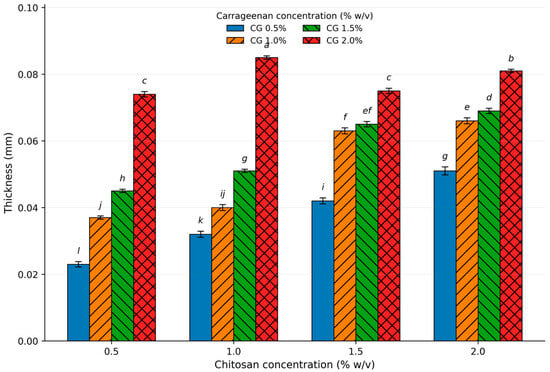
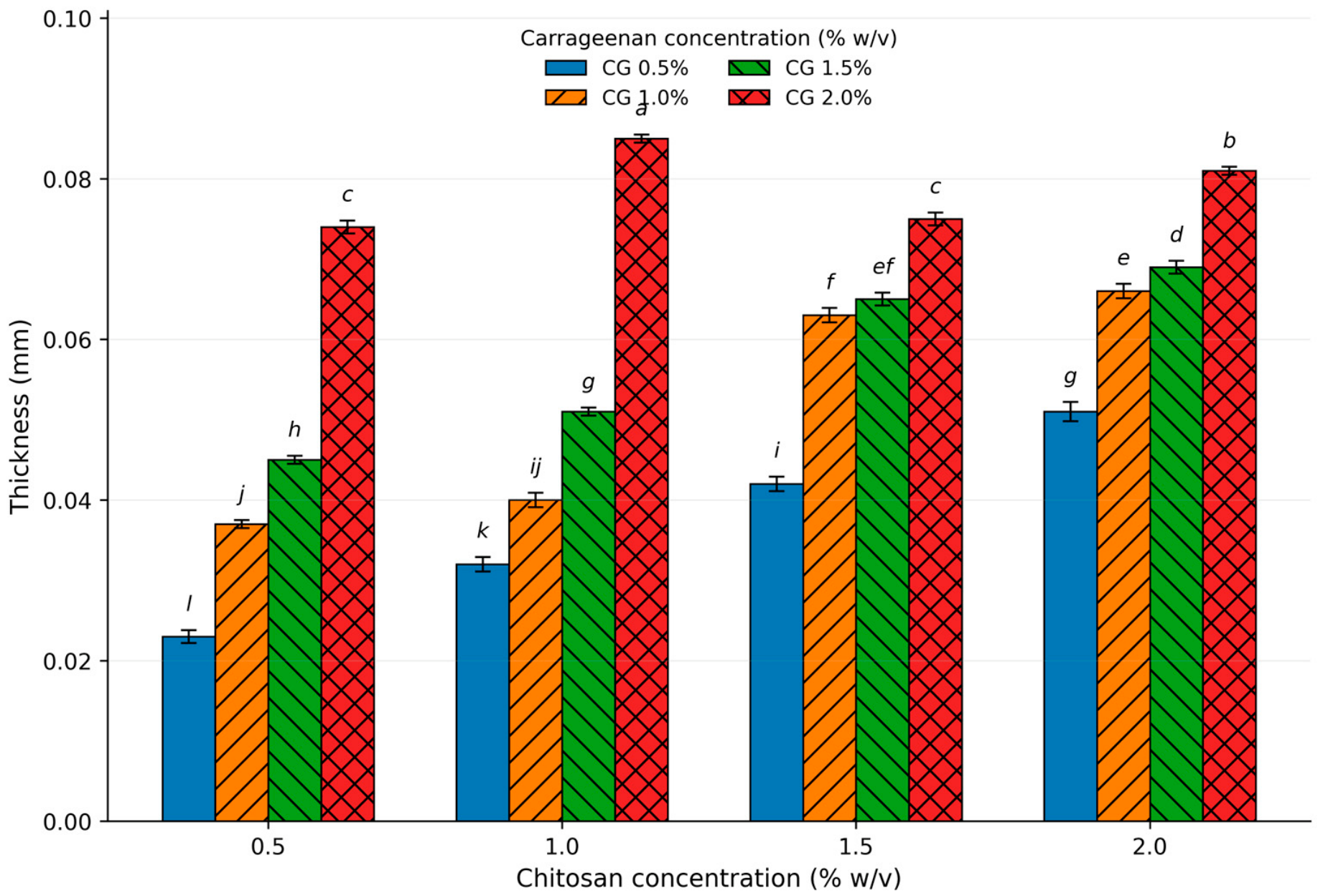
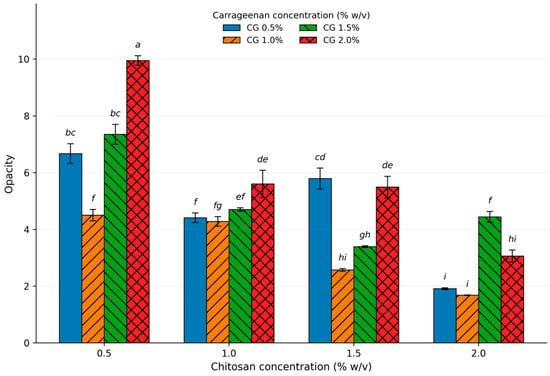
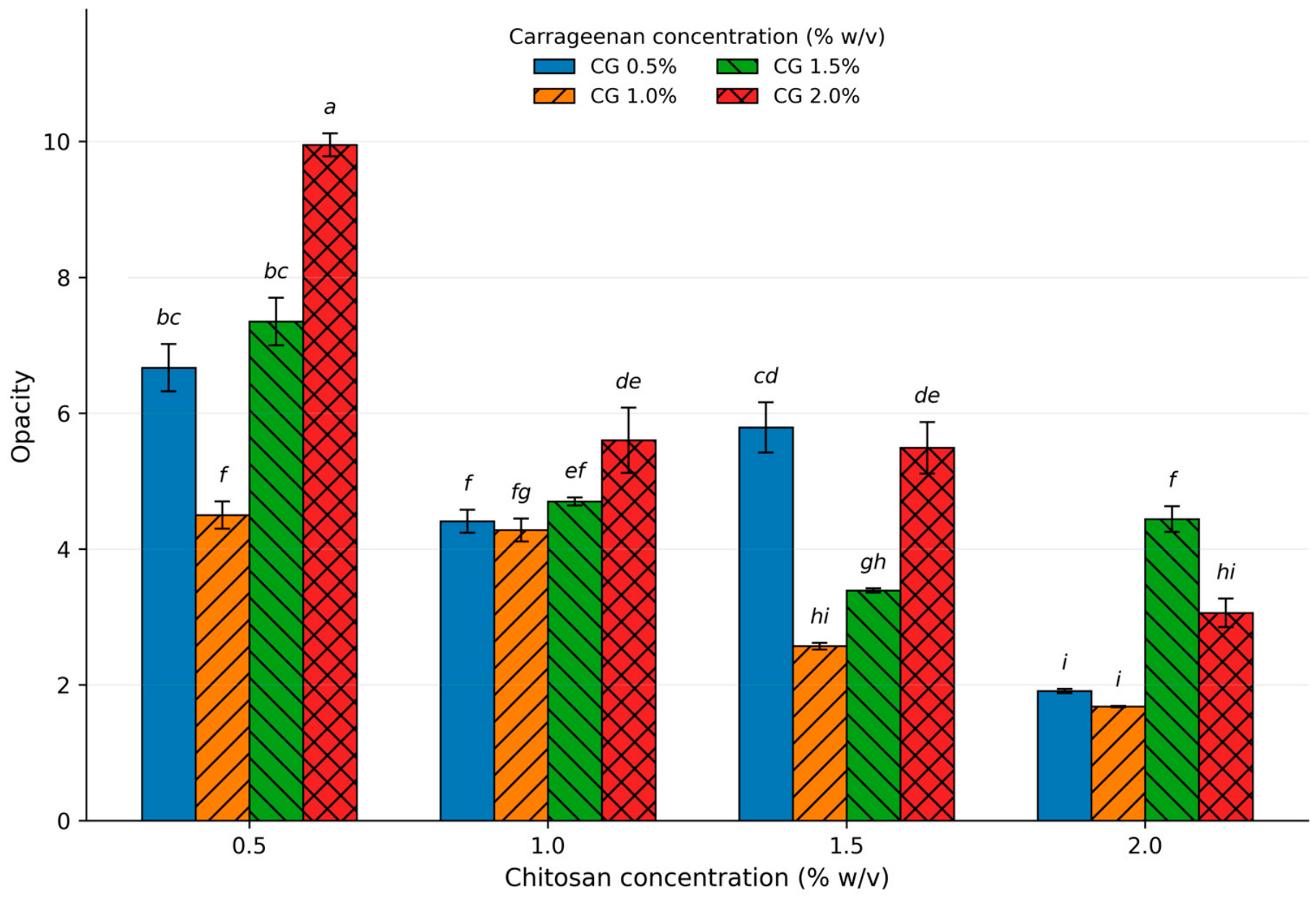
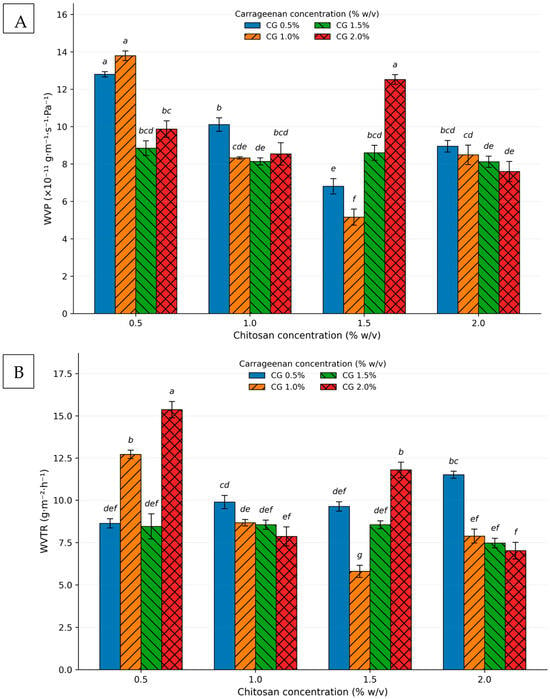
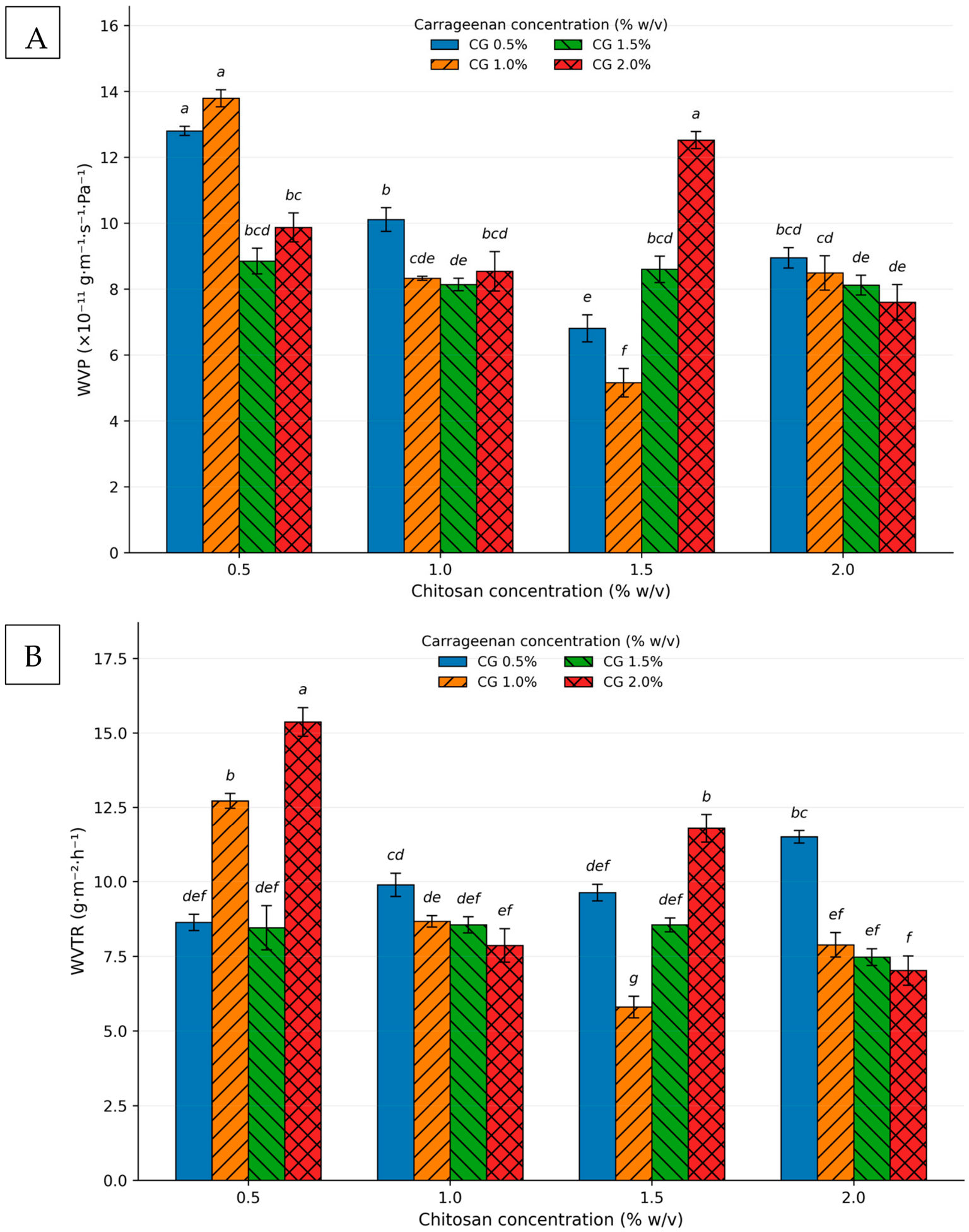
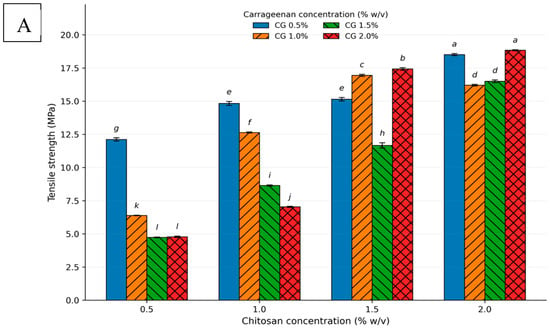
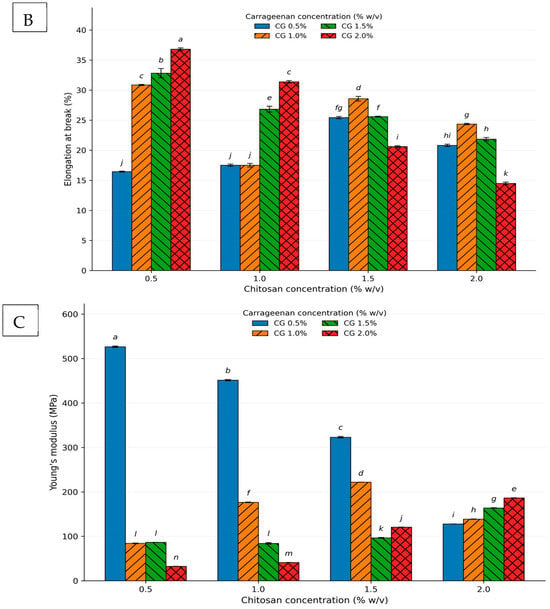
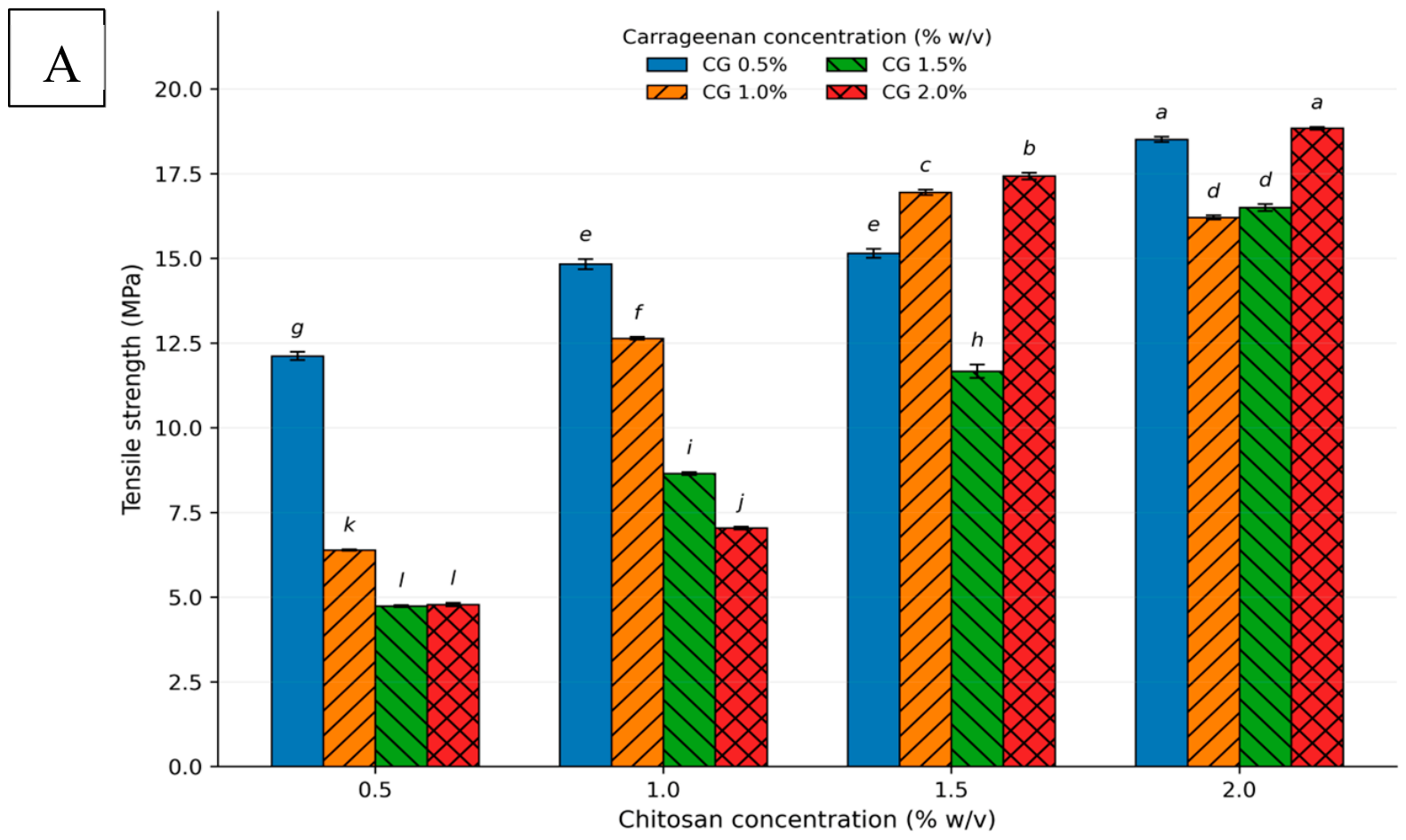
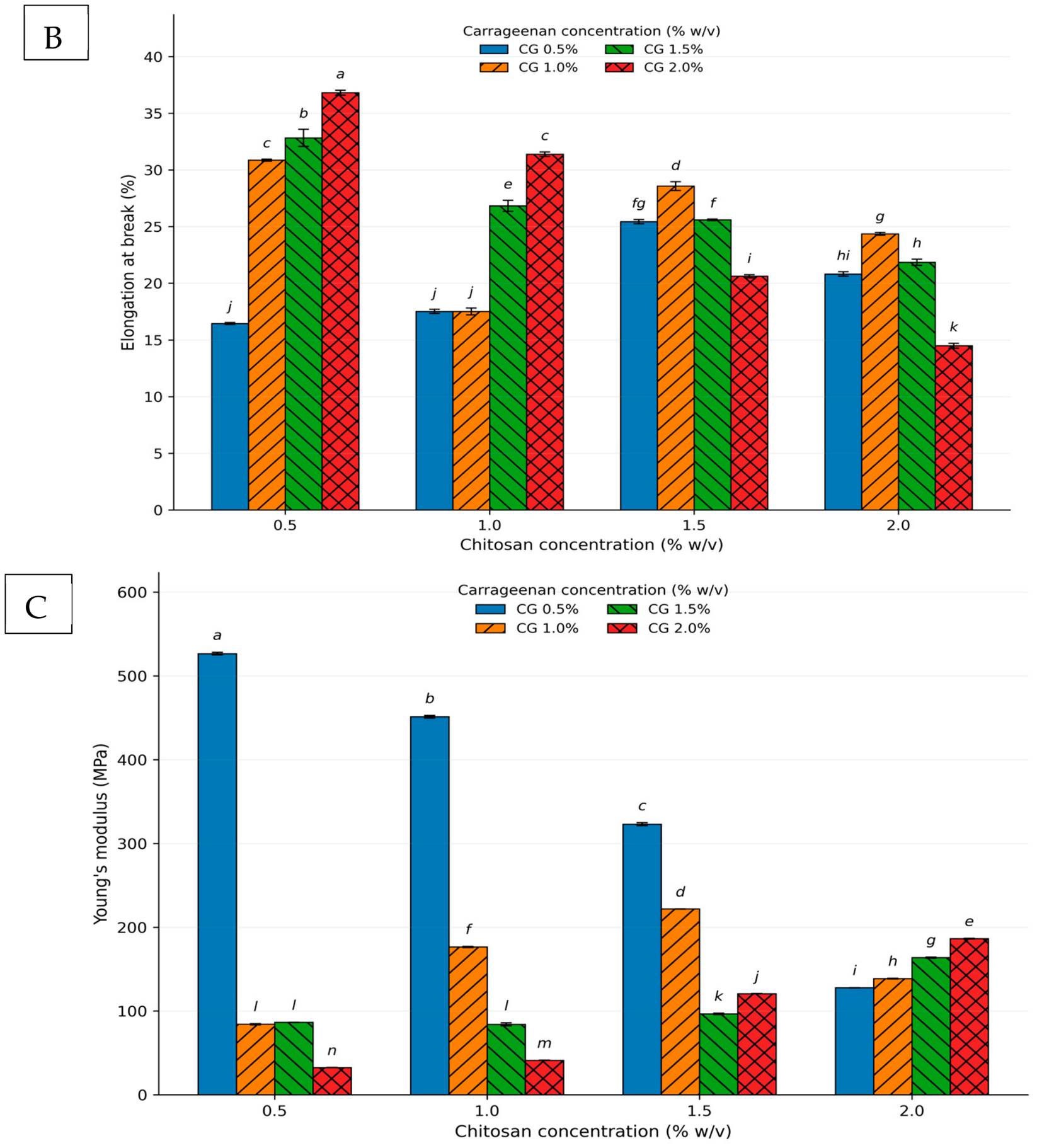
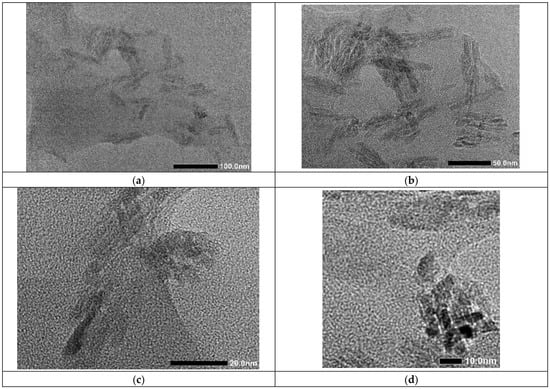
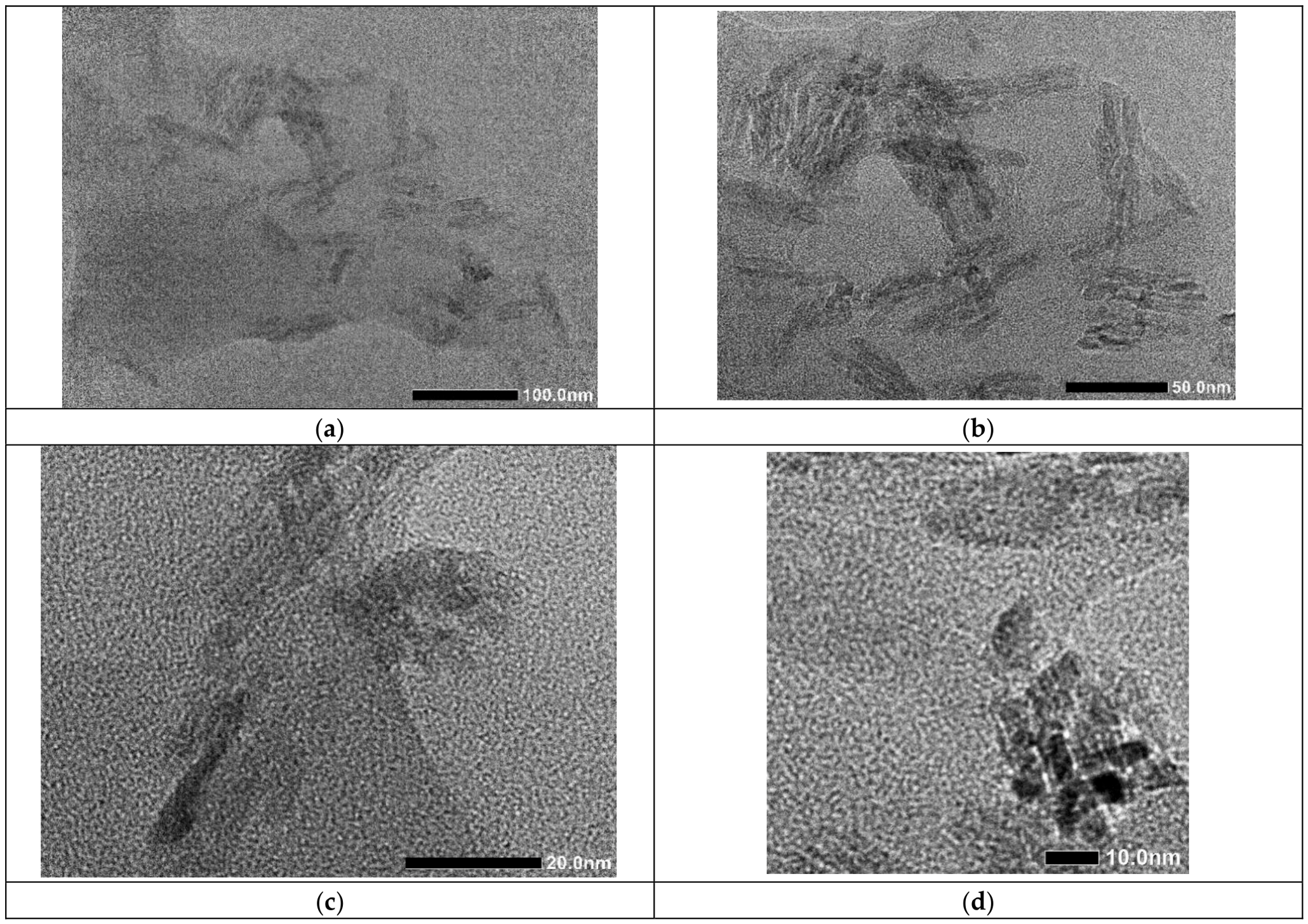
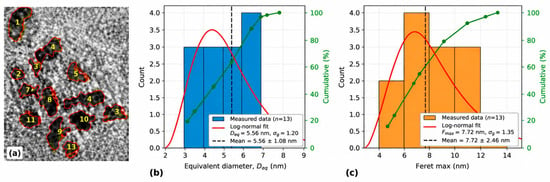
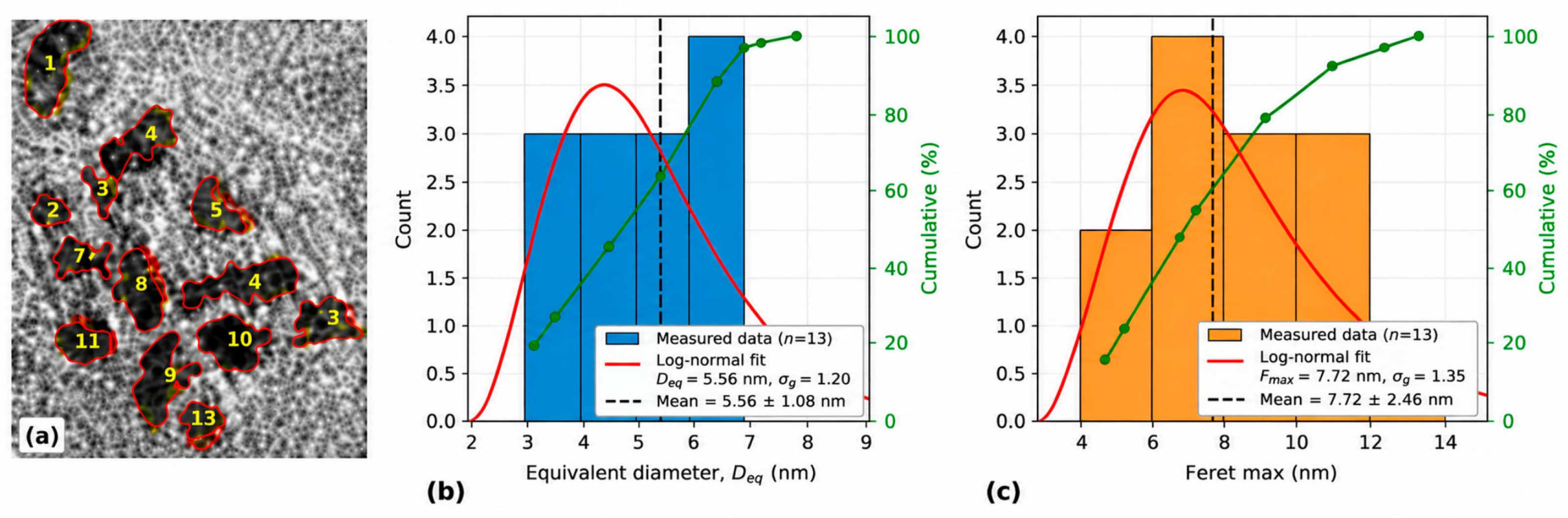
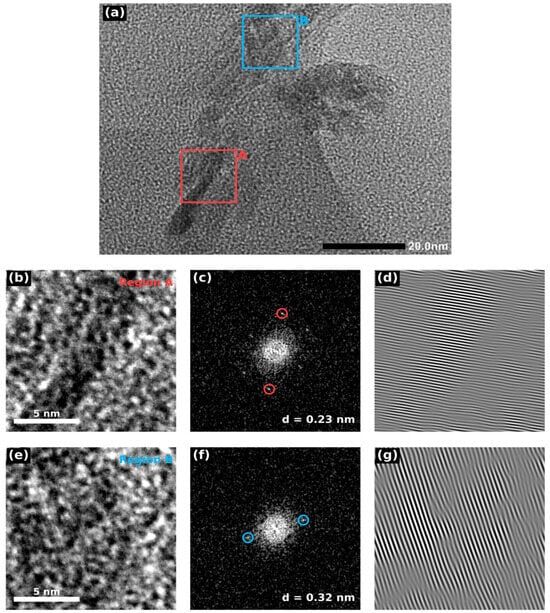
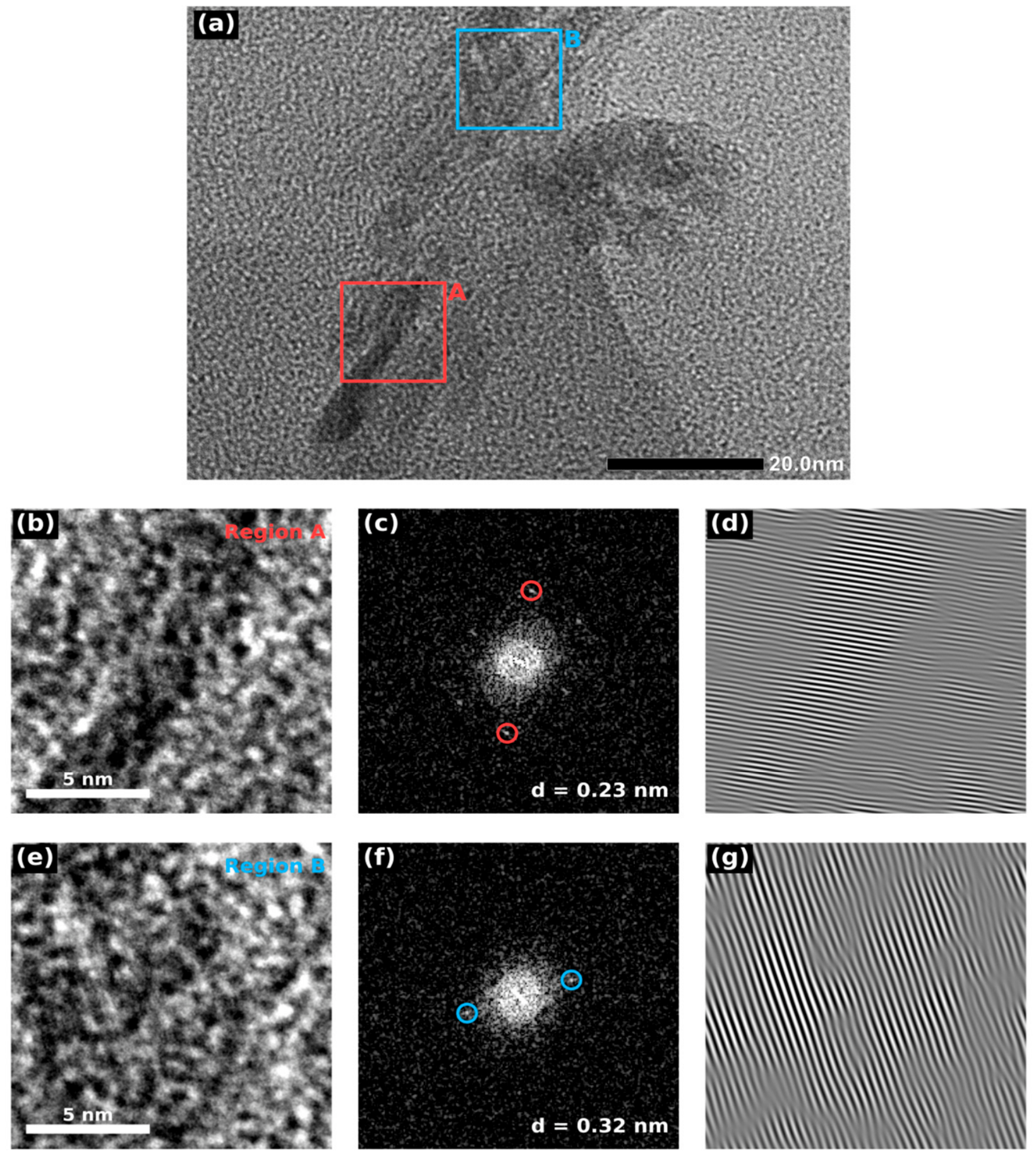
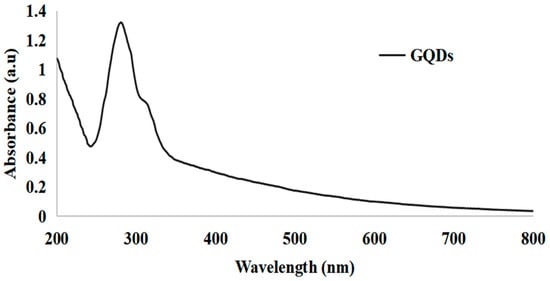
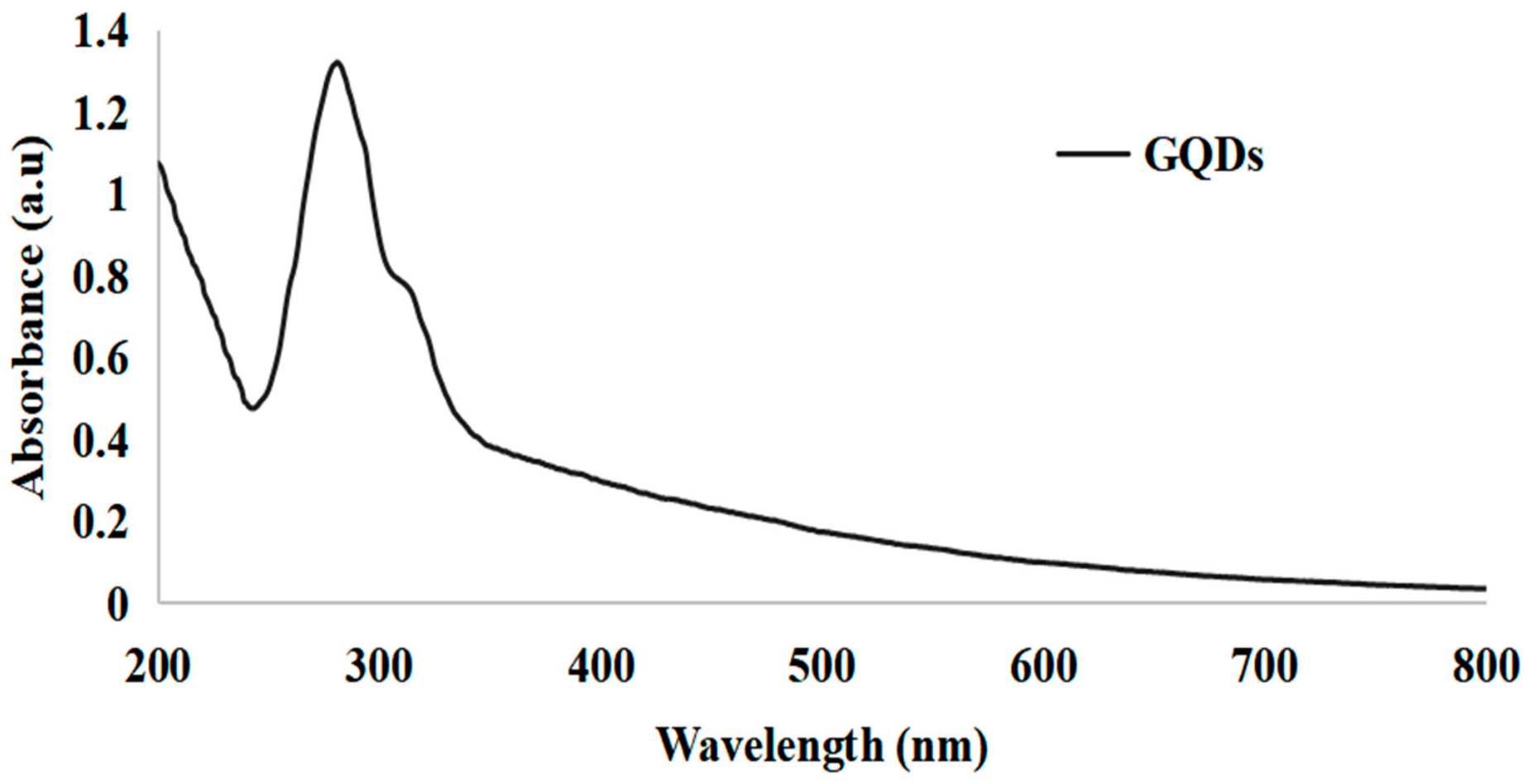
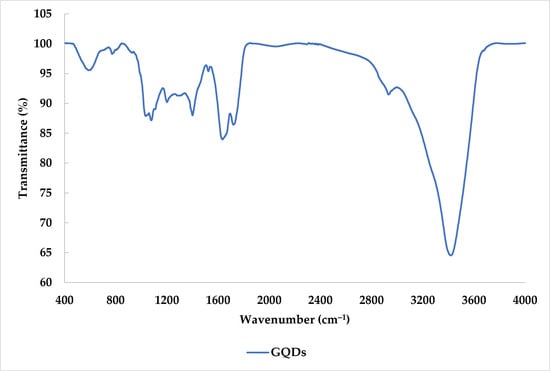
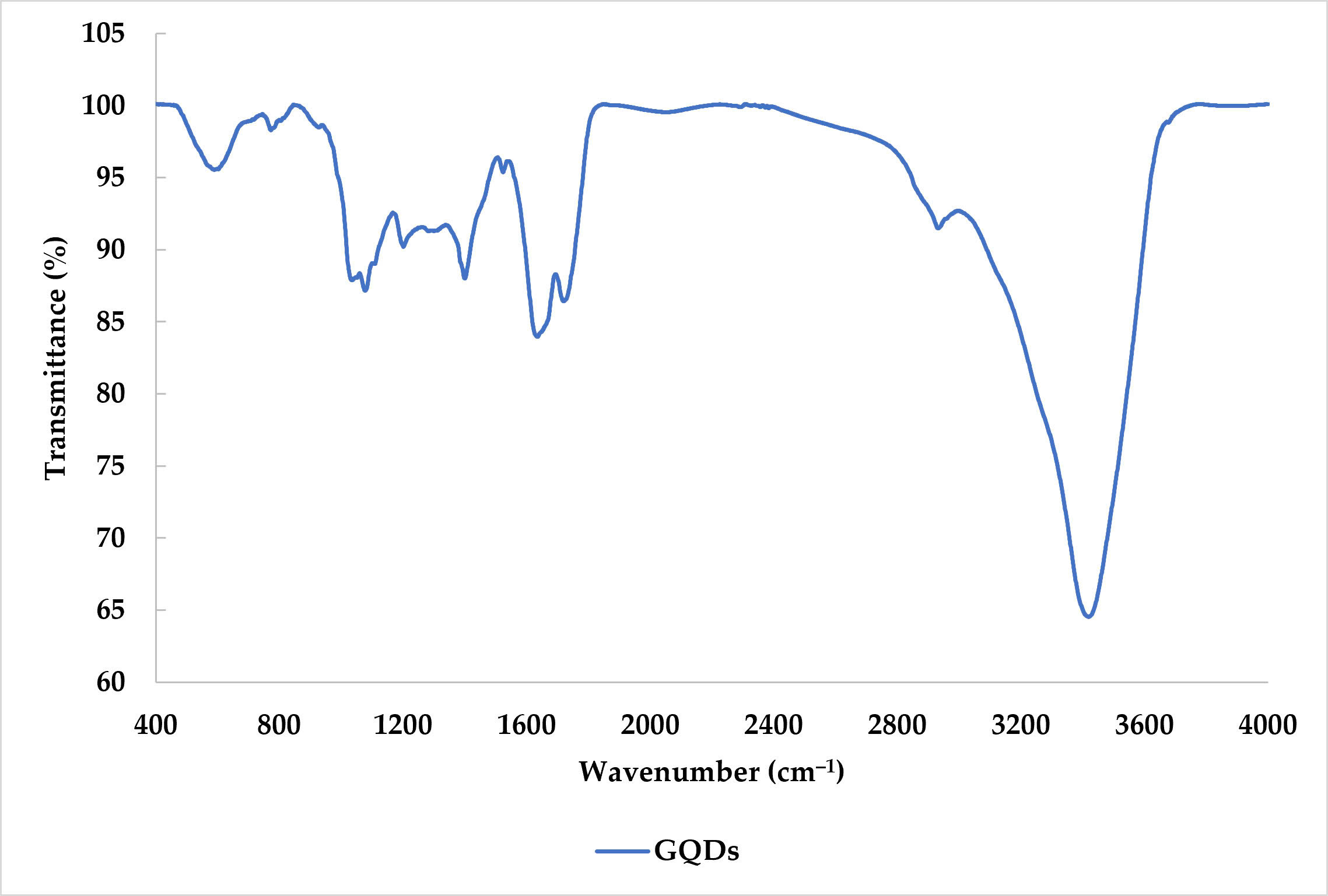
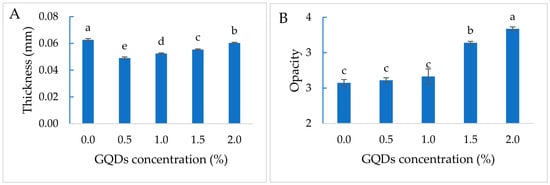
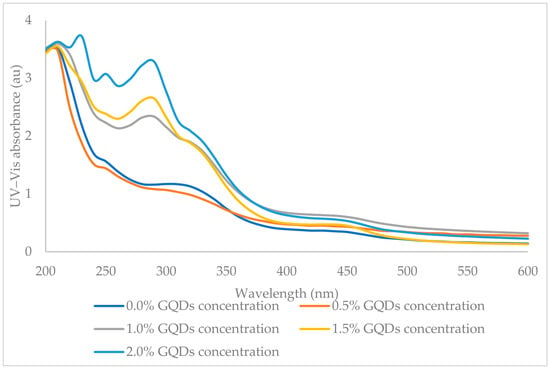
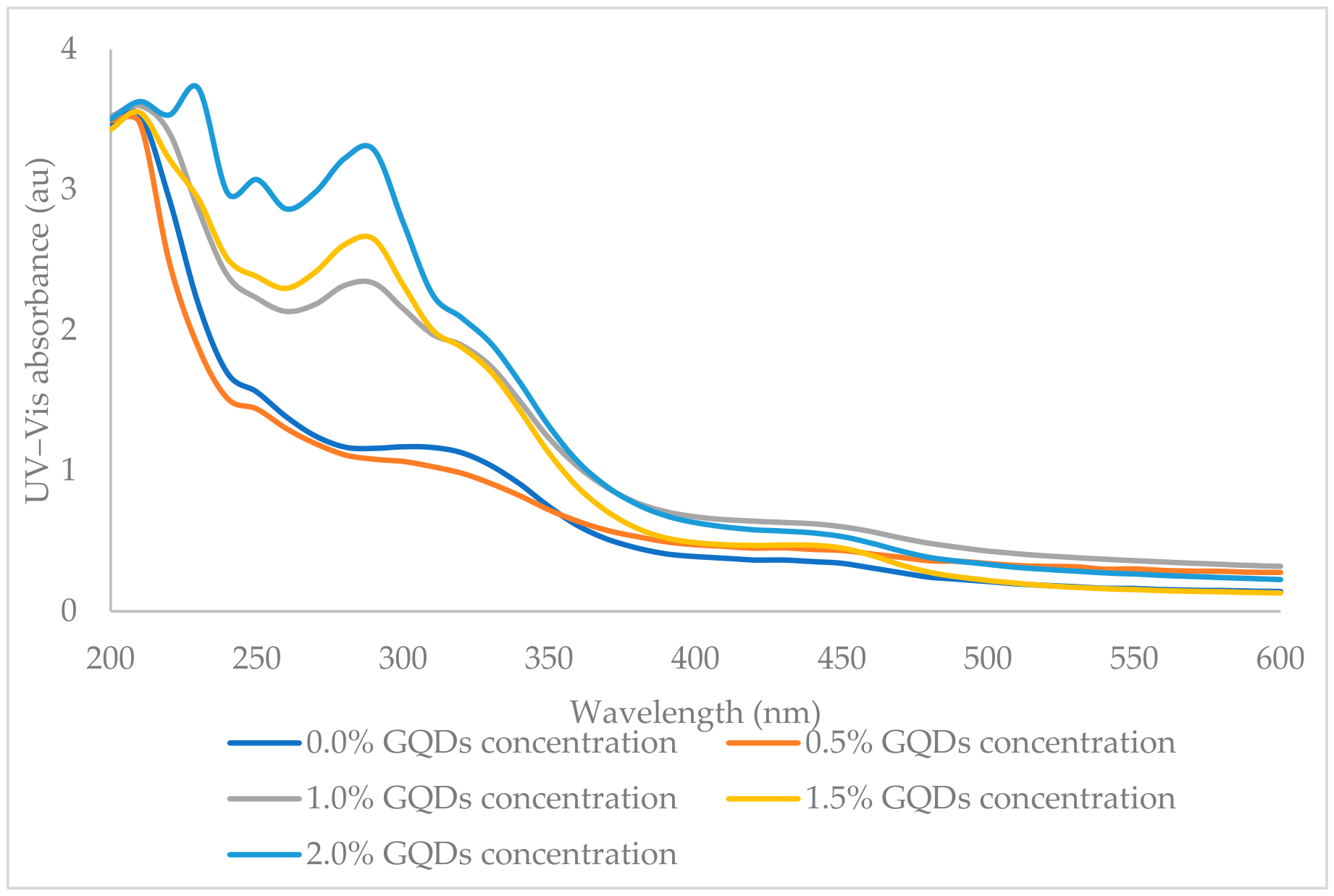
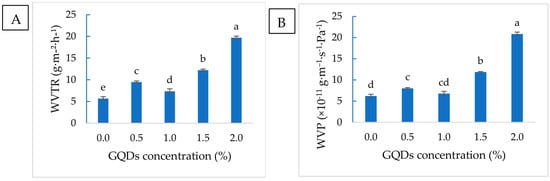
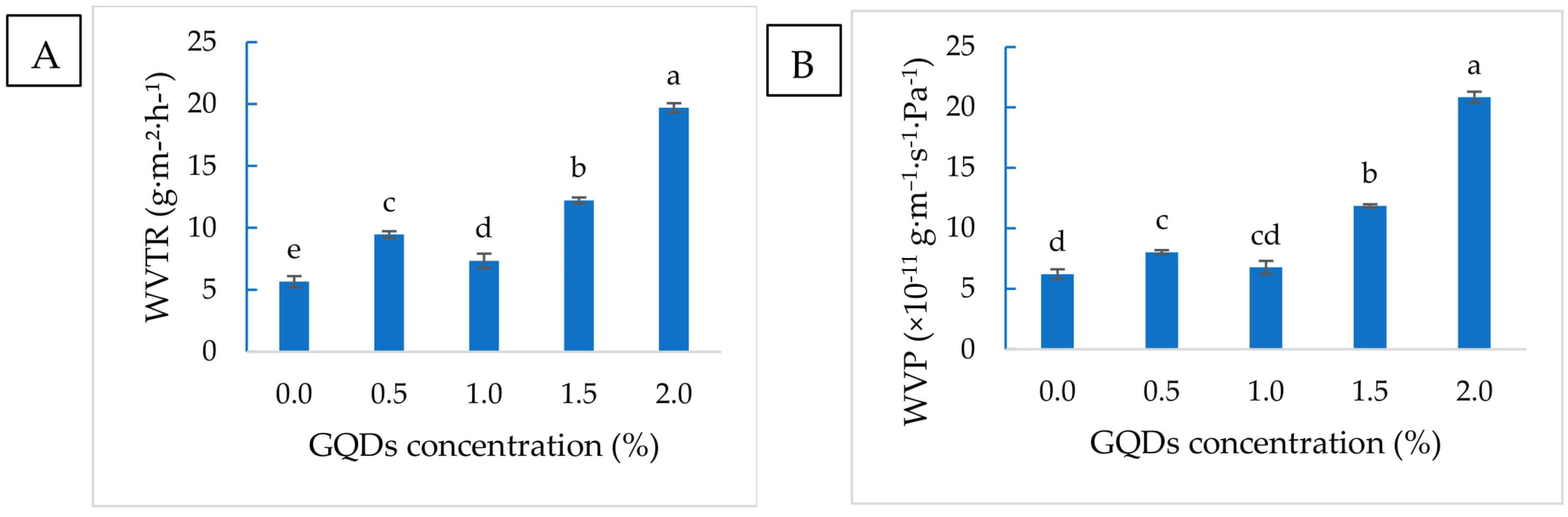
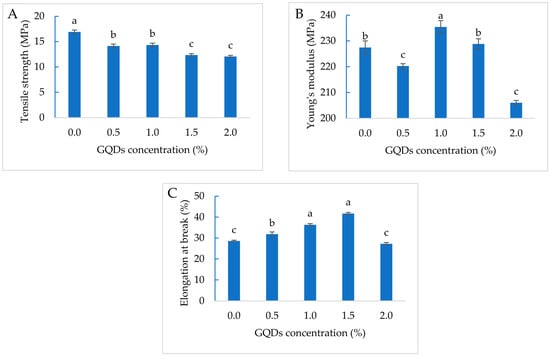
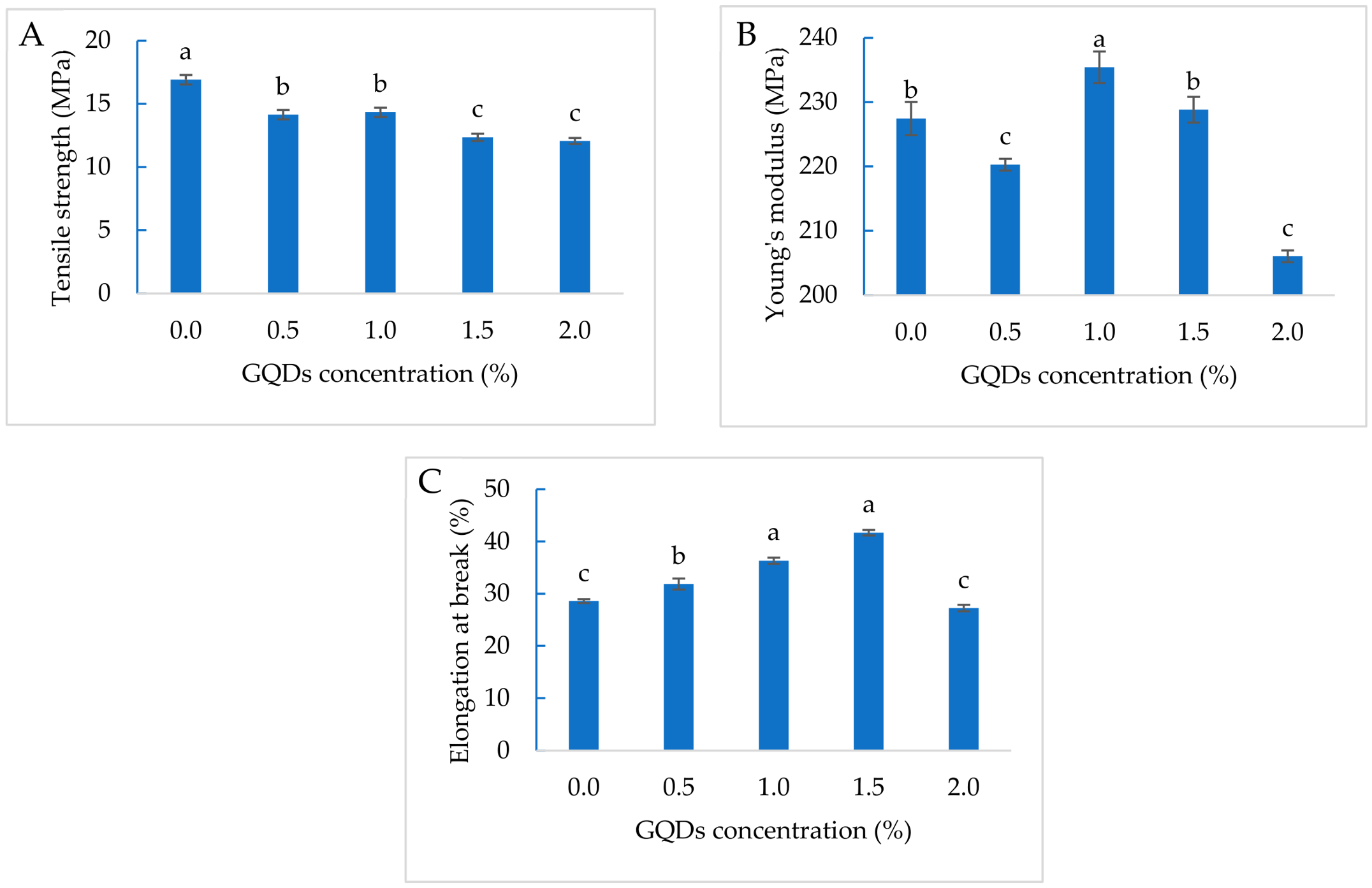
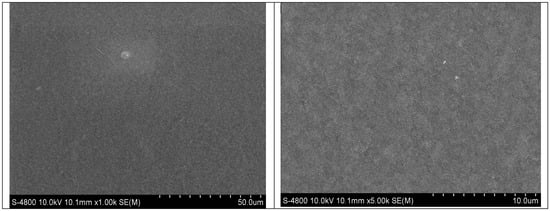
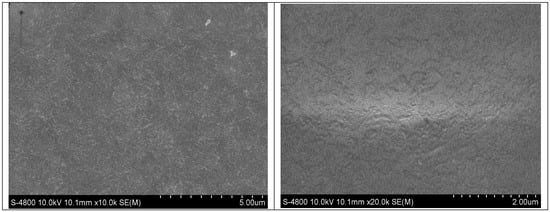
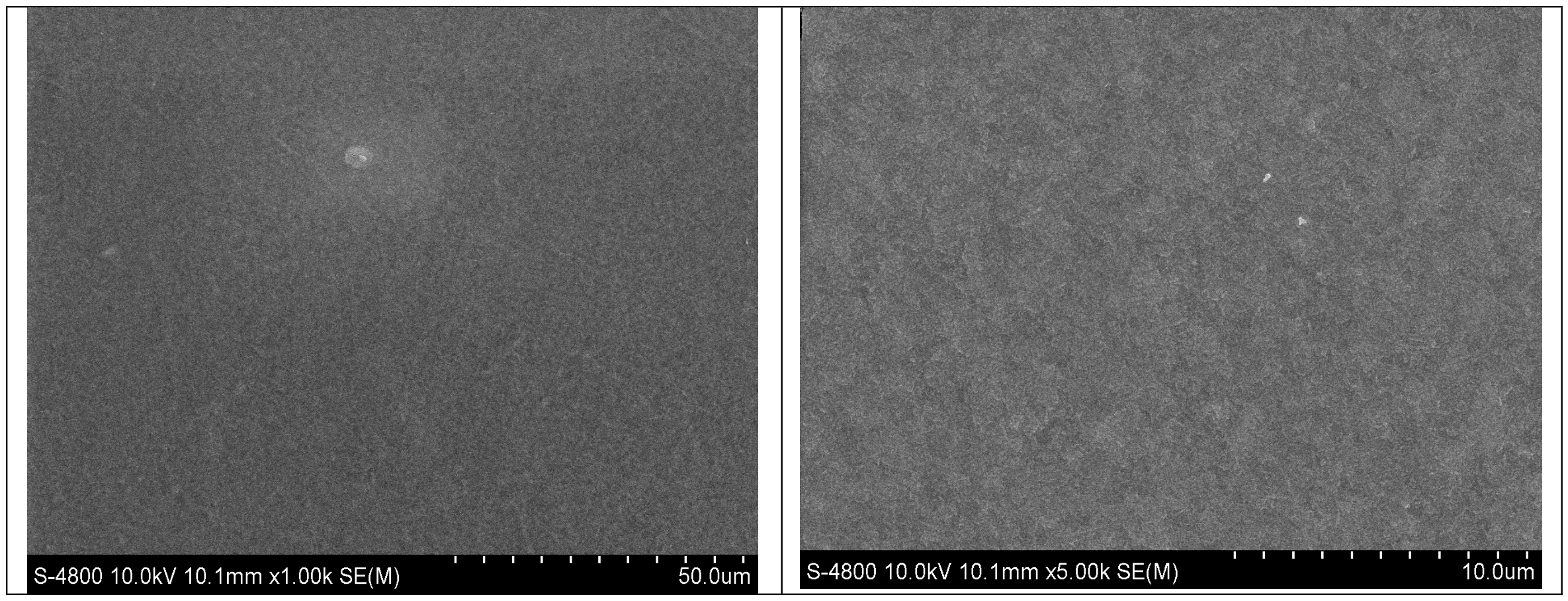
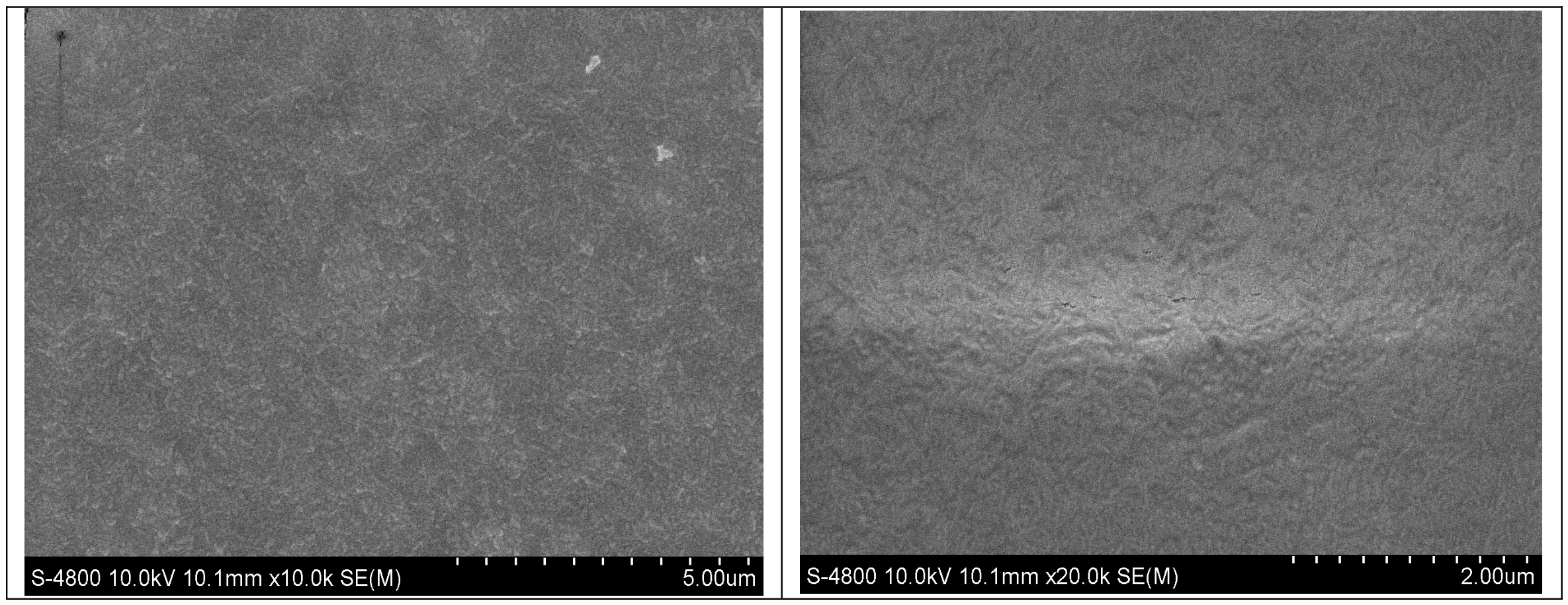
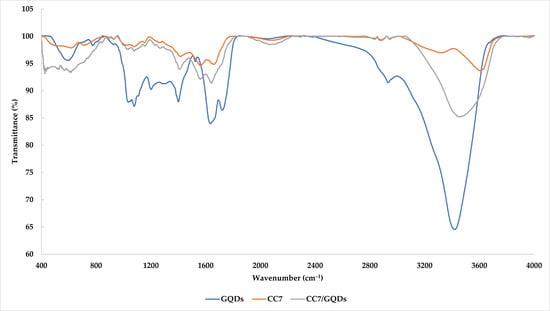
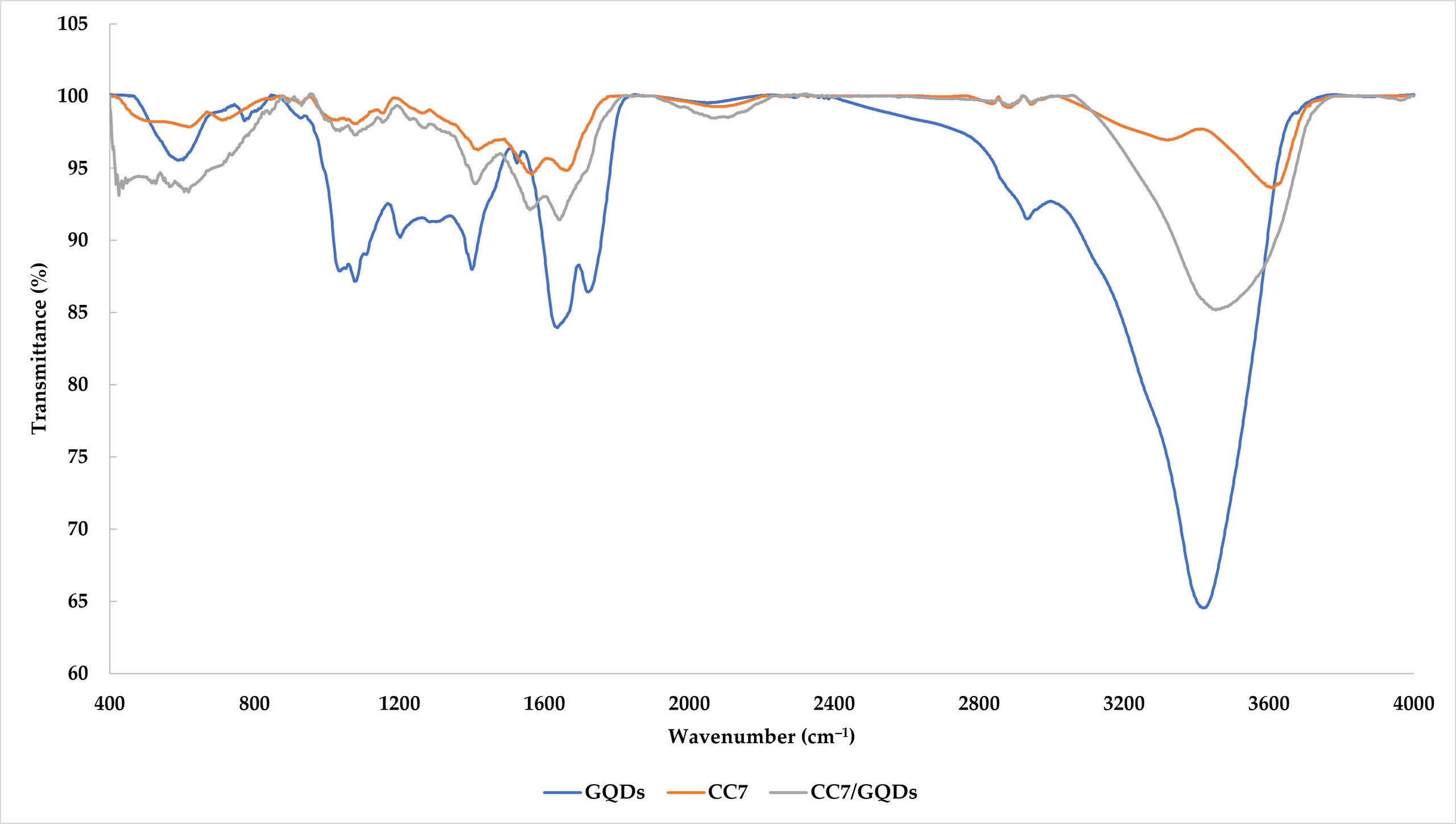
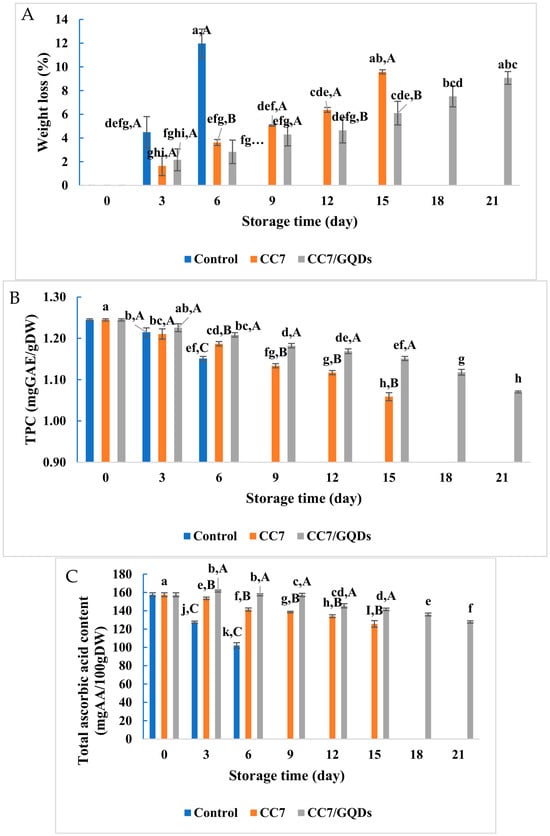
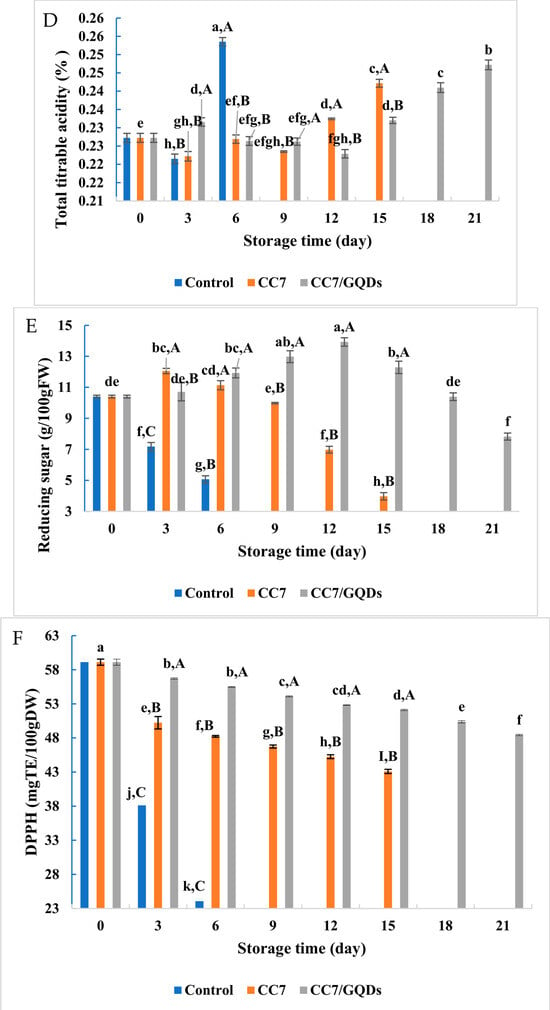
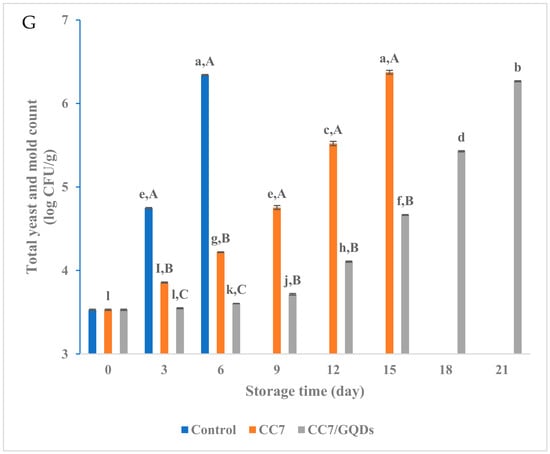
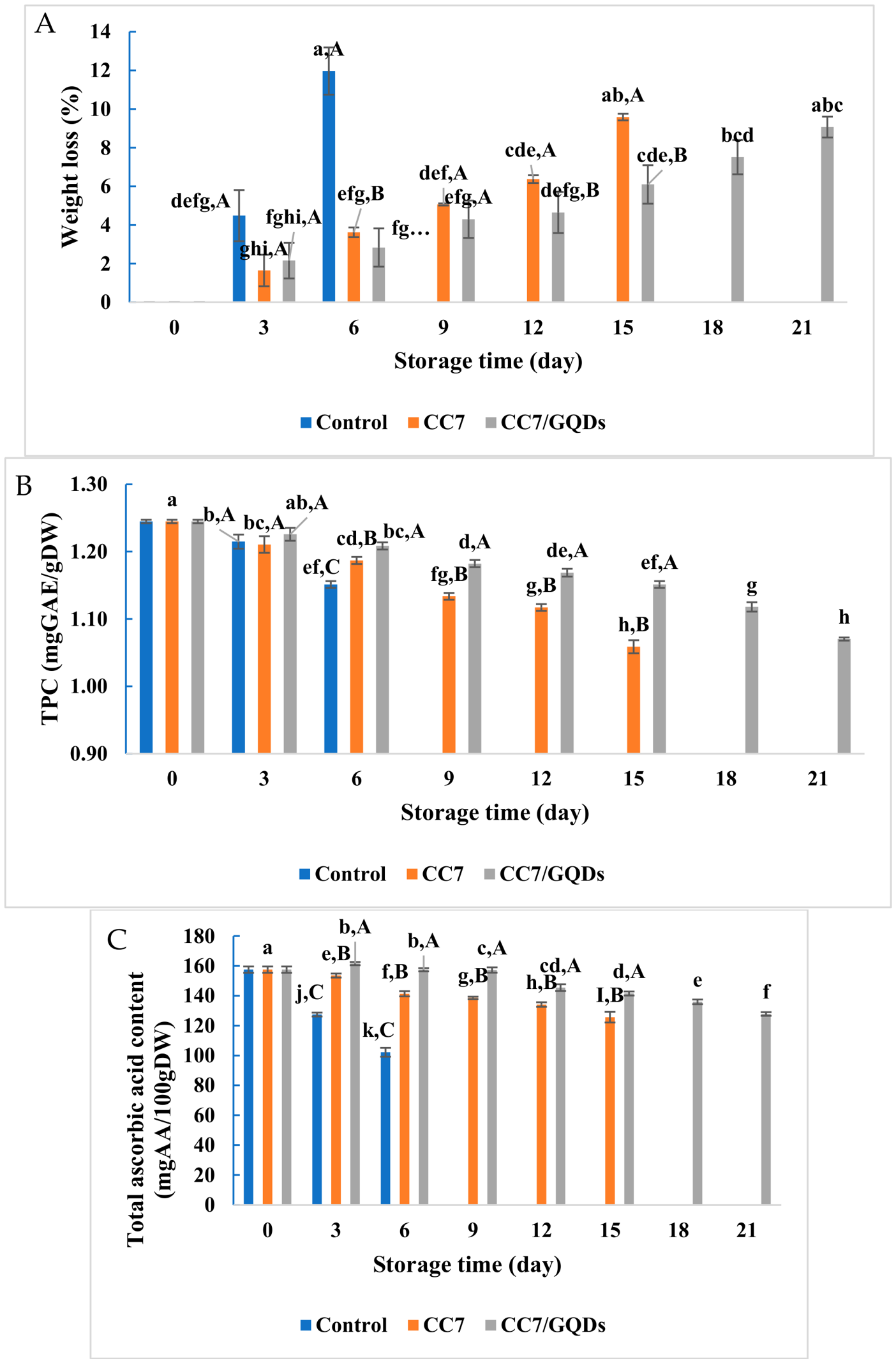
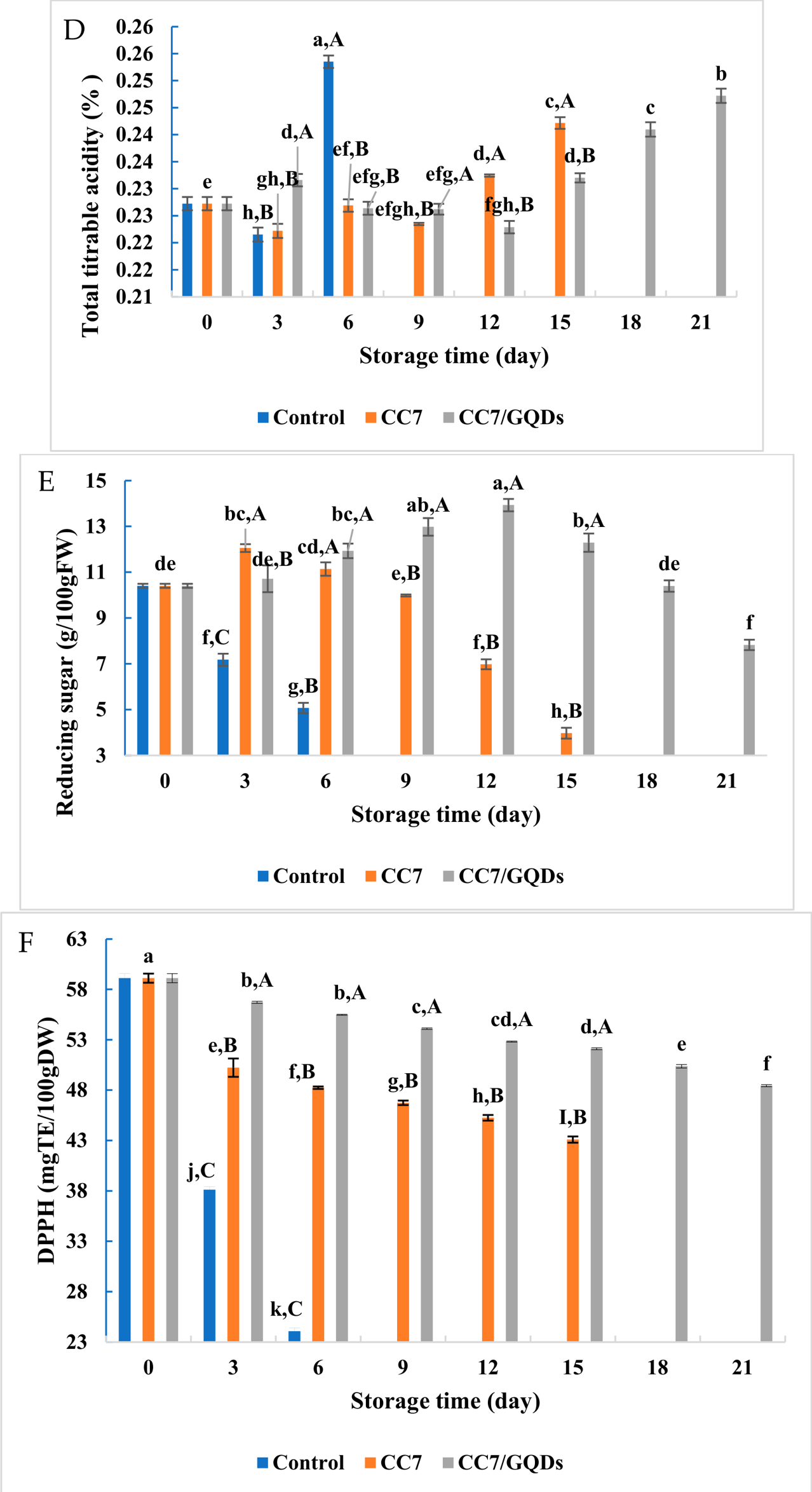
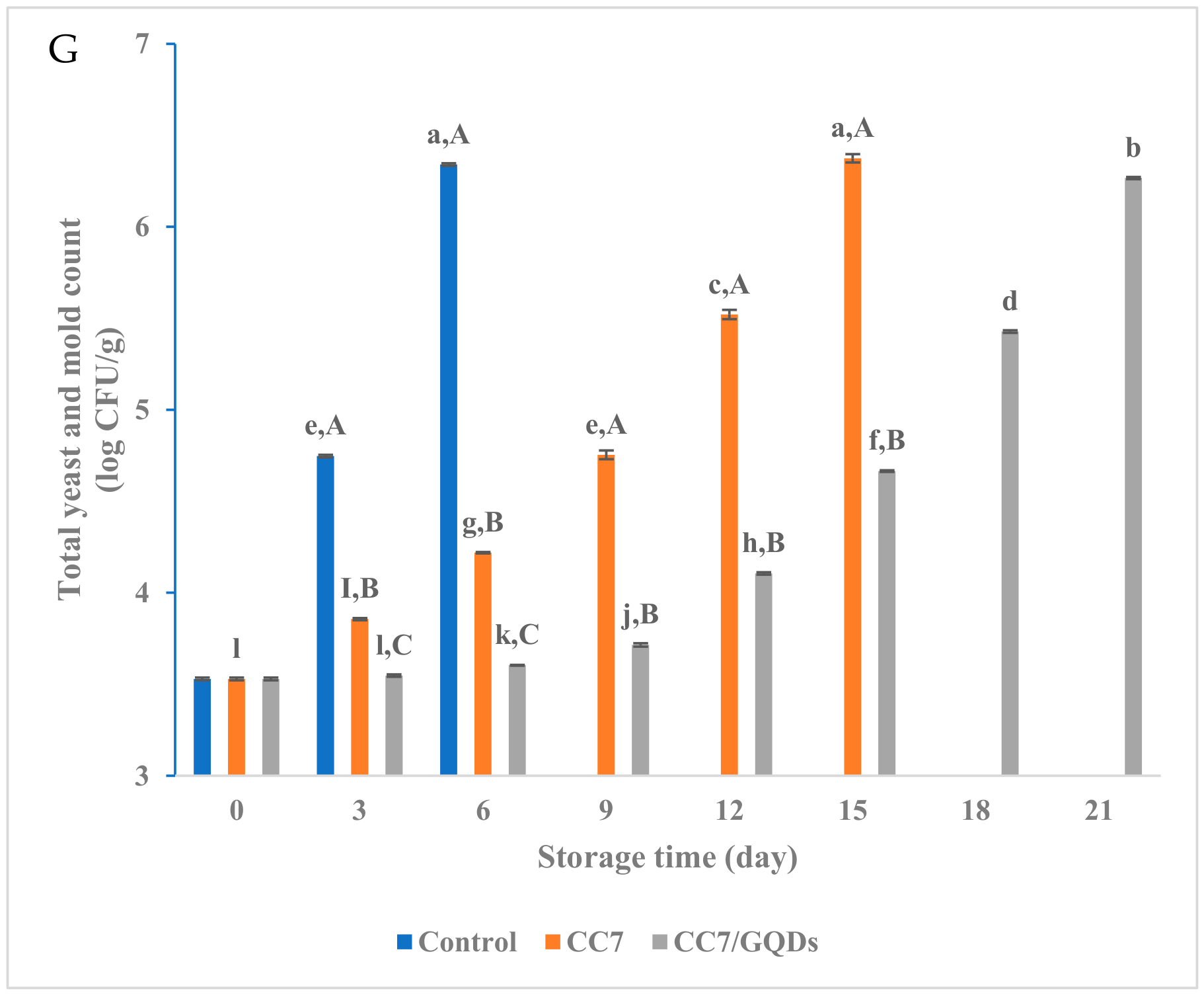
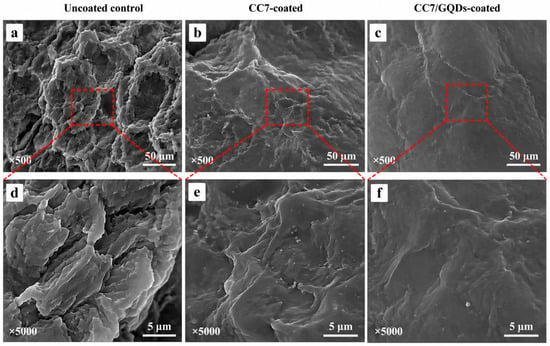
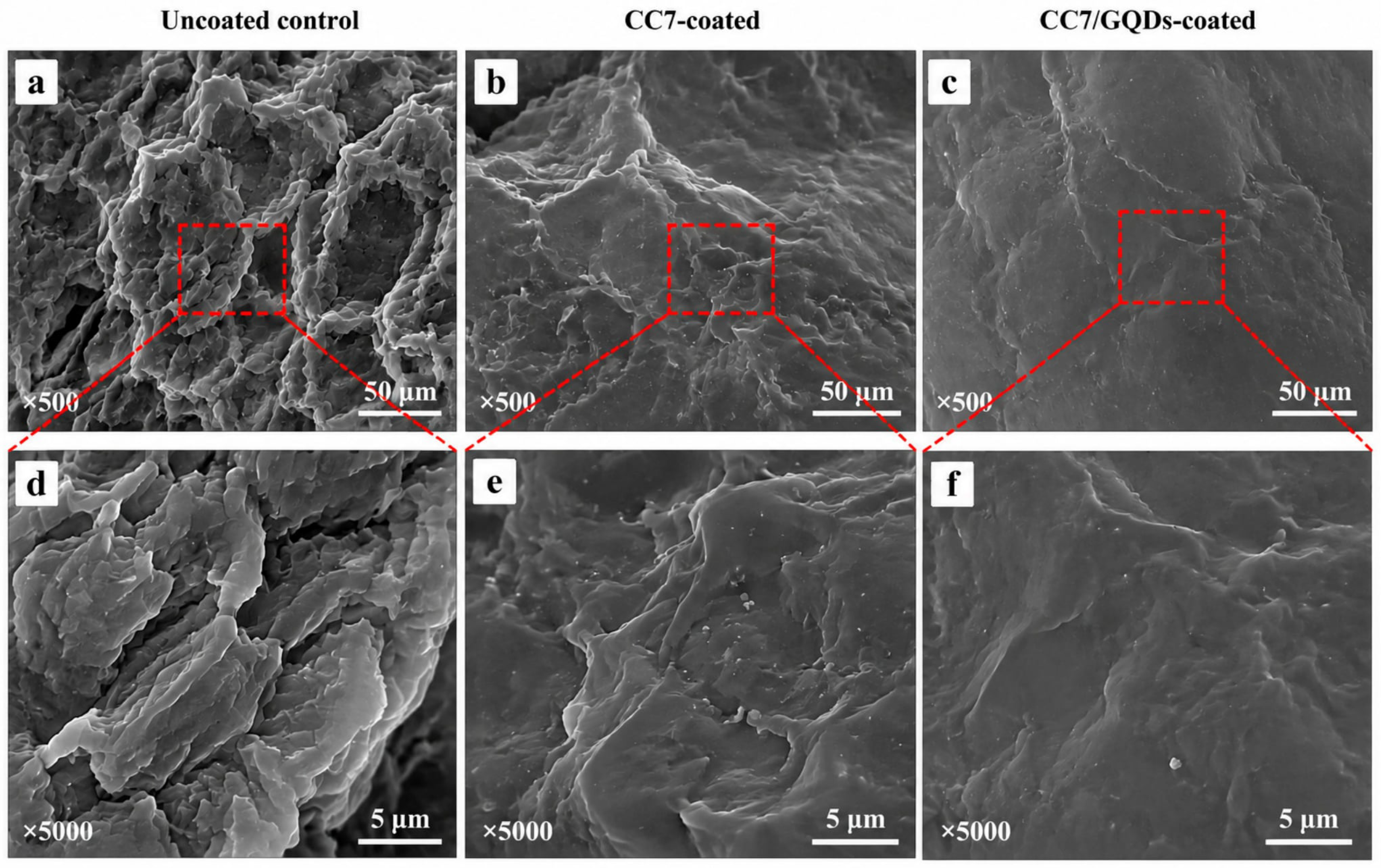
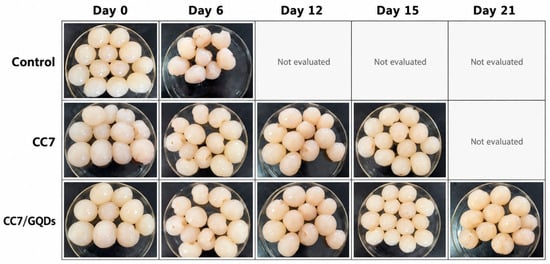
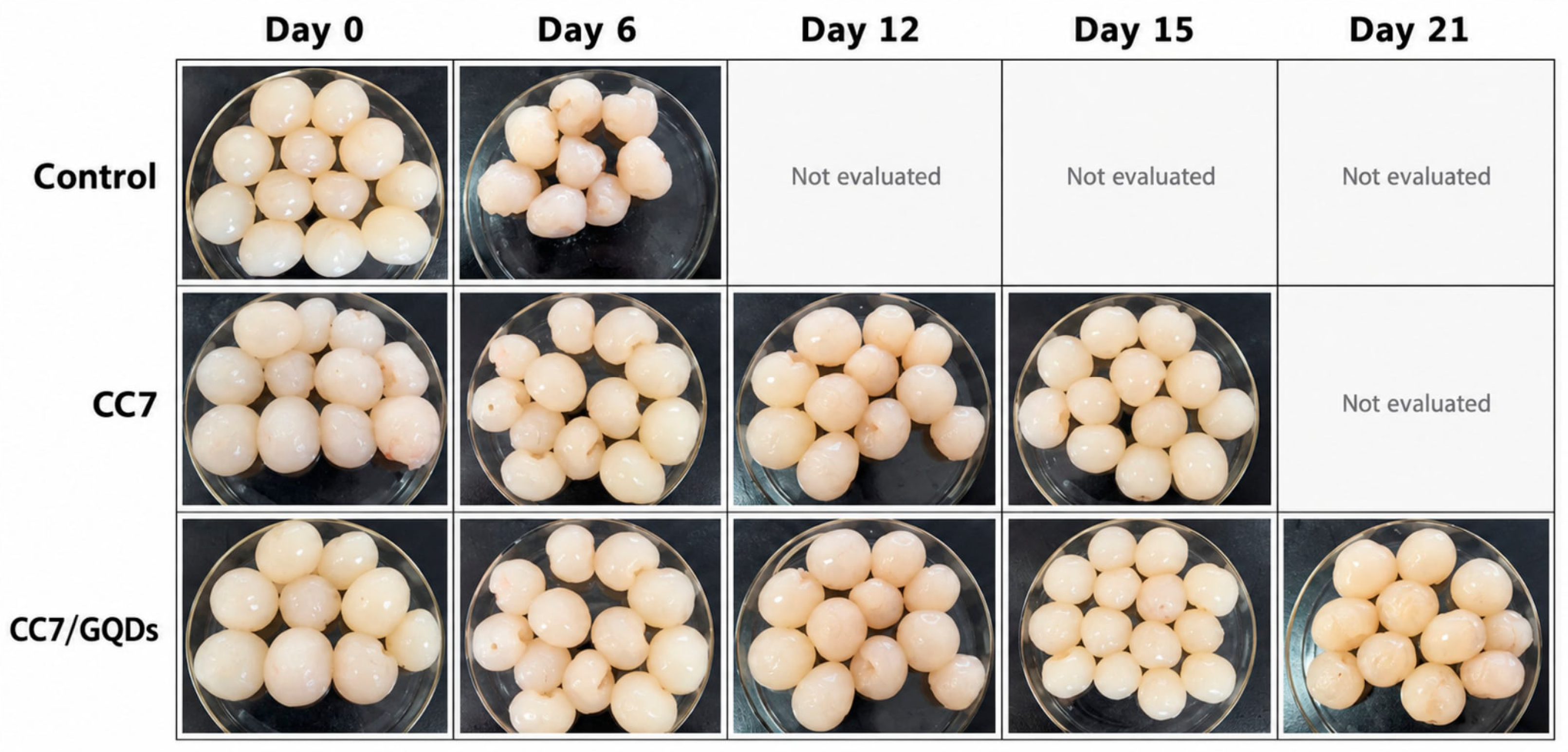

Disclaimer/Publisher’s Note: The statements, opinions and data contained in all publications are solely those of the individual author(s) and contributor(s) and not of MDPI and/or the editor(s). MDPI and/or the editor(s) disclaim responsibility for any injury to people or property resulting from any ideas, methods, instructions or products referred to in the content. |
© 2026 by the authors. Licensee MDPI, Basel, Switzerland. This article is an open access article distributed under the terms and conditions of the Creative Commons Attribution (CC BY) license.