


Abstract
The increased global prevalence of inflammatory bowel disease (IBD), including ulcerative colitis (UC) and Crohn’s disease (CD), is a chronic relapsing inflammatory condition of the gastrointestinal tract that creates a substantial socioeconomic burden. Existing pharmacotherapeutic treatments primarily target inflammatory signaling cascades and have disadvantages because of the side effects of drugs, reduced long-term efficacy, and high cost, necessitating the development of safe and sustainable adjunctive therapies. This review synthesizes mechanistic advances regarding dietary polysaccharides as bioactive agents that may have the capacity to induce remodeling of inflamed gastrointestinal tract in colitis and could be an adjunctive strategy as functional food ingredients due to their various biological activities in the management of colitis. Polysaccharides alleviate colitis through several interconnected pathways. First, they correct the gut dysbiosis by enriching beneficial taxa such as Lactobacillus, Bifidobacterium, and Akkermansia muciniphila. Second, fermentation of polysaccharides produces short-chain fatty acids (SCFAs), particularly butyrate, which serve as the primary energy source for colonocytes. Third, they restore intestinal barrier integrity by upregulating tight junction proteins such as ZO-1, occludin, and claudin, also performing pro-inflammatory cascade inhibition and elimination of oxidative stress via Nrf2/HO-1 activation The relationship between structural properties of polysaccharides based on molecular weight, monosaccharide composition, and biological functions of chemically modified dietary polysaccharides in colitis is studied. Dietary polysaccharides are explored here not as replacements for pharmacotherapy but as potential adjunctive or functional food-based interventions that may complement existing treatments as safe, multitargeted, and cost-effective interventions in prevention or long-term management of colitis and IBD. This review presents dietary polysaccharides function not as passive dietary fibers but as bioactive, multi-targeted, structurally dependent agents capable of restoring intestinal homeostasis, suggesting them as potentially safe, adjunctive interventions.
1. Introduction
IBD, which includes ulcerative colitis and Crohn’s disease, is a chronic, relapsing inflammatory disease of the gastrointestinal (GI) tract that is a growing international health issue. Over the last few decades, the incidence and prevalence of IBD have increased dramatically across most of the world, including newly industrialized countries and younger population groups [1,2]. Overall, a huge socioeconomic burden has accompanied this epidemiological transition because of frequent hospitalizations, extended drug treatment, poor quality of life, and increased health-care spending [3].
Pathologically, colitis is manifested by continuous inflammation of the mucosa, epithelial damage, and immune defects. Hallmarks are dysbiosis of the gut microbiota, loss of the intestinal barrier, excess production of pro-inflammatory cytokines, oxidative stress, and abnormal activation of the innate and adaptive immune responses [2,4]. Repeated waves of tissue injury and repair induced by continued inflammation eventually result in architectural changes like crypt distortion, fibrosis, shortening of the colon and, in the most critical cases, resistance to therapy [1].
In this review, plant source-derived dietary polysaccharides are the study interest as safe, multi-target agents that regulate host–microbe interactions, strengthen intestinal barriers, and control immune and oxidative stress in colitis [2,5]. Dietary polysaccharides are complex biopolymers consisting of units of monosaccharides and are bound by various glycosidic bonds, display linear or branched structures, and show a high degree of structural heterogeneity [6]. The main characteristic of dietary polysaccharides is the lack of digestibility by digestive enzymes that permits them to reach the colon relatively intact, where they predominantly interact with the gut microbiota [7]. Polysaccharides act as prebiotics that selectively stimulate the growth of useful microbes, e.g., Lactobacillus and Bifidobacterium, and inhibit harmful taxa, thus normalizing dysbiotic situations [2,5].
Microbial modulation increases the generation of short-chain fatty acids (SCFAs), particularly butyrate, propionate, and acetate, which are majorly involved in intestinal homeostasis [2,5]. SCFAs are a significant source of energy available to the colonocytes; they reinforce epithelial tight junctions and have strong anti-inflammatory effects, inhibiting nuclear factor-kappa B (NF-κB) signaling, as well as inhibiting the production of pro-inflammatory cytokines [4]. There is experimental evidence that polysaccharides of various sources—Polygonatum kingianum, Agrocybe cylindracea, Lyophyllum decastes, ginseng, and Kombucha polysaccharides—effectively modulate colitis by remodeling the makeup of intestinal microbiota and metabolic products [8,9,10].
In addition to microbial modulation, dietary polysaccharides are significant in restoring intestinal barrier integrity, which is one of the pathological features of colitis [4]. The intestinal barrier comprises epithelial cells, tight junction proteins, layers of mucus, immune elements, as well as native microbiota. In colitis, intestinal hyperpermeability (what is known as leaky gut) is brought about by tight junction disruption, reduction in claudin expression, and loss of tight junction characters, defined by a decreased expression of proteins such as zonula occludens-1 (ZO-1), occludin and claudin [4,11]. Dietary polysaccharides have a strong correlation between their biological activity and structural properties, such as molecular weight, compositions with monosaccharide units, the degree of branching, and functional modifications (e.g., sulfation or acetylation) of the molecules [12,13,14]. There is an emerging body of evidence to indicate that low-molecular-weight polysaccharides and certain motifs might have an increased bioactivity and can be used to selectively regulate microbial, epithelial and immune pathways [12]. However, it is critical to note that not all polysaccharides are uniformly beneficial. High-molecular-weight, insoluble polysaccharides may exacerbate symptoms in active disease, while low-molecular-weight, soluble fractions show greater efficacy. Furthermore, effects are highly context-dependent, varying with polysaccharide structure, dosage, host microbiota composition, and disease stage [15].
Previous studies have individually examined the effects of dietary polysaccharides on gut microbiota modulation, immune regulation, or intestinal barrier protection in colitis as separate domains. This study distinguishes itself from prior work in the integrative “remodeling” framework, which positions dietary polysaccharides not merely as functional food, anti-inflammatory, or prebiotic agents, but as multi-compartment modulators rather than single-mechanism agents. We explain that dietary polysaccharides simultaneously target epithelial repair, immune–stromal coordination, goblet cell restoration, tight junction reassembly, extracellular matrix reorganization, anti-fibrotic remodeling and mucosal architecture restoration. This framework positions dietary polysaccharides as multi-compartment modulators rather than single-mechanism agents. Furthermore, we explicitly map how specific structural features of polysaccharide molecular weight, degree of branching (DB), monosaccharide composition, and chemical modifications (sulfation, acetylation) determine their efficacy across each remodeling axis, which may provide a structure-guided roadmap for future therapeutic design.
2. Colitis and Gastrointestinal Remodeling
Gastrointestinal remodeling is defined as the active, multi-compartment restructuration of inflamed intestinal tissue toward homeostatic architecture and normal function, encompassing gastrointestinal epithelial remodeling, mucus/goblet cell remodeling and extracellular matrix (ECM) remodeling [16]. Gastrointestinal epithelial remodeling is characterized by crypt regeneration, normalization of intestinal stem cell differentiation, and restoration of a functional enterocyte monolayer. The mucus/goblet cell remodeling involves the recovery of goblet cell density, normalization of Mucin 2 (MUC2) secretion, and reconstitution of a protective mucus bilayer. Additionally, extracellular matrix (ECM) remodeling rebalances matrix metalloproteinase (MMP) and microbiota dysbiosis on the extra-extracellular matrix and tissue structure; these activities resolve pathological degradation, limit excessive collagen deposition, and prevent fibrotic stricture formation [17,18,19].
IBDs include UC and CD, which are immune-mediated conditions of high prevalence in developed nations (>0.3%) and demonstrate a rapidly growing incidence in newly industrialized countries [20]. Global prevalence of UC is projected to reach 30 million cases by 2026. Despite the presence of several consistent clinical and pathological features that serve as strong indicators of the disease, the precise pathogenesis of UC remains incompletely defined [1,2]. UC is an a etiologically unknown disease, which is associated with the inflammation of mucosa and sub-mucosa of the colon and rectum lining, presenting diarrhea, urgency, and abdominal pain [21,22]. Its pathogenesis is associated with genetic predisposition, epithelial barrier defects, a dysregulated immune response, and environmental factors [23] as described in Figure 1.
Figure 1.
Schematic overview of the multifactorial pathogenesis of inflammatory bowel disease (IBD) and the potential point of intervention for microbiome modulation. (A) Pre-deposition and trigger factors initiate disease susceptibility, which interacts with (B) environmental risk factors (e.g., diet, antibiotics, stress) to promote gut inflammation (C) Gut dysbiosis, characterized by microbial imbalance, activates immune cells including T cells and promotes the release of pro-inflammatory cytokines and chemokines (e.g., IL-6, TNF-α). This cascade also involves NF-κB signaling and neutrophil recruitment, leading to (D) clinical outcomes such as systemic inflammation and tissue damage. Subsequently, (E) autoimmune responses further sustain chronic inflammation. Finally, (F) microbiome modulation (e.g., via dietary polysaccharides, prebiotics, or fecal microbiota transplantation) represents a therapeutic strategy aimed at restoring microbial equilibrium and breaking the inflammatory cycle.
2.1. Key Remodeling Mechanisms in Colitis
2.1.1. Gastrointestinal Epithelial Cell Remodeling
Chronic inflammation in UC induces persistent alterations in goblet cells (GCs), resulting in abnormal secretion of mucus. Substantial evidence indicates that the reduced amount of mucus secreted by the GCs affects the mucosal state and affects UC pathophysiology due to immune responses and bacterial exposure. UC patients, even in remission, exhibit a deficient mucus layer with histological anomalies including branching of the crypts and the modification of gene expression, stimulating irreversible alterations in the intestinal lining. The systematic modifications can result in recurrent disease episodes, meaning that mucosal alterations take longer to recover after the inflammation settles down. The cause of the abnormal mucus cover in UC patients is the impact of an active inflammatory environment that diminishes the number of GCs and is also caused by long-term alterations in stimulated mucin secretion, which remain even without the presence of inflammatory cells [18]. Similarly, colitis disrupts intestinal stem cell dynamics, impairing epithelial regeneration. The additional differentiation of intestinal stem cells into GCs is controlled by cues such as fibroblast growth factor 1 (FGF1), and the weaker the FGF1 expression, the worse the disease and the loss of the intestinal integrity in the models of IBD and patients. Collectively, these findings support the fact that chronic inflammation suppresses stem and progenitor cell-meditated epithelial homeostasis, thereby contributing to persistent mucosal defects [24].
2.1.2. Extracellular Matrix Remodeling
IBD is an inflammatory condition resulting in tissue degradation and fibrosis, as well as excess activity of matrix metalloproteinases, which overly breaks down components of the extracellular matrix (ECM). Intestinal remodeling is a vital component of IBD pathogenesis and disease progression. During this process, hyaluronic acid accumulates in the extracellular matrix and undergoes fragmentation, producing bioactive HA fragments that participate in wound healing and may contribute to the development of intestinal fibrosis. CM variation affects cellular pathways and triggers signaling, which affect cellular immune regulation and physiology [17]. This is an imbalance of ECM turnover that is supported by the investigations of serum biomarkers of collagen degradation products and markers of its formation. Indicatively, moderate to severe quality of the disease was shown to be correlated with high concentrations of type III and IV collagen degradation and formation indicators (C3M and C4M), also formation indicators (PRO-C3), and a combination of the two indicators has great diagnostic power (area under the ROC curve = 0.94 in UC) [25]. These statistics indicate that ECM rework is the reflection of real disease activity and might be an outcome of the structural tissue changes [26] as described in Table 1. There is also involvement of the intestinal stromal cells (myofibroblasts and other mesenchymal populations) in ECM remodeling through the synthesis and reconstitution of the collagen and non-collagenous matrix molecules. The inflamed intestinal mucosa stromal cells release pro-inflammatory chemokines and alter ECM composition, which further encourages tissue remodeling and fibrosis particularly in more complex IBD phenotypes associated with strictures and fibrotic disease [27].
Table 1.
Key biomarkers for assessing GI remodeling.
2.1.3. Microbiota Dysbiosis on Extra-Extracellular Matrix and Tissue Structure
As previously observed, there is also the role of gut microbiota in ECM remodeling. Certain intestinal microbes may feed on proteins and carbohydrates active enzymes (CAZymes), which may directly degrade the ECM components. The bacterial proteolytic activity of stool samples in patients with UC is larger compared to healthy controls, and the supernatants of the ECM-degrading bacteria possess a strong influence regarding the inflammatory reaction in the dextran sodium sulfate (DSS)-induced colitis models. It means that there could be a synergistic outcome of ECM microbial degradation coupled with host proteases in progressive tissue degradation and inflammation [19] as explained in Figure 2.
Figure 2.
Multi-compartment remodeling in colitis stages driven by host–microbiota interactions, spanning from early epithelial dysfunction to late-stage fibrosis. (A) Epithelial remodeling and barrier dysfunction represents the initial stage, characterized by disrupted tight junctions, altered mucin production, and increased intestinal permeability. This barrier compromise facilitates microbial translocation and antigen exposure, leading to (B) microbiota-driven remodeling, wherein gut microbiota compositional shifts and metabolic alterations further perpetuate inflammation. Subsequently, (C) CAZyme (carbohydrate-active enzyme) activation occurs, primarily derived from specific commensal or pathogenic bacteria, enabling the degradation of dietary fibers and host glycans, which in turn generates metabolites that modulate immune and stromal responses. These events contribute to (D) extracellular matrix (ECM) remodeling, involving dysregulated deposition and degradation of collagen, elastin, and other matrix components. Persistent ECM changes then drive (E) stroma cell activation and fibrosis, characterized by myofibroblast differentiation, excessive collagen deposition, and progressive tissue stiffening. Finally, (F) late-stage maladaptive remodeling ensues, marked by irreversible architectural distortion, stricture formation, and loss of physiological function.
However, in a later stage of chronic disease it is also possible that over-deposition of the ECM is a factor of fibrosis and structural rigidity of the colon. Although the initial remodeling process implies proteolytic destruction and ECM disappearance, subsequent maladaptive responses to remodeling can lead to adverse deposition of the matrix to disrupt the normal tissue elasticity and functionality [17].
3. Dietary Polysaccharides
Carbohydrates consisting of more than 10 molecules of monosaccharide units connected using glycosidic bonds are known as polysaccharides and can be found in numerous living organisms including plants, animals, microbes, fungi, and marine algae. These are grouped into homopolysaccharides, which have one type of monosaccharide in them, e.g., starch, and heteropolysaccharides, which contain more than one type of monosaccharide, e.g., pectin [30]. These polysaccharides act as energy storage compounds and structural building blocks, which are essential for various physiological processes in living organisms [31,32,33].
Natural polysaccharides have tremendous benefits in the treatment of IBD, since they reduce the side effects of the drugs, as well as enhance the effects of therapeutic intervention. Dietary polysaccharides facilitate gut health via enhancing the growth of beneficial microbes, repairing the mucosal intestinal barrier, and promoting the production of SCFA, which alleviates mucosal injury and oxidative stress. As well, polysaccharides can improve barrier resistance to IBD, improve gut microenvironment, and benefit metabolic processes [13,34,35]. Moreover, nanoparticles based on polysaccharides have gained interest due to their capacity to enhance the stability of drugs as well as their release of therapeutic effects [36]. Polysaccharides offer a major hope in the treatment of IBD, considering their dual roles in controlling the gut microbiota and strengthening the intestinal barrier. From a structural perspective, diversity arising from differences in monosaccharide composition, polymerization degree, and glycosidic bonding makes the extraction and purification of polysaccharides a complex process [37]. Their physicochemical characteristics such as composition of monosaccharides, chain lengths, level of branching, and substituents have a significant impact on their bioactivities [38].
Depending on their source, polysaccharides can be categorized as animal, plant, microbial, and marine-derived [39]. Muco-polysaccharides with high water solubility are usually from prior animal sources and are used as candidates in drug development [4]. Plant-derived polysaccharides, including pectin, Angelica, lipopolysaccharide binding protein (LBP-protein), rhubarb, and Bupleurum polysaccharide, are typically soluble in water [40]. Starch and cellulose, on the other hand, are insoluble plant polysaccharides. Bacteria and fungi require the production of microbial polysaccharides, whereas polysaccharides found in aquatic organisms, which are isolated by marine polysaccharides, tend to have specific biological activities [41]. The structural properties of the polysaccharides, like composition of monosaccharides, branching degree, linkage type, and molecular weight, have direct impacts on the relationship between the polysaccharides and the gut microbes with consequent health effects. They influence microbial accessibility and fermentation pathways upon which microorganisms act, ultimately influencing the character and amounts of microbial metabolites generated within the colon, such as SCFA [42].
Bioactivities of Dietary Polysaccharides Relevant to Colitis and GI Tract Remodeling
Dietary polysaccharides possess a broad spectrum of bioactivities that overlap GI remodeling pathways, which include controlled gut microbiota, enhanced intestinal epithelial barrier, immunomodulation and inhibition of inflammatory signaling. Polysaccharides also impact GI health in colitis through production of SCFA via fermentation process and are also critical as they suppress pathogens, improve nutrient absorption, and increase immune responses in addition to strengthening the mucus barrier [43]. They also reduce intestinal pH, which favors the beneficial bacteria such as Lactobacillus and Bifidobacterium, which also generate SCFAs and enhance mucosal immunity. Beneficial bacteria are useful in affecting inflammation by balancing the signaling of NF-κB and adhering of epithelial cells. Bacteroidetes and Firmicutes phyla of the gut are known to produce major SCFAs such as acetate, propionate and butyrate. Butyrate, the fats that provide energy and development of intestinal epithelial cells, helps in repairing the mucosa [44].
Recent investigations have shown that selected polysaccharide fraction supplementation has major effects on microbiota composition. Using kiwifruits as an example, polysaccharides reduced the symptoms of DSS-induced UC, increased the concentrations of SCFA in the cecum, and controlled the fucosylation of the colon colonies dependent on microbiota, which induced tight junction proteins expression and induced fucosylation [45]. Alfalfa polysaccharide treatment in colitic mice improved DSS-induced intestinal damage, increased the number of goblet cells, promoted the abundance of beneficial taxa such as Lachnospiraceae and Parabacteroides distasonis, and reduced the expression of pro-inflammatory cytokines through the TLR4/MyD88/NF-κB signaling pathway [46]. Similarly, polysaccharides from marine jellyfish (Rhopilema esculentum) were used in relieving colitis, which suppressed inflammatory levels by rehabilitating the SCFA-producing genera (Roseburia, Bifidobacterium) as well as replenishing the levels of the SCFAs, which were also linked to the reduction in inflammation and restoration of the functions of the barriers [47].
Mucin production can also be increased through the use of beneficial bacteria supplementation. As an example, intestinal epithelial cells (IECs) express Mucin 2 via lymphocytic-associated pathways, whereas rod-shaped bacteria colonization is sufficient to restore mucus [48]. These results highlight the effects of beneficial bacteria on the health and integrity of the mucus barrier and intestines [49]. Furthermore, SCFAs, which are key metabolites of the gut microbiota, modulate mucus dynamics, stimulating mucin secretion at low concentrations but potentially inhibiting it at high levels. For instance, Alfalfa polysaccharides helped to preserve the intestinal integrity by decreasing the expression of the mucins MUC2 and MUC5AC and increasing the levels of ZO-1, occludin and claudin-1 proteins, and kiwifruit polysaccharides helped to repair the intestinal barrier with the help of interleukin-22 production and the expression of tight junction proteins (ZO-1, Occludin and Claudin-3) in UC mice [45] as illustrated in Figure 3.
The immunomodulatory responses of polysaccharides may involve suppressing pro-inflammatory pathways and cytokines in the pathological pathways that cause colitis. Macrophage activity is also developed by microbial metabolites; in particular, SCFAs suppress the production of pro-inflammatory cytokines by inhibiting the histone deacetylases, whereas anti-inflammatory IL-10 is upregulated by SCFAs [50]. Butyrate specifically suppresses HDAC3, suppresses mTOR-activation and glycolysis, improves macrophage bactericidal activity, and induces an anti-inflammatory phenotype [51]. As an example, Faecalibacterium prausnitzii has anti-inflammatory effects, demonstrated by decreasing IL-12 and IFN-α, increasing IL-10 secretions, and blocking NF-κB signatures [52]. Overall, these studies show that dietary polysaccharides can regulate microbial metabolism, improve epithelial repair and ameliorate immune signaling, alter matrix processes, and help in modulating gastrointestinal remodeling reactions during colitis, as well as have potential nutritional effects of restoring intestinal structure and intestinal function in IBD. This suggests that dietary polysaccharides have potential nutritional effects such as restoring intestinal structure and intestinal functioning in cases of inflammatory bowel diseases.
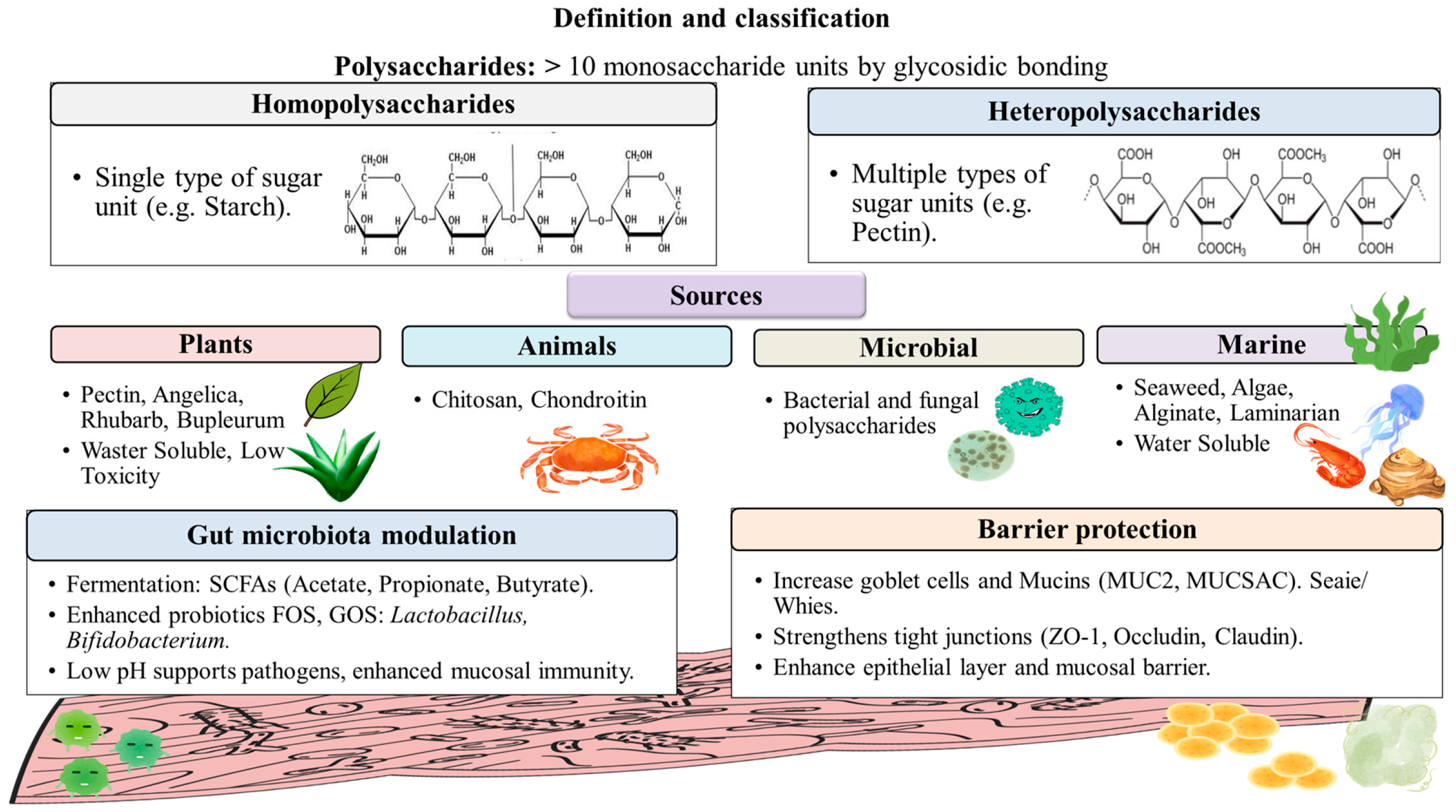
Figure 3.
Classification, sources, and gut barrier-related functions of dietary polysaccharides. Definition and classification distinguish two major categories: homopolysaccharides, which consist of a single type of monosaccharide unit (e.g., starch), and heteropolysaccharides, composed of multiple types of sugar units (e.g., pectin). Sources of polysaccharides can be derived from plants, animals, microbial sources, or marine organisms. Gut microbiota modulation: these compounds undergo fermentation to produce short-chain fatty acids (SCFAs), including acetate, propionate, and butyrate. Additionally, prebiotic fibers such as fructooligosaccharides (FOS) and galactooligosaccharides (GOS) enhance the abundance of beneficial genera, particularly Lactobacillus and Bifidobacterium. Fermentation also lowers luminal pH, which can suppress pathogenic bacteria while supporting mucosal immunity. With respect to barrier protection, dietary polysaccharides increase the number of goblet cells and the production of mucins (specifically MUC2 and MUC5AC), strengthen tight junction complexes (including ZO-1, occludin, and claudin), and enhance the integrity of the epithelial layer and overall mucosal barrier. Structures adapted from [53]. Copyright 2026, Natural Product Communications.
4. Structural Characteristics of Plant-Derived Active Polysaccharides
The structural characterization of polysaccharides reveals a profound correlation between their molecular architecture, specifically monosaccharide composition, glycosidic linkage types, branching patterns, and molecular weight, and their biological activities in colitis models [54,55]. However, a critical examination of the literature reveals that few universal rules exist and many claimed structure–activity relationships are source-specific or confounded by extraction methods, purity, and experimental models. This section synthesizes the available data to identify consistent patterns where they exist, while explicitly acknowledging contradictions and knowledge gaps.
4.1. Molecular Weight: A Non-Linear and Source-Dependent Determinant
Perhaps the most frequently cited structural parameter is molecular weight, yet the relationship between MW and bioactivity is neither linear nor universal. The most detailed evidence comes from Astragalus membranaceus polysaccharides, which serve as a paradigm for structure–activity relationships, where fractionation by MW yields distinct bioactive profiles. APS fractions with molecular MW > 2000 kDa, approximately 10 kDa, and about 300 Da exhibit differential immune activities, with no single fraction being uniformly superior across all outcomes [56]. Critical observation described that low molecular weight (2.60–8.38 KDa) alleviates dextran sulfate sodium (DSS)-induced colitis in mice by restoring short-chain fatty acid production and regulating Th17/Treg cell homeostasis in a microbiota-dependent manner [12]. However, the same study notes that further degradation below 2 kDa substantially reduces activity, suggesting an optimal MW window rather than a simple “lower is better” rule. This pattern is not universal. Hedysarum polysaccharides (HG-2, -3, -4) show a decreasing degree of branching with decreasing molecular weight, suggesting that structural compactness may influence their biological accessibility [56]. In contrast, for Astragalus arabinogalactans, the high MW fraction APS2-I (1.96 × 10⁶ Da) and APS3-I (3.91 × 10⁶ Da) exhibits the strongest antioxidant and cardio-protective activities [57].
These contradictory findings indicate that optimal MW is polysaccharide-specific, determined by source, monosaccharide composition, and backbone structure. No universal “optimal MW” exists.
4.2. Degree of Branching
Degree of branching (DB) is frequently invoked as a determinant of bioactivity, but the relationship appears non-linear and context-dependent. High DB is generally associated with enhanced microbial accessibility and prebiotic effects, presumably because branched structures provide more terminal sugar residues for microbial enzymes. Black mulberry polysaccharide (DB 0.38), kiwifruit polysaccharide (DB 0.32), and noni fruit polysaccharide (DB 0.41) all show strong prebiotic activity [58,59]. However, high DB may reduce direct TLR binding by sterically hindering access to backbone recognition motifs. For Hedysarum polysaccharides, DB decreased systematically from HG-2 (highest DB) to HG-4 (lowest DB), yet HG-4 showed the strongest anti-inflammatory activity, suggesting that excessive branching may impede bioactivity in certain contexts [56]. Conversely, for type II arabinogalactans from Astragalus, higher DB correlates with enhanced immunomodulatory activity [60].
4.3. Monosaccharide Composition: Patterns and Exceptions
Certain compositional patterns emerge consistently. Polysaccharides rich in galactose and rhamnose, such as Lycium barbarum polysaccharide, exhibit high uronic acid content and sustained fermentation profiles, indicative of strong prebiotic functionality [58]. Pectic domains rich in galacturonic acid (GalA) often serve as recognition sites for immune receptors [61]. The exceptions abound. Chinese yam polysaccharide combines starch-like α-1,4 glucose linkages with pectin domains, yet its anti-inflammatory activity is entirely microbiota-dependent; it shows no effect in germ-free mice [62]. This suggests that monosaccharide composition alone cannot predict the mechanism; the same sugars in different linkage contexts produce different outcomes. Similarly, buckwheat polysaccharides FTP (β-1,3/β-1,6 glucan) and FEP (pectic) coexist in the same plant but have distinct effects: FTP excels at immunomodulation, while FEP is superior for barrier protection [58].
Monosaccharide composition provides a necessary but insufficient predictor of bioactivity. Linkage type, branching pattern, and molecular weight must be considered together. The field lacks systematic studies that vary one structural parameter while holding others constant.
4.4. Chemical Modifications
Chemical modification is a promising strategy for enhancing or tuning polysaccharide bioactivity, but the field lacks standardization. Sulfation and acetylation consistently enhance or redirect polysaccharide bioactivity, but the degree and position of substitution are critical. Sulfation of mulberry leaf polysaccharides at O-2 and O-6 positions (degree of substitution DS 0.42) preserves the native backbone while introducing negative charges that enhance biological activities [63]. Acetylation of Polygonatum sibiricum fructooligosaccharide at the O-6 position (DS 0.15) significantly enhances immunoactivity by activating Dectin-1 and CD14 receptors [64]. The literature contains no systematic dose–response studies for DS. It is unknown whether DS 0.42 is optimal or whether higher DS would increase efficacy or toxicity. Most modified polysaccharides are compared only to their native forms, not to each other or to positive controls, making it impossible to determine which modification strategy is superior. Furthermore, chemical modification introduces batch-to-batch variability and raises regulatory concerns. The comprehensive analysis of these structural features provides a robust foundation for understanding the mechanism of action of polysaccharides in Table 2.
Table 2.
Comprehensive structure–function relationships of dietary polysaccharides in colitis.
5. Gastrointestinal Tract Remodeling Induced by Polysaccharides
Dietary polysaccharides induce gut remodeling via a bunch of activities and mechanisms, including restoration of mucosal architecture, histopathological improvements, enhanced gut motility and anti-fibrotic remodeling. The composition and functions of gut are interrupted by the collective properties of prebiotics, antioxidants and anti-inflammatory effects of polysaccharides [2,71]. Further, we discuss the differences between studies regarding their respective models and their effectiveness.
5.1. Hierarchy of Evidence: Comparing Model Systems for Polysaccharide Research in Colitis
The evidence presented in this review is derived from distinct experimental systems, each with fundamentally different translational strengths. Understanding this hierarchy is essential for correctly interpreting the mechanistic factors such as the following: animal models provide proof-of-concept efficacy data, cell culture studies elucidate direct epithelial mechanisms, and fermentation studies reveal microbial metabolic pathways; no human clinical trial data are currently available as described below. The key mechanistic actions are sourced from evidence grading, models used across different studies, and their respective limitation of dietary polysaccharides in colitis, as listed in Table 3.
5.1.1. Animal Model Studies
In a murine model of dextran sulfate sodium-induced colitis, treatment with various natural polysaccharides has consistently demonstrated significant therapeutic efficacy. Polysaccharides from Grifola frondosa and Inonotus obliquus administered at 200 mg/kg/day by gavage markedly ameliorated colitis symptoms, reduced disease activity index (DAI), prevented colon shortening, and modulated both systemic metabolism and gut microbiota composition [72]. Similarly, tamarillo fruit pulp polysaccharides, specifically type I arabinogalactan and methyl-esterified homogalacturonan, showed protective effects against DSS-induced UC by reducing inflammation and promoting mucosal healing [73]. Epimedium polysaccharide treatment mitigated UC symptoms including weight loss, anal bleeding, elevated DAI, and colon shortening, while also inhibiting oxidative stress and regulating autophagy pathways [74]. Chinese yam polysaccharide (YP) purified from Dioscorea opposita Thunb showed therapeutic efficacy in UC mice, complemented by in vitro studies which demonstrated significant attenuation of inflammatory responses in LPS-stimulated intestinal epithelial cells [62]. Polysaccharides from natural Cordyceps sinensis attenuated DSS-induced colitis in C57BL/6J mice through histological, serological, biochemical, and immunologic improvements [75]. An acidic polysaccharide from Phellinus linteus demonstrated ameliorative effects on UC in a DSS-induced mouse model [76]. Glycyrrhiza pallidiflora polysaccharide (GPP) ameliorated DSS-induced colitis by protecting intestinal barrier integrity across multiple dose levels (100, 200, 300 mg/kg) [77].
Crude polysaccharides from Physalis pubescens L. mitigated colitis by preventing oxidative damage, aberrant immune responses, and dysbacteriosis [78]. Rhamnogalacturonan (RGal) from Acmella oleracea leaves improved intestinal barrier function in DSS-induced colitis mice [79]. Homogalacturonan from yellow passion fruit peel ameliorated intestinal injury in DSS-induced colitis mice [80]. Polysaccharide from Millettia speciosa Champ roots showed protective effects in DSS-induced UC mice [81]. Stropharia rugosoannulata polysaccharide (SP-1a) and its derivatives alleviated weight loss, colon shortening, and bloody stools induced by DSS [82].
Natural plant polysaccharides generally alleviate DSS-induced UC by inhibiting inflammation and modulating gut microbiota. Turmeric polysaccharides ameliorated DSS-induced UC by modulating gut microbiota, improving microbial metabolites, and enhancing gut barrier function [83]. Glucan from Gastrodia elata Blume showed ameliorative effects on DSS-induced colitis in mice [84]. Bergamot polysaccharides relieved DSS-induced UC via regulating gut microbiota and metabolites [85]. Rhopilema esculentum polysaccharides enhanced epithelial cell barrier in vitro and alleviated chronic colitis in mice [86]. Exopolysaccharides from Limosilactobacillus mucosae CCFM1273 alleviated UC via modulation of gut microbiota and inhibition of Fas/Fasl and TLR4/NF-κB pathways [87].
The high-impact study on Eucommia ulmoides polysaccharide-modified nano-selenium (EUP-SeNP) revealed that this formulation effectively alleviated DSS-induced colitis by enhancing intestinal mucosal barrier function and antioxidant capacity, demonstrating the potential of polysaccharide-based nanotherapeutics [88]. Degraded polysaccharides from Sargassum fusiforme (PSF-T2) prepared by UV/H2O2 treatment effectively ameliorated DSS-induced colitis [89]. The special polysaccharide hydrogel from Brasenia schreberi (BS mucilage) showed preventive effects against UC, even at very low solid content (0.3%), through modulating gut microbiota [90]. Agaricus blazei Murrill polysaccharide protected against DSS-induced colitis by modulating intestinal barrier function and remodeling metabolism [89].
Similarly, Selaginella uncinate (SUSP-4), being the rich source of polysaccharides, prevents or inhibits macrophage activation. Colonic lining is restored, and Akkermansia muciniphila, a beneficial bacteria, is enhanced in IBD mice to restore intestinal mucosal status [91]. Monosaccharide composition, molecular weight and glycosidic linkages contribute to the therapeutic efficiency of polysaccharides [13,92]. As shown in Figure 4, the acetylated fructooligosaccharide PSO-A from Polygonatum sibiricum (molecular weight 2.12 kDa) hinders the NLRP3 inflammasome pathway and mitigates the colitibers in DSS-induced mice [93].
Figure 4.
Preparation, structural characterization, and colitis-ameliorating effects of a natural acetylated fructooligosaccharide (PSO-A) derived from Polygonatum sibiricum, mediated via NLRP3 inhibition. PSO-A alleviates intestinal mucosal injury in DSS-induced colitis mice. (A) Relative mRNA expression levels of *Zo-1*, Occludin, and Muc2 in colonic tissues, determined by qRT-PCR. Data are presented as mean ± SEM (n = 8). * p < 0.05, ** p < 0.01 versus control (Ctrl) group; # p < 0.05 versus DSS-treated group. (B) Representative histological and histochemical images of colon tissues following hematoxylin and eosin (H&E) staining, Alcian blue staining, and WGA-FITC staining (all at 100× magnification). Black arrows indicate goblet cells; green arrows denote crypts; yellow arrows point to inflammatory cell infiltration. The pathway schematic is adapted from [93] copyright 2026, Journal of Functional Foods/Elsevier.
Artocarpus heterophyllus Lam. (Jackfruit) has significant polysaccharides in the pulp. It improves the intestinal mucosal barrier via inhibiting oxidative stress in high-fat-diet-induced rats. Its application also reduces inflammation [94]. In a nutshell, polysaccharides have been proved crucial in gut homeostasis through intestinal mucosal architecture and gut barrier enhancement.
Polysaccharides show properties that regulate cellular pathways, contributing to fibrosis. Tissue repair and immunomodulation can also be achieved by the polysaccharides obtained from Albuca bracteate. The A. bracteate-derived polysaccharides diminish colon tumorigenesis through the administrative control of inflammation, gut microbiota and oxidative stress in AOM/DSS-induced mice [95]. Inflammation and immunity regulation by polysaccharides make them a promising complementary strategy due to their anti-fibrosis activity [71]. This immunity and inflammation regulation also helps in the inhibition and control of fibrotic remodeling, building intestinal epithelial barrier strength [96].
The enteric nervous system and muscularis externa are two main structures that maintain gut motility. Polysaccharides upgrade gut motility, distinguished from anti-inflammatory activity. Polysaccharides obtained from Hericium erinaceus are able to reduce colon structural damage and DAI in antibiotic-associated diarrhea (AAD) rats. This shows the ability of polysaccharides to improve gut integrity [97]. Gut dysmotility causes diarrhea, which can be treated by polysaccharide application. Panax quinquefolius polysaccharides (WQP) application assists in enhanced gut activity via regulating the gut microbiota and signaling pathways in AAD rats [98]. Gut motility is also affected positively by SCFA production, e.g., butyrate helps to maintain the gut by facilitating colonocyte health improvement and intestinal barrier strength. For instance, a crucial prebiotic, inulin, is a polysaccharide that treats intestine destruction via PI3K/AKT/mTOR signaling pathway regulation [99,100]. In short, the enteric nervous system and muscularis externa are concerned with the whole of gut motility and health improvement, with specific functions for growth and metabolism.
Another way to treat gut mucosal barrier malfunction is polydopamine-cladded montmorillonite micro-sheets (PDA/MMT). These sheets show therapeutic activity for colitis via oxidative stress inhibition [101], as shown in Figure 5. In conclusion, polysaccharides have functional and therapeutic roles in the cure for GIT disorder. They can build up gut motility, gut remodeling, and microbiota regulation. The anti-inflammatory effects, along with anti-fibrotic effects, barrier-enhancing impact, and restoration of gut motility, lead histopathological betterment and mucosal architecture restoration of the gut [2,71].
Figure 5.
Polydopamine-cladded montmorillonite (PDA/MMT) micro-sheets as a therapeutic platform for repairing the gut mucosal barrier in murine colitis through oxidative stress inhibition. PDA coating of Na-MMT enhances bio-adhesion and colonic residence time. PDA/MMT micro-sheets reduce oxidative stress (ROS, MDA, MPO), protect goblet cells and MUC2, restore tight junction proteins (ZO-1, OCLN-1, CLDN-5), and suppress pro-inflammatory cytokines (IL-6, IL-1β, TNF-α), leading to mucosal barrier repair and colitis alleviation; adapted from [101] copy right 2026, Materials Today Bio, Elsevier.
In summary, numerous previous murine studies have demonstrated that diverse polysaccharides from fungal, plant, and marine sources consistently alleviate DSS-induced colitis symptoms, reduce DAI, restore colon length, and improve histological outcomes. The consistency of these findings across multiple laboratories and polysaccharide sources provides strong proof-of-concept evidence that dietary polysaccharides possess genuine anti-colitis activity.
5.1.2. Cell Model Studies
Using a Caco-2 cell monolayer, it was demonstrated that several polysaccharides directly enhance epithelial barrier integrity. Specifically, exopolysaccharide produced by Streptococcus thermophilus showed alleviating effects on intestinal inflammation and mucosal barrier function in Caco-2 monolayers [102]. Rhamnogalacturonan isolated from Acmella oleracea leaves demonstrated protective and healing effects on heterogeneous human epithelial colorectal adenocarcinoma cells, improving intestinal barrier function [79]. Astragalus polysaccharides directly upregulate tight junction proteins in Caco-2 monolayers [103]. Rhopilema esculentum polysaccharides enhanced epithelial cell barrier function in vitro as measured by Caco-2 cell monolayer assays [86]. These studies typically measure outcomes such as transepithelial electrical resistance and FITC-dextran flux to quantify barrier integrity improvements without cytotoxicity at tested concentration ranges.
In summary, studies using Caco-2 cell monolayers have demonstrated that specific polysaccharides directly enhance epithelial barrier integrity, as measured by increased transepithelial electrical resistance (TEER), reduced FITC-dextran flux, and upregulation of tight junction proteins (ZO-1, occludin, claudin). These findings establish mechanistic plausibility for microbiota-independent, direct epithelial effects of polysaccharides. However, the translational strength of this evidence is low to moderate. Caco-2 monolayers are a simplified, single-cell-type system that lacks immune cells, gut microbiota, enteric nervous system functions, and the complex three-dimensional crypt villus architecture of the intestinal mucosa.
5.1.3. Fermentation-Based Studies
In vitro fermentation with human fecal inoculum showed that certain polysaccharides are selectively metabolized by the gut microbiota to produce beneficial SCFAs. Comprehensive evaluation of Flammulina velutipes residue polysaccharide demonstrated its fermentation characteristics using human fecal inoculum under controlled anaerobic conditions [102]. Similarly, intrapolysaccharide from Paecilomyces cicadae underwent artificial simulated digestion followed by in vitro fermentation with human gut microbiota, revealing its gastrointestinal metabolism characteristics [104]. Basidiospore-derived exopolysaccharides from Naematelia aurantialba were also evaluated for in vitro digestion and fecal fermentation with human gut microbiota [105]. These fermentation studies typically show selective metabolism to SCFAs and shift in microbial composition toward saccharolytic taxa relative to control fibers.
Most polysaccharides reach the colon undigested and exert effects primarily through fermentation-dependent (indirect) mechanisms, though some sulfated or low-MW fractions may directly interact with epithelial TLRs. Polysaccharides can directly bind to epithelial TLR2 and TLR4, modulating NF-κB signaling without microbial involvement [31,106]. Germ-free mice fed with polysaccharides fail to produce SCFAs and show no anti-colitis activity, suggesting indirect effects on the gut [107]. Polysaccharides indirectly affect SCFA production, secondary bile acid metabolism, and tryptophan metabolite generation, which are completely microbiota-dependent [31,108,109].
Studies using human fecal inoculum under anaerobic conditions have demonstrated that specific polysaccharides are selectively fermented by the gut microbiota to produce short-chain fatty acids (SCFAs), particularly acetate, propionate, and butyrate, while shifting microbial composition toward saccharolytic taxa. These findings provide valuable insights into how polysaccharides are metabolized by human-derived gut microbes and support the microbiota-dependent mechanism of action.
5.1.4. Human Clinical Studies
To date, no human randomized controlled trials have been published on any specific polysaccharide for ulcerative colitis. The available evidence remains entirely preclinical, limited to murine models of DSS-induced colitis, in vitro cell culture systems (primarily Caco-2 monolayers), and in vitro fermentation studies with human fecal inoculum. While these preclinical studies provide compelling mechanistic insights and demonstrate consistent therapeutic potential across diverse polysaccharide sources, the absence of human clinical trial data represents a critical translational gap. This lack of clinical evidence underscores the urgent need for well-powered, placebo-controlled, randomized controlled trials to validate the safety and efficacy of these promising natural compounds in human UC patients before they can be considered viable therapeutic alternatives to conventional treatment.
Table 3.
Level of studies for key mechanistic actions of dietary polysaccharides in colitis.
6. Mechanistic Actions of Polysaccharides in Colitis
6.1. Microbiota-Dependent Mechanisms
6.1.1. Gut Microbiota Remodeling
UC is characterized by reduced microbial diversity, primarily by a reduction in Bacteroidetes, Eubacterium rectale and Akkermansia muciniphila alongside increased abundance of potentially pathogenic Enterobacteriaceae (particularly Escherichia coli) [115,116]. Environmental factors including dietary habits and smoking status may influence an individual to UC susceptibility by modulating gut microbial composition, though the impact of smoking on UC in Asian populations remains unclear [110,111]. However, a critical evaluation of the literature reveals that certain microbial changes are consistently reproducible across diverse polysaccharide sources and experimental models, while others are model-specific or polysaccharide-dependent.
Polysaccharides isolated from Chrysanthemum morifolium have demonstrated beneficial effects in the protection against UC. The signal transduction pathways, such as block NF-κB and JAK/STAT, might be blocked by chrysanthemum polysaccharide. By inhibiting these unique cascades, Chrysanthemum polysaccharide reduces the expression of some cytokines and proteins [117]. Further, based on 16S rRNA sequencing analysis, in colitis, the gut flora can also become imbalanced. Treatment with this particular polysaccharide maintains an inequitable microbiome as it reduces the prevalence of opportunistic microflora such as Escherichia and Enterococcus and increases the populations of Butyricicoccus, Clostridium, Lactobacillus, Rikenellaceae and Bifidobacterium. Moreover, this polysaccharide not only retains the dysregulated gut pathogens but also prevents pro-inflammatory factors such as IL-23, TNF-α, and interferon-gamma, which were the reasons for colonic intestinal damage [117]. Gracilaria lemaneiformis oligosaccharides also exert their effects through maintaining the intestinal microbiome and reinforcing the short-chain fatty acids. This polysaccharide modulates the markers in the immune organs and proteins for inflammatory response and the expression of metabolites in the intestine. Structural characteristics of these oligosaccharides were undertaken in alleviation of DSS-induced colitis by modulating gut microbiota and intestinal metabolites [114].
Multiple studies demonstrate that microbial changes are consistently related to Lactobacillus, and Bifidobacterium represents the most robust and reproducible finding across mice models. Majority of the independent studies have demonstrated consistent increases in relative abundance of these genera following intervention with diverse polysaccharide sources, including plant-derived (Astragalus, Chrysanthemum, mulberry, kiwifruit, Sagittaria, buckwheat, Aloe), fungal-derived (Ganoderma, Pleurotus, Flammulina), marine-derived (Rhopilema), and prebiotic fibers (inulin, FOS, GOS) [8,9,10,45,86,110,111,112,113]. This effect is independent of molecular weight (2–150 kDa) and degree of branching and has been replicated in both dextran sulfate sodium and 2,4,6-trinitrobenzenesulfonic acid UC-induced mice models [46].
Enrichment of A. muciniphila has been reported in previous studies but shows clear condition dependence. Increased abundance is consistently observed with sulfated polysaccharides, such as sulfated mulberry leaf polysaccharide (SMLP), and marine-derived polysaccharides from Rhopilema esculentum and Gracilaria lemaneiformis [91,114]. Similarly Butyricicoccus and Rikenellaceae were increased exclusively by Chrysanthemum morifolium polysaccharide in a single DSS-induced UC in rat study [117]. Parabacteroides distasonis enrichment was reported only with alfalfa polysaccharide [46]. Despite its strong relevance to IBD, Faecalibacterium prausnitzii has been investigated in studies focusing on polysaccharides [8,9,10,113]. Ruminococcaceae has been reported in Ganoderm and buckwheat polysaccharides, suggesting a possible requirement for β-glucan structures [113,134].
Other gut microbiota like Pleurotus eryngii resist digestion in the upper gastrointestinal tract and reach the colon intact, where they are fermented by saccharolytic bacteria. This fermentation process enriches specific microbial taxa and alters metabolic output. For instance, in vitro fermentation of Pleurotus eryngii mushrooms with human fecal inoculate significantly increased the relative abundance of butyrate-producing bacteria, including members of Lachnospiraceae and Ruminococcaceae, while reducing pro-inflammatory genera such as Escherichia-Shigella [127]. Similarly, administration of protein from P. eryngii in murine colitis models led to a notable decrease in Escherichia abundance and an increase in beneficial Lactobacillus species, correlating with reduced inflammatory cytokines and improved barrier integrity [118].
6.1.2. SCFA Production and Signaling (GPCR and HDAC Pathways)
GI disorders have been revealed to be significantly influenced by metabolites originating from the gut microbiota, such as SCFAs. The most prevalent colonic SCFAs generated by intestinal microbial fermentation of dietary fiber are acetate (C2), propionic (C3), and butyrate (C4). They serve as signal molecules by blocking the action of the histone deacetylase (HDAC) and activating the G-protein-coupled receptors (GPCRs) such as GPR41, GPR43, and GPR109A [120,121]. GPCR activation in turn controls a variety of cellular processes, such as immunology, metabolism, and inflammatory response. Some of the primary metabolites of microbes, SCFAs are produced when bacteria ferment food fiber and are mostly used in the colon as a source of energy by colon cells [135]. Fatty acids with fewer than six carbon atoms are known as SCFAs [136]. They are mostly produced by gut bacteria through the fermentation of resistant starch and undigested fiber, while they can also be produced spontaneously in the liver through host metabolic pathways. Through apoptosis (programmed cell death) and tumor cell growth, SCFAs prevent carcinogenesis [122]. SCFAs, or short-chain fatty acids, have demonstrated significant promise as a therapeutic approach for IBD [137]. Butyrate-producing bacteria and the expression of the receptors GPR43 and GPR109A are both markedly reduced in individuals with colon cancer, demonstrating the preventive impact of SCFAs against colitis and colon cancer [124].
SCFAs increase neutrophils’ phagocytic potential and encourage their migration to an infection site in reaction to inflammation, which aids in the infection’s treatment. Butyrate and propionate are histone deacetylase (HDAC) inhibitors. HDAC inhibition suppresses pro-inflammatory cytokine production (TNF-α, IL-6, IL-1β) in macrophages. Inhibiting HDAC and GPCR signals are the main ways to aid in controlling T-cell function. Additionally, SCFAs have an impact on T-cell development in dendritic cells (DCs). SCFAs also contribute to their development in several subsets, including Th1, Th17, and Tregs, within a complicated cytokine context. By blocking HDC, SCFAs cause B cells to produce intestinal IgA. In the gut, this immunoglobulin is in charge of immunological tolerance [123]. Butyrate ameliorated colonic inflammation in mice by reducing the level of pro-inflammatory cytokines such as interleukin-6, IL-17, TNF-α and IL-1beta [138]. SCFAs participate in modulating immune cells. Butyrate was found to ameliorate colitis in mice due to the inhibition of pro-inflammatory T helper 17 cells by the activation of Sirtuin 1 and mammalian target of rapamycin [138].
Butyrate was revealed to promote M2 (anti-inflammatory) macrophage polarization, which suppressed M1 intestinal inflammation in in vitro and in vivo models of colitis [139] as described in Table 4. Polysaccharides help to alleviate UC, in part, by increasing production of SCFAs important for intestinal barrier function and immunomodulation. For example, Aloe vera polysaccharides balance the concentrations of SCFAs and also activate the Nrf2/HO-1 pathway, providing protection to the layers of the intestine and modulating the antioxidant and inflammatory genes [120]. Similarly, Meconopsis polysaccharides (MP) restore SCFA concentrations, such as butyrate, propionic acid and valeric acid, while promoting beneficial gut bacteria and reducing harmful bacteria, improving immune regulation and intestinal barrier integrity [119]. Ganoderma lucidum polysaccharide (GLP) improves cecal SCFAs through its ability to improve SCFA-producing bacteria such as Ruminococcus, which supports epithelial gene expression and immune function [113]. Almond polysaccharide, named AP-1, is also shown to restore SCFA profiles as well as increase goblet cells and inhibit epithelial apoptosis and pro-inflammatory cytokines, modulating both innate and adaptive immune responses [140]. These actions all work in concert to maintain gut homeostasis, inhibit inflammation, and boost the immune defense system in colitis models.
Table 4.
Role of short-chain fatty acids (SCFAs) in gut health, immune regulation, and colitis.
6.2. Microbiota-Independent and Direct Epithelial Mechanisms
6.2.1. Tight Junction Regulation
Tight junctions (TJs), which are clusters of complex structures formed between neighboring intestinal epithelial cells, are primarily responsible for forming the intestinal mucosal barrier. Although TJ modulation is an efficient way to improve absorption, inflammation often causes the TJ barrier to be disrupted [146]. The transmembrane and cytosolic proteins, occludin, claudin, zonula occludens (ZOs), tricellulin, cingulin, and junctional adhesion molecules (JAM), are connected to the TJs [147]. TJ proteins play a significant role in the pathophysiology of UC, as reported by an increasing number of studies conducted on colitis models [148]. Goblet cells produce and secrete mucus, which covers the intestinal lining’s surface and is crucial to the integrity of the intestinal barrier. This gel-like material serves as a barrier between the intestinal contents and the host’s tissue, providing a home for the gut microbiota and protecting the intestinal lining [149]. Research has indicated that UC patients had higher expression of mucin, a crucial component of mucus [149]. Bacteria and their structures can influence the mucus barrier in a certain manner, which may impact health. A healthy community in the microbiome is crucial to the balance in the homeostasis of the mucosal barrier, which consists of a dynamic balance of production, secretion, expansion and proteolysis of mucus components [115].
Polysaccharides help maintain the integrity of the intestinal epithelium through the regulation of cell death pathways such as apoptosis and necroptosis. For example, polysaccharides block RIPK1-RIPK3-MLKL necroptotic signaling to reduce the phosphorylation levels of MLKL and reduce necroptotic cell death in Caco-2 cells. Their composition of carbohydrates is key to these anti-necroptotic effects [103]. Similarly, Tremella fuciformis and other polysaccharides of plant origin exert their protection mechanism through the maintenance of tight junctions, upregulation of anti-apoptotic mediators and downregulation of pro-inflammatory mediators [131,150].
Flammulina velutipes polysaccharides significantly improved the signs of UC by the modulation of the expression of some cytokines, genes and proteins of intestinal tight junctions, short-chain fatty acids and intestinal flora control. The physiological responses, mucosal destruction, intestinal ulcers, serum cytokines, and modulation of the gut microbiota were some of the initial pathogeneses from DSS-induced colitis. Treatment with these fungal polysaccharides thus preserved maintenance of the levels of goblet cells, pro-inflammatory cytokines, and nitric oxide and reduced the pathological effects. Tight junction protein synthesis and short-chain fatty acid extents are both mounted in colitis tissue. Additionally, functional prediction of gut microbiota using Phylogenetic Investigation of Communities by Reconstruction of Unobserved States (PICRUSt) demonstrated that Flammulina velutipes polysaccharide modulated microbial metabolic pathways, which may contribute to the alleviation of ulcerative colitis [112]. Isolated sulphated polysaccharides from Gracilaria lemaneiformis introduced mucosal layer healing through reduction of the pro-inflammatory cytokines contributing to colon dysbiosis. It also reduces biochemical marker myeloperoxidase and eventually leads to lowered neutrophils. It maintains the tight junction, thus preventing pathogens to enter [151].
In mice, UC was caused by 2,4,6-Trinitrobenzenesulfonic acid (TNBS) and treated with extracted purified polysaccharide fractions called HG-2, HG-3, and HG-4 with distinct molecular weights of 12.4, 8.7, and 5.2 kDa, respectively; these were from a traditional medicinal plant known as Hedysarum which improved the mice’s body weight and fecal characteristics to varying degrees (p < 0.01). In the meantime, to promote intestinal mucosa healing and raise the Colon Macroscopic Damage Index (CMDI) score of UC mice (p < 0.05), the macroscopic morphology of the colon and the damage to the colonic mucosa can also be improved to varying degrees. There was a significant increase in HG-4 and a significant drop in tumor necrosis factor-alpha (TNF-α), interleukin-6, and interleukin-10 (p < 0.01) [4,44]. In both the DSS-induced rat model and the TNBS-induced mouse model, APS showed significant therapeutic benefits [113]. Baicalin polysaccharide can reduce a neutrophil-derived enzyme activity called myeloperoxidase (MPO), disease activity index (DAI), colonic histological damage, and weight loss in UC mice caused by DSS. Additionally, along with the enhanced expression of proteins like zonula occludens-1 (ZO-1), which are located on the surface of the gut cells lining, occludin and claudin-5 led to the reconstruction of the intestinal barrier [66]. Noni fruit polysaccharide reduces the harm that DSS salt causes to the colonic mucosal barrier by increasing the expression of mucosal and tight junction proteins (ZO-1 and occludin) [152] as explained in Figure 6. Similarly, by lowering serum levels of endotoxin (EDT), diamine oxidase (DAO), and D-lactate (DLA), crude polysaccharides (QHPS) extracts from a two-herb formula consisting of Lycium barbarum and Astragalus membranaceus promoted the preservation of the integrity of the intestinal mucosa and healed intestinal tract injuries [153].
Figure 6.
Polysaccharide-mediated intestinal barrier protection. (A) Tight junction protection via upregulation of ZO-1, occludin, and claudins. (B) Mucus layer enhancement through goblet cell stimulation and increased mucin production. (C) Immune modulation characterized by ↓ TNF-α, ↓ IL-6, and ↑ IL-10 and (D) Microbiota balance with ↑ SCFAs and ↑ beneficial commensal bacteria.
6.2.2. TLR-Mediated Immunomodulation (NF-κB, MAPK, NLRP3)
Ulcerative colitis is a chronic inflammatory disease in which there is continuous inflammation and breakdown of the colonic mucosa. Its pathogenesis is closely linked with immune dysregulation, overproduction of pro-inflammatory cytokines, disruption of the epithelial barrier, and altered gut microbiota composition. In UC, the inappropriate response of immune cells causes an imbalance in the diagnostic proportion of pro-inflammatory and anti-inflammatory reactions, leading to prolonged mucosal injury and disease progression [153,154]. Cytokines are at the core of the pathophysiology of UC. These are produced by immune system cells like macrophages, T cells, B cells, NK cells, and dendritic cells as well as non-immune cells like epithelial and endothelial cells. Excessive secretion of pro-inflammatory cytokines, such as TNF-α, IL-6, and IL-1β, promotes intestinal inflammation, whereas anti-inflammatory cytokines, such as IL-10, are involved in mucosal healing and immune homeostatic mechanisms [155]. Consequently, therapeutic interventions that focus on cytokine dysregulation and inflammation-related signaling pathways have received significant attention in the management of UC.
At a molecular level, toll-like receptors (TLRs) are very important pattern recognition receptors that are expressed on immune cells such as macrophages, neutrophils, and lymphocytes. Upon binding with polysaccharide ligands, TLRs recruit downstream adaptor molecules such as TNF receptor-associated factor 6 (TRAF6), which in turn activates the regulation of the MAP kinase and NF-κB signaling pathways. These pathways are responsible for the transcription of genes which regulate the development of inflammation and immunity [31]. NF-κB, in particular, is a central transcription factor and modulates the expression of several pro-inflammatory cytokines. Under resting conditions, NF-kappa B is kept in an inactive condition by binding with inhibitory protein, I-kappa B. Upon stimulation, IkB is phosphorylated by IKK, and then NF-κB translocates into the nucleus and induces inflammation and inflammatory genes [106]. Polysaccharides have shown substantial immunomodulatory properties through the regulation of these inflammatory signaling cascades. For example, Astragalus membranaceus polysaccharide inhibits an activation of NF-κB, which in turn decreases the synthesis of TNF-α, IL-6, IL-1 beta and other inflammatory mediators. In addition, it modulates the expression of the NFATc protein which reduces the levels of cytokines to a significant extent and mitigates the effects of colitis induced by TNBS in a rat model [156]. Similarly, the polysaccharides obtained from Eucheuma cottonii modulate colitis induced by DSS by increasing the level of the anti-inflammatory cytokine IL-10 and decreasing the serum levels of TNF-α, IL-1 and IL-6 [125]. In addition to suppressing cytokines, polysaccharides also affect immune cell differentiation and balance. Astragalus membranaceus polysaccharide repairs colonic tissue by modulating the populations of helper T cells and regulatory T cells (Treg). It downregulates Tfh1, Tfh17 and Tfh21 cells and increases the levels of Tfh10 and Treg cells, thereby restoring immune balance and correcting dysbiosis [157] as described in Figure 7. Tremella fuciformis polysaccharides also decrease pro-inflammatory cytokines and increase tight junction protein and Foxp3+-T cells, which improve mucosal immunity and intestinal barrier function [114].
Figure 7.
Dietary polysaccharide-mediated short-chain fatty acid (SCFA) production and its immunomodulatory and protective effects on intestinal homeostasis. SCFAs—primarily acetate (C2), propionate (C3), and butyrate (C4)—are produced by the gut microbiota through fermentation of dietary fiber and resistant starch, and butyrate additionally serves as a primary energy source for colonocytes. Mechanistically, SCFAs signal through G-protein-coupled receptors (GPCR41, GPR43, and GPR109A) to regulate immunity and metabolism. Their immunoregulatory effects include suppression of pro-inflammatory cytokines (TNF-α, IL-6, IL-1β, IL-17), promotion of regulatory T cells (Tregs), M2 macrophage polarization, and increased IgA secretion, alongside T-cell differentiation characterized by reduced Th1 and Th17 responses and enhanced Treg populations. Polysaccharide-mediated enhancement of SCFAs has been demonstrated with specific compounds: Aloe vera polysaccharides normalize SCFA levels and activate the Nrf2/HO-1 antioxidant pathway, while Meconopsis polysaccharides restore SCFA concentrations and reduce harmful bacteria. These changes lead to upregulation of tight junction proteins (ZO-1, occludin, claudins) and increased mucin secretion, thereby reinforcing mucus layer integrity and reducing microbial translocation, which in turn decreases local and systemic inflammation. Additional protective and metabolic effects include anti-colitic and anti-tumor activity (promoting apoptosis and inhibiting tumor cell proliferation), support of blood–brain barrier (BBB) integrity via tight junction maintenance, and enhanced energy metabolism through Nrf2/HO-1 activation.
MAPK, such as ERK, JNK, and p38 concentration pathways, also perform an essential role in inflammation. Polysaccharides of Ganoderma lucidum, Ganoderma sinense and Pleurotus eryngii have been found to modulate the phosphorylation of the mitogen-activated protein kinases (MAPKs) and nuclear factor B (NF-κB) to affect immune regulation in macrophage and colitis models [106] as mentioned in Table 5.
Table 5.
Immunomodulatory effects and mechanisms of polysaccharides in ulcerative colitis.
In turn, the activation of excessive ERK and NF-κB can be reduced by treatment with high doses of polysaccharides, resulting in reduced production of cytokines and attenuation of inflammation in the intestines [35]. Immune imbalance in UC is further characterized by the decrease in Treg cells and the increase in Th17 and Th1 cells in population in gut-associated lymphoid tissue (GALT) with higher production of TNF-α and IL-1 beta. Activation of innate immune pathways, particularly TLR4 signaling, worsens epithelial damage and drives chronic inflammation [110]. Polysaccharides from Atractylodes macrocephala and Poria cocos have shown therapeutic potential in restoring Th17/Treg homeostasis and inhibiting inflammatory signaling pathways such as IL-6/STAT3 and IL-33/ST2, respectively [128]. Collectively, these findings suggest protective efficiency of polysaccharides in UC through modulation of the infiltration of immune cells, inhibition of pro-inflammatory cytokines, modulation of key immune cell signaling pathways, including NF-κB and MAP kinase, and restoration of immune homeostasis. Through these mechanisms, polysaccharides are responsible for downregulation of mucosal inflammation, enhancement of epithelial integrity and improvement of disease in colitis models.
6.3. Oxidative Stress Remodeling via Nrf2/HO-1 Activation
Oxidative stress is an important factor in the pathogenesis of UC, and polysaccharides can counteract this through the antioxidant pathways. In the case of colitis, there are increased markers of oxidative stress in the body which can contribute to intestinal damage while the antioxidant defense systems are impaired [130]. Polysaccharides have protective effects, such as triggering antioxidant signaling pathways and maintaining intestinal barrier integrity. Aloe vera belongs to the Asphodelaceae family (previously often placed in Xanthorrhoeaceae or Liliaceae). A constant pulpy shrub known as A. vera with green leaves, arranged at the stem in a rosette form, is significantly rich in nutrients and various constituents, including glycoproteins, flavonoids, minerals, amino acids, sterols, saponins, and vitamins. It has been widely demonstrated that polysaccharides such as acemannan, pectin and cellulose are prominent active ingredients which are found in Aloe vera gel. It has numerous pharmacological activities ranging immune modulating activities, antibacterial, antioxidation, hypolipidemic and anticancer [130].
A previous study has confirmed that through the modification of the janus kinase (JAK)2 signal transducer and activator of transcription (STAT)-3 signaling cascade, A. vera significantly improved the colon health of mice. Similarly, aloe polysaccharide showed favorable results, demonstrated by the inhibition of the increased expression of relative genes and interleukins and restoration of the colonic length therefore curing the intestinal colonic injury [160]. A. vera polysaccharides also works by invigorating Nrf2/HO-1 signaling cascade. Nrf2 is a nuclear factor erythroid 2-related factor that has a decisive role in the protection of the intestinal layer, activating colonic proteins such as zona occludens and occludin. These factors are sparked off by oxidative stress, which leads to production of inflammatory and antioxidant genes quinine oxidoreductase-1 and heme oxygenase-1. A. vera polysaccharides could attenuate the level of these proteins and, on top of that, they can normalize the aberrant level of short-chain fatty acids [142]. A. vera polysaccharides activate the Nrf2/HO-1 signaling pathway by reducing the oxidative damage and restoring intestinal barrier proteins such as occludin and zona occludens [142]. Hericium erinaceus polysaccharides reduce malondialdehyde and reactive oxygen species, maintain mitochondria membrane integrity, and increase superoxide dismutase activity, thereby promoting the integrity of intestinal cells and reducing oxidative stress [132].
Colitis induced by acetic acid was cured by Gracilaria caudata polysaccharide. The effect of 10.0 mg/kg of sulphated polysaccharide treatment was found to be significant. Myeloperoxidase, glutathione peroxidase, and malondialdehyde are three biochemical markers of oxidative stress that, when overexpressed, lead to perturbation of the colon. As a result, the administration of this polysaccharide reduced the increased nitric oxide level in the colon tissue which was confirmed by Western blotting. Additionally, the physical factors such as body weight, colon length and stool consistency were controlled, and Gracilaria caudata polysaccharide treated colitis thoroughly, activating a healing process including anti-inflammatory effects [161]. The nanocarrier based on polysaccharides can help the drug to overcome the harsh conditions in the gastrointestinal tract, making it more stable, and also help to concentrate, to the greatest extent possible, in the regions where intestinal inflammation is present. This has the effects of reducing side effects of the drug and increasing the bioavailability of the drug. Specific polysaccharides as prebiotics can give the drug nano-delivery systems the ability to target the colon, depending on the properties of the enzyme. Moreover, they can work together with drugs to decrease the severity of IBD, because of the favorable anti-inflammatory activity and regulation of the intestinal microecology [159]. Some polysaccharide fractions have shown no effect or even pro-inflammatory effects in certain models, and negative results are under-reported in the literature [162].
In summary, the mechanistic categories described in Section 6.1, Section 6.2 and Section 6.3 regarding barrier restoration, microbiota remodeling, SCFA production, immune modulation, and antioxidant effects do not operate in isolation but form an integrated network. As detailed in Section 6.1.2, polysaccharide structure determines which bacterial taxa are enriched, and those taxa determine SCFA profiles [46,117]. SCFAs then act through three parallel arms such as direct epithelial effects (HDAC inhibition → tight junction upregulation), immune effects (GPCR activation → Treg induction, M2 macrophage polarization) and metabolic effects (colonocyte energy substrate) [122,123]. Concurrently, polysaccharides may directly interact with epithelial TLRs, providing microbiota-independent signals that synergize with SCFA-mediated effects. Oxidative stress reduction via Nrf2/HO-1 further amplifies barrier protection [119,140,142]. Thus, the therapeutic efficacy of a given polysaccharide reflects the sum of these interacting pathways, with the relative contribution of each determined by polysaccharide structure, dosage, and host microbiota context.
7. Emerging Applications and Innovations
Recent technological and methodological advances have expanded the therapeutic potential of dietary polysaccharides beyond conventional dietary supplementation [2,4,5,163]. This section focuses on four emerging innovation areas that leverage polysaccharide structure and function without reiterating the core mechanisms detailed in Section 5.
Chemical modification has emerged as a powerful approach to enhance therapeutic functions. Among the various modification strategies, sulfation and acetylation have demonstrated promise in colitis models [164,165]. The efficiency of these modifications is critically dependent on structural parameters as the degree and position of sulfation and acetylation have demonstrated particular promise in colitis models [70]. For instance, sulfation of mulberry leaf polysaccharides via sulfation (SMLP) at O-2 and O-6 positions (DS 0.42) preserves the native backbone while introducing negative charges that enhance antimelanoma effects and other biological activities [63]. Similarly, the acetylation at the O-6 position (degree of substitution 0.15) significantly enhances its immunoactivity by activating Dectin-1 and CD14 receptors, demonstrating the capacity of chemical modification to boost biological efficacy [64].
Polysaccharides play a common role in curing colitis through mucus barrier improvement and gut microbiota regulation; when combined with specific beneficial bacteria strains, they may enhance colonization resistance, metabolic output, and therapeutic durability [4]. Polysaccharides such as inulin, fructooligosaccharides, galactooligosaccharides, and pectin are commonly used as prebiotic components in symbiotic formulations. These polysaccharides are selectively fermented by beneficial bacteria strains including Lactobacillus and Bifidobacterium [4,166]. Black mulberry polysaccharides exhibited a restorative role in enhanced beneficial bacteria growth, along with tight junction protein expression and antioxidant defense integrity. All these improvements impart pronounced anti-colitis functions [133]. Polysaccharides from dietary fiber help the gut beneficial bacteria to produce SCFAs, such as butyrate. These metabolites are energy reservoirs for the colon cells or tissues, serving to prevent inflammation and modulate gut barrier integrity [167].
Morus atropurpurea Roxb. polysaccharide accumulation in dextran sodium sulfate (DSS)-induced colitis mice showed recovery with noticeable results, like improved colon damage, improved weight and reduced disease activity index. All these results aided in gut microbiota maintenance and intestinal barrier integrity [165].
Gut microbiota modulation also helps to extinguish inflammatory signaling pathways such as NF-κB and MAPK [133]. In previous study, Sagittaria sagittifolia L. polysaccharide PSSP-1 was involved in MAPK/NF-κB signaling pathways, gut beneficial bacteria regulation, inflammation reduction and oxidative stress relief in DSS-induced colitis [126]. Intestinal immunity is distressed by pro-inflammatory cytokines such as TNF-α, IL-1β, IL-6, and IL-8. Polysaccharides inhibit the production of these cytokines by increasing anti-inflammatory cytokines expression, e.g., IL-10 [71]. In a study, rhamnogalacturonan (RGal), belonging to the pectin family, demonstrated a constructive role in impeding inflammation and oxidative stress in a colitis model [168]. Buckwheat polysaccharides are also involved in inflammation obturation and gut beneficial bacteria modulation to control and prevent colitis [134]. Chinese yam polysaccharide has ability to ferment gut microbiota that, in return, improve intestinal anti-inflammatory activity, which was closely associated with microbial fermentation in the gut [107].
SCFAs are also involved in immunity and gene expression regulation via modulation of T-cell differentiation and function [108]. The beneficial bacteria composition and function regulation relays bile acid transformations, stripping the activation of Farnesoid X Receptor (FXR). FXR is an evaluating regulator in lipid metabolism, bile acid synthesis, inflammation expression and glucose homeostasis [31,109].
Natural polysaccharides demonstrate therapeutic potential in severe health disorders including neurological, disorders, lipid metabolism malfunction and obesity other than the GIT-related issues [145]. Nanotechnology is also a green processing technique which can be endorsed to modify polysaccharides with microbes. These eco-friendly microbe-polysaccharide nanomaterials have applications in agriculture, food and pharmaceutical [169]. Polysaccharides have dominant activity over conventional medicines used as effective, therapeutic and safe components [170].
8. Comparison with Existing Therapies
Dietary polysaccharides represent a complementary or adjunctive approach for colitis management, rather than a replacement for standard therapies. Current evidence supports their potential as functional food ingredients for long-term supportive care, particularly in maintaining remission and preventing relapse. However, for acute severe flares, standard pharmacotherapies (corticosteroids, biologics) remain the standard of care [165,171]. The existing therapeutic methods to overcome immunity loss and inflammation include biological and small molecule inhibitors, aminosalicylates, corticosteroids and immunoregulators. Immunity recovery and anti-inflammation activity show therapeutic potential in colitis models [172,173]. The conventional strategies and biologics or small-molecular inhibitors are specific in their action against inflammation cascade [174].
Aminosalicylates, e.g., sulfasalazine and mesalamine (5-ASA), are traditionally used for low to moderate ulcerative colitis [172,173]. The therapeutic action of aminosalicylates is to inhibit the inflammation induced by cyclooxygenase (COX) inhibition, lipoxygenase pathways and free radical scavenging in gut lumen [175]. 5-ASAs are suitable for long-term applications due to their high safety profile [176]. For example, an increase in ferroptosis may impede mucosal barrier recovery when subjected to 5-ASA therapy. But the combination of 5-ASA and ferroptosis inhibitors like Fer-1 shows high treatment efficiency [177]. High anti-inflammatory agents like corticosteroids can be used for induced remission in acute flares of UC and CD disorder. They have a broad spectrum of immunosuppressive action [172,173,175]. They also work to bind the glucocorticoid receptor inside immune cells, which in return reacts with master inflammatory transcription factors, e.g., NF-κB and activator protein-1. This helps to inhibit the production of numerous pro-inflammatory molecules in a short time with higher efficiency. Corticosteroids cannot be given to people for long-term use because they can cause diabetes, osteoporosis, HPA-axis suppression and increased susceptibility to infections [173]. Immunomodulatory medication strategies like methotrexate and thiopurines (e.g., azathioprine, 6-mercaptopurine) intend to suppress the immune system more efficiently than corticosteroids. Thus, they can be used for long-term maintenance of remission [172,173,175]. Thiopurines act as “faulty parts” for DNA replication. They avert the clonal expansion of activated T-cells. Patients with corticosteroid-dependent status or who do not qualify for 5-ASA therapy are often subjected to thiopurines [172,173]. They can be used as combination products with biologics to decrease immunogenicity and improve therapy efficiency. But they are slow in action, with some side effects such as hepatotoxicity, myelosuppression, and an increased risk of infections and certain malignancies. This requires continuous treatment monitoring [175]. Medicines like adalimumab, infliximab, and golimumab act on TNF-α (a central pro-inflammatory cytokine) [172,173,175]. TNF-α neutralization stops its binding with its receptors that start inflammatory cascades. These medicines have high treatment efficiency and are known for “silencing” a major arm of the immune assault. They can be given to patients with moderate-to-severe UC and CD for remission induction and maintenance [175]. The side effects of using the drugs can result in the development of anti-drug antibodies (immunogenicity) and primary or secondary loss of response. Polysaccharides have additional therapeutic potential with less side effects as compared to conventional biologics, medicines or small-molecule inhibitors. In addition to health side effects, use of biologics is expensive for long-term applications. For example, biological strategies like anti-TNF therapies (infliximab, adalimumab, golimumab) and IL-23/IL-12 inhibitors (Mirikizumab, Ustekinumab) are highly expensive to treat moderate to severe colitis. These neutralize the specific inflammatory cytokines or Th17/Th1 signaling pathways with a risk of infection [178]. On the other hand, small-molecule therapies like JAK inhibitors and S1P modulators have safety objections with less efficiency as compared to polysaccharides. These small molecules are used as oral drugs, and long-term use can cause lymphopenia [179]. In contrary, polysaccharides potentially boost up the beneficial bacteria production, maintenance and composition, modulate the immune system, and increase barrier integrity, which help attain gut remodeling pathway results [180]. In severe disease conditions, biologics and small molecules are vital for prevention and dietary polysaccharides but risk causing low-toxicity, microbiota-resonant interventions. So, for severe cases, both in combination can help to support mucosal healing, decrease inflammation, and improve long-term disease management [181].
Dietary polysaccharides represent a complementary approach for colitis management, particularly in UC. Preclinical evidence demonstrates consistent modulation of gut microbiota, immune function, and mucosal barrier integrity. However, rigorous clinical trials are needed to establish efficacy, optimal dosing, and long-term safety profiles before these interventions can be recommended as stand-alone therapies. Polysaccharides restore immunity, microbiota functions, and mucosal barrier integrity. The results are supported by various preclinical studies [66,93,112,118,126,131,133,135,136,182] revealing consistent modulation of the TNF-α/pNF-κB/ICAM-1 axis [133], suppression of MAPK/NF-κB signaling [126], inhibition of Th17/Treg imbalance [129], and reinforcement of tight junction proteins, e.g., occludin, claudin-1, and ZO-1 via upregulation of intestinal epithelial transcription factors, e.g., HIF-1α and KLF4 [4]. Polysaccharides like guar gum, pectin, and sulfated mulberry leaf polysaccharide (SMLP), selectively enriched with Bifidobacterium, Lactobacillus, and Akkermansia muciniphila, can inhibit Enterobacteriaceae and Escherichia-Shigella [165,171]. This combined dual action maintains the gut natural microbiota and decreases the pathogenic microbiota. In short, dietary polysaccharides not only act as colitis therapy but also act as microbiota-resonant, systems-level interventions which may complement pharmacological treatments, demonstrating long-term intestinal immunity and enhanced mucosal healing during colitis. While preclinical evidence shows a promising adjunctive approach, dietary polysaccharides should currently be viewed as potential adjunctive or preventive interventions rather than replacements for established pharmacotherapies. Direct comparative efficacy studies against standard treatments (5-ASAs, biologics) in human trials are lacking.
9. Challenges and Knowledge Gaps
Preclinical studies suggest that dietary polysaccharides may offer advantages in terms of safety and multi-targeted mechanisms; direct comparative efficacy studies against conventional therapies (e.g., 5-ASAs, anti-TNF biologics) are lacking. Currently, there is insufficient evidence to claim superior efficacy; rather, polysaccharides should be viewed as potential adjunctive or complementary interventions requiring rigorous head-to-head clinical trials. Still there are some challenges which can be faced if the application is without mechanistic and clinical monitoring. Natural polysaccharides are complex and diverse. Due to the diverse nature, the knowledge of targeted bioactive compounds is necessary in order to overcome side effects. Nevertheless, not all polysaccharides exert uniform beneficial effects. High-molecular-weight, insoluble polysaccharides may exacerbate symptoms during active disease, whereas low-molecular-weight, soluble fractions demonstrate greater efficacy. Moreover, these effects are highly context-dependent, varying according to polysaccharide structure, dosage, host microbiota composition, and disease stage. Moreover, metabolite production after beneficial bacteria fermentation in the gut and its targeting side effect can affect cumulative disease control results. The pre-existing natural microbiota in individual bodies can be affected by polysaccharides that are introduced without optimization. The animal model limitations for clinical research hinder the future work for microbiome diversity and human disease pathophysiology, jeopardizing translational relevance. The ”Remodeling” concept is not under strict observation, lacking standard definition and giving debatable endpoints from mucosal healing to immune reprogramming. In the end, experiment optimization for pharmaceutical and therapeutic use is needed, along with a daunting regulatory pathway from a dietary component for certified and approved therapy. All these limitations demand humanized practical models, gnotobiotic, polysaccharide libraries, and multi-omics technologies optimization. There is also a need to standardize microbiome-stratified trials before supplement or drug approval for IBD.
10. Limitations
Despite the preclinical evidence presented, several critical limitations warrant acknowledgment. Most studies investigating dietary polysaccharides in colitis have been conducted in rodent models, primarily using DSS- or TNBS-induced colitis. Although informative, these models do not fully recapitulate the heterogeneous, relapsing-remitting nature of human ulcerative colitis. Acute chemically induced models lack the chronicity, genetic susceptibility, and environmental triggers characteristic of human inflammatory bowel disease. Furthermore, direct comparative efficacy data between polysaccharides and standard pharmacotherapies—such as 5-aminosalicylates (5-ASAs), anti-tumor necrosis factor biologics, and Janus kinase inhibitors—from human trials are absent. Consequently, claims of superior or equivalent efficacy remain speculative. The structural heterogeneity of natural polysaccharide extracts poses substantial challenges for reproducibility and clinical translation. Batch-to-batch variation in molecular weight, degree of branching, and monosaccharide composition complicates the establishment of consistent structure–activity relationships across studies. Additionally, while the gastrointestinal remodeling concept is conceptually useful, it lacks standardized histopathological and molecular endpoints, thereby hindering cross-study comparisons of remodeling outcomes.
Addressing these limitations will require well-designed, randomized controlled human trials using standardized polysaccharide preparations, integrated multi-omics profiling, and long-term follow-up. To date, no randomized controlled trials evaluating any specific polysaccharide for UC have been published. The available evidence remains entirely preclinical, confined to murine models of DSS-induced colitis, in vitro cell culture systems (primarily Caco-2 monolayers), and in vitro fermentation studies using human fecal inoculum. This absence of clinical evidence underscores the urgent need for well-powered, placebo-controlled randomized controlled trials to validate the safety and efficacy of these promising natural compounds in human UC patients before they can be considered viable therapeutic alternatives to conventional treatments.
Regardless of the preclinical evidence presented, several critical limitations must be acknowledged. Many studies on dietary polysaccharides in colitis have been conducted in rodent models (primarily DSS- or TNBS-induced colitis) which, while informative, do not fully recapitulate the heterogeneous, relapsing-remitting nature of human ulcerative colitis. Acute chemical-induced models lack the chronicity, genetic susceptibility, and environmental trigger attributes of human IBD. The direct comparative efficacy data between polysaccharides and standard pharmacotherapies (e.g., 5-ASAs, anti-TNF biologics, JAK inhibitors) in human trials are absent; thus, claims of superior or equivalent efficacy remain speculative. The structural heterogeneity of natural polysaccharide extracts poses significant challenges for reproducibility and clinical translation. Batch-to-batch variation in molecular weight, degree of branching, and monosaccharide composition complicates the establishment of consistent structure–activity relationships across studies. The gastrointestinal remodeling concept is conceptually useful but lacks standardized histopathological and molecular endpoints, making cross-study comparisons of remodeling outcomes difficult. Addressing these limitations, future work will require well-designed, randomized controlled human trials with standardized polysaccharide preparations and multi-omics profiling along with long-term follow-up.
11. Future Directions
Recently, GIT remodeling by dietary polysaccharides has been investigated primarily through observational and correlative studies. To achieve enhanced efficacy in alleviating colitis, future research should adopt mechanism-driven and optimized frameworks to standardize the management and use of dietary polysaccharides. A paradigm shift is required, moving away from crude extract applications toward the use of chemically well-defined polysaccharide structures. This effort should emphasize advanced glycoanalytical, synthetic biology approaches, and chemoenzymatic synthesis to generate precise oligosaccharide and polysaccharide structures. Such standardization will facilitate the elucidation of structure–function relationships, specifically regarding degrees of polymerization, identification of specific glycosidic linkages, and substitution patterns that optimally induce host gut and microbial functions. Second, mechanistic insights should guide the design of “smart” intervention strategies. This can be accomplished through engineered polysaccharide blends or synbiotic combinations. Intervention strategies along with standardization of dose must clarify the specific mechanism by which each microbial strain acts upon specific polysaccharides to produce distinct metabolites. Third, microbiome-directed nutrition, integrated with optimized polysaccharide dosing, should be combined with multi-omics strategies. Diagnostic and predictive biomarkers can be derived from patients’ multi-omics data. Such biomarkers may serve as constructive tools to characterize the gut microbial composition of individual patients prior to polysaccharide dose induction.
Future studies should systematically address batch-to-batch variation from natural sources, standardization of extraction protocols, validate purity (protein/phenolic removal), and ensure reproducibility across studies, all of which warrant dedicated investigation. Concurrently, lack of sufficient human or animal studies, gut induction models, and patient-derived microbiota strain libraries are needed to enhance the efficacy of polysaccharides relative to conventional drugs. Clinical trials must support the targeted dietary polysaccharide beyond the generalized concept that “dietary fiber is good” to targeted, clinically validated, research-driven polysaccharide therapies that hold promise for benefiting gut-related health issues and providing long-term remission from colitis.
12. Conclusions
Dietary polysaccharides remodel the inflammation of the gastrointestinal tract in colitis through three interconnected mechanisms: enrichment of beneficial microbiota (Lactobacillus, Bifidobacterium, Akkermansia) while suppressing pathogenic Enterobacteriaceae, production of barrier-strengthening SCFAs (particularly butyrate), and suppression of NF-κB/NLRP3 inflammatory signaling. These effects are structure-dependent, with optimal activity at low molecular weight and branching degrees above 0.3. Fermentation produces SCFAs, particularly butyrate, which reinforce epithelial barrier integrity by upregulating tight junction proteins, e.g., ZO-1, occludin, and claudin, through histone deacetylase inhibition. Polysaccharides exert immunomodulatory control by suppressing NF-κB, MAPK, and NLRP3 inflammasome signaling, with sulfation (DS 0.2–0.5) and acetylation (DS 0.1–0.3) conferring enhanced or pathway-specific anti-inflammatory activity. However, oxidative stress is counteracted through Nrf2/HO-1 pathway activation, reducing reactive oxygen species and protecting colonocytes from injury. These structure-dependent mechanisms show superior bioavailability and faster action: β-1,3/β-1,6 glucans excel at immunomodulation, and pectin-type polysaccharides optimize barrier protection. However, current evidence is entirely preclinical, derived from murine models and in vitro systems, with no human trials validating efficacy or safety. While preclinical evidence consistently demonstrates these multi-target effects, direct structure–mechanism correlations need validation in human trials. Collectively, dietary polysaccharides function not as passive fibers but as bioactive, structure-guided modulators capable of restoring intestinal homeostasis in colitis.
Author Contributions
A.A.: Conceptualization, Writing—Original Draft, Writing—Review and Editing, Visualization, Validation. M.Z.A.: Conceptualization, Writing—Original Draft, Writing—Review and Editing, Visualization, Validation. M.A.: Validation, Visualization, Writing—Original Draft, Writing—Review and Editing. M.W.: Conceptualization, Data Curation, Funding Acquisition, Project Administration, Resources, Writing—Review and Editing. K.-L.C.: Conceptualization, Data Curation, Funding Acquisition, Project Administration, Resources, Supervision, Writing—Review and Editing. All authors have read and agreed to the published version of the manuscript.
Funding
This work was supported by Natural Science Foundation of Guangdong Province (2026A1515011681).
Institutional Review Board Statement
Not applicable.
Informed Consent Statement
Not applicable.
Data Availability Statement
No new data was created or analyzed in this study. Data sharing is not applicable to this article.
Conflicts of Interest
The authors declare no conflicts of interest.
Abbreviations
The following abbreviations are used in this manuscript:
| 5-ASA | 5-Aminosalicylic acid |
| CD | Crohn’s disease |
| DAI | Disease activity index |
| DB | Degree of branching |
| DS | Degree of Substitution |
| DSS | Dextran sulfate sodium |
| ECM | Extracellular matrix |
| GIT | Gastrointestinal Tract |
| HDAC | Histone deacetylase |
| HO-1 | Heme oxygenase-1 |
| IBD | Inflammatory bowel disease |
| IECs | Intestinal epithelial cells |
| JAK | Janus kinase |
| MAPK | Mitogen-activated protein kinase |
| MMPs | Matrix metalloproteinases |
| MPO | Myeloperoxidase |
| MW | Molecular weight |
| NF-κB | Nuclear factor-kappa B |
| NLRP3 | Nucleotide-binding domain leucine-rich repeat pyrin-containing protein 3 |
| Nrf2 | Nuclear factor erythroid 2-related factor 2 |
| SCFAs | Short-chain fatty acids |
| STAT | Signal transducer and activator of transcription |
| TJs | Tight junctions |
| TLRs | Toll-like receptors |
| TNBS | 2,4,6-Trinitrobenzenesulfonic acid |
| Tregs | Regulatory T cells |
| UC | Ulcerative colitis |
| ZO-1 | Zonula occludens-1 |
References
- Shao, Y.; Li, B.; Wang, Y.; Zhou, C.; Qiao, Y.; He, X.; Tong, S.; Lv, G.; Chen, S. An overview of the advantageous effects and underlying mechanisms of natural polysaccharides in inflammatory bowel disease. Chin. J. Nat. Med. 2026, 24, 45–58. [Google Scholar] [CrossRef] [Scilit] [PubMed]
- Yang, J.; Huang, Q.; Long, J.; Li, J. Microbiota and inflammatory bowel disease: The dual effect mechanism of polysaccharide therapy. Front. Immunol. 2025, 16, 1666866. [Google Scholar] [CrossRef] [Scilit] [PubMed]
- Chen, J.; Gao, Y.; Zhang, Y.; Wang, M. Research progress in the treatment of inflammatory bowel disease with natural polysaccharides and related structure–activity relationships. Food Funct. 2024, 15, 5680–5702. [Google Scholar] [CrossRef] [Scilit] [PubMed]
- Yan, W.; Luo, J.; Yu, Z.; Xu, B. A critical review on intestinal mucosal barrier protection effects of dietary polysaccharides. Food Funct. 2024, 15, 481–492. [Google Scholar] [CrossRef] [Scilit] [PubMed]
- Wang, X.; Yu, C.; Li, Y.; Zhang, M.; Zhang, J.; Wang, H. Dietary polysaccharides as gut health regulators: Structural characteristics and regulatory mechanism. Trends Food Sci. Technol. 2025, 161, 105074. [Google Scholar] [CrossRef] [Scilit]
- Ji, X.; Yan, Y.; Hou, C.; Shi, M.; Liu, Y. Structural characterization of a galacturonic acid-rich polysaccharide from Ziziphus Jujuba cv. Muzao. Int. J. Biol. Macromol. 2020, 147, 844–852. [Google Scholar] [CrossRef] [Scilit] [PubMed]
- Li, Y.; Gao, S.; Ji, X.; Liu, H.; Liu, N.; Yang, J.; Lu, M.; Han, L.; Wang, M. Evaluation studies on effects of quercetin with different concentrations on the physicochemical properties and in vitro digestibility of Tartary buckwheat starch. Int. J. Biol. Macromol. 2020, 163, 1729–1737. [Google Scholar] [CrossRef] [Scilit] [PubMed]
- Fan, H.; Zhao, H.; Zheng, Y.; Chen, G.; Ji, Y.; Yu, W.; Yan, J.; Yang, H.; Liang, X.; Chen, Y. Polygonati kingianum polysaccharide alleviates dextran sulfate sodium-induced colitis by modulating gut microbiota and metabolic homeostasis. Int. J. Biol. Macromol. 2025, 316, 144836. [Google Scholar] [CrossRef] [Scilit] [PubMed]
- Ji, Z.-H.; Xie, W.-Y.; Zhao, P.-S.; Ren, W.-Z.; Jin, H.-J.; Yuan, B. Kombucha polysaccharide alleviates DSS-induced colitis in mice by modulating the gut microbiota and remodeling metabolism pathways. Front. Microbiomes 2024, 3, 1341824. [Google Scholar] [CrossRef] [Scilit] [PubMed]
- Wan, L.; Qian, C.; Yang, C.; Peng, S.; Dong, G.; Cheng, P.; Zong, G.; Han, H.; Shao, M.; Gong, G.; et al. Ginseng polysaccharides ameliorate ulcerative colitis via regulating gut microbiota and tryptophan metabolism. Int. J. Biol. Macromol. 2024, 265, 130822. [Google Scholar] [CrossRef] [Scilit] [PubMed]
- Huo, J.; Wu, Z.; Sun, W.; Wang, Z.; Wu, J.; Huang, M.; Wang, B.; Sun, B. Protective Effects of Natural Polysaccharides on Intestinal Barrier Injury: A Review. J. Agric. Food Chem. 2022, 70, 711–735. [Google Scholar] [CrossRef] [Scilit] [PubMed]
- Ye, M.; Fan, M.; Zhao, Y.; Wang, F.; Yang, X.; Yao, W.; Gao, X.; Yu, J.; Liu, W. Low molecular weight Astragalus membranaceus polysaccharides alleviates dextran sulfate sodium-induced colitis in mice. Carbohydr. Polym. 2025, 367, 124050. [Google Scholar] [CrossRef] [Scilit] [PubMed]
- Zhang, S.; Zhang, M.; Li, W.; Ma, L.; Liu, X.; Ding, Q.; Yu, W.; Yu, T.; Ding, C.; Liu, W. Research progress of natural plant polysaccharides inhibiting inflammatory signaling pathways and regulating intestinal flora and metabolism to protect inflammatory bowel disease. Int. J. Biol. Macromol. 2023, 253, 126799. [Google Scholar] [CrossRef] [Scilit] [PubMed]
- Cheong, K.-L.; Chen, Q.; Aweya, J.J.; Ji, X.L.; Zhong, S.; Tan, K. Trends in polysaccharide-based hydrogels for skin anti-aging and skin antioxidant. Int. J. Biol. Macromol. 2025, 319, 145366. [Google Scholar] [CrossRef] [Scilit] [PubMed]
- Kalisz, G.; Popiolek-Kalisz, J. Polysaccharides: The sweet and bitter impacts on cardiovascular risk. Polymers 2025, 17, 405. [Google Scholar] [CrossRef] [Scilit] [PubMed]
- Cheong, K.-L.; Biney, E.; Wang, M.; Zhong, H.-J.; Zhong, S.; Sathuvan, M. Polysaccharides and the colon mucus barrier: A review of biophysical interactions and functional impacts. npj Sci. Food 2026, 10, 98. [Google Scholar] [CrossRef] [Scilit] [PubMed]
- Derkacz, A.; Olczyk, P.; Olczyk, K.; Komosinska-Vassev, K. The role of extracellular matrix components in inflammatory bowel diseases. J. Clin. Med. 2021, 10, 1122. [Google Scholar] [CrossRef] [Scilit] [PubMed]
- Singh, V.; Johnson, K.; Yin, J.; Lee, S.; Lin, R.; Yu, H.; In, J.; Foulke-Abel, J.; Zachos, N.C.; Donowitz, M.; et al. Chronic inflammation in ulcerative colitis causes long-term changes in goblet cell function. Cell. Mol. Gastroenterol. Hepatol. 2022, 13, 219–232. [Google Scholar] [CrossRef] [Scilit] [PubMed]
- Porras, A.M.; Zhou, H.; Shi, Q.; Xiao, X.; Longman, R.; Brito, I.L. Inflammatory bowel disease-associated gut commensals degrade components of the extracellular matrix. MBio 2022, 13, e0220122. [Google Scholar] [CrossRef] [Scilit] [PubMed]
- Jones, G.-R.; Lyons, M.; Plevris, N.; Jenkinson, P.W.; Bisset, C.; Burgess, C.; Din, S.; Fulforth, J.; Henderson, P.; Ho, G.-T.; et al. IBD prevalence in Lothian, Scotland, derived by capture–recapture methodology. Gut 2019, 68, 1953–1960. [Google Scholar] [CrossRef] [Scilit] [PubMed]
- Stapley, S.A.; Rubin, G.P.; Alsina, D.; Shephard, E.A.; Rutter, M.D.; Hamilton, W.T. Clinical features of bowel disease in patients aged <50 years in primary care: A large case-control study. Br. J. Gen. Pract. 2017, 67, e336–e344. [Google Scholar] [CrossRef] [Scilit] [PubMed]
- Kaur, A.; Goggolidou, P. Ulcerative colitis: Understanding its cellular pathology could provide insights into novel therapies. J. Inflamm. 2020, 17, 15. [Google Scholar] [CrossRef] [Scilit] [PubMed]
- Jostins, L.; Ripke, S.; Weersma, R.K.; Duerr, R.H.; McGovern, D.P.; Hui, K.Y.; Lee, J.C.; Schumm, L.P.; Sharma, Y.; Anderson, C.A.; et al. Host–microbe interactions have shaped the genetic architecture of inflammatory bowel disease. Nature 2012, 491, 119–124. [Google Scholar] [CrossRef] [Scilit] [PubMed]
- Lin, Q.; Zhang, S.; Zhang, J.; Jin, Y.; Chen, T.; Lin, R.; Lv, J.; Xu, W.; Wu, T.; Tian, S.; et al. Colonic epithelial-derived FGF1 drives intestinal stem cell commitment toward goblet cells to suppress inflammatory bowel disease. Nat. Commun. 2025, 16, 3264. [Google Scholar] [CrossRef] [Scilit] [PubMed]
- Krzystek-Korpacka, M.; Kempiński, R.; Bromke, M.; Neubauer, K. Biochemical biomarkers of mucosal healing for inflammatory bowel disease in adults. Diagnostics 2020, 10, 367. [Google Scholar] [CrossRef] [Scilit] [PubMed]
- Domislovic, V.; Mortensen, J.H.; Lindholm, M.; Kaarsdal, M.A.; Brinar, M.; Barisic, A.; Manon-Jensen, T.; Krznaric, Z. Inflammatory biomarkers of extracellular matrix remodeling and disease activity in Crohn’s disease and ulcerative colitis. J. Clin. Med. 2022, 11, 5907. [Google Scholar] [CrossRef] [Scilit] [PubMed]
- Drygiannakis, I.; Kolios, G.; Filidou, E.; Bamias, G.; Valatas, V. Intestinal stromal cells in the turmoil of inflammation and defective connective tissue remodeling in inflammatory bowel disease. Inflamm. Bowel Dis. 2024, 30, 1604–1618. [Google Scholar] [CrossRef] [Scilit] [PubMed]
- Buisson, A.; Vazeille, E.; Minet-Quinard, R.; Goutte, M.; Bouvier, D.; Goutorbe, F.; Pereira, B.; Barnich, N.; Bommelaer, G. Fecal matrix metalloprotease-9 and lipocalin-2 as biomarkers in detecting endoscopic activity in patients with inflammatory bowel diseases. J. Clin. Gastroenterol. 2018, 52, e53–e62. [Google Scholar] [CrossRef] [Scilit] [PubMed]
- Poulsen, A.; Alexdóttir, M.S.; Riis, L.B.; Pehrsson, M.; Sørensen, L.T.; Krarup, P.-M.; Bay-Jensen, A.-C.; Karsdal, M.A.; Stidham, R.W.; Burisch, J.; et al. Circulating extracellular matrix products as indicators of disease burden and predictors of disease course in ulcerative colitis. Inflamm. Bowel Dis. 2025, 31, 751–762. [Google Scholar] [PubMed]
- Cheong, K.-L.; Li, J.; Tang, D.; Wang, M.; He, Y.; Liew, A.; Ji, X.; Zhong, H.-J.; Zhong, S.; Sathuvan, M. From waste to wealth: A review of emerging approaches for utilizing dragon fruit (pitaya) waste polysaccharides in value-added bioproducts. Int. J. Biol. Macromol. 2025, 334, 149051. [Google Scholar] [CrossRef] [Scilit] [PubMed]
- Huang, Q.; Zhang, Y.; Chu, Q.; Song, H. The Influence of Polysaccharides on Lipid Metabolism: Insights from Gut Microbiota. Mol. Nutr. Food Res. 2023, 68, e2300522. [Google Scholar] [CrossRef] [Scilit] [PubMed]
- Voragen, A.G.J.; Coenen, G.-J.; Verhoef, R.P.; Schols, H.A. Pectin, a versatile polysaccharide present in plant cell walls. Struct. Chem. 2009, 20, 263–275. [Google Scholar] [CrossRef] [Scilit]
- Do, M.H.; Seo, Y.S.; Park, H.-Y. Polysaccharides: Bowel health and gut microbiota. Crit. Rev. Food Sci. Nutr. 2021, 61, 1212–1224. [Google Scholar]
- Cui, M.; Zhang, M.; Wu, J.; Han, P.; Lv, M.; Dong, L.; Liu, K. Marine polysaccharides from Gelidium pacificum Okamura and Cereus sinensis reveal prebiotic functions. Int. J. Biol. Macromol. 2020, 164, 4381–4390. [Google Scholar] [CrossRef] [Scilit] [PubMed]
- Kanwal, S.; Joseph, T.P.; Aliya, S.; Song, S.; Saleem, M.Z.; Nisar, M.A.; Wang, Y.; Meyiah, A.; Ma, Y.; Xin, Y. Attenuation of DSS induced colitis by Dictyophora indusiata polysaccharide (DIP) via modulation of gut microbiota and inflammatory related signaling pathways. J. Funct. Foods 2020, 64, 103641. [Google Scholar] [CrossRef] [Scilit]
- Liu, Z.; Jiao, Y.; Wang, Y.; Zhou, C.; Zhang, Z. Polysaccharides-based nanoparticles as drug delivery systems. Adv. Drug Deliv. Rev. 2008, 60, 1650–1662. [Google Scholar] [CrossRef] [Scilit] [PubMed]
- Ji, X.; Yin, M.; Nie, H.; Liu, Y. A review of isolation, chemical properties, and bioactivities of polysaccharides from Bletilla striata. BioMed Res. Int. 2020, 2020, 5391379. [Google Scholar] [CrossRef] [Scilit] [PubMed]
- Luo, Y.; Wang, Q.; Zhang, Y. Biopolymer-based nanotechnology approaches to deliver bioactive compounds for food applications: A perspective on the past, present, and future. J. Agric. Food Chem. 2020, 68, 12993–13000. [Google Scholar] [CrossRef] [Scilit] [PubMed]
- Benalaya, I.; Alves, G.; Lopes, J.; Silva, L.R. A review of natural polysaccharides: Sources, characteristics, properties, food, and pharmaceutical applications. Int. J. Mol. Sci. 2024, 25, 1322. [Google Scholar] [CrossRef] [Scilit] [PubMed]
- Wang, B.; Yan, L.; Guo, S.; Wen, L.; Yu, M.; Feng, L.; Jia, X. Structural elucidation, modification, and structure-activity relationship of polysaccharides in Chinese herbs: A review. Front. Nutr. 2022, 9, 908175. [Google Scholar] [CrossRef] [Scilit] [PubMed]
- Guan, X.; Wang, F.; Zhou, B.; Sang, X.; Zhao, Q. The nutritional function of active polysaccharides from marine animals: A review. Food Biosci. 2024, 58, 103693. [Google Scholar] [CrossRef] [Scilit]
- Gan, L.; Wang, J.; Guo, Y. Polysaccharides influence human health via microbiota-dependent and-independent pathways. Front. Nutr. 2022, 9, 1030063. [Google Scholar] [CrossRef] [Scilit] [PubMed]
- Changchien, C.-H.; Wang, C.-H.; Chen, H.-L. Konjac glucomannan polysaccharide and inulin oligosaccharide ameliorate dextran sodium sulfate-induced colitis and alterations in fecal microbiota and short-chain fatty acids in C57BL/6J mice. BioMedicine 2021, 11, 23. [Google Scholar] [CrossRef] [Scilit] [PubMed]
- Zhou, S.; Guo, M.; Wang, Z.; Wang, J.; Yan, Y.; Zhang, Y. Protective Effect of Hedysari Polysaccharides with Different Molecular Weights on Ulcerative Colitis Mice. Chin. J. Clin. Pharmacol. 2021, 37, 1346–1350. [Google Scholar]
- Li, Y.; Han, Y.; Wang, X.; Yang, X.; Ren, D. Kiwifruit polysaccharides alleviate ulcerative colitis via regulating gut microbiota-dependent tryptophan metabolism and promoting colon fucosylation. J. Agric. Food Chem. 2024, 72, 23859–23874. [Google Scholar] [CrossRef] [Scilit] [PubMed]
- La, S.; Abaidullah, M.; Li, H.; Cui, Y.; Liu, B.; Shi, Y. Alfalfa polysaccharide alleviates colitis by regulating intestinal microbiota and the intestinal barrier against the TLR4/MyD88/NF-κB pathway. Nutrients 2025, 17, 3001. [Google Scholar] [CrossRef] [Scilit] [PubMed]
- Cao, Y.; Liu, H.; Teng, Y.; Zhang, S.; Zhu, B.; Xia, X. Gut microbiota mediates the anti-colitis effects of polysaccharides derived from Rhopilema esculentum Kishinouye in mice. Food Funct. 2023, 14, 1989–2007. [Google Scholar] [CrossRef] [Scilit] [PubMed]
- Martín, R.; Chamignon, C.; Mhedbi-Hajri, N.; Chain, F.; Derrien, M.; Escribano-Vázquez, U.; Garault, P.; Cotillard, A.; Pham, H.P.; Chervaux, C.; et al. The potential probiotic Lactobacillus rhamnosus CNCM 1-3690 strain protects the intestinal barrier by stimulating both mucus production and cytoprotective response. Sci. Rep. 2019, 9, 5398. [Google Scholar] [CrossRef] [Scilit] [PubMed]
- Caballero-Flores, G.; Pickard, J.M.; Núñez, G. Microbiota-mediated colonization resistance: Mechanisms and regulation. Nat. Rev. Microbiol. 2023, 21, 347–360. [Google Scholar] [PubMed]
- Kim, J.-E.; Li, B.; Fei, L.; Horne, R.; Lee, D.; Loe, A.K.; Miyake, H.; Ayar, E.; Kim, D.-K.; Surette, M.G.; et al. Gut microbiota promotes stem cell differentiation through macrophage and mesenchymal niches in early postnatal development. Immunity 2022, 55, 2300–2317.e6. [Google Scholar] [CrossRef] [Scilit] [PubMed]
- Schulthess, J.; Pandey, S.; Capitani, M.; Rue-Albrecht, K.C.; Arnold, I.; Franchini, F.; Chomka, A.; Ilott, N.E.; Johnston, D.G.W.; Pires, E.; et al. The short chain fatty acid butyrate imprints an antimicrobial program in macrophages. Immunity 2019, 50, 432–445.e7. [Google Scholar] [CrossRef] [Scilit] [PubMed]
- Sokol, H.; Pigneur, B.; Watterlot, L.; Lakhdari, O.; Bermúdez-Humaran, L.G.; Gratadoux, J.-J.; Blugeon, S.; Bridonneau, C.; Furet, J.-P.; Corthier, G.; et al. Faecalibacterium prausnitzii is an anti-inflammatory commensal bacterium identified by gut microbiota analysis of Crohn disease patients. Proc. Natl. Acad. Sci. USA 2008, 105, 16731–16736. [Google Scholar] [CrossRef] [Scilit] [PubMed]
- Vardhan, J.; Yadav, S.; Bukke, S.P.N.; Chettupalli, A.K.; Thalluri, C.; Koduru, S.K.; Shanmugam, S.T.; Kumarachari, R.K. A Review of Methods of Enhancing Polysaccharides for Drug Delivery Applications. Nat. Prod. Commun. 2025, 20, 1934578X251407010. [Google Scholar] [CrossRef] [Scilit]
- Zheng, Y.; Yan, J.; Cao, C.; Liu, Y.; Yu, D.; Liang, X. Application of chromatography in purification and structural analysis of natural polysaccharides: A review. J. Sep. Sci. 2023, 46, e2300368. [Google Scholar] [CrossRef] [Scilit] [PubMed]
- Zhu, Y.; Zheng, Y.; Liu, B.; Kouame, K.J.E.-P.; Falade, E.O.; Chen, J.; Ye, X. Monosaccharide composition and glycosidic linkages analysis by ultra high performance liquid chromatography-triple quadrupole tandem mass spectrometry—Case study of plant polysaccharides. Int. J. Biol. Macromol. 2024, 281, 136471. [Google Scholar] [CrossRef] [Scilit] [PubMed]
- Li, K.; Cao, Y.-X.; Jiao, S.-M.; Du, G.-H.; Du, Y.-G.; Qin, X.-M. Structural Characterization and Immune Activity Screening of Polysaccharides With Different Molecular Weights From Astragali Radix. Front. Pharmacol. 2020, 11, 582091. [Google Scholar] [CrossRef] [Scilit] [PubMed]
- Wang, S.; Peng, Y.; Zhuang, Y.; Wang, N.; Jin, J.; Zhan, Z. Purification, Structural Analysis and Cardio-Protective Activity of Polysaccharides from Radix Astragali. Molecules 2023, 28, 4167. [Google Scholar] [CrossRef] [Scilit] [PubMed]
- Gao, X.; Zhao, X.; Huang, J.; Liu, H.; Hu, J. Comparative Study on the In Vitro Fermentation Characteristics of Three Plant-Derived Polysaccharides with Different Structural Compositions. Foods 2026, 15, 137. [Google Scholar] [CrossRef] [Scilit] [PubMed]
- Yu-Hao, D.; Chun, C.; Qiang, H.; Xiong, F. Study on a novel spherical polysaccharide from Fructus Mori with good antioxidant activity. Carbohydr. Polym. 2021, 256, 117516. [Google Scholar] [CrossRef] [Scilit] [PubMed]
- Wang, K.; Zhou, Y.; Li, M.; Chen, Z.; Wu, Z.; Ji, W.; Wang, J.; Zhang, Y. Structural elucidation and immunomodulatory activities in vitro of type I and II arabinogalactans from different origins of Astragalus membranaceus. Carbohydr. Polym. 2024, 333, 121974. [Google Scholar] [CrossRef] [Scilit] [PubMed]
- Sheng, Z.; Liu, J.; Yang, B. Structure Differences of Water Soluble Polysaccharides in Astragalus membranaceus Induced by Origin and Their Bioactivity. Foods 2021, 10, 1755. [Google Scholar] [CrossRef] [Scilit] [PubMed]
- Tan, J.; Zhuo, Z.; Zhang, L.; Jin, X.; Wang, X.; Zhang, Y.; Zhou, Y. Therapeutic impact of polysaccharide from Chinese yam (Dioscorea opposita Thunb) on DSS-induced ulcerative colitis in mice. Biosci. Biotechnol. Biochem. 2025, 89, 1362–1372. [Google Scholar] [CrossRef] [Scilit] [PubMed]
- Mazepa, E.; Biscaia, S.M.; Bellan, D.d.L.; Trindade, E.d.S.; Simas, F.F. Structural characteristics of native and chemically sulfated polysaccharides from seaweed and their antimelanoma effects. Carbohydr. Polym. 2022, 289, 119436. [Google Scholar] [CrossRef] [Scilit] [PubMed]
- Liu, L.; Lan, H.; Wang, Y.; Zhao, L.; Liu, X.; Hu, Z.; Wang, K. Acetylation at the O-6 position of t-Glc improved immunoactivity of α-1,6-glucan from longan by additionally activating Dectin-1 and CD14 receptors. Carbohydr. Polym. 2023, 320, 121199. [Google Scholar] [CrossRef] [Scilit] [PubMed]
- Wang, J.-M.; Sun, X.-Y.; Ouyang, J.-M. Structural Characterization, Antioxidant Activity, and Biomedical Application of Astragalus Polysaccharide Degradation Products. Int. J. Polym. Sci. 2018, 2018, 5136185. [Google Scholar] [CrossRef] [Scilit]
- Cui, L.; Wang, W.; Luo, Y.; Ning, Q.; Xia, Z.; Chen, J.; Feng, L.; Wang, H.; Song, J.; Tan, X.; et al. Polysaccharide from Scutellaria baicalensis Georgi ameliorates colitis via suppressing NF-κB signaling and NLRP3 inflammasome activation. Int. J. Biol. Macromol. 2019, 132, 393–405. [Google Scholar] [CrossRef] [Scilit] [PubMed]
- Hu, Y.; Tang, Y.; Zhang, Z.; Guo, X.; Wu, Z.; Li, Z.; Yu, H.; Li, W. Recent advances in polysaccharides from the genus Polygonatum: Isolation, structures, bioactivities, and application. Food Hydrocoll. 2023, 140, 108634. [Google Scholar] [CrossRef] [Scilit]
- Shi, Y.; Si, D.; Chen, D.; Zhang, X.; Han, Z.; Yu, Q.; Liu, J.; Si, J. Bioactive compounds from Polygonatum genus as anti-diabetic agents with future perspectives. Food Chem. 2023, 408, 135183. [Google Scholar] [CrossRef] [Scilit] [PubMed]
- Bharucha, A.E.; Lacy, B.E. Mechanisms, evaluation, and management of chronic constipation. Gastroenterology 2020, 158, 1232–1249. e3. [Google Scholar] [CrossRef] [Scilit] [PubMed]
- Mukherjee, S.; Jana, S.; Khawas, S.; Kicuntod, J.; Marschall, M.; Ray, B.; Ray, S. Synthesis, molecular features and biological activities of modified plant polysaccharides. Carbohydr. Polym. 2022, 289, 119299. [Google Scholar] [CrossRef] [Scilit] [PubMed]
- Yuan, D.; Li, C.; Huang, Q.; Fu, X.; Dong, H. Current advances in the anti-inflammatory effects and mechanisms of natural polysaccharides. Crit. Rev. Food Sci. Nutr. 2022, 63, 5890–5910. [Google Scholar] [CrossRef] [Scilit] [PubMed]
- Sun, R.; Jin, D.; Fei, F.; Xu, Z.; Cao, B.; Li, J. Mushroom polysaccharides from Grifola frondosa (Dicks.) Gray and Inonotus obliquus (Fr.) Pilat ameliorated dextran sulfate sodium-induced colitis in mice by global modulation of systemic metabolism and the gut microbiota. Front. Pharmacol. 2023, 14, 1172963. [Google Scholar] [CrossRef] [Scilit] [PubMed]
- Valerio de Mello Braga, L.L.; Schiebel, C.S.; Simão, G.; da Silva, K.S.; Maia, M.H.d.S.; Fernardes, A.C.V.U.; Nascimento, G.E.D.; Cordeiro, L.M.C.; Issa, T.A.; Gois, M.B.; et al. Type I Arabinogalactan and Methyl-Esterified Homogalacturonan Polysaccharides from Tamarillo (Solanum betaceum cav.) Fruit Pulp Ameliorate DSS-Induced Ulcerative Colitis. Pharmaceuticals 2025, 18, 461. [Google Scholar] [CrossRef] [Scilit] [PubMed]
- Zhao, L.; Jiang, T.; Zhang, Y.; Shen, Z. Epimedium polysaccharides ameliorate ulcerative colitis by inhibiting oxidative stress and regulating autophagy. J. Sci. Food Agric. 2024, 105, 2655–2670. [Google Scholar] [CrossRef] [Scilit] [PubMed]
- Chen, S.; Wang, J.; Dong, N.; Fang, Q.; Zhang, Y.; Chen, C.; Cui, S.W.; Nie, S. Polysaccharides from natural Cordyceps sinensis attenuated dextran sodium sulfate-induced colitis in C57BL/6J mice. Food Funct. 2023, 14, 720–733. [Google Scholar] [CrossRef] [Scilit] [PubMed]
- Hu, J.; Mei, Y.; Zhang, H.; Li, J.; Zhang, M.; Li, Y.; Yang, W.; Liu, Y.; Liang, Y. Ameliorative effect of an acidic polysaccharide from Phellinus linteus on ulcerative colitis in a DSS-induced mouse model. Int. J. Biol. Macromol. 2024, 265, 130959. [Google Scholar] [CrossRef] [Scilit] [PubMed]
- Zeng, D.; Ren, W.; Zhao, B.; Li, Y.; Jiao, J.; Mo, T. Glycyrrhiza pallidiflora Polysaccharide Ameliorates DSS-Induced Colitis by Protecting Intestinal Barrier Integrity. Cell Biochem. Biophys. 2025, 83, 3919–3932. [Google Scholar] [CrossRef] [Scilit] [PubMed]
- Zhao, X.; Liu, H.; Wu, Y.; Hu, N.; Lei, M.; Zhang, Y.; Wang, S. Intervention with the crude polysaccharides of Physalis pubescens L. mitigates colitis by preventing oxidative damage, aberrant immune responses, and dysbacteriosis. J. Food Sci. 2020, 85, 2596–2607. [Google Scholar] [CrossRef] [Scilit] [PubMed]
- Maria-Ferreira, D.; Nascimento, A.M.; Cipriani, T.R.; Santana-Filho, A.P.; Watanabe, P.d.S.; Sant´aNa, D.d.M.G.; Luciano, F.B.; Bocate, K.C.P.; Wijngaard, R.M.v.D.; Werner, M.F.d.P.; et al. Rhamnogalacturonan, a chemically-defined polysaccharide, improves intestinal barrier function in DSS-induced colitis in mice and human Caco-2 cells. Sci. Rep. 2018, 8, 12261. [Google Scholar] [CrossRef] [Scilit] [PubMed]
- Mazeti, S.S.S.; Turini, A.A.; Bueno, L.R.; Lima, C.D.; Bastos, R.S.; Rocha, J.A.; Cordeiro, L.M.C.; Maria-Ferreira, D.; Gois, M.B. Homogalacturonan From Yellow Passion Fruit Peel Ameliorates Intestinal Injury in DSS-Induced Colitis in Mice. J. Cell. Mol. Med. 2025, 29, e70910. [Google Scholar] [CrossRef] [Scilit] [PubMed]
- Lu, Y.; Wu, R.; Liu, J.; Huang, J.; Liu, Q.; Yao, M.; Wu, J.; Ye, J.; Li, D.; Gan, L.; et al. Protective role of polysaccharide from the roots of Millettia speciosa Champ in mice with ulcerative colitis induced by dextran sulphate sodium. Nat. Prod. Res. 2024, 40, 1558–1564. [Google Scholar] [CrossRef] [Scilit] [PubMed]
- Ye, H.; He, Y.; Jin, M.; Ye, Z.; Huang, Q.; Chen, H.; Ye, M. Protective effect of Stropharia rugosoannulata polysaccharide and its derivatives on dextran sodium sulfate-induced colitis. Food Qual. Saf. 2025, 9, fyaf014. [Google Scholar] [CrossRef] [Scilit]
- Yang, C.; Du, Y.; Ren, D.; Yang, X.; Zhao, Y. Gut microbiota-dependent catabolites of tryptophan play a predominant role in the protective effects of turmeric polysaccharides against DSS-induced ulcerative colitis. Food Funct. 2021, 12, 9793–9807. [Google Scholar] [CrossRef] [Scilit] [PubMed]
- Tan, Y.; Cao, W.; Yang, L.; Gong, X.; Li, H. Structural characterization of the glucan from Gastrodia elata Blume and its ameliorative effect on DSS-induced colitis in mice. Int. J. Biol. Macromol. 2024, 275, 133718. [Google Scholar] [CrossRef] [Scilit] [PubMed]
- Yang, Y.; Zhang, Y.; Song, J.; Li, Y.; Zhou, L.; Xu, H.; Wu, K.; Gao, J.; Zhao, M.; Zheng, Y. Bergamot polysaccharides relieve DSS-induced ulcerative colitis via regulating the gut microbiota and metabolites. Int. J. Biol. Macromol. 2023, 253, 127335. [Google Scholar]
- Cao, Y.; Teng, Y.; Liu, H.; Li, J.; Zhu, B.; Xia, X. Rhopilema esculentum polysaccharides enhance epithelial cell barrier in vitro and alleviate chronic colitis in mice. Int. J. Biol. Macromol. 2023, 241, 124560. [Google Scholar] [CrossRef] [Scilit] [PubMed]
- Li, H.; Li, H.; Stanton, C.; Ross, R.P.; Zhao, J.; Chen, W.; Yang, B. Alleviative effects of exopolysaccharides from Limosilactobacillus mucosae CCFM1273 against ulcerative colitis via modulation of gut microbiota and inhibition of Fas/Fasl and TLR4/NF-κB pathways. Int. J. Biol. Macromol. 2024, 260, 129346. [Google Scholar] [CrossRef] [Scilit] [PubMed]
- Ye, R.; Guo, Q.; Huang, J.; Wang, Z.; Chen, Y.; Dong, Y. Eucommia ulmoides polysaccharide modified nano-selenium effectively alleviated DSS-induced colitis through enhancing intestinal mucosal barrier function and antioxidant capacity. J. Nanobiotechnol. 2023, 21, 222. [Google Scholar] [CrossRef] [Scilit] [PubMed]
- Chen, X.; Li, X.; Sun-Waterhouse, D.; Zhu, B.; You, L.; Hileuskaya, K. Polysaccharides from Sargassum fusiforme after UV/H2O2 degradation effectively ameliorate dextran sulfate sodium-induced colitis. Food Funct. 2021, 12, 11747–11759. [Google Scholar] [CrossRef] [Scilit] [PubMed]
- Wan, J.; Yu, X.; Liu, J.; Li, J.; Ai, T.; Yin, C.; Liu, H.; Qin, R. A special polysaccharide hydrogel coated on Brasenia schreberi: Preventive effects against ulcerative colitis via modulation of gut microbiota. Food Funct. 2023, 14, 3564–3575. [Google Scholar] [CrossRef] [Scilit] [PubMed]
- Hui, H.; Wang, Z.; Zhao, X.; Xu, L.; Yin, L.; Wang, F.; Qu, L.; Peng, J. Gut microbiome-based thiamine metabolism contributes to the protective effect of one acidic polysaccharide from Selaginella uncinata (Desv.) Spring against inflammatory bowel disease. J. Pharm. Anal. 2024, 14, 177–195. [Google Scholar] [CrossRef] [Scilit] [PubMed]
- Wang, Z.; Zhou, X.; Shu, Z.; Zheng, Y.; Hu, X.; Zhang, P.; Huang, H.; Sheng, L.; Zhang, P.; Wang, Q.; et al. Regulation strategy, bioactivity, and physical property of plant and microbial polysaccharides based on molecular weight. Int. J. Biol. Macromol. 2023, 244, 125360. [Google Scholar] [CrossRef] [Scilit] [PubMed]
- Ding, S.; Chen, J.; Chen, G.; Tian, W.; Zheng, J.; Hu, H.; Cao, L.; Yao, X.; Hu, B.; Liu, H. Preparation and structure characterization of a natural acetylated fructooligosaccharide from Polygonatum sibiricum and its alleviative effect on colitis by inhibiting NLRP3 pathway. J. Funct. Foods 2024, 113, 106027. [Google Scholar] [CrossRef] [Scilit]
- Zeng, S.; Cao, J.; Chen, Y.; Li, C.; Wu, G.; Zhu, K.; Chen, X.; Xu, F.; Liu, Q.; Tan, L. Polysaccharides from Artocarpus heterophyllus Lam. (jackfruit) pulp improves intestinal barrier functions of high fat diet-induced obese rats. Front. Nutr. 2022, 9, 1035619. [Google Scholar] [CrossRef] [Scilit] [PubMed]
- Qin, Z.; Yuan, X.; Liu, J.; Shi, Z.; Cao, L.; Yang, L.; Wu, K.; Lou, Y.; Tong, H.; Jiang, L.; et al. Albuca bracteata Polysaccharides Attenuate AOM/DSS Induced Colon Tumorigenesis via Regulating Oxidative Stress, Inflammation and Gut Microbiota in Mice. Front. Pharmacol. 2022, 13, 833077. [Google Scholar] [CrossRef] [Scilit] [PubMed]
- Zongo, A.W.S.; Zogona, D.; Youssef, M.; Ye, S.; Zhan, F.; Li, J. Senegalia macrostachya seed polysaccharides attenuate inflammation-induced intestinal epithelial barrier dysfunction in a Caco-2 and RAW264.7 macrophage co-culture model by inhibiting the NF-κB/MLCK pathway. Food Funct. 2022, 13, 11676–11689. [Google Scholar] [CrossRef] [Scilit] [PubMed]
- Li, S.; Ren, D.; Tan, S.; Qi, Y.; Sun, Y. Effects of Polysaccharide from Hericium Erinaceus on Diarrhea Rats Induced by Lincomycin Hydrochloride: A Potential Treatment for Gut Microbiota Dysbiosis. Res. Sq. 2022. [Google Scholar] [CrossRef] [Scilit] [PubMed]
- Ren, D.-D.; Li, S.-S.; Lin, H.-M.; Xia, Y.-S.; Li, Z.-M.; Bo, P.-P.; Mu, R.; Zhao, L.-J.; Sun, Y.-S. Panax quinquefolius Polysaccharides Ameliorate Antibiotic-Associated Diarrhoea Induced by Lincomycin Hydrochloride in Rats via the MAPK Signaling Pathways. J. Immunol. Res. 2022, 2022, 4126273. [Google Scholar] [CrossRef] [Scilit] [PubMed]
- Zhang, Q.-Y.; Zhong, M.-T.; Gi, M.; Chen, Y.-K.; Lai, M.-Q.; Liu, J.-Y.; Liu, Y.-M.; Wang, Q.; Xie, X.-L. Inulin alleviates perfluorooctanoic acid-induced intestinal injury in mice by modulating the PI3K/AKT/mTOR signaling pathway. Environ. Pollut. 2024, 342, 123090. [Google Scholar] [CrossRef] [Scilit] [PubMed]
- Ji, X.; Yin, M.; Hao, L.; Shi, M.; Liu, H.; Liu, Y. Effect of inulin on pasting, thermal, rheological properties and in vitro digestibility of pea starch gel. Int. J. Biol. Macromol. 2021, 193, 1669–1675. [Google Scholar] [CrossRef] [Scilit] [PubMed]
- Lin, G.; Yu, F.; Li, D.; Chen, Y.; Zhang, M.; Lu, K.; Wang, N.; Hu, S.; Zhao, Y.; Xu, H. Polydopamine-cladded montmorillonite micro-sheets as therapeutic platform repair the gut mucosal barrier of murine colitis through inhibiting oxidative stress. Mater. Today Bio 2023, 20, 100654. [Google Scholar] [CrossRef] [Scilit] [PubMed]
- Zhang, Y.; Wang, L.; Qiu, Z.; Yang, Y.; Wang, T.; Inam, M.; Ma, H.; Zhang, H.; He, C.; Guan, L. Comprehensive evaluation of Flammulina velutipes residues polysaccharide based on in vitro digestion and human fecal fermentation. Int. J. Biol. Macromol. 2024, 281, 136487. [Google Scholar] [CrossRef] [Scilit] [PubMed]
- Alagbaoso, C.A.; Mizuno, M. Polysaccharides from shiitake culinary-medicinal mushroom Lentinus edodes (Agaricomycetes) suppress pMLKL-mediated necroptotic cell death and colitis in mice. Int. J. Med. Mushrooms 2021, 23, 13–26. [Google Scholar] [CrossRef] [Scilit] [PubMed]
- Tian, J.; Wang, X.; Zhang, X.; Chen, X.; Dong, M.; Rui, X.; Zhang, Q.; Jiang, M.; Li, W. Artificial simulated saliva, gastric and intestinal digestion and fermentation in vitro by human gut microbiota of intrapolysaccharide from Paecilomyces cicadae TJJ1213. Food Sci. Hum. Wellness 2023, 12, 622–633. [Google Scholar] [CrossRef] [Scilit]
- Sun, T.; Liang, X.; Xu, X.; Wang, L.; Xiao, W.; Ma, Y.; Wang, R.; Gu, Y.; Li, S.; Qiu, Y.; et al. In vitro digestion and fecal fermentation of basidiospore-derived exopolysaccharides from Naematelia aurantialba. Int. J. Biol. Macromol. 2024, 261, 129756. [Google Scholar] [CrossRef] [Scilit] [PubMed]
- Xu, Z.; Li, X.; Feng, S.; Liu, J.; Zhou, L.; Yuan, M.; Ding, C. Characteristics and bioactivities of different molecular weight polysaccharides from camellia seed cake. Int. J. Biol. Macromol. 2016, 91, 1025–1032. [Google Scholar] [CrossRef] [Scilit] [PubMed]
- Bai, Y.; Zhou, Y.; Zhang, R.; Chen, Y.; Wang, F.; Zhang, M. Gut microbial fermentation promotes the intestinal anti-inflammatory activity of Chinese yam polysaccharides. Food Chem. 2023, 402, 134003. [Google Scholar] [CrossRef] [Scilit] [PubMed]
- Bai, Y.; Zhou, Y.; Li, X.; Zhang, R.; Huang, F.; Fan, B.; Tong, L.; Wang, F.; Zhang, M. Longan pulp polysaccharides regulate gut microbiota and metabolites to protect intestinal epithelial barrier. Food Chem. 2023, 422, 136225. [Google Scholar] [CrossRef] [Scilit] [PubMed]
- Han, Y.; Guo, X.; Du, H.; Guo, Y.; Ding, Q.; Li, F.; Meng, Y.; Xiao, H. Modulation of bile acids and farnesoid X receptor by dietary Polysaccharides: Critical roles in health and disease. Trends Food Sci. Technol. 2025, 162, 105075. [Google Scholar] [CrossRef] [Scilit]
- Candelli, M.; Franza, L.; Pignataro, G.; Ojetti, V.; Covino, M.; Piccioni, A.; Gasbarrini, A.; Franceschi, F. Interaction between lipopolysaccharide and gut microbiota in inflammatory bowel diseases. Int. J. Mol. Sci. 2021, 22, 6242. [Google Scholar] [CrossRef] [Scilit] [PubMed]
- Wei, S.-C.; Sollano, J.; Hui, Y.T.; Yu, W.; Estrella, P.V.S.; Llamado, L.J.Q.; Koram, N. Epidemiology, burden of disease, and unmet needs in the treatment of ulcerative colitis in Asia. Expert Rev. Gastroenterol. Hepatol. 2021, 15, 275–289. [Google Scholar] [CrossRef] [Scilit] [PubMed]
- Zhao, R.; Ji, Y.; Chen, X.; Su, A.; Ma, G.; Chen, G.; Hu, Q.; Zhao, L. Effects of a β-type glycosidic polysaccharide from Flammulina velutipes on anti-inflammation and gut microbiota modulation in colitis mice. Food Funct. 2020, 11, 4259–4274. [Google Scholar] [CrossRef] [Scilit] [PubMed]
- Xie, J.; Liu, Y.; Chen, B.; Zhang, G.; Ou, S.; Luo, J.; Peng, X. Ganoderma lucidum polysaccharide improves rat DSS-induced colitis by altering cecal microbiota and gene expression of colonic epithelial cells. Food Nutr. Res. 2019, 63, 1559. [Google Scholar] [CrossRef] [Scilit] [PubMed]
- Xie, X.-T.; Zheng, L.-X.; Duan, H.-M.; Liu, Y.; Chen, X.-Q.; Cheong, K.-L. Structural characteristics of Gracilaria lemaneiformis oligosaccharides and their alleviation of dextran sulphate sodium-induced colitis by modulating the gut microbiota and intestinal metabolites in mice. Food Funct. 2021, 12, 8635–8646. [Google Scholar] [CrossRef] [Scilit] [PubMed]
- Chalasani, N.; Abdelmalek, M.F.; Garcia-Tsao, G.; Vuppalanchi, R.; Alkhouri, N.; Rinella, M.; Noureddin, M.; Pyko, M.; Shiffman, M.; Sanyal, A.; et al. Effects of belapectin, an inhibitor of galectin-3, in patients with nonalcoholic steatohepatitis with cirrhosis and portal hypertension. Gastroenterology 2020, 158, 1334–1345.e5. [Google Scholar] [CrossRef] [Scilit] [PubMed]
- Liu, J.Z.; Van Sommeren, S.; Huang, H.; Ng, S.C.; Alberts, R.; Takahashi, A.; Ripke, S.; Lee, J.C.; Jostins, L.; Shah, T.; et al. Association analyses identify 38 susceptibility loci for inflammatory bowel disease and highlight shared genetic risk across populations. Nat. Genet. 2015, 47, 979–986. [Google Scholar] [CrossRef] [Scilit] [PubMed]
- Tao, J.-H.; Duan, J.-A.; Zhang, W.; Jiang, S.; Guo, J.-M.; Wei, D.-D. Polysaccharides from Chrysanthemum morifolium Ramat ameliorate colitis rats via regulation of the metabolic profiling and NF-κ B/TLR4 and IL-6/JAK2/STAT3 signaling pathways. Front. Pharmacol. 2018, 9, 746. [Google Scholar] [CrossRef] [Scilit] [PubMed]
- Ma, G.; Hu, Q.; Han, Y.; Du, H.; Yang, W.; Pan, C.; Cao, X.; Kimatu, B.M.; Pei, F.; Xiao, H. Inhibitory effects of β-type glycosidic polysaccharide from Pleurotus eryngii on dextran sodium sulfate-induced colitis in mice. Food Funct. 2021, 12, 3831–3841. [Google Scholar] [CrossRef] [Scilit] [PubMed]
- Dai, J.; Wang, W.; He, F.; Wang, Y.; Zou, D. Alleviation of DSS-induced colitis by Meconopsis polysaccharides correlated with reduced PI3K/AKT signaling and gut microbiome diversity. Front. Pharmacol. 2025, 16, 1459668. [Google Scholar] [CrossRef] [Scilit] [PubMed]
- Li, G.; Lin, J.; Zhang, C.; Gao, H.; Lu, H.; Gao, X.; Zhu, R.; Li, Z.; Li, M.; Liu, Z. Microbiota metabolite butyrate constrains neutrophil functions and ameliorates mucosal inflammation in inflammatory bowel disease. Gut Microbes 2021, 13, 1968257. [Google Scholar] [CrossRef] [Scilit] [PubMed]
- Bano, D.; Prehn, J.H. Apoptosis-inducing factor (AIF) in physiology and disease: The tale of a repented natural born killer. EBioMedicine 2018, 30, 29–37. [Google Scholar] [CrossRef] [Scilit] [PubMed]
- Hodgkinson, K.; El Abbar, F.; Dobranowski, P.; Manoogian, J.; Butcher, J.; Figeys, D.; Mack, D.; Stintzi, A. Butyrate’s role in human health and the current progress towards its clinical application to treat gastrointestinal disease. Clin. Nutr. 2023, 42, 61–75. [Google Scholar] [CrossRef] [Scilit] [PubMed]
- Lange, O.; Proczko-Stepaniak, M.; Mika, A. Short-chain fatty acids—A product of the microbiome and its participation in two-way communication on the microbiome-host mammal line. Curr. Obes. Rep. 2023, 12, 108–126. [Google Scholar] [CrossRef] [Scilit] [PubMed]
- Cresci, G.A.; Thangaraju, M.; Mellinger, J.D.; Liu, K.; Ganapathy, V. Colonic gene expression in conventional and germ-free mice with a focus on the butyrate receptor GPR109A and the butyrate transporter SLC5A8. J. Gastrointest. Surg. 2010, 14, 449–461. [Google Scholar] [CrossRef] [Scilit] [PubMed]
- Sudirman, S.; Hsu, Y.-H.; He, J.-L.; Kong, Z.-L. Dietary polysaccharide-rich extract from Eucheuma cottonii modulates the inflammatory response and suppresses colonic injury on dextran sulfate sodium-induced colitis in mice. PLoS ONE 2018, 13, e0205252. [Google Scholar] [CrossRef] [Scilit] [PubMed]
- Feng, Y.; Chen, S.; Song, Y.; Liu, S.; Duan, Y.; Cai, M.; Kong, T.; Zhang, H. A novel Sagittaria sagittifolia L. polysaccharides mitigate DSS-induced colitis via modulation of gut microbiota and MAPK/NF-κB signaling pathways. Int. J. Biol. Macromol. 2024, 254, 127835. [Google Scholar] [CrossRef] [Scilit] [PubMed]
- Christodoulou, P.; Vlassopoulou, M.; Zervou, M.; Xanthakos, E.; Moulos, P.; Koutrotsios, G.; Zervakis, G.I.; Kerezoudi, E.N.; Mitsou, E.K.; Saxami, G.; et al. In Vitro Fermentation of Pleurotus eryngii Mushrooms by Human Fecal Microbiota: Metataxonomic Analysis and Metabolomic Profiling of Fermentation Products. J. Fungi 2023, 9, 128. [Google Scholar] [CrossRef] [Scilit] [PubMed]
- Yang, M.; Zhang, Q.; Taha, R.; Abdelmotalab, M.I.; Wen, Q.; Yuan, Y.; Zhao, Y.; Li, Q.; Liao, C.; Huang, X.; et al. Polysaccharide from Atractylodes macrocephala Koidz. ameliorates DSS-induced colitis in mice by regulating the Th17/Treg cell balance. Front. Immunol. 2022, 13, 1021695. [Google Scholar] [CrossRef] [Scilit] [PubMed]
- Zou, M.; Wang, Y.; Liu, Y.; Xiong, S.; Zhang, L.; Wang, J. Huangshan Floral Mushroom Polysaccharide Ameliorates Dextran Sulfate Sodium-Induced Colitis in Mice by Modulating Th17/Treg Balance in a Gut Microbiota-Dependent Manner. Mol. Nutr. Food Res. 2022, 67, e2200408. [Google Scholar] [CrossRef] [Scilit] [PubMed]
- Minjares-Fuentes, R.; Femenia, A.; Comas-Serra, F.; Rodríguez-González, V.M. Compositional and structural features of the main bioactive polysaccharides present in the Aloe vera plant. J. AOAC Int. 2018, 101, 1711–1719. [Google Scholar] [CrossRef] [Scilit] [PubMed]
- Xiao, H.; Li, H.; Wen, Y.; Jiang, D.; Zhu, S.; He, X.; Xiong, Q.; Gao, J.; Hou, S.; Huang, S.; et al. Tremella fuciformis polysaccharides ameliorated ulcerative colitis via inhibiting inflammation and enhancing intestinal epithelial barrier function. Int. J. Biol. Macromol. 2021, 180, 633–642. [Google Scholar] [CrossRef] [Scilit] [PubMed]
- Wang, D.; Zhang, Y.; Yang, S.; Zhao, D.; Wang, M. A polysaccharide from cultured mycelium of Hericium erinaceus relieves ulcerative colitis by counteracting oxidative stress and improving mitochondrial function. Int. J. Biol. Macromol. 2019, 125, 572–579. [Google Scholar] [CrossRef] [Scilit] [PubMed]
- Yi, L.-T.; Wang, X.-Y.; Zhou, L.; Cheng, J.; Xu, G.-H.; Zhu, J.-X. Polysaccharides from Black Mulberry Attenuate Colitis through Gut Microbiota Mediated TNF-α/pNF-κB/ICAM-1 Signaling Pathway. J. Agric. Food Chem. 2025, 73, 14314–14332. [Google Scholar] [CrossRef] [Scilit] [PubMed]
- Yang, J.-Y.; Chen, S.-Y.; Wu, Y.-H.; Liao, Y.-L.; Yen, G.-C. Ameliorative effect of buckwheat polysaccharides on colitis via regulation of the gut microbiota. Int. J. Biol. Macromol. 2023, 227, 872–883. [Google Scholar] [CrossRef] [Scilit] [PubMed]
- Fusco, W.; Lorenzo, M.B.; Cintoni, M.; Porcari, S.; Rinninella, E.; Kaitsas, F.; Lener, E.; Mele, M.C.; Gasbarrini, A.; Collado, M.C.; et al. Short-chain fatty-acid-producing bacteria: Key components of the human gut microbiota. Nutrients 2023, 15, 2211. [Google Scholar] [CrossRef] [Scilit] [PubMed]
- Silva, Y.P.; Bernardi, A.; Frozza, R.L. The role of short-chain fatty acids from gut microbiota in gut-brain communication. Front. Endocrinol. 2020, 11, 508738. [Google Scholar] [CrossRef] [Scilit] [PubMed]
- Zheng, D.; Liwinski, T.; Elinav, E. Interaction between microbiota and immunity in health and disease. Cell Res. 2020, 30, 492–506. [Google Scholar] [CrossRef] [Scilit] [PubMed]
- Wang, S.; Deng, W.; Li, F.; Xiang, L.; Lv, P.; Chen, Y. Treatment with butyrate alleviates dextran sulfate sodium and Clostridium difficile-induced colitis by preventing activity of Th17 cells via regulation of SIRT1/mTOR in mice. J. Nutr. Biochem. 2023, 111, 109155. [Google Scholar] [CrossRef] [Scilit] [PubMed]
- Ji, J.; Shu, D.; Zheng, M.; Wang, J.; Luo, C.; Wang, Y.; Guo, F.; Zou, X.; Lv, X.; Li, Y.; et al. Microbial metabolite butyrate facilitates M2 macrophage polarization and function. Sci. Rep. 2016, 6, 24838. [Google Scholar] [CrossRef] [Scilit] [PubMed]
- Peng, Y.; Wu, J.; Fan, R.; Ma, M.; Wang, X.; Pi, Y.; Yue, X.; Peng, Y. Almond Polysaccharide Ameliorates DSS-Induced Ulcerative Colitis in Mice by Restoring Intestinal Barrier Function and Modulating Gut Microbiota and SCFAs Metabolism. Food Front. 2026, 7, e70146. [Google Scholar]
- Blachier, F.; Resende, A.d.S.; Leite, G.d.S.F.; da Costa, A.V.; Junior, A.H.L. Colon epithelial cells luminal environment and physiopathological consequences: Impact of nutrition and exercise. Nutrire 2018, 43, 2. [Google Scholar] [CrossRef] [Scilit]
- Liu, C.; Hua, H.; Zhu, H.; Cheng, Y.; Guo, Y.; Yao, W.; Qian, H. Aloe polysaccharides ameliorate acute colitis in mice via Nrf2/HO-1 signaling pathway and short-chain fatty acids metabolism. Int. J. Biol. Macromol. 2021, 185, 804–812. [Google Scholar] [CrossRef] [Scilit] [PubMed]
- Wang, R.X.; Lee, J.S.; Campbell, E.L.; Colgan, S.P. Microbiota-derived butyrate dynamically regulates intestinal homeostasis through regulation of actin-associated protein synaptopodin. Proc. Natl. Acad. Sci. USA 2020, 117, 11648–11657. [Google Scholar] [CrossRef] [Scilit] [PubMed]
- Hung, T.V.; Suzuki, T. Dietary fermentable fiber reduces intestinal barrier defects and inflammation in colitic mice. J. Nutr. 2016, 146, 1970–1979. [Google Scholar] [CrossRef] [Scilit] [PubMed]
- Guo, R.; Pang, J.; Zhao, J.; Xiao, X.; Li, J.; Li, J.; Wang, W.; Zhou, S.; Zhao, Y.; Zhang, Z.; et al. Unveiling the neuroprotective potential of dietary polysaccharides: A systematic review. Front. Nutr. 2023, 10, 1299117. [Google Scholar] [CrossRef] [Scilit] [PubMed]
- Chelakkot, C.; Ghim, J.; Ryu, S.H. Mechanisms regulating intestinal barrier integrity and its pathological implications. Exp. Mol. Med. 2018, 50, 1–9. [Google Scholar] [CrossRef] [Scilit] [PubMed]
- Paone, P.; Cani, P.D. Mucus barrier, mucins and gut microbiota: The expected slimy partners? Gut 2020, 69, 2232–2243. [Google Scholar] [CrossRef] [Scilit] [PubMed]
- Etienne-Mesmin, L.; Chassaing, B.; Desvaux, M.; De Paepe, K.; Gresse, R.; Sauvaitre, T.; Forano, E.; Van de Wiele, T.; Schüller, S.; Juge, N.; et al. Experimental models to study intestinal microbes–mucus interactions in health and disease. FEMS Microbiol. Rev. 2019, 43, 457–489. [Google Scholar] [CrossRef] [Scilit] [PubMed]
- Fang, J.; Wang, H.; Zhou, Y.; Zhang, H.; Zhou, H.; Zhang, X. Slimy partners: The mucus barrier and gut microbiome in ulcerative colitis. Exp. Mol. Med. 2021, 53, 772–787. [Google Scholar] [CrossRef] [Scilit] [PubMed]
- Sadjadi, S.; Koohestani, F.; Mahmoodi, N.M.; Rabeie, B. Composite of MOF and chitin as an efficient catalyst for photodegradation of organic dyes. Int. J. Biol. Macromol. 2021, 182, 524–533. [Google Scholar] [CrossRef] [Scilit] [PubMed]
- Lu, S.-Y.; Liu, Y.; Tang, S.; Zhang, W.; Yu, Q.; Shi, C.; Cheong, K.-L. Gracilaria lemaneiformis polysaccharides alleviate colitis by modulating the gut microbiota and intestinal barrier in mice. Food Chem. X 2022, 13, 100197. [Google Scholar] [CrossRef] [Scilit] [PubMed]
- Jin, M.; Wang, Y.; Yang, X.; Yin, H.; Nie, S.; Wu, X. Structure characterization of a polysaccharide extracted from noni (Morinda citrifolia L.) and its protective effect against DSS-induced bowel disease in mice. Food Hydrocoll. 2019, 90, 189–197. [Google Scholar] [CrossRef] [Scilit]
- Yeshi, K.; Ruscher, R.; Hunter, L.; Daly, N.L.; Loukas, A.; Wangchuk, P. Revisiting inflammatory bowel disease: Pathology, treatments, challenges and emerging therapeutics including drug leads from natural products. J. Clin. Med. 2020, 9, 1273. [Google Scholar] [CrossRef] [Scilit] [PubMed]
- Leppkes, M.; Neurath, M. Cytokines in inflammatory bowel diseases–update 2020. Pharmacol. Res. 2020, 158, 104835. [Google Scholar] [CrossRef] [Scilit] [PubMed]
- Zhang, L.-J.; Huang, X.-J.; Shi, X.-D.; Chen, H.-H.; Cui, S.W.; Nie, S.-P. Protective effect of three glucomannans from different plants against DSS induced colitis in female BALB/c mice. Food Funct. 2019, 10, 1928–1939. [Google Scholar] [CrossRef] [Scilit] [PubMed]
- Yang, M.; Lin, H.-B.; Gong, S.; Chen, P.-Y.; Geng, L.-L.; Zeng, Y.-M.; Li, D.-Y. Effect of Astragalus polysaccharides on expression of TNF-α, IL-1β and NFATc4 in a rat model of experimental colitis. Cytokine 2014, 70, 81–86. [Google Scholar] [CrossRef] [Scilit] [PubMed]
- Zhong, Y.; Xiao, Q.; Kang, Z.; Huang, J.; Ge, W.; Wan, Q.; Wang, H.; Zhou, W.; Zhao, H.; Liu, D. Astragalus polysaccharide alleviates ulcerative colitis by regulating the balance of Tfh/Treg cells. Int. Immunopharmacol. 2022, 111, 109108. [Google Scholar] [CrossRef] [Scilit] [PubMed]
- Zhang, S.; Kang, L.; Hu, S.; Hu, J.; Fu, Y.; Hu, Y.; Yang, X. Carboxymethyl chitosan microspheres loaded hyaluronic acid/gelatin hydrogels for controlled drug delivery and the treatment of inflammatory bowel disease. Int. J. Biol. Macromol. 2021, 167, 1598–1612. [Google Scholar] [CrossRef] [Scilit] [PubMed]
- Xu, Y.; Zhu, B.-W.; Sun, R.; Li, X.; Wu, D.; Hu, J.-N. Colon-targeting angelica sinensis polysaccharide nanoparticles with dual responsiveness for alleviation of ulcerative colitis. ACS Appl. Mater. Interfaces 2023, 15, 26298–26315. [Google Scholar] [CrossRef] [Scilit] [PubMed]
- Lin, H.; Honglang, L.; Weifeng, L.; Junmin, C.; Jiantao, Y.; Junjing, G. The mechanism of alopolysaccharide protecting ulceralive colitis. Biomed. Pharmacother. 2017, 88, 145–150. [Google Scholar] [CrossRef] [Scilit] [PubMed]
- Dutra, N.L.S.; de Brito, T.V.; Magalhães, D.d.A.; Sousa, S.G.; Batista, J.A.; Pereira, C.M.C.; Ferreira, J.d.S.; Rodrigues, L.d.R.; Lima, J.V.D.N.; de Albuquerque, I.F.; et al. Sulfated polysaccharide extracted from seaweed Gracilaria caudata attenuates acetic acid-induced ulcerative colitis. Food Hydrocoll. 2021, 111, 106221. [Google Scholar] [CrossRef] [Scilit]
- Ramberg, J.E.; Nelson, E.D.; Sinnott, R.A. Immunomodulatory dietary polysaccharides: A systematic review of the literature. Nutr. J. 2010, 9, 54. [Google Scholar] [CrossRef] [Scilit] [PubMed]
- Wei, S.; Sun, Y.; Li, X.; Xue, J. From gut to whole body: Natural polysaccharide-based multi-axis network strategies for systemic disease adjuvant therapy. Trends Food Sci. Technol. 2026, 168, 105481. [Google Scholar] [CrossRef] [Scilit]
- Chen, X.; Shen, M.; Yu, Q.; Chen, Y.; Xie, J. Recent advance in chemistry modified methods of natural polysaccharides and their applications. Trends Food Sci. Technol. 2024, 144, 104317. [Google Scholar] [CrossRef] [Scilit]
- Liu, W.; Zhang, W.; Shen, M.; Xiong, Z.; Xie, J. Sulfated mulberry (Morus atropurpurea Roxb.) leaf polysaccharide ameliorates dextran sodium sulfate-induced colitis via regulation of gut microbiota and intestinal barrier integrity. Food Biosci. 2026, 75, 108151. [Google Scholar] [CrossRef] [Scilit]
- Xue, H.; Liang, B.; Wang, Y.; Gao, H.; Fang, S.; Xie, K.; Tan, J. The regulatory effect of polysaccharides on the gut microbiota and their effect on human health: A review. Int. J. Biol. Macromol. 2024, 270, 132170. [Google Scholar] [CrossRef] [Scilit] [PubMed]
- Álvarez-Mercado, A.I.; Plaza-Diaz, J. Dietary Polysaccharides and Gut Microbiota Ecosystem. Nutrients 2022, 14, 4285. [Google Scholar] [CrossRef] [Scilit] [PubMed]
- Maria-Ferreira, D.; Dallazen, J.L.; Corso, C.R.; Nascimento, A.M.; Cipriani, T.R.; Watanabe, P.d.S.; Sant’ANa, D.d.M.G.; Baggio, C.H.; Werner, M.F.d.P. Rhamnogalacturonan polysaccharide inhibits inflammation and oxidative stress and alleviates visceral pain. J. Funct. Foods 2021, 82, 104483. [Google Scholar] [CrossRef] [Scilit]
- Yang, Y.; Waterhouse, G.I.; Chen, Y.; Sun-Waterhouse, D.; Li, D. Microbial-enabled green biosynthesis of nanomaterials: Current status and future prospects. Biotechnol. Adv. 2022, 55, 107914. [Google Scholar] [CrossRef] [Scilit] [PubMed]
- Guo, Y.; Li, Y.; Cao, Q.; Ye, L.; Wang, J.; Guo, M. The Function of Natural Polysaccharides in the Treatment of Ulcerative Colitis. Front. Pharmacol. 2022, 13, 927855. [Google Scholar] [CrossRef] [Scilit] [PubMed]
- Zhang, S.; Sun, Y.; Nie, Q.; Hu, J.; Su, W.; Guo, Z.; Zhang, Y.; Nie, S. In vitro assessment of the effect of four polysaccharides on intestinal bacteria of mice with colitis. Food Front. 2023, 4, 1462–1471. [Google Scholar] [CrossRef] [Scilit]
- Pellegrino, R.; Imperio, G.; De Costanzo, I.; Izzo, M.; Landa, F.; Tambaro, A.; Gravina, A.G.; Federico, A. Small Molecules in the Treatment of Acute Severe Ulcerative Colitis: A Review of Current Evidence. Pharmaceuticals 2025, 18, 308. [Google Scholar] [CrossRef] [Scilit] [PubMed]
- Poncela-Herrero, M.; Menchén-Viso, L. Tratamiento de la enfermedad inflamatoria del tracto intestinal, manejo individualizado. Tratamiento de inducción de la remisión y del mantenimiento. Med.-Programa Form. Médica Contin. Acreditado 2024, 14, 444–454. [Google Scholar] [CrossRef] [Scilit]
- Shi, T.; Wu, R.; Liu, Y.; Tian, Y.; Meng, X. Review on advances in small molecule inhibitors on the treatment of inflammatory bowel disease. Mol. Biol. Rep. 2026, 53, 277. [Google Scholar] [CrossRef] [Scilit] [PubMed]
- Rezai, S.; Ghorbani, E.; Khazaei, M.; Nazari, S.E.; Rahmani, F.; Naimi, H.; Afshari, A.; Avan, A.; Ryzhikov, M.; Soleimanpour, S.; et al. Evaluation Recovery of Ulcerative Colitis with a Lactobacillus Cocktail Derived from Traditional Dairy Products: In vivo Study. Adv. Biomed. Res. 2024, 13, 85. [Google Scholar] [CrossRef] [Scilit] [PubMed]
- Huang, Y.; Wang, P.; Zhao, P.; Cheng, W.; Fu, H.; Zheng, X.; Chen, L.; Huang, W.; Xu, J.; Fu, C.; et al. ROS/Thermo dual-sensitive hydrogel loaded with a nanoemulsion of patchouli essential oil for ulcerative colitis. Int. J. Biol. Macromol. 2024, 281, 136542. [Google Scholar] [CrossRef] [Scilit] [PubMed]
- Zhang, J.; Gan, H.; Duan, X.; Li, G. Targeting the Intestinal Microbiota: A Novel Direction in the Treatment of Inflammatory Bowel Disease. Biomedicines 2024, 12, 2340. [Google Scholar] [CrossRef] [Scilit] [PubMed]
- Kou, Y.; Li, J.; Zhu, Y.; Liu, J.; Ren, R.; Jiang, Y.; Wang, Y.; Qiu, C.; Zhou, J.; Yang, Z.; et al. Human Amniotic Epithelial Stem Cells Promote Colonic Recovery in Experimental Colitis via Exosomal MiR-23a–TNFR1–NF-κB Signaling. Adv. Sci. 2024, 11, e2401429. [Google Scholar] [CrossRef] [Scilit] [PubMed]
- Yeshi, K.; Jamtsho, T.; Wangchuk, P. Current Treatments, Emerging Therapeutics, and Natural Remedies for Inflammatory Bowel Disease. Molecules 2024, 29, 3954. [Google Scholar] [CrossRef] [Scilit] [PubMed]
- Ge, Y.; Ahmed, S.; Yao, W.; You, L.; Zheng, J.; Hileuskaya, K. Regulation effects of indigestible dietary polysaccharides on intestinal microflora: An overview. J. Food Biochem. 2021, 45, e13564. [Google Scholar] [PubMed]
- Jairath, V.; Afif, W.; Bressler, B.; Pope, J.E.; Selchen, D.; Targownik, L.E.; Panaccione, R. Practical guidance for managing patients with moderate-to-severe ulcerative colitis using small molecule therapies. J. Can. Assoc. Gastroenterol. 2024, 7, 282–289. [Google Scholar] [CrossRef] [Scilit] [PubMed]
- Zhang, X.; Shi, Q.; Hu, M.; Zhu, K.; Zhu, L.; Cao, J.; Li, C. Holothuria leucospilota polysaccharides (HLP) ameliorate colitis rats via regulation of the metabolic profiling and TLR4/NLRP3 signaling pathways. Food Front. 2024, 5, 656–667. [Google Scholar] [CrossRef] [Scilit]
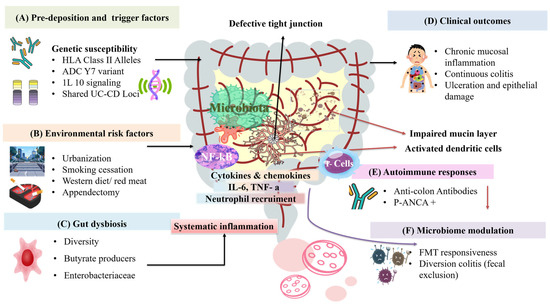
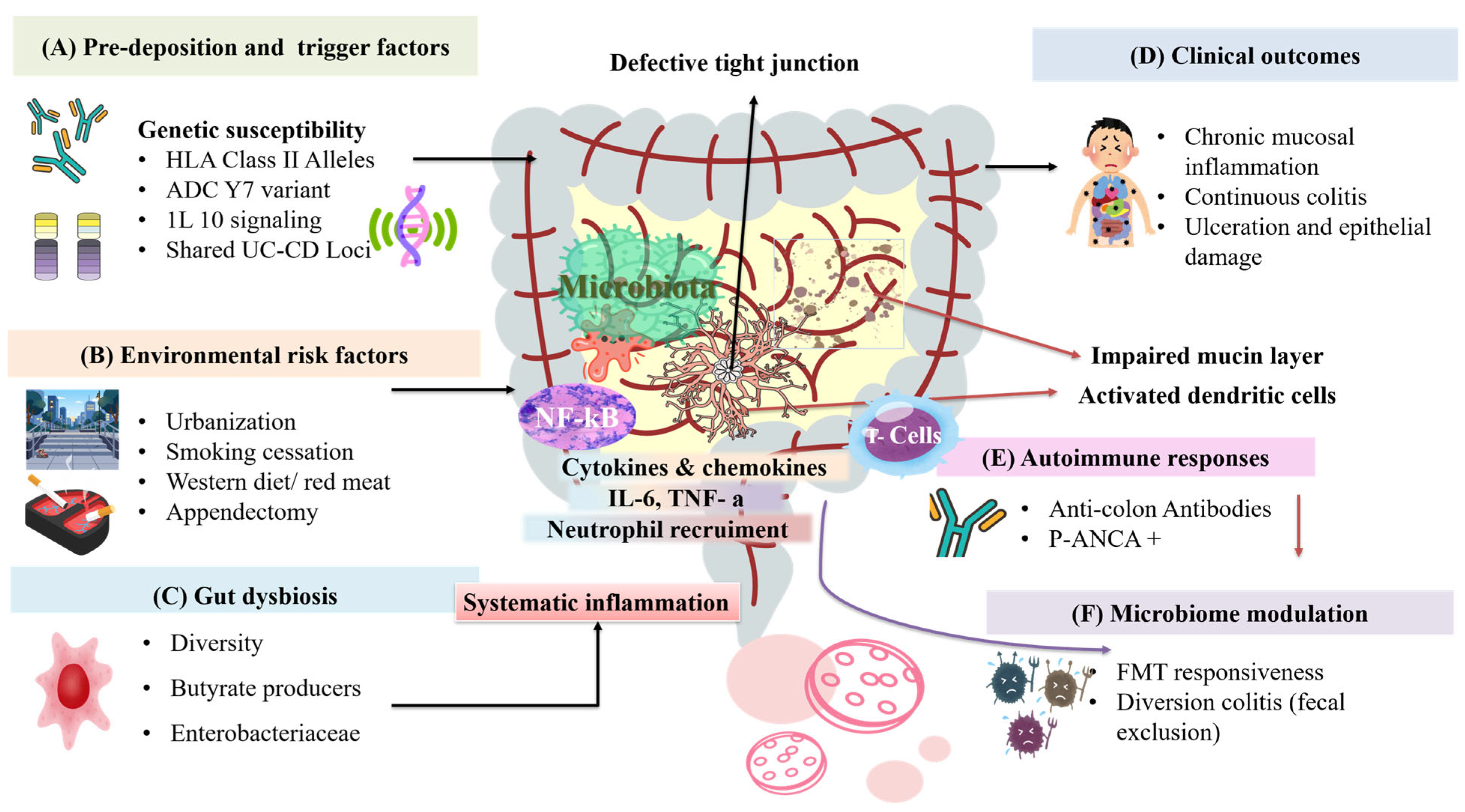
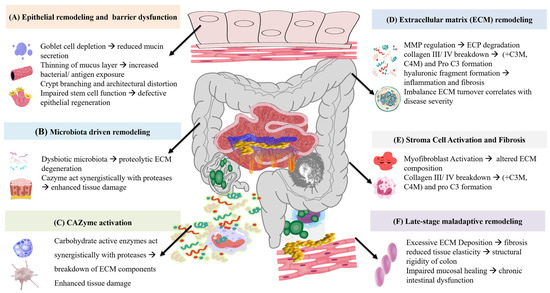
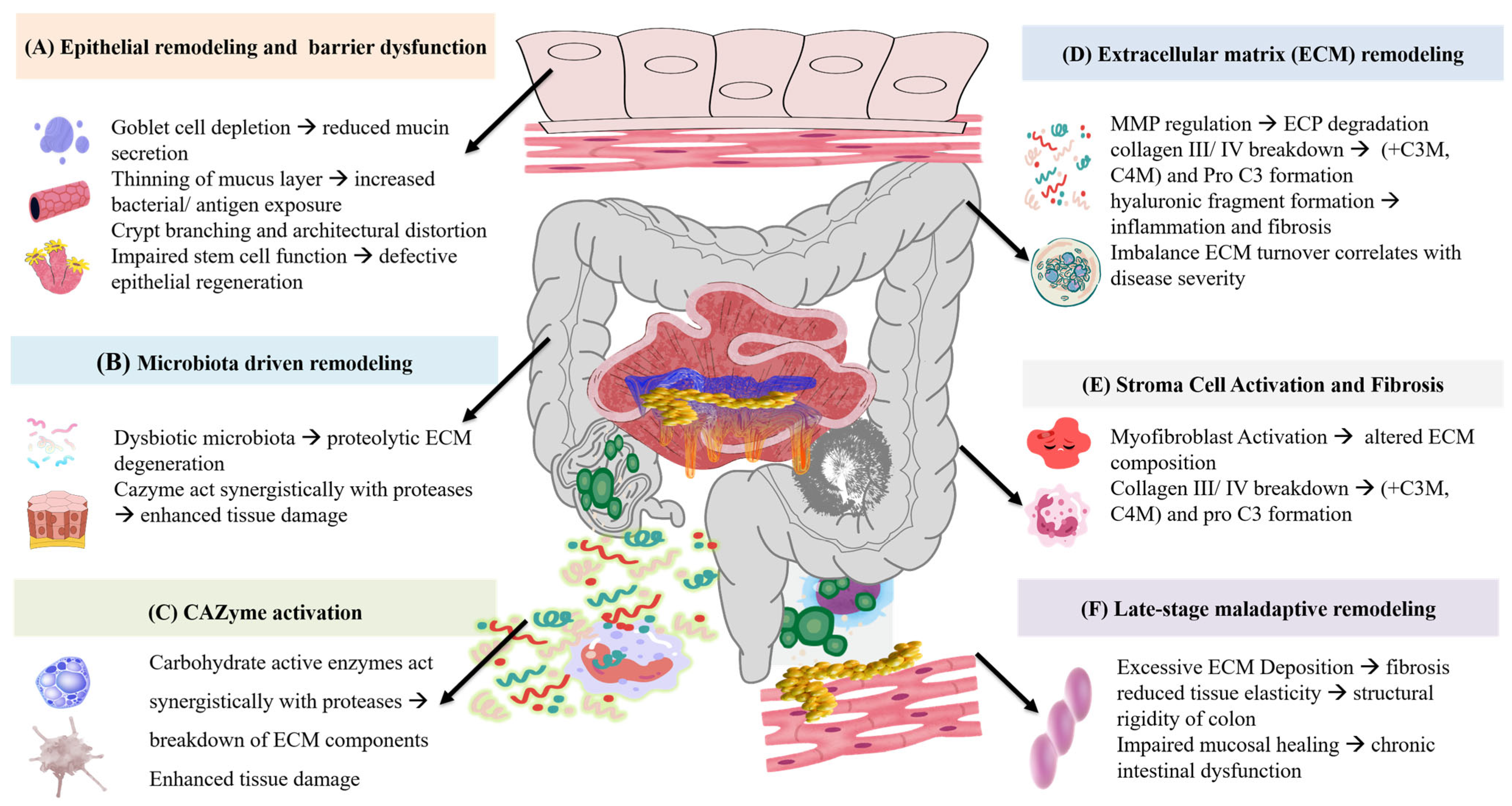
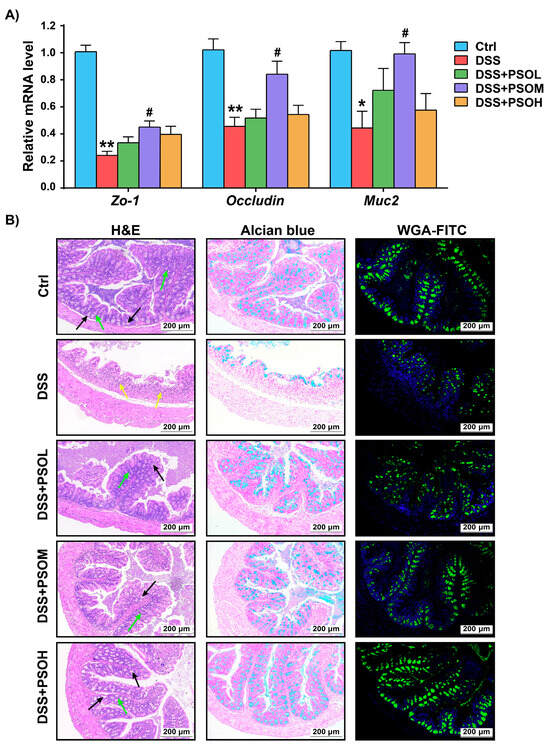
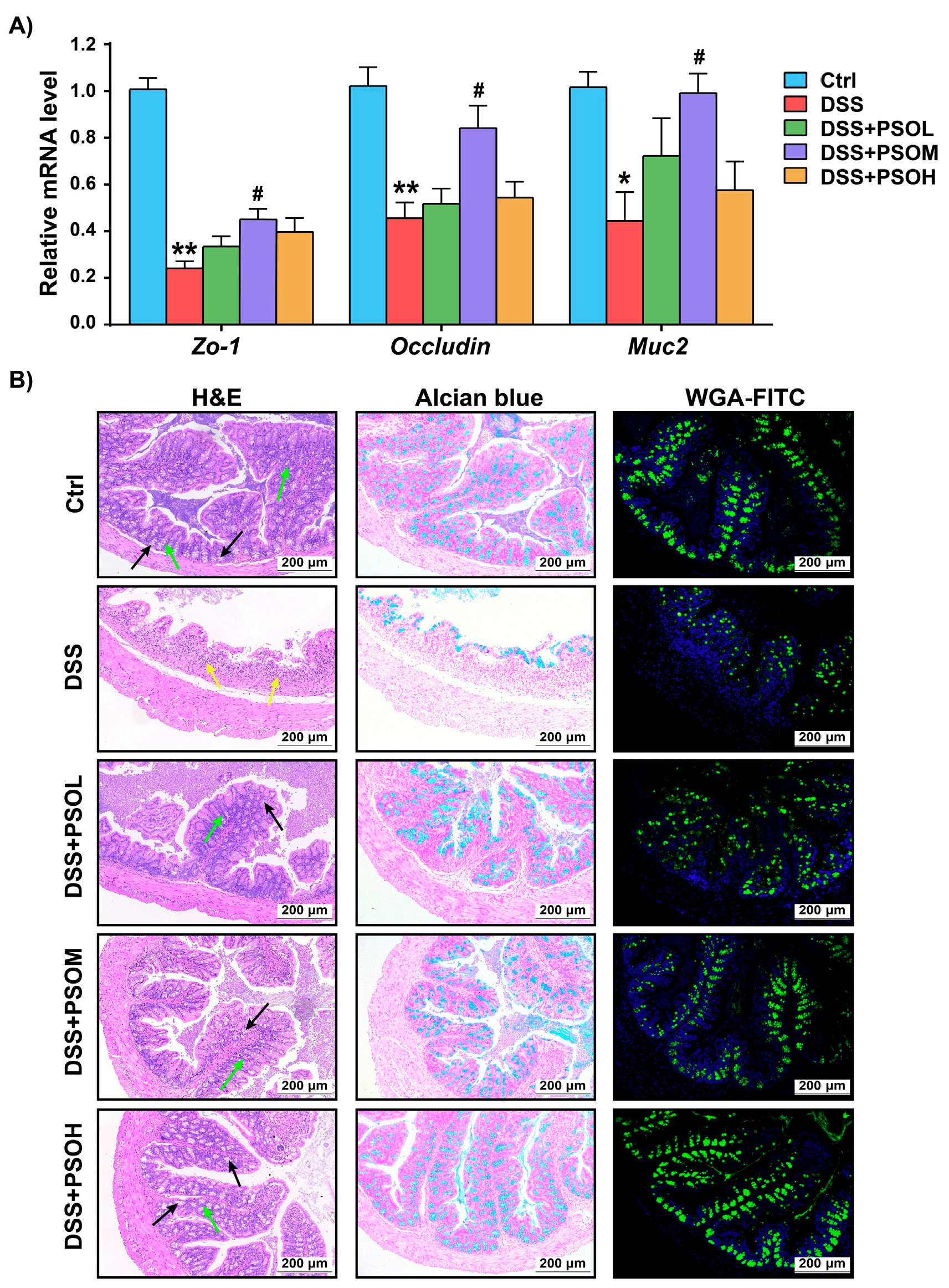
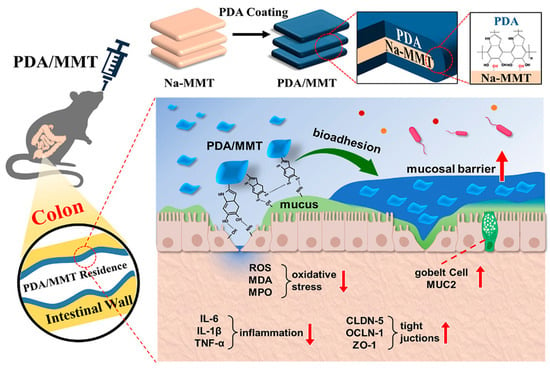
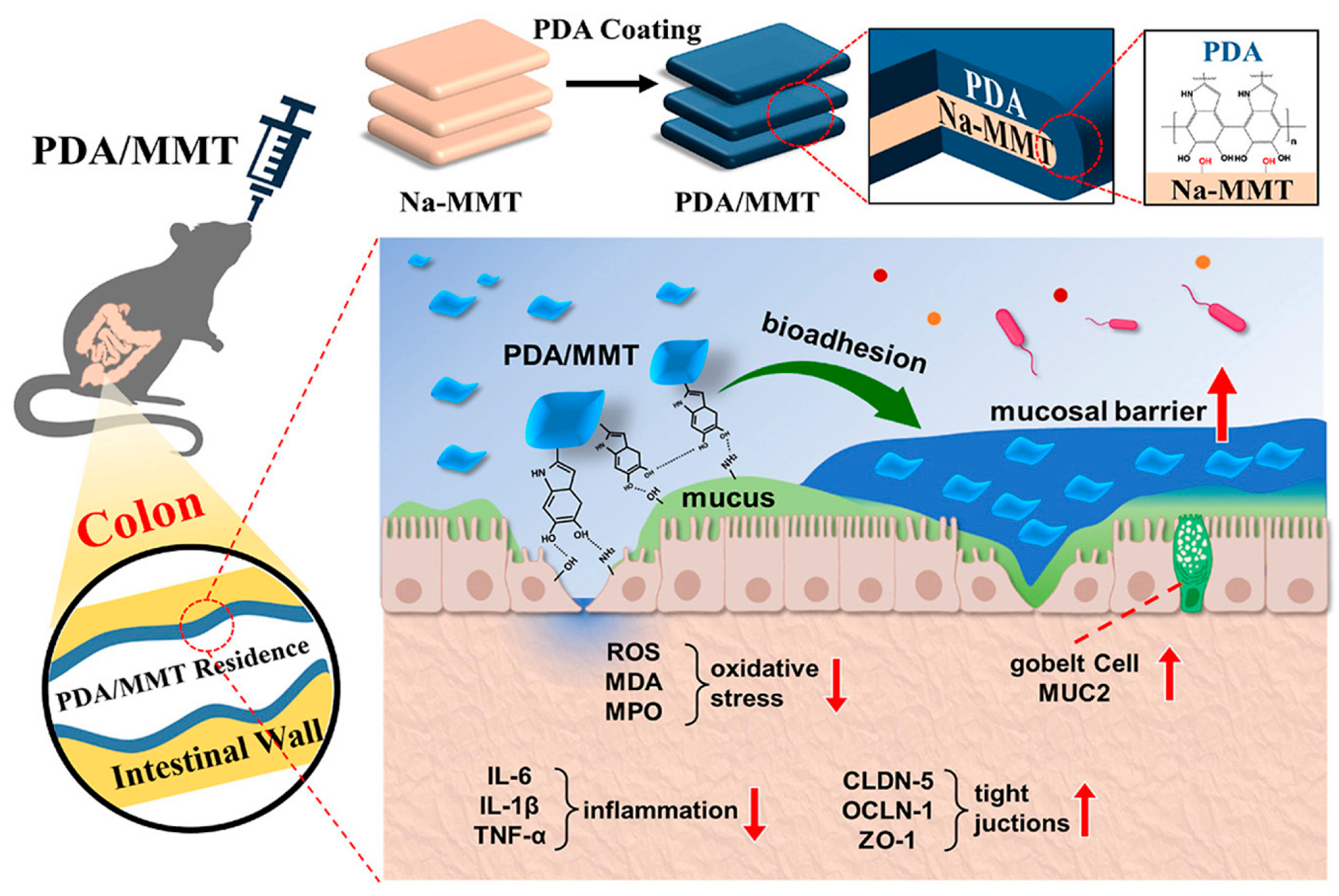
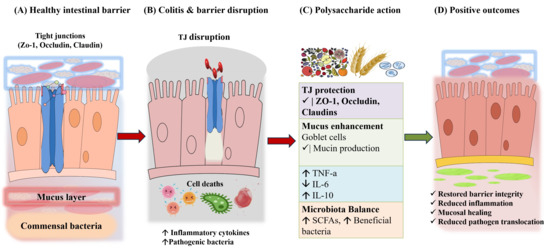
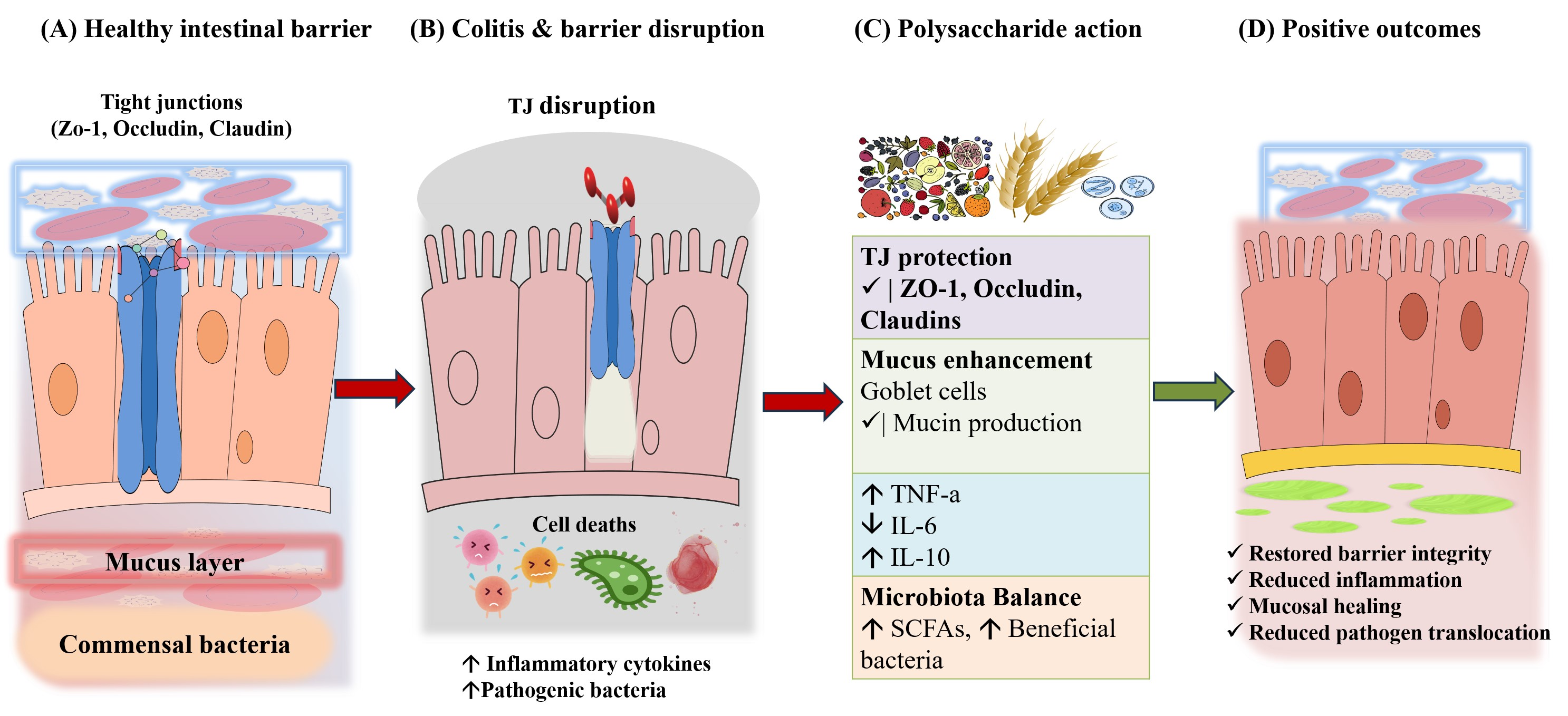
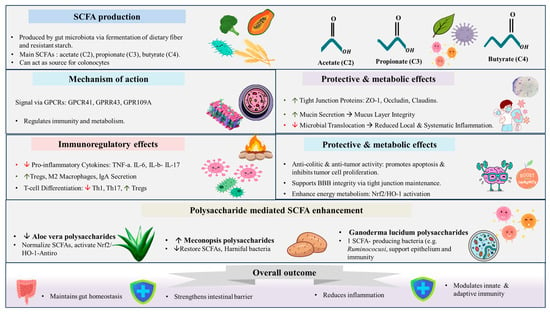
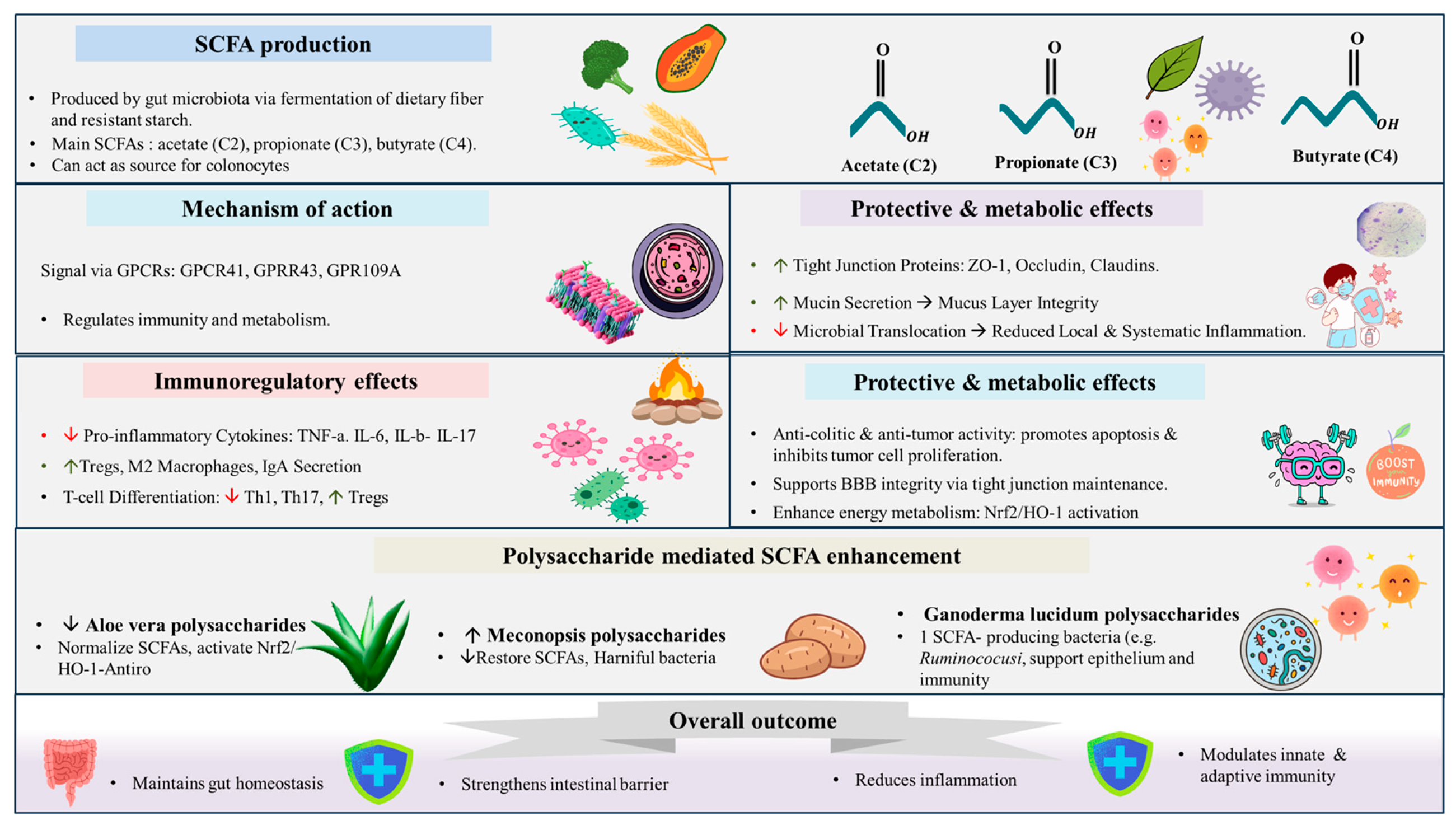

Disclaimer/Publisher’s Note: The statements, opinions and data contained in all publications are solely those of the individual author(s) and contributor(s) and not of MDPI and/or the editor(s). MDPI and/or the editor(s) disclaim responsibility for any injury to people or property resulting from any ideas, methods, instructions or products referred to in the content. |
© 2026 by the authors. Licensee MDPI, Basel, Switzerland. This article is an open access article distributed under the terms and conditions of the Creative Commons Attribution (CC BY) license.