


Abstract
As generative artificial intelligence (GenAI) diffuses globally, understanding the adoption of AI-assisted software development tools is increasingly important, particularly in emerging digital economies. This study examines GenAI acceptance among individuals in Thailand with varying durations and contexts of software development experience acquired through professional work, education, internships, freelance assignments, independent activities, or personal projects. Anextended UTAUT2 framework was developed by adding perceived trust and perceived risk, with age, gender, and software development experience examined as potential moderators. Partial least squares structural equation modeling was applied to 404 valid responses collected through an online survey. The model explained 42.9% of behavioral intention and 44.8% of use behavior. Hedonic motivation, price value, habit, and perceived risk were significantly associated with behavioral intention, whereas behavioral intention and habit were significantly associated with use behavior. The remaining direct relationships and all moderating effects, including those involving software development experience, were nonsignificant. Contrary to the hypothesized direction, perceived risk showed a small positive association with behavioral intention, suggesting that stronger usage intentions and greater risk awareness may coexist within the present sample. These findings provide context-specific evidence of GenAI adoption in Thailand and offer practical insights for organizations and policymakers seeking to support responsible adoption in comparable settings.
1. Introduction
Software development increasingly requires individuals to create reliable, secure, and maintainable software under tight timelines while navigating complex technologies, changing user requirements, and growing demands for specialized technical knowledge (Cerioli et al., 2025). Contemporary development approaches, such as Scrum and DevOps, require knowledge of programming languages, system architecture, debugging, testing, security, and user requirements (Edison et al., 2021). Software development is therefore not merely a coding activity but a complex problem-solving process that depends on technical experience, domain knowledge, continuous learning, and sustained investment in developing and updating relevant skills (Hidalgo et al., 2023; Motta et al., 2023). Such experience may be acquired through formal employment, academic study, internships, freelance assignments, personal projects, or other development-related activities. Consequently, individuals engaging in software development may differ considerably in their experience levels, technical capabilities, and development contexts. At the broader level, demand for software-related expertise continues to increase as digital transformation expands across industries (Alenezi & Akour, 2025). In the United States, employment in software development, quality assurance analysis, and software testing is expected to increase by 15% from 2024 to 2034, considerably exceeding the projected average across all occupations (US Department of Labor, 2025).
Generative artificial intelligence (GenAI) is transforming software development across organizational and national settings. Cloud-based large language models (LLMs), including ChatGPT, GitHub Copilot, Gemini, and Claude, have made AI-assisted development capabilities increasingly accessible through web platforms, cloud services, and integrated development environments. Their global diffusion has expanded access to technical assistance and created new opportunities for productivity, knowledge sharing, and collaboration across geographical boundaries (Kirchner et al., 2025). However, global availability does not necessarily result in uniform patterns of acceptance and use. Empirical evidence concerning GenAI adoption for software development-related activities remains limited in emerging-economy settings, particularly Thailand. Examining this context can provide insight into how individuals evaluate and use globally available GenAI tools within a specific national setting (Tanantong et al., 2024).
A distinguishing feature of GenAI is its ability to respond to natural-language prompts, which may broaden access to AI-assisted software development beyond professional developers (Sarkar & Drosos, 2025). Students, freelancers, independent users, and practitioners with different levels of software development experience can engage with these tools for development-related activities (Sridhara et al., 2023). This heterogeneous user base makes it important to examine the factors associated with behavioral intention and reported use rather than assuming that widespread availability produces uniform adoption.
Nevertheless, as with other emerging technologies, including agentic AI, deep technologies, and quantum-based algorithms, the adoption of GenAI introduces technical, organizational, and ethical concerns (Brey, 2025). In software development contexts, these concerns include inaccurate or insecure code, data privacy, intellectual property, over-reliance on generated outputs, and the continuing need for human verification and accountability (Hou et al., 2024; Ozkaya, 2023; Shah & Bajpai, 2025). These issues are relevant not only to formally employed software professionals but also to students, independent developers, freelancers, and other individuals who use GenAI for development-related tasks. Although technology acceptance has been widely investigated through theoretical models explaining why individuals accept or reject new technologies (Venkatesh et al., 2003), empirical evidence concerning GenAI adoption in emerging economy contexts remains limited. Moreover, GenAI adoption cannot be explained by productivity benefits alone. Individuals may use GenAI because it is useful, convenient, enjoyable, and economically valuable, while simultaneously hesitating to rely on its outputs when they perceive risks involving errors, security, privacy, or inappropriate recommendations (Krichen & Abdalzaher, 2025). Understanding GenAI acceptance in software development contexts therefore requires consideration of functional, cognitive, and affective factors (Lambiase et al., 2025; Xia & Chen, 2025).
Technology acceptance theory offers a useful lens for explaining these considerations. The Unified Theory of Acceptance and Use of Technology (UTAUT) attributes individuals’ acceptance of a technology to performance expectancy, effort expectancy, social influence, and facilitating conditions (Venkatesh et al., 2003). Its subsequent extension, UTAUT2, adds hedonic motivation, price value, and habit to account more fully for technology use in voluntary settings (Venkatesh et al., 2012). These additions are relevant to GenAI because adoption may depend on the enjoyment and perceived value derived from its use, as well as whether using it has become routine, alongside judgments concerning usefulness and required effort. Researchers have therefore employed UTAUT2 to investigate technology acceptance in education (Acosta-Enriquez et al., 2024), creative work (Fang et al., 2026), marketing (Dixit et al., 2025), and digital services (Foroughi et al., 2025). Nevertheless, uncertainty surrounding GenAI-assisted software development may not be adequately represented by the established UTAUT2 constructs alone (Shao & Ishengoma, 2026). Generated outputs can affect software quality, security, maintainability, and technical decisions (Yakubu et al., 2025); consequently, adoption also requires users to judge whether such outputs can be relied upon in development tasks (Prasad et al., 2025). Their intentions may further depend on how they evaluate possible adverse consequences when GenAI is used in professional or other consequential environments (W. Li, 2025). The present study therefore augments UTAUT2 with perceived trust, representing confidence in GenAI-generated outputs, and perceived risk, representing anticipated problems related to errors, security vulnerabilities, privacy, and other harmful outcomes.
Existing studies have largely examined GenAI acceptance in educational, organizational, and general digital-use contexts (Acosta-Enriquez et al., 2024; Dixit et al., 2025; Fang et al., 2026; Foroughi et al., 2025). Consequently, less is known about whether the factors proposed by UTAUT2 adequately explain GenAI adoption in software development-related activities, where users must evaluate not only usefulness, convenience, and value but also the reliability and potential consequences of AI-generated outputs. Evidence from emerging economies is also limited, despite the growing accessibility of the same cloud-based GenAI platforms across countries. Thailand provides a relevant setting because its expanding digital economy offers a context in which globally available GenAI tools are increasingly accessible to individuals with different levels of software development experience. Examining GenAI acceptance in Thailand can therefore offer context-specific insight into the acceptance and use of globally accessible AI technologies among individuals with software development experience in Thailand.
Based on this theoretical foundation, the present study examines GenAI acceptance among individuals in Thailand with varying levels of software development experience. Rather than defining the study population solely according to formal job titles, the study considers software development experience that may have been acquired through professional, educational, freelance, independent, or personal development activities. The extended UTAUT2 model is used to investigate how performance expectancy, effort expectancy, social influence, facilitating conditions, hedonic motivation, price value, habit, perceived trust, and perceived risk influence behavioral intention and use behavior. The study’s primary contributions are empirical and contextual rather than methodological. First, it provides context-specific evidence on GenAI adoption in software development-related activities in Thailand without assuming that all respondents represent the formal software development workforce. Second, it applies and contextually extends UTAUT2 by incorporating perceived trust and perceived risk to examine whether the established acceptance factors adequately explain the adoption of GenAI in this setting.
The remainder of this paper is organized as follows. Section 2 reviews the relevant literature. Section 3 develops the hypotheses and conceptual framework. Section 4 describes the research methodology, including the measurement instrument, data collection, and analytical procedures. Section 5 presents the empirical results, followed by a discussion of the findings and their implications in Section 6. Finally, Section 7 concludes the study, outlines its limitations, and suggests directions for future research.
2. Literature Reviews
2.1. Global Diffusion of Generative AI
The global diffusion of generative artificial intelligence (GenAI) has been driven by advances in transformer-based large language models (LLMs) and pretrained foundation models. These models can be adapted to various tasks through prompting, fine-tuning, and integration with external systems, enabling substantial advances in language understanding, content generation, and human–computer interaction (Raiaan et al., 2024; Zhou et al., 2025). Conversational interfaces, cloud deployment, application programming interfaces, and low-code platforms have further lowered the barriers to accessing advanced AI capabilities. Consequently, systems such as ChatGPT, GitHub Copilot, Gemini, and Claude have evolved from specialized technologies into widely available tools used across countries, industries, and professional settings. This expansion has created a globally connected ecosystem involving model developers, cloud-service providers, open-source communities, research institutions, governments, organizations, and individual users. The 2025 AI Index similarly reported substantial growth in organizational AI adoption and the integration of GenAI into business functions across regions (Stanford Institute for Human-Centered Artificial Intelligence, 2025).
Software development is among the activities most visibly affected by this diffusion. Cloud-based LLMs can assist with code generation, debugging, testing, documentation, requirements-related activities, and technical problem-solving (Feuerriegel et al., 2024; Nguyen-Duc et al., 2025; Ray, 2023). Natural-language interaction has also made such support accessible to individuals with different levels of software development experience, including professionals, students, freelancers, and independent developers. These capabilities may improve productivity by accelerating access to technical information, reducing repetitive work, and supporting decision-making (Trabelsi, 2024). However, their effectiveness depends on how users integrate and evaluate generated outputs. From a human-in-the-loop perspective, GenAI complements rather than replaces human expertise: users remain responsible for interpreting requirements, applying contextual knowledge, comparing possible solutions, and verifying the accuracy, security, and appropriateness of AI-generated outputs (Kumar et al., 2024; Mosqueira-Rey et al., 2023). AI-enabled productivity should therefore be understood as an outcome of effective human–AI collaboration rather than technological capability alone.
Despite the international accessibility of cloud-based GenAI, its adoption remains uneven across countries, organizations, and user groups. Digital infrastructure, affordability, technical skills, organizational capabilities, legal requirements, governance arrangements, and technological maturity can influence whether access develops into effective and sustained use (Kergroach & Héritier, 2025). Evidence suggests that GenAI has spread across middle-income economies, although differences in the intensity and depth of use remain between economic contexts (Liu & Wang, 2026). These differences are especially relevant to emerging economies, where access to globally available AI platforms may expand faster than AI literacy, organizational capabilities, and governance structures. Thailand therefore provides a relevant setting for examining how individuals with varying levels of software development experience accept and use a globally diffusing technology within an evolving digital economy.
2.2. AI Adoption in Software Development
AI was used in software development before the emergence of GenAI, particularly for automation, forecasting, predictive modeling, defect detection, testing, maintenance, and project planning (Abbas et al., 2025; Mohammad & Chirchir, 2024; Trinh et al., 2024). These applications have supported software quality, operational efficiency, and technical decision-making across the software development life cycle (SDLC) (Anand et al., 2026; Soni et al., 2023). GenAI extends this trajectory by providing direct, interactive, and on-demand assistance to individual users (Feuerriegel et al., 2024). Through natural-language prompts, users can describe development tasks, explore possible solutions, and request technical assistance more readily (Sarkar & Drosos, 2025; Sharma & Rathore, 2024). Rather than introducing AI into software development for the first time, GenAI makes advanced AI-supported capabilities more accessible to people with diverse levels and forms of development experience.
Public and professional interest in GenAI accelerated following the release of ChatGPT in late 2022 (T. Wu et al., 2023). Across the software development life cycle, GenAI can support planning, requirements-related activities, code generation and explanation, debugging, testing, documentation, deployment, maintenance, and retrospective analysis (Cornide-Reyes et al., 2025; Hou et al., 2024; Kanmani et al., 2026; Nguyen-Duc et al., 2025). However, research and implementation remain unevenly distributed. Implementation, testing, quality assurance, and maintenance have received substantial attention, whereas requirements engineering and software design remain comparatively underexplored (Nguyen-Duc et al., 2025). Market forecasts nevertheless indicate continued growth in the use of GenAI across software development activities, with the global GenAI-in-SDLC market projected to increase from approximately USD 242.66 million in 2021 to USD 5.26 billion by 2032 (KBV Research, 2025). This expansion reflects growing interest in tools that can accelerate development tasks and provide technical assistance to experienced professionals as well as students, novice programmers, freelancers, and independent developers.
The benefits of GenAI must be considered alongside its technical, ethical, legal, and governance challenges. Generated code and recommendations may be inaccurate, incomplete, insecure, or based on outdated information, while additional concerns involve bias, privacy, transparency, accountability, intellectual property, and ownership of AI-generated code (Albaroudi et al., 2025; Sauvola et al., 2024; Tuomisto & Harjumaa, 2025). These concerns may be evaluated differently according to users’ software development experience. Less-experienced users may depend more heavily on generated recommendations while having greater difficulty detecting incorrect or insecure outputs. More-experienced users may be better equipped to assess technical quality but may remain cautious about reliability, maintainability, integration, privacy, and security. Therefore, the adoption of GenAI in software development cannot be understood solely through its technical capabilities or expected productivity benefits; it also depends on how users evaluate its usefulness, effort, value, enjoyment, available support, reliability, and potential consequences.
Taken together, the literature reveals three main gaps. First, much of the existing research emphasizes the capabilities, applications, and technical outcomes of GenAI, while comparatively less attention has been given to the behavioral factors associated with its acceptance and continued use in software development-related activities. Second, existing evidence often focuses on particular professional or educational groups, providing limited understanding of adoption among individuals whose software development experience has been acquired through different occupational, academic, freelance, or personal settings. Third, the international availability of GenAI has not been matched by sufficient context-specific evidence from emerging digital economies such as Thailand. Moreover, established technology-acceptance factors may not fully capture users’ judgments concerning the reliability and potential risks of AI-generated outputs. The present study addresses these gaps by applying and contextually extending UTAUT2 with perceived trust and perceived risk to examine GenAI adoption among individuals in Thailand with varying levels of software development experience.
3. Conceptual Framework and Hypothesis Development
Research on emerging digital systems frequently draws on technology acceptance frameworks to explain how users evaluate new technologies in professional and institutional environments (Angulo-Osorio et al., 2026; de Blanes Sebastián et al., 2022). UTAUT is particularly relevant because it synthesizes several determinants established in earlier acceptance theories within a single explanatory model (Venkatesh et al., 2003). Rather than viewing adoption as a single judgment, the framework considers four dimensions: performance expectancy reflects anticipated benefits; effort expectancy concerns the difficulty associated with use; social influence represents expectations communicated by relevant others; and facilitating conditions refer to the resources and support available to users. The adaptability of this structure has enabled researchers to extend UTAUT across diverse technologies, populations, and usage settings (Guinalíu et al., 2026; X. Li et al., 2025). UTAUT2 broadens this perspective by including enjoyment through hedonic motivation, evaluations of cost and benefit through price value, and the routinization of use through habit, making the framework more applicable to voluntary adoption decisions (Venkatesh et al., 2012).
These additional UTAUT2 constructs are particularly relevant to GenAI tools because individuals may use such tools to improve task performance and also because the tools are enjoyable, perceived as worth their monetary and non-monetary costs, and gradually incorporated into regular development activities. Nevertheless, GenAI-assisted software development presents concerns that may not be fully represented by the original UTAUT2 framework, including code correctness, security, privacy, intellectual property, and responsibility for AI-generated outputs (Tuomisto & Harjumaa, 2025). Therefore, this study proposes an extended UTAUT2 framework incorporating perceived trust and perceived risk. The model is applied to individuals with varying levels of software development experience, including experience acquired through professional work, academic study, internships, freelance activities, personal projects, or other development-related contexts. The proposed framework therefore examines the factors influencing behavioral intention and use behavior without assuming that all respondents are formally employed software developers.
Performance expectancy captures the improvements in task accomplishment that individuals anticipate from adopting a particular technology (Venkatesh et al., 2003). In the context of software development, performance expectancy represents the belief that GenAI can improve the completion of development-related activities and produce better outcomes. GenAI tools can assist users in generating code, detecting errors, suggesting alternative solutions, explaining unfamiliar code, and creating test cases (Coutinho et al., 2024). These capabilities may reduce repetitive work, shorten development time, and support technical problem-solving (Fawareh & Alanazi, 2026). Such benefits can be relevant to individuals across different levels of software development experience. Less-experienced users may perceive GenAI as useful for learning programming concepts and obtaining guidance, whereas more experienced users may value its ability to accelerate routine tasks and support complex development activities. Accordingly, expectations that GenAI will enhance productivity, code quality, error reduction, or learning support should increase its perceived value and strengthen users’ willingness to adopt it (Nguyen-Duc et al., 2024). Based on this reasoning, the study predicts that:
Hypothesis 1 (H1).
Higher performance expectancy leads to stronger behavioral intention to employ GenAI in software development.
Effort expectancy represents the amount of ease that individuals associate with learning and operating a technology (Venkatesh et al., 2003). For GenAI-assisted software development, effort expectancy reflects whether individuals perceive GenAI tools as understandable, convenient, and easy to operate (Coutinho et al., 2024). Unlike many conventional development tools that require knowledge of specialized commands, configurations, or interfaces, GenAI systems commonly allow users to communicate through natural-language prompts (Fan et al., 2023). This interaction may lower the initial barrier to using AI-supported development tools. Ease of use is important because software development already involves cognitively demanding activities, including system design, programming logic, debugging, integration, and testing (Russo, 2024). When GenAI requires substantial additional effort, users may be reluctant to adopt it despite its potential benefits. Thus, when GenAI is considered straightforward to learn, operate, and incorporate into established development workflows, users should be more inclined to adopt it. This reasoning leads to the following prediction:
Hypothesis 2 (H2).
Greater effort expectancy strengthens behavioral intention to employ GenAI in software development.
Social influence captures the extent to which an individual’s adoption decision is shaped by the expectations and opinions of people they consider important (Venkatesh et al., 2003). In software development contexts, social influence may arise from colleagues, supervisors, instructors, classmates, project managers, online communities, or organizational policies. Software development is often conducted in collaborative environments in which tools, standards, and working practices are shaped by team expectations and broader technical communities (Shao & Ishengoma, 2026). The growing visibility of GenAI may therefore encourage individuals to experiment with these tools. For example, when team members, classmates, or online community members use GenAI to accelerate coding or debugging, other users may become more willing to adopt similar practices (Koponen, 2023). Organizations or educational institutions may also encourage GenAI use as part of digital transformation, productivity improvement, or learning initiatives (Albaroudi et al., 2025). Even when experienced individuals rely heavily on their own technical judgment, recommendations and norms within teams, institutions, and technical communities may still shape their willingness to adopt GenAI. On this basis, the study proposes that:
Hypothesis 3 (H3).
Stronger social influence increases behavioral intention to employ GenAI in software development.
Facilitating conditions reflect whether individuals believe that the technical resources, knowledge, infrastructure, and support needed to use a technology are accessible (Venkatesh et al., 2003). In GenAI-assisted software development, facilitating conditions may include access to GenAI tools, stable internet connectivity, suitable computing devices, paid subscriptions, technical knowledge, training materials, institutional or organizational approval, usage guidelines, and policies concerning safe and ethical AI use. These conditions are important because individuals may be unable to use GenAI effectively when access, knowledge, or support is insufficient (Shao & Ishengoma, 2026). Appropriate infrastructure and guidance may increase users’ confidence and willingness to employ GenAI for development-related activities (Nguyen-Duc et al., 2025). Facilitating conditions may influence both behavioral intention and use behavior. Access to adequate resources and assistance may encourage individuals to plan to use GenAI, while actual use depends on whether those enabling conditions are available in practice (Zacharias et al., 2026). These arguments lead to two predictions:
Hypothesis 4a (H4a).
More favorable facilitating conditions strengthen behavioral intention to employ GenAI in software development.
Hypothesis 4b (H4b).
More favorable facilitating conditions increase the use of GenAI in software development.
Hedonic motivation captures the enjoyment, pleasure, and satisfaction that individuals experience while interacting with a technology (Venkatesh et al., 2012). Although software development is primarily a technical and problem-solving activity, individuals may experience enjoyment when interacting with GenAI tools (Jacquemin et al., 2025). Users may enjoy experimenting with prompts, receiving immediate responses, exploring alternative programming approaches, or interacting with GenAI as a conversational development assistant (Ng et al., 2024). Such interaction can make development-related activities more engaging and may reduce frustration when users encounter difficult errors, unfamiliar libraries, or repetitive tasks (Chen, 2024). Hedonic motivation may be relevant across experience levels. Individuals who are learning software development may enjoy the interactive guidance provided by GenAI, whereas experienced users may value the opportunity to explore and compare different technical solutions. When GenAI makes development work more engaging, creative, or satisfying, users should become more willing to incorporate it into their activities. This expectation supports the following hypothesis:
Hypothesis 5 (H5).
Greater hedonic motivation strengthens behavioral intention to employ GenAI in software development.
Price value represents an individual’s comparison between the benefits provided by a technology and the monetary and non-monetary sacrifices required to use it (Venkatesh et al., 2012). In the context of GenAI tools, costs may include subscription fees, time spent learning how to use the system, effort required to formulate effective prompts, time required to verify generated outputs, and potential consequences arising from incorrect or inappropriate recommendations (Ha et al., 2025). Individuals may perceive GenAI as valuable when it saves time, reduces repetitive work, supports learning, or improves problem-solving sufficiently to justify these costs (Choi & Chang, 2025). The assessment of price value may differ according to the context of use. Professional users may evaluate whether subscriptions and implementation costs improve productivity, whereas students or independent users may consider affordability and learning benefits. Organizations may similarly assess whether GenAI provides sufficient value relative to implementation, governance, and verification costs (Al-Kfairy, 2025). Users should develop a stronger intention to adopt GenAI when its anticipated gains outweigh subscription expenses, learning effort, verification demands, and other associated costs. The study therefore predicts that:
Hypothesis 6 (H6).
More favorable price value increases behavioral intention to employ GenAI in software development.
Habit represents the degree to which repeated experience causes technology use to become routine or largely automatic (Venkatesh et al., 2012). Software development frequently involves established routines involving integrated development environments, version control systems, testing frameworks, documentation tools, and online technical resources. As GenAI becomes more accessible, it may also become integrated into users’ regular development activities (Kirchner et al., 2025). Individuals may repeatedly use GenAI to generate boilerplate code, explain code, debug errors, create documentation, compare implementation approaches, or learn unfamiliar programming concepts. Through repeated use, these actions may become routine rather than the result of a deliberate decision on every occasion (Cui et al., 2026). Habit may consequently strengthen both the intention to continue using GenAI and its reported use behavior. As repeated interaction makes GenAI a regular component of development workflows, users should become more willing to continue using it and more likely to use it in practice (Biloš & Budimir, 2024). These expectations produce the following hypotheses:
Hypothesis 7a (H7a).
Stronger GenAI-use habits increase behavioral intention to employ GenAI in software development.
Hypothesis 7b (H7b).
Stronger GenAI-use habits increase the use of GenAI in software development.
Although UTAUT2 captures major influences on technology adoption, it does not explicitly address confidence in AI-generated outputs or concerns about their potential consequences. Because probabilistic GenAI outputs may affect code accuracy, security, privacy, maintainability, and technical decisions, perceived trust and perceived risk were added as complementary extensions. Perceived trust concerns confidence in the accuracy, reliability, and safety of GenAI outputs, whereas performance expectancy concerns anticipated task benefits. Perceived risk refers to uncertainty about possible harms, including inaccurate information, adverse effects on important tasks, and insecure sensitive information. Trust and risk are therefore related but not opposites, as users may trust GenAI for particular tasks while still recognizing its limitations and risks.
Perceived trust reflects users’ confidence that a technology will operate reliably, accurately, and safely when supporting their activities (Silva et al., 2024). Trust is particularly important in software development because GenAI-generated outputs can directly affect code quality, system security, performance, and maintainability. Incorrect code, insecure logic, or inappropriate recommendations may introduce serious technical consequences (Mohamed Eldakar et al., 2025). Individuals may develop trust when they perceive GenAI outputs as generally accurate, useful, consistent, understandable, and sufficiently safe to apply (Joshi, 2025). Greater trust may encourage users to apply GenAI to practical development activities rather than limiting its use to experimentation or simple informational questions (Nguyen-Duc et al., 2025). However, trust in this context does not necessarily imply unquestioning reliance. Instead, it may represent controlled confidence in which individuals use GenAI while continuing to verify its outputs (Xia & Chen, 2025). Individuals who consider GenAI sufficiently dependable for controlled application should be more willing to adopt it and more likely to incorporate it into their development practices. Accordingly, the study advances two hypotheses:
Hypothesis 8a (H8a).
Greater perceived trust strengthens behavioral intention to employ GenAI in software development.
Hypothesis 8b (H8b).
Greater perceived trust increases the use of GenAI in software development.
Perceived risk captures the uncertainty and potential adverse consequences that individuals associate with using a technology (Hu et al., 2025). GenAI-assisted software development may involve risks related to incorrect or incomplete code, hidden security vulnerabilities, inefficient algorithms, hallucinated libraries or application programming interfaces, privacy breaches, intellectual property violations, and over-reliance on AI-generated outputs (Nguyen-Duc et al., 2025). These concerns are particularly important because generated code may be incorporated into software systems used by organizations, customers, or the public. When individuals perceive GenAI-generated outputs as risky, they may avoid using them in important projects or restrict their use to lower-risk activities, such as brainstorming, explanation, learning, or documentation (Joshi, 2025). Perceived risk may therefore reduce both behavioral intention and use behavior.
The perception of risk may also vary according to software development experience. Less-experienced individuals may have difficulty identifying inaccurate, inefficient, or insecure outputs, whereas more-experienced individuals may recognize a wider range of potential technical and governance consequences. Awareness of these limitations does not necessarily prevent GenAI use, as users may continue to employ the technology while applying stronger verification procedures (Tuomisto & Harjumaa, 2025). Although verification practices may permit continued use under uncertain conditions, technology acceptance research generally indicates that stronger perceptions of risk discourage adoption by increasing concern about possible harmful outcomes. The study therefore predicts that:
Hypothesis 9a (H9a).
Greater perceived risk weakens behavioral intention to employ GenAI in software development.
Hypothesis 9b (H9b).
Greater perceived risk reduces the use of GenAI in software development.
Behavioral intention reflects an individual’s readiness or plan to use a technology, whereas use behavior concerns its actual or self-reported application (Venkatesh et al., 2003). In technology acceptance research, behavioral intention is commonly treated as a direct predictor of use because individuals with a stronger intention are more likely to translate that intention into behavior (Kim et al., 2024). In software development contexts, individuals with strong behavioral intention may be more likely to use GenAI for activities such as generating code, debugging, writing test cases, producing documentation, learning programming concepts, or reviewing possible technical solutions (Joshi, 2025). Continued intention may consequently lead users to incorporate GenAI more regularly into their development activities (Q. Wu et al., 2025). A stronger intention to adopt GenAI should therefore increase the likelihood that individuals will incorporate it into their software development activities. This reasoning leads to the following hypothesis:
Hypothesis 10 (H10).
Stronger behavioral intention increases the use of GenAI in software development.
UTAUT and UTAUT2 recognize that the effects of acceptance factors may not be uniform across all users because individual characteristics can alter the strength of these relationships (Venkatesh et al., 2012). Accordingly, this study examines age, software development experience, and gender as moderators that may shape how individuals evaluate GenAI (Otis et al., 2024). These variables are not used to classify participants as professional developers. In particular, software development experience reflects exposure gained through employment, education, freelance work, independent projects, or personal development activities.
The importance assigned to ease of use may differ across age groups because familiarity with emerging technologies and the effort associated with learning new tools can vary by age (Kim et al., 2024). Individuals from different age groups may differ in their familiarity with emerging digital technologies and their perceptions of the effort required to learn GenAI tools. For some users, ease of use may be particularly important when forming an intention to adopt an unfamiliar technology. Consequently, effort expectancy may contribute differently to GenAI adoption intentions among users of different ages. The study therefore predicts that:
Hypothesis 11 (H11).
The relationship between effort expectancy and behavioral intention differs across age groups.
Software development experience may change how strongly performance expectancy, effort expectancy, and social influence contribute to behavioral intention (Zhang & Wareewanich, 2024). Individuals with greater development experience may evaluate GenAI primarily according to whether it improves productivity, code quality, or technical problem-solving. Their existing knowledge may also enable them to assess GenAI outputs more critically. In contrast, individuals with less software development experience may place greater importance on ease of use because they have fewer established technical routines and may require more guidance when completing development activities. Experienced individuals may emphasize productivity and technical outcomes and rely more heavily on their own assessment of generated outputs. Individuals with less experience may assign greater importance to usability, guidance, and recommendations from relevant people or communities. Thus, the effects of these three acceptance factors are expected to vary with the degree of software development experience:
Hypothesis 12 (H12).
The relationship between performance expectancy and behavioral intention varies according to software development experience.
Hypothesis 13 (H13).
The relationship between effort expectancy and behavioral intention varies according to software development experience.
Hypothesis 14 (H14).
The relationship between social influence and behavioral intention varies according to software development experience.
Finally, gender may shape the importance individuals assign to the anticipated benefits and performance outcomes associated with GenAI (Bick et al., 2026). Rather than treating gender as a direct predictor of adoption, this study examines whether it changes the contribution of performance expectancy to behavioral intention. Accordingly:
Hypothesis 15 (H15).
The relationship between performance expectancy and behavioral intention differs across gender groups.
Figure 1 distinguishes between constructs derived from UTAUT2 and those added as contextual extensions. Performance expectancy, effort expectancy, social influence, facilitating conditions, hedonic motivation, price value, habit, behavioral intention, and use behavior are classified as UTAUT2 constructs because they originate from the established model (Venkatesh et al., 2012). Perceived trust and perceived risk are classified as extended constructs because they are not included in the original UTAUT2 model and were added based on prior AI-adoption research (Joshi, 2025; W. Li, 2025). This distinction represents the authors’ categorization based on the theoretical origin of the constructs.
Figure 1.
Proposed UTAUT2 framework extended with perceived trust and perceived risk for examining GenAI adoption in software development-related activities.
4. Methodology
4.1. Research Design
A cross-sectional quantitative survey was used to investigate GenAI acceptance and use among individuals engaged in software development-related activities. The survey captured participants’ evaluations of the study constructs, their intentions to use GenAI, and their self-reported use behavior. The analytical framework retained the established UTAUT2 factors and introduced perceived trust and perceived risk to account for confidence in generated outputs and concerns involving errors, security, privacy, and other adverse consequences. Potential differences in the proposed relationships were examined through the moderating roles of age, gender, and software development experience. Figure 1 illustrates the resulting research model.
The target respondents were individuals in Thailand who had prior experience with software development activities and experience with, or interest in, using GenAI tools for software development or coding-related tasks. Software development experience was not limited to formal employment under a software developer or technology-related job title. It could have been acquired through professional work, academic study, internships, freelance assignments, personal projects, or other development-related activities. This experience-based definition was used because individuals from different backgrounds may engage in activities such as code generation, debugging, testing, documentation, programming education, and software quality assurance. Their perceptions therefore provide insight into GenAI acceptance across different levels and contexts of software development experience. Accordingly, the findings are interpreted as reflecting GenAI adoption in software development-related contexts rather than as representing the entire professional software developer population in Thailand.
4.2. Measurement Instrument
Questionnaire items were derived from UTAUT2 (Venkatesh et al., 2012) and relevant research on technology acceptance and GenAI adoption. The instrument was organized into two sections. The first documented participants’ demographic profiles, backgrounds in software development, and patterns of GenAI use, including age, gender, level or duration of development experience, usage frequency, tools used, and application purposes. Software development experience was operationalized as the self-reported duration of engagement in software development-related activities, irrespective of whether that experience was acquired through employment, education, internships, freelance assignments, independent work, or personal projects. It was incorporated into the structural model as a moderator of the relationships between performance expectancy, effort expectancy, social influence, and behavioral intention.
The second section of the questionnaire contained multi-item measures for eleven latent constructs: performance expectancy (PE), effort expectancy (EE), social influence (SI), facilitating conditions (FC), hedonic motivation (HM), price value (PV), habit (HB), perceived trust (PT), perceived risk (PR), behavioral intention (BI), and use behavior (UB). The measures were adapted from established studies and contextualized for GenAI-assisted software development. Specifically, perceived trust was measured through three indicators assessing confidence in the accuracy and reliability of GenAI outputs (PT1), trust in GenAI suggestions and decision support (PT2), and confidence in the safety of GenAI use (PT3). Perceived risk was measured through three indicators assessing concerns about inaccurate information (PR1), risks to important tasks (PR2), and the security of sensitive information (PR3). The items were worded to accommodate respondents with varying levels and contexts of software development experience rather than exclusively formally employed software developers.
All items were measured using a five-point Likert scale ranging from 1 (strongly disagree) to 5 (strongly agree). The five-point scale enabled respondents to indicate different levels of agreement while remaining clear and practical for online survey administration. The instrument was designed to capture both functional evaluations, such as expected performance, ease of use, available support, and perceived value, and cognitive and affective evaluations, such as enjoyment, habit, trust, and perceived risk. These dimensions are important for understanding why individuals intend to use and report using GenAI in software development-related activities. The final measurement items are presented in Table 1.
Table 1.
Measurement items used in the questionnaire.
Content validity was examined using the Index of Item–Objective Congruence (IOC) to verify that each questionnaire item was understandable, contextually appropriate, and representative of its intended construct and the study objectives (Turner & Carlson, 2003). A panel of nine experts independently judged the alignment between each item and the construct it was designed to assess. Items meeting the acceptable IOC criterion were retained, while those considered ambiguous or inadequately aligned were refined before the questionnaire was administered to the target participants.
4.3. Data Collection
Data were collected through an online questionnaire administered in Thai using Google Forms, and a complete English translation of the questionnaire is provided as Supplementary Material S1. The online survey approach enabled the questionnaire to be distributed efficiently to individuals in Thailand with varying levels of software development experience. Before completing the questionnaire, respondents were asked screening questions concerning their software development background and their experience with, or interest in, using GenAI tools for software development or coding-related activities. Software development experience was not restricted to formal employment and could include experience acquired through professional work, academic study, internships, freelance assignments, personal projects, or other development-related activities. Because this broader target population was not fully enumerated, the reported 2024 Thai software development workforce of 175,254 (The Story Thailand, 2025) was used only as an external numerical reference for establishing a recruitment benchmark. Applying Yamane’s formula with a nominal 5% margin of error yielded a benchmark of approximately 400 respondents (Yamane, 1973). Importantly, this workforce estimate did not constitute the study’s sampling frame, as the target population also included eligible participants outside the formal software development workforce, such as students and freelancers with relevant software development experience. Respondents were therefore not selected probabilistically from the population of 175,254. In total, 444 responses were collected, of which 404 were retained as valid after data screening. Accordingly, this calculation served only as a recruitment benchmark and does not establish probability-based representativeness or an actual margin of sampling error for the achieved sample.
Data were gathered by making the questionnaire available throughout the designated survey period. Participation was entirely voluntary, and prospective respondents were informed before completing the survey that their responses would be used exclusively for academic research. The final dataset included individuals with different demographic characteristics, levels of software development experience, GenAI usage frequencies, tools used, and purposes of use. This diversity enabled the study to examine GenAI adoption across a range of software development-related contexts while recognizing that the findings should not be generalized to all professional software developers in Thailand.
4.4. Data Analysis
SmartPLS was used to estimate the extended UTAUT2 model through partial least squares structural equation modeling (PLS-SEM). The selection of PLS-SEM was guided by the study’s objective of explaining variance in behavioral intention and use behavior while examining a contextually extended model containing eleven latent constructs and multiple direct and moderating relationships. While covariance-based SEM is generally preferred when the primary objective is strict theory confirmation and the evaluation of global model fit, PLS-SEM emphasizes explained variance and prediction in endogenous constructs, making it appropriate for theory extension and complex technology-adoption models (Hair et al., 2019; Sarstedt et al., 2021). This methodological choice is also consistent with previous technology-adoption studies that applied PLS-SEM to evaluate extended acceptance models and relationships among latent constructs (Fang et al., 2026; Hu et al., 2025; Joshi, 2025; Tanantong & Wongras, 2024). PLS-SEM also has less restrictive distributional requirements, with the significance of the estimated relationships assessed through nonparametric bootstrapping. Methodological rigor was further established by evaluating indicator reliability, internal consistency, convergent and discriminant validity, collinearity, path coefficients, effect sizes, explanatory power, and predictive relevance before interpreting the hypothesized relationships.
4.4.1. Measurement Model Evaluation Criteria
Assessment began with the measurement model to establish construct quality before interpreting the structural paths. Indicator reliability was determined from the outer loadings, with values of 0.708 or higher showing that an indicator shares at least 50% of its variance with the corresponding construct (Hair et al., 2019). Cronbach’s alpha and composite reliability were then used to examine internal consistency. Coefficients exceeding 0.70 were treated as satisfactory, although unusually high values were considered possible evidence of redundant items (Bernstein & Nunnally, 1994). Convergent validity was established through the average variance extracted (AVE), for which values above 0.50 demonstrate that a construct accounts for more than half of its indicators’ variance (Fornell & Larcker, 1981). Construct distinctiveness was examined using the heterotrait-monotrait ratio (HTMT), with values below 0.85 indicating adequate discriminant validity (Henseler et al., 2015). Satisfaction of these criteria established that the measurement properties were sufficient for evaluating the structural model.
4.4.2. Structural Model Evaluation Criteria
Once satisfactory measurement properties had been established, the structural model was examined in terms of collinearity, explanatory performance, effect magnitude, and predictive relevance. Potential collinearity among the predictor constructs was checked through the variance inflation factor (VIF), with values below 5 interpreted as indicating no critical multicollinearity problem (Hair et al., 2019). The proportion of variance explained in behavioral intention and use behavior was summarized using the coefficient of determination () (Hair et al., 2019). The incremental contribution of each exogenous construct to its corresponding endogenous construct was quantified through the effect size () (Cohen, 2013). Finally, the model’s predictive relevance was examined using ; a value above zero provides evidence of predictive relevance for the associated endogenous construct (Hair et al., 2019). Collectively, these measures provided complementary evidence regarding the performance of the structural model.
4.4.3. Hypothesis Testing Approach
Statistical inference for the structural paths relied on the PLS-SEM bootstrapping procedure (Sarstedt et al., 2021). For each proposed direct and moderating relationship, the bootstrap estimates provided the path coefficient (), t-value, p-value, and confidence interval, allowing the magnitude, direction, and statistical precision of the relationship to be examined. Statistical significance was established at , with the sign of indicating whether the estimated association was positive or negative. The same approach was applied to interaction effects involving age, software development experience, and gender. A hypothesis was classified as supported only when the corresponding relationship was statistically significant and, where a direction had been specified, consistent with the predicted sign; all other hypotheses were classified as not supported.
5. Results
5.1. Respondent Profile and Descriptive Statistics
A total of 444 responses were collected through the online questionnaire. After applying the screening and data-quality criteria, 404 valid responses were retained for analysis. As shown in Table 2, the respondents represented different age groups, occupational backgrounds, and levels of software development experience, with those aged 25–34 years forming the largest age group. The sample included individuals from software development, data and AI, systems and infrastructure, design, educational, and other occupational contexts. As presented in Table 3, respondents reported varying frequencies and purposes of GenAI use, with ChatGPT being the most commonly used tool. The most frequently reported purposes were coding assistance, error detection and correction, code improvement, and documentation. These findings indicate that respondents used GenAI for a range of practical software development-related activities rather than for a single task or occupational context.
Table 2.
Respondent profile.
Table 3.
GenAI tools and usage.
5.2. Measurement Model Assessment
Measurement quality was established before the structural paths were interpreted. The evaluation considered the performance of individual indicators, the consistency and convergence of each construct’s measures, and the empirical separation among constructs. Inspection of the outer loadings showed that all indicators were suitable for inclusion in the subsequent analysis. All but SI1 loaded at approximately 0.70 or higher. Although SI1 produced a lower loading of 0.65, it was retained because the AVE for social influence remained above 0.50, demonstrating that the construct continued to satisfy the convergent-validity requirement.
Table 4 summarizes the evidence for internal consistency and convergence. Cronbach’s alpha ranged between 0.761 and 0.858, while composite reliability () ranged from 0.844 to 0.908; both sets of coefficients were above the required level of 0.70. The AVE estimates varied from 0.649 to 0.768 and therefore surpassed the minimum criterion of 0.50 for every construct. However, several estimates departed from their typical relationship with Cronbach’s alpha and . Most notably, the SI estimate of 2.087 was outside the admissible range and showed substantial bootstrap instability; therefore, it was interpreted with caution when assessing reliability. The PE and PR estimates also exceeded their corresponding values and were interpreted cautiously. Accordingly, internal consistency was assessed primarily using Cronbach’s alpha and , while the anomalous SI estimate is acknowledged as an estimation limitation.
Table 4.
Reliability and convergent validity results.
Discriminant validity was assessed using the heterotrait–monotrait ratio (HTMT). As shown in Figure 2, all pairwise HTMT values among the multi-item latent constructs were below the conservative threshold of 0.85, indicating that the constructs were empirically distinct. The measurement model therefore satisfied the discriminant-validity criterion and was considered suitable for structural-model assessment.
Figure 2.
HTMT results for discriminant validity.
5.3. Structural Model Assessment
Evaluation of the structural model began with a collinearity check before the path estimates were interpreted. Every variance inflation factor (VIF) was below 5, providing no evidence that excessive overlap among the predictor constructs materially affected the estimated relationships. The results showed that the model accounted for 42.9% of the variation in behavioral intention () and 44.8% of the variation in use behavior (). These values represent moderate explanatory capacity for both endogenous constructs. Collectively, the technological, motivational, trust-related, and risk-related variables therefore explained a meaningful proportion of GenAI acceptance and reported use among respondents with diverse software development backgrounds.
As shown in Table 5, the values indicated that the predictors varied in their incremental contributions to the endogenous constructs. Separately, the bootstrapped path results identified hedonic motivation, price value, habit, and perceived risk as significant predictors of behavioral intention. Behavioral intention and habit were the significant predictors of use behavior. The latter finding shows that reported GenAI use reflects both a deliberate willingness to adopt the technology and its routinization within respondents’ development activities. The Stone–Geisser values were 0.339 for behavioral intention and 0.339 for use behavior. Because both values exceeded zero, the model demonstrated predictive relevance for both endogenous constructs. Thus, the model demonstrated satisfactory explanatory performance and predictive relevance across respondents with different amounts and forms of software development experience.
Table 5.
Hypothesis testing results.
5.4. Hypothesis Testing Results
Significance testing of the proposed structural paths was based on the PLS-SEM bootstrap estimates. Figure 3 provides a visual summary of the extended UTAUT2 results, including the estimated coefficients and the paths associated with behavioral intention and use behavior. Table 5 reports the complete statistical evidence for each hypothesis, including its path coefficient, p-value, and support classification.
Figure 3.
Structural model results of GenAI adoption in software development.
Four constructs had positive and statistically significant paths to behavioral intention. Hedonic motivation produced the largest coefficient (), followed by price value (), and habit (). Thus, stronger adoption intentions were associated with enjoyment, favorable assessments of value, and established GenAI-use routines. Perceived risk was also positively and significantly associated with behavioral intention (), contrary to the negative relationship proposed in H9a. Therefore, although the relationship was statistically significant, H9a was not supported because the observed direction was opposite to that hypothesized. No statistically significant relationship with behavioral intention was found for performance expectancy, effort expectancy, social influence, facilitating conditions, or perceived trust.
Behavioral intention and habit were the only significant predictors of use behavior. The coefficient for behavioral intention was , while habit yielded . Reported GenAI use was therefore associated with both deliberate adoption intentions and the extent to which the technology had become embedded in respondents’ regular development practices. The direct paths from facilitating conditions, perceived trust, and perceived risk to use behavior were nonsignificant. Likewise, none of the interaction effects involving age, gender, or software development experience reached statistical significance. Within this sample, the analysis consequently provided no evidence that these characteristics changed the hypothesized relationships between the selected acceptance factors and behavioral intention.
Figure 4 visually distinguishes the structural paths that reached statistical significance. Across respondents with different software development backgrounds, behavioral intention was significantly associated with hedonic motivation, price value, habit, and perceived risk, although the perceived-risk relationship was contrary to the predicted direction. Use behavior was significantly associated with behavioral intention and habit. The corresponding paths involving performance expectancy, effort expectancy, social influence, facilitating conditions, and perceived trust were not statistically significant.
Figure 4.
Structural model results with significant paths.
6. Discussion
6.1. The Roles of Hedonic Motivation, Price Value, and Habit
The clearest empirical pattern concerned enjoyment, value assessment, and routinized use. Among the paths leading to behavioral intention, hedonic motivation produced the largest positive coefficient (), followed by price value () and habit (). For reported use behavior, behavioral intention was the stronger predictor (), although habit also made a substantial contribution (). Together, these results suggest that respondents were more likely to adopt GenAI when its use was engaging, perceived as worth the required investment, and repeatedly incorporated into their software development-related activities. GenAI adoption therefore appears to depend not only on a deliberate evaluation of the technology but also on the quality of the user experience and the gradual formation of routine use.
The significance of hedonic motivation suggests that organizations should pay attention to how employees experience GenAI-assisted work rather than focusing only on technical performance. Conversational interaction, immediate feedback, and the ability to explore alternative solutions may make coding, debugging, testing, and documentation more engaging and reduce frustration associated with repetitive or unfamiliar tasks. Firms can strengthen this experiential value by providing employees with opportunities to experiment with approved GenAI tools, conduct guided demonstrations, exchange useful prompts, and share successful use cases. Internal workshops, experimentation sessions, and communities of practice may encourage users to explore GenAI in a supportive environment without treating every interaction as a formal productivity requirement. However, organizations should not equate enjoyment with unrestricted use. Experimentation should be accompanied by clear boundaries concerning confidential data, production code, intellectual property, and security-sensitive tasks. In this way, an engaging user experience can encourage adoption while remaining consistent with responsible software development practices.
The significant effect of price value indicates that firms should demonstrate that the benefits of GenAI exceed both its financial and non-financial costs. Organizations should therefore evaluate GenAI investments according to practical outcomes such as reduced time spent on repetitive coding, faster documentation, improved access to technical information, increased testing support, and shorter problem-solving cycles. At the same time, subscription costs represent only one component of the overall investment. Firms must also consider the time required for training, output verification, correction of inaccurate code, integration with existing development environments, and implementation of security and governance controls. Rather than purchasing multiple GenAI platforms without a clear adoption strategy, organizations should identify tasks for which the technology provides measurable value and select tools that align with their development processes, security requirements, and workforce capabilities. Pilot projects can be used to compare the time saved by GenAI with the additional effort required for review and correction. Such evidence can help organizations determine whether GenAI creates sustainable value instead of merely increasing short-term experimentation.
The effects of habit on both behavioral intention and use behavior highlight the importance of supporting continued use after initial adoption. Occasional access or one-time training may create awareness, but it may not be sufficient to establish long-term integration. Firms can encourage responsible habit formation by embedding approved GenAI tools into existing integrated development environments, testing processes, documentation systems, and code-review workflows (Ulfsnes et al., 2024). Organizations may also provide reusable prompt templates, recommended task-specific workflows, technical guidance, and examples of acceptable and unacceptable use. When GenAI becomes conveniently available within established development processes, individuals may be more likely to use it consistently rather than returning to it only during isolated experiments. Nevertheless, organizations should avoid encouraging usage frequency as an objective by itself. Habitual use is valuable only when it contributes to task quality, efficiency, learning, or problem-solving. Firms should therefore monitor not only how frequently GenAI is used but also whether it improves relevant outcomes and whether users continue to evaluate its outputs critically.
Human-in-the-loop practices are particularly important for converting experiential and habitual use into responsible long-term adoption. As GenAI becomes part of regular development activities, there is a risk that familiarity may lead users to accept generated outputs too quickly. Organizations should therefore design workflows in which GenAI supports human decision-making without replacing technical judgment. AI-generated code should be reviewed, tested, documented, and subjected to the same quality and security requirements as human-generated code (Nguyen-Duc et al., 2025; Sowa & Przegalinska, 2025). Low-risk activities, such as code explanation, preliminary documentation, boilerplate generation, and brainstorming, may require relatively lightweight verification, whereas production code, sensitive systems, proprietary algorithms, and security-critical applications should require stricter human review and approval. Continuous training should also develop users’ ability to identify hallucinated functions, insecure code, inappropriate dependencies, and contextually unsuitable recommendations. By combining engaging interaction, recognizable value, workflow integration, and human oversight, firms can move GenAI adoption from short-term experimentation toward sustainable and accountable use. These findings therefore imply that successful long-term adoption depends not simply on providing access to GenAI, but on creating organizational conditions in which its use becomes valuable, routine, and continuously supervised.
6.2. Perceived Risk and Risk-Aware GenAI Adoption
Contrary to H9a, perceived risk showed a small positive association with behavioral intention (). Although this relationship was statistically significant, H9a was not supported because it proposed a negative direction. This result differs from conventional technology-adoption findings in which perceived risk commonly reduces behavioral intention by increasing uncertainty and concern about possible negative consequences (Cao & Peng, 2025).
The observed association should not be interpreted as evidence that perceived risk directly encourages GenAI adoption. It shows only that respondents reporting greater risk perceptions also reported stronger intentions to use GenAI. One possible explanation is that individuals who engage more frequently with GenAI become more familiar with inaccurate responses, insecure suggestions, outdated information, and other limitations while continuing to recognize the technology’s potential value (Fu et al., 2025). However, the cross-sectional design cannot establish the direction of this relationship, and alternative explanations involving prior exposure or unmeasured factors cannot be excluded. Moreover, because verification behavior was not measured, the study cannot conclude that respondents continued using GenAI specifically because they applied human verification or other safeguards.
Perceived trust was not significantly associated with either behavioral intention or use behavior. Considered together, the trust and risk results suggest that these constructs did not operate in the manner conventionally proposed within the present sample and model. The study’s empirical contribution therefore lies not in claiming that continued use despite risk is unique, but in identifying the broader configuration of relationships in which hedonic motivation, price value, and habit were associated with behavioral intention, habit and behavioral intention were associated with use behavior, and several conventional UTAUT2 relationships and all tested moderating effects were nonsignificant. Whether this pattern extends beyond the Thai context requires longitudinal and cross-country investigation.
Although verification behavior was not directly measured in this study, the broader responsible-AI literature provides a basis for recommending that organizations develop employees’ ability to use GenAI safely and critically. Firms should establish responsible AI practices that define how AI-generated code and recommendations must be reviewed, tested, documented, and approved before practical deployment. Human-in-the-loop processes should remain central to GenAI-assisted software development because individuals are ultimately responsible for determining whether generated outputs are accurate, secure, maintainable, and appropriate for the relevant technical and organizational context (Lazaros et al., 2026; Tuomisto & Harjumaa, 2025). Organizations should therefore provide AI usage guidelines covering acceptable tasks, restricted data, intellectual property, privacy, accountability, and required verification procedures. They should also offer training in prompt formulation, output evaluation, vulnerability identification, dependency checking, and the detection of hallucinated or contextually inappropriate code.
The level of oversight should correspond to the potential consequences of the task. Lower-risk activities, such as brainstorming, code explanation, preliminary documentation, boilerplate generation, and test case suggestions, may be supported through relatively lightweight verification. In contrast, production code, proprietary systems, sensitive information, customer data, and security-critical applications should require more rigorous human review, automated testing, security scanning, documentation, and approval procedures (Anderson et al., 2025; Zacharias et al., 2026). Organizations may also maintain approved-tool lists, prevent confidential information from being submitted to unauthorized platforms, document AI-assisted changes, and assign clear responsibility for final outputs. Tool providers can support these practices by improving transparency, identifying uncertain responses, providing source references where possible, generating validation tests, detecting vulnerabilities, and clearly communicating system limitations (Tuomisto & Harjumaa, 2025). Perceived risk should therefore be treated as a basis for designing safeguards and responsible practices rather than merely as a barrier that organizations should attempt to eliminate.
The implications may also differ according to users’ software development experience. Less-experienced users may benefit substantially from code explanations and immediate technical guidance but may have greater difficulty recognizing subtle errors, insecure logic, or unsuitable architectural recommendations. More-experienced users may be better able to evaluate technical correctness while also recognizing broader risks involving maintainability, integration, privacy, intellectual property, and production deployment. Organizations should therefore adapt training and oversight to users’ competencies rather than assuming that access to GenAI produces the same level of responsible use across all experience groups. Strengthening AI literacy, software development knowledge, critical evaluation, and verification skills can help users convert risk awareness into safer and more effective behavior.
Within the Thai context, these findings suggest that organizations should strengthen AI competency, responsible AI practices, governance mechanisms, and workforce readiness to support AI-assisted software development while maintaining software quality, security, and accountability. Policymakers and educational institutions in Thailand may support this process by promoting AI literacy, professional training, organizational guidelines, and standards for transparent and accountable AI use. The applicability of these implications to other emerging economies should be examined through future cross-country research.
6.3. Non-Significant Technology Acceptance Factors
No statistically reliable paths to behavioral intention were identified for performance expectancy, effort expectancy, social influence, facilitating conditions, or perceived trust. The direct relationships of facilitating conditions and perceived trust with use behavior were likewise nonsignificant. This absence of significance should not be interpreted as evidence that usefulness, usability, social expectations, enabling support, or trust lack practical relevance. Rather, after accounting for the other predictors simultaneously, variation in these factors did not explain additional differences in behavioral intention or reported use within the present sample.
The non-significant effect of performance expectancy may indicate that the potential benefits of GenAI are already widely recognized among respondents. GenAI tools are frequently presented as technologies that can accelerate coding, provide technical explanations, support debugging, and reduce repetitive work. When most users already expect some performance benefit, performance expectancy may become a basic assumption rather than a factor that differentiates between stronger and weaker adoption intentions. In addition, perceived usefulness alone may not be sufficient to motivate adoption because generated outputs still require review and correction. A user may acknowledge that GenAI is potentially useful while remaining selective about when and how it should be applied.
Perceptions of how easily GenAI could be learned and operated did not account for a statistically significant difference in behavioral intention. One possible explanation is that many GenAI systems use accessible natural-language interfaces that reduce the effort required to begin using them. Respondents may therefore have considered GenAI relatively easy to access regardless of their software development experience. As GenAI becomes increasingly familiar, basic ease of use may have less influence on adoption than the quality, value, and habitual integration of the interaction (Nguyen-Duc et al., 2025; Xin et al., 2025). Nevertheless, an important distinction should be made between the ease of entering a prompt and the ability to obtain a technically correct and contextually appropriate result. GenAI may be easy to operate at the interface level while still requiring experience and effort to formulate effective prompts, evaluate outputs, and correct errors.
The analysis likewise found no statistical evidence that expectations or encouragement from relevant others shaped respondents’ intention to use GenAI. This finding suggests that respondents’ decisions to use GenAI may have depended more on personal experimentation, perceived task needs, and direct experience than on expectations from supervisors, colleagues, instructors, classmates, or online communities (Russo, 2024). The diversity of the sample may also explain this result. Respondents were drawn from professional, educational, independent, and other contexts and were therefore unlikely to be subject to a single set of organizational or professional norms. Some may have adopted GenAI independently before receiving any formal encouragement from an employer or educational institution.
A plausible explanation for the nonsignificant facilitating-conditions path is that GenAI tools are now readily accessible through widely available digital platforms. Many systems can be accessed through web browsers, mobile applications, free service tiers, or commonly available devices. Consequently, infrastructure and technical support may no longer represent major barriers to initial use for many respondents (Zacharias et al., 2026). However, facilitating conditions may still be important for advanced or organizational use. Integrating GenAI with proprietary repositories, enterprise development environments, confidential data, or production workflows requires secure platforms, approved policies, training, and technical support. Thus, facilitating conditions may affect the quality, safety, and scope of use even when they do not directly predict general behavioral intention.
Perceived trust did not significantly affect behavioral intention or use behavior. This finding supports the argument that users may not require complete trust before using GenAI. Respondents may treat generated outputs as preliminary suggestions rather than authoritative answers and may rely on their own ability to review and correct them (Wang et al., 2024). Such use represents supervision-based collaboration rather than trust-based dependence. The user remains responsible for checking whether the generated output meets technical, ethical, and contextual requirements (Holzinger et al., 2025; Sowa & Przegalinska, 2025).
Collectively, these non-significant relationships suggest that conventional utility- and support-oriented factors may not fully explain GenAI acceptance once the technology becomes widely accessible and familiar. GenAI use may increasingly depend on whether the interaction is engaging, valuable, habitual, and manageable despite recognized risks. Nevertheless, these explanations should be interpreted cautiously. For example, the possibility that high and similar ratings reduced variation in performance expectancy or effort expectancy should not be claimed without examining the descriptive distribution of the constructs. Future studies should investigate whether these factors become more important in specific settings, such as organizational deployment, high-risk software projects, regulated industries, or populations with limited prior exposure to GenAI.
6.4. Moderating Roles of Age, Gender, and Software Development Experience
None of the interaction terms involving age, gender, or software development experience reached statistical significance. The association between effort expectancy and behavioral intention did not vary significantly with age. Similarly, software development experience did not significantly change the relationships of performance expectancy, effort expectancy, or social influence with behavioral intention, and gender did not significantly change the performance expectancy–behavioral intention relationship. Thus, the analysis provided no evidence that the strengths of these relationships differed across the demographic and experience groups represented in the sample.
The absence of significant age moderation may reflect the increasing familiarity of users across age groups with rapidly changing digital technologies (Khan et al., 2026). GenAI tools have become highly visible and are commonly accessible through conversational interfaces, web browsers, and mobile applications. Individuals may now be accustomed to regularly encountering new digital platforms and may be more willing to experiment with emerging technologies than users were in earlier stages of digital adoption (Gerlich, 2023). As a result, ease of use may not have affected behavioral intention differently across age groups. However, this interpretation does not mean that age is irrelevant to all aspects of GenAI use. Different age groups may still vary in the tasks for which they use GenAI, their frequency of use, preferred interfaces, or verification practices.
Similarly, the non-significant moderation effect of gender suggests that the perceived performance benefits of GenAI influenced behavioral intention in a broadly comparable manner across gender groups in the present sample. The accessible and general-purpose nature of GenAI may reduce some differences that have been observed in the adoption of more specialized technologies (Rani & Kumar, 2024). Nevertheless, the result should not be interpreted as evidence that gender never matters in GenAI adoption. The composition of the sample, unequal group sizes, or unmeasured contextual factors may have limited the ability to detect differences.
The absence of significant moderation by software development experience is particularly relevant to the experience-based positioning of this study. Individuals with different levels of development experience may now be similarly willing to explore new technologies, especially when those technologies are easy to access and widely discussed (Yang et al., 2025). Both less-experienced and more-experienced respondents may perceive GenAI as a useful opportunity to support their activities, even though the ways in which they apply and evaluate it may differ (Cui et al., 2026). Less-experienced users may employ GenAI to learn programming concepts, understand errors, obtain examples, or complete academic and personal projects (Shao & Ishengoma, 2026). More-experienced users may use the same tools to accelerate routine work, generate tests, compare implementation alternatives, draft documentation, or support more complex problem-solving (Kirchner et al., 2025). The measurement of software development experience may also help explain the non-significant moderation results. In this study, experience was not limited to formal occupational practice and could have been acquired through employment, academic study, internships, freelance work, personal projects, or other development-related activities. The same duration of experience may therefore represent different levels of task complexity, responsibility, and technical depth. Years of experience alone may not fully capture proficiency, expertise, or the nature of respondents’ development activities.
Moderation effects are generally smaller and more difficult to detect than direct relationships, particularly when subgroup sizes are unequal or when demographic and experience categories show limited variation. These conditions may have reduced the statistical power of the moderation analysis. Therefore, the findings should be interpreted as indicating that age, gender, and software development experience did not significantly alter the tested relationships within the present sample and model, rather than as evidence that these characteristics have no relevance to GenAI acceptance or use.
7. Conclusions
This research investigated the acceptance and reported use of GenAI for software development-related activities among individuals in Thailand whose development experience had been acquired in different settings and to varying degrees. Against the background of the global diffusion of AI-powered development tools, the study examined context-specific patterns of GenAI acceptance and use among respondents in Thailand. To explain this process, perceived trust and perceived risk were added to UTAUT2, while age, gender, and software development experience were examined as moderators. The model, based on 404 valid responses, accounted for 42.9% of the variance in behavioral intention and 44.8% of the variance in use behavior, representing moderate explanatory capacity.
The results reveal an adoption pattern centered on user experience, value, and routinization. Hedonic motivation had the strongest positive relationship with behavioral intention, indicating that enjoyment and satisfaction were important to respondents’ willingness to use GenAI. Price value was also important, indicating that respondents considered whether benefits such as time savings, coding assistance, learning support, and reduced repetitive effort justified the monetary and non-monetary costs of using GenAI. Habit was related to both behavioral intention and use behavior, while behavioral intention was also positively associated with reported use. Taken together, these findings indicate that GenAI acceptance and reported use within the present sample were associated with experiential evaluation, perceived value, and habitual engagement.
An unexpected finding was the small positive association between perceived risk and behavioral intention, contrary to the negative relationship proposed in the corresponding hypothesis. This result should not be interpreted as evidence that risk encourages adoption or that respondents continued using GenAI because they applied human supervision. It indicates only that greater perceived risk and stronger behavioral intention coexisted within the present sample. Performance expectancy, effort expectancy, social influence, facilitating conditions, and perceived trust were not significantly associated with behavioral intention, while facilitating conditions, perceived trust, and perceived risk were not significantly associated with use behavior. Further longitudinal and comparative research is needed to explain the unexpected perceived-risk relationship and determine whether the overall pattern is observed in other contexts.
None of the proposed interaction effects involving age, gender, or software development experience reached statistical significance. The analysis therefore found no evidence that the tested relationships differed across the demographic and experience groups represented in the sample. This may reflect users’ increasing exposure to rapidly changing digital technologies and their willingness to experiment with globally available GenAI tools. However, software development experience may still influence the types of tasks for which GenAI is used, the extent of reliance on generated outputs, and users’ ability to detect technical errors or security concerns. Overall, the study indicates that GenAI acceptance in software development-related contexts is primarily experiential, value-oriented, habitual, and risk-aware. The findings provide context-specific insight into how globally available AI technologies are accepted and used among individuals with software development experience in Thailand. They also suggest that organizations and policymakers in Thailand should strengthen AI competency, workforce readiness, human verification, and responsible AI practices to support the benefits of AI-assisted software development while maintaining software quality, security, and accountability. The findings should nevertheless be interpreted as representing individuals with different levels and contexts of software development experience rather than the entire professional software developer population in Thailand.
Several limitations qualify these conclusions. This study focused on self-reported technology-adoption constructs and did not examine broader individual, organizational, and governance factors or objective outcomes of GenAI use. Future research should extend the model to incorporate these dimensions and assess adoption using behavioral, performance, quality, and risk-related measures. The unequal distribution of respondents across age and software development experience groups also limited the suitability and statistical power of additional subgroup comparisons. Future research should employ stratified recruitment to obtain sufficiently large and balanced groups, enabling more reliable multi-group and sensitivity analyses. Moreover, the findings reflect perceptions during the 2025 technological context and may change as GenAI tools become more capable, integrated, reliable, and regulated. Future research should use longitudinal and comparative designs, examine clearly defined professional and non-professional groups, distinguish years of experience from programming proficiency and project complexity, and compare specific software development roles and GenAI tools.
Supplementary Materials
The following supporting information can be downloaded at https://www.mdpi.com/article/10.3390/publications14040071/s1: Supplementary Material S1: Research Questionnaire.
Author Contributions
Conceptualization, T.T., C.K. and T.K.; methodology, T.T., C.K., N.C. and T.K.; software, C.K.; validation, T.T., C.K. and N.C.; formal analysis, T.T., C.K., N.C. and T.K.; investigation, T.T., C.K., N.C. and T.K.; resources, T.T. and T.K.; data curation, C.K.; writing—original draft preparation, T.T., C.K. and N.C.; writing—review and editing, T.T., N.C. and T.K.; visualization, T.T., C.K., N.C. and T.K.; supervision, T.T. and T.K.; project administration, T.T. and T.K. All authors have read and agreed to the published version of the manuscript.
Funding
This work was supported by Thammasat University Research Unit in Data Innovation and Artificial Intelligence.
Institutional Review Board Statement
This study involved a voluntary and anonymous online survey of adult participants. Formal ethical approval was not sought because the study involved no intervention, collected no personally identifiable or sensitive information, and posed no more than minimal risk to participants. Before accessing the questionnaire, participants were informed about the study’s purpose, the voluntary nature of participation, the confidentiality and intended use of their responses, and their right to discontinue at any time without consequence. Only participants who confirmed that they had read and understood this information and provided informed consent were permitted to proceed with the questionnaire. All data were analyzed and reported in aggregate form.
Informed Consent Statement
Informed consent was obtained electronically from all participants before they began the survey. Participants were informed of the study’s purpose, the voluntary nature of participation, the anonymity and confidentiality of their responses, and their right to discontinue the survey at any time. No identifiable participant information is presented in this article.
Data Availability Statement
The data used in this study are not publicly available due to privacy considerations but may be available from the corresponding author upon reasonable request and approval from the relevant authority.
Acknowledgments
This work was supported by Thammasat University Research Unit in Data Innovation and Artificial Intelligence. During the preparation of this manuscript, the authors used ChatGPT (GPT-5.6) to assist with translating author-written content from Thai into English, paraphrasing text, and improving English-language clarity and academic style. The authors have reviewed and edited the output and take full responsibility for the content of this publication.
Conflicts of Interest
The authors declare no conflicts of interest.
References
- Abbas, T., Rathore, S. A., Turki, A., Khan, S., Alghushairy, O., & Daud, A. (2025). Enhancing software engineering with AI: Innovations, challenges, and future directions. IET Software, 2025(1), 5691460. [Google Scholar] [CrossRef] [Scilit]
- Acosta-Enriquez, B. G., Farroñan, E. V. R., Zapata, L. I. V., Garcia, F. S. M., Rabanal-León, H. C., Angaspilco, J. E. M., & Bocanegra, J. C. S. (2024). Acceptance of artificial intelligence in university contexts: A conceptual analysis based on UTAUT2 theory. Heliyon, 10(19), e38315. [Google Scholar] [CrossRef] [Scilit] [PubMed]
- Albaroudi, E., Mansouri, T., Hatamleh, M., Elbehairy, M., & Alameer, A. (2025). Generative AI and the future of software engineering in Saudi Arabia: Governance, innovation, and workforce transformation. International Journal of Theoretical & Applied Computational Intelligence, 2025, 84–105. [Google Scholar] [CrossRef] [Scilit]
- Alenezi, M., & Akour, M. (2025). AI-driven innovations in software engineering: A review of current practices and future directions. Applied Sciences, 15(3), 1344. [Google Scholar] [CrossRef] [Scilit]
- Al-Kfairy, M. (2025). Strategic integration of generative AI in organizational settings: Applications, challenges, and adoption requirements. IEEE Engineering Management Review, 53(6), 80–97. [Google Scholar] [CrossRef] [Scilit]
- Anand, M., Shrivastava, A., Garg, S., & Shrivastava, P. (2026). AI-powered software engineering. GEH Press. [Google Scholar]
- Anderson, E., Parker, G., & Tan, B. (2025). The hidden costs of coding with generative AI. MIT Sloan Management Review. [Google Scholar]
- Angulo-Osorio, J. F., Valdivia-Portugal, C. D., Rosas-Paredes, K., Angulo-Osorio, D. F. A., & Reinoso-Flores, G. E. (2026). From regulation to perceived strategic utility: A research monitoring system based on the Elsevier Pure API at UCSM. Publications, 14(3), 46. [Google Scholar] [CrossRef] [Scilit]
- Bernstein, I., & Nunnally, J. (1994). The assessment of reliability. Psychometric Theory, 3(1), 248–292. [Google Scholar]
- Bick, A., Blandin, A., & Deming, D. J. (2026). The rapid adoption of generative AI. Management Science, 72(10), 8309–9253. [Google Scholar] [CrossRef] [Scilit]
- Biloš, A., & Budimir, B. (2024). Understanding the adoption dynamics of ChatGPT among generation Z: Insights from a modified UTAUT2 model. Journal of Theoretical and Applied Electronic Commerce Research, 19(2), 863–879. [Google Scholar] [CrossRef] [Scilit]
- Brey, P. A. (2025). The historical development of ethics of emerging technologies. Minds and Machines, 35(2), 21. [Google Scholar] [CrossRef] [Scilit]
- Cao, Z., & Peng, L. (2025). An empirical study of factors influencing usage intention for generative artificial intelligence products: A case study of China. Journal of Information Science, 51(6), 1513–1528. [Google Scholar] [CrossRef] [Scilit]
- Cerioli, M., Leotta, M., & Reggio, G. (2025). Software engineering in IoT: Insights from a survey of 361 experts. Internet of Things, 34, 101805. [Google Scholar] [CrossRef] [Scilit]
- Chen, T. (2024, May 10–12). The impact of AI-pair programmers on code quality and developer satisfaction: Evidence from TiMi studio [Conference session]. 2024 International Conference on Generative Artificial Intelligence and Information Security (pp. 201–205), Kuala Lumpur, Malaysia. [Google Scholar]
- Choi, W. C., & Chang, C. I. (2025). Advantages and limitations of open-source versus commercial large language models (LLMs): A comparative study of DeepSeek and OpenAI’s ChatGPT. Preprint. [Google Scholar] [CrossRef]
- Cohen, J. (2013). Statistical power analysis for the behavioral sciences. Routledge. [Google Scholar]
- Cornide-Reyes, H., Monsalves, D., Durán, E., Silva-Aravena, F., & Morales, J. (2025, June 22–27). Generative artificial intelligence in agile software development processes: A literature review focused on user experience [Conference session]. International Conference on Human-Computer Interaction (pp. 228–246), Gothenburg, Sweden. [Google Scholar]
- Coutinho, M., Marques, L., Santos, A., Dahia, M., França, C., & de Souza Santos, R. (2024, July 15–16). The role of generative AI in software development productivity: A pilot case study [Conference session]. 1st ACM International Conference on AI-Powered Software (pp. 131–138), Porto de Galinhas, Brazil. [Google Scholar]
- Cui, K. Z., Demirer, M., Jaffe, S., Musolff, L., Peng, S., & Salz, T. (2026). The effects of generative AI on high-skilled work: Evidence from three field experiments with software developers. Management Science. [Google Scholar] [CrossRef] [Scilit]
- de Blanes Sebastián, M. G., Guede, J. R. S., & Antonovica, A. (2022). TAM versus UTAUT models: A contrasting study of scholarly production and its bibliometric analysis. TECHNO Review, 12(3), 1–27. [Google Scholar] [CrossRef] [Scilit]
- Dixit, R. S., Choudhary, S. L., & Govil, N. (2025). Analyzing the impact of artificial intelligence on the online purchase decision-making process through the lens of the UTAUT 2 model. Discover Computing, 28(1), 88. [Google Scholar] [CrossRef] [Scilit]
- Edison, H., Wang, X., & Conboy, K. (2021). Comparing methods for large-scale agile software development: A systematic literature review. IEEE Transactions on Software Engineering, 48(8), 2709–2731. [Google Scholar] [CrossRef] [Scilit]
- Fan, A., Gokkaya, B., Harman, M., Lyubarskiy, M., Sengupta, S., Yoo, S., & Zhang, J. M. (2023, May 14–20). Large language models for software engineering: Survey and open problems [Conference session]. 2023 IEEE/ACM International Conference on Software Engineering: Future of Software Engineering (ICSE-FoSE) (pp. 31–53), Melbourne, Australia. [Google Scholar]
- Fang, C., Zhang, M., Khiatani, P. V., Lin, H., Liu, W., & Wang, S. J. (2026). A comparative analysis of generative AI adoption among design professionals in China and the United Kingdom: A UTAUT perspective. Humanities and Social Sciences Communications, 13(1), 411. [Google Scholar] [CrossRef] [Scilit]
- Fawareh, H., & Alanazi, F. M. (2026). The significance of AI technologies to enhance productivity, efficiency, and software quality within the software development process. In Artificial intelligence for sustainable innovation management and risk management: A systems (and network) perspective (pp. 2435–2451). Springer. [Google Scholar]
- Feuerriegel, S., Hartmann, J., Janiesch, C., & Zschech, P. (2024). Generative AI. Business & Information Systems Engineering, 66(1), 111–126. [Google Scholar]
- Fornell, C., & Larcker, D. F. (1981). Evaluating structural equation models with unobservable variables and measurement error. Journal of Marketing Research, 18(1), 39–50. [Google Scholar] [CrossRef] [Scilit]
- Foroughi, B., Iranmanesh, M., Yadegaridehkordi, E., Wen, J., Ghobakhloo, M., Senali, M. G., & Annamalai, N. (2025). Factors affecting the use of ChatGPT for obtaining shopping information. International Journal of Consumer Studies, 49(1), e70008. [Google Scholar] [CrossRef] [Scilit]
- Fu, C.-J., Silalahi, A. D. K., Huang, S.-C., Phuong, D. T. T., Eunike, I. J., & Yu, Z.-H. (2025). The (un) knowledgeable, the (un) skilled? Undertaking Chat-GPT users’ benefit-risk-coping paradox in higher education focusing on an integrated, UTAUT and PMT. International Journal of Human–Computer Interaction, 41(9), 5663–5693. [Google Scholar] [CrossRef] [Scilit]
- Gerlich, M. (2023). Perceptions and acceptance of artificial intelligence: A multi-dimensional study. Social Sciences, 12(9), 502. [Google Scholar] [CrossRef] [Scilit]
- Guinalíu, M., Liébana-Cabanillas, F., & Jordán, P. (2026). Adopting bitcoin in retail payments: An empirical analysis using an extended UTAUT model. International Journal of Human–Computer Interaction, 42(1), 273–290. [Google Scholar] [CrossRef] [Scilit]
- Ha, M.-T., Vo, V.-B., & Nguyen, V.-V. (2025). Effects of technology adaptation and perceived value on continuance intention in M-commerce of Gen Z: Innovativeness as a moderator. SAGE Open, 15(1), 21582440251328098. [Google Scholar] [CrossRef] [Scilit]
- Hair, J. F., Risher, J. J., Sarstedt, M., & Ringle, C. M. (2019). When to use and how to report the results of PLS-SEM. European Business Review, 31(1), 2–24. [Google Scholar] [CrossRef] [Scilit]
- Henseler, J., Ringle, C. M., & Sarstedt, M. (2015). A new criterion for assessing discriminant validity in variance-based structural equation modeling. Journal of the Academy of Marketing Science, 43(1), 115–135. [Google Scholar] [CrossRef] [Scilit]
- Hidalgo, M., Astudillo, H., & Castro, L. M. (2023, October 26–28). Challenges to use role playing in software engineering education: A rapid review [Conference session]. International Conference on Applied Informatics (pp. 245–260), Guayaquil, Ecuador. [Google Scholar]
- Holzinger, A., Zatloukal, K., & Müller, H. (2025). Is human oversight to AI systems still possible? New Biotechnology, 85, 59–62. [Google Scholar] [CrossRef] [Scilit] [PubMed]
- Hou, X., Zhao, Y., Liu, Y., Yang, Z., Wang, K., Li, L., Luo, X., Lo, D., Grundy, J., & Wang, H. (2024). Large language models for software engineering: A systematic literature review. ACM Transactions on Software Engineering and Methodology, 33(8), 1–79. [Google Scholar] [CrossRef] [Scilit]
- Hu, L., Wang, H., & Xin, Y. (2025). Factors influencing Chinese pre-service teachers’ adoption of generative AI in teaching: An empirical study based on UTAUT2 and PLS-SEM. Education and Information Technologies, 30(9), 12609–12631. [Google Scholar] [CrossRef] [Scilit]
- Jacquemin, P. H., Gräf, M., Bauch, K., Kaur, A., & Mehler, M. (2025, August 14–16). When feelings meet code: How generative AI affects the emotions of developers [Conference session]. AMCIS 2025 Proceedings (p. 2317), Montreal, QC, Canada. [Google Scholar]
- Joshi, H. (2025). Integrating trust and satisfaction into the UTAUT model to predict Chatbot adoption—A comparison between Gen-Z and Millennials. International Journal of Information Management Data Insights, 5(1), 100332. [Google Scholar] [CrossRef] [Scilit]
- Kanmani, P., Prabha, K. C., Veerandeswari, J., & Manjula, M. (2026). Generative AI tools for accelerated software engineering. In Advances in computers (Vol. 141, pp. 211–228). Elsevier. [Google Scholar]
- KBV Research. (2025). Global generative AI in software development lifecycle market. Available online: https://www.kbvresearch.com/generative-ai-in-software-development-lifecycle-market/ (accessed on 12 May 2026).
- Kergroach, S., & Héritier, J. (2025). Emerging divides in the transition to artificial intelligence. In OECD regional development papers. OECD. [Google Scholar]
- Khan, S., Webster, S., Puxty, J., & Robertson, M. (2026). Key challenges and barriers to digital literacy for older adults: Scoping review. JMIR Aging, 9, e80647. [Google Scholar] [CrossRef] [Scilit] [PubMed]
- Kim, Y., Blazquez, V., & Oh, T. (2024). Determinants of generative AI system adoption and usage behavior in Korean companies: Applying the UTAUT model. Behavioral Sciences, 14(11), 1035. [Google Scholar] [CrossRef] [Scilit] [PubMed]
- Kirchner, K., Bolisani, E., Kassaneh, T. C., Scarso, E., & Taraghi, N. (2025). Generative AI meets knowledge management: Insights from software development practices. Knowledge and Process Management, 32(4), 223–235. [Google Scholar] [CrossRef] [Scilit]
- Koponen, K. (2023). Acceptance of generative AI in knowledge work [Master’s thesis, Tampere University]. [Google Scholar]
- Krichen, M., & Abdalzaher, M. S. (2025). Generative AI for code development: Advancements, limitations, and prospects. In Generative AI and large language models: Opportunities, challenges, and applications: Volume 1 (pp. 217–249). Springer. [Google Scholar]
- Kumar, S., Datta, S., Singh, V., Datta, D., Singh, S. K., & Sharma, R. (2024). Applications, challenges, and future directions of human-in-the-loop learning. IEEE Access, 12, 75735–75760. [Google Scholar] [CrossRef] [Scilit]
- Lambiase, S., Catolino, G., Palomba, F., Ferrucci, F., & Russo, D. (2025). Investigating the role of cultural values in adopting large language models for software engineering. ACM Transactions on Software Engineering and Methodology, 35(1), 1–43. [Google Scholar] [CrossRef] [Scilit]
- Lazaros, K., Vrahatis, A. G., & Kotsiantis, S. (2026). Human-in-the-loop artificial intelligence: A systematic review of concepts, methods, and applications. Entropy, 28(4), 377. [Google Scholar] [CrossRef] [Scilit] [PubMed]
- Li, W. (2025). A study on factors influencing designers’ behavioral intention in using AI-generated content for assisted design: Perceived anxiety, perceived risk, and UTAUT. International Journal of Human–Computer Interaction, 41(2), 1064–1077. [Google Scholar] [CrossRef] [Scilit]
- Li, X., Shen, L., & Ren, X. (2025). Explore the fashion industry’s behavioral intention to use artificial intelligence generated content tools based on the UTAUT model. International Journal of Human–Computer Interaction, 41(16), 10285–10300. [Google Scholar] [CrossRef] [Scilit]
- Liu, Y., & Wang, H. (2026). Who on earth is using generative AI? World Development, 199, 107260. [Google Scholar] [CrossRef] [Scilit]
- Mohamed Eldakar, M. A., Khafaga Shehata, A. M., & Abdelrahman Ammar, A. S. (2025). What motivates academics in Egypt toward generative AI tools? An integrated model of TAM, SCT, UTAUT2, perceived ethics, and academic integrity. Information Development, 41(3), 747–765. [Google Scholar]
- Mohammad, A., & Chirchir, B. (2024). Challenges of integrating artificial intelligence in software project planning: A systematic literature review. Digital, 4(3), 555–571. [Google Scholar] [CrossRef] [Scilit]
- Mosqueira-Rey, E., Hernández-Pereira, E., Alonso-Ríos, D., Bobes-Bascarán, J., & Fernández-Leal, Á. (2023). Human-in-the-loop machine learning: A state of the art. Artificial Intelligence Review, 56(4), 3005–3054. [Google Scholar] [CrossRef] [Scilit]
- Motta, R. C., de Oliveira, K. M., & Travassos, G. H. (2023). An evidence-based roadmap for IoT software systems engineering. Journal of Systems and Software, 201, 111680. [Google Scholar] [CrossRef] [Scilit]
- Ng, K. K., Fauzi, L., Leow, L., & Ng, J. (2024). Harnessing the potential of Gen-AI coding assistants in public sector software development. arXiv, arXiv:2409.17434. [Google Scholar]
- Nguyen-Duc, A., Abrahamsson, P., & Khomh, F. (2024). Generative AI for effective software development. Springer. [Google Scholar]
- Nguyen-Duc, A., Cabrero-Daniel, B., Przybylek, A., Arora, C., Khanna, D., Herda, T., Rafiq, U., Melegati, J., Guerra, E., Kemell, K.-K., Saari, M., Zhang, Z., Le, H., Quan, T., & Abrahamsson, P. (2025). Generative artificial intelligence for software engineering—A research agenda. Software: Practice and Experience, 55(11), 1806–1843. [Google Scholar] [CrossRef] [Scilit]
- Otis, N. G., Delecourt, S., Cranney, K., & Koning, R. (2024). Global evidence on gender gaps and generative AI. Harvard Business School. [Google Scholar]
- Ozkaya, I. (2023). Application of large language models to software engineering tasks: Opportunities, risks, and implications. IEEE Software, 40(3), 4–8. [Google Scholar] [CrossRef] [Scilit]
- Prasad, K., Singh, S., Srinivas, V., Kothari, H., Pathak, A., & Shrimali, D. (2025). Factors affecting the adoption of generative AI tools among information technology employees: A UTAUT3, TTF, and SOR perspective. Journal of Computational and Cognitive Engineering, 5, 576–588. [Google Scholar] [CrossRef] [Scilit]
- Raiaan, M. A. K., Mukta, M. S. H., Fatema, K., Fahad, N. M., Sakib, S., Mim, M. M. J., Ahmad, J., Ali, M. E., & Azam, S. (2024). A review on large language models: Architectures, applications, taxonomies, open issues and challenges. IEEE Access, 12, 26839–26874. [Google Scholar] [CrossRef] [Scilit]
- Rani, V., & Kumar, J. (2024). Gender differences in FinTech adoption: What do we know, and what do we need to know? Journal of Modelling in Management, 19(4), 1215–1236. [Google Scholar] [CrossRef] [Scilit]
- Ray, P. P. (2023). ChatGPT: A comprehensive review on background, applications, key challenges, bias, ethics, limitations and future scope. Internet of Things and Cyber-Physical Systems, 3, 121–154. [Google Scholar] [CrossRef] [Scilit]
- Russo, D. (2024). Navigating the complexity of generative AI adoption in software engineering. ACM Transactions on Software Engineering and Methodology, 33(5), 1–50. [Google Scholar] [CrossRef] [Scilit]
- Sarkar, A., & Drosos, I. (2025). Vibe coding: Programming through conversation with artificial intelligence. arXiv, arXiv:2506.23253. [Google Scholar]
- Sarstedt, M., Ringle, C. M., & Hair, J. F. (2021). Partial least squares structural equation modeling. In Handbook of market research (pp. 587–632). Springer. [Google Scholar]
- Sauvola, J., Tarkoma, S., Klemettinen, M., Riekki, J., & Doermann, D. (2024). Future of software development with generative AI. Automated Software Engineering, 31(1), 26. [Google Scholar] [CrossRef] [Scilit]
- Shah, J. A., & Bajpai, G. (2025, May 28–30). Responsible generative AI for software development life cycle [Conference session]. 2025 IEEE World AI IoT Congress (AIIoT) (pp. 0056–0061), Seattle, WA, USA. [Google Scholar]
- Shao, D., & Ishengoma, F. (2026). Empirical analysis of generative AI tool adoption in software development. Information and Software Technology, 192, 108036. [Google Scholar] [CrossRef] [Scilit]
- Sharma, A. J., & Rathore, B. (2024). Examine the enablers of generative artificial intelligence adoption in supply chain: A mixed method study. Journal of Decision Systems, 1–33. [Google Scholar] [CrossRef] [Scilit]
- Silva, O. D. L. d., Nunes, J., & Sousa, Á. (2024, November 11–13). University students’ perceptions of ChatGPT: Factors that affect their behavioural intention, usage and utility perceived [Conference session]. ICERI2024 Conference (pp. 7427–7434), Seville, Spain. [Google Scholar]
- Sitthipon, T., Kaewpuang, P., Jaipong, P., Sriboonruang, P., Siripipattanakul, S., & Auttawechasakoon, P. (2022). Artificial Intelligence (AI) adoption in the medical education during the digital era: A review article. Review of Advanced Multidispliniary Science, Engineering & Innovation, 1(2), 1–7. [Google Scholar]
- Soni, A., Kumar, A., Arora, R., & Garine, R. (2023). Integrating AI into the software development life cycle: Best practices, tools, and impact analysis. SSRN. Available online: https://ssrn.com/abstract=4918992 (accessed on 1 August 2026).
- Sowa, K., & Przegalinska, A. (2025). From expert systems to generative artificial experts: A new concept for human-AI collaboration in knowledge work. Journal of Artificial Intelligence Research, 82, 2101–2124. [Google Scholar] [CrossRef] [Scilit]
- Sridhara, G., Mazumdar, S., & HG, R. (2023). ChatGPT: A study on its utility for ubiquitous software engineering tasks. arXiv, arXiv:2305.16837. [Google Scholar]
- Stanford Institute for Human-Centered Artificial Intelligence. (2025). The 2025 AI index report. Available online: https://hai.stanford.edu/ai-index/2025-ai-index-report (accessed on 1 August 2026).
- Taglinger, M., Jordan, S., & Kracklauer, A. H. (2023). Acceptance of artificially intelligent digital humans in online shops: A modelling approach. Journal of Applied Interdisciplinary Research, 2023(1), 28–49. [Google Scholar]
- Tanantong, T., Moolngearn, P., Kraiwanit, T., Limna, P., & Rafiyya, A. (2024). People skills in the 21st century: A perspective on the smart city in an emerging economy. Human Behavior and Emerging Technologies, 2024(1), 5211958. [Google Scholar] [CrossRef] [Scilit]
- Tanantong, T., & Wongras, P. (2024). A UTAUT-based framework for analyzing users’ intention to adopt artificial intelligence in human resource recruitment: A case study of Thailand. Systems, 12(1), 28. [Google Scholar] [CrossRef] [Scilit]
- The Story Thailand. (2025). DEPA reports Thai digital industry grew 23.35% in 2024. Available online: https://www.thestorythailand.com/en/thai-digital-industry/ (accessed on 10 September 2026).
- Trabelsi, M. A. (2024). The impact of artificial intelligence on economic development. Journal of Electronic Business & Digital Economics, 3(2), 142–155. [Google Scholar] [CrossRef] [Scilit]
- Trinh, E., Funke, M., Lago, P., & Bogner, J. (2024, June 4–8). Sustainability integration of artificial intelligence into the software development life cycle [Conference session]. 2024 IEEE 21st International Conference on Software Architecture Companion (ICSA-C) (pp. 199–206), Hyderabad, India. [Google Scholar]
- Tuomisto, T., & Harjumaa, L. (2025, September 28–October 2). Ethical considerations of using generative AI in software development [Conference session]. International Conference on Software Engineering Advances (p. 53), Lisbon, Portugal. [Google Scholar]
- Turner, R. C., & Carlson, L. (2003). Indexes of item-objective congruence for multidimensional items. International Journal of Testing, 3(2), 163–171. [Google Scholar] [CrossRef] [Scilit] [PubMed]
- Ulfsnes, R., Moe, N. B., Stray, V., & Skarpen, M. (2024). Transforming software development with generative AI: Empirical insights on collaboration and workflow. In Generative AI for effective software development (pp. 219–234). Springer. [Google Scholar]
- US Department of Labor. (2025). Software developers, quality assurance analysts, and testers. Available online: https://www.bls.gov/ooh/computer-and-information-technology/software-developers.htm (accessed on 14 May 2026).
- Venkatesh, V., Morris, M. G., Davis, G. B., & Davis, F. D. (2003). User acceptance of information technology: Toward a unified view1. MIS Quarterly, 27(3), 425–478. [Google Scholar] [CrossRef] [Scilit]
- Venkatesh, V., Thong, J. Y., & Xu, X. (2012). Consumer acceptance and use of information technology: Extending the unified theory of acceptance and use of technology. MIS Quarterly, 36(1), 157–178. [Google Scholar] [CrossRef] [Scilit]
- Wang, R., Cheng, R., Ford, D., & Zimmermann, T. (2024, June 3–6). Investigating and designing for trust in AI-powered code generation tools [Conference session]. 2024 ACM Conference on Fairness, Accountability, and Transparency (pp. 1475–1493), Rio de Janeiro, Brazil. [Google Scholar]
- Wu, Q., Tian, J., & Liu, Z. (2025). Exploring the usage behavior of generative artificial intelligence: A case study of ChatGPT with insights into the moderating effects of habit and personal innovativeness. Current Psychology, 44(9), 8190–8203. [Google Scholar] [CrossRef] [Scilit]
- Wu, T., He, S., Liu, J., Sun, S., Liu, K., Han, Q.-L., & Tang, Y. (2023). A brief overview of ChatGPT: The history, status quo and potential future development. IEEE/CAA Journal of Automatica Sinica, 10(5), 1122–1136. [Google Scholar] [CrossRef] [Scilit]
- Xia, Y., & Chen, Y. (2025). Driving factors of generative AI adoption in new product development teams from a UTAUT perspective. International Journal of Human—Computer Interaction, 41(10), 6067–6088. [Google Scholar] [CrossRef] [Scilit]
- Xin, B., Zhang, C., & Peng, W. (2025). When technical literacy backfires: Rethinking employee acceptance of generative AI via extended UTAUT. International Journal of Human—Computer Interaction, 42(11), 8426–8447. [Google Scholar] [CrossRef] [Scilit]
- Yakubu, M. N., David, N., & Abubakar, N. H. (2025). Students’ behavioural intention to use content generative AI for learning and research: A UTAUT theoretical perspective. Education and Information Technologies, 30(13), 17969–17994. [Google Scholar] [CrossRef] [Scilit]
- Yamane, T. (1973). Statistics: An introductory analysis. Harper & Row New York. [Google Scholar]
- Yang, H. J., Lee, J.-H., & Lee, W. (2025). Factors influencing health care technology acceptance in older adults based on the technology acceptance model and the unified theory of acceptance and use of technology: Meta-analysis. Journal of Medical Internet Research, 27, e65269. [Google Scholar] [CrossRef] [Scilit] [PubMed]
- Zacharias, J., Popova, A., Zahn, M. v., Chen, J., & Hinz, O. (2026). Developers’ dilemma: Opportunities and pitfalls of generative AI for software development. Business & Information Systems Engineering, 1–27. [Google Scholar] [CrossRef] [Scilit]
- Zhang, X., & Wareewanich, T. (2024). A study of the factors influencing teachers’ willingness to use generative artificial intelligence based on the UTAUT model. International Journal of Interactive Mobile Technologies, 18(6), 126–142. [Google Scholar] [CrossRef] [Scilit]
- Zhou, C., Li, Q., Li, C., Yu, J., Liu, Y., Wang, G., Zhang, K., Ji, C., Yan, Q., He, L., Peng, H., Li, J., Wu, J., Liu, Z., Xie, P., Xiong, C., Pei, J., Yu, P. S., & Sun, L. (2025). A comprehensive survey on pretrained foundation models: A history from BERT to ChatGPT. International Journal of Machine Learning and Cybernetics, 16(12), 9851–9915. [Google Scholar] [CrossRef] [Scilit]
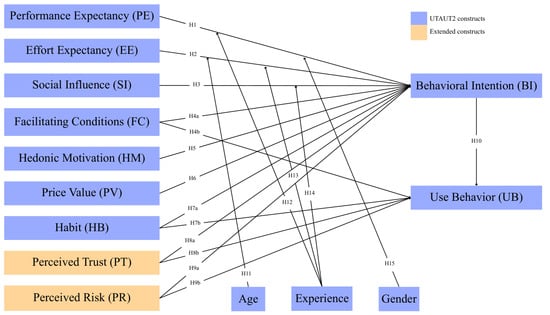
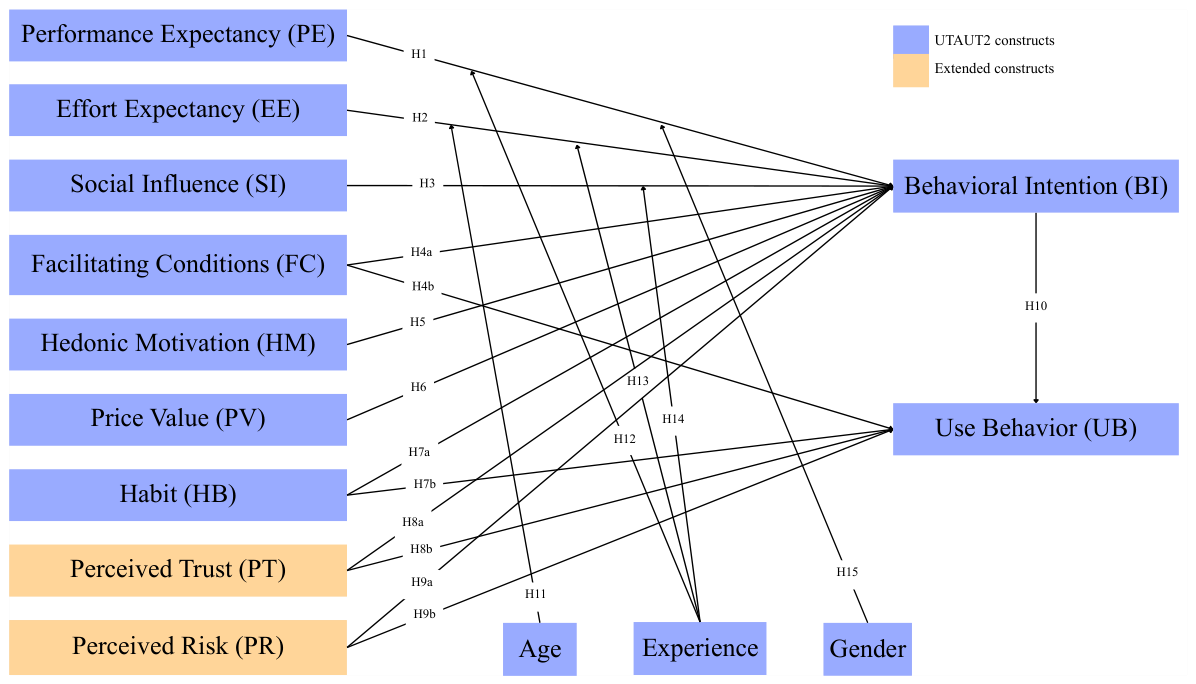
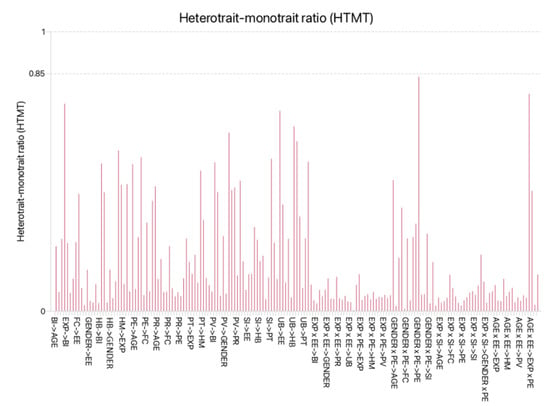
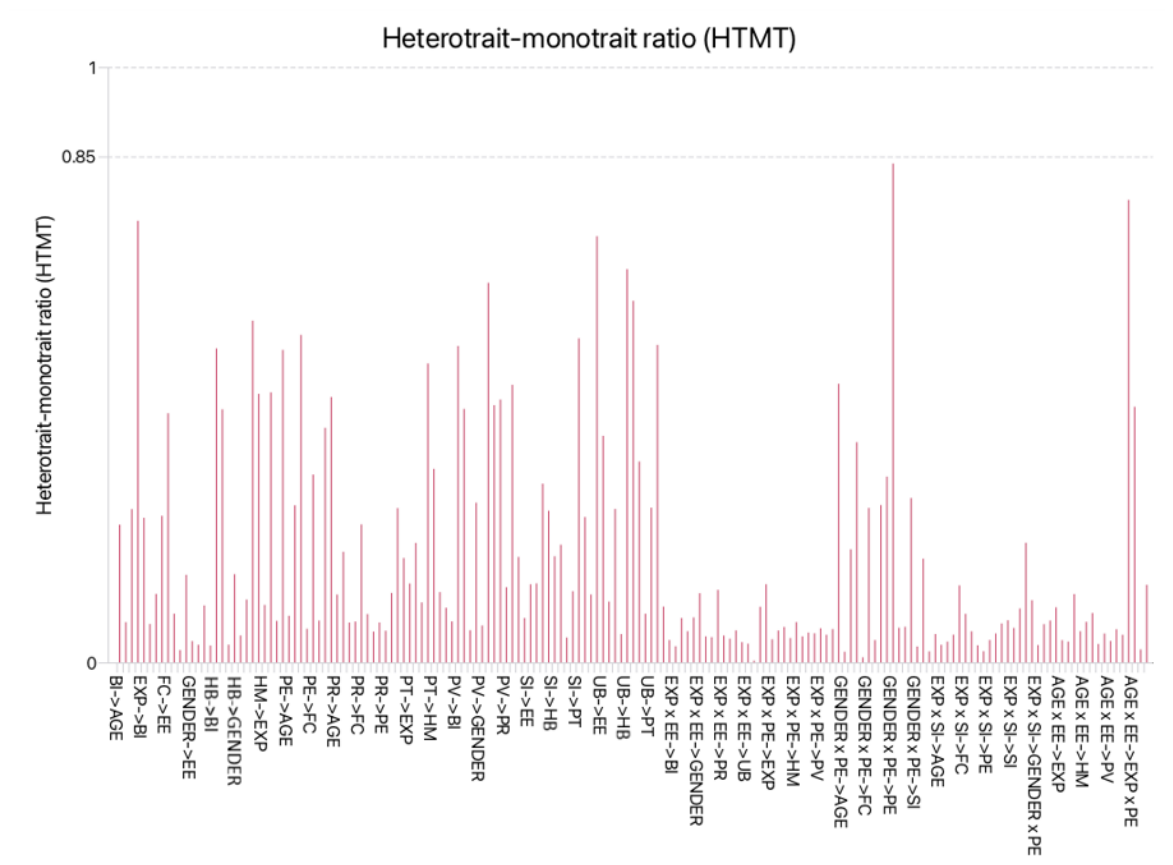
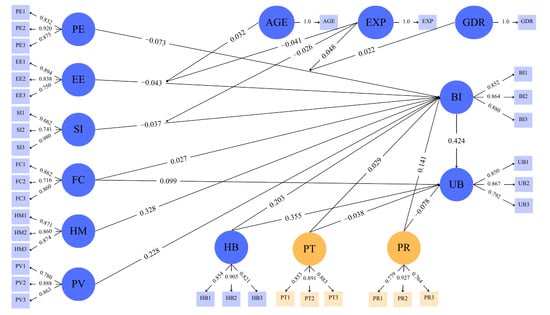
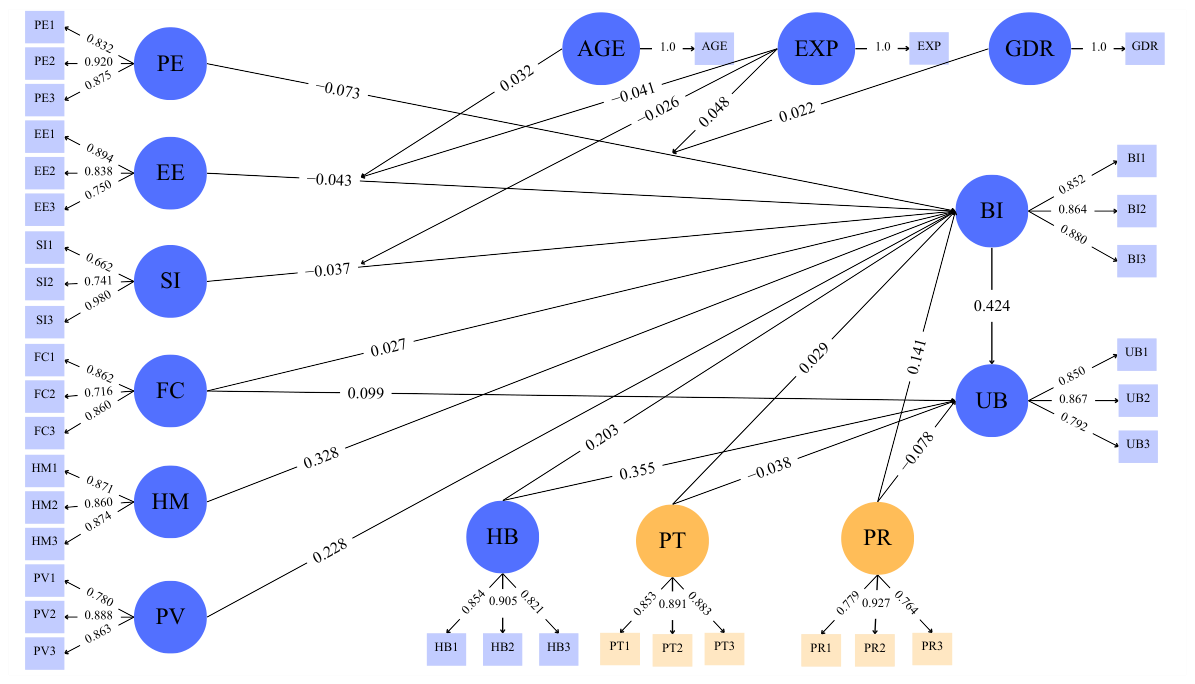
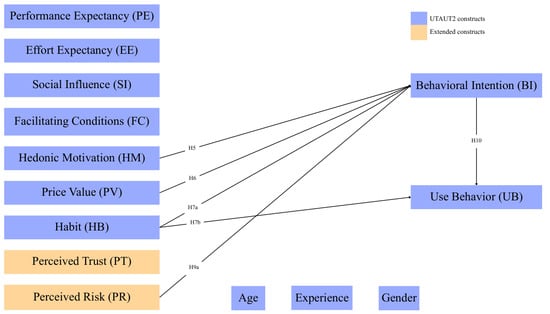
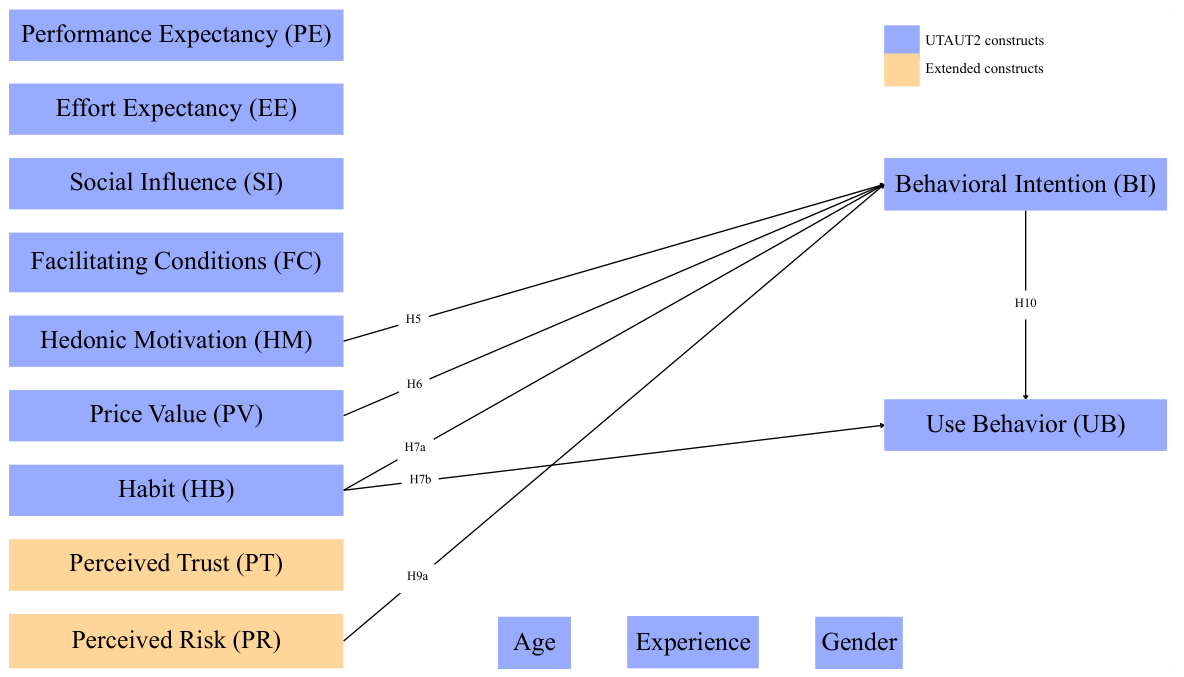

Disclaimer/Publisher’s Note: The statements, opinions and data contained in all publications are solely those of the individual author(s) and contributor(s) and not of MDPI and/or the editor(s). MDPI and/or the editor(s) disclaim responsibility for any injury to people or property resulting from any ideas, methods, instructions or products referred to in the content. |
© 2026 by the authors. Licensee MDPI, Basel, Switzerland. This article is an open access article distributed under the terms and conditions of the Creative Commons Attribution (CC BY) license.