


Abstract
Diamond Open Access journals face increasing challenges in ensuring metadata quality, interoperability, persistent identification, digital preservation, and international visibility while operating with limited financial and technological resources. Although Open Journal Systems (OJS) provides a robust publishing platform, the absence of an integrated technological governance model can hinder the systematic coordination of scholarly communication infrastructures. This study proposes and evaluates a Technological Governance Framework for Diamond Open Access journals using a Design Science Research methodology. The framework is organized into five governance dimensions: metadata management, persistent identifiers, scholarly interoperability, digital preservation, and editorial technologies. To support the assessment of technological governance performance, five composite indicators were integrated into a Technological Governance Index (TGI). The framework was evaluated through its implementation in the Innovación y Software journal, demonstrating its practical feasibility within a real Diamond Open Access publishing environment. The implementation achieved high levels of metadata quality, persistent identifier adoption, preservation, and interoperability, with a TGI of 97.43%. The journal also received the inaugural Crossref Metadata Excellence Award in the New Members category in 2025, providing complementary evidence of the metadata quality achieved in the evaluated case study. Although the results demonstrate the feasibility of the proposed governance model within the evaluated institutional context, further multi-journal studies are required to assess its transferability and broader applicability. The proposed framework provides a structured and measurable basis for coordinating technological capabilities in Diamond Open Access publishing and for future research on technological governance, metadata quality, interoperability, and digital sustainability.
1. Introduction
Open Science has transformed scientific communication by promoting transparency, accessibility, collaboration, and reproducibility throughout the research lifecycle. This paradigm has encouraged governments, funding agencies, universities, and publishers to adopt policies that facilitate unrestricted access to scholarly outputs and research data (Dash, 2025). Within this context, Diamond Open Access has emerged as a publishing model that removes financial barriers for authors and readers while reinforcing the public value of scientific communication (Tenorio-Fornés et al., 2021). However, the increasing complexity of digital scholarly communication has shifted attention from providing open access alone toward ensuring that publications remain discoverable, interoperable, and reusable across heterogeneous information systems. Consequently, technological infrastructures have become strategic assets for open-access journals, and their long-term sustainability depends not only on editorial quality but also on the governance mechanisms supporting scientific publishing (Wahyudi et al., 2025).
The growing adoption of Diamond Open Access has increased the importance of open scholarly infrastructures that support the complete lifecycle of scientific communication. Community-driven journals depend on interoperable technologies for the exchange, preservation, and dissemination of scholarly information without introducing financial or technological barriers (Andringa et al., 2024). These infrastructures integrate persistent identifiers, metadata exchange protocols, digital preservation services, and standardized communication mechanisms among repositories, indexing platforms, and research information systems (Arning, 2025). Their coordinated operation enables journals to participate in interconnected scholarly ecosystems and has shifted institutional priorities from deploying isolated publishing tools to building sustainable, interoperable digital environments.
Within these environments, metadata quality is a fundamental determinant of scholarly discoverability, machine readability, semantic interoperability, research assessment, and the automated integration of publications into global digital ecosystems. As scholarly communication increasingly relies on automated harvesting and machine-to-machine interactions, incomplete or inconsistent metadata can significantly reduce the visibility and accessibility of research (Lammey, 2023). The widespread adoption of FAIR principles has further reinforced this role, as metadata constitute a primary mechanism for information exchange among repositories, indexing services, publishers, and funding organizations. Therefore, metadata quality is no longer limited to compliance with technical standards but has become essential for maximizing the impact, reuse, and long-term preservation of scholarly publications (Otroshcenko et al., 2026). Achieving this objective requires governance mechanisms that can coordinate multiple standards, identifiers, and editorial workflows within a coherent technological ecosystem (Manola, 2023).
Persistent identifiers and interoperable metadata schemas are particularly important in this context. Digital Object Identifiers (DOIs), Open Researcher and Contributor IDs (ORCID), and Research Organization Registry (ROR) identifiers establish reliable links among publications, researchers, institutions, and research outputs across distributed scholarly infrastructures (Shamly & A., 2026). At the same time, metadata standards and exchange protocols enable these identifiers to be interpreted consistently by indexing services, repositories, funding agencies, and research information systems. Consequently, identifiers, metadata standards, and interoperability protocols must operate as complementary elements of an integrated governance strategy rather than as isolated technologies (Chen, 2023). This challenge is especially relevant for university-based Diamond Open Access journals, which often face resource constraints while being increasingly expected to meet international requirements for metadata quality and interoperability (Hodapp & Hanelt, 2022).
Despite the availability of open-source publishing platforms and internationally recognized standards, many university-based Diamond Open Access journals continue to experience limited visibility, fragmented interoperability, and inconsistent metadata quality (Jensen & Katz, 2025). These limitations often result not from the absence of technological resources, but from the lack of mechanisms to coordinate heterogeneous components across the editorial ecosystem. Persistent identifiers, metadata standards, preservation services, and authentication mechanisms are frequently implemented as independent functionalities without coherent relationships among them (Zou, 2026). Such fragmentation can generate incomplete metadata records, inconsistent scholarly identities, duplicated processes, and reduced compatibility with international scholarly infrastructures. Consequently, technological investments do not necessarily translate into greater discoverability, interoperability, or long-term sustainability. This situation reveals a governance gap in which technological capabilities exist but are not orchestrated under a unified strategy to maximize their collective value (Chavarro et al., 2025).
Recent research has advanced individual aspects of scholarly publishing infrastructures, including metadata standardization, persistent identifiers, digital preservation, editorial workflow optimization, and open scholarly communication (Manghi, 2024). These contributions have strengthened the adoption of international standards and improved the interoperability of specific components. Nevertheless, existing approaches generally address these capabilities independently, emphasizing particular tools, standards, or services rather than their coordinated governance across the editorial lifecycle. As a result, the relationships among metadata quality, scholarly identity management, persistent identifiers, interoperability, preservation, and editorial technologies remain conceptually fragmented (Massari et al., 2024). This fragmentation limits the development of transferable strategies that university journals can systematically adopt to strengthen their participation in global scholarly communication infrastructures. Therefore, a governance framework integrating these complementary dimensions into a coherent technological model is still needed (Baglioni et al., 2025).
To address this gap, this study adopts a technological governance perspective, conceptualizing scholarly publishing infrastructures as integrated ecosystems rather than as collections of independent technological components. Under this perspective, metadata quality, persistent identifiers, scholarly identity management, interoperability, preservation services, and editorial technologies are treated as complementary governance dimensions (Fallahhusein et al., 2025). The proposed approach focuses on their coordinated orchestration via a modular framework that supports sustainable, interoperable scholarly communication. This perspective facilitates the alignment of editorial processes with international metadata standards while providing the flexibility required to progressively incorporate new services, standards, and persistent identifier ecosystems without disrupting existing workflows (Guerra Blanco, 2025; Mora-Campos et al., 2024; Rooryck et al., 2024; Simard et al., 2024). Accordingly, technological infrastructure is considered a strategic governance asset supporting metadata quality, institutional visibility, and digital sustainability.
This study aims to design and evaluate a modular Technological Governance Framework for university-based Diamond Open Access journals by coordinating open scholarly infrastructures. The framework is developed as a Design Science Research artifact and evaluated through its implementation in a real institutional publishing environment. Its principal scientific contribution lies in conceptualizing heterogeneous scholarly infrastructures as coordinated governance dimensions rather than isolated technological services. The proposed framework provides a unified model for coordinating metadata management, persistent identifiers, interoperability, editorial technologies, and digital preservation. The remainder of this paper is organized as follows. Section 2 reviews the related literature on Diamond Open Access, scholarly publishing infrastructures, metadata quality, persistent identifiers, and technological governance. Section 3 describes the research design, governance framework, architectural dimensions, implementation process, and evaluation methodology. Section 4 presents the implementation results, metadata quality assessment, and benchmarking outcomes. Section 5 discusses the implications of the framework for scholarly communication, institutional publishing, and open scholarly infrastructures. Finally, Section 6 and Section 7 present the conclusions, study limitations, and future research directions.
2. Related Works
Diamond Open Access (DOA) has evolved from an alternative publishing model to an increasingly recognized component of the global scholarly communication ecosystem. Recent studies consistently characterize DOA journals as community-driven publishing initiatives that eliminate publication fees for both authors and readers while promoting equitable access to scientific knowledge. Large-scale mapping studies have demonstrated that the Diamond model is considerably more widespread than previously assumed, particularly among university journals and institutions in the Global South. However, their representation in major indexing databases remains disproportionately low (Khanna et al., 2022; Taubert et al., 2024). Beyond quantifying the model’s growth, recent research has shifted toward understanding the conditions that determine its long-term sustainability. Comparative and regional analyses indicate that financial stability, institutional commitment, governmental support, and open research practices positively influence the sustainability of Diamond journals. In contrast, dependence on volunteers, limited technical capacity, prestige asymmetries, and weak international visibility continue to threaten their long-term viability (Kwanya & Ateka, 2026; Peruginelli & Faro, 2024; Yoon et al., 2024). Collectively, these studies demonstrate that the principal challenge facing Diamond Open Access is no longer validating the publishing model itself, but ensuring that institutional journals possess the organizational and technological capabilities required to sustain high-quality scholarly communication in increasingly interconnected digital environments.
Open scholarly infrastructures have consequently emerged as a fundamental pillar for supporting the sustainability, transparency, and interoperability of Diamond Open Access publishing. Unlike proprietary publishing ecosystems, these infrastructures are conceived as community-governed technological environments that integrate editorial management systems, repositories, metadata services, preservation networks, and persistent identifier infrastructures, all built on open standards. Recent research argues that the resilience of scholarly communication depends not only on the availability of individual technological components but also on interoperable infrastructures that facilitate seamless information exchange among publishers, repositories, indexing services, research organizations, and funding agencies (Brembs et al., 2023; Hanisch et al., 2023). Similarly, studies on institutional publishing ecosystems emphasize that the progressive adoption of open infrastructures strengthens institutional autonomy, reduces technological dependence on commercial providers, and promotes greater transparency throughout the scholarly communication lifecycle (Belliard & Karvovskaya, 2025; Peruginelli & Faro, 2024). Nevertheless, existing investigations continue to examine these infrastructures primarily from technical, organizational, or policy-oriented perspectives, with comparatively little attention to the governance mechanisms needed to coordinate their multiple technological components. Consequently, although the literature recognizes open scholarly infrastructures as essential enablers of sustainable publishing, it still offers limited guidance on how to systematically integrate these heterogeneous services into a coherent governance strategy that maximizes metadata quality, interoperability, and long-term digital sustainability.
The literature reveals that the main technological capabilities required for sustainable scholarly publishing have developed through largely independent research and infrastructure trajectories. Metadata quality studies primarily emphasize completeness, semantic richness, and compliance with machine-readable standards (Delgado-Quirós & Ortega, 2024; Hendricks et al., 2020; Johnston et al., 2024; Tolwinska, 2021). Persistent identifier research focuses on entity disambiguation and on establishing reliable relationships among publications, researchers, and institutions (Cousijn et al., 2021; Johnston et al., 2024; Meadows et al., 2019). Interoperability studies, in turn, examine standards and protocols such as JATS XML, OAI-PMH, and OpenAIRE guidelines as mechanisms for machine-to-machine information exchange (Becerril-García et al., 2020; Cho, 2022; Jertec Musap, 2023; Jertec Musap et al., 2023; Odu & Ekanger, 2020). Similarly, research on editorial technologies concentrates on platform extensions and workflow automation, whereas digital preservation studies primarily address the long-term protection and accessibility of scholarly content (Dvořáková & Gomola, 2025; Gul et al., 2019; Lamury & Willinsky, 2025; Mitchell, 2021; Nurhidayah et al., 2025; Sprout & Jordan, 2018; Velez-Estevez et al., 2023; Vijesh, 2024).
Although these research streams have substantially strengthened individual components of scholarly communication, they differ considerably in their analytical focus and level of integration. Metadata and persistent identifier studies primarily address information quality and entity identification; interoperability research focuses on technical exchange mechanisms; editorial technology studies emphasize workflow efficiency; and preservation research prioritizes long-term accessibility and resilience. Consequently, these approaches tend to optimize individual technological capabilities rather than examine their interdependencies across the editorial lifecycle. Existing governance-oriented contributions provide broader organizational or infrastructure perspectives, but they offer limited operational guidance for coordinating metadata, identifiers, interoperability, editorial technologies, and preservation within a single technological governance model (Belliard & Karvovskaya, 2025; Brembs et al., 2023; Hanisch et al., 2023; Malaguarnera et al., 2025; Peruginelli & Faro, 2024).
The critical comparison above indicates that the principal gap is not the absence of technological solutions, standards, or scholarly infrastructures. Rather, the literature lacks an operational governance model that defines how these heterogeneous capabilities should be coordinated as interdependent components of the editorial lifecycle. Existing contributions provide valuable technological building blocks and, in some cases, broader infrastructure or organizational principles, but they do not establish a unified, measurable framework for the technological orchestration of these technologies in Diamond Open Access university journals. This gap motivates the development of the Technological Governance Framework proposed in this study. The framework does not introduce new publishing technologies; instead, it integrates existing infrastructures into a coherent governance model and operationalizes this coordination through five measurable technological dimensions. Table 1 summarizes the comparative scope of the reviewed studies and highlights the limited integration of the five technological dimensions within existing governance-oriented contributions.
Table 1.
Comparative analysis of the technological dimensions addressed by the reviewed studies.
3. Materials and Methods
This section describes the methodological approach adopted to design, implement, and evaluate the proposed Technological Governance Framework for Diamond Open Access university journals. The research combines a design-oriented methodology with the practical implementation of the framework in a real institutional publishing environment, enabling systematic conceptual development and empirical validation. The following subsections present the research design; the proposed governance framework and its architecture; the implementation environment; and the evaluation methodology used to assess the framework’s effectiveness in improving metadata quality, scholarly interoperability, and technological sustainability. This methodological structure ensures the reproducibility of the proposed approach while providing a comprehensive basis for analyzing the results obtained.
3.1. Research Design
This research adopts the Design Science Research (DSR) paradigm to guide the development and validation of a Technological Governance Framework for university-based Diamond Open Access journals. DSR is particularly well-suited to investigations whose primary objective is to develop innovative artifacts that address identified organizational or technological problems while also contributing to scientific knowledge (Hevner et al., 2004). In contrast to purely descriptive or explanatory research approaches, DSR provides a structured methodological foundation for the design, implementation, and evaluation of research artifacts aimed at addressing identified problems. Although DSR commonly supports iterative artifact refinement, the present study adopts a sequential design and evaluation process because the primary objective was to design and demonstrate the feasibility of an a priori framework in a real university publishing environment. The proposed governance framework is therefore considered the principal research artifact, integrating multiple technological components into a coherent governance architecture that supports metadata excellence, scholarly interoperability, and the long-term sustainability of institutional scholarly publishing (Gregor & Hevner, 2013).
The research process was organized into five sequential phases following the general principles of Design Science Research (Peffers et al., 2007). The first phase consisted of problem identification through a critical review of the recent literature on Diamond Open Access publishing, scholarly communication infrastructures, metadata quality, persistent identifier ecosystems, interoperability standards, editorial technologies, and digital preservation. Based on the identified research gap, the second phase defined the functional and technological requirements of a governance framework capable of coordinating these heterogeneous infrastructures. The third phase then developed the conceptual Technological Governance Framework and its five governance dimensions independently of any specific journal implementation. Only after the framework and its operational architecture had been defined was the artifact instantiated in the Innovación y Software journal as a case study. Finally, the implemented artifact was evaluated using metadata quality indicators and interoperability benchmarks. Thus, the journal implementation served as a demonstration and evaluation context rather than as the source from which the general framework was abstracted.
The sequential structure was intentional. The framework was designed a priori based on the identified research gap and requirements derived from the literature and relevant scholarly communication standards, before its instantiation in the case study. Consequently, the evaluation reported in this study was used to assess the feasibility, coherence, and practical utility of the artifact rather than to initiate a second design iteration. This approach was appropriate for the scope of the present research, which focused on demonstrating and evaluating a defined governance artifact in a real institutional publishing environment. Iterative refinement based on comparative evaluations across multiple journals remains an important direction for future research.
The framework design was informed by internationally adopted standards, specifications, and open scholarly infrastructures that define the current technological ecosystem of scholarly communication. These sources were used to identify generic governance requirements and technological capabilities, including persistent identification, metadata management, interoperability, editorial workflow support, and digital preservation. The framework therefore defines technology-independent governance dimensions and coordination principles before any specific implementation choices are made. Existing technologies and services were subsequently selected during the case-study instantiation to operationalize these generic requirements within the Innovación y Software publishing environment. Figure 1 summarizes the Design Science Research process adopted in this study, illustrating the sequential phases that guided the development, implementation, and evaluation of the proposed Technological Governance Framework.
Figure 1.
Design Science Research process adopted in this study.
To ensure methodological rigor, the evaluation emphasized the practical utility, coherence, and reproducibility of the proposed artifact rather than the performance of individual technological components. In the context of the present study, the evaluation was conceived as a structured assessment of the implemented artifact within a real institutional environment. The results were therefore used to determine whether the framework could be operationalized and evaluated through measurable governance indicators, rather than to claim the completion of an iterative DSR cycle.
The evaluation was conducted through a single-institutional case study to examine the feasibility and practical applicability of the proposed Technological Governance Framework in a real Diamond Open Access publishing environment. Consistent with the Design Science Research paradigm, this evaluation is intended to demonstrate the utility of the proposed artifact rather than to establish its universal validity across all scholarly publishing contexts.
3.2. Technological Governance Framework
Within the Design Science Research paradigm, the proposed Technological Governance Framework constitutes the primary research artifact developed in this study. The framework is not intended to represent the complete organizational governance of a scholarly journal; rather, it addresses the specific governance of the technological capabilities and infrastructures that support the editorial lifecycle. Its novelty does not reside in introducing new publishing technologies, but in providing a modular governance model that systematically integrates existing scholarly infrastructures into a coherent conceptual architecture. The framework therefore contributes a transferable governance perspective that can guide the technological evolution of institutional Diamond Open Access journals beyond the implementation of individual software components.
The proposed Technological Governance Framework was conceived as a modular governance model to coordinate the heterogeneous technological services that support scholarly communication in university-based Diamond Open Access journals. Rather than introducing new publishing technologies, the framework integrates existing scholarly infrastructures into a coherent governance architecture that facilitates metadata excellence, persistent identification, interoperability, digital preservation, and sustainable editorial management. This approach recognizes that the principal challenge faced by institutional journals is not the absence of technological solutions but the lack of systematic mechanisms to orchestrate these complementary services throughout the scholarly publishing lifecycle. Consequently, the framework provides a structured governance perspective that aligns technological resources with editorial processes to improve the quality, visibility, and sustainability of scientific publications.
For the purposes of this study, technological governance is defined as the structured process by which technological capabilities are planned, coordinated, assigned, monitored, and continuously evaluated to support scholarly publishing. This definition distinguishes governance from technological architecture. While architecture describes the organization and interaction of technological components, governance establishes the mechanisms through which technological priorities are defined, responsibilities are assigned, implementation decisions are coordinated, compliance with technical requirements is monitored, and technological changes are managed over time. The proposed framework therefore addresses a specific technological governance domain within the broader governance of scholarly publishing. It does not claim to replace institutional or editorial governance; rather, it provides a structured model for governing the technological infrastructure on which these activities depend.
Within this scope, governance is operationalized through five mechanisms: requirement definition, technological coordination, responsibility allocation, compliance monitoring, and continuous evaluation. Requirement definition establishes the technological capabilities that the journal should maintain. Technological coordination specifies how heterogeneous infrastructures and services are integrated across the publishing lifecycle. Responsibility allocation identifies the roles responsible for adopting and maintaining technological capabilities. Compliance monitoring verifies the fulfilment of defined technological and interoperability requirements. Finally, continuous evaluation supports evidence-based improvement through measurable governance indicators. These mechanisms provide the governance dimension of the framework, while the technologies and standards described in the subsequent sections represent the infrastructure through which the governance process is implemented.
The framework was designed around five fundamental principles derived from the analysis of the literature and the technological requirements identified during the research process. First, modularity allows individual technological services to be incorporated, replaced, or extended without affecting the overall governance architecture. Second, interoperability ensures seamless information exchange through internationally recognized metadata standards and communication protocols. Third, openness promotes the adoption of community-driven infrastructures and non-proprietary technologies that support Diamond Open Access publishing. Fourth, scalability enables the framework to be implemented in journals with different editorial capacities and technological maturity levels. Finally, sustainability emphasizes the long-term coordination of technological resources to guarantee continuous scholarly communication, digital preservation, and metadata quality over time.
Based on these principles, the framework organizes the technological ecosystem into five complementary governance dimensions. The first dimension focuses on metadata quality management, ensuring the completeness, consistency, and standardization of scholarly metadata. The second dimension coordinates persistent identifier ecosystems, including DOI, ORCID, ROR, and other globally adopted identifiers that strengthen scholarly connectivity. The third dimension addresses interoperability by integrating metadata standards, harvesting protocols, repositories, and indexing infrastructures. The fourth dimension governs editorial technologies that support manuscript management, metadata generation, validation, and dissemination. Finally, the fifth dimension encompasses digital preservation and technological sustainability, guaranteeing the long-term accessibility, integrity, and resilience of scholarly information.
The interaction among these five governance dimensions enables the construction of an integrated technological ecosystem in which metadata, editorial workflows, persistent identifiers, interoperability services, and preservation infrastructures operate as complementary rather than independent components. Through this coordinated approach, the proposed framework seeks to maximize scholarly interoperability while supporting the sustainable operation of university Diamond Open Access journals. Figure 2 presents the conceptual architecture of the proposed Technological Governance Framework and illustrates the relationships among its principal governance dimensions.
Figure 2.
Conceptual architecture of the proposed Technological Governance Framework.
3.3. Framework Architecture
The conceptual framework described in Section 3.2 was operationalized through a modular technological architecture. The purpose of this architecture is not to redefine the five governance dimensions, but to specify how the heterogeneous technological components required by the framework interact with the editorial workflow and with external scholarly infrastructures. Accordingly, the architecture represents the implementation structure of the proposed governance model, while the five dimensions defined constitute its conceptual structure.
Within the operational architecture, information flows from the editorial platform toward external scholarly infrastructures through a sequence of coordinated technological interactions. Editorial metadata are generated and enriched during the publishing workflow, subsequently processed by identifier and interoperability services, and finally exposed to external scholarly infrastructure for implementing mechanisms that operate in parallel with the archive of publications and associated metadata. This implementation logic translates the conceptual governance model into a coordinated technological workflow, reducing the need for isolated manual interventions.
The modular nature of the architecture also allows additional technological services to be incorporated without requiring substantial modifications to the existing governance structure. New persistent identifier services, metadata standards, interoperability protocols, editorial extensions, or preservation infrastructures can be integrated as independent modules while maintaining compatibility with the remaining components. Consequently, the proposed architecture provides a flexible technological foundation that adapts to the ongoing evolution of scholarly communication infrastructures while preserving interoperability and governance consistency. Figure 3 illustrates the operational architecture used to implement the proposed Technological Governance Framework and the interactions among its principal technological components. The framework and its operational architecture are defined independently of any particular journal implementation. The following section presents the Innovación y Software journal as a case study used to demonstrate the practical operationalization of the proposed framework in a real Diamond Open Access publishing environment.
Figure 3.
Operational architecture for implementing the proposed Technological Governance Framework.
3.4. Case Study and Implementation Environment
To demonstrate the practical operationalization of the proposed framework, a case study was conducted in the peer-reviewed Diamond Open Access journal Innovación y Software, published by Universidad La Salle (Peru). Established in 2020, the journal specializes in Software Engineering, Computer Science, Information Systems, and related computing disciplines, publishing articles in both Spanish and English. The journal operates entirely under the Diamond Open Access model, providing unrestricted access to its contents without charging publication or subscription fees. The journal was selected as a real-world environment to demonstrate the operationalization of the framework under conditions commonly encountered by university-based Diamond Open Access journals.
The technological infrastructure supporting the implementation consists of Open Journal Systems (OJS) version 3.1.2.1 deployed on a production server running Apache 2.4.6, PHP 7.3.33, MariaDB 5.5.65, and CentOS Linux 7.8.2003. Secure communications are ensured through HTTPS using automatically renewed TLS certificates managed by Certbot and Let’s Encrypt. Although this infrastructure corresponds to a mature production environment rather than the latest OJS release, it represents a realistic technological scenario shared by many institutional journals that continue operating stable editorial platforms while progressively incorporating new interoperability services and scholarly communication standards.
The operational architecture was implemented during the first semester of 2025 following a structured deployment strategy. The implementation included the installation and configuration of the editorial platform, customization of editorial workflows, integration of interoperability services, activation of persistent identifier services, implementation of metadata management extensions, incorporation of author contribution and Sustainable Development Goals (SDG) classification modules, and subsequent verification of metadata exchange and preservation services. Functional verification tests were finally performed to assess the correct interaction among the implemented technological components before the system entered full production.
From an editorial perspective, the framework supports the complete scholarly publishing lifecycle, including manuscript submission, peer review, copyediting, production, and publication. These editorial processes are complemented by an extensive metadata management ecosystem supporting Dublin Core, MODS, OpenURL, JATS XML, Crossref XML, JSON-LD, Schema.org, and OAI-PMH, thereby enabling metadata interoperability across multiple scholarly infrastructures. Simultaneously, the framework integrates a comprehensive persistent identifier ecosystem including DOI, ORCID, ROR, ARK, and PURL, allowing the persistent identification of publications, authors, institutions, and digital resources throughout the editorial workflow.
Interoperability was further strengthened by integrating multiple scholarly infrastructures and preservation services. Published metadata are automatically exposed through standardized harvesting protocols and become available to services such as Crossref, DOAJ, Google Scholar, OpenAlex, OpenAIRE, Dimensions, BASE, CORE, and institutional repositories. Long-term preservation is ensured through the simultaneous operation of the PKP Preservation Network (PKP PN), LOCKSS, CLOCKSS, local backup mechanisms, and standardized archival workflows. Together, these services establish an interoperable publishing ecosystem that maximizes the visibility, accessibility, preservation, and long-term sustainability of scholarly outputs.
The operational implementation of the framework relied on a broad ecosystem of OJS plugins that extend the native editorial platform with advanced functionalities supporting metadata enrichment, interoperability, persistent identifiers, editorial management, preservation, analytics, and research assessment. Rather than functioning as isolated extensions, these plugins collectively implement the governance dimensions proposed in this research by coordinating the interaction between editorial workflows and external scholarly infrastructures. The generic requirements derived from the literature and the DSR design process are summarized in Table 2. These requirements define the conceptual governance framework independently of any specific journal or technology. The generic framework requirements were subsequently operationalized through specific technologies and services in the Innovación y Software case study. Table 3 therefore reports implementation choices rather than additional components of the conceptual framework.
Table 2.
Generic governance dimensions and requirements of the proposed Technological Governance Framework.
Table 3.
Case-study technologies used to operationalize the proposed governance framework in Innovación y Software.
3.5. Evaluation Metrics and Validation Procedure
The proposed Technological Governance Framework was evaluated through a multidimensional validation strategy designed to assess its effectiveness across the five governance dimensions defined in this study. Rather than relying on a single performance metric, the evaluation considered a complementary set of quantitative indicators that collectively measure metadata quality, persistent identifier adoption, scholarly interoperability, digital preservation, and editorial performance. This multidimensional approach enables a comprehensive assessment of the technological ecosystem created around the journal while ensuring that each governance dimension is independently measurable. The selected indicators were chosen because they are widely recognized within scholarly communication infrastructures and can be objectively verified through platform services and external validation tools.
The evaluation was conducted using operational data from the production deployment of the Innovación y Software journal following the implementation of the proposed framework in the first semester of 2025. Evidence was collected from multiple internal and external sources, including OJS administrative reports, Crossref Participation Reports, OAI-PMH validation services, OpenAIRE harvesting records, Google Scholar indexing status, PKP Preservation Network reports, metadata exported in JATS XML and Dublin Core formats, and server usage statistics. Collecting information from multiple independent services minimizes the risk of measurement bias and provides external verification of the interoperability achieved by the proposed framework.
Table 4 summarizes the indicators employed during the validation process. Each indicator is explicitly associated with one of the governance dimensions and specifies both the measurement criterion and the corresponding evidence source. This mapping ensures methodological traceability between the conceptual framework presented in previous sections and the empirical validation reported in Section 4. Moreover, all indicators were selected because they are reproducible in any institutional journal implementing Open Journal Systems, facilitating future replication studies and comparative evaluations.
Table 4.
Evaluation metrics used to validate the proposed Technological Governance Framework.
To quantitatively evaluate the technological implementation of the proposed framework, five composite indicators were defined, each representing one governance dimension. Every indicator is normalized to a scale from 0 to 100, with higher values indicating better compliance with the corresponding governance dimension. Finally, the five composite indicators are integrated into the Technological Governance Index (TGI), which provides an overall assessment of technological governance implementation.
The first governance dimension evaluates the quality and completeness of scholarly metadata through the Metadata Quality Score (MQS). This composite indicator integrates the principal metadata elements required for semantic interoperability and scholarly communication, including bibliographic references, abstracts, JATS XML validation, Dublin Core compliance, Schema.org annotations, and JSON-LD metadata. The MQS is calculated as follows in Equation (1):
where
- = References Coverage (%).
- = Abstract Coverage (%).
- = JATS XML Validation (%).
- = Dublin Core Compliance (%).
- = Schema.org Metadata Coverage (%).
- = JSON-LD Metadata Coverage (%).
The second governance dimension measures the implementation of the persistent identifier ecosystem through the Persistent Identifier Ecosystem Score (PIES). This indicator evaluates the implementation of persistent identifiers for publications, researchers, institutions, and digital resources, considering DOI, ORCID, ROR, ARK, PURL, and Crossmark services. The PIES is defined as follows in Equation (2):
where
- = DOI Coverage (%).
- = ORCID Coverage (%).
- = ROR Coverage (%).
- = ARK Coverage (%).
- = PURL Coverage (%).
- = Crossmark Coverage (%).
Scholarly interoperability is quantified by the Scholarly Interoperability Score (SIS), which assesses the journal’s successful integration with international indexing services, repositories, harvesting platforms, and metadata exchange protocols. The score is computed according to Equation (3):
where
- is a binary indicator of interoperability.
- if the infrastructure is successfully integrated.
- otherwise.
- n is the total number of evaluated infrastructures.
The Digital Preservation Score (DPS) assesses the robustness of the journal’s preservation infrastructure. This indicator considers the availability of distributed preservation networks, local backup mechanisms, and persistent identifier services that contribute to long-term digital sustainability. The DPS is calculated as follows in Equation (4):
where
- if the preservation service is operational.
- otherwise.
- m is the number of preservation mechanisms.
Editorial technologies are evaluated using the Editorial Technologies Score (ETS), which measures the extent of implementation of the technological components that support the editorial workflow. Unlike operational performance indicators, the ETS assesses the availability and integration of key editorial technologies that enable workflow automation, contributor attribution, metadata enrichment, scholarly communication, and publication management. The ETS is computed as defined below in Equation (5):
where
- if the corresponding editorial technology has been successfully implemented and is fully operational.
- otherwise.
- q is the total number of evaluated editorial technologies.
The five governance dimensions are integrated into the TGI as an implementation-oriented composite indicator. The TGI summarizes the degree to which the technological capabilities defined by the proposed framework have been implemented and coordinated in the evaluated case study. It is not intended to represent a validated measure of technological governance maturity or organizational performance. The TGI is computed as the arithmetic mean of the five composite indicators. It was intentionally designed using equal weights across its five governance dimensions. This decision was made because the current literature does not provide sufficient empirical evidence to justify assigning different levels of importance to metadata management, persistent identifiers, interoperability, editorial technologies, and digital preservation within institutional Diamond Open Access journals. Consequently, equal weighting offers a transparent, reproducible, and technology-neutral baseline for assessing the completeness of governance implementation while avoiding subjective assumptions regarding the relative importance of individual dimensions, as follows in Equation (6):
where
- = Metadata Quality Score.
- = Persistent Identifier Ecosystem Score.
- = Scholarly Interoperability Score.
- = Digital Preservation Score.
- = Editorial Technologies Score.
The resulting index ranges from 0 to 100, with higher values indicating a greater degree of implementation of the technological capabilities across the five governance dimensions. In the present study, the TGI is used to summarize the implementation status of the proposed framework in a single case study. Its suitability for comparing journals, its weighting structure, and its relationship with independent scholarly infrastructure performance indicators require further empirical examination across multiple journals. It is important to emphasize that the TGI is intended to measure the degree of technological governance implementation rather than the organizational maturity of a journal. The index evaluates the presence and coordinated integration of essential technological capabilities that support scholarly communication. Assessing broader governance maturity—including organizational policies, institutional processes, resource allocation, and decision-making mechanisms—falls beyond the scope of the present study and represents an important direction for future research. For practical interpretation and comparative assessment, Table 5 presents the technological governance implementation levels corresponding to the different TGI score intervals.
Table 5.
Interpretation of the Technological Governance Index.
4. Results
This section presents the results from the implementation and evaluation of the proposed technological governance framework, published in the Innovación y Software journal. This journal was selected as an illustrative case study to evaluate the practical implementation of the proposed framework. Consequently, the following results should be interpreted as evidence of the framework’s feasibility in an operational publishing environment rather than as a comprehensive validation of its applicability to all Diamond Open Access journals. The evaluation follows the five governance dimensions, providing quantitative evidence of the framework’s performance through the proposed composite indicators and supporting technological metrics. The results assess metadata quality, persistent identifier integration, scholarly interoperability, digital preservation, and editorial technologies, offering a comprehensive view of the technological implementation achieved after implementation. Finally, the individual dimension scores are integrated into the TGI, enabling an overall assessment of the framework’s effectiveness in supporting sustainable Diamond Open Access publishing.
4.1. Metadata Quality Management
The first dimension of the proposed technological governance framework evaluated the quality, completeness, and semantic richness of the metadata generated throughout the editorial workflow. Metadata quality is a critical factor in the visibility, discoverability, and interoperability of scholarly publications, as it directly affects the ability of indexing services, harvesting platforms, search engines, and digital preservation infrastructures to process and disseminate scientific information. Consequently, the framework incorporates multiple metadata standards and validation mechanisms, including JATS XML, Dublin Core, Schema.org, JSON-LD, and Crossref metadata deposits, to ensure comprehensive machine-readable descriptions of every published article.
The evaluation demonstrated a high level of metadata completeness across the journal’s entire collection of 153 registered scholarly records. According to the Crossref Participation Report, bibliographic references reached 86% coverage, while abstracts, institutional affiliations, and license URLs achieved 91% completeness. Furthermore, every published article generated valid JATS XML documents and fully complied with Dublin Core metadata requirements. Semantic enrichment mechanisms based on Schema.org and JSON-LD were successfully implemented for all publications, providing structured metadata that supports semantic web applications, automatic indexing services, and scholarly discovery platforms.
To obtain a comprehensive assessment of metadata quality, this study proposes the MQS. This composite indicator integrates the principal metadata elements required for modern scholarly communication infrastructures. The indicator combines coverage of references, abstract completeness, JATS XML validation, Dublin Core compliance, Schema.org implementation, and JSON-LD generation, assigning equal importance to each metadata component. Based on the collected evidence, the proposed framework achieved an MQS of 96.17%, demonstrating a high degree of metadata standardization and semantic completeness. Figure 4 presents the metadata quality indicators reported by Crossref, whereas Table 6 summarizes the quantitative evaluation obtained for each metadata component.
Figure 4.
Crossref Participation Report showing metadata completeness after implementation of the proposed framework.
Table 6.
Metadata quality indicators after framework implementation.
The Crossref Metadata Excellence Award provides complementary evidence of the metadata quality achieved in the evaluated case study. In 2025, Universidad La Salle Arequipa received the inaugural Crossref Metadata Excellence Award in the New Members category. The award recognized the journal’s outstanding metadata completeness, reporting 71% coverage of high-value metadata elements among newly incorporated Crossref members (Korzec & Tkaczyk, 2025). This recognition is consistent with the high metadata quality observed in the present case study; however, it should not be interpreted as independent validation of the Metadata Quality Score or of the Technological Governance Framework as a whole.
4.2. Persistent Identifier Ecosystem
The second governance dimension evaluated the implementation of persistent identifiers across publications, authors, institutions, and digital objects. Persistent identifiers are a fundamental technological component of open scholarly communication because they enable persistent resource identification, improve metadata interoperability, facilitate institutional integration, and support long-term accessibility. Unlike conventional editorial implementations that generally focus on DOI assignment alone, the proposed framework integrates a broader persistent identifier ecosystem composed of DOI, ORCID, ROR, ARK, and PURL identifiers, creating a unified infrastructure for scholarly identification.
The obtained results demonstrate a mature implementation of persistent identifier technologies. Complete coverage (100%) was achieved for DOI assignment, ARK generation, and PURL generation across all published articles. The Crossref Participation Report further indicates that 88% of institutional affiliations are linked to persistent ROR identifiers, while 67% of authors have validated ORCID identifiers associated with their publications. Additionally, Crossmark services have been enabled for 91% of the journal records, providing mechanisms for version control, correction notification, and publication status verification throughout the scholarly communication lifecycle.
The integration of publication, author, institutional, and archival identifiers within a single governance architecture substantially strengthens the journal’s technological implementation. DOI guarantees persistent citation and international identification; ORCID facilitates reliable author disambiguation; ROR standardizes institutional affiliations; and ARK and PURL reinforce long-term resource persistence beyond conventional DOI resolution mechanisms. Together, these technologies establish a comprehensive persistent identifier ecosystem that enhances interoperability, improves metadata reliability, and supports sustainable scholarly communication. The quantitative results obtained for this governance dimension are summarized in Table 7.
Table 7.
Persistent identifier ecosystem indicators.
4.3. Scholarly Interoperability
The third dimension assessed the proposed framework’s capacity to facilitate interoperability with international scholarly communication infrastructures. Scholarly interoperability extends beyond metadata standardization, encompassing the ability of editorial platforms to exchange, expose, harvest, and synchronize information with indexing services, repositories, search engines, and research information systems. The implementation of interoperable metadata standards, persistent identifiers, and standardized communication protocols enabled the journal to establish seamless integration with multiple external scholarly infrastructures.
The evaluation confirmed successful interoperability across all target services considered in the proposed framework. The journal achieved operational integration with Crossref for DOI registration and metadata dissemination, while OAI-PMH services enabled automated harvesting by OpenAIRE, BASE, CORE, and the institutional repository. Likewise, structured metadata generated through Dublin Core, JATS XML, Schema.org, and JSON-LD facilitated indexing by Google Scholar, OpenAlex, and DOAJ. As a result, published articles became discoverable through multiple international scholarly platforms without requiring manual metadata transformation or platform-specific adaptations.
The obtained results demonstrate that the proposed technological governance framework successfully established a highly interoperable scholarly communication environment. Rather than functioning as isolated services, metadata standards, persistent identifiers, and harvesting protocols operate as complementary components that continuously exchange structured information across the scholarly ecosystem. This interoperability significantly improves article visibility, metadata consistency, institutional dissemination, and international discoverability while reducing administrative efforts associated with maintaining multiple indexing services. Table 8 summarizes the interoperability status achieved for each evaluated infrastructure.
Table 8.
Scholarly interoperability results achieved after framework implementation.
4.4. Digital Preservation and Sustainability
The fourth dimension of the proposed framework evaluated the mechanisms implemented to ensure the long-term preservation, integrity, and accessibility of scholarly publications. Digital preservation represents a fundamental requirement for sustainable scholarly communication because it protects scientific content against technological obsolescence, hardware failures, software evolution, and organizational changes. Consequently, the proposed technological governance framework integrates multiple complementary preservation strategies operating at different infrastructure levels, reducing the risk of information loss and ensuring the long-term availability of digital scholarly records.
The evaluation confirmed that the journal successfully implemented a multi-layered digital preservation strategy. The PKP Preservation Network (PKP PN) is fully operational and preserves all published issues, as verified through the Keepers Registry. The preservation status indicates that the journal content has been successfully archived by the Public Knowledge Project Preservation Network, covering all issues published between 2020 and 2026. In addition to PKP PN, the technological infrastructure incorporates LOCKSS and CLOCKSS preservation services together with automated local backup mechanisms, providing redundancy across distributed preservation environments and institutional infrastructure.
The obtained results demonstrate that digital preservation within the proposed framework extends beyond simple data backup procedures. Instead, preservation is addressed as a governance component supported by distributed preservation networks, persistent identifiers, standardized metadata, and interoperable repository services. This combination strengthens the long-term sustainability of scholarly communication by ensuring that scientific publications remain permanently accessible, verifiable, and reusable regardless of future technological changes. Figure 5 presents the preservation status registered by the Keepers Registry, while Table 9 summarizes the preservation mechanisms implemented within the framework.
Figure 5.
Digital preservation status of the journal registered in the Keepers Registry through the PKP Preservation Network.
Table 9.
Digital preservation mechanisms implemented by the proposed framework.
4.5. Editorial Technologies
The fifth governance dimension evaluated the effectiveness of the editorial technologies integrated into the proposed framework. Beyond metadata management and scholarly interoperability, technological governance also aims to optimize editorial workflows, reduce administrative effort, improve communication among stakeholders, and increase the overall efficiency of the publication process. The implemented technological ecosystem combines Open Journal Systems with specialized plugins supporting contributor role taxonomy, research impact classification, editorial analytics, authentication, citation management, article visualization, and workflow automation. Together, these technologies provide an integrated environment capable of supporting the complete scholarly publishing lifecycle.
The evaluation confirmed the successful implementation of all editorial technologies defined in the proposed governance framework. The journal operates the complete Open Journal Systems editorial workflow, including manuscript submission, peer review, copyediting, production, and publication. These core services are complemented by the integration of persistent identifier technologies (DOI, ORCID, and ROR), semantic publishing services based on JATS XML and Crossref deposits, contributor role management through the CRediT taxonomy, automatic Sustainable Development Goals classification using the Aurora SDG Plugin, Crossmark services, article visualization modules, editorial analytics, and digital preservation mechanisms. As all evaluated technologies were fully operational at the time of assessment, the ETS reached the maximum value of 100.
The obtained results demonstrate that the proposed framework extends the capabilities of a conventional OJS installation by integrating advanced editorial technologies into a unified governance architecture. Rather than operating as isolated plugins, the implemented technologies interact to support editorial transparency, metadata enrichment, contributor recognition, semantic interoperability, research impact assessment, workflow automation, and long-term preservation. This technological integration establishes a mature editorial ecosystem that supports sustainable Diamond Open Access publishing and facilitates interoperability with international scholarly communication infrastructures. Table 10 summarizes the editorial technologies evaluated within this governance dimension.
Table 10.
Editorial technologies evaluated in the proposed framework.
4.6. Overall Technological Governance Assessment
The five governance dimensions were summarized using the TGI proposed to obtain an implementation-oriented composite indicator for the evaluated case study. The resulting TGI was 97.43 out of a maximum possible score of 100. This value reflects the high level of implementation of the technological capabilities represented by the five governance dimensions in the evaluated journal. The value should not be interpreted as evidence of a validated technological governance maturity level. The component scores indicate that the framework was operationalized across the five proposed governance dimensions in the evaluated publishing environment.
Among the five evaluated dimensions, Scholarly Interoperability, Digital Preservation, and Editorial Technologies achieved the maximum possible score, demonstrating complete implementation of the corresponding technological components. Metadata Quality received a score of 96.17, primarily due to incomplete availability of bibliographic references and abstracts in historical Crossref deposits. Likewise, the Persistent Identifier Ecosystem reached a score of 91.0, reflecting the high adoption of persistent identifiers while identifying opportunities to further increase ORCID coverage among authors. These results indicate that the remaining gaps are associated with metadata enrichment rather than limitations of the proposed technological architecture.
The TGI should not be interpreted as an isolated measure of scholarly infrastructure performance. In the present case study, the obtained value is reported alongside independent indicators, including metadata quality, interoperability with Crossref, ORCID, and ROR services, metadata harvesting through OpenAIRE, and digital preservation practices. These indicators were not used to compute the TGI and their observed values cannot be interpreted as evidence of a validated relationship with the index. Establishing whether TGI scores are systematically associated with independent performance indicators requires comparative studies involving multiple journals.
Overall, the quantitative assessment demonstrates that the proposed framework provides a comprehensive technological governance model supporting sustainable Diamond Open Access publishing. Beyond improving metadata quality and interoperability, the framework establishes an integrated technological ecosystem that promotes transparency, persistence, discoverability, preservation, and editorial sustainability. Figure 6 summarizes the performance obtained in each governance dimension, while Table 11 presents the individual component scores and the resulting Technological Governance Index.
Figure 6.
Performance for each Technological Governance Index dimension.
Table 11.
Technological Governance Index obtained after framework implementation.
5. Discussion
The principal contribution of the proposed framework should not be interpreted as the introduction of new editorial technologies or metadata standards, since these infrastructures already exist and are widely adopted within scholarly communication. Instead, its contribution lies in providing a governance-oriented conceptual model that coordinates these heterogeneous components into an integrated technological ecosystem. From a Design Science Research perspective, the framework represents an architectural artifact that facilitates systematic decision-making regarding the adoption, coordination, and evolution of interoperable scholarly infrastructures.
The results of the case study indicate that the proposed Technological Governance Framework provides a structured approach for coordinating technological capabilities within the evaluated Diamond Open Access publishing environment. Unlike evaluations focused exclusively on metadata quality or indexing performance (Hanisch et al., 2023), the proposed framework integrates five complementary governance dimensions that collectively address metadata management, persistent identifiers, interoperability, digital preservation, and editorial technologies. The resulting TGI of 97.43 reflects a high degree of implementation of the technological capabilities represented by the proposed governance dimensions in the evaluated journal. This result illustrates how the coordinated implementation of interoperable standards and editorial technologies can be operationalized within a university-based Diamond Open Access publishing environment.
The consistency observed between the TGI and multiple independent indicators of scholarly infrastructure performance suggests that the proposed index captures meaningful aspects of the implementation of technological governance rather than merely the presence of isolated software components. In the present case study, the high TGI is accompanied by high metadata quality, successful interoperability with Crossref, ORCID, and ROR services, effective metadata harvesting through OpenAIRE, and recognized digital preservation practices, providing complementary evidence supporting the practical relevance of the proposed framework. Nevertheless, the TGI should be interpreted as an implementation-oriented governance indicator rather than as a comprehensive technological maturity model. Its purpose is to evaluate the coordinated integration of essential technological capabilities, while broader organizational governance dimensions—such as institutional policies, resource allocation, and decision-making processes—remain outside the scope of the present study. Future research should therefore extend the index through empirical weighting strategies and broader validation across multiple Diamond Open Access journals.
Previous studies have demonstrated the benefits of adopting Open Journal Systems (OJS) for improving editorial workflows and journal management (Silva et al., 2025); however, their primary emphasis has been on platform implementation, usability, or editorial efficiency rather than on governance-oriented technological architectures. For example, studies by Saqib et al. (2026) and Chavarro et al. (2025) describe improvements in editorial management through OJS-based infrastructures, whereas Wahyudi et al. (2025) focuses on optimizing journal administration and publication workflows. In contrast, the framework proposed in this study extends beyond software deployment by integrating standardized metadata, persistent identifiers, interoperability mechanisms, preservation infrastructures, and evaluation metrics into a unified governance model that can be replicated across Diamond Open Access journals.
Another relevant contribution concerns scholarly interoperability. Existing initiatives such as the OpenAIRE Guidelines, Crossref metadata services, and FAIR-oriented scholarly infrastructures have significantly improved metadata exchange and machine-readable scholarly communication. Nevertheless, these initiatives generally address specific components of the scholarly ecosystem rather than providing an integrated governance strategy for journal management. The proposed framework combines metadata standards, persistent identifiers, semantic technologies, and harvesting protocols within a single architecture, enabling seamless interaction with Crossref, OpenAlex, Google Scholar, OpenAIRE, CORE, BASE, institutional repositories, and other scholarly infrastructures. This integrated perspective aligns with recent recommendations advocating greater coordination among scholarly communication infrastructures (Belliard & Karvovskaya, 2025; Lammey, 2023; Manola, 2023; Simard et al., 2025).
The persistent identifier ecosystem also represents a significant advancement over conventional editorial implementations. Most journals currently prioritize DOI assignment and, increasingly, ORCID integration for author identification. However, the framework extends this ecosystem by incorporating ROR identifiers for institutional affiliations, as well as ARK and PURL services, to ensure long-term resource persistence. Additionally, the integration of Crossmark and the CRediT taxonomy strengthens publication version control and contributor transparency. At the same time, the Aurora SDG Plugin enriches article metadata through automated classification of Sustainable Development Goals. Together, these technologies establish a richer scholarly identity infrastructure that supports attribution, interoperability, and long-term discoverability beyond traditional identifier implementations (Chen, 2023; Cousijn et al., 2021).
Digital preservation constitutes another distinguishing characteristic of the proposed framework. While many institutional journals rely exclusively on local backups or repository storage, the proposed architecture incorporates multiple preservation mechanisms operating simultaneously through PKP Preservation Network, LOCKSS, CLOCKSS, persistent identifiers, and institutional backup services. This layered preservation strategy reduces technological risks associated with hardware failures, software obsolescence, and institutional changes while ensuring long-term accessibility of scholarly publications. Such an approach is particularly relevant for Diamond Open Access journals, where sustainable preservation infrastructures are frequently constrained by limited financial and technical resources (Mitchell, 2021; Sprout & Jordan, 2018).
From a methodological perspective, one of the principal contributions of this research is the introduction of a quantitative evaluation model based on five composite governance indicators: the MQS, PIES, SIS, DPS, and ETS. These indicators are integrated into the TGI, providing a structured mechanism for summarizing the implementation of the proposed technological governance dimensions in the evaluated case study. Unlike evaluations focused on isolated technological components, the model offers a multidimensional assessment structure. However, its weighting scheme, its suitability for comparative use across journals, and its relationship with independent performance indicators remain to be empirically tested.
The framework also has practical implications for university publishers and Diamond Open Access journals, particularly in developing regions where editorial teams frequently operate with limited technical and financial resources. Because the proposed architecture is based primarily on Open Journal Systems and openly available technologies, its adoption does not require proprietary software or substantial infrastructure investments. Consequently, the framework offers a feasible pathway for improving interoperability, metadata quality, preservation, and international visibility while maintaining the principles of non-commercial scholarly publishing that characterize the Diamond Open Access model (Chavarro et al., 2025; Rooryck et al., 2024; Yoon et al., 2024).
Beyond the quantitative indicators obtained in this study, the practical value of the proposed framework is further supported by independent external recognition. Following the implementation of the technological governance framework in the Innovación y Software journal, Universidad La Salle Arequipa received the inaugural Crossref Metadata Excellence Award in the New Members category during the first Crossref Metadata Awards held in 2025. According to Crossref, the award recognized the journal’s achievement of 71% coverage of high-value metadata elements across its registered records, placing it among the highest-performing new members worldwide (Korzec & Tkaczyk, 2025). This recognition independently affirms the high quality and completeness of the journal’s deposited metadata. While this distinction supports the effectiveness of the metadata management dimension of the proposed framework, it should not be taken as a comprehensive validation of the Technological Governance Framework as a whole. Rather, it constitutes complementary evidence that implementing the framework contributes to achieving recognized standards of metadata quality.
Overall, the findings indicate that technological governance should be considered a strategic capability rather than merely a technical implementation challenge. While existing initiatives such as the Diamond Open Access Standard (DOAS), the Principles of Open Scholarly Infrastructure (POSI), and Crossref Participation Reports promote best practices for specific components of scholarly communication, the proposed framework integrates these recommendations into a unified governance architecture supported by measurable indicators. The combination of high TGI values and independent recognition through the Crossref Metadata Excellence Award suggests that the framework is both theoretically grounded and practically effective. Consequently, the framework provides a structured basis for future empirical studies examining the coordination of metadata quality, interoperability, preservation, and scholarly visibility across Diamond Open Access publishing environments.
6. Conclusions
This study proposed and demonstrated the practical feasibility of a Technological Governance Framework for Diamond Open Access journals based on the Design Science Research methodology. The framework integrates five complementary governance dimensions: metadata management, persistent identifiers, scholarly interoperability, digital preservation, and editorial technologies. Rather than claiming universal applicability, the study demonstrates how these dimensions can be coordinated within a structured technological governance model and operationalized in a university-based Diamond Open Access publishing environment.
The implementation of the framework in the Innovación y Software journal demonstrated its practical feasibility. The obtained TGI of 97.43 reflected a high degree of implementation of the technological capabilities represented by the evaluated governance dimensions. At the same time, the journal achieved broad implementation of structured metadata standards, persistent identifier services, preservation mechanisms, and interoperability technologies. Furthermore, the external recognition received through the inaugural Crossref Metadata Excellence Award in the New Members category constitutes complementary evidence of the quality achieved in the framework’s metadata management dimension, while the overall evaluation of the framework is based on the combined analysis of its technological implementation and the associated scholarly infrastructure indicators. The proposed Technological Governance Index should be interpreted as an implementation-oriented composite indicator for the evaluated case study rather than as a validated measure of technological governance implementation. The equal weighting scheme was adopted as a transparent baseline in the absence of empirical evidence supporting differential weights. Its weighting structure, suitability for comparing journals, and relationship with independent scholarly infrastructure performance indicators require further empirical testing through multi-journal studies.
From a methodological perspective, this research contributes an evaluation model by defining five quantitative governance indicators (MQS, PIES, SIS, DPS, and ETS) and integrating them into the Technological Governance Index. In the evaluated case study, these indicators provide a structured, reproducible mechanism for assessing technological governance performance. Their potential use for comparative benchmarking across scholarly journals remains to be empirically examined through multi-case studies.
From a research perspective, the proposed framework contributes a Design Science artifact that extends the discussion beyond isolated technological implementations. Rather than proposing new software components, it provides a structured governance model for coordinating multiple existing scholarly infrastructures. The results obtained in the present case study provide an initial empirical basis for further research examining the transferability and generalizability of this governance perspective across institutional publishing environments.
The principal limitation of this study is that the framework was evaluated through a single cross-sectional case study involving one university-based Diamond Open Access journal. Therefore, the results demonstrate the feasibility and practical utility of the proposed model in the evaluated context but do not establish its universal validity or generalizability across scholarly publishing environments. The proposed indicators and governance model should be further examined through multi-case studies involving journals with different disciplinary profiles, publishing scales, technical infrastructures, and organizational contexts. Accordingly, the framework should currently be interpreted as a technological governance model focused on coordinating scholarly publishing infrastructures rather than as a comprehensive organizational governance framework. Future research may also extend the framework by incorporating additional governance dimensions related to artificial intelligence, research integrity, cybersecurity, accessibility, and responsible research assessment.
7. Limitations and Future Research
The primary limitation of this study is that the proposed Technological Governance Framework was evaluated through a single institutional case study. Consistent with the Design Science Research paradigm, this evaluation demonstrates the practical feasibility and utility of the proposed artifact within a real Diamond Open Access publishing environment. However, the findings should not be interpreted as evidence of the framework’s universal applicability, and additional empirical evaluations involving journals from different institutions, disciplines, and technological contexts are required to further assess its external validity and generalizability. In addition, the present study implemented a sequential DSR process and did not include a second design iteration in which the evaluation findings were used to modify and re-evaluate the framework within the same study. Future research should address this limitation through iterative DSR cycles in which evaluation results directly inform framework refinement and subsequent re-evaluation.
A second limitation concerns the scope of the proposed framework. The present work focuses specifically on technological governance, understood as the coordinated management of scholarly publishing infrastructures. Consequently, broader aspects of organizational governance, including institutional policies, decision-making processes, resource allocation, and editorial management, remain outside the scope of this study. Likewise, the TGI is intended to assess the implementation and integration of technological governance components rather than organizational governance maturity.
Future research should extend the proposed framework through multi-journal comparative studies involving different institutional, disciplinary, and technological contexts. Such studies are necessary to empirically examine the equal-weighting assumption adopted in the TGI, evaluate whether alternative weighting strategies provide more robust representations of technological governance implementation, and test the suitability of the index for comparative analysis across journals. They should also investigate the relationship between TGI values and independent indicators of metadata quality, harvesting success, indexing, interoperability, and other scholarly infrastructure performance outcomes. These evaluations would provide the empirical basis required to determine whether the TGI can evolve from a case-based implementation indicator into a more broadly validated measurementinstrument.
Funding
This research was funded by Universidad La Salle Arequipa, Peru, and the APC was funded by Universidad La Salle Arequipa, Peru.
Institutional Review Board Statement
Not applicable.
Informed Consent Statement
Not applicable.
Data Availability Statement
No new data were created or analyzed in this study. Data sharing is not applicable to this article.
Conflicts of Interest
The author declares no conflicts of interest.
References
- Andringa, S., Mos, M., Van Beuningen, C., González, P., Hornikx, J., & Steinkrauss, R. (2024). Diamond is a scientist’s best friend: Counteracting systemic inequality in open access publishing. Dutch Journal of Applied Linguistics, 13. [Google Scholar] [CrossRef] [Scilit]
- Arning, U. (2025). Scholar-led publishing and diamond open access: The professionalised role of libraries. IFLA Journal, 51(1), 61–66. [Google Scholar] [CrossRef] [Scilit]
- Baglioni, M., Pavone, G., Mannocci, A., & Manghi, P. (2025). Towards the interoperability of scholarly repository registries. International Journal on Digital Libraries, 26(1), 2. [Google Scholar] [CrossRef] [Scilit]
- Becerril-García, A., Prasad, A., Neupane, B., Madalli, D., & Gutam, S. (2020). Journal article tag suite: As an information transformation tool for content interoperability and enriched reading. In Csir-tkdl and csir-niscair conference on information transformation and informatics in the digital era: Opportunities and challenges. Zenodo. [Google Scholar] [CrossRef]
- Belliard, F., & Karvovskaya, L. (2025). Building a modular scholarly infrastructure like LEGO. Septentrio Conference Series, (2). [Google Scholar] [CrossRef] [Scilit] [PubMed]
- Brembs, B., Huneman, P., Schönbrodt, F., Nilsonne, G., Susi, T., Siems, R., Perakakis, P., Trachana, V., Ma, L., & Rodriguez-Cuadrado, S. (2023). Replacing academic journals. Royal Society Open Science, 10(7), 230206. [Google Scholar] [CrossRef] [Scilit] [PubMed]
- Chavarro, D., Alperin, J. P., & Willinsky, J. (2025). On the open road to universal indexing: OpenAlex and Open Journal Systems. Quantitative Science Studies, 6, 1039–1058. [Google Scholar] [CrossRef] [Scilit]
- Chen, X. (2023). Making research FAIR with a PID-centric workflow. Edinburgh Open Research, 2. [Google Scholar] [CrossRef] [Scilit]
- Cho, Y. (2022). Open-source code to convert Journal Article Tag Suite Extensible Markup Language (JATS XML) to various viewers and other XML types for scholarly journal publishing. Science Editing, 9(2), 162–168. [Google Scholar] [CrossRef] [Scilit]
- Cousijn, H., Braukmann, R., Fenner, M., Ferguson, C., van Horik, R., Lammey, R., Meadows, A., & Lambert, S. (2021). Connected research: The potential of the PID graph. Patterns, 2(1), 100180. [Google Scholar] [CrossRef] [Scilit] [PubMed]
- Dash, S. (2025). The evolution of open access publishing: A longitudinal bibliometric perspective (2004–2024). The Serials Librarian, 87(1–2), 31–58. [Google Scholar] [CrossRef] [Scilit]
- Delgado-Quirós, L., & Ortega, J. L. (2024). Completeness degree of publication metadata in eight free-access scholarly databases. Quantitative Science Studies, 5(1), 31–49. [Google Scholar] [CrossRef] [Scilit]
- Dvořáková, M., & Gomola, R. (2025). Making diamond OA journals visible: How CRAFT-OA empowers open infrastructure. Septentrio Conference Series, (2). [Google Scholar] [CrossRef] [Scilit] [PubMed]
- Fallahhusein, M., Fernandes, R. B., Naga Raju, M., Ugli, I. S. S., Nijaguna, G. S., & Udayakumar, R. (2025). Open access service models: Impact on information system design. Indian Journal of Information Sources and Services, 15(2), 148–153. [Google Scholar] [CrossRef] [Scilit]
- Gregor, S., & Hevner, A. R. (2013). Positioning and presenting design science research for maximum impact. MIS Quarterly, 37(2), 337–355. [Google Scholar] [CrossRef] [Scilit]
- Guerra Blanco, G.-G. (2025). Gestión editorial y acceso abierto Diamante. Sistematización de una experiencia institucional en Educación Superior. Información, Cultura y Sociedad, (53), 85–98. [Google Scholar] [CrossRef] [Scilit]
- Gul, S., Gupta, S., Shah, T. A., Nisa, N. T., Manzoor, S., & Rasool, R. (2019). Evolving landscape of scholarly journals in open access environment. Global Knowledge, Memory and Communication, 68(6/7), 550–567. [Google Scholar] [CrossRef] [Scilit]
- Hanisch, M., Goldsby, C. M., Fabian, N. E., & Oehmichen, J. (2023). Digital governance: A conceptual framework and research agenda. Journal of Business Research, 162, 113777. [Google Scholar] [CrossRef] [Scilit]
- Hendricks, G., Tkaczyk, D., Lin, J., & Feeney, P. (2020). Crossref: The sustainable source of community-owned scholarly metadata. Quantitative Science Studies, 1(1), 414–427. [Google Scholar] [CrossRef] [Scilit]
- Hevner, A. R., March, S. T., Park, J., & Ram, S. (2004). Design science in information systems research. MIS Quarterly, 28(1), 75–106. [Google Scholar] [CrossRef] [Scilit]
- Hodapp, D., & Hanelt, A. (2022). Interoperability in the era of digital innovation: An information systems research agenda. Journal of Information Technology, 37(4), 407–427. [Google Scholar] [CrossRef] [Scilit]
- Jensen, E. A., & Katz, D. S. (2025). Awareness of FAIR and FAIR4RS among international research software funders. Scientific Data, 12(1), 627. [Google Scholar] [CrossRef] [Scilit] [PubMed]
- Jertec Musap, L. (2023). Enhancing scientific publishing: Automatic conversion to JATS XML. European Science Editing, 49, e114977. [Google Scholar] [CrossRef] [Scilit]
- Jertec Musap, L., Katić, N., & Celjak, D. (2023). Creating JATS XML from DOCX. PUBMET. [Google Scholar] [CrossRef] [Scilit]
- Johnston, L. R., Hofelich Mohr, A., Herndon, J., Taylor, S., Carlson, J. R., Ge, L., Moore, J., Petters, J., Kozlowski, W., & Hudson Vitale, C. (2024). Seek and you may (not) find: A multi-institutional analysis of where research data are shared. PLoS ONE, 19(4), e0302426. [Google Scholar] [CrossRef] [Scilit] [PubMed]
- Khanna, S., Ball, J., Alperin, J. P., & Willinsky, J. (2022). Recalibrating the scope of scholarly publishing: A modest step in a vast decolonization process. Quantitative Science Studies, 3(4), 912–930. [Google Scholar] [CrossRef] [Scilit]
- Korzec, K., & Tkaczyk, D. (2025). Meet six winners of the first ever crossref metadata awards. Available online: https://www.crossref.org/blog/crossref-metadata-awards/ (accessed on 1 July 2026).
- Kwanya, T., & Ateka, A. (2026). Sustaining diamond open access in Africa towards knowledge equity and community-driven publishing. Information Development, 02666669251411317. [Google Scholar] [CrossRef] [Scilit]
- Lammey, R. (2023). The research nexus and Principles of Open Scholarly Infrastructure (POSI): Sharing our goal of an open, connected ecosystem of research objects. Science Editing, 10(2), 190–194. [Google Scholar] [CrossRef] [Scilit]
- Lamury, M., & Willinsky, J. (2025). Accessibility, language, discipline, and indexing status of university journals that use Open Journal Systems in Indonesia: A case study. Science Editing, 12(2), 190–196. [Google Scholar] [CrossRef] [Scilit]
- Malaguarnera, G., Dolinar, M., Bardi, A., & Madden, F. (2025). EUT+ and OpenAIRE—Advancing open science and research information and collaboration. In Epic series in computing (Vol. 107, pp. 156–163). EasyChair. [Google Scholar] [CrossRef] [Scilit]
- Manghi, P. (2024). Challenges in building scholarly knowledge graphs for research assessment in open science. Quantitative Science Studies, 5(4), 991–1021. [Google Scholar] [CrossRef] [Scilit]
- Manola, N. (2023). Realizing interoperable end-to-end systems for efficient open scholarly communication. PUBMET. [Google Scholar] [CrossRef] [Scilit]
- Massari, A., Mariani, F., Heibi, I., Peroni, S., & Shotton, D. (2024). OpenCitations meta. Quantitative Science Studies, 5(1), 50–75. [Google Scholar] [CrossRef] [Scilit]
- Meadows, A., Haak, L. L., & Brown, J. (2019). Persistent identifiers: The building blocks of the research information infrastructure. Insights the UKSG Journal, 32, 9. [Google Scholar] [CrossRef] [Scilit]
- Mitchell, D. (2021). A collaborative approach to preserving at-risk open access journals. In Cni’s spring 2021 virtual membership meeting. Zenodo. [Google Scholar] [CrossRef]
- Mora-Campos, A., Penabad-Camacho, L., Penabad-Camacho, M. A., Vega-Solano, M. F., Castro-Solano, M. M., Nova-Bustos, N., Ulate-Segura, M., Méndez-Solano, A., Morales-López, Y., & Cerdas-Vega, G. (2024). A management and sustainability model for diamond route (non-commercial open access) scientific journals of the Universidad Nacional, Costa Rica: English translation. Revista Electrónica Educare, 28(S), 1–32. [Google Scholar] [CrossRef] [Scilit]
- Nurhidayah, N., Kurniasari, E., & Purnomo, A. G. (2025). Digital preservation strategies in academic libraries: Ensuring long-term access to scholarly resources. Knowledge Garden: International Journal of Library Studies, 3(1), 64–82. [Google Scholar] [CrossRef] [Scilit]
- Odu, O., & Ekanger, A. (2020). How we tried to JATS XML. Ravnetrykk, (39). [Google Scholar] [CrossRef] [Scilit] [PubMed]
- Otroshcenko, M., Kramarenko, O., Hudkov, S., Maletova, O., & Utkina, M. (2026). Digital transformation in academic libraries: Implementing integrated research information systems for enhanced scholarly communication and institutional knowledge management. Digital Library Perspectives, 42(2), 396–412. [Google Scholar] [CrossRef] [Scilit]
- Peffers, K., Tuunanen, T., Rothenberger, M. A., & Chatterjee, S. (2007). A design science research methodology for information systems research. Journal of Management Information Systems, 24(3), 45–77. [Google Scholar] [CrossRef] [Scilit]
- Peruginelli, G., & Faro, S. (2024). Diamond open access: A viable approach to scholarly communication. Symphonya. Emerging Issues in Management, (2), 66–74. [Google Scholar] [CrossRef] [Scilit]
- Rooryck, J., Rico Castro, P., & De Pablo Llorente, V. (2024). Quality as a public good: The Diamond Open Access Standard (DOAS) and its role in the global Diamond Open Access alliance. Septentrio Conference Series, 1(1), 1. [Google Scholar] [CrossRef] [Scilit]
- Saqib, R., Nasir, M., Jalil, Z., Alhakami, H., & Nasir, R. (2026). Usability guidelines for manuscript management systems. PeerJ Computer Science, 12, e3844. [Google Scholar] [CrossRef] [Scilit]
- Shamly, H. A. H. E., & A., S. (2026). Author name disambiguation in scholarly research: A bibliometric perspective. Open Information Science, 10(1), 20250035. [Google Scholar] [CrossRef] [Scilit]
- Silva, D. G., Countinho, C., & Costa, C. J. (2025). A bibliometric analysis of free open-source software adoption (2001–2023). Procedia Computer Science, 263, 1–8. [Google Scholar] [CrossRef] [Scilit]
- Simard, M.-A., Basson, I., Hare, M., Larivière, V., & Mongeon, P. (2025). Examining the geographic and linguistic coverage of gold and diamond open access journals in OpenAlex, Scopus, and Web of Science. Quantitative Science Studies, 6, 732–752. [Google Scholar] [CrossRef] [Scilit]
- Simard, M.-A., Butler, L.-A., Alperin, J. P., & Haustein, S. (2024). We need to rethink the way we identify diamond open access journals in quantitative science studies. Quantitative Science Studies, 5(4), 1042–1046. [Google Scholar] [CrossRef] [Scilit]
- Sprout, B., & Jordan, M. (2018). Distributed digital preservation: Preserving open journal systems content in the PKP PN. Digital Library Perspectives, 34(4), 246–261. [Google Scholar] [CrossRef] [Scilit]
- Taubert, N., Sterzik, L., & Bruns, A. (2024). Mapping the German diamond open access journal landscape. Minerva, 62(2), 193–227. [Google Scholar] [CrossRef] [Scilit]
- Tenorio-Fornés, A., Tirador, E. P., Sánchez-Ruiz, A. A., & Hassan, S. (2021). Decentralizing science: Towards an interoperable open peer review ecosystem using blockchain. Information Processing & Management, 58(6), 102724. [Google Scholar] [CrossRef] [Scilit]
- Tolwinska, A. (2021). Participation reports help Crossref members drive research further. Science Editing, 8(2), 180–185. [Google Scholar] [CrossRef]
- Velez-Estevez, A., Perez, I., García-Sánchez, P., Moral-Munoz, J., & Cobo, M. (2023). New trends in bibliometric APIs: A comparative analysis. Information Processing & Management, 60(4), 103385. [Google Scholar] [CrossRef] [Scilit]
- Vijesh, P. V. (2024). Design and implementation of Open Journal System (OJS) for Rajagiri journals: A review. SSRN Electronic Journal. [Google Scholar] [CrossRef] [Scilit]
- Wahyudi, M. N. A., Saputro, I. N., Ula, A. N., & Widodo, C. (2025). Key trends, challenges, and opportunities in scientific journal management between 2013 and 2023: A systematic review. Science Editing, 12(1), 12–19. [Google Scholar] [CrossRef] [Scilit]
- Yoon, J., Ku, H., & Chung, E. (2024). The road to sustainability: Examining key drivers in open access diamond journal publishing. Learned Publishing, 37(3), e1611. [Google Scholar] [CrossRef] [Scilit]
- Zou, Q. (2026). China’s academic journal landscape: Towards diamond open-access journals. Journal of Scholarly Publishing, 55, e250080. [Google Scholar] [CrossRef] [Scilit]
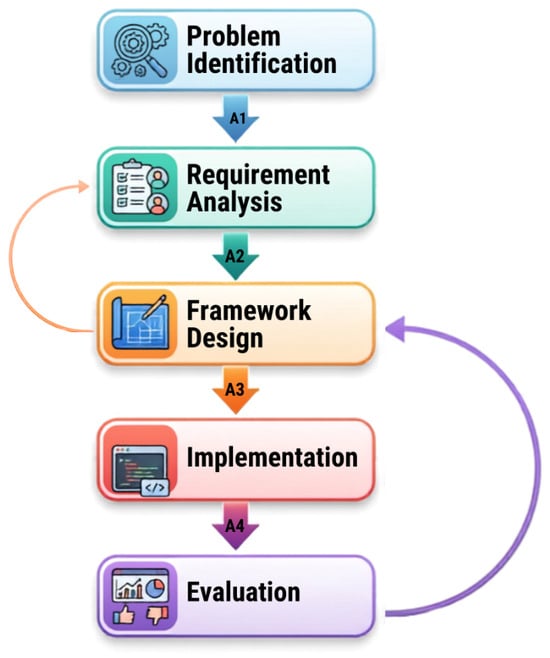
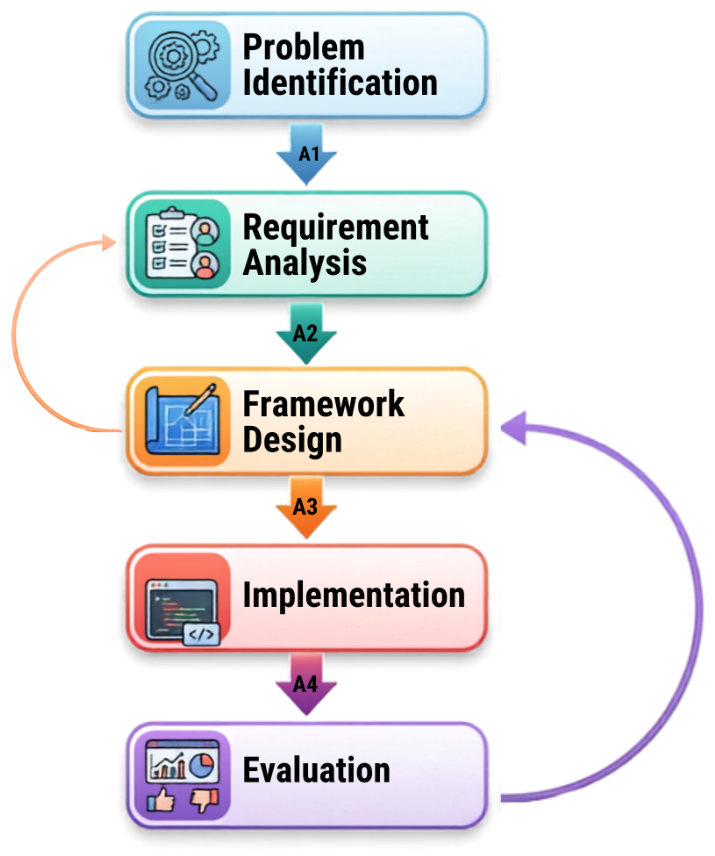
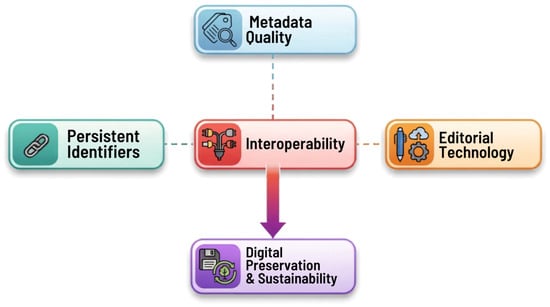
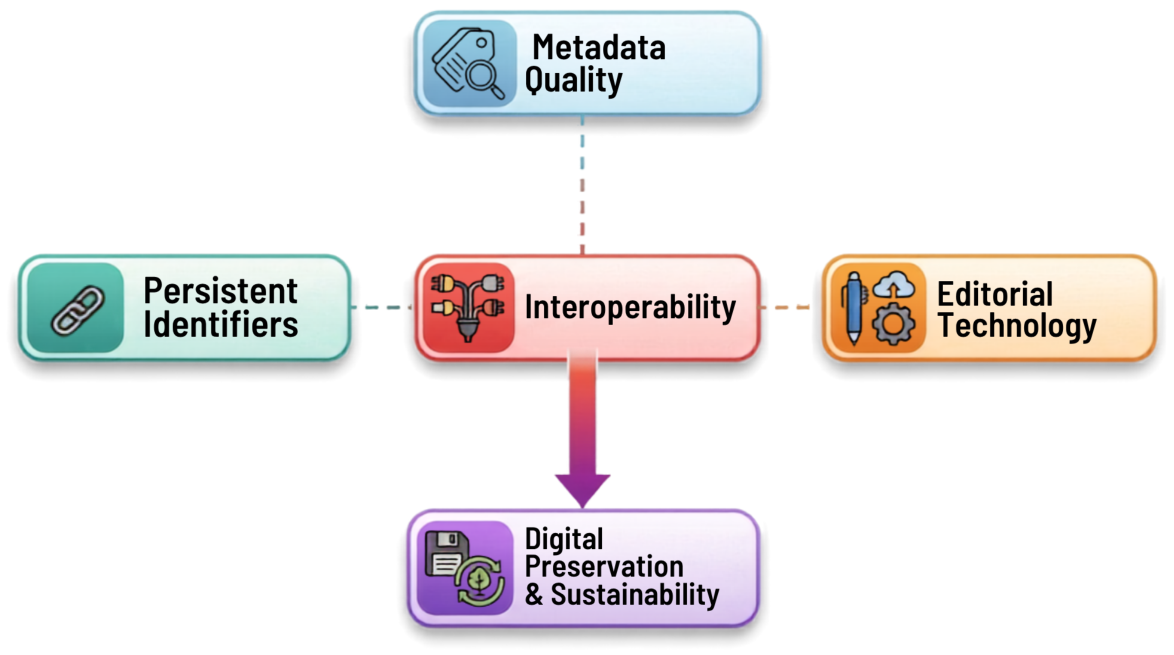
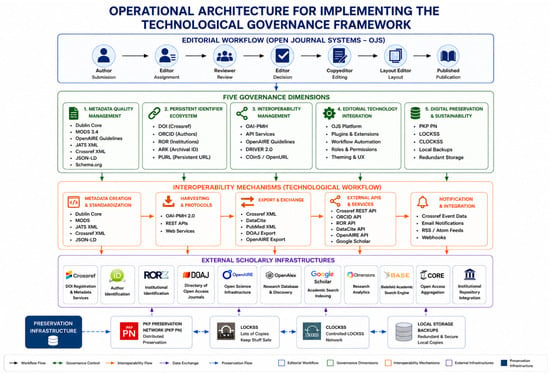
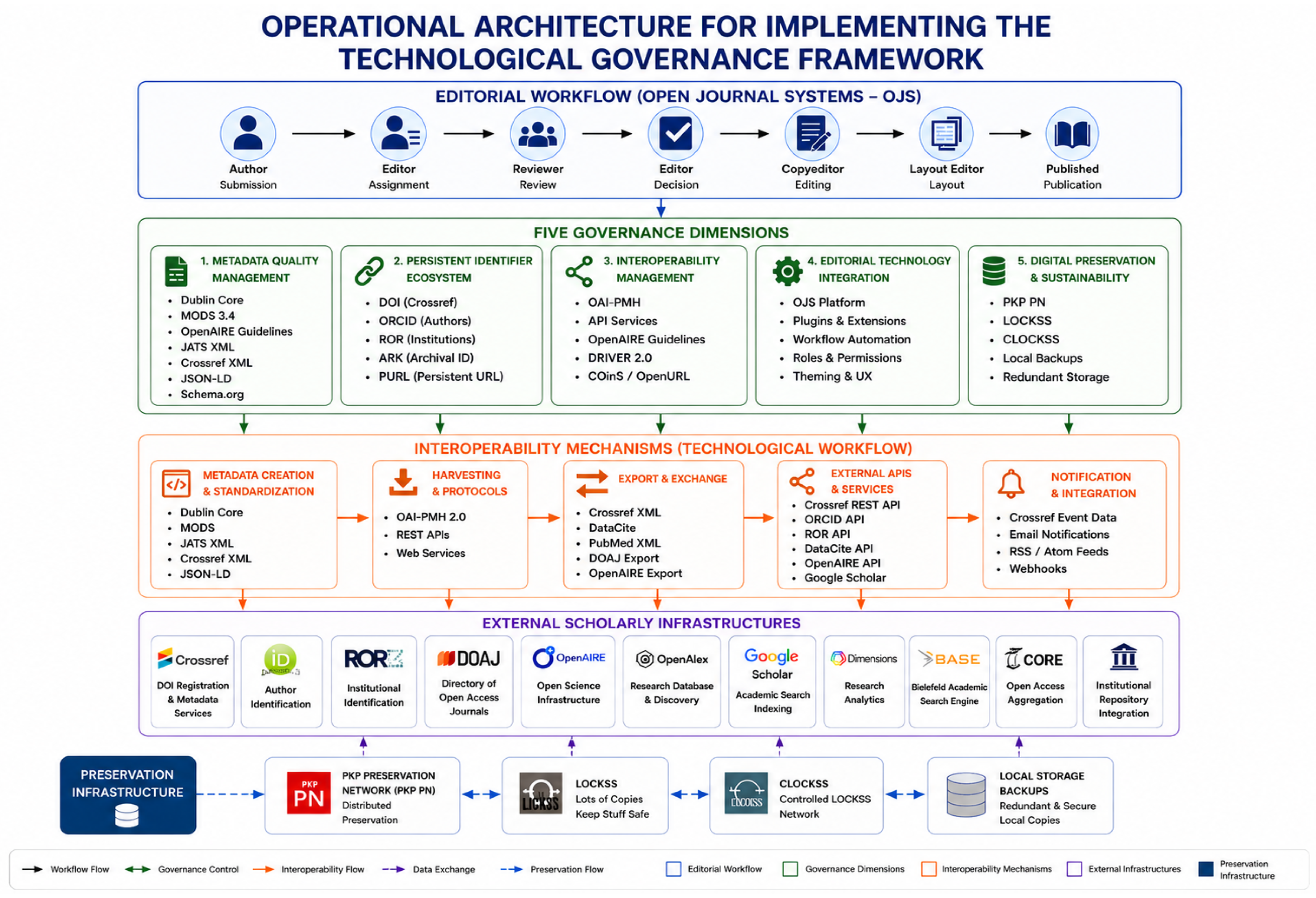
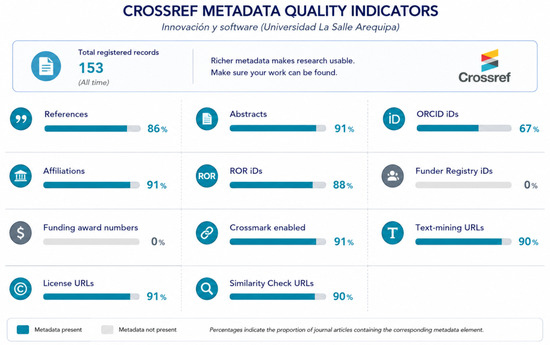
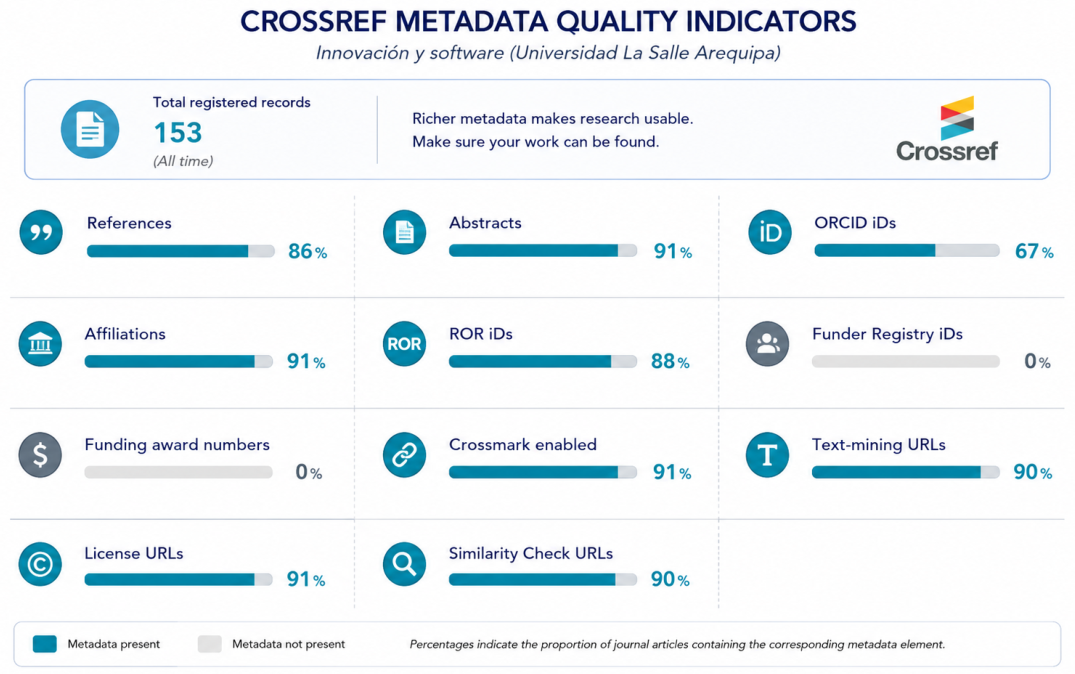
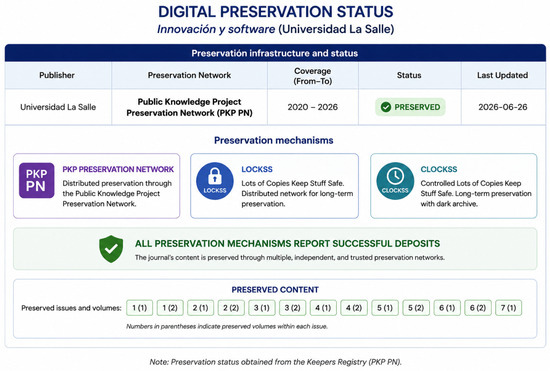
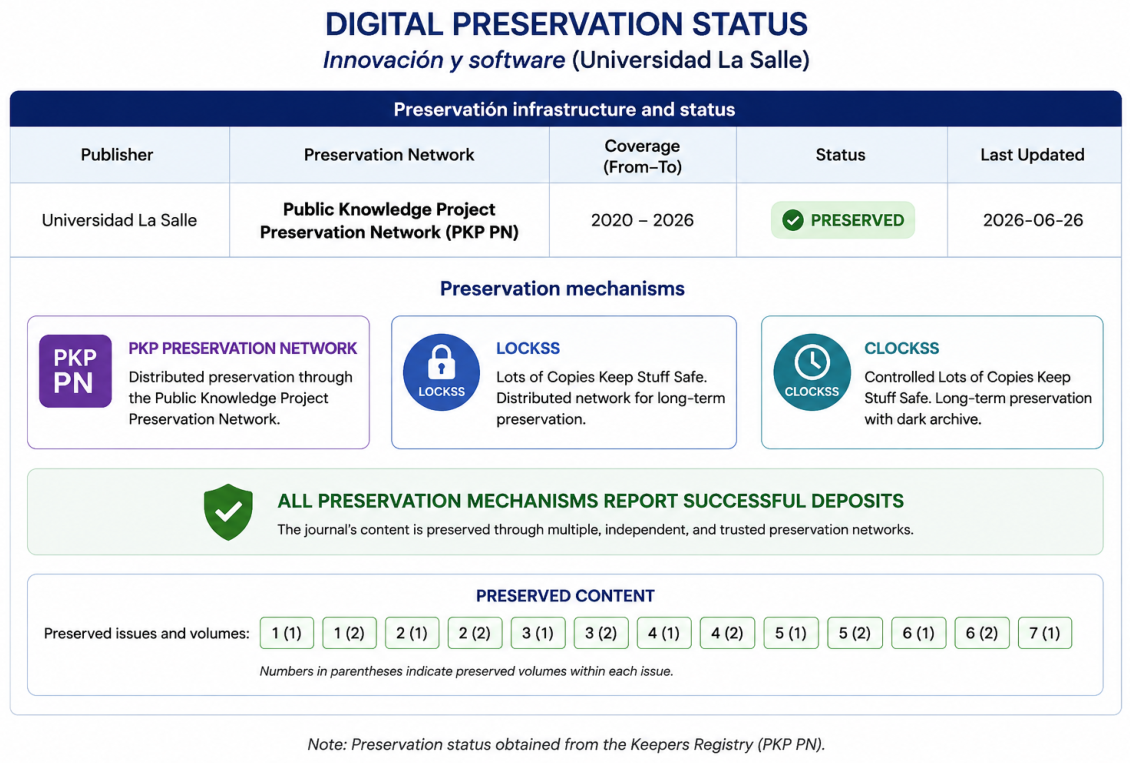
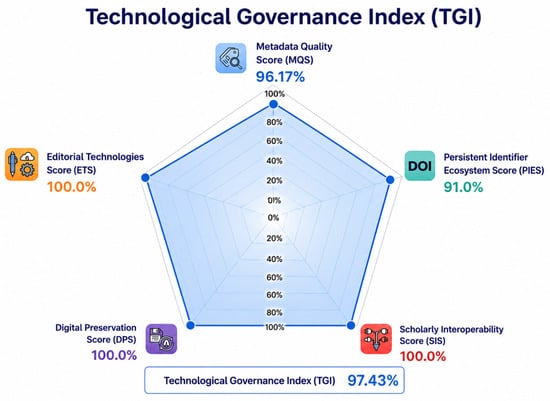
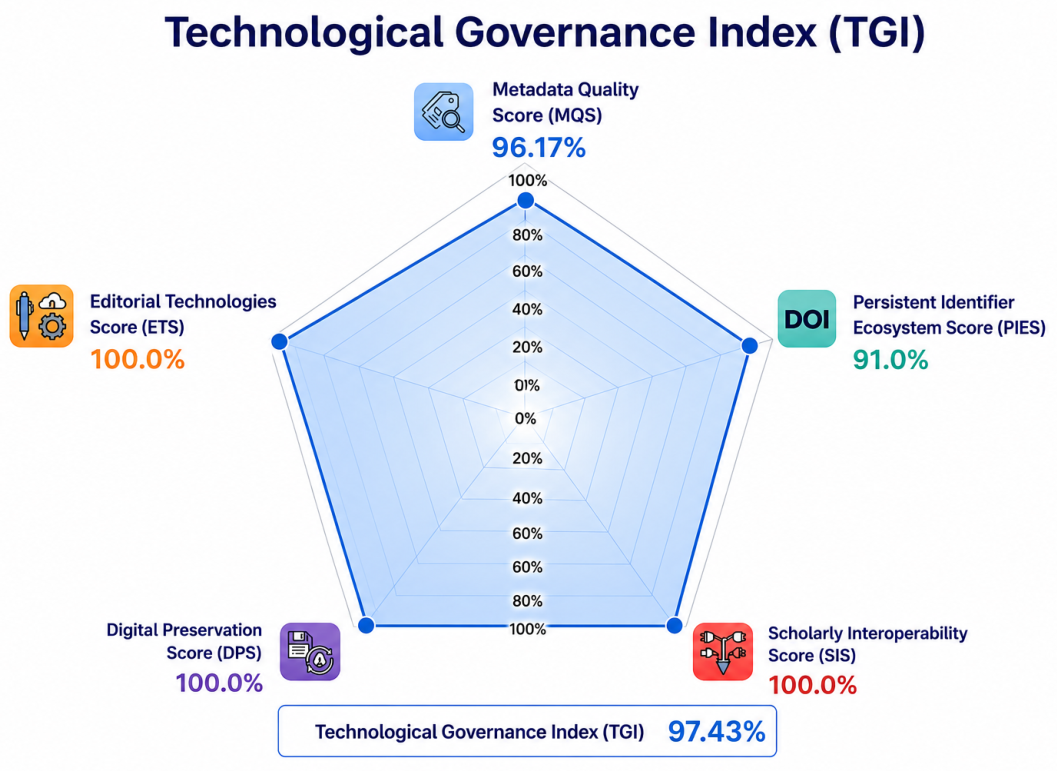

Disclaimer/Publisher’s Note: The statements, opinions and data contained in all publications are solely those of the individual author(s) and contributor(s) and not of MDPI and/or the editor(s). MDPI and/or the editor(s) disclaim responsibility for any injury to people or property resulting from any ideas, methods, instructions or products referred to in the content. |
© 2026 by the author. Licensee MDPI, Basel, Switzerland. This article is an open access article distributed under the terms and conditions of the Creative Commons Attribution (CC BY) license.