


Abstract
Cyclic pollutants such as dyes, antibiotics, phenols and VOCs in water and atmosphere feature stable structures and are difficult to mineralize, which constitutes the core problem in current environmental governance. Semiconductor photocatalysis provides a green strategy for the advanced treatment of such pollutants. Electrospun black TiO2/Ag-loaded SiO2 nanofiber membranes have become a research hotspot owing to their multi-component synergistic advantages. This paper systematically reviews the preparation processes and structure regulation methods of electrospun SiO2 nanofiber membranes; expounds the loading strategies of black TiO2 and Ag nanoparticles, the interface regulation mechanisms and the synergistic photocatalytic mechanism of the ternary composite system; summarizes the application progress in the degradation of cyclic pollutants in water and atmospheric VOCs; and emphatically analyzes the performance characteristics and key issues in the ring-opening degradation of cyclic pollutants. Studies show that the high specific surface area and porous structure of SiO2 nanofiber membranes offer excellent support for catalytic reactions. In addition, black TiO2 achieves a full-spectrum response through defect engineering; the SPR effect and Schottky barrier of Ag significantly improve carrier separation efficiency; and the synergistic effect of the three components enhances the adsorption–catalytic degradation capacity. Current challenges remain in ring-opening efficiency and stability, requiring multi-method breakthroughs to overcome bottlenecks, clarify mechanisms and promote engineering applications. This paper provides theoretical references for the development of high-performance fiber-based photocatalytic materials and lays a foundation for the practical application of electrospun inorganic nanofiber membranes in the field of environmental catalysis.
1. Introduction
In recent years, with the continuous acceleration of global industrialization and agricultural intensification, a large number of refractory organic pollutants have been continuously discharged into water and atmospheric environments, posing a serious threat to ecosystem stability and human health [1]. Among them, organic dyes, antibiotics, phenolic compounds in water, as well as benzene series and volatile organic compounds (VOCs) in the atmosphere contain stable benzene rings and heterocyclic conjugated systems in their molecular structures. These pollutants are difficult to degrade naturally, have long residual times and significant bioaccumulation effects [2], and have become a common challenge in the field of environmental governance. Traditional treatment technologies such as physical adsorption, coagulation precipitation and biodegradation can hardly achieve complete mineralization of cyclic pollutants [3], and some processes may even cause secondary pollution. Therefore, the development of efficient, green and sustainable advanced treatment technologies is of great practical significance.
The aromatic rings and conjugated structures of refractory cyclic pollutants possess high bond energy, which is difficult to break through ring opening under conventional oxidation conditions, leading to the phenomenon of “pseudo-degradation” [4]. Most existing studies focus on pollutant removal rate, but lack systematic evaluation of ring-opening efficiency, intermediate product toxicity and final mineralization degree [5], resulting in potential ecological risks related to treated water [6]. Realizing efficient ring opening of aromatic and heterocyclic structures and complete mineralization of pollutants is a key scientific issue to be solved in the field of photocatalytic environmental governance.
Semiconductor photocatalytic technology exhibits broad application prospects in the treatment of refractory pollutants due to its advantages of direct solar energy utilization, mild reaction conditions and no secondary pollution [7]. TiO2 has high chemical stability, low cost and non-toxicity, but only responds to ultraviolet light, suffers from rapid carrier recombination and limited ring-opening ability [8,9]. Black TiO2 is constructed via defect engineering, and the introduction of oxygen vacancies and Ti3+ defects significantly broadens the visible light absorption range and improves carrier separation efficiency [10], making it a new generation of high-efficiency visible light catalytic material. Ag nanoparticles can enhance visible light absorption through the surface plasmon resonance (SPR) effect [11], and form a Schottky barrier with semiconductors to suppress carrier recombination, improve catalytic ring-opening ability, and realize targeted oxidation of cyclic pollutants [12].
Powder photocatalytic materials have problems such as difficult recovery, easy loss and secondary pollution in practical applications [13]. Therefore, the construction of high-performance supports has become the key to improving the practical application level of photocatalysis. Electrospun silica nanofiber membranes have outstanding advantages such as high specific surface area, abundant pore structure, excellent chemical stability and easy separation and recovery [14], which can serve as ideal photocatalytic supports. Compared with the hydrothermal method, the template method and other preparation methods, electrospinning enables the continuous preparation of flexible, self-supporting and high-porosity fiber membranes [15], which is more conducive to the synergistic process of pollutant adsorption, mass transfer and photocatalytic reaction. It provides a structural basis for efficient ring-opening degradation and solves the core pain points of traditional powder catalysts in practical engineering applications.
At present, the composite photocatalytic system based on black TiO2/Ag dual-modified electrospun SiO2 nanofiber membranes has gradually become a research hotspot [16], but obvious deficiencies still exist remain in the existing studies. Firstly, the ring-opening efficiency for cyclic pollutants such as benzene-containing compounds and antibiotics is generally low [17], which can hardly achieving a high proportion of ring opening above 90%, which is far below the environmental governance requirements for deep mineralization. Secondly, when the ring-opening rate approaches 90%, the reaction pathway cannot be fully explained by the existing catalytic mechanism, implying the existence of un-known novel charge transfer and active species mechanisms, such as defect-mediated ultrafast charge transport [18]. Thirdly, there is a lack of systematic review of preparation processes, structure regulation, interface interaction, degradation pathways and ring-opening mechanisms, leading to the absence of unified theoretical guidance for material design and performance optimization. Therefore, it is of academic important academic value to conduct a comprehensive review of this system, clarify existing bottlenecks and propose future research directions.
This review systematically summarizes the preparation and structure regulation methods of electrospun silica nanofiber membranes [19]; focuses on the loading strategies of black TiO2 and Ag nanoparticles, interface regulation mechanisms and synergistic photocatalytic mechanisms of the ternary system [20]; outlines the progress of its application in the degradation of water and atmospheric cyclic pollutants, especially focusing on key issues such as low aromatic ring-opening efficiency and high toxicity of intermediate products; and puts forward research prospects of novel catalytic mechanisms under high ring-opening rates. This paper aims to provide a theoretical reference for the development of high-performance fiber-based photocatalytic materials capable of complete mineralization of cyclic pollutants, promote the practical development of electrospun inorganic nanofiber membranes in the field of environmental catalysis, and provide a new technical approach for the deep treatment of high-salinity, high-toxicity and composite refractory pollutants.
2. Preparation and Structure Regulation of Electrospun SiO2 Nanofiber Membranes
2.1. Basic Principle and Process of SiO2 Nanofiber Membranes Prepared by Electrospinning
Electrospinning is the most mainstream and controllable method for preparing continuous, flexible, one-dimensional SiO2 nanofiber membranes with high specific surface area [21], and is also the only technology that can realize continuous and large-scale preparation of inorganic nanofiber membranes at present. Its core principle is as follows: under a high-voltage electric field, the precursor sol–gel solution forms a Taylor cone at the tip of the capillary; when the electric field force exceeds the surface tension, the Taylor cone is stretched into ultrafine jets; during flight, the jets undergo rapid solvent evaporation, polymer chain orientation and sol–gel reaction, and finally deposit on the receiving plate to form a randomly interlaced three-dimensional network nanofiber membrane. This method can flexibly adjust fiber diameter, surface morphology, porosity and membrane thickness through single or multi-parameter synergistic control, so as to accurately match the structural and performance requirements of photocatalytic supports.
Precursor systems for electrospun SiO2 fibers mainly include silicon sources, polymer templates and mixed solvents [22]. Common silicon sources are tetraethyl orthosilicate (TEOS) and tetramethyl orthosilicate (TMOS), which feature mild hydrolysis and condensation and high product purity; sodium silicate, as an inorganic silicon source, has a lower cost but tends to introduce impurities. Polymer templates mostly adopt PVA, PVP, PAN and others, which are used to increase the viscosity of the spinning solution and maintain jet continuity [23]. Solvents are mainly ethanol/water mixed systems, which can regulate the volatilization rate and the hydrolysis–condensation process. The precursor needs sufficient hydrolysis, condensation and room-temperature aging under acid or base catalysis to form a stable sol system, which is the key to ensuring continuous spinning and avoiding fiber breakage or beaded defects.
Key process parameters directly determine fiber morphology and membrane structure, among which spinning voltage, feeding rate, receiving distance and environmental humidity are coupled with each other [24]. In actual preparation, the spinning voltage is usually 10–30 kV; insufficient voltage fails to form stable jets, while excessive voltage easily causes jet splitting [25]. The feeding rate is generally 0.5–2.0 mL/h, which needs to match solvent volatilization. Too high a rate tends to produce beaded fibers, while too low a rate results in low efficiency [26]. The receiving distance is set at 10–25 cm to ensure sufficient solidification of jets [27]. Environmental humidity is controlled at 30–50%; excessively high humidity leads to fiber adhesion, whereas excessively low humidity easily causes breakage [28]. Through multi-parameter optimization, SiO2 nanofibers with uniform diameter, smooth surface and bead-free defects can be prepared [29].
High-temperature calcination is a critical step to remove organic templates and obtain pure inorganic SiO2 nanofiber membranes, and it also improves the chemical stability and mechanical strength of fibers. Calcination is usually carried out in an air atmosphere at 500–800 °C with a heating rate of 1–5 °C/min and holding for 2–4 h. Slow heating avoids fiber rupture caused by the rapid pyrolysis of polymers. Excessively low calcination temperature leaves carbon impurities and affects active component loading; excessively high temperature triggers fiber sintering and pore collapse, reducing specific surface area [30]. Stepwise heating and appropriate holding regimes can completely remove organic phases while retaining porous structure and high specific surface area.
2.2. Structure Regulation and Performance Optimization of Electrospun SiO2 Fiber Membranes
Electrospun SiO2 fiber membranes exhibit high porosity, high light transmittance and excellent chemical stability. They do not dissolve or degrade in acidic, alkaline and photocatalytic systems, making them ideal photocatalytic supports. However, SiO2 itself possesses no catalytic activity and only serves as an adsorption and loading substrate. Unmodified SiO2 nanofibers typically have a diameter of 200–500 nm, membrane porosity of 70–90%, and specific surface area of 200–400 m2/g [31]. The interconnected abundant mesopores and macropores enable rapid adsorption and enrichment of pollutants, fully expose active sites, and provide a structural basis for synergistic adsorption–photocatalytic reactions.
Porous structure regulation is the core of improving support performance. Main strategies include: adding hard or soft templates such as polyethylene glycol and polystyrene microspheres into the spinning solution to form hierarchical pores after calcination [32]; regulating the composition and phase separation behavior of the spinning solution to prepare porous fibers [33]; and optimizing the calcination regime to retain abundant mesoporous structures. Hierarchical porous SiO2 fibers with nested mesopores and macropores can be obtained through the above methods, with specific surface area increased to above 400 m2/g [34], which significantly enhances pollutant enrichment and mass transfer efficiency and strengthens the synergistic adsorption–photocatalytic effect.
The construction of special structures such as hollow, core–shell and coaxial structures can break through the performance limitations of traditional solid SiO2 fibers and further improve the suitability of fiber membranes as photocatalytic supports. Using coaxial electrospinning with an inert solvent as the core layer and a SiO2 precursor as the shell layer, hollow SiO2 fibers can be prepared after calcination as the core layer volatilizes. The hollow structure significantly enhances light scattering and reflection inside the fibers, prolongs the optical path and improves light absorption efficiency, and also increases loading sites for active components. Core–shell structures enable the precise regulation of interfacial properties through the component design of the core and shell layers, allowing for uniform distribution of black TiO2 and Ag nanoparticles in the shell layer and avoiding agglomeration of active components [35]. Compared with solid fiber membranes, SiO2 fiber membranes with special structures show superior catalytic stability and anti-photocorrosion ability. Their unique structure reduces the loss of active components and alleviates structural damage to the support itself during photocatalytic reactions [36].
Pure SiO2 fibers suffer from high brittleness and poor mechanical properties due to the rigidity of Si–O bonds, and tend to fracture and pulverize under external forces [37], making them difficult to meet the operational requirements of practical engineering applications such as continuous water treatment devices and air filtration modules. Therefore, improving mechanical properties is crucial for the practical application of SiO2 fiber membranes. Current common mechanical strengthening methods include: first, introducing inorganic reinforcing phases such as Al2O3 and ZrO2 into the SiO2 precursor to improve fiber toughness and strength through the synergistic effect of multi-component oxides [38]; second, optimizing the cross-linking density of the silica network by regulating the calcination regime to enhance structural compactness while maintaining the porous structure; and third, composite spinning of SiO2 with flexible polymers such as PI and PBO to improve the bending performance of fiber membranes via the toughening effect of flexible components [39]. Modified SiO2 fiber membranes show enhanced breaking strength and no obvious structural damage after 100 bending cycles [40], enabling stable use in continuous and large-scale environmental catalytic applications.
The goal of SiO2 fiber membrane structure optimization is to achieve the integration of high specific surface area, efficient mass transfer, favorable mechanical properties and high loading compatibility. High specific surface area is a prerequisite for loading and adsorption; efficient mass transfer ensures continuous catalysis; favorable mechanical properties form the basis for engineering applications; and high loading compatibility guarantees stable and non-agglomerated loading of black TiO2 and Ag. Through porous regulation, special structure construction and mechanical strengthening [41], SiO2 fiber membranes can be adapted for dual active component loading, laying a material foundation for the construction of high-efficiency ternary composite photocatalytic systems. Figure 1 shows a schematic diagram of the preparation process and structure regulation of electrospun SiO2 nanofiber membranes.
Figure 1.
Schematic diagram of preparation process and structure regulation of electrospun SiO2 nanofiber membrane.
2.3. Comparison with Other Preparation Methods and Advantage Analysis of Electrospinning
Centrifugal spinning and solution blowing can realize rapid batch preparation of SiO2 fibers with low equipment cost and high production efficiency. However, they result in wide fiber diameter distribution, numerous surface defects, and poor uniformity and connectivity of membrane pore sizes, which make it difficult to meet the precision requirements of high-performance photocatalytic supports. These methods are more suitable for fields with low structural uniformity requirements, such as thermal insulation and coarse filtration [42,43]. The sol–gel template method and hydrothermal method can prepare SiO2 fibers or arrays with regular morphology and ordered pore channels [44], but suffer from complex process flows, easy structural damage during template removal [45], and difficulty in fabricating large-area flexible self-supported membranes, leading to poor processability and limited application in engineering scenarios such as water treatment and air purification [46]. Comprehensive comparison shows that electrospinning combines structural controllability, membrane integrity and process scalability. It can not only meet the precise design requirements in laboratories but also possess the foundation for large-scale continuous preparation, making it the optimal technical route for the preparation of high-performance SiO2 nanofiber membranes for photocatalysis.
3. Loading Processes and Interface Regulation of Black TiO2/Ag on Electrospun SiO2 Fiber Membranes
3.1. Loading Methods and Structure Regulation of Black TiO2 on SiO2 Fiber Membranes
By introducing Ti3+ and oxygen vacancy defects in the crystal lattice, black TiO2 greatly narrows the band gap and extends the light absorption range to the full spectrum [47], exhibiting significantly improved response to visible light and even near-infrared light, making it an ideal visible-light catalytic active component to replace traditional TiO2. When loading black TiO2 onto electrospun SiO2 fiber membranes, three core factors must be considered simultaneously: interfacial bonding strength, dispersion of active components, and retention of defect structures, so as to avoid agglomeration of active components, disappearance of oxygen vacancies, and weak bonding with the support during the loading process [48]. At present, the mainstream loading methods mainly include sol–gel method, hydrothermal method and in situ hydrolysis method, each realizing controllable loading of black TiO2 on the surface or inside the pores of SiO2 fibers through different process routes.
The sol–gel method is a classic method for loading black TiO2 on SiO2 fiber membranes and is the preferred choice in laboratory research due to its simple operation and good process repeatability [49]. In this method, tetrabutyl titanate, tetraisopropyl titanate and the like are used as titanium sources. The hydrolysis and condensation rates of the titanium source are controlled by adjusting the pH value, solvent ratio and hydrolysis temperature to form a TiO2 sol with uniform particle size and good dispersion. The electrospun SiO2 fiber membrane is immersed in the sol for dip-coating, and a TiO2/SiO2 composite fiber membrane is obtained after lifting and drying. Finally, oxygen vacancies and Ti3+ defects are introduced through hydrogen reduction, sodium borohydride reduction or plasma treatment to convert TiO2 into black TiO2 [50]. This method can precisely control the loading amount by adjusting the sol concentration and dipping times, and the loaded black TiO2 particles are uniformly distributed on the surface of SiO2 fibers without obvious local agglomeration.
The hydrothermal/solvothermal method relies on a high-temperature and high-pressure liquid-phase reaction environment to realize the in situ growth and crystal form regulation of black TiO2 on the surface of SiO2 fibers, making it the preferred method for preparing high-adhesion, high-crystallinity black TiO2/SiO2 composite fiber membranes [51]. With a titanium source as the precursor, the SiO2 fiber membrane is placed in a reaction kettle. By adjusting the hydrothermal temperature, reaction time and type of mineralizer, TiO2 nanocrystals are directionally nucleated and grown on the fiber surface to form a TiO2 coating that is tightly bonded to the fiber substrate. Compared with the sol–gel method, the in situ-grown TiO2 forms chemical bonds with SiO2 fibers, greatly improving the interfacial bonding strength [52]. Subsequent reduction processes, such as vacuum calcination and annealing in a hydrogen atmosphere, introduce oxygen vacancies and Ti3+ into the TiO2 lattice, producing black TiO2/SiO2 composite fiber membranes with superior photocatalytic activity, and the shedding rate of active components is significantly reduced during cyclic use.
In addition to the sol–gel method and hydrothermal method, vapor deposition methods such as chemical vapor deposition (CVD) and atomic layer deposition (ALD) can also realize the loading of black TiO2 on SiO2 fiber membranes [53]. Through the adsorption and decomposition of gas-phase precursors, such methods can deposit an ultra-thin, uniform and pinhole-free black TiO2 film on the fiber surface, and the film thickness can be precisely regulated at the atomic level, maximizing the retention of the porous structure and high specific surface area of the SiO2 fiber membrane. However, vapor deposition methods have disadvantages such as stringent equipment requirements, high process cost and low preparation efficiency, and the reduction process easily causes structural damage to the fiber membrane, making it difficult to achieve large-scale preparation and practical application. Therefore, in current research, the sol–gel method and hydrothermal method have become the mainstream methods for loading black TiO2 on SiO2 fiber membranes owing to their strong process adaptability, flexible regulation means and controllable cost.
The loading amount of black TiO2 is a key parameter affecting the photocatalytic performance and mass transfer efficiency of the composite fiber membrane, requiring a precise balance between light absorption capacity and pore mass transfer performance. The appropriate loading amount is generally controlled at 10–40 wt% [54]. An excessively low loading amount leads to insufficient active sites on the surface of the SiO2 fiber membrane and low light absorption efficiency, failing to fully exert the catalytic performance of black TiO2 and resulting in poor ring-opening degradation of cyclic pollutants. An excessively high loading amount causes a large number of black TiO2 particles to cover the surface of SiO2 fibers and block their pore structures, leading to a sharp decrease in the specific surface area of the composite fiber membrane and hindering the adsorption and mass transfer of pollutants. Meanwhile, excessive black TiO2 tends to agglomerate, which in turn reduces the separation efficiency of photogenerated carriers. By adjusting the precursor concentration, dipping times or hydrothermal reaction conditions, the loading amount of black TiO2 can be precisely controlled within the optimal range, achieving synergistic improvement of light absorption efficiency and mass transfer efficiency.
3.2. Loading Strategies and Size Effect of Ag Nanoparticles
As a high-efficiency cocatalyst, Ag nanoparticles can produce strong light absorption peaks in the visible light region through the surface plasmon resonance (SPR) effect, greatly improving the visible light utilization rate of the composite system [55]. Meanwhile, its Fermi level is lower than the conduction band level of black TiO2. After compounding with black TiO2, a Schottky barrier can be formed, which acts as an effective trap for photogenerated electrons to quickly capture the photogenerated electrons excited by black TiO2, significantly inhibiting the recombination rate of photogenerated carriers [56]. The particle size of Ag nanoparticles, their dispersion on the support surface and the relative loading position with black TiO2 directly affect the SPR effect intensity, charge transfer efficiency and exposure degree of active sites, which are core factors determining the ring-opening catalytic performance of the composite membrane for cyclic pollutants.
Photodeposition is the most commonly used method for loading Ag nanoparticles on black TiO2/SiO2 composite fiber membranes. It realizes the in situ reduction of Ag+, relying on the photogenerated electrons of the photocatalytic system itself, featuring both loading targeting and convenient operation [57]. The black TiO2/SiO2 composite fiber membrane is immersed in a precursor solution containing Ag+. Under visible light irradiation, black TiO2 is excited to generate photogenerated electron–hole pairs. Photogenerated electrons migrate to the surface of black TiO2 and reduce the adsorbed Ag+ to elemental Ag, making Ag nanoparticles selectively deposit at the active sites on the surface of black TiO2 [58]. This achieves precise compounding of Ag and black TiO2, forming efficient heterojunction charge transfer sites, greatly shortening the charge transport distance and improving carrier separation efficiency. The composite system prepared by this method has tight interfacial bonding and lower charge transfer resistance.
The impregnation-reduction method is a classic method for controllable loading of Ag nanoparticles, widely used in laboratory and preliminary industrial research due to its simple operation and flexible regulation [59]. First, the black TiO2/SiO2 composite fiber membrane is immersed in a Ag+ precursor solution, such as silver nitrate. Ag+ is uniformly adsorbed on the surface of the fiber membrane through physical and chemical adsorption. Then, a reducing agent such as sodium borohydride, ethylene glycol or hydrazine hydrate is added to reduce the adsorbed Ag+ to Ag nanoparticles (Ag NPs) [60]. This method can precisely control the particle size and loading amount of Ag nanoparticles by adjusting the Ag+ precursor concentration, reducing agent dosage and reaction temperature. However, the agglomeration of Ag nanoparticles easily occurs due to an excessively fast local reduction rate during the reduction process, so reaction conditions must be strictly controlled and dispersants added to ensure uniform distribution of Ag nanoparticles on the support surface.
Green preparation methods such as microwave-assisted and ultrasound-assisted methods have become research hotspots in Ag nanoparticle loading in recent years owing to their fast reaction rate, good particle dispersion and environmental friendliness [61]. The microwave-assisted method uses the thermal and non-thermal effects of microwaves to rapidly and uniformly reduce Ag+ in a short time. The prepared Ag nanoparticles have a small particle size, a narrow distribution, and tight bonding with the support surface. The ultrasound-assisted method breaks the agglomerates of Ag nanoparticles through the cavitation effect and mechanical vibration of ultrasound, while promoting uniform adsorption of Ag+ on the support surface and improving the dispersion of Ag nanoparticles. Such green methods do not require toxic and harmful reducing agents, shorten the reaction time from hours to tens of minutes, and the preparation process is more in line with the green preparation concept of environmental catalytic materials, suitable for the large-scale preparation of environment-friendly photocatalytic composite membranes.
The particle size and loading amount of Ag nanoparticles must be controlled within the optimal range to achieve synergistic improvement of the SPR effect, charge separation efficiency and catalytic activity. In practical research, the particle size is usually controlled at 2–10 nm, and the loading amount is preferably 0.5–5 wt%. An excessively small Ag particle size leads to high surface energy and easy agglomeration, weakening the SPR effect and reducing active sites. An excessively large particle size causes a red shift and a reduced intensity of the SPR absorption peak, greatly weakening the light absorption enhancement effect, while the electron capture ability declines, failing to effectively inhibit carrier recombination [62]. An excessively low loading amount results in an insignificant cocatalytic effect, which makes it unable to fully improve the ring-opening catalytic performance of the composite system. An excessively high loading amount makes Ag nanoparticles easily cover the active sites of black TiO2, and excessive Ag acts as carrier recombination centers, reducing photocatalytic efficiency instead [63]. Achieving a monodisperse or low-agglomeration distribution of Ag nanoparticles on the support surface is the key to fully exerting their cocatalytic effect and realizing a high ring-opening rate degradation of cyclic pollutants.
3.3. Two-Component Synergistic Loading and Interface Structure Optimization
The loading sequence of black TiO2 and Ag nanoparticles directly determines the interfacial contact state and heterojunction structure type of the two components on the SiO2 fiber membrane [64], exerting a critical influence on the charge transfer efficiency and photocatalytic performance of the composite system. When adopting the stepwise loading strategy of loading black TiO2 first and then Ag, Ag nanoparticles can be selectively attached to the surface of black TiO2 through photodeposition or directional reduction, forming a tightly contacted black TiO2-Ag heterojunction interface, greatly shortening the charge transport path and improving carrier separation and transfer efficiency [65]. Although the simultaneous loading process of black TiO2 and Ag is simple in operation and short in preparation cycle, realizing co-loading of the two components in one reaction, it is difficult to precisely control the distribution position of the two components. Problems such as phase separation between Ag and black TiO2 and loose interfacial contact easily occur, making interface control difficult and resulting in relatively higher charge transfer resistance.
In the preparation of the black TiO2/Ag/SiO2 ternary composite system, poor interfacial contact, high charge transport resistance and easy shedding of active components are common problems to be solved urgently [66]. Such interface defects significantly reduce carrier separation efficiency and affect the cyclic stability of the composite membrane. At present, the mainstream interface optimization methods mainly include three categories: first, modifying the surface of the SiO2 fiber membrane with a silane coupling agent to form chemical bonding between the coupling agent functional groups and black TiO2/Ag, strengthening the interfacial bonding strength between the two components and the support; second, introducing trace metal or non-metal elements through interface doping to regulate the electronic structure at the interface, reduce the charge transport barrier and decrease interfacial carrier recombination [67]; third, optimizing the calcination and reduction regimes to promote atomic diffusion and bonding at the interface via mild heat treatment, improving the interfacial compatibility between the two components and the support as well as between the two components while retaining the defect structure.
The two-component synergistic loading of black TiO2 and Ag nanoparticles achieves three performance improvements: broadening light absorption, accelerating charge separation and enhancing active species generation, significantly strengthening the ring-opening degradation ability of the composite membrane for benzene ring and heterocyclic cyclic pollutants [68]. Among them, black TiO2 realizes full-spectrum light absorption through defect engineering, providing sufficient photogenerated carriers for catalytic reactions. Ag nanoparticles further enhance visible light absorption relying on the SPR effect and act as electron traps to form a Schottky barrier, quickly capturing photogenerated electrons from black TiO2, greatly inhibiting carrier recombination and increasing the concentration of effective carriers. A sufficient number of effective photogenerated electrons and holes can react with H2O, O2 and other species in the system to generate a large number of highly active oxidative species such as •OH and •O2−. These active species can precisely attack the aromatic rings and conjugated structures of cyclic pollutants, achieving efficient ring-opening and gradual mineralization. The synergistic effect of the two components makes the catalytic performance of the composite system far superior to that of SiO2 fiber membranes modified by a single black TiO2 or Ag. According to the relevant literature, free radical trapping experiments and EPR characterization are effective methods to identify photocatalytic active species [69,70]. In the P/Ag/Ag2O/Ag3PO4/TiO2 composite film system, h+ and •O2− are verified as the main active species; similarly, •O2− and h+ play dominant roles in the Ag@AgCl-TiO2/sepiolite system. The literature experimentally confirms that •O2−, h+, and partial •OH jointly participate in the degradation of pollutants, providing direct and reliable experimental evidence for the identification of active species and the photocatalytic mechanism in this study.
The ultimate goal of interface structure optimization is to construct a high-efficiency, stable and reusable black TiO2/Ag/SiO2 ternary photocatalytic system [71]. By precisely regulating the loading sequence, distribution state and interfacial bonding mode of the two components, synergistic enhancement of the whole process is realized, including light absorption, charge separation, active species generation and pollutant degradation. The ideal interface structure must meet three requirements simultaneously: first, tight contact between black TiO2 and Ag to form an efficient heterojunction ensuring rapid charge transfer; second, strong interfacial bonding between the two components and the SiO2 fiber membrane to prevent shedding of active components during use; third, electronic structure at the interface matching the photocatalytic reaction to reduce carrier recombination probability. Through multi-dimensional interface structure optimization, the ternary composite membrane can possess high catalytic activity, high cyclic stability and high mass transfer efficiency, providing a solid material foundation for achieving high ring-opening rate and high mineralization rate degradation of cyclic pollutants. Figure 2 shows the loading and interface construction process of black TiO2 and Ag nanoparticles on the SiO2 fiber membrane.
Figure 2.
Schematic illustration of the loading and interfacial construction process of black TiO2 and Ag nanoparticles on SiO2 fiber membrane.
Most existing black TiO2-based membranes employ ceramic hollow fibers or polymers as supports and are only suitable for single-phase pollutants (gas or liquid), resulting in limited application scenarios. For instance, Zhuang et al. [72] loaded nitrogen-doped black TiO2 onto α-Al2O3 hollow fibers to effectively degrade ammonia gas, but the function remained narrow. In contrast, the electrospun black TiO2/Ag@SiO2 nanofiber membrane reviewed in this paper exhibits distinct advantages: it features a high specific surface area and excellent chemical stability, enabling the simultaneous treatment of cyclic pollutants in water and VOCs in air. Through the synergistic effects of defect engineering, Ag SPR effect, and Schottky barrier, it achieves stronger light absorption and higher charge separation efficiency. Moreover, the flexible, self-supporting structure facilitates modular assembly, making it more suitable for deep degradation of complex pollutants and practical engineering applications.
4. Photocatalytic Mechanism and Pollutant Degradation Application of Ternary Composite Membranes
4.1. Synergistic Photocatalytic Mechanism and Ring-Opening Reaction Mechanism
Under visible and even near-infrared light irradiation, the photocatalytic reaction of the black TiO2/Ag/SiO2 ternary composite membrane takes black TiO2 as the core light-responsive unit. Due to the narrowed band gap induced by Ti3+ and oxygen vacancy defects in the lattice, black TiO2 efficiently absorbs photon energy to excite valence-band electrons to the conduction band, generating abundant photogenerated electron–hole pairs [73]. Since the Fermi level of Ag nanoparticles is lower than the conduction band level of black TiO2, Ag can rapidly capture photogenerated electrons from the conduction band of black TiO2. A Schottky barrier forms at their interface, which effectively suppresses the recombination of photogenerated electrons and holes and greatly increases the concentration of available carriers [74]. Meanwhile, the electrospun SiO2 nanofiber membrane, with its high specific surface area and porous structure, rapidly adsorbs and enriches cyclic pollutants from water or air around the black TiO2/Ag active sites via physical and chemical adsorption, realizing synergistic adsorption–photocatalysis and significantly improving local pollutant concentration and catalytic reaction efficiency. Table 1 shows the photocatalytic degradation performance of composite membranes in relation to typical cyclic pollutants.
Table 1.
Photocatalytic degradation performance of composite membranes in relation to typical cyclic pollutants.
•OH, •O2− and photogenerated holes h+ are the main active species responsible for the photocatalytic degradation of cyclic pollutants by the black TiO2/Ag/SiO2 ternary composite membrane. These three types of active species attack the aromatic rings and conjugated structures in pollutant molecules through different pathways, achieving ring-opening cleavage and subsequent stepwise mineralization [83]. Specifically, photogenerated electrons react with O2 in the system to generate •O2−, which quickly attacks double-bond sites of aromatic rings; photogenerated holes directly oxidize pollutants or react with H2O/OH− to produce highly oxidative •OH, enabling aromatic ring opening; photogenerated holes can also directly extract electrons from pollutant molecules, initiating chain oxidation reactions [84]. However, in ternary composite systems reported in current studies, the generation and utilization efficiency of active species are limited due to insufficient control of interfacial charge transport resistance and defect concentration, resulting in generally low ring-opening rates toward benzene ring and heterocyclic pollutants, making complete mineralization difficult to achieve [85].
When the ring-opening rate of cyclic pollutants by the ternary composite membrane exceeds the current highest level and rises above 90%, the traditional mechanisms based on active species oxidation and Schottky barrier-mediated carrier separation can no longer fully explain the reaction process and efficiency enhancement. It is inferred that novel microscopic catalytic mechanisms remain to be fully revealed in the system. First, the defect-mediated ultrafast charge transfer mechanism: oxygen vacancies in black TiO2 act as charge transport centers, enabling ultrafast migration of photogenerated carriers and greatly shortening charge transport time. Second, the multi-active species synergistic ring-opening mechanism: new active species beyond •O2− and •OH may be generated in the system, which cooperate with conventional ones to achieve targeted and efficient ring-opening of aromatic rings. Third, the interfacial polarization enhancement mechanism: the superposition of the local electromagnetic field induced by the SPR effect of Ag and the polarization field formed by interfacial charge distribution can significantly strengthen the generation capacity and oxidation activity of active species. The action rules and regulation methods of these new microscopic mechanisms still require in-depth exploration and verification through in situ characterization and theoretical calculations.
Structure–activity relationship studies show that the pore structure of the electrospun SiO2 fiber membrane, the interfacial quality of the black TiO2–Ag heterojunction, the defect concentration of black TiO2, and the dispersion of Ag nanoparticles are the four core factors jointly determining the ring-opening efficiency of the ternary composite membrane toward cyclic pollutants, and also the core theoretical basis for the design of subsequent high-performance photocatalytic materials [86]. Among them, the hierarchical pore structure of SiO2 fibers governs pollutant adsorption and mass transfer efficiency; heterojunction interface quality directly affects carrier separation and transfer rate; the concentration of oxygen vacancies and Ti3+ defects determines light absorption capacity and active species generation potential; and uniform dispersion of Ag ensures full exploitation of the SPR effect and effective distribution of electron traps. The four factors are coupled and synergistic, and only precise regulation and optimal matching of each factor can maximize the ring-opening catalytic performance of the ternary composite membrane and realize efficient deep mineralization of cyclic pollutants. Figure 3 illustrates the photocatalytic carrier separation and ring-opening degradation mechanism of the black TiO2/Ag/SiO2 ternary composite membrane.
Figure 3.
Mechanism of photogenerated carrier separation and ring-opening degradation over black TiO2/Ag/SiO2 ternary composite membrane.
4.2. Photocatalytic Degradation of Refractory Cyclic Pollutants in Water
Benefiting from broad-spectrum response, efficient carrier separation and adsorption–catalysis synergy, black TiO2/Ag/SiO2 ternary composite membranes exhibit excellent degradation and removal performance toward typical benzene-containing water-soluble dyes such as rhodamine B, methylene blue and methyl orange [87]. Under visible light or simulated sunlight irradiation, the removal rate of dyes (10–50 mg/L) by the composite membrane generally exceeds 95% within 1–2 h, and in some systems, the removal rate for low-concentration dyes is close to 100%. However, analysis by high-performance liquid chromatography, total organic carbon detection and other methods reveals that the ring-opening rate and mineralization rate of dyes by the composite membrane are often significantly lower than the apparent removal rate. The mineralization rate of most systems is less than 60%, and the apparent removal mostly originates from the chromophore destruction of dye molecules rather than complete ring-opening and mineralization of benzene rings [88]. Table 2 shows the main intermediates and final products of three typical cyclic pollutants.
Table 2.
Main intermediates and final products of three typical cyclic pollutants.
Antibiotic pollutants feature polycyclic conjugation and heteroatom substitution in their molecular structures, making their ring-opening degradation much more difficult than that of single-benzene-ring dyes. Among them, fluoroquinolones and sulfonamide antibiotics such as tetracycline, ciprofloxacin and sulfamethoxazole are the most frequently detected and refractory representatives in water [92]. The ternary composite membrane can efficiently remove low-concentration antibiotics (1–10 mg/L) in water, with a removal rate of over 85% within 4 h under visible light irradiation. Nevertheless, the complex cyclic skeleton is hard to be fully cleaved by the limited active species in the system. Liquid chromatography–mass spectrometry analysis shows that numerous intermediates containing unopened aromatic rings are generated during degradation. Such intermediates still possess strong biotoxicity and antibacterial activity, easily causing secondary water pollution and the spread of bacterial resistance genes.
Phenolic compounds, bisphenol A, and organophosphorus and triazine pesticide residues are also widespread refractory cyclic pollutants in water. Their benzene rings and heterocyclic structures are further stabilized after chemical modification, resulting in stronger resistance to photocatalytic oxidation [93]. The ternary composite membrane shows good adaptability in degrading phenol, p-nitrophenol, bisphenol A and other pollutants, which can be gradually degraded via oxidation of active species under visible light. For phenolic solutions of 5–20 mg/L, the degradation rate reaches 75–90% within 6 h. However, substituents such as hydroxyl, nitro and amino groups on benzene rings usually reduce the electron cloud density of aromatic rings and increase the difficulty of ring opening. The active species produced by existing composite systems lack sufficient oxidation capacity to achieve complete ring opening of substituted benzene rings, leading to low mineralization efficiency. Further enhancement of active species generation and oxidation intensity is required for complete mineralization.
Actual natural water and industrial wastewater contain multiple pollutants rather than single components. pH, initial pollutant concentration, ionic strength and natural organic matter, such as humic acid, all significantly affect the photocatalytic ring-opening performance of the ternary composite membrane, which is a key issue that must be overcome for the composite membrane to move from laboratory research to practical application [94]. Acidic or alkaline conditions change the surface charge properties of the composite membrane and the generation pathway of active species, and the ring-opening efficiency is optimal under neutral conditions. Excessively high pollutant concentration saturates active sites, and the ring-opening efficiency decreases significantly with increasing concentration. High concentrations of Na+, Ca2+, SO42− and other ions in water compete with pollutants for adsorption active sites and inhibit the generation of active species. Natural organic matter, such as humic acid, not only adsorbs on the composite membrane surface to shield active sites but also quenches active species, greatly reducing the ring-opening efficiency of cyclic pollutants [95]. Interference from complex water matrices reduces the ring-opening efficiency of the composite membrane by 30–50% compared with pure aqueous solution, severely restricting its practical application.
In degradation tests of simulated and actual industrial wastewater, the black TiO2/Ag/SiO2 ternary composite membrane shows promising practical application potential and engineering adaptability. For simulated printing and dyeing wastewater and pharmaceutical wastewater, the composite membrane achieves efficient pollutant removal in continuous-flow reactors, with a COD removal rate of 60–80% and a chroma removal rate exceeding 90%. In advanced treatment of pretreated actual industrial wastewater, the composite membrane effectively degrades residual refractory cyclic pollutants and improves the biodegradability of effluent. However, long-term operation tests in actual water also reveal problems such as a gradual decline in ring-opening efficiency and a slight loss of active components. For actual wastewater with high concentration, high salinity and high humus content, high ring-opening rate and high mineralization rate are difficult to maintain continuously. Therefore, further improving the high ring-opening rate of the composite membrane in complex water bodies and enhancing its long-term stability and anti-interference ability are core research directions to promote its practical engineering application.
4.3. Degradation of Atmospheric VOCs and Cyclic Stability
SiO2-based catalytic systems are widely used in gas-phase catalysis. Typical catalysts are solid–gas phase catalytic systems constructed by loading noble metal active components on SiO2 as a support, such as the Pd-Pt/SiO2 bimetallic catalyst for toluene catalytic oxidation [96] and the SiC@TiO2/Pt catalytic membrane for VOCs degradation in industrial flue gas [97]. Both systems achieve highly efficient catalytic conversion of gaseous pollutants through the synergistic effect between the active components and the SiO2 support. Black TiO2/Ag/SiO2 ternary composite membranes exhibit satisfactory purification performance toward VOCs such as formaldehyde, toluene, benzene and xylene, especially benzene-based cyclic VOCs [98], which can be efficiently adsorbed and ring-opening degraded under visible light. The degradation efficiency of low-concentration VOCs (0.1–10 mg/m3) exceeds 80% at room temperature. Gas-phase mass transfer is much slower than aqueous-phase mass transfer, and effective contact between pollutants and active sites is the rate-limiting step. Humidity exerts a significant influence: insufficient active species under low humidity and competitive adsorption of water molecules under high humidity both reduce ring-opening efficiency [99]. Thus, mass transfer and humidity control are critical in gas-phase catalysis.
The high porosity (70–90%) and three-dimensional interconnected structure of SiO2 fiber membranes provide sufficient channels for gas diffusion and alleviate mass transfer limitations [100]. The flexible self-supporting membrane is easy to cut and assemble into flat or roll modules, suitable for indoor air purification and industrial waste gas treatment. However, during long-term degradation, ring-opening intermediates tend to adsorb and undergo secondary polymerization to form carbon deposits, shielding active sites and blocking pores, leading to gradual activity attenuation.
Cyclic tests show that activity decay of the composite membrane stems from multiple factors: loss of Ag nanoparticles, oxidation of black TiO2 defects and contamination of active sites [101]. Gas flow scouring easily detaches weakly bonded Ag, weakening the SPR effect and electron-trapping ability. Oxygen vacancies and Ti3+ are prone to oxidation under aerobic illumination, reducing light absorption and carrier separation efficiency. Intermediates and carbon deposits physically shield active sites. Measures such as core–shell structure construction, inert protective layers and enhanced interfacial bonding can inhibit Ag loss and defect oxidation, reduce intermediate adsorption, and extend the cycle life by 5–10 times.
Compared with traditional powder catalysts, electrospun fibrous membrane catalysts can be directly immobilized without separation and recovery. They are easily recycled in aqueous phase and directly assembled in gas phase, avoiding catalyst loss and secondary pollution. The three-dimensional structure improves material utilization efficiency and facilitates integration with existing water treatment and air purification equipment, providing a more suitable material form for the engineering application of photocatalysis.
5. Existing Challenges and Future Prospects
5.1. Current Core Challenges
The most prominent problem of black TiO2/Ag/SiO2 ternary composite membranes is the generally low ring-opening efficiency toward cyclic pollutants. The ring-opening rates of the existing systems for dyes, antibiotics, phenols and benzene-based VOCs are mostly below 80%—even less than 60% for complex structured pollutants—which is far from meeting the requirements of complete ring opening and mineralization [102]. Ecological governance has shifted from apparent removal to deep mineralization. Low ring-opening rates lead to residual intermediates with potential ecological risks, failing to satisfy high-standard demands such as drinking water purification and standard discharge of industrial wastewater, thus becoming a core bottleneck for practical application.
Insufficient material stability, immature large-scale preparation processes and high costs are major obstacles to engineering translation. During long-term operation, black TiO2 defects are easily oxidized and deactivated, while Ag tends to agglomerate and leach out, jointly causing rapid catalytic activity decline [103]. The mechanical properties of SiO2 fiber membranes remain inadequate, making them susceptible to brittle fracture in continuous-flow devices. Electrospinning is still dominated by small-batch laboratory preparation with immature continuous equipment. In addition, the high cost of Ag and black TiO2 reduction processes hinders large-scale industrial application.
Inadequate mechanistic research, poor adaptability to complex environments, and the lack of engineering demonstrations and ecological risk assessments are significant shortcomings. Current mechanisms are based on traditional Schottky barriers and active species oxidation, while novel mechanisms under ultrahigh ring-opening rates above 99% remain speculative. Real-time monitoring techniques such as in situ XRD, XPS and EPR are insufficient to reveal the essence at the molecular level. Interferences from ions, humic acid, humidity and coexisting pollutants in actual environments drastically reduce ring-opening efficiency. Most studies stay at laboratory scale, lacking pilot and industrial demonstrations. Research on the toxicity and evolution of intermediates is insufficient, and a comprehensive ecological risk assessment system has not been established to provide full environmental safety guarantees.
5.2. Key Future Research Directions
Direction 1: Breaking through the technical bottleneck of high ring-opening rates. Performance enhancement will be achieved via precise interface regulation, in-depth defect engineering and strengthened active species generation. Defect-free heterojunctions will be constructed through coupling agent modification, interface doping and chemical bonding to reduce charge transfer resistance. Reduction processes and multi-defect synergy will be regulated to precisely control the concentration and distribution of oxygen vacancies and Ti3+. Z-scheme heterojunctions and cocatalysts will be introduced to improve the yield and oxidation capacity of •OH and •O2−, and novel active species pathways will be explored [104], developing new ternary composite membranes with ring-opening rates above 95% to solve the problem of deep mineralization.
Direction 2: Promoting engineering application and translation. Continuous electrospinning equipment will be developed, and reduction and loading processes will be optimized using low-cost silicon sources and green reducing agents to realize industrial mass production. Stability and mechanical properties will be improved via core–shell coating, interfacial bonding and flexible compounding to extend service life. Continuous-flow water treatment membrane modules and air purification catalytic filtration modules will be developed for efficient integration with existing equipment. A full-chain ecological risk assessment will be established to systematically study the toxicity and mineralization pathways of intermediates and ensure environmental safety. Through multidisciplinary collaboration, fiber-based photocatalytic technology will be practically applied, providing new materials and technologies for the deep treatment of refractory pollutants.
6. Conclusions
This review systematically summarizes the preparation processes and multi-dimensional structure regulation methods of electrospun SiO2 nanofiber membranes, the loading strategies and interface regulation mechanisms of black TiO2 and Ag dual active components, and the core mechanism of synergistic photocatalytic degradation of cyclic pollutants by the ternary composite system. Studies confirm that electrospun SiO2 fiber membranes are ideal photocatalytic supports with high specific surface area, interconnected porosity, chemical stability and easy recyclability. Black TiO2 achieves full-spectrum response through defect engineering, and Ag improves carrier separation efficiency via the SPR effect and Schottky barrier. The synergistic effect of the three components endows the composite membrane with significantly superior ring-opening degradation performance compared with single-component and binary systems.
Although current research has achieved phased progress, key challenges remain: low ring-opening efficiency of cyclic pollutants, difficulty in achieving ultrahigh ring-opening rates above 95% and complete mineralization, insufficient long-term material stability, challenges in large-scale preparation and cost control, unclear novel catalytic mechanisms under high ring-opening rates, and limited adaptability to complex environments and engineering applications.
Future systematic research should focus on the following directions: designing high-ring-opening-rate catalytic materials through precise interface regulation, defect engineering and active species enhancement, revealing novel photocatalytic ring-opening mechanisms based on in situ characterization and theoretical calculations, developing green large-scale preparation technologies, improving material stability, designing dedicated catalytic devices and establishing an ecological risk assessment system. Through interdisciplinary innovation, the practical application of electrospun black TiO2/Ag/SiO2 nanofiber membranes in water and air treatment will be promoted, providing theoretical support, high-performance materials and efficient technical solutions for deep treatment of refractory organic pollutants, and contributing to ecological improvement and green sustainable development.
Author Contributions
J.C.: Conceptualization; Data curation; Formal analysis; Methodology; Project administration; Resources; Software; Visualization; Writing—original draft; Writing—review & editing; J.W.: Funding acquisition; Investigation; Supervision; Validation. All authors have read and agreed to the published version of the manuscript.
Funding
This work was supported by Youth Project of Xinjiang Uygur Autonomous Region Natural Science Foundation (2024D01C275).
Data Availability Statement
No new data were created or analyzed in this study.
Acknowledgments
The Xinjiang Uygur Autonomous Region Natural Science Foundation (Youth Fund, Southern Xinjiang United Fund) (No.: 20261153358).
Conflicts of Interest
The author declares no conflicts of interest.
References
- Park, E.Y.; Park, E.; Kim, J.; Oh, J.K.; Kim, B.; Hong, Y.C.; Lim, M.K. Impact of environmental exposure to persistent organic pollutants on lung cancer risk. Environ. Int. 2020, 143, 105925. [Google Scholar] [CrossRef] [Scilit]
- Anandan, S.; Ponnusamy, V.K.; Ashokkumar, M. A review on hybrid techniques for the degradation of organic pollutants in aqueous environment. Ultrason. Sonochem. 2020, 67, 105130. [Google Scholar] [CrossRef] [Scilit]
- Taghavi, S.M.; Rowley-Neale, S.; Banks, C.E.; Aminabhavi, T.M.; Ghaedi, M. Photocatalytic nanocomposites: Mechanisms and influencing parameters to practical challenges. Chem. Eng. J. 2026, 529, 172926. [Google Scholar] [CrossRef] [Scilit]
- Yi, J.; Wan, J.; Liu, Y.; Alemán, J.; Wang, Y.; Yuan, W. Improving the performance of imprinted MOFs catalyst for targeted degradation of refractory organic pollutants in water: Functional design and recognition mechanism. Sep. Purif. Technol. 2025, 360, 131197. [Google Scholar] [CrossRef] [Scilit]
- Zhang, J.; Ma, Y.; Sun, Y.; Zhu, Y.; Wang, L.; Lin, F.; Ma, Y.; Ji, W.; Li, Y.; Wang, L. Enhancing deep mineralization of refractory benzotriazole via carbon nanotubes-intercalated cobalt copper bimetallic oxide nanosheets activated peroxymonosulfate process: Mechanism, degradation pathway and toxicity. J. Colloid Interface Sci. 2022, 628, 448–462. [Google Scholar] [CrossRef] [Scilit]
- Su, C.; Cui, H.; Wang, W.; Liu, Y.; Cheng, Z.; Wang, C.; Yang, M.; Qu, L.; Li, Y.; Cai, Y.; et al. Bioremediation of complex organic pollutants by engineered Vibrio natriegens. Nature 2025, 642, 1024–1033. [Google Scholar] [CrossRef] [Scilit] [PubMed]
- Li, J.; Guo, Y.; Bai, J. Recent Advances of g-C3N4/LDHs Composite Photocatalysts in Water Pollution Treatment. Molecules 2026, 31, 180. [Google Scholar] [CrossRef] [Scilit]
- Li, Y.X.; Ma, D.M.; Zhao, R.D.; Xiang, J.; Zhao, X. Thioxanthone Functionalized Nano TiO2 Composites as Photocatalyst for Degradation of Organic Dyes. ACS Omega 2024, 9, 33081–33089. [Google Scholar] [PubMed]
- Yang, H.; Yang, B.; Chen, W.; Yang, J. Preparation and Photocatalytic Activities of TiO2-Based Composite Catalysts. Catalysts 2022, 12, 1263. [Google Scholar] [CrossRef] [Scilit]
- Sun, Y.; Zhao, L.; Yang, J.; Wang, X.; Peng, H.; Peng, J. Evaporation-induced self-assembly Al doped black TiO2 for the degradation of tetracycline hydrochloride under visible light. J. Alloys Compd. 2024, 1007, 176415. [Google Scholar] [CrossRef] [Scilit]
- Han, M. Ag-BiOBr Nanoflower Composite with Enhanced Visible Light-Driven Degradation of Formaldehyde and Rhodamine B. J. Electron. Mater. 2026, 55, 2883–2895. [Google Scholar] [CrossRef] [Scilit]
- Lin, C.F.; Lin, H.T.; Hsu, W.C.; Dong, Y.H.; Chang, T.K.; Weng, H.S.; Chiang, P.H.; Cheng, D.T. Enhanced hot-carrier extraction in ultra-thin silver nanostructures through localized field enhancement for boosting photovoltaics efficiency. J. Phys. D Appl. Phys. 2025, 58, 485108. [Google Scholar] [CrossRef] [Scilit]
- dos Santos, A.A.; Medeiros, K.A.R.; Henriques, M.D.R.; Diaz, E.C.M.; Morgado, E.; Fraga, M.A.; Marinkovic, B.A. Unveiling the Effectiveness of Polystyrene/TiO2-Acetylacetone Nanocomposites as Floating Photocatalysts. ChemistrySelect 2026, 11, e05288. [Google Scholar] [CrossRef] [Scilit]
- El-Aassar, M.R.; Alolaimi, R.F.; Alzaid, M.; Al-Muaikel, N.S.; Alhumaimess, M.S.; Alsohaimi, I.H.; Rafea, M.A.; Zaki, M.E.A.; El-Sayed, M.Y.; Hassan, H.M.A. Oil/Water separation using thiol-functionalized mesoporous silica-impregnated polyacrylonitrile/polyvinylidene fluoride electrospun nanofiber hybrid nanostructures. Sep. Purif. Technol. 2025, 362, 131651. [Google Scholar] [CrossRef] [Scilit]
- Xiao, Y.; Luo, H.; Tang, R.; Hou, J. Preparation and Applications of Electrospun Optically Transparent Fibrous Membrane. Polymers 2021, 13, 506. [Google Scholar] [CrossRef] [Scilit]
- Hartati, S.; Zulfi, A.; Maulida, P.Y.D.; Yudhowijoyo, A.; Dioktyanto, M.; Saputra, K.E.; Noviyanto, A.; Rochman, N.T. Synthesis of Electrospun PAN/TiO2/Ag Nanofibers Membrane As Potential Air Filtration Media with Photocatalytic Activity. ACS Omega 2022, 7, 10516–10525. [Google Scholar] [CrossRef] [Scilit] [PubMed]
- Sun, A.; Kong, C.; Wang, J.; Zhou, B.; Chen, H.; Yuan, R.; Bai, Z. Photoelectrocatalytic Degradation of Rhodamine B in the Presence of TiO2-BiVO4. Materials 2025, 18, 4253. [Google Scholar] [CrossRef] [Scilit] [PubMed]
- Xue, J.; Fujitsuka, M.; Majima, T. Defect-mediated electron transfer in photocatalysts. Chem. Commun. 2021, 57, 3532–3542. [Google Scholar] [CrossRef] [Scilit]
- Song, Y.; Zhao, F.; Li, Z.; Cheng, Z.; Wan, H. Electrospinning preparation and near-infrared absorption properties of a silica/cesium tungsten bronze micro–nano fiber membrane. RSC Adv. 2021, 11, 31084–31089. [Google Scholar] [CrossRef] [Scilit]
- Gan, W.; Fu, X.; Guo, J.; Zhang, M.; Li, D.; Ding, C.; Lu, Y.; Wang, P.; Sun, Z. Ag nanoparticles decorated 2D/2D TiO2/g-C3N4 heterojunction for efficient removal of tetracycline hydrochloride: Synthesis, degradation pathways, and mechanism. Appl. Surf. Sci. 2022, 606, 154837. [Google Scholar] [CrossRef] [Scilit]
- Yu, Y.; Zhang, F.; Liu, Y.; Zheng, Y.; Xin, B.; Jiang, Z.; Peng, X.; Jin, S. Waterproof and breathable polyacrylonitrile/(polyurethane/fluorinated-silica) composite nanofiber membrane via side-by-side electrospinning. J. Mater. Res. 2020, 35, 1173–1181. [Google Scholar] [CrossRef] [Scilit]
- Li, J.; Song, Y.; Wang, F.; Zhang, X.; Zhu, H.; Zou, H. Preparation of inorganic-framework molecularly imprinted TiO2/SiO2 nanofibers by one-step electrospinning and their highly selective photodegradation. Inorg. Chem. Front. 2023, 10, 4456–4470. [Google Scholar] [CrossRef] [Scilit]
- Shahhosseininia, M.; Bazgir, S.; Joupari, M.D. Fabrication and investigation of silica nanofibers via electrospinning. Mater. Sci. Eng. C 2018, 91, 502–511. [Google Scholar] [CrossRef] [Scilit]
- Ren, W.; Pan, J.; Gai, W.; Pan, X.; Chen, H.; Li, J.; Huang, L. Fabrication and characterization of PVDF-CTFE/SiO2 electrospun nanofibrous membranes with micro and nano-rough structures for efficient oil-water separation. Sep. Purif. Technol. 2023, 311, 123228. [Google Scholar] [CrossRef] [Scilit]
- Zhu, C.; Zhang, Y.; Zhang, J.; Ono, K.; Li, D.; Liu, Y. Electro-spinnability study of polymer slurry system for proton exchange membrane fuel cell. Polymer 2024, 306, 127236. [Google Scholar] [CrossRef] [Scilit]
- Li, C.; Gu, S.; Ma, T.; Li, D. Flexible Air Breathable Electroluminescent Device Based on Electrospinning Process. Electron. Mater. Lett. 2022, 18, 519–531. [Google Scholar] [CrossRef] [Scilit]
- Li, X.X.; He, J.H. Bubble Electrospinning with an Auxiliary Electrode and an Auxiliary Air Flow. Recent Pat. Nanotechnol. 2020, 14, 42–45. [Google Scholar] [CrossRef] [Scilit] [PubMed]
- Su, H.; Chen, X.; Mao, L.; Li, T. Enhancing Electrospinnability of Chitosan Membranes in Low-Humidity Environments by Sodium Chloride Addition. Mar. Drugs 2024, 22, 443. [Google Scholar] [CrossRef] [Scilit] [PubMed]
- Sun, Y.; Yu, Y.; Li, D.; Kong, W.; Yang, F. Preparation and characterization of carex meyeriana Kunthcellulose nanofibers by electrospinning. Sci. Rep. 2022, 12, 22207. [Google Scholar] [CrossRef] [Scilit] [PubMed]
- Khademi, D.; Khademi, A.; Pour, M.; Rodrigue, D. Mechanical property improvement of epoxy composites via electrospun SiO2 nanofibers. Int. J. Adv. Manuf. Technol. 2026, 143, 677–698. [Google Scholar] [CrossRef] [Scilit]
- Guo, Z.; Zhu, Z.; Zhang, X.; Peng, Y.; Huang, Z.; Wang, X.; Zhu, L.; Xie, Y.; Zhang, G.; Liu, B.; et al. Ultra-flexible TiO2/SiO2 nanofiber membranes with layered structure for thermal insulation. J. Mater. 2024, 11, 100856. [Google Scholar] [CrossRef] [Scilit]
- Liu, Z.; Tang, Y.; Zhao, K.; Zhang, Q. Superhydrophobic SiO2 micro/nanofibrous membranes with porous surface prepared by freeze electrospinning for oil adsorption. Colloids Surf. A Physicochem. Eng. Asp. 2019, 568, 356–361. [Google Scholar] [CrossRef] [Scilit]
- Haynes, T.; Bougnouch, O.; Dubois, V.; Hermans, S. Preparation of mesoporous silica nanocapsules with a high specific surface area by hard and soft dual templating approach: Application to biomass valorization catalysis. Microporous Mesoporous Mater. 2020, 306, 110400. [Google Scholar] [CrossRef] [Scilit]
- Hu, Y.; Lin, X.; Liu, D.; Liang, L.; Pang, C.; Pan, X. Preparation of the sandwiched PS-SiO2-PVAc-SiO2 electrospinning fiber membrane with super-hydrophobic and self-cleaning and its performance in oil-water emulsion separation. J. Environ. Chem. Eng. 2024, 12, 114345. [Google Scholar] [CrossRef] [Scilit]
- Zeng, Y.; Zheng, J.; Zhou, G.; Xu, X.; Kang, Y.; Wan, S.; Zhong, Z.; Xing, W. Hierarchical porous structure endowing fiber membranes efficient PM removal and HCHO decomposition. J. Membr. Sci. 2025, 719, 123750. [Google Scholar] [CrossRef] [Scilit]
- Yoon, D.H.; Biswas, M.R.U.D.; Sakthisabarimoorthi, A. Black TiO2@Ag core-shell nanoparticles combined with WO3 nanorods on rGO nanosheets for PEC analysis. Mater. Today Commun. 2024, 39, 108781. [Google Scholar] [CrossRef] [Scilit]
- Ruiz-Ramírez, L.R.; Torres-Pérez, J.; Medellín-Castillo, N.; Reyes-López, S.Y. Photocatalytic degradation of oxytetracycline by SiO2–TiO2–Ag electrospun fibers. Solid State Sci. 2023, 140, 107188. [Google Scholar] [CrossRef] [Scilit]
- Weinhold, F.; West, R. Hyperconjugative Interactions in Permethylated Siloxanes and Ethers: The Nature of the SiO Bond. J. Am. Chem. Soc. 2013, 135, 5762–5767. [Google Scholar] [CrossRef] [Scilit]
- Lim, J.; Kim, D.; Lee, N.H.; Kim, Y.G.; Yu, H.K.; Choi, J.Y.; Park, J.H. Optimizing electrostatic chuck performance through ZrO2/Al2O3 ratio and doping components (SiO2 and Y2O3). Ceram. Int. 2025, 51, 11432–11436. [Google Scholar] [CrossRef] [Scilit]
- Sun, X.; Chi, M.; Weng, L.; Shi, J.; Zhang, X. Excellent electrical performance and thermal properties insulation paper based on polyimide porous fiber membrane modified by nano-SiO2. J. Mater. Sci. Mater. Electron. 2021, 32, 26548–26554. [Google Scholar] [CrossRef] [Scilit]
- Zhang, Y.; Zhou, X.; Wang, F. Flexible SiO2 nanofiber membrane for thermal insulation. J. Phys. Conf. Ser. 2025, 3060, 012004. [Google Scholar] [CrossRef] [Scilit]
- Solorio-Grajeda, D.; Ruíz-Baltazar, Á.J.; Zalapa-Garibay, M.A.; Zaragoza-Contreras, E.A.; Reyes-López, S.Y. TiO2-SiO2-Ag electrospun fibers for oxytetracycline detection by SERS. Mater. Chem. Phys. 2023, 305, 127968. [Google Scholar] [CrossRef] [Scilit]
- Yang, M.; Ding, Y.; Chen, Z.; Wu, Q.; Liu, L.; Liu, T.; Li, M.; Xu, K.; Le, L.; Yang, L. Layered ZrO2/SiO2 aerogel composite fibrous flexibility membrane for thermal insulation and sound absorption. J. Am. Ceram. Soc. 2024, 107, 4307–4320. [Google Scholar] [CrossRef] [Scilit]
- Li, Q.; Zhang, W.; Chen, Y.; Li, W.; He, C. Lotus Root-Like SiO2 Nanofibers for High-Temperature Flexible Thermal Insulation. ACS Appl. Nano Mater. 2024, 7, 19407–19415. [Google Scholar] [CrossRef] [Scilit]
- Hao, S.; Lin, T.; Ning, S.; Qi, Y.; Deng, Z.; Wang, Y. Research on cracking of SiO2 nanofilms prepared by the sol-gel method. Mater. Sci. Semicond. Process. 2019, 91, 181–187. [Google Scholar] [CrossRef] [Scilit]
- Zhong, J.; Li, N.; Xu, X.; Wei, L.; Liu, H.; Li, H.; Fang, Z.; Bao, H. The effects of multiphase composition on structure and mechanical properties of ZrO2/Si–C–O ceramic fibers by sol-gel process. Ceram. Int. 2023, 49, 16283–16289. [Google Scholar] [CrossRef] [Scilit]
- Liu, S.; Bao, L.; Jia, Q.; Qiao, X.; Wang, D. Controllable preparation of black titanium dioxide and its wave-absorbing properties. Appl. Phys. A 2023, 129, 119. [Google Scholar] [CrossRef] [Scilit]
- Ding, Y.; Yang, L.; Yang, M.; Chen, Z.; Song, K.; Wang, Y.; Erisen, D.E.; Xie, J.; Wu, Q.; Kou, Z. Electrospinning of SiO2-based composites embedded TiO2 nanoparticles with ultra-strong suppression of radiative heat transfer. J. Alloys Compd. 2023, 957, 170331. [Google Scholar] [CrossRef] [Scilit]
- Li, X.; Wang, J.; Hu, Z.; Li, M.; Ogino, K. In situ polypyrrole polymerization enhances the photocatalytic activity of nanofibrous TiO2/SiO2 membranes. Chin. Chem. Lett. 2018, 29, 166–170. [Google Scholar] [CrossRef] [Scilit]
- Wang, J.; Peng, Y.; Wang, L.; Yang, X.; Gao, Y.; Li, X.; Lü, W. Modification of TiO2 with sodium borohydride and its influence on photovoltaic cell performance. Ionics 2024, 30, 4271–4279. [Google Scholar] [CrossRef] [Scilit]
- Wu, C.; Dong, X.; Wang, L.; Zhang, L.; Liu, X. Preparation of N-TiO2/SiO2 composites by solvothermal method and their photocatalytic properties. Mater. Res. Express 2022, 9, 055002. [Google Scholar] [CrossRef] [Scilit]
- Pan, Z.; Zhu, X.; Jiang, H.; Liu, Y.; Chen, R. Flexible hierarchical Pd/SiO2-TiO2 nanofibrous catalytic membrane for complete and continuous reduction of p-nitrophenol. J. Exp. Nanosci. 2021, 16, 62–80. [Google Scholar] [CrossRef] [Scilit]
- da Silva, T.C.A.; Marchiori, L.; Mattos, B.O.; Ullah, S.; Barud, H.d.S.; Domeneguetti, R.R.; Rojas-Mantilla, H.D.; Zanoni, M.V.B.; Rodrigues-Filho, U.P.; Ferreira-Neto, E.P.; et al. Designing Highly Photoactive Hybrid Aerogels for In-Flow Photocatalytic Contaminant Removal Using Silica-Coated Bacterial Nanocellulose Supports. ACS Appl. Mater. Interfaces 2023, 15, 23146–23159. [Google Scholar] [CrossRef] [Scilit] [PubMed]
- Wang, D.; Wan, X.; Wang, J.; Mangelings, D.; Xu, Q.; Xie, F.; Huang, X.; Li, W.; Xuan, H.; Zou, W.; et al. Applicability of core-shell SiO2 microspheres with a high TiO2 loading as stationary phase for HPLC. Anal. Chim. Acta 2023, 1272, 341527. [Google Scholar] [CrossRef] [Scilit] [PubMed]
- Yu, S.; Huang, X. Photodegradation of soluble microbial products (SMPs) from membrane bioreactor by GO-COOH/TiO2/Ag. J. Environ. Sci. 2020, 88, 292–300. [Google Scholar] [CrossRef] [Scilit] [PubMed]
- Liu, S.; Wang, M.; Liu, G.; Wan, N.; Ge, C.; Hussain, S.; Meng, H.; Wang, M.; Qiao, G. Enhanced NO2 gas-sensing performance of 2D Ti3C2/TiO2 nanocomposites by in-situ formation of Schottky barrier. Appl. Surf. Sci. 2021, 567, 150747. [Google Scholar] [CrossRef] [Scilit]
- Wan, M.; Zhao, H.; Peng, L.; Zhao, Y.; Sun, L. Facile One-Step Deposition of Ag Nanoparticles on SiO2 Electrospun Nanofiber Surfaces for Label-Free SERS Detection and Antibacterial Dressing. ACS Appl. Bio Mater. 2021, 4, 6549–6557. [Google Scholar] [CrossRef] [Scilit] [PubMed]
- Wu, Y.; Li, X.; Zhong, Q.; Wang, F.; Yang, B. Preparation and filtration performance of antibacterial PVDF/SiO2/Ag composite nanofiber membrane. J. Build. Eng. 2023, 74, 106864. [Google Scholar] [CrossRef] [Scilit]
- Takeuchi, Y.; Lee, H.J.; Dao, A.T.N.; Kasai, H.; Teranishi, R.; Kaneko, K. Formation of multishell Au@Ag@Pt nanoparticles by coreduction method: A microscopic study. Mater. Today Chem. 2021, 21, 100515. [Google Scholar] [CrossRef] [Scilit]
- Ahmad, A.; Roy, P.G.; Zhou, S.; Irfan, A.; Kanwal, F.; Begum, R.; Farooqi, Z.H. Fabrication of silver nanoparticles within chitosan based microgels for catalysis. Int. J. Biol. Macromol. 2023, 240, 124401. [Google Scholar] [CrossRef] [Scilit]
- Phuruangrat, A.; Wongwiwat, N.; Thongtem, T.; Thongtem, S. Microwave-assisted solution synthesis and photocatalytic activity of Ag nanoparticles supported on ZnO nanostructure flowers. Res. Chem. Intermed. 2018, 44, 7427. [Google Scholar] [CrossRef] [Scilit]
- Guo, S.; Dan, Z.; Qiao, Y.; Xu, H.; Lu, J.; Liu, Z.; Shi, J.; Ji, X.; Zhang, T. Fabrication, bacteriostasis and plant growth properties researches of ultrasmall particle sizes of Ag synergistic with Fe3O4/Cu/CuO nanocomposites. Arab. J. Chem. 2023, 17, 105524. [Google Scholar] [CrossRef] [Scilit]
- Chen, X.; Wang, H.; Chen, M.; Qin, X.; He, H.; Zhang, C. Co-function mechanism of multiple active sites over Ag/TiO2 for formaldehyde oxidation. Appl. Catal. B Environ. 2021, 282, 119543. [Google Scholar] [CrossRef] [Scilit]
- Cheng, J.; Peng, X.; Li, F.; Li, G.; Yao, M. Ag/Co/B tri-doped TiO2/SiO2 film for enhancing photocatalytic degradation. Funct. Mater. Lett. 2022, 15, 2251032. [Google Scholar] [CrossRef] [Scilit]
- Zhou, Y.; Zhu, H.; Chen, S.; Ou Yang, X.; Liu, L.; Wang, Y. Regulating the interface defect of TiO2/Ag2O nanoheterojunction and its effect on photogenerated carrier dynamics. Nanotechnology 2021, 32, 225704. [Google Scholar] [CrossRef] [Scilit]
- Zhao, X.; Ju, W.; Zhang, J.; Liu, B.; Zhang, J.; Yi, X. Mesoporous TiO2/SiO2/Ag ternary composite aerogels for high photocatalysis. New J. Chem. 2019, 43, 6234–6241. [Google Scholar] [CrossRef] [Scilit]
- He, F.; Wang, Z.; Li, Y.; Peng, S.; Liu, B. The nonmetal modulation of composition and morphology of g-C3N4-based photocatalysts. Appl. Catal. B Environ. 2020, 269, 118828. [Google Scholar] [CrossRef] [Scilit]
- Zhang, M.; Shi, Y.; Wang, R.; Chen, K.; Zhou, N.; Yang, Q.; Shi, J. Triple-functional lignocellulose/chitosan/Ag@TiO2 nanocomposite membrane for simultaneous sterilization, oil/water emulsion separation, and organic pollutant removal. J. Environ. Chem. Eng. 2021, 9, 106728. [Google Scholar] [CrossRef] [Scilit]
- Zhu, Q.; Hu, X.H.; Stanislaus, M.S.; Zhang, N.; Xiao, R.D.; Liu, N.; Yang, Y.N. A novel P/Ag/Ag2O/Ag3PO4/TiO2 composite film for water purification and antibacterial application under solar light irradiation. Sci. Total Environ. 2016, 577, 236–244. [Google Scholar] [CrossRef] [Scilit]
- Liu, S.M.; Zhu, D.L.; Zhu, J.L.; Yang, Q.; Wu, H.J. Preparation of Ag@AgCl-doped TiO2/sepiolite and its photocatalytic mechanism under visible light. J. Environ. Sci. 2017, 60, 43–52. [Google Scholar] [CrossRef] [Scilit] [PubMed]
- Deng, A.; Zhu, Y. Synthesis of TiO2/SiO2/Ag/Ag2O and TiO2/Ag/Ag2O nanocomposite spheres with photocatalytic performance. Res. Chem. Intermed. 2018, 44, 4227–4243. [Google Scholar] [CrossRef] [Scilit]
- Zhuang, X.L.; Hwang, J.Y.; Han, S.W.; Han, G.W.; Ko, M.Y.; Park, J.H. Fabrication of visible-light-responsive black TiO2 photocatalytic hollow fiber membranes for ammonia gas removal. Sep. Purif. Technol. 2025, 362, 131868. [Google Scholar] [CrossRef] [Scilit]
- Roque-Ruiz, J.H.; Martínez-Máynez, H.; Zalapa-Garibay, M.A.; Arizmendi-Moraquecho, A.; Farias, R.; Reyes-López, S.Y. Surface enhanced Raman spectroscopy in nanofibers mats of SiO2-TiO2-Ag. Results Phys. 2017, 7, 2520–2527. [Google Scholar] [CrossRef] [Scilit]
- Trang, D.T.H.; Mai, Q.D.; Loan, N.T.; Tran Thi, N.H.; Lai, D.V.; Bach, T.N.; Phan, V.N.; Pham, A.T.; Le, A.T. Selective SERS enhancement of tricyclazole detection by tailoring energy alignment in an energy-tuned TiO2/Ag nanostructures. Ceram. Int. 2025, in press. [Google Scholar] [CrossRef] [Scilit]
- Li, Y.P.; Wang, S.L.; Zhu, X.D.; Yan, H.; Li, F. Photocatalytic degradation of Rh B in Bi2WO6 nanocomposites modified by lignin carbon quantum dots. Res. Chem. Intermed. 2024, 50, 1065–1080. [Google Scholar] [CrossRef] [Scilit]
- Dou, C.X.; Tian, X.K.; Chen, Y.J.; Yin, P.P.; Guo, J.H.; Yang, X.G.; Guo, Y.M.; Ma, L.F. Fast photocatalytic degradation of rhodamine B using indium-porphyrin based cationic MOF under visible light irradiation. Phys. Chem. Chem. Phys. 2023, 25, 25139–25145. [Google Scholar] [CrossRef] [Scilit]
- Chen, P.; Liang, Y.M.; Xu, Y.F.; Zhao, Y.L.; Song, S.X. Synchronous photosensitized degradation of methyl orange and methylene blue in water by visible-light irradiation. J. Mol. Liq. 2021, 334, 116159. [Google Scholar] [CrossRef] [Scilit]
- Wu, S.Q.; Hu, H.Y.; Lin, Y.; Zhang, J.L.; Hu, Y.H. Visible light photocatalytic degradation of tetracycline over TiO2. Chem. Eng. J. 2019, 382, 122842. [Google Scholar] [CrossRef] [Scilit]
- Ravi, R.; Bhan, C.; Golder, A.K. Bio-analytic synthesis of Cu-doped TiO2 for photocatalytic degradation of ciprofloxacin under visible light. Opt. Mater. 2024, 159, 116577. [Google Scholar] [CrossRef] [Scilit]
- Dubois, V.; Rodrigues, C.S.D.; Alves, A.S.P.; Madeira, L.M. UV/Vis-Based Persulphate Activation for p-Nitrophenol Degradation. Catalysts 2021, 11, 480. [Google Scholar] [CrossRef] [Scilit]
- Rajkumar, D.; Umamahesvari, H. Improving Room Temperature Formaldehyde Sensitivity with Samarium-Doped Titanium Dioxide. ECS J. Solid State Sci. Technol. 2025, 14, 017001. [Google Scholar] [CrossRef] [Scilit]
- Binas, V.; Stefanopoulos, V.; Kiriakidis, G.; Papagiannakopoulos, P. Photocatalytic oxidation of gaseous benzene, toluene and xylene under UV and visible irradiation over Mn-doped TiO2 nanoparticles. J. Mater. 2018, 5, 56–65. [Google Scholar] [CrossRef] [Scilit]
- Du, H.; Li, X.; Cao, Z.; Zhang, S.; Yu, W.; Sun, F.; Wang, S.; Zhao, J.; Wang, J.; Bai, Y.; et al. Photocatalytic O2 Oxidation of CH4 to CH3OH on AuFe-ZnO Bifunctional Catalyst. Appl. Catal. B Environ. 2022, 324, 122291. [Google Scholar] [CrossRef] [Scilit]
- Tan, L.; Chen, Y.; Li, D.; Wang, S.; Ao, Z. WSe2/g-C3N4 for an In Situ Photocatalytic Fenton-like System in Phenol Degradation. Nanomaterials 2022, 12, 3089. [Google Scholar] [CrossRef] [Scilit] [PubMed]
- Kravos, A.; Cristaudo, F.; Dal Bello, F.; Medana, C.; Prosen, H.; Calza, P. Insight into photocatalyzed transformations of multiclass organic contaminants in water. J. Chromatogr. A 2025, 1752, 465971. [Google Scholar] [CrossRef] [Scilit]
- Saidani, M.A.; Fkiri, A.; Chouk, W.; Altalhi, T.; Mezni, A. Synthesis, Characterization and Photocatalytic Evaluation of Multifunctional Ternary Au@ZnO/α-Fe2O3 Nanocomposite for Organic Pollutant Removal. Water Air Soil Pollut. 2025, 236, 644. [Google Scholar] [CrossRef] [Scilit]
- Govindhan, P.; Pragathiswaran, C. Synthesis and characterization of TiO2@SiO2-Ag nanocomposites towards photocatalytic degradation of rhodamine B and methylene blue. J. Mater. Sci. Mater. Electron. 2016, 27, 8778–8785. [Google Scholar] [CrossRef] [Scilit]
- Ma, J.; Wang, K.; Wang, C.; Chen, X.; Zhu, W.; Zhu, G.; Yao, W.; Zhu, Y. Photocatalysis-self-Fenton system with high-fluent degradation and high mineralization ability. Appl. Catal. B Environ. 2020, 276, 119150. [Google Scholar] [CrossRef] [Scilit]
- Xu, D.; Ma, H.L. Degradation of rhodamine B in water by ultrasound-assisted TiO2 photocatalysis. J. Clean. Prod. 2021, 313, 127758. [Google Scholar] [CrossRef] [Scilit]
- Yue, Y.; Wu, Q.; Zheng, C.F.; Sun, Y.J.; Shah, K.J. Study on the degradation effect of tetracycline using a co-catalyst loaded on red mud. Catalysts 2024, 14, 133. [Google Scholar] [CrossRef] [Scilit]
- Liu, Y.Y.; Chen, S.; Li, K.L.; Wang, J.L.; Chen, P.; Wang, H.; Li, J.Y.; Dong, F. Promote the activation and ring opening of intermediates for stable photocatalytic toluene degradation over Zn-Ti-LDH. J. Colloid Interface Sci. 2021, 606, 1435–1444. [Google Scholar] [CrossRef] [Scilit]
- Yuan, Z.; Zhang, S.X.; Li, X.B.; Che, C.G.; Wang, Q.Y.; Xia, Z.Q.; Wang, K.; Sun, Y.J. Occurrence Characteristics and Ecological Risk Assessment of Antibiotics in Suspended Particulate Matter in the Yellow River Delta. Huanjing Kexue 2025, 46, 4273–4284. [Google Scholar] [PubMed]
- Mrdović, D.; Saito, Y.; Kobayashi, S. Catalytic Activation of Bis(2,2,2-trifluoroethyl) Phosphite with Hf(IV) for the Synthesis of Mixed Dialkyl Phosphites. Adv. Synth. Catal. 2024, 366, 3822–3828. [Google Scholar] [CrossRef] [Scilit]
- Song, D.; Zheng, Z.; Wang, Z.; Zhao, M.; Ding, L.; Zhang, Q.; Deng, F. Catalytic PMS oxidation universality of CuFe2O4/MnO2 heterojunctions at multiple application scenarios. Environ. Res. 2023, 243, 117828. [Google Scholar] [CrossRef] [Scilit] [PubMed]
- An, F.; Le, L.; Zhong, Z.; Lin, Z.; Yu, Y.; Yan, W.; Ma, Q.; Wang, H. Investigation of Mercury Removal Behavior by Modified Biomass Coke in Oxy-fuel Combustion Flue Gas. Energy Fuels 2024, 38, 6171–6181. [Google Scholar] [CrossRef] [Scilit]
- Cui, J.L.; Cui, Y.J.; Tan, J.J.; Zhang, H.R.; Gu, M.Y.; Huang, L. Efficient catalytic oxidation of VOCs by a Pd-Pt/SiO2 catalyst: The cooperative catalysis of dual metal sites. J. Environ. Chem. Eng. 2024, 12, 111930. [Google Scholar] [CrossRef] [Scilit]
- Li, C.; Zhang, F.; Feng, S.S.; Wu, H.M.; Zhong, Z.X.; Xing, W.H. SiC@TiO2/Pt catalytic membrane for collaborative removal of VOCs and nanoparticles. Ind. Eng. Chem. Res. 2018, 57, 10564–10571. [Google Scholar] [CrossRef] [Scilit]
- Fan, M.; Fan, G.; Zhang, G.; Zheng, S. Facile synthesis and kinetic mechanism of Ag-doped TiO2/SiO2 nanoparticles for phenol degradation under visible light irradiation. Res. Chem. Intermed. 2019, 46, 1127–1139. [Google Scholar] [CrossRef] [Scilit]
- Lin, Z.; Shen, W.; Corriou, J.P.; Chen, X.; Xi, H. Assessment of multiple environmental factors on the adsorptive and photocatalytic removal of gaseous formaldehyde by a nano-TiO2 colloid: Experimental and simulation studies. J. Colloid Interface Sci. 2021, 608, 1769–1781. [Google Scholar] [CrossRef] [Scilit]
- Kim, U.J.; Kimura, S.; Wada, M. Facile preparation of cellulose-SiO2 composite aerogels with high SiO2 contents using a LiBr aqueous solution. Carbohydr. Polym. 2019, 222, 114975. [Google Scholar] [CrossRef] [Scilit]
- Dudek, K.; Dulski, M.; Podwórny, J.; Kujawa, M.; Rawicka, P. Mechanism of Ag-SiO2-TiO2 Nanocomposite Coating Formation on NiTi Substrate for Enhanced Functionalization. Coatings 2024, 14, 1055. [Google Scholar] [CrossRef] [Scilit]
- Arai, K.; Yamauchi, N.; Tada, S.; Sakai, M.; Harada, Y.; Okura, H.; Kobayashi, Y. Fabrication and photocatalytic activity of Ag-immobilized TiO2-coated SiO2 nanoparticles under visible light. Colloids Surf. A Physicochem. Eng. Asp. 2025, 727, 138437. [Google Scholar] [CrossRef] [Scilit]
- Phu, N.D.; Hoang, L.H.; Hai, P.V.; Huy, T.Q.; Chen, X.B.; Chou, W.C. Photocatalytic activity enhancement of Bi2WO6 nanoparticles by Ag doping and Ag nanoparticles modification. J. Alloys Compd. 2020, 824, 153914. [Google Scholar] [CrossRef] [Scilit]
- Yang, T.; Wang, B.; Yan, X.; Liu, G.; Zhao, J.; Ji, M.; Chu, P.K.; Xia, J.; Li, H. Constructing highly effective CuS/In2S3 Z-scheme heterojunction with boosted charge transfer for enhanced photocatalytic performance. J. Environ. Chem. Eng. 2025, 13, 115542. [Google Scholar] [CrossRef] [Scilit]
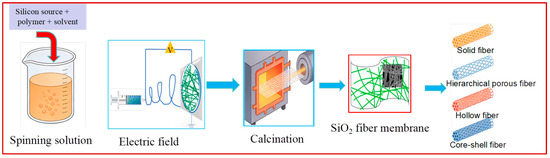
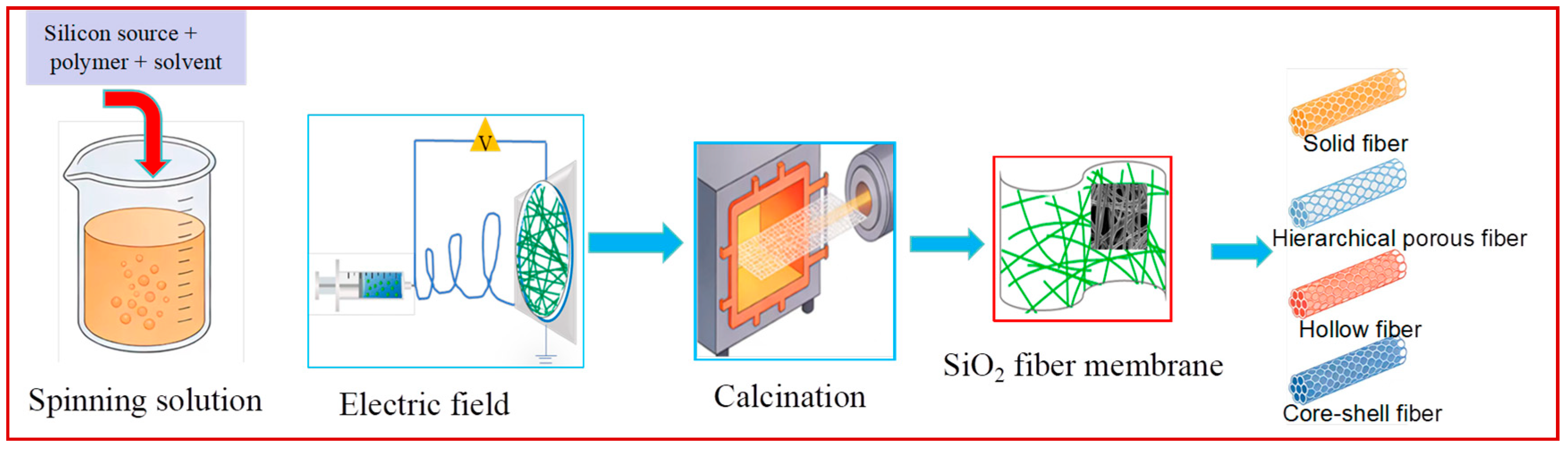
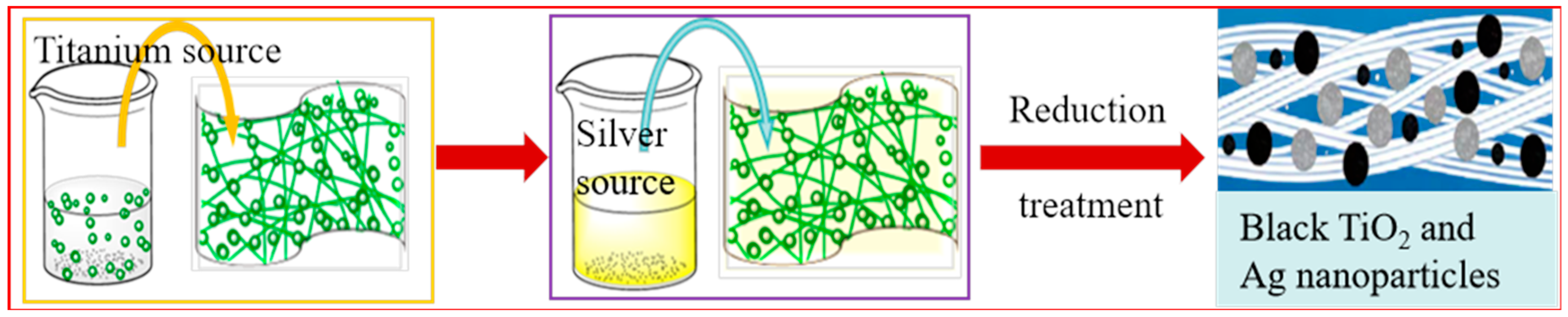
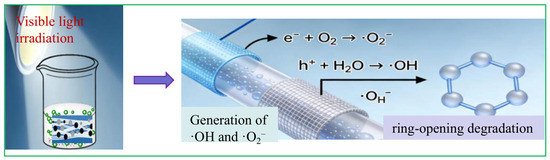
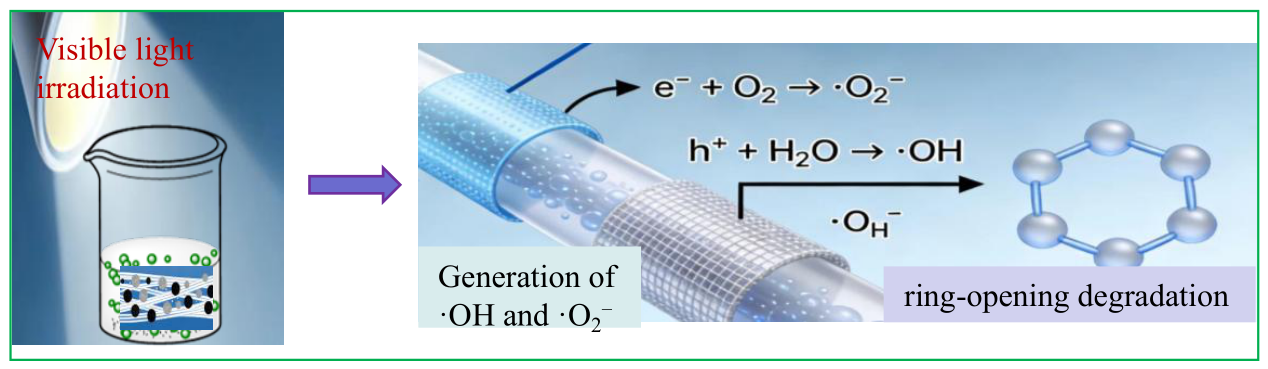

Disclaimer/Publisher’s Note: The statements, opinions and data contained in all publications are solely those of the individual author(s) and contributor(s) and not of MDPI and/or the editor(s). MDPI and/or the editor(s) disclaim responsibility for any injury to people or property resulting from any ideas, methods, instructions or products referred to in the content. |
© 2026 by the authors. Licensee MDPI, Basel, Switzerland. This article is an open access article distributed under the terms and conditions of the Creative Commons Attribution (CC BY) license.