


Abstract
Covalent organic frameworks (COFs) have emerged as promising materials for the capture and photoluminescent detection of pharmaceutical contaminants in aquatic environments due to their tunable porosity, high surface area, and structural versatility. This review summarizes recent advances in pristine COFs and COF-based hybrid materials for water treatment, focusing on both the adsorption and photoluminescent sensing of pharmaceutical pollutants. The influence of framework design, linkage type, and functionalization on adsorption performance and selectivity is discussed, together with the main interaction mechanisms involved. In addition, recent developments in photoluminescent COFs for sensitive and rapid drug detection are highlighted. Attention is given to dual-function materials capable of simultaneous capture and detection, which represent an emerging strategy for efficient water remediation. Finally, current challenges related to stability, selectivity, and real-world applicability are outlined, providing perspectives for the design of next-generation COF-based systems.
1. Introduction
Over recent years, pharmaceutical products (PPs) have increasingly been recognized as contaminants of emerging concern. Their growing consumption has led to their frequent detection in drinking water sources, sewage treatment plants (STPs), and water treatment plants (WTPs). These residues originate from domestic households, industrial activities, hospitals, aquaculture facilities, animal farming, and the application of manure. Although typically occurring at low concentrations, ranging from parts per trillion (ng·L−1) to parts per billion (µg·L−1), PPs can have significant impacts on human and animal health [1,2]. Given their high consumption rates, inherent toxicity, and widespread environmental occurrence, antibiotics, hormones, non-steroidal anti-inflammatory drugs (NSAIDs), β-blockers, blood lipid regulators, antiepileptics, analgesics, and antidepressants constitute the most extensively studied groups of pharmaceutical contaminants [3] (Figure 1).
Figure 1.
Representative drugs from major therapeutic classes commonly studied in water capture and photoluminescent detection.
To mitigate pharmaceutical pollution in water, various techniques have been used, including degradation, electrochemical oxidation, filtration, ozonation, and adsorption [4,5,6,7]. However, many of these treatment approaches suffer from important drawbacks, such as limited efficiency and selectivity, high operational costs, significant energy consumption, or the potential generation of harmful byproducts [8]. Among these methods, adsorption is considered one of the most effective methods due to its excellent efficiency, simplicity, and low energy consumption. Nevertheless, the performance of traditional adsorbents remains a critical limitation. Widely used materials such as activated carbon [9], zeolites [10], and mesoporous silicas (e.g., MCM-41 or SBA-type materials [11]) often exhibit low selectivity toward target contaminants, limited adsorption capacity, and slow kinetics, as well as poor processability and regeneration issues. Recent research has focused on both natural and synthetic adsorbents to develop an ideal adsorbent featuring a high surface area and well-defined surface-active sites [12,13]. In this context, the development of advanced porous materials such as metal–organic frameworks (MOFs) and covalent organic frameworks (COFs) has opened new opportunities for capturing and detecting PPs in aquatic environments [14]. These materials offer outstanding designability, providing precise control over both chemical functionalization and pore size distribution, which typically ranges from the micropore to the mesopore scale. However, MOFs are generally more susceptible to hydrolysis than COFs, making COFs more suitable as adsorbents for pollutant removal in aqueous environments. COFs are crystalline porous materials composed of organic monomers linked by covalent bonds, forming 2D or 3D crystalline architectures. They exhibit low density, large surface area, permanent porosity, thermal robustness, and facile functionalization, which confer significant advantages over traditional adsorbents [15,16]. Moreover, the integration of COFs with other materials, such as metal nanoparticles, carbon-based materials, polymers, or inorganic substrates, has further enhanced their adsorption capacity, selectivity, stability, and sensing performance, making COF-based materials particularly attractive for water treatment and pharmaceutical monitoring applications [17,18]. Therefore, COFs and their hybrid derivatives represent a new generation of adsorbents with superior design flexibility and performance.
The detection of PPs is critical because of their potential environmental persistence and adverse effects on ecosystems and human health, even at trace concentrations. Common used methods include chromatographic techniques, enzyme immunoassays, capillary electrophoresis, electrochemical analysis, surface-enhanced Raman scattering (SERS), and UV spectrophotometry [19,20,21,22,23,24,25,26,27,28,29,30]. Among these approaches, photoluminescence detection has attracted significant interest due to its rapid response, high sensitivity, cost-effectiveness, and simplicity [31,32,33,34,35]. Photoluminescent COFs and COF-based materials constitute advanced sensing platforms, as their tunable porous environments and large surface areas enable the selective analyte enrichment and precise molecular recognition. Moreover, their extended π-conjugated frameworks efficiently enhance optical signal changes upon target interaction, integrating molecular recognition and signal transduction within a single material and enabling highly sensitive detection. Together with their chemical stability, these features position COFs as promising candidates for developing high-performance sensors for water monitoring [36].
In this context, combining photoluminescent sensing with contaminant capture in COFs offers a compelling and efficient strategy for both detecting and removing low-concentration pharmaceutical residues from water effluents. Although this dual-function approach has attracted growing interest in recent years, the number of reported examples remains limited, highlighting its potential for further development and exploration.
This review summarizes the main advances achieved in the last seven years in the development of COF-based materials for water treatment, with particular emphasis on contaminant capture, photoluminescent detection, and dual-function systems targeting pharmaceutical pollutants. Each section is organized according to the type of material employed (pristine COFs or hybrid systems). For each example, we highlight the fabrication protocol, the pharmaceutical compounds addressed, and the practical performance achieved. Unless otherwise stated, “real water samples” in the literature generally refer to spiked natural or tap waters evaluated under batch conditions, which, while valuable for assessing robustness, still differ substantially from true environmental operating scenarios.
The final sections of this review provide an integrative analysis of the reported results, highlighting structure–performance relationships across COF-based adsorbents and sensors (Scheme 1). A quantitative comparison with state-of-the-art benchmark materials is presented for representative pharmaceutical pollutants, allowing the relative advantages and limitations of different COF design strategies to be critically assessed. Finally, key knowledge gaps, technological bottlenecks, and future research directions are discussed, with particular emphasis on scalability, operational stability, and the requirements for translating laboratory-scale demonstrations toward practical water treatment and monitoring applications.
Scheme 1.
Rational COF design for adsorption and photoluminescent sensing of pharmaceutical compounds. Main advantages and limitations in current systems.
2. Capture of Pharmaceutical Compounds
The use of COFs or COF-based hybrid materials for the capture and adsorptive removal of pharmaceutical compounds currently represents the most extensively studied application of these materials in water treatment [37]. An ideal adsorbent should combine a large surface area with appropriate selectivity, large adsorption capacity, low cost, and the ability to be regenerated and reused. Adsorption performance depends on factors such as pH, pollutant properties, contact time, temperature, and adsorbent dosage, making it essential to understand the conditions governing adsorption.
2.1. Covalent Organic Frameworks
This section reviews the COFs investigated for pharmaceutical capture and classifies them by linkage type (Table 1). Additionally, a separate section is devoted to ionic COFs, given their typically exceptional performance in capturing charged pharmaceuticals.
Table 1.
Comparative drug capture performance in aqueous medium using COFs.
2.1.1. Imine-Linked COFs
Imine-based COFs constitute the most extensively explored class of COFs for drug capture due to their high crystallinity, large surface areas, and synthetic versatility. The reversible nature of the Schiff-base reaction enables the formation of highly ordered frameworks and facilitates pre- and post-synthetic functionalization. However, their moderate hydrolytic stability, particularly under strongly acidic or basic conditions, makes adsorption performance strongly dependent on both framework design and operational parameters.
Early studies demonstrated that non-functionalized imine-based COFs can exhibit remarkable adsorption capacities toward pharmaceutical contaminants. For instance, in 2020, S. Zhuang and colleagues synthesized TPB–DMTP–COF, characterized by a large pore size (~3.3 nm), high surface area (>2100 m2·g−1), and high crystallinity, for the efficient removal of sulfamerazine (SMR) from water under neutral conditions [38]. It demonstrated an adsorption capacity for SMR of 209 mg·g−1, and good reusability for several cycles. The optimal adsorption occurred at natural pH, while acidic or alkaline conditions led to lower performance due to electrostatic repulsion between the COF and SMR. Density functional theory (DFT) calculations revealed that adsorption predominantly occurred within the pore channels and was governed by C–H⋯π interactions rather than electrostatic attraction or hydrogen bonding. Subsequent efforts have focused on introducing functional groups, such as nitro and amine moieties, to enable systematic investigation of their effects and to enhance selectivity and binding strength. In this context, Liang et al. [39] reported the selective adsorption of non-steroidal anti-inflammatory drugs (NSAIDs) using COF–NO2 and COF–NH2. Both COFs were derived from TPB–DMTP–COF via the Povarov reaction to introduce nitro groups, followed by their reduction to yield amine functionalities. They retained crystallinity after modification, though COF–NH2 showed decreased crystallinity and surface area due to partial pore blockage. Particularly, the BET surface area decreased from 2174 m2·g−1 for the pristine COF to 679 and 282 m2·g−1 for the functionalized derivatives, COF–NO2 and COF–NH2, respectively. Adsorption experiments targeting ketoprofen (KTP), ibuprofen (IBU), and naproxen (NPX) revealed that COF–NO2 exhibited high but non-selective adsorption capacities (KTP: 70 mg·g−1, IBU: 94 mg·g−1, NPX: 80 mg·g−1), while COF–NH2 demonstrated pronounced selectivity for KTP (33 mg·g−1) over IBU (18 mg·g−1) and NPX (16 mg·g−1). This selectivity was attributed to specific acid–base interactions and hydrogen bonding between amine groups on the framework and carboxyl or carbonyl groups on the drug molecules, albeit at the expense of reduced surface area and overall capacity due to partial pore blockage.
More recent studies have demonstrated that judicious functionalization can overcome this trade-off. Zhang et al. reported COF-2-NH2, COF-3-NH2, and COF-6-NH2 obtained via thiol–ene click chemistry of a vinyl-functionalized parent COF (COF-V), which simultaneously introduced amine groups and tuned the pore size by varying the length of the grafted carbon chains [40]. PXRD confirmed that crystallinity declined after modification, but the porous structure was retained. BET surface area of the parent COF-V was 1118 m2·g−1, which decreased to 219, 114, and 106 m2·g−1 for COF-2-NH2, COF-3-NH2, and COF-6-NH2, respectively, due to pore blockage by the grafted chains. Among the materials, COF-3-NH2 exhibited the best performance, achieving a maximum adsorption capacity of 410 mg·g−1 for DS and a rapid adsorption rate, outperforming most previously reported adsorbents. This superior performance was attributed to the optimal balance between pore size and the density of the protonated amine groups, which provided strong electrostatic and π–π stacking interactions with DS. COF-3-NH2 also demonstrated high selectivity for DS over tetracycline in mixed systems, good anti-interference ability in the presence of salts and real wastewater matrices, and partial regeneration after four cycles. Theoretical calculations and zeta potential measurements confirmed that the degree of protonation of the amine groups could be tuned by the length of the grafted chains, thereby enhancing electrostatic binding. Following a similar approach, Xiao and coworkers reported the synthesis of an amine-functionalized COF, TAPT–DVA–NH2, obtained also via a thiol–ene click reaction between a vinyl-functionalized COF (TAPT–DVA) and cysteamine [41]. The parent COF exhibited a highly crystalline, urchin-like mesoporous structure with a BET surface area of 743 m2∙g−1 and a pore size of 2.05 nm. After amine modification, it retained its morphology but showed a reduced surface area until 124 m2∙g−1, indicating partial pore occupation by the functional groups. TAPT–DVA–NH2 displayed rapid and efficient adsorption of diclofenac sodium (DS), achieving a maximum adsorption capacity of 398 mg∙g−1, over six times higher than the unmodified COF. The material maintained high adsorption efficiency across a broad pH range (optimal at pH 6), was largely unaffected by ionic strength or common coexisting ions, and retained over 95% efficiency after five regeneration cycles with methanol. Mechanistic studies (XPS, FTIR, zeta potential) revealed that the enhanced DS capture was due to a combination of electrostatic interactions (between protonated amine groups and anionic DS), π–π stacking, hydrophobic effects, and hydrogen bonding. Moreover, the COF performed efficiently in real water samples, demonstrating practical applicability.
A representative example of high-performance imine-linked COFs without extensive post-functionalization was reported by Al Neyadi et al. [42], who developed IB-COF via a solvothermal Schiff-base reaction for the efficient removal of ibuprofen from water. PXRD analysis confirmed the formation of a highly crystalline framework, while N2 adsorption–desorption measurements revealed a high BET surface area of 813 m2·g−1 and a microporous structure with a pore size of approximately 1.6 nm. The material exhibited outstanding adsorption performance, reaching a maximum adsorption capacity of 512 mg·g−1 for ibuprofen. Mechanistically, adsorption was governed by a combination of hydrogen bonding, π–π interactions, and electrostatic interactions between ibuprofen molecules and the COF framework. Additionally, IB-COF demonstrated excellent selectivity for ibuprofen over other pharmaceuticals and maintained high removal efficiency under varying ionic-strength conditions, as well as good reusability across multiple cycles, highlighting its robustness for practical water treatment applications.
A representative example of advanced channel engineering in imine-linked COFs was reported by Xiong and co-workers [43], who developed a post-functionalized Tp-Bpy COF fiber via interfacial polymerization, followed by the incorporation of Cu ions and ether-oxygen chains within the pore channels. PXRD analysis confirmed the preservation of crystallinity after post-modification, while N2 adsorption–desorption measurements revealed a decrease in BET surface area from 1064 m2·g−1 for Tp-Bpy to 28 m2·g−1 for the fully functionalized Cu@Tp-Bpy-Mae due to partial pore occupation. Despite this reduction, the material exhibited outstanding adsorption capacities toward fluoroquinolone antibiotics, including ciprofloxacin (435 mg·g−1), norfloxacin (423 mg·g−1), ofloxacin (413 mg·g−1), and pefloxacin (413 mg·g−1), significantly outperforming the parent COF and many previously reported materials. Notably, rapid adsorption kinetics were observed, attributed to the synergistic effect of multiple interactions, including electrostatic attraction, π–π stacking, hydrogen bonding, and metal–ligand coordination between Cu sites and antibiotic molecules, as well as diffusion control induced by the ether-functionalized channels. Moreover, the material demonstrated excellent stability, reusability, and efficient performance in continuous-flow systems and real wastewater samples, highlighting its practical applicability.
Beyond tuning the framework backbone, the introduction of alternative functional groups, such as carboxylic and sulfonic acid moieties (–SO3H), has also been explored as an effective strategy to enhance the affinity of COFs for contaminants in pharmaceutical and personal care products (PPCPs). Hao and coworkers synthesized a sulfonic acid-functionalized COF (COF–SO3H) via a simple solvothermal method to remove PPCPs from water [44]. PXRD analysis indicated that the material remained amorphous and structurally unchanged after sulfonation, while the marked decrease in surface area (15 m2·g−1) and pore size (1.74 nm) confirmed the incorporation of sulfonic acid groups within the mesopores. COF–SO3H exhibited a strong affinity for a range of PPCPs, especially diclofenac (DS), achieving a maximum adsorption capacity of 770 mg·g−1, which is significantly higher than those of commercial activated carbon and other advanced adsorbents. Mechanistic studies revealed that π–π interactions and hydrogen bonding were the main drivers of DS adsorption, rather than electrostatic interactions. The material demonstrated high selectivity for non-steroidal anti-inflammatory drugs, rapid adsorption, excellent reusability, and robust performance in real water and wastewater samples. Building on this approach, Zhang and coworkers extended the use of acid-functionalized imine-linked COFs by introducing carboxyl groups and triazine units (TzAm COF) to achieve the highly selective removal of ciprofloxacin (CIP) from water [45]. TzAm COF showed a crystalline, coral-like material with a BET surface area of 332 m2·g−1 and a dominant micropore size of 1.17 nm. The framework features abundant carboxyl groups and triazine rings, providing multiple active binding sites. It achieved an adsorption capacity of 218 mg·g−1 at pH 9, excellent selectivity for CIP, maintained performance after multiple cycles, and could be used in real water samples. The adsorption mechanism involves electrostatic attraction, π–π interactions, hydrogen bonding, channel adsorption, and hydrophilic–lipophilic balance.
A recent advance in imine-linked COFs introduces dynamic adsorption–regeneration behavior through responsive functionalization. In this context, Qi et al. developed an aromatic biguanide-functionalized COF (Aryl-BIG-COF) via post-synthetic modification of a brominated imine-linked precursor to efficiently remove propranolol from water [46]. PXRD confirmed the preservation of crystallinity after functionalization, while N2 adsorption–desorption analysis revealed a decrease in BET surface area from 1536 to 570 m2·g−1 due to the incorporation of bulky biguanide groups within the pores. Despite this reduction, the material exhibited outstanding adsorption performance, reaching capacities above 330 mg·g−1 under optimal conditions, highlighting that adsorption is governed by specific chemical interactions rather than surface area alone. Notably, the system displayed a pronounced pH-dependent adsorption behavior, with a sharp increase in uptake above pH 9, attributed to the deprotonation of biguanide groups and the transition from electrostatic repulsion to synergistic hydrogen bonding and π–π interactions. Mechanistically, adsorption was dominated by hydrogen bonding, electrostatic interactions, and π–π stacking, supported by DFT and molecular dynamics simulations. Importantly, the material enabled ultrafast and efficient regeneration via a protonation-driven switching mechanism, achieving complete desorption within minutes and retaining over 90% capacity after multiple cycles. This represents a shift from conventional static adsorption systems to stimuli-responsive COFs, in which external conditions can dynamically control adsorption and regeneration.
2.1.2. β-Ketoenamine-Linked COFs
While imine-linked COFs provide exceptional crystallinity and synthetic flexibility, their moderate hydrolytic stability can limit long-term performance in aqueous environments. This limitation has motivated the development of β-ketoenamine-based COFs, in which irreversible enol–keto tautomerization occurring after Schiff-base formation confers exceptional chemical and hydrolytic stability, enabling these materials to operate over a wide pH range and in complex water matrices without structural degradation. As discussed below, this enhanced chemical robustness enables the systematic exploration of pore size, functionalization, and defect-engineering strategies for pharmaceutical capture under more demanding conditions.
One of the earliest systematic studies was reported by Liu et al., who investigated a series of structurally related β-ketoenamine COFs (TpPa-1, TpBD, and TpTph) with identical linkage chemistry but distinct nanopore dimensions (Figure 2) for the adsorption of sulfamerazine (SMR) [47]. These COFs were synthesized via a salt-mediated crystallization strategy, yielding highly stable materials with varying nanopore sizes but the same linkage type. PXRD confirmed good crystallinity for TpPa-1 and TpBD, while TpTph showed lower crystallinity due to interlayer slippage. BET surface areas were 1179 m2·g−1 for TpPa-1, 715 m2·g−1 for TpBD, and 592 m2·g−1 for TpTph, with pore diameters ranging from 1.0–1.8 nm (TpPa-1), 1.2–2.0 nm (TpBD), and 1.2–2.7 nm (TpTph). Adsorption experiments revealed that larger nanopore size facilitated faster SMR uptake, but the maximum adsorption capacities followed the order TpPa-1 (83 mg·g−1) < TpTph (150 mg·g−1) < TpBD (188 mg·g−1), indicating that optimal pore size, rather than surface area alone, governs adsorption performance. DFT calculations revealed that adsorption was primarily driven by C–H⋯π interactions and hydrogen bonding, emphasizing that molecular matching between the pore environment and pharmaceutical structure outweighs the surface area alone.
Figure 2.
Schematic illustration of the synthesis and pore size tuning of Tp-Based-COFs. Reprinted with permission from Ref. [47]. Copyright 2022 American Chemical Society.
Beyond pore engineering, functional group modification has proven highly effective in enhancing both the adsorption capacity and selectivity. In this sense, Liu et al. synthesized a series of β-ketoenamine COFs with different functional groups (–SO3H, –NO2, –NH2, –COOH, –CH3, and unmodified) to study their effect on the adsorption of SMR from water [48]. Among them, sulfonic acid incorporation (TpPa–SO3H) led to a substantial increase in SMR uptake, up to 174 mg·g−1, outperforming other functionalizations. Spectroscopic analyses confirmed that Lewis acid–base interactions between the sulfonic acid groups and the amino moieties of SMR, together with hydrogen bonding, dominated the adsorption process. TpPa–SO3H also demonstrated good stability and reusability after several cycles. More recently, Li and colleagues developed a defect-engineered COF, named TpPa-GTA, for the efficient extraction of four NSAIDs (naproxen, ibuprofen, fenbufen, and sulindac) from water [49]. It was synthesized by incorporating a functionalized end-capping monomer (Pa-GTA) into the framework, yielding a sunflower-like structure with a broad pore-size distribution. The adsorption process showed maximum adsorption capacities ranging from 83 to 315 mg·g−1. In this system, electrostatic interactions, π–π stacking, and hydrogen bonding synergistically contributed to high adsorption rates and capacities across a broad pH window (4.0–7.5), underscoring the importance of framework heterogeneity in facilitating intraparticle diffusion. Application tests in lake and river water demonstrated good recoveries and reusability, with only a slight decrease in capacity after five cycles. In a related study, Espiña et al. reported a β-ketoenamine COF featuring trifluoromethyl groups (TpBD-(CF3)2) that enabled the selective extraction of ibuprofen from complex natural water [50]. The material exhibited high crystallinity, a BET surface area of 1090 m2∙g−1, and a dominant pore size of 1.1 nm. The COF efficiently adsorbed ibuprofen from natural water samples, with an adsorption capacity of 42 mg∙g−1 in slightly acidic lake water, and lower capacities in river and estuary water, attributed to differences in pH, ionic content, and organic matter. Theoretical calculations revealed that ibuprofen, in its protonated form, interacts more strongly with the COF pore via van der Waals forces and hydrogen bonding, explaining the enhanced adsorption at lower pH (Figure 3).
Figure 3.
View along the pore axis of TpBD-(CF3)2-COF illustrating the orientations of ibuprofen in its protonated (a) and deprotonated (b) forms within an aqueous environment [50].
A further example highlighting the impact of heteroatom-rich frameworks was reported by Xiao and co-workers [51]. They synthesized a triazole-functionalized β-ketoenamine-linked COF (TpDt-COF), which exhibited moderate crystallinity, a BET surface area of 54 m2·g−1, and a mesoporous architecture with an average pore size of approximately 8.0 nm. Despite its relatively low surface area, TpDt-COF exhibited outstanding adsorption capacities for tetracycline (589 mg·g−1) and minocycline (446 mg·g−1), achieving rapid uptake within minutes. The enhanced performance was attributed to the high density of functional groups (–NH2, –OH, C=O) and the incorporation of nitrogen-rich triazole units, which provide multiple active sites for adsorption. Mechanistic studies revealed that hydrogen bonding, π–π interactions, electrostatic interactions, and dipole–dipole interactions synergistically contribute to adsorption, while thermodynamic analysis confirmed a spontaneous and endothermic process. Additionally, the material demonstrated good stability, low leaching, and high reusability across multiple cycles, highlighting the effectiveness of heteroatom-rich environments in enhancing adsorption performance beyond surface-area limitations.
2.1.3. Hydrazone-Linked COFs
Hydrazone-based COFs offer an alternative route to functional adsorption systems. These COFs introduce additional functional versatility by incorporating both hydrogen-bond donors and acceptors into the framework backbone. This linkage endows the materials with good chemical stability and enables pH-responsive adsorption behavior, which is especially advantageous for the capture and controlled release of pharmaceutical compounds.
A representative example is the hydrazone-linked COF TpBch, developed by Shi-Lei Ji and colleagues for the adsorption of doxorubicin hydrochloride (DOX) from water [52]. This framework exhibited high crystallinity, large surface area (653 m2·g−1), hierarchical porosity, and good thermal and chemical stability. The adsorption capacity of TpBch for DOX was strongly pH-dependent, with optimal performance under weak alkaline conditions (pH ~7.4). The adsorption process showed a maximum capacity that increased from 112 to 197 mg·g−1 as the temperature rose from 288 to 318 K. Spectroscopic and theoretical analyses revealed that hydrogen bonding, π–π interactions, hydrophobic effects, and electrostatic interactions collectively contributed to drug capture.
2.1.4. Amide-Linked COFs
While hydrazone-linked COFs enable stimuli-responsive adsorption, further improvements in chemical stability and binding strength can be achieved through linkage transformation. Amide-linked COFs, often obtained via the post-synthetic conversion of imine frameworks, combine enhanced hydrolytic robustness with increased hydrogen-bonding capability. Although amide formation often leads to lower surface areas, the improved accessibility and strength of functional binding sites can substantially enhance the adsorption performance.
A notable example is the sulfonic acid-functionalized AmCOF-SO3H, obtained by Xia et al. via post-synthetic oxidation of an imine-linked precursor for the efficient adsorption of fluoroquinolone antibiotics from water [53]. Despite its high crystallinity, low BET surface area (9 m2∙g−1) and pore size (1.59 nm), this amide-linked COF exhibited exceptional adsorption capacities for fluoroquinolone antibiotics, such as enrofloxacin (614 mg∙g−1), enoxacin (615 mg∙g−1), and norfloxacin (579 mg∙g−1), surpassing its imine-linked precursor by more than 2.5 times. The enhanced performance was attributed to synergistic electrostatic interactions from sulfonic acid groups, additional hydrogen bonding from amide linkages, and optimal pore size matching the target molecules. Mechanistically, adsorption was dominated by electrostatic interactions and hydrogen bonding, with rapid kinetics and robust reusability.
2.1.5. Ionic COFs
Ionic covalent organic frameworks (iCOFs) introduce permanent charges directly into the framework backbone, fundamentally altering the adsorption mechanism. Unlike conventional neutral COFs, iCOFs rely primarily on strong electrostatic interactions rather than surface area or pore volume to achieve high adsorption performance. This charge-driven adsorption paradigm has proven particularly effective for capturing ionizable pharmaceutical compounds, such as NSAIDs and antibiotics.
Several guanidinium-based iCOFs synthesized via one-step Schiff-base reactions have demonstrated exceptionally high adsorption capacities despite possessing relatively low surface areas. For example, Liu et al. [54] published a study describing the synthesis and application of TFP-Dg Cl for the highly efficient and selective removal of NSAIDs from water. The resulting cationic COF revealed poor crystallinity, a BET surface area of 13 m2·g−1, and a dominant pore size of 2.20 nm. Despite its low surface area, TFP-Dg Cl exhibited outstanding uptake of diclofenac sodium (DS), with maximum adsorption capacities exceeding 1000 mg·g−1. The material retained its crystalline structure and adsorption performance after six adsorption–desorption cycles, demonstrating excellent chemical and structural stability. TFP-Dg Cl showed high selectivity for NSAIDs, especially DS, over other PPCPs, even in multi-component systems and in the presence of competing anions. Mechanistic investigations consistently reveal that the dominant driving force in iCOFs is the strong Coulombic interaction between positively charged guanidinium sites and negatively charged carboxylate groups of pharmaceutical molecules. The π–π stacking and hydrogen bonding provide additional stabilization, while the high density of accessible ionic sites ensures rapid kinetics and high selectivity, even in multi-component systems and in the presence of competing anions.
In 2022, Lv et al. [55] reported the synthesis of two iCOFs, TPA-TG Cl (COF1) and BPDA-TG Cl (COF2), via a one-step solvothermal Schiff-base reaction between triaminoguanidinium chloride and either terephthaldicarboxaldehyde or 4,4′-biphenyldicarboxaldehyde. Both iCOFs are crystalline, as confirmed by PXRD. BET surface areas were 27 m2∙g−1 and 13 m2∙g−1 for COF1 and COF2, with pore sizes of 1.48 nm and 1.71 nm, respectively. COF1 demonstrated outstanding adsorption capacities for diclofenac sodium (DS, 725 mg∙g−1) and ketoprofen (KTP, 241 mg∙g−1), outperforming traditional adsorbents and other COFs. Mechanistic studies revealed that electrostatic interactions between the cationic guanidine sites and the anionic carboxylate groups of NSAIDs are the primary driving force, complemented by π–π stacking interactions between the aromatic frameworks and the NSAID molecules.
In 2024, Li and coworkers synthesized the iCOF (TFPB-Dg Cl-COF) via a one-step Schiff-base reaction for the efficient removal of ibuprofen (IBU) and other pharmaceuticals from water [56]. The material featured a poor BET surface area of 8 m2·g−1 and a pore size of 2.47 nm. TFPB-Dg Cl-COF exhibited excellent adsorption capacity for IBU, with a maximum of 435 mg·g−1 at 45 °C and achieved over 99% removal for several NSAIDs. Mechanistic studies revealed that both electrostatic interactions and π–π interactions are key to the high adsorption efficiency.
2.2. COF-Based Hybrid Materials
COF-based hybrid materials can combine the advantageous properties of COFs, particularly their high surface area and crystallinity, with complementary features from other components, thereby improving the performance, applicability, processability, and/or reusability of pristine COFs. Combinations with magnetic materials have been widely explored, as magnetic responsiveness greatly facilitates the separation and recycling of the sorbent. In some cases, a third component is incorporated to broaden the functionality of the resulting composite further. The following subsections classify COF-based hybrid materials according to whether or not they exhibit magnetic properties (Table 2).
Table 2.
Comparative drug capture performance in aqueous medium using COF-based hybrid materials.
2.2.1. Hybrid Materials with Magnetic Properties
Cai and co-workers reported the synthesis of a magnetic COF (Figure 4) by a one-step synthesis of the COF shells by the Schiff-base condensation reaction of TPA and TAPB on the surface of Fe3O4 magnetic nanoparticles (Fe3O4@COFs) [57]. The material exhibited high crystallinity, with low-angle diffraction peaks attributable to the COF framework and wide-angle peaks corresponding to the Fe3O4 magnetic nanoparticles (Fe3O4 MNPs). The Fe3O4@COFs’ BET surface area (55 m2·g−1) increased when compared with Fe3O4 MNPs (25 m2·g−1). Superparamagnetism measurements resulted in saturation magnetization values of 52.6 emu·g−1 for Fe3O4 MNPs and 48.4 emu·g−1 for Fe3O4@COFs. The composite exhibited a rapid adsorption of triclosan (TCS) and triclocarban (TCC) in neutral aqueous media, reaching equilibrium in 20 min. It demonstrated a maximum adsorption capacity of 5 mg·g−1 of triclosan and 2 mg·g−1 of triclocarban. Adsorption isotherm studies revealed that at low concentrations, interactions such as van der Waals forces, the embedding effect, and π–π stacking of the benzene rings predominated. In the high-concentration range, π–π stacking was the dominant interaction. Furthermore, this system underwent 10 adsorption–desorption cycles using methanol as the desorption solvent.
Figure 4.
Scheme of Fe3O4@COF synthesis and the adsorption of TCS and TCC. Reprinted with permission from Ref. [57]. Copyright 2019 American Chemical Society.
Wang et al. developed a magnetic COF via the in situ formation of Fe3O4 particles on the surface of the 2D imine-linked TPB-DMTP COF [58]. PXRD experiments confirmed the crystallinity of the hybrid material, showing well-defined peaks corresponding to the COF and less intense peaks at higher diffraction angles, attributed to different crystal faces of the Fe3O4 nanoparticles. Furthermore, nitrogen adsorption–desorption isotherms revealed a reduction in pore size compared to the pristine COF (2.5 vs. 3.3 nm), along with a slight increase in BET surface area (2245 m2·g−1), which was attributed to the presence of Fe3O4 nanoparticles within the 1D channels of the COF. Additionally, the material exhibited good superparamagnetic properties, with a saturation magnetization of 5.2 emu·g−1. The adsorption performance of the magnetic COF was evaluated against the sulfonamide antibiotic sulfamethazine (SMT) and the NSAID diclofenac (DS) in deionized water. The maximum adsorption capacities were determined to be 113 mg·g−1 and 109 mg·g−1 for SMT and DS, respectively. Density functional theory (DFT) calculations supported the contribution of C–H⋯π interactions to the adsorption of the pharmaceuticals.
A similar impregnation–precipitation method was used to prepare 2D imine-based magnetic COFs incorporating Fe3O4 nanoparticles within their pores [59]. Two materials, namely OH-MCOF and MCOF, were synthesized using aldehyde COF precursors with and without hydroxyl groups, respectively. Both composites exhibited good crystallinity, with diffraction peaks attributable to the COF frameworks and Fe3O4 nanoparticles; some of the latter were assigned to magnetite. However, the materials exhibited poor-to-moderate BET surface areas, with values of 90 m2·g−1 and 212 m2·g−1 for OH-MCOF and MCOF, respectively. The composites were tested for the adsorptive removal of diclofenac sodium (DS) from water. OH-MCOF demonstrated superior performance, with a maximum adsorption capacity of 203 mg·g−1, consistent with DFT and electrostatic potential calculations predicting stronger interactions between the hydroxyl-functionalized aldehyde and the pharmaceutical. The good superparamagnetic properties facilitated the easy separation and reuse of OH-MCOF, which maintained stable adsorption capacity over five cycles.
Shuai and co-workers also reported several magnetic COFs by incorporating Fe3O4@SiO2 nanoparticles functionalized with NH2 groups (MNP-NH2) into the structure of the 2D β-ketoenamine-linked TpPa-1 COF [60]. The composites were synthesized through an efficient organic terracotta process using p-toluenesulfonic acid (PTSA) as the catalyst (Figure 5). This method enabled the preparation of magnetic COFs (MCOF-1, MCOF-2, MCOF-3, MCOF-4) with increasing amounts of magnetic nanoparticles. PXRD analysis confirmed the crystallinity of the materials, revealing several diffraction peaks attributed to the COF structure, along with two characteristic Fe3O4 signals at higher diffraction angles. The materials exhibited good chemical and thermal stability. Moreover, the four composites presented magnetic properties with saturation magnetization ranging from 9.5 to 38.3 emu·g−1. Nitrogen adsorption–desorption isotherms confirmed that all composites were porous. However, a significant decrease in specific surface area was observed, ranging from ~352 to 122 m2·g−1, compared to the pristine COF, which exhibited a surface area of approximately 704 m2·g−1. Preliminary adsorption experiments with the NSAID DS showed that the best performance was achieved by the composites with higher surface area and lower Fe3O4 nanoparticle loading, namely MCOF-1 and MCOF-2. Due to its superior magnetic properties, MCOF-2 was selected for detailed capture studies. The composite exhibited the rapid adsorption of diclofenac in neutral aqueous solutions, reaching equilibrium within 20 min. It demonstrated a maximum adsorption capacity of 565 mg·g−1, surpassing the values reported for other carbon-based materials. Studies conducted at different pH values and in the presence of salts indicated that electrostatic interactions play a key role in the adsorption process. Notably, the sorbent efficiently removed the pollutant from real water samples. Furthermore, its reusability was confirmed through five consecutive adsorption cycles without significant loss of performance.
Figure 5.
Synthesis of magnetic COFs using a solvent-free, salt-mediated crystallization process. Reprinted with permission from Ref. [60]. Copyright 2020 American Chemical Society.
Fe3O4@SiO2 particles were also utilized by Liu et al. to fabricate a magnetic hybrid material incorporating the 3D imine-linked COF-300 [61]. The resulting material, Fe3O4@COF-300, exhibited magnetic properties and displayed PXRD reflections characteristic of both Fe3O4 and COF-300. However, the authors did not report specific surface area measurements. The hybrid demonstrated a removal efficiency of 96–98% for the NSAID ibuprofen over the pH range of 2–4, achieving a maximum adsorption capacity of 303 mg·g−1. The observed decline in adsorption efficiency at higher pH values was attributed to electrostatic repulsion between the negatively charged adsorbent and the pollutant. At pH 2–4, the material remained anionic, whereas ibuprofen (pKa = 4.91) was predominantly neutral; consequently, adsorption was primarily driven by dispersive interactions. Recyclability assessments confirmed effective regeneration of the material after five adsorption–desorption cycles. Furthermore, experiments conducted with tap and lake water spiked with ibuprofen revealed that the maximum adsorption capacity decreased by less than 3%.
In another approach [62], magnetic nanocomposites (NCs) were prepared by growing an imine-based COF shell around the NiFe2O4 nanoparticles. These nanocomposites were then combined with the biopolymer chitosan (CS), using terephthalaldehyde (TPA) as a cross-linking agent, to produce the final NCCT composite films. PXRD analysis confirmed that NCCT films retained the crystallinity of the NC nanocomposites, primarily originating from the NiFe2O4 nanoparticles. However, the BET surface area decreased significantly after the formation of the chitosan films (from 107 m2·g−1 for NC to 17 m2·g−1 for NCCT). The saturation magnetization of NCCT was determined to be 16.82 emu·g−1, indicating its suitability for magnetic separation and reuse. Indeed, its compact geometry allowed separation from solution in less than 2 s. Additionally, pH-dependent stability studies revealed that NCCT degradation was limited under acidic conditions (pH = 3), attributed to chemical cross-linking between chitosan and TPA. The adsorbent properties of the NCCT films were assessed with the antibiotics tetracycline (TC) and cefotaxime (CTX). The maximum adsorption capacity of TC and CTX was 389 mg·g−1 at pH 8.0 and 309 mg·g−1 at pH 4.0, respectively. Mechanistic studies indicated multiple interaction types between both pharmaceuticals and NCCT. Experiments in the presence of foreign cations revealed a significant effect, particularly for CTX. Furthermore, recyclability tests demonstrated that the composite retained good performance over six regeneration cycles.
Pooresmaeil and Namazi reported in 2023 another magnetic composite containing biocompatible chitosan. In this case, to facilitate the immobilization of a triazine-based covalent organic framework (TCOF) in Fe3O4 nanoparticles, yielding the hybrid CS/Fe3O4@TCOFs [63]. Initially, monodisperse CS/Fe3O4 nanoparticles bearing amine functional groups were synthesized and subsequently post-functionalized on their surface with TCOF. PXRD analysis revealed characteristic reflections of the triazine-based COF along with dominant peaks corresponding to Fe3O4 nanoparticles. The composite exhibited a BET surface area of 850 m2·g−1, a pore size of ~1.9 nm, and a saturation magnetization of 34.49 emu·g−1, enabling facile magnetic separation and reuse under an external magnetic field. The composite was tested for the removal of the NSAID diclofenac (DS) in deionized water, achieving a maximum adsorption capacity of 333 mg·g−1. pH-dependent studies indicated that electrostatic interactions were the primary driving force in the adsorption process. In contrast, additional interactions such as hydrogen bonding and π–π stacking likely played a significant role. Reusability tests demonstrated that the material maintained good performance over six consecutive cycles.
Metal–organic frameworks (MOFs) have also been combined with COFs to prepare magnetic hybrids, aiming to obtain novel functions absent in the individual components. Thus, in 2023, Yang et al. reported the synthesis of a hybrid magnetic material containing Fe3O4 nanoparticles, an imine-based COF formed by the reaction of melamine and terephthaldehyde, and the MOF MIL-125(Ti) [64]. The authors first prepared Fe3O4@COF by reacting the COF precursors in the presence of Fe3O4 nanoparticles. Subsequently, MIL-125(Ti) was synthesized in the presence of Fe3O4@COF, yielding the final hybrid Fe3O4@COF@NH2-MIL-125(Ti). PXRD analysis confirmed the crystalline phases of Fe3O4 and MIL-125(Ti). However, the characteristic COF peaks were absent, suggesting that the COF component may be amorphous. Nitrogen adsorption isotherm measurements revealed a moderate specific surface area of 293 m2·g−1 and were consistent with a significant contribution from the COF component. The hybrid exhibited a saturation magnetization of 24.91 emu·g−1, sufficient for rapid magnetic separation. The material was evaluated for the adsorptive removal of the antibiotic tetracycline (TC) and the fungicide tebuconazole (TBZ), achieving maximum adsorption capacities of 108 mg·g−1 for TC and 72 mg·g−1 for TBZ in ultrapure water containing 2% NaCl at 25 °C. FTIR and XPS analyses revealed multiple adsorption mechanisms, including complexation, hydrogen bonding, electrostatic interactions, and π–π stacking. Reusability was demonstrated over five adsorption–desorption cycles, and tests in real water samples showed removal efficiencies above 85% for both TC and TBZ.
In another type of strategy, Liu et al. reported the synthesis of a magnetic composite by reacting ionic imine-linked COF precursors with amino-functionalized Fe3O4 nanoparticles [65]. As above-mentioned, iCOFs are highly effective for removing pharmaceuticals and other water pollutants through pH-dependent electrostatic interactions. However, their major drawback is the difficulty of separating them from aqueous media compared to conventional non-charged COFs. The resulting composite, M-TDiCOF, exhibited a saturation magnetization of 9.8 emu g−1, enabling facile magnetic separation from solution. PXRD revealed peaks characteristic of the magnetite phase, while the guanidinium-functionalized COF component showed poor crystallinity. Nitrogen adsorption isotherm analysis indicated a low surface area of ~18 m2 g−1 (pore size of ~3.9 nm), a common limitation of guanidinium-based ionic COFs. Nevertheless, owing to its positive charge below pH 7.73, the material efficiently removed several anionic NSAIDs, including diclofenac sodium (DS), indomethacin (IDM), ibuprofen (IBU), ketoprofen (KTP), and naproxen (NPX). Notably, it demonstrated exceptional performance for DS adsorption, achieving a maximum capacity of 359 mg·g−1 at pH 5 and 25 °C. The adsorption mechanism was investigated using multiple approaches, including pH-dependent adsorption studies, competitive anion experiments, FTIR and XPS analyses, and DFT calculations. These results confirmed electrostatic attraction as the primary driving force, complemented by hydrogen bonding, π–π interactions, and other weak forces. The reusability and stability of the adsorbent were evaluated through five consecutive adsorption–desorption cycles, showing no significant loss of performance. Furthermore, mung bean growth assays demonstrated the low toxicity of the magnetic composite.
Recently, Chen et al. [66] synthesized a guanidinium-based COF/magnetite hybrid, Fe3O4@PDA@BT-DGCl, using a distinct approach. Fe3O4 nanoparticles were coated with polydopamine (PDA), which anchored benzene-1,3,5-triscarbaldehyde (BT); subsequent addition of 1,3-diaminoguanidine hydrochloride (DGCl) yielded the ionic imine COF BT-DGCl. The composite exhibited a saturation magnetization of 18.50 emu·g−1, enabling magnetic separation. PXRD showed characteristic Fe3O4 peaks but no COF signals, attributed to strong iron oxide diffraction and low COF crystallinity. BET surface areas were low (~38 m2·g−1 for Fe3O4@PDA@BT-DGCl vs. ~39 m2·g−1 for BT-DGCl), attributed to the poor directional control of DGCl during synthesis. The pore size was approximately 3.8 nm in both materials. Despite the low surface area, the hybrid achieved excellent removal of the NSAID diclofenac (DS) (420 mg·g−1 at pH 5 and 25 °C) and retained efficiency after six adsorption–desorption cycles. Adsorption studies at pH and NaCl concentrations confirmed electrostatic interactions as the dominant mechanism, with hydrogen bonding and π–π stacking as evidenced by the XPS and FTIR analyses. The composite also removed other NSAIDs (naproxen (NPX), ketoprofen (KTP), acetylsalicylic acid (ASA), ibuprofen (IBU)) with > 80% efficiency, showing selectivity toward DS. For the sulfonamide antibiotic sulfamethoxazole (SMZ), which lacks favorable electrostatic interactions, efficiency dropped to ~50%. Tests in tap water, simulated medical wastewater, and natural waters showed >95% removal in the first two and ~80% in the river/lake samples.
2.2.2. Other Hybrid Materials
In 2022, Rahman and co-workers prepared new hybrids through the reaction between octa(amino phenyl)silesquioxane and 2-methylanthraquinone or terephthalaldehyde, yielding the imine-linked polyhedral oligomeric silsesquioxane (POSS) covalent organic frameworks COF-S7 and COF-S12, respectively (Figure 6) [67]. According to the authors, the use of the polyhedral silsesquioxane derivative enabled the formation of a new topology characterized by a 2D underlayer arrangement. PXRD analysis revealed discrepancies between the experimental and simulated patterns, which were attributed to incomplete reactions between the precursors. Furthermore, both materials exhibited very low BET surface areas of 3 and 21 m2·g−1 for COF-S7 and COF-S12, respectively, likely due to the collapse of their porous structures during activation. The measured pore size was approximately 5 nm. The hybrid materials were evaluated for the removal of the NSAID naproxen (NPX) from aqueous solutions, achieving maximum adsorption capacities of around 35 and 42 mg·g−1 at pH 4 and 25 °C for COF-S7 and COF-S12, respectively. Studies conducted over a pH range of 4–12 revealed a decrease in adsorption capacity with increasing solution pH, attributed to electrostatic repulsion between the deprotonated pharmaceutical and the material’s surface. Based on these pH-dependent results, the adsorption mechanism was hypothesized to involve hydrogen-bonding interactions between the carboxylate moiety of NPX and hydroxyl groups in the hybrids. The reusability of the adsorbents was confirmed through six consecutive adsorption–desorption cycles without significant loss of removal efficiency.
Figure 6.
Synthesis of the POSS-COFs hybrids COF-S7 and COF-S12 [67].
Cheng, Xu, and colleagues developed hybrid adsorbents combining polypyrrole (PPy), graphene oxide (GO), and COF-300 (GO/COF-300/PPy) [68]. COF-300 was first synthesized with varying GO amounts, followed by in situ pyrrole polymerization on GO/2COF-300 to produce hybrids with different PPy loadings. PPy-containing materials showed superior adsorption of the NSAIDs indomethacin (IDM) and diclofenac (DS), with GO/2COF-300/4PPy being the most effective. Lower PPy loadings led to weak interactions, whereas higher loadings blocked active sites. PXRD confirmed COF-300 peaks, and the BET surface area decreased from 278 to 48 m2·g−1 due to PPy aggregation. The isoelectric point was 5.56, and maximum adsorption capacity (104 mg·g−1 IDM; 122 mg·g−1 DS at 25 °C) occurred near this pH, where protonation/deprotonation of IDM (pKa 4.5) and DS (pKa 4.0) creates an optimal electrostatic balance. Electrostatic interactions dominated the mechanism, with contributions from hydrogen bonding, π–π stacking, and hydrophobic effects. The material retained good stability over eight cycles, with a moderate loss of efficiency. Tests with other NSAIDs indicated certain broad applicability. Experiments with real water showed promising results, particularly for IDM: removal efficiencies were 57% (IDM) vs. 14.3% (DS) in Yellow River water and 52.1% (IDM) vs. 38.4% (DS) in hospital wastewater. Finally, bacterial activity assays confirmed effective drug removal with minimal impact on microorganisms.
Gao, Wang et al. (2023) reported the synthesis of an imine-linked COF@MXene composite via a covalent assembly strategy, where the COF was anchored onto NH2-functionalized MXene (Ti3C2) through a Schiff-base reaction [69]. This design combined the ordered porous structure of COFs with the hydrophilicity and layered architecture of MXene. PXRD characterization confirmed the presence of characteristic peaks of both components, while nitrogen adsorption isotherm analysis revealed surface areas of ~131 m2·g−1 for COF and ~106 m2·g−1 for COF@MXene. The composite was evaluated for the adsorption of fluoroquinolone antibiotics, namely ciprofloxacin (CIP), lomefloxacin (LOM), moxifloxacin (MOX), gatifloxacin (GAT), and levofloxacin (LV), achieving maximum adsorption capacities ranging from 55 to 148 mg·g−1, with MOX showing the highest uptake. Theoretical and experimental studies supported that pore size selectivity, electrostatic interactions, and hydrogen bonding were the main selective adsorption mechanisms. Beyond high adsorption performance, COF@MXene exhibited excellent protein exclusion (>97%), retained >79% efficiency after six reuse cycles, and demonstrated practical applicability in real samples (tap water, river water, lake water, eggs, and moxifloxacin tablets), with recovery efficiencies ranging from approximately 32% to 100% depending on the antibiotic and matrix, confirming its potential for environmental remediation and food safety applications.
In the same year, Huang, Han, and co-workers reported a double-cross-linking strategy for preparing a compressible COF/chitosan aerogel composite (TpPa-SO3H/CS aerogel) under mild conditions [70]. TpPa-SO3H-COF was synthesized by a solvent-free method, and then CS hydrogels were dispersed with COF powder in an aqueous solution of acetic acid. The TpPa-SO3H/CS aerogel diffraction pattern confirmed the formation of TpPa-SO3H-COF, showing the typical framework peaks and the presence of CS molecules through reduced overall crystallinity. The material presented a BET surface area value between those of the components alone because of the partial pore blocking (30 m2·g−1 for the TpPa-SO3H/CS aerogel; 108 m2·g−1 for TpPa-SO3H-COF; 1 m2·g−1 for CS aerogel). The adsorption performance of the TpPa-SO3H/CS aerogel was evaluated against the sulfonamide antibiotic sulfamerazine (SMR) in aqueous solution. The maximum adsorption capacity was determined to be 102 mg·g−1, with slight loss in three adsorption–desorption cycles. Ultimately, this composite was used to detect SMR in real water samples, yielding recovery rates ranging from 86.0 to 99.0% in real water samples.
Following the same approach of integrating CS aerogels with COFs, Liu et al. synthesized a novel cationic covalent organic framework (iCOF) via solvothermal synthesis. They integrated it into a chitosan matrix (iCOF/CS aerogel) [71]. The material maintained its iCOF crystalline structure, albeit with a slight decrease, and the broad peak at 10.8° confirmed the presence of CS aerogel. As in the previous case, the BET surface area value of the iCOF/CS aerogel (41 m2·g−1) was reduced compared to the pristine iCOF (162 m2·g−1) and exceeded that of the CS aerogel (33 m2·g−1). In this case, the adsorbent properties of the iCOF/CS aerogel were assessed with the NSAID diclofenac sodium (DS). The maximum adsorption capacity of DS was 557 mg·g−1 at pH 6.5. Mechanistic analyses showed that DS adsorption was primarily driven by electrostatic interactions coupled with ion exchange, with additional contributions from π–π interactions and hydrogen bonding. Furthermore, recyclability tests demonstrated that the composite maintained good performance (91.4%) over four regeneration cycles. Furthermore, to apply this system to real-world applications, DS residues in real water samples were examined using the iCOF/CS aerogel, and recoveries were found to be between 93.1% and 96.5%.
3. Photoluminescent Detection of Pharmaceutical Compounds
The fabrication of COF-sensors that exhibit rapid response, high sensitivity, pronounced selectivity, and robust regenerability for fluorescence-based drug detection remains underexplored. Nevertheless, photoluminescence has emerged as a particularly powerful and attractive detection platform, offering exceptional sensitivity, operational simplicity, and compatibility with aqueous systems. Scheme 2 illustrates the different recognition mechanisms commonly involved in the sensing of pharmaceutical compounds by COFs. Importantly, these studies highlight that the COF scaffold is not merely a passive fluorophore host, but an active regulator of analyte preconcentration, orientation, and excited-state pathways. Detection may rely on the formation of specific chemical interactions at the ground state, or on dynamic collisional processes between the sensor and the analyte. In addition, interactions between the sensor and the analyte can induce aggregation-induced emission phenomena. Finally, sensing based on the inner filter effect (IFE) has also been reported; however, this mechanism is not associated with a true recognition process but rather arises from a physical effect resulting from spectral overlap between the absorption bands of the analyte and the sensor.
Scheme 2.
Overview of most studied fluorescence quenching/enhancement mechanisms in the photoluminescent sensing of pharmaceutical compounds by COFs.
This section highlights significant recent advances in the design and implementation of COFs and COF-derived hybrid materials for the photoluminescent detection of pharmaceutical compounds in aqueous environments (Table 3).
3.1. Covalent Organic Frameworks
Wang and co-workers reported a novel crystalline polymer COF (COF-1) constructed via a green method that combined mechanosynthesis and calcination. The material exhibited turn-off fluorescence performance highly selective for tetracycline (TC) and ofloxacin (OFLX) [72]. The PXRD pattern of COF-1 revealed high crystallinity; however, the porous properties of the material were not investigated. COF-1 showed a strong linear correlation with TC in the range of 0.005–0.0625 mM and 0.025–0.25 mM with OFLX. The detection limits were 0.002 mM and 0.0065 mM, respectively. The fluorescence detection experiments for these antibiotics were conducted in N,N-dimethylformamide (DMF) solution. The mechanism of fluorescence quenching was elucidated by the addition of metal ions to the solution, which reduced the concentration of hydroxyl ions in the medium and promoted particle aggregation, a process further favored by π–π interactions.
Later, Wang and co-workers synthesized two benzotrithiophene (BTT)-based COFs (COFBTT-DMGH and COFBTT-TAGH) for the rapid detection of enrofloxacin (ENR) [73]. Both materials exhibited high crystallinity and BET surface areas of 323 and 371 m2·g−1, respectively. Fluorescence sensing with COFBTT-TAGH achieved a detection limit of 0.8200 nM and a linear range of 2.740–700.0 nM, respectively. In the case of COFBTT-DMGH, a linear relationship was observed between 42.19 and 500.0 nM, with a detection limit of 12.60 nM. The mechanism of ENR detection by BTT-based COFs was attributed to the intrinsic aggregation-induced emission (AIE) behavior of ENR. Furthermore, the addition of ENR induced visible color changes in the COF dispersions. Based on these variations, colorimetric tests on paper and gel were developed. When smartphone application recognition was used as a real-time detection tool, these tests were evaluated on real food samples, including fish and clams.
Soon after, Zhang et al. [74] published a 2D fluorescent COF (F-COF-2) synthesized via a Knoevenagel condensation. The material behaved as a hyperconjugated electron-donating fluorophore with aggregation-induced emission (AIE) properties, showing emission at 381 nm in solution and 403 nm in the solid state. F-COF-2 exhibited moderate crystallinity, significant BET surface area (712 m2·g−1), and outstanding chemical stability. The fluorescence properties and electron-donating structure of the material endowed it with the highly sensitive and selective detection of nitrofurantoin (NFT) and nitrofurazone (NZF) in aqueous solutions (DMF/H2O). Fluorescence-quenching titration experiments allowed the determination of detection limits for NFT and NZF of 3.35 and 9.64 ppb, respectively. The study of the dynamic and static quenching processes revealed that the fluorescence-quenching mechanism likely arises from the formation of a non-fluorescent complex via hydrogen-bonding interactions and electron transfer between F-COF-2 and NFT/NZF (Figure 7). Reusability tests showed that F-COF-2 remained unchanged after five detection cycles.
Figure 7.
Mechanism diagram of NFT and NZF detection in F-COF-2. Reprinted with permission from Ref. [74]. Copyright 2022 American Chemical Society.
In another investigation [75], Ji and co-workers synthesized, via Knoevenagel reaction, a fluorescent sp2c COF (TzDA-BTAN-COF). The material presented relatively low crystallinity and BET surface area (106 m2·g−1). It was applied for the quantitative fluorescence analysis of the antibiotic ofloxacin (OFLX) in aqueous solution (MeOH/H2O 9:1). The fluorescence intensity increased with increasing OFLX concentration in the linear range of 0.01–1 µg·mL−1, with a detection limit of 3.0 ng·mL−1. The system was tested in an actual application by detecting OFLX in spiked milk, showing recovery in the range of 95.0–99.5% with a relative standard deviation ≤ 10.5%.
A new 2D imine-linked COF (COFDHA-TAPB) with strong fluorescence was designed by Song et al. in 2023 [76]. It exhibited moderate crystallinity and a BET surface area of 360 m2·g−1. The emission of COFDHA-TAPB, centered at 408 nm, decreased markedly in the presence of nitrofurazone (NZF), reaching a response time of 40 s in DMF. The linear range of response was determined to be within 0.33 µM and 0.197 mM, with a detection limit of 0.11 µM. The sensor exhibited good selectivity toward NZF even when the concentration of potential interferents was tenfold higher than that of NZF, and it remained stable for up to five regeneration cycles. Mechanistic studies, including time-resolved fluorescence decay measurements, UV–Vis spectroscopy, and DFT calculations, indicated that the predominant sensing mechanism of COF-DHA-TAPB toward NZF is photoinduced electron transfer. Furthermore, the sensor was successfully applied to the determination of NZF in spiked milk samples, achieving recovery rates of 102.1–103.1%.
In 2024, Song and co-workers synthesized a sp2c-covalent organic framework containing benzotrithiophene (COPPDAN-BTT) for the fluorescence sensing of furazolidone (FZD) [77]. This material showed good crystallinity and a BET surface area of 118 m2·g−1. FZD was detected by fluorescence quenching in the linear concentration range of 0.149–88.9 µM, and the detection limit was 0.049 µM. The detection mechanism was investigated by fluorescence and UV–Vis absorption spectra, revealing that it occurred due to the inner filter effect (IFE). Moreover, this system was tested in real-world applications using fluorescent colorimetric test strips, enabling detection with the naked eye. COPPDAN-BTT test strips showed a change from bright to dark with the increase in FZD concentration. Additionally, FZD residues in lake water samples were analyzed using COPPDAN-BTT, and the spiked recoveries ranged from 95.8 to 102.6%.
In the same year, Ma et al. [78] developed a fluorescent imine-COF (TAPA-BTD-COF). It exhibited high crystallinity and moderate BET surface area (281 m2·g−1). The material was evaluated for the detection of nitrofuran antibiotics in deionized water. In the linear range of 0.005 to 0.1 mmol·L−1, the fluorescence intensity at 470 nm exhibited a correlation with the concentrations of nitrofurantoin (NFT), nitrofurazone (NZF), furazolidone (FZD), and furaltadone (FTD) within 10 s. The detection limits were 0.1325 µM for NFT, 0.1504 µM for NZF, 0.2142 µM for FZD, and 0.0996 µM for FTD, with FTD having the most effective quenching effect. To investigate the quenching mechanism, fluorescence lifetime measurements, UV–Vis absorption, FTIR, XPS analyses, and theoretical calculations were conducted and compared, revealing that the quenching arose from a combination of the internal filtering effect and static quenching. Moreover, the naked-eye detection of these antibiotics in aqueous solution was also investigated. The resulting images showed significant color changes upon addition of the target antibiotics, with FZD exhibiting the least fluorescence quenching. Furthermore, TAPA-BTD-COF was tested in spiked real water samples, obtaining recoveries of 84.32–117.72%. Finally, to operate in a real-world application, the designed sensor was used in a smartphone platform to detect the color of the fluorescence image and analyze the antibiotic concentration.
A 3D COF (PyTTA-TTFB-COF) with fjh topology was synthesized by Peng and co-workers in 2024, which exhibited a high photoluminescence quantum yield of up to 61.2% [79]. The so-obtained material presented high crystallinity and moderate BET surface area (658 m2·g−1). Remarkably, sensing experiments were performed in DMF rather than in an aqueous medium. This system achieved a quenching rate of 90.1% at a nitrofurantoin (NFT) concentration of 0.10 mM, exceeding the quenching rates observed for other antibiotics; none of the other competitive antibiotics exhibited significant fluorescence quenching. The limit of detection and limit of quantification for NFT were 56.78 ppm and 13.42 ppm, respectively. Moreover, the dispersion of PyTTA-TTFB-COF in DMF retained its sensing capabilities over five cycles after being washed with water and DMF.
In 2024, Biswas et al. [80] developed an amine-rich, nanoscale amine-functionalized porous COF (SNW-1@NH2COF), that efficiently detects kynurenine (KYN), a crucial biomarker, and mitoxantrone (MTX) via a fluorescence turn-off mechanism (Figure 8). SNW-1@NH2COF exhibited moderate crystallinity, significant BET surface area (582 m2·g−1), and chemical robustness under organic and pH media. The photoluminescence detection of KYN was performed in HEPES buffer (pH = 7.4) with a limit of detection of 0.3 nM within 5 s. Mechanistic studies revealed that the quenching of the fluorescence intensity in this system was primarily due to the Förster resonance energy transfer. Remarkably, SNW-1@NH2COF recognized KYN in human serum and urine. In the case of MTX, the detection limit in aqueous media was determined to be 8.8 nM, with a response time of 5 s. The mechanism of MTX quenching luminescence was investigated by fluorescence and UV–Vis absorption spectra, FTIR, and TD-DFT calculations, pointing to a photoinduced electron-transfer pathway. This system was applied to human body fluids, like human blood, serum and urine, and environmental water samples. The sensor demonstrated recyclability up to 5 cycles. Moreover, a composite was developed by integrating chitosan with COF-coated paper strips to facilitate the detection of KYN and MTX under a fluorescence lamp across a wide concentration range, from micromolar to nanomolar levels.
Figure 8.
Schematic representation of SNW-1@NH2COF and its application for sensing KYN and MTX. Reprinted with permission from Ref. [80]. Copyright 2024 American Chemical Society.
In 2025, Liu et al. [81] reported the synthesis of a fluorescent imine-linked COF (TzHTA), which was utilized as a ratiometric sensor for the detection of nitrofuran antibiotics (NFs), including nitrofurantoin (NFT), furazolidone (FZD), nitrofurazone (NZF), nifursol (NFS), and furaltadone (FTD). TzHTA exhibited high crystallinity, although the BET surface area was not reported in the article. The system showed a good linear relationship with NF concentrations in the range of 0.5–100 mg·L−1, achieving low limits of detection ranging from 0.052 to 0.443 µmol·L−1. Moreover, a smartphone-based fluorescence analysis method was developed for the quantitative detection of NFs, yielding limits of detection ranging from 0.535 to 7.588 µmol·L−1 and was used in real food samples, with recoveries of 85.46–111.39% via spiking experiments.
3.2. COF-Based Hybrid Materials
These types of hybrids have mainly been developed by incorporating lanthanides, selenium, or various perylene derivatives into COFs. The introduction of these elements improves the optical characteristics of the resulting materials. For example, it is well-known that lanthanides have excellent luminescence properties, such as large Stokes shifts, broad band regions, and clear emission spectra [82]. Perylene derivatives, with π-conjugated structures, are also employed to enhance fluorescence efficiency due to their high photostability, remarkable electron mobility, and high quantum yields [83].
In 2019, Yan et al. developed a stable Eu3+ modified COF-based hybrid material [84]. Benefiting from the active sites of the framework, Eu3+ coordinated with the O and N atoms, obtaining the so-called Eu@TpPa-1. It presented moderate crystallinity and relatively low BET surface area (100 m2·g−1). The material worked as a fluorescence sensor, exhibiting a turn-on response toward levofloxacin (LV), with a detection limit of 0.2 µM in the linear range of 10−6–10−2 M. The luminescence intensity was enhanced in 1 min and maintained a constant value in 4 min. Eu@TpPa-1 was unaffected after five continuous cycles, and it showed excellent selectivity by the naked eye under UV light (Figure 9). Because of the high selectivity of Eu@TpPa-1, it was proven in serum and urine samples, achieving detection limits of 0.2 and 0.6 µM, respectively.
Figure 9.
Schematic representation of LV fluorescence detection cycles by Eu@TpPa-1. Reprinted with permission from Ref. [84]. Copyright 2019 American Chemical Society.
In 2021, Tao and co-workers synthesized a new imine-linked COF via a Schiff-base reaction that provided suitable coordination sites for Tb3+ [82]. The obtained COF@Tb exhibited low crystallinity and a BET surface area of 50 m2·g−1. Interestingly, it displayed a specific and rapid response to ciprofloxacin (CIP) across concentrations ranging from 5 nM to 25 nM and 50 nM to 30 µM, with a detection limit of 3.01 nM. The system demonstrated a fast response time (<1 min) and excellent fluorescence stability (up to 40 min). Additionally, it showed potential for reuse, maintaining accuracy over five cycles of CIP determination. The method also proved effective in real samples, with recovery rates between 99.08% and 102.20% for milk, tablets, and serum.
Table 3.
Comparative drug detection performance in aqueous medium using COFs and COF-based hybrid materials.
Wu et al. [83] reported in 2024 a functionalized imine-based COF with perylene diimide (PDI-COF300) prepared by the electrostatic self-assembly method. It exhibited slight crystallinity, however, the porous properties of the material were not reported. The hybrid exhibited a fluorescence quantum yield of 82.68% and showed a strong linear response to levofloxacin (LV) concentrations in the range of 0.5–10 µM, with a detection limit of 0.303 µM. It demonstrated excellent sensitivity and selectivity, maintaining stable performance for up to 180 min. Molecular docking studies and Stern–Volmer analysis revealed that LV detection by PDI-COF300 primarily involves a combination of π–π stacking hydrophobic interactions, resulting in a static quenching process via fluorescence resonance energy transfer. Furthermore, PDI-COF300 was successfully applied to LV detection in environmental waters, soil, and milk samples, yielding recovery rates between 85.56 and 108.34%, with a relative standard deviation of less than 2.70%. This system was further implemented in smartphone devices and fluorescent papers for LV detection and microanalysis in environmental and food samples.
In 2025, Ma and co-workers [85] reported a Se-based COF (TPE-BSD-COF) that exhibited fluorescence quenching in response to ofloxacin (OFLX). This material presented high crystallinity, high BET surface area (1156 m2·g−1), and excellent hydrolytic stability in aqueous solution. The system showed exceptional fluorescence quenching and a linear relationship (1–100 µM), rapid response within 4 s and a low limit of detection of 0.30 µM. OFLX displayed a fluorescence quenching rate of more than 80%, while other antibiotics presented less than 20% quenching. Stern–Volmer analysis, fluorescence, and UV–Vis absorption spectra evidenced that the OFLX fluorescence sensing mechanism was related to both static quenching fluorescence and induced dynamic quenching. The system was implemented in a smartphone sensing application based on naked-eye recognition. Furthermore, the applicability of the TPE-BSD-COF fluorescence sensor was tested in real samples, obtaining recovery rates of 81.6–112.3% and 84.21–126.91% in spiked water and food samples, respectively. Additionally, the sensor was evaluated using an OFLX drug tablet labelled as containing 100 µM. The concentration determined with the TPE-BSD-COF fluorescence sensor was 95.69 µM, demonstrating good accuracy and practical applicability.
In 2026, Li et al. [86] exploited the inherent fluorescence of COF-50% to design a hybrid material with a ratiometric fluorescence response by incorporating Sc3+ (COF-50%-Sc), thereby constructing a novel ratiometric fluorescent probe for the detection of enrofloxacin (ENR) in water systems (Figure 10). COF-50% exhibited limited crystallinity, but porosity data were not reported. Notably, the material displayed high chemical stability, showing no signs of degradation upon exposure to strong acids or bases. The system demonstrated pronounced fluorescence quenching with increasing ENR concentrations, displaying a linear response from 0 to 8 µM and a detection limit of 5.96 nM. Fluorescence equilibrium was reached within 20 s and remained stable for over 24 h. Mechanistic studies based on fluorescence and UV–Vis absorption spectroscopy revealed that ENR detection involved a combination of the inner filter effect (IFE) and fluorescence resonance energy transfer (FRET). Under practical conditions, the contribution of FRET was found to dominate over that of IFE. Under UV irradiation, the probe exhibited a distinct color transition from yellow to blue with increasing ENR concentration. Capitalizing on this phenomenon, the authors developed a smartphone-based color-recognition device capable of independent color analysis. This device was subsequently applied to the detection of ENR in real water samples, achieving recovery rates ranging from 89.69% to 110.74%. ENR itself was not initially detected in any of the three analyzed samples.
Figure 10.
Schematic representation of the preparation process of COF-50%-Sc as a fluorescent probe for ENR. Reprinted with permission from Ref. [86]. Copyright 2026 American Chemical Society.
4. Simultaneous Capture and Photoluminescent Detection of Pharmaceutical Compounds
Integrating adsorption and detection into a single platform simplifies the operational process, reduces costs, and enhances overall remediation efficiency. Moreover, real-time or synchronized detection can provide valuable feedback to guide and optimize the removal process [87]. The success of this approach relies on the rational design of adsorbent materials that combine high selectivity toward target pollutants, large adsorption capacities, high detection sensitivity, and robust thermal and chemical stability in aqueous environments. In recent years, several COFs and COF-based hybrid materials have emerged as promising candidates for the simultaneous monitoring and capture of pharmaceutical contaminants in water and aquatic systems (Table 4). However, despite being conceptually appealing, dual-function COFs remain strikingly underrepresented relative to their potential.
Table 4.
Comparative simultaneous drug detection and adsorption performance using COFs and COF-based hybrid materials.
4.1. Covalent Organic Frameworks
In 2020, Zhong et al. designed two fluorescent 2D ultrathin covalent triazine framework (F-CTF) nanosheets [88]. These materials exhibited low crystallinity and significant BET surface area (512 and 565 m2·g−1 for F-CTF-1 and F-CTF-2, respectively). F-CTFs were able to detect nitrofurans (NFs) in water by fluorescence quenching with high sensitivity and selectivity. The detection limits of nitrofurazone (NZF), nitrofurantoin (NFT), and furazolidone (FZD) were 4.97, 8.08, and 13.35 ppb, respectively, for F-CTF-1, and 1.75, 2.21 and 3.86 ppb, respectively, for F-CTF-2. The high quenching performance of F-CTFs toward NFs was attributed to the coexistence of electron transfer and resonance energy transfer. On the other hand, the calculated adsorption capacities of the adsorbents were 298, 200, and 154 mg·g−1 respectively, for F-CTF-1, and 351, 240, and 196 mg·g−1, respectively, for F-CTF-2 at ambient temperature and pH = 6. Both F-CTFs maintained their initial removal efficiencies for up to five consecutive cycles. This study underscores the synergistic contribution of rigidity-induced fluorescence enhancement and adsorption-induced preconcentration to the selective detection and removal of nitrofurans from water.
In 2024, Liang et al. presented a solvent-free and facile mechanochemical approach for the synthesis of COFs, such as TpBD-(SO3Na)2, which outperformed the simultaneous capture and detection of fluoroquinolone antibiotics (FQs) [89]. The material had low crystallinity and a BET surface area of 143 m2·g−1. The fluorescence detection system was developed under optimal adsorption conditions (pH = 7), showing a decreasing trend in TpBD-(SO3Na)2 emission with increasing norfloxacin (NOR) concentration. The linear range of detection was determined from 0.03 to 6 µmol·L−1 of the drug, with a limit of detection of 8 nmol·L−1. The fluorescence quenching mechanism was studied, and a combined effect of the inner filter effect and photoinduced electron transfer was proposed as the possible cause of the quenching. Furthermore, this material exhibited the highest adsorption capacities for FQ antibiotics among antibiotic classes, with maximum adsorption capacities of 1710 mg·g−1 for NOR, 1662 mg·g−1 for enoxacin (ENO), and 1363 mg·g−1 for ciprofloxacin (CIP) within 420 min. Mechanistically, the enhanced selectivity of TpBD-(SO3Na)2 for the presented antibiotics was attributed to π–π interactions, electrostatic interactions, and hydrogen bonding. It is remarkable that the adsorption capacity of TpBD-(SO3Na)2 for FQs was still above 90% after eight cycles of regeneration by acetonitrile containing 0.1 M HCl, and tests in actual waters showed NOR recovery rates of 86.0–114.0%.
4.2. COF-Based Hybrid Materials
Recent examples of COF-based hybrid materials with dual detection/capture include the incorporation of boronic acid, lanthanides, and MOFs to enhance the fluorescence and other functional properties of the pristine material. MOFs, known for their high surface area and customizable structures, provide a versatile platform for capturing pollutants. Boronic acids, owing to their ability to form reversible covalent bonds, enable post-synthetic modification of the framework, thereby improving stability and responsiveness. Meanwhile, lanthanides, due to their unique electronic properties, are often added to enhance luminescent behavior, offering materials with stronger and more tunable fluorescence.
In 2022, Chen and co-workers published a novel multifunctional nanocomposite, UiO-66-NH2@TpTGCl@Tb, designed by combining a Zr-based MOF with a guanidine-based iCOF and the assembly of Tb3+ ions [90]. This new type of MOF@iCOF composite exhibited high crystallinity, good water dispersibility, and a BET surface area of 199 m2·g−1. Due to the adhesion of Tb3+ ions, ratiometric fluorescence detection for the targeted monitoring and capture of norfloxacin (NOR) in water was performed with a linear concentration range of 0.01–1 µM and a detection limit of 4 nM, within 50 s. NOR capture studies performed at pH = 8 revealed an equilibrium time of 40 min and a maximum capacity of 251 mg·g−1. DFT calculations and XPS experiments indicated that the loading of terbium ions on the MOF@iCOF enhanced the performance of the composite by an antenna effect when NOR was added. Furthermore, the applicability to real water samples was studied, achieving a capture efficiency of 80.5% in samples from Nanhu Lake (Shengand, China).
In 2023, Gao et al. reported a catalyst-free green synthesis method to prepare fluorescent COFs and applied it in the synthesis of COF-OMe. It was post-modified with phenylboronic acid to obtain BA@COF, improving the dispersing performance, achieving higher fluorescence sensitivity and selectivity adsorption toward rifamycin antibiotics than the pristine COF [91]. This material showed moderate crystallinity and a BET surface area of 143 m2·g−1. Knowing these characteristics, BA@COF was employed for the fluorescent detection and adsorption of three rifamycin antibiotics: rifampicin (RIF), rifapentine (RFT), and rifabutin (RBT). This system displayed good selectivity for rifamycin antibiotics in ethanol with linear relationships in the ranges of 0.1–200 µg·mL−1 for RIF and RFT and 0.1–100 µg·mL−1 for RBT, and the limits of detection were all 0.03 µg·mL−1 within 30 s. Interestingly, it showed good reusability in sensing, with no significant degradation after five recycling cycles. Furthermore, the adsorption abilities of the material were studied. The adsorption isotherm experiments were conducted with the concentrations of RIF, RFT and RBT increasing from 0 to 200 µg∙mL−1, yielding maximum adsorption capacities for RIF, RFT and RBT of 147, 199 and 44 mg·g−1, respectively. The results of the kinetic experiments showed that the adsorption of RIF, RFT, and RBT reached equilibrium within about 30 min.
In 2024, Li and co-workers reported the synthesis of a green, fluorescent 2D-COF (COF-TD), followed by its modification with Eu3+, yielding COF-TD@Eu3+ [92]. COF-TD@Eu3+ showed certain crystallinity and a BET surface area of 338 m2·g−1. Eu3+ served as the recognition site and specific response probe for ratiometric fluorescence detection of tetracycline (TC), with a good linear relationship over 5 to 40 µM and a detection limit of 0.79 µM. The fluorescence response increased rapidly within 1 min and then levelled off. Furthermore, due to its high specific surface area, this material exhibited good performance for TC removal, with a maximum adsorption capacity of 137 mg·g−1 and reached adsorption equilibrium in 30 min. It was tested in lake water samples, giving a removal rate of 15%. In addition, this sensor could be applied in a smartphone assistant COF-TD@Eu3+, which could realize the visual, portable, and rapid fluorescence and absorption detection of TC. COF-TD@Eu3+ could also be used in information security technologies by converting the fluorescence signals into character strings.
5. Summary
Over the past few years, COFs have emerged as highly versatile platforms for the capture and photoluminescent detection of pharmaceutical pollutants in aquatic environments. A few recurring design strategies can be identified across the reviewed literature. Accordingly, most studies rely on microenvironment engineering, incorporating functional groups such as –NH2, –NO2, –SO3H, –COOH, or –CF3 to modulate electrostatic interactions, hydrogen bonding, hydrophobic effects, and π–π stacking within the pore environment. This strategy has proven effective in enhancing both the adsorption capacity and selectivity toward a wide range of pharmaceutical compounds. In most cases, multiple types of interactions appear to be involved, arising from both the introduced functional groups and the intrinsic COF backbone. Consequently, it is often difficult to identify a single dominant interaction responsible for adsorption.
A notable exception arises when the removal of pharmaceutical species that are anionic at the pH values typically found in wastewater effluents, such as NSAIDs and fluoroquinolones, is performed by COFs that are positively charged within the same pH range or permanently charged over a broad pH window, as in the case of guanidinium-based COFs. These systems frequently outperform neutral COFs, despite exhibiting significantly lower surface areas. This trend is clearly illustrated for diclofenac, one of the most extensively studied pharmaceuticals in COF-based adsorption systems [93].
Table 5 summarizes the maximum adsorption capacities of diclofenac reported for a series of COF-based adsorbents. Additionally, the corresponding BET surface areas and the dominant drug–adsorbent interactions identified in the literature are included. The data indicate that the establishment of favorable electrostatic interactions is generally far more important than the surface area of the material. Indeed, the highest adsorption capacity (1000 mg·g−1) was observed for the COF TFP-Dg Cl, which contains positively charged guanidinium groups that interact electrostatically with the deprotonated drug in aqueous solution, despite its very low surface area of only 13 m2·g−1. Notably, the maximum adsorption capacity reported for this COF ranks among the highest values reported to date for porous adsorbent materials. Very recently, a defect-engineered Zr-based MOF exhibited an adsorption capacity of 809 mg·g−1 [94]. Similarly, adsorption capacities in the same range have been reported for polymeric hydrogel adsorbents, with values as high as 1012 mg·g−1 [95], placing the performance of COF TFP-Dg Cl among the top-performing materials reported to date. Overall, these results highlight the crucial role of ionic COFs in the efficient removal of pharmaceutical pollutants that can exist in charged form in aqueous media.
Table 5.
Comparative performance of COF-based materials in diclofenac removal.
Conversely, hybrid materials, although often detrimental to crystallinity and specific surface area relative to pristine COFs, offer significant practical advantages in dispersibility, stability, and recyclability. In particular, magnetic COF composites enable remarkably facile recyclability through simple magnetic separation, thereby further enhancing the technological potential of COF-based sorbents for real water treatment applications.
Beyond adsorption, advances in photoluminescent COFs have enabled the sensitive and fast detection of pharmaceuticals. Two main approaches dominate: (i) the incorporation of lanthanides (Eu3+, Tb3+, Sc3+), which confer strong and selective ratiometric responses, and (ii) the integration of π-conjugated or AIE-active luminophores, which enable turn-off or turn-on fluorescence mechanisms upon interaction with the target analytes. Fluoroquinolones and nitrofurans were among the most extensively studied pharmaceutical compounds in the surveyed literature. Table 6 summarizes the sensing performance reported for nitrofurazone, a representative nitrofuran antibiotic. The data reveal a wide variety of recognition mechanisms and photoluminescence response pathways. Notably, a very low detection limit (1.75 ppb) has been reported for the triazine-based COF F-CTF-2, sitting among the most sensitive fluorescent materials described in the literature. A comparable detection limit in aqueous media (2.97 ppb) has only recently been reported for a Cd(II)-based coordination polymer.
Table 6.
Comparative performance of COFs in nitrofurazone photoluminescence.
Finally, despite the clear potential of COF-based materials for real-time monitoring and remediation through the integration of capture and photoluminescent detection, only a limited number of such systems have been reported to date. This situation highlights a substantial open research space and represents a significant opportunity for future developments in this field.
6. Perspectives and Critical Challenges
Despite substantial progress in developing COFs for the adsorption and photoluminescent detection of pharmaceutical contaminants in aqueous environments, several key challenges continue to hinder their translation from laboratory studies to real-world water treatment and monitoring systems.
From a target-selection standpoint, current research has focused especially on the removal of NSAIDs and fluoroquinolone antibiotics, with nitrofuran and fluoroquinolone compounds also frequently addressed in sensing studies. In contrast, other environmentally relevant pharmaceuticals widely used in developed countries, such as β-blockers, antidepressants, antiepileptics, lipid regulators, and hormones [96], remain largely unexplored, highlighting an important gap that limits the environmental relevance of existing studies. Closely related to this issue, adsorption performance is typically evaluated at ppm-level concentrations, far exceeding the ng·L−1-µg·L−1 levels found in real waters. While useful for mechanistic insight, future work should prioritize environmentally relevant concentrations and competitive adsorption in complex matrices.
From a structural materials design perspective, COF development has largely emphasized functional group incorporation, whereas equally critical parameters such as pore size, pore shape, and topology have received far less systematic attention. The limited number of studies that explicitly tune pore metrics demonstrates that size and topology matching can strongly influence the adsorption kinetics and selectivity, suggesting a largely underexploited strategy for performance optimization. In sensing applications, lanthanide-based functionalization dominates, while post-synthetic grafting of organic fluorescent probes remains scarce. Expanding the use of organic luminophores could broaden sensing mechanisms, improve molecular recognition, and further tailor the pore environment for specific pharmaceutical interactions. Moreover, the response typically relies on fluorescence quenching or enhancement, with only a few studies reporting ratiometric responses, which are considerably more reliable in complex matrices [97].
At the application level, most COFs continue to be evaluated under batch conditions, despite the fact that real water treatment systems commonly operate under continuous-flow regimes [98]. The development of processable and scalable COF architectures, such as monoliths or packed-bed configurations, is therefore essential to bridge the gap between proof-of-concept studies and technological deployment.
Beyond performance, the scalability of COF synthesis represents a major bottleneck. Conventional solvothermal methods are energy-intensive and rely on toxic solvents, limiting industrial feasibility. Greener approaches, such as room-temperature synthesis [99], mechanochemical routes [100], and aqueous syntheses of COFs [101], offer promising pathways toward sustainable, large-scale production. Equally important is the limited understanding of COF stability, durability, and long-term performance in realistic aqueous environments, as most studies remain confined to idealized laboratory conditions. Evaluating COFs under real operating conditions, in collaboration with wastewater treatment and water monitoring facilities, will be critical to assess structural stability, competitive adsorption effects, fouling susceptibility, and performance degradation.
Fouling and environmental safety further represent major concerns [102,103,104]. Natural organic matter, microorganisms, and inorganic salts can rapidly deteriorate COF performance, while prolonged exposure may lead to material degradation and the release of potentially harmful fragments. Strategies based on robust chemical linkages, antifouling surface modifications, antimicrobial functionalities, or composite architectures may improve stability and longevity. However, these approaches must be accompanied by comprehensive assessments of toxicity, ecotoxicity, and long-term environmental risks, as enhanced stability alone does not guarantee environmental safety.
The successful implementation of COF-based technologies will ultimately depend on their integration into existing water treatment infrastructures rather than their direct replacement [98,105]. Hybrid systems combining COFs with established technologies, such as membrane filtration, adsorption columns, or advanced analytical platforms, may leverage COF selectivity while retaining the robustness and scalability of conventional processes.
Advances in artificial intelligence (AI) provide powerful opportunities to accelerate progress in this field [106,107,108]. Machine learning and high-throughput computational screening can enable the rational design of multifunctional COFs optimized for selectivity, affinity, stability, and low toxicity, while AI-driven signal analysis can enhance the performance of photoluminescent COF-based sensors through automated, real-time, and on-site detection [109,110].
Finally, despite impressive progress, three barriers persist: (1) hydrolytic stability beyond pH 4–9, (2) selective response to neutral pharmaceuticals (<10% of studies), and (3) continuous-flow sensing demonstrations (0 reported). Future designs should prioritize defect-engineered 3D-COFs with cascaded recognition sites, targeting sub-ppt detection in untreated wastewater.
In summary, although COFs hold great promise for the adsorption and photoluminescent detection of pharmaceutical contaminants in water, future advances will depend less on incremental improvements in uptake or detection limits and more on a rigorous structure–property–function understanding validated under realistic operating conditions. Addressing challenges related to molecular design, benchmarking, scalability, environmental stability, fouling resistance, toxicity, and system integration will be essential to enable practical implementation.
Author Contributions
Conceptualization, C.M. and R.G.; writing—original draft preparation, J.H., C.M. and R.G.; writing—review and editing, J.H., C.M., R.G. and F.Z.; supervision, C.M., R.G. and F.Z.; funding acquisition, F.Z. All authors have read and agreed to the published version of the manuscript.
Funding
F.Z. acknowledges financial support from the Spanish Ministry of Science and Innovation, through PID2022-138908NB-C31, and Universities through the “María de Maeztu” Program for Units of Excellence in R&D CEX2023-001316-M. We acknowledge the support from the “(MAD2DCM)-UAM” and project funded by Comunidad de Madrid, by the Recovery, Transformation and Resilience Plan, and by NextGenerationEU from the European Union. Moreover, the authors thank the Comunidad de Madrid (Spain) for the financial support through the CMOFs4water-CM project (TEC-2024/ECO-332) under the R&D activities program “Tecnologías 2024”.
Institutional Review Board Statement
Not applicable.
Informed Consent Statement
Not applicable.
Data Availability Statement
This article is a review and does not contain any new original data. All data discussed and cited in this review are sourced from the published literature referenced herein. Readers can access the data through the corresponding references.
Conflicts of Interest
The authors declare no conflicts of interest.
References
- Yang, Y.; Ok, Y.S.; Kim, K.-H.; Kwon, E.E.; Tsang, Y.F. Occurrences and Removal of Pharmaceuticals and Personal Care Products (PPCPs) in Drinking Water and Water/Sewage Treatment Plants: A Review. Sci. Total Environ. 2017, 596–597, 303–320. [Google Scholar] [CrossRef] [Scilit]
- Petrovic, M. Analysis and Removal of Emerging Contaminants in Wastewater and Drinking Water. TrAC Trends Anal. Chem. 2003, 22, 685–696. [Google Scholar] [CrossRef] [Scilit]
- Rivera-Utrilla, J.; Sánchez-Polo, M.; Ferro-García, M.Á.; Prados-Joya, G.; Ocampo-Pérez, R. Pharmaceuticals as Emerging Contaminants and Their Removal from Water. A Review. Chemosphere 2013, 93, 1268–1287. [Google Scholar] [CrossRef] [Scilit]
- Tiwari, B.; Sellamuthu, B.; Ouarda, Y.; Drogui, P.; Tyagi, R.D.; Buelna, G. Review on Fate and Mechanism of Removal of Pharmaceutical Pollutants from Wastewater Using Biological Approach. Bioresour. Technol. 2017, 224, 1–12. [Google Scholar] [CrossRef] [Scilit]
- Xu, H.-S.; Ding, S.-Y.; An, W.-K.; Wu, H.; Wang, W. Constructing Crystalline Covalent Organic Frameworks from Chiral Building Blocks. J. Am. Chem. Soc. 2016, 138, 11489–11492. [Google Scholar] [CrossRef] [Scilit]
- Gendy, E.A.; Oyekunle, D.T.; Ifthikar, J.; Jawad, A.; Chen, Z. A Review on the Adsorption Mechanism of Different Organic Contaminants by Covalent Organic Framework (COF) from the Aquatic Environment. Environ. Sci. Pollut. Res. 2022, 29, 32566–32593. [Google Scholar] [CrossRef] [Scilit]
- Ma, D.; Liang, F.; Xue, Q.; Liu, Y.; Zhuang, C.; Li, S. Interfacial Engineering of Cd0.5Zn0.5S/BiOBr S-Scheme Heterojunction with Oxygen Vacancies for Effective Photocatalytic Antibiotic Removal. Acta Phys.-Chim. Sin. 2025, 41, 100190. [Google Scholar] [CrossRef] [Scilit]
- Khan, N.A.; Khan, S.U.; Ahmed, S.; Farooqi, I.H.; Yousefi, M.; Mohammadi, A.A.; Changani, F. Recent Trends in Disposal and Treatment Technologies of Emerging-Pollutants—A Critical Review. TrAC Trends Anal. Chem. 2020, 122, 115744. [Google Scholar] [CrossRef] [Scilit]
- Basaleh, A.; Benaafi, M.; Jillani, S.M.S.; Alghamdi, S.; Tawabini, B. Effective Removal of Lamotrigine Using Colloidal Activated Carbon. Chemosphere 2026, 396, 144840. [Google Scholar] [CrossRef] [Scilit]
- Khandaker, T.; Ibrahim, A.B.M.; Al-Rashed, W.S.; Anojaidi, K.I.; Al-Suwaylih, W.A.; Al-Suwaylih, M.A.; Habib, M.A.; Hossain, M.S. Sustainable Wastewater Treatment Using Novel Zeolite–Polymer (ZePol) Composite Materials. Nanoscale Adv. 2026, 8, 1027–1041. [Google Scholar] [CrossRef] [Scilit]
- Morais, T.; Pereira, D.; Sequera, G.; Moreira, A.C.; Ilkaeva, M.; Mafra, L.; Sardo, M.; Calisto, V.; Lourenço, M.A.O. Silica-Based Porous Adsorbents for Efficient 17α-Ethinylestradiol Removal: Role of Organic Functionalization and Water Matrices. ACS Appl. Mater. Interfaces 2026, 18, 9006–9017. [Google Scholar] [CrossRef] [Scilit]
- Fouda-Mbanga, B.G.; Onotu, O.; Tywabi-Ngeva, Z. Advantages of the Reuse of Spent Adsorbents and Potential Applications in Environmental Remediation: A Review. Green Anal. Chem. 2024, 11, 100156. [Google Scholar] [CrossRef] [Scilit]
- Li, J.; Wang, X.; Zhao, G.; Chen, C.; Chai, Z.; Alsaedi, A.; Hayat, T.; Wang, X. Metal–Organic Framework-Based Materials: Superior Adsorbents for the Capture of Toxic and Radioactive Metal Ions. Chem. Soc. Rev. 2018, 47, 2322–2356. [Google Scholar] [CrossRef] [Scilit]
- Slater, A.G.; Cooper, A.I. Function-Led Design of New Porous Materials. Science 2015, 348, aaa8075. [Google Scholar] [CrossRef] [Scilit]
- Lohse, M.S.; Bein, T. Covalent Organic Frameworks: Structures, Synthesis, and Applications. Adv. Funct. Mater. 2018, 28, 1705553. [Google Scholar] [CrossRef] [Scilit]
- Aslam, A.A.; Irshad, A.; Nazir, M.S.; Atif, M. A Review on Covalent Organic Frameworks as Adsorbents for Organic Pollutants. J. Clean. Prod. 2023, 400, 136737. [Google Scholar] [CrossRef] [Scilit]
- Liu, X.; Pang, H.; Liu, X.; Li, Q.; Zhang, N.; Mao, L.; Qiu, M.; Hu, B.; Yang, H.; Wang, X. Orderly Porous Covalent Organic Frameworks-Based Materials: Superior Adsorbents for Pollutants Removal from Aqueous Solutions. Innovation 2021, 2, 100076. [Google Scholar] [CrossRef] [Scilit]
- Ahmadijokani, F.; Ghaffarkhah, A.; Molavi, H.; Dutta, S.; Lu, Y.; Wuttke, S.; Kamkar, M.; Rojas, O.J.; Arjmand, M. COF and MOF Hybrids: Advanced Materials for Wastewater Treatment. Adv. Funct. Mater. 2024, 34, 2305527. [Google Scholar] [CrossRef] [Scilit]
- Li, N.; Chen, H.; Zhang, M.; Zha, Y.; Mu, Z.; Ma, Y.; Chen, P. A Universal Ultrasensitive Platform for Enzyme-Linked Immunoassay Based on Responsive Surface-Enhanced Raman Scattering. Sens. Actuators B Chem. 2020, 315, 128135. [Google Scholar] [CrossRef] [Scilit]
- Minhas, R.S.; Rudd, D.A.; Al Hmoud, H.Z.; Guinan, T.M.; Kirkbride, K.P.; Voelcker, N.H. Rapid Detection of Anabolic and Narcotic Doping Agents in Saliva and Urine By Means of Nanostructured Silicon SALDI Mass Spectrometry. ACS Appl. Mater. Interfaces 2020, 12, 31195–31204. [Google Scholar] [CrossRef] [Scilit] [PubMed]
- Van Den Hurk, R.S.; Pursch, M.; Stoll, D.R.; Pirok, B.W.J. Recent Trends in Two-Dimensional Liquid Chromatography. TrAC Trends Anal. Chem. 2023, 166, 117166. [Google Scholar] [CrossRef] [Scilit]
- Wu, W.; Sun, N.; Zhu, S.; Li, X.; Chen, J.; Liu, C.; Fang, Z.; Yang, Q. Ultrasensitive Strips for the Quadruple Detection of Nitrofuran Metabolite Residues. RSC Adv. 2019, 9, 2812–2815. [Google Scholar] [CrossRef] [Scilit]
- Elgendy, K.H.; Zaky, M.; Altorky, A.E.M.M.; Fadel, S. Determination of Levofloxacin, Norfloxacin, and Moxifloxacin in Pharmaceutical Dosage Form or Individually Using Derivative UV Spectrophotometry. BMC Chem. 2024, 18, 115. [Google Scholar] [CrossRef] [Scilit]
- Toker, S.E.; Kızılçay, G.E.; Sagirli, O. Determination of Levofloxacin by HPLC with Fluorescence Detection in Human Breast Milk. Bioanalysis 2021, 13, 1063–1070. [Google Scholar] [CrossRef] [Scilit]
- Tian, Y.; Li, G.; Zhang, H.; Xu, L.; Jiao, A.; Chen, F.; Chen, M. Construction of Optimized Au@Ag Core-Shell Nanorods for Ultralow SERS Detection of Antibiotic Levofloxacin Molecules. Opt. Express 2018, 26, 23347. [Google Scholar] [CrossRef] [Scilit]
- Bhimaraya, K.; Manjunatha, J.G.; Moulya, K.P.; Tighezza, A.M.; Albaqami, M.D.; Sillanpää, M. Detection of Levofloxacin Using a Simple and Green Electrochemically Polymerized Glycine Layered Carbon Paste Electrode. Chemosensors 2023, 11, 191. [Google Scholar] [CrossRef] [Scilit]
- Batt, A.L.; Aga, D.S. Simultaneous Analysis of Multiple Classes of Antibiotics by Ion Trap LC/MS/MS for Assessing Surface Water and Groundwater Contamination. Anal. Chem. 2005, 77, 2940–2947. [Google Scholar] [CrossRef] [Scilit]
- Heller, D.N.; Nochetto, C.B.; Rummel, N.G.; Thomas, M.H. Development of Multiclass Methods for Drug Residues in Eggs: Hydrophilic Solid-Phase Extraction Cleanup and Liquid Chromatography/Tandem Mass Spectrometry Analysis of Tetracycline, Fluoroquinolone, Sulfonamide, and β-Lactam Residues. J. Agric. Food Chem. 2006, 54, 5267–5278. [Google Scholar] [CrossRef] [Scilit]
- Hu, G.; Liu, Z.; Zhang, Y.; He, K.; Gao, S.; Hao, J. Fluorescence Quenching Biomimetic ELISA Based on Quantum Dots for Enrofloxacin Detection in Animal-Derived Foods. Microchem. J. 2024, 201, 110589. [Google Scholar] [CrossRef] [Scilit]
- Hsiao, Y.-M.; Ko, J.-L.; Lo, C.-C. Determination of Tetracycline and Streptomycin in Mixed Fungicide Products by Capillary Zone Electrophoresis. J. Agric. Food Chem. 2001, 49, 1669–1674. [Google Scholar] [CrossRef] [Scilit]
- Liu, X.; Liu, B.; Li, G.; Liu, Y. Two Anthracene-Based Metal–Organic Frameworks for Highly Effective Photodegradation and Luminescent Detection in Water. J. Mater. Chem. A 2018, 6, 17177–17185. [Google Scholar] [CrossRef] [Scilit]
- Zhang, J.; Shen, Y.; May, S.L.; Nelson, D.C.; Li, S. Ratiometric Fluorescence Detection of Pathogenic Bacteria Resistant to Broad-Spectrum β-Lactam Antibiotics. Angew. Chem. Int. Ed. 2012, 51, 1865–1868. [Google Scholar] [CrossRef] [Scilit]
- Qiu, H.; Yang, H.; Gao, X.; Nie, C.; Gu, Y.; Shen, Y. Inner Filter Effect-Based Fluorescence Assays toward Environmental Pesticides and Antibiotics. Coord. Chem. Rev. 2023, 493, 215305. [Google Scholar] [CrossRef] [Scilit]
- Wang, G.-D.; Li, Y.-Z.; Shi, W.-J.; Zhang, B.; Hou, L.; Wang, Y.-Y. A Robust Cluster-Based Eu-MOF as Multi-Functional Fluorescence Sensor for Detection of Antibiotics and Pesticides in Water. Sens. Actuators B Chem. 2021, 331, 129377. [Google Scholar] [CrossRef] [Scilit]
- Zhou, Y.; Yang, Q.; Zhang, D.; Gan, N.; Li, Q.; Cuan, J. Detection and Removal of Antibiotic Tetracycline in Water with a Highly Stable Luminescent MOF. Sens. Actuators B Chem. 2018, 262, 137–143. [Google Scholar] [CrossRef] [Scilit]
- Liu, R.; Han, M.; Zhang, X.; Sun, Y.; Liu, R.; Jin, S. Covalent Organic Frameworks (COFs)-Based Sensors: Advances in Environmental Monitoring, Food Safety and Biomedicine Detection. Microchem. J. 2025, 215, 114529. [Google Scholar] [CrossRef] [Scilit]
- Asayesh-Ardakani, E.; Rahmani, M.; Hosseinian, A.; Ghaffari, S.-B.; Sarrafzadeh, M.-H. Improvement Strategies on Application of Covalent Organic Frameworks in Adsorption, Photocatalytic, and Membrane Processes for Organic Pollution Removal from Water. Coord. Chem. Rev. 2024, 518, 216087. [Google Scholar] [CrossRef] [Scilit]
- Zhuang, S.; Liu, Y.; Wang, J. Covalent Organic Frameworks as Efficient Adsorbent for Sulfamerazine Removal from Aqueous Solution. J. Hazard. Mater. 2020, 383, 121126. [Google Scholar] [CrossRef] [Scilit]
- Liang, Y.; Feng, L.; Liu, X.; Zhao, Y.; Chen, Q.; Sui, Z.; Wang, N. Enhanced Selective Adsorption of NSAIDs by Covalent Organic Frameworks via Functional Group Tuning. Chem. Eng. J. 2021, 404, 127095. [Google Scholar] [CrossRef] [Scilit]
- Zhang, M.; Wang, W.; Zhang, Q.; Deng, S. Pore Surface Engineering of Covalent Organic Frameworks by Simultaneously Appending Amine Group and Tailoring Pore Size for Efficient Adsorption of Diclofenac Sodium. Chem. Eng. J. 2023, 459, 141561. [Google Scholar] [CrossRef] [Scilit]
- Xiao, M.; Liao, Z.; Zhou, J.; Hu, J.; Li, Z. Synthesis of Covalent Organic Framework with Amino Affinity Groups for Enhanced Selective Adsorption of Diclofenac Sodium from Aqueous Solution. Sep. Purif. Technol. 2024, 346, 127467. [Google Scholar] [CrossRef] [Scilit]
- AlNeyadi, S.S.; Sa, S.; Aljasmi, S.N.; Alshkeili, D.S.; Al Anoud, M.H.; Salama, O.S. Ibuprofen Removal from Water Using the IB-COF Covalent Organic Framework. J. Hazard. Mater. Adv. 2024, 15, 100451. [Google Scholar] [CrossRef] [Scilit]
- Ge, M.; Xiong, W.; Zeng, H.; Su, H.; Wang, X.; Zhao, D.; Du, X.; Wen, L. Oriented Channel Functionalization in Covalent Organic Framework Fibers for Boosting the Antibiotics Removal from Environmental Water. Small 2025, 21, 2500711. [Google Scholar] [CrossRef] [Scilit]
- Hao, J.; Zhang, Q.; Chen, P.; Zheng, X.; Wu, Y.; Ma, D.; Wei, D.; Liu, H.; Liu, G.; Lv, W. Removal of Pharmaceuticals and Personal Care Products (PPCPs) from Water and Wastewater Using Novel Sulfonic Acid (–SO3 H) Functionalized Covalent Organic Frameworks. Environ. Sci. Nano 2019, 6, 3374–3387. [Google Scholar] [CrossRef] [Scilit]
- Zhang, S.; Mei, D.; Li, K.; Yan, B. Imine-Bonded Covalent Organic Frameworks with Abundant Carboxyl Groups and Triazine Rings for the Efficient and Selective Removal of Ciprofloxacin in Actual Water Environments. Colloids Surf. Physicochem. Eng. Asp. 2025, 710, 136304. [Google Scholar] [CrossRef] [Scilit]
- Qi, R.; Lei, J.; Dong, L.; Tumrani, S.H.; Jia, H.; Feng, C. Protonation-Gated Molecular Switch Enabling Ultrafast-Regenerable Biguanide-COF for Sustained Propranolol Removal. Sep. Purif. Technol. 2026, 383, 136180. [Google Scholar] [CrossRef] [Scilit]
- Liu, R.; Yang, J.; Liu, R.; Tang, Y.; Huang, L.; Shuai, Q. Effects of Nanopore Size on the Adsorption of Sulfamerazine from Aqueous Solution by β-Ketoenamine Covalent Organic Frameworks. ACS Appl. Nano Mater. 2022, 5, 17851–17858. [Google Scholar] [CrossRef] [Scilit]
- Liu, R.; Huang, L.; Tao, H.; Lei, X.; Shuai, Q. Microenvironment Engineering of Covalent Organic Frameworks for the Efficient Removal of Sulfamerazine from Aqueous Solution. J. Environ. Chem. Eng. 2022, 10, 107300. [Google Scholar] [CrossRef] [Scilit]
- Li, X.; Deng, X.; Chen, L. Sunflower-like Missing-Linker Covalent Organic Framework for Efficient Extraction of Non-Steroidal Anti-Inflammatory Drugs. Environ. Sci. Pollut. Res. 2024, 31, 16601–16612. [Google Scholar] [CrossRef] [Scilit]
- Fernandes, S.P.S.; Mellah, A.; Kovář, P.; Sárria, M.P.; Pšenička, M.; Djamila, H.; Salonen, L.M.; Espiña, B. Extraction of Ibuprofen from Natural Waters Using a Covalent Organic Framework. Molecules 2020, 25, 3132. [Google Scholar] [CrossRef] [Scilit]
- Saghir, S.; Zahid, A.H.; Murtaza, A.; Wang, Y.; Xiao, Z. Development of a High-Performance Triazole-Based Covalent Organic Framework for the Adsorption of Tetracyclines. Appl. Surf. Sci. 2026, 723, 165588. [Google Scholar] [CrossRef] [Scilit]
- Ji, S.-L.; Xiao, S.-S.; Wang, L.-L.; Wang, Q.-P. Synthesis of Hydrazone-Linked Covalent Organic Framework for pH-Mediated Adsorption and Removal of Doxorubicin Hydrochloride. Eur. Polym. J. 2023, 201, 112572. [Google Scholar] [CrossRef] [Scilit]
- Bi, M.; Ma, Y.; Chai, J.; Su, Y.; Xia, Y. Imine-to-Amide Linkage Conversion in Sulfonic Acid-Based COF Efficiently Improve Adsorption of Fluoroquinolone Antibiotics. Sep. Purif. Technol. 2025, 375, 133810. [Google Scholar] [CrossRef] [Scilit]
- Lin, Z.; Jin, Y.; Chen, Y.; Li, Y.; Chen, J.; Zhuang, X.; Mo, P.; Liu, H.; Chen, P.; Lv, W.; et al. Leaf-like Ionic Covalent Organic Framework for the Highly Efficient and Selective Removal of Non-Steroidal Anti-Inflammatory Drugs: Adsorption Performance and Mechanism Insights. J. Colloid Interface Sci. 2023, 645, 943–955. [Google Scholar] [CrossRef] [Scilit] [PubMed]
- Mo, P.; Fu, D.; Chen, P.; Zhang, Q.; Zheng, X.; Hao, J.; Zhuang, X.; Liu, H.; Liu, G.; Lv, W. Ionic Covalent Organic Frameworks for Non-Steroidal Anti-Inflammatory Drugs (NSAIDs) Removal from Aqueous Solution: Adsorption Performance and Mechanism. Sep. Purif. Technol. 2021, 278, 119238. [Google Scholar] [CrossRef] [Scilit]
- Li, Y.; Jin, Y.; Liu, M.; Lin, Z.; Chen, Z.; Zhuang, X.; Mo, P.; Liu, H.; Chen, P.; Lv, W.; et al. Rational Design of Ionic Covalent Organic Frameworks for PPCPs Elimination: Insights into Ibuprofen Adsorption Performance and Mechanism. Colloids Surf. Physicochem. Eng. Asp. 2024, 685, 133309. [Google Scholar] [CrossRef] [Scilit]
- Li, Y.; Zhang, H.; Chen, Y.; Huang, L.; Lin, Z.; Cai, Z. Core–Shell Structured Magnetic Covalent Organic Framework Nanocomposites for Triclosan and Triclocarban Adsorption. ACS Appl. Mater. Interfaces 2019, 11, 22492–22500. [Google Scholar] [CrossRef] [Scilit]
- Zhuang, S.; Chen, R.; Liu, Y.; Wang, J. Magnetic COFs for the Adsorptive Removal of Diclofenac and Sulfamethazine from Aqueous Solution: Adsorption Kinetics, Isotherms Study and DFT Calculation. J. Hazard. Mater. 2020, 385, 121596. [Google Scholar] [CrossRef] [Scilit]
- Mi, X.; Zhou, S.; Zhou, Z.; Vakili, M.; Qi, Y.; Jia, Y.; Zhu, D.; Wang, W. Adsorptive Removal of Diclofenac Sodium from Aqueous Solution by Magnetic COF: Role of Hydroxyl Group on COF. Colloids Surf. Physicochem. Eng. Asp. 2020, 603, 125238. [Google Scholar] [CrossRef] [Scilit]
- Huang, L.; Mao, N.; Yan, Q.; Zhang, D.; Shuai, Q. Magnetic Covalent Organic Frameworks for the Removal of Diclofenac Sodium from Water. ACS Appl. Nano Mater. 2020, 3, 319–326. [Google Scholar] [CrossRef] [Scilit]
- Zhang, B.; Tian, Y.; Gao, X.; Zheng, H.; Niu, Y.; Liu, J. Adsorption Performance of Magnetic Covalent Organic Framework Composites for Bisphenol A and Ibuprofen. Molecules 2023, 28, 5214. [Google Scholar] [CrossRef] [Scilit]
- Li, Z.; Liu, Y.; Zou, S.; Lu, C.; Bai, H.; Mu, H.; Duan, J. Removal and Adsorption Mechanism of Tetracycline and Cefotaxime Contaminants in Water by NiFe2O4-COF-Chitosan-Terephthalaldehyde Nanocomposites Film. Chem. Eng. J. 2020, 382, 123008. [Google Scholar] [CrossRef] [Scilit]
- Pooresmaeil, M.; Namazi, H. Positively Charged Covalent Organic Framework Modified Magnetic Chitosan as a Smart Device for Efficient Diclofenac Sodium Removal from Water. Chem. Eng. J. 2023, 452, 139557. [Google Scholar] [CrossRef] [Scilit]
- Zeng, Z.-Y.; Zhou, D.-D.; Yang, S.-T.; Su, M.-M.; Yang, Z.-H. A Novel Ti-Based Magnetic MOFs Combined with COF for Tetracycline and Tebuconazole Removal from Water. J. Environ. Chem. Eng. 2023, 11, 111336. [Google Scholar] [CrossRef] [Scilit]
- Lin, Z.; Jin, Y.; Xiao, Z.; Li, Y.; Lin, Y.; Chen, Z.; Zhuang, X.; Mo, P.; Liu, Y.; Chen, P.; et al. Comprehensive Insights into Non-Steroidal Anti-Inflammatory Drugs Adsorption by Magnetic Ionic Covalent Organic Framework: Kinetics, Isotherms, and Mechanisms. Sep. Purif. Technol. 2024, 339, 126628. [Google Scholar] [CrossRef] [Scilit]
- Liu, S.; Hui, J.; Li, H.; Li, Y.; He, X.; Chen, L.; Zhang, Y. Efficient Removal of Diclofenac Sodium from Aqueous Environments by Magnetic Ionic Covalent Organic Frameworks Based on Polydopamine: Adsorption Performance and Mechanism Study. Sep. Purif. Technol. 2025, 354, 129020. [Google Scholar] [CrossRef] [Scilit]
- Bala, S.; Abdullah, C.A.C.; Tahir, M.I.M.; Abdul Rahman, M.B. Adsorptive Removal of Naproxen from Water Using Polyhedral Oligomeric Silesquioxane (POSS) Covalent Organic Frameworks (COFs). Nanomaterials 2022, 12, 2491. [Google Scholar] [CrossRef] [Scilit] [PubMed]
- Feng, J.-B.; Li, Y.; Zhang, Y.; Xu, Y.; Cheng, X.-W. Adsorptive Removal of Indomethacin and Diclofenac from Water by Polypyrrole Doped-GO/COF-300 Nanocomposites. Chem. Eng. J. 2022, 429, 132499. [Google Scholar] [CrossRef] [Scilit]
- Yang, Y.; Liu, Q.; Zou, Y.; Tian, M.; Wang, L.; Li, L.; Wang, M.; Tao, Y.; Wang, J.; Wen, Z.; et al. Covalent Assembly Synthesis of Covalent Organic Framework and MXene Based Composite for the Adsorption of Fluoroquinolones. J. Environ. Chem. Eng. 2023, 11, 110975. [Google Scholar] [CrossRef] [Scilit]
- Liu, K.; Yang, J.; Liu, J.; Shuai, Q.; Yamauchi, Y.; Han, M.; Huang, L. Robust Self-Floating Covalent Organic Framework/Chitosan Aerogels for the Efficient Removal of Sulfamerazine. Chem. Eng. J. 2023, 472, 144966. [Google Scholar] [CrossRef] [Scilit]
- Li, H.-Z.; Liu, R.-M.; Zhang, J.-S.; Zheng, C.-Y.; Wu, J.-E.; Chang, C.; Gong, Z.-Y.; Wu, Y.-N.; Zhang, K.; Liu, X. Novel Cationic Covalent Organic Framework/Chitosan Aerogels for Enhanced Adsorption of Diclofenac Sodium: Performance and Mechanism. Sep. Purif. Technol. 2026, 380, 135551. [Google Scholar] [CrossRef] [Scilit]
- Zhao, N.; Liu, J.-M.; Yang, F.-E.; Lv, S.-W.; Wang, J.; Wang, S. Easy Green Construction of a Universal Sensing Platform Based on Crystalline Polyimide Covalent Organic Frameworks with Sensitive Fluorescence Response to Metal Ions and Antibiotics. ACS Appl. Bio Mater. 2021, 4, 995–1002. [Google Scholar] [CrossRef] [Scilit]
- Yang, L.; Li, M.; Kuang, L.; Li, Y.; Chen, L.; Lin, C.; Wang, L.; Song, Y. Benzotrithiophene-Based Covalent Organic Frameworks for Real-Time Visual Onsite Assays of Enrofloxacin. Biosens. Bioelectron. 2022, 214, 114527. [Google Scholar] [CrossRef] [Scilit]
- Tang, Y.; Zheng, M.; Xue, W.; Huang, H.; Zhang, G. Combined Skeleton and Spatial Rigidification of AIEgens in 2D Covalent Organic Frameworks for Boosted Fluorescence Emission and Sensing of Antibiotics. ACS Appl. Mater. Interfaces 2022, 14, 37853–37864. [Google Scholar] [CrossRef] [Scilit]
- Qiao, Z.; Han, H.; Li, X.; Wang, X.; Lan, T.; Wang, R.; Ji, W. Dual Functional Sp2 Carbon-Conjugated Nanoporous Covalent Organic Framework as a Janus Fluorescence Sensor for the Detection of Hazardous Substances. ACS Appl. Nano Mater. 2022, 5, 11465–11473. [Google Scholar] [CrossRef] [Scilit]
- Kuang, L.; Wang, S.; Wan, H.; Chen, L.; Wang, L.; Song, Y. Designing Fluorescent Covalent Organic Frameworks by Controlling Layer Spacing, Size of Aromatic Linker and Side Chains for Detection of Nitrofurazone. Adv. Opt. Mater. 2023, 11, 2202975. [Google Scholar] [CrossRef] [Scilit]
- Wang, X.; Kuang, L.; Ye, M.; Zou, L.; Wang, L.; Song, Y. A Fluorescent Sp2 c-Covalent Organic Polymer with an Aggregation-Induced Emission Unit to Suppress Aggregation-Induced Quenching for Sensing Furazolidone. Sens. Diagn. 2024, 3, 448–454. [Google Scholar] [CrossRef] [Scilit]
- Li, J.; Liu, A.; Ji, M.; Chen, T.; Ma, D. Fluorescent Detection of Nitrofuran Antibiotics with a Recordly Brilliant Covalent Organic Framework. Microchem. J. 2024, 204, 111049. [Google Scholar] [CrossRef] [Scilit]
- Gu, D.; Xing, Z.; Li, J.; Guo, S.; Chen, G.; Luo, G.; Zhou, G.; Peng, Y. Targeted Synthesis of a 3D Covalent Organic Framework with Fjh Topology Exhibiting High Photoluminescence: A Robust Platform for Sensitive Detection of Furantoin. Microchem. J. 2024, 201, 110730. [Google Scholar] [CrossRef] [Scilit]
- Rana, A.; Ghosh, S.; Mandal, P.; Panda, A.N.; Biswas, S. Amine-Anchored Nanoscale Covalent-Organic Framework for Detecting Kynurenine and Mitoxantrone from Biofluids and Environmental Water. ACS Appl. Polym. Mater. 2024, 6, 14812–14823. [Google Scholar] [CrossRef] [Scilit]
- Zhang, D.; Li, K.; Feng, L.; Li, H.; Jia, C.Q.; Liu, H. Ratiometric Fluorescent Covalent Organic Frameworks for Rapid Detection of Nitrofurans in Aquatic Products. Food Chem. 2025, 492, 145508. [Google Scholar] [CrossRef] [Scilit]
- Ren, Q.; Yang, P.; Liu, J.; Chen, Y.; Ouyang, S.; Zeng, Y.; Zhao, P.; Tao, J. An Imine-Linked Covalent Organic Framework for Renewable and Sensitive Determination of Antibiotic. Anal. Chim. Acta 2021, 1188, 339191. [Google Scholar] [CrossRef] [Scilit] [PubMed]
- Hu, X.; Sun, H.; Jiang, Y.; Xiao, X.; Liang, Y.; Lei, M.; Yang, Y.; Zhang, J.; Qin, P.; Luo, L.; et al. π-π Conjugated PDI Supramolecular Regulating the Photoluminescence of Imine-COFs for Sensitive Smartphone Visual Detection of Levofloxacin. Food Chem. 2024, 460, 140688. [Google Scholar] [CrossRef] [Scilit] [PubMed]
- Wang, J.-M.; Lian, X.; Yan, B. Eu3+ -Functionalized Covalent Organic Framework Hybrid Material as a Sensitive Turn-On Fluorescent Switch for Levofloxacin Monitoring in Serum and Urine. Inorg. Chem. 2019, 58, 9956–9963. [Google Scholar] [CrossRef] [Scilit] [PubMed]
- Chen, T.; Ji, M.; Liu, A.; Ma, D. Fluorescent Selenium Covalent Organic Framework Sensor of Ofloxacin Antibiotics. Talanta 2025, 291, 127884. [Google Scholar] [CrossRef] [Scilit]
- Jing, X.; Guo, M.; Ju, P.; Xie, H.; Wan, Y.; Hu, K.; Li, T. Multifunctional Covalent Organic Framework Coupled with Sc3+ -Sensitized Emission for Ratiometric Detection of Enrofloxacin. ACS Sens. 2026, 11, 1527–1538. [Google Scholar] [CrossRef] [Scilit]
- Ahmadijokani, F.; Molavi, H.; Rezakazemi, M.; Aminabhavi, T.M.; Arjmand, M. Simultaneous Detection and Removal of Fluoride from Water Using Smart Metal-Organic Framework-Based Adsorbents. Coord. Chem. Rev. 2021, 445, 214037. [Google Scholar] [CrossRef] [Scilit]
- Tang, Y.; Huang, H.; Xue, W.; Chang, Y.; Li, Y.; Guo, X.; Zhong, C. Rigidifying Induced Fluorescence Enhancement in 2D Porous Covalent Triazine Framework Nanosheets for the Simultaneously Luminous Detection and Adsorption Removal of Antibiotics. Chem. Eng. J. 2020, 384, 123382. [Google Scholar] [CrossRef] [Scilit]
- Lin, S.; Su, M.; Li, X.; Liang, S. Solvent-Free Mechanochemical Synthesis of a Sodium Disulfonate Covalent Organic Framework for Simultaneous Highly Efficient Selective Capture and Sensitive Fluorescence Detection of Fluoroquinolones. Sep. Purif. Technol. 2024, 336, 126167. [Google Scholar] [CrossRef] [Scilit]
- Xu, Y.; Lin, Y.; Chu, N.; Xing, Y.; Chen, X. Crystal Engineering of Novel MOF@iCOF Composite as a Multifunction Platform for Targeted Monitoring and Capturing of Norfloxacin. Chem. Eng. J. 2022, 435, 134907. [Google Scholar] [CrossRef] [Scilit]
- Wang, L.; Wang, D.; Tao, Y.; Wang, J.; Tian, M.; Liu, Q.; Yang, Y.; Zou, Y.; Ke, F.; Guo, X.; et al. Phenylboronic Acid Functionalized High-Crystallinity Fluorescent Covalent Organic Framework Act as a Sensing Platform with Dual Performance for Rifamycin Antibiotics and Water and Adsorbent for Rifamycin Antibiotics. Mater. Today Chem. 2023, 32, 101647. [Google Scholar] [CrossRef] [Scilit]
- Long, Q.-H.; Hong, L.-N.; Han, C.; Li, X.-Y.; Liao, Y.-J.; Yan, X.-L.; Mai, X.; Li, N. Eu3+-Functionalized Covalent Organic Framework for Ratiometric Fluorescence Detection and Adsorption of Tetracycline and Information Steganography. Microchim. Acta 2024, 191, 519. [Google Scholar] [CrossRef] [Scilit]
- Tran, G.T.; Ha, H.Q.; Nguyen, T.T.T.; Tran, T.V. Efficiently Adsorptive Removal of Diclofenac Pharmaceutical Using Functional Covalent Organic Frameworks. J. Environ. Chem. Eng. 2025, 13, 119839. [Google Scholar] [CrossRef] [Scilit]
- Gao, Y.; Duan, L.; Cheng, T.; Zheng, L.; Dou, Y.; Huang, G.; Bi, J. Capture-and-Degrade Strategy Using Defect-Engineered MOF Fibers for Efficient Diclofenac Removal from Water. Chem. Eng. J. 2026, 529, 172975. [Google Scholar] [CrossRef] [Scilit]
- Wang, L.; Hemmatpour, H.; Rudolf, P.; Gerlach, D.; Euverink, G.J.; Picchioni, F. Swollen Hydrogels with Strong Mechanical Characteristics: A Superior Adsorbent for the Sustainable Removal of Diclofenac Sodium. J. Colloid Interface Sci. 2025, 686, 754–763. [Google Scholar] [CrossRef] [Scilit] [PubMed]
- Palli, L.; Spina, F.; Varese, G.C.; Vincenzi, M.; Aragno, M.; Arcangeli, G.; Mucci, N.; Santianni, D.; Caffaz, S.; Gori, R. Occurrence of Selected Pharmaceuticals in Wastewater Treatment Plants of Tuscany: An Effect-Based Approach to Evaluate the Potential Environmental Impact. Int. J. Hyg. Environ. Health 2019, 222, 717–725. [Google Scholar] [CrossRef] [Scilit]
- Martínez-Fernández, M.; Gavara, R.; Royuela, S.; Fernández-Ecija, L.; Martínez, J.I.; Zamora, F.; Segura, J.L. Following the Light: 3D-Printed COF@poly(2-Hydroxyethyl Methacrylate) Dual Emissive Composite with Response to Polarity and Acidity. J. Mater. Chem. A 2022, 10, 4634–4643. [Google Scholar] [CrossRef] [Scilit]
- Fernandes, J.; Ramísio, P.J.; Puga, H. A Comprehensive Review on Various Phases of Wastewater Technologies: Trends and Future Perspectives. Eng 2024, 5, 2633–2661. [Google Scholar] [CrossRef] [Scilit]
- Wu, D.; Gu, N.; Yao, J.; Cao, Y.; Wang, L.; Shakir, I.; Sun, Y.; Xu, Y. Recent Advances in Room-Temperature Synthesis of Covalent Organic Frameworks. Chem. Sci. 2025, 16, 5447–5463. [Google Scholar] [CrossRef] [Scilit]
- Pan, H.; Wang, N.; Wang, G. Synergizing Mechanochemistry and Multicomponent Reactions for Sustainable COF Synthesis. Chem.–Eur. J. 2026, 32, e70660. [Google Scholar] [CrossRef] [Scilit]
- Martín-Illán, J.Á.; Rodríguez-San-Miguel, D.; Castillo, O.; Beobide, G.; Perez-Carvajal, J.; Imaz, I.; Maspoch, D.; Zamora, F. Macroscopic Ultralight Aerogel Monoliths of Imine-based Covalent Organic Frameworks. Angew. Chem. Int. Ed. 2021, 60, 13969–13977. [Google Scholar] [CrossRef] [Scilit]
- Shen, X.; Wang, L.; Li, H.; Zhang, H.; Liu, J.; Zhou, C.; Xu, Y.; Zhao, H.-Z. Silver-Coordinated Covalent Organic Framework Membrane for Anti-Fouling Molecular Separation. J. Membr. Sci. 2025, 718, 123695. [Google Scholar] [CrossRef] [Scilit]
- Sárria, M.P.; Vieira, A.; Lima, Â.; Fernandes, S.P.S.; Lopes, I.; Gonçalves, A.; Gomes, A.C.; Salonen, L.M.; Espiña, B. Acute Ecotoxicity Assessment of a Covalent Organic Framework. Environ. Sci. Nano 2021, 8, 1680–1689. [Google Scholar] [CrossRef] [Scilit]
- Chakraborty, S. Environmental Transformation of Covalent Organic Frameworks. Nat. Rev. Mater. 2026, 301. [Google Scholar] [CrossRef] [Scilit]
- Li, Y.; Chen, B.; Yang, S.; Jiao, Z.; Zhang, M.; Yang, Y.; Gao, Y. Advances in Environmental Pollutant Detection Techniques: Enhancing Public Health Monitoring and Risk Assessment. Environ. Int. 2025, 197, 109365. [Google Scholar] [CrossRef] [Scilit]
- Liang, F.; Li, J.; Feng, Y.; Zhou, Y.; Cao, L.; Omoding, D.; Jayswal, M.R.; Kumar, A.; Song, Z.; Wang, J.; et al. Advances and Prospects in Alzheimer’s Disease Diagnosis and Treatment Using MOFs and COFs: Mechanism and AI-Assisted Strategies. React. Funct. Polym. 2026, 219, 106601. [Google Scholar] [CrossRef] [Scilit]
- Zhang, L.; Du, J.; Xie, Z.; Chen, L.; Li, W.; Geng, W.; Zhou, Y.; Ou, X.; Gong, C.; Gao, Y.; et al. Discovery of Highly Fluorescent Covalent Organic Frameworks through AI-Assisted Iterative Experiment–Learning Cycles. Nat. Chem. 2025, 17, 1645–1654. [Google Scholar] [CrossRef] [Scilit]
- Wang, K.; Ahn, D.D.; Rampal, N.; Thomassian, J.; Sabeva, N.S.; Kannan, O.; Borgs, C.; Chayes, J.T.; Yaghi, O.M. Synthesis of Highly Crystalline Covalent Organic Frameworks Using Large Language Models. J. Am. Chem. Soc. 2026, 148, 10094–10104. [Google Scholar] [CrossRef] [Scilit]
- Guo, H.; Grover, K.; New, E.J. Machine Learning Assisted Fluorescent Sensor Array for Sensing Applications. Adv. Sens. Res. 2026, 5, e00172. [Google Scholar] [CrossRef] [Scilit]
- Hui, Y.; Guo, H.; Wang, M.; Peng, L.; Ren, B.; Ma, Y.; Yang, W. Deep Machine Learning-Assisted MOF@COF Fluorescence/Colorimetric Dual-Mode Intelligent Ratiometric Sensing Platform for Sensitive Glutathione Detection. Talanta 2025, 292, 127990. [Google Scholar] [CrossRef] [Scilit]
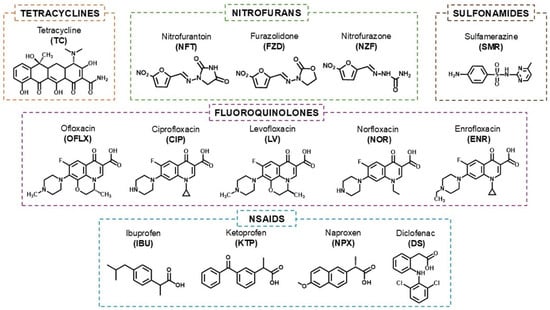
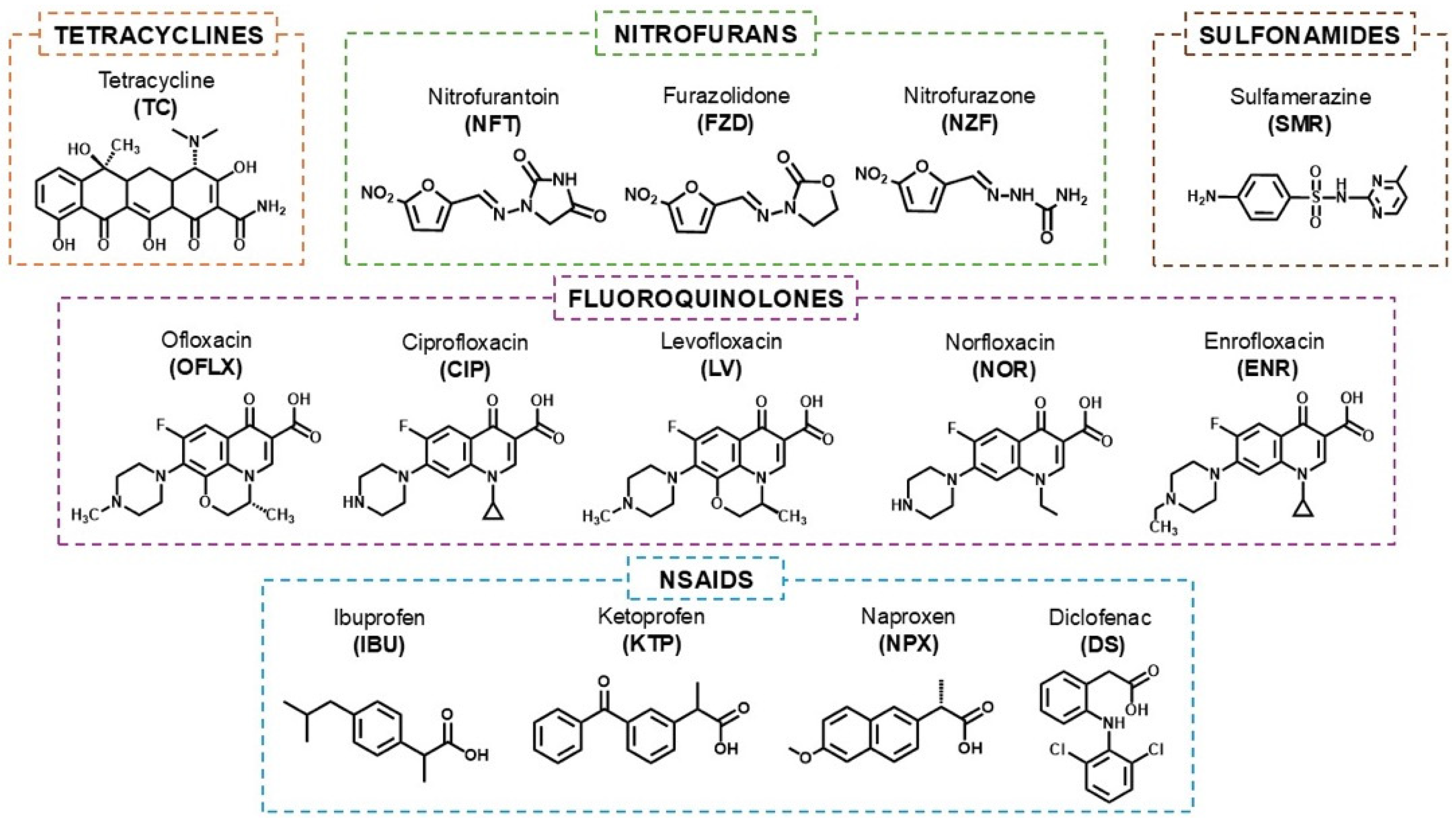
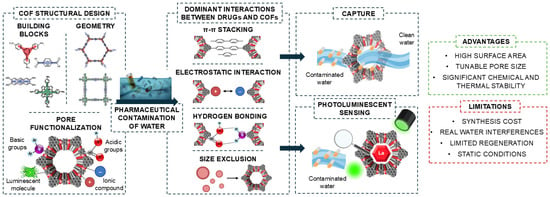
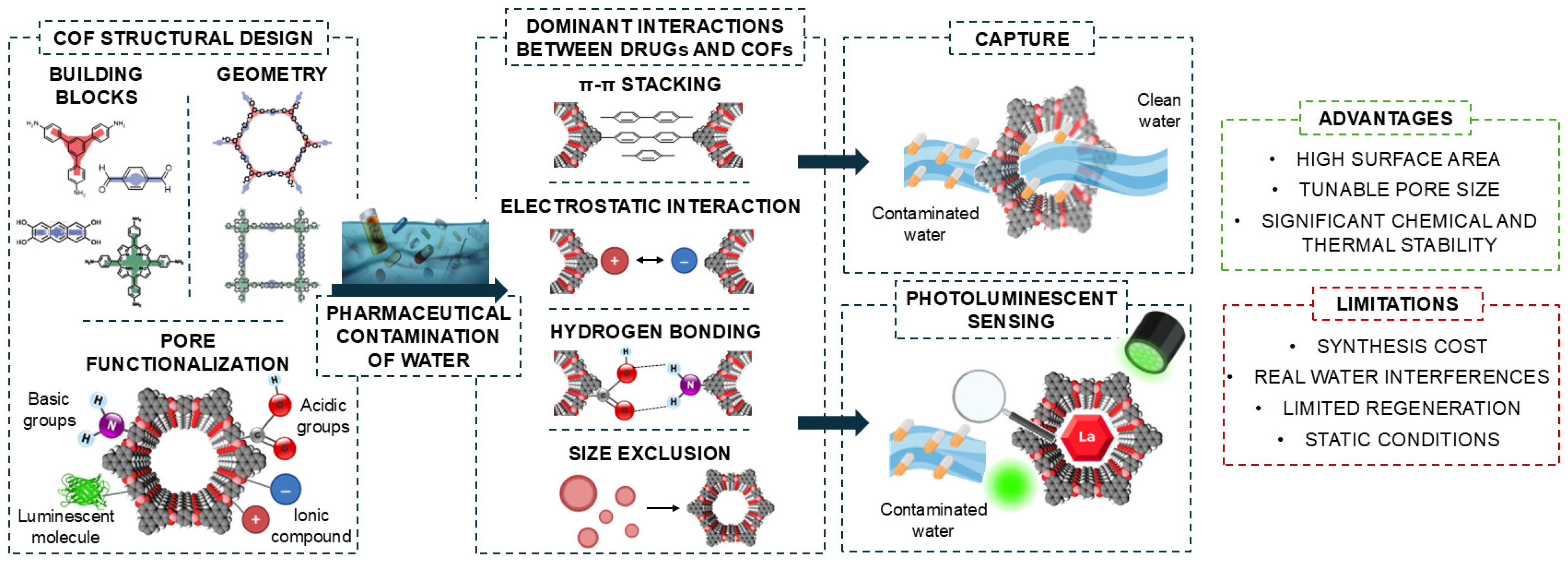
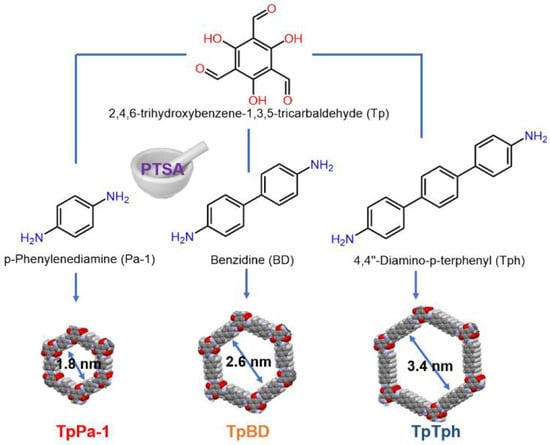
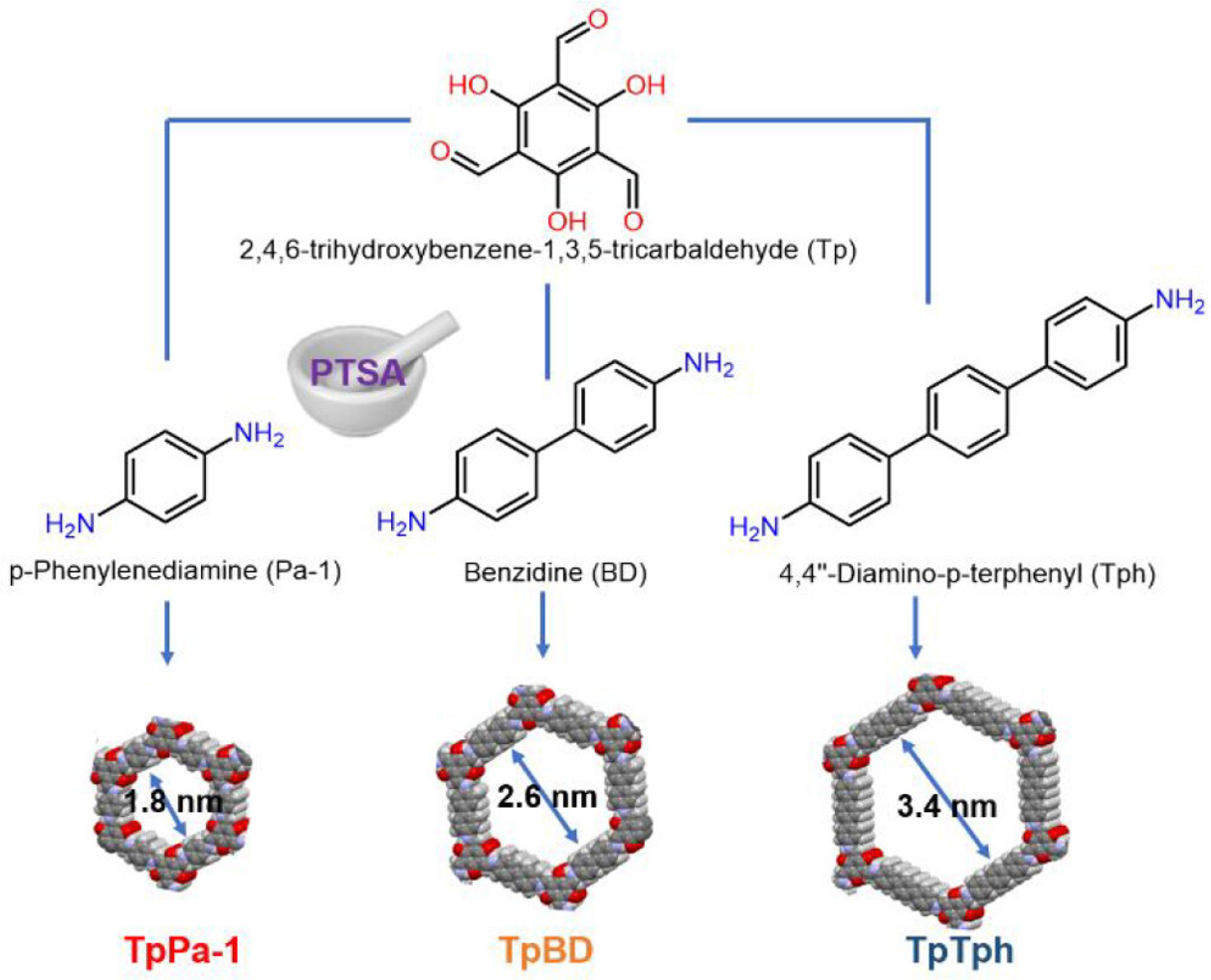
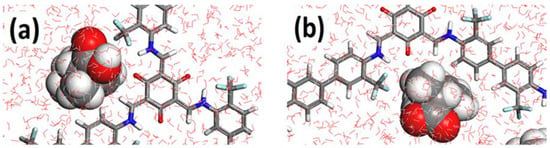
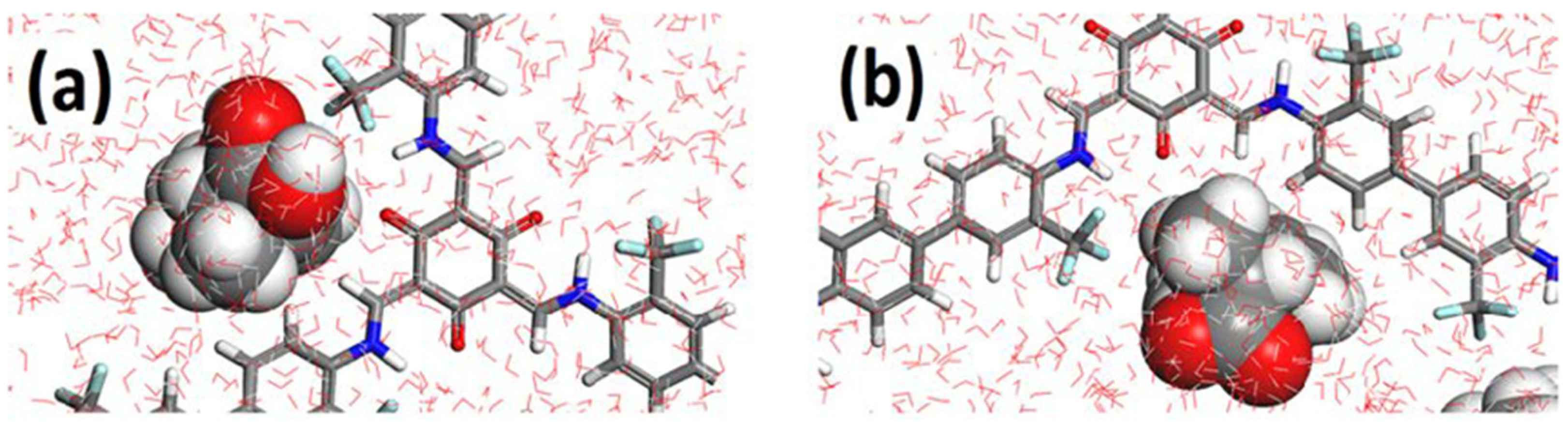
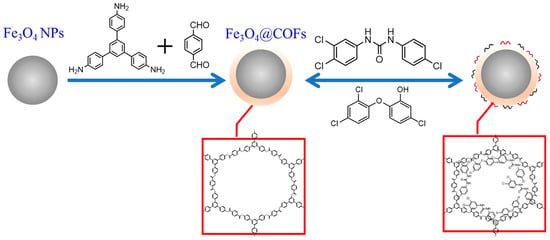
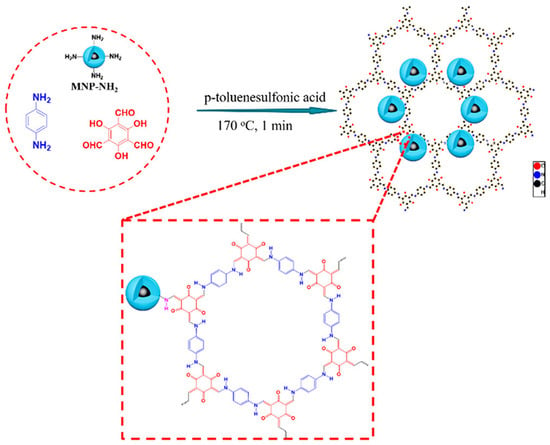
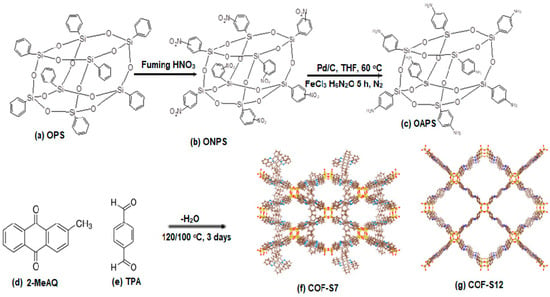
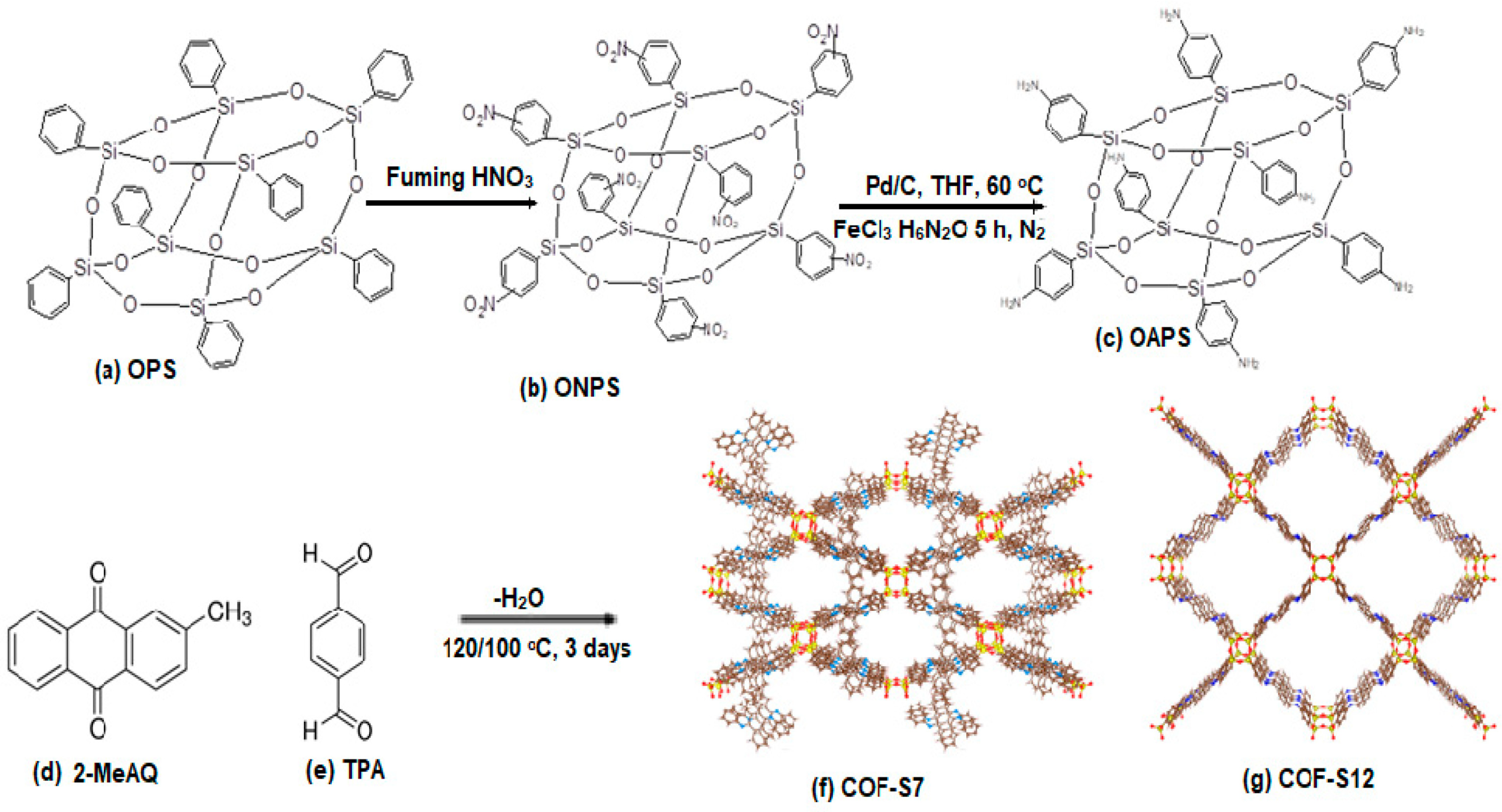
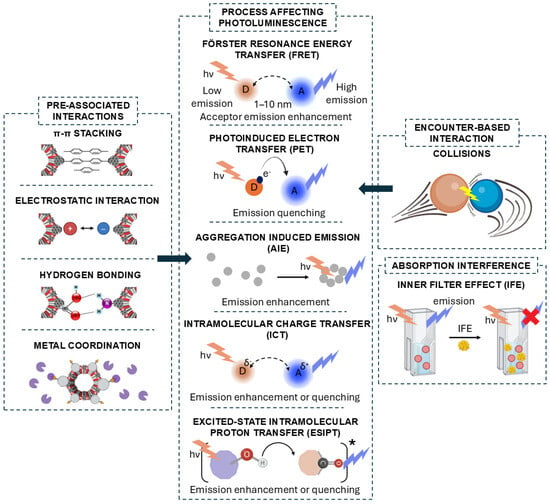
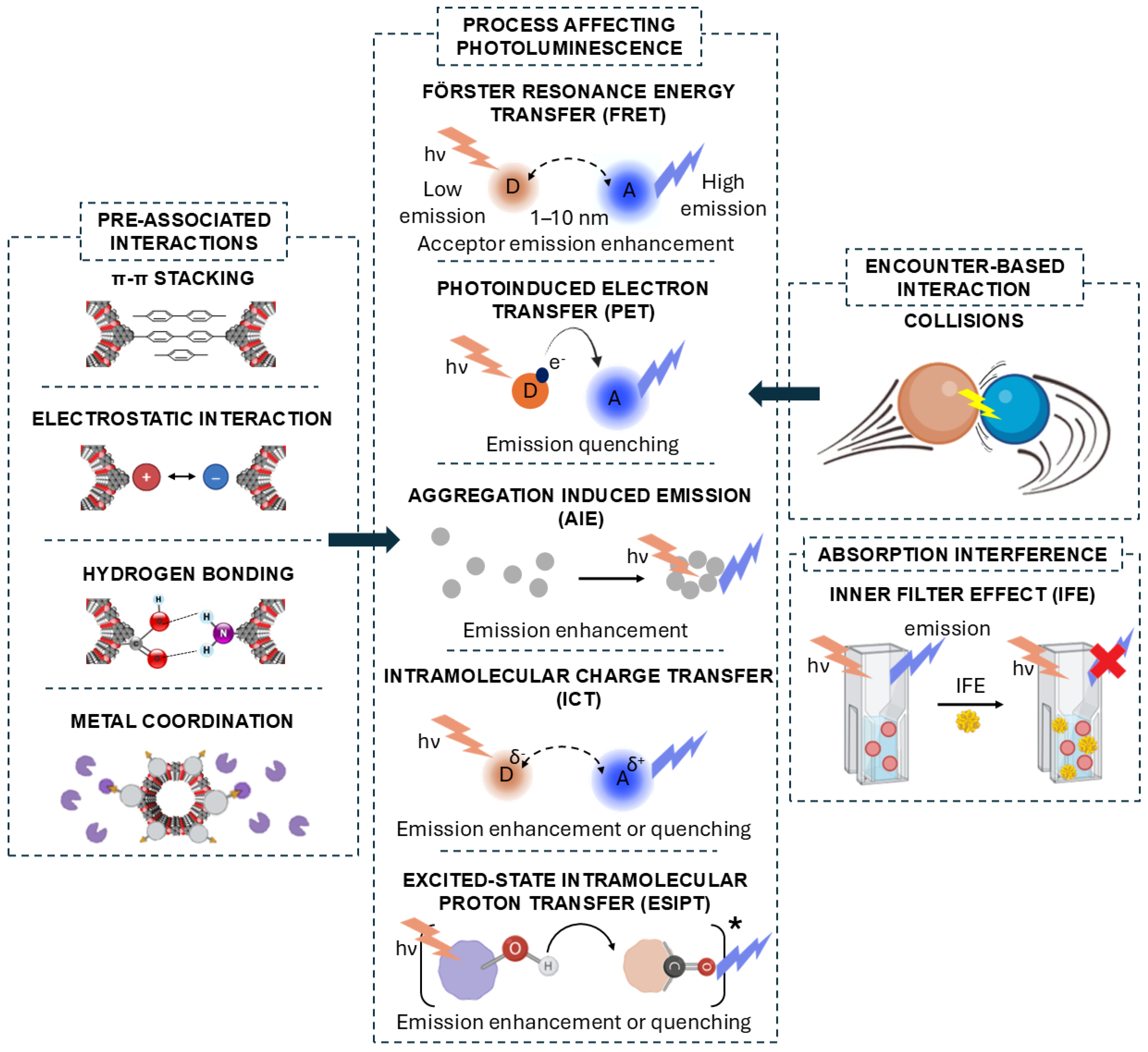
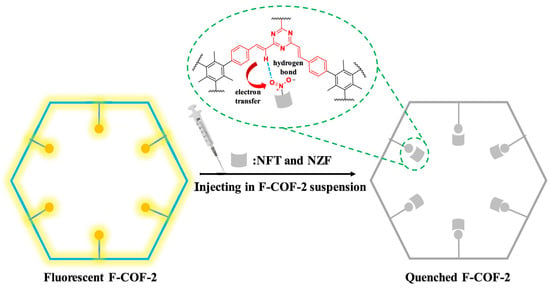
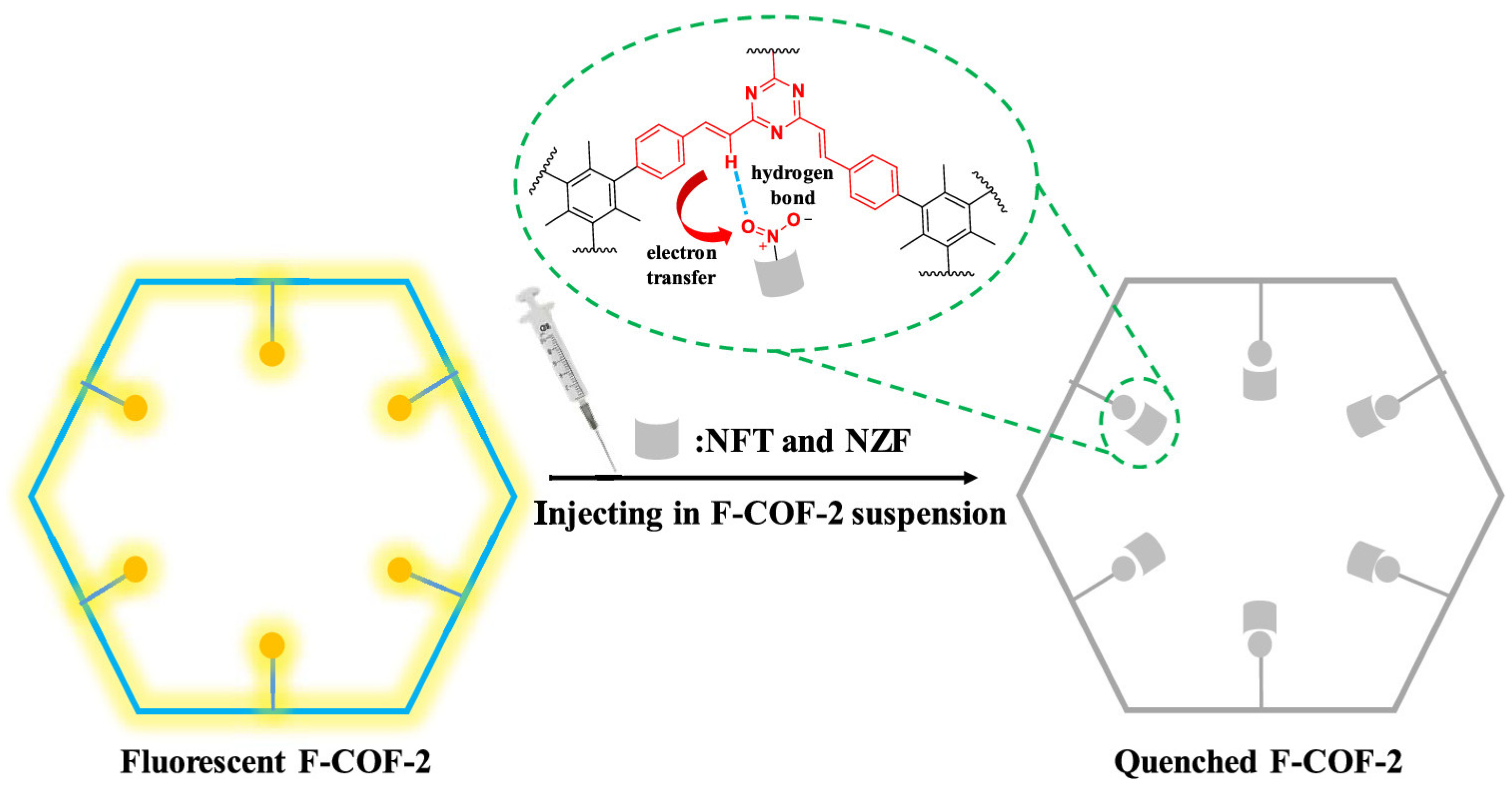
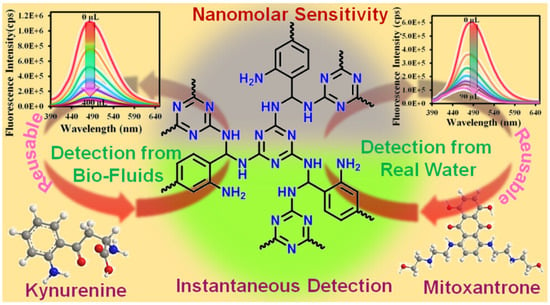
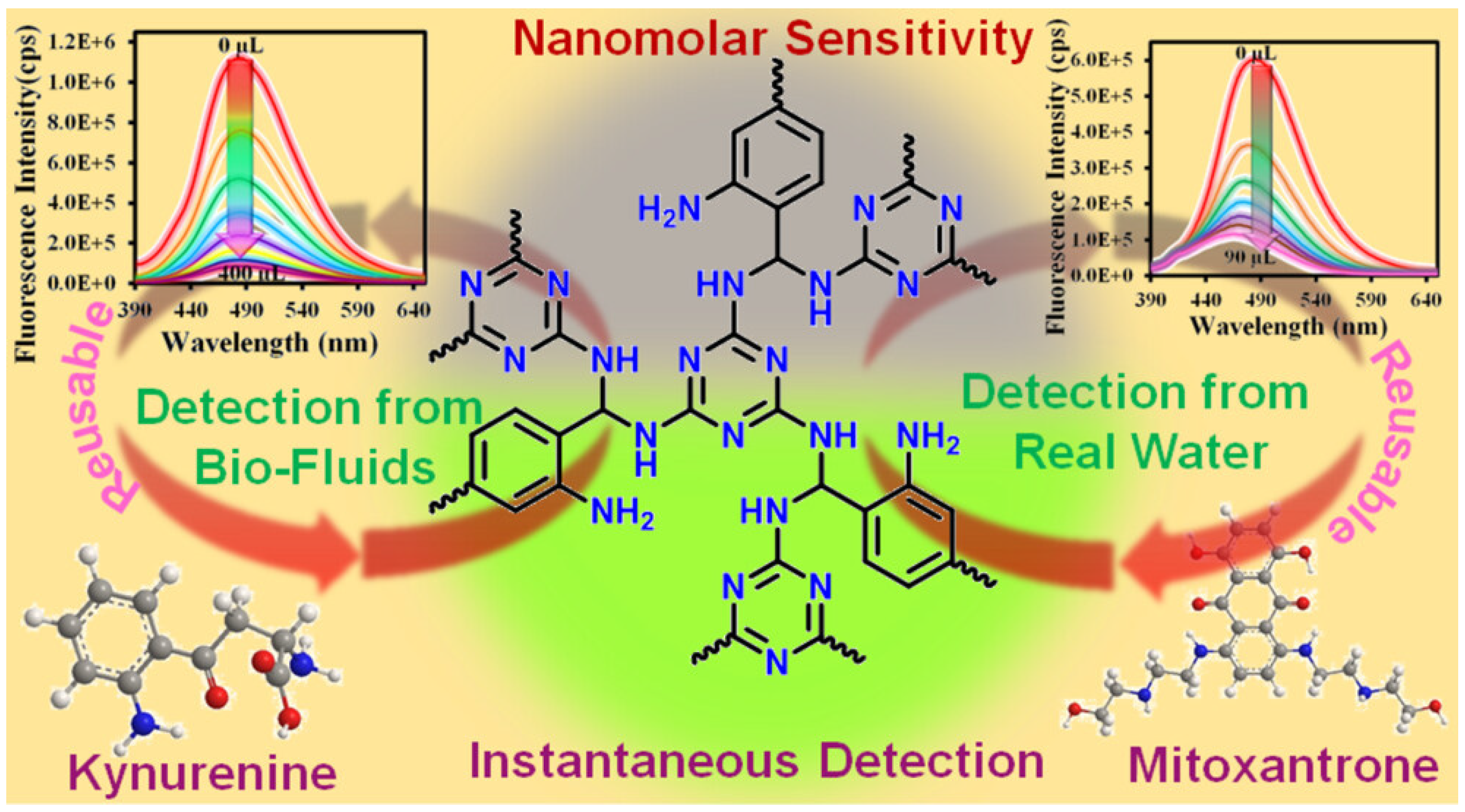
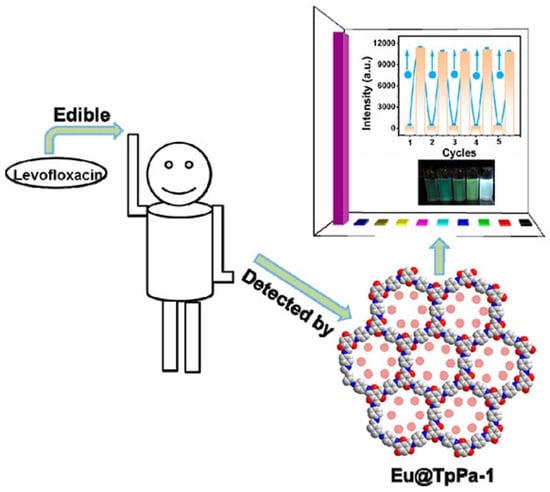
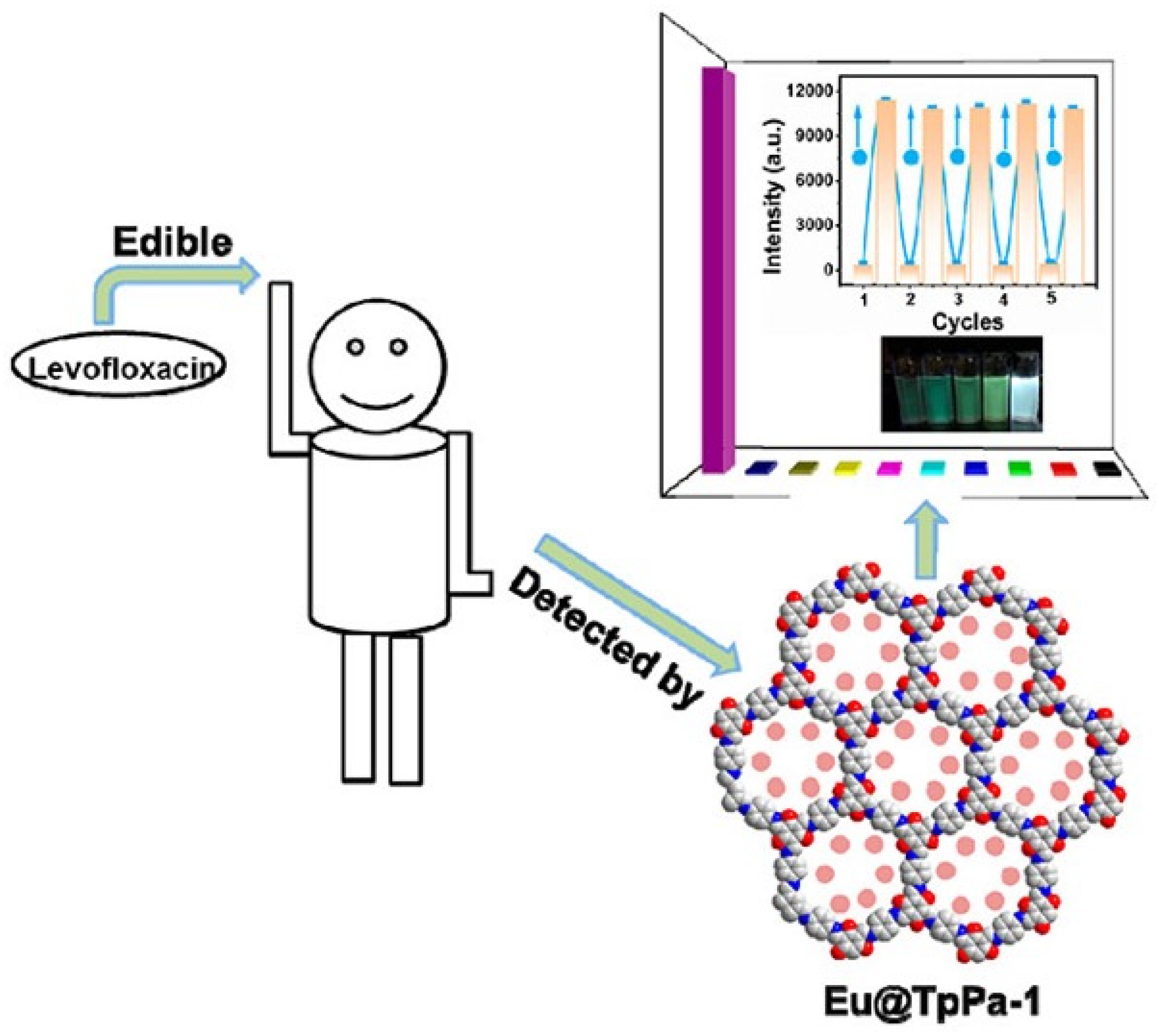
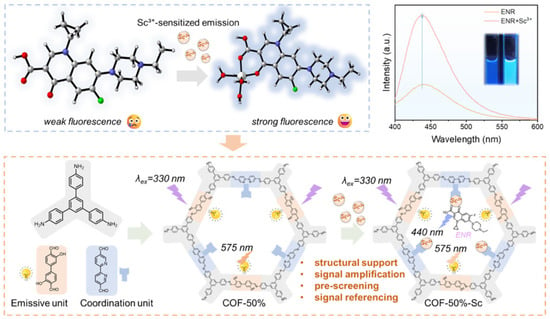
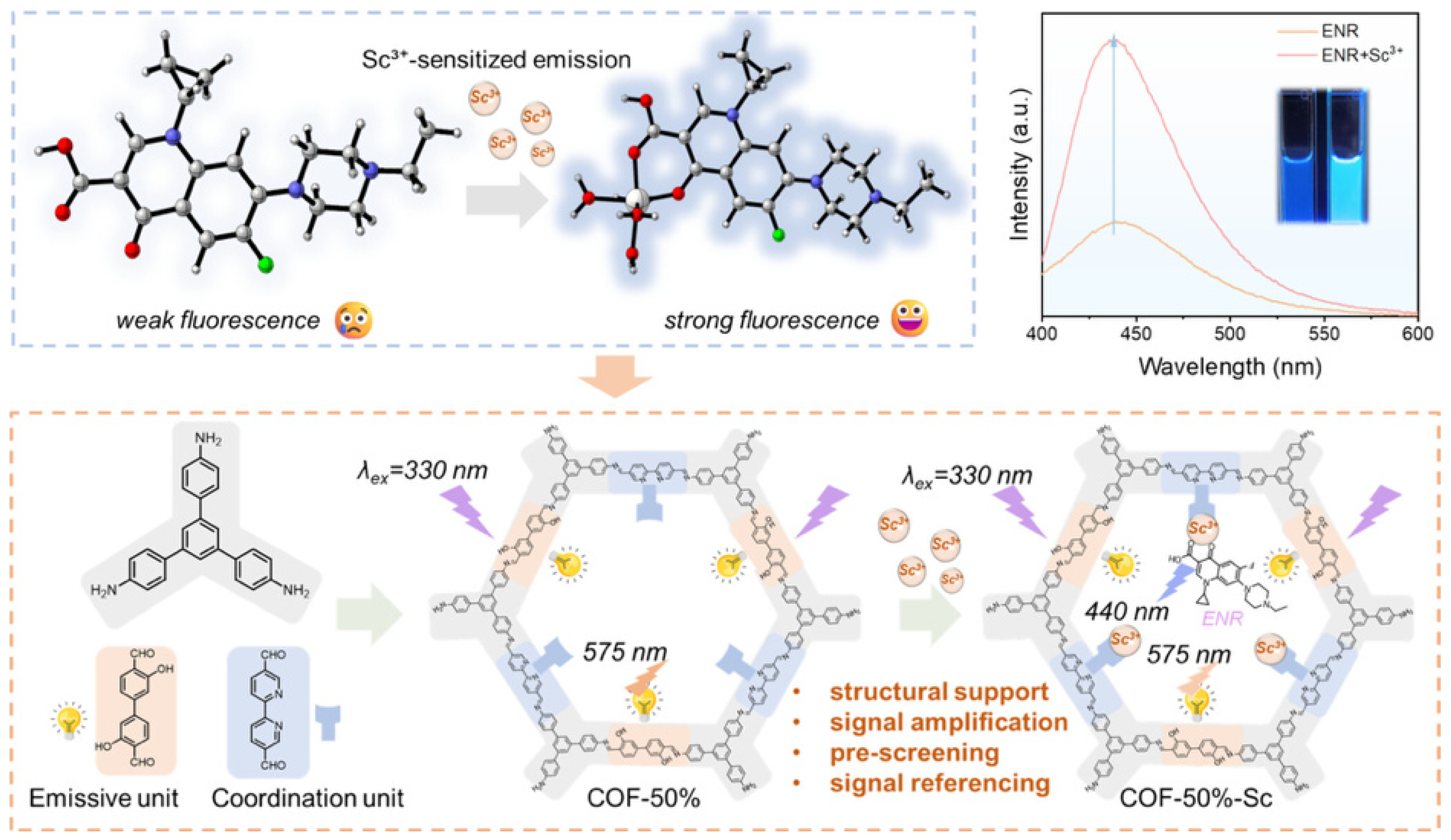

Disclaimer/Publisher’s Note: The statements, opinions and data contained in all publications are solely those of the individual author(s) and contributor(s) and not of MDPI and/or the editor(s). MDPI and/or the editor(s) disclaim responsibility for any injury to people or property resulting from any ideas, methods, instructions or products referred to in the content. |
© 2026 by the authors. Licensee MDPI, Basel, Switzerland. This article is an open access article distributed under the terms and conditions of the Creative Commons Attribution (CC BY) license.